



Cody Pirkl
-
Posts
1,314 -
Joined
-
Last visited
-
Days Won
4
Content Type
Profiles
News
Minnesota Twins Videos
2026 Minnesota Twins Top Prospects Ranking
2022 Minnesota Twins Draft Picks
Minnesota Twins Free Agent & Trade Rumors, Notes, & Tidbits
Guides & Resources
2023 Minnesota Twins Draft Picks
The Minnesota Twins Players Project
2024 Minnesota Twins Draft Picks
2025 Minnesota Twins Draft Pick Tracker
2026 Minnesota Twins Draft Tracker: Picks & Bonuses
Forums
Blogs
Events
Store
Downloads
Gallery
Everything posted by Cody Pirkl
-
Josh Winder’s 2021 breakout minor league season seems like a long time ago, as the 27-year-old is still looking for his footing in the MLB. Could a new pitch be his ticket to contributing to the MLB roster in 2024? Image courtesy of Jonathan Dyer, USA TODAY Sports Josh Winder appeared to be a late-round draft success story in 2021 when he posted a sub 2.00 ERA in Double-A while striking out more than a batter per inning. Health has gotten in his way since, as has a fastball that has been crushed when he’s been healthy. Now a reliever, Winder appeared to find a way to adjust in 2023 with a new pitch. Could it make him a legitimate bullpen piece moving forward? Winder has an excellent set of secondary pitches. His slider was his most used pitch, holding hitters to a sub-.200 average and sub .300 slugging percentage. His changeup was more than adequate for holding down left-handed hitters. A mid-90s fastball should be plenty to make him an adequate reliever, if not a dominant one. Unfortunately, that fastball just hasn’t gotten it done. In his two seasons of MLB action, Winder’s fastball has allowed 11 of the 14 homers he’s allowed in his career. The pitch had significant red flags in 2022 before getting hit even harder in 2023. Last season, Winder’s heater allowed an average exit velocity of 95.7 mph. Shohei Ohtani had an average exit velocity of 94.4 in 2023. Finally, in August, Winder and the Twins made a change. Instead of chasing whiffs with a four-seam up in the zone, they opted for less damaging contact. Winder added a sinker and threw it 5.5% of the time in August and 12.5% of the time in September. In an admittedly small sample, it worked. It’s probably safe to assume that Winder will continue to hone his new fastball headed into 2024. The shape makes it a liability, no matter how hard he throws his four-seam. It’s time to try something new, even if it comes at the cost of a few whiffs. Health has likely sapped Winder’s hopes of carving out a rotation spot at this point and leaning on a sinker may limit his upside in the bullpen as his strikeouts likely decrease. Still, the Twins won’t rely on Winder to develop into a high-leverage reliever with Brock Stewart, Griffin Jax, and Jhoan Duran in the fold. Instead, a successful spring could earn Winder a middle relief role, where the Twins came up short plenty of times early on in the 2023 season. Replacing his four-seam fastball with even an average sinker should result in more consistency, and his pitch sequencing will be interesting to watch. His four-seam only had a 6.5% whiff rate, and it’s possible a sinker wouldn’t have much of a drop-off in whiffs, if any. The book still needs to be written on Josh Winder, and while he may not wind up in the rotation as we once hoped, he still has the opportunity to be a valuable pitcher for the Twins moving forward. He has an option remaining, making him flexible for how the Twins cycle the roster. Despite being 27 years old, he won’t be arbitration-eligible until 2026. The Twins have every reason to give Winder a chance to succeed in 2024, and the early results on his sinker say he could be a surprise contributor. Is Josh Winder’s new fastball worth being excited about? Could he find himself pitching in the middle innings in 2024? Let us know below! View full article
-
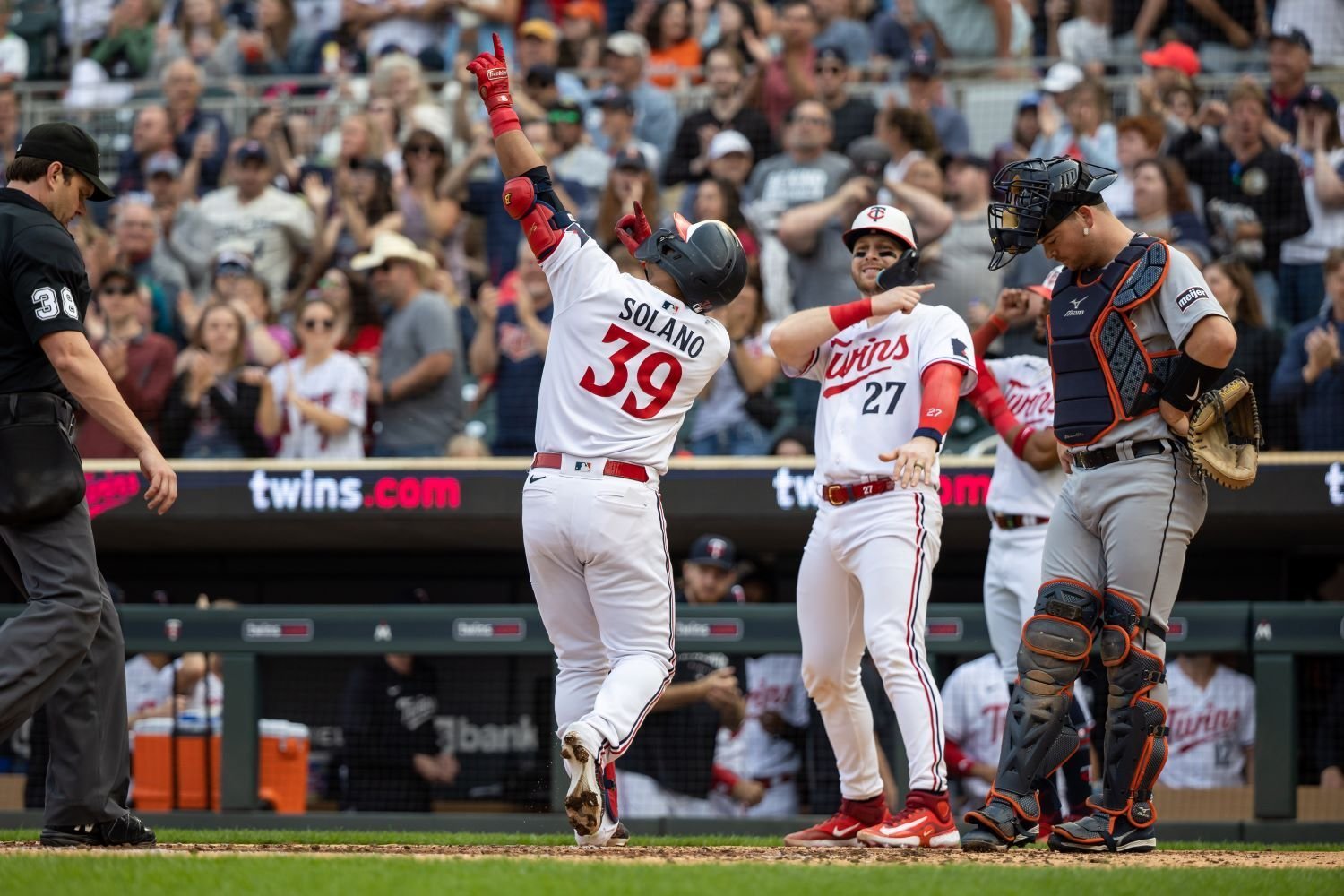 After being added to the roster just over a month before the season began, Donovan Solano played a surprisingly significant role for the Twins in 2023. He publicly announced that he would like to join the Twins roster again in 2024. Is there a realistic fit? Solano performed exceptionally well in 2023. He appeared in 134 games, slashing .282/.369/.391. He was 16 percent above a league-average hitter in his age-35 season, while mixing in at first, second, and third base. He was also a great counterbalance in the record-settingly strikeout-prone lineup, only whiffing 22.2 percent of the time. For such a versatile complementary player, the Twins could look to bring him back, though it’s far from a straightforward decision. Solano would undoubtedly be returning in the same role he had in 2023. He can be the right-handed platoon option for a (hopefully healthy) Alex Kirilloff at first base, cycling into the DH spot against southpaws and sprinkling in some time across the rest of the infield as needed. The problem is that the Twins may be less in need of such a role than ever. In addition to players such as Edouard Julien and Royce Lewis cementing themselves in the Twins' everyday lineup, we should expect to see more prospects (such as Austin Martin and Brooks Lee) debut in 2024. Despite Jose Miranda’s disastrous 2023, he remains an obvious candidate to fill in as a right-handed platoon partner for Kirilloff or the DH spot. He’ll be cheaper in 2024, and the upside is likely higher for Miranda, if he returns to good health. Making matters even more complicated, the Twins tendered a contract to Kyle Farmer, who can fill in at all the same positions as Solano and then some. If the Twins want to insulate themselves against injuries to the same extent that they did last year when they brought Solano in, they might do it differently. At this point, the most significant injury concern has to be Kirilloff. The former top prospect has suffered from several season-ending injuries, to the point where the Twins may want to consider a backup or platoon mate with him at first base, capable of providing a lot more should Kirilloff continue to miss time. Given the Twins reportedly reducing payroll, it may seem unlikely that they will bring in a big bat at this point. Still, they may be shedding some salary in trade and could view a legitimate option for first base as a priority, behind a starting pitcher. Solano had a great 2023 season, but acquiring a higher-caliber bat may be a wiser investment if someone like Polanco or Kepler is shipped out. Even with all of these considerations, it’s possible to envision a reunion. The roster is far from a finished product. The Twins appear to be waiting for the uncertainty around their expired TV deal and future broadcast rights to be resolved, and for more of the market to develop. When things get rolling, we may see multiple players of all calibers and positions shipped out in trade, opening a door for Donny Barrels. He may have increased risk due to age, but even after his outstanding 2023 season, Solano probably won’t break the bank. It will come down to his fit on the roster, and whether the Twins will look to continue to accumulate as much depth as possible. Are we better off letting Donovan Solano sign elsewhere in 2024? Should the Twins give him a call if a spot opens, or even prioritize a Donny Barrels reunion? Let us know below!
 -
Donovan Solano has made it known that he’d love a reunion with the Minnesota Twins. Is there a fit for the surprise 2023 contributor on the 2024 squad? Image courtesy of Jordan Johnson-USA TODAY Sports After being added to the roster just over a month before the season began, Donovan Solano played a surprisingly significant role for the Twins in 2023. He publicly announced that he would like to join the Twins roster again in 2024. Is there a realistic fit? Solano performed exceptionally well in 2023. He appeared in 134 games, slashing .282/.369/.391. He was 16 percent above a league-average hitter in his age-35 season, while mixing in at first, second, and third base. He was also a great counterbalance in the record-settingly strikeout-prone lineup, only whiffing 22.2 percent of the time. For such a versatile complementary player, the Twins could look to bring him back, though it’s far from a straightforward decision. Solano would undoubtedly be returning in the same role he had in 2023. He can be the right-handed platoon option for a (hopefully healthy) Alex Kirilloff at first base, cycling into the DH spot against southpaws and sprinkling in some time across the rest of the infield as needed. The problem is that the Twins may be less in need of such a role than ever. In addition to players such as Edouard Julien and Royce Lewis cementing themselves in the Twins' everyday lineup, we should expect to see more prospects (such as Austin Martin and Brooks Lee) debut in 2024. Despite Jose Miranda’s disastrous 2023, he remains an obvious candidate to fill in as a right-handed platoon partner for Kirilloff or the DH spot. He’ll be cheaper in 2024, and the upside is likely higher for Miranda, if he returns to good health. Making matters even more complicated, the Twins tendered a contract to Kyle Farmer, who can fill in at all the same positions as Solano and then some. If the Twins want to insulate themselves against injuries to the same extent that they did last year when they brought Solano in, they might do it differently. At this point, the most significant injury concern has to be Kirilloff. The former top prospect has suffered from several season-ending injuries, to the point where the Twins may want to consider a backup or platoon mate with him at first base, capable of providing a lot more should Kirilloff continue to miss time. Given the Twins reportedly reducing payroll, it may seem unlikely that they will bring in a big bat at this point. Still, they may be shedding some salary in trade and could view a legitimate option for first base as a priority, behind a starting pitcher. Solano had a great 2023 season, but acquiring a higher-caliber bat may be a wiser investment if someone like Polanco or Kepler is shipped out. Even with all of these considerations, it’s possible to envision a reunion. The roster is far from a finished product. The Twins appear to be waiting for the uncertainty around their expired TV deal and future broadcast rights to be resolved, and for more of the market to develop. When things get rolling, we may see multiple players of all calibers and positions shipped out in trade, opening a door for Donny Barrels. He may have increased risk due to age, but even after his outstanding 2023 season, Solano probably won’t break the bank. It will come down to his fit on the roster, and whether the Twins will look to continue to accumulate as much depth as possible. Are we better off letting Donovan Solano sign elsewhere in 2024? Should the Twins give him a call if a spot opens, or even prioritize a Donny Barrels reunion? Let us know below! View full article
-
The baseball world, particularly in Twins territory, had frozen over this offseason as little Twins-related news had popped up since the end of the 2023 season. That all changed when Miguel Sano hit the home run that echoed throughout Minnesota. Image courtesy of Paul Rutherford-USA TODAY Sports The former Twins slugger Miguel Sano has taken a hiatus from the MLB since a knee injury ended his 2022 season. After a midseason workout in 2023 failed to draw in more suitors, Sano returned home to the Dominican Republic where he joined the winter league. In what has been an offseason with little to talk about, Sano sent Twins fans into a frenzy. Okay, maybe frenzy is aggressive, but anything constitutes Twins news these days. The former Twins' top prospect and lineup mainstay is attempting a comeback for 2024 and is hoping to draw eyes while playing for the Estrellas Orientales. In just under 30 games thus far, Sano hasn’t lit the world on fire with a sub-.800 OPS. His trademark power hasn’t been displayed very often, but the home run he hit recently had Twins fans reminiscing about the good old days. It’s certainly possible that some team will give Sano a shot in 2024, perhaps on a minor-league deal. Could a reunion be in the cards? To be honest, probably not. The Twins have come a long way from their “Bomba Squad” identity, with a new style overall and an almost wholly reworked core. Not that they couldn’t use another power bat, but Sano isn’t a great fit. Alex Kirilloff is presumed to be the starting first baseman in 2024. While he could use a right-handed platoon option to offset him, Sano isn’t a fit for the role. The Twins also like to rotate players around the DH spot. Sano bouncing back to the degree that warrants at-bats as a designated hitter is a long way, and even if all goes perfectly, the Twins would likely prefer to keep things flexible. It is also a good idea to take a year off from dedicating a lineup spot to a bat guaranteed to strike out 35+% of the time. Even on a minor-league deal without risk, the Twins may be better off giving opportunities to younger players like Chris Williams or Aaron Sabato, even though their ceilings may not be incredibly high. Between the Twins and Sano, one or both parties may prefer to recognize and appreciate the past and turn the page. Hopefully, we see more Miguel Sano highlights this winter, and he can put up numbers to draw some MLB attention. It’s unlikely this will come from the Twins. Will Sano make a big comeback in 2024? Should the Twins be interested at all? Let us know below! View full article
-
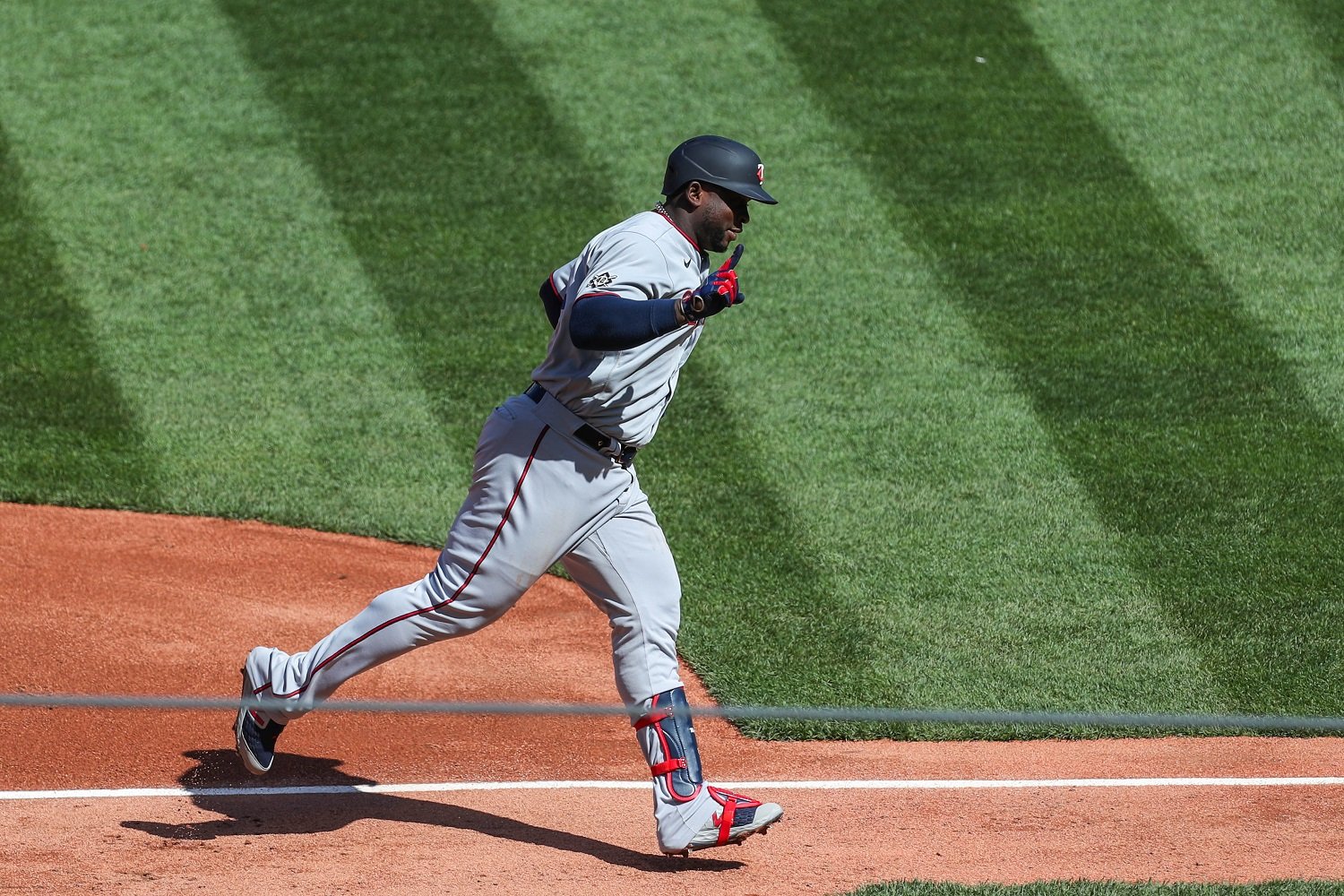 The former Twins slugger Miguel Sano has taken a hiatus from the MLB since a knee injury ended his 2022 season. After a midseason workout in 2023 failed to draw in more suitors, Sano returned home to the Dominican Republic where he joined the winter league. In what has been an offseason with little to talk about, Sano sent Twins fans into a frenzy. Okay, maybe frenzy is aggressive, but anything constitutes Twins news these days. The former Twins' top prospect and lineup mainstay is attempting a comeback for 2024 and is hoping to draw eyes while playing for the Estrellas Orientales. In just under 30 games thus far, Sano hasn’t lit the world on fire with a sub-.800 OPS. His trademark power hasn’t been displayed very often, but the home run he hit recently had Twins fans reminiscing about the good old days. It’s certainly possible that some team will give Sano a shot in 2024, perhaps on a minor-league deal. Could a reunion be in the cards? To be honest, probably not. The Twins have come a long way from their “Bomba Squad” identity, with a new style overall and an almost wholly reworked core. Not that they couldn’t use another power bat, but Sano isn’t a great fit. Alex Kirilloff is presumed to be the starting first baseman in 2024. While he could use a right-handed platoon option to offset him, Sano isn’t a fit for the role. The Twins also like to rotate players around the DH spot. Sano bouncing back to the degree that warrants at-bats as a designated hitter is a long way, and even if all goes perfectly, the Twins would likely prefer to keep things flexible. It is also a good idea to take a year off from dedicating a lineup spot to a bat guaranteed to strike out 35+% of the time. Even on a minor-league deal without risk, the Twins may be better off giving opportunities to younger players like Chris Williams or Aaron Sabato, even though their ceilings may not be incredibly high. Between the Twins and Sano, one or both parties may prefer to recognize and appreciate the past and turn the page. Hopefully, we see more Miguel Sano highlights this winter, and he can put up numbers to draw some MLB attention. It’s unlikely this will come from the Twins. Will Sano make a big comeback in 2024? Should the Twins be interested at all? Let us know below!
 -
The Twins 2023 season was saved by players who began the year in the minor leagues. With MLB rosters always in flux, which players could fill similar roles for the team in 2024? Image courtesy of Jesse Johnson-USA TODAY Sports The Twins needed a spark a few months into the 2023 season, and after a surprising lack of change a few months into the season, a few players found themselves with an opportunity in the big leagues. Who might we see filling these same roles in 2024? 2023 Louie Varland: David Festa Varland was buried on the depth chart to start the season, but was eventually called upon to help fill the rotation. He did reasonably well, but was returned to the minors when other arms got healthy. He was recalled down the stretch as a reliever, playing a valuable role in the bullpen during the final few weeks. He even made the postseason roster. David Festa is similarly buried, but is the Twins’ closest pitching prospect to MLB. Should the injury bug bite the team again, it’s likely we see Festa debut in 2024. It’s hard to count on him being an immediate impact starter, but his high-90s fastball and plus slider would play up in short stints if the Twins need another starter to transition to the bullpen at the end of 2024. It’s easy to see a scenario in which he follows the same path as Varland. 2023 Bailey Ober: Louie Varland Ober was stuck in Triple A to begin this season. It didn’t take long for him to get his shot, though, and there were points after his callup when he was one of the Twin's best starting pitchers. After a while, the Twins decided they couldn’t send him back down to St. Paul. Varland is expected to be stuck in Triple A to begin 2024, assuming the Twins add another starting pitcher. It’s reasonable to think he’ll be their first call when they need a starter, assuming he hasn’t moved to a full-time bullpen role by then. With a proper four-pitch mix, it’s easy to see Varland becoming an asset for the rotation if given another shot. 2023 Matt Wallner: Yunior Severino Wallner was stuck in St. Paul for too long in 2023, largely because of his swing-and-miss issues. It didn’t matter how much he punished opposing pitchers; the Twins refused to allow him to earn a job in MLB until they had no remaining alternative. Wallner, of course, was a huge reason the lineup eventually turned around. Severino plays the corner infield spots, instead of the outfield, and he walks a good bit less than Wallner. Like Wallner, his power is legit, as evidenced by the 35 homers he hit between Wichita and St. Paul in 2023. He struck out over 35 percent of the time in St. Paul, but the Twins protected him from the Rule 5 draft, making it likely he will debut sometime in 2024. While he has a volatile offensive profile, the damage his bat is capable of makes him a candidate to make a significant impact immediately. 2023 Edouard Julien: Brooks Lee Julien may not have had top-100 prospect pedigree, but he was highly thought-of heading into 2023. When the infield injuries piled up, Julien made his debut, and eventually, it became apparent that they couldn’t afford to send him back to St. Paul. He became a top-of-the-lineup hitter and established himself as a special player and a piece of the Twins' core. Lee has been playing shortstop, but can move all around the diamond. It’s likely he’s the first call should there be an opening, and the former No. 8 overall pick can perform at a level that keeps him from ever being sent back down. Lee would profile well as a No. 2 hitter in the order, and watching the first three at-bats of any given game go to Julien, Lee, and Royce Lewis should be an exciting thought. Lee will almost certainly get a chance in 2024, and he may perform too well ever to be demoted again. Are there any minor leaguers who could play the 2024 version of other players who burst onto the scene in 2023? Let us know below! View full article
-
 The Twins needed a spark a few months into the 2023 season, and after a surprising lack of change a few months into the season, a few players found themselves with an opportunity in the big leagues. Who might we see filling these same roles in 2024? 2023 Louie Varland: David Festa Varland was buried on the depth chart to start the season, but was eventually called upon to help fill the rotation. He did reasonably well, but was returned to the minors when other arms got healthy. He was recalled down the stretch as a reliever, playing a valuable role in the bullpen during the final few weeks. He even made the postseason roster. David Festa is similarly buried, but is the Twins’ closest pitching prospect to MLB. Should the injury bug bite the team again, it’s likely we see Festa debut in 2024. It’s hard to count on him being an immediate impact starter, but his high-90s fastball and plus slider would play up in short stints if the Twins need another starter to transition to the bullpen at the end of 2024. It’s easy to see a scenario in which he follows the same path as Varland. 2023 Bailey Ober: Louie Varland Ober was stuck in Triple A to begin this season. It didn’t take long for him to get his shot, though, and there were points after his callup when he was one of the Twin's best starting pitchers. After a while, the Twins decided they couldn’t send him back down to St. Paul. Varland is expected to be stuck in Triple A to begin 2024, assuming the Twins add another starting pitcher. It’s reasonable to think he’ll be their first call when they need a starter, assuming he hasn’t moved to a full-time bullpen role by then. With a proper four-pitch mix, it’s easy to see Varland becoming an asset for the rotation if given another shot. 2023 Matt Wallner: Yunior Severino Wallner was stuck in St. Paul for too long in 2023, largely because of his swing-and-miss issues. It didn’t matter how much he punished opposing pitchers; the Twins refused to allow him to earn a job in MLB until they had no remaining alternative. Wallner, of course, was a huge reason the lineup eventually turned around. Severino plays the corner infield spots, instead of the outfield, and he walks a good bit less than Wallner. Like Wallner, his power is legit, as evidenced by the 35 homers he hit between Wichita and St. Paul in 2023. He struck out over 35 percent of the time in St. Paul, but the Twins protected him from the Rule 5 draft, making it likely he will debut sometime in 2024. While he has a volatile offensive profile, the damage his bat is capable of makes him a candidate to make a significant impact immediately. 2023 Edouard Julien: Brooks Lee Julien may not have had top-100 prospect pedigree, but he was highly thought-of heading into 2023. When the infield injuries piled up, Julien made his debut, and eventually, it became apparent that they couldn’t afford to send him back to St. Paul. He became a top-of-the-lineup hitter and established himself as a special player and a piece of the Twins' core. Lee has been playing shortstop, but can move all around the diamond. It’s likely he’s the first call should there be an opening, and the former No. 8 overall pick can perform at a level that keeps him from ever being sent back down. Lee would profile well as a No. 2 hitter in the order, and watching the first three at-bats of any given game go to Julien, Lee, and Royce Lewis should be an exciting thought. Lee will almost certainly get a chance in 2024, and he may perform too well ever to be demoted again. Are there any minor leaguers who could play the 2024 version of other players who burst onto the scene in 2023? Let us know below!
- 19 comments
-
- 7
-

-
- matt wallner
- louis varland
- (and 2 more)
-
Which Twins are Untouchable?
Cody Pirkl replied to Cody Pirkl's topic in Twins Daily Front Page News
I've got Julien right on the line of untouchable personally but his defensive questions make me wonder if they wouldn't listen if a team really wanted him. I'd love to keep him because to debut as a leadoff caliber hitter with such elite plate discipline has me dreaming of what he could be if he continues to adjust.- 48 replies
-
- 1
-
-
- pablo lopez
- brooks lee
- (and 2 more)
-
Which Twins are Untouchable?
Cody Pirkl replied to Cody Pirkl's topic in Twins Daily Front Page News
I think this is more of a testament to the point about minor leaguers being deemed untouchable. As Kirilloff ascended through the system, some people did in fact feel he was untouchable. Now he's made it to the majors and has major injury concerns and has yet to have sustained success, and there's question of whether he could be sold at his peak before it's too established that he's not the caliber of player many people hoped. Royce on the other hand struggled in the minors in addition to having significant injury issues, but has been a flat out dominant MLB caliber player since his debut. I think the latter scenario is the more likely scenario where a player would be considered off the table. Both are former top prospects but now that they're both in the MLB, their minor league production is irrelevant. The one proving they can produce at an elite level in the MLB is the one the team is going to want to build around.- 48 replies
-
- 1
-
-
- pablo lopez
- brooks lee
- (and 2 more)
-
Which Twins are Untouchable?
Cody Pirkl replied to Cody Pirkl's topic in Twins Daily Front Page News
In my opinion, the difference between Lopez being untouchable for the Twins and Gilbert being attainable from Seattle is the team context. If Seattle trades Gilbert, they have George Kirby and Luis Castillo to lead their rotation along with several other high upside young arms with years of team control like Brian Woo and Bryce Miller. They also need offensive help if they want to contend, making their depth at SP an obvious place to deal from. If the Twins traded Pablo Lopez, there isn't much they could realistically get in return that make the trade worth it. They just lost Sonny Gray, and while guys like Joe Ryan and Bailey Ober are nice pieces, the rotation is going to wind up in a much worse place. They don't need a monster bat back in a Pablo Lopez trade, and they aren't trading their front line starting pitcher for another front line starting pitcher. He's arguably the most important piece of the pitching staff, whereas Logan Gilbert is just one Seattle's impressive starting pitchers. Both players likely have similar value on the trade market, but what they could bring back in return is much more useful to Seattle's roster than Minnesota's.- 48 replies
-
- 4
-
-
- pablo lopez
- brooks lee
- (and 2 more)
-
Which Twins are Untouchable?
Cody Pirkl replied to Cody Pirkl's topic in Twins Daily Front Page News
He was doing quite a bit better defensively down the stretch last year at 2B, and his bat plays at 1B/DH as well. I don't think he's untouchable, but his bat may turn out to be elite. -
 Generally, only a few players in a given MLB organization can be considered entirely off the table. The concept of an “untouchable” player may differ from person to person, and from circumstance to circumstance. Still, it’s essential to consider how the Twins may consider this definition and who fits it within the organization. Untouchable status deals with factors from both the trading and receiving team. What does this player mean to the Twins and how they plan to operate going forward? How much risk does the player carry for the acquiring team, and how much does that weigh into how much they're willing to pay? In some situations, questions such as these just won't line up to create a realistic deal that each team is willing to agree to. Not every GM is Jerry Dipoto willing to take on considerable risk. Regarding an MLB-ready player, being considered untouchable often has more to do with what they could bring back in a realistic trade and whether it would outweigh the value the player is already providing to the team. Julio Rodriguez is likely an untouchable asset for the Seattle Mariners as a young, perennial MVP candidate center fielder. They could surely get a haul if they made him available in trade. Still, his value as an already-established MLB player will likely outweigh the value of just about any realistic combination of prospects who have yet to prove it in The Show. He’s also become the face of the franchise and a fan favorite, so it’s almost impossible to imagine him on the move anytime soon. It should be even more challenging to consider prospects untouchable. This classification would be based entirely on how much value a team thinks they could have in the future. It’s a complex determination, given how often even top prospects flame out due to either performance or injury. So, which Twins are most likely to be considered untouchable? *Note: Players with no-trade clauses, such as Carlos Correa and Byron Buxton, are not considered* Pablo Lopez The Twins had been searching for a front-line starter for years, and they found it when they acquired López. Still just 29 years old, the team's ace is under team control at a below-market rate for four more years. The only way the Twins would even consider moving López in a competitive window would be for another impact starting pitcher, plus some significant sweeteners. It’s probably not a realistic package a team would offer. Royce Lewis Lewis has a lot going for him on and off the field. He’s tied to this front office as the first draft pick they made--No. 1 overall in 2017. His path to the majors has been winding, but he played a significant role in ending the dreaded postseason losing streak with his two homers against Toronto in Game 1. He appears to be the kind of player around whom you can build a championship team, and the Twins are likely to do just that. It may not be long until an extension is in place. Royce is sticking around. Walker Jenkins As the team’s top prospect, Jenkins was considered a candidate for the first overall selection if drafted in a different year. After utterly dominating the minors with a near-1.000 OPS across three levels in 2023, Jenkins has the upside of a legitimate superstar. At only 18 years of age, he carries plenty of risk. Still, it’s hard to imagine the type of return it would take for the Twins to ship him out without seeing more of what he can do in the minor leagues. Brooks Lee The Twins' top prospect before Jenkins was picked, Lee is thought of highly in the organization and within the fan base. As he nears the MLB level, he doesn’t currently have a place to play, with second and third base covered several times over. The Twins would love to see how his career plays out in Minnesota. Still, it’s fair to wonder whether his lack of an immediate position and less dominant 2023 season makes him a candidate to be included in a trade for an impact acquisition. Edouard Julien The Twins will undoubtedly receive calls on Julien this winter as they try to deal with their infield log jam. He’s shown an elite eye at the plate, and can hit for power out of the leadoff spot. His defense is a work in progress, but he improved down the stretch in 2023. Julien should be another core piece across the diamond from Lewis in the future, but the organization’s history of dealing elite hitters with defensive concerns is worth considering (See Luis Arraez). Joe Ryan Ryan would be firmly in the untouchable category if he had finished 2023 anywhere near the way he started it. He was a legitimate front-end starter with team control through 2027 before his second half went completely off the rails following injury. Still, the whole body of work was solid, and it’s hard to envision the Twins parting ways with a controllable starting pitcher who has sometimes flashed elite skills when they already need a Sonny Gray replacement. Jhoan Duran It takes a lot for a reliever to be considered untouchable, and Durán could be one of the few in the game in that conversation. The Twins bullpen would drop from (arguably) an above-average unit to firmly below-average without the fireballer. That being said, as important as Duran is to the team, it's hard to imagine this regime in particular holding him out of trade talks if a reliever-desperate team was dangling a starting pitcher. Emmanuel Rodriguez The ceiling remains sky-high for E-Rod, with an OPS over .850 in High-A in 2023, and he’ll likely start 2024 in Wichita. Strikeouts remain a huge concern, and the bust potential attached to that weakness makes it worth wondering whether the Twins would dangle him in a deal with a team that thinks highly of him. If they think he can stick in center field and iron out the strikeouts, they may have him off the table in trade talks. In all reality, there are likely somewhere between one and three names on this list who are genuinely untouchable in the Twins' eyes. Serious teams don’t take more players than that off the table in trade talks. There are likely some shocking moves on the way, as we’ve seen from the last few offseasons under this regime, and we should expect to see a couple of beloved players sent packing. Which players in the organization are genuinely untouchable? Are there any?
- 48 comments
-
- 3
-
-
- pablo lopez
- brooks lee
- (and 2 more)
-
With the Winter Meetings underway, the Twins are focused on the trade market. That means several players at all levels of the system are at risk of being dealt. Should any of them be considered “untouchable”? Image courtesy of Kamil Krzaczynski-USA TODAY Sports Generally, only a few players in a given MLB organization can be considered entirely off the table. The concept of an “untouchable” player may differ from person to person, and from circumstance to circumstance. Still, it’s essential to consider how the Twins may consider this definition and who fits it within the organization. Untouchable status deals with factors from both the trading and receiving team. What does this player mean to the Twins and how they plan to operate going forward? How much risk does the player carry for the acquiring team, and how much does that weigh into how much they're willing to pay? In some situations, questions such as these just won't line up to create a realistic deal that each team is willing to agree to. Not every GM is Jerry Dipoto willing to take on considerable risk. Regarding an MLB-ready player, being considered untouchable often has more to do with what they could bring back in a realistic trade and whether it would outweigh the value the player is already providing to the team. Julio Rodriguez is likely an untouchable asset for the Seattle Mariners as a young, perennial MVP candidate center fielder. They could surely get a haul if they made him available in trade. Still, his value as an already-established MLB player will likely outweigh the value of just about any realistic combination of prospects who have yet to prove it in The Show. He’s also become the face of the franchise and a fan favorite, so it’s almost impossible to imagine him on the move anytime soon. It should be even more challenging to consider prospects untouchable. This classification would be based entirely on how much value a team thinks they could have in the future. It’s a complex determination, given how often even top prospects flame out due to either performance or injury. So, which Twins are most likely to be considered untouchable? *Note: Players with no-trade clauses, such as Carlos Correa and Byron Buxton, are not considered* Pablo Lopez The Twins had been searching for a front-line starter for years, and they found it when they acquired López. Still just 29 years old, the team's ace is under team control at a below-market rate for four more years. The only way the Twins would even consider moving López in a competitive window would be for another impact starting pitcher, plus some significant sweeteners. It’s probably not a realistic package a team would offer. Royce Lewis Lewis has a lot going for him on and off the field. He’s tied to this front office as the first draft pick they made--No. 1 overall in 2017. His path to the majors has been winding, but he played a significant role in ending the dreaded postseason losing streak with his two homers against Toronto in Game 1. He appears to be the kind of player around whom you can build a championship team, and the Twins are likely to do just that. It may not be long until an extension is in place. Royce is sticking around. Walker Jenkins As the team’s top prospect, Jenkins was considered a candidate for the first overall selection if drafted in a different year. After utterly dominating the minors with a near-1.000 OPS across three levels in 2023, Jenkins has the upside of a legitimate superstar. At only 18 years of age, he carries plenty of risk. Still, it’s hard to imagine the type of return it would take for the Twins to ship him out without seeing more of what he can do in the minor leagues. Brooks Lee The Twins' top prospect before Jenkins was picked, Lee is thought of highly in the organization and within the fan base. As he nears the MLB level, he doesn’t currently have a place to play, with second and third base covered several times over. The Twins would love to see how his career plays out in Minnesota. Still, it’s fair to wonder whether his lack of an immediate position and less dominant 2023 season makes him a candidate to be included in a trade for an impact acquisition. Edouard Julien The Twins will undoubtedly receive calls on Julien this winter as they try to deal with their infield log jam. He’s shown an elite eye at the plate, and can hit for power out of the leadoff spot. His defense is a work in progress, but he improved down the stretch in 2023. Julien should be another core piece across the diamond from Lewis in the future, but the organization’s history of dealing elite hitters with defensive concerns is worth considering (See Luis Arraez). Joe Ryan Ryan would be firmly in the untouchable category if he had finished 2023 anywhere near the way he started it. He was a legitimate front-end starter with team control through 2027 before his second half went completely off the rails following injury. Still, the whole body of work was solid, and it’s hard to envision the Twins parting ways with a controllable starting pitcher who has sometimes flashed elite skills when they already need a Sonny Gray replacement. Jhoan Duran It takes a lot for a reliever to be considered untouchable, and Durán could be one of the few in the game in that conversation. The Twins bullpen would drop from (arguably) an above-average unit to firmly below-average without the fireballer. That being said, as important as Duran is to the team, it's hard to imagine this regime in particular holding him out of trade talks if a reliever-desperate team was dangling a starting pitcher. Emmanuel Rodriguez The ceiling remains sky-high for E-Rod, with an OPS over .850 in High-A in 2023, and he’ll likely start 2024 in Wichita. Strikeouts remain a huge concern, and the bust potential attached to that weakness makes it worth wondering whether the Twins would dangle him in a deal with a team that thinks highly of him. If they think he can stick in center field and iron out the strikeouts, they may have him off the table in trade talks. In all reality, there are likely somewhere between one and three names on this list who are genuinely untouchable in the Twins' eyes. Serious teams don’t take more players than that off the table in trade talks. There are likely some shocking moves on the way, as we’ve seen from the last few offseasons under this regime, and we should expect to see a couple of beloved players sent packing. Which players in the organization are genuinely untouchable? Are there any? View full article
-
 This Twins front office has taken a few big swings on relief additions in their tenure and often whiffed. From Addison Reed to Jorge Lopez, it’s easy to see why the Twins may have developed a belief that bullpens aren’t worth majorly investing in. With a decline in payroll headed into 2024, we should expect them to show a good bit of restraint again. They would certainly be justified in doing so. Many believed the Twins could have benefitted from one more high-leverage reliever headed in 2023. It never hurts, after all. The Twins had reason to believe the top end of their bullpen was a strength between Jhoan Duran, Griffin Jax, and Lopez. Of course, Griffin Jax piled up blown leads early, and Lopez was eventually DFAed. Luckily, Brock Stewart emerged from Triple-A, and Jax righted the ship down the stretch to still have a formidable top of the bullpen by season’s end. This trio will return in 2024, assuming good health. Duran is likely the undisputed closer at this point. A case can be made to slot Stewart in as the setup man after he struck out nearly 36% of the hitters he faced, and Jax had a down season by his standards. Either way, this group combined for just over 155 innings in 2023 with a cumulative 3.1 Wins Above Replacement. It’s a back end of a bullpen many competitive teams would envy on paper. Caleb Thielbar should be back as a high-leverage, left-handed reliever capable of facing both righties and lefties. The question, of course, is health with the 36-year-old after repeated oblique issues limited him to just over 30 innings. He still struck out over 36% of opposing hitters and posted a 3.23 ERA on the season. Emilio Pagán’s departure will be noteworthy, though it’s important to remember that while his numbers were great, he pitched almost solely in low leverage. The problem at times last season was the middle relief group. The Twins cycled in several arms, hoping a few would stick, and it cost them some wins. Jovani Moran looked to build on a solid 2022 season and couldn’t do so. He’s now undergoing Tommy John surgery and is expected to miss all of 2024. Jorge Alcala has never really put it all together, and he has health questions of his own. Players like Cole Sands just never did enough to stick around. Luckily, down the stretch, the Twins finally gave Kody Funderburk a shot. In 12 innings, he allowed one run and stuck out over 40% of the hitters he faced. It’s a small sample, but the lefty has a history of retiring hitters from both sides of the plate while picking up a healthy amount of strikeouts. There’s at least a tiny hope that a few other internal options emerge to fill the middle innings. Jordan Balazovic’s MLB debut was unsuccessful, but if he is fully prepared as a traditional one-inning reliever, he may rediscover the talent that once made him a top prospect. Josh Winder began throwing a two-seam fastball down the stretch that would hopefully solve the fastball woes that have held him back despite a solid secondary pitch mix. The Twins are in a better spot with the bullpen than in recent years. There are plenty of red flags, both health and performance-wise, but that’s to be expected on any roster. We may see them add a reliever this winter; it’s never a bad idea. It may be likelier that whoever they bring in is more of a flier for a few million dollars or even a waiver claim. The odds of the Twins bringing in a big-time arm for the back innings, at least at market price, are extremely low. With the foundation they have in place and the payroll space they’re working with, we may see them more or less stand pat. Unlike in some recent years, doing so would be more justified. Do you agree?
- 29 comments
-
- 7
-
-
- jhoan duran
- griffin jax
- (and 1 more)
-
With Emilio Pagán leaving for Cincinnati, the Twins still have a strong returning relief corps in 2024. In years past, they’ve spent very little on the bullpen. This winter, they may be justified in doing so again. Image courtesy of Nathan Ray Seebeck-USA TODAY Sports This Twins front office has taken a few big swings on relief additions in their tenure and often whiffed. From Addison Reed to Jorge Lopez, it’s easy to see why the Twins may have developed a belief that bullpens aren’t worth majorly investing in. With a decline in payroll headed into 2024, we should expect them to show a good bit of restraint again. They would certainly be justified in doing so. Many believed the Twins could have benefitted from one more high-leverage reliever headed in 2023. It never hurts, after all. The Twins had reason to believe the top end of their bullpen was a strength between Jhoan Duran, Griffin Jax, and Lopez. Of course, Griffin Jax piled up blown leads early, and Lopez was eventually DFAed. Luckily, Brock Stewart emerged from Triple-A, and Jax righted the ship down the stretch to still have a formidable top of the bullpen by season’s end. This trio will return in 2024, assuming good health. Duran is likely the undisputed closer at this point. A case can be made to slot Stewart in as the setup man after he struck out nearly 36% of the hitters he faced, and Jax had a down season by his standards. Either way, this group combined for just over 155 innings in 2023 with a cumulative 3.1 Wins Above Replacement. It’s a back end of a bullpen many competitive teams would envy on paper. Caleb Thielbar should be back as a high-leverage, left-handed reliever capable of facing both righties and lefties. The question, of course, is health with the 36-year-old after repeated oblique issues limited him to just over 30 innings. He still struck out over 36% of opposing hitters and posted a 3.23 ERA on the season. Emilio Pagán’s departure will be noteworthy, though it’s important to remember that while his numbers were great, he pitched almost solely in low leverage. The problem at times last season was the middle relief group. The Twins cycled in several arms, hoping a few would stick, and it cost them some wins. Jovani Moran looked to build on a solid 2022 season and couldn’t do so. He’s now undergoing Tommy John surgery and is expected to miss all of 2024. Jorge Alcala has never really put it all together, and he has health questions of his own. Players like Cole Sands just never did enough to stick around. Luckily, down the stretch, the Twins finally gave Kody Funderburk a shot. In 12 innings, he allowed one run and stuck out over 40% of the hitters he faced. It’s a small sample, but the lefty has a history of retiring hitters from both sides of the plate while picking up a healthy amount of strikeouts. There’s at least a tiny hope that a few other internal options emerge to fill the middle innings. Jordan Balazovic’s MLB debut was unsuccessful, but if he is fully prepared as a traditional one-inning reliever, he may rediscover the talent that once made him a top prospect. Josh Winder began throwing a two-seam fastball down the stretch that would hopefully solve the fastball woes that have held him back despite a solid secondary pitch mix. The Twins are in a better spot with the bullpen than in recent years. There are plenty of red flags, both health and performance-wise, but that’s to be expected on any roster. We may see them add a reliever this winter; it’s never a bad idea. It may be likelier that whoever they bring in is more of a flier for a few million dollars or even a waiver claim. The odds of the Twins bringing in a big-time arm for the back innings, at least at market price, are extremely low. With the foundation they have in place and the payroll space they’re working with, we may see them more or less stand pat. Unlike in some recent years, doing so would be more justified. Do you agree? View full article
-
The Twins have to decide how to navigate a reduced payroll, and Jorge Polanco is an option to ship out and save some money. They also could use some reinforcements at first base. Could these two issues solve each other? Image courtesy of Erik Williams-USA TODAY Sports Jorge Polanco has cemented himself as a piece of the Twins' core. First, an All-Star caliber shortstop, then more recently, the everyday starting second baseman. Could Jorge Polanco make another change in position to address a roster need and remain in Minnesota? Edouard Julien is a core piece of the Twins lineup for years to come. Although his defense at second base remains suspect, he seemed to improve as the year went on, and it wouldn’t be surprising if the Twins completely trusted him to cover the position to begin 2024. Brooks Lee also looms in Triple-A, with second base among the positions he could fill when he’s ready to debut. With Polanco still in the mix, his contract makes him a candidate to be shipped out due to the redundancy of his position. Switching him to first base could completely change the situation. Polanco isn’t the typical first base player archetype, but the Twins are no strangers to filling the position with nontraditional players. Luis Arraez played there in 2022 plenty, and even Alex Kirilloff is far from the prototypical slugging corner bat. The fact is that Polanco is a switch-hitter capable of putting up an offensive line that’s 15-20% better than league average. That should play just about anywhere. For as much of a question as Julien’s defense is, Polanco has been far from a Gold Glove second baseman since he transitioned from shortstop. 2023 was his best season by Defensive Runs Saved with a +1 mark. His range continues to decline, as noted by his -7 Outs Above Average measured by Statcast. Despite Polanco's solid defensive rep, going from him to Julien at second base might not be the drop-off someone would suspect. It’s hard to say Polanco would be a net positive defensively at first base, but with range being his main limiting factor, it could be worth a shot. It’s also possible that moving to a position where he doesn’t have to cover as much ground could help him stay on the field more. His hamstring issues in 2023 resulted from running out of the batters' box, but it’s fair to say that playing first base could take some pressure off his ankle, which has been an issue for years now. Should Polanco be a trustworthy first baseman, the Twins will have solved multiple problems. He can be the right-handed platoon with Kirilloff (if he's healthy) while still moving around DH and other infield positions. If Kirilloff’s injury woes persist, Polanco’s ability to switch hit would make him an everyday option if needed. The Twins could keep a franchise player on the roster and not have to go out looking for additional help at first base. Even at $10.5m in 2024 and $12m in 2025, Polanco’s contract with first base in his repertoire would be worth it. First base seems to be a priority this winter, and Jorge Polanco’s salary looks extraneous. Rather than dumping Polanco for what would likely be a disappointing return, the Twins should get creative and see if he can make yet another defensive transition. Do you agree? View full article
-
 Jorge Polanco has cemented himself as a piece of the Twins' core. First, an All-Star caliber shortstop, then more recently, the everyday starting second baseman. Could Jorge Polanco make another change in position to address a roster need and remain in Minnesota? Edouard Julien is a core piece of the Twins lineup for years to come. Although his defense at second base remains suspect, he seemed to improve as the year went on, and it wouldn’t be surprising if the Twins completely trusted him to cover the position to begin 2024. Brooks Lee also looms in Triple-A, with second base among the positions he could fill when he’s ready to debut. With Polanco still in the mix, his contract makes him a candidate to be shipped out due to the redundancy of his position. Switching him to first base could completely change the situation. Polanco isn’t the typical first base player archetype, but the Twins are no strangers to filling the position with nontraditional players. Luis Arraez played there in 2022 plenty, and even Alex Kirilloff is far from the prototypical slugging corner bat. The fact is that Polanco is a switch-hitter capable of putting up an offensive line that’s 15-20% better than league average. That should play just about anywhere. For as much of a question as Julien’s defense is, Polanco has been far from a Gold Glove second baseman since he transitioned from shortstop. 2023 was his best season by Defensive Runs Saved with a +1 mark. His range continues to decline, as noted by his -7 Outs Above Average measured by Statcast. Despite Polanco's solid defensive rep, going from him to Julien at second base might not be the drop-off someone would suspect. It’s hard to say Polanco would be a net positive defensively at first base, but with range being his main limiting factor, it could be worth a shot. It’s also possible that moving to a position where he doesn’t have to cover as much ground could help him stay on the field more. His hamstring issues in 2023 resulted from running out of the batters' box, but it’s fair to say that playing first base could take some pressure off his ankle, which has been an issue for years now. Should Polanco be a trustworthy first baseman, the Twins will have solved multiple problems. He can be the right-handed platoon with Kirilloff (if he's healthy) while still moving around DH and other infield positions. If Kirilloff’s injury woes persist, Polanco’s ability to switch hit would make him an everyday option if needed. The Twins could keep a franchise player on the roster and not have to go out looking for additional help at first base. Even at $10.5m in 2024 and $12m in 2025, Polanco’s contract with first base in his repertoire would be worth it. First base seems to be a priority this winter, and Jorge Polanco’s salary looks extraneous. Rather than dumping Polanco for what would likely be a disappointing return, the Twins should get creative and see if he can make yet another defensive transition. Do you agree?
 -
 The Mariners were reportedly willing to discuss trading some of their young pitching last trade deadline, and it’s easy to see why on their depth chart. With several younger arms emerging to complement some quality veteran options, they’re in a position where they may feel comfortable making a big move. The Twins have become surprising candidates for a big move in recent years. Perhaps the two sides could agree on a win-win deal this winter. A few arms in Seattle can likely be ruled out immediately. Luis Castillo just began a five-year, $108m deal that takes him off the table. Robbie Ray was injured last season in year three of a five-year, $115m deal. His eventual return in 2024 may be a factor in the Mariners looking to deal an arm. It can also be assumed that this bunch has no cheap options. If a deal develops, the Twins will be parting with serious capital. It’s worth looking at each potential option and why they may be enticing to the Twins front office. Logan Gilbert With almost 400 innings in the last two seasons with low to mid 3s ERAs, Gilbert has established himself as a front-end starting pitcher at age 26. The only reason the Mariners would even consider parting ways with such an asset is that they have so many other quality pitchers who are even younger. Gilbert is an established workhorse that could bring tremendous value. Controlled through 2028, Gilbert will be in arbitration into his 30s. Whichever organization Gilbert is in will control him for nearly all of his prime, and some believe he's capable of picking up a few more strikeouts, which would bring him to an even higher level. Gilbert would immediately fill Sonny Gray's shoes as the #2 behind Pablo Lopez, and the Twins would feel great penciling him into game two of a playoff series. George Kirby Kirby was more effective than Gilbert in 2023, throwing 190 innings with a 3.35 ERA. He’s certainly lived up to his first-round pedigree, as Kirby attacks the strike zone with a four-pitch mix and threw seven different pitches in 2023 at least once. The Twins have seen firsthand that when Kirby is on, he can make easy work of opposing lineups, and like Gilbert, there may be another level to his game when it comes to strikeouts as he matures. Kirby would also be a legitimate #2 behind Lopez, and his pedigree includes tremendous health and dominance on the mound. At just 25 with team control through 2029, Kirby may cost even more than Gilbert, and it’s possible he’s not on the trade block at all. Bryce Miller Miller is certainly a step down from the top two in Seattle, but there’s a lot to like. His profile resemble's Joe Ryan's fastball-heavy approach, but Miller averages over 95 mph on the heater. His offspeed was a work in progress, but he sometimes dominated despite his decline in the 2nd half as he neared his innings cap. Miller finished the season with just over 130 innings, creating a floor to build off of in 2024. Being less established, Miller should cost less, but his six years of team control still won’t make him cheap. Other Options Seattle’s rotation also consists of younger names such as Bryan Woo and Emerson Hancock, who only briefly debuted but carry pedigree and at least brief periods of success. It’s unlikely the Twins would take on such pitchers, but you never know what they may see that they could improve. Marco Gonzalez is also still in Seattle, and despite his season-ending early due to forearm issues, he’s been a solid pitcher for the entirety of his career. Should the Twins look in that direction, he could be a cheap back end of the rotation option. Cost The Mariners need more exciting options, particularly at second base, for the near future. This makes the Twins a perfect trade match. Edouard Julien has proven he’s a long-term solution at the position, which raises questions regarding players such as Jorge Polanco and top prospect Brooks Lee. With Polanco, as Twins fans know, the Mariners would get an immediate impact player at second base. Even with a reasonable $12m club option for 2025, the Twins would likely have to add significant prospect capital for someone on Gilbert or Kirby’s level. It would likely have to include a name like Emmanuel Rodriguez and other quality names. Brooks Lee could make up a significant part of a return if the Mariners are interested in him. It would be a big gamble on the Twins' part, but it could prove worthwhile if the Twins get a controllable Sonny Gray replacement in return. A trade with Seattle for a controllable starting pitcher would likely be shopping at the high end of the trade market. Sonny Gray’s possible departure can’t be understated, and this is where the Twins have to look. A trade with the Mariners would surely cost several well-known names. Is it worth it to pick up a potential front-of-the-rotation starting pitcher?
 -
The Twins need a Sonny Gray replacement and have an upcoming logjam in the infield. The Seattle Mariners have a wealth of starting pitching. Could the two teams match up this offseason in a deal? Image courtesy of Nathan Ray Seebeck-USA TODAY Sports The Mariners were reportedly willing to discuss trading some of their young pitching last trade deadline, and it’s easy to see why on their depth chart. With several younger arms emerging to complement some quality veteran options, they’re in a position where they may feel comfortable making a big move. The Twins have become surprising candidates for a big move in recent years. Perhaps the two sides could agree on a win-win deal this winter. A few arms in Seattle can likely be ruled out immediately. Luis Castillo just began a five-year, $108m deal that takes him off the table. Robbie Ray was injured last season in year three of a five-year, $115m deal. His eventual return in 2024 may be a factor in the Mariners looking to deal an arm. It can also be assumed that this bunch has no cheap options. If a deal develops, the Twins will be parting with serious capital. It’s worth looking at each potential option and why they may be enticing to the Twins front office. Logan Gilbert With almost 400 innings in the last two seasons with low to mid 3s ERAs, Gilbert has established himself as a front-end starting pitcher at age 26. The only reason the Mariners would even consider parting ways with such an asset is that they have so many other quality pitchers who are even younger. Gilbert is an established workhorse that could bring tremendous value. Controlled through 2028, Gilbert will be in arbitration into his 30s. Whichever organization Gilbert is in will control him for nearly all of his prime, and some believe he's capable of picking up a few more strikeouts, which would bring him to an even higher level. Gilbert would immediately fill Sonny Gray's shoes as the #2 behind Pablo Lopez, and the Twins would feel great penciling him into game two of a playoff series. George Kirby Kirby was more effective than Gilbert in 2023, throwing 190 innings with a 3.35 ERA. He’s certainly lived up to his first-round pedigree, as Kirby attacks the strike zone with a four-pitch mix and threw seven different pitches in 2023 at least once. The Twins have seen firsthand that when Kirby is on, he can make easy work of opposing lineups, and like Gilbert, there may be another level to his game when it comes to strikeouts as he matures. Kirby would also be a legitimate #2 behind Lopez, and his pedigree includes tremendous health and dominance on the mound. At just 25 with team control through 2029, Kirby may cost even more than Gilbert, and it’s possible he’s not on the trade block at all. Bryce Miller Miller is certainly a step down from the top two in Seattle, but there’s a lot to like. His profile resemble's Joe Ryan's fastball-heavy approach, but Miller averages over 95 mph on the heater. His offspeed was a work in progress, but he sometimes dominated despite his decline in the 2nd half as he neared his innings cap. Miller finished the season with just over 130 innings, creating a floor to build off of in 2024. Being less established, Miller should cost less, but his six years of team control still won’t make him cheap. Other Options Seattle’s rotation also consists of younger names such as Bryan Woo and Emerson Hancock, who only briefly debuted but carry pedigree and at least brief periods of success. It’s unlikely the Twins would take on such pitchers, but you never know what they may see that they could improve. Marco Gonzalez is also still in Seattle, and despite his season-ending early due to forearm issues, he’s been a solid pitcher for the entirety of his career. Should the Twins look in that direction, he could be a cheap back end of the rotation option. Cost The Mariners need more exciting options, particularly at second base, for the near future. This makes the Twins a perfect trade match. Edouard Julien has proven he’s a long-term solution at the position, which raises questions regarding players such as Jorge Polanco and top prospect Brooks Lee. With Polanco, as Twins fans know, the Mariners would get an immediate impact player at second base. Even with a reasonable $12m club option for 2025, the Twins would likely have to add significant prospect capital for someone on Gilbert or Kirby’s level. It would likely have to include a name like Emmanuel Rodriguez and other quality names. Brooks Lee could make up a significant part of a return if the Mariners are interested in him. It would be a big gamble on the Twins' part, but it could prove worthwhile if the Twins get a controllable Sonny Gray replacement in return. A trade with Seattle for a controllable starting pitcher would likely be shopping at the high end of the trade market. Sonny Gray’s possible departure can’t be understated, and this is where the Twins have to look. A trade with the Mariners would surely cost several well-known names. Is it worth it to pick up a potential front-of-the-rotation starting pitcher? View full article
-
The Positive of Reducing Payroll
Cody Pirkl replied to Cody Pirkl's topic in Twins Daily Front Page News
Gallo was absolutely one of the worst players in the league. He's a below average fielding outfielder at this point and about average at first base by DRS and Outs Above Average. There may be players with worst offensive stats, but teams will be willing to give just about anybody else a shot to play corner infield over Gallo who will be average at best defensively while posting a below average slash line (his was only positive because of the first two weeks of the season) while approaching a 50% strikeout rate. Not to mention his absolutely brutal baserunning. The Twins probably could have gotten the same production or better down the stretch from Yunior Severino if they'd switched him to first base earlier in the season. Gallo was pretty much the worst case scenario for how a big chunk of salary can be used. He did very little on the field to help the Twins win for the last 5 and a half months of the season. -
The Positive of Reducing Payroll
Cody Pirkl replied to Cody Pirkl's topic in Twins Daily Front Page News
While I agree, it's kind of like arguing that the Twins should have a $200m payroll. We can say that's what they should do, but it's just not how they operate and therefore isn't worth arguing. If they signed Carlos Santana this winter and he hit .150 while Yunior Severino had a 1.000 OPS in Triple-A, it's probably July before they even consider making a change. Unfortunately that's how they operate. -
The Positive of Reducing Payroll
Cody Pirkl replied to Cody Pirkl's topic in Twins Daily Front Page News
I agree, the Twins don't necessarily have to sell off contracts, it's just one way they could combat the reduced payroll. Polanco stands out to me because they have a lot of infield depth on it's way and already in the majors. If they had $10m more to spend it may be the difference in signing Lucas Giolito and signing Vince Velazquez. They'll just have to figure out what parts of the roster they want to allocate the most payroll to.- 35 replies
-
- 1
-
-
- austin martin
- jair camargo
- (and 2 more)
-
The Positive of Reducing Payroll
Cody Pirkl replied to Cody Pirkl's topic in Twins Daily Front Page News
Counter point: Twins sign the next Joey Gallo at $12m this winter and maintain the same payroll. That player is one of the worst players in baseball and gets a guaranteed roster spot all season because they're a veteran making money. Meanwhile 2024's version of Matt Wallner is stuck in St. Paul for half of the season and it's a terrible look when they finally get called up and have clearly been ready for months. We just saw it play out in 2023, just playing devils advocate. It's obviously unacceptable that the payroll appears to be getting cut. Sure these options already existed, but we know the Twins wouldn't have used them until they had no other choice if they signed potentially washed up veterans, regardless of performance on either end. I'd rather the Twins go out and sign Cody Bellinger for CF or Aaron Nola to replace Sonny Gray, but it doesn't appear that's going to happen, so these are the players that likely stand to benefit. Some of them could turn into valuable MLB players. That's worth discussing.- 35 replies
-
- 2
-
-
- austin martin
- jair camargo
- (and 2 more)
-
The Positive of Reducing Payroll
Cody Pirkl replied to Cody Pirkl's topic in Twins Daily Front Page News
The negatives are obvious and will be discussed ad nauseam. Nobody is celebrating a decline in payroll. There are players that will benefit by getting an opportunity though, that's a fact. Those players are worth talking about. We don't need to spend the winter focusing on the negatives of the situation.- 35 replies
-
- 3
-
-
- austin martin
- jair camargo
- (and 2 more)
-
The Twins are cutting and potentially slashing payroll this winter. While this will undoubtedly result in a rightfully negative response, it will create opportunity. Which players stand to benefit from the Twins reducing payroll? Image courtesy of Mark J. Rebilas-USA TODAY Sports If the reports hold that the Twins are attempting to cut payroll from over $150m in 2023 to $125-140, the expectations for activity this offseason can be lowered significantly. The downside of this is obvious. The Twins likely can’t afford to bring in a proven slugger like Rhys Hoskins for first base. Safer Sonny Gray replacements, such as Eduardo Rodriguez or Aaron Nola, can be all but written off. There will be plenty of negativity around this news, and it’s all warranted. However, the payroll reduction will create opportunities for some players within the organization, likely the sole positive of pulling back on spending. Austin Martin With center field as one of the primary needs this offseason, Martin could be part of the solution. It would be great to sign Kevin Kiermaier or bring back Michael A. Taylor, but these names may price themselves out of the Twins' plans due to requiring multiple years or a one-year deal at a premium. Willi Castro became a passable center fielder in 2023, and they still hope that Byron Buxton will return to the field at some point. Austin Martin would be the fallback option, undoubtedly getting a big chance to stick in 2024 if everything stays the same. Martin slashed .263/.386/.405 in St. Paul last season, and the Twins are high on his ability to handle center. He stole 16 bases in 59 games, and his six homers were the most he’s hit in a season in professional ball. Martin’s skill set would be a great complement to the Twins' lineup with his ability to get on base and lack of strikeouts, and he could even become a platoon leadoff hitter against lefties if everything breaks right. Yunior Severino Even after Alex Kirilloff’s shoulder injury proved less significant than initially thought, the Twins likely need more confidence in the former top prospect’s ability to lock down first base for 2024. A right-handed option to platoon is a reasonable ask to insulate the position. Such a role may be less of a priority with limited funds available. Severino has little to prove after leading the minors with 35 homers in 2023. He got off to a rough start in his Triple-A debut but finished with a slash line of .233/.320/.511, and the Twins saw enough to add him to the 40-man roster after the season. Severino is a strikeout-prone light tower power hitter with a defensive profile likely to slot in best at first base. His ability to switch hit makes up for some of his lack of versatility, and he could carve out a career for himself as an all-or-nothing slugger capable of being a legitimate offensive weapon when he’s running hot. At 24 years old, Severino’s time may come in 2024, as the first call-up should Alex Kirilloff miss more time. Jair Camargo To combat the financial limitations, the Twins may not only spend less but look to shed salary from places they can afford to add elsewhere adequately. Should they decide to do so, Christian Vazquez becomes a prime candidate to ship out to another team. After not appearing in a single postseason game, it’s obvious Vazquez is the backup to Ryan Jeffers, and his total collapse offensively in 2023 makes him more replaceable despite his still great defense. Camargo profiles as a perfect backup catcher: He spent all of 2023 in St. Paul, hitting .259/.323/.503 with 21 homers in 90 games, he has received solid reviews on his defense and pitch calling, and his raw power gives him enough of a floor to be an asset to an MLB squad for several years. Camargo would likely debut in 2024 regardless after being added to the 40-man. Trading away an MLB catcher may push him onto the Opening Day roster. The Twins have internal options should they slash payroll, as in addition to the listed names above, they have several other young players on their way. Deshaun Kiersey Jr. may create a strong career for himself in center field. Several pitchers, such as David Festa, could see an earlier debut should the Twins shop in the bargain bin to replace Sonny Gray. At least with the deflating news comes the excitement of young players potentially debuting. Are there any other internal options that stand to benefit from the payroll decrease? Let us know below! View full article

