


Twins Video
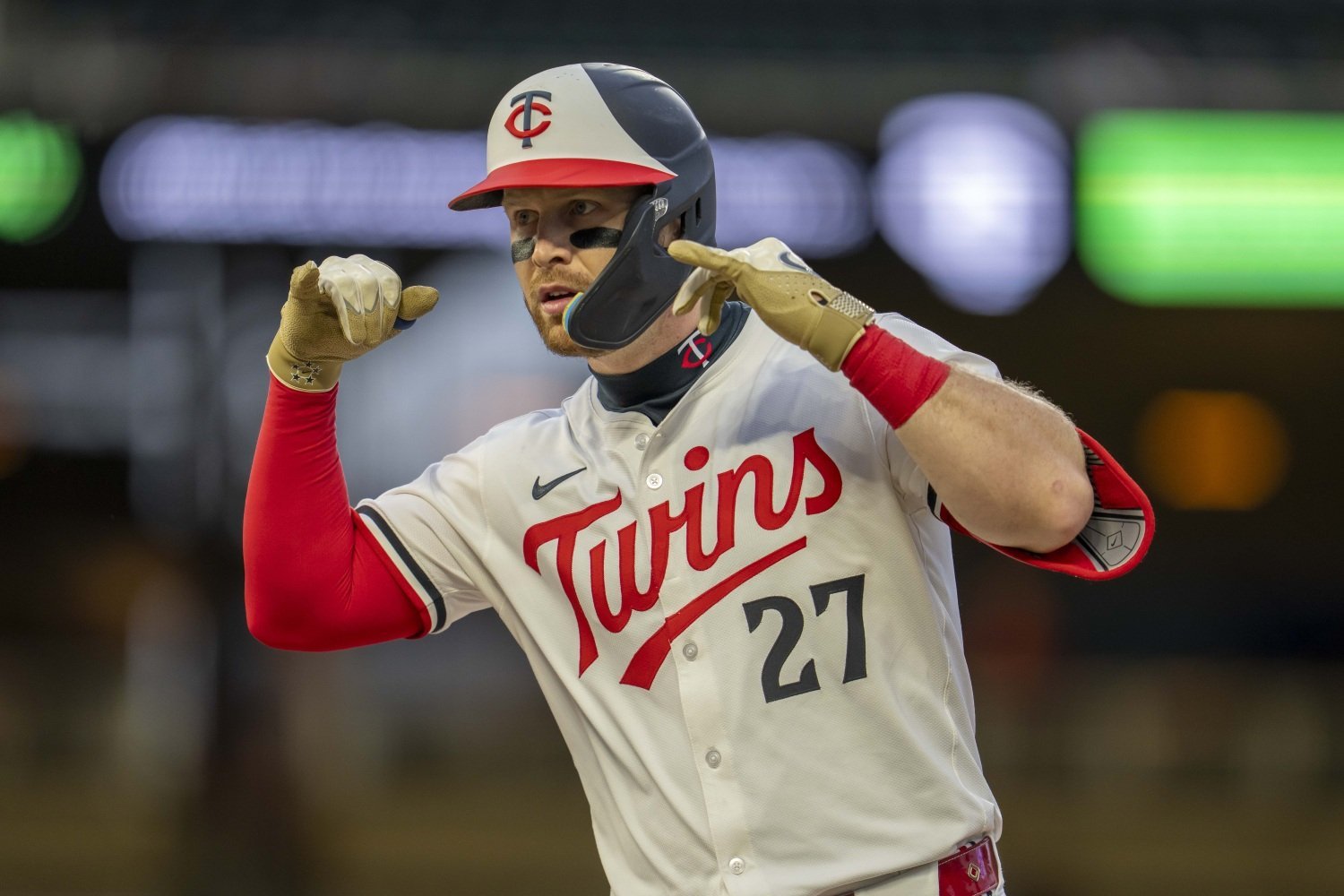
That might sound like a joke at first. Baseball players do not suddenly lose height over the offseason. But thanks to a new league-wide measurement system tied to the Automated Ball Strike challenge system, several members of the Minnesota Twins are officially a little shorter this spring.
If this feels like a throwback, it should. Anyone who has been around a high school roster sheet remembers how flexible listed heights could be. Players stood a little taller, wore their cleats, and rounded up an inch or two when no one was looking. That era is effectively over at the major-league level. With the implementation of ABS, accuracy is no longer optional.
Why MLB Suddenly Cares About Exact Height
The ABS challenge system is coming to the big leagues, after several seasons of testing in the minors. Rather than relying solely on the home plate umpire, teams will now be able to challenge certain ball-or-strike calls, with a computer-generated strike zone determining the result.
That strike zone is not one-size-fits-all. It's customized to each hitter, based on their height. The top and bottom of the zone are calculated using a player’s stance and physical measurements, which means even the smallest discrepancy can impact whether a pitch is ruled a ball or a strike. When you consider that some calls come down to the stitches of the ball, precision becomes critical.
That's why MLB has standardized the measuring process in a way the sport has never seen before. Players are now measured without shoes or hats, with heels together, knees visible, backs against the wall, and no slouching allowed. Even the timing matters. Teams must conduct measurements between 10 AM and noon local time to minimize natural height variation throughout the day.
“Because people shrink over the course of a day,” said Brewers assistant GM Will Hudgins, the club’s point man on ABS. “I’m not entirely sure how much, but I’ve been told that enough times to believe that it is scientifically true.”
In other words, MLB is eliminating every possible variable.
The Twins Who Got a Little Shorter
With the new system in place, several Twins saw their official listings tick down by an inch. This compares their 2025 listed heights on MLB.com to their current 2026 listed heights.
- Ryan Jeffers goes from 6-foot-3 to 6-foot-2.
- Brooks Lee shifts from 6-foot-1 to 6 feet.
- Byron Buxton drops from 6-foot-2 to 6-foot-1.
- Gabriel Gonzalez moves from 5-foot-11 to 5-foot-10.
- Austin Martin also slides from 5-foot-11 to 5-foot-10.
None of these changes are dramatic, but they are telling. Across the league, players are almost universally being measured slightly shorter than their previously listed heights. It's less about shrinking, and more about finally being measured the same way across all 30 organizations.
Over the weekend, Alex Bregman’s height was the one being most circulated. Two seasons ago, his height was listed as 6 feet. Last season, he dipped to 5-foot-11, and he enters the 2026 season an inch shorter than that.
Why It Matters More Than You Think
It would be easy to dismiss this as a quirky footnote of spring training, but it ties directly into how games will be decided. A slightly lower top of the strike zone for a player like Buxton could turn a borderline high fastball into a ball instead of a strike. Over the course of a season, those margins add up.
ABS has already passed through multiple iterations in the minor leagues, where players and teams have become comfortable with the challenge system and the technology behind it. As it reaches MLB this season, the expectation is that the process will be smoother, even if it still invites debate.
And debate is inevitable. Strike zones have always been part science and part art. Now, the league is leaning harder into the science than ever before. Baseball has always been described as a game of inches. This season, that idea becomes more literal than ever.
The Twins are not actually shrinking. But thanks to a stricter, more consistent measuring system tied directly to the strike zone, they and the rest of the league are being defined with greater precision. In a sport where a fraction of an inch can change an at-bat, that's one of the most important changes of all.
How much do you think changes in heights will impact ball and strike calls this year? Are you looking forward to the ABS system? Leave a comment and start the discussion.
Do you approve of Twins ownership?

Follow Twins Daily For Minnesota Twins News & Analysis



- tarheeltwinsfan, nclahammer, glunn and 1 other
-
 3
3
-
 1
1


Recommended Comments
Create an account or sign in to comment
You need to be a member in order to leave a comment
Create an account
Sign up for a new account in our community. It's easy!
Register a new accountSign in
Already have an account? Sign in here.
Sign In Now