


Twins Video
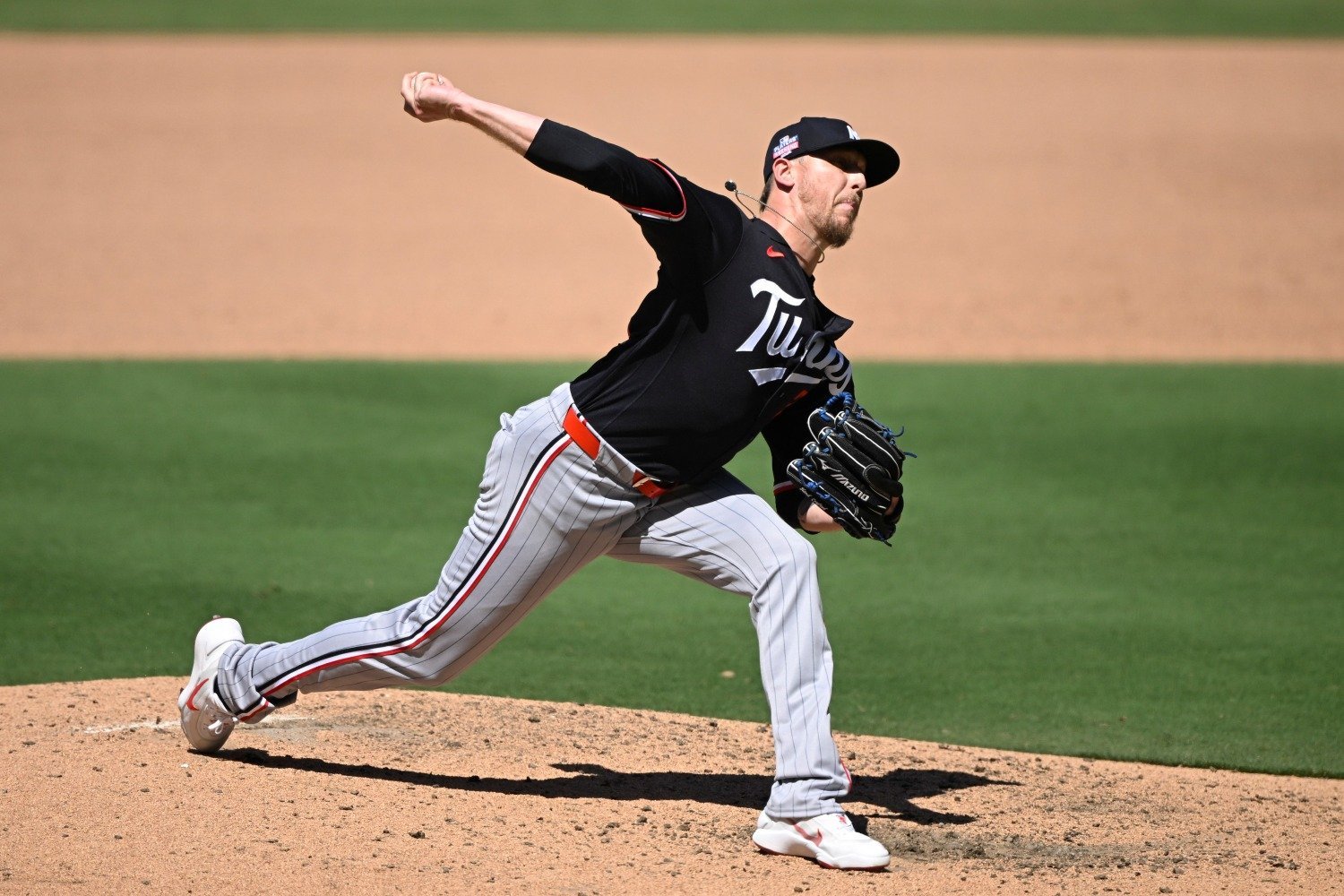
The Minnesota Twins have traditionally been hesitant to spend significant money on bullpen help. Taylor Rogers, Eric Orze and Anthony Banda were their idea of a relief boost over the winter. They eventually tried to correct course at this year's trade deadline, adding Jeff Hoffman, A.J. Minter, and Tommy Nance to a bullpen that needed reinforcements.
Those improvements gave the team more options, but the results were unsatisfying. The Twins struggled down the stretch, leaving questions about whether the organization needs to take a more aggressive approach to building its bullpen.
That puts a decision in front of new general manager Jeremy Zoll. Will he follow the strategy used by his predecessor, Derek Falvey, or will the Twins finally make a meaningful financial investment in their bullpen? Let's break it down.
The Pros of Adding a Big Bullpen Arm
The biggest benefit of adding a proven reliever would be improving the team from the beginning of the season. The Twins' bullpen was a mess during the first few months of last season, with a -2.08 WPA through April 30. Waiting until the trade deadline meant Minnesota had to spend prospect capital to address a problem that had already cost the team valuable games. Adding a major bullpen piece during the winter would allow the organization to enter spring training with a more established group.
The Twins also have a better baseline heading into this offseason. Hoffman, Andrew Morris, and Yoendrys Gomez give Minnesota some options toward the back end. However, Morris and Gomez clearly tired during the team’s second-half collapse. If Hoffman remains healthy and performs the way he did after joining the Twins, the team already has one significant piece in place.
Still, the bullpen needs another quality left-handed option. Minter showed how valuable that type of arm can be. Finding someone of his caliber could give the Twins a much-needed weapon against opposing left-handed hitters while also providing another high-leverage option.
There's another benefit to acting during the winter: it costs money rather than prospects. The Twins learned at the trade deadline that quality relievers can require significant prospect capital. Signing a reliever in free agency means giving up financial resources, but it doesn't require sending one of the organization's young players to another team. For a club trying to build around a younger core, that distinction matters.
The Cons of Adding a Big Bullpen Arm
The problem is that bullpen arms are fickle. Relievers can burn brightly for a few seasons before their performance suddenly fades. Others can have one outstanding season and struggle to replicate it. Because relievers generally work in smaller sample sizes, a handful of poor outings can dramatically change the perception of an entire season.
That makes spending big money on a reliever a risky proposition. The Twins won't have unlimited financial flexibility this winter. If the organization commits a significant portion of its available payroll to a reliever, that player needs to perform. There isn't much room for Minnesota to absorb an expensive bullpen contract that doesn't work.
And that's the biggest issue with trying to find a surefire bullpen option. There isn't one. Even the best relievers carry some level of risk. Injuries happen. Velocity changes. Command disappears. A pitch that was nearly unhittable one season can become much easier to square up the next.
The Twins could also explore an internal solution. Instead of spending heavily on another reliever, Minnesota could move one of its current starting pitching options into the bullpen. Zebby Matthews, David Festa, or Kendry Rojas could potentially provide another option if the organization believes their best path to helping the team is in shorter outings. That approach would save money, but it also comes with its own uncertainty.
What Would the Timeline Look Like?
Timing could be a major factor in Minnesota's decision. The Twins will have roughly a month between the end of the World Series and the beginning of the December 1 lockout. That creates a relatively small window for teams to make significant moves before negotiations between MLB and the players potentially bring the offseason to a halt.
The last time baseball dealt with a lockout, five years ago, free-agent activity accelerated before the deadline. Teams and players had an incentive to get deals completed rather than risk entering an uncertain period without contracts in place. The same thing could happen this winter. If the Twins decide they want to add a significant bullpen piece, they may not be able to wait for the market to develop over several months. The best options could be off the board before December arrives.
Otherwise, Minnesota could find itself scrambling after the lockout ends to sign the remaining free agents and get them into camp on time. There is no guarantee the lockout will be short. If it stretches into spring training, teams could have even less time to prepare for the season. That makes early offseason planning particularly important.
The Verdict
The Twins probably don't need to make the biggest bullpen splash on the market, but they should be open to making a meaningful investment. Their bullpen was too unreliable for too much of last season, and waiting until the trade deadline proved expensive in terms of prospect capital. Minnesota enters this offseason with a better foundation than it had a year ago, but adding another proven high-leverage arm, particularly a left-hander, could make a significant difference.
The challenge is finding the right player at the right price. Zoll doesn't need to recreate the bullpen with one signing. He needs to identify whether there is a reliever worth committing real money to and determine whether that investment gives the Twins a better chance to win in April, May, and June rather than waiting for another deadline correction.
After years of taking a relatively conservative approach to bullpen spending, this could be one of the clearest opportunities for Zoll to establish a different philosophy. The question is whether the Twins are willing to pay for it.
Should the Twins invest in the bullpen this winter? Leave a comment and start the discussion.





Recommended Comments
Create an account or sign in to comment
You need to be a member in order to leave a comment
Create an account
Sign up for a new account in our community. It's easy!
Register a new accountSign in
Already have an account? Sign in here.
Sign In Now