


Twins Video
Major League Baseball’s amateur draft is unlike those of the other major American men's pro sports leagues. Organizations must draft the right players, and it takes multiple years of development before players can have a major-league impact. Still, certain drafts serve as inflection points for an entire organization. Derek Falvey took over the Twins front office leading into the 2017 season and knew that the organization had to make the right choice with the draft’s number one pick. From there, Minnesota has made other mistakes.
Decision at the Top: Royce Lewis vs. Hunter Greene
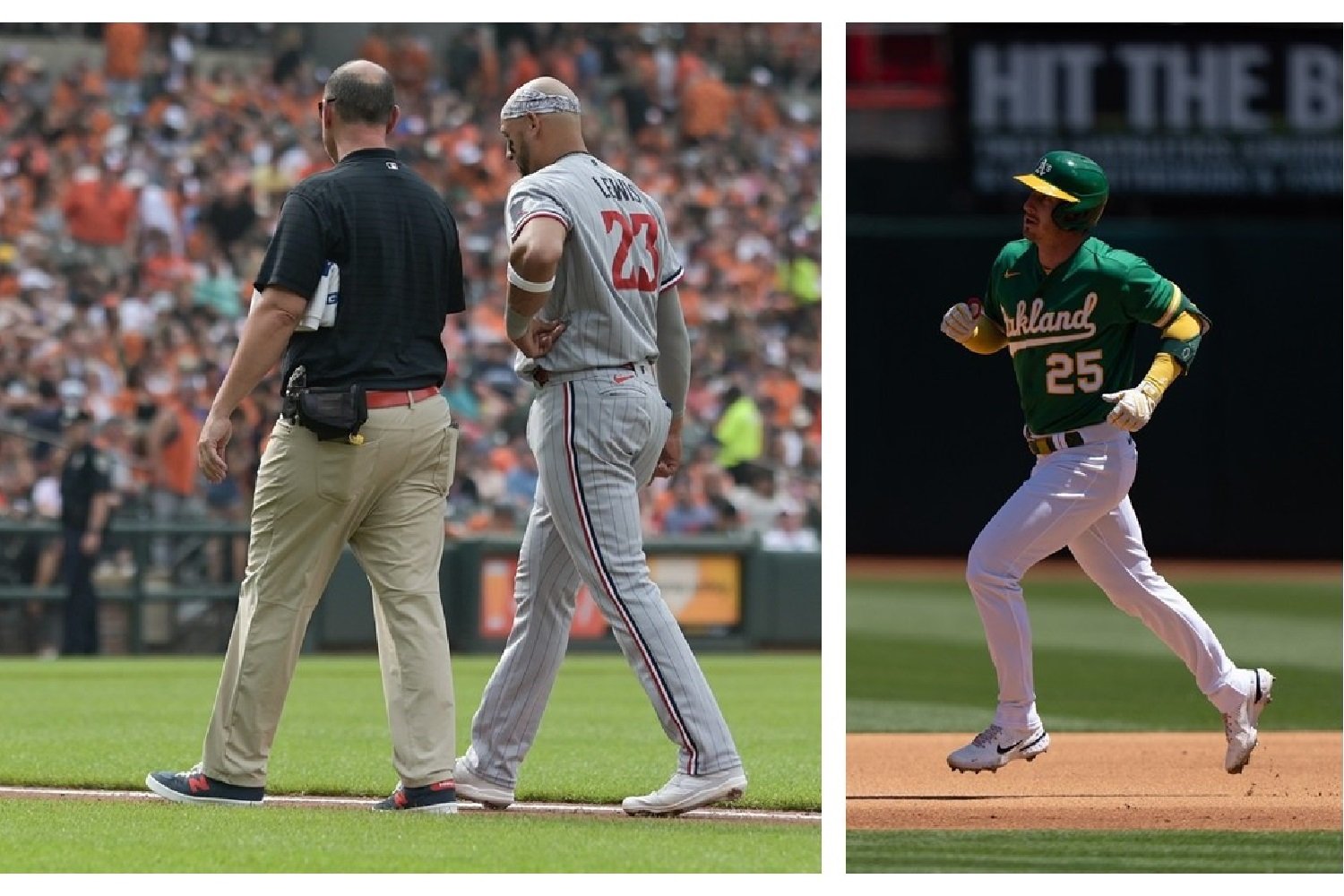
The team's decisions that year begin with their choice of Royce Lewis over Hunter Greene at the very top. While Lewis has flashed tantalizing power, his career has been marred by injuries and limited to just 152 games, raising doubts about his ability to become a long‑term cornerstone. In contrast, Greene has blossomed into an ace, earning an All‑Star nod in 2024 and leading baseball in WHIP (0.78) early in 2025.
Selecting Lewis was a sensible move, banking on his athleticism and projectability. It was (at least in part) a bet on the position player to stay healthier than the pitcher, and when Greene underwent Tommy John surgery in April 2019, that seemed to have paid off. Since 2021, though, Lewis has undergone two ACL repairs, missed time with hamstring, quadricep and oblique strains, and played barely the equivalent of a full season in the majors. There are long‑term questions about his durability and defensive positioning. Despite moments like hitting four career grand slams in a burst within his first 60 career games, he's been unable to anchor the Twins lineup.
Greene, meanwhile is up to roughly two and a half years' worth of big-league starts. He struck out 30-plus batters with fewer than five walks and no more than three earned runs over his first four 2025 starts, a feat only five starters had previously achieved since 1901. He's already eclipsed 500 career punchouts, and this year is trending toward being his best yet. Minnesota has built up its own pitching pipeline, but Greene would look great at the top of the team’s rotation.
The Brent Rooker Trade
Another misstep saw the Twins trade Brent Rooker (whom they took in the sandwich round that year, but who got only seven big‑league games in Minnesota) as a throw-in for Chris Paddack and Emilio Pagán. The Twins had a logjam in the outfield, and Rooker was the odd man out. Since that time, he has morphed into a premier slugger in Oakland, averaging over 34 home runs per season with OPS+ marks of 126 and 164 in 2023 and 2024. After bouncing from San Diego to Kansas City, Rooker landed in Oakland and seized his chance. The Twins have struggled to develop bats, and Rooker would be a welcome addition to the 2025 lineup.
Unfulfilled Early‑Round Hopes
Landon Leach: Selected 37th overall in Round 2, right‑hander Landon Leach showed early promise in the GCL during his first two professional seasons. Injuries significantly impacted his career, however, and he never made it past Fort Myers. He pitched one season in the Braves organization before calling it a career at age 22.
Blayne Enlow: Taken 76th overall in Round 3, Blayne Enlow once flashed first‑round upside out of Louisiana. He was considered one of the organization’s top pitching prospects for multiple seasons. However, he elected free agency following the 2023 season after Tommy John surgery and inconsistent minor‑league results. He never appeared in the big leagues and topped out at Triple-A.
Charlie Barnes: Fourth‑round pick Charlie Barnes briefly reached the majors in 2021, with a 5.92 ERA in nine games before shifting to the Korean Baseball Organization.
One Silver Lining: Bailey Ober
The most surprising success from that draft came in Round 12, when the Twins selected Bailey Ober. He has become a dependable starter, compiling 8.0 career WAR with a 3.85 ERA and 501 strikeouts over 490.1 innings. Ober’s ascent from late-rounder to rotation fixture offers a rare highlight amid a draft class otherwise defined by missed opportunities.
Seven years on, the 2017 Twins draft looms as a point of frustration and leakage—from the unlucky roll of the dice on Lewis over Greene to the lack of value gleaned from Rooker and setbacks with early picks like Leach, Enlow, and Barnes. While Ober stands out as a gem, Minnesota’s inability to nurture and deploy its high‑end talent underscores the stakes of player development and roster management. As the organization reflects on these lessons, the hope is that future drafts will yield not just potential, but consistent, long‑term contributors.
What was the Twins’ most significant mistake in the 2017 MLB Draft? Leave a comment and start the discussion.
Do you approve of Twins ownership?

Follow Twins Daily For Minnesota Twins News & Analysis



- mikelink45 and Patzky
-
 2
2


Recommended Comments
Create an account or sign in to comment
You need to be a member in order to leave a comment
Create an account
Sign up for a new account in our community. It's easy!
Register a new accountSign in
Already have an account? Sign in here.
Sign In Now