



Ted Schwerzler
-
Posts
5,149 -
Joined
-
Last visited
Content Type
Profiles
News
Minnesota Twins Videos
2026 Minnesota Twins Top Prospects Ranking
2022 Minnesota Twins Draft Picks
Minnesota Twins Free Agent & Trade Rumors, Notes, & Tidbits
Guides & Resources
2023 Minnesota Twins Draft Picks
The Minnesota Twins Players Project
2024 Minnesota Twins Draft Picks
2025 Minnesota Twins Draft Pick Tracker
2026 Minnesota Twins Draft Tracker: Picks & Bonuses
Forums
Blogs
Events
Store
Downloads
Gallery
Everything posted by Ted Schwerzler
-
The St. Paul Saints might be the deepest pitching staff that a Minnesota Twins affiliate has had in some time, but the lineup is hardly something to overlook. Whether prospect or veteran focused, there is something at every spot with this group. Image courtesy of Zachary BonDurant-USA TODAY Sports St. Paul - Toby Gardenhire knows that he has a tough task when figuring out how to find opportunities for the ample amount of arms at his disposal. He may be facing a similar situation when it comes to the lineup. On Opening Day the Twins Triple-A affiliate will roster the likes of Edouard Julien, Matt Wallner, and Andrew Bechtold. They may soon get Brooks Lee and Royce Lewis. Hopefully Austin Martin doesn’t miss the whole year, but Michael Helman will certainly be back. That’s a strong list, and it doesn’t even include the multitude of former big-league veterans. From a prospect standpoint, it may be Julien and Wallner that draw the most attention, but coming off of his first big-league camp, Bechtold is creeping his way toward a Twins debut as well. A third baseman, the strong-armed Bechtold has also played a lot at first base. He can also play catcher. He’s ready for everything this year in St. Paul. “To play one position is tough. That I can go back there and put the gear on, play the outfield, play the infield, it gives me lots of versatility. I work on my catching constantly, I work on catching every day even if it’s been two weeks between appearances.” Bechtold certainly takes pride in being able to play all over the field. That level of versatility gives him something not many players can make a claim to. Seeing someone able to bounce around positions and work behind the plate is somewhat reminiscent of brief Twins acquisition Isiah Kiner-Falefa. Bechtold won’t be a Drew Butera type behind the dish, but he’s Chris Herrmann or Caleb Hamilton if that’s what Rocco Baldelli needs. The former fifth-round pick prides himself on that as well, “The goal is to get to the big leagues so I’m willing to play whatever role, and do as much as I can to get there. I think I have seven gloves right now.” Bechtold is also a different player than he was before the minor leagues shut down in 2020. With such an explosive swing, he has always been a guy that could hit for power. With his previous process, he simply wasn’t utilizing it. “I retooled my swing a bit and getting the ball in the air more is something I can continue to work on. The power came knowing I made hard contact but being intentional about getting the ball in the air. The more I can hit it in the air, the more damage I can do.” Working with players like former Twins Brent Rooker and Rays star Brandon Lowe, Bechtold has made it a focus to get the most from his swing. Exit velocity isn’t something you can necessarily coach, but the utilization of it and finding an ideal level of effectiveness is process oriented. It turned into a pair of seasons where he nearly hit 20 home runs, and it didn’t include a substantial drop off in on-base ability. While Bechtold may be standing next to him on the infield at some points, the Saints should have a consistent second baseman this year in Edouard Julien. He pushed the envelope during spring training and the World Baseball Classic, making it somewhat fathomable he could be included on the major league roster and skip Triple-A entirely. It’s not lost on Julien how much the past handful of weeks have mattered, but he has also been doing this for a while. “The recent success is certainly a confidence builder. At the end of the day I’ve shown I can play at any level. I want to get better every day.” Although not a pure power hitter in the vein of former Twins second baseman Brian Dozier, Julien bucks the trend of second base being more of a defensive position. He said, “I think the game is changing some, and it’s fun to be able to hit for power, but that’s not my whole game. I wanted to get quicker and more agile this offseason.” Knowing the shift limitations are here to stay, Julien thinks we’ll see more exciting defense in the years ahead. If things had gone differently, Julien may not have even been here. Taken in the 18th round out of Auburn back in 2019, Julien initially tweeted he would be returning to school. Minnesota upped their bonus amount going way over slot and gave him $493,000 reasons to become pro. Looking back, and knowing what’s ahead, he couldn’t be more excited. “I made the right choice leaving college based on where I am today. In these four years I feel like I’ve made the most progress in my baseball career.” The Saints will open the door for plenty of big league talent to come through the roster this year, and some of the bats could provide a nice boost to a Twins lineup looking to stay atop the AL Central. View full article
-
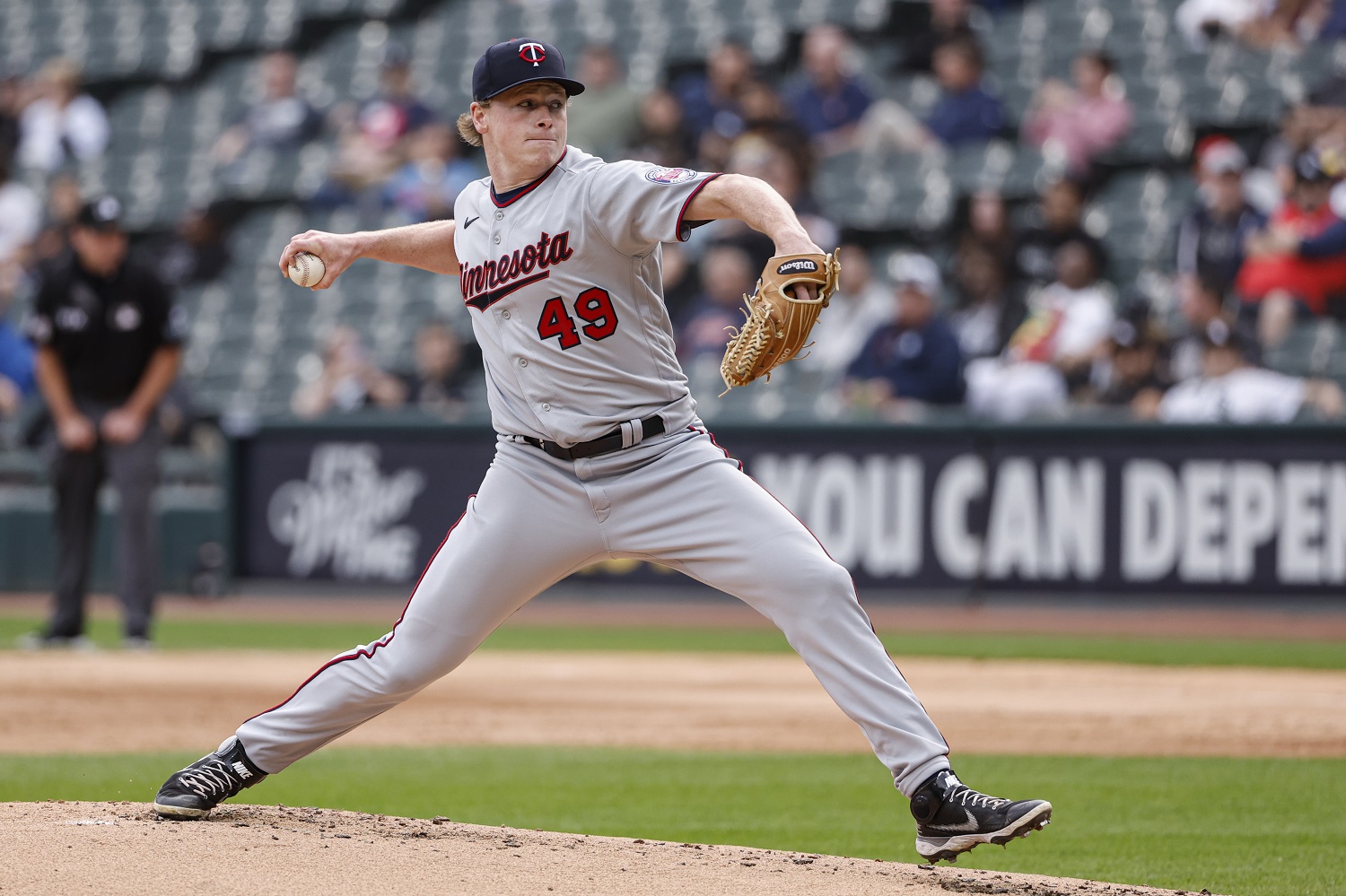 St. Paul - It was a gloomy and chilly day when a handful of Saints players were getting work in throughout the bowels of CHS Field. Despite being less than a week from their home opener, the field certainly wasn’t going to be utilized at this time. Sitting down with manager Toby Gardenhire in his office, this first question was obvious. Is this the deepest group you have ever had? Gardenhire thought for a second, then quipped, “Pitching-wise, that’s a good way to put, it is deep. The big league club did a good job of signing a lot of guys that are pretty good. We have to make sure we get guys innings and keep them ready to go up to the big leagues.” There is certainly no denying that the Twins starting rotation is better than it ever has been. Pablo Lopez was acquired in a deal for Luis Arraez, and Joe Ryan went from Opening Day starter to third in the pecking order this year. Tyler Mahle was acquired as a difference-maker at the deadline, and could be the fourth option, while Kenta Maeda was a Cy Young candidate during his last full season. For Gardenhire, that depth at the big league level provides some challenges. Bailey Ober now becomes the ace of the Triple-A staff, but he’s already proven to be a valuable major-league arm. The goal will be in continuing to keep him stretched out, but also make sure to shield him from injury that has cost him time in recent seasons. The Saints also have promising prospects that debuted last season in the form of both Louie Varland and Simeon Woods Richardson. Both represent far better options than fringe veterans needed in spot start scenarios a year ago. Then there is also teammate Jordan Balazovic, who is just a year removed from being a consensus top-100 prospect. The offense is loaded as well. Edouard Julien was a joy to watch during the World Baseball Classic, and he certainly looked the part of a major leaguer this spring. Matt Wallner and Mark Contreras both got sniffs of the big leagues last year and are ready to get back. Gardenhire noted how important it is to have a veteran presence around those guys. “Having a guy like Hernan Perez around Edouard Julien or Tony Wolters with Jair Camargo. Being able to communicate with these guys is big. Guys like Matt Wallner and Mark Contreras are fun because they got the taste last year. They all want to go back, they know what they need to do to get there.” Knowing how impactful it is to pick the mind of guys with big league experience, Gardenhire is certain they’ll make their mark on his roster. That’s not just a coaching belief either. Utility man Andrew Bechtold echoed a similar sentiment fresh off his first major-league camp. “I think it’s undervalued how important it is to be in big league camp going into the season. Forming relationships with the coaching staff and players is one of the most valuable tools you have.” Much of the Twins prospect talent has risen to the higher levels of the system at this point. While some of the younger talents are still at lower levels, Minnesota has seen plenty of graduations or debuts in recent seasons. That means the Saints will continue to get significant looks at real difference makers and players that should be expected to contribute for the Twins. Obviously Julien, Wallner, Varland, and Woods Richardson highlight the young crop right now, but Brooks Lee should play for St. Paul this year, and Royce Lewis will likely make a stop during a rehab stint. If others like David Festa can continue down their path of development, they will definitely help the team as well. Rocco Baldelli’s major league club is more well equipped than it ever has been, but Gardenhire’s group is right behind that roster to support them. You will certainly want to enjoy some Saints game action at CHS Field. Go to SaintsBaseball.com and purchase tickets for this week's Opening Series against the Iowa Cubs. Tonight it will be Varland on the mound. On Wednesday, Brent Headrick will make his Triple-A debut, and on Thursday you should be able to watch Bailey Ober on the mound.
- 15 comments
-
- 6
-

-
- st paul saints
- louis varland
- (and 2 more)
-
This Saints Team Could be Something Special
Ted Schwerzler posted a topic in Twins Minor League Talk
The St. Paul Saints have been an affiliate of the Minnesota Twins for a few years now. After Major League Baseball went through a massive overhaul of the minor league landscape, the fun-loving organization in Lower Town took over for the Rochester Red Wings. Now, they may have the best roster in history. Image courtesy of Kamil Krzaczynski-USA TODAY Sports St. Paul - It was a gloomy and chilly day when a handful of Saints players were getting work in throughout the bowels of CHS Field. Despite being less than a week from their home opener, the field certainly wasn’t going to be utilized at this time. Sitting down with manager Toby Gardenhire in his office, this first question was obvious. Is this the deepest group you have ever had? Gardenhire thought for a second, then quipped, “Pitching-wise, that’s a good way to put, it is deep. The big league club did a good job of signing a lot of guys that are pretty good. We have to make sure we get guys innings and keep them ready to go up to the big leagues.” There is certainly no denying that the Twins starting rotation is better than it ever has been. Pablo Lopez was acquired in a deal for Luis Arraez, and Joe Ryan went from Opening Day starter to third in the pecking order this year. Tyler Mahle was acquired as a difference-maker at the deadline, and could be the fourth option, while Kenta Maeda was a Cy Young candidate during his last full season. For Gardenhire, that depth at the big league level provides some challenges. Bailey Ober now becomes the ace of the Triple-A staff, but he’s already proven to be a valuable major-league arm. The goal will be in continuing to keep him stretched out, but also make sure to shield him from injury that has cost him time in recent seasons. The Saints also have promising prospects that debuted last season in the form of both Louie Varland and Simeon Woods Richardson. Both represent far better options than fringe veterans needed in spot start scenarios a year ago. Then there is also teammate Jordan Balazovic, who is just a year removed from being a consensus top-100 prospect. The offense is loaded as well. Edouard Julien was a joy to watch during the World Baseball Classic, and he certainly looked the part of a major leaguer this spring. Matt Wallner and Mark Contreras both got sniffs of the big leagues last year and are ready to get back. Gardenhire noted how important it is to have a veteran presence around those guys. “Having a guy like Hernan Perez around Edouard Julien or Tony Wolters with Jair Camargo. Being able to communicate with these guys is big. Guys like Matt Wallner and Mark Contreras are fun because they got the taste last year. They all want to go back, they know what they need to do to get there.” Knowing how impactful it is to pick the mind of guys with big league experience, Gardenhire is certain they’ll make their mark on his roster. That’s not just a coaching belief either. Utility man Andrew Bechtold echoed a similar sentiment fresh off his first major-league camp. “I think it’s undervalued how important it is to be in big league camp going into the season. Forming relationships with the coaching staff and players is one of the most valuable tools you have.” Much of the Twins prospect talent has risen to the higher levels of the system at this point. While some of the younger talents are still at lower levels, Minnesota has seen plenty of graduations or debuts in recent seasons. That means the Saints will continue to get significant looks at real difference makers and players that should be expected to contribute for the Twins. Obviously Julien, Wallner, Varland, and Woods Richardson highlight the young crop right now, but Brooks Lee should play for St. Paul this year, and Royce Lewis will likely make a stop during a rehab stint. If others like David Festa can continue down their path of development, they will definitely help the team as well. Rocco Baldelli’s major league club is more well equipped than it ever has been, but Gardenhire’s group is right behind that roster to support them. You will certainly want to enjoy some Saints game action at CHS Field. Go to SaintsBaseball.com and purchase tickets for this week's Opening Series against the Iowa Cubs. Tonight it will be Varland on the mound. On Wednesday, Brent Headrick will make his Triple-A debut, and on Thursday you should be able to watch Bailey Ober on the mound. View full article -
This is the final week of only one Twins affiliate being in action. With the Saints wrapping up just one of two, three-game series, they'll return home for the opener on Tuesday. After a successful trip to Ohio, they'll bring a 2-1 record back to St. Paul with them. Image courtesy of Dave Nelson-USA TODAY Sports TRANSACTIONS None SAINTS SENTINEL St. Paul 2, Toledo 1 Box Score Randy Dobnak returned to the mound as a starter this season, and it was a breath of fresh air for a guy who dealt with a finger injury most of 2022. He didn’t debut until August last season, so a regular spring training and April start had to feel good. He did give up five walks, but Dobnak also punched out five over 4 2/3 innings allowing only a single run. St. Paul got on the board first when Mark Contreras hit his first homer of the season, a 4th inning solo shot. After playing with the Twins last season, Contreras is certainly looking to have a year worthy of another call to the big leagues. After Dobnak allowed the tying run prior to his 5th inning exit, the Saints immediately answered. Contreras stepped in during the top of the 6th inning and allowed Matt Wallner to score, following his triple, on an infield ground ball. Relieving Dobnak in the 5th inning, Austin Schulfer worked 1 1/3 innings in relief. He put up strong numbers at Double-A Wichita last season and earned the promotion to Triple-A. Looking to prove his ability as a leverage reliever, a strong start could carry him to an eventual Major League debut this year. Following another pitching change, this time Oliver Ortega coming in, the Mud Hens Zack Short blasted a two-run homer to take the lead 3-2. Ortega was a waiver claim from the Los Angeles Angels this offseason, and his addition pushed Blayne Enlow off the 40-man roster. Neither player currently claims a spot, but Minnesota is hoping for strong development from both this season. LaTroy Hawkins mentioned Ortega as a head-turner during spring training. The Saints were determined to not let this one get away from them, and again had an immediate answer. Matt Wallner ripped his first double of the season to score Edouard Julien. Former Twins prospect Akil Baddoo tossed the ball back in for Toledo and the score was knotted at 3. Then, continuing his nice game, Contreras singled to Baddoo in right field, allowing Wallner to score the go ahead run. A one-run lead was enough as Connor Sadzeck came on and closed the door. Working two complete innings, he picks up the win and heads home with St. Paul taking their first series of the year. WIND SURGE WISDOM Although they don't open until later this week, Wichita unveiled their Opening Day roster on Sunday. The team is highlighted by top prospect Brooks Lee, but also brings pitching promise in Kody Funderburk and David Festa. Former first round pick Aaron Sabato is on the club as well. Seth broke down the entire roster here. KERNELS NUGGETS Although the Kernels don't start their regular season until later this week, Seth talked Cedar Rapids on the "All Ears" podcast. You can find that here. TWINS DAILY MINOR LEAGUE PLAYERS OF THE DAY Pitcher of the Day – Randy Dobnak 4.2 IP, 3 H, 1 R, 1 ER, 5 BB, 5 K Hitter of the Day – Mark Contreras 2-4, HR(1), R, 3 RBI, BB PROSPECT SUMMARY We will again keep tabs on the Twins top prospects. You’ll probably read about them in the team sections, but if they aren’t there, you’ll see how they did here. Here’s a look at how the current Twins Daily Top 20 performed: #5 - Edouard Julien (St. Paul) - 0-3, R, BB, K #11 - Matt Wallner (St. Paul) - 2-4, 2B, 3B, 2 R, RBI, BB TUESDAY’S PROBABLE STARTERS Iowa @ St. Paul (6:37PM CST) - RHP Louie Varland Please feel free to ask questions and discuss Sunday’s game! View full article
-
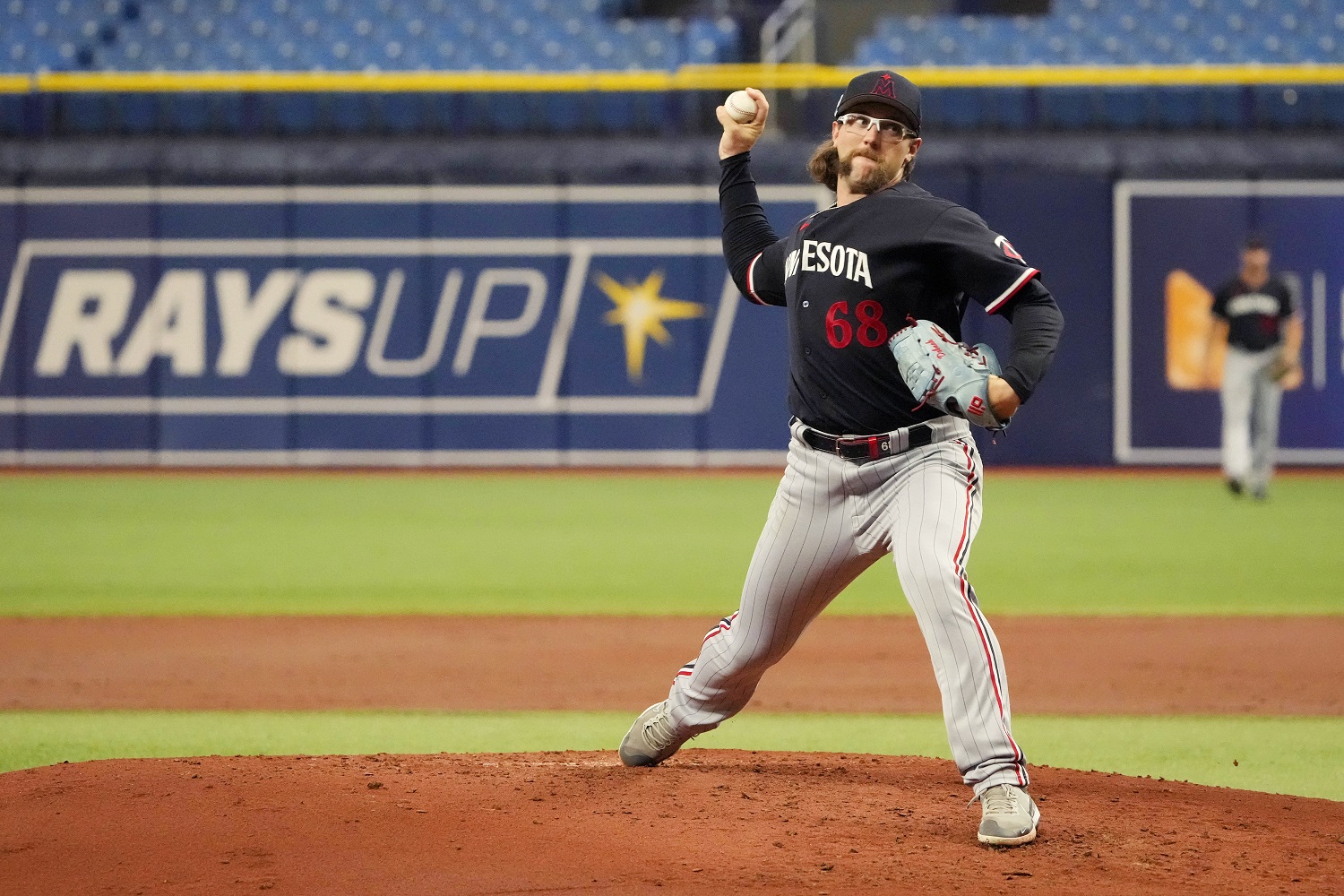 TRANSACTIONS None SAINTS SENTINEL St. Paul 2, Toledo 1 Box Score Randy Dobnak returned to the mound as a starter this season, and it was a breath of fresh air for a guy who dealt with a finger injury most of 2022. He didn’t debut until August last season, so a regular spring training and April start had to feel good. He did give up five walks, but Dobnak also punched out five over 4 2/3 innings allowing only a single run. St. Paul got on the board first when Mark Contreras hit his first homer of the season, a 4th inning solo shot. After playing with the Twins last season, Contreras is certainly looking to have a year worthy of another call to the big leagues. After Dobnak allowed the tying run prior to his 5th inning exit, the Saints immediately answered. Contreras stepped in during the top of the 6th inning and allowed Matt Wallner to score, following his triple, on an infield ground ball. Relieving Dobnak in the 5th inning, Austin Schulfer worked 1 1/3 innings in relief. He put up strong numbers at Double-A Wichita last season and earned the promotion to Triple-A. Looking to prove his ability as a leverage reliever, a strong start could carry him to an eventual Major League debut this year. Following another pitching change, this time Oliver Ortega coming in, the Mud Hens Zack Short blasted a two-run homer to take the lead 3-2. Ortega was a waiver claim from the Los Angeles Angels this offseason, and his addition pushed Blayne Enlow off the 40-man roster. Neither player currently claims a spot, but Minnesota is hoping for strong development from both this season. LaTroy Hawkins mentioned Ortega as a head-turner during spring training. The Saints were determined to not let this one get away from them, and again had an immediate answer. Matt Wallner ripped his first double of the season to score Edouard Julien. Former Twins prospect Akil Baddoo tossed the ball back in for Toledo and the score was knotted at 3. Then, continuing his nice game, Contreras singled to Baddoo in right field, allowing Wallner to score the go ahead run. A one-run lead was enough as Connor Sadzeck came on and closed the door. Working two complete innings, he picks up the win and heads home with St. Paul taking their first series of the year. WIND SURGE WISDOM Although they don't open until later this week, Wichita unveiled their Opening Day roster on Sunday. The team is highlighted by top prospect Brooks Lee, but also brings pitching promise in Kody Funderburk and David Festa. Former first round pick Aaron Sabato is on the club as well. Seth broke down the entire roster here. KERNELS NUGGETS Although the Kernels don't start their regular season until later this week, Seth talked Cedar Rapids on the "All Ears" podcast. You can find that here. TWINS DAILY MINOR LEAGUE PLAYERS OF THE DAY Pitcher of the Day – Randy Dobnak 4.2 IP, 3 H, 1 R, 1 ER, 5 BB, 5 K Hitter of the Day – Mark Contreras 2-4, HR(1), R, 3 RBI, BB PROSPECT SUMMARY We will again keep tabs on the Twins top prospects. You’ll probably read about them in the team sections, but if they aren’t there, you’ll see how they did here. Here’s a look at how the current Twins Daily Top 20 performed: #5 - Edouard Julien (St. Paul) - 0-3, R, BB, K #11 - Matt Wallner (St. Paul) - 2-4, 2B, 3B, 2 R, RBI, BB TUESDAY’S PROBABLE STARTERS Iowa @ St. Paul (6:37PM CST) - RHP Louie Varland Please feel free to ask questions and discuss Sunday’s game!
 -
This season there has been plenty made about the changes to Major League Baseball. We now have pitch clocks and shift restrictions among other things. Robots have not yet been invited to the party, but they are coming. Image courtesy of Nathan Ray Seebeck-USA TODAY Sports St. Paul - If you hadn’t seen a game with the pitch clock until this spring, you missed out on some exciting action taking place over at CHS Field during the 2022 season. For years, Major League Baseball has used the minor leagues as its training ground for new game implementations, and that will again be the case this year. Pitch framing and receiving have been a focus for Minnesota Twins catchers in recent seasons. The art, and their excellence at it, cost them catching coach Tanner Swanson a few seasons ago. Just how effective that remains will be rendered moot when baseball ultimately shifts to an electronic strike zone. In 2023, that will take place in all Triple-A ballparks. During Tuesday through Thursday games the action will be governed by an electronic strike zone. The umpire will still remain behind the plate, but the call will be made as a result of the indication they are given electronically. On Friday through Sunday games, action will go back to the hands of umpires, but a challenge system will be implemented. Challenges can only come directly from the batter’s box, and may be initiated by the pitcher, catcher, or batter. Teams will receive three challenges per game. Knowing that once again the players with the Saints will be directly impacted, it was worth talking to them about it and gathering their thoughts. Manager Toby Gardenhire is no stranger to rule changes, and he thinks the system could be interesting to watch. “The challenge system is going to be fun to watch, I have been saying for years we need to go to that. You get three challenges and get that challenge back if you get it right. It has to be within seconds after a pitch. The hitter, catcher, and pitcher can do that from the box. From what I’ve heard the hitters get it right more than the pitchers do. The pitchers think everything is a strike.” Gardenhire notes that players have dealt with technology changes for years, and the electronic strike zone is something they utilize during the spring and practices anyway. It could be fun to track which position (pitcher, catcher, or batter) correctly challenges the most calls. Pitchers may be the players to like this change the least. There will no longer be an ability to stretch the zone, and the human element behind the plate is gone. Randy Dobnak, who has pitched in the big leagues, had an interesting perspective. “I’m not really a fan of the electronic strike zone. Hitters might think they will be, but once guys start bouncing curveballs for strike three they won’t like that because it just clips the zone. Guys these days have stuff so nasty.” It’s easy to evaluate whether a pitch is a strike on TV, but seeing a ball drop into the bucket or a catcher get cross up and still be hit with a strike isn’t going to make batters happy. Teammate Austin Schulfer doesn’t seem bothered by any electronic rule changes, though his suggestion is something the Saints themselves would be proud of trying. “For me, I don’t really care if they put a robot behind the plate.” On the hitting side of things, Andrew Bechtold brings an interesting perspective in that he doesn’t pitch, but he spends plenty of time as a catcher. “I have dealt with robo umps in Fall League 2021 out in Arizona. As a hitter, I really liked it, but obviously with the catching position it takes away some of the art of pitch framing and pitch receiving. There is still plenty of ability in pitch calling and setting up hitters. Being that I don’t only catch, it doesn’t take as big of a hit to my potential. Knowing the Twins have put time into the way catchers work on receiving the ball, Gardenhire also addressed this issue. “If they do take it away (manual strike zone), then it transitions into performance being focused on blocking and catching.” This spring, Edouard Julien has played with every set of rules imaginable. Being in big league camp but also playing in the World Baseball Classic, he has seen it all. He wasn’t aware that an electronic strike zone was coming to Triple-A, but for a guy that hits as purely as he does, it isn’t really a concern. “Personally I like having a human call things behind home plate. That said, there is going to be a consistent zone. Either way I’ll just go out there, I won’t think about it.” At the end of the day, Major League Baseball is going to gather plenty of data in 2023. Maybe we’ll see this rule change implemented in 2024, or maybe we won’t. The challenge system could be the highlight of the process though, and having umpires be held accountable is a step that has not yet been exhausted. What do you think about the electronic strike zone? Are you surprised about any of the guys in favor of it? View full article
-
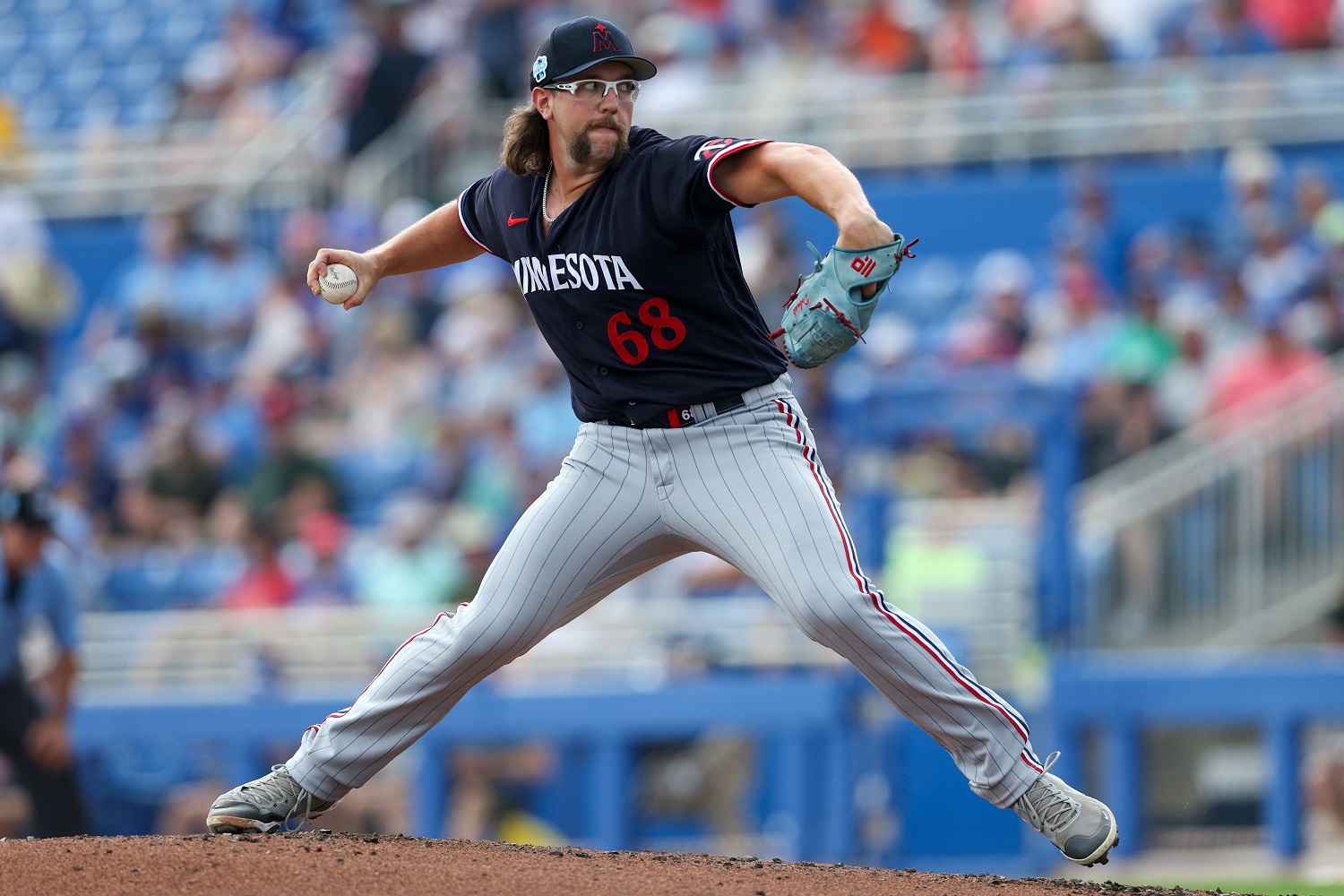 St. Paul - If you hadn’t seen a game with the pitch clock until this spring, you missed out on some exciting action taking place over at CHS Field during the 2022 season. For years, Major League Baseball has used the minor leagues as its training ground for new game implementations, and that will again be the case this year. Pitch framing and receiving have been a focus for Minnesota Twins catchers in recent seasons. The art, and their excellence at it, cost them catching coach Tanner Swanson a few seasons ago. Just how effective that remains will be rendered moot when baseball ultimately shifts to an electronic strike zone. In 2023, that will take place in all Triple-A ballparks. During Tuesday through Thursday games the action will be governed by an electronic strike zone. The umpire will still remain behind the plate, but the call will be made as a result of the indication they are given electronically. On Friday through Sunday games, action will go back to the hands of umpires, but a challenge system will be implemented. Challenges can only come directly from the batter’s box, and may be initiated by the pitcher, catcher, or batter. Teams will receive three challenges per game. Knowing that once again the players with the Saints will be directly impacted, it was worth talking to them about it and gathering their thoughts. Manager Toby Gardenhire is no stranger to rule changes, and he thinks the system could be interesting to watch. “The challenge system is going to be fun to watch, I have been saying for years we need to go to that. You get three challenges and get that challenge back if you get it right. It has to be within seconds after a pitch. The hitter, catcher, and pitcher can do that from the box. From what I’ve heard the hitters get it right more than the pitchers do. The pitchers think everything is a strike.” Gardenhire notes that players have dealt with technology changes for years, and the electronic strike zone is something they utilize during the spring and practices anyway. It could be fun to track which position (pitcher, catcher, or batter) correctly challenges the most calls. Pitchers may be the players to like this change the least. There will no longer be an ability to stretch the zone, and the human element behind the plate is gone. Randy Dobnak, who has pitched in the big leagues, had an interesting perspective. “I’m not really a fan of the electronic strike zone. Hitters might think they will be, but once guys start bouncing curveballs for strike three they won’t like that because it just clips the zone. Guys these days have stuff so nasty.” It’s easy to evaluate whether a pitch is a strike on TV, but seeing a ball drop into the bucket or a catcher get cross up and still be hit with a strike isn’t going to make batters happy. Teammate Austin Schulfer doesn’t seem bothered by any electronic rule changes, though his suggestion is something the Saints themselves would be proud of trying. “For me, I don’t really care if they put a robot behind the plate.” On the hitting side of things, Andrew Bechtold brings an interesting perspective in that he doesn’t pitch, but he spends plenty of time as a catcher. “I have dealt with robo umps in Fall League 2021 out in Arizona. As a hitter, I really liked it, but obviously with the catching position it takes away some of the art of pitch framing and pitch receiving. There is still plenty of ability in pitch calling and setting up hitters. Being that I don’t only catch, it doesn’t take as big of a hit to my potential. Knowing the Twins have put time into the way catchers work on receiving the ball, Gardenhire also addressed this issue. “If they do take it away (manual strike zone), then it transitions into performance being focused on blocking and catching.” This spring, Edouard Julien has played with every set of rules imaginable. Being in big league camp but also playing in the World Baseball Classic, he has seen it all. He wasn’t aware that an electronic strike zone was coming to Triple-A, but for a guy that hits as purely as he does, it isn’t really a concern. “Personally I like having a human call things behind home plate. That said, there is going to be a consistent zone. Either way I’ll just go out there, I won’t think about it.” At the end of the day, Major League Baseball is going to gather plenty of data in 2023. Maybe we’ll see this rule change implemented in 2024, or maybe we won’t. The challenge system could be the highlight of the process though, and having umpires be held accountable is a step that has not yet been exhausted. What do you think about the electronic strike zone? Are you surprised about any of the guys in favor of it?
- 60 comments
-
- 3
-
-
- randy dobnak
- andrew bechtold
- (and 3 more)
-
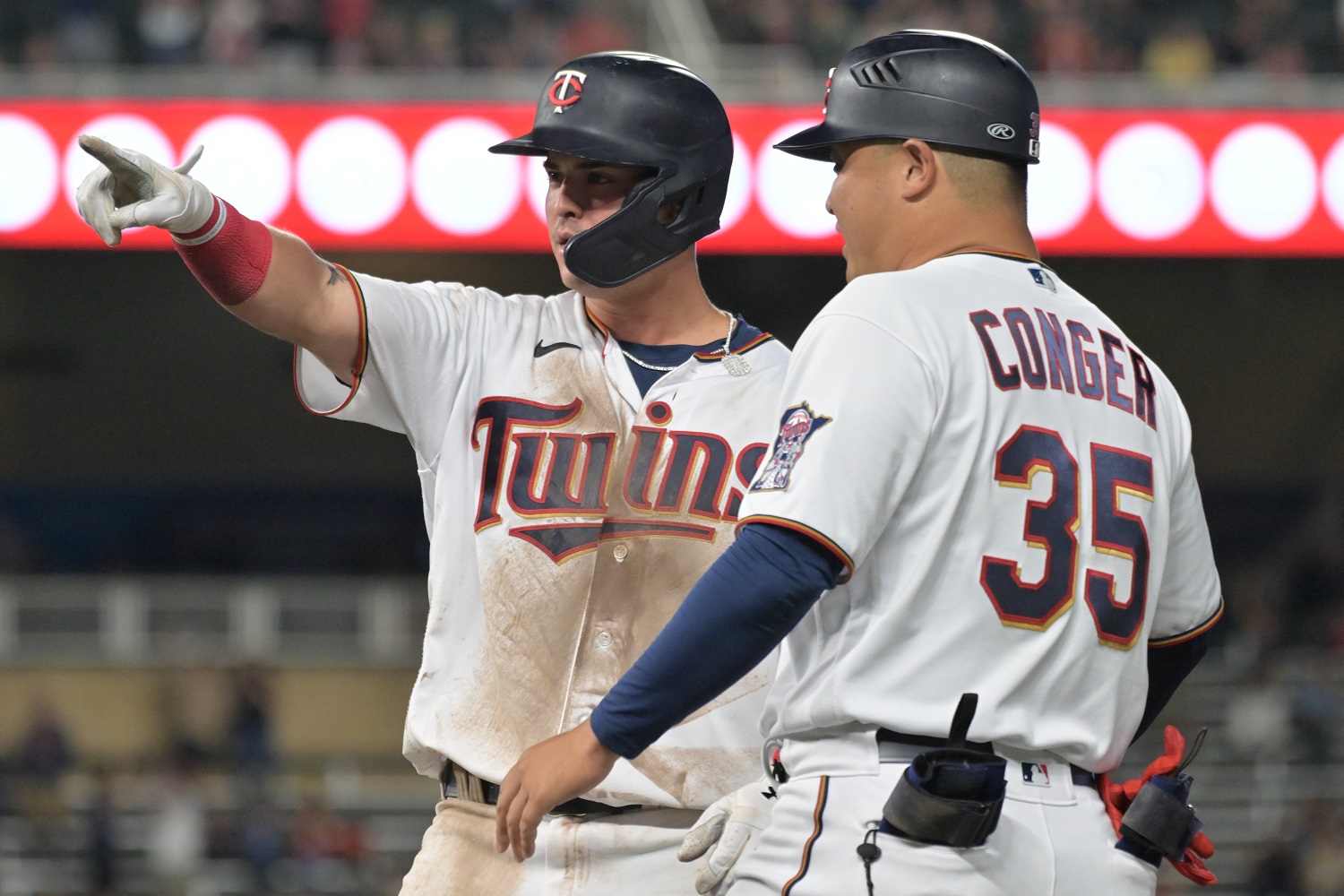 Hank Conger has seen more than enough baseball in his lifetime. With nearly 400 major-league games under his belt, the bulk of which came behind the plate, the former first-round pick knows what he’s doing when it comes to assessing the game. Conger joined Rocco Baldelli’s staff before the 2022 season. He oversaw a team that raced out to a lead and then succumbed to injury. He also has seen a roster revamped by the front office and ready to go. I caught up with the Minnesota first base coach prior to Opening Day and picked his brain on what lies ahead for this squad. Here’s what he had to say: Twins Daily: As a former catcher, and being of the belief that catcher's make great coaches, what has translated best from your playing career to coaching? Hank Conger: I think the biggest thing as a catcher was understanding the personalities of the position players and the pitchers at that time, and being able to pick both sides' brains, really helped with constantly seeing different perspectives. TD: Although you're the Twins first base coach, how involved are you with catchers at the big league level and throughout the organization? HC: Right now, alongside being the first base coach, I do work with both catchers at the big league level. It’s really fun getting to see how the position at catcher has really progressed over the years. Being able to work with Ryan Jeffers and Christian Vazquez has been really fun as they both bring such unique skill sets to the position while, both players continue to challenge themselves to get better everyday. TD: What challenges are there having turnover behind the plate this year? What is the most exciting thing Christian Vazquez brings to the table? HC: I think with any new player that joins a team it’s about being comfortable and being able to continue with what’s been successful for them, and to create that environment for that player. At the catching position, I think the biggest challenge is always being able to get familiar with your pitching staff, and being able to process data and reports, then being able to translate that onto the field for a pitching staff. I think the most exciting part about Vazquez is his enthusiasm to accomplish that, which has gotten everyone excited during the spring and into the season. TD: Now in year two with this team, what is the biggest difference heading into this season from 2022? HC: I think it’s no secret that the one thing that has a lot of people excited is really the versatility of our roster and the flexibility it creates for certain players to get at-bats and matchups. TD: Injuries are a part of the game and sank a good start last year, but why is the 2023 team built to win and what has you most excited about this squad? HC: I think the thing that got most people excited during spring was the intensity that all the players had brought to the field day one. And with the great leadership on the team ,the expectations and confidence that the players have shown has been phenomenal. TD: Lastly, regardless of record or finish, what is something you want to be able to say about this team when the year ends? HC: Baseball aside, being my second year here, the players here have all worked really hard to get to this point to start the season, and I think when you look around, the one common thing you can say about everyone is that it’s a great group of guys top to bottom. They’re gonna play hard and they’re gonna have fun doing it. This Twins team has a good chance to finish what they started last year. The front office did a good job providing security behind their starting lineup, and there are plenty of prospects close to providing help. If Baldelli, Conger, and the Minnesota coaching staff can get everything working together fluidly, we may see one of the better Twins teams in recent history.
- 9 comments
-
- 2
-
-
- hank conger
- christian vazquez
- (and 1 more)
-
The Minnesota Twins enter 2023 with arguably the deepest roster they have had in years. There is pitching. There is hitting. And, there are bench options to cover the spaces in between. Projection systems see them being better, and fans are excited to see it happen. Hank Conger, with a front row seat, sees it happening too. Image courtesy of Jeffrey Becker-USA TODAY Sports Hank Conger has seen more than enough baseball in his lifetime. With nearly 400 major-league games under his belt, the bulk of which came behind the plate, the former first-round pick knows what he’s doing when it comes to assessing the game. Conger joined Rocco Baldelli’s staff before the 2022 season. He oversaw a team that raced out to a lead and then succumbed to injury. He also has seen a roster revamped by the front office and ready to go. I caught up with the Minnesota first base coach prior to Opening Day and picked his brain on what lies ahead for this squad. Here’s what he had to say: Twins Daily: As a former catcher, and being of the belief that catcher's make great coaches, what has translated best from your playing career to coaching? Hank Conger: I think the biggest thing as a catcher was understanding the personalities of the position players and the pitchers at that time, and being able to pick both sides' brains, really helped with constantly seeing different perspectives. TD: Although you're the Twins first base coach, how involved are you with catchers at the big league level and throughout the organization? HC: Right now, alongside being the first base coach, I do work with both catchers at the big league level. It’s really fun getting to see how the position at catcher has really progressed over the years. Being able to work with Ryan Jeffers and Christian Vazquez has been really fun as they both bring such unique skill sets to the position while, both players continue to challenge themselves to get better everyday. TD: What challenges are there having turnover behind the plate this year? What is the most exciting thing Christian Vazquez brings to the table? HC: I think with any new player that joins a team it’s about being comfortable and being able to continue with what’s been successful for them, and to create that environment for that player. At the catching position, I think the biggest challenge is always being able to get familiar with your pitching staff, and being able to process data and reports, then being able to translate that onto the field for a pitching staff. I think the most exciting part about Vazquez is his enthusiasm to accomplish that, which has gotten everyone excited during the spring and into the season. TD: Now in year two with this team, what is the biggest difference heading into this season from 2022? HC: I think it’s no secret that the one thing that has a lot of people excited is really the versatility of our roster and the flexibility it creates for certain players to get at-bats and matchups. TD: Injuries are a part of the game and sank a good start last year, but why is the 2023 team built to win and what has you most excited about this squad? HC: I think the thing that got most people excited during spring was the intensity that all the players had brought to the field day one. And with the great leadership on the team ,the expectations and confidence that the players have shown has been phenomenal. TD: Lastly, regardless of record or finish, what is something you want to be able to say about this team when the year ends? HC: Baseball aside, being my second year here, the players here have all worked really hard to get to this point to start the season, and I think when you look around, the one common thing you can say about everyone is that it’s a great group of guys top to bottom. They’re gonna play hard and they’re gonna have fun doing it. This Twins team has a good chance to finish what they started last year. The front office did a good job providing security behind their starting lineup, and there are plenty of prospects close to providing help. If Baldelli, Conger, and the Minnesota coaching staff can get everything working together fluidly, we may see one of the better Twins teams in recent history. View full article
- 9 replies
-
- 1
-
-
- hank conger
- christian vazquez
- (and 1 more)
-
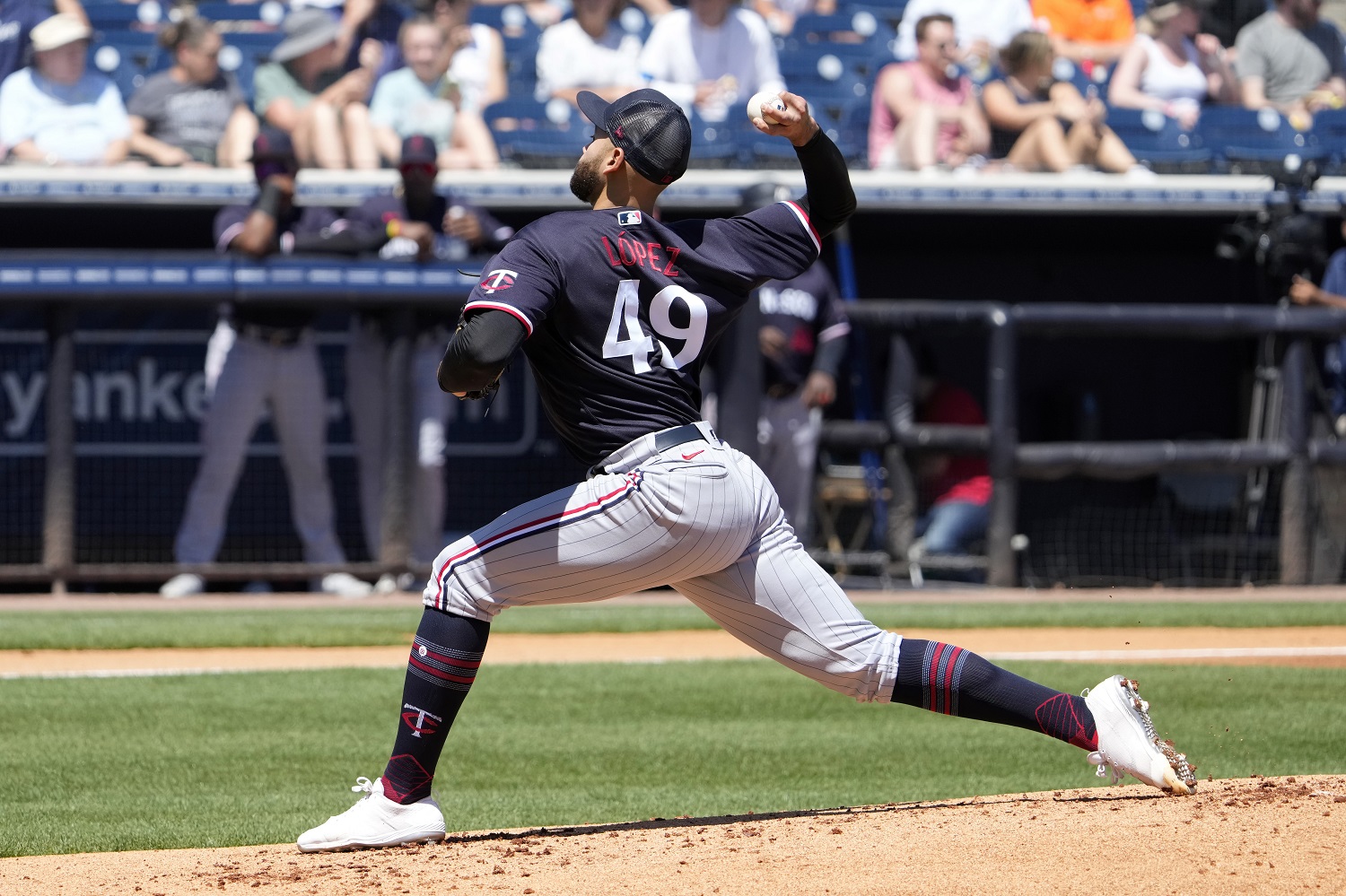 In 2022, Rocco Baldelli had to call upon 39 different players to take the mound. He nearly went through three complete rotations by asking 14 different starters to begin a game. It wasn’t just that the Twins opted to use an opener regularly, but a lack of effectiveness and availability created a need for new arms to be brought in by the bus load. As spring training came to a close the Twins made a tough decision to option Bailey Ober to Triple-A St. Paul. He is a major-league quality arm and threw over 50 innings for Minnesota across 11 games last year. He made the Opening Day rotation in 2022. This isn’t what he wanted for his career, but it’s evident of how deep the Twins are this time around. Knowing that injuries will happen, and guys are going to force their way in, what is a realistic amount of starters to appear for the Twins this season? The Opening Day Group Now having set the starting rotation, we know that the newly acquired Pablo Lopez will take the ball on Opening Day. He was a headline piece that cost the club Luis Arraez. Lopez has been consistently good for quite some time, and he elevates the group as a whole. Joe Ryan started Opening Day for Minnesota last year, and may now be something like the fifth best arm among the group. Both Sonny Gray and Tyler Mahle have the chops to pitch like an ace, and they should remain highly effective if healthy. Kenta Maeda is somewhat of a wildcard coming back from Tommy John surgery, but before he was injured, Minnesota saw their return for Brusdar Graterol compete for a Cy Young. The Triple-A Group It has been quite some time since the St. Paul Saints have had a rotation this loaded. There isn’t room for holdover veterans because Minnesota has developed strong internal depth. Ober headlines this unit and should be the first arm called upon when needed. Both Simeon Woods Richardson and Louie Varland made their big league debuts last season. Each should be expected to get some level of run with the Major League team again this year. On the Mend Chris Paddack is coming back from Tommy John surgery last season and looked like a reason to part with Taylor Rogers before he got hurt. The San Diego Padres saw him look like a star as a rookie, and the hope would be that Minnesota can extract that type of performance. He was extended this offseason and is clearly a part of the future. Jordan Balazovic is a former top prospect that found himself in hot water after an altercation away from the field this spring. He should be all systems go for the Saints, and while this is a make or break year for him, he does have a 40-man spot and can again earn his way back with strong performances. Guessing on the Rest Maybe the Twins will need to pick up a waiver claim for a spot start, as it’s something they have shown a willingness to do previously. They shouldn’t need to call upon an Aaron Sanchez or Chi Chi Gonzalez type this year, and it appears Josh Winder and Cole Sands have transitioned to the bullpen. Maybe David Festa flies through the upper portion of the minors, or Brent Headrick could be used as he was recently added to the 40-man as well. Either way, the bulk of the group should be substantially more reliable than we have seen in the past. Reading between all of the options, it seems like Minnesota should have a much better chance to cap out at 10-12 quality starting options this season. Rather than having to throw darts, establishing depth with a high water level is something that should be a point of praise for the front office. The hope is that it now pays off.
- 26 comments
-
- 4
-
-
- joe ryan
- bailey ober
- (and 3 more)
-
The short answer should be No. The longer answer should be Absolutely Not. It was just a season ago that injuries ravaged the Minnesota Twins, and stockpiling depth was clearly a focal point during the offseason. After going through bodies last year, it will be all hands on deck, and now the organization is built to sustain. Image courtesy of Dave Nelson-USA TODAY Sports In 2022, Rocco Baldelli had to call upon 39 different players to take the mound. He nearly went through three complete rotations by asking 14 different starters to begin a game. It wasn’t just that the Twins opted to use an opener regularly, but a lack of effectiveness and availability created a need for new arms to be brought in by the bus load. As spring training came to a close the Twins made a tough decision to option Bailey Ober to Triple-A St. Paul. He is a major-league quality arm and threw over 50 innings for Minnesota across 11 games last year. He made the Opening Day rotation in 2022. This isn’t what he wanted for his career, but it’s evident of how deep the Twins are this time around. Knowing that injuries will happen, and guys are going to force their way in, what is a realistic amount of starters to appear for the Twins this season? The Opening Day Group Now having set the starting rotation, we know that the newly acquired Pablo Lopez will take the ball on Opening Day. He was a headline piece that cost the club Luis Arraez. Lopez has been consistently good for quite some time, and he elevates the group as a whole. Joe Ryan started Opening Day for Minnesota last year, and may now be something like the fifth best arm among the group. Both Sonny Gray and Tyler Mahle have the chops to pitch like an ace, and they should remain highly effective if healthy. Kenta Maeda is somewhat of a wildcard coming back from Tommy John surgery, but before he was injured, Minnesota saw their return for Brusdar Graterol compete for a Cy Young. The Triple-A Group It has been quite some time since the St. Paul Saints have had a rotation this loaded. There isn’t room for holdover veterans because Minnesota has developed strong internal depth. Ober headlines this unit and should be the first arm called upon when needed. Both Simeon Woods Richardson and Louie Varland made their big league debuts last season. Each should be expected to get some level of run with the Major League team again this year. On the Mend Chris Paddack is coming back from Tommy John surgery last season and looked like a reason to part with Taylor Rogers before he got hurt. The San Diego Padres saw him look like a star as a rookie, and the hope would be that Minnesota can extract that type of performance. He was extended this offseason and is clearly a part of the future. Jordan Balazovic is a former top prospect that found himself in hot water after an altercation away from the field this spring. He should be all systems go for the Saints, and while this is a make or break year for him, he does have a 40-man spot and can again earn his way back with strong performances. Guessing on the Rest Maybe the Twins will need to pick up a waiver claim for a spot start, as it’s something they have shown a willingness to do previously. They shouldn’t need to call upon an Aaron Sanchez or Chi Chi Gonzalez type this year, and it appears Josh Winder and Cole Sands have transitioned to the bullpen. Maybe David Festa flies through the upper portion of the minors, or Brent Headrick could be used as he was recently added to the 40-man as well. Either way, the bulk of the group should be substantially more reliable than we have seen in the past. Reading between all of the options, it seems like Minnesota should have a much better chance to cap out at 10-12 quality starting options this season. Rather than having to throw darts, establishing depth with a high water level is something that should be a point of praise for the front office. The hope is that it now pays off. View full article
- 26 replies
-
- 1
-
-
- joe ryan
- bailey ober
- (and 3 more)
-
When the Minnesota Twins kick off their regular season on Thursday they will do so employing a new centerfielder. A large question mark is centered in the middle of the outfield, but it will be on Michael A. Taylor to make sure that he enters the right clubhouse at Kauffman Stadium. Image courtesy of Jay Biggerstaff-USA TODAY Sports For years the Minnesota Twins have had one of baseball’s best players patrolling the middle of their outfield. It’s hard to deny how extraordinary Byron Buxton is. The problem is that he’s always been shelved for a period of time. This year, Derek Falvey brought in an insurance policy named Michael A. Taylor. There will never be a question about how good Byron Buxton is. He is on the level with Mike Trout and Aaron Judge as among the best in the game when he is on the field. Staying on the field has been a problem, and it’s why he was able to be signed for just a $100 million contract. Employing him comes with risk, and for the first time, Minnesota spent to support themselves in that regard. Rather than needing to run out someone like Rob Refsnyder or ask Nick Gordon to make an emergency start in centerfield, Rocco Baldelli now has a Gold Glove talent ready to play in place of Buxton. Michael A. Taylor has consistently been one of the best defensive outfielders in baseball. Twins fans have seen this on display as Taylor was showcased within the division with the Royals. Taylor joins the Twins making $4.5 million this year. He’s not some cast-off worth little more than the major-league minimum. He has won a World Series. Taylor has played in nearly 1,000 major-league games throughout his career. This is a guy that can be thrown out there, and expectations are straightforward. No one should expect Buxton’s offensive production from Taylor, but that has never been the case for any of his previous backups. As Buxton is eased back into his defensive role, keeping him healthy and in the lineup is a worthy goal. The Twins have watched Buxton turn into a slugging threat, and regular at-bats could see him blast more than 40 homers this season. He doesn’t need to steal bases, even with the new rules, as his gap power produces plenty of extra-base hits. Taylor playing the field takes away pressure from Buxton putting additional stress on his body. Just once throughout his nine-year career has Taylor been above a league-average hitter. As a 26-year-old in 2017, Taylor posted a 104 OPS+ for Washington. His .806 OPS was the result of a career-best 19 home runs, and it is something he hasn’t replicated since. Minnesota doesn’t need that from him, but something more than the 83 OPS+ produced over the last two seasons as a regular for Kansas City would be ideal. At some point, the hope is that Taylor will be relegated back to a fourth outfielder role, and Minnesota can start their best offense on a daily basis. If he can hold down his spot at the back of the batting order until then, the time he’ll see when everyone is healthy should undoubtedly rise. Last season the Twins saw what can happen when depth is beyond thin. Having producers at the top works, but the reality is that players will get hurt, and there are few times when everyone is available all at once. A built-in insurance policy to keep him available has been necessary for having a superstar like Buxton, who provides so much on both sides of the ball. Minnesota made more than a handful of moves this offseason. Dealing for Pablo Lopez, re-signing Carlos Correa, and bringing in Kyle Farmer all drew headlines. The acquisition of Taylor, though, could provide the most significant dividends and ripple effects for the Twins. Expect to see him plenty this season, and the more Buxton can remain healthy because of his presence, the better. View full article
- 14 replies
-
- 1
-
-
- michael a taylor
- byron buxton
- (and 2 more)
-
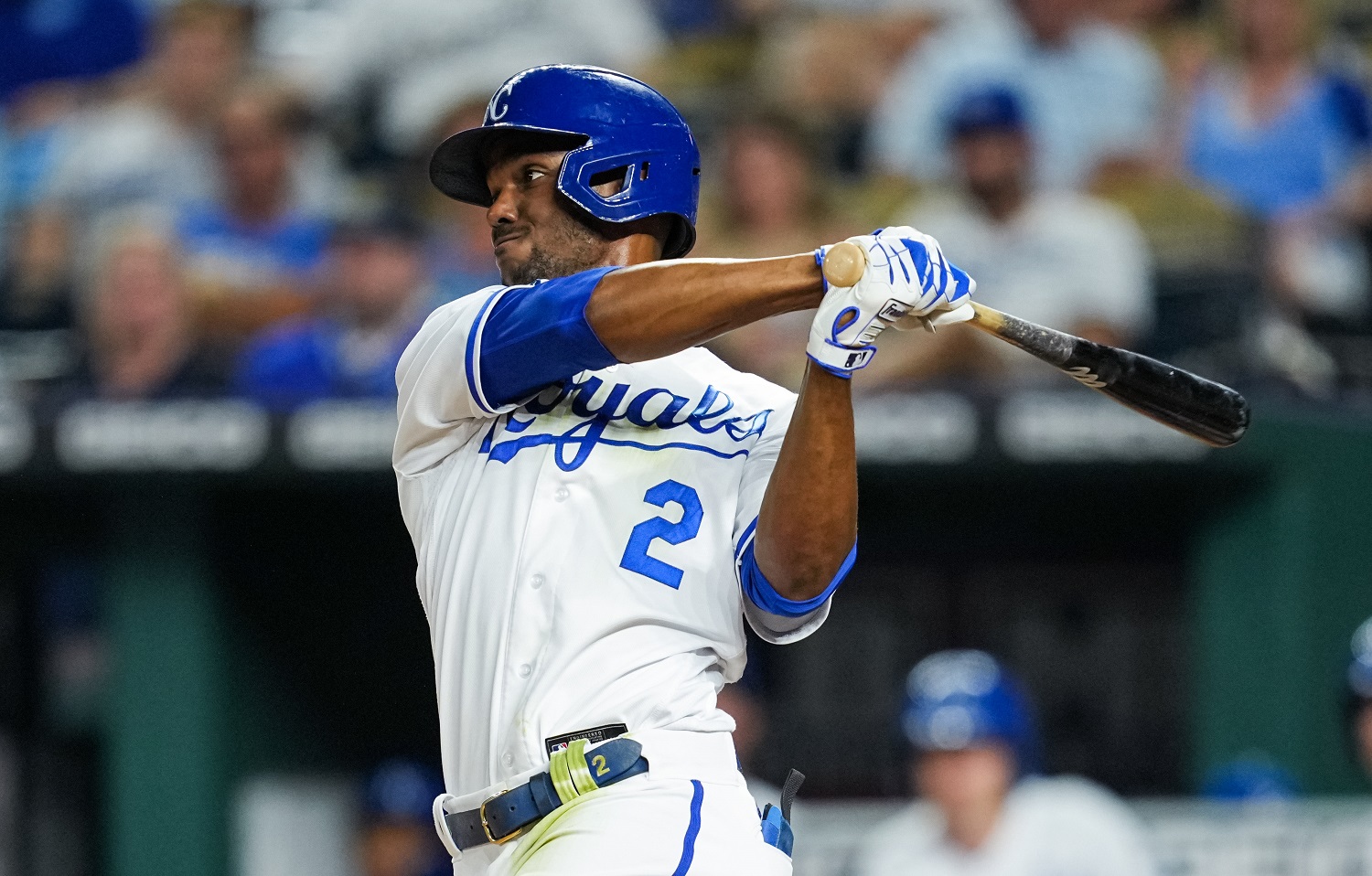 For years the Minnesota Twins have had one of baseball’s best players patrolling the middle of their outfield. It’s hard to deny how extraordinary Byron Buxton is. The problem is that he’s always been shelved for a period of time. This year, Derek Falvey brought in an insurance policy named Michael A. Taylor. There will never be a question about how good Byron Buxton is. He is on the level with Mike Trout and Aaron Judge as among the best in the game when he is on the field. Staying on the field has been a problem, and it’s why he was able to be signed for just a $100 million contract. Employing him comes with risk, and for the first time, Minnesota spent to support themselves in that regard. Rather than needing to run out someone like Rob Refsnyder or ask Nick Gordon to make an emergency start in centerfield, Rocco Baldelli now has a Gold Glove talent ready to play in place of Buxton. Michael A. Taylor has consistently been one of the best defensive outfielders in baseball. Twins fans have seen this on display as Taylor was showcased within the division with the Royals. Taylor joins the Twins making $4.5 million this year. He’s not some cast-off worth little more than the major-league minimum. He has won a World Series. Taylor has played in nearly 1,000 major-league games throughout his career. This is a guy that can be thrown out there, and expectations are straightforward. No one should expect Buxton’s offensive production from Taylor, but that has never been the case for any of his previous backups. As Buxton is eased back into his defensive role, keeping him healthy and in the lineup is a worthy goal. The Twins have watched Buxton turn into a slugging threat, and regular at-bats could see him blast more than 40 homers this season. He doesn’t need to steal bases, even with the new rules, as his gap power produces plenty of extra-base hits. Taylor playing the field takes away pressure from Buxton putting additional stress on his body. Just once throughout his nine-year career has Taylor been above a league-average hitter. As a 26-year-old in 2017, Taylor posted a 104 OPS+ for Washington. His .806 OPS was the result of a career-best 19 home runs, and it is something he hasn’t replicated since. Minnesota doesn’t need that from him, but something more than the 83 OPS+ produced over the last two seasons as a regular for Kansas City would be ideal. At some point, the hope is that Taylor will be relegated back to a fourth outfielder role, and Minnesota can start their best offense on a daily basis. If he can hold down his spot at the back of the batting order until then, the time he’ll see when everyone is healthy should undoubtedly rise. Last season the Twins saw what can happen when depth is beyond thin. Having producers at the top works, but the reality is that players will get hurt, and there are few times when everyone is available all at once. A built-in insurance policy to keep him available has been necessary for having a superstar like Buxton, who provides so much on both sides of the ball. Minnesota made more than a handful of moves this offseason. Dealing for Pablo Lopez, re-signing Carlos Correa, and bringing in Kyle Farmer all drew headlines. The acquisition of Taylor, though, could provide the most significant dividends and ripple effects for the Twins. Expect to see him plenty this season, and the more Buxton can remain healthy because of his presence, the better.
- 14 comments
-
- 9
-
-
- michael a taylor
- byron buxton
- (and 2 more)
-
MLB Players Association Negotiates Deal to Get Minor Leaguers Paid
Ted Schwerzler posted an article in Twins
 Over the offseason talks began to come to a head with the reality that, for the first time, minor league players would have representation at the table. Minor league baseball players would be represented in Collective Bargaining Agreements by the MLBPA. On the eve of Opening Day, a monumental deal was reached. Of course, the CBA still needs to be ratified. Throughout history, Major League Baseball ownership has looked to suppress the wages of minor-league players. Defined as seasonal or temporary workers, minor leaguers have been forced to play for well below livable wages, and the allure of a far-off payday in the major leagues was what drove them to keep pushing. The reality is that not every player is defined by their prospect status, and far more don’t come from a draft windfall through a hefty bonus. When looking to get by while focusing on their craft, the burden of financial hardship should not be part of the equation. Thanks to a deal struck on the eve of Major League Baseball’s greatest calendar day Opening Day,, a new era of the minor league future gets ushered in. ESPN’s Jeff Passan reported the breakdowns for salaries, and players will take home something much more representative of working a job rather than being an asset. Player’s will receive pay almost year round, and needing to figure out financial plans during spring training should no longer be an issue. On top of actually being paid for the fringe parts of the minor league season, players can earn additional money if those commitments extend (intsructional league). No organizational talent was looking to get rich off their minor league income, but players should now avoid needing to find second jobs in off hours. It was another win for minor leaguers in court today as well. Reported by the Associated Press on Wednesday evening, a federal judge approved the $185 million settlement against Major League Baseball for violating federal minimum wage laws. The litigation had been ongoing for nine years and finally reached its conclusion. The suit was filed in 2014 by Rochester Mayo grad Aaron Senne, along with fellow former minor-leaguers Michael Liberto and Oliver Odle. There has always been an argument that taking away some of the hardships players had off of the field could present a greater focus or outcome on it. Now we will get to see if that bears any fruit. News continues to come in on the monumental achievement for minor leaguers. The CBA will also allow players signed at 19 years old or younger to be under team control for just six seasons as opposed to seven. This is big news for many international free agents and players drafted out of high school. MLBPA expects to have its vote completed by midnight Friday. MLB owners need to vote as well. A formal grievance procedure will also be set in place. UPDATE: The players how not ratified the vote. Final step is MLB ownership approval. UPDATE: Major League Baseball owners have voted in favor of the proposal. The deal is now official. Congrats minor-leaguers! Great news for the minor-leaguers. Certainly there are more negotiations to come, but this is a terrific start. Share you thoughts in the COMMENTS below!
 -
For years the reality is that Minor League Baseball Players have been left out in the cold when it comes to representation. While the Major League Baseball Players Association negotiated deals for fair labor practices, the future of the game was left out to dry. Not anymore. Image courtesy of Jonathan Dyer-USA TODAY Sports Over the offseason talks began to come to a head with the reality that, for the first time, minor league players would have representation at the table. Minor league baseball players would be represented in Collective Bargaining Agreements by the MLBPA. On the eve of Opening Day, a monumental deal was reached. Of course, the CBA still needs to be ratified. Throughout history, Major League Baseball ownership has looked to suppress the wages of minor-league players. Defined as seasonal or temporary workers, minor leaguers have been forced to play for well below livable wages, and the allure of a far-off payday in the major leagues was what drove them to keep pushing. The reality is that not every player is defined by their prospect status, and far more don’t come from a draft windfall through a hefty bonus. When looking to get by while focusing on their craft, the burden of financial hardship should not be part of the equation. Thanks to a deal struck on the eve of Major League Baseball’s greatest calendar day Opening Day,, a new era of the minor league future gets ushered in. ESPN’s Jeff Passan reported the breakdowns for salaries, and players will take home something much more representative of working a job rather than being an asset. Player’s will receive pay almost year round, and needing to figure out financial plans during spring training should no longer be an issue. On top of actually being paid for the fringe parts of the minor league season, players can earn additional money if those commitments extend (intsructional league). No organizational talent was looking to get rich off their minor league income, but players should now avoid needing to find second jobs in off hours. It was another win for minor leaguers in court today as well. Reported by the Associated Press on Wednesday evening, a federal judge approved the $185 million settlement against Major League Baseball for violating federal minimum wage laws. The litigation had been ongoing for nine years and finally reached its conclusion. The suit was filed in 2014 by Rochester Mayo grad Aaron Senne, along with fellow former minor-leaguers Michael Liberto and Oliver Odle. There has always been an argument that taking away some of the hardships players had off of the field could present a greater focus or outcome on it. Now we will get to see if that bears any fruit. News continues to come in on the monumental achievement for minor leaguers. The CBA will also allow players signed at 19 years old or younger to be under team control for just six seasons as opposed to seven. This is big news for many international free agents and players drafted out of high school. MLBPA expects to have its vote completed by midnight Friday. MLB owners need to vote as well. A formal grievance procedure will also be set in place. UPDATE: The players how not ratified the vote. Final step is MLB ownership approval. UPDATE: Major League Baseball owners have voted in favor of the proposal. The deal is now official. Congrats minor-leaguers! Great news for the minor-leaguers. Certainly there are more negotiations to come, but this is a terrific start. Share you thoughts in the COMMENTS below! View full article
-
The Minnesota Twins saw a franchise record of pitchers used last season, and 14 players took the ball to start a game. Despite leading the AL Central division for much of the year, injuries ravaged the group, and ineffectiveness rose. Now with depth, are starters set to go longer for Minnesota? Image courtesy of Ken Blaze-USA TODAY Sports First and foremost, last season saw a trend of starters going fewer innings take shape across all of baseball. Through the first two months, starting pitchers averaged just over 4 2/3 innings per start. It made a good amount of sense, with relievers being more specialized than ever and starters lacking when a lineup rolls over. For Twins fans, the consternation has always been directly with manager Rocco Baldelli. No matter how loud it needed to be yelled last year, though, suggesting, short starts weren’t a Twins thing (or a Baldelli thing) didn’t matter. With an overhauled rotation, could longer starts become a Twins thing? Gone are the days of Chris Archer and Dylan Bundy being ok with a five and dive routine. Neither was effective enough to be penciled in for more last season, and the Twins knew that. Sonny Gray wasn't ever thrilled about an early hook, but injuries have been a concern for him, and he was lumped in with a bad group last year. At times, Joe Ryan's two pitch mix wasn't enough for him to be efficient, and as a whole, the rotation forced the manager's hand. Trying to protect guys like Bailey Ober and Tyler Mahle from further injury, there was just never opportunity for Baldelli to lengthen the leash. Opening Day starter Pablo Lopez threw 180 innings last year for the Miami Marlins. That easily would have been the most for Minnesota, and he did that to the tune of a 3.75 ERA. Across all his 32 starts, Lopez went less than five innings just seven times. Sonny Gray has publicly voiced a desire to go deeper in games, and settling in during year two with this staff could help to accommodate that. Tyler Mahle made 19 starts for Cincinnati before being traded last year, and he went under five innings in only five of them, three of which came during the first month. If there are starters to be concerned about length with in the Twins initial stable, it has to be both Joe Ryan and Kenta Maeda. A year ago, Ryan put together a solid rookie campaign, which was highly rooted in dominance against cellar-dwellers. He struggled when facing a lineup more than twice, and he was beat around a bit by lineups of high-caliber opponents. Being able to show a higher level of consistency could lengthen his leash. Regarding Maeda, plenty will depend on how effectively he can return from Tommy John surgery. He is well beyond the normal recovery period and has been stretched out plenty this spring. The numbers and performance haven’t been great, but there is a lot to like if he can settle back into where he was during the 2020 season. Maeda never went under five innings during any of the 11 starts that year, and he completed five innings during two-thirds of his 2021 outings. Ultimately the length of a start is determined by game flow, but for the Twins, it has largely been reactionary due to the quality of performance. Baldelli would certainly appreciate not having to rely on Jhoan Duran, Jorge Lopez, or Griffin Jax every single night. He can avoid doing that if his starting rotation performs at a high level and presents an opportunity to continue longer in a game. I don’t think we’ll suddenly see the Twins returning a Bert Blyleven-like workload this year for the rotation. Still, guys working into the sixth and seventh inning have a much more realistic possibility of happening. This is unquestionably Minnesota’s best rotation in years, and on no night should it be assumed a guy will go out and just get blown up. Baldelli may have preferred to yank starters early out of principle, but the much more likely reality is that performance-dictated decisions. We’ll now have a case study opportunity to find out how much truth there is to good starters going longer. View full article
- 41 replies
-
- 1
-
-
- sonny gray
- pablo lopez
- (and 3 more)
-
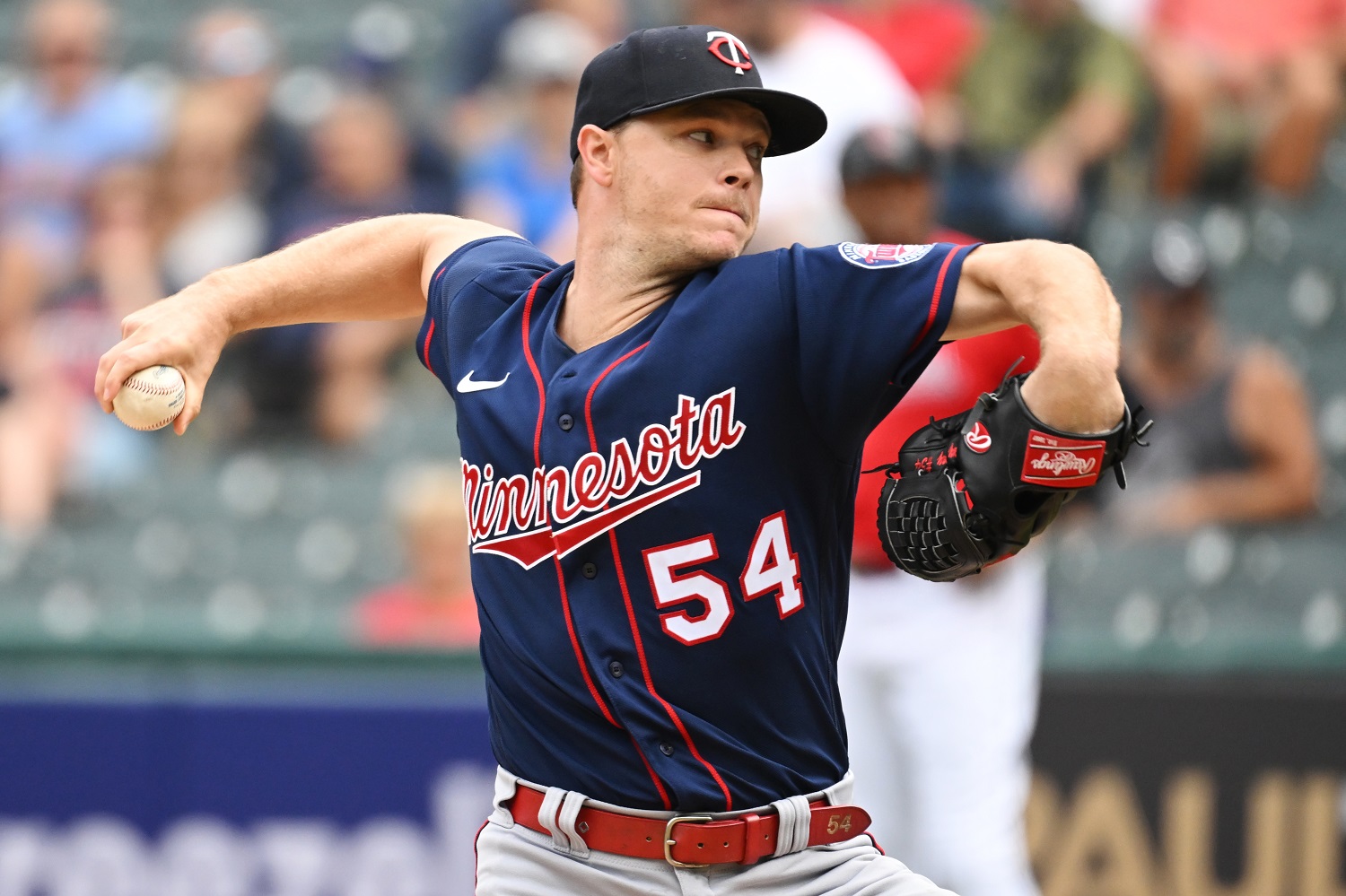 First and foremost, last season saw a trend of starters going fewer innings take shape across all of baseball. Through the first two months, starting pitchers averaged just over 4 2/3 innings per start. It made a good amount of sense, with relievers being more specialized than ever and starters lacking when a lineup rolls over. For Twins fans, the consternation has always been directly with manager Rocco Baldelli. No matter how loud it needed to be yelled last year, though, suggesting, short starts weren’t a Twins thing (or a Baldelli thing) didn’t matter. With an overhauled rotation, could longer starts become a Twins thing? Gone are the days of Chris Archer and Dylan Bundy being ok with a five and dive routine. Neither was effective enough to be penciled in for more last season, and the Twins knew that. Sonny Gray wasn't ever thrilled about an early hook, but injuries have been a concern for him, and he was lumped in with a bad group last year. At times, Joe Ryan's two pitch mix wasn't enough for him to be efficient, and as a whole, the rotation forced the manager's hand. Trying to protect guys like Bailey Ober and Tyler Mahle from further injury, there was just never opportunity for Baldelli to lengthen the leash. Opening Day starter Pablo Lopez threw 180 innings last year for the Miami Marlins. That easily would have been the most for Minnesota, and he did that to the tune of a 3.75 ERA. Across all his 32 starts, Lopez went less than five innings just seven times. Sonny Gray has publicly voiced a desire to go deeper in games, and settling in during year two with this staff could help to accommodate that. Tyler Mahle made 19 starts for Cincinnati before being traded last year, and he went under five innings in only five of them, three of which came during the first month. If there are starters to be concerned about length with in the Twins initial stable, it has to be both Joe Ryan and Kenta Maeda. A year ago, Ryan put together a solid rookie campaign, which was highly rooted in dominance against cellar-dwellers. He struggled when facing a lineup more than twice, and he was beat around a bit by lineups of high-caliber opponents. Being able to show a higher level of consistency could lengthen his leash. Regarding Maeda, plenty will depend on how effectively he can return from Tommy John surgery. He is well beyond the normal recovery period and has been stretched out plenty this spring. The numbers and performance haven’t been great, but there is a lot to like if he can settle back into where he was during the 2020 season. Maeda never went under five innings during any of the 11 starts that year, and he completed five innings during two-thirds of his 2021 outings. Ultimately the length of a start is determined by game flow, but for the Twins, it has largely been reactionary due to the quality of performance. Baldelli would certainly appreciate not having to rely on Jhoan Duran, Jorge Lopez, or Griffin Jax every single night. He can avoid doing that if his starting rotation performs at a high level and presents an opportunity to continue longer in a game. I don’t think we’ll suddenly see the Twins returning a Bert Blyleven-like workload this year for the rotation. Still, guys working into the sixth and seventh inning have a much more realistic possibility of happening. This is unquestionably Minnesota’s best rotation in years, and on no night should it be assumed a guy will go out and just get blown up. Baldelli may have preferred to yank starters early out of principle, but the much more likely reality is that performance-dictated decisions. We’ll now have a case study opportunity to find out how much truth there is to good starters going longer.
- 41 comments
-
- 2
-
-
- sonny gray
- pablo lopez
- (and 3 more)
-
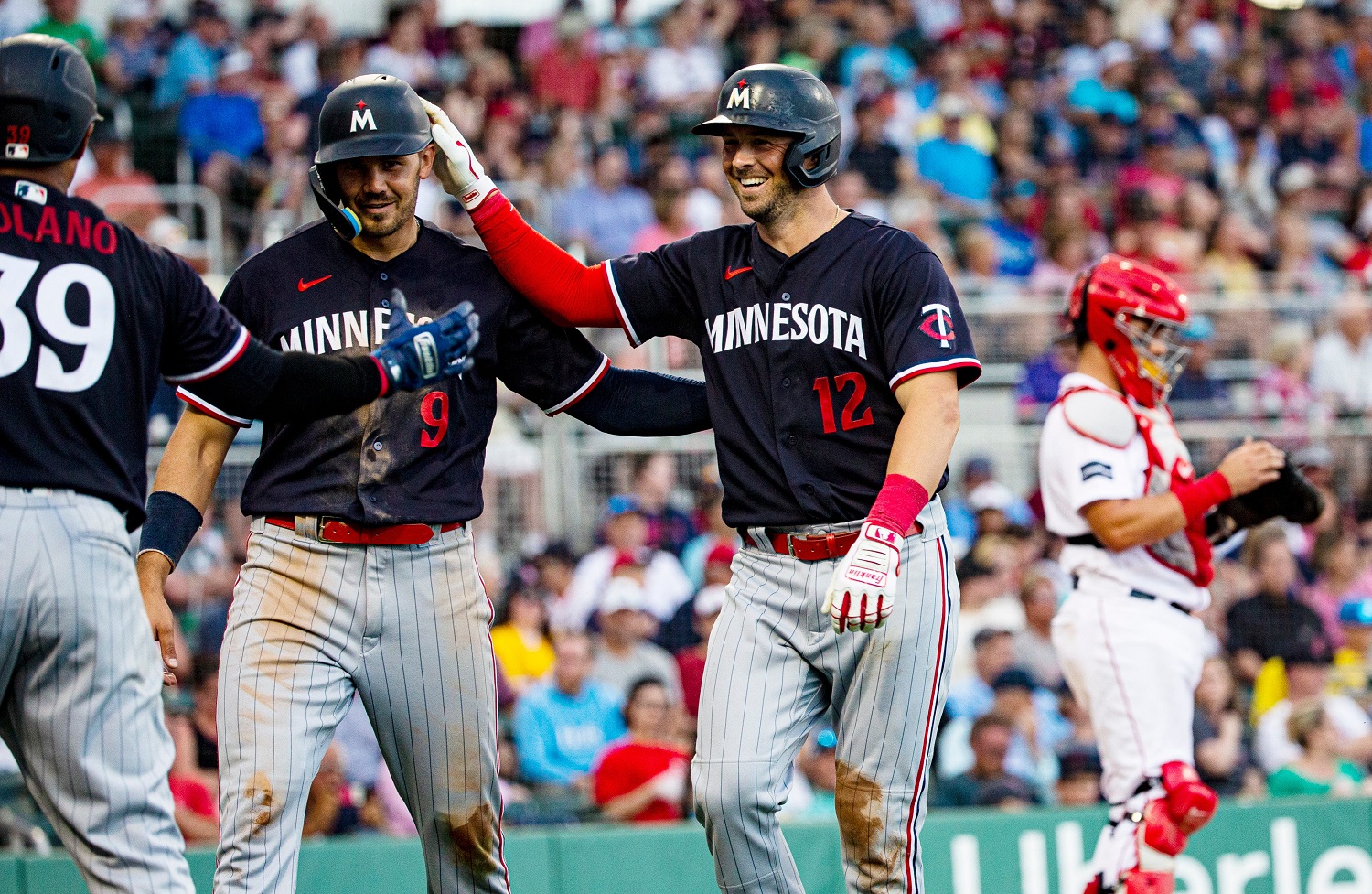 Last season, the Twins saw firsthand how fun it is to have a fantastic shortstop. Carlos Correa is one of the best players in Major League Baseball, and while it was an odd route to re-sign him, he now can call Minnesota home for the better part of a decade. At first, that may have been disappointing for Kyle Farmer, who was initially penciled in to play the spot, but he’s going to carve out plenty of run for himself. Rocco Baldelli’s squad struggled mightily at times to score runs a year ago. Much of that lineup returns. Correa returns alongside Jorge Polanco, Alex Kirilloff, Jose Miranda, and Max Kepler. Some of that group still needs to get healthy, but the bulk of a lineup that routinely was called upon last year remains the same. Yes, Joey Gallo is a high-profile offensive addition, but Farmer also brings a skillset that Minnesota desperately needed. A late-blooming Dodgers prospect, Farmer didn’t debut until his age-26 season in 2017. He played in just 59 games for Los Angeles before heading to Cincinnati, and it wasn’t until 2021 that he surpassed the century mark in a single season. In the past two years, though, Farmer has shown an ability to produce at a level that the fringes of a good roster should be excited about. Farmer is not an average or on-base juggernaut, but he provides enough pop from the middle infield to be something plenty at those positions cannot handle. A career-best 16 home runs happened two seasons ago, and Farmer nearly replicated that last year when he hit 14 for the Reds. It’s not as though he’ll be an integral power threat as a utility guy for Minnesota, but having enough pop at their disposal is something the team would’ve liked more of last year. The Twins also have the benefit of platooning Farmer alongside their own developed utility star. Farmer is a right-handed hitter, whereas Nick Gordon is on the opposite side of the plate. The two can help mask Polanco's initial absence and should be expected to get plenty of run at second base. Last season Farmer mashed southpaws to the tune of a .309/.380/.568 slash line. Given how left-handed that group tends to be, Minnesota has had platoon players in the outfield during recent seasons. Kyle Garlick carved out a role by being able to show right-handed power, and Farmer could benefit from similar usage. Going from Correa to Farmer as the everyday shortstop would have been underwhelming, but some initial plan needed to be hatched. Similar to the Isiah Kiner-Falefa move two offseasons ago, the Twins front office kept working and exceeded even their initial expectations. While Farmer could have been disappointed in losing some playing time or opportunity, he’ll now be put in even more advantageous situations. For a manager that likes to look at matchups, Baldelli should have the most flexibility and depth he has ever had for the Twins. A bench including a regular like Farmer is evidence of that. Minnesota making noise during the regular season and into the postseason will reflect the roster as a whole.
- 15 comments
-
- 6
-
-
- kyle farmer
- carlos correa
- (and 1 more)
-
Coming into the offseason, the Minnesota Twins established a baseline again at shortstop. With Carlos Correa unlikely to return, they grabbed Kyle Farmer from the Cincinnati Reds. Although he now will rarely play there, his place on the 26-man roster is something to be noticed. Image courtesy of Andrew West/The News-Press / USA TODAY NETWORK Last season, the Twins saw firsthand how fun it is to have a fantastic shortstop. Carlos Correa is one of the best players in Major League Baseball, and while it was an odd route to re-sign him, he now can call Minnesota home for the better part of a decade. At first, that may have been disappointing for Kyle Farmer, who was initially penciled in to play the spot, but he’s going to carve out plenty of run for himself. Rocco Baldelli’s squad struggled mightily at times to score runs a year ago. Much of that lineup returns. Correa returns alongside Jorge Polanco, Alex Kirilloff, Jose Miranda, and Max Kepler. Some of that group still needs to get healthy, but the bulk of a lineup that routinely was called upon last year remains the same. Yes, Joey Gallo is a high-profile offensive addition, but Farmer also brings a skillset that Minnesota desperately needed. A late-blooming Dodgers prospect, Farmer didn’t debut until his age-26 season in 2017. He played in just 59 games for Los Angeles before heading to Cincinnati, and it wasn’t until 2021 that he surpassed the century mark in a single season. In the past two years, though, Farmer has shown an ability to produce at a level that the fringes of a good roster should be excited about. Farmer is not an average or on-base juggernaut, but he provides enough pop from the middle infield to be something plenty at those positions cannot handle. A career-best 16 home runs happened two seasons ago, and Farmer nearly replicated that last year when he hit 14 for the Reds. It’s not as though he’ll be an integral power threat as a utility guy for Minnesota, but having enough pop at their disposal is something the team would’ve liked more of last year. The Twins also have the benefit of platooning Farmer alongside their own developed utility star. Farmer is a right-handed hitter, whereas Nick Gordon is on the opposite side of the plate. The two can help mask Polanco's initial absence and should be expected to get plenty of run at second base. Last season Farmer mashed southpaws to the tune of a .309/.380/.568 slash line. Given how left-handed that group tends to be, Minnesota has had platoon players in the outfield during recent seasons. Kyle Garlick carved out a role by being able to show right-handed power, and Farmer could benefit from similar usage. Going from Correa to Farmer as the everyday shortstop would have been underwhelming, but some initial plan needed to be hatched. Similar to the Isiah Kiner-Falefa move two offseasons ago, the Twins front office kept working and exceeded even their initial expectations. While Farmer could have been disappointed in losing some playing time or opportunity, he’ll now be put in even more advantageous situations. For a manager that likes to look at matchups, Baldelli should have the most flexibility and depth he has ever had for the Twins. A bench including a regular like Farmer is evidence of that. Minnesota making noise during the regular season and into the postseason will reflect the roster as a whole. View full article
-
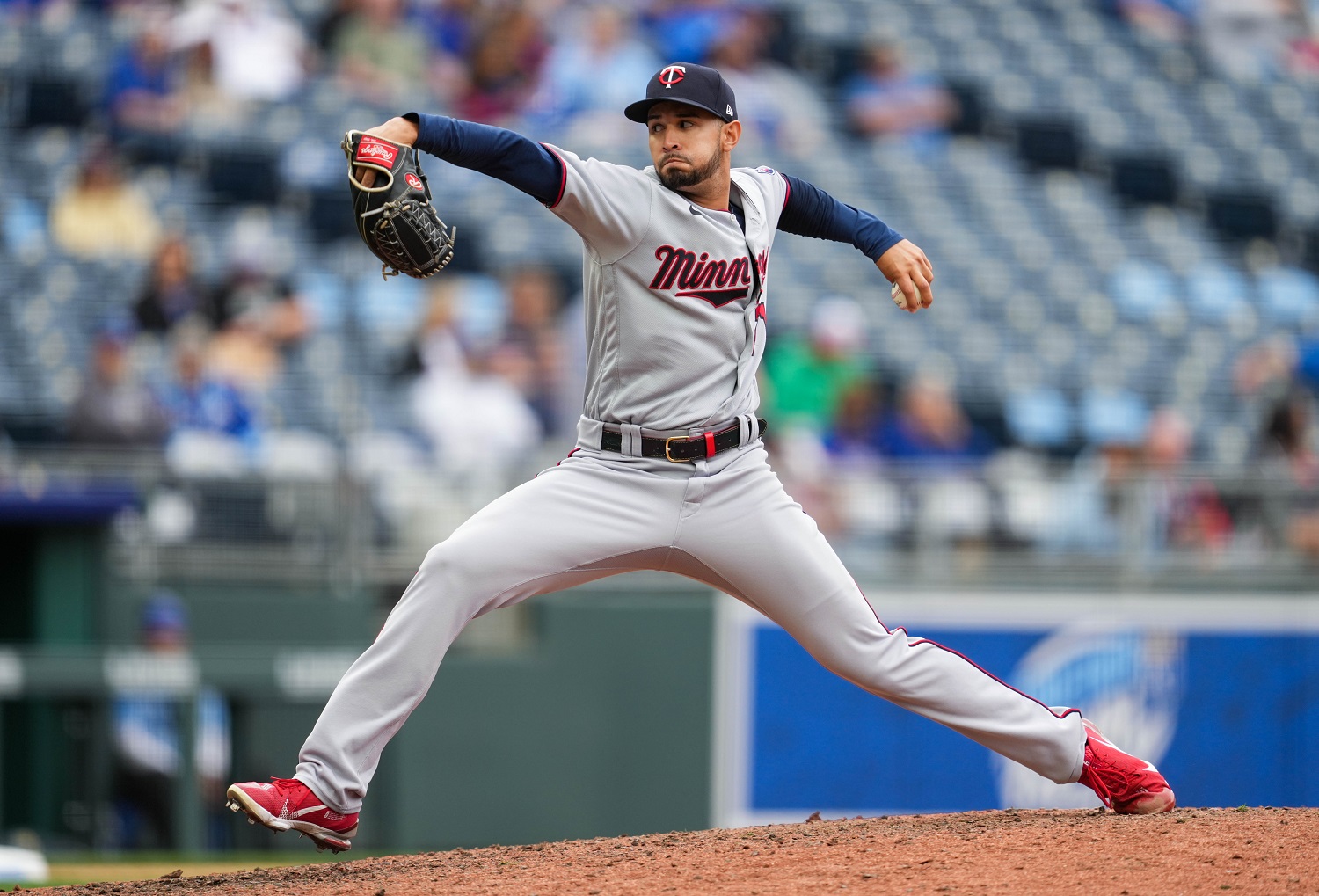 Rocco Baldelli left spring training last year thinking Taylor Rogers would be his "closer." Last March, he was likely assuming that Jhoan Duran would be a starter in St. Paul. Neither of those things proved to be true, and the bullpen was in flux for most of the season. Emilio Pagan was a source of consternation. Duran emerged as a superstar. Caleb Thielbar stayed consistently effective. Griffin Jax looked the part of a late-inning reliever in his first season in the bullpen. Many arms were sent to the mound, but one that continued to go up and down was lefty Jovani Moran. If you guessed that he threw 40 2/3 innings in the big leagues in 2022, I’d question your honesty. Moran was moved between teams seven different times. Splitting time almost evenly, Moran appeared in 20 games for the Saints and threw 31 times for the Twins. What should also jump off the page is genuinely how good Moran was. Last season the Twins southpaw posted a 2.21 ERA and had an even better 1.78 FIP. His expected ERA was nearly even at 2.28, and his xFIP was still solid at 2.88. Those numbers were consistent at Target Field and on the road. For a guy who has consistently issued too many free passes, he does an incredible amount exceptionally well. While he may walk too many, he does a nice job of limiting hard contact. Moran has not given up a home run in nearly 50 major-league innings. He’s only allowed 34 hits in that same period. Sure, he racks up strikeouts in droves, but equally important, his barrel rate is below 6%. Moran is not cut from the same cloth as Duran or a prototypical flamethrower. His average fastball velocity last year was just over 93 mph. With that, he got batters to chase nearly one-third of the time, has an incredible 16% whiff rate, and gives up contact only 64% of the time across the board. It’s truly impressive how good the 25-year-old Puerto Rican was for the Twins, especially considering his 2022 ERA with the Saints was 6.00. Building depth around the diamond was a goal for the Twins' front office in the offseason. That also rings true in the bullpen. For Moran, he could certainly be the odd man out. It remains to be seen if the Twins will carry three lefties. Moran still has two minor-league options, and although Thielbar is a lock, Danny Coulombe could also be added to the 40-man and 26-man rosters. If Moran starts at Triple-A, that level of talent on the farm is something to be excited about. No matter what role Moran fills for the team, he has now shown an ability to perform at a very high level. This isn’t just an arm that loads the bases and dances out of trouble. We have now seen the Twins develop a strikeout pitcher that misses bats and doesn’t allow situations to get him burned. A season ago, Griffin Jax was coming off an ERA north of 6.00 and having been a failed starter (over his 14 career starts). He now looks the part of a bullpen stalwart. Moran has already begun the transformation; another step forward in 2023 could make him scary.
- 16 comments
-
- 5
-
-
- jovani moran
- griffin jax
- (and 1 more)
-
The Minnesota Twins entered last season with a questionable bullpen. Then they shook things up even more on the night before Opening Day. This season, the group will be a lot better, but how much of an impact will Jovani Moran make? Image courtesy of Jay Biggerstaff-USA TODAY Sports Rocco Baldelli left spring training last year thinking Taylor Rogers would be his "closer." Last March, he was likely assuming that Jhoan Duran would be a starter in St. Paul. Neither of those things proved to be true, and the bullpen was in flux for most of the season. Emilio Pagan was a source of consternation. Duran emerged as a superstar. Caleb Thielbar stayed consistently effective. Griffin Jax looked the part of a late-inning reliever in his first season in the bullpen. Many arms were sent to the mound, but one that continued to go up and down was lefty Jovani Moran. If you guessed that he threw 40 2/3 innings in the big leagues in 2022, I’d question your honesty. Moran was moved between teams seven different times. Splitting time almost evenly, Moran appeared in 20 games for the Saints and threw 31 times for the Twins. What should also jump off the page is genuinely how good Moran was. Last season the Twins southpaw posted a 2.21 ERA and had an even better 1.78 FIP. His expected ERA was nearly even at 2.28, and his xFIP was still solid at 2.88. Those numbers were consistent at Target Field and on the road. For a guy who has consistently issued too many free passes, he does an incredible amount exceptionally well. While he may walk too many, he does a nice job of limiting hard contact. Moran has not given up a home run in nearly 50 major-league innings. He’s only allowed 34 hits in that same period. Sure, he racks up strikeouts in droves, but equally important, his barrel rate is below 6%. Moran is not cut from the same cloth as Duran or a prototypical flamethrower. His average fastball velocity last year was just over 93 mph. With that, he got batters to chase nearly one-third of the time, has an incredible 16% whiff rate, and gives up contact only 64% of the time across the board. It’s truly impressive how good the 25-year-old Puerto Rican was for the Twins, especially considering his 2022 ERA with the Saints was 6.00. Building depth around the diamond was a goal for the Twins' front office in the offseason. That also rings true in the bullpen. For Moran, he could certainly be the odd man out. It remains to be seen if the Twins will carry three lefties. Moran still has two minor-league options, and although Thielbar is a lock, Danny Coulombe could also be added to the 40-man and 26-man rosters. If Moran starts at Triple-A, that level of talent on the farm is something to be excited about. No matter what role Moran fills for the team, he has now shown an ability to perform at a very high level. This isn’t just an arm that loads the bases and dances out of trouble. We have now seen the Twins develop a strikeout pitcher that misses bats and doesn’t allow situations to get him burned. A season ago, Griffin Jax was coming off an ERA north of 6.00 and having been a failed starter (over his 14 career starts). He now looks the part of a bullpen stalwart. Moran has already begun the transformation; another step forward in 2023 could make him scary. View full article
-
 Rocco Baldelli is undoubtedly looking to right the ship this year after two straight losing seasons. Minnesota last appeared in the postseason during the Covid-shortened 2020 season. To chase down Terry Francona’s Cleveland squad, the Twins will need to be better in scoring situations and find greater health. Both things tend to be unrelated on a per-season basis, and there is plenty of reason to believe Carlos Correa can get Minnesota back on top. So, how does the division go? Here’s the way I see it: 1. Minnesota Twins 92-70 (88-74) Last season the Twins were a sub-.500 team, but their Pythagorean total had them at 82 wins. That tends to be more predictive of year-over-year success, and this team is better. Correa is back, and Joey Gallo is a great addition, even if he doesn’t return to career norms as a hitter. Michael A. Taylor is the best backup Byron Buxton has ever had, and Pablo Lopez makes a much more significant difference for this team than Luis Arraez. Minnesota should employ the best defensive outfield in baseball, and they have a chance to show off substantial depth throughout the season. Bailey Ober was the team’s third starter last year and likely will head to Triple-A. Additions like Kyle Farmer and Donovan Solano provide flexibility alongside Nick Gordon, and barring catastrophic injuries again this year; the Twins are for real. The club needs both Jorge Polanco and Alex Kirilloff to be healthy, but the level of desperation on both fronts is not substantial, with players like Brooks Lee, Edouard Julien, and Royce Lewis all waiting in the wings. 2. Cleveland Guardians 90-72 (88-74) The Guardians didn’t do much this offseason, but when you’re the reigning champs, can you blame them? They’ve been a pitching factory forever, but while Shane Bieber may still be an ace, neither Triston McKenzie, Zach Plesac, nor Aaron Civale is. They’ve got a good-not-great rotation, and that should be enough to get it done. Josh Bell is a fine addition at first base, but his production has been all over the place every year. I’m not a big Mike Zunino believer, but he probably represents an offensive upgrade behind the dish. Andres Gimenez and Jose Ramirez remain legit, but as always, the outfield should be a concern. Cleveland will give Minnesota a run for their money, but the roster depth matters this season. 3. Chicago White Sox 81-81 (79-83) I want to believe in the White Sox, and ridding themselves of the Tony La Russa plague is a very good thing. Pedro Grifol takes over a roster with upside, but the floor could be very ugly. Luis Robert might have Buxton upside, but he’s yet to find a way to be healthy. Moving Andrew Vaughn into the infield helps, but expecting Andrew Benintendi to replicate a career-best OPS seems lofty. Lance Lynn is a good starter, and Dylan Cease might win a Cy Young, but there’s more than enough uncertainty behind them. Mike Clevinger is cleared, but a health risk, and Lucas Giolito has not been the same pitcher. Liam Hendriks won’t anchor the bullpen any time soon, and clubhouse leader Jose Abreu is now looking to win a World Series with the Astros. I wouldn’t be shocked if the White Sox won the division, but I wouldn’t be surprised if they left it as a two-team race. 4. Kansas City Royals 66-96 (64-98) The bottom two spots of the division could go to either the Tigers or Royals, albeit it would be a shock if anyone else entered that realm. Mike Matheny is out, and Matt Quatraro is in. A change in management may help, but the reality is that talent still needs to improve for this club. Bobby Witt Jr. certainly could be a star, and Brady Singer has come into his own, but there needs to be more around them to make a difference. I’d love to see Zack Greinke reach 3,000 strikeouts this season, and if that’s the highlight of the year, it would be a good one. M.J. Melendez will get run other places as Salvador Perez remains the backstop, but this organization needs more pieces. Kansas City is more ready than the Tigers, but not by much. 5. Detroit Tigers 64-98 (65-97) Last season the Tigers expected more from their up-and-coming prospects. Spencer Torkelson was supposed to be a lock to produce, and Riley Greene needed to be a dynamic outfielder. The former never got going, and the latter got injured before he could. Both should see a rebound in the year ahead. Torkelson is too good not to make adjustments this year. Greene is healthy and has had a strong spring. Detroit will have talent in the lineup as they tour the league during Miguel Cabrera’s swan song, but the pitching is a serious problem. Tarik Skubal is likely out for the year and as good as Matt Manning looked at moments, the ghost of Matthew Boyd is expected to be featured prominently. Detroit should be among the worst teams in baseball, and when you can’t pitch, that should be relatively unsurprising. How do you see the division shaking out? What do you agree or disagree with? Leave COMMENTS below.
 -
The American League Central will be a three-team race for the 2023 season. After the Cleveland Guardians took the crown in 2022, it will be on the Minnesota Twins and Chicago White Sox to chase down the champs. How will the dust settle? Image courtesy of Nathan Ray Seebeck-USA TODAY Sports Rocco Baldelli is undoubtedly looking to right the ship this year after two straight losing seasons. Minnesota last appeared in the postseason during the Covid-shortened 2020 season. To chase down Terry Francona’s Cleveland squad, the Twins will need to be better in scoring situations and find greater health. Both things tend to be unrelated on a per-season basis, and there is plenty of reason to believe Carlos Correa can get Minnesota back on top. So, how does the division go? Here’s the way I see it: 1. Minnesota Twins 92-70 (88-74) Last season the Twins were a sub-.500 team, but their Pythagorean total had them at 82 wins. That tends to be more predictive of year-over-year success, and this team is better. Correa is back, and Joey Gallo is a great addition, even if he doesn’t return to career norms as a hitter. Michael A. Taylor is the best backup Byron Buxton has ever had, and Pablo Lopez makes a much more significant difference for this team than Luis Arraez. Minnesota should employ the best defensive outfield in baseball, and they have a chance to show off substantial depth throughout the season. Bailey Ober was the team’s third starter last year and likely will head to Triple-A. Additions like Kyle Farmer and Donovan Solano provide flexibility alongside Nick Gordon, and barring catastrophic injuries again this year; the Twins are for real. The club needs both Jorge Polanco and Alex Kirilloff to be healthy, but the level of desperation on both fronts is not substantial, with players like Brooks Lee, Edouard Julien, and Royce Lewis all waiting in the wings. 2. Cleveland Guardians 90-72 (88-74) The Guardians didn’t do much this offseason, but when you’re the reigning champs, can you blame them? They’ve been a pitching factory forever, but while Shane Bieber may still be an ace, neither Triston McKenzie, Zach Plesac, nor Aaron Civale is. They’ve got a good-not-great rotation, and that should be enough to get it done. Josh Bell is a fine addition at first base, but his production has been all over the place every year. I’m not a big Mike Zunino believer, but he probably represents an offensive upgrade behind the dish. Andres Gimenez and Jose Ramirez remain legit, but as always, the outfield should be a concern. Cleveland will give Minnesota a run for their money, but the roster depth matters this season. 3. Chicago White Sox 81-81 (79-83) I want to believe in the White Sox, and ridding themselves of the Tony La Russa plague is a very good thing. Pedro Grifol takes over a roster with upside, but the floor could be very ugly. Luis Robert might have Buxton upside, but he’s yet to find a way to be healthy. Moving Andrew Vaughn into the infield helps, but expecting Andrew Benintendi to replicate a career-best OPS seems lofty. Lance Lynn is a good starter, and Dylan Cease might win a Cy Young, but there’s more than enough uncertainty behind them. Mike Clevinger is cleared, but a health risk, and Lucas Giolito has not been the same pitcher. Liam Hendriks won’t anchor the bullpen any time soon, and clubhouse leader Jose Abreu is now looking to win a World Series with the Astros. I wouldn’t be shocked if the White Sox won the division, but I wouldn’t be surprised if they left it as a two-team race. 4. Kansas City Royals 66-96 (64-98) The bottom two spots of the division could go to either the Tigers or Royals, albeit it would be a shock if anyone else entered that realm. Mike Matheny is out, and Matt Quatraro is in. A change in management may help, but the reality is that talent still needs to improve for this club. Bobby Witt Jr. certainly could be a star, and Brady Singer has come into his own, but there needs to be more around them to make a difference. I’d love to see Zack Greinke reach 3,000 strikeouts this season, and if that’s the highlight of the year, it would be a good one. M.J. Melendez will get run other places as Salvador Perez remains the backstop, but this organization needs more pieces. Kansas City is more ready than the Tigers, but not by much. 5. Detroit Tigers 64-98 (65-97) Last season the Tigers expected more from their up-and-coming prospects. Spencer Torkelson was supposed to be a lock to produce, and Riley Greene needed to be a dynamic outfielder. The former never got going, and the latter got injured before he could. Both should see a rebound in the year ahead. Torkelson is too good not to make adjustments this year. Greene is healthy and has had a strong spring. Detroit will have talent in the lineup as they tour the league during Miguel Cabrera’s swan song, but the pitching is a serious problem. Tarik Skubal is likely out for the year and as good as Matt Manning looked at moments, the ghost of Matthew Boyd is expected to be featured prominently. Detroit should be among the worst teams in baseball, and when you can’t pitch, that should be relatively unsurprising. How do you see the division shaking out? What do you agree or disagree with? Leave COMMENTS below. View full article
-
 For the past couple of years the St. Paul Saints have fully embraced their new affiliation with the Minnesota Twins. Already boasting a rabid fan base of their own, bringing top Twins prospects to CHS Field has only ratcheted up the interest. In looking to continue a tradition of exciting offerings for fans, the Saints have switched things up in recent seasons. After trying out new foods last year, a new batch will be coming to Lowertown for 2023. Here are some visual introductions: At Chuck & Don’s Dog Park, a new foot long hot dog is unveiled. While there is Chicago, chili cheese, and other offerings, this one includes brisket hash with a country pepper gravy. Each dog is topped with cheese and bacon as well. Burger Depot is bringing forth two new offerings. First there is the chicken and biscuits with country gravy. This is served as somewhat of a sandwich prepared in a bowl. They will also have a fried chicken breast on a brioche bun, LTO pickle slices, and spicy mayo. Bringing more than just burgers, the Gallery Grill is introducing Mediterranean chicken gyros. Served in a basket with chips and a pickle spear, there is lots of flavor in this dish. A grilled turkey burger can also be had here as a limited time offering. Found at Muds Dairy Area, the Saints will have a more adult take on this childhood favorite. Mac & Cheese grows up while being dubbed Mac & Meat. Cheesy noodles doused with brisket is quite a tasty combination. The Sandwich Lot has a pair of new offerings. First up is the Northwood chicken and wild rice soup that pairs well with its breadstick. A Tuscan chicken salad sandwich on wild rice and cranberry bread can also be found here. Pizza isn’t the only thing that can now be found at Pies and Fries. Poutine will be in the park for the first time, and the pictured garlic cheese flatbread is served with marinara sauce. This stand will also have cinnamon sugar churros this year. You have always been able to get the burrito helmet from the Crunch Time Stand, but now can take Mexican food on the go in the form of a walking taco. Plan on grabbing all of the fixings. Though the field is still covered in snow, Minnesota’s Triple-A affiliate will take over in just a few weeks. What are you most looking forward to trying when you get there? Stay tuned for a Twins version of this piece after April 3.
 -
The St. Paul Saints will be kicking off their 2023 regular season next Friday in Toledo. On Tuesday, April 4th, they will be opening their home schedule with six games against Iowa. This afternoon, the Saints shared some of their new food options this year at CHS Field.. Image courtesy of Andy Abeyta/The Desert Sun / USA TODAY NETWORK For the past couple of years the St. Paul Saints have fully embraced their new affiliation with the Minnesota Twins. Already boasting a rabid fan base of their own, bringing top Twins prospects to CHS Field has only ratcheted up the interest. In looking to continue a tradition of exciting offerings for fans, the Saints have switched things up in recent seasons. After trying out new foods last year, a new batch will be coming to Lowertown for 2023. Here are some visual introductions: At Chuck & Don’s Dog Park, a new foot long hot dog is unveiled. While there is Chicago, chili cheese, and other offerings, this one includes brisket hash with a country pepper gravy. Each dog is topped with cheese and bacon as well. Burger Depot is bringing forth two new offerings. First there is the chicken and biscuits with country gravy. This is served as somewhat of a sandwich prepared in a bowl. They will also have a fried chicken breast on a brioche bun, LTO pickle slices, and spicy mayo. Bringing more than just burgers, the Gallery Grill is introducing Mediterranean chicken gyros. Served in a basket with chips and a pickle spear, there is lots of flavor in this dish. A grilled turkey burger can also be had here as a limited time offering. Found at Muds Dairy Area, the Saints will have a more adult take on this childhood favorite. Mac & Cheese grows up while being dubbed Mac & Meat. Cheesy noodles doused with brisket is quite a tasty combination. The Sandwich Lot has a pair of new offerings. First up is the Northwood chicken and wild rice soup that pairs well with its breadstick. A Tuscan chicken salad sandwich on wild rice and cranberry bread can also be found here. Pizza isn’t the only thing that can now be found at Pies and Fries. Poutine will be in the park for the first time, and the pictured garlic cheese flatbread is served with marinara sauce. This stand will also have cinnamon sugar churros this year. You have always been able to get the burrito helmet from the Crunch Time Stand, but now can take Mexican food on the go in the form of a walking taco. Plan on grabbing all of the fixings. Though the field is still covered in snow, Minnesota’s Triple-A affiliate will take over in just a few weeks. What are you most looking forward to trying when you get there? Stay tuned for a Twins version of this piece after April 3. View full article

