Ted Schwerzler
-
Posts
5,149 -
Joined
-
Last visited
Content Type
Profiles
News
Minnesota Twins Videos
2026 Minnesota Twins Top Prospects Ranking
2022 Minnesota Twins Draft Picks
Minnesota Twins Free Agent & Trade Rumors, Notes, & Tidbits
Guides & Resources
2023 Minnesota Twins Draft Picks
The Minnesota Twins Players Project
2024 Minnesota Twins Draft Picks
2025 Minnesota Twins Draft Pick Tracker
2026 Minnesota Twins Draft Tracker: Picks & Bonuses
Forums
Blogs
Events
Store
Downloads
Gallery
Everything posted by Ted Schwerzler
-
Coming into the 2023 Major League Baseball season we have seen plenty of graduations from the top of the Minnesota farm system. Players like Joe Ryan and Jose Miranda are now fully entrenched as big leaguers. With another year removed from the season wiped out by Covid, we have more development having taken place on the farm. As the Twins head to Fort Myers in a matter of weeks, they will be looking for their youth to again be well positioned to supplement the big league club. Rocco Baldelli’s team is looking to compete in the AL Central this year, and there will at least be a name or two from this group that helps them to do so. With the last update to this prospect list coming more than a year ago, it’s time for a refresh. Previous rankings can be found below: 2016 Top 15 Prospects 2017 Top 15 Prospects 2018 Top 15 Prospects 2019 Top 15 Prospects 2020 Top 15 Prospects 2021 Top 15 Prospects 2022 Top 15 Propsects 15. Tanner Schobel A second round pick from Virginia Tech last season, Schobel made his professional debut and spent the bulk of his time at Low-A Fort Myers. In just shy of 30 games he posted a .670 OPS and showed a very strong set of on-base skills. He had a power breakout for the Hokies prior to being drafted, but this is more a solid bat and good fielder than anything.] 14. Matt Canterino RHP Canterino has appeared all over this list in recent seasons. He threw 37 innings last season before needing Tommy John surgery. At this point he shouldn’t be starting, but he could certainly blossom into a late-inning reliever once returning to a clean bill of health. 13. David Festa RHP Continuing to creep up prospect lists, Festa’s 2.43 ERA in more than 100 innings last year was impressive. It was his first real season of professional ball and the strikeout rates were nice to see. Festa looked the part of a legit starter at High-A Cedar Rapids, and continuing down that path this season for Double-A Wichita could have him positioned to debut in 2023. 12. Edouard Julien INF The only reason that Julien isn’t higher on this list is that he’s extremely limited defensively. Julien tore up Double-A for Wichita posting a .931 OPS, and he continued to impress in the Arizona Fall League. There is a very good bat here, and it flashes with both on-base skills and power. 11. Louie Varland RHP Making his Major League debut for the Twins last season, Varland continues to climb the prospect ranks. His ceiling may not be that of a number two pitcher, but he looks to be a number four at worst and can continue to develop a bit more. This has been an incredible success story. 10. Matt Wallner OF Wallner made it to the big leagues last year, and it was largely because of changes he made at the plate. His arm has always been solid in the outfield, but reigning in the free-swinging profile to draw more walks and focus on doing damage was huge. There is Brent Rooker downside here, but patience has changed his trajectory some. 9. Yasser Mercedes OF It’s hard to extrapolate too much from the teenagers playing during the Dominican Summer League, but Mercedes looks special. He posted a .975 OPS and did so with both average and on-base skills to his credit. He looks the part of a toolsy outfielder, and if the bat continues to play, this is a prospect that will keep rising the ranks. 8. Austin Martin INF/OF It’s pretty clear that Martin is no longer a shortstop, and while he could play either second or third base, he may be best suited for the outfield. After failing to harness power Minnesota was trying to tap into, Martin’s stock could again rise by simply reverting to pure hitter tendencies. He’s not the can’t miss prospect that the Twins acquired from Toronto, but there is a big leaguer here. 7. Simeon Woods Richardson RHP Acquired alongside Martin in the Jose Berrios trade, Woods Richardson made it to the show first. He distanced himself from the setback that was 2021, and looks the part of a Major League rotation piece. Woods Richardson should get plenty of run at Triple-A this season, and he’ll see time with Minnesota again as well. 6. Jose Salas SS Part of Minnesota’s return for Luis Arraez from the Miami Marlins, Salas has plenty of unpredictability going forward. As he matures and grows, he could slide to second or third base, but he also profiles as an extremely talented offensive player. Just 19, Salas did post a .723 OPS across two levels of Single-A last season. 5. Marco Raya RHP A fourth round pick back in 2020, Raya made his professional debut in 2022 after finally being healthy. His 3.05 ERA at Low-A Fort Myers paired nicely with a 10.5 K/9, and his stuff has always looked like he could be a top-of-the-rotation pitcher. More development for a kid that is just 20-years-old is needed, but there is plenty to be excited about here. 4. Connor Prielipp LHP Taken in the 2022 draft, Prielipp had the makings of a first round pick before undergoing surgery. He likely represents Minnesota's best prospect chance at an ace, and he could conceivably be a top-100 prospect nationally by this time next year. The stuff is special, and doing it as a southpaw makes him that much more valuable. 3. Emmanuel Rodriguez OF Playing in Low-A at just 19, Rodriguez turned heads in a big way last year. His 1.044 OPS in the Florida State League was jaw-dropping, and it was only injury that slowed him down. He should be healthy coming into 2023, and there is no reason another strong season couldn’t vault him into the top 25 of prospects lists. 2. Brooks Lee SS Drafted for his hit tool, Lee did exactly that during his professional debut. He batted .303 with an .839 OPS and made it all the way to Double-A in year one. There is no reason why Lee can’t play for the Twins as early as this year, and he looks to be among the most polished players from any recent draft class. 1. Royce Lewis SS Making his big league debut in place of Carlos Correa last season, Lewis looked the part of an All-Star shortstop. Another unfortunate injury got him, but the production for the Twins was enough to drool over. It has never seemed wise to doubt Lewis, but his ceiling remains as high as it has ever been.
- 4 comments
-
- 4
-

-
- royce lewis
- brooks lee
- (and 2 more)
-
While focusing in on Carlos Correa in free agency, the Twins have had multiple conversations, made offers, and ultimately looked to pick their spots. That has led to just a few deals, but there is still one player available that could be of benefit to them. Image courtesy of Kyle Ross-USA TODAY Sports It shouldn’t be crazy to think that the prize of the Minnesota free agent spending spree will be Carlos Correa. Regardless of how he wound up back with the Twins, they stand to benefit massively from his return on a six-year deal. He joins both Joey Gallo and Christian Vazquez as talents paid for during this cycle. Two areas have still gone unaddressed by Derek Falvey and Thad Levine. A need for a pitcher with at least Sonny Gray stuff, and a right-handed bat to help balance the outfield. We have heard plenty regarding trades involving either Luis Arraez or Max Kepler, but at this point, any return would be unknown. Looking at the free agent market, there is still a formidable asset available in the form of Jurickson Profar. A former top prospect, Profar has settled into a utility role that has him largely focused on the outfield. Last season with the San Diego Padres saw him produce a 111 OPS+ and 2.5 fWAR. After making $8 million in 2022, we should have some idea as to where a new deal could come in. He would ultimately be replacing Kyle Garlick as the right-handed platoon option for the Twins, and the threshold of value would need to be something similar to that of Kepler’s. With Adam Duvall, Wil Myers, A.J. Pollock, and Tommy Pham all getting deals just slightly below what Kepler is set to make in 2023, it could also be argued that Profar wouldn’t be worth a massive payday. In theory, Profar could produce 3.0 to 4.0 fWAR over a full season. Admittedly, that would be a high-water mark for him, and his playing time probably won’t be what it was in San Diego. We do know that the Twins offered Andrew McCutchen the same deal that he took from the Pittsburgh Pirates, and they at least had some dialogue with Pollock. Getting more than just a right-handed masher has value as well, and Profar actually has better splits when facing righties anyways. With plenty of money to spend on upgrading the roster, you can bet leaders like Correa and Byron Buxton are still pushing for the front office to add. Profar would represent an addition with upside and help to even the outfield. If they opt to go a different route, they likely need to trade from their major-league surplus, and pushing the needle on either Arraez or Kepler could have challenges in and of themselves. At this point, things should start to get interesting for the Twins' front office. Falvey told the media that he expected the trade market to pick up after the New Year. They hooked the big fish in Correa over two weeks ago. With less than a month until Spring Training, finding a way to finalize deals should be the focus. If there is something we should have learned by now, it’s that this front office is never done seeking ways to improve. As long as the offseason is still going, and even into the action down in Fort Myers, they will continue exploring all avenues. If the Twins are looking for an impact right-handed outfielder in free agency, Jurickson Profar is probably the final option. If not him, then they will need to make a trade and lose talent to gain talent. View full article
-
One Final Free Agent Outfielder for the Twins to Consider?
Ted Schwerzler posted an article in Twins
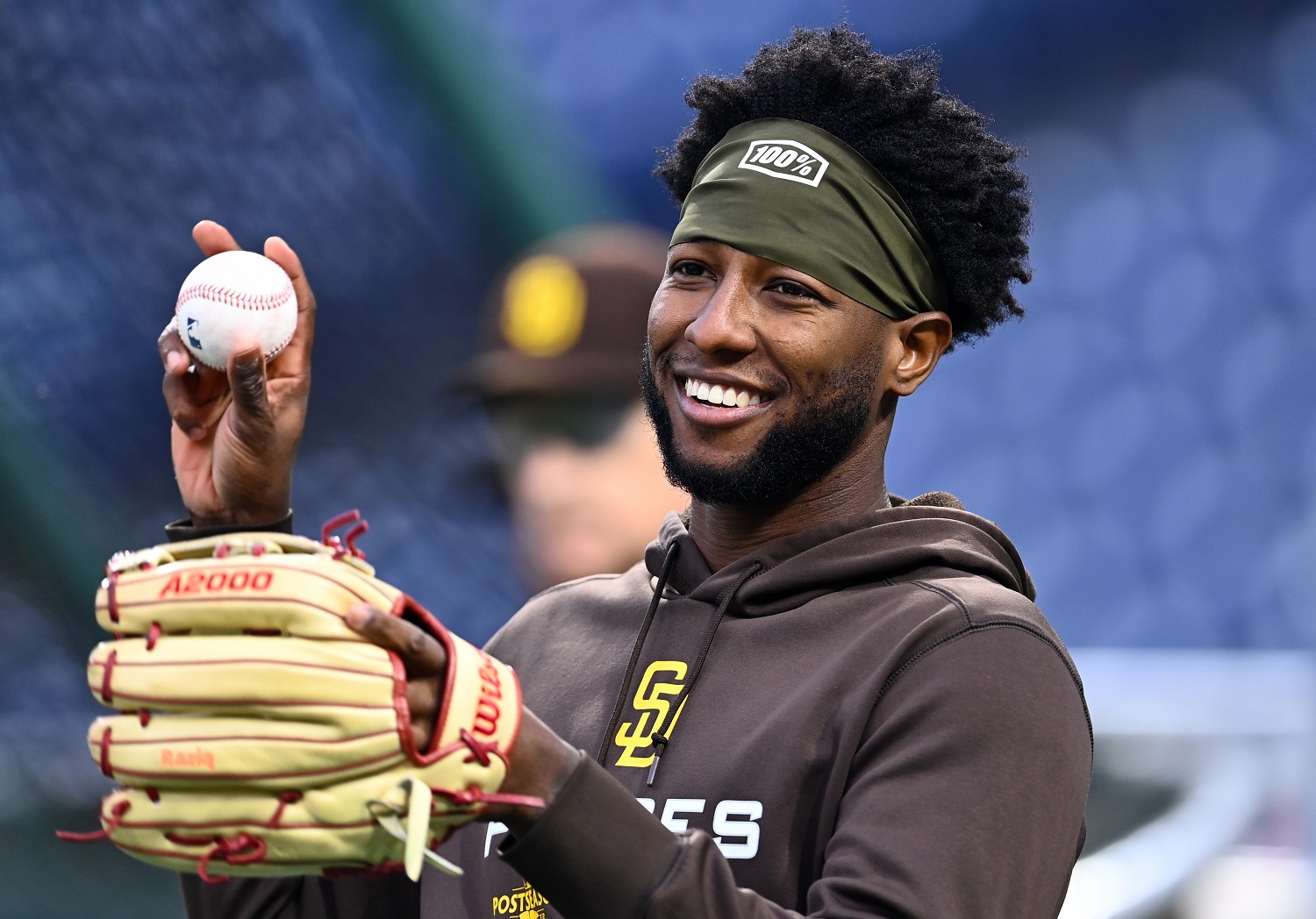 It shouldn’t be crazy to think that the prize of the Minnesota free agent spending spree will be Carlos Correa. Regardless of how he wound up back with the Twins, they stand to benefit massively from his return on a six-year deal. He joins both Joey Gallo and Christian Vazquez as talents paid for during this cycle. Two areas have still gone unaddressed by Derek Falvey and Thad Levine. A need for a pitcher with at least Sonny Gray stuff, and a right-handed bat to help balance the outfield. We have heard plenty regarding trades involving either Luis Arraez or Max Kepler, but at this point, any return would be unknown. Looking at the free agent market, there is still a formidable asset available in the form of Jurickson Profar. A former top prospect, Profar has settled into a utility role that has him largely focused on the outfield. Last season with the San Diego Padres saw him produce a 111 OPS+ and 2.5 fWAR. After making $8 million in 2022, we should have some idea as to where a new deal could come in. He would ultimately be replacing Kyle Garlick as the right-handed platoon option for the Twins, and the threshold of value would need to be something similar to that of Kepler’s. With Adam Duvall, Wil Myers, A.J. Pollock, and Tommy Pham all getting deals just slightly below what Kepler is set to make in 2023, it could also be argued that Profar wouldn’t be worth a massive payday. In theory, Profar could produce 3.0 to 4.0 fWAR over a full season. Admittedly, that would be a high-water mark for him, and his playing time probably won’t be what it was in San Diego. We do know that the Twins offered Andrew McCutchen the same deal that he took from the Pittsburgh Pirates, and they at least had some dialogue with Pollock. Getting more than just a right-handed masher has value as well, and Profar actually has better splits when facing righties anyways. With plenty of money to spend on upgrading the roster, you can bet leaders like Correa and Byron Buxton are still pushing for the front office to add. Profar would represent an addition with upside and help to even the outfield. If they opt to go a different route, they likely need to trade from their major-league surplus, and pushing the needle on either Arraez or Kepler could have challenges in and of themselves. At this point, things should start to get interesting for the Twins' front office. Falvey told the media that he expected the trade market to pick up after the New Year. They hooked the big fish in Correa over two weeks ago. With less than a month until Spring Training, finding a way to finalize deals should be the focus. If there is something we should have learned by now, it’s that this front office is never done seeking ways to improve. As long as the offseason is still going, and even into the action down in Fort Myers, they will continue exploring all avenues. If the Twins are looking for an impact right-handed outfielder in free agency, Jurickson Profar is probably the final option. If not him, then they will need to make a trade and lose talent to gain talent.
 -
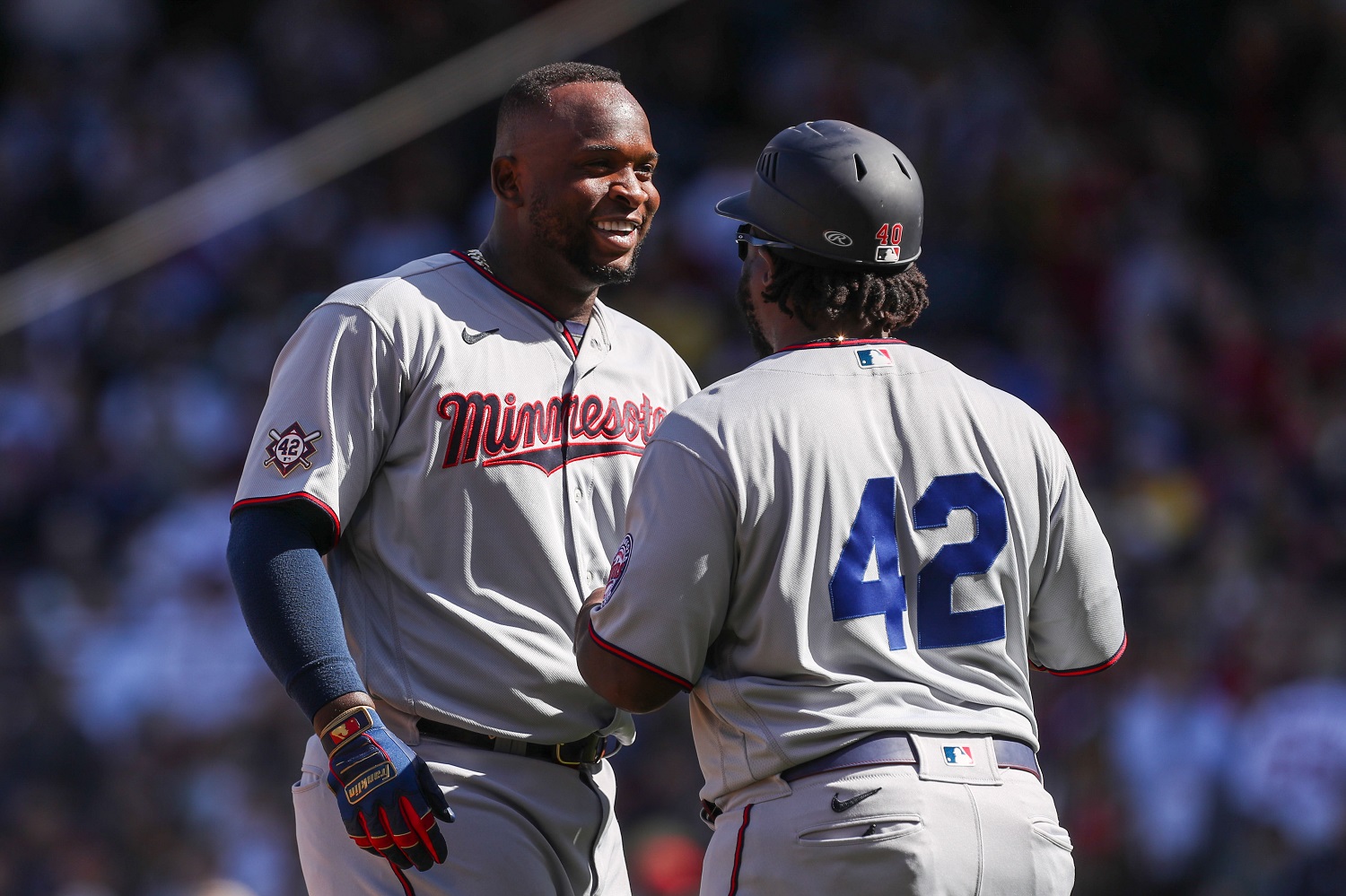 We rarely see players like Chris Davis, Khris Davis, or Chris Carter on the baseball diamond anymore. The Baltimore Orioles immediately looked questionable when giving Chris Davis a bloated deal as analytics began to weigh on-base percentages differently. Both Miguel Sano and Nelson Cruz have shown a better approach than some of the aforementioned names, but as each heads elsewhere you have to wonder what either have left. Recently the San Diego Padres signed Cruz for just $1 million. That is his lowest yearly salary since he was 29-years-old back in 2010. Expected to get plenty of designated hitter at bats for the Padres, there was very little evidence that the aging process had not have caught up to Cruz a season ago. Playing 124 games with the Washington Nationals, Cruz posted a paltry .651 OPS and 90 OPS+. His 148 OPS+ with the Twins in 2021 was all but gone, and he began a steep decline with the Tampa Bay Rays after he was traded midseason. Cruz still hit ten homers last year, but his .313 OBP was a far-cry from the .344 mark he has put up over the course of his career. Cruz rebounded from the .283 OBP he posted with the Rays in 55 games last year, but his slugging percentage dropping to .337 really limits what the potential upside is. Of course, the Padres aren’t making a significant financial commitment by any means, but Steamer projections have him tabbed for just 0.2 fWAR a .714 OPS and nine home runs. It’s hard to see how that type of output lasts in the lineup all year. Then there is Sano. Playing in only 20 games for Minnesota last year, he posted an unfathomably bad -0.9 fWAR. By the end of the season he was all but asked to leave the team, and there doesn’t appear to be a reunion tour coming. While Jeremy Nygaard wrote a great piece on Sano, it would be shocking to see Minnesota reopen that door. What I do think remains possible is that Sano finds himself still being a productive slugger. A season ago Sano was hurt. Injuring his meniscus and then having rehab go both slowly and poorly, he never worked himself back into shape. That has been part of the bugaboo his whole career, and tapping into a newfound work ethic probably isn’t something that a new team be able to rely upon. Sano at his baseline though can still get it done in stretches. During 2021, the Twins saw Sano post a 112 OPS+ and blast 30 home runs. His .819 OPS and 119 OPS+ excluding last year is a better offensive profile than Joey Gallo, and Sano has always shown a solid ability to draw walks and command the strike zone. He has rarely been a free-swinger, struggling more with whiffs on velocity than anything, and there has never been a doubt about his immense power. What should be notable here is that perception of personality matters. A 42-year-old Nelson Cruz is getting a chance because he brings a great clubhouse presence. The Padres can afford to jettison him if he is truly cooked. Miguel Sano is still looking for his next gig, and while it most likely will need to be a minor league deal, his suitors are not as plentiful given the track record he has accumulated. There is probably a path for Sano to have a better season than Cruz, and even by a substantial margin. The question is who will bite the bullet on allowing it to play out?
- 20 comments
-
- 3
-
-
- miguel sano
- joey gallo
- (and 1 more)
-
Over the past handful of years we have seen front offices re-evaluate how they go about paying sluggers. While the designated hitter has become universal, and there are some players truly not fit to play in the field, most boppers must now possess more than just power potential. This trend is working against two ex-Twins who provided explosive power for the Twins' 2019 Bomba Squad. Image courtesy of © Paul Rutherford-USA TODAY Sports We rarely see players like Chris Davis, Khris Davis, or Chris Carter on the baseball diamond anymore. The Baltimore Orioles immediately looked questionable when giving Chris Davis a bloated deal as analytics began to weigh on-base percentages differently. Both Miguel Sano and Nelson Cruz have shown a better approach than some of the aforementioned names, but as each heads elsewhere you have to wonder what either have left. Recently the San Diego Padres signed Cruz for just $1 million. That is his lowest yearly salary since he was 29-years-old back in 2010. Expected to get plenty of designated hitter at bats for the Padres, there was very little evidence that the aging process had not have caught up to Cruz a season ago. Playing 124 games with the Washington Nationals, Cruz posted a paltry .651 OPS and 90 OPS+. His 148 OPS+ with the Twins in 2021 was all but gone, and he began a steep decline with the Tampa Bay Rays after he was traded midseason. Cruz still hit ten homers last year, but his .313 OBP was a far-cry from the .344 mark he has put up over the course of his career. Cruz rebounded from the .283 OBP he posted with the Rays in 55 games last year, but his slugging percentage dropping to .337 really limits what the potential upside is. Of course, the Padres aren’t making a significant financial commitment by any means, but Steamer projections have him tabbed for just 0.2 fWAR a .714 OPS and nine home runs. It’s hard to see how that type of output lasts in the lineup all year. Then there is Sano. Playing in only 20 games for Minnesota last year, he posted an unfathomably bad -0.9 fWAR. By the end of the season he was all but asked to leave the team, and there doesn’t appear to be a reunion tour coming. While Jeremy Nygaard wrote a great piece on Sano, it would be shocking to see Minnesota reopen that door. What I do think remains possible is that Sano finds himself still being a productive slugger. A season ago Sano was hurt. Injuring his meniscus and then having rehab go both slowly and poorly, he never worked himself back into shape. That has been part of the bugaboo his whole career, and tapping into a newfound work ethic probably isn’t something that a new team be able to rely upon. Sano at his baseline though can still get it done in stretches. During 2021, the Twins saw Sano post a 112 OPS+ and blast 30 home runs. His .819 OPS and 119 OPS+ excluding last year is a better offensive profile than Joey Gallo, and Sano has always shown a solid ability to draw walks and command the strike zone. He has rarely been a free-swinger, struggling more with whiffs on velocity than anything, and there has never been a doubt about his immense power. What should be notable here is that perception of personality matters. A 42-year-old Nelson Cruz is getting a chance because he brings a great clubhouse presence. The Padres can afford to jettison him if he is truly cooked. Miguel Sano is still looking for his next gig, and while it most likely will need to be a minor league deal, his suitors are not as plentiful given the track record he has accumulated. There is probably a path for Sano to have a better season than Cruz, and even by a substantial margin. The question is who will bite the bullet on allowing it to play out? View full article
- 20 replies
-
- 1
-
-
- miguel sano
- joey gallo
- (and 1 more)
-
The Minnesota Twins have been engaged in discussions for Miami Marlins starting pitcher Pablo López since at least December. Today that became a reality when they flipped 2022 American League batting champion Luis Arraez to South Beach, per Jeff Passan. In addition, the Twins also received two Marlins prospects in the deal, including one in their top five. Image courtesy of © David Banks-USA TODAY Sports Last season for the Marlins, Pablo López posted a 3.75 ERA along with a 3.71 FIP. He’s jumped his strikeouts over one per inning in the past three seasons and continues to develop as a pitcher. His changeup is noteworthy, and his velocity sits in the mid-90s. Having debuted as a 22-year-old in 2018, he’s just entering his age-27 season. Minnesota has seemingly been in a never-ending quest for quality starting pitching. After acquiring Cincinnati Reds starters Sonny Gray and Tyler Mahle last year, the rotation as a whole grew stronger at the top. While Joe Ryan did start on Opening Day, he projects to slot in as a more middle-to-back-end type of arm. The Twins also will return veteran Kenta Maeda this season, and they have depth in the form of Bailey Ober, Josh Winder, and Simeon Woods Richardson. The goal for Derek Falvey this offseason was to acquire a talent that met the Gray-threshold. Ideally, Rocco Baldelli needs another arm that can pitch in a short playoff series and be trusted to get the job done. While it may be debatable how close they truly are, López can certainly be that guy. Like the Twins did at the deadline, their goal in acquiring arms has been to avoid rentals. They would like to have time to work with pitchers and unlock whatever ceiling is seen for each individual. López is under two more years of team control via arbitration and is projected to make just over $5 million this year per MLB Trade Rumors. A pitcher at that level, and with that amount of team control, isn’t going to come without a significant cost. That’s where 2022 American League Batting champion Luis Arraez enters the picture. He is a talented player that is truly beloved in the clubhouse and the fanbase. When unveiling their new uniforms back in November, Minnesota opted to have him on stage, and his smile was beaming. Arraez has only known the Twins organization throughout his professional career. Minnesota fans know they are giving up a guy that doesn’t strike out, gets on base, and consistently hits for a high average. However, Derek Falvey is also likely conscious of Arraez’s deficiencies. Arraez has balky knees that have kept him from finishing seasons in recent years and is limited defensively, starting 94 games at first base and designated hitter last year. He has definitely done an admirable job shoring up first base when Baldelli needed him this year, but that position could be ticketed for Alex Kirilloff , among others, in 2023. In the deal, Minnesota also gets Jose Salas from Miami, per Craig Mish. An infield prospect currently ranked 5th in the Marlins pipeline, he is a 19-year-old that spent 2022 playing at Single-A. With a .722 OPS across 109 games, Salas flashed some power blasting nine home runs. Baseball America’s profile of him this year concluded that “No matter where he winds up on the diamond, his offensive skills will make him a valuable player.” So the Twins add more young talent to their up-the-middle prospects on the farm. The final piece of the deal going to Minnesota is 17-year-old outfield prospect Byron Chourio , per Mark Feinsand. He made his professional debut in the Dominican Summer League last season playing 51 games. The .838 OPS was impressive, and largely backed by his nine doubles. There is some speed there as well considering he swiped 19 bases. There’s no denying that Minnesota is getting a very good arm back in this deal, but López will have the weight of the world on his shoulders each time he goes out, knowing a fan favorite and clubhouse good guy was his price. View full article
-
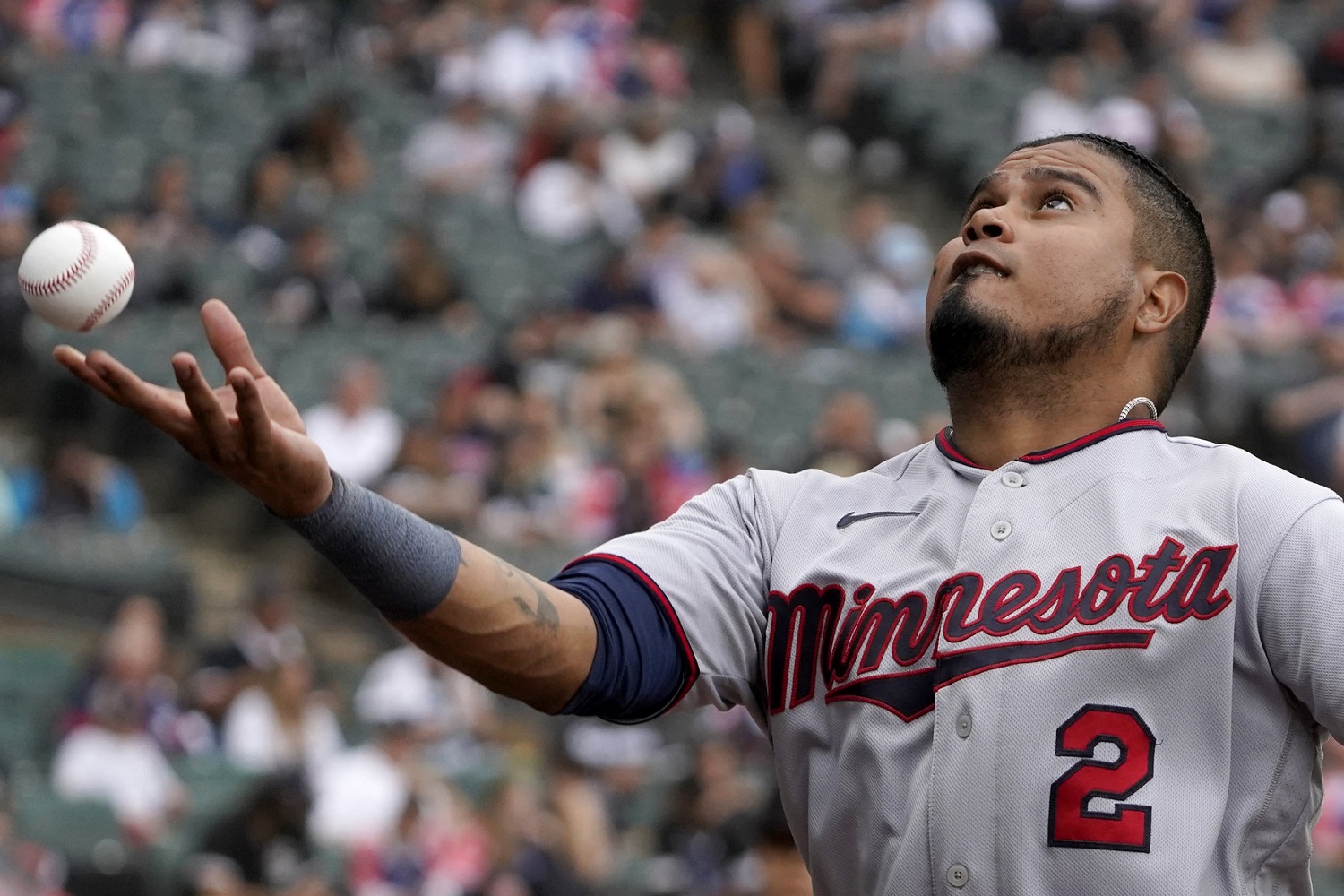 Last season for the Marlins, Pablo López posted a 3.75 ERA along with a 3.71 FIP. He’s jumped his strikeouts over one per inning in the past three seasons and continues to develop as a pitcher. His changeup is noteworthy, and his velocity sits in the mid-90s. Having debuted as a 22-year-old in 2018, he’s just entering his age-27 season. Minnesota has seemingly been in a never-ending quest for quality starting pitching. After acquiring Cincinnati Reds starters Sonny Gray and Tyler Mahle last year, the rotation as a whole grew stronger at the top. While Joe Ryan did start on Opening Day, he projects to slot in as a more middle-to-back-end type of arm. The Twins also will return veteran Kenta Maeda this season, and they have depth in the form of Bailey Ober, Josh Winder, and Simeon Woods Richardson. The goal for Derek Falvey this offseason was to acquire a talent that met the Gray-threshold. Ideally, Rocco Baldelli needs another arm that can pitch in a short playoff series and be trusted to get the job done. While it may be debatable how close they truly are, López can certainly be that guy. Like the Twins did at the deadline, their goal in acquiring arms has been to avoid rentals. They would like to have time to work with pitchers and unlock whatever ceiling is seen for each individual. López is under two more years of team control via arbitration and is projected to make just over $5 million this year per MLB Trade Rumors. A pitcher at that level, and with that amount of team control, isn’t going to come without a significant cost. That’s where 2022 American League Batting champion Luis Arraez enters the picture. He is a talented player that is truly beloved in the clubhouse and the fanbase. When unveiling their new uniforms back in November, Minnesota opted to have him on stage, and his smile was beaming. Arraez has only known the Twins organization throughout his professional career. Minnesota fans know they are giving up a guy that doesn’t strike out, gets on base, and consistently hits for a high average. However, Derek Falvey is also likely conscious of Arraez’s deficiencies. Arraez has balky knees that have kept him from finishing seasons in recent years and is limited defensively, starting 94 games at first base and designated hitter last year. He has definitely done an admirable job shoring up first base when Baldelli needed him this year, but that position could be ticketed for Alex Kirilloff , among others, in 2023. In the deal, Minnesota also gets Jose Salas from Miami, per Craig Mish. An infield prospect currently ranked 5th in the Marlins pipeline, he is a 19-year-old that spent 2022 playing at Single-A. With a .722 OPS across 109 games, Salas flashed some power blasting nine home runs. Baseball America’s profile of him this year concluded that “No matter where he winds up on the diamond, his offensive skills will make him a valuable player.” So the Twins add more young talent to their up-the-middle prospects on the farm. The final piece of the deal going to Minnesota is 17-year-old outfield prospect Byron Chourio , per Mark Feinsand. He made his professional debut in the Dominican Summer League last season playing 51 games. The .838 OPS was impressive, and largely backed by his nine doubles. There is some speed there as well considering he swiped 19 bases. There’s no denying that Minnesota is getting a very good arm back in this deal, but López will have the weight of the world on his shoulders each time he goes out, knowing a fan favorite and clubhouse good guy was his price.
 -
The highlight of the last week for the Twins was when Carlos Correa shocked the baseball world and returned to Minnesota on a long-term deal. Everyone involved with the organization has been riding that high, but did they miss a big opportunity as Andrew McCutchen returned to the Pittsburgh Pirates? Image courtesy of David Kohl-USA TODAY Sports First and foremost, it is important to note that it seems as though Andrew McCutchen is looking for a farewell tour. The Pittsburgh Pirates are not good, will not be good, and probably won’t be any better any time soon. That said, McCutchen is among the best clubhouse guys in baseball, and he certainly can make an impact from a veteran leadership standpoint. McCutchen recently turned 36 years old and is going back to the place he was drafted by and called home for the first nine years of his Major League career. He opted to do that despite reports suggesting the Minnesota Twins made the exact same offer, and the Mets were willing to pay him even more (though we do know the Pohlad’s can best Steve Cohen when they want). Knowing that it wasn’t purely a financial decision for the former MVP winner, there is no real reason to wonder what it would have taken for him to wind up in Minnesota. What is understandable to be disappointed about is that his addition to the roster could have made a substantial difference. Over the course of free agency it is clear that Minnesota has engaged with right-handed hitting outfielders to help balance their roster. Currently ripe with left-handed hitters, someone to expand upon the role Kyle Garlick had last year is a must. Someone like Mitch Haniger could have been an option, although much more expensive. A.J. Pollock was a player the Twins had discussions with, and McCutchen is obviously a guy they saw being a fit. Looking at what is left, it is hard not to be at least a little bit disappointed it won’t be the Pirates outfielder. As noted previously, McCutchen would have been a great addition to a clubhouse that really seems to have gelled. Correa already brings back a high level of leadership, and McCutchen would have only added to that alongside Byron Buxton. He also remains very fast down the line, and it is clear his plate approach can be utilized especially when facing southpaws. It would seem odd for the Twins to suddenly cease attempting to find another right-handed option, so we’ll now have to be patient with what emerges. Former Atlanta Braves outfielder Adam Duvall could be a fit, or maybe there is someone on the trade market that Minnesota’s front office likes better. We won’t be able to evaluate if the alternative is better than what McCutchen could’ve brought until we know who it is, but right now it looks too bad that the talented star wanted to head home. View full article
-
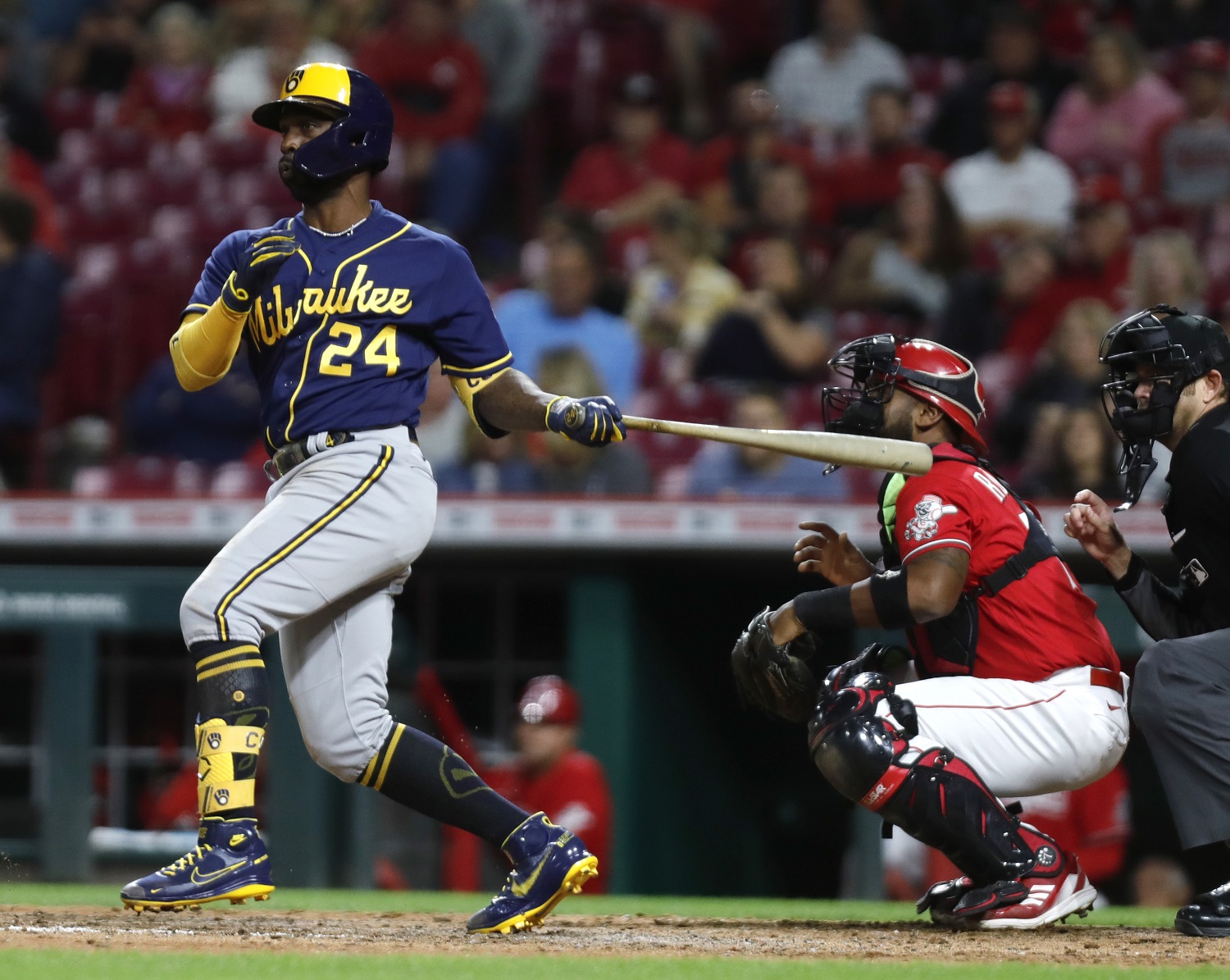 First and foremost, it is important to note that it seems as though Andrew McCutchen is looking for a farewell tour. The Pittsburgh Pirates are not good, will not be good, and probably won’t be any better any time soon. That said, McCutchen is among the best clubhouse guys in baseball, and he certainly can make an impact from a veteran leadership standpoint. McCutchen recently turned 36 years old and is going back to the place he was drafted by and called home for the first nine years of his Major League career. He opted to do that despite reports suggesting the Minnesota Twins made the exact same offer, and the Mets were willing to pay him even more (though we do know the Pohlad’s can best Steve Cohen when they want). Knowing that it wasn’t purely a financial decision for the former MVP winner, there is no real reason to wonder what it would have taken for him to wind up in Minnesota. What is understandable to be disappointed about is that his addition to the roster could have made a substantial difference. Over the course of free agency it is clear that Minnesota has engaged with right-handed hitting outfielders to help balance their roster. Currently ripe with left-handed hitters, someone to expand upon the role Kyle Garlick had last year is a must. Someone like Mitch Haniger could have been an option, although much more expensive. A.J. Pollock was a player the Twins had discussions with, and McCutchen is obviously a guy they saw being a fit. Looking at what is left, it is hard not to be at least a little bit disappointed it won’t be the Pirates outfielder. As noted previously, McCutchen would have been a great addition to a clubhouse that really seems to have gelled. Correa already brings back a high level of leadership, and McCutchen would have only added to that alongside Byron Buxton. He also remains very fast down the line, and it is clear his plate approach can be utilized especially when facing southpaws. It would seem odd for the Twins to suddenly cease attempting to find another right-handed option, so we’ll now have to be patient with what emerges. Former Atlanta Braves outfielder Adam Duvall could be a fit, or maybe there is someone on the trade market that Minnesota’s front office likes better. We won’t be able to evaluate if the alternative is better than what McCutchen could’ve brought until we know who it is, but right now it looks too bad that the talented star wanted to head home.
- 12 comments
-
- 1
-
-
- andrew mccutchen
- aj pollock
- (and 2 more)
-
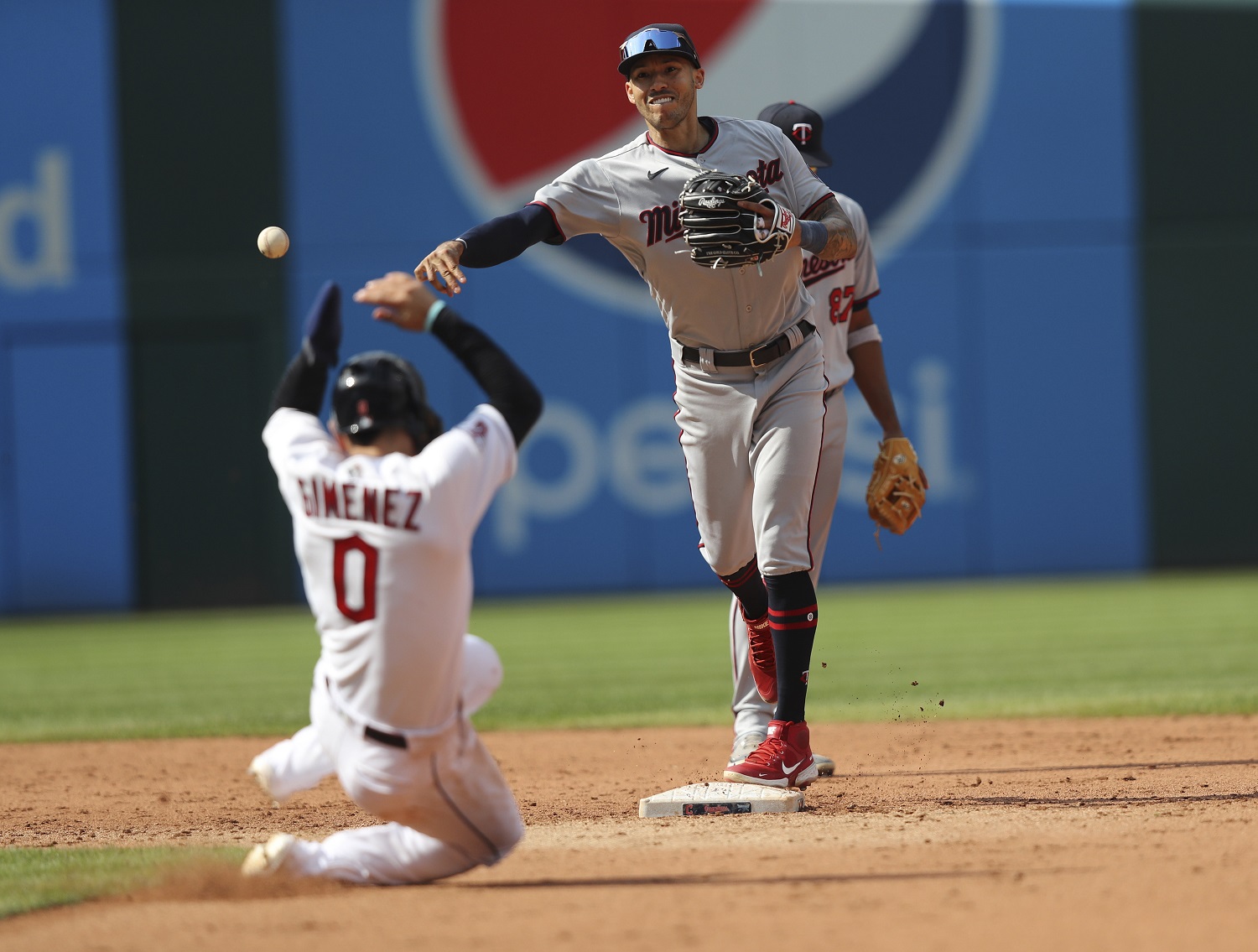 When watching a game last year and seeing Carlos Correa make throws, it was hard not to be impressed at the sheer velocity he put behind the baseball. Sometimes it is noticeable as to how quick a guy transitions the ball from glove to hand, while others look as though a rocket exploded from their fist. Correa definitely seemed to be more of the latter, but there is still room for growth. Recently Statcast began measuring arm strength across the league as a whole. Correa is well behind leading shortstop O’Neill Cruz, and checks in 9th, behind division rival Javier Baez. His 88.1 mph average is certainly impressive, but likely seems even greater after watching the likes of Jorge Polanco and Nick Gordon field the position. Beyond arm strength, Correa has always been seen as a solid defender. Maybe not to the level previous Minnesota infielder Andrelton Simmons was believed to be in his prime, but Correa is no slouch. The winner of both a Gold and Platinum Glove, Correa has previously been recognized with personal accolades. Analytically, 2022 was not a great year however. In more than 1,100 innings Correa posted just three defensive runs saved for Minnesota. That represents the lowest tally of his career and is a far cry from the 20 DRS he put up a year prior. Statcast mimicked that sentiment as Correa graded out with a -3 outs above average tally, and a -2 runs above average total in 2022. Defensive metrics are often difficult to quantify even on a year-over-year sample, but get increasingly more difficult in small samples. Looking to further assess the deficiencies faced from Correa last year, it makes sense to understand where Statcast graded him on a directional basis. Charging the ball, Correa was among the best in the game. Getting strong jumps and being able to throw across the diamond on the move is a definite asset for him. Where things went wrong was in having to cover towards second base. Infield alignment will be an interesting factor in looking at success rates in 2023 and beyond. The shift being banned now limits the positioning of fielders. Correa was learning how to play alongside Polanco for the first time last season, and Minnesota already was aware that their failed shortstop had limitations defensive. When putting Luis Arraez at second base, things take an even further step backwards. Correa needing to control the hole and get to balls behind second base stretches him relatively thin. It’s certainly not as though Correa hasn’t performed at a high level in the field before, and there is no reason to think he can’t again. At his introductory press conference last spring Correa talked about acclimating with Polanco. He had played alongside Jose Altuve for years, and understood what Alex Bregman brought on the other side. Even if Minnesota began working through things as a unit last year, there is still a substantial growing process. This season Rocco Baldelli will likely have Jose Miranda at the hot corner significantly more often, and Correa will continue to gel with Polanco. As the three adapt to rule changes that will change their positioning, chemistry between the group will also continue to develop on and off the field. Minnesota was 12th in baseball by defensive runs saved last year, but virtually all of that production came from the outfield. If they can be better on the dirt, there are plenty more games for them to win. Now entrenched as their starting shortstop for the better part of the next decade, this is Correa’s infield to quarterback. He has the leadership abilities to make that work, but we have also seen the talent that can help raise the water level for everyone else as well.
- 4 comments
-
- 3
-
-
- carlos correa
- luis arraez
- (and 3 more)
-
Last season the Minnesota Twins struggled in plenty of areas as they ultimately watched their AL Central lead slip away. Despite signing Carlos Correa last week, one of those areas was on the dirt defensively. They’ll look to reverse course this season, and Correa himself could spearhead the change. Image courtesy of Aaron Josefczyk-USA TODAY Sports When watching a game last year and seeing Carlos Correa make throws, it was hard not to be impressed at the sheer velocity he put behind the baseball. Sometimes it is noticeable as to how quick a guy transitions the ball from glove to hand, while others look as though a rocket exploded from their fist. Correa definitely seemed to be more of the latter, but there is still room for growth. Recently Statcast began measuring arm strength across the league as a whole. Correa is well behind leading shortstop O’Neill Cruz, and checks in 9th, behind division rival Javier Baez. His 88.1 mph average is certainly impressive, but likely seems even greater after watching the likes of Jorge Polanco and Nick Gordon field the position. Beyond arm strength, Correa has always been seen as a solid defender. Maybe not to the level previous Minnesota infielder Andrelton Simmons was believed to be in his prime, but Correa is no slouch. The winner of both a Gold and Platinum Glove, Correa has previously been recognized with personal accolades. Analytically, 2022 was not a great year however. In more than 1,100 innings Correa posted just three defensive runs saved for Minnesota. That represents the lowest tally of his career and is a far cry from the 20 DRS he put up a year prior. Statcast mimicked that sentiment as Correa graded out with a -3 outs above average tally, and a -2 runs above average total in 2022. Defensive metrics are often difficult to quantify even on a year-over-year sample, but get increasingly more difficult in small samples. Looking to further assess the deficiencies faced from Correa last year, it makes sense to understand where Statcast graded him on a directional basis. Charging the ball, Correa was among the best in the game. Getting strong jumps and being able to throw across the diamond on the move is a definite asset for him. Where things went wrong was in having to cover towards second base. Infield alignment will be an interesting factor in looking at success rates in 2023 and beyond. The shift being banned now limits the positioning of fielders. Correa was learning how to play alongside Polanco for the first time last season, and Minnesota already was aware that their failed shortstop had limitations defensive. When putting Luis Arraez at second base, things take an even further step backwards. Correa needing to control the hole and get to balls behind second base stretches him relatively thin. It’s certainly not as though Correa hasn’t performed at a high level in the field before, and there is no reason to think he can’t again. At his introductory press conference last spring Correa talked about acclimating with Polanco. He had played alongside Jose Altuve for years, and understood what Alex Bregman brought on the other side. Even if Minnesota began working through things as a unit last year, there is still a substantial growing process. This season Rocco Baldelli will likely have Jose Miranda at the hot corner significantly more often, and Correa will continue to gel with Polanco. As the three adapt to rule changes that will change their positioning, chemistry between the group will also continue to develop on and off the field. Minnesota was 12th in baseball by defensive runs saved last year, but virtually all of that production came from the outfield. If they can be better on the dirt, there are plenty more games for them to win. Now entrenched as their starting shortstop for the better part of the next decade, this is Correa’s infield to quarterback. He has the leadership abilities to make that work, but we have also seen the talent that can help raise the water level for everyone else as well. View full article
-
January 15 has come and gone. That date is significant as it represents the beginning of the international signing period. During the 11-month span, players from countries not eligible for the Major League Baseball amateur draft are able to sign professional contracts with any organization. Minnesota had been linked to a trio of top international prospects this fall, and now all have been signed by the organization. The Minnesota Twins are one of eight teams that received a competitive balance pick in Round B of the 2023 draft. That meant their international signing bonus pool is capped at $6,366,900. That doesn’t represent an influx of money, but rather the allotment the Twins have at their disposal to chip away at as they add talent. Several of the Twins' current top prospects were brought in through international free agency. Emmanuel Rodriguez is among the diamonds in the system, and Yasser Mercedes has elevated himself to that level as well. 2022 Major League batting champion Luis Arraez was signed out of Venezuela, and longstanding outfielder Max Kepler was brought over from Germany. In October Jamie Cameron wrote about three prospects within the top 50 international prospects that Minnesota was expected to sign. Each of them officially agreed to deals with the Twins on Sunday and can begin their professional careers. #11 Ariel Castro - OF Cuba Castro landed himself a signing bonus of $2.4 million, the most Minnesota handed out this year. Here is what Jamie had to say about Castro back in October, “Castro is already 6’2, 180 pounds at just 16 years old and has one of the better left-handed swings in the class. As with any international free agent, it's challenging to project a 16-year-old player, but Castro has the all-round profile that reads similar to Emmanuel Rodriguez, now a consensus top 100 global prospect. Castro has average speed and despite good instincts, is likely a corner outfielder at the professional level. The bat is the selling point here. He has the capability of developing plus hit and power tools, a combination that would make him an extremely valuable commodity at the next level.” Jesse Sanchez of MLB.com had this to say about Castro, “Castro continues to develop physically and has emerged as one of the top hitters on the international market. There’s lots of projection with the outfielder, and he could end up with above-average power. On defense, Castro shows good instincts in center field and a solid arm. He could end up being a power-hitting corner outfielder. He projects to be an average runner.” #31 Carlos Silva - C Venezuela Signed out of Venezuela, Silva received the lowest bonus of the three, checking in at $1.1 million. Here was Jamie’s scouting report on Silva, “He is 16, 5’9, listed at 150 pounds, and already has a balanced profile that blends a good approach at the plate with strong defensive skills. Behind the plate, Silva has a strong arm and a quick release and pop time. Offensively, he has good bat speed. Although he currently favors the pull side, he has the potential to develop an all-round offensive approach at the plate. Silva would bolster a position of need organizationally for the Twins.” Knowing that catcher is a position Minnesota could stand to improve upon throughout the system, hitting on Silva would be a plus. Sanchez says, “As for Silva, the right-handed hitter from Venezuela has a compact frame that suits him well behind the plate. He also has the skills to keep him there as he advances through the minor leagues. Silva impressed scouts with his pop times and arm strength, which has a chance to be an above-average tool in the future. He shows good footwork along with solid receiving and blocking skills.” #38 Hendry Chivilli - SS Dominican Republic Many athletic prospects find themselves playing up the middle. Minnesota agreed with Chivilli at $2.1 million while he is currently a shortstop. Jamie had this to say about the Dominican native, “Currently 17, Chivilli is 6’3 and 155 pounds. Chivilli fits the Twins mold in 2023, with no standout tool. (He grades as a future 50 in all areas of his game). What is notable about Chivilli is his athleticism. He will add a ton of weight and muscle in the coming years, giving him a healthy level of projectability to add real offensive upside to his already solid defense at short.” Although Chivilli was the lowest-ranked of these three signings, it is notable that he received a pretty substantial bonus. On Chivilli, Sanchez said, “Chivilli has a chance to be the type of player who will impact the game on both sides of the ball. The teen shows solid tools across the board, and those skills should improve as he matures and his body develops. The Dominican prospect already shows good arm strength, and it projects to be above average as he makes his way through the Minor Leagues.” In addition, the Twins have signed seven other international prospects according to Baseball America through Monday night. Juan Hernandez, SS, Venezuela Jeicol Surumay, RHP, VenezuelaMiguel Cordero, RHP, Venezuela Angel Trinidad, OF, Dominican Republic Ewing Matos, OF, Dominican Republic Moises Lopez, 3B, Dominican Republic Adrian Bohorquez, RHP, Venezuela Which prospects are you most excited about seeing in professional baseball? View full article
-
Twins Ink Contracts with Three Top International Prospects
Ted Schwerzler posted an article in Twins
 The Minnesota Twins are one of eight teams that received a competitive balance pick in Round B of the 2023 draft. That meant their international signing bonus pool is capped at $6,366,900. That doesn’t represent an influx of money, but rather the allotment the Twins have at their disposal to chip away at as they add talent. Several of the Twins' current top prospects were brought in through international free agency. Emmanuel Rodriguez is among the diamonds in the system, and Yasser Mercedes has elevated himself to that level as well. 2022 Major League batting champion Luis Arraez was signed out of Venezuela, and longstanding outfielder Max Kepler was brought over from Germany. In October Jamie Cameron wrote about three prospects within the top 50 international prospects that Minnesota was expected to sign. Each of them officially agreed to deals with the Twins on Sunday and can begin their professional careers. #11 Ariel Castro - OF Cuba Castro landed himself a signing bonus of $2.4 million, the most Minnesota handed out this year. Here is what Jamie had to say about Castro back in October, “Castro is already 6’2, 180 pounds at just 16 years old and has one of the better left-handed swings in the class. As with any international free agent, it's challenging to project a 16-year-old player, but Castro has the all-round profile that reads similar to Emmanuel Rodriguez, now a consensus top 100 global prospect. Castro has average speed and despite good instincts, is likely a corner outfielder at the professional level. The bat is the selling point here. He has the capability of developing plus hit and power tools, a combination that would make him an extremely valuable commodity at the next level.” Jesse Sanchez of MLB.com had this to say about Castro, “Castro continues to develop physically and has emerged as one of the top hitters on the international market. There’s lots of projection with the outfielder, and he could end up with above-average power. On defense, Castro shows good instincts in center field and a solid arm. He could end up being a power-hitting corner outfielder. He projects to be an average runner.” #31 Carlos Silva - C Venezuela Signed out of Venezuela, Silva received the lowest bonus of the three, checking in at $1.1 million. Here was Jamie’s scouting report on Silva, “He is 16, 5’9, listed at 150 pounds, and already has a balanced profile that blends a good approach at the plate with strong defensive skills. Behind the plate, Silva has a strong arm and a quick release and pop time. Offensively, he has good bat speed. Although he currently favors the pull side, he has the potential to develop an all-round offensive approach at the plate. Silva would bolster a position of need organizationally for the Twins.” Knowing that catcher is a position Minnesota could stand to improve upon throughout the system, hitting on Silva would be a plus. Sanchez says, “As for Silva, the right-handed hitter from Venezuela has a compact frame that suits him well behind the plate. He also has the skills to keep him there as he advances through the minor leagues. Silva impressed scouts with his pop times and arm strength, which has a chance to be an above-average tool in the future. He shows good footwork along with solid receiving and blocking skills.” #38 Hendry Chivilli - SS Dominican Republic Many athletic prospects find themselves playing up the middle. Minnesota agreed with Chivilli at $2.1 million while he is currently a shortstop. Jamie had this to say about the Dominican native, “Currently 17, Chivilli is 6’3 and 155 pounds. Chivilli fits the Twins mold in 2023, with no standout tool. (He grades as a future 50 in all areas of his game). What is notable about Chivilli is his athleticism. He will add a ton of weight and muscle in the coming years, giving him a healthy level of projectability to add real offensive upside to his already solid defense at short.” Although Chivilli was the lowest-ranked of these three signings, it is notable that he received a pretty substantial bonus. On Chivilli, Sanchez said, “Chivilli has a chance to be the type of player who will impact the game on both sides of the ball. The teen shows solid tools across the board, and those skills should improve as he matures and his body develops. The Dominican prospect already shows good arm strength, and it projects to be above average as he makes his way through the Minor Leagues.” In addition, the Twins have signed seven other international prospects according to Baseball America through Monday night. Juan Hernandez, SS, Venezuela Jeicol Surumay, RHP, VenezuelaMiguel Cordero, RHP, Venezuela Angel Trinidad, OF, Dominican Republic Ewing Matos, OF, Dominican Republic Moises Lopez, 3B, Dominican Republic Adrian Bohorquez, RHP, Venezuela Which prospects are you most excited about seeing in professional baseball?
- 19 comments
-
- 5
-
-
- ariel castro
- hendry chivilli
- (and 1 more)
-
The offseason is quickly nearing its close and we are something like a month away from pitchers and catchers reporting for Spring Training. Although the offseason is not done for the Minnesota Twins, and Derek Falvey still has work to do, can the argument be made that the roster is already better? Image courtesy of © Kirby Lee-USA TODAY Sports Coming into the winter, it was beyond evident that Carlos Correa was the chief focus for the front office. We saw them come up short on initial dollars, and then things came full circle when his re-signing saved the offseason. Save may need to be used loosely as we still have plenty of areas to see Minnesota improve, but through three major signings, it’s worth wondering if they have already accomplished that goal over 2022. Christian Vazquez over Gary Sanchez Minnesota gambled on Sanchez being better in a new situation. His greatest asset may have been helping the Twins dump Josh Donaldson, and while that was beneficial, his play was not so much. His 89 OPS+ tied a full-season career low, and although his framing skills took a step forward, he was still relatively atrocious defensively. The Twins hoped that Sanchez could regain his 2019 All-Star form, but that was not meant to be. There is no certainty that Vazquez is a better player offensively, but there should also be no question about who has a safer floor. Vazquez was coming off winning a World Series with the Houston Astros and posted a 99 OPS+. Minnesota hopes to avoid his 77 OPS+ in 2021, but the 95 OPS+ dating back to 2019 makes him virtually league average. He’s a solid defender and a great clubhouse presence. Even if marginally, the Twins should stand to benefit here. Joey Gallo over Max Kepler Presumably, the Twins will eventually whittle down their outfield. At the moment, they are extremely left-hand-heavy, and there are probably too many mouths to feed when it comes to playing time. With Gallo being signed for a one-year deal, he could start in left field or at first base, but the assumption would be that Minnesota makes a move to deal Kepler. Gallo had a down 2022 but has extreme athleticism, and his 117 OPS+ from 2017-2021 is much more productive than Kepler’s 101 OPS+. The problem for Kepler has never been on defense. He’s a similar Gold Glove-caliber talent in right field, but he has only ever put it together with the bat once. Outside of his Bomba Squad breakout year, Kepler has insisted on hitting the ball with less-than-ideal trajectories. He continues to give himself little room for opportunity at the dish, and his time in Minnesota trying to work through it has run its course. This may be a wash if Gallo bottoms out again, but Minnesota stands to gain on this move big time. Carlos Correa over Everyone Initially, this could have been argued as Correa over Kyle Farmer. You could have even included internal options such as Jorge Polanco and Nick Gordon, but Minnesota would never entertain those. Correa being brought back isn’t a gain, as he manned the position a season ago, but there is no denying that anyone playing this role instead would have been a lesser option. The Twins have a shortstop on a Hall of Fame trajectory for his second year with the Twins. He’s now acclimated to a new team and city while being able to further expand on a leadership process he took alongside Byron Buxton. It wasn’t the most likely of ways to bring him back, but Minnesota got it done. Rocco Baldelli’s team has not yet added the starting pitcher they covet, but Kenta Maeda being back for 2023 is a win. The bullpen has yet to be filled out, and Michael Fulmer has departed, but both Jorge Lopez and Emilio Pagan were retained as acquired holdovers. As a whole, and even having made just three key moves, you should be able to argue that Minnesota is better than they were a year ago. Health will remain important again, and finishing this offseason by continuing to add is a must, but the Twins will be relevant in the Central again. View full article
-
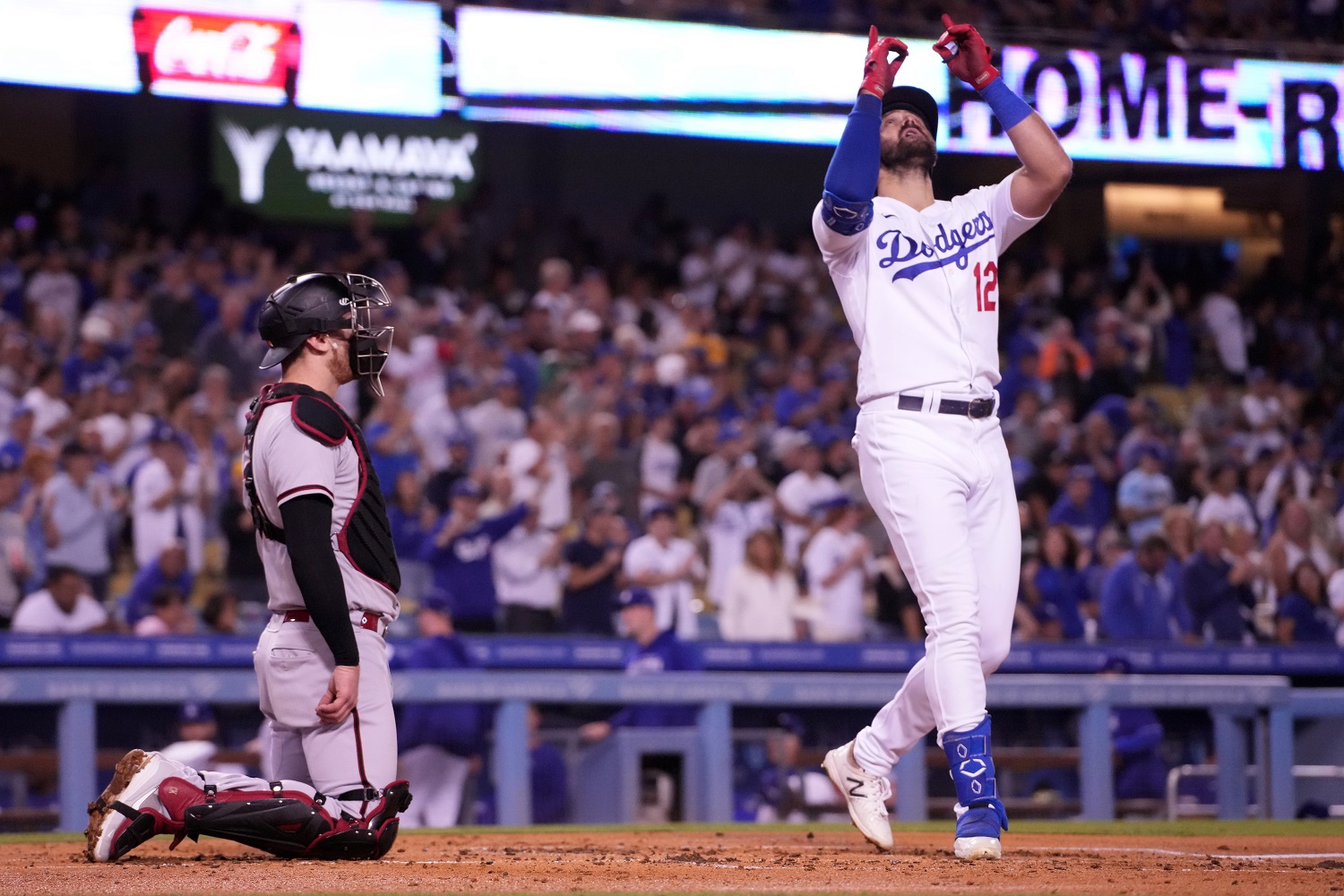 Coming into the winter, it was beyond evident that Carlos Correa was the chief focus for the front office. We saw them come up short on initial dollars, and then things came full circle when his re-signing saved the offseason. Save may need to be used loosely as we still have plenty of areas to see Minnesota improve, but through three major signings, it’s worth wondering if they have already accomplished that goal over 2022. Christian Vazquez over Gary Sanchez Minnesota gambled on Sanchez being better in a new situation. His greatest asset may have been helping the Twins dump Josh Donaldson, and while that was beneficial, his play was not so much. His 89 OPS+ tied a full-season career low, and although his framing skills took a step forward, he was still relatively atrocious defensively. The Twins hoped that Sanchez could regain his 2019 All-Star form, but that was not meant to be. There is no certainty that Vazquez is a better player offensively, but there should also be no question about who has a safer floor. Vazquez was coming off winning a World Series with the Houston Astros and posted a 99 OPS+. Minnesota hopes to avoid his 77 OPS+ in 2021, but the 95 OPS+ dating back to 2019 makes him virtually league average. He’s a solid defender and a great clubhouse presence. Even if marginally, the Twins should stand to benefit here. Joey Gallo over Max Kepler Presumably, the Twins will eventually whittle down their outfield. At the moment, they are extremely left-hand-heavy, and there are probably too many mouths to feed when it comes to playing time. With Gallo being signed for a one-year deal, he could start in left field or at first base, but the assumption would be that Minnesota makes a move to deal Kepler. Gallo had a down 2022 but has extreme athleticism, and his 117 OPS+ from 2017-2021 is much more productive than Kepler’s 101 OPS+. The problem for Kepler has never been on defense. He’s a similar Gold Glove-caliber talent in right field, but he has only ever put it together with the bat once. Outside of his Bomba Squad breakout year, Kepler has insisted on hitting the ball with less-than-ideal trajectories. He continues to give himself little room for opportunity at the dish, and his time in Minnesota trying to work through it has run its course. This may be a wash if Gallo bottoms out again, but Minnesota stands to gain on this move big time. Carlos Correa over Everyone Initially, this could have been argued as Correa over Kyle Farmer. You could have even included internal options such as Jorge Polanco and Nick Gordon, but Minnesota would never entertain those. Correa being brought back isn’t a gain, as he manned the position a season ago, but there is no denying that anyone playing this role instead would have been a lesser option. The Twins have a shortstop on a Hall of Fame trajectory for his second year with the Twins. He’s now acclimated to a new team and city while being able to further expand on a leadership process he took alongside Byron Buxton. It wasn’t the most likely of ways to bring him back, but Minnesota got it done. Rocco Baldelli’s team has not yet added the starting pitcher they covet, but Kenta Maeda being back for 2023 is a win. The bullpen has yet to be filled out, and Michael Fulmer has departed, but both Jorge Lopez and Emilio Pagan were retained as acquired holdovers. As a whole, and even having made just three key moves, you should be able to argue that Minnesota is better than they were a year ago. Health will remain important again, and finishing this offseason by continuing to add is a must, but the Twins will be relevant in the Central again.
- 29 comments
-
- 2
-
-
- gary sanchez
- christian vazquez
- (and 3 more)
-
 Rocco Baldelli is a good manager and has proven it during his early tenure with the Twins. While he has been criticized for removing arms early, he has often been given pitchers that struggle to go deep in games. He has managed the 26-man roster provided to him, and there is little reason to believe that won’t be the case again this season. If Minnesota wants to extract more from what they put out in the year ahead, there are a few key areas they can control. Baserunning You don’t need analytics to dissect this as a Twins fan. Last season Minnesota was among the worst team on the bases across the entirety of the league. You saw it from an eye test, and you saw it from an individual standpoint. Multiple players ran into outs, and third base coach Tommy Watkins had several players thrown out at home. By Fangraphs base running metric, only the Washington Nationals were worse than the Twins, and their BsR of -20.7 was truly terrible. Infield Defense At the beginning of the Derek Falvey and Thad Levine Era, there was an assumed level of production expected from the defense. When trying to support the team as a whole, playing solid defense was a legitimate way to prop up other lackluster areas. In recent seasons, the Twins' infield defense has become an area of concern, and it’s not one that has been quelled solely through the addition of Carlos Correa. Jose Miranda moving to the hot corner isn't likely to help, but Alex Kirilloff being healthy makes a difference at first base. Still, needing to be better on the dirt is something that remains imperative. Coin Flips Last year, manager Rocco Baldelli could be excused through a handful of things boiled down to bad luck. He often played the infield in or went with the numbers and wound up asking “what if.” The hope would be that there is room for normalization in 2023, and understanding that analytics genuinely bear fruit across a larger sample size. We have yet to see what a healthy version of this roster can do, but that should be the focal point in the year ahead. There is no denying that the Minnesota Twins will point to injury when it comes to ineptitude faced during the 2022 season. Assuming a roster with better health, there should be plenty of improvement. Beyond wanting luck to better benefit them, there will also be opportunities for Minnesota to create its own growth. Forcing that this season will be a must, and it could represent the difference between taking a step forward or another step backward.
- 25 comments
-
- 6
-
-
- carlos correa
- jose miranda
- (and 2 more)
-
There is no denying that the 2022 Minnesota Twins left plenty to be desired. Sure they were leading the AL Central division for a substantial portion of the regular season, but there was no point in which it wasn’t evident they were bleeding wins. The bullpen failed to close things out, and the lineup did little to add more often than not. Fixing those realities in the year ahead remains key. Image courtesy of Orlando Ramirez-USA TODAY Sports Rocco Baldelli is a good manager and has proven it during his early tenure with the Twins. While he has been criticized for removing arms early, he has often been given pitchers that struggle to go deep in games. He has managed the 26-man roster provided to him, and there is little reason to believe that won’t be the case again this season. If Minnesota wants to extract more from what they put out in the year ahead, there are a few key areas they can control. Baserunning You don’t need analytics to dissect this as a Twins fan. Last season Minnesota was among the worst team on the bases across the entirety of the league. You saw it from an eye test, and you saw it from an individual standpoint. Multiple players ran into outs, and third base coach Tommy Watkins had several players thrown out at home. By Fangraphs base running metric, only the Washington Nationals were worse than the Twins, and their BsR of -20.7 was truly terrible. Infield Defense At the beginning of the Derek Falvey and Thad Levine Era, there was an assumed level of production expected from the defense. When trying to support the team as a whole, playing solid defense was a legitimate way to prop up other lackluster areas. In recent seasons, the Twins' infield defense has become an area of concern, and it’s not one that has been quelled solely through the addition of Carlos Correa. Jose Miranda moving to the hot corner isn't likely to help, but Alex Kirilloff being healthy makes a difference at first base. Still, needing to be better on the dirt is something that remains imperative. Coin Flips Last year, manager Rocco Baldelli could be excused through a handful of things boiled down to bad luck. He often played the infield in or went with the numbers and wound up asking “what if.” The hope would be that there is room for normalization in 2023, and understanding that analytics genuinely bear fruit across a larger sample size. We have yet to see what a healthy version of this roster can do, but that should be the focal point in the year ahead. There is no denying that the Minnesota Twins will point to injury when it comes to ineptitude faced during the 2022 season. Assuming a roster with better health, there should be plenty of improvement. Beyond wanting luck to better benefit them, there will also be opportunities for Minnesota to create its own growth. Forcing that this season will be a must, and it could represent the difference between taking a step forward or another step backward. View full article
-
How Does the Twins Outfield Get Sorted?
Ted Schwerzler posted a topic in Twins Daily Front Page News
At this point in the offseason, the Minnesota Twins may employ as many outfielders as possible. While there are three positions on the grass, nearly 25% of the 40-man roster is dedicated solely to players listed as outfielders. With so many, changes are coming. Image courtesy of © Bruce Kluckhohn-USA TODAY Sports For the past year or so, the Twins' outfield has remained in flux behind the starters. Last year left field was a question mark more often than it wasn’t, and Byron Buxton’s latest injury left him out of centerfield more often than not. Plenty of guys were given chances, and while some are now gone (thanks for the memories, Tim Beckham), the group still has too many mouths to feed. I’d expect the Opening Day roster to have five outfielders, but a few have positional flexibility. Looking at the nine names currently categorized by the 40-man roster, here is a probable path for them in 2023. Byron Buxton This one should be straightforward. If he’s healthy, he plays. Last season the Twins got nearly 100 games out of Buxton despite him battling a significant knee injury early on. Many of his injuries in the past have been fluky, but let’s dream of a world where Nick Paparesta and a new training staff focus on giving us what we’ve all been waiting for. He’s among the best in the game, and Rocco Baldelli’s team is much better when he takes the field. Gilberto Celestino Right now, I’m not sure what to think about Celestino. He has been called on in trade discussions and is a guy I’d prefer not to see the front office move. Last year was a good year of development, and still young; there is plenty of room for him to grow. As a right-handed bat, he has that going for him, and defensively he’s an ideal backup option behind Buxton. Joey Gallo Signed to a one-year deal, there is no doubt that Gallo is making the 26-man roster. He’ll play plenty of corner outfield and can play center as well. I wouldn’t be shocked to see Minnesota have him ready at first base, and despite the bat being his calling card, his athleticism and glove are equally as impressive. Nick Gordon Listed as an outfielder by the Twins roster designation, Gordon filled into a utility role well last year. The bat played more, and although he’s limited on the infield, he played outfield well. Gordon looked the part of a centerfielder at times, and more reps could make that even more fluid. He should be a relative lock for the Opening Day roster and will again play all over the field. Max Kepler If there is a guy to bet on being traded this offseason, Kepler is it. He bats left-handed as too many of his counterparts do, and Gallo wasn’t signed to be a redundant form of what the German brings to the table. There has been plenty of interest in the strong defensive right fielder, and it should be a matter of when and not if he goes. Alex Kirilloff The Twins need this to be the year that Kirilloff’s wrist is right. After undergoing a more intense procedure to shave down his bone, there aren't many other surgical options. All reports thus far have been positive, and Kirilloff is a talent Minnesota has been waiting on at the big-league level for some time. He should factor in most as a left fielder, but he can also potentially be a star at first base. He’ll get time at both spots this year, and the only thing holding him back has been health. Trevor Larnach We started seeing what a rolling Larnach looked like at points last season, but the core muscle injury killed the momentum. He’s a power bat with a substantial amount of plate discipline, and he, too, should be expected to contribute from left field. There is no reason he can’t be a middle-of-the-order bat, and we saw the arm play plenty when opposing runners tried to test him a season ago. Like Kirilloff, health is all Minnesota needs here. Matt Wallner Making his debut after such a solid 2022 in the minors, Wallner looked the part in a very small major league sample size. His 105 OPS+ was above league average; he made substantial strides last year when controlling the zone and taking walks. There is probably no room for him on Opening Day, but Wallner didn’t slow down last year at Triple-A St. Paul and could quickly force Minnesota’s hand if he comes out of the gates hot. The Twins have more than a few decisions to make on the grass this season, and right now, things are a bit lefty-heavy. We’ll see how this turns out before the club shows up in Fort Myers. View full article -
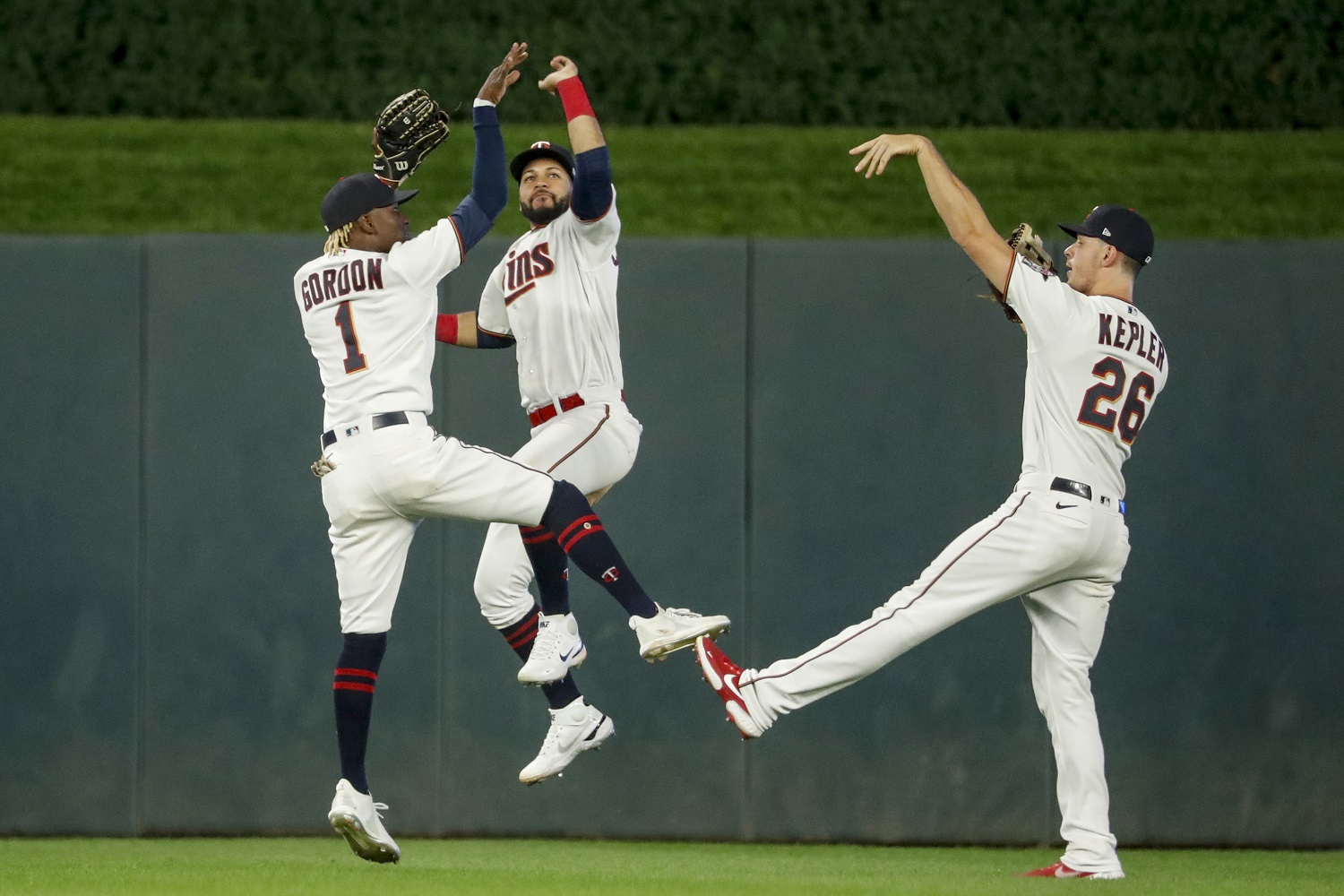 For the past year or so, the Twins' outfield has remained in flux behind the starters. Last year left field was a question mark more often than it wasn’t, and Byron Buxton’s latest injury left him out of centerfield more often than not. Plenty of guys were given chances, and while some are now gone (thanks for the memories, Tim Beckham), the group still has too many mouths to feed. I’d expect the Opening Day roster to have five outfielders, but a few have positional flexibility. Looking at the nine names currently categorized by the 40-man roster, here is a probable path for them in 2023. Byron Buxton This one should be straightforward. If he’s healthy, he plays. Last season the Twins got nearly 100 games out of Buxton despite him battling a significant knee injury early on. Many of his injuries in the past have been fluky, but let’s dream of a world where Nick Paparesta and a new training staff focus on giving us what we’ve all been waiting for. He’s among the best in the game, and Rocco Baldelli’s team is much better when he takes the field. Gilberto Celestino Right now, I’m not sure what to think about Celestino. He has been called on in trade discussions and is a guy I’d prefer not to see the front office move. Last year was a good year of development, and still young; there is plenty of room for him to grow. As a right-handed bat, he has that going for him, and defensively he’s an ideal backup option behind Buxton. Joey Gallo Signed to a one-year deal, there is no doubt that Gallo is making the 26-man roster. He’ll play plenty of corner outfield and can play center as well. I wouldn’t be shocked to see Minnesota have him ready at first base, and despite the bat being his calling card, his athleticism and glove are equally as impressive. Nick Gordon Listed as an outfielder by the Twins roster designation, Gordon filled into a utility role well last year. The bat played more, and although he’s limited on the infield, he played outfield well. Gordon looked the part of a centerfielder at times, and more reps could make that even more fluid. He should be a relative lock for the Opening Day roster and will again play all over the field. Max Kepler If there is a guy to bet on being traded this offseason, Kepler is it. He bats left-handed as too many of his counterparts do, and Gallo wasn’t signed to be a redundant form of what the German brings to the table. There has been plenty of interest in the strong defensive right fielder, and it should be a matter of when and not if he goes. Alex Kirilloff The Twins need this to be the year that Kirilloff’s wrist is right. After undergoing a more intense procedure to shave down his bone, there aren't many other surgical options. All reports thus far have been positive, and Kirilloff is a talent Minnesota has been waiting on at the big-league level for some time. He should factor in most as a left fielder, but he can also potentially be a star at first base. He’ll get time at both spots this year, and the only thing holding him back has been health. Trevor Larnach We started seeing what a rolling Larnach looked like at points last season, but the core muscle injury killed the momentum. He’s a power bat with a substantial amount of plate discipline, and he, too, should be expected to contribute from left field. There is no reason he can’t be a middle-of-the-order bat, and we saw the arm play plenty when opposing runners tried to test him a season ago. Like Kirilloff, health is all Minnesota needs here. Matt Wallner Making his debut after such a solid 2022 in the minors, Wallner looked the part in a very small major league sample size. His 105 OPS+ was above league average; he made substantial strides last year when controlling the zone and taking walks. There is probably no room for him on Opening Day, but Wallner didn’t slow down last year at Triple-A St. Paul and could quickly force Minnesota’s hand if he comes out of the gates hot. The Twins have more than a few decisions to make on the grass this season, and right now, things are a bit lefty-heavy. We’ll see how this turns out before the club shows up in Fort Myers.
- 48 comments
-
- 1
-
-
- byron buxton
- max kepler
- (and 3 more)
-
 Most times teams find themselves working to find common ground with arbitration-eligible players. When a player reaches arbitration, their salary is determined through a statistically-weighted process that incrementally pushes their value up alongside peers of similar production. This year, the Twins offered arbitration to eight players. That number was larger, but some players were non-tendered and the Twins traded Gio Urshela. In acquiring Kyle Farmer from the Cincinnati Reds, Minnesota added an additional player they needed to negotiate with. None of the players that Minnesota needed to come to agreements with looked like there would be much gray area. Certainly, a few were extension candidates (and still could be). Going through them individually, you can see what the Twins ultimately signed them for, and what MLB Trade Rumors (in parentheses) projected them at going into the offseason. Tyler Mahle $7.5M ($7.2M) Source Acquired from the Reds last year at the trade deadline for Spencer Steer, Steven Hajjar, and Christian Encarnacion-Strand, Mahle could have been an extension candidate. He is entering the final year of team control and the Twins see him with substantial upside. Those talks can still take place. Kyle Farmer $5.585M ($5.9M) Source After dealing Urshela to the Angels, Minnesota acquired Farmer from the Reds for Casey Legumina. He may have been the Opening Day shortstop had Carlos Correa not be re-signed. Now he is likely to get playing time at all four infield positions as well as providing the team with an emergency catcher. Luis Arraez ($5M) - Numbers Exchanged Source The Twins filed more than one million lower than Arraez. He has continually been involved in trade talks and there is some time for the two sides to come to an agreement, or potentially reach an extension. Emilio Pagan $3.5M ($3.7M) Source There is no denying 2022 was a tumultuous season for Pagan. Brought in to close games as Taylor Rogers' replacement, he cost Minnesota plenty and was knocked down to low-leverage situations. He remained on the roster all year largely due to his stuff, and down the stretch he made changes that had him looking like a potential asset again. It will take a significant trust factor for fans to believe in him again, but cutting bait this offseason would have looked odd. Jorge Lopez $3.525M ($3.7M) Source Acquired from the Orioles at the deadline for Yennier Cano, Cade Povich, Juan Nunez, and Juan Rojas, the Twins went after Baltimore’s All-Star closer. He struggled in Minnesota but tweaks back to his former repertoire could bode well for a return to high-leverage. Lopez has another year of arbitration eligibility for 2024 as well. Caleb Thielbar $2.4M ($2.4M) Source A late bloomer that has been nothing but incredible as a pen lefty for Minnesota, Thielbar was always a lock to be retained. Like Lopez, he has another year of arbitration eligibility as well. Chris Paddack $2.4M ($2.4M) Source Another potential extension candidate, Paddack was the prize of the trade that sent Taylor Rogers and Brent Rooker to the Padres. His injury history was known, and he’s now recovering from Tommy John surgery. He will be back at some point this year, but a Michael Pineda type deal could still make sense. Jorge Alcala $790K ($800K) Source Limited due to injury last season, the hope is that Alcala will factor in as a high-leverage arm for Rocco Baldelli’s bullpen. With the deals cemented today, the Twins payroll for 2023 has crossed the $140 million threshold and could be continued to rise. They came in roughly at $150 million a season ago, and there is no way Correa wanted to join a team that wouldn’t push the envelope. There is still work to be done with this roster, and adding an additional pitcher and an outfielder remain key needs. Derek Falvey has noted that Minnesota will remain engaged up to and beyond the time they embark on Fort Myers, and as we have seen in recent seasons, there is no reason to believe they are done until Opening Day hits.
- 9 comments
-
- 1
-
-
- tyler mahle
- emilio pagan
- (and 1 more)
-
Today was the deadline for the Minnesota Twins to sign arbitration-eligible players to contracts for the upcoming 2023 Major League Baseball season. Should the sides not be able to reach a resolution after exchanging official numbers, they would then be subject to an arbitration hearing at a later date. Image courtesy of Kamil Krzaczynski-USA TODAY Sports Most times teams find themselves working to find common ground with arbitration-eligible players. When a player reaches arbitration, their salary is determined through a statistically-weighted process that incrementally pushes their value up alongside peers of similar production. This year, the Twins offered arbitration to eight players. That number was larger, but some players were non-tendered and the Twins traded Gio Urshela. In acquiring Kyle Farmer from the Cincinnati Reds, Minnesota added an additional player they needed to negotiate with. None of the players that Minnesota needed to come to agreements with looked like there would be much gray area. Certainly, a few were extension candidates (and still could be). Going through them individually, you can see what the Twins ultimately signed them for, and what MLB Trade Rumors (in parentheses) projected them at going into the offseason. Tyler Mahle $7.5M ($7.2M) Source Acquired from the Reds last year at the trade deadline for Spencer Steer, Steven Hajjar, and Christian Encarnacion-Strand, Mahle could have been an extension candidate. He is entering the final year of team control and the Twins see him with substantial upside. Those talks can still take place. Kyle Farmer $5.585M ($5.9M) Source After dealing Urshela to the Angels, Minnesota acquired Farmer from the Reds for Casey Legumina. He may have been the Opening Day shortstop had Carlos Correa not be re-signed. Now he is likely to get playing time at all four infield positions as well as providing the team with an emergency catcher. Luis Arraez ($5M) - Numbers Exchanged Source The Twins filed more than one million lower than Arraez. He has continually been involved in trade talks and there is some time for the two sides to come to an agreement, or potentially reach an extension. Emilio Pagan $3.5M ($3.7M) Source There is no denying 2022 was a tumultuous season for Pagan. Brought in to close games as Taylor Rogers' replacement, he cost Minnesota plenty and was knocked down to low-leverage situations. He remained on the roster all year largely due to his stuff, and down the stretch he made changes that had him looking like a potential asset again. It will take a significant trust factor for fans to believe in him again, but cutting bait this offseason would have looked odd. Jorge Lopez $3.525M ($3.7M) Source Acquired from the Orioles at the deadline for Yennier Cano, Cade Povich, Juan Nunez, and Juan Rojas, the Twins went after Baltimore’s All-Star closer. He struggled in Minnesota but tweaks back to his former repertoire could bode well for a return to high-leverage. Lopez has another year of arbitration eligibility for 2024 as well. Caleb Thielbar $2.4M ($2.4M) Source A late bloomer that has been nothing but incredible as a pen lefty for Minnesota, Thielbar was always a lock to be retained. Like Lopez, he has another year of arbitration eligibility as well. Chris Paddack $2.4M ($2.4M) Source Another potential extension candidate, Paddack was the prize of the trade that sent Taylor Rogers and Brent Rooker to the Padres. His injury history was known, and he’s now recovering from Tommy John surgery. He will be back at some point this year, but a Michael Pineda type deal could still make sense. Jorge Alcala $790K ($800K) Source Limited due to injury last season, the hope is that Alcala will factor in as a high-leverage arm for Rocco Baldelli’s bullpen. With the deals cemented today, the Twins payroll for 2023 has crossed the $140 million threshold and could be continued to rise. They came in roughly at $150 million a season ago, and there is no way Correa wanted to join a team that wouldn’t push the envelope. There is still work to be done with this roster, and adding an additional pitcher and an outfielder remain key needs. Derek Falvey has noted that Minnesota will remain engaged up to and beyond the time they embark on Fort Myers, and as we have seen in recent seasons, there is no reason to believe they are done until Opening Day hits. View full article
-
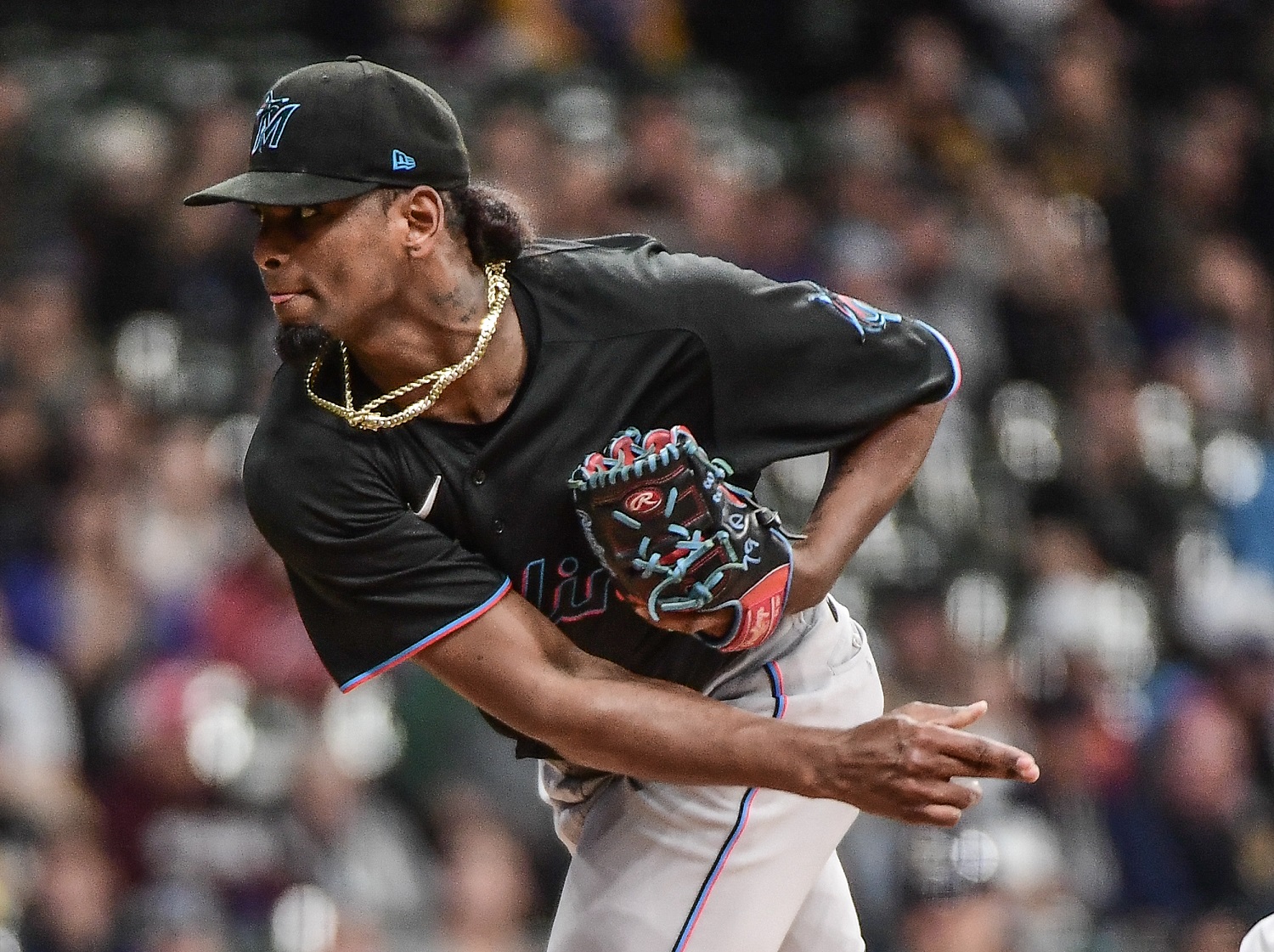 In December, reports suggested the Twins were in talks with the Miami Marlins regarding Pablo Lopez. The package discussed could have included American League batting champion Luis Arraez, but developments following the signing of catcher Christian Vazquez changed the course for the front office. Per a source, López’s camp would have been ecstatic for an opportunity to win with the Twins, but that has not come to fruition thus far. At that time, the Marlins were listening on basically everyone in their rotation not named Sandy Alcantara. Reports over the weekend suggest that remains the case, and Minnesota could benefit from targeting one of the other three. Trevor Rogers A former first-round pick, Rogers was an All-Star and came up just short in the Rookie of the Year voting in 2021. He posted a 2.64 ERA across 133 innings while striking out 10.6 per nine. Adjustments were made against him last season, and Rogers didn’t see the same success. His 4.35 FIP was better than the 5.47 ERA, but he was routinely knocked out of games early and the strikeout rate dropped by nearly two per nine. Rogers’ biggest bugaboo last year was the long ball, paired with more traffic on the basepaths. He is still young, there is a lot to like here, and he will be under team control through 2026. Jesus Luzardo Acquired by the Marlins in exchange for outfielder Starling Marte, Luzardo was once a consensus top-10 prospect across Major League Baseball. He struggled through his first three Major League seasons but turned a corner last year. His 3.32 ERA across 100 1/3 innings was nice, and the strikeouts reached double-digits per nine for the first time in his career. His FIP suggested the numbers weren’t fluky, and he did a great job limiting damage allowing just a 1.037 WHIP. Also under team control through 2026, Luzardo could get expensive quickly with a higher ceiling and is subject to Super 2 status. It would be the third time he has been traded by age 25, but there should be no reason the Marlins couldn’t net a solid return. Edward Cabrera The most intriguing youth option here, Cabrera, would command the most. He is not a free agent until after the 2028 season, and he was a top 50 prospect coming into 2022. Cabrera posted a 3.01 ERA across 14 starts, tallying 71 2/3 innings. The strikeout stuff is electric, and the movement he generates on pitches makes him look untouchable at times. He walked too many batters last year and was prone to the home run, but neither of those things is shocking for such a young talent. Cabrera will be 25 this season, but if the Twins feel they can work with him and get more as he develops, this is probably the cream of Miami’s crop of young hurlers. Without knowing the degree of desired return for Miami’s latter assets, it’s hard to know what path forward could serve Minnesota best. It would hurt losing Arráez to Miami, but he’s also a perfect fit for the openings they currently have on their 26-man roster. The Twins don’t have a substantial amount of top-end prospect capital that they would be willing to trade, but there are a few major league assets they could part with. It is likely that Minnesota will be active on the trade market, and bringing in an arm is the most logical move. There was nearly a fit here before, and it wouldn’t be shocking to see that opportunity present itself again.
- 45 comments
-
- 6
-
-
- edward cabrera
- pablo lopez
- (and 3 more)
-
Earlier this offseason, the Minnesota Twins were reported to be in contact with the Miami Marlins regarding pitching help. Those talks have since cooled, but a pivot to another arm from South Beach may make sense as they look for starting pitching talent. Image courtesy of © Benny Sieu-USA TODAY Sports In December, reports suggested the Twins were in talks with the Miami Marlins regarding Pablo Lopez. The package discussed could have included American League batting champion Luis Arraez, but developments following the signing of catcher Christian Vazquez changed the course for the front office. Per a source, López’s camp would have been ecstatic for an opportunity to win with the Twins, but that has not come to fruition thus far. At that time, the Marlins were listening on basically everyone in their rotation not named Sandy Alcantara. Reports over the weekend suggest that remains the case, and Minnesota could benefit from targeting one of the other three. Trevor Rogers A former first-round pick, Rogers was an All-Star and came up just short in the Rookie of the Year voting in 2021. He posted a 2.64 ERA across 133 innings while striking out 10.6 per nine. Adjustments were made against him last season, and Rogers didn’t see the same success. His 4.35 FIP was better than the 5.47 ERA, but he was routinely knocked out of games early and the strikeout rate dropped by nearly two per nine. Rogers’ biggest bugaboo last year was the long ball, paired with more traffic on the basepaths. He is still young, there is a lot to like here, and he will be under team control through 2026. Jesus Luzardo Acquired by the Marlins in exchange for outfielder Starling Marte, Luzardo was once a consensus top-10 prospect across Major League Baseball. He struggled through his first three Major League seasons but turned a corner last year. His 3.32 ERA across 100 1/3 innings was nice, and the strikeouts reached double-digits per nine for the first time in his career. His FIP suggested the numbers weren’t fluky, and he did a great job limiting damage allowing just a 1.037 WHIP. Also under team control through 2026, Luzardo could get expensive quickly with a higher ceiling and is subject to Super 2 status. It would be the third time he has been traded by age 25, but there should be no reason the Marlins couldn’t net a solid return. Edward Cabrera The most intriguing youth option here, Cabrera, would command the most. He is not a free agent until after the 2028 season, and he was a top 50 prospect coming into 2022. Cabrera posted a 3.01 ERA across 14 starts, tallying 71 2/3 innings. The strikeout stuff is electric, and the movement he generates on pitches makes him look untouchable at times. He walked too many batters last year and was prone to the home run, but neither of those things is shocking for such a young talent. Cabrera will be 25 this season, but if the Twins feel they can work with him and get more as he develops, this is probably the cream of Miami’s crop of young hurlers. Without knowing the degree of desired return for Miami’s latter assets, it’s hard to know what path forward could serve Minnesota best. It would hurt losing Arráez to Miami, but he’s also a perfect fit for the openings they currently have on their 26-man roster. The Twins don’t have a substantial amount of top-end prospect capital that they would be willing to trade, but there are a few major league assets they could part with. It is likely that Minnesota will be active on the trade market, and bringing in an arm is the most logical move. There was nearly a fit here before, and it wouldn’t be shocking to see that opportunity present itself again. View full article
-
Carlos Correa Saved the Twins Offseason
Ted Schwerzler posted a topic in Twins Daily Front Page News
The Minnesota Twins did the unthinkable when they swayed Carlos Correa from the New York Mets and brought him back for the 2023 season and beyond. The fact that a potential Hall of Fame talent has been added to the roster is nothing short of exceptional. If there is a problem, it’s that had he not been added, the offseason would have been a disaster. Image courtesy of © Bruce Kluckhohn-USA TODAY Sports Despite what we experienced following the lockout prior to the 2022 Major League Baseball season, there is typically not a set window for free agents to sign. Although plenty are off the board at this point, it’s not as though the offseason was over for the Minnesota Twins. The problem is that their entire offseason hinged solely on Carlos Correa returning. It was clear from the jump that Minnesota prioritized Correa, as they should have. Their initial 10-year deal for $285 million left plenty to be desired, but could have been reflective of their comfort with his long-term aging process. At any rate, that number was never initially going to get it done. Sure, it took both the San Francisco Giants and New York Mets backing out of their deals to bring him in, but that doesn’t matter. No one in the Twins front office cares how it happened, and fans shouldn’t either. For the front office, there was little way to explain themselves out of it not getting done, however. Early on this winter the Twins dealt for former Cincinnati Reds shortstop Kyle Farmer. He was seen as a baseline in order to give Minnesota a fallback option. They acted similarly a season ago when they swapped Mitch Garver for Isiah Kiner-Falefa. In and of itself, there is nothing wrong with that type of move. The problem is that Minnesota wasn’t good enough with Correa last year, and they almost certainly would not have been without him going forward. Yes, injuries ravaged the 2022 Twins. There is plenty of reason to believe in a healthy Trevor Larnach, Alex Kirilloff, Royce Lewis, and Byron Buxton being a substantial upgrade to Rocco Baldelli’s lineup. That line of thinking assumes that future injury won’t occur however, and barring Nick Paparesta being some kind of witch doctor, there will still be situations to deal with. In waiting on Correa, and ultimately missing when he was originally out there, the Twins were left out on their only other shortstop target Dansby Swanson. They never made a strong play for Xander Bogaerts (which wound up working out as the Padres spent crazy money) and they didn’t seriously pursue Trea Turner either. With plenty of bats gone, options at shortstop having dwindled, and even more arms off the board there was little place to pivot. There is no denying that Correa being back with the Twins is a great thing, but that only gives Minnesota an opportunity to advance things further. They must figure out a way to move the outfield pieces around. Max Kepler has drawn significant trade interest, and Joey Gallo should be assumed to produce at a similar or better clip. Finding another quality pitcher is a must, and that has never looked likely to come from the free agent market. Correa’s acquisition means the Twins are roughly where they were a season ago. Christian Vazquez is an upgrade on Gary Sanchez, but there have been no other moves that finish the job. The bullpen still needs a piece, and the front office has money to spend. With Correa now on board, the rest of the offseason plan can continue to roll in motion. Starting the season with Farmer at shortstop, questionable dollars spent to reach a realistic payroll threshold, and an offseason of watching talent sign elsewhere would have been nothing short of a nightmare. At points it was suggested a logical pivot to piecing out parts may have been necessary. That level of uncertainty should have never been a potential thought, and while the front office probably wouldn’t have agreed, their lack of options made it a legitimate question. We haven’t yet reached the point of this being a slam dunk offseason, but it certainly has the potential to be all because the Twins got one guy back. View full article -
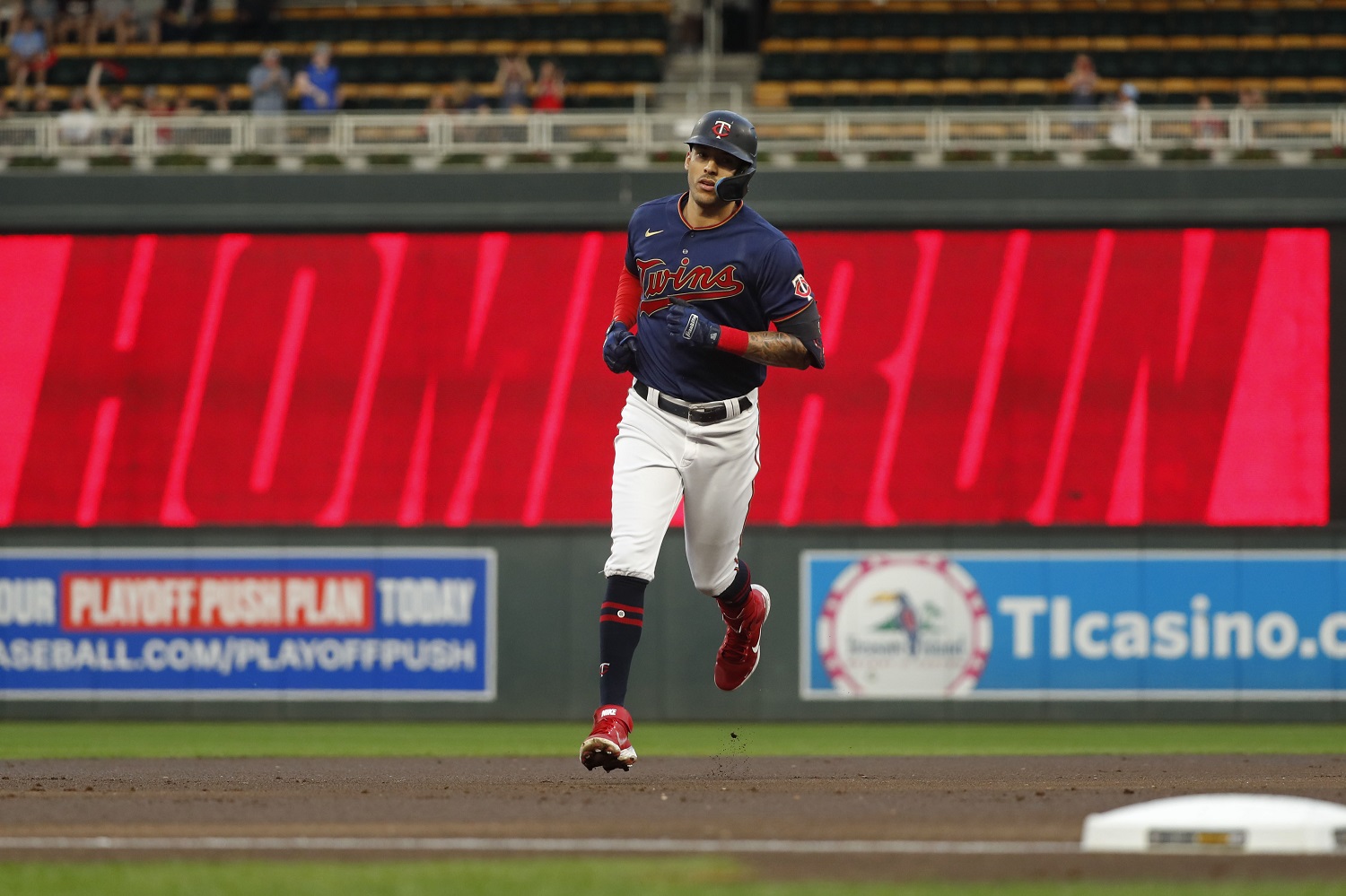 Despite what we experienced following the lockout prior to the 2022 Major League Baseball season, there is typically not a set window for free agents to sign. Although plenty are off the board at this point, it’s not as though the offseason was over for the Minnesota Twins. The problem is that their entire offseason hinged solely on Carlos Correa returning. It was clear from the jump that Minnesota prioritized Correa, as they should have. Their initial 10-year deal for $285 million left plenty to be desired, but could have been reflective of their comfort with his long-term aging process. At any rate, that number was never initially going to get it done. Sure, it took both the San Francisco Giants and New York Mets backing out of their deals to bring him in, but that doesn’t matter. No one in the Twins front office cares how it happened, and fans shouldn’t either. For the front office, there was little way to explain themselves out of it not getting done, however. Early on this winter the Twins dealt for former Cincinnati Reds shortstop Kyle Farmer. He was seen as a baseline in order to give Minnesota a fallback option. They acted similarly a season ago when they swapped Mitch Garver for Isiah Kiner-Falefa. In and of itself, there is nothing wrong with that type of move. The problem is that Minnesota wasn’t good enough with Correa last year, and they almost certainly would not have been without him going forward. Yes, injuries ravaged the 2022 Twins. There is plenty of reason to believe in a healthy Trevor Larnach, Alex Kirilloff, Royce Lewis, and Byron Buxton being a substantial upgrade to Rocco Baldelli’s lineup. That line of thinking assumes that future injury won’t occur however, and barring Nick Paparesta being some kind of witch doctor, there will still be situations to deal with. In waiting on Correa, and ultimately missing when he was originally out there, the Twins were left out on their only other shortstop target Dansby Swanson. They never made a strong play for Xander Bogaerts (which wound up working out as the Padres spent crazy money) and they didn’t seriously pursue Trea Turner either. With plenty of bats gone, options at shortstop having dwindled, and even more arms off the board there was little place to pivot. There is no denying that Correa being back with the Twins is a great thing, but that only gives Minnesota an opportunity to advance things further. They must figure out a way to move the outfield pieces around. Max Kepler has drawn significant trade interest, and Joey Gallo should be assumed to produce at a similar or better clip. Finding another quality pitcher is a must, and that has never looked likely to come from the free agent market. Correa’s acquisition means the Twins are roughly where they were a season ago. Christian Vazquez is an upgrade on Gary Sanchez, but there have been no other moves that finish the job. The bullpen still needs a piece, and the front office has money to spend. With Correa now on board, the rest of the offseason plan can continue to roll in motion. Starting the season with Farmer at shortstop, questionable dollars spent to reach a realistic payroll threshold, and an offseason of watching talent sign elsewhere would have been nothing short of a nightmare. At points it was suggested a logical pivot to piecing out parts may have been necessary. That level of uncertainty should have never been a potential thought, and while the front office probably wouldn’t have agreed, their lack of options made it a legitimate question. We haven’t yet reached the point of this being a slam dunk offseason, but it certainly has the potential to be all because the Twins got one guy back.
- 37 comments
-
- 5
-
-
- carlos correa
- kyle farmer
- (and 3 more)