



Ted Schwerzler
-
Posts
5,149 -
Joined
-
Last visited
Content Type
Profiles
News
Minnesota Twins Videos
2026 Minnesota Twins Top Prospects Ranking
2022 Minnesota Twins Draft Picks
Minnesota Twins Free Agent & Trade Rumors, Notes, & Tidbits
Guides & Resources
2023 Minnesota Twins Draft Picks
The Minnesota Twins Players Project
2024 Minnesota Twins Draft Picks
2025 Minnesota Twins Draft Pick Tracker
2026 Minnesota Twins Draft Tracker: Picks & Bonuses
Forums
Blogs
Events
Store
Downloads
Gallery
Everything posted by Ted Schwerzler
-
 Over the years, and immediately when hired, two words that Derek Falvey and Thad Levine used consistently were “creative” and “collaborative.” The duo know they are operating a mid-market team, and while the Pohlad family has an immense fortune, there’s still a level of business savvy that goes into spending on a baseball team. The goal in hiring Falvey specifically was to create a forward-thinking developmental machine that churned out talent along the lines of his former employer, the Cleveland Guardians. Needing to be more competitive on the pitching front, an area in which considerable money is often spent, developing talent is a surefire way to control spending and advance the roster. A question has presented itself, however. Why are the Twins seemingly less interested in spending money than they are player capital? Just a season ago, owners fought tooth and nail to stifle the earnings of major-league talent. There has never been a point in which minor-league talent was fairly compensated, and despite growing revenues the slices of the pie for players and owners has not been in harmony. One such reason that happens is due to the team control placed on a player for the better part of their most productive seasons as an athlete. Unlike most other professional sports, the way team control works carries a substantial monetary value. It is in that understanding where it seems odd a team like the Twins would be so willing to make deals rather than to open the pocketbook. Spencer Steer is gone. Christian Encarnacion-Strand is gone. Chase Petty is gone. The Twins have taken a good chunk of their top prospects and moved them to acquire big-league talent. There’s nothing wrong with those moves in and of themselves, but they seem equally active in free agency discussions as they do the trade market. Thus far, trades have all but stalled out this offseason. The focus for most front offices has been to pay for talent. Rather than giving away controllable players to the opposition, front offices have spent dollars they will undoubtedly recoup in revenue, and make more as they’ve just used them to acquire an asset. Minnesota should be pushing toward something like a $160 million in Opening Day payroll for 2023, and yet all of the dollars have been held close to their chest. When targeting talents like Carlos Correa, Carlos Rodon, or Christian Vazquez as has been reported, Minnesota has not yet made enough of an offer to generate a Yes. If that is due, in part, because a secondary option is seen as an ok outcome, it’s a gross misuse of the funds available to them. Whether a limit by the Pohlad family is in place or not, there should never be a time in which free agency is seen as a less than desirable avenue. There’s no limit to the amount of money a Major League franchise will continue to be worth. Revenues skyrocket and will surpass $11 billion for Major League Baseball this season. Each team will see over $100 million in their pockets before even selling a ticket this season. That not being used to the fullest capacity, and instead piecing out players that can keep payroll down and develop within a system seems like a misstep. Minnesota’s front office has taken a cautious approach more often than not. Even when Correa was signed, it was only after a player-friendly deal was presented to the team by agent Scott Boras. It’s beyond time that attacking the free agent market with a wad of cash becomes a bigger part of the practice, and at some point, it’d be great to retain more of what’s already in the system for future use.
- 24 comments
-
- 4
-

-
- derek falvey
- thad levine
- (and 3 more)
-
Derek Falvey and Thad Levine are more than a half-dozen seasons into their tenure as the heads of Minnesota’s front office. We’ve begun to see some pattern in how they acquire talent, and as the expectations for competition and payroll grow, it’s worth wondering why they prefer to operate in a certain way. Image courtesy of Jordan Johnson-USA TODAY Sports Over the years, and immediately when hired, two words that Derek Falvey and Thad Levine used consistently were “creative” and “collaborative.” The duo know they are operating a mid-market team, and while the Pohlad family has an immense fortune, there’s still a level of business savvy that goes into spending on a baseball team. The goal in hiring Falvey specifically was to create a forward-thinking developmental machine that churned out talent along the lines of his former employer, the Cleveland Guardians. Needing to be more competitive on the pitching front, an area in which considerable money is often spent, developing talent is a surefire way to control spending and advance the roster. A question has presented itself, however. Why are the Twins seemingly less interested in spending money than they are player capital? Just a season ago, owners fought tooth and nail to stifle the earnings of major-league talent. There has never been a point in which minor-league talent was fairly compensated, and despite growing revenues the slices of the pie for players and owners has not been in harmony. One such reason that happens is due to the team control placed on a player for the better part of their most productive seasons as an athlete. Unlike most other professional sports, the way team control works carries a substantial monetary value. It is in that understanding where it seems odd a team like the Twins would be so willing to make deals rather than to open the pocketbook. Spencer Steer is gone. Christian Encarnacion-Strand is gone. Chase Petty is gone. The Twins have taken a good chunk of their top prospects and moved them to acquire big-league talent. There’s nothing wrong with those moves in and of themselves, but they seem equally active in free agency discussions as they do the trade market. Thus far, trades have all but stalled out this offseason. The focus for most front offices has been to pay for talent. Rather than giving away controllable players to the opposition, front offices have spent dollars they will undoubtedly recoup in revenue, and make more as they’ve just used them to acquire an asset. Minnesota should be pushing toward something like a $160 million in Opening Day payroll for 2023, and yet all of the dollars have been held close to their chest. When targeting talents like Carlos Correa, Carlos Rodon, or Christian Vazquez as has been reported, Minnesota has not yet made enough of an offer to generate a Yes. If that is due, in part, because a secondary option is seen as an ok outcome, it’s a gross misuse of the funds available to them. Whether a limit by the Pohlad family is in place or not, there should never be a time in which free agency is seen as a less than desirable avenue. There’s no limit to the amount of money a Major League franchise will continue to be worth. Revenues skyrocket and will surpass $11 billion for Major League Baseball this season. Each team will see over $100 million in their pockets before even selling a ticket this season. That not being used to the fullest capacity, and instead piecing out players that can keep payroll down and develop within a system seems like a misstep. Minnesota’s front office has taken a cautious approach more often than not. Even when Correa was signed, it was only after a player-friendly deal was presented to the team by agent Scott Boras. It’s beyond time that attacking the free agent market with a wad of cash becomes a bigger part of the practice, and at some point, it’d be great to retain more of what’s already in the system for future use. View full article
-
After last offseason, it was hard not to be shocked by the sheer amount of money that was thrown around to free agents. Now with still over 100 players to be signed this winter, it’s clear we are going to blow by those values again. On the pitching front, it benefits the Minnesota Twins to have depth. Image courtesy of Erik Williams-USA TODAY Sports During the Winter Meetings, baseball organizations spent over $2 billion on player contracts Minnesota sat out on that frenzy, but it’s not as though they won’t still dole out dollars. What they do have going for them is a very clear blueprint as to what type of talent is needed. Last offseason, Derek Falvey and Thad Levine made a pact with mid-level starter Dylan Bundy, and then picked Chris Archer off the scrap heap late in the offseason. The hope was that they could provide a level of consistency behind the likes of Sonny Gray and Joe Ryan, effectively making them mediocre veterans. Coming into this year, the Twins have a stable that includes Kenta Maeda, Bailey Ober, Josh Winder, Louie Varland, Simeon Woods Richardson and a few others. They don’t need to clog the back of their rotation with 'mediocre' veterans. The good news is that those types are costly. Taijuan Walker just got four years and $72 million from the Phillies after posting his first sub-4.00 ERA in a full season since 2017. Former Yankees starter Jameson Taillon was given four years and $68 million by the Cubs following his first sub-4.00 ERA since 2018 and having missed the 2020 season. Zach Eflin, despite his 3.57 FIP the past three seasons, has a 4.49 career ERA and the Tampa Bay Rays handed him $40 million over three seasons. The mid-level pitching market has truly gone bananas. All of those names could certainly be argued as better than both Bundy and Archer, but the reality is that in recent seasons the Twins front office has needed those types just to get to five arms. In being able to avoid that group entirely, the refrain has been an arm at the level of Sonny Gray or better. There are only so many of those types on the free agent market, but a few remain. There was never a point in which Jacob deGrom or Justin Verlander were realistic options for the Twins, and Carlos Rodon probably has too many suitors to be thought of as a true possibility as well. Maybe Chris Bassitt, Noah Syndergaard, and Nathan Eovaldi are still in play, while the trade market has an endless amount of possibilities. Each of the types Minnesota now need will come with a price tag, but at least they aren’t paying pennies on the dollar for innings rather than performance. This is a different scenario for Falvey and Levine to navigate. They pulled off the Gray trade prior to Opening Day last offseason, and they swung big for Tyler Mahle at the deadline. Both of those arms advance the overall ability of the starting rotation, and they have a clear picture of the talent level they must acquire. We have yet to see the Twins pitching pipeline develop something like a number one starter, although Joe Ryan may someday get there. What it has done is provide a considerable amount of depth with respectable floors for a team that has often churned through arms. Knowing how many different starters took the mound a season ago, the reality is that Rocco Baldelli’s club is going to need at least 10 guys capable of throwing something like 50 innings in 2023. Sure, the Twins have money to spend, but it is a relief to not need to overspend on a veteran that likely won’t move the needle. View full article
-
 During the Winter Meetings, baseball organizations spent over $2 billion on player contracts Minnesota sat out on that frenzy, but it’s not as though they won’t still dole out dollars. What they do have going for them is a very clear blueprint as to what type of talent is needed. Last offseason, Derek Falvey and Thad Levine made a pact with mid-level starter Dylan Bundy, and then picked Chris Archer off the scrap heap late in the offseason. The hope was that they could provide a level of consistency behind the likes of Sonny Gray and Joe Ryan, effectively making them mediocre veterans. Coming into this year, the Twins have a stable that includes Kenta Maeda, Bailey Ober, Josh Winder, Louie Varland, Simeon Woods Richardson and a few others. They don’t need to clog the back of their rotation with 'mediocre' veterans. The good news is that those types are costly. Taijuan Walker just got four years and $72 million from the Phillies after posting his first sub-4.00 ERA in a full season since 2017. Former Yankees starter Jameson Taillon was given four years and $68 million by the Cubs following his first sub-4.00 ERA since 2018 and having missed the 2020 season. Zach Eflin, despite his 3.57 FIP the past three seasons, has a 4.49 career ERA and the Tampa Bay Rays handed him $40 million over three seasons. The mid-level pitching market has truly gone bananas. All of those names could certainly be argued as better than both Bundy and Archer, but the reality is that in recent seasons the Twins front office has needed those types just to get to five arms. In being able to avoid that group entirely, the refrain has been an arm at the level of Sonny Gray or better. There are only so many of those types on the free agent market, but a few remain. There was never a point in which Jacob deGrom or Justin Verlander were realistic options for the Twins, and Carlos Rodon probably has too many suitors to be thought of as a true possibility as well. Maybe Chris Bassitt, Noah Syndergaard, and Nathan Eovaldi are still in play, while the trade market has an endless amount of possibilities. Each of the types Minnesota now need will come with a price tag, but at least they aren’t paying pennies on the dollar for innings rather than performance. This is a different scenario for Falvey and Levine to navigate. They pulled off the Gray trade prior to Opening Day last offseason, and they swung big for Tyler Mahle at the deadline. Both of those arms advance the overall ability of the starting rotation, and they have a clear picture of the talent level they must acquire. We have yet to see the Twins pitching pipeline develop something like a number one starter, although Joe Ryan may someday get there. What it has done is provide a considerable amount of depth with respectable floors for a team that has often churned through arms. Knowing how many different starters took the mound a season ago, the reality is that Rocco Baldelli’s club is going to need at least 10 guys capable of throwing something like 50 innings in 2023. Sure, the Twins have money to spend, but it is a relief to not need to overspend on a veteran that likely won’t move the needle.
- 20 comments
-
- 7
-
-
- jameson taillon
- taijuan walker
- (and 3 more)
-
The difference is that in baseball, your prospects are under team control for so long, anyone developed with cost certainty becomes more valuable. You can ALWAYS make more money. You can't always have the same prospects.
-
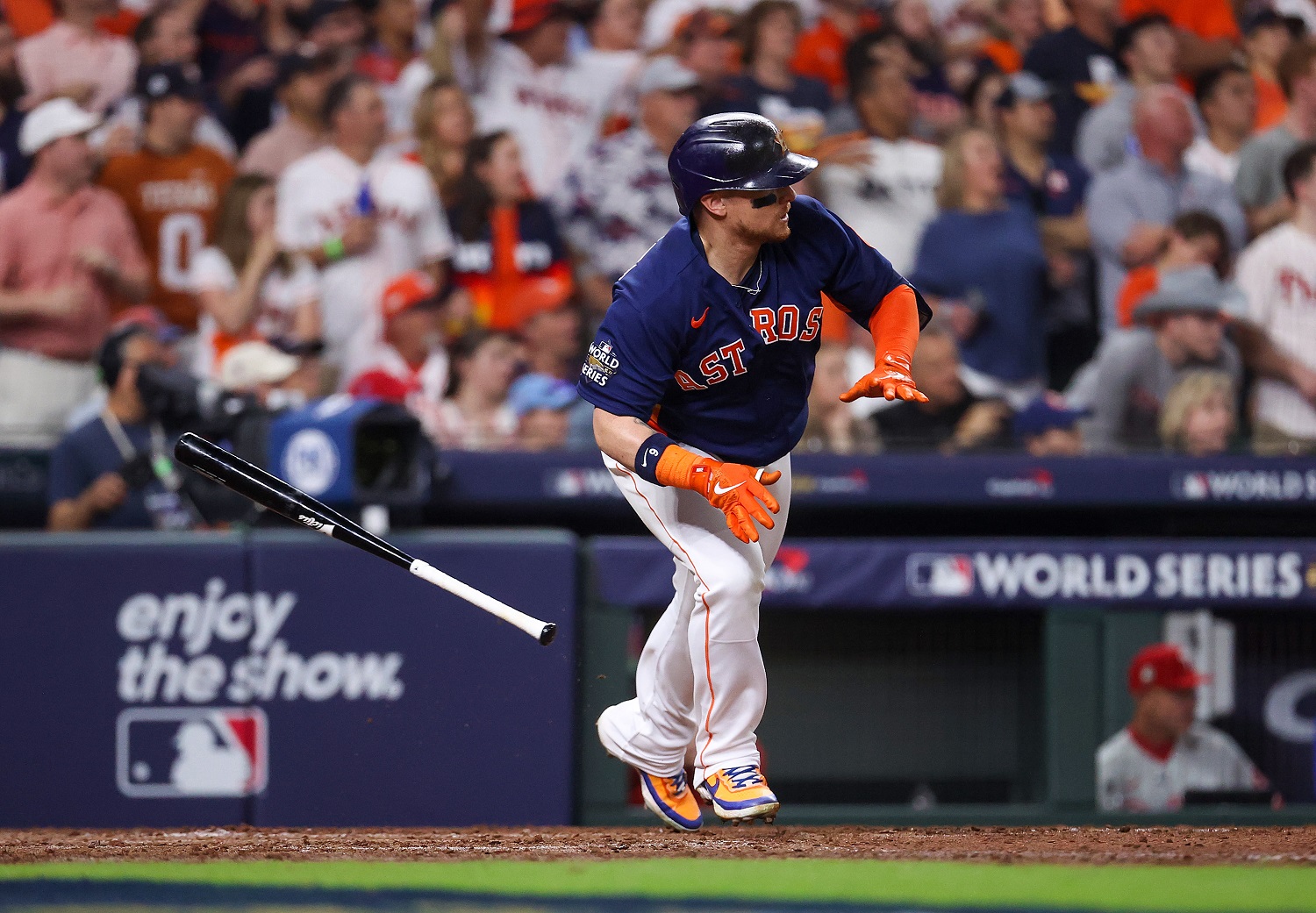 It wasn’t long ago that the Minnesota Twins employed a veteran alongside Ryan Jeffers in the form of Mitch Garver. When he was traded to the Texas Rangers last offseason, Derek Falvey targeted Gary Sanchez in a deal that sent Josh Donaldson and Ben Rortvedt to the Yankees. Sanchez wasn’t awful, but didn’t make the strides that would’ve warranted a return. While the catching market looked thin behind All-Star Willson Contreras, the Twins keyed in all along on former Boston Red Sox and Houston Astros backstop Christian Vazquez. Having spent the entirety of his professional career in Boston up until 2022, Vazquez was dealt at the trade deadline with the Red Sox falling out of contention. At the time he was dealt, Vazquez owned a 109 OPS+ for Boston and was a solid defender with a great clubhouse presence. The position is not one that is often seen as a strong offensive contributor, but he’s remained slightly above-average in each full season since 2019. Coming off a World Series victory with the Houston Astros, Vazquez has worked with every type of pitcher including future Hall of Famer Justin Verlander. He’ll look to handle a Twins pitching staff headlined by the trio of Sonny Gray, Tyler Mahle, and Joe Ryan. Kenta Maeda will also start the season in the rotation, and it’s well documented that Minnesota would like to add another starter. Behind the plate, Vazquez has been a solid defender for the majority of his career. He ranked 22nd in pop time last season per Statscast and generated an additional framing run for his efforts. His 47.8% strike rate ranks just below former Astros teammate Martin Maldonado. In signing Vazquez, Minnesota puts Jeffers back on the smaller end of a split. Similar to the scenario he was in with Garver, it should be expected that Vazquez operates as the 1A option among the pair. The Twins front office still has plenty of belief in Jeffers’ bat, and he’s come a long way defensively since the draft. If he can stay healthy, there’s a good chance he gets significant work against lefties and can raise his overall numbers. The front office made their first substantial move of the offseason in addressing the catcher situation. They’ll now refocus their efforts on Carlos Correa at shortstop and what they can find on the starting pitching market.
- 51 comments
-
- 12
-
-
- christian vazquez
- mitch garver
- (and 3 more)
-
Coming into the offseason the Minnesota Twins had just a single catcher on their 40-man roster. While Ryan Jeffers did return to the lineup prior to the final game of the 2022 season, he wound up spending most of it injured and ineffective. Now he’s got a partner to share some of the load. Minnesota came to terms with veteran Christian Vazquez. Image courtesy of © Troy Taormina-USA TODAY Sports It wasn’t long ago that the Minnesota Twins employed a veteran alongside Ryan Jeffers in the form of Mitch Garver. When he was traded to the Texas Rangers last offseason, Derek Falvey targeted Gary Sanchez in a deal that sent Josh Donaldson and Ben Rortvedt to the Yankees. Sanchez wasn’t awful, but didn’t make the strides that would’ve warranted a return. While the catching market looked thin behind All-Star Willson Contreras, the Twins keyed in all along on former Boston Red Sox and Houston Astros backstop Christian Vazquez. Having spent the entirety of his professional career in Boston up until 2022, Vazquez was dealt at the trade deadline with the Red Sox falling out of contention. At the time he was dealt, Vazquez owned a 109 OPS+ for Boston and was a solid defender with a great clubhouse presence. The position is not one that is often seen as a strong offensive contributor, but he’s remained slightly above-average in each full season since 2019. Coming off a World Series victory with the Houston Astros, Vazquez has worked with every type of pitcher including future Hall of Famer Justin Verlander. He’ll look to handle a Twins pitching staff headlined by the trio of Sonny Gray, Tyler Mahle, and Joe Ryan. Kenta Maeda will also start the season in the rotation, and it’s well documented that Minnesota would like to add another starter. Behind the plate, Vazquez has been a solid defender for the majority of his career. He ranked 22nd in pop time last season per Statscast and generated an additional framing run for his efforts. His 47.8% strike rate ranks just below former Astros teammate Martin Maldonado. In signing Vazquez, Minnesota puts Jeffers back on the smaller end of a split. Similar to the scenario he was in with Garver, it should be expected that Vazquez operates as the 1A option among the pair. The Twins front office still has plenty of belief in Jeffers’ bat, and he’s come a long way defensively since the draft. If he can stay healthy, there’s a good chance he gets significant work against lefties and can raise his overall numbers. The front office made their first substantial move of the offseason in addressing the catcher situation. They’ll now refocus their efforts on Carlos Correa at shortstop and what they can find on the starting pitching market. View full article
- 51 replies
-
- 1
-
-
- christian vazquez
- mitch garver
- (and 3 more)
-
 Derek Falvey’s hiring was largely celebrated through the lens of Cleveland’s pitching pipeline that he helped to develop. The hope was that the Twins could see a similar level of success. Thad Levine was brought along as the general manager. Thus far, we’ve seen a few instances of that but more needs to be done. On the free agent front, we’ve watched the tandem spend to franchise-record payrolls over each of the past two seasons. It’s beyond nice to see Minnesota raising that water level, and for a team that should unquestionably remain near league average, the top has to continue going up. After being around $140 million for 2022, a push to $160 million seems like a reasonable request in 2023. A 17% increase makes sense for a team whose attendance was low in 2022 despite being in first place through most of August. The problem lies in how they get there. Over the past few offseasons, the Twins have preached patience. Falvey and Levine have said all of the right things and then waited out the market. They did so when pivoting to Josh Donaldson after whiffing on Zack Wheeler. They did so in grabbing Lance Lynn and Logan Morrison as spring training kicked off. They even did so last year when shortstop options were gone, and yet Carlos Correa landed in their lap. It now may be time they use the talent to dictate the budget. In waiting for players to agree to their offers, it seems as though the front office is working backwards from an agreed upon amount (as all MLB teams do). This is understandable when ownership likely throws out a number they initially feel comfortable with budgeting. Although Jim Pohlad is no longer the ownership face of the Twins, there will likely not be a substantial financial change with Joe Pohlad in charge. That said, Falvey has always reiterated they have the full support of the front office, and are unafraid to have conversations about spending dollars where it makes sense. That continues to fall on deaf ears when the Twins are left with no opportunities to push the pockets. While Correa and Carlos Rodon are the only premier talents left on the market, Minnesota has a substantial amount of dollars yet to allocate simply to reach last season’s thresholds. By waiting to see if he accepts whatever they have presented, the Twins also are leaving the door open for another team to surpass what may not be their best effort. Trea Turner, Xander Bogaerts, and Jacob deGrom have all already signed. The likelihood a free agent is waiting to bleed out every last drop isn’t high (although that is what Scott Boras is known for any typically secures for his clients), but rather they are looking to have their match met. If the Twins operated from a place of talent or targets first, getting Correa done with a $35-40 million average annual value over whatever amount of years would then give them the baseline as to what they have left. Instead of waiting for the acceptance of what’s out there, talent worthy of dollars eventually becomes non-existent. Minnesota wouldn’t be well positioned to go sign Correa and Rodon for a combined average annual value of $70 million, but if they did the roster could be filled out from that point. Maybe there’s conversations that follow and requests for additional funds to round out the roster, or a pitch is made that spending could help to increase interest that resulted in an attendance lower than anything we’ve seen since the Metrodome. This is a strategy we have not seen this front office employ. Instead it has been wait and see, and while that worked once in landing a big fish like Correa, it has often left hefty pockets with only leftovers to spend it on. Pushing the budget up from the bottom, rather than subtracting from the top, could help to provide a more clear direction on what way the 26-man is constructed for Rocco Baldelli.
- 26 comments
-
- 4
-
-
- rocco baldelli
- carlos correa
- (and 3 more)
-
When the Minnesota Twins transitioned from Terry Ryan to Derek Falvey in the front office, it was an ushering in of change. Falvey came from the Cleveland Guardians and a more new-school way of doing things. We have now seen enough with the Twins to understand a repetitive process, and it again may be time to challenge that. Image courtesy of Orlando Ramirez-USA TODAY Sports Derek Falvey’s hiring was largely celebrated through the lens of Cleveland’s pitching pipeline that he helped to develop. The hope was that the Twins could see a similar level of success. Thad Levine was brought along as the general manager. Thus far, we’ve seen a few instances of that but more needs to be done. On the free agent front, we’ve watched the tandem spend to franchise-record payrolls over each of the past two seasons. It’s beyond nice to see Minnesota raising that water level, and for a team that should unquestionably remain near league average, the top has to continue going up. After being around $140 million for 2022, a push to $160 million seems like a reasonable request in 2023. A 17% increase makes sense for a team whose attendance was low in 2022 despite being in first place through most of August. The problem lies in how they get there. Over the past few offseasons, the Twins have preached patience. Falvey and Levine have said all of the right things and then waited out the market. They did so when pivoting to Josh Donaldson after whiffing on Zack Wheeler. They did so in grabbing Lance Lynn and Logan Morrison as spring training kicked off. They even did so last year when shortstop options were gone, and yet Carlos Correa landed in their lap. It now may be time they use the talent to dictate the budget. In waiting for players to agree to their offers, it seems as though the front office is working backwards from an agreed upon amount (as all MLB teams do). This is understandable when ownership likely throws out a number they initially feel comfortable with budgeting. Although Jim Pohlad is no longer the ownership face of the Twins, there will likely not be a substantial financial change with Joe Pohlad in charge. That said, Falvey has always reiterated they have the full support of the front office, and are unafraid to have conversations about spending dollars where it makes sense. That continues to fall on deaf ears when the Twins are left with no opportunities to push the pockets. While Correa and Carlos Rodon are the only premier talents left on the market, Minnesota has a substantial amount of dollars yet to allocate simply to reach last season’s thresholds. By waiting to see if he accepts whatever they have presented, the Twins also are leaving the door open for another team to surpass what may not be their best effort. Trea Turner, Xander Bogaerts, and Jacob deGrom have all already signed. The likelihood a free agent is waiting to bleed out every last drop isn’t high (although that is what Scott Boras is known for any typically secures for his clients), but rather they are looking to have their match met. If the Twins operated from a place of talent or targets first, getting Correa done with a $35-40 million average annual value over whatever amount of years would then give them the baseline as to what they have left. Instead of waiting for the acceptance of what’s out there, talent worthy of dollars eventually becomes non-existent. Minnesota wouldn’t be well positioned to go sign Correa and Rodon for a combined average annual value of $70 million, but if they did the roster could be filled out from that point. Maybe there’s conversations that follow and requests for additional funds to round out the roster, or a pitch is made that spending could help to increase interest that resulted in an attendance lower than anything we’ve seen since the Metrodome. This is a strategy we have not seen this front office employ. Instead it has been wait and see, and while that worked once in landing a big fish like Correa, it has often left hefty pockets with only leftovers to spend it on. Pushing the budget up from the bottom, rather than subtracting from the top, could help to provide a more clear direction on what way the 26-man is constructed for Rocco Baldelli. View full article
-
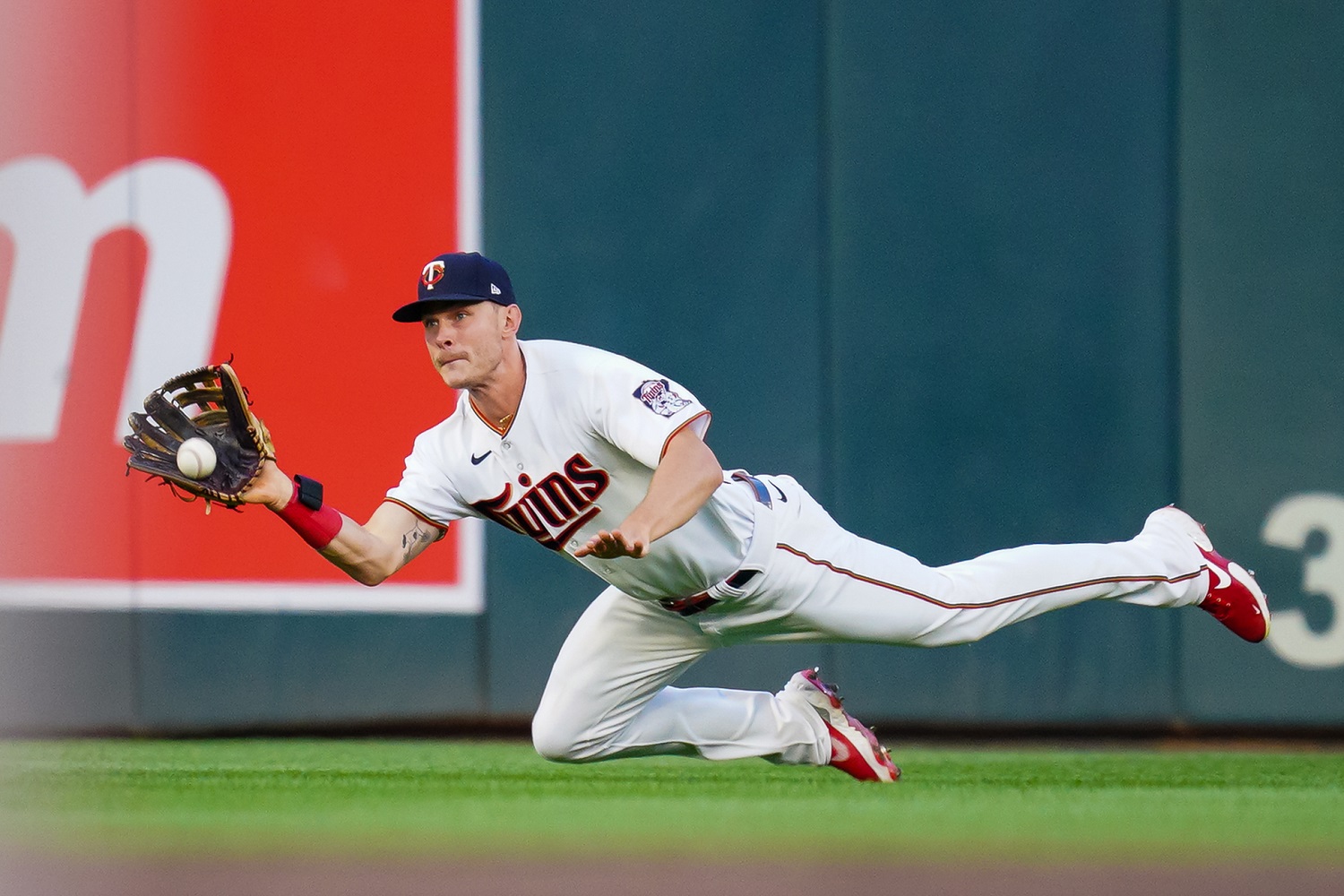 For years there has been discussion as to whether the Twins may move on from Max Kepler. The German-born outfielder was signed to a five-year contract extension before the 2019 Major League season, and that was coming off a season in which he posted a 97 OPS+. Derek Falvey and Thad Levine had seen enough consistency offensively, albeit to a mediocre level, and a substantial defensive contribution to lock him into a cost-certain deal. Rather than going to arbitration with Kepler, the Twins now knew where they would stand with their blossoming right fielder. He immediately paid off. Kepler was a key cog of the 2019 Bomba Squad that blasted a single-season record amount of home runs. His .855 OPS was a career-high, and his 36 dingers came out of nowhere. In the three years since, he has regressed to the average offensive player, he was previously while still playing Gold Glove defense. With the emergence of corner outfield types such as Alex Kirilloff, Trevor Larnach, and Matt Wallner, Minnesota finds themselves at a point where offensive production could be the greater goal. Though the Winter Meetings are over, the front office has been laying the groundwork for a deal. The Athletic’s Aaron Gleeman noted that multiple teams have reached out to the Twins regarding their left-handed hitting outfielder. He’s not going to bring back a big piece, especially as the centerpiece of any deal, but the most recent Gleeman and the Geek episode featured a deeper dive into the conversation. Gleeman went on to note that there does seem to be a substantial amount of interest out there. While Kepler’s offensive deficiencies are well documented, he still has plenty of value overall. Given the multiple avenues they could explore, it seemed as though a Kepler deal may get pushed to the back burner from a timing perspective but could be considered more likely than not to happen. On Monday, Joel Sherman reported that the New York Yankees had had conversations with the Twins regarding Kepler. They employed both Joey Gallo and Andrew Benintendi at points last season. They are intrigued by a reunion with the former Royals outfielder, but his price tag could touch $100 million after a strong 2022. Kepler is only owed $8.5 million this season and has a $10 million team option for 2024 or a $1 million buyout. If the Yankees, or anyone else, were more inclined to go with a cheaper option and bet on Kepler providing a bit extra value without the shift, that’s where the intrigue comes in. Minnesota and New York have teamed up for trades previously, and they did send outfielder Aaron Hicks to the Bronx after John Ryan Murphy wowed them with a home run off of closer Glen Perkins. The market for Kepler seems vast, and while we haven’t heard many different teams reported yet, Minnesota is likely keeping options close to the vest until they’re ultimately ready to move him. Nick Nelson recently wrote about the Seattle Mariners being a fit and their general manager Jerry Dipoto loving to make deals. Mitch Haniger is no longer there, and while they did acquire Teoscar Hernandez, Kepler could be a great bridge guy until prospects Jarred Kelenic or Taylor Trammell have proven they’re ready to take over. Playing alongside star centerfielder Julio Rodriguez would give the Mariners a similar defensive pairing to what Minnesota currently has with Byron Buxton in center. No matter who emerges as the favorite to land Minnesota’s fan-favorite, it does seem like this continues to trend more towards a “when” and not “if” situation that Kepler is dealt.
- 3 comments
-
- 1
-
-
- max kepler
- new york yankees
- (and 3 more)
-
The Minnesota Twins have remained largely quiet thus far through the offseason, but things are starting to heat up and there could be some relatively significant shuffling of the Major League roster. Max Kepler, who has spent his entire professional career with Minnesota, may find himself as one of the dominoes that falls. Image courtesy of © Brad Rempel-USA TODAY Sports For years there has been discussion as to whether the Twins may move on from Max Kepler. The German-born outfielder was signed to a five-year contract extension before the 2019 Major League season, and that was coming off a season in which he posted a 97 OPS+. Derek Falvey and Thad Levine had seen enough consistency offensively, albeit to a mediocre level, and a substantial defensive contribution to lock him into a cost-certain deal. Rather than going to arbitration with Kepler, the Twins now knew where they would stand with their blossoming right fielder. He immediately paid off. Kepler was a key cog of the 2019 Bomba Squad that blasted a single-season record amount of home runs. His .855 OPS was a career-high, and his 36 dingers came out of nowhere. In the three years since, he has regressed to the average offensive player, he was previously while still playing Gold Glove defense. With the emergence of corner outfield types such as Alex Kirilloff, Trevor Larnach, and Matt Wallner, Minnesota finds themselves at a point where offensive production could be the greater goal. Though the Winter Meetings are over, the front office has been laying the groundwork for a deal. The Athletic’s Aaron Gleeman noted that multiple teams have reached out to the Twins regarding their left-handed hitting outfielder. He’s not going to bring back a big piece, especially as the centerpiece of any deal, but the most recent Gleeman and the Geek episode featured a deeper dive into the conversation. Gleeman went on to note that there does seem to be a substantial amount of interest out there. While Kepler’s offensive deficiencies are well documented, he still has plenty of value overall. Given the multiple avenues they could explore, it seemed as though a Kepler deal may get pushed to the back burner from a timing perspective but could be considered more likely than not to happen. On Monday, Joel Sherman reported that the New York Yankees had had conversations with the Twins regarding Kepler. They employed both Joey Gallo and Andrew Benintendi at points last season. They are intrigued by a reunion with the former Royals outfielder, but his price tag could touch $100 million after a strong 2022. Kepler is only owed $8.5 million this season and has a $10 million team option for 2024 or a $1 million buyout. If the Yankees, or anyone else, were more inclined to go with a cheaper option and bet on Kepler providing a bit extra value without the shift, that’s where the intrigue comes in. Minnesota and New York have teamed up for trades previously, and they did send outfielder Aaron Hicks to the Bronx after John Ryan Murphy wowed them with a home run off of closer Glen Perkins. The market for Kepler seems vast, and while we haven’t heard many different teams reported yet, Minnesota is likely keeping options close to the vest until they’re ultimately ready to move him. Nick Nelson recently wrote about the Seattle Mariners being a fit and their general manager Jerry Dipoto loving to make deals. Mitch Haniger is no longer there, and while they did acquire Teoscar Hernandez, Kepler could be a great bridge guy until prospects Jarred Kelenic or Taylor Trammell have proven they’re ready to take over. Playing alongside star centerfielder Julio Rodriguez would give the Mariners a similar defensive pairing to what Minnesota currently has with Byron Buxton in center. No matter who emerges as the favorite to land Minnesota’s fan-favorite, it does seem like this continues to trend more towards a “when” and not “if” situation that Kepler is dealt. View full article
-
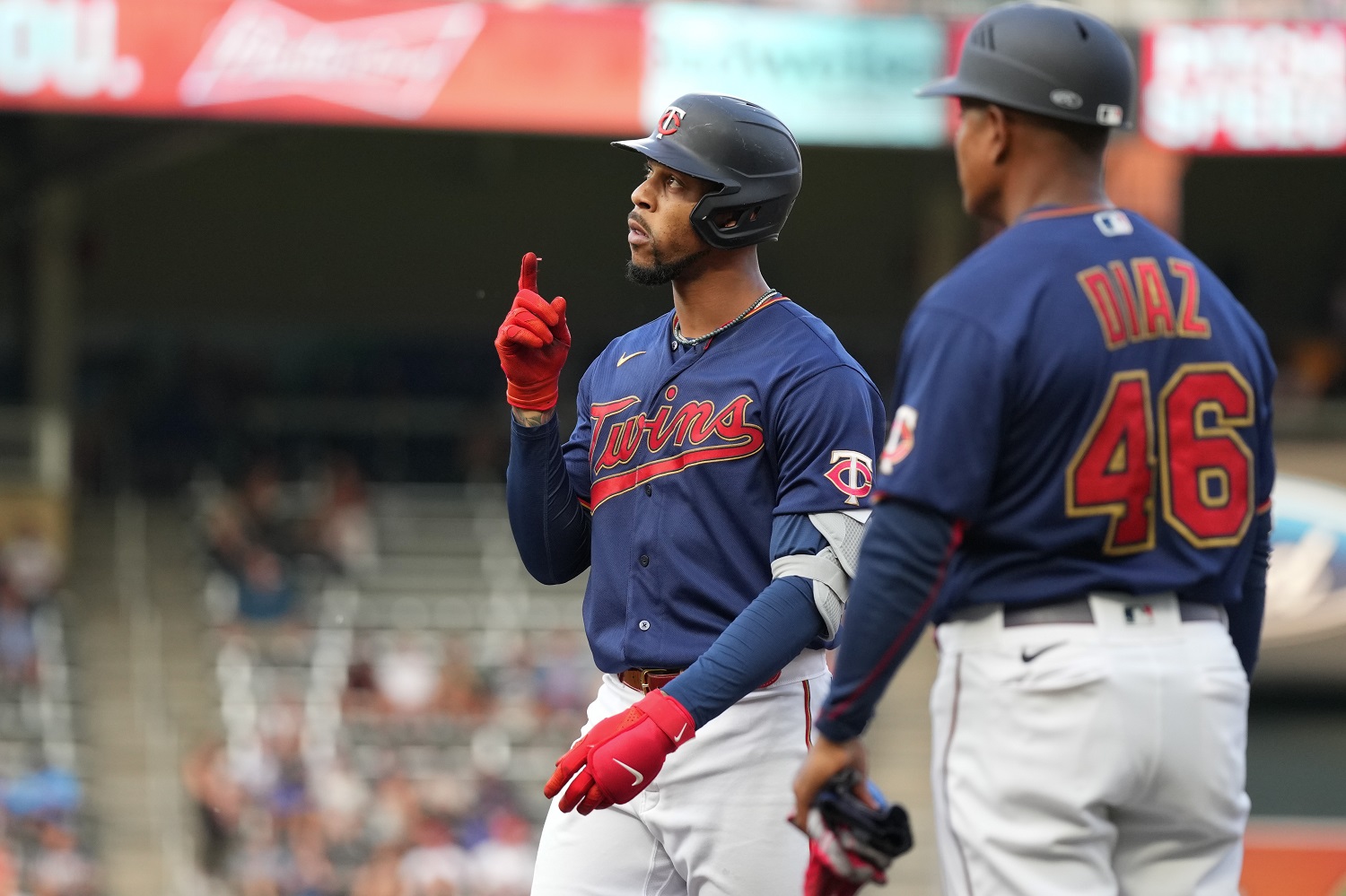 The Minnesota Twins drafted Byron Buxton 2nd overall in the 2012 Major League Baseball draft. One-time teammate Carlos Correa was the only man that went ahead of him. It took until 2015 for Buxton to make his Major League debut, and it wasn’t until 2017 that we saw a glimpse of what was to come. Now fully appreciated as a top player in the game, the caveat has always been “when healthy.” Buxton has suffered a series of maladies over the course of his career, and that was the only reason Minnesota found themselves in an advantageous position. With free agency looming and a desire to avoid that by finding common ground through an extension, only the Twins were able to negotiate a deal with their star. Make no mistake, Byron Buxton was going to get paid if he had hit the open market, the question was how much and who would the Twins be competing with. Minnesota has never swam in a pool with the sharks, and outside of Correa falling into their laps last winter, the big spenders have always far surpassed their offers. If any large market team wanted Buxton, it would’ve been incredibly hard for the Twins to keep him. Derek Falvey and Thad Levine came up with a creative offer that would pay Buxton $100 million over the next seven years regardless. They then included incentives that allowed the superstar to bet on himself. In doing so, Buxton has a yearly opportunity to capitalize on his performance if he can remain on the field. Year one wound up being virtually equal value, even with the missed time, but it remains to be seen how it will go from here. On the flip side, Steve Cohen’s deep pockets for the New York Mets just gave us some insight into what the frenzy may have looked like on the open market. Talented outfielder Brandon Nimmo just agreed to an eight-year deal worth $162 million. He’s a year older than Buxton was at the time of his contract signing, and he’s experienced a similar level of injury concerns. The problem for the Mets is that they had to deal with other suitors, and although Nimmo isn’t the player Buxton is by any means, fighting over his services drove the price up. Across seven major-league seasons, Nimmo has played all of them with the New York team that drafted him 13th overall from high school. In those seven seasons, he’s played more than 70 games just three times, and has surpassed 100 games only twice. In his corner was that 2022, just prior to signing a new deal with the Mets, he played a career high 151 games. Not only is Nimmo’s $20.25 million annually higher than Buxton’s $14.29 million, but he also had the contract stretched a year longer despite being older. We have seen Major League teams spend a boatload over the course of the Winter Meetings, and despite setting records a season ago, it seems they’ll be crushed again this time around. Injury is something teams certainly are hoping to avoid, but there’s a level of risk being taken on in every long-term deal. Health or otherwise, every player ages, and baseball is set up to stifle earnings while athletes may be at their best. Being paid for previous performance is part of the structure, and it’s the projection systems you’re hoping to hone in and have future performance outweigh eventual decline. Maybe the Twins would have ultimately always been home for Buxton, or maybe he would have taken less money on the open market to stay where he’s been comfortable. What is certain, however, is that $100 million Buxton signed for is well below where the payday would have been had he gone to free agency.
 -
It was last November when it was finally time to end the “Pay the Man!” campaign. Minnesota came up with $100 million to make sure that Byron Buxton would essentially play out his career in the same uniform. That was a steal then, and even more so after free agency developments this past week. Image courtesy of Jordan Johnson-USA TODAY Sports The Minnesota Twins drafted Byron Buxton 2nd overall in the 2012 Major League Baseball draft. One-time teammate Carlos Correa was the only man that went ahead of him. It took until 2015 for Buxton to make his Major League debut, and it wasn’t until 2017 that we saw a glimpse of what was to come. Now fully appreciated as a top player in the game, the caveat has always been “when healthy.” Buxton has suffered a series of maladies over the course of his career, and that was the only reason Minnesota found themselves in an advantageous position. With free agency looming and a desire to avoid that by finding common ground through an extension, only the Twins were able to negotiate a deal with their star. Make no mistake, Byron Buxton was going to get paid if he had hit the open market, the question was how much and who would the Twins be competing with. Minnesota has never swam in a pool with the sharks, and outside of Correa falling into their laps last winter, the big spenders have always far surpassed their offers. If any large market team wanted Buxton, it would’ve been incredibly hard for the Twins to keep him. Derek Falvey and Thad Levine came up with a creative offer that would pay Buxton $100 million over the next seven years regardless. They then included incentives that allowed the superstar to bet on himself. In doing so, Buxton has a yearly opportunity to capitalize on his performance if he can remain on the field. Year one wound up being virtually equal value, even with the missed time, but it remains to be seen how it will go from here. On the flip side, Steve Cohen’s deep pockets for the New York Mets just gave us some insight into what the frenzy may have looked like on the open market. Talented outfielder Brandon Nimmo just agreed to an eight-year deal worth $162 million. He’s a year older than Buxton was at the time of his contract signing, and he’s experienced a similar level of injury concerns. The problem for the Mets is that they had to deal with other suitors, and although Nimmo isn’t the player Buxton is by any means, fighting over his services drove the price up. Across seven major-league seasons, Nimmo has played all of them with the New York team that drafted him 13th overall from high school. In those seven seasons, he’s played more than 70 games just three times, and has surpassed 100 games only twice. In his corner was that 2022, just prior to signing a new deal with the Mets, he played a career high 151 games. Not only is Nimmo’s $20.25 million annually higher than Buxton’s $14.29 million, but he also had the contract stretched a year longer despite being older. We have seen Major League teams spend a boatload over the course of the Winter Meetings, and despite setting records a season ago, it seems they’ll be crushed again this time around. Injury is something teams certainly are hoping to avoid, but there’s a level of risk being taken on in every long-term deal. Health or otherwise, every player ages, and baseball is set up to stifle earnings while athletes may be at their best. Being paid for previous performance is part of the structure, and it’s the projection systems you’re hoping to hone in and have future performance outweigh eventual decline. Maybe the Twins would have ultimately always been home for Buxton, or maybe he would have taken less money on the open market to stay where he’s been comfortable. What is certain, however, is that $100 million Buxton signed for is well below where the payday would have been had he gone to free agency. View full article
-
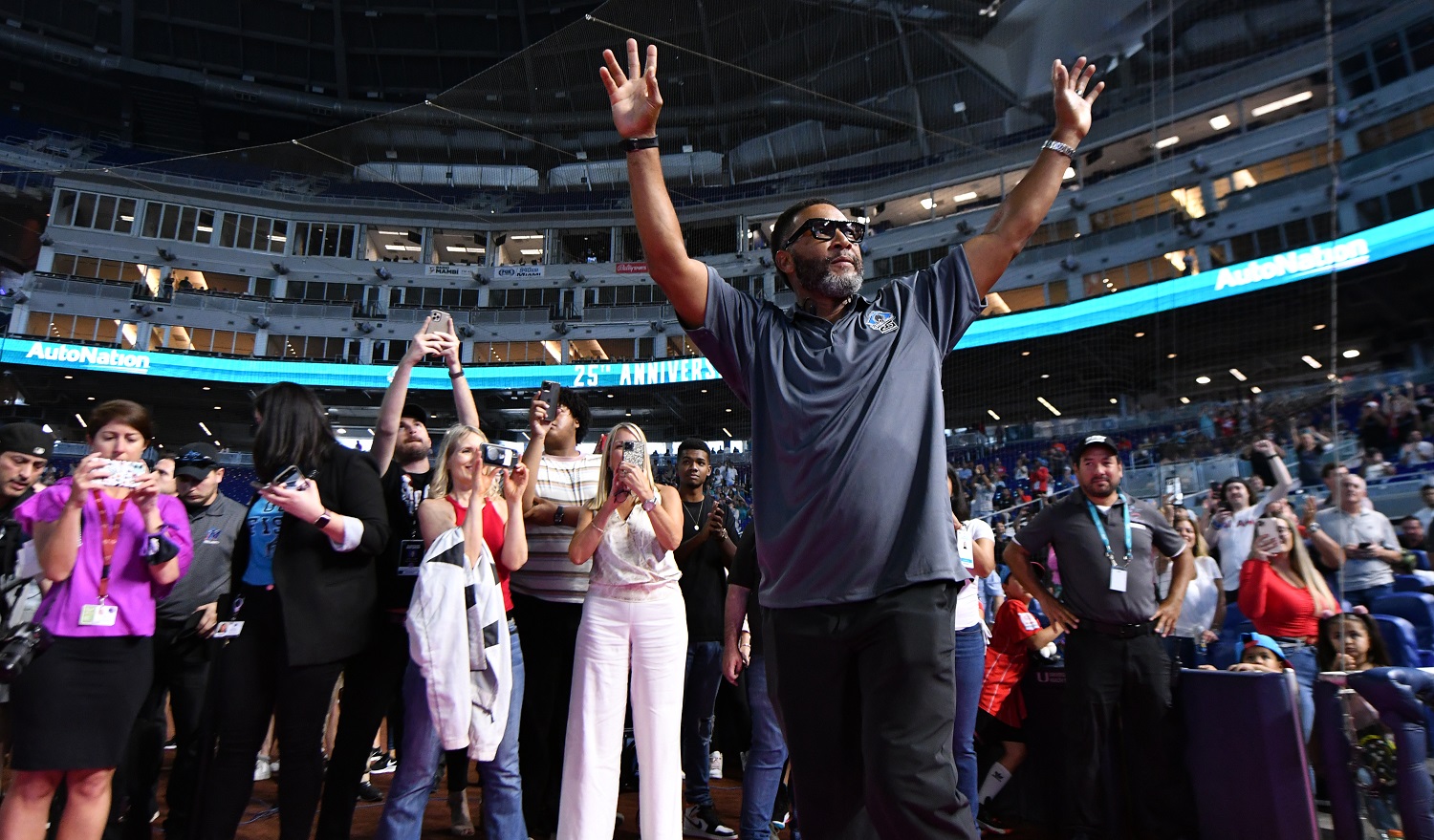 Thinking back over his playing career, it’s hard not to view Gary Sheffield as a Florida Marlin. He became synonymous with those pinstripes, and his unique stance was one that many kids growing up in the 1990’s emulated. Sheffield is now 54 and his son, Gary Sheffield Jr., has begun to establish himself as a substantial force in the baseball world as a content creator. Largely active on Twitter, but making consistent video and podcast appearances, Sheffield Jr. has developed a following not only for his name, but love of the Yankees. A vocal fan of the pinstripes his dad wore as a two-time All-Star during the 2004-06 seasons, he’s shown passion and shared plenty of takes with the baseball world. Given how connected the Twins have been to the Yankees in the postseason, and New York’s dominance over Minnesota, I wanted to gather perspective on the club from the other side of the fence. Here’s what he had to say: Twins Daily: Let's start with your own personal background. Where did sports take you personally, and how did you work your way into the content creation world? Gary Sheffield Jr: My introduction and love for sports came from dad, but like any other kid, no one can keep you involved. Your love for sports, baseball for me, kept me leaning and playing all the way through college. I committed to Florida State after a big sophomore year in junior college baseball out in Arizona. I ended up hurt, took time away from school, and I wasn't able to continue on to the Division 1 level. What turned me on to content creation was hopping onto podcasts and realizing how much the game of baseball needed fresh voices. From my point of view, there were too many people sharing other people's content saying, "This is awesome!" and I found it boring. I knew there was a market for personalities like me, and that is what has driven me to continue down this path. TD: You've probably had some cool interactions over the years through your dad and in clubhouses, but what has been your most exciting opportunity experience to come directly from your content creation work? GS: I’ve grown up watching sports and that included plenty of basketball. As my account on Twitter has grown, more notable names start to fill your mentions and it leads to conversation with faces you never thought possible. I started a conversation about how Anthony Davis was attacking a zone defense in the playoffs — the following morning Kevin Durant is shooting me DM’s to talk basketball for hours. It made me realize that content creation is a place for people that love sports to come together and learn. TD: As a Yankees fan, you got the Josh Donaldson experience after he was dealt from the Twins. How did you feel about the trade, his season, and the fact that he's being brought back? GS: At first, I was happy for Josh Donaldson because I know him to be a great guy. But from a baseball standpoint, all I could do was scratch my head at the disappointment Yankees GM Brian Cashman has brought to Yankees fans the past decade. Routinely passing on stars and attempting to find the series of moves no one thought about, rather than making the obvious acquisition to make the Yankees better. Josh Donaldson played about how I expected a 36-year-old former MVP to play — flashes in the pan offensively and still found ways to contribute defensively. If it’s true he’s returning, it shouldn’t take me or any other talking head to reveal he’s not playing at a level to warrant a $25 million salary in 2023. Cashman has to find a way to rid us of his deal. TD: For Minnesota, and plenty of other teams, the Yankees always present a measuring stick opportunity and a rivalry. How do Yankees fans view the Twins as a team and competitor? GS: I almost feel bad because a lot of times, when it comes to Twins vs Yankees, it doesn’t feel like a lack of talent on the Twins’ part. The Yankees have come into playoff series with Minnesota and it almost feels like a dad in a fiery game of 1-on-1 with his son in the front driveway. No matter how prepared you think you are, dad always beats you. Whether he’s just better at the time or if it gets close he takes you into the post. The Twins in theory should get close one of these years but it’s gone on so long…maybe they don’t? Crazy stuff. TD: The last time Minnesota won a game in the postseason was nearly two decades ago, in 2004. The Yankees have bested them plenty in that stretch. Why do you think New York has had Minnesota's number in October? GS: Just a mental edge. When you come into the postseason that’s filled with expectation and pressure, sometimes you have to rely on experience. The Yankees have experienced success against the Twins in October and even if the matchup favors Minnesota in any given year, those experiences have led to utter domination. Of course plenty around baseball would say the Twins’ rosters were just never as good as the Yankees, but that’s a conversation for another day. TD: Being a fan of a franchise that views success as World Series or bust, how hard has it been to put up with the drought since 2009. Are the seasons since truly a letdown even if they advance in the postseason? GS: Very. It’s all about perspective as fans of these other organizations would love what we have. But those fans have to remember every team has a different set of standards and the Yankees standard, that Derek Jeter seemingly always talked about, was to win the World Series or be a deemed a failure. It’s a harsh reality that often feels spoiled, but it’s necessary if you want to go from winning 100 games every year to winning when it matters. TD: What's the number one thing on Brian Cashman's shopping list this offseason in your mind? Let's exclude Aaron Judge from that conversation, but for him specifically, what's the deal he should agree to? GS: Other than Judge? It should be bats you would consider to be “consistent.” The Yankees issue over the years has been their inability to put pressure on quality arms. When you face the ace of a staff, sometimes you have to find ways to create traffic and help your best players succeed. Well, filling a lineup with “boom or bust” style hitters only creates more pressure for your lineup’s biggest names to carry the load. It’s a style that’s proven to fail in October and the Yankees need to prioritize that lineup if they want that break through against teams like Houston. TD: Last but not least, what are you doing over the offseason outside of baseball to get you through until we have the first pitch on Opening Day 2023? GS: I’m starting a podcast of my own. The best way for people to get to know you is by spending quality time listening to your more nuanced takes. Twitter, Facebook and Instagram almost oversimplify all of us and it makes you dislike people. That’s why I’m killing time podcasting because the more people that listen the more likely they understand me.
 -
If you’ve been watching the BBWAA Hall of Fame ballot over the past few years you have seen that Gary Sheffield is up for induction. The nine-time All-Star and 1997 World Series winner has quite the impressive resume. What you may not have yet noticed is that his son, Gary Sheffield Jr., is developing an equally impressive one of his own. Image courtesy of Jim Rassol-USA TODAY Sports Thinking back over his playing career, it’s hard not to view Gary Sheffield as a Florida Marlin. He became synonymous with those pinstripes, and his unique stance was one that many kids growing up in the 1990’s emulated. Sheffield is now 54 and his son, Gary Sheffield Jr., has begun to establish himself as a substantial force in the baseball world as a content creator. Largely active on Twitter, but making consistent video and podcast appearances, Sheffield Jr. has developed a following not only for his name, but love of the Yankees. A vocal fan of the pinstripes his dad wore as a two-time All-Star during the 2004-06 seasons, he’s shown passion and shared plenty of takes with the baseball world. Given how connected the Twins have been to the Yankees in the postseason, and New York’s dominance over Minnesota, I wanted to gather perspective on the club from the other side of the fence. Here’s what he had to say: Twins Daily: Let's start with your own personal background. Where did sports take you personally, and how did you work your way into the content creation world? Gary Sheffield Jr: My introduction and love for sports came from dad, but like any other kid, no one can keep you involved. Your love for sports, baseball for me, kept me leaning and playing all the way through college. I committed to Florida State after a big sophomore year in junior college baseball out in Arizona. I ended up hurt, took time away from school, and I wasn't able to continue on to the Division 1 level. What turned me on to content creation was hopping onto podcasts and realizing how much the game of baseball needed fresh voices. From my point of view, there were too many people sharing other people's content saying, "This is awesome!" and I found it boring. I knew there was a market for personalities like me, and that is what has driven me to continue down this path. TD: You've probably had some cool interactions over the years through your dad and in clubhouses, but what has been your most exciting opportunity experience to come directly from your content creation work? GS: I’ve grown up watching sports and that included plenty of basketball. As my account on Twitter has grown, more notable names start to fill your mentions and it leads to conversation with faces you never thought possible. I started a conversation about how Anthony Davis was attacking a zone defense in the playoffs — the following morning Kevin Durant is shooting me DM’s to talk basketball for hours. It made me realize that content creation is a place for people that love sports to come together and learn. TD: As a Yankees fan, you got the Josh Donaldson experience after he was dealt from the Twins. How did you feel about the trade, his season, and the fact that he's being brought back? GS: At first, I was happy for Josh Donaldson because I know him to be a great guy. But from a baseball standpoint, all I could do was scratch my head at the disappointment Yankees GM Brian Cashman has brought to Yankees fans the past decade. Routinely passing on stars and attempting to find the series of moves no one thought about, rather than making the obvious acquisition to make the Yankees better. Josh Donaldson played about how I expected a 36-year-old former MVP to play — flashes in the pan offensively and still found ways to contribute defensively. If it’s true he’s returning, it shouldn’t take me or any other talking head to reveal he’s not playing at a level to warrant a $25 million salary in 2023. Cashman has to find a way to rid us of his deal. TD: For Minnesota, and plenty of other teams, the Yankees always present a measuring stick opportunity and a rivalry. How do Yankees fans view the Twins as a team and competitor? GS: I almost feel bad because a lot of times, when it comes to Twins vs Yankees, it doesn’t feel like a lack of talent on the Twins’ part. The Yankees have come into playoff series with Minnesota and it almost feels like a dad in a fiery game of 1-on-1 with his son in the front driveway. No matter how prepared you think you are, dad always beats you. Whether he’s just better at the time or if it gets close he takes you into the post. The Twins in theory should get close one of these years but it’s gone on so long…maybe they don’t? Crazy stuff. TD: The last time Minnesota won a game in the postseason was nearly two decades ago, in 2004. The Yankees have bested them plenty in that stretch. Why do you think New York has had Minnesota's number in October? GS: Just a mental edge. When you come into the postseason that’s filled with expectation and pressure, sometimes you have to rely on experience. The Yankees have experienced success against the Twins in October and even if the matchup favors Minnesota in any given year, those experiences have led to utter domination. Of course plenty around baseball would say the Twins’ rosters were just never as good as the Yankees, but that’s a conversation for another day. TD: Being a fan of a franchise that views success as World Series or bust, how hard has it been to put up with the drought since 2009. Are the seasons since truly a letdown even if they advance in the postseason? GS: Very. It’s all about perspective as fans of these other organizations would love what we have. But those fans have to remember every team has a different set of standards and the Yankees standard, that Derek Jeter seemingly always talked about, was to win the World Series or be a deemed a failure. It’s a harsh reality that often feels spoiled, but it’s necessary if you want to go from winning 100 games every year to winning when it matters. TD: What's the number one thing on Brian Cashman's shopping list this offseason in your mind? Let's exclude Aaron Judge from that conversation, but for him specifically, what's the deal he should agree to? GS: Other than Judge? It should be bats you would consider to be “consistent.” The Yankees issue over the years has been their inability to put pressure on quality arms. When you face the ace of a staff, sometimes you have to find ways to create traffic and help your best players succeed. Well, filling a lineup with “boom or bust” style hitters only creates more pressure for your lineup’s biggest names to carry the load. It’s a style that’s proven to fail in October and the Yankees need to prioritize that lineup if they want that break through against teams like Houston. TD: Last but not least, what are you doing over the offseason outside of baseball to get you through until we have the first pitch on Opening Day 2023? GS: I’m starting a podcast of my own. The best way for people to get to know you is by spending quality time listening to your more nuanced takes. Twitter, Facebook and Instagram almost oversimplify all of us and it makes you dislike people. That’s why I’m killing time podcasting because the more people that listen the more likely they understand me. View full article
-
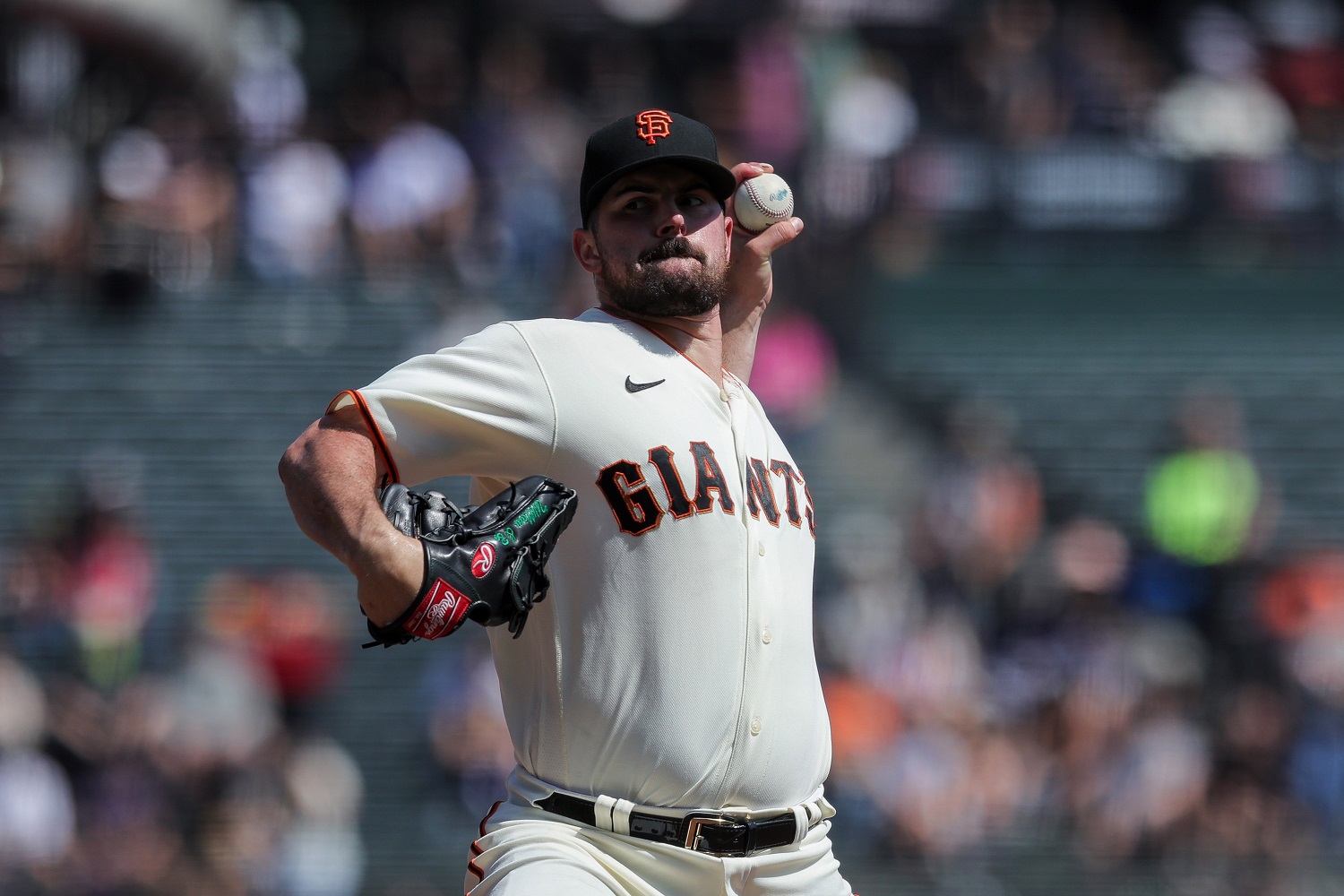 As Nick Nelson noted yesterday, the Twins pursuit of Carlos Correa remains their top focus. They are a finalist in that race, and bringing back their superstar shortstop on a long term deal would be a great get. What Buster Olney did note a few days ago is that the New York Yankees appear up to something big. That came on the heels of the San Diego Padres being a surprise landing spot for Xander Bogaerts. New York would seem an odd fit for Correa given their top prospects in Anthony Volpe and Oswald Peraza are both shortstops. Maybe they seem some flexibility in trying to deal for the currently suspended Fernando Tatis Jr., or maybe it’s Rodon they’re focused on. When it comes to Carlos Rodon, Heyman notes that the competition appears to start with the Giants and Yankees. New York is looking to add another pitcher and has yet to truly spend money. The Giants missed on Aaron Judge despite a massive offer, and have plenty of money to spend as well. He does go on to say that the Twins have been linked and notes their desire for a strong starting addition. With regards to Rodon, he would represent a clear upgrade in the starting rotation. All offseason the hope for Minnesota has been that they acquire a starting pitcher with Sonny Gray being the threshold for a floor. Tyler Mahle may have the chops to be an eventual frontline starter, and Joe Ryan has emerged into a nice piece. We have yet to see what Kenta Maeda looks like following Tommy John surgery, and the arms behind him including Bailey Ober and Simeon Woods Richardson should be viewed as depth. Right now it appears that the Twins front office is largely in a wait and see mode with their next move. They certainly would ink Christian Vasquez to a deal right now if he was ready to move, but the bigger move of Correa has their dollars somewhat hamstrung. Correa and Rodon are still both weighing their options, but it would be beneficial for Minnesota to have an idea of what’s next. The free agent landscape gets pretty thin after Rodon when it comes to starting pitchers. Chris Bassitt had a solid year, and there’s also Nathan Eovaldi virtually on par with him. Behind that you’re looking at the likes of Noah Syndergaard, Ross Stripling, and Sean Manaea while trying to convince yourself that any of them are true upgrades. Ultimately the Twins can’t afford to be left out in the cold. Even a trade for someone like Pablo Lopez would leave a significant amount of dollars unspent, and aside from simply throwing money at players to round out the roster, there may not be the level of talent to reach the monetary thresholds they should realistically be at for 2023. The Twins remain in on both of the Carlos’ and signing either would represent a new high water level for a franchise record free agent deal. Both would be otherworldly, and while neither of those outcomes are likely, they at least seem plausible.
- 18 comments
-
- 1
-
-
- carlos rodon
- san francisco giants
- (and 2 more)
-
While the chief focus of the Minnesota Twins offseason has been that of Carlos Correa, a home run of a winter would include another Carlos as well. With the Twins having leapt into the pool with some sharks last offseason, they remain well positioned for Carlos Rodon as well. Of course there are more than a couple of teams interested in the former Chicago White Sox and San Francisco Giants starter, but the Twins appear among those squarely in the mix. How likely are they to reel in Carlos Rodon? Image courtesy of Sergio Estrada-USA TODAY Sports As Nick Nelson noted yesterday, the Twins pursuit of Carlos Correa remains their top focus. They are a finalist in that race, and bringing back their superstar shortstop on a long term deal would be a great get. What Buster Olney did note a few days ago is that the New York Yankees appear up to something big. That came on the heels of the San Diego Padres being a surprise landing spot for Xander Bogaerts. New York would seem an odd fit for Correa given their top prospects in Anthony Volpe and Oswald Peraza are both shortstops. Maybe they seem some flexibility in trying to deal for the currently suspended Fernando Tatis Jr., or maybe it’s Rodon they’re focused on. When it comes to Carlos Rodon, Heyman notes that the competition appears to start with the Giants and Yankees. New York is looking to add another pitcher and has yet to truly spend money. The Giants missed on Aaron Judge despite a massive offer, and have plenty of money to spend as well. He does go on to say that the Twins have been linked and notes their desire for a strong starting addition. With regards to Rodon, he would represent a clear upgrade in the starting rotation. All offseason the hope for Minnesota has been that they acquire a starting pitcher with Sonny Gray being the threshold for a floor. Tyler Mahle may have the chops to be an eventual frontline starter, and Joe Ryan has emerged into a nice piece. We have yet to see what Kenta Maeda looks like following Tommy John surgery, and the arms behind him including Bailey Ober and Simeon Woods Richardson should be viewed as depth. Right now it appears that the Twins front office is largely in a wait and see mode with their next move. They certainly would ink Christian Vasquez to a deal right now if he was ready to move, but the bigger move of Correa has their dollars somewhat hamstrung. Correa and Rodon are still both weighing their options, but it would be beneficial for Minnesota to have an idea of what’s next. The free agent landscape gets pretty thin after Rodon when it comes to starting pitchers. Chris Bassitt had a solid year, and there’s also Nathan Eovaldi virtually on par with him. Behind that you’re looking at the likes of Noah Syndergaard, Ross Stripling, and Sean Manaea while trying to convince yourself that any of them are true upgrades. Ultimately the Twins can’t afford to be left out in the cold. Even a trade for someone like Pablo Lopez would leave a significant amount of dollars unspent, and aside from simply throwing money at players to round out the roster, there may not be the level of talent to reach the monetary thresholds they should realistically be at for 2023. The Twins remain in on both of the Carlos’ and signing either would represent a new high water level for a franchise record free agent deal. Both would be otherworldly, and while neither of those outcomes are likely, they at least seem plausible. View full article
-
What’s Happening With Pablo Lopez
Ted Schwerzler replied to Ted Schwerzler 's topic in Twins Daily Front Page News
As it was originally constructed, the prospect names are further away than that, but there’s one I’d like to keep out at all costs. -
What’s Happening With Pablo Lopez
Ted Schwerzler replied to Ted Schwerzler 's topic in Twins Daily Front Page News
It isn’t happening in a one for one. Unfortunately Arraez doesn’t have the trade capital we may like to think here -
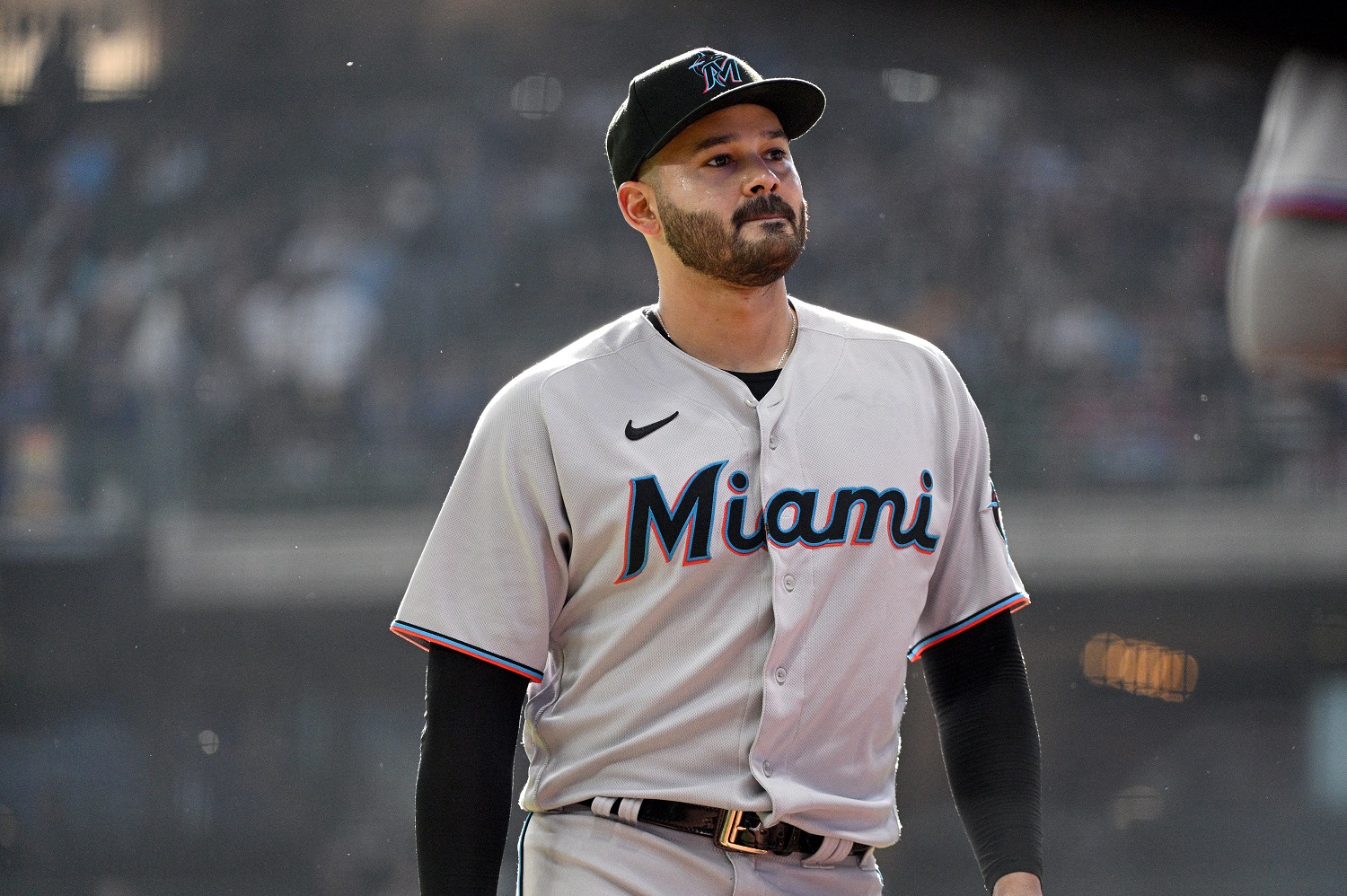 Earlier this week I reported that the Twins were in discussions with the Marlins regarding a trade that focused on Pablo Lopez. While Miami has taken Sandy Alcantara off of the table, they are definitely willing to move Lopez. According to multiple sources, there have been a handful of names discussed and any trade doesn’t appear to be trending toward a 1-for-1 swap. Without going too deep into the rabbit hole of what may materialize, the biggest piece from the Twins has consistently been focused on Luis Arraez. Miami could use hitting help, and the American League batting champ would fit that bill. Also this week, The Athletic’s Dan Hayes reported that Arraez is certainly available for the right price. Minnesota has a very clear idea of what that is. Before getting into what Lopez brings to the table, it’s worth considering what the Twins would be giving up in Arraez. At this point he’s a proven commodity that has also very-likely hit his ceiling. That’s not to say the production won’t continue, but his tools don’t project to unveil some new skill we haven’t already seen. He’s a limited defender who is best served not being on his feet every day. At the plate, he’s nearly impossible to strike out, and he’ll generate a high average while showing the occasional pop. All of that is a very valuable player. It certainly will not get anything near a number one or an ace-type pitcher. There are real questions about how Arraez’s knees will hold up as he ages. Each of the past two seasons he has had injury issues, and he limped towards the finish line in 2022 while battling the nagging injury. He’s a fine, albeit odd, fit at first base. Without much power, he loses significant value if the average ever drops down into the .280 range, and while his on-base prowess will always matter, he doesn’t slug enough to profile as a traditional corner infielder. Where does that leave the Marlins? Well, at Pablo Lopez. The Twins goal for the rotation should be to find someone at the level of Sonny Gray or better. Whether you believe Lopez is that guy or not is debatable, but there’s reasons to suggest he is. Lopez owns a 3.52 ERA the past three seasons, and is coming off a year in which he threw 180 innings. His 3.48 FIP suggests there’s no real worry for regression, and he’s been a guy who can average more than a strikeout per inning pitched. Lopez possesses mid-90’s velocity which should continue to be workable for a guy that is only 26 years old, and his changeup has often proven to be a significant weapon. He posted a career best 12.7% whiff rate last season, and gave up hard contact a career-low 27.5% of the time. Steamer projections have him at a 3.74 ERA and a 2.8 fWAR for 2023, which would be a repeat of his fWAR this season and would’ve been Minnesota’s pitching leader. It’s not possible to acquire Lopez in a one-for-one swap with Arraez, and with starting pitching so expensive, having the arm under team control through 2024 would be a big get. It remains to be seen if any version of this deal crosses the finish line, but as much as Minnesota would like Carlos Rodon, other avenues may need to be explored.
- 15 comments
-
- 3
-
-
- pablo lopez
- luis arraez
- (and 2 more)
-
The Minnesota Twins remain engaged on all fronts this offseason, and while they didn’t make a move at the Winter Meetings, plenty of work was done. Knowing they want to bring back shortstop Carlos Correa, they have also keyed in on several pitchers. One of those is Miami Marlins hurler Pablo Lopez. Image courtesy of Michael McLoone-USA TODAY Sports Earlier this week I reported that the Twins were in discussions with the Marlins regarding a trade that focused on Pablo Lopez. While Miami has taken Sandy Alcantara off of the table, they are definitely willing to move Lopez. According to multiple sources, there have been a handful of names discussed and any trade doesn’t appear to be trending toward a 1-for-1 swap. Without going too deep into the rabbit hole of what may materialize, the biggest piece from the Twins has consistently been focused on Luis Arraez. Miami could use hitting help, and the American League batting champ would fit that bill. Also this week, The Athletic’s Dan Hayes reported that Arraez is certainly available for the right price. Minnesota has a very clear idea of what that is. Before getting into what Lopez brings to the table, it’s worth considering what the Twins would be giving up in Arraez. At this point he’s a proven commodity that has also very-likely hit his ceiling. That’s not to say the production won’t continue, but his tools don’t project to unveil some new skill we haven’t already seen. He’s a limited defender who is best served not being on his feet every day. At the plate, he’s nearly impossible to strike out, and he’ll generate a high average while showing the occasional pop. All of that is a very valuable player. It certainly will not get anything near a number one or an ace-type pitcher. There are real questions about how Arraez’s knees will hold up as he ages. Each of the past two seasons he has had injury issues, and he limped towards the finish line in 2022 while battling the nagging injury. He’s a fine, albeit odd, fit at first base. Without much power, he loses significant value if the average ever drops down into the .280 range, and while his on-base prowess will always matter, he doesn’t slug enough to profile as a traditional corner infielder. Where does that leave the Marlins? Well, at Pablo Lopez. The Twins goal for the rotation should be to find someone at the level of Sonny Gray or better. Whether you believe Lopez is that guy or not is debatable, but there’s reasons to suggest he is. Lopez owns a 3.52 ERA the past three seasons, and is coming off a year in which he threw 180 innings. His 3.48 FIP suggests there’s no real worry for regression, and he’s been a guy who can average more than a strikeout per inning pitched. Lopez possesses mid-90’s velocity which should continue to be workable for a guy that is only 26 years old, and his changeup has often proven to be a significant weapon. He posted a career best 12.7% whiff rate last season, and gave up hard contact a career-low 27.5% of the time. Steamer projections have him at a 3.74 ERA and a 2.8 fWAR for 2023, which would be a repeat of his fWAR this season and would’ve been Minnesota’s pitching leader. It’s not possible to acquire Lopez in a one-for-one swap with Arraez, and with starting pitching so expensive, having the arm under team control through 2024 would be a big get. It remains to be seen if any version of this deal crosses the finish line, but as much as Minnesota would like Carlos Rodon, other avenues may need to be explored. View full article
-
Reports were there that they made Luzardo and Cabrera available as well. Alcantara certainly isn’t going anywhere, but yes there should be a match.
-
From what I’ve been told, the original parameters were a 4 for 3 deal, Twins giving up 3. Would be one Major Leaguer and the rest all prospects aside from Lopez. That structure could change or not get done at all. Won’t name names until I hear more that it actually gets completed. I’d also be worried about medicals/physical for Arraez and those knees.
-
Short memory?
