Nick Nelson
-
Posts
8,325 -
Joined
-
Last visited
-
Days Won
56
Content Type
Profiles
News
Minnesota Twins Videos
2026 Minnesota Twins Top Prospects Ranking
2022 Minnesota Twins Draft Picks
Minnesota Twins Free Agent & Trade Rumors, Notes, & Tidbits
Guides & Resources
2023 Minnesota Twins Draft Picks
The Minnesota Twins Players Project
2024 Minnesota Twins Draft Picks
2025 Minnesota Twins Draft Pick Tracker
2026 Minnesota Twins Draft Tracker: Picks & Bonuses
Forums
Blogs
Events
Store
Downloads
Gallery
Everything posted by Nick Nelson
-
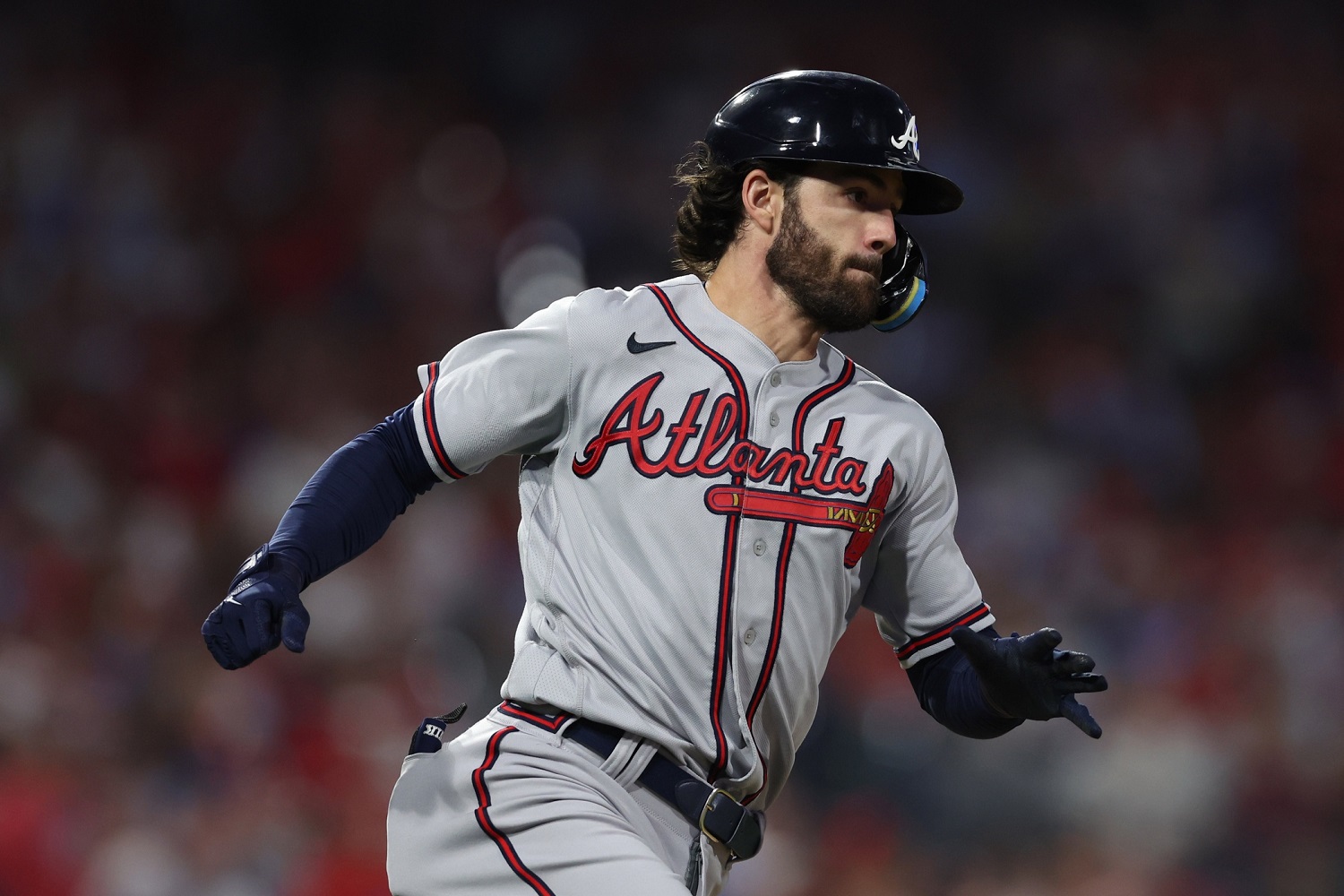 Carlos Correa Signs Mega-Deal with San Francisco Giants Sadly, the biggest headline of the Minnesota Twins offseason thus far has been their heartbreak: Correa, whom the team pursued with a level of intention and aggressiveness that far surpasses any free agent target in franchise history, opted for the San Francisco Giants. Thirteen years, $350 million. Whew. In the end, despite pushing themselves to (or past) their limit, the Twins ultimately fell vastly short of the big-market Giants, who made Correa the second highest-paid free agent in MLB history. It was a level the Twins were never going to realistically reach. Although they made an adamant effort and were, by all accounts, the runner-up for Correa, they came nowhere near matching the giant offer. Now the front office must regroup and figure out what's next. High-end options have dwindled and impact trade options are limited. On the bright side, they do have the luxury of aiming basically wherever they please in terms of making upgrades, because the Twins checked off their last essential need from the shopping the list earlier in the week by signing a new catcher. Twins Sign Christian Vazquez to Three-Year Deal The front office was able to confidently address its top non-Correa priority of the offseason: signing a catcher who can not only share time with Ryan Jeffers at catcher, but take over as the lead dog if needed. On Monday we learned that the Twins agreed to terms with Vazquez on a three-year deal worth $30 million. While it barely registers in comparison to the mammoth $285 million offer to Correa, Vazquez's new contract amazingly ranks as the third-largest signed by any free agent under this front office. While certainly not to be confused with a viable "big splash of the offseason," the Vazquez signing is a bold and assertive one from the front office. He's no star, but he's a respected, reliable, experienced backstop who offers tremendous stability at a position that had little, and adds credibility to Minnesota's position player unit. That's all well and good, but a downtrodden fan base needs more than a solid catcher who fills a need. The Twins need a signature move or two to salvage this wayward offseason. Unfortunately, one of the few remaining star-caliber assets on the market was snatched up on Thursday night. Yankees Reel in Carlos Rodon on Six-Year Contract It's unclear how hard they tried, but Minnesota's hopes of acquiring a frontline starter from free agency have officially gone kaput. The last ace-caliber arm is now off the board after Rodon agreed to a six-year, $162 million contract with the Yankees. I'll be honest: I'd want no part of that deal. As great as he's been over the past couple seasons, Rodon is an extremely volatile property and the idea of entering a six-year guaranteed pact with those kinds of AAVs makes me all kinda nervous. If they're gonna spend that kind of money on a starting pitcher it shouldn't be out of leveraged desperation. Still, it would've been a major statement move, and now there aren't many such opportunities for one. In fact, on the free agent market, there's only one. Twins Turn Their Attention to Dansby Swanson. Then What? The Twins have been connected via rumors to Swanson but I always suspected it to be a negotiating ploy to gain leverage in Correa talks. My skepticism mainly stems from the fact that he seems like the type of high-risk long-term investment this front office avidly avoids. However, from talking to a few trusted people, I do get the sense the Twins are legitimate in their pursuit, contradicting a Jon Heyman report that they "appear to be regrouping after losing out on Carlos Correa, so Swanson’s likely out." I can't say I'm at all confident they'll sign the former Braves shortstop, but I do believe they're going to give a real shot. They'll face stiff competition because they're not the only club that missed out on numerous top targets and has money left to burn. Should they miss out on Swanson, it'll be interesting to see if the Twins can find a way to spend their way back to the 2022 threshold. Or if they even care to do so. Roster and Payroll Projection: v3 The specific breakdown of Vazquez's $30 million deal haven't been revealed yet, to my knowledge. But assuming it's split evenly at $10 million/year, his addition pushes the projected 2023 payroll up above 100 mil by just a hair. Unless the Twins can pull a stunner and sign Swanson, or pull a rabbit out of their hat with a big trade, it's going be a dreary and bleak holiday for baseball fans in Minnesota, who've had to sit idly by while watching everyone else open up their awesome presents. New uniforms and Christian Vazquez ain't gonna cut it. The front office needs to step up and take action unless they want a large portion of their followers to simply check out.
- 38 comments
-
- 8
-

-
- carlos correa
- dansby swanson
- (and 2 more)
-
 I don't think Crawford would cost much of anything in terms of prospects, which is part of the appeal. His remaining contract (1 yr/$16M) is probably about neutral value.
 -
Also, if people are wary of paying a bunch of money for an all-glove, no-bat SS in his mid-30s for ONE SEASON ... I've got some bad news about Dansby Swanson...
-
If people don't think there's a chance Crawford accepts the trade, that's fine. Probably correct. But the idea he's not a legit upgrade over Farmer is puzzling to me. The Reds moved away from Farmer as their SS in August last year. The REDS! Here are their fWARs over the past 3 seasons: 2022 Farmer - 1.4 Crawford - 2.0 2021 Farmer - 1.9 Crawford - 6.4 2020 Farmer - 0.2 Crawford - 1.6 That's before you account for the off-the-field intangibles, which honestly is what I think would be the primary driver for the Twins pursuing a player like him. They're reeling from what they lost in that regard with Correa almost as much as the on-field impact. If there are other guys out there who could fill that void, I'm all ears.
-
Trading Places: Could Twins End Up with Brandon Crawford at Shortstop?
Nick Nelson posted an article in Twins
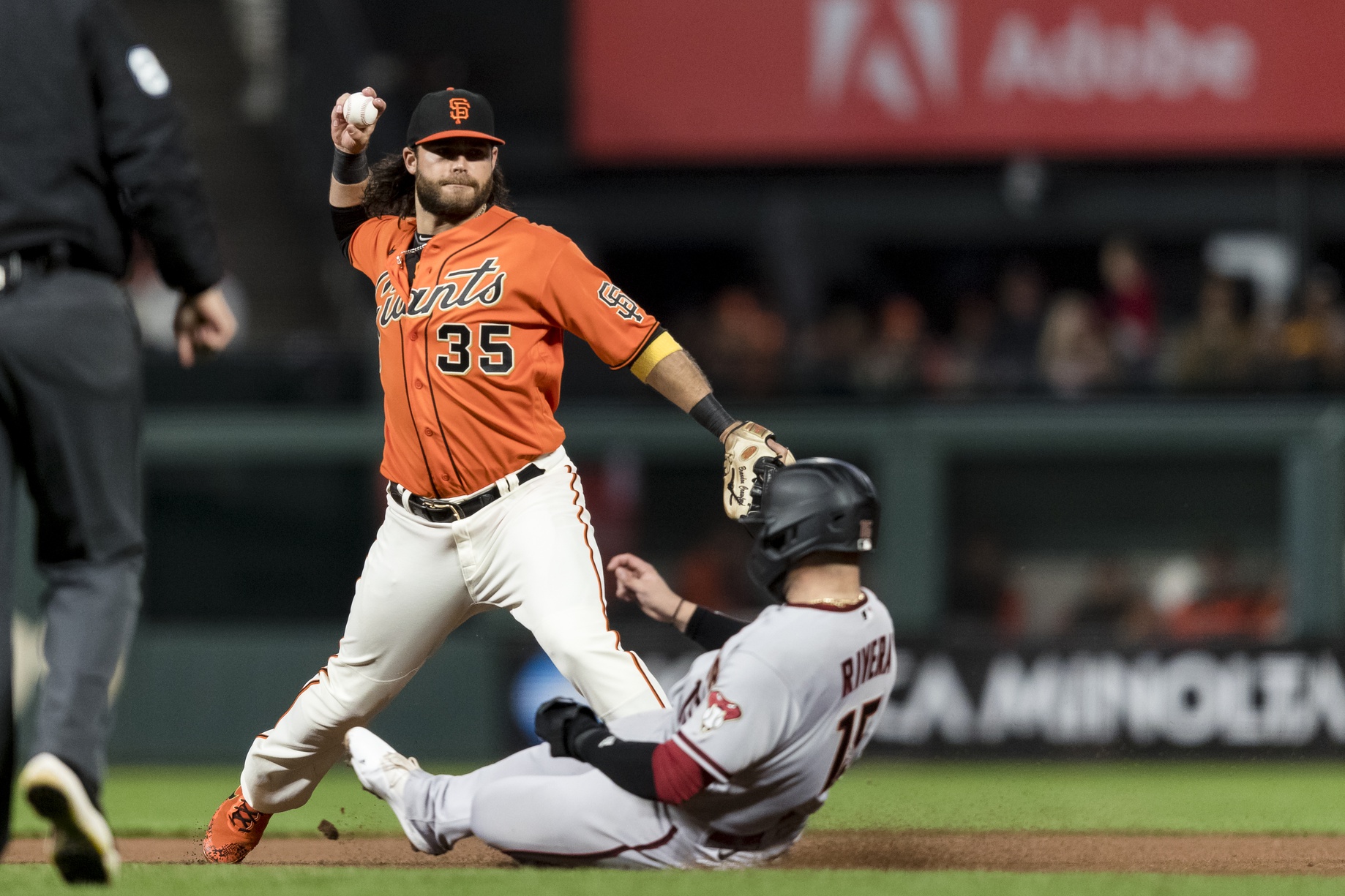 At the beginning of the offseason, I highlighted Brandon Crawford as one of the three most probable shortstop trade targets for the Twins. Now that Carlos Correa has been signed to supplant the longtime Giants shortstop, it feels like an idea worth revisiting. The plan for now, supposedly, is for Crawford to slide to third base and make room for Correa. For Giants fans and followers, it comes as no surprise that the 35-year-old is willing to move away from the only position he's ever known for the good of the team. Crawford is renowned as a top-notch clubhouse fixture and team player. He's also turning 36 in January, and entering his final season under contract, coming off an underwhelming season for the G-men. Crawford slashed .231/.308/.344 for an 85 OPS+ that ranks among the worst of any season in his career. Nearly all of his value came from fielding, but that value was considerable, with a 93rd percentile OAA contributing to his very respectable 2.0 fWAR. Crawford has always been a very good shortstop and has never known anything else. His 1,525 defensive starts in the majors have ALL come at short. He's won four Gold Gloves. The idea of him playing elsewhere seems zany in concept, and much more so when you account for the fact that his whole value as a player by this point derives from shortstop defense. In moving him to the hot corner, they're basically hoping that he'll adapt instantly and become a hugely valuable defender at a position he's never played – or they're hoping his bat rebounds, although he's generally been a pretty average hitter. Both feel like kind of a stretch? For the Giants, it feels weird to be relying on such a gambit in a season where they've invested so much in pushing hard for immediate contention. For all of his intangible qualities, the on-field reality of Crawford as third baseman on a bonafide contender has the potential to be disastrous, and he'll be making $16 million to boot. Given their druthers, San Francisco would surely love to unload Crawford on a team that needs a short-term veteran fix at shortstop and has many to burn. Hey! (Cue light bulb clicking.) Of course, there's a hitch in that plan. Accordant to Major League's Baseball's 10-and-5 rule, Crawford has the ability to veto any trade. He has spent his entire career in San Francisco and is basically an institution there. Even if the Twins would really like to have him, and the Giants would really like to move him, it all comes down to the player himself. People who follow the team tell me the idea of Crawford willingly leaving to go to Minnesota for one year at the end of his contract in his age 36 season feels outlandish. And as I type out the sentence, it sure does feel that way. But maybe the Twins could sell him on the idea of taking over as unquestioned leader for an upstart hungry squad? A new challenge to round out a commendable career? Or maybe Crawford feels like shortstop is his home more than San Fran? I'll admit, the whole thing feels like a stretch. But stretching my imagination is all I can do as I try to figure out how the Twins are going to burn their ample remaining funds, while trying to replace even a semblance of what they lost in Correa as clubhouse staple and steady presence at short, without making the gargantuan (IMO ill-advised) commitment it will require to get Dansby Swanson.
 -
San Francisco needed a star and they got one, signing Carlos Correa to a $350 million deal earlier this week. He looks like a very nice fit in the Bay, with one notable catch: the Giants already have a beloved shortstop who's been their regular fixture at the position for a decade. As it happens, Crawford would be a near-perfect fit for the team Correa just departed. Image courtesy of John Hefti-USA TODAY Sports At the beginning of the offseason, I highlighted Brandon Crawford as one of the three most probable shortstop trade targets for the Twins. Now that Carlos Correa has been signed to supplant the longtime Giants shortstop, it feels like an idea worth revisiting. The plan for now, supposedly, is for Crawford to slide to third base and make room for Correa. For Giants fans and followers, it comes as no surprise that the 35-year-old is willing to move away from the only position he's ever known for the good of the team. Crawford is renowned as a top-notch clubhouse fixture and team player. He's also turning 36 in January, and entering his final season under contract, coming off an underwhelming season for the G-men. Crawford slashed .231/.308/.344 for an 85 OPS+ that ranks among the worst of any season in his career. Nearly all of his value came from fielding, but that value was considerable, with a 93rd percentile OAA contributing to his very respectable 2.0 fWAR. Crawford has always been a very good shortstop and has never known anything else. His 1,525 defensive starts in the majors have ALL come at short. He's won four Gold Gloves. The idea of him playing elsewhere seems zany in concept, and much more so when you account for the fact that his whole value as a player by this point derives from shortstop defense. In moving him to the hot corner, they're basically hoping that he'll adapt instantly and become a hugely valuable defender at a position he's never played – or they're hoping his bat rebounds, although he's generally been a pretty average hitter. Both feel like kind of a stretch? For the Giants, it feels weird to be relying on such a gambit in a season where they've invested so much in pushing hard for immediate contention. For all of his intangible qualities, the on-field reality of Crawford as third baseman on a bonafide contender has the potential to be disastrous, and he'll be making $16 million to boot. Given their druthers, San Francisco would surely love to unload Crawford on a team that needs a short-term veteran fix at shortstop and has many to burn. Hey! (Cue light bulb clicking.) Of course, there's a hitch in that plan. Accordant to Major League's Baseball's 10-and-5 rule, Crawford has the ability to veto any trade. He has spent his entire career in San Francisco and is basically an institution there. Even if the Twins would really like to have him, and the Giants would really like to move him, it all comes down to the player himself. People who follow the team tell me the idea of Crawford willingly leaving to go to Minnesota for one year at the end of his contract in his age 36 season feels outlandish. And as I type out the sentence, it sure does feel that way. But maybe the Twins could sell him on the idea of taking over as unquestioned leader for an upstart hungry squad? A new challenge to round out a commendable career? Or maybe Crawford feels like shortstop is his home more than San Fran? I'll admit, the whole thing feels like a stretch. But stretching my imagination is all I can do as I try to figure out how the Twins are going to burn their ample remaining funds, while trying to replace even a semblance of what they lost in Correa as clubhouse staple and steady presence at short, without making the gargantuan (IMO ill-advised) commitment it will require to get Dansby Swanson. View full article
-
Hi there. Welcome. Have a seat. As you can see, there are quite a few of us. This is a cope session. We're here to help you through this difficult time and find a way forward. Keep reading and we'll begin the journey together. Image courtesy of Jay Biggerstaff-USA TODAY Sports Late on Tuesday night, it was announced that Carlos Correa has agreed to a 13-year, $350 million contract with the San Francisco Giants. In our hearts, most of us expected this. Correa is a top-tier free agent who landed in Minnesota last year by pure happenstance, and whose ultimate new contract eclipsed the Twins' (historically unprecedented!) offer by roughly 80 mil. Let us work our way through the five stages of grief. DENIAL It can't be! Carlos said he loved it here! The Twins were hanging in there and Correa's market was seemingly shaping up in disappointing fashion. Perhaps this report is all part of some elaborate ploy from Boras to increase Minnesota's offer. Sorry, but nah. This looks pretty official. ANGER What a jerk. He said he liked it here but all he really wanted was the money. In any case, the Pohlads could have spent enough to make it happen if they really wanted to -- they're billionaires! Oh great, the Twins came in second place once again for a premier free agent. Hoist the freaking banner. BARGAINING You know what? Screw Correa. He's a cheater. He didn't really want to be here that much anyway; he and Scott Boras were only using the Twins as leverage to get the deal they wanted from San Francisco. Good riddance to 'em. Plenty of other fish in the sea! In fact, I'm actually GLAD the Twins didn't sign Correa to the contract they finally offered. Who needs to be committing that kind of money to a guy into his late 30s? Besides, if they want to make a big free agent splash, Carlos Rodon and Dansby Swanson are still out there! DEPRESSION Ugh. Do we really want Rodon or Swanson? Is there any feasible chance either of them signs here anyway? Correa was a unique situation: a player who the Twins had an opportunity to test-drive, a superstar who acclimated well to a smaller market, and someone the organization valued for traits well beyond his on-field ability. He was our guy. He's gone, and it's highly unlikely the Twins will sign either of the other remaining impact free agents. This offseason is doomed. From this vantage, it's hard to see the front office running out a significantly improved roster for 2023. I'm going to Arby's. ACCEPTANCE We knew from the start that realistically the Twins probably weren't going to sign Correa, or Swanson, or Rodon. They're going to need to move on and find other ways to improve. There is still a wave of mid-tier free agents on the market, as well as any number of trade opportunities. Right now the offseason outlook is rather bleak for the Twins, but they've had a tendency to rally late and surprise us in the past. All we can do is stay tuned and see where they go from here. Our community here at Twins Daily will be here to help you celebrate, or grieve, no matter what happens next. View full article
-
So You're Trying to Cope with Carlos Correa Signing Elsewhere
Nick Nelson posted an article in Twins
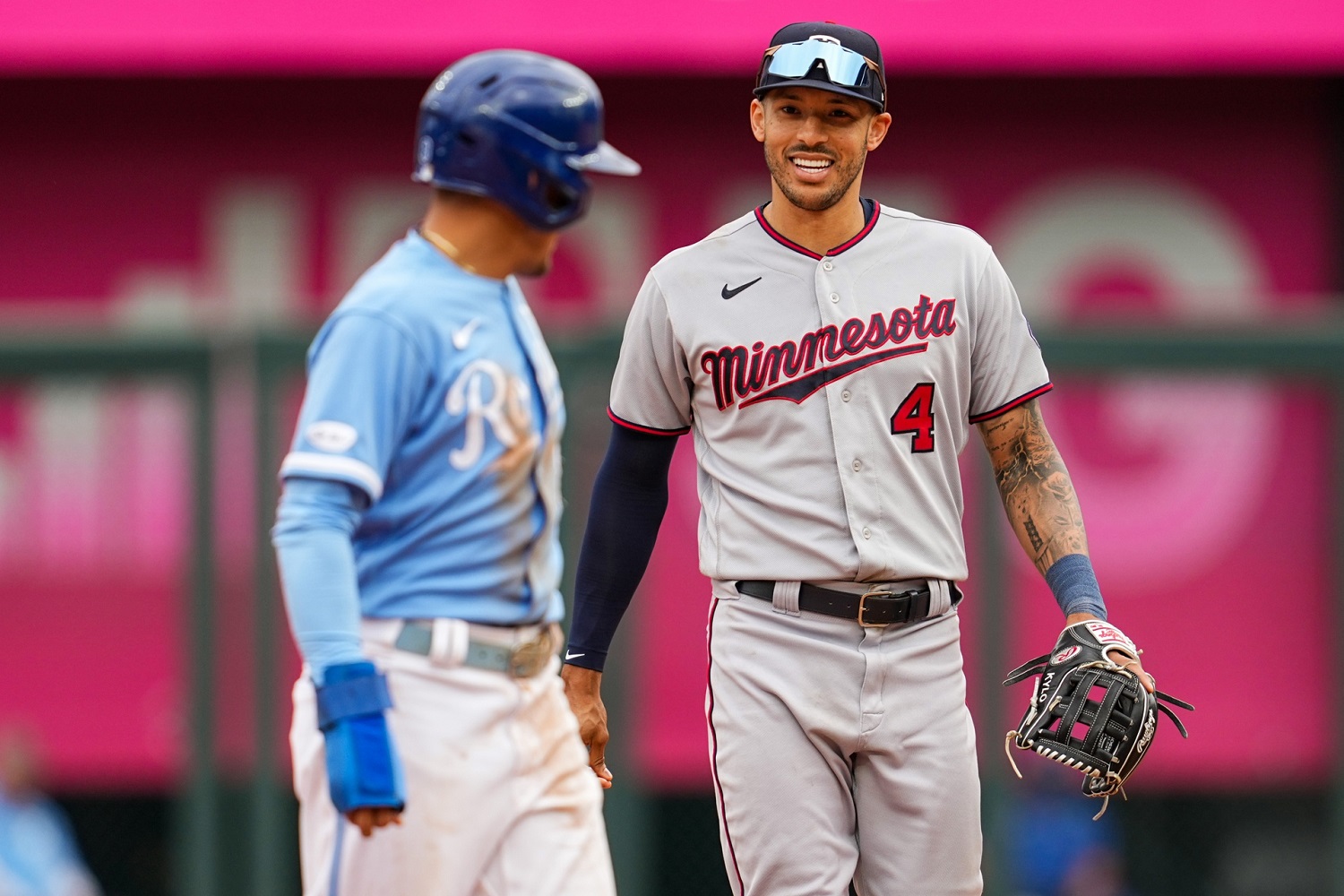 Late on Tuesday night, it was announced that Carlos Correa has agreed to a 13-year, $350 million contract with the San Francisco Giants. In our hearts, most of us expected this. Correa is a top-tier free agent who landed in Minnesota last year by pure happenstance, and whose ultimate new contract eclipsed the Twins' (historically unprecedented!) offer by roughly 80 mil. Let us work our way through the five stages of grief. DENIAL It can't be! Carlos said he loved it here! The Twins were hanging in there and Correa's market was seemingly shaping up in disappointing fashion. Perhaps this report is all part of some elaborate ploy from Boras to increase Minnesota's offer. Sorry, but nah. This looks pretty official. ANGER What a jerk. He said he liked it here but all he really wanted was the money. In any case, the Pohlads could have spent enough to make it happen if they really wanted to -- they're billionaires! Oh great, the Twins came in second place once again for a premier free agent. Hoist the freaking banner. BARGAINING You know what? Screw Correa. He's a cheater. He didn't really want to be here that much anyway; he and Scott Boras were only using the Twins as leverage to get the deal they wanted from San Francisco. Good riddance to 'em. Plenty of other fish in the sea! In fact, I'm actually GLAD the Twins didn't sign Correa to the contract they finally offered. Who needs to be committing that kind of money to a guy into his late 30s? Besides, if they want to make a big free agent splash, Carlos Rodon and Dansby Swanson are still out there! DEPRESSION Ugh. Do we really want Rodon or Swanson? Is there any feasible chance either of them signs here anyway? Correa was a unique situation: a player who the Twins had an opportunity to test-drive, a superstar who acclimated well to a smaller market, and someone the organization valued for traits well beyond his on-field ability. He was our guy. He's gone, and it's highly unlikely the Twins will sign either of the other remaining impact free agents. This offseason is doomed. From this vantage, it's hard to see the front office running out a significantly improved roster for 2023. I'm going to Arby's. ACCEPTANCE We knew from the start that realistically the Twins probably weren't going to sign Correa, or Swanson, or Rodon. They're going to need to move on and find other ways to improve. There is still a wave of mid-tier free agents on the market, as well as any number of trade opportunities. Right now the offseason outlook is rather bleak for the Twins, but they've had a tendency to rally late and surprise us in the past. All we can do is stay tuned and see where they go from here. Our community here at Twins Daily will be here to help you celebrate, or grieve, no matter what happens next.
 -
Amazingly, Christian Vazquez Is Among This Front Office's Boldest Gambles
Nick Nelson posted an article in Twins
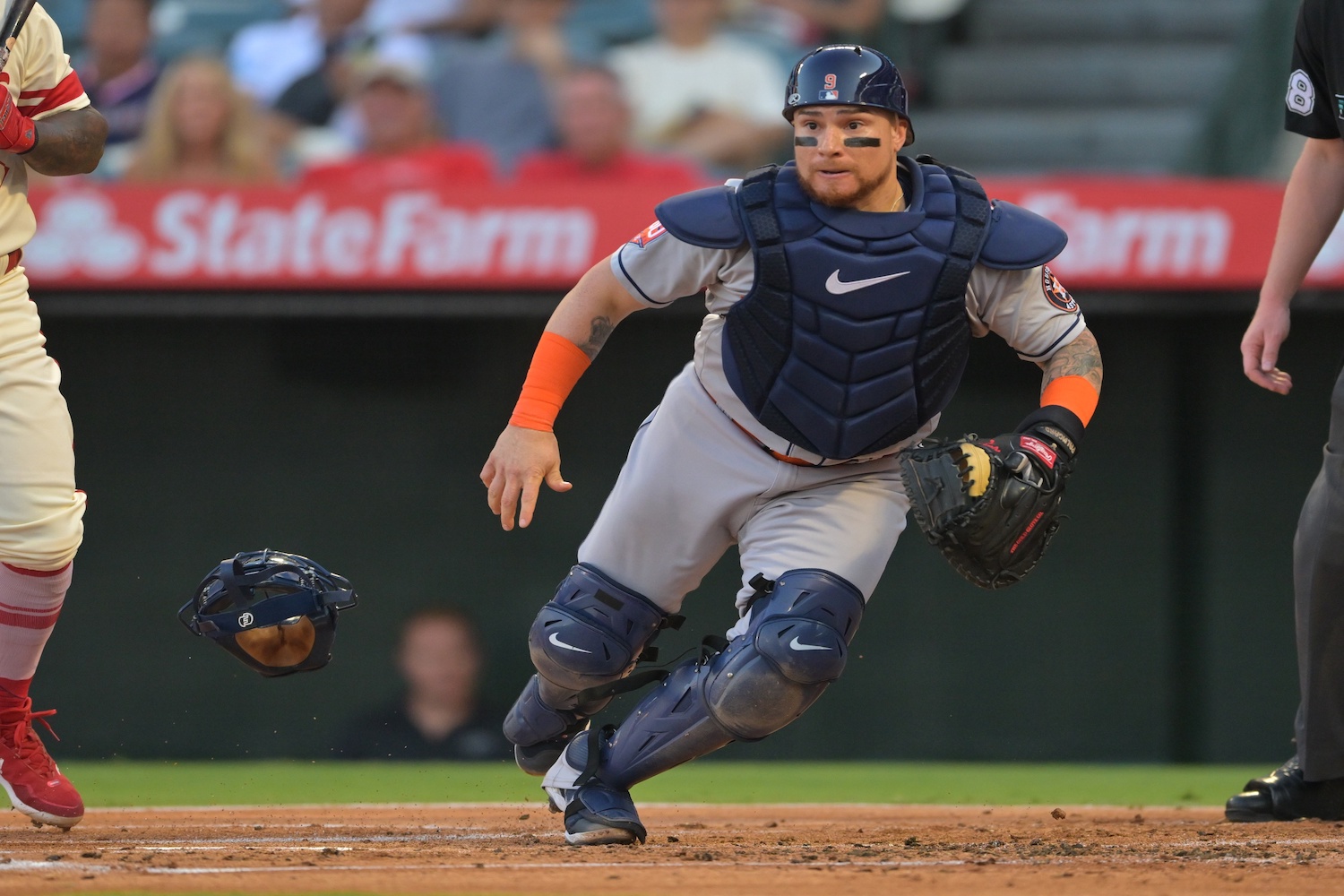 Derek Falvey and Thad Levine moved quickly after taking the reins in 2016, signing catcher Jason Castro to a three-year, $24.5 million contract as their first move. It would be the new regime's largest commitment to a free agent until 2020, when they made waves by signing third baseman Josh Donaldson for four years and $92 million. An audacious move coming off a breakthrough season. Donaldson's deal nearly doubled the franchise record-holder for biggest free agent contract: Ervin Santana for four years and $52 million, almost eight years ago to the day (12/14/14). Donaldson's two-year tenure with the Twins was unfulfilling, and the team was happy to move on when they unloaded his remaining contract to New York this past February. They used the newfound payroll space to make an even bigger splash: signing Carlos Correa to a three-year, $105 million stunner. He opted out of that deal a few weeks ago, as expected. Which brings us to this week, where the Twins have agreed to terms with Christian Vazquez on a three-year deal worth $30 million over three years. With that, we've covered all of the biggest free agent commitments ever from this front office: Vazquez (#3) nests behind Correa (#1) and Donaldson (#2) as the heftiest contract in six offseasons, and – along with Castro – the only deals spanning three or more years. There are a few ways to react to this. The first, of course is: wow, that really puts the Twins' aversion to free agent spending in context. Their biggest splurges under this regime have been two solid yet unspectacular catchers, and two superstar infielders, whose contracts more or less melded into one. (Twins basically turned the last $52 million owed to Donaldson into $35 million for Correa.) Castro is, thus far, the only one of these players who actually played out at least three years of his contract as a Twin. Vázquez will presumably join him, bridging us to the other reaction: the front office must REALLY like Christian Vázquez. Clearly they are deeply uncomfortable with long-term contracts, especially for aging players. If they wanted to, the Twins could have certainly bided their time to wait out the remaining trade market, or turned their attention to another free agent around the middle tier. They passed up the opportunity to pursue a (likely cheaper) true platoon partner for Ryan Jeffers, such as Omar Narváez or Tucker Barnhardt, in order to aggressively acquire Vázquez – who was reportedly their #1 free agent catching target from the start. What do they like so much about the 32-year-old to make such a (relatively) big leap? Vázquez has a number of appealing qualities, one of which is pitch-framing – particularly high in the zone) – as Lucas Seehafer laid out in detail. There's also his relatively neutral platoon split, his strong throwing arm, and his reputed clubhouse presence. Beyond that, the Twins' willingness to pay a real premium for the backstop comes down to two core things: safety and experience. SAFETY This is the biggest factor without question, in my mind. Coming into this offseason, the catcher position was a glaring hole on an otherwise structurally sound roster. Dan Hayes writes in The Athletic that the team was "desperate to find a catcher in free agency." Vázquez has had an up-and-down career, with occasional solid offensive bursts counterbalanced by long unproductive stretches ... but he's been serviceable at worst. Even when his bat is amiss, he remains a steady defensive player and durable mainstay. He might arguably lack the upside of a Zunino or Narváez, but he's got a higher and sturdier floor. And that's what this move does: complete the front office's floor-raising setup for whatever is next. EXPERIENCE The Astros acquired Vázquez from Boston at the deadline this year, valuing him as a seasoned vet who could contribute during the stretch and into the playoffs. He played 41 games for Houston in August, September, and October, aiding their successful pursuit of a World Series championship. It was the second ring for Vázquez, who won another in Boston in 2018 and took part in a deep run with the Red Sox in 2021. For a Twins organization that was devoid of ANY meaningful big-league catching experience beyond Jeffers' 600 plate appearances ... it's easy to see why this track record would be very appealing. Now, the big remaining question is whether this front office is going to add another top contract to its modest historical ledger. Amazingly, Vázquez's $30 million contract has now entered their top three -- and the top six in franchise history, adding in Santana and Ricky Nolasco. If Vázquez remains on either of those lists by the time the offseason is over, it'll be hard to see how this winter would be viewed as a success.
- 23 comments
-
- 10
-
-
- christian vazquez
- carlos correa
- (and 1 more)
-
By almost any standard other than the Minnesota Twins and their current front office, the newly minted three-year contract for catcher Christian Vázquez would not be all that significant or noteworthy. As it happens, their reported commitment of $30 million ranks as the third-largest for a free agent in six years since this front office took over. Image courtesy of Jayne Kamin-Oncea-USA TODAY Sports Derek Falvey and Thad Levine moved quickly after taking the reins in 2016, signing catcher Jason Castro to a three-year, $24.5 million contract as their first move. It would be the new regime's largest commitment to a free agent until 2020, when they made waves by signing third baseman Josh Donaldson for four years and $92 million. An audacious move coming off a breakthrough season. Donaldson's deal nearly doubled the franchise record-holder for biggest free agent contract: Ervin Santana for four years and $52 million, almost eight years ago to the day (12/14/14). Donaldson's two-year tenure with the Twins was unfulfilling, and the team was happy to move on when they unloaded his remaining contract to New York this past February. They used the newfound payroll space to make an even bigger splash: signing Carlos Correa to a three-year, $105 million stunner. He opted out of that deal a few weeks ago, as expected. Which brings us to this week, where the Twins have agreed to terms with Christian Vazquez on a three-year deal worth $30 million over three years. With that, we've covered all of the biggest free agent commitments ever from this front office: Vazquez (#3) nests behind Correa (#1) and Donaldson (#2) as the heftiest contract in six offseasons, and – along with Castro – the only deals spanning three or more years. There are a few ways to react to this. The first, of course is: wow, that really puts the Twins' aversion to free agent spending in context. Their biggest splurges under this regime have been two solid yet unspectacular catchers, and two superstar infielders, whose contracts more or less melded into one. (Twins basically turned the last $52 million owed to Donaldson into $35 million for Correa.) Castro is, thus far, the only one of these players who actually played out at least three years of his contract as a Twin. Vázquez will presumably join him, bridging us to the other reaction: the front office must REALLY like Christian Vázquez. Clearly they are deeply uncomfortable with long-term contracts, especially for aging players. If they wanted to, the Twins could have certainly bided their time to wait out the remaining trade market, or turned their attention to another free agent around the middle tier. They passed up the opportunity to pursue a (likely cheaper) true platoon partner for Ryan Jeffers, such as Omar Narváez or Tucker Barnhardt, in order to aggressively acquire Vázquez – who was reportedly their #1 free agent catching target from the start. What do they like so much about the 32-year-old to make such a (relatively) big leap? Vázquez has a number of appealing qualities, one of which is pitch-framing – particularly high in the zone) – as Lucas Seehafer laid out in detail. There's also his relatively neutral platoon split, his strong throwing arm, and his reputed clubhouse presence. Beyond that, the Twins' willingness to pay a real premium for the backstop comes down to two core things: safety and experience. SAFETY This is the biggest factor without question, in my mind. Coming into this offseason, the catcher position was a glaring hole on an otherwise structurally sound roster. Dan Hayes writes in The Athletic that the team was "desperate to find a catcher in free agency." Vázquez has had an up-and-down career, with occasional solid offensive bursts counterbalanced by long unproductive stretches ... but he's been serviceable at worst. Even when his bat is amiss, he remains a steady defensive player and durable mainstay. He might arguably lack the upside of a Zunino or Narváez, but he's got a higher and sturdier floor. And that's what this move does: complete the front office's floor-raising setup for whatever is next. EXPERIENCE The Astros acquired Vázquez from Boston at the deadline this year, valuing him as a seasoned vet who could contribute during the stretch and into the playoffs. He played 41 games for Houston in August, September, and October, aiding their successful pursuit of a World Series championship. It was the second ring for Vázquez, who won another in Boston in 2018 and took part in a deep run with the Red Sox in 2021. For a Twins organization that was devoid of ANY meaningful big-league catching experience beyond Jeffers' 600 plate appearances ... it's easy to see why this track record would be very appealing. Now, the big remaining question is whether this front office is going to add another top contract to its modest historical ledger. Amazingly, Vázquez's $30 million contract has now entered their top three -- and the top six in franchise history, adding in Santana and Ricky Nolasco. If Vázquez remains on either of those lists by the time the offseason is over, it'll be hard to see how this winter would be viewed as a success. View full article
-
Flexen would not be the reason for giving up Kepler in that scenario. My thinking is that Seattle would be more willing to give up Miller (their second best pitching prospect) if they can move Flexen's $8M salary in the deal to offset Kepler's. It's about buying a better prospect since the Twins have no shortage of cash. I'd have low expectations for Flex but he's not without upside. Check out his 2021 numbers.
-
It's no secret that Max Kepler is on the trading block this winter, entering his final guaranteed season under team control while growing redundant on the Twins roster. In sizing up possible trade partners for Kepler, there is one team that stands out to me as a particularly intuitive fit: an AL West club with whom Minnesota may find itself competing for a playoff spot next year. Image courtesy of Brad Penner, USA Today The 2022 season was a characteristic one for Max Kepler: solid yet underwhelming. He was a fairly valuable overall player, posting 2.0 fWAR thanks primarily to his elite defense in right field. His offense, as usual, was suppressed by a debilitatingly low BABIP as opposing defenses suffocated him with the shift. There's encouraging news on that front, which could enhance Kepler's marketability. But more on that shortly. The bottom line is that, even if his luster has largely worn off in the eyes of Twins fans, Kepler IS a quality asset with appeal to many contending teams in need of a lefty corner outfield bat. There are several such clubs, and one of the best ways to identify them is by following who is pursuing (and missing out on) free agents that share the same profile. Among them: the Seattle Mariners. There are a few different reasons the Mariners stand out to me as a logical trade partner for the Twins and Kepler. The first is that their general manager is Jerry Dipoto, one of the most prolific wheelers and dealers on the GM circuit. Trade speculation is always valid when Jerry's involved. Seattle's specific situation also frames them as a practical landing spot for Kepler. The M's got horrible production from both outfield corners in 2022, and it was one of the biggest flaws on a 90-win team that made the playoffs but couldn't push deep. Mitch Haniger's injury-plagued year put right field in limbo for Seattle, while Jesse Winker was a defensive disaster and mediocre bat in left. Haniger's now gone, with Teoscar Hernandez acquired from Toronto to replace his powerful right-handed bat. It still seems as though Dipoto and Seattle are still seeking another lefty-hitting outfielder to complement Hernandez and Julio Rodriguez, as illustrated by their reported pursuit of Brandon Nimmo (who re-signed with the Mets) and Andrew Benintendi. The Mariners are looking for assurance and Kepler offers it. He's been worth two or more Wins Above Replacement in every full season of his career. Entering his age-30 season, he's a safe bet to at least be a solid fixture and a big upgrade over what the Mariners had last year. The new defensive shifting limitations, along with the outfielder's stellar Statcast measurables, could hint at legitimate upside. Kepler's contract situation – one more guaranteed season at $8.5 million with a 2024 team option at $10 million – is part of what I see as making him attractive to Seattle specifically. They have a pair of top prospects who happen to be lefty-swinging outfielders: Jarred Kelenic (23) and Taylor Trammell (25). Both have struggled to turn the corner in the majors, but its too early to give up on either. And by following this route, the Mariners wouldn't need to. The flexible control over Kepler's next two seasons enables Seattle to keep the door open for both, while gaining reliable veteran stability as they push to take the next step in the interim. From Minnesota's perspective, what makes Seattle an intriguing partner is their abundance of young pitching. In addition to veteran stalwarts Robbie Ray and Marco Gonzales, as well as deadline acquisition Luis Castillo, the Mariners had three different pitchers 27 and under in 2022 who made 25+ starts with an ERA of 3.73 or lower (George Kirby, Logan Gilbert, Chris Flexen). Kirby or Gilbert would likely not be on the table unless Minnesota offered significantly more than Kepler. But Flexen seems attainable, if not one of Seattle's many relief arms or mid-tier prospects. What do you think? Which teams strike you as the best trade partners for Kepler, and what would a realistic return look like? View full article
-
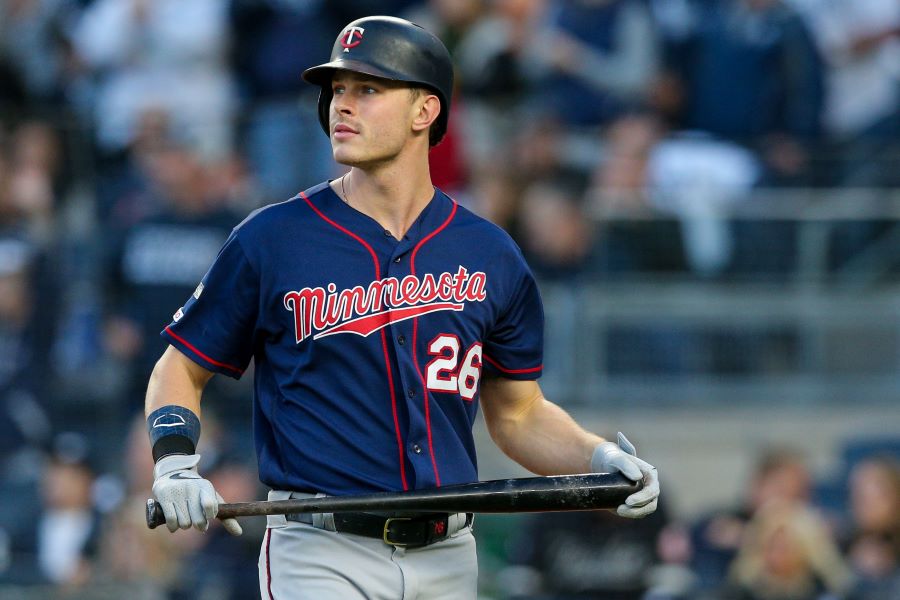 The 2022 season was a characteristic one for Max Kepler: solid yet underwhelming. He was a fairly valuable overall player, posting 2.0 fWAR thanks primarily to his elite defense in right field. His offense, as usual, was suppressed by a debilitatingly low BABIP as opposing defenses suffocated him with the shift. There's encouraging news on that front, which could enhance Kepler's marketability. But more on that shortly. The bottom line is that, even if his luster has largely worn off in the eyes of Twins fans, Kepler IS a quality asset with appeal to many contending teams in need of a lefty corner outfield bat. There are several such clubs, and one of the best ways to identify them is by following who is pursuing (and missing out on) free agents that share the same profile. Among them: the Seattle Mariners. There are a few different reasons the Mariners stand out to me as a logical trade partner for the Twins and Kepler. The first is that their general manager is Jerry Dipoto, one of the most prolific wheelers and dealers on the GM circuit. Trade speculation is always valid when Jerry's involved. Seattle's specific situation also frames them as a practical landing spot for Kepler. The M's got horrible production from both outfield corners in 2022, and it was one of the biggest flaws on a 90-win team that made the playoffs but couldn't push deep. Mitch Haniger's injury-plagued year put right field in limbo for Seattle, while Jesse Winker was a defensive disaster and mediocre bat in left. Haniger's now gone, with Teoscar Hernandez acquired from Toronto to replace his powerful right-handed bat. It still seems as though Dipoto and Seattle are still seeking another lefty-hitting outfielder to complement Hernandez and Julio Rodriguez, as illustrated by their reported pursuit of Brandon Nimmo (who re-signed with the Mets) and Andrew Benintendi. The Mariners are looking for assurance and Kepler offers it. He's been worth two or more Wins Above Replacement in every full season of his career. Entering his age-30 season, he's a safe bet to at least be a solid fixture and a big upgrade over what the Mariners had last year. The new defensive shifting limitations, along with the outfielder's stellar Statcast measurables, could hint at legitimate upside. Kepler's contract situation – one more guaranteed season at $8.5 million with a 2024 team option at $10 million – is part of what I see as making him attractive to Seattle specifically. They have a pair of top prospects who happen to be lefty-swinging outfielders: Jarred Kelenic (23) and Taylor Trammell (25). Both have struggled to turn the corner in the majors, but its too early to give up on either. And by following this route, the Mariners wouldn't need to. The flexible control over Kepler's next two seasons enables Seattle to keep the door open for both, while gaining reliable veteran stability as they push to take the next step in the interim. From Minnesota's perspective, what makes Seattle an intriguing partner is their abundance of young pitching. In addition to veteran stalwarts Robbie Ray and Marco Gonzales, as well as deadline acquisition Luis Castillo, the Mariners had three different pitchers 27 and under in 2022 who made 25+ starts with an ERA of 3.73 or lower (George Kirby, Logan Gilbert, Chris Flexen). Kirby or Gilbert would likely not be on the table unless Minnesota offered significantly more than Kepler. But Flexen seems attainable, if not one of Seattle's many relief arms or mid-tier prospects. What do you think? Which teams strike you as the best trade partners for Kepler, and what would a realistic return look like?
 -
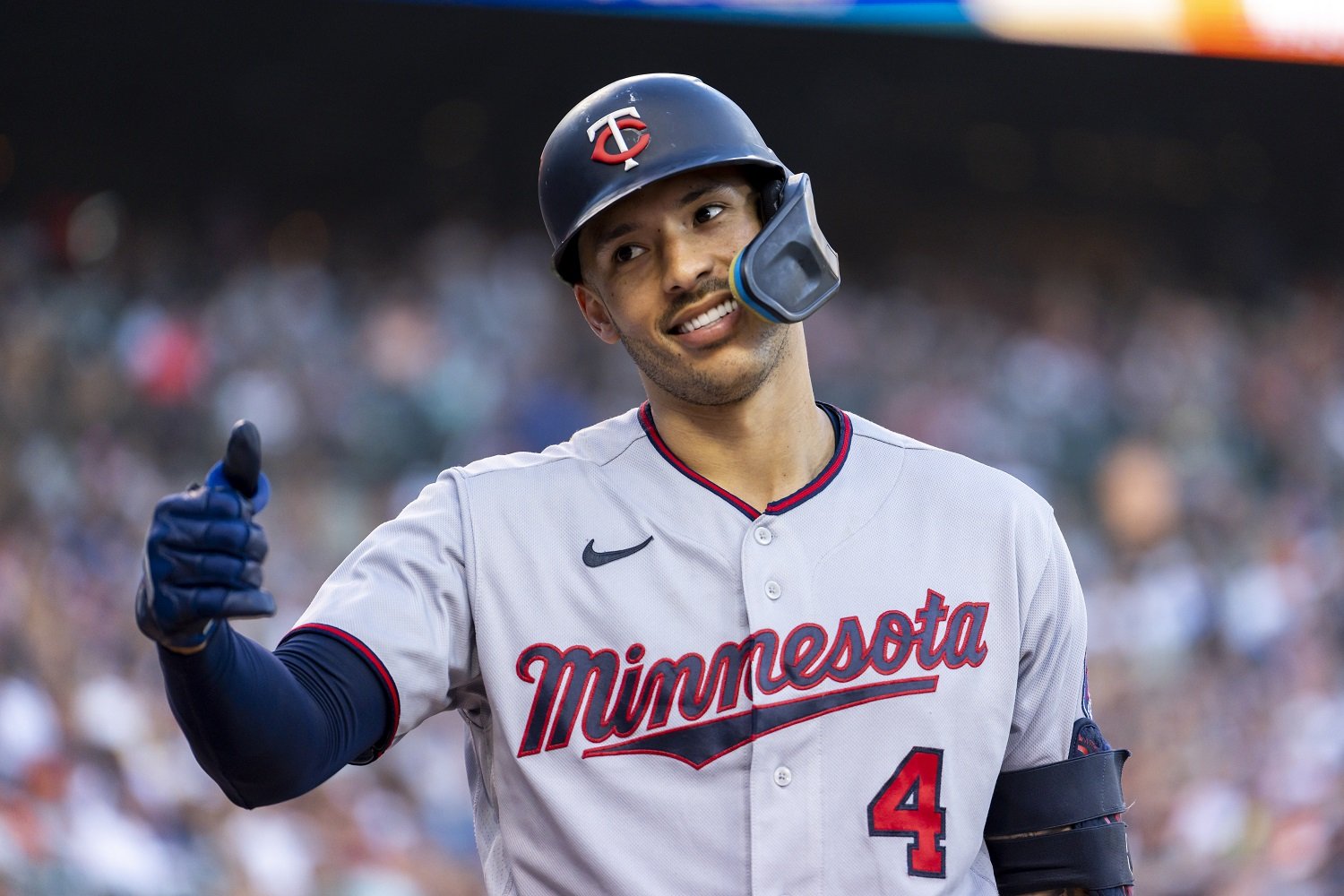 Without question, the Twins remain intensely focused on their pursuit of Carlos Correa, which seems to be pushing all other offseason priorities to the backburner. Every report on the shortstop's market seems to name them among top remaining suitors, including this latest one from Jon Heyman on Saturday listing the Twins, Giants and Cubs among the "teams in on" Correa. More recently, the Yankees have emerged as a known contender for Correa's services, even after inking Aaron Judge to his landmark deal. ESPN's Buster Olney reported that he's "definitely picking up a lot of vibes there that yeah they signed Aaron Judge to that $360 million deal, but they’re working on something big." It's natural for hometown fans to be skeptical of Minnesota's legitimate involvement at this stage against multiple big-market titans for a free agent likely to land $300M+ guaranteed. But outsiders don't necessarily share that skepticism, including Vegas. As the website OddsChecker.com pointed out a couple days back, "The Twins are given -150 odds to retain Correa, that’s an implied 60% chance. The San Francisco Giants are right behind them though, as they’re given EVEN odds, an implied 50% chance, to land the star shortstop." It's unclear exactly when Correa will make a decision. The pressure is turning up on the Twins as time passes, because their contingency plans have rapidly come off the table. Trea Turner and Xander Bogaerts have already signed. The idea of pivoting to another big bat like Jose Abreu, Willson Contreras or Brandon Nimmo is also diminishing as all those players are off the table. Carlos Rodon remains at the top of the free agent pitching pool, but his market is robust. Dan Hayes reported that the Twins are viewing Dansby Swanson as a possible Correa fallback option, having met with the shortstop via video call during the Winter Meetings, but personally I hope (and suspect) that's merely a negotiating ploy to parry against Scott Boras, who is understandably doing all he can to land his client an epic payday. You see it in small, subtle details like Heyman – a known friend if not mouthpiece of Boras – making a point to note Correa's appealing traits in a tweet updating his market. You see it in the fact Correa's free agency continues to linger as his camp evidently plays bidders against one another to run up the price. Eleven-year deals for Turner and Bogaerts set a sharp precedent, and really give Correa and Boras the ability to set their own terms. Up to this point, the Twins still seem genuinely invested in meeting them. How long will they hang around if the cost keeps rising? How long can we maintain our sanity as this saga drags on and the front office remains stalled out? Soon enough, the dominoes will begin to drop. It's probably a stretch to call the Twins favorites but without a doubt, they are in there. Would have been difficult to fathom just a few short years ago.
 -
As Carlos Correa weighs his options and moves closer to a decision, it's clear the Minnesota Twins are among the finalists for this premier free agent and superstar. That's exciting! But the excitement will vanish if we learn tomorrow that Correa's going with the Giants or Cubs and leaving the Twins in the lurch. How likely is that to happen? Let's get caught up on the latest. Image courtesy of Raj Mehta-USA TODAY Sports Without question, the Twins remain intensely focused on their pursuit of Carlos Correa, which seems to be pushing all other offseason priorities to the backburner. Every report on the shortstop's market seems to name them among top remaining suitors, including this latest one from Jon Heyman on Saturday listing the Twins, Giants and Cubs among the "teams in on" Correa. More recently, the Yankees have emerged as a known contender for Correa's services, even after inking Aaron Judge to his landmark deal. ESPN's Buster Olney reported that he's "definitely picking up a lot of vibes there that yeah they signed Aaron Judge to that $360 million deal, but they’re working on something big." It's natural for hometown fans to be skeptical of Minnesota's legitimate involvement at this stage against multiple big-market titans for a free agent likely to land $300M+ guaranteed. But outsiders don't necessarily share that skepticism, including Vegas. As the website OddsChecker.com pointed out a couple days back, "The Twins are given -150 odds to retain Correa, that’s an implied 60% chance. The San Francisco Giants are right behind them though, as they’re given EVEN odds, an implied 50% chance, to land the star shortstop." It's unclear exactly when Correa will make a decision. The pressure is turning up on the Twins as time passes, because their contingency plans have rapidly come off the table. Trea Turner and Xander Bogaerts have already signed. The idea of pivoting to another big bat like Jose Abreu, Willson Contreras or Brandon Nimmo is also diminishing as all those players are off the table. Carlos Rodon remains at the top of the free agent pitching pool, but his market is robust. Dan Hayes reported that the Twins are viewing Dansby Swanson as a possible Correa fallback option, having met with the shortstop via video call during the Winter Meetings, but personally I hope (and suspect) that's merely a negotiating ploy to parry against Scott Boras, who is understandably doing all he can to land his client an epic payday. You see it in small, subtle details like Heyman – a known friend if not mouthpiece of Boras – making a point to note Correa's appealing traits in a tweet updating his market. You see it in the fact Correa's free agency continues to linger as his camp evidently plays bidders against one another to run up the price. Eleven-year deals for Turner and Bogaerts set a sharp precedent, and really give Correa and Boras the ability to set their own terms. Up to this point, the Twins still seem genuinely invested in meeting them. How long will they hang around if the cost keeps rising? How long can we maintain our sanity as this saga drags on and the front office remains stalled out? Soon enough, the dominoes will begin to drop. It's probably a stretch to call the Twins favorites but without a doubt, they are in there. Would have been difficult to fathom just a few short years ago. View full article
-
Correa would have an automatic no-trade clause after the first four seasons (10-5 rule) so I think it's kind of immaterial.
-
The alternative to signing Correa is that this FO has to find better ways to spend that $40M. You don't seem confident in them, so why wouldn't you rather just take the "safe route" with a proven nucleus of superstar players instead of trying to cobble together mid-tier guys? I would say it worked out pretty well with Buxton and Correa this year, they were both 4-win players and worth a combined $65M according to Fangraphs.
-
Ahh gotcha. I guess I view it as creative in that it's never been done quite at this scale, to this extreme, and certainly not by a team like the Twins. Very true though that contracts like Arenado's and Hosmer's have pushed in this direction.
-
If you wanna play that "what if" game you'll never sign an elite free agent in the entire existence of your franchise. They'd be betting on their ability to develop cost-efficient pitching, but I'm okay with that. Even at a 150M payroll, I'm good with allocating $55M on two up-the-middle superstars in their prime in Correa and Buxton and building around them.
-
Could you name one? There has never been a front-loaded $300M contract signed in MLB history, let alone one with an option layout like this. I'm not sure what you mean by "structured this way" other than the vaguest of generalizations.
-
With the Winter Meetings now less than a week away, the Twins appear fully invested for the moment in their pursuit of top free agent target Carlos Correa. As they vie for his services against big-market titans with bottomless coffers, there's been much talk of the front office's efforts to 'get creative' in frameworks for a deal. What might a contract look like that Correa would actually accept? Image courtesy of Tommy Gilligan-USA TODAY Sports The mutual affinity between Carlos Correa and the Twins does seem genuine. He appears very open to returning, and is at the very least giving Minnesota the time of day by entertaining offers, which is something we've rarely been able to say about top-tier free agents in past years. There have been reports of the Twins submitting multiple different proposals to Correa's camp, as the front office gets creative in trying to put forth a framework that entices him away from other monster offers he's sure to receive – while also not being so risk-filled and player-friendly as to defy their sensibilities. That's a very difficult line to walk. Signing Correa would obviously be a precedent-shattering move for this franchise, at any level, and by all accounts they are ready to take that step. But it doesn't mean they'll hand Scott Boras a blank check. Is there a way the Twins could win the bidding for Correa without actually having the largest guaranteed offer? Is there are practical structure for a deal that doesn't force Derek Falvey and Thad Levine to abandon their regard for long-term planning? I think maybe I've got something. But you tell me if it works for both sides. Hypothetical Twins/Correa contract: 10 years, $325 million with two player opt-outs. Here's how it breaks down, year by year: Year 1: $40M Year 2: $40M Year 3: $40M Year 4: $40M *opt-out* Year 5: $30M Year 6: $30M Year 7: $30M *opt-out* Year 8: $25M Year 9: $25M Year 10: $25M It's a frontloaded contract that is essentially broken down into three parts. After earning $160 million in the first four years, Correa can opt out of six years and $165 million at age 32, or three years and $75 million at age 35. The reason this feels like a realistic concept is that I can look at it from both sides and talk myself into it, even while accounting for the front office's known tendencies and preferences. Why the Twins Like It In trying to come up with this theoretical contract, I presupposed two things from the team's point of view: They're willing to dish out huge salaries in the short term (they'd have happily paid out Correa's full three-year, $105 million contract), but they're deathly afraid of being burdened by gargantuan commitments for aging mid-30s players down the line. They recognize that player opt-outs are an effective mechanism for making contracts more appealing to players and their agents, but don't want to include them in a way that robs all of the team's upside from a deal. I believe the above framework satisfies their preferences on both fronts. The highest salaries are concentrated at the front of the contract, during Correa's prime years, so they'd be ostensibly paying most for his peak production. The diminishing salaries in the latter part of the deal reduce team downside to some extent should things go awry. Meanwhile, the opt-outs probably aren't too inhibiting. If Correa chooses to re-enter the market after four or six great years the Twins will have been happy to have gotten them. Why Correa and Boras Like It Well, for one thing, it's a legitimate all-time MLB free agent contract. Correa would tie Giancarlo Stanton and Corey Seager for the sixth-biggest guaranteed sum ever. His salary next year would be the highest for any position player in history, and second overall only to Max Scherzer ($43.3M). These things matter to Correa and Boras – not sheerly out of greed, as some would proclaim, but to pave the way for future players and contracts. It's no coincidence the past contract made Correa the highest-paid infielder ever, just by a hair. I also could see the frontloaded makeup of this framework having appeal to Correa, if he wants to be on himself an truly maximize his earnings. Should he tear it up while earning $160 million over the next four years, he could easily re-enter the market at 32 and seek another deal approaching $200 million. Could It Really Happen? Let's be clear: this contract would not only shatter precedence for the Twins, but for baseball at large. Of the 10 contracts that have ever been signed for $300 million or more, none came from teams outside of the major markets in Southern California, New York, Texas and Philadelphia. For Minnesota to be the first flyover mid-market club to break that barrier would be almost hilariously surreal, and yet, if ever there was a time I could see it happening, it's now. The Twins are ushering in a new era with a comprehensive rebrand and ownership shift. Out of sheer circumstance, they stumbled into getting acquainted with Correa and now have a verifiable IN with one of the most talented players in the world. They also have tremendously clear books going forward. Do I think it will happen? No, I still don't. But I've talked myself into there being a path. What say you all? View full article
-
Conceptualizing a Creative, Realistic, Winning Contract for Carlos Correa
Nick Nelson posted an article in Twins
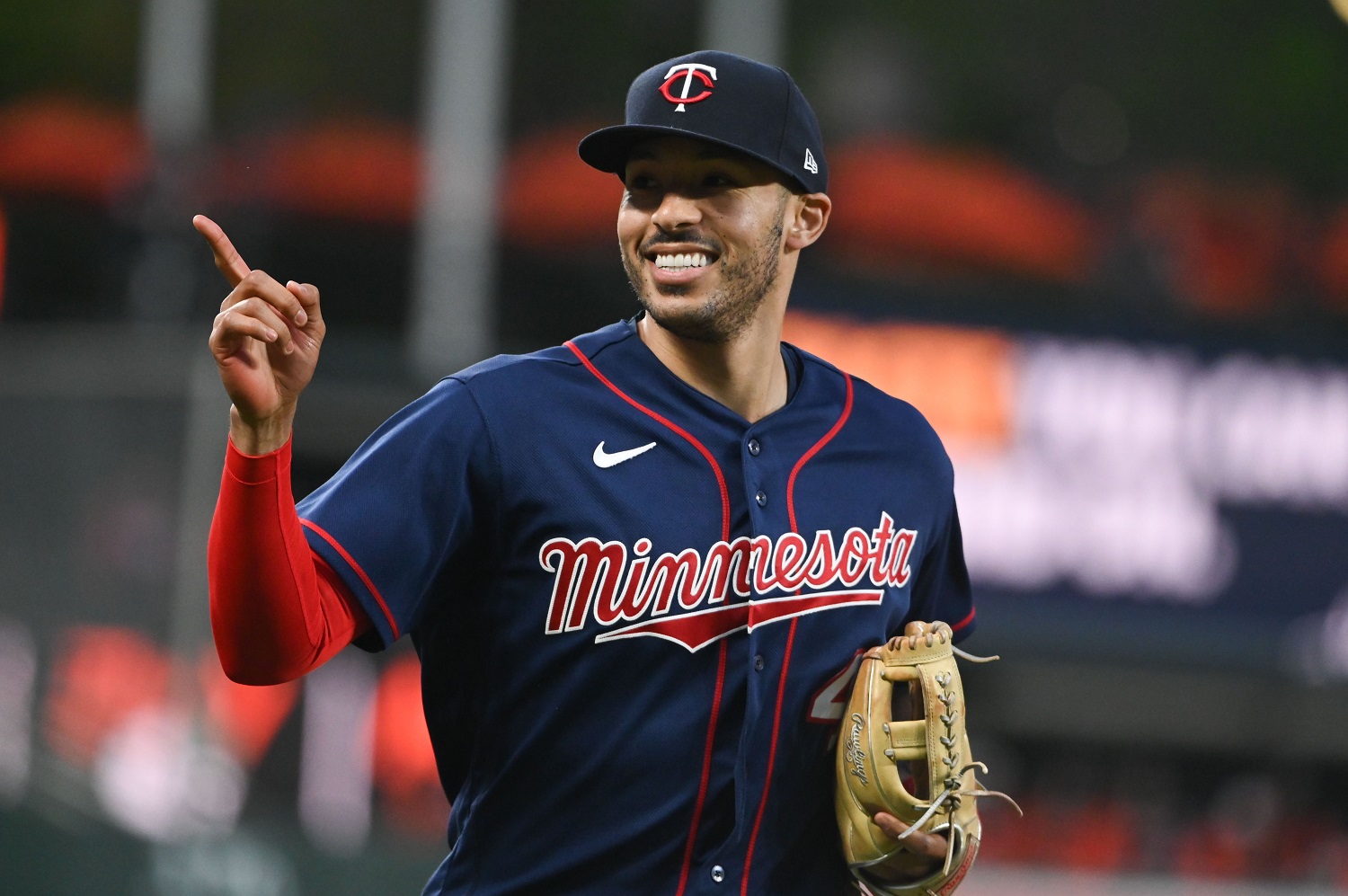 The mutual affinity between Carlos Correa and the Twins does seem genuine. He appears very open to returning, and is at the very least giving Minnesota the time of day by entertaining offers, which is something we've rarely been able to say about top-tier free agents in past years. There have been reports of the Twins submitting multiple different proposals to Correa's camp, as the front office gets creative in trying to put forth a framework that entices him away from other monster offers he's sure to receive – while also not being so risk-filled and player-friendly as to defy their sensibilities. That's a very difficult line to walk. Signing Correa would obviously be a precedent-shattering move for this franchise, at any level, and by all accounts they are ready to take that step. But it doesn't mean they'll hand Scott Boras a blank check. Is there a way the Twins could win the bidding for Correa without actually having the largest guaranteed offer? Is there are practical structure for a deal that doesn't force Derek Falvey and Thad Levine to abandon their regard for long-term planning? I think maybe I've got something. But you tell me if it works for both sides. Hypothetical Twins/Correa contract: 10 years, $325 million with two player opt-outs. Here's how it breaks down, year by year: Year 1: $40M Year 2: $40M Year 3: $40M Year 4: $40M *opt-out* Year 5: $30M Year 6: $30M Year 7: $30M *opt-out* Year 8: $25M Year 9: $25M Year 10: $25M It's a frontloaded contract that is essentially broken down into three parts. After earning $160 million in the first four years, Correa can opt out of six years and $165 million at age 32, or three years and $75 million at age 35. The reason this feels like a realistic concept is that I can look at it from both sides and talk myself into it, even while accounting for the front office's known tendencies and preferences. Why the Twins Like It In trying to come up with this theoretical contract, I presupposed two things from the team's point of view: They're willing to dish out huge salaries in the short term (they'd have happily paid out Correa's full three-year, $105 million contract), but they're deathly afraid of being burdened by gargantuan commitments for aging mid-30s players down the line. They recognize that player opt-outs are an effective mechanism for making contracts more appealing to players and their agents, but don't want to include them in a way that robs all of the team's upside from a deal. I believe the above framework satisfies their preferences on both fronts. The highest salaries are concentrated at the front of the contract, during Correa's prime years, so they'd be ostensibly paying most for his peak production. The diminishing salaries in the latter part of the deal reduce team downside to some extent should things go awry. Meanwhile, the opt-outs probably aren't too inhibiting. If Correa chooses to re-enter the market after four or six great years the Twins will have been happy to have gotten them. Why Correa and Boras Like It Well, for one thing, it's a legitimate all-time MLB free agent contract. Correa would tie Giancarlo Stanton and Corey Seager for the sixth-biggest guaranteed sum ever. His salary next year would be the highest for any position player in history, and second overall only to Max Scherzer ($43.3M). These things matter to Correa and Boras – not sheerly out of greed, as some would proclaim, but to pave the way for future players and contracts. It's no coincidence the past contract made Correa the highest-paid infielder ever, just by a hair. I also could see the frontloaded makeup of this framework having appeal to Correa, if he wants to be on himself an truly maximize his earnings. Should he tear it up while earning $160 million over the next four years, he could easily re-enter the market at 32 and seek another deal approaching $200 million. Could It Really Happen? Let's be clear: this contract would not only shatter precedence for the Twins, but for baseball at large. Of the 10 contracts that have ever been signed for $300 million or more, none came from teams outside of the major markets in Southern California, New York, Texas and Philadelphia. For Minnesota to be the first flyover mid-market club to break that barrier would be almost hilariously surreal, and yet, if ever there was a time I could see it happening, it's now. The Twins are ushering in a new era with a comprehensive rebrand and ownership shift. Out of sheer circumstance, they stumbled into getting acquainted with Correa and now have a verifiable IN with one of the most talented players in the world. They also have tremendously clear books going forward. Do I think it will happen? No, I still don't. But I've talked myself into there being a path. What say you all?
 -
Analyze This: Jose Abreu Is the Bat Minnesota Needs
Nick Nelson replied to Nick Nelson's topic in Twins Daily Front Page News
I agree that those are all great players, but it's not because of RBIs. Realmuto?? He's never even had 85 RBIs in a season! Elite hitters in good lineups are going to have high RBI totals, inevitably. That's the point. -
The Full 2023 Offseason Handbook Is Now Available for Download!
Nick Nelson posted an article in Twins Daily
 This year marks the 12th straight in which we've produced the Twins Offseason Handbook, a tradition that predates even this website. Long ago, the idea was devised by John Bonnes, Seth Stohs, Parker Hageman and myself as a way to fully embrace the offseason and its exhilaratingly endless possibilities. The original vision was this: place the reader in position of Twins general manager and provide them with an "inside intel" document to inform and guide their decision-making. We supplied practical payroll constraints, along with profiles and contract estimates for dozens of free agents and trade targets spanning every position. Everything you need to build your own blueprint for a perfect offseason – realistic or outlandish, your choice. We've more or less stayed true to that vision ever since. In the new 2023 Offseason Handbook, we break Hot Stove preview down into six different sections. Payroll Projection and Analysis: A back-of-the-napkin overview from Bonnes. The Future of Shortstop: Carlos Correa pursuit, other free agents, internal pipeline. (Want a sample? You can download this chapter for free.) Reinforcing the Rotation: High-end free agent starters, trade targets, prospect ETAs. Framing the Catcher Market: The best of backstop free agency and trade market. Scouring FA for Relief Help: Which free agents could provide a legitimate bullpen boost? Hunting for a Big Bat: Impact players at corner IF, corner OF, and DH (like Jose Abreu). The full PDF, including all six chapters, is now available to download for Caretakers. If you haven't signed up as a Caretaker yet, it's a perfect time to do so because through today (Monday, November 28th) you can enter the promo code 'BLACKFRIDAY' to get 20% off any subscription. In addition to the Handbook, you'll get exclusive content like Matthew Trueblood's phenomenal piece on Kyle Farmer and Bomba Rates, plus early (only?) access to tickets for the Winter Meltdown – details coming soon. We sincerely appreciate everyone who supports our community in any way, whether its contributing as a Caretaker or just checking out the site occasionally and telling a friend. We've got big things planned, and we're hoping the Twins do too. Download the Offseason Handbook and use it to construct your own blueprint.
 -
Over the past several weeks, we've been gradually releasing content for a 2023 Offseason Handbook chapter by chapter, focusing on the payroll and every area of need on the roster. Now, Caretakers can download the full 39-page PDF and get ready for Hot Stove action as the MLB Winter Meetings bear down upon us. This year marks the 12th straight in which we've produced the Twins Offseason Handbook, a tradition that predates even this website. Long ago, the idea was devised by John Bonnes, Seth Stohs, Parker Hageman and myself as a way to fully embrace the offseason and its exhilaratingly endless possibilities. The original vision was this: place the reader in position of Twins general manager and provide them with an "inside intel" document to inform and guide their decision-making. We supplied practical payroll constraints, along with profiles and contract estimates for dozens of free agents and trade targets spanning every position. Everything you need to build your own blueprint for a perfect offseason – realistic or outlandish, your choice. We've more or less stayed true to that vision ever since. In the new 2023 Offseason Handbook, we break Hot Stove preview down into six different sections. Payroll Projection and Analysis: A back-of-the-napkin overview from Bonnes. The Future of Shortstop: Carlos Correa pursuit, other free agents, internal pipeline. (Want a sample? You can download this chapter for free.) Reinforcing the Rotation: High-end free agent starters, trade targets, prospect ETAs. Framing the Catcher Market: The best of backstop free agency and trade market. Scouring FA for Relief Help: Which free agents could provide a legitimate bullpen boost? Hunting for a Big Bat: Impact players at corner IF, corner OF, and DH (like Jose Abreu). The full PDF, including all six chapters, is now available to download for Caretakers. If you haven't signed up as a Caretaker yet, it's a perfect time to do so because through today (Monday, November 28th) you can enter the promo code 'BLACKFRIDAY' to get 20% off any subscription. In addition to the Handbook, you'll get exclusive content like Matthew Trueblood's phenomenal piece on Kyle Farmer and Bomba Rates, plus early (only?) access to tickets for the Winter Meltdown – details coming soon. We sincerely appreciate everyone who supports our community in any way, whether its contributing as a Caretaker or just checking out the site occasionally and telling a friend. We've got big things planned, and we're hoping the Twins do too. Download the Offseason Handbook and use it to construct your own blueprint. View full article