Nick Nelson
-
Posts
8,322 -
Joined
-
Last visited
-
Days Won
56
Content Type
Profiles
News
Minnesota Twins Videos
2026 Minnesota Twins Top Prospects Ranking
2022 Minnesota Twins Draft Picks
Minnesota Twins Free Agent & Trade Rumors, Notes, & Tidbits
Guides & Resources
2023 Minnesota Twins Draft Picks
The Minnesota Twins Players Project
2024 Minnesota Twins Draft Picks
2025 Minnesota Twins Draft Pick Tracker
2026 Minnesota Twins Draft Tracker: Picks & Bonuses
Forums
Blogs
Events
Store
Downloads
Gallery
Everything posted by Nick Nelson
-
 I'm confused. Are you saying I was directing vitriol at them in the article/quoted passage? I said there was no blaming them for their actions here.
 -
Not a bad theory.
-
Who's to say the ankle injury wasn't aggravated in some way this past season? Like, say, on the slide where he admitted he got scared because it was "vibrating"? Are you under the impression he would not undergo another physical, and they'd just use last year's? "Knowing about" an injury is not the issue, everyone knew about the injury including the Giants when they agreed to the deal.
-
Ah. I found it difficult to get a read on what was implied there. I perceived it as saying "we're not going to go back to our previous offer until we get a handle on this, and either way we're not raising our offer." Because of how definitive the following part was about not wanting to increase their offer.
-
10 years and 285 is different from 13 years and 350, obviously. And I'm sure they would've conducted a renewed physical with different criteria. What is your belief here, that San Francisco just got cold feet for no apparent reason?
-
Where was that idea presented??
-
No one is acting that way. I specifically said: "That's not to say they intended to increase their offer even if the medicals checked out – sure sounds like they had reached their definitive max." And I also concluded by saying there's no assurance his deal will be completed by the Mets, because yes, he still needs to get through a physical. (Though something tells me Cohen will be less scrutinizing.) Seems like you just missed those details!
-
I mean, let's be honest, you're evaluating through a different lens when you're talking about a 3-year deal vs. a 13-year-deal.
-
Sounds like it was indeed the ankle causing SF concern:
-
A new article in The Athletic offers behind-the-scenes insight on Carlos Correa's free agent pivot from the Giants to Mets. For those wondering, it sounds like did Scott Boras re-engage the Twins to try and coax them back into the market. Minnesota balked, and that was it. Let's dig into the details. Image courtesy of Bruce Kluckhohn-USA TODAY Sports In a tremendously reported new article for The Athletic, Andy McCullough and Ken Rosenthal bring us a revealing account of the latest stunning twist in Carlos Correa's bizarre free agency saga. On Tuesday, about one week after agreeing to terms with Correa on a $350 million, we learned the Giants were postponing an introductory press conference for the signature signing, over concerns surfaced in his physical. Suddenly, the deal appeared to be in doubt. Sure enough, it completely fell through, and by the time we awoke this morning Correa had already agreed to a lesser deal with the Mets: 12 years, $315 million. It all happened so quickly, we wondered if the Twins – reportedly one of the two finalists for CC before Steve Cohen entered the fray – ever even had the chance to jump back in. It turns out, they did. And they decided against it. Per The Athletic, as Boras revived discussions with Cohen and the Mets, he "also contacted the Twins." "The presence of the Mets gave Boras leverage," according to the reporting. "If Minnesota wanted Correa, Boras conveyed, the team needed to improve its earlier offer – even though Correa appeared compromised with the Giants. The Twins would not have advanced the conversation without investigating the potential issues caused by Correa’s physical. The team did not intend to increase its bid beyond 10 years and $285 million. So Boras stuck with the man in Hawaii (Cohen)." So there you have it. I'm not sure anyone can hold the Twins front office at fault in this situation, given that they merely appear to have been doing their due diligence. Why increase your offer after some mysterious issue was flagged and torpedoed an historic deal? That's not to say they intended to increase their offer even if the medicals checked out – sure sounds like they had reached their definitive max. But at the very least they were within their rights to take a beat and figure out what's going on. Alas, that wasn't to be, because – for whatever reason – Boras is in a sudden rush to get this thing done. And that is strange to me. He's typically an agent known for exercising extreme patience in order to get his clients the best deal possible. Now he's giving up $35 million from the first agreed-upon contract to settle for a lesser deal with New York, because – in Boras' own words – the Giants wanted to conduct more investigation on the second-largest contract in major-league history. "They advised us they still had questions," he said. "They still wanted to talk to other people, other doctors, go through it." Sounds like the Twins sang a similar tune, and that was also a deal-breaker. Based on the information currently out there, it's easy to hold the Giants accountable as incompetent and noncommittal fools in this situation. Susan Slusser of the San Francisco Chronicle reports that, "It sounds as if there was a very old Correa injury - pre MLB - that was raised as a potential issue. It has not cropped up again. None of Correa’s other physical issues have required medical intervention or ongoing treatment." Slusser adds: "If this was a true medical concern, it sounds a little tenuous - and if it was a matter of cold feet, that’s usually ownership. Not the front office." Doesn't sound so good for the Giants. But then, the information being relayed to Slusser is pretty clearly coming from Boras – notably, she was quick to tweet initially that Correa's medial issue did NOT involve his back, at a time when no other details were emerging – and the team has thus far been silent. One report from Alex Pavlovic of NBC Sports Bay Area indicates that the Giants were concerned about a previous ankle injury that required surgery and insertion of a metal plate, as I speculated yesterday while recalling that the injury had been stirred up during a stolen base attempt with the Twins this past season. Clearly, the Giants were ready to sign Correa. They certainly had the money after missing out on Aaron Judge. An agreement was in place. The press conference was scheduled and ready to go. Something spooked them. And given the circumstances, Minnesota's front office wasn't going to blindly dive back in, to the extent they were ever interested in hanging with New York. So as of now, Correa is lined up to play alongside Francisco Lindor, at third base for the Mets. Given all that's happened, it's hard to take for granted that's what will play out. But either way it now seems clearer than ever it's time for the Twins to move on. View full article
-
Twins Had a Chance to Get Back in the Carlos Correa Mix, and Passed
Nick Nelson posted an article in Twins
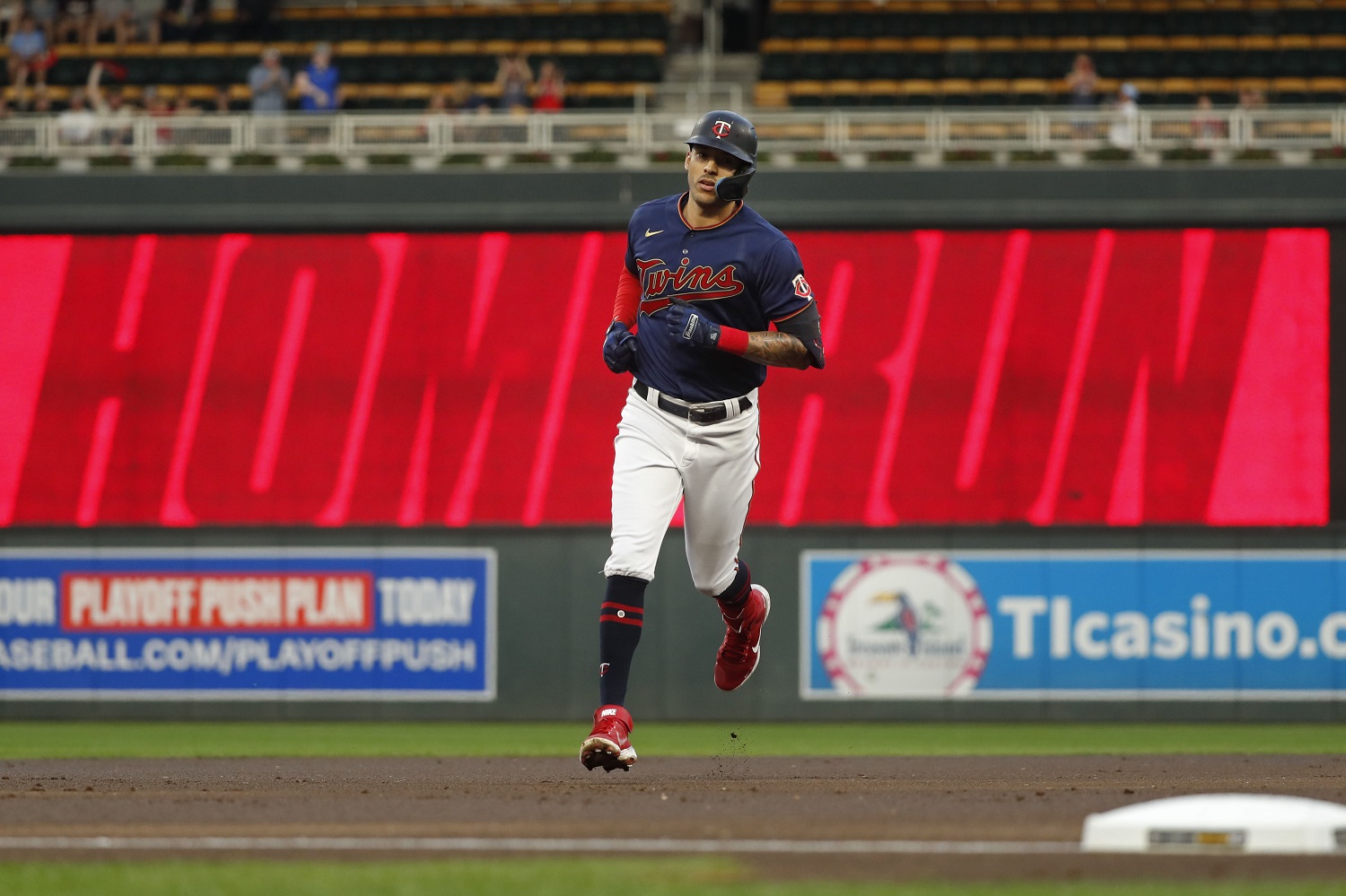 In a tremendously reported new article for The Athletic, Andy McCullough and Ken Rosenthal bring us a revealing account of the latest stunning twist in Carlos Correa's bizarre free agency saga. On Tuesday, about one week after agreeing to terms with Correa on a $350 million, we learned the Giants were postponing an introductory press conference for the signature signing, over concerns surfaced in his physical. Suddenly, the deal appeared to be in doubt. Sure enough, it completely fell through, and by the time we awoke this morning Correa had already agreed to a lesser deal with the Mets: 12 years, $315 million. It all happened so quickly, we wondered if the Twins – reportedly one of the two finalists for CC before Steve Cohen entered the fray – ever even had the chance to jump back in. It turns out, they did. And they decided against it. Per The Athletic, as Boras revived discussions with Cohen and the Mets, he "also contacted the Twins." "The presence of the Mets gave Boras leverage," according to the reporting. "If Minnesota wanted Correa, Boras conveyed, the team needed to improve its earlier offer – even though Correa appeared compromised with the Giants. The Twins would not have advanced the conversation without investigating the potential issues caused by Correa’s physical. The team did not intend to increase its bid beyond 10 years and $285 million. So Boras stuck with the man in Hawaii (Cohen)." So there you have it. I'm not sure anyone can hold the Twins front office at fault in this situation, given that they merely appear to have been doing their due diligence. Why increase your offer after some mysterious issue was flagged and torpedoed an historic deal? That's not to say they intended to increase their offer even if the medicals checked out – sure sounds like they had reached their definitive max. But at the very least they were within their rights to take a beat and figure out what's going on. Alas, that wasn't to be, because – for whatever reason – Boras is in a sudden rush to get this thing done. And that is strange to me. He's typically an agent known for exercising extreme patience in order to get his clients the best deal possible. Now he's giving up $35 million from the first agreed-upon contract to settle for a lesser deal with New York, because – in Boras' own words – the Giants wanted to conduct more investigation on the second-largest contract in major-league history. "They advised us they still had questions," he said. "They still wanted to talk to other people, other doctors, go through it." Sounds like the Twins sang a similar tune, and that was also a deal-breaker. Based on the information currently out there, it's easy to hold the Giants accountable as incompetent and noncommittal fools in this situation. Susan Slusser of the San Francisco Chronicle reports that, "It sounds as if there was a very old Correa injury - pre MLB - that was raised as a potential issue. It has not cropped up again. None of Correa’s other physical issues have required medical intervention or ongoing treatment." Slusser adds: "If this was a true medical concern, it sounds a little tenuous - and if it was a matter of cold feet, that’s usually ownership. Not the front office." Doesn't sound so good for the Giants. But then, the information being relayed to Slusser is pretty clearly coming from Boras – notably, she was quick to tweet initially that Correa's medial issue did NOT involve his back, at a time when no other details were emerging – and the team has thus far been silent. One report from Alex Pavlovic of NBC Sports Bay Area indicates that the Giants were concerned about a previous ankle injury that required surgery and insertion of a metal plate, as I speculated yesterday while recalling that the injury had been stirred up during a stolen base attempt with the Twins this past season. Clearly, the Giants were ready to sign Correa. They certainly had the money after missing out on Aaron Judge. An agreement was in place. The press conference was scheduled and ready to go. Something spooked them. And given the circumstances, Minnesota's front office wasn't going to blindly dive back in, to the extent they were ever interested in hanging with New York. So as of now, Correa is lined up to play alongside Francisco Lindor, at third base for the Mets. Given all that's happened, it's hard to take for granted that's what will play out. But either way it now seems clearer than ever it's time for the Twins to move on.
 -
BREAKING: Carlos Correa's Contract with Giants in Doubt Amid Health Concerns
Nick Nelson posted an article in Twins
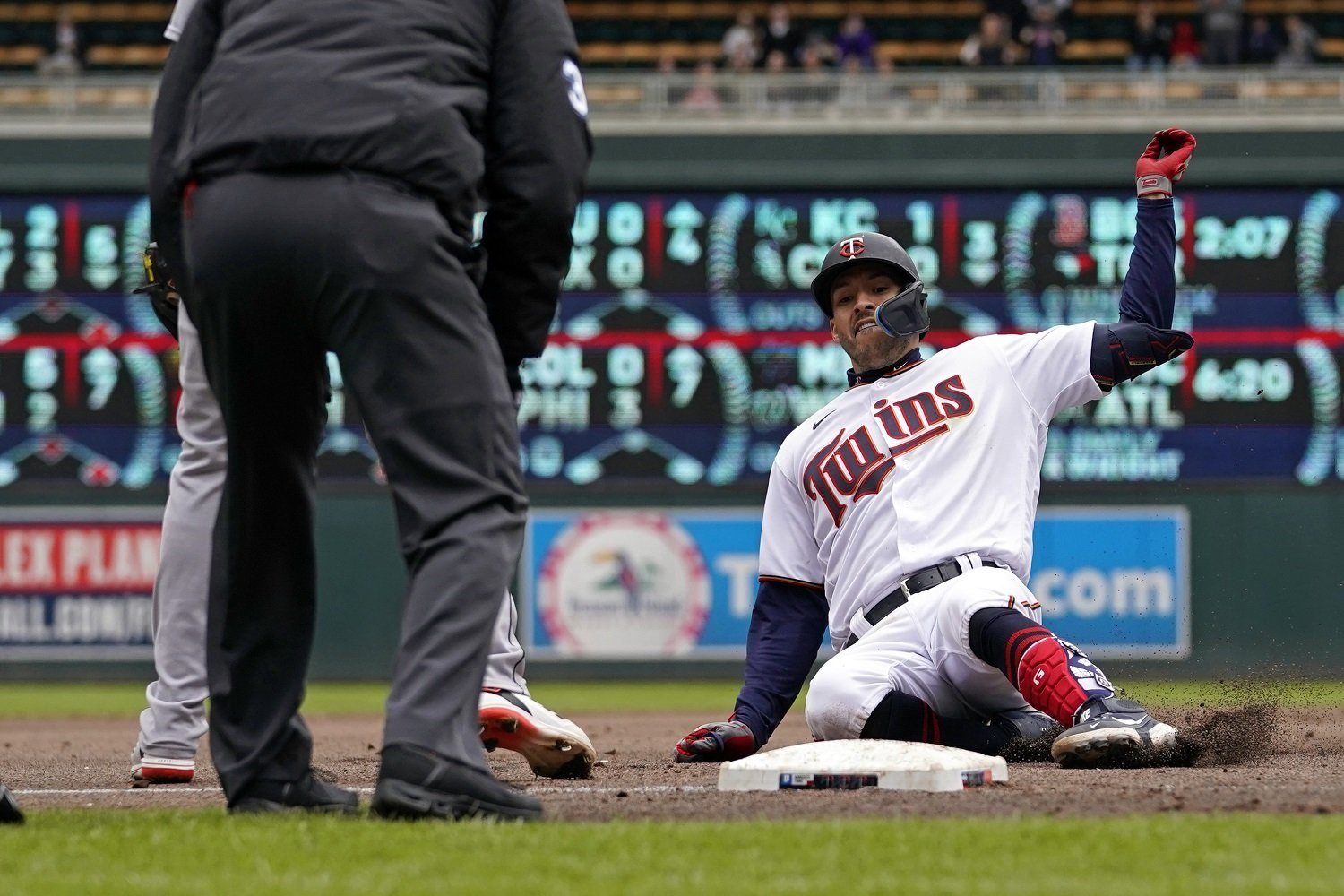 A report from the Associated Press on Tuesday afternoon indicates that San Francisco's official signing of Carlos Correa, and the corresponding introductory press conference, have been postponed over "a medical concern arose during the All-Star shortstop’s physical." Few details are known at this point, but it's fair to say this is a significant development. Rarely do you see a prominent signing of this magnitude publicly stall out at this stage. Susan Slusser of the San Francisco Chronicle reports that whatever issue emerged in Correa's physical, it is not a back issue, ruling out one area of the body that has affected the shortstop in the past. The news of a medical issue being flagged is surprising to say the least given that nothing came up in last year's physical ahead of signing with the Twins, and Correa seemed to get through the 2022 season with a relatively clean bill of health. One wonders if the surgically repaired ankle that barked at him on at least one occasion this season could be involved. To be clear, this is pure speculation. But the only other known health issues experienced by Correa this past season were a bout with COVID and bone bruise in his thumb, neither of which would seem to pose any long-term risk. What happens from here? That's anybody's guess. Perhaps this will prove to be a meaningless blip and further clarity will lead to the original deal being honored. (That seems unlikely now that we've reached this point.) Maybe Correa and the Giants will reconfigure the deal in a way that both sides are comfortable with. Or, maybe, the door just opened for the Twins to re-enter the fray. It's not out of the question. Visit back soon for more analysis and added details as they trickle in. At the moment, we don't know much, but we do know this: Correa has NOT signed with the Giants, and it's suddenly not clear he will.
 -
Last week, everyone came to believe the Carlos Correa free agent derby was over when it was reported that the star shortstop had agreed to a $350 million deal with the San Francisco Giants. On Tuesday, this was all thrown into doubt with Correa's introductory presser (and official signing) postponed over reported concerns in the shortstop's physical. Image courtesy of Nick Wosika, USA TODAY Sports A report from the Associated Press on Tuesday afternoon indicates that San Francisco's official signing of Carlos Correa, and the corresponding introductory press conference, have been postponed over "a medical concern arose during the All-Star shortstop’s physical." Few details are known at this point, but it's fair to say this is a significant development. Rarely do you see a prominent signing of this magnitude publicly stall out at this stage. Susan Slusser of the San Francisco Chronicle reports that whatever issue emerged in Correa's physical, it is not a back issue, ruling out one area of the body that has affected the shortstop in the past. The news of a medical issue being flagged is surprising to say the least given that nothing came up in last year's physical ahead of signing with the Twins, and Correa seemed to get through the 2022 season with a relatively clean bill of health. One wonders if the surgically repaired ankle that barked at him on at least one occasion this season could be involved. To be clear, this is pure speculation. But the only other known health issues experienced by Correa this past season were a bout with COVID and bone bruise in his thumb, neither of which would seem to pose any long-term risk. What happens from here? That's anybody's guess. Perhaps this will prove to be a meaningless blip and further clarity will lead to the original deal being honored. (That seems unlikely now that we've reached this point.) Maybe Correa and the Giants will reconfigure the deal in a way that both sides are comfortable with. Or, maybe, the door just opened for the Twins to re-enter the fray. It's not out of the question. Visit back soon for more analysis and added details as they trickle in. At the moment, we don't know much, but we do know this: Correa has NOT signed with the Giants, and it's suddenly not clear he will. View full article
-
Triple-A? Both have options. Gallo also has flexibility to move around which is what makes him preferable to Kepler. AK and Larnach need to show they can stay healthy for a sustained period of time before anything else really matters.
-
I doubt that's the plan. It's more an issue of, you can't really count on those guys or Kirilloff right now, so this gives you a short-term plug with some upside and allows you to be patient while seeing what shakes out.
-
It's mystifying to see Twins fans say this after watching the most rally-allergic offense ever last offseason. They struck out less than the average team but ranked second in the AL in GIDP. Contact isn't always good.
-
If Joey Gallo was a free agent last offseason, he would've gotten a $100 million contract pretty easily. Are people aware of this? I feel like there's a tremendous disconnect on this board with how good Gallo was before 2022.
-
lol what? He hit 38 home runs and won a Gold Glove in 2021.
-
The Twins are signing Joey Gallo to a one-year, $11 million contract coming off the worst year of his career. That description might not even quite do it justice. Gallo, by his own admission, lived out his worst nightmare this past season. Now, he comes to Minnesota seeking redemption and a reset. Image courtesy of Gregory Fisher-USA TODAY Sports Before we talk about Joey Gallo at his worst, let's talk about Joey Gallo at his best, which is the form he'll seek to recapture in a make-good contract with the Twins. From 2017 through 2021, Gallo slashed .208/.338/.485 with 110 home runs in 428 games. He was an All-Star twice and won two Gold Gloves. He was worth 3+ fWAR in three of four non-COVID seasons, and 2.8 in the other. For reference, here are the Twins players who have managed to put up 3+ fWAR in a season over the past two years: Byron Buxton (twice), Jorge Polanco, Carlos Correa, Luis Arraez, Josh Donaldson. Gallo was at his absolute best in 2021, despite a .199 batting average that will cause many old-schoolers to roll their eyes. He led the league in walks (and yes, strikeouts) while blasting 38 home runs for the Rangers and Yankees. Gallo is a three-true-outcomes guy, but when it's clicking – as it was pretty consistently for five seasons ahead of 2022 – he's perhaps the best there is in that mold. Which helps explain why he's been acquired over the past two seasons by a couple of the foremost championship contenders in Major League Baseball: the Yankees acquired him from the Rangers at the 2021 deadline, and the Dodgers acquired him from New York this past deadline. Of course, that brings us to the present situation. Gallo was straight-up horrible in 2022. There's simply no way around it. And it happened in the worst setting possible. Maybe you've heard: Yankees fans aren't too forgiving. When he was dealt away from the Yankees this year, a New York Post article reflected on "Gallo’s nightmare tenure in The Bronx," suggesting he would "go down as one of the biggest trade busts in Yankees history." The experience was none too pleasant for Gallo himself. "I don’t go out in the streets," Gallo said in an interview upon departing from New York. "I really don’t want to show my face too much around here." "I went through a lot of adversity and I really had to question myself a lot," he added. "My confidence suffered. I would say I hit rock bottom for the big leagues. So for me, I just was trying to remember to be a good teammate, play the game the right way, play the game hard and not do something stupid that I’d regret. I learned a lot about myself, I guess. Baseball is a tough game. But it definitely made me stronger because not many people have gone through what I’ve gone through." Unfortunately, things didn't improve much for Gallo in Los Angeles, where the expectations and pressure didn't exactly diminish. He slashed .162/.277/.393 in 44 games with the Dodgers, finishing the year with a miserable 0.6 fWAR and 0.2 bWAR, and with that, it was off to free agency for the first time. Needless to say, Gallo didn't find a very receptive market. And that's how he wound up on the Twins with a one-year, $11 million deal, looking to make good and rebuild his market. He likely would've made more than $100 million had he reached the open market last offseason, adding to the frustration he's no doubt feeling. A big payday remains possible for Gallo. He needs to earn it, and he knows that. So he chooses to head to the more easygoing, low-pressure environment of the Twin Cities in hopes of rebuilding his value. Sounds familiar, huh? We saw a similar narrative play out just a year ago when the Twins acquired Gary Sanchez from New York in the Josh Donaldson trade. In that case, going to Minnesota wasn't the player's choice, but the storylines about a return to prime form after escaping from the bright lights of the Bronx naturally took shape. Sanchez had his own public drama with Yankees fans and media. As we now know, the Sanchez's redemption story with the Twins didn't quite play out as he hoped – it was another sub par campaign that reaffirmed his fade from glory and now leaves him struggling to market himself in free agency. There's good reason to believe Gallo will be a different story: namely, his peak performance is not so dreadfully far in the rearview mirror. Whereas Sanchez came to the Twins with just one decent year in his past four, Gallo's been good-to-great every year BUT one. It's somewhat rare for a former standout player to re-emerge as a star after many consecutive years of below-average performance. It's fairly common for steadily productive players to rebound after one down year. As poorly as Gallo played in 2022, that's all it was at this point. Now he enters his age-29 season with huge personal stakes. Signing Gallo is hardly a worthwhile signature move of the offseason, but it does represent the first true effort by the front office to raise the 2023 team's ceiling, as opposed to filling holes and bolstering its floor. We need more of that going forward. View full article
-
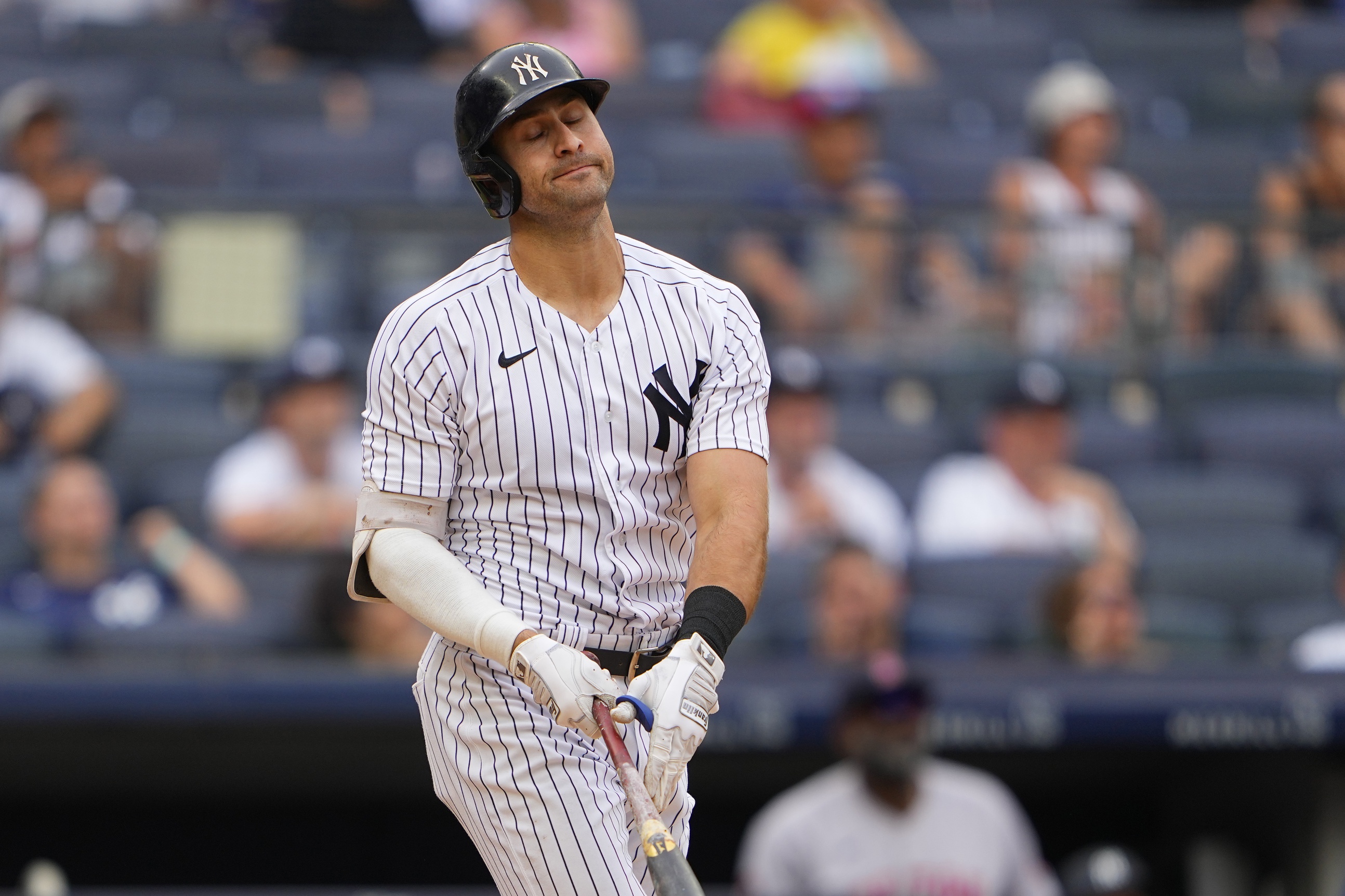 Before we talk about Joey Gallo at his worst, let's talk about Joey Gallo at his best, which is the form he'll seek to recapture in a make-good contract with the Twins. From 2017 through 2021, Gallo slashed .208/.338/.485 with 110 home runs in 428 games. He was an All-Star twice and won two Gold Gloves. He was worth 3+ fWAR in three of four non-COVID seasons, and 2.8 in the other. For reference, here are the Twins players who have managed to put up 3+ fWAR in a season over the past two years: Byron Buxton (twice), Jorge Polanco, Carlos Correa, Luis Arraez, Josh Donaldson. Gallo was at his absolute best in 2021, despite a .199 batting average that will cause many old-schoolers to roll their eyes. He led the league in walks (and yes, strikeouts) while blasting 38 home runs for the Rangers and Yankees. Gallo is a three-true-outcomes guy, but when it's clicking – as it was pretty consistently for five seasons ahead of 2022 – he's perhaps the best there is in that mold. Which helps explain why he's been acquired over the past two seasons by a couple of the foremost championship contenders in Major League Baseball: the Yankees acquired him from the Rangers at the 2021 deadline, and the Dodgers acquired him from New York this past deadline. Of course, that brings us to the present situation. Gallo was straight-up horrible in 2022. There's simply no way around it. And it happened in the worst setting possible. Maybe you've heard: Yankees fans aren't too forgiving. When he was dealt away from the Yankees this year, a New York Post article reflected on "Gallo’s nightmare tenure in The Bronx," suggesting he would "go down as one of the biggest trade busts in Yankees history." The experience was none too pleasant for Gallo himself. "I don’t go out in the streets," Gallo said in an interview upon departing from New York. "I really don’t want to show my face too much around here." "I went through a lot of adversity and I really had to question myself a lot," he added. "My confidence suffered. I would say I hit rock bottom for the big leagues. So for me, I just was trying to remember to be a good teammate, play the game the right way, play the game hard and not do something stupid that I’d regret. I learned a lot about myself, I guess. Baseball is a tough game. But it definitely made me stronger because not many people have gone through what I’ve gone through." Unfortunately, things didn't improve much for Gallo in Los Angeles, where the expectations and pressure didn't exactly diminish. He slashed .162/.277/.393 in 44 games with the Dodgers, finishing the year with a miserable 0.6 fWAR and 0.2 bWAR, and with that, it was off to free agency for the first time. Needless to say, Gallo didn't find a very receptive market. And that's how he wound up on the Twins with a one-year, $11 million deal, looking to make good and rebuild his market. He likely would've made more than $100 million had he reached the open market last offseason, adding to the frustration he's no doubt feeling. A big payday remains possible for Gallo. He needs to earn it, and he knows that. So he chooses to head to the more easygoing, low-pressure environment of the Twin Cities in hopes of rebuilding his value. Sounds familiar, huh? We saw a similar narrative play out just a year ago when the Twins acquired Gary Sanchez from New York in the Josh Donaldson trade. In that case, going to Minnesota wasn't the player's choice, but the storylines about a return to prime form after escaping from the bright lights of the Bronx naturally took shape. Sanchez had his own public drama with Yankees fans and media. As we now know, the Sanchez's redemption story with the Twins didn't quite play out as he hoped – it was another sub par campaign that reaffirmed his fade from glory and now leaves him struggling to market himself in free agency. There's good reason to believe Gallo will be a different story: namely, his peak performance is not so dreadfully far in the rearview mirror. Whereas Sanchez came to the Twins with just one decent year in his past four, Gallo's been good-to-great every year BUT one. It's somewhat rare for a former standout player to re-emerge as a star after many consecutive years of below-average performance. It's fairly common for steadily productive players to rebound after one down year. As poorly as Gallo played in 2022, that's all it was at this point. Now he enters his age-29 season with huge personal stakes. Signing Gallo is hardly a worthwhile signature move of the offseason, but it does represent the first true effort by the front office to raise the 2023 team's ceiling, as opposed to filling holes and bolstering its floor. We need more of that going forward.
 -
The Twins got their catcher, but that development was overshadowed days later when they missed out on their shortstop and top offseason target. The front office has a sizable cash reserve but few remaining paths to spend it. They've buoyed their floor but failed to raise their ceiling in any way. Where do we go from here? Image courtesy of Bill Streicher-USA TODAY Sports Carlos Correa Signs Mega-Deal with San Francisco Giants Sadly, the biggest headline of the Minnesota Twins offseason thus far has been their heartbreak: Correa, whom the team pursued with a level of intention and aggressiveness that far surpasses any free agent target in franchise history, opted for the San Francisco Giants. Thirteen years, $350 million. Whew. In the end, despite pushing themselves to (or past) their limit, the Twins ultimately fell vastly short of the big-market Giants, who made Correa the second highest-paid free agent in MLB history. It was a level the Twins were never going to realistically reach. Although they made an adamant effort and were, by all accounts, the runner-up for Correa, they came nowhere near matching the giant offer. Now the front office must regroup and figure out what's next. High-end options have dwindled and impact trade options are limited. On the bright side, they do have the luxury of aiming basically wherever they please in terms of making upgrades, because the Twins checked off their last essential need from the shopping the list earlier in the week by signing a new catcher. Twins Sign Christian Vazquez to Three-Year Deal The front office was able to confidently address its top non-Correa priority of the offseason: signing a catcher who can not only share time with Ryan Jeffers at catcher, but take over as the lead dog if needed. On Monday we learned that the Twins agreed to terms with Vazquez on a three-year deal worth $30 million. While it barely registers in comparison to the mammoth $285 million offer to Correa, Vazquez's new contract amazingly ranks as the third-largest signed by any free agent under this front office. While certainly not to be confused with a viable "big splash of the offseason," the Vazquez signing is a bold and assertive one from the front office. He's no star, but he's a respected, reliable, experienced backstop who offers tremendous stability at a position that had little, and adds credibility to Minnesota's position player unit. That's all well and good, but a downtrodden fan base needs more than a solid catcher who fills a need. The Twins need a signature move or two to salvage this wayward offseason. Unfortunately, one of the few remaining star-caliber assets on the market was snatched up on Thursday night. Yankees Reel in Carlos Rodon on Six-Year Contract It's unclear how hard they tried, but Minnesota's hopes of acquiring a frontline starter from free agency have officially gone kaput. The last ace-caliber arm is now off the board after Rodon agreed to a six-year, $162 million contract with the Yankees. I'll be honest: I'd want no part of that deal. As great as he's been over the past couple seasons, Rodon is an extremely volatile property and the idea of entering a six-year guaranteed pact with those kinds of AAVs makes me all kinda nervous. If they're gonna spend that kind of money on a starting pitcher it shouldn't be out of leveraged desperation. Still, it would've been a major statement move, and now there aren't many such opportunities for one. In fact, on the free agent market, there's only one. Twins Turn Their Attention to Dansby Swanson. Then What? The Twins have been connected via rumors to Swanson but I always suspected it to be a negotiating ploy to gain leverage in Correa talks. My skepticism mainly stems from the fact that he seems like the type of high-risk long-term investment this front office avidly avoids. However, from talking to a few trusted people, I do get the sense the Twins are legitimate in their pursuit, contradicting a Jon Heyman report that they "appear to be regrouping after losing out on Carlos Correa, so Swanson’s likely out." I can't say I'm at all confident they'll sign the former Braves shortstop, but I do believe they're going to give a real shot. They'll face stiff competition because they're not the only club that missed out on numerous top targets and has money left to burn. Should they miss out on Swanson, it'll be interesting to see if the Twins can find a way to spend their way back to the 2022 threshold. Or if they even care to do so. Roster and Payroll Projection: v3 The specific breakdown of Vazquez's $30 million deal haven't been revealed yet, to my knowledge. But assuming it's split evenly at $10 million/year, his addition pushes the projected 2023 payroll up above 100 mil by just a hair. Unless the Twins can pull a stunner and sign Swanson, or pull a rabbit out of their hat with a big trade, it's going be a dreary and bleak holiday for baseball fans in Minnesota, who've had to sit idly by while watching everyone else open up their awesome presents. New uniforms and Christian Vazquez ain't gonna cut it. The front office needs to step up and take action unless they want a large portion of their followers to simply check out. View full article
-
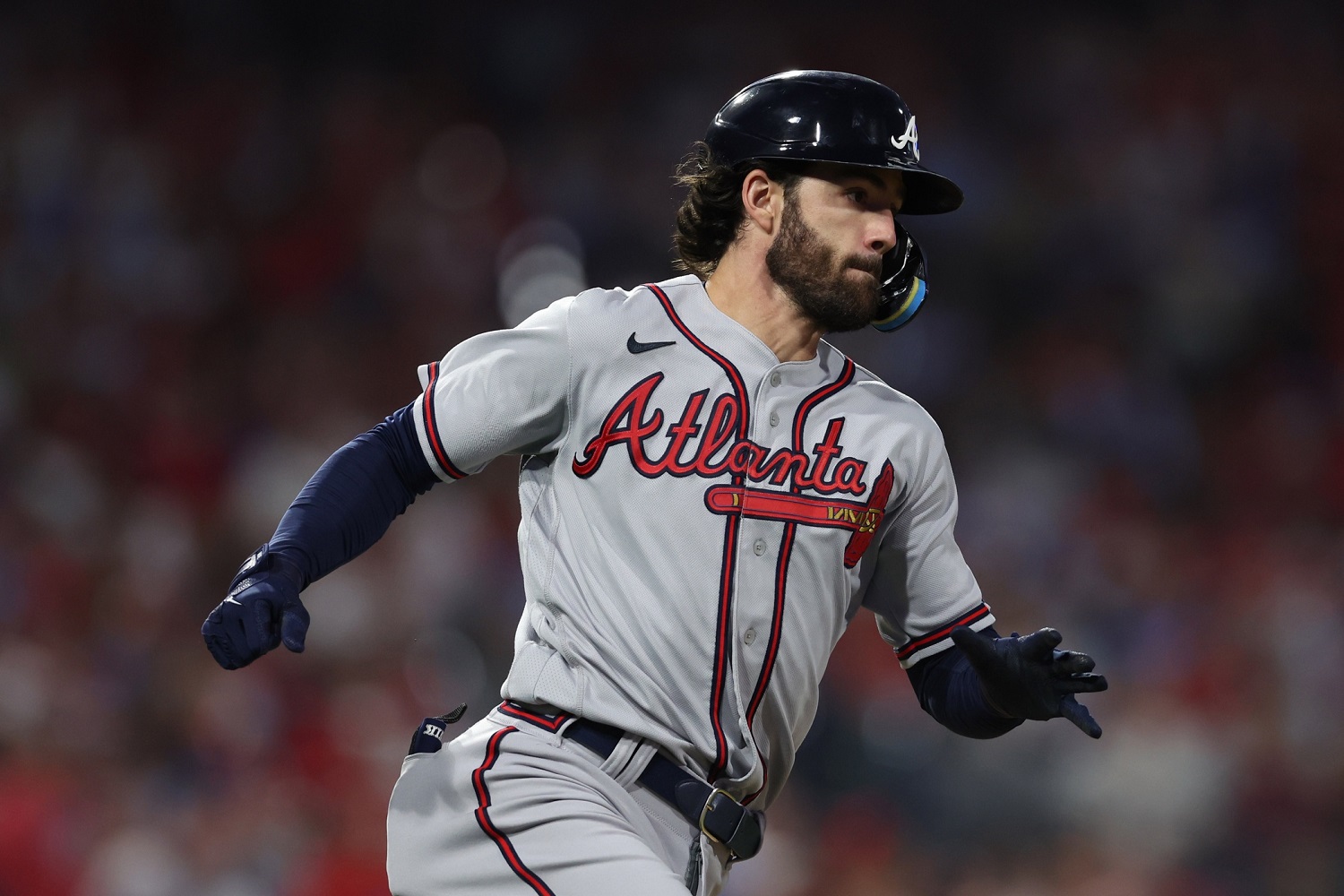 Carlos Correa Signs Mega-Deal with San Francisco Giants Sadly, the biggest headline of the Minnesota Twins offseason thus far has been their heartbreak: Correa, whom the team pursued with a level of intention and aggressiveness that far surpasses any free agent target in franchise history, opted for the San Francisco Giants. Thirteen years, $350 million. Whew. In the end, despite pushing themselves to (or past) their limit, the Twins ultimately fell vastly short of the big-market Giants, who made Correa the second highest-paid free agent in MLB history. It was a level the Twins were never going to realistically reach. Although they made an adamant effort and were, by all accounts, the runner-up for Correa, they came nowhere near matching the giant offer. Now the front office must regroup and figure out what's next. High-end options have dwindled and impact trade options are limited. On the bright side, they do have the luxury of aiming basically wherever they please in terms of making upgrades, because the Twins checked off their last essential need from the shopping the list earlier in the week by signing a new catcher. Twins Sign Christian Vazquez to Three-Year Deal The front office was able to confidently address its top non-Correa priority of the offseason: signing a catcher who can not only share time with Ryan Jeffers at catcher, but take over as the lead dog if needed. On Monday we learned that the Twins agreed to terms with Vazquez on a three-year deal worth $30 million. While it barely registers in comparison to the mammoth $285 million offer to Correa, Vazquez's new contract amazingly ranks as the third-largest signed by any free agent under this front office. While certainly not to be confused with a viable "big splash of the offseason," the Vazquez signing is a bold and assertive one from the front office. He's no star, but he's a respected, reliable, experienced backstop who offers tremendous stability at a position that had little, and adds credibility to Minnesota's position player unit. That's all well and good, but a downtrodden fan base needs more than a solid catcher who fills a need. The Twins need a signature move or two to salvage this wayward offseason. Unfortunately, one of the few remaining star-caliber assets on the market was snatched up on Thursday night. Yankees Reel in Carlos Rodon on Six-Year Contract It's unclear how hard they tried, but Minnesota's hopes of acquiring a frontline starter from free agency have officially gone kaput. The last ace-caliber arm is now off the board after Rodon agreed to a six-year, $162 million contract with the Yankees. I'll be honest: I'd want no part of that deal. As great as he's been over the past couple seasons, Rodon is an extremely volatile property and the idea of entering a six-year guaranteed pact with those kinds of AAVs makes me all kinda nervous. If they're gonna spend that kind of money on a starting pitcher it shouldn't be out of leveraged desperation. Still, it would've been a major statement move, and now there aren't many such opportunities for one. In fact, on the free agent market, there's only one. Twins Turn Their Attention to Dansby Swanson. Then What? The Twins have been connected via rumors to Swanson but I always suspected it to be a negotiating ploy to gain leverage in Correa talks. My skepticism mainly stems from the fact that he seems like the type of high-risk long-term investment this front office avidly avoids. However, from talking to a few trusted people, I do get the sense the Twins are legitimate in their pursuit, contradicting a Jon Heyman report that they "appear to be regrouping after losing out on Carlos Correa, so Swanson’s likely out." I can't say I'm at all confident they'll sign the former Braves shortstop, but I do believe they're going to give a real shot. They'll face stiff competition because they're not the only club that missed out on numerous top targets and has money left to burn. Should they miss out on Swanson, it'll be interesting to see if the Twins can find a way to spend their way back to the 2022 threshold. Or if they even care to do so. Roster and Payroll Projection: v3 The specific breakdown of Vazquez's $30 million deal haven't been revealed yet, to my knowledge. But assuming it's split evenly at $10 million/year, his addition pushes the projected 2023 payroll up above 100 mil by just a hair. Unless the Twins can pull a stunner and sign Swanson, or pull a rabbit out of their hat with a big trade, it's going be a dreary and bleak holiday for baseball fans in Minnesota, who've had to sit idly by while watching everyone else open up their awesome presents. New uniforms and Christian Vazquez ain't gonna cut it. The front office needs to step up and take action unless they want a large portion of their followers to simply check out.
- 38 comments
-
- 8
-

-
- carlos correa
- dansby swanson
- (and 2 more)
-
I don't think Crawford would cost much of anything in terms of prospects, which is part of the appeal. His remaining contract (1 yr/$16M) is probably about neutral value.
-
Also, if people are wary of paying a bunch of money for an all-glove, no-bat SS in his mid-30s for ONE SEASON ... I've got some bad news about Dansby Swanson...
-
If people don't think there's a chance Crawford accepts the trade, that's fine. Probably correct. But the idea he's not a legit upgrade over Farmer is puzzling to me. The Reds moved away from Farmer as their SS in August last year. The REDS! Here are their fWARs over the past 3 seasons: 2022 Farmer - 1.4 Crawford - 2.0 2021 Farmer - 1.9 Crawford - 6.4 2020 Farmer - 0.2 Crawford - 1.6 That's before you account for the off-the-field intangibles, which honestly is what I think would be the primary driver for the Twins pursuing a player like him. They're reeling from what they lost in that regard with Correa almost as much as the on-field impact. If there are other guys out there who could fill that void, I'm all ears.