



Nick Nelson
-
Posts
8,322 -
Joined
-
Last visited
-
Days Won
56
Content Type
Profiles
News
Minnesota Twins Videos
2026 Minnesota Twins Top Prospects Ranking
2022 Minnesota Twins Draft Picks
Minnesota Twins Free Agent & Trade Rumors, Notes, & Tidbits
Guides & Resources
2023 Minnesota Twins Draft Picks
The Minnesota Twins Players Project
2024 Minnesota Twins Draft Picks
2025 Minnesota Twins Draft Pick Tracker
2026 Minnesota Twins Draft Tracker: Picks & Bonuses
Forums
Blogs
Events
Store
Downloads
Gallery
Everything posted by Nick Nelson
-
 They already used Wallner's option for this year when they sent him down so that's not an issue anymore. He can go back and forth all season.
 -
The Twins don't seem to have anything approximating a primary designated hitter on their roster. That is very much by design. Image courtesy of Mark J. Rebilas-USA TODAY Sports Projected Starter: Trevor Larnach Likely Backup: Donovan Solano Depth: Nick Gordon, José Miranda, Byron Buxton Prospects: Edouard Julien, Aaron Sabato THE GOOD As the Twins' roster began to crystallize in late January, I presented a question with no obvious answer: who starts on Opening Day at DH? Granted, that's only one game, but the decision hints at a larger question about Rocco Baldelli's generally preferred option versus right-handed pitchers in the absence of Luis Arraez. The best answer I could come up with at the time was Larnach (if on the roster). He was a proven major-league bat and 26-year-old with no path to starting at any position on the field. He still kind of seems like the top candidate, thus his tentative listing as the projected "starter," but much has changed since then. For one thing, Alex Kirilloff's status for the start of the season has grown more uncertain, if not doubtful. No Kirilloff at first base probably means Joey Gallo is spending a lot of time there against righties. That could open left field for Larnach, although he's still got to vie with Gordon and Michael A. Taylor. The other development is Solano's signing at the outset of spring training. He's a 35-year-old known for his bat, and he mostly split time between first base and DH last year. Donnie Barrels is a natural fit for the job, and it wouldn't surprise me if he was the closest thing to a regular, should things go swimmingly elsewhere on the roster. To some extent, talking about best fits and ideal options for the Twins at DH feels pointless. The reality is that the starter in the lineup will be dictated by the day and its circumstances. With the club signaling a very conservative and measured approach under new head trainer Nick Paparesta, it stands to reason we'll see plenty of Buxton, Carlos Correa and Jorge Polanco at designated hitter, even if if they're relatively healthy. Miranda might have been in line for a large share of starts here before spring shoulder issues set back his throwing. Ironically, the healthier the Twins roster is, the MORE I would expect to see veteran mainstays appearing at DH. The front office didn't trade for Kyle Farmer and Taylor – both everyday players over the past couple years – to have them sit on the bench. Baldelli would be thrilled to take advantage of the DH spot by getting his best players off their feet routinely while keeping the top of his lineup intact and his defense sound. That's Plan A. We've learned better than to count on Plan A. Once the Twins start inevitably delving into their depth, we start to see the potential downside at this position. THE BAD The bar for offense at designated hitter is high, as you might expect given the title. Placing a mediocre bat there is an easy path to competitive disadvantage. That was never much of a concern when the Twins were trotting out Arraez or Nelson Cruz regularly, and it won't be a concern if they're rotating their best hitters most days as a matter of maintenance. If those guys are unavailable, or playing in the field? Suddenly we're short on clear-cut premium bats. None of Solano, Larnach or Gordon are safe bets to be above-average hitters, much less Taylor or Farmer. That said, the balance of this bench does offer plenty of opportunity for platooning and optimization. THE BOTTOM LINE In 2022, the first post-Cruz season, Minnesota saw 10 different players make starts at designated hitter, and no one made more than 34. I would expect a similar distribution this year. If there's a dark horse candidate to lead the team in DH starts, it's Julien. His bat is way ahead of his glove at this point, but will be difficult to keep down in Triple-A should he keep raking the way he has at every single stop lately. The lurking presence of Julien, along with a current stable of rotating quality bats that can provide a platoon advantage almost daily, should ensure DH is at least a moderate strength for the Twins. Catch Up On Our Position Preview Series: Position Analysis: Catcher Position Analysis: First Base Position Analysis: Second Base Position Analysis: Third Base Position Analysis: Shortstop Position Analysis: Left Field Position Analysis: Center Field Position Analysis: Right Field View full article
-
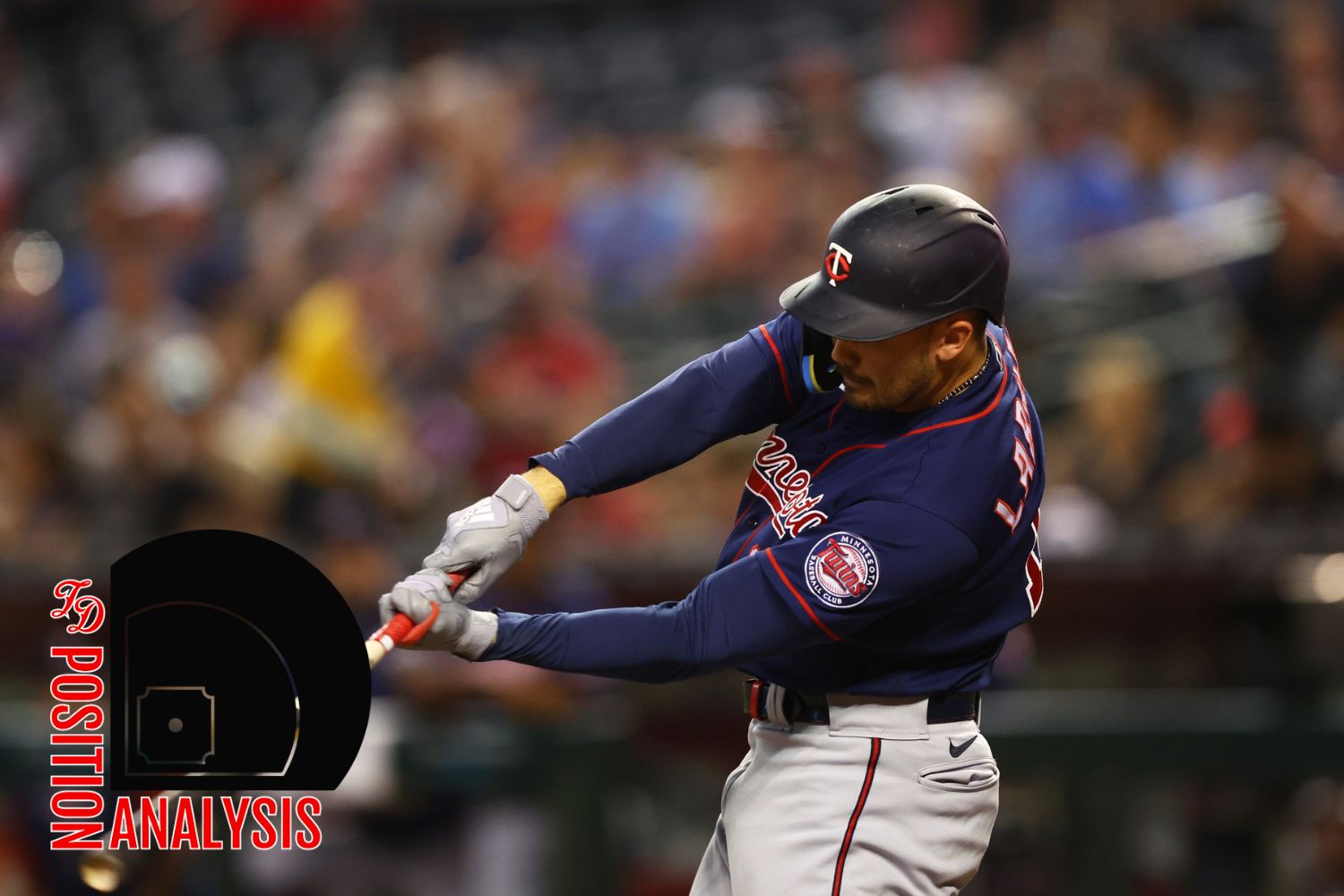 Projected Starter: Trevor Larnach Likely Backup: Donovan Solano Depth: Nick Gordon, José Miranda, Byron Buxton Prospects: Edouard Julien, Aaron Sabato THE GOOD As the Twins' roster began to crystallize in late January, I presented a question with no obvious answer: who starts on Opening Day at DH? Granted, that's only one game, but the decision hints at a larger question about Rocco Baldelli's generally preferred option versus right-handed pitchers in the absence of Luis Arraez. The best answer I could come up with at the time was Larnach (if on the roster). He was a proven major-league bat and 26-year-old with no path to starting at any position on the field. He still kind of seems like the top candidate, thus his tentative listing as the projected "starter," but much has changed since then. For one thing, Alex Kirilloff's status for the start of the season has grown more uncertain, if not doubtful. No Kirilloff at first base probably means Joey Gallo is spending a lot of time there against righties. That could open left field for Larnach, although he's still got to vie with Gordon and Michael A. Taylor. The other development is Solano's signing at the outset of spring training. He's a 35-year-old known for his bat, and he mostly split time between first base and DH last year. Donnie Barrels is a natural fit for the job, and it wouldn't surprise me if he was the closest thing to a regular, should things go swimmingly elsewhere on the roster. To some extent, talking about best fits and ideal options for the Twins at DH feels pointless. The reality is that the starter in the lineup will be dictated by the day and its circumstances. With the club signaling a very conservative and measured approach under new head trainer Nick Paparesta, it stands to reason we'll see plenty of Buxton, Carlos Correa and Jorge Polanco at designated hitter, even if if they're relatively healthy. Miranda might have been in line for a large share of starts here before spring shoulder issues set back his throwing. Ironically, the healthier the Twins roster is, the MORE I would expect to see veteran mainstays appearing at DH. The front office didn't trade for Kyle Farmer and Taylor – both everyday players over the past couple years – to have them sit on the bench. Baldelli would be thrilled to take advantage of the DH spot by getting his best players off their feet routinely while keeping the top of his lineup intact and his defense sound. That's Plan A. We've learned better than to count on Plan A. Once the Twins start inevitably delving into their depth, we start to see the potential downside at this position. THE BAD The bar for offense at designated hitter is high, as you might expect given the title. Placing a mediocre bat there is an easy path to competitive disadvantage. That was never much of a concern when the Twins were trotting out Arraez or Nelson Cruz regularly, and it won't be a concern if they're rotating their best hitters most days as a matter of maintenance. If those guys are unavailable, or playing in the field? Suddenly we're short on clear-cut premium bats. None of Solano, Larnach or Gordon are safe bets to be above-average hitters, much less Taylor or Farmer. That said, the balance of this bench does offer plenty of opportunity for platooning and optimization. THE BOTTOM LINE In 2022, the first post-Cruz season, Minnesota saw 10 different players make starts at designated hitter, and no one made more than 34. I would expect a similar distribution this year. If there's a dark horse candidate to lead the team in DH starts, it's Julien. His bat is way ahead of his glove at this point, but will be difficult to keep down in Triple-A should he keep raking the way he has at every single stop lately. The lurking presence of Julien, along with a current stable of rotating quality bats that can provide a platoon advantage almost daily, should ensure DH is at least a moderate strength for the Twins. Catch Up On Our Position Preview Series: Position Analysis: Catcher Position Analysis: First Base Position Analysis: Second Base Position Analysis: Third Base Position Analysis: Shortstop Position Analysis: Left Field Position Analysis: Center Field Position Analysis: Right Field
- 21 comments
-
- 5
-

-
- trevor larnach
- donovan solano
- (and 1 more)
-
We're approaching the 10-day countdown to the season opener and things are not trending well in a variety of critical areas. Image courtesy of Bruce Kluckhohn-USA TODAY Sports Let's start with the good news: Byron Buxton seems to be healthy and on track for the start of the season. Even though he has yet to play in a major-league spring training game, the club's conservative approach to ramping him up seems like it's going according to plan. He's getting enough action on the side fields and in minor-league games to sharpen his skills and find his timing, while the Twins are mostly keeping his workload light until the meaningful action begins. So that's good. Elsewhere, the recent news has been less encouraging. We'll start with Jorge Polanco, who's been handled in a similar fashion to Buxton this spring despite much vaguer circumstances. We know Buxton was bothered by a knee issue throughout the 2022 season, and underwent surgery to address it in the offseason. Even beyond that, it makes sense to limit exposure for a player who so frequently gets hurt while on the field, and who doesn't seem to need much traditional preparation to find his groove. Polanco, on the other hand, is a much more perplexing situation. We know he suffered a knee injury last August and that it was deemed relatively minor at the time. He repeatedly tried to return to the field but couldn't make it back before the end of the campaign. Polanco reportedly spent much of his offseason rehabbing the knee, but there's never been a sense this spring that he was physically right. Unfortunately, that's now been confirmed. On Sunday, Derek Falvey finally acknowledged to reporters that Polanco is doubtful for Opening Day. "He hasn’t been able to do all the leg activities and all the legwork and all the running and all the strength and conditioning stuff that everybody would at this stage, so some of it’s just responding to where he is from a timing standpoint," Falvey said. "Obviously, the calendar plays a role now as we get closer and closer to Opening Day." While it's entirely possible the Twins were trying to do the right thing all along here – they might have genuinely thought Polanco was in a decent place at the start of camp, and that a slow ramp-up would get him to where he needed to be – and it simply hasn't played out as hoped. But with the way things went last year, this is definitely a foreboding development that will make it difficult for fans to trust what they're hearing from the team when it comes to updating on their myriad health concerns. Polanco is among three of the four projected starting infielders for the Twins this year who've yet to play an official spring inning at their position. José Miranda has been limited by shoulder soreness which has prevented him from getting much-needed reps at third base, although he does seem (hopefully) close to turning a corner. Meanwhile Alex Kirilloff's status remains in doubt as he works back from a second wrist surgery. Just days earlier, Falvey had characterized Kirilloff as – between Buxton, Polanco, and himself – "probably the one that’s a little bit behind our schedule." Now he's flip-flopped the latter two. From the current view, it's difficult to read this as anything other than: we should not expect AK or Polo to be ready for the start of the season. On the bright side, Kirilloff did seem to take an important step forward this past week. In a minor-league game on Saturday, he played four innings defensively at first base, and went 0-for-2 at the plate. Getting action in a real game, even on the minors side, is a key milestone for the 25-year-old and theoretically gives him at least a shot at being ready for Opening Day. I wouldn't bet on it though. Ironically, Kirilloff was involved with another injury scare on Sunday. While facing Jhoan Durán, he smashed a line drive back up the middle that hit the top reliever in the leg. Ted Schwerzler, observing the action in Fort Myers, tweeted that Durán was "walking gingerly" before departing the field on his own power and riding a golf cart back to the complex. Hopefully nothing to worry about. These things happen, and typically don't amount to much more than a bruise. (That thankfully appears to be the case here.) But for Kirilloff, of all people, to accidentally peg Durán, whose ability to stay healthy for all of 2022 was one of the season's most pleasant surprises, is a cosmic twist of cruel irony. Speaking of which, the injury news didn't stop there on Sunday (bloody Sunday). Max Kepler exited the Twins' exhibition game against Atlanta with "left hip tightness." If that sounds familiar, the outfielder also dealt with hip issues during an injury-riddled conclusion to last year. Very possibly this is all much ado about nothing (or little). Opening Day is still a week-and-a-half away, and it would be drastic to assume the worst with any of these developing scenarios, let alone more unsubstantiated anxieties like Tyler Mahle's velocity or Kenta Maeda's spring results. At the same time, can Twins fans be blamed for doing just that? More good news would be eagerly welcomed. View full article
- 96 replies
-
- 3
-

-
-
- jorge polanco
- alex kirilloff
- (and 2 more)
-
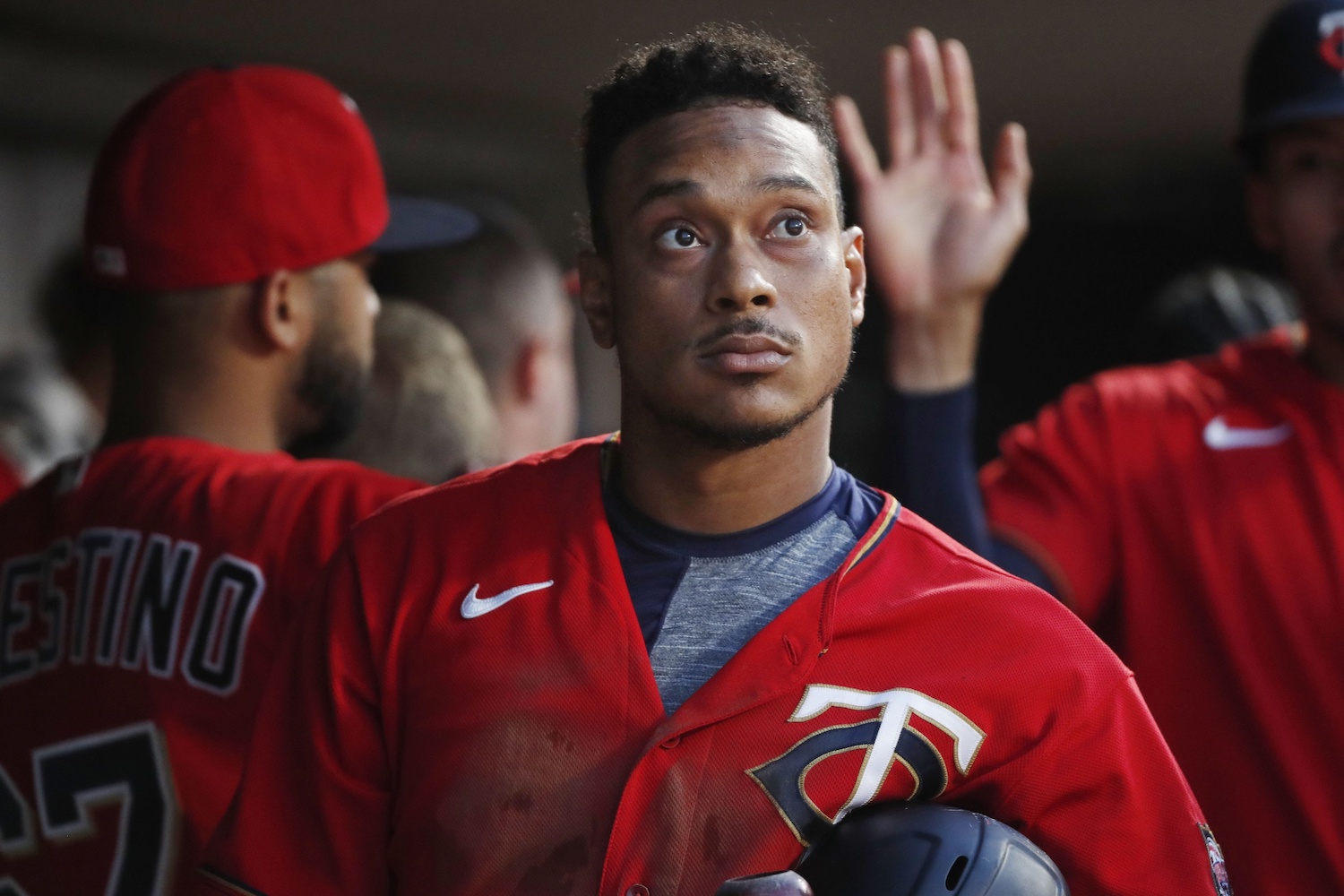 Let's start with the good news: Byron Buxton seems to be healthy and on track for the start of the season. Even though he has yet to play in a major-league spring training game, the club's conservative approach to ramping him up seems like it's going according to plan. He's getting enough action on the side fields and in minor-league games to sharpen his skills and find his timing, while the Twins are mostly keeping his workload light until the meaningful action begins. So that's good. Elsewhere, the recent news has been less encouraging. We'll start with Jorge Polanco, who's been handled in a similar fashion to Buxton this spring despite much vaguer circumstances. We know Buxton was bothered by a knee issue throughout the 2022 season, and underwent surgery to address it in the offseason. Even beyond that, it makes sense to limit exposure for a player who so frequently gets hurt while on the field, and who doesn't seem to need much traditional preparation to find his groove. Polanco, on the other hand, is a much more perplexing situation. We know he suffered a knee injury last August and that it was deemed relatively minor at the time. He repeatedly tried to return to the field but couldn't make it back before the end of the campaign. Polanco reportedly spent much of his offseason rehabbing the knee, but there's never been a sense this spring that he was physically right. Unfortunately, that's now been confirmed. On Sunday, Derek Falvey finally acknowledged to reporters that Polanco is doubtful for Opening Day. "He hasn’t been able to do all the leg activities and all the legwork and all the running and all the strength and conditioning stuff that everybody would at this stage, so some of it’s just responding to where he is from a timing standpoint," Falvey said. "Obviously, the calendar plays a role now as we get closer and closer to Opening Day." While it's entirely possible the Twins were trying to do the right thing all along here – they might have genuinely thought Polanco was in a decent place at the start of camp, and that a slow ramp-up would get him to where he needed to be – and it simply hasn't played out as hoped. But with the way things went last year, this is definitely a foreboding development that will make it difficult for fans to trust what they're hearing from the team when it comes to updating on their myriad health concerns. Polanco is among three of the four projected starting infielders for the Twins this year who've yet to play an official spring inning at their position. José Miranda has been limited by shoulder soreness which has prevented him from getting much-needed reps at third base, although he does seem (hopefully) close to turning a corner. Meanwhile Alex Kirilloff's status remains in doubt as he works back from a second wrist surgery. Just days earlier, Falvey had characterized Kirilloff as – between Buxton, Polanco, and himself – "probably the one that’s a little bit behind our schedule." Now he's flip-flopped the latter two. From the current view, it's difficult to read this as anything other than: we should not expect AK or Polo to be ready for the start of the season. On the bright side, Kirilloff did seem to take an important step forward this past week. In a minor-league game on Saturday, he played four innings defensively at first base, and went 0-for-2 at the plate. Getting action in a real game, even on the minors side, is a key milestone for the 25-year-old and theoretically gives him at least a shot at being ready for Opening Day. I wouldn't bet on it though. Ironically, Kirilloff was involved with another injury scare on Sunday. While facing Jhoan Durán, he smashed a line drive back up the middle that hit the top reliever in the leg. Ted Schwerzler, observing the action in Fort Myers, tweeted that Durán was "walking gingerly" before departing the field on his own power and riding a golf cart back to the complex. Hopefully nothing to worry about. These things happen, and typically don't amount to much more than a bruise. (That thankfully appears to be the case here.) But for Kirilloff, of all people, to accidentally peg Durán, whose ability to stay healthy for all of 2022 was one of the season's most pleasant surprises, is a cosmic twist of cruel irony. Speaking of which, the injury news didn't stop there on Sunday (bloody Sunday). Max Kepler exited the Twins' exhibition game against Atlanta with "left hip tightness." If that sounds familiar, the outfielder also dealt with hip issues during an injury-riddled conclusion to last year. Very possibly this is all much ado about nothing (or little). Opening Day is still a week-and-a-half away, and it would be drastic to assume the worst with any of these developing scenarios, let alone more unsubstantiated anxieties like Tyler Mahle's velocity or Kenta Maeda's spring results. At the same time, can Twins fans be blamed for doing just that? More good news would be eagerly welcomed.
- 96 comments
-
- 4
-
-
- jorge polanco
- alex kirilloff
- (and 2 more)
-
Twins 2023 Position Analysis: Right Field
Nick Nelson replied to Nick Nelson's topic in Twins Daily Front Page News
I presume they would exercise the option and try to trade him again. (Assuming other corner OF options don't flame out.) Probably with a much more receptive market.- 22 replies
-
- 4
-
-
- max kepler
- matt wallner
- (and 1 more)
-
Defying expectations, Max Kepler is back. It appears he'll be Minnesota's Opening Day starter in right field for a seventh consecutive season. Will this be his Target Field swan song, or his triumphant reawakening? Image courtesy of Nathan Ray Seebeck-USA TODAY Sports Projected Starter: Max Kepler Likely Backup: Joey Gallo Depth: Michael A. Taylor, Trevor Larnach, Kyle Garlick Prospects: Matt Wallner, Jose Rodriguez, Kala'i Rosario THE GOOD Even during a 2022 season that rated as the worst of his career, and had him somberly reflecting on whether he picked the right sport, Kepler's underlying skill and baseball prowess were easy to see. As usual, he roamed right field with excellence, ranging all over to track down fly balls and line drives most peers cannot reach. The standard for RF, at the bottom end of the defensive spectrum, gives Kepler a big advantage as a stellar athlete with a glove that could play in center. He ranked fifth among MLB right fielders in Defensive Runs Saved with 10, and was in the 97th percentile for Outs Above Average. FanGraphs pegged him as the second-most valuable defender at the position, behind Arizona's Daulton Varsho. Kepler's fielding is verifiably elite. His bat has of course been a different story, but you wouldn't know it from looking at the raw batted ball metrics. Kepler's Statcast sliders are a sea of red, indicating high-end rankings on measurements like exit velocity, expected batting average, chase rate, and beyond. Kepler has a very good plate approach and he routinely makes quality contact. Yet, this all manifested last year in a .227/.318/.348 slash line, which – even in a depressed offensive environment – compared quite poorly against the average AL right fielder (244/.310/.407). Analysis shows that to a large degree, Kepler creates his own bad luck with a hitting profile so predictable that opposing pitchers and defenses have learned to expertly suppress it. That said, last year his level of bad luck was off the charts. The outfielder's fortunes seem naturally likely to rebound, and the new shift limitations figure to further aid his improvement. This dynamic gave the Twins hope that another team might fancy Kepler as a buy-low candidate worth ponying up for. Alas, they didn't get an offer that moved them, so the front office held on, and will hope to cash in on their own bounce-back threat, whose return alongside the Gallo signing creates an abundant level of corner outfield depth. Taking Kepler's history here out of the equation, I think that if the Twins were to trade for a player sharing Kepler's attributes – an underperforming great athlete in his prime with one more year under contract followed by team options – most fans would see it as a smart gamble. THE BAD Among the top five players we have listed on the RF depth chart atop this article, here are their final OPS+ figures from the 2022 season: Kepler: 93 Gallo: 79 Taylor: 90 Larnach: 104 Garlick: 104 Only two modestly above-average hitters in the bunch, and they both missed most of the season due to injury. As helpful as Kepler's glove is in the outfield, his lack of offense has made him a limiting factor in the lineup. The same could potentially be true of Gallo or Taylor if they're pushed into duty. With so many questions elsewhere, the Twins could really use a steady and reliable producer at this bat-driven position. Since Kepler's career year in 2019, the Twins have been below-average in wOBA from right fielders every year, ranking 23rd in both of the past two. If Kepler can't snap that trend, the team is now in a realistic position to move on. If and when that time comes, Gallo or Taylor or Larnach might not be next in line. Wallner is their reigning Minor League Player of the Year and he got a taste of the majors last September. With decent outfield range and maybe the best arm in the system, Wallner is built for right field. Bringing lots of strikeouts and lots of power, the organization's No. 11 prospect contrasts sharply from Kepler stylistically, but it's not hard to envision him offering equal value (at a small fraction of the cost) as soon as this year. That is: if Wallner can break the mold of K-prone sluggers who mash in the minors but struggle to break through in the majors. The 25-year-old's development this season will have a decisive influence on the plan for this position going forward. THE BOTTOM LINE A changing of the guard is afoot in right field for the Twins. Kepler is one of their longest-tenured players, but the nearing end of this player-team relationship feels apparent from a number of different perspectives. He's entering his final guaranteed year under contract, was openly the subject of trade rumors all winter, and is now being pressed by several up-and-coming prospects as his game stagnates. For the time being, Kepler's still here. Though down and out, he's a skilled and athletic player coming off the unluckiest season of his career, with a few things due to finally break in his favor. If he doesn't turn it around, the Twins have a wealth of other current and future options. If he does, it could introduce create an interesting set of decisions for the front office. For as long as he's been around, Kepler is still only 30 and he has a 2024 team option for $10 million. Catch Up On Our Position Preview Series: Position Analysis: Catcher Position Analysis: First Base Position Analysis: Second Base Position Analysis: Third Base Position Analysis: Shortstop Position Analysis: Left Field Position Analysis: Center Field View full article
-
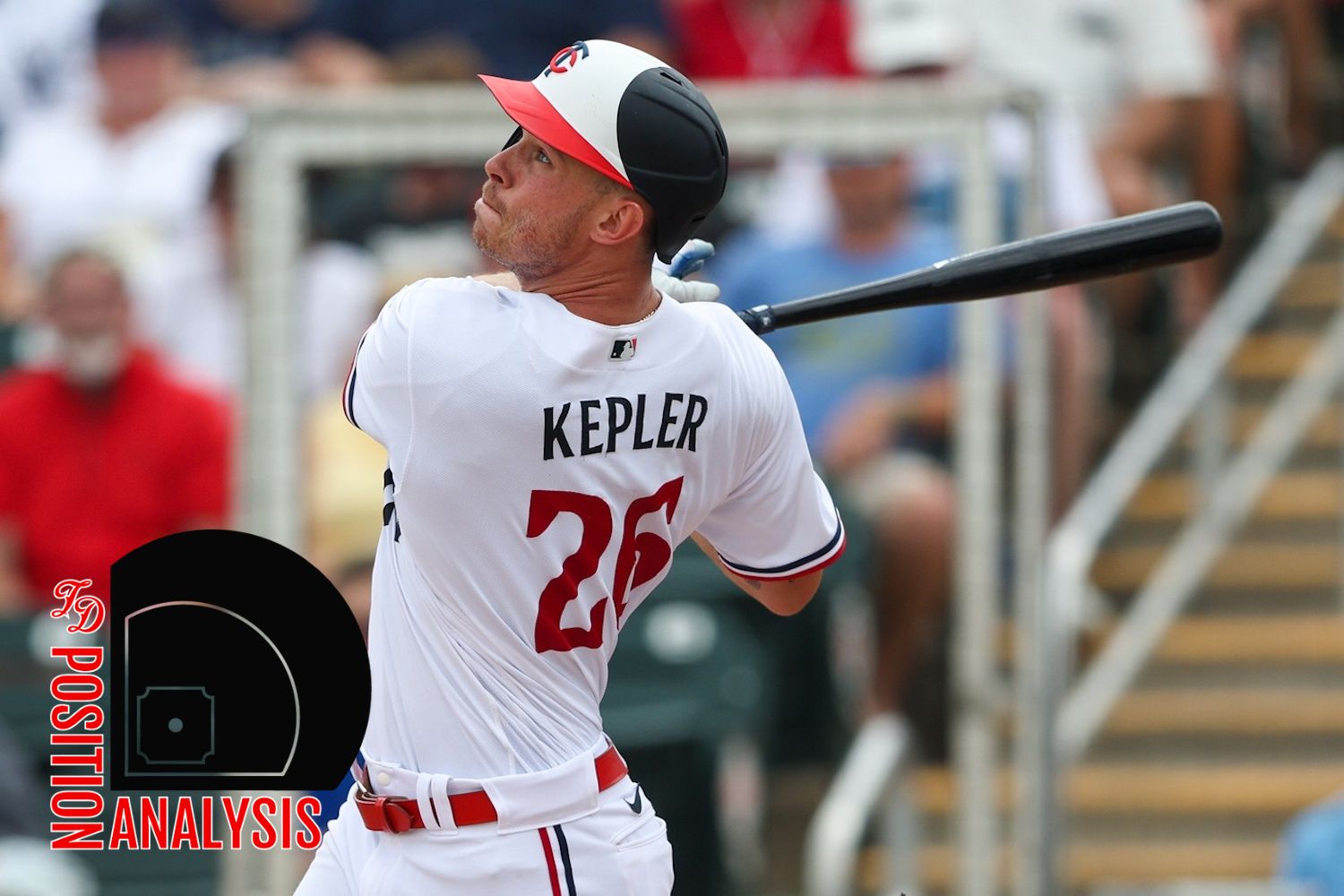 Projected Starter: Max Kepler Likely Backup: Joey Gallo Depth: Michael A. Taylor, Trevor Larnach, Kyle Garlick Prospects: Matt Wallner, Jose Rodriguez, Kala'i Rosario THE GOOD Even during a 2022 season that rated as the worst of his career, and had him somberly reflecting on whether he picked the right sport, Kepler's underlying skill and baseball prowess were easy to see. As usual, he roamed right field with excellence, ranging all over to track down fly balls and line drives most peers cannot reach. The standard for RF, at the bottom end of the defensive spectrum, gives Kepler a big advantage as a stellar athlete with a glove that could play in center. He ranked fifth among MLB right fielders in Defensive Runs Saved with 10, and was in the 97th percentile for Outs Above Average. FanGraphs pegged him as the second-most valuable defender at the position, behind Arizona's Daulton Varsho. Kepler's fielding is verifiably elite. His bat has of course been a different story, but you wouldn't know it from looking at the raw batted ball metrics. Kepler's Statcast sliders are a sea of red, indicating high-end rankings on measurements like exit velocity, expected batting average, chase rate, and beyond. Kepler has a very good plate approach and he routinely makes quality contact. Yet, this all manifested last year in a .227/.318/.348 slash line, which – even in a depressed offensive environment – compared quite poorly against the average AL right fielder (244/.310/.407). Analysis shows that to a large degree, Kepler creates his own bad luck with a hitting profile so predictable that opposing pitchers and defenses have learned to expertly suppress it. That said, last year his level of bad luck was off the charts. The outfielder's fortunes seem naturally likely to rebound, and the new shift limitations figure to further aid his improvement. This dynamic gave the Twins hope that another team might fancy Kepler as a buy-low candidate worth ponying up for. Alas, they didn't get an offer that moved them, so the front office held on, and will hope to cash in on their own bounce-back threat, whose return alongside the Gallo signing creates an abundant level of corner outfield depth. Taking Kepler's history here out of the equation, I think that if the Twins were to trade for a player sharing Kepler's attributes – an underperforming great athlete in his prime with one more year under contract followed by team options – most fans would see it as a smart gamble. THE BAD Among the top five players we have listed on the RF depth chart atop this article, here are their final OPS+ figures from the 2022 season: Kepler: 93 Gallo: 79 Taylor: 90 Larnach: 104 Garlick: 104 Only two modestly above-average hitters in the bunch, and they both missed most of the season due to injury. As helpful as Kepler's glove is in the outfield, his lack of offense has made him a limiting factor in the lineup. The same could potentially be true of Gallo or Taylor if they're pushed into duty. With so many questions elsewhere, the Twins could really use a steady and reliable producer at this bat-driven position. Since Kepler's career year in 2019, the Twins have been below-average in wOBA from right fielders every year, ranking 23rd in both of the past two. If Kepler can't snap that trend, the team is now in a realistic position to move on. If and when that time comes, Gallo or Taylor or Larnach might not be next in line. Wallner is their reigning Minor League Player of the Year and he got a taste of the majors last September. With decent outfield range and maybe the best arm in the system, Wallner is built for right field. Bringing lots of strikeouts and lots of power, the organization's No. 11 prospect contrasts sharply from Kepler stylistically, but it's not hard to envision him offering equal value (at a small fraction of the cost) as soon as this year. That is: if Wallner can break the mold of K-prone sluggers who mash in the minors but struggle to break through in the majors. The 25-year-old's development this season will have a decisive influence on the plan for this position going forward. THE BOTTOM LINE A changing of the guard is afoot in right field for the Twins. Kepler is one of their longest-tenured players, but the nearing end of this player-team relationship feels apparent from a number of different perspectives. He's entering his final guaranteed year under contract, was openly the subject of trade rumors all winter, and is now being pressed by several up-and-coming prospects as his game stagnates. For the time being, Kepler's still here. Though down and out, he's a skilled and athletic player coming off the unluckiest season of his career, with a few things due to finally break in his favor. If he doesn't turn it around, the Twins have a wealth of other current and future options. If he does, it could introduce create an interesting set of decisions for the front office. For as long as he's been around, Kepler is still only 30 and he has a 2024 team option for $10 million. Catch Up On Our Position Preview Series: Position Analysis: Catcher Position Analysis: First Base Position Analysis: Second Base Position Analysis: Third Base Position Analysis: Shortstop Position Analysis: Left Field Position Analysis: Center Field
- 22 comments
-
- 7
-
-
- max kepler
- matt wallner
- (and 1 more)
-
Twins 2023 Position Analysis: Center Field
Nick Nelson replied to Nick Nelson's topic in Twins Daily Front Page News
When Buxton doesn't play, it's not his decision. I can tell you that much confidently. Dude would go out and play with broken bones. (And has.)- 32 replies
-
- 6
-
-
- byron buxton
- michael a taylor
- (and 1 more)
-
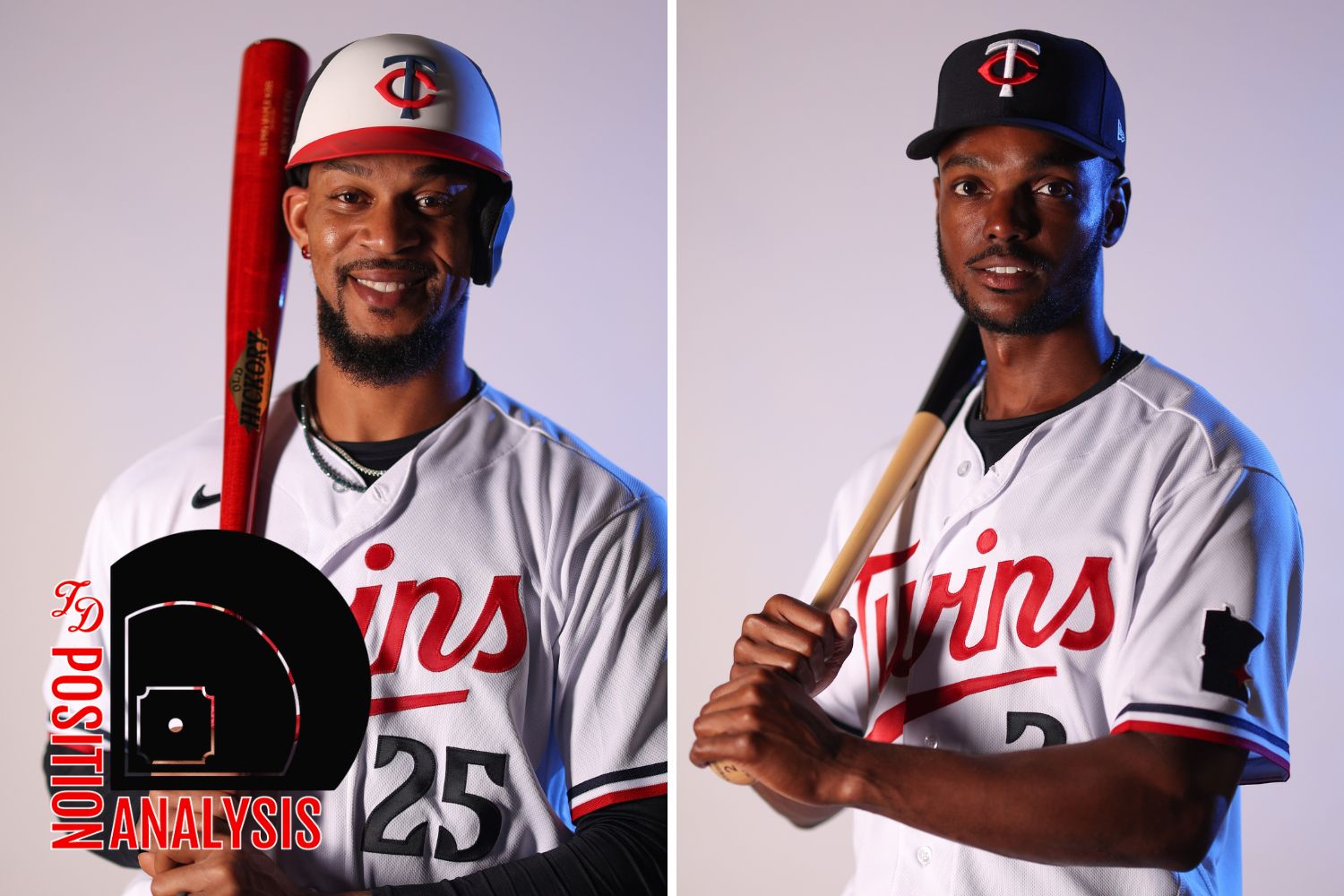 Projected Starter: Byron Buxton Likely Backup: Michael A. Taylor Depth: Joey Gallo, Nick Gordon, Gilberto Celestino Prospects: Royce Lewis, Emmanuel Rodriguez, Yasser Mercedes, THE GOOD Since 2019, Buxton ranks sixth among all MLB center fielders in fWAR, which is pretty amazing considering that he's played in roughly half of his team's games (51%) during that span. Even at half-capacity, Buxton is among the most valuable handful of players in baseball at a crucial defensive position. Minnesota's utmost priority is finding a way to keep Buck on the field as much as possible, and they know that. New head trainer Nick Paparesta came aboard this past offseason knowing it would be his primary directive. The Twins are taking it slow this spring with Buxton, who has yet to appear in an exhibition game and may see very little action on-field until Opening Day despite being ostensibly healthy. The Twins know how much Buxton means to their lineup. And while his bat is a game-changer, they also know that a big portion of his peak value derives from top-tier defense in center field. Even if he's lost a touch of speed and (tried to) cut back on hazardous risk-taking, Buxton remains one of the rangiest and overall outstanding defenders in the game when he's out there. He takes away runs. Lots of them. Add that to all of the runs he's creating with his elite power and you've got the recipe for one of the most impactful players in baseball. The Twins need to balance keeping him on the field as much as possible with adequately protecting his body and maximizing his chances of helping the team all season. This might mean adopting a usage model with built-in days for DH and rest. It's a luxury the club can more easily afford thanks to one of their most underrated offseason moves: the acquisition of Taylor from Kansas City. Taylor is the closest thing you'll find to Buxton's equal defensively in center. He's a lightning-quick playmaker with great instincts and a big arm. Another human highlight reel covering the vastest expanse of the baseball field. As Nash Walker pointed out, Taylor leads all MLB outfielders in Defensive Runs Saved since the 2020 season. Buxton ranks third on that list. Sandwiched between them? Gallo, whom the Twins also insist they're factoring in as CF depth even though he's played just one game there since 2019. Between those three, the Twins can be fairly confident they're fielding a great glove in center almost every night, setting the tone for what could be the best defensive outfield in the majors. This experienced and proven depth will hopefully prevent the Twins from needing to press players like Gordon and Celestino, who combined to make 98 starts in center field last year, beyond their means. Those two are now padding a robust depth chart, further bolstered by prospects like Lewis and Austin Martin who might eventually profile best in center. THE BAD The looming downside in center field, as it ever was: Byron Buxton's likelihood of missing significant time. Last year seemed to hammer home the inevitability of attrition for Buxton, who managed to make his first All-Star team while leading the team to a strong start before, once again, succumbing to multiple injuries that kept him off the field in September. Is the knee issue that plagued his 2022 season behind him? For that matter, can we count on his right hip to hold up after sustaining serious strains in back-to-back years? Outside of those carryover concerns ... Is there any feasible preventative measure that can stymy the crimson tide of injuries relentlessly keeping Buxton off the field? These are the questions no one likes to ask, and Byron certainly doesn't like to answer. Unfortunately, they overwhelmingly control the team's fate. That's always going to be true. No one else can replicate or replace what a semi-healthy Buxton brings to the table. What the Twins did do this offseason is work to ensure the table won't be bare without him present. THE BOTTOM LINE Last year, when analyzing the center field position for the Twins ahead of the season, I concluded: "Their immediate depth behind Buxton is questionable, which is quite troubling all things considered." Questionable was being kind. Buxton ended up missing a ton of time – unfortunate but not unexpected – and the ill-prepared Twins were forced to give more than two-thirds of their center field starts to: Celestino, Gordon, Mark Contreras, Jake Cave, and one sadly unforgettable appearance from Lewis. This has been a continuing trend for the Twins over the years, and a costly one. All the way back in spring training of 2017, while covering camp in Fort Myers, I wrote an article underlining the urgency of strong contingency plans for Buxton. Even then, when he was 23 and less than two years into his career, the writing was on the wall. He was never going to dial back the aggressive style that helps make him special. "I can’t really be worrying about getting hurt out here," Buxton told me. "I'm focused on being myself between those lines instead of trying to be somebody I'm not." His top backup that season was Zack Granite. In many years since, we've seen plenty of other flawed stopgaps in center, but never a player truly capable of substantially lessening Buxton's void. At long last, the front office seems to have learned its lesson. Buxton's top backup is now a defensive whiz who's started 262 MLB games in center field over the past two seasons, and won a Gold Glove there in 2021. (That's in addition to Gallo, Gordon, Celestino, and the multitude of CF-capable prospects at all levels of the system.) Michael A. Taylor is a joy to behold in center. Here's hoping we see very little of him there in 2023. Catch Up On Our Position Preview Series: Position Analysis: Catcher Position Analysis: First Base Position Analysis: Second Base Position Analysis: Third Base Position Analysis: Shortstop Position Analysis: Left Field
- 32 comments
-
- 8
-
-
- byron buxton
- michael a taylor
- (and 1 more)
-
Twins 2023 Position Analysis: Center Field
Nick Nelson posted a topic in Twins Daily Front Page News
Will this be the year Byron Buxton shakes off his perpetual injury woes and puts forth something approximating a full season? He and the Twins can hope. In the meantime, the front office knew they needed to be proactive in planning for another year full of lengthy absences. They went above and beyond. Image courtesy of Nathan Ray Seebeck-USA TODAY Sports Projected Starter: Byron Buxton Likely Backup: Michael A. Taylor Depth: Joey Gallo, Nick Gordon, Gilberto Celestino Prospects: Royce Lewis, Emmanuel Rodriguez, Yasser Mercedes, THE GOOD Since 2019, Buxton ranks sixth among all MLB center fielders in fWAR, which is pretty amazing considering that he's played in roughly half of his team's games (51%) during that span. Even at half-capacity, Buxton is among the most valuable handful of players in baseball at a crucial defensive position. Minnesota's utmost priority is finding a way to keep Buck on the field as much as possible, and they know that. New head trainer Nick Paparesta came aboard this past offseason knowing it would be his primary directive. The Twins are taking it slow this spring with Buxton, who has yet to appear in an exhibition game and may see very little action on-field until Opening Day despite being ostensibly healthy. The Twins know how much Buxton means to their lineup. And while his bat is a game-changer, they also know that a big portion of his peak value derives from top-tier defense in center field. Even if he's lost a touch of speed and (tried to) cut back on hazardous risk-taking, Buxton remains one of the rangiest and overall outstanding defenders in the game when he's out there. He takes away runs. Lots of them. Add that to all of the runs he's creating with his elite power and you've got the recipe for one of the most impactful players in baseball. The Twins need to balance keeping him on the field as much as possible with adequately protecting his body and maximizing his chances of helping the team all season. This might mean adopting a usage model with built-in days for DH and rest. It's a luxury the club can more easily afford thanks to one of their most underrated offseason moves: the acquisition of Taylor from Kansas City. Taylor is the closest thing you'll find to Buxton's equal defensively in center. He's a lightning-quick playmaker with great instincts and a big arm. Another human highlight reel covering the vastest expanse of the baseball field. As Nash Walker pointed out, Taylor leads all MLB outfielders in Defensive Runs Saved since the 2020 season. Buxton ranks third on that list. Sandwiched between them? Gallo, whom the Twins also insist they're factoring in as CF depth even though he's played just one game there since 2019. Between those three, the Twins can be fairly confident they're fielding a great glove in center almost every night, setting the tone for what could be the best defensive outfield in the majors. This experienced and proven depth will hopefully prevent the Twins from needing to press players like Gordon and Celestino, who combined to make 98 starts in center field last year, beyond their means. Those two are now padding a robust depth chart, further bolstered by prospects like Lewis and Austin Martin who might eventually profile best in center. THE BAD The looming downside in center field, as it ever was: Byron Buxton's likelihood of missing significant time. Last year seemed to hammer home the inevitability of attrition for Buxton, who managed to make his first All-Star team while leading the team to a strong start before, once again, succumbing to multiple injuries that kept him off the field in September. Is the knee issue that plagued his 2022 season behind him? For that matter, can we count on his right hip to hold up after sustaining serious strains in back-to-back years? Outside of those carryover concerns ... Is there any feasible preventative measure that can stymy the crimson tide of injuries relentlessly keeping Buxton off the field? These are the questions no one likes to ask, and Byron certainly doesn't like to answer. Unfortunately, they overwhelmingly control the team's fate. That's always going to be true. No one else can replicate or replace what a semi-healthy Buxton brings to the table. What the Twins did do this offseason is work to ensure the table won't be bare without him present. THE BOTTOM LINE Last year, when analyzing the center field position for the Twins ahead of the season, I concluded: "Their immediate depth behind Buxton is questionable, which is quite troubling all things considered." Questionable was being kind. Buxton ended up missing a ton of time – unfortunate but not unexpected – and the ill-prepared Twins were forced to give more than two-thirds of their center field starts to: Celestino, Gordon, Mark Contreras, Jake Cave, and one sadly unforgettable appearance from Lewis. This has been a continuing trend for the Twins over the years, and a costly one. All the way back in spring training of 2017, while covering camp in Fort Myers, I wrote an article underlining the urgency of strong contingency plans for Buxton. Even then, when he was 23 and less than two years into his career, the writing was on the wall. He was never going to dial back the aggressive style that helps make him special. "I can’t really be worrying about getting hurt out here," Buxton told me. "I'm focused on being myself between those lines instead of trying to be somebody I'm not." His top backup that season was Zack Granite. In many years since, we've seen plenty of other flawed stopgaps in center, but never a player truly capable of substantially lessening Buxton's void. At long last, the front office seems to have learned its lesson. Buxton's top backup is now a defensive whiz who's started 262 MLB games in center field over the past two seasons, and won a Gold Glove there in 2021. (That's in addition to Gallo, Gordon, Celestino, and the multitude of CF-capable prospects at all levels of the system.) Michael A. Taylor is a joy to behold in center. Here's hoping we see very little of him there in 2023. Catch Up On Our Position Preview Series: Position Analysis: Catcher Position Analysis: First Base Position Analysis: Second Base Position Analysis: Third Base Position Analysis: Shortstop Position Analysis: Left Field View full article -
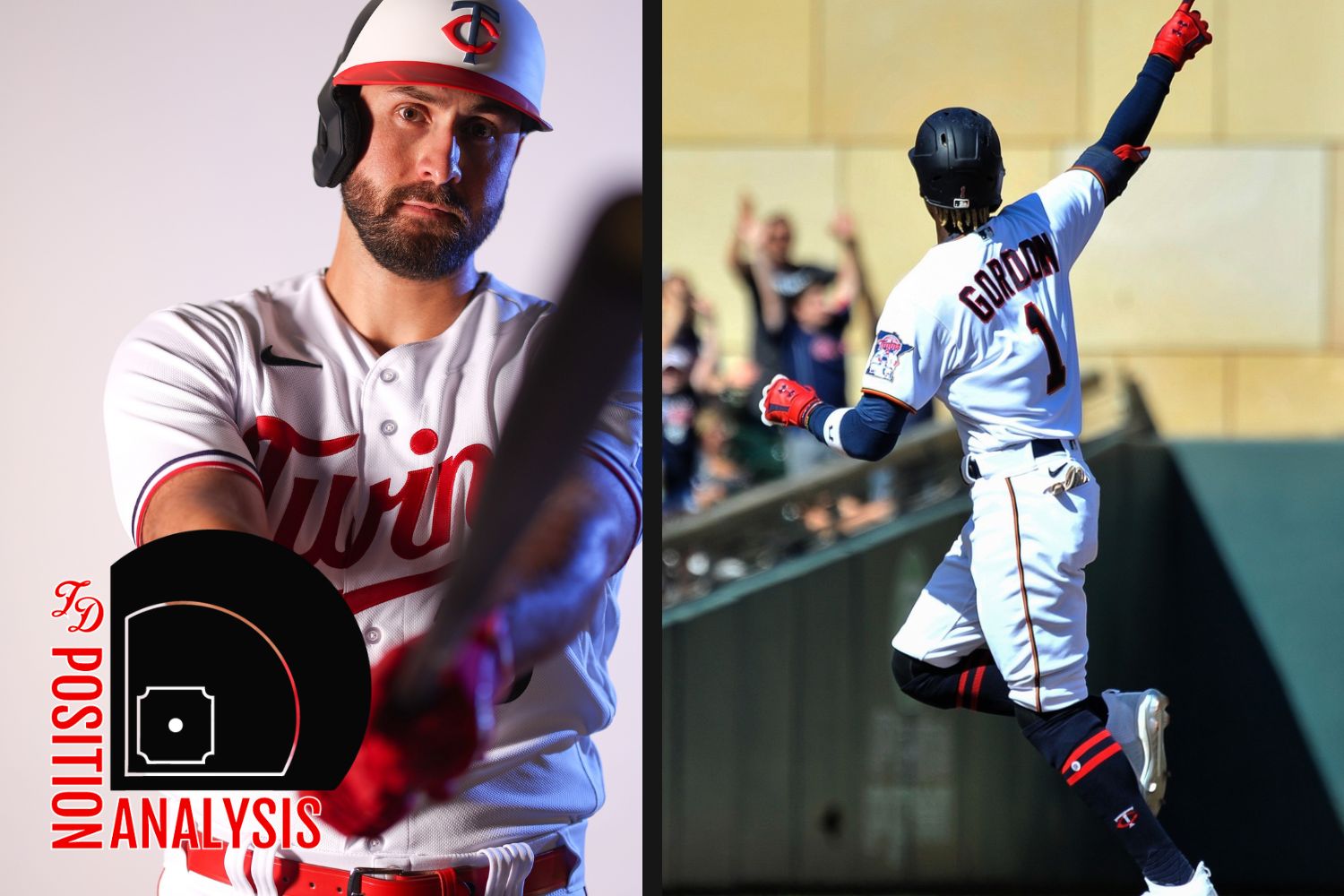 Projected Starter: Joey Gallo Likely Backup: Nick Gordon Depth: Michael A. Taylor, Trevor Larnach, Gilberto Celestino Prospects: Emmanuel Rodriguez, Yasser Mercedes, Misael Urbina THE GOOD In many ways, Gallo presents the ideal corner outfield specimen. He's surprisingly fast for his build, bringing the range of a low-end center fielder to left or right (not unlike Max Kepler). He's got an absolute cannon arm, the mere threat of which helps to limit the opposing run game. Most years, he also brings all the slugging prowess you could ask for in a corner bat. In 2021, Gallo launched 38 homers and led the league in walks on the way to an OPS that was 21% above average – despite batting just .199 and also leading the league in strikeouts. That's always been Gallo's game: boom or bust, personified. His ability to bring plenty of boom made him a fairly consistent asset over a five-year span from 2017 through 2021, notching two All-Star appearances and averaging more than 3 fWAR per season. Gallo is a big, strong dude with a ferocious swing. His exit velocities and hard-hit rates consistently rank near the highest percentiles. With this signing, the Twins are clearly hoping to add a game-breaking factor to their offense that was amiss last year when Byron Buxton wasn't on the field. Even if he's the primary starter in left field, as planned in a best-case scenario, Gallo still figures to spend time at other outfield positions and at first base. This will open up LF at-bats against right-handers for Gordon and Larnach, who both probably profile best at this position. Against left-handers, Taylor brings an elite glove and capable bat. Kyle Garlick is also around, and he's a nice depth piece to have on hand for platooning purposes. Don't sleep on Austin Martin to emerge as an option here at some point if he can get healthy. THE BAD Minnesota's depth at the outfield corners is tough to knock. The front office added Gallo on top of what was already a strength. He brings real upside to the lineup if he's consistently playing in left alongside the likes of Buxton, Alex Kirilloff, and others. A more likely scenario has the defensively flexible Gallo frequently backfilling at other positions, which would allow the Twins to showcase their multitude of quality options in left field. Gordon, Larnach, and Taylor would be clear starters on a lot of teams. So, what's not to like? The concern here, I suppose, is the specter of Minnesota sticking with Gallo too long in the event he simply doesn't have it anymore. His 2022 season points toward such a probability; he batted .160 with a 79 OPS+ and 40% K-rate. The slugger struggled both before and after a midseason trade from Yankees to Dodgers. He was barely a replacement-level player. Gallo and the Twins are both banking on a rebound, which is why the two sides agreed to a one-year, $11 million contract. His contract and MLB track record will rightfully earn him some length of leash, and it can be difficult to gauge how much slumping is TOO much for a guy who batted .199 during an All-Star season two years ago. He's still under 30, entering a refreshing change of scenery in Minnesota, and good players have bounced back from worse. At the same time, for boom-or-bust types like Gallo, starting to fall behind major-league pitchers – even a little bit – is anathema. The appeal of waiting out those extended "bust" periods starts to fade quickly when the "booms" are too far and few between. (Just ask Miguel Sanó, still looking for a job at the same age as Gallo.) There's hope that cutting down his K's slightly and benefiting from the shift could get Gallo's batting average back up into an acceptable range (by his standard). But without an obvious injury to blame for last year's drop-off, and with teams already exploring ways to try and stifle him under the new rules, it's not the most favorable of bets. THE BOTTOM LINE Gordon can play several defensive positions. Left field might be the only one where he's truly an asset. It's also where Larnach's glove profiles best. So long as Kepler remains entrenched in right field, these two – along with Matt Wallner, and a handful of defensively ambiguous prospects nearing readiness – must look to left field as one of their best paths to MLB playing time. (Sans DH, which we'll break down soon.) The Gallo acquisition throws another barrier in the way for this group. But given the uncertainties surrounding most of these players and prospects, it's not a bad gamble. "Too much depth" is a problem the Twins, and any team, would love to have. Should Gallo rebound in left field while guys like Buxton, Kirilloff, and Kepler stay healthy and productive enough to keep him from being needed frequently elsewhere, they may find themselves with that happy problem. What a thought. Nothing wrong with dreaming big, so long as you're responsibly planning real-world contingencies. The Twins have plenty in left field. And as we'll see in then coming days, they have them across the outfield. Catch Up On Our Position Preview Series: Position Analysis: Catcher Position Analysis: First Base Position Analysis: Second Base Position Analysis: Third Base Position Analysis: Shortstop
- 24 comments
-
- 6
-
-
- joey gallo
- nick gordon
- (and 3 more)
-
The Twins acquired Joey Gallo during the offseason, in part, because his defensive versatility could provide some much-needed depth with upside in a variety of injury scenarios. If everyone is healthy (ha!) Gallo is slated to be the regular in left field, where he presents a boom-or-bust proposition. Image courtesy of Nathan Ray Seebeck and Jeffrey Becker, USA Today Sports Projected Starter: Joey Gallo Likely Backup: Nick Gordon Depth: Michael A. Taylor, Trevor Larnach, Gilberto Celestino Prospects: Emmanuel Rodriguez, Yasser Mercedes, Misael Urbina THE GOOD In many ways, Gallo presents the ideal corner outfield specimen. He's surprisingly fast for his build, bringing the range of a low-end center fielder to left or right (not unlike Max Kepler). He's got an absolute cannon arm, the mere threat of which helps to limit the opposing run game. Most years, he also brings all the slugging prowess you could ask for in a corner bat. In 2021, Gallo launched 38 homers and led the league in walks on the way to an OPS that was 21% above average – despite batting just .199 and also leading the league in strikeouts. That's always been Gallo's game: boom or bust, personified. His ability to bring plenty of boom made him a fairly consistent asset over a five-year span from 2017 through 2021, notching two All-Star appearances and averaging more than 3 fWAR per season. Gallo is a big, strong dude with a ferocious swing. His exit velocities and hard-hit rates consistently rank near the highest percentiles. With this signing, the Twins are clearly hoping to add a game-breaking factor to their offense that was amiss last year when Byron Buxton wasn't on the field. Even if he's the primary starter in left field, as planned in a best-case scenario, Gallo still figures to spend time at other outfield positions and at first base. This will open up LF at-bats against right-handers for Gordon and Larnach, who both probably profile best at this position. Against left-handers, Taylor brings an elite glove and capable bat. Kyle Garlick is also around, and he's a nice depth piece to have on hand for platooning purposes. Don't sleep on Austin Martin to emerge as an option here at some point if he can get healthy. THE BAD Minnesota's depth at the outfield corners is tough to knock. The front office added Gallo on top of what was already a strength. He brings real upside to the lineup if he's consistently playing in left alongside the likes of Buxton, Alex Kirilloff, and others. A more likely scenario has the defensively flexible Gallo frequently backfilling at other positions, which would allow the Twins to showcase their multitude of quality options in left field. Gordon, Larnach, and Taylor would be clear starters on a lot of teams. So, what's not to like? The concern here, I suppose, is the specter of Minnesota sticking with Gallo too long in the event he simply doesn't have it anymore. His 2022 season points toward such a probability; he batted .160 with a 79 OPS+ and 40% K-rate. The slugger struggled both before and after a midseason trade from Yankees to Dodgers. He was barely a replacement-level player. Gallo and the Twins are both banking on a rebound, which is why the two sides agreed to a one-year, $11 million contract. His contract and MLB track record will rightfully earn him some length of leash, and it can be difficult to gauge how much slumping is TOO much for a guy who batted .199 during an All-Star season two years ago. He's still under 30, entering a refreshing change of scenery in Minnesota, and good players have bounced back from worse. At the same time, for boom-or-bust types like Gallo, starting to fall behind major-league pitchers – even a little bit – is anathema. The appeal of waiting out those extended "bust" periods starts to fade quickly when the "booms" are too far and few between. (Just ask Miguel Sanó, still looking for a job at the same age as Gallo.) There's hope that cutting down his K's slightly and benefiting from the shift could get Gallo's batting average back up into an acceptable range (by his standard). But without an obvious injury to blame for last year's drop-off, and with teams already exploring ways to try and stifle him under the new rules, it's not the most favorable of bets. THE BOTTOM LINE Gordon can play several defensive positions. Left field might be the only one where he's truly an asset. It's also where Larnach's glove profiles best. So long as Kepler remains entrenched in right field, these two – along with Matt Wallner, and a handful of defensively ambiguous prospects nearing readiness – must look to left field as one of their best paths to MLB playing time. (Sans DH, which we'll break down soon.) The Gallo acquisition throws another barrier in the way for this group. But given the uncertainties surrounding most of these players and prospects, it's not a bad gamble. "Too much depth" is a problem the Twins, and any team, would love to have. Should Gallo rebound in left field while guys like Buxton, Kirilloff, and Kepler stay healthy and productive enough to keep him from being needed frequently elsewhere, they may find themselves with that happy problem. What a thought. Nothing wrong with dreaming big, so long as you're responsibly planning real-world contingencies. The Twins have plenty in left field. And as we'll see in then coming days, they have them across the outfield. Catch Up On Our Position Preview Series: Position Analysis: Catcher Position Analysis: First Base Position Analysis: Second Base Position Analysis: Third Base Position Analysis: Shortstop View full article
-
Two big-market teams stopped short of signing the superstar shortstop during the offseason, so Carlos Correa landed back with the Twins. His unexpected return instantly flips Minnesota back into one of the league's strongest teams at one of the game's most important positions. Image courtesy of Jonah Hinebaugh/Naples Daily News / USA TODAY NETWORK Projected Starter: Carlos Correa Likely Backup: Kyle Farmer Depth: Nick Gordon, Willi Castro Prospects: Brooks Lee, Royce Lewis, Noah Miller THE GOOD Every projected starter in the Twins infield has been saddled with limitations this spring. All of them, that is, except for the guy whose injury concerns cost him $150 million during the offseason. Correa, currently away from the team for the birth of his new baby boy Kenzo, has looked healthy and unhindered in Twins camp. The ankle issue that cratered contract agreements with the Giants and Mets was always considered more of a long-term concern, but nonetheless it's good to see Correa out running around in games after all the hoopla. Even aside from the health thing, whatever weight you want to assign it, we should objectively expect the 2023 season to be the best of any in Correa's new long-term contract – merely because he's as young as he'll ever be. At 28, the shortstop is still in his physical prime, and hasn't shown many signs of slowing down on the field. The Twins would be perfectly content with a repeat of his '22 campaign, in which Correa slashed .291/.366/.467 with 22 homers and was worth 4.4 fWAR. But we know he's got another gear, and saw it truly emerge in the second half, when Correa found his groove and posted an .866 OPS, mixing in many clutch moments that were amiss in the early months. Fast forward to this year: Correa is familiar and comfortable with his new surroundings, settled in for the long haul. If we see the late-season version of C4 from Day 1, he'll be an MVP contender, as he was in 2021. The organizational depth chart behind Correa is quite loaded. I hesitate to call it an embarrassment of riches, but the Twins boast a lot of shortstop talent, and that's a very good place to be. Correa's backup, Farmer, has started more than 200 MLB games at short over the past two seasons. The utilityman Gordon came up as a shortstop, and has played 31 games there for the Twins. Beyond those two, four of the system's top 20 prospects – Lee, Lewis, Austin Martin, Miller – have played shortstop exclusively in the minors. The Twins are obviously hoping Correa sticks at the six-spot for quite a while, but there's no shortage of current or future replacements in the wings. THE BAD There are a few things to note regarding Correa and his future at shortstop. The first is that his defensive metrics dropped off a cliff last year, following a long and very stable run of excellence. It's difficult to know what to make of this, but the stark contrast against all previous seasons is too much to ignore. Even if you think his nosedive in Outs Above Average, Defensive Runs Saved, and other fielding stats last year was noise, there's reason to believe Correa's biggest strength (his arm) could be neutralized by rule changes that prevent infielders from touching the outfield grass. Playing deep was a big part of the cannon-armed shortstop's edge. The other thing to keep in mind is that the Mets were ready to sign Correa as a third baseman and he was ready to accept the assignment. The idea of life at a new position has already been implanted. He's staying at shortstop with the Twins, but it now feels like an ephemeral arrangement. If the ankle starts barking at some point, or last year's defensive stat trend presages things to come, Correa will likely move off short. That eventuality seems implied in the structure of a contract with steeply declining salaries in the latter years. THE BOTTOM LINE The Twins have one of the premier shortstops in the game, and he's locked in for the long haul. There are a few different factors that make it reasonable to wonder just how long Correa will stick at short, despite his being only 28 years old and one season removed from a Platinum Glove, but that eventual scenario doesn't instill much dread at the moment. This is the strongest position in the Twins organization, featuring arguably their best player and inarguably their biggest concentration of top prospects. Not all of those young talents will stick, of course, but several have a real chance. If Correa puts together a season that convinces the Minnesota brass his tenure at shortstop is nowhere near done, those prospects could easily become the club's most valuable trading collateral for buy moves at the deadline. Catch Up On Our Position Preview Series: Position Analysis: Catcher Position Analysis: First Base Position Analysis: Second Base Position Analysis: Third Base View full article
-
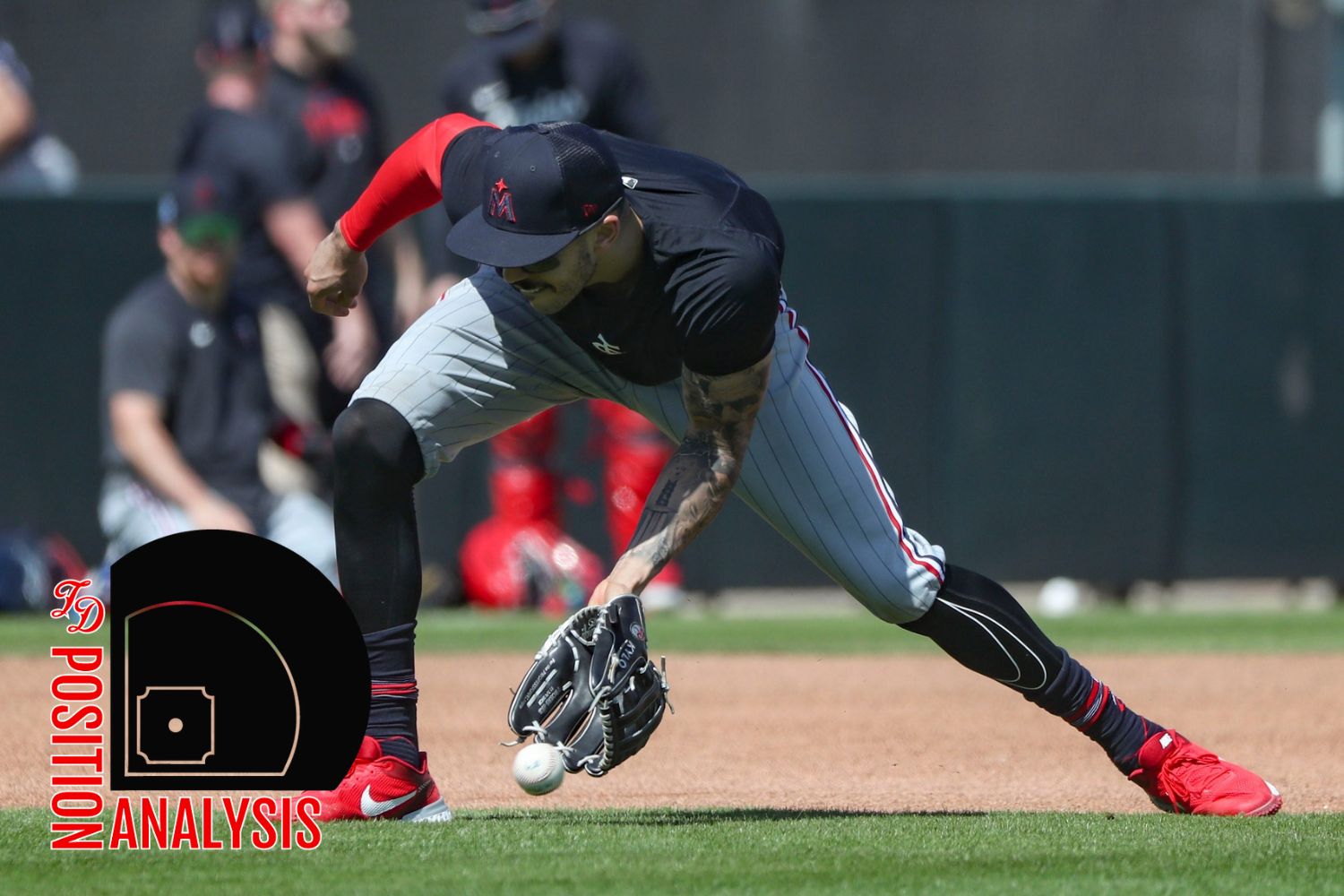 Projected Starter: Carlos Correa Likely Backup: Kyle Farmer Depth: Nick Gordon, Willi Castro Prospects: Brooks Lee, Royce Lewis, Noah Miller THE GOOD Every projected starter in the Twins infield has been saddled with limitations this spring. All of them, that is, except for the guy whose injury concerns cost him $150 million during the offseason. Correa, currently away from the team for the birth of his new baby boy Kenzo, has looked healthy and unhindered in Twins camp. The ankle issue that cratered contract agreements with the Giants and Mets was always considered more of a long-term concern, but nonetheless it's good to see Correa out running around in games after all the hoopla. Even aside from the health thing, whatever weight you want to assign it, we should objectively expect the 2023 season to be the best of any in Correa's new long-term contract – merely because he's as young as he'll ever be. At 28, the shortstop is still in his physical prime, and hasn't shown many signs of slowing down on the field. The Twins would be perfectly content with a repeat of his '22 campaign, in which Correa slashed .291/.366/.467 with 22 homers and was worth 4.4 fWAR. But we know he's got another gear, and saw it truly emerge in the second half, when Correa found his groove and posted an .866 OPS, mixing in many clutch moments that were amiss in the early months. Fast forward to this year: Correa is familiar and comfortable with his new surroundings, settled in for the long haul. If we see the late-season version of C4 from Day 1, he'll be an MVP contender, as he was in 2021. The organizational depth chart behind Correa is quite loaded. I hesitate to call it an embarrassment of riches, but the Twins boast a lot of shortstop talent, and that's a very good place to be. Correa's backup, Farmer, has started more than 200 MLB games at short over the past two seasons. The utilityman Gordon came up as a shortstop, and has played 31 games there for the Twins. Beyond those two, four of the system's top 20 prospects – Lee, Lewis, Austin Martin, Miller – have played shortstop exclusively in the minors. The Twins are obviously hoping Correa sticks at the six-spot for quite a while, but there's no shortage of current or future replacements in the wings. THE BAD There are a few things to note regarding Correa and his future at shortstop. The first is that his defensive metrics dropped off a cliff last year, following a long and very stable run of excellence. It's difficult to know what to make of this, but the stark contrast against all previous seasons is too much to ignore. Even if you think his nosedive in Outs Above Average, Defensive Runs Saved, and other fielding stats last year was noise, there's reason to believe Correa's biggest strength (his arm) could be neutralized by rule changes that prevent infielders from touching the outfield grass. Playing deep was a big part of the cannon-armed shortstop's edge. The other thing to keep in mind is that the Mets were ready to sign Correa as a third baseman and he was ready to accept the assignment. The idea of life at a new position has already been implanted. He's staying at shortstop with the Twins, but it now feels like an ephemeral arrangement. If the ankle starts barking at some point, or last year's defensive stat trend presages things to come, Correa will likely move off short. That eventuality seems implied in the structure of a contract with steeply declining salaries in the latter years. THE BOTTOM LINE The Twins have one of the premier shortstops in the game, and he's locked in for the long haul. There are a few different factors that make it reasonable to wonder just how long Correa will stick at short, despite his being only 28 years old and one season removed from a Platinum Glove, but that eventual scenario doesn't instill much dread at the moment. This is the strongest position in the Twins organization, featuring arguably their best player and inarguably their biggest concentration of top prospects. Not all of those young talents will stick, of course, but several have a real chance. If Correa puts together a season that convinces the Minnesota brass his tenure at shortstop is nowhere near done, those prospects could easily become the club's most valuable trading collateral for buy moves at the deadline. Catch Up On Our Position Preview Series: Position Analysis: Catcher Position Analysis: First Base Position Analysis: Second Base Position Analysis: Third Base
- 13 comments
-
- 7
-
-
- carlos correa
- kyle farmer
- (and 3 more)
-
The third base position has undergone an interesting journey for the Twins of late, from Josh Donaldson to Gio Urshela to José Miranda. Can the latter show enough defensive chops at the hot corner to halt the carousel? Image courtesy of Jeffrey Becker-USA TODAY Sports Projected Starter: José Miranda Likely Backup: Kyle Farmer Depth: Donovan Solano, Willi Castro, Elliot Soto Prospects: Brooks Lee, Jose Salas, Austin Martin, Yunior Severino THE GOOD It already seems safe to say Miranda is either going to be a good hitter or a great hitter. The type of hitting prowess we've seen on display over the past two years doesn't happen by accident. His ability to mix huge pull power with a penchant for going the other way give him a balanced offensive attack that yields consistent results. It's yet to be seen if the run-producing monster we saw in Miranda's scorching June and July as a rookie (.329/.373/.557) was more emblematic of what to expect than his pedestrian August and September (.261/.332/.378) but there's little question the kid is going to carry weight offensively. Defense is another question. Miranda lacks the quickness, agility, and arm strength to be anything resembling a lock to stick at third, as we'll discuss. But he's hardly a lost cause there. He's got a good build for the position and made several slick plays at the hot corner in 2022. Even if he's not long for the position, Miranda provides crucial value to the Twins as long as he can hold his own at third, allowing the team to rotate additional quality bats through the first base and DH positions. This can provide a key competitive advantage that shows up in team results. Do we think it's a coincidence that of the top 10 individual finishers in wOBA at third base last year, nine were in the playoffs? THE BAD As a rookie, Miranda made only 27 starts at third base, compared to 69 at first base and another 20 at DH. That seems telling. It's not like the Twins were abundant in great third base options, giving 131 starts there to Gio Urshela, whom they liked enough to trade for nothing at season's end. When he played third last year, Miranda looked pretty rough, and he's been unable to shake away that memory this spring, with a shoulder injury preventing him from playing the field. That's not considered a long-term concern, but the Twins were already contemplating backup options at third even before this flare-up. Though they let Urshela go, the Twins built out their depth at third considerably over the offseason, acquiring three infielders – Farmer, Solano, and Castro – with significant MLB experience. That said, any of those three would be an average-ish regular at best, so the Twins need to hope their gamble on Miranda pays off, at least for a while. THE BOTTOM LINE Down the line, it sure feels like this position is Lee's for the taking, which is why I have the Twins number one prospect listed in the pipeline picture here despite all of his pro reps thus far coming at shortstop. Martin or Royce Lewis could also be a factor here. Or maybe, eventually ... Carlos Correa? The big question is how long Miranda will provide the luxury of waiting on those promising young infield talents, or Correa's eventual move off short. Will Miranda show enough improvement to convince the Twins he's viable, giving them a competitive edge in the lineup, or will they fall back on a steady-yet-unspectacular backup option? Catch Up On Our Position Preview Series: Position Analysis: Catcher Position Analysis: First Base Position Analysis: Second Base View full article
-
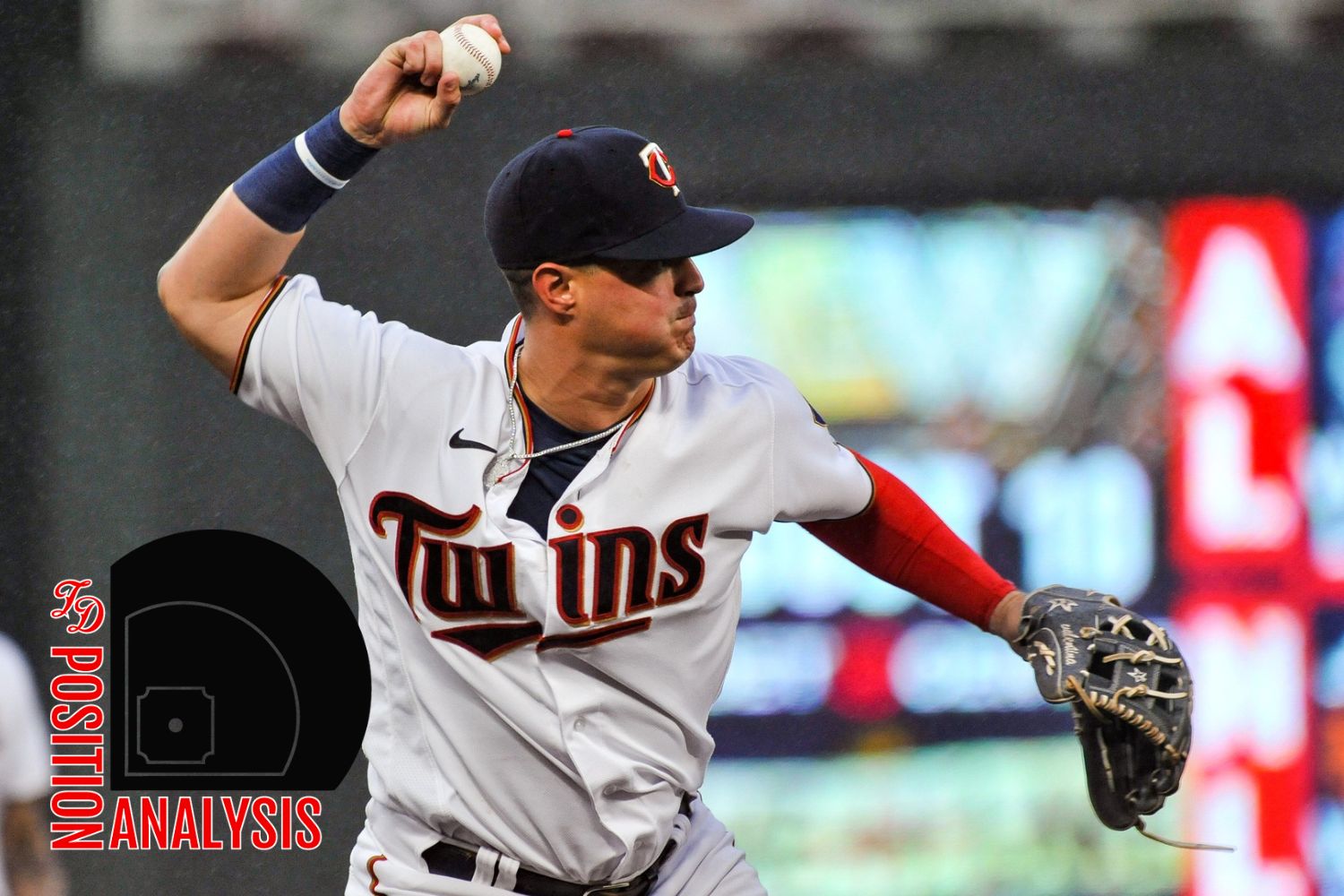 Projected Starter: José Miranda Likely Backup: Kyle Farmer Depth: Donovan Solano, Willi Castro, Elliot Soto Prospects: Brooks Lee, Jose Salas, Austin Martin, Yunior Severino THE GOOD It already seems safe to say Miranda is either going to be a good hitter or a great hitter. The type of hitting prowess we've seen on display over the past two years doesn't happen by accident. His ability to mix huge pull power with a penchant for going the other way give him a balanced offensive attack that yields consistent results. It's yet to be seen if the run-producing monster we saw in Miranda's scorching June and July as a rookie (.329/.373/.557) was more emblematic of what to expect than his pedestrian August and September (.261/.332/.378) but there's little question the kid is going to carry weight offensively. Defense is another question. Miranda lacks the quickness, agility, and arm strength to be anything resembling a lock to stick at third, as we'll discuss. But he's hardly a lost cause there. He's got a good build for the position and made several slick plays at the hot corner in 2022. Even if he's not long for the position, Miranda provides crucial value to the Twins as long as he can hold his own at third, allowing the team to rotate additional quality bats through the first base and DH positions. This can provide a key competitive advantage that shows up in team results. Do we think it's a coincidence that of the top 10 individual finishers in wOBA at third base last year, nine were in the playoffs? THE BAD As a rookie, Miranda made only 27 starts at third base, compared to 69 at first base and another 20 at DH. That seems telling. It's not like the Twins were abundant in great third base options, giving 131 starts there to Gio Urshela, whom they liked enough to trade for nothing at season's end. When he played third last year, Miranda looked pretty rough, and he's been unable to shake away that memory this spring, with a shoulder injury preventing him from playing the field. That's not considered a long-term concern, but the Twins were already contemplating backup options at third even before this flare-up. Though they let Urshela go, the Twins built out their depth at third considerably over the offseason, acquiring three infielders – Farmer, Solano, and Castro – with significant MLB experience. That said, any of those three would be an average-ish regular at best, so the Twins need to hope their gamble on Miranda pays off, at least for a while. THE BOTTOM LINE Down the line, it sure feels like this position is Lee's for the taking, which is why I have the Twins number one prospect listed in the pipeline picture here despite all of his pro reps thus far coming at shortstop. Martin or Royce Lewis could also be a factor here. Or maybe, eventually ... Carlos Correa? The big question is how long Miranda will provide the luxury of waiting on those promising young infield talents, or Correa's eventual move off short. Will Miranda show enough improvement to convince the Twins he's viable, giving them a competitive edge in the lineup, or will they fall back on a steady-yet-unspectacular backup option? Catch Up On Our Position Preview Series: Position Analysis: Catcher Position Analysis: First Base Position Analysis: Second Base
- 22 comments
-
- 6
-
-
- jose miranda
- kyle farmer
- (and 3 more)
-
Jorge Polanco had a well deserved ironman rep up until last season, but a pesky knee issue has given way to a cautious approach this spring for the Twins, who must for the first time think plausibly about life without him. Image courtesy of Troy Taormina-USA TODAY Sports Projected Starter: Jorge Polanco Likely Backup: Donovan Solano Depth: Kyle Farmer, Nick Gordon, Willi Castro Prospects: Edouard Julien, Jose Salas, Austin Martin, Tanner Schobel THE GOOD In the 2021 season, his first spent playing second base, Polanco ranked fifth among MLB players at the position with 4.2 fWAR, instantly establishing himself as an elite player at his new infield home. He launched 33 homers, drove in 98 runs, and was an easy choice for Twins Daily MVP. Polanco provided middle-of-the-order production from a middle-of-the-infield spot, which is a recipe for huge value. The Twins will hope to get him back there in the season ahead. Polanco's absence in September last year was jarring: he's one of the few Twins players who has been able to avoid the injured list in his career, ranking second only to Max Kepler in plate appearances for the franchise since 2017. If Rocco Baldelli can reliably write Polanco's name into the lineup on a regular basis, he'll feel confident in what they're getting from second base. Polo's been a good if not great hitter almost every year, including 2022 when he was 17% above average, and he's still not yet 30. His switch-hitting ability makes him an everyday staple. The loss of Luis Arraez during the offseason subtracted a key depth piece at second, but the Twins backfilled with a couple of veterans in Farmer and Solano, who would both be capable if uninspiring regulars at the position should Polanco miss time. Adding to their depth here, the Twins have a handful of near-ready infield prospects who could factor at second base in the short term – most notably Julien, who's seen plenty of time there this spring while really impressing with the bat. Martin and Royce Lewis are also realistic candidates to see time at second this year. THE BAD Polanco's lengthy run of durability came to halt in the latter part of the 2022 season. He didn't play after August 27th, plagued by a nagging knee tendinitis issue he couldn't shake. According to Betsy Helfand of the Pioneer Press, Polanco spent much of his offseason rehabbing the injury. He's been noticeably slow to ramp up in camp. The 29-year-old still hasn't appeared in a spring game, and while that's not quite yet a red flag, it will be a week or two from now. As with so many other players on this Twins team, it is the ambiguity and lack of information around Polanco's health situation that makes it so inscrutable. What was true at first base is also true here: the Twins have enough credible depth to sustain losing their starter, but such a scenario would also entail a huge drop-off in upside. The idea of Alex Kirilloff and Polanco holding down the right side of the infield is exhilarating. Alas, we've yet to see either of them on the field this spring. THE BOTTOM LINE A healthy Polanco is an excellent piece to have at second base. He has played at an All-Star caliber level in two of the past three full MLB seasons and could easily be one of the team's most critical fixtures this year. But the lower-body injuries have clearly taken their toll on Polanco, who's undergone multiple ankle surgeries in the past. He's in his last guaranteed year under contract, and as mentioned, there are several young middle infielders in this system on the rise, so the coming season could be a pivotal one for the longest-tenured Twin's future with the franchise. Catch Up On Our Position Preview Series: Position Analysis: Catcher Position Analysis: First Base View full article
-
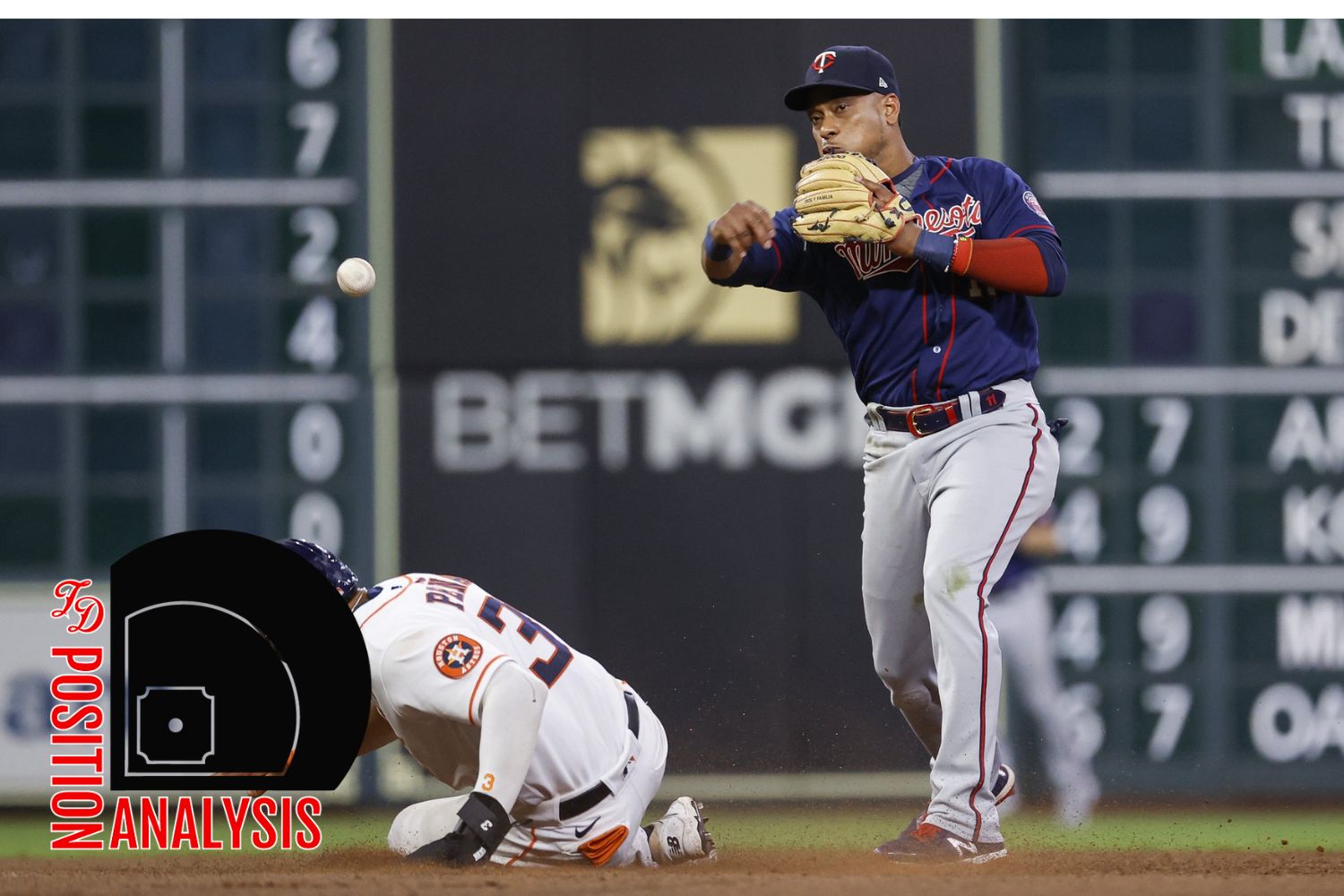 Projected Starter: Jorge Polanco Likely Backup: Donovan Solano Depth: Kyle Farmer, Nick Gordon, Willi Castro Prospects: Edouard Julien, Jose Salas, Austin Martin, Tanner Schobel THE GOOD In the 2021 season, his first spent playing second base, Polanco ranked fifth among MLB players at the position with 4.2 fWAR, instantly establishing himself as an elite player at his new infield home. He launched 33 homers, drove in 98 runs, and was an easy choice for Twins Daily MVP. Polanco provided middle-of-the-order production from a middle-of-the-infield spot, which is a recipe for huge value. The Twins will hope to get him back there in the season ahead. Polanco's absence in September last year was jarring: he's one of the few Twins players who has been able to avoid the injured list in his career, ranking second only to Max Kepler in plate appearances for the franchise since 2017. If Rocco Baldelli can reliably write Polanco's name into the lineup on a regular basis, he'll feel confident in what they're getting from second base. Polo's been a good if not great hitter almost every year, including 2022 when he was 17% above average, and he's still not yet 30. His switch-hitting ability makes him an everyday staple. The loss of Luis Arraez during the offseason subtracted a key depth piece at second, but the Twins backfilled with a couple of veterans in Farmer and Solano, who would both be capable if uninspiring regulars at the position should Polanco miss time. Adding to their depth here, the Twins have a handful of near-ready infield prospects who could factor at second base in the short term – most notably Julien, who's seen plenty of time there this spring while really impressing with the bat. Martin and Royce Lewis are also realistic candidates to see time at second this year. THE BAD Polanco's lengthy run of durability came to halt in the latter part of the 2022 season. He didn't play after August 27th, plagued by a nagging knee tendinitis issue he couldn't shake. According to Betsy Helfand of the Pioneer Press, Polanco spent much of his offseason rehabbing the injury. He's been noticeably slow to ramp up in camp. The 29-year-old still hasn't appeared in a spring game, and while that's not quite yet a red flag, it will be a week or two from now. As with so many other players on this Twins team, it is the ambiguity and lack of information around Polanco's health situation that makes it so inscrutable. What was true at first base is also true here: the Twins have enough credible depth to sustain losing their starter, but such a scenario would also entail a huge drop-off in upside. The idea of Alex Kirilloff and Polanco holding down the right side of the infield is exhilarating. Alas, we've yet to see either of them on the field this spring. THE BOTTOM LINE A healthy Polanco is an excellent piece to have at second base. He has played at an All-Star caliber level in two of the past three full MLB seasons and could easily be one of the team's most critical fixtures this year. But the lower-body injuries have clearly taken their toll on Polanco, who's undergone multiple ankle surgeries in the past. He's in his last guaranteed year under contract, and as mentioned, there are several young middle infielders in this system on the rise, so the coming season could be a pivotal one for the longest-tenured Twin's future with the franchise. Catch Up On Our Position Preview Series: Position Analysis: Catcher Position Analysis: First Base
- 19 comments
-
- 10
-
-
- jorge polanco
- donovan solano
- (and 3 more)
-
Twins 2023 Position Analysis: First Base
Nick Nelson replied to Nick Nelson's topic in Twins Daily Front Page News
Could you cite a source? I've not heard this and didn't see it happen during a week down there. Swinging in the cages is not the same as live BP.- 41 replies
-
- 2
-
-
- alex kirilloff
- joey gallo
- (and 2 more)
-
Who's on first? This year, the question shapes up as more of an existential dilemma for the Twins than comedic riff. Image courtesy of Jordan Johnson-USA TODAY Sports Projected Starter: Alex Kirilloff Likely Backup: Joey Gallo Depth: Donovan Solano, José Miranda, Tyler White Prospects: Edouard Julien, Aaron Sabato THE GOOD In an ideal scenario, the Twins would be regularly rotating Kirilloff, Miranda and Solano at first base this year, giving the team a pair of young hitting stars along with a veteran line drive machine, and the ability to optimize against any pitching matchup. Of course, as the strong side of the platoon mix and highest-upside hitter of the bunch, Kirilloff holds the key to that appealing scenario. He's also the biggest question mark on the team in terms of health. But if his second wrist surgery proves effective, as he and the team hope, the 25-year-old has the ability to provide ideal production at first base: mashing line drives all over the field, powering the middle of the lineup, producing runs consistently. We've seen these propensities on display in the majors before, albeit in brief spurts interrupted by recurring wrist problems that completely sabotaged Kirilloff's majestic swing. Getting that swing back on track would be a game-changing development for the Twins. But it's one they've made themselves less dependent on with the additions of Gallo and Solano. These two could form a solid platoon in Kirilloff's absence. Even in a very rough 2022 campaign, Gallo held his own against righties, hitting 17 home runs with an OPS+ of 96; in his career he has an .804 OPS versus RHP. Meanwhile, Solano is a reputed lefty masher, having batted above .300 against them in four straight seasons. Both are considered solid defenders at first. Ultimately, if Kirilloff can't go, the eventuality may well be Miranda as primary first baseman. His defense at third was already questionable before a shoulder injury this spring set him back. It feels like more a matter of when, not if, Miranda will move to first, and depending on how things play out with Kirilloff, Gallo, and Solano, the Twins could be motivated to accelerate that timeline. Not the worst thing in the world. Miranda profiles as a middle-of-the-order bat befitting the first baseman assignment. But it could have negative ripple effects. THE BAD As amazing as it would be to see Kirilloff's swing back in its prime form over a sustained period, that feels like a difficult thing to count on, at least in the short term. To my knowledge, he has yet to even take live BP this spring, much less get into a game, although he's been working in the cages. Phil Miller had an update on Kirilloff in the Star Tribune over the weekend, and it contained some mixed messages. Said Kirilloff: "I still feel it every once in a while, but it's not painful." The "it" in that sentence looms large for a player whose wrist issues have made it impossible for him to swing the way he wants to in the past two seasons. Said Derek Falvey: "He's on track. The plan is, if he's healthy at the end of camp, he's competing for a spot." If he's on track, then wouldn't the plan be for him to firmly make the team if healthy? We're not talking about some unproven minor-leaguer here. This is Alex Kirilloff. It seems ridiculous to be dissecting quotes like this but given the vital importance of AK to this club's outlook, and the dearth of information we've gotten so far this spring, we're left with little choice. Taking all the comments at face value, I'm going to assume Kirilloff is on the unlikely side of being on the Opening Day roster, though I'd love to be wrong. The options behind him are potentially quite compelling, but fraught with downside. Gallo was a star player in 2021, but he was terrible last year, and has played only one game at first base since 2018. Solano has been a consistently solid hitter, but he's 35, and had played zero big-league innings at first prior to last year. Shifting Miranda across the diamond is a decent fallback, but his defense at first base pretty rough as a rookie, and this would also mean needing to find another bat to replace him at third base. A more inviting proposition if it's an ascendent top prospect like Brooks Lee or Royce Lewis than Kyle Farmer. Speaking of prospects, the Twins are conspicuously light at this position. It'd be hard to say they have no first base prospects, because in theory they have quite a few top prospects who could end up there – it's at the bottom of the defensive spectrum, after all. But, notably, none of our top 20 from this year currently play there in any sort of regular capacity. The most prototypical first base slugger in the system is probably Sabato, whom the Twins drafted in the first round out of college in 2020 with hopes he'd rise fast as an impact bat. Things haven't gone exactly to plan, with Sabato's extreme contact struggles negating the value of his standout power and patience, but he's been playing a lot in big-league camp this year and could be an immediate factor at age 24 if he takes a step forward in the high minors this year. THE BOTTOM LINE Rocco Baldelli has indicated that he "expects first base to be a revolving door similar to designated hitter," as Dan Hayes of The Athletic put it. "We don’t have a first baseman,” the manager said earlier this spring. “We have several guys that are going to play first base. We don’t need one guy that’s going to play first base.” They certainly have options, albeit ones with limited experience. (Nick Gordon, owner of zero innings of first base experience at any level, was evidently mentioned as a possibility in the same discussion.) Then again, if Luis Arraez's emergence as an All-Star and Gold Glove finalist at first taught us anything, it's that experience is no prerequisite. Tell em Wash. The upside of this position feels capped without a healthy and thriving Kirilloff (in which case it's sky-high), but the Twins have built in enough floor to maintain a relatively high floor if things go amiss once again with their former number one prospect. View full article
- 41 replies
-
- 1
-
-
- alex kirilloff
- joey gallo
- (and 2 more)
-
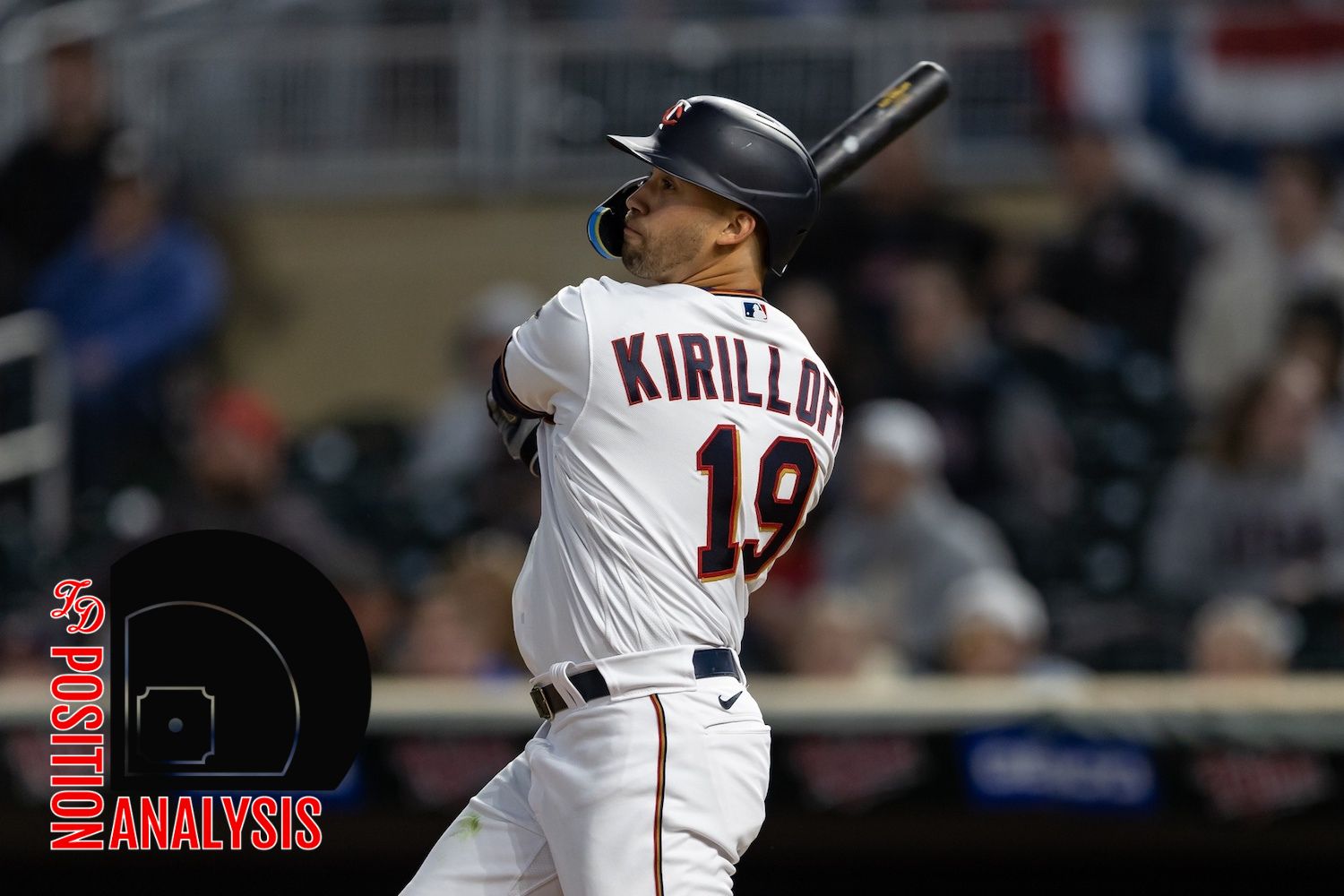 Projected Starter: Alex Kirilloff Likely Backup: Joey Gallo Depth: Donovan Solano, José Miranda, Tyler White Prospects: Edouard Julien, Aaron Sabato THE GOOD In an ideal scenario, the Twins would be regularly rotating Kirilloff, Miranda and Solano at first base this year, giving the team a pair of young hitting stars along with a veteran line drive machine, and the ability to optimize against any pitching matchup. Of course, as the strong side of the platoon mix and highest-upside hitter of the bunch, Kirilloff holds the key to that appealing scenario. He's also the biggest question mark on the team in terms of health. But if his second wrist surgery proves effective, as he and the team hope, the 25-year-old has the ability to provide ideal production at first base: mashing line drives all over the field, powering the middle of the lineup, producing runs consistently. We've seen these propensities on display in the majors before, albeit in brief spurts interrupted by recurring wrist problems that completely sabotaged Kirilloff's majestic swing. Getting that swing back on track would be a game-changing development for the Twins. But it's one they've made themselves less dependent on with the additions of Gallo and Solano. These two could form a solid platoon in Kirilloff's absence. Even in a very rough 2022 campaign, Gallo held his own against righties, hitting 17 home runs with an OPS+ of 96; in his career he has an .804 OPS versus RHP. Meanwhile, Solano is a reputed lefty masher, having batted above .300 against them in four straight seasons. Both are considered solid defenders at first. Ultimately, if Kirilloff can't go, the eventuality may well be Miranda as primary first baseman. His defense at third was already questionable before a shoulder injury this spring set him back. It feels like more a matter of when, not if, Miranda will move to first, and depending on how things play out with Kirilloff, Gallo, and Solano, the Twins could be motivated to accelerate that timeline. Not the worst thing in the world. Miranda profiles as a middle-of-the-order bat befitting the first baseman assignment. But it could have negative ripple effects. THE BAD As amazing as it would be to see Kirilloff's swing back in its prime form over a sustained period, that feels like a difficult thing to count on, at least in the short term. To my knowledge, he has yet to even take live BP this spring, much less get into a game, although he's been working in the cages. Phil Miller had an update on Kirilloff in the Star Tribune over the weekend, and it contained some mixed messages. Said Kirilloff: "I still feel it every once in a while, but it's not painful." The "it" in that sentence looms large for a player whose wrist issues have made it impossible for him to swing the way he wants to in the past two seasons. Said Derek Falvey: "He's on track. The plan is, if he's healthy at the end of camp, he's competing for a spot." If he's on track, then wouldn't the plan be for him to firmly make the team if healthy? We're not talking about some unproven minor-leaguer here. This is Alex Kirilloff. It seems ridiculous to be dissecting quotes like this but given the vital importance of AK to this club's outlook, and the dearth of information we've gotten so far this spring, we're left with little choice. Taking all the comments at face value, I'm going to assume Kirilloff is on the unlikely side of being on the Opening Day roster, though I'd love to be wrong. The options behind him are potentially quite compelling, but fraught with downside. Gallo was a star player in 2021, but he was terrible last year, and has played only one game at first base since 2018. Solano has been a consistently solid hitter, but he's 35, and had played zero big-league innings at first prior to last year. Shifting Miranda across the diamond is a decent fallback, but his defense at first base pretty rough as a rookie, and this would also mean needing to find another bat to replace him at third base. A more inviting proposition if it's an ascendent top prospect like Brooks Lee or Royce Lewis than Kyle Farmer. Speaking of prospects, the Twins are conspicuously light at this position. It'd be hard to say they have no first base prospects, because in theory they have quite a few top prospects who could end up there – it's at the bottom of the defensive spectrum, after all. But, notably, none of our top 20 from this year currently play there in any sort of regular capacity. The most prototypical first base slugger in the system is probably Sabato, whom the Twins drafted in the first round out of college in 2020 with hopes he'd rise fast as an impact bat. Things haven't gone exactly to plan, with Sabato's extreme contact struggles negating the value of his standout power and patience, but he's been playing a lot in big-league camp this year and could be an immediate factor at age 24 if he takes a step forward in the high minors this year. THE BOTTOM LINE Rocco Baldelli has indicated that he "expects first base to be a revolving door similar to designated hitter," as Dan Hayes of The Athletic put it. "We don’t have a first baseman,” the manager said earlier this spring. “We have several guys that are going to play first base. We don’t need one guy that’s going to play first base.” They certainly have options, albeit ones with limited experience. (Nick Gordon, owner of zero innings of first base experience at any level, was evidently mentioned as a possibility in the same discussion.) Then again, if Luis Arraez's emergence as an All-Star and Gold Glove finalist at first taught us anything, it's that experience is no prerequisite. Tell em Wash. The upside of this position feels capped without a healthy and thriving Kirilloff (in which case it's sky-high), but the Twins have built in enough floor to maintain a relatively high floor if things go amiss once again with their former number one prospect.
- 41 comments
-
- 13
-
-
- alex kirilloff
- joey gallo
- (and 2 more)
-
Twins 2023 Position Analysis: Catcher
Nick Nelson replied to Nick Nelson's topic in Twins Daily Front Page News
In timely fashion, Statcast just unveiled a new catching metric today: Blocks Above Average. Worth a look. Most will not be surprised to hear that Jeffers rates below average (-3), but Vazquez is solidly above (+6).- 39 replies
-
- 4
-
-
- christian vazquez
- ryan jeffers
- (and 1 more)
-
Twins 2023 Position Analysis: Catcher
Nick Nelson replied to Nick Nelson's topic in Twins Daily Front Page News
Ah. So we're declaring 25 year olds with basically one full season of MLB experience finished products with no future now? Doesn't seem quite fair to me.- 39 replies
-
- 13
-
-

-
- christian vazquez
- ryan jeffers
- (and 1 more)
-
The Twins' second-biggest free agent signing of the offseason provides crucial stability at a position that was sorely lacking for it last year. What's the outlook behind the plate in 2023? Image courtesy of Jeffrey Becker and Nathan Ray Seebeck, USA Today Sports Projected Starter: Christian Vázquez Likely Backup: Ryan Jeffers Depth: Tony Wolters, Grayson Greiner, Chance Sisco Prospects: Chris Williams, Noah Cardenas THE GOOD Acquiring a veteran catcher was a top priority for the Twins this offseason, and they got their guy, signing Vázquez to three-year, $30 million deal as arguably the second-best free agent at the position. The 32-year-old could hardly be described as a star, but that's not what the Twins were seeking: they wanted stability following a season where they enjoyed very little of it behind the plate. Vázquez has had a few standout seasons, highlighted by a 2019 campaign where he slashed .276/.320/.477 with 23 home runs for Boston, but the Twins would be perfectly content with a repeat of 2022: average offense (99 OPS+) and steady defense combined with reliable availability. The Twins continue to believe in Jeffers as their future behind the plate, but the presence of Vázquez means they don't need to entirely plan around that scenario in the short term, which is probably wise given how things have gone for Jeffers over the past two seasons. While the righty-swinging Vázquez doesn't provide a platoon advantage, he's much more capable against right-handed pitchers and should allow the Twins to play Jeffers more to his strength against lefties, against whom he's slashed .263/.344/.450 in his career. Both are considered very solid receivers who pitchers like to work with, giving the Twins a more consistent level of quality behind the plate after Gary Sánchez (still unsigned) caught 714 innings mostly out of necessity last season. THE BAD The Twins really need to hope Vázquez can maintain his record of staying healthy, because an injury could put the Twins right back into a familiar spot of grasping for answers behind the plate. Their depth was so sparse last year that when Jeffers went down for an extended period, they were forced to run out Caleb Hamilton for a few games and eventually acquired no-hit veteran Sany León from Cleveland's Triple-A team. He became more or less the primary starter. Minnesota has built out its experienced upper-level depth a bit with Wolters, Greiner, and Cisco, but those three combined to play four games in the majors last year. Meanwhile, there's no position in the Twins organization with less in the way of immediate pipeline impact. As discussed in this year's top prospect recap, catcher continues to be an area of extreme scarcity in this system. THE BOTTOM LINE The front office desperately needed to strengthen the catcher position this past offseason, and while they did, it could still hardly be described as a strength. Although I guess that depends on your assessment of Jeffers. In some eyes, he could be viewed as one of the best backup catchers in the game – a still-developing impact starter who now has the luxury of coming along slowly with an established vet splitting time. If both guys stay healthy and Jeffers takes that next step, the Twins will have a catching setup that is the envy of the league. The thing is, it's hard to count on that. Jeffers has seen his OPS drop from .791 in a strong rookie campaign to .670 in 2021 to .648 last year, and has struggled to stay healthy. You don't have to squint to see the potential of a two-way asset – I was reminded of his raw power while watching him repeatedly hit absolute tanks in BP last week – but the 25-year-old is already inching toward arbitration without even a 1-WAR season to his credit. Losing either of their top two backstops would force the Twins to delve into their murky depth, and while Vázquez has thankfully been pretty durable in the past, he also turns 33 this season. View full article
- 39 replies
-
- 1
-
-
- christian vazquez
- ryan jeffers
- (and 1 more)
