



Nick Nelson
-
Posts
8,372 -
Joined
-
Last visited
-
Days Won
56
Content Type
Profiles
News
Minnesota Twins Videos
2026 Minnesota Twins Top Prospects Ranking
2022 Minnesota Twins Draft Picks
Minnesota Twins Free Agent & Trade Rumors, Notes, & Tidbits
Guides & Resources
2023 Minnesota Twins Draft Picks
The Minnesota Twins Players Project
2024 Minnesota Twins Draft Picks
2025 Minnesota Twins Draft Pick Tracker
2026 Minnesota Twins Draft Tracker: Picks & Bonuses
Forums
Blogs
Events
Store
Downloads
Gallery
Everything posted by Nick Nelson
-
 Image courtesy of Wendell Cruz-Imagn Images Last week we handed out our honorary Twins Daily Awards for the 2026 season, highlighting our picks for Most Valuable Player, Best Pitcher, Rookie of the Year and Most Improved. It's important to recognize and shine a light on the standout performances that elevated this team and offered real reason for encouragement. However, since this team ultimately fell short of its goals and finished below .500, it also feels worthwhile to look at the MVP conversation from the other side: who was least valuable to the 2026 Twins? Which players were most complicit in holding the club back from being a true contender in this watered-down American League? There are a few ways to look at this. It's not as simple as asking who had the worst base numbers. Guys like Justin Lawrence (18.00 ERA in 6 IP), Luis Garcia (10.38 ERA in 8 ⅔) and Kyler Fedko (0-for-16 with 8 Ks) would qualify by that measure, but none played enough to have a truly substantial impact on the team's fate. Here are seven players who merit consideration for 2026 Twins LVP, with an added note at the end on why it matters moving forward. Victor Caratini A randomly excellent month of June is the only thing salvaging what was otherwise a disastrous season for the free agent signee. Even with his 1.059 OPS that month, he still finished with a 77 OPS+ and a negative-1.35 Win Probability Added that ranked worst among all Twins position players. He was one of the slowest players in the league, clogging the base paths when he got on, and defensively he was totally unable to control the opposing run game, allowing 64 steals on 77 attempts. The Twins signed Caratini to a two-year deal with the expectation that he'd take over for Ryan Jeffers as starting catcher in 2027, but they've got to be having second thoughts about that plan with Caratini coming off an alarmingly lackluster season at age 33. Justin Topa He borders on too small of a sample, having thrown just 19 innings before being released in late May, but Topa packed a whole lot of badness into his 23 Twins appearances: 8.05 ERA, 6.47 FIP, 2.00 WHIP, 12-to-11 K/BB ratio. Making matters worse is that the team was counting on him for a semi-significant role, coming into the year as one of the more established members of a piecemeal Opening Day bullpen. He was decent for the first month but went off the rails afterward, and largely epitomized what was wrong with this relief corps before it got revamped. James Outman Not a serious contender because he didn't have a big enough role, but with Outman it's more about opportunity cost. The Twins could have used those 70 plate appearances more productively on just about anybody. Instead, Outman batted .156 with 29 strikeouts, and his outfield defense was not nearly strong enough to make up for the offensive ineptitude. The situation was more frustrating in terms of optics than functional damage done. It was always obvious Outman was not a good player. He was bad before the Twins acquired him last year, bad after they acquired him, and bad this year when given another chance. He somehow got another 100 plate appearances in Detroit after the Twins cut him loose in June, and was bad there too. Tristan Gray A strong candidate. The Twins took an inexplicable liking to him and ran him out for 52 starts, mostly at shortstop, before his demotion to Triple-A around the All-Star break. Offering little on offense or defense, Gray was chiefly responsible for turning the shortstop position into an area of massive disadvantage for Minnesota in the first half. The only redeeming quality of Gray's time with the Twins is that he batted .300 with runners in scoring positon and had a few memorable clutch hits, compiling 29 RBIs in his 188 plate appearances. He might skirt LVP status for that reason alone despite sub-replacement level production overall. Matt Wallner Wallner, conversely, provided little in terms of positives to offset his poor performance. The combination of a .167/.259/.292 slash line with bottom-barrel defense in right field led to negative-0.8 fWAR and negative-1.4 bWAR, both surpassing Gray for lowest among Twins position players. Wallner also had the second-worst WPA (ahead of only Caratini), so his lack of offensive output was costly. The 28-year-old was optioned to Triple-A in mid-May and never made it back, despite hitting pretty well for the Saints. It's been a dramatic fall-off for a hitter who was one of Minnesota's best in 2023-24. Simeon Woods Richardson In the span of 12 appearances (10 starts) for the Twins, Woods Richardson was about as bad as can be. He posted a 7.74 ERA and 6.16 FIP, allowing a jaw-dropping 65 hits and 25 walks with only 26 strikeouts in 47 ⅔ innings. The team went 1-9 in games he started. His negative-2.24 WPA was not only the worst on the team, but in all of baseball. The performance was discouraging enough that the Twins simply released Woods Richardson in early June — a stunning turn of events for a 25-year-old starting pitcher with a recent track record of MLB success. Royce Lewis Lewis is a bit different from everyone else on this list. Relatively speaking, his performance wasn't horrible, just well below average. FanGraphs and Baseball Reference both pegged him as modestly above replacement level. He stayed healthy, hit some homers, drove in some runs, played a ton. But that last part is sorta the issue. Lewis had by far the most playing time of anyone here. When healthy he was consistently an everyday player but rarely was he helpful. Yes, his 86 OPS+ is better than the 77 from Caratini, but Lewis made 130 more plate appearances and he was putting forth this sub-mediocre production from an offense-driven position, especially after the move to first base. So, where do you land on the least valuable player for the 2026 Twins? For me it's probably between Wallner and Woods Richardson, but Caratini has a case and I think Lewis might have an even stronger one. That's where this discussion takes on forward-looking relevance. Because while some of these guys are already out of the picture and others are on their way, Lewis and Caratini remain penciled into 2027 plans as of now. This sets up a critical question for the offseason: Are the Twins content to hope that two of the players most responsible for their disappointing outcome this year will reverse course, despite giving little tangible reason for such belief? Or will they seek to find ways to upgrade at catcher and first base? The latter would be a bit easier, given that Lewis is arbitration-eligible whereas Caratini is locked in for $7 million with a $3.5 million buyout for his 2028 option. View full article
 -
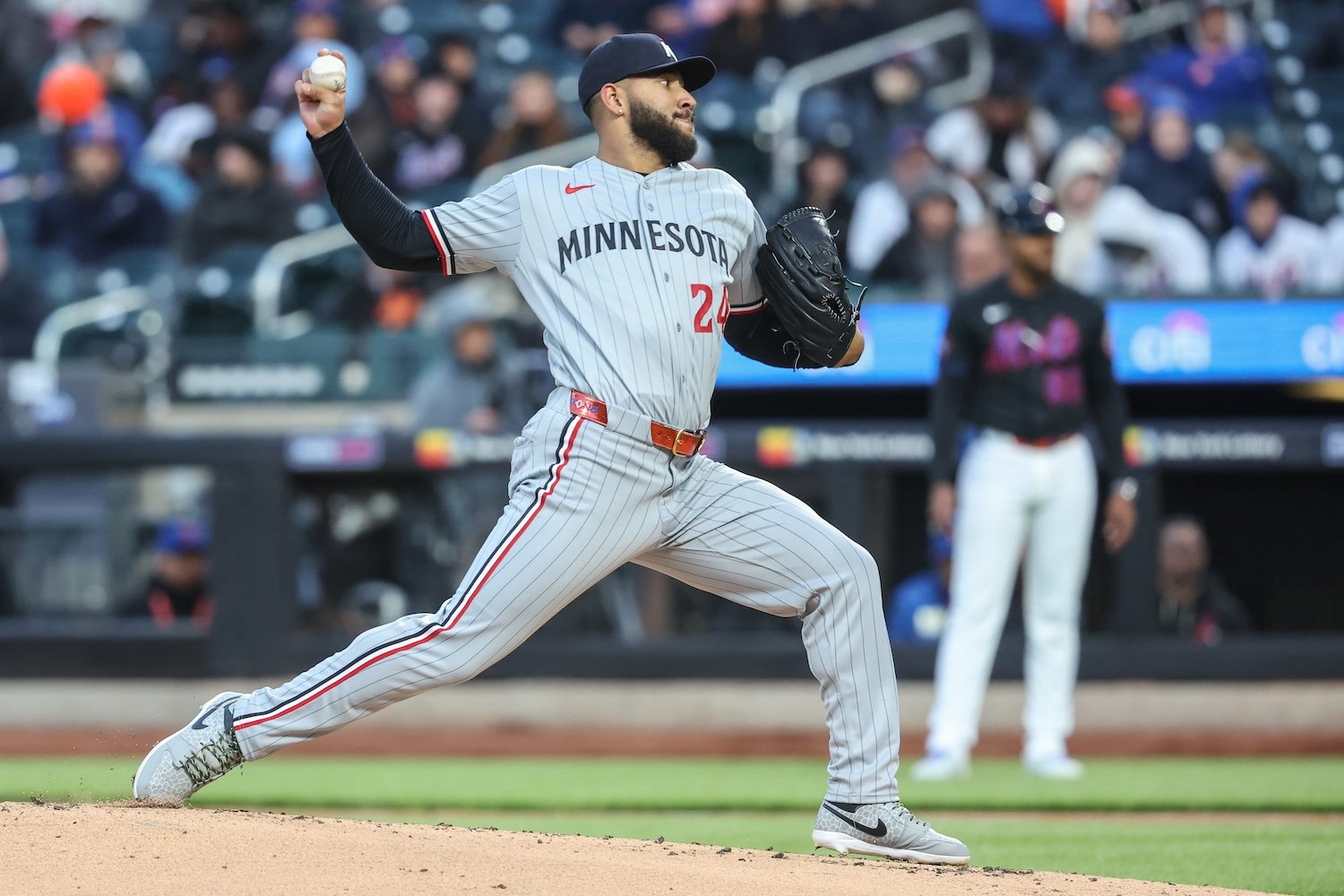 Last week we handed out our honorary Twins Daily Awards for the 2026 season, highlighting our picks for Most Valuable Player, Best Pitcher, Rookie of the Year and Most Improved. It's important to recognize and shine a light on the standout performances that elevated this team and offered real reason for encouragement. However, since this team ultimately fell short of its goals and finished below .500, it also feels worthwhile to look at the MVP conversation from the other side: who was least valuable to the 2026 Twins? Which players were most complicit in holding the club back from being a true contender in this watered-down American League? There are a few ways to look at this. It's not as simple as asking who had the worst base numbers. Guys like Justin Lawrence (18.00 ERA in 6 IP), Luis Garcia (10.38 ERA in 8 ⅔) and Kyler Fedko (0-for-16 with 8 Ks) would qualify by that measure, but none played enough to have a truly substantial impact on the team's fate. Here are seven players who merit consideration for 2026 Twins LVP, with an added note at the end on why it matters moving forward. Victor Caratini A randomly excellent month of June is the only thing salvaging what was otherwise a disastrous season for the free agent signee. Even with his 1.059 OPS that month, he still finished with a 77 OPS+ and a negative-1.35 Win Probability Added that ranked worst among all Twins position players. He was one of the slowest players in the league, clogging the base paths when he got on, and defensively he was totally unable to control the opposing run game, allowing 64 steals on 77 attempts. The Twins signed Caratini to a two-year deal with the expectation that he'd take over for Ryan Jeffers as starting catcher in 2027, but they've got to be having second thoughts about that plan with Caratini coming off an alarmingly lackluster season at age 33. Justin Topa He borders on too small of a sample, having thrown just 19 innings before being released in late May, but Topa packed a whole lot of badness into his 23 Twins appearances: 8.05 ERA, 6.47 FIP, 2.00 WHIP, 12-to-11 K/BB ratio. Making matters worse is that the team was counting on him for a semi-significant role, coming into the year as one of the more established members of a piecemeal Opening Day bullpen. He was decent for the first month but went off the rails afterward, and largely epitomized what was wrong with this relief corps before it got revamped. James Outman Not a serious contender because he didn't have a big enough role, but with Outman it's more about opportunity cost. The Twins could have used those 70 plate appearances more productively on just about anybody. Instead, Outman batted .156 with 29 strikeouts, and his outfield defense was not nearly strong enough to make up for the offensive ineptitude. The situation was more frustrating in terms of optics than functional damage done. It was always obvious Outman was not a good player. He was bad before the Twins acquired him last year, bad after they acquired him, and bad this year when given another chance. He somehow got another 100 plate appearances in Detroit after the Twins cut him loose in June, and was bad there too. Tristan Gray A strong candidate. The Twins took an inexplicable liking to him and ran him out for 52 starts, mostly at shortstop, before his demotion to Triple-A around the All-Star break. Offering little on offense or defense, Gray was chiefly responsible for turning the shortstop position into an area of massive disadvantage for Minnesota in the first half. The only redeeming quality of Gray's time with the Twins is that he batted .300 with runners in scoring positon and had a few memorable clutch hits, compiling 29 RBIs in his 188 plate appearances. He might skirt LVP status for that reason alone despite sub-replacement level production overall. Matt Wallner Wallner, conversely, provided little in terms of positives to offset his poor performance. The combination of a .167/.259/.292 slash line with bottom-barrel defense in right field led to negative-0.8 fWAR and negative-1.4 bWAR, both surpassing Gray for lowest among Twins position players. Wallner also had the second-worst WPA (ahead of only Caratini), so his lack of offensive output was costly. The 28-year-old was optioned to Triple-A in mid-May and never made it back, despite hitting pretty well for the Saints. It's been a dramatic fall-off for a hitter who was one of Minnesota's best in 2023-24. Simeon Woods Richardson In the span of 12 appearances (10 starts) for the Twins, Woods Richardson was about as bad as can be. He posted a 7.74 ERA and 6.16 FIP, allowing a jaw-dropping 65 hits and 25 walks with only 26 strikeouts in 47 ⅔ innings. The team went 1-9 in games he started. His negative-2.24 WPA was not only the worst on the team, but in all of baseball. The performance was discouraging enough that the Twins simply released Woods Richardson in early June — a stunning turn of events for a 25-year-old starting pitcher with a recent track record of MLB success. Royce Lewis Lewis is a bit different from everyone else on this list. Relatively speaking, his performance wasn't horrible, just well below average. FanGraphs and Baseball Reference both pegged him as modestly above replacement level. He stayed healthy, hit some homers, drove in some runs, played a ton. But that last part is sorta the issue. Lewis had by far the most playing time of anyone here. When healthy he was consistently an everyday player but rarely was he helpful. Yes, his 86 OPS+ is better than the 77 from Caratini, but Lewis made 130 more plate appearances and he was putting forth this sub-mediocre production from an offense-driven position, especially after the move to first base. So, where do you land on the least valuable player for the 2026 Twins? For me it's probably between Wallner and Woods Richardson, but Caratini has a case and I think Lewis might have an even stronger one. That's where this discussion takes on forward-looking relevance. Because while some of these guys are already out of the picture and others are on their way, Lewis and Caratini remain penciled into 2027 plans as of now. This sets up a critical question for the offseason: Are the Twins content to hope that two of the players most responsible for their disappointing outcome this year will reverse course, despite giving little tangible reason for such belief? Or will they seek to find ways to upgrade at catcher and first base? The latter would be a bit easier, given that Lewis is arbitration-eligible whereas Caratini is locked in for $7 million with a $3.5 million buyout for his 2028 option.
- 62 comments
-
- 6
-

-

-
- simeon woods richardson
- matt wallner
- (and 2 more)
-
Image courtesy of Durham Bulls Last week the Twins announced the hiring of a new pitching coach in Brian Reith, who formerly held the same position for the Tampa Bay Rays' Triple-A affiliate. He's been in the minor-league instructional circuit for a while now, but those who follow the big leagues may be unfamiliar with his name. To help you get acquainted, here's a rundown of Rieth's background and a few facts about him that might help shed light on why the Twins selected him, and what could be expected to change under his watch. A more traditional choice for pitching coach The last two Twins pitching coaches were far from conventional. Wes Johnson was plucked straight from the college ranks with no formal experience coaching in the pros, an exceedingly rare transition. When Johnson returned from whence he came, his former assistant Pete Maki stepped in as another outside-the-box staff leader, originally drawn from the college ranks and never having pitched professionally. When he was first hired last year, manager Derek Shelton emphasized the importance of bringing major-league experience onto the coaching staff. His initial wave of hires, which included LaTroy Hawkins and Grady Sizemore, reflected that priority. Reith does too. He's farther removed from his MLB playing time than Hawkins or Sizemore, but Reith threw almost 130 innings in the majors with Cincinnati back in the early 2000s. During his playing career he also pitched in China, Mexico, and indy leagues. He's got a lot of practical experience and that's a notable distinction from his predecessors. He has a reputation as a fastball evangelist In a 2018 interview with IndianaRBI, Reith emphasized mastery of the fastball as foundational to effective pitching. “What I focus on mostly is fastball command and getting them to understand the four quadrants of the (strike) zone, how effective that can be and how it sets up their other pitches,” said Rieth, who was pitching coach for Tampa's Single-A affiliate at the time. “By doing this, starters can also help relievers later in the game.” That philosophy seems to remain intact eight years later. As Twins Daily's Parker Hageman notes, the Class-AAA Durham Bulls threw a 60.2% mix of fastballs over the past five years under Reith, and with great success. The Twins, meanwhile, threw the lowest mix of fastballs in the majors last year (26.7%). The Twins have a complex decision-making structure, and of course, different personnel from Tampa's Triple-A team. Reith isn't going to just come in and commandeer game-planning singlehandedly. But I do expect we'll see this influence play out in some fashion. I'm here for it, in large part because more fastballs can lead to fewer walks, and that was an irritating tendency of the 2026 Twins staff. In five years with Reith as their pitching coach, Durham issued the fewest walks in Triple-A. A successful track record Not only did Durham excel at strike-throwing during Reith's tenure, they were also just really good in general, ranking fourth in WHIP, fifth in strikeouts and fifth in ERA among Triple-A clubs. That success can't be attributed solely to Reith; the Rays as an organization are a pitching development powerhouse, and that's why they are where they are, bidding for a World Series berth with a bottom-tier payroll. But Reith has been a key cog in their integrated system for many years. Short of actual major-league experience, I can't imagine what more I'd want to see from a pitching coach's track record to instill confidence. Connections to current Twins players and coaches It wouldn't be a Twins hire if there wasn't some historical familiarity. Reith comes over from a Rays organization that previously employed Shelton, and his predecessor Rocco Baldelli. Reith overlapped with Minnesota's pitching-minded assistant GM Josh Kalk in Tampa as well, and that feels like a particularly meaningful connection. During his time with the Rays, Reith also worked with several current Twins pitchers, including some pertinent names: Taj Bradley: Spent considerable time pitching Durham over the years and was there when the Twins traded for him at the deadline in 2025. “My relationship with (Bradley) is good,” Reith said after joining the Twins. “It’s a mature relationship. We’ve worked well together in the past, and I’m really excited to work with him again and continue that and build on that some more.” Joe Ryan: Reith was coaching in the minors for Tampa as Ryan developed into a legit pitching prospect, and oversaw him directly at Class-A Bowling Green in 2019. Ryan came up as one of the most extreme fastball-heavy pitchers in the game, which seems relevant given the prior note about Reith's philosophies. Relievers: Yoendrys Gómez was with Tampa on a minor-league deal this past spring and made the team, so he didn't actually pitch in Triple-A, but I'm sure the two crossed paths at least. Reith did coach Eric Orze and Garrett Acton in Durham, though it remains to be seen if those two will stay in the 2027 picture. Maybe their history with Reith gives them a leg up. A bridge between analytics and instruction This, I believe, is what the Twins are hoping Reith can actualize. The game of baseball is increasingly driven by data and analytics. Every team uses them to some extent, but the most effective ones are able to translate information into actionable and impactful guidance. The new hire brings an interesting blend of experience in this regard. He made it to the big leagues as a pitcher. His fastball-centric mindset feels decidedly old school. Despite coming from an analytics-oriented Rays organization, and surely is adept with technology, you don't read his quotes and get the sense that he leads with it. Kyle Gibson, who pitched for Durham in Triple-A in 2025 before retiring, told Dan Hayes of The Athletic that Reith "has an incredible understanding of how to use analytics to best set a pitcher up for success. He understands the delivery really well also, and will be a huge asset as the Twins keep developing pitching." Here's hoping. There's definitely a lot to like. View full article
-
5 Interesting Facts About New Twins Pitching Coach Brian Reith
Nick Nelson posted an article in Twins
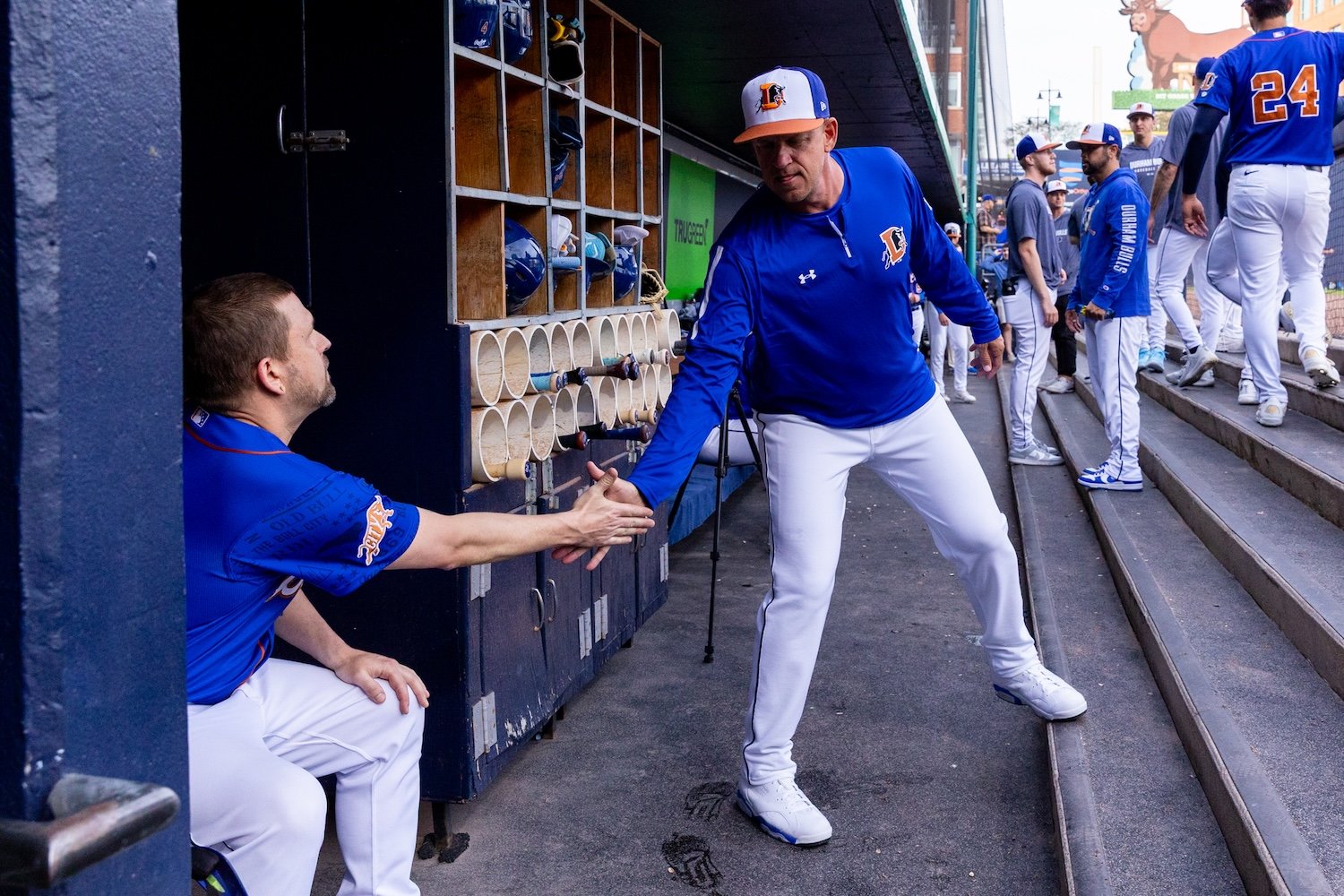 Last week the Twins announced the hiring of a new pitching coach in Brian Reith, who formerly held the same position for the Tampa Bay Rays' Triple-A affiliate. He's been in the minor-league instructional circuit for a while now, but those who follow the big leagues may be unfamiliar with his name. To help you get acquainted, here's a rundown of Rieth's background and a few facts about him that might help shed light on why the Twins selected him, and what could be expected to change under his watch. A more traditional choice for pitching coach The last two Twins pitching coaches were far from conventional. Wes Johnson was plucked straight from the college ranks with no formal experience coaching in the pros, an exceedingly rare transition. When Johnson returned from whence he came, his former assistant Pete Maki stepped in as another outside-the-box staff leader, originally drawn from the college ranks and never having pitched professionally. When he was first hired last year, manager Derek Shelton emphasized the importance of bringing major-league experience onto the coaching staff. His initial wave of hires, which included LaTroy Hawkins and Grady Sizemore, reflected that priority. Reith does too. He's farther removed from his MLB playing time than Hawkins or Sizemore, but Reith threw almost 130 innings in the majors with Cincinnati back in the early 2000s. During his playing career he also pitched in China, Mexico, and indy leagues. He's got a lot of practical experience and that's a notable distinction from his predecessors. He has a reputation as a fastball evangelist In a 2018 interview with IndianaRBI, Reith emphasized mastery of the fastball as foundational to effective pitching. “What I focus on mostly is fastball command and getting them to understand the four quadrants of the (strike) zone, how effective that can be and how it sets up their other pitches,” said Rieth, who was pitching coach for Tampa's Single-A affiliate at the time. “By doing this, starters can also help relievers later in the game.” That philosophy seems to remain intact eight years later. As Twins Daily's Parker Hageman notes, the Class-AAA Durham Bulls threw a 60.2% mix of fastballs over the past five years under Reith, and with great success. The Twins, meanwhile, threw the lowest mix of fastballs in the majors last year (26.7%). The Twins have a complex decision-making structure, and of course, different personnel from Tampa's Triple-A team. Reith isn't going to just come in and commandeer game-planning singlehandedly. But I do expect we'll see this influence play out in some fashion. I'm here for it, in large part because more fastballs can lead to fewer walks, and that was an irritating tendency of the 2026 Twins staff. In five years with Reith as their pitching coach, Durham issued the fewest walks in Triple-A. A successful track record Not only did Durham excel at strike-throwing during Reith's tenure, they were also just really good in general, ranking fourth in WHIP, fifth in strikeouts and fifth in ERA among Triple-A clubs. That success can't be attributed solely to Reith; the Rays as an organization are a pitching development powerhouse, and that's why they are where they are, bidding for a World Series berth with a bottom-tier payroll. But Reith has been a key cog in their integrated system for many years. Short of actual major-league experience, I can't imagine what more I'd want to see from a pitching coach's track record to instill confidence. Connections to current Twins players and coaches It wouldn't be a Twins hire if there wasn't some historical familiarity. Reith comes over from a Rays organization that previously employed Shelton, and his predecessor Rocco Baldelli. Reith overlapped with Minnesota's pitching-minded assistant GM Josh Kalk in Tampa as well, and that feels like a particularly meaningful connection. During his time with the Rays, Reith also worked with several current Twins pitchers, including some pertinent names: Taj Bradley: Spent considerable time pitching Durham over the years and was there when the Twins traded for him at the deadline in 2025. “My relationship with (Bradley) is good,” Reith said after joining the Twins. “It’s a mature relationship. We’ve worked well together in the past, and I’m really excited to work with him again and continue that and build on that some more.” Joe Ryan: Reith was coaching in the minors for Tampa as Ryan developed into a legit pitching prospect, and oversaw him directly at Class-A Bowling Green in 2019. Ryan came up as one of the most extreme fastball-heavy pitchers in the game, which seems relevant given the prior note about Reith's philosophies. Relievers: Yoendrys Gómez was with Tampa on a minor-league deal this past spring and made the team, so he didn't actually pitch in Triple-A, but I'm sure the two crossed paths at least. Reith did coach Eric Orze and Garrett Acton in Durham, though it remains to be seen if those two will stay in the 2027 picture. Maybe their history with Reith gives them a leg up. A bridge between analytics and instruction This, I believe, is what the Twins are hoping Reith can actualize. The game of baseball is increasingly driven by data and analytics. Every team uses them to some extent, but the most effective ones are able to translate information into actionable and impactful guidance. The new hire brings an interesting blend of experience in this regard. He made it to the big leagues as a pitcher. His fastball-centric mindset feels decidedly old school. Despite coming from an analytics-oriented Rays organization, and surely is adept with technology, you don't read his quotes and get the sense that he leads with it. Kyle Gibson, who pitched for Durham in Triple-A in 2025 before retiring, told Dan Hayes of The Athletic that Reith "has an incredible understanding of how to use analytics to best set a pitcher up for success. He understands the delivery really well also, and will be a huge asset as the Twins keep developing pitching." Here's hoping. There's definitely a lot to like.
 -
Image courtesy of Jesse Johnson-Imagn Images The Twins finished the 2026 season with a full 40-man roster, but there's plenty of movement ahead as the front office works to reconfigure and revamp its collection of usable talent over the winter. As we start thinking about where the Twins might add or overhaul during the offseason, it's helpful to get a clear read on where they stand heading in. Below, you can find a breakdown of the 40-man roster as it sits before things get moving. I've broken the 40 players down into three groups: locked in, on the bubble, and pending free agents. The latter four players will officially hit the open market the day after the World Series ends, opening up four spots immediately, although several of those spots will be filled by players needing to be activated from the 60-day injured list (Mick Abel, David Festa, Pablo López). Locked In B. Buxton, OF V. Caratini, C K. Clemens, 2B K. Culpepper, SS G. Gonzalez, OF W. Jenkins, OF L. Keaschall, OF R. Kreidler, UTIL B, Lee, 3B A. Martin, OF H. Mendez, OF A. Roden, OF E. Rodriguez, OF T. Adams, RHP T. Bradley, RHP K. Funderburk, LHP Y. Gomez, RHP J. Hoffman, RHP D. Kremer, RHP Z. Matthews, RHP A. Morris, RHP C. Prielipp, LHP M. Raya, RHP K. Rojas, LHP J. Ryan, RHP On the Bubble T. Gray, IF T. Larnach, OF R. Lewis, 1B B. Ross, UTIL A. Sabato, 1B M. Wallner, OF G. Acton, RHP J. Anderson, RHP T. Nance, RHP B. Ober, RHP E. Orze, RHP Pending Free Agents J. Bell, DH R. Jeffers, C A. Minter, LHP T. Rogers, LHP 60-Day Injured List M. Abel, RHP A. Banda, LHP D. Festa, RHP P. Lopez, RHP M. Paredes, RHP C. Sands, RHP Breaking Down the Bubble Candidates I characterized 11 players who are currently on the 40-man roster, and three players on the 60-day IL, as "on the bubble." They are still under team control for 2027, but there's at least a reasonable chance the Twins will choose to move on via non-tender, DFA, or low-scale trade. There's a range for degree of likelihood here — they are almost certain to move on from Matt Wallner, and I can't imagine Aaron Sabato makes it past the first cut. Someone like Royce Lewis or Eric Orze, meanwhile, is more of a coin flip. Either way, between the four pending free agents and those bubble candidates, that's 15 total spots that could be cleared up without a whole lot of pain. Again, we have to assume that three will be taken over by the returns of Abel, Festa and López — TBD on Anthony Banda, Mike Paredes and Cole Sands — but there is no shortage of available space for new additions. Protecting Prospects from the Rule 5 Draft Of course, another key consideration for 40-man roster planning is the need to protect eligible prospects from being plucked away in the Rule 5. Last year's batch included Kendry Rojas, Connor Prielipp, Andrew Morris, John Klein, Gabriel Gonzalez and Hendry Mendez. The first three went on to play fairly significant roles for the Twins staff in 2026. This year, there are relatively few obvious names who would merit consideration for this purpose. That's not to say there aren't plenty of prospects capable of contributing to the team's future, but there's little urgency to add them now, especially since it means starting up a young player's three-options timeline. Among newly eligible players, Yasser Mercedes is the standout name. Cody Christie wrote about the tough decision the Twins face here, as Mercedes has plenty of intriguing tools but hasn't turned them into consistent performance in the low minors. think they'll lean toward protecting him, and there might be some other sleepers that aren't really on the radar (such as Klein a year ago), but I don't envision the Twins needing to set aside nearly as many roster spots for incoming prospects. An Open Slate Maybe it's not surprising for a team that won only 77 games, but the Twins are far from facing a 40-man roster crunch. They will have plenty of flexibility to add during the offseason, so it comes down to how ambitious the front office will be in shaking things up, and how aggressive ownership will be in providing resources to support meaningful upgrades. View full article
-
A Look at the Twins 40-Man Roster Heading into a Key Offseason
Nick Nelson posted an article in Twins
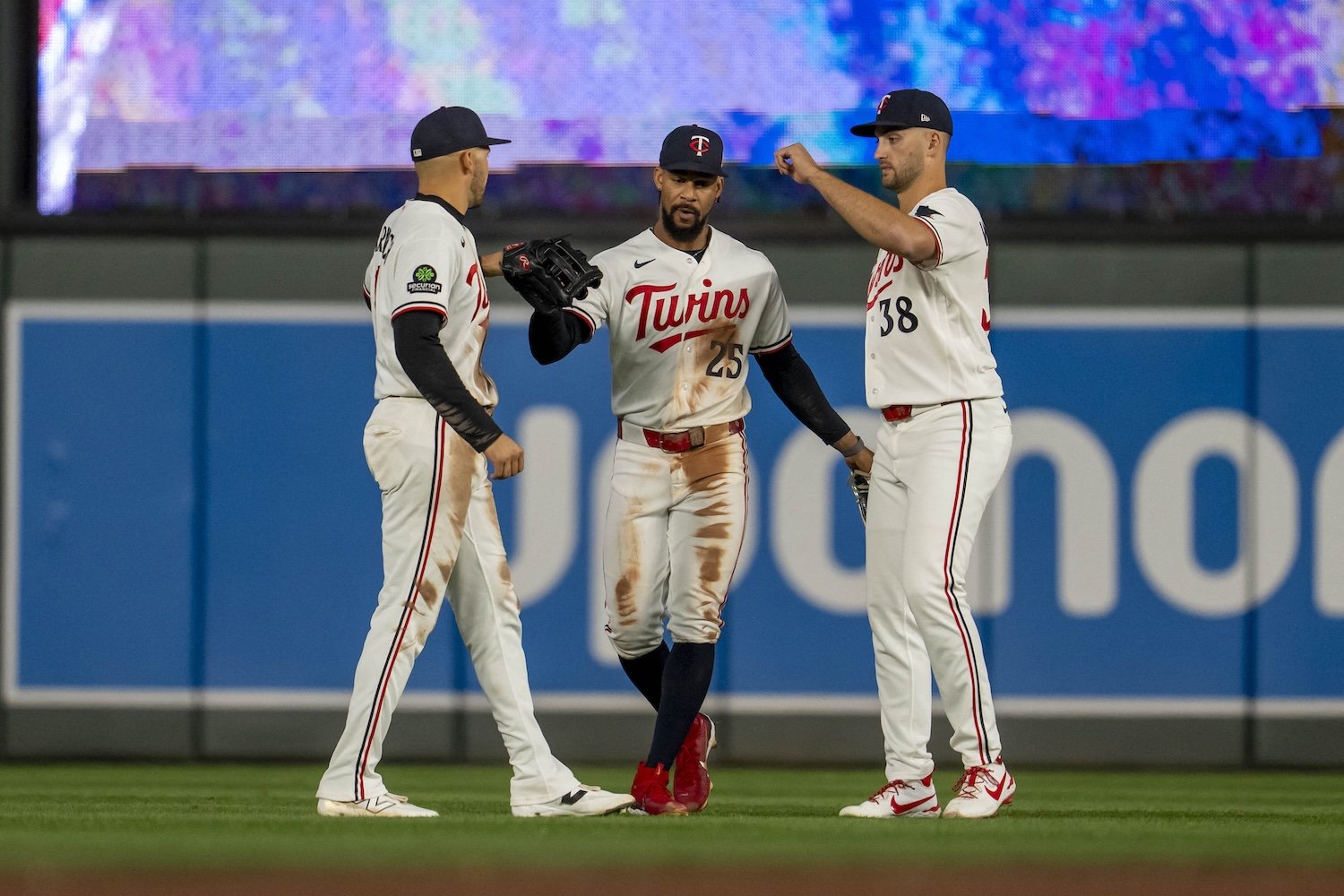 The Twins finished the 2026 season with a full 40-man roster, but there's plenty of movement ahead as the front office works to reconfigure and revamp its collection of usable talent over the winter. As we start thinking about where the Twins might add or overhaul during the offseason, it's helpful to get a clear read on where they stand heading in. Below, you can find a breakdown of the 40-man roster as it sits before things get moving. I've broken the 40 players down into three groups: locked in, on the bubble, and pending free agents. The latter four players will officially hit the open market the day after the World Series ends, opening up four spots immediately, although several of those spots will be filled by players needing to be activated from the 60-day injured list (Mick Abel, David Festa, Pablo López). Locked In B. Buxton, OF V. Caratini, C K. Clemens, 2B K. Culpepper, SS G. Gonzalez, OF W. Jenkins, OF L. Keaschall, OF R. Kreidler, UTIL B, Lee, 3B A. Martin, OF H. Mendez, OF A. Roden, OF E. Rodriguez, OF T. Adams, RHP T. Bradley, RHP K. Funderburk, LHP Y. Gomez, RHP J. Hoffman, RHP D. Kremer, RHP Z. Matthews, RHP A. Morris, RHP C. Prielipp, LHP M. Raya, RHP K. Rojas, LHP J. Ryan, RHP On the Bubble T. Gray, IF T. Larnach, OF R. Lewis, 1B B. Ross, UTIL A. Sabato, 1B M. Wallner, OF G. Acton, RHP J. Anderson, RHP T. Nance, RHP B. Ober, RHP E. Orze, RHP Pending Free Agents J. Bell, DH R. Jeffers, C A. Minter, LHP T. Rogers, LHP 60-Day Injured List M. Abel, RHP A. Banda, LHP D. Festa, RHP P. Lopez, RHP M. Paredes, RHP C. Sands, RHP Breaking Down the Bubble Candidates I characterized 11 players who are currently on the 40-man roster, and three players on the 60-day IL, as "on the bubble." They are still under team control for 2027, but there's at least a reasonable chance the Twins will choose to move on via non-tender, DFA, or low-scale trade. There's a range for degree of likelihood here — they are almost certain to move on from Matt Wallner, and I can't imagine Aaron Sabato makes it past the first cut. Someone like Royce Lewis or Eric Orze, meanwhile, is more of a coin flip. Either way, between the four pending free agents and those bubble candidates, that's 15 total spots that could be cleared up without a whole lot of pain. Again, we have to assume that three will be taken over by the returns of Abel, Festa and López — TBD on Anthony Banda, Mike Paredes and Cole Sands — but there is no shortage of available space for new additions. Protecting Prospects from the Rule 5 Draft Of course, another key consideration for 40-man roster planning is the need to protect eligible prospects from being plucked away in the Rule 5. Last year's batch included Kendry Rojas, Connor Prielipp, Andrew Morris, John Klein, Gabriel Gonzalez and Hendry Mendez. The first three went on to play fairly significant roles for the Twins staff in 2026. This year, there are relatively few obvious names who would merit consideration for this purpose. That's not to say there aren't plenty of prospects capable of contributing to the team's future, but there's little urgency to add them now, especially since it means starting up a young player's three-options timeline. Among newly eligible players, Yasser Mercedes is the standout name. Cody Christie wrote about the tough decision the Twins face here, as Mercedes has plenty of intriguing tools but hasn't turned them into consistent performance in the low minors. think they'll lean toward protecting him, and there might be some other sleepers that aren't really on the radar (such as Klein a year ago), but I don't envision the Twins needing to set aside nearly as many roster spots for incoming prospects. An Open Slate Maybe it's not surprising for a team that won only 77 games, but the Twins are far from facing a 40-man roster crunch. They will have plenty of flexibility to add during the offseason, so it comes down to how ambitious the front office will be in shaking things up, and how aggressive ownership will be in providing resources to support meaningful upgrades.
 -
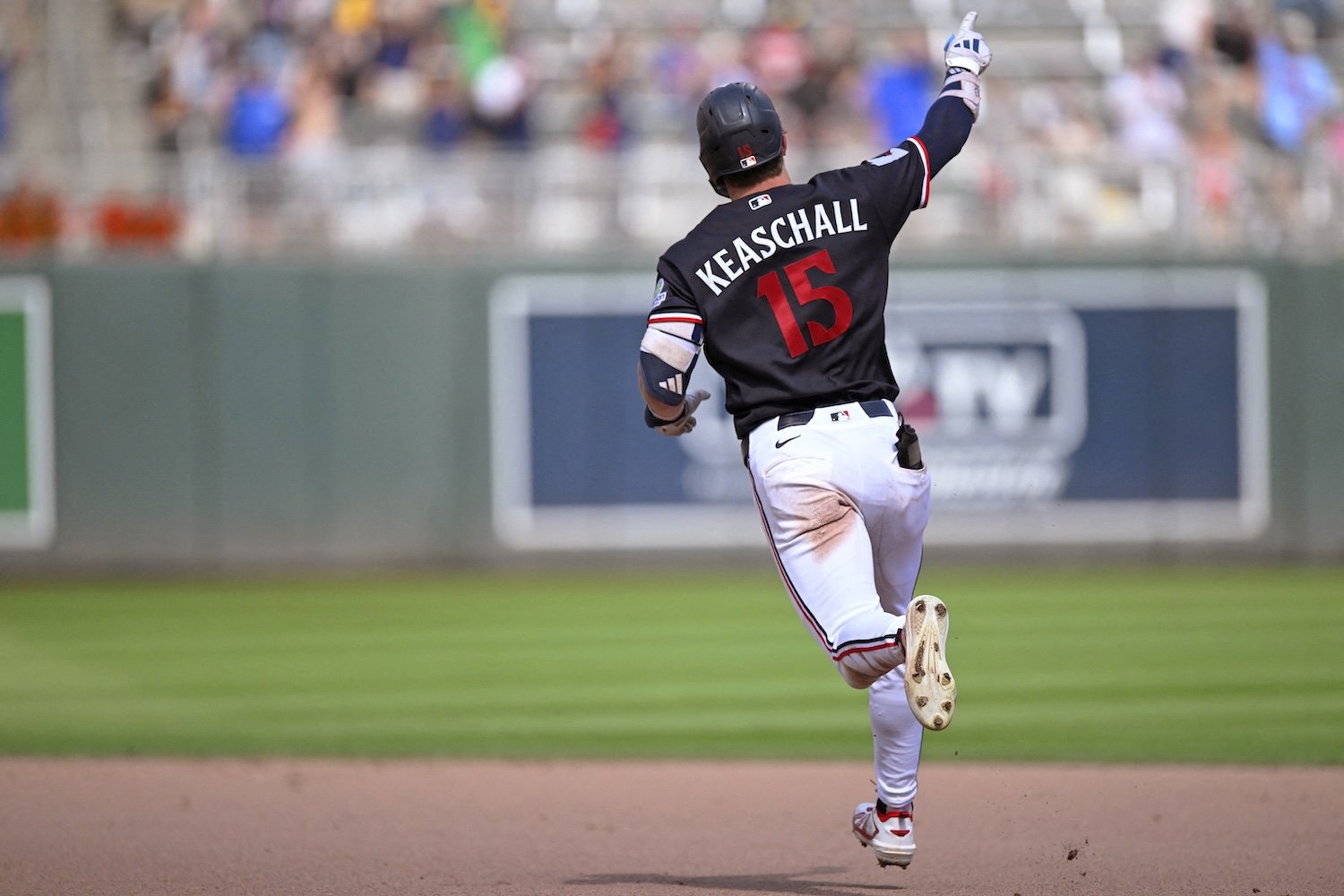 There was no prototypical team MVP this season. Essentially no one on the roster met the standard of putting together a campaign that was both exceptional and complete, and that sort of tells the story of this year's 77-win team. With that said, in Twins Daily's voting, there was a clear-cut choice: Luke Keaschall edged the field by a fairly healthy margin to earn our nod as the best and most impactful player on the 2026 Twins. We'll cover why shortly, but first let's take a look at the balloting results, and the cases for the other candidates who fell short. Twins Daily 2026 MVP Results Luke Keaschall (31 pts) Byron Buxton (22 pts) Taj Bradley (18 pts) Kody Clemens (17) Brooks Lee (8) Also receiving votes: Joe Ryan (4), Ryan Jeffers (4), Josh Bell (1) Within these results, you can see some indicators of different preferences and styles. Bell, Lee and Clemens excelled in the more traditional categories, ranking first, second and third respectively in RBIs, and also in the top four for home runs. These were the steadiest producers all year long. But it would be hard to describe any of their seasons as "exceptional" — none finished with an OPS+ above 110, or with even three Wins Above Replacement. On the flip side, you have a number of players who were very exceptional, but only for stretches of the season. Ryan and Jeffers played like All-Stars for much of the first half, but missed significant time with injuries and slumped into the finish line. Buxton was an even starker example of this dynamic, making his second consecutive All-Star team and playing at a borderline MVP-caliber level before his hip injury first sidelined him in late July. It was not pretty the rest of the way: .179/.304/.231 with no homers and one RBI in 46 plate appearances in August, then nothing in September. Still, his exemplary work up until that point was enough to make him runner-up in our voting. To me, the strongest case outside of Keaschall was Bradley, who I ranked No. 1 in my own personal ballot. His was healthy, he was a horse, and he was impactful: 31 starts, 178.1 IP, 3.82 FIP, 205 strikeouts. He led the team with 4.4 bWAR and the Twins went 18-13 with him on the mound. But I get that a 3.73 ERA doesn't exactly scream "elite," and also many people are reluctant to prioritize pitchers in MVP voting since they get their own award, which is fair. So it feels like almost a process of elimination that elevates Keaschall to the top. With that said, I don't want to undersell the quality of his season, and I won't. Let's dig into the performance that made Keaschall deserving of our top award for the 2026 team. Recovering From a Slow Start Keaschall was drawing big buzz entering this season, coming off a rookie year that drew plenty of praise (including TD's Rookie of the Year nod). MLB Network's Matt Vasgersian, for example, named him as a preseason AL MVP candidate. But a cold start threw some chilly water on the Keaschall hype train. The 23-year-old slumped through the first month, finishing April with a .217/.267/.275 slash line. Derek Shelton took it in stride. “The least of my concerns right now is Luke Keaschall,” he said in the early going. Smart man. Keaschall turned a corner right around the start of May and never looked back, slashing .301/.402/.446 with 24 doubles, four triples, nine homers and 13 steals in 489 plate appearances after the end of April. His offensive game was particularly potent in the second half; from July 1st through the end of the year, Keaschall ranked sixth in baseball with a .406 wOBA, trailing only Yordan Alvarez and Pete Alonso among AL hitters. The recovery was enough to make Keaschall's overall numbers for the season quite strong. His 120 OPS+ was best for any Twins hitter with 450+ plate appearances, and his 3.0 fWAR led the club. Taking the Lead The biggest development of Keaschall's season, from the team's perspective, was his entrenchment of the leadoff spot. He opened the year batting third, then got knocked down to the lower part of the order due to his early struggles. Despite Shelton's stated confidence, it took a long stretch of sustained excellent performance to convince the manager to shift Keaschall back toward the top of the lineup. On August 17th, Keaschall made his first career start in the leadoff spot, and from there, he didn't budge. With the exception of one late-season start in the two-hole behind leadoff man Walker Jenkins, Keaschall hit leadoff in every game after mid-August. It's tough to see him moving anywhere else. Keaschall is an ideal leadoff man, capable of taking good at-bats, hitting for average, drawing walks, and running the bases. He set a new franchise record getting hit by 23 pitches. His on-base percentage from May 1st onward (.402) ranked second only to Alvarez among AL hitters. Keaschall is a natural atop the order. And his move there coincided with another one defensively that helped greatly bolster his overall value. Finding a Defensive Home One of the biggest factors working against Keaschall in this conversation, aside from the slow start, is his defensive impact. For much of the season, it was hugely negative. He spent the first half at second base and was among the worst fielders in the league there. In July the Twins tried shifting him to center and it was beyond ugly. But in mid-August, at almost the exact same time he switched to leading off, Keaschall relocated permanently to right field and immediately looked a lot better. There were still some moments of inexperience on display — odd reads, questionable throws — but Keaschall was a reasonably effective right fielder at worst. Per Defensive Runs Saved, he was worth plus-1 runs in 450 innings there after posting a negative-4 in 630 innings at second. The damage done by his glove in the first half can't be ignored, and in a stronger team MVP field it might have cost Keaschall the top spot. But again, there was no perfect player on this year's Twins. What excites me most is that down the stretch, he basically was that. Bigger Things to Come? Once Keaschall settled in as everyday leadoff hitter and right fielder, he was phenomenal. From August 17th through the end of the year he was a top-20 MLB player in fWAR. The power emergence was a particularly encouraging development: In August and September, Keaschall homered six times with 22 extra-base hits and a .524 slugging percentage. Through the end of July he had four home runs and a .344 SLG. A guy who holds his own defensively while batting over .300 with elite on-base skills AND some power? That's not only a worthy team MVP, but a potential league MVP. We didn't see that player all year, but we consistently saw it in the second half and that's what really cemented Keaschall's case. Who's your pick for team MVP? I'd love to hear your thoughts in the comments.
 -
Image courtesy of Nick Wosika-Imagn Images There was no prototypical team MVP this season. Essentially no one on the roster met the standard of putting together a campaign that was both exceptional and complete, and that sort of tells the story of this year's 77-win team. With that said, in Twins Daily's voting, there was a clear-cut choice: Luke Keaschall edged the field by a fairly healthy margin to earn our nod as the best and most impactful player on the 2026 Twins. We'll cover why shortly, but first let's take a look at the balloting results, and the cases for the other candidates who fell short. Twins Daily 2026 MVP Results Luke Keaschall (31 pts) Byron Buxton (22 pts) Taj Bradley (18 pts) Kody Clemens (17) Brooks Lee (8) Also receiving votes: Joe Ryan (4), Ryan Jeffers (4), Josh Bell (1) Within these results, you can see some indicators of different preferences and styles. Bell, Lee and Clemens excelled in the more traditional categories, ranking first, second and third respectively in RBIs, and also in the top four for home runs. These were the steadiest producers all year long. But it would be hard to describe any of their seasons as "exceptional" — none finished with an OPS+ above 110, or with even three Wins Above Replacement. On the flip side, you have a number of players who were very exceptional, but only for stretches of the season. Ryan and Jeffers played like All-Stars for much of the first half, but missed significant time with injuries and slumped into the finish line. Buxton was an even starker example of this dynamic, making his second consecutive All-Star team and playing at a borderline MVP-caliber level before his hip injury first sidelined him in late July. It was not pretty the rest of the way: .179/.304/.231 with no homers and one RBI in 46 plate appearances in August, then nothing in September. Still, his exemplary work up until that point was enough to make him runner-up in our voting. To me, the strongest case outside of Keaschall was Bradley, who I ranked No. 1 in my own personal ballot. His was healthy, he was a horse, and he was impactful: 31 starts, 178.1 IP, 3.82 FIP, 205 strikeouts. He led the team with 4.4 bWAR and the Twins went 18-13 with him on the mound. But I get that a 3.73 ERA doesn't exactly scream "elite," and also many people are reluctant to prioritize pitchers in MVP voting since they get their own award, which is fair. So it feels like almost a process of elimination that elevates Keaschall to the top. With that said, I don't want to undersell the quality of his season, and I won't. Let's dig into the performance that made Keaschall deserving of our top award for the 2026 team. Recovering From a Slow Start Keaschall was drawing big buzz entering this season, coming off a rookie year that drew plenty of praise (including TD's Rookie of the Year nod). MLB Network's Matt Vasgersian, for example, named him as a preseason AL MVP candidate. But a cold start threw some chilly water on the Keaschall hype train. The 23-year-old slumped through the first month, finishing April with a .217/.267/.275 slash line. Derek Shelton took it in stride. “The least of my concerns right now is Luke Keaschall,” he said in the early going. Smart man. Keaschall turned a corner right around the start of May and never looked back, slashing .301/.402/.446 with 24 doubles, four triples, nine homers and 13 steals in 489 plate appearances after the end of April. His offensive game was particularly potent in the second half; from July 1st through the end of the year, Keaschall ranked sixth in baseball with a .406 wOBA, trailing only Yordan Alvarez and Pete Alonso among AL hitters. The recovery was enough to make Keaschall's overall numbers for the season quite strong. His 120 OPS+ was best for any Twins hitter with 450+ plate appearances, and his 3.0 fWAR led the club. Taking the Lead The biggest development of Keaschall's season, from the team's perspective, was his entrenchment of the leadoff spot. He opened the year batting third, then got knocked down to the lower part of the order due to his early struggles. Despite Shelton's stated confidence, it took a long stretch of sustained excellent performance to convince the manager to shift Keaschall back toward the top of the lineup. On August 17th, Keaschall made his first career start in the leadoff spot, and from there, he didn't budge. With the exception of one late-season start in the two-hole behind leadoff man Walker Jenkins, Keaschall hit leadoff in every game after mid-August. It's tough to see him moving anywhere else. Keaschall is an ideal leadoff man, capable of taking good at-bats, hitting for average, drawing walks, and running the bases. He set a new franchise record getting hit by 23 pitches. His on-base percentage from May 1st onward (.402) ranked second only to Alvarez among AL hitters. Keaschall is a natural atop the order. And his move there coincided with another one defensively that helped greatly bolster his overall value. Finding a Defensive Home One of the biggest factors working against Keaschall in this conversation, aside from the slow start, is his defensive impact. For much of the season, it was hugely negative. He spent the first half at second base and was among the worst fielders in the league there. In July the Twins tried shifting him to center and it was beyond ugly. But in mid-August, at almost the exact same time he switched to leading off, Keaschall relocated permanently to right field and immediately looked a lot better. There were still some moments of inexperience on display — odd reads, questionable throws — but Keaschall was a reasonably effective right fielder at worst. Per Defensive Runs Saved, he was worth plus-1 runs in 450 innings there after posting a negative-4 in 630 innings at second. The damage done by his glove in the first half can't be ignored, and in a stronger team MVP field it might have cost Keaschall the top spot. But again, there was no perfect player on this year's Twins. What excites me most is that down the stretch, he basically was that. Bigger Things to Come? Once Keaschall settled in as everyday leadoff hitter and right fielder, he was phenomenal. From August 17th through the end of the year he was a top-20 MLB player in fWAR. The power emergence was a particularly encouraging development: In August and September, Keaschall homered six times with 22 extra-base hits and a .524 slugging percentage. Through the end of July he had four home runs and a .344 SLG. A guy who holds his own defensively while batting over .300 with elite on-base skills AND some power? That's not only a worthy team MVP, but a potential league MVP. We didn't see that player all year, but we consistently saw it in the second half and that's what really cemented Keaschall's case. Who's your pick for team MVP? I'd love to hear your thoughts in the comments. View full article
-
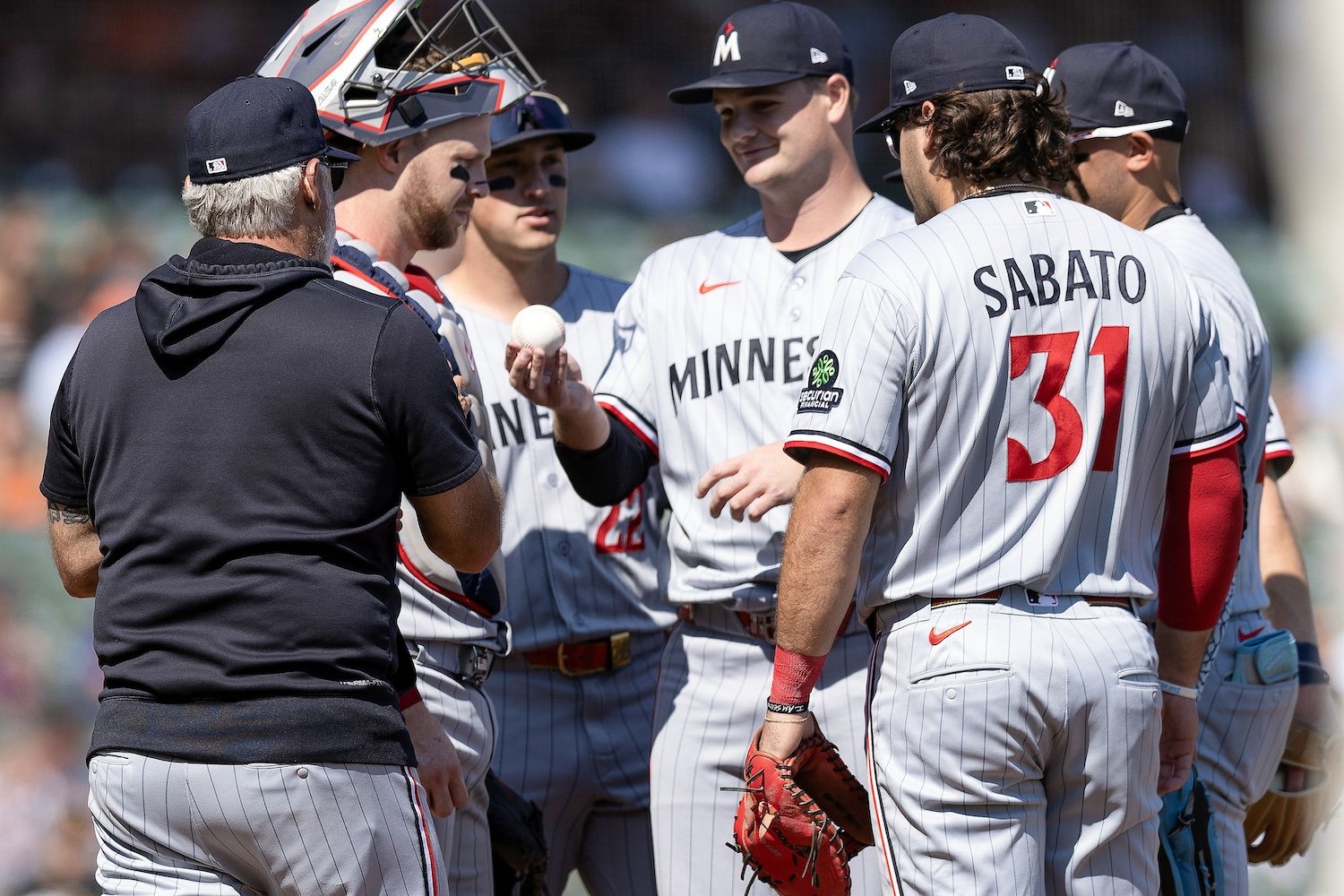 We're going to keep this one pretty short and simple since it wasn't much of a race. Only two players had enough playing time and good enough performance to credibly qualify for this award. That's not to say this season was lacking for high-profile debuts. Top prospects Walker Jenkins and Emmanuel Rodriguez received late-season call-ups, but Jenkins didn't reach 100 plate appearances and Rodriguez didn't reach 50. Kaelen Culpepper had a larger sample of playing time, but did not quite meet the 130-AB threshold to surpass rookie status. That didn't render him ineligible, and Culpepper did get some down-ballot votes from our panel, but you want a more complete rookie season to evaluate. Two pitchers gave us that: Connor Prielipp and Andrew Morris. As of late August, it was a close race, with Morris actually in the lead. But the way things finished for both players more than closed the gap, resulting in a near-unanimous selection of Prielipp as Twins Daily's 2026 Rookie of the Year. Twins Daily 2026 Rookie of the Year Results Connor Prielipp (34 pts, 6 first-place votes) Andrew Morris (27 pts, 1 first-place vote) Kaelen Culpepper (22 pts) Walker Jenkins (3 pts) Prielipp vs. Morris: A September Swing Both hurlers arrived earlier than expected this season, debuting in April with their timelines accelerated by injuries in the rotation and bullpen. Morris opened up with a few rocky outings and then absolutely locked in for a long stretch. From April 30th through August 15th he posted a 2.09 ERA with 45 strikeouts, 18 walks and only two home runs allowed in 47 ⅓ innings. He was a revelation for a needy Twins bullpen alongside waiver find Yoendrys Gómez. But both faded down the stretch and Morris completely cratered, posting a 9.37 ERA with four blown saves, an 0-5 record, and AL-worst negative-1.48 Win Probability Added in his final 17 appearances. It was enough to sabotage his case completely, leaving Morris with mediocre final numbers that were still very respectable for a 24-year-old rookie — especially with the context that Morris was transitioning into a short-relief role for the first time, and nearly tripled his previous career high for appearances. I don't want to downplay the right-hander's season entirely on the basis of that finish. This was an impressive season overall for Morris, and he deserves to be mentioned prominently in this conversation. But Prielipp's finish left little doubt. There were a lot of ups and downs in Prielipp's rookie season. One of those downs came in August, where he posted a 7.76 ERA and the Twins went 0-5 in his starts. It looked like the oft-injured lefty might be understandably wearing down as ventured into unprecedented workload territory. Then, in September, he was brilliant, posting a 2.36 ERA with one homered allowed in 26 ⅔ frames. The Twins went 4-1 in those five starts. It was en electric finish to a rookie season that was better all-around than it might appear on the surface. More Than Meets the Eye Even with the strong September, Prielipp's surface numbers don't pop off the page: 4.87 ERA and 6-7 record in 125 innings pitched. But those numbers are weighed down by bad luck and a few clunker outings where he was arguably left in too long. Prielipp's 3.73 FIP and 3.95 xERA paint a brighter picture. His 2.0 fWAR ranked third among Twins pitchers, behind only Taj Bradley and Joe Ryan. Given the southpaw's health history, merely getting through the season healthy was going to be a win. Doing it almost entirely in the majors, while at minimum holding his own and finishing on a dominant note, makes him one of the best stories on this Twins team. He ended the year as a bona fide young building block in the rotation, leaving no doubt that he belongs in the big leagues. With a solid workload foundation in place, he'll enter 2027 as one of the organization's most valuable assets, and one of the biggest reasons to believe in its future. What are your thoughts on the 2026 Twins rookie class? Do you see more of a legit argument for Morris, or even Culpepper? Sound off in the comments.
 -
Image courtesy of D. Ross Cameron-Imagn Images We're going to keep this one pretty short and simple since it wasn't much of a race. Only two players had enough playing time and good enough performance to credibly qualify for this award. That's not to say this season was lacking for high-profile debuts. Top prospects Walker Jenkins and Emmanuel Rodriguez received late-season call-ups, but Jenkins didn't reach 100 plate appearances and Rodriguez didn't reach 50. Kaelen Culpepper had a larger sample of playing time, but did not quite meet the 130-AB threshold to surpass rookie status. That didn't render him ineligible, and Culpepper did get some down-ballot votes from our panel, but you want a more complete rookie season to evaluate. Two pitchers gave us that: Connor Prielipp and Andrew Morris. As of late August, it was a close race, with Morris actually in the lead. But the way things finished for both players more than closed the gap, resulting in a near-unanimous selection of Prielipp as Twins Daily's 2026 Rookie of the Year. Twins Daily 2026 Rookie of the Year Results Connor Prielipp (34 pts, 6 first-place votes) Andrew Morris (27 pts, 1 first-place vote) Kaelen Culpepper (22 pts) Walker Jenkins (3 pts) Prielipp vs. Morris: A September Swing Both hurlers arrived earlier than expected this season, debuting in April with their timelines accelerated by injuries in the rotation and bullpen. Morris opened up with a few rocky outings and then absolutely locked in for a long stretch. From April 30th through August 15th he posted a 2.09 ERA with 45 strikeouts, 18 walks and only two home runs allowed in 47 ⅓ innings. He was a revelation for a needy Twins bullpen alongside waiver find Yoendrys Gómez. But both faded down the stretch and Morris completely cratered, posting a 9.37 ERA with four blown saves, an 0-5 record, and AL-worst negative-1.48 Win Probability Added in his final 17 appearances. It was enough to sabotage his case completely, leaving Morris with mediocre final numbers that were still very respectable for a 24-year-old rookie — especially with the context that Morris was transitioning into a short-relief role for the first time, and nearly tripled his previous career high for appearances. I don't want to downplay the right-hander's season entirely on the basis of that finish. This was an impressive season overall for Morris, and he deserves to be mentioned prominently in this conversation. But Prielipp's finish left little doubt. There were a lot of ups and downs in Prielipp's rookie season. One of those downs came in August, where he posted a 7.76 ERA and the Twins went 0-5 in his starts. It looked like the oft-injured lefty might be understandably wearing down as ventured into unprecedented workload territory. Then, in September, he was brilliant, posting a 2.36 ERA with one homered allowed in 26 ⅔ frames. The Twins went 4-1 in those five starts. It was en electric finish to a rookie season that was better all-around than it might appear on the surface. More Than Meets the Eye Even with the strong September, Prielipp's surface numbers don't pop off the page: 4.87 ERA and 6-7 record in 125 innings pitched. But those numbers are weighed down by bad luck and a few clunker outings where he was arguably left in too long. Prielipp's 3.73 FIP and 3.95 xERA paint a brighter picture. His 2.0 fWAR ranked third among Twins pitchers, behind only Taj Bradley and Joe Ryan. Given the southpaw's health history, merely getting through the season healthy was going to be a win. Doing it almost entirely in the majors, while at minimum holding his own and finishing on a dominant note, makes him one of the best stories on this Twins team. He ended the year as a bona fide young building block in the rotation, leaving no doubt that he belongs in the big leagues. With a solid workload foundation in place, he'll enter 2027 as one of the organization's most valuable assets, and one of the biggest reasons to believe in its future. What are your thoughts on the 2026 Twins rookie class? Do you see more of a legit argument for Morris, or even Culpepper? Sound off in the comments. View full article
-
Image courtesy of David Frerker-Imagn Images When Derek Falvey took over the Twins' front office 10 years ago, there was a major emphasis on overhauling the team's pitching, from prospect development to MLB talent evaluation and coaching. The Twins had fallen into a dark place, with 90+ losses in five of six seasons. During that span, run prevention was a primary weakness, with their 4.61 ERA ranking as worst in MLB outside of Colorado. Minnesota's strikeout rate ranked 30th out of 30. Falvey was ultimately chosen to succeed Terry Ryan in large part because of his track record for pitching development. This was known be a key focus as soon as he took over. And to some extent, he delivered. The Twins have moved from the bottom to the middle of the pack in key stats like ERA, WAR and K-rate. The 2023 season featured of the best Minnesota staffs in memory, built and cultivated by Falvey and his assistant GM Jeremy Zoll, among others. In the past few seasons, though, it feels like momentum has stalled out. This owes to many factors, injuries included, but the dismissal of Pete Maki as pitching coach points to another issue: failure of the field staff to capitalize on upside and potential recognized by Falvey's front office. I'll give you one example that feels especially relevant right now. On Wednesday night, Trevor Megill closed out Game 4 of the NLDS and sent the Milwaukee Brewers back to the league championship series. It was business as usual for Megill, who has solidified himself as a trusted closer for the 103-win Brew Crew. As you may recall, the Twins had him for a minute. He pitched to a 4.80 ERA in 45 innings for Minnesota back in 2022, and was cut in spring training of 2023 before latching on with Milwaukee, where he almost immediately established himself as a quality reliever. In four years since, Megill has posted a 2.80 ERA and 2.37 FIP with 81 saves across 190 innings. He was an All-Star in 2025. I distinctly remember watching Megill pitch in spring training and marveling at the caliber of his arsenal, and the potential for dominance from his intimidating 6-foot-8 frame. It was obvious why the front office targeted him on a minor-league deal, and having those types of bets pay off is critical to success for a mid-market club. The Twins' coaching staff just couldn't make it work ... though the Brewers wasted little time doing so. A similar story played out around the same time with Jeff Hoffman, another timely case study. He was in camp with the Twins in 2023 on a non-guaranteed deal, and he had some buzz. He was one of the last cuts. But he was a cut, and the rest played to script: he latched on with the Phillies, rapidly emerged as an asset, made an All-Star team, signed a big contract with Toronto, piled up 50 saves, and eventually found his way back to the Twins in exchange for a top pitching prospect. In fairness, the front office deserves its share of blame here. They are the ones that made the call to part ways with Hoffman, who has actually credited Maki with helping him develop his dominant slider. But the Twins had this guy in camp, on the precipice of a breakout, and they were unable to collaboratively conclude that they needed to carry him out of camp and give him a shot. It's representative of the executional disconnect that continually holds the Twins back. They saw the promise. They couldn't unlock it. Someone else quickly did. We've also seen this play out with the likes of Yennier Cano, Brent Headrick and others. Even their developmental success stories have sometimes been overshadowed by the work of other organizations. Take Louis Varland for example. The Twins deserve plenty of credit for turning a Division II pitcher and 15th-round draft pick into a standout MLB reliever, but shortly after going to another team, Varland reached another level entirely. This reminds me of what happened with Ryan Pressly, who progressively turned from a Rule 5 pick into a good relief pitcher before being traded to Houston in 2018 and immediately becoming an elite pitcher. I don't want to suggest the Twins pitching staff has not had any wins upon which to hang their hats over recent years. Joe Ryan and Taj Bradley are commendable examples. Yoendrys Gómez might be on that path. (Ironically, all three came over from the Rays.) There just haven't been enough. And there have been way too many near-misses — especially in the bullpen — that point to a pitching operation that's been on the right track but unable to push across the finish line. And this is what the Twins will hope to resolve with their new hires on the pitching staff. With Zoll leading baseball ops, there's a new boss to interface with and a new dynamic that will hopefully help shake up the stagnance preventing Twins pitching talent from reaching its potential over the past three years. The Twins have spent a decade getting better at finding the right arms. Their next pitching coach needs to make sure that when those arms break through, they're still wearing a Twins uniform. View full article
- 52 replies
-
- 2
-
-
-
- jeff hoffman
- trevor megill
- (and 1 more)
-
The Twins Keep Finding Pitching Talent. Why Can't They Unlock It?
Nick Nelson posted an article in Twins
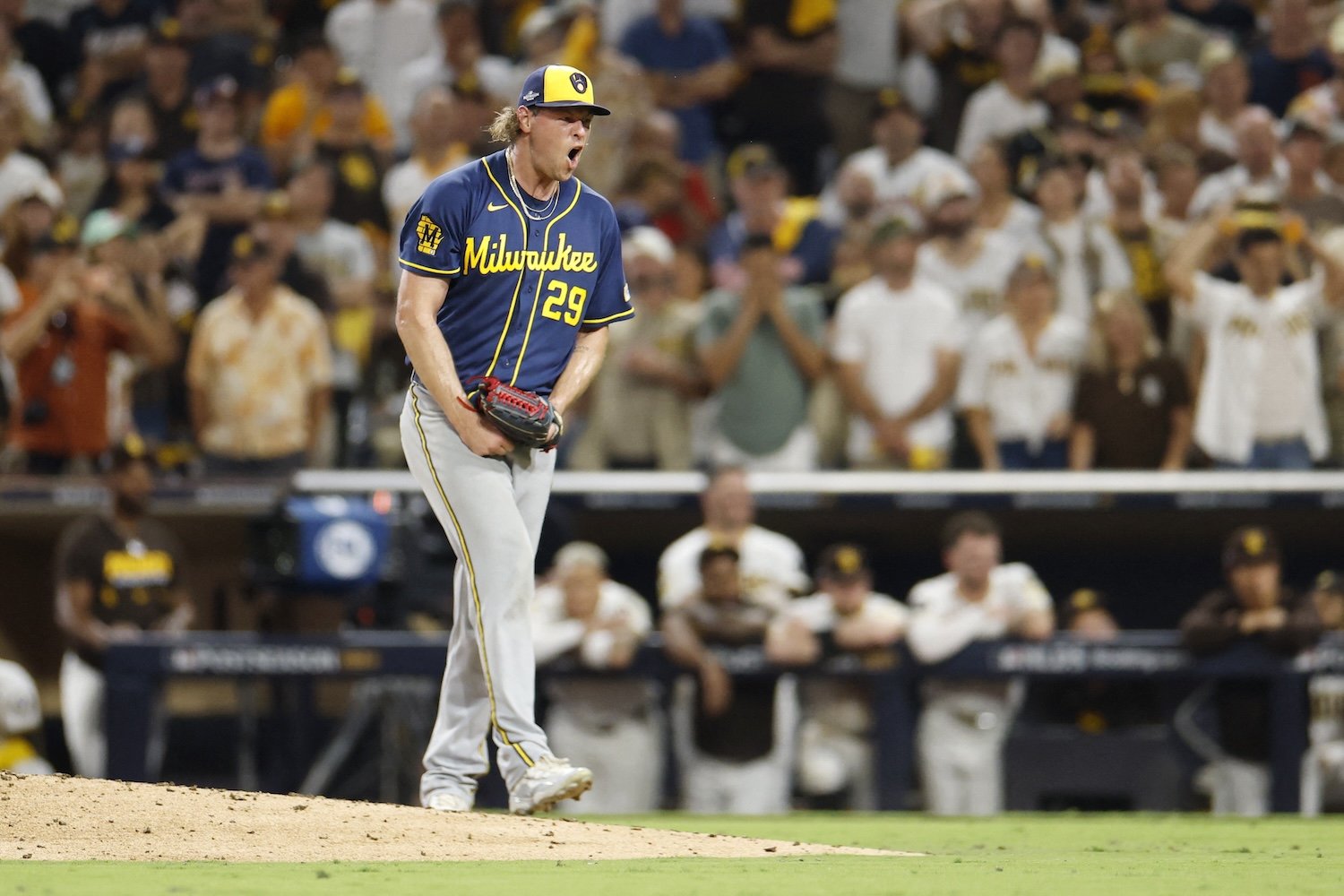 When Derek Falvey took over the Twins' front office 10 years ago, there was a major emphasis on overhauling the team's pitching, from prospect development to MLB talent evaluation and coaching. The Twins had fallen into a dark place, with 90+ losses in five of six seasons. During that span, run prevention was a primary weakness, with their 4.61 ERA ranking as worst in MLB outside of Colorado. Minnesota's strikeout rate ranked 30th out of 30. Falvey was ultimately chosen to succeed Terry Ryan in large part because of his track record for pitching development. This was known be a key focus as soon as he took over. And to some extent, he delivered. The Twins have moved from the bottom to the middle of the pack in key stats like ERA, WAR and K-rate. The 2023 season featured of the best Minnesota staffs in memory, built and cultivated by Falvey and his assistant GM Jeremy Zoll, among others. In the past few seasons, though, it feels like momentum has stalled out. This owes to many factors, injuries included, but the dismissal of Pete Maki as pitching coach points to another issue: failure of the field staff to capitalize on upside and potential recognized by Falvey's front office. I'll give you one example that feels especially relevant right now. On Wednesday night, Trevor Megill closed out Game 4 of the NLDS and sent the Milwaukee Brewers back to the league championship series. It was business as usual for Megill, who has solidified himself as a trusted closer for the 103-win Brew Crew. As you may recall, the Twins had him for a minute. He pitched to a 4.80 ERA in 45 innings for Minnesota back in 2022, and was cut in spring training of 2023 before latching on with Milwaukee, where he almost immediately established himself as a quality reliever. In four years since, Megill has posted a 2.80 ERA and 2.37 FIP with 81 saves across 190 innings. He was an All-Star in 2025. I distinctly remember watching Megill pitch in spring training and marveling at the caliber of his arsenal, and the potential for dominance from his intimidating 6-foot-8 frame. It was obvious why the front office targeted him on a minor-league deal, and having those types of bets pay off is critical to success for a mid-market club. The Twins' coaching staff just couldn't make it work ... though the Brewers wasted little time doing so. A similar story played out around the same time with Jeff Hoffman, another timely case study. He was in camp with the Twins in 2023 on a non-guaranteed deal, and he had some buzz. He was one of the last cuts. But he was a cut, and the rest played to script: he latched on with the Phillies, rapidly emerged as an asset, made an All-Star team, signed a big contract with Toronto, piled up 50 saves, and eventually found his way back to the Twins in exchange for a top pitching prospect. In fairness, the front office deserves its share of blame here. They are the ones that made the call to part ways with Hoffman, who has actually credited Maki with helping him develop his dominant slider. But the Twins had this guy in camp, on the precipice of a breakout, and they were unable to collaboratively conclude that they needed to carry him out of camp and give him a shot. It's representative of the executional disconnect that continually holds the Twins back. They saw the promise. They couldn't unlock it. Someone else quickly did. We've also seen this play out with the likes of Yennier Cano, Brent Headrick and others. Even their developmental success stories have sometimes been overshadowed by the work of other organizations. Take Louis Varland for example. The Twins deserve plenty of credit for turning a Division II pitcher and 15th-round draft pick into a standout MLB reliever, but shortly after going to another team, Varland reached another level entirely. This reminds me of what happened with Ryan Pressly, who progressively turned from a Rule 5 pick into a good relief pitcher before being traded to Houston in 2018 and immediately becoming an elite pitcher. I don't want to suggest the Twins pitching staff has not had any wins upon which to hang their hats over recent years. Joe Ryan and Taj Bradley are commendable examples. Yoendrys Gómez might be on that path. (Ironically, all three came over from the Rays.) There just haven't been enough. And there have been way too many near-misses — especially in the bullpen — that point to a pitching operation that's been on the right track but unable to push across the finish line. And this is what the Twins will hope to resolve with their new hires on the pitching staff. With Zoll leading baseball ops, there's a new boss to interface with and a new dynamic that will hopefully help shake up the stagnance preventing Twins pitching talent from reaching its potential over the past three years. The Twins have spent a decade getting better at finding the right arms. Their next pitching coach needs to make sure that when those arms break through, they're still wearing a Twins uniform.
- 52 comments
-
- 14
-
-

-
- jeff hoffman
- trevor megill
- (and 1 more)
-
Image courtesy of Pablo Robles-Imagn Images In looking over the projected 2027 Twins roster, the clearest opportunity to upgrade the lineup is at first base, where Royce Lewis is coming off another sub-par season. Twins officials have signaled a willingness to invest. The problem is that this year's free agent class at the position is not particularly strong. There are only a few truly good hitters on the market and competition will be high for them, meaning trades could be the better avenue for landing an impact bat, especially with the Twins being open to dealing from their pitching depth. Here are five names that stand out as potentially available targets capable of meaningfully improving a position where the Twins ranked 26th out of 30 MLB teams in fWAR this season. Yandy Díaz, Tampa Bay Rays Coming off an All-Star campaign (his second), Díaz has one remaining year of team control at $13 million. That makes him a prototypical Rays trade candidate. He's an excellent all-around hitter with a 127 career OPS+ and his right-handed bat would be a nice fit in the heart of the Twins' order. It's reasonable to wonder if Díaz is a credible defensive first baseman at this point. All of the 35-year-old's starts this year came at DH, and 114 of his 150 appearances last year. The Twins had little tolerance for Josh Bell's glove at first and it's not clear Díaz would be any better. Alec Burleson, St. Louis Cardinals Biggest prize the Twins could hope to land. He led the majors with 116 RBIs as No. 3 hitter for the Cards. Burleson is two years from free agency and turning 29 next month. He has produced a 129 OPS+ over the last two seasons with a high-contact swing that produces a lot of power. He'd be the kind of slam-dunk acquisition this team needs to generate enthusiasm and back up big talk. The question is availability. St. Louis has no real impetus to shop him, especially since they already had one of the worst offenses in the league this year. Minnesota's front office would need to knock their socks off with an offer. Spencer Steer, Cincinnati Reds Reunion alert! Steer has been a pretty average hitter for the Reds since being sent over in the Tyler Mahle trade, but there's value in that — especially because he brings some defensive versatility that would be handy. For example, as a righty hitter he could pop out to left field and start against a southpaw. Steer's overall .242/.327/.421 slash line in 586 games is mediocre, but he has an .838 OPS against lefties and that's what makes him interesting for a Twins team trying to overcome a perpetual weakness. He's controlled through 2028 and reportedly received "plenty of interest" at the deadline. Triston Casas, Boston Red Sox High risk, high reward. Casas was a Rookie of the Year contender in 2023 and had a 126 OPS+ through 222 MLB games. He was slumping in 2025 before suffering a torn patellar tendon against the Twins in early May. He hasn't appeared in a game since, with his recovery complicated by soft tissue injuries and a wrist issue requiring arthroscopic surgery. Injuries have ravaged the 26-year-old and derailed a promising career. Maybe a change of scenery helps him get it back on track. Casas has two remaining years of control and will be cheap in terms of salary, making him an efficient payroll fit that maintains spending flexibility to upgrade elsewhere. Gambling on him to finally get healthy and return to form would be a bold course with a lot of downside. Ryan Mountcastle, Baltimore Orioles More of a floor raiser than a ceiling raiser. Cost to acquire him would presumably be low because he's become highly redundant in Baltimore. Missed all but one game this year due to a fractured foot, and he was not a good hitter in 2025. Prior to that, however, he was a reliable 110-ish OPS+ right-handed power bat. Based on recent history, it's not clear he's a superior option to Lewis, so this isn't the most exciting proposition, but there's little question that Mountcastle is attainable he's still only 29. None of these options is perfect, in terms of both clear availability and fit. But if the Twins are serious about bolstering an offense that will need to replace the lost impact of Bell and Ryan Jeffers, first base offers an opportunity to be aggressive. They have pitching depth to deal from and an obvious need to address. Whether it's a blockbuster for Burleson, a calculated gamble on Casas or something in between, this feels like an area where the Twins should be actively exploring every avenue this winter. View full article
-
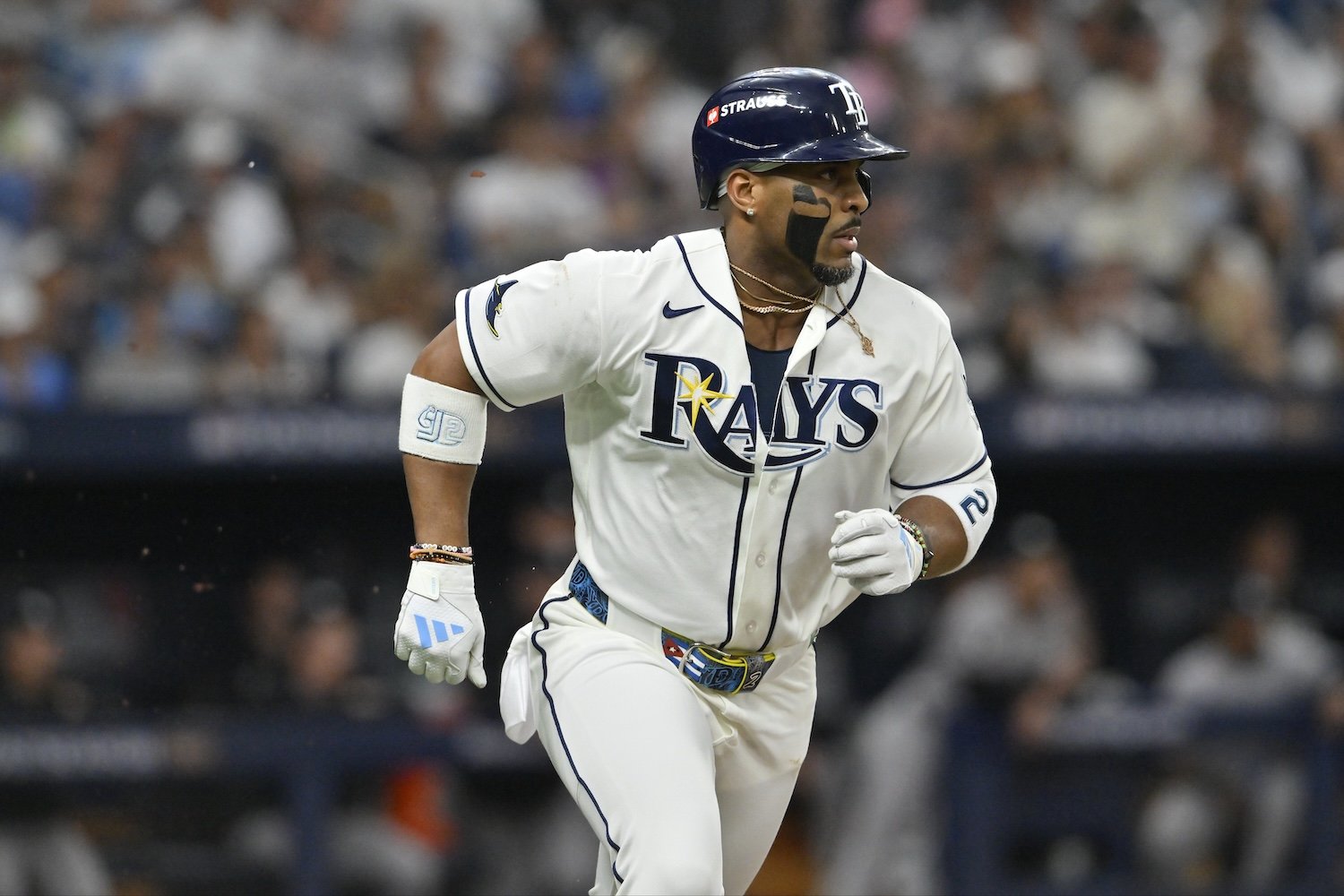 In looking over the projected 2027 Twins roster, the clearest opportunity to upgrade the lineup is at first base, where Royce Lewis is coming off another sub-par season. Twins officials have signaled a willingness to invest. The problem is that this year's free agent class at the position is not particularly strong. There are only a few truly good hitters on the market and competition will be high for them, meaning trades could be the better avenue for landing an impact bat, especially with the Twins being open to dealing from their pitching depth. Here are five names that stand out as potentially available targets capable of meaningfully improving a position where the Twins ranked 26th out of 30 MLB teams in fWAR this season. Yandy Díaz, Tampa Bay Rays Coming off an All-Star campaign (his second), Díaz has one remaining year of team control at $13 million. That makes him a prototypical Rays trade candidate. He's an excellent all-around hitter with a 127 career OPS+ and his right-handed bat would be a nice fit in the heart of the Twins' order. It's reasonable to wonder if Díaz is a credible defensive first baseman at this point. All of the 35-year-old's starts this year came at DH, and 114 of his 150 appearances last year. The Twins had little tolerance for Josh Bell's glove at first and it's not clear Díaz would be any better. Alec Burleson, St. Louis Cardinals Biggest prize the Twins could hope to land. He led the majors with 116 RBIs as No. 3 hitter for the Cards. Burleson is two years from free agency and turning 29 next month. He has produced a 129 OPS+ over the last two seasons with a high-contact swing that produces a lot of power. He'd be the kind of slam-dunk acquisition this team needs to generate enthusiasm and back up big talk. The question is availability. St. Louis has no real impetus to shop him, especially since they already had one of the worst offenses in the league this year. Minnesota's front office would need to knock their socks off with an offer. Spencer Steer, Cincinnati Reds Reunion alert! Steer has been a pretty average hitter for the Reds since being sent over in the Tyler Mahle trade, but there's value in that — especially because he brings some defensive versatility that would be handy. For example, as a righty hitter he could pop out to left field and start against a southpaw. Steer's overall .242/.327/.421 slash line in 586 games is mediocre, but he has an .838 OPS against lefties and that's what makes him interesting for a Twins team trying to overcome a perpetual weakness. He's controlled through 2028 and reportedly received "plenty of interest" at the deadline. Triston Casas, Boston Red Sox High risk, high reward. Casas was a Rookie of the Year contender in 2023 and had a 126 OPS+ through 222 MLB games. He was slumping in 2025 before suffering a torn patellar tendon against the Twins in early May. He hasn't appeared in a game since, with his recovery complicated by soft tissue injuries and a wrist issue requiring arthroscopic surgery. Injuries have ravaged the 26-year-old and derailed a promising career. Maybe a change of scenery helps him get it back on track. Casas has two remaining years of control and will be cheap in terms of salary, making him an efficient payroll fit that maintains spending flexibility to upgrade elsewhere. Gambling on him to finally get healthy and return to form would be a bold course with a lot of downside. Ryan Mountcastle, Baltimore Orioles More of a floor raiser than a ceiling raiser. Cost to acquire him would presumably be low because he's become highly redundant in Baltimore. Missed all but one game this year due to a fractured foot, and he was not a good hitter in 2025. Prior to that, however, he was a reliable 110-ish OPS+ right-handed power bat. Based on recent history, it's not clear he's a superior option to Lewis, so this isn't the most exciting proposition, but there's little question that Mountcastle is attainable he's still only 29. None of these options is perfect, in terms of both clear availability and fit. But if the Twins are serious about bolstering an offense that will need to replace the lost impact of Bell and Ryan Jeffers, first base offers an opportunity to be aggressive. They have pitching depth to deal from and an obvious need to address. Whether it's a blockbuster for Burleson, a calculated gamble on Casas or something in between, this feels like an area where the Twins should be actively exploring every avenue this winter.
 -
Gleeman mentioned on a recent GATG podcast that the team views that buyout as being on the 2027 books. So I'm just trying to align with that.
-
If they do this, then one of Buxton, Keaschall, Jenkins or Rodriguez is sitting to make room for him every time he starts. And what of Roden? Just out of the plans?
- 73 replies
-
- 4
-
-
- joe ryan
- bailey ober
- (and 1 more)
-
In the chart above, I've laid out what I view as the baseline roster for the Twins in 2027. That is not to say it's the roster I expect to see, but it's the mold they are working from. It includes all of their arbitration eligible players, with the exception of Trevor Larnach, who I just can't see coming back. Other players might be varying levels of unlikely, as we'll cover below, but they all have a case at least. In looking this over, a few things stand out. Let's unpack. Payroll Will Rise Naturally Even without any external acquisitions, payroll is set to increase as a byproduct of arbitration raises (as estimated by MLB Trade Rumors), with a starting point around $115 million. That includes the $11 million the Twins are paying Houston for Carlos Correa, but also the $3.75 million they got back from Toronto to help cover Jeff Hoffman's salary. It's why Tom Pohlad's proclamation that payroll will rise next year is hardly some bold assertion. It's kinda hard not to go up from their 2026 Opening Day figure of $105 million. The bigger question is how much of an increase we're talking about. I'm setting the over/under at $130 million. Too Much Starting Pitching I know, I know, there's no such thing. We learned that the hard way this year. But the concept of Connor Prielipp being crowded out of the rotation to start the season seems outrageous. If healthy, Mick Abel should be there too. And I've currently got Zebby Matthews pegged for the bullpen (where I think he actually has a lot of upside). Part of me thinks the Twins could non-tender Bailey Ober, but he proved reasonably effective even with the reduced velocity. It's kind of hard to let a dependable back-end arm — second only to Joe Ryan in innings pitched for Minnesota over the past four years — get away for no return over $7 million. Either way, you can see why Jeremy Zoll has expressed openness to dealing from the team's starting pitching depth, and it's why I predict Ryan will be moved. The Lineup Is Mostly Set Looking at the projected starting nine, it seems all but certain that eight of the nine players will be slated for the starting lineup, with the possible exception of Emmanuel Rodriguez if he opens in a reserve role. (He has to be on the active roster due to being out of options.) The glaring exception is first base. Royce Lewis' future with the franchise is in flux, and this position looks like easily the most obvious place to aim for an impact upgrade. We'll be taking a closer look at some of the potential targets in the days to come. A Solid Base to Work With in the Bullpen One of the most critical tasks for the Twins in this transitional season was to establish some stability in the bullpen, which was largely devoid of quality talent entering 2026. To their credit, they made some real progress. Hoffman gives them a legit centerpiece to build around, with Yoendrys Gómez and Andrew Morris emerging as solid complementary pieces. I'll be curious to see how many of their three arbitration-eligible vets are retained between Anthony Banda, Cole Sands and Tommy Nance. All are reasonable values at their projected salaries, but none offer a ton of upside. With maybe one more high-profile addition, you can really see the makings of a quality relief corps, especially if someone like Matthews or Kendry Rojas converts full-time. What are you biggest takeaways as you look over the projected 2027 roster as it currently stands? What are the most sensible places to invest? Where would you be aiming to shake things up? Share your thoughts in the comments. View full article
-
A Preliminary Look at the Minnesota Twins' Baseline 2027 Roster and Payroll
Nick Nelson posted an article in Twins
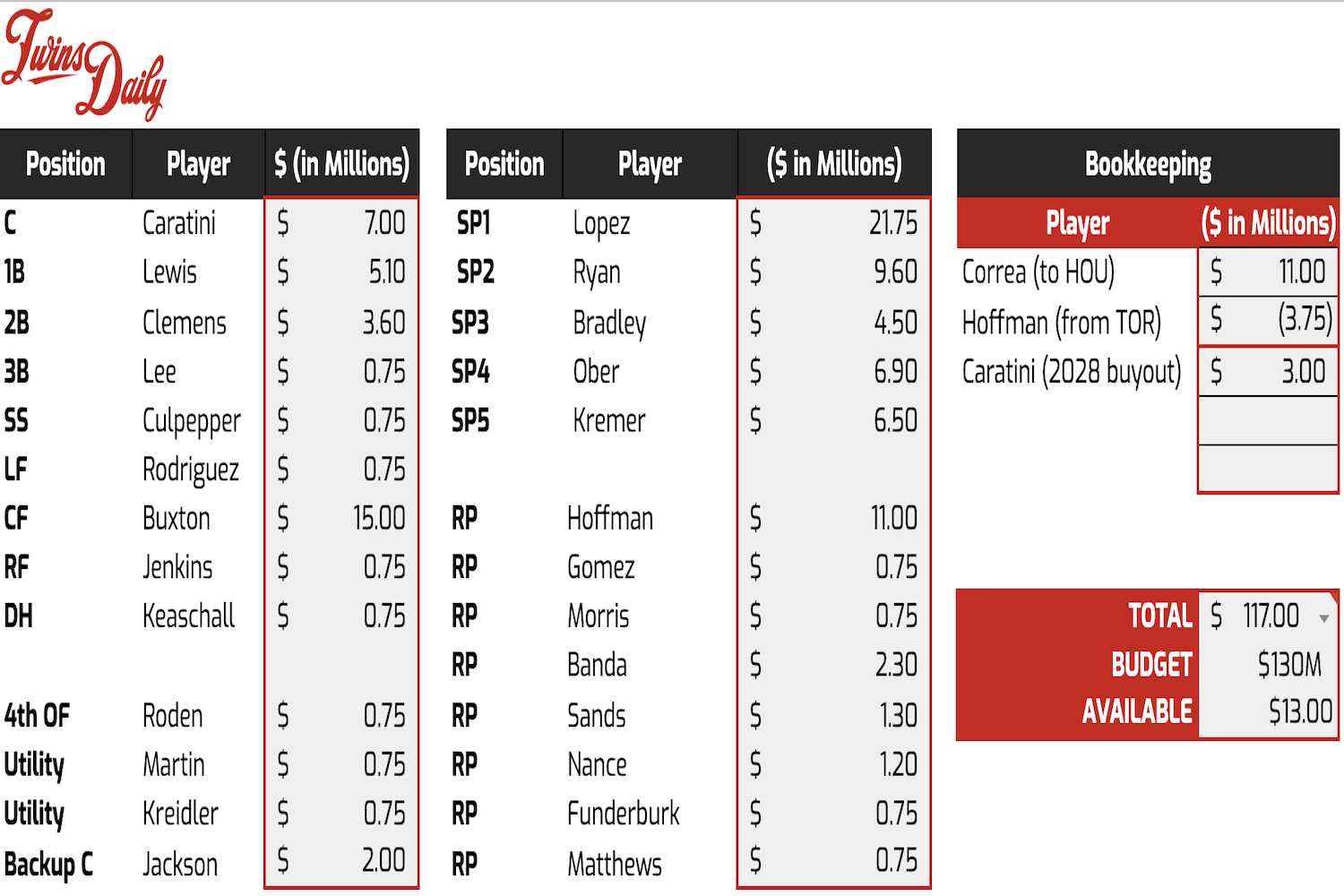 In the chart above, I've laid out what I view as the baseline roster for the Twins in 2027. That is not to say it's the roster I expect to see, but it's the mold they are working from. It includes all of their arbitration eligible players, with the exception of Trevor Larnach, who I just can't see coming back. Other players might be varying levels of unlikely, as we'll cover below, but they all have a case at least. In looking this over, a few things stand out. Let's unpack. Payroll Will Rise Naturally Even without any external acquisitions, payroll is set to increase as a byproduct of arbitration raises (as estimated by MLB Trade Rumors), with a starting point around $115 million. That includes the $11 million the Twins are paying Houston for Carlos Correa, but also the $3.75 million they got back from Toronto to help cover Jeff Hoffman's salary. It's why Tom Pohlad's proclamation that payroll will rise next year is hardly some bold assertion. It's kinda hard not to go up from their 2026 Opening Day figure of $105 million. The bigger question is how much of an increase we're talking about. I'm setting the over/under at $130 million. Too Much Starting Pitching I know, I know, there's no such thing. We learned that the hard way this year. But the concept of Connor Prielipp being crowded out of the rotation to start the season seems outrageous. If healthy, Mick Abel should be there too. And I've currently got Zebby Matthews pegged for the bullpen (where I think he actually has a lot of upside). Part of me thinks the Twins could non-tender Bailey Ober, but he proved reasonably effective even with the reduced velocity. It's kind of hard to let a dependable back-end arm — second only to Joe Ryan in innings pitched for Minnesota over the past four years — get away for no return over $7 million. Either way, you can see why Jeremy Zoll has expressed openness to dealing from the team's starting pitching depth, and it's why I predict Ryan will be moved. The Lineup Is Mostly Set Looking at the projected starting nine, it seems all but certain that eight of the nine players will be slated for the starting lineup, with the possible exception of Emmanuel Rodriguez if he opens in a reserve role. (He has to be on the active roster due to being out of options.) The glaring exception is first base. Royce Lewis' future with the franchise is in flux, and this position looks like easily the most obvious place to aim for an impact upgrade. We'll be taking a closer look at some of the potential targets in the days to come. A Solid Base to Work With in the Bullpen One of the most critical tasks for the Twins in this transitional season was to establish some stability in the bullpen, which was largely devoid of quality talent entering 2026. To their credit, they made some real progress. Hoffman gives them a legit centerpiece to build around, with Yoendrys Gómez and Andrew Morris emerging as solid complementary pieces. I'll be curious to see how many of their three arbitration-eligible vets are retained between Anthony Banda, Cole Sands and Tommy Nance. All are reasonable values at their projected salaries, but none offer a ton of upside. With maybe one more high-profile addition, you can really see the makings of a quality relief corps, especially if someone like Matthews or Kendry Rojas converts full-time. What are you biggest takeaways as you look over the projected 2027 roster as it currently stands? What are the most sensible places to invest? Where would you be aiming to shake things up? Share your thoughts in the comments.
- 73 comments
-
- 9
-
-
- joe ryan
- bailey ober
- (and 1 more)
-
Image courtesy of Matt Blewett-Imagn Images The Twins have 10 players eligible for arbitration this offseason, meaning those players remain under team control but the club must decide whether to tender them contracts at a potentially increased salary, or non-tender them and make them free agents. Notably, the deadline to tender or non-tender falls in late November, before the expected lockout commences on December 1st. In a winter where some decisions may be delayed, these ones will need to be made on time. Some are very straightforward, while others have plenty of room for debate. Here's a look at the 10 players the Twins will need to decide on, from most service time to least. For each, I included which year of arbitration eligibility they're in (i.e. how far away from free agency), their projected 2027 salary per MLB Trade Rumors, and the percentage of likelihood they'll be tendered a contract by the Twins. The last one is of course my subjective opinion, briefly explained for each, but I'd love to hear in the comments section if others have differing takes. Who stays and who goes for the Minnesota Twins in arbitration? Anthony Banda: Final year of eligibility MLBTR projection: $2.3M Likelihood of tender: 40% A borderline case, like many in the bullpen. Banda was rounding into form after a bad start before he went down with a season-ending lat injury. The 33-year-old's track record is unexceptional aside from a couple solid years with the Dodgers. The projected salary is not exorbitant, but not necessarily a great deal either. I see this as basically a coin flip, dependent on the front office's broader ambitions for upgrading the relief corps. Dean Kremer: Final year of eligibility MLBTR projection: $6.5M Likelihood of tender: 80% Not quite a lock but close. Kremer's one additional year of team control was part of the reason Minnesota parted with an intriguing prospect to acquire him at the deadline. He looked as good as they could have hoped after the trade. Bailey Ober: Final year of eligibility MLBTR projection: $6.9M Likelihood of tender: 30% I would view this as more likely if the Twins didn't add Kremer. As things stand, the two are pretty redundant as back-end veteran starters with similar price tags. Ober held his own this year but Kremer demonstrated a lot more upside in the second half. That said, we know the Twins like Ober, and keeping them both for $14 million is not totally outlandish — you can never have too much pitching depth. Joe Ryan: Final year of eligibility MLBTR projection: $9.6M Likelihood of tender: 100% No-brainer. The only way Ryan is not a Twin in 2027 is if he gets traded (which I consider a very real possibility). Notably, his contract does have a mutual option for $13 million, but I have to assume the Twins will decline and pay the $100K buyout to save a few million bucks. Trevor Larnach: Final year of eligibility MLBTR projection: $6.3M Likelihood of tender: 30% He was a borderline candidate last time at this year, and generally made the Twins look smart for it. Posted a career-high OPS that ranked third on the team. But with Walker Jenkins and Emmanuel Rodriguez having arrived, there's just no room for him in the Minnesota outfield. I can see a reasonable chance of a sign-and-trade situation, but the Twins have notoriously struggled to find a market for their lefty corner outfielders in the past. I don't think they want to head into the lockout with Larnach on the books for next year. Royce Lewis: Second-to-last year MLBTR projection: $5.1M Likelihood of tender: 60% The trickiest and most weighty decision among this group. The notion of simply letting Lewis go for nothing over $5 million coming off his healthiest season would've been incomprehensible a few short years ago, but it's where we are at. Money is not the issue. He's turned into a poor offensive first baseman on a team that needs to improve its lineup, and he finished the year looking as bad as ever. I think there's a slightly better than 50/50 shot of a tender because the Twins could probably get something in a trade, but from my view there's little chance of him being on this team next Opening Day. Cole Sands: Second-to-last year MLBTR projection: $1.3M Likelihood of tender: 30% Again: cost not an issue, but more so realistic upside at this point. Good as he looked in 2024, he has a 5.04 ERA since, and lost almost all of this past season to injury. You almost wonder if they could non-tender and re-sign him to a minor-league deal. Tommy Nance: Third-to-last year MLBTR projection: $1.2M Likelihood of tender: 50% The $1.2 million figure isn't much, but it's probably enough to pencil him into a role in the 2027 bullpen. Nance was fine but he's nothing special. If the Twins want to meaningfully invest as they claim, spending money to upgrade this spot feels like a clear opportunity. Then again, nothing wrong with keeping him around as an inexpensive lower-leverage option. Kody Clemens: Third-to-last year MLBTR projection: $3.6M Likelihood of tender: 100% He's got an argument for team MVP. There's no question he's coming back with that modest salary increase. This is Clemens' first year of arbitration eligibility, meaning he won't be a free agent until after the 2029 season. What a find. Taj Bradley: Third-to-last year MLBTR projection: $4.5M Likelihood of tender: 100% Next to Clemens atop the list of candidates for MVP of the 2026 Twins. Also three years away from free agency. Bradley has become a building block for the rotation. The only way he doesn't get tendered a contract is if he's already reached agreement with the team on an extension before then, which is on the table. One way or another, he'll be back. There are some easy calls here, but also a handful where reasonable minds can differ, especially with the Twins promising a more aggressive approach to improving the roster. Who would you tender, who would you cut loose, and where do you disagree with my percentages? Share your arbitration predictions in the comments. View full article
-
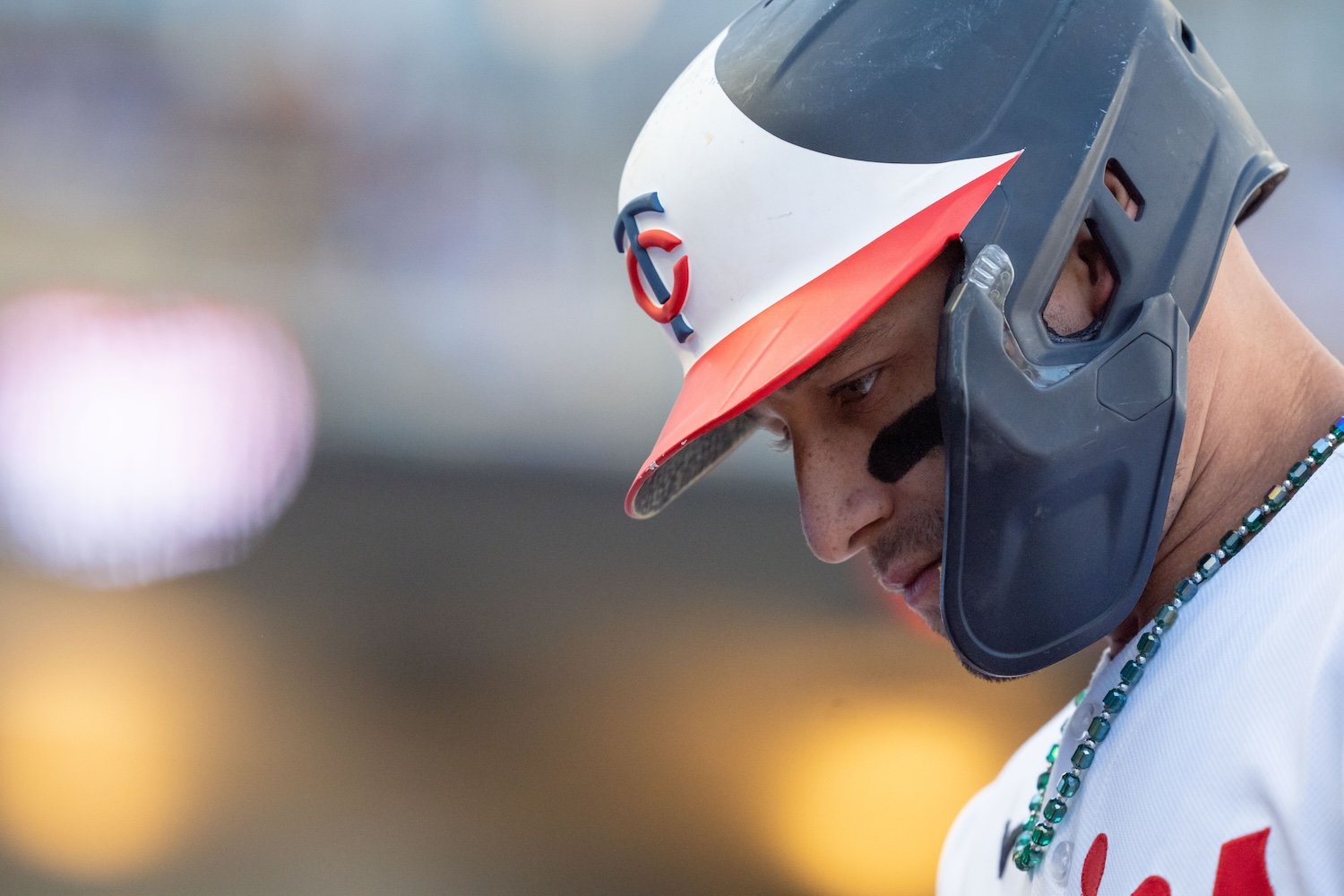 The Twins have 10 players eligible for arbitration this offseason, meaning those players remain under team control but the club must decide whether to tender them contracts at a potentially increased salary, or non-tender them and make them free agents. Notably, the deadline to tender or non-tender falls in late November, before the expected lockout commences on December 1st. In a winter where some decisions may be delayed, these ones will need to be made on time. Some are very straightforward, while others have plenty of room for debate. Here's a look at the 10 players the Twins will need to decide on, from most service time to least. For each, I included which year of arbitration eligibility they're in (i.e. how far away from free agency), their projected 2027 salary per MLB Trade Rumors, and the percentage of likelihood they'll be tendered a contract by the Twins. The last one is of course my subjective opinion, briefly explained for each, but I'd love to hear in the comments section if others have differing takes. Who stays and who goes for the Minnesota Twins in arbitration? Anthony Banda: Final year of eligibility MLBTR projection: $2.3M Likelihood of tender: 40% A borderline case, like many in the bullpen. Banda was rounding into form after a bad start before he went down with a season-ending lat injury. The 33-year-old's track record is unexceptional aside from a couple solid years with the Dodgers. The projected salary is not exorbitant, but not necessarily a great deal either. I see this as basically a coin flip, dependent on the front office's broader ambitions for upgrading the relief corps. Dean Kremer: Final year of eligibility MLBTR projection: $6.5M Likelihood of tender: 80% Not quite a lock but close. Kremer's one additional year of team control was part of the reason Minnesota parted with an intriguing prospect to acquire him at the deadline. He looked as good as they could have hoped after the trade. Bailey Ober: Final year of eligibility MLBTR projection: $6.9M Likelihood of tender: 30% I would view this as more likely if the Twins didn't add Kremer. As things stand, the two are pretty redundant as back-end veteran starters with similar price tags. Ober held his own this year but Kremer demonstrated a lot more upside in the second half. That said, we know the Twins like Ober, and keeping them both for $14 million is not totally outlandish — you can never have too much pitching depth. Joe Ryan: Final year of eligibility MLBTR projection: $9.6M Likelihood of tender: 100% No-brainer. The only way Ryan is not a Twin in 2027 is if he gets traded (which I consider a very real possibility). Notably, his contract does have a mutual option for $13 million, but I have to assume the Twins will decline and pay the $100K buyout to save a few million bucks. Trevor Larnach: Final year of eligibility MLBTR projection: $6.3M Likelihood of tender: 30% He was a borderline candidate last time at this year, and generally made the Twins look smart for it. Posted a career-high OPS that ranked third on the team. But with Walker Jenkins and Emmanuel Rodriguez having arrived, there's just no room for him in the Minnesota outfield. I can see a reasonable chance of a sign-and-trade situation, but the Twins have notoriously struggled to find a market for their lefty corner outfielders in the past. I don't think they want to head into the lockout with Larnach on the books for next year. Royce Lewis: Second-to-last year MLBTR projection: $5.1M Likelihood of tender: 60% The trickiest and most weighty decision among this group. The notion of simply letting Lewis go for nothing over $5 million coming off his healthiest season would've been incomprehensible a few short years ago, but it's where we are at. Money is not the issue. He's turned into a poor offensive first baseman on a team that needs to improve its lineup, and he finished the year looking as bad as ever. I think there's a slightly better than 50/50 shot of a tender because the Twins could probably get something in a trade, but from my view there's little chance of him being on this team next Opening Day. Cole Sands: Second-to-last year MLBTR projection: $1.3M Likelihood of tender: 30% Again: cost not an issue, but more so realistic upside at this point. Good as he looked in 2024, he has a 5.04 ERA since, and lost almost all of this past season to injury. You almost wonder if they could non-tender and re-sign him to a minor-league deal. Tommy Nance: Third-to-last year MLBTR projection: $1.2M Likelihood of tender: 50% The $1.2 million figure isn't much, but it's probably enough to pencil him into a role in the 2027 bullpen. Nance was fine but he's nothing special. If the Twins want to meaningfully invest as they claim, spending money to upgrade this spot feels like a clear opportunity. Then again, nothing wrong with keeping him around as an inexpensive lower-leverage option. Kody Clemens: Third-to-last year MLBTR projection: $3.6M Likelihood of tender: 100% He's got an argument for team MVP. There's no question he's coming back with that modest salary increase. This is Clemens' first year of arbitration eligibility, meaning he won't be a free agent until after the 2029 season. What a find. Taj Bradley: Third-to-last year MLBTR projection: $4.5M Likelihood of tender: 100% Next to Clemens atop the list of candidates for MVP of the 2026 Twins. Also three years away from free agency. Bradley has become a building block for the rotation. The only way he doesn't get tendered a contract is if he's already reached agreement with the team on an extension before then, which is on the table. One way or another, he'll be back. There are some easy calls here, but also a handful where reasonable minds can differ, especially with the Twins promising a more aggressive approach to improving the roster. Who would you tender, who would you cut loose, and where do you disagree with my percentages? Share your arbitration predictions in the comments.
 -
You're right, I'm not getting the point. The Twins have "proven exciting young homegrown talent emerging" right now. Isn't that an argument in favor of investing and building around them? The Twins currently have multiple veteran frontline starters, plus a back-to-back All Star CF, under contract. Why are we worrying about 2029?
-
The 1987 Twins were a barely above .500 team that got hot in the playoffs. They had one of the lowest payrolls in baseball and were hardly viewed as some top contender coming in. If anything they are an example that makes the opposite of your point.
-
I'm not on board with this at all personally. It's the kind of kicking-the-can that just makes excuses for ownership to not spend or try. There's no reason they shouldn't be pushing while the young building blocks are here and cheap, and Buxton, Lopez and Ryan are still on the roster.
-
I'm generally not a fan of overpaying for relievers but the whole point of a cheap young roster is that it gives you the luxury of doing things like this. The Twins have one player slated to make more than $15M next year, and almost nothing on the books thereafter. If the attitude is "Twins need players who have not reached their peak not over priced players who have their peaks in the rear view mirror," then you're just saying you don't want to to spend money or significantly pursue free agency. Those players are already here; you build around them with complementary veterans.
-
Image courtesy of Wendell Cruz-Imagn Images The Minnesota Twins headed into the 2026 season with gaping hole at the back end of their bullpen. Trading away Jhoan Duran, Louis Varland and Griffin Jax left them deprived of proven options for the late innings. In the early going, it hurt them. Though the course of the year, the Twins did establish some solid options to handle high leverage for 2027. Andrew Morris and Yoendrys Gómez thrived in the setup and closer role for much of the year before nosediving down the stretch. Jeff Hoffman looked brilliant after being acquired at the deadline, but ended the year sidelined by a forearm injury. There's much more to work with now than there was a year ago, but that's not necessarily saying much. If the Twins want to invest boldly and aggressively this offseason, as Tom Pohlad insisted in a year-ending press conference on Tuesday, one of the most obvious places to do so is by spending on a late-inning arm, and perhaps even a closer who can push everyone else down the pecking order. There are a number of options in this year's free agent class who fit that billing, including Bryan Abreu, whom the Twins nearly acquired at the deadline. But there's another name that really stands out as a fit, in part because of his connection to Minnesota's manager. David Bednar emerged as an All-Star closer under Derek Shelton's watch in Pittsburgh, posting a 3.01 ERA with 146 saves over four-and-a-half seasons with the Pirates. Bednar was traded to the Yankees at last year's deadline, and played out his final year of team control in New York this year, notching 35 saves with a 2.47 ERA as closer. Dating back to his breakout season in 2021, Bednar ranks fourth among MLB relievers in fWAR, trailing only Emmanuel Clase, Josh Hader and Duran — three of the best closers in this generation. He's got the fifth-most saves, and his record of success was interrupted only by a random down year in 2024, from which he's bounced back fully. At 32, Bednar will be one of the top relievers on the market. There will be plenty of teams vying for his services, including the Yankees who've experienced his excellence first-hand. Outbidding the field will require the Twins to pony up, and in that regard, would be a strong follow-through on Pohlad's big talk. It would surely make Shelton a happy camper. Not many things went right during his time in Pittsburgh, but Bednar played a big role in any success they had, ranking behind only Paul Skenes and Bryan Reynolds in Win Probability Added over Shelton's managerial tenure. He was not shy about his "When you have stability at the end of the game when you have the opportunity to win, it's something that you lean on," Shelton said in 2022. "We've leaned on David … But that stability at the end of a game is extremely important for a young club.” Last year, when Bednar was traded from Pittsburgh to New York, Shelton gave a scouting report to C.J. Nitowski of MLB Network Radio and praised the right-hander's elite makeup and overpowering arsenal. I don't know how much Shelton's history with Bednar should really factor into the equation of targeting him as a free agent, but the reality is that he stands out as an ideal pickup even with that aside. He checks every box in the Twins should be looking for with a big bullpen splash: Proven track record of success and durability? Check. Plenty of closing experience, including in the postseason? Check. A big enough name to satisfy the standard of ambition and aggressiveness that Pohlad promised? Check. Bednar won't come cheaply, and that's kind of the point. If the Twins are serious about wanting to invest, this is the caliber of free agent they should be pursuing: established, durable, dominant and capable of immediately upgrading a clear area of need. The Shelton connection only makes the fit cleaner. He already knows what it feels like to hand Bednar a late lead and trust that the game is going to end there. Bringing that certainty to Minnesota would strengthen the bullpen, clarify everyone's role and give Pohlad a meaningful early opportunity to put some substance behind his promise of a different kind of offseason View full article

