



Nick Nelson
-
Posts
8,315 -
Joined
-
Last visited
-
Days Won
56
Content Type
Profiles
News
Minnesota Twins Videos
2026 Minnesota Twins Top Prospects Ranking
2022 Minnesota Twins Draft Picks
Minnesota Twins Free Agent & Trade Rumors, Notes, & Tidbits
Guides & Resources
2023 Minnesota Twins Draft Picks
The Minnesota Twins Players Project
2024 Minnesota Twins Draft Picks
2025 Minnesota Twins Draft Pick Tracker
2026 Minnesota Twins Draft Tracker: Picks & Bonuses
Forums
Blogs
Events
Store
Downloads
Gallery
Everything posted by Nick Nelson
-
 Would he? SWR posted a 99 ERA+ in 130 innings with a below-average strikeout rate. Benefited from some favorable periphs. His track record prior to last year was rough. Commenters seem quite a bit higher on him than I am.
- 58 replies
-
- 1
-

-
- edouard julien
- marco raya
- (and 3 more)
-
The Top 20 Minnesota Twins Player Assets of 2025: Part 1 (20-16)
Nick Nelson posted an article in Twins
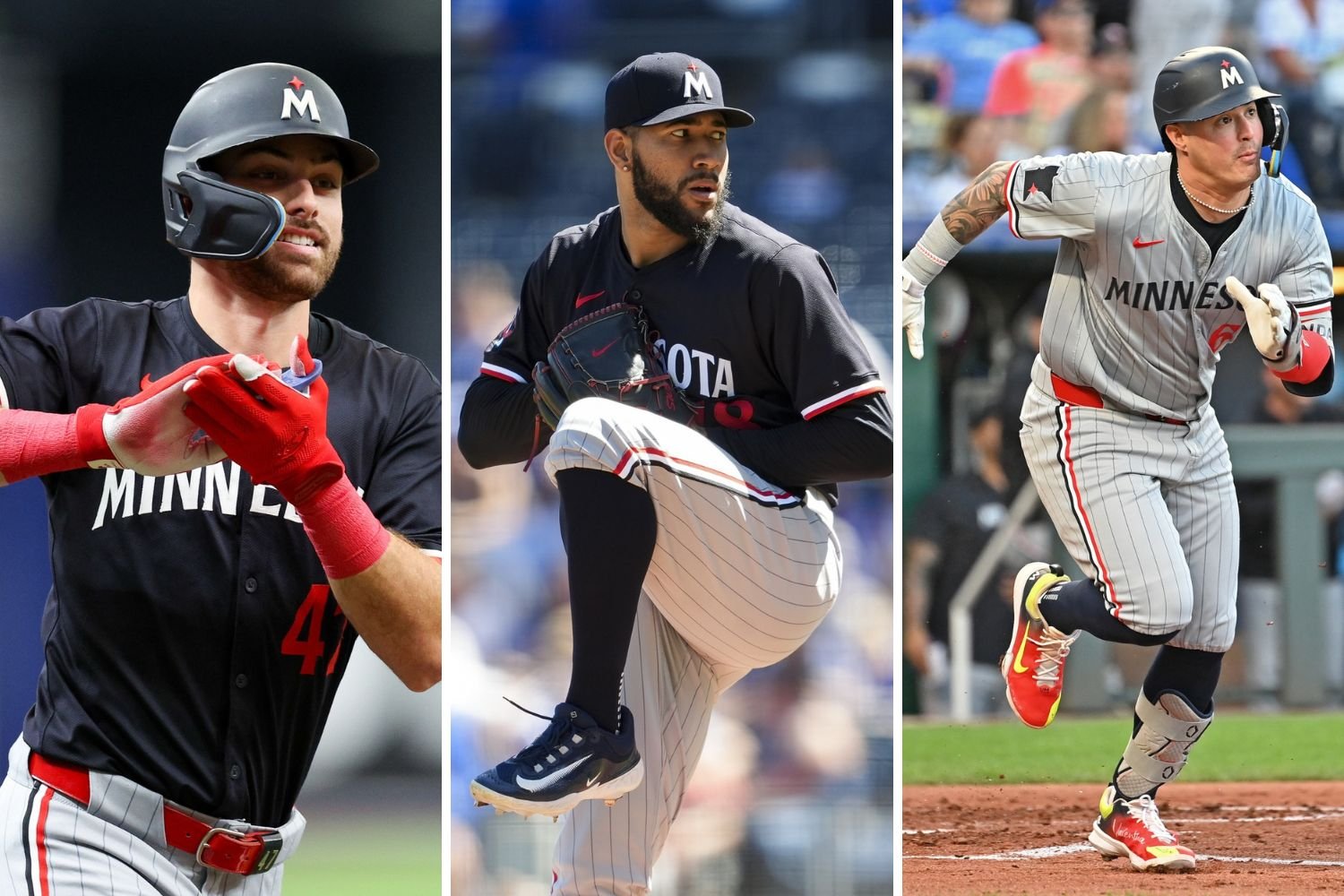 I've been creating this list for Twins Daily at the start of each new year dating back to 2018. The idea of this exercise is to take stock of the organization's talent through the scope of team-building. Our goal is to answer this question: Which current players in the organization are most indispensable to fulfilling the vision of building a champion? We account for age, contract, controllability, upside, etc. It's not strictly a ranking of trade value, because that would be more team-agnostic, whereas this list aims to capture a very Twins-specific point of view. As such, players at areas of scarcity (i.e. catching) get elevated, while those at areas of abundance (i.e. relief pitchers) get downgraded a bit. I always find compiling this list to be an interesting offseason pastime – one that brings to the surface unique conversations about Twins players, how we value them, and where the system's strengths and weaknesses truly lie. This year there is an added element of meaningfulness in player asset evaluation, with the team being up for sale. As a potential buyer sizes up the organization, what kind of talent would they be inheriting, and how does that talent makeup set the team up for success in the years ahead? This is what we aim to contextualize. For an overview of the evolving Twins talent landscape, you can scan through the lists I've put together for the past seven years. Top 20 Twins Assets: 2018 Top 20 Twins Assets: 2019 Top 20 Twins Assets: 2020 Top 20 Twins Assets: 2021 Top 20 Twins Assets: 2022 Top 20 Twins Assets: 2023 (Revised) Top 20 Twins Assets: 2024 Attempting to update the rankings this year proved to be an enlightening process. Most of the players from last year's top 20 remain in the organization, but by and large they lowered their standings during a tumultuous 2024 campaign. Still, as I review the overall list, I'm inspired by the overall caliber of talent in this organization, and the readiness of key players to make an impact. Let's kick off the list with an overview of my choices for the 16th-through-20th most valuable player assets in the Twins organization as of today. Check back daily the rest of the week for further installments. 20. Edouard Julien, 2B Age: 25 Controlled through: 2029 2024 Ranking: 8 He's down but he's not out. Having seemingly entrenched himself as a building block with his phenomenal rookie season in 2023, Julien no longer has a case for ranking among the top 10 most valuable Twins assets, and it might be a stretch to have him in the top 20. But I'm still a believer in his bat, which had produced with stunning consistency across all levels and settings up until this past season. He needs to bounce back and he's still got defensive question marks to sort out. But I continue to believe that Julien will be an important factor in the future of the Minnesota Twins. 19. Simeon Woods Richardson, RHP Age: 24 Controlled through: 2030 2024 Ranking: NR One of the biggest risers of 2024, Woods Richardson went from the fringes of the team's SP depth chart to being central in their rotation plans. Turning around a disturbing performance and velocity trend, the right-hander was highly effective after stepping into the big-league rotation early, delivering steady performances over 28 starts and leading the team to a 17-11 record in those outings. This made him an easy choice for Twins rookie of the year. Woods Richardson's upside is capped by a substandard strikeout rate and the lack of a dominant pedigree. But he showed all the makings of a reliable back-of-rotation starter in 2024, and that has plenty of value when attached to a minimum price tag and six more years of team control. 18. Marco Raya, RHP Age: 22 Controlled through: 2030+ 2024 Ranking: 13 The former 2020 draft pick out of high school has been carefully handled and managed while rising through the ranks in the Twins system, performing well and staying healthy as his pitch counts have been kept heavily in check. This makes it difficult to get a firm grasp on his outlook as a big-leaguer. In 2024, Raya reached new heights in terms of workload, nearly crossing 100 innings while pushing his pitch counts into the 70-80 range for the first time, and he finished the year in Triple-A. His performance over the course of the season was more good than great, but the 22-year-old still feels like something of a work in progress. His stuff and track record make him a top pitching prospect, and with his recent addition to the 40-man roster, Raya's MLB arrival could be closing in. 17. José Miranda, 3B/1B Age: 26 Controlled through: 2028 2024 Ranking: NR What to make of Miranda? That's a tricky question, and also a pivotal one for this Twins offseason. At his best he has displayed a rare hitting ability that opposing pitchers struggle to circumnavigate. Miranda's aggressive and contact-heavy approach can lead to scorching hot streaks, including his historic string of hits this past July. But slumps and injuries have persistently plagued Miranda, preventing him from sustaining a strong (or even acceptable) level of offensive production. His highly encouraging first half in 2024 was largely offset by a second half that saw him bat .212 with a .242 on-base percentage and zero home runs. He also has yet to show he can be a reliable defender at third base or first. The proven hitting prowess (when healthy), low cost and extended team control all keep Miranda in the mix as one of Minnesota's more critical bats. The coming year really feels make-or-break for him, as the Twins will have little choice but to lean on him significantly unless they can find a way to acquire hitting talent externally. 16. Carlos Correa, SS Age: 30 Controlled through: 2028 (2032 with options) 2024 Ranking: 6 Generally a huge contract, coupled with performance or availability question marks, are major detractors in these rankings. Those things do factor with Correa, but I genuinely believe he is such a special presence on this team – on the field, as a top-tier shortstop, and beyond – that his indispensability to the franchise truly justifies the cost, and makes acceptable the opportunity loss represented by his proportionate payroll commitment. There are some legit things working against Correa in this exercise's calculus, dropping him 10 spots from last year's No. 6 ranking: he's another year older, he suffered another significant foot injury, and his salary has become an even bigger team-building impediment given ownership's financial restrictions. But when he was on the field, Correa's team-elevating impact could not be denied. He was an All-Star and playing some of the best ball of his career when he went down. He's still only 30. Check back on Tuesday for the next installment, covering our picks for No. 11 through 15!
- 58 comments
-
- 5
-
-
- edouard julien
- marco raya
- (and 3 more)
-
With a new year upon us, it's time to take stock and update my annual ranking of the 20 most indispensable players in the Twins organization. Today we begin with my picks for No. 16 through 20. Image courtesy of Nathan Ray Seebeck, Jay Biggerstaff, Peter Aiken-Imagn Images I've been creating this list for Twins Daily at the start of each new year dating back to 2018. The idea of this exercise is to take stock of the organization's talent through the scope of team-building. Our goal is to answer this question: Which current players in the organization are most indispensable to fulfilling the vision of building a champion? We account for age, contract, controllability, upside, etc. It's not strictly a ranking of trade value, because that would be more team-agnostic, whereas this list aims to capture a very Twins-specific point of view. As such, players at areas of scarcity (i.e. catching) get elevated, while those at areas of abundance (i.e. relief pitchers) get downgraded a bit. I always find compiling this list to be an interesting offseason pastime – one that brings to the surface unique conversations about Twins players, how we value them, and where the system's strengths and weaknesses truly lie. This year there is an added element of meaningfulness in player asset evaluation, with the team being up for sale. As a potential buyer sizes up the organization, what kind of talent would they be inheriting, and how does that talent makeup set the team up for success in the years ahead? This is what we aim to contextualize. For an overview of the evolving Twins talent landscape, you can scan through the lists I've put together for the past seven years. Top 20 Twins Assets: 2018 Top 20 Twins Assets: 2019 Top 20 Twins Assets: 2020 Top 20 Twins Assets: 2021 Top 20 Twins Assets: 2022 Top 20 Twins Assets: 2023 (Revised) Top 20 Twins Assets: 2024 Attempting to update the rankings this year proved to be an enlightening process. Most of the players from last year's top 20 remain in the organization, but by and large they lowered their standings during a tumultuous 2024 campaign. Still, as I review the overall list, I'm inspired by the overall caliber of talent in this organization, and the readiness of key players to make an impact. Let's kick off the list with an overview of my choices for the 16th-through-20th most valuable player assets in the Twins organization as of today. Check back daily the rest of the week for further installments. 20. Edouard Julien, 2B Age: 25 Controlled through: 2029 2024 Ranking: 8 He's down but he's not out. Having seemingly entrenched himself as a building block with his phenomenal rookie season in 2023, Julien no longer has a case for ranking among the top 10 most valuable Twins assets, and it might be a stretch to have him in the top 20. But I'm still a believer in his bat, which had produced with stunning consistency across all levels and settings up until this past season. He needs to bounce back and he's still got defensive question marks to sort out. But I continue to believe that Julien will be an important factor in the future of the Minnesota Twins. 19. Simeon Woods Richardson, RHP Age: 24 Controlled through: 2030 2024 Ranking: NR One of the biggest risers of 2024, Woods Richardson went from the fringes of the team's SP depth chart to being central in their rotation plans. Turning around a disturbing performance and velocity trend, the right-hander was highly effective after stepping into the big-league rotation early, delivering steady performances over 28 starts and leading the team to a 17-11 record in those outings. This made him an easy choice for Twins rookie of the year. Woods Richardson's upside is capped by a substandard strikeout rate and the lack of a dominant pedigree. But he showed all the makings of a reliable back-of-rotation starter in 2024, and that has plenty of value when attached to a minimum price tag and six more years of team control. 18. Marco Raya, RHP Age: 22 Controlled through: 2030+ 2024 Ranking: 13 The former 2020 draft pick out of high school has been carefully handled and managed while rising through the ranks in the Twins system, performing well and staying healthy as his pitch counts have been kept heavily in check. This makes it difficult to get a firm grasp on his outlook as a big-leaguer. In 2024, Raya reached new heights in terms of workload, nearly crossing 100 innings while pushing his pitch counts into the 70-80 range for the first time, and he finished the year in Triple-A. His performance over the course of the season was more good than great, but the 22-year-old still feels like something of a work in progress. His stuff and track record make him a top pitching prospect, and with his recent addition to the 40-man roster, Raya's MLB arrival could be closing in. 17. José Miranda, 3B/1B Age: 26 Controlled through: 2028 2024 Ranking: NR What to make of Miranda? That's a tricky question, and also a pivotal one for this Twins offseason. At his best he has displayed a rare hitting ability that opposing pitchers struggle to circumnavigate. Miranda's aggressive and contact-heavy approach can lead to scorching hot streaks, including his historic string of hits this past July. But slumps and injuries have persistently plagued Miranda, preventing him from sustaining a strong (or even acceptable) level of offensive production. His highly encouraging first half in 2024 was largely offset by a second half that saw him bat .212 with a .242 on-base percentage and zero home runs. He also has yet to show he can be a reliable defender at third base or first. The proven hitting prowess (when healthy), low cost and extended team control all keep Miranda in the mix as one of Minnesota's more critical bats. The coming year really feels make-or-break for him, as the Twins will have little choice but to lean on him significantly unless they can find a way to acquire hitting talent externally. 16. Carlos Correa, SS Age: 30 Controlled through: 2028 (2032 with options) 2024 Ranking: 6 Generally a huge contract, coupled with performance or availability question marks, are major detractors in these rankings. Those things do factor with Correa, but I genuinely believe he is such a special presence on this team – on the field, as a top-tier shortstop, and beyond – that his indispensability to the franchise truly justifies the cost, and makes acceptable the opportunity loss represented by his proportionate payroll commitment. There are some legit things working against Correa in this exercise's calculus, dropping him 10 spots from last year's No. 6 ranking: he's another year older, he suffered another significant foot injury, and his salary has become an even bigger team-building impediment given ownership's financial restrictions. But when he was on the field, Correa's team-elevating impact could not be denied. He was an All-Star and playing some of the best ball of his career when he went down. He's still only 30. Check back on Tuesday for the next installment, covering our picks for No. 11 through 15! View full article
-
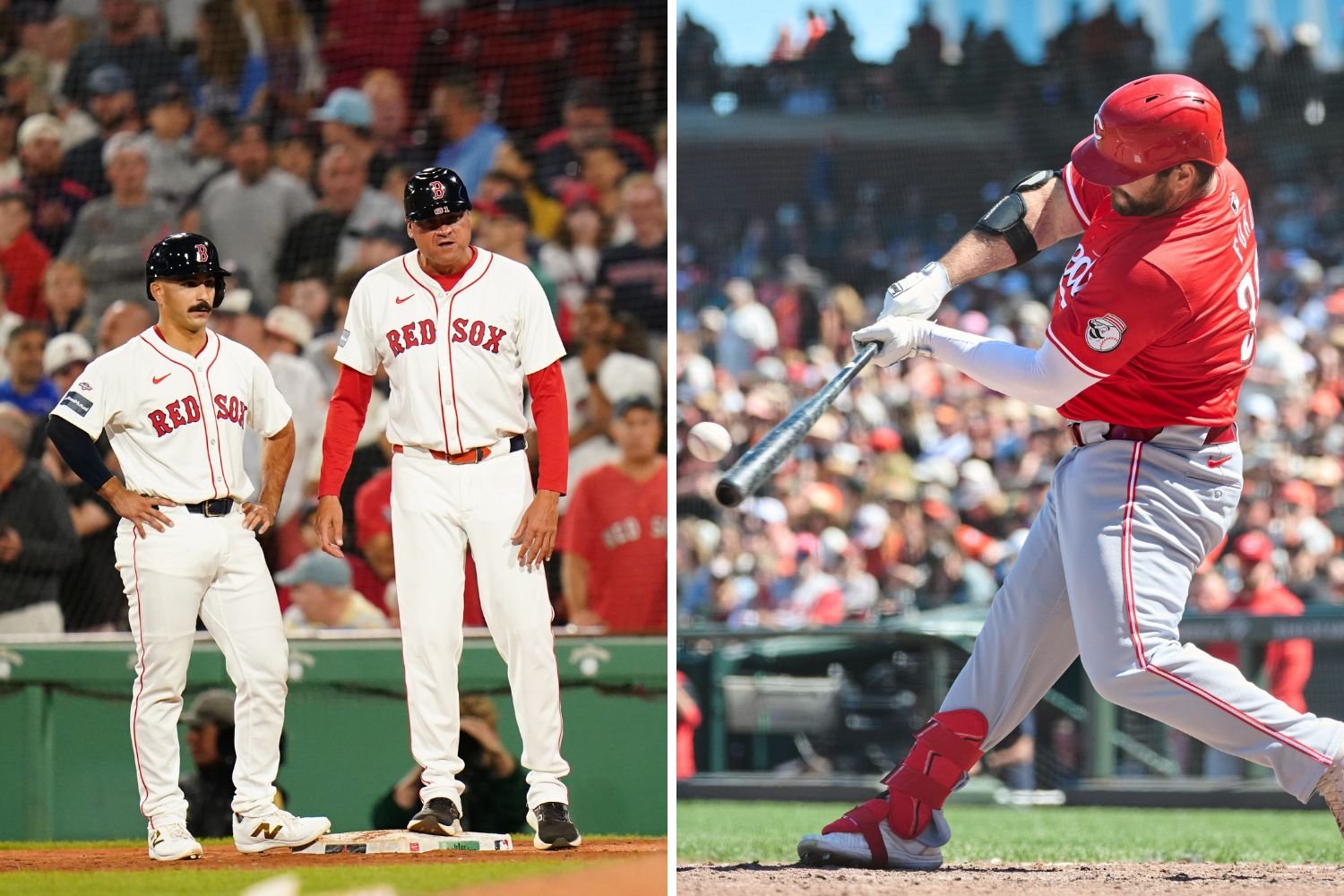 These status updates are intended to sporadically catch you up on the happenings of the Twins offseason, recapping and contextualizing any news you might have missed. This winter, there hasn't been much in the way of news to miss. But there have been some minor moves, some intriguing rumors, and some indicators of things to come. With a new year underway, let's get up to speed on the state of the offseason and what's still ahead. The Twins Offseason So Far Here's a full rundown of everything the Twins front office has done so far this offseason. Needless to say, it has not been particularly active two months. Lost LHP Caleb Thielbar, IF Kyle Farmer, OF Manuel Margot, OF Max Kepler, 1B Carlos Santana, RHP Caleb Boushley to free agency. 1B Alex Kirilloff retired from pro baseball. Extended arbitration tenders or agreed to terms with all 11 eligible players: RHP Jhoan Durán, RHP Griffin Jax, RHP Bailey Ober, RHP Joe Ryan, C Ryan Jeffers, 3B Royce Lewis, OF Trevor Larnach, UTIL Willi Castro, RHP Michael Tonkin, RHP Justin Topa and RHP Brock Stewart. Re-signed RHP Daniel Duarte, 1B Yunior Severino and RHP Scott Blewett after removing them from the 40-man roster. Added RHP Marco Raya and RHP Travis Adams to 40-man roster. Selected RHP Eiberson Castellano in Rule 5 Draft. Traded LHP Jovani Morán to Boston for 1B Mickey Gasper. Signed Alex Speas, Huascar Ynoa, Mike Ford and others to minor-league contracts. The Twins have not signed a single free agent to major-league deal, and in fact they haven't acquired a single a player whose odds of making the Opening Day roster seem better than 50/50. However, the two journeymen they've added most recently seem to have a reasonable shot, all things considered. Gasper, Ford Enter First Base Mix The first base market in free agency has been whittled down, with nearly all of the upper-tier options having found landing spots. That includes Carlos Santana, who signed a one-year deal worth $12 million with the rival Guardians. To fill his vacancy, it sure looks like the Twins will see what they can do with a group of internal options and some low-stakes additions to compete with them. Since we last checked in, the front office brought in a pair of minor-league punishers to compete with José Miranda and Edouard Julien at the position. First they traded left-hander Jovani Morán to the Red Sox for Mickey Gasper, who has played some catcher and second but is primarily viewed as a first baseman. Then the Twins signed Mike Ford to a minor-league contract with an invite to big-league camp. Neither player boasts a great track record. Gasper, a switch-hitter, is 29 and has just 23 hitless plate appearances in the majors. The lefty-swinging Ford has amassed 781 MLB plate appearances at age 32, but with a 93 OPS+, and in 2024 he slashed .150/.177/.233 with two walks in 62 PAs for Cincinnati, spending the latter part of his season in Japan. But when in Triple-A last year, Ford posted a .920 OPS, and he has an .860 lifetime OPS at the level. Meanwhile, Gasper posted a .970 OPS to lead all of Triple-A, earning him a late-season shot in the majors and a 40-man roster spot that he now retains (albeit with a different organization). Given the front office's lack of resources, this approach makes some sense. Bring all these guys into camp and see who looks most ready for the assignment. It's far from ideal but there's definitely hitting talent within this group; hopefully someone is ready to step up as at least a temporary stopgap at first base. Read more: Is Mickey Gasper In Line for an Opening Day Roster Spot? What to Know About New Twins First Base Contender Mike Ford Twins Among Teams Showing Interest in LHP Hart The Twins already have a conspicuous scarcity of left-handed pitchers that could credibly be viewed as MLB options, and this was true before parting ways with Morán in the Gasper trade. They currently have two southpaws on the 40-man roster, Kody Funderburk and Brent Headrick. Those two have a combined 75 innings (and 5.38 ERA) in the majors. With minimal flexibility to pursue the free agent market, the front office could get creative in casting a net for lefty arms. One name they've shown interest in, according to Will Sammon and Katie Woo at The Athletic, is 32-year-old Kyle Hart. Minnesota is mentioned alongside the Yankees, Brewers, Astros and Orioles as targeting Hart. While he doesn't bring much in the way of MLB experience (four appearances back in 2020) nor an extended track record of success, Hart has created a market for himself via his strong showing last year with the NC Dinos in the KBO. He posted a 2.69 ERA with a league-leading 182 strikeouts in 157 innings. "In South Korea, Hart pitched more off his fastball, which allowed his slider to act more like a chase pitch," per Sammon and Woo. That's the kind of recipe the Twins are known to favor. At the start of the offseason, FanGraphs ranked Hart near the back of their top 50 free agents list, at 48. Read more: This Star KBO Pitcher Could Be a Hidden Gem for the Salary-Restricted Twins The AL Central Has Been Quiet in General While none can quite match Minnesota's level of inactivity this offseason, the rest of the AL Central hasn't outpaced them by much. It's a bit inexplicable after three seemingly rising contenders in the division reached the postseason last year, but for the Twins, this lack of action is theoretically beneficial. While they might not be getting better, their rivals aren't stacking up and creating distance. 2025 Roster & Payroll Projection Below is my best guess at how the Opening Day roster would shape up if all remained the same up until then. It's pretty tough to map out the infield but I'm guessing there would not be a lot of consistently set positions day to day; rather guys like Lewis, Miranda, Julien, Gasper (or Ford) and Brooks Lee rotating through first, second, third and DH in some fashion, with Willi Castro also factoring into the infield mix (if still around). Clearly, things are still going to happen. At minimum the front office likely needs to shave off around $5-10 million in salaries just to get within ownership's payroll mandate. Can they find ways to shake things up beyond trading away a Christian Vázquez or Chris Paddack? Do they want to? With less than six weeks remaining until pitchers and catchers report, we're going to find out soon enough.
- 17 comments
-
- 6
-
-
- mickey gasper
- mike ford
- (and 1 more)
-
It's alllll quiet on the midwestern front. Image courtesy of David Butler II, Robert Edwards-Imagn Images These status updates are intended to sporadically catch you up on the happenings of the Twins offseason, recapping and contextualizing any news you might have missed. This winter, there hasn't been much in the way of news to miss. But there have been some minor moves, some intriguing rumors, and some indicators of things to come. With a new year underway, let's get up to speed on the state of the offseason and what's still ahead. The Twins Offseason So Far Here's a full rundown of everything the Twins front office has done so far this offseason. Needless to say, it has not been particularly active two months. Lost LHP Caleb Thielbar, IF Kyle Farmer, OF Manuel Margot, OF Max Kepler, 1B Carlos Santana, RHP Caleb Boushley to free agency. 1B Alex Kirilloff retired from pro baseball. Extended arbitration tenders or agreed to terms with all 11 eligible players: RHP Jhoan Durán, RHP Griffin Jax, RHP Bailey Ober, RHP Joe Ryan, C Ryan Jeffers, 3B Royce Lewis, OF Trevor Larnach, UTIL Willi Castro, RHP Michael Tonkin, RHP Justin Topa and RHP Brock Stewart. Re-signed RHP Daniel Duarte, 1B Yunior Severino and RHP Scott Blewett after removing them from the 40-man roster. Added RHP Marco Raya and RHP Travis Adams to 40-man roster. Selected RHP Eiberson Castellano in Rule 5 Draft. Traded LHP Jovani Morán to Boston for 1B Mickey Gasper. Signed Alex Speas, Huascar Ynoa, Mike Ford and others to minor-league contracts. The Twins have not signed a single free agent to major-league deal, and in fact they haven't acquired a single a player whose odds of making the Opening Day roster seem better than 50/50. However, the two journeymen they've added most recently seem to have a reasonable shot, all things considered. Gasper, Ford Enter First Base Mix The first base market in free agency has been whittled down, with nearly all of the upper-tier options having found landing spots. That includes Carlos Santana, who signed a one-year deal worth $12 million with the rival Guardians. To fill his vacancy, it sure looks like the Twins will see what they can do with a group of internal options and some low-stakes additions to compete with them. Since we last checked in, the front office brought in a pair of minor-league punishers to compete with José Miranda and Edouard Julien at the position. First they traded left-hander Jovani Morán to the Red Sox for Mickey Gasper, who has played some catcher and second but is primarily viewed as a first baseman. Then the Twins signed Mike Ford to a minor-league contract with an invite to big-league camp. Neither player boasts a great track record. Gasper, a switch-hitter, is 29 and has just 23 hitless plate appearances in the majors. The lefty-swinging Ford has amassed 781 MLB plate appearances at age 32, but with a 93 OPS+, and in 2024 he slashed .150/.177/.233 with two walks in 62 PAs for Cincinnati, spending the latter part of his season in Japan. But when in Triple-A last year, Ford posted a .920 OPS, and he has an .860 lifetime OPS at the level. Meanwhile, Gasper posted a .970 OPS to lead all of Triple-A, earning him a late-season shot in the majors and a 40-man roster spot that he now retains (albeit with a different organization). Given the front office's lack of resources, this approach makes some sense. Bring all these guys into camp and see who looks most ready for the assignment. It's far from ideal but there's definitely hitting talent within this group; hopefully someone is ready to step up as at least a temporary stopgap at first base. Read more: Is Mickey Gasper In Line for an Opening Day Roster Spot? What to Know About New Twins First Base Contender Mike Ford Twins Among Teams Showing Interest in LHP Hart The Twins already have a conspicuous scarcity of left-handed pitchers that could credibly be viewed as MLB options, and this was true before parting ways with Morán in the Gasper trade. They currently have two southpaws on the 40-man roster, Kody Funderburk and Brent Headrick. Those two have a combined 75 innings (and 5.38 ERA) in the majors. With minimal flexibility to pursue the free agent market, the front office could get creative in casting a net for lefty arms. One name they've shown interest in, according to Will Sammon and Katie Woo at The Athletic, is 32-year-old Kyle Hart. Minnesota is mentioned alongside the Yankees, Brewers, Astros and Orioles as targeting Hart. While he doesn't bring much in the way of MLB experience (four appearances back in 2020) nor an extended track record of success, Hart has created a market for himself via his strong showing last year with the NC Dinos in the KBO. He posted a 2.69 ERA with a league-leading 182 strikeouts in 157 innings. "In South Korea, Hart pitched more off his fastball, which allowed his slider to act more like a chase pitch," per Sammon and Woo. That's the kind of recipe the Twins are known to favor. At the start of the offseason, FanGraphs ranked Hart near the back of their top 50 free agents list, at 48. Read more: This Star KBO Pitcher Could Be a Hidden Gem for the Salary-Restricted Twins The AL Central Has Been Quiet in General While none can quite match Minnesota's level of inactivity this offseason, the rest of the AL Central hasn't outpaced them by much. It's a bit inexplicable after three seemingly rising contenders in the division reached the postseason last year, but for the Twins, this lack of action is theoretically beneficial. While they might not be getting better, their rivals aren't stacking up and creating distance. 2025 Roster & Payroll Projection Below is my best guess at how the Opening Day roster would shape up if all remained the same up until then. It's pretty tough to map out the infield but I'm guessing there would not be a lot of consistently set positions day to day; rather guys like Lewis, Miranda, Julien, Gasper (or Ford) and Brooks Lee rotating through first, second, third and DH in some fashion, with Willi Castro also factoring into the infield mix (if still around). Clearly, things are still going to happen. At minimum the front office likely needs to shave off around $5-10 million in salaries just to get within ownership's payroll mandate. Can they find ways to shake things up beyond trading away a Christian Vázquez or Chris Paddack? Do they want to? With less than six weeks remaining until pitchers and catchers report, we're going to find out soon enough. View full article
-
As currently constituted, the Twins are projected to have a top 10 offense and top 10 pitching staff in MLB, and those projections systems are accounting for the uncertainty. They are nearly a push to win the AL Central in Vegas, despite everyone being aware of what happened down the stretch. Saying the Twins look like they need a rebuild is just out of touch with reality. It's a good team. They won 82 games last year even with the historic collapse and people act like they won 60.
-
In fairness the Twins have essentially created this pessimism through their words and actions.
-
Their highest-paid players (Correa, Buxton, Lopez) are their best players. That's what you want, isn't it? Yes there are going to be availability questions with Correa and Buck but I'll take that over paying $25M to Javier Baez who you'd prefer not to have playing when healthy.
-
Frozen in Place: AL Central Teams Sitting Out an Active Hot Stove Season
Nick Nelson posted an article in Twins
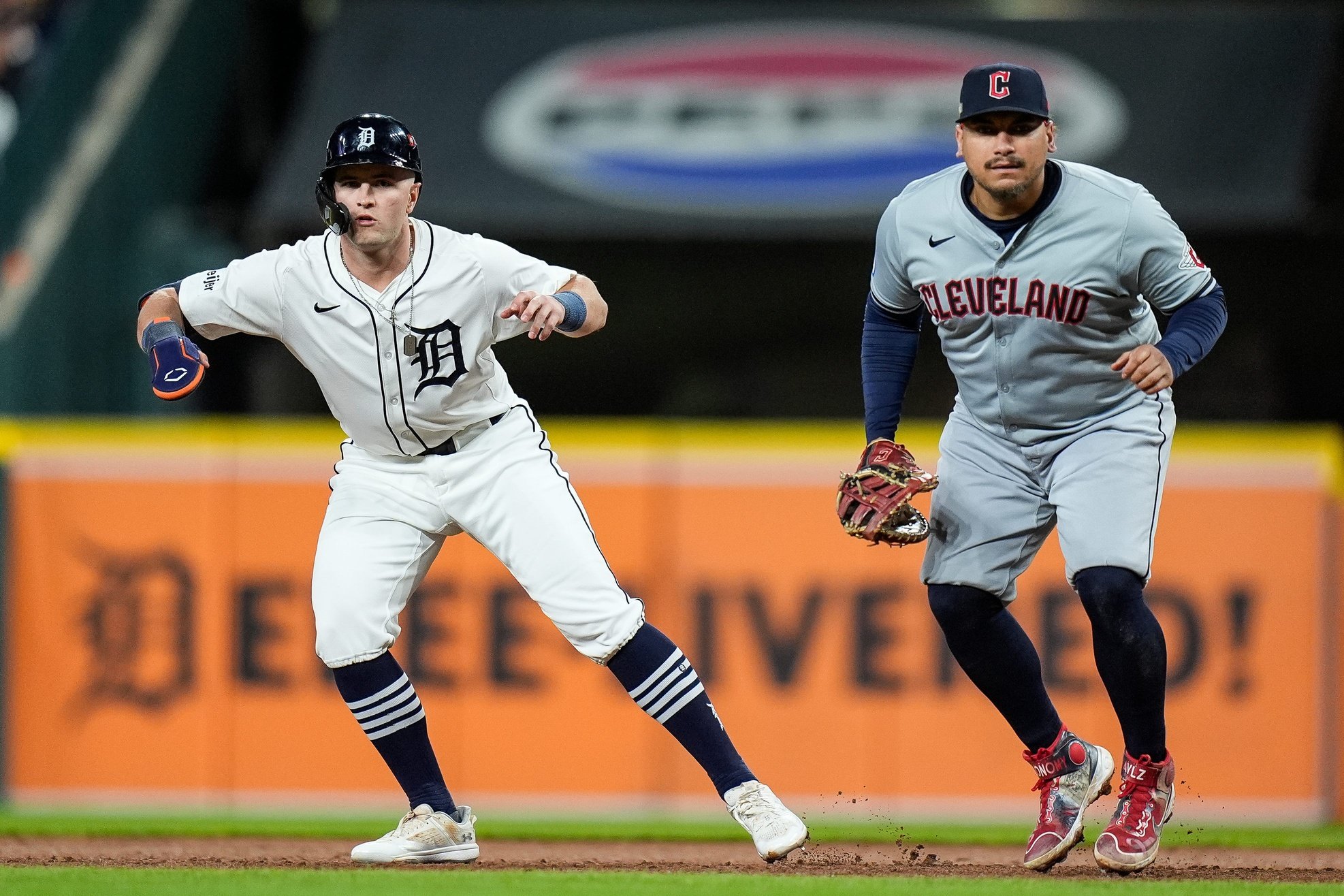 Generally speaking, this has been an eventful and exciting offseason for Major League Baseball. We've seen plenty of big names sign in the first two months, including Juan Soto's historic deal with the Mets. Top free-agent starter Corbin Burnes recently inked a $210 million deal with Arizona. A huge proportion of the premier talents on the market have signed. We've also seen a number of big trades. Through it all, the Twins have sat on the sidelines, with not one notable acquisition as we venture into the new year. The extent of their action has amounted to procedural arbitration moves, minor-league signings, a Rule 5 draft pick, and a modest trade. Whatever moves are still to come will likely be more focused on reducing payroll than adding impact talent. While highly irritating, this is not surprising. Twins officials have made no secret of their intent to stay the course after slashing payroll by $30 million a year ago. What is more surprising is that the rest of the clubs in the AL Central have been so complacent in taking advantage of the situation. Coming out of 2023, it looked like the Twins might be poised to reign over the Central, with a strong core and a lack of serious competition. They breezed to a division title with 87 wins, then broke through with a postseason advancement. At a high point for the franchise, ownership abruptly chose to slash spending, which played a role in the tables completely turning for the AL Central in 2024. The division sent three teams to the playoffs, and none of them were the Twins. Two of those teams (Detroit and Cleveland) advanced, with the Guardians reaching the ALCS. While aspiring to sell the team, the Pohlads reportedly remain committed to their payroll constraint. This theoretically opens the door for the rest of the division to build on its collective momentum and make a push. Instead, no one is doing much of anything, and spring training is officially closing in. It's a bit weird, but from the Twins' perspective, you sorta have to view it as a good thing. In a recent piece at Bleacher Report, Kerry Miller named the AL Central as one of the biggest losers in this MLB offseason. "After producing multiple teams with winning records for the first time since 2020," Miller wrote, "this division might be taking a big step backward in 2025." No kidding. The other teams have been more active in acquiring talent than the Twins, but that's not saying much. Let's take a look at each AL Central club and their offseason activity thus far. (Info courtesy of MLB's official tracker.) Chicago White Sox We knew the Sox weren't going to do much this offseason as they embark upon a rebuild from the wreckage of a 121-loss season. Their biggest move thus far has been trading away ace starter Garret Crochet to the Red Sox, shipping out the only remaining player on the team who was worth more than 2 fWAR last year. However, they've at least been active in adding players from a quantitative standpoint. Departures: LHP Garrett Crochet (trade with Red Sox) RHP Michael Soroka (Nationals) Additions: OF Austin Slater (1-year deal) OF Mike Tauchman (1-year deal) RHP Bryse Wilson (1-year deal) 3B Josh Rojas (reported 1-year deal) LHP Tyler Gilbert (trade with Phillies) C Matt Thaiss (trade with Cubs) Kansas City Royals Following a 30-win improvement, the Royals made a pretty emphatic early statement by re-signing free agent starter Michael Wacha to a three-year contract at the start of the offseason. Shortly after, they made a trade, sending pitcher Brady Signer to Cincinnati for second baseman Jonathan India and outfielder Joey Weimel. Fine moves, sure. But hardly the assertive, all-in types of statements that some thought we might see from an emergent franchise angling for a new stadium and led by a young MVP runner-up. Departures: RHP Brady Singer (trade with Reds) Additions: 2B Jonathan India (trade with Reds) OF Joey Wiemer (trade with Reds) Detroit Tigers The Tigers are another team from which many were anticipating a bold and aggressive offseason. They've been big spenders in the past while in competitive windows, and at last they appeared to hoist theirs open last year with a magnificent second half that lifted them to the playoffs. Alas, Detroit has made two notable moves through two-plus months of the offseason: signing infielder Gleyber Torres and right-hander Alex Cobb to a one-year contracts. Torres is a solid pickup with upside, though he's coming off a mediocre year in New York. Cobb made all of three starts last year and he's 37. The Tigers have reportedly been in on some big fish, most prominently Alex Bregman, but thus far nothing has materialized and insiders express doubt that they'll do what it takes to get him, as much as A.J. Hinch might yearn for a reunion. I'm guessing Detroit has some type of splash in store but a lot of those opportunities have come off the table already. The Tigers didn't lose anyone significant to free agency, and they have arguably the best starter in the league in Tarik Skubal. Still, they seem to be putting a lot of faith in their torrid second-half hot streak turning into legitimate sustained success with the pieces that have. Personally I have doubts. Departures: None Notable acquisitions: 2B Gleyber Torres (1-year deal) RHP Alex Cobb (1-year deal) Cleveland Guardians The defending division champs have predictably gone into right back into cost-control mode, which has been their M.O. much longer than it's been Minnesota's. Coming off a breakthrough campaign, the Guardians traded two of their top five position players in Josh Naylor and Andrés Giménez, shedding plenty of salary in the process. These quality players brought back some solid young talent with long-term potential, of course. But do either of these trades make Cleveland a better team in 2025? Tough argument to make. I'm not sure re-signing Shane Bieber or bringing a 39-year-old Carlos Santana is going to be enough to offset the losses of those two veteran regulars along with the regression looming for a team that outperformed expectations thanks to a historically great bullpen. Departures: LHP Matthew Boyd (Cubs) RHP Alex Cobb (Tigers) 2B Andrés Giménez (trade with Blue Jays) RHP Nick Sandlin (trade with Blue Jays) RHP Eli Morgan (trade with Cubs) 1B Josh Naylor (trade with D-backs) Additions C Austin Hedges (re-signed; 1 year-deal) RHP Shane Bieber (re-signed; 1-year deal) 1B Carlos Santana (1-year deal) RHP Luis L. Ortiz (trade with Pirates) RHP Slade Cecconi (trade with D-backs) The Twins Are Keeping Pace with the Pack The fact that the AL Central division as a whole has been standing mostly idle this offseason does not excuse Minnesota's decision to stand still completely. If anything, it underscores the lost advantage they could be gaining if the front office were afforded the flexibility to address a couple areas of need meaningfully. However, fears that the rest of the division would push their chips in and start distancing themselves from a stagnant Twins team have not been realized, and it's not clear they will be. Say what you will about ownership's effort level, but if we're viewing the matter strictly through the lens of payroll, Minnesota's been trying harder than the rest of the AL Central for the past seven years and it looks like that might be the case once again.
 -
The Minnesota Twins have been painfully inactive this winter, as you've probably noticed. What you might not have noticed is that the entire division has basically been at a standstill. Image courtesy of Junfu Han / USA TODAY NETWORK via Imagn Images Generally speaking, this has been an eventful and exciting offseason for Major League Baseball. We've seen plenty of big names sign in the first two months, including Juan Soto's historic deal with the Mets. Top free-agent starter Corbin Burnes recently inked a $210 million deal with Arizona. A huge proportion of the premier talents on the market have signed. We've also seen a number of big trades. Through it all, the Twins have sat on the sidelines, with not one notable acquisition as we venture into the new year. The extent of their action has amounted to procedural arbitration moves, minor-league signings, a Rule 5 draft pick, and a modest trade. Whatever moves are still to come will likely be more focused on reducing payroll than adding impact talent. While highly irritating, this is not surprising. Twins officials have made no secret of their intent to stay the course after slashing payroll by $30 million a year ago. What is more surprising is that the rest of the clubs in the AL Central have been so complacent in taking advantage of the situation. Coming out of 2023, it looked like the Twins might be poised to reign over the Central, with a strong core and a lack of serious competition. They breezed to a division title with 87 wins, then broke through with a postseason advancement. At a high point for the franchise, ownership abruptly chose to slash spending, which played a role in the tables completely turning for the AL Central in 2024. The division sent three teams to the playoffs, and none of them were the Twins. Two of those teams (Detroit and Cleveland) advanced, with the Guardians reaching the ALCS. While aspiring to sell the team, the Pohlads reportedly remain committed to their payroll constraint. This theoretically opens the door for the rest of the division to build on its collective momentum and make a push. Instead, no one is doing much of anything, and spring training is officially closing in. It's a bit weird, but from the Twins' perspective, you sorta have to view it as a good thing. In a recent piece at Bleacher Report, Kerry Miller named the AL Central as one of the biggest losers in this MLB offseason. "After producing multiple teams with winning records for the first time since 2020," Miller wrote, "this division might be taking a big step backward in 2025." No kidding. The other teams have been more active in acquiring talent than the Twins, but that's not saying much. Let's take a look at each AL Central club and their offseason activity thus far. (Info courtesy of MLB's official tracker.) Chicago White Sox We knew the Sox weren't going to do much this offseason as they embark upon a rebuild from the wreckage of a 121-loss season. Their biggest move thus far has been trading away ace starter Garret Crochet to the Red Sox, shipping out the only remaining player on the team who was worth more than 2 fWAR last year. However, they've at least been active in adding players from a quantitative standpoint. Departures: LHP Garrett Crochet (trade with Red Sox) RHP Michael Soroka (Nationals) Additions: OF Austin Slater (1-year deal) OF Mike Tauchman (1-year deal) RHP Bryse Wilson (1-year deal) 3B Josh Rojas (reported 1-year deal) LHP Tyler Gilbert (trade with Phillies) C Matt Thaiss (trade with Cubs) Kansas City Royals Following a 30-win improvement, the Royals made a pretty emphatic early statement by re-signing free agent starter Michael Wacha to a three-year contract at the start of the offseason. Shortly after, they made a trade, sending pitcher Brady Signer to Cincinnati for second baseman Jonathan India and outfielder Joey Weimel. Fine moves, sure. But hardly the assertive, all-in types of statements that some thought we might see from an emergent franchise angling for a new stadium and led by a young MVP runner-up. Departures: RHP Brady Singer (trade with Reds) Additions: 2B Jonathan India (trade with Reds) OF Joey Wiemer (trade with Reds) Detroit Tigers The Tigers are another team from which many were anticipating a bold and aggressive offseason. They've been big spenders in the past while in competitive windows, and at last they appeared to hoist theirs open last year with a magnificent second half that lifted them to the playoffs. Alas, Detroit has made two notable moves through two-plus months of the offseason: signing infielder Gleyber Torres and right-hander Alex Cobb to a one-year contracts. Torres is a solid pickup with upside, though he's coming off a mediocre year in New York. Cobb made all of three starts last year and he's 37. The Tigers have reportedly been in on some big fish, most prominently Alex Bregman, but thus far nothing has materialized and insiders express doubt that they'll do what it takes to get him, as much as A.J. Hinch might yearn for a reunion. I'm guessing Detroit has some type of splash in store but a lot of those opportunities have come off the table already. The Tigers didn't lose anyone significant to free agency, and they have arguably the best starter in the league in Tarik Skubal. Still, they seem to be putting a lot of faith in their torrid second-half hot streak turning into legitimate sustained success with the pieces that have. Personally I have doubts. Departures: None Notable acquisitions: 2B Gleyber Torres (1-year deal) RHP Alex Cobb (1-year deal) Cleveland Guardians The defending division champs have predictably gone into right back into cost-control mode, which has been their M.O. much longer than it's been Minnesota's. Coming off a breakthrough campaign, the Guardians traded two of their top five position players in Josh Naylor and Andrés Giménez, shedding plenty of salary in the process. These quality players brought back some solid young talent with long-term potential, of course. But do either of these trades make Cleveland a better team in 2025? Tough argument to make. I'm not sure re-signing Shane Bieber or bringing a 39-year-old Carlos Santana is going to be enough to offset the losses of those two veteran regulars along with the regression looming for a team that outperformed expectations thanks to a historically great bullpen. Departures: LHP Matthew Boyd (Cubs) RHP Alex Cobb (Tigers) 2B Andrés Giménez (trade with Blue Jays) RHP Nick Sandlin (trade with Blue Jays) RHP Eli Morgan (trade with Cubs) 1B Josh Naylor (trade with D-backs) Additions C Austin Hedges (re-signed; 1 year-deal) RHP Shane Bieber (re-signed; 1-year deal) 1B Carlos Santana (1-year deal) RHP Luis L. Ortiz (trade with Pirates) RHP Slade Cecconi (trade with D-backs) The Twins Are Keeping Pace with the Pack The fact that the AL Central division as a whole has been standing mostly idle this offseason does not excuse Minnesota's decision to stand still completely. If anything, it underscores the lost advantage they could be gaining if the front office were afforded the flexibility to address a couple areas of need meaningfully. However, fears that the rest of the division would push their chips in and start distancing themselves from a stagnant Twins team have not been realized, and it's not clear they will be. Say what you will about ownership's effort level, but if we're viewing the matter strictly through the lens of payroll, Minnesota's been trying harder than the rest of the AL Central for the past seven years and it looks like that might be the case once again. View full article
-
Is Rocco Baldelli a Lame Duck Manager in 2025?
Nick Nelson replied to Nick Nelson's topic in Twins Daily Front Page News
The problem with your argument here is that it presumes Baldelli added no value and played no positive part in the teaming moving 17 games above .500 before the collapse. You can say the impact of managers is fairly trivial (I'd agree) but you if you're going to say they matter and have a tangible effect on winning, it's gotta go both ways. -
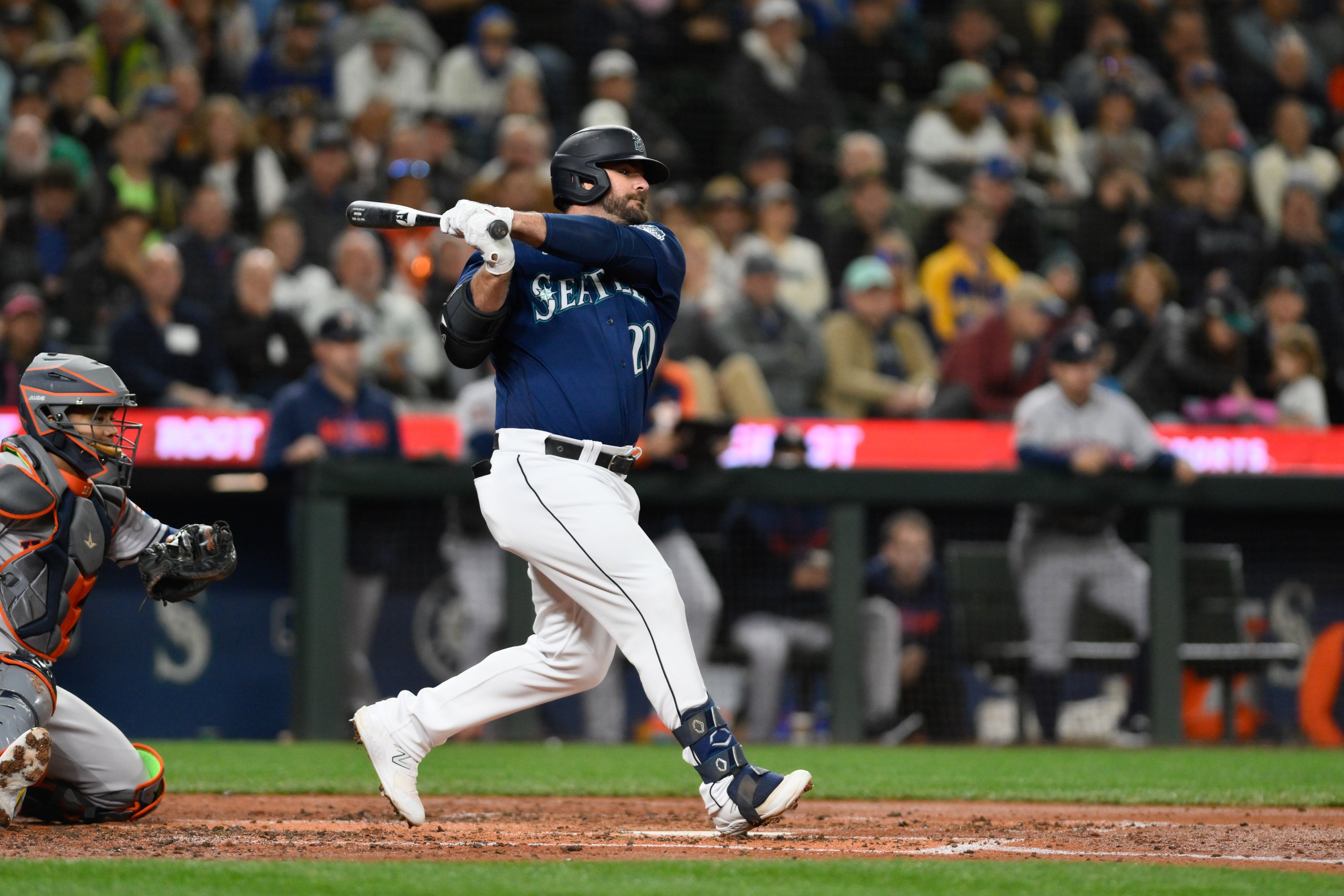 On Thursday, Jon Morosi of MLB Network reported that the Minnesota Twins have signed 1B/DH Mike Ford to a minor-league contract, which includes an invite to spring training. While this could hardly be considered a big splash, it's a significant move for the Twins given their clear need at first, their lack of resources for additions, and Ford's fairly extensive track record as a big-leaguer. Ford is going to be a contender for a roster spot and maybe even a part-time starting role. So let's get familiar. Mike Ford's Baseball Background Ford's baseball journey is a fascinating mix of perseverance, adaptability, and flashes of power that could make him an intriguing option for the Twins as they face uncertainty at first base and limited avenues for talent acquisition. An undrafted free agent out of Princeton University in 2012, the New Jersey native carved out a professional career through sheer determination, debuting with the Yankees in 2019. Known for his ability to work deep counts and his surprising pop, Ford’s early MLB tenure showed promise, including a .909 OPS and 12 home runs in his rookie season. However, he’s since been a journeyman, suiting up for seven MLB teams, a stint in Japan’s NPB, and a wealth of minor league affiliates. While he was obviously not in high demand this offseason, his 2023 resurgence with Seattle — hitting 16 homers with a .798 OPS over 83 games — suggests Ford could still have value as a left-handed power bat. Ford's Fit in Minnesota For the Twins, Ford represents a potential low-cost option with upside. Minnesota's first base situation is murky, with José Miranda, Edouard Julien and Mickey Gasper currently lined up as the top options. The free-agent market has been picked over and the front office has minimal budget space to work with anyway. Interestingly, the lefty-swinging Ford has a pretty extreme reverse platoon split in his MLB career, with a .674 OPS in 655 PA against righties and a .831 OPS in 126 PA against southpaws. That's a small sample and spread across a bunch of different stints, so it's not necessarily too meaningful, but it's worth pointing out. If we assume those splits will straighten out a bit, Ford could be viewed as as a solid part-time platoon partner at first alongside Miranda, at least until Julien earns his way back, though Miranda too has performed better against same-sided pitchers in a relatively small MLB sample. Ford's defensive metrics are pedestrian and he's about as slow as they come, so his bat would be the main draw. And there is some intrigue in his offensive profile. While prone to strikeouts, he is a fairly disciplined hitter and he's got a big pull-side power, which we know the Twins love. Glancing at his Statcast sliders and spray chart from 2023, we see a guy who was successful at avoiding chases, squared up when he made contact, and yanked a bunch of balls into the right field bleachers. His minor-league deal means the Twins didn't need to commit a 40-man roster spot to Ford, and he's far from being guaranteed anything, but the well-traveled 32-year-old instantly becomes one to watch in the first base competition. It's possible the Twins could still sign someone like Justin Turner (if they find payroll space) or make a trade, but increasingly it appears they are going to carry a collection of low-profile stopgap options into camp — such as Ford and Gasper — with an eye on letting them take over temporarily in the event that Miranda and Julien prove unready.
- 60 comments
-
- 6
-
-

-
- mike ford
- jose miranda
- (and 1 more)
-
In the context of this dreadfully uneventful offseason, Minnesota's signing of the 32-year-old journeyman to a minor-league contract qualifies as newsworthy. Image courtesy of Steven Bisig-Imagn Images On Thursday, Jon Morosi of MLB Network reported that the Minnesota Twins have signed 1B/DH Mike Ford to a minor-league contract, which includes an invite to spring training. While this could hardly be considered a big splash, it's a significant move for the Twins given their clear need at first, their lack of resources for additions, and Ford's fairly extensive track record as a big-leaguer. Ford is going to be a contender for a roster spot and maybe even a part-time starting role. So let's get familiar. Mike Ford's Baseball Background Ford's baseball journey is a fascinating mix of perseverance, adaptability, and flashes of power that could make him an intriguing option for the Twins as they face uncertainty at first base and limited avenues for talent acquisition. An undrafted free agent out of Princeton University in 2012, the New Jersey native carved out a professional career through sheer determination, debuting with the Yankees in 2019. Known for his ability to work deep counts and his surprising pop, Ford’s early MLB tenure showed promise, including a .909 OPS and 12 home runs in his rookie season. However, he’s since been a journeyman, suiting up for seven MLB teams, a stint in Japan’s NPB, and a wealth of minor league affiliates. While he was obviously not in high demand this offseason, his 2023 resurgence with Seattle — hitting 16 homers with a .798 OPS over 83 games — suggests Ford could still have value as a left-handed power bat. Ford's Fit in Minnesota For the Twins, Ford represents a potential low-cost option with upside. Minnesota's first base situation is murky, with José Miranda, Edouard Julien and Mickey Gasper currently lined up as the top options. The free-agent market has been picked over and the front office has minimal budget space to work with anyway. Interestingly, the lefty-swinging Ford has a pretty extreme reverse platoon split in his MLB career, with a .674 OPS in 655 PA against righties and a .831 OPS in 126 PA against southpaws. That's a small sample and spread across a bunch of different stints, so it's not necessarily too meaningful, but it's worth pointing out. If we assume those splits will straighten out a bit, Ford could be viewed as as a solid part-time platoon partner at first alongside Miranda, at least until Julien earns his way back, though Miranda too has performed better against same-sided pitchers in a relatively small MLB sample. Ford's defensive metrics are pedestrian and he's about as slow as they come, so his bat would be the main draw. And there is some intrigue in his offensive profile. While prone to strikeouts, he is a fairly disciplined hitter and he's got a big pull-side power, which we know the Twins love. Glancing at his Statcast sliders and spray chart from 2023, we see a guy who was successful at avoiding chases, squared up when he made contact, and yanked a bunch of balls into the right field bleachers. His minor-league deal means the Twins didn't need to commit a 40-man roster spot to Ford, and he's far from being guaranteed anything, but the well-traveled 32-year-old instantly becomes one to watch in the first base competition. It's possible the Twins could still sign someone like Justin Turner (if they find payroll space) or make a trade, but increasingly it appears they are going to carry a collection of low-profile stopgap options into camp — such as Ford and Gasper — with an eye on letting them take over temporarily in the event that Miranda and Julien prove unready. View full article
-
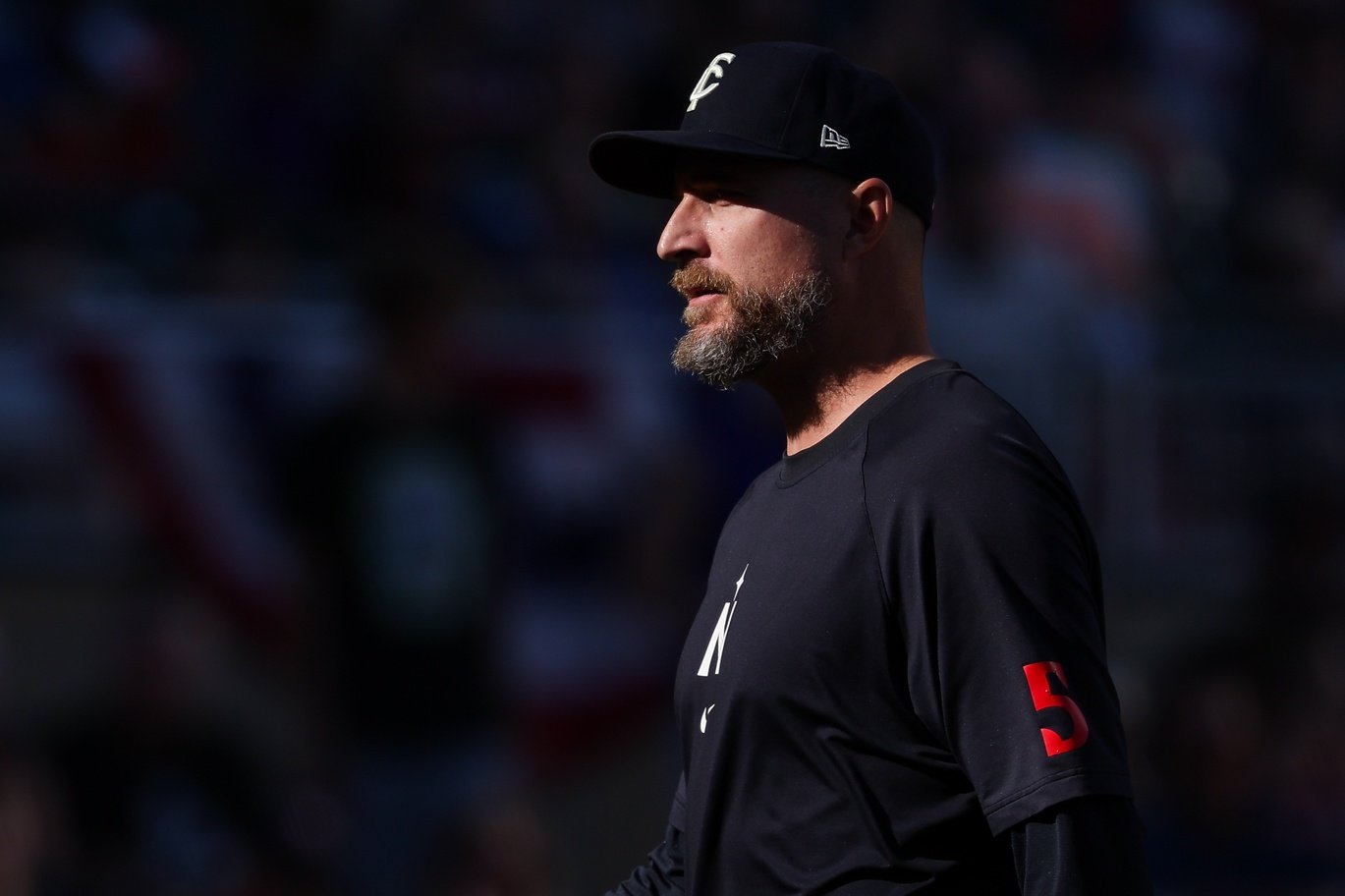 At the end of the 2024 season, following an all-out collapse that saw them fumble away their surefire playoff bid, the Minnesota Twins announced that both chief baseball exec Derek Falvey and manager Rocco Baldelli would be returning in 2025. In fact, the Twins deepened their commitment to Falvey by elevating him to a new role leading both the baseball and business sides of the organization. The vote of confidence in Baldelli was not quite as pronounced, but Falvey made clear he intended to stick with his guy. “Rocco is my manager,” Falvey said. “I believe in his process, I believe in him, I believe in the partnership I have with him. That is how I feel, and ultimately, that's the way we're going to go forward.” Baldelli will be back this year. We know that. What does the future hold beyond 2025? That is less clear, and maybe by design. Because coaches and executives are not under the purview of the players union, we don't have transparency into the same details about their salaries and contracts as we do with players. However, we do have some info at hand based on what's out there in the public sphere. In 2023, Ken Rosenthal of The Athletic reported that Baldelli's original contract with the Twins ran from 2019 through 2022 with multiple club options. "Before last season," Rosenthal wrote at the time, "the Twins exercised the options and extended Baldelli for an unknown period beyond that, putting him under contract through at least 2025." As far as I'm aware, that's the last we've heard about Baldelli's contract situation, meaning he could well be entering his final year under contract with Minnesota. As Mark Polishuk wrote recently at MLB Trade Rumors, "If Baldelli is indeed heading into a lame-duck year, the ownership situation might prevent the skipper from getting at least another season added to his deal, just so a new owner could potentially have a clean slate in evaluating things once they take over the team." One thing to make clear here is that managerial contracts and lame-duck status are not necessarily all the meaningful. I distinctly recall the level of chatter around Ron Gardenhire heading into his final season under contract back in 2013, coming off back-to-back last-place finishes. It was enough that Terry Ryan felt compelled to address the topic directly. "I expect Ron to be on this job for a long time," the former Twins general manager told Yahoo! Sports early that season. "I don't consider it lame duck at all." Sure enough, despite leading the club to 90-plus losses in a third straight season, Gardenhire was extended for two more years, through 2015. Exactly 12 months later, however, he was fired in the wake of another lousy campaign. So the idea of Baldelli being a "lame duck manager," if indeed he is in that position, should be taken with a grain of salt. That being said, it's a worthwhile topic to discuss here as we turn our attention to the season ahead, and the future of the Twins franchise. As mentioned above, the potential for an upcoming ownership transition could be motivating the Twins to maintain maximum flexibility with their leadership structure (aside from entrenching Falvey at the center of everything). Also, as Rosenthal wrote at the end of last season, Baldelli ranks highly among MLB managers deserving of scrutiny. "Baldelli, 43, has appeared more frustrated in the past six weeks than at any point during his six years as manager," Rosenthal observed. "His team’s lack of edge, though, would appear partly his own doing." If you've followed my commentary on him in the past, then you're probably aware I consider myself a fan of Baldelli. Players love him, he's extremely competitive (despite the laid-back demeanor), and I think his decision-making processes are generally sound. Objectively, though, one can't help but at least wonder if Rocco is really resonating and getting the most out of his guys at this point. The freefall experienced by the Twins in August and September was astonishing, and it has to reflect on the skipper to some degree. What really strikes me is how helpless and lost this team looked in the absence of its on-field leaders Carlos Correa and Byron Buxton. In his manager hot-seat article, Rosenthal specifically noted Correa's remarks about teammates lacking urgency. Beyond those intangible factors, Baldelli's tactical approach also greatly deteriorated in the second half of the season. From my view, there was a certain stubbornness in his steadfast refusal to deviate from a preset philosophy – e.g. pull starters early, play matchups obsessively, pinch-hit Manuel Margot whenever possible – even when it no longer made sense. Baldelli's decision to turn to waiver pickup (now KBO pitcher) Cole Irvin against Boston in late September, with the season on life support, stands out in my mind as perhaps the worst decision I've ever seen him make. It was baffling, and representative of the ill-fated overthinking we saw from him time and again as the club spiraled. But you know what? That decision didn't cost the Twins their season. None of Baldelli's decisions did. And while he certainly owns some of the blame for what happened, the players shoulder far more. Collectively, they all went through that hell together, and hopefully they will ultimately come out better for it. "This will bother me forever," Baldelli said after the 2024 season's bitter end. “There will be no way around that. I will think about it a lot and I will use it to motivate myself in a lot of different ways going forward, because I never want to experience that again.” Well, here's his chance. Maybe his last one. I'm eager to see how Rocco Baldelli and the Minnesota Twins respond. Want to learn about Baldelli's place in the historical lineage of Twins managers? Check out my recent article: A Brief History of Twins Managers
 -
We know the Twins manager is under contract for this coming season. After that, it gets murkier. Image courtesy of Matt Krohn-Imagn Images At the end of the 2024 season, following an all-out collapse that saw them fumble away their surefire playoff bid, the Minnesota Twins announced that both chief baseball exec Derek Falvey and manager Rocco Baldelli would be returning in 2025. In fact, the Twins deepened their commitment to Falvey by elevating him to a new role leading both the baseball and business sides of the organization. The vote of confidence in Baldelli was not quite as pronounced, but Falvey made clear he intended to stick with his guy. “Rocco is my manager,” Falvey said. “I believe in his process, I believe in him, I believe in the partnership I have with him. That is how I feel, and ultimately, that's the way we're going to go forward.” Baldelli will be back this year. We know that. What does the future hold beyond 2025? That is less clear, and maybe by design. Because coaches and executives are not under the purview of the players union, we don't have transparency into the same details about their salaries and contracts as we do with players. However, we do have some info at hand based on what's out there in the public sphere. In 2023, Ken Rosenthal of The Athletic reported that Baldelli's original contract with the Twins ran from 2019 through 2022 with multiple club options. "Before last season," Rosenthal wrote at the time, "the Twins exercised the options and extended Baldelli for an unknown period beyond that, putting him under contract through at least 2025." As far as I'm aware, that's the last we've heard about Baldelli's contract situation, meaning he could well be entering his final year under contract with Minnesota. As Mark Polishuk wrote recently at MLB Trade Rumors, "If Baldelli is indeed heading into a lame-duck year, the ownership situation might prevent the skipper from getting at least another season added to his deal, just so a new owner could potentially have a clean slate in evaluating things once they take over the team." One thing to make clear here is that managerial contracts and lame-duck status are not necessarily all the meaningful. I distinctly recall the level of chatter around Ron Gardenhire heading into his final season under contract back in 2013, coming off back-to-back last-place finishes. It was enough that Terry Ryan felt compelled to address the topic directly. "I expect Ron to be on this job for a long time," the former Twins general manager told Yahoo! Sports early that season. "I don't consider it lame duck at all." Sure enough, despite leading the club to 90-plus losses in a third straight season, Gardenhire was extended for two more years, through 2015. Exactly 12 months later, however, he was fired in the wake of another lousy campaign. So the idea of Baldelli being a "lame duck manager," if indeed he is in that position, should be taken with a grain of salt. That being said, it's a worthwhile topic to discuss here as we turn our attention to the season ahead, and the future of the Twins franchise. As mentioned above, the potential for an upcoming ownership transition could be motivating the Twins to maintain maximum flexibility with their leadership structure (aside from entrenching Falvey at the center of everything). Also, as Rosenthal wrote at the end of last season, Baldelli ranks highly among MLB managers deserving of scrutiny. "Baldelli, 43, has appeared more frustrated in the past six weeks than at any point during his six years as manager," Rosenthal observed. "His team’s lack of edge, though, would appear partly his own doing." If you've followed my commentary on him in the past, then you're probably aware I consider myself a fan of Baldelli. Players love him, he's extremely competitive (despite the laid-back demeanor), and I think his decision-making processes are generally sound. Objectively, though, one can't help but at least wonder if Rocco is really resonating and getting the most out of his guys at this point. The freefall experienced by the Twins in August and September was astonishing, and it has to reflect on the skipper to some degree. What really strikes me is how helpless and lost this team looked in the absence of its on-field leaders Carlos Correa and Byron Buxton. In his manager hot-seat article, Rosenthal specifically noted Correa's remarks about teammates lacking urgency. Beyond those intangible factors, Baldelli's tactical approach also greatly deteriorated in the second half of the season. From my view, there was a certain stubbornness in his steadfast refusal to deviate from a preset philosophy – e.g. pull starters early, play matchups obsessively, pinch-hit Manuel Margot whenever possible – even when it no longer made sense. Baldelli's decision to turn to waiver pickup (now KBO pitcher) Cole Irvin against Boston in late September, with the season on life support, stands out in my mind as perhaps the worst decision I've ever seen him make. It was baffling, and representative of the ill-fated overthinking we saw from him time and again as the club spiraled. But you know what? That decision didn't cost the Twins their season. None of Baldelli's decisions did. And while he certainly owns some of the blame for what happened, the players shoulder far more. Collectively, they all went through that hell together, and hopefully they will ultimately come out better for it. "This will bother me forever," Baldelli said after the 2024 season's bitter end. “There will be no way around that. I will think about it a lot and I will use it to motivate myself in a lot of different ways going forward, because I never want to experience that again.” Well, here's his chance. Maybe his last one. I'm eager to see how Rocco Baldelli and the Minnesota Twins respond. Want to learn about Baldelli's place in the historical lineage of Twins managers? Check out my recent article: A Brief History of Twins Managers View full article
-
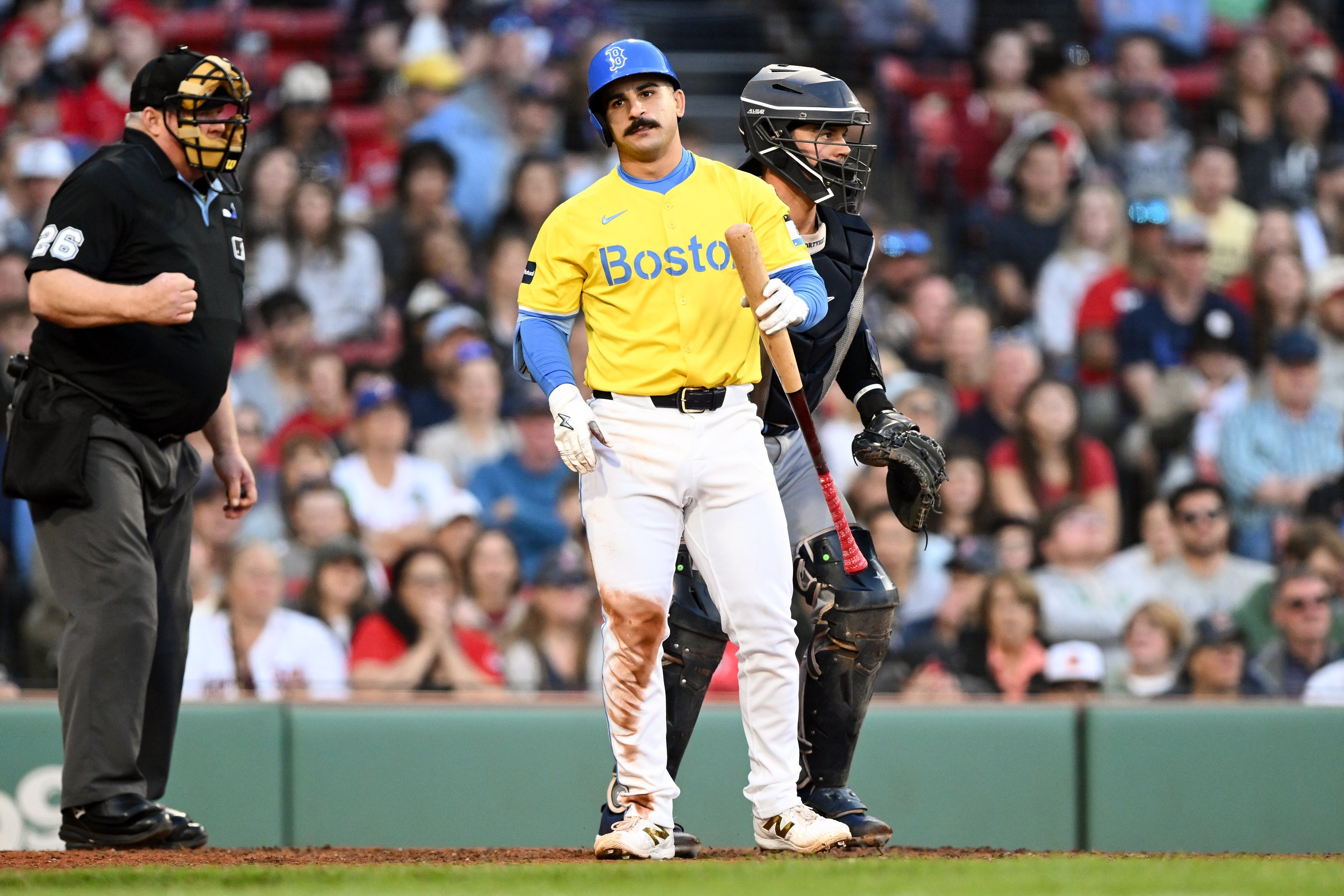 Returning from elbow surgery, it's fair to say that Jovani Morán was on the fringe of Minnesota's 2025 plans at best. Despite their clear need for left-handed help in the bullpen, Morán was left exposed to the Rule 5 Draft in early December, and no team took him, suggesting the 27-year-old left-hander was not in high demand. So that's the stage-setter for Mickey Gasper and contextualizing his perceived value. It makes sense. Gasper is 29, a former 27th-round draft pick, and he hadn't appeared in the majors prior to this past season when he made 23 plate appearances in 13 games for the Red Sox. He went 0-for-18 with eight strikeouts. At a glance, this looks like an organizational depth move more than anything. And maybe it is. But given that the Twins have committed a precious 40-man roster spot to Gasper (leaving one vacancy remaining), and considering the state of their roster, resources and needs, it becomes clear that the club may have more significant and immediate plans in mind. Let's talk about the factors that made Gasper an appealing target to Minnesota, aside from being inexpensive. First and foremost, there's the defensive flexibility he offers. He played mostly second base during his MLB debut with Boston last year, but has logged more innings at first base than anywhere else as a pro. The Twins currently have major question marks at both positions, as they evaluate the readiness of José Miranda, Edouard Julien and Brooks Lee to step into starting roles. The most intriguing aspect of Gasper's defensive toolkit is his ability to play catcher, where he's appeared in nearly 300 games as a minor-leaguer. This is a handy capability on the roster, although theoretically less so for the Twins than almost any other team. Ryan Jeffers and Christian Vázquez have been historic in their reliable availability behind the plate; Minnesota has not needed to use a third catcher but for one inning in the past two seasons. Of course, we know that Vázquez is being shopped aggressively as the front office aims to trim payroll. This move almost feels like a precursor to the eventuality of him being dealt, which would essentially secure Gasper's spot on the roster. A backup catcher who can fill in at a few other positions could be a nice convenience. Despite the fact he failed to break through to the majors until age 28, and has yet to collect his first MLB hit, there are some qualities to like about Gasper's bat, especially as a complement to what the Twins currently have. Lack of power is his signature deficiency, but Gasper is a switch-hitter, solid from both sides, with phenomenal discipline and contact skills. He owns a career .392 on-base percentage in the minors, and in 2024 he slashed .328/.440/.531 between Double-A and Triple-A, drawing 56 walks against 42 strikeouts in 380 PAs. That's in the minors. Gasper is near 30 and has yet to accomplish anything in the major leagues. We've seen plenty of contact-oriented, low-power hitters who succeed in Triple-A fail to stack up against MLB pitching. Going with the untested 29-year-old rookie as Plan A for a bench spot would be risky, but it's seemingly a risk that the Twins feel compelled – obligated, perhaps – to take. Going with Gasper over the likes of Julien, Lee or Austin Martin would not be so much a sign of lost faith in those players as an opportunity to let them develop at their own pace – with everyday reps in Triple-A if needed – after displaying some overwhelm in the past campaign. The logic is not difficult to see. But for a team with contention hopes, it's a precarious gamble.
 -
The recent trade that sent reliever Jovani Morán to Boston in exchange for versatile defender Mickey Gasper – owner of 23 hitless MLB plate appearances at age 29 – seemed like a fairly low-wattage move. But the Twins likely have bigger plans for the new acquisition. Image courtesy of © Brian Fluharty-Imagn Images Returning from elbow surgery, it's fair to say that Jovani Morán was on the fringe of Minnesota's 2025 plans at best. Despite their clear need for left-handed help in the bullpen, Morán was left exposed to the Rule 5 Draft in early December, and no team took him, suggesting the 27-year-old left-hander was not in high demand. So that's the stage-setter for Mickey Gasper and contextualizing his perceived value. It makes sense. Gasper is 29, a former 27th-round draft pick, and he hadn't appeared in the majors prior to this past season when he made 23 plate appearances in 13 games for the Red Sox. He went 0-for-18 with eight strikeouts. At a glance, this looks like an organizational depth move more than anything. And maybe it is. But given that the Twins have committed a precious 40-man roster spot to Gasper (leaving one vacancy remaining), and considering the state of their roster, resources and needs, it becomes clear that the club may have more significant and immediate plans in mind. Let's talk about the factors that made Gasper an appealing target to Minnesota, aside from being inexpensive. First and foremost, there's the defensive flexibility he offers. He played mostly second base during his MLB debut with Boston last year, but has logged more innings at first base than anywhere else as a pro. The Twins currently have major question marks at both positions, as they evaluate the readiness of José Miranda, Edouard Julien and Brooks Lee to step into starting roles. The most intriguing aspect of Gasper's defensive toolkit is his ability to play catcher, where he's appeared in nearly 300 games as a minor-leaguer. This is a handy capability on the roster, although theoretically less so for the Twins than almost any other team. Ryan Jeffers and Christian Vázquez have been historic in their reliable availability behind the plate; Minnesota has not needed to use a third catcher but for one inning in the past two seasons. Of course, we know that Vázquez is being shopped aggressively as the front office aims to trim payroll. This move almost feels like a precursor to the eventuality of him being dealt, which would essentially secure Gasper's spot on the roster. A backup catcher who can fill in at a few other positions could be a nice convenience. Despite the fact he failed to break through to the majors until age 28, and has yet to collect his first MLB hit, there are some qualities to like about Gasper's bat, especially as a complement to what the Twins currently have. Lack of power is his signature deficiency, but Gasper is a switch-hitter, solid from both sides, with phenomenal discipline and contact skills. He owns a career .392 on-base percentage in the minors, and in 2024 he slashed .328/.440/.531 between Double-A and Triple-A, drawing 56 walks against 42 strikeouts in 380 PAs. That's in the minors. Gasper is near 30 and has yet to accomplish anything in the major leagues. We've seen plenty of contact-oriented, low-power hitters who succeed in Triple-A fail to stack up against MLB pitching. Going with the untested 29-year-old rookie as Plan A for a bench spot would be risky, but it's seemingly a risk that the Twins feel compelled – obligated, perhaps – to take. Going with Gasper over the likes of Julien, Lee or Austin Martin would not be so much a sign of lost faith in those players as an opportunity to let them develop at their own pace – with everyday reps in Triple-A if needed – after displaying some overwhelm in the past campaign. The logic is not difficult to see. But for a team with contention hopes, it's a precarious gamble. View full article
-
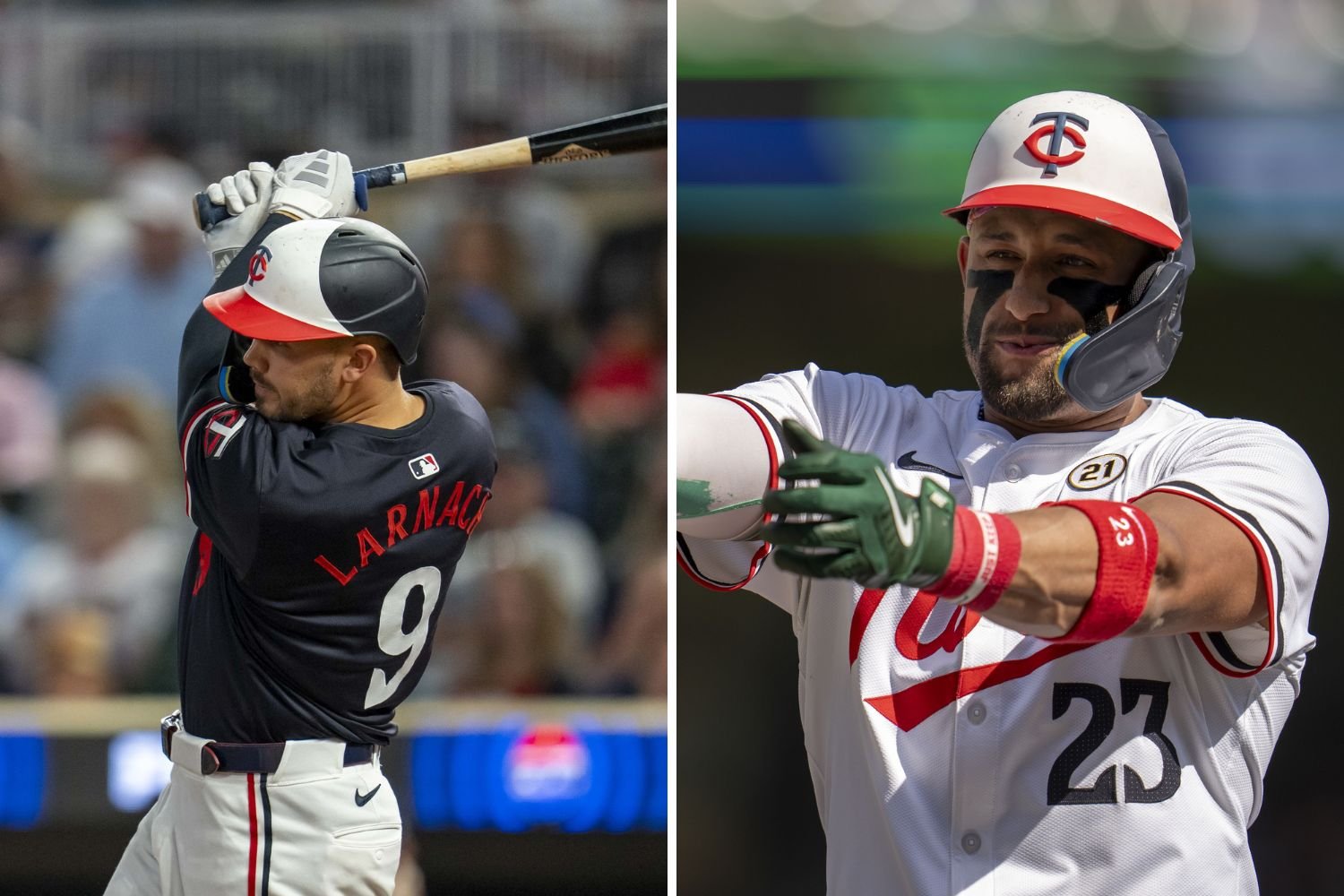 In 2018, the Minnesota Twins selected college slugger Trevor Larnach out of Oregon State in the first round of the MLB Draft, 20th overall. One year earlier, with the first overall pick, they had taken prep infielder Royce Lewis. These first two top picks made under Derek Falvey's purview quickly become centerpieces of the Twins system. Heading into 2020, Twins Daily had Lewis and Larnach ranked as the organization's first and third-best prospects, sandwiching the last first-rounder drafted under Terry Ryan, Alex Kirilloff. Kirilloff's playing career sadly came to an end when he retired earlier this offseason, but Lewis and Larnach — who've both dealt with their own injury woes — are just getting started. They've already proven integral to the Twins lineup, despite being held back somewhat from reaching their true potential. Here's why I'm looking at these two players, specifically, as pivotal in rejuvenating a Twins offense that tanked down the stretch and likely won't get much in the way of outside support this winter. The 2-3 Punch Rocco Baldelli's belief in Larnach and Lewis as hitters is reflected most simply by this fact: they led the team this year in lineup appearances batting second and third, respectively. Larnach edged Carlos Correa (45) with 49 starts as No. 2 hitter. Meanwhile, Lewis's 37 starts as No. 3 hitter were more than twice as many as the second-highest (Larnach at 18). This despite the fact that neither Larnach nor Lewis played in more than 112 games. During the season, I wondered why Baldelli was giving such preferential treatment to Larnach in the batting order, consistently writing him into the money spots even as the outfielder profiled and produced more like a No. 6 hitter. My conclusion was that, in addition liking his stylistic fit and the sequencing between righty bats, Baldelli had high confidence in Larnach's talent and his ability to unlock another level based on underlying indicators. "When planning for the future, it's not about what someone's done; it's about what they're going to do," I observed. "Just because other Twins players have outhit Larnach up to this point, that doesn't mean they will going forward." Sure enough, Rocco was dead right. From the date of that article (August 12th) to the end of the season, Larnach slashed .291/.376/.464, lifting his OPS from .740 to .771. During this span Larnach's .364 wOBA led all Twins hitters, sans Correa who played 11 games. Given the way Baldelli's faith was validated, it seems likely we'll continue to see Larnach as a regular anchoring the two hole against right-handers. The logic behind regularly batting Lewis third, meanwhile, was much more straightforward. Over the first 100 or so games of his career, between lengthy absences, he was pretty much the best hitter in the world. Then, as we all know, came the season-ending mega-slump. But the good has thus far handily outweighed the bad for Lewis, owner of a 126 OPS+, 33 home runs and 104 RBIs through about one full season's worth of MLB action (605 PA). True Breakouts on the Way? In some ways, the 2024 season represented crucial breakthroughs for both Larnach and Lewis. Each set new career highs for plate appearances and games played. Larnach erased a track record of constant injuries and mediocre production at the plate. Lewis had his least effective season, but he saw more action than the previous two seasons combined. Even though he struggled mightily down the stretch, it's important that Lewis was able to shake off multiple significant muscle strains, staying on the field and in the lineup for his most prolonged stretch in years. Baseball is a game that is very much about learning from failure. Lewis hasn't had much of that when he's been healthy enough to play, but the final six weeks of this past season provided a humbling experience for such a naturally gifted athlete. "One of the things that really came to light," Twins strength and conditioning director Ian Kadish told The Athletic, "was the necessity for the preparation and understanding even though he’s ‘healthy,’ these are things that he needs to stay on top of.” For his excellent offseason feature on Lewis, Dan Hayes visited the 25-year-old in his hometown of Frisco, TX. Lewis opened up about the challenges he faced both physically and mentally, the lessons he learned, and the way it's all fueling his resolve. "When you figure things out at the highest level, that’s what makes you better," he told Hayes. "So I think it’s motivating. I’m really excited for this year because of the ending there." Larnach, on other hand, doesn't need to learn from adversity. He's already done plenty of that during an early MLB career that featured plenty of stops and starts. Now the 27-year-old simply needs to build on what worked in 2024. His improvement was driven primarily by a drastic reduction in strikeout rate, which sustained throughout the year. Combining that with a well above-average walk rate and stellar contact metrics, you've got a thoroughly effective offensive threat who potentially has more untapped upside than he's shown. Larnach and Lewis Are Locked In Both players have some question marks that need to be answered defensively. Larnach was limited all season by a turf toe issue that mostly relegated him to DH. He's shown some solid fielding chops in the past — can he reassert himself as a quality left fielder? As for Lewis, it's up in the air whether he'll be playing third or second, much less how dependable he'll be at either. But on the offensive end, these two look pretty locked in to resume their roles as core fixtures near the top of the lineup. The Twins are still led by accomplished veterans like Correa and Byron Buxton, and they're ushering in a new wave headlined by Brooks Lee, Emmanuel Rodriguez and Luke Keaschall. Lewis and Larnach represent the in-between; the "now" generation. If they can level up in their own ways, the Twins offense will be a fearful unit.
 -
The offense needs to take a big step forward and this pair of talented hitters, potentially each on the verge of his own true breakthrough, can be the driving force in making it happen. Image courtesy of Jesse Johnson-Imagn Images In 2018, the Minnesota Twins selected college slugger Trevor Larnach out of Oregon State in the first round of the MLB Draft, 20th overall. One year earlier, with the first overall pick, they had taken prep infielder Royce Lewis. These first two top picks made under Derek Falvey's purview quickly become centerpieces of the Twins system. Heading into 2020, Twins Daily had Lewis and Larnach ranked as the organization's first and third-best prospects, sandwiching the last first-rounder drafted under Terry Ryan, Alex Kirilloff. Kirilloff's playing career sadly came to an end when he retired earlier this offseason, but Lewis and Larnach — who've both dealt with their own injury woes — are just getting started. They've already proven integral to the Twins lineup, despite being held back somewhat from reaching their true potential. Here's why I'm looking at these two players, specifically, as pivotal in rejuvenating a Twins offense that tanked down the stretch and likely won't get much in the way of outside support this winter. The 2-3 Punch Rocco Baldelli's belief in Larnach and Lewis as hitters is reflected most simply by this fact: they led the team this year in lineup appearances batting second and third, respectively. Larnach edged Carlos Correa (45) with 49 starts as No. 2 hitter. Meanwhile, Lewis's 37 starts as No. 3 hitter were more than twice as many as the second-highest (Larnach at 18). This despite the fact that neither Larnach nor Lewis played in more than 112 games. During the season, I wondered why Baldelli was giving such preferential treatment to Larnach in the batting order, consistently writing him into the money spots even as the outfielder profiled and produced more like a No. 6 hitter. My conclusion was that, in addition liking his stylistic fit and the sequencing between righty bats, Baldelli had high confidence in Larnach's talent and his ability to unlock another level based on underlying indicators. "When planning for the future, it's not about what someone's done; it's about what they're going to do," I observed. "Just because other Twins players have outhit Larnach up to this point, that doesn't mean they will going forward." Sure enough, Rocco was dead right. From the date of that article (August 12th) to the end of the season, Larnach slashed .291/.376/.464, lifting his OPS from .740 to .771. During this span Larnach's .364 wOBA led all Twins hitters, sans Correa who played 11 games. Given the way Baldelli's faith was validated, it seems likely we'll continue to see Larnach as a regular anchoring the two hole against right-handers. The logic behind regularly batting Lewis third, meanwhile, was much more straightforward. Over the first 100 or so games of his career, between lengthy absences, he was pretty much the best hitter in the world. Then, as we all know, came the season-ending mega-slump. But the good has thus far handily outweighed the bad for Lewis, owner of a 126 OPS+, 33 home runs and 104 RBIs through about one full season's worth of MLB action (605 PA). True Breakouts on the Way? In some ways, the 2024 season represented crucial breakthroughs for both Larnach and Lewis. Each set new career highs for plate appearances and games played. Larnach erased a track record of constant injuries and mediocre production at the plate. Lewis had his least effective season, but he saw more action than the previous two seasons combined. Even though he struggled mightily down the stretch, it's important that Lewis was able to shake off multiple significant muscle strains, staying on the field and in the lineup for his most prolonged stretch in years. Baseball is a game that is very much about learning from failure. Lewis hasn't had much of that when he's been healthy enough to play, but the final six weeks of this past season provided a humbling experience for such a naturally gifted athlete. "One of the things that really came to light," Twins strength and conditioning director Ian Kadish told The Athletic, "was the necessity for the preparation and understanding even though he’s ‘healthy,’ these are things that he needs to stay on top of.” For his excellent offseason feature on Lewis, Dan Hayes visited the 25-year-old in his hometown of Frisco, TX. Lewis opened up about the challenges he faced both physically and mentally, the lessons he learned, and the way it's all fueling his resolve. "When you figure things out at the highest level, that’s what makes you better," he told Hayes. "So I think it’s motivating. I’m really excited for this year because of the ending there." Larnach, on other hand, doesn't need to learn from adversity. He's already done plenty of that during an early MLB career that featured plenty of stops and starts. Now the 27-year-old simply needs to build on what worked in 2024. His improvement was driven primarily by a drastic reduction in strikeout rate, which sustained throughout the year. Combining that with a well above-average walk rate and stellar contact metrics, you've got a thoroughly effective offensive threat who potentially has more untapped upside than he's shown. Larnach and Lewis Are Locked In Both players have some question marks that need to be answered defensively. Larnach was limited all season by a turf toe issue that mostly relegated him to DH. He's shown some solid fielding chops in the past — can he reassert himself as a quality left fielder? As for Lewis, it's up in the air whether he'll be playing third or second, much less how dependable he'll be at either. But on the offensive end, these two look pretty locked in to resume their roles as core fixtures near the top of the lineup. The Twins are still led by accomplished veterans like Correa and Byron Buxton, and they're ushering in a new wave headlined by Brooks Lee, Emmanuel Rodriguez and Luke Keaschall. Lewis and Larnach represent the in-between; the "now" generation. If they can level up in their own ways, the Twins offense will be a fearful unit. View full article
-
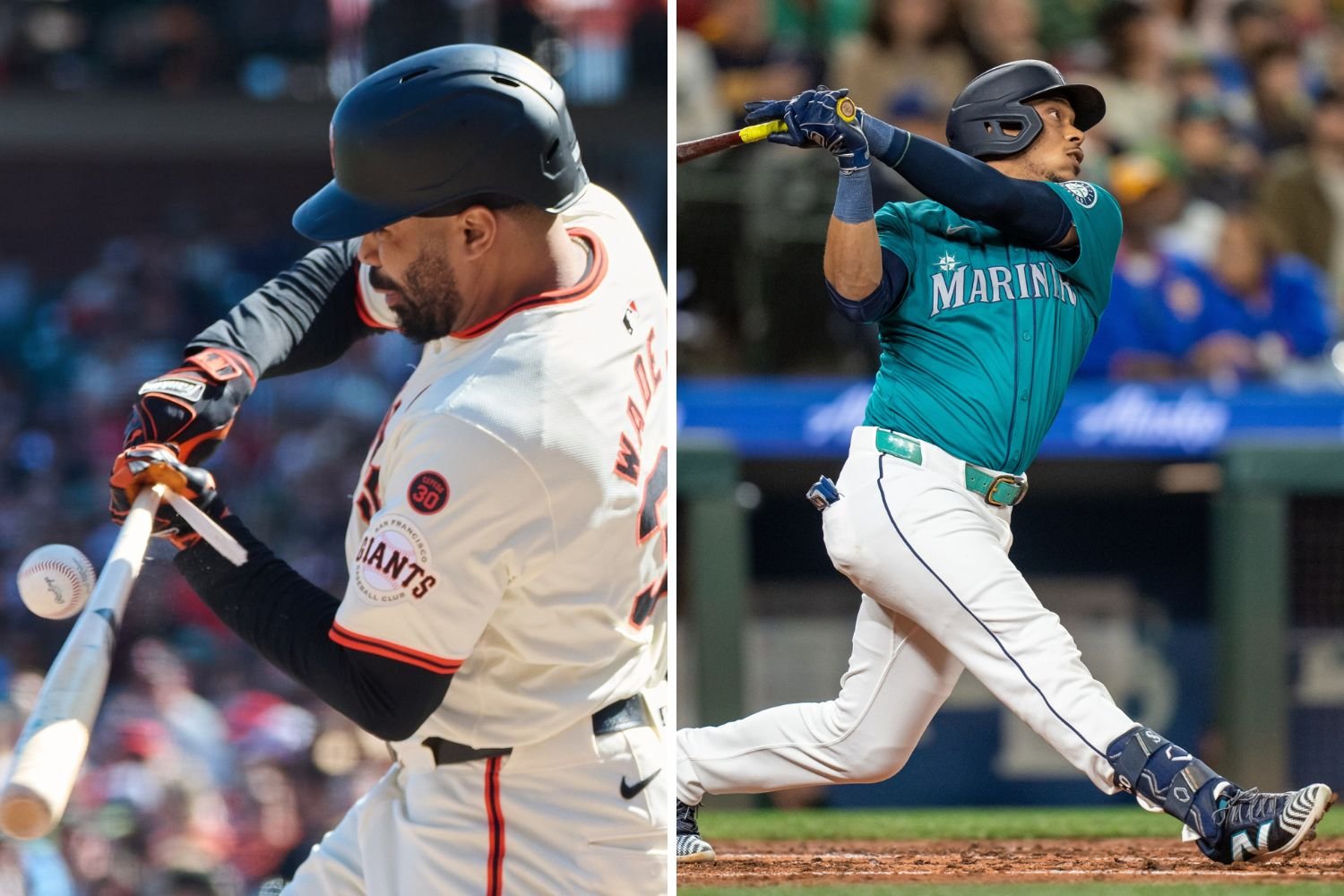 Over the weekend, we reviewed what remains of the free agent market at first base. It was a pretty lackluster group even when it featured Carlos Santana, who signed with Cleveland a couple hours after the article went live. Assuming they are not legitimate suitors for Pete Alonso, the best the Twins can now hope for in first base free agency is a 40-year-old Justin Turner, or someone like Connor Joe or Donovan Solano. While reuniting with Solano wouldn't be the worst idea, all things considered, I'd be looking for a little more upside at the position. These two potential options, both former Twins, intrigue me as possibilities. Trade for LaMonte Wade Jr. The Twins traded Wade to San Francisco in 2021 for reliever Shaun Anderson. It was a bad move. Anderson made all of four appearances for the Twins before moving on, while Wade has posted a 115 OPS+ over four seasons in The Bay. With two lefty-swinging fourth outfielders in their mix, Minnesota essentially picked Jake Cave over Wade; the former recently signed to play in the KBO, while the latter is coming off another strong season as a regular in the majors at age 30. This offseason, the Twins have an opportunity to right their wrong. Susan Slusser of the San Francisco Chronicle writes that "many clubs believe first baseman LaMonte Wade Jr. to be available – for a price, of course." It will take more than a fringy Anderson-type reliever to bring him back, but the cost of acquiring Wade could potentially be palatable. Entering his final season of arbitration, Wade is projected by MLB Trade Rumors to make $4.7 million in 2025. That's a price tag the Twins should be able to make work. The relatively modest salary reflects some of the limiting aspects of Wade's value as a player, which also could tamper San Francisco's demands in a trade. He has been used pretty strictly as a platoon player, despite moderate success against lefties in a small sample. He's not considered a particularly strong defender, though he does offer some flexibility, with the outfield corners also in his bag. Wade also does not offer prototypical power for a first baseman, but he offsets it with stellar discipline and on-base skills. I'd argue the Twins are in greater need of those traits versus another hard-swinging slugger. On basically a one-year deal in his age-31 season, Wade feels like a very solid fit for Minnesota's needs, depending on what the Giants are willing to accept in exchange. If the Twins would prefer to focus on free agency, there's a more unconventional fit I've got my eyes on. Sign Jorge Polanco and try him out at first base. Admittedly, this is a more radical and experimental suggestion, but the Twins need to be open-minded in their hunt for impact and value. Polanco was not listed among the previous rundown of free-agent first basemen because, well, he's never played first base. Not in the majors or the minors. He has, however, played every other infield position, and it doesn't seem like a stretch to believe Polanco could handle first capably. In fact, it's almost an inevitability that some team will try him there in order to prolong his career as a useful defender; Polanco was already grading out poorly defensively at second before undergoing knee surgery in October to repair the patellar tendon in his left knee. The concept of him making a move to first base has been discussed here as recently as one year ago, before he was traded. Polanco turns 32 next July. He's got a long history of wear-and-tear on his lower body. And he did not hit in 2024, slashing just .213/.296/.355 in 469 plate appearances for the Mariners, who declined his $12 million option for next year. But previously Polanco had been a very consistent offensive performer, posting an OPS+ of 112 or above in every full season since 2019. The Twins are well positioned to accept the risk involved with signing Polanco, since they have a reasonable baseline at first base between José Miranda and Edouard Julien. Plugging in Polanco would enable Minnesota to be patient with those two, neither of whom looked up to snuff at season's end, while also supplementing the infield depth lost in Kyle Farmer. Most importantly, Polanco would bring a proven switch-hitting bat that Rocco Baldelli clearly holds in very high regard. The wisdom of signing Polanco hinges on how much he ends up being able to command, but there's reason to believe he could end up settling for a one-year deal in the range of what Santana made this year, maybe with some incentives added on top. Polanco's familiarity with the team, manager, facilities and players would theoretically be a differentiating draw. It's possible Polanco's market may not heat up until later in the offseason, once he's able to showcase his readiness and recovery from the surgery. That would suit the Twins' purposes just fine, since they're currently focused on making a trade to open up payroll space and that might still take some time. If healthy, he'd be an exciting (re)addition to a lineup that, like Polanco, is looking to rebound and show what it's made of. What are your thoughts? Do either of these potential reunions do anything for you? What are some other outside-the-box ideas for solving the need at first base given the team's circumstances? Let's hear from you in the comments!
 -
With free agency drying up and the Twins constrained by financial limitations, the front office might need to get creative in finding a veteran plug at first base. Could LaMonte Wade Jr. or Jorge Polanco be a fit to return? Image courtesy of Robert Edwards, Stephen Brashear-Imagn Images Over the weekend, we reviewed what remains of the free agent market at first base. It was a pretty lackluster group even when it featured Carlos Santana, who signed with Cleveland a couple hours after the article went live. Assuming they are not legitimate suitors for Pete Alonso, the best the Twins can now hope for in first base free agency is a 40-year-old Justin Turner, or someone like Connor Joe or Donovan Solano. While reuniting with Solano wouldn't be the worst idea, all things considered, I'd be looking for a little more upside at the position. These two potential options, both former Twins, intrigue me as possibilities. Trade for LaMonte Wade Jr. The Twins traded Wade to San Francisco in 2021 for reliever Shaun Anderson. It was a bad move. Anderson made all of four appearances for the Twins before moving on, while Wade has posted a 115 OPS+ over four seasons in The Bay. With two lefty-swinging fourth outfielders in their mix, Minnesota essentially picked Jake Cave over Wade; the former recently signed to play in the KBO, while the latter is coming off another strong season as a regular in the majors at age 30. This offseason, the Twins have an opportunity to right their wrong. Susan Slusser of the San Francisco Chronicle writes that "many clubs believe first baseman LaMonte Wade Jr. to be available – for a price, of course." It will take more than a fringy Anderson-type reliever to bring him back, but the cost of acquiring Wade could potentially be palatable. Entering his final season of arbitration, Wade is projected by MLB Trade Rumors to make $4.7 million in 2025. That's a price tag the Twins should be able to make work. The relatively modest salary reflects some of the limiting aspects of Wade's value as a player, which also could tamper San Francisco's demands in a trade. He has been used pretty strictly as a platoon player, despite moderate success against lefties in a small sample. He's not considered a particularly strong defender, though he does offer some flexibility, with the outfield corners also in his bag. Wade also does not offer prototypical power for a first baseman, but he offsets it with stellar discipline and on-base skills. I'd argue the Twins are in greater need of those traits versus another hard-swinging slugger. On basically a one-year deal in his age-31 season, Wade feels like a very solid fit for Minnesota's needs, depending on what the Giants are willing to accept in exchange. If the Twins would prefer to focus on free agency, there's a more unconventional fit I've got my eyes on. Sign Jorge Polanco and try him out at first base. Admittedly, this is a more radical and experimental suggestion, but the Twins need to be open-minded in their hunt for impact and value. Polanco was not listed among the previous rundown of free-agent first basemen because, well, he's never played first base. Not in the majors or the minors. He has, however, played every other infield position, and it doesn't seem like a stretch to believe Polanco could handle first capably. In fact, it's almost an inevitability that some team will try him there in order to prolong his career as a useful defender; Polanco was already grading out poorly defensively at second before undergoing knee surgery in October to repair the patellar tendon in his left knee. The concept of him making a move to first base has been discussed here as recently as one year ago, before he was traded. Polanco turns 32 next July. He's got a long history of wear-and-tear on his lower body. And he did not hit in 2024, slashing just .213/.296/.355 in 469 plate appearances for the Mariners, who declined his $12 million option for next year. But previously Polanco had been a very consistent offensive performer, posting an OPS+ of 112 or above in every full season since 2019. The Twins are well positioned to accept the risk involved with signing Polanco, since they have a reasonable baseline at first base between José Miranda and Edouard Julien. Plugging in Polanco would enable Minnesota to be patient with those two, neither of whom looked up to snuff at season's end, while also supplementing the infield depth lost in Kyle Farmer. Most importantly, Polanco would bring a proven switch-hitting bat that Rocco Baldelli clearly holds in very high regard. The wisdom of signing Polanco hinges on how much he ends up being able to command, but there's reason to believe he could end up settling for a one-year deal in the range of what Santana made this year, maybe with some incentives added on top. Polanco's familiarity with the team, manager, facilities and players would theoretically be a differentiating draw. It's possible Polanco's market may not heat up until later in the offseason, once he's able to showcase his readiness and recovery from the surgery. That would suit the Twins' purposes just fine, since they're currently focused on making a trade to open up payroll space and that might still take some time. If healthy, he'd be an exciting (re)addition to a lineup that, like Polanco, is looking to rebound and show what it's made of. What are your thoughts? Do either of these potential reunions do anything for you? What are some other outside-the-box ideas for solving the need at first base given the team's circumstances? Let's hear from you in the comments! View full article
-
It is perhaps the clearest area of need on the Twins roster. Top options are already coming off the board. Who might Minnesota's front office still be targeting on the free agent market at first base? Image courtesy of Matt Krohn-Imagn Images The past few days have seen two of the top free agent options come off the board at first base. On Friday the Houston Astros reached agreement with Christian Walker on a three-year, $60 million contract, and on Saturday the Yankees came to terms with Paul Goldschmidt for one year and $12.5 million. Realistically, the Twins were probably not in the running for either player – certainly not Walker, given their constraints. But given their glaring need at first base, it was fun to dream on the possibility of an impact addition at this level. There are still a few high-caliber options remaining in the field, but more likely the Twins are aiming for the mid-to-lower tiers. Here's a quick overview of remaining free agent first basemen (per MLB's tracker), arranged into my own subjective tiers with the pros and cons of each from Minnesota's standpoint. Listed alongside each player is his age and his fWAR over the past twos seasons. The top tier, from my view, is now down to one. Top Tier Pete Alonso (30, 5.0 WAR) Pros: Elite power hitter, durable, consistent offensive production, and still in his prime. Cons: Will command a high salary a multi-year commitment. Viability: High impact but out of financial reach given the Twins' constraints unless they make other moves to clear payroll. Mid Tier Carlos Santana (39, 4.5 WAR) Pros: Experienced, excellent plate discipline, strong clubhouse presence. Still productive offensively and (especially) defensively while approaching 40. Cons: Age raises concerns about durability and potential decline. Viability: Affordable on a short-term deal, a good fit as a veteran stopgap. [Update: We learned shortly after this article was published that the Cleveland Guardians are signing Santana to a one-year, $12 million deal after trading Josh Naylor to the Diamondbacks. So that's another option off the board!] Justin Turner (40, 2.2 WAR) Pros: Battle-tested veteran, strong hitter, and can fill a hybrid DH/1B role. Cons: Advanced age and limited defensive value. Viability: A reasonable fit if the team values his leadership and is willing to rotate him at DH. Connor Joe (32, 2.0 WAR) Pros: Versatile defensively (1B/LF/RF), solid OBP skills, affordable. Cons: Lacks the power typical of a first baseman. Viability: A cost-effective platoon or depth piece with some upside. Donovan Solano (37, 2.0 WAR) Pros: Familiar with the team, reliable contact hitter, affordable. Cons: Limited power and defensive range. Viability: Reunion wouldn't be a terrible idea, but he's better suited for a utility role rather than full-time 1B. Anthony Rizzo (35, 0.5 WAR) Pros: Veteran experience, previously an excellent defender and hitter. Cons: Recent concussion issues and other injuries have significantly impacted performance. Viability: A risky signing but could be worthwhile if health concerns are resolved. Ty France (30, 0.3 WAR) Pros: Still relatively young, a bounce-back candidate with potential for improvement. Cons: Recent performance dip raises concerns about reliability. Viability: A low-cost gamble with potential upside. Josh Bell (32, 0.2 WAR) Pros: Switch-hitter, power potential, and streaky offensive bursts. Cons: Inconsistent production and below-average defense. Viability: Worth considering if available on a short-term, incentive-laden deal. Bottom Tier Joey Gallo (31, 0.6 WAR) Pros: Familiar with the Twins, elite power, and defensive flexibility. Cons: Poor contact skills and declining offensive performance. Viability: Likely not a strong candidate to return given fit concerns at 1B. Yuli Gurriel (41, -0.5 WAR) Pros: Veteran with postseason experience and strong contact skills. Cons: Age-related decline and minimal upside. Viability: Low-cost emergency option, but unlikely to contribute meaningfully. Ji-Man Choi (34, -0.5 WAR) Pros: Capable of getting on base when healthy, low-cost option. Cons: Poor recent performance and injury concerns. Viability: A reclamation project at best. Rowdy Tellez (30, -1.2 WAR) Pros: Power potential. Great name. Cons: Struggles with consistency, defense, and overall value. Viability: A buy-low candidate, but better options are out there. Gavin Sheets (29, -2.4 WAR) Pros: Youngest of the group with untapped potential. Cons: Defensive liability, hasn't hit in the majors. Viability: Possibly of interest on a minor-league deal. Do any of these options interest you? Who would be at the top of your list? Or do you find these targets uninspiring enough that you'd prefer turning to the trade market or rolling with in-house candidates? Let's hear your thoughts in the comments. View full article
-
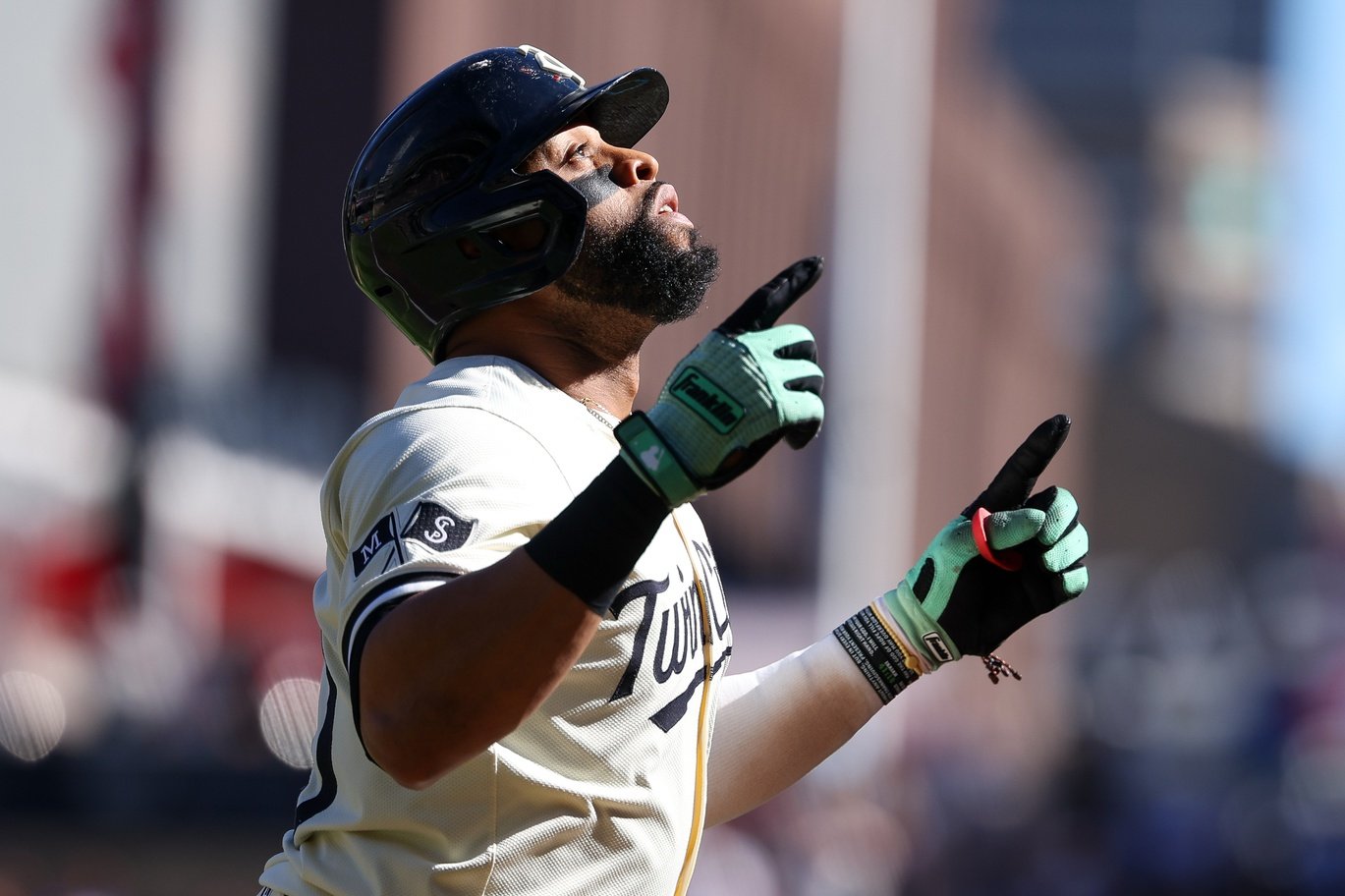 The past few days have seen two of the top free agent options come off the board at first base. On Friday the Houston Astros reached agreement with Christian Walker on a three-year, $60 million contract, and on Saturday the Yankees came to terms with Paul Goldschmidt for one year and $12.5 million. Realistically, the Twins were probably not in the running for either player – certainly not Walker, given their constraints. But given their glaring need at first base, it was fun to dream on the possibility of an impact addition at this level. There are still a few high-caliber options remaining in the field, but more likely the Twins are aiming for the mid-to-lower tiers. Here's a quick overview of remaining free agent first basemen (per MLB's tracker), arranged into my own subjective tiers with the pros and cons of each from Minnesota's standpoint. Listed alongside each player is his age and his fWAR over the past twos seasons. The top tier, from my view, is now down to one. Top Tier Pete Alonso (30, 5.0 WAR) Pros: Elite power hitter, durable, consistent offensive production, and still in his prime. Cons: Will command a high salary a multi-year commitment. Viability: High impact but out of financial reach given the Twins' constraints unless they make other moves to clear payroll. Mid Tier Carlos Santana (39, 4.5 WAR) Pros: Experienced, excellent plate discipline, strong clubhouse presence. Still productive offensively and (especially) defensively while approaching 40. Cons: Age raises concerns about durability and potential decline. Viability: Affordable on a short-term deal, a good fit as a veteran stopgap. [Update: We learned shortly after this article was published that the Cleveland Guardians are signing Santana to a one-year, $12 million deal after trading Josh Naylor to the Diamondbacks. So that's another option off the board!] Justin Turner (40, 2.2 WAR) Pros: Battle-tested veteran, strong hitter, and can fill a hybrid DH/1B role. Cons: Advanced age and limited defensive value. Viability: A reasonable fit if the team values his leadership and is willing to rotate him at DH. Connor Joe (32, 2.0 WAR) Pros: Versatile defensively (1B/LF/RF), solid OBP skills, affordable. Cons: Lacks the power typical of a first baseman. Viability: A cost-effective platoon or depth piece with some upside. Donovan Solano (37, 2.0 WAR) Pros: Familiar with the team, reliable contact hitter, affordable. Cons: Limited power and defensive range. Viability: Reunion wouldn't be a terrible idea, but he's better suited for a utility role rather than full-time 1B. Anthony Rizzo (35, 0.5 WAR) Pros: Veteran experience, previously an excellent defender and hitter. Cons: Recent concussion issues and other injuries have significantly impacted performance. Viability: A risky signing but could be worthwhile if health concerns are resolved. Ty France (30, 0.3 WAR) Pros: Still relatively young, a bounce-back candidate with potential for improvement. Cons: Recent performance dip raises concerns about reliability. Viability: A low-cost gamble with potential upside. Josh Bell (32, 0.2 WAR) Pros: Switch-hitter, power potential, and streaky offensive bursts. Cons: Inconsistent production and below-average defense. Viability: Worth considering if available on a short-term, incentive-laden deal. Bottom Tier Joey Gallo (31, 0.6 WAR) Pros: Familiar with the Twins, elite power, and defensive flexibility. Cons: Poor contact skills and declining offensive performance. Viability: Likely not a strong candidate to return given fit concerns at 1B. Yuli Gurriel (41, -0.5 WAR) Pros: Veteran with postseason experience and strong contact skills. Cons: Age-related decline and minimal upside. Viability: Low-cost emergency option, but unlikely to contribute meaningfully. Ji-Man Choi (34, -0.5 WAR) Pros: Capable of getting on base when healthy, low-cost option. Cons: Poor recent performance and injury concerns. Viability: A reclamation project at best. Rowdy Tellez (30, -1.2 WAR) Pros: Power potential. Great name. Cons: Struggles with consistency, defense, and overall value. Viability: A buy-low candidate, but better options are out there. Gavin Sheets (29, -2.4 WAR) Pros: Youngest of the group with untapped potential. Cons: Defensive liability, hasn't hit in the majors. Viability: Possibly of interest on a minor-league deal. Do any of these options interest you? Who would be at the top of your list? Or do you find these targets uninspiring enough that you'd prefer turning to the trade market or rolling with in-house candidates? Let's hear your thoughts in the comments.
- 81 comments
-
- 5
-
-
- carlos santana
- pete alonso
- (and 1 more)
-
Brainstorming Ways the Twins Can Engage Younger Fans in 2025
Nick Nelson posted an article in Just For Fun
 The Minnesota Twins brand is in a state of crisis. Hopes of growing attendance and interest coming off a breakthrough year were dashed, partially out of self-sabotage, as the team drew fewer fans, reduced TV access and collapsed late in the season. With the front office transparently admitting that they need to scale back spending and make tough bottom-line decisions this offseason, a sense of apathy is setting in, even among the diehards like myself. In order for the franchise to enjoy a healthy future, they need to reverse course on their dwindling fan momentum. Attracting a younger generation that can turn into longtime followers is vital. This has been a concerted effort for MLB as a whole and should be one for the Twins as well. There are plenty of serious ideas to be discussed for rejuvenating fan engagement, from simply winning more games to, say, lowering concession prices. What follows is a series of decidedly non-serious suggestions for reaching young fans in the 2025 season. It should definitely be noted that the author is almost 40 and extremely out of touch, but hopefully that only makes the exercise more sadly amusing. Refer to hot dogs exclusively as "glizzies" at Target Field. Glizzy has become a popular nickname for hot dogs among the youth. The Twins should go all in on this trendy terminology at the ballpark. I mean menu listings, vendor shouts, the works. When people order a "hot dog" at the counter, the cashier should stare at them blankly. Will this weird out and alienate older people? Of course. That's part of the charm. Buy TikTok and rebrand it as TwinsTok. The beloved social media platform faces a potential ban in the U.S. next month unless a domestic buyer can step in and save it. This is the Pohlads' (or a new owner's) chance to play hero for the app's heavily youthful user base. With more than 1 billion daily users worldwide, a purchase of TikTok and subtle rebrand as TwinsTok would offer great opportunities for brand awareness. As a bonus, Twins ownership would have its own streaming platform for broadcasting games. The action would need to be transmitted to audiences in the form of brief clips but with the state of today's attention spans, that's just as well. Start a rap beef. We saw earlier this year the culturally transfixing power of a heated hip-hop rivalry, when Kendrick Lamar and Drake went toe to toe over a series of increasingly personal diss tracks. Maybe it's time for the Twins to follow this example by stirring up smoke with their opps. If they want to build on the cross-border friction that Kdot and Drizzy sparked up, the Twins could set their sights on the Toronto Blue Jays and former hitting coach David Popkins. Or they could stay closer to home by taking aim at the neighborly Brewers. What about a civil war beef between the Twins and Saints? The possibilities are endless. Of course, this would be dependent on finding someone to craft the bars, and they're gonna need to bring it. I wonder who on the Twins has the best rap writing skills? I'll happily volunteer my pen if called upon. Institute team dress code requiring high socks. Apparently wearing ankle socks is out -- a sign of dated fashion sensibilities. We can apply this shift to the Twins and deduce that the low-pants look is simply not resonating with younger observers. It's time for this franchise to take a page out of the Steinbrenner book and mandate a strict appearance policy; instead of outlawing facial hair, they can take hard stance on the "mother of all baseball fashion arguments" by requiring all players to rock high socks at all times. Fortunately team leader Carlos Correa is already ahead of the game here. Fortnite Nights at the ballpark every fortnight. If I know one thing about young people -- and that might be about accurate -- it's that they love Fortnite. The game is a generational sensation. One study found that almost two-thirds of players for the mega-hit battle royale video game are between 18 and 24. Well, there's nothing like glomming onto a mainstream trend to borrow some of that buzz! We've seen baseball teams dabble with Fortnite-themed events before. Minor-league teams have used it as a promo gimmick and last January the Red Sox hosted an offseason Fortnite game on the Fenway jumbotron. The Twins can make waves by going even bigger. Picture this: Fortnite Night at Target Field. Fans encouraged to dress up in creative "skins," and to play Fortnite rounds on their mobile devices in the stands, with occasional highlights piped to the big screen. Players doing celebratory dances and emotes on the field. The whole works. And we're not doing this just once a year, but once every two weeks. Build some real sustained inroads with the Fortnite community. If the Twins aren't at home on a date the event falls, it's still happening at Target Field. Let's hear your best ideas for bringing younger fans to the ballpark and broadcasts in 2025. You're welcome to take the assignment a little more seriously than I did. Or not!
 -
Up for sale and shedding payroll, the Twins are struggling to sustain interest from longtime fans, much less attract a new generation. Here's a lighthearted look at some tactics to win over younger audiences next year. Image courtesy of © Jordan Johnson-Imagn Images The Minnesota Twins brand is in a state of crisis. Hopes of growing attendance and interest coming off a breakthrough year were dashed, partially out of self-sabotage, as the team drew fewer fans, reduced TV access and collapsed late in the season. With the front office transparently admitting that they need to scale back spending and make tough bottom-line decisions this offseason, a sense of apathy is setting in, even among the diehards like myself. In order for the franchise to enjoy a healthy future, they need to reverse course on their dwindling fan momentum. Attracting a younger generation that can turn into longtime followers is vital. This has been a concerted effort for MLB as a whole and should be one for the Twins as well. There are plenty of serious ideas to be discussed for rejuvenating fan engagement, from simply winning more games to, say, lowering concession prices. What follows is a series of decidedly non-serious suggestions for reaching young fans in the 2025 season. It should definitely be noted that the author is almost 40 and extremely out of touch, but hopefully that only makes the exercise more sadly amusing. Refer to hot dogs exclusively as "glizzies" at Target Field. Glizzy has become a popular nickname for hot dogs among the youth. The Twins should go all in on this trendy terminology at the ballpark. I mean menu listings, vendor shouts, the works. When people order a "hot dog" at the counter, the cashier should stare at them blankly. Will this weird out and alienate older people? Of course. That's part of the charm. Buy TikTok and rebrand it as TwinsTok. The beloved social media platform faces a potential ban in the U.S. next month unless a domestic buyer can step in and save it. This is the Pohlads' (or a new owner's) chance to play hero for the app's heavily youthful user base. With more than 1 billion daily users worldwide, a purchase of TikTok and subtle rebrand as TwinsTok would offer great opportunities for brand awareness. As a bonus, Twins ownership would have its own streaming platform for broadcasting games. The action would need to be transmitted to audiences in the form of brief clips but with the state of today's attention spans, that's just as well. Start a rap beef. We saw earlier this year the culturally transfixing power of a heated hip-hop rivalry, when Kendrick Lamar and Drake went toe to toe over a series of increasingly personal diss tracks. Maybe it's time for the Twins to follow this example by stirring up smoke with their opps. If they want to build on the cross-border friction that Kdot and Drizzy sparked up, the Twins could set their sights on the Toronto Blue Jays and former hitting coach David Popkins. Or they could stay closer to home by taking aim at the neighborly Brewers. What about a civil war beef between the Twins and Saints? The possibilities are endless. Of course, this would be dependent on finding someone to craft the bars, and they're gonna need to bring it. I wonder who on the Twins has the best rap writing skills? I'll happily volunteer my pen if called upon. Institute team dress code requiring high socks. Apparently wearing ankle socks is out -- a sign of dated fashion sensibilities. We can apply this shift to the Twins and deduce that the low-pants look is simply not resonating with younger observers. It's time for this franchise to take a page out of the Steinbrenner book and mandate a strict appearance policy; instead of outlawing facial hair, they can take hard stance on the "mother of all baseball fashion arguments" by requiring all players to rock high socks at all times. Fortunately team leader Carlos Correa is already ahead of the game here. Fortnite Nights at the ballpark every fortnight. If I know one thing about young people -- and that might be about accurate -- it's that they love Fortnite. The game is a generational sensation. One study found that almost two-thirds of players for the mega-hit battle royale video game are between 18 and 24. Well, there's nothing like glomming onto a mainstream trend to borrow some of that buzz! We've seen baseball teams dabble with Fortnite-themed events before. Minor-league teams have used it as a promo gimmick and last January the Red Sox hosted an offseason Fortnite game on the Fenway jumbotron. The Twins can make waves by going even bigger. Picture this: Fortnite Night at Target Field. Fans encouraged to dress up in creative "skins," and to play Fortnite rounds on their mobile devices in the stands, with occasional highlights piped to the big screen. Players doing celebratory dances and emotes on the field. The whole works. And we're not doing this just once a year, but once every two weeks. Build some real sustained inroads with the Fortnite community. If the Twins aren't at home on a date the event falls, it's still happening at Target Field. Let's hear your best ideas for bringing younger fans to the ballpark and broadcasts in 2025. You're welcome to take the assignment a little more seriously than I did. Or not! View full article

