



Nick Nelson
-
Posts
8,315 -
Joined
-
Last visited
-
Days Won
56
Content Type
Profiles
News
Minnesota Twins Videos
2026 Minnesota Twins Top Prospects Ranking
2022 Minnesota Twins Draft Picks
Minnesota Twins Free Agent & Trade Rumors, Notes, & Tidbits
Guides & Resources
2023 Minnesota Twins Draft Picks
The Minnesota Twins Players Project
2024 Minnesota Twins Draft Picks
2025 Minnesota Twins Draft Pick Tracker
2026 Minnesota Twins Draft Tracker: Picks & Bonuses
Forums
Blogs
Events
Store
Downloads
Gallery
Everything posted by Nick Nelson
-
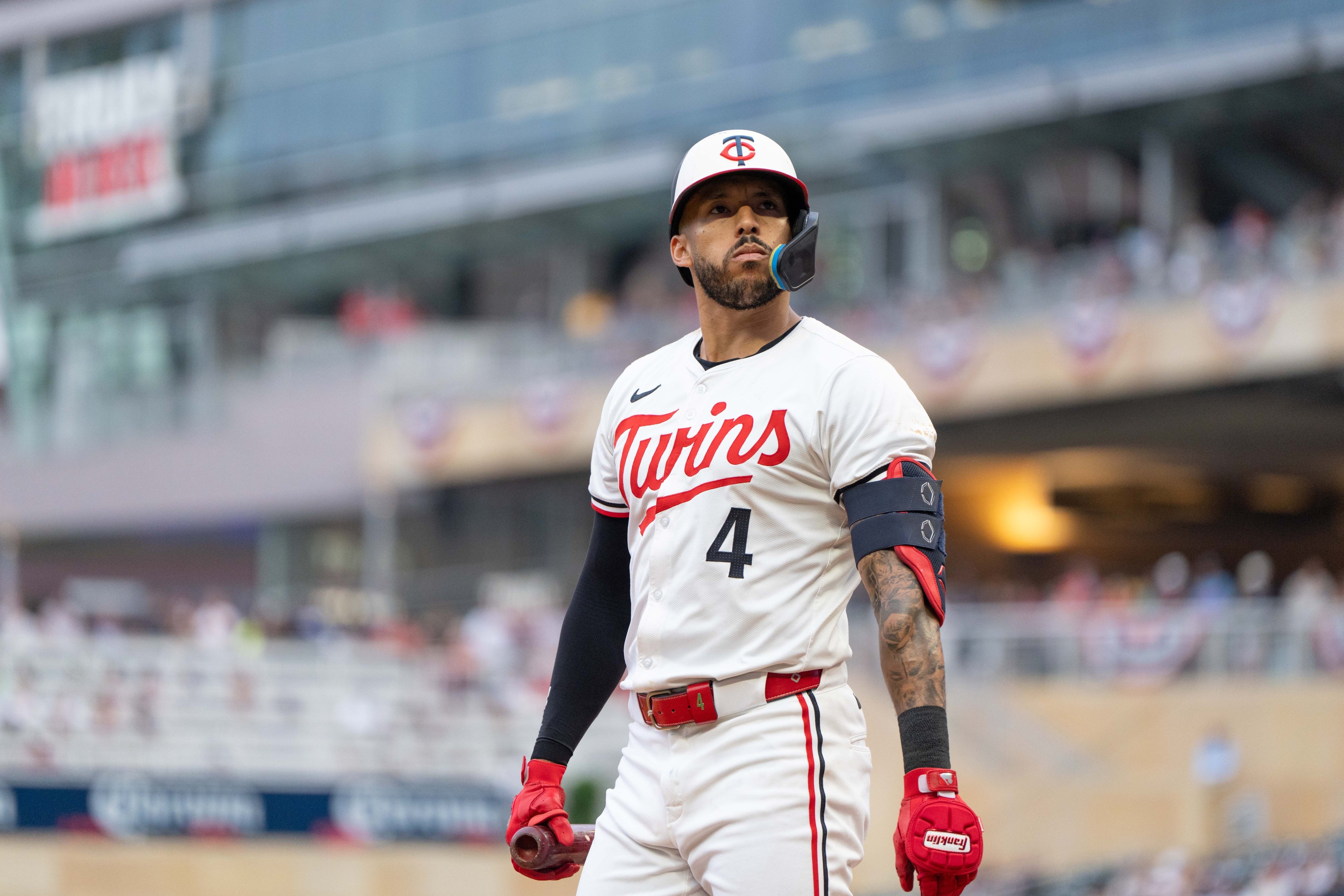 During his strange free-agent odyssey two offseasons ago, Carlos Correa had the rug pulled out from under him twice. Agreements with the San Francisco Giants and New York Mets fell through, paving way for Correa's highly improbable $200 million contract with the Minnesota Twins. After finally finding a long-term home, and seemingly entrenching himself in a good situation for his remaining prime years, Correa now has had the rug pulled out once again. The signing of that historic six-year deal brought with it a promise on behalf of the Twins, whether explicit or implicit: We're serious about winning, and we want you to lead the charge. While plenty of Hall-of-Fame talents have come through these parts, never in their history have the Twins signed a superstar of this caliber from the open market at the heart of his physical peak. "We started something special last year," Correa said at the time of the signing. "There’s more to be done. I want to bring a championship back to this city." “I think it's great for the organization, great for the fans," said Joe Pohlad. "And hopefully what it reiterates to the fan base is that our commitment to winning." All of the big talk was backed up, at least for a time. Shortly after bringing Correa aboard, the Twins went and got their ace starter, trading Luis Arráez for Pablo López and then quickly locking López down with a lucrative contract extension. In 2023, the Twins posted a record payroll, which paid off in the form of a division title and long-awaited playoff advancement. At the time, the Twins were set up for a very bright outlook, boasting a stellar young core led by Correa in a division that didn't seem all that compelled to put forth much effort. By staying the course, the Pohlads were poised to oversee another division dynasty. Then, quite suddenly, everything changed. Ever since their exciting postseason run of 2023 came to an end, the Twins have been mired in a largely self-induced spiral that has tanked fan morale and has surely affected Correa's as well. The Pohlads mandated a major spending cut, and Minnesota's handcuffed 2024 team collapsed in the second half. Here in the ensuing offseason, still stymied by ownership-imposed constraints, the front office has added not one single player on a major-league deal. You've got to wonder what kind of mind state this leaves Correa in. The promises made two short years ago have crumbled. Joe Pohlad's "commitment to winning" remark quickly became a laughable farce. I don't doubt that Correa still has belief in the nucleus surrounding him -- as do I -- but as a savvy baseball mind and ceremonial assistant GM, he understands how much this cheapskate act from the Pohlads hindered Minnesota's chance at success last year, and how much it threatens to do the same this year. If the Twins were gonna venture so far outside of their comfort zone as to give him this contract (which he surely could've gotten elsewhere), only to dismantle the roster around him shortly thereafter, then what was even the point? Correa has now crossed that infamous aging barrier of 30 years, but as of now he's still one of the best players in the game when on the field. His best chance to spearhead a championship run is right in front of him. It's got to be immensely frustrating watching the Twins twiddle their thumbs, especially as the door in the AL Central remains quite open. One might ask: What's the point of pondering Correa's state of mind? And it's a fair question. He's under contract for four more years at least, and I don't think anyone believes he's the type of guy who's going to sulk or dial back his focus out of frustration. He'll say the right things and do the right things this year, regardless. But the situation does cast some uncertainty on his future with the Twins. There's a very plausible scenario where Correa puts together a healthier season and carries over his performance from 2024, playing at an All-Star level while the Twins once again fall short. At that point, he's a fairly attractive trade target with three years and $95 million (plus a team-friendly multi-year option structure) remaining on his contract. And if the Twins' prioritization of profits over pennants still persists by then, I would hardly blame Correa for making it known he would like out. It's not a radical leap. From my view, the fact that Derek Falvey has plainly discussed a willingness to listen on Correa -- who has a full no-trade clause -- suggests that there is already some shared level of openness to the idea. Correa does not come off as selfish or disloyal, but at the same time, this is a generational player whose career and legacy are on the line. He's been battling on one foot for most of the past two years to elevate this stagnating franchise; meanwhile, ownership won't lift a finger to help him out. Therein lies the potential tipping point. The Twins are up for sale, and it sounds like there is momentum toward a deal coming together in the relatively near future. If, hypothetically, a new ownership group led by the Ishbia brothers were to take over with a more winning-centered vision, Correa would likely come be viewed as a huge asset, regardless of his price tag -- and someone they should go out of their way to make happy. That now seems to be our best hope: for a new regime to enter the fold and fulfill the false promises of the Pohlads and their fading resolve.
 -

What Is Carlos Correa's Mindset Right Now?
Nick Nelson posted a topic in Twins Daily Front Page News
He's battling to overcome foot injuries that derailed him in two straight seasons. He's seen his name floated in trade rumors. He's watched the Twins sit idly all offseason, failing to supplement a contending roster as he looks ahead to one of his last remaining prime-aged seasons. You've gotta wonder: What's going through Carlos Correa's head right now? Image courtesy of Matt Blewett-Imagn Images During his strange free-agent odyssey two offseasons ago, Carlos Correa had the rug pulled out from under him twice. Agreements with the San Francisco Giants and New York Mets fell through, paving way for Correa's highly improbable $200 million contract with the Minnesota Twins. After finally finding a long-term home, and seemingly entrenching himself in a good situation for his remaining prime years, Correa now has had the rug pulled out once again. The signing of that historic six-year deal brought with it a promise on behalf of the Twins, whether explicit or implicit: We're serious about winning, and we want you to lead the charge. While plenty of Hall-of-Fame talents have come through these parts, never in their history have the Twins signed a superstar of this caliber from the open market at the heart of his physical peak. "We started something special last year," Correa said at the time of the signing. "There’s more to be done. I want to bring a championship back to this city." “I think it's great for the organization, great for the fans," said Joe Pohlad. "And hopefully what it reiterates to the fan base is that our commitment to winning." All of the big talk was backed up, at least for a time. Shortly after bringing Correa aboard, the Twins went and got their ace starter, trading Luis Arráez for Pablo López and then quickly locking López down with a lucrative contract extension. In 2023, the Twins posted a record payroll, which paid off in the form of a division title and long-awaited playoff advancement. At the time, the Twins were set up for a very bright outlook, boasting a stellar young core led by Correa in a division that didn't seem all that compelled to put forth much effort. By staying the course, the Pohlads were poised to oversee another division dynasty. Then, quite suddenly, everything changed. Ever since their exciting postseason run of 2023 came to an end, the Twins have been mired in a largely self-induced spiral that has tanked fan morale and has surely affected Correa's as well. The Pohlads mandated a major spending cut, and Minnesota's handcuffed 2024 team collapsed in the second half. Here in the ensuing offseason, still stymied by ownership-imposed constraints, the front office has added not one single player on a major-league deal. You've got to wonder what kind of mind state this leaves Correa in. The promises made two short years ago have crumbled. Joe Pohlad's "commitment to winning" remark quickly became a laughable farce. I don't doubt that Correa still has belief in the nucleus surrounding him -- as do I -- but as a savvy baseball mind and ceremonial assistant GM, he understands how much this cheapskate act from the Pohlads hindered Minnesota's chance at success last year, and how much it threatens to do the same this year. If the Twins were gonna venture so far outside of their comfort zone as to give him this contract (which he surely could've gotten elsewhere), only to dismantle the roster around him shortly thereafter, then what was even the point? Correa has now crossed that infamous aging barrier of 30 years, but as of now he's still one of the best players in the game when on the field. His best chance to spearhead a championship run is right in front of him. It's got to be immensely frustrating watching the Twins twiddle their thumbs, especially as the door in the AL Central remains quite open. One might ask: What's the point of pondering Correa's state of mind? And it's a fair question. He's under contract for four more years at least, and I don't think anyone believes he's the type of guy who's going to sulk or dial back his focus out of frustration. He'll say the right things and do the right things this year, regardless. But the situation does cast some uncertainty on his future with the Twins. There's a very plausible scenario where Correa puts together a healthier season and carries over his performance from 2024, playing at an All-Star level while the Twins once again fall short. At that point, he's a fairly attractive trade target with three years and $95 million (plus a team-friendly multi-year option structure) remaining on his contract. And if the Twins' prioritization of profits over pennants still persists by then, I would hardly blame Correa for making it known he would like out. It's not a radical leap. From my view, the fact that Derek Falvey has plainly discussed a willingness to listen on Correa -- who has a full no-trade clause -- suggests that there is already some shared level of openness to the idea. Correa does not come off as selfish or disloyal, but at the same time, this is a generational player whose career and legacy are on the line. He's been battling on one foot for most of the past two years to elevate this stagnating franchise; meanwhile, ownership won't lift a finger to help him out. Therein lies the potential tipping point. The Twins are up for sale, and it sounds like there is momentum toward a deal coming together in the relatively near future. If, hypothetically, a new ownership group led by the Ishbia brothers were to take over with a more winning-centered vision, Correa would likely come be viewed as a huge asset, regardless of his price tag -- and someone they should go out of their way to make happy. That now seems to be our best hope: for a new regime to enter the fold and fulfill the false promises of the Pohlads and their fading resolve. View full article -
Sale of the Minnesota Twins Franchise Reportedly Trending Toward Completion
Nick Nelson posted an article in Twins
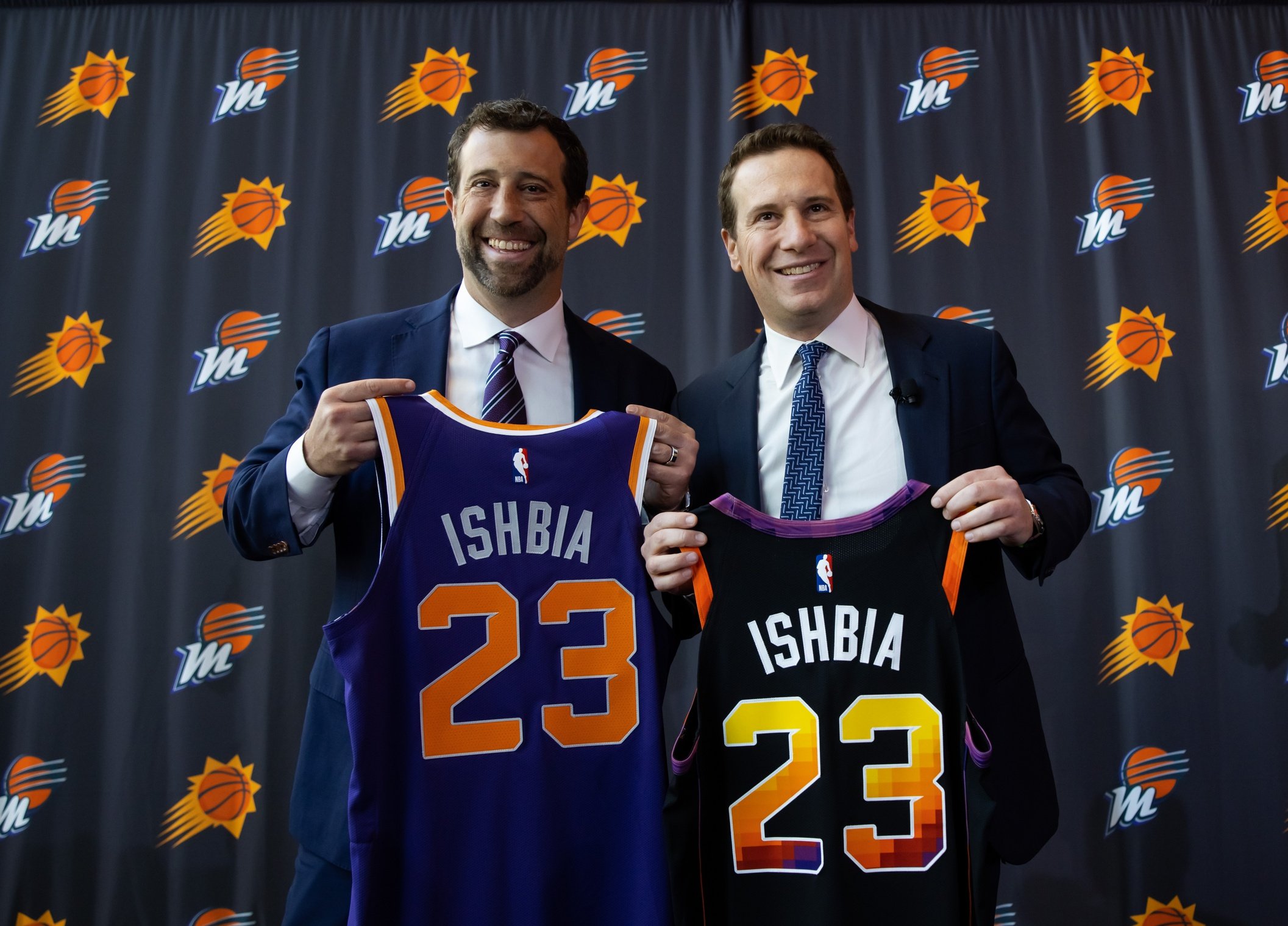 When the revelation surfaced last October that the Pohlad family was actively exploring a sale of the Minnesota Twins franchise they've owned for over 40 years, it came as music to the ears of frustrated fans. But the news also came with a caveat: don't expect things to necessarily move quickly. Historically the high-stakes process of selling a pro sports team has often been slow and methodical, stretching out over multiple years and in many cases failing to come to fruition. In the case of the Twins, there were an added number of complications at play, ranging from the attractiveness of the market to the morale of the fanbase to future uncertainty around TV revenue. In spite of these factors, it sounds like momentum is building toward completion of a sale in the near future. Dan Hayes of The Athletic reported earlier this week, via industry sources, that the club has a "robust market" and that there's a belief the Twins could be sold by Opening Day. That date falls on March 27th — exactly 11 weeks from now. It's still a decent length of time but it's quicker than most anticipated and suggests that there is little doubt a deal will be reached resulting in a Pohlad family exit. "MLB has already begun to vet potential owners," writes Hayes, "and will take a deeper look at stronger candidates as the transaction nears a close." In December, reports emerged that Suns minority owner Justin Ishbia was among those interested in buying the Twins, with his fellow billionaire brother Mat likely factoring into an ownership group. Presumably Ishbia is among the finalists whose legitimate interest and capability is helping fuel confidence in a somewhat imminent conclusion to this saga. Based on the limited information we have, he would have to be considered the favorite. "The industry source briefed on their plans said the Ishbia brothers are very interested in purchasing the Twins and have held several meetings with local leaders," Hayes shared in his latest. When the Ishbia rumors began to gain steam, our Tom Froemming shared his thoughts about what such an ownership transition might mean for the franchise and its fans: For Twins fans, it's hard to feel anything but immense optimism about this developing story. The franchise has fallen into a major rut since the high point we all experienced in 2023; there has not been one single particularly significant addition or exciting move made since the postseason exit as the front office has been directed the shed payroll and lay low. The dampened fan morale has been reflected in just about every indicator across the board. Attendance was down last year, viewership was down, and in 2024 Twins Daily experienced a year-over-year drop in traffic for the first time in its history. People are checked out, and they need a reason to check back in. A change in ownership could provide exactly that. Given the seemingly active and aggressive buyer market, it's hard to believe a new regime would not come in looking to shake things up with a positive statement and increased payroll investment. Hayes reports that his source "believes it will be a complete sale of the Twins with an immediate takeover in control," unlike the prolonged three-stage process that was planned for the neighboring Timberwolves (which is now in doubt). While it's probably too late to hope for a major change in the spending outlook for the 2025 season, and the kind of late-breaking impact additions that could entail this offseason, a sale being completed by the end of March would set the stage for a near-term shift in spending philosophy, perhaps with flexibility to add salary during the season (which they clearly lacked last year), and certainly beyond. What are your reactions to this report and the potential for a changing of the guard before the regular season gets underway? Let's hear your thoughts in the comments.
 -
The process appears to be moving faster than expected, with a recent report suggesting that new ownership could be in place by the start of the 2025 season, now less than three months away. For Twins fans, this seems like great news. Image courtesy of Mark J. Rebilas-Imagn Images When the revelation surfaced last October that the Pohlad family was actively exploring a sale of the Minnesota Twins franchise they've owned for over 40 years, it came as music to the ears of frustrated fans. But the news also came with a caveat: don't expect things to necessarily move quickly. Historically the high-stakes process of selling a pro sports team has often been slow and methodical, stretching out over multiple years and in many cases failing to come to fruition. In the case of the Twins, there were an added number of complications at play, ranging from the attractiveness of the market to the morale of the fanbase to future uncertainty around TV revenue. In spite of these factors, it sounds like momentum is building toward completion of a sale in the near future. Dan Hayes of The Athletic reported earlier this week, via industry sources, that the club has a "robust market" and that there's a belief the Twins could be sold by Opening Day. That date falls on March 27th — exactly 11 weeks from now. It's still a decent length of time but it's quicker than most anticipated and suggests that there is little doubt a deal will be reached resulting in a Pohlad family exit. "MLB has already begun to vet potential owners," writes Hayes, "and will take a deeper look at stronger candidates as the transaction nears a close." In December, reports emerged that Suns minority owner Justin Ishbia was among those interested in buying the Twins, with his fellow billionaire brother Mat likely factoring into an ownership group. Presumably Ishbia is among the finalists whose legitimate interest and capability is helping fuel confidence in a somewhat imminent conclusion to this saga. Based on the limited information we have, he would have to be considered the favorite. "The industry source briefed on their plans said the Ishbia brothers are very interested in purchasing the Twins and have held several meetings with local leaders," Hayes shared in his latest. When the Ishbia rumors began to gain steam, our Tom Froemming shared his thoughts about what such an ownership transition might mean for the franchise and its fans: For Twins fans, it's hard to feel anything but immense optimism about this developing story. The franchise has fallen into a major rut since the high point we all experienced in 2023; there has not been one single particularly significant addition or exciting move made since the postseason exit as the front office has been directed the shed payroll and lay low. The dampened fan morale has been reflected in just about every indicator across the board. Attendance was down last year, viewership was down, and in 2024 Twins Daily experienced a year-over-year drop in traffic for the first time in its history. People are checked out, and they need a reason to check back in. A change in ownership could provide exactly that. Given the seemingly active and aggressive buyer market, it's hard to believe a new regime would not come in looking to shake things up with a positive statement and increased payroll investment. Hayes reports that his source "believes it will be a complete sale of the Twins with an immediate takeover in control," unlike the prolonged three-stage process that was planned for the neighboring Timberwolves (which is now in doubt). While it's probably too late to hope for a major change in the spending outlook for the 2025 season, and the kind of late-breaking impact additions that could entail this offseason, a sale being completed by the end of March would set the stage for a near-term shift in spending philosophy, perhaps with flexibility to add salary during the season (which they clearly lacked last year), and certainly beyond. What are your reactions to this report and the potential for a changing of the guard before the regular season gets underway? Let's hear your thoughts in the comments. View full article
-
It's about trying to win over any timeframe within the circumstances and constraints faced by the Twins.I try to weigh 2026 and 2027 almost equally to 2025 because they are all different opportunities to win a World Series. I don't view this exercise as being far off from a trade valuation ranking, because a lot of the point is: if we traded this guy, we'd expect to get back similar asset talent. E.g. in Jan 2023 I had Arraez ranked 10th, and then they traded him for Lopez who I ranked 9th when I updated the rankings. Sign of a good, fair trade. But I do try to look at it through a Twins-specific lens, which is why I distinguish it from simply being about trade value. If the team had a good catcher coming up through the ranks, Jeffers would have probably ranked lower. It doesn't affect his trade value but it affects his importance to the Twins. Correa would probably rank higher if the Twins still had a $160M payroll. There's no salary cap in MLB of course but the Twins have essentially given themselves one so I'm assessing through the scope of team-building and how you put together a championship roster.
- 52 replies
-
- 2
-

-
- pablo lopez
- joe ryan
- (and 3 more)
-
Thank you all so much for the great feedback and thoughts. I love writing this series mainly because it tends to elicit so much thoughtful and interesting discussion during a dead zone in the offseason. Seems like the biggest quibble I'm seeing is the absence of Buxton from the list, and I hear ya. I'm second-guessing myself for not having him on here. Buxton ranked #1 on this list two years ago but dropped off completely following the disaster that was 2023. He did rebound in a major way this past season, finished relatively healthy, and perhaps that should've been weighed more heavily. Candidly, Buck is my favorite player and it's possible I went too far trying to overcorrect my own bias. But to defend the choice, ultimately where I get stuck is thinking about the entire balance of his remaining contract vs 2025 specifically. It's not a bad contract but $15M/yr is meaningful to the Twins in their situation. He's 31, he's got a ton of wear-and-tear, and I don't think he's much longer for CF. What are we looking at from him in 2026-28? And how do we realistically frame his upside when you can only hope to get 100 games max from him?
- 52 replies
-
- 8
-
-

-
- pablo lopez
- joe ryan
- (and 3 more)
-
The Top 20 Minnesota Twins Player Assets of 2025: Part 4 (1-5)
Nick Nelson posted an article in Twins
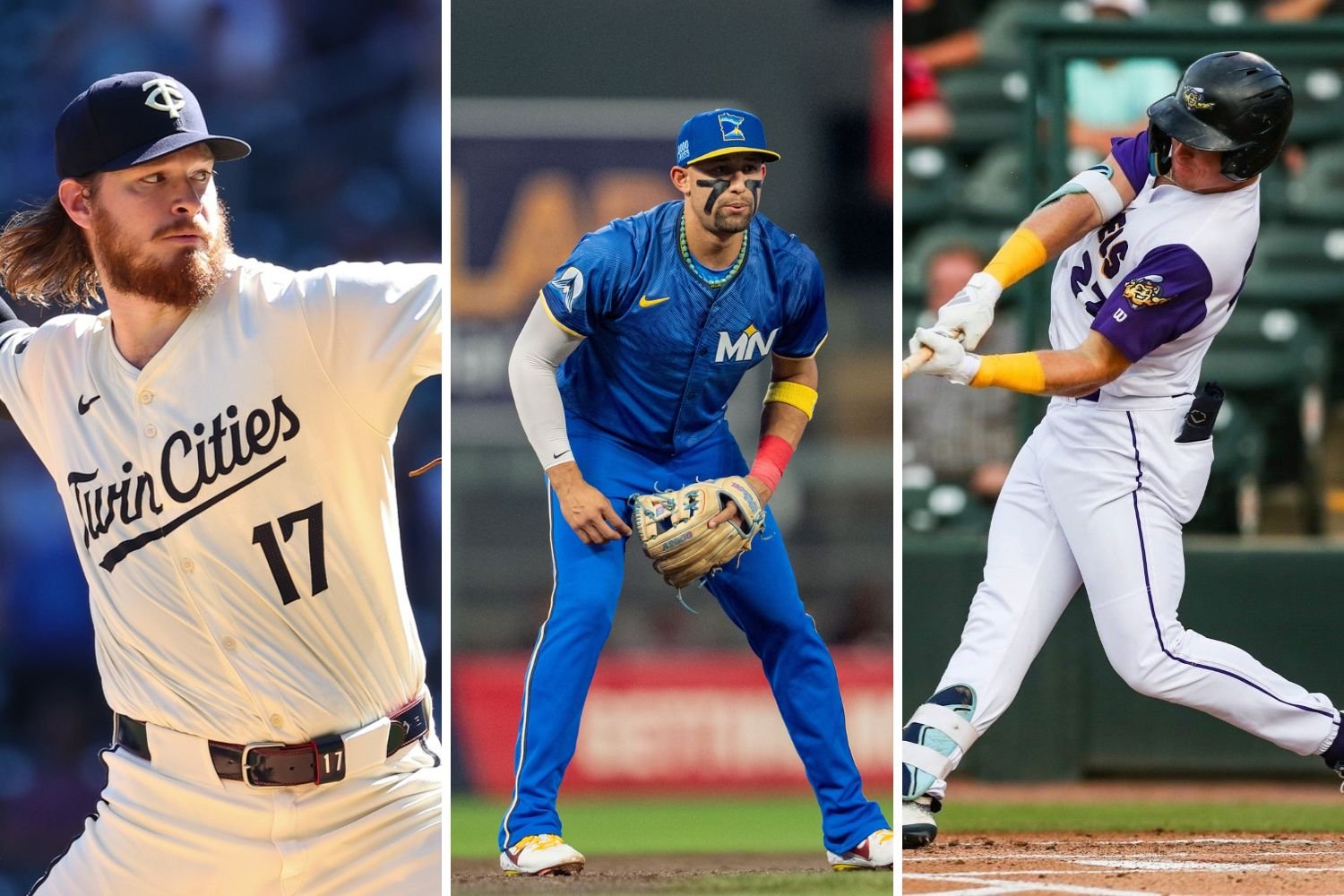 You can get a full explanation for the parameters used to develop this list in Monday's intro post, but the short version is this. We're answering the question: Which current players in the organization are most indispensable to fulfilling the vision of building a champion? To rank Twins players and prospects, I account for age, contract, controllability, upside, and more. Here's how the list has shaken out so far in Part 1 (16-20), Part 2 (11-15) and Part 3 (6-10): 20. Edouard Julien, 2B 19. Simeon Woods Richardson, RHP 18. Marco Raya, RHP 17. José Miranda, 3B/1B 16. Carlos Correa, SS 15. Ryan Jeffers, C 14. Trevor Larnach, LF 13. Luke Keaschall, CF/2B 12. Zebby Matthews, RHP 11. Jhoan Durán, RHP 10. Griffin Jax, RHP 9. David Festa, RHP 8. Matt Wallner, RF 7. Emmanuel Rodriguez, CF 6. Brooks Lee, SS/2B/3B And now, here are my picks for the top five most indispensable players to the Minnesota Twins franchise as 2025 gets underway. 5. Pablo López, RHP Age: 28 Controlled through: 2027 2024 Ranking: 3 The biggest strength of the Twins organization right now is the three-headed monster atop their MLB rotation. All three are very good, in their primes, worthy of starting in the playoffs, and under team control for the next three years. While I personally view López as the best of this trio, he ranks third in this exercise because of his contract, which escalates significantly in 2025 as he makes $22 million annually over the next three seasons. To be clear, that's not an unreasonable price, especially for someone who's proven his frontline mettle in the playoffs like López. But it is a substantial commitment to one pitcher for a team in Minnesota's now-cumbersome payroll situation. And for what it's worth, López pitched somewhat worse in 2024 than in his first season with the Twins. But as I see it, he's still clearly their No. 1 starter and one of the biggest reasons to believe the team could make noise if they reach the postseason. 4. Joe Ryan, RHP Age: 28 Controlled through: 2027 2024 Ranking: 10 In each of the past two seasons, Ryan has pitched brilliantly in the first half before experiencing an injury-related drop-off in the second. In 2023 he attempted to pitch through a midseason groin strain that tanked his numbers, and in 2024 he suffered a back strain that ended his season shortly after the break. Despite this, Ryan has been healthy and effective enough to rank 32nd out of 106 qualified starters in fWAR since he became a full-time big leaguer in 2022. Though occasionally susceptible to homers, Ryan's pinpoint control and bat-evading fastball have led to dependably exceptional performance, which we can expect to continue as long as he's back to full health in 2025. The small sliver of uncertainty on that last part is what gives the next name in these rankings a slight edge, although they are essentially deadlocked. 3. Bailey Ober, RHP Age: 29 Controlled through: 2027 2024 Ranking: 7 Ober is the kind of pitching development success story that the Twins yearned for when they hired Derek Falvey. The 6-foot-9 righty was drafted in the 13th round back in 2017, Falvey's first year at the helm, based on traits the organization felt they could work with. Gradually the Twins developed Ober and helped boost his velocity to the point where he reached the majors, found success, and now has become an upper-echelon starter who would probably land a $100 million contract if he hit free agency today. Fortunately for Minnesota, that inevitability is still three years away, and in 2025 he'll only make around $4 million. For a 3-WAR pitcher, as Ober was in 2024, that's an unbelievable bargain. The same applies to Ryan, and like I said, you could go either way in terms of a comparative evaluation. But Ober finished the year healthy, set a career high in innings, and looks poised to keep it rolling next year. Everything pretty much went according to plan. 2. Royce Lewis, 3B/2B Age: 25 Controlled through: 2028 2024 Ranking: 2 As Lewis went in 2024, so the Twins went. He got hurt immediately and the team limped to a slow start. He came back in time to aid a scorching midseason run that pushed Minnesota far above the .500 mark. Then in the second half, Lewis ran out of gas as the entire offense flatlined around him. The former No. 1 overall draft pick has shown a rare ability to influence his team's fate, both for good and for bad. It's tough to entirely dismiss what we saw from Lewis in the final two months of 2024, but at this point the larger body of work wins out: a 126 career OPS+ with 33 homers through 605 plate appearances, along with an elevating postseason performance, from a guy who hasn't really had the chance to settle into a comfortable prolonged groove as a big-leaguer. Until further notice he's a ceiling-raising star, under control for four more seasons, with a legendary status in Twins history already locked up at age 25. Just gotta stay healthy. 1. Walker Jenkins, OF Age: 19 Controlled through: 2030+ 2024 Ranking: 1 One year ago, I had Jenkins ranked as the organization's No. 1 player asset. I've seen no reason to change my mind since. The Twins lucked their way into landing the renowned prep talent with the fifth overall pick in 2023, and watched him clobber the minors during a sensational debut. He ranked as the 10th-best prospect in baseball entering this season, per MLB Pipeline, and coming out of it he ranks No. 2, behind only Washington's Dylan Crews. After missing time with an injury, Jenkins made fairly easy work of Single-A pitching all summer before getting a taste of Double-A in the final week. He hit for some power, stole bases, played a strong center field. But what really stood out was his Mauer-esque discipline, drawing 56 walks against 47 strikeouts against more advanced competition. Jenkins has all the makings of a future superstar and franchise centerpiece. With this final installment, my rankings of the top 20 Twins players assets heading into 2025 is now complete. See the full list below. In looking it over, do you feel anyone's been unfairly omitted? Any quibbles with the order of the rankings? Any overall thoughts as you assess the organization's current talent landscape? Feel free to sound off in the comments. Walker Jenkins, CF Royce Lewis, 3B/2B Bailey Ober, RHP Joe Ryan, RHP Pablo López, RHP Brooks Lee, SS/2B/3B Emmanuel Rodriguez, CF Matt Wallner, RF David Festa, RHP Griffin Jax, RHP Jhoan Durán, RHP Zebby Matthews, RHP Luke Keaschall, 2B/CF Trevor Larnach, LF Ryan Jeffers, C Carlos Correa, SS José Miranda, 3B/1B Marco Raya, RHP Simeon Woods Richardson, RHP Edouard Julien, 2B
- 52 comments
-
- 12
-
-
- pablo lopez
- joe ryan
- (and 3 more)
-
Our countdown of the top 20 most indispensable players in the Twins organization, majors and minors, concludes today as we highlight our picks for the top five. Image courtesy of Matt Krohn and Matt Blewett–Imagn Images; Jonah Hinebaugh–USA TODAY NETWORK You can get a full explanation for the parameters used to develop this list in Monday's intro post, but the short version is this. We're answering the question: Which current players in the organization are most indispensable to fulfilling the vision of building a champion? To rank Twins players and prospects, I account for age, contract, controllability, upside, and more. Here's how the list has shaken out so far in Part 1 (16-20), Part 2 (11-15) and Part 3 (6-10): 20. Edouard Julien, 2B 19. Simeon Woods Richardson, RHP 18. Marco Raya, RHP 17. José Miranda, 3B/1B 16. Carlos Correa, SS 15. Ryan Jeffers, C 14. Trevor Larnach, LF 13. Luke Keaschall, CF/2B 12. Zebby Matthews, RHP 11. Jhoan Durán, RHP 10. Griffin Jax, RHP 9. David Festa, RHP 8. Matt Wallner, RF 7. Emmanuel Rodriguez, CF 6. Brooks Lee, SS/2B/3B And now, here are my picks for the top five most indispensable players to the Minnesota Twins franchise as 2025 gets underway. 5. Pablo López, RHP Age: 28 Controlled through: 2027 2024 Ranking: 3 The biggest strength of the Twins organization right now is the three-headed monster atop their MLB rotation. All three are very good, in their primes, worthy of starting in the playoffs, and under team control for the next three years. While I personally view López as the best of this trio, he ranks third in this exercise because of his contract, which escalates significantly in 2025 as he makes $22 million annually over the next three seasons. To be clear, that's not an unreasonable price, especially for someone who's proven his frontline mettle in the playoffs like López. But it is a substantial commitment to one pitcher for a team in Minnesota's now-cumbersome payroll situation. And for what it's worth, López pitched somewhat worse in 2024 than in his first season with the Twins. But as I see it, he's still clearly their No. 1 starter and one of the biggest reasons to believe the team could make noise if they reach the postseason. 4. Joe Ryan, RHP Age: 28 Controlled through: 2027 2024 Ranking: 10 In each of the past two seasons, Ryan has pitched brilliantly in the first half before experiencing an injury-related drop-off in the second. In 2023 he attempted to pitch through a midseason groin strain that tanked his numbers, and in 2024 he suffered a back strain that ended his season shortly after the break. Despite this, Ryan has been healthy and effective enough to rank 32nd out of 106 qualified starters in fWAR since he became a full-time big leaguer in 2022. Though occasionally susceptible to homers, Ryan's pinpoint control and bat-evading fastball have led to dependably exceptional performance, which we can expect to continue as long as he's back to full health in 2025. The small sliver of uncertainty on that last part is what gives the next name in these rankings a slight edge, although they are essentially deadlocked. 3. Bailey Ober, RHP Age: 29 Controlled through: 2027 2024 Ranking: 7 Ober is the kind of pitching development success story that the Twins yearned for when they hired Derek Falvey. The 6-foot-9 righty was drafted in the 13th round back in 2017, Falvey's first year at the helm, based on traits the organization felt they could work with. Gradually the Twins developed Ober and helped boost his velocity to the point where he reached the majors, found success, and now has become an upper-echelon starter who would probably land a $100 million contract if he hit free agency today. Fortunately for Minnesota, that inevitability is still three years away, and in 2025 he'll only make around $4 million. For a 3-WAR pitcher, as Ober was in 2024, that's an unbelievable bargain. The same applies to Ryan, and like I said, you could go either way in terms of a comparative evaluation. But Ober finished the year healthy, set a career high in innings, and looks poised to keep it rolling next year. Everything pretty much went according to plan. 2. Royce Lewis, 3B/2B Age: 25 Controlled through: 2028 2024 Ranking: 2 As Lewis went in 2024, so the Twins went. He got hurt immediately and the team limped to a slow start. He came back in time to aid a scorching midseason run that pushed Minnesota far above the .500 mark. Then in the second half, Lewis ran out of gas as the entire offense flatlined around him. The former No. 1 overall draft pick has shown a rare ability to influence his team's fate, both for good and for bad. It's tough to entirely dismiss what we saw from Lewis in the final two months of 2024, but at this point the larger body of work wins out: a 126 career OPS+ with 33 homers through 605 plate appearances, along with an elevating postseason performance, from a guy who hasn't really had the chance to settle into a comfortable prolonged groove as a big-leaguer. Until further notice he's a ceiling-raising star, under control for four more seasons, with a legendary status in Twins history already locked up at age 25. Just gotta stay healthy. 1. Walker Jenkins, OF Age: 19 Controlled through: 2030+ 2024 Ranking: 1 One year ago, I had Jenkins ranked as the organization's No. 1 player asset. I've seen no reason to change my mind since. The Twins lucked their way into landing the renowned prep talent with the fifth overall pick in 2023, and watched him clobber the minors during a sensational debut. He ranked as the 10th-best prospect in baseball entering this season, per MLB Pipeline, and coming out of it he ranks No. 2, behind only Washington's Dylan Crews. After missing time with an injury, Jenkins made fairly easy work of Single-A pitching all summer before getting a taste of Double-A in the final week. He hit for some power, stole bases, played a strong center field. But what really stood out was his Mauer-esque discipline, drawing 56 walks against 47 strikeouts against more advanced competition. Jenkins has all the makings of a future superstar and franchise centerpiece. With this final installment, my rankings of the top 20 Twins players assets heading into 2025 is now complete. See the full list below. In looking it over, do you feel anyone's been unfairly omitted? Any quibbles with the order of the rankings? Any overall thoughts as you assess the organization's current talent landscape? Feel free to sound off in the comments. Walker Jenkins, CF Royce Lewis, 3B/2B Bailey Ober, RHP Joe Ryan, RHP Pablo López, RHP Brooks Lee, SS/2B/3B Emmanuel Rodriguez, CF Matt Wallner, RF David Festa, RHP Griffin Jax, RHP Jhoan Durán, RHP Zebby Matthews, RHP Luke Keaschall, 2B/CF Trevor Larnach, LF Ryan Jeffers, C Carlos Correa, SS José Miranda, 3B/1B Marco Raya, RHP Simeon Woods Richardson, RHP Edouard Julien, 2B View full article
-
I don't consider this nitpicking! Good Q's. I'll riff a little on each because I enjoy unpacking the thought process. It becomes clear to me as I put this list together, and especially as I see the feedback, how subjective a lot of it is. But here are my takes. Correa's contract: Yes, a big drag in these rankings. I don't consider Correa or Buxton negative assets (as I did with, say, Donaldson), but more as kind of neutral assets. You're paying for the upside and potential game-changing impact, but you're accounting for the risk, age and physical wear-and-tear. These rankings are meant to be assessed through the scope of team-building, and while there's no salary cap, I'm thinking in terms of a $130 budget. As excited as I am about what they bring to the table right now, the Twins are on the hook with these two injury-prone players in their 30s, who will probably have to move off SS/CF soon, for almost $200 million through 2028. How does the lost opportunity cost factor there, even in terms of simply being able to retain your own players, i.e. Royce? Larnach vs. Jeffers: I'm super high on Larnach. Higher than most, it seems. IMO the talent has always been evident and we finally started to see it start to flourish. His dramatic K reduction seems like such a convincing declaration of staying power. I think he figured it out, and I think he'll look better defensively next year if his toe is healthy. Still a believer in Jeffers -- so rare to find a capable catcher with that kind of offensive punch -- but man was last season discouraging. I ended up knocking him down a few spots last-minute; he was originally ahead of Larnach and some others. Near-misses on the list: I might write up a recap article with some overall trends and thoughts on the list, including the "just missed" and honorable mentions. Other names I was considering at the back end include a bunch of prospects, as well as Austin Martin, Louie Varland, Willi Castro. Honestly I was quite close to including Buxton and still wonder if I should have, despite all the points mentioned above. He looked so good last year and this is the most optimistic I've felt about his health in a long time,
- 52 replies
-
- 1
-
-
- griffin jax
- brooks lee
- (and 3 more)
-
It's not strictly about trade value but that is one lens to look through, since obviously the return a player would bring back in a theoretical trade is part of his value to the organization. But trading a player isn't always simple and straightforward, in part because of the reasons you mention. (Having an NTC does not mean he can't be traded.)
- 52 replies
-
- 3
-
-
- griffin jax
- brooks lee
- (and 3 more)
-
This seems pretty speculative. My understanding is that both teams were concerned about the long-term outlook for his ankle which scared them away from doing a 10-year deal. Referring to it as a "negotiation tactic" seems inaccurate given that both teams already had publicly announced agreements in place that were scuttled. This kind of thing NEVER happens. But I hope you're right!
-
If you traded Correa, would you get much more than salary relief? I don't think so, which is why they are (hopefully) not seriously considering it. As others have noted, the field of teams that would even be capable of acquiring him is quite small. Is Correa the best player in the organization right now? Yes. Is he the most individually critical to their chances in 2025? Probably. But in this exercise I'm trying hard to weigh risk and downside as part of the equation. Through an asset evaluation lens: The Twins signed Correa for market value as a free agent in 2023. Since then, in the two years of the contract where he was supposed to be most valuable, he had his worst season ever and then missed half a season. Multiple major foot injuries have cast serious doubt on his durability going forward. He's suddenly now in his 30s and the ankle issue that cratered two contract agreements still looms. The same things apply to Buxton to some degree, and I say this as someone who is personally a huge fan of both players. They're just super volatile, high-risk assets at this moment.
- 52 replies
-
- 3
-
-
- griffin jax
- brooks lee
- (and 3 more)
-
The Top 20 Minnesota Twins Player Assets of 2025: Part 3 (6-10)
Nick Nelson posted an article in Twins
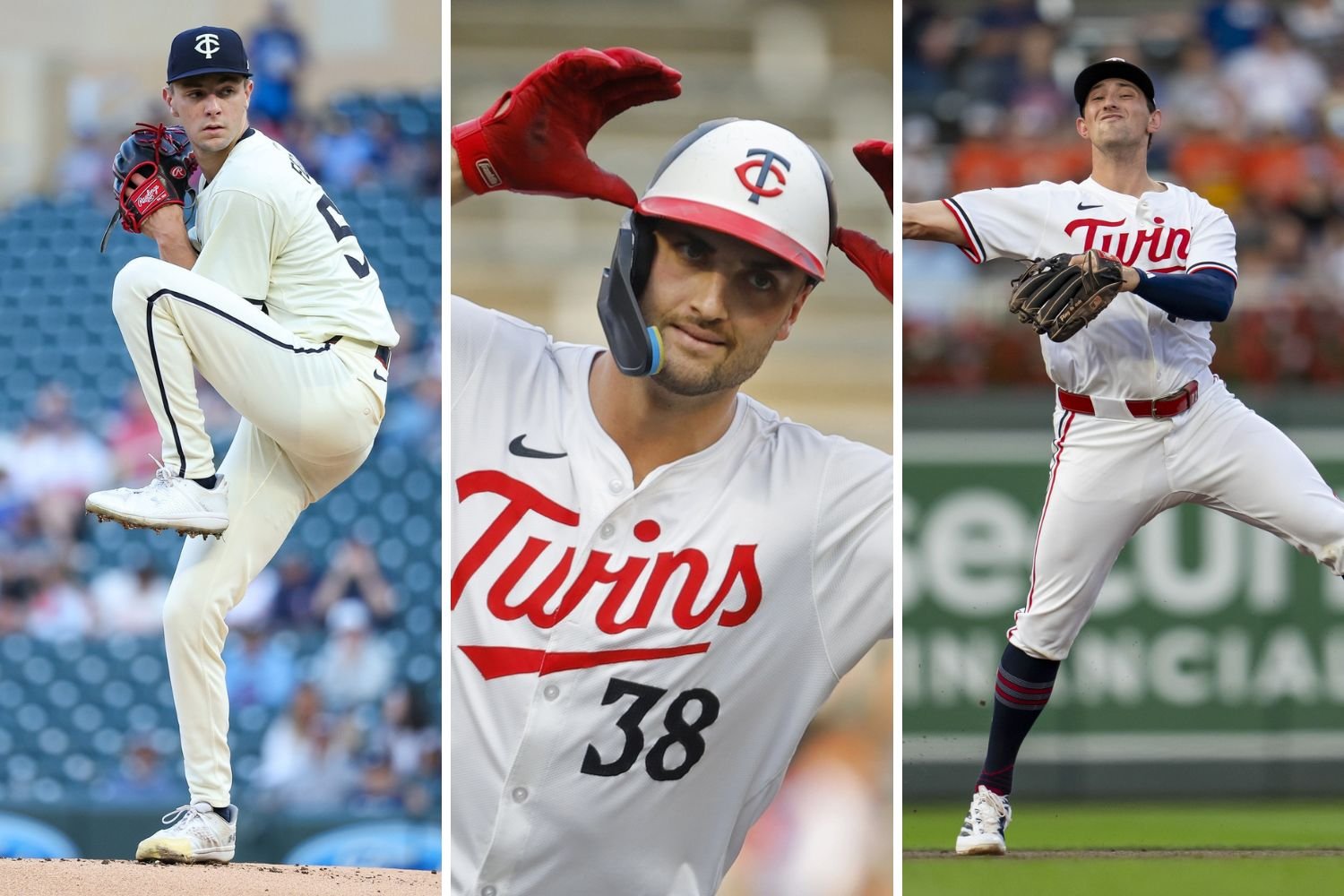 You can get a full explanation for the parameters used to develop this list in Monday's intro post, but the short version is this. We're answering the question: Which current players in the organization are most indispensable to fulfilling the vision of building a champion? To rank Twins players and prospects, I account for age, contract, controllability, upside, and more. Here's how the list has shaken out so far in Part 1 (16-20) and Part 2 (11-15): 20. Edouard Julien, 2B 19. Simeon Woods Richardson, RHP 18. Marco Raya, RHP 17. José Miranda, 3B/1B 16. Carlos Correa, SS 15. Ryan Jeffers, C 14. Trevor Larnach, LF 13. Luke Keaschall, CF/2B 12. Zebby Matthews, RHP 11. Jhoan Durán, RHP And now, my choices for No. 6 through 10 in the rankings. 10. Griffin Jax, RHP Age: 30 Controlled through: 2027 2024 Ranking: NR Jax elevated his game from superb to superhuman in 2024, ranking second among MLB relievers with 2.6 fWAR while deftly guiding the Twins through high-leverage spots all year long. It's very difficult for relief pitchers to crack the top 10 in these rankings, especially when making more than the league-minimum salary (in fact that's never happened since I started compiling the lists in 2018), but Jax was about as valuable as a bullpen arm could possibly be last season, and there's nothing misleading about his numbers. With hitters chasing and missing at more than 40% of his pitches outside the zone, he's an unstoppable buzzsaw, and the Twins delightfully have him for three more years. The chatter about potentially moving Jax back into the rotation, amid a league-wide conversion trend, adds a bit of extra intrigue, but I'm placing him among the top 10 Twins assets merely based on his merits as a reliever whose impact in the role is nearly unparalleled. 9. David Festa, RHP Age: 24 Controlled through: 2030+ 2024 Ranking: 16 In his first two major-league appearances, both essentially spot starts, Festa gave up 12 earned runs in 10 innings. From that point forward, serving as a rotation regular in the second half, he posted a 3.81 ERA, 3.15 FIP and 69-to-22 K/BB ratio with just five homers allowed in 54 ⅓ innings. While his 95-MPH fastball led the way in usage, his standout secondary pitches were as advertised: a slider that held opponents to a .246 wOBA, and a changeup that induced whiffs on 40% of deliveries. Festa's profile remains a bit volatile due to control issues, but his arsenal is legitimately on the frontline scale. He brings a level of palpable excitement and potential that few other pitchers in the organization can match. 8. Matt Wallner, RF Age: 27 Controlled through: 2029 2024 Ranking: 12 A poor spring training turned into a rough regular-season start for Wallner, who then spent most of the first-half dominating Triple-A. He returned in July and was the team's best hitter the rest of the way, finishing with an amazing 149 OPS+ to build on his 138 mark with the Twins in 2023. With Max Kepler moving on, Wallner is locked in as a prototypical right fielder with a cannon arm and elite power. He's also under team control for five more years. The sky-high strikeout rate is the only major concern threatening to hold him back, but I'm not sure people fully appreciate how dominant Waller has been offensively; only 11 players have 500+ PA have a higher wOBA over the past two seasons, and they are literally all MVP-caliber names. 7. Emmanuel Rodriguez, CF Age: 21 Controlled through: 2030+ 2024 Ranking: 9 It was another season derailed by injury for Rodriguez, but during his time on the field, the outfielder did plenty to further raise his already lofty rep as a prospect, moving up into the top 30 on MLB Pipeline's overall list. He did so by slashing .280/.459/.567 in 209 plate appearances, mostly in Double-A. Renowned for his rare patience, Rodriguez continued to draw walks at an astonishing pace (24.4%) and continued to crush the ball when making contact. He may grow out of it, but right now the 21-year-old looks capable of remaining an option in center field. Rodriguez underwent surgery after the season to address the thumb injury that plagued him in 2024, and he needs to show he can stay healthy over the full schedule. He also needs to prove that his ultra-discerning, low-contact approach can withstand the highest levels of competition. But Rodriguez's unique combination of skills and traits give him one of the highest ceilings in all of the minors, and with the Twins needing internal offensive infusions, he could enter the picture very soon. 6. Brooks Lee, SS/2B/3B Age: 23 Controlled through: 2030 2024 Ranking: 4 Quite an up-and-down season for Minnesota's 2022 first-round draft pick. He hurt his back in spring training, missed the first two months of the season, returned to action and scorched Triple-A, got called up and opened his MLB career on a hot streak ... then slumped brutally the rest of the way, posting a .503 OPS in his final 44 games with a lengthy IL stint for his shoulder mixed in. You don't want to overreact to rookie struggles, and Lee showed plenty of positive signs in 2024, from his dominance of the minors to his defensive aptitude and some nice highlights in the big leagues. But he also further fueled some of the questions surrounding his outlook, namely: keeping his back issues at bay and producing enough power to be a consistent threat at the plate. Check back tomorrow morning as we wrap the list. Feel free to voice your thoughts or disagreements with the rankings so far in the comments!
- 52 comments
-
- 5
-
-
- griffin jax
- brooks lee
- (and 3 more)
-
Our countdown of the top 20 most indispensable players in the Twins organization, majors and minors, continues today as we cover our picks for six through 10. Image courtesy of Matt Krohn, Bruce Kluckhohn, Jesse Johnson-Imagn Images You can get a full explanation for the parameters used to develop this list in Monday's intro post, but the short version is this. We're answering the question: Which current players in the organization are most indispensable to fulfilling the vision of building a champion? To rank Twins players and prospects, I account for age, contract, controllability, upside, and more. Here's how the list has shaken out so far in Part 1 (16-20) and Part 2 (11-15): 20. Edouard Julien, 2B 19. Simeon Woods Richardson, RHP 18. Marco Raya, RHP 17. José Miranda, 3B/1B 16. Carlos Correa, SS 15. Ryan Jeffers, C 14. Trevor Larnach, LF 13. Luke Keaschall, CF/2B 12. Zebby Matthews, RHP 11. Jhoan Durán, RHP And now, my choices for No. 6 through 10 in the rankings. 10. Griffin Jax, RHP Age: 30 Controlled through: 2027 2024 Ranking: NR Jax elevated his game from superb to superhuman in 2024, ranking second among MLB relievers with 2.6 fWAR while deftly guiding the Twins through high-leverage spots all year long. It's very difficult for relief pitchers to crack the top 10 in these rankings, especially when making more than the league-minimum salary (in fact that's never happened since I started compiling the lists in 2018), but Jax was about as valuable as a bullpen arm could possibly be last season, and there's nothing misleading about his numbers. With hitters chasing and missing at more than 40% of his pitches outside the zone, he's an unstoppable buzzsaw, and the Twins delightfully have him for three more years. The chatter about potentially moving Jax back into the rotation, amid a league-wide conversion trend, adds a bit of extra intrigue, but I'm placing him among the top 10 Twins assets merely based on his merits as a reliever whose impact in the role is nearly unparalleled. 9. David Festa, RHP Age: 24 Controlled through: 2030+ 2024 Ranking: 16 In his first two major-league appearances, both essentially spot starts, Festa gave up 12 earned runs in 10 innings. From that point forward, serving as a rotation regular in the second half, he posted a 3.81 ERA, 3.15 FIP and 69-to-22 K/BB ratio with just five homers allowed in 54 ⅓ innings. While his 95-MPH fastball led the way in usage, his standout secondary pitches were as advertised: a slider that held opponents to a .246 wOBA, and a changeup that induced whiffs on 40% of deliveries. Festa's profile remains a bit volatile due to control issues, but his arsenal is legitimately on the frontline scale. He brings a level of palpable excitement and potential that few other pitchers in the organization can match. 8. Matt Wallner, RF Age: 27 Controlled through: 2029 2024 Ranking: 12 A poor spring training turned into a rough regular-season start for Wallner, who then spent most of the first-half dominating Triple-A. He returned in July and was the team's best hitter the rest of the way, finishing with an amazing 149 OPS+ to build on his 138 mark with the Twins in 2023. With Max Kepler moving on, Wallner is locked in as a prototypical right fielder with a cannon arm and elite power. He's also under team control for five more years. The sky-high strikeout rate is the only major concern threatening to hold him back, but I'm not sure people fully appreciate how dominant Waller has been offensively; only 11 players have 500+ PA have a higher wOBA over the past two seasons, and they are literally all MVP-caliber names. 7. Emmanuel Rodriguez, CF Age: 21 Controlled through: 2030+ 2024 Ranking: 9 It was another season derailed by injury for Rodriguez, but during his time on the field, the outfielder did plenty to further raise his already lofty rep as a prospect, moving up into the top 30 on MLB Pipeline's overall list. He did so by slashing .280/.459/.567 in 209 plate appearances, mostly in Double-A. Renowned for his rare patience, Rodriguez continued to draw walks at an astonishing pace (24.4%) and continued to crush the ball when making contact. He may grow out of it, but right now the 21-year-old looks capable of remaining an option in center field. Rodriguez underwent surgery after the season to address the thumb injury that plagued him in 2024, and he needs to show he can stay healthy over the full schedule. He also needs to prove that his ultra-discerning, low-contact approach can withstand the highest levels of competition. But Rodriguez's unique combination of skills and traits give him one of the highest ceilings in all of the minors, and with the Twins needing internal offensive infusions, he could enter the picture very soon. 6. Brooks Lee, SS/2B/3B Age: 23 Controlled through: 2030 2024 Ranking: 4 Quite an up-and-down season for Minnesota's 2022 first-round draft pick. He hurt his back in spring training, missed the first two months of the season, returned to action and scorched Triple-A, got called up and opened his MLB career on a hot streak ... then slumped brutally the rest of the way, posting a .503 OPS in his final 44 games with a lengthy IL stint for his shoulder mixed in. You don't want to overreact to rookie struggles, and Lee showed plenty of positive signs in 2024, from his dominance of the minors to his defensive aptitude and some nice highlights in the big leagues. But he also further fueled some of the questions surrounding his outlook, namely: keeping his back issues at bay and producing enough power to be a consistent threat at the plate. Check back tomorrow morning as we wrap the list. Feel free to voice your thoughts or disagreements with the rankings so far in the comments! View full article
-
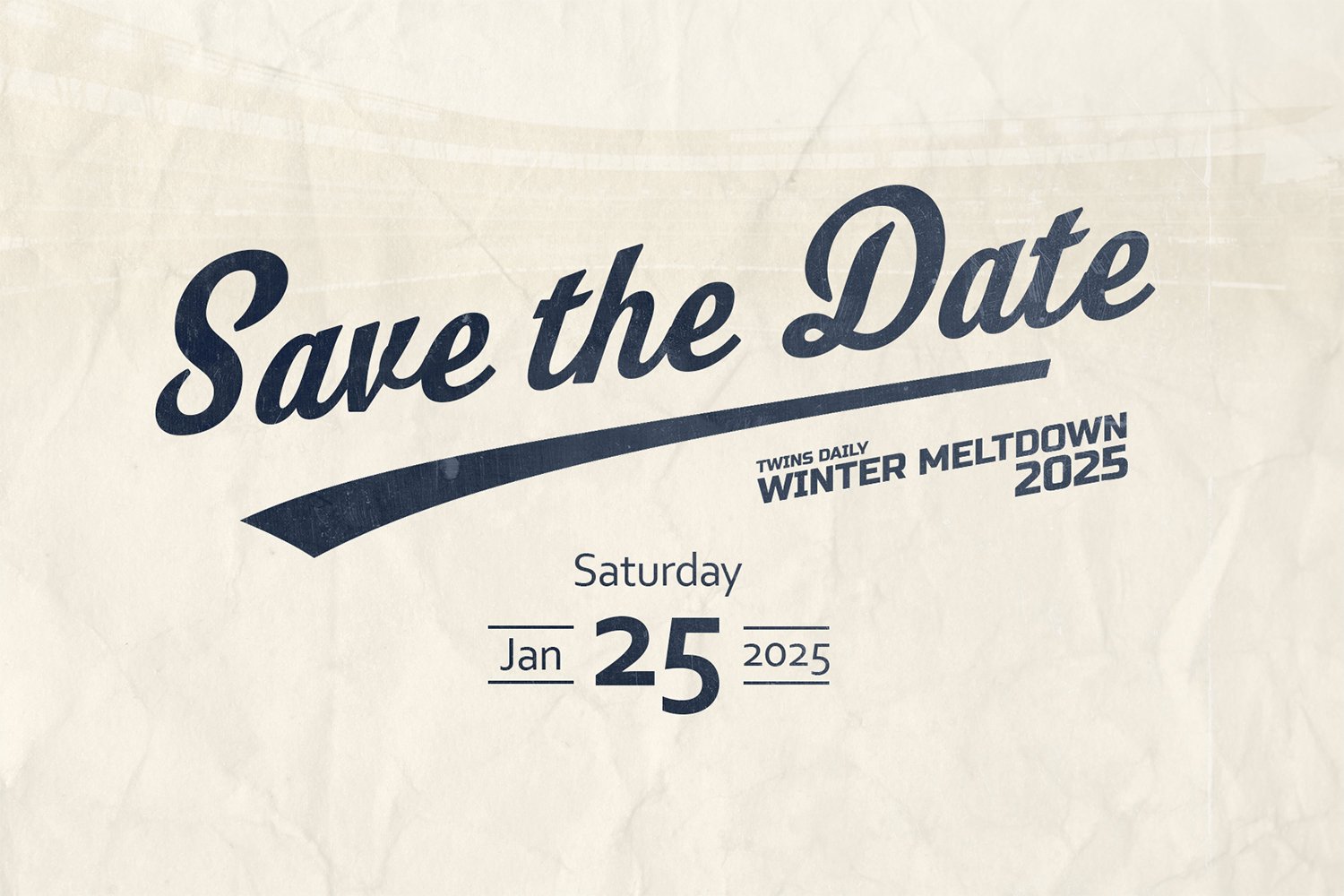 The Twins Daily 2025 Winter Meltdown will be happening on the evening of Saturday, January 25th nearby Target Field. We'll have plenty more details to share next week, including how you can secure tickets, but for now we wanted to let you know it's going down and it's going to be awesome. If you're planning to attend TwinsFest on Saturday at Target Field, come on by the Winter Meltdown afterward. If you're planning to attend the NBA matinee between the Timberwolves and Nuggets at Target Center (tip-off 2:00 PM), come on by the Winter Meltdown afterward. If you've got no plans at all for Saturday the 25th, well you do now. Come on by. The Winter Meltdown has been an annual staple of TwinsFest weekend dating back well over a decade. What began as an informal gathering of baseball diehards at Hubert's Bar (RIP) next to the Metrodome (RIP) has since become a full-fledged event with local sponsors, fancy prizes, hundreds of attendees, and featured guests such as Jacque Jones, Michael Cuddyer, Joe Nathan, LaTroy Hawkins, Kent Hrbek and more. If you're looking for something to shake you out of your offseason doldrums, we've got just the ticket. Stay tuned for information here on the site, starting the morning of Monday, January 13th. But for now, make sure you block off your calendar and get ready to see some old (and new) friends. Want to learn a little more about what you can expect from the Winter Meltdown experience? Read a recap of our 2023 event featuring Patrick Reusse and Glen Perkins.
 -
Times have been rough for Twins fans. But, while we might not have a notable acquisition to speak of, at least we have each other. On Saturday night of TwinsFest weekend, let's convene and commiserate at Twins Daily's annual flagship event: The Winter Meltdown. You're invited! The Twins Daily 2025 Winter Meltdown will be happening on the evening of Saturday, January 25th nearby Target Field. We'll have plenty more details to share next week, including how you can secure tickets, but for now we wanted to let you know it's going down and it's going to be awesome. If you're planning to attend TwinsFest on Saturday at Target Field, come on by the Winter Meltdown afterward. If you're planning to attend the NBA matinee between the Timberwolves and Nuggets at Target Center (tip-off 2:00 PM), come on by the Winter Meltdown afterward. If you've got no plans at all for Saturday the 25th, well you do now. Come on by. The Winter Meltdown has been an annual staple of TwinsFest weekend dating back well over a decade. What began as an informal gathering of baseball diehards at Hubert's Bar (RIP) next to the Metrodome (RIP) has since become a full-fledged event with local sponsors, fancy prizes, hundreds of attendees, and featured guests such as Jacque Jones, Michael Cuddyer, Joe Nathan, LaTroy Hawkins, Kent Hrbek and more. If you're looking for something to shake you out of your offseason doldrums, we've got just the ticket. Stay tuned for information here on the site, starting the morning of Monday, January 13th. But for now, make sure you block off your calendar and get ready to see some old (and new) friends. Want to learn a little more about what you can expect from the Winter Meltdown experience? Read a recap of our 2023 event featuring Patrick Reusse and Glen Perkins. View full article
-
Was curious so I posted a twitter poll asking if people felt Zebby or SWR have higher trade value. With a couple hundred votes in, looks like Zebby is favored but not by a ton (57-43).
- 22 replies
-
- 2
-
-
- trevor larnach
- luke keaschall
- (and 3 more)
-
Is it controversial to suggest Zebby Matthews would have more value in a trade than SWR? I don't think so. I mean I really respect and appreciate what Woods Richardson did as a rookie but I don't realistically think it's gonna make front offices excited about his outlook. He's a contact-heavy fly ball pitcher with mediocre control. It's not a strong profile.
- 22 replies
-
- 4
-
-
- trevor larnach
- luke keaschall
- (and 3 more)
-
Who would they replace him with if he was gone? No one in the system. The catching market in free agency is a disaster. Finding a capable defensive backstop who can actually hit in a trade is very challenging. I went back and forth on Jeffers for this reason. I originally actually had him higher but knocked him down a few spots at the last minute because it was hard to justify based on his performance. But scarcity is a HUGE factor with him.
- 22 replies
-
- 7
-
-
- trevor larnach
- luke keaschall
- (and 3 more)
-
The Top 20 Minnesota Twins Player Assets of 2025: Part 2 (11-15)
Nick Nelson posted an article in Twins
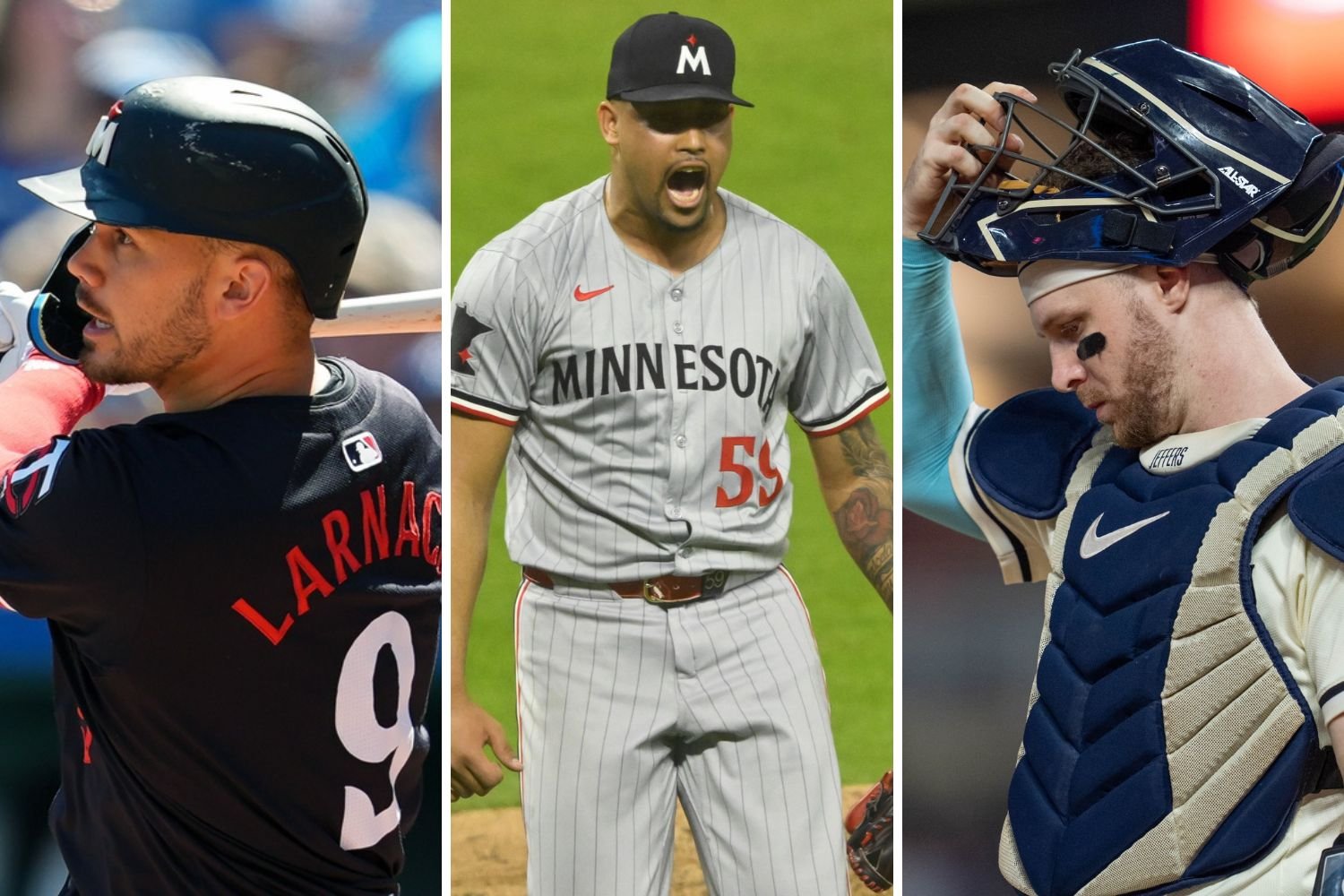 You can get a full explanation for the parameters used to develop this list in Monday's intro post, but the short version is this. We're answering the question: Which current players in the organization are most indispensable to fulfilling the vision of building a champion? To rank Twins players and prospects, I account for age, contract, controllability, upside, and more. Here's where I landed with my selections for the list so far in Part 1 (16-20): 20. Edouard Julien, 2B 19. Simeon Woods Richardson, RHP 18. Marco Raya, RHP 17. José Miranda, 3B/1B 16. Carlos Correa, SS And now, my choices for No. 11 through 15 in the rankings. 15. Ryan Jeffers, C Age: 27 Controlled through: 2026 2024 Ranking: 5 On the one hand, Jeffers is coming off a huge letdown season. His wOBA dropped by more than 50 points, his defense steeply declined, and Jeffers was a total zero in September while the Twins spiraled out of contention. On the other hand, he was still an average-ish player overall and when it comes to the catching position ... Jeffers is pretty much all the Twins have. Christian Vázquez is in the last year of his deal and the front office is known to be shopping him aggressively. Jair Camargo has no catching experience in the majors. The system is otherwise very short on viable catching talent. Jeffers is one of those guys that probably has more value to the Twins than to other teams in trade, because without him the catching position is pretty dire in this organization. As much as he fell off in the second half I still think there's an all-around standout in there waiting to re-emerge. 14. Trevor Larnach, LF Age: 27 Controlled through: 2027 2024 Ranking: NR Larnach finally pulled it together last year. He arrived in the majors midway through April and turned himself into a lineup fixture, regularly batting second or third against righties while posting a 116 OPS+ in 400 plate appearances. Solid as his production was, Larnach's underlying peripherals were even better, and unlike most other Twins hitters he stepped up in the second half with an .811 post-break OPS. His improvement was primarily driven by a stunning reduction in strikeout rate, which the outfielder was able to slice nearly in half. As a fairly limited defender who's mostly restricted to platoon matchups, Larnach's value ceiling is capped to an extent, but a prime-aged lefty slugger with three remaining years of control has plenty of luster. I'm expecting even bigger things from Larnach's bat in 2025 if he can stay competitive against offspeed. 13. Luke Keaschall, CF/2B Age: 22 Controlled through: 2030+ 2024 Ranking: NR Keaschall's rise has been meteoric since joining the Twins as a second-round draft pick out of college in 2023. Following a fantastic pro debut, he took another step forward in 2024, slashing .303/.420/.483 in 102 games between High-A and Double-A while showcasing discipline, power and speed. The only thing that could slow him down was an injury – in August he underwent season-ending elbow surgery, with the timing intended to have him back and ready for the start of spring training. Defensively, he's mostly been used at center field and second base so far. If there's a belief he could play either of those positions capably in the majors that would be quite handy for the Twins, given their depth questions at both, but this remains to be seen. Either way, Keaschall is a sneaky candidate to make a significant impact as a rookie in 2025. 12. Zebby Matthews, RHP Age: 24 Controlled through: 2030+ 2024 Ranking: NR His 2024 season opened at Single-A and ended with nine starts for the Twins. Matthews carved through the minors, posting a 2.60 ERA and 114-to-7 (!) K/BB ratio over 97 innings between three levels to earn a big-league call-up in mid-August. During his first exposure to MLB, Matthews struggled (6.69 ERA, 5.71 FIP, 11 HR in 37.2 IP) but he was not overwhelmed. The stuff continued to play as evidenced by a 43-to-11 K/BB ratio. He was rushed a bit due to Joe Ryan's injury, but Matthews should now have an opportunity to move along at his own pace as he works toward becoming an inexpensive long-term rotation fixture. If he doesn't ultimately end up panning as a starter Zebby has the makings of a surefire dominant reliever. 11. Jhoan Durán, RHP Age: 26 Controlled through: 2027 2024 Ranking: 11 Speaking of pitchers who didn't pan as starters and turned into dominant relievers, Durán is entering his fourth season as a stalwart in the Twins bullpen, where he's been one of the top (radar) guns in the American League. His performance was pretty much on par in 2024, despite a small drop in velocity and some statistical noise leading to an unimpressive 3.64 ERA. Now in arbitration, Durán is past his ultra-cheap days, and the clock has begun to tick down on free agency, which is why the Twins may be inclined to shop him this offseason. He'd have plenty of value on that front, but he also has plenty of value to Minnesota as co-leader of a potent late-inning bullpen mix. Check back tomorrow morning as we crack into the top 10 of our countdown. Feel free to voice your thoughts or disagreements with the rankings so far in the comments!
- 22 comments
-
- 5
-
-
- trevor larnach
- luke keaschall
- (and 3 more)
-
Our countdown of the top 20 most indispensable players in the Twins organization, majors and minors, continues today as we cover our picks for 11 through 15. Image courtesy of Jay Biggerstaff, David Richard, Matt Blewett-Imagn Images You can get a full explanation for the parameters used to develop this list in Monday's intro post, but the short version is this. We're answering the question: Which current players in the organization are most indispensable to fulfilling the vision of building a champion? To rank Twins players and prospects, I account for age, contract, controllability, upside, and more. Here's where I landed with my selections for the list so far in Part 1 (16-20): 20. Edouard Julien, 2B 19. Simeon Woods Richardson, RHP 18. Marco Raya, RHP 17. José Miranda, 3B/1B 16. Carlos Correa, SS And now, my choices for No. 11 through 15 in the rankings. 15. Ryan Jeffers, C Age: 27 Controlled through: 2026 2024 Ranking: 5 On the one hand, Jeffers is coming off a huge letdown season. His wOBA dropped by more than 50 points, his defense steeply declined, and Jeffers was a total zero in September while the Twins spiraled out of contention. On the other hand, he was still an average-ish player overall and when it comes to the catching position ... Jeffers is pretty much all the Twins have. Christian Vázquez is in the last year of his deal and the front office is known to be shopping him aggressively. Jair Camargo has no catching experience in the majors. The system is otherwise very short on viable catching talent. Jeffers is one of those guys that probably has more value to the Twins than to other teams in trade, because without him the catching position is pretty dire in this organization. As much as he fell off in the second half I still think there's an all-around standout in there waiting to re-emerge. 14. Trevor Larnach, LF Age: 27 Controlled through: 2027 2024 Ranking: NR Larnach finally pulled it together last year. He arrived in the majors midway through April and turned himself into a lineup fixture, regularly batting second or third against righties while posting a 116 OPS+ in 400 plate appearances. Solid as his production was, Larnach's underlying peripherals were even better, and unlike most other Twins hitters he stepped up in the second half with an .811 post-break OPS. His improvement was primarily driven by a stunning reduction in strikeout rate, which the outfielder was able to slice nearly in half. As a fairly limited defender who's mostly restricted to platoon matchups, Larnach's value ceiling is capped to an extent, but a prime-aged lefty slugger with three remaining years of control has plenty of luster. I'm expecting even bigger things from Larnach's bat in 2025 if he can stay competitive against offspeed. 13. Luke Keaschall, CF/2B Age: 22 Controlled through: 2030+ 2024 Ranking: NR Keaschall's rise has been meteoric since joining the Twins as a second-round draft pick out of college in 2023. Following a fantastic pro debut, he took another step forward in 2024, slashing .303/.420/.483 in 102 games between High-A and Double-A while showcasing discipline, power and speed. The only thing that could slow him down was an injury – in August he underwent season-ending elbow surgery, with the timing intended to have him back and ready for the start of spring training. Defensively, he's mostly been used at center field and second base so far. If there's a belief he could play either of those positions capably in the majors that would be quite handy for the Twins, given their depth questions at both, but this remains to be seen. Either way, Keaschall is a sneaky candidate to make a significant impact as a rookie in 2025. 12. Zebby Matthews, RHP Age: 24 Controlled through: 2030+ 2024 Ranking: NR His 2024 season opened at Single-A and ended with nine starts for the Twins. Matthews carved through the minors, posting a 2.60 ERA and 114-to-7 (!) K/BB ratio over 97 innings between three levels to earn a big-league call-up in mid-August. During his first exposure to MLB, Matthews struggled (6.69 ERA, 5.71 FIP, 11 HR in 37.2 IP) but he was not overwhelmed. The stuff continued to play as evidenced by a 43-to-11 K/BB ratio. He was rushed a bit due to Joe Ryan's injury, but Matthews should now have an opportunity to move along at his own pace as he works toward becoming an inexpensive long-term rotation fixture. If he doesn't ultimately end up panning as a starter Zebby has the makings of a surefire dominant reliever. 11. Jhoan Durán, RHP Age: 26 Controlled through: 2027 2024 Ranking: 11 Speaking of pitchers who didn't pan as starters and turned into dominant relievers, Durán is entering his fourth season as a stalwart in the Twins bullpen, where he's been one of the top (radar) guns in the American League. His performance was pretty much on par in 2024, despite a small drop in velocity and some statistical noise leading to an unimpressive 3.64 ERA. Now in arbitration, Durán is past his ultra-cheap days, and the clock has begun to tick down on free agency, which is why the Twins may be inclined to shop him this offseason. He'd have plenty of value on that front, but he also has plenty of value to Minnesota as co-leader of a potent late-inning bullpen mix. Check back tomorrow morning as we crack into the top 10 of our countdown. Feel free to voice your thoughts or disagreements with the rankings so far in the comments! View full article
-
Is it that simple, though? One could argue that not swinging the bat is actually key to what makes him successful. In 2024, Julien swung more often than in 2023 -- both inside the zone and outside the zone -- and he was much worse. Why are we acting like this is some ultra-rare affliction for young hitters, or that it cannot be overcome? Did we not just watch what happened to Trevor Larnach this past season? Players in their mid-20s develop. Julien has succeeded offensively everywhere prior to last year. I don't understand the eagerness to write him off.
- 58 replies
-
- 3
-
-
- edouard julien
- marco raya
- (and 3 more)
-
Part of what I'm attempting to do with these rankings is provide a timely snapshot without overreacting to short-term trends. We're looking for a more comprehensive picture than how things take shape on Opening Day of next year, or what happened in the second half of last year. I expect both Julien and Miranda to be bigger parts of the team going forward than SWR. I could very well be wrong of course! But their overall track records are significantly more impressive.
- 58 replies
-
- 1
-
-
- edouard julien
- marco raya
- (and 3 more)
-
I get that. Are we convinced SWR is a major-league starting pitcher long-term? I'm not. He's been a below-average pitcher so far in the majors and hasn't shown much propensity to be more than that. Julien and Miranda have been above-average hitters and have shown flashes of unique and special ability.
- 58 replies
-
- 3
-
-
- edouard julien
- marco raya
- (and 3 more)
-
I struggled so hard with where to place Correa. If this exercise was strictly about assigning value for the 2025 season, he'd have been much higher. But when you zoom out and look at him being owed $140M over his age 30-33 seasons, with the increasingly significant health questions he now faces, that changes the arithmetic. (For the record, I do view him as more valuable than SWR - he's 3 spots higher. The rankings count down, not up.)
- 58 replies
-
- 2
-
-
- edouard julien
- marco raya
- (and 3 more)
