Nick Nelson
-
Posts
8,315 -
Joined
-
Last visited
-
Days Won
56
Content Type
Profiles
News
Minnesota Twins Videos
2026 Minnesota Twins Top Prospects Ranking
2022 Minnesota Twins Draft Picks
Minnesota Twins Free Agent & Trade Rumors, Notes, & Tidbits
Guides & Resources
2023 Minnesota Twins Draft Picks
The Minnesota Twins Players Project
2024 Minnesota Twins Draft Picks
2025 Minnesota Twins Draft Pick Tracker
2026 Minnesota Twins Draft Tracker: Picks & Bonuses
Forums
Blogs
Events
Store
Downloads
Gallery
Everything posted by Nick Nelson
-
Derek Falvey Has No Answers for Minnesota Twins' Ongoing Tailspin
Nick Nelson posted an article in Twins
 Let’s get the obvious out of the way: the Minnesota Twins are a mess. They’re 14-20 to start 2025, riding the same sloppy, scoring-deprived wave that wrecked last year’s playoff hopes. Since August 18th of last season, they’ve gone 26-47 – a record that would make even a White Sox fan wince. The offense is sputtering, the bullpen unreliable, and the clubhouse vibes seem stuck somewhere between “mild panic” and “total resignation.” The face of this tailspin isn’t manager Rocco Baldelli, though his seat is heating up. Nor is it the Pohlads, who seem basically checked out at this point. No, the spotlight now falls on Derek Falvey — the man who, as of this offseason, is not only Minnesota’s President of Baseball Operations but the head of business operations too, following Dave St. Peter’s exit. It’s a rare dual role — one that blurs lines between roster construction and revenue generation, between clubhouse chemistry and customer experience. And so far, the returns on both sides are grim. Attendance is down 14.3% year-over-year through 15 home games. The drawn-out launch of the new Twins TV streaming service was a headache for fans and a black eye for the league. Team officials are apparently berating local media for speaking truth on the state of affairs. And on the field, the Twins look like they never even addressed the problems that sank them last fall. That, perhaps, is the most troubling part. Because they did try. “We weren’t focused on shaking up for the sake of shaking up,” Falvey told the Star Tribune’s Bobby Nightengale this weekend. “Despite our struggles right now, I still have a ton of belief in the group that’s in that room.” But belief doesn’t win games – and Falvey himself seems unable to diagnose what’s actually going wrong. “If I could explain it,” he said, “I’d go back and try to figure out a perfect answer to that. I don’t have it.” It’s a startling admission from a man tasked with fixing both the product and the perception of this franchise. Falvey’s quote on the team’s current state? “Incredibly disappointing.” His evaluation of the manager he hired and has stuck by through thick and thin? “Rocco and the staff keep showing up ... That’s what I’m focused on.” That’s it? There’s a real possibility Falvey is facing an unwinnable battle – one where ownership is pulling back support, the fan base is fed up, and the broader business strategy is in limbo. But even so, the silence at the top grows more deafening. If Baldelli is ultimately scapegoated for this mess, it won’t answer the bigger question: who’s holding Falvey accountable? He was once billed as a forward-thinking architect of sustained success. But nearly a decade into his tenure, the Twins remain a team of fits and starts, of minor miracles followed by major regressions. And now, he’s the face of both the failures on the diamond and the dysfunction off it. If Falvey doesn’t have answers, who does?
 -
The Cleveland Guardians owned the Twins from start to finish in 2024. This time around, Minnesota has set a very different tone — hopefully one that portends a shift in the AL Central power dynamic. Image courtesy of © David Richard-Imagn Images Box Score Starting Pitcher: Bailey Ober — 7.1 IP, 8 H, 1 ER, 2 K, 0 BB (92 pitches, 67 strikes, 73%) Home Runs: Edouard Julien (2), Ryan Jeffers (1) Top 3 WPA: Ober (.164), Julien (.131), Byron Buxton (.069) Win Probability Chart (Via Fangraphs): Coming off their most successful week of the season, a 5-1 home stand against the White Sox and Angels, the Twins headed into Cleveland with a clear mandate: prove you can translate the improved performance to more legitimate competition. So far, so great. Minnesota came out of the gates in this four-game series with their best performance of the season, jumping to a big early lead and adding on relentlessly on the way to a blowout victory. The Twins set the tone immediately, with Edouard Julien swinging at the first pitch he saw from Cleveland starter Gavin Williams and launching it over the center field wall for his second home run of the season. Minnesota added another run in the inning on a double from Ryan Jeffers, scoring Carlos Correa, but Ty France was thrown out at home (by a longshot) to end the inning. The Twins lineup got right back after it in the second inning, loading the bases for Byron Buxton who flared a liner past second baseman Gabriel Arias, scoring two more runs and pushing the lead to 4-0. Missing Andrés Giménez, Guards fans? The top of the fifth brought another crooked number from the Minnesota offense, with Jonah Bride and Harrison Bader each delivering RBI singles from the bottom of the order. For Bride it was part of a three-hit night, nearly matching his total in 12 games with the Marlins before they cut him. The 29-year-old is now 7-for-14 since joining the Twins and is looking like a nifty little pickup. The runs kept pouring on in the sixth as Minnesota tallied three more, including two on a Ty France double. By this point the Twins had already healthily surpassed their highest run total from last year's 13 matchups against Cleveland (6). They finished with 11, the most runs scored against the Guardians since the infamous Lucas Giolito game in September of 2023. Tone-setter, indeed. While Bailey Ober surely appreciated all that run support, he didn't need it. The right-hander was dialed and in control, peppering the strike zone with efficiency and inducing an endless string of ground balls. Ober didn't miss a ton of bats but didn't need to, as he let Guardians hitters get themselves out on the way to 7 ⅔ innings of one-run ball. Not only did Cleveland drop the series opener, their fourth loss in five games, but the drain on their pitching staff also threatens to create headaches for Stephen Vogt in the remainder of the series. Their staff was already somewhat gassed coming into this one, after the Guardians played a double-header on Saturday and got just 4 ⅓ innings from Logan Allen in a blowout loss on Sunday. This was kinda the last thing they needed. Williams lasted only two innings after the Twins got to him early, and then in the fifth, Paul Sewald had to exit abruptly due to an injury, signaling to the dugout after throwing his 15th pitch. Sewald was a relatively big-splash acquisition for the Guards during the offseason (much to my puzzlement), and they're likely going to be without him for a while. Initial word from Cleveland is that the veteran reliever has right shoulder inflammation. The circumstances pushed Vogt and the Guardians to put a position-player on the mound in the eighth inning. Even after getting two innings out of infielder Will Wilson, they're going to be pressed to get through the next three games with a thinned-out relief corps. Rocco Baldelli and the Twins have no such concerns coming off deep starts from both Ober and Joe Ryan (the first back-to-back 7+ inning starts for MN since last June), with all of their high-leverage arms completely fresh heading into Tuesday. What's Next: The Twins will be countering Cleveland right-hander Tanner Bibee with Chris Paddack in another 5:10 PM CT start. It sounds like a lopsided matchup favoring the Guards, and it probably is, but Paddack has looked solid since his season-opening clunker against Chicago (3.32 ERA in four starts) and Bibee's been struggling, with 14 walks and a league-leading eight homers allowed in 26 innings. If the Twins can win this one they'll be within two games of .500, and just 1 ½ games behind Cleveland in the AL Central standings. Postgame Interviews: Bullpen Usage Chart: THU FRI SAT SUN MON TOT Topa 0 15 0 27 0 42 Alcalá 41 0 0 0 19 60 Varland 0 20 19 0 0 39 Jax 0 0 19 0 0 19 Sands 0 13 0 0 0 13 Stewart 0 0 6 0 0 6 Coulombe 0 12 0 0 0 12 Durán 0 0 7 0 0 7 View full article
-
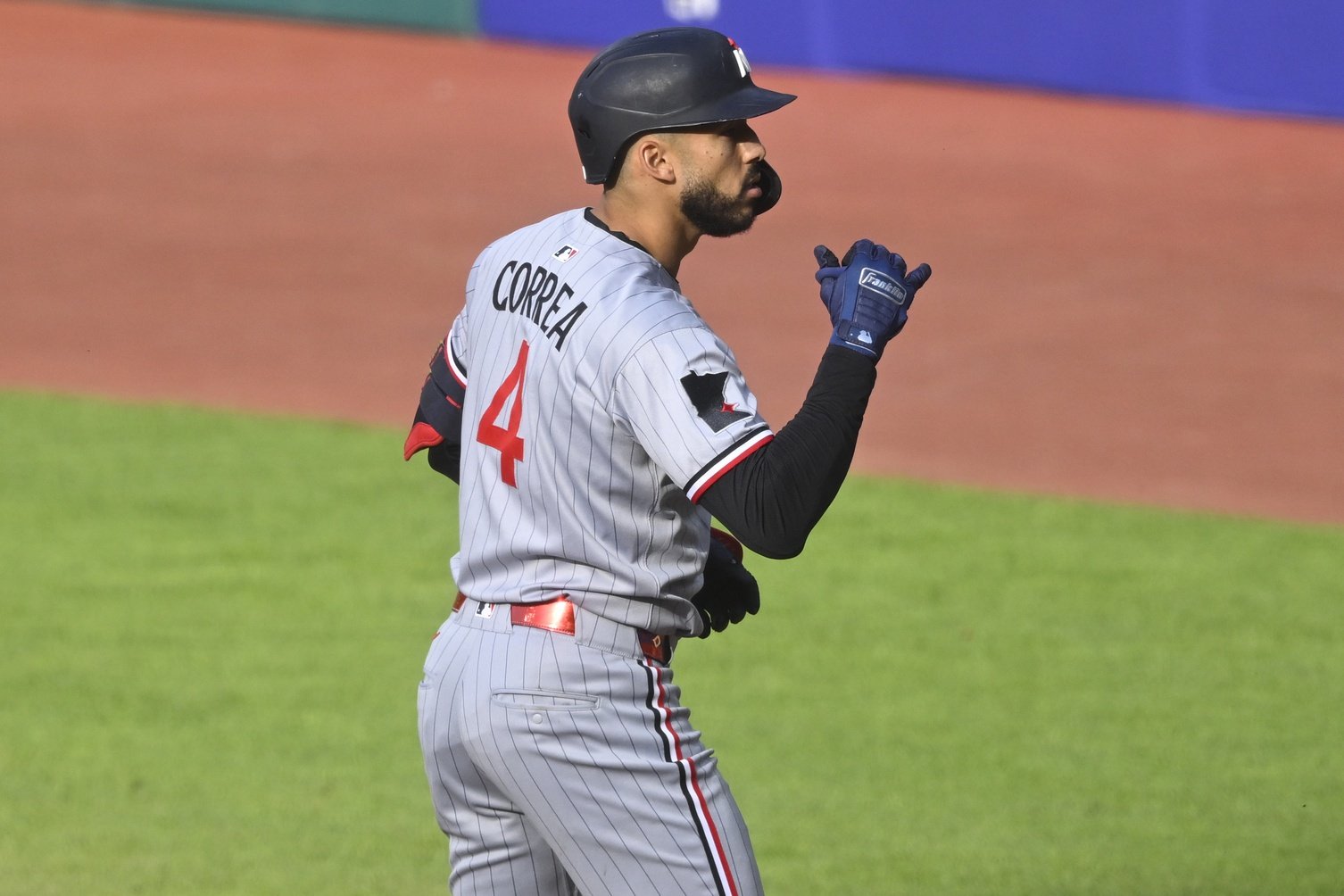 Box Score Starting Pitcher: Bailey Ober — 7.1 IP, 8 H, 1 ER, 2 K, 0 BB (92 pitches, 67 strikes, 73%) Home Runs: Edouard Julien (2), Ryan Jeffers (1) Top 3 WPA: Ober (.164), Julien (.131), Byron Buxton (.069) Win Probability Chart (Via Fangraphs): Coming off their most successful week of the season, a 5-1 home stand against the White Sox and Angels, the Twins headed into Cleveland with a clear mandate: prove you can translate the improved performance to more legitimate competition. So far, so great. Minnesota came out of the gates in this four-game series with their best performance of the season, jumping to a big early lead and adding on relentlessly on the way to a blowout victory. The Twins set the tone immediately, with Edouard Julien swinging at the first pitch he saw from Cleveland starter Gavin Williams and launching it over the center field wall for his second home run of the season. Minnesota added another run in the inning on a double from Ryan Jeffers, scoring Carlos Correa, but Ty France was thrown out at home (by a longshot) to end the inning. The Twins lineup got right back after it in the second inning, loading the bases for Byron Buxton who flared a liner past second baseman Gabriel Arias, scoring two more runs and pushing the lead to 4-0. Missing Andrés Giménez, Guards fans? The top of the fifth brought another crooked number from the Minnesota offense, with Jonah Bride and Harrison Bader each delivering RBI singles from the bottom of the order. For Bride it was part of a three-hit night, nearly matching his total in 12 games with the Marlins before they cut him. The 29-year-old is now 7-for-14 since joining the Twins and is looking like a nifty little pickup. The runs kept pouring on in the sixth as Minnesota tallied three more, including two on a Ty France double. By this point the Twins had already healthily surpassed their highest run total from last year's 13 matchups against Cleveland (6). They finished with 11, the most runs scored against the Guardians since the infamous Lucas Giolito game in September of 2023. Tone-setter, indeed. While Bailey Ober surely appreciated all that run support, he didn't need it. The right-hander was dialed and in control, peppering the strike zone with efficiency and inducing an endless string of ground balls. Ober didn't miss a ton of bats but didn't need to, as he let Guardians hitters get themselves out on the way to 7 ⅔ innings of one-run ball. Not only did Cleveland drop the series opener, their fourth loss in five games, but the drain on their pitching staff also threatens to create headaches for Stephen Vogt in the remainder of the series. Their staff was already somewhat gassed coming into this one, after the Guardians played a double-header on Saturday and got just 4 ⅓ innings from Logan Allen in a blowout loss on Sunday. This was kinda the last thing they needed. Williams lasted only two innings after the Twins got to him early, and then in the fifth, Paul Sewald had to exit abruptly due to an injury, signaling to the dugout after throwing his 15th pitch. Sewald was a relatively big-splash acquisition for the Guards during the offseason (much to my puzzlement), and they're likely going to be without him for a while. Initial word from Cleveland is that the veteran reliever has right shoulder inflammation. The circumstances pushed Vogt and the Guardians to put a position-player on the mound in the eighth inning. Even after getting two innings out of infielder Will Wilson, they're going to be pressed to get through the next three games with a thinned-out relief corps. Rocco Baldelli and the Twins have no such concerns coming off deep starts from both Ober and Joe Ryan (the first back-to-back 7+ inning starts for MN since last June), with all of their high-leverage arms completely fresh heading into Tuesday. What's Next: The Twins will be countering Cleveland right-hander Tanner Bibee with Chris Paddack in another 5:10 PM CT start. It sounds like a lopsided matchup favoring the Guards, and it probably is, but Paddack has looked solid since his season-opening clunker against Chicago (3.32 ERA in four starts) and Bibee's been struggling, with 14 walks and a league-leading eight homers allowed in 26 innings. If the Twins can win this one they'll be within two games of .500, and just 1 ½ games behind Cleveland in the AL Central standings. Postgame Interviews: Bullpen Usage Chart: THU FRI SAT SUN MON TOT Topa 0 15 0 27 0 42 Alcalá 41 0 0 0 19 60 Varland 0 20 19 0 0 39 Jax 0 0 19 0 0 19 Sands 0 13 0 0 0 13 Stewart 0 0 6 0 0 6 Coulombe 0 12 0 0 0 12 Durán 0 0 7 0 0 7
 -
The Twins did what they needed to with a soft pocket in their schedule, winning five of six to catalyze a journey back toward the .500 mark. Unfortunately, yet another crushing injury blow tempered the enthusiasm, leaving the team to forge ahead without its two most impressive hitters for the foreseeable future. Image courtesy of Jesse Johnson-Imagn Images The Weekly Nutshell: The Twins won their series against the White Sox, as they needed to, but it was frankly not a stirring display. They narrowly avoided another blown lead on Tuesday, survived 13 stranded runners on Wednesday, and got shut out on Thursday. The optics were that a bad team outscored a worse team by a couple runs over three games, and Minnesota was still not showing signs of elevating from its teamwide funk. Then the Angels came to town, and the vibe shifted. The Twins recorded their first series sweep since the beginning of last August, and they did so in much more convincing fashion, exerting their will over a lackluster Los Angeles club. Minnesota outscored the Angels 21-5, and while their play wasn't perfect, they avoided the instances of maddening self-sabotage that have so frequently halted their momentum this season. The Twins have won three of their past four series and are suddenly playing decent ball. But they've got to show they can do it against credible competition, and that opportunity is coming up next. Let's unpack. Weekly Snapshot: Mon, 4/21 through Sun, 4/27 *** Record Last Week: 5-1 (Overall: 12-16) Run Differential Last Week: +18 (Overall: -2) Standing: 4th Place in AL Central (6.0 GB) Last Week's Game Results: Game 23 | MIN 4, CWS 2: Buxton Averts Disaster with Game-Saving Catch Ober: 6 IP, 1 ER Game 24 | MIN 6, CWS 3: Homers from Buxton, Larnach Help Offset 13 LOB Bullpen: 5 IP, 0 R Game 25 | CWS 3, MIN 0: Offense Puts Forth a Dud in Rain-Shortened Loss Offense: 0-9 RISP, 1 XBH Game 26 | MIN 11, LAA 4: Breakthrough Showing Tempered by Keaschall Injury Buxton, Larnach: 2 HR, 7 RBI Game 27 | MIN 5, LAA 1: Twins Secure Series Win Behind Strong SWR Start Woods Richardson: 5.1 IP, 1 ER, 7 K Game 28 | MIN 5, LAA 0: Ryan Shreds Halos in Sweep-Clinching Shutout Ryan: 7 IP, 0 R, 11 K IF YOU'D RATHER LISTEN TO THE WEEK IN REVIEW THAN READ IT, YOU CAN GET IT IN AUDIO FORM! FIND THE LATEST EPISODE ON OUR PODCAST PAGE, AS WELL AS ON APPLE AND SPOTIFY. SUBSCRIBE TO OUR CHANNELS SO YOU DON'T MISS OUT! NEWS & NOTES After making a heck of an impression during his three-start April cameo, David Festa was optioned back to Triple-A on Thursday to facilitate the return of Pablo López, activated from the injured list to start Minnesota's series opener against Los Angeles on Friday. Over 13 innings with the Twins, Festa allowed only two earned runs (1.38 ERA) and struck out 15. He'll be back as soon as another opportunity arises. López looked sharp in his return on Friday night, and the Twins enjoyed their biggest win of the year – some much-needed good news that unfortunately got overshadowed by some not-at-all-needed bad news: Luke Keaschall suffered a broken forearm after being hit by a Kyle Hendricks fastball. The run of inconceivable injury interference for Minnesota's top prospects proceeds unabated. Although it was a non-displaced fracture, it'll take time to heal; expect Keaschall to be sidelined for at least a couple of months. With José Miranda already demoted, and Willi Castro (finally) placed on the injured list earlier in the week, the Twins find themselves direly thin on infield depth. This pushed them to swing a trade with the Phillies for Kody Clemens, who joined the team on Saturday. Clemens, much like Jonah Bride earlier in the month, is a fringe big-leaguer who came aboard after being designated for assignment by his previous club. The lefty swinger, who has a .611 career OPS in the majors but slugged .471 in the minors, plays primarily first base and is capable of mixing in at third, second and left. The Twins find their roster rife with these kinds of marginal MLB talents, as Clemens and Bride are also joined by Mickey Gasper, recalled to take Castro's vacated spot. It's not a great situation for a team trying to rattle off victories and hoist itself back into relevance. But a crucial reinforcement is on the way. Royce Lewis kicked off a rehab stint in St. Paul on Friday night, starting at third base and going 1-for-3 with a double. He played against Sunday, notching a pair of singles and coming just short of a grand slam on a sac fly. He looked good on his chances defensively. The Twins are surely inclined to take it slow with Lewis, but as with Brooks Lee and Keaschall before him, the front office may be compelled to accelerate his timeline slightly given the circumstances of the major-league roster. In a couple of final roster notes: Michael Tonkin moved his rehab to Triple-A and Matt Canterino was released following his DFA. Diego Cartaya was outrighted from the 40-man roster amid an extremely slow start at Triple-A, making room on the 40-man for Clemens. HIGHLIGHTS Once again Byron Buxton was the star of the show for the Twins, impacting games with his legs, his glove and his bat. He opened the week by making one of the most thrilling and dramatic defensive plays of his career, sprinting into the gap and diving at the warning track to catch a would-be game-tying drive off the bat of Andrew Benintendi with two outs in the ninth inning. At the plate, Buxton hit two more homers and added five more runs scored to his team-leading total, now at 22. Since striking out four times in Kansas City on April 8th and then missing a couple days to attend a family funeral, Buxton is batting .286 and slugging .661 with five homers and four steals on four attempts, ranking fourth among AL players in fWAR. He's swinging at everything and striking out a ton but it doesn't seem to matter; Buck is locked in and looking like the best version of himself. He has started 25 of the team's 28 games in center field, with Sunday seemingly representing his first true "day off" of the season. A refreshingly productive week for the Twins offense saw them bat .283 with 27 walks, 20 extra-base hits and 31 runs scored in six games. Other than Buxton, some other hitters contributed and showed signs of breaking free from early slumps: Trevor Larnach went 8-for-22 with three home runs and nine RBIs, embodying the run-producing profile that inspires Rocco Baldelli to consistently plant Larnach in the middle of the order. Larnach's OPS increased by 165 points during the home stand, from .548 to .713. Lee shook off a 2-for-19 start to pile up hits in these two series, notching eight in 21 at-bats to lift his average from .105 to .250. Lee drew two walks and did not strike out in six games. Only one of those hits went for extra bases (a double), so questions about his ability to drive and elevate the ball remain, but at least Lee is starting to find some grass. Edouard Julien had a relatively quiet week with the bat, notching two singles and a double in 21 trips, but what really caught my eye was the improved quality of ABs. The famously disciplined second baseman drew only three walks in 65 plate appearances coming into this last week, and was chasing out of the zone way more often than ever before. A little added aggressiveness is good, but being able to work counts and make pitchers sweat is key to unlocking his best form. Julien drew six walks last week, with four coming in Friday's lopsided win over the Angels. As bad as this Twins team has generally looked, the formula for winning is actually very simple and achievable: score an average number of runs. When pushing across four or more, Minnesota is 12-3 this year. They were able to hit that threshold in five of their six games last week, albeit it against poor competition but also while leaving plenty of meat on the bone. I view it as promising. But nothing is going to come easy with arguably the team's two best hitters – Keaschall and Matt Wallner – sidelined indefinitely. On the pitching side, this was an extremely impressive string of games. Things finally did start to come a little easier for Griffin Jax, who rebounded admirably from a disastrous road trip while being used in noticeably lower leverage. All three of his appearances came in the seventh inning rather than the eighth or ninth, but Jax showed signs of getting on track by allowing no runs or walks and striking out seven. The luck-poor reliever continued to get BABIP'ed, with two of four balls in play turning into hits, but he overcame that by inducing an eye-popping 13 whiffs on 46 pitches. As Jax looks to reclaim his top spot in the bullpen hierarchy, Louis Varland is making a charge up the ranks, flashing flat-out filthy stuff in a full-time relief role. He did give up a solo homer, which continues to be a vulnerability, but outside of that Varland was squeaky clean in three innings of work, striking out four with no walks. His fastball, averaging 98 MPH, is one of the 10 hardest in the American League. The starting rotation, with López back and looking healthy, is leading the charge for this team. Bailey Ober was stellar against the White Sox, tossing six innings of one-run ball and lowering his ERA to 2.42 since the season-opening clunker in St. Louis. Simeon Woods Richardson looked about as good as we've seen him on Saturday against the Halos, allowing one run over 5 ⅓ while striking out seven with no walks. Joe Ryan rebounded from a rough outing in Atlanta to flat-out eviscerate that same Angels team on Sunday, striking out 11 over seven shutout innings. A high-caliber rotation that brings quality day in and day out is an essential ingredient in churning out wins, as the Twins need to do. This starting unit looks very well equipped. But they can't do it alone. LOWLIGHTS The inefficiency of the Twins offense is infuriating to behold. Even in a week that would have to be described as their best of the season, the lineup was still was subject to constant letdowns in key situations, leaving a tremendous number of runs on the table. In six games and 47 offensive innings, the Twins stranded an extraordinary 52 runners on base, including 13 each on Wednesday and Saturday. There is a level of credit due for so consistently populating the bases via hits and walks, but if you can't capitalize and convert, all the traffic doesn't do much good. That's been a recurring issue for this lineup dating back to last year. The quality of at-bats deteriorates and the ability to step up goes amiss when opposing pitchers are bearing down in scoring opportunities. The most glaring perpetrator in these shortcomings remains Carlos Correa, who once again found himself coming up short for much of the week. He went 0-for-12 in the White Sox series and finished with five singles, a double and a walk in six games. On multiple occasions he came up with the bases loaded and less than two outs, only to end up watching strike three. When hitting with men on this year, Correa has nearly as many GIDPs (6) as hits (8), and seven of those hits have been singles. In some respects Correa continues to be snakebit – occasional rockets finding gloves and some bad calls from umps, both of which we saw this week – but there's no excuse for a .578 OPS from a $37 million player. Correa, for his part, is not looking to make excuses. When asked by reporters, following the Chicago series, if he's dealing with physical issues that are holding him back, Correa responded, "I'm dealing with my swing sucks right now." That definitely checks out. Despite good bat speed and a high contact propensity, Correa’s barrel rate, hard-hit rate, and average exit velocity are all below average, and his launch angle is the lowest of his career. The end of the week did bring some genuinely positive movement on the Correa front, however. He turned on a few balls in the Angels series, displaying pull-side power that has been amiss, and notched three hits on Sunday, including a 113-MPH single that was the hardest-hit ball in the game. A sign of things to come? We can hope. If the Twins are going to find a groove and dig their way out of this hole, they need some approximation of prime Carlos Correa at shortstop. And the same goes for Jhoan Durán at the back of the bullpen. While he technically got the job done last week, securing his second save on Tuesday and closing out a four-run win on Saturday, Durán just isn't looking like the dominating force we used to know. The appearance against Chicago almost became another bullpen catastrophe, with Durán entering to protect a three-run lead against the worst team ever and putting the tying run on second before Buxton called game. Buck's highlight prevented a devastating early-season lowlight for Durán. Although the right-hander only ended up allowing one run and one hit in the two innings, lowering his ERA to a deceptively impressive 1.59, he struck out only one of the nine batters he faced. His strikeout rate for the season is at 22%, down from 29% last year and 33% in 2023. Meanwhile the walk rate is way up to 13%. Troubling trends all around, and that's a bit ominous as the Twins head into a key series against an opponent that simply terrorized Durán and the Minnesota bullpen last season. TRENDING STORYLINE The impending return of Royce Lewis demands the attention of Twins fans everywhere, especially in the wake of Keaschall's deflating injury and news that Wallner is still "weeks away." While showing improvement, the offense still clearly needs an infusion of explosiveness and clutchness. We all know how Lewis can deliver on these fronts when healthy, and the early signs in St. Paul have been encouraging. The Twins have signaled an intent to take it slow with Lewis's rehab, which seems plenty reasonable. They'd surely love to have him on hand for the next series in Cleveland but that's highly unlikely. Next weekend at Fenway is a possibility, but the following home stand (versus Baltimore and San Francisco) might be a more realistic target. Either way, we're almost there. When Lewis returns, the Twins will need to make a decision on who goes from the bench to make room. Bride, Gasper or Clemens? There's an argument for Royce making any one of them redundant. Any action seen by these three in the coming games could be extra meaningful, though the availability of minor-league options for Gasper potentially puts him in the crosshairs. LOOKING AHEAD If the Twins want to make a statement, they've got a prime opportunity in front of them. They have four games ahead in Cleveland against the defending AL Central champs, who took 10 of 13 matchups last year, and then it's off to Boston for a series at Fenway Park, where Minnesota's season essentially died in September. Can the Twins banish the memories of last year's second-half collapse, which these clubs played a big role in authoring? Or will this road trip, and step up in competition, simply remind us of who the Twins are? An interesting subplot in Cleveland will be late-game dynamics with Durán, Jax, and Emmanuel Clase, who has himself been navigating early-season struggles and was recently demoted from the ninth inning. Things could get interesting in the final innings if these games are close. MONDAY, APRIL 28: TWINS @ GUARDIANS — RHP Bailey Ober v. RHP Tanner Bibee TUESDAY, APRIL 29: TWINS @ GUARDIANS — RHP Chris Paddack v. RHP Luis Ortiz WEDNESDAY, APRIL 30: TWINS @ GUARDIANS — RHP Pablo Lopez v. TBD THURSDAY, MAY 1: TWINS @ GUARDIANS — RHP Simeon Woods Richardson v. Ben Lively FRIDAY, MAY 2: TWINS @ RED SOX — RHP Joe Ryan v. RHP Walker Buehler SATURDAY, MAY 3: TWINS @ RED SOX — RHP Bailey Ober v. RHP Brayan Bello SUNDAY, MAY 4: TWINS @ RED SOX — RHP Chris Paddack v. LHP Sean Newcomb View full article
-
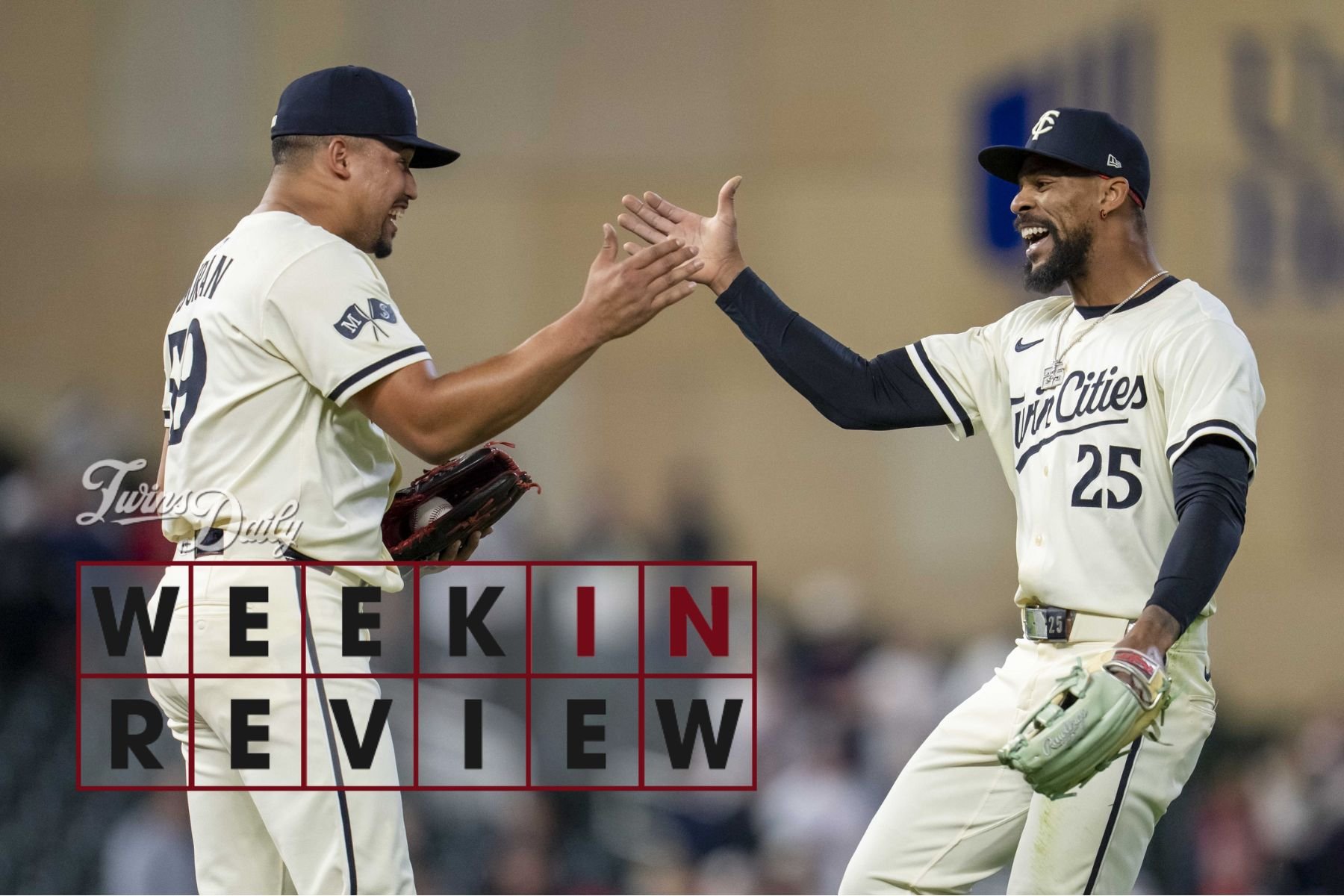 The Weekly Nutshell: The Twins won their series against the White Sox, as they needed to, but it was frankly not a stirring display. They narrowly avoided another blown lead on Tuesday, survived 13 stranded runners on Wednesday, and got shut out on Thursday. The optics were that a bad team outscored a worse team by a couple runs over three games, and Minnesota was still not showing signs of elevating from its teamwide funk. Then the Angels came to town, and the vibe shifted. The Twins recorded their first series sweep since the beginning of last August, and they did so in much more convincing fashion, exerting their will over a lackluster Los Angeles club. Minnesota outscored the Angels 21-5, and while their play wasn't perfect, they avoided the instances of maddening self-sabotage that have so frequently halted their momentum this season. The Twins have won three of their past four series and are suddenly playing decent ball. But they've got to show they can do it against credible competition, and that opportunity is coming up next. Let's unpack. Weekly Snapshot: Mon, 4/21 through Sun, 4/27 *** Record Last Week: 5-1 (Overall: 12-16) Run Differential Last Week: +18 (Overall: -2) Standing: 4th Place in AL Central (6.0 GB) Last Week's Game Results: Game 23 | MIN 4, CWS 2: Buxton Averts Disaster with Game-Saving Catch Ober: 6 IP, 1 ER Game 24 | MIN 6, CWS 3: Homers from Buxton, Larnach Help Offset 13 LOB Bullpen: 5 IP, 0 R Game 25 | CWS 3, MIN 0: Offense Puts Forth a Dud in Rain-Shortened Loss Offense: 0-9 RISP, 1 XBH Game 26 | MIN 11, LAA 4: Breakthrough Showing Tempered by Keaschall Injury Buxton, Larnach: 2 HR, 7 RBI Game 27 | MIN 5, LAA 1: Twins Secure Series Win Behind Strong SWR Start Woods Richardson: 5.1 IP, 1 ER, 7 K Game 28 | MIN 5, LAA 0: Ryan Shreds Halos in Sweep-Clinching Shutout Ryan: 7 IP, 0 R, 11 K IF YOU'D RATHER LISTEN TO THE WEEK IN REVIEW THAN READ IT, YOU CAN GET IT IN AUDIO FORM! FIND THE LATEST EPISODE ON OUR PODCAST PAGE, AS WELL AS ON APPLE AND SPOTIFY. SUBSCRIBE TO OUR CHANNELS SO YOU DON'T MISS OUT! NEWS & NOTES After making a heck of an impression during his three-start April cameo, David Festa was optioned back to Triple-A on Thursday to facilitate the return of Pablo López, activated from the injured list to start Minnesota's series opener against Los Angeles on Friday. Over 13 innings with the Twins, Festa allowed only two earned runs (1.38 ERA) and struck out 15. He'll be back as soon as another opportunity arises. López looked sharp in his return on Friday night, and the Twins enjoyed their biggest win of the year – some much-needed good news that unfortunately got overshadowed by some not-at-all-needed bad news: Luke Keaschall suffered a broken forearm after being hit by a Kyle Hendricks fastball. The run of inconceivable injury interference for Minnesota's top prospects proceeds unabated. Although it was a non-displaced fracture, it'll take time to heal; expect Keaschall to be sidelined for at least a couple of months. With José Miranda already demoted, and Willi Castro (finally) placed on the injured list earlier in the week, the Twins find themselves direly thin on infield depth. This pushed them to swing a trade with the Phillies for Kody Clemens, who joined the team on Saturday. Clemens, much like Jonah Bride earlier in the month, is a fringe big-leaguer who came aboard after being designated for assignment by his previous club. The lefty swinger, who has a .611 career OPS in the majors but slugged .471 in the minors, plays primarily first base and is capable of mixing in at third, second and left. The Twins find their roster rife with these kinds of marginal MLB talents, as Clemens and Bride are also joined by Mickey Gasper, recalled to take Castro's vacated spot. It's not a great situation for a team trying to rattle off victories and hoist itself back into relevance. But a crucial reinforcement is on the way. Royce Lewis kicked off a rehab stint in St. Paul on Friday night, starting at third base and going 1-for-3 with a double. He played against Sunday, notching a pair of singles and coming just short of a grand slam on a sac fly. He looked good on his chances defensively. The Twins are surely inclined to take it slow with Lewis, but as with Brooks Lee and Keaschall before him, the front office may be compelled to accelerate his timeline slightly given the circumstances of the major-league roster. In a couple of final roster notes: Michael Tonkin moved his rehab to Triple-A and Matt Canterino was released following his DFA. Diego Cartaya was outrighted from the 40-man roster amid an extremely slow start at Triple-A, making room on the 40-man for Clemens. HIGHLIGHTS Once again Byron Buxton was the star of the show for the Twins, impacting games with his legs, his glove and his bat. He opened the week by making one of the most thrilling and dramatic defensive plays of his career, sprinting into the gap and diving at the warning track to catch a would-be game-tying drive off the bat of Andrew Benintendi with two outs in the ninth inning. At the plate, Buxton hit two more homers and added five more runs scored to his team-leading total, now at 22. Since striking out four times in Kansas City on April 8th and then missing a couple days to attend a family funeral, Buxton is batting .286 and slugging .661 with five homers and four steals on four attempts, ranking fourth among AL players in fWAR. He's swinging at everything and striking out a ton but it doesn't seem to matter; Buck is locked in and looking like the best version of himself. He has started 25 of the team's 28 games in center field, with Sunday seemingly representing his first true "day off" of the season. A refreshingly productive week for the Twins offense saw them bat .283 with 27 walks, 20 extra-base hits and 31 runs scored in six games. Other than Buxton, some other hitters contributed and showed signs of breaking free from early slumps: Trevor Larnach went 8-for-22 with three home runs and nine RBIs, embodying the run-producing profile that inspires Rocco Baldelli to consistently plant Larnach in the middle of the order. Larnach's OPS increased by 165 points during the home stand, from .548 to .713. Lee shook off a 2-for-19 start to pile up hits in these two series, notching eight in 21 at-bats to lift his average from .105 to .250. Lee drew two walks and did not strike out in six games. Only one of those hits went for extra bases (a double), so questions about his ability to drive and elevate the ball remain, but at least Lee is starting to find some grass. Edouard Julien had a relatively quiet week with the bat, notching two singles and a double in 21 trips, but what really caught my eye was the improved quality of ABs. The famously disciplined second baseman drew only three walks in 65 plate appearances coming into this last week, and was chasing out of the zone way more often than ever before. A little added aggressiveness is good, but being able to work counts and make pitchers sweat is key to unlocking his best form. Julien drew six walks last week, with four coming in Friday's lopsided win over the Angels. As bad as this Twins team has generally looked, the formula for winning is actually very simple and achievable: score an average number of runs. When pushing across four or more, Minnesota is 12-3 this year. They were able to hit that threshold in five of their six games last week, albeit it against poor competition but also while leaving plenty of meat on the bone. I view it as promising. But nothing is going to come easy with arguably the team's two best hitters – Keaschall and Matt Wallner – sidelined indefinitely. On the pitching side, this was an extremely impressive string of games. Things finally did start to come a little easier for Griffin Jax, who rebounded admirably from a disastrous road trip while being used in noticeably lower leverage. All three of his appearances came in the seventh inning rather than the eighth or ninth, but Jax showed signs of getting on track by allowing no runs or walks and striking out seven. The luck-poor reliever continued to get BABIP'ed, with two of four balls in play turning into hits, but he overcame that by inducing an eye-popping 13 whiffs on 46 pitches. As Jax looks to reclaim his top spot in the bullpen hierarchy, Louis Varland is making a charge up the ranks, flashing flat-out filthy stuff in a full-time relief role. He did give up a solo homer, which continues to be a vulnerability, but outside of that Varland was squeaky clean in three innings of work, striking out four with no walks. His fastball, averaging 98 MPH, is one of the 10 hardest in the American League. The starting rotation, with López back and looking healthy, is leading the charge for this team. Bailey Ober was stellar against the White Sox, tossing six innings of one-run ball and lowering his ERA to 2.42 since the season-opening clunker in St. Louis. Simeon Woods Richardson looked about as good as we've seen him on Saturday against the Halos, allowing one run over 5 ⅓ while striking out seven with no walks. Joe Ryan rebounded from a rough outing in Atlanta to flat-out eviscerate that same Angels team on Sunday, striking out 11 over seven shutout innings. A high-caliber rotation that brings quality day in and day out is an essential ingredient in churning out wins, as the Twins need to do. This starting unit looks very well equipped. But they can't do it alone. LOWLIGHTS The inefficiency of the Twins offense is infuriating to behold. Even in a week that would have to be described as their best of the season, the lineup was still was subject to constant letdowns in key situations, leaving a tremendous number of runs on the table. In six games and 47 offensive innings, the Twins stranded an extraordinary 52 runners on base, including 13 each on Wednesday and Saturday. There is a level of credit due for so consistently populating the bases via hits and walks, but if you can't capitalize and convert, all the traffic doesn't do much good. That's been a recurring issue for this lineup dating back to last year. The quality of at-bats deteriorates and the ability to step up goes amiss when opposing pitchers are bearing down in scoring opportunities. The most glaring perpetrator in these shortcomings remains Carlos Correa, who once again found himself coming up short for much of the week. He went 0-for-12 in the White Sox series and finished with five singles, a double and a walk in six games. On multiple occasions he came up with the bases loaded and less than two outs, only to end up watching strike three. When hitting with men on this year, Correa has nearly as many GIDPs (6) as hits (8), and seven of those hits have been singles. In some respects Correa continues to be snakebit – occasional rockets finding gloves and some bad calls from umps, both of which we saw this week – but there's no excuse for a .578 OPS from a $37 million player. Correa, for his part, is not looking to make excuses. When asked by reporters, following the Chicago series, if he's dealing with physical issues that are holding him back, Correa responded, "I'm dealing with my swing sucks right now." That definitely checks out. Despite good bat speed and a high contact propensity, Correa’s barrel rate, hard-hit rate, and average exit velocity are all below average, and his launch angle is the lowest of his career. The end of the week did bring some genuinely positive movement on the Correa front, however. He turned on a few balls in the Angels series, displaying pull-side power that has been amiss, and notched three hits on Sunday, including a 113-MPH single that was the hardest-hit ball in the game. A sign of things to come? We can hope. If the Twins are going to find a groove and dig their way out of this hole, they need some approximation of prime Carlos Correa at shortstop. And the same goes for Jhoan Durán at the back of the bullpen. While he technically got the job done last week, securing his second save on Tuesday and closing out a four-run win on Saturday, Durán just isn't looking like the dominating force we used to know. The appearance against Chicago almost became another bullpen catastrophe, with Durán entering to protect a three-run lead against the worst team ever and putting the tying run on second before Buxton called game. Buck's highlight prevented a devastating early-season lowlight for Durán. Although the right-hander only ended up allowing one run and one hit in the two innings, lowering his ERA to a deceptively impressive 1.59, he struck out only one of the nine batters he faced. His strikeout rate for the season is at 22%, down from 29% last year and 33% in 2023. Meanwhile the walk rate is way up to 13%. Troubling trends all around, and that's a bit ominous as the Twins head into a key series against an opponent that simply terrorized Durán and the Minnesota bullpen last season. TRENDING STORYLINE The impending return of Royce Lewis demands the attention of Twins fans everywhere, especially in the wake of Keaschall's deflating injury and news that Wallner is still "weeks away." While showing improvement, the offense still clearly needs an infusion of explosiveness and clutchness. We all know how Lewis can deliver on these fronts when healthy, and the early signs in St. Paul have been encouraging. The Twins have signaled an intent to take it slow with Lewis's rehab, which seems plenty reasonable. They'd surely love to have him on hand for the next series in Cleveland but that's highly unlikely. Next weekend at Fenway is a possibility, but the following home stand (versus Baltimore and San Francisco) might be a more realistic target. Either way, we're almost there. When Lewis returns, the Twins will need to make a decision on who goes from the bench to make room. Bride, Gasper or Clemens? There's an argument for Royce making any one of them redundant. Any action seen by these three in the coming games could be extra meaningful, though the availability of minor-league options for Gasper potentially puts him in the crosshairs. LOOKING AHEAD If the Twins want to make a statement, they've got a prime opportunity in front of them. They have four games ahead in Cleveland against the defending AL Central champs, who took 10 of 13 matchups last year, and then it's off to Boston for a series at Fenway Park, where Minnesota's season essentially died in September. Can the Twins banish the memories of last year's second-half collapse, which these clubs played a big role in authoring? Or will this road trip, and step up in competition, simply remind us of who the Twins are? An interesting subplot in Cleveland will be late-game dynamics with Durán, Jax, and Emmanuel Clase, who has himself been navigating early-season struggles and was recently demoted from the ninth inning. Things could get interesting in the final innings if these games are close. MONDAY, APRIL 28: TWINS @ GUARDIANS — RHP Bailey Ober v. RHP Tanner Bibee TUESDAY, APRIL 29: TWINS @ GUARDIANS — RHP Chris Paddack v. RHP Luis Ortiz WEDNESDAY, APRIL 30: TWINS @ GUARDIANS — RHP Pablo Lopez v. TBD THURSDAY, MAY 1: TWINS @ GUARDIANS — RHP Simeon Woods Richardson v. Ben Lively FRIDAY, MAY 2: TWINS @ RED SOX — RHP Joe Ryan v. RHP Walker Buehler SATURDAY, MAY 3: TWINS @ RED SOX — RHP Bailey Ober v. RHP Brayan Bello SUNDAY, MAY 4: TWINS @ RED SOX — RHP Chris Paddack v. LHP Sean Newcomb
- 9 comments
-
- 7
-

-
- luke keaschall
- byron buxton
- (and 3 more)
-
"This should have been flagged immediately," said a spokesperson for the Immutable Forces of Suffering. Image courtesy of Bruce Kluckhohn-Imagn Images MINNEAPOLIS, MN — In a swift and decisive action on Friday night, the universe rectified what officials are calling a "temporary clerical error" that had mistakenly allowed Minnesota Twins fans to experience unmitigated joy for a full week. The error centered on rookie sensation Luke Keaschall, who electrified a battered fanbase by posting a 1.065 OPS with five stolen bases through his first seven major-league games — all while looking suspiciously like a real, honest-to-goodness cornerstone player. "This should have been flagged immediately," said a spokesperson for the Immutable Forces of Suffering. "Minnesota fans briefly began to believe. There were smiles. There were daydreams about the future. This was a catastrophic breakdown in the system." The oversight was corrected during Friday's game against the Angels (naturally) when fate guided a Kyle Hendricks fastball directly into Keaschall's forearm, with scans later revealing a fracture. The rookie phenom will likely be sidelined for months, thus restoring the cosmic balance that demands all hope in Minnesota sports be cautiously rationed or immediately extinguished. “You can’t script it better than that,” said one Twins fan, after peeling themselves off the sidewalk outside Target Field. “Of course it had to happen to Keaschall. I mean, what were we thinking, getting attached to anything? That's on us.” Historians note that similar universal corrections have been triggered throughout Twins history — often following short-lived bursts of prospect optimism, encouraging winning streaks, or anything remotely resembling momentum. According to experts, Keaschall’s emergence without immediate calamity set off numerous alarms on the "Can’t Have Nice Things" Monitoring Dashboard. “We hadn’t seen numbers spike like that since Royce Lewis smiled in 2022,” one analyst confirmed, noting that swift actions were taken in that instance as well. Broader atmospheric warnings have now been issued across the state, as the Timberwolves and Wild each hold 2-1 playoff series leads, conditions considered highly volatile for Minnesota’s notoriously fragile sporting ecosystem. "Honestly, it's irresponsible," said one longtime Wolves fan. "We should be down 0-3 and arguing about whether to fire the coach. This... this is just taunting fate." As of press time, a small but determined group of Minnesota fans led by Twins Daily co-founder Parker Hageman were holding a candlelight vigil, chanting and holding signs with his traditional mantra of preventative self-care: "Stay dead inside." View full article
-
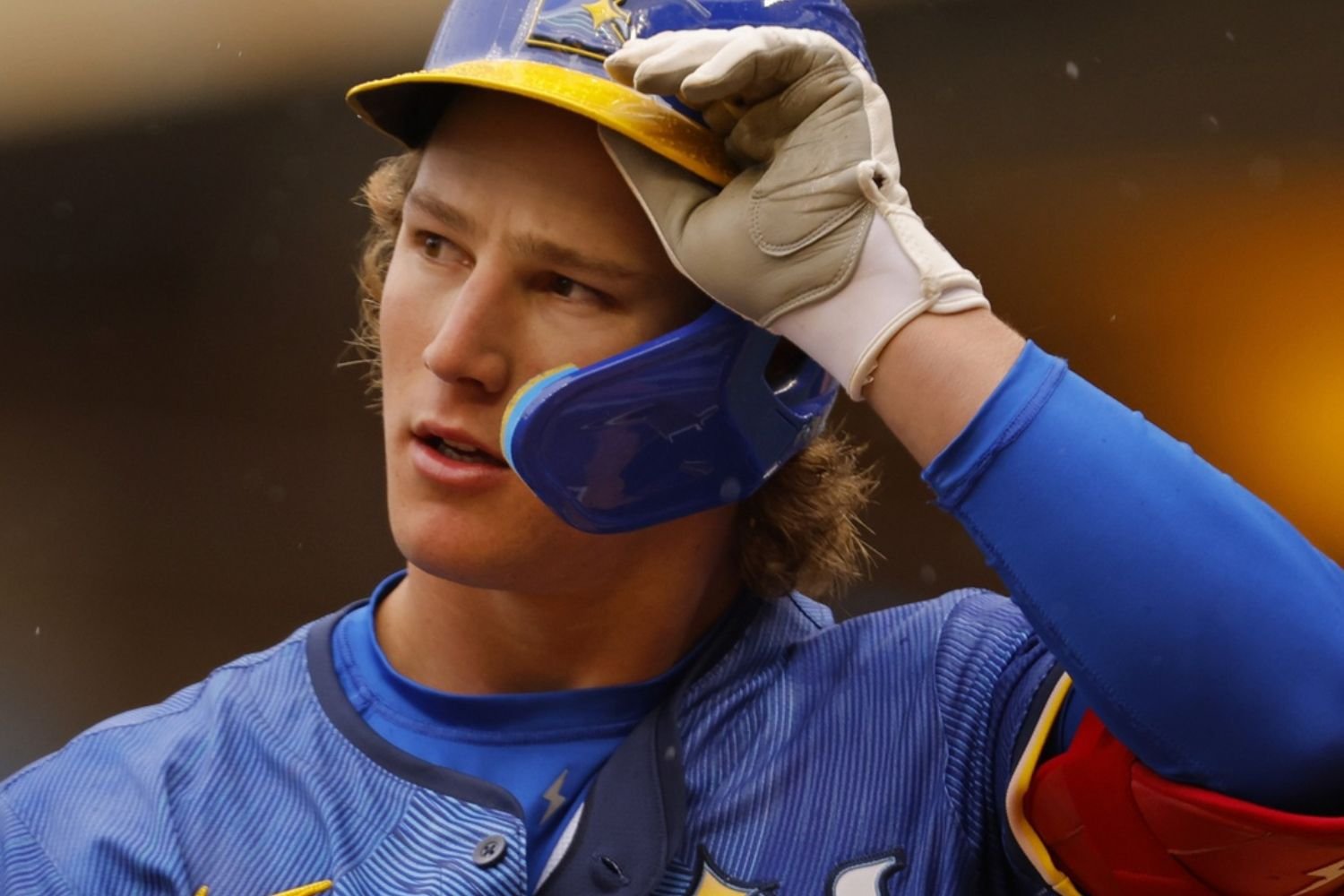 MINNEAPOLIS, MN — In a swift and decisive action on Friday night, the universe rectified what officials are calling a "temporary clerical error" that had mistakenly allowed Minnesota Twins fans to experience unmitigated joy for a full week. The error centered on rookie sensation Luke Keaschall, who electrified a battered fanbase by posting a 1.065 OPS with five stolen bases through his first seven major-league games — all while looking suspiciously like a real, honest-to-goodness cornerstone player. "This should have been flagged immediately," said a spokesperson for the Immutable Forces of Suffering. "Minnesota fans briefly began to believe. There were smiles. There were daydreams about the future. This was a catastrophic breakdown in the system." The oversight was corrected during Friday's game against the Angels (naturally) when fate guided a Kyle Hendricks fastball directly into Keaschall's forearm, with scans later revealing a fracture. The rookie phenom will likely be sidelined for months, thus restoring the cosmic balance that demands all hope in Minnesota sports be cautiously rationed or immediately extinguished. “You can’t script it better than that,” said one Twins fan, after peeling themselves off the sidewalk outside Target Field. “Of course it had to happen to Keaschall. I mean, what were we thinking, getting attached to anything? That's on us.” Historians note that similar universal corrections have been triggered throughout Twins history — often following short-lived bursts of prospect optimism, encouraging winning streaks, or anything remotely resembling momentum. According to experts, Keaschall’s emergence without immediate calamity set off numerous alarms on the "Can’t Have Nice Things" Monitoring Dashboard. “We hadn’t seen numbers spike like that since Royce Lewis smiled in 2022,” one analyst confirmed, noting that swift actions were taken in that instance as well. Broader atmospheric warnings have now been issued across the state, as the Timberwolves and Wild each hold 2-1 playoff series leads, conditions considered highly volatile for Minnesota’s notoriously fragile sporting ecosystem. "Honestly, it's irresponsible," said one longtime Wolves fan. "We should be down 0-3 and arguing about whether to fire the coach. This... this is just taunting fate." As of press time, a small but determined group of Minnesota fans led by Twins Daily co-founder Parker Hageman were holding a candlelight vigil, chanting and holding signs with his traditional mantra of preventative self-care: "Stay dead inside."
 -
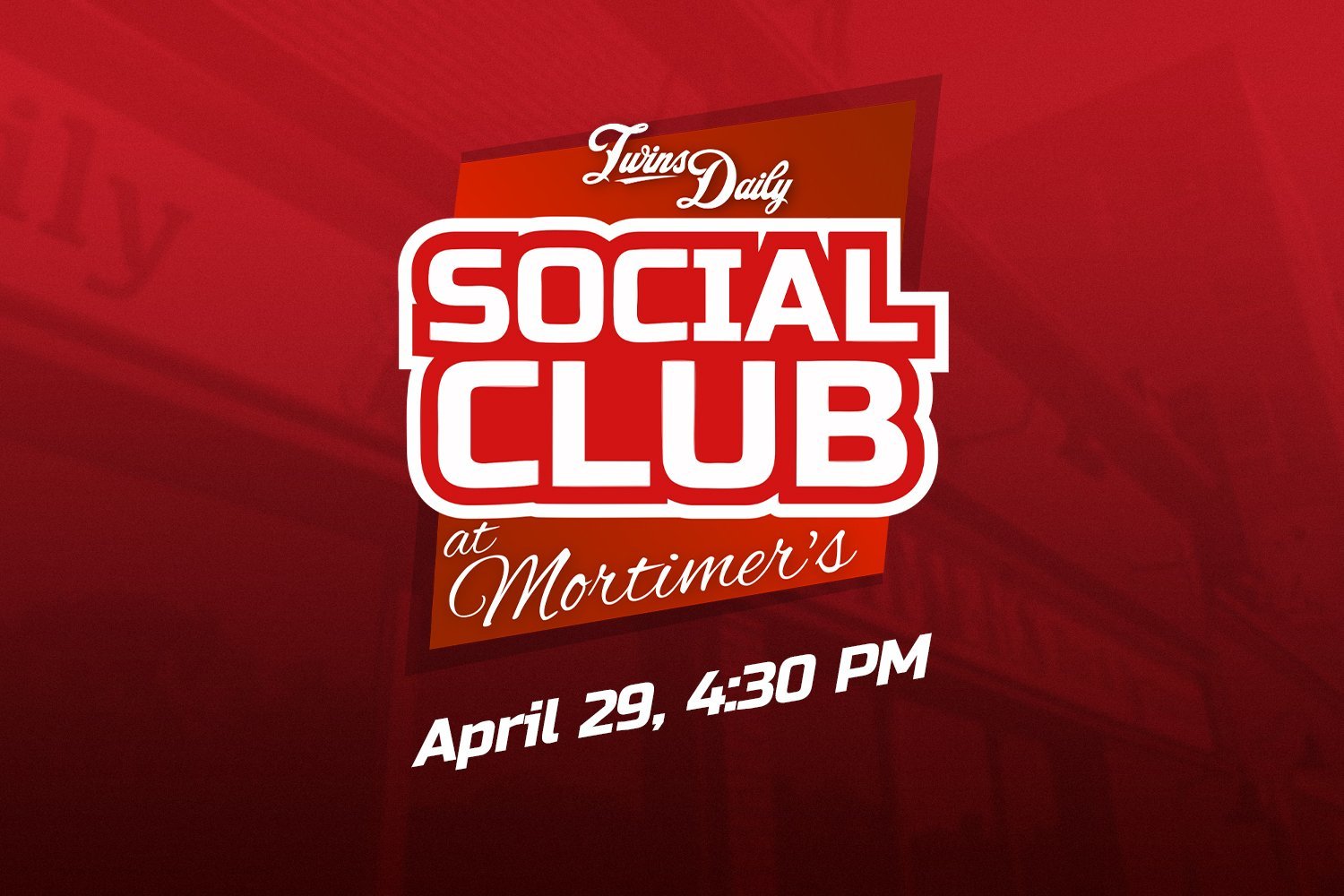 Let’s be real: being a Twins fan right now feels like volunteering to get punched in the gut every night at around 7 PM. We’re watching the follow-up to a long-awaited playoff breakthrough spiral into one of the bleakest stretches in franchise memory. The vibes? Bad. The broadcasts? Barely accessible. The product? You already know. And yet… here we are. Still watching. Still caring. Still showing up — because that’s what fans do. At Twins Daily, we’ve never needed wins to have fun. The site launched in spring of 2012, fresh off the first of four straight 90-loss campaigns. Our first several years were spent chronicling and laughing through double-digit deficits, bewildering roster moves, and last-place finishes. In fact, one of our all-time most beloved community events was the 2016 pregame pub crawl, when the only compelling storyline attached to the main event was whether or not the Twins would tally their 100th loss. We were losing, but we weren’t alone. Next Tuesday, April 29th, we invite you to recapture that same spirit with us at Mortimer’s Bar in Minneapolis, as we host a Twins Daily Social Club watch party for the 5:10 PM game against the Guardians. Yes, the team is struggling. Yes, morale is low. But that’s exactly why this is the time to gather. When the stands are empty and the outlook is grim, it’s the perfect moment to pull together and remember why we do this in the first place. For the camaraderie. For the banter. For the fleeting glimmers of hope. For that one big swing that suddenly gets everyone leaning forward again. Come for the cold beer and hot pizza, stay for the shared misery — and maybe, just maybe, the beginning of a turnaround. Who knows? Years from now, you might get to say you were with us when the historic reversal began. Twins Daily Watch Party 🗓 Tuesday, April 29th 🕔 5:10 PM first pitch 📍 Mortimer’s Bar (Corner of Lyndale & Franklin in Minneapolis) 💬 RSVP here to secure a free beer from our friends at Fulton Let’s remember: even when the team gives us nothing… we’ve still got each other.
 -
This team has been no fun to watch. So let's make our own fun. Let’s be real: being a Twins fan right now feels like volunteering to get punched in the gut every night at around 7 PM. We’re watching the follow-up to a long-awaited playoff breakthrough spiral into one of the bleakest stretches in franchise memory. The vibes? Bad. The broadcasts? Barely accessible. The product? You already know. And yet… here we are. Still watching. Still caring. Still showing up — because that’s what fans do. At Twins Daily, we’ve never needed wins to have fun. The site launched in spring of 2012, fresh off the first of four straight 90-loss campaigns. Our first several years were spent chronicling and laughing through double-digit deficits, bewildering roster moves, and last-place finishes. In fact, one of our all-time most beloved community events was the 2016 pregame pub crawl, when the only compelling storyline attached to the main event was whether or not the Twins would tally their 100th loss. We were losing, but we weren’t alone. Next Tuesday, April 29th, we invite you to recapture that same spirit with us at Mortimer’s Bar in Minneapolis, as we host a Twins Daily Social Club watch party for the 5:10 PM game against the Guardians. Yes, the team is struggling. Yes, morale is low. But that’s exactly why this is the time to gather. When the stands are empty and the outlook is grim, it’s the perfect moment to pull together and remember why we do this in the first place. For the camaraderie. For the banter. For the fleeting glimmers of hope. For that one big swing that suddenly gets everyone leaning forward again. Come for the cold beer and hot pizza, stay for the shared misery — and maybe, just maybe, the beginning of a turnaround. Who knows? Years from now, you might get to say you were with us when the historic reversal began. Twins Daily Watch Party 🗓 Tuesday, April 29th 🕔 5:10 PM first pitch 📍 Mortimer’s Bar (Corner of Lyndale & Franklin in Minneapolis) 💬 RSVP here to secure a free beer from our friends at Fulton Let’s remember: even when the team gives us nothing… we’ve still got each other. View full article
-
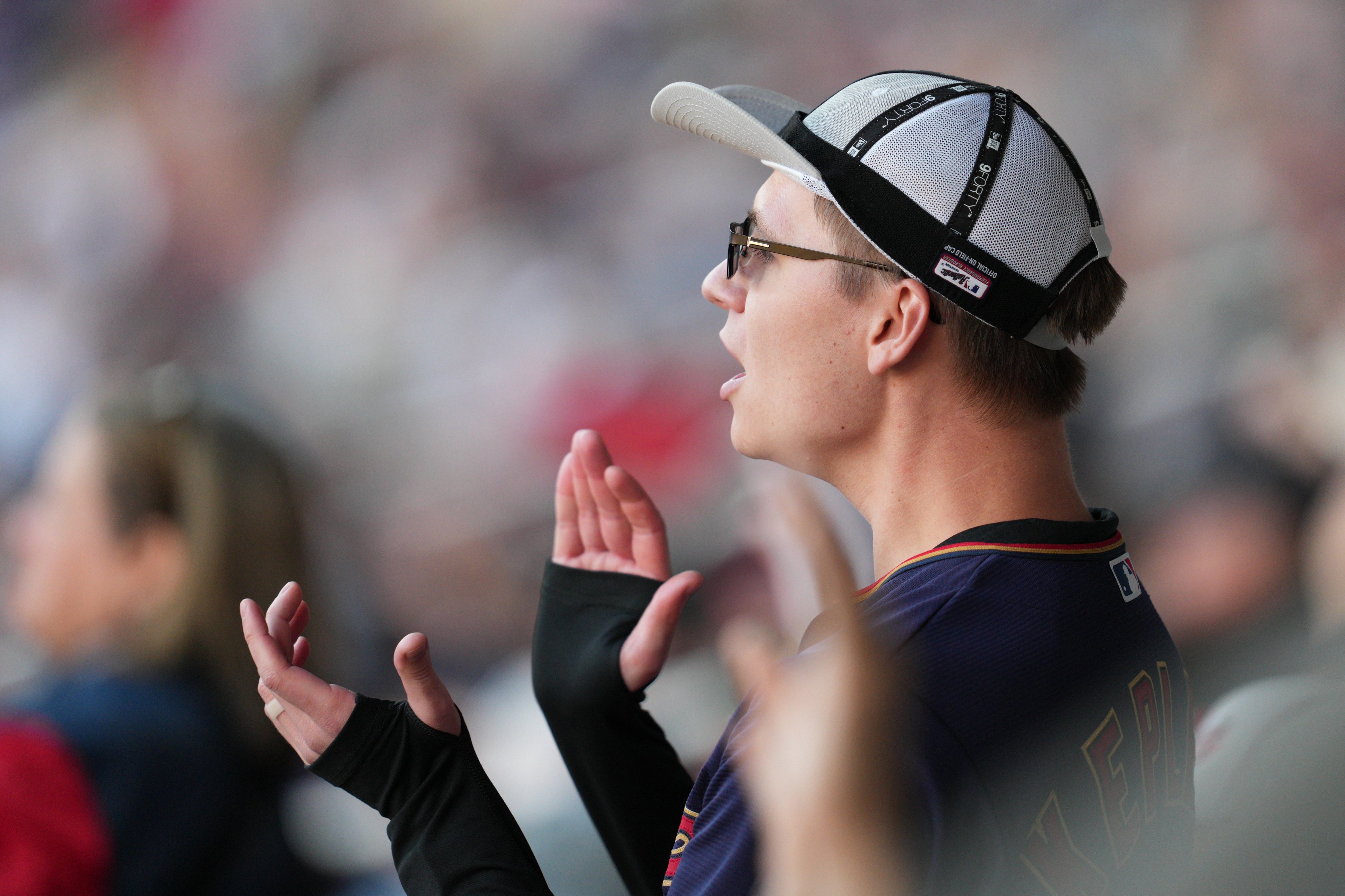 Twins Daily is, above all else, a fan site. It was founded by fans, it is fueled by fans. We do not try to spin toward objectivity or neutrality: we filter everything through the lens of the fan experience. And so, while mainstream outlets are doing an excellent job covering and analyzing the events taking place on the field, I feel it is our obligation to say plainly: this sucks. Not just the quality of baseball we've been witnessing, but the shameful all-around grind that customers have been put through for the mere offense of trying to like and support this ballclub. Some are angry. (The comment section at Twins Daily of late is evidence enough.) Some have grown ambivalent. But no one can be particularly happy about what we've been seeing over the past 18 months, especially backdropped against the elation of a playoff series win in 2023. The Twins snapped a 20-year curse with a record payroll coming off the historic Carlos Correa signing. It felt like embattled fans, who'd endured a lot of uncompetitive baseball and irrelevance in the first dozen years at Target Field, were finally getting the payoff they deserved. Since then, fans have been subjected to: A substantial payroll slash for the 2024 season, blunting the momentum that had been built through all the success of their breakthrough in 2023. This came complete with tone-deaf remarks from Joe Pohlad about right-sizing and financial obligations. Immense challenges trying to watch the team on TV. The team first backtracked on a promise to part ways with Diamond Sports and end blackouts last year, which led to broadcasts going dark on Comcast for a substantial portion of the season. The delayed rollout of the Twins TV streaming product this year was anything but smooth or transparent. Almost inconceivably bad baseball. While the Twins enjoyed a several-month stretch of high-caliber play last season (most of which Comcast subscribers were unable to watch), it gave way to a historic collapse that featured some of the most uninspired, unwatchable play you will ever see ... ... That is, until the events of this season started unfolding. Picking up right where they left off, the Twins came out of the gate with no fight, stumbling to a 7-15 start that has included blowouts, blown leads and plenty of plain old badly played ballgames. Oh, and the one faint ember of an underlying storyline that was keeping full-on doomerism at bay — the prospect of a franchise sale that would usher in fresh leadership at the very top — has also fizzled out. Overwhelming optimism gave way to the opposite when Justin Ishbia backed out of his pursuit, leaving the debt-saddled Pohlads with a lukewarm market and egregious demands. For now, we're stuck with them. It all adds up to pure torment. Aside from the enjoyment of watching baseball and the vibe of a nice day at the ballpark, there has been scarcely anything from which to draw joy as a fan of this team, for far too long now. In conversations I've had, even some of the true romantics are starting to peel off and disengage already. The 23-year low in attendance at Target Field last Monday spoke volumes about where the fanbase is at. Is an end in sight? They say the night is darkest before the dawn but right now it's hard to find a flicker of light on the horizon. There have been no indications of meaningful progress on the franchise sale since Ishbia dropped out two months ago. On the field, the team has shown zero ability to gain control and escape their ongoing tailspin. Rocco Baldelli may be on the verge of getting fired, which would at least be some type of notable shakeup, but it would bring fans like me no pleasure. I like Rocco. If anything, his departure as the victim of this organizational rot would only make the situation more depressing. There are some good prospects on the way up. But fans have heard that story before. If things continue as they are, we're in for more pain in the months ahead, with the front office all but certain to swing some seller-driven trades ahead of the deadline, both to unload payroll and to reshape a nonfunctional talent core. The outlook at this moment feels bleak. And yet... it's baseball. If there's any small comfort to cling to in such a dreary landscape, it's that this game — maddening and magical as it is — has a way of flipping the script when you least expect it. We've seen it before. Streaks turn, players catch fire, clubhouse vibes shift, and suddenly the team you’d written off is the one you can’t stop watching. I don’t say that to excuse the missteps or sugarcoat the current mess — fans deserve better, and their frustration is more than justified. But I do say it as someone who's seen the tides turn, even in the darkest moments. Target Field may be echoing with empty seats this summer, a reflection not of apathy but of a fanbase that's been pushed too far. And yet, those of us still watching — still caring — do so because we know how good it can feel when it finally turns around. When it does, it won't be because we forgot how painful this all was. It'll be because we held on anyway.
- 62 comments
-
- 13
-
-

-
The experience of following and rooting for this team has become downright miserable. There's no other way to put it. Is the malaise ever going to end? Image courtesy of Matt Blewett-Imagn Images Twins Daily is, above all else, a fan site. It was founded by fans, it is fueled by fans. We do not try to spin toward objectivity or neutrality: we filter everything through the lens of the fan experience. And so, while mainstream outlets are doing an excellent job covering and analyzing the events taking place on the field, I feel it is our obligation to say plainly: this sucks. Not just the quality of baseball we've been witnessing, but the shameful all-around grind that customers have been put through for the mere offense of trying to like and support this ballclub. Some are angry. (The comment section at Twins Daily of late is evidence enough.) Some have grown ambivalent. But no one can be particularly happy about what we've been seeing over the past 18 months, especially backdropped against the elation of a playoff series win in 2023. The Twins snapped a 20-year curse with a record payroll coming off the historic Carlos Correa signing. It felt like embattled fans, who'd endured a lot of uncompetitive baseball and irrelevance in the first dozen years at Target Field, were finally getting the payoff they deserved. Since then, fans have been subjected to: A substantial payroll slash for the 2024 season, blunting the momentum that had been built through all the success of their breakthrough in 2023. This came complete with tone-deaf remarks from Joe Pohlad about right-sizing and financial obligations. Immense challenges trying to watch the team on TV. The team first backtracked on a promise to part ways with Diamond Sports and end blackouts last year, which led to broadcasts going dark on Comcast for a substantial portion of the season. The delayed rollout of the Twins TV streaming product this year was anything but smooth or transparent. Almost inconceivably bad baseball. While the Twins enjoyed a several-month stretch of high-caliber play last season (most of which Comcast subscribers were unable to watch), it gave way to a historic collapse that featured some of the most uninspired, unwatchable play you will ever see ... ... That is, until the events of this season started unfolding. Picking up right where they left off, the Twins came out of the gate with no fight, stumbling to a 7-15 start that has included blowouts, blown leads and plenty of plain old badly played ballgames. Oh, and the one faint ember of an underlying storyline that was keeping full-on doomerism at bay — the prospect of a franchise sale that would usher in fresh leadership at the very top — has also fizzled out. Overwhelming optimism gave way to the opposite when Justin Ishbia backed out of his pursuit, leaving the debt-saddled Pohlads with a lukewarm market and egregious demands. For now, we're stuck with them. It all adds up to pure torment. Aside from the enjoyment of watching baseball and the vibe of a nice day at the ballpark, there has been scarcely anything from which to draw joy as a fan of this team, for far too long now. In conversations I've had, even some of the true romantics are starting to peel off and disengage already. The 23-year low in attendance at Target Field last Monday spoke volumes about where the fanbase is at. Is an end in sight? They say the night is darkest before the dawn but right now it's hard to find a flicker of light on the horizon. There have been no indications of meaningful progress on the franchise sale since Ishbia dropped out two months ago. On the field, the team has shown zero ability to gain control and escape their ongoing tailspin. Rocco Baldelli may be on the verge of getting fired, which would at least be some type of notable shakeup, but it would bring fans like me no pleasure. I like Rocco. If anything, his departure as the victim of this organizational rot would only make the situation more depressing. There are some good prospects on the way up. But fans have heard that story before. If things continue as they are, we're in for more pain in the months ahead, with the front office all but certain to swing some seller-driven trades ahead of the deadline, both to unload payroll and to reshape a nonfunctional talent core. The outlook at this moment feels bleak. And yet... it's baseball. If there's any small comfort to cling to in such a dreary landscape, it's that this game — maddening and magical as it is — has a way of flipping the script when you least expect it. We've seen it before. Streaks turn, players catch fire, clubhouse vibes shift, and suddenly the team you’d written off is the one you can’t stop watching. I don’t say that to excuse the missteps or sugarcoat the current mess — fans deserve better, and their frustration is more than justified. But I do say it as someone who's seen the tides turn, even in the darkest moments. Target Field may be echoing with empty seats this summer, a reflection not of apathy but of a fanbase that's been pushed too far. And yet, those of us still watching — still caring — do so because we know how good it can feel when it finally turns around. When it does, it won't be because we forgot how painful this all was. It'll be because we held on anyway. View full article
-
It's been a never-ending cycle for the Twins: any time they start to harness a shred of momentum or positivity, they abruptly fall flat on their faces and plunge into another losing spell. We saw it happen again this past week, as the team keeps digging while calls for a change to disrupt the pitiful status quo gain traction. Image courtesy of Dale Zanine-Imagn Images The Weekly Nutshell: At the end of last week, we wondered if Minnesota's victory in the series finale against the Tigers might represent the start of a turnaround. Instead, the Twins opened the the week with another abjectly horrendous baseball game on Monday. Poor performance, bad decisions, ugly plate appearances, inexplicable lapses, the works. They lost their opener to the Mets in lopsided fashion and fell seven games below .500. From there the Twins managed to start stabilizing with two straight wins, securing a rare series victory against New York. They were on their way to a third consecutive win against the Braves in Atlanta on Friday, leading 4-1 in the eighth inning, before a familiar story played out: they blew the lead and eviscerated their modest momentum. This gave way to a couple more lifeless losses on Saturday and Sunday, as the Twins helped the 5-13 Braves get right with a series sweep. With each passing series and week, this looks less like a slumping team and more like a flat-out terrible team. Let's unpack the carnage from another lousy week of Minnesota Twins baseball. Weekly Snapshot: Mon, 4/14 through Sun, 4/20 *** Record Last Week: 2-4 (Overall: 7-15) Run Differential Last Week: -7 (Overall: -20) Standing: 4th Place in AL Central (6.5 GB) Last Week's Game Results: Game 17 | NYM 5, MIN 1: Sloppy Defense, Sleepy Offense, Same Old Twins 1-through-3 hitters (Julien, Buxton, Castro): 0-12, 7 K Game 18 | MIN 6, NYM 3: Twins Finally Conjure a Crisp Performance Offense: 5-14 RISP Game 19 | MIN 4, NYM 3 (10): France's Walk-Off Hit Erases Jax's Lapse France: Walk-off single Game 20 | ATL 6, MIN 4: Bullpen Implodes, Blows Another Late-Game Lead Jax: 0.1 IP, 4 ER Game 21 | ATL 4, MIN 3: Twins Outplayed Yet Again as Close Losses Mount Twins 5-through-9 hitters: 2-15, 8 K Game 22 | ATL 6, MIN 2: Atlanta Completes Sweep as Twins Muster No Fight Offense: 0-7 RISP IF YOU'D RATHER LISTEN TO THE WEEK IN REVIEW THAN READ IT, YOU CAN GET IT IN AUDIO FORM! FIND THE LATEST EPISODE ON OUR PODCAST PAGE, AS WELL AS ON APPLE AND SPOTIFY. SUBSCRIBE TO OUR CHANNELS SO YOU DON'T MISS OUT! NEWS & NOTES Last weekend, the Twins got back one of their four players who opened the season on the injured list, with Brooks Lee being activated to replace demoted José Miranda on the roster. This past week saw another join the fray, with a third taking his own step toward a somewhat imminent return. Brock Stewart came out of the gates with gusto on his rehab assignment, pitching back-to-back days for Low-A Fort Myers on Tuesday and Wednesday. He struck out five of the six hitters he faced, and the Twins had seen enough. Stewart rejoined then roster on Saturday, with Kody Funderburk optioned back to the minors. Michael Tonkin opened up his own rehab stint at Fort Myers on Friday, pitching two shutout innings, so he could be back as soon as the coming week. Royce Lewis is still a little further out, but he too is making strides. He was seen taking batting practice and fielding grounders at Target Field last week, and has reportedly advanced to "light baserunning." It looks like an activation around the start of May — in line with reasonable initial expectations — is within reach. As the Twins await Lewis's return, their infield depth continues to erode. Last week they demoted Miranda and then he quickly ended up on the Triple-A injured list after injuring his hand while shopping. (You can't make it up.) Carlos Correa exited Tuesday's game with wrist soreness, and then on Wednesday Willi Castro was forced out with a tight oblique. Both managed to avoid the injured list, though Castro did not play in a game the rest of the week. Add in Matt Wallner's hamstring strain, suffered while running the bases on Tuesday and leading to a rare IL trip for him, and the already struggling position-player corps is in rough shape. To supplement their dwindling depth, the Twins acquired Jonah Bride from Miami for a cash exchange after he was designated for assignment. In a more exciting development, Minnesota also called up top prospect Luke Keaschall, optioning Mickey Gasper to Triple-A to make room. Keaschall made his major-league debut on Friday night, starting at DH. He delivered an RBI single in his first at-bat then stole a base, and added a double in his second trip. Talk about a breath of fresh air. Matt Canterino was designated for assignment to make room on the 40-man roster for Keaschall. In some other good news, it's looking like the original assessments of Pablo López's hamstring injury as mild were accurate. He made a rehab start for the St. Paul Saints on Saturday and pitched very well, allowing one run in 4 ⅔ innings while throwing 43 of 63 pitches for strikes. He is eligible to return as soon as Thursday's series finale against the White Sox. HIGHLIGHTS For all the frustration that the early stage of this season has brought, watching Byron Buxton turn back the clock has been a thrilling exception. His play hasn't been stellar overall — too much whiffing, too many strikeouts — but Buxton has started almost all of the team's games and he is looking entirely uninhibited physically, which is something we haven't seen in ages. Buxton had a very good week at the plate, finishing 9-for-26 with with a homer, a triple and two steals, but he's also doing things that don't necessarily show up in the box score, like flying home from third on a contact play that few others would have scored on. With his speed and aggressiveness on the base paths playing a huge role, Buxton leads the Twins in runs scored with 17; no one else has more than 10. The only other real bright spot of the past week was Keaschall, who definitely looks like he belongs in the big leagues. He followed up his strong debut by doubling in Saturday's game and reaching base twice on Sunday. Keaschall looks more comfortable and confident at the plate than a majority of the team's veteran hitters, which says a lot. LOWLIGHTS Griffin Jax just had the week from hell. His season was already off to a rough start before he blew three-run leads in the eighth innings of consecutive games on Wednesday and Friday. The Twins were able to recover and win the first, but weren't so lucky in the second. In three total appearances, Jax allowed seven earned runs on seven hits and two walks in 2 ⅓ innings, pushing his ERA for the season to 11.25. I'm not going to sit here and argue that he's pitched well. But he hasn't been THAT bad. In a trend that dates back to spring training (where he had a .480 BABIP), Jax has been extraordinarily unlucky on balls in play, with seemingly every one turning into a hit. One can fairly argue that his lapses in execution and command are to blame for some of this, but it's beyond the pale. There will be regression to the mean. All of this is to say I'm not super worried about Jax, who has a 2.61 xFIP according to FanGraphs. But the damage has already been done. He's costing this team games. Jax's negative-0.97 WPA is second worst out of 214 MLB relievers. He needs to lock in. Jax will justifiably receive the lion's share of blame for another momentum-shattering loss on Friday night, we shouldn't ignore the ongoing complicity of the offense in these bungled ballgames that continue to mount. The Twins scored four times in the first four innings of this game, and then completely shut down, managing just one infield single in the final five frames. The lineup can't find a pulse. They are unexplosive and unclutch. The Twins are tied for 24th in the majors in home runs with 16, and 12 of those have come with the bases empty, including all four they hit last in the past week. Twins hitters are slashing .161/.200/.210 with two extra-base hits, three walks and four RBIs in 85 "close and late" plate appearances, which helps explain why the team has been incapable of winning a tight game or regaining a lost lead. Sunday's contest perfectly epitomized the offense's tendency to shrink in key moments. The Twins fell behind early thanks to a rough outing from Joe Ryan, but had a chance to chip away at Atlanta's lead in the middle innings, loading the bases with one out in both the fourth and fifth. They came away with one run, scored on a wild pitch. By failing to make any significant offseason moves to address an offense that collapsed down the stretch, the front office was putting its faith in rebounds from theoretically talented hitters who faded in the second half. They've gotten the opposite. Miranda was demoted after looking completely lost in his first few weeks of games. Edouard Julien probably should not be in the majors, much less batting leadoff – he went 2-for-21 with one walk in the past week, dropping his OPS below .600 for the season. Brooks Lee is looking very much like the punchless non-threat we saw as a rookie; he went 1-for-16 in his first full week since being recalled. DaShawn Keirsey Jr., being pushed into more extensive action with Wallner down, has a .211 OPS and pretty clearly cannot hit MLB pitching. There are just too many unproductive non-factors in this lineup day after day, and it's killing this team. The Twins have proven completely unequipped to win when the pitching staff is anything less than exceptional. In games where their opponent scores four or more runs – which is to say, an average number – they are 0-13 this year and have lost 24 straight going back to 2024. Difficult to comprehend. TRENDING STORYLINE Rocco Baldelli's seat is getting hotter and hotter. While it's a stretch to say he's fully or even primarily responsible for the dismal mess we're seeing on the field, the reality is that he's running the show and this kind of performance from a team with any kind of expectations, over such a prolonged period, gets managers fired. It would be difficult to argue at this juncture that he's having any kind of positive impact or resonating with the clubhouse at all. I'm not under the impression that a managerial shakeup is going to be some miracle cure and it might not change much at all, but sticking with the current setup is increasingly untenable. This team is out of sorts and in disarray, struggling across every phase of the game and exuding minimal confidence while repeatedly watching strike three sail by and moping back to the dugout. A fresh leadership voice could hardly hurt. The biggest factor keeping Baldelli's job safe, perhaps, is an ownership that is detached and apathetic with one foot out the door. But if this team's issues continue to snowball, will that be enough to keep them standing by idly as the season disintegrates? Names worth watching as potential interim replacements include Jayce Tingler, who has considerable managerial experience, as well as Hank Conger and Tommy Watkins, who lack that experience but are very well liked. LOOKING AHEAD This upcoming soft spot in the schedule has me of two minds. The Twins are returning to Target Field for a homestand that will feature series against the lowly White Sox and Angels, who were the two worst teams in the American League last year. On the one hand, it's an opportunity to get going and hopefully make some real inroads toward .500. On the other hand, if the Twins don't capitalize by going at least 4-2 against these bottom-feeding squads ... it's going to be really hard to muster any sort of hope for their outlook. We've already seen the Twins come out with one utterly lackluster effort against the White Sox this year. They can't afford anything else of that nature. Go win some games for the home fans and start the process of cleansing this horrific start from memory. My presumption is that López will slot back into the rotation, either for the series finale against Chicago or the opener against Los Angeles, but nothing has been officially announced as of yet. TUESDAY, APRIL 22: WHITE SOX @ TWINS — RHP Davis Martin v. RHP Bailey Ober WEDNESDAY, APRIL 23: WHITE SOX @ TWINS — LHP Martin Perez v. RHP David Festa THURSDAY, APRIL 24: WHITE SOX @ TWINS — RHP Shane Smith v. RHP Chris Paddack FRIDAY, APRIL 25: ANGELS @ TWINS — RHP Kyle Hendricks v. RHP Simeon Woods Richardson SATURDAY, APRIL 26: ANGELS @ TWINS — LHP Yusei Kikuchi v. RHP Joe Ryan SUNDAY, APRIL 27: ANGELS @ TWINS — RHP Jose Soriano v. RHP Bailey Ober View full article
-
 The Weekly Nutshell: At the end of last week, we wondered if Minnesota's victory in the series finale against the Tigers might represent the start of a turnaround. Instead, the Twins opened the the week with another abjectly horrendous baseball game on Monday. Poor performance, bad decisions, ugly plate appearances, inexplicable lapses, the works. They lost their opener to the Mets in lopsided fashion and fell seven games below .500. From there the Twins managed to start stabilizing with two straight wins, securing a rare series victory against New York. They were on their way to a third consecutive win against the Braves in Atlanta on Friday, leading 4-1 in the eighth inning, before a familiar story played out: they blew the lead and eviscerated their modest momentum. This gave way to a couple more lifeless losses on Saturday and Sunday, as the Twins helped the 5-13 Braves get right with a series sweep. With each passing series and week, this looks less like a slumping team and more like a flat-out terrible team. Let's unpack the carnage from another lousy week of Minnesota Twins baseball. Weekly Snapshot: Mon, 4/14 through Sun, 4/20 *** Record Last Week: 2-4 (Overall: 7-15) Run Differential Last Week: -7 (Overall: -20) Standing: 4th Place in AL Central (6.5 GB) Last Week's Game Results: Game 17 | NYM 5, MIN 1: Sloppy Defense, Sleepy Offense, Same Old Twins 1-through-3 hitters (Julien, Buxton, Castro): 0-12, 7 K Game 18 | MIN 6, NYM 3: Twins Finally Conjure a Crisp Performance Offense: 5-14 RISP Game 19 | MIN 4, NYM 3 (10): France's Walk-Off Hit Erases Jax's Lapse France: Walk-off single Game 20 | ATL 6, MIN 4: Bullpen Implodes, Blows Another Late-Game Lead Jax: 0.1 IP, 4 ER Game 21 | ATL 4, MIN 3: Twins Outplayed Yet Again as Close Losses Mount Twins 5-through-9 hitters: 2-15, 8 K Game 22 | ATL 6, MIN 2: Atlanta Completes Sweep as Twins Muster No Fight Offense: 0-7 RISP IF YOU'D RATHER LISTEN TO THE WEEK IN REVIEW THAN READ IT, YOU CAN GET IT IN AUDIO FORM! FIND THE LATEST EPISODE ON OUR PODCAST PAGE, AS WELL AS ON APPLE AND SPOTIFY. SUBSCRIBE TO OUR CHANNELS SO YOU DON'T MISS OUT! NEWS & NOTES Last weekend, the Twins got back one of their four players who opened the season on the injured list, with Brooks Lee being activated to replace demoted José Miranda on the roster. This past week saw another join the fray, with a third taking his own step toward a somewhat imminent return. Brock Stewart came out of the gates with gusto on his rehab assignment, pitching back-to-back days for Low-A Fort Myers on Tuesday and Wednesday. He struck out five of the six hitters he faced, and the Twins had seen enough. Stewart rejoined then roster on Saturday, with Kody Funderburk optioned back to the minors. Michael Tonkin opened up his own rehab stint at Fort Myers on Friday, pitching two shutout innings, so he could be back as soon as the coming week. Royce Lewis is still a little further out, but he too is making strides. He was seen taking batting practice and fielding grounders at Target Field last week, and has reportedly advanced to "light baserunning." It looks like an activation around the start of May — in line with reasonable initial expectations — is within reach. As the Twins await Lewis's return, their infield depth continues to erode. Last week they demoted Miranda and then he quickly ended up on the Triple-A injured list after injuring his hand while shopping. (You can't make it up.) Carlos Correa exited Tuesday's game with wrist soreness, and then on Wednesday Willi Castro was forced out with a tight oblique. Both managed to avoid the injured list, though Castro did not play in a game the rest of the week. Add in Matt Wallner's hamstring strain, suffered while running the bases on Tuesday and leading to a rare IL trip for him, and the already struggling position-player corps is in rough shape. To supplement their dwindling depth, the Twins acquired Jonah Bride from Miami for a cash exchange after he was designated for assignment. In a more exciting development, Minnesota also called up top prospect Luke Keaschall, optioning Mickey Gasper to Triple-A to make room. Keaschall made his major-league debut on Friday night, starting at DH. He delivered an RBI single in his first at-bat then stole a base, and added a double in his second trip. Talk about a breath of fresh air. Matt Canterino was designated for assignment to make room on the 40-man roster for Keaschall. In some other good news, it's looking like the original assessments of Pablo López's hamstring injury as mild were accurate. He made a rehab start for the St. Paul Saints on Saturday and pitched very well, allowing one run in 4 ⅔ innings while throwing 43 of 63 pitches for strikes. He is eligible to return as soon as Thursday's series finale against the White Sox. HIGHLIGHTS For all the frustration that the early stage of this season has brought, watching Byron Buxton turn back the clock has been a thrilling exception. His play hasn't been stellar overall — too much whiffing, too many strikeouts — but Buxton has started almost all of the team's games and he is looking entirely uninhibited physically, which is something we haven't seen in ages. Buxton had a very good week at the plate, finishing 9-for-26 with with a homer, a triple and two steals, but he's also doing things that don't necessarily show up in the box score, like flying home from third on a contact play that few others would have scored on. With his speed and aggressiveness on the base paths playing a huge role, Buxton leads the Twins in runs scored with 17; no one else has more than 10. The only other real bright spot of the past week was Keaschall, who definitely looks like he belongs in the big leagues. He followed up his strong debut by doubling in Saturday's game and reaching base twice on Sunday. Keaschall looks more comfortable and confident at the plate than a majority of the team's veteran hitters, which says a lot. LOWLIGHTS Griffin Jax just had the week from hell. His season was already off to a rough start before he blew three-run leads in the eighth innings of consecutive games on Wednesday and Friday. The Twins were able to recover and win the first, but weren't so lucky in the second. In three total appearances, Jax allowed seven earned runs on seven hits and two walks in 2 ⅓ innings, pushing his ERA for the season to 11.25. I'm not going to sit here and argue that he's pitched well. But he hasn't been THAT bad. In a trend that dates back to spring training (where he had a .480 BABIP), Jax has been extraordinarily unlucky on balls in play, with seemingly every one turning into a hit. One can fairly argue that his lapses in execution and command are to blame for some of this, but it's beyond the pale. There will be regression to the mean. All of this is to say I'm not super worried about Jax, who has a 2.61 xFIP according to FanGraphs. But the damage has already been done. He's costing this team games. Jax's negative-0.97 WPA is second worst out of 214 MLB relievers. He needs to lock in. Jax will justifiably receive the lion's share of blame for another momentum-shattering loss on Friday night, we shouldn't ignore the ongoing complicity of the offense in these bungled ballgames that continue to mount. The Twins scored four times in the first four innings of this game, and then completely shut down, managing just one infield single in the final five frames. The lineup can't find a pulse. They are unexplosive and unclutch. The Twins are tied for 24th in the majors in home runs with 16, and 12 of those have come with the bases empty, including all four they hit last in the past week. Twins hitters are slashing .161/.200/.210 with two extra-base hits, three walks and four RBIs in 85 "close and late" plate appearances, which helps explain why the team has been incapable of winning a tight game or regaining a lost lead. Sunday's contest perfectly epitomized the offense's tendency to shrink in key moments. The Twins fell behind early thanks to a rough outing from Joe Ryan, but had a chance to chip away at Atlanta's lead in the middle innings, loading the bases with one out in both the fourth and fifth. They came away with one run, scored on a wild pitch. By failing to make any significant offseason moves to address an offense that collapsed down the stretch, the front office was putting its faith in rebounds from theoretically talented hitters who faded in the second half. They've gotten the opposite. Miranda was demoted after looking completely lost in his first few weeks of games. Edouard Julien probably should not be in the majors, much less batting leadoff – he went 2-for-21 with one walk in the past week, dropping his OPS below .600 for the season. Brooks Lee is looking very much like the punchless non-threat we saw as a rookie; he went 1-for-16 in his first full week since being recalled. DaShawn Keirsey Jr., being pushed into more extensive action with Wallner down, has a .211 OPS and pretty clearly cannot hit MLB pitching. There are just too many unproductive non-factors in this lineup day after day, and it's killing this team. The Twins have proven completely unequipped to win when the pitching staff is anything less than exceptional. In games where their opponent scores four or more runs – which is to say, an average number – they are 0-13 this year and have lost 24 straight going back to 2024. Difficult to comprehend. TRENDING STORYLINE Rocco Baldelli's seat is getting hotter and hotter. While it's a stretch to say he's fully or even primarily responsible for the dismal mess we're seeing on the field, the reality is that he's running the show and this kind of performance from a team with any kind of expectations, over such a prolonged period, gets managers fired. It would be difficult to argue at this juncture that he's having any kind of positive impact or resonating with the clubhouse at all. I'm not under the impression that a managerial shakeup is going to be some miracle cure and it might not change much at all, but sticking with the current setup is increasingly untenable. This team is out of sorts and in disarray, struggling across every phase of the game and exuding minimal confidence while repeatedly watching strike three sail by and moping back to the dugout. A fresh leadership voice could hardly hurt. The biggest factor keeping Baldelli's job safe, perhaps, is an ownership that is detached and apathetic with one foot out the door. But if this team's issues continue to snowball, will that be enough to keep them standing by idly as the season disintegrates? Names worth watching as potential interim replacements include Jayce Tingler, who has considerable managerial experience, as well as Hank Conger and Tommy Watkins, who lack that experience but are very well liked. LOOKING AHEAD This upcoming soft spot in the schedule has me of two minds. The Twins are returning to Target Field for a homestand that will feature series against the lowly White Sox and Angels, who were the two worst teams in the American League last year. On the one hand, it's an opportunity to get going and hopefully make some real inroads toward .500. On the other hand, if the Twins don't capitalize by going at least 4-2 against these bottom-feeding squads ... it's going to be really hard to muster any sort of hope for their outlook. We've already seen the Twins come out with one utterly lackluster effort against the White Sox this year. They can't afford anything else of that nature. Go win some games for the home fans and start the process of cleansing this horrific start from memory. My presumption is that López will slot back into the rotation, either for the series finale against Chicago or the opener against Los Angeles, but nothing has been officially announced as of yet. TUESDAY, APRIL 22: WHITE SOX @ TWINS — RHP Davis Martin v. RHP Bailey Ober WEDNESDAY, APRIL 23: WHITE SOX @ TWINS — LHP Martin Perez v. RHP David Festa THURSDAY, APRIL 24: WHITE SOX @ TWINS — RHP Shane Smith v. RHP Chris Paddack FRIDAY, APRIL 25: ANGELS @ TWINS — RHP Kyle Hendricks v. RHP Simeon Woods Richardson SATURDAY, APRIL 26: ANGELS @ TWINS — LHP Yusei Kikuchi v. RHP Joe Ryan SUNDAY, APRIL 27: ANGELS @ TWINS — RHP Jose Soriano v. RHP Bailey Ober
- 27 comments
-
- 7
-
-
- griffin jax
- byron buxton
- (and 2 more)
-
The Twins Are Pivoting From Mickey Gasper to Jonah Bride On The Bench
Nick Nelson posted an article in Twins
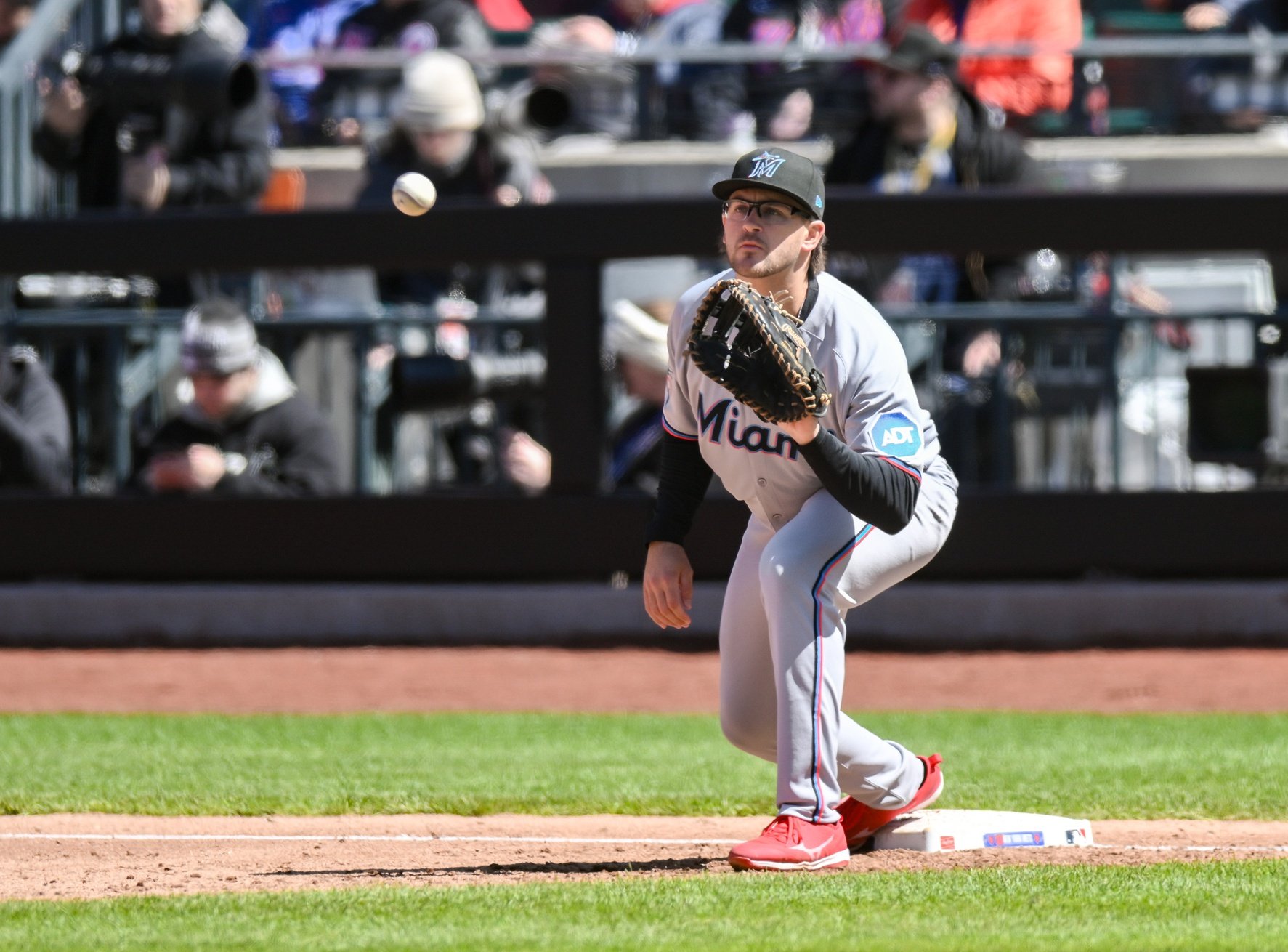 On Thursday, the Twins placed Matt Wallner on the injured list and used his newly opened roster spot to add Jonah Bride, acquired from the Marlins in exchange for cash after recently being designated for assignment. Then on Friday the team optioned Mickey Gasper to make room for top prospect Luke Keaschall, freshly called up from Triple-A. The sum result of these moves is that the Twins essentially substituted Gasper for Bride on their bench. In evaluating the two players against one another, we find some interesting similarities but also some divergences that might help explain why the front office wants to try its hand with a new bench option, just three weeks after naming Gasper to the Opening Day roster. In the latest Week in Review column on Sunday, I noted that Gasper's days on the roster could be numbered, with his performance offering little promise and his track record warranting little patience. His 2-for-18 start at the plate this year leaves him with a .056/.244/.056 slash line through 45 MLB plate appearances. He will head back to a Triple-A level that he's thoroughly dominated, hoping to pick up where he left off and maybe find another chance later in the season. Bride, like Gasper, has formed a reputation for monster production in Triple-A (.940 OPS) and he's done it in similar fashion: extreme patience and lots of contact with middling power. Their overall slash lines in the minors are pretty close to identical: .285/.401/.459 for Bride, .275/.392/.449 for Gasper. Understandably, it might be tough to sell anyone on the meaningfulness of gaudy minor-league numbers given what we just saw from the latter. Gasper was a perfect case study for why this prototype often fails to translate outstanding Triple-A production to the majors: if you're not a threat, the best pitchers in the world aren't going walk you. There's a good chance Bride won't be much more productive than Gasper. His own performance through 45 plate appearances this year for the Marlins (four singles and five walks with 15 strikeouts in 45 plate appearances) doesn't inspire much confidence on that front. And I mean, he did get cut by the Miami Marlins. But Bride has significant MLB experience (610 PAs) and has at least shown some ability to hit there, posting a 120 OPS+ with 11 homers in 71 games last year. More importantly, the Twins aren't making this swap for an offensive upgrade. Not primarily, at least. The hope is that Keaschall can jolt the lineup as a regular. Adding Bride is for functional utility. Gasper offered very little of that, as someone who the Twins would rather not play at first base and can no longer justify even trying at second. The attrition striking the Minnesota roster, between players who are on the IL and those who are banged up but still active, necessitates a more practical bench option. Bride can handle all non-shortstop infield positions and, hey, you know what, he's even donned the catching gear a few times. Ultimately, the Twins’ decision to pivot from Gasper to Bride is less about upside and more about usefulness. In a season already defined by injuries and instability, the team can’t afford a bench bat who doesn’t bring defensive versatility or a remotely dependable offensive profile. Gasper, who might have made an impact given more opportunity, became a luxury the roster couldn’t carry. That leaves him in a precarious spot. While he'll return to Triple-A where he’s thrived, the same limitations that made him expendable in the short term also put his long-term standing on the 40-man roster in question. As injuries pile up and new needs arise, that valuable spot could soon be needed elsewhere. Gasper still has a chance to rewrite his story, but the clock is ticking — and the margin for error is gone.
 -
The two players were not technically swapped for another, but the former Marlins infielder is being brought on to offer more utility in a backup role than Gasper was able to provide. Image courtesy of John Jones-Imagn Images On Thursday, the Twins placed Matt Wallner on the injured list and used his newly opened roster spot to add Jonah Bride, acquired from the Marlins in exchange for cash after recently being designated for assignment. Then on Friday the team optioned Mickey Gasper to make room for top prospect Luke Keaschall, freshly called up from Triple-A. The sum result of these moves is that the Twins essentially substituted Gasper for Bride on their bench. In evaluating the two players against one another, we find some interesting similarities but also some divergences that might help explain why the front office wants to try its hand with a new bench option, just three weeks after naming Gasper to the Opening Day roster. In the latest Week in Review column on Sunday, I noted that Gasper's days on the roster could be numbered, with his performance offering little promise and his track record warranting little patience. His 2-for-18 start at the plate this year leaves him with a .056/.244/.056 slash line through 45 MLB plate appearances. He will head back to a Triple-A level that he's thoroughly dominated, hoping to pick up where he left off and maybe find another chance later in the season. Bride, like Gasper, has formed a reputation for monster production in Triple-A (.940 OPS) and he's done it in similar fashion: extreme patience and lots of contact with middling power. Their overall slash lines in the minors are pretty close to identical: .285/.401/.459 for Bride, .275/.392/.449 for Gasper. Understandably, it might be tough to sell anyone on the meaningfulness of gaudy minor-league numbers given what we just saw from the latter. Gasper was a perfect case study for why this prototype often fails to translate outstanding Triple-A production to the majors: if you're not a threat, the best pitchers in the world aren't going walk you. There's a good chance Bride won't be much more productive than Gasper. His own performance through 45 plate appearances this year for the Marlins (four singles and five walks with 15 strikeouts in 45 plate appearances) doesn't inspire much confidence on that front. And I mean, he did get cut by the Miami Marlins. But Bride has significant MLB experience (610 PAs) and has at least shown some ability to hit there, posting a 120 OPS+ with 11 homers in 71 games last year. More importantly, the Twins aren't making this swap for an offensive upgrade. Not primarily, at least. The hope is that Keaschall can jolt the lineup as a regular. Adding Bride is for functional utility. Gasper offered very little of that, as someone who the Twins would rather not play at first base and can no longer justify even trying at second. The attrition striking the Minnesota roster, between players who are on the IL and those who are banged up but still active, necessitates a more practical bench option. Bride can handle all non-shortstop infield positions and, hey, you know what, he's even donned the catching gear a few times. Ultimately, the Twins’ decision to pivot from Gasper to Bride is less about upside and more about usefulness. In a season already defined by injuries and instability, the team can’t afford a bench bat who doesn’t bring defensive versatility or a remotely dependable offensive profile. Gasper, who might have made an impact given more opportunity, became a luxury the roster couldn’t carry. That leaves him in a precarious spot. While he'll return to Triple-A where he’s thrived, the same limitations that made him expendable in the short term also put his long-term standing on the 40-man roster in question. As injuries pile up and new needs arise, that valuable spot could soon be needed elsewhere. Gasper still has a chance to rewrite his story, but the clock is ticking — and the margin for error is gone. View full article
-
This was fun, thanks William! Tiffee gives me a lot of nostalgia for those mid-aughts teams that really cemented my fanhood. His debut was unforgettable!
-
We haven’t seen the offensively dominant version of Ryan Jeffers since early last season. But with some quietly resurgent trends under the hood, there’s growing reason to believe he’s on the brink of another breakout — one that the Twins desperately need. Image courtesy of Jesse Johnson-Imagn Images Early last year, Ryan Jeffers was looking like one of baseball’s most dangerous offensive catchers. By May 14th, he owned a .997 OPS with 10 home runs and had carved out a regular spot in the top third of Minnesota’s lineup. From the start of 2023 through that date, his .383 wOBA led all MLB catchers, and he was staking a legitimate claim as the league’s top-hitting backstop. But the bat went cold. Over the final four months, Jeffers slashed just .198/.269/.347. In September, as the Twins lineup collectively gasped for air, he posted a .463 OPS. It was a brutal downturn, and a significant factor in the team’s offensive fade down the stretch. Returning Jeffers to his top form remains one of the most direct paths to igniting this sputtering 2025 offense. Early returns didn’t inspire much confidence. Through 10 games this season, Jeffers was slashing a meek .200/.263/.229 with no homers. But his three-hit game on Wednesday — featuring two doubles — might be more than just a blip. There are strong indications that something is starting to click. Yes, his raw numbers still look modest: .244/.326/.317 through 12 games. But look deeper, and the signs are promising. Jeffers’s average exit velocity has bounced back from a concerning dip in 2023, rising from 86.9 MPH in the early going back to a healthy 90.0 MPH. His expected wOBA? A robust .407, good for the 90th percentile among major leaguers. A year ago he finished at .304, in the 35th percentile. The contact is not just better; it’s elite. What’s even more encouraging is how he’s hitting the ball. Jeffers is pulling the ball in the air at a career-high rate (23.3%), and that matters. All 21 of his home runs last season came on pulled fly balls, the product of a focused, aggressive approach that taps into his raw power. This is not accidental success — it’s process-driven, and the results are starting to show. For a Twins offense still searching for identity and consistency, Jeffers finding his swing again could be a game-changer. Christian Vázquez is offering next to nothing with the bat, and is now hurt; the lineup has largely failed to produce timely hits. A return to form for Jeffers wouldn’t just be a luxury — it could be a lifeline. There’s no guarantee the breakout sticks. But if Jeffers keeps lifting and yanking the ball with authority, it’s only a matter of time before the power surge follows. And for a team that’s already dug itself into an early-season hole and is getting struck with unfortunate health issues, his resurgence could be one of the few levers left to pull. View full article
-
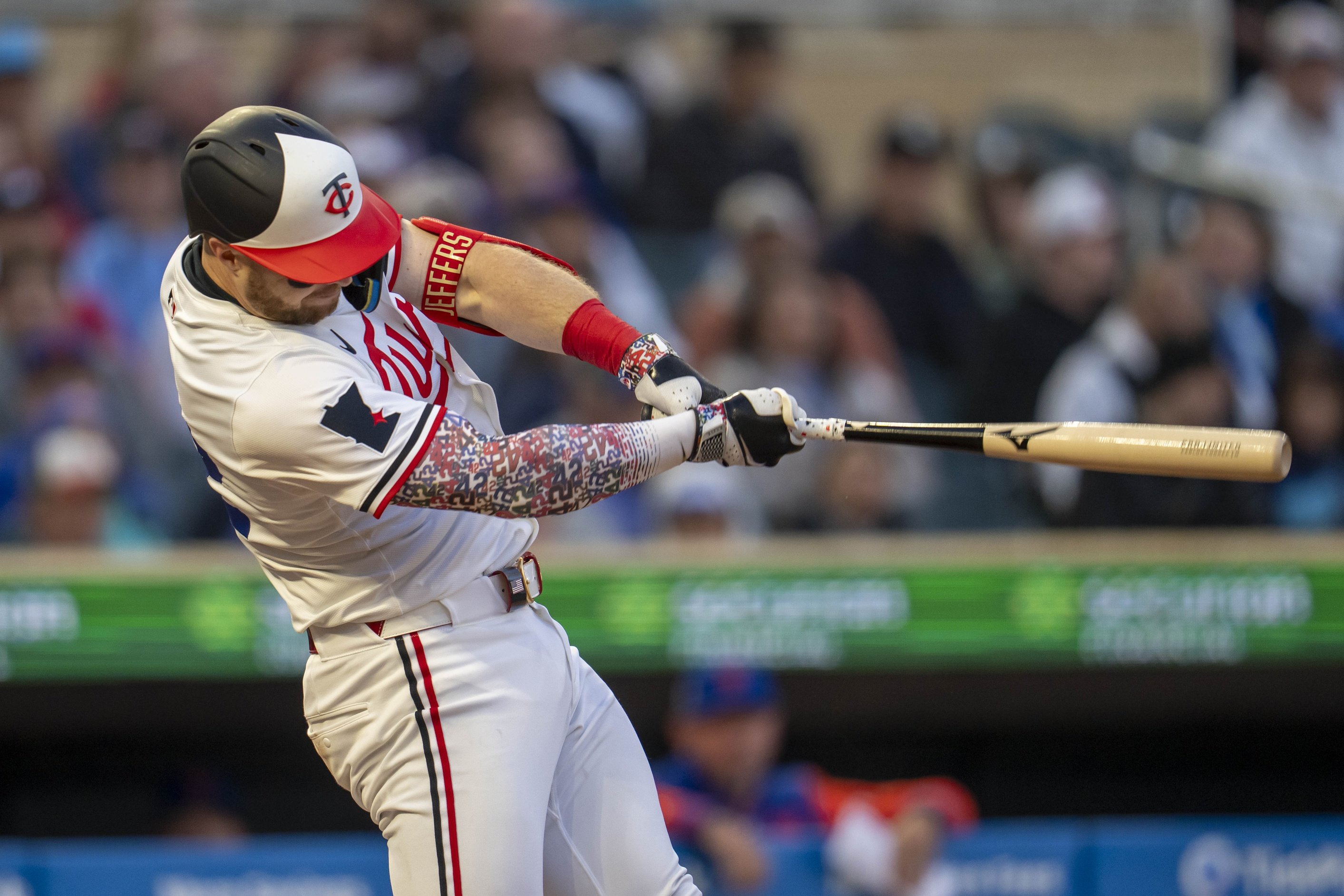 Early last year, Ryan Jeffers was looking like one of baseball’s most dangerous offensive catchers. By May 14th, he owned a .997 OPS with 10 home runs and had carved out a regular spot in the top third of Minnesota’s lineup. From the start of 2023 through that date, his .383 wOBA led all MLB catchers, and he was staking a legitimate claim as the league’s top-hitting backstop. But the bat went cold. Over the final four months, Jeffers slashed just .198/.269/.347. In September, as the Twins lineup collectively gasped for air, he posted a .463 OPS. It was a brutal downturn, and a significant factor in the team’s offensive fade down the stretch. Returning Jeffers to his top form remains one of the most direct paths to igniting this sputtering 2025 offense. Early returns didn’t inspire much confidence. Through 10 games this season, Jeffers was slashing a meek .200/.263/.229 with no homers. But his three-hit game on Wednesday — featuring two doubles — might be more than just a blip. There are strong indications that something is starting to click. Yes, his raw numbers still look modest: .244/.326/.317 through 12 games. But look deeper, and the signs are promising. Jeffers’s average exit velocity has bounced back from a concerning dip in 2023, rising from 86.9 MPH in the early going back to a healthy 90.0 MPH. His expected wOBA? A robust .407, good for the 90th percentile among major leaguers. A year ago he finished at .304, in the 35th percentile. The contact is not just better; it’s elite. What’s even more encouraging is how he’s hitting the ball. Jeffers is pulling the ball in the air at a career-high rate (23.3%), and that matters. All 21 of his home runs last season came on pulled fly balls, the product of a focused, aggressive approach that taps into his raw power. This is not accidental success — it’s process-driven, and the results are starting to show. For a Twins offense still searching for identity and consistency, Jeffers finding his swing again could be a game-changer. Christian Vázquez is offering next to nothing with the bat, and is now hurt; the lineup has largely failed to produce timely hits. A return to form for Jeffers wouldn’t just be a luxury — it could be a lifeline. There’s no guarantee the breakout sticks. But if Jeffers keeps lifting and yanking the ball with authority, it’s only a matter of time before the power surge follows. And for a team that’s already dug itself into an early-season hole and is getting struck with unfortunate health issues, his resurgence could be one of the few levers left to pull.
 -
 MINNEAPOLIS — April 15, 2025 In a move that sent shockwaves through the upper Midwest's dwindling sportswriting community, satire has officially been pronounced dead, a casualty of the 2025 Minnesota Twins season – a campaign so comically mismanaged, so breathtakingly blunder-filled, that even the most twisted satirists have thrown in the towel. “This was supposed to be the year,” sighed veteran columnist Randballs Stu, crumpling up yet another half-written Onion-style piece titled ‘Twins Launch New Pitching Metric: OBA (Overthrows By Attempt).' “I had a whole folder of headlines ready coming out of spring training: ‘Twins Set Record for Least Tangible Vibes’ and ‘Rocco Baldelli Receives Second MBA to Manage Bullpen More Efficiently.’ Now it’s all worthless. You can’t parody a team that’s already doing the bits unironically.” Growing up as the son of Mardbo and Chenhucks Stu in suburban St. Cloud, MN, Randballs always aspired to become a satire writer, attributing his early fascination to reading endless issues of MAD Magazine. His rise to become one of Twins Daily's most successful and popular contributors was an underdog story of triumph, but sadly, the news of satire's untimely demise left him with no role at the website. On life support since last August, the decision to officially declare satire dead came in the wake of Monday night’s 5-1 loss against the Mets, when two more Twins pitchers committed errors on throws to first, Willi Castro weirdly lobbed a relay throw to an unmanned second base, and, as if to underscore the farce, Joe Pohlad was seen in a hot dog suit atop the dugout shouting, “We’re all looking for the guy who did this.” “I watched that game and just said out loud, ‘Oh. It’s over,’” said Lou Hennessy, former host of the Twins Off Daily Podcast, which was once a sharp, irreverent counterpoint to traditional coverage. “When every day is an off day, my job becomes irrelevant.” Hennessy isn’t alone. Across the upper Midwest, writers, bloggers, and meme-makers have been left adrift. The last active satire Slack channel dedicated to Twins tomfoolery has gone quiet, save for a single unread message: “What if Emilio Pagán came back as a performance art piece?” It received no reactions. Team officials met news of satire’s demise with a certain quiet acceptance. One front office source, speaking on condition of anonymity, admitted, “It’s been a lot calmer around here lately. Fewer weird headlines to explain to the guys up top.” When pressed further, they added, “We’re not celebrating. But we’re… at peace.” Back at Twins Daily, the obituary for satire was kept short and direct: “It died as it lived: reaching for a punchline and missing wildly.”
 -
You may have noticed that there was no lighthearted Randballs Stu column published this past Friday morning. Sadly, this is no random happenstance. His role at Twins Daily has been terminated after satire was declared dead in light of the tragic comedy that is the 2025 Minnesota Twins. Image courtesy of Mayron Oliveira, Unsplash MINNEAPOLIS — April 15, 2025 In a move that sent shockwaves through the upper Midwest's dwindling sportswriting community, satire has officially been pronounced dead, a casualty of the 2025 Minnesota Twins season – a campaign so comically mismanaged, so breathtakingly blunder-filled, that even the most twisted satirists have thrown in the towel. “This was supposed to be the year,” sighed veteran columnist Randballs Stu, crumpling up yet another half-written Onion-style piece titled ‘Twins Launch New Pitching Metric: OBA (Overthrows By Attempt).' “I had a whole folder of headlines ready coming out of spring training: ‘Twins Set Record for Least Tangible Vibes’ and ‘Rocco Baldelli Receives Second MBA to Manage Bullpen More Efficiently.’ Now it’s all worthless. You can’t parody a team that’s already doing the bits unironically.” Growing up as the son of Mardbo and Chenhucks Stu in suburban St. Cloud, MN, Randballs always aspired to become a satire writer, attributing his early fascination to reading endless issues of MAD Magazine. His rise to become one of Twins Daily's most successful and popular contributors was an underdog story of triumph, but sadly, the news of satire's untimely demise left him with no role at the website. On life support since last August, the decision to officially declare satire dead came in the wake of Monday night’s 5-1 loss against the Mets, when two more Twins pitchers committed errors on throws to first, Willi Castro weirdly lobbed a relay throw to an unmanned second base, and, as if to underscore the farce, Joe Pohlad was seen in a hot dog suit atop the dugout shouting, “We’re all looking for the guy who did this.” “I watched that game and just said out loud, ‘Oh. It’s over,’” said Lou Hennessy, former host of the Twins Off Daily Podcast, which was once a sharp, irreverent counterpoint to traditional coverage. “When every day is an off day, my job becomes irrelevant.” Hennessy isn’t alone. Across the upper Midwest, writers, bloggers, and meme-makers have been left adrift. The last active satire Slack channel dedicated to Twins tomfoolery has gone quiet, save for a single unread message: “What if Emilio Pagán came back as a performance art piece?” It received no reactions. Team officials met news of satire’s demise with a certain quiet acceptance. One front office source, speaking on condition of anonymity, admitted, “It’s been a lot calmer around here lately. Fewer weird headlines to explain to the guys up top.” When pressed further, they added, “We’re not celebrating. But we’re… at peace.” Back at Twins Daily, the obituary for satire was kept short and direct: “It died as it lived: reaching for a punchline and missing wildly.” View full article
-
Week in Review: Cold Bats, Hot Mess
Nick Nelson replied to Nick Nelson's topic in Twins Daily Front Page News
Bat speed is normal but that's about it. He just seems to be on top of everything. I just tweeted this but will share it here too: Carlos Correa launch angle by season 2021: 12.1 2022: 11.6 2023: 10.6 2024: 8.9 2025: 6.2 He ranks 13 out of 177 MLB hitters in GB% — bad news for a guy who cannot run — and the scary part is it seems like he's been trending this direction for a half-decade.- 17 replies
-
- 1
-
-
- carlos correa
- byron buxton
- (and 3 more)
-
Last Sunday's implosion gave way to another lousy run of baseball that deepened Minnesota's early hole and prompted a roster shakeup. But at least this week ended on happier note than the last. Image courtesy of Jordan Johnson-Imagn Images The Weekly Nutshell: It seemed as though the Minnesota Twins were emerging from their early-season lull when they won three of four following an embarrassing blowout in Chicago. They were on their way to moving within a game of .500 last Sunday before the bottom fell out, and that blown six-run lead set the stage for a 2-5 week featuring some of the most uninspired, sloppy, disgraceful baseball you will ever witness on a major-league field. At the end of last season, the Twins looked like a team that ran out of gas. Early this season, they look like one that had no juice to begin with. Despite all the proclamations of lessons learned from the collapse, and a restorative offseason that had everyone raving about the team's clean bill of health in spring camp, Minnesota generally looks even more lethargic. On the bright side, the Twins did punctuate their week with a win after dropping six of the previous seven. Will it be the start of a true turnaround or just another blip on the radar? We shall see, but for now, let's dive in and dissect the past seven days. Weekly Snapshot: Mon, 4/7 through Sun, 4/13 *** Record Last Week: 2-5 (Overall: 5-11) Run Differential Last Week: -1 (Overall: -13) Standing: 4th Place in AL Central (4.5 GB) Last Week's Game Results: Game 10 | KC 4, MIN 2: Offense Comes Out Flat in Kansas City Correa, Buxton, Larnach: 0-12 Game 11 | KC 2, MIN 1: López Exits with Injury, Defense Implodes Buxton, Miranda: 0-7, 7 Ks Game 12 | MIN 4, KC 0: Ryan Continues Mastery Over Royals Ryan: 7 IP, 0 ER Game 13 | KC 3, MIN 2: Lackluster Twins Drop Another Game, Series Offense: 1-9 RISP Game 14 | DET 7, MIN 6: Alcalá Unravels Again as 3-Run Lead Evaporates Alcalá: 0.0 IP, 4 ER, 2 H, 2 BB Game 15 | DET 4, MIN 0: Another Lineup No-Show Equates to Another Loss Offense: 4 H, 1 BB Game 16 | MIN 5, DET 1: Pitchers Take Over as Twins Salvage Series Finale Woods Richardson, bullpen: 9 IP, 1 ER, 5 H, 1 BB, 12 K IF YOU'D RATHER LISTEN TO THE WEEK IN REVIEW THAN READ IT, YOU CAN GET IT IN AUDIO FORM! FIND THE LATEST EPISODE ON OUR PODCAST PAGE, AS WELL AS ON APPLE AND SPOTIFY. SUBSCRIBE TO OUR CHANNELS SO YOU DON'T MISS OUT! NEWS & NOTES Good breaks have been hard to come by for the Twins early in this season, and they caught another bad one on Tuesday night when Pablo López was forced out of his start against the Royals in the fifth inning due to hamstring tightness. He had been dealing in the game. López was placed on the injured list with the diagnosis of a Grade 1 strain, which is on the mild side. The team is hopeful that the right-hander will spend the minimum 15 days on the IL, only missing a couple of starts. López's injury seemingly opened the door for Zebby Matthews to step into the rotation, and it might yet, but David Festa was first to get the call, making his season debut on Friday night in impressive fashion with 4 ⅔ scoreless innings. Rocco Baldelli indicated that Festa will stick around and start again on Wednesday. Matthews could potentially find his way into a big-league start next weekend, but for now Festa looks to be one of the team's top five with Pablo sidelined. The continuing trend of short starts from the rotation – partially as a byproduct of Baldelli's decision-making – has forced Minnesota to cycle through arms at the back end of the bullpen, risking the loss of depth on waivers. The Twins were able to keep Darren McCaughan, who re-signed and returned to St. Paul after being DFA'ed. We'll see if they can do the same with Scott Blewett, designated on Saturday to make room for Kody Funderburk (who immediately announced his return to the bullpen by giving up a two-run homer). After Saturday's game, the Twins optioned struggling José Miranda to Triple-A, paving the way for Brooks Lee's activation from the injured list. Lee started at third base on Sunday and had a much better re-entry than Funderburk, delivering an RBI single in his first at-bat. Lee figures to become the primary starter at the hot corner for the foreseeable future. HIGHLIGHTS In the 12th game of the season, Joe Ryan finally delivered the rotation's first quality start against a non-White Sox opponent. He was brilliant in Kansas City on Wednesday night, stopping a three-game skid with seven innings of shutout ball. Ryan was effective and efficient, throwing 63 of 85 pitches for strikes. Through 17 innings he has yet to allow a walk. This was business as usual for Ryan when it comes to facing the Royals, against whom he is now 7-0 with a 1.30 ERA in nine career starts. In a season where almost nothing is going right, it's kind of funny that a rare exception happens to be one we (or at least I) least expected: Ty France has been great. Signed to a non-guaranteed $1 million at the end of the offseason after drawing little interest league-wide, the first baseman is looking much like vintage form in early action. He had a monster week: 11-for-25, two homers, two doubles, two walks and zero strikeouts. If this is for real, that's huge. Finally I've got to give a shout to my guy Byron Buxton. He was well on his way to the Lowlights section this week, going 0-for-8 with five strikeouts in the first two games at Kauffman, including a golden sombrero on Tuesday night. In retrospect, you have to wonder if he was a bit distracted. Buxton left the team on Wednesday's and Thursday to attend his cousin's funeral in Georgia, as Phil Miller reported in the Star Tribune. The center field returned for the weekend home series against Detroit and looked like a different man, notching five hits including a pair of homers and also swiping his third base. Buck continues to look healthy and leads the majors in sprint speed. LOWLIGHTS The start to this season has really been a complete debacle of untold magnitude. If you've followed the Twins for as long as I have you've seen some bad years and ugly stretches, but nothing can quite compare to the steady drumbeat of inept, mistake-filled, scared-of-the-moment play that has been put forth through these first 16 games. There have been no convincing signs of relief or turnaround, although they at least managed to snap another three-game losing streak at week's end. Day after day this looks like a team with no will or ability to overcome their opponents, no resilience in the face of adversity. Beyond the lackluster plate appearances and pitching performances, it is the endless lapses in judgment and execution that are most baffling. Defensive plays were missed constantly in a week where the Twins committed eight errors, including Griffin Jax's game-deciding overthrow Tuesday on a routine grounder to the mound that put Bobby Witt Jr. on third base as the eventual winning run. Twins hitters ran into outs repeatedly, erasing baserunners that their languishing offense could not afford to lose. Most egregious was on Saturday when José Miranda slid toward second base safely after Detroit's infielder missed the bag on a double-play turn, but failed to notice the umpire's call, and got tagged out while walking back to his dugout. A demotion to Triple-A quickly followed. In terms of individual laggards, it's a bit tough to single anyone out since almost everyone across the roster is floundering, but here are a few strikingly poor performances from last week that are worth a deeper look: Carlos Correa can't get going. Even in a week where he finally showed a bit of pop with four doubles, he still posted a .217 average and sits at .164 for the season. With each successive unproductive game, it gets harder to chalk this up to bad luck or a common cold spell. His plate approach is decent and he's making plenty of contact but it's generally been into the ground. He tapped into two more double plays in Kansas City, putting him at five already through a couple of weeks. That's a 50-GIDP full-season pace. In 2023, Correa led baseball with 30 GIDP. It feels unnecessary to pile on Miranda given that he's been banished to the minors, but we do need to acknowledge the brutal series of events that precipitated his demotion. At the plate he stayed cold last week, producing two singles in 11 at-bats. He struck out four times with no walks, pushing his overall ratio to 13-to-zero. He committed an ugly error at third base in Kansas City. And then Saturday's baserunning blunder became the final straw. Miranda hasn't looked like a big-league caliber player since the first half of last year, but at that point he was playing like a man on fire. We know it's in there. Hopefully he can recapture it with help from this reset. One of the hallmarks of this prolonged stretch of futility for the Twins has been the Jorge Alcalá sudden meltdown. He infamously set off the landslide last August by giving up five earned runs in two-thirds of an inning in Texas, zapping away a four-run lead. Friday night's series opener against Detroit carried a similar tune, as Alcalá entered with a 4-1 lead and proceeded to allow four straight baserunners, all of whom came around to score as another lead vanished, five days after Minnesota's bullpen frittered away a six-run advantage at Target Field. Just great shows for the home fans. The much-hyped Twins bullpen has been good in some respects, but woefully bad at coming through when it matters most. TRENDING STORYLINE Miranda's spiraling performance left the Twins with little choice but to make a move. Mickey Gasper might be well on his way to the same fate. The 29-year-old rookie underdog made the team this spring based on the hope he could contribute offensively after raking in Triple-A. But he looks overmatched and incapable at the plate; in 21 plate appearances he has managed two singles, both grounders that bled through the infield. He's now 2-for-35 with zero extra-base hits as a big-leaguer. The other problem is that he appears unusable defensively, which kinda matches the rep. The Twins curiously decided to start Gasper at second base on Tuesday night, with Edouard Julien at designated hitter. It took less than four innings for Gasper to commit a grievous error on a routine grounder in an eventual one-run loss. In fairness to him, he has made only 20 total starts at the position over six pro seasons. I don't think we'll see him there again for the Twins, barring an emergency. Gasper should be an option only at first base or DH, and for such a role, you want someone who is less of a long-shot to produce at all offensively. Those players can be found, even in mid-April and with sparse resources available. On the internal front, it will probably be some time yet before Minnesota is ready to turn to a prospect like Luke Keaschall or Jeferson Morales, though these names are worth keeping an eye on. Another is Saints teammate Armando Alvarez, signed to a minor-league deal during the offseason following a big Triple-A campaign in the A's system (.967 OPS in 75 games in 2024). Alvarez, 30, has been playing third base regularly with St. Paul, but has experience at second, first and the outfield corners. He is off to a slow start at the plate this year, with an OPS south of .550, so there's a decent chance he won't hit much more than Gasper. But at least he can be functional defensively as the Twins bide their time and await the return of Royce Lewis – still likely weeks away. LOOKING AHEAD Can the Twins channel their spark of momentum from Sunday's victory into a stabilizing stretch of winning baseball? They'll have their work cut out for them in a week that features showdowns with two formidable interleague opponents. The Mets and Braves were both among the top-five World Series favorites entering this season. New York has played like it, whereas Atlanta is off to an oddly Twins-esque start with a 4-11 record through 15 games. Perhaps we can take that as a bit of comfort in context. MONDAY, APRIL 14: METS @ TWINS — RHP Clay Holmes v. RHP Joe Ryan TUESDAY, APRIL 15: METS @ TWINS — RHP Tylor Megill v. RHP Bailey Ober WEDNESDAY, APRIL 16: METS @ TWINS — RHP Griffin Canning v. RHP David Festa FRIDAY, APRIL 18: TWINS @ BRAVES — RHP Chris Paddack v. TBD SATURDAY, APRIL 19: TWINS @ BRAVES — RHP Simeon Woods Richardson v. LHP Chris Sale SUNDAY, APRIL 20: TWINS @ BRAVES — RHP Joe Ryan v. RHP Grant Holmes View full article
-
 The Weekly Nutshell: It seemed as though the Minnesota Twins were emerging from their early-season lull when they won three of four following an embarrassing blowout in Chicago. They were on their way to moving within a game of .500 last Sunday before the bottom fell out, and that blown six-run lead set the stage for a 2-5 week featuring some of the most uninspired, sloppy, disgraceful baseball you will ever witness on a major-league field. At the end of last season, the Twins looked like a team that ran out of gas. Early this season, they look like one that had no juice to begin with. Despite all the proclamations of lessons learned from the collapse, and a restorative offseason that had everyone raving about the team's clean bill of health in spring camp, Minnesota generally looks even more lethargic. On the bright side, the Twins did punctuate their week with a win after dropping six of the previous seven. Will it be the start of a true turnaround or just another blip on the radar? We shall see, but for now, let's dive in and dissect the past seven days. Weekly Snapshot: Mon, 4/7 through Sun, 4/13 *** Record Last Week: 2-5 (Overall: 5-11) Run Differential Last Week: -1 (Overall: -13) Standing: 4th Place in AL Central (4.5 GB) Last Week's Game Results: Game 10 | KC 4, MIN 2: Offense Comes Out Flat in Kansas City Correa, Buxton, Larnach: 0-12 Game 11 | KC 2, MIN 1: López Exits with Injury, Defense Implodes Buxton, Miranda: 0-7, 7 Ks Game 12 | MIN 4, KC 0: Ryan Continues Mastery Over Royals Ryan: 7 IP, 0 ER Game 13 | KC 3, MIN 2: Lackluster Twins Drop Another Game, Series Offense: 1-9 RISP Game 14 | DET 7, MIN 6: Alcalá Unravels Again as 3-Run Lead Evaporates Alcalá: 0.0 IP, 4 ER, 2 H, 2 BB Game 15 | DET 4, MIN 0: Another Lineup No-Show Equates to Another Loss Offense: 4 H, 1 BB Game 16 | MIN 5, DET 1: Pitchers Take Over as Twins Salvage Series Finale Woods Richardson, bullpen: 9 IP, 1 ER, 5 H, 1 BB, 12 K IF YOU'D RATHER LISTEN TO THE WEEK IN REVIEW THAN READ IT, YOU CAN GET IT IN AUDIO FORM! FIND THE LATEST EPISODE ON OUR PODCAST PAGE, AS WELL AS ON APPLE AND SPOTIFY. SUBSCRIBE TO OUR CHANNELS SO YOU DON'T MISS OUT! NEWS & NOTES Good breaks have been hard to come by for the Twins early in this season, and they caught another bad one on Tuesday night when Pablo López was forced out of his start against the Royals in the fifth inning due to hamstring tightness. He had been dealing in the game. López was placed on the injured list with the diagnosis of a Grade 1 strain, which is on the mild side. The team is hopeful that the right-hander will spend the minimum 15 days on the IL, only missing a couple of starts. López's injury seemingly opened the door for Zebby Matthews to step into the rotation, and it might yet, but David Festa was first to get the call, making his season debut on Friday night in impressive fashion with 4 ⅔ scoreless innings. Rocco Baldelli indicated that Festa will stick around and start again on Wednesday. Matthews could potentially find his way into a big-league start next weekend, but for now Festa looks to be one of the team's top five with Pablo sidelined. The continuing trend of short starts from the rotation – partially as a byproduct of Baldelli's decision-making – has forced Minnesota to cycle through arms at the back end of the bullpen, risking the loss of depth on waivers. The Twins were able to keep Darren McCaughan, who re-signed and returned to St. Paul after being DFA'ed. We'll see if they can do the same with Scott Blewett, designated on Saturday to make room for Kody Funderburk (who immediately announced his return to the bullpen by giving up a two-run homer). After Saturday's game, the Twins optioned struggling José Miranda to Triple-A, paving the way for Brooks Lee's activation from the injured list. Lee started at third base on Sunday and had a much better re-entry than Funderburk, delivering an RBI single in his first at-bat. Lee figures to become the primary starter at the hot corner for the foreseeable future. HIGHLIGHTS In the 12th game of the season, Joe Ryan finally delivered the rotation's first quality start against a non-White Sox opponent. He was brilliant in Kansas City on Wednesday night, stopping a three-game skid with seven innings of shutout ball. Ryan was effective and efficient, throwing 63 of 85 pitches for strikes. Through 17 innings he has yet to allow a walk. This was business as usual for Ryan when it comes to facing the Royals, against whom he is now 7-0 with a 1.30 ERA in nine career starts. In a season where almost nothing is going right, it's kind of funny that a rare exception happens to be one we (or at least I) least expected: Ty France has been great. Signed to a non-guaranteed $1 million at the end of the offseason after drawing little interest league-wide, the first baseman is looking much like vintage form in early action. He had a monster week: 11-for-25, two homers, two doubles, two walks and zero strikeouts. If this is for real, that's huge. Finally I've got to give a shout to my guy Byron Buxton. He was well on his way to the Lowlights section this week, going 0-for-8 with five strikeouts in the first two games at Kauffman, including a golden sombrero on Tuesday night. In retrospect, you have to wonder if he was a bit distracted. Buxton left the team on Wednesday's and Thursday to attend his cousin's funeral in Georgia, as Phil Miller reported in the Star Tribune. The center field returned for the weekend home series against Detroit and looked like a different man, notching five hits including a pair of homers and also swiping his third base. Buck continues to look healthy and leads the majors in sprint speed. LOWLIGHTS The start to this season has really been a complete debacle of untold magnitude. If you've followed the Twins for as long as I have you've seen some bad years and ugly stretches, but nothing can quite compare to the steady drumbeat of inept, mistake-filled, scared-of-the-moment play that has been put forth through these first 16 games. There have been no convincing signs of relief or turnaround, although they at least managed to snap another three-game losing streak at week's end. Day after day this looks like a team with no will or ability to overcome their opponents, no resilience in the face of adversity. Beyond the lackluster plate appearances and pitching performances, it is the endless lapses in judgment and execution that are most baffling. Defensive plays were missed constantly in a week where the Twins committed eight errors, including Griffin Jax's game-deciding overthrow Tuesday on a routine grounder to the mound that put Bobby Witt Jr. on third base as the eventual winning run. Twins hitters ran into outs repeatedly, erasing baserunners that their languishing offense could not afford to lose. Most egregious was on Saturday when José Miranda slid toward second base safely after Detroit's infielder missed the bag on a double-play turn, but failed to notice the umpire's call, and got tagged out while walking back to his dugout. A demotion to Triple-A quickly followed. In terms of individual laggards, it's a bit tough to single anyone out since almost everyone across the roster is floundering, but here are a few strikingly poor performances from last week that are worth a deeper look: Carlos Correa can't get going. Even in a week where he finally showed a bit of pop with four doubles, he still posted a .217 average and sits at .164 for the season. With each successive unproductive game, it gets harder to chalk this up to bad luck or a common cold spell. His plate approach is decent and he's making plenty of contact but it's generally been into the ground. He tapped into two more double plays in Kansas City, putting him at five already through a couple of weeks. That's a 50-GIDP full-season pace. In 2023, Correa led baseball with 30 GIDP. It feels unnecessary to pile on Miranda given that he's been banished to the minors, but we do need to acknowledge the brutal series of events that precipitated his demotion. At the plate he stayed cold last week, producing two singles in 11 at-bats. He struck out four times with no walks, pushing his overall ratio to 13-to-zero. He committed an ugly error at third base in Kansas City. And then Saturday's baserunning blunder became the final straw. Miranda hasn't looked like a big-league caliber player since the first half of last year, but at that point he was playing like a man on fire. We know it's in there. Hopefully he can recapture it with help from this reset. One of the hallmarks of this prolonged stretch of futility for the Twins has been the Jorge Alcalá sudden meltdown. He infamously set off the landslide last August by giving up five earned runs in two-thirds of an inning in Texas, zapping away a four-run lead. Friday night's series opener against Detroit carried a similar tune, as Alcalá entered with a 4-1 lead and proceeded to allow four straight baserunners, all of whom came around to score as another lead vanished, five days after Minnesota's bullpen frittered away a six-run advantage at Target Field. Just great shows for the home fans. The much-hyped Twins bullpen has been good in some respects, but woefully bad at coming through when it matters most. TRENDING STORYLINE Miranda's spiraling performance left the Twins with little choice but to make a move. Mickey Gasper might be well on his way to the same fate. The 29-year-old rookie underdog made the team this spring based on the hope he could contribute offensively after raking in Triple-A. But he looks overmatched and incapable at the plate; in 21 plate appearances he has managed two singles, both grounders that bled through the infield. He's now 2-for-35 with zero extra-base hits as a big-leaguer. The other problem is that he appears unusable defensively, which kinda matches the rep. The Twins curiously decided to start Gasper at second base on Tuesday night, with Edouard Julien at designated hitter. It took less than four innings for Gasper to commit a grievous error on a routine grounder in an eventual one-run loss. In fairness to him, he has made only 20 total starts at the position over six pro seasons. I don't think we'll see him there again for the Twins, barring an emergency. Gasper should be an option only at first base or DH, and for such a role, you want someone who is less of a long-shot to produce at all offensively. Those players can be found, even in mid-April and with sparse resources available. On the internal front, it will probably be some time yet before Minnesota is ready to turn to a prospect like Luke Keaschall or Jeferson Morales, though these names are worth keeping an eye on. Another is Saints teammate Armando Alvarez, signed to a minor-league deal during the offseason following a big Triple-A campaign in the A's system (.967 OPS in 75 games in 2024). Alvarez, 30, has been playing third base regularly with St. Paul, but has experience at second, first and the outfield corners. He is off to a slow start at the plate this year, with an OPS south of .550, so there's a decent chance he won't hit much more than Gasper. But at least he can be functional defensively as the Twins bide their time and await the return of Royce Lewis – still likely weeks away. LOOKING AHEAD Can the Twins channel their spark of momentum from Sunday's victory into a stabilizing stretch of winning baseball? They'll have their work cut out for them in a week that features showdowns with two formidable interleague opponents. The Mets and Braves were both among the top-five World Series favorites entering this season. New York has played like it, whereas Atlanta is off to an oddly Twins-esque start with a 4-11 record through 15 games. Perhaps we can take that as a bit of comfort in context. MONDAY, APRIL 14: METS @ TWINS — RHP Clay Holmes v. RHP Joe Ryan TUESDAY, APRIL 15: METS @ TWINS — RHP Tylor Megill v. RHP Bailey Ober WEDNESDAY, APRIL 16: METS @ TWINS — RHP Griffin Canning v. RHP David Festa FRIDAY, APRIL 18: TWINS @ BRAVES — RHP Chris Paddack v. TBD SATURDAY, APRIL 19: TWINS @ BRAVES — RHP Simeon Woods Richardson v. LHP Chris Sale SUNDAY, APRIL 20: TWINS @ BRAVES — RHP Joe Ryan v. RHP Grant Holmes
- 17 comments
-
- 3
-
-
- carlos correa
- byron buxton
- (and 3 more)
-
Minnesota Twins Demote Floundering José Miranda, Activate Brooks Lee
Nick Nelson posted an article in Twins
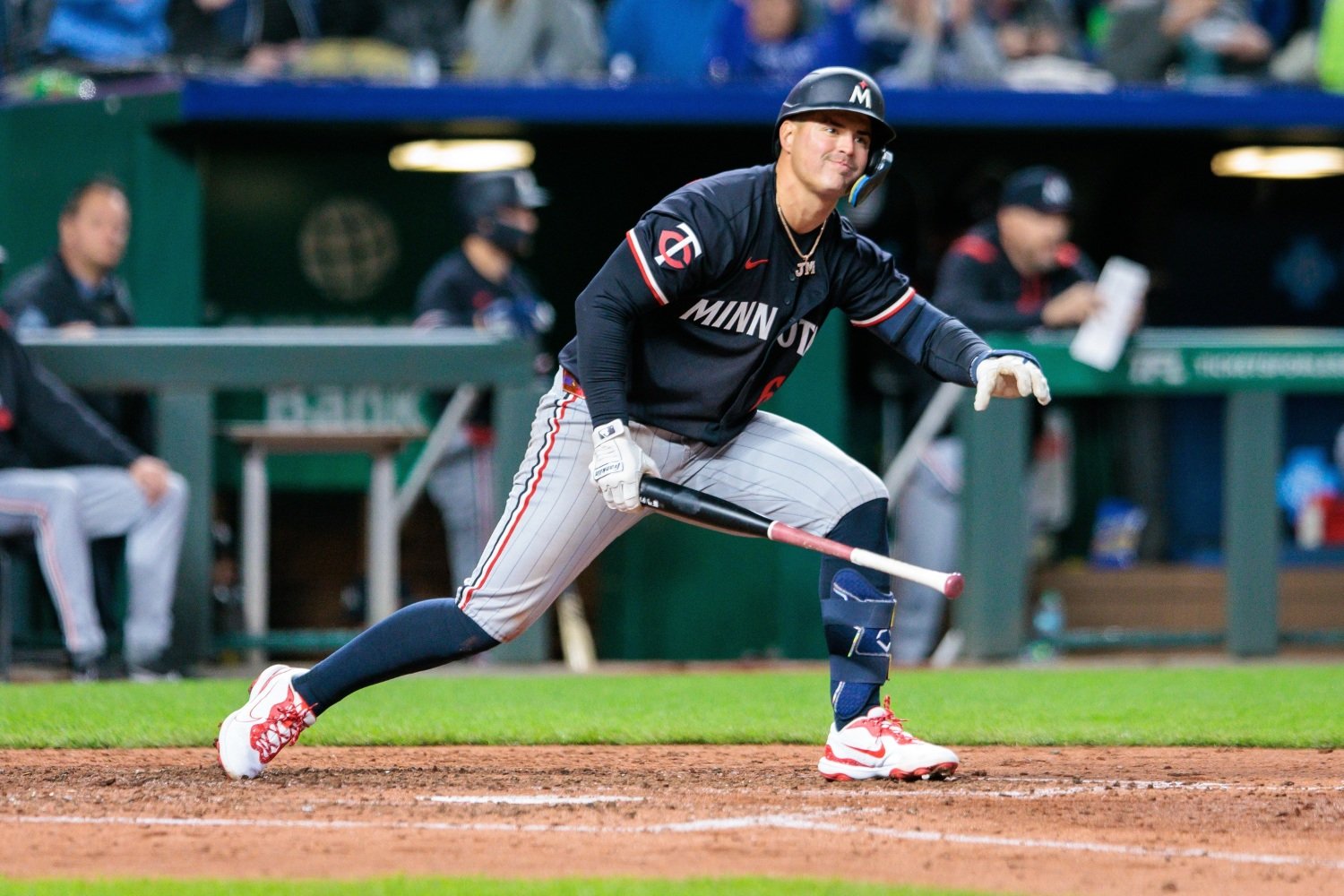 The Twins wasted no time after Saturday's loss to the Tigers. Within two hours of the final pitch, José Miranda's name had popped up on the team's transaction log: optioned to St. Paul Saints. Shortly after, Aaron Gleeman of The Athletic reported the fairly obvious corresponding move – Brooks Lee is being activated from the injured list, and will rejoin the Twins for Sunday's series finale. The timing of this move is odd on the surface. Even if the front office was planning to swap out Miranda for Lee, it would've been much cleaner to do so after Sunday's game, once the Twins and Saints had both completed their respective series. That's how these things tend to go. Furthermore, Lee was still only four games into a rehab stint that many expected to run longer, given that his spring training was cut short. Evidently, the Twins decided they could wait no longer to make a move on Miranda. And that's hard to argue with. It's been a trying start to the season for the 26-year-old following a second-half fall off in 2024. He's had one big swing of the bat this season, running into a Spencer Arrighetti pitch for a three-run homer against Houston last Saturday, but is otherwise 5-for-35 (.143) with no extra base hits, no walks and 13 strikeouts. In the field he's been a mess, often struggling to make fairly routine plays at third, which isn't exactly out of character. The April agony reached a crescendo on Saturday, after Miranda pinch-hit for Edouard Julien to lead off the eighth inning and managed a rare single. Harrison Bader lined out to right, and then Christian Vázquez tapped a chopper to the first baseman, who fired to second to erase Miranda as the lead runner. Except Tigers second baseman Colt Keith, who – due to positioning – had to make a weird play covering second from from the right side on a ball coming from first, was unable to find his footing at the bag and never stepped on it. Miranda was called safe, but failed to notice, as he slid half-heartedly toward the base, never actually touched it, and turned (TOWARD the umpire making a very clear safe call, mind you) to start walking toward the dugout. Keith quickly noticed and tagged Miranda out. Miranda's mental lapse on Saturday felt less like a fluke and more like the culmination of all we've seen so far from him. The Twins' decision to option him immediately, even with Lee's rehab still in progress, speaks volumes. A reset in St. Paul could be what Miranda needs to regain confidence, clear his head, and start building back toward the reliable contributor the Twins still hope he can be. Meanwhile, there will be an inordinate amount of pressure, fair or not, on the 24-year-old Lee to come in and give this team a spark. He struggled mightily at the plate last year, posting a .585 OPS, and has played just four games (three at Triple-A, one at Single-A), since March 20th. But we know what he's capable of at his best, and so there is some excitement in that. Hopefully this trip back to the minors can help Miranda on his path back to being back at his best, because we know what he's capable of too.
 -
José Miranda's unproductive and blunder-filled play has epitomized Minnesota's nightmarish start to the season. Saturday's costly mental gaffe became too much to bear for the team, leading to a roster move that brings Brooks Lee back into the fold faster than expected. Image courtesy of William Purnell-Imagn Images The Twins wasted no time after Saturday's loss to the Tigers. Within two hours of the final pitch, José Miranda's name had popped up on the team's transaction log: optioned to St. Paul Saints. Shortly after, Aaron Gleeman of The Athletic reported the fairly obvious corresponding move – Brooks Lee is being activated from the injured list, and will rejoin the Twins for Sunday's series finale. The timing of this move is odd on the surface. Even if the front office was planning to swap out Miranda for Lee, it would've been much cleaner to do so after Sunday's game, once the Twins and Saints had both completed their respective series. That's how these things tend to go. Furthermore, Lee was still only four games into a rehab stint that many expected to run longer, given that his spring training was cut short. Evidently, the Twins decided they could wait no longer to make a move on Miranda. And that's hard to argue with. It's been a trying start to the season for the 26-year-old following a second-half fall off in 2024. He's had one big swing of the bat this season, running into a Spencer Arrighetti pitch for a three-run homer against Houston last Saturday, but is otherwise 5-for-35 (.143) with no extra base hits, no walks and 13 strikeouts. In the field he's been a mess, often struggling to make fairly routine plays at third, which isn't exactly out of character. The April agony reached a crescendo on Saturday, after Miranda pinch-hit for Edouard Julien to lead off the eighth inning and managed a rare single. Harrison Bader lined out to right, and then Christian Vázquez tapped a chopper to the first baseman, who fired to second to erase Miranda as the lead runner. Except Tigers second baseman Colt Keith, who – due to positioning – had to make a weird play covering second from from the right side on a ball coming from first, was unable to find his footing at the bag and never stepped on it. Miranda was called safe, but failed to notice, as he slid half-heartedly toward the base, never actually touched it, and turned (TOWARD the umpire making a very clear safe call, mind you) to start walking toward the dugout. Keith quickly noticed and tagged Miranda out. Miranda's mental lapse on Saturday felt less like a fluke and more like the culmination of all we've seen so far from him. The Twins' decision to option him immediately, even with Lee's rehab still in progress, speaks volumes. A reset in St. Paul could be what Miranda needs to regain confidence, clear his head, and start building back toward the reliable contributor the Twins still hope he can be. Meanwhile, there will be an inordinate amount of pressure, fair or not, on the 24-year-old Lee to come in and give this team a spark. He struggled mightily at the plate last year, posting a .585 OPS, and has played just four games (three at Triple-A, one at Single-A), since March 20th. But we know what he's capable of at his best, and so there is some excitement in that. Hopefully this trip back to the minors can help Miranda on his path back to being back at his best, because we know what he's capable of too. View full article