



Cody Pirkl
-
Posts
1,314 -
Joined
-
Last visited
-
Days Won
4
Content Type
Profiles
News
Minnesota Twins Videos
2026 Minnesota Twins Top Prospects Ranking
2022 Minnesota Twins Draft Picks
Minnesota Twins Free Agent & Trade Rumors, Notes, & Tidbits
Guides & Resources
2023 Minnesota Twins Draft Picks
The Minnesota Twins Players Project
2024 Minnesota Twins Draft Picks
2025 Minnesota Twins Draft Pick Tracker
2026 Minnesota Twins Draft Tracker: Picks & Bonuses
Forums
Blogs
Events
Store
Downloads
Gallery
Everything posted by Cody Pirkl
-
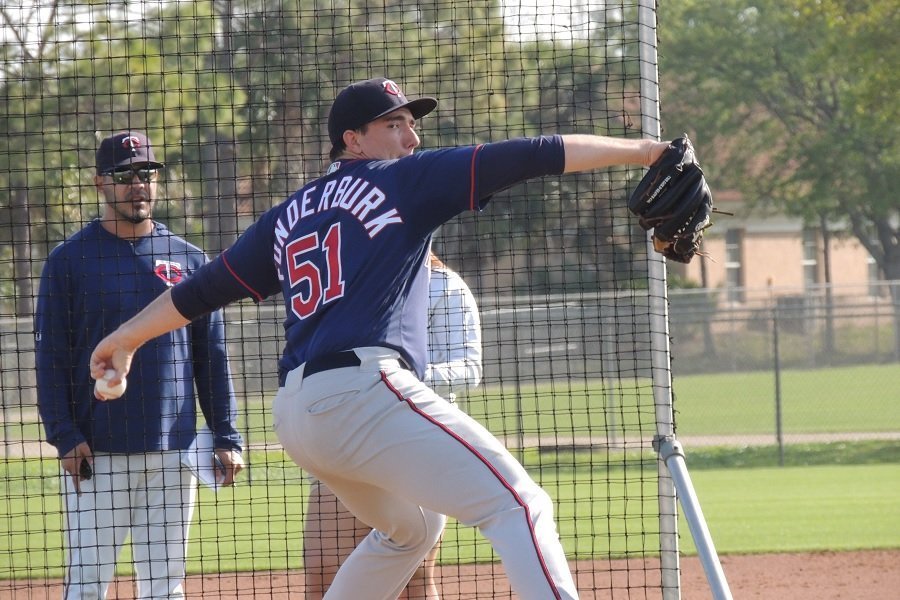 Through five outings and 5 1/3 innings, Kody Funderburk has a 1.69 ERA and has struck out one-third of the hitters he’s faced. The only blemish was a poorly-timed homer allowed against Cleveland. The Twins are surely hoping that they have an emerging piece of the current and future bullpen. So far so good. Funderburk was thrust into enough leverage in his MLB debut to pitch two innings en route to a win against Cleveland. Two days later, he entered in a huge spot and allowed a backbreaking three-run homer, though only one run was charged to him. On Wednesday, he came into a one-run game with two runners on and no outs and shut down Cleveland once more. Rocco Baldelli clearly trusts him, perhaps out of necessity. It’s an interesting development considering the front offices' refusal to call him up to the MLB roster until it was absolutely necessary, regardless of how well he pitched. At the deadline, the Twins declined to meaningfully upgrade the bullpen. Their lone acquisition Dylan Floro has been just as unreliable as the fringe MLB relievers they chose to roster all season such as Cole Sands and Josh Winder. Even Duran and Jax have struggled mightily in recent weeks. The front office waited until they had no choice but to call up Funderburk, who had been absolutely dominant in St. Paul all season. Based on Funderburk’s usage, it seems as though Baldelli had been waiting on those reinforcements for a long time. Can he continue with the success he’s shown in a small sample? The small sample of Funderburk’s pitch mix is interesting so far. His slider has been dominant, drawing whiffs nearly half of the time it’s thrown. It has a hilarious .008 xBA and .024 xSLG so far, a truly dominant pitch. On the polar opposite end, the four-seam has allowed a .345 xBA and .791 xSLG. It could be skewed by the one homer allowed in 31 pitches, but it’s something worth keeping an eye on. We’ve seen pitchers such as Josh Winder come up and have fastballs that get consistently crushed. Not being able to ever throw a fastball makes life hard as a pitcher. Unlike Winder, Funderburk has a backup plan. His sinker is oddly two ticks harder than the four-seam and has allowed a .131 xBA and .144 xSLG in addition to a 4-degree launch angle. Hopefully, the four-seam can come around to provide Funderburk with some whiffs, but if not, it appears he has the ability to make batters pound the ball into the ground and avoid major damage. Sinkers can sometimes be used to limit platoon splits as well. Funderburk looks like he could be more than a lefty specialist. His slider is effective regardless of the handedness of opposing hitters, and his two different fastballs give him the ability to adjust as he acclimates to the MLB level. At this point, the question is likely whether Funderburk has time to earn a postseason roster spot rather than whether he’ll stick around in the majors through the season. Kody Funderburk’s debut was long awaited, but it appears he’s ready to make an impact now that he’s up. With Caleb Thielbar as the only other lefty in the bullpen, Funderburk has the chance to help the Twins through September and hopefully even October. Not to mention being a potential piece in 2024. The wait was worth it.
- 12 comments
-
- 10
-

-

-
- kody funderburk
- josh winder
- (and 1 more)
-
Carlos Correa has had a massively disappointing year. While injury may play a big role in his struggles, the results are what they are, and they’re only getting worse. It’s time the Twins move Correa down in the lineup. Image courtesy of Tommy Gilligan-USA TODAY Sports The Twins were right to stick with Carlos Correa in the top three of the lineup for much of the season. In 2022, he got off to a slow start, and the faith in his star talent paid off as he finished the season arguably as the Twins' best hitter. 2023 has been entirely different, and the Twins are reaching a point where the track record needs to be thrown out the window. For those hoping for a complete 180 in Correa's performance down the stretch, it may be time to throw in the towel. Those again preaching patience in March and April were correct, as he did improve upon his .634 OPS to begin the season, but just barely. Correa's offense peaked in May when his wRC+ reached 101, 1% above the league-average hitter. He hasn't been a league-average contributor in any month since. More recently, August was Correa’s second-worst month of the season, posting a .671 OPS which was good for 14% below the league average hitter. It’s left the former offensive force with a sub .700 OPS on the season, easily the worst of his career if the season ended today. This accompanied by his league-leading 28 double plays hit into, an often devastating development as the Twins' rallies sparked by the top of the order have been repeatedly erased. At this point, it’s safe to say the offense would have been at least slightly better had the Twins moved Correa down in the lineup some time ago. With the absence of a time machine, the argument is that the Twins need to make that change down the stretch. Folks don’t like Win Probability Added as a stat, especially for hitters, but Correa coming in at -1.82 is the worst on the team and the 12th worst in all of baseball. Like the double plays, this is an opportunity-based measure. Keeping Correa in a position to keep seeing these opportunities just doesn’t seem like a great idea based on his performance for the entirety of 2023, and it could continue to cost the Twins offensively. The argument against moving Correa down for much of the season was that the struggling Twins lineup lacked more apparent options. At this point, the better option has unfortunately become more clear: Just about anyone. By wRC+, only Christian Vazquez and Jose Miranda have been worse on the season with a minimum of 100 plate appearances. Players such as Royce Lewis and Matt Wallner are capable of being top-of-the-order bats. In addition, the hope is that Byron Buxton and Alex Kirilloff are on the verge of rejoining the Twins. Adding two more options to lengthen the lineup should make improving the top of the order a no-brainer. While Buxton has struggled on the season and Kirilloff's health is a major question, backfilling the lineup with these players in addition to Correa in favor of the Royces of the world is far from a bad situation. Unfortunately, it's challenging to see Correa making massive improvements at this point in the season. More information continues to emerge surrounding his ailing foot, and it's become clear that there's more at play than just a mental switch he needs to flip at some point. It's time the Twins field their best lineup, which doesn't include Carlos Correa at the top. Do you agree? View full article
-
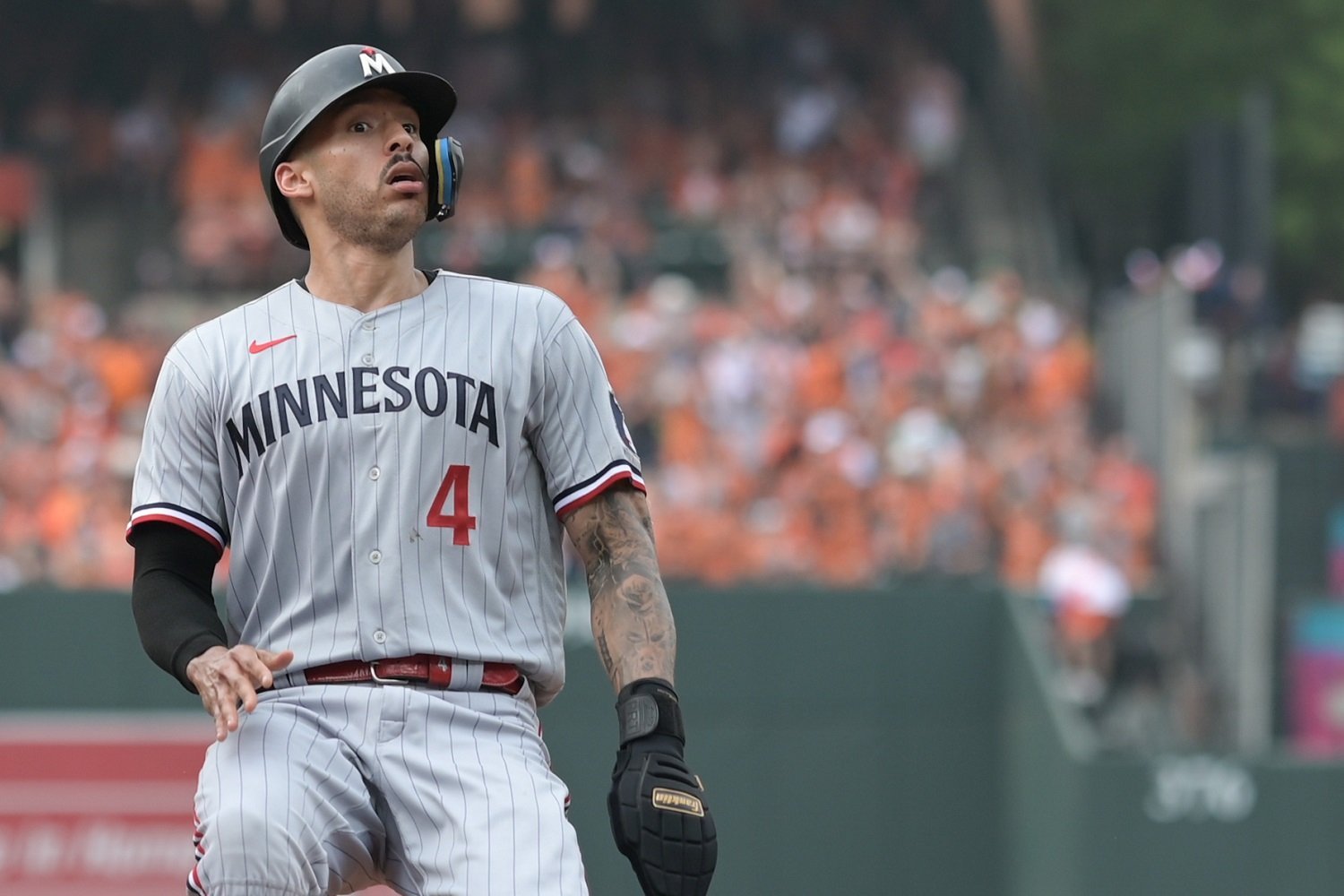 The Twins were right to stick with Carlos Correa in the top three of the lineup for much of the season. In 2022, he got off to a slow start, and the faith in his star talent paid off as he finished the season arguably as the Twins' best hitter. 2023 has been entirely different, and the Twins are reaching a point where the track record needs to be thrown out the window. For those hoping for a complete 180 in Correa's performance down the stretch, it may be time to throw in the towel. Those again preaching patience in March and April were correct, as he did improve upon his .634 OPS to begin the season, but just barely. Correa's offense peaked in May when his wRC+ reached 101, 1% above the league-average hitter. He hasn't been a league-average contributor in any month since. More recently, August was Correa’s second-worst month of the season, posting a .671 OPS which was good for 14% below the league average hitter. It’s left the former offensive force with a sub .700 OPS on the season, easily the worst of his career if the season ended today. This accompanied by his league-leading 28 double plays hit into, an often devastating development as the Twins' rallies sparked by the top of the order have been repeatedly erased. At this point, it’s safe to say the offense would have been at least slightly better had the Twins moved Correa down in the lineup some time ago. With the absence of a time machine, the argument is that the Twins need to make that change down the stretch. Folks don’t like Win Probability Added as a stat, especially for hitters, but Correa coming in at -1.82 is the worst on the team and the 12th worst in all of baseball. Like the double plays, this is an opportunity-based measure. Keeping Correa in a position to keep seeing these opportunities just doesn’t seem like a great idea based on his performance for the entirety of 2023, and it could continue to cost the Twins offensively. The argument against moving Correa down for much of the season was that the struggling Twins lineup lacked more apparent options. At this point, the better option has unfortunately become more clear: Just about anyone. By wRC+, only Christian Vazquez and Jose Miranda have been worse on the season with a minimum of 100 plate appearances. Players such as Royce Lewis and Matt Wallner are capable of being top-of-the-order bats. In addition, the hope is that Byron Buxton and Alex Kirilloff are on the verge of rejoining the Twins. Adding two more options to lengthen the lineup should make improving the top of the order a no-brainer. While Buxton has struggled on the season and Kirilloff's health is a major question, backfilling the lineup with these players in addition to Correa in favor of the Royces of the world is far from a bad situation. Unfortunately, it's challenging to see Correa making massive improvements at this point in the season. More information continues to emerge surrounding his ailing foot, and it's become clear that there's more at play than just a mental switch he needs to flip at some point. It's time the Twins field their best lineup, which doesn't include Carlos Correa at the top. Do you agree?
- 22 comments
-
- 3
-
-
- carlos correa
- royce lewis
- (and 2 more)
-
Edouard Julien got off to a scorching start to his career but has dipped a bit in August. Is his recent down performance indicative that the league may be catching up to him? Image courtesy of Matt Blewett-USA TODAY Sports After being slightly below average in his first month in the Majors, Edouard Julien posted an above-average offense in May, June, and July. In August, Julien has lost a lot of power and has seen the strikeouts tick back up above 30% despite often occupying the leadoff spot. Is there any reason to be concerned, short or long-term? Edouard Julien was a superstar in July. Slashing .369/.461/.732, he performed 122% better than the league average hitter by wRC+. Everyone hoped the Twins had a superstar hitter on their hands, but even if that was the case, that production level is impossible to maintain. In August, Julien has dropped down to a .250/.360/.319 line. His peak of a 25% strikeout rate in July is back up around 30. It’s undoubtedly a down month, but there are still good signs. As much as the power has disappeared in August, pitchers haven’t precisely found Julien’s weakness. August is his best month regarding walk rate, posting a 15.1% mark. Perhaps after the damage he did in July, pitchers are being much more careful when he’s at the plate, even though he’s often leading off. Regarding the types of pitches Julien sees, opposing pitchers essentially use the same mix, with nearly 60% fastballs followed by about 30% breaking balls and 10% offspeed. They may be pitching around him more, but it’s not like they’ve found a type of pitch to throw him that keeps him from doing damage. Still, his output when making contact hasn’t been the same. August is Julien’s lowest month by flyball percentage, with a 12.5% mark. He’s hitting line drives at career-high levels, but the lack of balls in the air is likely why he’s only hit one homer so far. His batting average being a bit down could be bad luck, but the power likely has more to do with the lack of fly balls. Could an injury be hampering Julien’s swing ever so slightly? He was held out briefly earlier this month with a tight hamstring, and he’s had occasions where he’s hit a ball in the infield and jogged to first. It’s fair to wonder whether something is bothering him just enough to affect his power stroke. At any rate, Julien isn’t being attacked any differently by opposing pitchers, and he hasn’t shown any significant red flags that would indicate that some glaring weakness has been found. Perhaps he’s dealing with a nagging injury, but he’s still walking at incredible rates and spraying line drives all over the park. In what is considered a “down” month for Julien, he’s been slightly below average offensively and still gets on base at an elite rate out of the leadoff spot. If this is Edouard Julien slumping, the Twins have themselves an incredible hitter. There should be little reason to worry about the Twins emerging leadoff hitter moving forward. He’ll likely continue to be a key cog at the top of the lineup down the stretch, and he’s already shown that he can carry an offense when things are going well. If Edouard Julien has a debilitating weakness at the plate, it doesn’t appear anyone has found it yet. View full article
-
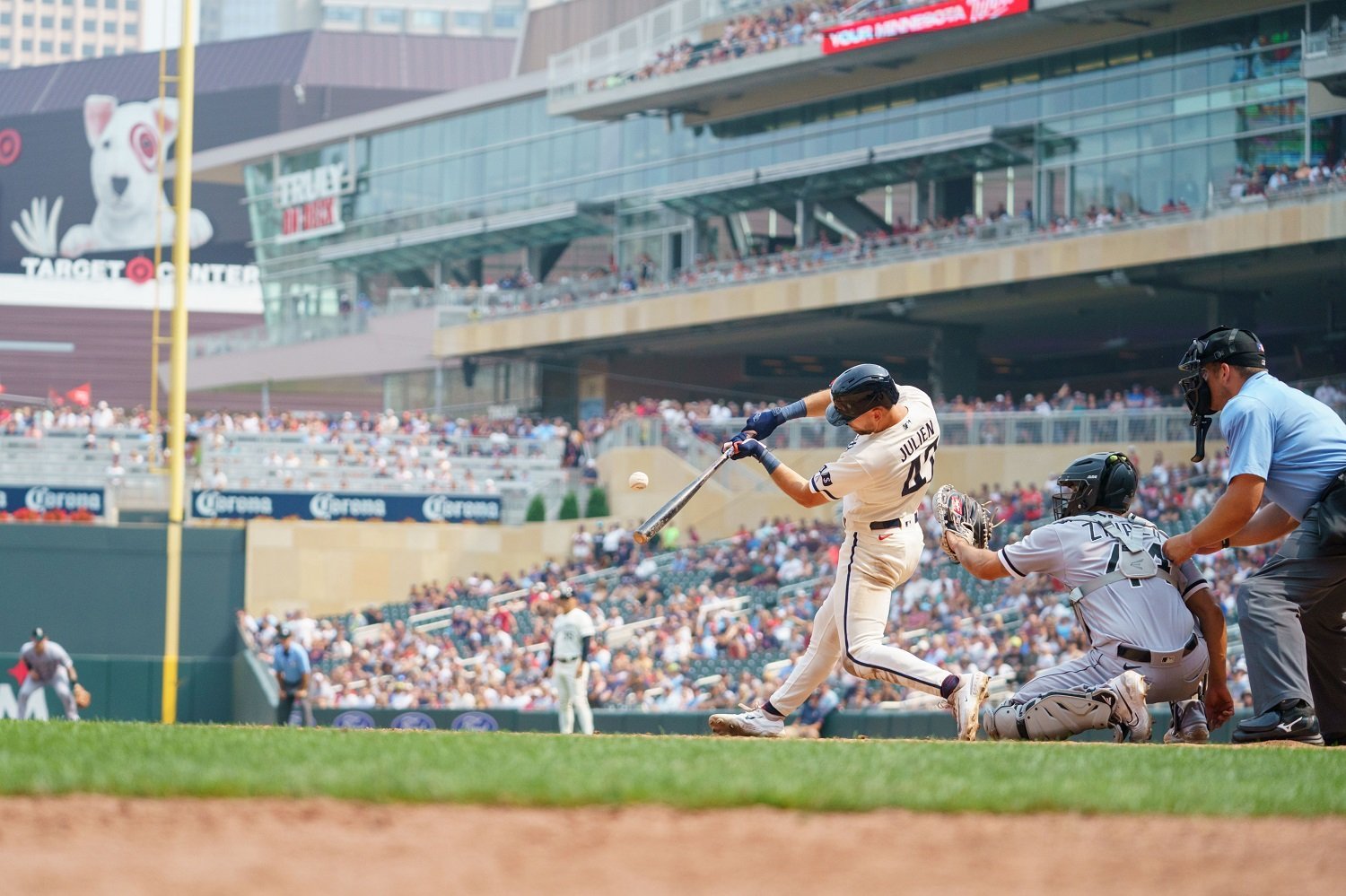 After being slightly below average in his first month in the Majors, Edouard Julien posted an above-average offense in May, June, and July. In August, Julien has lost a lot of power and has seen the strikeouts tick back up above 30% despite often occupying the leadoff spot. Is there any reason to be concerned, short or long-term? Edouard Julien was a superstar in July. Slashing .369/.461/.732, he performed 122% better than the league average hitter by wRC+. Everyone hoped the Twins had a superstar hitter on their hands, but even if that was the case, that production level is impossible to maintain. In August, Julien has dropped down to a .250/.360/.319 line. His peak of a 25% strikeout rate in July is back up around 30. It’s undoubtedly a down month, but there are still good signs. As much as the power has disappeared in August, pitchers haven’t precisely found Julien’s weakness. August is his best month regarding walk rate, posting a 15.1% mark. Perhaps after the damage he did in July, pitchers are being much more careful when he’s at the plate, even though he’s often leading off. Regarding the types of pitches Julien sees, opposing pitchers essentially use the same mix, with nearly 60% fastballs followed by about 30% breaking balls and 10% offspeed. They may be pitching around him more, but it’s not like they’ve found a type of pitch to throw him that keeps him from doing damage. Still, his output when making contact hasn’t been the same. August is Julien’s lowest month by flyball percentage, with a 12.5% mark. He’s hitting line drives at career-high levels, but the lack of balls in the air is likely why he’s only hit one homer so far. His batting average being a bit down could be bad luck, but the power likely has more to do with the lack of fly balls. Could an injury be hampering Julien’s swing ever so slightly? He was held out briefly earlier this month with a tight hamstring, and he’s had occasions where he’s hit a ball in the infield and jogged to first. It’s fair to wonder whether something is bothering him just enough to affect his power stroke. At any rate, Julien isn’t being attacked any differently by opposing pitchers, and he hasn’t shown any significant red flags that would indicate that some glaring weakness has been found. Perhaps he’s dealing with a nagging injury, but he’s still walking at incredible rates and spraying line drives all over the park. In what is considered a “down” month for Julien, he’s been slightly below average offensively and still gets on base at an elite rate out of the leadoff spot. If this is Edouard Julien slumping, the Twins have themselves an incredible hitter. There should be little reason to worry about the Twins emerging leadoff hitter moving forward. He’ll likely continue to be a key cog at the top of the lineup down the stretch, and he’s already shown that he can carry an offense when things are going well. If Edouard Julien has a debilitating weakness at the plate, it doesn’t appear anyone has found it yet.
 -
Kenta Maeda is turning back the clock since being activated from the IL in late June. Soon to be 36, it’s fair to wonder how long it’ll last. Could he pitch well enough down the stretch to become a part of the 2024 plans? Image courtesy of Nick Wosika-USA TODAY Sports Kenta Maeda is turning back the clock since being activated from the IL in late June. Soon to be 36, it's fair to wonder how long it'll last. Could he pitch well enough down the stretch to become a part of the 2024 plans? In his last year under team control with the Twins, it seemed evident in the offseason and early on that Kenta Maeda was likely in his final season with the Twins. Given how he's looked since being truly healthy, it's becoming fair to wonder whether he could change the Twins' plans. Through his first four starts since Tommy John surgery, Maeda threw 16 innings and allowed 16 runs. His 19.2% strikeout rate was concerning, and he looked the part of a 35-year-old coming off of a significant injury. The velocity was down even as a pitcher who was never known for his heater, and the command needed to be improved. It appeared to be a deadly combination. Many believed Maeda's IL trip following his 3-inning, 10-earned-run performance against the Yankees on April 26 was the end of the line. It was a fair assumption, given his age, health, and the Twins' ability to plug in Louie Varland for the remainder of the season. Maeda changed their plans. Since June 23, when the Twins activated Maeda from the IL, he's been a different pitcher. In his 53.2 innings, he's posted a 2.68 ERA and a dominant 32.2% strikeout rate. His fastball velocity has trended consistently month by month, beginning at 89.5 in April and peaking at 91.4 in August. His fastball was 91.8 in his Cy Young runner-up 2020 season. Speaking of 2020, his current stretch should be meaningfully compared to that dominant short season. Those 66 innings were enough to elevate Maeda's status in the eyes of many, which is why the 53-plus innings he's thrown on his current dominant stretch shouldn't considered as a small sample. His strikeout rate is almost identical, with the only real difference being a few more walks and being on pace to allow one more homer. Maeda has rediscovered the form that made him a Cy Young runner-up. The argument, of course, is how long he can keep it up, given his major injury in 2021 and his three years older than that electric shortened season. We can debate how long Maeda can keep this up, but the real debate will happen internally in the Twins front office. If Maeda continues anywhere near his current performance, it would be hard not to consider bringing him back in some facet in 2024. A qualifying offer would be surprising, given all the listed concerns and the low innings count he's sure to accrue. That being said, Sonny Gray is sure to depart this offseason. The Twins will still have a rotation, including Pablo Lopez, Joe Ryan, and Bailey Ober, but they'll likely pursue at least one more veteran starter, as we've seen in years past. The hope is Joe Ryan returns to form down the stretch, but that remains to be seen after the home run issues exploded on him before hitting the IL. Bailey Ober has an injury history of his own. The hope is for Chris Paddack to return to the rotation, but that's still to be determined. Louie Varland deserves a shot, but the Twins chose to go with Maeda over him when healthy earlier this season, and it's paid off. Maeda could be the perfect fit for a 2024 Twins rotation, with many pitchers riding the fence. If he finishes strong, the plan could be to bring him back as an Opening Day rotation member. It's hard to envision Maeda being a workhorse at 36, and even IL trips for maintenance would create opportunities for younger arms to get their feet wet. If things derail completely in the rotation, he has relief experience the Twins could again try to harness. Maeda would be a better veteran option than the Chris Archer and Dylan Bundy tier they've dipped into in years past. A big multi-year deal is unlikely at his age, but the Twins could get creative with options or incentives, which Maeda is no stranger to in his MLB career. Maeda is happy in Minnesota, and even with a strong finish, he shouldn't break the bank if he and the Twins agree on a reunion. He may be a near-perfect fit for a 2024 Twins rotation that should have plenty of youth and upside. If Maeda continues his dominance, should the Twins prioritize him this offseason? View full article
-
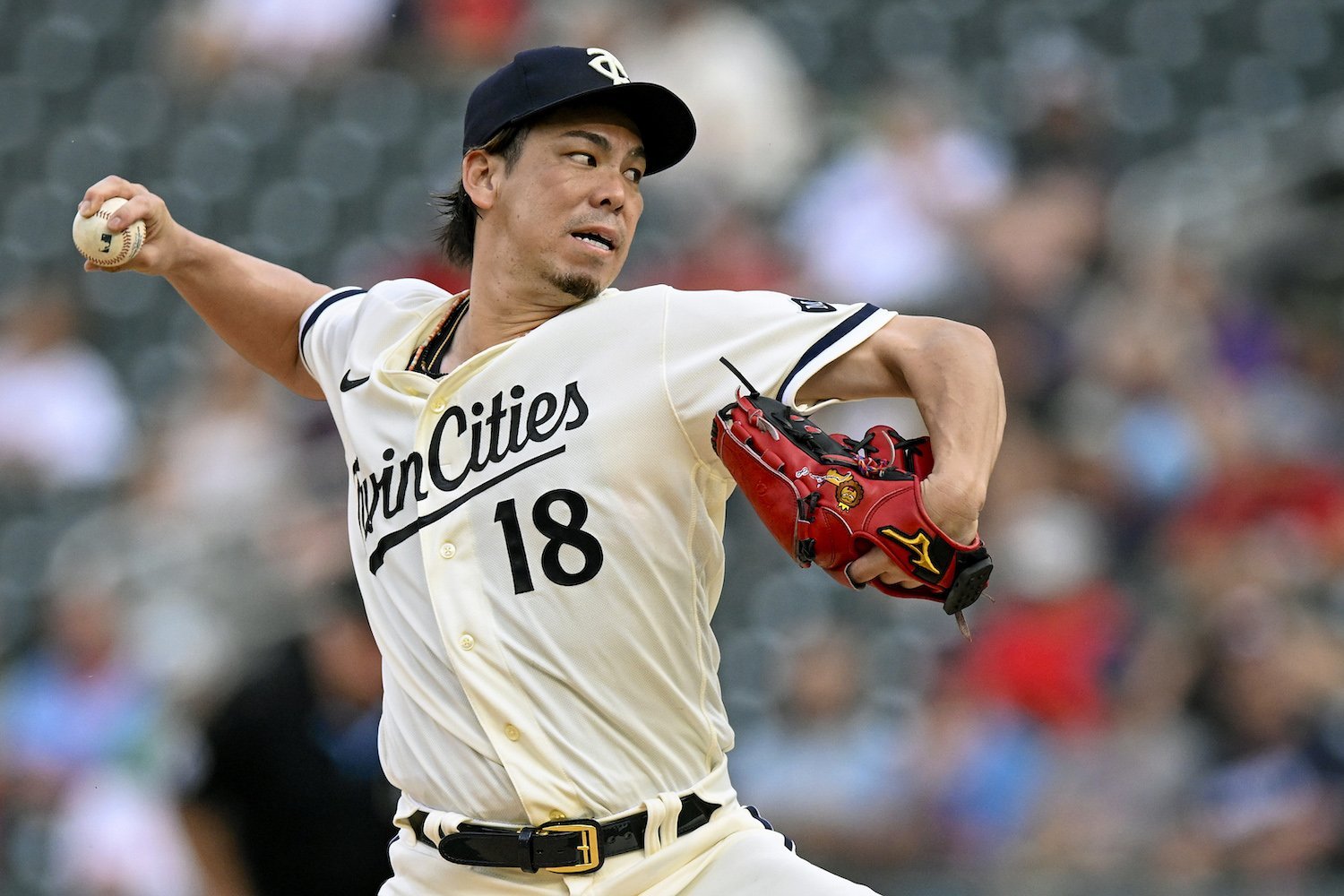 Kenta Maeda is turning back the clock since being activated from the IL in late June. Soon to be 36, it's fair to wonder how long it'll last. Could he pitch well enough down the stretch to become a part of the 2024 plans? In his last year under team control with the Twins, it seemed evident in the offseason and early on that Kenta Maeda was likely in his final season with the Twins. Given how he's looked since being truly healthy, it's becoming fair to wonder whether he could change the Twins' plans. Through his first four starts since Tommy John surgery, Maeda threw 16 innings and allowed 16 runs. His 19.2% strikeout rate was concerning, and he looked the part of a 35-year-old coming off of a significant injury. The velocity was down even as a pitcher who was never known for his heater, and the command needed to be improved. It appeared to be a deadly combination. Many believed Maeda's IL trip following his 3-inning, 10-earned-run performance against the Yankees on April 26 was the end of the line. It was a fair assumption, given his age, health, and the Twins' ability to plug in Louie Varland for the remainder of the season. Maeda changed their plans. Since June 23, when the Twins activated Maeda from the IL, he's been a different pitcher. In his 53.2 innings, he's posted a 2.68 ERA and a dominant 32.2% strikeout rate. His fastball velocity has trended consistently month by month, beginning at 89.5 in April and peaking at 91.4 in August. His fastball was 91.8 in his Cy Young runner-up 2020 season. Speaking of 2020, his current stretch should be meaningfully compared to that dominant short season. Those 66 innings were enough to elevate Maeda's status in the eyes of many, which is why the 53-plus innings he's thrown on his current dominant stretch shouldn't considered as a small sample. His strikeout rate is almost identical, with the only real difference being a few more walks and being on pace to allow one more homer. Maeda has rediscovered the form that made him a Cy Young runner-up. The argument, of course, is how long he can keep it up, given his major injury in 2021 and his three years older than that electric shortened season. We can debate how long Maeda can keep this up, but the real debate will happen internally in the Twins front office. If Maeda continues anywhere near his current performance, it would be hard not to consider bringing him back in some facet in 2024. A qualifying offer would be surprising, given all the listed concerns and the low innings count he's sure to accrue. That being said, Sonny Gray is sure to depart this offseason. The Twins will still have a rotation, including Pablo Lopez, Joe Ryan, and Bailey Ober, but they'll likely pursue at least one more veteran starter, as we've seen in years past. The hope is Joe Ryan returns to form down the stretch, but that remains to be seen after the home run issues exploded on him before hitting the IL. Bailey Ober has an injury history of his own. The hope is for Chris Paddack to return to the rotation, but that's still to be determined. Louie Varland deserves a shot, but the Twins chose to go with Maeda over him when healthy earlier this season, and it's paid off. Maeda could be the perfect fit for a 2024 Twins rotation, with many pitchers riding the fence. If he finishes strong, the plan could be to bring him back as an Opening Day rotation member. It's hard to envision Maeda being a workhorse at 36, and even IL trips for maintenance would create opportunities for younger arms to get their feet wet. If things derail completely in the rotation, he has relief experience the Twins could again try to harness. Maeda would be a better veteran option than the Chris Archer and Dylan Bundy tier they've dipped into in years past. A big multi-year deal is unlikely at his age, but the Twins could get creative with options or incentives, which Maeda is no stranger to in his MLB career. Maeda is happy in Minnesota, and even with a strong finish, he shouldn't break the bank if he and the Twins agree on a reunion. He may be a near-perfect fit for a 2024 Twins rotation that should have plenty of youth and upside. If Maeda continues his dominance, should the Twins prioritize him this offseason?
- 39 comments
-
- 5
-
-
- kenta maeda
- pablo lopez
- (and 2 more)
-
The Twins didn’t add to the bullpen in the offseason and barely did so at the deadline. Left with only in-house options at this point, it’s time for them to start pressing some buttons and making adjustments to try to make up for it. Image courtesy of Jonathan Dyer, USA TODAY Sports The Twins seem to find themselves backing into comfort zones when it comes to roster decisions on occasion. Sometimes it’s because of veteran status or it’s a player they personally like. Sometimes they’re just being overly protective of depth. Whatever the reason is currently, it simply isn’t justifiable to continue with how they’ve managed the bottom half of the bullpen. The middle of the Twins bullpen has picked up a lot of slack recently between Emilio Pagán and Caleb Thielbar. Griffin Jax and Jhoan Duran have been struggling, which is bound to happen to even the best relievers in baseball. It’s also expected that the bottom part of a bullpen shouldn’t exactly be rock solid. After all, that’s why they’re at the bottom. The way the Twins are using the low-leverage parts of their bullpen simply makes no sense as we approach September. The team has been adamant in regards to keeping a long reliever on the roster. So much so, in fact, that coming out of spring training, it cost them several high-leverage relievers such as Danny Coulombe (2.77 ERA in 39 IP) and Jeff Hoffman (2.86 ERA in 34 2/3 IP) who both looked great in the spring. If having a long reliever really is that important to them, that’s fine. Minor league relievers being cut loose and going on to success can be overlooked. The Twins are taking it to another level though, and completely wasting opportunities and at least one roster spot. By currently rostering Cole Sands and Josh Winder, the Twins are playing with a hand tied behind their back when it comes to the bullpen, and it’s completely self-inflicted. Let’s start with Cole Sands. He’s actually been electric in St. Paul with a 1.64 ERA and near 40% K rate. In his time bouncing up and down with the Twins, he’s barely pitched. In fact, despite being completely healthy, he’s made three appearances, all with the Saints, since July 20th. He’s thrown only 4 1/3 innings in just under a month. In Wednesday’s game when the Twins were down four runs, they needed an inning filled. Instead of going to Sands who hadn’t pitched in over a week and actually has promising numbers in St. Paul, they went to supposed long reliever Josh Winder, who allowed a run that put Detroit over the edge to eventually win 8-7. Sands’ lack of usage is puzzling. If they aren’t going to let him pitch, why is he here? The easier question to ask has more to do with Josh Winder. At this point, it’s becoming time to wonder why Winder is an option in the MLB bullpen at all. He had an ERA over 6.00 in Triple-A and an ERA over 5.00 in the big leagues. In 11 appearances with the Twins this season, he’s only held the opposing team scoreless three times. There’s a difference between rostering a long reliever/mop-up man and continuing to give opportunities to pitchers who should be working on things in the minors. Winder is a former top prospect who still has hopes of recapturing the pedigree. He should be focusing on making adjustments against lower competition. Whatever the reason behind the Twins continuing to give Winder these chances, it's time to try something else. Perhaps they see something in him long-term, but there’s zero reason to let him try to find it in the big leagues at this point. At the very least, when a one-inning opportunity comes up, they should be giving it to Sands who has at least been able to get minor-league hitters out this year. Another usable middle-reliever developing would be a big boost down the stretch, and that’s not going to happen by giving opportunities to arms who are struggling so mightily. At this point, the Twins should be looking for upside in the lowest leverage rungs of the bullpen ladder. At the very least they shouldn’t be allocating those spots to players they’re never going to let pitch. A recent hot stretch by Ronny Henriquez should make him an option to get some runway in the majors. It shouldn’t be a problem to add Kody Funderburk to the 40-man, who has dominated Triple-A all season since his promotion just two weeks into the season. The Twins seem intent on making things as difficult as possible when it comes to the bullpen. It almost seems like they’re trying to show the world just how unimportant the bullpen is. It’s time they try to make improvements for the first time all year and give some different names an opportunity. What they’re doing right now isn’t helping anybody. View full article
-
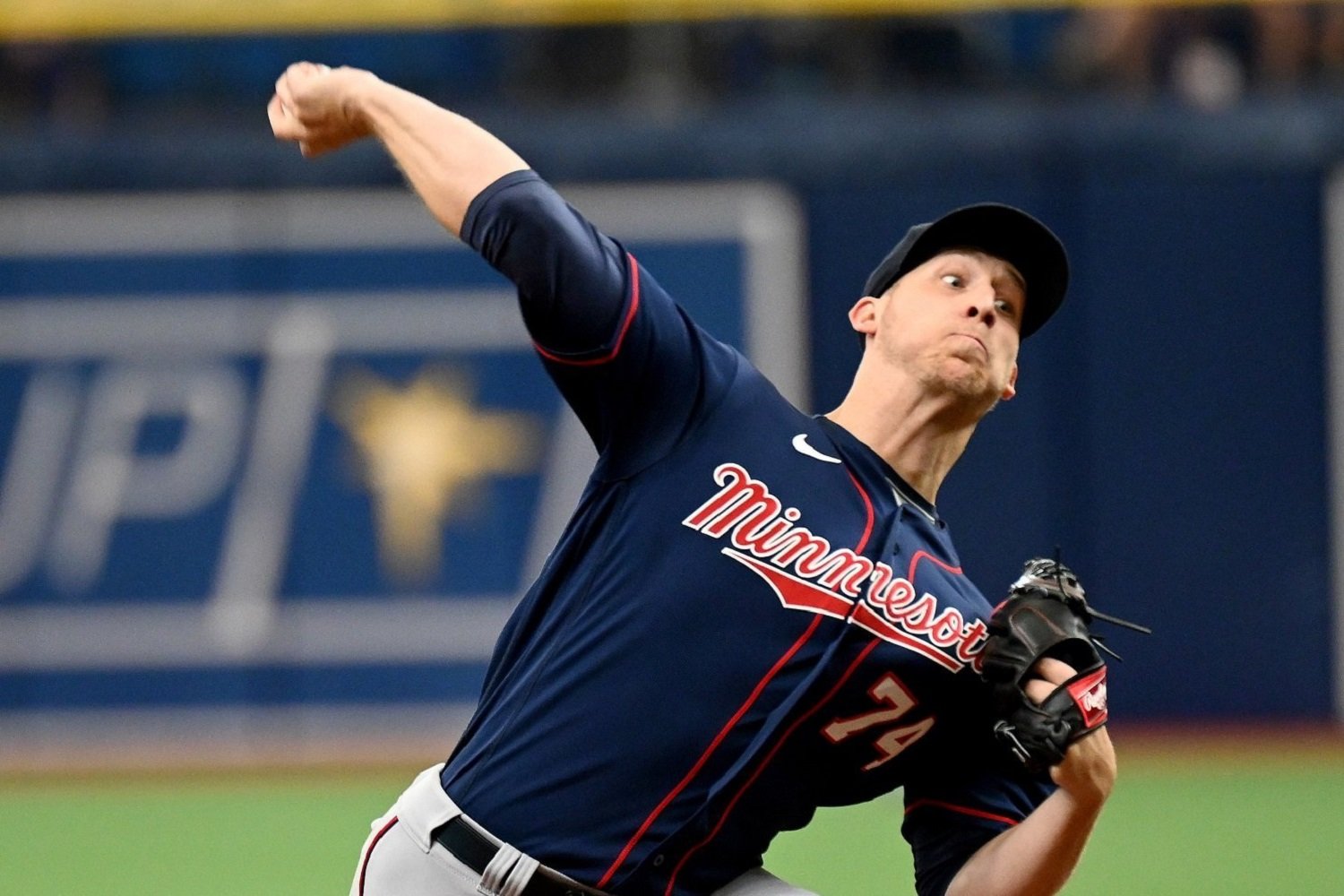 The Twins seem to find themselves backing into comfort zones when it comes to roster decisions on occasion. Sometimes it’s because of veteran status or it’s a player they personally like. Sometimes they’re just being overly protective of depth. Whatever the reason is currently, it simply isn’t justifiable to continue with how they’ve managed the bottom half of the bullpen. The middle of the Twins bullpen has picked up a lot of slack recently between Emilio Pagán and Caleb Thielbar. Griffin Jax and Jhoan Duran have been struggling, which is bound to happen to even the best relievers in baseball. It’s also expected that the bottom part of a bullpen shouldn’t exactly be rock solid. After all, that’s why they’re at the bottom. The way the Twins are using the low-leverage parts of their bullpen simply makes no sense as we approach September. The team has been adamant in regards to keeping a long reliever on the roster. So much so, in fact, that coming out of spring training, it cost them several high-leverage relievers such as Danny Coulombe (2.77 ERA in 39 IP) and Jeff Hoffman (2.86 ERA in 34 2/3 IP) who both looked great in the spring. If having a long reliever really is that important to them, that’s fine. Minor league relievers being cut loose and going on to success can be overlooked. The Twins are taking it to another level though, and completely wasting opportunities and at least one roster spot. By currently rostering Cole Sands and Josh Winder, the Twins are playing with a hand tied behind their back when it comes to the bullpen, and it’s completely self-inflicted. Let’s start with Cole Sands. He’s actually been electric in St. Paul with a 1.64 ERA and near 40% K rate. In his time bouncing up and down with the Twins, he’s barely pitched. In fact, despite being completely healthy, he’s made three appearances, all with the Saints, since July 20th. He’s thrown only 4 1/3 innings in just under a month. In Wednesday’s game when the Twins were down four runs, they needed an inning filled. Instead of going to Sands who hadn’t pitched in over a week and actually has promising numbers in St. Paul, they went to supposed long reliever Josh Winder, who allowed a run that put Detroit over the edge to eventually win 8-7. Sands’ lack of usage is puzzling. If they aren’t going to let him pitch, why is he here? The easier question to ask has more to do with Josh Winder. At this point, it’s becoming time to wonder why Winder is an option in the MLB bullpen at all. He had an ERA over 6.00 in Triple-A and an ERA over 5.00 in the big leagues. In 11 appearances with the Twins this season, he’s only held the opposing team scoreless three times. There’s a difference between rostering a long reliever/mop-up man and continuing to give opportunities to pitchers who should be working on things in the minors. Winder is a former top prospect who still has hopes of recapturing the pedigree. He should be focusing on making adjustments against lower competition. Whatever the reason behind the Twins continuing to give Winder these chances, it's time to try something else. Perhaps they see something in him long-term, but there’s zero reason to let him try to find it in the big leagues at this point. At the very least, when a one-inning opportunity comes up, they should be giving it to Sands who has at least been able to get minor-league hitters out this year. Another usable middle-reliever developing would be a big boost down the stretch, and that’s not going to happen by giving opportunities to arms who are struggling so mightily. At this point, the Twins should be looking for upside in the lowest leverage rungs of the bullpen ladder. At the very least they shouldn’t be allocating those spots to players they’re never going to let pitch. A recent hot stretch by Ronny Henriquez should make him an option to get some runway in the majors. It shouldn’t be a problem to add Kody Funderburk to the 40-man, who has dominated Triple-A all season since his promotion just two weeks into the season. The Twins seem intent on making things as difficult as possible when it comes to the bullpen. It almost seems like they’re trying to show the world just how unimportant the bullpen is. It’s time they try to make improvements for the first time all year and give some different names an opportunity. What they’re doing right now isn’t helping anybody.
- 25 comments
-
- 11
-
-
-
- josh winder
- cole sands
- (and 2 more)
-
Ronny Henriquez Deserves Some Attention
Cody Pirkl replied to Cody Pirkl's topic in Twins Daily Front Page News
FWIW, I'd give Sands opportunities over Winder at this point in one inning stints. He has a sub 2.00 ERA in Triple-A with a near 40% K rate. For whatever reason it seems they prefer the guy who got absolutely shelled at the same level.- 32 replies
-
- 2
-
-
- ronny henriquez
- josh winder
- (and 2 more)
-
The Twins’ hole in their bullpen hasn’t gotten any smaller since the trade deadline. As they enter the stretch run and try to solidify their roster, do they have a potential bullpen piece emerging in St. Paul? Image courtesy of Ken Blaze-USA TODAY Sports Ronny Henriquez has had his fair share of ups and downs in his Twins career. Acquired as part of the Mitch Garver deal, he’s gone from a starting pitching prospect to a relief prospect before injuries wiped him off the map. Henriquez may finally be righting the ship, and the Twins may be smart to see if they can hop aboard. The Twins perhaps waited too long to transition Henriquez to a full-time reliever. His body has been a red flag for his future as a starting pitcher, as his listed 5’10 height is considered extremely generous. He was making starts well into the 2022 season despite suffering from crippling home run issues. The Twins clearly liked what they saw when he finally landed in the bullpen, as they called him up for three appearances at the end of the season as a reliever. Henriquez began this season on the shelf after experiencing some elbow problems this spring. He didn’t make his first appearance until May, and the results as a whole have been less than impressive. In just under 40 innings, Henriquez’s 5.50 ERA looked earned when looking at his 18.8% strikeout rate compared to his 14.8% walk rate. He’s likely been off the Twins' radar when it comes to being a call-up, but things may finally be clicking. It’s an incredibly small sample, but a dominant one. Henriquez has a fastball that plays up in the mid-to-high 90s with an impressive changeup and usable slider. As a reliever, he should have all the tools he needs to contribute to an MLB bullpen. The walk issues he’s shown have never been seen before in his career, contributing to the theory that he may have just needed time to get his feel back after a worrisome injury and subsequent time off. It’s also the first season of his career where he’s been able to fully focus on the routine of being a reliever. Henriquez is already on the 40-man roster at the age of 23. The Twins have also been rostering multiple bulk relievers for several weeks now. As a former prospect of at least some pedigree, it’s likely Henriquez doesn’t need to show a ton more in Triple-A to find his way into the MLB bullpen mix. Considering their willingness to call him up in 2022, they’ve likely been waiting around for any signs that something has clicked. The Twins have plenty of options to cycle out in order to take a shot on Henriquez. First and foremost, they don’t need Josh Winder and Cole Sands in the same bullpen, as historically they’ve gone weeks without needing to use a bulk reliever, let alone two. Especially if Dallas Keuchel is no longer in the rotation, the need just isn’t there often enough. Jordan Balazovic also has regressed in unfortunate fashion. After filling more of a bulk relief role in Triple-A, he was thrust into more of a traditional relief role upon his debut. It’s possible more seasoning in Triple-A would benefit him if the Twins insist on having multiple long relievers on their MLB roster. Ronny Henriquez is clearly a pitcher the Twins saw something in at the end of 2022, and if he looks like he’s found his groove, it costs them little to see how it translates to the big league bullpen which is in need of someone to step up. Should Henriquez have to show he’s flipped the switch a bit longer? Should they call him up as soon as possible? Let us know below! View full article
-
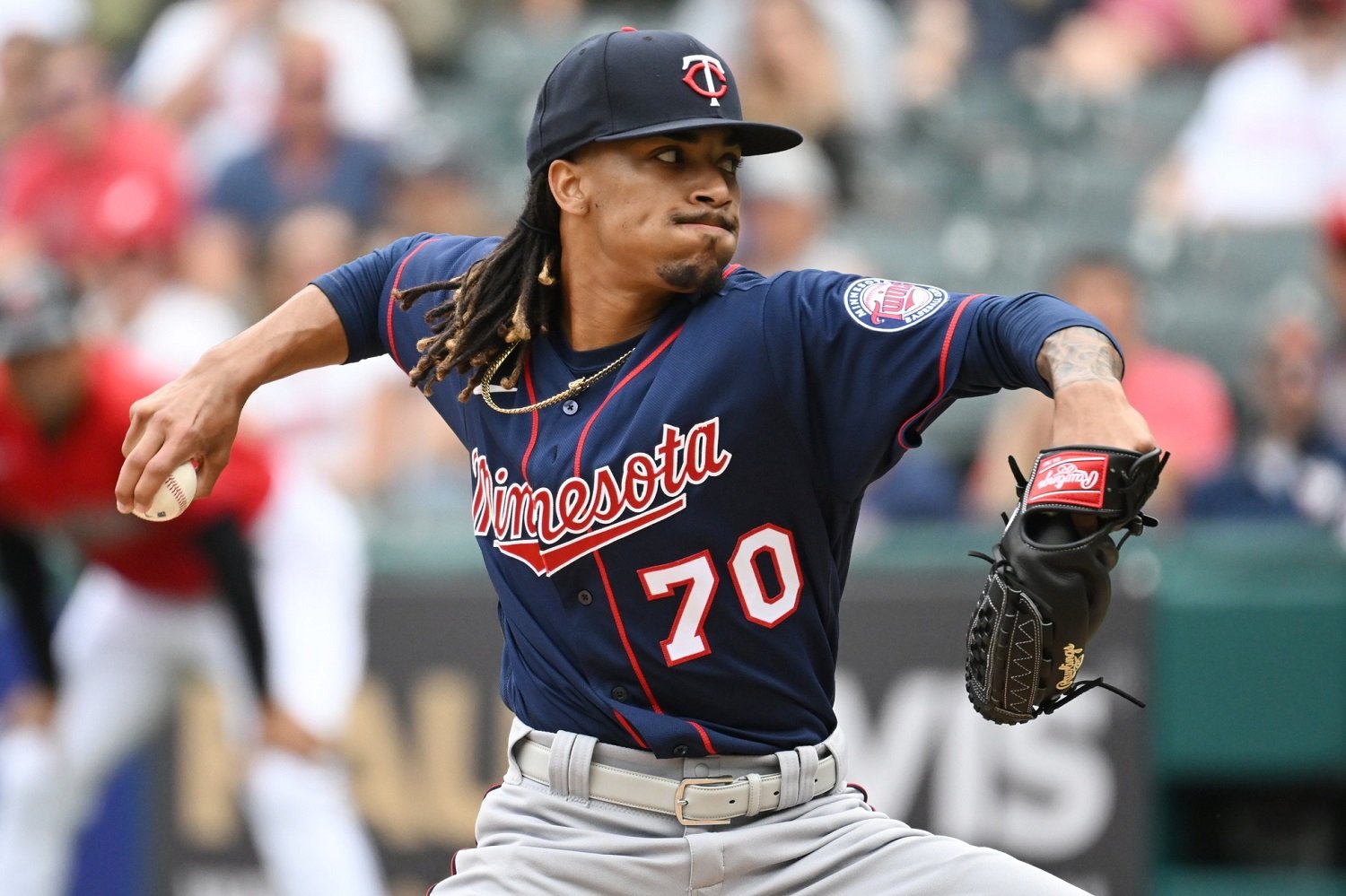 Ronny Henriquez has had his fair share of ups and downs in his Twins career. Acquired as part of the Mitch Garver deal, he’s gone from a starting pitching prospect to a relief prospect before injuries wiped him off the map. Henriquez may finally be righting the ship, and the Twins may be smart to see if they can hop aboard. The Twins perhaps waited too long to transition Henriquez to a full-time reliever. His body has been a red flag for his future as a starting pitcher, as his listed 5’10 height is considered extremely generous. He was making starts well into the 2022 season despite suffering from crippling home run issues. The Twins clearly liked what they saw when he finally landed in the bullpen, as they called him up for three appearances at the end of the season as a reliever. Henriquez began this season on the shelf after experiencing some elbow problems this spring. He didn’t make his first appearance until May, and the results as a whole have been less than impressive. In just under 40 innings, Henriquez’s 5.50 ERA looked earned when looking at his 18.8% strikeout rate compared to his 14.8% walk rate. He’s likely been off the Twins' radar when it comes to being a call-up, but things may finally be clicking. It’s an incredibly small sample, but a dominant one. Henriquez has a fastball that plays up in the mid-to-high 90s with an impressive changeup and usable slider. As a reliever, he should have all the tools he needs to contribute to an MLB bullpen. The walk issues he’s shown have never been seen before in his career, contributing to the theory that he may have just needed time to get his feel back after a worrisome injury and subsequent time off. It’s also the first season of his career where he’s been able to fully focus on the routine of being a reliever. Henriquez is already on the 40-man roster at the age of 23. The Twins have also been rostering multiple bulk relievers for several weeks now. As a former prospect of at least some pedigree, it’s likely Henriquez doesn’t need to show a ton more in Triple-A to find his way into the MLB bullpen mix. Considering their willingness to call him up in 2022, they’ve likely been waiting around for any signs that something has clicked. The Twins have plenty of options to cycle out in order to take a shot on Henriquez. First and foremost, they don’t need Josh Winder and Cole Sands in the same bullpen, as historically they’ve gone weeks without needing to use a bulk reliever, let alone two. Especially if Dallas Keuchel is no longer in the rotation, the need just isn’t there often enough. Jordan Balazovic also has regressed in unfortunate fashion. After filling more of a bulk relief role in Triple-A, he was thrust into more of a traditional relief role upon his debut. It’s possible more seasoning in Triple-A would benefit him if the Twins insist on having multiple long relievers on their MLB roster. Ronny Henriquez is clearly a pitcher the Twins saw something in at the end of 2022, and if he looks like he’s found his groove, it costs them little to see how it translates to the big league bullpen which is in need of someone to step up. Should Henriquez have to show he’s flipped the switch a bit longer? Should they call him up as soon as possible? Let us know below!
- 32 comments
-
- 2
-
-
- ronny henriquez
- josh winder
- (and 2 more)
-
In predictable fashion, this article was written hours before Joey Gallo's first four-hit game since May 2019. Does one game undo the damage Gallo has done to the lineup for the last three months? Image courtesy of Mitch Stringer, USA Today This winter the Twins “got their guy”, signing Joey Gallo to a one-year $11 million deal. As we’ve seen so many times, the veteran they brought in is likely making the last stop of his career in Minnesota, and they refuse to cut bait. Signing Joey Gallo was always a risky move, but an understandable one. Though the thought of parting with another left-handed bat to relieve the logjam never came to fruition, there was potential for a big bounce back. It hasn’t happened as we march into August, and the Twins appear content giving an out away every time through the lineup for the rest of the season as they desperately hope for the deal to not look like a complete flop. The stars seemingly aligned for Joey Gallo at the trade deadline. He was the most apparent cut candidate had they made an offensive addition, but luckily for Gallo, they did absolutely nothing. It’s possible he’d have survived any additions because of his price tag and the Twins' tendencies to hold onto veterans too long, but we’ll never know for sure. Things have gotten even better for Gallo since, as Alex Kirilloff and Donovan Solano have both hit the injured list. As the only remaining player who’s played a significant amount of first base this season, surely they can’t part with Gallo now, right? It should be simple: No amount of context at this point justifies Joey Gallo sticking to a competitive team’s roster. The hits have come less and less, naturally leading to fewer homers to make up for the lack of anything else. More importantly for the team on pace to break the all-time strikeout record, Gallo’s whiffs have become insurmountable. The Twins seem to value his defense at first base. He’s been exactly neutral with 0 Defensive Runs Saved, and 0 Outs Above Average. This is hardly a high bar to clear, and his ability to stand at first base should not justify a roster spot. Many have called for players such as Edouard Julien to diversify their defensive profiles and work some first base in, but the Twins' refusal to date leaves them with the current result. So what should the Twins do exactly? Anything else. In the past, the Twins keeping players such as Matt Wallner down was justified by the possibility that they’d perform worse than the incumbents. Unless we think whoever is called up can somehow undershoot a .130ish batting average and strike out more than half the time, that really shouldn’t be a concern here. The Twins' best players this season have been rookies called up from St. Paul. Right now Chris Williams plays a lot of first base for the Saints. He’s slashing .254/.371/.540 with 19 homers in Triple-A. There may not be much upside there at age 26, but it’s reached a point where it’s worth giving it a try. Anthony Prato has some first-base experience as well and has a 1.093 OPS. If the Twins are comfortable at all with him at first, the move should be a no-brainer. Both players perform better against lefties than righties, but so has Gallo this season. The first base depth may take a hit, but the Twins still have Kyle Farmer and Christian Vazquez with first-base experience, and they felt good enough about Solano to keep him off the IL. They have people who are technically capable of playing the position, which has seemingly been enough to justify Gallo keeping his roster spot for months now. There’s no rebound on the horizon for Joey Gallo. He’s averaging about one hit per week, and the walks aren’t valuable enough to justify his near everyday playing time. He’s rarely even putting balls over the fence anymore. Despite the remaining strength of schedule, the Twins are in a dogfight for the division, as evidenced by their 1-6 record against Detroit and Kansas City since the break. The time has come and gone to blindly trust the veterans. In the case of Joey Gallo, there are no worse options. Do you agree? View full article
- 58 replies
-
- 1
-
-
- joey gallo
- chris williams
- (and 2 more)
-
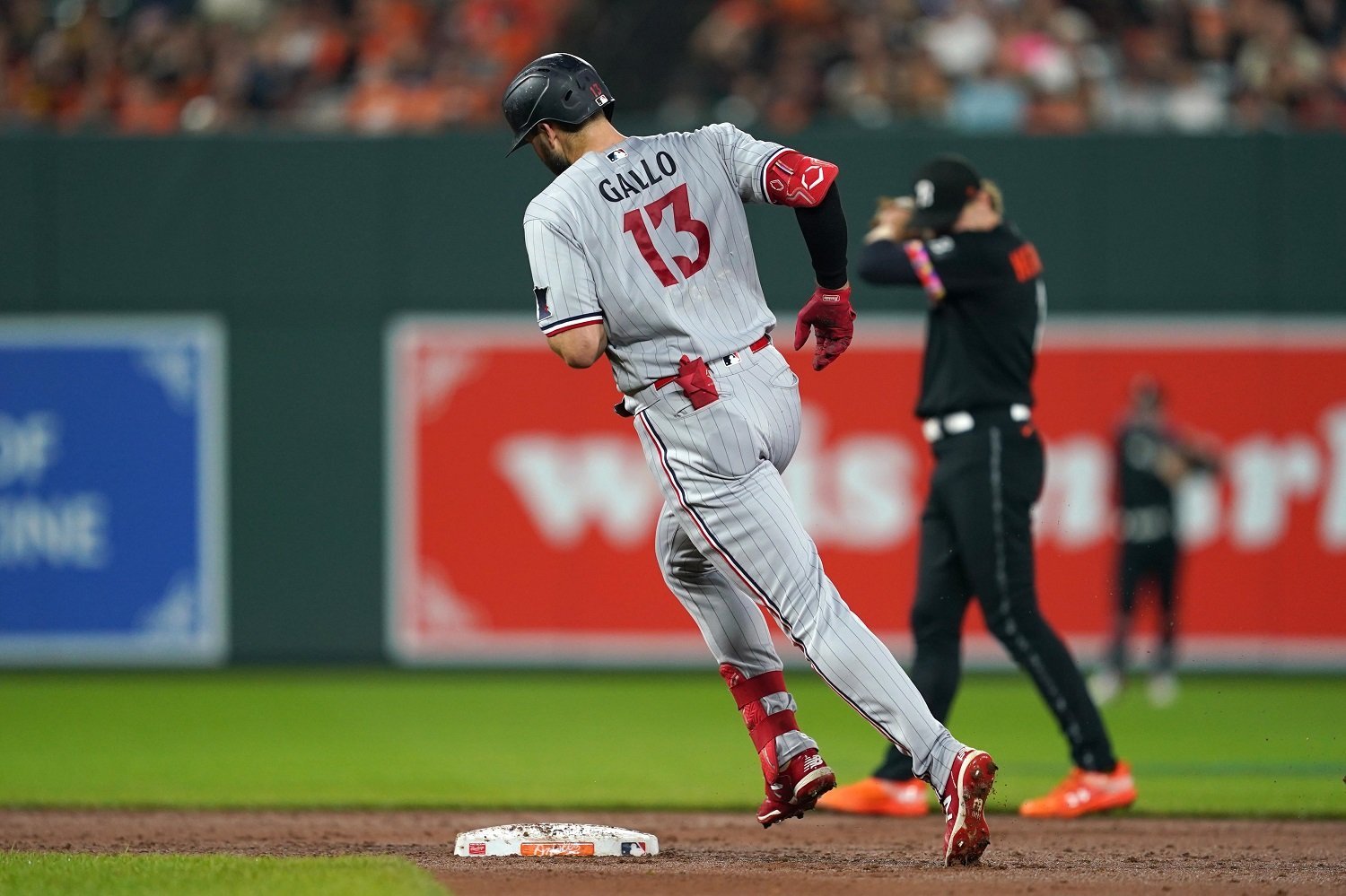 This winter the Twins “got their guy”, signing Joey Gallo to a one-year $11 million deal. As we’ve seen so many times, the veteran they brought in is likely making the last stop of his career in Minnesota, and they refuse to cut bait. Signing Joey Gallo was always a risky move, but an understandable one. Though the thought of parting with another left-handed bat to relieve the logjam never came to fruition, there was potential for a big bounce back. It hasn’t happened as we march into August, and the Twins appear content giving an out away every time through the lineup for the rest of the season as they desperately hope for the deal to not look like a complete flop. The stars seemingly aligned for Joey Gallo at the trade deadline. He was the most apparent cut candidate had they made an offensive addition, but luckily for Gallo, they did absolutely nothing. It’s possible he’d have survived any additions because of his price tag and the Twins' tendencies to hold onto veterans too long, but we’ll never know for sure. Things have gotten even better for Gallo since, as Alex Kirilloff and Donovan Solano have both hit the injured list. As the only remaining player who’s played a significant amount of first base this season, surely they can’t part with Gallo now, right? It should be simple: No amount of context at this point justifies Joey Gallo sticking to a competitive team’s roster. The hits have come less and less, naturally leading to fewer homers to make up for the lack of anything else. More importantly for the team on pace to break the all-time strikeout record, Gallo’s whiffs have become insurmountable. The Twins seem to value his defense at first base. He’s been exactly neutral with 0 Defensive Runs Saved, and 0 Outs Above Average. This is hardly a high bar to clear, and his ability to stand at first base should not justify a roster spot. Many have called for players such as Edouard Julien to diversify their defensive profiles and work some first base in, but the Twins' refusal to date leaves them with the current result. So what should the Twins do exactly? Anything else. In the past, the Twins keeping players such as Matt Wallner down was justified by the possibility that they’d perform worse than the incumbents. Unless we think whoever is called up can somehow undershoot a .130ish batting average and strike out more than half the time, that really shouldn’t be a concern here. The Twins' best players this season have been rookies called up from St. Paul. Right now Chris Williams plays a lot of first base for the Saints. He’s slashing .254/.371/.540 with 19 homers in Triple-A. There may not be much upside there at age 26, but it’s reached a point where it’s worth giving it a try. Anthony Prato has some first-base experience as well and has a 1.093 OPS. If the Twins are comfortable at all with him at first, the move should be a no-brainer. Both players perform better against lefties than righties, but so has Gallo this season. The first base depth may take a hit, but the Twins still have Kyle Farmer and Christian Vazquez with first-base experience, and they felt good enough about Solano to keep him off the IL. They have people who are technically capable of playing the position, which has seemingly been enough to justify Gallo keeping his roster spot for months now. There’s no rebound on the horizon for Joey Gallo. He’s averaging about one hit per week, and the walks aren’t valuable enough to justify his near everyday playing time. He’s rarely even putting balls over the fence anymore. Despite the remaining strength of schedule, the Twins are in a dogfight for the division, as evidenced by their 1-6 record against Detroit and Kansas City since the break. The time has come and gone to blindly trust the veterans. In the case of Joey Gallo, there are no worse options. Do you agree?
- 58 comments
-
- 10
-
-
-

-
- joey gallo
- chris williams
- (and 2 more)
-
For a time, the hope among fans and the Twins themselves was that Trevor Larnach would turn into a walk-drawing, mistake-mashing slugger. Instead, it appears Matt Wallner has seized an opportunity and taken his place. Image courtesy of Nick Wosika-USA TODAY Sports When the Twins selected him in the first round in the 2018 draft, it was apparent what the organization saw in the 6'4" left-handed hitting Trevor Larnach. His knowledge of the strike zone and all-fields approach set him up to become a force at the plate with just a few improvements in the profile to reach his raw power. Unfortunately, as his age-26 season wraps up, those improvements haven't been made, and Matt Wallner has passed him by. Many wrote Matt Wallner off, seemingly within the Twins organization, because of his defense and strikeout rates. At the end of a pointless 2022 season, the team spent much of August and September allowing players such as Jake Cave to take regular at-bats over Wallner, suggesting they didn't see much of a future. He was finally called up and finished with a slightly above-league average batting line, but the strikeouts ballooned as feared, resulting in the 2022 Minor Leaguer Hitter of the Year opening 2023 right back in St. Paul. The Twins had a goal for Wallner, and it was a lofty one: strike out less. Despite a near 30% K rate in St. Paul, Wallner adjusted, finishing with a 22.4% K rate in his last month and a half in Triple-A. This improvement was enough to push him ahead of Trevor Larnach, who had yet to show the ability to be an MLB regular for more than a week or so at a time as he neared 700 career plate appearances. The rest is history, as Matt Wallner has been a critical piece of the Twins' offense since his call-up. Though Larnach's sample size is much larger, it's easy to see what the Twins think. Wallner and Larnach share a lot of similarities in approach. They have a tremendous knowledge of the strike zone. Their ability to walk makes them vulnerable to taking close strikes, and pairing that with their swing-and-miss profiles, strikeouts will always be a part of the equation. The difference is the ability to do damage. The three true outcomes approach only works when achieving the all-important third outcome (home runs). As we've seen with Larnach, the above-average walk rate is nice, but when the strikeouts are high and he's not driving the ball, solely getting on base doesn't contribute that much to an offense. Players in 2023 with a similar power output level to Larnach's career .380 slugging mark include a trio of Guardians players Andres Gimenez, Amed Rosario, and Steven Kwan. Imagining any of these players without the stolen bases and with a 30+% strikeout rate should say all you need to know about why Larnach's lack of consistency in the power department is untenable. There's little doubt that the power will be there for Wallner, on the other hand. His ability to adjust the whiffs to acceptable rates, remaining under 30% at the big league level this year, has made the competition a no-brainer. Perhaps Wallner's strikeouts regress to troublesome levels, but it's unlikely the power goes away, and Larnach is headed in the wrong direction regarding whiffs himself. Regarding two players with similar skill sets, how the season finishes will have a lot of bearing on the two corner outfielders. If Wallner finishes up in 2023 anywhere near as strong as he's been, it's bad news for Larnach's Twins career. It is conceivable that both players roam the same outfield, but it's unlikely the Twins would want such a lack of range in both corners, and their offensive profiles resemble each other very closely. Larnach was drawing interest at the trade deadline, and he could likely find himself on the market again should Wallner continue to mash. While it would be disappointing to see a former promising player go, perhaps it finally leads to sustained playing time for the would-be 27-year-old. There's still time for things to play out, but Matt Wallner has taken Trevor Larnach's potential spot in the Twins' plans. After showing so many significant flaws in his game throughout the minors, Wallner shows that he can adjust and that his strengths can overpower his shortcomings. Larnach just has yet to show the same ability. While disappointing for Larnach, the Twins are fortunate that Matt Wallner has taken the next step and passed him by. The hope is that the walks and power remain for the long haul, making him a hulking piece of the Twins' offense for years to come. For now, this looks much likelier than Trevor Larnach occupying a space for the future. Matt Wallner has earned the spot once thought reserved for Trevor Larnach. Do you agree? View full article
-
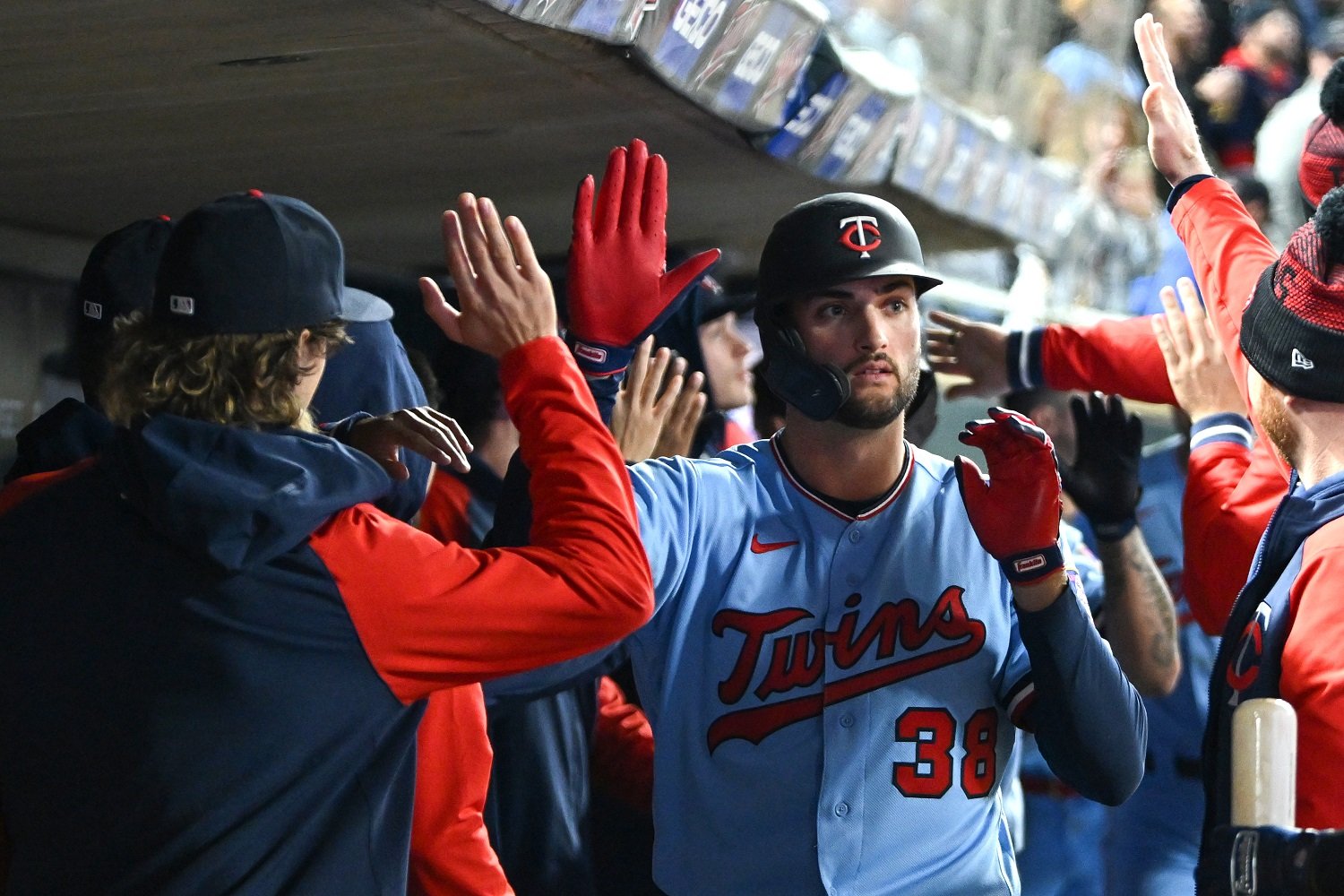 When the Twins selected him in the first round in the 2018 draft, it was apparent what the organization saw in the 6'4" left-handed hitting Trevor Larnach. His knowledge of the strike zone and all-fields approach set him up to become a force at the plate with just a few improvements in the profile to reach his raw power. Unfortunately, as his age-26 season wraps up, those improvements haven't been made, and Matt Wallner has passed him by. Many wrote Matt Wallner off, seemingly within the Twins organization, because of his defense and strikeout rates. At the end of a pointless 2022 season, the team spent much of August and September allowing players such as Jake Cave to take regular at-bats over Wallner, suggesting they didn't see much of a future. He was finally called up and finished with a slightly above-league average batting line, but the strikeouts ballooned as feared, resulting in the 2022 Minor Leaguer Hitter of the Year opening 2023 right back in St. Paul. The Twins had a goal for Wallner, and it was a lofty one: strike out less. Despite a near 30% K rate in St. Paul, Wallner adjusted, finishing with a 22.4% K rate in his last month and a half in Triple-A. This improvement was enough to push him ahead of Trevor Larnach, who had yet to show the ability to be an MLB regular for more than a week or so at a time as he neared 700 career plate appearances. The rest is history, as Matt Wallner has been a critical piece of the Twins' offense since his call-up. Though Larnach's sample size is much larger, it's easy to see what the Twins think. Wallner and Larnach share a lot of similarities in approach. They have a tremendous knowledge of the strike zone. Their ability to walk makes them vulnerable to taking close strikes, and pairing that with their swing-and-miss profiles, strikeouts will always be a part of the equation. The difference is the ability to do damage. The three true outcomes approach only works when achieving the all-important third outcome (home runs). As we've seen with Larnach, the above-average walk rate is nice, but when the strikeouts are high and he's not driving the ball, solely getting on base doesn't contribute that much to an offense. Players in 2023 with a similar power output level to Larnach's career .380 slugging mark include a trio of Guardians players Andres Gimenez, Amed Rosario, and Steven Kwan. Imagining any of these players without the stolen bases and with a 30+% strikeout rate should say all you need to know about why Larnach's lack of consistency in the power department is untenable. There's little doubt that the power will be there for Wallner, on the other hand. His ability to adjust the whiffs to acceptable rates, remaining under 30% at the big league level this year, has made the competition a no-brainer. Perhaps Wallner's strikeouts regress to troublesome levels, but it's unlikely the power goes away, and Larnach is headed in the wrong direction regarding whiffs himself. Regarding two players with similar skill sets, how the season finishes will have a lot of bearing on the two corner outfielders. If Wallner finishes up in 2023 anywhere near as strong as he's been, it's bad news for Larnach's Twins career. It is conceivable that both players roam the same outfield, but it's unlikely the Twins would want such a lack of range in both corners, and their offensive profiles resemble each other very closely. Larnach was drawing interest at the trade deadline, and he could likely find himself on the market again should Wallner continue to mash. While it would be disappointing to see a former promising player go, perhaps it finally leads to sustained playing time for the would-be 27-year-old. There's still time for things to play out, but Matt Wallner has taken Trevor Larnach's potential spot in the Twins' plans. After showing so many significant flaws in his game throughout the minors, Wallner shows that he can adjust and that his strengths can overpower his shortcomings. Larnach just has yet to show the same ability. While disappointing for Larnach, the Twins are fortunate that Matt Wallner has taken the next step and passed him by. The hope is that the walks and power remain for the long haul, making him a hulking piece of the Twins' offense for years to come. For now, this looks much likelier than Trevor Larnach occupying a space for the future. Matt Wallner has earned the spot once thought reserved for Trevor Larnach. Do you agree?
 -
It’s hard to look at just a few stats to summarize a team’s season considering how many layers there are to the game of baseball, but the Twins have made it easier than usual. Just a handful of them paints a pretty vivid picture of the Twins season. Image courtesy of Tommy Gilligan-USA TODAY Sports It's always felt like the Twins were being held back, potentially by themselves, in questionable ways. Pythagorean record agrees that the Twins should be at least a bit better, but they repeatedly fail to pick up any momentum for whatever reason. A few stats tell the story of why this might be. .657 OPS Against Left-Handed Pitchers That's good for 21% below league average by OPS+ against southpaws. Simply facing a left-handed pitcher of any caliber throws any momentum off course. It makes no sense from Buxton's .627 OPS against lefties to Kyle Farmer (.691 OPS) and Carlos Correa (.700 OPS) putting up below-league-average lines in these matchups. It continues to hamper an offense that has struggled overall. It doesn't help that the Twins' best hitters, such as Edouard Julien and Alex Kirilloff are left-handed. Still, the team's continued struggles from their right-handed hitters defy decades of matchup data and years of data these players have accumulated in their careers. Like much of the 2023 Twins season, the team's stats against left-handed pitching are headache-inducing. Carlos Correa's .691 OPS Can blame be directed at one single player on a disappointing baseball team? Surely not. If it could, Carlos Correa would be the #1 candidate for the Twins. They completed the Hail Mary this winter by waiting out free agency, hoping the former cornerstone shortstop would find his way back to Minnesota. He made $32m in 2023 and is expected to be a key cog in the offensive machine. Instead, Correa has caused an endless series of misfires. His OPS places him comfortably below average offensively, and despite his still stellar shortstop defense, by fWAR, Correa is tied for 6th highest on the team with Max Kepler and Michael A. Taylor with 0.9. His assumed backup, Kyle Farmer, has been more valuable overall by this measure despite playing in 19 fewer games. Correa has crippled the offense in the heart of the lineup, bouncing into a league-leading 20 double plays and showing that he can be beaten by fastballs repeatedly. So far, the Twins Dior-level investment has brought them Axe Chocolate Body Spray level returns (gross). Sonny Gray's 4-4 Record On Thursday evening, Sonny Gray earned his first win since April 30. Within this stretch are a few noteworthy numbers. Gray's 3.32 ERA earned him an all-star game nod and has him on pace for his first 4+ fWAR season since 2019 in Cincinnati. Despite his inconsistencies sometimes, he's pitching at peak levels for his career. Such a performance should have a pitcher on pace for 12-15 wins, at the very least, but not Sonny. In St. Louis, the Twins spotted Gray five runs of cushion, good for 9% of the run support he's received in 21 starts this season. His 4 wins symbolize the potent pitching performances the Twins squandered during the first half of the season by completely no-showing on offense. The Twins have lost 15 games this season when allowing three runs or fewer, the most in baseball. While win/loss records have become a measurement of the past, Gray's record in relation to the rest of his numbers shows where things have gone wrong for the Twins. We'll never know why 2023 has gone how it has, but inconsistency has been the name of the game for the Twins. Here's hoping they can outlast the Cleveland Guardians, who have given them every opportunity to take home a division title. There will always be some head-scratching stats on the record for 2023, and these are just a few of them. View full article
- 13 replies
-
- 1
-
-
- carlos correa
- sonny gray
- (and 2 more)
-
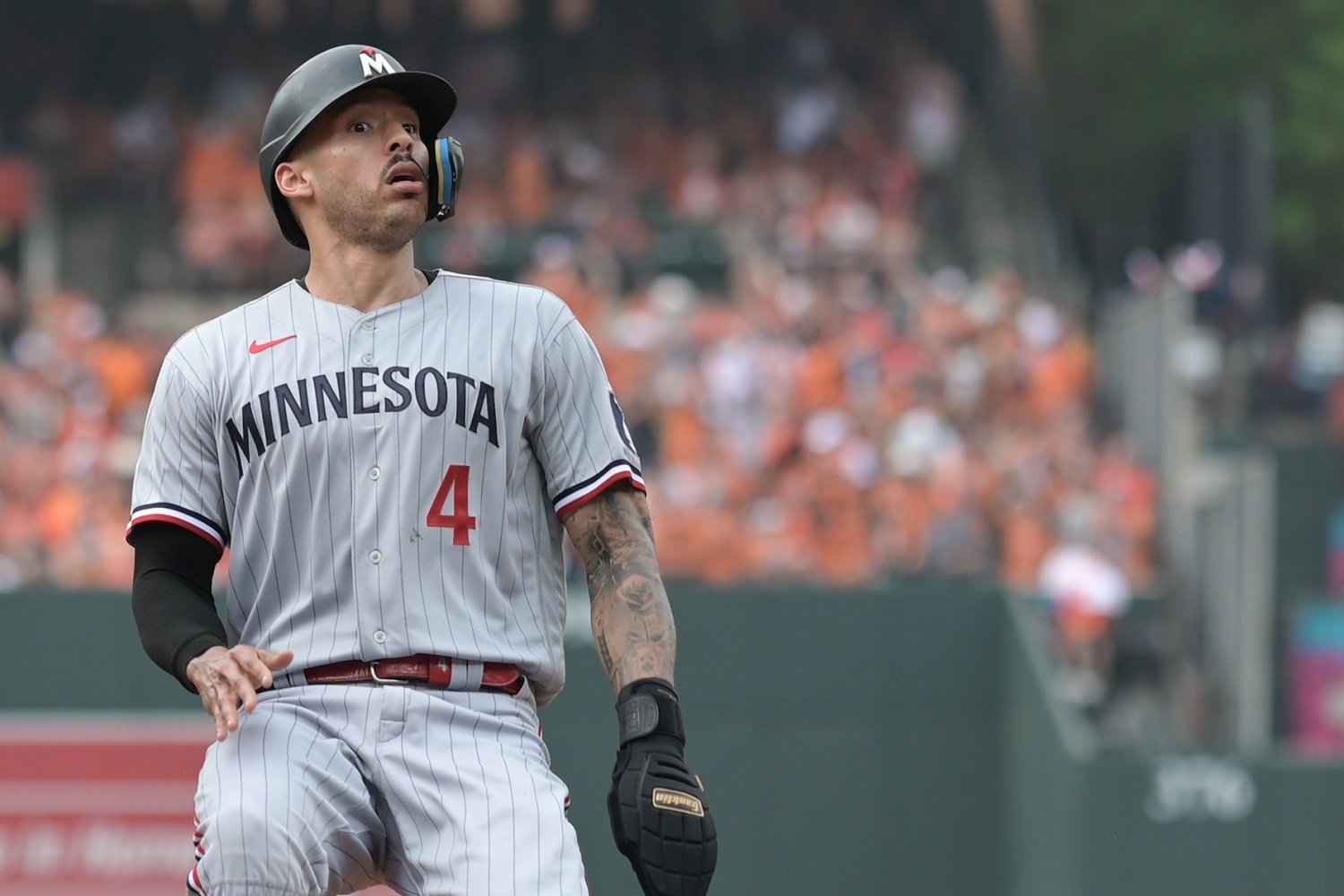 It's always felt like the Twins were being held back, potentially by themselves, in questionable ways. Pythagorean record agrees that the Twins should be at least a bit better, but they repeatedly fail to pick up any momentum for whatever reason. A few stats tell the story of why this might be. .657 OPS Against Left-Handed Pitchers That's good for 21% below league average by OPS+ against southpaws. Simply facing a left-handed pitcher of any caliber throws any momentum off course. It makes no sense from Buxton's .627 OPS against lefties to Kyle Farmer (.691 OPS) and Carlos Correa (.700 OPS) putting up below-league-average lines in these matchups. It continues to hamper an offense that has struggled overall. It doesn't help that the Twins' best hitters, such as Edouard Julien and Alex Kirilloff are left-handed. Still, the team's continued struggles from their right-handed hitters defy decades of matchup data and years of data these players have accumulated in their careers. Like much of the 2023 Twins season, the team's stats against left-handed pitching are headache-inducing. Carlos Correa's .691 OPS Can blame be directed at one single player on a disappointing baseball team? Surely not. If it could, Carlos Correa would be the #1 candidate for the Twins. They completed the Hail Mary this winter by waiting out free agency, hoping the former cornerstone shortstop would find his way back to Minnesota. He made $32m in 2023 and is expected to be a key cog in the offensive machine. Instead, Correa has caused an endless series of misfires. His OPS places him comfortably below average offensively, and despite his still stellar shortstop defense, by fWAR, Correa is tied for 6th highest on the team with Max Kepler and Michael A. Taylor with 0.9. His assumed backup, Kyle Farmer, has been more valuable overall by this measure despite playing in 19 fewer games. Correa has crippled the offense in the heart of the lineup, bouncing into a league-leading 20 double plays and showing that he can be beaten by fastballs repeatedly. So far, the Twins Dior-level investment has brought them Axe Chocolate Body Spray level returns (gross). Sonny Gray's 4-4 Record On Thursday evening, Sonny Gray earned his first win since April 30. Within this stretch are a few noteworthy numbers. Gray's 3.32 ERA earned him an all-star game nod and has him on pace for his first 4+ fWAR season since 2019 in Cincinnati. Despite his inconsistencies sometimes, he's pitching at peak levels for his career. Such a performance should have a pitcher on pace for 12-15 wins, at the very least, but not Sonny. In St. Louis, the Twins spotted Gray five runs of cushion, good for 9% of the run support he's received in 21 starts this season. His 4 wins symbolize the potent pitching performances the Twins squandered during the first half of the season by completely no-showing on offense. The Twins have lost 15 games this season when allowing three runs or fewer, the most in baseball. While win/loss records have become a measurement of the past, Gray's record in relation to the rest of his numbers shows where things have gone wrong for the Twins. We'll never know why 2023 has gone how it has, but inconsistency has been the name of the game for the Twins. Here's hoping they can outlast the Cleveland Guardians, who have given them every opportunity to take home a division title. There will always be some head-scratching stats on the record for 2023, and these are just a few of them.
- 13 comments
-
- 8
-
-
-
- carlos correa
- sonny gray
- (and 2 more)
-
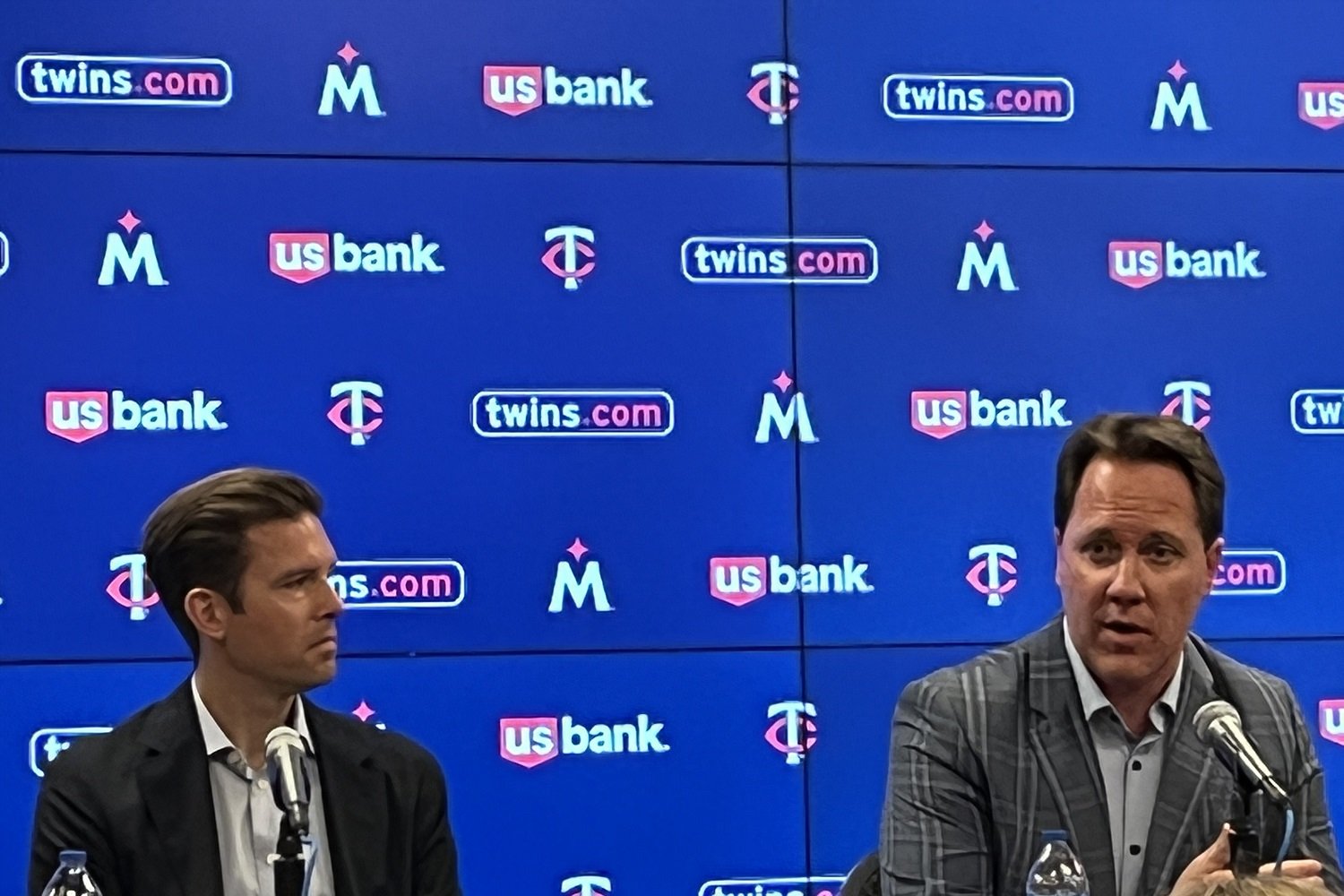 Many consider the overall body of work by the current front office as a success. It’s easy to compare to the Terry Ryan regime and agree that they’re in a much better place now. That being said, it’s fair to wonder whether their resume undoubtedly makes them the men for the job. This deadline may suggest that ownership, the people who matter, are content. The Falvey regime has had its ups and down, and despite their public desire to build a sustainable winner, the Twins have been anything but. After a surprise playoff appearance in 2017, they understandably finished six games under .500 the following season. 2019 appeared to be the year that years of building infrastructure and a farm system came together. Winning 101 games and setting the all-time home run record, a playoff series sweep was disappointing, but at least the Twins appeared to have a core in place for the long haul. In a shortened 2020, the Twins again made the playoffs only to be swept out by the sub-.500 Astros at home. At no point did the Twins front office express a step back in their attempts to contend between the plans they provided publicly and the moves they made. Still, they missed the playoffs in one of the softest divisions in history both in 2021 and 2022. There were routinely multiple teams missing the playoffs altogether from other divisions who would have run away with the AL Central, but the Twins couldn’t even finish in second place. You’d think this would cause tensions to begin rising within ownership, only to be made worse by a 2023 squad that has always felt mediocre and incomplete. The Twins entered the trade deadline with only a one-game lead on Cleveland. The needs were obvious and relatively cheap, and still, they chose to do nothing aside from part with Jorge Lopez, one of the holdovers from 2022's disastrous trade deadline. The Twins still have the second easiest remaining schedule in baseball, whereas Cleveland is about middle of the pack. It’s a big reason the Twins playoff odds remain near 80% despite their minuscule lead. Making matters even more interesting is Cleveland’s apparent plan at the deadline aiming more toward the future by parting with their most effective starter. They’re begging the Twins to take the division. It’s odd then that the front office chose not to address any of their most obvious needs between a bullpen that’s wearing down and the worst OPS against left-handed pitching in baseball. The Twins may very well still win the division, though it’s far from a done deal given how this team has played to date. We’ll all surely continue to watch in hopes of another division title, but the operation at the deadline should cause long-term concern, as it’s hard to see the front office passing on any upgrades if their jobs aren’t guaranteed. It was true before, and even more so now that Cleveland effectively sold: The Twins should not continue to employ this front office if they miss the playoffs for the third straight year. The bar to clear has never been lower, and the Twins simply should not be allowed to miss the mark for a third consecutive time. With even minor upgrades at the deadline, they could have insulated their division title, but they declined to do so riding a five-game losing streak and having just been swept by the Kansas City Royals. Derek Falvey, Thad Levine, and company simply don’t seem to have any sense of urgency after two-plus years of mediocrity, and that should be a bright red flag. They ignored obvious holes this offseason, and they doubled down on this flawed roster at the deadline even as Brock Stewart’s return to the bullpen and Alex Kirilloff’s return to the lineup became serious question marks. It’s clear they think they know better than anyone else when it comes to building a baseball team despite the lack of historical evidence, and it’s worth wondering whether this deadline’s inaction shows that ownership isn’t close to making a change. That should not be the case.
- 79 comments
-
- 6
-
-
-
- jorge lopez
- derek falvey
- (and 2 more)
-
Much of the takeaway from the Twins lack of trade deadline action rightfully revolves around the current team and the holes that remain. What it may say about the front office long-term is also a worthwhile consideration. Image courtesy of John Bonnes, Twins Daily Many consider the overall body of work by the current front office as a success. It’s easy to compare to the Terry Ryan regime and agree that they’re in a much better place now. That being said, it’s fair to wonder whether their resume undoubtedly makes them the men for the job. This deadline may suggest that ownership, the people who matter, are content. The Falvey regime has had its ups and down, and despite their public desire to build a sustainable winner, the Twins have been anything but. After a surprise playoff appearance in 2017, they understandably finished six games under .500 the following season. 2019 appeared to be the year that years of building infrastructure and a farm system came together. Winning 101 games and setting the all-time home run record, a playoff series sweep was disappointing, but at least the Twins appeared to have a core in place for the long haul. In a shortened 2020, the Twins again made the playoffs only to be swept out by the sub-.500 Astros at home. At no point did the Twins front office express a step back in their attempts to contend between the plans they provided publicly and the moves they made. Still, they missed the playoffs in one of the softest divisions in history both in 2021 and 2022. There were routinely multiple teams missing the playoffs altogether from other divisions who would have run away with the AL Central, but the Twins couldn’t even finish in second place. You’d think this would cause tensions to begin rising within ownership, only to be made worse by a 2023 squad that has always felt mediocre and incomplete. The Twins entered the trade deadline with only a one-game lead on Cleveland. The needs were obvious and relatively cheap, and still, they chose to do nothing aside from part with Jorge Lopez, one of the holdovers from 2022's disastrous trade deadline. The Twins still have the second easiest remaining schedule in baseball, whereas Cleveland is about middle of the pack. It’s a big reason the Twins playoff odds remain near 80% despite their minuscule lead. Making matters even more interesting is Cleveland’s apparent plan at the deadline aiming more toward the future by parting with their most effective starter. They’re begging the Twins to take the division. It’s odd then that the front office chose not to address any of their most obvious needs between a bullpen that’s wearing down and the worst OPS against left-handed pitching in baseball. The Twins may very well still win the division, though it’s far from a done deal given how this team has played to date. We’ll all surely continue to watch in hopes of another division title, but the operation at the deadline should cause long-term concern, as it’s hard to see the front office passing on any upgrades if their jobs aren’t guaranteed. It was true before, and even more so now that Cleveland effectively sold: The Twins should not continue to employ this front office if they miss the playoffs for the third straight year. The bar to clear has never been lower, and the Twins simply should not be allowed to miss the mark for a third consecutive time. With even minor upgrades at the deadline, they could have insulated their division title, but they declined to do so riding a five-game losing streak and having just been swept by the Kansas City Royals. Derek Falvey, Thad Levine, and company simply don’t seem to have any sense of urgency after two-plus years of mediocrity, and that should be a bright red flag. They ignored obvious holes this offseason, and they doubled down on this flawed roster at the deadline even as Brock Stewart’s return to the bullpen and Alex Kirilloff’s return to the lineup became serious question marks. It’s clear they think they know better than anyone else when it comes to building a baseball team despite the lack of historical evidence, and it’s worth wondering whether this deadline’s inaction shows that ownership isn’t close to making a change. That should not be the case. View full article
- 79 replies
-
- 2
-
-
- jorge lopez
- derek falvey
- (and 2 more)
-
Seattle Is A Good Fit For A Blockbuster Deal
Cody Pirkl replied to Cody Pirkl's topic in Twins Daily Front Page News
I wouldn't be shocked at all if we didn't have the guys to pull off a Gilbert trade for example either, but it's always hard to say. Some teams just value guys more highly than the public perception if say they think Wallner is a future All Star for example. I would be wary of trading multiple current big league pieces in such a deal FWIW. I'd be down to get someone like Emmanuel Rodriguez involved though. -
 The Seattle Mariners have assembled an enviable rotation, including controllable arms such as George Kirby, Logan Gilbert, Bryce Miller, and Bryan Woo, in addition to the recently extended Luis Castillo. In order to deal from this group, it sounds as though they’re looking for controllable bats in return. Should the Twins try to match up? The Twins have shown that they’re nothing if not creative when it comes to utilizing the trade market. It’s been downright impossible to guess their next move, as evidenced by the recent Jorge Lopez deal. While they don’t currently have an opening in the rotation, 2024 is a different story with Gray and Maeda set to depart. Could they move for another addition that could help them currently and in the future? With regards to where the Mariners might be looking for offensive pieces, the Twins may actually be a match. Their big long-term pieces in the outfield are Julio Rodriguez and Jarred Kelenic, with the third outfield spot in flux. A left-handed corner outfield bat could certainly be of interest. If Max Kepler’s 2024 option isn’t enough team control to move the needle, perhaps they’re fond of Trevor Larnach or Matt Wallner as at least part of a trade for an arm. Depending on who they send over, the Twins would certainly have to add to this package, but with several log jams coming up the pipeline, they have the ability to do so. Another position of need for Seattle is second base. While it’s hard to see the Twins parting with Edouard Julien, who’s been the heart of the offense, perhaps his lack of defensive value is enough to keep him from being off-limits. With so much control and such a potent bat, it’s likely teams have already checked in on him It was also curious that after so much talk of long rehab stints for injured players, Jorge Polanco was seemingly rushed back to action. Could the Twins have seen a window for him to prove his health? Polanco has been an underrated part of the Twins lineup for years now, but his long-term viability is coming into question with his health, and they’ve played without him for most of the season. If the option on his contract is enticing for Seattle, it could be another situation where the Twins add more on the back end to acquire a controllable arm. Between Logan Gilbert, George Kirby, Bryce Miller, and Bryan Woo, the Mariners have an enviable situation to deal from, and regardless of what the Twins would have to give up, it would hurt. That being said, acquiring another arm would knock Seattle out of the starting pitcher selling market, and the Twins could acquire a potentially foundational piece of the rotation and recoup some value by flipping one of their rental starters. The Twins could also negotiate to replace any MLB talent traded away with Teoscar Hernandez or Ty France, who appear to be on the market for the right price. It would be a big swing, which most fans do not want to see the Twins take given their inconsistency. It’s hard to deny that the Twins do have some redundancy in their system, and it may match up well with Seattle. Parting with familiar, controllable pieces may sound like a terrifying idea, but this would be a situation where they’re likely acquiring a fully established arm with plenty to offer over the next half-decade. It’s also the kind of shocking, out-of-nowhere deal the Twins (and Jerry Dipoto) have shown they’re willing to pull off. Are the Twins and Mariners truly a sneaky good fit in trade? Should the Twins be trying to free up their log jams in such a big way? Let us know below!
- 10 comments
-
- 3
-
-
- jorge polanco
- 2023 trade deadline
- (and 3 more)
-
The Mariners and master tradesman Jerry Dipoto have yet to make a trade as the deadline nears despite floating their willingness to part with controllable pitching. The Twins could make a surprising deal happen. Image courtesy of Steven Bisig-USA TODAY Sports The Seattle Mariners have assembled an enviable rotation, including controllable arms such as George Kirby, Logan Gilbert, Bryce Miller, and Bryan Woo, in addition to the recently extended Luis Castillo. In order to deal from this group, it sounds as though they’re looking for controllable bats in return. Should the Twins try to match up? The Twins have shown that they’re nothing if not creative when it comes to utilizing the trade market. It’s been downright impossible to guess their next move, as evidenced by the recent Jorge Lopez deal. While they don’t currently have an opening in the rotation, 2024 is a different story with Gray and Maeda set to depart. Could they move for another addition that could help them currently and in the future? With regards to where the Mariners might be looking for offensive pieces, the Twins may actually be a match. Their big long-term pieces in the outfield are Julio Rodriguez and Jarred Kelenic, with the third outfield spot in flux. A left-handed corner outfield bat could certainly be of interest. If Max Kepler’s 2024 option isn’t enough team control to move the needle, perhaps they’re fond of Trevor Larnach or Matt Wallner as at least part of a trade for an arm. Depending on who they send over, the Twins would certainly have to add to this package, but with several log jams coming up the pipeline, they have the ability to do so. Another position of need for Seattle is second base. While it’s hard to see the Twins parting with Edouard Julien, who’s been the heart of the offense, perhaps his lack of defensive value is enough to keep him from being off-limits. With so much control and such a potent bat, it’s likely teams have already checked in on him It was also curious that after so much talk of long rehab stints for injured players, Jorge Polanco was seemingly rushed back to action. Could the Twins have seen a window for him to prove his health? Polanco has been an underrated part of the Twins lineup for years now, but his long-term viability is coming into question with his health, and they’ve played without him for most of the season. If the option on his contract is enticing for Seattle, it could be another situation where the Twins add more on the back end to acquire a controllable arm. Between Logan Gilbert, George Kirby, Bryce Miller, and Bryan Woo, the Mariners have an enviable situation to deal from, and regardless of what the Twins would have to give up, it would hurt. That being said, acquiring another arm would knock Seattle out of the starting pitcher selling market, and the Twins could acquire a potentially foundational piece of the rotation and recoup some value by flipping one of their rental starters. The Twins could also negotiate to replace any MLB talent traded away with Teoscar Hernandez or Ty France, who appear to be on the market for the right price. It would be a big swing, which most fans do not want to see the Twins take given their inconsistency. It’s hard to deny that the Twins do have some redundancy in their system, and it may match up well with Seattle. Parting with familiar, controllable pieces may sound like a terrifying idea, but this would be a situation where they’re likely acquiring a fully established arm with plenty to offer over the next half-decade. It’s also the kind of shocking, out-of-nowhere deal the Twins (and Jerry Dipoto) have shown they’re willing to pull off. Are the Twins and Mariners truly a sneaky good fit in trade? Should the Twins be trying to free up their log jams in such a big way? Let us know below! View full article
-
 It seemed disaster was around the corner when the Twins lost Brock Stewart to injury before the all-star break. The resurgent flame thrower had become the Twins fireman to complement Griffin Jax and Jhoan Duran, and was arguably pitching better than either of them with Caleb Thielbar on the IL and Jorge Lopez not living up to expectations. The Twins were seemingly left with two reliable bullpen arms and a whole lot of questions. Emilio Pagan certainly deserves his praise, but Jordan Balazovic’s performance may be the most encouraging for the future of the Twins bullpen. Jordan Balazovic so far has posted a 2.93 ERA on the season. While his peripherals indicate regression is coming, his xERA is in the perfectly acceptable mid-3s. His FIP and xFIP are in the high 4s to mid 5s range, but they're being skewed quite a bit by his most recent outing where the Mariners put together two great at-bats, not chasing well-executed pitches to work walks before Dylan Moore ambushed Balazovic on a 95 mph fastball at the top of the zone. The stuff looked good despite the disappointing outcome. On Monday night, the Twins bullpen was depleted after having to use Jhoan Duran and Griffin Jax on consecutive days. Balazovic was thrust into his first high-leverage opportunity. Facing the heart of the Mariners lineup, Balazovic stranded a runner at third base to preserve the lead. While Jax would allow a go-ahead homer in the ninth, Balazovic had himself set up for his first Major League hold. Despite it looking like Balazovic could be headed in the wrong direction by the numbers, it’s very possible he can stave off regression with some further adjusting. The Twins did Balazovic no favors when it comes to his MLB debut. He had spent his season in St. Paul as a long reliever before injuries forced him onto the Twins roster where he filled a single-inning role. It’s a completely different style of pitching, and now that he’s been fully transitioned to a one-inning relief role, it should be expected that he’ll adjust as he settles in. A big reason the underlying numbers aren’t big fans of Balazovic is the lack of strikeouts thus far. He hasn’t shown a lack of whiffs in the minors since 2017 and had struck out 31.1% of hitters in St. Paul this season before his call-up. It may take some playing around, but Balazovic should have the tools to collect punchouts at an acceptable rate. His mid-90s fastball paired with a slider that’s posted a 118 Stuff+ alone should collect more whiffs long-term, and he’s rarely used his changeup despite it posting a 37.5% whiff rate having only been thrown 17 times. For a starter-turned-long reliever-turned-traditional reliever all in the same season, things could be going worse for Jordan Balazovic, and he’s been a cog in a bullpen machine that could have easily misfired regularly while missing multiple important pieces. When some of the injured arms return or the Twins go out and acquire help at the deadline, Balazovic will be pushed back down into lower leverage. As long as the walks stay down, Balazovic has shown that he deserves a spot as at least a functional middle reliever, and given his prospect pedigree as a starter, it’s fair to imagine that there’s much more he has to offer over the next 6+ years of team control. With their backs against the wall, the Twins bullpen has held it’s own, and Jordan Balazovic has been a pleasantly surprising reason why. Can he parlay his fill-in performance into a bigger bullpen role in the next few years?
- 10 comments
-
- 4
-
-

-
- jordan balazovic
- brock stewart
- (and 1 more)
-
The Twins needed to find some bullpen depth when Brock Stewart went down. While the bullpen overall has pulled its weight, Jordan Balazovic may be the most noteworthy development in recent weeks. Image courtesy of Jeffrey Becker-USA TODAY Sports It seemed disaster was around the corner when the Twins lost Brock Stewart to injury before the all-star break. The resurgent flame thrower had become the Twins fireman to complement Griffin Jax and Jhoan Duran, and was arguably pitching better than either of them with Caleb Thielbar on the IL and Jorge Lopez not living up to expectations. The Twins were seemingly left with two reliable bullpen arms and a whole lot of questions. Emilio Pagan certainly deserves his praise, but Jordan Balazovic’s performance may be the most encouraging for the future of the Twins bullpen. Jordan Balazovic so far has posted a 2.93 ERA on the season. While his peripherals indicate regression is coming, his xERA is in the perfectly acceptable mid-3s. His FIP and xFIP are in the high 4s to mid 5s range, but they're being skewed quite a bit by his most recent outing where the Mariners put together two great at-bats, not chasing well-executed pitches to work walks before Dylan Moore ambushed Balazovic on a 95 mph fastball at the top of the zone. The stuff looked good despite the disappointing outcome. On Monday night, the Twins bullpen was depleted after having to use Jhoan Duran and Griffin Jax on consecutive days. Balazovic was thrust into his first high-leverage opportunity. Facing the heart of the Mariners lineup, Balazovic stranded a runner at third base to preserve the lead. While Jax would allow a go-ahead homer in the ninth, Balazovic had himself set up for his first Major League hold. Despite it looking like Balazovic could be headed in the wrong direction by the numbers, it’s very possible he can stave off regression with some further adjusting. The Twins did Balazovic no favors when it comes to his MLB debut. He had spent his season in St. Paul as a long reliever before injuries forced him onto the Twins roster where he filled a single-inning role. It’s a completely different style of pitching, and now that he’s been fully transitioned to a one-inning relief role, it should be expected that he’ll adjust as he settles in. A big reason the underlying numbers aren’t big fans of Balazovic is the lack of strikeouts thus far. He hasn’t shown a lack of whiffs in the minors since 2017 and had struck out 31.1% of hitters in St. Paul this season before his call-up. It may take some playing around, but Balazovic should have the tools to collect punchouts at an acceptable rate. His mid-90s fastball paired with a slider that’s posted a 118 Stuff+ alone should collect more whiffs long-term, and he’s rarely used his changeup despite it posting a 37.5% whiff rate having only been thrown 17 times. For a starter-turned-long reliever-turned-traditional reliever all in the same season, things could be going worse for Jordan Balazovic, and he’s been a cog in a bullpen machine that could have easily misfired regularly while missing multiple important pieces. When some of the injured arms return or the Twins go out and acquire help at the deadline, Balazovic will be pushed back down into lower leverage. As long as the walks stay down, Balazovic has shown that he deserves a spot as at least a functional middle reliever, and given his prospect pedigree as a starter, it’s fair to imagine that there’s much more he has to offer over the next 6+ years of team control. With their backs against the wall, the Twins bullpen has held it’s own, and Jordan Balazovic has been a pleasantly surprising reason why. Can he parlay his fill-in performance into a bigger bullpen role in the next few years? View full article
