


Twins Video
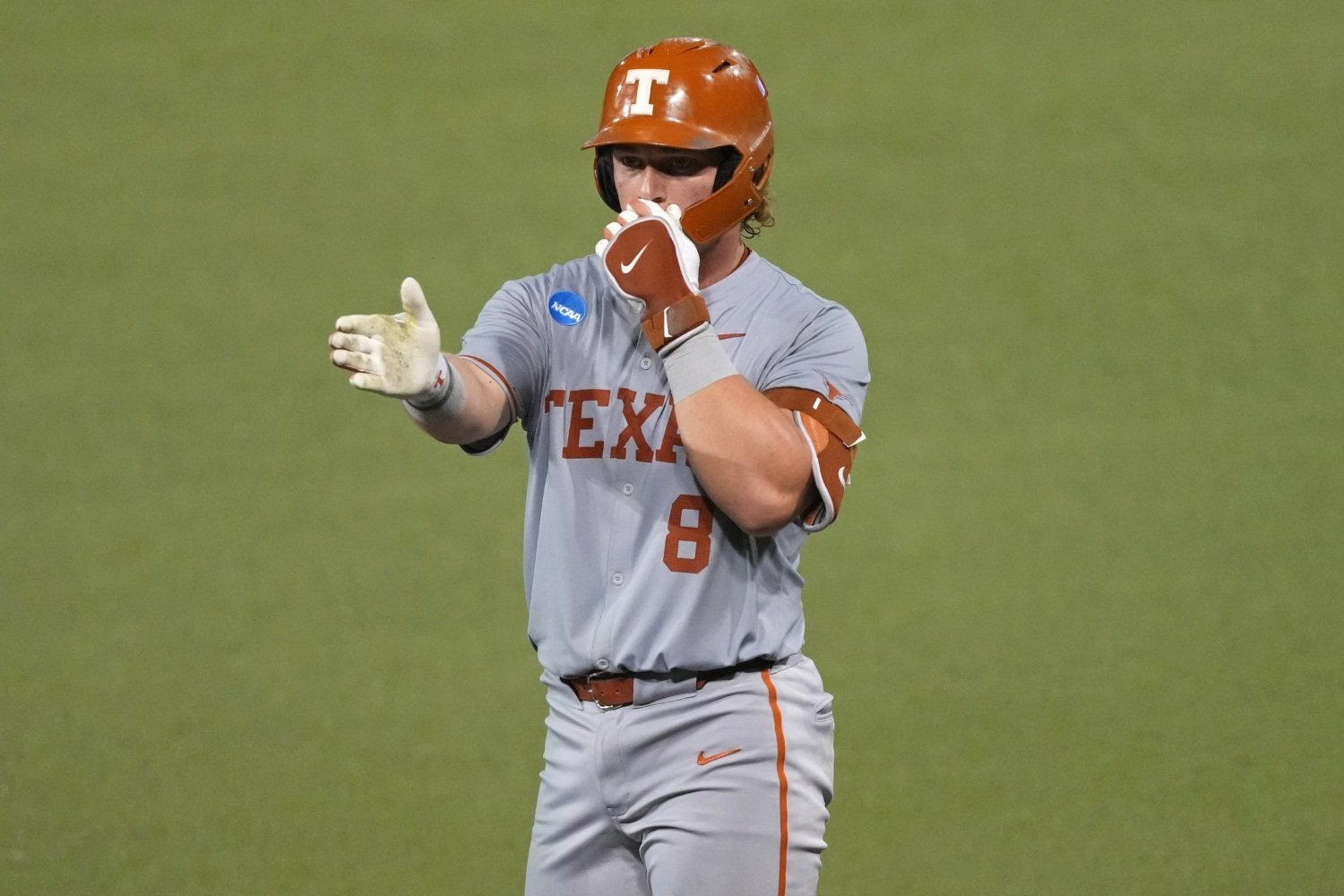
The Minnesota Twins were in position to take one of the draft’s top prospects when they used the third overall pick in the 2026 MLB Draft on catcher Vahn Lackey. Then they doubled down on the position with their very next pick, selecting Texas catcher Carson Tinney with the 43rd overall pick.
Drafting two catchers that early wasn't about redundancy. It was about conviction. Minnesota believes both players have the talent to become impact major leaguers, and while Lackey entered the draft as one of the most polished catchers available, Tinney represents a different type of investment. His offensive upside is obvious, but the Twins believe there's considerably more to unlock behind the plate.
If that sounds familiar, it's because the organization has already traveled this road once before.
A Familiar Development Story
Ryan Jeffers entered professional baseball with questions about whether he could stick behind the plate. The offensive tools were never in doubt.
Across three collegiate seasons, Jeffers slashed .323/.445/.620 (1.064) while posting an OPS above 1.000 in each of those years. However, he hadn't received extensive coaching as a catcher, making his defensive development a priority once he joined the Twins organization. The results speak for themselves. Jeffers grew into a reliable major league catcher while maintaining the offensive impact that made him an attractive draft pick.
Tinney arrives with a remarkably similar profile. After spending his first two seasons at Notre Dame, Tinney transferred to Texas and became one of the nation's most dangerous hitters. He hit .326/.478/.688 (1.165) over three seasons while launching 42 home runs, including 22 during his final collegiate campaign.
Like Jeffers before him, Tinney's bat is already advanced. Like Jeffers, the Twins see defensive improvements that can elevate his overall value.
Best Player Available
When assistant general manager Sean Johnson joined Inside Twins to recap Minnesota's draft class, he explained that selecting a second catcher wasn't part of a predetermined strategy.
"So, we had stacked the board the way we liked it. When we got to that range, Carson was definitely in play. And I think I say it every year, every scouting director says it, we're gonna take the best guy available."
"And so that was, that rings true. We thought he was the best position player on the board. We think we can turn him into a real catcher at the big-league level. He's got tremendous makeup, desire. He hasn't caught, really, his whole life. So, there's some stuff to unlock there for sure."
That belief mirrors the organization's philosophy with Jeffers several years ago. Rather than viewing Tinney as a finished product, the Twins see a player whose defensive ceiling is much higher than what he showed in college.
More Than Just Power
Tinney's offensive profile extends beyond tape-measure home runs. Johnson highlighted the complete package the Twins believe they're acquiring.
"And then offensively, the guy did as much damage with the ball as almost anybody in the draft. You know, he's, he hit in a great lineup at Texas this year. Hits the ball extremely hard. Takes great at-bats. Really, really nice walk rate to kind of support. He's not just a power first guy."
"But when he hits it, he hits the ball extremely hard. And a really good foundation to catch. He can really throw."
The combination of patience, power, and arm strength gives the Twins multiple reasons to believe Tinney can develop into an everyday player. His defensive work is simply the next phase of that development.
Betting on Makeup
Player development is rarely just about physical tools. For the Twins, Tinney's willingness to improve may be one of his biggest assets.
"We think we can do even more with his receiving,” said Johnson. “And again, like the makeup is the thing you're going to get into there once again. He's going to work at all the things that RPD is going to offer him once he signs."
That comment stands out because it echoes what the organization valued in Jeffers years ago. Strong leadership, work ethic, and coachability can often determine whether a player reaches his ceiling. The Twins clearly believe Tinney possesses those qualities.
Similar, But Not Identical
Naturally, comparisons to Jeffers surfaced almost immediately. Johnson understands why.
"They're somewhat similar. I think we had similar thoughts on Ryan. I don't like to compare the two of them directly. But Ryan needed… some work with his receiving. We thought his swing was in a good spot."
"So, you can immediately kind of connect the two together in that way. But both had really good makeups, really good leaders on their team, carried their clubs, different leagues, obviously. So, I think we have similar feelings there. But I think as far as Carson's concerned, we think we can turn him into a real catcher."
Johnson stopped short of labeling Tinney the next Jeffers, but the similarities are difficult to ignore. Both entered pro ball as offense-first catchers. Both needed refinement as receivers. Both were respected leaders with strong makeup. Most importantly, both joined an organization confident in its ability to develop catchers.
The Twins drafted Tinney because Jeffers proved this development path can work. Minnesota has spent years building one of baseball's most respected player development systems, and Jeffers became one of the best examples of that philosophy.
Tinney still has a long way to go before anyone should expect him to follow the same career trajectory. Prospect development is rarely linear, and plenty of talented college hitters never make the defensive leap required to become major league catchers.
Still, if the Twins are looking for a blueprint, they don't have to look very far. They've already turned one offense-first college catcher into a productive big league regular. Now they'll spend the next several years trying to do it again with Tinney.
Can Tinney become the next Jeffers? Leave a comment and start the discussion.
Do you approve of Twins ownership?

Interested in learning more about the Minnesota Twins' top prospects? Check out our comprehensive top prospects list that includes up-to-date stats, articles and videos about every prospect, scouting reports, and more!
View Twins Top ProspectsFollow Twins Daily For Minnesota Twins News & Analysis



- Mia Bednar, DocBauer, Patzky and 2 others
-
 5
5


Recommended Comments
Create an account or sign in to comment
You need to be a member in order to leave a comment
Create an account
Sign up for a new account in our community. It's easy!
Register a new accountSign in
Already have an account? Sign in here.
Sign In Now