

Twins Video
On Tuesday, the Red Sox and top outfield prospect Roman Anthony agreed to an eight-year, $130 million extension after just 47 games in the majors. The deal, which could keep Anthony in Boston through his age-30 season, is one of the most aggressive early-career commitments a team has made in recent years. It’s a signal that front offices are willing to lock in young players earlier than ever, especially if they believe they’ve found a long-term star.
The bigger takeaway for a team like the Twins is timing. When should you commit to a young player, and how soon is too soon? After a trade deadline that dramatically reduced future payroll, the Twins are in a rare position where they can think proactively. They’ve shed tens of millions in 2025 and beyond by moving on from Carlos Correa and multiple arbitration-eligible relievers. And while it’s unlikely Minnesota will redirect that savings into splashy free-agent contracts, a more logical path would be to invest some of it into locking in younger talent at club-friendly rates before the price goes up.
There are two clear candidates on the roster who fit that mold: Bailey Ober and Luke Keaschall. A third, Walker Jenkins, might seem like a natural fit, he’s a top-15 prospect, already in Double-A, and tracking for a debut next year. But Jenkins is a Scott Boras client, and Boras clients almost never sign early extensions. His philosophy is to play out the arbitration years and hit free agency at full value. That effectively removes Jenkins from consideration, at least until he’s deep into his major-league career.
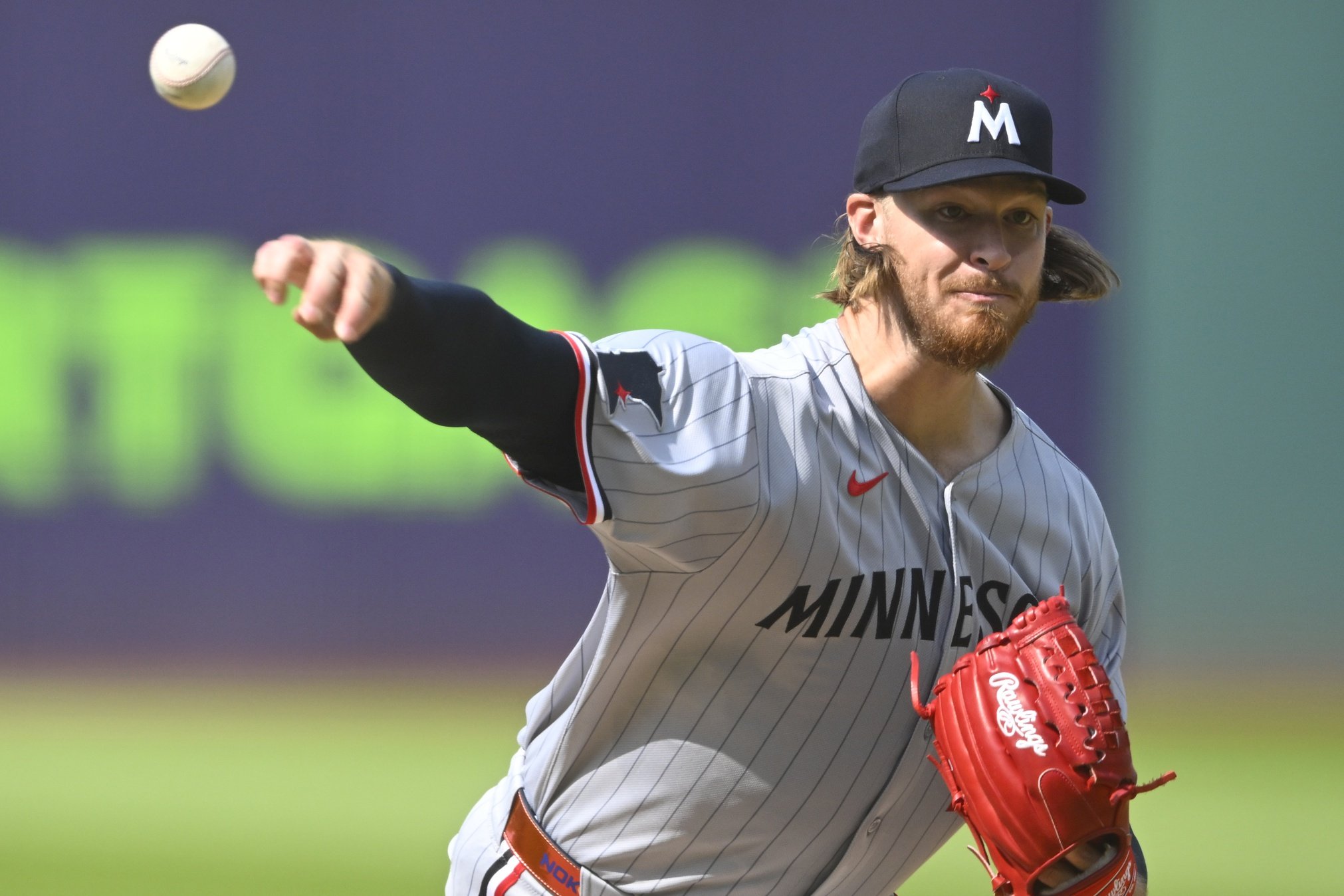
Bailey Ober, on the other hand, is a much different case. After a strong showing in 2023 and 2024, Ober entered the 2025 season as one of the most reliable arms in Minnesota’s rotation. But this year has gone sideways. He currently owns a 5.38 ERA and has struggled with decreased velocity and a rising home run rate, giving up hard contact at one of the highest clips of his career. A nagging hip issue sidelined him earlier in the season, and although he’s returned to the mound, he hasn’t been able to recapture the consistency that made him so effective in previous years. For a pitcher who just turned 30 and is struggling, it’s a tough combination at a tough time.
Still, that might be exactly why now is the time for the Twins to act. Ober is making $3.55 million this year in his first year of arbitration. He’s likely to make around $6 million in 2026 and close to $10 million in 2027. That’s roughly $16 million over the next two years. If the Twins want to avoid riding the arbitration rollercoaster, and possibly buy an extra year of team control, they could offer Ober a three-year, $27 million extension that covers his two remaining arb years and his first free-agent season. A club option for 2029 around $12.5 million could give the team even more flexibility.
This would be a slightly front-loaded deal that gives Ober financial security at a vulnerable point in his career. For the Twins, it’s a low-risk play. If Ober continues to struggle, they haven’t committed long-term money. But if he regains his form from 2023–24—where he flashed SP2/SP3 potential with strong command, they could be getting two years of free-agent value at a steep discount. It’s the kind of hedge that makes sense when you’ve just cleared out a large chunk of veteran salary and are trying to stabilize your future rotation.
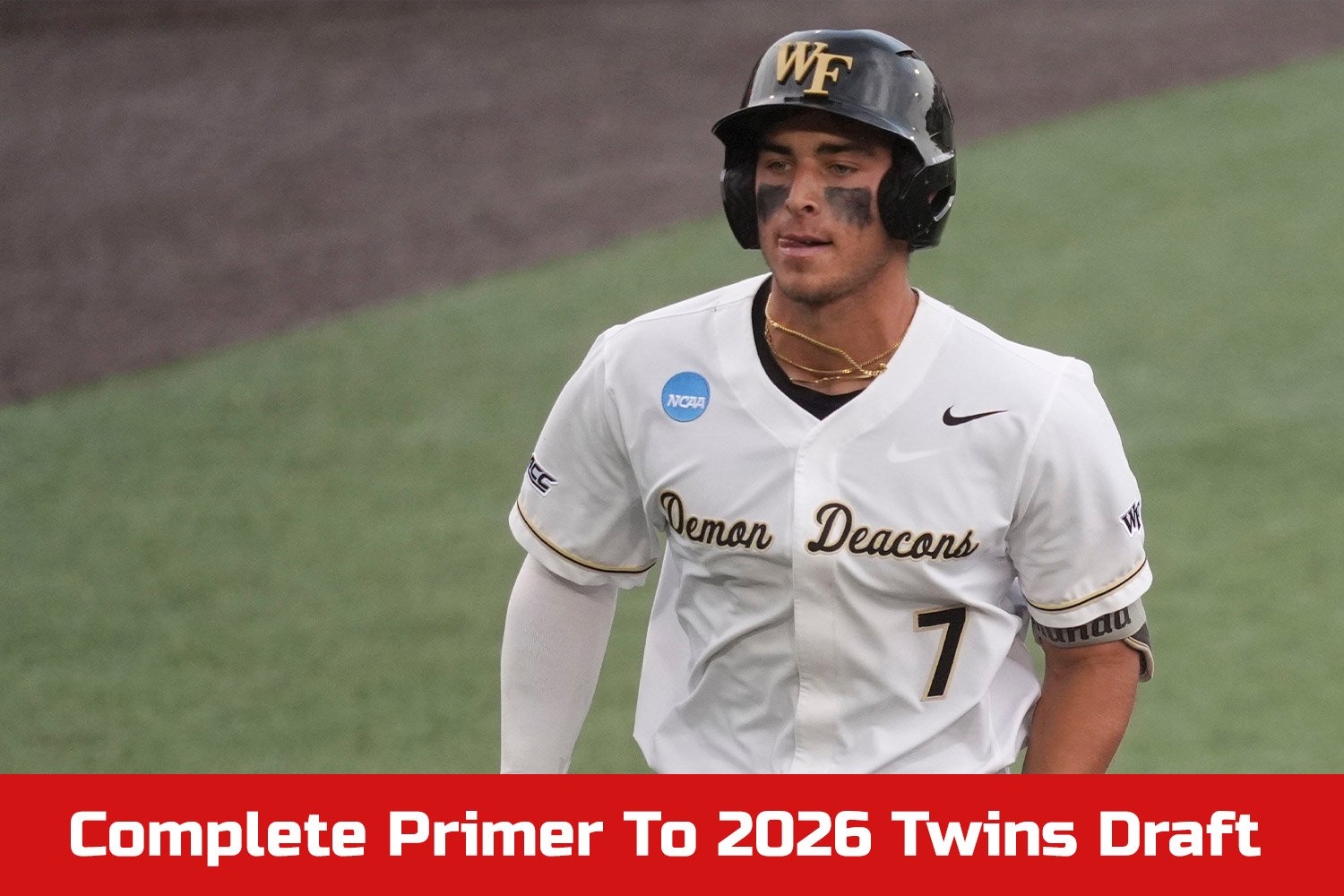
Then there’s Luke Keaschall. The 22-year-old infielder has fewer than 50 MLB plate appearances, but he’s already flashing the kind of tools that scream long-term contributor. A top-50 prospect coming into the season, Keaschall has certainly looked the part at the plate and on the bases in his limited time, and he looks like a strong candidate to take over second base for the long haul. If the Twins believe in the upside, this winter would be the ideal time to strike. A six- or seven-year deal worth $50 to $60 million would be in line with extensions handed out to players like Ke’Bryan Hayes and Luis Robert. The Twins would get cost control and buy out a couple of free agent years, while Keaschall would lock in meaningful earnings before ever entering arbitration.
It’s worth noting that these two extension candidates fall into very different categories. Keaschall is a young star in the making. Unproven but with real upside and long-term value. Ober is a buy-low opportunity, an arbitration pitcher with a track record but legitimate concerns. The appeal of both is different, but the logic for acting now is the same: control cost, minimize risk, and lock in value before the rest of the league catches up.
Other names might come to mind too. Joe Ryan is pitching well enough to merit extension consideration, but with just two years left before free agency and a strong platform building, he’s likely headed for a big payday the Twins probably can’t afford. Royce Lewis has elite upside but simply hasn’t stayed healthy enough or played well enough to justify a long-term deal right now. And someone like Matt Wallner might be in play as a value extension, but platoon corner outfielders rarely land multi-year deals. Kaelen Culpepper could be in the conversation this time next season, but without the prospect hype that Jenkins has, the risk for him would be too great. For now, the clearest cases remain Ober and Keaschall.
What do you think? Would you offer either of these extensions, or wait it out? Would you take a chance on someone else instead? Leave a comment and start the conversation.







Recommended Comments
Create an account or sign in to comment
You need to be a member in order to leave a comment
Create an account
Sign up for a new account in our community. It's easy!
Register a new accountSign in
Already have an account? Sign in here.
Sign In Now