


Twins Video
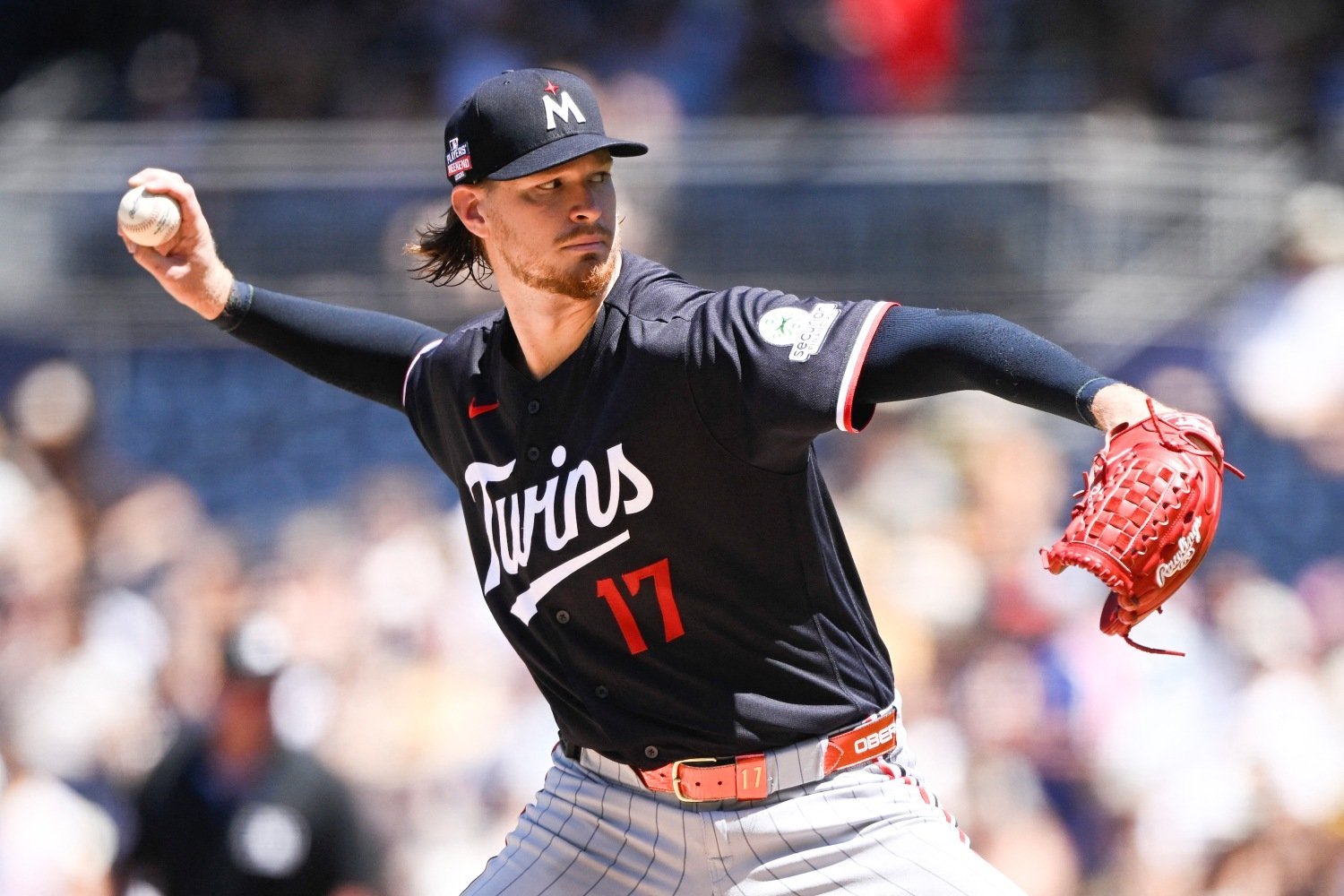
Bailey Ober's 2026 season hasn't gone to plan. The right-hander has battled through a noticeable decline in velocity, and the results have been middling. There have been stretches where Ober hasn't looked like the pitcher Twins fans became accustomed to seeing over the previous several seasons. That doesn't mean his entire body of work should be forgotten, though—particularly if this weekend is the last time he dons the home uniform at Target Field. Ober has quietly become one of the better starting pitchers the Twins have developed over the last two decades.
His career hasn't followed the traditional path of a highly-touted prospect becoming a frontline starter. Instead, he went from a 12th-round pick with limited expectations to a reliable big-league starter who ranks near the top of the organization's pitching leaderboard. His 2026 season deserves criticism. His career deserves appreciation.
Ober's Velocity Problem Has Made 2026 a Challenge
The biggest issue for Ober this season has been his diminished velocity. Ober has never been a pitcher who overpowered hitters with elite velocity. His success came from a combination of command, deception, pitch shape, extension and the ability to keep hitters from getting comfortable. When the velocity drops, however, there is less margin for error. Hitters can sit on pitches longer. Mistakes become easier to punish. The difference between a well-executed pitch and one left over the middle becomes even more important. That has been part of the story in 2026.
Ober has still shown flashes of the pitcher he can be, but there haven't been enough of those stretches to make this season feel like a major step forward. It's fair to wonder what the diminished velocity means for his future, especially when the Twins are evaluating a rotation that could look considerably different next season. Still, one difficult season shouldn't erase everything that came before it.
From 12th-Round Pick to Big-League Starter
Ober's development might be one of the more impressive pitching stories of the current Twins era. Minnesota selected him in the 12th round of the 2017 MLB Draft out of the College of Charleston. There wasn't much expectation that he would eventually become a major-league starting pitcher.
Ober had to create that opportunity for himself. The COVID-19 shutdown gave him an unusual opportunity to work on his delivery and make changes that might not have been possible during a normal season. He used that time to hone his mechanics and, importantly, increase his velocity. That work helped transform him.
Instead of remaining a tall right-hander with interesting raw traits who might eventually reach the upper levels of the minors, Ober developed into a legitimate pitching prospect. The Twins eventually called him to the majors, and he established himself as more than just a temporary rotation option.
Ober's Place in the Target Field Era
When looking at the Twins' starting pitchers since Target Field opened in 2010, Ober's career stands out even more. Only Joe Ryan, José Berríos and Kyle Gibson have accumulated more fWAR among Twins starting pitchers during the Target Field era. That's impressive company for a pitcher who never fully felt like he was in the team’s long-term plans.
Ober's best stretch came from 2022 through 2024. During those three seasons, he posted a 115 ERA+, a 3.74 FIP and a 1.03 WHIP while averaging 126 innings per season. Those aren't the numbers of a dominant ace. Ober was never consistently dominant. He didn't routinely overpower lineups or spend entire seasons looking like a Cy Young candidate. But he was good, and he had stretches when he looked extremely good.
There were games when everything clicked and Ober looked nearly impossible to square up. Over a full season, consistency mattered more than those dominant moments. That's why his overall value has been so important to the Twins. He provided volume and stability at some vital periods in the team's last half-decade.
What Happens Next?
Ober is likely to receive one more opportunity to take the mound before the 2026 season ends, with a potential weekend start at Target Field against Texas. It could be another chapter in a Twins career that still has plenty left to write. But it could be his final start wearing a Minnesota uniform. Next season will be his final year before free agency, and his salary is likely to increase through arbitration after making $5.2 million in 2026. The Twins could have a crowded group competing for rotation spots next season. That combination creates an interesting offseason decision. Ober has value because of what he has already proved, but the Twins have to determine how much they believe in his ability to regain some of the velocity that helped make him successful.
Only Ryan, Berríos and Gibson have accumulated more fWAR as Twins starters since 2010. That's not a bad legacy for a pitcher who entered professional baseball with very few expectations.
Whatever happens this offseason, Ober has already earned his place among the organization's better starting pitchers of the last 15-plus years. His 2025 and 2026 seasons may have complicated his future, but they shouldn't diminish what he accomplished to get here.
What stands out about Ober's time in Minnesota? Where does he rank among starting pitchers in the Target Field era? Leave a comment and start the discussion.
Do you approve of Twins ownership?

Follow Twins Daily For Minnesota Twins News & Analysis



- DannySD, Permanent Twins Fan, glunn and 3 others
-
 6
6


Recommended Comments
Create an account or sign in to comment
You need to be a member in order to leave a comment
Create an account
Sign up for a new account in our community. It's easy!
Register a new accountSign in
Already have an account? Sign in here.
Sign In Now