



Jamie Cameron
-
Posts
1,341 -
Joined
-
Last visited
-
Days Won
4
Content Type
Profiles
News
Minnesota Twins Videos
2026 Minnesota Twins Top Prospects Ranking
2022 Minnesota Twins Draft Picks
Minnesota Twins Free Agent & Trade Rumors, Notes, & Tidbits
Guides & Resources
2023 Minnesota Twins Draft Picks
The Minnesota Twins Players Project
2024 Minnesota Twins Draft Picks
2025 Minnesota Twins Draft Pick Tracker
2026 Minnesota Twins Draft Tracker: Picks & Bonuses
Forums
Blogs
Events
Store
Downloads
Gallery
Everything posted by Jamie Cameron
-
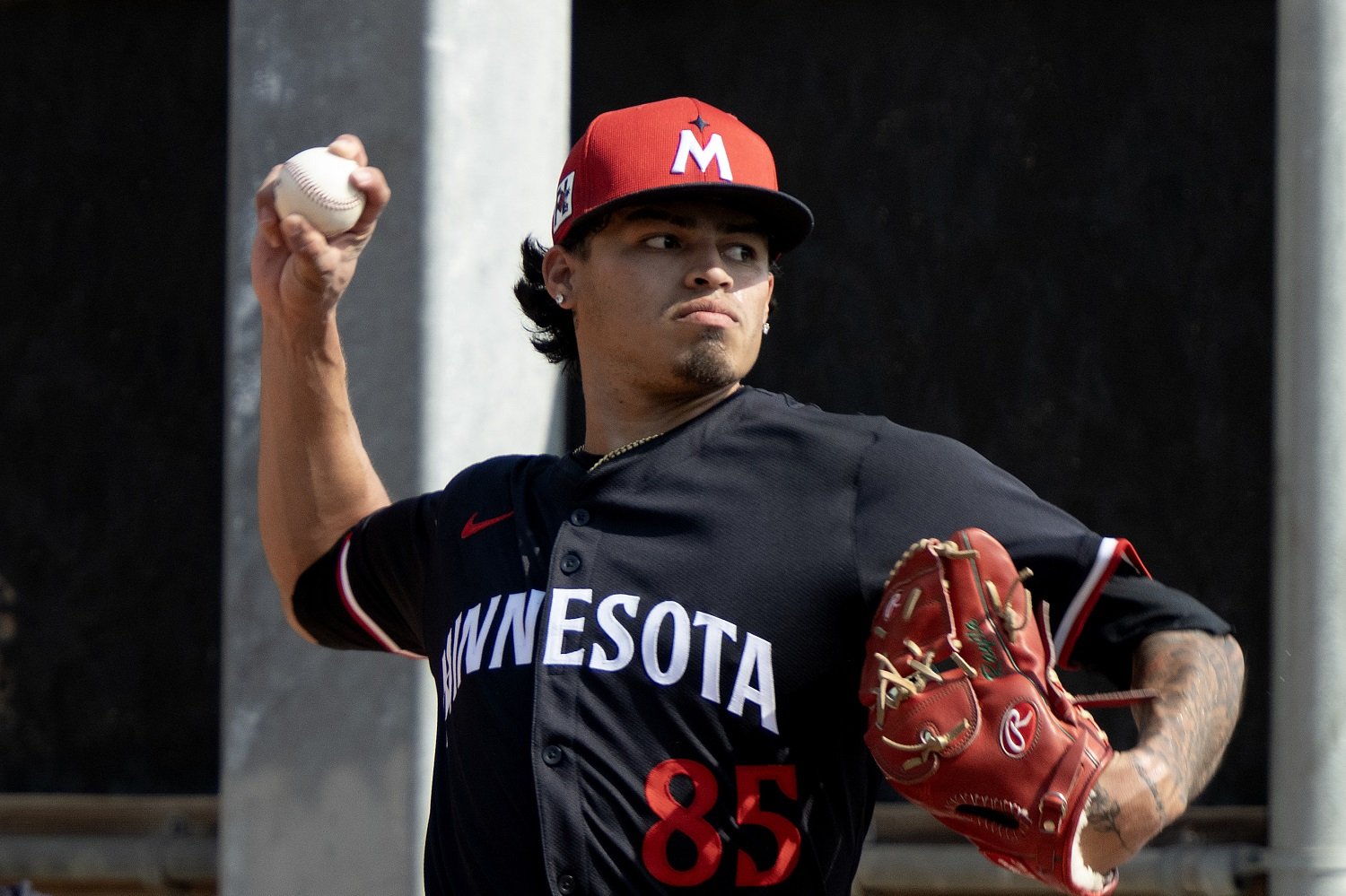 One on hand, mission accomplished for the Twins and Marco Raya . The 22-year-old right-handed pitcher enters 2025 spring training healthy and on the doorstep of the majors. On the other hand, there’s so much still to discover. It’s a regular occurrence that a prospect comes into spring training with something to prove. It’s a less frequent occurrence that the needed proof-point stems from organizational decision making, rather than player performance. That’s exactly where Raya finds himself, though. His pitch counts and workload have been carefully monitored since he experienced shoulder problems earlier in his career. Successfully so. Raya hasn’t suffered persistent injuries since. He’s coming off a career-high 92 ⅔ innings in 2024 and is likely to start 2025 at Triple-A. Raya pitched six innings just once in 2024, five innings just five times. The other 19 starts were all less than five innings. Raya was on fairly strict pitch counts in 2024 to ensure he got to the doorstep of the majors with as little wear and tear as possible. It leaves us with important unanswered questions; how will his arsenal stand up to going through a lineup the third time? How will his smaller frame stand up to an increased workload in 2025? If Raya exhibits any frustration at the slow progression of his workload and pitch counts, he doesn’t show it. "It’s just building up little by little," Raya told Twins Daily’s John Bonnes, "Taking care of my arm and building my body weight to support it." The Twins clearly feel that the time is now to take the training wheels off Raya’s workload limitations. He threw at least five innings in five of his last seven starts for Wichita and St. Paul in 2024, capping a solid season in which he posted a 4.05 ERA, 3.88 FIP, and struck out 24.6% of hitters, while walking 10.5%. Raya has focused his offseason on being ready for spring training. "I got here January 5th," Raya told reporters, early in spring workouts. "The past few years I’ve arrived around the same date." Raya isn’t just relying on thorough preparation ahead of 2025, he’s expanded his arsenal. "I’ve got six pitches: four-seam, two-seam, cutter, curveball, slider, and changeup." Much like Andrew Morris, Raya has been engaged this season in diversifying his pitch mix. Raya added a cutter last year, which became one of his best pitches, creating plenty of in-zone whiffs. This offseason, his focus has been elsewhere. "I’ve really been hammering the change up. I didn’t feel super comfortable with it last year, but it’s really come along." Raya relayed to Bonnes, clarifying that he wants a pitch which ‘separates’ and moves away from left-handed hitters more effectively. Monitoring Raya’s changeup will be one area of interest for Twins fans in 2025, as he struggled a little more than you might like to see against left-handed hitters. With an expanded arsenal of pitches and the pitch count handbrake being eased off, we’ll finally get a chance to see how Raya’s strong stuff might translate to a starting pitching role on the big-league team in an extended audition in St. Paul. Twins Daily's John Bonnes contributed to reporting for this article.
 -
Twins right-handed pitcher Marco Raya has always had the stuff to become a big league starter. He's always been handled cautiously by the Twins. What has Raya been working on this offseason? We dig in to find out. Image courtesy of © Chris Tilley-Imagn Images One on hand, mission accomplished for the Twins and Marco Raya . The 22-year-old right-handed pitcher enters 2025 spring training healthy and on the doorstep of the majors. On the other hand, there’s so much still to discover. It’s a regular occurrence that a prospect comes into spring training with something to prove. It’s a less frequent occurrence that the needed proof-point stems from organizational decision making, rather than player performance. That’s exactly where Raya finds himself, though. His pitch counts and workload have been carefully monitored since he experienced shoulder problems earlier in his career. Successfully so. Raya hasn’t suffered persistent injuries since. He’s coming off a career-high 92 ⅔ innings in 2024 and is likely to start 2025 at Triple-A. Raya pitched six innings just once in 2024, five innings just five times. The other 19 starts were all less than five innings. Raya was on fairly strict pitch counts in 2024 to ensure he got to the doorstep of the majors with as little wear and tear as possible. It leaves us with important unanswered questions; how will his arsenal stand up to going through a lineup the third time? How will his smaller frame stand up to an increased workload in 2025? If Raya exhibits any frustration at the slow progression of his workload and pitch counts, he doesn’t show it. "It’s just building up little by little," Raya told Twins Daily’s John Bonnes, "Taking care of my arm and building my body weight to support it." The Twins clearly feel that the time is now to take the training wheels off Raya’s workload limitations. He threw at least five innings in five of his last seven starts for Wichita and St. Paul in 2024, capping a solid season in which he posted a 4.05 ERA, 3.88 FIP, and struck out 24.6% of hitters, while walking 10.5%. Raya has focused his offseason on being ready for spring training. "I got here January 5th," Raya told reporters, early in spring workouts. "The past few years I’ve arrived around the same date." Raya isn’t just relying on thorough preparation ahead of 2025, he’s expanded his arsenal. "I’ve got six pitches: four-seam, two-seam, cutter, curveball, slider, and changeup." Much like Andrew Morris, Raya has been engaged this season in diversifying his pitch mix. Raya added a cutter last year, which became one of his best pitches, creating plenty of in-zone whiffs. This offseason, his focus has been elsewhere. "I’ve really been hammering the change up. I didn’t feel super comfortable with it last year, but it’s really come along." Raya relayed to Bonnes, clarifying that he wants a pitch which ‘separates’ and moves away from left-handed hitters more effectively. Monitoring Raya’s changeup will be one area of interest for Twins fans in 2025, as he struggled a little more than you might like to see against left-handed hitters. With an expanded arsenal of pitches and the pitch count handbrake being eased off, we’ll finally get a chance to see how Raya’s strong stuff might translate to a starting pitching role on the big-league team in an extended audition in St. Paul. Twins Daily's John Bonnes contributed to reporting for this article. View full article
-
Destination: The Show, Episode 69. Twins Prospect Mailbag
Jamie Cameron posted an article in Podcasts
 In episode 69 of Destination: The Show, Jeremy and Jamie, dig into a full mailbag of Twins prospect questions. They start with questions on prospects at the top of the Twins system, asking what Emmanuel Rodriguez’ role with the big league club will be and what kind of performance markers Walker Jenkins would need to demonstrate to move to AAA. The guys then jump into pitchers most likely to move up multiple levels in 2025, the prospects they are most looking forward to seeing at Cedar Rapids and get Theo on to give his best guess at the Saints rotation to start the 2025 season. Finally, Jeremy and Jamie recap their favorite Twins drafts, predict which pitching and hitting prospects will have the best 2025, talk about Dylan Questad and try to identify the biggest weaknesses in the Twins system before closing on reasonable 2025 expectations for Charlee Soto. 0:00 Intro/Housekeeping 2:17 Spring Training Storylines 6:27 Listener Questions 7:05 E-Rod's Role With the Twins 12:08 Pitcher Most Likely to Advance Multiple Levels 22:06 Walker Jenkins to Make AAA? 28:42 Looking Forward to Cedar Rapids 36:48 AA and AAA Starting Rotations 48:30 Favorite Drafts 52:33 Most Likely Twins to Fall 57:39 Hitter and Pitcher to Have the Best Seasons 1:02:15 Outlook for Dylan Questad 1:05:50 Which Prospect to Get a Beer With? Greatest Weakness? 1:13:30 Reasonable Expectations for Charlee Soto 1:19:22 Closing Time You can support the show by downloading it from wherever you get your podcasts, including iTunes and Spotify. If you enjoy the content, consider leaving us a five-star rating and review in addition to sharing or retweeting DTS-related content. You can follow us on Twitter @DTS_POD1, @Jeremynygaard, @J_D_Cameron, and @TheodoreTollef1. We’re now on Bluesky @destinationtheshow.bsky.social. You can also find full episodes and clips of our shows on our YouTube page @DestinationTheShow.
 -
Draft tandem Jeremy Nygaard and JD Cameron team up for a podcast to discuss prospects on their way to the big leagues and the MLB draft, produced by Theo Tollefson. Image courtesy of Thieres Rabelo In episode 69 of Destination: The Show, Jeremy and Jamie, dig into a full mailbag of Twins prospect questions. They start with questions on prospects at the top of the Twins system, asking what Emmanuel Rodriguez’ role with the big league club will be and what kind of performance markers Walker Jenkins would need to demonstrate to move to AAA. The guys then jump into pitchers most likely to move up multiple levels in 2025, the prospects they are most looking forward to seeing at Cedar Rapids and get Theo on to give his best guess at the Saints rotation to start the 2025 season. Finally, Jeremy and Jamie recap their favorite Twins drafts, predict which pitching and hitting prospects will have the best 2025, talk about Dylan Questad and try to identify the biggest weaknesses in the Twins system before closing on reasonable 2025 expectations for Charlee Soto. 0:00 Intro/Housekeeping 2:17 Spring Training Storylines 6:27 Listener Questions 7:05 E-Rod's Role With the Twins 12:08 Pitcher Most Likely to Advance Multiple Levels 22:06 Walker Jenkins to Make AAA? 28:42 Looking Forward to Cedar Rapids 36:48 AA and AAA Starting Rotations 48:30 Favorite Drafts 52:33 Most Likely Twins to Fall 57:39 Hitter and Pitcher to Have the Best Seasons 1:02:15 Outlook for Dylan Questad 1:05:50 Which Prospect to Get a Beer With? Greatest Weakness? 1:13:30 Reasonable Expectations for Charlee Soto 1:19:22 Closing Time You can support the show by downloading it from wherever you get your podcasts, including iTunes and Spotify. If you enjoy the content, consider leaving us a five-star rating and review in addition to sharing or retweeting DTS-related content. You can follow us on Twitter @DTS_POD1, @Jeremynygaard, @J_D_Cameron, and @TheodoreTollef1. We’re now on Bluesky @destinationtheshow.bsky.social. You can also find full episodes and clips of our shows on our YouTube page @DestinationTheShow. View full article
-
Video: Kaelen Culpepper Prospect Preview
Jamie Cameron posted a topic in Twins Daily Front Page News
Kaelen Culpepper was the Twins first round pick in 2024 and got off to a solid start in his pro debut. What are his strengths and opportunities for improvement? What should we expect from him in 2025? Let’s dig in. View full video -
Kaelen Culpepper was the Twins first round pick in 2024 and got off to a solid start in his pro debut. What are his strengths and opportunities for improvement? What should we expect from him in 2025? Let’s dig in.
-
Ohl has been in AA two seasons so I'd expect him in AAA. For Wichita, something like Christian Macleod, Kyle Jones, CJ Culpepper, Connor Prielipp
-
Spring Training is here! It’s time to get reacquainted with the Twins' 2024 draft class, ahead of their first full season of professional baseball in 2025. Next up, Billy Amick Image courtesy of © Brianna Paciorka/News Sentinel / USA TODAY NETWORK Draft Context, Scouting and Signing Billy Amick sat at the back end of the first round on most draft boards. Instead, he ended up falling to the second round (60th overall), where the Twins took him—despite not typically investing higher picks in prospects with contact questions. Power is the calling card in Amick’s profile, with good bat speed in a loft-oriented swing designed to generate pulled fly balls. There aren't a ton of other tools to write home about for Amick. A solid throwing arm is offset by a need to improve his actions at third base. A move to first base seems likely, but let’s stay open-minded about possible defensive improvement. If Amick can hit enough, the power is legit, and there will be value there. It’s a big "if". At 60th overall, however, it’s a sensible enough lottery ticket to buy, on a prospect who deviates from the Twins' usual hitting archetype. 2024 Pro Debut: Strengths and Opportunities 2024 Stats (A): 18 games (77 PA), .222/.351/.413, 3 HR, 15.6 BB%, 19.5 K%, 121 wRC+ After a slow start at Fort Myers, Amick rounded out his season with an excellent final few weeks. The power was evident from the outset; Amick’s 104-mph 90th-percentile exit velocity was well above average for the level, but a 70.1% contact rate and 18% whiff rate within the strike zone give him significant hit tool risk. One aspect of his profile that will be worth monitoring in 2025 is his approach. There’s some chase in the profile, too, particularly against breaking pitches (35% in 2024), but Amick showed an improved ability to take a walk in his pro debut, albeit in a small sample. Amick never walked more than about 10% of the time in college, but his 15.6% mark in his pro debut would represent a raising of his floor for me, as it would offset some of the swing-and-miss. There’s lots to like about Amick’s swing, with great rotational acceleration, but he’ll have to improve either his propensity to chase or the in-zone miss, or he may just never hit enough as a pro. Expectations for 2025 Individually, I see Amick has a fairly high-risk profile (for a college player). He’s a power-reliant corner defender with hit-tool risk. It’s still safe to say the Twins saw value in him as he slid, though. Drafting a prospect with a 1.026 OPS coming off a 23-home run college season and a national championship is an easily defensible pick. Globally, I’d cluster Amick with the other college bats (Kaelen Culpepper, Kyle DeBarge, Jaime Ferrer) who the Twins will hope move quickly and sure up the foundation of a farm system that has more impact in the upper levels of the minors. Prospect Preview: Kaelen Culpepper Prospect Preview: Kyle DeBarge View full article
-
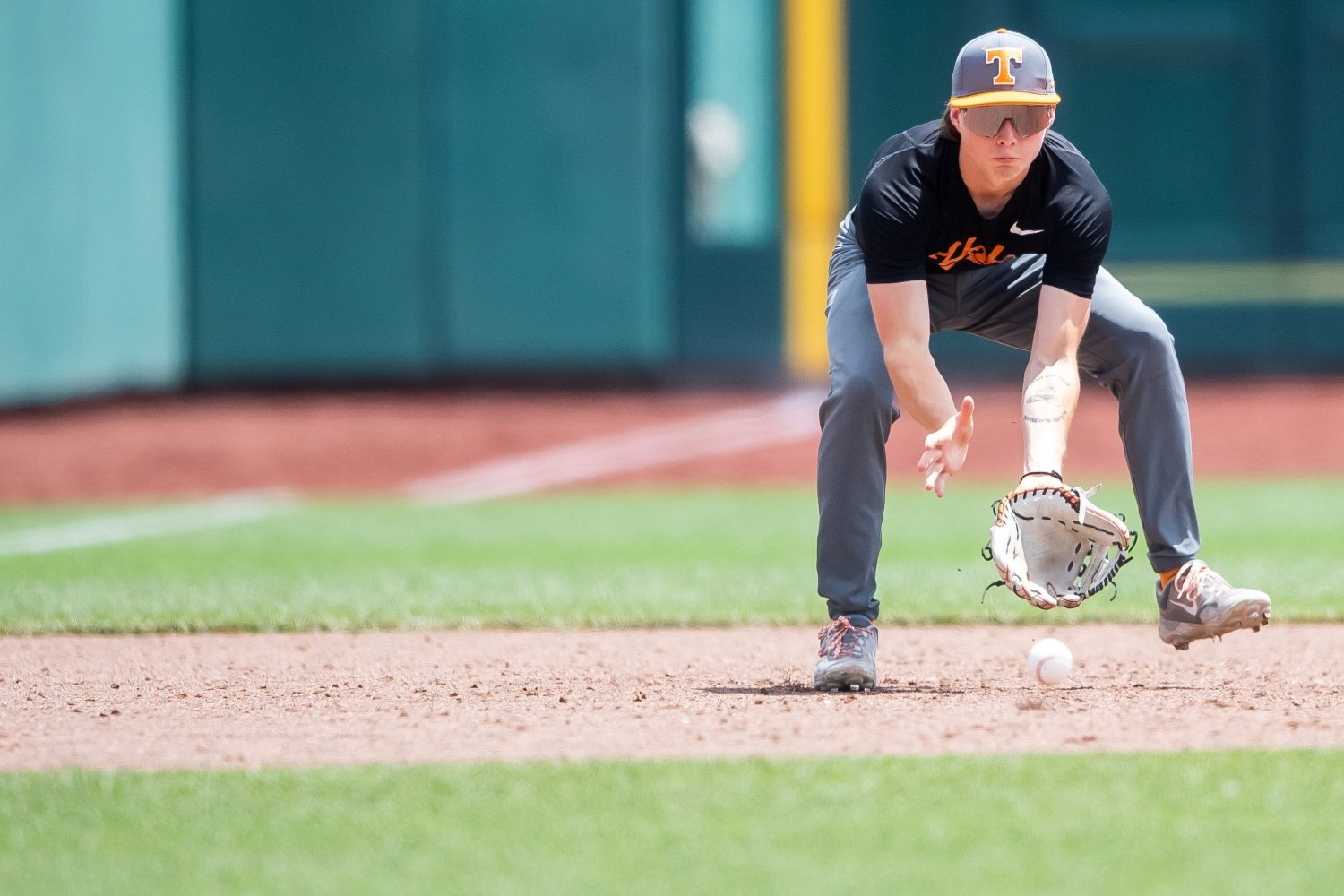 Draft Context, Scouting and Signing Billy Amick sat at the back end of the first round on most draft boards. Instead, he ended up falling to the second round (60th overall), where the Twins took him—despite not typically investing higher picks in prospects with contact questions. Power is the calling card in Amick’s profile, with good bat speed in a loft-oriented swing designed to generate pulled fly balls. There aren't a ton of other tools to write home about for Amick. A solid throwing arm is offset by a need to improve his actions at third base. A move to first base seems likely, but let’s stay open-minded about possible defensive improvement. If Amick can hit enough, the power is legit, and there will be value there. It’s a big "if". At 60th overall, however, it’s a sensible enough lottery ticket to buy, on a prospect who deviates from the Twins' usual hitting archetype. 2024 Pro Debut: Strengths and Opportunities 2024 Stats (A): 18 games (77 PA), .222/.351/.413, 3 HR, 15.6 BB%, 19.5 K%, 121 wRC+ After a slow start at Fort Myers, Amick rounded out his season with an excellent final few weeks. The power was evident from the outset; Amick’s 104-mph 90th-percentile exit velocity was well above average for the level, but a 70.1% contact rate and 18% whiff rate within the strike zone give him significant hit tool risk. One aspect of his profile that will be worth monitoring in 2025 is his approach. There’s some chase in the profile, too, particularly against breaking pitches (35% in 2024), but Amick showed an improved ability to take a walk in his pro debut, albeit in a small sample. Amick never walked more than about 10% of the time in college, but his 15.6% mark in his pro debut would represent a raising of his floor for me, as it would offset some of the swing-and-miss. There’s lots to like about Amick’s swing, with great rotational acceleration, but he’ll have to improve either his propensity to chase or the in-zone miss, or he may just never hit enough as a pro. Expectations for 2025 Individually, I see Amick has a fairly high-risk profile (for a college player). He’s a power-reliant corner defender with hit-tool risk. It’s still safe to say the Twins saw value in him as he slid, though. Drafting a prospect with a 1.026 OPS coming off a 23-home run college season and a national championship is an easily defensible pick. Globally, I’d cluster Amick with the other college bats (Kaelen Culpepper, Kyle DeBarge, Jaime Ferrer) who the Twins will hope move quickly and sure up the foundation of a farm system that has more impact in the upper levels of the minors. Prospect Preview: Kaelen Culpepper Prospect Preview: Kyle DeBarge
 -
Even if their pitching contingent from this draft mostly ended up as relievers, there's a ton of value in that class, totally agree.
-
Hundred percent agree.
-
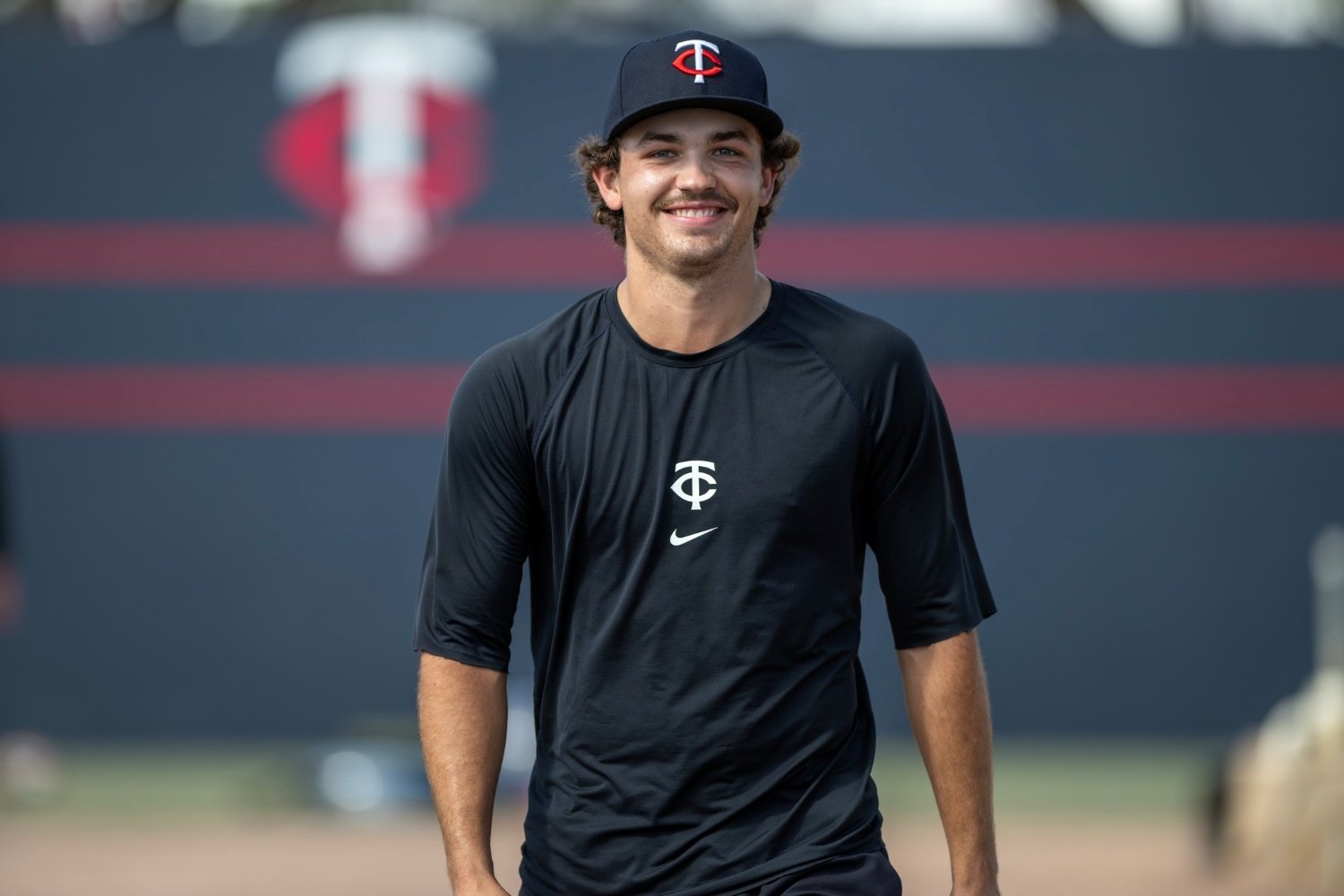 "Consistency, you know? Prove that I can be consistent." That's what Twins right-handed pitching prospect Andrew Morris told Twins Daily's John Bonnes in Ft. Myers recently, when asked what he needs to show in 2025 to make an impact on the big-league ball club. It’s clear that Morris sets a high bar for himself. One could make a good-faith argument that consistency is all he’s shown since being drafted by the Twins in the fourth round of the 2022 MLB Draft (114th overall). In 2023, Morris’s first full professional season, he posted a 3.17 FIP in 84 1/3 innings across two levels of A ball. In 2024, he reached the doorstep of the majors, with a 2.86 FIP across 133 innings spanning High A, Double A, and Triple A. Arsenal and MiLB Outcomes Were it not for Zebby Matthews’s incandescent 2024 season, Morris might have garnered more attention for his sustained excellence last year. Looking at the big picture, he’s part of a remarkable crop of college right-handers the Twins drafted in 2022, four of whom (Morris, Matthews, Cory Lewis, and C.J. Culpepper) have a chance to start at the highest level. There’s more to a Morris and Matthews comparison than the fact that both achieved minor-league excellence. Both are outstanding strike-throwers, and they roughly share a pitching arsenal. Morris lives in the zone. In 2024, his strike rate hovered around 70% (that’s 4-5% above MLB average). Therein lies one of his greatest remaining challenges and conundrums; does living in the zone that much eventually hurt a pitcher? When does leaving the zone (in different counts, with different pitches, using different locations) to induce chases by the batter create more leverage for an extreme strike-thrower? Let’s run down Morris’s 2024 arsenal, as it’s central to his next steps. He throws a four-seam fastball, curveball, slider, changeup, and cutter. As with Zebby Matthews, the Twins essentially split Morris’s cutter into two distinct pitches: a high-vert cutter deployed against left-handed hitters, and a gyro slider for use against right-handed hitters or in two-strike counts. Very loosely, Morris deploys his fastball 35% of the time (94-mph average); his slider/cutter 35% of the time (87 mph), his changeup 17% (88 mph), and his curveball 13% (75 mph). That's a deep arsenal of pitches. He has the ability to throw strikes whenever he wants. No wonder Morris has had consistent success throughout his career, to date. So what’s there to be concerned about? The amount of miss he generates. Morris’s strikeout percentage has fallen with each ascending level of the minor leagues. That's hardly surprising. However, the fall was more stark when he moved from Double-A Wichita to Triple-A St, Paul. Morris struck out 28% of hitters at High-A Cedar Rapids; 25% for Wichita; and just 19% with St. Paul, albeit in a 33 2/3-inning sample. That’s not untenable, but it is more of a tightrope to navigate if he’s to become a solid middle-of-the-rotation starter, instead of a Quadruple-A innings eater. I’d emphasize that these are run-of-the-mill developmental milestones for pitching prospects, as opposed to something unique to Morris. To me, there are three areas of opportunity to explore. Command over control The first area of opportunity is an issue he shares with Matthews. Because he’s an extreme strike-thrower, Morris’s control and command are often conflated. I’d argue there’s an opportunity for Morris to refine the command of his secondary pitches. This isn’t about hitting the zone; it’s about spotting specific pitches in specific portions thereof, and knowing when to leave the strike zone to generate leveraged counts over hitters. Adding a New Pitch Morris’s second area of improvement stems from a tidbit shared with reporters (including Twins Daily’s John Bonnes) at Spring Training. "I’m adding a sinker this year," Morris mentioned. "I need something to go in on righties, to open up the outer half of the plate." New pitch alert! Morris is adding a sinker. Cool. But why? How might it work? Morris’s four-seamer has average velocity and not much in the way of arm-side movement (though it does have some cut), so a pitch with run is going to play well jamming right-handed hitters inside. The Twins are following a template for Morris that the Houston Astros leveraged with Hunter Brown. Brown lowered his ERA by close to three runs after adding a sinker when he was struggling in early 2024. The premise was the same: give the guy something for right-handed hitters to think about inside, to open up the outside portion of the plate for his slider and breaking stuff. Increased Velocity on Secondary Pitches The final area of opportunity for Morris is increasing the consistency of velocity in his secondary offerings (firmness). Essentially, that means getting each within a range that enhances deception based on the velocity or movement characteristics of another pitch, therefore building the efficacy of not just the individual pitch but his arsenal as a whole. Morris should get plenty of run at Triple A in 2025, and that’s a good thing. He has at least seven starting pitchers ahead of him on the depth chart. If there’s one thing we’ve learned from his first two seasons of minor-league baseball, it’s that he’ll achieve the consistency he’s looking for. Twins Daily’s John Bonnes contributed to reporting for this article.
 -
Another developmental arm is knocking on the door of the Twins' big-league rotation. What is he focused on, heading into 2025? What are areas he can improve upon? Let's dig into one of the least-discussed Twins pitching prospects. Image courtesy of William Parmeter "Consistency, you know? Prove that I can be consistent." That's what Twins right-handed pitching prospect Andrew Morris told Twins Daily's John Bonnes in Ft. Myers recently, when asked what he needs to show in 2025 to make an impact on the big-league ball club. It’s clear that Morris sets a high bar for himself. One could make a good-faith argument that consistency is all he’s shown since being drafted by the Twins in the fourth round of the 2022 MLB Draft (114th overall). In 2023, Morris’s first full professional season, he posted a 3.17 FIP in 84 1/3 innings across two levels of A ball. In 2024, he reached the doorstep of the majors, with a 2.86 FIP across 133 innings spanning High A, Double A, and Triple A. Arsenal and MiLB Outcomes Were it not for Zebby Matthews’s incandescent 2024 season, Morris might have garnered more attention for his sustained excellence last year. Looking at the big picture, he’s part of a remarkable crop of college right-handers the Twins drafted in 2022, four of whom (Morris, Matthews, Cory Lewis, and C.J. Culpepper) have a chance to start at the highest level. There’s more to a Morris and Matthews comparison than the fact that both achieved minor-league excellence. Both are outstanding strike-throwers, and they roughly share a pitching arsenal. Morris lives in the zone. In 2024, his strike rate hovered around 70% (that’s 4-5% above MLB average). Therein lies one of his greatest remaining challenges and conundrums; does living in the zone that much eventually hurt a pitcher? When does leaving the zone (in different counts, with different pitches, using different locations) to induce chases by the batter create more leverage for an extreme strike-thrower? Let’s run down Morris’s 2024 arsenal, as it’s central to his next steps. He throws a four-seam fastball, curveball, slider, changeup, and cutter. As with Zebby Matthews, the Twins essentially split Morris’s cutter into two distinct pitches: a high-vert cutter deployed against left-handed hitters, and a gyro slider for use against right-handed hitters or in two-strike counts. Very loosely, Morris deploys his fastball 35% of the time (94-mph average); his slider/cutter 35% of the time (87 mph), his changeup 17% (88 mph), and his curveball 13% (75 mph). That's a deep arsenal of pitches. He has the ability to throw strikes whenever he wants. No wonder Morris has had consistent success throughout his career, to date. So what’s there to be concerned about? The amount of miss he generates. Morris’s strikeout percentage has fallen with each ascending level of the minor leagues. That's hardly surprising. However, the fall was more stark when he moved from Double-A Wichita to Triple-A St, Paul. Morris struck out 28% of hitters at High-A Cedar Rapids; 25% for Wichita; and just 19% with St. Paul, albeit in a 33 2/3-inning sample. That’s not untenable, but it is more of a tightrope to navigate if he’s to become a solid middle-of-the-rotation starter, instead of a Quadruple-A innings eater. I’d emphasize that these are run-of-the-mill developmental milestones for pitching prospects, as opposed to something unique to Morris. To me, there are three areas of opportunity to explore. Command over control The first area of opportunity is an issue he shares with Matthews. Because he’s an extreme strike-thrower, Morris’s control and command are often conflated. I’d argue there’s an opportunity for Morris to refine the command of his secondary pitches. This isn’t about hitting the zone; it’s about spotting specific pitches in specific portions thereof, and knowing when to leave the strike zone to generate leveraged counts over hitters. Adding a New Pitch Morris’s second area of improvement stems from a tidbit shared with reporters (including Twins Daily’s John Bonnes) at Spring Training. "I’m adding a sinker this year," Morris mentioned. "I need something to go in on righties, to open up the outer half of the plate." New pitch alert! Morris is adding a sinker. Cool. But why? How might it work? Morris’s four-seamer has average velocity and not much in the way of arm-side movement (though it does have some cut), so a pitch with run is going to play well jamming right-handed hitters inside. The Twins are following a template for Morris that the Houston Astros leveraged with Hunter Brown. Brown lowered his ERA by close to three runs after adding a sinker when he was struggling in early 2024. The premise was the same: give the guy something for right-handed hitters to think about inside, to open up the outside portion of the plate for his slider and breaking stuff. Increased Velocity on Secondary Pitches The final area of opportunity for Morris is increasing the consistency of velocity in his secondary offerings (firmness). Essentially, that means getting each within a range that enhances deception based on the velocity or movement characteristics of another pitch, therefore building the efficacy of not just the individual pitch but his arsenal as a whole. Morris should get plenty of run at Triple A in 2025, and that’s a good thing. He has at least seven starting pitchers ahead of him on the depth chart. If there’s one thing we’ve learned from his first two seasons of minor-league baseball, it’s that he’ll achieve the consistency he’s looking for. Twins Daily’s John Bonnes contributed to reporting for this article. View full article
-
Draft tandem Jeremy Nygaard and JD Cameron team up for a podcast to discuss prospects on their way to the big leagues and the MLB draft, produced by Theo Tollefson. Image courtesy of Thieres Rabelo In episode 68 of Destination: The Show, Jeremy, Jamie, and Theo start by digging into the Twins signing Ty France to a one-year, non guaranteed MLB deal. What does this mean for other players competing for playing time at first base? How would they sum up the Twins offseason heading into spring training? The guys then jump into competing Twins top ten prospects lists. They are consistent through the top three, but things get interesting at pick number four. How did the prospects featured perform in 2024? What are lingering questions for them in 2025? The guys also dig into Connor Prielipp’s role for the Twins in 2025, and talk through the challenge of trying to place recently drafted prospects on organizational lists who don’t have much of a pro-track record to evaluate. 0:00 Intro 1:00 Theo's Plans for the year 2:23 Housekeeping 3:32 Ty France 10:00 Offseason Feelings 12:12 Twins Top 10 -- no argument at 1 (Walker Jenkins) 17:21 Another agreement at 2 (Emmanuel Rodriguez) 23:00 Not a lot of drama at 3 (Luke Keaschall) 31:58 Where the disagreements start: Andrew Morris 37:40 Connor Prielipp 47:20 Kaelan Culpepper 52:05 Marco Raya 57:56 Charlee Soto 1:02:59 Cory Lewis 1:07:09 Brandon Winokur 1:10:25 Kyle DeBarge 1:13:30 Rayne Doncon You can support the show by downloading it from wherever you get your podcasts, including iTunes and Spotify. If you enjoy the content, consider leaving us a five-star rating and review in addition to sharing or retweeting DTS-related content. You can follow us on Twitter @DTS_POD1, @Jeremynygaard, @J_D_Cameron, and @TheodoreTollef1. We’re now on Bluesky @destinationtheshow.bsky.social. You can also find full episodes and clips of our shows on our YouTube page @DestinationTheShow. View full article
-
Destination: The Show. Episode 68. Ty France and Twins Top 10 Prospects
Jamie Cameron posted an article in Podcasts
 In episode 68 of Destination: The Show, Jeremy, Jamie, and Theo start by digging into the Twins signing Ty France to a one-year, non guaranteed MLB deal. What does this mean for other players competing for playing time at first base? How would they sum up the Twins offseason heading into spring training? The guys then jump into competing Twins top ten prospects lists. They are consistent through the top three, but things get interesting at pick number four. How did the prospects featured perform in 2024? What are lingering questions for them in 2025? The guys also dig into Connor Prielipp’s role for the Twins in 2025, and talk through the challenge of trying to place recently drafted prospects on organizational lists who don’t have much of a pro-track record to evaluate. 0:00 Intro 1:00 Theo's Plans for the year 2:23 Housekeeping 3:32 Ty France 10:00 Offseason Feelings 12:12 Twins Top 10 -- no argument at 1 (Walker Jenkins) 17:21 Another agreement at 2 (Emmanuel Rodriguez) 23:00 Not a lot of drama at 3 (Luke Keaschall) 31:58 Where the disagreements start: Andrew Morris 37:40 Connor Prielipp 47:20 Kaelan Culpepper 52:05 Marco Raya 57:56 Charlee Soto 1:02:59 Cory Lewis 1:07:09 Brandon Winokur 1:10:25 Kyle DeBarge 1:13:30 Rayne Doncon You can support the show by downloading it from wherever you get your podcasts, including iTunes and Spotify. If you enjoy the content, consider leaving us a five-star rating and review in addition to sharing or retweeting DTS-related content. You can follow us on Twitter @DTS_POD1, @Jeremynygaard, @J_D_Cameron, and @TheodoreTollef1. We’re now on Bluesky @destinationtheshow.bsky.social. You can also find full episodes and clips of our shows on our YouTube page @DestinationTheShow.
 -
Twins 2025 Prospect Previews: Kyle DeBarge
Jamie Cameron replied to Jamie Cameron's topic in Twins Minor League Talk
Just responding to a couple of trends so far: 1. Often college guys starting in pro ball start slow as it's by far the longest season they've been involved in. I personally think there's some swing changes ahead (or behind) depending on how the offseason went, to get away from the high ground ball rate. 2. RE draft rankings, he was also in the 30s on ESPN and BP, so let's represent the highs and the lows of his rankings. His consensus ranking was 50th. Twins liked what they saw and they've earned enough trust in the draft for that to be good enough for me. 3. For the couple negative folks. You're entitled to your opinions. The goal of these pieces (and any player evaluation) is to start with the question: 'what does this player do well'? From there, we work out to opportunities and areas of growth. Let's give all these guys a full season before drawing meaningful conclusions. Thanks to everyone who has been reading and commenting on these, appreciate the TD prospect community. -
Twins 2025 Prospect Previews: Kyle DeBarge
Jamie Cameron replied to Jamie Cameron's topic in Twins Minor League Talk
I think the outcome you get (production wise) if it all goes well is a Willi Castro type of player. Defensively versatile, enough bat to contribute to the lineup with consistency, some speed etc. -
Spring training is around the corner. It’s time to get reacquainted with the Twins' 2024 MLB Draft class ahead of their first full season of professional baseball. Today, that means breaking down the sparkplug of a college infielder the team took with the 33rd overall pick last summer. Image courtesy of Image courtesy of William Parmeter Draft Context, Scouting, and Signing Kyle DeBarge and Sonny Gray will always be connected: The Twins selected DeBarge with the 33rd overall pick in the 2024 draft, a compensatory selection awarded after Gray declined the qualifying offer and signed with the St. Louis Cardinals. DeBarge, a Louisiana-Lafayette standout, signed for $2.4 million (slot value: $2.77 million). A three-year starter at UL-L, he showed steady improvement each season. As a freshman, he posted a .750 OPS with 17 extra-base hits. His sophomore year saw a jump to a .994 OPS, with 22 extra-base hits. He truly broke out as a junior, with a 1.112 OPS and 21 home runs—tripling his previous career high. He had a total of 43 extra-base hits across 62 games. Though just 5-foot-9, DeBarge is an explosive athlete with plus bat-to-ball skills. His swing is noisy and effortful, but it allowed him to generate power in college, particularly on pulled fly balls. However, his tendency to stay tall through his swing may limit his ability to consistently lift the ball at the pro level, unless some big adjustments are made. 2024 Pro Debut: Strengths and Opportunities 2024 Stats (A): 26 games (115 PA) – .235/.322/.343, 1 HR (6 XBH), 12 BB, 28 K, 15 SB DeBarge’s offensive game is built on plus contact skills and an advanced feel for the barrel. Despite a slow pro debut, he showed a mature approach at the plate, posting a 10.4% walk rate and a 78.3% contact rate, with in-zone whiff and chase rates well above average for the level. A dynamic runner, DeBarge aggressively utilized his speed, going 15-for-18 in stolen base attempts for Low-A Fort Myers. Defensively, he has the actions to stick at shortstop, making plenty of plays—including some highlight-reel moments made because of limited range due to his smaller stature. His arm is strong enough to remain at the position, at least in the short term. DeBarge’s early struggles stemmed from excessive ground-ball contact, producing an average launch angle of just 2 degrees. If he can make swing adjustments to generate more loft, he has the potential to be one of the college bats from the 2024 draft class who move quickly through the system in 2025. Expectations for 2025 DeBarge is an exciting player to watch. He belongs to a promising group of college hitters from the Twins’ 2024 draft class—alongside Kaelen Culpepper, Billy Amick, Jaime Ferrer, and Khadim Diaw—whom the organization hopes will advance quickly through the lower minors. A realistic upside for DeBarge is a defensively versatile infielder with enough offensive tools to develop into either a high-end utility player or a lower-impact everyday contributor. He currently projects as a top-15 prospect in the Twins' system, but has the potential to break into the top 10 with a strong 2025 season. View full article
-
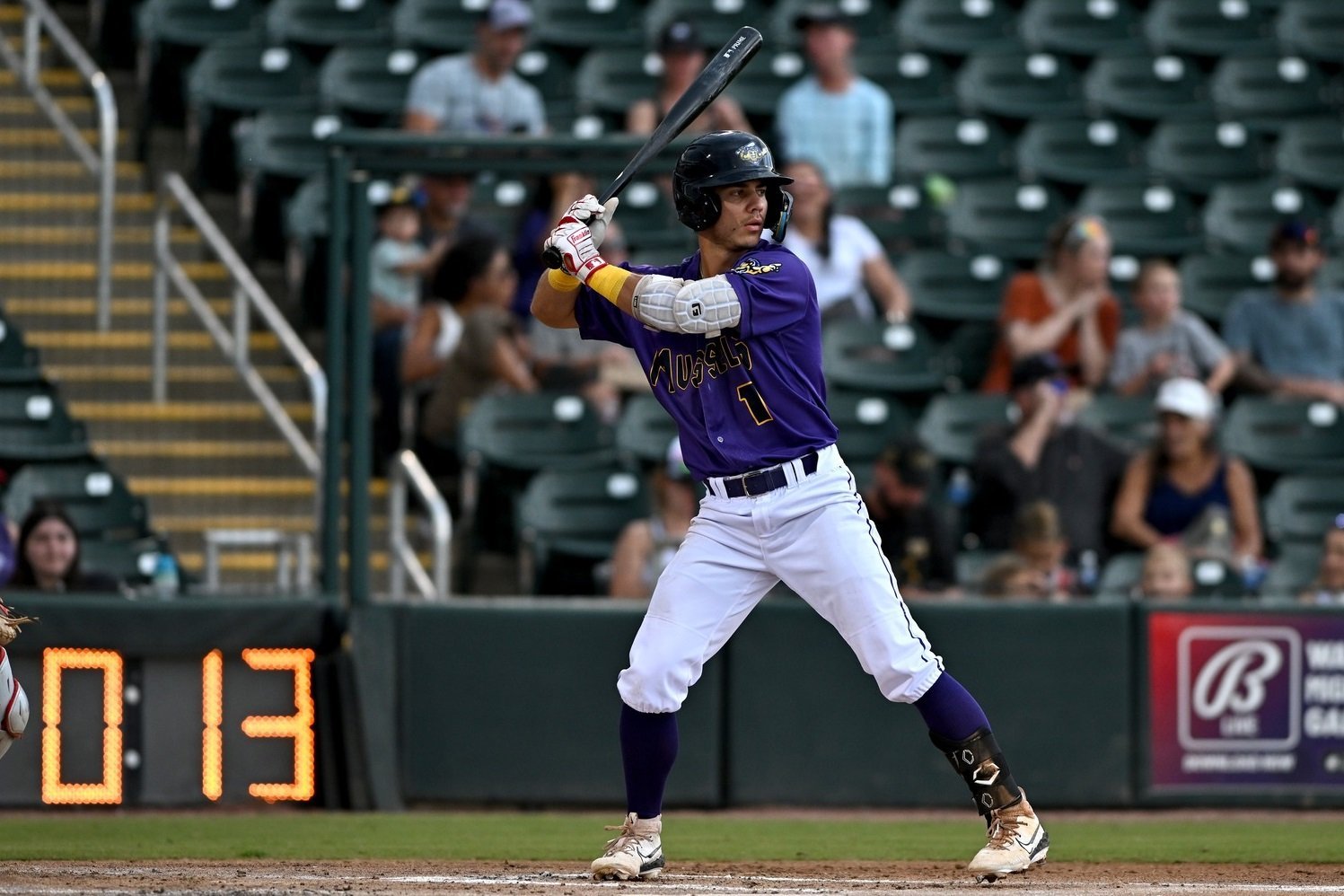 Draft Context, Scouting, and Signing Kyle DeBarge and Sonny Gray will always be connected: The Twins selected DeBarge with the 33rd overall pick in the 2024 draft, a compensatory selection awarded after Gray declined the qualifying offer and signed with the St. Louis Cardinals. DeBarge, a Louisiana-Lafayette standout, signed for $2.4 million (slot value: $2.77 million). A three-year starter at UL-L, he showed steady improvement each season. As a freshman, he posted a .750 OPS with 17 extra-base hits. His sophomore year saw a jump to a .994 OPS, with 22 extra-base hits. He truly broke out as a junior, with a 1.112 OPS and 21 home runs—tripling his previous career high. He had a total of 43 extra-base hits across 62 games. Though just 5-foot-9, DeBarge is an explosive athlete with plus bat-to-ball skills. His swing is noisy and effortful, but it allowed him to generate power in college, particularly on pulled fly balls. However, his tendency to stay tall through his swing may limit his ability to consistently lift the ball at the pro level, unless some big adjustments are made. 2024 Pro Debut: Strengths and Opportunities 2024 Stats (A): 26 games (115 PA) – .235/.322/.343, 1 HR (6 XBH), 12 BB, 28 K, 15 SB DeBarge’s offensive game is built on plus contact skills and an advanced feel for the barrel. Despite a slow pro debut, he showed a mature approach at the plate, posting a 10.4% walk rate and a 78.3% contact rate, with in-zone whiff and chase rates well above average for the level. A dynamic runner, DeBarge aggressively utilized his speed, going 15-for-18 in stolen base attempts for Low-A Fort Myers. Defensively, he has the actions to stick at shortstop, making plenty of plays—including some highlight-reel moments made because of limited range due to his smaller stature. His arm is strong enough to remain at the position, at least in the short term. DeBarge’s early struggles stemmed from excessive ground-ball contact, producing an average launch angle of just 2 degrees. If he can make swing adjustments to generate more loft, he has the potential to be one of the college bats from the 2024 draft class who move quickly through the system in 2025. Expectations for 2025 DeBarge is an exciting player to watch. He belongs to a promising group of college hitters from the Twins’ 2024 draft class—alongside Kaelen Culpepper, Billy Amick, Jaime Ferrer, and Khadim Diaw—whom the organization hopes will advance quickly through the lower minors. A realistic upside for DeBarge is a defensively versatile infielder with enough offensive tools to develop into either a high-end utility player or a lower-impact everyday contributor. He currently projects as a top-15 prospect in the Twins' system, but has the potential to break into the top 10 with a strong 2025 season.
 -
Twins 2025 Prospect Previews: Kaelen Culpepper
Jamie Cameron replied to Jamie Cameron's topic in Twins Minor League Talk
Thanks kindly for saying so. DeBarge is imminent. -
Twins 2025 Prospect Previews: Kaelen Culpepper
Jamie Cameron replied to Jamie Cameron's topic in Twins Minor League Talk
Appreciate the kind words and the comments. Thanks for reading. -
Twins 2025 Prospect Previews: Kaelen Culpepper
Jamie Cameron replied to Jamie Cameron's topic in Twins Minor League Talk
I'm glad multiple people brought this up. I didn't discuss it in much depth in the article, but in college, the SS opportunity only presented itself in his junior season (he started at 3B). He's always had the arm, but I think that context is helpful. The actions, internal clock will all take some more time at the pro level. I was impressed with what I saw defensively when he debuted, though. -
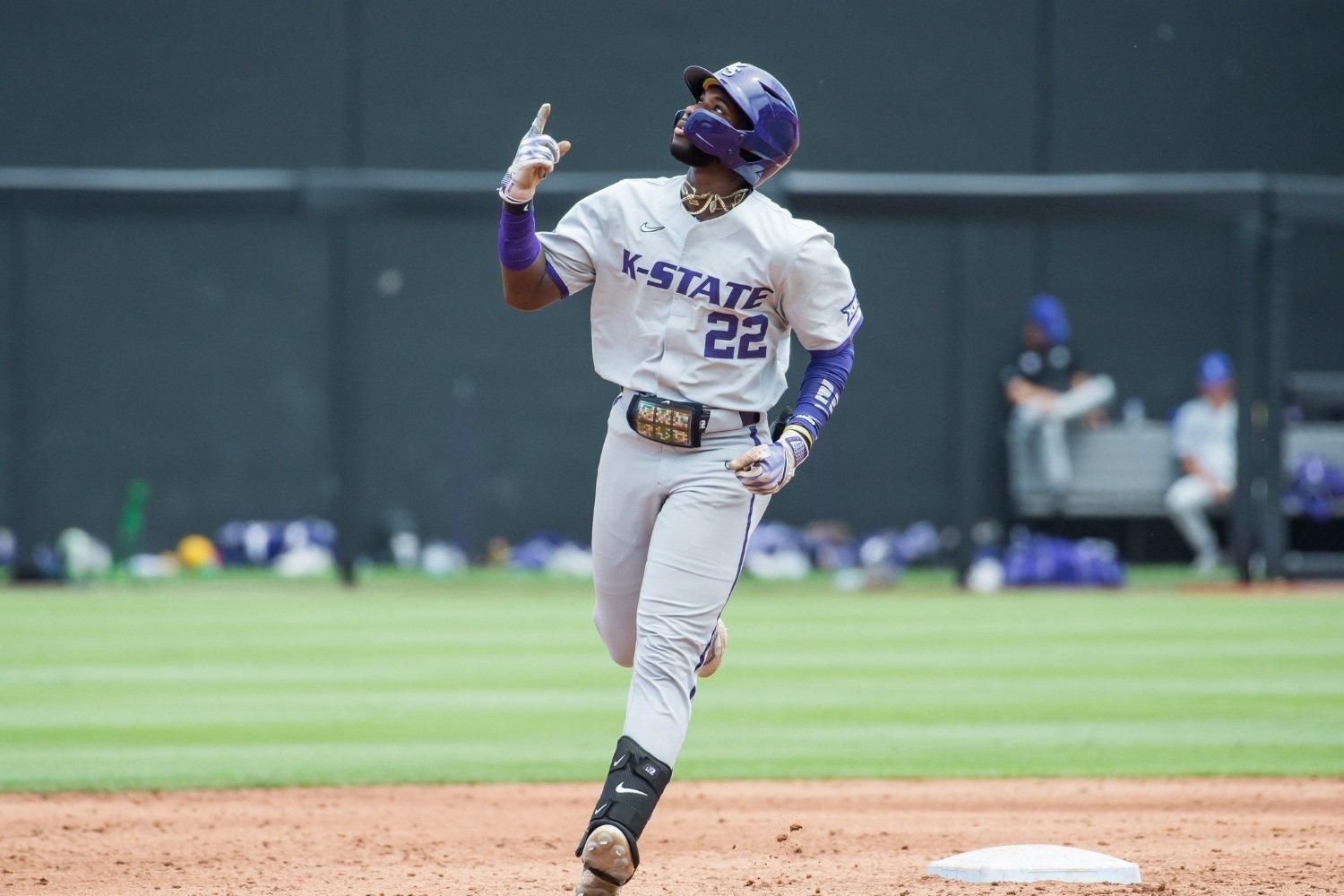 Draft Context, Scouting and Signing Kaelen Culpepper sat in the late first-round range on most industry draft boards throughout the 2024 MLB Draft cycle, and he fits a Twins draft archetype: high-character middle infielders with good athleticism and a track record of college production. Culpepper’s swing is one of beautiful simplicity. He’s upright and quiet. He drifts, rather than kicks into a swing underpinned by good bat speed and rotational acceleration. Despite above-average speed, Culpepper hasn’t been much of a baserunning threat (yet). His arm is plus, and he has good range in the infield. Culpepper should be a lock to stick at shortstop, at least in the medium term, despite starting there for only one of his collegiate seasons. It’s possible he slides over to third base at some point in his career. The Twins were in on Culpepper heavily from the beginning of the year with Kansas State (and well before that, in fact). He finished his junior season with a bang, hitting for the cycle and launching a three-run home run off Hagen Smith at Regionals in the NCAA postseason. The Twins took Culpepper 21st overall (his exact spot on our Consensus Draft Board) and signed him to exactly the slot-prescribed bonus of $3,934,400. 2024 Pro Debut: Strengths and Opportunities 2024 Stats (A and A+): 26 games (112 PA), .242/.330/.394, 3 HR (8 XBH), 11 BB, 15 K, 4 SB Culpepper has a well-rounded skill set at the plate. He doesn’t strike out much (13.4% across two minor-league levels in 2024) and put up strong pitch-by-pitch metrics (82.1% Contact%). He’ll punish mistakes, too, Culpepper didn’t swing and miss at a single pitch in the zone in a nine-game debut at Low-A Fort Myers, which resulted in a .907 OPS and a quick promotion to High-A Cedar Rapids. There are some orange flags in his profile. Despite excellent plate coverage, Culpepper has been exposed a bit by spin, and a 33% chase rate could be problematic as he rises through the ranks of the Twins system. I think there’s a good chance Culpepper can get to solid-average power, to go with an above-average hit tool. While his chase rate is high, the Twins do not shy away from that, and will likely emphasize aggressive swing decisions in key parts of the strike zone to help Culpepper do plenty of damage on contact. Expectations for 2025 I’d expect Culpepper to start 2025 at Cedar Rapids. He had a good start to his pro career, despite slowing down a little at the end of the season. The Twins will be hoping he follows the trail blazed by Luke Keaschall in his first full pro season, in which he made light work of High-A ball on the way to thriving at Double A, before injury cut short his season. In a best-case scenario for Culpepper, a strong 2025 ends in the upper minors and sets the stage for a 2026 debut with the big-league team.
 -
Spring training is around the corner. It’s time to get reacquainted with the Twins' 2024 draft class ahead of their first full season of professional baseball in 2025. First up: the team's first-rounder. Image courtesy of © Brett Rojo-Imagn Images Draft Context, Scouting and Signing Kaelen Culpepper sat in the late first-round range on most industry draft boards throughout the 2024 MLB Draft cycle, and he fits a Twins draft archetype: high-character middle infielders with good athleticism and a track record of college production. Culpepper’s swing is one of beautiful simplicity. He’s upright and quiet. He drifts, rather than kicks into a swing underpinned by good bat speed and rotational acceleration. Despite above-average speed, Culpepper hasn’t been much of a baserunning threat (yet). His arm is plus, and he has good range in the infield. Culpepper should be a lock to stick at shortstop, at least in the medium term, despite starting there for only one of his collegiate seasons. It’s possible he slides over to third base at some point in his career. The Twins were in on Culpepper heavily from the beginning of the year with Kansas State (and well before that, in fact). He finished his junior season with a bang, hitting for the cycle and launching a three-run home run off Hagen Smith at Regionals in the NCAA postseason. The Twins took Culpepper 21st overall (his exact spot on our Consensus Draft Board) and signed him to exactly the slot-prescribed bonus of $3,934,400. 2024 Pro Debut: Strengths and Opportunities 2024 Stats (A and A+): 26 games (112 PA), .242/.330/.394, 3 HR (8 XBH), 11 BB, 15 K, 4 SB Culpepper has a well-rounded skill set at the plate. He doesn’t strike out much (13.4% across two minor-league levels in 2024) and put up strong pitch-by-pitch metrics (82.1% Contact%). He’ll punish mistakes, too, Culpepper didn’t swing and miss at a single pitch in the zone in a nine-game debut at Low-A Fort Myers, which resulted in a .907 OPS and a quick promotion to High-A Cedar Rapids. There are some orange flags in his profile. Despite excellent plate coverage, Culpepper has been exposed a bit by spin, and a 33% chase rate could be problematic as he rises through the ranks of the Twins system. I think there’s a good chance Culpepper can get to solid-average power, to go with an above-average hit tool. While his chase rate is high, the Twins do not shy away from that, and will likely emphasize aggressive swing decisions in key parts of the strike zone to help Culpepper do plenty of damage on contact. Expectations for 2025 I’d expect Culpepper to start 2025 at Cedar Rapids. He had a good start to his pro career, despite slowing down a little at the end of the season. The Twins will be hoping he follows the trail blazed by Luke Keaschall in his first full pro season, in which he made light work of High-A ball on the way to thriving at Double A, before injury cut short his season. In a best-case scenario for Culpepper, a strong 2025 ends in the upper minors and sets the stage for a 2026 debut with the big-league team. View full article
-
Draft tandem Jeremy Nygaard and JD Cameron team up for a podcast to discuss prospects on their way to the big leagues and the MLB draft, produced by Theo Tollefson. Image courtesy of Thieres Rabelo In episode 67 of Destination: The Show, Jeremy and Jamie work through a busy week of news and notes from the offseason. They start with the Jays signing Max Scherzer, who will provide a boost to the back end of their rotation. How will he perform? Will he end the season in Toronto, or elsewhere? The guys then turn their attention to the Twins who made multiple moves this week after being frozen in carbonite for most of the offseason. Hear their thoughts on the Twins adding Danny Coulombe and Harrison Bader and asking what are the implications for other players on the fringes of the roster. The guys then jump into a round of FrankenProspect. The concept is simple; using the Brewers, Cubs, and Twins farm systems, draft tools to build the best hitter and pitcher possible. They take turns drafting hit, power, defense, arm, and run tools for hitters and fastball, changeup, slider, curveball and control tools for pitchers. Who came out on top? 0:00 Intro 4:00 Housekeeping 5:20 Moves in the MLB 11:00 Twins Sign Coloumbe 16:40 Twins Sign Bader 26:20 Build a Franken-Prospect You can support the show by downloading it from wherever you get your podcasts, including iTunes and Spotify. If you enjoy the content, consider leaving us a five-star rating and review in addition to sharing or retweeting DTS-related content. You can follow us on Twitter @DTS_POD1, @Jeremynygaard, @J_D_Cameron, and @TheodoreTollef1. We’re now on Bluesky @destinationtheshow.bsky.social. You can also find full episodes and clips of our shows on our YouTube page @DestinationTheShow. View full article


