



Jamie Cameron
-
Posts
1,341 -
Joined
-
Last visited
-
Days Won
4
Content Type
Profiles
News
Minnesota Twins Videos
2026 Minnesota Twins Top Prospects Ranking
2022 Minnesota Twins Draft Picks
Minnesota Twins Free Agent & Trade Rumors, Notes, & Tidbits
Guides & Resources
2023 Minnesota Twins Draft Picks
The Minnesota Twins Players Project
2024 Minnesota Twins Draft Picks
2025 Minnesota Twins Draft Pick Tracker
2026 Minnesota Twins Draft Tracker: Picks & Bonuses
Forums
Blogs
Events
Store
Downloads
Gallery
Everything posted by Jamie Cameron
-
 In episode 63 of Destination: The Show, Jeremy and Jamie work through news and notes from the mid-offseason freeze in activity. They break down the Micky Gaspar for Jovani Moran trade, talk through the Cubs incredibly aggressive ZiPS projections, dive into Brent Rooker’s extension to remain an A and speculate about the possibility of the Twins having a new ownership group by Opening Day. The guys then preview the forthcoming international window, which opens on January 15th. The guys talk through the bonus pool system, the complications of the Roki Sasaki signing, and why pitchers don’t typically sign for large bonuses. They walk through the headliners of the Brewers, Cubs, and Twins classes and reflect on the approach of each organization to acquiring and leveraging international talent. Finally, they finish with a mailbag question on potential breakout prospects for the Twins. 0:00 Intro 4:00 News Whip Around 27:00 International Signing Window 34:30 Brewers Preview 45:25 Cubs Preview 49:42 Twins Preview 1:02:00 Outro You can support the show by downloading it from wherever you get your podcasts, including iTunes and Spotify. If you enjoy the content, consider leaving us a five-star rating and review in addition to sharing or retweeting DTS-related content. You can follow us on Twitter @DTS_POD1, @Jeremynygaard, @J_D_Cameron, and @TheodoreTollef1. We’re now on Bluesky @destinationtheshow.bsky.social. You can also find full episodes and clips of our shows on our YouTube page @DestinationTheShow.
 -
Draft tandem Jeremy Nygaard and JD Cameron team up for a podcast to discuss prospects on their way to the big leagues and the MLB draft, produced by Theo Tollefson. Image courtesy of Thieres Rabelo In episode 63 of Destination: The Show, Jeremy and Jamie work through news and notes from the mid-offseason freeze in activity. They break down the Micky Gaspar for Jovani Moran trade, talk through the Cubs incredibly aggressive ZiPS projections, dive into Brent Rooker’s extension to remain an A and speculate about the possibility of the Twins having a new ownership group by Opening Day. The guys then preview the forthcoming international window, which opens on January 15th. The guys talk through the bonus pool system, the complications of the Roki Sasaki signing, and why pitchers don’t typically sign for large bonuses. They walk through the headliners of the Brewers, Cubs, and Twins classes and reflect on the approach of each organization to acquiring and leveraging international talent. Finally, they finish with a mailbag question on potential breakout prospects for the Twins. 0:00 Intro 4:00 News Whip Around 27:00 International Signing Window 34:30 Brewers Preview 45:25 Cubs Preview 49:42 Twins Preview 1:02:00 Outro You can support the show by downloading it from wherever you get your podcasts, including iTunes and Spotify. If you enjoy the content, consider leaving us a five-star rating and review in addition to sharing or retweeting DTS-related content. You can follow us on Twitter @DTS_POD1, @Jeremynygaard, @J_D_Cameron, and @TheodoreTollef1. We’re now on Bluesky @destinationtheshow.bsky.social. You can also find full episodes and clips of our shows on our YouTube page @DestinationTheShow. View full article
-
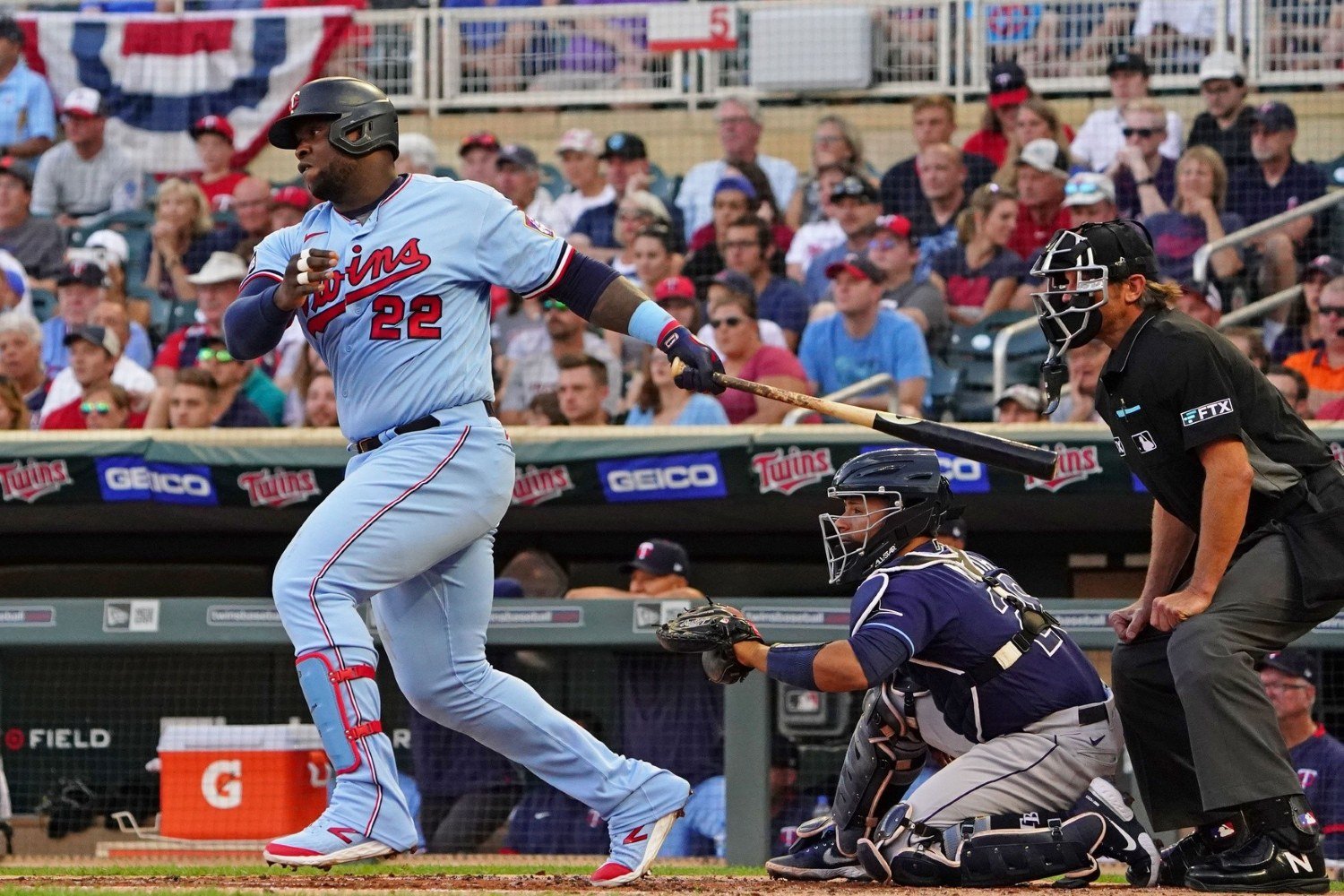 4. Miguel Sanó 8.1 fWAR (1 fWAR average) over 8 seasons, peak 2.7 fWAR Sanó was the most famous international prospect signed by the Twins in recent history, commanding a then-record $3.15-million bonus in 2009. Sanó put together some outstanding offensive spurts for the Twins, including a memorable 18-home run, 149 wRC+ 80-game debut in 2015. He never surpassed his 2.7 fWAR peak, however, and limited defensive value and off-the-field controversy colored his time with the organization. 3. Luis Arraez 6.6 fWAR (1.65 fWAR average) over 4 seasons, peak 2.7 fWAR Arraez signed out of Venezuela for a mere $40,000 in 2013. From a simple return-on-investment perspective, he’s close to the top of the list. A fan favorite who averaged a 119 wRC+ in four seasons in Minnesota, Arraez remains one of the best pure hitters in MLB. In addition to his contributions to wins through his play, he netted the organization a significant asset in Pablo López, who has already accrued 7.8 fWAR for the Twins and will be going into his third season anchoring the rotation in 2025. 2. Jorge Polanco 15.4 fWAR (1.54 fWAR average) over 10 seasons, peak 4.0 fWAR Polanco garnered a $700,000 bonus out of the DR in 2009. Polanco logged 832 games in a Twins uniform over 10 seasons. In only two of those seasons was he a below-average hitter. He cranked 112 home runs, added 181 doubles and carried a 109 wRC+ in nine full seasons with the Twins. A fan favorite, Polanco was undoubtedly one of the best international prospect signings in recent Twins history. 1. Max Kepler 18.6 fWAR (1.86 fWAR average) over 10 seasons, peak 3.9 fWAR Kepler was signed for $750,000 out of Germany in the 2009 international signing window. Despite being a league-average hitter, he brought a ton of value on defense, logging 1,072 starts for the Twins, mostly in right field. He hit 161 home runs and belted 205 doubles in a Twins uniform. While he was offensively mercurial, he’s probably the most valuable international prospect investment the Twins have made in the last 20 years. While Minnesota has added value through other international prospects, including those not signed by the organization (such as Jhoan Durán), it’s been a while since a home-grown international prospect was an everyday player for the organization. The Twins will be hoping that changes soon, with Emmanuel Rodriguez likely to debut in 2025.
- 3 comments
-
- 2
-

-
- miguel sano
- jorge polanco
- (and 2 more)
-
With the international signing window set to open on Jan. 15, let’s take a look at some of the Twins’ best international prospect signings in modern history and examine how they’ve performed on the international market in recent seasons. Image courtesy of © Nick Wosika-Imagn Images 4. Miguel Sanó 8.1 fWAR (1 fWAR average) over 8 seasons, peak 2.7 fWAR Sanó was the most famous international prospect signed by the Twins in recent history, commanding a then-record $3.15-million bonus in 2009. Sanó put together some outstanding offensive spurts for the Twins, including a memorable 18-home run, 149 wRC+ 80-game debut in 2015. He never surpassed his 2.7 fWAR peak, however, and limited defensive value and off-the-field controversy colored his time with the organization. 3. Luis Arraez 6.6 fWAR (1.65 fWAR average) over 4 seasons, peak 2.7 fWAR Arraez signed out of Venezuela for a mere $40,000 in 2013. From a simple return-on-investment perspective, he’s close to the top of the list. A fan favorite who averaged a 119 wRC+ in four seasons in Minnesota, Arraez remains one of the best pure hitters in MLB. In addition to his contributions to wins through his play, he netted the organization a significant asset in Pablo López, who has already accrued 7.8 fWAR for the Twins and will be going into his third season anchoring the rotation in 2025. 2. Jorge Polanco 15.4 fWAR (1.54 fWAR average) over 10 seasons, peak 4.0 fWAR Polanco garnered a $700,000 bonus out of the DR in 2009. Polanco logged 832 games in a Twins uniform over 10 seasons. In only two of those seasons was he a below-average hitter. He cranked 112 home runs, added 181 doubles and carried a 109 wRC+ in nine full seasons with the Twins. A fan favorite, Polanco was undoubtedly one of the best international prospect signings in recent Twins history. 1. Max Kepler 18.6 fWAR (1.86 fWAR average) over 10 seasons, peak 3.9 fWAR Kepler was signed for $750,000 out of Germany in the 2009 international signing window. Despite being a league-average hitter, he brought a ton of value on defense, logging 1,072 starts for the Twins, mostly in right field. He hit 161 home runs and belted 205 doubles in a Twins uniform. While he was offensively mercurial, he’s probably the most valuable international prospect investment the Twins have made in the last 20 years. While Minnesota has added value through other international prospects, including those not signed by the organization (such as Jhoan Durán), it’s been a while since a home-grown international prospect was an everyday player for the organization. The Twins will be hoping that changes soon, with Emmanuel Rodriguez likely to debut in 2025. View full article
-
JD Cameron gives a breakdown of Carlos Taveras, one of the headliners of the Twins forthcoming international prospect class
-
JD Cameron gives a breakdown of Carlos Taveras, one of the headliners of the Twins forthcoming international prospect class View full video
-
The signing period for international free agency opens on January 15. Here's a preview of the headliners of the Twins forthcoming international prospect class. The signing period for International Free Agency opens on January 15th. The Twins are one of eight teams with the joint largest bonus pool of $7,555,500. The 2025 International Signing Period is unlike any in recent memory, with the decision of Roki Sasaki set to have significant ripple effects throughout baseball. It seems highly remote that the Twins will sign Sasaki, but whoever he signs with will likely leave several top prospects hanging without deals. While it’s normally fair to confidently assume teams will make good on their verbal agreements with prospects, I’d approach the window with less certainty this season. Minnesota has been closely tied to and are expected to sign, three of the top 50 prospects, per MLB.com. 24. Santiago Leon, SS, Venezuela The Twins boast a strong Venezuelan class in 2025, headlined by Santiago Leon, a 16-year-old shortstop and son of longtime Twins scout Jose Leon. Leon is a right-handed hitting prospect already standing six-foot-one with an offensive skill set headlined by a patient approach at the plate. Scouts are complimentary of both Leon’s bat-to-ball skills, in addition to his selectivity at the plate. While Leon doesn’t have explosive athleticism, he has good hands and moves well defensively, which, combined with an above-average arm, gives him a chance to stick at shortstop. Leon is expected to sign the 20th largest bonus for an international prospect in the 2025 signing period, per Baseball America. He’ll likely sign for between $1-2 million. 26. Carlos Taveras, OF, Dominican Republic Carlos Taveras, a 16-year-old outfielder out of the DR, is already an imposing physical presence and an impressive athlete. Standing at six-foot-one, he’s a left-handed hitter with good bat speed and the potential to boast serious raw power as he develops. There’s some swing and miss to his offensive game, but there are plenty of other tools to like, too. Taveras is an above-average runner with an above-average arm, a combination that should allow him to play centerfield, at least early in his professional career. He’s one of the youngest players in the international class this year. Per Baseball America, Taveras is expected to sign the 39th largest bonus for an international prospect in the 2025 signing period. He’ll likely sign for between $1-1.5 million. 43. Haritzon Castillo, SS, Venezuela Haritzon Castillo is a switch hitting 16-year-old shortstop prospect out of Venezuela. Castillo doesn’t have a standout tool, and offensively, it’s a profile more similar to Leon’s than Taveras’. Castillo currently has a hit-over-power offensive profile, with a good approach and direct swings from both sides of the plate. Defensively, Castillo might profile as a prospect who moves around the infield, with the versatility to become a positionally flexible infielder. Castillo is expected to sign the 47th largest bonus for an international prospect in the 2025 signing period, per Baseball America. He’ll likely sign for around $1 million. In spring 2024, the Twins hired Roman Barinas, a longtime international scout and player development staffer with the Dodgers, as their new Latin American Scouting Director. It’s hard to assess the impact his work will have on the Twins practice, as it's likely that most of the deals in the 2025 window were agreed to long before he assumed his role. Several of the Twins recent international additions looked good in 2024. Yasser Mercedes (in his second go-around in the FCL), put up a .989 OPS. Daiber De Los Santos (.844 OPS) and Eduardo Beltre (1.071 OPS), the Twins two headliners of their 2024 class, both put up big seasons in the DSL, with Beltre, in particular, drawing attention. The new crop will undoubtedly be a fun follow in 2025. View full article
-
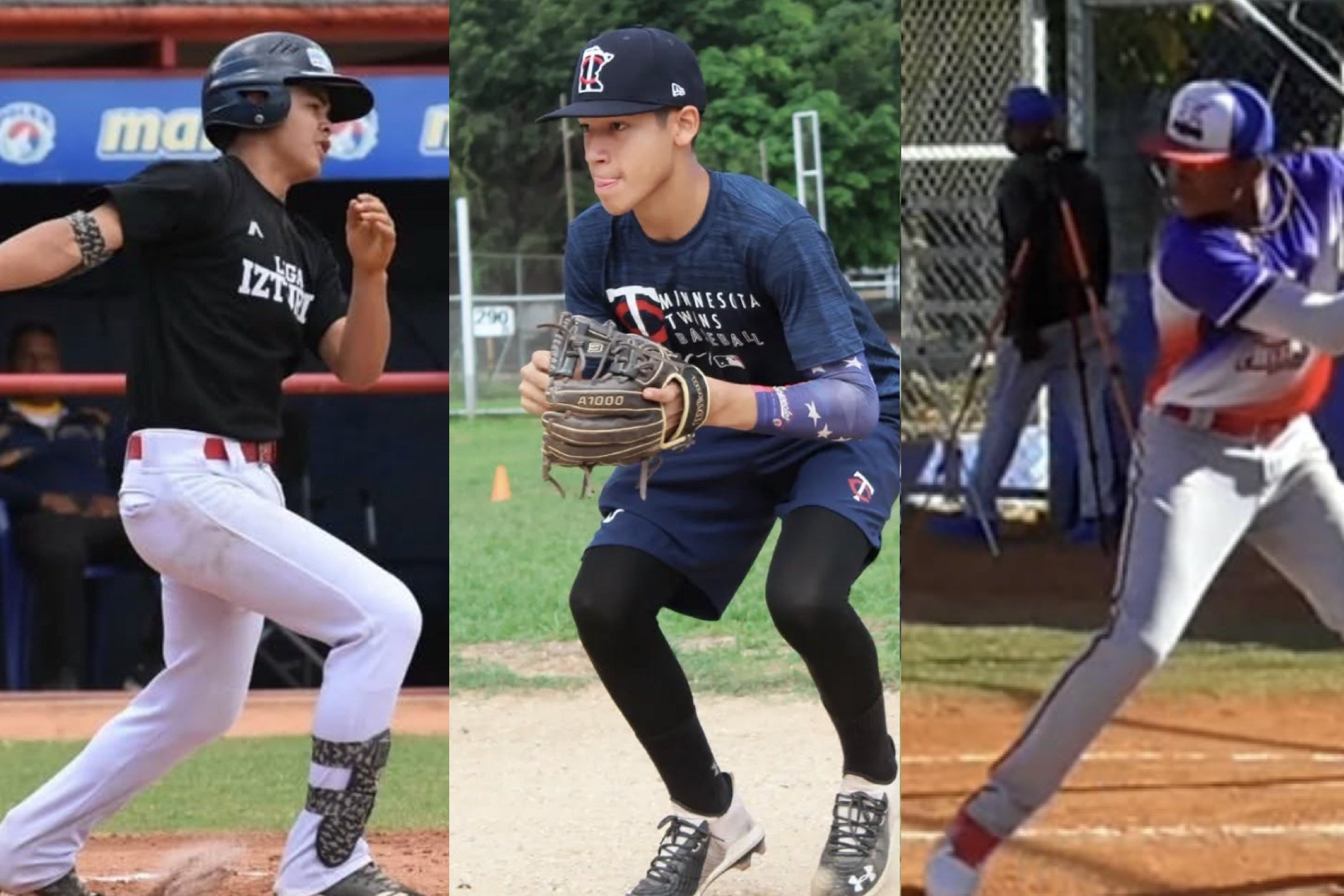 The signing period for International Free Agency opens on January 15th. The Twins are one of eight teams with the joint largest bonus pool of $7,555,500. The 2025 International Signing Period is unlike any in recent memory, with the decision of Roki Sasaki set to have significant ripple effects throughout baseball. It seems highly remote that the Twins will sign Sasaki, but whoever he signs with will likely leave several top prospects hanging without deals. While it’s normally fair to confidently assume teams will make good on their verbal agreements with prospects, I’d approach the window with less certainty this season. Minnesota has been closely tied to and are expected to sign, three of the top 50 prospects, per MLB.com. 24. Santiago Leon, SS, Venezuela The Twins boast a strong Venezuelan class in 2025, headlined by Santiago Leon, a 16-year-old shortstop and son of longtime Twins scout Jose Leon. Leon is a right-handed hitting prospect already standing six-foot-one with an offensive skill set headlined by a patient approach at the plate. Scouts are complimentary of both Leon’s bat-to-ball skills, in addition to his selectivity at the plate. While Leon doesn’t have explosive athleticism, he has good hands and moves well defensively, which, combined with an above-average arm, gives him a chance to stick at shortstop. Leon is expected to sign the 20th largest bonus for an international prospect in the 2025 signing period, per Baseball America. He’ll likely sign for between $1-2 million. 26. Carlos Taveras, OF, Dominican Republic Carlos Taveras, a 16-year-old outfielder out of the DR, is already an imposing physical presence and an impressive athlete. Standing at six-foot-one, he’s a left-handed hitter with good bat speed and the potential to boast serious raw power as he develops. There’s some swing and miss to his offensive game, but there are plenty of other tools to like, too. Taveras is an above-average runner with an above-average arm, a combination that should allow him to play centerfield, at least early in his professional career. He’s one of the youngest players in the international class this year. Per Baseball America, Taveras is expected to sign the 39th largest bonus for an international prospect in the 2025 signing period. He’ll likely sign for between $1-1.5 million. 43. Haritzon Castillo, SS, Venezuela Haritzon Castillo is a switch hitting 16-year-old shortstop prospect out of Venezuela. Castillo doesn’t have a standout tool, and offensively, it’s a profile more similar to Leon’s than Taveras’. Castillo currently has a hit-over-power offensive profile, with a good approach and direct swings from both sides of the plate. Defensively, Castillo might profile as a prospect who moves around the infield, with the versatility to become a positionally flexible infielder. Castillo is expected to sign the 47th largest bonus for an international prospect in the 2025 signing period, per Baseball America. He’ll likely sign for around $1 million. In spring 2024, the Twins hired Roman Barinas, a longtime international scout and player development staffer with the Dodgers, as their new Latin American Scouting Director. It’s hard to assess the impact his work will have on the Twins practice, as it's likely that most of the deals in the 2025 window were agreed to long before he assumed his role. Several of the Twins recent international additions looked good in 2024. Yasser Mercedes (in his second go-around in the FCL), put up a .989 OPS. Daiber De Los Santos (.844 OPS) and Eduardo Beltre (1.071 OPS), the Twins two headliners of their 2024 class, both put up big seasons in the DSL, with Beltre, in particular, drawing attention. The new crop will undoubtedly be a fun follow in 2025.
 -
JD Cameron gives a breakdown of Santiago Leon, one of the headliners of the Twins forthcoming international prospect class
-
JD Cameron gives a breakdown of Santiago Leon, one of the headliners of the Twins forthcoming international prospect class View full video
-
For the first time since 2017, the Twins made a selection in the Rule 5 Draft adding RHP Iverson Castellano from the Phillies. Castellano is the Phillies reigning Minor League Pitcher of the Year. Did the Twins fleece a pick from them or will Castellano fall into a bullpen mop-up role? View full video
-
For the first time since 2017, the Twins made a selection in the Rule 5 Draft adding RHP Iverson Castellano from the Phillies. Castellano is the Phillies reigning Minor League Pitcher of the Year. Did the Twins fleece a pick from them or will Castellano fall into a bullpen mop-up role?
-
Draft tandem Jeremy Nygaard and JD Cameron team up for a podcast to discuss prospects on their way to the big leagues and the MLB draft, produced by Theo Tollefson. Image courtesy of Thieres Rabelo In episode 62 of Destination: The Show, Jeremy and Jamie continue to reflect on an extremely busy and fun offseason. They break down the biggest signings and trades of the offseason in the last week, including Kyle Tucker being traded to the Cubs, Cody Bellinger to the Yankees, and the Brewers trading away bullpen ace Devin Williams. They then discuss the Ishbia brothers potential interest in purchasing the Minnesota Twins, including whether fans should view this as ‘good news’. The guys then review a very active Rule 5 Draft in which the Brewers, Cubs and Twins all took a player. They examine the skill set of each and try to predict whether they will stick on the MLB roster. Finally, they finish with listener questions on Eiberson Castellano and the Twins pool of catching prospects. 0:00 Intro 3:30 Kyle Tucker Trade 9:21 Cody Bellinger Trade 11:30 Cubs Next Move? 21:00 Ishbia Interested in Twins 25:38 Rule 5 Draft - Brewers Pick 31:30 Cubs Pick 35:42 Twins Pick 41:31 Listener Questions 56:35 Housekeeping You can support the show by downloading it from wherever you get your podcasts, including iTunes and Spotify. If you enjoy the content, consider leaving us a five-star rating and review in addition to sharing or retweeting DTS-related content. You can follow us on Twitter @DTS_POD1, @Jeremynygaard, @J_D_Cameron, and @TheodoreTollef1. We’re now on Bluesky @destinationtheshow.bsky.social. You can also find full episodes and clips of our shows on our YouTube page @DestinationTheShow. View full article
-
Destination: The Show, Episode 62. Rule 5 Roundup and Splashy Trades
Jamie Cameron posted an article in Podcasts
 In episode 62 of Destination: The Show, Jeremy and Jamie continue to reflect on an extremely busy and fun offseason. They break down the biggest signings and trades of the offseason in the last week, including Kyle Tucker being traded to the Cubs, Cody Bellinger to the Yankees, and the Brewers trading away bullpen ace Devin Williams. They then discuss the Ishbia brothers potential interest in purchasing the Minnesota Twins, including whether fans should view this as ‘good news’. The guys then review a very active Rule 5 Draft in which the Brewers, Cubs and Twins all took a player. They examine the skill set of each and try to predict whether they will stick on the MLB roster. Finally, they finish with listener questions on Eiberson Castellano and the Twins pool of catching prospects. 0:00 Intro 3:30 Kyle Tucker Trade 9:21 Cody Bellinger Trade 11:30 Cubs Next Move? 21:00 Ishbia Interested in Twins 25:38 Rule 5 Draft - Brewers Pick 31:30 Cubs Pick 35:42 Twins Pick 41:31 Listener Questions 56:35 Housekeeping You can support the show by downloading it from wherever you get your podcasts, including iTunes and Spotify. If you enjoy the content, consider leaving us a five-star rating and review in addition to sharing or retweeting DTS-related content. You can follow us on Twitter @DTS_POD1, @Jeremynygaard, @J_D_Cameron, and @TheodoreTollef1. We’re now on Bluesky @destinationtheshow.bsky.social. You can also find full episodes and clips of our shows on our YouTube page @DestinationTheShow.
 -
The Draft Lottery has come and gone and the Washington Nationals have clinched the number pick for 2025. Where did other teams land in the lottery and which team beat the odds to have the best move up for a selection? View full video
-
The Draft Lottery has come and gone and the Washington Nationals have clinched the number pick for 2025. Where did other teams land in the lottery and which team beat the odds to have the best move up for a selection?
-
Draft tandem Jeremy Nygaard and JD Cameron team up for a podcast to discuss prospects on their way to the big leagues and the MLB draft, produced by Theo Tollefson. Image courtesy of Thieres Rabelo In episode 61 of Destination: The Show, Jeremy and Jamie talk through an extremely active Winter Meetings. They break down the biggest signings and trades of the offseason so far, including Juan Soto to the Mets, Max Fried to the Yankees, Willy Adames to the Giants, and the Red Sox big trade to land Garrett Crochet. The guys then review a disappointing MLB Draft Lottery in which the Cubs, Red Sox, and Twins all moved down. They dig into the top 40 picks and bonus pools for each of those teams, before talking about some of the perceived strengths and weaknesses of the class. Finally they end with some listener questions. 0:00 Intro 3:00 Juan Soto to Mets 6:56 Max Fried to Yankees 9:28 Guardians making moves 13:47 Red Sox, White Sox deal 26:12 Adames to the Giants 26:59 Roki Sasaki posted 31:55 Draft Lottery 40:03 Draft Pools 44:40 Draft Overview 48:52 Listener Questions You can support the show by downloading it from wherever you get your podcasts, including iTunes and Spotify. If you enjoy the content, consider leaving us a five-star rating and review in addition to sharing or retweeting DTS-related content. You can follow us on Twitter @DTS_POD1, @Jeremynygaard, @J_D_Cameron, and @TheodoreTollef1. We’re now on Bluesky @destinationtheshow.bsky.social. You can also find full episodes and clips of our shows on our YouTube page @DestinationTheShow. View full article
-
 In episode 61 of Destination: The Show, Jeremy and Jamie talk through an extremely active Winter Meetings. They break down the biggest signings and trades of the offseason so far, including Juan Soto to the Mets, Max Fried to the Yankees, Willy Adames to the Giants, and the Red Sox big trade to land Garrett Crochet. The guys then review a disappointing MLB Draft Lottery in which the Cubs, Red Sox, and Twins all moved down. They dig into the top 40 picks and bonus pools for each of those teams, before talking about some of the perceived strengths and weaknesses of the class. Finally they end with some listener questions. 0:00 Intro 3:00 Juan Soto to Mets 6:56 Max Fried to Yankees 9:28 Guardians making moves 13:47 Red Sox, White Sox deal 26:12 Adames to the Giants 26:59 Roki Sasaki posted 31:55 Draft Lottery 40:03 Draft Pools 44:40 Draft Overview 48:52 Listener Questions You can support the show by downloading it from wherever you get your podcasts, including iTunes and Spotify. If you enjoy the content, consider leaving us a five-star rating and review in addition to sharing or retweeting DTS-related content. You can follow us on Twitter @DTS_POD1, @Jeremynygaard, @J_D_Cameron, and @TheodoreTollef1. We’re now on Bluesky @destinationtheshow.bsky.social. You can also find full episodes and clips of our shows on our YouTube page @DestinationTheShow.
 -
his week's crowd-sourcing question asks Twins, Brewers and Cubs fans; what is your dream offseason move? (realistic) and what’s a move (signing, trade, etc.) you’d be happy with? Hear what listeners had to say here.
-
his week's crowd-sourcing question asks Twins, Brewers and Cubs fans; what is your dream offseason move? (realistic) and what’s a move (signing, trade, etc.) you’d be happy with? Hear what listeners had to say here. View full video
-
The MLB Draft Lottery is in its third season at the Winter Meetings. Jamie answers all the questions on what the purpose behind it is as many baseball fans are still learning about the structure of it.
-
The MLB Draft Lottery is in its third season at the Winter Meetings. Jamie answers all the questions on what the purpose behind it is as many baseball fans are still learning about the structure of it. View full video
-
Destination: The Show. Episode 60. 2025 MLB Draft Lottery Preview
Jamie Cameron posted an article in Podcasts
 In episode 60 of Destination: The Show, Jeremy and Jamie talk through some of the major signings of the MLB offseason so far. Should we be frustrated at the Dodgers for their accumulation of talent, or the 29 other teams for not spending more? Do we underestimate the value of back of the rotation pitching after deals inked by Matt Boyd and Frankie Montas. The guys then preview the forthcoming MLB Draft Lottery. They dig into the ‘why’ behind the lottery, how it works and the chances the Cubs and Twins have of moving up, staying put, or moving down. Finally they end with great answers to our crowdsourcing question of the week, in which we asked listeners to detail free agent signings or trades they want to see their team pull off in advance of 2025. 0:00 Intro 1:45 Blake Snell to the Dodgers 4:15 Boyd to the Cubs; Montas to the Mets 17:30 Draft Lottery Preview 19:23 What is the Purpose of the Lottery? 24:40 Do Teams Actually Move Up? 26:26 How Does it all work? 27:56 What are the Wrinkles? 34:40 What are the chances the Brewers, Cubs and Twins move up? 44:14 Reveal of Comp Picks at the Lottery too. 46:56 Crowdsourcing 55:43 Outro You can support the show by downloading it from wherever you get your podcasts, including iTunes and Spotify. If you enjoy the content, consider leaving us a five-star rating and review in addition to sharing or retweeting DTS-related content. You can follow us on Twitter @DTS_POD1, @Jeremynygaard, @J_D_Cameron, and @TheodoreTollef1. We’re now on Bluesky @destinationtheshow.bsky.social. You can also find full episodes and clips of our shows on our YouTube page @DestinationTheShow.
 -
Draft tandem Jeremy Nygaard and JD Cameron team up for a podcast to discuss prospects on their way to the big leagues and the MLB draft, produced by Theo Tollefson. Image courtesy of Thieres Rabelo In episode 60 of Destination: The Show, Jeremy and Jamie talk through some of the major signings of the MLB offseason so far. Should we be frustrated at the Dodgers for their accumulation of talent, or the 29 other teams for not spending more? Do we underestimate the value of back of the rotation pitching after deals inked by Matt Boyd and Frankie Montas. The guys then preview the forthcoming MLB Draft Lottery. They dig into the ‘why’ behind the lottery, how it works and the chances the Cubs and Twins have of moving up, staying put, or moving down. Finally they end with great answers to our crowdsourcing question of the week, in which we asked listeners to detail free agent signings or trades they want to see their team pull off in advance of 2025. 0:00 Intro 1:45 Blake Snell to the Dodgers 4:15 Boyd to the Cubs; Montas to the Mets 17:30 Draft Lottery Preview 19:23 What is the Purpose of the Lottery? 24:40 Do Teams Actually Move Up? 26:26 How Does it all work? 27:56 What are the Wrinkles? 34:40 What are the chances the Brewers, Cubs and Twins move up? 44:14 Reveal of Comp Picks at the Lottery too. 46:56 Crowdsourcing 55:43 Outro You can support the show by downloading it from wherever you get your podcasts, including iTunes and Spotify. If you enjoy the content, consider leaving us a five-star rating and review in addition to sharing or retweeting DTS-related content. You can follow us on Twitter @DTS_POD1, @Jeremynygaard, @J_D_Cameron, and @TheodoreTollef1. We’re now on Bluesky @destinationtheshow.bsky.social. You can also find full episodes and clips of our shows on our YouTube page @DestinationTheShow. View full article
-
Destination the Show is now doing crowd-sourcing questions every week, the first cover why the Twins seem to struggle to fill Target Field consistently post-pandemic. Listen to what Jeremy and Jamie believe are the reasons behind the Twins' lack of attendance.
