Jamie Cameron
-
Posts
1,341 -
Joined
-
Last visited
-
Days Won
4
Content Type
Profiles
News
Minnesota Twins Videos
2026 Minnesota Twins Top Prospects Ranking
2022 Minnesota Twins Draft Picks
Minnesota Twins Free Agent & Trade Rumors, Notes, & Tidbits
Guides & Resources
2023 Minnesota Twins Draft Picks
The Minnesota Twins Players Project
2024 Minnesota Twins Draft Picks
2025 Minnesota Twins Draft Pick Tracker
2026 Minnesota Twins Draft Tracker: Picks & Bonuses
Forums
Blogs
Events
Store
Downloads
Gallery
Everything posted by Jamie Cameron
-
Daniels had an incredible season, I hope they get him signed. I think R5 is pretty high for a JUCO guy, he has decent leverage with a Tennessee commit (who do exceptionally well with high octane arms) so I'm sure they know the price. RE the pitching development stuff. I think after the success of the '22 guys (Lewis, Zebby, Morris etc) we haven't seen as many of the college arms take a big step forwards in subsequent years. I think they view polishing arsenals as a hole, and figuring out what works for guys as a strength, so that'll be the meat on the bone with some of the guys who already throw hard, in addition to getting a little more juice if it's there to be had.
-
They did sign a UDFA free agent C yesterday (Ian Daugherty). Perhaps I'll ask around about C and see what I can find out.
-
Twins 2025 MLB Draft Day 2 Recap: We're Doing Something New
Jamie Cameron posted an article in MLB Draft
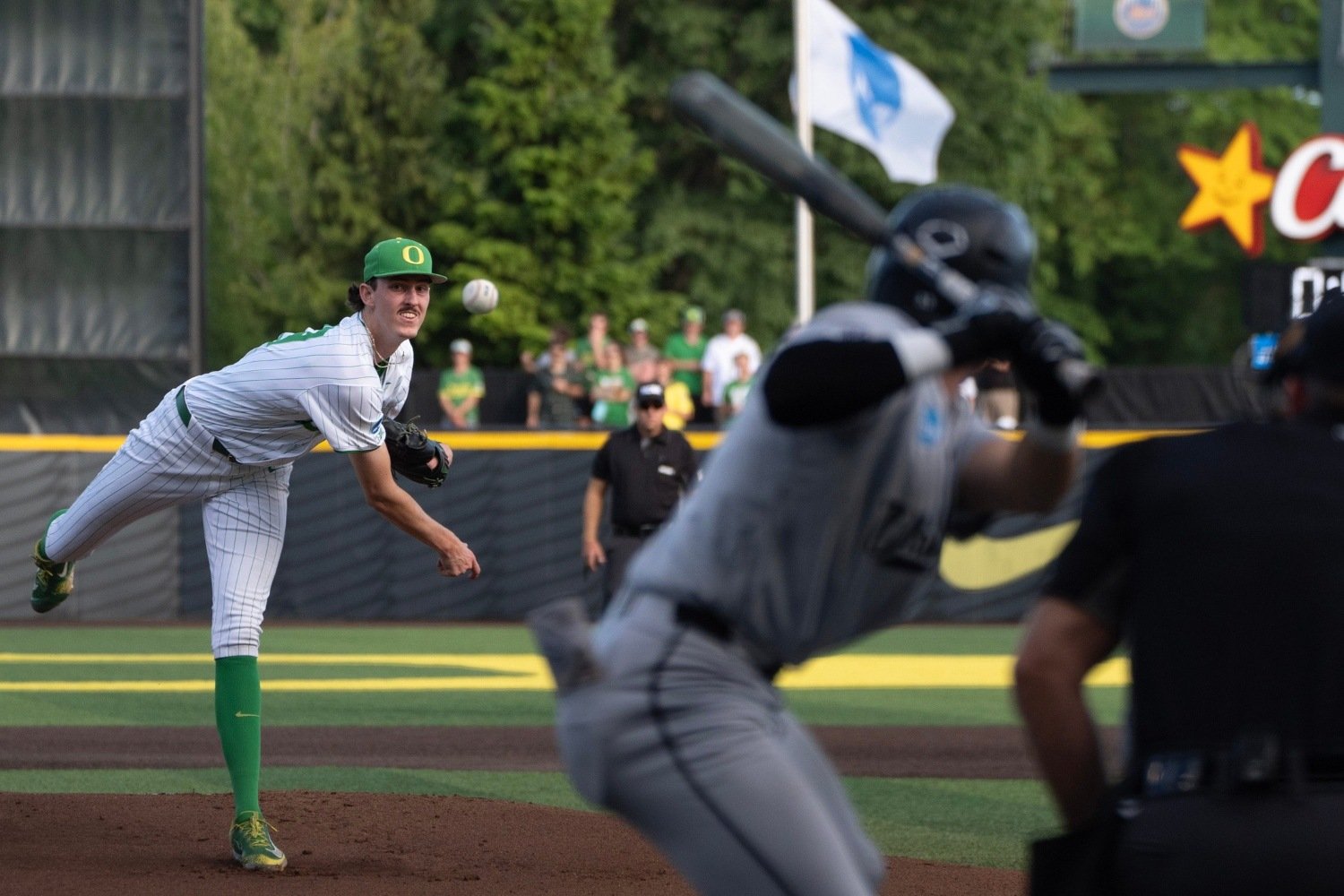 Well, that’s a wrap, folks. The Twins' 2025 MLB Draft class is complete. I gotta say, I hate the shortened format. It’s already a cram session. Here’s a recap of what the Twins did on Day Two. To keep this consumable, I’ve kept writeups to ‘the headlines’. There’s some in-depth analysis on what I think are some interesting trends and developments at the top. Analysis Guys, the Twins are doing something different. We know some of the tendencies of the organization in the middle and late phases of the draft. Take a bunch of college right-handed pitchers. They will send them to velo camp, add 2-3 ticks to a bunch of fastballs, and as sure as the sun rises, a new regen of Zebby Matthews will appear. We know the Twins add velo well and add pitches to develop arsenals well. What if the arm talent was better to begin with? After taking Riley Quick (who has been up to 99 mph) in Compensation Round A, the Twins took James Ellwanger in the third round; he’s also been up to 99 mph. Jason Reitz has been up to 98 mph, and Matt Barr (my favorite mid-round pick) has been up to 97 mph. The Twins are leaning into higher-end starting velocity for the arms they draft. What’s the impact of this going to be? Well, that’s the fun part: we get to find out. Probably more flameouts and more volatility. Maybe some frustrating injuries. Definitely more upside. This is a gambit I like, and I hope it continues. If you can turn an 8th-round Matthews (who threw 92 mph with 70% strikes) into a back-end to mid-rotation guy, what can you do with Barr, his 97-mph high-spin heater, and a pair of breakers he can impart exceptional spin on? Here’s some headlines of their day two guys. Round 4: Jason Reitz, RHP, Oregon Impossibly tall (6-foot-11) right-handed pitcher who began as a reliever before ending his collegiate career at Oregon. Fastball sits 93-94 mph, but has been as high as 98 mph. There’s a slider, changeup and cutter in his mix. In 64 1/3 IP in 2025, he managed a 3.01 FIP with a 26.8% strikeout rate. Round 5: Matt Barr, RHP, SUNY Niagara CC Barr has a great frame at 6-foot-6, 200 pounds. It’s a high-spin fastball at 97 mph, with elite spin traits on his slider/curveball combo. It’s raw, but it’s a good delivery. Very much in line with JUCO picks the Brewers have made in recent seasons. Barr is committed to Tennessee. Round 6: Bruin Agbayani, SS, St. Louis School, HI Agbayani is the son of Benny, who spent a few seasons in the big leagues. Bruin was committed to the University of Michigan and made a strong impression at the MLB Combine. It’s a hit-over-power profile that may grow into more extra-base impact with a projectable frame. Agbayani probably won’t stick at shortstop, but could stick somewhere else on the dirt. It's funny how familiar this pick feels, after the team took Quentin Young on Day One. Round 7: Jacob McCombs, OF, UC Irvine McCombs is a 21-year-old draft-eligible sophomore. The left-handed-hitting outfielder mashed for a talented Anteaters lineup, hitting .352/.446/.635 with 13 home runs and a 162 wRC+. It’s really solid bat-to-ball skills, with a measly 11.5% strikeout rate; his approach could use some refinement. Round 8: Ryan Sprock, 3B, Elon Sprock is a stocky corner infielder out of Elon with good bat speed and above-average power. He controls the strike zone well, walking 12.2% of the time and striking out just 13.3% of the time in 2025. Sprock ripped 13 home runs and carried a solid 136 wRC+ in 2025. The bat is carrying this profile. Round 9: Justin Mitrovich, RHP, Elon I love the Mitrovich pick. It’s really solid stuff, albeit with a little bit of a crossfire-fueled, unconventional delivery. Mitrovich sits in the low 90s with his fastball, but he’s been as high as 96 mph with a solid slider/changeup combo. A 3.56 FIP with slightly too many walks is solid clay for the Twins to work with. Get him in the lab for an arsenal makeover and a few extra ticks on the fastball. Rounds 10: Shai Robinson, SS, Illinois State Robinson is a shortstop out of Illinois State who has been oft-injured in his college career. It’s a plus arm with infield versatility. There’s a good approach with more walks than strikeouts. Robinson showed some pull side power in 2025, finishing with 10 home runs. Round 11: Ryan Daniels, 2B, Connecticut A left-handed hitting infielder out of UConn, Daniels mashed in 2025. He managed a 175 wRC+, a 15.9% walk rate, a 16.3% strikeout rate, and 18 home runs. Likely a second baseman at the next level. Round 12: Kolten Smith, RHP, Georgia Smith came into 2025 with some pedigree and had a poor season, managing a 4.80 FIP, albeit with a 31.4% strikeout rate. Smith, when on, can run his fastball up to 96 mph, with a sweeper and additional offerings who throws enough strikes to continue starting. Round 13: Callan Fang, RHP, Harvard Fang is a fun arm out of Harvard. A good frame with a quick arm, Fang has been up to 95 mph with his fastball, though it struggles to generate whiffs. There’s a good changeup in the mix, too, in addition to a breaking ball that needs more velo. Fang is a good strike thrower. He’s a solid bet to come out in 2026 with a pretty different looking arsenal. Round 14: Merit Jones, RHP, Utah The Twins drafted Jones in 2024 but he returned to school. He had a poor 2025 but performed extremely well in the MLB Draft League. Rounds 15: Reed Moring, RHP, UC Santa Barbara A righty out of UCSB who had limited innings in 2025. Moring had a 3.60 FIP, striking out 28% of hitters (great) and walking 16% (less great) in just 17.2 IP. Round 16: Jonathan Stevens, RHP, Alabama Stevens hasn’t pitched for Alabama, appearing most recently on the Cape for Bourne. I got very little here guys, give us a day or two! Round 17: JP Smith, 3B, Sacramento State Smith is a 20 year old, right-handed hitting infielder out of Sac State. It’s big time juice with a lot of swing and miss issues and hit tool questions. In 2025, he took almost 12% off his strikeout rate, while also sacrificing some home run power in the process. Round 18: Matthew Dalquist, RHP, UC San Diego A multi-year starter at UCSD, Dalquist is a bit more what we are used to with some of the Twins later round arms, extreme strike throwing and control. He walked just 3.7% of hitters in 2025. There’s not enough swing and miss generated as yet, but we know what the Twins do well with pitchers. Round 19: Matthew Becker, LHP, South Carolina A 22-year-old lefty senior sign. Becker put up a 3.98 FIP in 47.1 innings in the SEC in 2025, not bad. It’s whiff generating stuff with a strikeout rate approaching 30%, but too many walks sprinkled in here too. Round 20: Michael Hilker, RHP, Arizona Hilker was limited to two starts and some relief appearances for Arizona in 2025 (22.1 IP). He managed a 1.59 FIP with a 29 % strikeout rate and a 4.3% walk rate.
 -
Image courtesy of © Chris Pietsch/The Register-Guard / USA TODAY NETWORK via Imagn Images Well, that’s a wrap, folks. The Twins' 2025 MLB Draft class is complete. I gotta say, I hate the shortened format. It’s already a cram session. Here’s a recap of what the Twins did on Day Two. To keep this consumable, I’ve kept writeups to ‘the headlines’. There’s some in-depth analysis on what I think are some interesting trends and developments at the top. Analysis Guys, the Twins are doing something different. We know some of the tendencies of the organization in the middle and late phases of the draft. Take a bunch of college right-handed pitchers. They will send them to velo camp, add 2-3 ticks to a bunch of fastballs, and as sure as the sun rises, a new regen of Zebby Matthews will appear. We know the Twins add velo well and add pitches to develop arsenals well. What if the arm talent was better to begin with? After taking Riley Quick (who has been up to 99 mph) in Compensation Round A, the Twins took James Ellwanger in the third round; he’s also been up to 99 mph. Jason Reitz has been up to 98 mph, and Matt Barr (my favorite mid-round pick) has been up to 97 mph. The Twins are leaning into higher-end starting velocity for the arms they draft. What’s the impact of this going to be? Well, that’s the fun part: we get to find out. Probably more flameouts and more volatility. Maybe some frustrating injuries. Definitely more upside. This is a gambit I like, and I hope it continues. If you can turn an 8th-round Matthews (who threw 92 mph with 70% strikes) into a back-end to mid-rotation guy, what can you do with Barr, his 97-mph high-spin heater, and a pair of breakers he can impart exceptional spin on? Here’s some headlines of their day two guys. Round 4: Jason Reitz, RHP, Oregon Impossibly tall (6-foot-11) right-handed pitcher who began as a reliever before ending his collegiate career at Oregon. Fastball sits 93-94 mph, but has been as high as 98 mph. There’s a slider, changeup and cutter in his mix. In 64 1/3 IP in 2025, he managed a 3.01 FIP with a 26.8% strikeout rate. Round 5: Matt Barr, RHP, SUNY Niagara CC Barr has a great frame at 6-foot-6, 200 pounds. It’s a high-spin fastball at 97 mph, with elite spin traits on his slider/curveball combo. It’s raw, but it’s a good delivery. Very much in line with JUCO picks the Brewers have made in recent seasons. Barr is committed to Tennessee. Round 6: Bruin Agbayani, SS, St. Louis School, HI Agbayani is the son of Benny, who spent a few seasons in the big leagues. Bruin was committed to the University of Michigan and made a strong impression at the MLB Combine. It’s a hit-over-power profile that may grow into more extra-base impact with a projectable frame. Agbayani probably won’t stick at shortstop, but could stick somewhere else on the dirt. It's funny how familiar this pick feels, after the team took Quentin Young on Day One. Round 7: Jacob McCombs, OF, UC Irvine McCombs is a 21-year-old draft-eligible sophomore. The left-handed-hitting outfielder mashed for a talented Anteaters lineup, hitting .352/.446/.635 with 13 home runs and a 162 wRC+. It’s really solid bat-to-ball skills, with a measly 11.5% strikeout rate; his approach could use some refinement. Round 8: Ryan Sprock, 3B, Elon Sprock is a stocky corner infielder out of Elon with good bat speed and above-average power. He controls the strike zone well, walking 12.2% of the time and striking out just 13.3% of the time in 2025. Sprock ripped 13 home runs and carried a solid 136 wRC+ in 2025. The bat is carrying this profile. Round 9: Justin Mitrovich, RHP, Elon I love the Mitrovich pick. It’s really solid stuff, albeit with a little bit of a crossfire-fueled, unconventional delivery. Mitrovich sits in the low 90s with his fastball, but he’s been as high as 96 mph with a solid slider/changeup combo. A 3.56 FIP with slightly too many walks is solid clay for the Twins to work with. Get him in the lab for an arsenal makeover and a few extra ticks on the fastball. Rounds 10: Shai Robinson, SS, Illinois State Robinson is a shortstop out of Illinois State who has been oft-injured in his college career. It’s a plus arm with infield versatility. There’s a good approach with more walks than strikeouts. Robinson showed some pull side power in 2025, finishing with 10 home runs. Round 11: Ryan Daniels, 2B, Connecticut A left-handed hitting infielder out of UConn, Daniels mashed in 2025. He managed a 175 wRC+, a 15.9% walk rate, a 16.3% strikeout rate, and 18 home runs. Likely a second baseman at the next level. Round 12: Kolten Smith, RHP, Georgia Smith came into 2025 with some pedigree and had a poor season, managing a 4.80 FIP, albeit with a 31.4% strikeout rate. Smith, when on, can run his fastball up to 96 mph, with a sweeper and additional offerings who throws enough strikes to continue starting. Round 13: Callan Fang, RHP, Harvard Fang is a fun arm out of Harvard. A good frame with a quick arm, Fang has been up to 95 mph with his fastball, though it struggles to generate whiffs. There’s a good changeup in the mix, too, in addition to a breaking ball that needs more velo. Fang is a good strike thrower. He’s a solid bet to come out in 2026 with a pretty different looking arsenal. Round 14: Merit Jones, RHP, Utah The Twins drafted Jones in 2024 but he returned to school. He had a poor 2025 but performed extremely well in the MLB Draft League. Rounds 15: Reed Moring, RHP, UC Santa Barbara A righty out of UCSB who had limited innings in 2025. Moring had a 3.60 FIP, striking out 28% of hitters (great) and walking 16% (less great) in just 17.2 IP. Round 16: Jonathan Stevens, RHP, Alabama Stevens hasn’t pitched for Alabama, appearing most recently on the Cape for Bourne. I got very little here guys, give us a day or two! Round 17: JP Smith, 3B, Sacramento State Smith is a 20 year old, right-handed hitting infielder out of Sac State. It’s big time juice with a lot of swing and miss issues and hit tool questions. In 2025, he took almost 12% off his strikeout rate, while also sacrificing some home run power in the process. Round 18: Matthew Dalquist, RHP, UC San Diego A multi-year starter at UCSD, Dalquist is a bit more what we are used to with some of the Twins later round arms, extreme strike throwing and control. He walked just 3.7% of hitters in 2025. There’s not enough swing and miss generated as yet, but we know what the Twins do well with pitchers. Round 19: Matthew Becker, LHP, South Carolina A 22-year-old lefty senior sign. Becker put up a 3.98 FIP in 47.1 innings in the SEC in 2025, not bad. It’s whiff generating stuff with a strikeout rate approaching 30%, but too many walks sprinkled in here too. Round 20: Michael Hilker, RHP, Arizona Hilker was limited to two starts and some relief appearances for Arizona in 2025 (22.1 IP). He managed a 1.59 FIP with a 29 % strikeout rate and a 4.3% walk rate. View full article
-
Thanks y'all for the engagement and the kind words about the stream. We really enjoy doing it. Will have videos, articles, podcast etc. breaking down day two and beyond in the next few days.
- 39 replies
-
- 3
-

-
- 2025 mlb draft
- marek houston
- (and 3 more)
-
I think that's maybe talking at cross purposes a bit. I'm assuming their 'hit first' phrasing is referring to what is carrying the offensive profile and taking defense off the table, if that makes sense.
- 39 replies
-
- 2
-
-
- 2025 mlb draft
- marek houston
- (and 3 more)
-
I think it may have been a record setting year for SS taken in the first round, but prep infielders was one of the best two demographics in the draft this year (along with college pitching)
- 39 replies
-
- 2
-
-

-
- 2025 mlb draft
- marek houston
- (and 3 more)
-
Throwing some Houston data in the mix that I think does a good job of capturing the solid overall offensive profile. Here are his percentiles in D1 baseball in 2025 (this isn't perfect because not all ballparks leverage the same tracking, or have it at all). xWOBA - 71st xBA - 70th AvgEV - 66th Chase% - 72nd Whiff% - 78th Z-Con% - 87th K% - 69th BB% - 86th Not a ton of power, but everything else is real solid.
-
Yeah agree with all that assessment. This is a notable tweak from previous classes of getting a higher starting bar of arm talent, which I think is simply leaning into the strength of the class. Quick and Ellwanger is an exciting pair.
- 39 replies
-
- 6
-
-
- 2025 mlb draft
- marek houston
- (and 3 more)
-
The dust has settled on a frenetic day one of the 2025 MLB Draft. After 105 picks in an expanded opening day, the Twins have new prospects likely to join the organization soon. Here’s a rundown of their day one picks. 16. Marek Houston, SS, Wake Forest (18th by consensus), slot value: $4,929,600 Here’s an excerpt of our write-up on Houston from the consensus board: It's plus defense at shortstop, with good lateral quickness, soft hands, a great internal clock, and a plus arm combining for a complete offensive profile. He's 1B to Billy Carlson's 1A defensively for shortstops in this class. There's plenty to like in the offensive profile, too. It's a hit over power profile, headlined by strong bat-to-ball metrics and a history of walking more than he strikes out wherever he plays, including an excellent stint on the Cape after the 2024 season. Houston's power numbers (under the hood) didn't really hold up in ACC play. He finished the season with a .354/.458/.597 (1.055) line with 15 home runs and identical 15.4% strikeout and walk rates. Even so, it's an above-average hit and run, with plus defense and a plus arm at shortstop. He's a first-half of the first-round type of guy in this class. 36. Riley Quick, RHP, Alabama (32nd by consensus), slot value: $2,692,000 Here’s an excerpt of our write-up on Quick from the consensus board: Quick is another riser in the 2025 cycle on the pitching side. A physically imposing frame at 6'6, 250, the stuff and the results are starting to come together for the Alabama righty after recovering from TJ surgery. Quick's fastball is a sinker that sits in the mid-90s. He can reach back for 98 mph. It generated a ground ball rate north of 60% in 2024, and it's easy to see why, with the pitch creating 20 inches or so of run. Quick has a relatively low release height for his size. He mixes in a sweeper, which is already above average and could be plus in time. His changeup, like his sinker, gets a ton of horizontal break. Quick delivery is relatively consistent for such a physical pitcher. It's easy to see him carrying a significant workload as a pro if he can stay healthy. Despite the size and stuff, Quick hasn’t missed the amount of bats you’d like to see. In 2025, he finished with a 3.49 FIP, 25.9 K%, and 8.9 BB% in 62 IP. If the right organization gets him, you can see him being a tweak or two away from being a monster. 54. Quentin Young, SS, Oaks Christian HS, CA, (51st by consensus), slot value: $1,761,100 Here’s an excerpt of our write-up on Young from the consensus board: At 6'5, 215, Quentin Young (nephew of Delmon and Dmitri) is a physical monster with a ton of projection in a super athletic frame. A right-handed hitter, there's a ton of raw power here, combined with some swing and miss concerns, particularly against off-speed stuff. It's a violent swing and aggressive approach at the plate that could be reined in to get to a little more refinement with his swing decisions and control of at-bats. He's easily got a plus arm, and with infield and outfield experience, that's likely a 3B/RF profile in time. How the hit tool develops and the pitch recognition, in particular, will likely govern Young's ceiling. He's committed to LSU, which may be a tough connection to break, depending on where he's taken. 88. James Ellwanger, RHP, DBU, (86th by consensus, slot value: $893,000 Here’s an excerpt of our write-up on Ellwanger from the consensus board: Ellwanger was a notable prospect prior to the 2023 draft and slipped due to signability concerns. He was taken by the Nats in the 19th round and is their type of prep power arm. It's an intriguing combination of size, stuff, and refinement needed, particularly on the secondary pitches and with his control. Ellwanger stands 6'5, 205, it's a lean frame with more strength to add. Even so, he can run his fastball up into the high 90s with good ride and armside run. There's a good curveball present too, an above-average pitch, with a slider and changeup that haven't proven to be as effective yet. Strike throwing has also been a challenge for Ellwanger at times. Despite too many free passes (13.5%), he's performed solidly in 2025. It's a 3.07 FIP and 33 K%. You'll need a drafting organization that knows what they're doing with pitchers, but the arm talent is considerable. Analysis We often talk about draft classes like financial portfolios. You want diversity in your class. The Twins accomplished that in some unique and fun ways on day one. In Houston, you have a high-floored, low-variance college shortstop who should stick at the position. If you’ve ever wondered what the Twins player development team could do with higher-octane starting arm talent, you’ll get that look with both Quick and Ellwanger. In Young, they’ve landed some of the best raw power in the draft class. The Twins haven’t recently drafted elite arm talent from college arms on day one. There are prep examples (Soto, Hill), but this represents a different approach. It also represents them leaning into one of the best demographics in the draft class. I wouldn’t expect to see Quick or Ellwanger pitch in 2026, and I’d equally expect to be blown away by the stuff in 2026. The Twins' recent pick most similar to Young is Brandon Winokur. Young has elite power for a prospect his age. His batting practice at the Draft Combine was nukes drilled into the seats at 112-115 mph. I’d expect to see rawness, refinement needed in the hit tool, and absolutely massive home runs when he debuts. Finally, there’s Houston. I didn’t love his profile, but that’s more of a personal preference. I like the pick plenty in the context of the other picks. So let’s dig in on some of his numbers from 2025. It’s an 86th percentile walk rate, 70th percentile strikeout rate, and 87th percentile in zone contact rate. Even if the power is fringe average, that’s a skill set that should provide solid value as he’s going to get on base and hit plenty. It’s a plus arm and above average speed, too (19/21 in stolen bases in 2025). If we’re looking at which tools will accrue value, for Houston, the org is betting on hit, run, defense, with 15 home run power at a premium defensive position. It makes sense. What are your thoughts on the Twins' day one? Share your thoughts in the comments. View full article
-
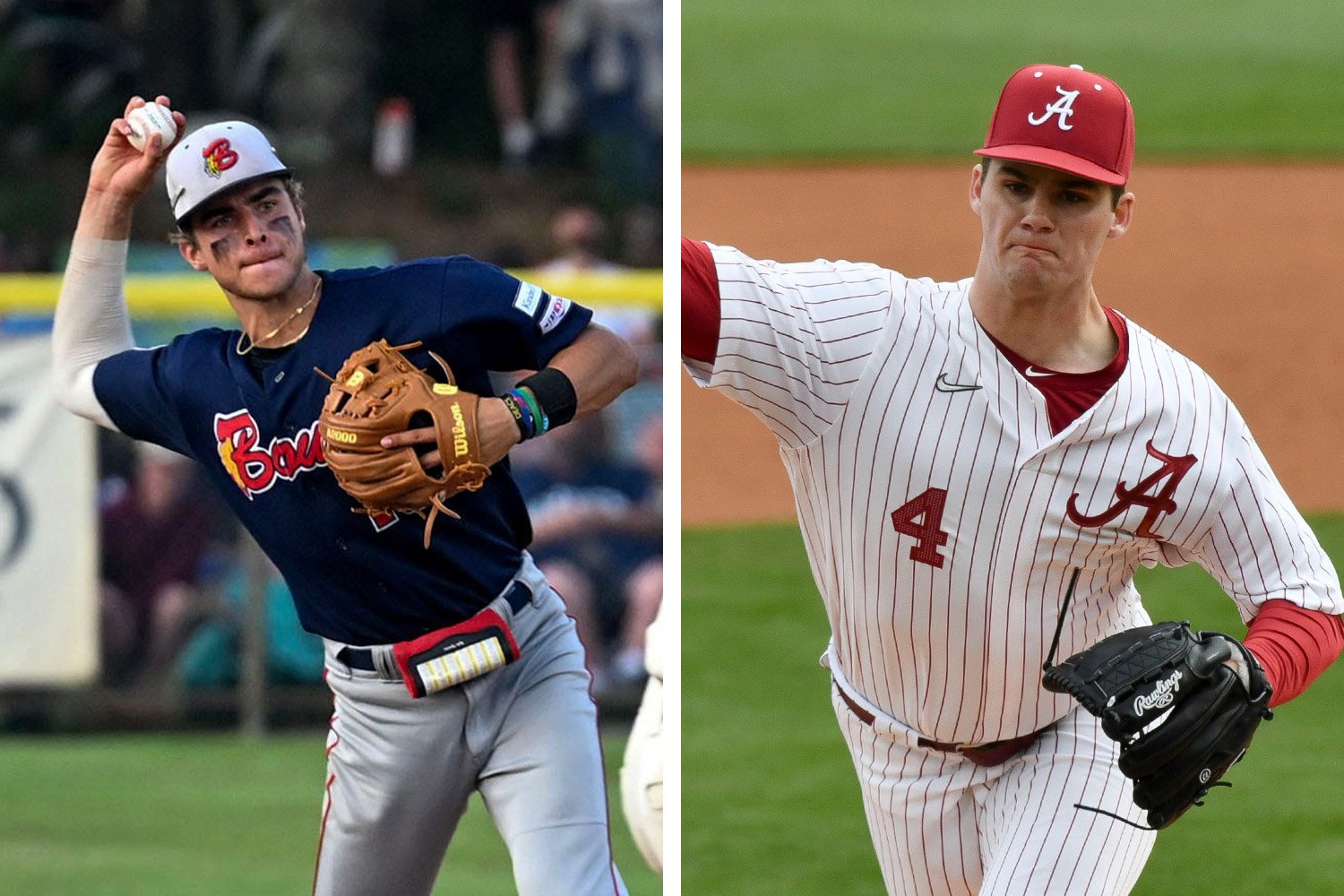 The dust has settled on a frenetic day one of the 2025 MLB Draft. After 105 picks in an expanded opening day, the Twins have new prospects likely to join the organization soon. Here’s a rundown of their day one picks. 16. Marek Houston, SS, Wake Forest (18th by consensus), slot value: $4,929,600 Here’s an excerpt of our write-up on Houston from the consensus board: It's plus defense at shortstop, with good lateral quickness, soft hands, a great internal clock, and a plus arm combining for a complete offensive profile. He's 1B to Billy Carlson's 1A defensively for shortstops in this class. There's plenty to like in the offensive profile, too. It's a hit over power profile, headlined by strong bat-to-ball metrics and a history of walking more than he strikes out wherever he plays, including an excellent stint on the Cape after the 2024 season. Houston's power numbers (under the hood) didn't really hold up in ACC play. He finished the season with a .354/.458/.597 (1.055) line with 15 home runs and identical 15.4% strikeout and walk rates. Even so, it's an above-average hit and run, with plus defense and a plus arm at shortstop. He's a first-half of the first-round type of guy in this class. 36. Riley Quick, RHP, Alabama (32nd by consensus), slot value: $2,692,000 Here’s an excerpt of our write-up on Quick from the consensus board: Quick is another riser in the 2025 cycle on the pitching side. A physically imposing frame at 6'6, 250, the stuff and the results are starting to come together for the Alabama righty after recovering from TJ surgery. Quick's fastball is a sinker that sits in the mid-90s. He can reach back for 98 mph. It generated a ground ball rate north of 60% in 2024, and it's easy to see why, with the pitch creating 20 inches or so of run. Quick has a relatively low release height for his size. He mixes in a sweeper, which is already above average and could be plus in time. His changeup, like his sinker, gets a ton of horizontal break. Quick delivery is relatively consistent for such a physical pitcher. It's easy to see him carrying a significant workload as a pro if he can stay healthy. Despite the size and stuff, Quick hasn’t missed the amount of bats you’d like to see. In 2025, he finished with a 3.49 FIP, 25.9 K%, and 8.9 BB% in 62 IP. If the right organization gets him, you can see him being a tweak or two away from being a monster. 54. Quentin Young, SS, Oaks Christian HS, CA, (51st by consensus), slot value: $1,761,100 Here’s an excerpt of our write-up on Young from the consensus board: At 6'5, 215, Quentin Young (nephew of Delmon and Dmitri) is a physical monster with a ton of projection in a super athletic frame. A right-handed hitter, there's a ton of raw power here, combined with some swing and miss concerns, particularly against off-speed stuff. It's a violent swing and aggressive approach at the plate that could be reined in to get to a little more refinement with his swing decisions and control of at-bats. He's easily got a plus arm, and with infield and outfield experience, that's likely a 3B/RF profile in time. How the hit tool develops and the pitch recognition, in particular, will likely govern Young's ceiling. He's committed to LSU, which may be a tough connection to break, depending on where he's taken. 88. James Ellwanger, RHP, DBU, (86th by consensus, slot value: $893,000 Here’s an excerpt of our write-up on Ellwanger from the consensus board: Ellwanger was a notable prospect prior to the 2023 draft and slipped due to signability concerns. He was taken by the Nats in the 19th round and is their type of prep power arm. It's an intriguing combination of size, stuff, and refinement needed, particularly on the secondary pitches and with his control. Ellwanger stands 6'5, 205, it's a lean frame with more strength to add. Even so, he can run his fastball up into the high 90s with good ride and armside run. There's a good curveball present too, an above-average pitch, with a slider and changeup that haven't proven to be as effective yet. Strike throwing has also been a challenge for Ellwanger at times. Despite too many free passes (13.5%), he's performed solidly in 2025. It's a 3.07 FIP and 33 K%. You'll need a drafting organization that knows what they're doing with pitchers, but the arm talent is considerable. Analysis We often talk about draft classes like financial portfolios. You want diversity in your class. The Twins accomplished that in some unique and fun ways on day one. In Houston, you have a high-floored, low-variance college shortstop who should stick at the position. If you’ve ever wondered what the Twins player development team could do with higher-octane starting arm talent, you’ll get that look with both Quick and Ellwanger. In Young, they’ve landed some of the best raw power in the draft class. The Twins haven’t recently drafted elite arm talent from college arms on day one. There are prep examples (Soto, Hill), but this represents a different approach. It also represents them leaning into one of the best demographics in the draft class. I wouldn’t expect to see Quick or Ellwanger pitch in 2026, and I’d equally expect to be blown away by the stuff in 2026. The Twins' recent pick most similar to Young is Brandon Winokur. Young has elite power for a prospect his age. His batting practice at the Draft Combine was nukes drilled into the seats at 112-115 mph. I’d expect to see rawness, refinement needed in the hit tool, and absolutely massive home runs when he debuts. Finally, there’s Houston. I didn’t love his profile, but that’s more of a personal preference. I like the pick plenty in the context of the other picks. So let’s dig in on some of his numbers from 2025. It’s an 86th percentile walk rate, 70th percentile strikeout rate, and 87th percentile in zone contact rate. Even if the power is fringe average, that’s a skill set that should provide solid value as he’s going to get on base and hit plenty. It’s a plus arm and above average speed, too (19/21 in stolen bases in 2025). If we’re looking at which tools will accrue value, for Houston, the org is betting on hit, run, defense, with 15 home run power at a premium defensive position. It makes sense. What are your thoughts on the Twins' day one? Share your thoughts in the comments.
- 39 comments
-
- 8
-
-
- 2025 mlb draft
- marek houston
- (and 3 more)
-
Thanks for the kind words. I'll have plenty of words in the next few days for sure. I think the number of prep players being selected was already trending down prior to NIL. More and more teams moving to analytically driven approaches means risk mitigation is part of your calculus. PLUS, if you're a team who pay into revenue sharing like the Cubs, you are limited in terms of picks and capital, so you want to make safer choices. That said, there are major shifting college baseball roster rules this year. The hypothesis seems to be with limited roster space, we might see more prep players sign in the $750,000-$1 million range. We'll see if that actually pans out.
-
Appenzeller is a fun projectability lefty. It's a similar frame to Dasan Hill this time last year. I think folks were expecting him (App) to take a velo bump this spring that didn't emerge a ton. In general, I don't love the prep pitching in this class outside of Aaron Watson, Landon Harmon, and Angel Cervantes.
-
I think it's around 50/50 for prep vs college bat at 16, despite what the mocks say. Obviously depends on how the board shakes out in front.
-
There's definitely a ton of guys with steam. There's a few reasons I didn't include them: Mostly - this is a list of guys who I think are fits who I like a ton. Summerhill and Houston aren't my flavor, so I'm ignoring them lol. Both of those guys don't do a ton for me personally. Houston had fairly large home (band box) vs road splits and hit the majority of his home runs in non-conference play. Side bar but it's clear Culpepper's defense and overall profile was underestimated industry wide. Everything you said about Summerhill and Houston is true, they're logical fits. Just wanted to get some down board guys on the list so went with a couple preps (Fien, Pierce, Neyens) and a couple of college options for 16 (Bremner, Kilen, Taylor) to represent how the choice might play out. Thanks for reading and commenting on all this content during the draft cycle, really appreciate the engagement.
-
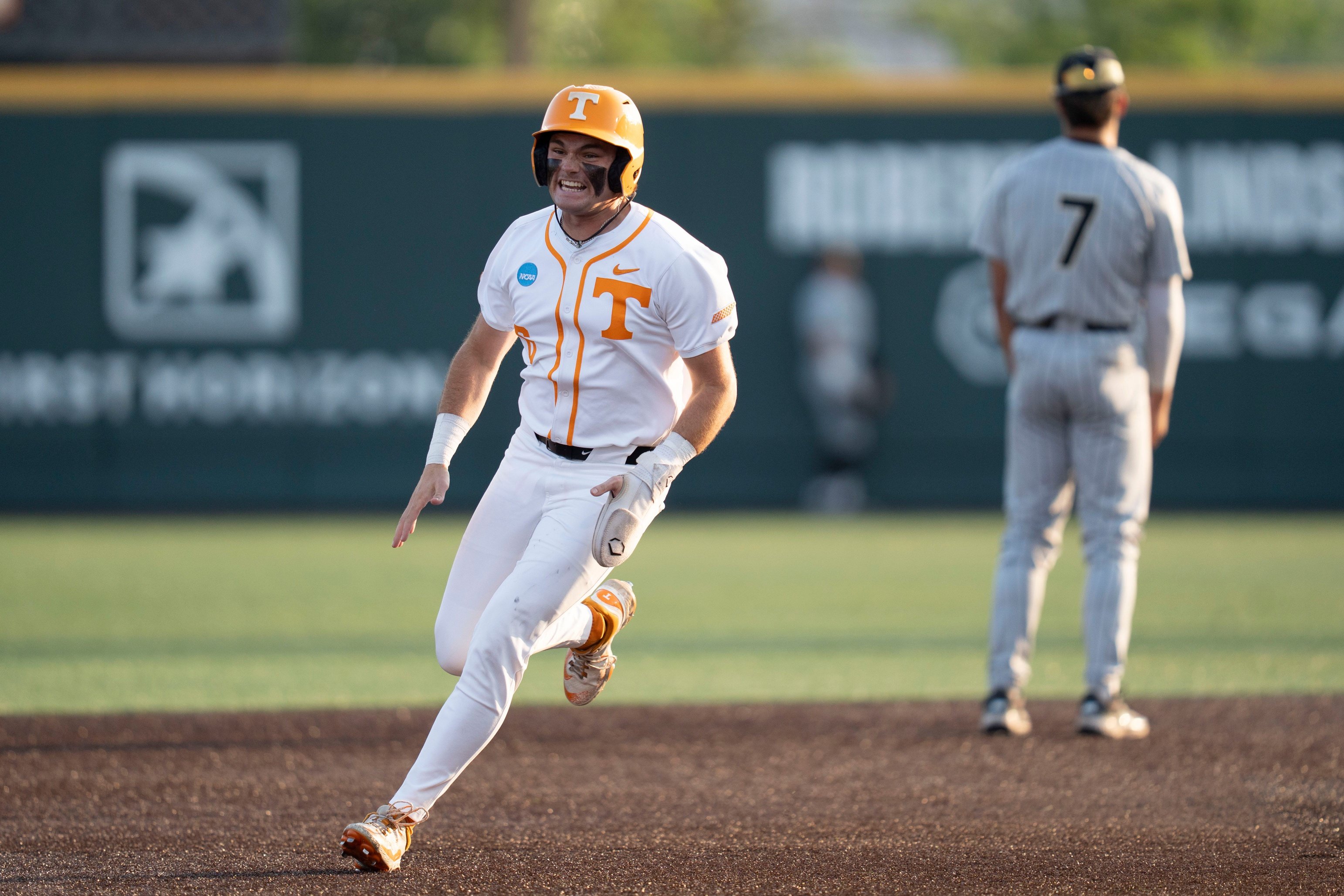 We’re almost there. Day one of the 2025 MLB Draft kicks off at 5:00 p.m. CT on Sunday. Our full Twins Daily Mock Draft Board is linked here, but ahead of the first round, I’ve compiled a list of 11 eligible prospects from the top 100 consensus rankings who align with the Twins’ tendencies. Each includes their consensus rank and my full write-up from the board. Drop your favorites in the comments. 13. Tyler Bremner, RHP, UC Santa Barbara Bremner is a young-for-the-class right-hander with legit starter traits. At 6’2”, 190, he’s an elite mover with a high-upside frame and room to add strength. His fastball sits 94–96 mph (T98) with late carry (19” IVB), paired with a devastating changeup — arguably MLB-ready — that generates 20” of fade and over a 40% whiff rate. His slider is solid, though clearly the third pitch. After a slow start in 2025, he finished strong: 77.1 IP, 2.14 FIP, 35.8 K%, 6.1 BB%. There’s room for command refinement and maybe an expanded arsenal, but don’t let the early-season dip fool you — he has playoff starter upside. 14. Gavin Fien, INF, Great Oaks HS, CA Fien, a Texas commit, is a physical 6’3” third baseman/outfielder with one of the best prep bats in the class. His swing — high hands, toe tap into a leg kick — is unorthodox but consistently on time. It’s line-drive power now, with more to come. The glove, arm, and speed are average, so he’ll have to hit. Still, he’s an arrow-up bat in a draft light on polished prep hitters. 15. Gavin Kilen, INF, Tennessee Kilen is a compact, high-contact middle infielder who’s added pop in 2025. He traded a bit of contact for power and it worked — his EV90 jumped to 104 mph with a Max EV of 108. He’s patient, doesn’t chase, and can elevate pull-side. Kilen finished 2025 hitting .357/.441/.671 with 15 HR, 139 wRC+, 12.2 BB%, and just 11 K%. A high-floor, versatile profile with a chance to stick up the middle. 18. Daniel Pierce, SS, Mill Creek HS, GA Daniel Pierce is a right-handed hitting prep shortstop prospect out of Georgia. He's one of the more polished defensive shortstop prospects in the class with smooth actions, quick lateral movement, and a plus arm that can make all the throws needed to stick there long term. The bat isn't yet as loud as some of the supplementary tools. It's solid bat-to-ball and pure hitting skills, with a good eye and approach at the plate. A drafting organization will be betting his hit tool develops to, at worst, above average. At present, the power is fringy. Pierce is a plus runner too, adding more avenues to accrue value for a drafting team. The ceiling will be determined by how the bat develops, but this is one of the better pro shortstop profiles in the class. 22. Xavier Neyens, 3B, Mount Vernon HS, WA Neyens and Ethan Holliday have some similarities in their profiles, for me. Neyens has serious raw power and a patient approach, but there are hit tool and defensive questions. He starts from a wide base with a big leg kick and high hands. When he connects, the ball jumps, but breaking balls have given him fits. He’s a below-average runner but moves well and has a plus arm. If he makes enough contact, he could be one of the better power bats in the class. 28. Devin Taylor, OF, Indiana Taylor might be the safest hit/power bat in the college class. The lefty corner outfielder has average arm strength, below-average speed, and major offensive juice: .374/.494/.706 with 18 HR, 19.3 BB%, and 11.2 K% in 2025 for Indiana. He consistently barrels the ball (EV90 of 107, Max EV of 112) and doesn’t chase much. Taylor showed growth each year at Indiana and backed it up in the Cape. One of the most complete college bats available. 45. Charles Davalan, OF, Arkansas A compact Canadian-born outfielder, Davalan transferred from FGCU and broke out in 2025: .346/.433/.561 with 14 HR, 11 BB%, and 8.5 K%. Known for his bat-to-ball skills, he added impact this year, with EVs over 110 mph. He’s undersized but strong and athletic. The hit tool carries this profile, and his performance against better SEC pitching moved him up boards. 50. Angel Cervantes, RHP, Warren HS, CA One of my favorite arms in the class. Cervantes is a projectable 6’2” prep righty with a clean delivery and four-pitch mix. His fastball sits 90–92 (T94) with ride, and his changeup is elite — fade, depth, and swing-and-miss. The secondaries need refinement (curve and slider blur), but he has advanced feel for spin. He’ll still be 17 on draft day and checks a lot of boxes: projection, polish, athleticism. He’s a top-50 talent. 68. Joseph Dzierwa, LHP, Michigan State A 6’8” lefty with a breakout 2025 campaign. Dzierwa throws from a three-quarters slot with a slingy delivery. His fastball ticked up to 91.6 mph (T95) with decent spin (2600 RPM), and his changeup is his best pitch — 26% zone whiff with great separation. His breaking stuff lags behind — his slider and curve combined for just 11% usage — but his strike-throwing is elite: 73% strikes with the fastball, 69% with the changeup. He’s a moldable arm who fits an org that develops velo and pitch design. 75. Korbyn Dickerson, OF, Indiana I’ll die on this hill: Dickerson is under-ranked. Drafted by the Twins in 2022, he transferred from Louisville to Indiana and exploded in 2025: .314/.381/.632 with 19 HR, 123 wRC+, 9 BB%, and 18.8 K%. There’s some swing noise, but the raw tools are loud — 117 Max EV, 109.8 EV90. There’s hit tool risk (especially vs. offspeed), but he’s a plus athlete with a shot to stick in center. If a team can refine his swing decisions, he’s a potential star. 83. Mitch Voit, 2B, Michigan Voit, a former two-way guy, focused solely on hitting in 2025 and emerged as a solid hit/power college bat. He hit .346/.471/.668 with 14 HR, a 157 wRC+, 15.3 BB%, and just a 13 K%. His EV90 sat at 105.6 mph and he whiffed just 11.7% in zone. There’s plus speed and an above-average arm. With versatility and OBP skills, Voit could hit 15–20 HR as a pro — a well-rounded offensive profile that tends to rise in the draft. 92. Easton Carmichael, C, Oklahoma Carmichael surged into the second tier of college catchers in 2025. The righty swinger has solid bat-to-ball skills, a disciplined approach, and surprising pull power (17 HR). He boosted his walk rate from 6.9% to 9.1% and kept the K-rate under 16%. Defensively, he’s a work in progress — receiving, blocking, and arm strength are all a bit light. But if you value offensive skills behind the plate, Carmichael’s a legit name to watch.
 -
Image courtesy of © Saul Young/News Sentinel We’re almost there. Day one of the 2025 MLB Draft kicks off at 5:00 p.m. CT on Sunday. Our full Twins Daily Mock Draft Board is linked here, but ahead of the first round, I’ve compiled a list of 11 eligible prospects from the top 100 consensus rankings who align with the Twins’ tendencies. Each includes their consensus rank and my full write-up from the board. Drop your favorites in the comments. 13. Tyler Bremner, RHP, UC Santa Barbara Bremner is a young-for-the-class right-hander with legit starter traits. At 6’2”, 190, he’s an elite mover with a high-upside frame and room to add strength. His fastball sits 94–96 mph (T98) with late carry (19” IVB), paired with a devastating changeup — arguably MLB-ready — that generates 20” of fade and over a 40% whiff rate. His slider is solid, though clearly the third pitch. After a slow start in 2025, he finished strong: 77.1 IP, 2.14 FIP, 35.8 K%, 6.1 BB%. There’s room for command refinement and maybe an expanded arsenal, but don’t let the early-season dip fool you — he has playoff starter upside. 14. Gavin Fien, INF, Great Oaks HS, CA Fien, a Texas commit, is a physical 6’3” third baseman/outfielder with one of the best prep bats in the class. His swing — high hands, toe tap into a leg kick — is unorthodox but consistently on time. It’s line-drive power now, with more to come. The glove, arm, and speed are average, so he’ll have to hit. Still, he’s an arrow-up bat in a draft light on polished prep hitters. 15. Gavin Kilen, INF, Tennessee Kilen is a compact, high-contact middle infielder who’s added pop in 2025. He traded a bit of contact for power and it worked — his EV90 jumped to 104 mph with a Max EV of 108. He’s patient, doesn’t chase, and can elevate pull-side. Kilen finished 2025 hitting .357/.441/.671 with 15 HR, 139 wRC+, 12.2 BB%, and just 11 K%. A high-floor, versatile profile with a chance to stick up the middle. 18. Daniel Pierce, SS, Mill Creek HS, GA Daniel Pierce is a right-handed hitting prep shortstop prospect out of Georgia. He's one of the more polished defensive shortstop prospects in the class with smooth actions, quick lateral movement, and a plus arm that can make all the throws needed to stick there long term. The bat isn't yet as loud as some of the supplementary tools. It's solid bat-to-ball and pure hitting skills, with a good eye and approach at the plate. A drafting organization will be betting his hit tool develops to, at worst, above average. At present, the power is fringy. Pierce is a plus runner too, adding more avenues to accrue value for a drafting team. The ceiling will be determined by how the bat develops, but this is one of the better pro shortstop profiles in the class. 22. Xavier Neyens, 3B, Mount Vernon HS, WA Neyens and Ethan Holliday have some similarities in their profiles, for me. Neyens has serious raw power and a patient approach, but there are hit tool and defensive questions. He starts from a wide base with a big leg kick and high hands. When he connects, the ball jumps, but breaking balls have given him fits. He’s a below-average runner but moves well and has a plus arm. If he makes enough contact, he could be one of the better power bats in the class. 28. Devin Taylor, OF, Indiana Taylor might be the safest hit/power bat in the college class. The lefty corner outfielder has average arm strength, below-average speed, and major offensive juice: .374/.494/.706 with 18 HR, 19.3 BB%, and 11.2 K% in 2025 for Indiana. He consistently barrels the ball (EV90 of 107, Max EV of 112) and doesn’t chase much. Taylor showed growth each year at Indiana and backed it up in the Cape. One of the most complete college bats available. 45. Charles Davalan, OF, Arkansas A compact Canadian-born outfielder, Davalan transferred from FGCU and broke out in 2025: .346/.433/.561 with 14 HR, 11 BB%, and 8.5 K%. Known for his bat-to-ball skills, he added impact this year, with EVs over 110 mph. He’s undersized but strong and athletic. The hit tool carries this profile, and his performance against better SEC pitching moved him up boards. 50. Angel Cervantes, RHP, Warren HS, CA One of my favorite arms in the class. Cervantes is a projectable 6’2” prep righty with a clean delivery and four-pitch mix. His fastball sits 90–92 (T94) with ride, and his changeup is elite — fade, depth, and swing-and-miss. The secondaries need refinement (curve and slider blur), but he has advanced feel for spin. He’ll still be 17 on draft day and checks a lot of boxes: projection, polish, athleticism. He’s a top-50 talent. 68. Joseph Dzierwa, LHP, Michigan State A 6’8” lefty with a breakout 2025 campaign. Dzierwa throws from a three-quarters slot with a slingy delivery. His fastball ticked up to 91.6 mph (T95) with decent spin (2600 RPM), and his changeup is his best pitch — 26% zone whiff with great separation. His breaking stuff lags behind — his slider and curve combined for just 11% usage — but his strike-throwing is elite: 73% strikes with the fastball, 69% with the changeup. He’s a moldable arm who fits an org that develops velo and pitch design. 75. Korbyn Dickerson, OF, Indiana I’ll die on this hill: Dickerson is under-ranked. Drafted by the Twins in 2022, he transferred from Louisville to Indiana and exploded in 2025: .314/.381/.632 with 19 HR, 123 wRC+, 9 BB%, and 18.8 K%. There’s some swing noise, but the raw tools are loud — 117 Max EV, 109.8 EV90. There’s hit tool risk (especially vs. offspeed), but he’s a plus athlete with a shot to stick in center. If a team can refine his swing decisions, he’s a potential star. 83. Mitch Voit, 2B, Michigan Voit, a former two-way guy, focused solely on hitting in 2025 and emerged as a solid hit/power college bat. He hit .346/.471/.668 with 14 HR, a 157 wRC+, 15.3 BB%, and just a 13 K%. His EV90 sat at 105.6 mph and he whiffed just 11.7% in zone. There’s plus speed and an above-average arm. With versatility and OBP skills, Voit could hit 15–20 HR as a pro — a well-rounded offensive profile that tends to rise in the draft. 92. Easton Carmichael, C, Oklahoma Carmichael surged into the second tier of college catchers in 2025. The righty swinger has solid bat-to-ball skills, a disciplined approach, and surprising pull power (17 HR). He boosted his walk rate from 6.9% to 9.1% and kept the K-rate under 16%. Defensively, he’s a work in progress — receiving, blocking, and arm strength are all a bit light. But if you value offensive skills behind the plate, Carmichael’s a legit name to watch. View full article
-
Image courtesy of Thieres Rabelo In episode 85 of Destination: The Show, Jeremy and Jamie live stream an episode to get ready for day one of the 2025 MLB Draft. They walk through a mock draft of the first 36 picks and alternate picking for teams based on fit, industry steam, and value. The guys pause at each team we cover in more depth to talk about options from particular demographics that make sense with their picks. Destination: The Show will be live streaming throughout day one of the 2025 MLB Draft, breaking down every pick, kicking off at 4:30 CT on Sunday, July 13th. 0:00 Intro 3:59 Mock Draft preview 5:10 Picks 1-5 14:34 Picks 6-7 18:08 Blue Jays at 8 22:35 Picks 9-14 32:35 Red Sox at 15 35:00 Twins at 16 45:40 Cubs at 17 47:00 Picks 18-19 48:55 Brewers at 20 51:33 Picks 21-24 56:04 Padres at 25 58:00 Picks 26-31 1:07:52 Brewers at 32 1:09:45 Red Sox at 33 1:10:43 Picks 34-35 1:12:18 Twins at 36 1:16:43 Listener Questions You can support the show by downloading it from wherever you get your podcasts, including iTunes and Spotify. If you enjoy the content, consider leaving us a five-star rating and review in addition to sharing or retweeting DTS-related content. You can follow us on Twitter @DTS_POD1, @Jeremynygaard, @J_D_Cameron, and @TheodoreTollef1. We’re now on Bluesky @destinationtheshow.bsky.social. You can also find full episodes and clips of our shows on our YouTube page @DestinationTheShow. View full article
-
 In episode 85 of Destination: The Show, Jeremy and Jamie live stream an episode to get ready for day one of the 2025 MLB Draft. They walk through a mock draft of the first 36 picks and alternate picking for teams based on fit, industry steam, and value. The guys pause at each team we cover in more depth to talk about options from particular demographics that make sense with their picks. Destination: The Show will be live streaming throughout day one of the 2025 MLB Draft, breaking down every pick, kicking off at 4:30 CT on Sunday, July 13th. 0:00 Intro 3:59 Mock Draft preview 5:10 Picks 1-5 14:34 Picks 6-7 18:08 Blue Jays at 8 22:35 Picks 9-14 32:35 Red Sox at 15 35:00 Twins at 16 45:40 Cubs at 17 47:00 Picks 18-19 48:55 Brewers at 20 51:33 Picks 21-24 56:04 Padres at 25 58:00 Picks 26-31 1:07:52 Brewers at 32 1:09:45 Red Sox at 33 1:10:43 Picks 34-35 1:12:18 Twins at 36 1:16:43 Listener Questions You can support the show by downloading it from wherever you get your podcasts, including iTunes and Spotify. If you enjoy the content, consider leaving us a five-star rating and review in addition to sharing or retweeting DTS-related content. You can follow us on Twitter @DTS_POD1, @Jeremynygaard, @J_D_Cameron, and @TheodoreTollef1. We’re now on Bluesky @destinationtheshow.bsky.social. You can also find full episodes and clips of our shows on our YouTube page @DestinationTheShow.
 -
Easton Carmichael! Carmichael has been a steady riser this season as has become part of a solid second tier of catching prospects ahead of the 2025 draft. A compact, right-handed stroke is the headline offensively here. Carmichael has a solid approach at the plate with good bat-to-ball skills. He increased his BB% in 2025 from 6.9% to 9.1% while maintaining a solid 15.7 K%. There's sneaky pull side power here too, Carmichael hit 17 home runs (31 XBH) and has above average foot speed for a catcher (average overall). There's plenty of work to do behind the dish; receiving and blocking both need work. Additionally, his arm is a little light for the position and he can, at times, struggle to control the running game. He's an ideal profile for a time that values a solid overall hitting skillset over current catcher skill.
-
Image courtesy of © Tim Heitman-Imagn Images Draft week is finally here! We’ll have a ton of coverage for you here at Twins Daily. Here are a few important details to get you oriented to our coverage. Despite finishing with the 14th-worst record in 2024, the Twins will pick 16th in the first round of the 2025 MLB Draft, courtesy of falling two spots in the MLB Draft Lottery. They will revert to picking 14th in all subsequent rounds. They have the 12th-largest bonus pool overall, at $12,653,000 (marginally more than 2024). This is primarily a function of their Competitive Balance Round A pick, 36th overall, which revenue-sharing recipient teams garner in either Comp Round A or Comp Round B on an annual rotation. The Twins' top-100 picks and slot values are as follows: Slot value for pick 16: $4,929,600 Slot value for pick 36: $2,692,200 Slot value for pick 54: $1,761,600 Slot value for pick 88: $893,000 This combination of financial and pick flexibility puts the Twins in a strong position to work with a draft class shaping up to be uncertain in terms of top-tier talent, but with plenty of depth through around 75 picks—and interesting prep bats, in particular. You can find our MLB Draft board here. This is a project I’ve been working on since February. The rankings are consensus rankings, taken from leveraging all of the major draft boards in the industry. The goal is to eliminate some of the noise in rankings for casual fans looking to get more interested and get to know the class better. You’ll find the logo from the team next to their pick positions in each round, to give folks an idea of the caliber of talent available in a particular portion of the draft. By Sunday, you’ll find a writeup for 136 player profiles, with biographical information, scouting reports, 2025 performance for college players, and potential fits. The board will be updated every day or so until day one. Additionally, we’ll be live-streaming an episode of Destination: The Show through the entirety of Day One. We’ll get started at 5:30 PM ET/4:30 PM CT. We’ll bring you information on all the picks, live reactions, and team-specific special guests. We hope you’ll join us. View full article
-
Twins Daily 2025 Consensus MLB Draft Board and Day One Live Stream
Jamie Cameron posted an article in MLB Draft
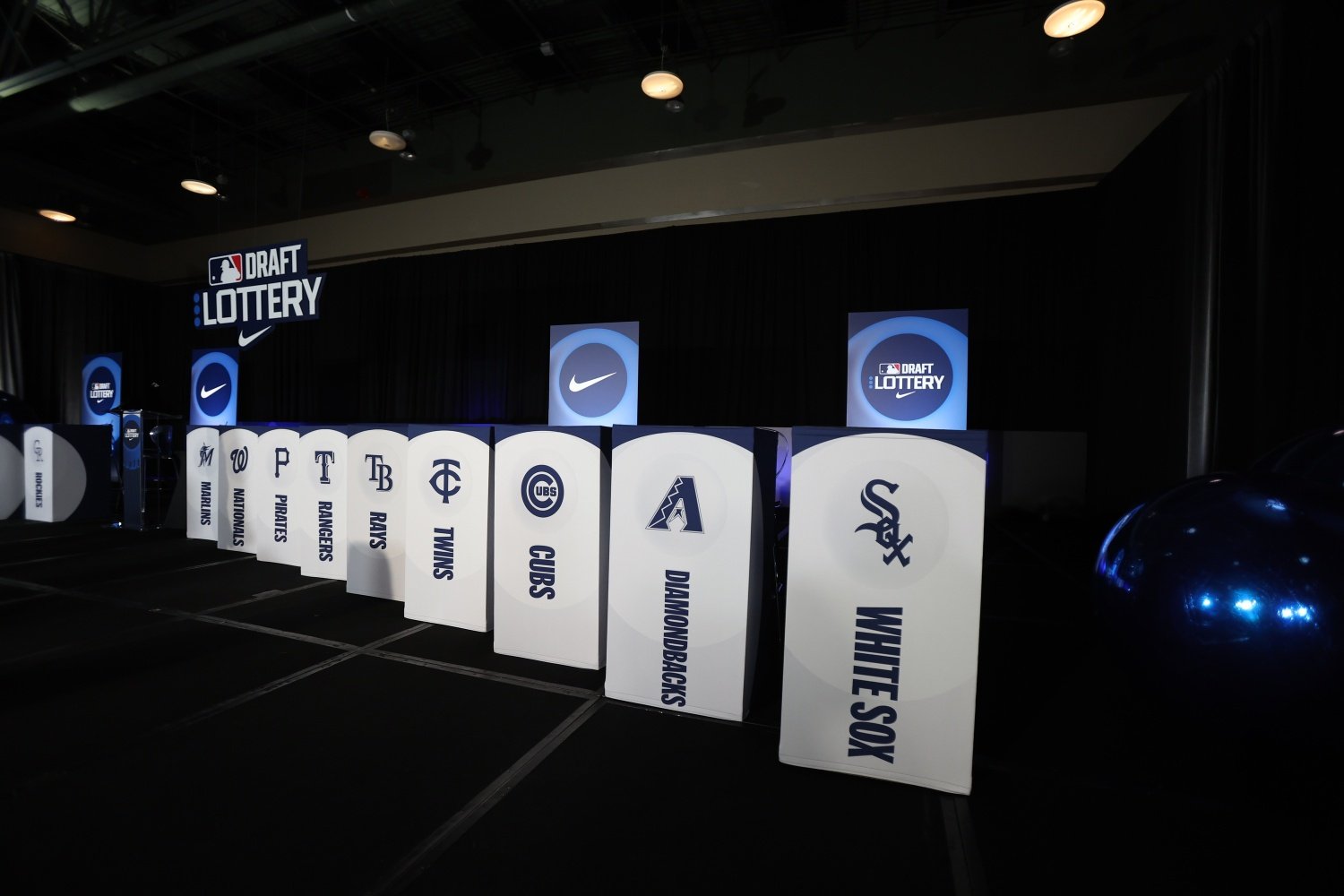 Draft week is finally here! We’ll have a ton of coverage for you here at Twins Daily. Here are a few important details to get you oriented to our coverage. Despite finishing with the 14th-worst record in 2024, the Twins will pick 16th in the first round of the 2025 MLB Draft, courtesy of falling two spots in the MLB Draft Lottery. They will revert to picking 14th in all subsequent rounds. They have the 12th-largest bonus pool overall, at $12,653,000 (marginally more than 2024). This is primarily a function of their Competitive Balance Round A pick, 36th overall, which revenue-sharing recipient teams garner in either Comp Round A or Comp Round B on an annual rotation. The Twins' top-100 picks and slot values are as follows: Slot value for pick 16: $4,929,600 Slot value for pick 36: $2,692,200 Slot value for pick 54: $1,761,600 Slot value for pick 88: $893,000 This combination of financial and pick flexibility puts the Twins in a strong position to work with a draft class shaping up to be uncertain in terms of top-tier talent, but with plenty of depth through around 75 picks—and interesting prep bats, in particular. You can find our MLB Draft board here. This is a project I’ve been working on since February. The rankings are consensus rankings, taken from leveraging all of the major draft boards in the industry. The goal is to eliminate some of the noise in rankings for casual fans looking to get more interested and get to know the class better. You’ll find the logo from the team next to their pick positions in each round, to give folks an idea of the caliber of talent available in a particular portion of the draft. By Sunday, you’ll find a writeup for 136 player profiles, with biographical information, scouting reports, 2025 performance for college players, and potential fits. The board will be updated every day or so until day one. Additionally, we’ll be live-streaming an episode of Destination: The Show through the entirety of Day One. We’ll get started at 5:30 PM ET/4:30 PM CT. We’ll bring you information on all the picks, live reactions, and team-specific special guests. We hope you’ll join us.
 -
Image courtesy of Thieres Rabelo In episode 84 of Destination: The Show, Jeremy and Jamie dive into a deep and diverse group of prep infielders, unpacking skill sets, opportunities, and best fits. The guys examine why profiles like Eli Willits are more valuable than their scouting report might read, and whether Billy Carlson makes sense as a fit to the Blue Jays at 8. They dig into potential fits for the Twins, including Gavin Fien, Steele Hall, and Xavier Neyens, and a bonus name. Finally, they talk through some of the prep pitching profiles that fit in the 30-50 range on most boards, including options for the Padres, Brewers, and Twins. 0:00 Intro 4:35 Draft Night Plans 6:02 Prep Infielders 6:51 Ethan Holliday 9:16 Eli Willits 13:10 Billy Carlson 16:38 JoJo Parker 18:56 Kayson Cunningham 22:14 Steele Hall 24:35 Gavin Fien 27:34 Xavier Neyens 35:00 Daniel Pierce/Josh Hammond 41:48 Kruz Schoolcraft 45:15 Aaron Watson 46:39 Briggs McKenzie 48:22 Angel Cervantes 50:28 Cam Appenzeller/Landon Harmon/Uni Fernsler/Jack Bauer 58:24 Listener Questions You can support the show by downloading it from wherever you get your podcasts, including iTunes and Spotify. If you enjoy the content, consider leaving us a five-star rating and review in addition to sharing or retweeting DTS-related content. You can follow us on Twitter @DTS_POD1, @Jeremynygaard, @J_D_Cameron, and @TheodoreTollef1. We’re now on Bluesky @destinationtheshow.bsky.social. You can also find full episodes and clips of our shows on our YouTube page @DestinationTheShow. View full article
-
 In episode 84 of Destination: The Show, Jeremy and Jamie dive into a deep and diverse group of prep infielders, unpacking skill sets, opportunities, and best fits. The guys examine why profiles like Eli Willits are more valuable than their scouting report might read, and whether Billy Carlson makes sense as a fit to the Blue Jays at 8. They dig into potential fits for the Twins, including Gavin Fien, Steele Hall, and Xavier Neyens, and a bonus name. Finally, they talk through some of the prep pitching profiles that fit in the 30-50 range on most boards, including options for the Padres, Brewers, and Twins. 0:00 Intro 4:35 Draft Night Plans 6:02 Prep Infielders 6:51 Ethan Holliday 9:16 Eli Willits 13:10 Billy Carlson 16:38 JoJo Parker 18:56 Kayson Cunningham 22:14 Steele Hall 24:35 Gavin Fien 27:34 Xavier Neyens 35:00 Daniel Pierce/Josh Hammond 41:48 Kruz Schoolcraft 45:15 Aaron Watson 46:39 Briggs McKenzie 48:22 Angel Cervantes 50:28 Cam Appenzeller/Landon Harmon/Uni Fernsler/Jack Bauer 58:24 Listener Questions You can support the show by downloading it from wherever you get your podcasts, including iTunes and Spotify. If you enjoy the content, consider leaving us a five-star rating and review in addition to sharing or retweeting DTS-related content. You can follow us on Twitter @DTS_POD1, @Jeremynygaard, @J_D_Cameron, and @TheodoreTollef1. We’re now on Bluesky @destinationtheshow.bsky.social. You can also find full episodes and clips of our shows on our YouTube page @DestinationTheShow.
 -
He was kind enough to come on the podcast a year ago. We offered to sit in the draft room and not make a peep. He politely declined 🤣