



Jamie Cameron
-
Posts
1,349 -
Joined
-
Last visited
-
Days Won
4
Content Type
Profiles
News
Minnesota Twins Videos
2026 Minnesota Twins Top Prospects Ranking
2022 Minnesota Twins Draft Picks
Minnesota Twins Free Agent & Trade Rumors, Notes, & Tidbits
Guides & Resources
2023 Minnesota Twins Draft Picks
The Minnesota Twins Players Project
2024 Minnesota Twins Draft Picks
2025 Minnesota Twins Draft Pick Tracker
2026 Minnesota Twins Draft Tracker: Picks & Bonuses
Forums
Blogs
Events
Store
Downloads
Gallery
Everything posted by Jamie Cameron
-
BREAKING: Twins Win Third Overall Pick in 2026 MLB Draft Lottery
Jamie Cameron posted an article in Twins
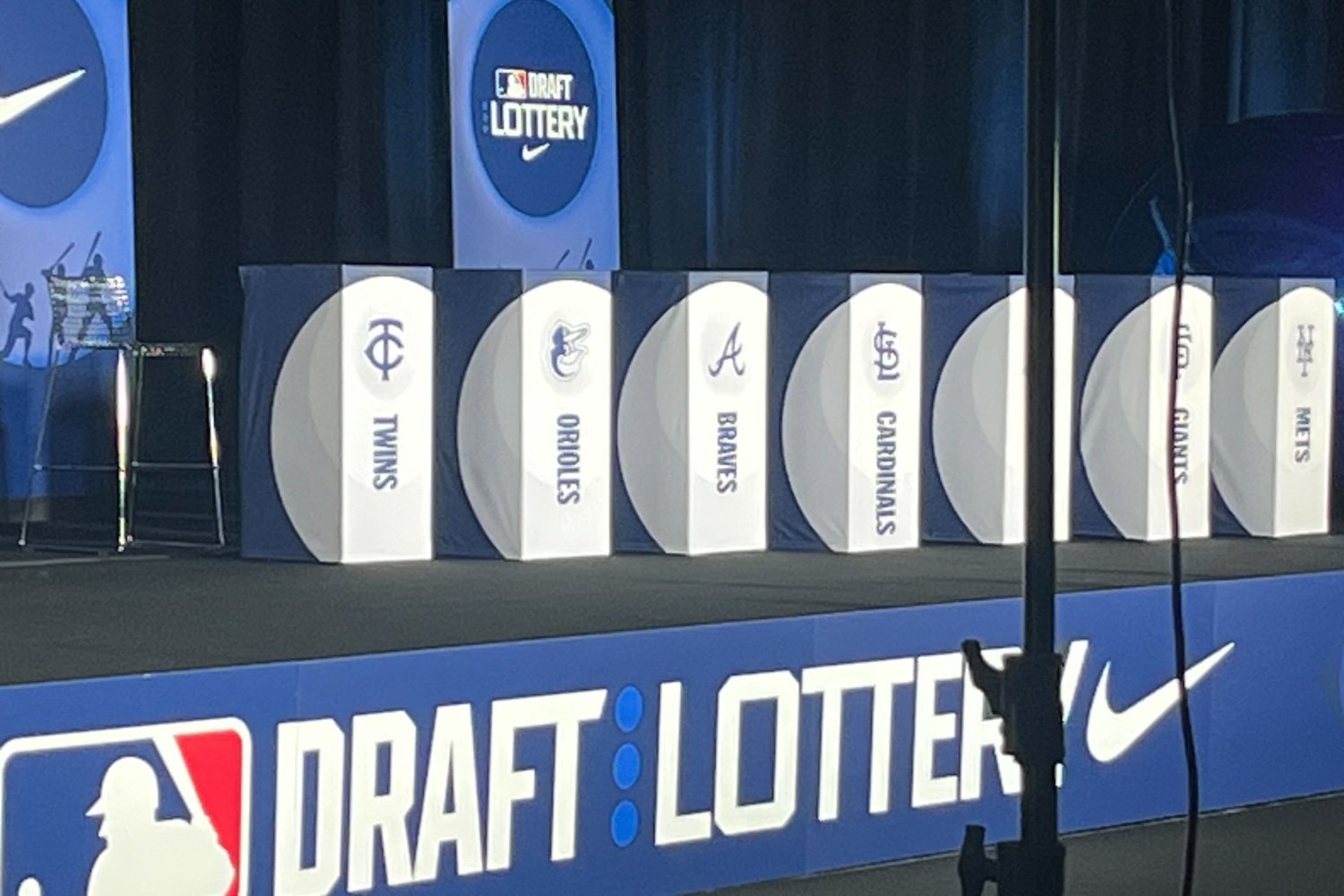 The hated Chicago White Sox, who already got Justin Ishbia and the Pope this year, win again. They will pick first in the 2026 MLB Draft, after winning the annual MLB Draft Lottery on Tuesday evening in Orlando. The Twins will pick third, but can find some consolation in not having fallen any further. The division-rival Royals also got a bump, as they entered with the 16th slot in the theoretical draft order but landed the sixth overall pick. The Royals, San Francisco Giants and Tampa Bay Rays all jumped into the lottery section (the top six selections), so the Twins were more fortunate than the Orioles, Athletics, or Braves, who all tumbled to the back half of the top 10. So, what are some of the ramifications of this outcome? Let's talk through the talent and the dollars. The Twins will miss out on Roch Cholowsky, the consensus number one player in this class and the best college shortstop prospect in at least a decade. There's also a number two guy, at least currently, in Grady Emerson. Number three onwards is where things get interesting. Let's start with the good news, this is a strong class. The top of the first round is particularly resplendent with excellent college bats, with something for everyone. There's profiles like Kentucky shortstop Tyler Bell and Georgia Tech outfielder Drew Burress, who do everything pretty well, a pair of college aces in Liam Peterson and Cam Flukey, or bats that are higher risk, higher reward such as Justin Lebron, or Jacob Lombard. The Twins are going to have access to an outstanding player with the luxury of watching who separates themselves this spring and summer. While falling is never good, things could have been a lot worse. There was a ~$4 million difference between the Twins best case scenario (first) and their worst (eighth). Falling one spot will cost them ~$700,000 in bonus pool money, they are also picking higher than their regular season record dictated they would. Using last years' slot values as a proxy, the 3rd pick will be worth ~$9,500,000 plus the typical 4-9% year-on-year increase from MLB. The upshot of that is the Twins will likely be able to sign their college bat of choice and reappropriate some funds to their Comp B or second round pick to sign a high upside prep player. In the coming days, we'll have more on possible prospects the Twins might target, and some more in the weeds bonus pool math. For now, let's finish with this. It could have been better, but it could have been a whole lot worse.
 -
Destination: The Show, Episode 103. 2026 MLB Draft Lottery Preview
Jamie Cameron posted an article in Podcasts
 In episode 103 of Destination: The Show, the crew break down the forthcoming MLB Draft Lottery with the Twins having the second best odds at landing the number one overall pick. They walk through the mechanics of the lottery and how it works before digging into the implications of different picks and how they might impact the Twins bonus pool. The guys touch on the Twins Comp Round B and try and project what the Twins bonus pool might be assessing the potential slot values of their top 100 picks. 0:00 Intro 4:00 Housekeeping 4:35 Draft Lottery 7:57 How does the lottery work? 18:45 Twins odds to draft in different places and financial implications 27:00 Comp Round B pick 36:45 Twins math -- bonus preview 43:00 Listener Questions You can support the show by downloading it from wherever you get your podcasts, including iTunes and Spotify. If you enjoy the content, consider leaving us a five-star rating and review in addition to sharing or retweeting DTS-related content. You can follow us on Twitter @DTS_POD1, @Jeremynygaard, @J_D_Cameron, and @TheodoreTollef1. We’re now on Bluesky @destinationtheshow.bsky.social. You can also find full episodes and clips of our shows on our YouTube page @DestinationTheShow.
 -
Image courtesy of Thieres Rabelo In episode 103 of Destination: The Show, the crew break down the forthcoming MLB Draft Lottery with the Twins having the second best odds at landing the number one overall pick. They walk through the mechanics of the lottery and how it works before digging into the implications of different picks and how they might impact the Twins bonus pool. The guys touch on the Twins Comp Round B and try and project what the Twins bonus pool might be assessing the potential slot values of their top 100 picks. 0:00 Intro 4:00 Housekeeping 4:35 Draft Lottery 7:57 How does the lottery work? 18:45 Twins odds to draft in different places and financial implications 27:00 Comp Round B pick 36:45 Twins math -- bonus preview 43:00 Listener Questions You can support the show by downloading it from wherever you get your podcasts, including iTunes and Spotify. If you enjoy the content, consider leaving us a five-star rating and review in addition to sharing or retweeting DTS-related content. You can follow us on Twitter @DTS_POD1, @Jeremynygaard, @J_D_Cameron, and @TheodoreTollef1. We’re now on Bluesky @destinationtheshow.bsky.social. You can also find full episodes and clips of our shows on our YouTube page @DestinationTheShow. View full article
-
Twins Awarded Comp B Pick in the 2026 MLB Draft
Jamie Cameron replied to Jamie Cameron's topic in Minnesota Twins Talk
Yep, both of those things can be true. This is an instance of bad luck. -
Twins Awarded Comp B Pick in the 2026 MLB Draft
Jamie Cameron posted a topic in Minnesota Twins Talk
Since 2017, MLB has awarded compensation picks to teams based on a combination of revenue, market size, and record in two separate rounds. Fifteen teams receive these picks in two groups (one of seven teams, one of eight). Comp Round A takes place between the compensation picks following the first and second rounds. Comp Round B takes place immediately following the second round. Teams alternate between Comp Round A and Comp Round B selections depending on the year. In 2025, the Twins used their Comp Round A selection on Alabama RHP Riley Quick. In 2026, they will have a Comp Round B pick. The order of those selections was released today. The Twins were awarded the final selection in Comp Round B. In 2025, that pick was 74th overall and carried a slot value of $1,111,000. While this isn't great news, it won't have a massive effect on the Twins' bonus pool. The difference between the slot values of the first pick in Comp Round B and the last pick in 2025 was $209,400. We can expect slot values for draft picks to increase by between 4% and 9% in a given year. Let's hope the Twins' bad luck is behind them, with the Draft Lottery scheduled for December 9th. The Twins currently have the second-best odds of landing the first overall pick. The outcome of the lottery will have a massive impact on the Twins' ability to spend (and have access to the best talent) in the 2026 MLB Draft. View full rumor -
 Since 2017, MLB has awarded compensation picks to teams based on a combination of revenue, market size, and record in two separate rounds. Fifteen teams receive these picks in two groups (one of seven teams, one of eight). Comp Round A takes place between the compensation picks following the first and second rounds. Comp Round B takes place immediately following the second round. Teams alternate between Comp Round A and Comp Round B selections depending on the year. In 2025, the Twins used their Comp Round A selection on Alabama RHP Riley Quick. In 2026, they will have a Comp Round B pick. The order of those selections was released today. The Twins were awarded the final selection in Comp Round B. In 2025, that pick was 74th overall and carried a slot value of $1,111,000. While this isn't great news, it won't have a massive effect on the Twins' bonus pool. The difference between the slot values of the first pick in Comp Round B and the last pick in 2025 was $209,400. We can expect slot values for draft picks to increase by between 4% and 9% in a given year. Let's hope the Twins' bad luck is behind them, with the Draft Lottery scheduled for December 9th. The Twins currently have the second-best odds of landing the first overall pick. The outcome of the lottery will have a massive impact on the Twins' ability to spend (and have access to the best talent) in the 2026 MLB Draft.
 -
 In episode 102 of Destination: The Show, the crew break down the Twins additions to the 40-man roster, from the more expected to the less obvious. They spend some time digging into the emergency of undrafted right-handed pitcher John Klein, who looks like a candidate for the MLB bullpen in 2026. The guys discuss Derek Shelton rounding out his MLB Staff before digging into Trevor Larnach being tendered a contract for 2026. Finally they answer listener questions on the forthcoming draft lottery. 0:00 Intro 4:25 Housekeeping 5:02 40-Man Roster Adds (lots of John Klein talk) 17:14 Rotation talk 22:40 Hendry Mendez 24:34 MLB Coaching Staff 27:00 Trade for Alex Jackson 39:38 Contracts Tendered (including Larnach) 45:32 Listener Questions You can support the show by downloading it from wherever you get your podcasts, including iTunes and Spotify. If you enjoy the content, consider leaving us a five-star rating and review in addition to sharing or retweeting DTS-related content. You can follow us on Twitter @DTS_POD1, @Jeremynygaard, @J_D_Cameron, and @TheodoreTollef1. We’re now on Bluesky @destinationtheshow.bsky.social. You can also find full episodes and clips of our shows on our YouTube page @DestinationTheShow.
 -
Image courtesy of Thieres Rabelo In episode 102 of Destination: The Show, the crew break down the Twins additions to the 40-man roster, from the more expected to the less obvious. They spend some time digging into the emergency of undrafted right-handed pitcher John Klein, who looks like a candidate for the MLB bullpen in 2026. The guys discuss Derek Shelton rounding out his MLB Staff before digging into Trevor Larnach being tendered a contract for 2026. Finally they answer listener questions on the forthcoming draft lottery. 0:00 Intro 4:25 Housekeeping 5:02 40-Man Roster Adds (lots of John Klein talk) 17:14 Rotation talk 22:40 Hendry Mendez 24:34 MLB Coaching Staff 27:00 Trade for Alex Jackson 39:38 Contracts Tendered (including Larnach) 45:32 Listener Questions You can support the show by downloading it from wherever you get your podcasts, including iTunes and Spotify. If you enjoy the content, consider leaving us a five-star rating and review in addition to sharing or retweeting DTS-related content. You can follow us on Twitter @DTS_POD1, @Jeremynygaard, @J_D_Cameron, and @TheodoreTollef1. We’re now on Bluesky @destinationtheshow.bsky.social. You can also find full episodes and clips of our shows on our YouTube page @DestinationTheShow. View full article
-
 In episode 101 of Destination: The Show, Jeremy and Jamie discuss rumors that Byron Buxton would be willing to waive his no trade clause if the Twins continue their tear down. They go on to discuss Derek Shelton’s emerging MLB staff, talking through the focus on adding MLB experience. The guys then walk through the futures of the established big league starting pitchers still on the Twins roster. Do the Twins trade away any combination of Pablo Lopez, Joe Ryan, and Bailey Ober prior to 2026? 0:00 Intro/Housekeeping 1:30 Byron Buxton not a Twin for life? 8:55 Derek Shelton's Staff 21:36 Off-season roster decisions 49:25 News and Notes You can support the show by downloading it from wherever you get your podcasts, including iTunes and Spotify. If you enjoy the content, consider leaving us a five-star rating and review in addition to sharing or retweeting DTS-related content. You can follow us on Twitter @DTS_POD1, @Jeremynygaard, @J_D_Cameron, and @TheodoreTollef1. We’re now on Bluesky @destinationtheshow.bsky.social. You can also find full episodes and clips of our shows on our YouTube page @DestinationTheShow.
 -
Image courtesy of Thieres Rabelo In episode 101 of Destination: The Show, Jeremy and Jamie discuss rumors that Byron Buxton would be willing to waive his no trade clause if the Twins continue their tear down. They go on to discuss Derek Shelton’s emerging MLB staff, talking through the focus on adding MLB experience. The guys then walk through the futures of the established big league starting pitchers still on the Twins roster. Do the Twins trade away any combination of Pablo Lopez, Joe Ryan, and Bailey Ober prior to 2026? 0:00 Intro/Housekeeping 1:30 Byron Buxton not a Twin for life? 8:55 Derek Shelton's Staff 21:36 Off-season roster decisions 49:25 News and Notes You can support the show by downloading it from wherever you get your podcasts, including iTunes and Spotify. If you enjoy the content, consider leaving us a five-star rating and review in addition to sharing or retweeting DTS-related content. You can follow us on Twitter @DTS_POD1, @Jeremynygaard, @J_D_Cameron, and @TheodoreTollef1. We’re now on Bluesky @destinationtheshow.bsky.social. You can also find full episodes and clips of our shows on our YouTube page @DestinationTheShow. View full article
-
I think I might take Peterson today, but he's neck and neck with Flukey for me. Flukey is the more polished, but i think Peterson's arsenal is more ready made for MLB competition. Flukey's curveball, for example, which generate a 40% miss rate in 2025, isn't going to play at the MLB level in the mid to high 70s. Honestly it's splitting hairs though. It'll depend on what Flukey looks like in 2026 (Peterson has looked tremendous this fall). I like both guys a lot, they're currently back-to-back in my personal draft rankings for 2026 (and I'd take both over any prep arm currently).
- 12 replies
-
- 4
-

-

-
- liam peterson
- cam flukey
- (and 1 more)
-
Totally agree here, would guess (at the moment) these guys start being relevant from around pick 5-6 onwards.
- 12 replies
-
- 1
-
-
- liam peterson
- cam flukey
- (and 1 more)
-
3 Electric College Arms at the Top of the 2026 MLB Draft
Jamie Cameron posted an article in MLB Draft
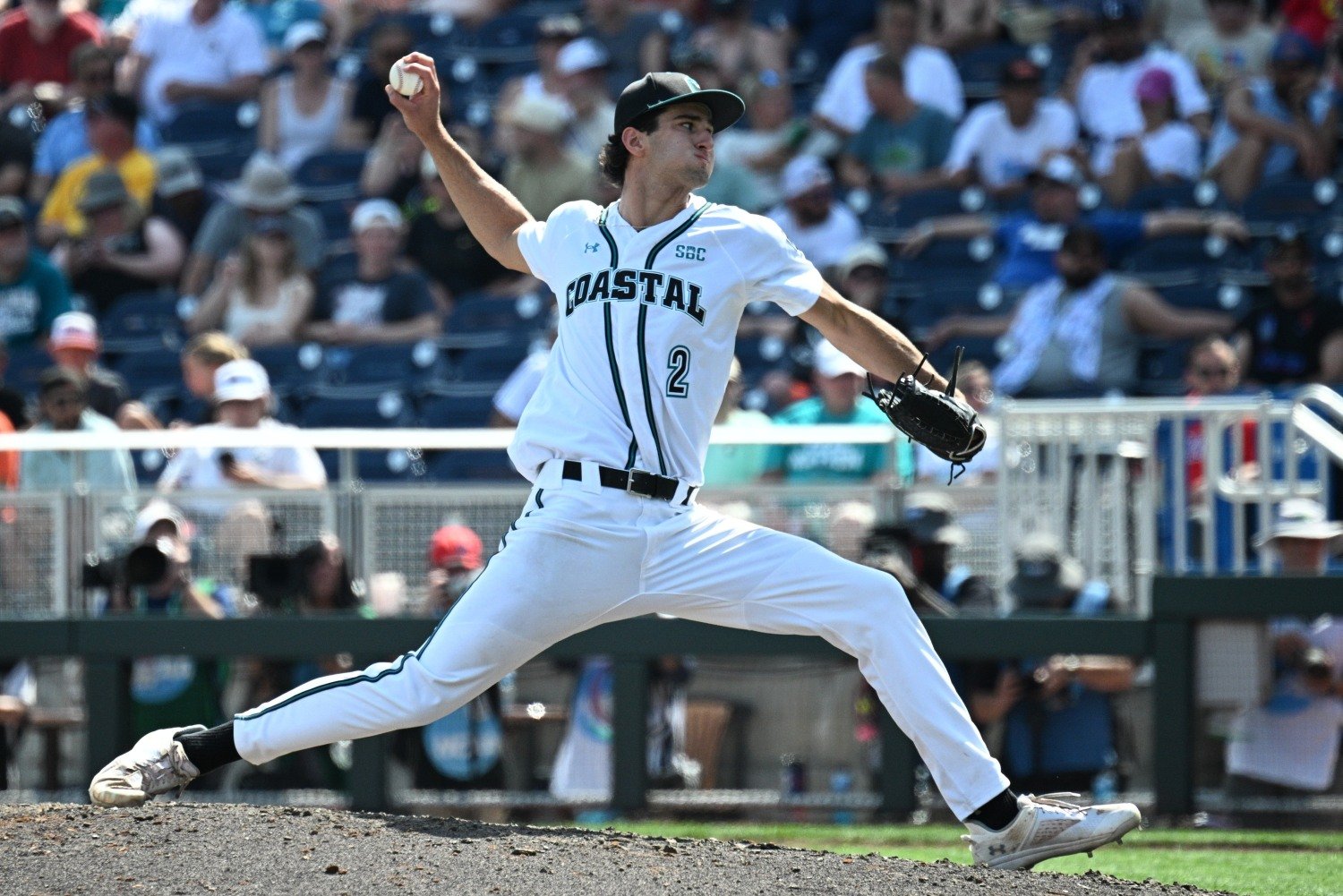 There are some extremely talented collegiate pitchers at the top of the 2026 draft class. We’re used to seeing teams lean into drafting college arms in the middle and late rounds, where the pitching talent outlasts the hitting talent. In recent seasons, though, we’ve seen a trend of elite college starters moving quickly to become major-league contributors, with Trey Yesavage being the best recent example. The Twins have roughly 60% odds to land a top-3 pick. At this stage, if they maintain that position, I’d guess drafting a college arm is unlikely. If they fall somewhere between 4 and 7, however, all bets are off. Below, you’ll find a profile for the three top college arms in the draft (each of whom I’d consider top-15 type prospects in this draft today). For each prospect, you’ll find their name, primary position, college, hitting and throwing hands, and their age on draft day 2026. You’ll find a summary of their 2025 performance. Pitchers are listed alphabetically by last name. Jackson Flora, RHP, UC Santa Barbara, 6’4", 185 lbs., R/R, 21 75 IP, 3.60 ERA, 3.16 FIP, 27.8 K%, 5.5 BB% Flora is a right-handed pitcher out of UCSB, whose combination of size, athleticism, and stuff could make him the first arm off the board next July. He’s an elite mover, with great flexibility, explosiveness, and an incredibly quick, whippy arm action. There is some inconsistency in his delivery, with a few too many moving parts. This hasn't impeded his ability to throw strikes, however. Flora has demonstrated good command of the fastball/slider combination that headlines his arsenal. Stuff-wise, there’s plenty to like, too. Flora’s fastball sits in the 95-98-mph range, with outstanding carry and a flat approach angle. If he locates it up in the zone, it’s a nightmare pitch to try and square up. Flora has two distinct slider shapes—one acting more as a cutter, and one a sweeper, on which he generates up to 20 inches of horizontal break. The warts here are landing on another effective pitch (he throws a changeup and curveball very sparingly, and neither is yet a reliable offering) and keeping the ball on the plate. If Flora shoves in 2026, he can cement his contention to be the first arm off the board. Cam Flukey, RHP, Coastal Carolina, 6’6", 205 lbs., R/R, 21 101.2 IP, 3.19 ERA, 2.68 FIP, 28.5 K%, 5.8 BB% Flukey has a strong case to make for the most improved arm in college baseball in 2025, spearheading Coastal Carolina’s run to the College World Series. It’s a great pitcher’s frame, with a ton of projection remaining. Flukey operates from a high three-quarters slot, with a long, deep arm action that seems to provide some deception in his delivery. The fastball has a chance to be outstanding, but has yet to produce the type of swing-and-miss you’d want to see from it. It sits at 95 mph, but has been up to 98 mph with 19 inches of induced vertical break, albeit from a steeper angle. Flukey also throws a 12-6 curveball in the high 70s, which generated a whiff percentage close to 50% in 2025. That pitch will need to add some firmness when he transitions to pro baseball. There’s a slider in the mix, too (which he threw for strikes over 70% of the time), and a split-change that generated plenty of misses. It feels like Flukey is just scratching the surface of how to leverage his arsenal. If he can thrive with a more balanced pitch mix in 2026, he has the polish and projectability to be a top-10 pick. Liam Peterson, RHP, Florida, 6’5", 200 lbs., R/R, 21 69.1 IP, 4.28 ERA, 3.63 FIP, 31.5 K%, 10.5 BB% Peterson was a top-three-rounds caliber prospect ahead of a loaded 2023 draft, but got to campus at Florida and now has a great chance to be a top-10 overall pick. It’s a big-league frame already,, with premium athleticism and good extension in a delivery that he has worked to make more compact since arriving in Gainesville. Peterson’s fastball is a weapon. It’s been up to 99 mph, flashing 20 inches of carry at the top of the zone. He made strides with his control of the pitch in 2025, and triple-digits velocity readings seem likely in 2026. It’s paired with a slider (with a ton of downward bite) that he throws for strikes over 60% of the time. Peterson also has a changeup, thrown almost exclusively to left-handed hitters, which averages around 15 inches of drop. Both Peterson’s secondary offerings generated miss rates north of 40% from hitters in 2025. There could be three plus pitches in this profile. The focus in 2026 will be throwing enough strikes. Peterson cut his walk rate by 4% in 2025, but at 10.5%, it could stand to come down a little more to cement him in consideration for a top pick in July.
- 12 comments
-
- 5
-
-
-
- liam peterson
- cam flukey
- (and 1 more)
-
Image courtesy of © Steven Branscombe-Imagn Images There are some extremely talented collegiate pitchers at the top of the 2026 draft class. We’re used to seeing teams lean into drafting college arms in the middle and late rounds, where the pitching talent outlasts the hitting talent. In recent seasons, though, we’ve seen a trend of elite college starters moving quickly to become major-league contributors, with Trey Yesavage being the best recent example. The Twins have roughly 60% odds to land a top-3 pick. At this stage, if they maintain that position, I’d guess drafting a college arm is unlikely. If they fall somewhere between 4 and 7, however, all bets are off. Below, you’ll find a profile for the three top college arms in the draft (each of whom I’d consider top-15 type prospects in this draft today). For each prospect, you’ll find their name, primary position, college, hitting and throwing hands, and their age on draft day 2026. You’ll find a summary of their 2025 performance. Pitchers are listed alphabetically by last name. Jackson Flora, RHP, UC Santa Barbara, 6’4", 185 lbs., R/R, 21 75 IP, 3.60 ERA, 3.16 FIP, 27.8 K%, 5.5 BB% Flora is a right-handed pitcher out of UCSB, whose combination of size, athleticism, and stuff could make him the first arm off the board next July. He’s an elite mover, with great flexibility, explosiveness, and an incredibly quick, whippy arm action. There is some inconsistency in his delivery, with a few too many moving parts. This hasn't impeded his ability to throw strikes, however. Flora has demonstrated good command of the fastball/slider combination that headlines his arsenal. Stuff-wise, there’s plenty to like, too. Flora’s fastball sits in the 95-98-mph range, with outstanding carry and a flat approach angle. If he locates it up in the zone, it’s a nightmare pitch to try and square up. Flora has two distinct slider shapes—one acting more as a cutter, and one a sweeper, on which he generates up to 20 inches of horizontal break. The warts here are landing on another effective pitch (he throws a changeup and curveball very sparingly, and neither is yet a reliable offering) and keeping the ball on the plate. If Flora shoves in 2026, he can cement his contention to be the first arm off the board. Cam Flukey, RHP, Coastal Carolina, 6’6", 205 lbs., R/R, 21 101.2 IP, 3.19 ERA, 2.68 FIP, 28.5 K%, 5.8 BB% Flukey has a strong case to make for the most improved arm in college baseball in 2025, spearheading Coastal Carolina’s run to the College World Series. It’s a great pitcher’s frame, with a ton of projection remaining. Flukey operates from a high three-quarters slot, with a long, deep arm action that seems to provide some deception in his delivery. The fastball has a chance to be outstanding, but has yet to produce the type of swing-and-miss you’d want to see from it. It sits at 95 mph, but has been up to 98 mph with 19 inches of induced vertical break, albeit from a steeper angle. Flukey also throws a 12-6 curveball in the high 70s, which generated a whiff percentage close to 50% in 2025. That pitch will need to add some firmness when he transitions to pro baseball. There’s a slider in the mix, too (which he threw for strikes over 70% of the time), and a split-change that generated plenty of misses. It feels like Flukey is just scratching the surface of how to leverage his arsenal. If he can thrive with a more balanced pitch mix in 2026, he has the polish and projectability to be a top-10 pick. Liam Peterson, RHP, Florida, 6’5", 200 lbs., R/R, 21 69.1 IP, 4.28 ERA, 3.63 FIP, 31.5 K%, 10.5 BB% Peterson was a top-three-rounds caliber prospect ahead of a loaded 2023 draft, but got to campus at Florida and now has a great chance to be a top-10 overall pick. It’s a big-league frame already,, with premium athleticism and good extension in a delivery that he has worked to make more compact since arriving in Gainesville. Peterson’s fastball is a weapon. It’s been up to 99 mph, flashing 20 inches of carry at the top of the zone. He made strides with his control of the pitch in 2025, and triple-digits velocity readings seem likely in 2026. It’s paired with a slider (with a ton of downward bite) that he throws for strikes over 60% of the time. Peterson also has a changeup, thrown almost exclusively to left-handed hitters, which averages around 15 inches of drop. Both Peterson’s secondary offerings generated miss rates north of 40% from hitters in 2025. There could be three plus pitches in this profile. The focus in 2026 will be throwing enough strikes. Peterson cut his walk rate by 4% in 2025, but at 10.5%, it could stand to come down a little more to cement him in consideration for a top pick in July. View full article
- 12 replies
-
- 1
-
-
- liam peterson
- cam flukey
- (and 1 more)
-
 In episode 100 of Destination: The Show, Jeremy and Jamie discuss Derek Shelton’s introductory press conference. The guys walk through the Twins core of young hitters, analyzing their arbitration projections, 2025 performances, and likelihood of being returned to the 2026 roster. The crew talk through Justin Lebron and Jacob Lombard as high risk, high reward prospects at the top of the draft, before finishing up with some listener questions on defensive player development, Twins international signings, and the Twins comp picks ahead of the 2026 draft. 0:00 Intro 3:07 Housekeeping 3:46 Derek Shelton 11:00 Roster Preview 12:30 Ryan Jeffers 17:30 Trevor Larnach 24:30 Royce Lewis 28:55 Brooks Lee 35:00 Matt Wallner 40:00 News and notes 52:00 Listener Questions You can support the show by downloading it from wherever you get your podcasts, including iTunes and Spotify. If you enjoy the content, consider leaving us a five-star rating and review in addition to sharing or retweeting DTS-related content. You can follow us on Twitter @DTS_POD1, @Jeremynygaard, @J_D_Cameron, and @TheodoreTollef1. We’re now on Bluesky @destinationtheshow.bsky.social. You can also find full episodes and clips of our shows on our YouTube page @DestinationTheShow.
 -
Image courtesy of Thieres Rabelo In episode 100 of Destination: The Show, Jeremy and Jamie discuss Derek Shelton’s introductory press conference. The guys walk through the Twins core of young hitters, analyzing their arbitration projections, 2025 performances, and likelihood of being returned to the 2026 roster. The crew talk through Justin Lebron and Jacob Lombard as high risk, high reward prospects at the top of the draft, before finishing up with some listener questions on defensive player development, Twins international signings, and the Twins comp picks ahead of the 2026 draft. 0:00 Intro 3:07 Housekeeping 3:46 Derek Shelton 11:00 Roster Preview 12:30 Ryan Jeffers 17:30 Trevor Larnach 24:30 Royce Lewis 28:55 Brooks Lee 35:00 Matt Wallner 40:00 News and notes 52:00 Listener Questions You can support the show by downloading it from wherever you get your podcasts, including iTunes and Spotify. If you enjoy the content, consider leaving us a five-star rating and review in addition to sharing or retweeting DTS-related content. You can follow us on Twitter @DTS_POD1, @Jeremynygaard, @J_D_Cameron, and @TheodoreTollef1. We’re now on Bluesky @destinationtheshow.bsky.social. You can also find full episodes and clips of our shows on our YouTube page @DestinationTheShow. View full article
-
There's always a cluster of older prep guys. Different teams tend to care more or less about the age factor. Twins tend to value younger guys, but certainly not a disqualifier. I'd be pretty shocked if they took a prep arm with a T3 pick, though.
- 16 replies
-
- 2
-
-
- grady emerson
- 2026 mlb draft
- (and 5 more)
-
Totally get this feeling. I feel pretty disengaged from the big league team currently. The potential high pick is what's keeping me going, hence the earlier than usual content pre-lottery.
- 16 replies
-
- 5
-
-
- grady emerson
- 2026 mlb draft
- (and 5 more)
-
Lottery is coming up, December 9th! Twins keep a T3 pick in ~60% of the simulations I've done so far (500).
- 16 replies
-
- 3
-
-
-
- grady emerson
- 2026 mlb draft
- (and 5 more)
-
Hard to say as we're so far out and anything can happen, but it's a clear number one and number two overall for me at this stage. Gotta throw some interesting college pitchers in the mix, so one more installment to go then time to focus on the lottery.
- 16 replies
-
- 6
-
-
- grady emerson
- 2026 mlb draft
- (and 5 more)
-
5 High-School Stars to Know at the Top of the 2026 MLB Draft
Jamie Cameron posted an article in MLB Draft
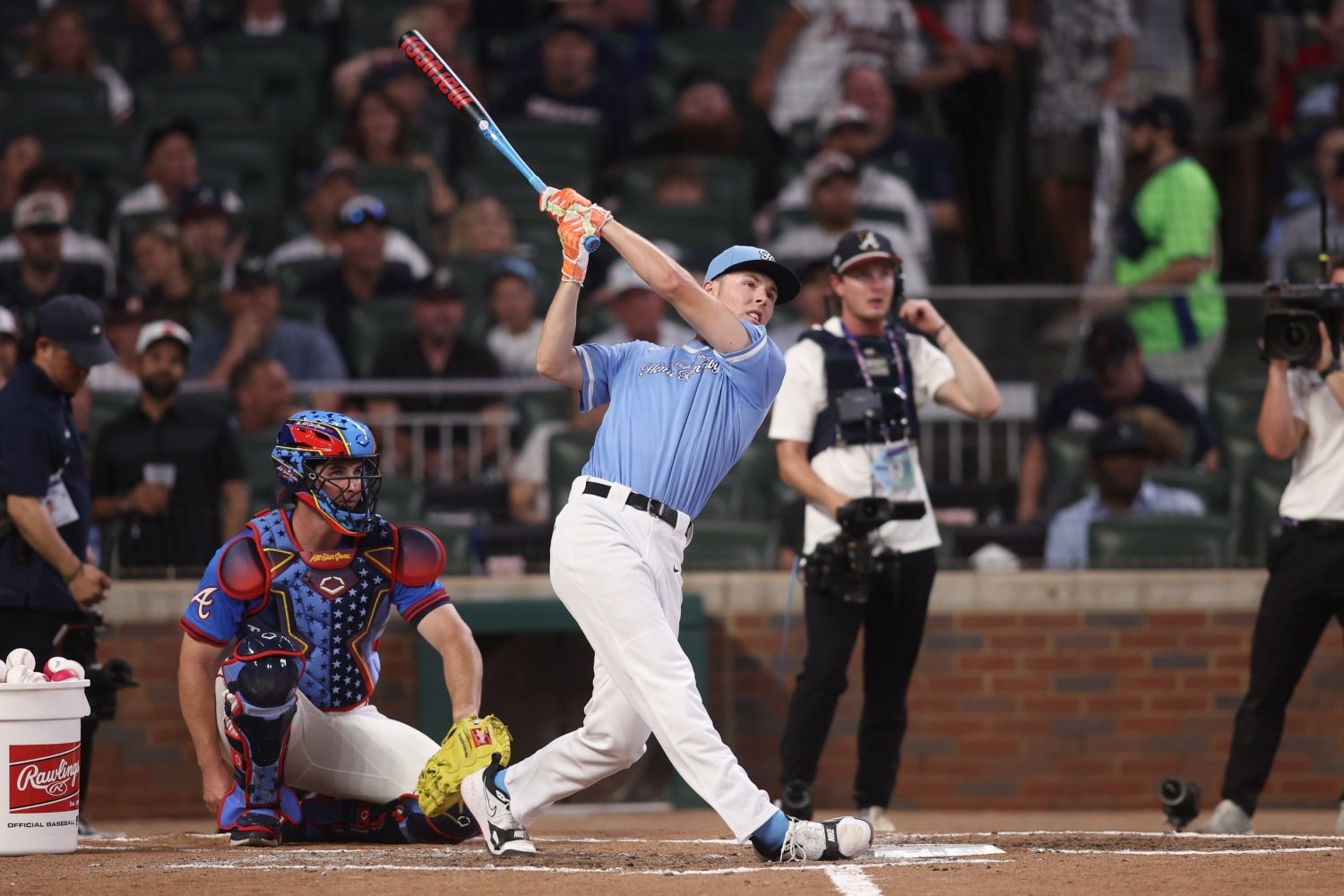 It's still about eight months away, but it's time to highlight some prep names at the top of the draft board for 2026. While the obvious caveats all apply here—we have a whole season between now and the draft, so plenty can change—I like this prep group quite a bit. With the caveat that many of them had uneven summers, this looks like the best high-school class since 2023. I’d argue Grady Emerson is currently the clear number one in this cluster. After him, you can make an argument for several different prospects as the next-best in that young crop. Because there is so much flux in a typical prep class between winter and draft day, I’m only offering up a few names here. There will likely be players who vault themselves into consideration at the top of the board and some who fall off, so think of this more as an indicator of the caliber of talent than as the definitive top five names on the board. I’ve listed prospects alphabetically by last name. For each prospect, you’ll find their name, primary position, school, hitting and throwing hands, and their age on draft day 2026. Carson Boleman, LHP, Southdale Christian HS, SC, R/L, 19 Boleman is a lefty out of South Carolina who stands out for his size, present stuff and (most of all) polish. Standing 6-foot-4 and weighing 210 pounds, Boleman has a repeatable operation from a three-quarter slot. His fastball has been up to 97 mph, but typically sits in the low 90s. What’s impressive is his ability to spot it anywhere in the zone. Boleman has similarly impressive command of two breaking pitches—a slower curveball and a sharp slider—with a changeup in the mix, too. A Wake Forest commit, Boleman has a track record of outstanding performance wherever he pitches, including with the 18U USA National Team in 2025. Grady Emerson, SS, Fort Worth Christian HS, TX, L/R, 18 Emerson has been a famous prospect since the age of 15. The University of Texas commit is the clear number two in this class overall, behind Roch Cholowsky of UCLA. It’s a Bobby Witt Jr. Lite kind of package, with less power currently. Emerson is a pure hitter, with a simple, adjustable swing. He doesn’t swing and miss much or expand the zone, so there’s high on-base value. There’s plenty of bat speed to suggest that more power is on the way. He’s a plus athlete and runner who defends well and should have a chance to stick at shortstop at the next level. He’s the best prep prospect in the class. Jacob Lombard, SS, Gulliver Prep HS, FL, R/R, 18 Jacob is the younger brother of George Lombard Jr., who was selected by the Yankees in a loaded 2023 class and is coming off a terrific 2025 season. Lombard the younger is one of the most tooled-up prospects in the 2026 class. He’s an explosive athlete, with plus power and speed. He offers strong defense at shortstop, with smooth actions and plenty of arm strength. Lombard is a more volatile prospect than other prep bats at the top of the class. He exhibited plenty of swing-and-miss on the summer circuit, particularly against breaking stuff. If he can iron out the hit tool inconsistencies, though, he might have the highest ceiling of any prep bat in the class. It’s a high-risk, high-reward play for a drafting organization. Tyler Spangler, SS, De La Salle HS, CA, L/R, 18 Spangler is a Stanford commit who checks a lot of the same boxes as Emerson. A tall, wiry prospect (6-foot-3, 195 pounds), Spangler is a hit-over-power profile currently, with traits that point to more power on the way. It’s a direct swing that’s relatively short to the ball, despite his long limbs. Spangler has a knack for finding the barrel, which—combined with a good approach at the plate—gives his offensive profile a high floor. Defensively, the actions are sound. He moves laterally well and has a strong arm. Spangler is an above-average runner who may eventually find a more suitable home at third base, depending on how he develops physically and how his quickness holds up as his body fills out. Gio Rojas, LHP, Marjory Stoneman Douglas HS, FL, R/L, 19 Rojas is likely to be one of the first arms off the board next July. It’s an easy operation with incredible arm speed from a great frame for pitching (6-foot-4, 190 pounds). Rojas’s fastball sits 94-96 mph, but has been up to 98 mph with more in the tank. The best secondary pitch is his slider, a sweeping nightmare of a pitch that generates up to 2,800 RPM of spin. There’s a changeup, too, but the fastball/slider combination is Rojas’s bread and butter. Rojas has a reputation as an excellent strike thrower. He's committed to Miami.
- 16 comments
-
- 11
-
-
- grady emerson
- 2026 mlb draft
- (and 5 more)
-
Image courtesy of © Brett Davis-Imagn Images It's still about eight months away, but it's time to highlight some prep names at the top of the draft board for 2026. While the obvious caveats all apply here—we have a whole season between now and the draft, so plenty can change—I like this prep group quite a bit. With the caveat that many of them had uneven summers, this looks like the best high-school class since 2023. I’d argue Grady Emerson is currently the clear number one in this cluster. After him, you can make an argument for several different prospects as the next-best in that young crop. Because there is so much flux in a typical prep class between winter and draft day, I’m only offering up a few names here. There will likely be players who vault themselves into consideration at the top of the board and some who fall off, so think of this more as an indicator of the caliber of talent than as the definitive top five names on the board. I’ve listed prospects alphabetically by last name. For each prospect, you’ll find their name, primary position, school, hitting and throwing hands, and their age on draft day 2026. Carson Boleman, LHP, Southdale Christian HS, SC, R/L, 19 Boleman is a lefty out of South Carolina who stands out for his size, present stuff and (most of all) polish. Standing 6-foot-4 and weighing 210 pounds, Boleman has a repeatable operation from a three-quarter slot. His fastball has been up to 97 mph, but typically sits in the low 90s. What’s impressive is his ability to spot it anywhere in the zone. Boleman has similarly impressive command of two breaking pitches—a slower curveball and a sharp slider—with a changeup in the mix, too. A Wake Forest commit, Boleman has a track record of outstanding performance wherever he pitches, including with the 18U USA National Team in 2025. Grady Emerson, SS, Fort Worth Christian HS, TX, L/R, 18 Emerson has been a famous prospect since the age of 15. The University of Texas commit is the clear number two in this class overall, behind Roch Cholowsky of UCLA. It’s a Bobby Witt Jr. Lite kind of package, with less power currently. Emerson is a pure hitter, with a simple, adjustable swing. He doesn’t swing and miss much or expand the zone, so there’s high on-base value. There’s plenty of bat speed to suggest that more power is on the way. He’s a plus athlete and runner who defends well and should have a chance to stick at shortstop at the next level. He’s the best prep prospect in the class. Jacob Lombard, SS, Gulliver Prep HS, FL, R/R, 18 Jacob is the younger brother of George Lombard Jr., who was selected by the Yankees in a loaded 2023 class and is coming off a terrific 2025 season. Lombard the younger is one of the most tooled-up prospects in the 2026 class. He’s an explosive athlete, with plus power and speed. He offers strong defense at shortstop, with smooth actions and plenty of arm strength. Lombard is a more volatile prospect than other prep bats at the top of the class. He exhibited plenty of swing-and-miss on the summer circuit, particularly against breaking stuff. If he can iron out the hit tool inconsistencies, though, he might have the highest ceiling of any prep bat in the class. It’s a high-risk, high-reward play for a drafting organization. Tyler Spangler, SS, De La Salle HS, CA, L/R, 18 Spangler is a Stanford commit who checks a lot of the same boxes as Emerson. A tall, wiry prospect (6-foot-3, 195 pounds), Spangler is a hit-over-power profile currently, with traits that point to more power on the way. It’s a direct swing that’s relatively short to the ball, despite his long limbs. Spangler has a knack for finding the barrel, which—combined with a good approach at the plate—gives his offensive profile a high floor. Defensively, the actions are sound. He moves laterally well and has a strong arm. Spangler is an above-average runner who may eventually find a more suitable home at third base, depending on how he develops physically and how his quickness holds up as his body fills out. Gio Rojas, LHP, Marjory Stoneman Douglas HS, FL, R/L, 19 Rojas is likely to be one of the first arms off the board next July. It’s an easy operation with incredible arm speed from a great frame for pitching (6-foot-4, 190 pounds). Rojas’s fastball sits 94-96 mph, but has been up to 98 mph with more in the tank. The best secondary pitch is his slider, a sweeping nightmare of a pitch that generates up to 2,800 RPM of spin. There’s a changeup, too, but the fastball/slider combination is Rojas’s bread and butter. Rojas has a reputation as an excellent strike thrower. He's committed to Miami. View full article
- 16 replies
-
- 1
-
-
- grady emerson
- 2026 mlb draft
- (and 5 more)
-
 In episode 99 of Destination: The Show, Jeremy, Jamie, and Theo discuss the Twins hiring Derek Shelton as the 15th manager in team history. They walk through how to parse Shelton’s uninspiring track record in Pittsburgh, and discuss whether the Twins organization is prioritizing familiarity over innovation. The guys move on to discuss the Twins outstanding MiLB hitting development as called out by recent rankings in Baseball America. They talk through the discrepancy in success between strong minor league hitting production and lackluster production at the big league level. 0:00 Intro 2:00 Twins Hire Shelton 5:41 Jamie's Reaction and disagreements 6:14 Shelton vs Rocco 14:45 Does it matter? 22:00 Is Shelton walking into the same situation that he did in Pittsburgh? 29:05 Does Shelton deserve credit for development of young players in Pittsburgh? 35:42 The rest of the offseason 37:35 Baseball America study - Pitching+ and Hitting+ Rankings 46:00 See you next week! You can support the show by downloading it from wherever you get your podcasts, including iTunes and Spotify. If you enjoy the content, consider leaving us a five-star rating and review in addition to sharing or retweeting DTS-related content. You can follow us on Twitter @DTS_POD1, @Jeremynygaard, @J_D_Cameron, and @TheodoreTollef1. We’re now on Bluesky @destinationtheshow.bsky.social. You can also find full episodes and clips of our shows on our YouTube page @DestinationTheShow.
 -
Image courtesy of Thieres Rabelo In episode 99 of Destination: The Show, Jeremy, Jamie, and Theo discuss the Twins hiring Derek Shelton as the 15th manager in team history. They walk through how to parse Shelton’s uninspiring track record in Pittsburgh, and discuss whether the Twins organization is prioritizing familiarity over innovation. The guys move on to discuss the Twins outstanding MiLB hitting development as called out by recent rankings in Baseball America. They talk through the discrepancy in success between strong minor league hitting production and lackluster production at the big league level. 0:00 Intro 2:00 Twins Hire Shelton 5:41 Jamie's Reaction and disagreements 6:14 Shelton vs Rocco 14:45 Does it matter? 22:00 Is Shelton walking into the same situation that he did in Pittsburgh? 29:05 Does Shelton deserve credit for development of young players in Pittsburgh? 35:42 The rest of the offseason 37:35 Baseball America study - Pitching+ and Hitting+ Rankings 46:00 See you next week! You can support the show by downloading it from wherever you get your podcasts, including iTunes and Spotify. If you enjoy the content, consider leaving us a five-star rating and review in addition to sharing or retweeting DTS-related content. You can follow us on Twitter @DTS_POD1, @Jeremynygaard, @J_D_Cameron, and @TheodoreTollef1. We’re now on Bluesky @destinationtheshow.bsky.social. You can also find full episodes and clips of our shows on our YouTube page @DestinationTheShow. View full article
-
I get what you're saying, and at the same time, we know development isn't linear, so questioning how much 'real upside' a 21 year old might have feels a little overly critical. I think in this case, we can use that language as a proxy for Lebron's athleticism translating into even more impressive baseball skill than he's shown thus far.

