Jamie Cameron
-
Posts
1,349 -
Joined
-
Last visited
-
Days Won
4
Content Type
Profiles
News
Minnesota Twins Videos
2026 Minnesota Twins Top Prospects Ranking
2022 Minnesota Twins Draft Picks
Minnesota Twins Free Agent & Trade Rumors, Notes, & Tidbits
Guides & Resources
2023 Minnesota Twins Draft Picks
The Minnesota Twins Players Project
2024 Minnesota Twins Draft Picks
2025 Minnesota Twins Draft Pick Tracker
2026 Minnesota Twins Draft Tracker: Picks & Bonuses
Forums
Blogs
Events
Store
Downloads
Gallery
Everything posted by Jamie Cameron
-
Easton Carmichael! Carmichael has been a steady riser this season as has become part of a solid second tier of catching prospects ahead of the 2025 draft. A compact, right-handed stroke is the headline offensively here. Carmichael has a solid approach at the plate with good bat-to-ball skills. He increased his BB% in 2025 from 6.9% to 9.1% while maintaining a solid 15.7 K%. There's sneaky pull side power here too, Carmichael hit 17 home runs (31 XBH) and has above average foot speed for a catcher (average overall). There's plenty of work to do behind the dish; receiving and blocking both need work. Additionally, his arm is a little light for the position and he can, at times, struggle to control the running game. He's an ideal profile for a time that values a solid overall hitting skillset over current catcher skill.
-
Twins Daily 2025 Consensus MLB Draft Board and Day One Live Stream
Jamie Cameron posted an article in MLB Draft
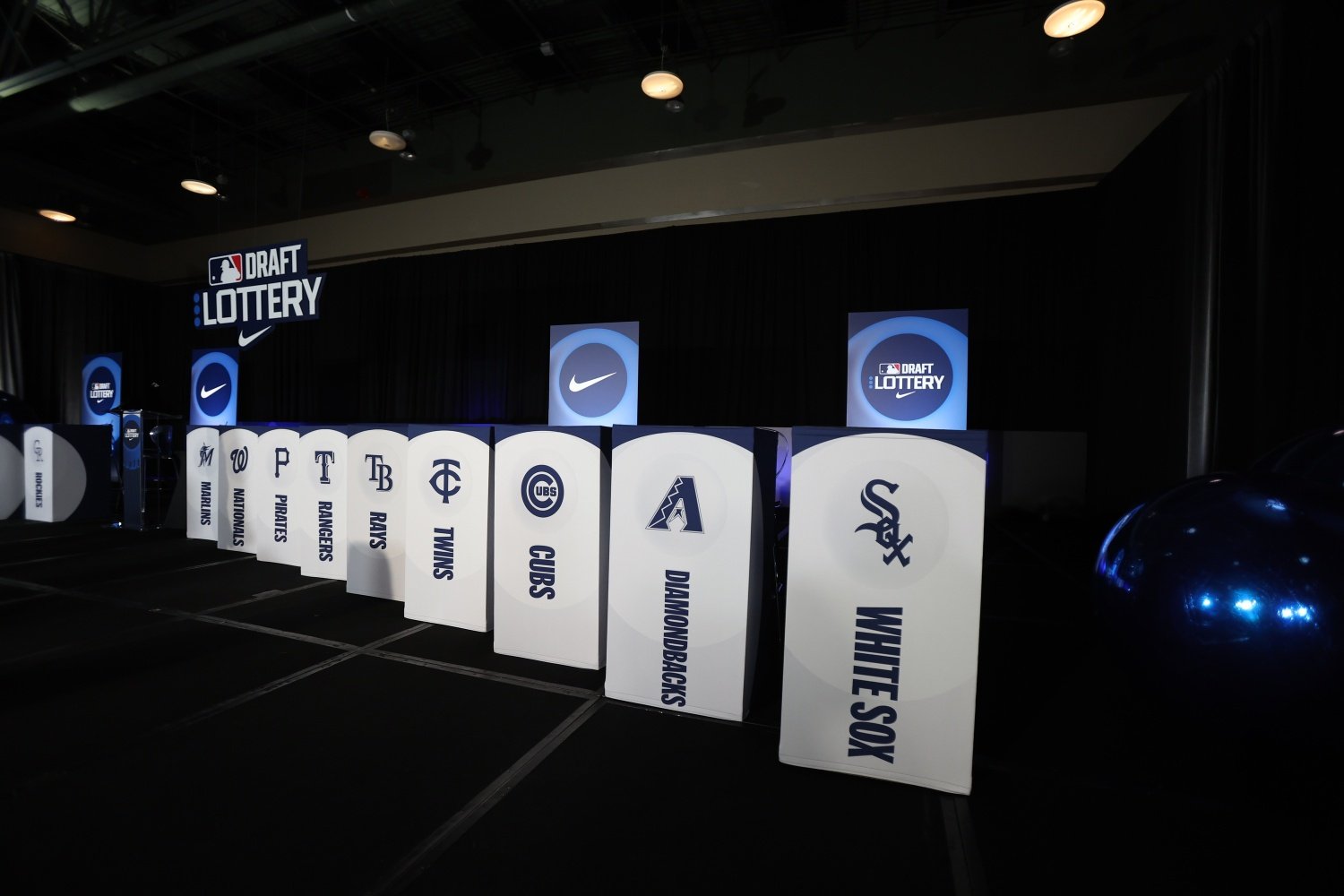 Draft week is finally here! We’ll have a ton of coverage for you here at Twins Daily. Here are a few important details to get you oriented to our coverage. Despite finishing with the 14th-worst record in 2024, the Twins will pick 16th in the first round of the 2025 MLB Draft, courtesy of falling two spots in the MLB Draft Lottery. They will revert to picking 14th in all subsequent rounds. They have the 12th-largest bonus pool overall, at $12,653,000 (marginally more than 2024). This is primarily a function of their Competitive Balance Round A pick, 36th overall, which revenue-sharing recipient teams garner in either Comp Round A or Comp Round B on an annual rotation. The Twins' top-100 picks and slot values are as follows: Slot value for pick 16: $4,929,600 Slot value for pick 36: $2,692,200 Slot value for pick 54: $1,761,600 Slot value for pick 88: $893,000 This combination of financial and pick flexibility puts the Twins in a strong position to work with a draft class shaping up to be uncertain in terms of top-tier talent, but with plenty of depth through around 75 picks—and interesting prep bats, in particular. You can find our MLB Draft board here. This is a project I’ve been working on since February. The rankings are consensus rankings, taken from leveraging all of the major draft boards in the industry. The goal is to eliminate some of the noise in rankings for casual fans looking to get more interested and get to know the class better. You’ll find the logo from the team next to their pick positions in each round, to give folks an idea of the caliber of talent available in a particular portion of the draft. By Sunday, you’ll find a writeup for 136 player profiles, with biographical information, scouting reports, 2025 performance for college players, and potential fits. The board will be updated every day or so until day one. Additionally, we’ll be live-streaming an episode of Destination: The Show through the entirety of Day One. We’ll get started at 5:30 PM ET/4:30 PM CT. We’ll bring you information on all the picks, live reactions, and team-specific special guests. We hope you’ll join us.
 -
Image courtesy of © Tim Heitman-Imagn Images Draft week is finally here! We’ll have a ton of coverage for you here at Twins Daily. Here are a few important details to get you oriented to our coverage. Despite finishing with the 14th-worst record in 2024, the Twins will pick 16th in the first round of the 2025 MLB Draft, courtesy of falling two spots in the MLB Draft Lottery. They will revert to picking 14th in all subsequent rounds. They have the 12th-largest bonus pool overall, at $12,653,000 (marginally more than 2024). This is primarily a function of their Competitive Balance Round A pick, 36th overall, which revenue-sharing recipient teams garner in either Comp Round A or Comp Round B on an annual rotation. The Twins' top-100 picks and slot values are as follows: Slot value for pick 16: $4,929,600 Slot value for pick 36: $2,692,200 Slot value for pick 54: $1,761,600 Slot value for pick 88: $893,000 This combination of financial and pick flexibility puts the Twins in a strong position to work with a draft class shaping up to be uncertain in terms of top-tier talent, but with plenty of depth through around 75 picks—and interesting prep bats, in particular. You can find our MLB Draft board here. This is a project I’ve been working on since February. The rankings are consensus rankings, taken from leveraging all of the major draft boards in the industry. The goal is to eliminate some of the noise in rankings for casual fans looking to get more interested and get to know the class better. You’ll find the logo from the team next to their pick positions in each round, to give folks an idea of the caliber of talent available in a particular portion of the draft. By Sunday, you’ll find a writeup for 136 player profiles, with biographical information, scouting reports, 2025 performance for college players, and potential fits. The board will be updated every day or so until day one. Additionally, we’ll be live-streaming an episode of Destination: The Show through the entirety of Day One. We’ll get started at 5:30 PM ET/4:30 PM CT. We’ll bring you information on all the picks, live reactions, and team-specific special guests. We hope you’ll join us. View full article
-
Image courtesy of Thieres Rabelo In episode 84 of Destination: The Show, Jeremy and Jamie dive into a deep and diverse group of prep infielders, unpacking skill sets, opportunities, and best fits. The guys examine why profiles like Eli Willits are more valuable than their scouting report might read, and whether Billy Carlson makes sense as a fit to the Blue Jays at 8. They dig into potential fits for the Twins, including Gavin Fien, Steele Hall, and Xavier Neyens, and a bonus name. Finally, they talk through some of the prep pitching profiles that fit in the 30-50 range on most boards, including options for the Padres, Brewers, and Twins. 0:00 Intro 4:35 Draft Night Plans 6:02 Prep Infielders 6:51 Ethan Holliday 9:16 Eli Willits 13:10 Billy Carlson 16:38 JoJo Parker 18:56 Kayson Cunningham 22:14 Steele Hall 24:35 Gavin Fien 27:34 Xavier Neyens 35:00 Daniel Pierce/Josh Hammond 41:48 Kruz Schoolcraft 45:15 Aaron Watson 46:39 Briggs McKenzie 48:22 Angel Cervantes 50:28 Cam Appenzeller/Landon Harmon/Uni Fernsler/Jack Bauer 58:24 Listener Questions You can support the show by downloading it from wherever you get your podcasts, including iTunes and Spotify. If you enjoy the content, consider leaving us a five-star rating and review in addition to sharing or retweeting DTS-related content. You can follow us on Twitter @DTS_POD1, @Jeremynygaard, @J_D_Cameron, and @TheodoreTollef1. We’re now on Bluesky @destinationtheshow.bsky.social. You can also find full episodes and clips of our shows on our YouTube page @DestinationTheShow. View full article
-
 In episode 84 of Destination: The Show, Jeremy and Jamie dive into a deep and diverse group of prep infielders, unpacking skill sets, opportunities, and best fits. The guys examine why profiles like Eli Willits are more valuable than their scouting report might read, and whether Billy Carlson makes sense as a fit to the Blue Jays at 8. They dig into potential fits for the Twins, including Gavin Fien, Steele Hall, and Xavier Neyens, and a bonus name. Finally, they talk through some of the prep pitching profiles that fit in the 30-50 range on most boards, including options for the Padres, Brewers, and Twins. 0:00 Intro 4:35 Draft Night Plans 6:02 Prep Infielders 6:51 Ethan Holliday 9:16 Eli Willits 13:10 Billy Carlson 16:38 JoJo Parker 18:56 Kayson Cunningham 22:14 Steele Hall 24:35 Gavin Fien 27:34 Xavier Neyens 35:00 Daniel Pierce/Josh Hammond 41:48 Kruz Schoolcraft 45:15 Aaron Watson 46:39 Briggs McKenzie 48:22 Angel Cervantes 50:28 Cam Appenzeller/Landon Harmon/Uni Fernsler/Jack Bauer 58:24 Listener Questions You can support the show by downloading it from wherever you get your podcasts, including iTunes and Spotify. If you enjoy the content, consider leaving us a five-star rating and review in addition to sharing or retweeting DTS-related content. You can follow us on Twitter @DTS_POD1, @Jeremynygaard, @J_D_Cameron, and @TheodoreTollef1. We’re now on Bluesky @destinationtheshow.bsky.social. You can also find full episodes and clips of our shows on our YouTube page @DestinationTheShow.
 -
He was kind enough to come on the podcast a year ago. We offered to sit in the draft room and not make a peep. He politely declined 🤣
-
Image courtesy of © Angelina Alcantar/News Sentinel / USA TODAY NETWORK via Imagn Images It’s mock draft season! Over the next two weeks in the buildup to the draft, we’ll be rolling out at least two mock drafts, covering the first round and the first batch of competitive-balance picks. For each of these, we’re doing our best to read the tea leaves and make picks based on the talent available at a particular slot, and considering each organization's drafting tendencies. Feel free to jump into the comments with disagreements and other preferred picks. 1. Nationals: Kade Anderson, LHP, LSU All the buzz here seems to be between Anderson and Ethan Holliday. If the LSU southpaw doesn’t go number one, surely, he won’t get past three. 2. Angels: Liam Doyle, LHP, Tennessee Fast-moving college players is the Angels' trend until it isn’t, and we'll project them to take such players until they don't. 3. Mariners: Jamie Arnold, LHP, Florida State Arnold is a quality arm for a system that’s become bat-dominant. The Mariners are outstanding at developing arms. 4. Rockies: Ethan Holliday, SS, Stillwater HS, OK This appears to be the floor for Holliday. The organization for which his dad became a household name won't let him slide any further. 5. Cardinals: JoJo Parker, SS, Purvis HS, MS If the board unfolds like this, the Cardinals will get their pick of a strong cluster of prep shortstops. Parker has a chance to be the best offensive profile of the bunch. 6. Pirates: Eli Willits, SS, Fort-Cobb Broxton HS, OK Willits has been steady on boards all spring. This would be a good get at six overall. (And yes, he's the son of former big-league outfielder Reggie Willits.) 7. Marlins: Seth Hernandez, RHP, Corona HS, CA The Marlins would be thrilled to have Hernandez here. They have consistently developed pitching talent well. 8. Blue Jays: Billy Carlson, SS, Corona HS, CA The Blue Jays are in an interesting spot. There are plenty of good options here. It would be hard to pass on Aiva Arquette, the consensus top college bat available. Toronto has been linked heavily to the prep shortstop group, though. Carlson is the best defensive shortstop in the draft. There’s potential for good impact with the bat, too. 9. Reds: Aiva Arquette, SS, Oregon State Arquette is currently ranked sixth, by consensus. The Reds would be thrilled with this outcome. He’s a physical hitter who should be able to move relatively quickly, despite some refinement needed in the hit tool. 10. White Sox: Kyson Witherspoon, RHP, Oklahoma Witherspoon is the consensus college starting pitcher number four. He shouldn’t last long outside the top 10, even if he slips past Chicago. 11. Athletics: Ike Irish, C, Auburn The Athletics have found success with college bats recently (Jacob Wilson, Nick Kurtz), Irish is one of the strongest college hit/power combos in a class lacking them. 12. Rangers: Kayson Cunningham, Johnson HS, TX Cunningham might have the best hit tool on the prep side (along with Parker), to go with plus speed. 13. Giants: Marek Houston, SS, Wake Forest Houston is shortstop 1-B to Billy Carlson’s 1-A. He’s a lock to stick at that spot, with a good approach and hit tool, despite (generously) fringy power. 14. Rays: Josh Hammond, SS, Wesleyan Academy, NC Hammond is an outstanding athlete who made tremendous strides with the bat this spring. 15. Red Sox: Gavin Kilen, 2B, Tennessee Kilen ratcheted up the power with Tennessee, to go with the great hit tool. He should have plenty of suitors in the teens. There are a number of other college bats who could make sense here, including Brendan Summerhill and Wehiwa Aloy. 16. Twins: Tyler Bremner, RHP, UC Santa Barbara The Twins are well-known for successfully developing mid-to-late college arms into viable MLB options. What if the starting ball of clay was more interesting? Bremner was a consensus top-five prospect coming into this season. It’s a metrically appealing fastball, an above-average slider, and a plus changeup. There’s work to do on the command, but he finished strong. The ceiling is a playoff-caliber starter. 17. Cubs: Gage Wood, RHP, Arkansas Wood’s surge this postseason is reminiscent of Cade Horton’s in 2022. Wood punctuated a strong stretch run with a 19-strikeout no-hitter in the College World Series. This is around his range. The Cubs system is bat-heavy, and Wood has an outlandish fastball shape on which to build. 18. Diamondbacks: Steele Hall, SS, Hewitt-Trussville HS, AL Hall has some of the best speed and athleticism in the entire class. This might be the low end of his range. 19. Orioles: Wehiwa Aloy, SS, Arkansas The Orioles won’t be put off by the aggression in Aloy’s approach. This feels like the lower end of his range, but he’s a good fit in Baltimore. 20. Brewers: Gavin Fien, 3B, Great Oaks HS, CA Fien is one of the least talked-about first-round prep profiles, and one of my favorites. He hit everything and everyone last summer. While his early spring was a little uneven, he turned it around down the stretch. He has a chance to be one of the better hit/power combos in this draft class. There’s a good chance he’s taken in the mid-teens. (No, he's not the son of ex-pitcher Casey Fien.) 21. Astros: Ethan Conrad, OF, Wake Forest The Astros love strong athletic traits. Conrad missed time due to injury but was mashing after transferring from Marist. 22. Braves: Riley Quick, RHP, Alabama Quick is a good fit here for the Braves, who often lean toward arms in their usual late first-round range. 23. Royals: Kruz Schoolcraft, LHP, Sunset HS, OR The Royals are a pitching organization, now. Schoolcraft has plenty of buzz here to land with them. 24. Tigers: Slater De Brun, OF, Summit HS, OR Another steam pick here. De Brun is a table-setter type with good strength, outstanding speed and an excellent hit tool. 25. Padres: Brady Ebel, SS, Corona HS, CA What’s the safest bet in the draft? That the Padres will take a prep player with their first pick. Ebel has a sweet left-handed swing with plenty of projection to grow into a solid hit/power combo. There’s a good defensive infield skill set at play here, too. 26. Phillies: Xavier Neyens, 3B, Mount Vernon HS, WA Neyens is another profile that has been less talked up this spring. It’s power to rival that of Ethan Holliday. 27. Guardians: Brendan Summerhill, OF, Arizona Summerhill’s range likely starts in the teens. This feels low, and this is great value for the Guardians at 27. Prospect Promotion Incentive Picks 28. Royals: Daniel Pierce, SS, Mill Creek HS, GA One of the smoothest defensive profiles at short in this class, but there’s legitimate offensive upside, too. Compensation Picks 29. Diamondbacks: Caden Bodine, C, Coastal Carolina Bodine had a tremendous postseason. It’s a plus hit tool and outstanding receiving skills as a catcher. 30. Orioles: Jace Laviolette, OF, Texas A&M The preseason consensus number-one player finds a home here. He feels like an ideal candidate for an organization with two or three picks in the top 40.f 31. Orioles: Sean Gamble, SS/OF, IMG Academy, FL A left-handed hitting power/speed threat with the type of athleticism that could lend itself to the infield or outfield long-term. 32. Brewers: Andrew Fischer, 1B/3B, Tennessee Fischer feels a little under-ranked to me. He has a patient approach, a track record with wooden bats, and just put up a .760 SLG in the SEC. This offensive profile will play anywhere. He’s a first round-caliber talent, and this represents good value. It would be a nice counterbalance to the Fien pick earlier in the round for the Brewers. Competitive Balance Round A 33. Red Sox: Patrick Forbes, RHP, Louisville The Red Sox brain trust has invested in their pitching infrastructure recently. Forbes is a high-octane arm who could develop into a monster with the right development behind him. It’s ace-caliber arm talent that’s a little rough around the edges. 34. Tigers: Zach Root, LHP, Arkansas A ready-made diverse arsenal and a track record of performance in the SEC represent good value for a farm system stacked with talent. 35. Mariners: Cam Appenzeller, Glenwood HS, IL The Mariners have money to spend in this draft. Appenzeller is one of the best prep pitchability arms in this draft class. 36. Twins: Devin Taylor, OF, Indiana The Twins WILL get their bats in the first few rounds, and Taylor has been a tremendous college performer. It’s not a spectacular profile in terms of speed and defense but he mashes. He had a 169 wRC+ with 18 home runs in 2025. That was buoyed by a 19.3 BB% and a measly 11.2 K%. This is a fast-moving, high-floor college outfield bat. View full article
-
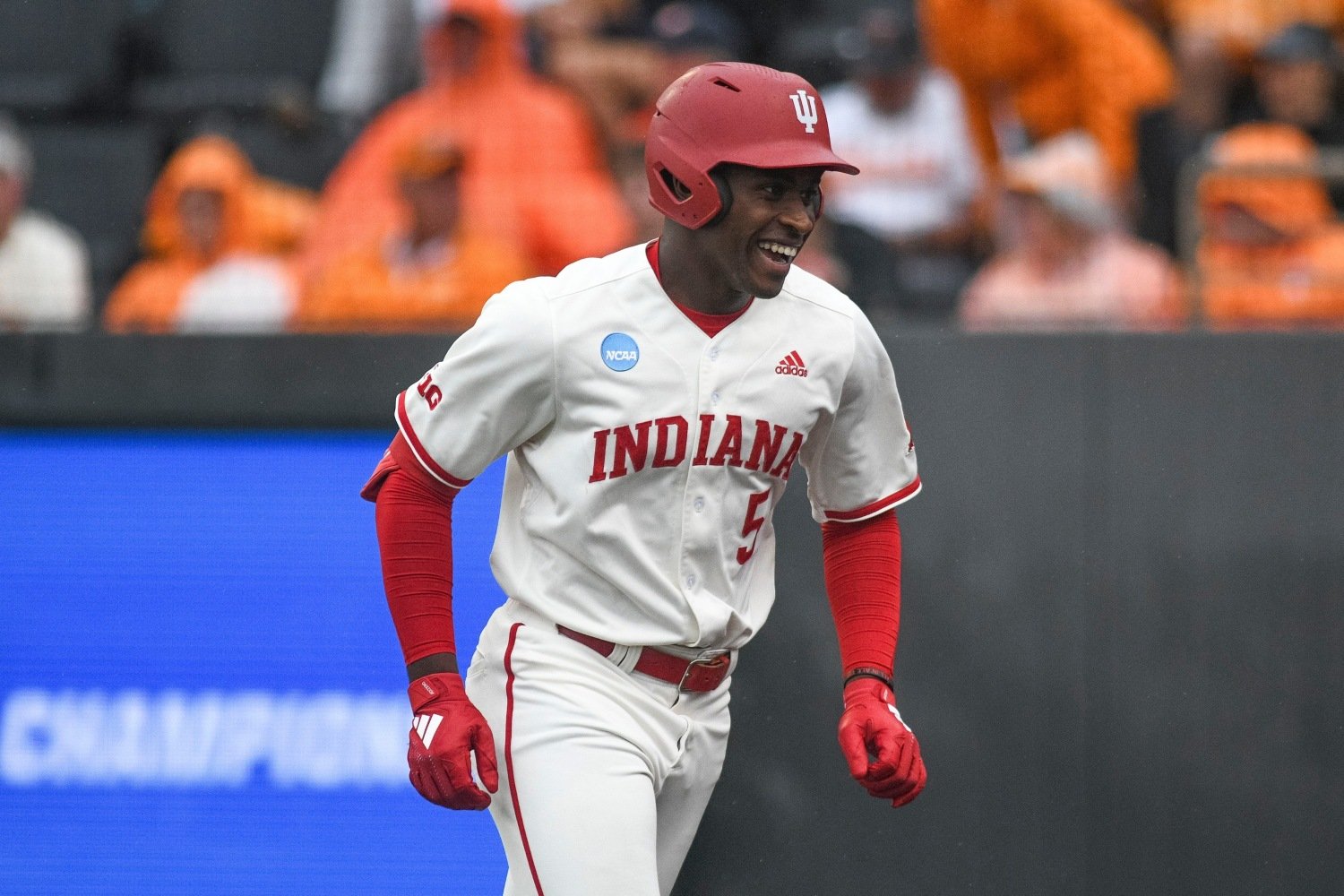 It’s mock draft season! Over the next two weeks in the buildup to the draft, we’ll be rolling out at least two mock drafts, covering the first round and the first batch of competitive-balance picks. For each of these, we’re doing our best to read the tea leaves and make picks based on the talent available at a particular slot, and considering each organization's drafting tendencies. Feel free to jump into the comments with disagreements and other preferred picks. 1. Nationals: Kade Anderson, LHP, LSU All the buzz here seems to be between Anderson and Ethan Holliday. If the LSU southpaw doesn’t go number one, surely, he won’t get past three. 2. Angels: Liam Doyle, LHP, Tennessee Fast-moving college players is the Angels' trend until it isn’t, and we'll project them to take such players until they don't. 3. Mariners: Jamie Arnold, LHP, Florida State Arnold is a quality arm for a system that’s become bat-dominant. The Mariners are outstanding at developing arms. 4. Rockies: Ethan Holliday, SS, Stillwater HS, OK This appears to be the floor for Holliday. The organization for which his dad became a household name won't let him slide any further. 5. Cardinals: JoJo Parker, SS, Purvis HS, MS If the board unfolds like this, the Cardinals will get their pick of a strong cluster of prep shortstops. Parker has a chance to be the best offensive profile of the bunch. 6. Pirates: Eli Willits, SS, Fort-Cobb Broxton HS, OK Willits has been steady on boards all spring. This would be a good get at six overall. (And yes, he's the son of former big-league outfielder Reggie Willits.) 7. Marlins: Seth Hernandez, RHP, Corona HS, CA The Marlins would be thrilled to have Hernandez here. They have consistently developed pitching talent well. 8. Blue Jays: Billy Carlson, SS, Corona HS, CA The Blue Jays are in an interesting spot. There are plenty of good options here. It would be hard to pass on Aiva Arquette, the consensus top college bat available. Toronto has been linked heavily to the prep shortstop group, though. Carlson is the best defensive shortstop in the draft. There’s potential for good impact with the bat, too. 9. Reds: Aiva Arquette, SS, Oregon State Arquette is currently ranked sixth, by consensus. The Reds would be thrilled with this outcome. He’s a physical hitter who should be able to move relatively quickly, despite some refinement needed in the hit tool. 10. White Sox: Kyson Witherspoon, RHP, Oklahoma Witherspoon is the consensus college starting pitcher number four. He shouldn’t last long outside the top 10, even if he slips past Chicago. 11. Athletics: Ike Irish, C, Auburn The Athletics have found success with college bats recently (Jacob Wilson, Nick Kurtz), Irish is one of the strongest college hit/power combos in a class lacking them. 12. Rangers: Kayson Cunningham, Johnson HS, TX Cunningham might have the best hit tool on the prep side (along with Parker), to go with plus speed. 13. Giants: Marek Houston, SS, Wake Forest Houston is shortstop 1-B to Billy Carlson’s 1-A. He’s a lock to stick at that spot, with a good approach and hit tool, despite (generously) fringy power. 14. Rays: Josh Hammond, SS, Wesleyan Academy, NC Hammond is an outstanding athlete who made tremendous strides with the bat this spring. 15. Red Sox: Gavin Kilen, 2B, Tennessee Kilen ratcheted up the power with Tennessee, to go with the great hit tool. He should have plenty of suitors in the teens. There are a number of other college bats who could make sense here, including Brendan Summerhill and Wehiwa Aloy. 16. Twins: Tyler Bremner, RHP, UC Santa Barbara The Twins are well-known for successfully developing mid-to-late college arms into viable MLB options. What if the starting ball of clay was more interesting? Bremner was a consensus top-five prospect coming into this season. It’s a metrically appealing fastball, an above-average slider, and a plus changeup. There’s work to do on the command, but he finished strong. The ceiling is a playoff-caliber starter. 17. Cubs: Gage Wood, RHP, Arkansas Wood’s surge this postseason is reminiscent of Cade Horton’s in 2022. Wood punctuated a strong stretch run with a 19-strikeout no-hitter in the College World Series. This is around his range. The Cubs system is bat-heavy, and Wood has an outlandish fastball shape on which to build. 18. Diamondbacks: Steele Hall, SS, Hewitt-Trussville HS, AL Hall has some of the best speed and athleticism in the entire class. This might be the low end of his range. 19. Orioles: Wehiwa Aloy, SS, Arkansas The Orioles won’t be put off by the aggression in Aloy’s approach. This feels like the lower end of his range, but he’s a good fit in Baltimore. 20. Brewers: Gavin Fien, 3B, Great Oaks HS, CA Fien is one of the least talked-about first-round prep profiles, and one of my favorites. He hit everything and everyone last summer. While his early spring was a little uneven, he turned it around down the stretch. He has a chance to be one of the better hit/power combos in this draft class. There’s a good chance he’s taken in the mid-teens. (No, he's not the son of ex-pitcher Casey Fien.) 21. Astros: Ethan Conrad, OF, Wake Forest The Astros love strong athletic traits. Conrad missed time due to injury but was mashing after transferring from Marist. 22. Braves: Riley Quick, RHP, Alabama Quick is a good fit here for the Braves, who often lean toward arms in their usual late first-round range. 23. Royals: Kruz Schoolcraft, LHP, Sunset HS, OR The Royals are a pitching organization, now. Schoolcraft has plenty of buzz here to land with them. 24. Tigers: Slater De Brun, OF, Summit HS, OR Another steam pick here. De Brun is a table-setter type with good strength, outstanding speed and an excellent hit tool. 25. Padres: Brady Ebel, SS, Corona HS, CA What’s the safest bet in the draft? That the Padres will take a prep player with their first pick. Ebel has a sweet left-handed swing with plenty of projection to grow into a solid hit/power combo. There’s a good defensive infield skill set at play here, too. 26. Phillies: Xavier Neyens, 3B, Mount Vernon HS, WA Neyens is another profile that has been less talked up this spring. It’s power to rival that of Ethan Holliday. 27. Guardians: Brendan Summerhill, OF, Arizona Summerhill’s range likely starts in the teens. This feels low, and this is great value for the Guardians at 27. Prospect Promotion Incentive Picks 28. Royals: Daniel Pierce, SS, Mill Creek HS, GA One of the smoothest defensive profiles at short in this class, but there’s legitimate offensive upside, too. Compensation Picks 29. Diamondbacks: Caden Bodine, C, Coastal Carolina Bodine had a tremendous postseason. It’s a plus hit tool and outstanding receiving skills as a catcher. 30. Orioles: Jace Laviolette, OF, Texas A&M The preseason consensus number-one player finds a home here. He feels like an ideal candidate for an organization with two or three picks in the top 40.f 31. Orioles: Sean Gamble, SS/OF, IMG Academy, FL A left-handed hitting power/speed threat with the type of athleticism that could lend itself to the infield or outfield long-term. 32. Brewers: Andrew Fischer, 1B/3B, Tennessee Fischer feels a little under-ranked to me. He has a patient approach, a track record with wooden bats, and just put up a .760 SLG in the SEC. This offensive profile will play anywhere. He’s a first round-caliber talent, and this represents good value. It would be a nice counterbalance to the Fien pick earlier in the round for the Brewers. Competitive Balance Round A 33. Red Sox: Patrick Forbes, RHP, Louisville The Red Sox brain trust has invested in their pitching infrastructure recently. Forbes is a high-octane arm who could develop into a monster with the right development behind him. It’s ace-caliber arm talent that’s a little rough around the edges. 34. Tigers: Zach Root, LHP, Arkansas A ready-made diverse arsenal and a track record of performance in the SEC represent good value for a farm system stacked with talent. 35. Mariners: Cam Appenzeller, Glenwood HS, IL The Mariners have money to spend in this draft. Appenzeller is one of the best prep pitchability arms in this draft class. 36. Twins: Devin Taylor, OF, Indiana The Twins WILL get their bats in the first few rounds, and Taylor has been a tremendous college performer. It’s not a spectacular profile in terms of speed and defense but he mashes. He had a 169 wRC+ with 18 home runs in 2025. That was buoyed by a 19.3 BB% and a measly 11.2 K%. This is a fast-moving, high-floor college outfield bat.
 -
Image courtesy of Thieres Rabelo In episode 83 of Destination: The Show, Jeremy and Jamie unpack an underwhelming group of college outfielders in the forthcoming draft. They dig into how quickly to pull the trigger on Ike Irish in addition to the level of concern around Brendan Summerhill’s power production at the college level. The guys disagree on whether Jace Laviolette is a risk worth taking in the late teens, before digging into some additional top 50 profiles. Jeremy and Jamie cover Ethan Conrad, Devin Taylor, Cam Cannarella, Mason Neville, and Charles Davalan before finishing up with some listener questions. 0:00 Intro 8:26 Housekeeping 9:21 Draft Night One Plans 13:21 Ike Irish 21:37 Brendan Summerhill 26:55 Jace Laviolette 37:55 Ethan Conrad 44:35 Devin Taylor 49:02 Cam Cannarella 53:45 Mason Neville 56:45 Charles Davalan 57:45 Max Belyeu and Ethan Petry 1:00:14 Listener Questions You can support the show by downloading it from wherever you get your podcasts, including iTunes and Spotify. If you enjoy the content, consider leaving us a five-star rating and review in addition to sharing or retweeting DTS-related content. You can follow us on Twitter @DTS_POD1, @Jeremynygaard, @J_D_Cameron, and @TheodoreTollef1. We’re now on Bluesky @destinationtheshow.bsky.social. You can also find full episodes and clips of our shows on our YouTube page @DestinationTheShow. View full article
-
 In episode 83 of Destination: The Show, Jeremy and Jamie unpack an underwhelming group of college outfielders in the forthcoming draft. They dig into how quickly to pull the trigger on Ike Irish in addition to the level of concern around Brendan Summerhill’s power production at the college level. The guys disagree on whether Jace Laviolette is a risk worth taking in the late teens, before digging into some additional top 50 profiles. Jeremy and Jamie cover Ethan Conrad, Devin Taylor, Cam Cannarella, Mason Neville, and Charles Davalan before finishing up with some listener questions. 0:00 Intro 8:26 Housekeeping 9:21 Draft Night One Plans 13:21 Ike Irish 21:37 Brendan Summerhill 26:55 Jace Laviolette 37:55 Ethan Conrad 44:35 Devin Taylor 49:02 Cam Cannarella 53:45 Mason Neville 56:45 Charles Davalan 57:45 Max Belyeu and Ethan Petry 1:00:14 Listener Questions You can support the show by downloading it from wherever you get your podcasts, including iTunes and Spotify. If you enjoy the content, consider leaving us a five-star rating and review in addition to sharing or retweeting DTS-related content. You can follow us on Twitter @DTS_POD1, @Jeremynygaard, @J_D_Cameron, and @TheodoreTollef1. We’re now on Bluesky @destinationtheshow.bsky.social. You can also find full episodes and clips of our shows on our YouTube page @DestinationTheShow.
 -
Image courtesy of Thieres Rabelo In episode 82 of Destination: The Show, Jeremy and Jamie unpack a deep and diverse group of college pitchers currently occupying consensus top 50 spots on our draft board. The guys dig into the case for college SP1, unpacking the strengths and opportunities for Jamie Arnold, Kade Anderson, and Liam Doyle. They work through the next cluster of arms, asking if Kyson Witherspoon and Tyler Bremner would be too good to pass up for teams picking in the mid-teens if they got there. Finally, they examine the third tier of college pitching, including Riley Quick, Patrick Forbes, Zach Root, and an epic end to the season for Gage Wood. 0:00 Intro to college pitchers 6:00 Jamie Arnold 13:15 Kade Anderson 16:31 Liam Doyle 22:22 Kyson Witherspoon 25:48 Tyler Bremner 34:30 Riley Quick 38:30 Zach Root 42:25 Patrick Forbes 47:20 Gage Wood You can support the show by downloading it from wherever you get your podcasts, including iTunes and Spotify. If you enjoy the content, consider leaving us a five-star rating and review in addition to sharing or retweeting DTS-related content. You can follow us on Twitter @DTS_POD1, @Jeremynygaard, @J_D_Cameron, and @TheodoreTollef1. We’re now on Bluesky @destinationtheshow.bsky.social. You can also find full episodes and clips of our shows on our YouTube page @DestinationTheShow. View full article
-
 In episode 82 of Destination: The Show, Jeremy and Jamie unpack a deep and diverse group of college pitchers currently occupying consensus top 50 spots on our draft board. The guys dig into the case for college SP1, unpacking the strengths and opportunities for Jamie Arnold, Kade Anderson, and Liam Doyle. They work through the next cluster of arms, asking if Kyson Witherspoon and Tyler Bremner would be too good to pass up for teams picking in the mid-teens if they got there. Finally, they examine the third tier of college pitching, including Riley Quick, Patrick Forbes, Zach Root, and an epic end to the season for Gage Wood. 0:00 Intro to college pitchers 6:00 Jamie Arnold 13:15 Kade Anderson 16:31 Liam Doyle 22:22 Kyson Witherspoon 25:48 Tyler Bremner 34:30 Riley Quick 38:30 Zach Root 42:25 Patrick Forbes 47:20 Gage Wood You can support the show by downloading it from wherever you get your podcasts, including iTunes and Spotify. If you enjoy the content, consider leaving us a five-star rating and review in addition to sharing or retweeting DTS-related content. You can follow us on Twitter @DTS_POD1, @Jeremynygaard, @J_D_Cameron, and @TheodoreTollef1. We’re now on Bluesky @destinationtheshow.bsky.social. You can also find full episodes and clips of our shows on our YouTube page @DestinationTheShow.
 -
Thank you for voting for your top prospects!
Jamie Cameron posted a topic in Twins Minor League Talk
Walker JenkinsEmmanuel RodriguezLuke KeaschallKaelen CulpepperConnor PrielippCharlee SotoDasan HillAndrew MorrisMarco RayaKyle DeBargeBrandon WinokurBilly AmickCJ CulpepperRayne DonconKhadim DiawRicardo OlivarTanner SchobelGabriel GonzalezEduardo BeltreCole Peschl -
Thank you for voting for your top prospects!
Jamie Cameron posted a topic in Twins Minor League Talk
Walker JenkinsEmmanuel RodriguezLuke KeaschallKaelen CulpepperConnor PrielippCharlee SotoDasan HillAndrew MorrisMarco RayaKyle DeBargeBrandon WinokurBilly AmickCJ CulpepperRayne DonconKhadim DiawRicardo OlivarTanner SchobelGabriel GonzalezEduardo BeltreCole Peschl -
Image courtesy of Thieres Rabelo In episode 81 of Destination: The Show, Jeremy and Jamie welcome Baseball America’s Carlos Collazo back to the show for their annual MLB Draft preview show. The guys dig into a ton of different draft topics and questions. They start by examining the case for 1:1, before talking college catching, college pitching, and unpacking a loaded prep shortstop demographic. Carlos pins down some developmental next steps for a thin crop of college bats, before picking preferences from similar players types and finishing the show with some listener questions 0:00 Intro - welcome Carlos Collazo 1:33 How many guys can go 1:1? 4:46 College catching 8:01 Prep shortstops 15:24 College arms 22:17 College bats 28:20 Injured crop of players 30:30 Who should be higher? 33:12 Either/Or 38:40 Listener Questions 45:11 Thanks Carlos You can support the show by downloading it from wherever you get your podcasts, including iTunes and Spotify. If you enjoy the content, consider leaving us a five-star rating and review in addition to sharing or retweeting DTS-related content. You can follow us on Twitter @DTS_POD1, @Jeremynygaard, @J_D_Cameron, and @TheodoreTollef1. We’re now on Bluesky @destinationtheshow.bsky.social. You can also find full episodes and clips of our shows on our YouTube page @DestinationTheShow. View full article
-
 In episode 81 of Destination: The Show, Jeremy and Jamie welcome Baseball America’s Carlos Collazo back to the show for their annual MLB Draft preview show. The guys dig into a ton of different draft topics and questions. They start by examining the case for 1:1, before talking college catching, college pitching, and unpacking a loaded prep shortstop demographic. Carlos pins down some developmental next steps for a thin crop of college bats, before picking preferences from similar players types and finishing the show with some listener questions 0:00 Intro - welcome Carlos Collazo 1:33 How many guys can go 1:1? 4:46 College catching 8:01 Prep shortstops 15:24 College arms 22:17 College bats 28:20 Injured crop of players 30:30 Who should be higher? 33:12 Either/Or 38:40 Listener Questions 45:11 Thanks Carlos You can support the show by downloading it from wherever you get your podcasts, including iTunes and Spotify. If you enjoy the content, consider leaving us a five-star rating and review in addition to sharing or retweeting DTS-related content. You can follow us on Twitter @DTS_POD1, @Jeremynygaard, @J_D_Cameron, and @TheodoreTollef1. We’re now on Bluesky @destinationtheshow.bsky.social. You can also find full episodes and clips of our shows on our YouTube page @DestinationTheShow.
 -
Best way to think about this class imo: Less impact talent at the very top (than last two seasons) Good depth (quality of player through 50-70 picks. Overall, about an average class imo.
- 14 replies
-
- 5
-

-
- 2025 mlb draft
- steele hall
- (and 2 more)
-
I liked how this round worked out too, Cory. Thanks for reading. One wondering I keep having: The Twins are great at developing mid-to-late round arms into solid-to-good MLB starters, how would they do with an elite tier arm from the college ranks?
- 14 replies
-
- 6
-
-
- 2025 mlb draft
- steele hall
- (and 2 more)
-
Appreciate it my friend, thanks for the kind words!
-
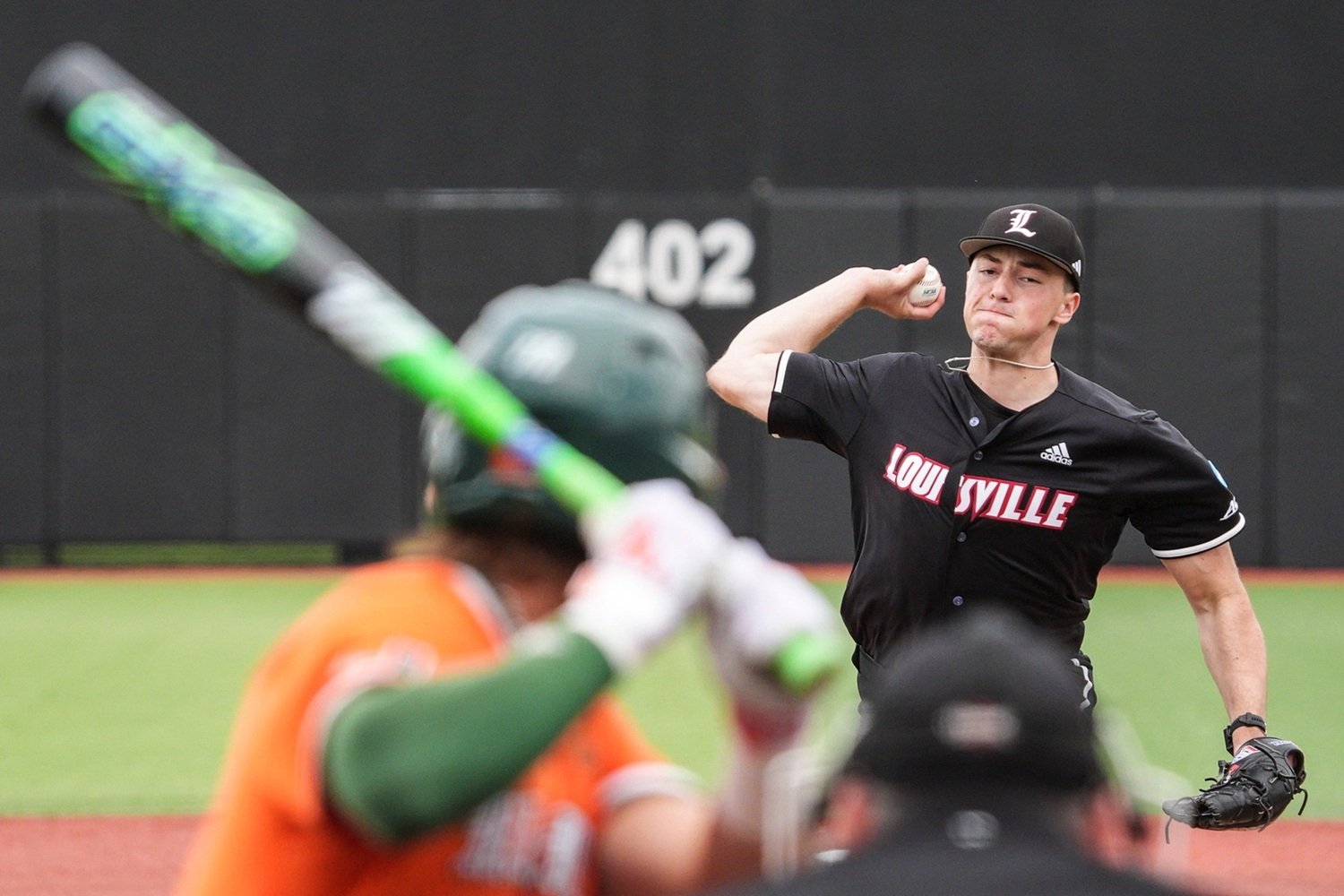
Image courtesy of © Matt Stone/Courier Journal / USA TODAY NETWORK via Imagn Images This draft cycle, we’re going to try something new. Every few weeks, I’ll be posting an article here listing out who the Twins would select based on their position on the consensus draft board. As the consensus board is updated, the players in those spots will be adjusted and I’ll post another update. This is not a mock draft. Rather, I’m hoping it’ll give readers an idea of the caliber of talent in each of the team’s first few picks. Additionally, it should help readers who want to dig into draft coverage a bit more get familiar with the class. Here would be the Twins first three picks by consensus draft ranking as of 06.06.25 1st Round (16th Overall): Steele Hall, Hewitt-Trussville HS, AL Hall is one of the buzziest names in the prep class. So despite being nestled close to 50th in the first few iterations of the consensus board, expect him to climb significantly as the cycle goes on. He also reclassified from the 2025 class, so he'll be one of the youngest prospects in the class at 17 years old on draft day. He's a right-handed-hitting, prep shortstop from Alabama, committed to Tennessee. Despite an undersized frame, Hall is an explosive athlete and an elite mover. He has bounce, lateral quickness, and legit plus to double-plus speed. Add a plus arm to the mix, and he has a chance to stick at shortstop at the next level. Offensively, it's a hit over power profile, but the power is headed in the right direction, underpinned by a compact swing and improved bat speed. The power grade might get to average when it's all said and done, with all of his other tools above average to plus. Comp A (36th Overall): Patrick Forbes, RHP, Louisville Forbes has been one of the biggest surprises (pleasant) at the midpoint of the 2025 college season. His stuff has taken a significant leap forward, and he's one of several up-and-coming college arms in this class. It's a great frame at 6'3, 220. It's big-time arm talent, too. It's a fastball that sits 94-96 mph from a low release. It's been as high as 98 mph. Forbes has a sweeper he throws in the high 70s to low 80s. There's plenty of horizontal break on that pitch; he'll need to firm it up some when he turns pro. He throws a changeup, too, which has looked promising, although it could use a little more velocity separation from his fastball. Forbes' 2025 has been impressive. It's also noteworthy that he was previously a two-way player and, as such, hasn't focused solely on pitching for that long. The frame and stuff are there for a pitching-savvy organization. He has a chance to start at the next level. 2nd Round (54th Overall): JB Middleton, RHP, Southern Miss Middleton is an undersized right-handed pitcher out of Southern Miss who was largely used as a reliever in his first two seasons before transitioning to a full-time starter in 2025, with outstanding results. It's a fastball that will sit 93-95 mph but can be cranked up to 97 mph with solid ride at the top of the zone. Middleton also has a complimentary gyro-type slider that he throws hard in the high 80s, which generates plenty of whiffs. Finally, there's a changeup, a pitch that is exclusively deployed against lefties and is possibly a little too firm given his fastball velo. While Middleton isn't facing the stiffest competition in the country, he's posted consistently throughout 2025. It's a K% approaching 30% and a walk rate of around 6% with a 2.77 FIP in early May. His ceiling will be dictated by how much a team feels like they can tweak the arsenal and continue to add velo. Who are you excited by in this draft class? Let us know in the comments. View full article
- 14 replies
-
- 3
-
-
- 2025 mlb draft
- steele hall
- (and 2 more)
-
 This draft cycle, we’re going to try something new. Every few weeks, I’ll be posting an article here listing out who the Twins would select based on their position on the consensus draft board. As the consensus board is updated, the players in those spots will be adjusted and I’ll post another update. This is not a mock draft. Rather, I’m hoping it’ll give readers an idea of the caliber of talent in each of the team’s first few picks. Additionally, it should help readers who want to dig into draft coverage a bit more get familiar with the class. Here would be the Twins first three picks by consensus draft ranking as of 06.06.25 1st Round (16th Overall): Steele Hall, Hewitt-Trussville HS, AL Hall is one of the buzziest names in the prep class. So despite being nestled close to 50th in the first few iterations of the consensus board, expect him to climb significantly as the cycle goes on. He also reclassified from the 2025 class, so he'll be one of the youngest prospects in the class at 17 years old on draft day. He's a right-handed-hitting, prep shortstop from Alabama, committed to Tennessee. Despite an undersized frame, Hall is an explosive athlete and an elite mover. He has bounce, lateral quickness, and legit plus to double-plus speed. Add a plus arm to the mix, and he has a chance to stick at shortstop at the next level. Offensively, it's a hit over power profile, but the power is headed in the right direction, underpinned by a compact swing and improved bat speed. The power grade might get to average when it's all said and done, with all of his other tools above average to plus. Comp A (36th Overall): Patrick Forbes, RHP, Louisville Forbes has been one of the biggest surprises (pleasant) at the midpoint of the 2025 college season. His stuff has taken a significant leap forward, and he's one of several up-and-coming college arms in this class. It's a great frame at 6'3, 220. It's big-time arm talent, too. It's a fastball that sits 94-96 mph from a low release. It's been as high as 98 mph. Forbes has a sweeper he throws in the high 70s to low 80s. There's plenty of horizontal break on that pitch; he'll need to firm it up some when he turns pro. He throws a changeup, too, which has looked promising, although it could use a little more velocity separation from his fastball. Forbes' 2025 has been impressive. It's also noteworthy that he was previously a two-way player and, as such, hasn't focused solely on pitching for that long. The frame and stuff are there for a pitching-savvy organization. He has a chance to start at the next level. 2nd Round (54th Overall): JB Middleton, RHP, Southern Miss Middleton is an undersized right-handed pitcher out of Southern Miss who was largely used as a reliever in his first two seasons before transitioning to a full-time starter in 2025, with outstanding results. It's a fastball that will sit 93-95 mph but can be cranked up to 97 mph with solid ride at the top of the zone. Middleton also has a complimentary gyro-type slider that he throws hard in the high 80s, which generates plenty of whiffs. Finally, there's a changeup, a pitch that is exclusively deployed against lefties and is possibly a little too firm given his fastball velo. While Middleton isn't facing the stiffest competition in the country, he's posted consistently throughout 2025. It's a K% approaching 30% and a walk rate of around 6% with a 2.77 FIP in early May. His ceiling will be dictated by how much a team feels like they can tweak the arsenal and continue to add velo. Who are you excited by in this draft class? Let us know in the comments.
- 14 comments
-
- 5
-
-
- 2025 mlb draft
- steele hall
- (and 2 more)
-
 In episode 80 of Destination: The Show, Jeremy and Jamie start by walking through some updates on Twins prospects who have received top 100 prospect consideration this season, including newly minted top 100 shortstop Kaelen Culpepper. The guys walk through the never ending cycle of injuries to top Twins prospects, including Walker Jenkins, Emmanuel Rodriguez, and Khadim Diaw. Jamie and Jeremy then walk all the college infield profiles for the forthcoming draft who are currently inside the top 50 consensus players. They talk through their performances this season and discuss possible team fits that might make sense for the Blue Jays, Brewers, and Twins. You can support the show by downloading it from wherever you get your podcasts, including iTunes and Spotify. If you enjoy the content, consider leaving us a five-star rating and review in addition to sharing or retweeting DTS-related content. You can follow us on Twitter @DTS_POD1, @Jeremynygaard, @J_D_Cameron, and @TheodoreTollef1. We’re now on Bluesky @destinationtheshow.bsky.social. You can also find full episodes and clips of our shows on our YouTube page @DestinationTheShow.
 -
Image courtesy of Thieres Rabelo In episode 80 of Destination: The Show, Jeremy and Jamie start by walking through some updates on Twins prospects who have received top 100 prospect consideration this season, including newly minted top 100 shortstop Kaelen Culpepper. The guys walk through the never ending cycle of injuries to top Twins prospects, including Walker Jenkins, Emmanuel Rodriguez, and Khadim Diaw. Jamie and Jeremy then walk all the college infield profiles for the forthcoming draft who are currently inside the top 50 consensus players. They talk through their performances this season and discuss possible team fits that might make sense for the Blue Jays, Brewers, and Twins. You can support the show by downloading it from wherever you get your podcasts, including iTunes and Spotify. If you enjoy the content, consider leaving us a five-star rating and review in addition to sharing or retweeting DTS-related content. You can follow us on Twitter @DTS_POD1, @Jeremynygaard, @J_D_Cameron, and @TheodoreTollef1. We’re now on Bluesky @destinationtheshow.bsky.social. You can also find full episodes and clips of our shows on our YouTube page @DestinationTheShow. View full article
-
Laviolette was the consensus number one prospect in this class coming in and just hasn't hit. I'm personally not a fan of prospects with his profile. It's massive power, he's a good athlete, good approach (rarely chases) but there's also real swing and miss in the zone and his swing looked really stiff this year. One basic trend I tend to pay really close attention to with draft prospects is general improvement trends. Models pay attention to age and level adjusted numbers, so you want to see a first round SEC bat improve year-over-year. Lav was 146 wRC+ last year, 119 this year. He also exceeds the type of college K% I'd be comfortable with. IF he hits as a pro, he could be a monster, I just have real doubts about whether that will be the case.
-
 In episode 79 of Destination: The Show, Jeremy and Jamie start by walking through some updates on Twins prospects of to a good start. They begin with an incredible listener provided update on Khadim Diaw before asking if he belongs in the Twins top 20 prospects. The guys go on to talk about Kaelen Culpepper’s excellent start and ask when he might be in line for a promotion to AA. They then recap Gabby Gonzalez’ promotion to Wichita and ask if there’s a viable path for him to contribute in the majors. Jamie and Jeremy then walk through a 36-pick mock draft using the 2025 cycle. They do their best to identify some fits based on organizational trends and some based on talent and value. Along the way they reflect on some of the difference between this class and the previous two. 0:00 Intro 3:44 Housekeeping starting Khadim Diaw 19:00 Mock Draft 20:00 Picks 1-5 26:51 Picks 6-10 34:09 Picks 11-15 41:59 Picks 16-25 55:46 Picks 26-26 You can support the show by downloading it from wherever you get your podcasts, including iTunes and Spotify. If you enjoy the content, consider leaving us a five-star rating and review in addition to sharing or retweeting DTS-related content. You can follow us on Twitter @DTS_POD1, @Jeremynygaard, @J_D_Cameron, and @TheodoreTollef1. We’re now on Bluesky @destinationtheshow.bsky.social. You can also find full episodes and clips of our shows on our YouTube page @DestinationTheShow.