



Cody Christie
-
Posts
7,515 -
Joined
-
Last visited
-
Days Won
5
Content Type
Profiles
News
Minnesota Twins Videos
2026 Minnesota Twins Top Prospects Ranking
2022 Minnesota Twins Draft Picks
Minnesota Twins Free Agent & Trade Rumors, Notes, & Tidbits
Guides & Resources
2023 Minnesota Twins Draft Picks
The Minnesota Twins Players Project
2024 Minnesota Twins Draft Picks
2025 Minnesota Twins Draft Pick Tracker
2026 Minnesota Twins Draft Tracker: Picks & Bonuses
Forums
Blogs
Events
Store
Downloads
Gallery
Everything posted by Cody Christie
-

Twins 2022 Roster Flaws Even More Evident After the 2023 Offseason
Cody Christie posted an article in Twins
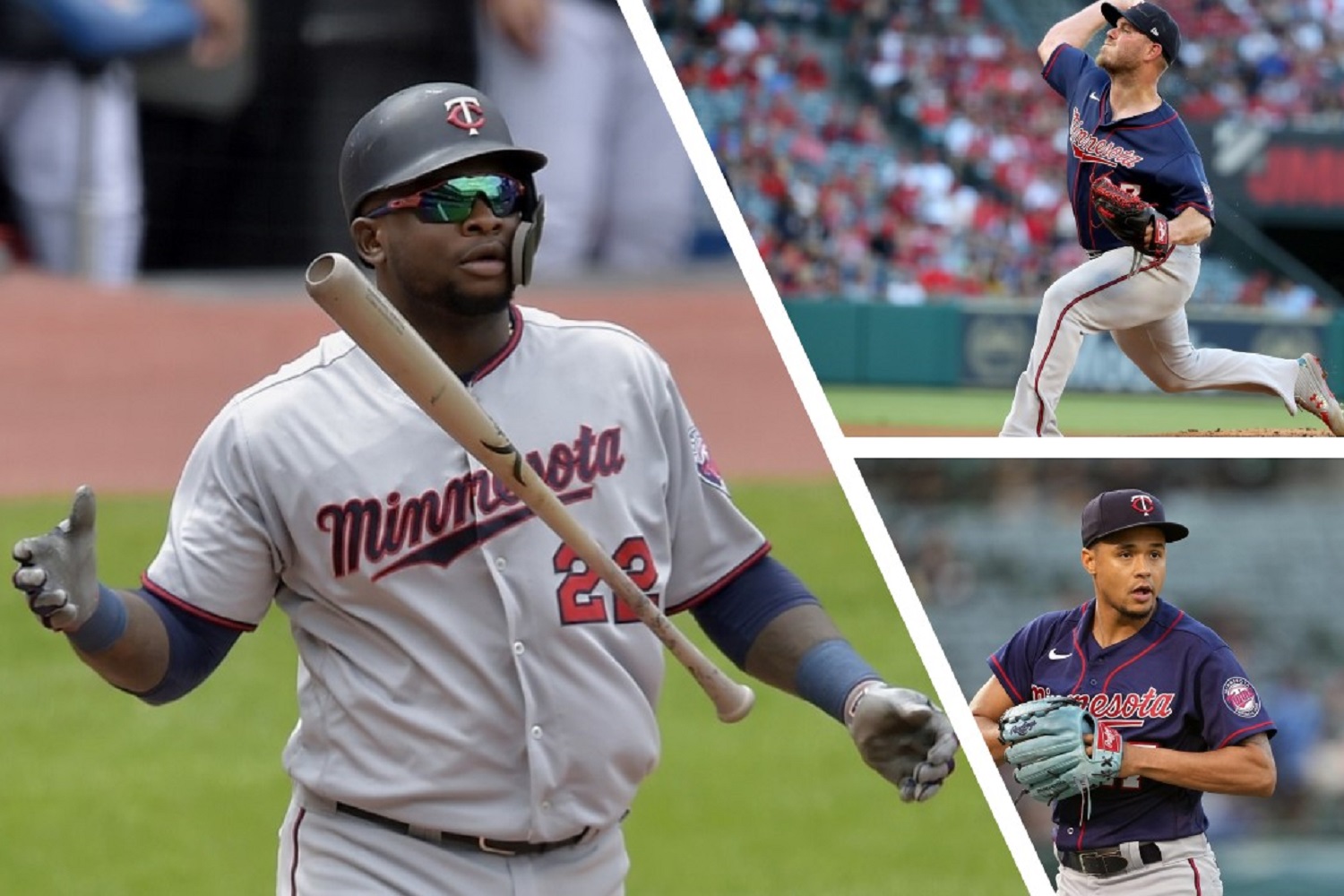 One year ago, the Twins began the 2022 season with high hopes of bouncing back from a terrible 2021 campaign. Minnesota added veteran pitchers like Chris Archer, Dylan Bundy, and Joe Smith to fill out the pitching staff. The team also cleared Josh Donaldson off their books by dealing him to the Yankees for Gary Sanchez and Gio Urshela. As the 2023 season begins, all four players are still searching for big-league opportunities. Chris Archer, SP 2022 Stats: 25 G, 102 2/3 IP, 4.56 ERA, 1.32 WHIP, 84 K, 48 BB, 85 ERA+ Minnesota signed Archer to a one-year, $3.5 million contract late last offseason after the end of the lockout. The hope was he would add depth to the rotation, but he was coming off two seasons where he had pitched limited innings. Before signing, Archer sent data to prospective teams to show he was ready for the season, and the Twins liked that he was close to ready to start the season. Minnesota hoped Archer could continue to build up his innings throughout the season, but that never came to fruition. He pitched five innings or fewer in every appearance. His name has recently been tied to the Toronto Blue Jays, but he had yet to sign when this story was written. Dylan Bundy, SP 2022 Stats: 29 G, 140 IP, 4.89 ERA, 1.28 WHIP, 94 K, 28 BB, 79 ERA+ Minnesota had plenty of rotation spots to fill in 2022, and Bundy became the first veteran signing before the lockout. The Twins signed him to a one-year, $4 million option worth an extra $1 million when they bought out his club option this winter. Bundy’s 2022 performance was underwhelming, but he made the most starts on the Twins last season. The Twins needed someone to cover innings, and Bundy could take the ball every fifth day, even if the results were subpar. Like Archer, his name has been tied to the Blue Jays, but he has yet to sign a deal. Gary Sanchez, C 2022 Stats: 128 G, .205/.282/.377 (.659), 24 2B, 16 HR, 89 OPS+ After trading Mitch Garver, the Twins needed catching depth to pair with Ryan Jeffers. Sanchez took on a more full-time role when Jeffers suffered a fractured thumb. The Twins worked to improve Sanchez’s defense, and he saw marginal improvements. He played with the Dominican Republic during the World Baseball Classic and went 0-for-5 with three strikeouts and a walk. The 2019 season was the last time he had an above-average OPS+. Sanchez is one of few free-agent catchers remaining on the market, and Oakland or Boston might be a potential landing spot for the backstop. Miguel Sano, 1B/DH 2022 Stats: 20 G, .083/.211/.133 (.345), 1 HR, 3 OPS+ Sano’s Twins tenure ended on a sour note after missing time with a pair of right knee injuries. He didn’t appear in a game after July 29th. There were up and down moments throughout Sano’s professional career as he tried to live up to his billing as a top-100 prospect. He struck out 119 times or more in every full season and led baseball with 90 strikeouts in 2020. Sano had some highs with the Twins, including an All-Star Game appearance, four seasons with 25+ home runs, and a 116 OPS+ for his career. In early February, he held a workout for interested clubs but remains unsigned. When healthy, he will likely need to accept a minor league contract to prove he is 100% or head to a foreign league for the 2023 season. Will any of these four players return to the big leagues this season? Leave a COMMENT and start the discussion.
- 25 comments
-
- 6
-

-

-
- chris archer
- dylan bundy
- (and 2 more)
-
The Twins sat atop the AL Central for over 100 days during the 2022 season, but injuries and poor roster construction were the team’s downfall. Last season’s roster flaws are even more evident as the 2023 season begins. Image courtesy of Darren Yamashita (Archer), Kiyoshi Mio (Bundy), David Richard (Sano)-USA TODAY Sports One year ago, the Twins began the 2022 season with high hopes of bouncing back from a terrible 2021 campaign. Minnesota added veteran pitchers like Chris Archer, Dylan Bundy, and Joe Smith to fill out the pitching staff. The team also cleared Josh Donaldson off their books by dealing him to the Yankees for Gary Sanchez and Gio Urshela. As the 2023 season begins, all four players are still searching for big-league opportunities. Chris Archer, SP 2022 Stats: 25 G, 102 2/3 IP, 4.56 ERA, 1.32 WHIP, 84 K, 48 BB, 85 ERA+ Minnesota signed Archer to a one-year, $3.5 million contract late last offseason after the end of the lockout. The hope was he would add depth to the rotation, but he was coming off two seasons where he had pitched limited innings. Before signing, Archer sent data to prospective teams to show he was ready for the season, and the Twins liked that he was close to ready to start the season. Minnesota hoped Archer could continue to build up his innings throughout the season, but that never came to fruition. He pitched five innings or fewer in every appearance. His name has recently been tied to the Toronto Blue Jays, but he had yet to sign when this story was written. Dylan Bundy, SP 2022 Stats: 29 G, 140 IP, 4.89 ERA, 1.28 WHIP, 94 K, 28 BB, 79 ERA+ Minnesota had plenty of rotation spots to fill in 2022, and Bundy became the first veteran signing before the lockout. The Twins signed him to a one-year, $4 million option worth an extra $1 million when they bought out his club option this winter. Bundy’s 2022 performance was underwhelming, but he made the most starts on the Twins last season. The Twins needed someone to cover innings, and Bundy could take the ball every fifth day, even if the results were subpar. Like Archer, his name has been tied to the Blue Jays, but he has yet to sign a deal. Gary Sanchez, C 2022 Stats: 128 G, .205/.282/.377 (.659), 24 2B, 16 HR, 89 OPS+ After trading Mitch Garver, the Twins needed catching depth to pair with Ryan Jeffers. Sanchez took on a more full-time role when Jeffers suffered a fractured thumb. The Twins worked to improve Sanchez’s defense, and he saw marginal improvements. He played with the Dominican Republic during the World Baseball Classic and went 0-for-5 with three strikeouts and a walk. The 2019 season was the last time he had an above-average OPS+. Sanchez is one of few free-agent catchers remaining on the market, and Oakland or Boston might be a potential landing spot for the backstop. Miguel Sano, 1B/DH 2022 Stats: 20 G, .083/.211/.133 (.345), 1 HR, 3 OPS+ Sano’s Twins tenure ended on a sour note after missing time with a pair of right knee injuries. He didn’t appear in a game after July 29th. There were up and down moments throughout Sano’s professional career as he tried to live up to his billing as a top-100 prospect. He struck out 119 times or more in every full season and led baseball with 90 strikeouts in 2020. Sano had some highs with the Twins, including an All-Star Game appearance, four seasons with 25+ home runs, and a 116 OPS+ for his career. In early February, he held a workout for interested clubs but remains unsigned. When healthy, he will likely need to accept a minor league contract to prove he is 100% or head to a foreign league for the 2023 season. Will any of these four players return to the big leagues this season? Leave a COMMENT and start the discussion. View full article
- 25 replies
-
- 1
-
-
- chris archer
- dylan bundy
- (and 2 more)
-
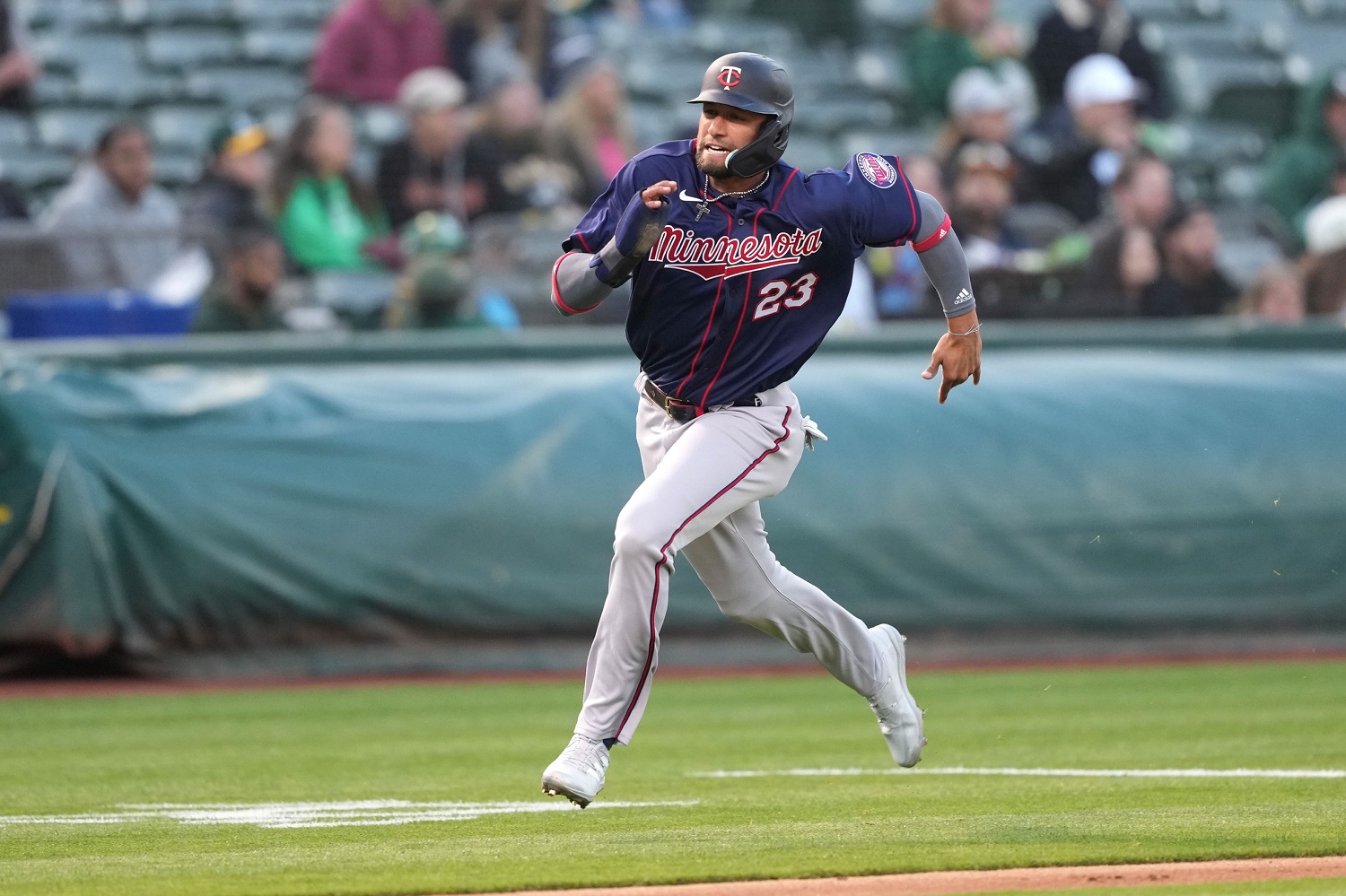 The Twins have been a poor base running team in recent years, which projects to stay the same in 2023. Last season, Minnesota ranked last in baseball with 38 stolen bases, and FanGraphs ranked the team second to last in BsR, an all-encompassing base running statistic. Some of Minnesota's best base running prospects could help the team's running game in 2023 and beyond. Scouts and front office personnel use a 20-80 scale to evaluate players' tools. This ranking system also projects how those tools will change as the player develops. Speed is one tool that tends to decline as players age, and that reflects in the projections. Below are the top five Twins prospects regarding current and future speed potential. 5. Yasser Mercedes, OF Current Speed/Future Speed: 55/50 Mercedes quickly impacted the 2022 Dominican Summer League after signing with the Twins for $1.7 million out of the Dominican Republic. Born in Puerto Rico, he hit .355/.421/.555 (.975) with 13 doubles, three triples, and four home runs in 41 games. Even more impressively, he stole 30 bases in 35 attempts. He turned 18 in November, so he projects to become more physically mature. All his defensive innings came in center field last season, and the Twins hope he can stick at the position for the long term. Mercedes is a five-tool talent, and speed might be his worst tool when he reaches Target Field. 4. Ben Ross, UTL Current Speed/Future Speed: 60/55 The Twins took Ross with their fifth-round pick in last June's draft out of Notre Dame College (Ohio). Ross was a tremendous hitter in college as he batted .405/.471/.758 (1.229) and showed to be a baserunning threat. He played 22 of his 24 games at Low-A during his professional debut and went a perfect 6-for-6 in stolen base attempts. Since turning pro, the Twins have adjusted his swing, and he has added muscle to his frame. His speed can help him stick at shortstop, but he will likely move around the diamond to multiple defensive positions. He will likely begin 2023 in Fort Myers and is a prospect to watch during the 2023 campaign. 3. Jose Salas, SS Current Speed/Future Speed: 60/55 Salas was the top-ranked prospect acquired from the Marlins as part of the Luis Arraez-Pablo Lopez trade. In 2022, he went 33-for-34 in stolen base attempts between Low-A and High-A. He is a very athletic player that projects to add more weight to his body, which will likely take away from his speed before he reaches the big leagues. For now, he's considered a shortstop, but he might lose some quickness and shift to second base, third base, or the outfield. Salas was over three years younger than the average age of the competition in the Midwest League, so the Twins can have him start the 2023 season in Cedar Rapids. 2. Will Holland, SS/OF Current Speed/Future Speed: 70/65 The Twins selected Holland in the fifth round of the 2019 MLB Draft from Auburn University. His speed helps him on both sides of the ball, and that's one reason the Twins have used him at shortstop and in the outfield. Last season, he went 32-for-36 in stolen base attempts between High-A and Double-A. For a player with limited power, he doesn't make consistent contact (.227 BA in 2022), and he strikes out a lot (137 K in 116 G). His numbers did improve when he got to Double-A, so there is hope he can continue to develop at that level in 2023. 1. Royce Lewis, SS/OF Current Speed/Future Speed: 70/65 Evaluators have praised Lewis' speed since he was an amateur, but that was before two major knee surgeries. He returned strongly from the first surgery and is on pace to return to action later this year. His rehab work from the first knee surgery strengthened him and increased his speed. Lewis averaged 25 steals per season in both years, where he played over 50 games. Last season, he went 12-for-14 in stolen base attempts at Triple-A. Overall, he is a smart base runner with the speed to cause havoc for the opposition. Who do you think has the best speed tool in the Twins system? Should someone else make the list? Leave a COMMENT and start the discussion. OTHER POSTS IN THE SERIES -Power Tool -Hit Tool
- 19 comments
-
- 5
-
-
- royce lewis
- yasser mercedes
- (and 3 more)
-
In coming years, bigger bases and fewer pick-off attempts might change a team's base-stealing tendencies. Here are five Twins prospects to watch during the 2023 season because of their speed tool. Image courtesy of Darren Yamashita-USA TODAY Sports The Twins have been a poor base running team in recent years, which projects to stay the same in 2023. Last season, Minnesota ranked last in baseball with 38 stolen bases, and FanGraphs ranked the team second to last in BsR, an all-encompassing base running statistic. Some of Minnesota's best base running prospects could help the team's running game in 2023 and beyond. Scouts and front office personnel use a 20-80 scale to evaluate players' tools. This ranking system also projects how those tools will change as the player develops. Speed is one tool that tends to decline as players age, and that reflects in the projections. Below are the top five Twins prospects regarding current and future speed potential. 5. Yasser Mercedes, OF Current Speed/Future Speed: 55/50 Mercedes quickly impacted the 2022 Dominican Summer League after signing with the Twins for $1.7 million out of the Dominican Republic. Born in Puerto Rico, he hit .355/.421/.555 (.975) with 13 doubles, three triples, and four home runs in 41 games. Even more impressively, he stole 30 bases in 35 attempts. He turned 18 in November, so he projects to become more physically mature. All his defensive innings came in center field last season, and the Twins hope he can stick at the position for the long term. Mercedes is a five-tool talent, and speed might be his worst tool when he reaches Target Field. 4. Ben Ross, UTL Current Speed/Future Speed: 60/55 The Twins took Ross with their fifth-round pick in last June's draft out of Notre Dame College (Ohio). Ross was a tremendous hitter in college as he batted .405/.471/.758 (1.229) and showed to be a baserunning threat. He played 22 of his 24 games at Low-A during his professional debut and went a perfect 6-for-6 in stolen base attempts. Since turning pro, the Twins have adjusted his swing, and he has added muscle to his frame. His speed can help him stick at shortstop, but he will likely move around the diamond to multiple defensive positions. He will likely begin 2023 in Fort Myers and is a prospect to watch during the 2023 campaign. 3. Jose Salas, SS Current Speed/Future Speed: 60/55 Salas was the top-ranked prospect acquired from the Marlins as part of the Luis Arraez-Pablo Lopez trade. In 2022, he went 33-for-34 in stolen base attempts between Low-A and High-A. He is a very athletic player that projects to add more weight to his body, which will likely take away from his speed before he reaches the big leagues. For now, he's considered a shortstop, but he might lose some quickness and shift to second base, third base, or the outfield. Salas was over three years younger than the average age of the competition in the Midwest League, so the Twins can have him start the 2023 season in Cedar Rapids. 2. Will Holland, SS/OF Current Speed/Future Speed: 70/65 The Twins selected Holland in the fifth round of the 2019 MLB Draft from Auburn University. His speed helps him on both sides of the ball, and that's one reason the Twins have used him at shortstop and in the outfield. Last season, he went 32-for-36 in stolen base attempts between High-A and Double-A. For a player with limited power, he doesn't make consistent contact (.227 BA in 2022), and he strikes out a lot (137 K in 116 G). His numbers did improve when he got to Double-A, so there is hope he can continue to develop at that level in 2023. 1. Royce Lewis, SS/OF Current Speed/Future Speed: 70/65 Evaluators have praised Lewis' speed since he was an amateur, but that was before two major knee surgeries. He returned strongly from the first surgery and is on pace to return to action later this year. His rehab work from the first knee surgery strengthened him and increased his speed. Lewis averaged 25 steals per season in both years, where he played over 50 games. Last season, he went 12-for-14 in stolen base attempts at Triple-A. Overall, he is a smart base runner with the speed to cause havoc for the opposition. Who do you think has the best speed tool in the Twins system? Should someone else make the list? Leave a COMMENT and start the discussion. OTHER POSTS IN THE SERIES -Power Tool -Hit Tool View full article
-
4 Non-Roster Invitees That Can Still Make the Twins’ Opening Day Roster
Cody Christie posted an article in Twins
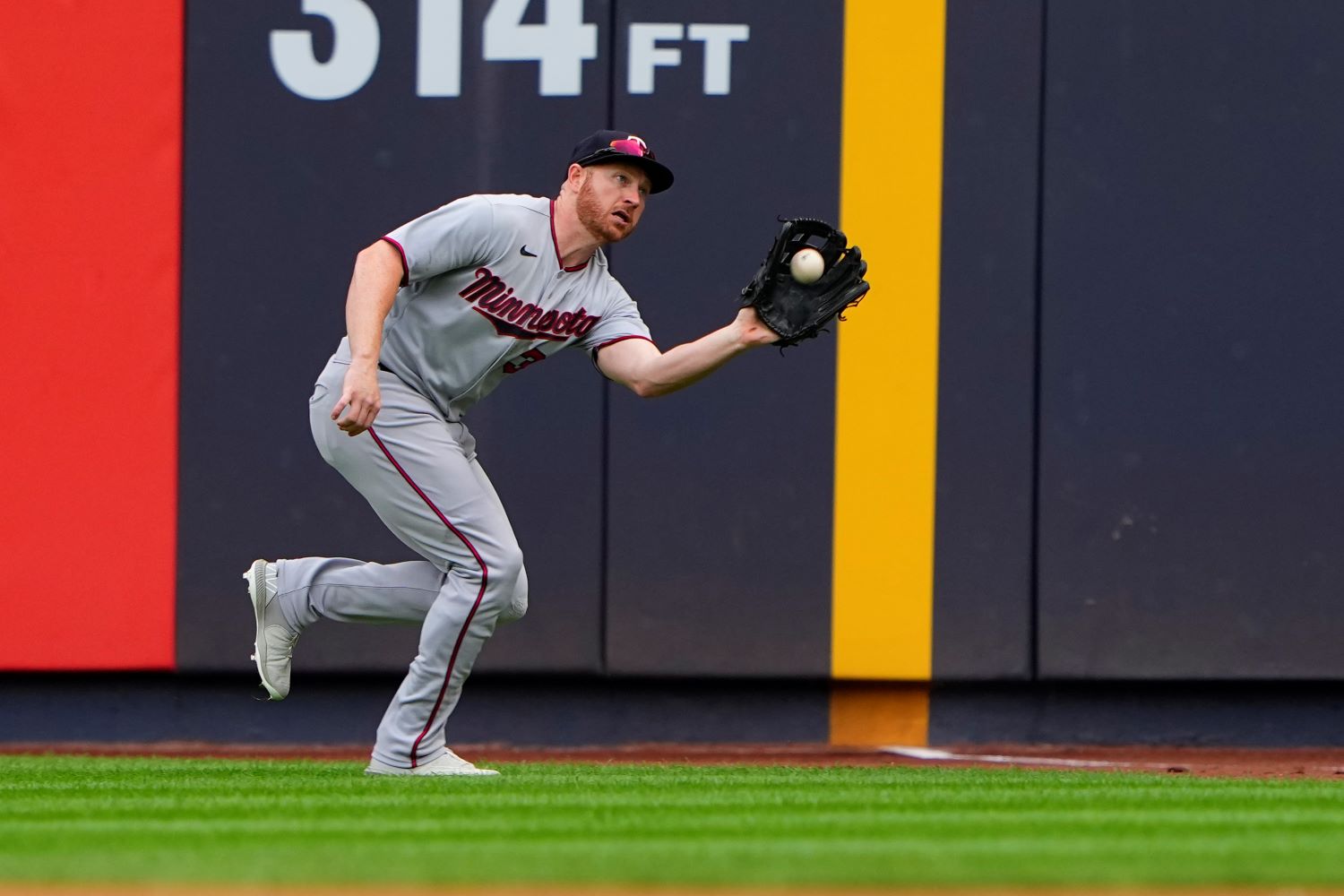 Over the weekend, Derek Falvey told reporters that Jorge Polanco is behind on his preparation for Opening Day. The team has other options to take his spot at second base, but he isn’t the only injury concern. Alex Kirilloff recently started playing in minor league games, and there is still a chance he will start the year on the IL. Here is a look at some players that still have a chance to come north with the Twins next week. Kyle Garlick, OF/DH Twins fans are familiar with Garlick since he has played over 100 games for the club in the last two seasons. He missed some time with a wrist injury in 2022, but the Twins signed him to a one-year, $750,000 contract that will pay him significantly more than the Triple-A minimum salary. Over the last two seasons, Garlick has hit .233/.283/.446 (.728) with 11 doubles and 14 home runs. Those numbers don’t tell Garlick’s entire story. The Twins were forced to use him regularly last season because of mounting injuries. He should only bat against left-handed pitchers, where he had an .805 OPS in 82 PA. The Twins like Garlick, and there is a good chance he will be back in the big leagues in 2023. Jeff Hoffman, RP The Twins signed Hoffman at the end of February to a minor league deal that includes multiple incentives if he’s on the big-league roster. Last season, he made 35 appearances for Cincinnati with a 3.85 ERA and a 45-to-23 strikeout-to-walk ratio. Hoffman has the inside track to the final bullpen spot after the Twins optioned Trevor Megill to the minors and placed Dennis Santana on waivers. In four spring appearances, he has an 8-to-3 strikeout-to-walk ratio with increased velocity and the ability to pitch more than one inning. Hoffman has previously started games, and Rocco Baldelli has discussed his desire to have a long-man in the bullpen. Hoffman can serve multiple purposes for the Twins, so he will make the Opening Day roster. Willi Castro, UTL Castro has played multiple positions for the Twins this spring and posted some impressive offensive numbers. Through his first 11 games, he went 9-for-29 (.310 BA) with five extra-base hits and a 1.049 OPS. Over the last two seasons, Castro has been a regular for the Detroit Tigers, playing six different defensive positions. He has hit .230/.278/.359 (.637) with an 80 OPS+ since the start of the 2021 season. With multiple injury concerns, the Twins might like his defensive versatility as a bench option. However, his offensive numbers this spring might be a mirage, and Minnesota might want someone with a different offensive skill set on the roster. Tyler White, 1B White hasn’t played at the big-league level since 2019, but the Twins might want that streak to end so he can add first-base depth. Entering play on Tuesday, he is hitting .250/.382/.429 (.811) with three extra-base hits in 34 PA this spring. Last season, he split time at Triple-A for the Brewers and the Braves. In 103 games, he hit .230/.357/.412 (.769) with 13 doubles, two triples, 16 home runs, and an 88-to-70 strikeout-to-walk ratio. White had an .819 OPS against left-handed pitching in 2022, so the Twins could use him in a similar role to Garlick, with him filling in at first base. Will any of these players be on the Opening Day roster? How would you rank their chances of coming north with the club? Leave a COMMENT and start the discussion.
- 33 comments
-
- 3
-
-
- kyle garlick
- tyler white
- (and 2 more)
-
Injuries have reared their ugly head with the season’s start quickly approaching. Here are four non-roster invitees who can make the Twins’ Opening Day roster. Image courtesy of Gregory Fisher-USA TODAY Sports Over the weekend, Derek Falvey told reporters that Jorge Polanco is behind on his preparation for Opening Day. The team has other options to take his spot at second base, but he isn’t the only injury concern. Alex Kirilloff recently started playing in minor league games, and there is still a chance he will start the year on the IL. Here is a look at some players that still have a chance to come north with the Twins next week. Kyle Garlick, OF/DH Twins fans are familiar with Garlick since he has played over 100 games for the club in the last two seasons. He missed some time with a wrist injury in 2022, but the Twins signed him to a one-year, $750,000 contract that will pay him significantly more than the Triple-A minimum salary. Over the last two seasons, Garlick has hit .233/.283/.446 (.728) with 11 doubles and 14 home runs. Those numbers don’t tell Garlick’s entire story. The Twins were forced to use him regularly last season because of mounting injuries. He should only bat against left-handed pitchers, where he had an .805 OPS in 82 PA. The Twins like Garlick, and there is a good chance he will be back in the big leagues in 2023. Jeff Hoffman, RP The Twins signed Hoffman at the end of February to a minor league deal that includes multiple incentives if he’s on the big-league roster. Last season, he made 35 appearances for Cincinnati with a 3.85 ERA and a 45-to-23 strikeout-to-walk ratio. Hoffman has the inside track to the final bullpen spot after the Twins optioned Trevor Megill to the minors and placed Dennis Santana on waivers. In four spring appearances, he has an 8-to-3 strikeout-to-walk ratio with increased velocity and the ability to pitch more than one inning. Hoffman has previously started games, and Rocco Baldelli has discussed his desire to have a long-man in the bullpen. Hoffman can serve multiple purposes for the Twins, so he will make the Opening Day roster. Willi Castro, UTL Castro has played multiple positions for the Twins this spring and posted some impressive offensive numbers. Through his first 11 games, he went 9-for-29 (.310 BA) with five extra-base hits and a 1.049 OPS. Over the last two seasons, Castro has been a regular for the Detroit Tigers, playing six different defensive positions. He has hit .230/.278/.359 (.637) with an 80 OPS+ since the start of the 2021 season. With multiple injury concerns, the Twins might like his defensive versatility as a bench option. However, his offensive numbers this spring might be a mirage, and Minnesota might want someone with a different offensive skill set on the roster. Tyler White, 1B White hasn’t played at the big-league level since 2019, but the Twins might want that streak to end so he can add first-base depth. Entering play on Tuesday, he is hitting .250/.382/.429 (.811) with three extra-base hits in 34 PA this spring. Last season, he split time at Triple-A for the Brewers and the Braves. In 103 games, he hit .230/.357/.412 (.769) with 13 doubles, two triples, 16 home runs, and an 88-to-70 strikeout-to-walk ratio. White had an .819 OPS against left-handed pitching in 2022, so the Twins could use him in a similar role to Garlick, with him filling in at first base. Will any of these players be on the Opening Day roster? How would you rank their chances of coming north with the club? Leave a COMMENT and start the discussion. View full article
-
Ranking the Twins Top-5 Hit Tool Prospects: 2023
Cody Christie replied to Cody Christie's topic in Twins Minor League Talk
In the article, I linked to the grades that I used for their current rankings (MLB.com). For future grades, I used a combination from multiple sites (Baseball America, FanGraphs, etc.).- 14 replies
-
- 2
-
-
- edouard julien
- brooks lee
- (and 3 more)
-
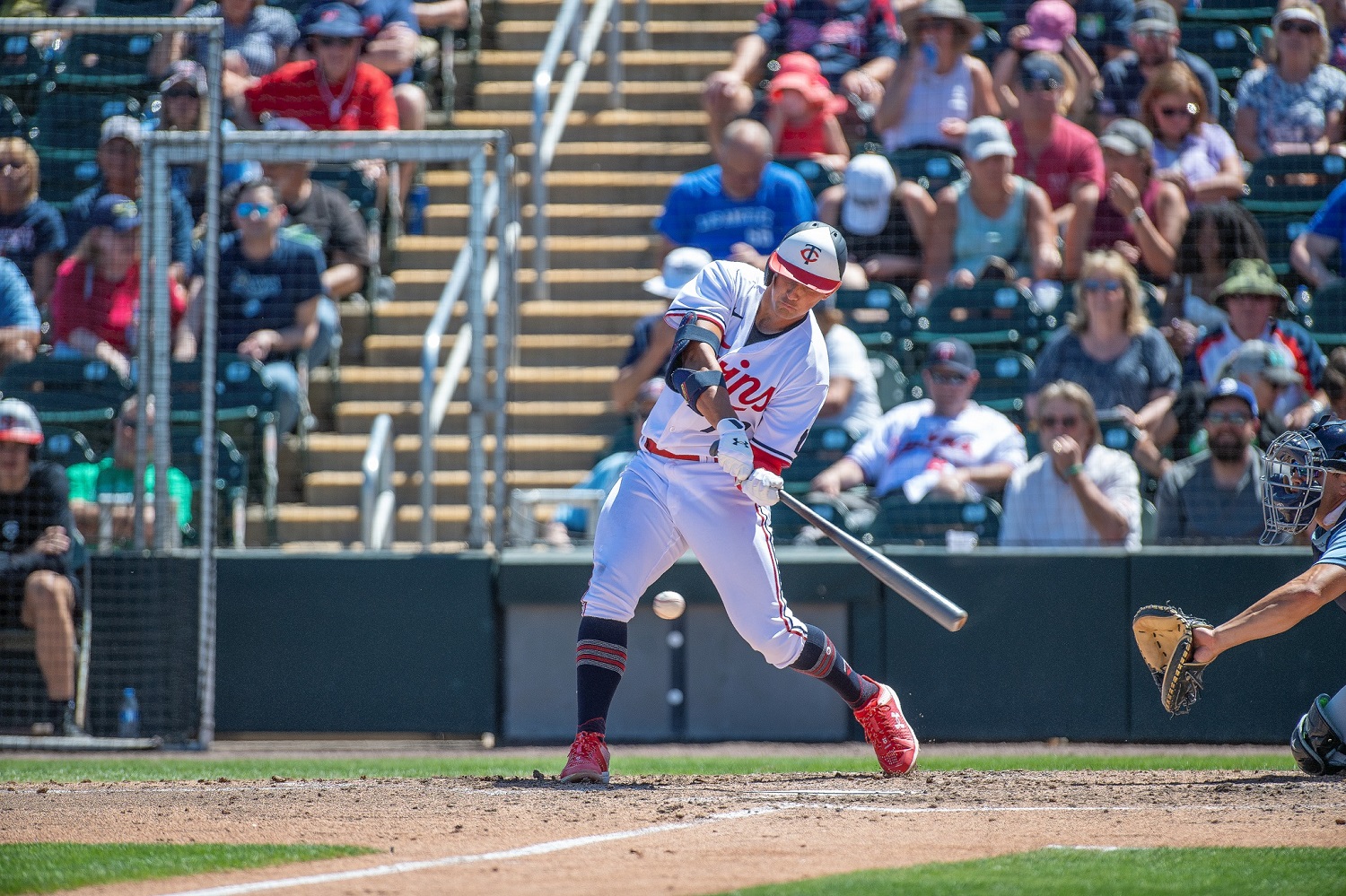 In recent years, the Twins have been lucky to have some strong hitters come through the farm system. Minnesota expects Alex Kirilloff and Jose Miranda to be key contributors to the 2023 roster, while former Twin Luis Arraez is coming off the AL Batting Title. Will any of the prospects below be the team's next batting champ? Scouts and front office personnel use a 20-80 scale to evaluate players' tools. This ranking system also projects how those tools will improve as the player develops. Below are the top five Twins prospects regarding current and future hit tool potential. 5. Edouard Julien, IF Current Hit/Future Hit: 45/55 MLB Pipeline gives other Twins prospects a 50-hit tool, but it's hard to have a top-5 list and not include Julien. Last season, he hit .300/.441/.490 (.931) with 39 extra-base hits in 113 Double-A games. The Twins sent him to the Arizona Fall League, and he went 28-for-70 (.400) with five doubles and five home runs in 21 games. Julien has been tremendous for Canada in the World Baseball Classic, but the Twins have already optioned him to Triple-A. The only question that remains is how much he can help the Twins in 2023. 4. Austin Martin, SS/OF Current Hit/Future Hit: 50/55 Martin is coming off a tough 2022 season that saw him fall from a consensus top-100 prospect to needing to prove himself in 2023. He finished the year on a high note by hitting .277/.392/.431 (.823) in September. The Twins sent him to the Arizona Fall League, and he continued his hot hitting. In 97 plate appearances, he hit .374/.454/.482 (.936) with seven extra-base hits and more walks (8) than strikeouts (7). Minnesota worked with Martin on his swing to get more power, but that approach didn't work, and he was feeling more like himself this spring. Unfortunately, a UCL sprain in his right elbow will cause him to miss the start of the 2023 season. 3. Bryan Acuna, SS Current Hit/Future Hit: 55/60 Acuna is the younger brother of Braves superstar Ronald Acuna Jr., and they have very similar swings. The Twins signed him as part of the 2022 international class for roughly $870,000. He debuted professionally in the Dominican Summer League last season and hit .310/.409/.393 (.803) with 12 doubles. He has grown up around baseball and is known for his ability to make solid contact. Entering his age-17 season, he will come stateside, where the Twins can get an even closer look at the younger Acuna. He projects to be smaller than his brother, but that doesn't mean he can't have a better hit tool. 2. Danny De Andrade, SS/3B Current Hit/Future Hit: 55/60 De Andrade has fewer than 100 games played, but he has already made his mark on the Twins organization. MLB.com ranked him as the 14th-best prospect in 2021, and the Twins signed him for $2.2 million. He's known for his bat-to-ball skills, but he can chase pitches out of the zone. De Andrade showed improvement last season in laying off balls and hit .284/.393/.453 (.846) with nine extra-base hits from July 4- August 16. All but five of his plate appearances came against older pitchers, which makes his performance even more impressive. He should get his first taste of Low-A this year in his age-19 campaign. 1. Brooks Lee, SS Current Hit/Future Hit: 65/65 Many evaluators considered Lee the top college hitter in the 2022 MLB Draft, so the Twins were ecstatic that he fell to them with the eighth overall pick. In three collegiate seasons, he hit .351/.426/.647 (1.073) with more walks (64) than strikeouts (63). He played well in wood-bat summer leagues throughout college, which helped increase his draft stock. He played at three levels during his pro debut and hit .303/.389/.451 (.839) with six doubles and four home runs. He's a switch hitter with tremendous bat-to-ball skills that help him generate power. Lee will likely start the year at Double-A, but there's a chance he will make his debut in 2023. Who do you think has the best hit tool in the Twins system? Should someone else make the list? Leave a COMMENT and start the discussion.
- 14 comments
-
- 6
-
-
- edouard julien
- brooks lee
- (and 3 more)
-
MLB has limited defensive shifts, making putting the ball in play even more critical in the coming years. Here are five Twins prospects to watch during the 2023 season because of their hit tool. Image courtesy of William Parmeter In recent years, the Twins have been lucky to have some strong hitters come through the farm system. Minnesota expects Alex Kirilloff and Jose Miranda to be key contributors to the 2023 roster, while former Twin Luis Arraez is coming off the AL Batting Title. Will any of the prospects below be the team's next batting champ? Scouts and front office personnel use a 20-80 scale to evaluate players' tools. This ranking system also projects how those tools will improve as the player develops. Below are the top five Twins prospects regarding current and future hit tool potential. 5. Edouard Julien, IF Current Hit/Future Hit: 45/55 MLB Pipeline gives other Twins prospects a 50-hit tool, but it's hard to have a top-5 list and not include Julien. Last season, he hit .300/.441/.490 (.931) with 39 extra-base hits in 113 Double-A games. The Twins sent him to the Arizona Fall League, and he went 28-for-70 (.400) with five doubles and five home runs in 21 games. Julien has been tremendous for Canada in the World Baseball Classic, but the Twins have already optioned him to Triple-A. The only question that remains is how much he can help the Twins in 2023. 4. Austin Martin, SS/OF Current Hit/Future Hit: 50/55 Martin is coming off a tough 2022 season that saw him fall from a consensus top-100 prospect to needing to prove himself in 2023. He finished the year on a high note by hitting .277/.392/.431 (.823) in September. The Twins sent him to the Arizona Fall League, and he continued his hot hitting. In 97 plate appearances, he hit .374/.454/.482 (.936) with seven extra-base hits and more walks (8) than strikeouts (7). Minnesota worked with Martin on his swing to get more power, but that approach didn't work, and he was feeling more like himself this spring. Unfortunately, a UCL sprain in his right elbow will cause him to miss the start of the 2023 season. 3. Bryan Acuna, SS Current Hit/Future Hit: 55/60 Acuna is the younger brother of Braves superstar Ronald Acuna Jr., and they have very similar swings. The Twins signed him as part of the 2022 international class for roughly $870,000. He debuted professionally in the Dominican Summer League last season and hit .310/.409/.393 (.803) with 12 doubles. He has grown up around baseball and is known for his ability to make solid contact. Entering his age-17 season, he will come stateside, where the Twins can get an even closer look at the younger Acuna. He projects to be smaller than his brother, but that doesn't mean he can't have a better hit tool. 2. Danny De Andrade, SS/3B Current Hit/Future Hit: 55/60 De Andrade has fewer than 100 games played, but he has already made his mark on the Twins organization. MLB.com ranked him as the 14th-best prospect in 2021, and the Twins signed him for $2.2 million. He's known for his bat-to-ball skills, but he can chase pitches out of the zone. De Andrade showed improvement last season in laying off balls and hit .284/.393/.453 (.846) with nine extra-base hits from July 4- August 16. All but five of his plate appearances came against older pitchers, which makes his performance even more impressive. He should get his first taste of Low-A this year in his age-19 campaign. 1. Brooks Lee, SS Current Hit/Future Hit: 65/65 Many evaluators considered Lee the top college hitter in the 2022 MLB Draft, so the Twins were ecstatic that he fell to them with the eighth overall pick. In three collegiate seasons, he hit .351/.426/.647 (1.073) with more walks (64) than strikeouts (63). He played well in wood-bat summer leagues throughout college, which helped increase his draft stock. He played at three levels during his pro debut and hit .303/.389/.451 (.839) with six doubles and four home runs. He's a switch hitter with tremendous bat-to-ball skills that help him generate power. Lee will likely start the year at Double-A, but there's a chance he will make his debut in 2023. Who do you think has the best hit tool in the Twins system? Should someone else make the list? Leave a COMMENT and start the discussion. View full article
- 14 replies
-
- 1
-
-
- edouard julien
- brooks lee
- (and 3 more)
-
Ranking the Twins Top-5 Power Tool Prospects: 2023
Cody Christie replied to Cody Christie's topic in Twins Minor League Talk
Yes, I was using players that are considered among the team's top prospects. Those sites tend to only have current/future values for the top players in the system. -
Spring training is quickly coming to a close, leaving the Twins' front office with some final decisions about the Opening Day roster. Here are my updated projection for the 26 players coming north with the team next week. Image courtesy of William Parmeter Last season, the lockout forced MLB to allow teams to begin the year with 28-man rosters. The lockout forced a shortened spring training, and baseball was worried about an increased chance of player injuries. For 2023, teams must narrow their final roster to 26 players. Players listed below with the ** are on the bubble for the final roster spots. Catchers (2): Christian Vazquez, Ryan Jeffers Like many teams, the Twins will employ a two-catcher system behind the plate. Minnesota signed Vazquez to a 3-year, $30 million deal this winter, so it seems likely for him to get a higher percentage of the playing time. In his last three full seasons, Vazquez has averaged over 130 games played, and he's been above average at controlling the running game. Jeffers has shown some pop in his bat this spring, with four of his six hits being for extra bases. Veteran catchers like Tony Wolters, Grayson Greiner, and Chance Sisco were non-roster invitees this spring, and one of them will get an opportunity if/when there is an injury. Infielders (5): Carlos Correa, Kyle Farmer, Alex Kirilloff**, Jose Miranda, Donovan Solano Jorge Polanco is the biggest name not listed among the team's projected Opening Day roster. Derek Falvey told reporters on Sunday that Polanco might not be ready to start the regular season on time. He has lingering soreness in his left knee, an injury that ended his 2022 season. Kyle Farmer and Donovan Solano will see time at second base until Polanco is ready to return. Kirilloff is also not guaranteed to break camp with the club, but he has played in minor league games over the weekend. The Twins will likely give him regular rest to start the year, with Gallo and Solano starting games at first base. Top prospects like Royce Lewis, Brooks Lee, and Edouard Julien can add depth to this group when needed. Outfielders (6): Byron Buxton, Joey Gallo, Nick Gordon, Max Kepler, Trevor Larnach**, Michael A. Taylor The Twins focused on adding strong defenders to the roster, with Gallo and Taylor being Gold Glove winners. Buxton slowly worked his way into game action this spring and should be as close to 100% as possible. Larnach wasn't guaranteed an Opening Day spot and entered the picture with Polanco's injury. There was some concern after Gordon suffered an ankle injury earlier in camp, but the injury won't hinder his availability at the season's start. Matt Wallner, the organization's reigning MiLB Player of the Year, is the team's best power prospect, and he will be waiting for a call-up back to the big leagues. Rotation (5): Sonny Gray, Pablo Lopez, Tyler Mahle, Kenta Maeda, Joe Ryan Bailey Ober has been terrific this spring, but the Twins aren't going to utilize a six-man rotation. St. Paul's rotation is set up to be strong, with Ober, Louie Varland, and Simeon Woods Richardson at the top. The front office set up this rotation to have depth when a starter misses time with an injury. Three veteran starting pitchers (Gray, Mahle, and Maeda) are entering a contract year, so they will be eager to prove that previous injuries and age don't factor into their long-term value. The Twins project to have one of the club's best rotations of the last 25 years, but health questions will continue to follow this group throughout the season. Bullpen (8): Jhoan Duran, Jorge Lopez, Griffin Jax, Caleb Thielbar, Emilio Pagan, Jorge Alcala, Jovani Moran, Jeff Hoffman** Trevor Megill is the most significant change among this group from earlier in the offseason. The Twins optioned him to the minor leagues on Sunday, opening an opportunity for another pitcher. Megill had a rough spring by allowing eight earned runs in 6 2/3 innings. Dennis Santana held a 40-man roster spot until the Twins lost him on waivers to the Mets at the end of last week. Minnesota signed Hoffman to a minor league deal at the end of February, and he has an 8-to-3 strikeout-to-walk ratio in spring action. ZiPS projects feel like the Twins' bullpen is top-heavy, which makes sense considering the recent track record of players expected to be on the roster. The Twins used 39 pitchers last season so multiple relievers will make the trip back and forth between Minneapolis and St. Paul. How do you feel about the team's depth at multiple positions? Do you agree that these will be the 26 players coming north with the team? Leave a COMMENT and start the discussion. View full article
-
Projecting the Twins 2023 Opening Day Roster: Final Decisions
Cody Christie posted an article in Twins
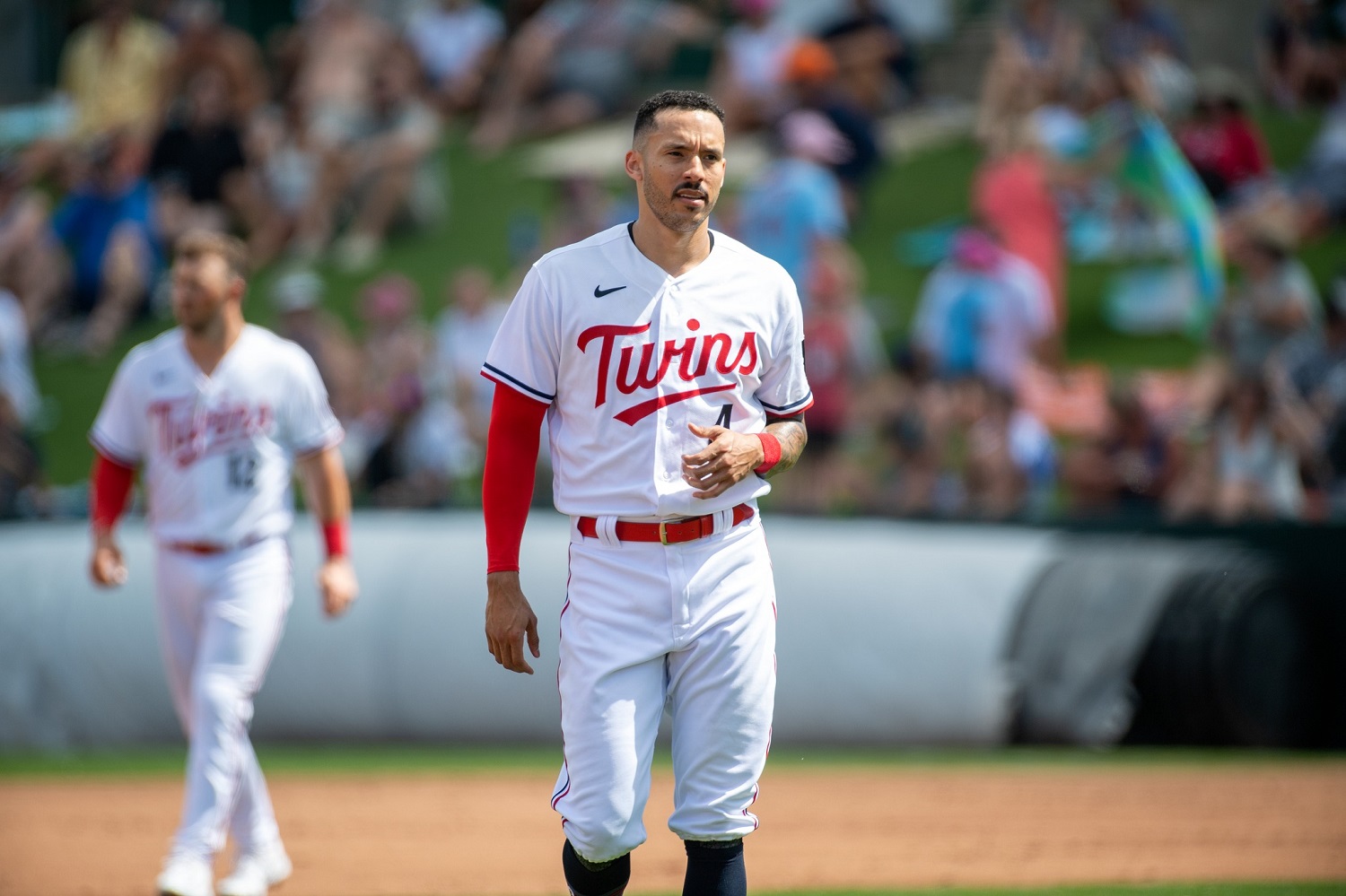 Last season, the lockout forced MLB to allow teams to begin the year with 28-man rosters. The lockout forced a shortened spring training, and baseball was worried about an increased chance of player injuries. For 2023, teams must narrow their final roster to 26 players. Players listed below with the ** are on the bubble for the final roster spots. Catchers (2): Christian Vazquez, Ryan Jeffers Like many teams, the Twins will employ a two-catcher system behind the plate. Minnesota signed Vazquez to a 3-year, $30 million deal this winter, so it seems likely for him to get a higher percentage of the playing time. In his last three full seasons, Vazquez has averaged over 130 games played, and he's been above average at controlling the running game. Jeffers has shown some pop in his bat this spring, with four of his six hits being for extra bases. Veteran catchers like Tony Wolters, Grayson Greiner, and Chance Sisco were non-roster invitees this spring, and one of them will get an opportunity if/when there is an injury. Infielders (5): Carlos Correa, Kyle Farmer, Alex Kirilloff**, Jose Miranda, Donovan Solano Jorge Polanco is the biggest name not listed among the team's projected Opening Day roster. Derek Falvey told reporters on Sunday that Polanco might not be ready to start the regular season on time. He has lingering soreness in his left knee, an injury that ended his 2022 season. Kyle Farmer and Donovan Solano will see time at second base until Polanco is ready to return. Kirilloff is also not guaranteed to break camp with the club, but he has played in minor league games over the weekend. The Twins will likely give him regular rest to start the year, with Gallo and Solano starting games at first base. Top prospects like Royce Lewis, Brooks Lee, and Edouard Julien can add depth to this group when needed. Outfielders (6): Byron Buxton, Joey Gallo, Nick Gordon, Max Kepler, Trevor Larnach**, Michael A. Taylor The Twins focused on adding strong defenders to the roster, with Gallo and Taylor being Gold Glove winners. Buxton slowly worked his way into game action this spring and should be as close to 100% as possible. Larnach wasn't guaranteed an Opening Day spot and entered the picture with Polanco's injury. There was some concern after Gordon suffered an ankle injury earlier in camp, but the injury won't hinder his availability at the season's start. Matt Wallner, the organization's reigning MiLB Player of the Year, is the team's best power prospect, and he will be waiting for a call-up back to the big leagues. Rotation (5): Sonny Gray, Pablo Lopez, Tyler Mahle, Kenta Maeda, Joe Ryan Bailey Ober has been terrific this spring, but the Twins aren't going to utilize a six-man rotation. St. Paul's rotation is set up to be strong, with Ober, Louie Varland, and Simeon Woods Richardson at the top. The front office set up this rotation to have depth when a starter misses time with an injury. Three veteran starting pitchers (Gray, Mahle, and Maeda) are entering a contract year, so they will be eager to prove that previous injuries and age don't factor into their long-term value. The Twins project to have one of the club's best rotations of the last 25 years, but health questions will continue to follow this group throughout the season. Bullpen (8): Jhoan Duran, Jorge Lopez, Griffin Jax, Caleb Thielbar, Emilio Pagan, Jorge Alcala, Jovani Moran, Jeff Hoffman** Trevor Megill is the most significant change among this group from earlier in the offseason. The Twins optioned him to the minor leagues on Sunday, opening an opportunity for another pitcher. Megill had a rough spring by allowing eight earned runs in 6 2/3 innings. Dennis Santana held a 40-man roster spot until the Twins lost him on waivers to the Mets at the end of last week. Minnesota signed Hoffman to a minor league deal at the end of February, and he has an 8-to-3 strikeout-to-walk ratio in spring action. ZiPS projects feel like the Twins' bullpen is top-heavy, which makes sense considering the recent track record of players expected to be on the roster. The Twins used 39 pitchers last season so multiple relievers will make the trip back and forth between Minneapolis and St. Paul. How do you feel about the team's depth at multiple positions? Do you agree that these will be the 26 players coming north with the team? Leave a COMMENT and start the discussion.
- 34 comments
-
- 4
-
-
- jorge polanco
- alex kirilloff
- (and 3 more)
-
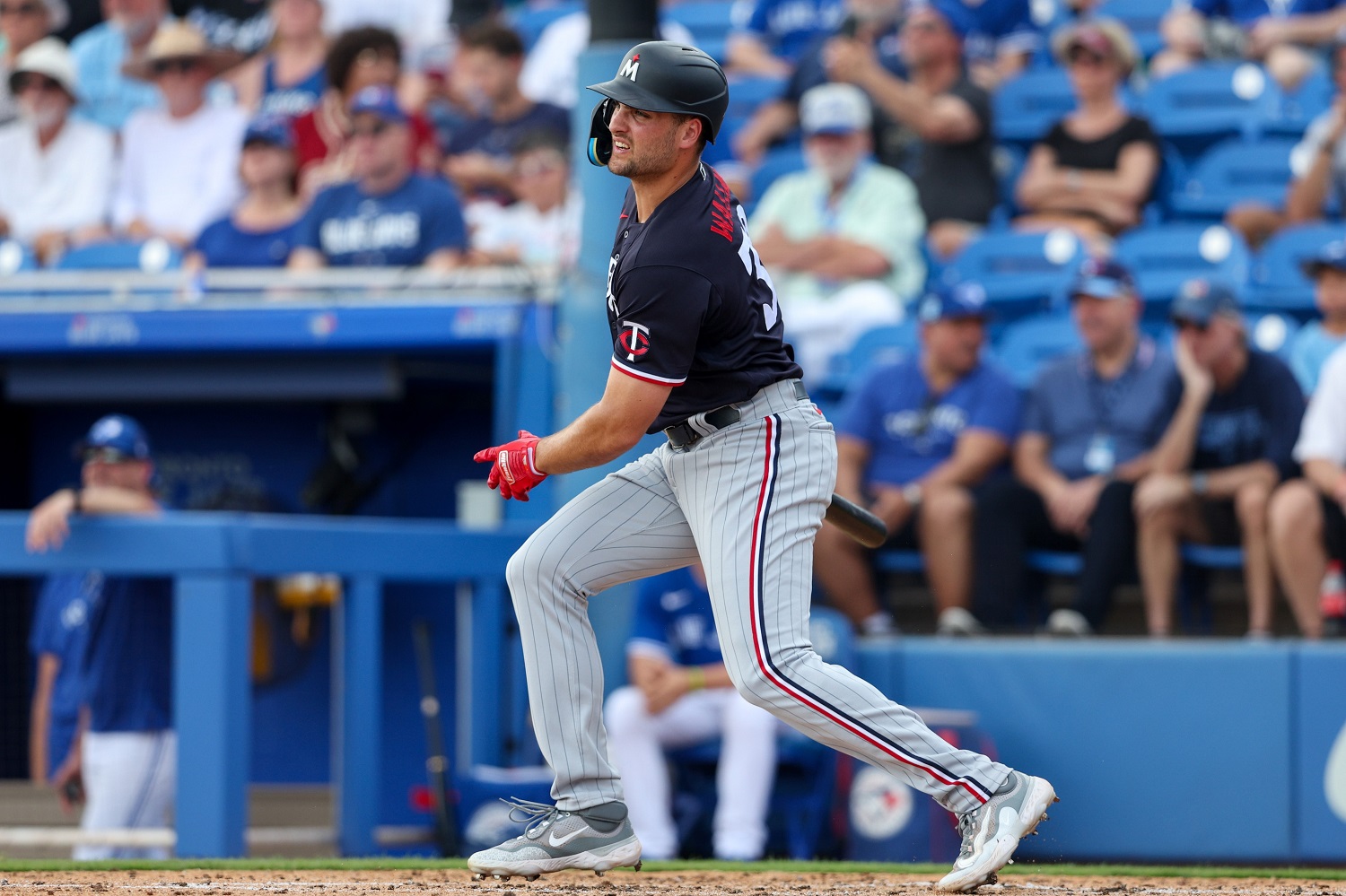 The Twins have altered their roster recently since setting MLB's all-time home run record in 2019. Last season, Minnesota didn't have any 30-home-run hitters, so the last two Twins hitters with 30 homers were Jorge Polanco (33 HR) and Miguel Sano (30 HR) in 2021. The five prospects below can join the 30-homer club when given a chance at the big-league level in the years ahead. Scouts and front office personnel use a 20-80 scale to evaluate players' tools. This ranking system also projects how those tools will improve as the player develops. Below are the top five Twins prospects regarding current and future power potential. 5. Royce Lewis, SS/OF Current Power/Future Power: 55/60 Lewis is recovering from his second ACL surgery in as many seasons, but he has many skills to be considered a five-tool player. Throughout the rehab process, he has added muscle to his frame, and the Twins saw some of those results in 2022. Last season, he hit .313/.405/.534 (.940) with 12 doubles and five home runs in 34 Triple-A games. Lewis showed flashes of his power in 12 big-league games by going 12-for-40 (.300 BA) with four doubles and two home runs. Minnesota hopes to have Lewis back in the line-up for the second half of the 2023 season. 4. Brooks Lee, SS Current Power/Future Power: 55/60 Lee makes such consistent contact that power is natural and can spray the ball to all fields. In his final two collegiate seasons, he averaged over 40 extra-base hits with a 1.073 OPS. Lee showed flashes of his power potential during his professional debut. He combined for ten extra-base hits and an .839 OPS in 31 games. During spring training, Lee has impressed many, including Carlos Correa, with his offensive approach and work ethic. He is likely heading to Double-A to start the season, but he may debut during the 2023 season. 3. Emmanuel Rodriguez, OF Current Power/Future Power: 55/65 Rodriguez is one of the most exciting prospects in the Twins system, and he could be a monster power hitter. He was a breakout prospect at Low-A last season while hitting .272/.493/.552 (1.044) with more walks (57) than strikeouts (52). The Florida State League can be a challenging environment for hitters, but Rodriguez shined with five doubles, three triples, and nine home runs. He's entering his age-20 season, and he hopes to add even more muscle to his frame to increase his power. By this time next season, he has a chance to be the Twins' top-rated prospect and a global top-20 prospect. 2. Aaron Sabato, 1B/DH Current Power/Future Power: 60/60 The Twins drafted Sabato for one reason, his tremendous power potential. The pandemic limited his college career, but he posted a 1.158 OPS in 83 games. Last season, he hit .215/.336/.438 (.774) with 17 doubles and 22 home runs between High-A and Double-A. Sabato will spend the 2023 season in the minor's upper levels as he attempts to compile a breakout season. He is the lowest-rated prospect on this list, but the current front office drafted him in the first round, so they will give him every opportunity to find success. 1. Matt Wallner, OF Current Power/Future Power: 65/65 Wallner is coming off a season where he was named the Twins Daily Minor League Hitter of the Year. In 128 minor league games, he hit .277/.412/.542 (953) with 32 doubles, four triples, and 27 home runs. The Twins called him up in September, and he went 13-for-57 (.228) with five extra-base hits and a 105 OPS+ in 18 games. Minnesota's added depth at the big-league level has pushed Wallner down the organizational depth chart, but he's had fewer than 200 at-bats in Triple-A. Wallner will start the year in St. Paul, with his powerful swing being one injury away from the big leagues. Who do you think has the best power in the Twins system? Should someone else make the list? Leave a COMMENT and start the discussion.
- 16 comments
-
- 3
-
-
- matt wallner
- aaron sabato
- (and 3 more)
-
Hitting for power has become an even more critical tool in an age of exit velocities and barrel rates. Here are five Twins prospects to watch during the 2023 season because of their power tool. Image courtesy of Nathan Ray Seebeck-USA TODAY Sports The Twins have altered their roster recently since setting MLB's all-time home run record in 2019. Last season, Minnesota didn't have any 30-home-run hitters, so the last two Twins hitters with 30 homers were Jorge Polanco (33 HR) and Miguel Sano (30 HR) in 2021. The five prospects below can join the 30-homer club when given a chance at the big-league level in the years ahead. Scouts and front office personnel use a 20-80 scale to evaluate players' tools. This ranking system also projects how those tools will improve as the player develops. Below are the top five Twins prospects regarding current and future power potential. 5. Royce Lewis, SS/OF Current Power/Future Power: 55/60 Lewis is recovering from his second ACL surgery in as many seasons, but he has many skills to be considered a five-tool player. Throughout the rehab process, he has added muscle to his frame, and the Twins saw some of those results in 2022. Last season, he hit .313/.405/.534 (.940) with 12 doubles and five home runs in 34 Triple-A games. Lewis showed flashes of his power in 12 big-league games by going 12-for-40 (.300 BA) with four doubles and two home runs. Minnesota hopes to have Lewis back in the line-up for the second half of the 2023 season. 4. Brooks Lee, SS Current Power/Future Power: 55/60 Lee makes such consistent contact that power is natural and can spray the ball to all fields. In his final two collegiate seasons, he averaged over 40 extra-base hits with a 1.073 OPS. Lee showed flashes of his power potential during his professional debut. He combined for ten extra-base hits and an .839 OPS in 31 games. During spring training, Lee has impressed many, including Carlos Correa, with his offensive approach and work ethic. He is likely heading to Double-A to start the season, but he may debut during the 2023 season. 3. Emmanuel Rodriguez, OF Current Power/Future Power: 55/65 Rodriguez is one of the most exciting prospects in the Twins system, and he could be a monster power hitter. He was a breakout prospect at Low-A last season while hitting .272/.493/.552 (1.044) with more walks (57) than strikeouts (52). The Florida State League can be a challenging environment for hitters, but Rodriguez shined with five doubles, three triples, and nine home runs. He's entering his age-20 season, and he hopes to add even more muscle to his frame to increase his power. By this time next season, he has a chance to be the Twins' top-rated prospect and a global top-20 prospect. 2. Aaron Sabato, 1B/DH Current Power/Future Power: 60/60 The Twins drafted Sabato for one reason, his tremendous power potential. The pandemic limited his college career, but he posted a 1.158 OPS in 83 games. Last season, he hit .215/.336/.438 (.774) with 17 doubles and 22 home runs between High-A and Double-A. Sabato will spend the 2023 season in the minor's upper levels as he attempts to compile a breakout season. He is the lowest-rated prospect on this list, but the current front office drafted him in the first round, so they will give him every opportunity to find success. 1. Matt Wallner, OF Current Power/Future Power: 65/65 Wallner is coming off a season where he was named the Twins Daily Minor League Hitter of the Year. In 128 minor league games, he hit .277/.412/.542 (953) with 32 doubles, four triples, and 27 home runs. The Twins called him up in September, and he went 13-for-57 (.228) with five extra-base hits and a 105 OPS+ in 18 games. Minnesota's added depth at the big-league level has pushed Wallner down the organizational depth chart, but he's had fewer than 200 at-bats in Triple-A. Wallner will start the year in St. Paul, with his powerful swing being one injury away from the big leagues. Who do you think has the best power in the Twins system? Should someone else make the list? Leave a COMMENT and start the discussion. View full article
-
The Twins are entering the final year of their current television contract, but Bally Sports' parent company recently filed for bankruptcy. What does this mean for the Twins and their fans? Image courtesy of Jeffrey Becker-USA TODAY Sports Diamond Sports, the parent company of Bally Sports North, filed for Chapter 11 bankruptcy protection earlier this week. In a statement, they said the regional sports channels would continue to operate, but that might not paint the complete picture of fans' ability to watch games this season. There are long-term ramifications that will impact the way viewers consume sports on television. What's the Problem? Diamond Sports purchased the regional sports networks at a time when customers continue to cord-cut and search for streaming options. With fewer viewers, there is a decrease in revenue from ad sales and cable contracts. Baseball has relied on regional sports networks for decades, but fans aren't paying for traditional cable packages. Some teams lose money annually, which doesn't help Diamond stay profitable. According to the New York Post, Diamond plans to reject the contracts of four teams that cost more to operate than they bring in with cable contracts and ads. Luckily, the Twins aren't among the four teams operating in the red. Currently, the Cincinnati Reds, Cleveland Guardians, San Diego Padres, and Arizona Diamondbacks are the teams most likely to have their contracts rejected due to bankruptcy proceedings. The Padres lose the most money at $20 million annually. Plans have yet to be finalized about how to deal with MLB's archaic blackout restrictions. Currently, out-of-market games can be streamed on the MLB.TV app, but that doesn't help local markets. MLB is losing exposure with cable companies not carrying games and fewer fans attending games. What's the Solution? Major League Baseball has known for quite some time that Diamond Sports was in financial trouble. Last month, the company missed an interest payment of nearly $140 million to creditors. MLB jumped into action and hired former regional sports network executives, so they could take over broadcasting duties if necessary. MLB did try to acquire the rights to all 14 regional sports networks, but Diamond turned down the offer. MLB plans to take over the local broadcasts of the teams being dropped by Diamond and stream games for free in those markets. They will try negotiating with other cable companies for lower contracts, but there is no guarantee that another company will be available on short notice. MLB plans to offer a streaming service for around $15 per month if a deal is reached. Eventually, this time of overarching streaming service is baseball's best bet to help the game to grow in a cord-cutting culture. How will Bally Sports' bankruptcy impact the Twins? Diamond plans to continue broadcasting games for teams earning them a profit, so there will likely be little change to how fans consume games in 2023. At TwinsFest, Dave St. Peter told fans that the issues with Diamond are "not a risk to short-term production and distribution of Bally's broadcasts." The Twins' deal with BSN ends following the upcoming season, so many eyes across baseball will be on the Twins and how they proceed before the 2024 season. Minnesota's current contract is for 12 years and $480 million, which pays the club around $40 million annually. For comparison, the Padres signed a 20-year deal in 2012 with average annual payments in the $50-75 million range. Historically, the Twin Cities has fewer people utilizing cable services, resulting in smaller television deals for the Twins. Minnesota is the only current MLB negotiating with Bally Sports, which can be a commitment for a decade or longer. If BSN isn't an option, the Twins can look to other regional sports networks like Comcast or AT&T. In the next decade, MLB viewership will continue to evolve, and this is one of the first steps in the process. For 2023, Twins fans should be able to continue to watch on Bally Sports North, with MLB providing backup services if BSN fails to meet its contract. How do you plan to watch Twins games this season? Will the Twins find a different network for 2024? Leave a COMMENT and start the discussion. View full article
- 29 replies
-
- 1
-
-
- bally sports
- opening day 2023
- (and 2 more)
-
What Does Bankruptcy of Bally Sports' Parent Company Mean for the Twins?
Cody Christie posted an article in Twins
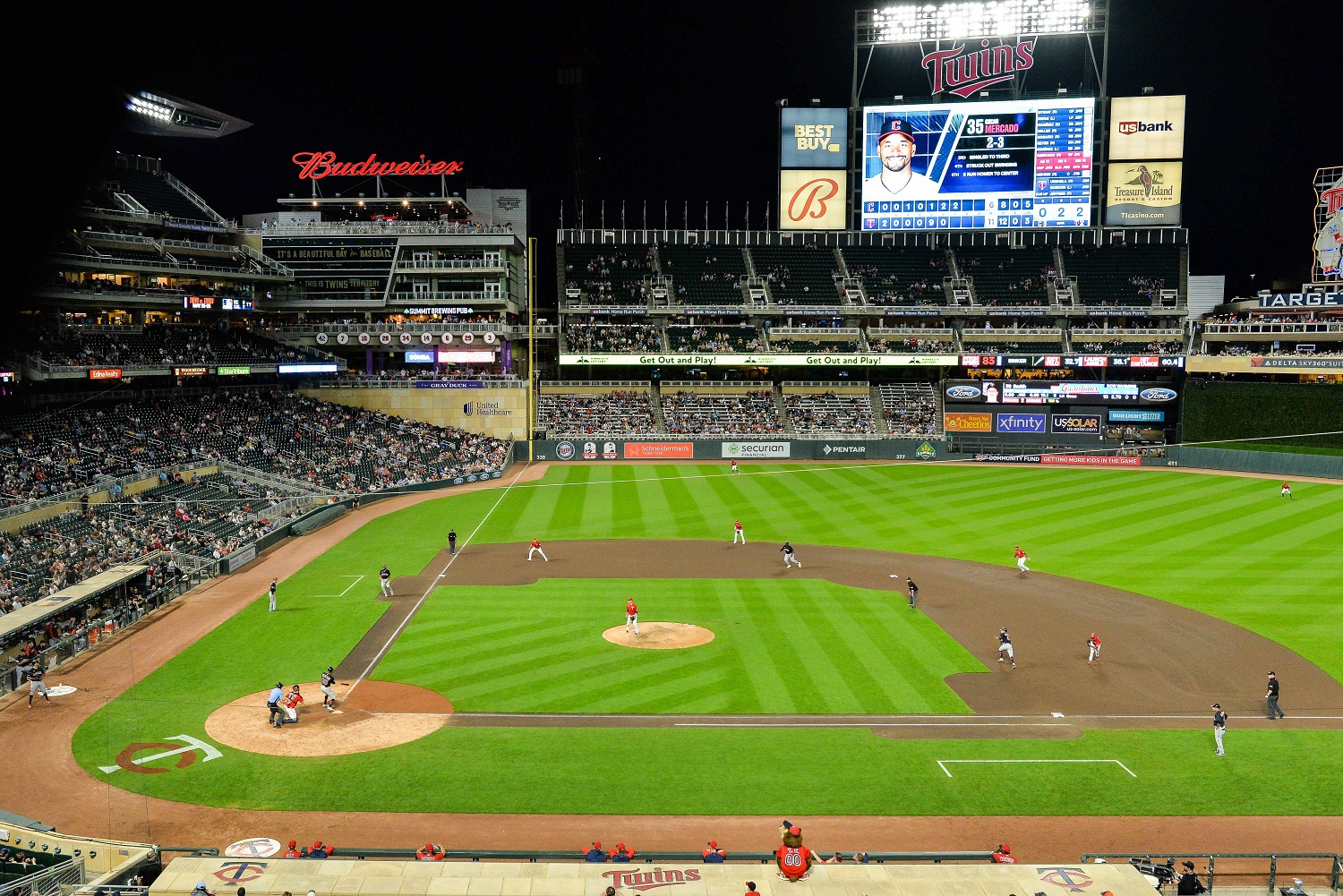 Diamond Sports, the parent company of Bally Sports North, filed for Chapter 11 bankruptcy protection earlier this week. In a statement, they said the regional sports channels would continue to operate, but that might not paint the complete picture of fans' ability to watch games this season. There are long-term ramifications that will impact the way viewers consume sports on television. What's the Problem? Diamond Sports purchased the regional sports networks at a time when customers continue to cord-cut and search for streaming options. With fewer viewers, there is a decrease in revenue from ad sales and cable contracts. Baseball has relied on regional sports networks for decades, but fans aren't paying for traditional cable packages. Some teams lose money annually, which doesn't help Diamond stay profitable. According to the New York Post, Diamond plans to reject the contracts of four teams that cost more to operate than they bring in with cable contracts and ads. Luckily, the Twins aren't among the four teams operating in the red. Currently, the Cincinnati Reds, Cleveland Guardians, San Diego Padres, and Arizona Diamondbacks are the teams most likely to have their contracts rejected due to bankruptcy proceedings. The Padres lose the most money at $20 million annually. Plans have yet to be finalized about how to deal with MLB's archaic blackout restrictions. Currently, out-of-market games can be streamed on the MLB.TV app, but that doesn't help local markets. MLB is losing exposure with cable companies not carrying games and fewer fans attending games. What's the Solution? Major League Baseball has known for quite some time that Diamond Sports was in financial trouble. Last month, the company missed an interest payment of nearly $140 million to creditors. MLB jumped into action and hired former regional sports network executives, so they could take over broadcasting duties if necessary. MLB did try to acquire the rights to all 14 regional sports networks, but Diamond turned down the offer. MLB plans to take over the local broadcasts of the teams being dropped by Diamond and stream games for free in those markets. They will try negotiating with other cable companies for lower contracts, but there is no guarantee that another company will be available on short notice. MLB plans to offer a streaming service for around $15 per month if a deal is reached. Eventually, this time of overarching streaming service is baseball's best bet to help the game to grow in a cord-cutting culture. How will Bally Sports' bankruptcy impact the Twins? Diamond plans to continue broadcasting games for teams earning them a profit, so there will likely be little change to how fans consume games in 2023. At TwinsFest, Dave St. Peter told fans that the issues with Diamond are "not a risk to short-term production and distribution of Bally's broadcasts." The Twins' deal with BSN ends following the upcoming season, so many eyes across baseball will be on the Twins and how they proceed before the 2024 season. Minnesota's current contract is for 12 years and $480 million, which pays the club around $40 million annually. For comparison, the Padres signed a 20-year deal in 2012 with average annual payments in the $50-75 million range. Historically, the Twin Cities has fewer people utilizing cable services, resulting in smaller television deals for the Twins. Minnesota is the only current MLB negotiating with Bally Sports, which can be a commitment for a decade or longer. If BSN isn't an option, the Twins can look to other regional sports networks like Comcast or AT&T. In the next decade, MLB viewership will continue to evolve, and this is one of the first steps in the process. For 2023, Twins fans should be able to continue to watch on Bally Sports North, with MLB providing backup services if BSN fails to meet its contract. How do you plan to watch Twins games this season? Will the Twins find a different network for 2024? Leave a COMMENT and start the discussion.
 -
Would the Twins Consider a Long-Term Deal with Brooks Lee or Royce Lewis?
Cody Christie posted an article in Twins
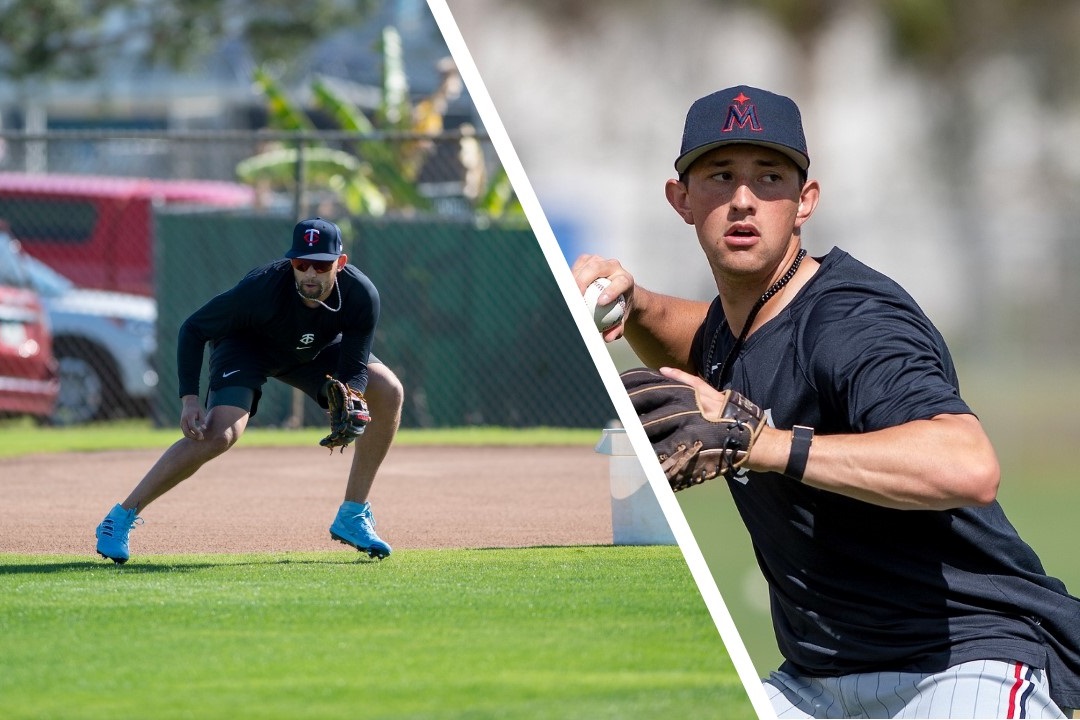 The Diamondbacks and top prospect Corbin Carroll agreed to terms on a massive extension earlier this week. Carroll is guaranteed $111 million over the next eight seasons. The deal also includes a $28 million club option for the 2031 season and up to $20 million in escalators between the 2029-31 seasons. The escalator clauses are tied to his finishes in awards voting throughout the deal. He will receive a $5 million signing bonus and a $1 million base salary in 2023. Moving forward, he will earn $3 million in 2024, $5 million in 2025, $10 million in 2026, $12 million in 2027, $14 million in 2028, and $28 for the deal's final two seasons (2028-29). In 2031, the $28 million club option contains a $5 million buyout. Overall, the deal buys out the remainder of Carroll's team-controlled seasons and an additional two free-agent years. It is the largest contract ever signed by a player with fewer than 100 days of MLB service time. Last season, the Braves signed rookie center fielder Michael Harris to an eight-year, $72 million contract extension with club options for 2031-32. He will earn $5 million per season in 2023-24, $8 million annually in 2025-26, $9 million in 2027, $10 million per season in 2028-29, and $12 million in 2030. His 2031 option is $15 million, and his 2032 option is $20 million with $5 million buyouts. Harris is one of many young Braves players to sign an extension early in their big-league careers. Brooks Lee and Royce Lewis have been widely considered the team's top two prospects for the Twins, including being ranked number one and two at Twins Daily. There is some debate about who should be in the top spot, with our voters having them finish in a nearly unbreakable tie. Lee ranks higher than Lewis on nearly every national top-100 list, but the future is bright for both players. Lewis has limited big-league experience, and Lee has a chance to debut in 2023. Brooks Lee, SS Lee is roughly the same age as Harris and Carroll, with his college experience being the most significant difference between the players. Lee could have turned pro in the same draft as the other two players, but he wanted to play collegiately for his father at Cal Poly. In three college seasons, he hit .351/.426/.647 (1.073), and many evaluators considered him the best college hitter in the 2022 MLB Draft. Minnesota showed faith in him during his professional debut by promoting him to Wichita for the team's run in the Double-A playoffs. There is a wide range of outcomes for Lee's development in 2023. The Twins will likely start him at Double-A to begin the year, and he can spend most of the season getting comfortable at that level. He can also hit his way onto the big-league roster at some point during the coming campaign. The Braves worked on Harris' extension on the way to him winning the NL Rookie of the Year. Minnesota could do something similar with Lee, but there are no guarantees that he will debut in 2023. Royce Lewis, SS/OF Lewis is two years older than the other players mentioned above, so a long-term deal comes with some questions. He's had two ACL surgeries since turning pro, which means the Twins have team control over Lewis through the 2028 season when he is 29 years old. Does Minnesota want to give Lewis guaranteed money into his early-30s? Would Lewis agree to a deal less than what Atlanta gave Harris? His injury history makes a long-term deal tricky for both sides to find common ground. Last season, Lewis returned strongly from his first ACL surgery by hitting .313/.405/.534 (.940) in 34 Triple-A games. He was equally impressive in his big-league debut, with a 145 OPS+ through his first 41 plate appearances. Lewis is known for his positive attitude and strong leadership skills, so that might be something to invest in from the Twins' perspective. The Twins are in a different winning window than the Diamondbacks, so an extension similar to Carroll might not be in the team's best interest. Arizona is signing Carroll to be the face of the franchise while they rebuild and add more young talent. Harris' deal is probably closer to what the Twins would consider, but there is no rush to extend Lee or Lewis. Would you offer a Carroll- or Harris-style extension to Lee or Lewis? Leave a COMMENT and start the discussion.
 -
Earlier this week, the Diamondbacks agreed to terms with Corbin Carroll after only 32 big-league games. Would the Twins consider a similar deal with Brooks Lee or Royce Lewis? Image courtesy of William Parmeter The Diamondbacks and top prospect Corbin Carroll agreed to terms on a massive extension earlier this week. Carroll is guaranteed $111 million over the next eight seasons. The deal also includes a $28 million club option for the 2031 season and up to $20 million in escalators between the 2029-31 seasons. The escalator clauses are tied to his finishes in awards voting throughout the deal. He will receive a $5 million signing bonus and a $1 million base salary in 2023. Moving forward, he will earn $3 million in 2024, $5 million in 2025, $10 million in 2026, $12 million in 2027, $14 million in 2028, and $28 for the deal's final two seasons (2028-29). In 2031, the $28 million club option contains a $5 million buyout. Overall, the deal buys out the remainder of Carroll's team-controlled seasons and an additional two free-agent years. It is the largest contract ever signed by a player with fewer than 100 days of MLB service time. Last season, the Braves signed rookie center fielder Michael Harris to an eight-year, $72 million contract extension with club options for 2031-32. He will earn $5 million per season in 2023-24, $8 million annually in 2025-26, $9 million in 2027, $10 million per season in 2028-29, and $12 million in 2030. His 2031 option is $15 million, and his 2032 option is $20 million with $5 million buyouts. Harris is one of many young Braves players to sign an extension early in their big-league careers. Brooks Lee and Royce Lewis have been widely considered the team's top two prospects for the Twins, including being ranked number one and two at Twins Daily. There is some debate about who should be in the top spot, with our voters having them finish in a nearly unbreakable tie. Lee ranks higher than Lewis on nearly every national top-100 list, but the future is bright for both players. Lewis has limited big-league experience, and Lee has a chance to debut in 2023. Brooks Lee, SS Lee is roughly the same age as Harris and Carroll, with his college experience being the most significant difference between the players. Lee could have turned pro in the same draft as the other two players, but he wanted to play collegiately for his father at Cal Poly. In three college seasons, he hit .351/.426/.647 (1.073), and many evaluators considered him the best college hitter in the 2022 MLB Draft. Minnesota showed faith in him during his professional debut by promoting him to Wichita for the team's run in the Double-A playoffs. There is a wide range of outcomes for Lee's development in 2023. The Twins will likely start him at Double-A to begin the year, and he can spend most of the season getting comfortable at that level. He can also hit his way onto the big-league roster at some point during the coming campaign. The Braves worked on Harris' extension on the way to him winning the NL Rookie of the Year. Minnesota could do something similar with Lee, but there are no guarantees that he will debut in 2023. Royce Lewis, SS/OF Lewis is two years older than the other players mentioned above, so a long-term deal comes with some questions. He's had two ACL surgeries since turning pro, which means the Twins have team control over Lewis through the 2028 season when he is 29 years old. Does Minnesota want to give Lewis guaranteed money into his early-30s? Would Lewis agree to a deal less than what Atlanta gave Harris? His injury history makes a long-term deal tricky for both sides to find common ground. Last season, Lewis returned strongly from his first ACL surgery by hitting .313/.405/.534 (.940) in 34 Triple-A games. He was equally impressive in his big-league debut, with a 145 OPS+ through his first 41 plate appearances. Lewis is known for his positive attitude and strong leadership skills, so that might be something to invest in from the Twins' perspective. The Twins are in a different winning window than the Diamondbacks, so an extension similar to Carroll might not be in the team's best interest. Arizona is signing Carroll to be the face of the franchise while they rebuild and add more young talent. Harris' deal is probably closer to what the Twins would consider, but there is no rush to extend Lee or Lewis. Would you offer a Carroll- or Harris-style extension to Lee or Lewis? Leave a COMMENT and start the discussion. View full article
-
3 Twins Development Success Stories
Cody Christie replied to Cody Christie's topic in Twins Daily Front Page News
I don't think they want Ober to pitch out of the bullpen. He's been successful as a starter and they want to keep him in that role. Ober has a chance to be a mid-rotation starter for multiple seasons which provides tremendous value.- 22 replies
-
- 3
-
-
- nick gordon
- bailey ober
- (and 2 more)
-
Pros and Cons of a Jhoan Duran Extension
Cody Christie replied to Cody Christie's topic in Twins Daily Front Page News
I mentioned Edwin Diaz in the article and his massive contract with the Mets. Now he's out for the year with a knee injury. The Twins obviously aren't going to pay Duran like Diaz, but injuries are part of the game. Does his injury change your perspective on giving Duran an extension? -
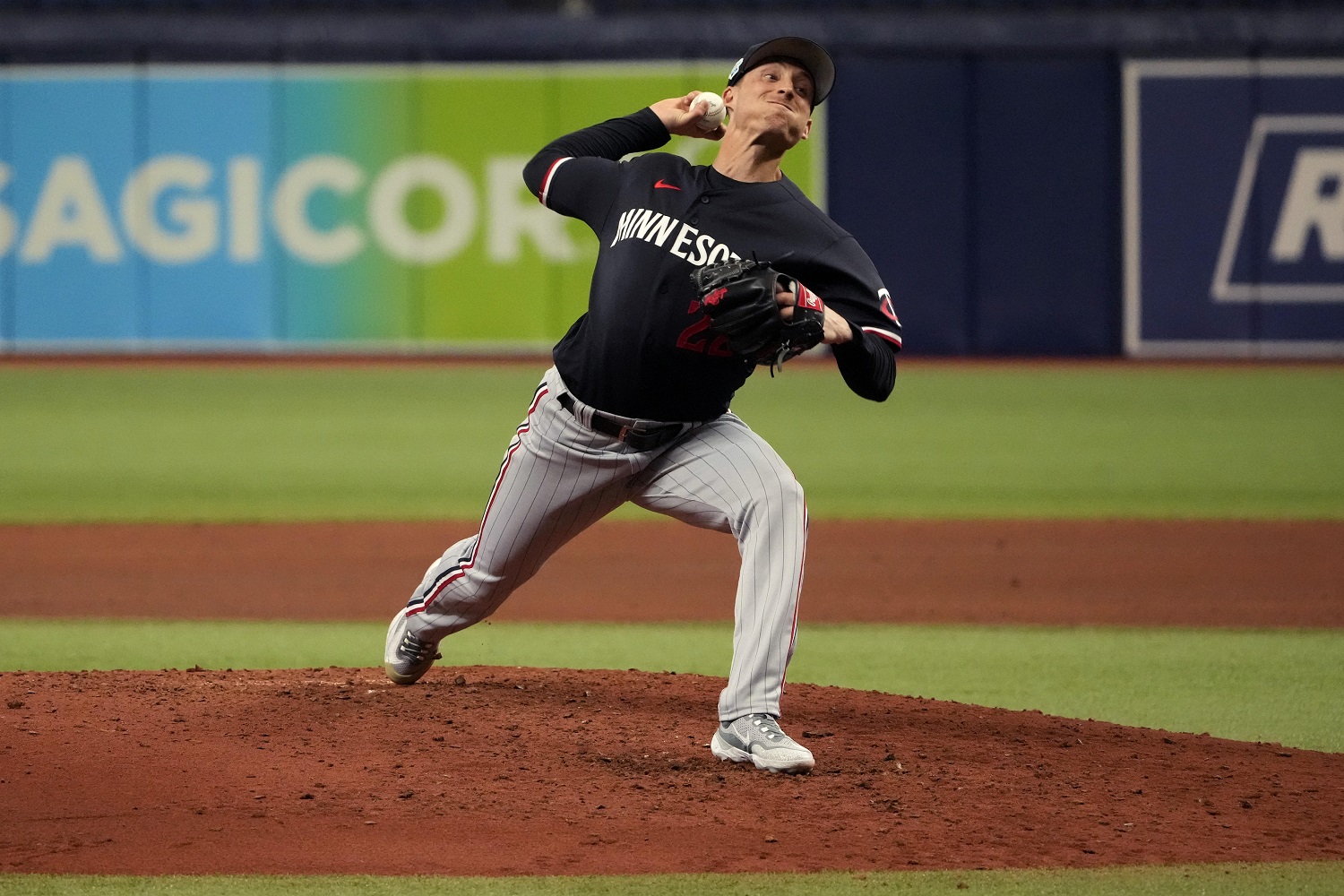 Few players follow a linear path to becoming a big-league regular. Multiple obstacles can hinder a player's development, and every team is still dealing with a lost minor-league season in 2020. Some players might never reach their full potential because of the development lost during the pandemic. However, the Twins have seen three players develop into regular pieces of the big-league roster after the pandemic. Nick Gordon, UTL Gordon was a top-five pick in the 2014 MLB Draft, so some might not call him a development success story because teams expect high draft picks to produce. However, there were points when Gordon's future looked bleak. The Twins added him to the 40-man roster leading into the 2019 season, but that was coming off a season where he posted a .653 OPS between Double-A and Triple-A. Gordon was limited to 70 games in 2019 and saw a power surge at Triple-A with 36 extra-base hits and a .801 OPS. The 2020 season was supposed to be the year Gordon made his big-league debut. Instead, he dealt with a bad case of COVID and gastritis, which caused him to drop weight. Gordon couldn't even train at the team's alternate site because he was attempting to get healthy. Over the next two seasons, there were points where the Twins were likely close to removing Gordon from the 40-man roster. He was entering his mid-20s, and the previous regime drafted him, so this front office didn't have any allegiance to him. It was a low point in his career. Injuries kept the Twins from winning the AL Central in 2022 but also offered Gordon an opportunity to become a regular player. Finally healthy, he posted a 113 OPS+ with 28 doubles, four triples, and nine home runs in 136 games. He showed the ability to play multiple defensive positions, and there may be even more power in his swing. Gordon worked closely with first-year hitting coach David Popkins to combine data and mechanical tweaks to increase his power numbers. Gordon posted a .865 OPS with five home runs and 13 doubles from August 4-September 20, 2022. If Gordon can harness that power, he will be a critical piece to the Twins line-up for years. Bailey Ober, SP For various reasons, Ober has been a unicorn throughout his professional career. The Twins drafted him with the 346th overall pick in the 2017 MLB Draft, so expectations have been relatively low. He's listed at 6-foot-9 and was previously considered a soft-tosser because his fastball sat in the upper-80s. Radar readings have never told Ober's entire story. He is so tall that he releases the ball closer to the plate, which causes some deception for the batter. Ober has a solid four-pitch mix, but everything works off his fastball. Last season, Ober threw his fastball less often (down 9% from 2021) and saw increased use of his slider. His fastball averaged 91.5 MPH, and batters posted a .433 SLG versus the pitch. His slider resulted in 25 strikeouts and a .261 SLG in 69 at-bats. Ober was limited to 11 starts in 2022 because of a groin injury that kept him out of the big leagues from June 1 to September 16. He ended the year with five solid September starts, and the Twins hope he can build off of that in 2023. Many Twins pitchers have been touting high velocities this spring, but Ober's increased fastball velocity is intriguing. So far in spring training, he is averaging over 93 MPH with his four-seamer. This velocity jump will play even better with his length because he releases the ball closer to the plate than other pitchers. Adding velocity (via release extension and/or refining mechanics) is one skill set the Twins have shown the ability to help their pitching prospects to improve their overall pitch quality. Ober's performance has been so good the Twins are considering opening the season with a six-man rotation. He might be one of the team's biggest x-factors if he can stay healthy. Griffin Jax, RP The Twins selected Jax in the third round of the 2016 MLB Draft out of the United States Air Force Academy. As a higher draft pick, Minnesota likely hoped Jax would develop into a starting pitcher, and that's how he was used throughout his minor-league career. In 2019, he made 23 starts (127 1/3 innings) between Double- and Triple-A with a 2.90 ERA, a 1.13 WHIP, and a 94-to-27 strikeout-to-walk ratio. He may have been able to break into the big leagues in 2020, but the shortened season didn't allow that to happen. Jax debuted during the 2021 season but struggled to put it all together as a starter. In 18 games (14 starts), he posted a 6.37 ERA with a 1.35 WHIP. He allowed too many home runs (2.5 HR/9) and did not strike out enough batters (7.1 K/9). His strikeout rate had been low throughout his professional career, which is one reason the Twins decided it was time to try him in the bullpen. Entering last season, he had only made ten professional appearances as a reliever. The Twins had a clear message for Jax in his transition: to increase his slider usage by over 15%. His fastball and slider velocity increased by roughly three miles per hour for 2022, and he has been showcasing even higher velocities this spring. Finding dominant late-inning relievers is challenging for a team, making Jax a success story. Who will be the next development success stories in the Twins organization? Leave a COMMENT and start the discussion.
- 22 comments
-
- 11
-
-

-
- nick gordon
- bailey ober
- (and 2 more)
-
Fans can focus on prospects that never reach their full potential, but that doesn't always paint a complete picture of an organization's development process. Here are three development success stories from players that will impact the Twins in 2023. Image courtesy of Dave Nelson-USA TODAY Sports Few players follow a linear path to becoming a big-league regular. Multiple obstacles can hinder a player's development, and every team is still dealing with a lost minor-league season in 2020. Some players might never reach their full potential because of the development lost during the pandemic. However, the Twins have seen three players develop into regular pieces of the big-league roster after the pandemic. Nick Gordon, UTL Gordon was a top-five pick in the 2014 MLB Draft, so some might not call him a development success story because teams expect high draft picks to produce. However, there were points when Gordon's future looked bleak. The Twins added him to the 40-man roster leading into the 2019 season, but that was coming off a season where he posted a .653 OPS between Double-A and Triple-A. Gordon was limited to 70 games in 2019 and saw a power surge at Triple-A with 36 extra-base hits and a .801 OPS. The 2020 season was supposed to be the year Gordon made his big-league debut. Instead, he dealt with a bad case of COVID and gastritis, which caused him to drop weight. Gordon couldn't even train at the team's alternate site because he was attempting to get healthy. Over the next two seasons, there were points where the Twins were likely close to removing Gordon from the 40-man roster. He was entering his mid-20s, and the previous regime drafted him, so this front office didn't have any allegiance to him. It was a low point in his career. Injuries kept the Twins from winning the AL Central in 2022 but also offered Gordon an opportunity to become a regular player. Finally healthy, he posted a 113 OPS+ with 28 doubles, four triples, and nine home runs in 136 games. He showed the ability to play multiple defensive positions, and there may be even more power in his swing. Gordon worked closely with first-year hitting coach David Popkins to combine data and mechanical tweaks to increase his power numbers. Gordon posted a .865 OPS with five home runs and 13 doubles from August 4-September 20, 2022. If Gordon can harness that power, he will be a critical piece to the Twins line-up for years. Bailey Ober, SP For various reasons, Ober has been a unicorn throughout his professional career. The Twins drafted him with the 346th overall pick in the 2017 MLB Draft, so expectations have been relatively low. He's listed at 6-foot-9 and was previously considered a soft-tosser because his fastball sat in the upper-80s. Radar readings have never told Ober's entire story. He is so tall that he releases the ball closer to the plate, which causes some deception for the batter. Ober has a solid four-pitch mix, but everything works off his fastball. Last season, Ober threw his fastball less often (down 9% from 2021) and saw increased use of his slider. His fastball averaged 91.5 MPH, and batters posted a .433 SLG versus the pitch. His slider resulted in 25 strikeouts and a .261 SLG in 69 at-bats. Ober was limited to 11 starts in 2022 because of a groin injury that kept him out of the big leagues from June 1 to September 16. He ended the year with five solid September starts, and the Twins hope he can build off of that in 2023. Many Twins pitchers have been touting high velocities this spring, but Ober's increased fastball velocity is intriguing. So far in spring training, he is averaging over 93 MPH with his four-seamer. This velocity jump will play even better with his length because he releases the ball closer to the plate than other pitchers. Adding velocity (via release extension and/or refining mechanics) is one skill set the Twins have shown the ability to help their pitching prospects to improve their overall pitch quality. Ober's performance has been so good the Twins are considering opening the season with a six-man rotation. He might be one of the team's biggest x-factors if he can stay healthy. Griffin Jax, RP The Twins selected Jax in the third round of the 2016 MLB Draft out of the United States Air Force Academy. As a higher draft pick, Minnesota likely hoped Jax would develop into a starting pitcher, and that's how he was used throughout his minor-league career. In 2019, he made 23 starts (127 1/3 innings) between Double- and Triple-A with a 2.90 ERA, a 1.13 WHIP, and a 94-to-27 strikeout-to-walk ratio. He may have been able to break into the big leagues in 2020, but the shortened season didn't allow that to happen. Jax debuted during the 2021 season but struggled to put it all together as a starter. In 18 games (14 starts), he posted a 6.37 ERA with a 1.35 WHIP. He allowed too many home runs (2.5 HR/9) and did not strike out enough batters (7.1 K/9). His strikeout rate had been low throughout his professional career, which is one reason the Twins decided it was time to try him in the bullpen. Entering last season, he had only made ten professional appearances as a reliever. The Twins had a clear message for Jax in his transition: to increase his slider usage by over 15%. His fastball and slider velocity increased by roughly three miles per hour for 2022, and he has been showcasing even higher velocities this spring. Finding dominant late-inning relievers is challenging for a team, making Jax a success story. Who will be the next development success stories in the Twins organization? Leave a COMMENT and start the discussion. View full article
-
The Twins have traded for multiple pitchers to bolster their starting rotation in recent years. Now, three of those arms are entering a contract season. Will the Twins try to re-sign any of these veterans? Image courtesy of Gary A. Vasquez- USA Today Sports (Mahle), Vincent Carchietta- USA Today Sports (Gray), William Parmeter (Maeda) Minnesota's front office is still waiting on its pitching pipeline to produce consistent big-league-caliber pitchers. Because of this, Derek Falvey and Thad Levine have dipped into the team's farm system to trade for veteran pitchers to add to the big-league roster. The Twins have a trio of veteran pitchers in their last season of team control. Will the Twins try to extend these arms? The answer is complicated. Tyler Mahle Age: 28 Stats (2020-22): 66 G, 3.95 ERA, 348 1/3 IP, 10.2 K/9, 3.3 BB/9, 117 ERA+ Mahle will likely get the longest free-agent contract because of his age and recent performance. Like many free-agent pitchers, there is risk involved with signing him to a long-term deal. Shoulder issues caused him to have multiple stints on the IL last season. He blames some of last season's struggles on the shorter spring training due to the lockout. So far this spring, his velocity has returned to previous levels, but he has only pitched three innings. If healthy, he is the most likely pitcher in this group to get an extension, but the Twins might also want to avoid a long-term deal because of his injury history. Extension Probability: Medium Sonny Gray Age: 33 Stats (2020-22): 61 G, 3.68 ERA, 311 IP, 10.0 K/9, 3.2 BB/9, 120 ERA+ Gray has never reached free agency because he signed his current five-year, $50.7 million extension as part of his trade from the Yankees to the Reds. He's made over $60 million in his career, so this might be his lone opportunity to test the free-agent waters. He has become a leader on the pitching staff, which might be why the Twins try to sign him to an extension. Gray posted terrific numbers last season with a 3.08 ERA and a 1.13 WHIP, but he was limited to fewer than 120 innings because of multiple IL stints. For better or worse, the Twins have been hesitant to hand out multi-year contracts to starting pitchers under the current regime. Extension Probability: Medium Kenta Maeda Age: 35 Stats (2020-22): 32 G, 3.90 ERA, 173 IP, 10.0 K/9, 2.2 BB/9, 110 ERA+ Maeda is returning from Tommy John surgery this season, but he is not guaranteed to return to his previous form. He is entering his age-35 season, and the Twins are sticking with him as a starting pitcher. It will be interesting to see if he stays in the rotation for the entire season or if he will be pushed to the bullpen by other younger starters. Because of his age, Maeda will likely get the shortest free-agent deal out of these three pitchers. The Twins might be interested in a team-friendly deal, but it will be based on his 2023 performance. He's been a dominant reliever in previous seasons, and that might be a role he needs to embrace if he wants to pitch into his late-30s. Extension Probability: Low Qualifying Offer Possibility Since these players have yet to reach free agency, the Twins can offer any of them a Qualifying Offer. If accepted, the Twins would be on the hook for a one-year deal for around $19-20 million for the 2024 season. This is likely a higher value than these pitchers will get on the open market in a multi-year deal, but it's only a one-year commitment which might be enticing for the Twins. If the offer is rejected, Minnesota will get a compensation pick that equates to a late first-round selection. Back in 2019, the Twins offered Jake Odorizzi a qualifying offer which was a one-year, $17.8 million deal. He accepted the offer, but the pandemic took away a large chunk of the 2020 season. Odorizzi only made four starts for the Twins in 2020 before leaving in free agency the following winter. It was a safe one-year deal from the Twins' perspective, even if his performance didn't match his contract. The qualifying offer can be a good fit for the right player, especially since all three pitchers will be looking for multi-year deals. Do you think the Twins will try and extend any of these players? Will the Twins offer any of them the qualifying offer? Leave a COMMENT and start the discussion. View full article
- 34 replies
-
- 1
-
-
- tyler mahle
- sonny gray
- (and 1 more)
-
How Likely Are the Twins to Extend Their Veteran Starting Pitchers?
Cody Christie posted an article in Twins
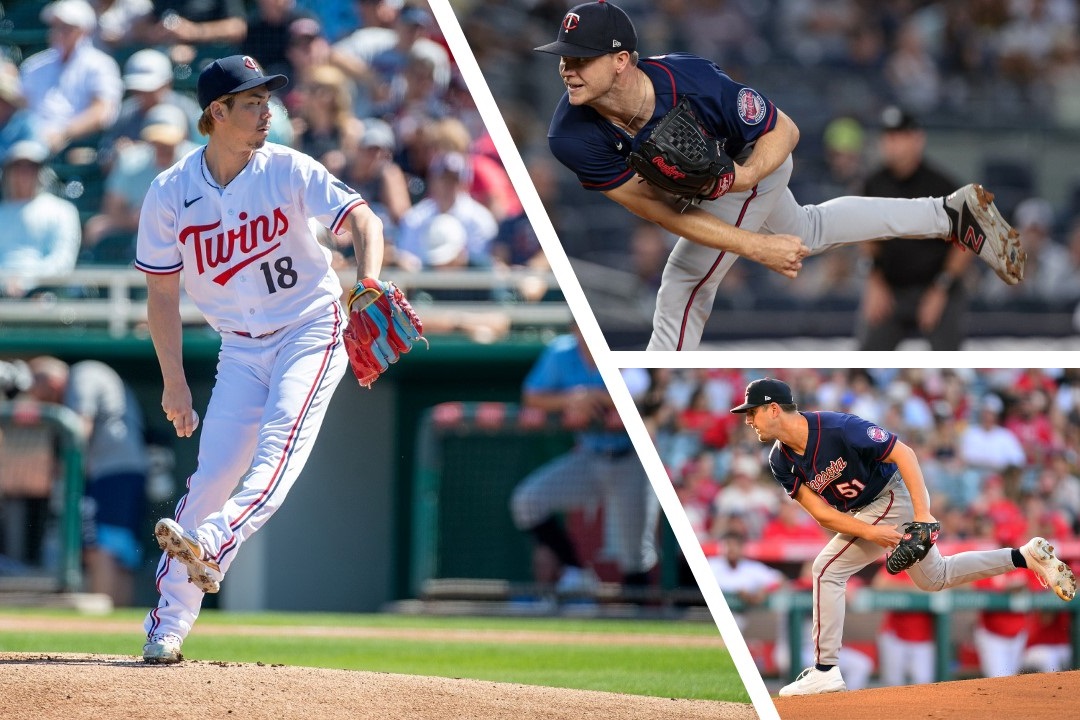 Minnesota's front office is still waiting on its pitching pipeline to produce consistent big-league-caliber pitchers. Because of this, Derek Falvey and Thad Levine have dipped into the team's farm system to trade for veteran pitchers to add to the big-league roster. The Twins have a trio of veteran pitchers in their last season of team control. Will the Twins try to extend these arms? The answer is complicated. Tyler Mahle Age: 28 Stats (2020-22): 66 G, 3.95 ERA, 348 1/3 IP, 10.2 K/9, 3.3 BB/9, 117 ERA+ Mahle will likely get the longest free-agent contract because of his age and recent performance. Like many free-agent pitchers, there is risk involved with signing him to a long-term deal. Shoulder issues caused him to have multiple stints on the IL last season. He blames some of last season's struggles on the shorter spring training due to the lockout. So far this spring, his velocity has returned to previous levels, but he has only pitched three innings. If healthy, he is the most likely pitcher in this group to get an extension, but the Twins might also want to avoid a long-term deal because of his injury history. Extension Probability: Medium Sonny Gray Age: 33 Stats (2020-22): 61 G, 3.68 ERA, 311 IP, 10.0 K/9, 3.2 BB/9, 120 ERA+ Gray has never reached free agency because he signed his current five-year, $50.7 million extension as part of his trade from the Yankees to the Reds. He's made over $60 million in his career, so this might be his lone opportunity to test the free-agent waters. He has become a leader on the pitching staff, which might be why the Twins try to sign him to an extension. Gray posted terrific numbers last season with a 3.08 ERA and a 1.13 WHIP, but he was limited to fewer than 120 innings because of multiple IL stints. For better or worse, the Twins have been hesitant to hand out multi-year contracts to starting pitchers under the current regime. Extension Probability: Medium Kenta Maeda Age: 35 Stats (2020-22): 32 G, 3.90 ERA, 173 IP, 10.0 K/9, 2.2 BB/9, 110 ERA+ Maeda is returning from Tommy John surgery this season, but he is not guaranteed to return to his previous form. He is entering his age-35 season, and the Twins are sticking with him as a starting pitcher. It will be interesting to see if he stays in the rotation for the entire season or if he will be pushed to the bullpen by other younger starters. Because of his age, Maeda will likely get the shortest free-agent deal out of these three pitchers. The Twins might be interested in a team-friendly deal, but it will be based on his 2023 performance. He's been a dominant reliever in previous seasons, and that might be a role he needs to embrace if he wants to pitch into his late-30s. Extension Probability: Low Qualifying Offer Possibility Since these players have yet to reach free agency, the Twins can offer any of them a Qualifying Offer. If accepted, the Twins would be on the hook for a one-year deal for around $19-20 million for the 2024 season. This is likely a higher value than these pitchers will get on the open market in a multi-year deal, but it's only a one-year commitment which might be enticing for the Twins. If the offer is rejected, Minnesota will get a compensation pick that equates to a late first-round selection. Back in 2019, the Twins offered Jake Odorizzi a qualifying offer which was a one-year, $17.8 million deal. He accepted the offer, but the pandemic took away a large chunk of the 2020 season. Odorizzi only made four starts for the Twins in 2020 before leaving in free agency the following winter. It was a safe one-year deal from the Twins' perspective, even if his performance didn't match his contract. The qualifying offer can be a good fit for the right player, especially since all three pitchers will be looking for multi-year deals. Do you think the Twins will try and extend any of these players? Will the Twins offer any of them the qualifying offer? Leave a COMMENT and start the discussion.
- 34 comments
-
- 2
-
-
- tyler mahle
- sonny gray
- (and 1 more)
-
During spring training, lots of focus is rightly or wrongly placed on questions facing the big-league roster. However, some of the team's top five prospects have questions to answer at the start of the 2023 campaign. Image courtesy of Nathan Ray Seebeck-USA TODAY Sports In an ideal world, every top Twins prospect would reach their full potential and become a star. That obviously doesn't happen, but fans can still look to the minors for hope for the future. Twins Daily's top five prospects face an important development season in 2023 with questions surrounding their future. Brooks Lee: Will he make his big-league debut? TD Prospect Ranking: 1 Lee has been the talk of spring training, with players like Carlos Correa gushing over his performance. Many outlets, including Twins Daily, rank him as the organization's top prospect, and he's barely played 30 games in his professional career. He shot through three different levels during his pro debut and finished the year impacting the Double-A line-up in the playoffs. He's likely heading back to Wichita to start the season, and prospects of his caliber don't necessarily need time at Triple-A. The Twins don't need to rush him to the big leagues, but his performance might dictate a call-up at some point during the 2023 season. Royce Lewis: How will the team handle him when he is healthy? TD Prospect Ranking: 2 Lewis showed flashes of his five-tool talent during his big-league debut, but it was a small sample size before he injured his ACL for the second consecutive season. He should be back by the middle of the 2023 season, and it will be interesting to see how the club treats him when he is fully healthy. Will they treat him like a minor leaguer and make him prove his bat is ready with an extended stay at Triple-A? Or will they immediately add him to the big-league roster when he completes his rehab assignment? Regardless of the team's path, Lewis can boost the line-up in the second half. Emmanuel Rodriguez: Does he have the highest ceiling of any Twins prospect? TD Prospect Ranking: 3 There is plenty of hype surrounding Rodriguez and his breakout performance at Low-A in 2023. As a 19-year-old, he hit .272/.493/.552 (1.044) with five doubles, three triples, and nine home runs. He drew more walks (57 BB) than strikeouts (52 K) in 199 plate appearances. His season was cut short by a knee meniscus injury that required surgery in June. Rodriguez is a long way from Target Field, and he has plenty of development left to make in the years ahead. However, it's hard not to get excited about a prospect of his caliber. If he continues progressing, he can be a top-15 global prospect entering the 2024 season. Marco Raya: Can his body type hold up with more innings? TD Prospect Ranking: 4 Raya is similar in size to former Twins pitcher Jose Berrios, so evaluators tend to question whether pitchers of his body type can hold up to the rigors of more professional innings. Minnesota drafted him in 2020, but he missed the 2021 season with shoulder soreness. He has been limited to 65 innings in his professional career but had a 3.05 ERA with a 1.08 WHIP and 10.5 K/9. Baseball America ranked Raya as baseball's 53rd-best prospect entering the season, which was his lone top-100 appearance. A good goal for this season would be to crack the 100-inning mark, but the Twins will continue to monitor his usage as he gets closer to Target Field. Edouard Julien: How quickly can he impact the big-league roster? TD Prospect Ranking: 5 Twins fans have seen what kind of impact Julien can have on games earlier during spring training. During the WBC, he will be on Canada's roster with a chance to put his name on the international map. He spent all of 2022 at Double-A, hitting .300/.441/.490 (.931) with 19 doubles, three triples, and 17 home runs. He transitioned that success to the AFL, where he posted a 1.248 OPS in 21 games. The Twins will likely send him to St. Paul, where he will wait for his call-up when an injury occurs in the infield, which should happen before May. What questions do you have about these prospects? Leave a COMMENT and start the discussion. View full article
