Cody Pirkl
-
Posts
1,314 -
Joined
-
Last visited
-
Days Won
4
Content Type
Profiles
News
Minnesota Twins Videos
2026 Minnesota Twins Top Prospects Ranking
2022 Minnesota Twins Draft Picks
Minnesota Twins Free Agent & Trade Rumors, Notes, & Tidbits
Guides & Resources
2023 Minnesota Twins Draft Picks
The Minnesota Twins Players Project
2024 Minnesota Twins Draft Picks
2025 Minnesota Twins Draft Pick Tracker
2026 Minnesota Twins Draft Tracker: Picks & Bonuses
Forums
Blogs
Events
Store
Downloads
Gallery
Everything posted by Cody Pirkl
-
Byron Buxton has earned the reputation of a two-way superstar capable of taking over games both offensively and defensively. As we look over the last two seasons of Buxton’s career, is it time to revise that assessment? Image courtesy of Kamil Krzaczynski-USA TODAY Sports Byron Buxton remains one of the most dynamic players in a Twins uniform when he’s on the field, but it’s been some time since we’ve seen the offensive highlight-reel player he’s shown he can be (or, ahem, could be). Age, injuries, and his offensive approach are all worth considering when we evaluate the offensive player he currently is. Should we be looking at Buxton differently? Buxton has not been a consistent offensive contributor since the beginning of 2023. He’s still capable of a big hit now and then, but we haven’t seen a sustained period of Buxton being one of the Twins' best hitters in a very long time. At 30 years old, a few factors should leave many wondering whether we will see another elite offensive season from the Twins center fielder. Unfortunately, Buxton is as well-known for his time spent off the field as he is for the highlight-reel plays he’s involved in when healthy and playing. His list of past injuries includes his groin, foot, hamstring, hip, and, more recently, chronic knee issues. It’s difficult to imagine such a lengthy list of previous injuries not having a long-term effect on him. As Buxton’s power, quality of contact, and contact rate decline, you have to wonder if his body's wear and tear is the culprit. Buxton is also a different hitter than we saw at his peak. It was always unfair to expect Buxton to repeat his 2021 season, in which he posted a 1.005 OPS in 61 games, but he completely transformed as a hitter over the last few years, and not in a way that one would expect much long-term success from. After the 2021 season, Buxton appeared to make some changes to his approach, either because of injury or in search of some more sustainable way to achieve the same gaudy numbers he put up that year. His flyball rate skyrocketed from 38.4% to 51.1%, which would increase again in 2023. His pull rate increased from 53.8% to 58.2%. His plate approach became based on hunting for home runs, and ironically, his isolated slugging has dropped off precipitously every season since. Some of his flyball and pull rate tendencies aren’t quite as extreme this year, but he’s still in this mold of hitter. Buxton has compiled nearly 500 plate appearances over the last two seasons and posted a .713 OPS. His on-base percentage is below .300, which isn’t surprising, considering he has an 8.5% walk rate and 31.4% strikeout rate during that time. Not even the slugging percentage, which is the entire goal of his plate approach, has been impressive during the last two seasons. His slugging is below .400 in 2024, as he continues a trend of three consecutive seasons of this number declining. If he were still hitting the ball as hard at the best of times, or lifting it with authority at anywhere near the same frequency, we could confidently project that Buxton's power would rebound. It's just not there. Buxton's average exit velocity on batted balls was 92.9 MPH in 2022. It fell to 91.5 MPH in 2023, and so far this year, it's just 89.5. His 90th-percentile exit velocities have trended down, from 109.2 MPH in 2021 to 106.4 this season. Managing editor Matthew Trueblood created weighted sweet-spot exit velocity (wSSEV) to balance a hitter's ability to hit line drives and fly balls with their exit velocity on those batted balls, and Buxton's has utterly cratered since 2021, stepping down from 92.3 that year to the upper 80s the last two years, to 85.6 in 2024. He's gone from near-elite to below-average, in overall production and in underlying indices like this one. This year, though his exit velocity on balls that result in outs have held pretty steady, those measurements taken on balls that ended up as hits show a marked decline from previous years. This isn’t to say Buxton is no longer valuable; his defense alone makes him one of the Twins' better players. It is approaching time to accept that the days of Buxton carrying the lineup could be behind him. His free-swinging approach was never one that would age well, and it looks a lot like injuries have sped up his slide down the aging curve. Selling out for pulled fly balls will still work occasionally, but that’s typically only a long-term success when accompanied by elite plate discipline. As Buxton relies on taking pitches out of the park, opposing pitchers have no reason to throw him anything he’s looking for, and there’s a real chance that his ability to punish these pitches has declined due to age and injury. Whether injuries or an active choice forced it, Byron Buxton’s change at the plate has made him a boom-or-bust hitter. As we’ve seen him reach 30 years of age, the boom hasn’t been there enough, as we now have a lengthy sample size of him being a below-league-average hitter. Is this the new norm for Byron Buxton? View full article
-
Is This Unimpressive Byron Buxton the Permanent Version at the Plate?
Cody Pirkl posted an article in Twins
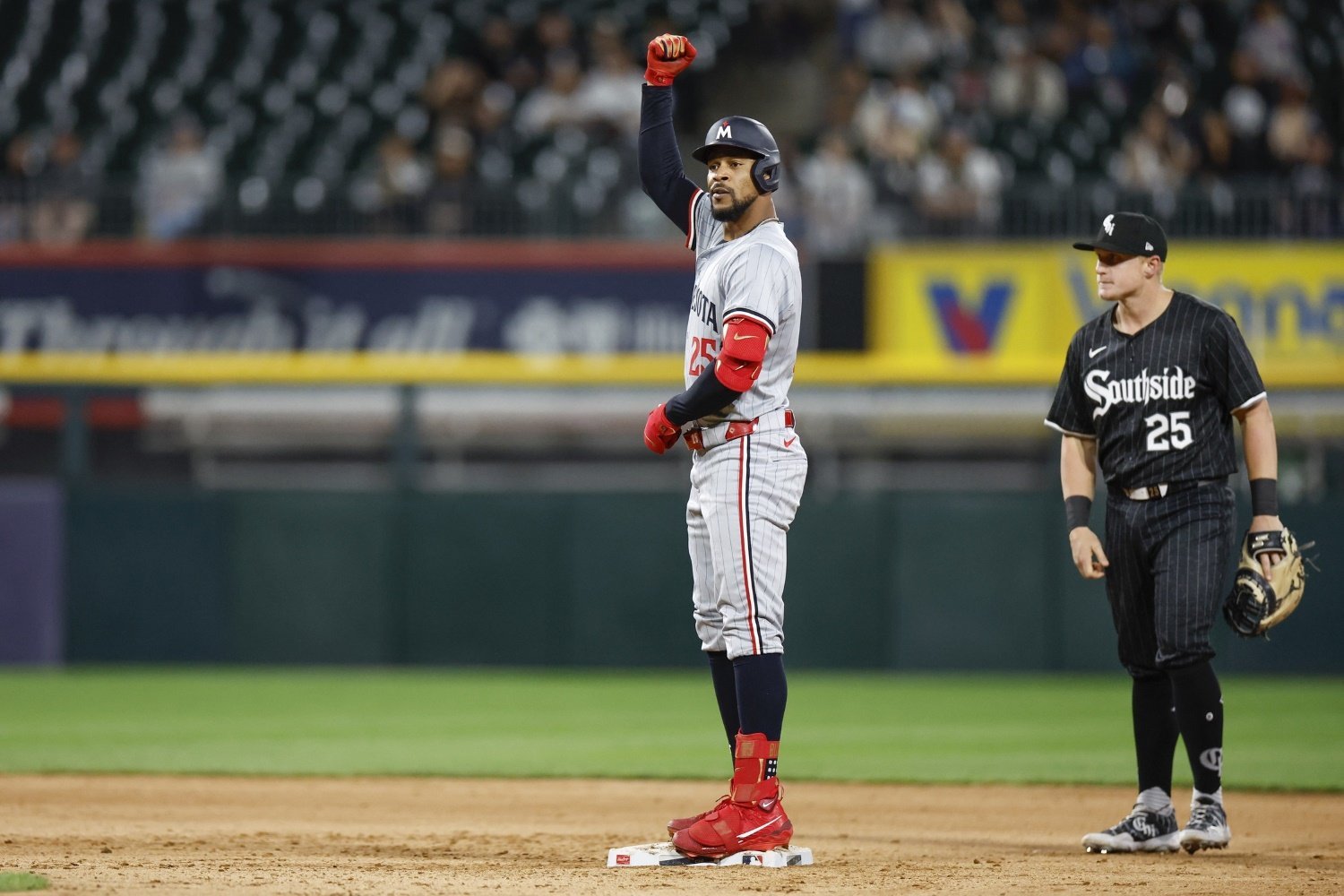 Byron Buxton remains one of the most dynamic players in a Twins uniform when he’s on the field, but it’s been some time since we’ve seen the offensive highlight-reel player he’s shown he can be (or, ahem, could be). Age, injuries, and his offensive approach are all worth considering when we evaluate the offensive player he currently is. Should we be looking at Buxton differently? Buxton has not been a consistent offensive contributor since the beginning of 2023. He’s still capable of a big hit now and then, but we haven’t seen a sustained period of Buxton being one of the Twins' best hitters in a very long time. At 30 years old, a few factors should leave many wondering whether we will see another elite offensive season from the Twins center fielder. Unfortunately, Buxton is as well-known for his time spent off the field as he is for the highlight-reel plays he’s involved in when healthy and playing. His list of past injuries includes his groin, foot, hamstring, hip, and, more recently, chronic knee issues. It’s difficult to imagine such a lengthy list of previous injuries not having a long-term effect on him. As Buxton’s power, quality of contact, and contact rate decline, you have to wonder if his body's wear and tear is the culprit. Buxton is also a different hitter than we saw at his peak. It was always unfair to expect Buxton to repeat his 2021 season, in which he posted a 1.005 OPS in 61 games, but he completely transformed as a hitter over the last few years, and not in a way that one would expect much long-term success from. After the 2021 season, Buxton appeared to make some changes to his approach, either because of injury or in search of some more sustainable way to achieve the same gaudy numbers he put up that year. His flyball rate skyrocketed from 38.4% to 51.1%, which would increase again in 2023. His pull rate increased from 53.8% to 58.2%. His plate approach became based on hunting for home runs, and ironically, his isolated slugging has dropped off precipitously every season since. Some of his flyball and pull rate tendencies aren’t quite as extreme this year, but he’s still in this mold of hitter. Buxton has compiled nearly 500 plate appearances over the last two seasons and posted a .713 OPS. His on-base percentage is below .300, which isn’t surprising, considering he has an 8.5% walk rate and 31.4% strikeout rate during that time. Not even the slugging percentage, which is the entire goal of his plate approach, has been impressive during the last two seasons. His slugging is below .400 in 2024, as he continues a trend of three consecutive seasons of this number declining. If he were still hitting the ball as hard at the best of times, or lifting it with authority at anywhere near the same frequency, we could confidently project that Buxton's power would rebound. It's just not there. Buxton's average exit velocity on batted balls was 92.9 MPH in 2022. It fell to 91.5 MPH in 2023, and so far this year, it's just 89.5. His 90th-percentile exit velocities have trended down, from 109.2 MPH in 2021 to 106.4 this season. Managing editor Matthew Trueblood created weighted sweet-spot exit velocity (wSSEV) to balance a hitter's ability to hit line drives and fly balls with their exit velocity on those batted balls, and Buxton's has utterly cratered since 2021, stepping down from 92.3 that year to the upper 80s the last two years, to 85.6 in 2024. He's gone from near-elite to below-average, in overall production and in underlying indices like this one. This year, though his exit velocity on balls that result in outs have held pretty steady, those measurements taken on balls that ended up as hits show a marked decline from previous years. This isn’t to say Buxton is no longer valuable; his defense alone makes him one of the Twins' better players. It is approaching time to accept that the days of Buxton carrying the lineup could be behind him. His free-swinging approach was never one that would age well, and it looks a lot like injuries have sped up his slide down the aging curve. Selling out for pulled fly balls will still work occasionally, but that’s typically only a long-term success when accompanied by elite plate discipline. As Buxton relies on taking pitches out of the park, opposing pitchers have no reason to throw him anything he’s looking for, and there’s a real chance that his ability to punish these pitches has declined due to age and injury. Whether injuries or an active choice forced it, Byron Buxton’s change at the plate has made him a boom-or-bust hitter. As we’ve seen him reach 30 years of age, the boom hasn’t been there enough, as we now have a lengthy sample size of him being a below-league-average hitter. Is this the new norm for Byron Buxton?
 -
I think there will be a 40 man spot opening in a few days when Royce is back. Hopefully.
-
The only problem is that costs another roster spot and Paddack would still be accumulating innings. I also think when it's time for Festa to debut, you give him a shot as a legitimate starting pitcher. He's built up to throw 5-6 innings, so why not?
-
I think it'd cost Festa plus something significant for a well performing starting pitcher with multiple years of control. Not to mention Luzardo will make pretty good money next year which will cause issues elsewhere on the roster. At that point I'd just roll with the top prospect who's dominating Triple-A. I'm not really one to hug prospects, but if the Twins think Festa is good, it'd be weird to draft him and develop him right up to the point where he looks MLB ready and then trade him away.
- 42 replies
-
- 2
-

-
- chris paddack
- simeon woods richardson
- (and 2 more)
-
They won't have any problem with that. Slap him with the "shoulder impingement" label and send him off. Teams do it all the time.
-
FWIW, Louie Varland made his debut against the Yankees and did fine. It actually comes with 2 advantages. 1. There's not a huge scouting report on a guy making his debut yet 2. Festa wouldn't know yet that he's supposed to let the Yankees walk all over him
- 42 replies
-
- 3
-
-
- chris paddack
- simeon woods richardson
- (and 2 more)
-
It was always assumed that Chris Paddack would require some upkeep throughout his first season after Tommy John surgery. Are we seeing some signs that it’s time for a rest? Image courtesy of © Matt Krohn-USA TODAY Sports Chris Paddack has had a strong season thus far, with an ERA of just over 4.50, which doesn’t tell the story of how great he’s been at times. While he’s had something of an up-and-down season in terms of stuff and success, it seems that he’s trending down more recently as we approach June. Is it time for the Twins to give him a break? Paddack has, surprisingly, been asked to eat low-leverage innings at times, and has been allowed to pitch deeply into starts. It should be no surprise that he looks worn down, as he surpasses 60 innings in the season. In his previous start against the Rangers, his velocity was down across the board, including 1.7 mph on the fastball. Against Kansas City on Thursday, the fastball was down 1.9 mph. It may be time. We’ve seen the Twins manage pitchers like Michael Pineda in the past by placing them on the IL for even the minimum amount of time to build back up and withstand the long stretch of an MLB season. It may be worth considering being proactive, as right now may be the perfect time to give Paddack a breather. For as strapped as the Twins were on starting pitching depth to begin the season, things are looking up. After Anthony DeSclafani required season-ending surgery and Louie Varland was demoted to Triple-A, Simeon Woods Richardson shored up the Twins rotation. Not only has the MLB rotation seen a starting pitcher rise to the occasion, but the Saints have seen a top prospect emerge. A break for Chris Paddack right now would afford David Festa a much-deserved shot in MLB, with a clear end point for the trial and a chance to retreat to Triple-A to work on whatever weaknesses big-league hitters expose. The 6-foot-6 former 13th-rounder has struck out a dominant 36.8% of opposing hitters so far in 2024. His workload has been fully built up, and his starts have become must-see TV with the St. Paul Saints. It’s possible, too, that Festa reaches a wall. He’s approaching the halfway point on his innings total from last year, and it’s possible the Twins still treat him with kid gloves as his prospect status elevates. Filling the innings now with Festa so Paddack can perform down the stretch seems beneficial, understanding that it could allow Festa to take a turn resting and recovering upon his return to the minors. We may see Paddack come out firing in his next start, and in that case, maybe his recent stretch turns out to be a blip. The innings wall will undoubtedly be coming at some point. Neither the Twins nor Paddack wants it to hit in August, when he’s needed most. With an exciting candidate to replace him, should the Twins give Chris Paddack a rest? Should they play it extra carefully? Should they give him a few more starts to assess? Let us know below! View full article
-
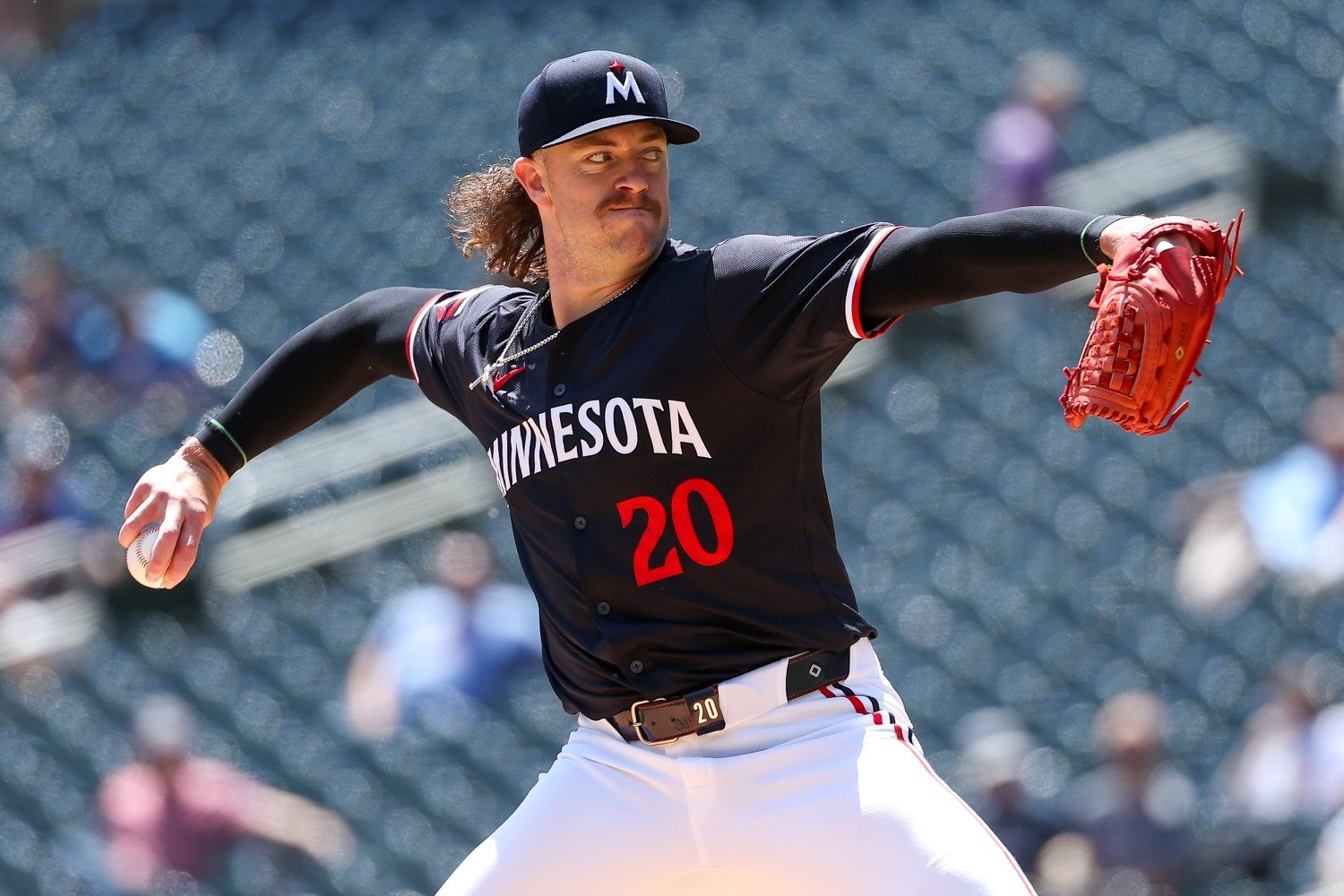 Chris Paddack has had a strong season thus far, with an ERA of just over 4.50, which doesn’t tell the story of how great he’s been at times. While he’s had something of an up-and-down season in terms of stuff and success, it seems that he’s trending down more recently as we approach June. Is it time for the Twins to give him a break? Paddack has, surprisingly, been asked to eat low-leverage innings at times, and has been allowed to pitch deeply into starts. It should be no surprise that he looks worn down, as he surpasses 60 innings in the season. In his previous start against the Rangers, his velocity was down across the board, including 1.7 mph on the fastball. Against Kansas City on Thursday, the fastball was down 1.9 mph. It may be time. We’ve seen the Twins manage pitchers like Michael Pineda in the past by placing them on the IL for even the minimum amount of time to build back up and withstand the long stretch of an MLB season. It may be worth considering being proactive, as right now may be the perfect time to give Paddack a breather. For as strapped as the Twins were on starting pitching depth to begin the season, things are looking up. After Anthony DeSclafani required season-ending surgery and Louie Varland was demoted to Triple-A, Simeon Woods Richardson shored up the Twins rotation. Not only has the MLB rotation seen a starting pitcher rise to the occasion, but the Saints have seen a top prospect emerge. A break for Chris Paddack right now would afford David Festa a much-deserved shot in MLB, with a clear end point for the trial and a chance to retreat to Triple-A to work on whatever weaknesses big-league hitters expose. The 6-foot-6 former 13th-rounder has struck out a dominant 36.8% of opposing hitters so far in 2024. His workload has been fully built up, and his starts have become must-see TV with the St. Paul Saints. It’s possible, too, that Festa reaches a wall. He’s approaching the halfway point on his innings total from last year, and it’s possible the Twins still treat him with kid gloves as his prospect status elevates. Filling the innings now with Festa so Paddack can perform down the stretch seems beneficial, understanding that it could allow Festa to take a turn resting and recovering upon his return to the minors. We may see Paddack come out firing in his next start, and in that case, maybe his recent stretch turns out to be a blip. The innings wall will undoubtedly be coming at some point. Neither the Twins nor Paddack wants it to hit in August, when he’s needed most. With an exciting candidate to replace him, should the Twins give Chris Paddack a rest? Should they play it extra carefully? Should they give him a few more starts to assess? Let us know below!
- 42 comments
-
- 11
-
-
- chris paddack
- simeon woods richardson
- (and 2 more)
-
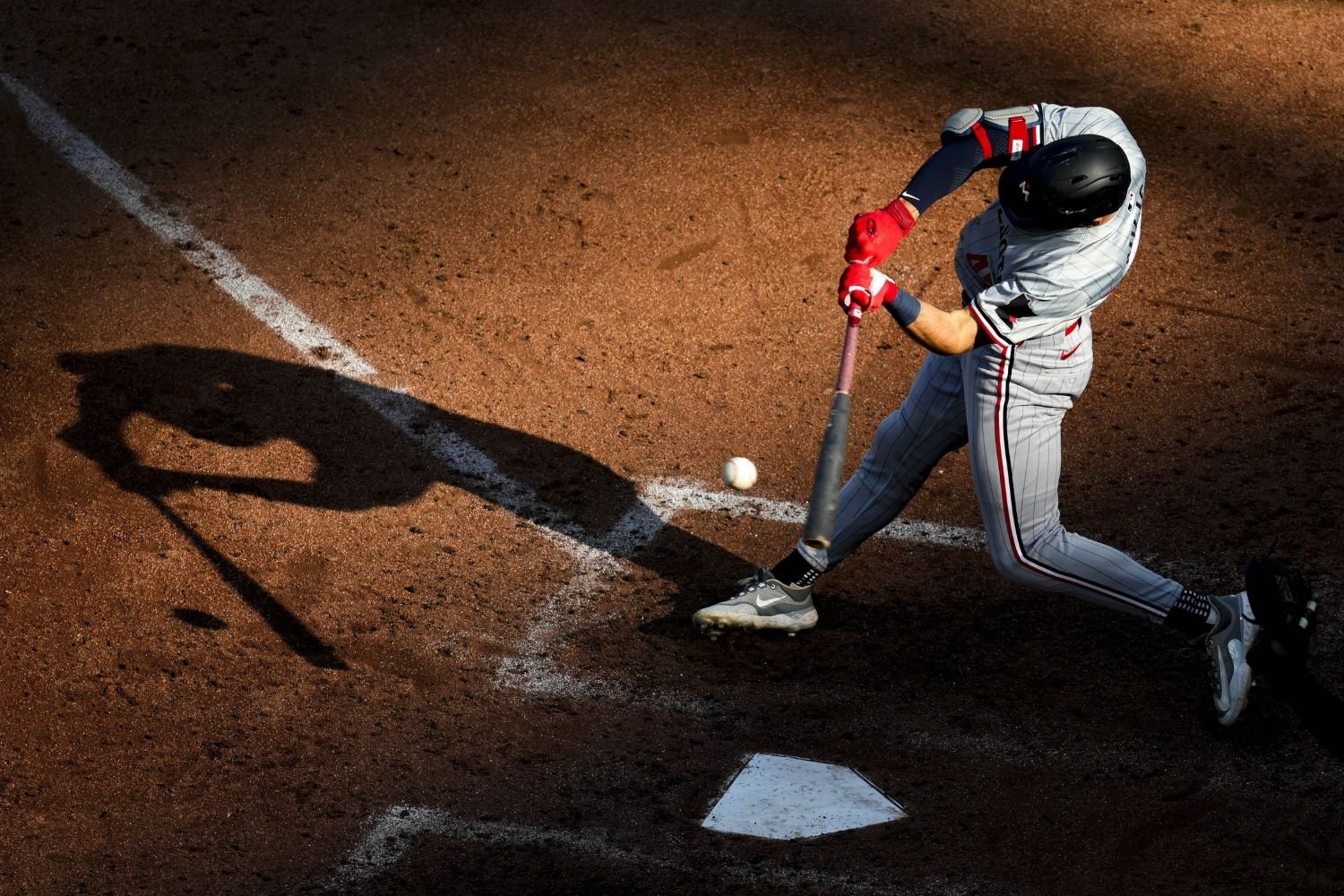 Edouard Julien burst onto the scene last season, with a plate approach that made him a lock as a future core piece of the lineup. His elite eye at the plate was complemented by enough power to make pitchers pay when he was ahead in the count. So far in 2024, that approach isn’t working, and he’s been one of the least productive regulars in the team's inconsistent lineup. On the season, Julien is slashing .199/.302/.372, and he’s struck out nearly 35% of the time. His numbers don’t even tell the story of how badly he’s struggled recently, as he’s slashing .167/.225/.183 in May, with a strikeout rate closer to 40%. He’s now a below-average hitter on the season, and at least for Sunday’s game against the Rangers, has finally been removed from the leadoff spot. Julien’s plate approach may have been more of a highwire act than initially believed, as several plate discipline numbers have slightly regressed. He’s chasing about 3% more than he did in 2023 and swinging at pitches in the zone slightly less. The result has been a complete disaster. So far this season, there has been no challenger for his job at second base for the big-league club, but that’s about to change. At long last, Brooks Lee has begun a rehab assignment, after a back injury delayed the start of his season. After flashing the skills that made him a top prospect in spring training, he’s gotten off to a hot start. In his first five games, Lee has posted an OPS over 1.000. These numbers don’t have much objective meaning, as they come from the low levels of the minor leagues. Still, they’re a good reminder that Lee would have almost certainly been on the Twins roster already if healthy and will be pushing them to make the addition shortly. The question is where Lee fits. Royce Lewis will likely retake third base, and Carlos Correa occupies Lee’s natural position at shortstop. Considering how the season has gone offensively for Julien and Kyle Farmer at second base, if Lee shows that he’s healthy, the Twins may have an obvious decision to make in the coming weeks. It’s a disappointing conversation to have regarding Julien, who looked locked into the top of the Twins lineup for years to come just a month or two ago. If the swap is indeed made for Lee at some point, we have to hope that a demotion to St. Paul leads to an opportunity to stabilize his approach and return quickly, rather than sinking further into the abyss, as we’ve seen from Matt Wallner. We’re reaching the point of the season where it’s time to shake up the unproductive parts of the roster. Last year, Julien was one of the replacements who led the Twins to their dominant second half. This year, he could be one of the ones getting replaced. Should the Twins be quick to make the Julien-for-Lee swap when the latter is ready to go?
- 82 comments
-
- 6
-
-
- edouard julien
- brooks lee
- (and 2 more)
-
Edouard Julien has followed the path of several other young players who appeared to break out in 2023. In other words, he's been a massive disappointment in 2024. As he continues to struggle, could he be running out of time? Image courtesy of Jay Biggerstaff-USA TODAY Sports Edouard Julien burst onto the scene last season, with a plate approach that made him a lock as a future core piece of the lineup. His elite eye at the plate was complemented by enough power to make pitchers pay when he was ahead in the count. So far in 2024, that approach isn’t working, and he’s been one of the least productive regulars in the team's inconsistent lineup. On the season, Julien is slashing .199/.302/.372, and he’s struck out nearly 35% of the time. His numbers don’t even tell the story of how badly he’s struggled recently, as he’s slashing .167/.225/.183 in May, with a strikeout rate closer to 40%. He’s now a below-average hitter on the season, and at least for Sunday’s game against the Rangers, has finally been removed from the leadoff spot. Julien’s plate approach may have been more of a highwire act than initially believed, as several plate discipline numbers have slightly regressed. He’s chasing about 3% more than he did in 2023 and swinging at pitches in the zone slightly less. The result has been a complete disaster. So far this season, there has been no challenger for his job at second base for the big-league club, but that’s about to change. At long last, Brooks Lee has begun a rehab assignment, after a back injury delayed the start of his season. After flashing the skills that made him a top prospect in spring training, he’s gotten off to a hot start. In his first five games, Lee has posted an OPS over 1.000. These numbers don’t have much objective meaning, as they come from the low levels of the minor leagues. Still, they’re a good reminder that Lee would have almost certainly been on the Twins roster already if healthy and will be pushing them to make the addition shortly. The question is where Lee fits. Royce Lewis will likely retake third base, and Carlos Correa occupies Lee’s natural position at shortstop. Considering how the season has gone offensively for Julien and Kyle Farmer at second base, if Lee shows that he’s healthy, the Twins may have an obvious decision to make in the coming weeks. It’s a disappointing conversation to have regarding Julien, who looked locked into the top of the Twins lineup for years to come just a month or two ago. If the swap is indeed made for Lee at some point, we have to hope that a demotion to St. Paul leads to an opportunity to stabilize his approach and return quickly, rather than sinking further into the abyss, as we’ve seen from Matt Wallner. We’re reaching the point of the season where it’s time to shake up the unproductive parts of the roster. Last year, Julien was one of the replacements who led the Twins to their dominant second half. This year, he could be one of the ones getting replaced. Should the Twins be quick to make the Julien-for-Lee swap when the latter is ready to go? View full article
-
It will be hard to match the wave of prospects who helped save the 2023 Twins season, but they still have a few options waiting in the wings. It’s becoming more apparent by the day that the next call-up should be DaShawn Keirsey Jr. Image courtesy of Seth Stohs, Twins Daily DaShawn Keirsey Jr. isn’t completely lacking in prospect pedigree, as a former 4th-round pick in 2018, but he's been overshadowed by the several other outfield prospects the Twins have drafted since then. As some of those former prospects struggle at the MLB level while Keirsey flourishes in St. Paul, he should get an opportunity soon. Keirsey Jr. gained a reputation as a strong center fielder throughout his minor-league career, and while the offense never popped, he hit enough to continue to advance through the ranks. Last year was the first season in which he posted an OPS above .800 at any level, when he did so in Double-A. He earned a promotion to the Saints down the stretch, where he performed admirably to finish the season. The Twins took a risk, leaving him unprotected in the Rule 5 draft. Some of the 29 other teams who declined to make a claim are likely regretting it now. As Keirsey Jr. approaches 200 plate appearances on the season, he’s slashing .296/.392/.515, with six homers and 14 stolen bases. Such a small sample can only change a team’s perception of a player so much, but Keirsey Jr. couldn’t be doing more to prove that he’s worthy of a shot. This isn’t just a case of a player performing well in Triple-A. The Twins would greatly benefit from even a percentage of the performance Keirsey Jr. has put up for the Saints. Even with Byron Buxton back in the center-field mix, we still see Willi Castro and Manny Margot playing up the middle far too often. It’s hard to argue that this wouldn't be an immediate upgrade. The outfield defense isn’t good enough on days when Buxton is on the bench or acting as the DH. This promotion would fix that. Keirsey Jr. has several paths onto the MLB roster, but unfortunately, the most obvious continues to become more apparent by the day. Swapping out left-handed bats and demoting Alex Kirilloff to the Saints makes too much sense. The former top prospect has a .644 OPS on the season and a .422 OPS in May. Not only has Kirilloff struggled to contribute to the lineup, but he appears to be only a last-resort option to play first base and has been part of the defensive struggles in left field. Unless Kirilloff comes around quickly, Keirsey Jr. would be an immediate upgrade. The defense is unquestionably better, and the worst-case scenario likely isn’t worse than what they’ve been getting. Keirsey Jr. would even add an element of speed on the bases, with multiple 30-steal seasons on his minor-league resume. The circumstances are too perfect. DaShawn Keirsey Jr. has been playing the best baseball of his career for over a year now, and the Twins need a change. It’s time to reward a prospect who has worked through the minor leagues for six years while helping themselves. View full article
- 80 replies
-
- 1
-
-
- dashawn keirsey jr
- byron buxton
- (and 1 more)
-
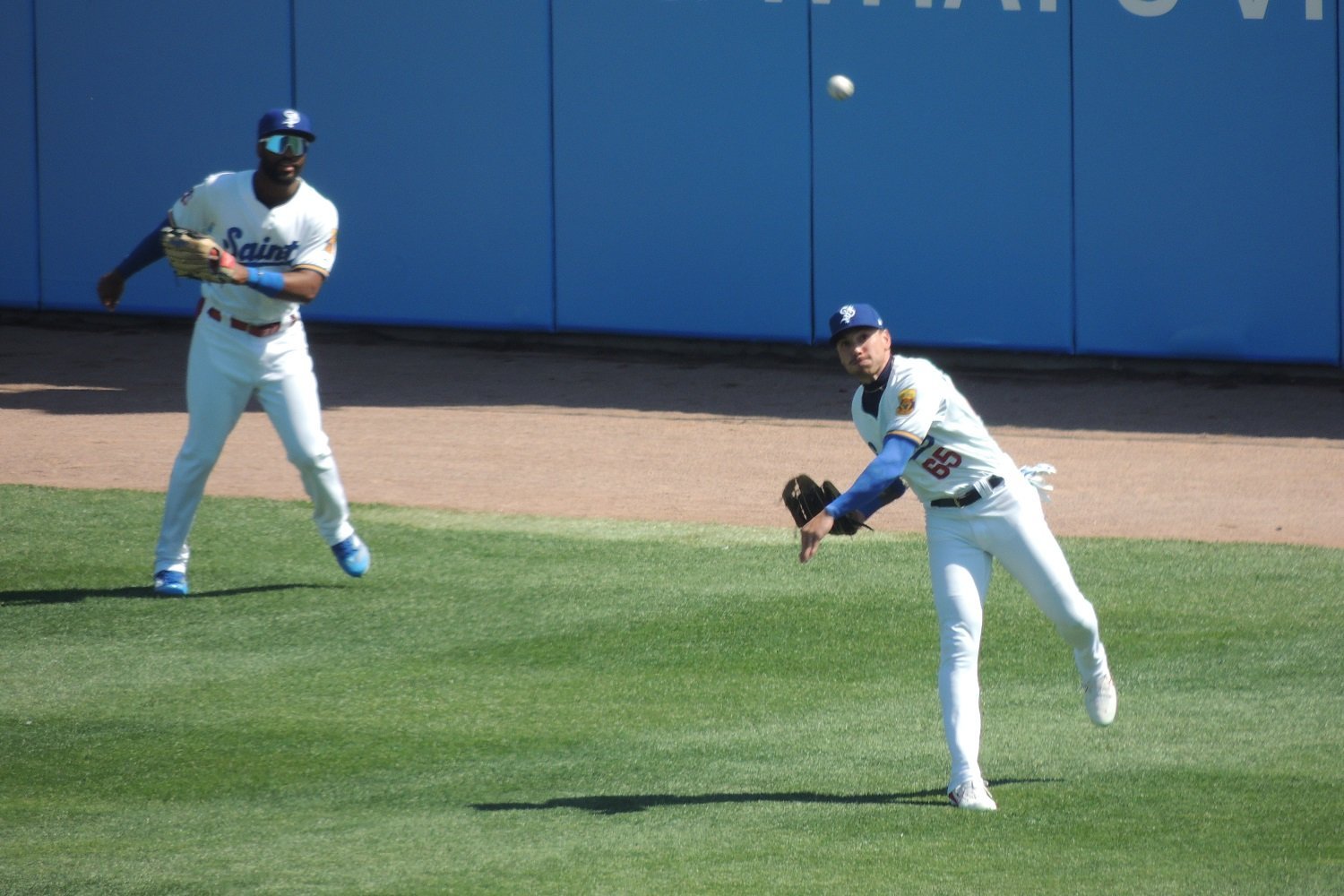 DaShawn Keirsey Jr. isn’t completely lacking in prospect pedigree, as a former 4th-round pick in 2018, but he's been overshadowed by the several other outfield prospects the Twins have drafted since then. As some of those former prospects struggle at the MLB level while Keirsey flourishes in St. Paul, he should get an opportunity soon. Keirsey Jr. gained a reputation as a strong center fielder throughout his minor-league career, and while the offense never popped, he hit enough to continue to advance through the ranks. Last year was the first season in which he posted an OPS above .800 at any level, when he did so in Double-A. He earned a promotion to the Saints down the stretch, where he performed admirably to finish the season. The Twins took a risk, leaving him unprotected in the Rule 5 draft. Some of the 29 other teams who declined to make a claim are likely regretting it now. As Keirsey Jr. approaches 200 plate appearances on the season, he’s slashing .296/.392/.515, with six homers and 14 stolen bases. Such a small sample can only change a team’s perception of a player so much, but Keirsey Jr. couldn’t be doing more to prove that he’s worthy of a shot. This isn’t just a case of a player performing well in Triple-A. The Twins would greatly benefit from even a percentage of the performance Keirsey Jr. has put up for the Saints. Even with Byron Buxton back in the center-field mix, we still see Willi Castro and Manny Margot playing up the middle far too often. It’s hard to argue that this wouldn't be an immediate upgrade. The outfield defense isn’t good enough on days when Buxton is on the bench or acting as the DH. This promotion would fix that. Keirsey Jr. has several paths onto the MLB roster, but unfortunately, the most obvious continues to become more apparent by the day. Swapping out left-handed bats and demoting Alex Kirilloff to the Saints makes too much sense. The former top prospect has a .644 OPS on the season and a .422 OPS in May. Not only has Kirilloff struggled to contribute to the lineup, but he appears to be only a last-resort option to play first base and has been part of the defensive struggles in left field. Unless Kirilloff comes around quickly, Keirsey Jr. would be an immediate upgrade. The defense is unquestionably better, and the worst-case scenario likely isn’t worse than what they’ve been getting. Keirsey Jr. would even add an element of speed on the bases, with multiple 30-steal seasons on his minor-league resume. The circumstances are too perfect. DaShawn Keirsey Jr. has been playing the best baseball of his career for over a year now, and the Twins need a change. It’s time to reward a prospect who has worked through the minor leagues for six years while helping themselves.
- 80 comments
-
- 10
-

-
-
- dashawn keirsey jr
- byron buxton
- (and 1 more)
-
Since the Minnesota Twins' winning streak started, the only hole in their roster has been the low-leverage relievers. When asked to get outs of any significance, the lesser lights in the bullpen have scuffled. What options do the Twins have in-house to address that issue? Image courtesy of Denny Medley-USA TODAY Sports We’re nearing the point of the season when struggling players are likely running low on time to get back on track. As their low-leverage relievers have cost them games in ugly fashion several times in the last few weeks, it may be time to take inventory of the Twins organization and see who could get some fresh looks. Jorge Alcalá We’ve seen plenty of Alcalá this season, though some argue it hasn’t been enough. The 28-year-old has a 3.27 ERA in eight appearances, though it’s worth noting that all of the runs he’s allowed came in one outing in which he threw nearly 50 pitches. He was demoted to Triple-A shortly after that, and is waiting in St. Paul for his next shot. Promoting Alcalá when he’s eligible and dropping him into the lowest-leverage spot would be an upgrade. Alcalá has been asked to pitch multiple innings repeatedly, while some veteran relievers on the roster can’t be trusted to find three outs before they allow three runs. We’re reaching a point where even the Twins, who clearly don’t think much of him, may have to admit that his raw stuff alone makes him a better option for low to mid-leverage innings than what they’ve been getting recently. Josh Winder Winder is on the comeback trail from yet another shoulder injury, but should become available to be called up relatively soon after pitching twice for the Saints. He may not have an enticing track record, but Winder looked like a different pitcher at the end of 2023. Winder’s starting career partially flamed out because of injury, but his four-seam fastball was another limiting factor. The pitch was one of the worst in all of baseball, and by season’s end, Winder scrapped it for a sinker. The new pitch allowed a -1-degree launch angle in a limited sample, as opposing hitters couldn’t do anything but spike batted balls into the ground. Paired with what was still a dominant slider/changeup combo, Winder could surprise fans who have given up on him with his new repertoire. Diego Castillo Castillo has been a high-leverage reliever at points of his career, but fell on hard times in 2023 as his velocity fell to a career-low 94.2 miles per hour on the fastball. The walk rate exploded, as did the home-run rate (in a small sample), allowing the Twins to bring him in on a minor-league deal. In 15 innings with St. Paul, Castillo has struck out over 28% of the hitters he’s faced. He’s still walked over 10% of opposing hitters, but he’s back to limiting homers in hitter-friendly CHS field and currently sports a 1.20 ERA. Another critical factor is Castillo's two remaining options, meaning that if he were added to the 40-man roster and brought up to the parent club, he could still go back to St. Paul as needed throughout the season. His fastball has reached as high as 96.5 MPH in the early going, and there’s a chance, even at 30 years old, that Castillo has something valuable left in the tank. Honorable Mentions Jordan Balazovic: Near 35% K rate, 11.4% BB rate, and has yet to allow a homer in 16 innings. The Twins could regain some trust in their former top prospect at some point this season, but he’ll have to stick on the MLB roster or be put on waivers if promoted, as he’s out of options. Ryan Jensen: The Twins claimed him, hoping to harness the raw stuff and cut down the walks. They’re 1 for 2, as he’s struck out over 35% of opposing hitters while walking over 16%. He also has two options remaining. Is the ceiling enticing enough to give him a look at the MLB level, understanding that it might be a temporary arrangement that requires backfilling within a week or two? Ronny Henriquez: Home run problems have popped back up, but Henriquez has posted solid strikeout and walk numbers. Formerly a legitimate pitching prospect, Henriquez is already on the 40-man and can be optioned, as we saw once earlier this season. The Twins may lack robust options to fill the struggling parts of the bullpen, but they have many contenders who aren’t without upside. Do any of these names stand out as deserving of the first shot? Is there someone else in the system who should be given an opportunity? Let us know below! View full article
-
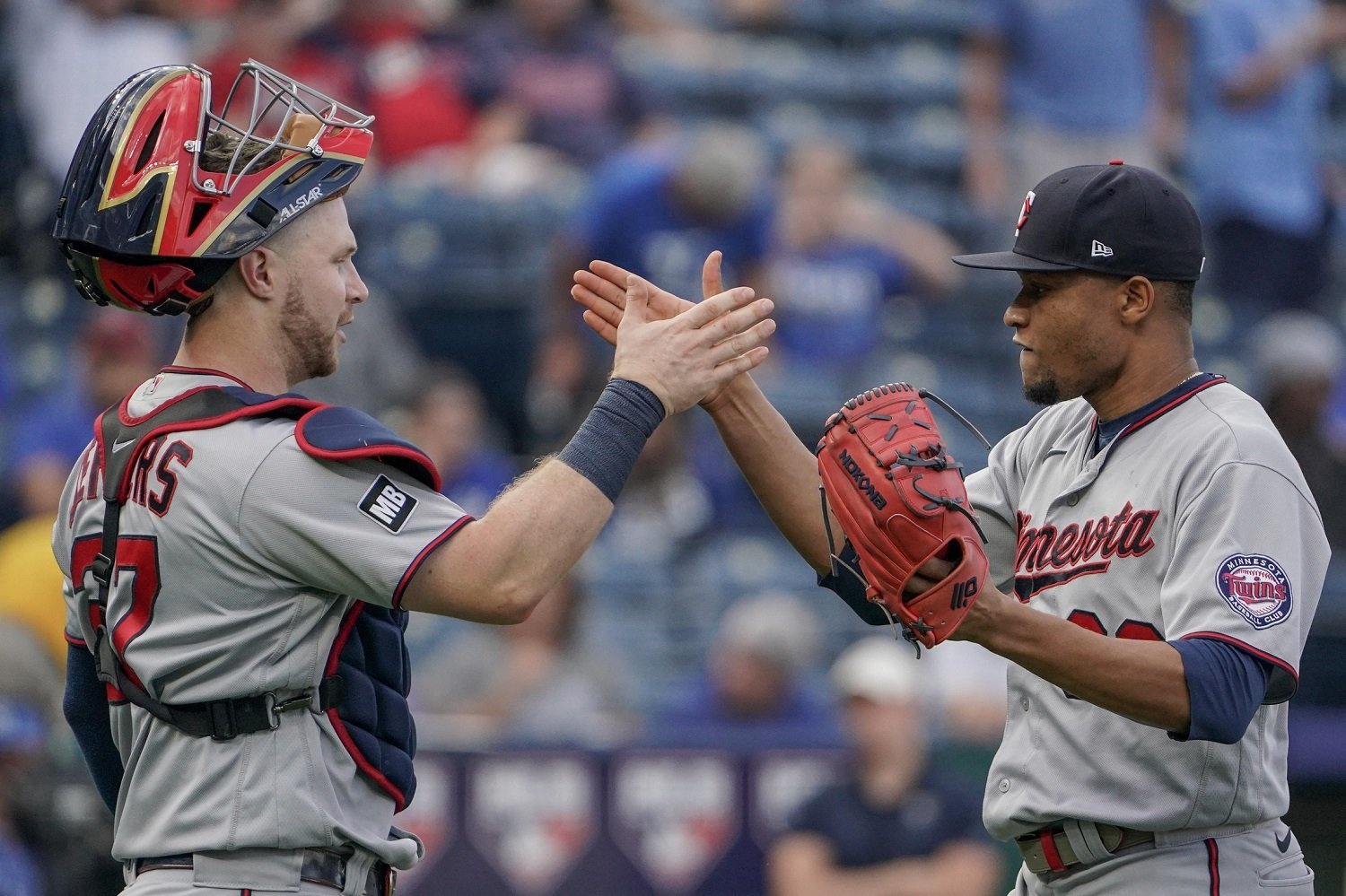 We’re nearing the point of the season when struggling players are likely running low on time to get back on track. As their low-leverage relievers have cost them games in ugly fashion several times in the last few weeks, it may be time to take inventory of the Twins organization and see who could get some fresh looks. Jorge Alcalá We’ve seen plenty of Alcalá this season, though some argue it hasn’t been enough. The 28-year-old has a 3.27 ERA in eight appearances, though it’s worth noting that all of the runs he’s allowed came in one outing in which he threw nearly 50 pitches. He was demoted to Triple-A shortly after that, and is waiting in St. Paul for his next shot. Promoting Alcalá when he’s eligible and dropping him into the lowest-leverage spot would be an upgrade. Alcalá has been asked to pitch multiple innings repeatedly, while some veteran relievers on the roster can’t be trusted to find three outs before they allow three runs. We’re reaching a point where even the Twins, who clearly don’t think much of him, may have to admit that his raw stuff alone makes him a better option for low to mid-leverage innings than what they’ve been getting recently. Josh Winder Winder is on the comeback trail from yet another shoulder injury, but should become available to be called up relatively soon after pitching twice for the Saints. He may not have an enticing track record, but Winder looked like a different pitcher at the end of 2023. Winder’s starting career partially flamed out because of injury, but his four-seam fastball was another limiting factor. The pitch was one of the worst in all of baseball, and by season’s end, Winder scrapped it for a sinker. The new pitch allowed a -1-degree launch angle in a limited sample, as opposing hitters couldn’t do anything but spike batted balls into the ground. Paired with what was still a dominant slider/changeup combo, Winder could surprise fans who have given up on him with his new repertoire. Diego Castillo Castillo has been a high-leverage reliever at points of his career, but fell on hard times in 2023 as his velocity fell to a career-low 94.2 miles per hour on the fastball. The walk rate exploded, as did the home-run rate (in a small sample), allowing the Twins to bring him in on a minor-league deal. In 15 innings with St. Paul, Castillo has struck out over 28% of the hitters he’s faced. He’s still walked over 10% of opposing hitters, but he’s back to limiting homers in hitter-friendly CHS field and currently sports a 1.20 ERA. Another critical factor is Castillo's two remaining options, meaning that if he were added to the 40-man roster and brought up to the parent club, he could still go back to St. Paul as needed throughout the season. His fastball has reached as high as 96.5 MPH in the early going, and there’s a chance, even at 30 years old, that Castillo has something valuable left in the tank. Honorable Mentions Jordan Balazovic: Near 35% K rate, 11.4% BB rate, and has yet to allow a homer in 16 innings. The Twins could regain some trust in their former top prospect at some point this season, but he’ll have to stick on the MLB roster or be put on waivers if promoted, as he’s out of options. Ryan Jensen: The Twins claimed him, hoping to harness the raw stuff and cut down the walks. They’re 1 for 2, as he’s struck out over 35% of opposing hitters while walking over 16%. He also has two options remaining. Is the ceiling enticing enough to give him a look at the MLB level, understanding that it might be a temporary arrangement that requires backfilling within a week or two? Ronny Henriquez: Home run problems have popped back up, but Henriquez has posted solid strikeout and walk numbers. Formerly a legitimate pitching prospect, Henriquez is already on the 40-man and can be optioned, as we saw once earlier this season. The Twins may lack robust options to fill the struggling parts of the bullpen, but they have many contenders who aren’t without upside. Do any of these names stand out as deserving of the first shot? Is there someone else in the system who should be given an opportunity? Let us know below!
- 13 comments
-
- 3
-
-
- jordan balazovic
- jorge alcala
- (and 2 more)
-
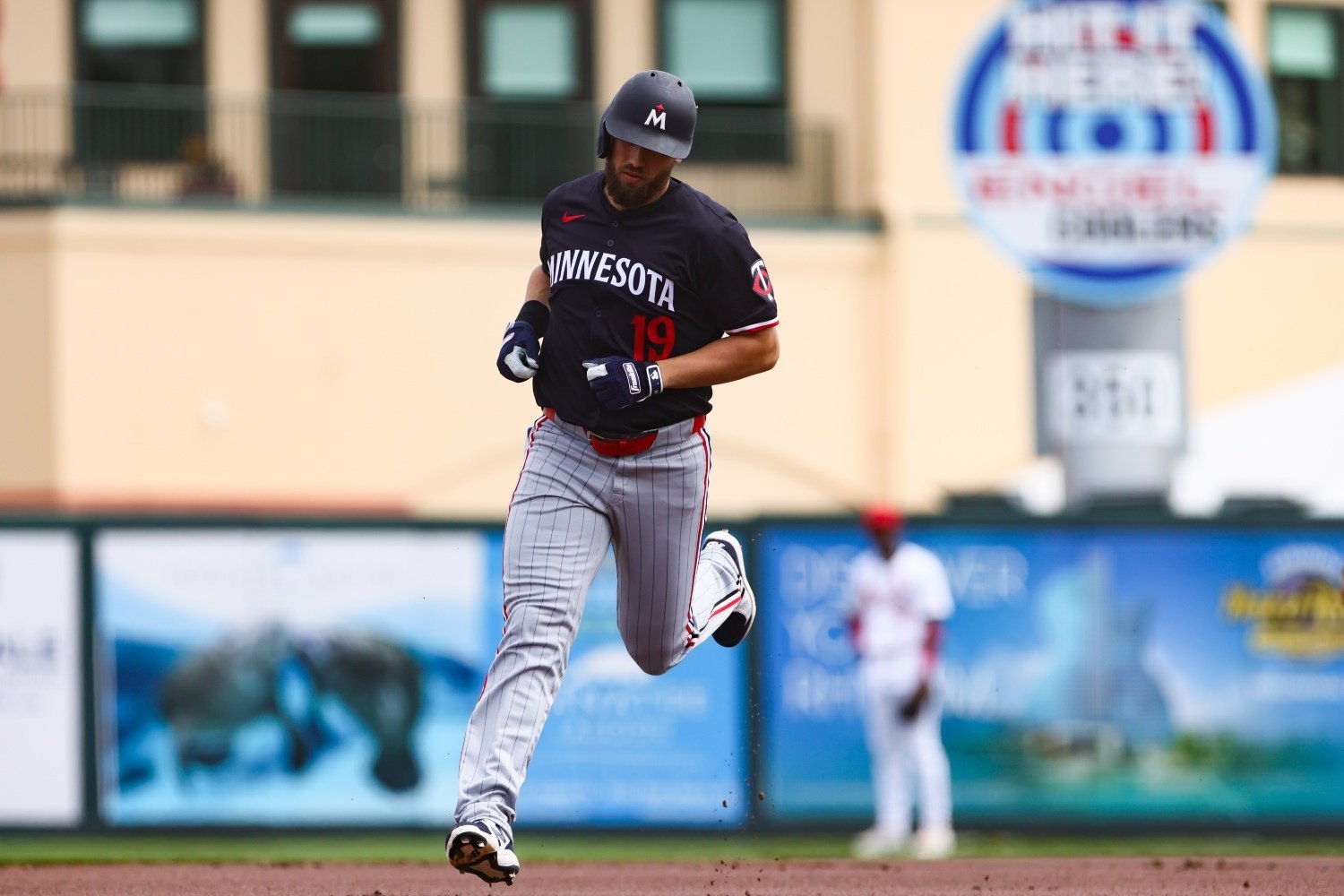 We’ve seen plenty of ups and downs in Alex Kirilloff's career. Typically, they've been brief highs, followed by long periods of lows that are eventually attributed to injury. As we watch another prolonged slump, it’s fair to wonder whether he’s dealing with more physical issues, or if this is a simpler, skill-driven dry spell. Kirilloff was slashing .370/.419/.667 through Apr. 8. The hope was that he was finally healthy and that his prospect pedigree was finally paying off. The Twins revived their season shortly after that, with Kirilloff at the top of the lineup and sometimes leading off. As the team has come back to life, however, Kirilloff has fallen flat. Since his third consecutive game with a triple, he’s slashing .167/.228/.306 in 79 plate appearances. We’ve seen from Kirilloff that, mainly when his wrist is the culprit for his struggles, regardless of the pitch type or location, he rolls over grounders repeatedly. Since May 8, Kirilloff has had a 44% ground ball rate and has been pulling the ball 40% of the time. These percentages are very similar to previous periods right before he was put on the IL, such as in 2022, but it’s worth noting that he was hitting more ground balls during his hot streak this season, too. Looking at the way his batted-ball profile has changed over the last month, weak pop-ups have been as much of a problem as rollers to second base. He's continued to hit the ball in that range just north of 30 degrees pretty consistently; it just hasn't been quite hard enough to generate damage. As we know, success in MLB is a product of adjustments. Thus, it's always fleeting, but can also be quickly recaptured. It’s possible Kirilloff’s hot streak caused opposing pitchers to make one, and now it’s Kirilloff’s job to adjust back. This is obviously a more favorable outcome than yet another injury on the path of Kirilloff’s disrupted career. The hope is that, although it’s not good that Kirilloff has struggled for the better part of a month, an injury should have surfaced by now if that were the culprit. Regardless of the reason, hopefully, Kirilloff can right the ship soon. Several players who shined during the 12-game winning streak, such as Carlos Santana and Edouard Julien, have cooled back off. May is arguably the most difficult month of the Twins season. A healthy and productive Alex Kirilloff from the left side of the plate would go a long way in a Twins lineup that’s still missing Byron Buxton and Royce Lewis. Is it worth being concerned about Kirilloff, either regarding an injury or just traditional struggles? Can he still be relied upon as a middle-of-the-order hitter in this lineup? Let us know below!
 -
Alex Kirilloff was one of the few bright spots in the lineup in the early weeks of the season, as the Twins struggled. However, as the team has looked more competitive, Kirilloff has completely disappeared. Is this worth worrying about? Image courtesy of Sam Navarro-USA TODAY Sports We’ve seen plenty of ups and downs in Alex Kirilloff's career. Typically, they've been brief highs, followed by long periods of lows that are eventually attributed to injury. As we watch another prolonged slump, it’s fair to wonder whether he’s dealing with more physical issues, or if this is a simpler, skill-driven dry spell. Kirilloff was slashing .370/.419/.667 through Apr. 8. The hope was that he was finally healthy and that his prospect pedigree was finally paying off. The Twins revived their season shortly after that, with Kirilloff at the top of the lineup and sometimes leading off. As the team has come back to life, however, Kirilloff has fallen flat. Since his third consecutive game with a triple, he’s slashing .167/.228/.306 in 79 plate appearances. We’ve seen from Kirilloff that, mainly when his wrist is the culprit for his struggles, regardless of the pitch type or location, he rolls over grounders repeatedly. Since May 8, Kirilloff has had a 44% ground ball rate and has been pulling the ball 40% of the time. These percentages are very similar to previous periods right before he was put on the IL, such as in 2022, but it’s worth noting that he was hitting more ground balls during his hot streak this season, too. Looking at the way his batted-ball profile has changed over the last month, weak pop-ups have been as much of a problem as rollers to second base. He's continued to hit the ball in that range just north of 30 degrees pretty consistently; it just hasn't been quite hard enough to generate damage. As we know, success in MLB is a product of adjustments. Thus, it's always fleeting, but can also be quickly recaptured. It’s possible Kirilloff’s hot streak caused opposing pitchers to make one, and now it’s Kirilloff’s job to adjust back. This is obviously a more favorable outcome than yet another injury on the path of Kirilloff’s disrupted career. The hope is that, although it’s not good that Kirilloff has struggled for the better part of a month, an injury should have surfaced by now if that were the culprit. Regardless of the reason, hopefully, Kirilloff can right the ship soon. Several players who shined during the 12-game winning streak, such as Carlos Santana and Edouard Julien, have cooled back off. May is arguably the most difficult month of the Twins season. A healthy and productive Alex Kirilloff from the left side of the plate would go a long way in a Twins lineup that’s still missing Byron Buxton and Royce Lewis. Is it worth being concerned about Kirilloff, either regarding an injury or just traditional struggles? Can he still be relied upon as a middle-of-the-order hitter in this lineup? Let us know below! View full article
-
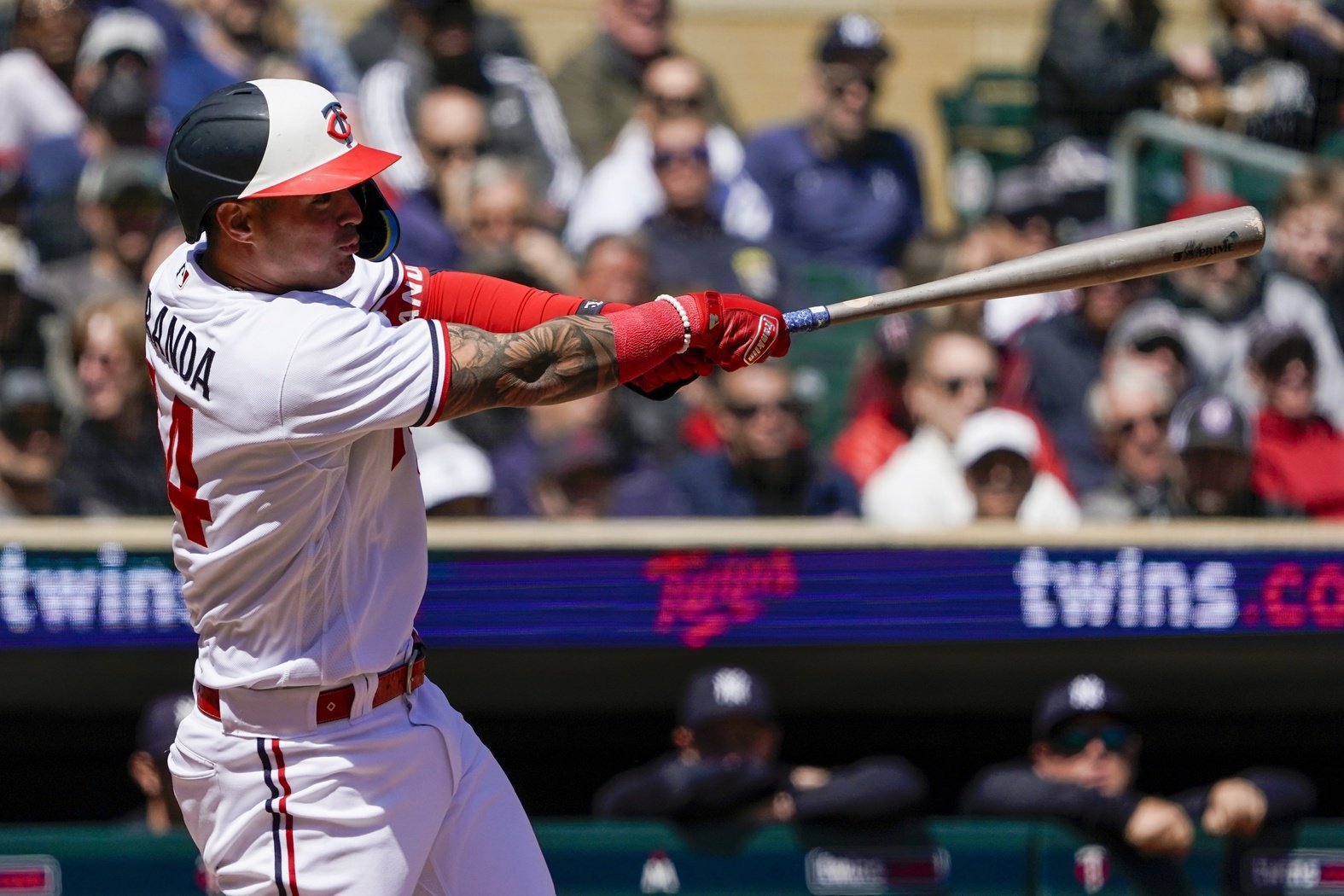 At the end of the 2022 season, José Miranda looked like a potential core piece of the Twins lineup. He was treated as such in early 2023, before it all fell apart. We wondered whether Miranda’s strong rookie season was just a flash in the pan, or if his shoulder injury was entirely to blame for the poor performance. So far, in 2024, it looks like the latter. Miranda looks like the same hitter he’s always been. He swings at everything, resulting in very few walks or strikeouts. He’s been a complement to a Twins lineup full of hitters who like to draw out at-bats and wait out pitchers. He looks to do nothing but drive the baseball, and that’s exactly what he’s done so far in 2024. With a triple slash line of .315/.339/.519, he’s been one of the many reasons the Twins have turned their season around in such a hurry Miranda’s Statcast page doesn’t jump out regarding traditional measures such as average exit velocity, expected slugging, weighted on-base, etc. Still, it’s worth noting that this was similarly true in 2022 when he broke out. It's why folks were so quick to worry that he was a mirage, once 2023 went awry. He may take a unique path to success at the plate, but aside from 2023, when he was injured, he seems to keep finding his way there. There also might be a bit more to see than the Savant sliders suggest. Our own Matthew Trueblood has played with batted-ball data to focus on the average exit velocity for each hitter on balls hit between 10 and 35 degrees upward (where most hits, and especially extra-base hits, happen), and then weighted that according to the frequency with which they actually produce those line drives and fly balls. The league's average weighted sweet spot exit velocity (wSSEV) is around 86.0 miles per hour. Miranda's was at 88 in 2022, then cratered to under 83 in 2023. In his very limited 2024 sample, it's 90.4. That improvement, in turn, stems partially from his much-improved contact skills within the strike zone. He might not have cut down much on his swing rate, but when he does swing, he connects at a much higher rate than he used to--especially within the strike zone. Perhaps because he's locking in on his pitch better, too, Miranda has become a much more lift-and-pull hitter. That's the type of batted ball the Twins are always coaching their guys to chase, and it's why the team takes a very patient overall approach; it's usually hard to get the bat head out and pull fly balls without guessing and sitting on a pitch. Miranda, though, is maintaining his free-swinging ways while still morphing into a powerful dead-pull hitter who can get some air under the ball. Equally impressive is Miranda’s defense. It seemed like the Twins had moved on from the idea of him being a usable third baseman. By Outs Above Average, which measures his range, he grades in the 16th percentile with -4 OAA. By Defensive Runs Saved, though, he’s completely neutral. He’s made the plays he’s supposed to and even a few that were far from routine. Some were surprised to learn that the Twins decided to keep Miranda on the roster over the more versatile Austin Martin this week, but the Twins have been proven correct in their choice. Miranda is a legitimate option at third base and has been an impact bat every time his name has been written into the lineup. Miranda has had a resurgence in 2024, and still has a lot of time to cement himself as a piece of this roster before Lewis returns. Even if, at that point, he’s rarely an option at third base, it would simply be impossible not to find him playing time if he continues to swing it the way he has so far. Were we right all along about José Miranda? Is he a legitimate future piece of the Twins lineup who suffered from poor health in 2023? So far, in 2024, that appears to be the case.
 -
The one shining positive of Royce Lewis's immediate injury on Opening Day was the opportunity it created. So far, José Miranda has seized that opportunity. Can he continue to do so? Image courtesy of Nick Wosika-USA TODAY Sports At the end of the 2022 season, José Miranda looked like a potential core piece of the Twins lineup. He was treated as such in early 2023, before it all fell apart. We wondered whether Miranda’s strong rookie season was just a flash in the pan, or if his shoulder injury was entirely to blame for the poor performance. So far, in 2024, it looks like the latter. Miranda looks like the same hitter he’s always been. He swings at everything, resulting in very few walks or strikeouts. He’s been a complement to a Twins lineup full of hitters who like to draw out at-bats and wait out pitchers. He looks to do nothing but drive the baseball, and that’s exactly what he’s done so far in 2024. With a triple slash line of .315/.339/.519, he’s been one of the many reasons the Twins have turned their season around in such a hurry Miranda’s Statcast page doesn’t jump out regarding traditional measures such as average exit velocity, expected slugging, weighted on-base, etc. Still, it’s worth noting that this was similarly true in 2022 when he broke out. It's why folks were so quick to worry that he was a mirage, once 2023 went awry. He may take a unique path to success at the plate, but aside from 2023, when he was injured, he seems to keep finding his way there. There also might be a bit more to see than the Savant sliders suggest. Our own Matthew Trueblood has played with batted-ball data to focus on the average exit velocity for each hitter on balls hit between 10 and 35 degrees upward (where most hits, and especially extra-base hits, happen), and then weighted that according to the frequency with which they actually produce those line drives and fly balls. The league's average weighted sweet spot exit velocity (wSSEV) is around 86.0 miles per hour. Miranda's was at 88 in 2022, then cratered to under 83 in 2023. In his very limited 2024 sample, it's 90.4. That improvement, in turn, stems partially from his much-improved contact skills within the strike zone. He might not have cut down much on his swing rate, but when he does swing, he connects at a much higher rate than he used to--especially within the strike zone. Perhaps because he's locking in on his pitch better, too, Miranda has become a much more lift-and-pull hitter. That's the type of batted ball the Twins are always coaching their guys to chase, and it's why the team takes a very patient overall approach; it's usually hard to get the bat head out and pull fly balls without guessing and sitting on a pitch. Miranda, though, is maintaining his free-swinging ways while still morphing into a powerful dead-pull hitter who can get some air under the ball. Equally impressive is Miranda’s defense. It seemed like the Twins had moved on from the idea of him being a usable third baseman. By Outs Above Average, which measures his range, he grades in the 16th percentile with -4 OAA. By Defensive Runs Saved, though, he’s completely neutral. He’s made the plays he’s supposed to and even a few that were far from routine. Some were surprised to learn that the Twins decided to keep Miranda on the roster over the more versatile Austin Martin this week, but the Twins have been proven correct in their choice. Miranda is a legitimate option at third base and has been an impact bat every time his name has been written into the lineup. Miranda has had a resurgence in 2024, and still has a lot of time to cement himself as a piece of this roster before Lewis returns. Even if, at that point, he’s rarely an option at third base, it would simply be impossible not to find him playing time if he continues to swing it the way he has so far. Were we right all along about José Miranda? Is he a legitimate future piece of the Twins lineup who suffered from poor health in 2023? So far, in 2024, that appears to be the case. View full article
-
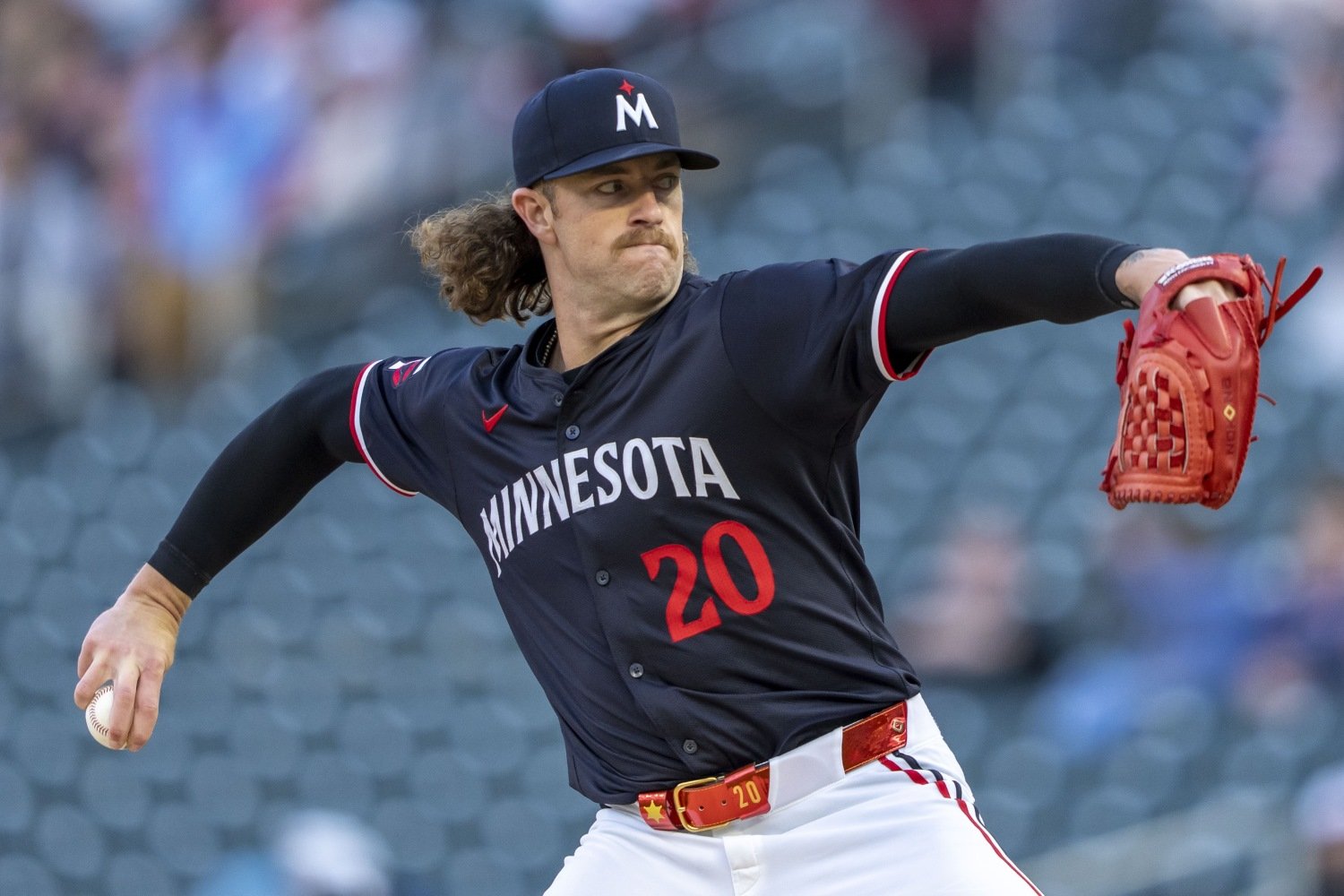 Chris Paddack’s first start of the season saw little slider usage. The stuff looked intact, but the question of whether the Twins could add a pitch to take him to the next level remained. We’ve had three starts since then, and the results and usage patterns are all over the place. Briefly, there was at least a hopeful correlation to draw from Paddack’s pitch mix. In his second start against a formidable Dodgers lineup, Paddack was inefficient but solid, given the circumstances. The new slider was his second-most used pitch, as he allowed just two runs across 4 2/3 innings and struck out five. His third start was a bit of a disaster, as he allowed nine earned runs to the Orioles in 5 1/3 innings. The path forward at that point seemed clear, as he failed against a similarly lethal lineup on a night when he dropped his slider usage from 26% (against the Dodgers) to just 10%. Perhaps the slider was the difference-maker. Paddack and the Twins clearly didn’t feel that was the case. The Chicago White Sox are as big of a step down in the opposing lineup as you’ll find, but Paddack dropped his slider usage down to 9% and posted one of the best outings of his entire career this week. He rode his usual pitch mix, including his fastball, changeup, and curveball, for seven innings of scoreless ball with 10 strikeouts. Four starts aren’t enough to stabilize Paddack’s pitch mix tendencies, but what have we learned? Paddack’s wariness of using his slider is probably warranted. The pitch has allowed a .375 batting average and a 1.125 slugging percentage. It may be his second-best whiff pitch, but it’s allowing a ridiculous average exit velocity of 96.3 mph. It’s responsible for two of the four homers Paddack has allowed, despite being thrown just 13% of the time. It’s still a work in progress, and we probably won’t see Paddack spike the usage of it any time soon. Paddack’s changeup has yet to round back into form. The pitch has been his best weapon across his career, but so far, it has just a 20.4% whiff rate. It’s also responsible for the other two homers he’s allowed, and has arguably been his second-worst offering as his go-to offspeed pitch, which has been thrown over 30% of the time. The velocity on the fastball has stabilized at 94.3 mph, a great sign that Paddack is fully healthy and searching for his feel and consistency at this point, rather than settling into any particular pitch patterns. Nobody will weigh a gem against the White Sox too heavily, but hopefully, it was a turning point for Paddack. His fastball was as dominant as it has ever been, and the changeup drew a swing and miss one-third of the time on Monday. Paddack’s recent dominant start contained shades of his previous peak in San Diego, rather than a new version we hope to see slinging a dominant slider. At this point, Paddack maintaining his stuff and getting his feel back has to be considered a win, no matter what lineup he shined against. As for us seeing the version of Chris Paddack the Twins were hoping for when they acquired him, the jury is still out. Saturday night, Paddack will make his fifth start of the season. How do you think he'll perform against the Angels? What would you like to see from his pitch mix?
 -
To begin his 2024 season, Chris Paddack has experienced some extreme highs and lows. Now that we have a handful of starts to break down, what are we seeing from the 2024 version of the Minnesota Twins starter? Image courtesy of © Jesse Johnson-USA TODAY Sports Chris Paddack’s first start of the season saw little slider usage. The stuff looked intact, but the question of whether the Twins could add a pitch to take him to the next level remained. We’ve had three starts since then, and the results and usage patterns are all over the place. Briefly, there was at least a hopeful correlation to draw from Paddack’s pitch mix. In his second start against a formidable Dodgers lineup, Paddack was inefficient but solid, given the circumstances. The new slider was his second-most used pitch, as he allowed just two runs across 4 2/3 innings and struck out five. His third start was a bit of a disaster, as he allowed nine earned runs to the Orioles in 5 1/3 innings. The path forward at that point seemed clear, as he failed against a similarly lethal lineup on a night when he dropped his slider usage from 26% (against the Dodgers) to just 10%. Perhaps the slider was the difference-maker. Paddack and the Twins clearly didn’t feel that was the case. The Chicago White Sox are as big of a step down in the opposing lineup as you’ll find, but Paddack dropped his slider usage down to 9% and posted one of the best outings of his entire career this week. He rode his usual pitch mix, including his fastball, changeup, and curveball, for seven innings of scoreless ball with 10 strikeouts. Four starts aren’t enough to stabilize Paddack’s pitch mix tendencies, but what have we learned? Paddack’s wariness of using his slider is probably warranted. The pitch has allowed a .375 batting average and a 1.125 slugging percentage. It may be his second-best whiff pitch, but it’s allowing a ridiculous average exit velocity of 96.3 mph. It’s responsible for two of the four homers Paddack has allowed, despite being thrown just 13% of the time. It’s still a work in progress, and we probably won’t see Paddack spike the usage of it any time soon. Paddack’s changeup has yet to round back into form. The pitch has been his best weapon across his career, but so far, it has just a 20.4% whiff rate. It’s also responsible for the other two homers he’s allowed, and has arguably been his second-worst offering as his go-to offspeed pitch, which has been thrown over 30% of the time. The velocity on the fastball has stabilized at 94.3 mph, a great sign that Paddack is fully healthy and searching for his feel and consistency at this point, rather than settling into any particular pitch patterns. Nobody will weigh a gem against the White Sox too heavily, but hopefully, it was a turning point for Paddack. His fastball was as dominant as it has ever been, and the changeup drew a swing and miss one-third of the time on Monday. Paddack’s recent dominant start contained shades of his previous peak in San Diego, rather than a new version we hope to see slinging a dominant slider. At this point, Paddack maintaining his stuff and getting his feel back has to be considered a win, no matter what lineup he shined against. As for us seeing the version of Chris Paddack the Twins were hoping for when they acquired him, the jury is still out. Saturday night, Paddack will make his fifth start of the season. How do you think he'll perform against the Angels? What would you like to see from his pitch mix? View full article
-
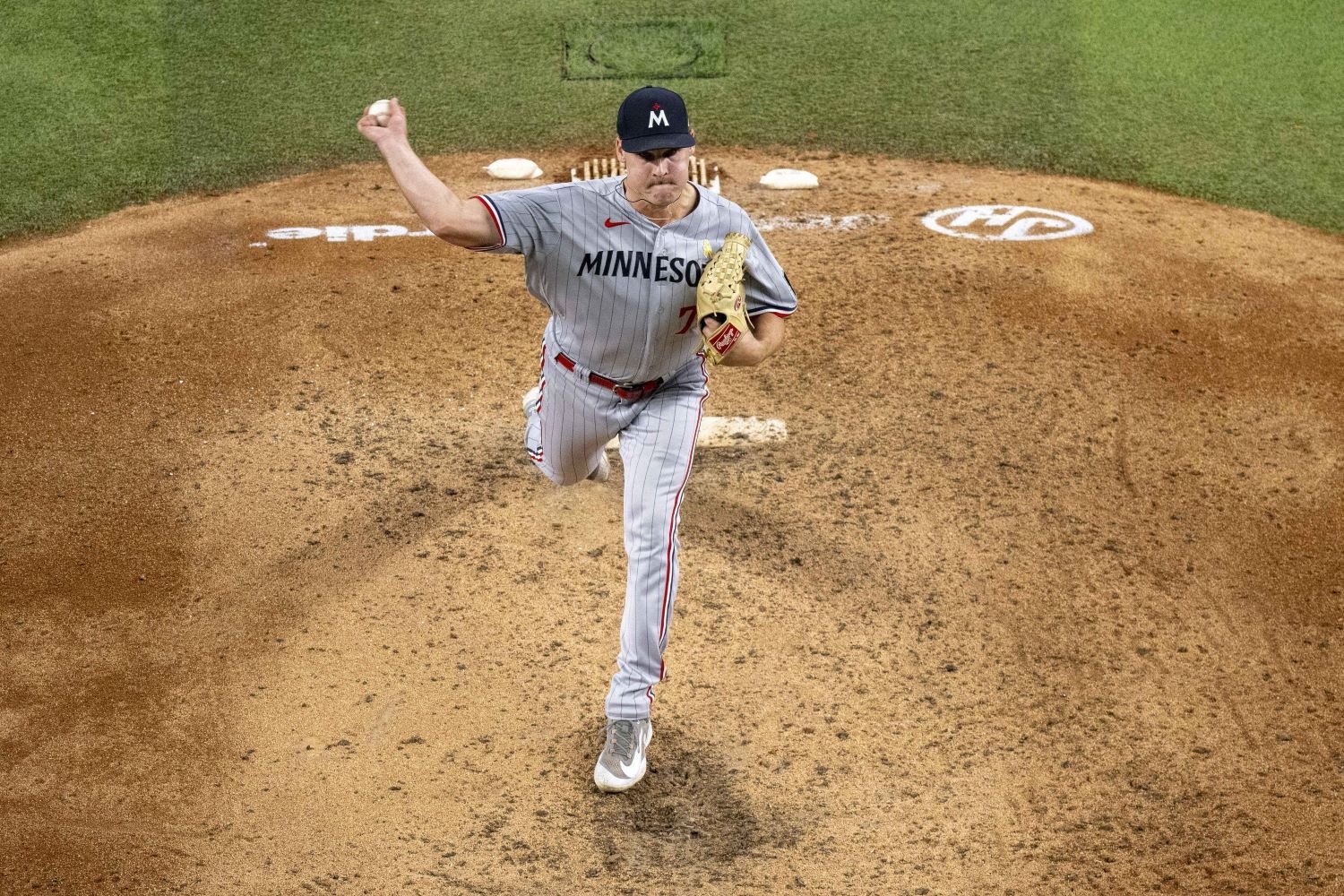 As a former fifth-round pick, Cole Sands never had an elite pedigree as a prospect. His fastball was in the low 90s, but he limited walks and he had a plus breaking ball. The most obvious path for Sands in a relief role was to lean on his breaking ball, as we’ve seen with players like Griffin Jax. Sands is finding his success in a much different way. The name of the game when it comes to relievers is typically to simplify their arsenal and focus on what they do best. Instead, as Cole Sands transitioned to a reliever, his pitch mix got more diverse. He introduced a splitter last year, throwing more than the breaking ball. In 2024, his most used pitch is a 90 mph cutter. The cutter has drawn whiffs over 30% of the time, allowing an exit velocity of just 78 mph. Sands throws it just a touch more than his four-seamer, which has climbed up near 95 mph on average. That extra tick surely helps, but it’s fair to wonder whether the pitch also benefits from a more diverse arsenal to complement it. He has yet to allow a hit on the pitch. The splitter is mainly used against left-handed hitters and has a 42.9% whiff rate. Between this and the cutter, Sands suddenly has two plus pitches to attack hitters with, not to mention the expected boost in velocity. Sustaining this, though, will depend on whether Sands can improve on the breaking ball, his calling card as a prospect. The pitch has yet to draw a single swing and miss in 2024. The question to consider at this point isn’t just whether Sands can continue with his performance; it’s what to do with him if it does. If he’s armed with a repertoire that includes a usable cutter, splitter, and curveball, he may be deserving of a chance to stretch back into a starting role and see what happens. There’s room in the Saints' rotation, and the Twins could certainly use the depth. Is this to say that Cole Sands has established himself as a staple of their pitching staff? Not necessarily. The sample size is still tiny, and relievers are fickle. What we’ve seen so far suggests that he’s a different pitcher than the one the Twins drafted, or even the one we all watched just last year. Those who thought Cole Sands could succeed were probably picturing him doing it differently. Regardless of the expectations, Sands has been convincingly good. He appears to be taking the leap that some expected he could in recent years; he’s just doing it in a weird way.
 -
Cole Sands is the most recent in a line of former starting pitching prospects to find their footing in the Twins' bullpen. He’s been nothing short of dominant in 2024, but in a very weird way. Image courtesy of Jerome Miron-USA TODAY Sports As a former fifth-round pick, Cole Sands never had an elite pedigree as a prospect. His fastball was in the low 90s, but he limited walks and he had a plus breaking ball. The most obvious path for Sands in a relief role was to lean on his breaking ball, as we’ve seen with players like Griffin Jax. Sands is finding his success in a much different way. The name of the game when it comes to relievers is typically to simplify their arsenal and focus on what they do best. Instead, as Cole Sands transitioned to a reliever, his pitch mix got more diverse. He introduced a splitter last year, throwing more than the breaking ball. In 2024, his most used pitch is a 90 mph cutter. The cutter has drawn whiffs over 30% of the time, allowing an exit velocity of just 78 mph. Sands throws it just a touch more than his four-seamer, which has climbed up near 95 mph on average. That extra tick surely helps, but it’s fair to wonder whether the pitch also benefits from a more diverse arsenal to complement it. He has yet to allow a hit on the pitch. The splitter is mainly used against left-handed hitters and has a 42.9% whiff rate. Between this and the cutter, Sands suddenly has two plus pitches to attack hitters with, not to mention the expected boost in velocity. Sustaining this, though, will depend on whether Sands can improve on the breaking ball, his calling card as a prospect. The pitch has yet to draw a single swing and miss in 2024. The question to consider at this point isn’t just whether Sands can continue with his performance; it’s what to do with him if it does. If he’s armed with a repertoire that includes a usable cutter, splitter, and curveball, he may be deserving of a chance to stretch back into a starting role and see what happens. There’s room in the Saints' rotation, and the Twins could certainly use the depth. Is this to say that Cole Sands has established himself as a staple of their pitching staff? Not necessarily. The sample size is still tiny, and relievers are fickle. What we’ve seen so far suggests that he’s a different pitcher than the one the Twins drafted, or even the one we all watched just last year. Those who thought Cole Sands could succeed were probably picturing him doing it differently. Regardless of the expectations, Sands has been convincingly good. He appears to be taking the leap that some expected he could in recent years; he’s just doing it in a weird way. View full article
-
Three Offseason Decisions Already Hurting the Twins
Cody Pirkl replied to Cody Pirkl's topic in Twins Daily Front Page News
They did try a sign and trade. On the Patreon, they noted the Twins believed if they non tendered him that he would have been the best shortstop on the FA market. Now Willi Castro is the backup SS. That in itself is a misjudgement of his value. You can choose to believe whatever you'd like, but there are multiple arguments based on the free agent market and how they've used him this year that says they misjudged his value.- 144 replies
-
- 2
-
-
- louis varland
- carlos santana
- (and 1 more)
-
Three Offseason Decisions Already Hurting the Twins
Cody Pirkl replied to Cody Pirkl's topic in Twins Daily Front Page News
Based solely on the fact that Farmer isn't the backup SS, that $6.3m was an overpay without even considering his performance so far. Farmer was surprised he was brought back, and if you're a Gleeman & the Geek listener, Twins sources themselves admitted that they misjudged that decision. Is that the main issue with the team right now? No, but it's hurting them.- 144 replies
-
- 7
-
-
- louis varland
- carlos santana
- (and 1 more)