


Twins Video
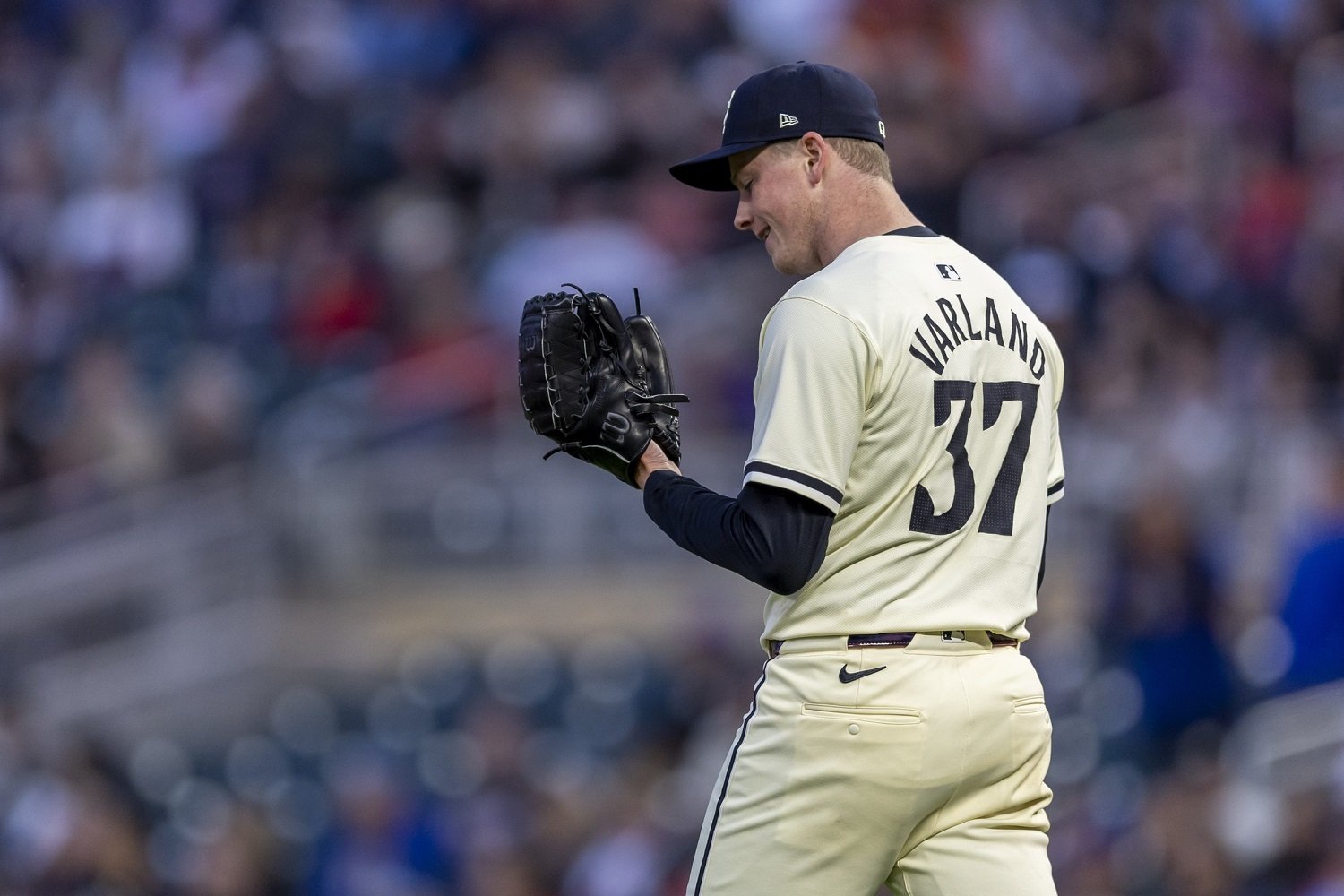
In his first season as a full-time reliever, Louis Varland has flashed good swing-and-miss stuff. It's convinced Rocco Baldelli to deploy him more often out of the bullpen than any other Twin this year. But even as his strikeout rate soars, an old weakness has carried over from his days as a starter. Varland is leaving too many pitches in the middle of the plate, and opponents aren’t missing their invitations to tee off.
From Starter to High-Leverage Reliever
After splitting time between the rotation and bullpen the last two seasons, Varland has settled into a true reliever’s role in 2025. Through 15 appearances, Baldelli has leaned on him in more games than any other pitcher on the staff, using Varland in a variety of situations. The move makes sense: Varland’s four-seamer is up near 98 mph on short stints, and his secondary pitches play with added life when he doesn’t have to pace himself over multiple innings.
Perhaps the most encouraging sign has been his strikeout rate. Varland is punching out 32.8 percent of batters faced, ranking in the top 8 percent of the league's hurlers. That surge in whiffs has come largely on the changeup and knuckle-curve, both of which gain intensity when thrown in shorter bursts.
The Meatball Problem
All of that swing-and-miss prowess can go for naught, though, when Varland loses the edges of the zone. Baseball Savant classifies pitches down the heart of the plate as “meatballs,” and for his career, Varland has served up 9.8% of his offerings right over the middle. That total is significantly above the MLB average of roughly 7.3%. Those mistakes have been punished: meatballs are prime targets for high-exit velocity contact and home runs. So, how has Varland been impacted by meatballs this season?
Hard Contact Metrics
- Pull AIR % (Pulled Airborne Batted Balls): Hitters are pulling the ball in the air 25.7 percent of the time against Varland, up from roughly 18 percent in his starter years.
- Average Exit Velocity: His opponents’ average exit velocity is 93.1 mph, well above the league average, and in the worst 2 percent of pitchers.
- Hard Hit %: A whopping 62.9 percent of balls in play against him qualify as “hard-hit” (95 mph+), placing him in the bottom 1 percent of MLB arms.
These figures underline the danger of meatballs: when he leaves a pitch waist-high, hitters punish it.
Spotlight on the Changeup
Varland’s changeup has been especially problematic. In 21 pitches thrown this season, he’s yielded a 1.667 slugging percentage, including two home runs and a double. He is only throwing this pitch against left-handed batters, and it comes with the caveat of being a small sample size. However, a changeup hung over the heart of the plate plays like a batting practice fastball, and opposing hitters have taken full advantage. A glance at his Statcast zone map shows a cluster of mislocated changeups right down the middle.

Path Forward: Execution at the Edges
If Varland is to take the next step as a late-inning weapon, his command must improve. Specifically:
- Fastball Location: While his heater can touch 100 mph, too many end up middle-middle. Working more around the edges and elevating more within the zone will keep hitters honest and reduce the risk of giving up power.
- Changeup Refinement: Better tunneling and late fade on the changeup could turn meatballs into chase-inducing off-speed pitches. Emphasizing release consistency and disguising arm speed will be key. So, too, though, will be generating more depth on the offering than he's managed so far in 2025. In this image, the red line connects the movement coordinates for his 2025 fastball and changeup, while the blue one connects his 2024 offerings. This year, the changeup has more run, but less depth, leading to more pitches left up.

Even with the meatball issue, Varland’s 3.21 ERA and 19 strikeouts in 14 innings suggest that the raw stuff is plus-plus. His two seasons of relief work have shown he can handle high-leverage innings, and the strikeout upside is tantalizing. If Twins pitching coaches can help him tighten up the zone and avoid center-cut mistakes, Varland could become one of the most valuable relief options in the back end of the bullpen.
Will Varland be able to solve his meatball problem? Leave a comment and start the discussion.
Do you approve of Twins ownership?

Follow Twins Daily For Minnesota Twins News & Analysis



- nclahammer, glunn, Hrbeks Divot and 2 others
-
 5
5



Recommended Comments
Create an account or sign in to comment
You need to be a member in order to leave a comment
Create an account
Sign up for a new account in our community. It's easy!
Register a new accountSign in
Already have an account? Sign in here.
Sign In Now