



Matthew Trueblood
-
Posts
1,033 -
Joined
-
Last visited
Content Type
Profiles
News
Minnesota Twins Videos
2026 Minnesota Twins Top Prospects Ranking
2022 Minnesota Twins Draft Picks
Minnesota Twins Free Agent & Trade Rumors, Notes, & Tidbits
Guides & Resources
2023 Minnesota Twins Draft Picks
The Minnesota Twins Players Project
2024 Minnesota Twins Draft Picks
2025 Minnesota Twins Draft Pick Tracker
2026 Minnesota Twins Draft Tracker: Picks & Bonuses
Forums
Blogs
Events
Store
Downloads
Gallery
Everything posted by Matthew Trueblood
-
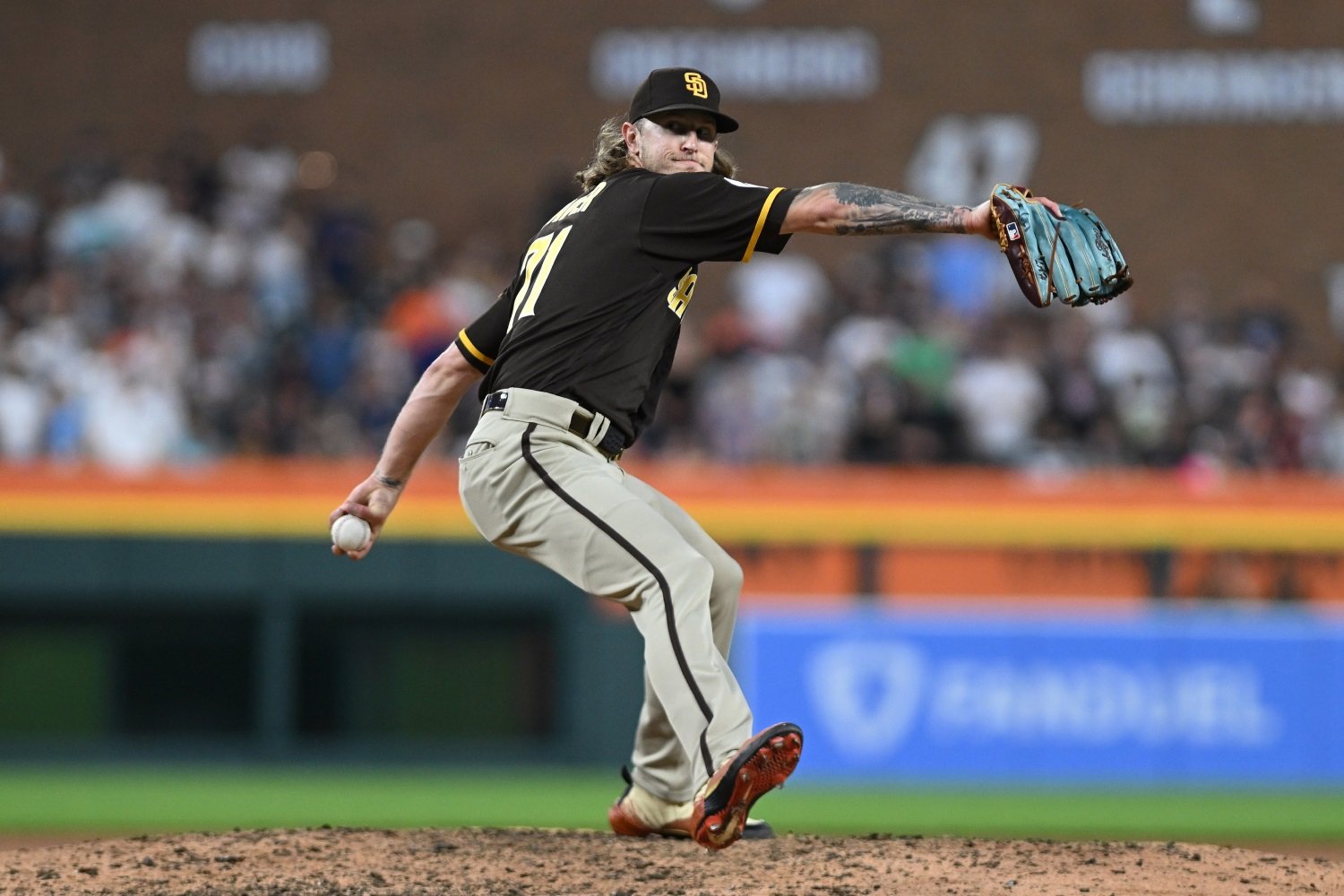 Maybe that's unjustifiably unkind. The league isn't totally inert. Last Friday, the Astros signed Josh Hader to a five-year deal worth $95 million, and the Angels locked up Robert Stephenson on a three-year deal worth upward of $30 million shortly thereafter. It's just hard to figure out what anyone--including the Astros and Angels--is doing. How Many Closers Do You Need? For the Astros, the baffling thing is that Hader is a nigh-historic addition to a bullpen that simply didn't need him very much. Shortly before signing him, they did announce that they'd lost setup man Kendall Graveman to shoulder surgery, and that Graveman will miss the whole of 2024. In truth, though, Graveman himself was a luxury item. As the Twins remember only too well, the Astros' recent playoff success has been fueled in no small part by Bryan Abreu and Ryan Pressly. Since the start of 2022, Pressly has 139 strikeouts against 29 walks in 113 2/3 regular-season innings, plus 23 strikeouts and five walks in 17 scoreless frames in the postseason. Abreu, if possible, has been even better, with a sub-2.00 ERA in each of the last two seasons. He's punched out 188 batters in 132 1/3 frames in the regular season over that span, and has 33 strikeouts in 19 2/3 playoff innings, too. The Astros are already committed to middle reliever Rafael Montero, too, and their development system churns out hurlers capable of joining the corps of those arms. Hader makes them better, but it all has a whiff of gilding the lily. To be sure, they're an even tougher out in the playoffs, now, but they might not be materially closer to getting there than they were four days ago. It's an irrational marketplace. How Many Closers Do You Need? The question of why the Angels signed the second-best reliever on the market is very different, even though you can say it in pretty much exactly the same words. The Angels are going to be terrible this year. Their best player now plays for their obnoxious big brother. Their second-best player is hurt all the time and turns 33 this summer. Their third-best player isn't even their third-best player anymore, and he's hurt all the time, and he turns 34 this summer, and he also hates baseball. Signing a reliever to an eight-figure deal is more like gilding a dandelion, in this case. Again, though, we're seeing the irrationality of the market, and thus, why the Twins aren't yet being hurt much by the limitations resulting from the uncertainty about the future of their broadcast rights. They weren't going to be in on guys like Shohei Ohtani or Yoshinobu Yamamoto at the prices the Dodgers paid, even if the Pohlads had sold off some other arm of their empire and shoved all the cash into Derek Falvey's hands. It's not in line with the way the Falvey-led front office likes to do things. For the same reason, they were never going to be in on Hader or Stephenson. Only now, with some of those big deals (and, realistically, overpays) off the board, is the phase of the offseason in which Falvey was ever going to be interested in participating beginning. The time it has taken for that to happen is to the Twins' advantage, not only because a bit more clarity about their TV money now seems to be on the horizon, but because they can start to use the calendar as a cudgel. Joe All Day, Joe Every Day, Joe Today, Joe Tomorrow, Joe Forever If you're sick of Joe Mauer Hall of Fame talk... tough. The Hall will announce its 2024 class tomorrow evening, and Joe Mauer is overwhelmingly likely to be part of it. We're going to have heavy coverage of the event, and further, we're going to spend considerable time over the next few days remembering and reexamining Mauer's career from a variety of angles. This is a special moment. If you do feel that urge to be too cool for it, or to linger in resentment about what he wasn't able to accomplish for the team, I want to plead with you: interrogate that urge, digest it, and then banish it. If you hold this particular moment at arm's length, you'll regret it later. When life offers you an opportunity to share in massive, uncomplicated celebration with people, never pass it up. We should do more of that, rather than less. We should be a little less cool, sometimes, in order to be a little more happy. Which free agents and trade targets are you still feeling hopeful about? What will you remember most clearly about Mauer's career? Give yourself a break this morning and wade into some baseball talk.
- 14 comments
-
- 8
-

-

-
- josh hader
- robert stephenson
- (and 1 more)
-
There are no weekends left before Twins Fest. There are only three before pitchers and catchers report to Fort Myers. It's time to wake up now, baseball executives. You're going to be late for school. Image courtesy of © Lon Horwedel-USA TODAY Sports Maybe that's unjustifiably unkind. The league isn't totally inert. Last Friday, the Astros signed Josh Hader to a five-year deal worth $95 million, and the Angels locked up Robert Stephenson on a three-year deal worth upward of $30 million shortly thereafter. It's just hard to figure out what anyone--including the Astros and Angels--is doing. How Many Closers Do You Need? For the Astros, the baffling thing is that Hader is a nigh-historic addition to a bullpen that simply didn't need him very much. Shortly before signing him, they did announce that they'd lost setup man Kendall Graveman to shoulder surgery, and that Graveman will miss the whole of 2024. In truth, though, Graveman himself was a luxury item. As the Twins remember only too well, the Astros' recent playoff success has been fueled in no small part by Bryan Abreu and Ryan Pressly. Since the start of 2022, Pressly has 139 strikeouts against 29 walks in 113 2/3 regular-season innings, plus 23 strikeouts and five walks in 17 scoreless frames in the postseason. Abreu, if possible, has been even better, with a sub-2.00 ERA in each of the last two seasons. He's punched out 188 batters in 132 1/3 frames in the regular season over that span, and has 33 strikeouts in 19 2/3 playoff innings, too. The Astros are already committed to middle reliever Rafael Montero, too, and their development system churns out hurlers capable of joining the corps of those arms. Hader makes them better, but it all has a whiff of gilding the lily. To be sure, they're an even tougher out in the playoffs, now, but they might not be materially closer to getting there than they were four days ago. It's an irrational marketplace. How Many Closers Do You Need? The question of why the Angels signed the second-best reliever on the market is very different, even though you can say it in pretty much exactly the same words. The Angels are going to be terrible this year. Their best player now plays for their obnoxious big brother. Their second-best player is hurt all the time and turns 33 this summer. Their third-best player isn't even their third-best player anymore, and he's hurt all the time, and he turns 34 this summer, and he also hates baseball. Signing a reliever to an eight-figure deal is more like gilding a dandelion, in this case. Again, though, we're seeing the irrationality of the market, and thus, why the Twins aren't yet being hurt much by the limitations resulting from the uncertainty about the future of their broadcast rights. They weren't going to be in on guys like Shohei Ohtani or Yoshinobu Yamamoto at the prices the Dodgers paid, even if the Pohlads had sold off some other arm of their empire and shoved all the cash into Derek Falvey's hands. It's not in line with the way the Falvey-led front office likes to do things. For the same reason, they were never going to be in on Hader or Stephenson. Only now, with some of those big deals (and, realistically, overpays) off the board, is the phase of the offseason in which Falvey was ever going to be interested in participating beginning. The time it has taken for that to happen is to the Twins' advantage, not only because a bit more clarity about their TV money now seems to be on the horizon, but because they can start to use the calendar as a cudgel. Joe All Day, Joe Every Day, Joe Today, Joe Tomorrow, Joe Forever If you're sick of Joe Mauer Hall of Fame talk... tough. The Hall will announce its 2024 class tomorrow evening, and Joe Mauer is overwhelmingly likely to be part of it. We're going to have heavy coverage of the event, and further, we're going to spend considerable time over the next few days remembering and reexamining Mauer's career from a variety of angles. This is a special moment. If you do feel that urge to be too cool for it, or to linger in resentment about what he wasn't able to accomplish for the team, I want to plead with you: interrogate that urge, digest it, and then banish it. If you hold this particular moment at arm's length, you'll regret it later. When life offers you an opportunity to share in massive, uncomplicated celebration with people, never pass it up. We should do more of that, rather than less. We should be a little less cool, sometimes, in order to be a little more happy. Which free agents and trade targets are you still feeling hopeful about? What will you remember most clearly about Mauer's career? Give yourself a break this morning and wade into some baseball talk. View full article
-
Why You Should Believe in Bailey Ober, Mid-Rotation Starter
Matthew Trueblood posted an article in Caretakers
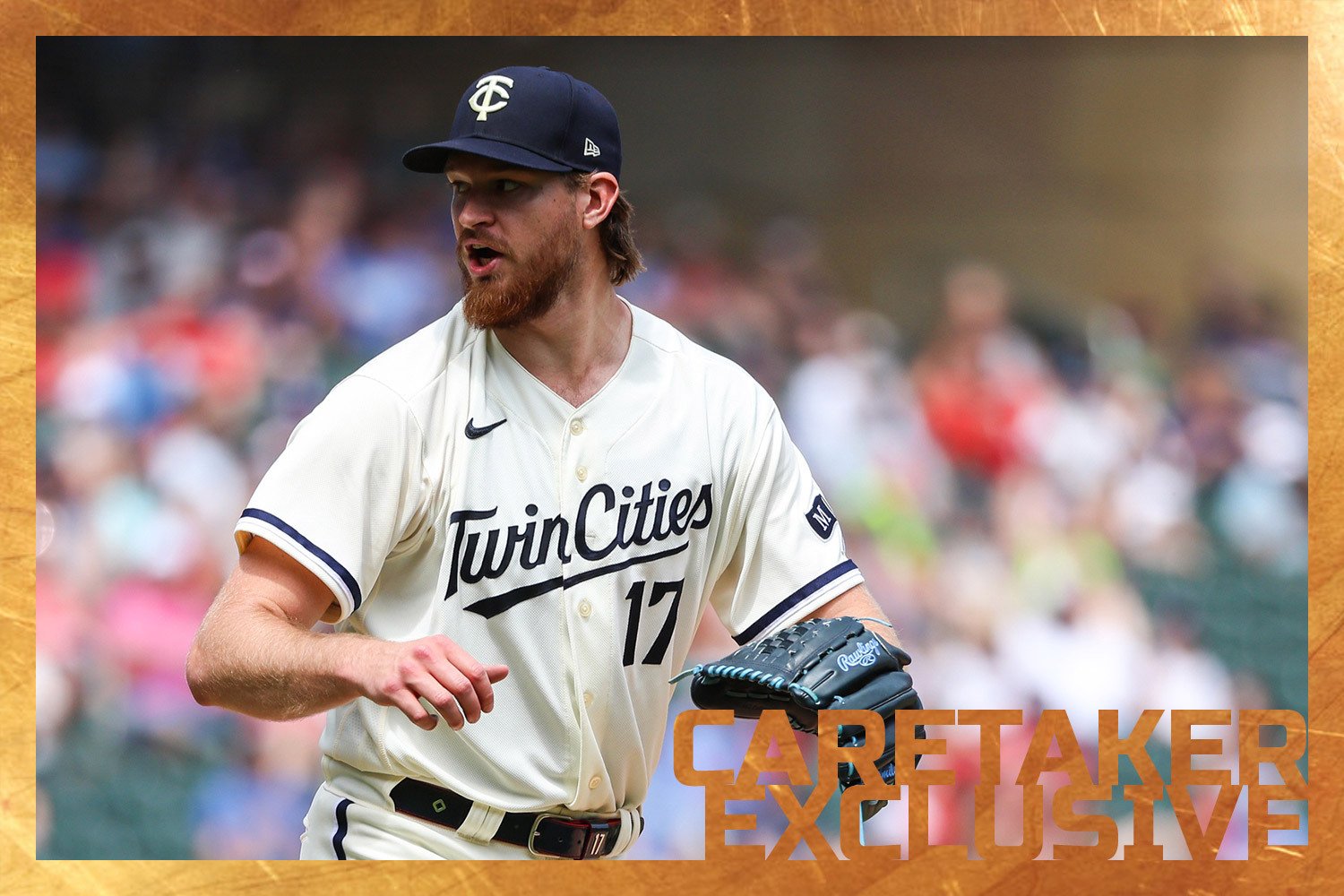 Since the start of the 2022 season, Bailey Ober has made 37 starts in the big leagues, totaling 200 innings. He has a 3.37 ERA. In addition to those, he made five starts in Triple A in 2023, with St. Paul, and ran a 2.38 ERA. Those are frontline starter numbers. That 3.37 mark is the same ERA as coveted trade candidate Dylan Cease and much-admired young Mariners co-ace George Kirby have over the same span. Of course, both Cease and Kirby have thrown upward of 100 more innings than has Ober during those two seasons, at least in MLB. A groin strain cost Ober a good chunk of 2022, and the Twins' unexpectedly stout, healthy rotation led them to stash the optionable Ober in St. Paul for a couple stretches of the season. Health is a big part of the story with Ober, but it's been somewhat overstated recently. The groin strain was unfortunate, and isn't to be entirely dismissed, because he's a big guy with an athletic delivery, and injuries like that are part of the package there. It's been several years since Ober's elbow trouble in the minor leagues, though, and he's an almost entirely different pitcher now than he was then. While he's not going to rack up a workload to match that of Jordan Montgomery (3.34 ERA since 2022, but 367 regular-season innings) or Logan Gilbert (376 innings of 3.47-ERA ball), Ober now has a platform of roughly 165 innings on which to build. Despite being a collegiate draftee who then got waylaid by injuries and the pandemic, Ober is still only 28 years old. You can make a pretty strong argument, in other words, that the Twins have a strong mid-rotation starter here--and maybe more. If he pitches 175 innings in 2024 with a similar ERA to his past two seasons, he'll be the replacement for the departed Sonny Gray, and Twins fans needn't obsess further over that challenge. "That's a pretty big if!" you exclaim. "Can he really do that?" Yes.
 -
This has been the winter of many Twins fans' discontent, as they impatiently await the addition of a frontline starting pitcher. While that sentiment is understandable, it fundamentally underrates one of the existing pieces the team has. Image courtesy of © Matt Blewett-USA TODAY Sports Since the start of the 2022 season, Bailey Ober has made 37 starts in the big leagues, totaling 200 innings. He has a 3.37 ERA. In addition to those, he made five starts in Triple A in 2023, with St. Paul, and ran a 2.38 ERA. Those are frontline starter numbers. That 3.37 mark is the same ERA as coveted trade candidate Dylan Cease and much-admired young Mariners co-ace George Kirby have over the same span. Of course, both Cease and Kirby have thrown upward of 100 more innings than has Ober during those two seasons, at least in MLB. A groin strain cost Ober a good chunk of 2022, and the Twins' unexpectedly stout, healthy rotation led them to stash the optionable Ober in St. Paul for a couple stretches of the season. Health is a big part of the story with Ober, but it's been somewhat overstated recently. The groin strain was unfortunate, and isn't to be entirely dismissed, because he's a big guy with an athletic delivery, and injuries like that are part of the package there. It's been several years since Ober's elbow trouble in the minor leagues, though, and he's an almost entirely different pitcher now than he was then. While he's not going to rack up a workload to match that of Jordan Montgomery (3.34 ERA since 2022, but 367 regular-season innings) or Logan Gilbert (376 innings of 3.47-ERA ball), Ober now has a platform of roughly 165 innings on which to build. Despite being a collegiate draftee who then got waylaid by injuries and the pandemic, Ober is still only 28 years old. You can make a pretty strong argument, in other words, that the Twins have a strong mid-rotation starter here--and maybe more. If he pitches 175 innings in 2024 with a similar ERA to his past two seasons, he'll be the replacement for the departed Sonny Gray, and Twins fans needn't obsess further over that challenge. "That's a pretty big if!" you exclaim. "Can he really do that?" Yes. View full article
-
I'm especially in on that last sentiment. It's way too early for them to be moving out of there, especially because the place is just finding itself. I think it's one of the league's more unfairly maligned parks. I rather like going there and don't want to see them move (yet, at least) either.
-
I kind of miss spending winters uncritically soaking up whatever rumors ran in Baseball Weekly and daydreaming about a right fielder making a running catch angling back toward the wall in the gap, then throwing behind a runner to try to double them up. We have no details, yet, on whether or to what extent public funding will help build this park, or even whether it will actually be built. This is a big step for the Sox, though. The location they're talking about would put them squarely in what we'd call downtown, virtually in the shadow of the Sears Tower. It feels like Reinsdorf won his staring contest with the partners he needed, and did it pretty quickly. What do you expect to come of the uncertain TV situation? What do you make of Rodriguez? Is there a Blue Jays-Twins trade fit coming into focus? Let's talk ball, and pray for the warmer temperatures my weather app says are coming early next week. (Mild winters: another thing that once seemed simple...) Happy Thursday. View full article
-
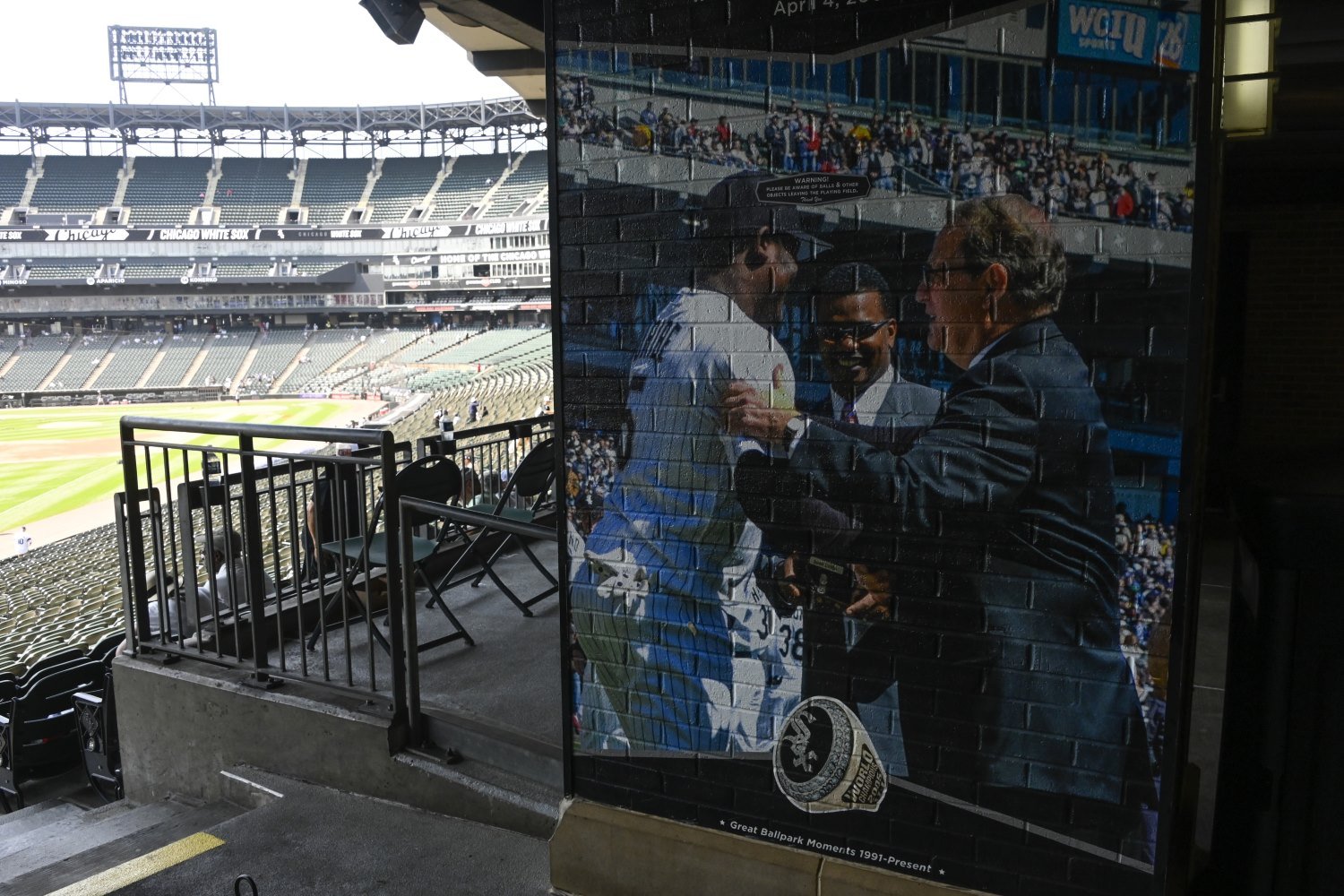 That degree of simplicity was always a lie. All over our lives, when we grow up and take a close, informed look at the world, we see that the version of it with which we first fell in love was a comforting fabrication. That feeling of having to find a more serious, more sober, more complete, but also sadder way to love something gets familiar. Anyone who's survived deep enough into a relationship to lose the glow of raw infatuation knows it. It pounces on you when you re-watch a favorite childhood movie with your own kids. Sports fandom encourages you to delay that embrace of adulthood. Sports aren't exactly just games, but we can sell ourselves on that longer than we can hold onto the cartoon version of the first Thanksgiving or blithely assume that Justin Timberlake sat down one day and spontaneously scribbled out "Tearin' Up My Heart." Eventually, though, it all becomes inescapable. Here, three decades into the Internet Age, the ugly, complex reality presses itself at your windows (and your tabs, and each of your apps) much sooner and more insistently. I quote the should-be legendary musical episode of Scrubs: That show was good. I don't care what my wife says. She's a hypocrite, anyway. She loves Cougar Town, which (don't get me wrong) is great, but it just steals all of Scrubs's jokes. I'm not begrudging them that, the same people who made one made the other, it's not borderline plagiarism like Family Guy stealing from The Simpsons. And we named one of our sons Sorkin, so I'm in no position to criticize anyone for recycling content from one series to another. I'm just saying, there's a lot of the same jokes, from some of the same actors, and by the way, Scrubs did it first. I swear, I started out planning to talk baseball. Let's face the hard truth of the ugly business sides of our beloved game, and the future they so much shape. Prime Time? You know, Deion Sanders was also a great baseball player. He's underrated. I wouldn't mind seeing Coach Prime become Manager Prime, as long as he was Managing some other team. That would be entertaining. Alas, the Prime we're talking about today is Amazon's streaming platform. Tons and tons of things are still unknown, but Wednesday brought the news that Amazon is investing over $100 million in Diamond Sports Group, the parent company to Bally Sports, and that they're likely to support and/or host broadcasts for several teams in 2024 and beyond. Fearless leader John Bonnes wrote an astute breakdown of what little we know yesterday, but the most important and fascinating question--whether this will lead to an unexpected increase in the Twins' earning potential for broadcast rights this year and a concomitant loosening of the financial reins that have held back the front office this winter--remains not only unanswered, but unanswerable, at last for a few more days. We're under four weeks until spring training opens, too, so a few days is no small thing. Blue Jays Deepen Pitching Staff On that last part, about the tight timelines here and the need to gain some clarity quickly, a point in support: the Blue Jays signed Cuban righthander Yariel Rodriguez Wednesday. It's a four-year deal worth $32 million, for a hurler who seems to profile best as a reliever but worked as a starter in last year's World Baseball Classic. Toronto's starting rotation is already pretty solid, but maybe there's a swingman role open for Rodriguez. Given all the noise he made going into this process about wanting to start, it seems unlikely that he'd have signed with the Jays if they hadn't intimated that they're open to giving him an audition. On the other hand, it seems unlikely that any team would sign a guy for four years and $32 million if they envisioned him as a starter in any serious measure. This feels akin to the Reynaldo López and Jordan Hicks contracts from earlier this winter, and evokes the piece Cody Schoenmann wrote yesterday about those guys vis-a-vis Jhoan Durán. Relievers dreaming of becoming starters again is often as futile as us grownups wishing we could go back to seeing the world in simple lines and primary colors, but if I can reminisce and lament, they can perseverate and try. Out of the South, Into the South Loop During the Winter Meetings, Jerry Reinsdorf rather obviously (but not altogether clumsily) made sure reporters witnessed him meeting with the mayor of Nashville, Tenn. He wanted everyone to think he was actively (if not yet inflexibly) looking to move the White Sox to the most obvious available market, as a leverage play against the municipal and state governments with whom he would have to work in order to get a new ballpark built in the Chicago area. All along, I regarded that as a transparent ploy. Reinsdorf is no man of deep principle, but he's a Chicago guy. He was born in Brooklyn, but he moved to Chicago nearly 70 years ago. He got his law degree at Northwestern. His wife is buried in Chicago. He still owns the Chicago Bulls. Anyone who knows how Illinois politics works also knew, though, that the ploy was likely to work. It looks like it has. We have no details, yet, on whether or to what extent public funding will help build this park, or even whether it will actually be built. This is a big step for the Sox, though. The location they're talking about would put them squarely in what we'd call downtown, virtually in the shadow of the Sears Tower. It feels like Reinsdorf won his staring contest with the partners he needed, and did it pretty quickly. What do you expect to come of the uncertain TV situation? What do you make of Rodriguez? Is there a Blue Jays-Twins trade fit coming into focus? Let's talk ball, and pray for the warmer temperatures my weather app says are coming early next week. (Mild winters: another thing that once seemed simple...) Happy Thursday.
 -
Is Ryan Jeffers Underrated?
Matthew Trueblood replied to Cody Christie's topic in Twins Daily Front Page News
That umpires might unevenly affect the efficacy of framing is a good and underdiscussed point. I will say that more than one of the stat frameworks that evaluate the skill make an attempt to correct for that effect, but it's tough to do perfectly. So, I guess, is adjusting for parks and league run environments, among other things. Me, personally: I hope the strike zone is never automated. It's part of the art of the game. Sport should be art, more than science. We lose something huge and essential when we let it go from one thing to the other. -
I've seen this question in multiple places, and I think the implication (intentional or otherwise) is that Arráez might be damaged goods or not as valuable as he seems. I want to knock that notion down. He's available because he had such a good season that he's now going to cost a ton via arbitration, and because the Marlins made a change in baseball leadership, such that the guy now running the team isn't the person who traded for him a year ago, and because the new FO has a longer-term vision, as opposed to trying to get right back to the playoffs next year at all costs. The questions about fit aren't misplaced. I just want to be clear that Arráez is available purely because the Marlins have an uncertain financial future into which he's an uneasy fit, and because of that change in the front office's top decision-makers--not because people aren't expecting him to continue to rake, or because his health is a question, or because of the perceived defensive limitations.
-
Well, for what it's worth, Burnes has less than zero interest in an extension. I mean that unless you offered him basically the Gerrit Cole deal, he's going to free agency. But yes, they can afford him.
- 19 replies
-
- 3
-
-
- caleb thielbar
- willi castro
- (and 5 more)
-
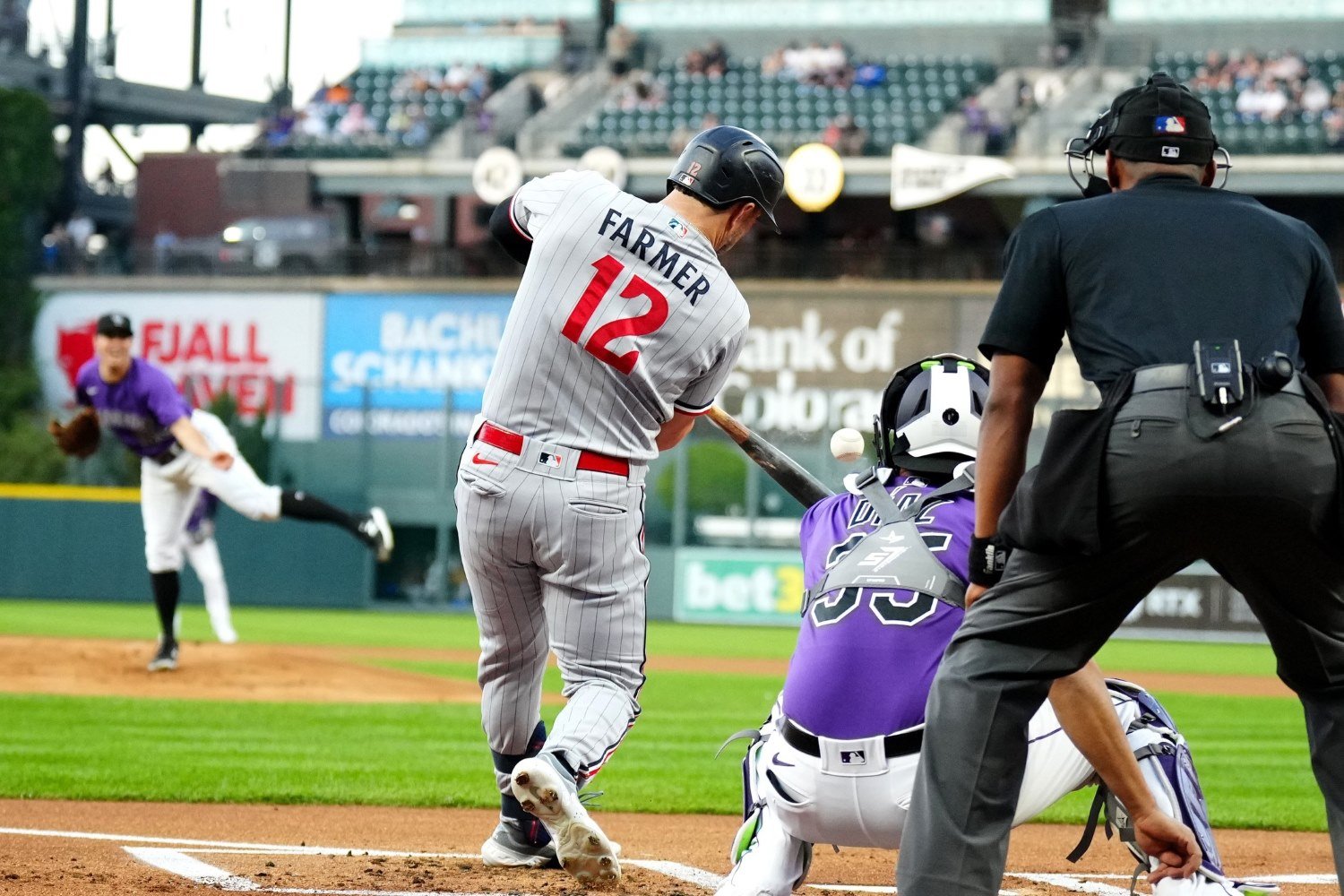 News continues to come more in trickle than torrent, but by today at noon, teams have to either agree with arbitration-eligible players on deals to avoid that noxious process or submit their figures for a potential hearing. At 7 PM tonight, those figures will be officially exchanged. That's what much of today will be about, and then moves should pick up starting this weekend. Everyone Just Wants a Longer Long Weekend With much of the country set to observe Martin Luther King Jr. Day Monday and enjoy a three-day weekend, the league and the players association agreed last month to move up the deadline for the exchange of arbitration figures from Friday to today. Presumably, at least for teams who have a decent chunk of their offseason moving and shaking done, this means a four-day weekend for some folks who have worked hard for it. Call it anything you want, but you can't call it unrelatable. Big Twins Decisions Coming Into Focus Why does this seemingly banal procedural deadline matter? Say you're the Twins. You're facing pretty strict financial constraints this winter, pending the resolution of the TV rights questions hanging over everything, and you have seven players eligible for arbitration. Add their projected salaries (per MLB Trade Rumors) together, and they account for $18.8 million of your payroll for the coming season. That's no chump change, given how much you have committed to Carlos Correa and Byron Buxton and the holes you still need to fill. It's also not a real number, though--not yet. As good as MLBTR's projections typically are, it could easily be as little at $17 million or (more likely, in this particular case) as much as $20.5 million that you end up paying those seven players. A few million dollars don't go as far as they used to, in MLB, but that range of possible outcomes is not totally negligible. They can shape and alter your set of options for the balance of the offseason. For that reason, look for the team to get deals done with just about all of these guys, and if they don't get one done (with Kyle Farmer, for instance), it might signal a greater likelihood that they'll trade that player, rather than a real willingness to go to a hearing with them. It also matters because of how the same process shapes other teams' options. The Twins are still in contact with the Brewers about a potential Corbin Burnes trade, but both sides will want to know what Burnes is actually going to make in 2024 before talking more concretely about the secondary pieces in such a trade. Today will be busy, and the stakes are higher than you'd think. You'll Hear Nothing and Like It While we're all going to get clarity on some arbitration stuff 24 hours earlier than expected, no one is getting clarity any time soon on the bankruptcy of Bally Sports parent company, Diamond Sports Group. An important hearing was pushed back this week, delaying any move that might give the Twins (or Rangers, or Guardians, or any of several other teams only slightly less urgently interested in how this will all shake out) more certainty about the ways they might broadcast their games (and get paid for the rights) in 2024. As has been the case going back two decades (to the days of the first fights between cable companies and the channels trying to mill their rights to live sports into sky-high carriage fees), all of the extremely wealthy people and entities involved will ultimately win in this staredown. They're fighting over the rightmost six or seven numbers in ledgers with nine or 10 digits before the decimal point. The losers, again, are the fans. I'm not sure there's anything we can do to change that, but we shouldn't lose sight of it. A Few Thoughts on Specific Arbitration Cases Farmer will garner the most eyeballs today, because if his projected salary of $6.6 million pans out, he's a bit of a luxury for a team on a budget. He's not the only name worth checking on closely, though. MLBTR only pegs Jeffers for $2.3 million, but given his surface-level numbers in 2023, I would take the over. His playing time will cap his earning power, but he has a chance to get expensive over the next couple years. Catcher is one place where the Twins farm system is shallow, and finding a legitimate medium-term prospect who could take over for Jeffers should be on their to-do list for the year. Are you ready for Arbageddon? (Get it?) Do you think the Twins will pull the trigger on any form of a Burnes trade? Let's chop it up, as the stove heats up just in time for the cold of January to really seize us all.
- 19 comments
-
- 5
-
-
- caleb thielbar
- willi castro
- (and 5 more)
-
What kind of amateur operation is MLB running, anyway? I kid. (Kind of.) An offseason deadline was quietly pushed up one day last month, so it's suddenly upon us. Image courtesy of © Ron Chenoy-USA TODAY Sports News continues to come more in trickle than torrent, but by today at noon, teams have to either agree with arbitration-eligible players on deals to avoid that noxious process or submit their figures for a potential hearing. At 7 PM tonight, those figures will be officially exchanged. That's what much of today will be about, and then moves should pick up starting this weekend. Everyone Just Wants a Longer Long Weekend With much of the country set to observe Martin Luther King Jr. Day Monday and enjoy a three-day weekend, the league and the players association agreed last month to move up the deadline for the exchange of arbitration figures from Friday to today. Presumably, at least for teams who have a decent chunk of their offseason moving and shaking done, this means a four-day weekend for some folks who have worked hard for it. Call it anything you want, but you can't call it unrelatable. Big Twins Decisions Coming Into Focus Why does this seemingly banal procedural deadline matter? Say you're the Twins. You're facing pretty strict financial constraints this winter, pending the resolution of the TV rights questions hanging over everything, and you have seven players eligible for arbitration. Add their projected salaries (per MLB Trade Rumors) together, and they account for $18.8 million of your payroll for the coming season. That's no chump change, given how much you have committed to Carlos Correa and Byron Buxton and the holes you still need to fill. It's also not a real number, though--not yet. As good as MLBTR's projections typically are, it could easily be as little at $17 million or (more likely, in this particular case) as much as $20.5 million that you end up paying those seven players. A few million dollars don't go as far as they used to, in MLB, but that range of possible outcomes is not totally negligible. They can shape and alter your set of options for the balance of the offseason. For that reason, look for the team to get deals done with just about all of these guys, and if they don't get one done (with Kyle Farmer, for instance), it might signal a greater likelihood that they'll trade that player, rather than a real willingness to go to a hearing with them. It also matters because of how the same process shapes other teams' options. The Twins are still in contact with the Brewers about a potential Corbin Burnes trade, but both sides will want to know what Burnes is actually going to make in 2024 before talking more concretely about the secondary pieces in such a trade. Today will be busy, and the stakes are higher than you'd think. You'll Hear Nothing and Like It While we're all going to get clarity on some arbitration stuff 24 hours earlier than expected, no one is getting clarity any time soon on the bankruptcy of Bally Sports parent company, Diamond Sports Group. An important hearing was pushed back this week, delaying any move that might give the Twins (or Rangers, or Guardians, or any of several other teams only slightly less urgently interested in how this will all shake out) more certainty about the ways they might broadcast their games (and get paid for the rights) in 2024. As has been the case going back two decades (to the days of the first fights between cable companies and the channels trying to mill their rights to live sports into sky-high carriage fees), all of the extremely wealthy people and entities involved will ultimately win in this staredown. They're fighting over the rightmost six or seven numbers in ledgers with nine or 10 digits before the decimal point. The losers, again, are the fans. I'm not sure there's anything we can do to change that, but we shouldn't lose sight of it. A Few Thoughts on Specific Arbitration Cases Farmer will garner the most eyeballs today, because if his projected salary of $6.6 million pans out, he's a bit of a luxury for a team on a budget. He's not the only name worth checking on closely, though. MLBTR only pegs Jeffers for $2.3 million, but given his surface-level numbers in 2023, I would take the over. His playing time will cap his earning power, but he has a chance to get expensive over the next couple years. Catcher is one place where the Twins farm system is shallow, and finding a legitimate medium-term prospect who could take over for Jeffers should be on their to-do list for the year. Are you ready for Arbageddon? (Get it?) Do you think the Twins will pull the trigger on any form of a Burnes trade? Let's chop it up, as the stove heats up just in time for the cold of January to really seize us all. View full article
-
The Twins have a new pitcher on their big-league roster. It's unlikely to be an impact addition, but the bullpen mix just got incrementally deeper. Jensen is a minor addition, to be sure. He had excruciating control problems in 2023, after moving to the bullpen in search of more intensity in his stuff. The Cubs added him to the 40-man roster to protect him from the 2022 Rule 5 Draft, but they ended up waiving him at midseason, and he finished the campaign in the Mariners system. At his best, he can reach the upper 90s with his fastball. The shape of that pitch isn't great, though, and he's yet to find a secondary offering that makes it work. He was a swingman early in his college career at Fresno State, but an established and successful starter in his draft year. By the time the Cubs took him 27th overall, they did so in the hope that he would blossom into a mid-rotation starter. That, obviously, never happened, and he's struggled to throw strikes with an expanding mix at the upper levels of the minors. This one feels like a pure bet on the arm and the athleticism that made Jensen attractive half a decade ago. That doesn't mean it's bad. Indeed, the Twins probably intend to try a major streamlining of his repertoire: junking his lousy sinker, emphasizing his cutter and a fastball with relative cut, and maybe adding a sweeper or true slider. At worst, they spent one of a few open roster spots on a temporary basis. At best, they might have someone very much in the vein of Cole Sands, but with more talent than Sands has. What do you make of Jensen? Are you feeling confident about the Twins' middle-relief depth? View full article
-
NEWS: Twins Claim Relief Pitcher Ryan Jensen On Waivers
Matthew Trueblood posted an article in Twins
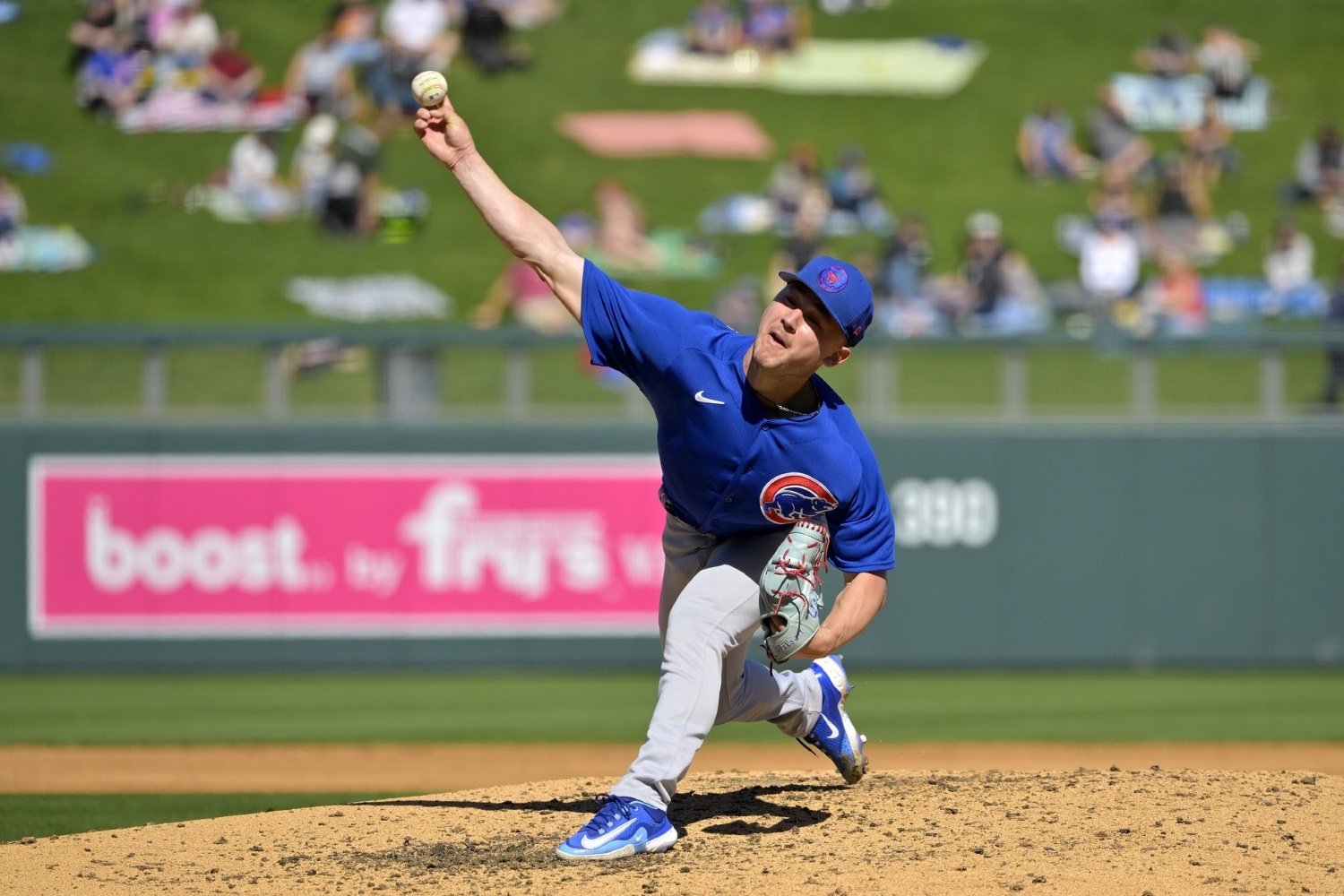 After his time on waivers was extended by the closure of MLB's offices from Christmas through New Year's day, righthander Ryan Jensen now has a new home. The Twins claimed him on waivers, where the Miami Marlins placed him last month. Jensen, 26, was the Cubs' first-round pick back in 2019, and was a member of three different organizations in 2023. He's yet to reach the big leagues. Jensen is a minor addition, to be sure. He had excruciating control problems in 2023, after moving to the bullpen in search of more intensity in his stuff. The Cubs added him to the 40-man roster to protect him from the 2022 Rule 5 Draft, but they ended up waiving him at midseason, and he finished the campaign in the Mariners system. At his best, he can reach the upper 90s with his fastball. The shape of that pitch isn't great, though, and he's yet to find a secondary offering that makes it work. He was a swingman early in his college career at Fresno State, but an established and successful starter in his draft year. By the time the Cubs took him 27th overall, they did so in the hope that he would blossom into a mid-rotation starter. That, obviously, never happened, and he's struggled to throw strikes with an expanding mix at the upper levels of the minors. This one feels like a pure bet on the arm and the athleticism that made Jensen attractive half a decade ago. That doesn't mean it's bad. Indeed, the Twins probably intend to try a major streamlining of his repertoire: junking his lousy sinker, emphasizing his cutter and a fastball with relative cut, and maybe adding a sweeper or true slider. At worst, they spent one of a few open roster spots on a temporary basis. At best, they might have someone very much in the vein of Cole Sands, but with more talent than Sands has. What do you make of Jensen? Are you feeling confident about the Twins' middle-relief depth?
 -
While we wait (and wait, and wait) for a trade that will shore up the front end of the Twins’ starting rotation for 2024 and beyond, there’s another question we need to ask. How many starters, exactly, does the team intend to use? Image courtesy of Brock Beauchamp / Getty Images By now, it shouldn't surprise anyone to hear that the six-man rotation is creeping in as a new normal throughout MLB. The league began trending that way half a decade ago, and the pandemic accelerated the process. In 2021, successful teams like the Astros and Brewers unapologetically turned to six-man staffs to managed workloads as their starters built back up after a truncated season. That was just one way that the trend began to take deeper root. Shohei Ohtani requires the teams for which he pitches to work on six-man rotations, to accommodate the extra recovery needed to be both an All-MLB slugger and an ace starter. The Dodgers were tending heavily toward a six-man staff even before they signed him last month, though. As imports from Japan's Nippon Professional Baseball proliferate in MLB, some rotations are also stretching out to accommodate them, because in NPB, starters work on a weekly schedule. The same is true, of course, in collegiate baseball, and in the restructured post-pandemic minor-league schedule, many teams put their prospects on a weekly one, too. Over 60 percent of starts throughout the league were made on five or more days of rest in 2023, and that's not going to change in 2024. The majority of the teams who have moved in this direction so far--the Angels, the Dodgers, the Astros, the Red Sox, the Mets, and the Padres have done it most often over the last three years--are big-spending, big-market operations. It's hard to afford six starting pitchers (and the rest of what you need to be a winning team) on a budget much smaller than $200 million, these days. The Twins certainly won't spend at that level in 2024, but they still might need to increase their commitment to the six-man rotation. They already ranked sixth in MLB in starts on long rest in 2023, and their approach will dictate that they continue to move that way. View full article
-
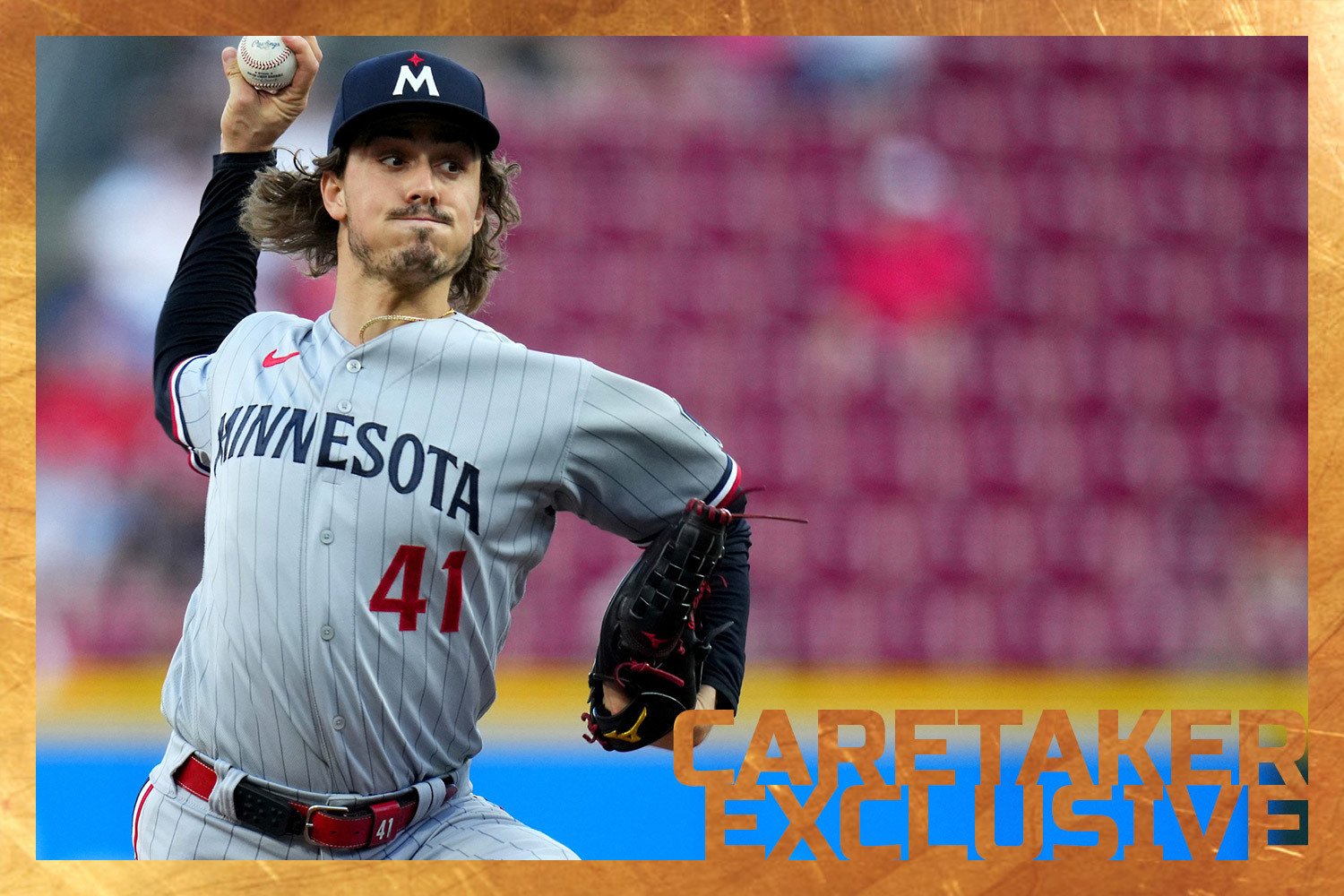 By now, it shouldn't surprise anyone to hear that the six-man rotation is creeping in as a new normal throughout MLB. The league began trending that way half a decade ago, and the pandemic accelerated the process. In 2021, successful teams like the Astros and Brewers unapologetically turned to six-man staffs to managed workloads as their starters built back up after a truncated season. That was just one way that the trend began to take deeper root. Shohei Ohtani requires the teams for which he pitches to work on six-man rotations, to accommodate the extra recovery needed to be both an All-MLB slugger and an ace starter. The Dodgers were tending heavily toward a six-man staff even before they signed him last month, though. As imports from Japan's Nippon Professional Baseball proliferate in MLB, some rotations are also stretching out to accommodate them, because in NPB, starters work on a weekly schedule. The same is true, of course, in collegiate baseball, and in the restructured post-pandemic minor-league schedule, many teams put their prospects on a weekly one, too. Over 60 percent of starts throughout the league were made on five or more days of rest in 2023, and that's not going to change in 2024. The majority of the teams who have moved in this direction so far--the Angels, the Dodgers, the Astros, the Red Sox, the Mets, and the Padres have done it most often over the last three years--are big-spending, big-market operations. It's hard to afford six starting pitchers (and the rest of what you need to be a winning team) on a budget much smaller than $200 million, these days. The Twins certainly won't spend at that level in 2024, but they still might need to increase their commitment to the six-man rotation. They already ranked sixth in MLB in starts on long rest in 2023, and their approach will dictate that they continue to move that way.
- 19 comments
-
- 6
-
-
- joe ryan
- pablo lopez
- (and 5 more)
-
Bove is KC's assistant pitching coach. He's part of a new structure there and his work with Staumont is notable, but they probably didn't meaningfully consult him on the choice to non-tender him at all. And yeah, the Twins wouldn't reach out to Bove to check in on him, except perhaps for any makeup stuff he felt like sharing. It's ok to talk about personality fit across organizations with people you know and trust, but by and large, teams neither trust what they hear from employees of other teams about on-field performance nor feel comfortable putting them in that kind of position.
-
Stages of Change model, baby. I say feel free to read the free content and wade into the discussion. Those who do will find others commenting with more information at hand, thanks to having read the whole piece, and maybe that moves someone along the line--from precontemplation to contemplation, or from contemplation to preparation. The conversation gets better as more folks see the whole story, but perspectives from those not yet seeing it all also help ground it in the broader perception.
-
This is good feedback. In my editorial capacity, I do try to schedule our Caretakers stuff in higher-volume windows of the week, when we'll have other stuff featured soon after they go up. At the same time, the goal with our Caretakers content is to encourage folks to invest a bit and get more in-depth coverage, on a sustainable model for that level of work. By posting these briefly in visible spots and giving the free preview sections for each piece, we hope to show folks who are still weighing that decision what they can expect and what they stand to gain if they take the leap with us. I totally understand the frustration of paywalled content being up top when you come for the free stuff, though, and again, that's never off my radar. Thanks for speaking up.
-
Well, to clarify one thing: a .261 BABIP isn't that crazy when you're a fairly extreme fly-ball guy with that kind of stuff. You're going to induce a lot of routine fly balls, which are outs 90+ percent of the time. The tradeoff, of course, is more home run vulnerability, but Staumont didn't just luck his way to those results. Also, Staumont would have been in line for anywhere from $200,000 to $500,000 more than this via arbitration, and the Royals have a tighter budget than the Twins. I wouldn't conclude, based on them non-tendering him, that he wasn't of value to them. Indeed, the fact that Staumont got a guaranteed deal should signal that the Twins were competing with multiple others for him.
-
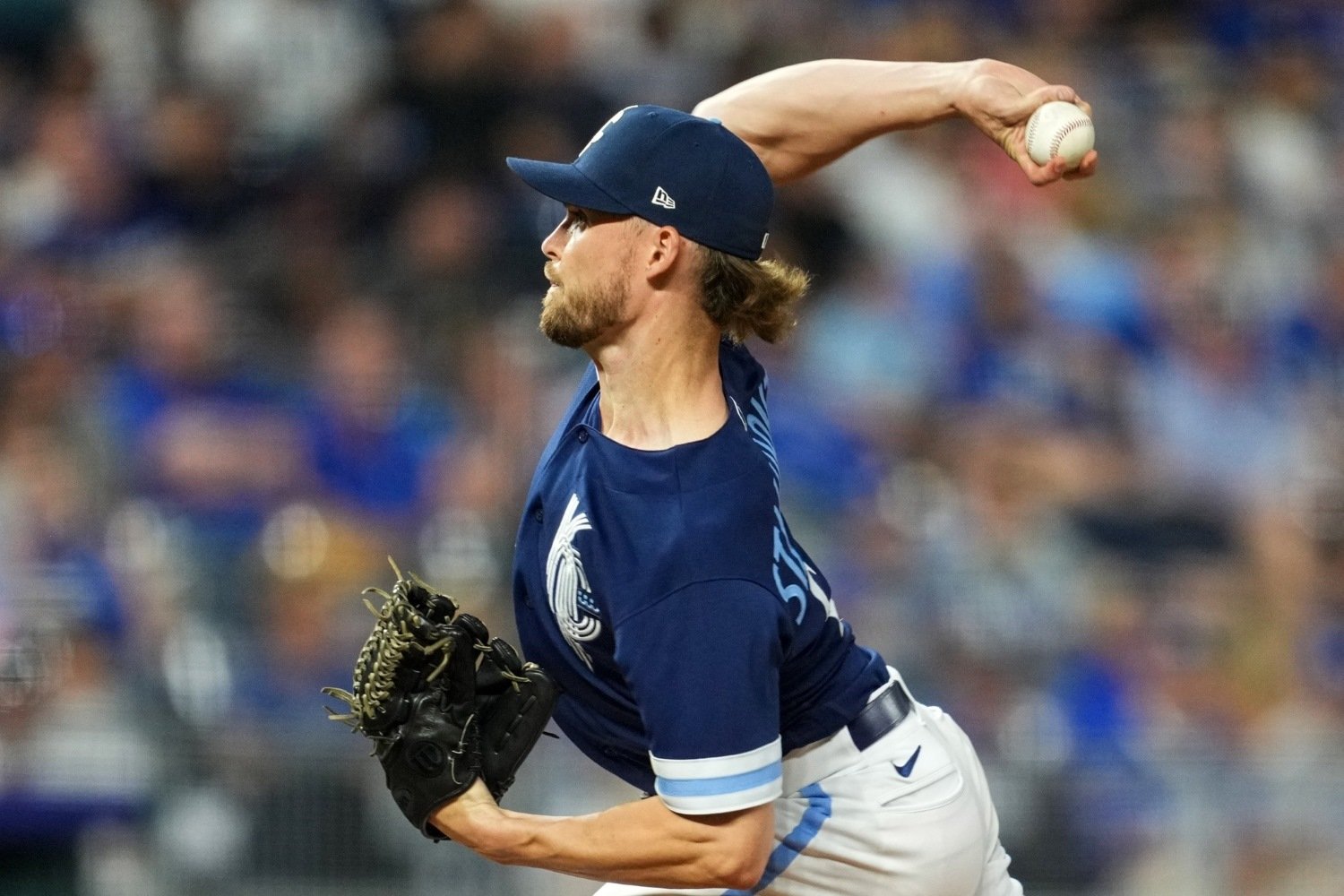 Go back a few years, and Josh Staumont was one of the nastiest relievers in baseball. He never became a household name or racked up a bunch of saves, but in 2020 and 2021, he had a total of 91 1/3 innings pitched, with a 2.75 ERA and a 29-percent strikeout rate. Since then, however, the wheels have come off, and just when he seemed to be getting back on the right track last summer, his season ended, as he had to undergo surgery to address thoracic outlet syndrome (TOS). Even at his best, Staumont walked too many opposing batters, and he never induced many ground balls. In his halcyon stretch under the shadow of COVID, though, he had overpowering stuff. His fastball scraped 100 miles per hour and sat at 97, with relative cut and ride action that made it a whiff machine at the top of the zone against left-handed batters. Once he set batters up with that pitch, he used a high-spin curveball to induce chases and punch them out. Lefties whiffed on over 40 percent of their swings against that plunging hook in 2020 and 2021, combined. Again, the results since the start of 2022 have been ugly. Still, the Twins see something here, and it's not just the ghost of the success he enjoyed before that. He's made a couple of important changes, and one that might not even count as made yet, but which the Twins will be eager to explore. He's also a good fit for their organizational philosophies about pitching and about bullpen usage, assuming he can get healthy and back onto the mound in short order.
 -
The Twins' first big-league addition of what has been a slow winter was a reliever who will make just over the league-minimum salary in 2024. But there's a little more to his story than that. Image courtesy of © Jay Biggerstaff-USA TODAY Sports Go back a few years, and Josh Staumont was one of the nastiest relievers in baseball. He never became a household name or racked up a bunch of saves, but in 2020 and 2021, he had a total of 91 1/3 innings pitched, with a 2.75 ERA and a 29-percent strikeout rate. Since then, however, the wheels have come off, and just when he seemed to be getting back on the right track last summer, his season ended, as he had to undergo surgery to address thoracic outlet syndrome (TOS). Even at his best, Staumont walked too many opposing batters, and he never induced many ground balls. In his halcyon stretch under the shadow of COVID, though, he had overpowering stuff. His fastball scraped 100 miles per hour and sat at 97, with relative cut and ride action that made it a whiff machine at the top of the zone against left-handed batters. Once he set batters up with that pitch, he used a high-spin curveball to induce chases and punch them out. Lefties whiffed on over 40 percent of their swings against that plunging hook in 2020 and 2021, combined. Again, the results since the start of 2022 have been ugly. Still, the Twins see something here, and it's not just the ghost of the success he enjoyed before that. He's made a couple of important changes, and one that might not even count as made yet, but which the Twins will be eager to explore. He's also a good fit for their organizational philosophies about pitching and about bullpen usage, assuming he can get healthy and back onto the mound in short order. View full article
-
Nah. Snell's market will be sufficiently robust for him to get north of the $172 million Nola elicited from the Phillies (who, by the way, are extremely NOT in on Snell). Boras is just waiting out Yamamoto, because not enough suitors will turn serious about Snell until after he signs.
- 6 replies
-
- 2
-
-
- yoshinobu yamamoto
- cody bellinger
- (and 1 more)
-
For my money, all of these are too much to give up for Luzardo. I'm not a believer in BTV *at all*. But, I do like him as a target, in general, and this piece does a good job of sketching the framework of a deal that could work. Ultimately, it feels like Luzardo is the bait the Marlins are floating out there to get more teams to call them, at which point they'll push Rogers or Cabrera, but the Twins have the goods to land Luzardo if they want. Certainly, these proposals are the kind the Fish are waiting to hear to get serious about trading him.
- 75 replies
-
- 9
-
-
- jesus luzardo
- brooks lee
- (and 3 more)
-
I think Buxton is a good comp, in one way. He, too, came up young, and even though injuries had haunted his early career, he had a chance to hit free agency quite young, so that had to be factored into the deal they agreed on. IMO, Lewis and Boras would reject the deals Nick lays out here, but they're on the right track. Giving him the kind of megadeal he and Boras would warm to immediately is a non-starter, because there's too little certainty right now. But something with the loose structure Nick sketched for us could be a starting point. Then, you add one of the big-dollar, multi-year team options that have sometimes been tacked onto such deals lately, with the (also increasingly familiar) counterbalancing, smaller but still significant player option if the team doesn't pick up their side.

