Matthew Trueblood
-
Posts
1,033 -
Joined
-
Last visited
Content Type
Profiles
News
Minnesota Twins Videos
2026 Minnesota Twins Top Prospects Ranking
2022 Minnesota Twins Draft Picks
Minnesota Twins Free Agent & Trade Rumors, Notes, & Tidbits
Guides & Resources
2023 Minnesota Twins Draft Picks
The Minnesota Twins Players Project
2024 Minnesota Twins Draft Picks
2025 Minnesota Twins Draft Pick Tracker
2026 Minnesota Twins Draft Tracker: Picks & Bonuses
Forums
Blogs
Events
Store
Downloads
Gallery
Everything posted by Matthew Trueblood
-
Twins Hitters Attack the Zone Differently Than Any Other Team
Matthew Trueblood posted an article in Caretakers
 This winter, the Twins were strapped for cash. They needed to upgrade their positional corps, but they didn't have many options, thanks to the financial constraints imposed on them by uncertainty about the future of their TV rights deal and by the conservatism of the Pohlad family. To beef up their first base and DH spots, they turned to veteran slugger Carlos Santana, partially because he was relatively affordable--but partially, too, because he beautifully fits their offensive philosophy. If you want to know what a hitter is trying to do at the plate, break down where they swing, and when. Situational hitting and late-count plate protecting aside, hitters demonstrate preferences for swinging in certain zones and laying off in others, and that often has as much to do with what their optimal outcome for a given pitch or at-bat is as it does with their bat path or where they anticipate being pitched. You might be tempted to guess that, as a switch-hitter with power and great career walk rates, Santana is the type of batter who seeks to turn on and crunch the ball. He's pull-oriented, as most sluggers are, and pitchers will naturally find their breaking stuff running inside on him, so they'll often try to jam him inside with four-seamers and cutters, too. Perhaps because he knows that, though, those aren't the pitches Santana prefers. Swing Rate By Horizontal Pitch Location, Less Than 2 Strikes in Count, 2023 Inner Third Middle Third Outer Third MLB 42.9 57.1 32.5 Santana 29.2 55.3 38.7 Santana might not be an all-or-nothing slugger, but he likes to get the bat head out on pitches out away from him, rather than try to spin and be so quick that he can do damage with his hands pulled in. The other notable addition to the Twins' collection of hitters this year is Manuel Margot, whom they acquired as much for his defensive prowess as for his stick, but while he doesn't cut the same patient figure as Santana, the shape of his distribution isn't so dissimilar. Swing Rate By Horizontal Pitch Location, Less Than 2 Strikes in Count, 2023 Inner Third Middle Third Outer Third MLB 42.9 57.1 32.5 Margot 44.9 56.1 33.7 Margot is much more aggressive on the inner third, but he's also pretty eager to hit stuff on the outer third. Again, these numbers are all early in counts, before the hitter has to worry about protecting the plate. We're seeing two different swing profiles, but they share something in common: they both attack that outside pitch, but show less interest in letting the pitcher induce them to swing high or low over the middle of the dish. This probably won't surprise you, but the Twins are eager swingers on the outer third, as a team. Swing Rate By Horizontal Pitch Location, Less Than 2 Strikes in Count, 2023 Inner Third Middle Third Outer Third MLB 42.9 57.1 32.5 Twins 40.8 56.4 34.7 They swing less often, even in early in counts, than the average team on inside and down-the-middle offerings. Out on the edge of the plate (and beyond), though, they swing fifth-most in MLB. What does that tell us?
- 19 comments
-
- 8
-

-
- carlos santana
- matt wallner
- (and 1 more)
-
To a return to the old Rule 5 rules? Those were actually more favorable to the players, so yes, they'd love it! It's the owners who forced the change, back in 2006.
- 8 replies
-
- 2
-
-
- pablo lopez
- ervin santana
- (and 3 more)
-
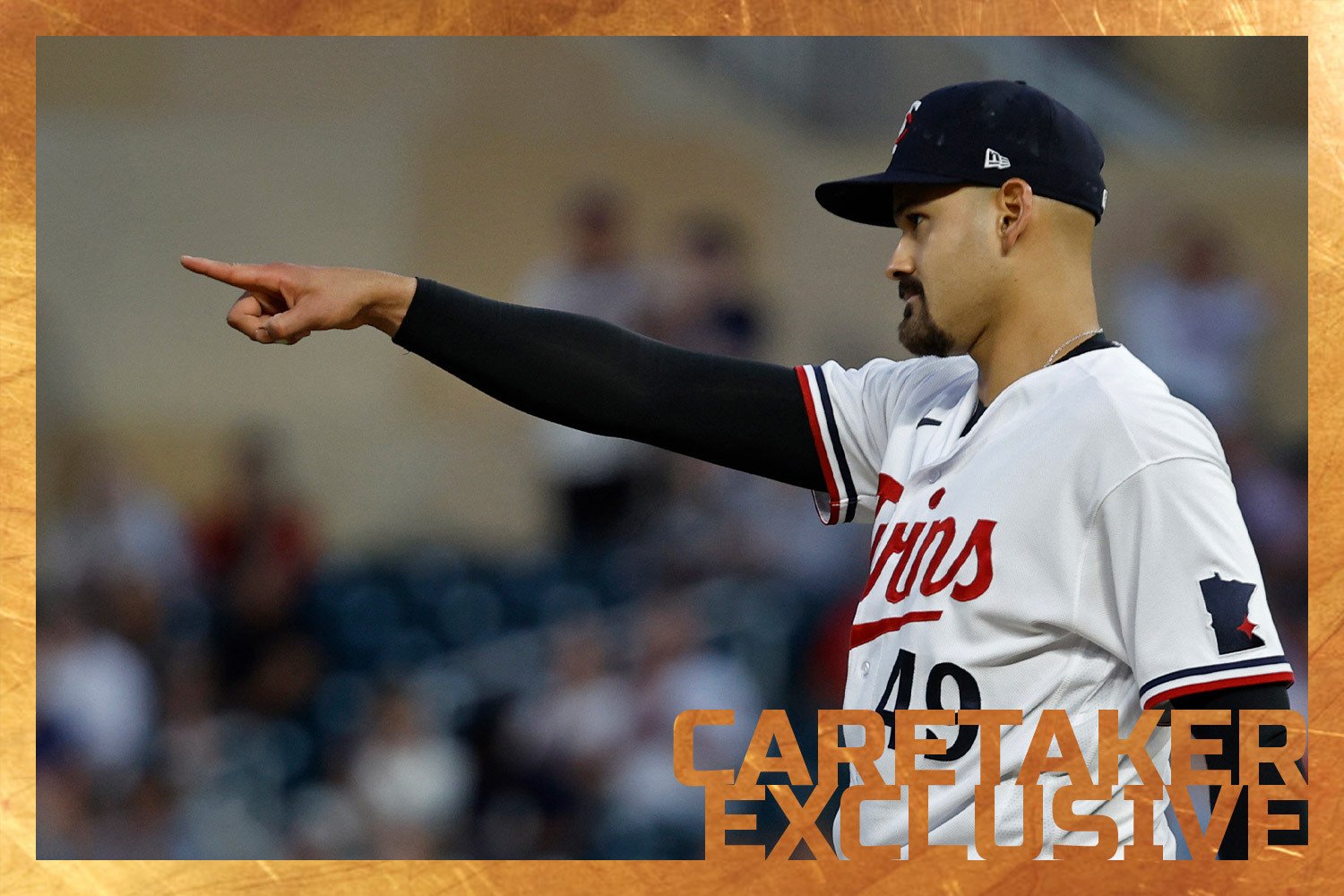 To the credit of all those who say it, the vapidity of "If it ain't broke, don't fix it" has never been hidden or unclear. It's right there in the language of the thing. Yes, simplicity can be good, and yes, getting twitchy about life is a good way to miss the opportunity to enjoy success and end up wallowing in needless misery. However, most of life consists of competitive, dynamic, fast-changing environments, and the simplicity of that maxim is best treated as a rough-grain philosophy, not a characteristic of any situation that defines it or guides action in response to it. I mention this because, when it comes to baseball, all of the above is even more true than it probably is in your everyday life. Things change constantly. They change so constantly, in fact, that whether you're a player or a team, finding something that works shouldn't lead you to conclude that it's no longer necessary to change. On the contrary, all it should do is give you conviction in your embrace of the next change. You got something right. Great. You might just understand this game well. You seem to have good problem solvers in charge. Now: hurry up and move in a new direction, or your precious, high-value new thing is going to go from a strength to a weakness in a blink. That's a very macrocosmic version of the conversation we're having today. Let's go microcosmic, instead. Hey, Louie Varland, what did you take away from your first season as something close to an established big-league pitcher? What do you need to do to find success? "I need to be able to adapt on the fly," Varland told reporters in Fort Myers on Wednesday. "Once the league adapts to you, you have to be able to adapt to the adaptations." He's right, of course. In fact, he's been right twice now. He said the same things to our Parker Hageman last month. Adaptability has been the watchword of his winter. On Wednesday, though, he also identified the specific ways in which he felt the league adapting to him as 2023 progressed. "It was the easy at-bats for righties," Varland said. "They would look away, [because] I didn't have a pitch going in to them that I would throw a lot. So I needed to expand the zone with a pitch going in to them." He's not wrong. Righties slugged .479 against him, fueling reverse platoon splits that have been a frequent problem for the Twins over the last few years. (Reverse splits aren't inherently problematic, of course. When they look like Varland's, though, including giving up excessive power to same-handed hitters, they signify an inefficient approach.) They did all that damage, more or less, on the inner half of the plate, because none of the pitches Varland threw well against them last year was meant to be spotted cleanly on that side. Varland proposed the solution himself, of course. There are basically two pitches a right-handed hurler can throw that will move in on a right-handed batter: sinkers and changeups. Changeups usually don't work very well against same-handed hitters, though. They're too easily spotted, and the velocity differential works against the pitcher (most of the time) instead of for them, as it does when the pitch is fading away from an opposite-handed batter. That leaves... "I added a little two-seam [fastball], and a little depth-ier slider," Varland said of his pitch mix alterations entering 2024. Ok, now we're talking.
- 3 comments
-
- 9
-

-
-
- pablo lopez
- louis varland
- (and 2 more)
-
Over the last two seasons, no team in baseball has run away from the sinker harder than the Minnesota Twins. That's worked beautifully for them, so they're changing it. Image courtesy of Brock Beauchamp / Getty Images To the credit of all those who say it, the vapidity of "If it ain't broke, don't fix it" has never been hidden or unclear. It's right there in the language of the thing. Yes, simplicity can be good, and yes, getting twitchy about life is a good way to miss the opportunity to enjoy success and end up wallowing in needless misery. However, most of life consists of competitive, dynamic, fast-changing environments, and the simplicity of that maxim is best treated as a rough-grain philosophy, not a characteristic of any situation that defines it or guides action in response to it. I mention this because, when it comes to baseball, all of the above is even more true than it probably is in your everyday life. Things change constantly. They change so constantly, in fact, that whether you're a player or a team, finding something that works shouldn't lead you to conclude that it's no longer necessary to change. On the contrary, all it should do is give you conviction in your embrace of the next change. You got something right. Great. You might just understand this game well. You seem to have good problem solvers in charge. Now: hurry up and move in a new direction, or your precious, high-value new thing is going to go from a strength to a weakness in a blink. That's a very macrocosmic version of the conversation we're having today. Let's go microcosmic, instead. Hey, Louie Varland, what did you take away from your first season as something close to an established big-league pitcher? What do you need to do to find success? "I need to be able to adapt on the fly," Varland told reporters in Fort Myers on Wednesday. "Once the league adapts to you, you have to be able to adapt to the adaptations." He's right, of course. In fact, he's been right twice now. He said the same things to our Parker Hageman last month. Adaptability has been the watchword of his winter. On Wednesday, though, he also identified the specific ways in which he felt the league adapting to him as 2023 progressed. "It was the easy at-bats for righties," Varland said. "They would look away, [because] I didn't have a pitch going in to them that I would throw a lot. So I needed to expand the zone with a pitch going in to them." He's not wrong. Righties slugged .479 against him, fueling reverse platoon splits that have been a frequent problem for the Twins over the last few years. (Reverse splits aren't inherently problematic, of course. When they look like Varland's, though, including giving up excessive power to same-handed hitters, they signify an inefficient approach.) They did all that damage, more or less, on the inner half of the plate, because none of the pitches Varland threw well against them last year was meant to be spotted cleanly on that side. Varland proposed the solution himself, of course. There are basically two pitches a right-handed hurler can throw that will move in on a right-handed batter: sinkers and changeups. Changeups usually don't work very well against same-handed hitters, though. They're too easily spotted, and the velocity differential works against the pitcher (most of the time) instead of for them, as it does when the pitch is fading away from an opposite-handed batter. That leaves... "I added a little two-seam [fastball], and a little depth-ier slider," Varland said of his pitch mix alterations entering 2024. Ok, now we're talking. View full article
-
In a flurry of essentially inessential moves Wednesday afternoon, the Twins made their two most recent free-agent signings official and said goodbye to three players at the fringe of their 40-man roster, including a former top prospect. In order to make room for Santana and Jackson on the 40-man roster, the Twins designated both Daniel Duarte and Bubba Thompson for assignment, not long after claiming each on waivers. As teams' 40-man rosters gain some extra flexibility when the 60-day injured list opens for the year Thursday, it's likely one or both is claimed and goes elsewhere, but the team could look to keep either in the minors as a camp invite if they make it through the wire this time. Minnesota also claimed right-handed reliever Zack Weiss, 31, from the Red Sox, and designated former top pitching prospect Jordan Balazovic for assignment to create the space. Balazovic's career arc is a tale of bad luck, dubious decisions, and injuries, but he might yet get an opportunity to shine in someone's bullpen. Since he is out of minor-league options (and had no plausible path to winning a job in the junior circuit's best or second-best bullpen out of camp), this is no great loss in real terms, but it's a sad ending to the Twins chapter for a player on whom many fans once pinned pretty high hopes. Weiss is interesting, though, to say the least. Primarily a slider-fastball guy, he sprinkles in a cutter against lefties, but the slider alone can do plenty of damage when he's commanding it. He ran a strikeout rate around 30 percent last year, though much of that time was spent in Triple-A for the Angels and Red Sox. His fastball sits in the 93-96 range, touching only a tick higher, but like several other recent favored Twins targets (including Jackson), it's a secondary offering for him. Last June, Weiss slid from the third-base to the first-base side of the rubber, trying to align himself better to hit the glove side of the plate with his fastball and attack lefties with the cutter on their hands. He did have modestly improved numbers after the move, but they were lies. In reality, he lost control of the slider, which is his bread and butter. If he sticks around, the Twins will look either to get him back to the third-base side of the rubber or to help him find a feel for the slider from his new angle that permits him to throw enough strikes with it. Unlike Balazovic, Weiss has minor-league options left, despite his advanced age. He could stick around as an up-and-down pen option for the balance of the season, but optionability only keeps a player like this on the roster if they show enough to avoid being shoved out by some non-roster option (be it an external addition or a prospect promotion) who deserves it more. This brings some temporary clarity and stasis to the hovering Twins roster questions, but they still have an item or two on their winter shopping list. In the meantime, Balazovic's departure marks the subtle turning of a corner, from one era of Twins pitching prospects to a new one. Are you disappointed to see the Twins give up on Balazovic at this early stage of the spring? What do you think of Weiss, and where should the team be looking to add next? Sound off below. Research assistance provided by TruMedia. View full article
-
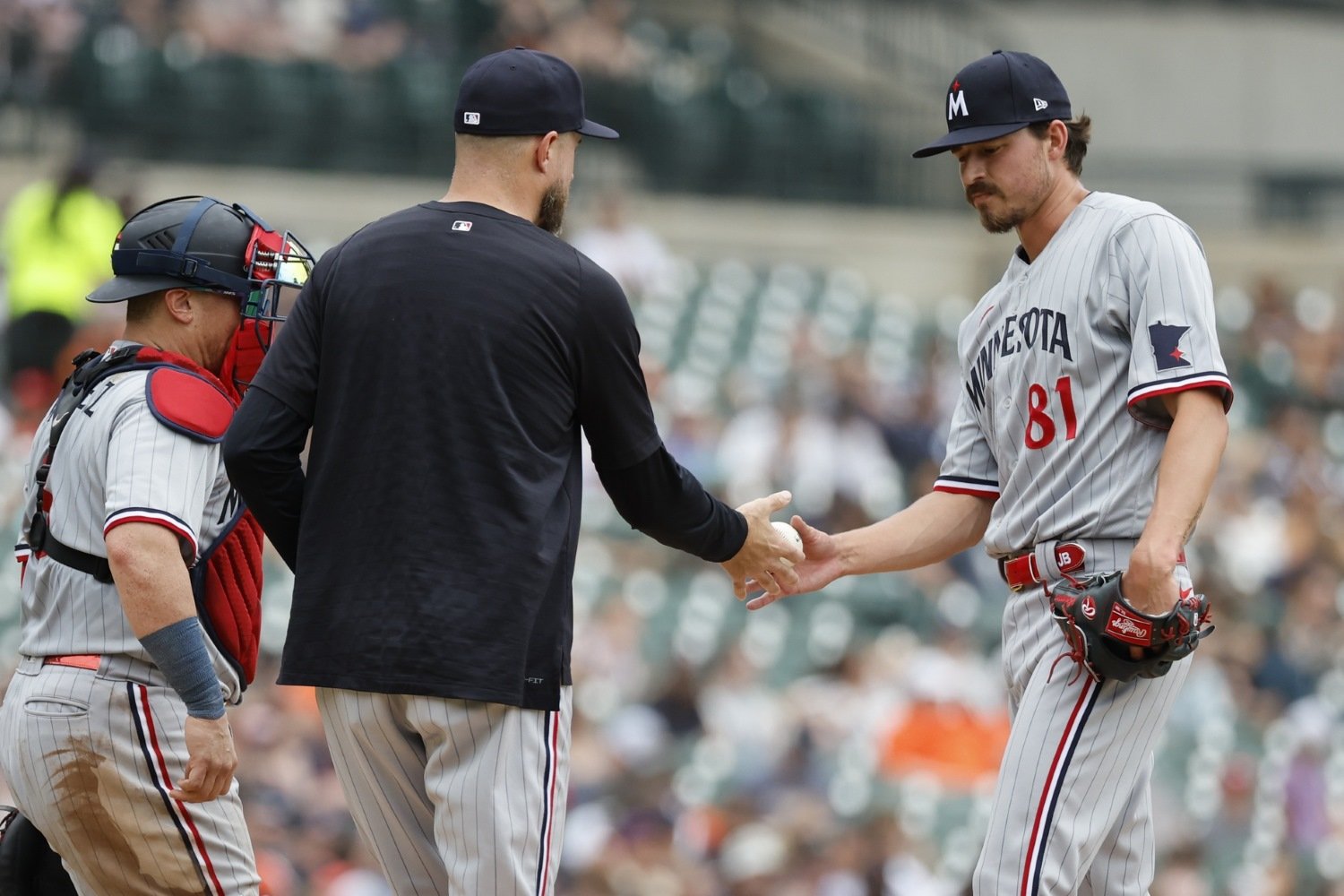 A few days after we learned that Carlos Santana would sign with the Twins to play first base and be an occasional designated hitter, the team made that move official, along with their other, smaller foray into free agency, reliever Jay Jackson. We finally found out the financial terms of Jackson's deal, too. He'll make $1.5 million, all told, with the chance to more than double that if the team picks up a club option on him for 2025. In order to make room for Santana and Jackson on the 40-man roster, the Twins designated both Daniel Duarte and Bubba Thompson for assignment, not long after claiming each on waivers. As teams' 40-man rosters gain some extra flexibility when the 60-day injured list opens for the year Thursday, it's likely one or both is claimed and goes elsewhere, but the team could look to keep either in the minors as a camp invite if they make it through the wire this time. Minnesota also claimed right-handed reliever Zack Weiss, 31, from the Red Sox, and designated former top pitching prospect Jordan Balazovic for assignment to create the space. Balazovic's career arc is a tale of bad luck, dubious decisions, and injuries, but he might yet get an opportunity to shine in someone's bullpen. Since he is out of minor-league options (and had no plausible path to winning a job in the junior circuit's best or second-best bullpen out of camp), this is no great loss in real terms, but it's a sad ending to the Twins chapter for a player on whom many fans once pinned pretty high hopes. Weiss is interesting, though, to say the least. Primarily a slider-fastball guy, he sprinkles in a cutter against lefties, but the slider alone can do plenty of damage when he's commanding it. He ran a strikeout rate around 30 percent last year, though much of that time was spent in Triple-A for the Angels and Red Sox. His fastball sits in the 93-96 range, touching only a tick higher, but like several other recent favored Twins targets (including Jackson), it's a secondary offering for him. Last June, Weiss slid from the third-base to the first-base side of the rubber, trying to align himself better to hit the glove side of the plate with his fastball and attack lefties with the cutter on their hands. He did have modestly improved numbers after the move, but they were lies. In reality, he lost control of the slider, which is his bread and butter. If he sticks around, the Twins will look either to get him back to the third-base side of the rubber or to help him find a feel for the slider from his new angle that permits him to throw enough strikes with it. Unlike Balazovic, Weiss has minor-league options left, despite his advanced age. He could stick around as an up-and-down pen option for the balance of the season, but optionability only keeps a player like this on the roster if they show enough to avoid being shoved out by some non-roster option (be it an external addition or a prospect promotion) who deserves it more. This brings some temporary clarity and stasis to the hovering Twins roster questions, but they still have an item or two on their winter shopping list. In the meantime, Balazovic's departure marks the subtle turning of a corner, from one era of Twins pitching prospects to a new one. Are you disappointed to see the Twins give up on Balazovic at this early stage of the spring? What do you think of Weiss, and where should the team be looking to add next? Sound off below. Research assistance provided by TruMedia.
- 64 comments
-
- 10
-
-
- jordan balazovic
- zack weiss
- (and 3 more)
-
Mmm. I would caution against assuming that they had some opportunities they passed on to get a better starter. They had conversations--even intensive ones--but were constrained by the salaries of the players involved and/or other teams making big bids. They didn't walk away on Corbin Burnes; they just got outbid because of what they would have needed to do to fit him into their budget. Keller doesn't come with the same salary as Burnes, and he has that extra year of control. I also, flatly, reject the idea that they've gotten the starter they want. DeSclafani is a depth guy they sort of like as an SP5 or RP7. They haven't backfilled the roles vacated by Gray and Maeda to any real extent. Keller would change that.
-
Do you remember Mike Birbiglia and his Secret Public Journal? Image courtesy of © Charles LeClaire-USA TODAY Sports When I was in high school, the introspective, slightly geeky, not-quite-sensitive white male stand-up comedian was a demographic in full flower. Jim Gaffigan first hit his stride right in there. So did Mike Birbiglia, who might be most famous to baseball fans for his bit about being an on-stage guest at MLB's awards banquet one winter. My favorite Birbiglia joke, though, is from a motif he created to fire off easy one-liners, called his "secret public journal". It's like Jimmy Fallon's thank-you notes bit on The Tonight Show, only funny. Anyway, Birbiglia pretends to write in his diary thusly: "I notice rappers these days are all very angry about stuff. They'll be like, 'Yo, it's 2006, motherf-----!' And I'm all, 'You're mad about the date? You gotta pick your battles, man.'" It's probably funnier, ironically, in audio form, and it's probably not all that funny anyway, but I think about it roughly three times a week and laugh out loud at least one or two of those times. Again, this was 20 years ago. All that to say this: You've gotta pick your battles, man. Here's what I mean. Mitch Keller Can't Help You, Pittsburgh One utterly unsurprising but theoretically important revelation that came of the release of PECOTA's projected standings yesterday was the fact that the Pirates are pretty well locked into the cellar of the NL Central for another year. Sure, they have some intriguing young talent, and that kind of team can always be a surprise fighter. The Pirates themselves were in first place as late as mid-June last season, before cratering. That was amid a divisional power vacuum, though, and it would be a surprise if such a suck-hole recurred this year. The Cardinals bolstered their rotation this winter and are projected to get back to the right side of .500, where they've perched for the other 30 of the last 31 years. The Cubs still figure to make at least one significant move to get better, and are already seven games ahead of Pittsburgh in the projected standings. The Reds and Brewers are each five games ahead, with young players at least as capable of having huge years as any of the Pirates'. It's time to admit that, for another year, there's really no path to meaningful contention for Pittsburgh. In light of that, they ought to change their minds about trading Mitch Keller, and try to get a haul for him that exceeds what the division rivals from Milwaukee just landed in exchange for Corbin Burnes. Keller is two years from free agency, but is about to spend the less expensive, more valuable of the two pitching for a losing team that needs a big change in order to climb out of the long-term hole they're in within their division. As it happens, Keller is about as great a fit for the Twins as you could hope to find. He's a poor man's--maybe a lower-middle-class man's--Pablo López, circa this time a year ago. He throws six different pitches, and his arsenal is almost that deep when you divide it up by handedness. To lefties, he really does use all six offerings at least 5 percent of the time, and the four-seamer, cutter, curve, and sweeper are all over 10 percent. To righties, it's a little more stripped-down, because it can be. He's sinker-sweeper-cutter-fastball against them, and that was good enough for a 19.5 K-BB% last year. Righties only managed a .286 wOBA against him. There are definitely some changes the Twins would make with Keller, but he also already does some things they love. For instance, the heavy sweeper usage would fit gorgeously with the way they do things. No team in baseball threw more sweepers than did the Twins last year. Only 34 pitchers threw at least 100 sweepers to opposite-handed batters (which usually isn't a good idea, but more on that in a moment), but four of them were: Griffin Jax (one of several relievers on the list, here because a reliever can get away with and is limited to throwing an imperfect shape of breaker to opposite-handed batters), at 247; López, at 203; and two guys tied with 198: Sonny Gray and Keller. Gray allowed the lowest wOBA to (in his case) lefty hitters on the sweeper of any of those qualifying hurlers. He dominated with it. Keller wasn't much worse, though. He frequently landed it as a somewhat unfair backdoor breaker, and with the horizontal movement of a sweeper like his, the command to do that to the arm side of the plate is both impressive and almost impossible to combat. That's just one example; you get the idea. Keller would be a superb fit for the Twins, whom we well know to like acquiring pitchers with two years of team control left, rather than confining themselves to one or paying a sometimes vapid premium for three-plus. We saw that with Gray, and with López, and with Tyler Mahle. We saw it with Jake Odorizzi. Keller, like each of those players, is also a great fit for their pitching predilections, and he'd slot in as the team's No. 2 even before they go to work on the kind of transformation they would hope to help him make, à la López. The price tag would be considerable, and painful. It might include Emmanuel Rodríguez, and either Marco Raya or David Festa. Keller is good and the Pirates aren't yet cornered into moving him. Still, it'd be a fun deal, and it wouldn't automatically take the Twins out of the running for the final position-player piece they would still like to add to the roster. He's only set to make $5.4425 million this year, as he and the Bucs agreed to avoid arbitration at that number. (Yes, that means the team negotiated down to the hundreds column on the deal. The dictionary definition of 'Nutting' is 'nickel-and-diming your way to the bottom of your division every year'. Don't look it up.) While not the sexiest name the Twins could have pursued this winter, nor one likely to be available at a bargain price, Keller could be a difference-maker. He's the Iowan Pablo López, really. It didn't take López long to find a new gear with Minnesota. Keller could toe the rubber in Game 2 of a playoff series this fall and inspire plenty of confidence--as long as someone goes and wrests him from the hands of a team with no chance of getting that far. Hit me. Mitch Keller takes, prospect clutching and clawing, favorite Mike Birbiglia jokes. Let's talk baseball. And I apologize for the Bob Nutting jokes, even as I insist they are his own fault. If ever a family could afford a simple name change... Research assistance provided by TruMedia. View full article
-
The Table Setter, Feb. 7, 2024: You Gotta Pick Your Battles, Man
Matthew Trueblood posted an article in Twins
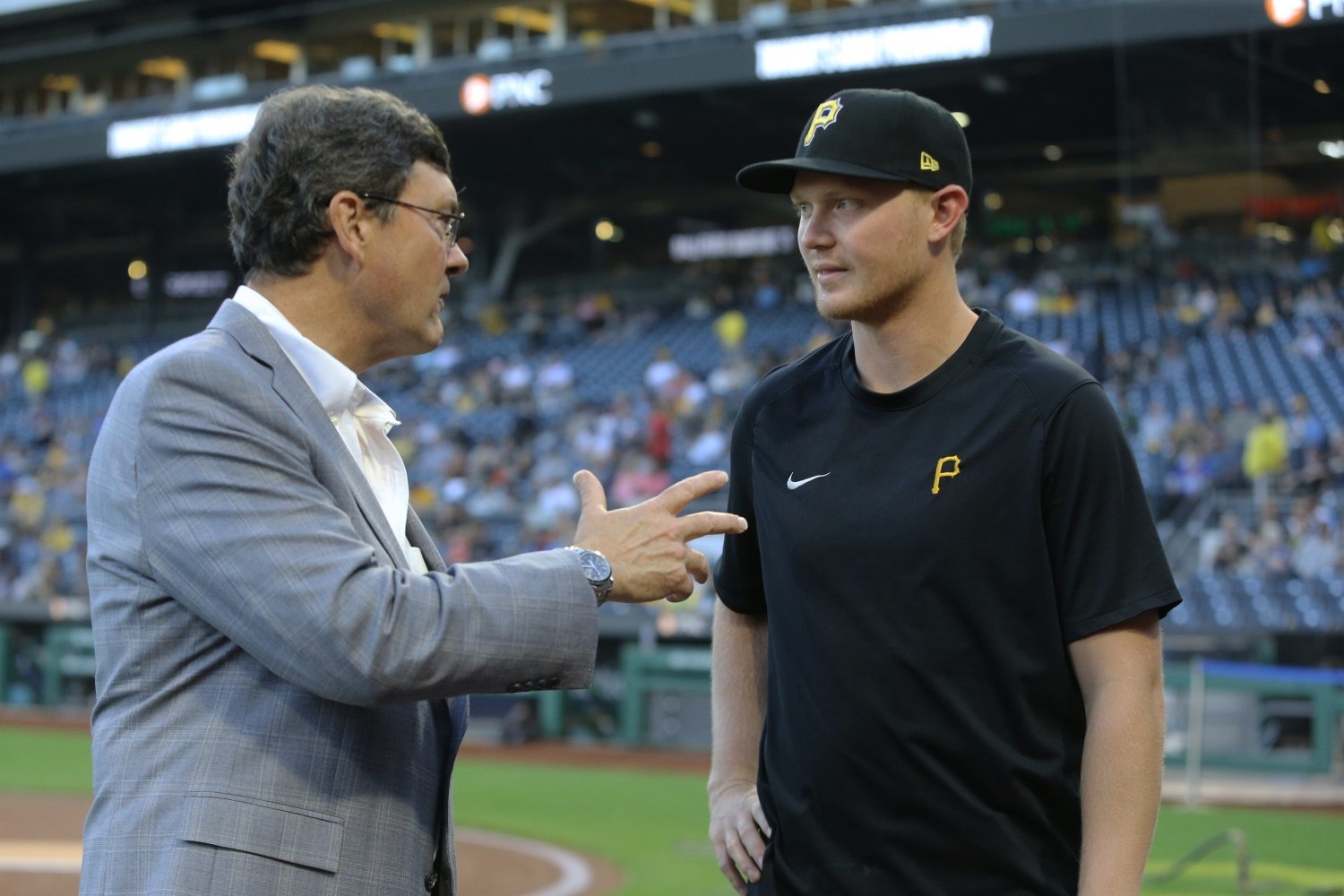 When I was in high school, the introspective, slightly geeky, not-quite-sensitive white male stand-up comedian was a demographic in full flower. Jim Gaffigan first hit his stride right in there. So did Mike Birbiglia, who might be most famous to baseball fans for his bit about being an on-stage guest at MLB's awards banquet one winter. My favorite Birbiglia joke, though, is from a motif he created to fire off easy one-liners, called his "secret public journal". It's like Jimmy Fallon's thank-you notes bit on The Tonight Show, only funny. Anyway, Birbiglia pretends to write in his diary thusly: "I notice rappers these days are all very angry about stuff. They'll be like, 'Yo, it's 2006, motherf-----!' And I'm all, 'You're mad about the date? You gotta pick your battles, man.'" It's probably funnier, ironically, in audio form, and it's probably not all that funny anyway, but I think about it roughly three times a week and laugh out loud at least one or two of those times. Again, this was 20 years ago. All that to say this: You've gotta pick your battles, man. Here's what I mean. Mitch Keller Can't Help You, Pittsburgh One utterly unsurprising but theoretically important revelation that came of the release of PECOTA's projected standings yesterday was the fact that the Pirates are pretty well locked into the cellar of the NL Central for another year. Sure, they have some intriguing young talent, and that kind of team can always be a surprise fighter. The Pirates themselves were in first place as late as mid-June last season, before cratering. That was amid a divisional power vacuum, though, and it would be a surprise if such a suck-hole recurred this year. The Cardinals bolstered their rotation this winter and are projected to get back to the right side of .500, where they've perched for the other 30 of the last 31 years. The Cubs still figure to make at least one significant move to get better, and are already seven games ahead of Pittsburgh in the projected standings. The Reds and Brewers are each five games ahead, with young players at least as capable of having huge years as any of the Pirates'. It's time to admit that, for another year, there's really no path to meaningful contention for Pittsburgh. In light of that, they ought to change their minds about trading Mitch Keller, and try to get a haul for him that exceeds what the division rivals from Milwaukee just landed in exchange for Corbin Burnes. Keller is two years from free agency, but is about to spend the less expensive, more valuable of the two pitching for a losing team that needs a big change in order to climb out of the long-term hole they're in within their division. As it happens, Keller is about as great a fit for the Twins as you could hope to find. He's a poor man's--maybe a lower-middle-class man's--Pablo López, circa this time a year ago. He throws six different pitches, and his arsenal is almost that deep when you divide it up by handedness. To lefties, he really does use all six offerings at least 5 percent of the time, and the four-seamer, cutter, curve, and sweeper are all over 10 percent. To righties, it's a little more stripped-down, because it can be. He's sinker-sweeper-cutter-fastball against them, and that was good enough for a 19.5 K-BB% last year. Righties only managed a .286 wOBA against him. There are definitely some changes the Twins would make with Keller, but he also already does some things they love. For instance, the heavy sweeper usage would fit gorgeously with the way they do things. No team in baseball threw more sweepers than did the Twins last year. Only 34 pitchers threw at least 100 sweepers to opposite-handed batters (which usually isn't a good idea, but more on that in a moment), but four of them were: Griffin Jax (one of several relievers on the list, here because a reliever can get away with and is limited to throwing an imperfect shape of breaker to opposite-handed batters), at 247; López, at 203; and two guys tied with 198: Sonny Gray and Keller. Gray allowed the lowest wOBA to (in his case) lefty hitters on the sweeper of any of those qualifying hurlers. He dominated with it. Keller wasn't much worse, though. He frequently landed it as a somewhat unfair backdoor breaker, and with the horizontal movement of a sweeper like his, the command to do that to the arm side of the plate is both impressive and almost impossible to combat. That's just one example; you get the idea. Keller would be a superb fit for the Twins, whom we well know to like acquiring pitchers with two years of team control left, rather than confining themselves to one or paying a sometimes vapid premium for three-plus. We saw that with Gray, and with López, and with Tyler Mahle. We saw it with Jake Odorizzi. Keller, like each of those players, is also a great fit for their pitching predilections, and he'd slot in as the team's No. 2 even before they go to work on the kind of transformation they would hope to help him make, à la López. The price tag would be considerable, and painful. It might include Emmanuel Rodríguez, and either Marco Raya or David Festa. Keller is good and the Pirates aren't yet cornered into moving him. Still, it'd be a fun deal, and it wouldn't automatically take the Twins out of the running for the final position-player piece they would still like to add to the roster. He's only set to make $5.4425 million this year, as he and the Bucs agreed to avoid arbitration at that number. (Yes, that means the team negotiated down to the hundreds column on the deal. The dictionary definition of 'Nutting' is 'nickel-and-diming your way to the bottom of your division every year'. Don't look it up.) While not the sexiest name the Twins could have pursued this winter, nor one likely to be available at a bargain price, Keller could be a difference-maker. He's the Iowan Pablo López, really. It didn't take López long to find a new gear with Minnesota. Keller could toe the rubber in Game 2 of a playoff series this fall and inspire plenty of confidence--as long as someone goes and wrests him from the hands of a team with no chance of getting that far. Hit me. Mitch Keller takes, prospect clutching and clawing, favorite Mike Birbiglia jokes. Let's talk baseball. And I apologize for the Bob Nutting jokes, even as I insist they are his own fault. If ever a family could afford a simple name change... Research assistance provided by TruMedia.
 -
For a guy who wrote two different books basically about cognitive biases in baseball, KLaw can be oddly susceptible to one of the easiest ones to avoid: out-of-town stupid. He makes pronouncements sometimes that just make no sense, because they're founded in scouting looks he got years ago or convictions he formed and has failed to update sufficiently. For my own part, I would be pretty surprised if Jordan Balazovic makes it to Opening Day in the Twins organization. I agree with his tepid assessment of Paddack as-is, though, I guess! All the stuff in this article is speculative/forward-looking; the salient fact of the present is that he's had a 4.84 ERA in his last 40 starts. 🤷♂️
- 18 replies
-
- 3
-
-
- chris paddack
- louis varland
- (and 1 more)
-
After acquiring a starter in the deal that sent Jorge Polanco to the Seattle Mariners, the Twins have the silhouette of a full starting rotation for 2024. What will we see when we ask some of that group to step all the way into the light? Image courtesy of © Matt Blewett-USA TODAY Sports There are plenty of questions about just how good Pablo López, Joe Ryan, and Bailey Ober will be, but there are relatively few about whether they're viable big-league starters. That gives the team three fairly locked-in names for the top half of their rotation, but while the team has spent this winter treating Chris Paddack as a fourth arm of similar quality, the reality is that he's much more suspect. Paddack does have a 4.21 career ERA, but it only looks that good because of his strong rookie campaign in 2019. From the start of 2020 through his second Tommy John surgery in 2022, Paddack made 39 starts and pitched just shy of 190 innings, and had a 4.84 ERA. He's never thrown even 141 innings in a professional season, and he's been far from dominant even when he's been on the mound. He's been haunted by a seemingly inescapable inability to find a consistently effective breaking ball. Certain advanced metrics do like him. Baseball Prospectus uses the state-of-the-art Deserved Run Average (DRA) and its adjusted and indexed cousin DRA- (where 100 is average, and lower is better) to evaluate pitchers, and Paddack has a career 87 mark. He's projected for a 90 DRA- and 3.79 ERA in 2024, too--but that comes in just under 98 projected innings, across 30 appearances (just 21 of them starts). Projecting health and playing time, and especially role, is an inexact science, done mostly by hand and without much capacity for improvement from computers. Still, at least BP only sees Paddack's durability as a likely problem. ZiPS projects Paddack for a less impressive 4.19 ERA. Steamer forecasts a 4.39. It's far from a sure thing that Paddack will be good, and farther still from that that he'll hold up as a starter, especially on this side of a second major elbow surgery. Those are some awfully mixed signals. Let's untangle them. Paddack is a pitcher with some unique traits, and should have a chance to be a valuable starter for the 2024 Twins. It's just going to take some significant adjustments. Let's talk about what they might be. View full article
-
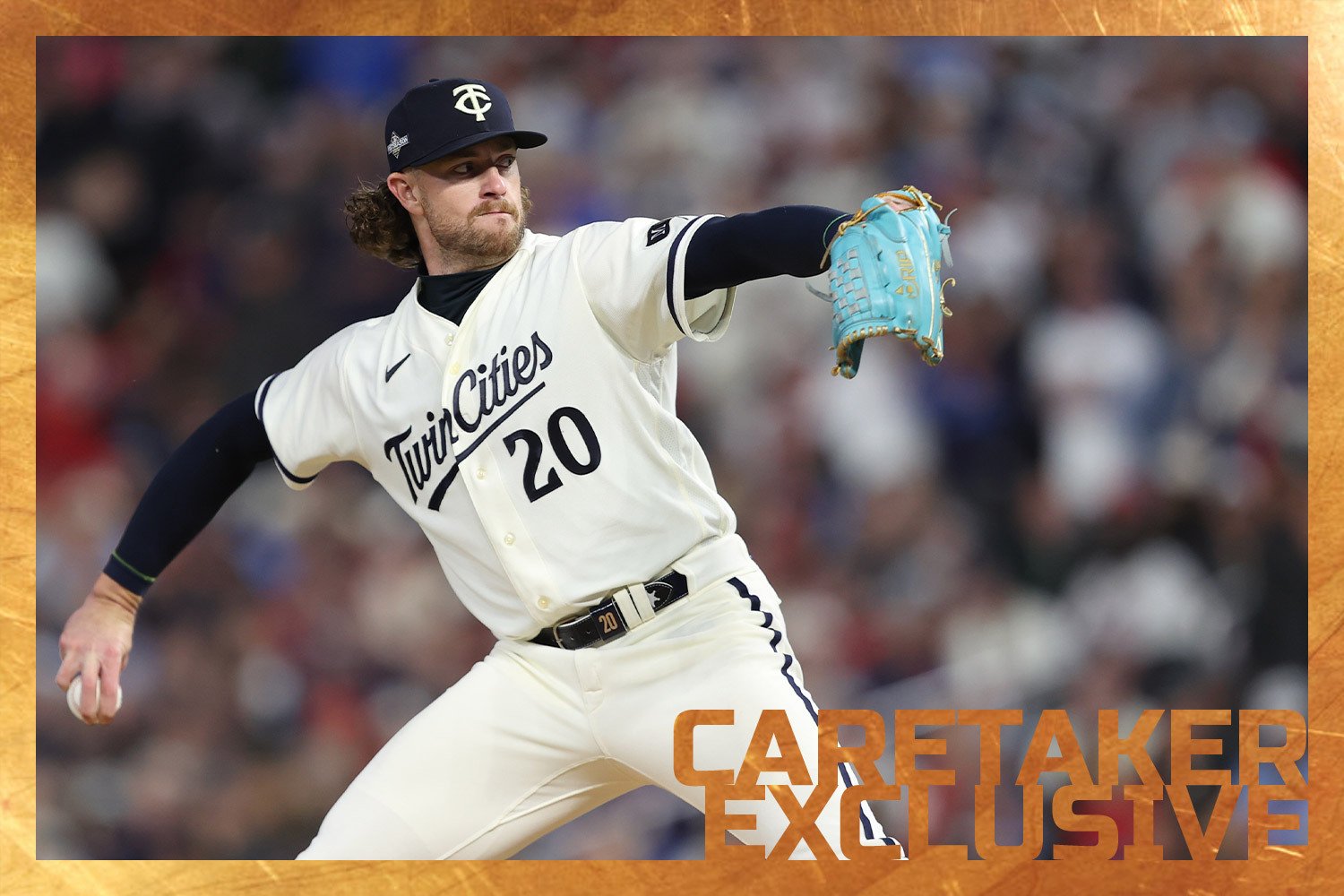 There are plenty of questions about just how good Pablo López, Joe Ryan, and Bailey Ober will be, but there are relatively few about whether they're viable big-league starters. That gives the team three fairly locked-in names for the top half of their rotation, but while the team has spent this winter treating Chris Paddack as a fourth arm of similar quality, the reality is that he's much more suspect. Paddack does have a 4.21 career ERA, but it only looks that good because of his strong rookie campaign in 2019. From the start of 2020 through his second Tommy John surgery in 2022, Paddack made 39 starts and pitched just shy of 190 innings, and had a 4.84 ERA. He's never thrown even 141 innings in a professional season, and he's been far from dominant even when he's been on the mound. He's been haunted by a seemingly inescapable inability to find a consistently effective breaking ball. Certain advanced metrics do like him. Baseball Prospectus uses the state-of-the-art Deserved Run Average (DRA) and its adjusted and indexed cousin DRA- (where 100 is average, and lower is better) to evaluate pitchers, and Paddack has a career 87 mark. He's projected for a 90 DRA- and 3.79 ERA in 2024, too--but that comes in just under 98 projected innings, across 30 appearances (just 21 of them starts). Projecting health and playing time, and especially role, is an inexact science, done mostly by hand and without much capacity for improvement from computers. Still, at least BP only sees Paddack's durability as a likely problem. ZiPS projects Paddack for a less impressive 4.19 ERA. Steamer forecasts a 4.39. It's far from a sure thing that Paddack will be good, and farther still from that that he'll hold up as a starter, especially on this side of a second major elbow surgery. Those are some awfully mixed signals. Let's untangle them. Paddack is a pitcher with some unique traits, and should have a chance to be a valuable starter for the 2024 Twins. It's just going to take some significant adjustments. Let's talk about what they might be.
- 18 comments
-
- 5
-
-
-
- chris paddack
- louis varland
- (and 1 more)
-
Hey hey! Welcome aboard. That's great.
-
No team in baseball hunts homers more fearlessly, or pays the price with more strikeouts, than the Twins. Does that become a bigger problem when they reach October? And if so, how should they cure it? Image courtesy of © Rich Storry-USA TODAY Sports It doesn't take an advanced degree in baseball to recognize the Twins as an all-or-nothing team at the plate. They might not send hitters up there looking to hit a home run in every plate appearance, but no team in the league is as comfortable with trading contact altogether in order to achieve their prime directive: hit the snot out of the ball, preferably in the air, and preferably to the pull field. Hit Bombas. No team in baseball history has struck out in as great a percentage of their total plate appearances as did the 2023 Twins. On the other hand, the 2023 Twins hit 233 home runs, to lead the American League. They were as feast-or-famine as any team in the annals of the game, and it didn't stop them from getting to the playoffs, or even from breaking that nightmarish two-decade schneid in postseason games. The Twins overcame the Blue Jays in the AL Wild Card Series, in fact, in large part because of Royce Lewis's home-run heroics, and they struck out more than the Jays even en route to sweeping that series. For at least the last 20 years, there has been a prevalent--even pervasive--narrative that crops up every season in October, when the national networks take over to broadcast playoff games: you need to be well-rounded and put the ball in play in the playoffs. That theory has been pretty well debunked. Regular-season team contact rate did predict the winners of playoff series pretty well over a few years at the beginning of the last decade, but that didn't prove to be a sticky effect. It was a function of transient circumstances of the game, and it faded in its predictive power. Thus, you'll now find a lot of smart people on Baseball Twitter every autumn, loudly decrying the loud decrying of home run-centric offense. The favored stat of these counter-counterrevolutionaries is the records of teams who out-homer their opponents in a postseason game. The team who hits more home runs wins a startling share of games in the playoffs; it's something like 80 percent. A playfully troglodytic aphorism popularized by Baseball Prospectus co-founder Joe Sheehan has become the slogan of the stat-savvy baseball fan every time they have to listen to Álex Rodríguez call for another bunt, or John Smoltz bemoan another empty two-strike hack: "Ball go far, team go far." Here's the thing: Smoltz and ARod are right, and the smart people are wrong. View full article
-
The Twins, the All-or-Nothing October Effect, and How to Cure It
Matthew Trueblood posted an article in Caretakers
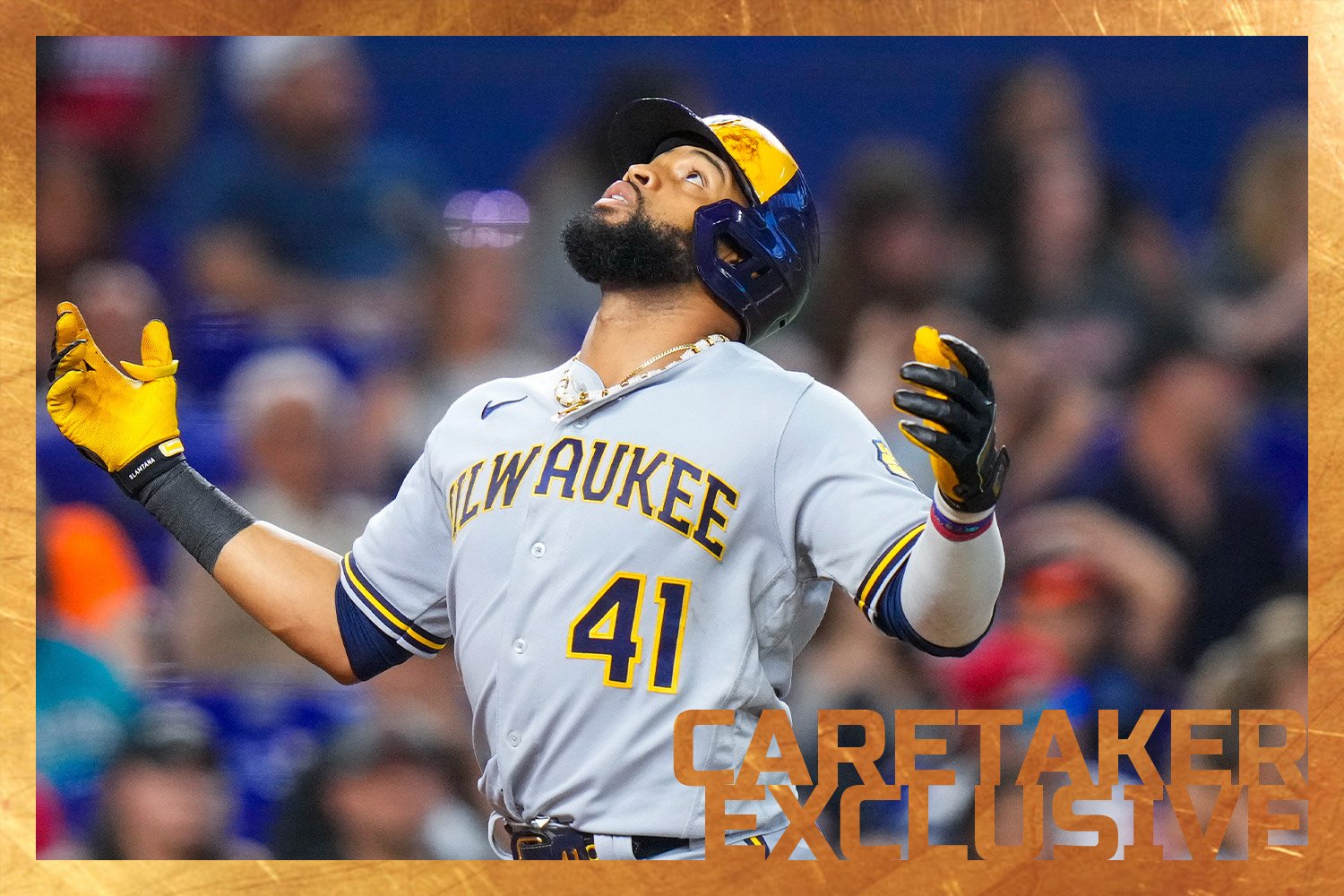 It doesn't take an advanced degree in baseball to recognize the Twins as an all-or-nothing team at the plate. They might not send hitters up there looking to hit a home run in every plate appearance, but no team in the league is as comfortable with trading contact altogether in order to achieve their prime directive: hit the snot out of the ball, preferably in the air, and preferably to the pull field. Hit Bombas. No team in baseball history has struck out in as great a percentage of their total plate appearances as did the 2023 Twins. On the other hand, the 2023 Twins hit 233 home runs, to lead the American League. They were as feast-or-famine as any team in the annals of the game, and it didn't stop them from getting to the playoffs, or even from breaking that nightmarish two-decade schneid in postseason games. The Twins overcame the Blue Jays in the AL Wild Card Series, in fact, in large part because of Royce Lewis's home-run heroics, and they struck out more than the Jays even en route to sweeping that series. For at least the last 20 years, there has been a prevalent--even pervasive--narrative that crops up every season in October, when the national networks take over to broadcast playoff games: you need to be well-rounded and put the ball in play in the playoffs. That theory has been pretty well debunked. Regular-season team contact rate did predict the winners of playoff series pretty well over a few years at the beginning of the last decade, but that didn't prove to be a sticky effect. It was a function of transient circumstances of the game, and it faded in its predictive power. Thus, you'll now find a lot of smart people on Baseball Twitter every autumn, loudly decrying the loud decrying of home run-centric offense. The favored stat of these counter-counterrevolutionaries is the records of teams who out-homer their opponents in a postseason game. The team who hits more home runs wins a startling share of games in the playoffs; it's something like 80 percent. A playfully troglodytic aphorism popularized by Baseball Prospectus co-founder Joe Sheehan has become the slogan of the stat-savvy baseball fan every time they have to listen to Álex Rodríguez call for another bunt, or John Smoltz bemoan another empty two-strike hack: "Ball go far, team go far." Here's the thing: Smoltz and ARod are right, and the smart people are wrong.
- 10 comments
-
- 4
-
-
-
- carlos santana
- matt wallner
- (and 1 more)
-
If it nudges you at all, our goal going forward is to deliver two Caretakers articles per week. Great value! This premium content lets us get deeper into some subjects and supports expanding coverage on all fronts. Totally understand if it's not in the budget; I have to eschew a lot of subscriptions I'd very much like to have. Just want to put it out there. We're going to keep the good stuff coming on this front, and we hope to add another couple of names to the rotation of writers for these pieces soon.
-
Love that. Yeah, dude took that aspect of the job very seriously, and sometimes called very creative sequences, I thought.
-
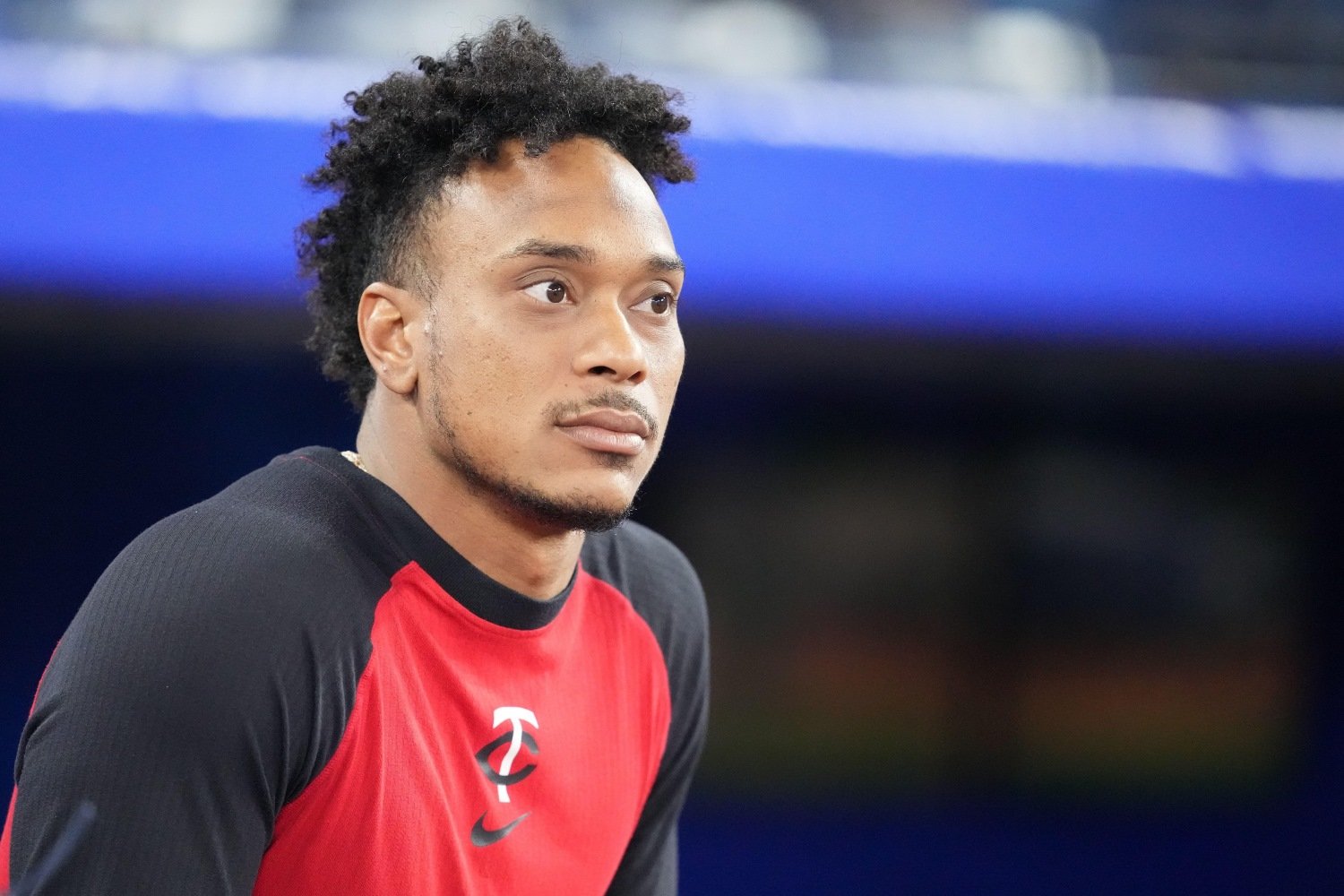 The American League East had the most active day Tuesday, and while we might not see massive or immediate change because of other move, the ripples sure will be interesting. Angelos Family to Sell Orioles News broke Tuesday evening that the Angelos family (namely, John Angelos, who inherited the team from his father, Peter) has agreed to sell the Baltimore Orioles to a group headed by billionaires David Rubenstein and Mike Arougheti. The deal values the organization just north of $1.7 billion. It's a welcome development in Baltimore, not least because Rubenstein is a native son of the city and viewed as a dedicated Orioles fan. He's certainly not short on money. It's only natural to flinch at the modifier many reports have attached to Rubenstein and Arougheti's status: "private-equity". Private equity investments have an (extremely well-deserved) awful reputation, lately, as several of them have taken over respected and profitable entities and made them either worse or outright defunct. It's probably not necessary to wring those hands so tightly, in this case. Notably good ownership groups in Los Angeles and San Diego have been headed by people who made their money in private equity. Rubenstein gives them credibility and local roots, and the involvement of Cal Ripken Jr. deepens both. Besides, it's a bit fitting that this group would take over for the Angelos clan, who (in turn) bought out a New York venture capitalist (the square to private equity's rectangle) Eli Jacobs 30 years ago. Peter was (intermittently) a good steward for the local institution, but his progeny have been inattentive, ineffectual, and cynical. Rubenstein and company are an upgrade, if only because of their massively superior spending power. Remember, this team just renewed its lease at Camden Yards for decades to come, so things are looking up on the Harbor. Jays Round Out Lineup with Ol' Red Beard It's been a difficult winter to be a Blue Jays fan, and the reaction was mixed even to this news, but Justin Turner signed a one-year, $13-million deal with Toronto Tuesday. That's a healthy payday for a 38-year-old, especially with the offseason so close to its close, Turner figures to be the DH much of the time, and could slot in occasionally at either first or third base. Unquestionably, adding him makes the Jays better, but it could forestall some other moves that fans might have preferred. While the goal and primary focus for the Twins right now should be on winning the AL Central, signings like this one have an impact. The Jays will be a contender for a Wild Card berth again in 2024, and whether that makes them a threat to the Twins' own hopes for that kind of entry to the playoffs or a candidate to come back and see them at Target Field again come October, they're relevant. Polanco Has Hitter Eyes When I think about Jorge Polanco, my mind always goes straight to Roger Angell. The best baseball writer who ever lived (and one of the great American essayists of the 20th century, within sport or beyond it), Angell is never far from my mind. He did everything well on the page, but one of my favorite habits of his was the tendency to carefully, perspicaciously study the faces and bodies of his subjects and describe them with evocative elan. In particular, Angell saw people's personalities, their capacities, and their dispositions in their eyes. That can be a trap, of course, but he did it rarely enough to make it always feel earned and serious. One thing he noticed and jotted down multiple times was a belief that great hitters tended to have "oddly protruberant eyes." That quote was about Carl Yastrzemski. On a separate occasion, Angell spent time on Al Kaline. "Somebody mentioned Kaline's extraordinary eyes, which are protruberant and pale and somehow lynxlike," he wrote in 1972. "'He has sniper's eyes,'" he quoted Billy Martin as saying. "'He's out to kill you.'" That's how we tend to react, if someone has unusually large eyes and fixes them on us with intensity. Eyes like Yastrzemski's and Kaline's can be startling; they give the impression that their possessor is running on special adrenaline. They look like they see just a little bit more than you can, and often, they really do. Polanco has those hitterish eyes--big, staring, but intelligent and lethal. You could see, in the arc of his career and sometimes in the arc of a single swing, the way those eyes fed his success. An attentive baseball fan can always find the next enjoyable wrinkle, the next little trait that makes a player more fun and rich a study than their peers. Polanco's exile to Seattle won't mean the end of seeing those little things that make you smile and think of someone like Roger Angell. Still, when someone who makes the game so vivid and beautiful goes, it's a sad occasion. Hopefully, the Twins will make this move worthwhile by upgrading their roster more than the Polanco trade itself did. Would the Twins sell for more or less than the Orioles? With Turner off the board, whom do you want to see the front office sign to strengthen the lineup? Do you have a player who draws you into a deeper immersion in the game, for reasons their baseball card can't explain? Start the conversation below.
 -
There's a lot left to do throughout baseball, over the final fortnight before spring training begins. The Twins took a day to rest after their big move Monday night, but Wednesday could bring more action. Image courtesy of © Nick Turchiaro-USA TODAY Sports The American League East had the most active day Tuesday, and while we might not see massive or immediate change because of other move, the ripples sure will be interesting. Angelos Family to Sell Orioles News broke Tuesday evening that the Angelos family (namely, John Angelos, who inherited the team from his father, Peter) has agreed to sell the Baltimore Orioles to a group headed by billionaires David Rubenstein and Mike Arougheti. The deal values the organization just north of $1.7 billion. It's a welcome development in Baltimore, not least because Rubenstein is a native son of the city and viewed as a dedicated Orioles fan. He's certainly not short on money. It's only natural to flinch at the modifier many reports have attached to Rubenstein and Arougheti's status: "private-equity". Private equity investments have an (extremely well-deserved) awful reputation, lately, as several of them have taken over respected and profitable entities and made them either worse or outright defunct. It's probably not necessary to wring those hands so tightly, in this case. Notably good ownership groups in Los Angeles and San Diego have been headed by people who made their money in private equity. Rubenstein gives them credibility and local roots, and the involvement of Cal Ripken Jr. deepens both. Besides, it's a bit fitting that this group would take over for the Angelos clan, who (in turn) bought out a New York venture capitalist (the square to private equity's rectangle) Eli Jacobs 30 years ago. Peter was (intermittently) a good steward for the local institution, but his progeny have been inattentive, ineffectual, and cynical. Rubenstein and company are an upgrade, if only because of their massively superior spending power. Remember, this team just renewed its lease at Camden Yards for decades to come, so things are looking up on the Harbor. Jays Round Out Lineup with Ol' Red Beard It's been a difficult winter to be a Blue Jays fan, and the reaction was mixed even to this news, but Justin Turner signed a one-year, $13-million deal with Toronto Tuesday. That's a healthy payday for a 38-year-old, especially with the offseason so close to its close, Turner figures to be the DH much of the time, and could slot in occasionally at either first or third base. Unquestionably, adding him makes the Jays better, but it could forestall some other moves that fans might have preferred. While the goal and primary focus for the Twins right now should be on winning the AL Central, signings like this one have an impact. The Jays will be a contender for a Wild Card berth again in 2024, and whether that makes them a threat to the Twins' own hopes for that kind of entry to the playoffs or a candidate to come back and see them at Target Field again come October, they're relevant. Polanco Has Hitter Eyes When I think about Jorge Polanco, my mind always goes straight to Roger Angell. The best baseball writer who ever lived (and one of the great American essayists of the 20th century, within sport or beyond it), Angell is never far from my mind. He did everything well on the page, but one of my favorite habits of his was the tendency to carefully, perspicaciously study the faces and bodies of his subjects and describe them with evocative elan. In particular, Angell saw people's personalities, their capacities, and their dispositions in their eyes. That can be a trap, of course, but he did it rarely enough to make it always feel earned and serious. One thing he noticed and jotted down multiple times was a belief that great hitters tended to have "oddly protruberant eyes." That quote was about Carl Yastrzemski. On a separate occasion, Angell spent time on Al Kaline. "Somebody mentioned Kaline's extraordinary eyes, which are protruberant and pale and somehow lynxlike," he wrote in 1972. "'He has sniper's eyes,'" he quoted Billy Martin as saying. "'He's out to kill you.'" That's how we tend to react, if someone has unusually large eyes and fixes them on us with intensity. Eyes like Yastrzemski's and Kaline's can be startling; they give the impression that their possessor is running on special adrenaline. They look like they see just a little bit more than you can, and often, they really do. Polanco has those hitterish eyes--big, staring, but intelligent and lethal. You could see, in the arc of his career and sometimes in the arc of a single swing, the way those eyes fed his success. An attentive baseball fan can always find the next enjoyable wrinkle, the next little trait that makes a player more fun and rich a study than their peers. Polanco's exile to Seattle won't mean the end of seeing those little things that make you smile and think of someone like Roger Angell. Still, when someone who makes the game so vivid and beautiful goes, it's a sad occasion. Hopefully, the Twins will make this move worthwhile by upgrading their roster more than the Polanco trade itself did. Would the Twins sell for more or less than the Orioles? With Turner off the board, whom do you want to see the front office sign to strengthen the lineup? Do you have a player who draws you into a deeper immersion in the game, for reasons their baseball card can't explain? Start the conversation below. View full article
-
The Twins and Mariners got together on a miniature blockbuster Monday night--one that sends the longest-tenured Twin to a new home, while adding depth to the starting rotation and to the farm system. Image courtesy of © Erik Williams-USA TODAY Sports The deal is pretty significant, and it's one of those times when both sides dispensed with subtlety in favor of letting quantity show you the quality. Jorge Polanco will go to Seattle, in exchange for outfield prospect Gabriel Gonzalez, starting pitcher Anthony DeSclafani, reliever Justin Topa, and low-level arm Darren Bowen. Jeff Passan broke the news on Twitter. Obviously, this is a monumental move for the Twins, not only in terms of their 2024 roster, but from a fan's perspective. Polanco has been the steadiest force on the team for the last decade, a clutch hitter and up-the-middle defender who has alternated between average and star-caliber but always been versatile and valuable. It's a bitter pill to bid him adieu, but one we've been preparing to swallow for months, even after the team exercised its $10.5-million option on him for 2024 back in November. In exchange, they land multiple pieces, reflecting the substantial value remaining on a player they could still control through 2025--or rather, whom the Mariners can now control for that long. DeSclafani can be tentatively penciled in as the new fifth starter for the Twins, and Gonzalez will slot somewhere inside the top 10 on our top prospect countdown in the days and weeks ahead. DeSclafani came to the Mariners in a trade with the Giants earlier this month, and is actually owed more than Polanco for 2024. That's probably why, as is now being reported, there will be cash going to the Twins in the deal, as well. Still, he's a nice addition, and one our Cody Schoenmann recognized as a potential target nearly three weeks ago. The Twins didn't slide Chris Paddack or even Bailey Ober down the depth chart with this move, but they've stabilized the back end of the rotation. For his part, Gonzalez is a slugging right-handed outfielder with too little speed for center field, but whom the Twins will hope to refine in terms of approach and turn into another in their recent litany of power hitters. Even if he pans out, he's probably a year and a half from helping in the big leagues, but he's right on the fringe of top-100 lists, so he's a nice get for Polanco. There's a lot of risk here. The approach is not pretty, and there are limitations on even projecting his frame, physically, given his stature. If there's one demographic in which the team needed a bit more minor-league depth, though, it's right-hitting outfielders, so count it as a serendipitous fit. Topa has always carried some intrigue. He made a splash as a rookie with the Brewers (albeit in a minute sample) during the 2020 COVID season. Health has held him back, but he brings real funk and pretty good stuff, as evidenced by a 2.61 ERA in 69 innings for Seattle in 2023. He gets ground balls by the bushel, which could make him a neat mid-game weapon for Rocco Baldelli. Darren Bowen, 23, is in A-ball, and his age and level can tell you he's no top prospect. His fastball touches 95 but gets flat (in the bad way) and hit hard at times, but he's brought along a solid pairing of slider and changeup. It's possible the Twins will try to get him throwing either a cutter or a sinker in lieu of his four-seamer and start limiting hard contact, but he's a true throw-in for now. There are many more details and ramifications to sort through here, but they'll belong to separate pieces. Suffice it to say, for now, that Polanco will be sorely missed, but that the team got considerable value in this trade. They might not be better, or have more absolute talent, in the immediate future, but they gained both better roster balance and some long-term upside. Much analysis of this move depends on what (if anything) comes next. In particular, we need to see how much (if at all) this deal reduces their payroll, and to what extent (if any) they'll now invest by going out and either signing or trading for more high-end talent, using any extra financial flexibility they gained here and their increased volume of young talent on hand. What do you think of the deal? What do you hope to see next from Derek Falvey and company? Let's keep the conversation going in the comments. View full article
-
TRADE: Twins Send Jorge Polanco to Mariners in Five-Player Deal
Matthew Trueblood posted an article in Twins
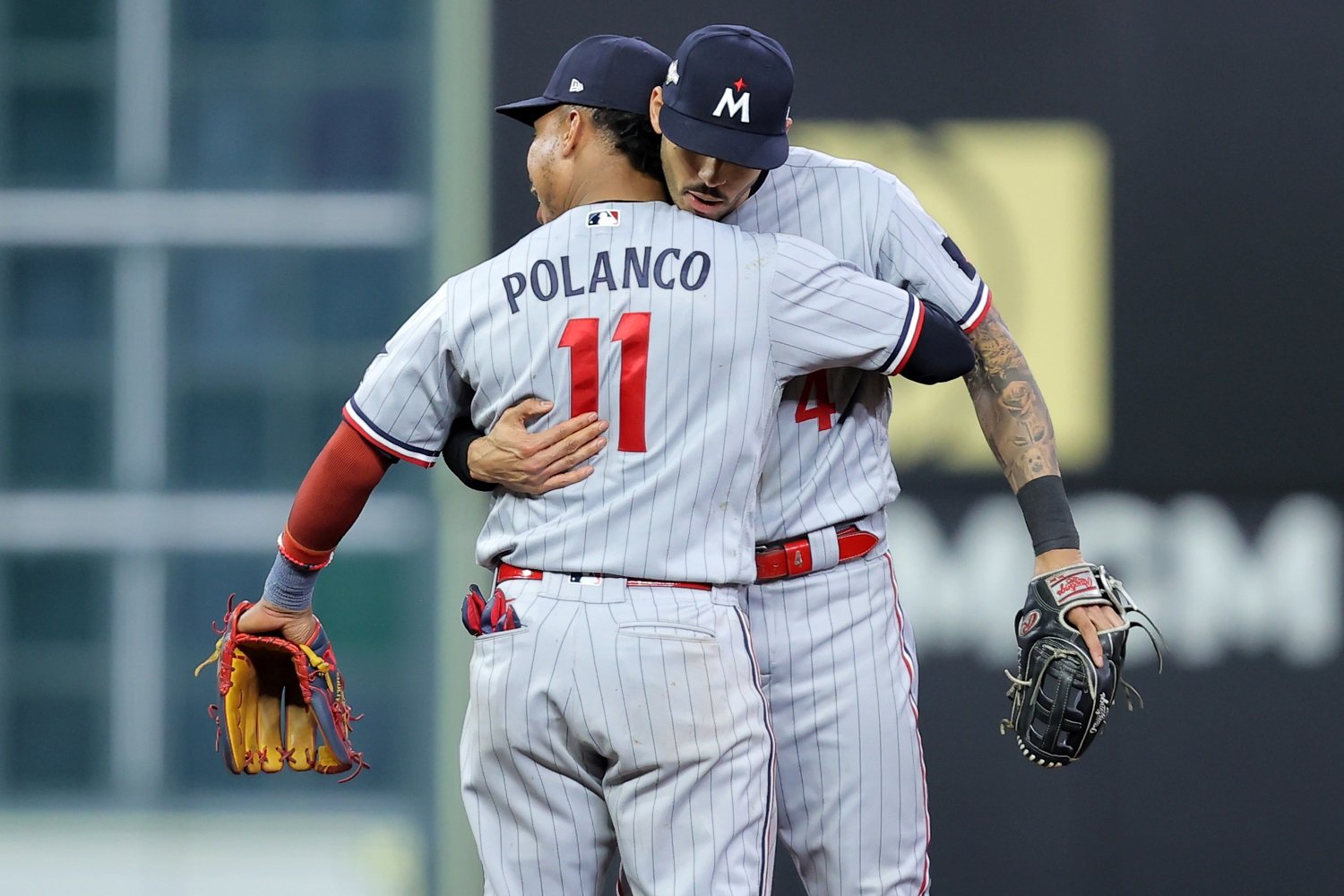 The deal is pretty significant, and it's one of those times when both sides dispensed with subtlety in favor of letting quantity show you the quality. Jorge Polanco will go to Seattle, in exchange for outfield prospect Gabriel Gonzalez, starting pitcher Anthony DeSclafani, reliever Justin Topa, and low-level arm Darren Bowen. Jeff Passan broke the news on Twitter. Obviously, this is a monumental move for the Twins, not only in terms of their 2024 roster, but from a fan's perspective. Polanco has been the steadiest force on the team for the last decade, a clutch hitter and up-the-middle defender who has alternated between average and star-caliber but always been versatile and valuable. It's a bitter pill to bid him adieu, but one we've been preparing to swallow for months, even after the team exercised its $10.5-million option on him for 2024 back in November. In exchange, they land multiple pieces, reflecting the substantial value remaining on a player they could still control through 2025--or rather, whom the Mariners can now control for that long. DeSclafani can be tentatively penciled in as the new fifth starter for the Twins, and Gonzalez will slot somewhere inside the top 10 on our top prospect countdown in the days and weeks ahead. DeSclafani came to the Mariners in a trade with the Giants earlier this month, and is actually owed more than Polanco for 2024. That's probably why, as is now being reported, there will be cash going to the Twins in the deal, as well. Still, he's a nice addition, and one our Cody Schoenmann recognized as a potential target nearly three weeks ago. The Twins didn't slide Chris Paddack or even Bailey Ober down the depth chart with this move, but they've stabilized the back end of the rotation. For his part, Gonzalez is a slugging right-handed outfielder with too little speed for center field, but whom the Twins will hope to refine in terms of approach and turn into another in their recent litany of power hitters. Even if he pans out, he's probably a year and a half from helping in the big leagues, but he's right on the fringe of top-100 lists, so he's a nice get for Polanco. There's a lot of risk here. The approach is not pretty, and there are limitations on even projecting his frame, physically, given his stature. If there's one demographic in which the team needed a bit more minor-league depth, though, it's right-hitting outfielders, so count it as a serendipitous fit. Topa has always carried some intrigue. He made a splash as a rookie with the Brewers (albeit in a minute sample) during the 2020 COVID season. Health has held him back, but he brings real funk and pretty good stuff, as evidenced by a 2.61 ERA in 69 innings for Seattle in 2023. He gets ground balls by the bushel, which could make him a neat mid-game weapon for Rocco Baldelli. Darren Bowen, 23, is in A-ball, and his age and level can tell you he's no top prospect. His fastball touches 95 but gets flat (in the bad way) and hit hard at times, but he's brought along a solid pairing of slider and changeup. It's possible the Twins will try to get him throwing either a cutter or a sinker in lieu of his four-seamer and start limiting hard contact, but he's a true throw-in for now. There are many more details and ramifications to sort through here, but they'll belong to separate pieces. Suffice it to say, for now, that Polanco will be sorely missed, but that the team got considerable value in this trade. They might not be better, or have more absolute talent, in the immediate future, but they gained both better roster balance and some long-term upside. Much analysis of this move depends on what (if anything) comes next. In particular, we need to see how much (if at all) this deal reduces their payroll, and to what extent (if any) they'll now invest by going out and either signing or trading for more high-end talent, using any extra financial flexibility they gained here and their increased volume of young talent on hand. What do you think of the deal? What do you hope to see next from Derek Falvey and company? Let's keep the conversation going in the comments.
- 336 comments
-
- 12
-
-
-

-
- jorge polanco
- anthony desclafani
- (and 3 more)
-
Julien is a good call. Obviously you don't have as much value with a guy who's already established himself in the big leagues, but he, too, only got $493,000 as a signing bonus, so you might have better leverage with him than with, say, Lee. Lewis, to me, is just out of reach. Got too much when drafted, has racked up too much service time already. But you certainly go to him to check in, at least.
- 8 replies
-
- 4
-
-
- colt keith
- brooks lee
- (and 1 more)
-
The indelible Mauer moment, for me, will always be his hustle double in Game 163 in 2009. That's the best baseball game I've ever seen, and Mauer set the perfect tone. Hard-hit ball, heads-up, playing hard, crowd loving it. Just a *gorgeous* swing. https://youtube.com/clip/Ugkx_BqEdq3_AaohIAsDye1Vstkk7hZq6M2_?si=_AHWMWyoeMKuH4pc
-
The greatest catcher in Twins history--and one of the best of the 21st century--is right on the doorstep of the Hall of Fame. He got there because he played the most important defensive position (other than pitcher) in baseball, and he played that position because he wanted to. Image courtesy of © Jesse Johnson-USA TODAY Sports I think people forget that Carlos Delgado came up through the minor leagues as a catcher. They forget that Joey Votto signed as a catcher, and they even forget that Bryce Harper was a catcher in high school, as well as at the junior college where he played before being drafted first overall in 2010. It's easy to forget those things, because none of those guys were really catchers. Harper (and agent Scott Boras) got that right away. When Harper signed with the Nationals almost 15 years ago, he did it as an outfielder. He converted before even trying on a professional set of catcher's gear, because when you can hit like that, you don't hold yourself back by squatting nonstop and taking foul balls and surviving (this used to be a thing, kids, we swear) collisions at the plate. Votto, Delgado, and Harper are just three of several examples of players who moved out from behind the plate pretty early in their professional careers. Plenty of others made the same move, and while some of those were because the player in question lacked the mental or physical chops to play that difficult position, it was more often for a simpler reason: they wanted to be big-leaguers. In fact, they wanted to be stars. There's nothing wrong with that, and there's everything right about their decisions. If you want to be the best big-league hitter you can be--the most explosive, the most successful, the most famous, the richest, or just the longest-lasting--you don't play catcher. To play catcher, in addition to being smart and charismatic and having a strong arm, you have to want to catch. You have to want that worse than stardom. You have to want it worse than the Hall of Fame. Because of that, there aren't enough catchers in the Hall. Sometimes, a couple of the ones who are in there get ridiculed, because the Veterans Committee went through a phase during which they let in some of the wrong people, choosing them for reasons of favoritism rather than on merit, but there are too few catchers in the Hall, not too many. Great players who choose to stay at catcher accept some risk that they won't reach the Hall, or (since few players actively think about the Hall of Fame during the phase of their career during which they make these choices) that they just won't become All-Stars or sluggers. Catching is, itself, a sacrifice. That's one reason why most catchers aren't guys with Delgado's or Votto's or Harper's talent, but those without speed, or without bat speed, or without some other ingredient of stardom. It's a position played by many guys who don't have a choice, because they couldn't make it as shortstops or center fielders, or even first basemen or right fielders. Joe Mauer had a choice. He was built like Votto, Delgado, and Harper, with their huge frame and their surprising blend of fluidity and strength. He could have moved out from behind the plate the moment he signed with the Twins. He didn't want to. Catching would eventually be taken away from him, but only by force--by medical coercion. It's not just that guys built like Mauer usually don't choose to catch. They're also badly made for it. Because of his height, Mauer was at a massive disadvantage as a pitch framer. In fact, he might not have been given much of a chance to catch, had he come along a decade later. The low pitch is hard to catch and hard to keep in the zone for a guy who stands 6-foot-4. That's one reason why so few catchers have ever been that tall. We can't quantify Mauer's pitch framing for the first few years of his MLB career. PITCHf/x didn't become ubiquitous until 2008, so we can't pinpoint Mauer's strengths and weaknesses as a framer (except by sharing our memories) before that time. Here's where he was in 2008, though. This chart shows Strikes Looking Above Average (SLAA) by pitch location. The picture tells the story better than I can. He was great at shaping the top of the zone, but lousy along the bottom edge of it. Here's his 2009 chart. He still wasn't able to expand the zone at its bottom, but Mauer got better at shaping the zone at all four corners, including widening it slightly. In one year, he went from 3.1 runs worse than average as a framer to 5.7 runs better than average. Armed with technology (even if no one around him in the Twins front office understood how to make use of the data they had), Mauer improved significantly almost overnight. Here he is in 2010. That blue band is getting a little thinner, and Mauer started really widening the plate on the third-base edge, where he could use his body to literally frame things for the umpire. For the final three seasons of his catching career, he did all that better and better. The strike zone started drifting downward around this time, league-wide, which was a detriment to Mauer. Yet, he was able to move with it, even though the injuries were really piling up by thiat point. He never stopped working to improve behind the plate. He wanted every inch for his pitchers, and he learned how to do that as well and as fast as he could, despite his size and the way it made him seem miscast in that role. Mauer wasn't a great hitter for a catcher. He was simply a great hitter, and a catcher. If he'd only done the first his whole career, as so many other players who looked and swung like him did, we'd have an easier time understanding what an extraordinary hitter he was. If he'd done that, he'd have had more than one season with the kind of power output we saw in 2009. If he'd done that, his career hit total might have been closer to 3,000 than to 2,000. Personally, I notice the absence of those things on his record, but I don't miss or regret them. I'm grateful to Mauer for choosing to catch. He wanted every bit of baseball he could get his arms around; that meant putting himself in the heart of the thing. He chose baseball over football, but he also chose catching over some portion of baseball. Tuesday evening, he's going to reap the reward for that. It'll be well-earned. Research assistance provided by TruMedia. View full article
-
Joe Mauer Wasn't Built to Be a Catcher. He Became One By Choice.
Matthew Trueblood posted an article in Twins
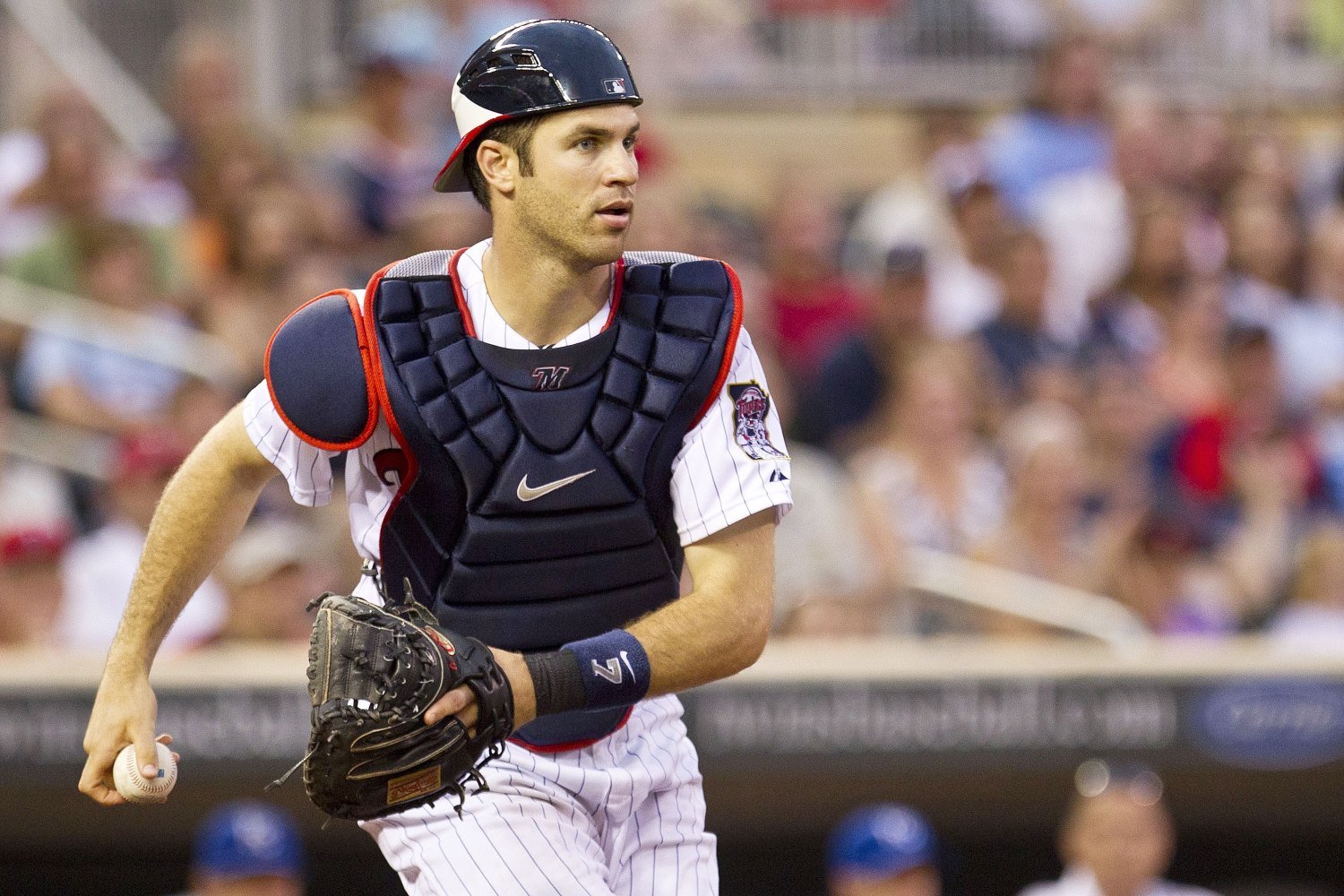 I think people forget that Carlos Delgado came up through the minor leagues as a catcher. They forget that Joey Votto signed as a catcher, and they even forget that Bryce Harper was a catcher in high school, as well as at the junior college where he played before being drafted first overall in 2010. It's easy to forget those things, because none of those guys were really catchers. Harper (and agent Scott Boras) got that right away. When Harper signed with the Nationals almost 15 years ago, he did it as an outfielder. He converted before even trying on a professional set of catcher's gear, because when you can hit like that, you don't hold yourself back by squatting nonstop and taking foul balls and surviving (this used to be a thing, kids, we swear) collisions at the plate. Votto, Delgado, and Harper are just three of several examples of players who moved out from behind the plate pretty early in their professional careers. Plenty of others made the same move, and while some of those were because the player in question lacked the mental or physical chops to play that difficult position, it was more often for a simpler reason: they wanted to be big-leaguers. In fact, they wanted to be stars. There's nothing wrong with that, and there's everything right about their decisions. If you want to be the best big-league hitter you can be--the most explosive, the most successful, the most famous, the richest, or just the longest-lasting--you don't play catcher. To play catcher, in addition to being smart and charismatic and having a strong arm, you have to want to catch. You have to want that worse than stardom. You have to want it worse than the Hall of Fame. Because of that, there aren't enough catchers in the Hall. Sometimes, a couple of the ones who are in there get ridiculed, because the Veterans Committee went through a phase during which they let in some of the wrong people, choosing them for reasons of favoritism rather than on merit, but there are too few catchers in the Hall, not too many. Great players who choose to stay at catcher accept some risk that they won't reach the Hall, or (since few players actively think about the Hall of Fame during the phase of their career during which they make these choices) that they just won't become All-Stars or sluggers. Catching is, itself, a sacrifice. That's one reason why most catchers aren't guys with Delgado's or Votto's or Harper's talent, but those without speed, or without bat speed, or without some other ingredient of stardom. It's a position played by many guys who don't have a choice, because they couldn't make it as shortstops or center fielders, or even first basemen or right fielders. Joe Mauer had a choice. He was built like Votto, Delgado, and Harper, with their huge frame and their surprising blend of fluidity and strength. He could have moved out from behind the plate the moment he signed with the Twins. He didn't want to. Catching would eventually be taken away from him, but only by force--by medical coercion. It's not just that guys built like Mauer usually don't choose to catch. They're also badly made for it. Because of his height, Mauer was at a massive disadvantage as a pitch framer. In fact, he might not have been given much of a chance to catch, had he come along a decade later. The low pitch is hard to catch and hard to keep in the zone for a guy who stands 6-foot-4. That's one reason why so few catchers have ever been that tall. We can't quantify Mauer's pitch framing for the first few years of his MLB career. PITCHf/x didn't become ubiquitous until 2008, so we can't pinpoint Mauer's strengths and weaknesses as a framer (except by sharing our memories) before that time. Here's where he was in 2008, though. This chart shows Strikes Looking Above Average (SLAA) by pitch location. The picture tells the story better than I can. He was great at shaping the top of the zone, but lousy along the bottom edge of it. Here's his 2009 chart. He still wasn't able to expand the zone at its bottom, but Mauer got better at shaping the zone at all four corners, including widening it slightly. In one year, he went from 3.1 runs worse than average as a framer to 5.7 runs better than average. Armed with technology (even if no one around him in the Twins front office understood how to make use of the data they had), Mauer improved significantly almost overnight. Here he is in 2010. That blue band is getting a little thinner, and Mauer started really widening the plate on the third-base edge, where he could use his body to literally frame things for the umpire. For the final three seasons of his catching career, he did all that better and better. The strike zone started drifting downward around this time, league-wide, which was a detriment to Mauer. Yet, he was able to move with it, even though the injuries were really piling up by thiat point. He never stopped working to improve behind the plate. He wanted every inch for his pitchers, and he learned how to do that as well and as fast as he could, despite his size and the way it made him seem miscast in that role. Mauer wasn't a great hitter for a catcher. He was simply a great hitter, and a catcher. If he'd only done the first his whole career, as so many other players who looked and swung like him did, we'd have an easier time understanding what an extraordinary hitter he was. If he'd done that, he'd have had more than one season with the kind of power output we saw in 2009. If he'd done that, his career hit total might have been closer to 3,000 than to 2,000. Personally, I notice the absence of those things on his record, but I don't miss or regret them. I'm grateful to Mauer for choosing to catch. He wanted every bit of baseball he could get his arms around; that meant putting himself in the heart of the thing. He chose baseball over football, but he also chose catching over some portion of baseball. Tuesday evening, he's going to reap the reward for that. It'll be well-earned. Research assistance provided by TruMedia.