


Twins Video
To the credit of all those who say it, the vapidity of "If it ain't broke, don't fix it" has never been hidden or unclear. It's right there in the language of the thing. Yes, simplicity can be good, and yes, getting twitchy about life is a good way to miss the opportunity to enjoy success and end up wallowing in needless misery. However, most of life consists of competitive, dynamic, fast-changing environments, and the simplicity of that maxim is best treated as a rough-grain philosophy, not a characteristic of any situation that defines it or guides action in response to it.
I mention this because, when it comes to baseball, all of the above is even more true than it probably is in your everyday life. Things change constantly. They change so constantly, in fact, that whether you're a player or a team, finding something that works shouldn't lead you to conclude that it's no longer necessary to change. On the contrary, all it should do is give you conviction in your embrace of the next change. You got something right. Great. You might just understand this game well. You seem to have good problem solvers in charge. Now: hurry up and move in a new direction, or your precious, high-value new thing is going to go from a strength to a weakness in a blink.
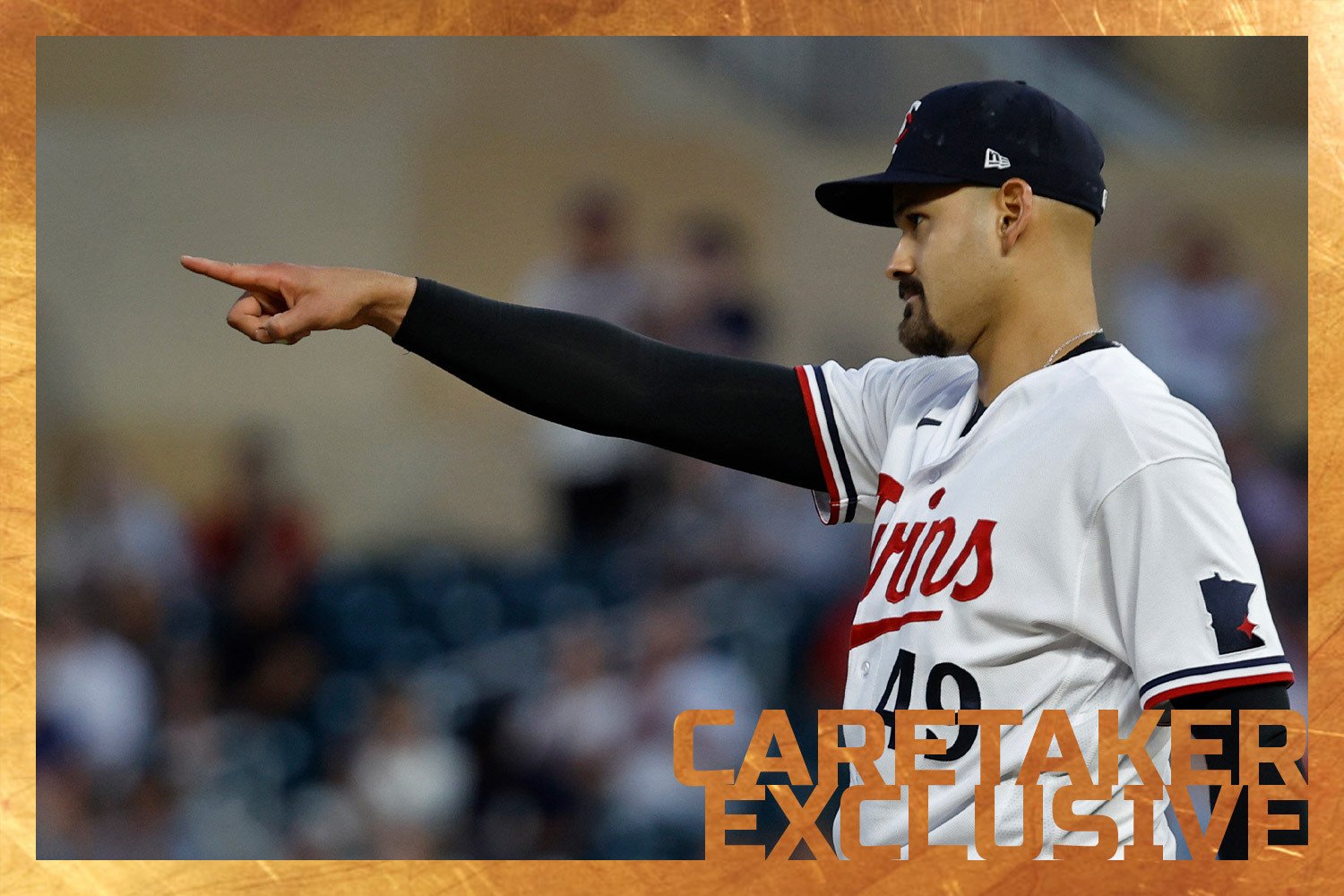
That's a very macrocosmic version of the conversation we're having today. Let's go microcosmic, instead. Hey, Louie Varland, what did you take away from your first season as something close to an established big-league pitcher? What do you need to do to find success?
"I need to be able to adapt on the fly," Varland told reporters in Fort Myers on Wednesday. "Once the league adapts to you, you have to be able to adapt to the adaptations."
He's right, of course. In fact, he's been right twice now. He said the same things to our Parker Hageman last month. Adaptability has been the watchword of his winter. On Wednesday, though, he also identified the specific ways in which he felt the league adapting to him as 2023 progressed.
"It was the easy at-bats for righties," Varland said. "They would look away, [because] I didn't have a pitch going in to them that I would throw a lot. So I needed to expand the zone with a pitch going in to them."

He's not wrong. Righties slugged .479 against him, fueling reverse platoon splits that have been a frequent problem for the Twins over the last few years. (Reverse splits aren't inherently problematic, of course. When they look like Varland's, though, including giving up excessive power to same-handed hitters, they signify an inefficient approach.) They did all that damage, more or less, on the inner half of the plate, because none of the pitches Varland threw well against them last year was meant to be spotted cleanly on that side.

Varland proposed the solution himself, of course. There are basically two pitches a right-handed hurler can throw that will move in on a right-handed batter: sinkers and changeups. Changeups usually don't work very well against same-handed hitters, though. They're too easily spotted, and the velocity differential works against the pitcher (most of the time) instead of for them, as it does when the pitch is fading away from an opposite-handed batter. That leaves...
"I added a little two-seam [fastball], and a little depth-ier slider," Varland said of his pitch mix alterations entering 2024.
Ok, now we're talking.








Recommended Comments
Create an account or sign in to comment
You need to be a member in order to leave a comment
Create an account
Sign up for a new account in our community. It's easy!
Register a new accountSign in
Already have an account? Sign in here.
Sign In Now