Matthew Trueblood
-
Posts
1,033 -
Joined
-
Last visited
Content Type
Profiles
News
Minnesota Twins Videos
2026 Minnesota Twins Top Prospects Ranking
2022 Minnesota Twins Draft Picks
Minnesota Twins Free Agent & Trade Rumors, Notes, & Tidbits
Guides & Resources
2023 Minnesota Twins Draft Picks
The Minnesota Twins Players Project
2024 Minnesota Twins Draft Picks
2025 Minnesota Twins Draft Pick Tracker
2026 Minnesota Twins Draft Tracker: Picks & Bonuses
Forums
Blogs
Events
Store
Downloads
Gallery
Everything posted by Matthew Trueblood
-
I agree that the risk associated with this deal is being dramatically understated--especially by those now calling it a "mere" $460-million deal based on the deferrals' impact on present value. I know he'll make them a lot of money off the field and that they can invest the money in the meantime, but there's tremendous risk here.
- 19 replies
-
- 2
-

-

-
- shohei ohtani
- seth lugo
- (and 2 more)
-
I can! The Buccos are not in a position to contend in 2024. They fully expect and badly need to be in such a position in 2025, though. Keller is under team control through '25, but arbitration is going to make him more expensive this year and still more so next. They're in the right phase of a protracted rebuild to trade Keller for a haul that will help them starting in '25 and keep their window open longer, once it does open.
- 19 replies
-
- 1
-
-
- shohei ohtani
- seth lugo
- (and 2 more)
-
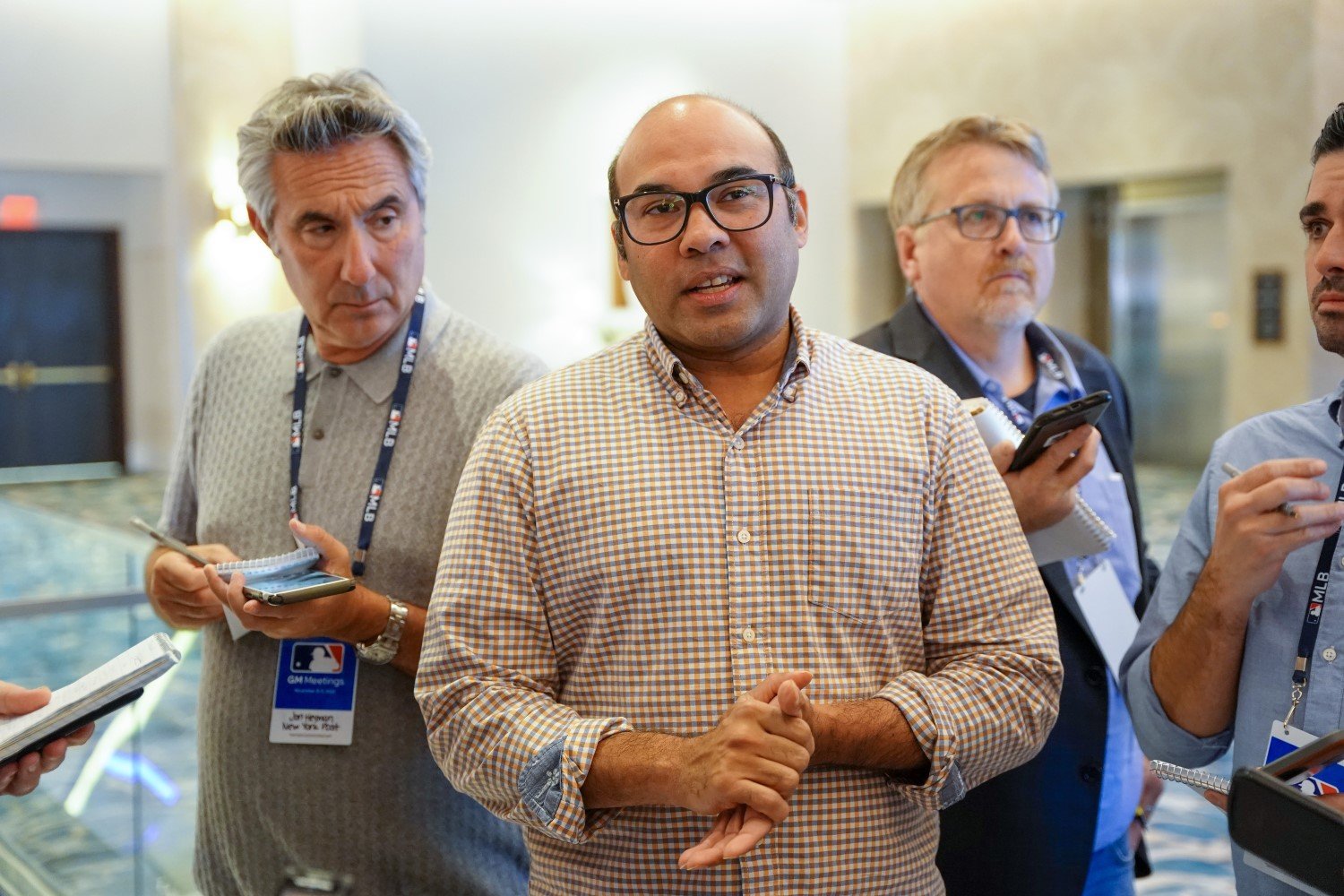 "The Giants' problem... from everything we've heard, and everything Buster Posey told Andy Baggarly of The Athletic last night, they've got a geography problem, or a city problem, I guess I would say," said Ken Rosenthal (also of The Athletic) on the web show Foul Territory Thursday. "Players, for whatever reason, have a negative perception of San Francisco right now." Rosenthal went on to say (as, earlier in the day, Baggarly had written, with Posey's quotes as his evidence) that players were put off by the state of downtown San Francisco in the post-pandemic world, including vague allusions to crime as a concern. On its face, that argument is shaky and problematic. San Francisco is just one of several cities throughout the United States which have recently become the targets of misleading, exaggerated, and subtly bigoted critiques by people who have something to gain by implying that cities and the demographic groups who tend to populate them are inherently inferior to smaller communities. It's a false narrative driven, as often as not, by politics, which makes repeating it and lending it greater credibility a higher-stakes transgression than most bad choices in the usually low-stakes world of baseball reportage. The most important refutation for what Posey said, Baggarly wrote, and Rosenthal disseminated to a wider audience is this: it's blatantly false, and easily disproved. No one knows that better than Twins fans. Carlos Correa is a Twin for the long haul, now, but one year ago right now, we all thought he was heading to San Francisco. He agreed to a massive deal to play there, and the deal didn't fall apart because Correa or his family balked during a visit. Remember, a jersey was made up for his introductory press conference. He was ready to be a San Franciscan. It was the Giants who walked away. That's just one notable counterexample, and while it's a fitting one (since it's really a failure to sign elite free agents, not free agents in general, that Posey said was the city's fault), it's nowhere near the only or best one. Last winter, spreading around the money they elected not to give to Correa, the Giants signed Joc Pederson, Ross Stripling, Sean Manaea, Taylor Rogers, Mitch Haniger, and Michael Conforto. That's just the notable players who signed deals worth eight figures annually. They also brought in a fistful of minor leaguers and fringe guys, including some who knew they would spend much of the season rehabbing from an injury. The evidence is much closer to telling us that free agents love San Francisco and can't wait to get there than that they shy away. Those who found this narrative plausible (despite the contrary facts at hand) pointed to the fact that many baseball players are White men raised in areas friendly to the aforementioned broad-strokes criticisms of city life, and that many of those might therefore buy into those criticisms and prefer teams (like the Braves, Rangers, and Angels) who play further from supposedly dangerous city centers than ones like the Giants--or, hey, the Twins. That, though, is just as faulty a story as the notion that free agents hate the Giants at all. Like America itself, baseball is getting less White and less rural all the time. Many of the megastars who have snubbed the Giants recently (Shohei Ohtani, whose choice to sign with the Dodgers prompted this round of finger-pointing by the team, but also Aaron Judge and others) don't fit that mold at all. Some of the players they have signed do fit it, but chose the Giants, anyway. Then, there's Correa, and now Jung Hoo Lee, who agreed to a six-year deal just one day before these excuses about Ohtani began spilling forth. After both the Giants and the Mets reneged on Correa, he came to the Twins, instead. He was happy to circle back to a team who plays right in the middle of a city that has been slandered with the same nonsense many outsiders have hung on San Francisco and Chicago, among others. One could choose to call Correa the exception who proves the rule, and maybe that would be right, but it underscores a truth that gives the lie to this whole line of argument: All of these decisions, on both sides, are made by individuals, and their idiosyncrasies tend to outweigh sociological tropes. Maybe Correa is a special guy--the kind of person who can get comfortable more easily than others, and who will bloom wherever he's planted. Giants president of baseball operations Farhan Zaidi, though? He's from the Andrew Friedman Dodgers, but he's not a true Friedman disciple. He's always been the rational, conservative decision-maker to Friedman's big splash-maker. Whereas Friedman famously embraces irrationality when he gets a chance to do something rare and special, Zaidi has always been most in his element when doing arbitrage. He loves the marginal win at the lowest cost in marginal dollars. He doesn't win bidding wars at the very top end of the market very often, because he doesn't want to do so. If he's letting anyone suggest that San Francisco itself is to blame for the fact that only free agents willing to sign short-term deals have come to the Giants recently, he ought to be ashamed of that. It's not the city; it's the man. Whether Zaidi sent Posey out with this message to give the team cover after Friedman reeled in the biggest fish to hit free-agent waters in a generation, or whether Posey genuinely believes it, it's wrong. That leaves us with the question: why are people saying it? Why, even once Posey said this to Baggarly, did Baggarly deem it newsworthy? And why did Rosenthal literally broadcast it? One possibility is that they share the sentiment Posey expressed, and that him saying it just gave them the cover they needed to start stating it as a fact. That, too, can vary from one individual to another. Some reporters might be saying this out of a mistrust for some of the players in question--a rather sad but not wholly unearned suspicion. Others might want to amplify the message because they honestly believe in the decrepitude of San Francisco and some other large American cities. That isn't completely baseless, either. We don't have to pretend Minneapolis is a utopia. We just need to corral the pernicious oversimplification that calls it a dangerous, dirty, or depraved place, because that oversimplification isn't an accident. It's being pushed by people with ulterior motives. The other broad possibility as to why reporters have repeated and built out this explanation for one team's failure to sign a superstar free agent is more innocent, maybe, but somehow still worse. It's that, with the value of their access for insider reporting purposes dwindling, some high-profile reporters are more eagerly parroting whatever substantial tidbits sources share with them, without interrogating the information they get or filtering it as much as they should. Be it out of layered latent bigotry or an honest but not necessarily excusable dearth of journalistic rigor, the national media is allowing a false narrative with real and far-reaching consequences in the lives of people far beyond the sphere of baseball to spread and strengthen. That's an important failure, regardless of the basis for it. "The Giants' problem... from everything we've heard, and everything Buster Posey told Andy Baggarly of The Athletic last night, they've got a geography problem, or a city problem, I guess I would say." Maybe you would, Ken. But you shouldn't.
- 63 comments
-
- 7
-
-
-
- carlos correa
- ken rosenthal
- (and 1 more)
-
On Thursday, in the wake of the Giants being outbid for their umpteenth straight elite free agent, the team put out the word that they feel like players are afraid of San Francisco, or uncomfortable playing there. At best, that's a smokescreen. At worst, it's a cynical lie. Rosenthal went on to say (as, earlier in the day, Baggarly had written, with Posey's quotes as his evidence) that players were put off by the state of downtown San Francisco in the post-pandemic world, including vague allusions to crime as a concern. On its face, that argument is shaky and problematic. San Francisco is just one of several cities throughout the United States which have recently become the targets of misleading, exaggerated, and subtly bigoted critiques by people who have something to gain by implying that cities and the demographic groups who tend to populate them are inherently inferior to smaller communities. It's a false narrative driven, as often as not, by politics, which makes repeating it and lending it greater credibility a higher-stakes transgression than most bad choices in the usually low-stakes world of baseball reportage. The most important refutation for what Posey said, Baggarly wrote, and Rosenthal disseminated to a wider audience is this: it's blatantly false, and easily disproved. No one knows that better than Twins fans. Carlos Correa is a Twin for the long haul, now, but one year ago right now, we all thought he was heading to San Francisco. He agreed to a massive deal to play there, and the deal didn't fall apart because Correa or his family balked during a visit. Remember, a jersey was made up for his introductory press conference. He was ready to be a San Franciscan. It was the Giants who walked away. That's just one notable counterexample, and while it's a fitting one (since it's really a failure to sign elite free agents, not free agents in general, that Posey said was the city's fault), it's nowhere near the only or best one. Last winter, spreading around the money they elected not to give to Correa, the Giants signed Joc Pederson, Ross Stripling, Sean Manaea, Taylor Rogers, Mitch Haniger, and Michael Conforto. That's just the notable players who signed deals worth eight figures annually. They also brought in a fistful of minor leaguers and fringe guys, including some who knew they would spend much of the season rehabbing from an injury. The evidence is much closer to telling us that free agents love San Francisco and can't wait to get there than that they shy away. Those who found this narrative plausible (despite the contrary facts at hand) pointed to the fact that many baseball players are White men raised in areas friendly to the aforementioned broad-strokes criticisms of city life, and that many of those might therefore buy into those criticisms and prefer teams (like the Braves, Rangers, and Angels) who play further from supposedly dangerous city centers than ones like the Giants--or, hey, the Twins. That, though, is just as faulty a story as the notion that free agents hate the Giants at all. Like America itself, baseball is getting less White and less rural all the time. Many of the megastars who have snubbed the Giants recently (Shohei Ohtani, whose choice to sign with the Dodgers prompted this round of finger-pointing by the team, but also Aaron Judge and others) don't fit that mold at all. Some of the players they have signed do fit it, but chose the Giants, anyway. Then, there's Correa, and now Jung Hoo Lee, who agreed to a six-year deal just one day before these excuses about Ohtani began spilling forth. After both the Giants and the Mets reneged on Correa, he came to the Twins, instead. He was happy to circle back to a team who plays right in the middle of a city that has been slandered with the same nonsense many outsiders have hung on San Francisco and Chicago, among others. One could choose to call Correa the exception who proves the rule, and maybe that would be right, but it underscores a truth that gives the lie to this whole line of argument: All of these decisions, on both sides, are made by individuals, and their idiosyncrasies tend to outweigh sociological tropes. Maybe Correa is a special guy--the kind of person who can get comfortable more easily than others, and who will bloom wherever he's planted. Giants president of baseball operations Farhan Zaidi, though? He's from the Andrew Friedman Dodgers, but he's not a true Friedman disciple. He's always been the rational, conservative decision-maker to Friedman's big splash-maker. Whereas Friedman famously embraces irrationality when he gets a chance to do something rare and special, Zaidi has always been most in his element when doing arbitrage. He loves the marginal win at the lowest cost in marginal dollars. He doesn't win bidding wars at the very top end of the market very often, because he doesn't want to do so. If he's letting anyone suggest that San Francisco itself is to blame for the fact that only free agents willing to sign short-term deals have come to the Giants recently, he ought to be ashamed of that. It's not the city; it's the man. Whether Zaidi sent Posey out with this message to give the team cover after Friedman reeled in the biggest fish to hit free-agent waters in a generation, or whether Posey genuinely believes it, it's wrong. That leaves us with the question: why are people saying it? Why, even once Posey said this to Baggarly, did Baggarly deem it newsworthy? And why did Rosenthal literally broadcast it? One possibility is that they share the sentiment Posey expressed, and that him saying it just gave them the cover they needed to start stating it as a fact. That, too, can vary from one individual to another. Some reporters might be saying this out of a mistrust for some of the players in question--a rather sad but not wholly unearned suspicion. Others might want to amplify the message because they honestly believe in the decrepitude of San Francisco and some other large American cities. That isn't completely baseless, either. We don't have to pretend Minneapolis is a utopia. We just need to corral the pernicious oversimplification that calls it a dangerous, dirty, or depraved place, because that oversimplification isn't an accident. It's being pushed by people with ulterior motives. The other broad possibility as to why reporters have repeated and built out this explanation for one team's failure to sign a superstar free agent is more innocent, maybe, but somehow still worse. It's that, with the value of their access for insider reporting purposes dwindling, some high-profile reporters are more eagerly parroting whatever substantial tidbits sources share with them, without interrogating the information they get or filtering it as much as they should. Be it out of layered latent bigotry or an honest but not necessarily excusable dearth of journalistic rigor, the national media is allowing a false narrative with real and far-reaching consequences in the lives of people far beyond the sphere of baseball to spread and strengthen. That's an important failure, regardless of the basis for it. "The Giants' problem... from everything we've heard, and everything Buster Posey told Andy Baggarly of The Athletic last night, they've got a geography problem, or a city problem, I guess I would say." Maybe you would, Ken. But you shouldn't. View full article
- 63 replies
-
- 1
-
-
- carlos correa
- ken rosenthal
- (and 1 more)
-
Not that they didn't shade. Of course, they did. But literally every other team in baseball shaded *less* than the Twins did.
-
Until 2023, the Derek Falvey and Thad Levine-led Twins were aggressive in the deployment of defensive shifts on the infield. This season, new rules prohibited that--but the Twins kept innovating and pushing the envelope. Image courtesy of © Jordan Johnson-USA TODAY Sports In 2022, the Minnesota Twins used an infield shift in MLB's sixth-highest share of all plate appearances against them. They had Carlos Correa at shortstop, but as usual, their overall infield defense reflected their team-building priorities--that is, it was weak, because they sacrificed a bit of glove for the thump they could find in the exchange. Sometimes, the best defense is a good offense. Baseball saw a handful of important rule changes in 2023, though, including a ban on the defensive shift as we had previously known it. No longer could teams put more than two infielders on one side of second base. Nor could those infielders set up with their feet on the outfield grass, be it by a step or two or by dozens of feet, as they had done so often throughout history--but especially over the previous 20 years. As will always happen when new constraints are put in place, teams adjusted and innovated, pushing those limits as far as they could but also bending to the new reality. Instead of the extreme shift, teams merely employed heavy shading--something used more often than is generally remembered, even as far back at the 1950s and certainly since the 1980s. With a left-handed batter at the plate, it wasn't uncommon to find a second baseman with his heels kissing the sides of the first blades of the grass, and wheeled over toward first base. The shortstop could be found, in those cases, lining themselves up as close to the imaginary line passing through the keystone en route to center field as the second-base umpire allowed. After trading for Kyle Farmer over the winter and with Jorge Polanco turning 30 during the season, the team had an aging infield, and as they broke in Royce Lewis as a full-time third baseman and rookie Edouard Julien at second, they were again consciously trading off some defensive prowess for thump in the lineup. When injuries and ineffectiveness forced them to turn to Donovan Solano more often, and when Correa developed plantar fasciitis that limited his range, they got even more unathletic around the horn. Shading was the team's way of making up for that. No team in baseball utilized Shades more often, overall, than the Twins did this past season. Team Shade % v RHB Team Shade % v LHB Atlanta 24.3 Texas 74.1 Miami 23.1 Minnesota 62.9 Tampa Bay 22.5 Detroit 58.6 Minnesota 18.3 Los Angeles (N) 56.3 Cincinnati 11.5 Houston 56.3 This method made sense. It was a way for the team to get the bats of both Polanco and Julien in the lineup at some times, and to get both Polanco and Solano in the lineup at others. It reflected the team's strong lean toward fly balls and emphasis on strikeouts from the pitching staff. Why put your resources into bulking up an infield defense that will, by design, be depended on less than any of its counterparts throughout the league? All that skirts the most important question, though: Did it work? View full article
-
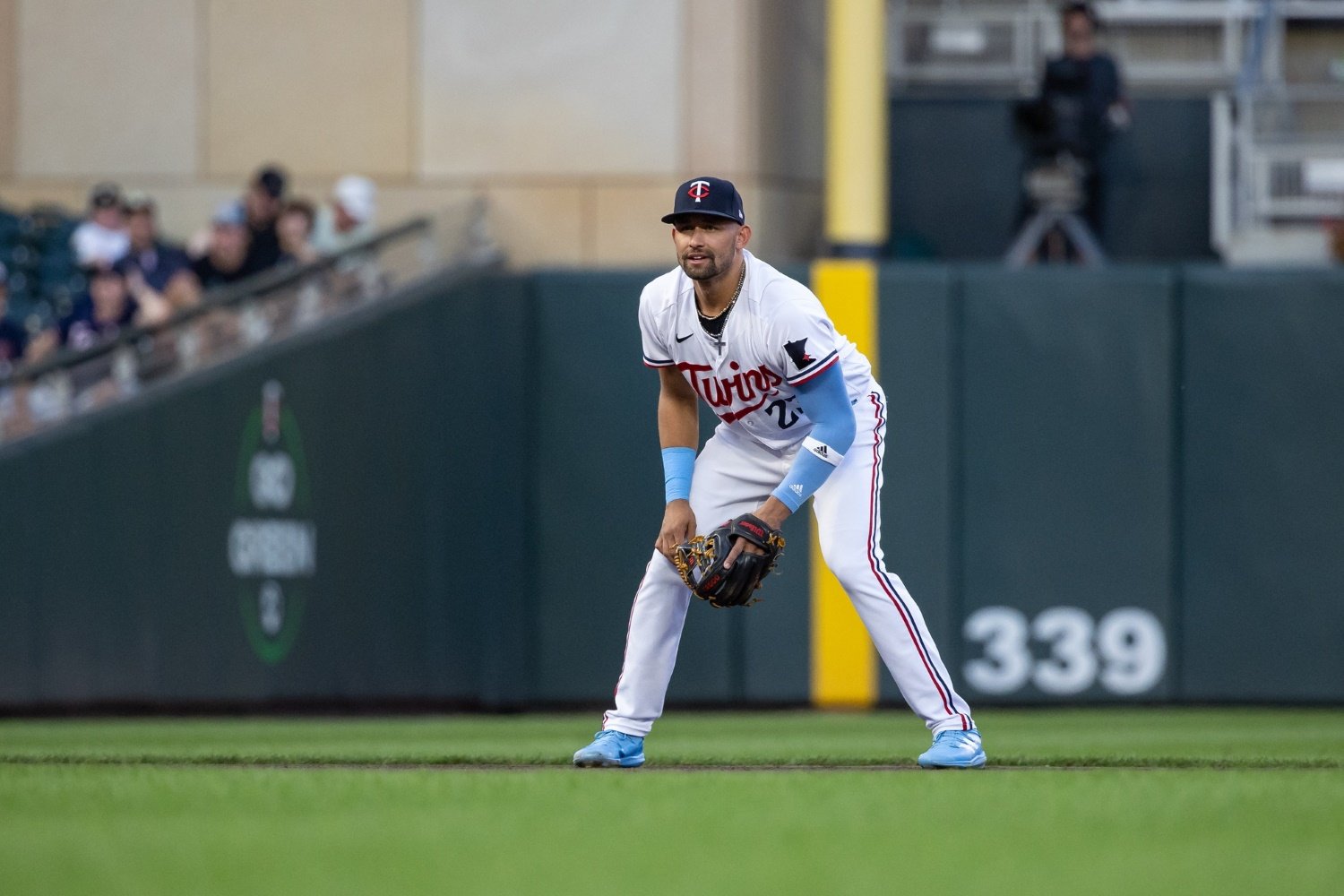 In 2022, the Minnesota Twins used an infield shift in MLB's sixth-highest share of all plate appearances against them. They had Carlos Correa at shortstop, but as usual, their overall infield defense reflected their team-building priorities--that is, it was weak, because they sacrificed a bit of glove for the thump they could find in the exchange. Sometimes, the best defense is a good offense. Baseball saw a handful of important rule changes in 2023, though, including a ban on the defensive shift as we had previously known it. No longer could teams put more than two infielders on one side of second base. Nor could those infielders set up with their feet on the outfield grass, be it by a step or two or by dozens of feet, as they had done so often throughout history--but especially over the previous 20 years. As will always happen when new constraints are put in place, teams adjusted and innovated, pushing those limits as far as they could but also bending to the new reality. Instead of the extreme shift, teams merely employed heavy shading--something used more often than is generally remembered, even as far back at the 1950s and certainly since the 1980s. With a left-handed batter at the plate, it wasn't uncommon to find a second baseman with his heels kissing the sides of the first blades of the grass, and wheeled over toward first base. The shortstop could be found, in those cases, lining themselves up as close to the imaginary line passing through the keystone en route to center field as the second-base umpire allowed. After trading for Kyle Farmer over the winter and with Jorge Polanco turning 30 during the season, the team had an aging infield, and as they broke in Royce Lewis as a full-time third baseman and rookie Edouard Julien at second, they were again consciously trading off some defensive prowess for thump in the lineup. When injuries and ineffectiveness forced them to turn to Donovan Solano more often, and when Correa developed plantar fasciitis that limited his range, they got even more unathletic around the horn. Shading was the team's way of making up for that. No team in baseball utilized Shades more often, overall, than the Twins did this past season. Team Shade % v RHB Team Shade % v LHB Atlanta 24.3 Texas 74.1 Miami 23.1 Minnesota 62.9 Tampa Bay 22.5 Detroit 58.6 Minnesota 18.3 Los Angeles (N) 56.3 Cincinnati 11.5 Houston 56.3 This method made sense. It was a way for the team to get the bats of both Polanco and Julien in the lineup at some times, and to get both Polanco and Solano in the lineup at others. It reflected the team's strong lean toward fly balls and emphasis on strikeouts from the pitching staff. Why put your resources into bulking up an infield defense that will, by design, be depended on less than any of its counterparts throughout the league? All that skirts the most important question, though: Did it work?
- 5 comments
-
- 4
-
-
- carlos correa
- kyle farmer
- (and 2 more)
-
The Twins Should Not Trade Max Kepler
Matthew Trueblood replied to Hunter McCall's topic in Twins Daily Front Page News
This is a very reasonable point, and I do keep circling back to it in my own head. I was never quite in the DFA Kepler camp anyway, but the thing that grabs me is what Hunter laid out at the end: he made material changes to find his second-half success. Now, unfortunately, Kepler has made successful adjustments in the past, and then just reverted the following year or whatever. So you could deputize this latest round into an argument for trading him, because other teams will buy into his breakout, whereas maybe we all know better. But it's also an argument for the wait-and-see approach, especially since replacing him would either come at a steep financial cost or involve a whole lot of its own risks.- 139 replies
-
- 3
-
-
- max kepler
- trevor larnach
- (and 1 more)
-
I do think they can aim higher than Lugo, but he had a 91 DRA- last year. That's right in line with Braxton Garrett (whose cost will be paid in talent instead of money, the more renewable baseball resource), and bigger names like Nathan Eovaldi, Yu Darvish, and Alex Cobb. He was a good upside play, anyway. I do think the price he ended up commanding was a bit rich for the Twins' plans, though. Here's hoping they find a better fit in trade.
- 28 replies
-
- 1
-
-
- seth lugo
- jung hoo-lee
- (and 2 more)
-
The pace of the news is picking up, now. Alas, the Twins aren't yet one of the teams getting better. Image courtesy of © Yukihito Taguchi-USA TODAY Sports How many competent players would the Royals need to sign to go from 106 losses in 2023 to being genuinely competitive in 2024? It's probably an unrealistic number, but they've decided to try some things. Giants Make Splash, Sign Jung Hoo Lee The huge news of Tuesday was the Giants' six-year, $113-million deal with Jung Hoo Lee, by far the most enticing player ever to come straight out of the Korean Baseball Organization (KBO), as evidenced by the record dimensions of that contract. This is a massive risk on their part, but the reward could be equally great. Lee is a lefty-swinging outfielder with some real power questions. He's a career .340 hitter (yes, those still exist, somewhere in the world) in the KBO, but that league is famous for its inflationary offense and it's not as deep with good talent as MLB. Many people question whether he'll be able to generate any real jolt against Stateside big-leaguers, and if he doesn't, the pressure to stick in center field will ratchet up. That's worrisome, because whether he can do that is a matter of some debate among scouts. All of that is true, but so is this: Lee has 1,014 plate appearances in the KBO since the start of 2022. Even with his 2023 interrupted and dimmed by injury, in those trips to the plate over the last two years, he's thumped 100 extra-base hits, drawn 115 walks, and struck out a grand total of 55 times. Merely touching the ball won't be enough in MLB, but Lee has the contact skills to threaten Luis Arraez for batting titles if the tools translate. This doesn't quite count as a blow to the hopes of Twins fans, because only a select few held out any hope of landing Lee this winter. Given the local nine's payroll situation, though, this kind of deal was never within the realm of possibility. It's considerably more than most prognosticators expected Lee to get. Seth Lugo Finally Hits it Big By contrast, Seth Lugo is a name I identified as a good fit with the Twins' pitching predilections and their position in the market, weeks ago. Of course, there's a bit of the Twins' pitching DNA in Kansas City now, after they hired away former Twins minor-league pitching coordinator Zach Bove a year ago. That's where Lugo has landed, on a two-year deal with a player option for 2026. If Lugo exercises that option in two years, the final terms of the deal will be $45 million over three years. That would be more than this Twins front office has ever spent on an external starting pitcher in free agency, so it's not a surprise that they didn't go there. The Royals paid a premium to lure the lanky righthander to a small market and a losing situation. Still, it's one of the first moves of the winter that could make a Twins fan feel genuinely left out. Lugo could have made them better, at a reasonable price. Joe Mauer, Byron Buxton, and the Whole Game I've been thinking often, lately, about Byron Buxton's foggy future in center field. No matter how promising the reports are right now, we can't say for sure whether Buxton will ever play center field again--let alone do so on a regular basis. That's not a pessimistic answer to all that optimism; it's just a realist reading of the healthy history of a man who just spent an entire season confined to designated-hitter duties. It makes me genuinely ache to see players who play baseball as well and as beautifully as Buxton plays center be rendered unable to participate in some major part of the game. It's not a new ache, to me or to any Twins fan, of course. As I think about Buxton and feel Schrödinger's grief over the possible loss of the defensive part of his game, I'm led back to Joe Mauer. Watching him be forced out from behind the plate by concussions and have to take up residence at first base for the final half-decade of his career hurt. It was limiting. It was beneath Mauer, who played the game with such grace and unexpected agility. Remember the play on which Miguel Sanó most clearly affirmed the stupidity of the experiment to put him in right field, early in 2016? On that play, amid the carnage of the collision in shallow right, Mauer raced out, seized the ball, and threw a gorgeous strike to third base for an unlikely out. It's one of my favorite plays ever, because for just a moment, Mauer had been released from his sentence to a safe, boring life at the cold corner. He got to play the full game, with all its speed and difficulty. When I think back on his career, in addition to any number of hits or that hustle double in Game 163 in 2009 or his deke and diving tag at the plate or the poignancy of his momentary return to catching in his final game, I think of that play Mauer made. I hope we don't have just a couple of poignant vignettes like those for the second half of his career. He deserves better, just as Mauer did. Anyway, I wrote about that Mauer play (from a very personal lens) at the time, and the archives at Baseball Prospectus are free, so go read it if you'd like. And if you see a Hall of Fame voter today, tell them to vote for Mauer. Would you have wanted to see the Twins wade in and take the risk the Giants took on Lee? Who's your preferred target, now that Lugo is off the board? Do the Royals worry you at all? Let's talk some ball. View full article
-
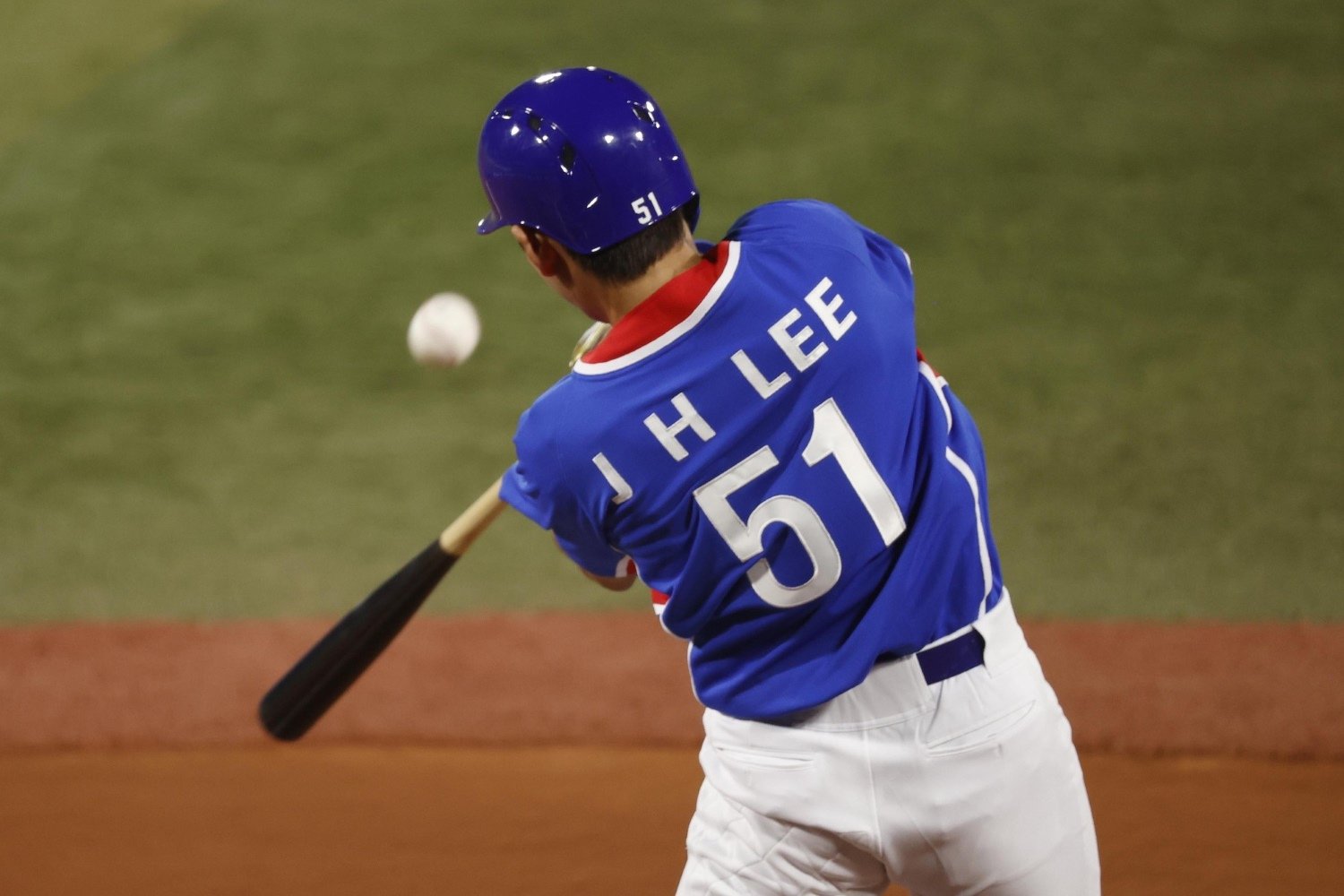 How many competent players would the Royals need to sign to go from 106 losses in 2023 to being genuinely competitive in 2024? It's probably an unrealistic number, but they've decided to try some things. Giants Make Splash, Sign Jung Hoo Lee The huge news of Tuesday was the Giants' six-year, $113-million deal with Jung Hoo Lee, by far the most enticing player ever to come straight out of the Korean Baseball Organization (KBO), as evidenced by the record dimensions of that contract. This is a massive risk on their part, but the reward could be equally great. Lee is a lefty-swinging outfielder with some real power questions. He's a career .340 hitter (yes, those still exist, somewhere in the world) in the KBO, but that league is famous for its inflationary offense and it's not as deep with good talent as MLB. Many people question whether he'll be able to generate any real jolt against Stateside big-leaguers, and if he doesn't, the pressure to stick in center field will ratchet up. That's worrisome, because whether he can do that is a matter of some debate among scouts. All of that is true, but so is this: Lee has 1,014 plate appearances in the KBO since the start of 2022. Even with his 2023 interrupted and dimmed by injury, in those trips to the plate over the last two years, he's thumped 100 extra-base hits, drawn 115 walks, and struck out a grand total of 55 times. Merely touching the ball won't be enough in MLB, but Lee has the contact skills to threaten Luis Arraez for batting titles if the tools translate. This doesn't quite count as a blow to the hopes of Twins fans, because only a select few held out any hope of landing Lee this winter. Given the local nine's payroll situation, though, this kind of deal was never within the realm of possibility. It's considerably more than most prognosticators expected Lee to get. Seth Lugo Finally Hits it Big By contrast, Seth Lugo is a name I identified as a good fit with the Twins' pitching predilections and their position in the market, weeks ago. Of course, there's a bit of the Twins' pitching DNA in Kansas City now, after they hired away former Twins minor-league pitching coordinator Zach Bove a year ago. That's where Lugo has landed, on a two-year deal with a player option for 2026. If Lugo exercises that option in two years, the final terms of the deal will be $45 million over three years. That would be more than this Twins front office has ever spent on an external starting pitcher in free agency, so it's not a surprise that they didn't go there. The Royals paid a premium to lure the lanky righthander to a small market and a losing situation. Still, it's one of the first moves of the winter that could make a Twins fan feel genuinely left out. Lugo could have made them better, at a reasonable price. Joe Mauer, Byron Buxton, and the Whole Game I've been thinking often, lately, about Byron Buxton's foggy future in center field. No matter how promising the reports are right now, we can't say for sure whether Buxton will ever play center field again--let alone do so on a regular basis. That's not a pessimistic answer to all that optimism; it's just a realist reading of the healthy history of a man who just spent an entire season confined to designated-hitter duties. It makes me genuinely ache to see players who play baseball as well and as beautifully as Buxton plays center be rendered unable to participate in some major part of the game. It's not a new ache, to me or to any Twins fan, of course. As I think about Buxton and feel Schrödinger's grief over the possible loss of the defensive part of his game, I'm led back to Joe Mauer. Watching him be forced out from behind the plate by concussions and have to take up residence at first base for the final half-decade of his career hurt. It was limiting. It was beneath Mauer, who played the game with such grace and unexpected agility. Remember the play on which Miguel Sanó most clearly affirmed the stupidity of the experiment to put him in right field, early in 2016? On that play, amid the carnage of the collision in shallow right, Mauer raced out, seized the ball, and threw a gorgeous strike to third base for an unlikely out. It's one of my favorite plays ever, because for just a moment, Mauer had been released from his sentence to a safe, boring life at the cold corner. He got to play the full game, with all its speed and difficulty. When I think back on his career, in addition to any number of hits or that hustle double in Game 163 in 2009 or his deke and diving tag at the plate or the poignancy of his momentary return to catching in his final game, I think of that play Mauer made. I hope we don't have just a couple of poignant vignettes like those for the second half of his career. He deserves better, just as Mauer did. Anyway, I wrote about that Mauer play (from a very personal lens) at the time, and the archives at Baseball Prospectus are free, so go read it if you'd like. And if you see a Hall of Fame voter today, tell them to vote for Mauer. Would you have wanted to see the Twins wade in and take the risk the Giants took on Lee? Who's your preferred target, now that Lugo is off the board? Do the Royals worry you at all? Let's talk some ball.
- 28 comments
-
- 7
-
-
- seth lugo
- jung hoo-lee
- (and 2 more)
-
It is, of course, worth far less than $700 million. Specifically, it's net present value is around $460 million, as calculated by the league and the PA. But that is miles from being a sweetheart deal for the Dodgers.
- 81 replies
-
- 5
-
-
- shohei ohtani
- yoshinobu yamamoto
- (and 5 more)
-
In a perfect world, Mitchell would bat right-handed. Haha. That's the combination of profile, team control, and roster fit that would be ideal for the Twins. I like the possibilities with Joey Wiemer, as @Sherry Cerny wrote a week ago or so, but Mitchell could make a lot of sense, too. If they do follow through with a Kepler trade, or even if Kepler just walks next winter, the years-old narrative that they have too many left-handed outfield bats will fade pretty fast.
-
They're not. :)
-
Twins Daily Table Setter: December 11, 2023
Matthew Trueblood replied to Ted Schwerzler 's topic in Twins Daily Front Page News
My Cubs Twitter buddies are drooling over Polo as a potential solution for third base for them. I've been trying to explain that that experiment didn't go that well, but count Chicago as one suitor, I guess. -
Per Heyman's tweet about the move: "Fish *aren't* done looking to upgrade..." So, take that for what it's worth.
- 27 replies
-
- 2
-
-
- yoshinobu yamamoto
- cody bellinger
- (and 4 more)
-
It feels like, after a stressful (if ultimately inactive) week and a flurry of movement as the Winter Meetings broke up, the league took a breather on Thursday. So much the better. Let's have a casual Friday baseball chat. Image courtesy of © Matt Blewett-USA TODAY Sports Another former Twins pitcher has found a new home, with Jorge Lopez signing a one-year, $2-million deal with the Mets. His moment as a dominant reliever for the Orioles a few years ago feels beyond recapture by now, but he's a conscientious and talented person. All the best to him. What Kind of Decade Has it Been? This will seem to come from left field, but let me ask you: How is baseball doing at reflecting and shaping America? I like to go back and re-read old things I've written, sometimes, to improve and to remind myself how much I once sucked (the better to take a patient pen to the work of my talented colleagues here). Last night, I came upon this post from late 2012, when Jacques Barzun's death coincided with the World Series. It got me back to thinking about what I wrote at the time--in essence, that I hoped the game was starting to turn back toward its country and have a better impact on it. I'm having a very hard time evaluating the last decade-plus, in that way. There have been some external occurrences in our world that make it hard to parse cause and effect, even when it's clear that baseball has been associated with some change. I am glad, though, that I feel like the game has made some important progress in demographic representation and equity during that span. Obviously, there's a long way left to go. The Skill of Finding Good Utility Guys Cheaply I really liked Hunter McCall's piece yesterday about the Twins' affinity for the high-volume utility man. We know the value of guys who can hit enough to work their way into the lineup more than half the time, while working their way around the diamond to deliver defensive value and keep people fresh. I find it especially noteworthy, though, that (in contrast with half a decade ago, when the team brought in Marwin Gonzalez as a very expensive version of that player) Derek Falvey and Thad Levine are developing a knack for finding, acquiring, and/or developing valuable, versatile guys on the cheap. It's not just Willi Castro (who signed a minor-league deal last winter), nor Nick Gordon, nor Luis Arraez. They also signed Donovan Solano very inexpensively during spring training back in February. As Hunter noted, they have Castro, Gordon, and Austin Martin from whom to choose for 2024. It's pretty hard to reliably find a utility or platoon guy in free agency. You want someone who can play multiple positions, and play them well (who's ever hoping for below-average defense?), but not play any of them so well that they can find a market as a regular at just one position. You want someone who crushes opposite-handed pitching, but who struggles against same-handed hurlers, because otherwise, they're going to command the money that goes with being a credible full-time player. It's a tough needle to thread. That's why each developmental win that yields that kind of player is valuable, and why I'm impressed that the front office nailed it with both Castro and Solano last offseason. Is It Cold in Shohei's Shadow? Yes, we're still waiting to hear where Shohei Ohtani will spend the next decade of his life. (Although, joy of joys, it sure sounds like whatever deal he ends up signing will include some opt-outs, so maybe we'll have the chance to do this elaborate free agency lambada again in a few years.) It's clear that this unresolved situation is still holding up some significant segment of the market, but will it have any impact on the Twins when he does decide? I'm not sure it will. We know the Twins are planning to keep their heads and their payroll low for most of this winter. We know how they slow-play the market even in more typical winters. That said, we also know that they want to trade for a starting pitcher this winter. There are a fairly insane number of starting pitching transactions hanging and hinging on this decision. The chain reaction goes: Ohtani signs. Based on who gets him, Yoshinobu Yamamoto's market gains clarity. Yamamoto signs, and everyone left without one of the Big Two starts scrambling to find a chair as the music stops. Tyler Glasnow, Shane Bieber, Dylan Cease, Corbin Burnes, and still more starters are alleged to be available on the trade market. At this point, I'm pretty sure those floodgates can't open until Ohtani's choice pushes Yamamoto in some definitive direction. The Twins probably aren't in on any of those names, but whichever guys they do end up targeting, they're probably not truly on the market until a couple of those names move. Thus, alas: Yes, Ohtani is stalling the Twins, too. Happy Friday. Let's talk baseball. View full article
-
 Another former Twins pitcher has found a new home, with Jorge Lopez signing a one-year, $2-million deal with the Mets. His moment as a dominant reliever for the Orioles a few years ago feels beyond recapture by now, but he's a conscientious and talented person. All the best to him. What Kind of Decade Has it Been? This will seem to come from left field, but let me ask you: How is baseball doing at reflecting and shaping America? I like to go back and re-read old things I've written, sometimes, to improve and to remind myself how much I once sucked (the better to take a patient pen to the work of my talented colleagues here). Last night, I came upon this post from late 2012, when Jacques Barzun's death coincided with the World Series. It got me back to thinking about what I wrote at the time--in essence, that I hoped the game was starting to turn back toward its country and have a better impact on it. I'm having a very hard time evaluating the last decade-plus, in that way. There have been some external occurrences in our world that make it hard to parse cause and effect, even when it's clear that baseball has been associated with some change. I am glad, though, that I feel like the game has made some important progress in demographic representation and equity during that span. Obviously, there's a long way left to go. The Skill of Finding Good Utility Guys Cheaply I really liked Hunter McCall's piece yesterday about the Twins' affinity for the high-volume utility man. We know the value of guys who can hit enough to work their way into the lineup more than half the time, while working their way around the diamond to deliver defensive value and keep people fresh. I find it especially noteworthy, though, that (in contrast with half a decade ago, when the team brought in Marwin Gonzalez as a very expensive version of that player) Derek Falvey and Thad Levine are developing a knack for finding, acquiring, and/or developing valuable, versatile guys on the cheap. It's not just Willi Castro (who signed a minor-league deal last winter), nor Nick Gordon, nor Luis Arraez. They also signed Donovan Solano very inexpensively during spring training back in February. As Hunter noted, they have Castro, Gordon, and Austin Martin from whom to choose for 2024. It's pretty hard to reliably find a utility or platoon guy in free agency. You want someone who can play multiple positions, and play them well (who's ever hoping for below-average defense?), but not play any of them so well that they can find a market as a regular at just one position. You want someone who crushes opposite-handed pitching, but who struggles against same-handed hurlers, because otherwise, they're going to command the money that goes with being a credible full-time player. It's a tough needle to thread. That's why each developmental win that yields that kind of player is valuable, and why I'm impressed that the front office nailed it with both Castro and Solano last offseason. Is It Cold in Shohei's Shadow? Yes, we're still waiting to hear where Shohei Ohtani will spend the next decade of his life. (Although, joy of joys, it sure sounds like whatever deal he ends up signing will include some opt-outs, so maybe we'll have the chance to do this elaborate free agency lambada again in a few years.) It's clear that this unresolved situation is still holding up some significant segment of the market, but will it have any impact on the Twins when he does decide? I'm not sure it will. We know the Twins are planning to keep their heads and their payroll low for most of this winter. We know how they slow-play the market even in more typical winters. That said, we also know that they want to trade for a starting pitcher this winter. There are a fairly insane number of starting pitching transactions hanging and hinging on this decision. The chain reaction goes: Ohtani signs. Based on who gets him, Yoshinobu Yamamoto's market gains clarity. Yamamoto signs, and everyone left without one of the Big Two starts scrambling to find a chair as the music stops. Tyler Glasnow, Shane Bieber, Dylan Cease, Corbin Burnes, and still more starters are alleged to be available on the trade market. At this point, I'm pretty sure those floodgates can't open until Ohtani's choice pushes Yamamoto in some definitive direction. The Twins probably aren't in on any of those names, but whichever guys they do end up targeting, they're probably not truly on the market until a couple of those names move. Thus, alas: Yes, Ohtani is stalling the Twins, too. Happy Friday. Let's talk baseball.
 -
That's an interesting argument. Candelario only got 75% of the QO as an AAV, and that was without QO to dent his value. He's a good little analog for Kepler, because both have been so inconsistent, but with clearly great best seasons. I do think Kepler COULD earn a QO with a good enough 2024, but right now, I'd bet the Twins are mentally approaching him as a non-QO candidate. Trade threshold, if they go that way, wouldn't be set at the estimated value of the QO, because they aren't expecting to offer him one. But I could be wrong.
-
BTV is a disasterclass and I say we should all put zero stock in it. But this is a really perspicacious use of it. Yes. That third and fourth year of control have such premiums attached to them. Love the framing. Two years from FA seems to be the sweet spot for an acquisition. It certainly seems like the Twins think that way, too: Gray, Lopez, etc.
- 40 replies
-
- 1
-
-
- michael a taylor
- juan soto
- (and 4 more)
-
Thanks for the catch; 36 is correct. I'll be updating the piece momentarily. I agree, we might be overlooking Miranda as a bounceback candidate. I don't love his outlook at this point, but there's *some* chance he gets back to being a really good hitter. Whether it's 10 percent or 50 is a matter for healthy debate.
-
One thing that'll be interesting (although less so than it would be if the Twins were even remotely involved, of course) to watch: the structure of the deal. Because of the stupidly complicated new rules about calculating posting fees, teams are going to balk at huge guarantees if Yamamoto wants an opt-out, and certainly if he wants more than one. I'd assume we end up seeing a 10-year deal without opt-outs, because it's going to be the best way for him to maximize the money he's offered.
- 28 replies
-
- 1
-
-
- tyler oneill
- aj hinch
- (and 5 more)
-
I think Molina is really laying in the weeds for that managerial gig, should Marmol be fired. It's fascinating, though, because I'm not sure he'd be good at the (considerable, often onerous) media interaction aspects of the job. We'll see. Yeah, Yamamoto just isn't going to happen, and I think that's ok for the Twins and what they can spend without stretching themselves. The thing I also don't think is going to happen, but that I'm less ok with not happening, is a Shota Imanaga pursuit. He should be within reach for them, but I assume that (given what we've heard about the team's payroll plans) he won't be.
- 28 replies
-
- 2
-
-
- tyler oneill
- aj hinch
- (and 5 more)
-
Which Twins are Untouchable?
Matthew Trueblood replied to Cody Pirkl's topic in Twins Daily Front Page News
I'm a big believer that untouchability is a market condition, rather than an absolute one. There are guys where you're just not going to get an offer that realistically eclipses their value to the team. For me, right now, those guys are: Emmanuel Rodríguez Royce Lewis Pablo López Matt Wallner But of course, OF COURSE, that's fluid. A month or two trades from now, the picture might be different enough that two more guys are on this list, or that one or two come off it.