Cody Christie
-
Posts
7,810 -
Joined
-
Last visited
-
Days Won
5
Content Type
Profiles
News
Minnesota Twins Videos
2026 Minnesota Twins Top Prospects Ranking
2022 Minnesota Twins Draft Picks
Minnesota Twins Free Agent & Trade Rumors, Notes, & Tidbits
Guides & Resources
2023 Minnesota Twins Draft Picks
The Minnesota Twins Players Project
2024 Minnesota Twins Draft Picks
2025 Minnesota Twins Draft Pick Tracker
2026 Minnesota Twins Draft Tracker: Picks & Bonuses
Forums
Blogs
Events
Store
Downloads
Gallery
Everything posted by Cody Christie
-

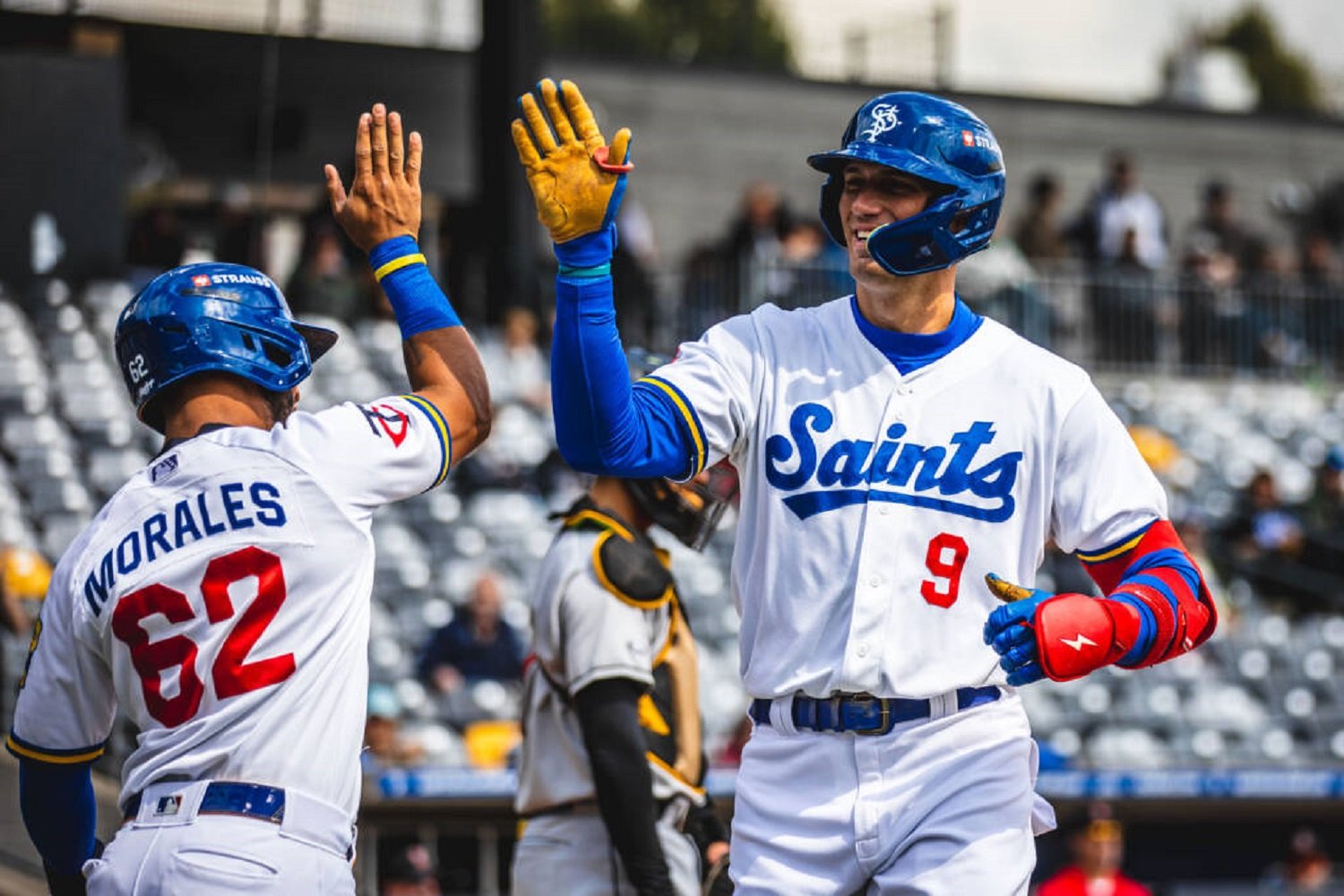 Carson McCusker’s ascent to the Minnesota Twins is a fascinating blend of perseverance and power, arriving just as the club faces a dearth of right-handed bats following multiple big-league injuries. Turning 27 later this week, McCusker is markedly older than the typical call-up. His right-handed power could be a timely infusion, but expectations should be kept in check. McCusker’s story diverges sharply from the typical draftee pipeline. After being selected in the 26th round by the Brewers in 2017, he opted not to sign, and instead played four seasons at Oklahoma State University before going undrafted in 2021. Undeterred, he spent parts of three seasons in independent ball before earning a minor-league contract with the Twins in June 2023. Standing 6-foot-8 and 250 pounds, his imposing frame and prodigious raw power quickly separated him in the minors. His relative inexperience against professional pitching may temper expectations about his development curve, but his success in that timeframe speaks to a polished approach born of necessity. The Twins’ Right-Handed Void With both Byron Buxton and Carlos Correa placed on the seven-day concussion list over the weekend, Minnesota’s lineup suddenly lacks its two best right-handed bats. Buxton, leading the team in many offensive categories, ran face-first into the back of Correa while chasing a pop-up against Baltimore, and has since entered concussion protocol. Correa exited the same game immediately, and was placed on the IL the day before Buxton. Royce Lewis, freshly activated on May 5 from a hamstring strain, has been slowly regaining form but still lacks consistent power production. José Miranda, once seen as a potential solution, was demoted after a slow start, slashing just .167/.167/.250 in 12 MLB games. That leaves a glaring hole for a right-handed power bat, and the Twins hope McCusker can fill the need. The Good: Power Explosion At Triple-A St. Paul, McCusker has torched opposing pitching, with 10 home runs and a 1.061 OPS in 154 plate appearances. His batted-ball profile is head-turning: Barrel Rate (16.3 %): Among the best in the International League, indicative of optimal exit-velocity/launch-angle combinations. Average EV (94.2 mph) & Max EV (115.0 mph): Reflecting elite raw power. Hard-Hit Rate (58.1 %): Over half of his batted balls measure 95 mph or higher off the bat. wOBA (.461): Ranking in the 97th percentile of Triple-A hitters, underscoring his run-creation prowess. These metrics paint McCusker as a true slugger. He has the kind of bat that can alter the balance of a game with a single swing. The Bad: Contact and Discipline Concerns On the other hand, McCusker’s power profile comes with exaggerated versions of the warts associated with many power hitters. He has struck out in 29.9% of his plate appearances, which raises red flags about his ability to handle big-league offspeed stuff. His 8.4% walk rate is an improvement, compared to his 7.1% rate at Triple-A last season. Still, his swing-and-miss tendencies remain: Whiff Rate (33.5%): Evident in his high strikeout percentage, prompting concerns that MLB pitchers will exploit his occasional inability to adjust mid-at-bat. Z-Contact Rates (78.8%): In-zone contact rates have room for improvement, hinting at potential struggles catching up to major-league velocity. Big-league pitchers will surely test McCusker’s chase zones early, forcing him to prove he can consistently put the bat on the ball at the highest level. Not Just a Lefty Masher Although many long-legged sluggers show a stark platoon split, McCusker’s Triple-A numbers tell a different story this year. In 37 plate appearances against right-handed pitching, he’s slashed .361/.411/.649, virtually neck-and-neck with his overall Triple-A line. Last season, he posted a .959 OPS against lefties with an .804 OPS versus righties. That said, the Twins will likely continue to deploy him in a traditional righty/lefty, platoon simply because big-league matchups (and how Minnesota manages its roster) still favor handing McCusker more at-bats versus southpaws and having him on the bench against righties. His statistical neutrality won’t immediately override established platoon principles, especially given his lack of prospect sheen. Hitting at 6-Foot-8: What It Takes McCusker is a monster in the batter's box. Only five position players in MLB history have stood 6-foot-7 or taller and weighed at least 240 pounds: Frank Howard, Aaron Judge, Oneil Cruz, Steven Moya, and Nate Freiman. Here’s why each offers insight into the skill set McCusker must harness: Frank Howard (6-7, 275 lb): The “Capital Punisher” led the AL in homers twice with a short, powerful swing that maximized his loft and exit velocities. Despite limited athleticism, Howard showed how a strong lower half and quick hands can turn length into launch. Aaron Judge (6-7, 282 lb): Judge pairs his mammoth frame with elite bat speed and an uncanny ability to cover the strike zone. He routinely barrels pitches on both inner and outer thirds thanks to remarkable coordination for his size. His athleticism proves that power and defense can coexist at XXL proportions. Oneil Cruz (6-7, 260 lb): Cruz’s loose, handsy swing lets him adjust to high-spin fastballs in the upper zone. This is an uncommon trait for such a long-armed hitter and underscores the value of barrel control. That said, he still strikes out at a very high rate. Steven Moya (6-7, 260 lb): Moya combined strength with surprisingly good balance, translating into solid plate discipline and the ability to drive both grounders and fly balls. His career shows that a tall slugger must still hone strike-zone judgment to stick at the highest level; that's what separates Judge and Howard from the rest of the bunch. Nate Freiman (6-8, 245 lb): The former A’s first-baseman used a compact stroke and low-centered stance to reach pitches down in the zone, proving that tall hitters succeed when they optimize leverage and maintain a level bat path. However, like that of Moya, his career in the majors was relatively short and forgettable. The blueprint for McCusker is clear: convert his extraordinary raw power into consistent contact by refining his plate mechanics and strike-zone control, leveraging his size to drive balls to all fields. Realistic Expectations It would be unreasonable to project McCusker as an offensive savior for the Twins. Instead, realistic expectations for the former independent-league slugger include: Immediate Impact: A power boost from the right side, capable of multiple extra-base hits in his first handful of games against favorable matchups. Patience Needed: Early struggles with strikeouts are likely. A 25% K rate would be a win. Defensive Replication: Limited to corner outfield and DH duties, minimizing the need for defensive adjustments. McCusker brings raw power to the Twins at a crucial juncture, after an unconventional ascent through independent ball and the minor leagues. While he must prove his contact skills and adjust to big-league pitching, his potential to deliver right-handed power makes him more of a threat than many of Minnesota’s other righty options. Expect him to be a high-variance bat, capable of game-changing homers but prone to strikeout frustrations as he acclimates to MLB life. What stands out about McCusker? Leave a comment and start the discussion.
- 41 comments
-
- 4
-

-
- carson mccusker
- aaron judge
- (and 4 more)
-
Image courtesy of Rob Thompson, St. Paul Saints Carson McCusker’s ascent to the Minnesota Twins is a fascinating blend of perseverance and power, arriving just as the club faces a dearth of right-handed bats following multiple big-league injuries. Turning 27 later this week, McCusker is markedly older than the typical call-up. His right-handed power could be a timely infusion, but expectations should be kept in check. McCusker’s story diverges sharply from the typical draftee pipeline. After being selected in the 26th round by the Brewers in 2017, he opted not to sign, and instead played four seasons at Oklahoma State University before going undrafted in 2021. Undeterred, he spent parts of three seasons in independent ball before earning a minor-league contract with the Twins in June 2023. Standing 6-foot-8 and 250 pounds, his imposing frame and prodigious raw power quickly separated him in the minors. His relative inexperience against professional pitching may temper expectations about his development curve, but his success in that timeframe speaks to a polished approach born of necessity. The Twins’ Right-Handed Void With both Byron Buxton and Carlos Correa placed on the seven-day concussion list over the weekend, Minnesota’s lineup suddenly lacks its two best right-handed bats. Buxton, leading the team in many offensive categories, ran face-first into the back of Correa while chasing a pop-up against Baltimore, and has since entered concussion protocol. Correa exited the same game immediately, and was placed on the IL the day before Buxton. Royce Lewis, freshly activated on May 5 from a hamstring strain, has been slowly regaining form but still lacks consistent power production. José Miranda, once seen as a potential solution, was demoted after a slow start, slashing just .167/.167/.250 in 12 MLB games. That leaves a glaring hole for a right-handed power bat, and the Twins hope McCusker can fill the need. The Good: Power Explosion At Triple-A St. Paul, McCusker has torched opposing pitching, with 10 home runs and a 1.061 OPS in 154 plate appearances. His batted-ball profile is head-turning: Barrel Rate (16.3 %): Among the best in the International League, indicative of optimal exit-velocity/launch-angle combinations. Average EV (94.2 mph) & Max EV (115.0 mph): Reflecting elite raw power. Hard-Hit Rate (58.1 %): Over half of his batted balls measure 95 mph or higher off the bat. wOBA (.461): Ranking in the 97th percentile of Triple-A hitters, underscoring his run-creation prowess. These metrics paint McCusker as a true slugger. He has the kind of bat that can alter the balance of a game with a single swing. The Bad: Contact and Discipline Concerns On the other hand, McCusker’s power profile comes with exaggerated versions of the warts associated with many power hitters. He has struck out in 29.9% of his plate appearances, which raises red flags about his ability to handle big-league offspeed stuff. His 8.4% walk rate is an improvement, compared to his 7.1% rate at Triple-A last season. Still, his swing-and-miss tendencies remain: Whiff Rate (33.5%): Evident in his high strikeout percentage, prompting concerns that MLB pitchers will exploit his occasional inability to adjust mid-at-bat. Z-Contact Rates (78.8%): In-zone contact rates have room for improvement, hinting at potential struggles catching up to major-league velocity. Big-league pitchers will surely test McCusker’s chase zones early, forcing him to prove he can consistently put the bat on the ball at the highest level. Not Just a Lefty Masher Although many long-legged sluggers show a stark platoon split, McCusker’s Triple-A numbers tell a different story this year. In 37 plate appearances against right-handed pitching, he’s slashed .361/.411/.649, virtually neck-and-neck with his overall Triple-A line. Last season, he posted a .959 OPS against lefties with an .804 OPS versus righties. That said, the Twins will likely continue to deploy him in a traditional righty/lefty, platoon simply because big-league matchups (and how Minnesota manages its roster) still favor handing McCusker more at-bats versus southpaws and having him on the bench against righties. His statistical neutrality won’t immediately override established platoon principles, especially given his lack of prospect sheen. Hitting at 6-Foot-8: What It Takes McCusker is a monster in the batter's box. Only five position players in MLB history have stood 6-foot-7 or taller and weighed at least 240 pounds: Frank Howard, Aaron Judge, Oneil Cruz, Steven Moya, and Nate Freiman. Here’s why each offers insight into the skill set McCusker must harness: Frank Howard (6-7, 275 lb): The “Capital Punisher” led the AL in homers twice with a short, powerful swing that maximized his loft and exit velocities. Despite limited athleticism, Howard showed how a strong lower half and quick hands can turn length into launch. Aaron Judge (6-7, 282 lb): Judge pairs his mammoth frame with elite bat speed and an uncanny ability to cover the strike zone. He routinely barrels pitches on both inner and outer thirds thanks to remarkable coordination for his size. His athleticism proves that power and defense can coexist at XXL proportions. Oneil Cruz (6-7, 260 lb): Cruz’s loose, handsy swing lets him adjust to high-spin fastballs in the upper zone. This is an uncommon trait for such a long-armed hitter and underscores the value of barrel control. That said, he still strikes out at a very high rate. Steven Moya (6-7, 260 lb): Moya combined strength with surprisingly good balance, translating into solid plate discipline and the ability to drive both grounders and fly balls. His career shows that a tall slugger must still hone strike-zone judgment to stick at the highest level; that's what separates Judge and Howard from the rest of the bunch. Nate Freiman (6-8, 245 lb): The former A’s first-baseman used a compact stroke and low-centered stance to reach pitches down in the zone, proving that tall hitters succeed when they optimize leverage and maintain a level bat path. However, like that of Moya, his career in the majors was relatively short and forgettable. The blueprint for McCusker is clear: convert his extraordinary raw power into consistent contact by refining his plate mechanics and strike-zone control, leveraging his size to drive balls to all fields. Realistic Expectations It would be unreasonable to project McCusker as an offensive savior for the Twins. Instead, realistic expectations for the former independent-league slugger include: Immediate Impact: A power boost from the right side, capable of multiple extra-base hits in his first handful of games against favorable matchups. Patience Needed: Early struggles with strikeouts are likely. A 25% K rate would be a win. Defensive Replication: Limited to corner outfield and DH duties, minimizing the need for defensive adjustments. McCusker brings raw power to the Twins at a crucial juncture, after an unconventional ascent through independent ball and the minor leagues. While he must prove his contact skills and adjust to big-league pitching, his potential to deliver right-handed power makes him more of a threat than many of Minnesota’s other righty options. Expect him to be a high-variance bat, capable of game-changing homers but prone to strikeout frustrations as he acclimates to MLB life. What stands out about McCusker? Leave a comment and start the discussion. View full article
-
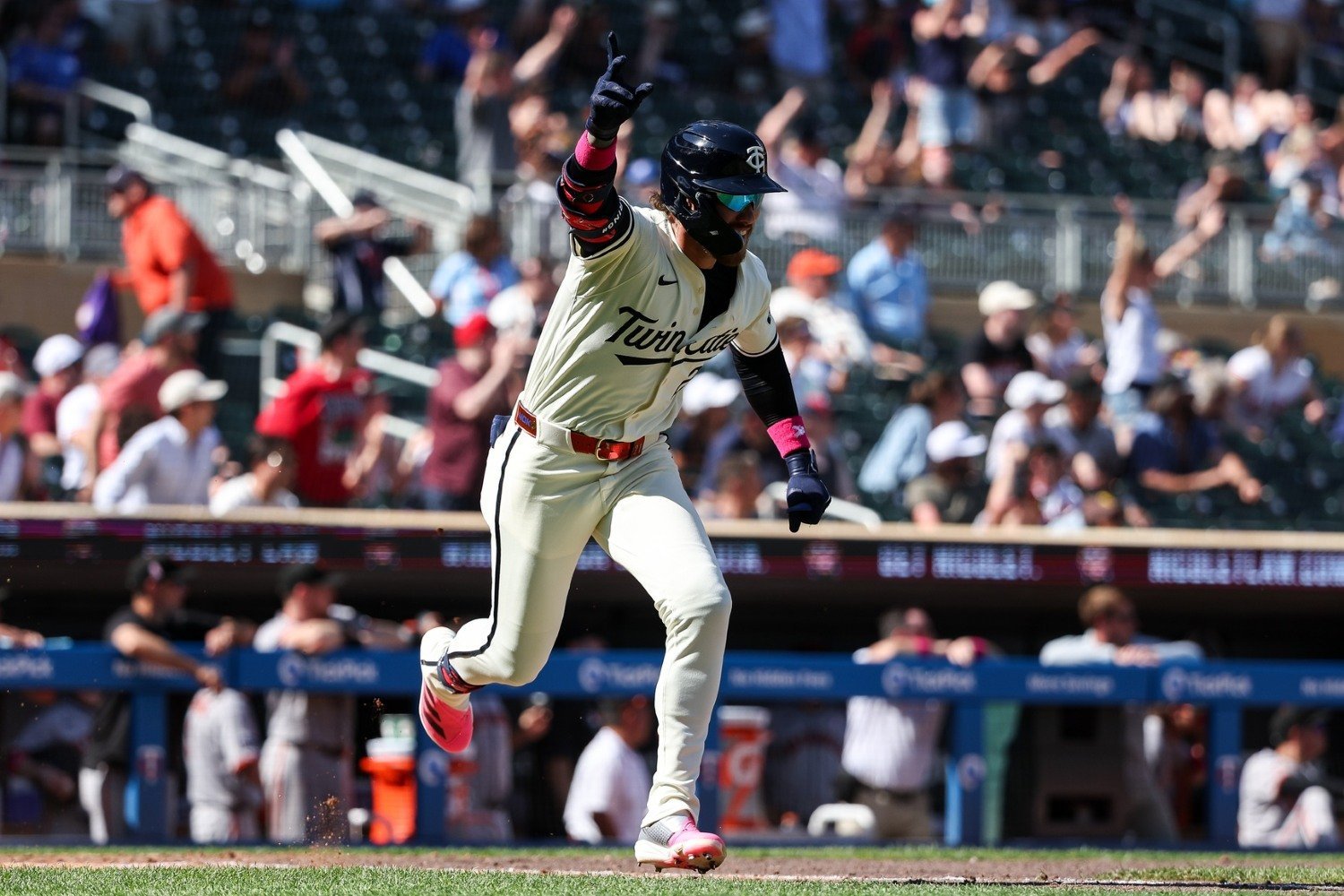 In their history, the Twins have only had one winning streak longer than the 13-game run that ended on Sunday. There were walk-off wins, thrilling comebacks, and tremendous defensive plays along the way. Let’s look back at each game and the moments that made them exhilarating. Win 13 (5/17/25): Ryan Jeffers Solo Home Run WPA: 10.3% The Twins wouldn’t need any more run support than what Jeffers offered in the first inning. His towering home run put the team up for good. Pablo López was terrific for six innings, and the bullpen shut down the Brewers for the remainder of the game. Win 12 (5/16/25): Kody Clemens Single WPA: 9.4% The Twins jumped on Brewers starter Chad Patrick in the first inning by lacing singles around the outfield. However, the Twins could have been stopped at one run without Clemens and his two-out knock to center. Win 11 (5/15/25): DaShawn Keirsey Jr. Two-Run Homer WPA: 20.1% Royce Lewis led off the inning with a single, as the Twins tried to gain momentum. Keirsey stepped in with one out and smacked his first career home run. Byron Buxton followed with his own solo shot, and the Twins were off to the races. Later in the game, Buxton and Carlos Correa collided in the outfield, which might actually be the game’s most significant moment. Fortunately, though, it didn't cost them this one. Win 10 (5/14/25): Kody Clemens Three-Run Homer WPA: 33.2% For the second game in a row, the Orioles had better than 80% odds of ending Minnesota’s winning streak. Clemens turned a looming loss into a potential win with a three-run shot off former Twins prospect Yennier Canó. Win 9 (5/14/25): Christian Vázquez Three-Run Homer WPA: 33.3% Following a two-run Gunnar Henderson homer, the Orioles had an 83% chance of winning this game. Instead, the Twins mounted a prompt comeback, with Vázquez flipping the game in Minnesota’s favor with his biggest homer of the year—not coincidentally, of course, because it was also his first. Win 8 (5/11/25): DaShawn Keirsey Jr. Walk-Off Single WPA: 37.0% Minnesota completed their sweep of the Giants with a thrilling extra-inning affair. Keirsey was mired in an 0-for-17 slump before his signature moment. He slapped a ball down the third base line, and Brooks Lee scampered home from third. The best part of this might have been the way it launched Keirsey, giving him the confidence to seize the opportunities he would have to continue contributing for the balance of the streak. Win 7 (5/10/25): Christian Vázquez Pickoff WPA: Infinity (Not Really) Vazquez saw Heliot Ramos getting a little too far off third base in the eighth inning of a one-run game. He initiated a pickoff play at third with Royce Lewis that ended the threat and helped the Twins secure their seventh straight victory. Win 6 (5/9/25): Byron Buxton Triple WPA: 8.8% There weren’t a lot of big moments in this game, with no play having a higher WPA swing than Buxton’s first-inning triple. Trevor Larnach followed Buxton with a single, and the Twins never trailed in the game. Win 5 (5/8/25): Brooks Lee Two-Run Double WPA: 35.0% In the top of the fifth, the Orioles had nearly an 80% chance of winning. Trevor Larnach hit a solo homer in the bottom of the sixth, which was also a huge moment. However, Lee’s two-run double was the backbreaker in the eighth frame. That it came after Lee had fanned three times and played poorly in the field early made the big hit doubly sweet. Win 4 (5/7/25): Byron Buxton Three-Run Shot WPA: 23.2% Ramón Laureano had homered in the top of the third inning to give Baltimore the lead. Minnesota responded in the bottom half of the frame, with Willi Castro hitting a single and Kody Clemens being hit by a pitch. Buxton made them pay with a three-run bomb. Win 3 (5/6/25): Carlos Correa Monster Homer WPA: 9.6% The Twins jumped all over former Twins prospect Cade Povich in this game. Correa’s homer wasn’t the biggest WPA event in the inning, but seeing the All-Star shortstop put a drive into a pitch after struggling to start the year was good. Win 2 (5/4/25): Harrison Bader Run-Scoring Double WPA: 29.4% Minnesota needed multiple big hits in the late innings of this game, including a single from Jeffers in the seventh that plated two runs. Bader’s double broke up a tie game, and he’d come around to score a huge insurance run that the team desperately needed. Win 1 (5/3/25): Kody Clemens Magical Homer WPA: 29.0% It was a magical moment, as Clemens hit a two-run homer in Boston, where his legendary father established his legacy. Little did Twins fans know that this would be the start of a remarkable run for the player and the team. The streak included big moments from star players and the last man on the bench. That's what makes baseball so special. It takes every player on the roster for a team to succeed over a 162-game season. There were multiple points where it looked like the winning streak would end, but the Twins found a way. Minnesota is back in playoff contention, and here’s hoping another long winning streak will be on the horizon. What was your favorite moment? Would you replace any moments on the list? Leave a comment and start the discussion.
- 5 comments
-
- 3
-
-
- dashawn keirsey jr
- kody clemens
- (and 7 more)
-
Image courtesy of © Matt Krohn-Imagn Images In their history, the Twins have only had one winning streak longer than the 13-game run that ended on Sunday. There were walk-off wins, thrilling comebacks, and tremendous defensive plays along the way. Let’s look back at each game and the moments that made them exhilarating. Win 13 (5/17/25): Ryan Jeffers Solo Home Run WPA: 10.3% The Twins wouldn’t need any more run support than what Jeffers offered in the first inning. His towering home run put the team up for good. Pablo López was terrific for six innings, and the bullpen shut down the Brewers for the remainder of the game. Win 12 (5/16/25): Kody Clemens Single WPA: 9.4% The Twins jumped on Brewers starter Chad Patrick in the first inning by lacing singles around the outfield. However, the Twins could have been stopped at one run without Clemens and his two-out knock to center. Win 11 (5/15/25): DaShawn Keirsey Jr. Two-Run Homer WPA: 20.1% Royce Lewis led off the inning with a single, as the Twins tried to gain momentum. Keirsey stepped in with one out and smacked his first career home run. Byron Buxton followed with his own solo shot, and the Twins were off to the races. Later in the game, Buxton and Carlos Correa collided in the outfield, which might actually be the game’s most significant moment. Fortunately, though, it didn't cost them this one. Win 10 (5/14/25): Kody Clemens Three-Run Homer WPA: 33.2% For the second game in a row, the Orioles had better than 80% odds of ending Minnesota’s winning streak. Clemens turned a looming loss into a potential win with a three-run shot off former Twins prospect Yennier Canó. Win 9 (5/14/25): Christian Vázquez Three-Run Homer WPA: 33.3% Following a two-run Gunnar Henderson homer, the Orioles had an 83% chance of winning this game. Instead, the Twins mounted a prompt comeback, with Vázquez flipping the game in Minnesota’s favor with his biggest homer of the year—not coincidentally, of course, because it was also his first. Win 8 (5/11/25): DaShawn Keirsey Jr. Walk-Off Single WPA: 37.0% Minnesota completed their sweep of the Giants with a thrilling extra-inning affair. Keirsey was mired in an 0-for-17 slump before his signature moment. He slapped a ball down the third base line, and Brooks Lee scampered home from third. The best part of this might have been the way it launched Keirsey, giving him the confidence to seize the opportunities he would have to continue contributing for the balance of the streak. Win 7 (5/10/25): Christian Vázquez Pickoff WPA: Infinity (Not Really) Vazquez saw Heliot Ramos getting a little too far off third base in the eighth inning of a one-run game. He initiated a pickoff play at third with Royce Lewis that ended the threat and helped the Twins secure their seventh straight victory. Win 6 (5/9/25): Byron Buxton Triple WPA: 8.8% There weren’t a lot of big moments in this game, with no play having a higher WPA swing than Buxton’s first-inning triple. Trevor Larnach followed Buxton with a single, and the Twins never trailed in the game. Win 5 (5/8/25): Brooks Lee Two-Run Double WPA: 35.0% In the top of the fifth, the Orioles had nearly an 80% chance of winning. Trevor Larnach hit a solo homer in the bottom of the sixth, which was also a huge moment. However, Lee’s two-run double was the backbreaker in the eighth frame. That it came after Lee had fanned three times and played poorly in the field early made the big hit doubly sweet. Win 4 (5/7/25): Byron Buxton Three-Run Shot WPA: 23.2% Ramón Laureano had homered in the top of the third inning to give Baltimore the lead. Minnesota responded in the bottom half of the frame, with Willi Castro hitting a single and Kody Clemens being hit by a pitch. Buxton made them pay with a three-run bomb. Win 3 (5/6/25): Carlos Correa Monster Homer WPA: 9.6% The Twins jumped all over former Twins prospect Cade Povich in this game. Correa’s homer wasn’t the biggest WPA event in the inning, but seeing the All-Star shortstop put a drive into a pitch after struggling to start the year was good. Win 2 (5/4/25): Harrison Bader Run-Scoring Double WPA: 29.4% Minnesota needed multiple big hits in the late innings of this game, including a single from Jeffers in the seventh that plated two runs. Bader’s double broke up a tie game, and he’d come around to score a huge insurance run that the team desperately needed. Win 1 (5/3/25): Kody Clemens Magical Homer WPA: 29.0% It was a magical moment, as Clemens hit a two-run homer in Boston, where his legendary father established his legacy. Little did Twins fans know that this would be the start of a remarkable run for the player and the team. The streak included big moments from star players and the last man on the bench. That's what makes baseball so special. It takes every player on the roster for a team to succeed over a 162-game season. There were multiple points where it looked like the winning streak would end, but the Twins found a way. Minnesota is back in playoff contention, and here’s hoping another long winning streak will be on the horizon. What was your favorite moment? Would you replace any moments on the list? Leave a comment and start the discussion. View full article
-
Cole Sands, Jhoan Durán, and the Twins' Evolving Closer Role
Cody Christie posted an article in Twins
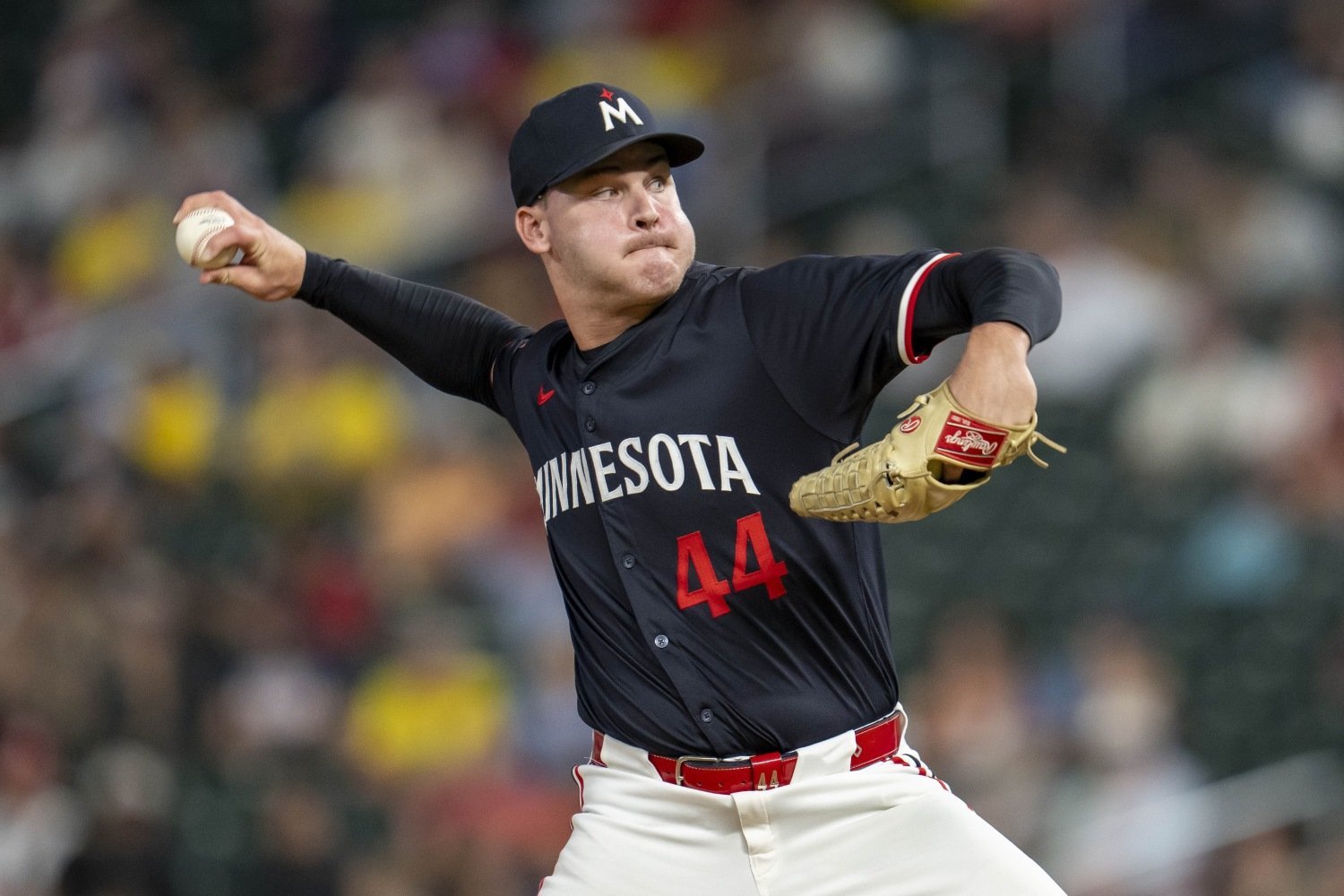 Modern bullpens have evolved to the point where using one player in a traditional closer role is seen as antiquated. The Twins were projected to have one of baseball’s best bullpens entering the season because of the variety of high-leverage arms available to manager Rocco Baldelli. After some early-season hiccups, the bullpen is starting to meet preseason expectations, often tailoring matchups based on opposing lineups, and illustrating the shift away from a one-size-fits-all closer model. Here’s how it all fits together. Jhoan Durán: Still the Team’s Primary Closer Durán has been one of baseball’s elite relievers again this season, posting a sparkling 0.84 ERA through his first 22 appearances in 2025. He has already collected eight saves and struck out 25 batters, demonstrating dominance and durability from the Twins’ bullpen. Durán’s performance isn’t a fluke, as he owns a 1.03 WHIP and has been nearly unhittable in ninth-inning situations, allowing just two earned runs all season. Far from being a “closer by committee” situation because of Durán’s struggles, the decision to use Sands as the team’s closer has been entirely situational. Both instances occurred only after Durán logged high-leverage work the night before. It would be great if he were available every night, but that isn’t realistic for any closer in the modern game. The Recent Winning Streak and Tight Games The Twins have ridden an impressive winning streak, stringing together 12 consecutive victories to surge into playoff contention. During that run, Minnesota played in an unusually high number of close games where high-leverage arms were necessary. In fact, 11 of the team’s 14 games in May have been decided by three runs or less. These types of games are taxing for their late-inning arms and necessitating creative usage patterns. On Friday, May 17, the Twins held a 3–0 lead over Milwaukee, with Durán unavailable after throwing 27 pitches the previous day. Minnesota turned to Brock Stewart for the seventh, Griffin Jax for the eighth, and ultimately Cole Sands for the save chance in the ninth. Sands recorded his second save of the season in perfect fashion, fanning two in a 1-2-3 frame. This usage pattern underscores how modern bullpens often deploy “bulk” and “bridge” arms before handing the ball to the freshest high-leverage reliever. Sands isn't the only non-Durán arm getting closing opportunities. Left-hander Danny Coulombe has quietly emerged as another key late-inning option, having already secured multiple save chances this season. Coulombe signed to a one-year, $3 million deal in February to take over the left-handed relief role vacated by Caleb Thielbar. In 19 appearances, Coulombe has not allowed an earned run and has a career-best 31.7 K% and 3.3 BB%. Like Sands, the Twins aren’t afraid to use him to close games, especially if the opposition has strong left-handed hitters scheduled in the ninth. The Evolution of Closer Roles in Today’s Game What we’re seeing in Minnesota is hardly unique. Across MLB, teams are moving away from a rigid “one-and-done” closer role and toward more dynamic allocations of high-leverage innings. This approach maximizes matchups, accounts for reliever workload, and acknowledges that leverage overshadows inning designation. In the Twins’ case, having multiple arms capable of handling ninth-inning pressure (Durán, Coulombe, Sands, Jax) gives Baldelli the flexibility to manage back‐to‐back strings and matchups without overtaxing any single reliever. What’s Next for Sands? Sands ended the month of April with his bullpen role up in the air. From April 10-25, he made seven appearances (6 IP) and allowed five earned runs on six hits. Opponents had a .788 OPS against him, and he had more walks (4 BB) than strikeouts (3 K) during this stretch. May has been much kinder to Sands. He has yet to allow a run this month in 7 ⅓ innings with six strikeouts and one walk. Relievers work in small sample sizes, making their numbers look poor early in the season. The Twins trusted that his underlying stuff and ability to generate swings-and-miss make him one of the team’s best bullpen arms. His two save outings came in identical contexts when Durán was unavailable after working the night before. It’s unlikely the Twins envision a wholesale closer swap anytime soon. Instead, Sands has carved out a “premium bridge” niche: when the game is on the line, and Durán needs rest, he steps in. If Sands continues to execute by maintaining his strikeout rate and limiting walks, he could earn more opportunities and potentially enter consideration as a ninth-inning option. Minnesota’s bullpen has become a collaborative unit where roles are defined by leverage, health, and matchup, not convention. Sands’ future may involve more save chances, but always within a broader strategy that prioritizes winning today’s game and keeping key arms fresh for tomorrow. Overall, the Twins remain firmly in the Durán‐as‐closer camp, but they’ve shown a willingness to spread high-leverage work to Sands and Coulombe. As the season unfolds, expect more of the same thoughtful deployment, an approach that reflects the cutting edge of bullpen management in 2025. How can the Twins best use their bullpen in the late innings? Are there ways Baldelli can alter his bullpen usage? Leave a comment and start the discussion.
- 10 comments
-
- 5
-
-
- cole sands
- jhoan duran
- (and 1 more)
-
Image courtesy of © Jesse Johnson-Imagn Images Modern bullpens have evolved to the point where using one player in a traditional closer role is seen as antiquated. The Twins were projected to have one of baseball’s best bullpens entering the season because of the variety of high-leverage arms available to manager Rocco Baldelli. After some early-season hiccups, the bullpen is starting to meet preseason expectations, often tailoring matchups based on opposing lineups, and illustrating the shift away from a one-size-fits-all closer model. Here’s how it all fits together. Jhoan Durán: Still the Team’s Primary Closer Durán has been one of baseball’s elite relievers again this season, posting a sparkling 0.84 ERA through his first 22 appearances in 2025. He has already collected eight saves and struck out 25 batters, demonstrating dominance and durability from the Twins’ bullpen. Durán’s performance isn’t a fluke, as he owns a 1.03 WHIP and has been nearly unhittable in ninth-inning situations, allowing just two earned runs all season. Far from being a “closer by committee” situation because of Durán’s struggles, the decision to use Sands as the team’s closer has been entirely situational. Both instances occurred only after Durán logged high-leverage work the night before. It would be great if he were available every night, but that isn’t realistic for any closer in the modern game. The Recent Winning Streak and Tight Games The Twins have ridden an impressive winning streak, stringing together 12 consecutive victories to surge into playoff contention. During that run, Minnesota played in an unusually high number of close games where high-leverage arms were necessary. In fact, 11 of the team’s 14 games in May have been decided by three runs or less. These types of games are taxing for their late-inning arms and necessitating creative usage patterns. On Friday, May 17, the Twins held a 3–0 lead over Milwaukee, with Durán unavailable after throwing 27 pitches the previous day. Minnesota turned to Brock Stewart for the seventh, Griffin Jax for the eighth, and ultimately Cole Sands for the save chance in the ninth. Sands recorded his second save of the season in perfect fashion, fanning two in a 1-2-3 frame. This usage pattern underscores how modern bullpens often deploy “bulk” and “bridge” arms before handing the ball to the freshest high-leverage reliever. Sands isn't the only non-Durán arm getting closing opportunities. Left-hander Danny Coulombe has quietly emerged as another key late-inning option, having already secured multiple save chances this season. Coulombe signed to a one-year, $3 million deal in February to take over the left-handed relief role vacated by Caleb Thielbar. In 19 appearances, Coulombe has not allowed an earned run and has a career-best 31.7 K% and 3.3 BB%. Like Sands, the Twins aren’t afraid to use him to close games, especially if the opposition has strong left-handed hitters scheduled in the ninth. The Evolution of Closer Roles in Today’s Game What we’re seeing in Minnesota is hardly unique. Across MLB, teams are moving away from a rigid “one-and-done” closer role and toward more dynamic allocations of high-leverage innings. This approach maximizes matchups, accounts for reliever workload, and acknowledges that leverage overshadows inning designation. In the Twins’ case, having multiple arms capable of handling ninth-inning pressure (Durán, Coulombe, Sands, Jax) gives Baldelli the flexibility to manage back‐to‐back strings and matchups without overtaxing any single reliever. What’s Next for Sands? Sands ended the month of April with his bullpen role up in the air. From April 10-25, he made seven appearances (6 IP) and allowed five earned runs on six hits. Opponents had a .788 OPS against him, and he had more walks (4 BB) than strikeouts (3 K) during this stretch. May has been much kinder to Sands. He has yet to allow a run this month in 7 ⅓ innings with six strikeouts and one walk. Relievers work in small sample sizes, making their numbers look poor early in the season. The Twins trusted that his underlying stuff and ability to generate swings-and-miss make him one of the team’s best bullpen arms. His two save outings came in identical contexts when Durán was unavailable after working the night before. It’s unlikely the Twins envision a wholesale closer swap anytime soon. Instead, Sands has carved out a “premium bridge” niche: when the game is on the line, and Durán needs rest, he steps in. If Sands continues to execute by maintaining his strikeout rate and limiting walks, he could earn more opportunities and potentially enter consideration as a ninth-inning option. Minnesota’s bullpen has become a collaborative unit where roles are defined by leverage, health, and matchup, not convention. Sands’ future may involve more save chances, but always within a broader strategy that prioritizes winning today’s game and keeping key arms fresh for tomorrow. Overall, the Twins remain firmly in the Durán‐as‐closer camp, but they’ve shown a willingness to spread high-leverage work to Sands and Coulombe. As the season unfolds, expect more of the same thoughtful deployment, an approach that reflects the cutting edge of bullpen management in 2025. How can the Twins best use their bullpen in the late innings? Are there ways Baldelli can alter his bullpen usage? Leave a comment and start the discussion. View full article
-
Image courtesy of Rob Thompson, St. Paul Saints (photo of Ryan Fitzgerald) Before we dive in, here’s the elevator pitch: Ryan Fitzgerald is a 30-year-old utility infielder who went undrafted out of Creighton in 2016. He clawed his way from independent ball into the Red Sox system, spent six years in Boston’s system and another with the Royals’ Triple-A club, before signing a minor-league contract with the Twins and exploding out of the gate in 2025 with St. Paul. Minnesota is tapping Fitzgerald’s hot bat as he has hit .328/.426/.528 (.954) in 35 games. He also has defensive versatility, so the Twins hope he can stabilize the infield, provide pop, and bring a potential spark to a club that has been playing well. Play-by-play broadcaster and reporter Jack Connolly reported news of the promotion on Thursday, although as of Friday afternoon the Twins have yet to officially announce it, or any corresponding moves. UPDATE: The Twins have made it official ahead of Friday night's. Carlos Correa has been placed on the 7-day concussion list and have activated Fitzgerald from the taxi squad. Michael Tonkin was moved to the 60-day IL to make room on the 40-man for Fitzgerald. The Circumstances of the Call-Up: Buxton and Correa Collision On Thursday in Baltimore, Byron Buxton and Carlos Correa converged on a shallow fly and violently collided, with Buxton hanging on to complete the catch. After the game, both stars were evaluated and immediately placed into MLB’s concussion protocol. Their exit left a sudden void in the outfield and infield alignment, forcing Minnesota’s hand. With Buxton and Correa's availability in question, the Twins moved quickly. The hope in calling up Fitzgerald and selecting his contract, if needed, would be to provide depth insurance and to inject some offense into a lineup that’s rolling but now could be down another key hitter. Undrafted Beginnings and Independent Leagues Fitzgerald went undrafted in 2016 after a solid four-year career at Creighton University, where he earned second-team All-Big East honors as a junior. Rather than step away from baseball, he signed in the independent Frontier League, using that opportunity to showcase his hit tool and athleticism. His performance caught the eye of the Boston Red Sox, who inked him to a minor-league deal in May 2018. Over six seasons in Boston’s system, Fitzgerald progressed steadily, topping out at Triple-A Worcester in 2022 and 2023. In 2023, he posted a .268/.348/.491 (.839) line with 44 extra-base hits in 99 games. He was scooped up in the minor-league Rule 5 Draft by Kansas City. Last year in Triple-A Omaha, he hit .244/.336/.418 (.755) with 14 home runs and 17 doubles in 108 games. In January 2025, the Twins signed Fitzgerald to a minor-league pact and assigned him to their Triple-A affiliate, the St. Paul Saints. Explosive Start in St. Paul Through his first 35 games in St. Paul, Fitzgerald has been nothing short of sensational, hitting .328 with a .426 OBP and .528 SLG for a staggering .954 OPS. He’s racked up 11 doubles, four homers, 21 RBI, and drawn 15 walks, showing a mature approach at the plate that contrasts sharply with his more modest 2024 numbers. Originally a shortstop, Fitzgerald has logged over 331 games at the position, plus more than 140 at third base and 104 at second, along with spot duty in all three outfield spots and even first base. That defensive flexibility is something the Twins highly value, especially on a roster that could be missing multiple top defenders. What Does Fitzgerald Bring to the Table? 1. Offensive Ability Fitzgerald’s 2025 Triple-A numbers speak for themselves: an aggressive but selective hitter who can pepper the gaps and drive the ball out of the park. His .426 on-base percentage shows he’s not chasing bad pitches, and his 12.8% walk rate is a career-best. He has flashed power with double-digit homers every season since 2021, suggesting the ceiling isn’t just a slap-hit utility guy. 2. Defensive Flexibility Few call-ups can slot into multiple spots the way Fitzgerald can. Whether shoring up the keystone, moving to the hot corner, or giving an outfielder a breather, his seven-position profile is rare. His focus this season has been on shortstop, which might be where he gets the most playing time with the Twins. The Twins have long valued veteran presence in their upper minors, and Fitzgerald’s journey from undrafted free agent to big-league call-up embodies that ethos. While no one expects him to replace Correa, Fitzgerald offers a blend of production, polish, and versatility that could prove vital over the next week or two. If he continues to tap into the hot stretch he rode in St. Paul, Fitzgerald could find himself holding down a bench role or even earning everyday at-bats by the time other players return from injury. Regardless of how long Correa is out, Fitzgerald’s story reminds us why baseball loves underdogs. His potential addition is a reward for persistence and a shot of energy for a team that suddenly finds themselves in the middle of a playoff race. What is Fitzgerald's ceiling? Leave a comment and start the discussion. View full article
-
Twins Reportedly Calling Up Ryan Fitzgerald: What Can He Offer?
Cody Christie posted an article in Twins
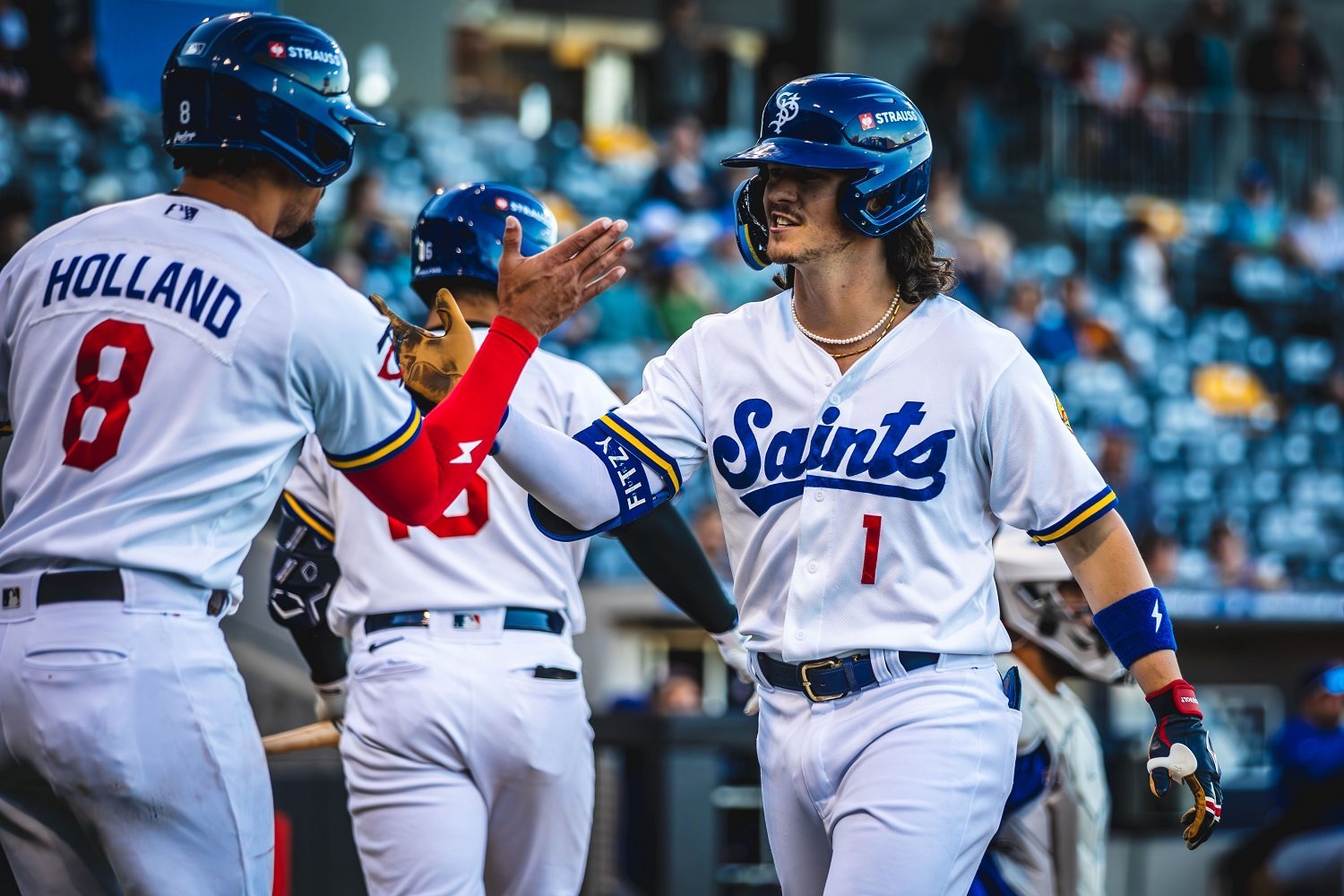 Before we dive in, here’s the elevator pitch: Ryan Fitzgerald is a 30-year-old utility infielder who went undrafted out of Creighton in 2016. He clawed his way from independent ball into the Red Sox system, spent six years in Boston’s system and another with the Royals’ Triple-A club, before signing a minor-league contract with the Twins and exploding out of the gate in 2025 with St. Paul. Minnesota is tapping Fitzgerald’s hot bat as he has hit .328/.426/.528 (.954) in 35 games. He also has defensive versatility, so the Twins hope he can stabilize the infield, provide pop, and bring a potential spark to a club that has been playing well. Play-by-play broadcaster and reporter Jack Connolly reported news of the promotion on Thursday, although as of Friday afternoon the Twins have yet to officially announce it, or any corresponding moves. UPDATE: The Twins have made it official ahead of Friday night's. Carlos Correa has been placed on the 7-day concussion list and have activated Fitzgerald from the taxi squad. Michael Tonkin was moved to the 60-day IL to make room on the 40-man for Fitzgerald. The Circumstances of the Call-Up: Buxton and Correa Collision On Thursday in Baltimore, Byron Buxton and Carlos Correa converged on a shallow fly and violently collided, with Buxton hanging on to complete the catch. After the game, both stars were evaluated and immediately placed into MLB’s concussion protocol. Their exit left a sudden void in the outfield and infield alignment, forcing Minnesota’s hand. With Buxton and Correa's availability in question, the Twins moved quickly. The hope in calling up Fitzgerald and selecting his contract, if needed, would be to provide depth insurance and to inject some offense into a lineup that’s rolling but now could be down another key hitter. Undrafted Beginnings and Independent Leagues Fitzgerald went undrafted in 2016 after a solid four-year career at Creighton University, where he earned second-team All-Big East honors as a junior. Rather than step away from baseball, he signed in the independent Frontier League, using that opportunity to showcase his hit tool and athleticism. His performance caught the eye of the Boston Red Sox, who inked him to a minor-league deal in May 2018. Over six seasons in Boston’s system, Fitzgerald progressed steadily, topping out at Triple-A Worcester in 2022 and 2023. In 2023, he posted a .268/.348/.491 (.839) line with 44 extra-base hits in 99 games. He was scooped up in the minor-league Rule 5 Draft by Kansas City. Last year in Triple-A Omaha, he hit .244/.336/.418 (.755) with 14 home runs and 17 doubles in 108 games. In January 2025, the Twins signed Fitzgerald to a minor-league pact and assigned him to their Triple-A affiliate, the St. Paul Saints. Explosive Start in St. Paul Through his first 35 games in St. Paul, Fitzgerald has been nothing short of sensational, hitting .328 with a .426 OBP and .528 SLG for a staggering .954 OPS. He’s racked up 11 doubles, four homers, 21 RBI, and drawn 15 walks, showing a mature approach at the plate that contrasts sharply with his more modest 2024 numbers. Originally a shortstop, Fitzgerald has logged over 331 games at the position, plus more than 140 at third base and 104 at second, along with spot duty in all three outfield spots and even first base. That defensive flexibility is something the Twins highly value, especially on a roster that could be missing multiple top defenders. What Does Fitzgerald Bring to the Table? 1. Offensive Ability Fitzgerald’s 2025 Triple-A numbers speak for themselves: an aggressive but selective hitter who can pepper the gaps and drive the ball out of the park. His .426 on-base percentage shows he’s not chasing bad pitches, and his 12.8% walk rate is a career-best. He has flashed power with double-digit homers every season since 2021, suggesting the ceiling isn’t just a slap-hit utility guy. 2. Defensive Flexibility Few call-ups can slot into multiple spots the way Fitzgerald can. Whether shoring up the keystone, moving to the hot corner, or giving an outfielder a breather, his seven-position profile is rare. His focus this season has been on shortstop, which might be where he gets the most playing time with the Twins. The Twins have long valued veteran presence in their upper minors, and Fitzgerald’s journey from undrafted free agent to big-league call-up embodies that ethos. While no one expects him to replace Correa, Fitzgerald offers a blend of production, polish, and versatility that could prove vital over the next week or two. If he continues to tap into the hot stretch he rode in St. Paul, Fitzgerald could find himself holding down a bench role or even earning everyday at-bats by the time other players return from injury. Regardless of how long Correa is out, Fitzgerald’s story reminds us why baseball loves underdogs. His potential addition is a reward for persistence and a shot of energy for a team that suddenly finds themselves in the middle of a playoff race. What is Fitzgerald's ceiling? Leave a comment and start the discussion.
 -
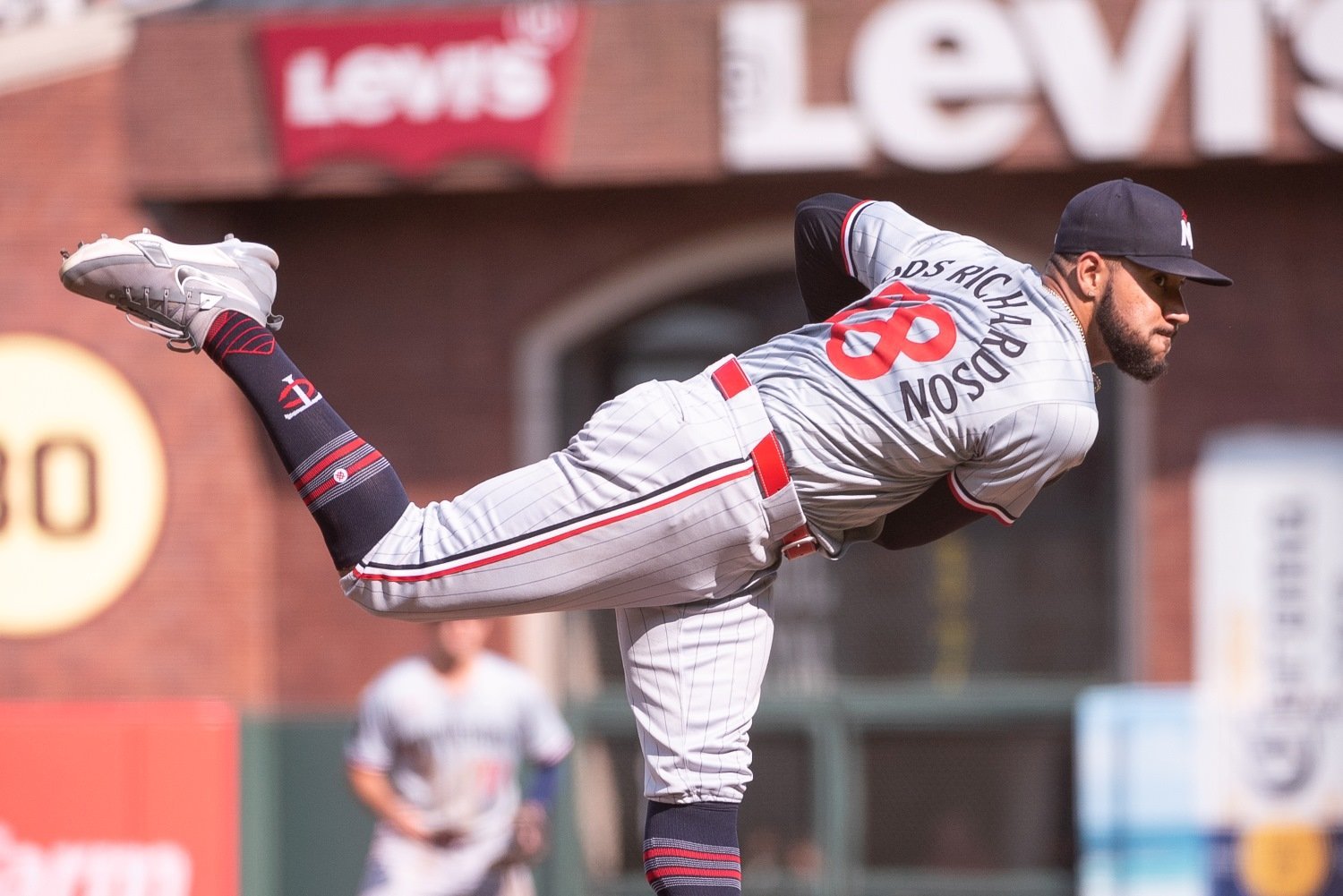 After a challenging start to the 2025 season, the Minnesota Twins have optioned right-hander Simeon Woods Richardson to Triple-A St. Paul. This move follows a difficult outing against the Baltimore Orioles, wherein he allowed six runs on eight hits over four innings. The demotion allows Woods Richardson to address several areas that have contributed to his struggles at the major-league level. In eight appearances (seven starts) this season, Woods Richardson posted a 5.02 ERA (83 ERA+) and a 1.54 WHIP over 37 2/3 innings pitched. Opponents are batting .295/.361/.503 against him, with left-handed hitters finding even more success: they own a .957 OPS. Advanced metrics from Baseball Savant paint an even grimmer picture. His expected slugging percentage (xSLG) stands at .556, placing him in the bottom 5% of the league. Similarly, his expected weighted on-base average on contact (xwOBACON) is .455 (bottom 7%), and his expected ERA (xERA) is 5.87 (bottom 9%). The Twins won five of his eight appearances, but his overall metrics were hard to ignore at this juncture. Last year, he found early success with a 3.51 ERA and a 1.15 WHIP over 82 innings in the season’s first half. The young rookie saved the Twins rotation, but down the stretch, Woods Richardson showed some flaws. He struggled in the second half, as he surpassed his innings total from previous seasons. Still, there was hope for the young pitcher to take another step forward in 2025, especially since he is just 24 years old. As he heads to Triple A, there are some clear focus areas for him. 1. Fastball Effectiveness Woods Richardson's four-seam fastball has seen an uptick in velocity over the last two seasons, averaging 93.1 mph in 2025. However, this increase hasn't translated to improved results. Hitters are making harder contact, with their average exit velocity against the heater rising from 90.5 to 92.3 mph. The pitch's run value has declined from +8 last season to -2 in 2025. At Triple-A, Woods Richardson should focus on refining his fastball command and exploring adjustments to its movement profile to reduce hard contact. 2. Slider Performance His slider, previously a reliable secondary offering, has also regressed. Batters have increased their slugging percentage against this pitch by .165 (.478 SLG this year vs. .313 in 2025). He’s also throwing the pitch less regularly, with a drop in usage of roughly 5 percentage points. It makes sense not to throw a pitch as much if it's not working as well, but it remains true that the pitch's effectiveness has diminished—contributing to the overall decline in his arsenal's performance. In the minors, he can work on enhancing the slider's sharpness and deception by tweaking his grip or release point. 3. Batted Ball Profile Opposing hitters are pulling the ball in the air at a 27.8% rate against Woods Richardson, 11.2% higher than the MLB average. This tendency points to predictable pitch patterns and locations that hitters can exploit. Batters are hunting for pitches where they can pull the ball with authority, and they have been able to exploit that strategy so far in 2025. By varying pitch locations and mixing pitch types more effectively, he can work to disrupt hitters' timing and reduce the frequency of pulled fly balls. 4. Getting Ahead in the Count Woods Richardson's success is significantly influenced by his ability to get ahead in the count. In 2024, he got the jump on hitters with a 65.7 first-pitch strike%, but that total has dropped by 8% this year. Batters have posted a staggering 1.135 OPS against him when he falls behind. Conversely, he has limited hitters to a .655 OPS when he's ahead. At Triple-A, focusing on first-pitch strikes and maintaining an aggressive approach early in counts will be crucial for his development. The demotion to Triple A isn't merely a setback, but an opportunity for Woods Richardson to make necessary adjustments away from the pressures of the major leagues. By focusing on refining his fastball and slider, altering his batted ball profile, and getting ahead in counts, he can work toward returning to the Twins' rotation as a more effective pitcher. This is certainly a tough break for Woods Richardson. However, the Twins will need him again in 2025. The hope is that he can address these issues and re-establish himself as a valuable asset for the future. Which area is most important for Woods Richardson to improve at Triple-A? Leave a comment and start the discussion.
 -
Image courtesy of © Ed Szczepanski-Imagn Images After a challenging start to the 2025 season, the Minnesota Twins have optioned right-hander Simeon Woods Richardson to Triple-A St. Paul. This move follows a difficult outing against the Baltimore Orioles, wherein he allowed six runs on eight hits over four innings. The demotion allows Woods Richardson to address several areas that have contributed to his struggles at the major-league level. In eight appearances (seven starts) this season, Woods Richardson posted a 5.02 ERA (83 ERA+) and a 1.54 WHIP over 37 2/3 innings pitched. Opponents are batting .295/.361/.503 against him, with left-handed hitters finding even more success: they own a .957 OPS. Advanced metrics from Baseball Savant paint an even grimmer picture. His expected slugging percentage (xSLG) stands at .556, placing him in the bottom 5% of the league. Similarly, his expected weighted on-base average on contact (xwOBACON) is .455 (bottom 7%), and his expected ERA (xERA) is 5.87 (bottom 9%). The Twins won five of his eight appearances, but his overall metrics were hard to ignore at this juncture. Last year, he found early success with a 3.51 ERA and a 1.15 WHIP over 82 innings in the season’s first half. The young rookie saved the Twins rotation, but down the stretch, Woods Richardson showed some flaws. He struggled in the second half, as he surpassed his innings total from previous seasons. Still, there was hope for the young pitcher to take another step forward in 2025, especially since he is just 24 years old. As he heads to Triple A, there are some clear focus areas for him. 1. Fastball Effectiveness Woods Richardson's four-seam fastball has seen an uptick in velocity over the last two seasons, averaging 93.1 mph in 2025. However, this increase hasn't translated to improved results. Hitters are making harder contact, with their average exit velocity against the heater rising from 90.5 to 92.3 mph. The pitch's run value has declined from +8 last season to -2 in 2025. At Triple-A, Woods Richardson should focus on refining his fastball command and exploring adjustments to its movement profile to reduce hard contact. 2. Slider Performance His slider, previously a reliable secondary offering, has also regressed. Batters have increased their slugging percentage against this pitch by .165 (.478 SLG this year vs. .313 in 2025). He’s also throwing the pitch less regularly, with a drop in usage of roughly 5 percentage points. It makes sense not to throw a pitch as much if it's not working as well, but it remains true that the pitch's effectiveness has diminished—contributing to the overall decline in his arsenal's performance. In the minors, he can work on enhancing the slider's sharpness and deception by tweaking his grip or release point. 3. Batted Ball Profile Opposing hitters are pulling the ball in the air at a 27.8% rate against Woods Richardson, 11.2% higher than the MLB average. This tendency points to predictable pitch patterns and locations that hitters can exploit. Batters are hunting for pitches where they can pull the ball with authority, and they have been able to exploit that strategy so far in 2025. By varying pitch locations and mixing pitch types more effectively, he can work to disrupt hitters' timing and reduce the frequency of pulled fly balls. 4. Getting Ahead in the Count Woods Richardson's success is significantly influenced by his ability to get ahead in the count. In 2024, he got the jump on hitters with a 65.7 first-pitch strike%, but that total has dropped by 8% this year. Batters have posted a staggering 1.135 OPS against him when he falls behind. Conversely, he has limited hitters to a .655 OPS when he's ahead. At Triple-A, focusing on first-pitch strikes and maintaining an aggressive approach early in counts will be crucial for his development. The demotion to Triple A isn't merely a setback, but an opportunity for Woods Richardson to make necessary adjustments away from the pressures of the major leagues. By focusing on refining his fastball and slider, altering his batted ball profile, and getting ahead in counts, he can work toward returning to the Twins' rotation as a more effective pitcher. This is certainly a tough break for Woods Richardson. However, the Twins will need him again in 2025. The hope is that he can address these issues and re-establish himself as a valuable asset for the future. Which area is most important for Woods Richardson to improve at Triple-A? Leave a comment and start the discussion. View full article
-
Mickey Gasper and the Danger of Being Labeled a Quad-A Player
Cody Christie posted an article in Minor Leagues
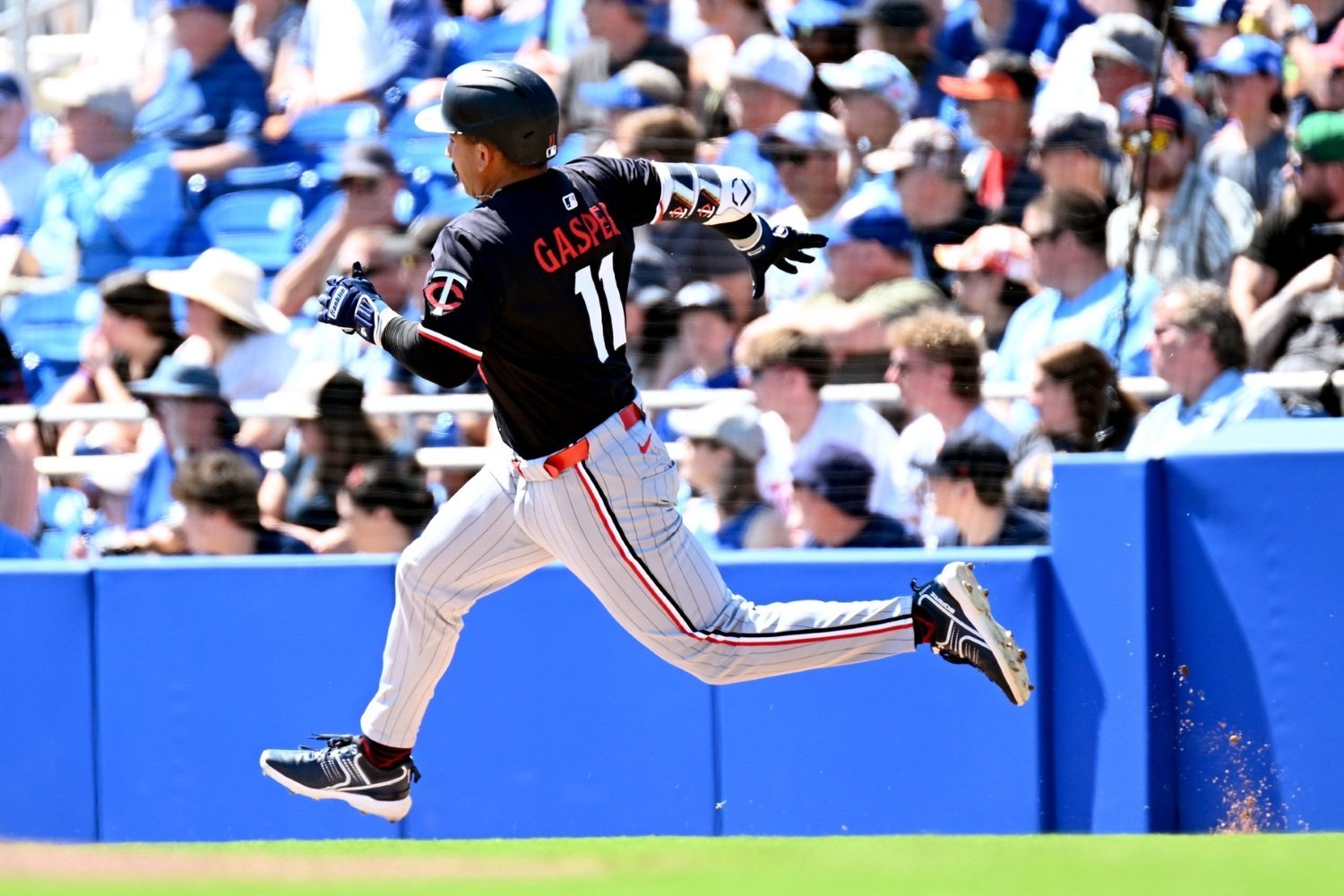 In recent seasons, Mickey Gasper has epitomized the “Quadruple-A” archetype, by absolutely mashing at Triple-A stops but struggling to stick in the big leagues. Since the start of 2024, Gasper has posted a staggering .338/.450/.581 line over 102 minor-league games, with 18 home runs. That ranks second among all batters with at least 300 minor-league plate appearances. That level of success in the upper minors should translate to big-league success, but it hasn’t happened for Gasper. Despite earning his first Opening Day roster spot with Minnesota this spring, he’s managed only a .176/.282/.206 slash line across 17 games in the majors, collecting his first career hit on March 29 in St. Louis. Last season, the Red Sox used him sparingly during his first taste of the big leagues. In 13 games, he went 0-for-18, with eight strikeouts and four walks. His journey highlights the peril of becoming a so-called “Quad-A player.” The Quad-A Conundrum and Gasper’s Case “Quad-A” (or “4A”) refers to players who hit the cover off the ball against Triple-A pitching, yet falter against major-league competition—often due to issues with pitch recognition, timing, or adjusting to superior velocity and breaking stuff. While some executives argue the label is pejorative, many acknowledge a clear gap between success in the highest minors and sustainability in MLB. The Yankees initially selected Gasper in the 27th round of the 2018 MLB Draft. He worked his way through New York's farm system before the Red Sox selected him in the 2023 minor-league phase of the Rule 5 draft. Gasper exploded at Triple-A in 2024, slashing .402/.515/.664 over 40 games before his first call-up. He had little left to prove in the high minors, and Boston needed catching depth at the big-league level. Over parts of the last two seasons, he’s had the second-best OPS among minor-league players because of his patient approach at the plate and his ability to punish baseballs when getting ahead in the count. His approach has produced an 18.2 BB% compared to a 15.9 K% this year, demonstrating plate discipline unmatched by most peers at Triple A. However, those numbers haven’t translated to his time with the Twins. His walk rate was nearly eight points lower with the Twins, and his strikeout rate was over seven points higher. The Danger of Becoming a Quad-A Player Long a gatekeeper role, the Quad-A label can cement a player’s status as organizational depth, rather than a true big-league contributor. Teams may hesitate to offer extended opportunities, fearing limited upside despite minor-league dominance. Repeated shuttle trips can erode confidence and stall development for players like Gasper. Plus, teams like the Twins have younger players whom they may view as having more long-term upside. Investing roster spots in Quad-A hopefuls carries opportunity costs, as younger prospects may be forced to stay in the minors. Front offices must balance rewarding minor-league excellence with realistic assessments of a player’s ability to adjust in the majors, where scouting and analytics increasingly expose weaknesses. Breaking the Quad-A Mold While some succumb to the 4A trap, others break through. Here are four ways to bridge the gap: 1. Refine In-Game Plate Discipline: Gasper has been known for his approach at Triple A, with the ability to draw walks and hit for power. Those skills haven’t translated to the big-league level. Emphasizing two-strike hitting strategies (shorter swings, choking up) can turn foul balls into productive at-bats. Pitchers at the highest level have unbelievable breaking pitches, and players need to be able to adjust. 2. Develop a Power-to-Contact Balance: Minor mechanical tweaks to reduce uppercut swings and shifting to a more direct path can boost contact rates, without sacrificing disproportionate amounts of pop. Statistical models can pinpoint optimal swing planes for each player to maximize big-league hard-contact ratios. Five of Gasper’s six hits have come on fastballs, so he must prove he can hit offspeed offerings. 3. Having a Standout Tool: Some players can forge a career from one strong tool. The Twins are seeing that with DaShawn Keirsey Jr. this season. He has fallen into the trap of being a Quad-A player over the last two seasons. However, his speed has allowed him to fill the late-inning role of pinch-runner or defensive replacement. Gasper has gotten on base nearly 40% of the time in the minors, a skill that could keep him on a big-league roster—if he can demonstrate its viability against that level of competition. 4. Versatility and Defensive Value: Learning additional infield positions or outfield spots increases roster appeal. Gasper has shown some flexibility by playing first base, second base, catcher, and left field with the Twins this season. Multiple Quad-A players have parlayed utility roles into extended stays by offering defensive flexibility alongside offense. Gasper’s story is both inspiring and cautionary: a switch-hitter who tore through Triple A, only to find big-league pitching a formidable barrier. But by refining his approach, embracing his strongest tool, and adding defensive value, he and other Quad-A aspirants can rewrite the script. Success at baseball’s highest level demands more than raw numbers in the minors. It requires adaptation, consistency, and a willingness to evolve. With those tools, the next time Gasper’s name appears on a Twins lineup card, he may finally stick. Can Gasper break free of the Quad-A label? Leave a comment and start the discussion.
 -
Image courtesy of © Jonathan Dyer-Imagn Images In recent seasons, Mickey Gasper has epitomized the “Quadruple-A” archetype, by absolutely mashing at Triple-A stops but struggling to stick in the big leagues. Since the start of 2024, Gasper has posted a staggering .338/.450/.581 line over 102 minor-league games, with 18 home runs. That ranks second among all batters with at least 300 minor-league plate appearances. That level of success in the upper minors should translate to big-league success, but it hasn’t happened for Gasper. Despite earning his first Opening Day roster spot with Minnesota this spring, he’s managed only a .176/.282/.206 slash line across 17 games in the majors, collecting his first career hit on March 29 in St. Louis. Last season, the Red Sox used him sparingly during his first taste of the big leagues. In 13 games, he went 0-for-18, with eight strikeouts and four walks. His journey highlights the peril of becoming a so-called “Quad-A player.” The Quad-A Conundrum and Gasper’s Case “Quad-A” (or “4A”) refers to players who hit the cover off the ball against Triple-A pitching, yet falter against major-league competition—often due to issues with pitch recognition, timing, or adjusting to superior velocity and breaking stuff. While some executives argue the label is pejorative, many acknowledge a clear gap between success in the highest minors and sustainability in MLB. The Yankees initially selected Gasper in the 27th round of the 2018 MLB Draft. He worked his way through New York's farm system before the Red Sox selected him in the 2023 minor-league phase of the Rule 5 draft. Gasper exploded at Triple-A in 2024, slashing .402/.515/.664 over 40 games before his first call-up. He had little left to prove in the high minors, and Boston needed catching depth at the big-league level. Over parts of the last two seasons, he’s had the second-best OPS among minor-league players because of his patient approach at the plate and his ability to punish baseballs when getting ahead in the count. His approach has produced an 18.2 BB% compared to a 15.9 K% this year, demonstrating plate discipline unmatched by most peers at Triple A. However, those numbers haven’t translated to his time with the Twins. His walk rate was nearly eight points lower with the Twins, and his strikeout rate was over seven points higher. The Danger of Becoming a Quad-A Player Long a gatekeeper role, the Quad-A label can cement a player’s status as organizational depth, rather than a true big-league contributor. Teams may hesitate to offer extended opportunities, fearing limited upside despite minor-league dominance. Repeated shuttle trips can erode confidence and stall development for players like Gasper. Plus, teams like the Twins have younger players whom they may view as having more long-term upside. Investing roster spots in Quad-A hopefuls carries opportunity costs, as younger prospects may be forced to stay in the minors. Front offices must balance rewarding minor-league excellence with realistic assessments of a player’s ability to adjust in the majors, where scouting and analytics increasingly expose weaknesses. Breaking the Quad-A Mold While some succumb to the 4A trap, others break through. Here are four ways to bridge the gap: 1. Refine In-Game Plate Discipline: Gasper has been known for his approach at Triple A, with the ability to draw walks and hit for power. Those skills haven’t translated to the big-league level. Emphasizing two-strike hitting strategies (shorter swings, choking up) can turn foul balls into productive at-bats. Pitchers at the highest level have unbelievable breaking pitches, and players need to be able to adjust. 2. Develop a Power-to-Contact Balance: Minor mechanical tweaks to reduce uppercut swings and shifting to a more direct path can boost contact rates, without sacrificing disproportionate amounts of pop. Statistical models can pinpoint optimal swing planes for each player to maximize big-league hard-contact ratios. Five of Gasper’s six hits have come on fastballs, so he must prove he can hit offspeed offerings. 3. Having a Standout Tool: Some players can forge a career from one strong tool. The Twins are seeing that with DaShawn Keirsey Jr. this season. He has fallen into the trap of being a Quad-A player over the last two seasons. However, his speed has allowed him to fill the late-inning role of pinch-runner or defensive replacement. Gasper has gotten on base nearly 40% of the time in the minors, a skill that could keep him on a big-league roster—if he can demonstrate its viability against that level of competition. 4. Versatility and Defensive Value: Learning additional infield positions or outfield spots increases roster appeal. Gasper has shown some flexibility by playing first base, second base, catcher, and left field with the Twins this season. Multiple Quad-A players have parlayed utility roles into extended stays by offering defensive flexibility alongside offense. Gasper’s story is both inspiring and cautionary: a switch-hitter who tore through Triple A, only to find big-league pitching a formidable barrier. But by refining his approach, embracing his strongest tool, and adding defensive value, he and other Quad-A aspirants can rewrite the script. Success at baseball’s highest level demands more than raw numbers in the minors. It requires adaptation, consistency, and a willingness to evolve. With those tools, the next time Gasper’s name appears on a Twins lineup card, he may finally stick. Can Gasper break free of the Quad-A label? Leave a comment and start the discussion. View full article
-
Bailey Ober’s “Cat-and-Mouse Game” with the Baltimore Orioles
Cody Christie posted an article in Twins
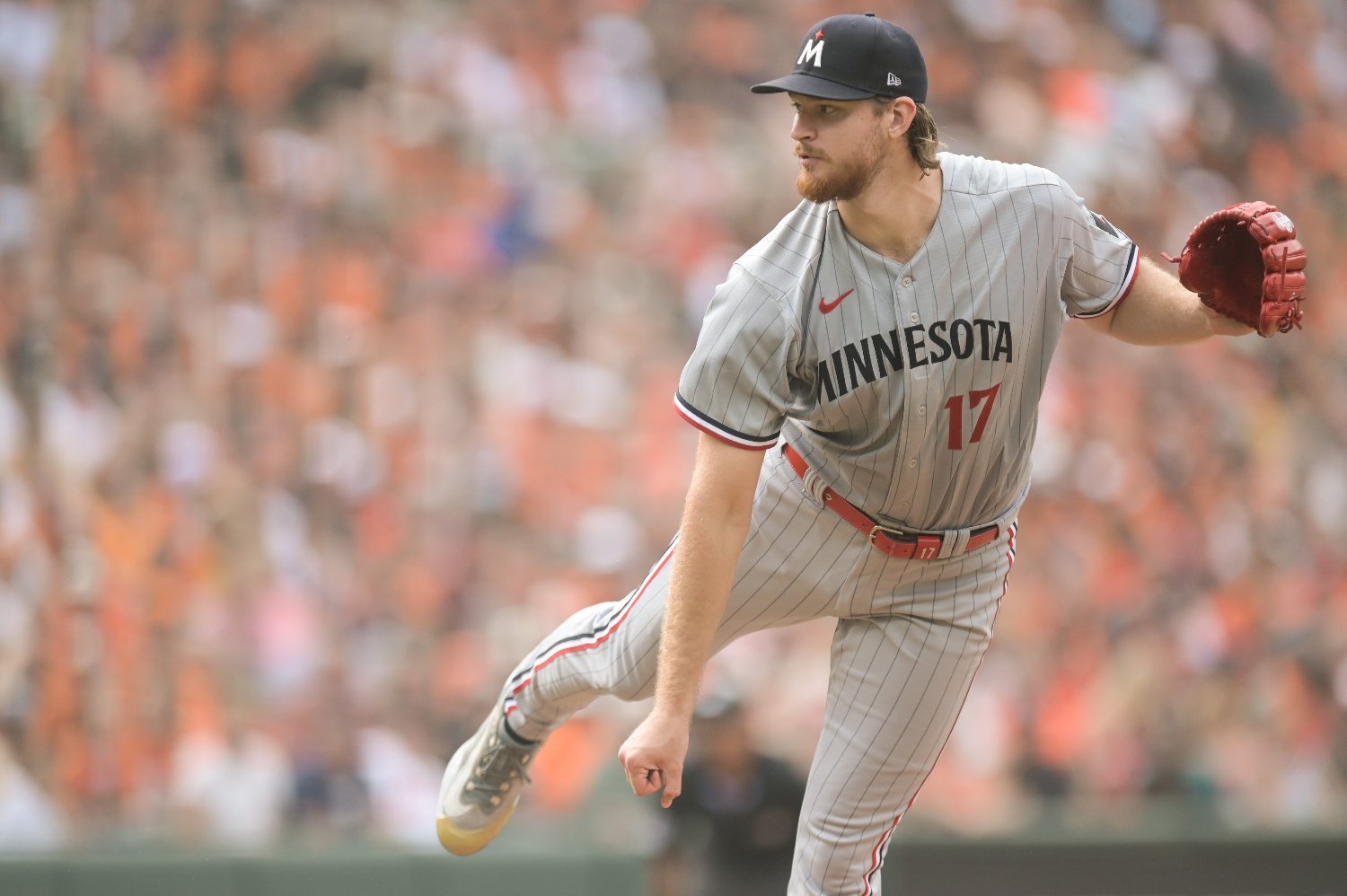 Bailey Ober will once again toe the rubber against the Baltimore Orioles Wednesday, marking the second straight start against the same opponent in a single week—a relatively rare occurrence, given the balanced schedules teams play and the way they prefer to structure their starting rotations in the modern game. After a solid five-inning outing on May 8 in which he allowed two runs (one earned) on eight hits with six strikeouts and one walk, Ober is tasked with refreshing his approach and avoiding predictability. Unique Challenges of Consecutive Starts Pitchers thrive on deception, and within any one start, it's relatively easy to maintain that advantage. However, facing the same lineup twice in a row removes much of that novelty: hitters have fresh video, recent pitch-tracking data, and in-game memory of sequencing tendencies. Ober must be wary of telegraphing his changeup after working it heavily in his last outing or relying on the same fastball locations he exploited in his previous start. So, what extra stuff goes into facing a team for a second straight start? “You can see what you threw, go back and watch how you got guys out—what worked and what didn’t work—and try to come up with something new, but most of the time, it’s gonna be sticking to the same type of plan, maybe with some new wrinkles,” said Ober. “For the most part, it’s pitching. There’s how you start guys, how you end guys, and then in the middle, it’s just on the fly. The middle counts, you’re just kind of seeing what you’re seeing within the at-bat, and go with that.” There is also a potential for hitters to react differently to pitches that they have seen recently. In MLB’s playoffs, this tends to become a factor for high-leverage bullpen arms who are used multiple times in the same series. Batters could pick up on patterns, but some of those challenges might be mental for the pitcher. “I feel like I’ve had a few of these types of starts over the last couple of years,” Ober said. “I had back-to-back starts against Baltimore actually, in 2023, and both starts went well. Pretty much, just stick to your game plan, and if you see something mid-at-bat that you might not think was open [or] that wasn’t on the report, just go with your gut and try to execute a pitch. That’s kind of how it is. It’s usually just trusting yourself, trusting your catchers, trusting your eyes.” Revisiting 2023’s Back-to-Back Success Ober last tackled the Orioles in consecutive starts during the 2023 season and thrived. July 1, 2023, at Camden Yards: Ober fired seven shutout innings, surrendering just two hits and fanning eight while walking none. July 7, 2023, at Target Field: He followed with six innings of one-run ball, allowing four hits, striking out five, and issuing three walks. Across those two outings, he logged 13 innings, yielded six total hits, walked three, struck out 13, and surrendered a lone earned run. This outstanding line underscores his ability to adjust and dominate a lineup on a quick turnaround. The big shift in strikeout and walk numbers from the first start to the second, though, underscores some of the hurdles a pitcher has to clear to succeed in consecutive showdowns with a team. Breakdown of His Last Orioles Outing On May 8, Ober’s 91-pitch effort featured 60 strikes, a 66% strike rate, and 14 swinging strikes. Although he scattered eight hits and allowed two runs, he escaped multiple jams by stranding runners at second and third in both the second and third innings. That resilience under pressure will be critical if Baltimore jumps on early counts in his next turn. Ober must resist falling into any “comfort sequence” he used effectively last start. For instance, if he led with four-seam fastballs to right-handers before executing inside sliders, he’ll need to flip that script, maybe opening with another offspeed offering to get ahead in the count. By deploying a “false first-pitch curveball” (starting counts with a breaking ball), Ober could disrupt Orioles hitters who have dialed in on his fastball tendencies. Here's how Ober attacked Baltimore in his last start. The Twins may also have a secret weapon in hitting coach Matt Borgschulte, whom they hired away from Baltimore this winter. Ober was asked if the Twins coach could be a resource. “A little bit, yeah—mainly on guys that he has seen in the minor leagues that I haven’t thrown against. I’ve thrown against the guys that’ve been mainstays in the lineup for a few years now, so I have a good history with them, and they obviously know what I’m gonna do. So it’s just a cat-and-mouse game, back and forth, and who’s gonna give in? That’s the battle.” If he replicates even a fraction of his 2023 back-to-back dominance, he could handcuff Baltimore’s hitters again. But the true test lies in Ober’s ability to innovate on the fly, turning the challenge of familiarity into a strategic advantage for the Twins this week. Can Ober win this "cat-and-mouse game" with Baltimore? Leave a comment and start the discussion.
 -
Image courtesy of © Tommy Gilligan--Imagn Images Bailey Ober will once again toe the rubber against the Baltimore Orioles later this week, marking the second straight start against the same opponent in a single week, a rarity in today’s five-man rotations. After a solid five-inning outing on May 8 in which he allowed two runs (one earned) on eight hits with six strikeouts and one walk, Ober is tasked with refreshing his approach and avoiding predictability. Unique Challenges of Consecutive Starts Pitchers thrive on deception, and one-off starts afford a degree of surprise. However, facing the same lineup two starts in a week removes much of that novelty: hitters have fresh video, recent pitch-tracking data, and in-game memory of sequencing tendencies. Ober must be wary of telegraphing his changeup after working it heavily in his last outing or relying on the same fastball locations he exploited in his previous start. So, what extra stuff goes into facing a team for a second straight start? “You can see what you threw, go back and watch how you got guys out—what worked and what didn’t work—and try to come up with something new, but most of the time, it’s gonna be sticking to the same type of plan, maybe with some new wrinkles,” said Ober. “For the most part, it’s pitching. There’s how you start guys, how you end guys, and then in the middle, it’s just on the fly. The middle counts, you’re just kind of seeing what you’re seeing within the at-bat, and go with that.” There is also a potential for hitters to react differently to pitches that they have seen recently. In MLB’s playoffs, this tends to become a factor for high-leverage bullpen arms that are used multiple times in the same series. Batters could pick up on patterns, but some of those challenges might be mental for the pitcher. “I feel like I’ve had a few of these types of starts over the last couple of years,” Ober said. “I had back-to-back starts against Baltimore actually, in 2023, and both starts went well. Pretty much, just stick to your game plan, and if you see something mid-at-bat that you might not think it was open that wasn’t on the report, just go with your gut and try to execute a pitch. That’s kind of how it is. It’s usually just trusting yourself, trusting your catchers, trusting your eyes.” Revisiting 2023’s Back-to-Back Success Ober last tackled the Orioles in consecutive starts during the 2023 season and thrived. July 1, 2023, at Camden Yards: Ober fired seven shutout innings, surrendering just two hits and fanning eight while walking none. July 7, 2023, at Target Field: He followed with six innings of one-run ball, allowing four hits, striking out five, and issuing three walks. Across those two outings, he logged 13 innings, yielded six total hits, walked three, struck out 13, and surrendered a lone earned run. This outstanding line underscores his ability to adjust and dominate a lineup on quick turnaround. Breakdown of His Last Orioles Outing On May 8, Ober’s 91-pitch effort featured 60 strikes, a 66% strike rate, and 14 swinging strikes. Although he scattered eight hits and allowed two runs, he escaped multiple jams by stranding runners at second and third in both the second and third innings. That resilience under pressure will be critical if Baltimore jumps on early counts in his next turn. Ober must resist falling into any “comfort sequence” he used effectively last start. For instance, if he led with four-seam fastballs to right-handers before executing inside sliders, he’ll need to flip that script, maybe opening with another offspeed offering to get ahead in the count. By deploying a “false first-pitch curveball” (starting counts with a breaking ball), Ober could disrupt Orioles hitters who have dialed in on his fastball tendencies. Below shows how Ober attacked Baltimore in his last start. The Twins may also have a secret weapon in hitting coach Matt Borgschulte, who the Twins hired away from Baltimore this winter. Ober was asked if the Twins coach could be a resource. “A little bit, yeah—mainly on guys that he has seen in the minor leagues that I haven’t thrown against. I’ve thrown against the guys that’ve been mainstays in the lineup for a few years now, so I have a good history with them, and they obviously know what I’m gonna do. So it’s just a cat-and-mouse game, back and forth, and who’s gonna give in? That’s the battle.” If he replicates even a fraction of his 2023 back-to-back dominance, he could handcuff Baltimore’s hitters again. But the true test lies in Ober’s ability to innovate on the fly, turning the challenge of familiarity into a strategic advantage for the Twins this week. Can Ober win this "cat-and-mouse game" with Baltimore? Leave a comment and start the discussion. View full article
-
 [Ed. note: This is a satirical piece! Miguel Sanó has not actually re-signed with the Twins. Ideally, we wouldn't have to clarify this further than by using our Satire frame around the article, but this one runs a certain risk of being taken seriously and reacted to enormously. So, we'd like to make clear right now that this is a bit. It's a good bit. Please enjoy. -MT] In an unexpected turn of events (or perhaps a deeply expected one, if you’ve followed this team’s patterns), the Minnesota Twins have added former slugger Miguel Sanó back to the roster. Not for power. Not for production. But for the psychological well-being of the rest of the lineup. “We needed a guy who could strike out in a way that makes Carlos Correa look like Tony Gwynn,” said one unnamed front office official, while nervously adjusting his WAR spreadsheets. “Sanó just has that gift. Watching him flail at three consecutive breaking balls really puts things into perspective for everyone else.” The move comes as the Twins’ offense continues to struggle to put up crooked numbers, unless you're looking at strikeouts, in which case they’ve become calligraphic artists. A “Strikeout Sink” Strategy Correa, who currently leads the team in hitting into soul-crushing double plays, welcomed Sanó’s return with cautious optimism. “Honestly, having Miguel out there is huge for me,” said Correa. “Now, when I ground into a double play, people will be like, ‘Well at least he hit the ball.’ It’s all about relativity. The man’s a walking empathy generator.” (Fact-checkers confirmed that, among a wide constellation, that's one thing Sanó had never been called before.) Manager Rocco Baldelli, in between managing bullpen usage like it's a chess match with a time bomb, said the team is leaning into what he called the “Three True Outcomes” lifestyle (walks, home runs, and strikeouts), though the emphasis is heavily weighted toward just one of them. “We’re basically ignoring two-thirds of it,” he said. “We’re going all-in on strikeouts. If you can’t stop the bleeding, sometimes it’s best to just open the wound wider and let it air-dry.” Sanó: “Each K is a Statement” In a post-workout press conference that mostly involved him hitting balls off a tee into the back of the batting cage at 117 mph, Sanó offered his thoughts. “Every strikeout is a statement piece,” Sanó declared, holding up a bat labeled 'FIP THIS' in Sharpie. “Analytics said I had to change. I say no. I will strike out 200 times to prove the system is flawed. Art is pain. Baseball is suffering.” He then struck out against the pitching machine, which wasn’t even turned on yet. Front Office Blinded By Exit Velocity (Again) Asked what convinced them to bring Sanó back, a member of the Twins analytics department responded without blinking. “Have you seen the exit velocity? It’s like watching Thor swing a tree at a meteor. Sure, it only happens once a week, but when it does, wow.” “Exit velo is the new batting average,” they added, before walking into a wall while staring at a Blast Motion chart. Fanbase Already Disappointed, In Advance Season ticket holders have been quick to voice their concern, but mostly in that resigned, passive-aggressive Midwestern way that’s uniquely Minnesotan. “I already lowered my expectations this year, but this move made me realize they weren’t low enough,” said Dan Gustafson of Chaska. “It’s like rewatching a bad sequel because you forgot how much you hated it. Miguel’s back, and so is my ulcer.” Still, others are cautiously hoping for a fairy tale ending, or at least a mildly interesting Twitter clip. “If he can just connect on one ball and break a Statcast record, I’ll take it,” said Jenny Lee from Eagan. “Even if we lose 9–1. Just give me that one GIF to believe in.” With Sanó back in the fold, the Twins may not be better, but they’re certainly something. Sometimes you don't need production, just the illusion of chaos to make everyone else look stable. And if that illusion strikes out 3.2 times per game? Well, at least he’s consistent.
 -
Image courtesy of Nick Wosika--Imagn Images In an unexpected turn of events or perhaps a deeply expected one, if you’ve followed this team’s patterns, the Minnesota Twins have reportedly added former slugger Miguel Sanó back to the roster. Not for power. Not for production. But for the psychological well-being of the rest of the lineup. “We needed a guy who could strike out in a way that makes Carlos Correa look like Tony Gwynn,” said one unnamed front office official while nervously adjusting his WAR spreadsheets. “Sanó just has that gift. Watching him flail at three consecutive breaking balls really puts things into perspective for everyone else.” The move comes as the Twins’ offense continues to struggle to put up crooked numbers, unless you're looking at strikeouts, in which case they’ve become calligraphic artists. A “Strikeout Sink” Strategy Correa, who currently leads the team in hitting into soul-crushing double plays, welcomed Sanó’s return with cautious optimism. “Honestly, having Miguel back out there is huge for me,” said Correa. “Now when I ground into a double play, people will be like, ‘Well at least he hit the ball.’ It’s all about relativity. The man’s a walking empathy generator.” Manager Rocco Baldelli, in between managing bullpen usage like it's a chess match with a time bomb, said the team is leaning into what he called the “Three True Outcomes” lifestyle (walks, home runs, and strikeouts) though the emphasis is heavily weighted toward just one of them. “We’re basically ignoring two-thirds of it,” he said. “We’re going all-in on strikeouts. If you can’t stop the bleeding, sometimes it’s best to just open the floodgates and call it therapy.” Sanó: “Each K is a Statement” In a post-workout press conference that mostly involved him hitting balls off a tee into the back of the batting cage at 117 mph, Sanó offered his thoughts. “Every strikeout is a statement piece,” Sanó declared, holding up a bat labeled 'FIP THIS' in Sharpie. “Analytics said I had to change. I say no. I will strike out 200 times to prove the system is flawed. Art is pain. Baseball is suffering.” He then struck out against the pitching machine, which wasn’t even turned on yet. Front Office Blinded By Exit Velocity (Again) Asked what convinced them to bring Sanó back, a member of the Twins analytics department responded without blinking: “Have you seen the exit velocity? It’s like watching Thor swing a tree at a meteor. Sure, it only happens once a week, but when it does, wow.” “Exit velo is the new batting average,” they added, before walking into a wall while staring at a Blast Motion chart. Fanbase Already Disappointed — In Advance Season ticket holders have been quick to voice their concern, but mostly in that resigned, passive-aggressive Midwestern way that’s uniquely Minnesotan. “I already lowered my expectations this year, but this move made me realize they weren’t low enough,” said Dan Gustafson of Chaska. “It’s like rewatching a bad sequel because you forgot how much you hated it. Miguel’s back, and so is my ulcer.” Still, others are cautiously hoping for a fairy tale ending, or at least a mildly interesting Twitter clip. “If he can just connect on one ball and break a Statcast record, I’ll take it,” said Jenny Lee from Eagan. “Even if we lose 9–1. Just give me that one GIF to believe in.” With Sanó back in the fold, the Twins may not be better, but they’re certainly something. Sometimes you don't need production, just the illusion of chaos to make everyone else look stable. And if that illusion strikes out 3.2 times per game? Well, at least he’s consistent. View full article
-
Image courtesy of Ed Bailey (photo of Kala'i Rosario), Rob Thompson (photo of Emmanuel Rodriguez) MONDAY’S TRANSACTIONS RHP Ruddy Gomez assigned to FCL Twins from Fort Myers. TWINS DAILY MINOR LEAGUE CONTENT -Top 20 Twins Prospects, May 2025 Update: Two New Names to Know -Twins Daily Minor League Report (5/11): Carson McCusker Crushes Again, Jay Thomason Comes Through -The Minnesota Twins Have a New Top 100 Prospect -Twins Daily Minor League Report (5/10): Emmanuel Rodriguez Plays Late-Inning Hero in St. Paul -Twins Minor League Report (5/9): Wichita Surges Back; Rotations Get Rocked -Twins Minor League Report (5/8): Wild Game in St. Paul Ends with a Walk-Off Win -Twins Minor League Report (5/7): Mike Ford Sends Everyone Home Happy -Is Billy Amick the Minnesota Twins' Long-Term Solution at First Base? -Twins Minor League Report (5/6): We're Making "Carson McCrusher" Happen… -Twins Minor League Week in Review (4/29-5/5): April Showers Bring May Power WEEK IN REVIEW Triple-A: St. Paul Saints Overall: 20-15 (5.0 Games Out of First) Last Week: 5-1 On Monday, Mickey Gasper is the Triple-A International League’s Player of the Week after a red-hot series in which he hit .478 (11-23) with two doubles, four home runs, and six RBI. Gasper’s four homers and his 11 total hits are both tied for the most in minor league baseball. His .571 on-base percentage, 1.087 slugging-mark, and 1.658 OPS are all the highest in the minors over the last six days among hitters with at least 20 at-bats. St. Paul capped off a tremendous week on Sunday. With the win the Saints have won 10 of their last 12, won their last three series, and are a season-high five games over .500 at 20-15. The Saints have homered in eight consecutive games thanks to a Mickey Gasper solo homer on Sunday. Two batters later Carson McCusker crushed the fifth hardest hit in franchise history, a 115.0 mph laser over the left field wall, his 10th of the season. Travis Adams started and went four innings allowing two runs on three hits while walking three and striking out one. Emmanuel Rodriguez drove a first-pitch fastball out to left field for his second home run in as many days to flip a one-run deficit into a one-run lead late. Earlier in the game, threw out a runner at third that was trying to go first to third on a single. For Rodriguez, it was the sixth time that he has homered in back-to-back games in his professional career. It was also his first two home runs in 2025. Zebby Matthews started on Saturday and finished with 5 1/3 innings in his seventh start of the season. He struck out four and issued no walks on five hits. His season ERA dipped to 1.93 after allowing just one unearned run. In Friday’s blowout loss, Gasper finished with a career high four hits, going 4-5 with a double, home run, RBI, and a run scored. On back-to-back nights, Mike Ford and Mickey Gasper hit three-run walk-off homers. It was just the second time in franchise history the Saints have won back-to-back games in walk-off fashion and the first with walk-off homers. Jair Camargo added a three-hit game on Thursday with a double and two runs scored. Ryan Fitzerald homered in back-to-back games on Wednesday and Thursday. On Wednesday, Carson McCusker hit two more home runs with one leaving the bat at 114.7 mph. He is nearly halfway to the Saints single season home run record (21). David Festa continued to perform well after returning to Triple-A. He went 5 2/3 innings allowing one run on three hits while striking out seven. He threw 72 pitches (50 strikes) and got 16 swings and misses. What’s Next: The Saints are off on Monday and return to action in game one of a six-game road series against the Iowa Cubs at 6:38 p.m. CST. Double-A: Wichita Wind Surge Overall: 19-14 (1.0 Game Up) Last Week: 4-2 With their series victory, Wichita moved into first place in the Texas League North Division. Noah Cardenas smashed a lead-off home run in the ninth to lead the Wichita Wind Surge to a Sunday victory. The team ended the week with four straight victories. John Klein threw three innings of scoreless relief as part of Sunday’s win as he gave up just two hits with a walk and a pair of strikeouts. On Saturday, the Wind Surge scored three runs in the eighth and ninth innings to cap a late rally. It was the seventh come from behind win for Wichita and second when trailing after seven innings. Every Wind Surge batter had a hit in the game. Christian MacLeod started Saturday’s game. He threw his longest appearance of the season, striking out three over four innings. Pierson Ohl, Jarret Whorff, and John Stankiewicz combined to retire 11 of the final 12 hitters in the comeback win. On Friday, the Wind Surge trailed 3-0 entering the seventh inning and pushed across five unanswered runs. Kala’i Rosario connected on a two run homer in the seventh. Andrew Cossetti hit a three-run later in the same inning. Aaron Rozek retired 15 straight hitters from the last out of the bottom of the first and the opening out in the last of the sixth. He pitched six innings and allowed three earned runs on four hits with four strikeouts. It was the first quality start of the year for Wichita. Ricky Castro and Jaylen Nowlin allowed just two baserunners over the final three innings. Nowlin earned his first professional save after striking out two in the ninth. Aaron Sabato had a three hit game on Thursday. It was his first three-hit performance of the season and fifth overall multi-hit game. Connor Prielipp threw his longest outing of the season, four frames of three-hit baseball with a career-high tying six strikeouts. Trent Baker threw five innings of one-hit baseball with three walks and six strikeouts, one shy of his season-high. On Thursday, Tanner Schobel had his first four-hit performance of the season, and ninth overall multi-hit game in 2025. Rubel Cespedes records his team-leading fifth multi-RBI performance. The six doubles Wichita hit on Tuesday were the most in a game this season. What’s Next: Wichita returns to home on Tuesday, May 13 to begin a series with the Arkansas Travelers at 6:05 p.m. CST. High-A: Cedar Rapids Kernels Overall: 20-12 (1.0 Game Out of First) Last Week: 3-3 Khadim Diaw crushed a three-run homer to put Cedar Rapids up 4-0 on Sunday. Later in the game, Gabriel Gonzalez smacked a solo shot that turned out to be the difference in the game. Caden Kendle hit his second home run of the season on Friday. It was a two-run shot. Tanner Hall started on Thursday and did not allow an earned run in 4 2/3 innings on three hits with two strikeouts. Danny De Andrade came up with multiple big hits on Wednesday. In the first, he cracked an RBI double to plate the game’s first run. In a tied game with two outs in the top of the eighth inning, he produced a go-ahead RBI single that was the game winner. Cole Percival kept the Kernels in the game on Wednesday by pitching 2 1/3 scoreless innings with two strikeouts. Chase Chaney did not allow a run across six innings of work, striking out six while not issuing a walk en route to his second consecutive quality start and his first Cedar Rapids win. Behind Chaney, Samuel Perez did not allow a run in two innings out of the bullpen, and Jacob Wosinski pitched a perfect ninth to cap off the victory. What’s Next: The Kernels return home for a six-game series against Peoria next week. Game one is set for Tuesday at 6:35 p.m. CST. Low-A: Fort Myers Mighty Mussels Overall: 15-18 (5.0 Games Back) Last Week: 1-5 Sunday’s starter was Eli Jones, who pitched five innings and allowed one earned run on three hits while striking out three. Ivran Romero was strong in relief on Sunday with 2 1/3 scoreless innings, allowing two hits and striking out three. Roddy Gomez made his FSL debut on Saturday out of the Fort Myers bullpen. He pitched two scoreless frames and only allowed one hit. Jacob Kistin entered Friday’s game in a tough spot when the starter threw 35 innings in the first. He threw a season high 4 1/3 innings by allowing two runs on four hits. Zander Sechrist took the loss on Thursday but still had a strong performance. In a career-high five innings, he allowed one earned run on two hits with six strikeouts. The lefty threw just 47 pitches while collecting 15 outs. On Wednesday, Yasser Mercedes hit a game-tying two-run homer. It was his first home run at Hammond Stadium this season. Cole Peschl was charged with two runs which were the first earned runs he has allowed on the season. It ended a streak of 21 2/3 consecutive innings without allowing an earned run to begin his professional career. Fort Myers started the week with an exciting game as they recorded a season-high 16 hits enroute to a walk-off win. Jefferson Valladares capped off the game with a walk-off sacrifice fly in the eleventh inning. Earlier in the game, Byron Chourio hit his first home run of the season, a solo shot. Michael Ross went three innings by allowing one run on one hit and striking out four. What’s Next: After an off day on Monday, Fort Myers will travel to Jupiter to take on the Hammerheads on Tuesday at 5:30 p.m CST. Rookie: FCL Twins Overall: 5-1 Last Week: 4-0 Bryan Acuna reached base three times on Saturday including a home run. He drove in three runs and scored three runs. Luis Fragoza matched Acuna by reaching base three times in the same game. He had a double, two RBI, and a stolen base. Will Armbruester finished off two games during the week with a combined four scoreless innings. FCL Twins pitchers combined to hold the FCL Red Sox to two hits on Friday. Mitch Mueller earned a three inning save as he allowed one hit and struck out five. Hendry Chivilli earned his first professional win after his two shutout innings. Melvin Rodriguez pitched four shutout innings in his first appearance of the season. He allowed two hits with two strikeouts and a walk. Murphy Hernandez reached base four times on Thursday with two hits and two walks. He also scored two runs and drove in two runs. Ariel Castro had a big four RBI game including his first triple of the year. Ruddy Gomez earned his first professional win after coming into a jam on Tuesday. He combined for four outs and got them all via strikeout. What’s Next: The Twins will see the FCL Rays, Orioles, and Red Sox during the coming week. PROSPECT SUMMARY Check out the Prospect Tracker for much more on our Twins Top 20 prospects. And, be sure to note the new, updated Top 20 rankings. Walker Jenkins (Wichita): On injured list Luke Keaschall (Minnesota): On injured list Emmanuel Rodriguez (St. Paul): 4-16, 2 HR, 3 RBI, 2 R, 3 BB, 9 K Charlee Soto (Cedar Rapids): On injured list Connor Prielipp (Wichita): 4 IP, 3 H, 0 ER, 0 BB, 6 K Kaelen Culpepper (Cedar Rapids): 4-26, 1 2B, 3 RBI, 3 R, 4 BB, 8 K Marco Raya (St. Paul): 1 IP, 7 H, 6 ER, 1 BB, 0 K Andrew Morris (St. Paul): 5 IP, 8 H, 0 ER, 1 BB, 6 K Brandon Winokur (Cedar Rapids): 8-26, 1 2B, 4 RBI, 6 R, 0 BB, 9 K, 1 SB Dasan Hill (Fort Myers): Did not pitch Kyle DeBarge (Cedar Rapids): 2-10, 4 R, 4 BB,33 K, 3 SB Cory Lewis (St. Paul): 4 IP, 7 H, 3 ER, 2 BB, 0 K Billy Amick (Cedar Rapids): On injured list Gabriel Gonzalez (Cedar Rapids): 6-18, 1 2B, 1 3B, 1 HR, 3 RBI, 3 R, 1 BB, 3 K C.J. Culpepper (Wichita): On injured list Eduardo Beltre (FCL Twins): 0-11, 4 RBI, 5 R, 3 BB, 3 K, 3 SB Tanner Schobel (Wichita): 9-27, 3 2B, 4 RBI, 7 R, 1 BB, 5 K Yasser Mercedes (Fort Myers): 3-24, 1 HR, 3 RBI, 3 R, 4 BB, 11 K, 1 SB Carson McCusker (St. Paul): 9-23, 2 2B, 3 HR, 6 RBI, 5 R, 3 BB, 6 K, 2 SB Ricardo Olivar (Wichita): 4-15, 1 2B, 1 HR, 2 RBI, 1 R, 2 BB, 1 K PLAYERS OF THE WEEK Hitter of the Week: Mickey Gasper, St. Paul Saints 11-for-23, .478/.571/1.087 (1.658), 2 2B, 4 HR, 6 RBI, 8 R, 5 BB, 4 K, 1 SB Pitcher of the Week: Connor Prielipp (Wichita Wind Surge) 4.0 IP, 0 ER, 3 H, 6 K, 0 BB, 46 pitches (37 strikes), 9 swinging strikes Feel free to ask questions about any of this week's action. What streaks will continue in the new week? View full article
-
Twins Minor League Week in Review (5/6-5/12): Let’s Go Streaking
Cody Christie posted an article in Minor Leagues
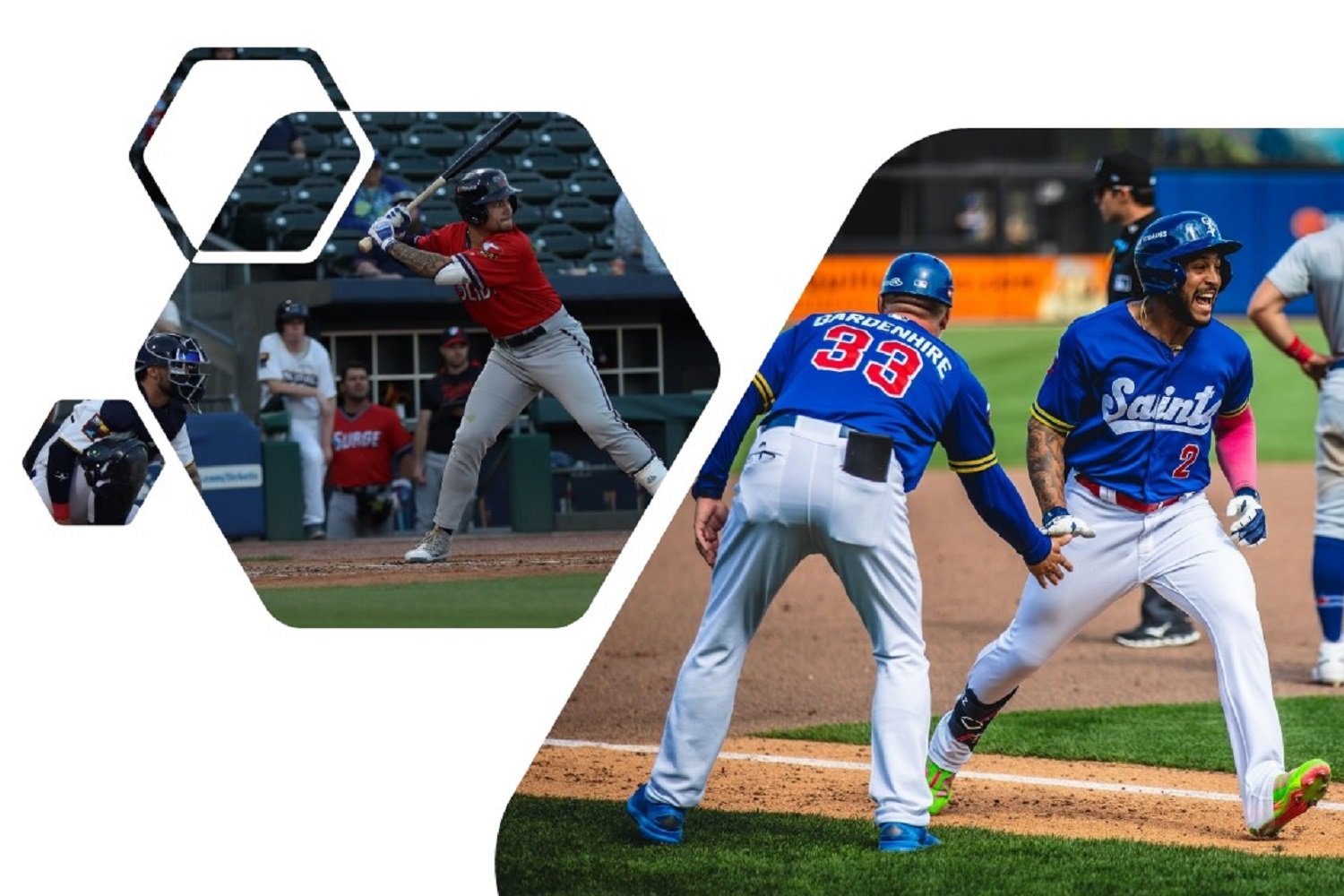 MONDAY’S TRANSACTIONS RHP Ruddy Gomez assigned to FCL Twins from Fort Myers. TWINS DAILY MINOR LEAGUE CONTENT -Top 20 Twins Prospects, May 2025 Update: Two New Names to Know -Twins Daily Minor League Report (5/11): Carson McCusker Crushes Again, Jay Thomason Comes Through -The Minnesota Twins Have a New Top 100 Prospect -Twins Daily Minor League Report (5/10): Emmanuel Rodriguez Plays Late-Inning Hero in St. Paul -Twins Minor League Report (5/9): Wichita Surges Back; Rotations Get Rocked -Twins Minor League Report (5/8): Wild Game in St. Paul Ends with a Walk-Off Win -Twins Minor League Report (5/7): Mike Ford Sends Everyone Home Happy -Is Billy Amick the Minnesota Twins' Long-Term Solution at First Base? -Twins Minor League Report (5/6): We're Making "Carson McCrusher" Happen… -Twins Minor League Week in Review (4/29-5/5): April Showers Bring May Power WEEK IN REVIEW Triple-A: St. Paul Saints Overall: 20-15 (5.0 Games Out of First) Last Week: 5-1 On Monday, Mickey Gasper is the Triple-A International League’s Player of the Week after a red-hot series in which he hit .478 (11-for-23) with two doubles, four home runs, and six RBI. Gasper’s four homers and his 11 total hits are both tied for the most in minor league baseball. His .571 on-base percentage, 1.087 slugging-mark, and 1.658 OPS are all the highest in the minors over the last six days among hitters with at least 20 at-bats. St. Paul capped off a tremendous week on Sunday. With the win the Saints have won 10 of their last 12, won their last three series, and are a season-high five games over .500 at 20-15. The Saints have homered in eight consecutive games thanks to a Mickey Gasper solo homer on Sunday. Two batters later Carson McCusker crushed the fifth hardest hit in franchise history, a 115.0 mph laser over the left field wall, his 10th of the season. Travis Adams started and went four innings allowing two runs on three hits while walking three and striking out one. Emmanuel Rodriguez drove a first-pitch fastball out to left field for his second home run in as many days to flip a one-run deficit into a one-run lead late. Earlier in the game, threw out a runner at third that was trying to go first to third on a single. For Rodriguez, it was the sixth time that he has homered in back-to-back games in his professional career. It was also his first two home runs in 2025. Zebby Matthews started on Saturday and finished with 5 1/3 innings in his seventh start of the season. He struck out four and issued no walks on five hits. His season ERA dipped to 1.93 after allowing just one unearned run. In Friday’s blowout loss, Gasper finished with a career high four hits, going 4-for-5 with a double, home run, RBI, and a run scored. On back-to-back nights, Mike Ford and Mickey Gasper hit three-run walk-off homers. It was just the second time in franchise history the Saints have won back-to-back games in walk-off fashion and the first with walk-off homers. Jair Camargo added a three-hit game on Thursday with a double and two runs scored. Ryan Fitzgerald homered in back-to-back games on Wednesday and Thursday. On Wednesday, Carson McCusker hit two more home runs with one leaving the bat at 114.7 mph. He is nearly halfway to the Saints single season home run record (21). David Festa continued to perform well after returning to Triple-A. He went 5 2/3 innings allowing one run on three hits while striking out seven. He threw 72 pitches (50 strikes) and got 16 swings and misses. What’s Next: The Saints are off on Monday and return to action in game one of a six-game road series against the Iowa Cubs at 6:38 p.m. CST. Double-A: Wichita Wind Surge Overall: 19-14 (1.0 Game Up) Last Week: 4-2 With their series victory, Wichita moved into first place in the Texas League North Division. Noah Cardenas smashed a lead-off home run in the ninth to lead the Wichita Wind Surge to a Sunday victory. The team ended the week with four straight victories. John Klein threw three innings of scoreless relief as part of Sunday’s win as he gave up just two hits with a walk and a pair of strikeouts. On Saturday, the Wind Surge scored three runs in the eighth and ninth innings to cap a late rally. It was the seventh come-from-behind win for Wichita and second when trailing after seven innings. Every Wind Surge batter had a hit in the game. Christian MacLeod started Saturday’s game. He threw his longest appearance of the season, striking out three over four innings. Pierson Ohl, Jarret Whorff, and John Stankiewicz combined to retire 11 of the final 12 hitters in the comeback win. On Friday, the Wind Surge trailed 3-0 entering the seventh inning and pushed across five unanswered runs. Kala’i Rosario connected on a two run homer in the seventh. Andrew Cossetti hit a three-run later in the same inning. Aaron Rozek retired 15 straight hitters from the last out of the bottom of the first and the opening out in the last of the sixth. He pitched six innings and allowed three earned runs on four hits with four strikeouts. It was the first quality start of the year for Wichita. Ricky Castro and Jaylen Nowlin allowed just two baserunners over the final three innings. Nowlin earned his first professional save after striking out two in the ninth. Aaron Sabato had a three hit game on Thursday. It was his first three-hit performance of the season and fifth overall multi-hit game. Connor Prielipp threw his longest outing of the season, four frames of three-hit baseball with a career-high tying six strikeouts. Trent Baker threw five innings of one-hit baseball with three walks and six strikeouts, one shy of his season-high. On Thursday, Tanner Schobel had his first four-hit performance of the season, and ninth overall multi-hit game in 2025. Rubel Cespedes records his team-leading fifth multi-RBI performance. The six doubles Wichita hit on Tuesday were the most in a game this season. What’s Next: Wichita returns to home on Tuesday, May 13 to begin a series with the Arkansas Travelers at 6:05 p.m. CST. High-A: Cedar Rapids Kernels Overall: 20-12 (1.0 Game Out of First) Last Week: 3-3 Khadim Diaw crushed a three-run homer to put Cedar Rapids up 4-0 on Sunday. Later in the game, Gabriel Gonzalez smacked a solo shot that turned out to be the difference in the game. Caden Kendle hit his second home run of the season on Friday. It was a two-run shot. Tanner Hall started on Thursday and did not allow an earned run in 4 2/3 innings on three hits with two strikeouts. Danny De Andrade came up with multiple big hits on Wednesday. In the first, he cracked an RBI double to plate the game’s first run. In a tied game with two outs in the top of the eighth inning, he produced a go-ahead RBI single that was the game winner. Cole Percival kept the Kernels in the game on Wednesday by pitching 2 1/3 scoreless innings with two strikeouts. Chase Chaney did not allow a run across six innings of work, striking out six while not issuing a walk en route to his second consecutive quality start and his first Cedar Rapids win. Behind Chaney, Samuel Perez did not allow a run in two innings out of the bullpen, and Jacob Wosinski pitched a perfect ninth to cap off the victory. What’s Next: The Kernels return home for a six-game series against Peoria next week. Game one is set for Tuesday at 6:35 p.m. CST. Low-A: Fort Myers Mighty Mussels Overall: 15-18 (5.0 Games Back) Last Week: 1-5 Sunday’s starter was Eli Jones, who pitched five innings and allowed one earned run on three hits while striking out three. Ivran Romero was strong in relief on Sunday with 2 1/3 scoreless innings, allowing two hits and striking out three. Ruddy Gomez made his FSL debut on Saturday out of the Fort Myers bullpen. He pitched two scoreless frames and only allowed one hit. Jacob Kistin entered Friday’s game in a tough spot when the starter threw 35 innings in the first. He threw a season high 4 1/3 innings by allowing two runs on four hits. Zander Sechrist took the loss on Thursday but still had a strong performance. In a career-high five innings, he allowed one earned run on two hits with six strikeouts. The lefty threw just 47 pitches while collecting 15 outs. On Wednesday, Yasser Mercedes hit a game-tying two-run homer. It was his first home run at Hammond Stadium this season. Cole Peschl was charged with two runs which were the first earned runs he has allowed on the season. It ended a streak of 21 2/3 consecutive innings without allowing an earned run to begin his professional career. Fort Myers started the week with an exciting game as they recorded a season-high 16 hits enroute to a walk-off win. Jefferson Valladares capped off the game with a walk-off sacrifice fly in the eleventh inning. Earlier in the game, Byron Chourio hit his first home run of the season, a solo shot. Michael Ross went three innings by allowing one run on one hit and striking out four. What’s Next: After an off day on Monday, Fort Myers will travel to Jupiter to take on the Hammerheads on Tuesday at 5:30 p.m CST. Rookie: FCL Twins Overall: 5-1 Last Week: 4-0 Bryan Acuna reached base three times on Saturday including a home run. He drove in three runs and scored three runs. Luis Fragoza matched Acuna by reaching base three times in the same game. He had a double, two RBI, and a stolen base. Will Armbruester finished off two games during the week with a combined four scoreless innings. FCL Twins pitchers combined to hold the FCL Red Sox to two hits on Friday. Mitch Mueller earned a three-inning save as he allowed one hit and struck out five. Hendry Chivilli earned his first professional win after his two shutout innings. Melvin Rodriguez pitched four shutout innings in his first appearance of the season. He allowed two hits with two strikeouts and a walk. Murphy Hernandez reached base four times on Thursday with two hits and two walks. He also scored two runs and drove in two runs. Ariel Castro had a big four RBI game including his first triple of the year. Ruddy Gomez earned his first professional win after coming into a jam on Tuesday. He combined for four outs and got them all via strikeout. What’s Next: The Twins will see the FCL Rays, Orioles, and Red Sox during the coming week. PROSPECT SUMMARY Check out the Prospect Tracker for much more on our Twins Top 20 prospects. And, be sure to note the new, updated Top 20 rankings. Walker Jenkins (Wichita): On injured list Luke Keaschall (Minnesota): On injured list Emmanuel Rodriguez (St. Paul): 4-16, 2 HR, 3 RBI, 2 R, 3 BB, 9 K Charlee Soto (Cedar Rapids): On injured list Connor Prielipp (Wichita): 4 IP, 3 H, 0 ER, 0 BB, 6 K Kaelen Culpepper (Cedar Rapids): 4-26, 1 2B, 3 RBI, 3 R, 4 BB, 8 K Marco Raya (St. Paul): 1 IP, 7 H, 6 ER, 1 BB, 0 K Andrew Morris (St. Paul): 5 IP, 8 H, 0 ER, 1 BB, 6 K Brandon Winokur (Cedar Rapids): 8-26, 1 2B, 4 RBI, 6 R, 0 BB, 9 K, 1 SB Dasan Hill (Fort Myers): Did not pitch Kyle DeBarge (Cedar Rapids): 2-10, 4 R, 4 BB,33 K, 3 SB Cory Lewis (St. Paul): 4 IP, 7 H, 3 ER, 2 BB, 0 K Billy Amick (Cedar Rapids): On injured list Gabriel Gonzalez (Cedar Rapids): 6-18, 1 2B, 1 3B, 1 HR, 3 RBI, 3 R, 1 BB, 3 K C.J. Culpepper (Wichita): On injured list Eduardo Beltre (FCL Twins): 0-11, 4 RBI, 5 R, 3 BB, 3 K, 3 SB Tanner Schobel (Wichita): 9-27, 3 2B, 4 RBI, 7 R, 1 BB, 5 K Yasser Mercedes (Fort Myers): 3-24, 1 HR, 3 RBI, 3 R, 4 BB, 11 K, 1 SB Carson McCusker (St. Paul): 9-23, 2 2B, 3 HR, 6 RBI, 5 R, 3 BB, 6 K, 2 SB Ricardo Olivar (Wichita): 4-15, 1 2B, 1 HR, 2 RBI, 1 R, 2 BB, 1 K PLAYERS OF THE WEEK Hitter of the Week: Mickey Gasper, St. Paul Saints 11-for-23, .478/.571/1.087 (1.658), 2 2B, 4 HR, 6 RBI, 8 R, 5 BB, 4 K, 1 SB Pitcher of the Week: Connor Prielipp (Wichita Wind Surge) 4.0 IP, 0 ER, 3 H, 6 K, 0 BB, 46 pitches (37 strikes), 9 swinging strikes Feel free to ask questions about any of this week's action. What streaks will continue in the new week?
- 6 comments
-
- 5
-
-
- connor prielipp
- mickey gasper
- (and 7 more)
-
Image courtesy of Rob Thompson, St. Paul Saints (Photo of Carson McCusker) As the calendar flipped to May, the Twins Daily prospect rankings saw two new faces break into Minnesota’s updated Top-20 list. These two players weren’t the only ones who moved compared to the organization’s preseason list. Luke Keaschall surpassed Emmanuel Rodriguez as the organization’s number two prospect. Connor Prielipp was the biggest riser, moving up five places to number five in the organization. While those names are a little more well-known, let’s focus on the previously under-the-radar players. No. 13– Billy Amick, 3B The Twins selected Amick with the 60th overall in the 2024 amateur draft out of Tennessee, where he hit 23 homers during his junior season. The Volunteers went on to win the College World Series. Amick wasted little time showing why the Twins invested a second-round pick in his bat. In his pro debut, he hit .222/.351/.413 (.763) with three doubles and three homers in 63 Low-A at-bats. There were some positive early signs that the Twins hoped would translate into his 2025 campaign. In 21 High-A games for Cedar Rapids during April, he slashed .342/.475/.447 (.992) with six doubles and one triple. Amick’s plate discipline has been a calling card in his early professional career, with a BB% above 15%. His strikeout rate sat below 20% last season and has increased to 26.3% in his first 99 plate appearances in 2025, so that will be something to monitor as he climbs the organizational ladder. What Makes Him Stand Out Amick’s profile is built on power potential and a polished approach. MLB Pipeline ranks his best tool as his power with a 55 grade. While he hasn’t yet found home-run power in April’s small sample, his combination of bat-to-ball skills and strength suggests 20-plus home runs across a full season. Defensively, his arm and actions at third base grade out as average to above average, giving him the potential to stick on the left side of the infield. Future Impact Amick’s advanced feel for hitting and emerging power profile project him as a corner-infield option in the upper minors by mid-2026. Given Minnesota’s need for right-handed thump and defensive versatility, he could be ticketed for Double-A Wichita by season’s end. Long term, Amick must show better pitch recognition especially when facing pitchers with better stuff in the upper minors. However, if he sustains his current approach, he could be the kind of high-floor bat that slots into Minnesota’s regular lineup by 2027. No. 19– Carson McCusker, OF McCusker is one of the best stories in the Twins organization. He went undrafted after his senior season at Oklahoma State and played parts of three seasons in the independent leagues before signing with the Twins. Minnesota signed him in 2023, and he quickly showed his power potential with 14 long balls and a .867 OPS in his first 46 games at Low- and High-A. Last season, the Twins moved him into the upper minors, and he continued to showcase his powerful swing. In 123 games, he hit .282/.353/.488 (.841) with 19 home runs, 30 doubles, and four triples. He was a challenging prospect to gauge because he was already 26 years old, but there’s no question that he can hit. He opened 2025 on fire at Triple-A St. Paul, compiling a league-leading 1.067 OPS in 31 games during April, with seven home runs and four doubles. As with most power hitters, his game has a lot of swing and miss. Early in his professional career, he was striking out over 35% of the time, but he has pushed that total to below 30% over the last two seasons. What Makes Him Stand Out At 6-8 and 250 pounds, McCusker combines imposing size with surprising bat speed, driving balls to all fields and regularly generating exit velocities north of 110 mph. The Twins have seemingly spent multiple seasons searching for a right-handed power-hitting corner outfielder, and McCusker can fill that role at some point in 2025. Future Impact McCusker turns 27 on May 22nd, making him older than many top prospects. However, his track record of late-blooming success suggests a high floor as a Quad-A tweener who could slide into a bench or platoon role in Minnesota as early as late 2025. If the Twins face left-handed starters or need late-season pop off the bench, McCusker’s advanced approach and proven power could earn him a 40-man roster spot. In the long term, his outfield defense at Triple-A is good enough to stick in a corner, making a role as a situational hitter and occasional outfielder a realistic path to sustained big-league contributions. Neither McCusker nor Amick were household names this winter, but both forced their way onto the Twins’ updated Top-20 list by combining advanced tools with early-season production. McCusker’s brute power and veteran savvy make him a candidate for a late-season call-up, while Amick’s polished approach and burgeoning power could see him rise rapidly through High-A and Double-A. As fans and writers alike weighed ballots in early May, it was clear that these two prospects are now must-watch names in Minnesota’s pipeline. Their continued development will go a long way toward shaping the Twins’ run-producing outlook for years to come. What are your thoughts on the two additions to the Twins Daily Top 20 prospects? View full article
-
Top 20 Twins Prospects, May 2025 Update: Two New Names to Know
Cody Christie posted an article in Minor Leagues
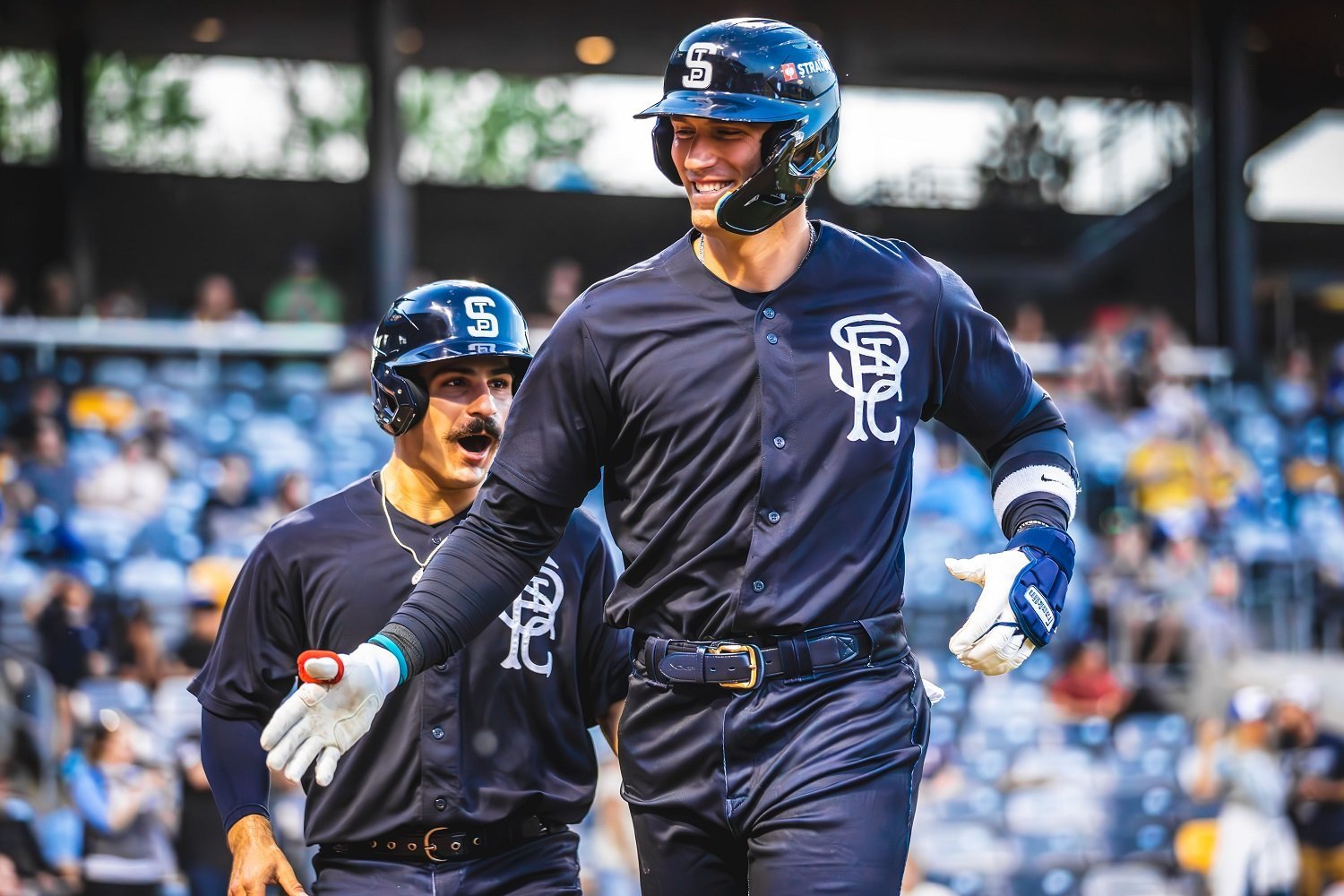 As the calendar flipped to May, the Twins Daily prospect rankings saw two new faces break into Minnesota’s updated Top-20 list. These two players weren’t the only ones who moved compared to the organization’s preseason list. Luke Keaschall surpassed Emmanuel Rodriguez as the organization’s number two prospect. Connor Prielipp was the biggest riser, moving up five places to number five in the organization. While those names are a little more well-known, let’s focus on the previously under-the-radar players. No. 13– Billy Amick, 3B The Twins selected Amick with the 60th overall in the 2024 amateur draft out of Tennessee, where he hit 23 homers during his junior season. The Volunteers went on to win the College World Series. Amick wasted little time showing why the Twins invested a second-round pick in his bat. In his pro debut, he hit .222/.351/.413 (.763) with three doubles and three homers in 63 Low-A at-bats. There were some positive early signs that the Twins hoped would translate into his 2025 campaign. In 21 High-A games for Cedar Rapids during April, he slashed .342/.475/.447 (.992) with six doubles and one triple. Amick’s plate discipline has been a calling card in his early professional career, with a BB% above 15%. His strikeout rate sat below 20% last season and has increased to 26.3% in his first 99 plate appearances in 2025, so that will be something to monitor as he climbs the organizational ladder. What Makes Him Stand Out Amick’s profile is built on power potential and a polished approach. MLB Pipeline ranks his best tool as his power with a 55 grade. While he hasn’t yet found home-run power in April’s small sample, his combination of bat-to-ball skills and strength suggests 20-plus home runs across a full season. Defensively, his arm and actions at third base grade out as average to above average, giving him the potential to stick on the left side of the infield. Future Impact Amick’s advanced feel for hitting and emerging power profile project him as a corner-infield option in the upper minors by mid-2026. Given Minnesota’s need for right-handed thump and defensive versatility, he could be ticketed for Double-A Wichita by season’s end. Long term, Amick must show better pitch recognition especially when facing pitchers with better stuff in the upper minors. However, if he sustains his current approach, he could be the kind of high-floor bat that slots into Minnesota’s regular lineup by 2027. No. 19– Carson McCusker, OF McCusker is one of the best stories in the Twins organization. He went undrafted after his senior season at Oklahoma State and played parts of three seasons in the independent leagues before signing with the Twins. Minnesota signed him in 2023, and he quickly showed his power potential with 14 long balls and a .867 OPS in his first 46 games at Low- and High-A. Last season, the Twins moved him into the upper minors, and he continued to showcase his powerful swing. In 123 games, he hit .282/.353/.488 (.841) with 19 home runs, 30 doubles, and four triples. He was a challenging prospect to gauge because he was already 26 years old, but there’s no question that he can hit. He opened 2025 on fire at Triple-A St. Paul, compiling a league-leading 1.067 OPS in 31 games during April, with seven home runs and four doubles. As with most power hitters, his game has a lot of swing and miss. Early in his professional career, he was striking out over 35% of the time, but he has pushed that total to below 30% over the last two seasons. What Makes Him Stand Out At 6-8 and 250 pounds, McCusker combines imposing size with surprising bat speed, driving balls to all fields and regularly generating exit velocities north of 110 mph. The Twins have seemingly spent multiple seasons searching for a right-handed power-hitting corner outfielder, and McCusker can fill that role at some point in 2025. Future Impact McCusker turns 27 on May 22nd, making him older than many top prospects. However, his track record of late-blooming success suggests a high floor as a Quad-A tweener who could slide into a bench or platoon role in Minnesota as early as late 2025. If the Twins face left-handed starters or need late-season pop off the bench, McCusker’s advanced approach and proven power could earn him a 40-man roster spot. In the long term, his outfield defense at Triple-A is good enough to stick in a corner, making a role as a situational hitter and occasional outfielder a realistic path to sustained big-league contributions. Neither McCusker nor Amick were household names this winter, but both forced their way onto the Twins’ updated Top-20 list by combining advanced tools with early-season production. McCusker’s brute power and veteran savvy make him a candidate for a late-season call-up, while Amick’s polished approach and burgeoning power could see him rise rapidly through High-A and Double-A. As fans and writers alike weighed ballots in early May, it was clear that these two prospects are now must-watch names in Minnesota’s pipeline. Their continued development will go a long way toward shaping the Twins’ run-producing outlook for years to come. What are your thoughts on the two additions to the Twins Daily Top 20 prospects?
 -
Image courtesy of ©Brad Rempel-Imagn Images Baseball’s loyalty landscape has transformed dramatically since the mid-1970s, when true free agency emerged, empowering players to test the open market. At the same time, the absence of a hard salary cap has allowed payrolls to diverge widely, with franchises like the Dodgers and Mets outspending smaller-market clubs by hundreds of millions annually. Today’s stars are often nomadic, chasing opportunities and record contracts across multiple cities, a stark departure from the days of career-long, one-club heroes who could be the face of a franchise. Generational talents now have less reason to stay put. Juan Soto began the 2025 season with his fourth MLB organization before turning 27. He debuted with Washington (2018–22), then moved to San Diego, New York (Yankees), and now the Mets. He's not the only superstar to bounce between franchises. MLB Network’s “Top 100 Players Right Now” list, unveiled in mid-February, highlights how common multi-team resumes have become. Remarkably, six of the top-12 players on that list have donned multiple uniforms: Shohei Ohtani (Angels, Dodgers), Mookie Betts (Red Sox, Dodgers), Juan Soto (Nationals, Padres, Yankees, Mets), Francisco Lindor (Guardians, Mets) Freddie Freeman (Braves, Dodgers), and Bryce Harper (Nationals, Phillies). Joe Mauer: A Hall of Fame Hometown Hero Mauer's career is a testament to the possibility of long-term player-team relationships. A St. Paul native, Mauer was the Twins' first overall pick in the 2001 MLB Draft. His 2009 season was historic, earning him the American League MVP award after leading the league with a .365 batting average. Retaining Mauer became a priority as the Twins prepared to move into their new home, Target Field, in 2010. In March 2010, the Twins signed Mauer to an eight-year, $184 million contract extension, making it the fourth-largest contract in MLB history at the time. The deal included a full no-trade clause, ensuring that Mauer would remain with the team through the 2018 season. This move secured a franchise cornerstone and energized the fan base as the team opened a new ballpark. Many fans will focus on the end of Mauer’s career when concussions forced him to move from catcher to first base. However, FanGraphs pegged his value to the Twins throughout his career at over $330 million, and he was paid just over $218 million. He entered the Hall of Fame on the first ballot, and his candidacy was likely boosted by his story of a hometown hero who played his entire career in Minnesota. Byron Buxton: A Different Path Buxton's journey with the Twins has been marked by immense potential but tempered by injuries. Drafted second overall in 2012, Buxton's athleticism and defensive prowess quickly became evident. However, injuries limited his playing time, preventing him from consistently showcasing his talents. Recognizing his potential, the Twins and Buxton agreed to a seven-year, $100 million contract extension in November 2021. The deal was structured to account for Buxton's injury history, featuring significant performance-based incentives. These include bonuses tied to finishing in the top 10 of MVP voting and additional bonuses for reaching specific plate appearance thresholds. This contract reflects a mutual commitment: the Twins' belief in Buxton's abilities and Buxton's desire to remain with the organization that drafted him. It's a strategic move that balances financial prudence with the potential for high rewards should Buxton stay healthy and perform at an elite level. Some fans will continue to view Buxton as not worth his contract because of his lengthy injury history. But it’s important to note that his $15 million per season is a total that a player of his skillset can easily reach. In 2025, FanGraphs already pegs him as providing the Twins with $12.4 million in value. Last season, Buxton was worth $29.7 million. Since signing his extension, he has been worth $18.65 million per season even with a terrible 2023 campaign ($4.7 million) and only a quarter of the 2025 season on the books. The Twins' Commitment to Homegrown Talent The decisions to retain Mauer and Buxton underscore the Twins' dedication to building around specific homegrown players viewed as generational talents. In an era where player movement is rampant, Minnesota's approach emphasizes stability and continuity. By investing in their own talent, the Twins foster a strong organizational culture and maintain a connection with their fan base. While some may question the financial wisdom of such long-term commitments, especially given the uncertainties of player health and performance, the Twins' strategy offers a counter-narrative to the prevailing trends in MLB. It highlights the value of loyalty from the organization and the players and the importance of cultivating a team identity rooted in homegrown success. As MLB continues to evolve, with players frequently changing teams in pursuit of new opportunities, the Minnesota Twins' commitment to retaining their homegrown stars like Mauer and Buxton stands out. The Twins offer a compelling example of how teams can navigate the modern baseball landscape while staying true to their roots. Did the Twins make the correct decision to keep Mauer and Buxton? Leave a comment and start the discussion. View full article
-
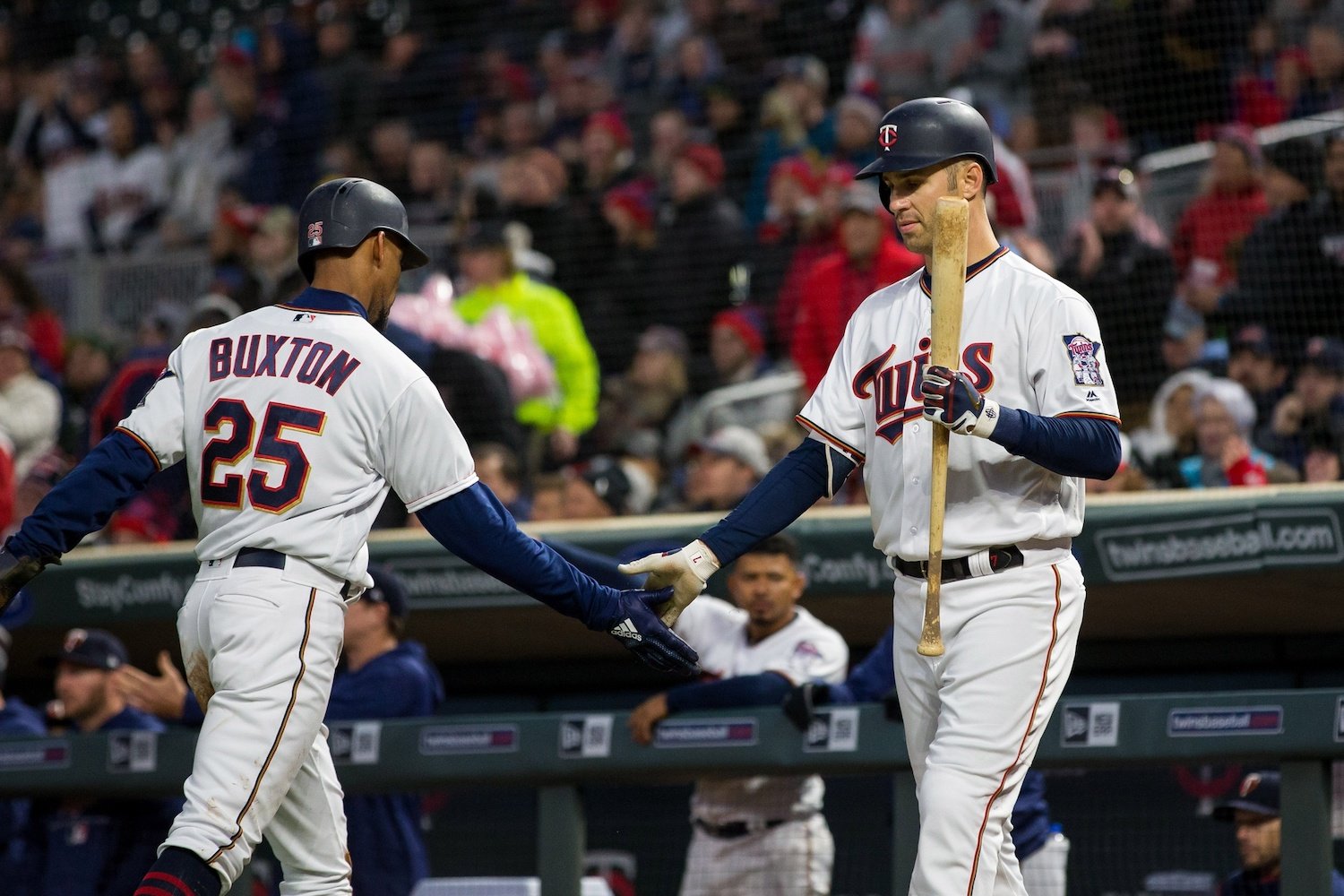 Baseball’s loyalty landscape has transformed dramatically since the mid-1970s, when true free agency emerged, empowering players to test the open market. At the same time, the absence of a hard salary cap has allowed payrolls to diverge widely, with franchises like the Dodgers and Mets outspending smaller-market clubs by hundreds of millions annually. Today’s stars are often nomadic, chasing opportunities and record contracts across multiple cities, a stark departure from the days of career-long, one-club heroes who could be the face of a franchise. Generational talents now have less reason to stay put. Juan Soto began the 2025 season with his fourth MLB organization before turning 27. He debuted with Washington (2018–22), then moved to San Diego, New York (Yankees), and now the Mets. He's not the only superstar to bounce between franchises. MLB Network’s “Top 100 Players Right Now” list, unveiled in mid-February, highlights how common multi-team resumes have become. Remarkably, six of the top-12 players on that list have donned multiple uniforms: Shohei Ohtani (Angels, Dodgers), Mookie Betts (Red Sox, Dodgers), Juan Soto (Nationals, Padres, Yankees, Mets), Francisco Lindor (Guardians, Mets) Freddie Freeman (Braves, Dodgers), and Bryce Harper (Nationals, Phillies). Joe Mauer: A Hall of Fame Hometown Hero Mauer's career is a testament to the possibility of long-term player-team relationships. A St. Paul native, Mauer was the Twins' first overall pick in the 2001 MLB Draft. His 2009 season was historic, earning him the American League MVP award after leading the league with a .365 batting average. Retaining Mauer became a priority as the Twins prepared to move into their new home, Target Field, in 2010. In March 2010, the Twins signed Mauer to an eight-year, $184 million contract extension, making it the fourth-largest contract in MLB history at the time. The deal included a full no-trade clause, ensuring that Mauer would remain with the team through the 2018 season. This move secured a franchise cornerstone and energized the fan base as the team opened a new ballpark. Many fans will focus on the end of Mauer’s career when concussions forced him to move from catcher to first base. However, FanGraphs pegged his value to the Twins throughout his career at over $330 million, and he was paid just over $218 million. He entered the Hall of Fame on the first ballot, and his candidacy was likely boosted by his story of a hometown hero who played his entire career in Minnesota. Byron Buxton: A Different Path Buxton's journey with the Twins has been marked by immense potential but tempered by injuries. Drafted second overall in 2012, Buxton's athleticism and defensive prowess quickly became evident. However, injuries limited his playing time, preventing him from consistently showcasing his talents. Recognizing his potential, the Twins and Buxton agreed to a seven-year, $100 million contract extension in November 2021. The deal was structured to account for Buxton's injury history, featuring significant performance-based incentives. These include bonuses tied to finishing in the top 10 of MVP voting and additional bonuses for reaching specific plate appearance thresholds. This contract reflects a mutual commitment: the Twins' belief in Buxton's abilities and Buxton's desire to remain with the organization that drafted him. It's a strategic move that balances financial prudence with the potential for high rewards should Buxton stay healthy and perform at an elite level. Some fans will continue to view Buxton as not worth his contract because of his lengthy injury history. But it’s important to note that his $15 million per season is a total that a player of his skillset can easily reach. In 2025, FanGraphs already pegs him as providing the Twins with $12.4 million in value. Last season, Buxton was worth $29.7 million. Since signing his extension, he has been worth $18.65 million per season even with a terrible 2023 campaign ($4.7 million) and only a quarter of the 2025 season on the books. The Twins' Commitment to Homegrown Talent The decisions to retain Mauer and Buxton underscore the Twins' dedication to building around specific homegrown players viewed as generational talents. In an era where player movement is rampant, Minnesota's approach emphasizes stability and continuity. By investing in their own talent, the Twins foster a strong organizational culture and maintain a connection with their fan base. While some may question the financial wisdom of such long-term commitments, especially given the uncertainties of player health and performance, the Twins' strategy offers a counter-narrative to the prevailing trends in MLB. It highlights the value of loyalty from the organization and the players and the importance of cultivating a team identity rooted in homegrown success. As MLB continues to evolve, with players frequently changing teams in pursuit of new opportunities, the Minnesota Twins' commitment to retaining their homegrown stars like Mauer and Buxton stands out. The Twins offer a compelling example of how teams can navigate the modern baseball landscape while staying true to their roots. Did the Twins make the correct decision to keep Mauer and Buxton? Leave a comment and start the discussion.
- 14 comments
-
- 5
-
-
- byron buxton
- joe mauer
- (and 1 more)
-
How the Twins and the Orioles Can Match Up On a Joe Ryan Trade
Cody Christie posted an article in Twins
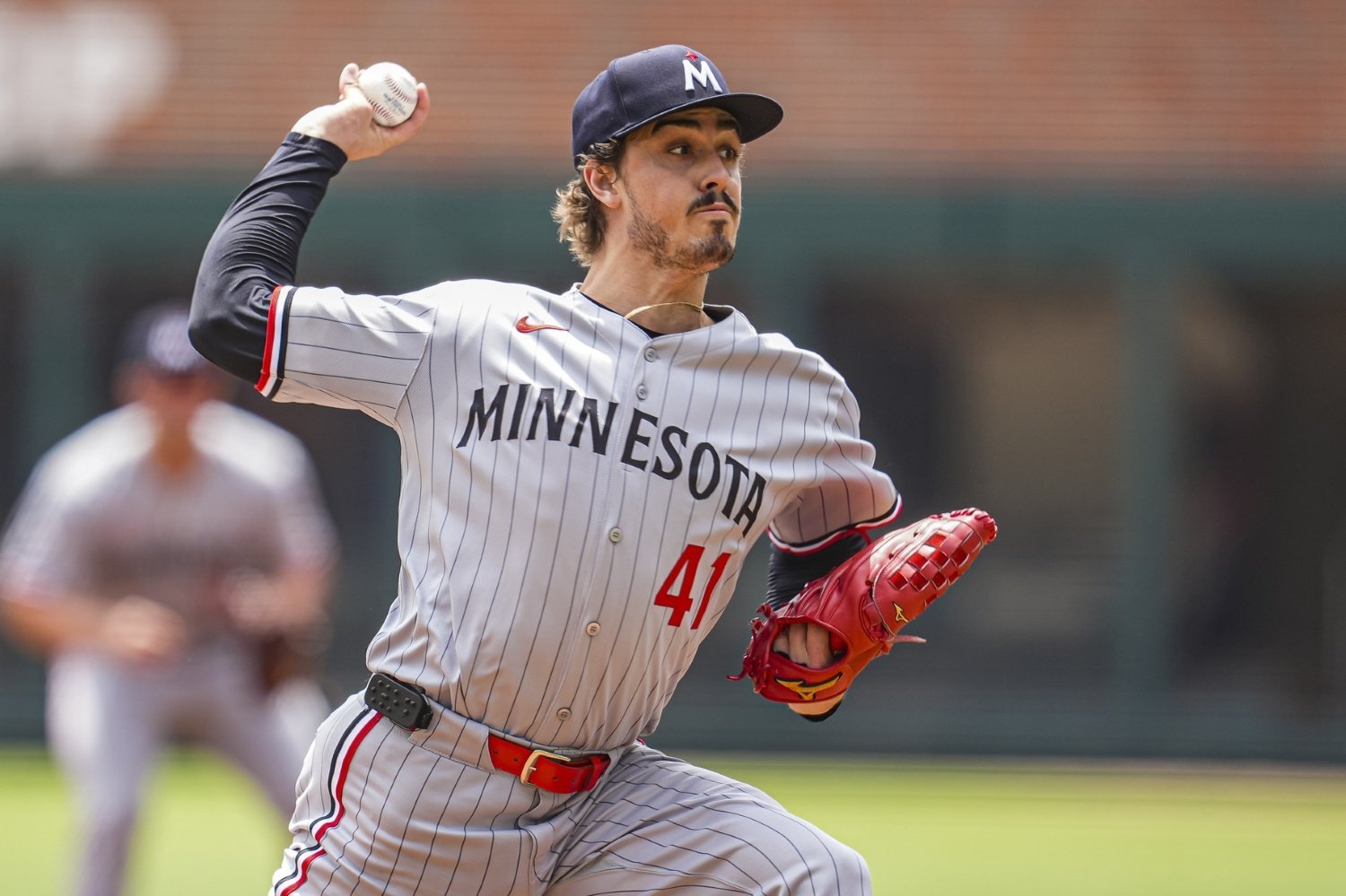 The MLB trade deadline may be nearly two months away, but unique circumstances could push teams to be active earlier, rather than later. The Minnesota Twins and Baltimore Orioles present a tantalizing potential trade match. Flush with offensive talent in its farm system, Baltimore could use a front-line arm to stabilize its rotation. Minnesota is deep with majors-caliber pitchers and could bolster its offense or restock its farm system. Both teams were expected to be in contention this season, and disappointing starts could leave each looking to make an early splash. Jim Bowden, a former GM and writer for The Athletic, recently wrote about five potential trades he’d like to see this month. In the piece, he floated a package featuring left-handed pitcher Cade Povich, corner infielder Coby Mayo, and righty pitching prospect Michael Forret to the Twins for starter Joe Ryan. However, the Twins may covet different pieces, targeting higher-upside talent or more immediate impact. Joe Ryan’s All-Star Potential Ryan has delivered ace-like numbers through early May, with Twins Daily naming him the team’s top pitcher for the month. Over seven starts, Ryan is 2–2 with a 2.93 ERA, 47 strikeouts in 40 innings, and a 0.90 WHIP. His four-seamer and sweeper have combined to hold opponents to sub-.200 batting averages, and he has a career-best 3.2 BB%. Ryan is under club control through 2027, a critical component for an Orioles squad that was supposed to be in the middle of a winning window. Given Baltimore’s offseason departure of Corbin Burnes and setbacks to former top prospect Grayson Rodríguez, Ryan represents a plug-and-play rotation upgrade. Baltimore’s Young Hitting Wealth The Orioles boast one of the game’s most exciting hitting pipelines: Coby Mayo (3B/1B): Baltimore’s No. 2 prospect, Mayo is a corner infielder who has already gotten some big-league experience. Entering the 2025 season, he had a .921 OPS during his minor-league career. He currently ranks as the 11th overall in MLB Pipeline’s Top 100, and had batted balls at 106.5 and 109.3 mph Thursday against the Twins—although he went just 1-for-4. Samuel Basallo (C/1B): MLB Pipeline’s No. 1 Orioles farmhand, Basallo turned 20 last year and hit 19 homers and 25 doubles en route to an appearance in the Futures Game. There are defensive questions, but his cannon of an arm might help him stick at catcher. MLB Pipeline ranks him as baseball’s 10th-best prospect. Enrique Bradfield Jr. (OF): A 2023 first-rounder, Bradfield’s game-changing speed (74 steals in 108 games last season) and strong contact skills make him a future everyday center fielder. He isn’t going to hit for a lot of power, so he must find other ways to get on base. Bradfield’s skillset is intriguing, so he could be tough to pry away from the Orioles. Beyond these headliners, the system houses tools-driven outfielders like Vance Honeycutt and Dylan Beavers, plus righty arms in Chayce McDermott, Forret, and Nestor German. Together, these players form a deep, diverse pool of tradable assets. Twins’ Rotation and Prospect Depth Minnesota already fields a capable rotation, with Pablo López and Bailey Ober at the top. Their farm system seems to have started churning out arms, with players like David Festa, Simeon Woods Richardson, and Zebby Matthews already impacting the big-league rotation. Other arms, like Marco Raya, Andrew Morris, and Connor Prielipp, are close to the big leagues. With such depth, the Twins could afford to part with Ryan if they receive blue-chip hitting talent in return. Bowden’s Povich-Mayo-Forret Proposal Jim Bowden’s Athletic column suggested a package of: Cade Povich (LHP): A former Twins draftee who has pitched the last two seasons in Baltimore’s rotation. Over the last two seasons, he has posted a 5.31 ERA with a 1.47 WHIP while being worth -0.8 WAR. The Twins pounced on him for five earned runs in six frames during his start earlier this week, but he retired the side in order in every inning except the one in which they scored all of those tallies. Coby Mayo (1B/3B): The power corner-infielder is the team’s second-best prospect. From Minnesota’s perspective, he is intriguing because of his offensive potential and proximity to the big leagues. The Twins have struggled to develop hitting talent in recent years, and Mayo could be one piece that will help the team over the next decade. Michael Forret (RHP): MLB Pipeline ranks him as Baltimore’s eighth-best prospect, but he started this year at High-A. The Twins may like his potential upside, which could be one reason to target him. However, he likely wouldn’t impact the big league roster until 2027. While this haul addresses Ryan’s departure, Povich’s middling upside makes it challenging for the Twins to want him included in a deal. The club likely prefers its internal options over Povich, so let’s see what other trade options are available in Baltimore’s system. A More Enticing Alternative: Basallo as the Headliner Instead, the Twins should insist on Basallo as the cornerstone, because his combination of 70-grade power, advanced receiving skills, and athleticism would fill multiple needs. With Christian Vázquez on an expiring deal, Basallo could impact the team’s roster as soon as 2026. The Orioles also have Adley Rutschman as the team’s long-term catching option, so they may be willing to part with Basallo, who would remain under team control deep into the next decade. This would have to be a straight-up deal, and even then, the Birds might balk, but it would be the best path to a win-win outcome. Baltimore leaves with a bona fide ace. Minnesota flips Ryan for a cornerstone catcher of the future. Baltimore’s plethora of hitting prospects matches perfectly with Minnesota’s pitching stockpile. While Bowden’s initial framework offers a solid starting point, the Twins should leverage their negotiating power to extract higher-ceiling talent in exchange for Ryan. Starting pitching comes at a premium, and MLB trades have played out that way in recent years. Both sides could craft a blockbuster at this stage that reshapes each franchise’s fortunes well beyond July’s trade deadline. What type of deal makes sense for the Twins and the Orioles? Leave a comment and start the discussion.
- 109 comments
-
- 2
-

-
-
- joe ryan
- cade povich
- (and 2 more)
-
Image courtesy of © Dale Zanine-Imagn Images MLB’s trade deadline may be months away, but unique circumstances could push teams to be active earlier rather than later. The Minnesota Twins and Baltimore Orioles present a tantalizing potential trade match-up. Flush with offensive talent in its farm system, Baltimore could use a front-line arm to stabilize its rotation. Minnesota is deep in MLB-caliber pitchers and could bolster its offense or restock its high-leverage farm ranks. Both teams were expected to be in contention this season, and disappointing starts could mean the teams are looking to make an early splash. Jim Bowden, a former GM and writer for The Athletic, recently wrote about five potential trades he’d like to see this month. In the piece, he floated a package featuring LHP Cade Povich, corner infielder Coby Mayo, and RHP prospect Michael Forret to the Twins for RHP Joe Ryan. However, the Twins may covet different pieces, targeting higher-upside talent for the deal to make more sense for Minnesota. Joe Ryan’s All-Star Potential Ryan has delivered ace-like numbers through early May, with Twins Daily naming him the team’s top pitcher for the month. Over seven starts, Ryan is 2–2 with a 2.93 ERA, 47 strikeouts in 40 innings, and a 0.90 WHIP. His four-seamer and sweeper have combined to hold opponents to sub-.200 batting averages, and he has a career-best 3.2 BB%. Ryan is under club control through 2027, a critical component for an Orioles squad that was supposed to be in the middle of a winning window. Given Baltimore’s offseason departure of Corbin Burnes and setbacks to former top prospect Grayson Rodríguez, Ryan represents a plug-and-play rotation upgrade. Baltimore’s Young Hitting Wealth The Orioles boast one of the game’s most exciting hitting pipelines: Coby Mayo (3B/1B): Baltimore’s No. 2 prospect, Mayo is a corner infielder who has already gotten some big-league experience. Entering the 2025 season, he had a .921 OPS during his minor league career. He currently ranks as the 11th overall in MLB Pipeline’s Top 100. Samuel Basallo (C/1B): MLB Pipeline’s No. 1 Orioles farmhand Basallo turned 20 last year and hit 19 homers and 25 doubles en route to an appearance in the Futures Game. There are defensive questions, but his cannon of an arm might help him stick at catcher. MLB Pipeline ranks him as baseball’s 10th-best prospect. Enrique Bradfield Jr. (OF): A 2023 first-rounder, Bradfield’s game-changing speed (74 steals in 108 games last season) and strong contact skills make him a future everyday center fielder. He isn’t going to hit for a lot of power, so he must find other ways to get on base. Bradfield’s skillset is intriguing, so he could be tough to pry away from the Orioles. Beyond these headliners, the system houses tools-driven outfielders like Vance Honeycutt and Dylan Beavers, plus righty arms in Chayce McDermott, Michael Forret, and Nestor German. Together, these players form a deep, diverse pool of tradable assets. Twins’ Rotation and Prospect Depth Minnesota already fields a capable rotation with Pablo López and Bailey Ober at the top. Their farm system seems to have started churning out arms, with players like David Festa, Simeon Woods Richardson, and Zebby Matthews already impacting the big-league rotation. Other arms, like Marco Raya, Andrew Morris, and Connor Prielipp, are close to the big leagues. With such depth, the Twins could afford to part with Ryan if they receive blue-chip hitting talent in return. Bowden’s Povich-Mayo-Forret Proposal Jim Bowden’s Athletic column suggested a package of: Cade Povich (LHP): A former Twins draftee who has pitched the last two seasons in Baltimore’s rotation. Over the last two seasons, he has posted a 5.31 ERA with a 1.47 WHIP while being worth -0.8 WAR. The Twins pounced on him for five earned runs in six frames during his start earlier this week. Coby Mayo (1B/3B): The power corner-infielder is the team’s second-best prospect. From Minnesota’s perspective, he is intriguing because of his offensive potential and proximity to the big leagues. The Twins have struggled to develop hitting talent in recent years, and Mayo could be one piece that will help the team over the next decade. Michael Forret (RHP): MLB Pipeline ranks him as Baltimore’s eighth-best prospect, but he started this year at High-A. The Twins may like his potential upside, which could be one reason to target him. However, he likely wouldn’t impact the big league roster until 2027. While this haul addresses Ryan’s departure, Povich’s middling upside makes it challenging for the Twins to want him included in a deal. The club likely prefers its internal options over Povich, so let’s see what other trade options are available in Baltimore’s system. A More Enticing Alternative: Basallo as the Headliner Instead, the Twins should insist on as the cornerstone, because his combination of 70-grade power, advanced receiving skills, and athleticism would fill multiple needs. With Christian Vázquez on an expiring deal, Basallo could impact the team’s roster as soon as 2026. The Orioles also have Adley Rutschman as the team’s long-term catching option, so they may be willing to part with Basallo, who would remain under team control deep into the next decade. Pairing Basallo with a secondary option like Forret or Bradfield Jr. could create a win-win. Baltimore leaves with a bona fide ace. Minnesota flips Ryan for a cornerstone catcher and more organizational depth. Baltimore’s plethora of hitting prospects matches perfectly with Minnesota’s pitching stockpile. While Bowden’s initial framework offers a solid starting point, the Twins should leverage their negotiating power to extract higher-ceiling talent in exchange for Ryan. Starting pitching comes at a premium, and MLB trades have played out that way in recent years. Both sides could craft a blockbuster at this stage that reshapes each franchise’s fortunes well beyond July’s trade deadline. What type of deal makes sense for the Twins and the Orioles? Leave a comment and start the discussion. View full article
-
Image courtesy of © Tim Vizer-Imagn Images The Minnesota Twins have had a tumultuous start to the 2025 campaign, with an up-and-down performance that has made it difficult to gauge whether this team is a contender or a pretender. There have been positives, with the team’s starting pitching, Byron Buxton’s health, and various other parts of the roster. Yet, every team has some warning signs that will start to show. Five red flags are hiding in the team’s peripheral stats—figures that, if left unaddressed, could turn a competitive window into a rough slog. 1. Harrison Bader’s worrisome xBA Bader’s impact in left field has been twofold: dazzling defense and timely hits, especially in the season's early games. At first glance, his .280 batting average over the first few weeks suggests a renaissance. However, the underlying data raises a caution flag: Bader’s expected batting average (xBA) is in the bottom 9% of qualified hitters. In other words, based on exit velocity and launch angle, pitchers have been getting more favorable contact than his raw average would imply. His .210 expected batting average (xBA) quantifies that regression risk. Bader’s defensive skillset will keep him in the lineup, but if those barrels dry up, the Twins will need to plug the offensive hole or risk watching their left fielder’s batting average drift back toward reality. 2. Willi Castro’s paltry exit velocity Castro recently returned from a strained right oblique that may impact his overall numbers. More telling than his .232/.303/.362 slash line is an average exit velocity of just 84.9 mph, ranking dead last on the Twins and in the bottom 3% of hitters. Castro’s career average is 86.0 mph, itself below MLB’s 88.5-mph benchmark, but this season’s dip compounds worries about lingering discomfort or a mechanical hitch. While Castro’s profile has never hinged on pure power, dropping further behind the league average in exit velocity shrinks his margin for error. If that velo doesn’t tick back up, Minnesota will have to weigh patience against performance, especially from a pending free agent. 3. Twins pitchers’ alarming Hard Hit % Allowed Pitching was supposed to be Minnesota’s bedrock in 2025, but the staff’s Hard Hit % allowed ranks dead last in baseball. Many of the team’s starters struggled their first time through the order, but that has turned into improved performance since that point. Overall, many of the troubling totals are from some of the essential bullpen pieces: Griffin Jax (62.3% Hard Hit %), Louie Varland (60.9% Hard Hit %), and Brock Stewart (59.7% Hard Hit %). Such a high frequency of well-hit balls makes success unsustainable for relievers, who work in small samples with no safety nets. Minnesota’s rotation and bullpen depth will keep games competitive, but allowing that kind of premium contact makes for a razor-thin margin. Unless the Twins can refine pitch shapes or usage patterns, especially in high-leverage relief situations, that bottom-of-the-league slugging profile will impact the team’s ability to get back into the playoff race. 4. Louis Varland’s exit velocity conundrum Many in and around the Twins organization were excited about Varland’s transition to a full-time reliever this season. However, the early returns have been mixed. His 93.3 mph average exit velocity against ranks as the highest among Twins pitchers, placing him in the worst 2% of MLB. Varland has always been guilty of “meatballs,” or pitches hung over the plate that hitters feast upon. His poor exit velocity numbers are similar to his time as a starter, signaling it’s a mechanical or execution issue, not just a bout of bad luck. Manager Rocco Baldelli’s decision to deploy him heavily from the bullpen underscores how badly the Twins need his strikeout prowess. Yet, Varland must expand his arsenal around the zone to avoid turning his high-leverage offerings into easy run production for opponents. 5. Simeon Woods Richardson’s inflated xSLG Woods Richardson was the story of 2024’s first half, as he was the team’s best rookie (and arguably a rotation savior). But he has shown some cracks in his armor as big-league teams get an extended look at him. Through early May 2025, SWR’s expected slugging percentage (xSLG) clocks in at .533, nearly 90 points above his actual .445 mark. That gap suggests that when hitters do square him up, they’re hitting the ball with authority—and often in the air. This season's elevated projection is startling, compared to his 2024 xSLG of .373. The Twins have rewarded his 2024 performance by keeping him in the rotation, but other prospects are closing in on the big leagues. His spot isn’t in danger yet, but he’ll need to continue to refine his approach. Early-season anomalies rarely play out to their fullest possible extent, because luck and quick adjustments can blunt the greatest effects. However, Minnesota’s front office and coaching staff must acknowledge these hidden warning lights. This could include adjustments for Bader’s approach, re-evaluating Castro’s role, bullpen retooling for those being hit hardest, or pitch changes for Woods Richardson. And right now, some of Minnesota’s most critical contributors are posting underlying numbers that could point toward regression. Which statistic is most alarming? Leave a comment and start the discussion. View full article