Cody Christie
-
Posts
7,822 -
Joined
-
Last visited
-
Days Won
5
Content Type
Profiles
News
Minnesota Twins Videos
2026 Minnesota Twins Top Prospects Ranking
2022 Minnesota Twins Draft Picks
Minnesota Twins Free Agent & Trade Rumors, Notes, & Tidbits
Guides & Resources
2023 Minnesota Twins Draft Picks
The Minnesota Twins Players Project
2024 Minnesota Twins Draft Picks
2025 Minnesota Twins Draft Pick Tracker
2026 Minnesota Twins Draft Tracker: Picks & Bonuses
Forums
Blogs
Events
Store
Downloads
Gallery
Everything posted by Cody Christie
-

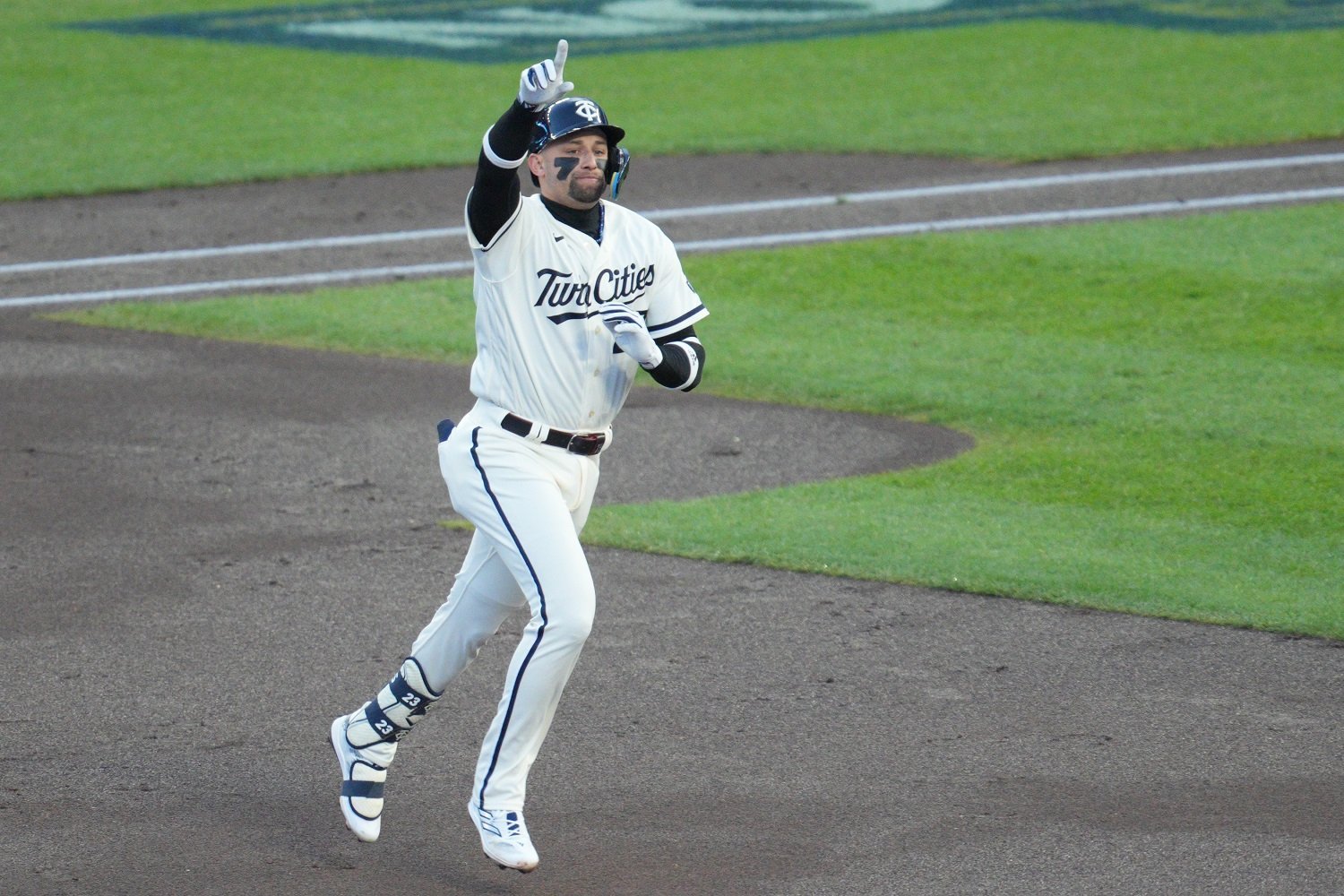 Every team deals with injuries, and it’s easy for a fan base to be distraught by the number of players on the injured list at any given time. In 2022, the Twins were decimated by injuries, which forced the front office to renew its focus on roster depth entering the last two seasons. Minnesota has multiple key players on the injured list, but there might be light at the end of the tunnel. Here is a rundown of the Twins’ key injuries, with expected return timelines. Royce Lewis, 3B Injury: Severe right quad strain Lewis started the year with a bang, hitting a home run in his first at-bat on Opening Day. However, the celebration was short-lived, as he sustained a severe right quad strain while running the bases later in the game. Lewis was given a platelet-rich plasma injection last month to help him with the healing process. He has begun baseball activities, including hitting on the field and baserunning. Head athletic trainer Nick Paparesta told reporters that the team will better understand his return timeline when he does more extensive baserunning drills. The Twins initially expected Lewis to be nearing a return at the beginning of June, but a more extended rehab assignment likely pushes back that timeline. Expected Return: Mid-June Bryon Buxton, CF Injury: Right knee inflammation Buxton tested his knee on the field earlier this week, and the team felt comfortable enough with his progress to send him on a rehab assignment. He is scheduled to play at Triple-A on Wednesday and Thursday, which could put him on a path to return to the team by this weekend. Even at the time of the injury, the Twins expected Buxton to need a minimum stay on the injured list. In the 14 games before his injury, Buxton was hitting .304/.360/.522 with five doubles, a triple, and a game-tying home run. Hopefully, he can return to help the team for their crucial series against Cleveland starting on Friday. Expected Return: Mid-May Brock Stewart, RHP Injury: Right shoulder tendinitis Like other players on this list, Stewart received a PRP injection after an MRI revealed inflammation in his rotator cuff. Stewart had initially told reporters that he hoped to throw over the weekend, but that didn’t happen. “We have to get his arm strength where it needs to be,” Paparesta said. “We have to get his range of motion where it needs to be. … But we hope to see him throwing here in the short term.” Stewart has been one of baseball’s most dominant relievers over the last two seasons, but injuries have limited him to 41 innings. He adds depth to the bullpen, but the team can be patient with him because it’s more important that he is available in the season’s second half. Expected Return: Twins are waiting to set a timeline Justin Topa, RHP Injury: Torn left patellar tendon Topa was seen wearing a brace on his left knee because last week’s MRI revealed a 25% tear of his patellar tendon. He received a PRP injection and must continue to wear the brace for another week. Topa and the Twins decided on this recovery path over surgery, because he hopes to help the team in 2024. He will not throw for another six weeks and then take time to ramp back up. Minnesota is attempting to salvage part of his season, in what has developed into a brutal trade for both teams. Expected Return: After the All-Star Break The Twins have been playing well, but players returning from injury can help the team continue to be successful. Stewart and Topa can add depth to the bullpen, while Lewis and Buxton are dynamic bats for the lineup. Other injuries will happen in a 162-game season, so it's important for these players to return and provide value to the club. Which player will have the most significant impact on the Twins in 2024? Which injury is the most concerning? Leave a comment and start the discussion.
- 10 comments
-
- 4
-

-
- royce lewis
- byron buxton
- (and 2 more)
-
Royce Lewis and Byron Buxton were expected to be critical contributors to the Twins roster this season. So, when can fans expect them (and other key players) to return from the injured list? Image courtesy of Matt Blewett-USA TODAY Sports Royce Lewis and Byron Buxton were expected to be critical contributors to the Twins roster this season. So, when can fans expect them (and other key players) to return from the injured list? Every team deals with injuries, and it’s easy for a fan base to be distraught by the number of players on the injured list at any given time. In 2022, the Twins were decimated by injuries, which forced the front office to renew its focus on roster depth entering the last two seasons. Minnesota has multiple key players on the injured list, but there might be light at the end of the tunnel. Here is a rundown of the Twins’ key injuries, with expected return timelines. Royce Lewis, 3B Injury: Severe right quad strain Lewis started the year with a bang, hitting a home run in his first at-bat on Opening Day. However, the celebration was short-lived, as he sustained a severe right quad strain while running the bases later in the game. Lewis was given a platelet-rich plasma injection last month to help him with the healing process. He has begun baseball activities, including hitting on the field and baserunning. Head athletic trainer Nick Paparesta told reporters that the team will better understand his return timeline when he does more extensive baserunning drills. The Twins initially expected Lewis to be nearing a return at the beginning of June, but a more extended rehab assignment likely pushes back that timeline. Expected Return: Mid-June Bryon Buxton, CF Injury: Right knee inflammation Buxton tested his knee on the field earlier this week, and the team felt comfortable enough with his progress to send him on a rehab assignment. He is scheduled to play at Triple-A on Wednesday and Thursday, which could put him on a path to return to the team by this weekend. Even at the time of the injury, the Twins expected Buxton to need a minimum stay on the injured list. In the 14 games before his injury, Buxton was hitting .304/.360/.522 with five doubles, a triple, and a game-tying home run. Hopefully, he can return to help the team for their crucial series against Cleveland starting on Friday. Expected Return: Mid-May Brock Stewart, RHP Injury: Right shoulder tendinitis Like other players on this list, Stewart received a PRP injection after an MRI revealed inflammation in his rotator cuff. Stewart had initially told reporters that he hoped to throw over the weekend, but that didn’t happen. “We have to get his arm strength where it needs to be,” Paparesta said. “We have to get his range of motion where it needs to be. … But we hope to see him throwing here in the short term.” Stewart has been one of baseball’s most dominant relievers over the last two seasons, but injuries have limited him to 41 innings. He adds depth to the bullpen, but the team can be patient with him because it’s more important that he is available in the season’s second half. Expected Return: Twins are waiting to set a timeline Justin Topa, RHP Injury: Torn left patellar tendon Topa was seen wearing a brace on his left knee because last week’s MRI revealed a 25% tear of his patellar tendon. He received a PRP injection and must continue to wear the brace for another week. Topa and the Twins decided on this recovery path over surgery, because he hopes to help the team in 2024. He will not throw for another six weeks and then take time to ramp back up. Minnesota is attempting to salvage part of his season, in what has developed into a brutal trade for both teams. Expected Return: After the All-Star Break The Twins have been playing well, but players returning from injury can help the team continue to be successful. Stewart and Topa can add depth to the bullpen, while Lewis and Buxton are dynamic bats for the lineup. Other injuries will happen in a 162-game season, so it's important for these players to return and provide value to the club. Which player will have the most significant impact on the Twins in 2024? Which injury is the most concerning? Leave a comment and start the discussion. View full article
-
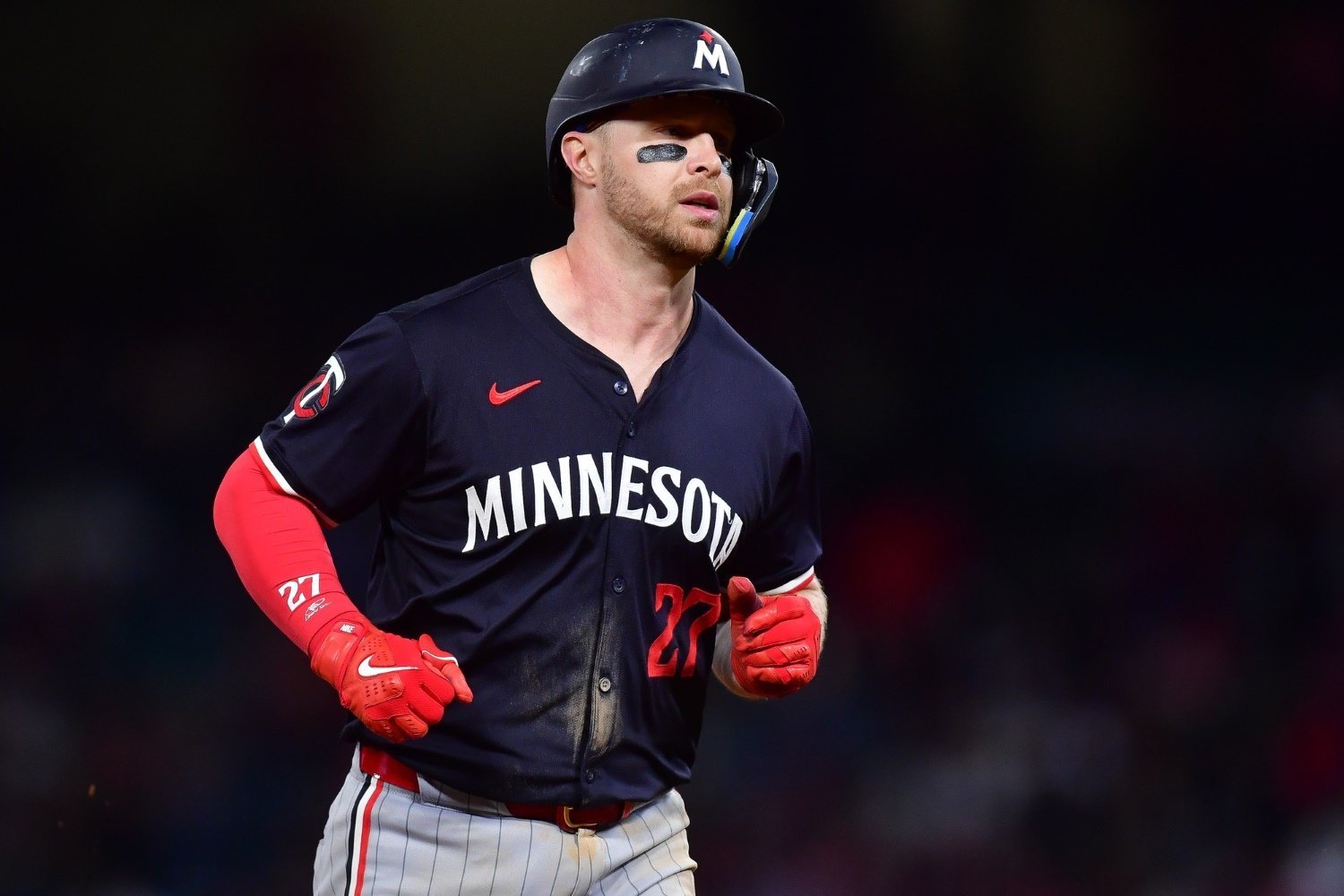 In baseball’s current landscape, few players like can play every day. The most unbreakable record in baseball, without rival, is Cal Ripken Jr.'s mark for consecutive games played. Players get injured, wear down, or deal with poor performance. The Twins have a couple of players where workload management might become a more significant issue if the team doesn’t start moderating playing time. Wins are great in the season’s early months, but it’s essential to be healthy in September and October. So, which players or position groups are bearing potentially problematic early-season workloads? How can the Twins strategically manage their workloads in the coming months? Ryan Jeffers Jeffers has been not only the Twins’ best hitter, but also one of baseball’s best hitters this season. He’s near the top of the league in multiple offensive categories, which is remarkable for a catcher. The Twins have continued to use a two-catcher rotation, with Jeffers splitting time with Christian Vázquez. Last season, this worked well to keep both players healthy, as neither player needed time on the IL. Minnesota has used Jeffers regularly at DH to keep his bat in the lineup, which might cause his body to wear down throughout the season. He’s started 19 games at catcher and 14 at DH, with 40% of his plate appearances coming at DH. As the season progresses, there are ways for Jeffers to get more regular rest. Minnesota’s offense has been clicking with him in the lineup on a nearly daily basis. However, there are other options for the DH spot. Royce Lewis is scheduled to return in June, and the Twins might want to ease him back into a regular role with some time at DH. Other options include Byron Buxton, José Miranda, Trevor Larnach, and Matt Wallner. Miranda and Larnach have shown improved offensive improvement since returning to the Twins. Buxton is on the IL, but should return shortly, while Waller has been destroying the ball for the Saints. Jeffers has been the team MVP, but they need him to be healthy in the second half. Chris Paddack During spring training, Paddack openly discussed wanting to be a workhorse this season, but that is unlikely in his first season back from Tommy John surgery. He has averaged 5 1/3 innings in his seven starts while averaging 90 pitches per game. He had one clunker against Baltimore, allowing nine earned runs in 5 1/3 innings. Paddack bounced back in his next start with his best performance of the year, which included 10 strikeouts in seven shutout innings. His fastball has been one of the most valuable in baseball, with a Run Value in the 82nd percentile, a 28.3 Whiff%, and a 33.3 Put Away%. The Twins have already found ways to push back some of his starts this season by shuffling the rotation. It wouldn’t be surprising to see the team skip some of his starts around the All-Star break, so he gets a more extended period off. Last season, the Twins had to monitor Kenta Maeda’s innings since he was returning from Tommy John surgery. He contributed 104 1/3 innings in 21 appearances (20 starts). Paddack is already at 37 1/3 innings through seven starts. There could be some fatigue as his inning count rises, so he might need an IL stint to ensure he has innings left before finishing the season. Bullpen There isn’t a specific player to target for managing the workload in the bullpen, but the entire group has been used regularly to start the year. Minnesota has found itself winning regularly in recent weeks, and those wins have included a lot of close games, putting increased pressure on late-inning arms. There have been some frustrating losses recently, due to the best relievers not being available on a given night. The Twins bullpen looked great in the season’s early weeks. Still, injuries have already impacted the overall performance, with critical relievers Jhoan Durán, Brock Stewart, Caleb Thielbar, and Justin Topa missing time. Without these late-inning arms, other relievers have been forced to take on higher-leverage roles. The Twins rank 19th in innings pitched from the bullpen this season, but they have the highest strikeout rate and second-highest strand rate in the American League. Since the start of last season, the Twins have been the best team in baseball when leading entering the ninth inning (90-1 record, .989 winning percentage). Twins manager Rocco Baldelli has also been more strategic in using his late-inning options, including having Durán enter in the eighth if the opposition has the heart of their lineup scheduled to hit. Besides Durán, five other players have earned a save this season, including Griffin Jax, Caleb Thielbar, Cole Sands, and Steven Okert. It’s been a recipe for success, but the team needs it to last all year. Minnesota has valued depth at multiple spots on the roster in recent years. As the season progresses, workload management needs to be part of the team’s plan. Jeffers and Paddack are critical to their position groups, while the bullpen needs to be effective for the team to have continued success. Every win is important, but it’s even more important to be healthy entering the playoffs. Which player or position group needs their workload managed the most? Leave a comment and start the discussion.
- 36 comments
-
- 4
-
-
- ryan jeffers
- chris paddack
- (and 4 more)
-
Major League Baseball’s season is a grueling 162-game gauntlet with many challenges. Workload management might become a concern for the Minnesota Twins in the weeks ahead. Image courtesy of Gary A. Vasquez-USA TODAY Sports Major League Baseball’s season is a grueling 162-game gauntlet with many challenges. Workload management might become a concern for the Minnesota Twins in the weeks ahead. In baseball’s current landscape, few players like can play every day. The most unbreakable record in baseball, without rival, is Cal Ripken Jr.'s mark for consecutive games played. Players get injured, wear down, or deal with poor performance. The Twins have a couple of players where workload management might become a more significant issue if the team doesn’t start moderating playing time. Wins are great in the season’s early months, but it’s essential to be healthy in September and October. So, which players or position groups are bearing potentially problematic early-season workloads? How can the Twins strategically manage their workloads in the coming months? Ryan Jeffers Jeffers has been not only the Twins’ best hitter, but also one of baseball’s best hitters this season. He’s near the top of the league in multiple offensive categories, which is remarkable for a catcher. The Twins have continued to use a two-catcher rotation, with Jeffers splitting time with Christian Vázquez. Last season, this worked well to keep both players healthy, as neither player needed time on the IL. Minnesota has used Jeffers regularly at DH to keep his bat in the lineup, which might cause his body to wear down throughout the season. He’s started 19 games at catcher and 14 at DH, with 40% of his plate appearances coming at DH. As the season progresses, there are ways for Jeffers to get more regular rest. Minnesota’s offense has been clicking with him in the lineup on a nearly daily basis. However, there are other options for the DH spot. Royce Lewis is scheduled to return in June, and the Twins might want to ease him back into a regular role with some time at DH. Other options include Byron Buxton, José Miranda, Trevor Larnach, and Matt Wallner. Miranda and Larnach have shown improved offensive improvement since returning to the Twins. Buxton is on the IL, but should return shortly, while Waller has been destroying the ball for the Saints. Jeffers has been the team MVP, but they need him to be healthy in the second half. Chris Paddack During spring training, Paddack openly discussed wanting to be a workhorse this season, but that is unlikely in his first season back from Tommy John surgery. He has averaged 5 1/3 innings in his seven starts while averaging 90 pitches per game. He had one clunker against Baltimore, allowing nine earned runs in 5 1/3 innings. Paddack bounced back in his next start with his best performance of the year, which included 10 strikeouts in seven shutout innings. His fastball has been one of the most valuable in baseball, with a Run Value in the 82nd percentile, a 28.3 Whiff%, and a 33.3 Put Away%. The Twins have already found ways to push back some of his starts this season by shuffling the rotation. It wouldn’t be surprising to see the team skip some of his starts around the All-Star break, so he gets a more extended period off. Last season, the Twins had to monitor Kenta Maeda’s innings since he was returning from Tommy John surgery. He contributed 104 1/3 innings in 21 appearances (20 starts). Paddack is already at 37 1/3 innings through seven starts. There could be some fatigue as his inning count rises, so he might need an IL stint to ensure he has innings left before finishing the season. Bullpen There isn’t a specific player to target for managing the workload in the bullpen, but the entire group has been used regularly to start the year. Minnesota has found itself winning regularly in recent weeks, and those wins have included a lot of close games, putting increased pressure on late-inning arms. There have been some frustrating losses recently, due to the best relievers not being available on a given night. The Twins bullpen looked great in the season’s early weeks. Still, injuries have already impacted the overall performance, with critical relievers Jhoan Durán, Brock Stewart, Caleb Thielbar, and Justin Topa missing time. Without these late-inning arms, other relievers have been forced to take on higher-leverage roles. The Twins rank 19th in innings pitched from the bullpen this season, but they have the highest strikeout rate and second-highest strand rate in the American League. Since the start of last season, the Twins have been the best team in baseball when leading entering the ninth inning (90-1 record, .989 winning percentage). Twins manager Rocco Baldelli has also been more strategic in using his late-inning options, including having Durán enter in the eighth if the opposition has the heart of their lineup scheduled to hit. Besides Durán, five other players have earned a save this season, including Griffin Jax, Caleb Thielbar, Cole Sands, and Steven Okert. It’s been a recipe for success, but the team needs it to last all year. Minnesota has valued depth at multiple spots on the roster in recent years. As the season progresses, workload management needs to be part of the team’s plan. Jeffers and Paddack are critical to their position groups, while the bullpen needs to be effective for the team to have continued success. Every win is important, but it’s even more important to be healthy entering the playoffs. Which player or position group needs their workload managed the most? Leave a comment and start the discussion. View full article
-
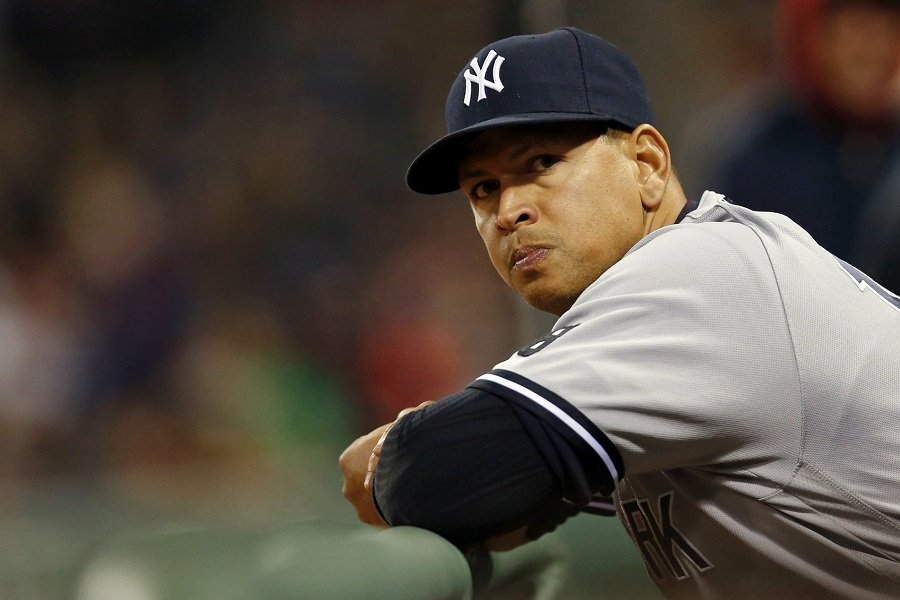 It’s no secret that the Minnesota Twins have struggled against the New York Yankees. Since 2002, the Twins have made 10 playoff appearances, and New York has knocked Minnesota out six times with a combined 16-2 record. Last season, the Twins won the season series against the Yankees for the first time since 2001. Now, Minnesota will attempt to win back-to-back season series against New York for the first time since 1992. After beating the Yankees last year, it was clear that the vibe was different in the clubhouse, because many of the current Twins have been part of the playoff defeats. “It's kind of like having that monkey on the back; I know we talked about it a lot over the past few years, about going to Yankee Stadium, playing the Yankees,” said Twins outfielder Byron Buxton last year. “It feels a lot like that monkey is off the back for sure now.” The Ghost of Álex Rodríguez Ghostbuster: Don’t let Yankee stars take over the game. Álex Rodríguez is known for many things (good and bad), but he was a Twins killer during his time with the Yankees. In 2004, Twins fans witnessed the start of the team's record-breaking playoff losing streak, and Rodríguez was at the center of things. Minnesota took the lead at Yankee Stadium in the top of the 12th, before the Yankees stormed back in the bottom half of the inning against Joe Nathan in his third inning of work. Nathan walked two batters, before Rodríguez knocked a game-tying double. Five years later, the Twins and Yankees met again in the ALDS, and Rodríguez smacked a game-tying home run off Nathan in the ninth inning. Currently, the Yankees have multiple stars who can impact the game on a similar level. Aaron Judge and Juan Soto are two of the 10 best hitters in baseball. Judge enters the series hitting .235/.369/.497, with 10 home runs and a 145 OPS+. Soto joined New York this winter via trade, and is off to a tremendous start. In 42 games, he has a 171 OPS+, with 17 extra-base hits and more walks (28) than strikeouts (24). It’s hard to believe he is only 25 years old, because he’s been an elite hitter throughout his young career. Twins pitchers must be cautious when pitching to this slugging duo. The Ghost of Mariano Rivera Ghostbuster: Find a way to get to the Yankee bullpen. Rivera dominated the Twins during his Hall of Fame career. In 72 2/3 innings, he posted a 1.24 ERA with a 0.80 WHIP and a 69-to-13 strikeout-to-walk ratio. It was his lowest ERA among teams he faced more than 10 times, and no player has recorded more saves against the Twins than Rivera. He secured his record-breaking 602nd career save in a win over the Twins on September 19, 2011. Rivera was a legend in the playoffs, and the Twins found little success against him. Rivera didn’t allow a run in 16 2/3 innings pitched against Minnesota in the postseason. That was his most postseason innings pitched without allowing a run versus any team. New York’s new version of Rivera is Clay Holmes, one of the game’s best relievers since being traded to the Yankees in 2021. He has posted a 2.25 ERA in four seasons in pinstripes, with a 1.04 WHIP and 10.0 K/9. Holmes has been nearly untouchable during the 2024 season. He has yet to allow a run in 17 1/3 innings with a 1.04 WHIP. There have been signs of kinks in his armor, with a 1.58 FIP and 7.8 H/9, higher than his career mark. Luke Weaver and Ian Hamilton have also posted strong numbers in relief. Minnesota has scored a lot of runs against other teams' bullpens this season, and that must continue against New York. The Ghost of Didi Gregorius Ghostbuster: Avoid role players inflicting a back-breaking hit. Minnesota jumped out to an early lead versus New York in 2017 for the win-or-go-home Wild Card Game. Brian Dozier and Eddie Rosario smashed first-inning home runs, and momentum favored the Twins, but that didn’t last long. Didi Gregorius cracked a game-tying three-run homer in the bottom of the first, and New York never trailed again. Two years later, Gregorius had another significant moment in Game 2 of the 2019 AL Wild Card Series. The Yankees loaded the bases in the third inning before Gregorius crushed a grand slam off Tyler Duffey. Another Yankee defeat haunted the Twins. Gregorius had a solid 11-year big-league career, but was never a star player. He was a regular on some strong Yankees teams, but posted a career 95 OPS+ while averaging a 2.7 WAR. Role players have keyed some Yankees rallies against the Twins, which the team should try to avoid in 2024. Multiple role players are off to solid starts for New York, including Alex Verdugo (107 OPS+), Jose Trevino (125 OPS+), and Anthony Volpe (118 OPS+). It’s easy to focus on the stars like Judge and Soto, but the other parts of the lineup can be just as dangerous. The 2023 Twins turned into Ghostbusters and found a way to remove the gorilla-sized monkey from their backs. New York has been one of the AL’s best teams this season, so it’s shaping up to be a good series. The current iteration of the Minnesota Twins has some positive signs against the dreaded Yankees, but a Ghostbuster's work is never done. Think of Soto as Vigo the Carpathian. It’s a new season, so how can the Twins avoid the ghosts that have haunted them in past battles with the Bronx Bombers?
- 6 comments
-
- 1
-
-
- didi gregorious
- alex rodriguez
- (and 4 more)
-
The Yankees are making their lone regular-season visit to Target Field this week. Last season, there was something strange in the neighborhood, with the Twins taking the season series from New York. Here’s how Minnesota’s current team can avoid the previous generation's mistakes. Image courtesy of Greg M. Cooper, USA Today Sports The Yankees are making their lone regular-season visit to Target Field this week. Last season, there was something strange in the neighborhood, with the Twins taking the season series from New York. Here’s how Minnesota’s current team can avoid the previous generation's mistakes. It’s no secret that the Minnesota Twins have struggled against the New York Yankees. Since 2002, the Twins have made 10 playoff appearances, and New York has knocked Minnesota out six times with a combined 16-2 record. Last season, the Twins won the season series against the Yankees for the first time since 2001. Now, Minnesota will attempt to win back-to-back season series against New York for the first time since 1992. After beating the Yankees last year, it was clear that the vibe was different in the clubhouse, because many of the current Twins have been part of the playoff defeats. “It's kind of like having that monkey on the back; I know we talked about it a lot over the past few years, about going to Yankee Stadium, playing the Yankees,” said Twins outfielder Byron Buxton last year. “It feels a lot like that monkey is off the back for sure now.” The Ghost of Álex Rodríguez Ghostbuster: Don’t let Yankee stars take over the game. Álex Rodríguez is known for many things (good and bad), but he was a Twins killer during his time with the Yankees. In 2004, Twins fans witnessed the start of the team's record-breaking playoff losing streak, and Rodríguez was at the center of things. Minnesota took the lead at Yankee Stadium in the top of the 12th, before the Yankees stormed back in the bottom half of the inning against Joe Nathan in his third inning of work. Nathan walked two batters, before Rodríguez knocked a game-tying double. Five years later, the Twins and Yankees met again in the ALDS, and Rodríguez smacked a game-tying home run off Nathan in the ninth inning. Currently, the Yankees have multiple stars who can impact the game on a similar level. Aaron Judge and Juan Soto are two of the 10 best hitters in baseball. Judge enters the series hitting .235/.369/.497, with 10 home runs and a 145 OPS+. Soto joined New York this winter via trade, and is off to a tremendous start. In 42 games, he has a 171 OPS+, with 17 extra-base hits and more walks (28) than strikeouts (24). It’s hard to believe he is only 25 years old, because he’s been an elite hitter throughout his young career. Twins pitchers must be cautious when pitching to this slugging duo. The Ghost of Mariano Rivera Ghostbuster: Find a way to get to the Yankee bullpen. Rivera dominated the Twins during his Hall of Fame career. In 72 2/3 innings, he posted a 1.24 ERA with a 0.80 WHIP and a 69-to-13 strikeout-to-walk ratio. It was his lowest ERA among teams he faced more than 10 times, and no player has recorded more saves against the Twins than Rivera. He secured his record-breaking 602nd career save in a win over the Twins on September 19, 2011. Rivera was a legend in the playoffs, and the Twins found little success against him. Rivera didn’t allow a run in 16 2/3 innings pitched against Minnesota in the postseason. That was his most postseason innings pitched without allowing a run versus any team. New York’s new version of Rivera is Clay Holmes, one of the game’s best relievers since being traded to the Yankees in 2021. He has posted a 2.25 ERA in four seasons in pinstripes, with a 1.04 WHIP and 10.0 K/9. Holmes has been nearly untouchable during the 2024 season. He has yet to allow a run in 17 1/3 innings with a 1.04 WHIP. There have been signs of kinks in his armor, with a 1.58 FIP and 7.8 H/9, higher than his career mark. Luke Weaver and Ian Hamilton have also posted strong numbers in relief. Minnesota has scored a lot of runs against other teams' bullpens this season, and that must continue against New York. The Ghost of Didi Gregorius Ghostbuster: Avoid role players inflicting a back-breaking hit. Minnesota jumped out to an early lead versus New York in 2017 for the win-or-go-home Wild Card Game. Brian Dozier and Eddie Rosario smashed first-inning home runs, and momentum favored the Twins, but that didn’t last long. Didi Gregorius cracked a game-tying three-run homer in the bottom of the first, and New York never trailed again. Two years later, Gregorius had another significant moment in Game 2 of the 2019 AL Wild Card Series. The Yankees loaded the bases in the third inning before Gregorius crushed a grand slam off Tyler Duffey. Another Yankee defeat haunted the Twins. Gregorius had a solid 11-year big-league career, but was never a star player. He was a regular on some strong Yankees teams, but posted a career 95 OPS+ while averaging a 2.7 WAR. Role players have keyed some Yankees rallies against the Twins, which the team should try to avoid in 2024. Multiple role players are off to solid starts for New York, including Alex Verdugo (107 OPS+), Jose Trevino (125 OPS+), and Anthony Volpe (118 OPS+). It’s easy to focus on the stars like Judge and Soto, but the other parts of the lineup can be just as dangerous. The 2023 Twins turned into Ghostbusters and found a way to remove the gorilla-sized monkey from their backs. New York has been one of the AL’s best teams this season, so it’s shaping up to be a good series. The current iteration of the Minnesota Twins has some positive signs against the dreaded Yankees, but a Ghostbuster's work is never done. Think of Soto as Vigo the Carpathian. It’s a new season, so how can the Twins avoid the ghosts that have haunted them in past battles with the Bronx Bombers? View full article
-
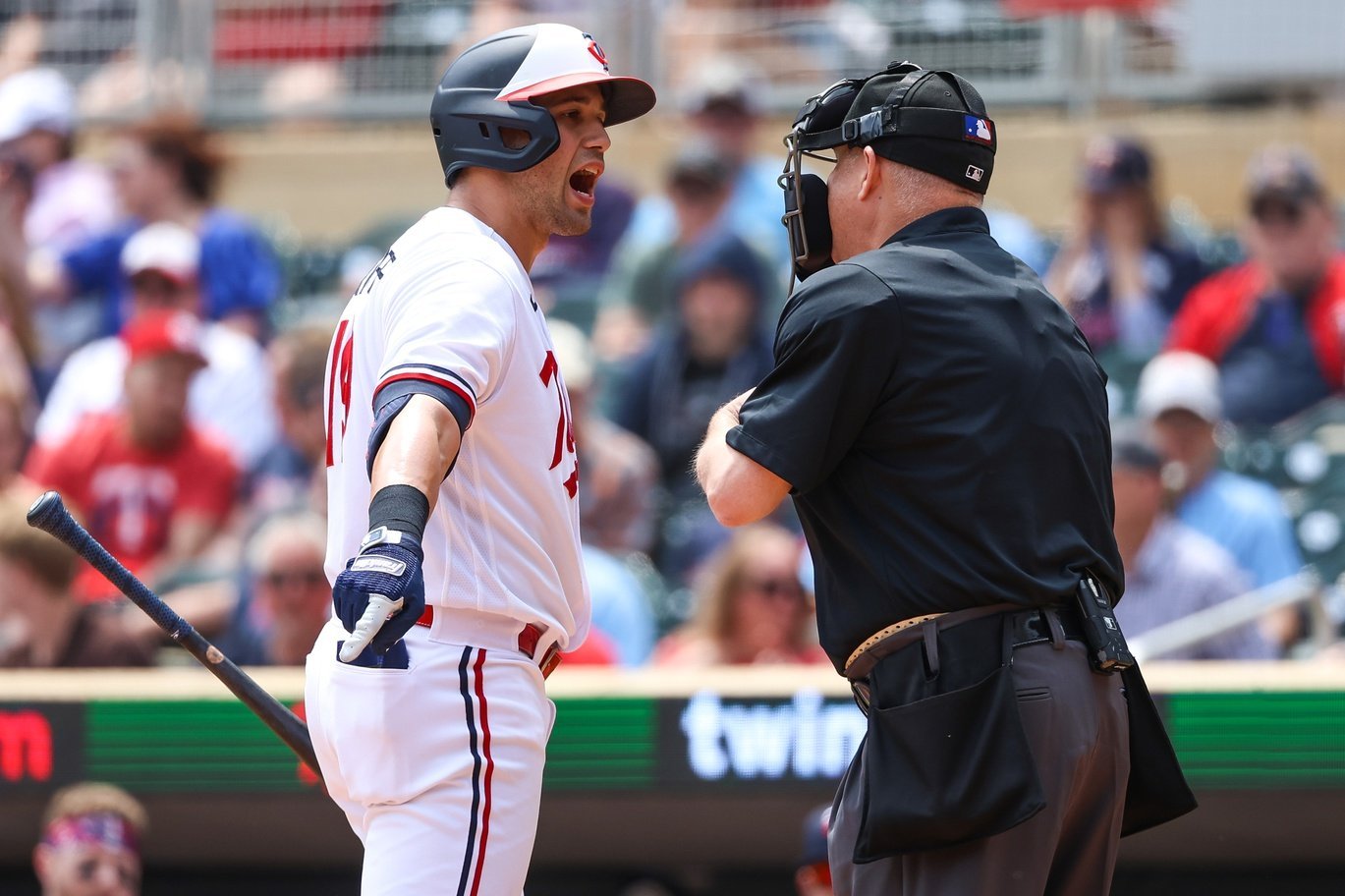 For baseball fans, strikeouts can be one of the game’s most frustrating aspects. Pitchers throw with ever-higher velocity and more movement on their pitches, which beget higher strikeout totals. Teams also encourage batters to hit for more power, and when swinging for the fences, strikeouts can be part of the equation. Offense is down across baseball to begin the year, but the Twins have found their offensive stroke in recent weeks after a disastrous start. On the heels of a record-breaking season, many fans might be wondering: “Where have all the strikeouts gone?” Last season, the Twins set an all-time record with 1,654 strikeouts at the plate, which shattered the previous record of 1,596 strikeouts, held by the Chicago Cubs. That record only stood for two seasons, indicating an increase in strikeouts in recent years. Last season, the Seattle Mariners finished second in team strikeouts with 1,603, which also would have broken the all-time record. Minnesota had seven players accumulate 100 or more strikeouts last season, with a top four who all struck out more than 125 times (Joey Gallo, Carlos Correa, Michael A. Taylor, and Edouard Julien). In early September, Correa struck out against Cleveland, marking the team’s 1,431st strikeout of the year and breaking the team's all-time record. After the game, Correa was asked about the dubious record. "Nobody wants to strike out, but it's part of the game," he shrugged. "Strikeouts happen." The Twins took a different approach to their roster construction this winter, and it came with some addition by subtraction. Joey Gallo (142 strikeouts) and Michael A. Taylor (130 strikeouts) were replaced by Carlos Santana (16.5 career K%) and Manuel Margot (17.9 career K%). Donovan Solano also struck out 100 times last season, and his spot on the roster is being filled by players with great contact skills, like José Miranda and Austin Martin. There are slight shifts in approach that impact the entire team. Minnesota entered play on Sunday tied for 11th in MLB for team strikeouts, trailing the league-leading Mariners by 73. Julien leads the Twins with 49 strikeouts and a 34.3 K%. Other players with high strikeout totals and poor K% include Willi Castro (39, 26.7%), Byron Buxton (32, 32.0%), and Alex Kirilloff (27, 23.3%). Last season, Minnesota led the league with a 26.6 K%; the club has lowered that total by 3.0% in 2024. The Twins rank 17th in Chase% and have improved their Whiff% from 28.4% last season to 27.2% this season. These incremental improvements will be something to track for the remainder of the season. Twins manager Rocco Baldelli has previously been vocal about the team’s offensive approach, especially when the club struggles with runners in scoring positions. “Just hit the ball forward,” he's been known to say, because this type of approach puts pressure on the defense, and sometimes the ball finds a hole. Luck certainly plays a role in some teams stringing together hits, but that can’t happen if a team doesn’t put the ball in play. Many Twins fans will wonder whether or not the lineup can sustain these improvements. The Twins were never as bad as their strikeout totals last season, but not all strikeouts are the same. In the playoffs, teams have to hit for power to win games, because the game’s best starters won’t surrender a string of hits to push across a run. Home runs win playoff games, and the team will accept more swing-and-miss if the offense scores runs at a rate higher than the league average. Can the Twins continue their current strikeout pace? Have you noticed a change in the team’s offensive approach? Leave a comment and start the discussion.
- 42 comments
-
- 3
-
-
- carlos correa
- rocco baldelli
- (and 4 more)
-
One of the Minnesota Twins’ most frustrating traits last season was the club’s propensity to strike out. Flash forward to 2024, and their punchout rates have dropped dramatically. What’s changed, and can it continue? Image courtesy of Matt Krohn-USA TODAY Sports One of the Minnesota Twins’ most frustrating traits last season was the club’s propensity to strike out. Flash forward to 2024, and their punchout rates have dropped dramatically. What’s changed, and can it continue? For baseball fans, strikeouts can be one of the game’s most frustrating aspects. Pitchers throw with ever-higher velocity and more movement on their pitches, which beget higher strikeout totals. Teams also encourage batters to hit for more power, and when swinging for the fences, strikeouts can be part of the equation. Offense is down across baseball to begin the year, but the Twins have found their offensive stroke in recent weeks after a disastrous start. On the heels of a record-breaking season, many fans might be wondering: “Where have all the strikeouts gone?” Last season, the Twins set an all-time record with 1,654 strikeouts at the plate, which shattered the previous record of 1,596 strikeouts, held by the Chicago Cubs. That record only stood for two seasons, indicating an increase in strikeouts in recent years. Last season, the Seattle Mariners finished second in team strikeouts with 1,603, which also would have broken the all-time record. Minnesota had seven players accumulate 100 or more strikeouts last season, with a top four who all struck out more than 125 times (Joey Gallo, Carlos Correa, Michael A. Taylor, and Edouard Julien). In early September, Correa struck out against Cleveland, marking the team’s 1,431st strikeout of the year and breaking the team's all-time record. After the game, Correa was asked about the dubious record. "Nobody wants to strike out, but it's part of the game," he shrugged. "Strikeouts happen." The Twins took a different approach to their roster construction this winter, and it came with some addition by subtraction. Joey Gallo (142 strikeouts) and Michael A. Taylor (130 strikeouts) were replaced by Carlos Santana (16.5 career K%) and Manuel Margot (17.9 career K%). Donovan Solano also struck out 100 times last season, and his spot on the roster is being filled by players with great contact skills, like José Miranda and Austin Martin. There are slight shifts in approach that impact the entire team. Minnesota entered play on Sunday tied for 11th in MLB for team strikeouts, trailing the league-leading Mariners by 73. Julien leads the Twins with 49 strikeouts and a 34.3 K%. Other players with high strikeout totals and poor K% include Willi Castro (39, 26.7%), Byron Buxton (32, 32.0%), and Alex Kirilloff (27, 23.3%). Last season, Minnesota led the league with a 26.6 K%; the club has lowered that total by 3.0% in 2024. The Twins rank 17th in Chase% and have improved their Whiff% from 28.4% last season to 27.2% this season. These incremental improvements will be something to track for the remainder of the season. Twins manager Rocco Baldelli has previously been vocal about the team’s offensive approach, especially when the club struggles with runners in scoring positions. “Just hit the ball forward,” he's been known to say, because this type of approach puts pressure on the defense, and sometimes the ball finds a hole. Luck certainly plays a role in some teams stringing together hits, but that can’t happen if a team doesn’t put the ball in play. Many Twins fans will wonder whether or not the lineup can sustain these improvements. The Twins were never as bad as their strikeout totals last season, but not all strikeouts are the same. In the playoffs, teams have to hit for power to win games, because the game’s best starters won’t surrender a string of hits to push across a run. Home runs win playoff games, and the team will accept more swing-and-miss if the offense scores runs at a rate higher than the league average. Can the Twins continue their current strikeout pace? Have you noticed a change in the team’s offensive approach? Leave a comment and start the discussion. View full article
-
I wrote about that in the article. It’s still a valid question because he is younger than some of the pitchers in the organization who are still prospect eligible.
- 37 replies
-
- 2
-
-
- simeon woods richardson
- marco raya
- (and 3 more)
-
Is Simeon Woods Richardson the Twins' Top Pitching Prospect?
Cody Christie posted an article in Minor Leagues
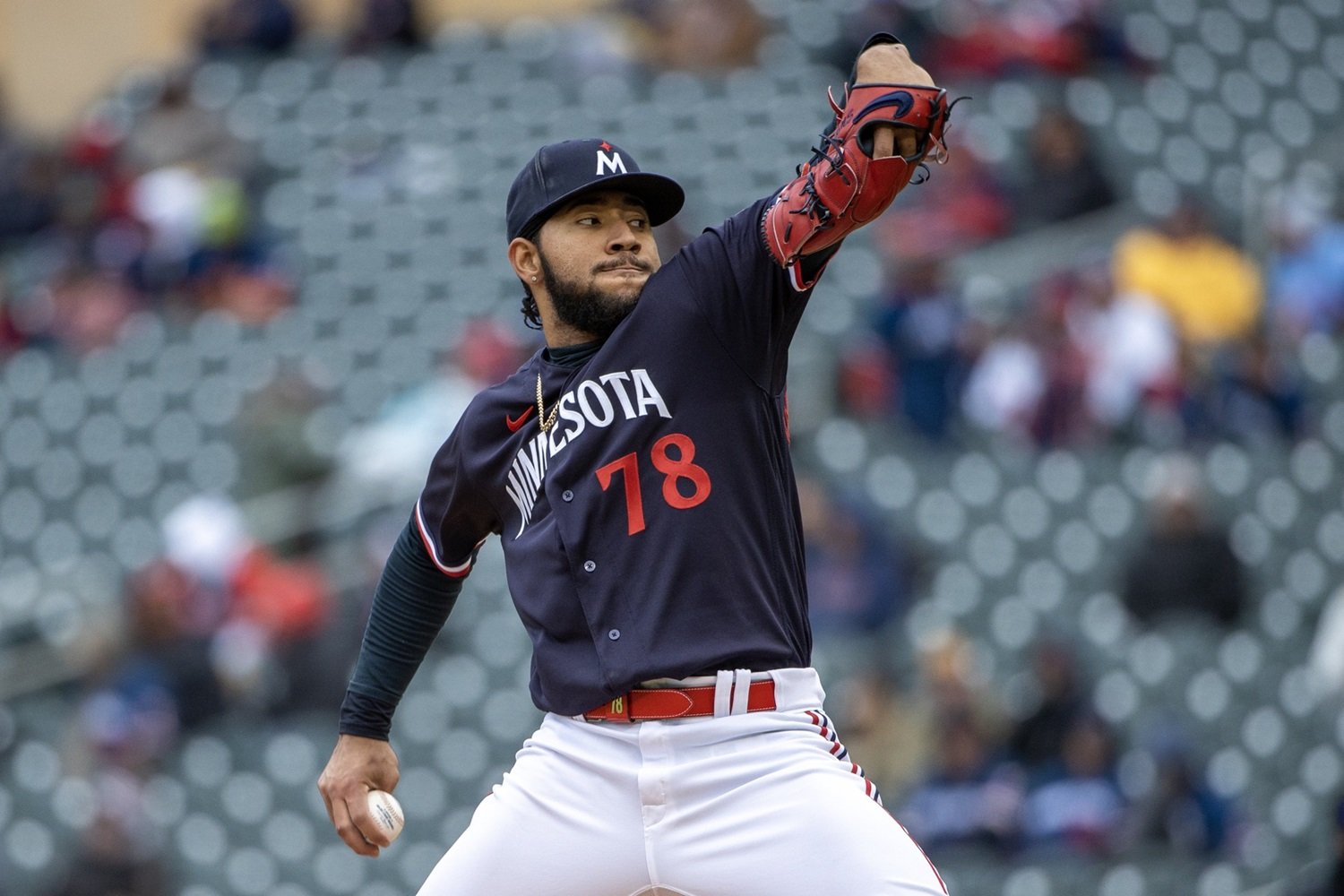 Twins Daily regularly updates the team’s top prospects throughout the regular season, allowing for constant evaluation of players. Some prospects are off to hot starts, while others have seen their prospect status drop because of injuries or poor performance. Simeon Woods Richardson is one player who will rise in the rankings, but how much has he helped his stock during the season's early months? Early in his professional career, he had been considered one of baseball’s top-100 prospects, with Baseball America and MLB.com ranking him at the backend of their lists in 2020-21. However, Woods Richardson entered the 2024 season with his prospect stock lower than it ever had been in his career. His fastball velocity dropped significantly last year, sitting in the low 90s with the Saints. Woods Richardson also struggled to generate swings and misses with a career-low 19.3 K%. The International League is a hitting-friendly environment, but SWR’s drop in velocity was concerning enough that the Twins needed to address it during the offseason. Minnesota’s coaches worked with Woods Richardson to tweak his delivery by slightly lowering his arm slot. "It was from both parties," Woods Richardson told Twins Daily's John Bonnes at spring training this year. "I wanted to change for the better, and why not? And they said, 'OK, let's sit down. Let's talk about this.' And we came up with a couple of things, working on mechanical stuff. Let's see if we can drop the slot a little bit and see where it goes." This minor tweak is closer to where he was when he joined the Twins organization, and it is a more natural and athletic position for the pitcher. His fastball is averaging nearly 93 mph this season, which doesn’t make him a flamethrower but is much improved from last season. Twins Daily ranked Woods Richardson as the organization’s 19th-best prospect based on his struggles in 2023. Seven pitchers were ranked higher than him, with the four names below being in the conversation as the team’s top pitching prospect. How have the other pitchers performed in 2024? Has SWR passed them to be ranked at the top? #9. Cory Lewis, RHP 2024 Stats (N/A): Has Not Pitched The Twins selected Lewis in the ninth round of the 2022 MLB Draft out of the University of California, Santa Barbara. The Twins named him the organization’s Minor League Pitcher of the Year last season after posting a 2.49 ERA and a 118-to-33 strikeout-to-walk ratio in 101 1/3 innings between Fort Myers and Cedar Rapids. Lewis was scheduled to start the year at Double-A but was placed on the injured list with a right shoulder impingement. Shoulder injuries can be complicated for pitchers to navigate, so the Twins will be cautious about his return to the mound. #8 Charlee Soto, RHP 2024 Stats (A-): 4.95 ERA, 20.0 IP, 26 K, 9 BB, 1.50 WHIP Minnesota’s current front office has tended to focus on college pitchers in the draft, which makes Soto an anomaly. As an 18-year-old, he is over four years younger than the average age of the competition in the Florida State League. The Twins have been careful with his workload, a strategy similar to what the organization has utilized with other young pitching prospects. He has allowed two earned runs or fewer in five of his six starts, with one poor start (6 ER in 3 1/3 innings) impacting his overall numbers. Soto has the highest ceiling of anyone on this list, but he’s far from Target Field. #6. David Festa, RHP 2024 Stats (AAA): 3.75 ERA, 24.0 IP, 38 K, 14 BB, 1.58 WHIP Festa, who is six months older than Woods Richardson, rose prominently on Twins prospects lists this winter after a strong 2023 season. Some outlets rank him as the top pitching prospect in the organization, and he has shown some positive signs at Triple-A this season. Festa is striking out batters at a career-high rate (14.3 K/9), but he’s also seen an increase in his walk rate from 3.7 BB/9 for his career to 5.3 BB/9 in 2024. Minnesota will likely need Festa at some point this season when a rotation spot opens due to injury or poor performance. His career high in innings pitched is 103 2/3 back in 2022, so the Twins will also watch for fatigue in the season’s second half. #5. Marco Raya, RHP 2024 Stats (AA): 3.07 ERA, 14.2 IP, 19 K, 5 BB, 1.30 WHIP Raya has become one of the gems of the pandemic-impacted 2020 MLB Draft after the Twins selected him in the fourth round. He has showcased a dominant pitch mix, but the Twins have significantly limited his workload while aggressively promoting him. This year, he has averaged fewer than three innings per start, with only two starts of more than 50 pitches. As a 21-year-old, he is over 3.5 years younger than the average age of the competition in the Texas League. He is an interesting case study in what might be the future of starting pitching because the lines are starting to blur between starters and multi-inning relievers. Here are my current rankings of the team’s top-five pitching prospects. David Festa Marco Raya Simeon Woods Richardson Charlee Soto Cory Lewis Woods Richardson's breakthrough in velocity had propelled him up my list. However, his prospect eligibility is running out as he continues to pitch innings at the big-league level. By next month, he may not even be eligible for this list anymore. More importantly, he is only 23 years old and continues to show the ability to make adjustments, which should put him into the team’s long-term pitching plans. How do you rank the team’s top pitching prospects? How have your rankings changed since the season began? Leave a COMMENT and start the discussion.
- 37 comments
-
- 6
-
-
- simeon woods richardson
- marco raya
- (and 3 more)
-
Simeon Woods Richardson is off to a tremendous start to the 2024 season after a terrible finish to last year. Has he improved enough to be considered the Twins’ top pitching prospect? Image courtesy of © Jesse Johnson-USA TODAY Sports Simeon Woods Richardson is off to a tremendous start to the 2024 season after a terrible finish to last year. Has he improved enough to be considered the Twins’ top pitching prospect? Twins Daily regularly updates the team’s top prospects throughout the regular season, allowing for constant evaluation of players. Some prospects are off to hot starts, while others have seen their prospect status drop because of injuries or poor performance. Simeon Woods Richardson is one player who will rise in the rankings, but how much has he helped his stock during the season's early months? Early in his professional career, he had been considered one of baseball’s top-100 prospects, with Baseball America and MLB.com ranking him at the backend of their lists in 2020-21. However, Woods Richardson entered the 2024 season with his prospect stock lower than it ever had been in his career. His fastball velocity dropped significantly last year, sitting in the low 90s with the Saints. Woods Richardson also struggled to generate swings and misses with a career-low 19.3 K%. The International League is a hitting-friendly environment, but SWR’s drop in velocity was concerning enough that the Twins needed to address it during the offseason. Minnesota’s coaches worked with Woods Richardson to tweak his delivery by slightly lowering his arm slot. "It was from both parties," Woods Richardson told Twins Daily's John Bonnes at spring training this year. "I wanted to change for the better, and why not? And they said, 'OK, let's sit down. Let's talk about this.' And we came up with a couple of things, working on mechanical stuff. Let's see if we can drop the slot a little bit and see where it goes." This minor tweak is closer to where he was when he joined the Twins organization, and it is a more natural and athletic position for the pitcher. His fastball is averaging nearly 93 mph this season, which doesn’t make him a flamethrower but is much improved from last season. Twins Daily ranked Woods Richardson as the organization’s 19th-best prospect based on his struggles in 2023. Seven pitchers were ranked higher than him, with the four names below being in the conversation as the team’s top pitching prospect. How have the other pitchers performed in 2024? Has SWR passed them to be ranked at the top? #9. Cory Lewis, RHP 2024 Stats (N/A): Has Not Pitched The Twins selected Lewis in the ninth round of the 2022 MLB Draft out of the University of California, Santa Barbara. The Twins named him the organization’s Minor League Pitcher of the Year last season after posting a 2.49 ERA and a 118-to-33 strikeout-to-walk ratio in 101 1/3 innings between Fort Myers and Cedar Rapids. Lewis was scheduled to start the year at Double-A but was placed on the injured list with a right shoulder impingement. Shoulder injuries can be complicated for pitchers to navigate, so the Twins will be cautious about his return to the mound. #8 Charlee Soto, RHP 2024 Stats (A-): 4.95 ERA, 20.0 IP, 26 K, 9 BB, 1.50 WHIP Minnesota’s current front office has tended to focus on college pitchers in the draft, which makes Soto an anomaly. As an 18-year-old, he is over four years younger than the average age of the competition in the Florida State League. The Twins have been careful with his workload, a strategy similar to what the organization has utilized with other young pitching prospects. He has allowed two earned runs or fewer in five of his six starts, with one poor start (6 ER in 3 1/3 innings) impacting his overall numbers. Soto has the highest ceiling of anyone on this list, but he’s far from Target Field. #6. David Festa, RHP 2024 Stats (AAA): 3.75 ERA, 24.0 IP, 38 K, 14 BB, 1.58 WHIP Festa, who is six months older than Woods Richardson, rose prominently on Twins prospects lists this winter after a strong 2023 season. Some outlets rank him as the top pitching prospect in the organization, and he has shown some positive signs at Triple-A this season. Festa is striking out batters at a career-high rate (14.3 K/9), but he’s also seen an increase in his walk rate from 3.7 BB/9 for his career to 5.3 BB/9 in 2024. Minnesota will likely need Festa at some point this season when a rotation spot opens due to injury or poor performance. His career high in innings pitched is 103 2/3 back in 2022, so the Twins will also watch for fatigue in the season’s second half. #5. Marco Raya, RHP 2024 Stats (AA): 3.07 ERA, 14.2 IP, 19 K, 5 BB, 1.30 WHIP Raya has become one of the gems of the pandemic-impacted 2020 MLB Draft after the Twins selected him in the fourth round. He has showcased a dominant pitch mix, but the Twins have significantly limited his workload while aggressively promoting him. This year, he has averaged fewer than three innings per start, with only two starts of more than 50 pitches. As a 21-year-old, he is over 3.5 years younger than the average age of the competition in the Texas League. He is an interesting case study in what might be the future of starting pitching because the lines are starting to blur between starters and multi-inning relievers. Here are my current rankings of the team’s top-five pitching prospects. David Festa Marco Raya Simeon Woods Richardson Charlee Soto Cory Lewis Woods Richardson's breakthrough in velocity had propelled him up my list. However, his prospect eligibility is running out as he continues to pitch innings at the big-league level. By next month, he may not even be eligible for this list anymore. More importantly, he is only 23 years old and continues to show the ability to make adjustments, which should put him into the team’s long-term pitching plans. How do you rank the team’s top pitching prospects? How have your rankings changed since the season began? Leave a COMMENT and start the discussion. View full article
-
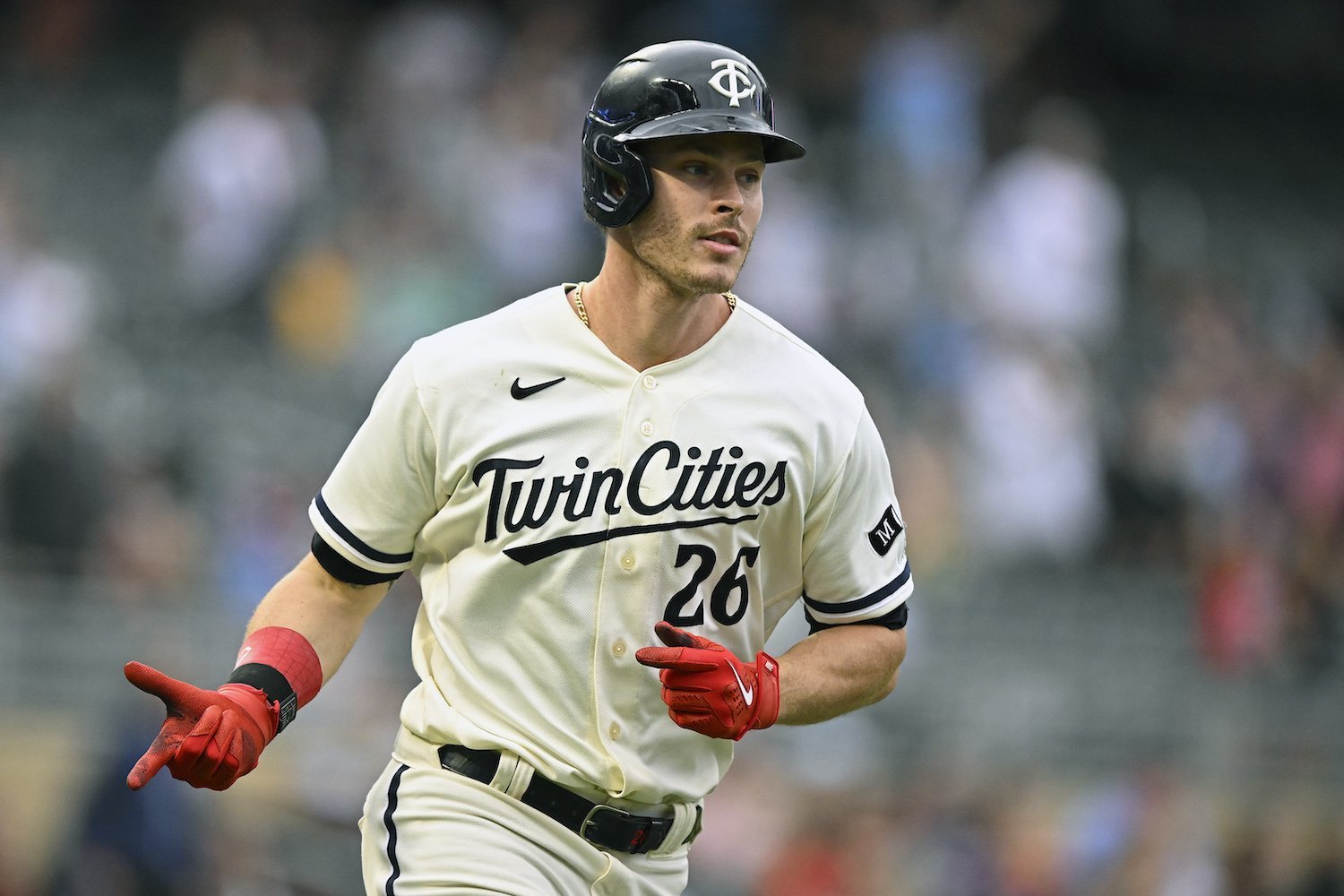 Players who play for an organization for a significant amount of time can become polarizing ones for a fan base. As a prospect, there is hope that a player will become a star at the big-league level, but that is rarely the case. There can be freezer burn when fans hear about a player from the time they are 16 years old to when they become an established regular. Organizations hope a player can develop into an above-average regular, with skills on both sides of the plate. Max Kepler has only known the Twins organization since he was a teenager, and he’s quietly climbing the team’s leaderboard in multiple categories. Home Run Records During his career, Kepler hasn’t been known as a home run hitter, but he’s shown flashes of power during the 2019 campaign and the second half of 2023. After a recent IL stint, he has been on fire at the plate, which has vaulted him up the team’s home run list. Kepler is one homer away from tying Brian Dozier (80) for the most home runs in Target Field history. Kepler needs seven home runs to tie Miguel Sanó (162) for 11th on the Twins' all-time list. He likely has a chance to move into ninth place by passing Tom Brunansky (163) and Dozier (167). However, reaching eighth place likely won’t happen, with Gary Gaetti sitting 46 home runs ahead of Kepler. Hit Records At no stage of his career has Kepler been known as a contact hitter, with a career .237 batting average. However, he improved offensively in the second half of last season (66 games), hitting .306/.377/.549, with 17 doubles and 12 home runs. Joe Mauer (637 hits) and Brian Dozier (459 hits) are the only Twins players with more hits at Target Field than Kepler has. Kepler can certainly catch Dozier if he continues to hit well this season. Also, he recently passed Zoilo Versalles (188 doubles) and Jacque Jones (189) to move into 14th on the Twins' all-time list. He needs two more doubles to tie Cesar Tovar, with Dozier sitting 11 doubles ahead of him. RBI Records Runs batted in has become a divisive statistic in the battle between old-school and modern sabermetric fans. Older fans will point to the all-time best Twins hitters at the top of the team’s RBI records, including Harmon Killebrew, Kent Hrbek, Kirby Puckett, Tony Oliva, and Joe Mauer. Kepler won’t be able to move into the Twins top 10 this season, but he has an opportunity to crack the top 12. He needs eight RBIs to tie Roy Smalley (485) for 13th place on the Twins' all-time list, with Dozier sitting with six more RBIs than Smalley. At Target Field, only Joe Mauer has collected more RBIs, and Kepler needs 24 to tie him. Kepler’s longevity with the Twins has made him a near-lock to make the team’s Hall of Fame when he retires. His defense has been among the league’s best in right field for most of the last decade. He was critical to the team’s playoff run in 2023, with a tremendous second-half performance. Kepler is also setting himself up for a nice payday in what will likely be his lone chance to cash in on the free-agent market. Are you surprised by how high Kepler ranks in the Twins' history? Which record is most likely to fall? Leave a comment and start the discussion.
-
Max Kepler is the longest-tenured Minnesota Twins player, having played in the organization for nearly half his life. He will be a free agent at the end of the season, but there are some records he can break before his departure. Image courtesy of Nick Wosika - USA TODAY Sports Max Kepler is the longest-tenured Minnesota Twins player, having played in the organization for nearly half his life. He will be a free agent at the end of the season, but there are some records he can break before his departure. Players who play for an organization for a significant amount of time can become polarizing ones for a fan base. As a prospect, there is hope that a player will become a star at the big-league level, but that is rarely the case. There can be freezer burn when fans hear about a player from the time they are 16 years old to when they become an established regular. Organizations hope a player can develop into an above-average regular, with skills on both sides of the plate. Max Kepler has only known the Twins organization since he was a teenager, and he’s quietly climbing the team’s leaderboard in multiple categories. Home Run Records During his career, Kepler hasn’t been known as a home run hitter, but he’s shown flashes of power during the 2019 campaign and the second half of 2023. After a recent IL stint, he has been on fire at the plate, which has vaulted him up the team’s home run list. Kepler is one homer away from tying Brian Dozier (80) for the most home runs in Target Field history. Kepler needs seven home runs to tie Miguel Sanó (162) for 11th on the Twins' all-time list. He likely has a chance to move into ninth place by passing Tom Brunansky (163) and Dozier (167). However, reaching eighth place likely won’t happen, with Gary Gaetti sitting 46 home runs ahead of Kepler. Hit Records At no stage of his career has Kepler been known as a contact hitter, with a career .237 batting average. However, he improved offensively in the second half of last season (66 games), hitting .306/.377/.549, with 17 doubles and 12 home runs. Joe Mauer (637 hits) and Brian Dozier (459 hits) are the only Twins players with more hits at Target Field than Kepler has. Kepler can certainly catch Dozier if he continues to hit well this season. Also, he recently passed Zoilo Versalles (188 doubles) and Jacque Jones (189) to move into 14th on the Twins' all-time list. He needs two more doubles to tie Cesar Tovar, with Dozier sitting 11 doubles ahead of him. RBI Records Runs batted in has become a divisive statistic in the battle between old-school and modern sabermetric fans. Older fans will point to the all-time best Twins hitters at the top of the team’s RBI records, including Harmon Killebrew, Kent Hrbek, Kirby Puckett, Tony Oliva, and Joe Mauer. Kepler won’t be able to move into the Twins top 10 this season, but he has an opportunity to crack the top 12. He needs eight RBIs to tie Roy Smalley (485) for 13th place on the Twins' all-time list, with Dozier sitting with six more RBIs than Smalley. At Target Field, only Joe Mauer has collected more RBIs, and Kepler needs 24 to tie him. Kepler’s longevity with the Twins has made him a near-lock to make the team’s Hall of Fame when he retires. His defense has been among the league’s best in right field for most of the last decade. He was critical to the team’s playoff run in 2023, with a tremendous second-half performance. Kepler is also setting himself up for a nice payday in what will likely be his lone chance to cash in on the free-agent market. Are you surprised by how high Kepler ranks in the Twins' history? Which record is most likely to fall? Leave a comment and start the discussion. View full article
-
Willi Castro was essential to the Twins' success during the 2023 season. It was easy to peg him as a potential regression candidate this season, but his peripheral numbers might point to long-term offensive improvements. Image courtesy of David Kohl-USA TODAY Sports Willi Castro was essential to the Twins' success during the 2023 season. It was easy to peg him as a potential regression candidate this season, but his peripheral numbers might point to long-term offensive improvements. The Twins’ offense stumbled out of the gate, with many vital contributors struggling to find consistency in the cold April weather. Typically, this is a trend with many teams' offensive performances in the season’s early weeks, but Minnesota’s offensive ineptitude put the team in a hole to start the year. Willi Castro was part of the problem, going 5-for-45 with two extra-base hits and a 51.1 K% in his first 16 games. His numbers were tough to swallow, especially after spring training, wherein he was hitting the ball better than he ever had in his career. During spring training, Castro showed positive signs of an improved offensive approach. He hit the snot out of the ball, with three of the 25 hardest-hit balls of his entire career in any Statcast-covered setting. Many spring training statistics can be taken with a grain of salt, but hitters can show signs of making better contact or having better pitch recognition. Castro laid the groundwork for being one of the team’s best hitters in 2024. Castro has been a catalyst for the Twins’ offensive improvements over the last three weeks. The team’s offense was among baseball’s best during their 12-game winning streak, and Castro was among the team leaders. In 17 games, he hit nearly anything close to the plate, with a 1.029 OPS and his K% dropping to 19.4%. His nine doubles during that stretch are tied for sixth among AL hitters, with Ryan Jeffers (10) being the lone Twins hitter with more two-baggers. It has been a tremendous stretch at the plate, and these numbers only tell part of his offensive resurgence. During the 2024 season, Castro’s 45.0 Sweet Spot% ranks among baseball’s best (97th percentile). One of his most significant improvements has been against breaking pitches. His slugging percentage against breaking pitches has increased from .379 last season to .500 in 2024. He also continues to destroy fastballs, with a .446 SLG and a .339 xWOBA. His 35.0% line drive rate is nearly 10 percentage points higher than his career average, and the MLB average is 24.8%. Castro’s development at the big-league level has been unique, because the Tigers were forced to call him up at age 22, before he had time to prove himself in the upper minors. He showed positive signs during the 2020 season, with a 153 OPS+ in 36 games. It earned him a full-time role in 2021-22, but he struggled to find offensive consistency, with a 79 OPS+. Detroit decided to move on from Castro, and the Tigers' loss is the Twins' gain. “At that age, there’s still upside,” Twins manager Rocco Baldelli told Twins Daily this spring. “So, if he’s getting stronger still and doing things like that, that wouldn’t be surprising for a guy that's only 26 years old." Castro, now 27 years old, is earning $3.3 million through arbitration this year, and he is under control through the 2025 season. He will likely earn north of $5 million next season, which should be easy for the Twins to offer if he continues to perform at his current level. Minnesota needs more offensive consistency, and players like Castro are critical to the team’s success this season. Are Castro’s offensive improvements this season for real? What is his long-term role with the Twins? Leave a COMMENT and start the discussion. View full article
-
Willi Castro’s Hard-Hitting Spring Proving Not to Be a Fluke
Cody Christie posted an article in Twins
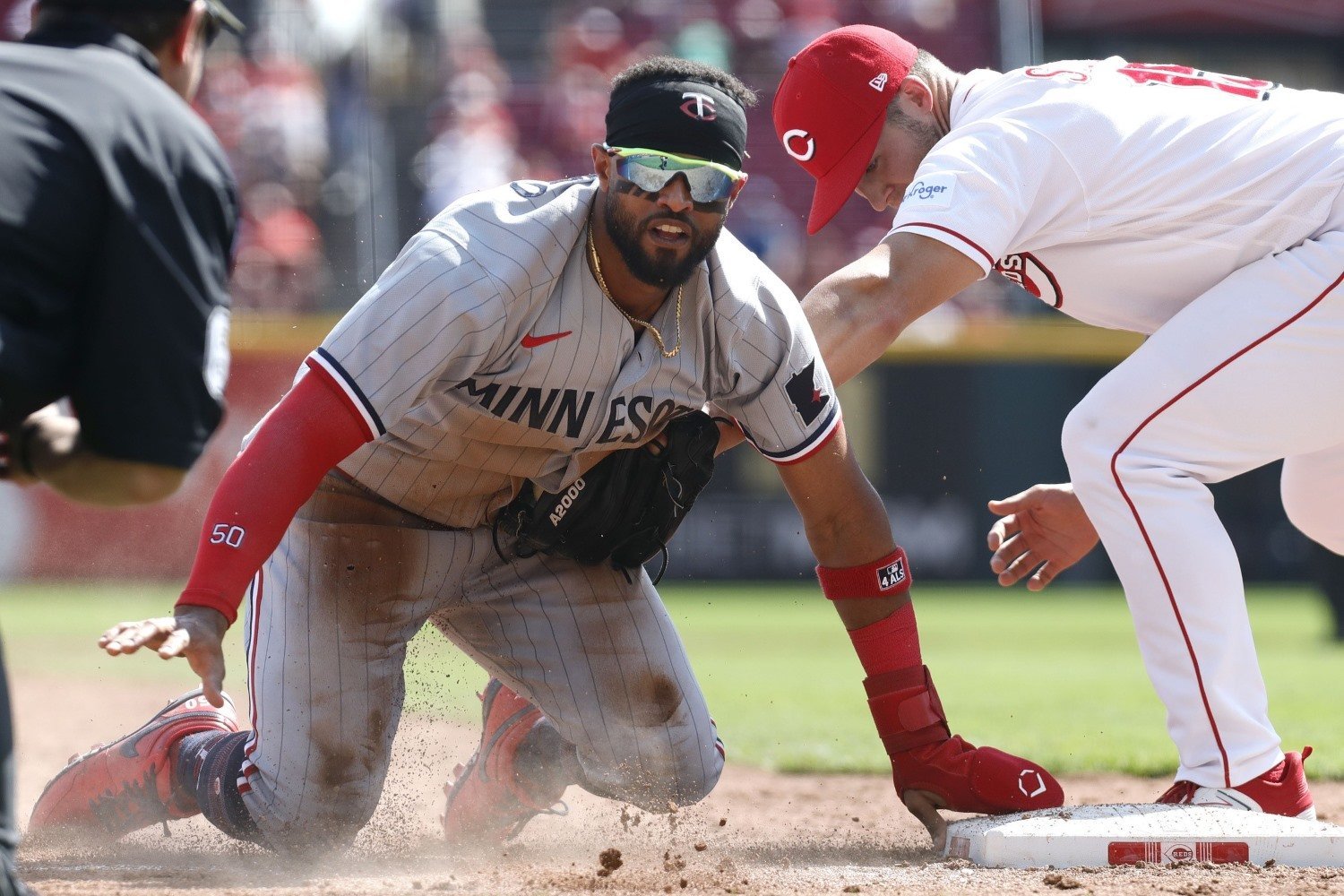 The Twins’ offense stumbled out of the gate, with many vital contributors struggling to find consistency in the cold April weather. Typically, this is a trend with many teams' offensive performances in the season’s early weeks, but Minnesota’s offensive ineptitude put the team in a hole to start the year. Willi Castro was part of the problem, going 5-for-45 with two extra-base hits and a 51.1 K% in his first 16 games. His numbers were tough to swallow, especially after spring training, wherein he was hitting the ball better than he ever had in his career. During spring training, Castro showed positive signs of an improved offensive approach. He hit the snot out of the ball, with three of the 25 hardest-hit balls of his entire career in any Statcast-covered setting. Many spring training statistics can be taken with a grain of salt, but hitters can show signs of making better contact or having better pitch recognition. Castro laid the groundwork for being one of the team’s best hitters in 2024. Castro has been a catalyst for the Twins’ offensive improvements over the last three weeks. The team’s offense was among baseball’s best during their 12-game winning streak, and Castro was among the team leaders. In 17 games, he hit nearly anything close to the plate, with a 1.029 OPS and his K% dropping to 19.4%. His nine doubles during that stretch are tied for sixth among AL hitters, with Ryan Jeffers (10) being the lone Twins hitter with more two-baggers. It has been a tremendous stretch at the plate, and these numbers only tell part of his offensive resurgence. During the 2024 season, Castro’s 45.0 Sweet Spot% ranks among baseball’s best (97th percentile). One of his most significant improvements has been against breaking pitches. His slugging percentage against breaking pitches has increased from .379 last season to .500 in 2024. He also continues to destroy fastballs, with a .446 SLG and a .339 xWOBA. His 35.0% line drive rate is nearly 10 percentage points higher than his career average, and the MLB average is 24.8%. Castro’s development at the big-league level has been unique, because the Tigers were forced to call him up at age 22, before he had time to prove himself in the upper minors. He showed positive signs during the 2020 season, with a 153 OPS+ in 36 games. It earned him a full-time role in 2021-22, but he struggled to find offensive consistency, with a 79 OPS+. Detroit decided to move on from Castro, and the Tigers' loss is the Twins' gain. “At that age, there’s still upside,” Twins manager Rocco Baldelli told Twins Daily this spring. “So, if he’s getting stronger still and doing things like that, that wouldn’t be surprising for a guy that's only 26 years old." Castro, now 27 years old, is earning $3.3 million through arbitration this year, and he is under control through the 2025 season. He will likely earn north of $5 million next season, which should be easy for the Twins to offer if he continues to perform at his current level. Minnesota needs more offensive consistency, and players like Castro are critical to the team’s success this season. Are Castro’s offensive improvements this season for real? What is his long-term role with the Twins? Leave a COMMENT and start the discussion.
-
Miami Moves On: Reviewing the Luis Arráez-for-Pablo López Trade
Cody Christie posted an article in Twins
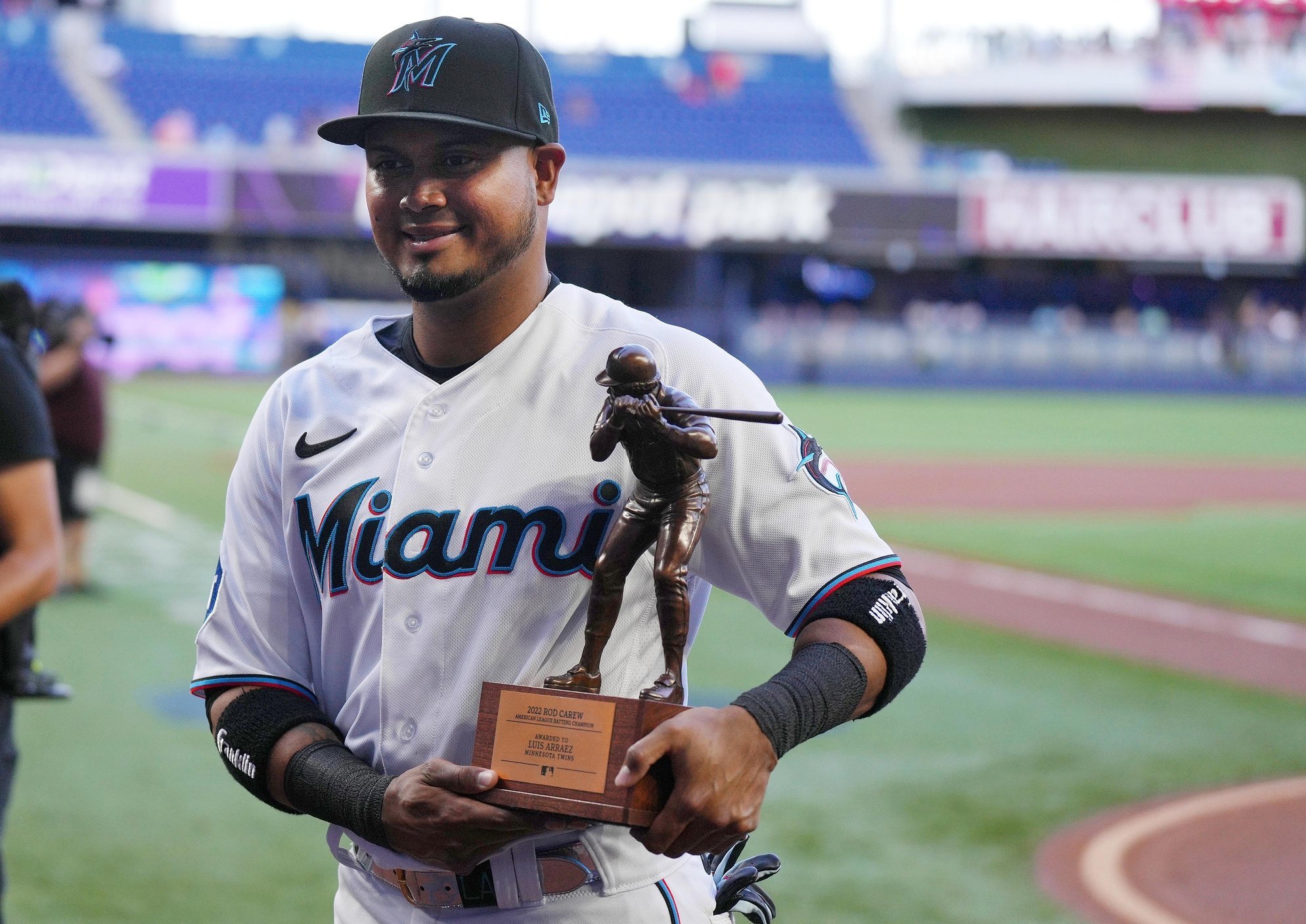 The Twins front office faced a challenging situation leading into the 2023 season. The team needed more starting pitching depth, which would likely cost an established veteran player or a prospect package. After months of weighing their options and negotiating in various quarters, Minnesota traded Luis Arráez to the Miami Marlins for Pablo López and two prospects, Byron Chourio and José Salas. The trade was tough to swallow for fans, because López seemed like a mid-rotation starter with an injury history, while Arráez was coming off a year in which he won the AL batting title. It didn’t help that Arráez got off to a scorching-hot start in a Marlins uniform. Initial Returns Entering last season, Miami had a starting pitching surplus, while the Twins had other options for the lineup, so it made sense for both teams to pull the trigger. Minnesota’s other infield options included Jorge Polanco, Edouard Julien, José Miranda, and Alex Kirilloff at the positions Arráez was most likely to play. Despite trading López, Miami had three pitchers (Sandy Alcántara, Jesús Luzardo, and Braxton Garrett) pitch over 150 innings while averaging 3.7 rWAR. Arráez got off to a scorching start with Miami, flirting with batting .400 through much of the first half. He was named an All-Star for the second consecutive season and accumulated a career-high 4.9 rWAR. López was also selected to the All-Star team, and finished in the top 10 for the AL Cy Young Award with a 3.3 rWAR. After seeing him smoothly incorporate a new pitch and find so much success, Minnesota quickly signed López to an extension. Miami earned a playoff spot for only the second time since 2003, while López helped the Twins end their own playoff losing streak. It seemed like a trade that worked for both sides. Miami included two prospects in the trade, because Arráez had one more year of team control than López at the time of the deal. Chourio, an outfielder, played the 2023 season in the FCL, hitting .262/.415/.298 with three doubles and more walks (20) than strikeouts (19). He’s getting his first taste of full-season action this season in the FSL, where he has a .742 OPS in his first 15 games. Salas, an infielder, was a borderline top-100 prospect entering last season, with Baseball America ranking him 93rd overall. However, he struggled in Cedar Rapids, with a .531 OPS and a 29.1 K%. The Twins sent him back to the Midwest League, and so far in 2024, he has increased his OPS by 38 points. Both prospects can potentially add future value, but the Twins are already getting plenty of contributions from López. Miami Moving On Miami was a surprise playoff team last season, especially coming out of the tough NL East. Instead of building off that momentum, though, the organization wanted to hire a president of baseball operations to supervise and supersede general manager Kim Ng. Understandably, someone in her position wouldn’t accept a downgrade to the organization’s number-two spot regarding decision-making. Her hiring was historic, since she became MLB’s first female GM and only the second Asian-American GM. The Arráez trade was the signature move during her tenure, and much the way the ownership group moved on from Ng, the new front office decided to move on from Arráez. The Marlins hired Peter Bendix as general manager this winter. Trading Arráez will shape the Miami organization in the future, and it will certainly inform evaluations of the work Bendix is doing for the team. In return, Miami received four prospects: right-handed pitcher Woo-Suk Go, infielder Nathan Martorella, outfielder Dillon Head, and outfielder Jakob Marsee. It was also announced that Miami is paying Arráez's salary down to the league minimum as part of the deal. Bendix told reporters, “We’re unlikely to make the playoffs this year. Trading for future values seems like the right thing for this organization right now.” Arráez has one more year of arbitration eligibility, so there is value in the Padres acquiring him at this point. Other teams, like the Royals, were rumored to be interested in adding Arráez, but Miami preferred the package from San Diego. The Marlins’ side of the deal will take time to develop, but the Twins must be happy with how the initial trade played out. If nothing else, it's a good sign that they're not already considering another one. What are your thoughts on the Arráez-Lopez trade? Are you surprised by Miami already dealing him away? Leave a comment and start the discussion.
- 19 comments
-
- 4
-
-
- luis arraez
- pablo lopez
- (and 2 more)
-
The Minnesota Twins-Miami Marlins trade made in the offseason before the 2023 campaign has been interesting for fans to track over the last year. Now that the Marlins have moved on from Luis Arraez, are the Twins the clear winners of this trade? Image courtesy of Jim Rassol, USA Today Sports The Minnesota Twins-Miami Marlins trade made in the offseason before the 2023 campaign has been interesting for fans to track over the last year. Now that the Marlins have moved on from Luis Arraez, are the Twins the clear winners of this trade? The Twins front office faced a challenging situation leading into the 2023 season. The team needed more starting pitching depth, which would likely cost an established veteran player or a prospect package. After months of weighing their options and negotiating in various quarters, Minnesota traded Luis Arráez to the Miami Marlins for Pablo López and two prospects, Byron Chourio and José Salas. The trade was tough to swallow for fans, because López seemed like a mid-rotation starter with an injury history, while Arráez was coming off a year in which he won the AL batting title. It didn’t help that Arráez got off to a scorching-hot start in a Marlins uniform. Initial Returns Entering last season, Miami had a starting pitching surplus, while the Twins had other options for the lineup, so it made sense for both teams to pull the trigger. Minnesota’s other infield options included Jorge Polanco, Edouard Julien, José Miranda, and Alex Kirilloff at the positions Arráez was most likely to play. Despite trading López, Miami had three pitchers (Sandy Alcántara, Jesús Luzardo, and Braxton Garrett) pitch over 150 innings while averaging 3.7 rWAR. Arráez got off to a scorching start with Miami, flirting with batting .400 through much of the first half. He was named an All-Star for the second consecutive season and accumulated a career-high 4.9 rWAR. López was also selected to the All-Star team, and finished in the top 10 for the AL Cy Young Award with a 3.3 rWAR. After seeing him smoothly incorporate a new pitch and find so much success, Minnesota quickly signed López to an extension. Miami earned a playoff spot for only the second time since 2003, while López helped the Twins end their own playoff losing streak. It seemed like a trade that worked for both sides. Miami included two prospects in the trade, because Arráez had one more year of team control than López at the time of the deal. Chourio, an outfielder, played the 2023 season in the FCL, hitting .262/.415/.298 with three doubles and more walks (20) than strikeouts (19). He’s getting his first taste of full-season action this season in the FSL, where he has a .742 OPS in his first 15 games. Salas, an infielder, was a borderline top-100 prospect entering last season, with Baseball America ranking him 93rd overall. However, he struggled in Cedar Rapids, with a .531 OPS and a 29.1 K%. The Twins sent him back to the Midwest League, and so far in 2024, he has increased his OPS by 38 points. Both prospects can potentially add future value, but the Twins are already getting plenty of contributions from López. Miami Moving On Miami was a surprise playoff team last season, especially coming out of the tough NL East. Instead of building off that momentum, though, the organization wanted to hire a president of baseball operations to supervise and supersede general manager Kim Ng. Understandably, someone in her position wouldn’t accept a downgrade to the organization’s number-two spot regarding decision-making. Her hiring was historic, since she became MLB’s first female GM and only the second Asian-American GM. The Arráez trade was the signature move during her tenure, and much the way the ownership group moved on from Ng, the new front office decided to move on from Arráez. The Marlins hired Peter Bendix as general manager this winter. Trading Arráez will shape the Miami organization in the future, and it will certainly inform evaluations of the work Bendix is doing for the team. In return, Miami received four prospects: right-handed pitcher Woo-Suk Go, infielder Nathan Martorella, outfielder Dillon Head, and outfielder Jakob Marsee. It was also announced that Miami is paying Arráez's salary down to the league minimum as part of the deal. Bendix told reporters, “We’re unlikely to make the playoffs this year. Trading for future values seems like the right thing for this organization right now.” Arráez has one more year of arbitration eligibility, so there is value in the Padres acquiring him at this point. Other teams, like the Royals, were rumored to be interested in adding Arráez, but Miami preferred the package from San Diego. The Marlins’ side of the deal will take time to develop, but the Twins must be happy with how the initial trade played out. If nothing else, it's a good sign that they're not already considering another one. What are your thoughts on the Arráez-Lopez trade? Are you surprised by Miami already dealing him away? Leave a comment and start the discussion. View full article
-
The television options for watching the Minnesota Twins have narrowed considerably in recent weeks. Here’s an updated look at the pros and cons associated with the remaining alternatives. The television options for watching the Minnesota Twins have narrowed considerably in recent weeks. Here’s an updated look at the pros and cons associated with the remaining alternatives. Last Wednesday, Bally Sports regional networks went dark for Comcast cable customers, which includes much of the Midwest. Diamond Sports Group, the parent company of Bally Sports, failed to come to an agreement with Comcast, which is offering $8 to $10 a month credits to current subscribers because of the dispute. Now, many Twins fans are searching for a new way to watch the team, especially those who haven’t cut the cord. There are pros and cons to each current option for the Twins in an ever-changing television landscape. The two options outlined below are specific to watching Twins games if a person lives within the Twins' market--their broadcast territory, under MLB rules. For MLB’s purposes, the states deemed in-market for the Twins include Minnesota, North Dakota, South Dakota, and parts of Wisconsin and Iowa. Click here to read more about out-of-market options if you don't live in one of the states mentioned above. Option 1: DirecTV Stream Cost: $123.98/month for the Choice+Sports Pack Pros: Last week, DirecTV Stream agreed to a multi-year carriage deal with Diamond Sports Group for the Bally Sports Networks, so fans won’t have to worry about making another in-season change during the 2024 campaign. There are also other perks with DirecTV Stream, including local channels, streaming on unlimited devices in your home, and unlimited cloud DVR storage. The sports package includes MLB Network and multiple other specialty sports stations, such as the Big Ten Network, NBA TV, and more. Navigation is much more user-friendly than some other streaming services and is easier for those who are switching from traditional cable. Cons: DirecTV Stream forces sports fans to purchase a higher-cost package to have access to more live sports, including the Twins. Their cheapest package that includes Bally Sports North has around 125 channels, which is fewer than Fubo’s lowest-cost option. Even with unlimited DVR cloud storage, recordings can only be stored for up to nine months. They also limit viewers to 30 recorded episodes of one TV show. There is no ability to create user profiles. Option 2: Fubo Cost: $79.99/ month for the Pro Plan Pros: Fubo was built as a sports lover’s streaming service and is a cord cutter’s dream regarding cost, because it is one of the cheaper options. The lowest-tier plan includes 185 channels, including many of the most-watched ones. There is an extensive video-on-demand library for those looking for something extra to stream. Also included is a cloud DVR with 1,000 hours of space and the ability to have 10 active screens streaming. Many additional sports networks discussed with DirecTV Stream are also included in Fubo's lowest-tier package. Fubo is the way to go for someone looking strictly for the cheapest option. There is an ability to create up to six user profiles on the platform, helping families to keep their favorite shows tied to their profiles. Cons: The navigation on the Fubo app isn’t as user-friendly as other streaming services. A person’s DVR can fill up rather quickly with Fubo, especially if you plan to record Twins games. Fubo has no parental controls, such as passcodes or other restrictive methods, which is a consideration for families with young children. How are you watching the Twins this season? What have your experiences been like with DirecTV Stream and Fubo? Leave a comment and start the discussion. View full article
-
Pros and Cons: How to Watch the Minnesota Twins Without Cable
Cody Christie posted an article in Twins
 Last Wednesday, Bally Sports regional networks went dark for Comcast cable customers, which includes much of the Midwest. Diamond Sports Group, the parent company of Bally Sports, failed to come to an agreement with Comcast, which is offering $8 to $10 a month credits to current subscribers because of the dispute. Now, many Twins fans are searching for a new way to watch the team, especially those who haven’t cut the cord. There are pros and cons to each current option for the Twins in an ever-changing television landscape. The two options outlined below are specific to watching Twins games if a person lives within the Twins' market--their broadcast territory, under MLB rules. For MLB’s purposes, the states deemed in-market for the Twins include Minnesota, North Dakota, South Dakota, and parts of Wisconsin and Iowa. Click here to read more about out-of-market options if you don't live in one of the states mentioned above. Option 1: DirecTV Stream Cost: $123.98/month for the Choice+Sports Pack Pros: Last week, DirecTV Stream agreed to a multi-year carriage deal with Diamond Sports Group for the Bally Sports Networks, so fans won’t have to worry about making another in-season change during the 2024 campaign. There are also other perks with DirecTV Stream, including local channels, streaming on unlimited devices in your home, and unlimited cloud DVR storage. The sports package includes MLB Network and multiple other specialty sports stations, such as the Big Ten Network, NBA TV, and more. Navigation is much more user-friendly than some other streaming services and is easier for those who are switching from traditional cable. Cons: DirecTV Stream forces sports fans to purchase a higher-cost package to have access to more live sports, including the Twins. Their cheapest package that includes Bally Sports North has around 125 channels, which is fewer than Fubo’s lowest-cost option. Even with unlimited DVR cloud storage, recordings can only be stored for up to nine months. They also limit viewers to 30 recorded episodes of one TV show. There is no ability to create user profiles. Option 2: Fubo Cost: $79.99/ month for the Pro Plan Pros: Fubo was built as a sports lover’s streaming service and is a cord cutter’s dream regarding cost, because it is one of the cheaper options. The lowest-tier plan includes 185 channels, including many of the most-watched ones. There is an extensive video-on-demand library for those looking for something extra to stream. Also included is a cloud DVR with 1,000 hours of space and the ability to have 10 active screens streaming. Many additional sports networks discussed with DirecTV Stream are also included in Fubo's lowest-tier package. Fubo is the way to go for someone looking strictly for the cheapest option. There is an ability to create up to six user profiles on the platform, helping families to keep their favorite shows tied to their profiles. Cons: The navigation on the Fubo app isn’t as user-friendly as other streaming services. A person’s DVR can fill up rather quickly with Fubo, especially if you plan to record Twins games. Fubo has no parental controls, such as passcodes or other restrictive methods, which is a consideration for families with young children. How are you watching the Twins this season? What have your experiences been like with DirecTV Stream and Fubo? Leave a comment and start the discussion.
-
@USAFChief I ranked the front office as the second lowest reason on that list.
-
 Last week, The Athletic ranked MLB’s front offices, as voted on by 40 executives across the baseball landscape. As the piece notes, a front office "features dozens of employees with differing, conflicting tasks. There are scouts, analysts, and player-development gurus. There are resources devoted to the acquisition of players, the improvement of players, and the health of players. These are elaborate ecosystems that can be challenging to maintain.” Minnesota tied for fourth among AL teams in the rankings, alongside that of Texas, the reigning World Series champions. The trio of AL clubs listed higher include the Rays (2nd overall), Guardians (4th), and Orioles (5th). Baseball front offices become an imitation game, where other teams attempt to poach personnel from successful teams. The Twins have been no stranger to this phenomenon, with many high-ranking figures coming to them from other top-ranked teams. Derek Falvey, President of Baseball Operations The Twins hired away Falvey from the Guardians organization, the only AL Central team to rank higher than Minnesota on this list. The team's leadership group hoped that Falvey could recreate Cleveland’s pitching and development pipeline, and there have been some successful examples of that during his tenure. The Athletic's article praises Falvey for the culture he has created, with one executive calling him “one of the most exceptional leaders out there.” Last winter, the Red Sox contacted Falvey to fill a similar role in Boston, an organization with more financial resources. He declined the request and seems committed to the process in Minnesota. Thad Levine, General Manager Levine came to the Twins from the Rangers organization and also became a target for the Red Sox this winter. He interviewed for the position before Boston hired Craig Breslow, a former Twins and Red Sox pitcher. Levine has been a target for other top jobs in baseball in the past, but decided not to uproot his family. From a front-office perspective, Levine is viewed as someone who takes a balanced approach to using analytics in the decision-making process. He likely remains a target for other organizations, especially if the Twins continue to have on-field success. Rocco Baldelli, On-Field Manager Baldelli isn’t necessarily a front-office member, but he is an extension of their office from a roster and game-planning perspective. After filling multiple coaching and front-office roles, he joined the Twins from the Rays, the top-ranked AL club. The culture that Falvey attempted to create would have been impossible without a leader in the clubhouse like Baldelli. His skills in building culture can be seen throughout the year, from the famous spring training egg toss to training to explain a home run sausage to the media. Fans might not agree with every decision he makes, but he has been one of the most successful managers in franchise history. Outside these three men, plenty of others help the front office function at a high level. The Twins hired Roman Barinas as the club’s Director of Latin American scouting this winter. He came from the Dodgers organization, which ranked as baseball’s top front office. Assistant General Manager Jeremy Zoll has worked in multiple organizations, including serving as the Dodgers' Assistant Director of Player Development. The list of names could be endless, but it’s clear that the best front offices hire away talented individuals from other smart clubs, which can infuse new ideas. So, how can the Twins move up the rankings in future years? Culture can only help a team so much without positive on-field results. The current regime has kept the team’s winning window open despite some trades and signings that resulted in negative value. They have done an excellent job of identifying players late in the draft and building depth at the big-league level. Minnesota ended their playoff losing streak last season, and now it is up to the front office to help the team take the next step. Do the Twins have one of baseball’s best front offices? Is there a way to move up the list? Leave a comment and start the discussion.
- 68 comments
-
- 3
-
-
- derek falvey
- thad levine
- (and 1 more)
-
Every fan base is critical of their front office--even those for teams who go to the World Series. Building a thriving organization starts at the top, and the Twins might have one of the best. Image courtesy of Kim Klement Neitzel, Jim Cowsert-USA TODAY Sports Every fan base is critical of their front office--even those for teams who go to the World Series. Building a thriving organization starts at the top, and the Twins might have one of the best. Last week, The Athletic ranked MLB’s front offices, as voted on by 40 executives across the baseball landscape. As the piece notes, a front office "features dozens of employees with differing, conflicting tasks. There are scouts, analysts, and player-development gurus. There are resources devoted to the acquisition of players, the improvement of players, and the health of players. These are elaborate ecosystems that can be challenging to maintain.” Minnesota tied for fourth among AL teams in the rankings, alongside that of Texas, the reigning World Series champions. The trio of AL clubs listed higher include the Rays (2nd overall), Guardians (4th), and Orioles (5th). Baseball front offices become an imitation game, where other teams attempt to poach personnel from successful teams. The Twins have been no stranger to this phenomenon, with many high-ranking figures coming to them from other top-ranked teams. Derek Falvey, President of Baseball Operations The Twins hired away Falvey from the Guardians organization, the only AL Central team to rank higher than Minnesota on this list. The team's leadership group hoped that Falvey could recreate Cleveland’s pitching and development pipeline, and there have been some successful examples of that during his tenure. The Athletic's article praises Falvey for the culture he has created, with one executive calling him “one of the most exceptional leaders out there.” Last winter, the Red Sox contacted Falvey to fill a similar role in Boston, an organization with more financial resources. He declined the request and seems committed to the process in Minnesota. Thad Levine, General Manager Levine came to the Twins from the Rangers organization and also became a target for the Red Sox this winter. He interviewed for the position before Boston hired Craig Breslow, a former Twins and Red Sox pitcher. Levine has been a target for other top jobs in baseball in the past, but decided not to uproot his family. From a front-office perspective, Levine is viewed as someone who takes a balanced approach to using analytics in the decision-making process. He likely remains a target for other organizations, especially if the Twins continue to have on-field success. Rocco Baldelli, On-Field Manager Baldelli isn’t necessarily a front-office member, but he is an extension of their office from a roster and game-planning perspective. After filling multiple coaching and front-office roles, he joined the Twins from the Rays, the top-ranked AL club. The culture that Falvey attempted to create would have been impossible without a leader in the clubhouse like Baldelli. His skills in building culture can be seen throughout the year, from the famous spring training egg toss to training to explain a home run sausage to the media. Fans might not agree with every decision he makes, but he has been one of the most successful managers in franchise history. Outside these three men, plenty of others help the front office function at a high level. The Twins hired Roman Barinas as the club’s Director of Latin American scouting this winter. He came from the Dodgers organization, which ranked as baseball’s top front office. Assistant General Manager Jeremy Zoll has worked in multiple organizations, including serving as the Dodgers' Assistant Director of Player Development. The list of names could be endless, but it’s clear that the best front offices hire away talented individuals from other smart clubs, which can infuse new ideas. So, how can the Twins move up the rankings in future years? Culture can only help a team so much without positive on-field results. The current regime has kept the team’s winning window open despite some trades and signings that resulted in negative value. They have done an excellent job of identifying players late in the draft and building depth at the big-league level. Minnesota ended their playoff losing streak last season, and now it is up to the front office to help the team take the next step. Do the Twins have one of baseball’s best front offices? Is there a way to move up the list? Leave a comment and start the discussion. View full article
-
The Minnesota Twins have multiple veteran pieces who have underperformed to this point in the season. With little future connection to the team, which players will the team move on from if their performance doesn’t improve? Image courtesy of Jesse Johnson-USA TODAY Sports The Minnesota Twins have multiple veteran pieces who have underperformed to this point in the season. With little future connection to the team, which players will the team move on from if their performance doesn’t improve? Minnesota’s front office has accumulated veteran players in recent seasons to add a layer of roster depth. There have been hits (Willi Castro, Michael A. Taylor, Donovan Solano) and misses (Joey Gallo, Chris Archer, Dylan Bundy). The team has also shown a propensity to hang on to these veteran players well past their expiration date, which can be frustrating for fans. It’s only one month into the 2024 season, but some players have failed to meet expectations. Have the Twins learned from past mistakes, or will the front office fall into their old habits? 6. Willi Castro, UTIL - rWAR: 0.6 Castro has one year of arbitration eligibility remaining, but he will get expensive, with an estimated salary of over $5 million. It seems unlikely the Twins will offer him arbitration at that amount, unless his performance significantly improves. Last season, Castro had a career year with a 107 OPS+, 33 steals, and the ability to play six different defensive positions. His 2024 season started slowly, to say the least, with a .431 OPS through his first 16 games. However, Castro ended the month as one of the team’s hottest hitters, with a .986 OPS over his last 12 games. Castro built up enough equity last season that it would take a massive slump for the team to move on from him. Likelihood to Be Let Go: Low 5. Caleb Thielbar, LHP - rWAR: -0.3 Thielbar is in his final year of arbitration eligibility, pitching in his age-37 season. He is also the most expensive bullpen arm this season, just north of $3 million. Previously, Thielbar was on the brink of retirement, but there is little doubt that he saved a struggling Twins bullpen during the 2023 campaign. His injury held him back at the start of the year, but Minnesota’s coaches trusted him enough to put him in save situations before Jhoan Durán returned from the IL. The bullpen has been one of the team’s strengths this season, and there have been some tough decisions regarding roster spots. For now, Thielbar is more than safe, as one of the team’s veteran late-inning options. Likelihood to Be Let Go: Low 4. Kyle Farmer, IF - rWAR: -0.3 It was somewhat surprising for the Twins to bring back Farmer this season with a $6.3 million arbitration figure. Many believed Minnesota’s front office would attempt to trade him this winter because of the lack of shortstops available on the free agent market. Instead, the club held on to the veteran to provide depth, but he is a little bit of a luxury item on a team that cut $30 million in payroll. He has struggled mightily on both sides of the ball to start the year with a 30 OPS+ and a Fielding Run Value in the 64th percentile. His most significant contribution this season has been introducing the home run sausage. When they need to replace the sausage, his protection runs out. Likelihood to Be Let Go: Medium 3. Carlos Santana, 1B - rWAR: -0.3 Santana’s signing was interesting, because he seemed to fit a role where the Twins had other options. Still, the front office loves depth, and he has previously tortured the Twins. Santana got off to a horrendous start, posting a .347 OPS in his first 16 games. Thankfully, he ended April on a hot streak, going 11-for-38 (.290 BA) with two doubles and four home runs across 10 games. His defense at first continues to be strong, with an OAA in the 83rd percentile. Minnesota doesn’t need him to play at an All-Star level in his age-38 season, but they can’t afford to have an offensive black hole at first base. Likelihood to Be Let Go: Medium 2. Jay Jackson, RHP - rWAR: 0.1 WAR Jackson was among a handful of relievers the Twins’ front office targeted this winter to upgrade a group that struggled through portions of 2023. His career has undergone many ups and downs, with parts of multiple seasons played in Japan. In mid-April, his ERA ballooned over 5.00 as he has allowed earned runs in five of his first 11 appearances. Jackson continues to miss bats, with a 32.0 Whiff% and a 28.1 K%, but he has given up too much hard contact (43.9 Hard-Hit%). The Twins have multiple bullpen arms and are performing well, so Jackson needs to prove he can fill his role in the team’s reliever hierarchy. Likelihood to Be Let Go: Medium 1. Manuel Margot, OF - rWAR: -0.5 WAR Margot’s role with the team may increase with Byron Buxton leaving Wednesday’s game with an injury. However, giving Buxton's at-bats to another player might be in the team’s best interest. Margot's OPS is nearly 160 points lower than his career mark, and his 56 OPS+ is nearly unplayable, even if he continued to be a strong defender. His sprint speed dropped from 28.3 last season to 27.0 in 2024, which explains his defensive decline (-1 OAA, -1 Fielding Run Value). Margot has a $12 million team option for next year that the Twins won’t pick up. For now, he needs to find a way to provide some value, or there is no reason for him to be on the roster. Likelihood to Be Let Go: High How would you rank the players listed above? Will the team consider dropping veteran players this season? Leave a comment to start the discussion. View full article
-
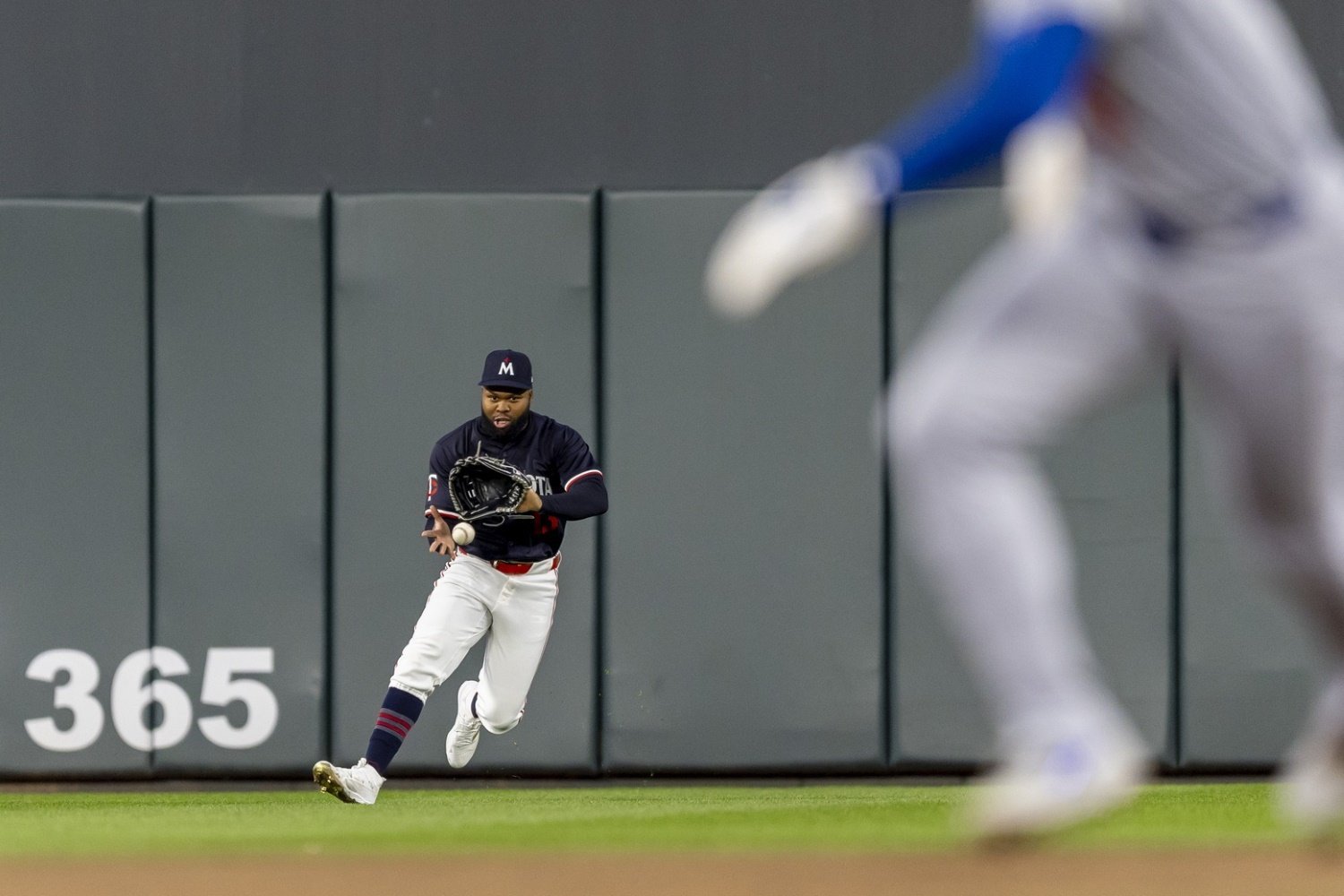 Minnesota’s front office has accumulated veteran players in recent seasons to add a layer of roster depth. There have been hits (Willi Castro, Michael A. Taylor, Donovan Solano) and misses (Joey Gallo, Chris Archer, Dylan Bundy). The team has also shown a propensity to hang on to these veteran players well past their expiration date, which can be frustrating for fans. It’s only one month into the 2024 season, but some players have failed to meet expectations. Have the Twins learned from past mistakes, or will the front office fall into their old habits? 6. Willi Castro, UTIL - rWAR: 0.6 Castro has one year of arbitration eligibility remaining, but he will get expensive, with an estimated salary of over $5 million. It seems unlikely the Twins will offer him arbitration at that amount, unless his performance significantly improves. Last season, Castro had a career year with a 107 OPS+, 33 steals, and the ability to play six different defensive positions. His 2024 season started slowly, to say the least, with a .431 OPS through his first 16 games. However, Castro ended the month as one of the team’s hottest hitters, with a .986 OPS over his last 12 games. Castro built up enough equity last season that it would take a massive slump for the team to move on from him. Likelihood to Be Let Go: Low 5. Caleb Thielbar, LHP - rWAR: -0.3 Thielbar is in his final year of arbitration eligibility, pitching in his age-37 season. He is also the most expensive bullpen arm this season, just north of $3 million. Previously, Thielbar was on the brink of retirement, but there is little doubt that he saved a struggling Twins bullpen during the 2023 campaign. His injury held him back at the start of the year, but Minnesota’s coaches trusted him enough to put him in save situations before Jhoan Durán returned from the IL. The bullpen has been one of the team’s strengths this season, and there have been some tough decisions regarding roster spots. For now, Thielbar is more than safe, as one of the team’s veteran late-inning options. Likelihood to Be Let Go: Low 4. Kyle Farmer, IF - rWAR: -0.3 It was somewhat surprising for the Twins to bring back Farmer this season with a $6.3 million arbitration figure. Many believed Minnesota’s front office would attempt to trade him this winter because of the lack of shortstops available on the free agent market. Instead, the club held on to the veteran to provide depth, but he is a little bit of a luxury item on a team that cut $30 million in payroll. He has struggled mightily on both sides of the ball to start the year with a 30 OPS+ and a Fielding Run Value in the 64th percentile. His most significant contribution this season has been introducing the home run sausage. When they need to replace the sausage, his protection runs out. Likelihood to Be Let Go: Medium 3. Carlos Santana, 1B - rWAR: -0.3 Santana’s signing was interesting, because he seemed to fit a role where the Twins had other options. Still, the front office loves depth, and he has previously tortured the Twins. Santana got off to a horrendous start, posting a .347 OPS in his first 16 games. Thankfully, he ended April on a hot streak, going 11-for-38 (.290 BA) with two doubles and four home runs across 10 games. His defense at first continues to be strong, with an OAA in the 83rd percentile. Minnesota doesn’t need him to play at an All-Star level in his age-38 season, but they can’t afford to have an offensive black hole at first base. Likelihood to Be Let Go: Medium 2. Jay Jackson, RHP - rWAR: 0.1 WAR Jackson was among a handful of relievers the Twins’ front office targeted this winter to upgrade a group that struggled through portions of 2023. His career has undergone many ups and downs, with parts of multiple seasons played in Japan. In mid-April, his ERA ballooned over 5.00 as he has allowed earned runs in five of his first 11 appearances. Jackson continues to miss bats, with a 32.0 Whiff% and a 28.1 K%, but he has given up too much hard contact (43.9 Hard-Hit%). The Twins have multiple bullpen arms and are performing well, so Jackson needs to prove he can fill his role in the team’s reliever hierarchy. Likelihood to Be Let Go: Medium 1. Manuel Margot, OF - rWAR: -0.5 WAR Margot’s role with the team may increase with Byron Buxton leaving Wednesday’s game with an injury. However, giving Buxton's at-bats to another player might be in the team’s best interest. Margot's OPS is nearly 160 points lower than his career mark, and his 56 OPS+ is nearly unplayable, even if he continued to be a strong defender. His sprint speed dropped from 28.3 last season to 27.0 in 2024, which explains his defensive decline (-1 OAA, -1 Fielding Run Value). Margot has a $12 million team option for next year that the Twins won’t pick up. For now, he needs to find a way to provide some value, or there is no reason for him to be on the roster. Likelihood to Be Let Go: High How would you rank the players listed above? Will the team consider dropping veteran players this season? Leave a comment to start the discussion.
- 75 comments
-
- 4
-
-
- willi castro
- caleb thielbar
- (and 4 more)
-
Reviewing the Bullpen Hierarchy With Two Late Inning Arms Returning
Cody Christie posted an article in Twins
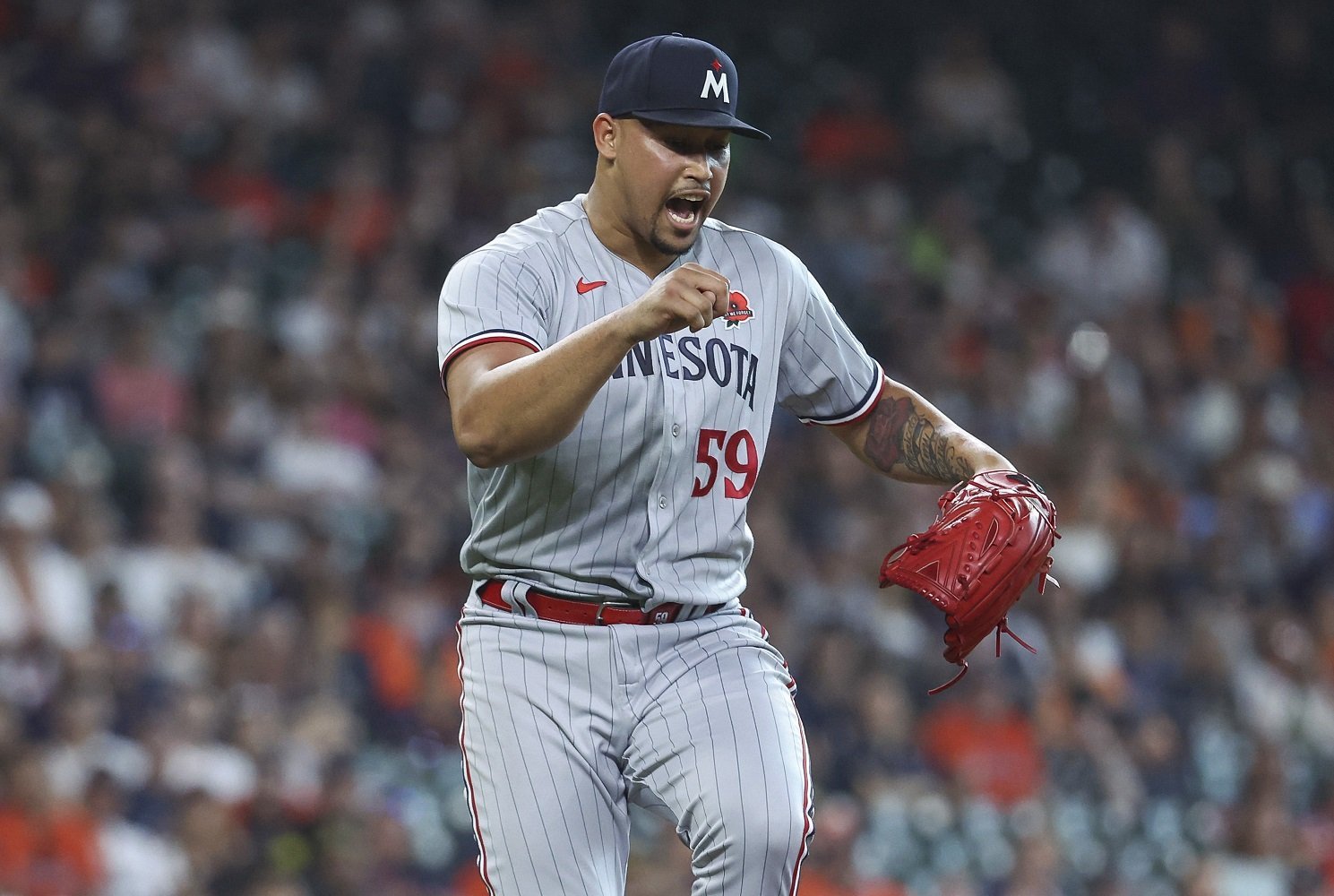 Things looked bleak for the Twins as the team left Fort Myers a little over a month ago. Jhoan Durán, Justin Topa, and Caleb Thielbar started the year on the IL, which tested the team’s bullpen depth right out of the gate. It would have been understandable for the relief group to collapse and take the blame for a poor start to the season. Instead, they've been terrific, to the point where the front office will have a tough decision on who should be demoted when players return from the IL. Matt Bowman has no remaining options, and the Twins decided to designate him for assignment with Durán's activation. The Twins kept Bowman on the roster once, when Thielbar came off the IL, by sending down Jorge Alcalá, who still ranks in the team’s top five for rWAR. The front office doesn’t like to give up on players with value, so it was somewhat surprising for Bowman to be placed on waivers. There were other candidates for demotion with options remaining, and those will be the names for the team to consider with the next activation. As Topa nears his Twins debut, the question becomes: “Who will be sent down?” The current low man in the bullpen hierarchy seems to be Kody Funderburk, who has performed well this year. He has allowed five earned runs on 12 hits, with a 25.4 K% and an 8.5 BB% in 11 appearances. Minnesota has two other lefties in the bullpen, and Funderburk has options remaining, so he’s the odd man out. Cole Sands also has to be a candidate, even though he has been one of the bullpen’s bright spots. Rocco Baldelli has discussed the possibility of Sands getting stretched back out as a starter, which makes sense with the lack of starting pitching depth at Triple-A. So, what’s the hierarchy when the injured players return? Let’s dive in. Closer: Jhoan Durán Durán’s velocity was diminished during spring training, which was cause for concern. He suffered a strained oblique, forcing the team to put him on the IL. His first rehab appearance also saw some diminished velocity, but Duran claimed it was because he was working on throwing strikes, and his next appearance proved that to be true. He can be, arguably, the AL’s top reliever when he is healthy, but he needs his full velocity to reclaim that title. Set-Up Men: Brock Stewart, Griffin Jax Baldelli has been in a unique spot with Durán on the IL. He has been able to use Stewart and Jax interchangeably in the ninth inning, while not limiting them to a traditional closer’s role. He has used them both in the middle innings, when the game seems to hang in the balance. This strategy forces the team to turn the ninth inning over to other options (named below), but the strategy has worked to this point. Many teams would be happy to have Jax and Stewart as their closer, so the Twins are lucky to have them as weapons late in close games. Middle Innings: Steven Okert, Caleb Thielbar, Justin Topa Like Durán, Topa has been on the IL (knee tendinitis) since the team broke camp in late March. He pitched in a set-up role for Seattle last season, but the Twins currently have better options ahead of him. Okert and Thielbar have gotten opportunities to close games because of the strategy outlined above. Adding Durán back should allow the team to use them more regularly in the middle innings for matchups that suit their skill set. Long Relief: Cole Sands, Jay Jackson Sands and Jackson will often be needed for multiple innings--if Sands avoids being optioned. Jackson has one of the bullpen’s highest ERAs, but the club targeted him this winter. It seems likely that the team will stick with him, especially if he can get into lower-leverage situations. Sands began his professional career as a starter, so he has pitched more than one inning in six of his first nine appearances this season. Baldelli came from the Rays organization, which has previously used an opener, and Sands seems like a strong candidate to fit into this role if the Twins need another starting option. At the very least, he could get some programmed volume, in the form of multiple innings as part of a bullpen game when needed. Bullpens can be fickle, as a result of small sample sizes and pitching in high-pressure situations. The front office should be commended for their approach to bullpen construction over the last two years to get these pieces in place. Minnesota has seen some bad bullpens in recent weeks, which should give Twins fans comfort knowing they get to watch one of baseball’s best relief units on a nightly basis. How do you think the bullpen performs moving forward? Are you worried about Durán's velocity from this spring and his rehab? Leave a comment and start the discussion.
- 15 comments
-
- 3
-
-
- jhoan duran
- justin topa
- (and 5 more)