



Greggory Masterson
-
Posts
819 -
Joined
-
Last visited
-
Days Won
2
Content Type
Profiles
News
Minnesota Twins Videos
2026 Minnesota Twins Top Prospects Ranking
2022 Minnesota Twins Draft Picks
Minnesota Twins Free Agent & Trade Rumors, Notes, & Tidbits
Guides & Resources
2023 Minnesota Twins Draft Picks
The Minnesota Twins Players Project
2024 Minnesota Twins Draft Picks
2025 Minnesota Twins Draft Pick Tracker
2026 Minnesota Twins Draft Tracker: Picks & Bonuses
Forums
Blogs
Events
Store
Downloads
Gallery
Everything posted by Greggory Masterson
-
 No, seriously. Stop laughing. If the Twins don’t have a Pagán replacement in 2024, they will need a philosophy shift. There’s no two ways about it: Emilio Pagan rode the rollercoaster as a Twin. He had high highs and low lows. He wasn’t at the top of anyone’s pecking order in the 2023 bullpen—including manager Rocco Baldelli’s—but he filled a role that doesn’t have an immediate replacement, and he was good in that role. When one thinks about the essential members of the bullpen, archetypes like closer, setup, lefty specialist, and fireman come to mind. Pagán’s run in 2022 as the closer was disastrous. His career home-run numbers prevented him from being used as a fireman, and by the end of his tenure, he was merely an occasional setup man. Instead, Pagán was a middle innings merchant--and he was pretty daggum good at it. Bolstered by a career-low 0.6 home runs per nine innings (less than half the rate of his next-best year), he pitched to a sub-3.00 ERA, while leading the bullpen at 69 1/3 innings over 66 appearances. He was perfect in his role, holding opponents to an OPS in the .400s between medium- and low-leverage appearances. His performance was substantially worse in high-leverage situations (.828 OPS against). Still, as a good organization should do, the Twins played to his strengths, only putting him in high-leverage situations for 22 percent of the batters he faced in 2023. He threw at least once in every inning except the second, and 80 percent of his appearances came before the eighth. Going into 2024, the Twins have a backend that seems pretty solid. Jhoan Duran is paired with right-handed setup men Griffin Jax and Brock Stewart, with Caleb Thielbar primed to return as the high-leverage lefty and Kody Funderburk slotted to fill the second lefty role. The middle innings go-to guy isn’t as clear—especially if the team intends to use someone the way they used Pagán. It wasn’t only the innings and in-game situations that made Pagán’s usage unique; he was also relied on for his proverbial "rubber arm," in a way that no other Twin has been over the past few years. Last offseason, I pointed out Pagán’s unusual place by the end of 2022. They would throw him wherever and whenever the situation called for it, and he excelled. The rest-conscious Twins tend to err on the side of underworking relievers. Pagán threw back-to-back games 14 percent of the time and a team-high 38 percent of the time on exactly one day’s rest. A total of 52 percent of his appearances were on one or fewer days’ rest, which was tied for the most often among Twins relievers with Jax. However, Pagán threw more than one inning in 21 percent of his appearances, and at least two in nine percent of them. None of the “short-relief” guys who tended to throw on less rest could match Pagán’s multi-inning output. Jax never threw more than an inning. Stewart's 18 percent of appearances matching that criterion is as close as it got, and he only threw two innings once. Some pitchers threw multiple innings more often than Pagán, but those were guys like Brent Headrick, Jordan Balazovic, Jorge Alcala, and José De León, a group of abused arms that could be swapped out if necessary. Also, did you know that Cole Sands threw a whopping 21 2/3 innings, despite seemingly being on the roster all season? De León could, potentially, have been another Pagán-type reliever, before his season ended in Tommy John surgery. Based on how the club threw Alcala to the wolves last year after a return from injury, he may be an option for bulk, productive work in the middle innings. Maybe Funderburk carries some of that load as well. Balazovic is out of options, and the former starter is a potential fill-in in the role, but his lack of strikeouts makes it challenging to put faith in him. Still, the Twins are committed to using him in a bullpen role, so he's in position to take on the burden. One exciting possibility Matt Canterino, who is also coming off Tommy John surgery but may someday be a late-inning reliever. Canterino might fill a Pagán-like role as he settles into a bullpen role, but it’s hard to imagine the Twins are keen on a Pagán-like usage pattern for a recovering prospect. Also, reports indicate he’s still seen as a starter by the Twins’ brass. The difficulty in replacing Pagán isn’t that he threw well in the middle innings, or that he threw on little rest, or that he could be counted on for more than three outs at a time—it’s that he did all three. It’s pretty straightforward to replace one of those traits, maybe even two. But all three? That’s a different beast. I haven’t mentioned any free-agent relievers because, let’s be honest, projecting the Twins’ reliever targets is a futile exercise made more impotent by payroll questions. Who knows? Maybe they’ll throw $2 million at a Joe Smith equivalent and hope it works, but it’s almost not worth discussing. They’ll probably bring in two minor-league veterans or waiver claims that will mysteriously stick. If a Pagán replacement doesn’t appear, they’ll need to change their philosophy on handling the middle innings. Maybe they throw their bigger arms earlier, or more often, or on shorter rest, to pick up the slack. Maybe the Green Line will bring them middle relievers on a tryout, in addition to the bulk arms for blowouts or injuries. The point is that the Twins—to a degree—built a bullpen hierarchy around Pagán’s strengths, and it’s going to take some shuffling to work around the lack of a rubber-armed, 2.99 ERA, middle-innings guy. There are options, but it’s hard to see it working as well as it did in 2023. View full article
- 50 replies
-
- 1
-

-
- emilio pagan
- matt canterino
- (and 2 more)
-
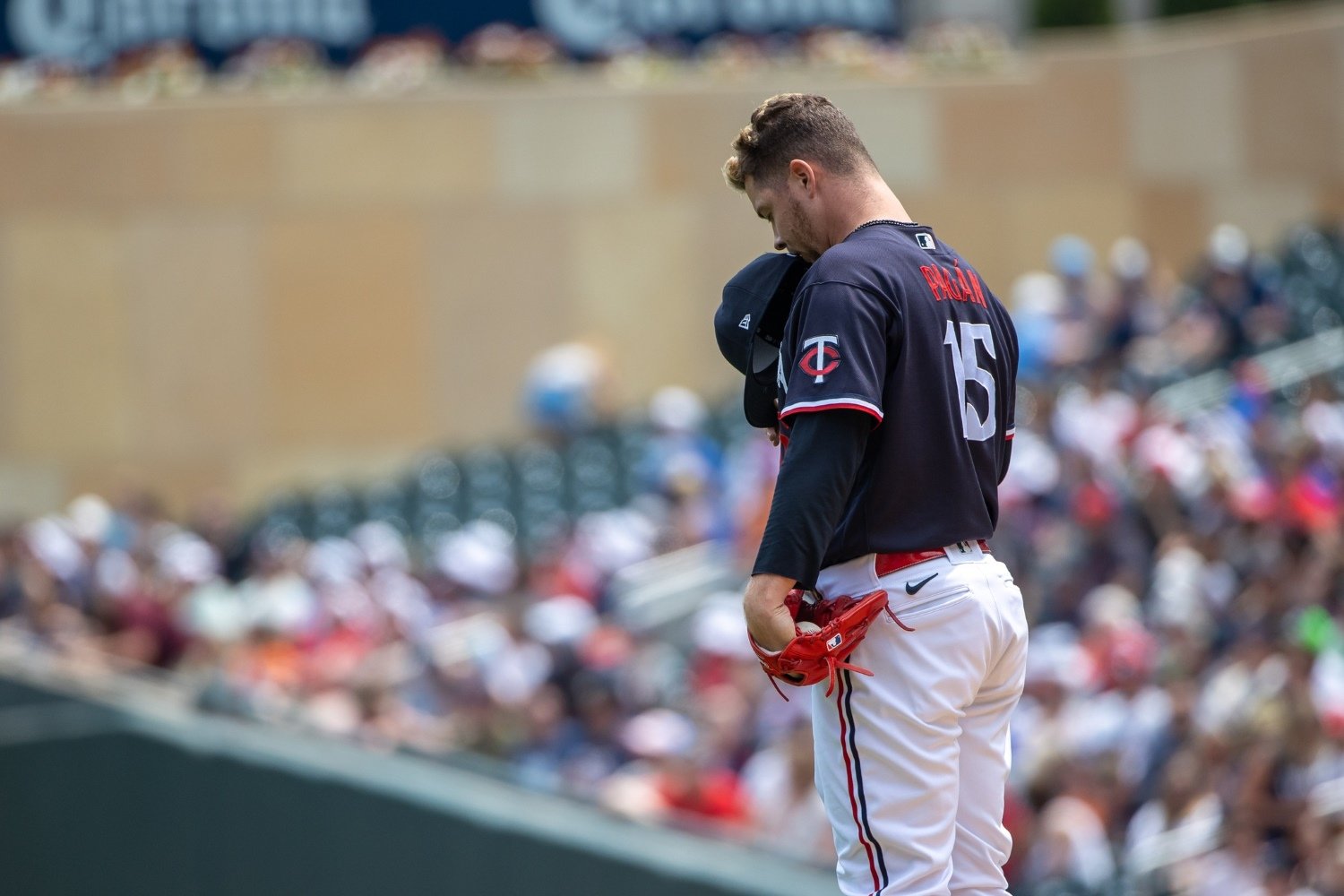 There’s no two ways about it: Emilio Pagan rode the rollercoaster as a Twin. He had high highs and low lows. He wasn’t at the top of anyone’s pecking order in the 2023 bullpen—including manager Rocco Baldelli’s—but he filled a role that doesn’t have an immediate replacement, and he was good in that role. When one thinks about the essential members of the bullpen, archetypes like closer, setup, lefty specialist, and fireman come to mind. Pagán’s run in 2022 as the closer was disastrous. His career home-run numbers prevented him from being used as a fireman, and by the end of his tenure, he was merely an occasional setup man. Instead, Pagán was a middle innings merchant--and he was pretty daggum good at it. Bolstered by a career-low 0.6 home runs per nine innings (less than half the rate of his next-best year), he pitched to a sub-3.00 ERA, while leading the bullpen at 69 1/3 innings over 66 appearances. He was perfect in his role, holding opponents to an OPS in the .400s between medium- and low-leverage appearances. His performance was substantially worse in high-leverage situations (.828 OPS against). Still, as a good organization should do, the Twins played to his strengths, only putting him in high-leverage situations for 22 percent of the batters he faced in 2023. He threw at least once in every inning except the second, and 80 percent of his appearances came before the eighth. Going into 2024, the Twins have a backend that seems pretty solid. Jhoan Duran is paired with right-handed setup men Griffin Jax and Brock Stewart, with Caleb Thielbar primed to return as the high-leverage lefty and Kody Funderburk slotted to fill the second lefty role. The middle innings go-to guy isn’t as clear—especially if the team intends to use someone the way they used Pagán. It wasn’t only the innings and in-game situations that made Pagán’s usage unique; he was also relied on for his proverbial "rubber arm," in a way that no other Twin has been over the past few years. Last offseason, I pointed out Pagán’s unusual place by the end of 2022. They would throw him wherever and whenever the situation called for it, and he excelled. The rest-conscious Twins tend to err on the side of underworking relievers. Pagán threw back-to-back games 14 percent of the time and a team-high 38 percent of the time on exactly one day’s rest. A total of 52 percent of his appearances were on one or fewer days’ rest, which was tied for the most often among Twins relievers with Jax. However, Pagán threw more than one inning in 21 percent of his appearances, and at least two in nine percent of them. None of the “short-relief” guys who tended to throw on less rest could match Pagán’s multi-inning output. Jax never threw more than an inning. Stewart's 18 percent of appearances matching that criterion is as close as it got, and he only threw two innings once. Some pitchers threw multiple innings more often than Pagán, but those were guys like Brent Headrick, Jordan Balazovic, Jorge Alcala, and José De León, a group of abused arms that could be swapped out if necessary. Also, did you know that Cole Sands threw a whopping 21 2/3 innings, despite seemingly being on the roster all season? De León could, potentially, have been another Pagán-type reliever, before his season ended in Tommy John surgery. Based on how the club threw Alcala to the wolves last year after a return from injury, he may be an option for bulk, productive work in the middle innings. Maybe Funderburk carries some of that load as well. Balazovic is out of options, and the former starter is a potential fill-in in the role, but his lack of strikeouts makes it challenging to put faith in him. Still, the Twins are committed to using him in a bullpen role, so he's in position to take on the burden. One exciting possibility Matt Canterino, who is also coming off Tommy John surgery but may someday be a late-inning reliever. Canterino might fill a Pagán-like role as he settles into a bullpen role, but it’s hard to imagine the Twins are keen on a Pagán-like usage pattern for a recovering prospect. Also, reports indicate he’s still seen as a starter by the Twins’ brass. The difficulty in replacing Pagán isn’t that he threw well in the middle innings, or that he threw on little rest, or that he could be counted on for more than three outs at a time—it’s that he did all three. It’s pretty straightforward to replace one of those traits, maybe even two. But all three? That’s a different beast. I haven’t mentioned any free-agent relievers because, let’s be honest, projecting the Twins’ reliever targets is a futile exercise made more impotent by payroll questions. Who knows? Maybe they’ll throw $2 million at a Joe Smith equivalent and hope it works, but it’s almost not worth discussing. They’ll probably bring in two minor-league veterans or waiver claims that will mysteriously stick. If a Pagán replacement doesn’t appear, they’ll need to change their philosophy on handling the middle innings. Maybe they throw their bigger arms earlier, or more often, or on shorter rest, to pick up the slack. Maybe the Green Line will bring them middle relievers on a tryout, in addition to the bulk arms for blowouts or injuries. The point is that the Twins—to a degree—built a bullpen hierarchy around Pagán’s strengths, and it’s going to take some shuffling to work around the lack of a rubber-armed, 2.99 ERA, middle-innings guy. There are options, but it’s hard to see it working as well as it did in 2023.
- 50 comments
-
- 10
-
-
- emilio pagan
- matt canterino
- (and 2 more)
-
I'll be straight up, that bit came to me in a vision 8 months ago and I've been sitting on it looking for the right time to use it ever since.
-
Alright folks listen up I have some thoughts I want to get off my chest and I'm digging deeper then a home run hit by the REAL TC Bear at the Metrodome so buckle up. In this essay, I will explore and evaluate Carlos Correa's performance as assistant general manager, 2 years in. On January 11th 2023 a day that will live in infamy Carlos Correa who was turned down because of medicals by the giants and Mets came crawling back to Minnesota because no one else would take him and he got 200 million buckaroos to boot. And that fateful day he was dubbed "assistant general manager of the Minnesota Twins" by Thad Levine and Scott Boris. Miriam Webster defines assistant as "a person who assists someone" general as "not confined by specialization or careful limitation" and manager as "a person who conducts business or household affairs" so that means Correa is someone who assists the business of the Twins that is not confined by specialization. Now I have a gripe to pick with that definition as Correa is confined by specialization he's just a defensive specialist stop me if you heard this before but he's just another Mark Belanger in the field and he shouldn't hit higher then seventh. But I suppose that's besides the point because these days there changing grammar rules to fit what people are more comfortable with. Just the other year the Associated Press (whom I would never want to associate with) said that "less" and "fewer" are interchangeable now. Folks,, that's fewer then ideal if you ask me. Fewer refers to quantifiable entities but less refers to things you can't "count." Theres less sand on the beach but fewer grains of sand I'll just leave it at that if you catch my drift. But I digress. With Correa's new title as assistant general manager (abbreviated to AGM henceforth) comes responsibility. Just like Uncle Ben told Luke Skywalker, with Great Power Comes Great Responsibility. So where is his assistant general manager responsibility when cheap pohlad issues a edict from on high that the Twins are cutting payroll. The pocket protectors at the Athletic reported that it could be as low as 125 million but with how buddy-buddy those clowns are with the owners, I would guess it will be closer to 115 DESPITE the taxpayer funded stadium. If Carlos Correa is really the AGM, why hasn't he stepped up to the plate and forced cheap pohlad to recant his ways? A true leader would walk right up to that man and demand a bigger payroll, even if that meant he got cut and didn't get his 30 million dollars a year. It's called integrity. My first job I walked into the managers office and said "sir I would like a job" and look at me now I'm the floor supervisor. It's called initiative. cheap pohlad might even like his gumption. The Twins are paying Correa enough that he shouldn't be afraid to step up and do the right thing but I guess that's just how baseballer are raised these days when they don't live in fear of Bob Gibson or Christy Mathewson or Eddie Cicotte putting one in there earhole. Speaking of doing the right thing, the Twins never bunt except for scrappy infielder Jorge Polanco and my favorite player Michael A. Taylor who sneakily plays the game the right way. Why hasn't Correa sat Baldelli (the "field manager") and told him "No Rocco, we're playing smallball now. Its not 2019 anymore. If it was good enough for the 1927 Yankees than why isn't it good enough for the 2024 Twins." As AGM, he is Rocco's boss. He's a puppet for the front office anyway and that includes Carlos. And another thing, speaking about bunting. How come bunting is only placed around the stadiums after the fourth of July (Independence Day). I really like those little half-circle flags. They really tie the field together and it reminds us of the greatest country God ever invented where we play the greatest Sport He ever invented, It's like how there's no jobs for pumping gas anymore. We just take things away that are useful and good to streamline the process, which is probably why Driveline is personally snipping 14 year olds' UCLs so they have to get Tommy John surgery. Anyway, I want to point out some hypocrisy from our friend Carlos. He exerted his influence to make signings like his old Astros friend Christian Vazquez and also Dallas Keuchel. But he's refusing to put his foot down and challenge cheap pohald on one little thing? And don't come at me siting things like "The Ballys's Situation" because that's a load of hogwash. If Derek and Thad "the smartest guys in the room" couldn't see this whole thing come crashing down then why are they paid for? But of course the whole Ballys's situation blew up in everyone's faces and now we have half the screen taken up by bally betting lines (there a gambling company like the Bellagio). But of course you can gamble during the baseball game from your smart TV but Pete Rose, an upstanding public figure, bet on some games that he had control over and made in-game decisions based on whether or not he bet on that game and now he can't get into the Hall of Fame? What a joke. Speaking of fairness and equality, [Hi, this is Greggory's wife, Earnestine. I have been editting this post and fixing type-os for Greggory, but I'm making the executive decisions to omit this paragraph. While his head was in the right place, Greggory's calls to rename singles to "gentleman singles" and walks to "lady singles" in an effort to promote gender equality probably didn't come off in the right way.] And so that brings me to my next point. Carlos Correa needs to also reconsider the money he's making. Instead of trading a team legend like all-American boy Max Kepler (who I would let date my daughter) to shave salary, maybe Carlos could consider a paycut. Based on Fan Graphs WAR he was only worth about 15 million dollars which is a kings ransom for Buxton but okay for Correa, so maybe he should except the paycut down to 15 million. IF he's as committed to winning as he said then maybe he's willing to do so. It's what leaders do. Or maybe he could restructure his contract a la Kurt Cousins. I once had a offer to double my salary and jump over to the meat packing plant but I know the value of loyalty and look at me now I'm the floor supervisor. So that's what's got this on my mind like a Sheboygan sausage, which reminds me whatever happened to the Hormel W***** Winner Row? I never got one but I always wanted a free DomeDog. This winter, if Carlos Correa wants to prove that he has earned the title of AGM, well then it's time to start putting the money where his mouth is. It's just sad to watch this childrens' game become a big money grab for everyone involved. Sure, back in the day you had your Chick Gandils and Billy Mahargs, but they were the exception not the rules. Owners used to be willing to spend on their teams. Remember the time that Tommy Lasorda beat up the San Diego Chicken? But the game we used to love is now dominated by launch velocity and exit angle and seam shifted wake and they don't give away physical ticket stubs either. I can only add it to my Apple Wallet which is the only billfold you can't put in your back pocket or else it will break. Everything is just too streamlined and money focused these days which is probably why downtowns don't decorate for Christmas anymore. I miss seeing wreaths and tinsel and statues of Santa now the only place I can go to get that ambiance is the hellhole that is Duluth, MN. But even Duluth makes they're downtown look like that all year. It's like they waited for Bing Crosby's song Winter Wonderland to hit the public domain then made a town around it. just another sign of the corporatization of middle America. Speaking of winters in Minnesota why didn't they build a roof on Target Field? Probably never expected to have a playoff game in October which is why cheap pohlad only invests enough to pretend to compete like signing Carlos Correa when they could have signed 42 minimum-salary players for the same money. And don't even start with me about how having a roof on Target Field would mean fans can't see the Minnesota skyline because let me tell you about downtown Minnesota. Ever since [Earnestine again; we are going to skip this part]. Which brings me to my final point and thesis. I think that the Twins rolled out the red carpet for Correa and he didn't deserve it. Beyond the salary, he also got "Star Wars Night" instituted and I'm here to say that he's not even a real nerd because Kylo Ren and the Sequel Series are NOT cannon. I consider myself more of a Trekkie myself they really have some good messages about inclusivity unlike Star Wars which is all about space wizards for children committing terrorism against the state. But Correa has probably never even read Asimov or knows the rules to robots. So the Twins did all that work to bring him in and the fans have nothing to show for it. Just another Hershel Walker trade and Parise and Suter. When will he earn his salary and demand cheap pohlad invest in this team? Probably never. Instead they'll probably trade all there good players for prospects who will just be traded again once there good. And speaking of good I have one last thought. I really miss seeing Mary Tyler Moore on the tube. She was a real fox and they don't make women like that [except for my loving wife Earnestine]. It's just frustrating that people these days don't value the same things anymore. It says a lot about the state of our country, if you ask me.
- 18 comments
-
- 11
-
-

-

-
In their defense, the Romo trade was great and the Fulmer trade was fine. Then they had three nothing burgers (eg, Sandy León) and then the train wreck three: Mahle, López, Dyson
-
My wifi is bad and BRef runs better on my computer! in all seriousness, I don’t read too deeply into WAR (whoever’s it is) in conversations like this. If they’re within 10 WAR of even after 10 trades, it’s essentially a fair shake, in my opinion. I like it as one of many contextual factors
- 12 replies
-
- 1
-
-
- kenta maeda
- emilio pagan
- (and 5 more)
-
Since those trades were selling off assets at the deadline, I analyzed them this summer here. I’ve divided them all up because they’ve made approximately 60 trades since 2016
- 12 replies
-
- 3
-
-
- kenta maeda
- emilio pagan
- (and 5 more)
-
Trading Places: A History of Minnesota Twins Challenge Trades
Greggory Masterson posted an article in Twins
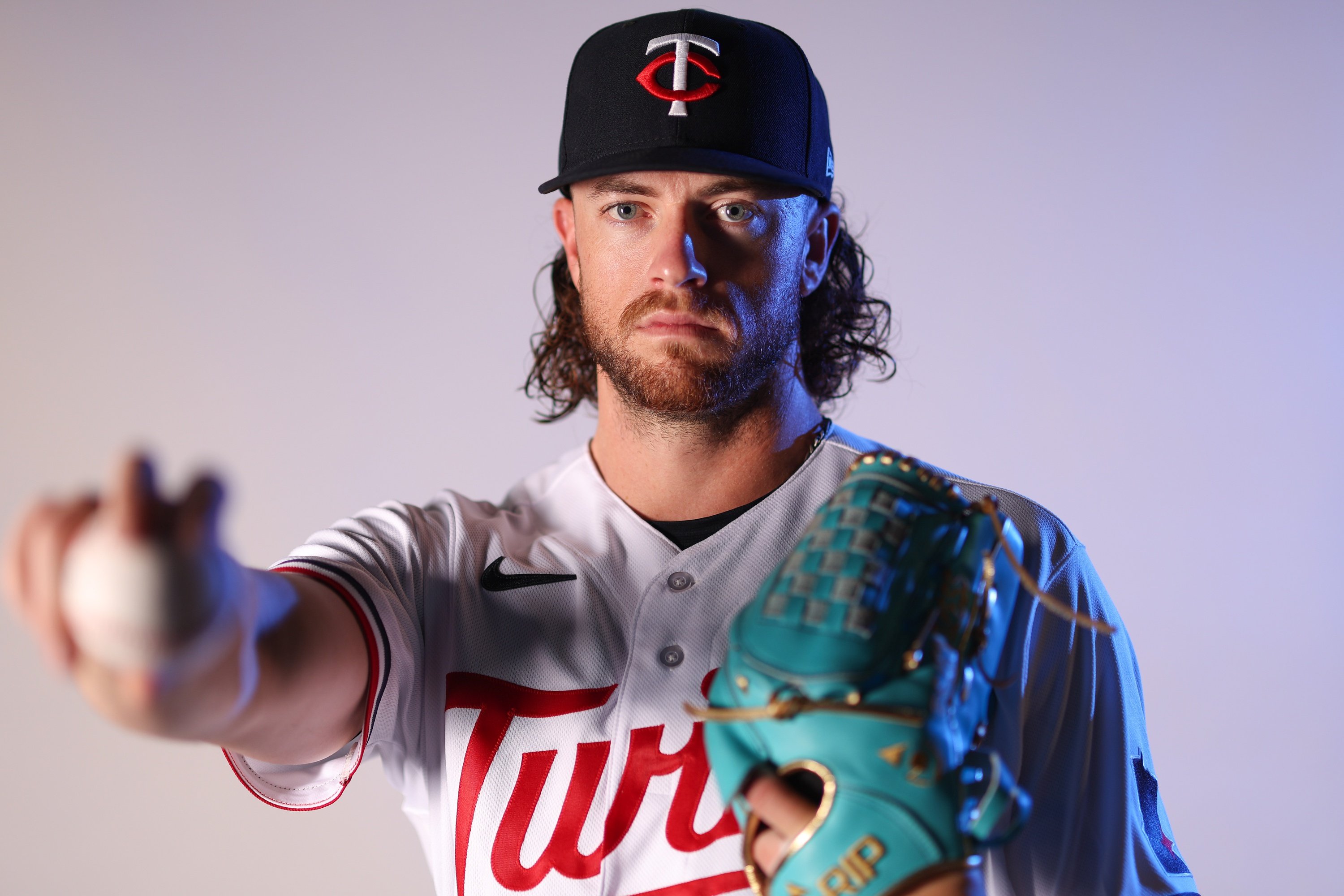 No team wins every trade, but competitive teams need to win more than they lose. It's pretty straightforward to pick winners and losers when a team trades MLB contributors from a position of strength to bring in other MLB contributors for a position of need. These are often called challenge trades, and the Twins have made them a habit under this front office's tenure. I challenge you (no pun intended) to think of an offseason trade since 2016 that sent away an MLB player for the Twins. If that trade wasn't Gio Urshela for Alejandro Hidalgo, you just thought of a challenge trade. The only time that the Twins have truly sold—i.e., traded an MLB player for a prospect—was that second Urshela trade. Below, I've listed every trade that could be considered an offseason challenge trade (or sell) under Derek Falvey. Before we begin, some housekeeping. I provided stats for each player with their new team. A player's performance is not included if they were again traded or signed elsewhere as free agents after the original trade. This analysis doesn't have future performance, either. This information is accurate as of November 15th, 2023. Those with an * indicate that the player is still in the organization they were traded to, so the complete picture isn't available. I will also be providing some context for each trade. Comparing statistics does not necessarily indicate which team won the trade, so I have done my best to explain why the trade occurred. See the Yankees trade below for an example of why comparing statistics isn't ideal. Although the Twins lost the trade by WAR, it cleared the salary owed to Josh Donaldson and gave them the room to sign Carlos Correa to his first Minnesota contract. Without further ado, my subjective order is from best to worst. 3/13/22: Minnesota acquires Gio Urshela (551 PA, 119 OPS+, 3.1 bWAR), Gary Sanchez (471 PA, 88 OPS+, 0.9 bWAR) from New York (AL) for Josh Donaldson (666 PA, 90 OPS+, 2.3 bWAR), Isiah Kiner-Falefa (892 PA, 81 OPS+, 2.9 bWAR), Ben Rortvedt* (79 PA, 28 OPS+, -0.2 bWAR), -1.0 bWAR for Minnesota. There's much to unpack in this trade, primarily orchestrated to clear up salary room from 2022 to 2024 and rid themselves of Donaldson. Donaldson was a solid contributor for New York in 2022 but wore out his welcome, and the Yankees waived him before the end of 2023. Kiner-Falefa also lost his starting shortstop role, handling a super-utility role when his contract ended after 2023. Rortvedt has played minimally in New York due to injury. Urshela and Sanchez spent a year in Minnesota, but neither returned for 2023. Although both Urshela and Sanchez had contracts that offset some of Donaldson's, the Twins are no longer paying either, and that excess money helped to bring in Correa before 2022 and 2023. 1/20/23: Minnesota acquires Pablo López* (194 IP, 117 ERA+, 3.3 bWAR), Jose Salas* (has not reached Minnesota), Byron Churio* (has not reached Minnesota) from Miami for Luis Arraez* (617 PA, 133 OPS+, 4.9 bWAR), -1.6 bWAR for Minnesota. The Twins tabbed López as the Opening Day starter after the trade that sent the reigning batting champion Arraez to Miami. After four great starts and a four-year, $73 million extension, López finished seventh in the AL Cy Young. Churio and Salas were promising prospects many did not anticipate being included in the deal, though it's questionable whether either will make it to the big leagues. Arraez won his second consecutive batting title and placed eighth in the 2023 NL MVP voting. He's under team control in Miami through 2025. 2/9/20: Minnesota acquires Kenta Maeda (277.1 IP, 106 ERA+, 3.0 bWAR), Jair Camargo* (has not reached Minnesota) from Los Angeles (NL) for Brusdar Graterol* (173.2 IP, 158 ERA+, 3.5 bWAR), Luke Raley (72 PA, 43 OPS+, -0.5 bWAR), +0.0 bWAR for Minnesota. Maeda finished second in the 2020 Cy Young voting during the shortened season but struggled in 2021, had Tommy John surgery, and re-established himself in 2023, though not without continued injury concerns. At the time of the trade, the Twins knew he may have elbow issues. Graterol has been a solid force in LA's bullpen when healthy. Camargo has not reached the majors, while the Twins traded Raley to Tampa. This trade also sent a 2nd round pick to LA. 4/7/22: Minnesota acquires Chris Paddack* (27.1 IP, 95 ERA+, 0.2 bWAR), Emilio Pagán (132.1 IP, 112 OPS+, 0.9 bWAR), Brayan Medina (has not reached Minnesota) from San Diego for Taylor Rogers (41.1 IP, 87 ERA+, -0.2 bWAR), Brent Rooker (7 PA, -100 OPS+, -0.2 bWAR), +1.1 bWAR for Minnesota. This infamous trade sent away the Twins' top reliever, Rogers, who struggled in San Diego. Rooker, a depth outfielder, only registered seven plate appearances for the Padres but wound up a 2023 All-Star with Oakland. In return, the team received Paddack, who had known elbow issues, pitched well in five starts, then underwent Tommy John. He returned as a bullpen piece down the stretch in 2023 and will likely open 2024 in the starting rotation. Pagán largely struggled through 2022 as a high-leverage arm, but he posted a sub-3.00 ERA and led the bullpen in innings in 2023. Medina is currently in Rookie ball as a starter, and the Twins retained most of Rogers's salary. 3/12/22: Minnesota acquires Isiah Kiner-Falefa (did not reach Minnesota), Ronny Henriquez (11.2 IP, 173 ERA+, 0.2 bWAR) from Texas for Mitch Garver (559 PA, 121 OPS+, 2.5 bWAR), -2.7 bWAR for Minnesota. Coming out of the lockout, Minnesota made a move that killed two birds with one stone: got a return for the off-injured Garver and filled a hole at shortstop. Garver has dealt with injuries in Texas but has still hit well, though relegated to mainly DH. Kiner-Falefa was a Twin for one day before getting traded again, and Henriquez threw a few innings in 2022, but the Twins released him after the 2023 season. 11/18/22: Minnesota acquires Alejandro Hidalgo (has not reached Minnesota) from Los Angeles (AL) for Gio Urshela (130 PA, 84 OPS+, 0.2 bWAR), -0.2 bWAR for Minnesota. Urshela became a fan-favorite and consistent performer in his year in Minnesota. However, he would have likely been non-tendered in arbitration to prevent a perceived logjam on the Minnesota infield. He played all around the infield and had been moderately productive for the Angels before a broken pelvis ended his season. Hidalgo is still 20 years old and a starter at High-A. 2/5/21: Minnesota acquires Shaun Anderson (8.2 IP, 47 ERA+, -0.5 bWAR) from San Francisco for LaMonte Wade Jr.* (1151 PA, 112 OPS+, 3.9 bWAR), -4.4 bWAR for Minnesota. In retrospect, this was an unforced error. The Twins had two similar options for their fourth outfielder going into 2021—Wade and Jake Cave—and they elected to trade Wade, who, when healthy, has been a consistent presence in the Giants lineup. Cave struggled over his last two years in Minnesota, and Anderson, the AAAA lottery ticket they got for Wade, was out of the organization before the year ended. Total WAR gained: -8.8 bWAR Unfortunately, by WAR, the Twins have given up more than they've brought in in MLB-for-MLB trades. However, there's room for discussion. The team could say that they'd do the Donaldson, Arraez, and Graterol trades, even though they have not shown favorably by WAR, given the context of the trades. I said at the beginning that it's easy to see who wins and loses, but it's a little trickier to contextualize them. What do you think? Do you trust the team to trade away big leaguers again in 2024?
- 12 comments
-
- 5
-
-
- kenta maeda
- emilio pagan
- (and 5 more)
-
The MLB offseason requires creativity for mid-market teams who want to remain competitive. The Twins have a recent history of swapping big leaguers for big leaguers with other teams, but has that worked? Let’s turn to history for the answer. Image courtesy of Nathan Ray Seebeck-USA Today No team wins every trade, but competitive teams need to win more than they lose. It's pretty straightforward to pick winners and losers when a team trades MLB contributors from a position of strength to bring in other MLB contributors for a position of need. These are often called challenge trades, and the Twins have made them a habit under this front office's tenure. I challenge you (no pun intended) to think of an offseason trade since 2016 that sent away an MLB player for the Twins. If that trade wasn't Gio Urshela for Alejandro Hidalgo, you just thought of a challenge trade. The only time that the Twins have truly sold—i.e., traded an MLB player for a prospect—was that second Urshela trade. Below, I've listed every trade that could be considered an offseason challenge trade (or sell) under Derek Falvey. Before we begin, some housekeeping. I provided stats for each player with their new team. A player's performance is not included if they were again traded or signed elsewhere as free agents after the original trade. This analysis doesn't have future performance, either. This information is accurate as of November 15th, 2023. Those with an * indicate that the player is still in the organization they were traded to, so the complete picture isn't available. I will also be providing some context for each trade. Comparing statistics does not necessarily indicate which team won the trade, so I have done my best to explain why the trade occurred. See the Yankees trade below for an example of why comparing statistics isn't ideal. Although the Twins lost the trade by WAR, it cleared the salary owed to Josh Donaldson and gave them the room to sign Carlos Correa to his first Minnesota contract. Without further ado, my subjective order is from best to worst. 3/13/22: Minnesota acquires Gio Urshela (551 PA, 119 OPS+, 3.1 bWAR), Gary Sanchez (471 PA, 88 OPS+, 0.9 bWAR) from New York (AL) for Josh Donaldson (666 PA, 90 OPS+, 2.3 bWAR), Isiah Kiner-Falefa (892 PA, 81 OPS+, 2.9 bWAR), Ben Rortvedt* (79 PA, 28 OPS+, -0.2 bWAR), -1.0 bWAR for Minnesota. There's much to unpack in this trade, primarily orchestrated to clear up salary room from 2022 to 2024 and rid themselves of Donaldson. Donaldson was a solid contributor for New York in 2022 but wore out his welcome, and the Yankees waived him before the end of 2023. Kiner-Falefa also lost his starting shortstop role, handling a super-utility role when his contract ended after 2023. Rortvedt has played minimally in New York due to injury. Urshela and Sanchez spent a year in Minnesota, but neither returned for 2023. Although both Urshela and Sanchez had contracts that offset some of Donaldson's, the Twins are no longer paying either, and that excess money helped to bring in Correa before 2022 and 2023. 1/20/23: Minnesota acquires Pablo López* (194 IP, 117 ERA+, 3.3 bWAR), Jose Salas* (has not reached Minnesota), Byron Churio* (has not reached Minnesota) from Miami for Luis Arraez* (617 PA, 133 OPS+, 4.9 bWAR), -1.6 bWAR for Minnesota. The Twins tabbed López as the Opening Day starter after the trade that sent the reigning batting champion Arraez to Miami. After four great starts and a four-year, $73 million extension, López finished seventh in the AL Cy Young. Churio and Salas were promising prospects many did not anticipate being included in the deal, though it's questionable whether either will make it to the big leagues. Arraez won his second consecutive batting title and placed eighth in the 2023 NL MVP voting. He's under team control in Miami through 2025. 2/9/20: Minnesota acquires Kenta Maeda (277.1 IP, 106 ERA+, 3.0 bWAR), Jair Camargo* (has not reached Minnesota) from Los Angeles (NL) for Brusdar Graterol* (173.2 IP, 158 ERA+, 3.5 bWAR), Luke Raley (72 PA, 43 OPS+, -0.5 bWAR), +0.0 bWAR for Minnesota. Maeda finished second in the 2020 Cy Young voting during the shortened season but struggled in 2021, had Tommy John surgery, and re-established himself in 2023, though not without continued injury concerns. At the time of the trade, the Twins knew he may have elbow issues. Graterol has been a solid force in LA's bullpen when healthy. Camargo has not reached the majors, while the Twins traded Raley to Tampa. This trade also sent a 2nd round pick to LA. 4/7/22: Minnesota acquires Chris Paddack* (27.1 IP, 95 ERA+, 0.2 bWAR), Emilio Pagán (132.1 IP, 112 OPS+, 0.9 bWAR), Brayan Medina (has not reached Minnesota) from San Diego for Taylor Rogers (41.1 IP, 87 ERA+, -0.2 bWAR), Brent Rooker (7 PA, -100 OPS+, -0.2 bWAR), +1.1 bWAR for Minnesota. This infamous trade sent away the Twins' top reliever, Rogers, who struggled in San Diego. Rooker, a depth outfielder, only registered seven plate appearances for the Padres but wound up a 2023 All-Star with Oakland. In return, the team received Paddack, who had known elbow issues, pitched well in five starts, then underwent Tommy John. He returned as a bullpen piece down the stretch in 2023 and will likely open 2024 in the starting rotation. Pagán largely struggled through 2022 as a high-leverage arm, but he posted a sub-3.00 ERA and led the bullpen in innings in 2023. Medina is currently in Rookie ball as a starter, and the Twins retained most of Rogers's salary. 3/12/22: Minnesota acquires Isiah Kiner-Falefa (did not reach Minnesota), Ronny Henriquez (11.2 IP, 173 ERA+, 0.2 bWAR) from Texas for Mitch Garver (559 PA, 121 OPS+, 2.5 bWAR), -2.7 bWAR for Minnesota. Coming out of the lockout, Minnesota made a move that killed two birds with one stone: got a return for the off-injured Garver and filled a hole at shortstop. Garver has dealt with injuries in Texas but has still hit well, though relegated to mainly DH. Kiner-Falefa was a Twin for one day before getting traded again, and Henriquez threw a few innings in 2022, but the Twins released him after the 2023 season. 11/18/22: Minnesota acquires Alejandro Hidalgo (has not reached Minnesota) from Los Angeles (AL) for Gio Urshela (130 PA, 84 OPS+, 0.2 bWAR), -0.2 bWAR for Minnesota. Urshela became a fan-favorite and consistent performer in his year in Minnesota. However, he would have likely been non-tendered in arbitration to prevent a perceived logjam on the Minnesota infield. He played all around the infield and had been moderately productive for the Angels before a broken pelvis ended his season. Hidalgo is still 20 years old and a starter at High-A. 2/5/21: Minnesota acquires Shaun Anderson (8.2 IP, 47 ERA+, -0.5 bWAR) from San Francisco for LaMonte Wade Jr.* (1151 PA, 112 OPS+, 3.9 bWAR), -4.4 bWAR for Minnesota. In retrospect, this was an unforced error. The Twins had two similar options for their fourth outfielder going into 2021—Wade and Jake Cave—and they elected to trade Wade, who, when healthy, has been a consistent presence in the Giants lineup. Cave struggled over his last two years in Minnesota, and Anderson, the AAAA lottery ticket they got for Wade, was out of the organization before the year ended. Total WAR gained: -8.8 bWAR Unfortunately, by WAR, the Twins have given up more than they've brought in in MLB-for-MLB trades. However, there's room for discussion. The team could say that they'd do the Donaldson, Arraez, and Graterol trades, even though they have not shown favorably by WAR, given the context of the trades. I said at the beginning that it's easy to see who wins and loses, but it's a little trickier to contextualize them. What do you think? Do you trust the team to trade away big leaguers again in 2024? View full article
-
Yes—that’s the link I referred to as “deadline sell.” It’s not updated with end-of-year stats, but it’s accurate through June (I think)
- 13 replies
-
- 1
-
-
- sonny gray
- jake odorizzi
- (and 3 more)
-
Tyler Mahle, Jorge Lopez, Sam Dyson, and Michael Fulmer are all trade deadline acquisitions. I discussed those trades at the 2023 deadline here. I'll dig them back up for the 2024 deadline, update stats, and rearrange my rankings. I also did a deadline sell review here. Kenta Maeda and Chris Paddack were trades I categorized as offseason "challenge trades" because they were traded for present major leaguers (Brusdar Graterol and Taylor Rogers/Brent Rooker, respectively). There's another writeup for those trades coming out shortly. I choose to break these up because I'm operating from a 90 line Excel spreadsheet with the data for these writeups, and the analysis for all 60+ trades is a 4000+ word document. Much easier to digest in parts, in my opinion.
- 13 replies
-
- 8
-
-
- sonny gray
- jake odorizzi
- (and 3 more)
-
If you didn’t point that out, I would have never noticed. It’s always next Tuesday anyway.
- 13 replies
-
- 1
-
-
- sonny gray
- jake odorizzi
- (and 3 more)
-
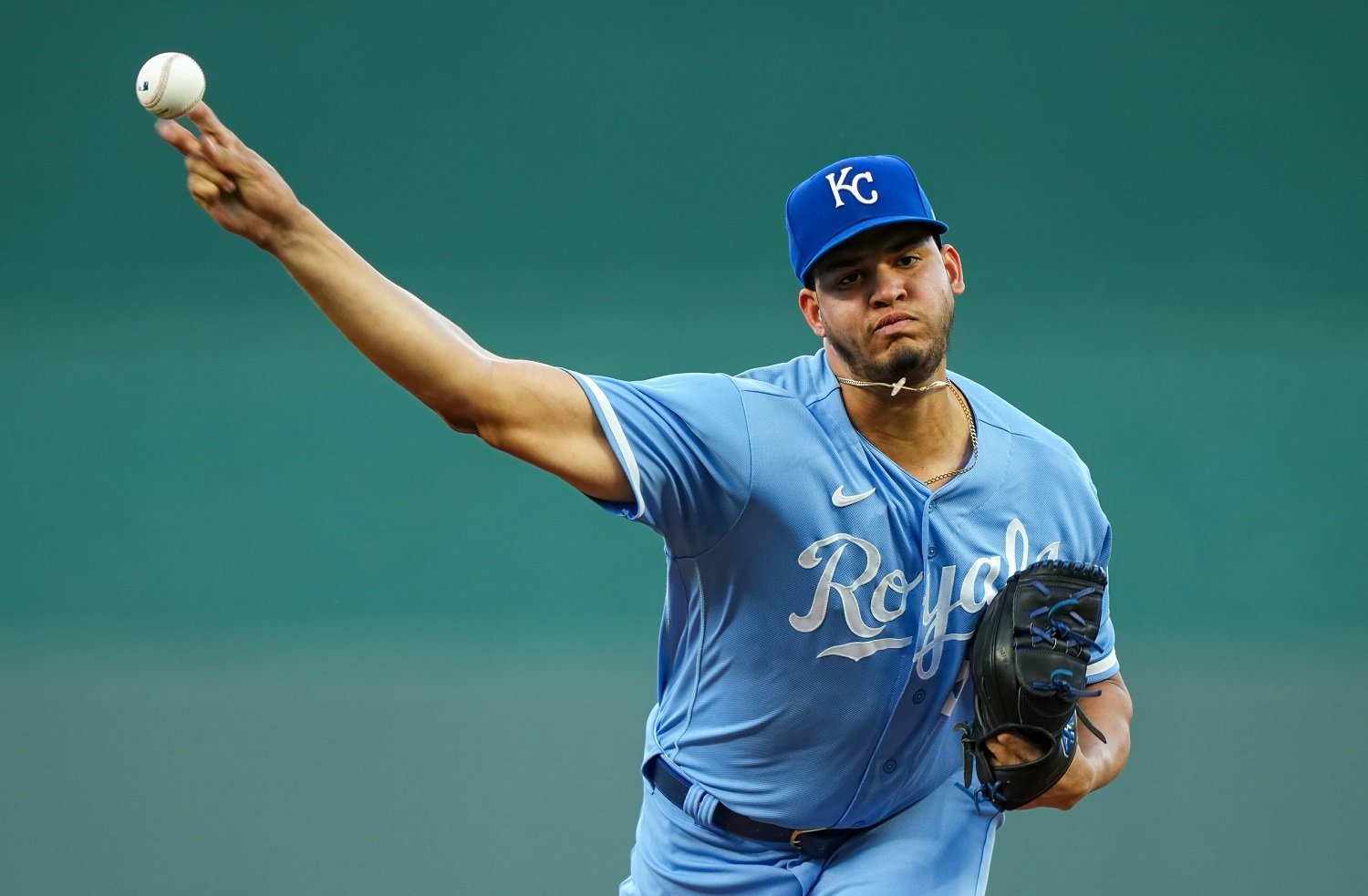 No team wins every trade, but competitive teams typically win more than they lose. Teams that can leverage offseason trades, instead of free agency, to fill out their roster are often rewarded with less monetarily expensive players, which can benefit a team like the Twins, whose payroll going into 2024 is uncertain. To aid you in determining how much faith to put in the current Twins front office, I have combed through every trade that the Twins have made since October 2016 in which the Twins traded away a prospect for a ready-made MLB player. You can make your own judgment. Below, I’ve listed every trade that could be considered a "Buy" over the offseason. Before we begin, some housekeeping. I provided stats for each player with their new team. Performance isn’t considered if they were again traded or signed elsewhere as free agents after the trade being discussed. Obviously, this analysis doesn’t include future performance, either. This information is accurate as of November 15th, 2023. Those with an * indicate that the player is still in the organization they were traded to, so the complete picture isn’t available. I will also be providing some context for each trade. Comparing statistics does not necessarily indicate which team won the trade, so I have done my best to explain why the trade occurred. For an example of why comparing statistics isn’t ideal, let’s skip to the 2022 Sonny Gray trade. Statistically, the Twins won the trade. Gray was good for 7.7 bWAR and was the 2023 AL Cy Young runner-up. However, Chase Petty, a former first-round pick, still has time to accrue value for Cincinnati, so we can’t definitively close the book on that trade yet. Without further ado, here’s my subjective order, from best to worst. 2/18/18: Minnesota acquires Jake Odorizzi (337.0 IP, 107 ERA+, 4.9 bWAR) from Tampa Bay for Jermaine Palacios (did not reach Tampa Bay), +4.9 bWAR for Minnesota. For quite some time, this trade was the undisputed crown jewel of this era of Twins baseball. Odorizzi sat in the front half of three Minnesota pitching rotations between 2018 and 2020, providing consistent performance, though he was not a star. Palacios never reached the majors with Tampa but came back as a minor-league free agent and debuted with Minnesota in 2022. 3/13/22: Minnesota acquires Sonny Gray (303.2 IP, 142 ERA+, 7.7 bWAR), Francis Peguero (did not reach Minnesota) from Cincinnati for Chase Petty* (has not reached Cincinnati), +7.7 bWAR for Minnesota. Looking to shore up a rotation with several holes, Minnesota traded future value in Petty for present value in Gray, effectively trading a pitcher now for a pitcher tomorrow. Gray led the staff for two years and finished second in the AL Cy Young in 2023. Peguero was released following the 2023 season. Petty had been drafted in the first round just months before and has impressed in the low minors thus far. As the book is still out on Petty, I’m keeping Odorizzi in the top spot. 3/27/23: Minnesota acquires Michael A. Taylor (388 PA, 94 OPS+, 1.9 bWAR) from Kansas City for Evan Sisk (has not reached Kansas City), Steven Cruz (12.2 IP, 91 ERA+, 0.0 bWAR), +1.9 bWAR for Minnesota. Taylor served as the everyday centerfielder in 2023, given injuries to both Byron Buxton and Nick Gordon. The Gold Glove centerfielder performed as expected defensively and showed some pop, though his bat has been mediocre overall. Cruz debuted for Kansas City in 2023, and Sisk finished the year at AAA. 11/18/22: Minnesota acquires Kyle Farmer (369 PA, 98 OPS+, 1.7 bWAR) from Cincinnati for Casey Legumina (13.2 IP, 82 ERA+, -0.3 bWAR), +1.8 bWAR for Minnesota. Without a starting-caliber shortstop (before the Carlos Correa signing), the Twins traded for Farmer. He’s since started games at second, third, and short—and seen time at first base and left field—as the top bench infielder in 2023 and is a platoon bat versus lefties. He was tendered a contract for 2024. Legumina had not debuted at the time of the trade - he had just been added to the 40-man roster - but has since thrown 13 mediocre innings, getting his first taste of MLB in 2023. 1/10/23: Minnesota acquires A.J. Alexy (did not reach Minnesota) from Washington for Christian Jimenez (has not reached Washington), +0.0 bWAR for Minnesota. Alexy was a fringe roster addition as a depth reliever. He was waived shortly after the trade and claimed by the White Sox. Jimenez is an 18-year-old in Rookie ball, so we’re several years from knowing if the trade was an unforced error. 3/16/18: Minnesota acquires Jake Cave (922 PA, 93 OPS+, 2.3 bWAR) from New York (AL) for Luis Gil* (33.1 IP, 114 ERA+, 0.6 bWAR), +1.7 bWAR for Minnesota. Cave had yet to debut in MLB, but I include this because he almost immediately became a Twin. Cave spent a couple of years as a good fourth outfielder before spending a couple of years as a poor fourth outfielder. Gil had a promising short run in 2021 but is recovering from Tommy John. Overall WAR added: 18.0 Overall, the Twins have successfully bought over the offseason, bringing in MLB players in exchange for unproven prospects. Given the nature of buying, it almost always looks better in the near term than it will years later, as the prospects traded away develop, but given the group of prospects traded away, the only one that looks like it has even a moderate chance of biting the club is Petty in Cincinnati. I’d assume that the Twins would make that deal again, anyway.
- 13 comments
-
- 3
-
-
- sonny gray
- jake odorizzi
- (and 3 more)
-
The hot stove is heating up, and players are available on the trade block for the right price. How much trust should we place in the Twins trading prospects for MLB talent? Let’s turn to history for the answer. Image courtesy of Jay Biggerstaff-USA TODAY Sports (photo of Steven Cruz) No team wins every trade, but competitive teams typically win more than they lose. Teams that can leverage offseason trades, instead of free agency, to fill out their roster are often rewarded with less monetarily expensive players, which can benefit a team like the Twins, whose payroll going into 2024 is uncertain. To aid you in determining how much faith to put in the current Twins front office, I have combed through every trade that the Twins have made since October 2016 in which the Twins traded away a prospect for a ready-made MLB player. You can make your own judgment. Below, I’ve listed every trade that could be considered a "Buy" over the offseason. Before we begin, some housekeeping. I provided stats for each player with their new team. Performance isn’t considered if they were again traded or signed elsewhere as free agents after the trade being discussed. Obviously, this analysis doesn’t include future performance, either. This information is accurate as of November 15th, 2023. Those with an * indicate that the player is still in the organization they were traded to, so the complete picture isn’t available. I will also be providing some context for each trade. Comparing statistics does not necessarily indicate which team won the trade, so I have done my best to explain why the trade occurred. For an example of why comparing statistics isn’t ideal, let’s skip to the 2022 Sonny Gray trade. Statistically, the Twins won the trade. Gray was good for 7.7 bWAR and was the 2023 AL Cy Young runner-up. However, Chase Petty, a former first-round pick, still has time to accrue value for Cincinnati, so we can’t definitively close the book on that trade yet. Without further ado, here’s my subjective order, from best to worst. 2/18/18: Minnesota acquires Jake Odorizzi (337.0 IP, 107 ERA+, 4.9 bWAR) from Tampa Bay for Jermaine Palacios (did not reach Tampa Bay), +4.9 bWAR for Minnesota. For quite some time, this trade was the undisputed crown jewel of this era of Twins baseball. Odorizzi sat in the front half of three Minnesota pitching rotations between 2018 and 2020, providing consistent performance, though he was not a star. Palacios never reached the majors with Tampa but came back as a minor-league free agent and debuted with Minnesota in 2022. 3/13/22: Minnesota acquires Sonny Gray (303.2 IP, 142 ERA+, 7.7 bWAR), Francis Peguero (did not reach Minnesota) from Cincinnati for Chase Petty* (has not reached Cincinnati), +7.7 bWAR for Minnesota. Looking to shore up a rotation with several holes, Minnesota traded future value in Petty for present value in Gray, effectively trading a pitcher now for a pitcher tomorrow. Gray led the staff for two years and finished second in the AL Cy Young in 2023. Peguero was released following the 2023 season. Petty had been drafted in the first round just months before and has impressed in the low minors thus far. As the book is still out on Petty, I’m keeping Odorizzi in the top spot. 3/27/23: Minnesota acquires Michael A. Taylor (388 PA, 94 OPS+, 1.9 bWAR) from Kansas City for Evan Sisk (has not reached Kansas City), Steven Cruz (12.2 IP, 91 ERA+, 0.0 bWAR), +1.9 bWAR for Minnesota. Taylor served as the everyday centerfielder in 2023, given injuries to both Byron Buxton and Nick Gordon. The Gold Glove centerfielder performed as expected defensively and showed some pop, though his bat has been mediocre overall. Cruz debuted for Kansas City in 2023, and Sisk finished the year at AAA. 11/18/22: Minnesota acquires Kyle Farmer (369 PA, 98 OPS+, 1.7 bWAR) from Cincinnati for Casey Legumina (13.2 IP, 82 ERA+, -0.3 bWAR), +1.8 bWAR for Minnesota. Without a starting-caliber shortstop (before the Carlos Correa signing), the Twins traded for Farmer. He’s since started games at second, third, and short—and seen time at first base and left field—as the top bench infielder in 2023 and is a platoon bat versus lefties. He was tendered a contract for 2024. Legumina had not debuted at the time of the trade - he had just been added to the 40-man roster - but has since thrown 13 mediocre innings, getting his first taste of MLB in 2023. 1/10/23: Minnesota acquires A.J. Alexy (did not reach Minnesota) from Washington for Christian Jimenez (has not reached Washington), +0.0 bWAR for Minnesota. Alexy was a fringe roster addition as a depth reliever. He was waived shortly after the trade and claimed by the White Sox. Jimenez is an 18-year-old in Rookie ball, so we’re several years from knowing if the trade was an unforced error. 3/16/18: Minnesota acquires Jake Cave (922 PA, 93 OPS+, 2.3 bWAR) from New York (AL) for Luis Gil* (33.1 IP, 114 ERA+, 0.6 bWAR), +1.7 bWAR for Minnesota. Cave had yet to debut in MLB, but I include this because he almost immediately became a Twin. Cave spent a couple of years as a good fourth outfielder before spending a couple of years as a poor fourth outfielder. Gil had a promising short run in 2021 but is recovering from Tommy John. Overall WAR added: 18.0 Overall, the Twins have successfully bought over the offseason, bringing in MLB players in exchange for unproven prospects. Given the nature of buying, it almost always looks better in the near term than it will years later, as the prospects traded away develop, but given the group of prospects traded away, the only one that looks like it has even a moderate chance of biting the club is Petty in Cincinnati. I’d assume that the Twins would make that deal again, anyway. View full article
-
Pump the Brakes On These Prospects
Greggory Masterson replied to Greggory Masterson's topic in Twins Daily Front Page News
Lewis profiles much better at second base and Lee profiles much better at third. I’m going to continue beating this drum until Derek Falvey pries it from my cold, dead hands.- 97 replies
-
- 4
-
-
-
-
- brooks lee
- austin martin
- (and 4 more)
-
Pump the Brakes On These Prospects
Greggory Masterson replied to Greggory Masterson's topic in Twins Daily Front Page News
Ah, I get what you’re saying—that wasn’t my intention with that phrase. It was more of a “calm down, they will be MLB players, but they shouldn’t force it.” Just because they’re not on the roster at the beginning of the year doesn’t mean they won’t be on it at the end.- 97 replies
-
- 2
-
-
- brooks lee
- austin martin
- (and 4 more)
-
Pump the Brakes On These Prospects
Greggory Masterson replied to Greggory Masterson's topic in Twins Daily Front Page News
This is the key to all of this. They need to handle those permanent decisions well. I kept track during the season, and waiving Luplow late in the year was essentially the most permanent decision made in 2023. Otherwise every move was reversable if needed (and they even went back on the Luplow DFA to just send him down instead; still not sure how that worked.)- 97 replies
-
- 2
-
-
- brooks lee
- austin martin
- (and 4 more)
-
Pump the Brakes On These Prospects
Greggory Masterson replied to Greggory Masterson's topic in Twins Daily Front Page News
Among logical fallacies, the Fallacy Fallacy is one of the more popular ones, as well. Joshing, of course, but can't a man make a turn of phrase to mean that they'll be here eventually but don't need to be rushed? (I'm also not sure that we're describing the appeal to authority here, but I digress) -
Pump the Brakes On These Prospects
Greggory Masterson replied to Greggory Masterson's topic in Twins Daily Front Page News
It might not have come through in the writing, so that’s on me, but I was thinking big league roles rather than actual positions. Martin is the only one I’ve seen get any true steam for a starting role, that being in center. I’ve seen some call for a runway being cleared for Lee, as well though. However, I’ve seen all the names on the list get support for an OD role of some sort—4th outfielder, platoon infielder, backup catcher, at minimum. I’m calling for that not to be plan A is all.- 97 replies
-
- 7
-
-
- brooks lee
- austin martin
- (and 4 more)
-
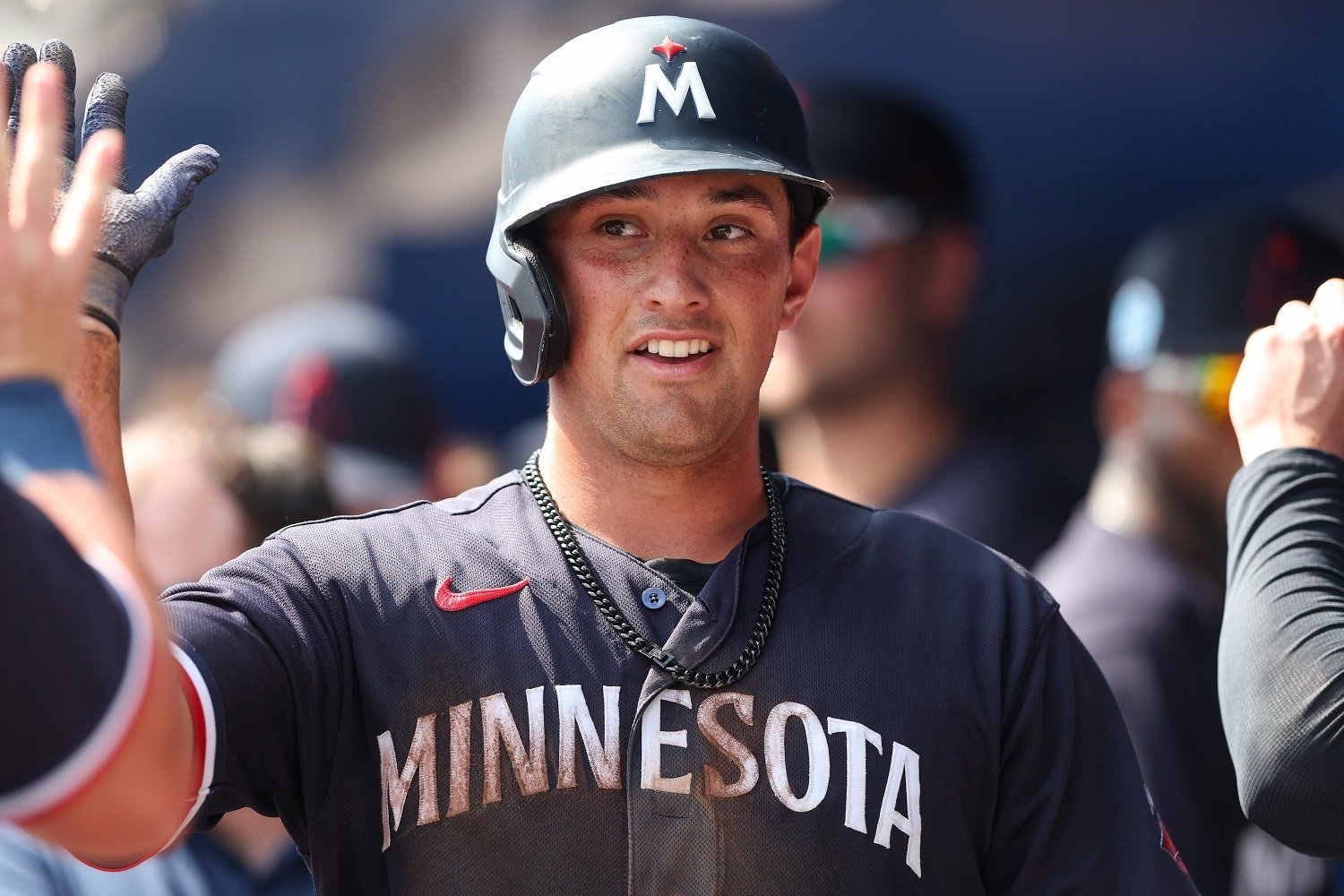 Pump the brakes on Brooks Lee. For that matter, the same applies to Austin Martin, Yunior Severino, Jair Camargo, Chris Williams, and DaShawn Keirsey. Lee is the third baseman of the future, hopefully. Martin, Severino, Camargo, Williams, and Keirsey will all likely appear in games for the Twins at some point during 2024, but we don’t need to put the cart before the horse. The Twins have a number of decisions to make with an already crowded infield, a questionable mix at first base, a backup catcher making $10 million in both 2024 and 2025, a hole in centerfield, and an unclear budget for making additions. Many of the aforementioned names could be written in as key contributors in those spots. However, none of those players are beating down the hatches. Lee has 60 games at AAA with a mediocre August and a solid September. Martin similarly has 59 games and one outstanding month in St. Paul. Severino and Keirsey have even less than that. Williams and Camargo are both in their mid-20s coming off great offensive years, but they still haven’t gotten a single plate appearance in MLB. None should be the answer to any question at the beginning of 2024. It would put the Twins in a very difficult spot. If Martin or Keirsey are your personal long-term answer in center field, you’re welcome to that. You might see Camargo as a long-term backup catcher, replacing Vazquez. Forcing that to happen in March is a problem. The recent success of rookies Royce Lewis, Edouard Julien, and Matt Wallner has been incredible, but it’s important not to expect that level of production to be the norm, even for prospects at the top of organizational rankings. It’s not normal. Their success was exceptional. They themselves may struggle to find the same level of success going forward. So often prospects, even those who are hyped and go on to have great careers, struggle in their early stints. Names like Torii Hunter or Michael Cuddyer come to mind, struggling for years to find their footings before becoming mainstays in the Twins lineup for a decade. Other prospects don’t manage to get their footing at all, such as more recent examples like Stephen Gonsalves, Alex Meyer, Oswaldo Arcia, or Joe Benson. It’s difficult to project success, even in players at the upper levels of the minor leagues. Both Jose Miranda and Trevor Larnach have shown flashes of being very good players, but they have also gone through extended stretches that cast a cloud over their long-term outlook—and both were Opening Day starter in 2023. If that’s not the organization showing a reliance on them, I’m not sure what is. Fortunately, Miranda and Larnach were able to be replaced by Lewis and Wallner, respectively, but it would be foolish to assume that that outcome was always a given. What if the team didn’t open the season with Lewis and Wallner in reserve as alternative options? What if they were going to sink or swim with Miranda and Larnach? They would have been in trouble. Likewise, starting 2024 with upper minors depth in key roles is asking for the same. The Twins clearly have a philosophy in this type of situation, and it’s probably the right one—they want depth. That’s exposed in the acquisitions of players like Michael A. Taylor, Joey Gallo, and Donovan Solano. Granted, not all of these types of acquisitions are beneficial, but that’s kind of the point. They want options. Do those options sometimes block our favorite prospects on the depth chart? Sure. But it also allows those prospects to be a short-term backup plan, protecting them and the team. Blocking prospects is the cost of bringing in big league depth. Beginning the year with some sort of big leaguer in those roles ensures better talent is in the organization. Those same big leaguers wouldn’t take a minor league deal to serve as a backup to the prospects. The decision is effectively between bringing in an MLB veteran and having a top prospect as a backup or having a top prospect with a minor league veteran as a backup plan. One of those plans has a better rate of success. It’s risky business trusting a big league role to someone who’s never seen an MLB pitch, and it can go wrong in any number of ways, be it performance or injury. Sure, the MLB veteran could struggle or get injured too, but it’s much more comforting to be able to turn to a top prospect than a career minor leaguer in that event. If any of the aforementioned players do break camp with the team, it’s not the end of the world. They all have the potential to be competent pieces at minimum. It just shouldn’t be what any of us are clamoring for. They’ll be here when it’s time. Right now, the Twins have a division to win.
- 97 comments
-
- 21
-
-
-
-

-
- brooks lee
- austin martin
- (and 4 more)
-
We’re all excited to see what’s in store for these guys, but now’s not the time for the Twins to get cute with it. Image courtesy of Nathan Ray Seebeck-USA TODAY Sports Pump the brakes on Brooks Lee. For that matter, the same applies to Austin Martin, Yunior Severino, Jair Camargo, Chris Williams, and DaShawn Keirsey. Lee is the third baseman of the future, hopefully. Martin, Severino, Camargo, Williams, and Keirsey will all likely appear in games for the Twins at some point during 2024, but we don’t need to put the cart before the horse. The Twins have a number of decisions to make with an already crowded infield, a questionable mix at first base, a backup catcher making $10 million in both 2024 and 2025, a hole in centerfield, and an unclear budget for making additions. Many of the aforementioned names could be written in as key contributors in those spots. However, none of those players are beating down the hatches. Lee has 60 games at AAA with a mediocre August and a solid September. Martin similarly has 59 games and one outstanding month in St. Paul. Severino and Keirsey have even less than that. Williams and Camargo are both in their mid-20s coming off great offensive years, but they still haven’t gotten a single plate appearance in MLB. None should be the answer to any question at the beginning of 2024. It would put the Twins in a very difficult spot. If Martin or Keirsey are your personal long-term answer in center field, you’re welcome to that. You might see Camargo as a long-term backup catcher, replacing Vazquez. Forcing that to happen in March is a problem. The recent success of rookies Royce Lewis, Edouard Julien, and Matt Wallner has been incredible, but it’s important not to expect that level of production to be the norm, even for prospects at the top of organizational rankings. It’s not normal. Their success was exceptional. They themselves may struggle to find the same level of success going forward. So often prospects, even those who are hyped and go on to have great careers, struggle in their early stints. Names like Torii Hunter or Michael Cuddyer come to mind, struggling for years to find their footings before becoming mainstays in the Twins lineup for a decade. Other prospects don’t manage to get their footing at all, such as more recent examples like Stephen Gonsalves, Alex Meyer, Oswaldo Arcia, or Joe Benson. It’s difficult to project success, even in players at the upper levels of the minor leagues. Both Jose Miranda and Trevor Larnach have shown flashes of being very good players, but they have also gone through extended stretches that cast a cloud over their long-term outlook—and both were Opening Day starter in 2023. If that’s not the organization showing a reliance on them, I’m not sure what is. Fortunately, Miranda and Larnach were able to be replaced by Lewis and Wallner, respectively, but it would be foolish to assume that that outcome was always a given. What if the team didn’t open the season with Lewis and Wallner in reserve as alternative options? What if they were going to sink or swim with Miranda and Larnach? They would have been in trouble. Likewise, starting 2024 with upper minors depth in key roles is asking for the same. The Twins clearly have a philosophy in this type of situation, and it’s probably the right one—they want depth. That’s exposed in the acquisitions of players like Michael A. Taylor, Joey Gallo, and Donovan Solano. Granted, not all of these types of acquisitions are beneficial, but that’s kind of the point. They want options. Do those options sometimes block our favorite prospects on the depth chart? Sure. But it also allows those prospects to be a short-term backup plan, protecting them and the team. Blocking prospects is the cost of bringing in big league depth. Beginning the year with some sort of big leaguer in those roles ensures better talent is in the organization. Those same big leaguers wouldn’t take a minor league deal to serve as a backup to the prospects. The decision is effectively between bringing in an MLB veteran and having a top prospect as a backup or having a top prospect with a minor league veteran as a backup plan. One of those plans has a better rate of success. It’s risky business trusting a big league role to someone who’s never seen an MLB pitch, and it can go wrong in any number of ways, be it performance or injury. Sure, the MLB veteran could struggle or get injured too, but it’s much more comforting to be able to turn to a top prospect than a career minor leaguer in that event. If any of the aforementioned players do break camp with the team, it’s not the end of the world. They all have the potential to be competent pieces at minimum. It just shouldn’t be what any of us are clamoring for. They’ll be here when it’s time. Right now, the Twins have a division to win. View full article
- 97 replies
-
- 1
-
-
- brooks lee
- austin martin
- (and 4 more)
-
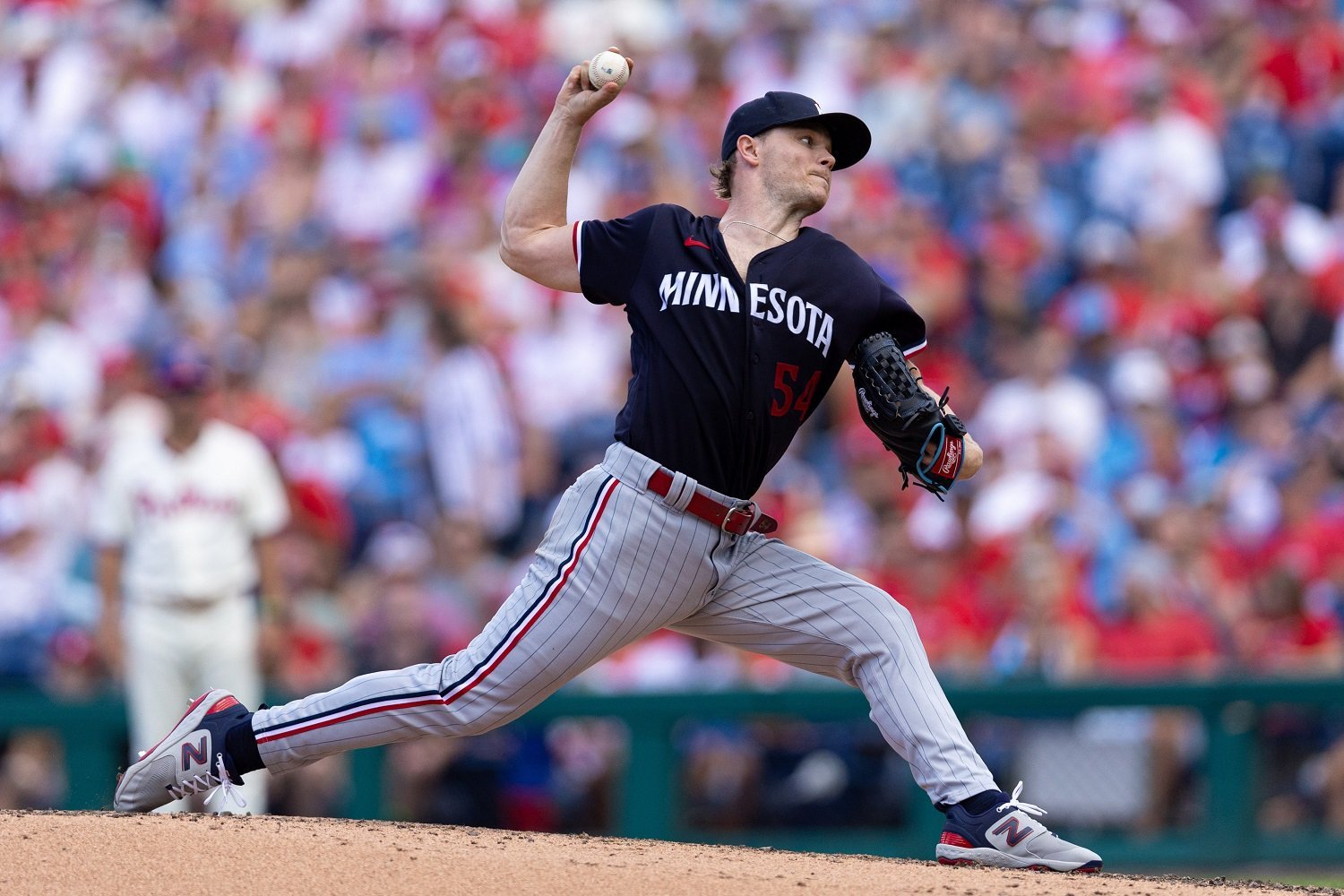 Sonny Gray was the 2023 Minnesota Twins Most Valuable Player. He’s also an impending free agent, and all signs point to him not being a Minnesota Twin in 2023. He will likely reject the one-year, $20 million qualifying offer, and the Derek Falvey regime has never signed a starting pitcher to the money that Gray’s market will demand. If Gray is not returning, he has to be replaced. However, replacing Gray could mean several different things. The answer to “How will the Twins replace Sonny Gray?” probably depends on what you personally mean by “Sonny Gray.” Here are five interpretations of what “replacing Sonny Gray” means and what it would take in free agency. A Starting Pitcher This one is the easiest. If Sonny Gray is gone, the bare minimum that needs to happen is that he is replaced in the starting rotation. Technically, any pitcher will do. Gray threw 184 innings in 2023—the third most of his career and his most innings since 2015. Someone needs to throw those innings. That someone could be an internal option like Louie Varland or David Festa or any free agent pitcher, even someone in the Old Friend Kyle Gibson or Martin Perez Bin. For all of our sakes, it should not be one of them, but that’s the barest of minimums that prevents Nick Gordon from pitching every fifth day. A Playoff Starter Gray started two of the Twins’ six playoff games in 2023. Although he did not pitch Game 1, as the honor was given to Pablo Lopez, in many seasons Gray would have been given the ball to start the first game of the postseason. Lopez made two starts, and Joe Ryan and Bailey Ober were each given a start, though they were effectively used as openers. Perhaps in 2024, the two younger arms will have earned the trust to be a true playoff starter, but that, again, is a role that will be necessary to fill. If Gray does not return, there needs to be another starter in the rotation that the Twins feel comfortable handling a spot in the playoff rotation. Gray had a season that set him up to be a Game 1 or 2 starter, but someone also needs to pitch a Game 3 or 4. Hypothetically, that would be a top-40 pitcher in the league, at minimum. Eduardo Rodriguez and Michael Wacha, or someone of that ilk, would fit this role. A Frontline Starter Gray was not just a quality starter; he performed as one of the top starters in baseball. Every five days, he was one of the pitchers trusted to keep his team in every game he started. Although he only won eight games, the Twins had his starts circled on their calendars as winnable games, regardless of who they played. Replacing that type of starter is increasingly more work. On the free agent market, you’re getting into the $20 million average annual value space. Replacing Gray this way would require finding another pitcher to pair with Lopez as a 1, a 1b, or a 2. At the barest of minimums, this starter would need to be better than Joe Ryan—though Ryan has shown flashes of getting to this level himself. Bringing in that frontline starter, if not Gray, would require shopping in the Aaron Nola or Yoshinobu Yamamoto market. There are only a handful of these players, and they’re expensive. Derek Falvey, although he has courted this type of pitcher in the past, has never successfully signed one as a free agent. A Cy Young Candidate Gray will finish at minimum in the top three spots for the American League Cy Young Award, meaning that he performed at an elite level in 2023, doing all that the Twins could have asked of him when they traded the 2021 first-round pick Chase Petty for him. That type of pitcher, as it stands, does not reside in the free agent list. There are no Gerrit Coles or Justin Verlanders. The moment has passed for current free agent Clayton Kershaw. The closest match is that of Blake Snell, a former winner himself, who is surrounded by questions related to his walk rate and age, Any team hoping to sign a Cy Young-caliber starter in free agency in any year without the budget of the Yankees or the Dodgers is fighting a losing battle. Gray himself is not that guy. He probably just pitched the best season of his career, and he’s reached his mid-30s. Even re-signing him doesn’t fill that hole. Approximately Five Wins Above Replacement This concept was explored recently by Hunter McCall. Gray, according to both FanGraphs and Baseball Reference, was worth approximately 5 WAR. As discussed in the previous section, it’s hard to find a solution in free agency that will make up for his loss on its own. Sonny Gray probably won’t have a 5 WAR season himself. To paraphrase Moneyball, the Twins need to replace Gray in the aggregate. It doesn’t need to a single replacement worth 5 WAR. Unless they were to trade for a player and make a year-to-year improvement with him as they did with Lopez, that WAR must come from multiple sources. The Twins are replacing both Gray and Kenta Maeda (about 1.5 WAR) this offseason—presumably with Chris Paddack and some other pitcher. If the Twins were to sign a top-flight free agent who was worth 4 WAR in 2024, and Paddack was worth 3 WAR, they would have made up for Gray in the aggregate. If the new free agent was worth 2.5 WAR, Paddack was worth 2.5, and then Ryan and Ober each raised their own by 1 WAR, they will have made up for Gray’s absence in the aggregate. There are many ways to reach that magic number, but whatever the Twins come up with must work. The solution and necessary work come down to the interpretation of what Gray meant to this year’s team. What is your read on the situation? What do you need to see from the Twins to believe that Gray will have been replaced in 2024? Leave a comment.
 -
Sonny Gray needs a replacement. Who that replacement needs to be depends on what you see Sonny Gray as. Let's explore the many Sonny Grays. Image courtesy of Bill Streicher-USA TODAY Sports Sonny Gray was the 2023 Minnesota Twins Most Valuable Player. He’s also an impending free agent, and all signs point to him not being a Minnesota Twin in 2023. He will likely reject the one-year, $20 million qualifying offer, and the Derek Falvey regime has never signed a starting pitcher to the money that Gray’s market will demand. If Gray is not returning, he has to be replaced. However, replacing Gray could mean several different things. The answer to “How will the Twins replace Sonny Gray?” probably depends on what you personally mean by “Sonny Gray.” Here are five interpretations of what “replacing Sonny Gray” means and what it would take in free agency. A Starting Pitcher This one is the easiest. If Sonny Gray is gone, the bare minimum that needs to happen is that he is replaced in the starting rotation. Technically, any pitcher will do. Gray threw 184 innings in 2023—the third most of his career and his most innings since 2015. Someone needs to throw those innings. That someone could be an internal option like Louie Varland or David Festa or any free agent pitcher, even someone in the Old Friend Kyle Gibson or Martin Perez Bin. For all of our sakes, it should not be one of them, but that’s the barest of minimums that prevents Nick Gordon from pitching every fifth day. A Playoff Starter Gray started two of the Twins’ six playoff games in 2023. Although he did not pitch Game 1, as the honor was given to Pablo Lopez, in many seasons Gray would have been given the ball to start the first game of the postseason. Lopez made two starts, and Joe Ryan and Bailey Ober were each given a start, though they were effectively used as openers. Perhaps in 2024, the two younger arms will have earned the trust to be a true playoff starter, but that, again, is a role that will be necessary to fill. If Gray does not return, there needs to be another starter in the rotation that the Twins feel comfortable handling a spot in the playoff rotation. Gray had a season that set him up to be a Game 1 or 2 starter, but someone also needs to pitch a Game 3 or 4. Hypothetically, that would be a top-40 pitcher in the league, at minimum. Eduardo Rodriguez and Michael Wacha, or someone of that ilk, would fit this role. A Frontline Starter Gray was not just a quality starter; he performed as one of the top starters in baseball. Every five days, he was one of the pitchers trusted to keep his team in every game he started. Although he only won eight games, the Twins had his starts circled on their calendars as winnable games, regardless of who they played. Replacing that type of starter is increasingly more work. On the free agent market, you’re getting into the $20 million average annual value space. Replacing Gray this way would require finding another pitcher to pair with Lopez as a 1, a 1b, or a 2. At the barest of minimums, this starter would need to be better than Joe Ryan—though Ryan has shown flashes of getting to this level himself. Bringing in that frontline starter, if not Gray, would require shopping in the Aaron Nola or Yoshinobu Yamamoto market. There are only a handful of these players, and they’re expensive. Derek Falvey, although he has courted this type of pitcher in the past, has never successfully signed one as a free agent. A Cy Young Candidate Gray will finish at minimum in the top three spots for the American League Cy Young Award, meaning that he performed at an elite level in 2023, doing all that the Twins could have asked of him when they traded the 2021 first-round pick Chase Petty for him. That type of pitcher, as it stands, does not reside in the free agent list. There are no Gerrit Coles or Justin Verlanders. The moment has passed for current free agent Clayton Kershaw. The closest match is that of Blake Snell, a former winner himself, who is surrounded by questions related to his walk rate and age, Any team hoping to sign a Cy Young-caliber starter in free agency in any year without the budget of the Yankees or the Dodgers is fighting a losing battle. Gray himself is not that guy. He probably just pitched the best season of his career, and he’s reached his mid-30s. Even re-signing him doesn’t fill that hole. Approximately Five Wins Above Replacement This concept was explored recently by Hunter McCall. Gray, according to both FanGraphs and Baseball Reference, was worth approximately 5 WAR. As discussed in the previous section, it’s hard to find a solution in free agency that will make up for his loss on its own. Sonny Gray probably won’t have a 5 WAR season himself. To paraphrase Moneyball, the Twins need to replace Gray in the aggregate. It doesn’t need to a single replacement worth 5 WAR. Unless they were to trade for a player and make a year-to-year improvement with him as they did with Lopez, that WAR must come from multiple sources. The Twins are replacing both Gray and Kenta Maeda (about 1.5 WAR) this offseason—presumably with Chris Paddack and some other pitcher. If the Twins were to sign a top-flight free agent who was worth 4 WAR in 2024, and Paddack was worth 3 WAR, they would have made up for Gray in the aggregate. If the new free agent was worth 2.5 WAR, Paddack was worth 2.5, and then Ryan and Ober each raised their own by 1 WAR, they will have made up for Gray’s absence in the aggregate. There are many ways to reach that magic number, but whatever the Twins come up with must work. The solution and necessary work come down to the interpretation of what Gray meant to this year’s team. What is your read on the situation? What do you need to see from the Twins to believe that Gray will have been replaced in 2024? Leave a comment. View full article
-
Why Every Single Twins Hitter Is Actually Just Another Miguel Sano
Greggory Masterson commented on Greggory Masterson's blog entry in Brewed in the Trough
You will pay for your insolence! -
What We as Fans Know Definitively About Byron Buxton’s Knee
Greggory Masterson commented on Greggory Masterson's blog entry in Brewed in the Trough
I’m not really sure what you mean by this comment. What fantasy land are you referring to, based on the content of this post?

