



Greggory Masterson
-
Posts
819 -
Joined
-
Last visited
-
Days Won
2
Content Type
Profiles
News
Minnesota Twins Videos
2026 Minnesota Twins Top Prospects Ranking
2022 Minnesota Twins Draft Picks
Minnesota Twins Free Agent & Trade Rumors, Notes, & Tidbits
Guides & Resources
2023 Minnesota Twins Draft Picks
The Minnesota Twins Players Project
2024 Minnesota Twins Draft Picks
2025 Minnesota Twins Draft Pick Tracker
2026 Minnesota Twins Draft Tracker: Picks & Bonuses
Forums
Blogs
Events
Store
Downloads
Gallery
Everything posted by Greggory Masterson
-
 Ol Gregg and Comrade Cody are joined by Peter Labuza for a cathartic episode. In what many are calling the most pessimistic episode ever (no doubt to Gregg hosting instead of Sweet Lou), the gang reads gripes from listeners, has some fun, and looks for silver linings. Gregg discusses his accidental appearance in Sports Illustrated. Listen using Apple Podcasts: https://podcasts.apple.com/us/podcast/the-twins-off-daily-podcast/id1741266056 Listen using Spotify: https://open.spotify.com/show/4tb78XlurcPTYYSsARdbD7 Listen using iHeartRadio: https://www.iheart.com/podcast/263-the-twins-off-daily-podcas-167548600/ Listen using Pocket Casts: https://pca.st/nvclbt0w Watch on YouTube: https://www.youtube.com/@twinsdaily View full article
 -
Episode 47: Reading Listener Gripes with Peter Labuza
Greggory Masterson posted an article in Podcasts
 Ol Gregg and Comrade Cody are joined by Peter Labuza for a cathartic episode. In what many are calling the most pessimistic episode ever (no doubt to Gregg hosting instead of Sweet Lou), the gang reads gripes from listeners, has some fun, and looks for silver linings. Gregg discusses his accidental appearance in Sports Illustrated. Listen using Apple Podcasts: https://podcasts.apple.com/us/podcast/the-twins-off-daily-podcast/id1741266056 Listen using Spotify: https://open.spotify.com/show/4tb78XlurcPTYYSsARdbD7 Listen using iHeartRadio: https://www.iheart.com/podcast/263-the-twins-off-daily-podcas-167548600/ Listen using Pocket Casts: https://pca.st/nvclbt0w Watch on YouTube: https://www.youtube.com/@twinsdaily
 -
Don’t look at my (albeit neutral) look at whether the Twins should deal pitching depth for hitters from 2 weeks ago
- 30 replies
-
- 1
-

-
- jonah bride
- brooks lee
- (and 5 more)
-
I’m willing to call it wishful thinking, but there’s a small voice in me that wants to see if he could preform like the hitter he was last season if given more run, that’s really all.
- 30 replies
-
- 4
-

-
- jonah bride
- brooks lee
- (and 5 more)
-
I’m willing to bet any righty is better against lefties, given that it’s less than 1% who actually have reverse splits. And even with reverse splits, it’s not like he’s meaningfully worse against lefties than one of the lefties, anyway. Keep everyone involved, keep em fresh, etc.
- 30 replies
-
- 3
-
-
- jonah bride
- brooks lee
- (and 5 more)
-
Always the Bridesmaid: Jonah Bride and the Cobwebbed 13th Man
Greggory Masterson posted an article in Twins
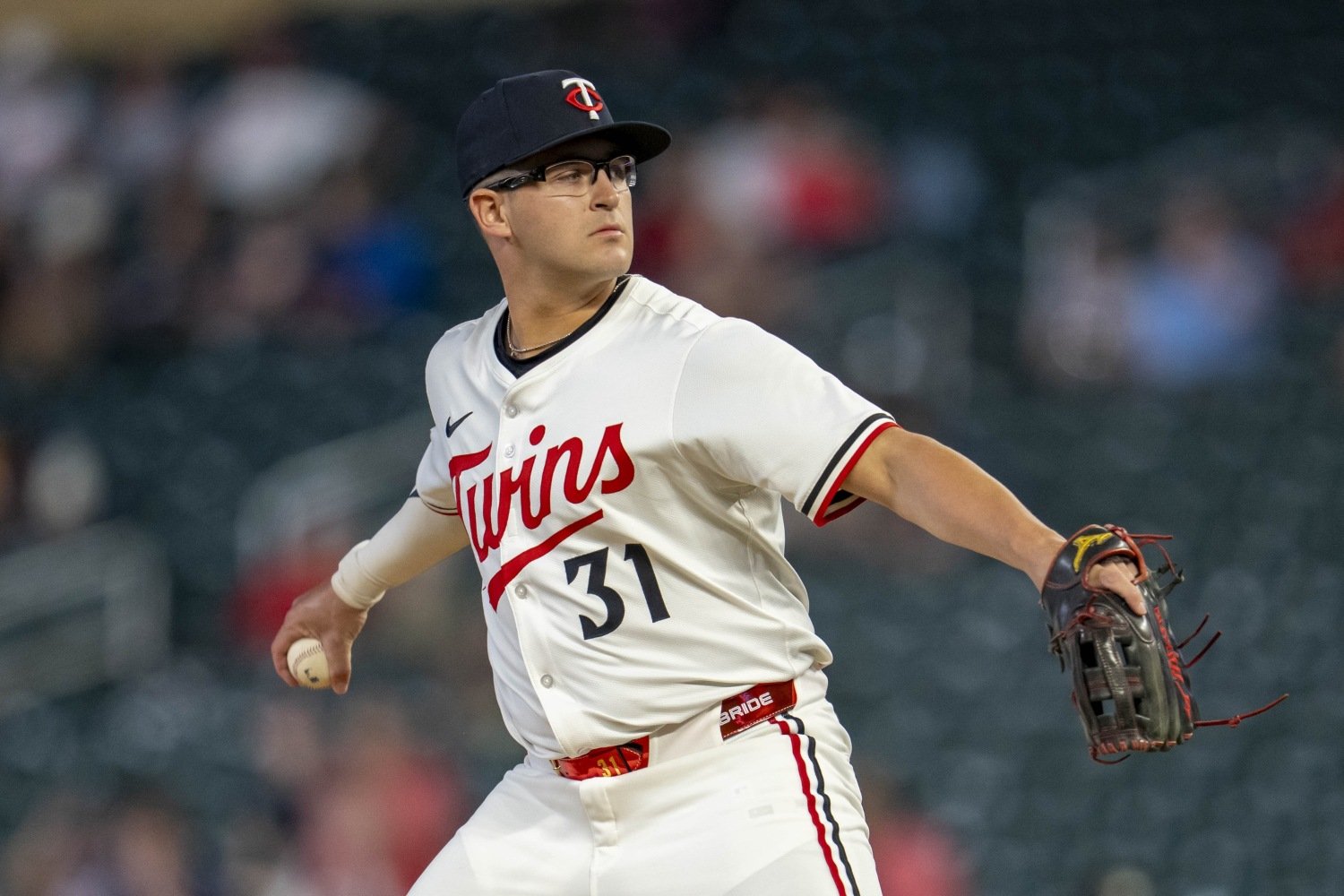 This isn’t about Jonah Bride. Well, it’s sort of about Jonah Bride, but it’s more about the spot that Jonah Bride is in right now and how it’s being used. Jonah Bride is a casualty. He's a coincidence. He's really more Jonah Bridesmaid, most of the time, and that's kind of the point here. There are four bench spots in 99% of MLB games. Technically, there could be more—and once in a while there are—but MLB teams try their darnedest to maximize their bullpen. They’d carry more than the allotted 13 if baseball allowed them to. You know all that, though. Traditionally, an MLB bench of four will surely have a backup catcher (unless the backup catcher plays somewhere else regularly, which isn’t common). Most of the time, there’s a fourth outfielder—who can ideally play center field—and a fifth infielder—who can ideally play shortstop. But then there’s the wildcard; the fourth guy. That fourth guy (or, more accurately, the 13th man) is very context-dependent. Maybe it’s a Donovan Solano-type, primarily a pinch hitter. Maybe it’s a Terrance Gore, only used to pinch-run. Perhaps it's reserved for a defensive replacement—especially common when the other bench infielder really shouldn’t play shortstop, for example. A platoon hitter, perhaps, even one who will never face a single same-sided thrower. Or maybe it’s a combination of all of them, like 2023 Willi Castro—someone who can technically play anywhere, run, and hit, depending on the in-game context. The 13th man is dependent on the construction of the rest of the roster, but man, can he complement it well. And then there’s the, let’s call it a Cobweb 13th Man. Jonah Bride falls into this spot. Bride started a getaway day game on Thursday, but that was his first start since May 27, 16 days ago. He’s played a full game once since May 24, 19 days ago. The team doesn’t have even a part-time role player in the last bench spot. That’s not a huge issue, though. The 13th man doesn’t need to start to be useful. Except he’s not coming off the bench within games, either. He’s not an upgrade defensively, offensively, or on the basepaths over more than a couple of players in each category, and there are generally better options on the bench for any of those roles. Bride pinch ran for the slowest player on the team—Ty France—on June 1. He pinch-hit for Byron Buxton in June 3 and June 5 blowouts, to get Buxton off his feet. He then pitched the final two innings in the June 5 game, and reprised his role as a blowout pitcher on June 10. Those are all four of his appearances in the 16 days between May 27 and Thursday afternoon, another blowout in which he was very present but profoundly unimportant. Bride’s player type doesn’t fit the current roster. Castro is starting many days in left field, but if the team needs him on the dirt, Trevor Larnach can slide out of the DH spot or Harrison Bader can come off the bench to play left. The Twins don’t appear keen on inserting Bride as the DH in these instances, as he hasn’t started as the designated hitter once since being acquired in April. Beyond Castro, Brooks Lee is also a near-everyday infielder, rotating between shortstop, second base, and third base. Bride’s primary position, third base, has Royce Lewis, Lee, and Castro stacked between him and regular playing time. Bride can also play a reliable first base, but France rarely misses a game, and the Twins have been more inclined to play Kody Clemens there. (Clemens has started three games there in a Twins uniform, compared to Bride’s one.) He can technically play second base, but the aforementioned names bury him, too, and he is little more than an emergency option there. Maybe that’s truly what the Twins want: a somewhat competent player who can be used in emergencies (including as a pitcher, I guess). If Castro, Lee, and Bader are going to play a lot, that spot doesn’t have to be terribly prominent. Bride riding the pine even comes with the benefit that fans aren’t banging the table and screaming that he should get more playing time, unlike many of the other 13th-man options in the organization at Triple-A St. Paul. But it’s hard not to look at the spot and wish there was something more the team could do with it. There have been instances since DaShawn Keirsey Jr.’s May 31 demotion when the Twins could have used a good pinch-runner. They could use another right-handed bat to platoon with Larnach, Wallner, or Clemens, like Carson McCusker (a man can dream, can't he?). Heck, at a bare minimum, Mickey Gasper or Diego Cartaya can be a third catcher. Oh, speaking of right-handed bats, Bride himself is a righty. He is a righty with reverse splits (he’s hit righties better than lefties in his career), but when has that ever stopped the Twins from giving a righty some platoon time? Well, now is when, I guess. Bride hasn’t been a consistent part of the platoon lineups. Some of this is practical. He’s a first and third baseman, and France and Lewis are righties. Any advantage he may have over switch-hitting Lee is outweighed by Lee’s superior ability at second base. That leaves designated hitter, but the Twins have stuck Ryan Jeffers there quite frequently, letting fellow righty and more respected defensive catcher Christian Vázquez handle the pitching staff that day. Again, this isn’t about Bride personally. I’d love to see him get a little more time and provide a bit more utility. Let him start against lefties, give him some time at DH and slide Larnach to the outfield, or give France the day off at first base once in a while. That’s more of the typical use for a guy like Bride, and he’s had some big-league success, namely his 120 OPS+ in 2024. I’m sure he wishes he was playing more, too. But over the last three weeks, his most prominent role has been blowout knuckleball hurler. And that’s no way to live a life in 2025. Maybe it’s fine. Maybe there’s no clear upgrade. Maybe the alternate names would be better served playing every day at Triple-A. Maybe the Twins truly want a guy who they’re fine not playing with any regularity as that last man, collecting cobwebs. Keirsey, Gasper and (for the blink of an eye he spent on the roster) McCusker were mothballed much of the time, themselves. But it’s hard not to feel like the spot could be used more beneficially.
- 30 comments
-
- 8
-
-
- jonah bride
- brooks lee
- (and 5 more)
-
Image courtesy of © Jesse Johnson-Imagn Images This isn’t about Jonah Bride. Well, it’s sort of about Jonah Bride, but it’s more about the spot that Jonah Bride is in right now and how it’s being used. Jonah Bride is a casualty. He's a coincidence. He's really more Jonah Bridesmaid, most of the time, and that's kind of the point here. There are four bench spots in 99% of MLB games. Technically, there could be more—and once in a while there are—but MLB teams try their darnedest to maximize their bullpen. They’d carry more than the allotted 13 if baseball allowed them to. You know all that, though. Traditionally, an MLB bench of four will surely have a backup catcher (unless the backup catcher plays somewhere else regularly, which isn’t common). Most of the time, there’s a fourth outfielder—who can ideally play center field—and a fifth infielder—who can ideally play shortstop. But then there’s the wildcard; the fourth guy. That fourth guy (or, more accurately, the 13th man) is very context-dependent. Maybe it’s a Donovan Solano-type, primarily a pinch hitter. Maybe it’s a Terrance Gore, only used to pinch-run. Perhaps it's reserved for a defensive replacement—especially common when the other bench infielder really shouldn’t play shortstop, for example. A platoon hitter, perhaps, even one who will never face a single same-sided thrower. Or maybe it’s a combination of all of them, like 2023 Willi Castro—someone who can technically play anywhere, run, and hit, depending on the in-game context. The 13th man is dependent on the construction of the rest of the roster, but man, can he complement it well. And then there’s the, let’s call it a Cobweb 13th Man. Jonah Bride falls into this spot. Bride started a getaway day game on Thursday, but that was his first start since May 27, 16 days ago. He’s played a full game once since May 24, 19 days ago. The team doesn’t have even a part-time role player in the last bench spot. That’s not a huge issue, though. The 13th man doesn’t need to start to be useful. Except he’s not coming off the bench within games, either. He’s not an upgrade defensively, offensively, or on the basepaths over more than a couple of players in each category, and there are generally better options on the bench for any of those roles. Bride pinch ran for the slowest player on the team—Ty France—on June 1. He pinch-hit for Byron Buxton in June 3 and June 5 blowouts, to get Buxton off his feet. He then pitched the final two innings in the June 5 game, and reprised his role as a blowout pitcher on June 10. Those are all four of his appearances in the 16 days between May 27 and Thursday afternoon, another blowout in which he was very present but profoundly unimportant. Bride’s player type doesn’t fit the current roster. Castro is starting many days in left field, but if the team needs him on the dirt, Trevor Larnach can slide out of the DH spot or Harrison Bader can come off the bench to play left. The Twins don’t appear keen on inserting Bride as the DH in these instances, as he hasn’t started as the designated hitter once since being acquired in April. Beyond Castro, Brooks Lee is also a near-everyday infielder, rotating between shortstop, second base, and third base. Bride’s primary position, third base, has Royce Lewis, Lee, and Castro stacked between him and regular playing time. Bride can also play a reliable first base, but France rarely misses a game, and the Twins have been more inclined to play Kody Clemens there. (Clemens has started three games there in a Twins uniform, compared to Bride’s one.) He can technically play second base, but the aforementioned names bury him, too, and he is little more than an emergency option there. Maybe that’s truly what the Twins want: a somewhat competent player who can be used in emergencies (including as a pitcher, I guess). If Castro, Lee, and Bader are going to play a lot, that spot doesn’t have to be terribly prominent. Bride riding the pine even comes with the benefit that fans aren’t banging the table and screaming that he should get more playing time, unlike many of the other 13th-man options in the organization at Triple-A St. Paul. But it’s hard not to look at the spot and wish there was something more the team could do with it. There have been instances since DaShawn Keirsey Jr.’s May 31 demotion when the Twins could have used a good pinch-runner. They could use another right-handed bat to platoon with Larnach, Wallner, or Clemens, like Carson McCusker (a man can dream, can't he?). Heck, at a bare minimum, Mickey Gasper or Diego Cartaya can be a third catcher. Oh, speaking of right-handed bats, Bride himself is a righty. He is a righty with reverse splits (he’s hit righties better than lefties in his career), but when has that ever stopped the Twins from giving a righty some platoon time? Well, now is when, I guess. Bride hasn’t been a consistent part of the platoon lineups. Some of this is practical. He’s a first and third baseman, and France and Lewis are righties. Any advantage he may have over switch-hitting Lee is outweighed by Lee’s superior ability at second base. That leaves designated hitter, but the Twins have stuck Ryan Jeffers there quite frequently, letting fellow righty and more respected defensive catcher Christian Vázquez handle the pitching staff that day. Again, this isn’t about Bride personally. I’d love to see him get a little more time and provide a bit more utility. Let him start against lefties, give him some time at DH and slide Larnach to the outfield, or give France the day off at first base once in a while. That’s more of the typical use for a guy like Bride, and he’s had some big-league success, namely his 120 OPS+ in 2024. I’m sure he wishes he was playing more, too. But over the last three weeks, his most prominent role has been blowout knuckleball hurler. And that’s no way to live a life in 2025. Maybe it’s fine. Maybe there’s no clear upgrade. Maybe the alternate names would be better served playing every day at Triple-A. Maybe the Twins truly want a guy who they’re fine not playing with any regularity as that last man, collecting cobwebs. Keirsey, Gasper and (for the blink of an eye he spent on the roster) McCusker were mothballed much of the time, themselves. But it’s hard not to feel like the spot could be used more beneficially. View full article
- 30 replies
-
- 1
-
-
- jonah bride
- brooks lee
- (and 5 more)
-
Sadly this one only got one page. It’s a reference to a popular meme, taken to mean a long, perhaps nonsensical, fruitless debate that nonetheless has very opinionated people viciously arguing sorry for the confusion. https://amp.knowyourmeme.com/memes/the-greatest-thread-in-the-history-of-forums-locked-by-a-moderator-after-12239-pages-of-heated-debate
-
I too hate RBIs
-
Image courtesy of © Dennis Lee-Imagn Images In a vacuum, the Ty France signing has been a success. Any time a team can get value from a $1-million signing via free agency, that’s a victory. If your measuring stick is salary versus FanGraphs WAR dollar value, then I guess that’s enough. If you believe that having a non-embarrassment on the team is worth more than $1 million, there we go. But baseball is more complicated than that. We have to compare that against other markers of success. If a team spent $26 million on 26 Ty France-level performers, they still wouldn’t be very good overall. Compounding this, Ty France has been, let’s just say, highly irregular this season—at least in some ways, because in others, he’s been very regular. Let’s break down the many ways to view Ty France. Let’s start with the obvious one: his performance in clutch situations. Baseball Reference classifies leverage differently than FanGraphs, but under both sites’ definitions, France has performed significantly better in high-leverage situations than in low-leverage situations. According to Baseball Reference, France is slashing .457/.519/.565 in high leverage, and FanGraphs has him at .500/.583/.650. Those are otherworldly numbers, especially compared to his .570 and .549 OPSes in low leverage, according to the two sites. With runners on, France is hitting .330 with an .809 OPS, about 30% above average. When men are in scoring position, that goes up to a .381 average and an .856 OPS, about 40% above average. Few hitters have performed better when it counts than France has this season. However, with the bases empty, he has just a .227 average and a .629 OPS, about 20% below average. When France has done damage this year, it’s in spots that count. He’s outperformed his overall averages, which has helped him place second on the team in RBIs (35) and first in win probability added (1.20). But when the moment isn’t big, and when he doesn’t have a chance to drive someone in, he’s been worse than pedestrian. There are a number of potential explanations for this. Perhaps France has clutch magic. Maybe he changes his approach. I’m not really sure what the reason is, but it’s a discrepancy worth noting. If you take his stellar performance when it counts and add in his poor performance when the moments are smaller, he’s a roughly league-average hitter. By OPS, he’s exactly average, and by wRC+, he’s 5% above average. It’s close enough to just call him an average hitter. He’s an average hitter who does his damage when the team needs it. And roughly average hitters are valuable. By definition, “average hitter” describes a large swath of the league's batters, and there's no shame in being part of that fraternity. But France is a first baseman. First basemen are supposed to hit, and hit for power. France’s hitting profile is more contact-oriented than power-oriented. In addition to leading the Twins in RBIs, he also leads in hits (63) and batting average (.273). However, he only has a .372 slugging average, which is below the league average of .395—not what you’d typically expect from a first baseman. His isolated power—slugging minus batting average—is .100, which is 149th of 166 among qualified hitters. He’s mostly a singles hitter, which (again) isn’t what you typically expect from a first baseman. He's only got four home runs on the season and is on track for about 10. However, first basemen are not the hitters that they used to be, compared to hitters in general. Fifteen years ago, the average first baseman was 20% better than average. This season, the position as a whole is only 7% above average, which is just 2% better than France by wRC+. Overall, even without the power, he’s been roughly average, even among first basemen. And it’s been right around the same level of productivity that Twins first basemen have performed at since 2009. But that’s nothing to get too excited about. The Twins have struggled to produce runs from first base over the last 15 years. There are 17 first basemen with more than 70 plate appearances at the position who have been better hitters than France. It’s part of the reason France’s name gets brought up often as a displacement candidate at the trade deadline. First base can be improved. And, again, it’s hard to believe he can continue to cram all of his production into the biggest moments. That’s not really a predictive trait. Speaking of predictive, though, it’s possible that France is getting unlucky. I know some of you just groaned, but there’s evidence that France has been playing worse than his underlying metrics would lead one to believe. France is underperforming his expected weighted on-base average—a stat that tries to give proper weight to each individual outcome (singles, walks, home runs, etc.) in a single three-digit decimal. By his Statcast metrics, France is one of the biggest underperformers in baseball. How do the nerds reason? Well, even though he never walks (though he does lead the league in getting hit by pitches), he also doesn’t swing and miss or strike out very often. He puts the ball in play a lot, squaring it up quite often, but having mostly average quality of contact. Putting that together, he puts the ball in play a lot while maintaining average damage, so he should be solidly above average as a hitter. His slugging should be a bit higher than it is now, as well. The odd part about these underlying metrics is that they’re more favorable than even France’s best years in Seattle, including an All-Star campaign. He’s putting together good plate appearances, and he’s probably hitting the ball on the ground too much, but it’s possible his performance could improve from here. And while we’re on the topic of the first base position and Statcast, did you know France has been the third-most valuable defender on the Twins by Statcast’s OAA (outs above average)? His 4 OAA fits right between Harrison Bader’s 5 and Byron Buxton’s 3. Defensive statistics are messy, and first base is a difficult spot to judge due to scooping ability and whatnot. Still, by the eye test, I wouldn’t say there have been a ton of balls France has outright made a bad play on, or that I’ve thought that he should have gotten to but didn't. It’s especially strange after France’s 2024, in which he was the seventh-worst defender in MLB by OAA across all positions (-12). And let’s circle back to the price tag. Again, basically any level of useful production makes the money worth it, but signing France precludes another signing. Granted, the Twins were reportedly working with little funds this offseason. And France isn’t displacing anyone at the position. Edouard Julien, Jose Miranda, and Mickey Gasper, the other options at first base, have each performed poorly enough in Minnesota to be sent to the minor leagues. So, even as a league-average bat, it’s nice to have France around. Beneath all the hullaballoo, France has been a league-average batter, but he’s at one of the premier offensive positions, so he’s closer to below average than above average, and his style of production doesn't fit that of a normal first baseman. Nearly all of that league-average production has come in high leverage and with men on base, though, so he’s helped the Twins win games. That outsized effect on winning probably won’t keep up—at least to this degree—but he’s performed under his expected production all season long. And he’s been a good defender. All for a million bucks, but also at the opportunity cost of another player. What do you think? Is there an angle that I’ve missed? Is France having a good season? Maybe WAR has it right. Both Baseball Reference and FanGraphs have France at 0.7 wins above replacement. Over a full season, that would track to be 1.5 or 2.0 WAR, which would be a borderline starter or good bench player. Maybe that's it? View full article
-
Schrödinger’s First Baseman: Has Ty France Had a Successful Year?
Greggory Masterson posted an article in Twins
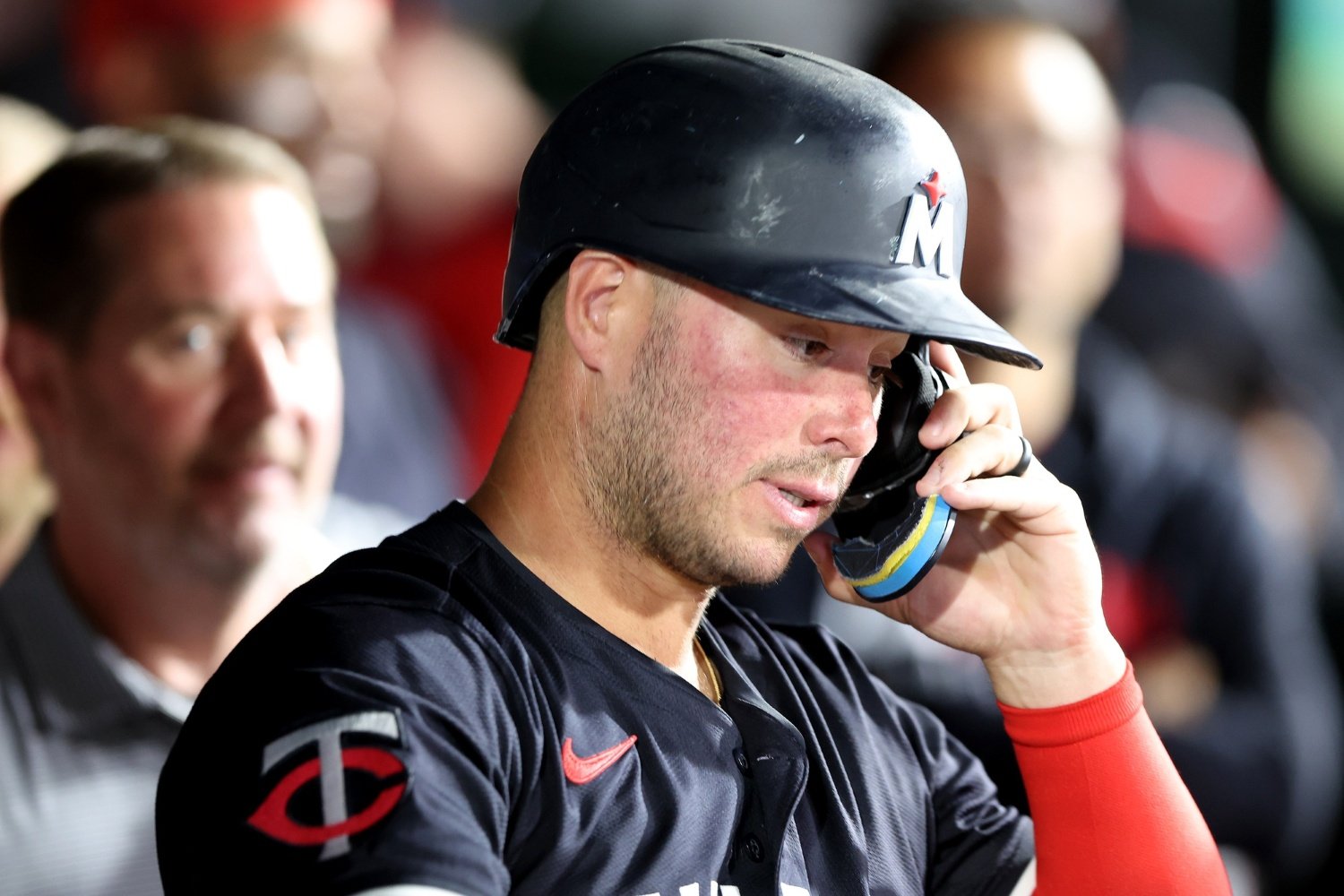 In a vacuum, the Ty France signing has been a success. Any time a team can get value from a $1-million signing via free agency, that’s a victory. If your measuring stick is salary versus FanGraphs WAR dollar value, then I guess that’s enough. If you believe that having a non-embarrassment on the team is worth more than $1 million, there we go. But baseball is more complicated than that. We have to compare that against other markers of success. If a team spent $26 million on 26 Ty France-level performers, they still wouldn’t be very good overall. Compounding this, Ty France has been, let’s just say, highly irregular this season—at least in some ways, because in others, he’s been very regular. Let’s break down the many ways to view Ty France. Let’s start with the obvious one: his performance in clutch situations. Baseball Reference classifies leverage differently than FanGraphs, but under both sites’ definitions, France has performed significantly better in high-leverage situations than in low-leverage situations. According to Baseball Reference, France is slashing .457/.519/.565 in high leverage, and FanGraphs has him at .500/.583/.650. Those are otherworldly numbers, especially compared to his .570 and .549 OPSes in low leverage, according to the two sites. With runners on, France is hitting .330 with an .809 OPS, about 30% above average. When men are in scoring position, that goes up to a .381 average and an .856 OPS, about 40% above average. Few hitters have performed better when it counts than France has this season. However, with the bases empty, he has just a .227 average and a .629 OPS, about 20% below average. When France has done damage this year, it’s in spots that count. He’s outperformed his overall averages, which has helped him place second on the team in RBIs (35) and first in win probability added (1.20). But when the moment isn’t big, and when he doesn’t have a chance to drive someone in, he’s been worse than pedestrian. There are a number of potential explanations for this. Perhaps France has clutch magic. Maybe he changes his approach. I’m not really sure what the reason is, but it’s a discrepancy worth noting. If you take his stellar performance when it counts and add in his poor performance when the moments are smaller, he’s a roughly league-average hitter. By OPS, he’s exactly average, and by wRC+, he’s 5% above average. It’s close enough to just call him an average hitter. He’s an average hitter who does his damage when the team needs it. And roughly average hitters are valuable. By definition, “average hitter” describes a large swath of the league's batters, and there's no shame in being part of that fraternity. But France is a first baseman. First basemen are supposed to hit, and hit for power. France’s hitting profile is more contact-oriented than power-oriented. In addition to leading the Twins in RBIs, he also leads in hits (63) and batting average (.273). However, he only has a .372 slugging average, which is below the league average of .395—not what you’d typically expect from a first baseman. His isolated power—slugging minus batting average—is .100, which is 149th of 166 among qualified hitters. He’s mostly a singles hitter, which (again) isn’t what you typically expect from a first baseman. He's only got four home runs on the season and is on track for about 10. However, first basemen are not the hitters that they used to be, compared to hitters in general. Fifteen years ago, the average first baseman was 20% better than average. This season, the position as a whole is only 7% above average, which is just 2% better than France by wRC+. Overall, even without the power, he’s been roughly average, even among first basemen. And it’s been right around the same level of productivity that Twins first basemen have performed at since 2009. But that’s nothing to get too excited about. The Twins have struggled to produce runs from first base over the last 15 years. There are 17 first basemen with more than 70 plate appearances at the position who have been better hitters than France. It’s part of the reason France’s name gets brought up often as a displacement candidate at the trade deadline. First base can be improved. And, again, it’s hard to believe he can continue to cram all of his production into the biggest moments. That’s not really a predictive trait. Speaking of predictive, though, it’s possible that France is getting unlucky. I know some of you just groaned, but there’s evidence that France has been playing worse than his underlying metrics would lead one to believe. France is underperforming his expected weighted on-base average—a stat that tries to give proper weight to each individual outcome (singles, walks, home runs, etc.) in a single three-digit decimal. By his Statcast metrics, France is one of the biggest underperformers in baseball. How do the nerds reason? Well, even though he never walks (though he does lead the league in getting hit by pitches), he also doesn’t swing and miss or strike out very often. He puts the ball in play a lot, squaring it up quite often, but having mostly average quality of contact. Putting that together, he puts the ball in play a lot while maintaining average damage, so he should be solidly above average as a hitter. His slugging should be a bit higher than it is now, as well. The odd part about these underlying metrics is that they’re more favorable than even France’s best years in Seattle, including an All-Star campaign. He’s putting together good plate appearances, and he’s probably hitting the ball on the ground too much, but it’s possible his performance could improve from here. And while we’re on the topic of the first base position and Statcast, did you know France has been the third-most valuable defender on the Twins by Statcast’s OAA (outs above average)? His 4 OAA fits right between Harrison Bader’s 5 and Byron Buxton’s 3. Defensive statistics are messy, and first base is a difficult spot to judge due to scooping ability and whatnot. Still, by the eye test, I wouldn’t say there have been a ton of balls France has outright made a bad play on, or that I’ve thought that he should have gotten to but didn't. It’s especially strange after France’s 2024, in which he was the seventh-worst defender in MLB by OAA across all positions (-12). And let’s circle back to the price tag. Again, basically any level of useful production makes the money worth it, but signing France precludes another signing. Granted, the Twins were reportedly working with little funds this offseason. And France isn’t displacing anyone at the position. Edouard Julien, Jose Miranda, and Mickey Gasper, the other options at first base, have each performed poorly enough in Minnesota to be sent to the minor leagues. So, even as a league-average bat, it’s nice to have France around. Beneath all the hullaballoo, France has been a league-average batter, but he’s at one of the premier offensive positions, so he’s closer to below average than above average, and his style of production doesn't fit that of a normal first baseman. Nearly all of that league-average production has come in high leverage and with men on base, though, so he’s helped the Twins win games. That outsized effect on winning probably won’t keep up—at least to this degree—but he’s performed under his expected production all season long. And he’s been a good defender. All for a million bucks, but also at the opportunity cost of another player. What do you think? Is there an angle that I’ve missed? Is France having a good season? Maybe WAR has it right. Both Baseball Reference and FanGraphs have France at 0.7 wins above replacement. Over a full season, that would track to be 1.5 or 2.0 WAR, which would be a borderline starter or good bench player. Maybe that's it?
 -
With Sweet Lou MIA, Cody and Gregg give you a supersized episode of Twins Off-Daily where they answer the hard questions like "How does the rotation depth look now?" "Is Ty France good?" "Will Carson McCusker replace him?" "Should baseball players be volunteer firemen?" and "Could 100 Twins fans defeat a bear?" Lou's wife Claire sends in gripes about Lou, which are read on-air. Listen using Apple Podcasts: https://podcasts.apple.com/us/podcast/the-twins-off-daily-podcast/id1741266056 Listen using Spotify: https://open.spotify.com/show/4tb78XlurcPTYYSsARdbD7 Listen using iHeartRadio: https://www.iheart.com/podcast/263-the-twins-off-daily-podcas-167548600/ Listen using Pocket Casts: https://pca.st/nvclbt0w Watch on YouTube: https://www.youtube.com/@twinsdaily View full article
-
Episode 46: Answering the Hard Questions without Sweet Lou
Greggory Masterson posted an article in Podcasts
 With Sweet Lou MIA, Cody and Gregg give you a supersized episode of Twins Off-Daily where they answer the hard questions like "How does the rotation depth look now?" "Is Ty France good?" "Will Carson McCusker replace him?" "Should baseball players be volunteer firemen?" and "Could 100 Twins fans defeat a bear?" Lou's wife Claire sends in gripes about Lou, which are read on-air. Listen using Apple Podcasts: https://podcasts.apple.com/us/podcast/the-twins-off-daily-podcast/id1741266056 Listen using Spotify: https://open.spotify.com/show/4tb78XlurcPTYYSsARdbD7 Listen using iHeartRadio: https://www.iheart.com/podcast/263-the-twins-off-daily-podcas-167548600/ Listen using Pocket Casts: https://pca.st/nvclbt0w Watch on YouTube: https://www.youtube.com/@twinsdaily
 -
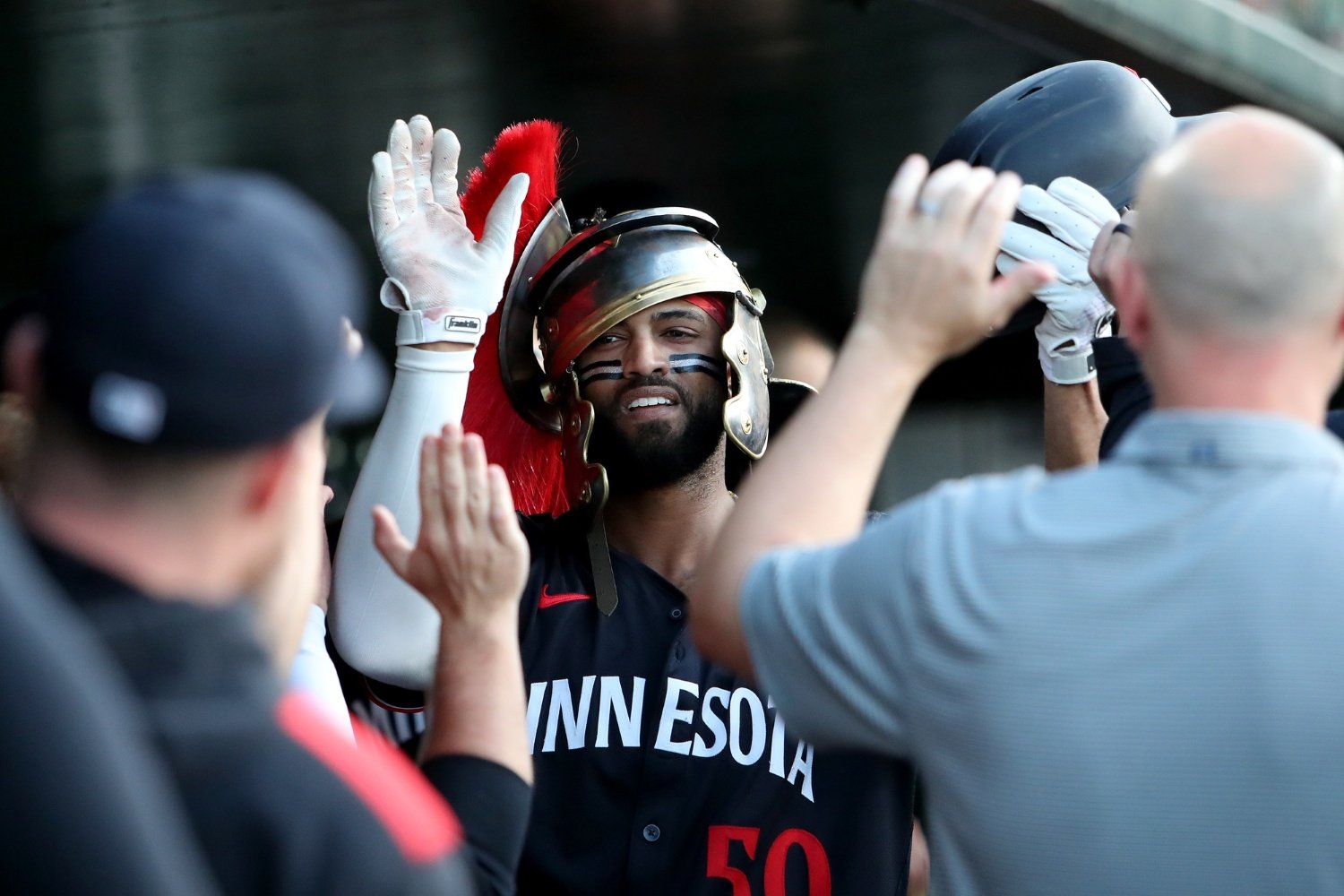 I’ll be the first to say it: I was skeptical of Willi Castro. He slowed down in the second half of 2024 after his All-Star selection to the tune of a .627 OPS (about 25% below league average), then struggled early in 2025, battling injury and carrying a .600 OPS through the first quarter of the season. Since May 14, though, he’s slashed .327/.435/.673, bringing his season total to a .803 OPS, about 30% better than average. His season is back on track, and although he won’t keep up this Kody Clemens pace, it’s easier to see him as a consistent cog in the 2025 Twins machine. A few weeks ago, this discussion would be far darker. Since 2023, Castro has been a consistent piece of the lineup, playing in 124 games that year and 158 in 2024. He’s played everywhere except catcher and first base (though he did work out at first a bit this year, during spring training). He’s been valuable beyond his numbers, being the team’s primary backup at shortstop and center field last year and enabling any Rocco Baldelli in-game move with his flexibility. However, unlike last season, Castro isn’t relied on to be the primary backup at those most critical defensive positions right now. He’s stretched in those spots, but the 2024 team needed him there because the other options were suboptimal. Manuel Margot—once a near-Gold Glove defender in center field—saw his defensive ability plummet in his late 20s, and by the time he reached Minnesota, he was no longer a viable option. Kyle Farmer slowed in his early 30s, relegating the utility infielder to more of a second base/third base role in his second year in Minnesota. Thus, Castro saw 56 games at shortstop and 30 games in center field—ranking second and third, respectively, on the team in time at the spots. That’s in addition to his 40 games at second, 34 in left, 27 at third, and two pitching appearances. The flexibility is a blessing, but the team would probably prefer not to rely on Castro so much at those positions. Enter Brooks Lee and Harrison Bader. Thus far in 2025, Castro has been called on at shortstop just five times, and taken up a place in center once. As certain defensive upgrades over Farmer and Margot, Lee plays solid defense at shortstop, and Bader is an excellent center fielder. These upgrades protect the team from locking Castro in at these positions at which he’s stretched. Although he may find himself there through in-game moves, the presence of a designated backup infielder and outfielder allows the team to revert to playing Castro according to maximal positive impact, rather than being forced into each choice on the basis of desperate necessity. He can be a free space on the lineup card, sliding in wherever there is a need on a day-to-day basis, and they aren’t forced to keep him in a single spot all game because there are no other center fielders or shortstops on the active roster. Many of you just shuddered; Rocco Baldelli’s micromanaging is once again enabled. There’s a second factor at play here—health. Castro saw extended time at short, center, and third because of injuries to Carlos Correa, Byron Buxton, and Royce Lewis in 2024, and—at least for right now—all spots on the field are covered by a primary player (thank you, Kody Clemens). For Castro, this means no long-term stays at any one spot. Truthfully, even with one injury to the current starting fielders, Lee and Bader might be the names called to fill in for weeks at a time. This depth just adds to the flexibility Castro can bring. He might even become a pinch-running option again, if he’s not forced to start every single day—a practice that may have worn him down in the second half of 2024. The Twins do not currently have a consistent designated hitter. In addition to Castro, Lee, and Bader, they also have backup catcher Christian Vázquez and (in case you forgot) Jonah Bride sitting most days. As such, there’s plenty of time for all three of the primary backups to play, giving regulars days off or half-days at DH. And that’s probably exactly how Baldelli and the Twins prefer to go. By increasing the alternatives to Castro, the team has (perhaps paradoxically) far more flexibility to do whatever the heck they want with him. It’s a good thing he started hitting, though, because those other options might have squeezed him out of a spot. And if his bat slows back down, the team isn’t forced to continue playing him.
- 6 comments
-
- 6
-
-
- willi castro
- brooks lee
- (and 5 more)
-
Image courtesy of © Dennis Lee-Imagn Images I’ll be the first to say it: I was skeptical of Willi Castro. He slowed down in the second half of 2024 after his All-Star selection to the tune of a .627 OPS (about 25% below league average), then struggled early in 2025, battling injury and carrying a .600 OPS through the first quarter of the season. Since May 14, though, he’s slashed .327/.435/.673, bringing his season total to a .803 OPS, about 30% better than average. His season is back on track, and although he won’t keep up this Kody Clemens pace, it’s easier to see him as a consistent cog in the 2025 Twins machine. A few weeks ago, this discussion would be far darker. Since 2023, Castro has been a consistent piece of the lineup, playing in 124 games that year and 158 in 2024. He’s played everywhere except catcher and first base (though he did work out at first a bit this year, during spring training). He’s been valuable beyond his numbers, being the team’s primary backup at shortstop and center field last year and enabling any Rocco Baldelli in-game move with his flexibility. However, unlike last season, Castro isn’t relied on to be the primary backup at those most critical defensive positions right now. He’s stretched in those spots, but the 2024 team needed him there because the other options were suboptimal. Manuel Margot—once a near-Gold Glove defender in center field—saw his defensive ability plummet in his late 20s, and by the time he reached Minnesota, he was no longer a viable option. Kyle Farmer slowed in his early 30s, relegating the utility infielder to more of a second base/third base role in his second year in Minnesota. Thus, Castro saw 56 games at shortstop and 30 games in center field—ranking second and third, respectively, on the team in time at the spots. That’s in addition to his 40 games at second, 34 in left, 27 at third, and two pitching appearances. The flexibility is a blessing, but the team would probably prefer not to rely on Castro so much at those positions. Enter Brooks Lee and Harrison Bader. Thus far in 2025, Castro has been called on at shortstop just five times, and taken up a place in center once. As certain defensive upgrades over Farmer and Margot, Lee plays solid defense at shortstop, and Bader is an excellent center fielder. These upgrades protect the team from locking Castro in at these positions at which he’s stretched. Although he may find himself there through in-game moves, the presence of a designated backup infielder and outfielder allows the team to revert to playing Castro according to maximal positive impact, rather than being forced into each choice on the basis of desperate necessity. He can be a free space on the lineup card, sliding in wherever there is a need on a day-to-day basis, and they aren’t forced to keep him in a single spot all game because there are no other center fielders or shortstops on the active roster. Many of you just shuddered; Rocco Baldelli’s micromanaging is once again enabled. There’s a second factor at play here—health. Castro saw extended time at short, center, and third because of injuries to Carlos Correa, Byron Buxton, and Royce Lewis in 2024, and—at least for right now—all spots on the field are covered by a primary player (thank you, Kody Clemens). For Castro, this means no long-term stays at any one spot. Truthfully, even with one injury to the current starting fielders, Lee and Bader might be the names called to fill in for weeks at a time. This depth just adds to the flexibility Castro can bring. He might even become a pinch-running option again, if he’s not forced to start every single day—a practice that may have worn him down in the second half of 2024. The Twins do not currently have a consistent designated hitter. In addition to Castro, Lee, and Bader, they also have backup catcher Christian Vázquez and (in case you forgot) Jonah Bride sitting most days. As such, there’s plenty of time for all three of the primary backups to play, giving regulars days off or half-days at DH. And that’s probably exactly how Baldelli and the Twins prefer to go. By increasing the alternatives to Castro, the team has (perhaps paradoxically) far more flexibility to do whatever the heck they want with him. It’s a good thing he started hitting, though, because those other options might have squeezed him out of a spot. And if his bat slows back down, the team isn’t forced to continue playing him. View full article
-
Hand up, I meant to say O'Hearn but my fingers said Mountcastle. There are too many Ryans in the world.
- 49 replies
-
- 1
-
-
- simeon woods richardson
- david festa
- (and 5 more)
-
Image courtesy of © Daniel Kucin Jr.-Imagn Images Despite a 31-27 record, the Twins are 24th in runs scored per game, 24th in OPS+, 25th in total bases, and 21st in offensive fWAR. They're in the thick of the race, but offensively, it has not been pretty. The thing keeping the Twins' season alive has been their pitching. They have the third-best ERA+, WHIP, FIP, and opponent’s wOBA. They boast both high-end talent like Pablo López, Joe Ryan, and Bailey Ober, a serviceable veteran in Chris Paddack, and young depth in Simeon Woods Richardson, David Festa, Zebby Matthews, and Andrew Morris—any of whom would be full-season members of the rotation in Twins’ seasons past. Some may call it an embarrassment of riches. Connor Prielipp, Marco Raya, Cory Lewis, and C.J. Culpepper all sit in the high minors. Although they are not as MLB-ready as the aforementioned names, there are reasons to be excited about each of them, as well. Before you go and get all excited, I have to say (by law) that there is no such thing as a pitching prospect (TINSTAAPP). They get hurt; their stuff doesn’t play in the big leagues; their lack of control gets exploited; they don’t have enough quality pitches. However it happens, you don’t actually have a pitcher until he sees success in the majors. Also, if I didn’t say it before, they get hurt. I mean they get hurt a lot. I’ve been wrestling with this piece for weeks (yes, I do try to put thought into my writing, even if it might read otherwise) for that very reason. The Twins have an embarrassment of riches in their pitching depth, but that depth may be needed for injury reasons (or ineffectiveness reasons, as was seen with Woods Richardson last month). But also, that depth might not materialize as big-league talent this year, especially if a piece or two are removed via trade. But, still, the Twins need hitting, and some of this pitching depth may be at the highest value they’ll ever have. Let’s break down the case for and against trading pitching prospects to bolster the fledgling lineup. Let’s Get Shopping The Twins currently have seven different starters who have seen some level of success—or have reason to believe in them—and have started at least 10 games in the big leagues. Their top three—López, Ryan, and Ober—are locked in and pitching very well. Paddack has been good for a back-end starter, and is in no danger of losing his spot in the near future. So they have three (four, if you include Morris) guys for one spot, assuming there’s no injury. Come next season, Paddack will be gone, but the other seven will still be around, and it’s almost inevitable that one or two pieces will be sent off somewhere. Granted, that might be cashing in on one of the more expensive veterans, but it’s not as if the room is slated to become any less crowded. The Twins simply need hitting. They have a rotation that can make them a competitive playoff team, but they need to be able to score runs. The team is 27-4 when scoring at least four runs. They need to be able to score those four runs. But they’re in the bottom half of the league offensively at almost any position, and an upgrade at DH is very manageable. Any notable name would make a huge difference for them, but that takes prospect capital at midseason. That prospect capital is also in a perfect spot to be spent. No one name is currently being relied on. His spot can be backfilled. Many of the potential names are unproven, which makes it easier for other teams to dream on them as future building blocks of a rotation. The most responsible thing to do may be to flip them before they prove ineffective or get injured. Shoot, Randy Dobnak and Darren McCaughan can eat some innings, if that’s what the team needs after a trade, if the depth is depleted. Again, this team has a lot of pitching and desperately needs some thump. It’s easy to look at a team like the Orioles (who have exciting hitters, no pitching, and are likely done competing already for the season) and put the pieces together. Hold Your Horses, Partner I mean, this part could just be me repeating “there’s no such thing as too much pitching” over and over again. But it’s something that we’re watching play out right now. Woods Richardson was recently demoted for performance issues, and Matthews has been shaky thus far in his abbreviated stint—though he hasn't been a disaster. Festa had three good starts early in the year filling in for López, but he was recently shut down with arm fatigue, though he's back now. And although Paddack has been thriving since his April blowup against the White Sox, there’s reason to be suspicious of him having continued success or health, which may necessitate even more starts for the less experienced players. Beyond that ever-looming threat, there’s also a philosophical issue. The Twins have only traded for one hitter mid-season during the Derek Falvey regime, and that “hitter” was third catcher Sandy León. The Twins have not valued bats at the trade deadline, potentially because a single hitter’s effect on winning and losing is a bit less defined. Pitching additions replace the weakest starter or reliever. The drop-off may not be as stark when adding a first baseman, DH, or outfielder, specifically; it's rare that a high-end player is available (let alone at a palatable price) at the same place where you have a profound need. Furthermore, the Twins have (justifiably) shied away from short-term players. A name like Ryan O'Hearn of the Orioles would certainly improve the lineup, but at the end of the year, he would be a free agent. Flipping a pitching prospect for an expiring contract echoes the trade that sent Nelson Cruz to Tampa for Ryan. It would be painful to watch that play out against the Twins this time. There’s no guarantee that the Twins will continue to produce pitching prospects like they have over the past couple of seasons, either. We shouldn’t be lulled into a false sense of security in that regard. The bevy of notable top-20, high-minors pitchers the Twins have right now might not be the new rule. Oh, also there might not be any payroll flexibility, given the ownership situation. Maybe all that money went to purchasing Kody Clemens’s contract. So where do you sit on this one? Are you in favor of dealing from a position of strength to dig the offense out of the cellar, or would you prefer to keep those valuable pitching assets and hope internal reinforcement and regression solve the issue? Me, personally, I really don’t know. View full article
-
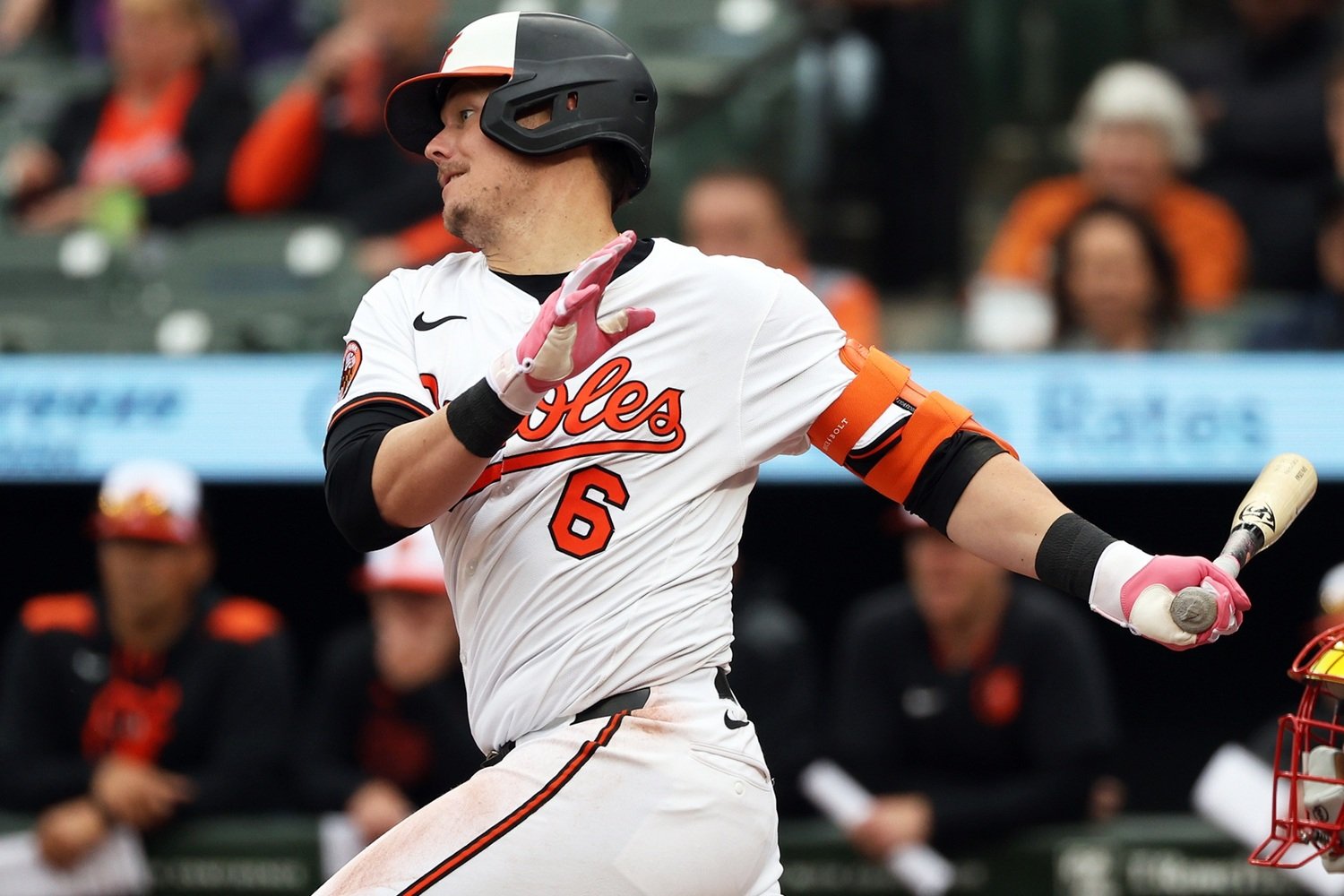 Despite a 31-27 record, the Twins are 24th in runs scored per game, 24th in OPS+, 25th in total bases, and 21st in offensive fWAR. They're in the thick of the race, but offensively, it has not been pretty. The thing keeping the Twins' season alive has been their pitching. They have the third-best ERA+, WHIP, FIP, and opponent’s wOBA. They boast both high-end talent like Pablo López, Joe Ryan, and Bailey Ober, a serviceable veteran in Chris Paddack, and young depth in Simeon Woods Richardson, David Festa, Zebby Matthews, and Andrew Morris—any of whom would be full-season members of the rotation in Twins’ seasons past. Some may call it an embarrassment of riches. Connor Prielipp, Marco Raya, Cory Lewis, and C.J. Culpepper all sit in the high minors. Although they are not as MLB-ready as the aforementioned names, there are reasons to be excited about each of them, as well. Before you go and get all excited, I have to say (by law) that there is no such thing as a pitching prospect (TINSTAAPP). They get hurt; their stuff doesn’t play in the big leagues; their lack of control gets exploited; they don’t have enough quality pitches. However it happens, you don’t actually have a pitcher until he sees success in the majors. Also, if I didn’t say it before, they get hurt. I mean they get hurt a lot. I’ve been wrestling with this piece for weeks (yes, I do try to put thought into my writing, even if it might read otherwise) for that very reason. The Twins have an embarrassment of riches in their pitching depth, but that depth may be needed for injury reasons (or ineffectiveness reasons, as was seen with Woods Richardson last month). But also, that depth might not materialize as big-league talent this year, especially if a piece or two are removed via trade. But, still, the Twins need hitting, and some of this pitching depth may be at the highest value they’ll ever have. Let’s break down the case for and against trading pitching prospects to bolster the fledgling lineup. Let’s Get Shopping The Twins currently have seven different starters who have seen some level of success—or have reason to believe in them—and have started at least 10 games in the big leagues. Their top three—López, Ryan, and Ober—are locked in and pitching very well. Paddack has been good for a back-end starter, and is in no danger of losing his spot in the near future. So they have three (four, if you include Morris) guys for one spot, assuming there’s no injury. Come next season, Paddack will be gone, but the other seven will still be around, and it’s almost inevitable that one or two pieces will be sent off somewhere. Granted, that might be cashing in on one of the more expensive veterans, but it’s not as if the room is slated to become any less crowded. The Twins simply need hitting. They have a rotation that can make them a competitive playoff team, but they need to be able to score runs. The team is 27-4 when scoring at least four runs. They need to be able to score those four runs. But they’re in the bottom half of the league offensively at almost any position, and an upgrade at DH is very manageable. Any notable name would make a huge difference for them, but that takes prospect capital at midseason. That prospect capital is also in a perfect spot to be spent. No one name is currently being relied on. His spot can be backfilled. Many of the potential names are unproven, which makes it easier for other teams to dream on them as future building blocks of a rotation. The most responsible thing to do may be to flip them before they prove ineffective or get injured. Shoot, Randy Dobnak and Darren McCaughan can eat some innings, if that’s what the team needs after a trade, if the depth is depleted. Again, this team has a lot of pitching and desperately needs some thump. It’s easy to look at a team like the Orioles (who have exciting hitters, no pitching, and are likely done competing already for the season) and put the pieces together. Hold Your Horses, Partner I mean, this part could just be me repeating “there’s no such thing as too much pitching” over and over again. But it’s something that we’re watching play out right now. Woods Richardson was recently demoted for performance issues, and Matthews has been shaky thus far in his abbreviated stint—though he hasn't been a disaster. Festa had three good starts early in the year filling in for López, but he was recently shut down with arm fatigue, though he's back now. And although Paddack has been thriving since his April blowup against the White Sox, there’s reason to be suspicious of him having continued success or health, which may necessitate even more starts for the less experienced players. Beyond that ever-looming threat, there’s also a philosophical issue. The Twins have only traded for one hitter mid-season during the Derek Falvey regime, and that “hitter” was third catcher Sandy León. The Twins have not valued bats at the trade deadline, potentially because a single hitter’s effect on winning and losing is a bit less defined. Pitching additions replace the weakest starter or reliever. The drop-off may not be as stark when adding a first baseman, DH, or outfielder, specifically; it's rare that a high-end player is available (let alone at a palatable price) at the same place where you have a profound need. Furthermore, the Twins have (justifiably) shied away from short-term players. A name like Ryan O'Hearn of the Orioles would certainly improve the lineup, but at the end of the year, he would be a free agent. Flipping a pitching prospect for an expiring contract echoes the trade that sent Nelson Cruz to Tampa for Ryan. It would be painful to watch that play out against the Twins this time. There’s no guarantee that the Twins will continue to produce pitching prospects like they have over the past couple of seasons, either. We shouldn’t be lulled into a false sense of security in that regard. The bevy of notable top-20, high-minors pitchers the Twins have right now might not be the new rule. Oh, also there might not be any payroll flexibility, given the ownership situation. Maybe all that money went to purchasing Kody Clemens’s contract. So where do you sit on this one? Are you in favor of dealing from a position of strength to dig the offense out of the cellar, or would you prefer to keep those valuable pitching assets and hope internal reinforcement and regression solve the issue? Me, personally, I really don’t know.
- 49 comments
-
- 7
-

-
-

-
- simeon woods richardson
- david festa
- (and 5 more)
-
All other things being equal, do you think that a team performs better with high levels of trust, leadership, cohesion, communication, and low levels of conflict?
-
Largely throwaway lines from other writing, broadcasts, or private observations from those with clubhouse access. I won’t pretend to know Guy X and Guy Y are best friends or anything, it’s just a collection of potential connections that we’ve at least seen mumbling of.
-
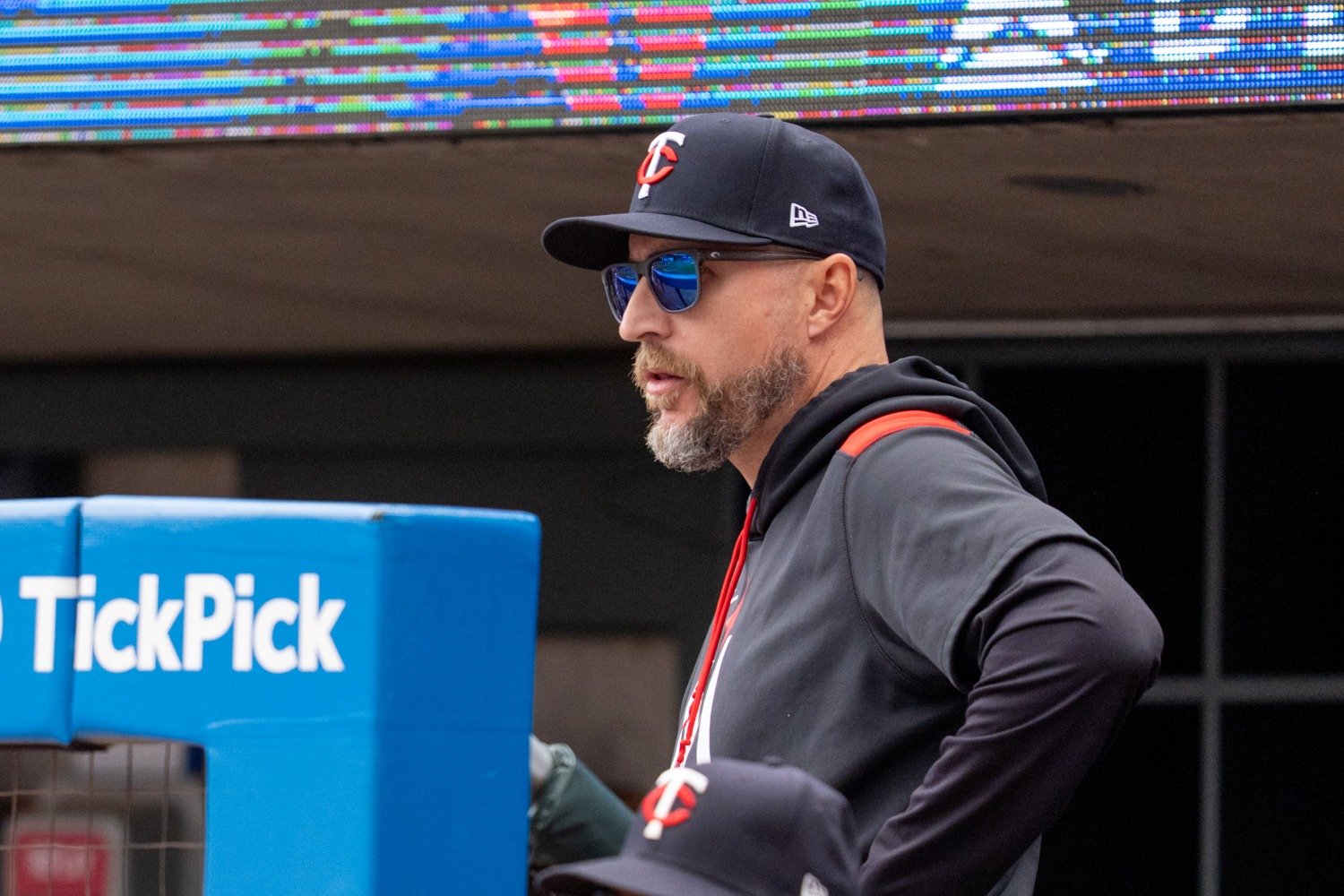 It’s common knowledge—or perhaps cliché, depending on your persuasion—that team chemistry is essential. Teams who stick together win together; fun begets winning and winning begets fun; so on and so forth. The Twins are winning, and, by all accounts, they’re having fun. In recent years, the Twins, at least from the outside, have appeared to value bringing in good clubhouse guys. Veterans like Carlos Santana, Michael A. Taylor, and Kyle Farmer come to mind. These are guys who could hold their own in secondary or tertiary roles on-field, but who also brought what some might call intangible skills. What intangibles are varies from person to person, but these three players were, by all accounts, well-liked, energetic, experienced, and knowledgeable about the game. One even started up some cult worship around processed meat. This offseason, as the Twins shopped the clearance rack for depth players, they came home with Harrison Bader, Danny Coulombe, and Ty France. For approximately $10 million in total, the three players have each contributed to the team's success on the field this season, but they also came in with reputations as good clubhouse guys—positives from a human perspective. Truthfully, that’s a solid strategy. If you’re going to choose from a handful of fine but not exceptional players, it’s totally reasonable to give preference to the guys who are also pluses off the field. France and Coulombe bring fun personalities, and Bader has enough personality to make up for three sticks in the mud. So bring on the fun. But fun isn’t the only component of team chemistry—probably not even the main piece, though it’s often the one we think about first. In the past, I’ve highlighted factors like conflict and trust as important components to team functioning, but today, let’s talk about leadership. Shared leadership is a form of leadership that emerges within teams in which leadership responsibilities are distributed among team members. Baseball teams are going to have formal, external leaders (i.e., not a member of the team but in a position of authority) in the form of coaches and managers. But they can also have informal, internal leaders (i.e., members of the team who don’t have an official designation as an authority figure). Shared leadership tends to emerge in teams that have distinct and strong shared purpose and empowerment from the formalized leaders. In essence, a baseball team that’s united in its goals (winning games and championships) and is supported by the coaching staff will have players emerge as leaders. And according to manager Rocco Baldelli, that’s happening with the Twins this season. “We have a lot of guys in that clubhouse who do a good job of paying attention to the people around them—team-oriented guys," Baldelli said last weekend. "That’s what you need: team-oriented guys who are taking care of their own business, and who have the awareness and care factor to look around and pump a guy up when he needs it, or just talk to each other.” There have been talks of the relationships forming between players now and in previous seasons. Byron Buxton and Bader, two Gold Glove center fielders, have been iron sharpening iron, and Bader has been said to bring the best out of Royce Lewis. France and Brooks Lee have had a positive effect on each other, and Lee has also been connected to Ryan Jeffers and Trevor Larnach in quotes on the topic. Bailey Ober and Chris Paddack have been pushing and refining each other on the mound. Carlos Correa has long been lauded for his leadership abilities. Within these teams you can have task leaders (focused on play and team goals), social leaders (focused on maintaining relationships and a good atmosphere), and motivational leaders (keeping the team working hard) in addition to coaches (Fransen et al., 2015). No one approach or leadership skillset is fit for every scenario, but it’s important to have those guys. It’s what good teams do. Historically, teams across contexts perform better when there is some shared leadership (Wu et al., 2018). From a task perspective, Baldelli explained the value of players taking on these types of role. “Staff members can do great things, but the guys in the clubhouse, they’re going through the exact same thing at the exact same time in that room. You have guys that have great perspective in there, and there’s nothing like a teammate being real with you and helping you out. That can happen so many different ways, but that’s the best way for it to work. If a staff member in any way feels like they have to be the one to always have a conversation with a player about any topic, you’re probably missing something along the way.” It’s important for players within the team to have an attitude toward winning. Part of wanting to win is improving yourself, but another part is wanting to improve those around you. Oftentimes, it’s not enough to simply be the best player you can be. You also have to get your teammates to that place, too, if your goal is truly to win games. That focus on your teammates can sometimes influence your on-field play, too. Pablo López explained in a recent interview. “At the end of the day, I want my success to be a representation of the team's success. I want to be my very best version to help the team win a ballgame—to help make the reliever who's going to pitch after me, to make their life easier; the guys behind me, to stay engaged, stay on their toes, or just give them a break because I'm getting quick innings or whatever the case may be. I have to keep that in mind. It's ok to explore some things because you want to elevate your game, but I have to keep in mind what that could mean to the whole team," López said. "it's my responsibility to also keep in mind the success of the team, and not jeopardize that as I try to explore in the regular season, when I'm trying to get the elite of the elite out." And that kind of attitude is important. In order to lead the team from within, the players need to gear their own personal aims toward the team's. Even in an individual sport masquerading as a team game like baseball, those things matter. And the Twins should be commended for developing a culture in which that is encouraged, whether that be through team culture building or roster additions. I’m never going to say that these factors are directly causing the Twins success in recent weeks, but I will say that empirical data does say these things can help. Bonus for the nerds: Okay, here’s a bonus. If you’re 1,100 words into this, I feel good about you finding this little tangent interesting. An additional factor that might be contributing to the overall, at least within one subteam, the bullpen, is described as member churn. The words “bullpen” and “churn” used in the same sentence should set off alarm bells as to where I’m going here. Coulombe has been complimented as taking something of an elder statesman, glue guy role in the 2025 bullpen, even with Brock Stewart and Justin Topa only being a year or two younger than the southpaw. Described as keeping it positive and loose with high energy (see the Redbull chugs for an example), Coulombe himself has provided leadership to that group. But the lack of member churn also helps. Churn within teams is associated with challenges like needing to introduce new members to a group, teaching them group norms, and filling in for the duties of previous members. A good climate is harder to maintain within the group if the members are constantly being switched out—and there’s been very little of that in Minnesota’s bullpen this season. Some of that is practical; very few members of the pen have been worthy of a demotion, and those that have been are out of options. So there’s been a consistent set of faces all season. This is different than in previous years, as the last two spots in the bullpen were often filled by minor leaguers on rotation or waiver claims to keep the group fresh. Fortunately, given the success of the pitching staff overall, there have been few instances in which a reliever swap is necessary. So there’s an on-field benefit at play, but it’s also allowed the bullpen to become a more cohesive group, which is beneficial in a number of ways, whether that be that players are having more fun, are easier to coach, or trust each other more.
- 13 comments
-
- 4
-
-
- rocco baldelli
- pablo lopez
- (and 3 more)
-
Image courtesy of © Matt Blewett-Imagn Images It’s common knowledge—or perhaps cliché, depending on your persuasion—that team chemistry is essential. Teams who stick together win together; fun begets winning and winning begets fun; so on and so forth. The Twins are winning, and, by all accounts, they’re having fun. In recent years, the Twins, at least from the outside, have appeared to value bringing in good clubhouse guys. Veterans like Carlos Santana, Michael A. Taylor, and Kyle Farmer come to mind. These are guys who could hold their own in secondary or tertiary roles on-field, but who also brought what some might call intangible skills. What intangibles are varies from person to person, but these three players were, by all accounts, well-liked, energetic, experienced, and knowledgeable about the game. One even started up some cult worship around processed meat. This offseason, as the Twins shopped the clearance rack for depth players, they came home with Harrison Bader, Danny Coulombe, and Ty France. For approximately $10 million in total, the three players have each contributed to the team's success on the field this season, but they also came in with reputations as good clubhouse guys—positives from a human perspective. Truthfully, that’s a solid strategy. If you’re going to choose from a handful of fine but not exceptional players, it’s totally reasonable to give preference to the guys who are also pluses off the field. France and Coulombe bring fun personalities, and Bader has enough personality to make up for three sticks in the mud. So bring on the fun. But fun isn’t the only component of team chemistry—probably not even the main piece, though it’s often the one we think about first. In the past, I’ve highlighted factors like conflict and trust as important components to team functioning, but today, let’s talk about leadership. Shared leadership is a form of leadership that emerges within teams in which leadership responsibilities are distributed among team members. Baseball teams are going to have formal, external leaders (i.e., not a member of the team but in a position of authority) in the form of coaches and managers. But they can also have informal, internal leaders (i.e., members of the team who don’t have an official designation as an authority figure). Shared leadership tends to emerge in teams that have distinct and strong shared purpose and empowerment from the formalized leaders. In essence, a baseball team that’s united in its goals (winning games and championships) and is supported by the coaching staff will have players emerge as leaders. And according to manager Rocco Baldelli, that’s happening with the Twins this season. “We have a lot of guys in that clubhouse who do a good job of paying attention to the people around them—team-oriented guys," Baldelli said last weekend. "That’s what you need: team-oriented guys who are taking care of their own business, and who have the awareness and care factor to look around and pump a guy up when he needs it, or just talk to each other.” There have been talks of the relationships forming between players now and in previous seasons. Byron Buxton and Bader, two Gold Glove center fielders, have been iron sharpening iron, and Bader has been said to bring the best out of Royce Lewis. France and Brooks Lee have had a positive effect on each other, and Lee has also been connected to Ryan Jeffers and Trevor Larnach in quotes on the topic. Bailey Ober and Chris Paddack have been pushing and refining each other on the mound. Carlos Correa has long been lauded for his leadership abilities. Within these teams you can have task leaders (focused on play and team goals), social leaders (focused on maintaining relationships and a good atmosphere), and motivational leaders (keeping the team working hard) in addition to coaches (Fransen et al., 2015). No one approach or leadership skillset is fit for every scenario, but it’s important to have those guys. It’s what good teams do. Historically, teams across contexts perform better when there is some shared leadership (Wu et al., 2018). From a task perspective, Baldelli explained the value of players taking on these types of role. “Staff members can do great things, but the guys in the clubhouse, they’re going through the exact same thing at the exact same time in that room. You have guys that have great perspective in there, and there’s nothing like a teammate being real with you and helping you out. That can happen so many different ways, but that’s the best way for it to work. If a staff member in any way feels like they have to be the one to always have a conversation with a player about any topic, you’re probably missing something along the way.” It’s important for players within the team to have an attitude toward winning. Part of wanting to win is improving yourself, but another part is wanting to improve those around you. Oftentimes, it’s not enough to simply be the best player you can be. You also have to get your teammates to that place, too, if your goal is truly to win games. That focus on your teammates can sometimes influence your on-field play, too. Pablo López explained in a recent interview. “At the end of the day, I want my success to be a representation of the team's success. I want to be my very best version to help the team win a ballgame—to help make the reliever who's going to pitch after me, to make their life easier; the guys behind me, to stay engaged, stay on their toes, or just give them a break because I'm getting quick innings or whatever the case may be. I have to keep that in mind. It's ok to explore some things because you want to elevate your game, but I have to keep in mind what that could mean to the whole team," López said. "it's my responsibility to also keep in mind the success of the team, and not jeopardize that as I try to explore in the regular season, when I'm trying to get the elite of the elite out." And that kind of attitude is important. In order to lead the team from within, the players need to gear their own personal aims toward the team's. Even in an individual sport masquerading as a team game like baseball, those things matter. And the Twins should be commended for developing a culture in which that is encouraged, whether that be through team culture building or roster additions. I’m never going to say that these factors are directly causing the Twins success in recent weeks, but I will say that empirical data does say these things can help. Bonus for the nerds: Okay, here’s a bonus. If you’re 1,100 words into this, I feel good about you finding this little tangent interesting. An additional factor that might be contributing to the overall, at least within one subteam, the bullpen, is described as member churn. The words “bullpen” and “churn” used in the same sentence should set off alarm bells as to where I’m going here. Coulombe has been complimented as taking something of an elder statesman, glue guy role in the 2025 bullpen, even with Brock Stewart and Justin Topa only being a year or two younger than the southpaw. Described as keeping it positive and loose with high energy (see the Redbull chugs for an example), Coulombe himself has provided leadership to that group. But the lack of member churn also helps. Churn within teams is associated with challenges like needing to introduce new members to a group, teaching them group norms, and filling in for the duties of previous members. A good climate is harder to maintain within the group if the members are constantly being switched out—and there’s been very little of that in Minnesota’s bullpen this season. Some of that is practical; very few members of the pen have been worthy of a demotion, and those that have been are out of options. So there’s been a consistent set of faces all season. This is different than in previous years, as the last two spots in the bullpen were often filled by minor leaguers on rotation or waiver claims to keep the group fresh. Fortunately, given the success of the pitching staff overall, there have been few instances in which a reliever swap is necessary. So there’s an on-field benefit at play, but it’s also allowed the bullpen to become a more cohesive group, which is beneficial in a number of ways, whether that be that players are having more fun, are easier to coach, or trust each other more. View full article
-
 Sweet Lou and Ol Gregg are joined by Tom Froemming to discuss a week of .500 baseball. Tom gives some bold predictions featuring David Festa and Royce Lewis, and the crew talks some prospects. Gregg Gripes about Minnesota sports fans, Lou takes offense, and they play a game of Stump the Froemm. Listen using Apple Podcasts: https://podcasts.apple.com/us/podcast/the-twins-off-daily-podcast/id1741266056 Listen using Spotify: https://open.spotify.com/show/4tb78XlurcPTYYSsARdbD7 Listen using iHeartRadio: https://www.iheart.com/podcast/263-the-twins-off-daily-podcas-167548600/ Listen using Pocket Casts: https://pca.st/nvclbt0w Watch on YouTube: https://www.youtube.com/@twinsdaily
 -
Sweet Lou and Ol Gregg are joined by Tom Froemming to discuss a week of .500 baseball. Tom gives some bold predictions featuring David Festa and Royce Lewis, and the crew talks some prospects. Gregg Gripes about Minnesota sports fans, Lou takes offense, and they play a game of Stump the Froemm. Listen using Apple Podcasts: https://podcasts.apple.com/us/podcast/the-twins-off-daily-podcast/id1741266056 Listen using Spotify: https://open.spotify.com/show/4tb78XlurcPTYYSsARdbD7 Listen using iHeartRadio: https://www.iheart.com/podcast/263-the-twins-off-daily-podcas-167548600/ Listen using Pocket Casts: https://pca.st/nvclbt0w Watch on YouTube: https://www.youtube.com/@twinsdaily View full article
-
Sweet Lou, Comrade Cody and Ol' Gregg catch up on the latest happenings with the Twins, they gripe about Bark In The Park Night and try to nail a couple rounds of Random Twin 20 Questions. Come for the Twins talk, stay for the Bert Blyleven shade! Listen using Apple Podcasts: https://podcasts.apple.com/us/podcast/the-twins-off-daily-podcast/id1741266056 Listen using Spotify: https://open.spotify.com/show/4tb78XlurcPTYYSsARdbD7 Listen using iHeartRadio: https://www.iheart.com/podcast/263-the-twins-off-daily-podcas-167548600/ Listen using Pocket Casts: https://pca.st/nvclbt0w Watch on YouTube: https://www.youtube.com/@twinsdaily View full article

