



Nick Nelson
-
Posts
8,322 -
Joined
-
Last visited
-
Days Won
56
Content Type
Profiles
News
Minnesota Twins Videos
2026 Minnesota Twins Top Prospects Ranking
2022 Minnesota Twins Draft Picks
Minnesota Twins Free Agent & Trade Rumors, Notes, & Tidbits
Guides & Resources
2023 Minnesota Twins Draft Picks
The Minnesota Twins Players Project
2024 Minnesota Twins Draft Picks
2025 Minnesota Twins Draft Pick Tracker
2026 Minnesota Twins Draft Tracker: Picks & Bonuses
Forums
Blogs
Events
Store
Downloads
Gallery
Everything posted by Nick Nelson
-
 These three Twins prospects put forth impressive seasons in the minors that caused them to rise swiftly in our rankings. Keep an eye out for them in 2024. Image courtesy of Ed Bailey, Wichita Wind Surge (photo of David Festa) The Twins Daily team recently updated our top prospect tracker with end-of-season rankings and blurbs. This provides an opportunity to compare against our preseason list in search of the biggest changes. Today we'll look at three prospects who made the biggest jumps upward over the course of the season. Within, we find three potential drafting success stories for the Twins front office. David Festa, RHP Preseason Rank: 13 Postseason Rank: 5 Despite having a scout's frame, 6-foot-6 and lean, Festa wasn't in high demand coming out of Seton Hall University in 2021. His performance there hadn't been terribly impressive and the right-hander's fastball was averaging around 90 MPH. The Twins selected him in the 13th round, seeing him as an intriguing candidate for their velocity-boosting methods. That has worked out well. Festa was really good in 2022, posting a 2.43 ERA during his first full season as a pro. But it's not uncommon, or necessarily even that telling, to see college pitchers dominate A-ball out of the gates. Which is why he was kept in check at #13 in our preseason rankings. Festa's 2023 campaign did much to remove any doubt of his legitimacy, vaulting him into the organization's top five. Looking past the 4.19 ERA in inflated offensive environments, there is much to like about the 23-year-old's performance this past season. For one thing his strikeout rate exploded: between Double-A and Triple-A, he piled up 119 strikeouts in 92 ⅓ innings, good for an 11.6 K/9 rate. His once-pedestrian fastball now routinely touches 97-98 on the gun. He's got several ingredients the Twins love: extension, velocity, and a good breaking pitch with potential to get better. Festa is challenging Marco Raya for the title of top pitching prospect in the Twins organization. Tanner Schobel, 2B/3B Preseason Rank: 18 Postseason Rank: 10 The Twins went big on Schobel, drafting him with their second-round pick in 2022, on the basis of a breakout junior year at Virginia Tech. The infielder launched 19 home runs and slugged .689 in 59 games for the Hokies before the Twins took him 68th overall. In his pro debut last year, the newfound power was nowhere to be found. In 136 plate appearances between rookie ball in Low-A, he managed just one home run, posting a .237/.353/.298. Thus the lukewarm placement on our preseason list this year. Stepping up to High-A despite his struggles in pitcher-friendly Florida State League, Schobel looked much more like the guy Minnesota targeted in the draft. In 77 games at Cedar Rapids, he slashed .288/.366/.493 with 14 homers, 10 doubles and five triples, launching drives all over the field. Schobel moved up to Wichita around the All-Star break, and while his performance there wasn't nearly as strong, he held his own as a 22-year-old facing more experienced competition. All in all, his 2023 campaign placed him firmly on the radar. Kala'i Rosario, OF Preseason Rank: NR Postseason Rank: 11 The Twins drafted the Hawaiian high schooler in the fifth round of a five-round draft in 2020, a season where scouting information and intel were severely limited by COVID. It was the epitome of a longshot, a shot in the dark. For a while, it was looking like a swing and a miss – albeit a low-stakes one. Rosario wasn't bad in the Florida Complex League (2021) or Florida State League (2022), but he wasn't an offensive standout. And as a right fielder whose glove and speed are not assets, the standard is high. The 2022 production was so ordinary that Rosario didn't even get a nod in our honorable mentions preceding the top 20 countdown in February. The 21-year-old completely flipped his narrative in 2023. He arrived in Cedar Rapids and torched the Midwest League, slashing .252/.364/.467 with 21 homers and 94 RBIs in 118 games for the Kernels. He ranked sixth among MWL hitters in OPS and fifth in wOBA thanks to a potent power-patience combo. Now Rosario is playing in the Arizona Fall League, and hitting absolute tanks. He's developing into a prototypical slugging right fielder before our eyes. Speaking of prototypical sluggers, Yunior Severino also deserves mention in this discussion of ascendant prospects. His 35-HR season between Double-A and Triple-A lifted him from unranked in the spring to #12 – just behind Rosario – in our latest update. These risers in the Twins system all offered a lot of reason for encouragement and hope in 2023. But it wasn't all good news. Check back in tomorrow and we'll examine the flip-side of the coin: the prospects who saw the biggest drops in stock this year. View full article
 -
The Come Up: 3 Twins Prospects Who Improved Their Stock in 2023
Nick Nelson posted an article in Minor Leagues
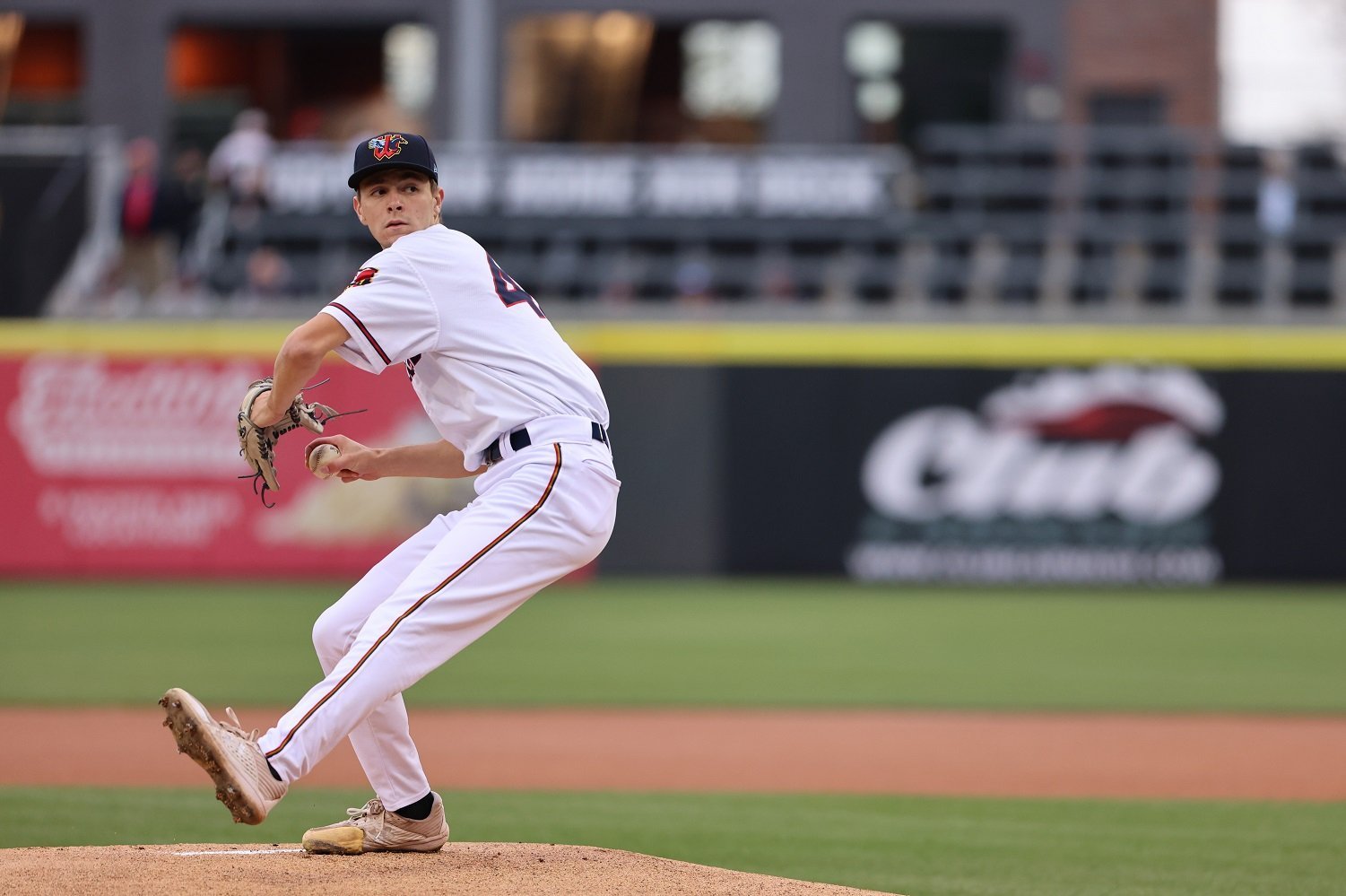 The Twins Daily team recently updated our top prospect tracker with end-of-season rankings and blurbs. This provides an opportunity to compare against our preseason list in search of the biggest changes. Today we'll look at three prospects who made the biggest jumps upward over the course of the season. Within, we find three potential drafting success stories for the Twins front office. David Festa, RHP Preseason Rank: 13 Postseason Rank: 5 Despite having a scout's frame, 6-foot-6 and lean, Festa wasn't in high demand coming out of Seton Hall University in 2021. His performance there hadn't been terribly impressive and the right-hander's fastball was averaging around 90 MPH. The Twins selected him in the 13th round, seeing him as an intriguing candidate for their velocity-boosting methods. That has worked out well. Festa was really good in 2022, posting a 2.43 ERA during his first full season as a pro. But it's not uncommon, or necessarily even that telling, to see college pitchers dominate A-ball out of the gates. Which is why he was kept in check at #13 in our preseason rankings. Festa's 2023 campaign did much to remove any doubt of his legitimacy, vaulting him into the organization's top five. Looking past the 4.19 ERA in inflated offensive environments, there is much to like about the 23-year-old's performance this past season. For one thing his strikeout rate exploded: between Double-A and Triple-A, he piled up 119 strikeouts in 92 ⅓ innings, good for an 11.6 K/9 rate. His once-pedestrian fastball now routinely touches 97-98 on the gun. He's got several ingredients the Twins love: extension, velocity, and a good breaking pitch with potential to get better. Festa is challenging Marco Raya for the title of top pitching prospect in the Twins organization. Tanner Schobel, 2B/3B Preseason Rank: 18 Postseason Rank: 10 The Twins went big on Schobel, drafting him with their second-round pick in 2022, on the basis of a breakout junior year at Virginia Tech. The infielder launched 19 home runs and slugged .689 in 59 games for the Hokies before the Twins took him 68th overall. In his pro debut last year, the newfound power was nowhere to be found. In 136 plate appearances between rookie ball in Low-A, he managed just one home run, posting a .237/.353/.298. Thus the lukewarm placement on our preseason list this year. Stepping up to High-A despite his struggles in pitcher-friendly Florida State League, Schobel looked much more like the guy Minnesota targeted in the draft. In 77 games at Cedar Rapids, he slashed .288/.366/.493 with 14 homers, 10 doubles and five triples, launching drives all over the field. Schobel moved up to Wichita around the All-Star break, and while his performance there wasn't nearly as strong, he held his own as a 22-year-old facing more experienced competition. All in all, his 2023 campaign placed him firmly on the radar. Kala'i Rosario, OF Preseason Rank: NR Postseason Rank: 11 The Twins drafted the Hawaiian high schooler in the fifth round of a five-round draft in 2020, a season where scouting information and intel were severely limited by COVID. It was the epitome of a longshot, a shot in the dark. For a while, it was looking like a swing and a miss – albeit a low-stakes one. Rosario wasn't bad in the Florida Complex League (2021) or Florida State League (2022), but he wasn't an offensive standout. And as a right fielder whose glove and speed are not assets, the standard is high. The 2022 production was so ordinary that Rosario didn't even get a nod in our honorable mentions preceding the top 20 countdown in February. The 21-year-old completely flipped his narrative in 2023. He arrived in Cedar Rapids and torched the Midwest League, slashing .252/.364/.467 with 21 homers and 94 RBIs in 118 games for the Kernels. He ranked sixth among MWL hitters in OPS and fifth in wOBA thanks to a potent power-patience combo. Now Rosario is playing in the Arizona Fall League, and hitting absolute tanks. He's developing into a prototypical slugging right fielder before our eyes. Speaking of prototypical sluggers, Yunior Severino also deserves mention in this discussion of ascendant prospects. His 35-HR season between Double-A and Triple-A lifted him from unranked in the spring to #12 – just behind Rosario – in our latest update. These risers in the Twins system all offered a lot of reason for encouragement and hope in 2023. But it wasn't all good news. Check back in tomorrow and we'll examine the flip-side of the coin: the prospects who saw the biggest drops in stock this year.
 -
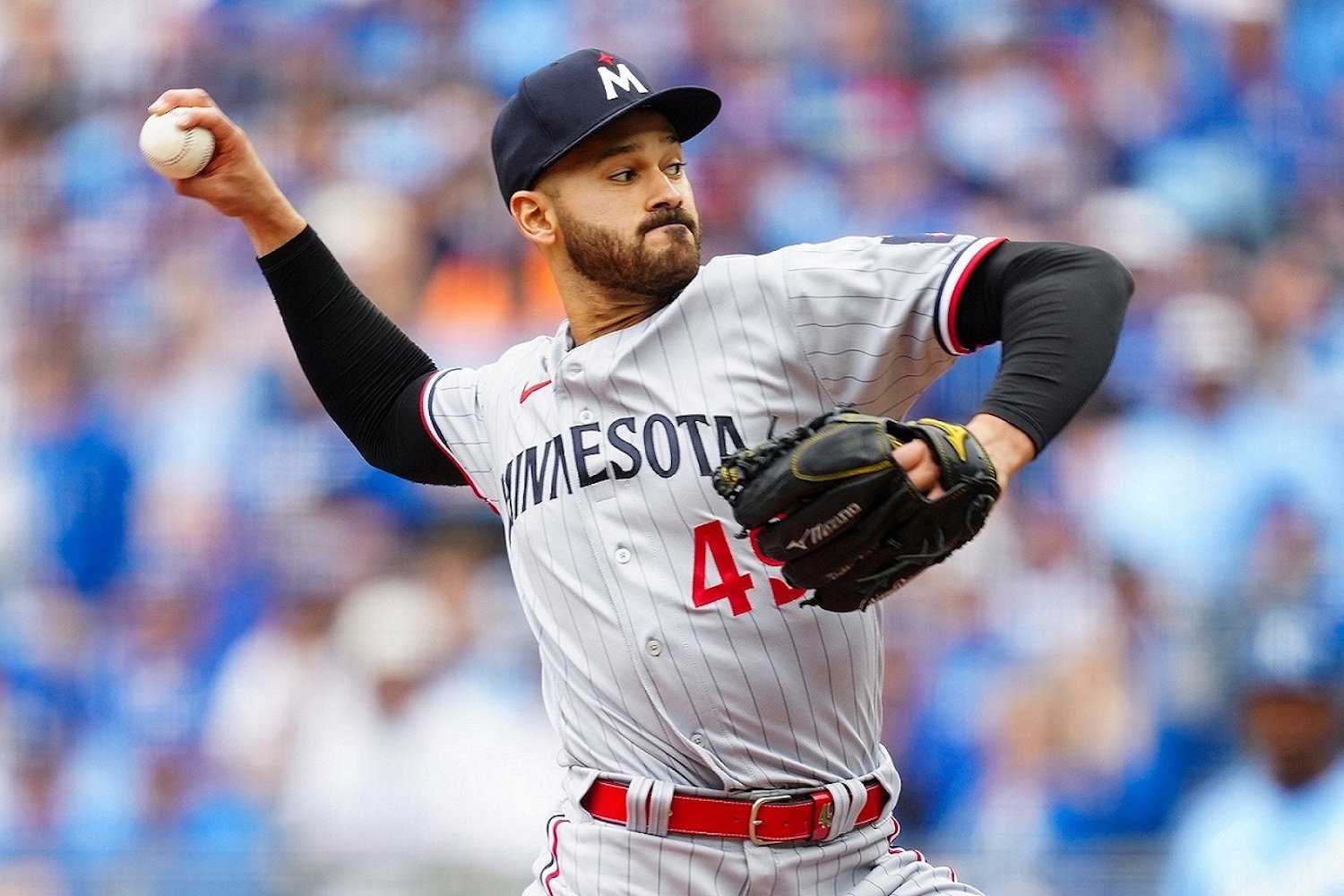 When the current front office took over, the Twins had almost no history of handing out nine-figure contracts, nor anything remotely close. The only time Minnesota had ever surpassed the century mark (in millions) was Joe Mauer's $164 million extension, signed after his MVP season in 2009. Over the past four years, Derek Falvey has repeatedly reset the standard for this franchise. First he signed free agent Josh Donaldson to a $92 million deal. Then it was Byron Buxton receiving a seven-year, $100 million extension. Later in the same offseason, Carlos Correa received a $103 million contract, which was really more of a one-year pact, but the Twins backed it up emphatically the following winter with a $200 million blockbuster to bring him back. Then, for good measure, they signed newly acquired starter Pablo Lopez to the biggest contract this franchise has ever given a pitcher ($73.5 million). These big-ticket moves show how much the Twins have evolved in terms of spending habits over the past five years, and their increased payrolls have underscored this shift. Still, we all know there is a limit, and that now becomes more of a planning consideration because the books aren't as clean as they once were. Here's a look at the six guaranteed contracts Minnesota is currently committed to, and how the player salaries map out in the coming years (note that everything after 2028 for Correa is a vesting option): In looking at this chart, one thing becomes very clear: the Twins have a whole bunch of money tied up in 2025. With Lopez's salary escalating massively (this would have been his first post-FA season), Correa making the highest salary of his entire contract, and Paddack getting a healthy boost, the Twins will owe almost $95 million to these six players alone. (For the record, the team's total payroll in 2014 was $85 million.) So what does this tell us? Additional spending money will probably be sparse. The Twins had a record ~$150 million payroll this year, and while that might grow a little by 2025, it probably won't grow much. In fact, considering certain economic trends, it seems more likely that ownership will be looking to dial back a bit. The good news is that Minnesota's young wave of talent will bring a lot of cost efficiency to the roster, which is a big part of the appeal. But here too, salaries will be escalating as players enter and advance through arbitration. Bottom line: the front office is probably going be pretty limited this offseason in terms of what they can commit to the 2025 payroll. This makes it a little difficult to envision any sort of high-scale contract for a free agent – even a relatively reasonable deal to bring back Sonny Gray (i.e. 3/60). The flip side is that all of these big payroll hits are delayed by one year. Those six guaranteed contracts will collectively pay out $25 million less in 2024 than in '25. This means that unless the Twins are looking to scale back spending substantially next year (and that is possible) there is a clear opportunity to invest in a short-term solution at a high price. Needless to say, Gray accepting the qualifying offer – which would equate to roughly a one-year, $20 million contract – would be ideal. That's very unlikely. But there are other ways to take advantage of this situation. For example, the Twins might be more open to taking on the full salaries of a trade target such as Paul Goldschmidt or Pete Alonso, who we highlighted as potential pivots from Alex Kirilloff at first base. There are also a number of high-profile and high-upside starting pitchers in free agency who could be seeking one-year deals to bolster their value – if the money is right. Frankie Montas stands out as one intriguing possibility. Recognizing the realities of the Twins' books and their nuanced salary commitments going forward can help properly set expectations for what they realistically can and won't do this offseason. If we're being honest, they've already probably made all their long-term bets, but that doesn't mean they can't find ways to go big this winter.
- 40 comments
-
- 5
-

-
- carlos correa
- byron buxton
- (and 1 more)
-
The Minnesota Twins have signed players to a number of precedent-shattering contracts in the past few years. Let's take a look at how these long-term commitments might affect their ability to pursue other big-time deals this offseason. Image courtesy of Jay Biggerstaff-USA TODAY Sports When the current front office took over, the Twins had almost no history of handing out nine-figure contracts, nor anything remotely close. The only time Minnesota had ever surpassed the century mark (in millions) was Joe Mauer's $164 million extension, signed after his MVP season in 2009. Over the past four years, Derek Falvey has repeatedly reset the standard for this franchise. First he signed free agent Josh Donaldson to a $92 million deal. Then it was Byron Buxton receiving a seven-year, $100 million extension. Later in the same offseason, Carlos Correa received a $103 million contract, which was really more of a one-year pact, but the Twins backed it up emphatically the following winter with a $200 million blockbuster to bring him back. Then, for good measure, they signed newly acquired starter Pablo Lopez to the biggest contract this franchise has ever given a pitcher ($73.5 million). These big-ticket moves show how much the Twins have evolved in terms of spending habits over the past five years, and their increased payrolls have underscored this shift. Still, we all know there is a limit, and that now becomes more of a planning consideration because the books aren't as clean as they once were. Here's a look at the six guaranteed contracts Minnesota is currently committed to, and how the player salaries map out in the coming years (note that everything after 2028 for Correa is a vesting option): In looking at this chart, one thing becomes very clear: the Twins have a whole bunch of money tied up in 2025. With Lopez's salary escalating massively (this would have been his first post-FA season), Correa making the highest salary of his entire contract, and Paddack getting a healthy boost, the Twins will owe almost $95 million to these six players alone. (For the record, the team's total payroll in 2014 was $85 million.) So what does this tell us? Additional spending money will probably be sparse. The Twins had a record ~$150 million payroll this year, and while that might grow a little by 2025, it probably won't grow much. In fact, considering certain economic trends, it seems more likely that ownership will be looking to dial back a bit. The good news is that Minnesota's young wave of talent will bring a lot of cost efficiency to the roster, which is a big part of the appeal. But here too, salaries will be escalating as players enter and advance through arbitration. Bottom line: the front office is probably going be pretty limited this offseason in terms of what they can commit to the 2025 payroll. This makes it a little difficult to envision any sort of high-scale contract for a free agent – even a relatively reasonable deal to bring back Sonny Gray (i.e. 3/60). The flip side is that all of these big payroll hits are delayed by one year. Those six guaranteed contracts will collectively pay out $25 million less in 2024 than in '25. This means that unless the Twins are looking to scale back spending substantially next year (and that is possible) there is a clear opportunity to invest in a short-term solution at a high price. Needless to say, Gray accepting the qualifying offer – which would equate to roughly a one-year, $20 million contract – would be ideal. That's very unlikely. But there are other ways to take advantage of this situation. For example, the Twins might be more open to taking on the full salaries of a trade target such as Paul Goldschmidt or Pete Alonso, who we highlighted as potential pivots from Alex Kirilloff at first base. There are also a number of high-profile and high-upside starting pitchers in free agency who could be seeking one-year deals to bolster their value – if the money is right. Frankie Montas stands out as one intriguing possibility. Recognizing the realities of the Twins' books and their nuanced salary commitments going forward can help properly set expectations for what they realistically can and won't do this offseason. If we're being honest, they've already probably made all their long-term bets, but that doesn't mean they can't find ways to go big this winter. View full article
- 40 replies
-
- 1
-
-
- carlos correa
- byron buxton
- (and 1 more)
-
Setting the Stage for the 2023-24 Twins Offseason
Nick Nelson replied to Nick Nelson's topic in Twins Daily Front Page News
Update: Jordan Luplow has also been updated, per DHP, so we can remove him from the 40-man and arb discussions.- 54 replies
-
- 1
-

-
- sonny gray
- max kepler
- (and 1 more)
-
Minnesota's championship window has been thrust open. The front office's decisions this offseason could prove pivotal in dictating whether the Twins take the next step or stumble. Here's a primer on what lies ahead, including arbitration decisions, pending free agents, and 40-man roster considerations. The Twins are in good shape heading into this offseason. They just won the AL Central behind a youth-fueled surge in the second half, and made noise in the playoffs for the first time in almost 20 years. They're able to bring back a majority of their roster, and could field a contending team without making a single move. The front office has a stable base to build from as they aim to elevate the Twins to a commanding presence in the American League. But they also have some challenges in front of them. Looking ahead to a high-stakes offseason, here's a rundown of key things to know about the roster, the payroll, and big decisions that loom on the horizon. TEAM OPTIONS AND ARBITRATION DECISIONS The first thing the front office will need to sort out, before figuring out who they want to add, is who they want to keep. Many players (like Carlos Correa and Byron Buxton) are under guaranteed contract, but in other cases the Twins can exercise optional control over players via either contract options or arbitration. (Arb estimates courtesy of MLB Trade Rumors.) Team Options for 2024: Jorge Polanco ($10.5M) Max Kepler ($10M) Arbitration Eligible in 2024: Kyle Farmer ($6.6M) Willi Castro ($3.2M) Caleb Thielbar ($3M) Ryan Jeffers ($2.3M) Alex Kirilloff: ($1.7M) Jordan Luplow: ($1.6M) Jorge Alcala: ($1M) Nick Gordon: ($1M) Plenty of no-brainers among this crop, but also some tricky decisions. It's fair to say several players on the list are trade candidates, with Farmer and Kepler standing out as most likely candidates. PENDING FREE AGENTS These are the members of the 2023 Twins who are set to hit the open market after the World Series concludes, starting with the reigning team MVP: Sonny Gray, SP Michael A. Taylor, CF Emilio Pagán, RP Kenta Maeda, SP Donovan Solano, 1B Joey Gallo, 1B/OF With the exception of Gallo, these all feel like players the Twins need to either re-sign or replace in their roles. Finding a way to offset the (presumed) loss of Gray atop the rotation is priority No. 1, but it will also be important to develop strong depth and contingencies behind Buxton in CF and Kirilloff and 1B, as Taylor and Solano provided this year. 2024 ROSTER AND PAYROLL PROJECTION The table below shows a very-early layout of the Twins 2024 roster as it currently projects, absent any offseason moves. For now, this projection assumes that the team brings back Kepler, Polanco, and all of their arb-eligible players sans Luplow and Gordon. As you can see, the baseline payroll in this scenario is a little under $120M, or about $30 million short of their 2023 payroll. Whether spending will increase, decrease, or stay the same is a rather complex topic for another day. But in any case, there should be some spending money available and the Twins can easily open up more. 40-MAN ROSTER AND THE RULE 5 DRAFT In order to protect their newly-eligible prospects from the Rule 5 draft, and to make room for new offseason additions, the Twins will need to create some space on the 40-man roster. They got a head-start on that process over the weekend by outrighting Andrew Stevenson and José De León. That leaves them at 36 – subtracting all soon-to-be-free agents – which is a pretty good place to start. Especially since there are still several players still on the roster who could be removed without much trepidation (Luplow, Oliver Ortega, etc.). The Twins are going to need some of that room, and not only for hopeful outside additions via free agency and trades. Several minor-leagues are entering the phase of eligibility for the Rule 5 draft, which means Minnesota must add them to the 40-man roster by mid-November or risk losing them to another team. These players include: Jair Camargo, C Austin Martin, OF Emmanuel Rodriguez, OF Yunior Severino, IF DaShawn Keirsey Jr., OF Michael Helman, IF Cody Laweryson, RHP Jose Salas, IF Chris Williams, 1B I'd argue that at least the top three on that list are absolute must-adds, and you can make strong cases for several others. These are the decisions and opportunities that will present themselves once the offseason gets underway. And it's not too far off. Make sure you stay tuned into Twins Daily all winter for unrivaled coverage of all the Hot Stove action. View full article
- 54 replies
-
- 1
-
-
- sonny gray
- max kepler
- (and 1 more)
-
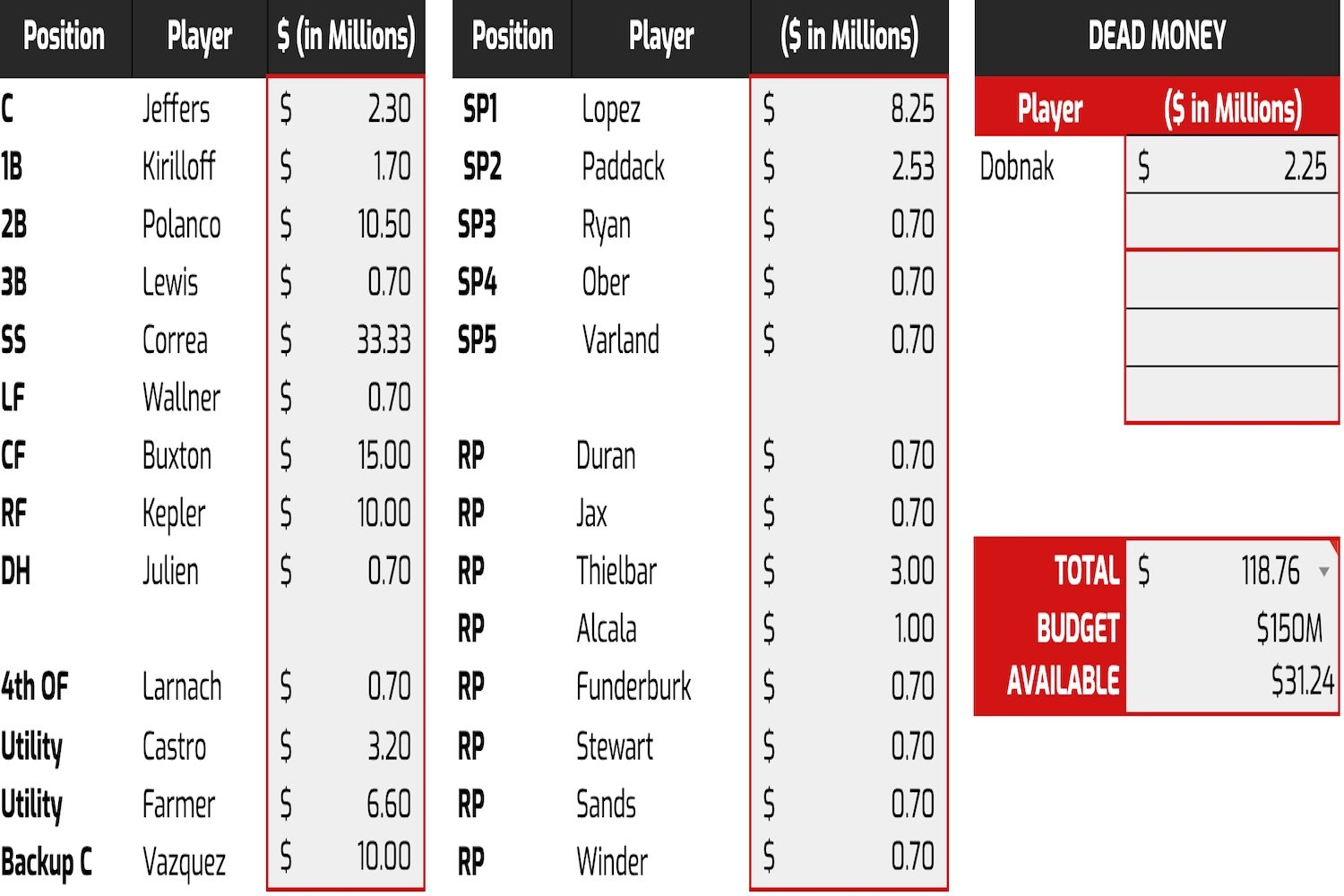 The Twins are in good shape heading into this offseason. They just won the AL Central behind a youth-fueled surge in the second half, and made noise in the playoffs for the first time in almost 20 years. They're able to bring back a majority of their roster, and could field a contending team without making a single move. The front office has a stable base to build from as they aim to elevate the Twins to a commanding presence in the American League. But they also have some challenges in front of them. Looking ahead to a high-stakes offseason, here's a rundown of key things to know about the roster, the payroll, and big decisions that loom on the horizon. TEAM OPTIONS AND ARBITRATION DECISIONS The first thing the front office will need to sort out, before figuring out who they want to add, is who they want to keep. Many players (like Carlos Correa and Byron Buxton) are under guaranteed contract, but in other cases the Twins can exercise optional control over players via either contract options or arbitration. (Arb estimates courtesy of MLB Trade Rumors.) Team Options for 2024: Jorge Polanco ($10.5M) Max Kepler ($10M) Arbitration Eligible in 2024: Kyle Farmer ($6.6M) Willi Castro ($3.2M) Caleb Thielbar ($3M) Ryan Jeffers ($2.3M) Alex Kirilloff: ($1.7M) Jordan Luplow: ($1.6M) Jorge Alcala: ($1M) Nick Gordon: ($1M) Plenty of no-brainers among this crop, but also some tricky decisions. It's fair to say several players on the list are trade candidates, with Farmer and Kepler standing out as most likely candidates. PENDING FREE AGENTS These are the members of the 2023 Twins who are set to hit the open market after the World Series concludes, starting with the reigning team MVP: Sonny Gray, SP Michael A. Taylor, CF Emilio Pagán, RP Kenta Maeda, SP Donovan Solano, 1B Joey Gallo, 1B/OF With the exception of Gallo, these all feel like players the Twins need to either re-sign or replace in their roles. Finding a way to offset the (presumed) loss of Gray atop the rotation is priority No. 1, but it will also be important to develop strong depth and contingencies behind Buxton in CF and Kirilloff and 1B, as Taylor and Solano provided this year. 2024 ROSTER AND PAYROLL PROJECTION The table below shows a very-early layout of the Twins 2024 roster as it currently projects, absent any offseason moves. For now, this projection assumes that the team brings back Kepler, Polanco, and all of their arb-eligible players sans Luplow and Gordon. As you can see, the baseline payroll in this scenario is a little under $120M, or about $30 million short of their 2023 payroll. Whether spending will increase, decrease, or stay the same is a rather complex topic for another day. But in any case, there should be some spending money available and the Twins can easily open up more. 40-MAN ROSTER AND THE RULE 5 DRAFT In order to protect their newly-eligible prospects from the Rule 5 draft, and to make room for new offseason additions, the Twins will need to create some space on the 40-man roster. They got a head-start on that process over the weekend by outrighting Andrew Stevenson and José De León. That leaves them at 36 – subtracting all soon-to-be-free agents – which is a pretty good place to start. Especially since there are still several players still on the roster who could be removed without much trepidation (Luplow, Oliver Ortega, etc.). The Twins are going to need some of that room, and not only for hopeful outside additions via free agency and trades. Several minor-leagues are entering the phase of eligibility for the Rule 5 draft, which means Minnesota must add them to the 40-man roster by mid-November or risk losing them to another team. These players include: Jair Camargo, C Austin Martin, OF Emmanuel Rodriguez, OF Yunior Severino, IF DaShawn Keirsey Jr., OF Michael Helman, IF Cody Laweryson, RHP Jose Salas, IF Chris Williams, 1B I'd argue that at least the top three on that list are absolute must-adds, and you can make strong cases for several others. These are the decisions and opportunities that will present themselves once the offseason gets underway. And it's not too far off. Make sure you stay tuned into Twins Daily all winter for unrivaled coverage of all the Hot Stove action.
- 54 comments
-
- 15
-
-

-
- sonny gray
- max kepler
- (and 1 more)
-
He was just named a Gold Glove finalist, but the data suggests Carlos Correa's formerly elite glove is not what it once was. Image courtesy of Jesse Johnson-USA TODAY Sports When it comes to defense in baseball, often the defensive metrics just don't match up to the eye test or general consensus. One famous example would be Derek Jeter, who won five Gold Gloves in his career and was widely considered a premier shortstop, despite the fact that fielding statistics consistently rated him as below-average. Carlos Correa, conversely, is not a player whose fielding has been overrated relative to statistics. If anything, the opposite is true. Or it was. Metrics like Outs Above Average (OAA) and Defensive Runs Saved (DRS) consistently viewed Correa as one of the most impactful shortstops in the league throughout most of his career. From 2018 through 2021, here's where Correa ranked among shortstops in OAA, and among all MLB players as a percentile factor. 2018: 23 OAA – 2nd in MLB, 100th percentile 2019: 11 OAA – 7th in MLB, 96th percentile 2020: 4 OAA – 9th in MLB, 94th percentile 2021: 10 OAA – 6th in MLB, 96th percentile Genuinely elite defense, year after year. Aided by his incredible arm, quick reactions, and strong instincts, Correa overcame a lack of standout foot speed to continually rank as one of the rangiest shortstops in the game. Culminating with a Platinum Glove award in 2021 that recognized him as the best overall defender in the game, fielding was a huge part of Correa's value proposition when the Twins signed him in 2022, and then re-signed him to a historic long-term deal in 2023. Yet, ever since joining the Twins, Correa's defensive metrics have been completely out of line with his previous track record. In his first season here, Statcast had Correa producing negative-3 Outs Above Average, which ranked 32nd among shortstops (100+ attempts) and in the 18th percentile among all big-leaguers. We all wondered if perhaps that 2022 season would prove to be an outlier, and Correa's defensive numbers would bounce back toward career norms this year. Turns out he did, a little. Correa ranked 25th among shortstops with 1 OAA, a figure that placed him in the 64th percentile for big-leaguers. Not bad, but much more average than great, and probably not a result that lines up to the eye test for most Twins fans and (apparently) Gold Glove voters. Elsewhere, signs of a sudden yet sustained drop-off are even more vivid. Here's how Correa has rated out according to FanGraphs' Defensive Runs Above Average (DEF) metric over the past six years: 2018: 17.3 in 110 games 2019: 9.6 in 75 games 2020: 5.6 in 58 games 2021: 14.5 in 148 games 2022: 2.1 in 136 games 2023: 3.5 in 135 games What to make of this stark decline in statistical defensive proficiency? It's hard to say that the metrics are missing something in Correa's performance given how consistently they assigned him massive defensive value prior to his time with the Twins. I think there are a few different reasons that Twins fans might perceive Correa's defense as more positively impactful than it has verifiably been. One is simply reputation. When you're treated by media and popular narratives as a great defender, it's a rep that tends to gain traction and stick, regardless of evidence to the contrary. Jeter benefited from this. Another thing is that Correa is just a really good, smart, smooth ballplayer. He doesn't commit many errors. It may not be all that visibly noticeable when he misses a grounder that he'd have gathered a few years ago, or that some of the other top shortstops in the league would get to. On any given play, the incredible caliber of his arm alone could easily convince someone he's a top-tier defensive SS regardless of any other data. There's also this: Correa is a clutch. He steps up and makes big plays in big moments. We certainly saw that in the playoffs. The Athletic's Eno Sarris wrote this week about the concept of clutchness in baseball. His data-driven analysis is an interesting one, but what I find most striking is the way performances in big moments shape our memories and perceptions. As Eno put it in a radio interview, "If you have an emotion tied to a memory, you're going to remember it more." In this light, it's easy to see why momentous plays like Correa's game-ending backhand stab in Houston, or his heady throw home against Toronto – not to mention all those big-time highlights in years past – have an outsized influence on the way we think of him. Emotions and subjectivity have a major impact on the so-called eye test, which is why many observers are prone to overrate Correa's current defensive impact just as they did with Jeter throughout his career. So what does this all mean? Not a ton in the short term, necessarily. Even if you agree, based on the evidence, that Correa is no longer quite as strong defensively as his Gold Glove nomination would suggest, no one's arguing that Correa is a liability at shortstop, or that he should be moved somewhere else next year. Even as his range diminishes, Correa remains a steady and sure-handed infield captain. His leadership and intelligence at a position where smart split-second decision-making is invaluable will help C4's continue to be an asset at shortstop even if his physical tools are beginning to dullen. But the undeniable data trend does lead you to wonder. What's at the root of this statistical defensive decline? Is he already showing signs of aging at 29? Are the health concerns in his lower body – an ankle that's structurally worrisome, and now a nagging case of plantar fasciitis – taking their permanent toll? These will be things to keep an eye on moving forward. It is worth noting that Correa was ready to move to third base if he signed in New York, and the nature of his contract with the Twins (salaries declining quickly in the later years) seems to imply that an eventual position switch is expected from all parties. Everyone seems to understand that it's a matter of if, not when, Carlos Correa will stop playing shortstop. Even if he wins a Gold Glove this year, a deeper look his declining defensive value – not to mention the physical state of his body – makes clear that the day could come sooner than many anticipate. View full article
-
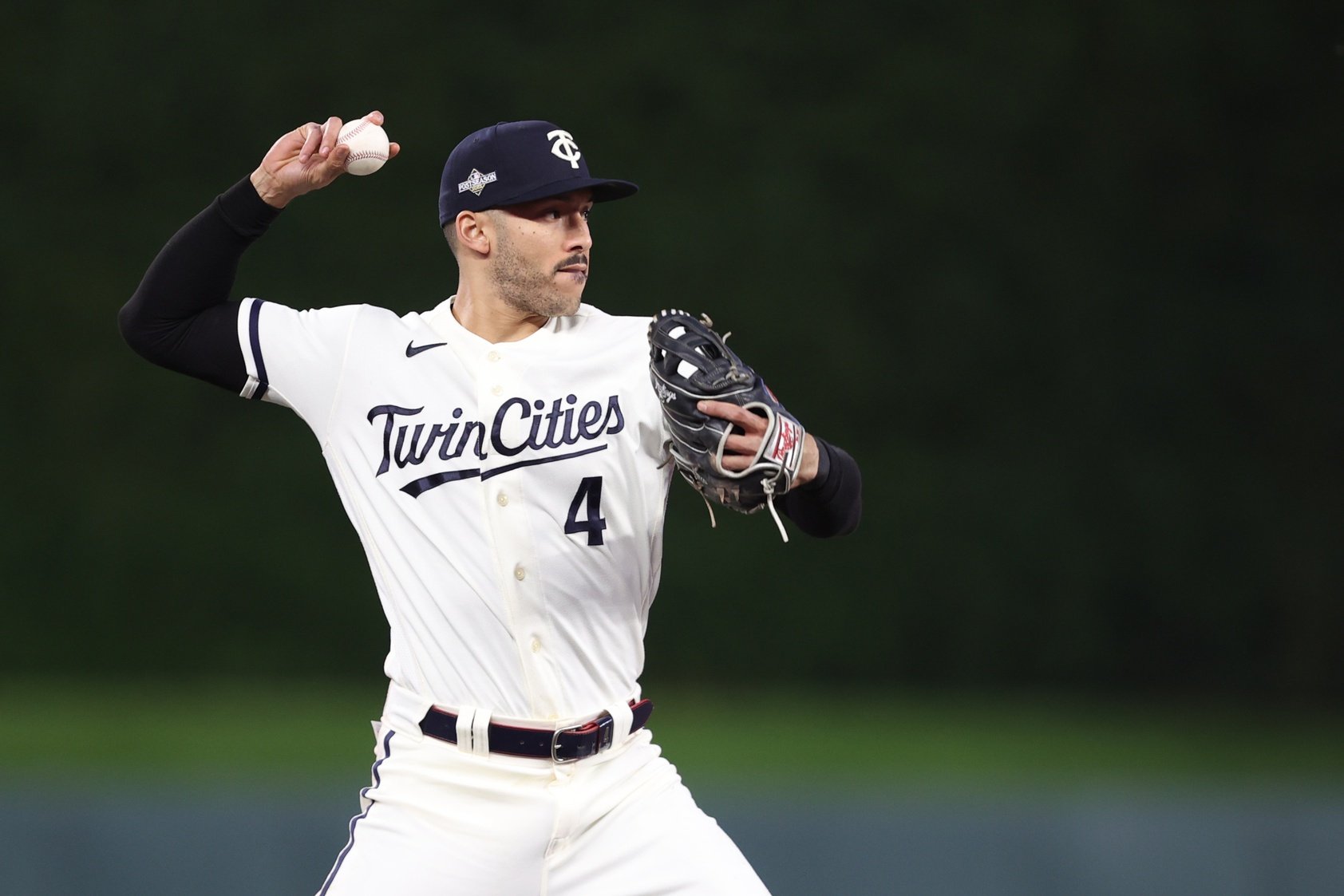 When it comes to defense in baseball, often the defensive metrics just don't match up to the eye test or general consensus. One famous example would be Derek Jeter, who won five Gold Gloves in his career and was widely considered a premier shortstop, despite the fact that fielding statistics consistently rated him as below-average. Carlos Correa, conversely, is not a player whose fielding has been overrated relative to statistics. If anything, the opposite is true. Or it was. Metrics like Outs Above Average (OAA) and Defensive Runs Saved (DRS) consistently viewed Correa as one of the most impactful shortstops in the league throughout most of his career. From 2018 through 2021, here's where Correa ranked among shortstops in OAA, and among all MLB players as a percentile factor. 2018: 23 OAA – 2nd in MLB, 100th percentile 2019: 11 OAA – 7th in MLB, 96th percentile 2020: 4 OAA – 9th in MLB, 94th percentile 2021: 10 OAA – 6th in MLB, 96th percentile Genuinely elite defense, year after year. Aided by his incredible arm, quick reactions, and strong instincts, Correa overcame a lack of standout foot speed to continually rank as one of the rangiest shortstops in the game. Culminating with a Platinum Glove award in 2021 that recognized him as the best overall defender in the game, fielding was a huge part of Correa's value proposition when the Twins signed him in 2022, and then re-signed him to a historic long-term deal in 2023. Yet, ever since joining the Twins, Correa's defensive metrics have been completely out of line with his previous track record. In his first season here, Statcast had Correa producing negative-3 Outs Above Average, which ranked 32nd among shortstops (100+ attempts) and in the 18th percentile among all big-leaguers. We all wondered if perhaps that 2022 season would prove to be an outlier, and Correa's defensive numbers would bounce back toward career norms this year. Turns out he did, a little. Correa ranked 25th among shortstops with 1 OAA, a figure that placed him in the 64th percentile for big-leaguers. Not bad, but much more average than great, and probably not a result that lines up to the eye test for most Twins fans and (apparently) Gold Glove voters. Elsewhere, signs of a sudden yet sustained drop-off are even more vivid. Here's how Correa has rated out according to FanGraphs' Defensive Runs Above Average (DEF) metric over the past six years: 2018: 17.3 in 110 games 2019: 9.6 in 75 games 2020: 5.6 in 58 games 2021: 14.5 in 148 games 2022: 2.1 in 136 games 2023: 3.5 in 135 games What to make of this stark decline in statistical defensive proficiency? It's hard to say that the metrics are missing something in Correa's performance given how consistently they assigned him massive defensive value prior to his time with the Twins. I think there are a few different reasons that Twins fans might perceive Correa's defense as more positively impactful than it has verifiably been. One is simply reputation. When you're treated by media and popular narratives as a great defender, it's a rep that tends to gain traction and stick, regardless of evidence to the contrary. Jeter benefited from this. Another thing is that Correa is just a really good, smart, smooth ballplayer. He doesn't commit many errors. It may not be all that visibly noticeable when he misses a grounder that he'd have gathered a few years ago, or that some of the other top shortstops in the league would get to. On any given play, the incredible caliber of his arm alone could easily convince someone he's a top-tier defensive SS regardless of any other data. There's also this: Correa is a clutch. He steps up and makes big plays in big moments. We certainly saw that in the playoffs. The Athletic's Eno Sarris wrote this week about the concept of clutchness in baseball. His data-driven analysis is an interesting one, but what I find most striking is the way performances in big moments shape our memories and perceptions. As Eno put it in a radio interview, "If you have an emotion tied to a memory, you're going to remember it more." In this light, it's easy to see why momentous plays like Correa's game-ending backhand stab in Houston, or his heady throw home against Toronto – not to mention all those big-time highlights in years past – have an outsized influence on the way we think of him. Emotions and subjectivity have a major impact on the so-called eye test, which is why many observers are prone to overrate Correa's current defensive impact just as they did with Jeter throughout his career. So what does this all mean? Not a ton in the short term, necessarily. Even if you agree, based on the evidence, that Correa is no longer quite as strong defensively as his Gold Glove nomination would suggest, no one's arguing that Correa is a liability at shortstop, or that he should be moved somewhere else next year. Even as his range diminishes, Correa remains a steady and sure-handed infield captain. His leadership and intelligence at a position where smart split-second decision-making is invaluable will help C4's continue to be an asset at shortstop even if his physical tools are beginning to dullen. But the undeniable data trend does lead you to wonder. What's at the root of this statistical defensive decline? Is he already showing signs of aging at 29? Are the health concerns in his lower body – an ankle that's structurally worrisome, and now a nagging case of plantar fasciitis – taking their permanent toll? These will be things to keep an eye on moving forward. It is worth noting that Correa was ready to move to third base if he signed in New York, and the nature of his contract with the Twins (salaries declining quickly in the later years) seems to imply that an eventual position switch is expected from all parties. Everyone seems to understand that it's a matter of if, not when, Carlos Correa will stop playing shortstop. Even if he wins a Gold Glove this year, a deeper look his declining defensive value – not to mention the physical state of his body – makes clear that the day could come sooner than many anticipate.
 -
I'm curious to know how people think this team -- which finished in 3rd place last year with a .500 record and was projected to basically do the same this year -- would have done with a "better" manager. Would they have won 100 games? Won the World Series? What is this magical manager doing differently than Baldelli to squeeze more performance of this roster, with minimal contributions from CC/BB, exactly? The "grass is greener" delusion has never been stronger than with Rocco I feel like. "He manages the staff badly!!!" They allowed the fewest runs in the league!!
- 49 replies
-
- 3
-
-
- rocco baldelli
- max kepler
- (and 3 more)
-
4 Options for the Twins at First Base if Alex Kirilloff Can't Go
Nick Nelson posted an article in Twins
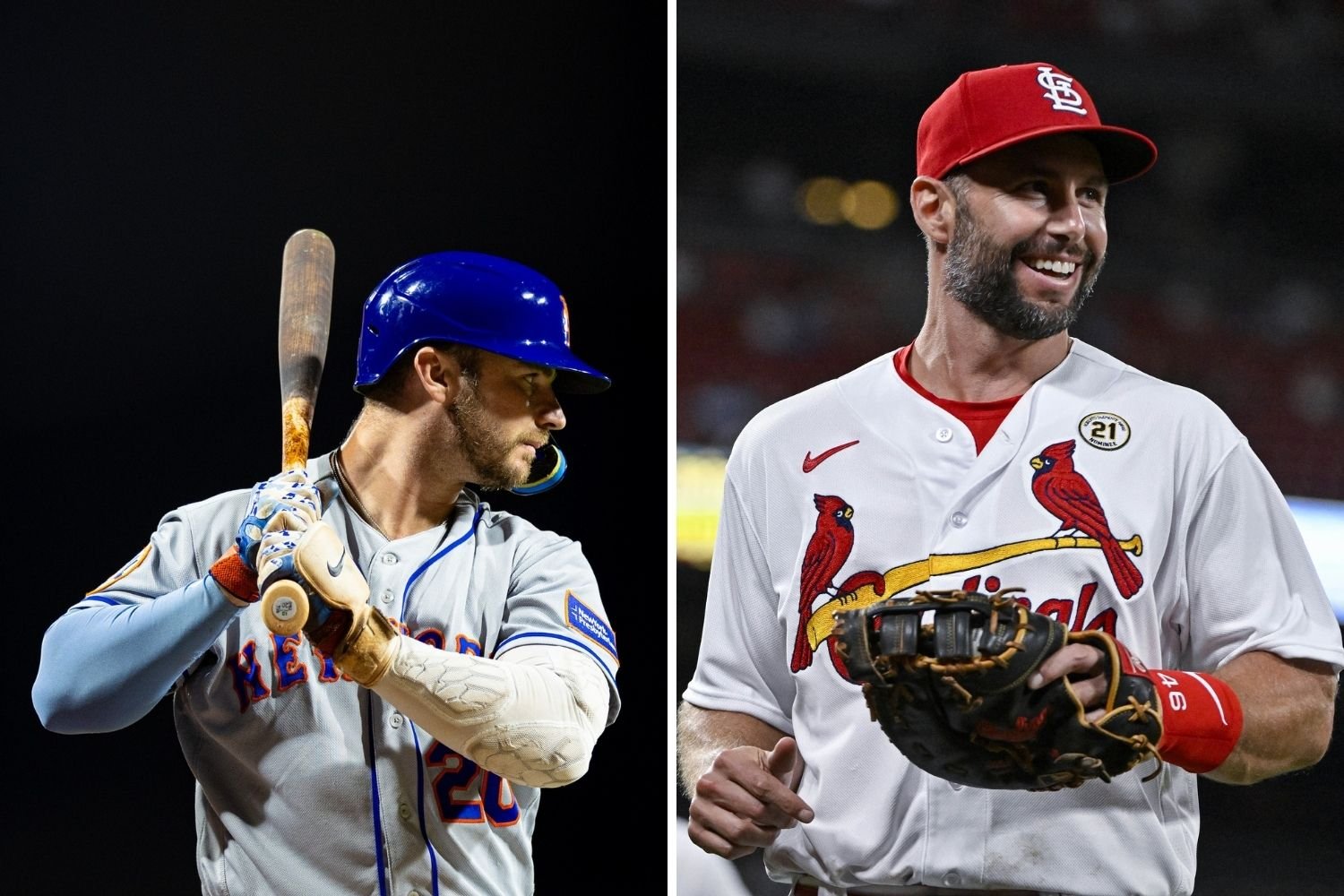 Alex Kirilloff is slated for labrum repair surgery in his right shoulder, and the Twins won't know a timeline until after the procedure takes place next week. Considering the nature of this type of significant surgery, there is a decent chance that his recovery will carry over into the 2024 season. At the very least, the Twins need to be thinking very seriously about what the short-term (and perhaps long-term) picture looks like at first base in AK's absence. Here are a few paths they could take this offseason to ensure the position is in good hands for next year. Re-sign Donovan Solano Perhaps the simplest answer. Signed for $2 million at the start of spring training, Solano proved to be a key fixture for the Twins. He led the team in starts at first base (64), and was a solid contributor with his .369 OBP and 110 OPS+. If the Twins wanted to run it back, they could probably do so on another inexpensive one-year deal. But, even if you're envisioning the solution at first base is somewhat of a stopgap, don't you want to aim higher? Solano turns 36 this offseason, has no power, and was not terribly impressive defensively. By almost any value-based metric he was a below-average player. He also left a bad taste in all our mouths by striking out three times in the elimination game against Houston. Donnie Barrels, your service is appreciated, but I think it's best for both sides to move on. Sign a different free agent first baseman Of course, there are plenty of other fish in the sea of free agency. But trust me when I say that this year's first base class is not very appealing. There's not really a star-caliber player in the bunch, unless you are targeting someone like Cody Bellinger or Jeimer Candelario as a first baseman. Rhys Hoskins is a slugger who'd look good in the middle of the Twins lineup, but he missed all of 2023 with a torn ACL suffered in the spring. Otherwise the pool consists of a bunch of older fading players who can hardly be trusted to be offer much more than Solano. Trade for a first baseman Trades are the more interesting avenue for outside additions, if you're looking for a real difference-maker at first base. Two names stand out as potential targets: Pete Alonso and Paul Goldschmidt. Alonso is an elite power hitter who fits with the offensive profile that Minnesota remains committed to. He's entering his last year ahead of arbitration and the woebegone Mets could seek to cash in rather than lose him for nothing. (Not to mention clear salary in pursuit of Shohei Ohtani.) Goldschmidt is coming off a relative down year, and entering his final season under contract at age 36. He's the kind of experienced veteran icon (and recent MVP) who would add another layer of respected leadership in the clubhouse. But he has a no-trade clause, and may prefer to stay in St. Louis even if their contention outlook is uncertain. An exciting big splash like Alonso or Goldschmidt would emphatically address first base for next year while keeping options open long-term. But either player would cost a ton to acquire. Is it worth it when you can turn to the following option? Solve for the problem internally Jose Miranda. Remember that guy? Okay, his own shoulder isn't looking like much of a sure thing either, but he remains a very relevant name on Minnesota's first base depth chart. And there are other players on hand who could aptly fill in at first base, at least on an interim basis. Edouard Julien got a couple of starts at first late in the 2023 season, and while the team seemed resistant to using him there much, they might feel differently if they can bring him along in spring training and let him own the position. This would of course open up second for Jorge Polanco, so it makes sense. Maybe Miranda or minor-league slugger Yunior Severino, who hit 35 home runs at AA/AAA this year, could plug in as a platoon bat alongside Julien. Another option: turn the keys over to Brooks Lee, who hasn't played first base yet as a pro but could almost certainly handle the assignment. This would open the door for Minnesota's top prospect to step in alongside the young nucleus. If the Twins (understandably) want Lee to get a little more seasoning in Triple-A, where he admittedly hasn't dominated yet, they can keep this idea in their back pocket. But the 22-year-old should be viewed as another depth piece in the first base equation. With all of these internal options being on the table, and with Kirilloff still being part of the plan at some point, I find it hard to believe the Twins will allocate major resources to a blockbuster addition at first base. If an opportunity materializes for someone like Alonso or Goldschmidt, the front office should definitely see it through. But they've got enough ready-made depth on hand that they should not feel overly pressured to add here, from my view. What do you think? What would be your plan at first base this offseason?
- 89 comments
-
- 10
-
-
- donovan solano
- alex kirilloff
- (and 2 more)
-
Here are some of the internal and external options the Twins could consider at first base for 2024 in the event that Alex Kirilloff's recovery from shoulder surgery extends into next season. Image courtesy of Bill Streicher, Jeff Curry-USA TODAY Sports Alex Kirilloff is slated for labrum repair surgery in his right shoulder, and the Twins won't know a timeline until after the procedure takes place next week. Considering the nature of this type of significant surgery, there is a decent chance that his recovery will carry over into the 2024 season. At the very least, the Twins need to be thinking very seriously about what the short-term (and perhaps long-term) picture looks like at first base in AK's absence. Here are a few paths they could take this offseason to ensure the position is in good hands for next year. Re-sign Donovan Solano Perhaps the simplest answer. Signed for $2 million at the start of spring training, Solano proved to be a key fixture for the Twins. He led the team in starts at first base (64), and was a solid contributor with his .369 OBP and 110 OPS+. If the Twins wanted to run it back, they could probably do so on another inexpensive one-year deal. But, even if you're envisioning the solution at first base is somewhat of a stopgap, don't you want to aim higher? Solano turns 36 this offseason, has no power, and was not terribly impressive defensively. By almost any value-based metric he was a below-average player. He also left a bad taste in all our mouths by striking out three times in the elimination game against Houston. Donnie Barrels, your service is appreciated, but I think it's best for both sides to move on. Sign a different free agent first baseman Of course, there are plenty of other fish in the sea of free agency. But trust me when I say that this year's first base class is not very appealing. There's not really a star-caliber player in the bunch, unless you are targeting someone like Cody Bellinger or Jeimer Candelario as a first baseman. Rhys Hoskins is a slugger who'd look good in the middle of the Twins lineup, but he missed all of 2023 with a torn ACL suffered in the spring. Otherwise the pool consists of a bunch of older fading players who can hardly be trusted to be offer much more than Solano. Trade for a first baseman Trades are the more interesting avenue for outside additions, if you're looking for a real difference-maker at first base. Two names stand out as potential targets: Pete Alonso and Paul Goldschmidt. Alonso is an elite power hitter who fits with the offensive profile that Minnesota remains committed to. He's entering his last year ahead of arbitration and the woebegone Mets could seek to cash in rather than lose him for nothing. (Not to mention clear salary in pursuit of Shohei Ohtani.) Goldschmidt is coming off a relative down year, and entering his final season under contract at age 36. He's the kind of experienced veteran icon (and recent MVP) who would add another layer of respected leadership in the clubhouse. But he has a no-trade clause, and may prefer to stay in St. Louis even if their contention outlook is uncertain. An exciting big splash like Alonso or Goldschmidt would emphatically address first base for next year while keeping options open long-term. But either player would cost a ton to acquire. Is it worth it when you can turn to the following option? Solve for the problem internally Jose Miranda. Remember that guy? Okay, his own shoulder isn't looking like much of a sure thing either, but he remains a very relevant name on Minnesota's first base depth chart. And there are other players on hand who could aptly fill in at first base, at least on an interim basis. Edouard Julien got a couple of starts at first late in the 2023 season, and while the team seemed resistant to using him there much, they might feel differently if they can bring him along in spring training and let him own the position. This would of course open up second for Jorge Polanco, so it makes sense. Maybe Miranda or minor-league slugger Yunior Severino, who hit 35 home runs at AA/AAA this year, could plug in as a platoon bat alongside Julien. Another option: turn the keys over to Brooks Lee, who hasn't played first base yet as a pro but could almost certainly handle the assignment. This would open the door for Minnesota's top prospect to step in alongside the young nucleus. If the Twins (understandably) want Lee to get a little more seasoning in Triple-A, where he admittedly hasn't dominated yet, they can keep this idea in their back pocket. But the 22-year-old should be viewed as another depth piece in the first base equation. With all of these internal options being on the table, and with Kirilloff still being part of the plan at some point, I find it hard to believe the Twins will allocate major resources to a blockbuster addition at first base. If an opportunity materializes for someone like Alonso or Goldschmidt, the front office should definitely see it through. But they've got enough ready-made depth on hand that they should not feel overly pressured to add here, from my view. What do you think? What would be your plan at first base this offseason? View full article
-
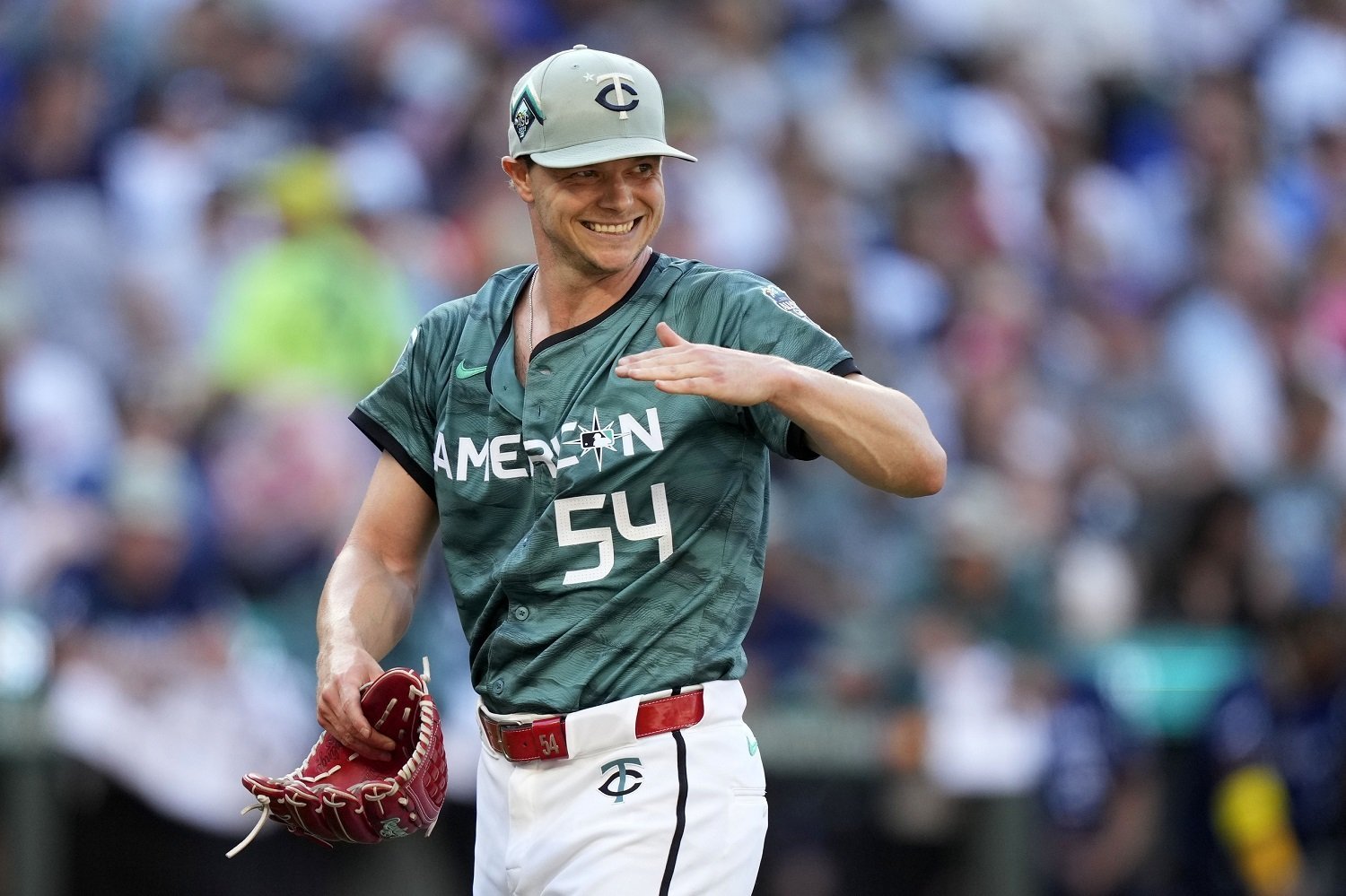 The Twins front office is in a fairly good place heading into the 2023-24 offseason, with a lot of continuity built into their division-winning roster and relatively few blatantly obvious needs. But they do have needs. Here at Twins Daily, the baseball season never ends. We'll be firing up end-to-end offseason coverage soon, with planned weekly themes in November plus cool bonus content for TD caretakers. Sign up now to make sure you don't miss out! The following top priorities will guide much of the discussion throughout the coming months Here are the boxes the front office must check this winter: ☐ Find a front-end starter to replace Sonny Gray. The Twins will extend Gray a qualifying offer. Presumably Gray will turn it down. From there, it becomes very difficult to see the two sides coming back together, though it's not impossible. (See: Carl Pavano, 2011.) That means the Twins front office is tasked with replacing their 2023 team MVP. Gray is going to leave some big shoes to fill as the co-ace who paired with Pablo López to lead one of the best rotations in franchise history. He ranked third in the majors in ERA, trailing only the two surefire Cy Young winners (Blake Snell and Gerrit Cole). Gray was individually worth more than five wins, according to FanGraphs. He was also the team's best pitcher in 2022. It's a big void that will be tough to offset. But the good news is that the front office should have considerable money to spend – their current projected 2024 payroll is at least $30 million lower than this year's – and plenty of intriguing trade chips in their overloaded position-player corps. The latter is especially noteworthy, since this regime has shown a clear knack for trading to acquire frontline starters, with a track record that includes Kenta Maeda, López, and of course Gray. ☐ Gamble on another high-upside starting pitcher. Even if the Twins are able to once again pull off a high-scale move to acquire a high-end starter, they shouldn't stop there. The planned 2023 rotation depth included not just Gray, but also Maeda and Tyler Mahle, who are free agents as well. Joe Ryan, Bailey Ober and Louie Varland are nice to have on hand, but the front office should be targeting high-upside additions to raise the ceiling on this unit. The presence of so many proven solid options gives them a stable enough floor to take some risks, which is a fun place to be. The Twins might consider pursuing an opportunistic trade – like, say, for disgruntled Blue Jays starter Alek Manoah – or targeting one of the numerous buy-low candidates in free agency, a group that will include Frankie Montas, Jack Flaherty and James Paxton. Pete Maki's pitching program instills confidence that the Twins can mine some gold, and suddenly Minnesota is a rather attractive destination for starters. ☐ Make decisions on long-tenured veterans. Max Kepler and Jorge Polanco: they've been around longer than almost anyone in the clubhouse, and they are both coming off quality seasons (albeit with some ups and downs). The Twins have team options on both for 2024, and it's all but assured those options be exercised. That doesn't mean they will be back. Both Kepler and Polanco could draw significant trade interest for a team that – as we've discussed – needs to backfill some pitching. Meanwhile, the Twins have young talent pushing these longtime mainstays. On another front, the Twins must make a decision regarding their other longest-tenured player: Byron Buxton. While trading the hobbled 29-year-old isn't an option, the front office needs to reach a firm stance on what they can expect from Buxton in 2024, and orchestrate their roster-building accordingly. ☐ Figure out the plan at first base. Alex Kirilloff is sadly headlong down the same path as Buxton – too frequently injured to be relied upon from a planning standpoint. His upcoming shoulder labrum surgery leaves the future of first base in a state of limbo. One plan would be to go out and target a new player who could potentially take over as full-time first baseman if Kirilloff can't go. Another would be to think creatively about internal options. For example, top prospect Brooks Lee looks ready to go and currently has no clear path to the big-league roster, with a crowded infield picture. But if first base is open... ☐ Re-evaluate the hitting program. To their credit, David Popkins and the hitters pulled things together in the second half. Buoyed by the immediate success of rookies like Royce Lewis, Edouard Julien and Matt Wallner, Minnesota's offense was among the league's most potent after the break Still, their whiff-heavy profile continued to make them an especially boom-or-bust unit, and ultimately led to their exit from the playoffs. After setting a new MLB strikeout record as an offense, Minnesota struck out 28 times and scored three total runs in Games 3 and 4 against Houston. It doesn't sound like the Twins are inclined to fully disassociate from this offensive identity – "I would rather have a guy have a great at-bat, go deep into a count and possibly strikeout, but give us a chance to actually give us a baserunner or actually look for a ball in the middle of the zone and pulverize it," said Derek Falvey – but they need to find some balance. Whether that means shaking up the roster a bit, targeting players who specialize in hitting for contact, or making alterations to their training and instruction programs (though it sounds like the main coaches will be back), there are several ways the Twins could approach this. ☐ Extend at least one young building block. The future is here. This is a great moment to lock down some stability, cost assurance, and long-term control. The three rookies mentioned above are all candidates for extensions that will provide them with financial security and the Twins with a bit of extended control. (I favored trying to opportunistically strike a deal like this with Lewis last spring, but alas, that ship sailed.) The Twins could also consider extending one of their younger pitchers, like Ryan, Ober or Jhoan Duran. Another option would be to take the Rays approach and strike a long-term contract with a top prospect who's yet to debut, such as Lee. The bottom line is that, with relatively few major outside needs to address this offseason, the Twins can look inward and aim to take care of business that sets up their proven internal core for longevity and success.
- 76 comments
-
- 17
-
-
- sonny gray
- max kepler
- (and 1 more)
-
The season is officially over, but for the Minnesota Twins front office, their work is just beginning. Here are 6 key priorities for the Twins as they look to build on their success from 2023. Image courtesy of Stephen Brashear-USA TODAY Sports The Twins front office is in a fairly good place heading into the 2023-24 offseason, with a lot of continuity built into their division-winning roster and relatively few blatantly obvious needs. But they do have needs. Here at Twins Daily, the baseball season never ends. We'll be firing up end-to-end offseason coverage soon, with planned weekly themes in November plus cool bonus content for TD caretakers. Sign up now to make sure you don't miss out! The following top priorities will guide much of the discussion throughout the coming months Here are the boxes the front office must check this winter: ☐ Find a front-end starter to replace Sonny Gray. The Twins will extend Gray a qualifying offer. Presumably Gray will turn it down. From there, it becomes very difficult to see the two sides coming back together, though it's not impossible. (See: Carl Pavano, 2011.) That means the Twins front office is tasked with replacing their 2023 team MVP. Gray is going to leave some big shoes to fill as the co-ace who paired with Pablo López to lead one of the best rotations in franchise history. He ranked third in the majors in ERA, trailing only the two surefire Cy Young winners (Blake Snell and Gerrit Cole). Gray was individually worth more than five wins, according to FanGraphs. He was also the team's best pitcher in 2022. It's a big void that will be tough to offset. But the good news is that the front office should have considerable money to spend – their current projected 2024 payroll is at least $30 million lower than this year's – and plenty of intriguing trade chips in their overloaded position-player corps. The latter is especially noteworthy, since this regime has shown a clear knack for trading to acquire frontline starters, with a track record that includes Kenta Maeda, López, and of course Gray. ☐ Gamble on another high-upside starting pitcher. Even if the Twins are able to once again pull off a high-scale move to acquire a high-end starter, they shouldn't stop there. The planned 2023 rotation depth included not just Gray, but also Maeda and Tyler Mahle, who are free agents as well. Joe Ryan, Bailey Ober and Louie Varland are nice to have on hand, but the front office should be targeting high-upside additions to raise the ceiling on this unit. The presence of so many proven solid options gives them a stable enough floor to take some risks, which is a fun place to be. The Twins might consider pursuing an opportunistic trade – like, say, for disgruntled Blue Jays starter Alek Manoah – or targeting one of the numerous buy-low candidates in free agency, a group that will include Frankie Montas, Jack Flaherty and James Paxton. Pete Maki's pitching program instills confidence that the Twins can mine some gold, and suddenly Minnesota is a rather attractive destination for starters. ☐ Make decisions on long-tenured veterans. Max Kepler and Jorge Polanco: they've been around longer than almost anyone in the clubhouse, and they are both coming off quality seasons (albeit with some ups and downs). The Twins have team options on both for 2024, and it's all but assured those options be exercised. That doesn't mean they will be back. Both Kepler and Polanco could draw significant trade interest for a team that – as we've discussed – needs to backfill some pitching. Meanwhile, the Twins have young talent pushing these longtime mainstays. On another front, the Twins must make a decision regarding their other longest-tenured player: Byron Buxton. While trading the hobbled 29-year-old isn't an option, the front office needs to reach a firm stance on what they can expect from Buxton in 2024, and orchestrate their roster-building accordingly. ☐ Figure out the plan at first base. Alex Kirilloff is sadly headlong down the same path as Buxton – too frequently injured to be relied upon from a planning standpoint. His upcoming shoulder labrum surgery leaves the future of first base in a state of limbo. One plan would be to go out and target a new player who could potentially take over as full-time first baseman if Kirilloff can't go. Another would be to think creatively about internal options. For example, top prospect Brooks Lee looks ready to go and currently has no clear path to the big-league roster, with a crowded infield picture. But if first base is open... ☐ Re-evaluate the hitting program. To their credit, David Popkins and the hitters pulled things together in the second half. Buoyed by the immediate success of rookies like Royce Lewis, Edouard Julien and Matt Wallner, Minnesota's offense was among the league's most potent after the break Still, their whiff-heavy profile continued to make them an especially boom-or-bust unit, and ultimately led to their exit from the playoffs. After setting a new MLB strikeout record as an offense, Minnesota struck out 28 times and scored three total runs in Games 3 and 4 against Houston. It doesn't sound like the Twins are inclined to fully disassociate from this offensive identity – "I would rather have a guy have a great at-bat, go deep into a count and possibly strikeout, but give us a chance to actually give us a baserunner or actually look for a ball in the middle of the zone and pulverize it," said Derek Falvey – but they need to find some balance. Whether that means shaking up the roster a bit, targeting players who specialize in hitting for contact, or making alterations to their training and instruction programs (though it sounds like the main coaches will be back), there are several ways the Twins could approach this. ☐ Extend at least one young building block. The future is here. This is a great moment to lock down some stability, cost assurance, and long-term control. The three rookies mentioned above are all candidates for extensions that will provide them with financial security and the Twins with a bit of extended control. (I favored trying to opportunistically strike a deal like this with Lewis last spring, but alas, that ship sailed.) The Twins could also consider extending one of their younger pitchers, like Ryan, Ober or Jhoan Duran. Another option would be to take the Rays approach and strike a long-term contract with a top prospect who's yet to debut, such as Lee. The bottom line is that, with relatively few major outside needs to address this offseason, the Twins can look inward and aim to take care of business that sets up their proven internal core for longevity and success. View full article
- 76 replies
-
- 1
-
-
- sonny gray
- max kepler
- (and 1 more)
-
He'll likely (and deservingly) be a top 3 finalist for MOTY and has the highest winning % of any Twins manager in 5 decades, I don't even know why this would be considered a controversial premise.
- 49 replies
-
- 3
-
-
-
- rocco baldelli
- max kepler
- (and 3 more)
-
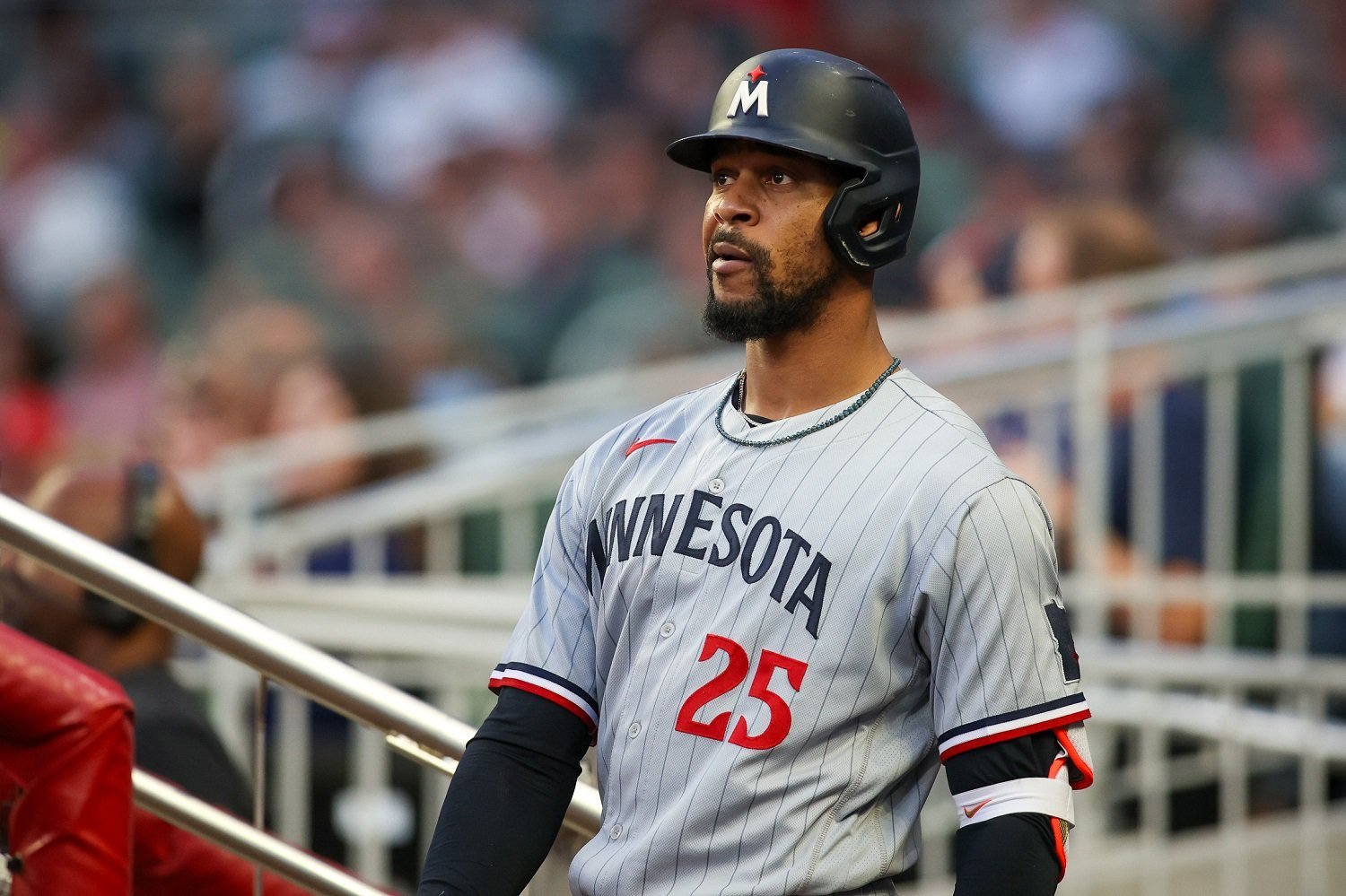 It is very possible that Byron Buxton's knee is chronically and/or structurally compromised, in which case this year will only serve as a harbinger of things to come. Maybe he never bounces back from this and his body ends up forcing him to retire at any early age. Could happen. But frankly, I've been hearing way too many Twins fans treat that as a casual assumption, forgetting the fact that Buxton has rebounded from injury time and time again in the past, and isn't yet 30. I find it annoying. There's just not a lot of value in hand-wringing over the scenario where Buxton's days as a productive player are over -- even if you see it as probable. We don't need to sugarcoat the fact that things looked bleak this year: his surgically repaired knee never seemed right, forced him into (ineffectual) designated hitter duty in the first half, and shut him down after early August. When Buxton limped out up to the plate for a fruitless pinch-hitting appearance late in Wednesday's elimination game, it was simultaneously a cool and sad moment. A sign of the end for this broken-down superstar? Not necessarily. Leading up the postseason, as Buxton pushed himself to become viable for the ALWC roster, he spoke with La Velle E. Neal III of the Star Tribune. One thing that struck me about Buck's quotes in the article was how he seemingly attributed much of his difficulty in 2023 to the arthroscopic knee surgery he'd undergone the previous offseason. "I was still coming off surgery," Buxton said. "I had never played a year following knee surgery. I was still trying to figure this out, all year." Neal's article also included this tidbit: Probably (okay definitely) an optimistic spin from La Velle there, but the underlying point is a valid one: sometimes it takes a while for the body to bounce back from surgery, even a supposedly "minor" one. Just ask Joe Mauer. After injuring his knee late in the 2010 season, Mauer underwent arthroscopic surgery during the offseason. The following season was a disaster, for both the team and Mauer specifically. He posted career-worst numbers and missed two months while taking fire from fans who were befuddled by the team's "bilateral leg weakness" diagnosis. He was 28 (one year younger than Buxton is now) and the vagueness of his health situation left many wondering what Mauer's future would look like. Later on, as things came into focus, it became clear that the catcher simply struggled physically to rebound from knee surgery and probably pushed himself back too soon. And here's the upshot: in 2012, once Mauer had another offseason to recover and distance himself from the knee surgery, he was pretty much back to his regular self. He played 147 games, made the All-Star team, and led the league in OBP. The surgery worked, it just took a little longer than some would've liked. Mauer was in the same form in 2013 up until another unrelated injury came along and DID permanently alter the course of his career. That sort of thing will be an ongoing concern for Buxton even if he can get past the knee issues. But the point is that his injury-wrecked 2023 campaign does not indicate that Buxton's knee is shot. The body works in unpredictable ways and there's no telling what another offseason building back (without pushing recklessly toward a return to the field) could do for the formerly elite slugger, still owed $75 million and heavily incentivized to add onto that number by returning to MVP form I'm hanging onto that hope as we head into this offseason, while acknowledging that the Twins front office absolutely needs to prepare themselves with strong contingencies in center field, as they did this year.
 -
It's easy to feel gloomy and doomy about Byron Buxton's future, given all we've seen him go through this year. But, as we've learned in the past, even the most mysterious and long-lingering injuries are not necessarily permanent. Image courtesy of Brett Davis-USA TODAY Sports It is very possible that Byron Buxton's knee is chronically and/or structurally compromised, in which case this year will only serve as a harbinger of things to come. Maybe he never bounces back from this and his body ends up forcing him to retire at any early age. Could happen. But frankly, I've been hearing way too many Twins fans treat that as a casual assumption, forgetting the fact that Buxton has rebounded from injury time and time again in the past, and isn't yet 30. I find it annoying. There's just not a lot of value in hand-wringing over the scenario where Buxton's days as a productive player are over -- even if you see it as probable. We don't need to sugarcoat the fact that things looked bleak this year: his surgically repaired knee never seemed right, forced him into (ineffectual) designated hitter duty in the first half, and shut him down after early August. When Buxton limped out up to the plate for a fruitless pinch-hitting appearance late in Wednesday's elimination game, it was simultaneously a cool and sad moment. A sign of the end for this broken-down superstar? Not necessarily. Leading up the postseason, as Buxton pushed himself to become viable for the ALWC roster, he spoke with La Velle E. Neal III of the Star Tribune. One thing that struck me about Buck's quotes in the article was how he seemingly attributed much of his difficulty in 2023 to the arthroscopic knee surgery he'd undergone the previous offseason. "I was still coming off surgery," Buxton said. "I had never played a year following knee surgery. I was still trying to figure this out, all year." Neal's article also included this tidbit: Probably (okay definitely) an optimistic spin from La Velle there, but the underlying point is a valid one: sometimes it takes a while for the body to bounce back from surgery, even a supposedly "minor" one. Just ask Joe Mauer. After injuring his knee late in the 2010 season, Mauer underwent arthroscopic surgery during the offseason. The following season was a disaster, for both the team and Mauer specifically. He posted career-worst numbers and missed two months while taking fire from fans who were befuddled by the team's "bilateral leg weakness" diagnosis. He was 28 (one year younger than Buxton is now) and the vagueness of his health situation left many wondering what Mauer's future would look like. Later on, as things came into focus, it became clear that the catcher simply struggled physically to rebound from knee surgery and probably pushed himself back too soon. And here's the upshot: in 2012, once Mauer had another offseason to recover and distance himself from the knee surgery, he was pretty much back to his regular self. He played 147 games, made the All-Star team, and led the league in OBP. The surgery worked, it just took a little longer than some would've liked. Mauer was in the same form in 2013 up until another unrelated injury came along and DID permanently alter the course of his career. That sort of thing will be an ongoing concern for Buxton even if he can get past the knee issues. But the point is that his injury-wrecked 2023 campaign does not indicate that Buxton's knee is shot. The body works in unpredictable ways and there's no telling what another offseason building back (without pushing recklessly toward a return to the field) could do for the formerly elite slugger, still owed $75 million and heavily incentivized to add onto that number by returning to MVP form I'm hanging onto that hope as we head into this offseason, while acknowledging that the Twins front office absolutely needs to prepare themselves with strong contingencies in center field, as they did this year. View full article
-
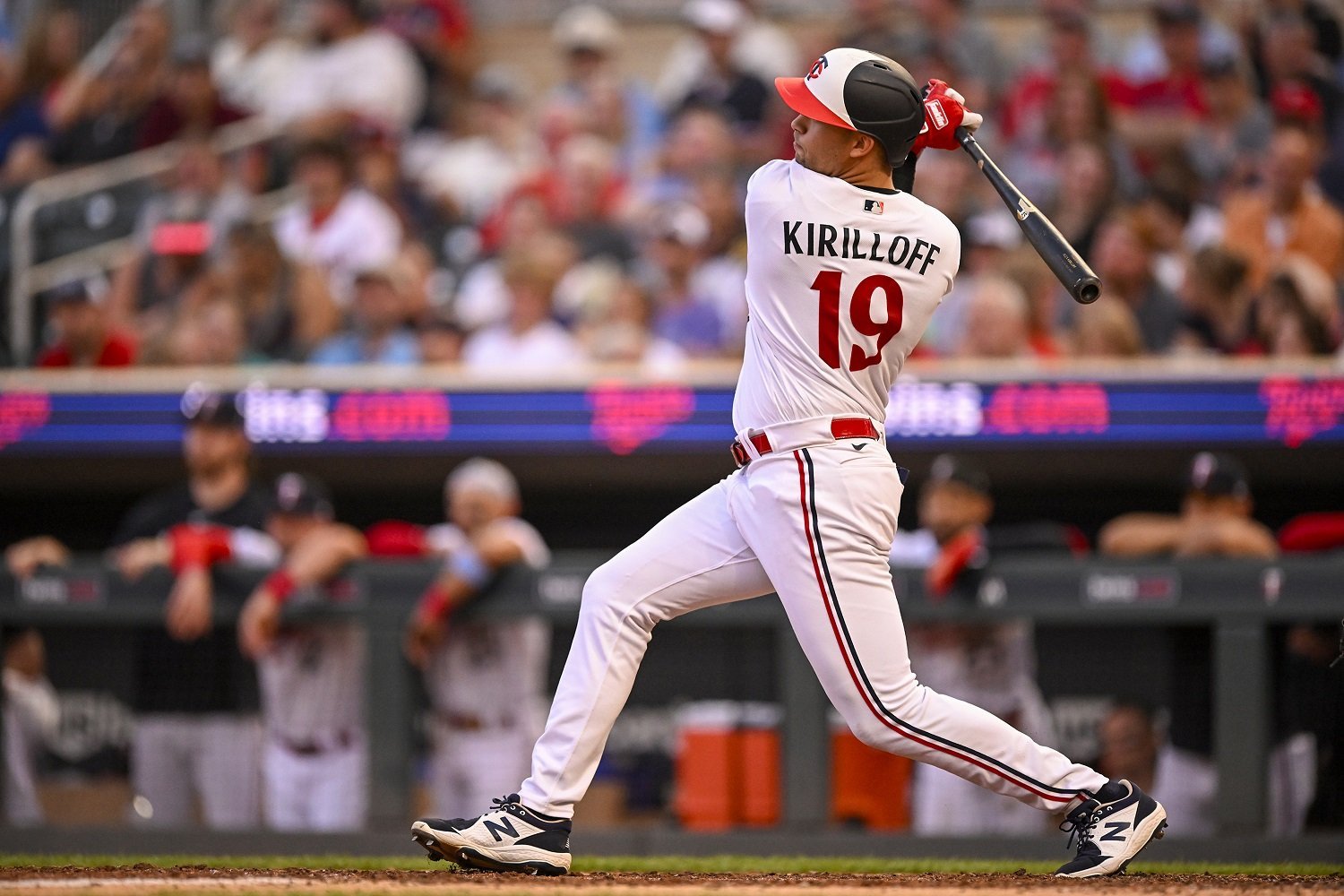 In his season-ending presser on Friday, Derek Falvey revealed that first baseman Alex Kirilloff will undergo labrum surgery on his right shoulder later this month. The procedure is scheduled for October 24th, with the team indicating that they won't know the extent of the labrum tear until then. There's a wide range of outcomes at play, but we can safely say this is very unfortunate news. It's not necessarily surprising news, after the developments we saw play out this week. Kirilloff was removed from the ALDS roster following Game 3, replaced on Wednesday by a barely-mobile Byron Buxton. According to Rocco Baldelli, Kirilloff was still bothered by a shoulder injury suffered midseason, which caused him to miss all of August. Though he battled through it and looked solid in September, Kirilloff came up empty offensively and made a crucial error in the playoffs. According to Baldelli, the shoulder had "just progressively been getting worse to the point where he really can't swing at this point.” Now, Kirilloff is billed for labrum surgery, which is a serious procedure almost under any condition. There are many examples of players who have undergone labrum surgery and ultimately missed considerable lengths of time. That list includes Game 4 home run hitter Michael Brantley, who played only 15 regular-season games for Houston this year after undergoing surgery for a torn right shoulder labrum in August of 2022. A recently published study on MLB players following arthroscopic shoulder labral repair concluded that: "Following arthroscopic shoulder labral surgery, most MLB pitchers and positional players were able to [return to play] successfully but experienced shorter careers thereafter. These players also experienced declines in game utilization and performance one season after surgery but were able to return to baseline at 3 seasons after surgery." This isn't meant to cast conclusions, but simply to provide context. For what it's worth, the Twins expressed optimism he'll be ready for next spring, although there's really no way to know at this point. One way or another, Kirilloff has a(nother) long road ahead of him, and it's impossible not to feel for the guy. In the long-running saga of Twins top prospects plagued by astoundingly endless injuries, he might be the banner example. In 2016, his very first professional season, Kirilloff suffered a partial UCL tear in his elbow. He tried to avoid surgery through a PRP-and-rehab plan, but it didn't work out. He underwent Tommy John surgery the next spring and missed all of the 2017 season. Kirilloff came back and re-emerged as a top prospect. Even the lost COVID season could hardly slow him down, as Kirilloff was called up for an elimination game in the playoffs against Houston. His star was shining bright heading into 2021, but sadly Kirilloff's physical battles were only about to begin. He suffered a torn ligament in his right wrist that required season-ending surgery. Kirilloff returned in 2022 but the surgery proved insufficient as the wrist pain persisted. He underwent a more invasive ulnar shortening surgery and commenced in a lengthy rehab. This was considered essentially a last-ditch effort to fix his wrist. And this season, it seemed to be working. Kirilloff took it fairly slow but made it back, and looked at times like the elite-level left-handed masher that we know is within him. But now, a new very serious injury has popped up and once again completely derailed his career. To watch this same thing play out with him and Royce Lewis in such close succession (while Buxton's career is also threatened by physical breakdowns at age 29) is surreal and gut-wrenching. Alas, there's nothing to do but soldier on. Lewis at least presents an aspirational prototype for what it can look like to bounce back from unthinkable injury adversity and thrive. Kirilloff, despite all he's gone through, is still only 25. There's a path forward and AK's resilience up to this point gives cause for optimism. The Twins front office, however, has a tough task ahead in setting a vision for first base. We're all hoping for the best for Kirilloff, but by now, the club has no choice but to plan for the worst.
 -
AK cannot catch a break. For the fourth time in his young career, he is looking at a serious arm-related surgery and recovery. The road ahead will be a difficult one. Image courtesy of Nick Wosika-USA TODAY Sports In his season-ending presser on Friday, Derek Falvey revealed that first baseman Alex Kirilloff will undergo labrum surgery on his right shoulder later this month. The procedure is scheduled for October 24th, with the team indicating that they won't know the extent of the labrum tear until then. There's a wide range of outcomes at play, but we can safely say this is very unfortunate news. It's not necessarily surprising news, after the developments we saw play out this week. Kirilloff was removed from the ALDS roster following Game 3, replaced on Wednesday by a barely-mobile Byron Buxton. According to Rocco Baldelli, Kirilloff was still bothered by a shoulder injury suffered midseason, which caused him to miss all of August. Though he battled through it and looked solid in September, Kirilloff came up empty offensively and made a crucial error in the playoffs. According to Baldelli, the shoulder had "just progressively been getting worse to the point where he really can't swing at this point.” Now, Kirilloff is billed for labrum surgery, which is a serious procedure almost under any condition. There are many examples of players who have undergone labrum surgery and ultimately missed considerable lengths of time. That list includes Game 4 home run hitter Michael Brantley, who played only 15 regular-season games for Houston this year after undergoing surgery for a torn right shoulder labrum in August of 2022. A recently published study on MLB players following arthroscopic shoulder labral repair concluded that: "Following arthroscopic shoulder labral surgery, most MLB pitchers and positional players were able to [return to play] successfully but experienced shorter careers thereafter. These players also experienced declines in game utilization and performance one season after surgery but were able to return to baseline at 3 seasons after surgery." This isn't meant to cast conclusions, but simply to provide context. For what it's worth, the Twins expressed optimism he'll be ready for next spring, although there's really no way to know at this point. One way or another, Kirilloff has a(nother) long road ahead of him, and it's impossible not to feel for the guy. In the long-running saga of Twins top prospects plagued by astoundingly endless injuries, he might be the banner example. In 2016, his very first professional season, Kirilloff suffered a partial UCL tear in his elbow. He tried to avoid surgery through a PRP-and-rehab plan, but it didn't work out. He underwent Tommy John surgery the next spring and missed all of the 2017 season. Kirilloff came back and re-emerged as a top prospect. Even the lost COVID season could hardly slow him down, as Kirilloff was called up for an elimination game in the playoffs against Houston. His star was shining bright heading into 2021, but sadly Kirilloff's physical battles were only about to begin. He suffered a torn ligament in his right wrist that required season-ending surgery. Kirilloff returned in 2022 but the surgery proved insufficient as the wrist pain persisted. He underwent a more invasive ulnar shortening surgery and commenced in a lengthy rehab. This was considered essentially a last-ditch effort to fix his wrist. And this season, it seemed to be working. Kirilloff took it fairly slow but made it back, and looked at times like the elite-level left-handed masher that we know is within him. But now, a new very serious injury has popped up and once again completely derailed his career. To watch this same thing play out with him and Royce Lewis in such close succession (while Buxton's career is also threatened by physical breakdowns at age 29) is surreal and gut-wrenching. Alas, there's nothing to do but soldier on. Lewis at least presents an aspirational prototype for what it can look like to bounce back from unthinkable injury adversity and thrive. Kirilloff, despite all he's gone through, is still only 25. There's a path forward and AK's resilience up to this point gives cause for optimism. The Twins front office, however, has a tough task ahead in setting a vision for first base. We're all hoping for the best for Kirilloff, but by now, the club has no choice but to plan for the worst. View full article
-
According to most metrics there is a massive difference between the two in defensive value, with Vazquez having the advantage. FWIW.
-
Regression hitting like a load of bricks, key players failing to step up in favorable matchups, and regular-season warning signs coming to roost: These were the defining letdowns that led to Minnesota's postseason exit. Image courtesy of Jesse Johnson-USA TODAY Sports I want to start by saying that, at long last, a lot went RIGHT for the Twins in these playoffs. They snapped a 19-year losing streak, they triumphantly swept the Blue Jays at home, and they made the defending champs sweat in the ALDS. You're not going to catch me calling this year a failure. But at the end of the day, the Twins did come up short. And they did so in rather painful fashion, after Sunday night's victory set them up in very favorable position to come home and take control against the Astros. So here in this postmortem, we'll dissect four key things that went wrong for the Twins and led to their exit in the second round of the playoffs. 1. Legitimate fears came to fruition. This is the banner headline that encapsulates several different subplots. The frustrating thing about Minnesota's most fatal flaws in the postseason is that, in many cases, they weren't that hard to see coming. These were concerns that long loomed in our minds, and caused apprehension as we looked ahead to the high stakes of October. In particular, these are three striking examples of how our fears turned into reality. The offense goes back into its shell: Performances like Tuesday and Wednesday were the team's calling card in the first half, as they compiled strikeouts at a historic rate and frequently no-showed in the runs column. Even with all the improvement in the second half, those kinds of games were still mixed in -- the byproduct of a lineup prone to striking out in bunches, and shriveling up in damage spots. Regression slaps Sonny Gray in the face: There were clear signs of unsustainability in the 33-year-old's phenomenal regular season numbers. Namely: Gray's penchant for wriggling out of jams and limiting home runs to an extreme degree. All that regression pretty much came to a head on one devastating pitch to Jose Abreu with two runners on in Game 3. Alex Kirilloff playing hurt: The oft-injured first baseman missed all of August with a shoulder issue that seemed pretty serious, but made it back to play 19 games in September. His numbers were fine (.766 OPS) but Kirilloff hardly looked like he was at his best, and the team noticeably took it easy with his usage. Fears that his shoulder might still be bothering him were confirmed when AK exited Game 3 and was removed from the roster afterward. 2. Ryan Jeffers failed to live up to the team's hopes. The Twins really put their eggs in the Jeffers basket, and understandably so. He had a tremendous season, ranking second among MLB catchers in wOBA and second among all Twins position players in fWAR. Rocco Baldelli figured he had a big advantage in being able to run out that kind of bat behind the plate, so he did so in all six games. Unfortunately, Jeffers did not deliver, managing just two singles and two walks in 25 plate appearances. The decision to use Jeffers exclusively meant, in turn, that Christian Vazquez saw zero action in the entire postseason. Again, it's justifiable given how bad his bat was all season, but Vazquez was signed in large part for his seasoning on the big stages of Boston and Houston. He's battle-tested, but never got tested in this losing battle. 3. The lefty bats couldn't capitalize or cash in. One of the biggest reasons for optimism around the Twins in these playoffs was how well their lefty-powered lineup was set up for success based on match-ups. Minnesota's ALWC opponent, the Blue Jays, threw two right-handed starters. The Astros brought a bullpen devoid of lefty arms into the ALDS. Players like Kirilloff, Edouard Julien, Max Kepler and Matt Wallner were in a position to shine after hammering right-handed pitching all year long. With the exception of Julien, none did. Kirilloff went 0-for-9 while playing hurt. Wallner was 0-for-8. Kepler went 5-for-23 (.217) with 10 strikeouts, one walk, one run scored, and zero batted in. He struck out looking at strike three to end the Twins' season on Wednesday, exploding into frustration as his lifetime playoff average dropped to .146. 4. Caleb Thielbar's biggest weakness came to bite him. Thielbar has been a spectacular performer and awesome story in the Twins bullpen. Returning from pseudo-retirement in his mid-30s, he's put together one of the better multi-year stretches for a reliever in Twins history, posting a 3.21 ERA since 2020. He was really good once again this year, despite missing time with an oblique injury, but one issue haunted the left-hander: home runs. He gave up seven this year in just 30 ⅔ innings, with his fastball victimized most frequently. Here, in contrast to Sonny Gray, you'd hope for a little positive regression; home runs had never really been a big problem for Thielbar in the past, and 30 innings is a small sample size. But the long ball was most definitely a problem for Thielbar in this ALDS. In Game 1 he gave up a homer to Yordan Alvarez, extending Houston's lead from one to two in the seventh inning. That one hurt, coming immediately after Minnesota's offense narrowed the deficit in the top half. But it didn't hurt as much as the next one. On Wednesday, Jose Abreu got hold of a 1-0 pitch from Thielbar -- a fastball -- and drove it over the fence in right for a tie-breaking (ultimately game-winning) home run. According to Baseball Reference it was the single most pivotal play of the series. Mistakes and missed opportunities are magnified on the big stage in October. These are the ones that will have an outsized impression in my mind as I look back at this run and what could've been. View full article
-
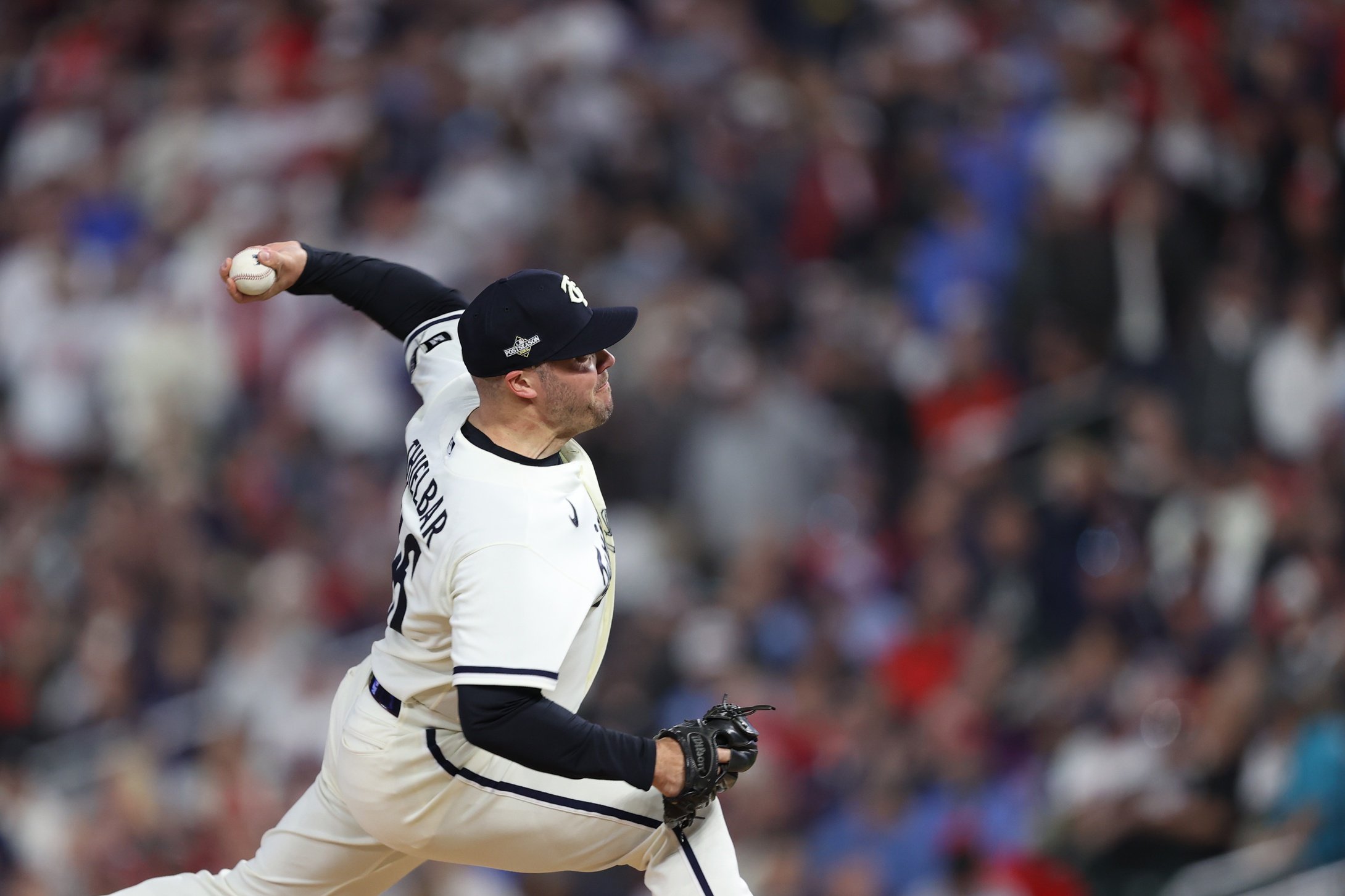 I want to start by saying that, at long last, a lot went RIGHT for the Twins in these playoffs. They snapped a 19-year losing streak, they triumphantly swept the Blue Jays at home, and they made the defending champs sweat in the ALDS. You're not going to catch me calling this year a failure. But at the end of the day, the Twins did come up short. And they did so in rather painful fashion, after Sunday night's victory set them up in very favorable position to come home and take control against the Astros. So here in this postmortem, we'll dissect four key things that went wrong for the Twins and led to their exit in the second round of the playoffs. 1. Legitimate fears came to fruition. This is the banner headline that encapsulates several different subplots. The frustrating thing about Minnesota's most fatal flaws in the postseason is that, in many cases, they weren't that hard to see coming. These were concerns that long loomed in our minds, and caused apprehension as we looked ahead to the high stakes of October. In particular, these are three striking examples of how our fears turned into reality. The offense goes back into its shell: Performances like Tuesday and Wednesday were the team's calling card in the first half, as they compiled strikeouts at a historic rate and frequently no-showed in the runs column. Even with all the improvement in the second half, those kinds of games were still mixed in -- the byproduct of a lineup prone to striking out in bunches, and shriveling up in damage spots. Regression slaps Sonny Gray in the face: There were clear signs of unsustainability in the 33-year-old's phenomenal regular season numbers. Namely: Gray's penchant for wriggling out of jams and limiting home runs to an extreme degree. All that regression pretty much came to a head on one devastating pitch to Jose Abreu with two runners on in Game 3. Alex Kirilloff playing hurt: The oft-injured first baseman missed all of August with a shoulder issue that seemed pretty serious, but made it back to play 19 games in September. His numbers were fine (.766 OPS) but Kirilloff hardly looked like he was at his best, and the team noticeably took it easy with his usage. Fears that his shoulder might still be bothering him were confirmed when AK exited Game 3 and was removed from the roster afterward. 2. Ryan Jeffers failed to live up to the team's hopes. The Twins really put their eggs in the Jeffers basket, and understandably so. He had a tremendous season, ranking second among MLB catchers in wOBA and second among all Twins position players in fWAR. Rocco Baldelli figured he had a big advantage in being able to run out that kind of bat behind the plate, so he did so in all six games. Unfortunately, Jeffers did not deliver, managing just two singles and two walks in 25 plate appearances. The decision to use Jeffers exclusively meant, in turn, that Christian Vazquez saw zero action in the entire postseason. Again, it's justifiable given how bad his bat was all season, but Vazquez was signed in large part for his seasoning on the big stages of Boston and Houston. He's battle-tested, but never got tested in this losing battle. 3. The lefty bats couldn't capitalize or cash in. One of the biggest reasons for optimism around the Twins in these playoffs was how well their lefty-powered lineup was set up for success based on match-ups. Minnesota's ALWC opponent, the Blue Jays, threw two right-handed starters. The Astros brought a bullpen devoid of lefty arms into the ALDS. Players like Kirilloff, Edouard Julien, Max Kepler and Matt Wallner were in a position to shine after hammering right-handed pitching all year long. With the exception of Julien, none did. Kirilloff went 0-for-9 while playing hurt. Wallner was 0-for-8. Kepler went 5-for-23 (.217) with 10 strikeouts, one walk, one run scored, and zero batted in. He struck out looking at strike three to end the Twins' season on Wednesday, exploding into frustration as his lifetime playoff average dropped to .146. 4. Caleb Thielbar's biggest weakness came to bite him. Thielbar has been a spectacular performer and awesome story in the Twins bullpen. Returning from pseudo-retirement in his mid-30s, he's put together one of the better multi-year stretches for a reliever in Twins history, posting a 3.21 ERA since 2020. He was really good once again this year, despite missing time with an oblique injury, but one issue haunted the left-hander: home runs. He gave up seven this year in just 30 ⅔ innings, with his fastball victimized most frequently. Here, in contrast to Sonny Gray, you'd hope for a little positive regression; home runs had never really been a big problem for Thielbar in the past, and 30 innings is a small sample size. But the long ball was most definitely a problem for Thielbar in this ALDS. In Game 1 he gave up a homer to Yordan Alvarez, extending Houston's lead from one to two in the seventh inning. That one hurt, coming immediately after Minnesota's offense narrowed the deficit in the top half. But it didn't hurt as much as the next one. On Wednesday, Jose Abreu got hold of a 1-0 pitch from Thielbar -- a fastball -- and drove it over the fence in right for a tie-breaking (ultimately game-winning) home run. According to Baseball Reference it was the single most pivotal play of the series. Mistakes and missed opportunities are magnified on the big stage in October. These are the ones that will have an outsized impression in my mind as I look back at this run and what could've been.
 -
A veteran pitcher experiencing new levels of success, a veteran hitter experiencing new levels of struggle, and a result that illustrated how unpredictable baseball can be. (But also kind of predictable at the same time.) Image courtesy of Matt Blewett-USA TODAY Sports Sonny Gray put together one of the best seasons of his career by routinely disentangling himself from the exact type of jam that he found himself in right out of the gates on Tuesday. Unlike his co-rotation leader Pablo Lopez, Gray is not a pitcher who thrived this year because of missing bats and piling up strikeouts. His 9.0 K/9 rate was fine, don't get me wrong, but 24 qualified MLB starters had a better mark. Significantly fewer had a better ERA (third in MLB) or fWAR (fourth). At the end of the day, Gray got the job done to an elite degree all season long, even while showing a relative propensity for drawing contact. How'd he do it? A combination of skill and luck. Gray certainly did a few things to help his cause. He was pretty good at inducing weak contact, with a 67th percentile barrel rate and middling exit velocity. He was very good at inducing ground balls (77th percentile). He generally avoided issuing walks, with a 2.7 BB/9 rate that was his lowest since 2015. Still, Gray's 1.15 WHIP on the season was nothing too special. He allowed a fair number of base runners, which is why the start to Tuesday's first inning didn't feel all that abnormal or worrisome at the time. The right-hander's remarkable success in the regular season owed primarily to what he was able to do once runners got on base against him. With nobody on, hitters slashed .237/.280/.358 against Gray – bad but not truly horrible. With men on base that line dropped to .211/.299/.262, and with runners in scoring position, to .194/.313/.206. Gray's strand rate (percentage of runners left on base) was 12th-highest in the league. Within this, the true biggest key to Sonny Gray's stellar season in 2023 was his historic ability to limit home runs. He surrendered only eight long balls in 32 starts, leading all of baseball with a 0.4 HR/9 rate that ranks as the lowest in Twins franchise history. Gray kept the ball in the yard at an otherworldly level. And in line with the above, only two of those eight homers came with runners on base. To some extent, both of these strengths – limiting damage with runners on, and avoiding home runs – owe to a specific skill for executing in key spots. Gray did that, all year long. By no means can anyone argue that his phenomenal results were mostly the result of luck. But ... there was some luck involved. And that's reflected in expected numbers like xERA (3.69) and xFIP (3.65). In many ways, a lapse toward normalization felt mathematically inevitable for Gray. Who could've known it would happen at the worst time possible, against a very unlikely foe. Things got off to a troubling start for Gray on Tuesday, right as the action got underway in Game 3. First Jose Altuve stroked a solid single to center, putting the leadoff man aboard. But the Twins starter bounced back with a strikeout of Alex Bregman. Up came the dreaded Yordan Alvarez. Here, Gray did his thing: in an extraordinarily tough match-up, he made a good pitch and induced a weak grounder down the first base line. But a charging Alex Kirilloff whiffed the ball and allowed it to role into right field for a two-base error. What could've been an inning-ending double play instead led to two runners in scoring position with one out. A horrible break for Gray and the Twins, but still, the type of tricky situation he's almost always been able to overcome, all year long. Not this time. Kyle Tucker laced an RBI single past a drawn-in infield. This brought up Jose Abreu, who would deliver an early death blow as an unlikely hero for Houston. Newly signed to a $60 million contract by the Astros, Abreu had a horrible first year with his new team. The revered slugger didn't hit a home run until late May and finished with his worst career numbers across the board, with underlying metrics suggesting he might be cooked. Abreu did come on a bit at the tail end of the season, closing out with a power surge in the final weeks. And maybe that helped set the stage for a series-defining at-bat in Game 3. Gray missed up and in with a sinker. He came with another one on the next pitch, this time finding the lower part of the zone for a strike. The next pitch, up and in again. Hoping to have changed Abreu's eye level with the high heat, Gray looked to go do down and away with a sweeper. But this sweeper didn't sweep. It hung right in the middle of the zone and got blasted to Canada. For one of the first times all year, the 33-year-old Gray simply failed to execute in an absolutely critical spot. The location of this pitch was just astonishingly bad. Gray did the one thing he could absolutely least afford to do in that particular moment, and it split the game right open. The righty has seen the team lose games on his bump days with an odd frequency all year, but rarely could be he named a prime culprit. This time, in perhaps his final start as a Minnesota Twin, he most definitely could. Gray pushed through to the midpoint of the game but never looked very good, allowing leadoff runners in each of the next four innings, including the fifth where he went HR-2B-BB and was removed with no outs. The veteran was seemingly unable to take advantage of the same shadows that flummoxed Twins hitters all afternoon. It's not the Sonny Gray we've grown accustomed to seeing, but it's probably the one we should've expected to reveal himself at some point along the way. Even the craftiest and most expert pitcher is bound to experience the cold realities of regression to the mean in baseball. For Gray and the Twins, this regression felt especially mean, and leaves them on the brink of elimination. View full article
-
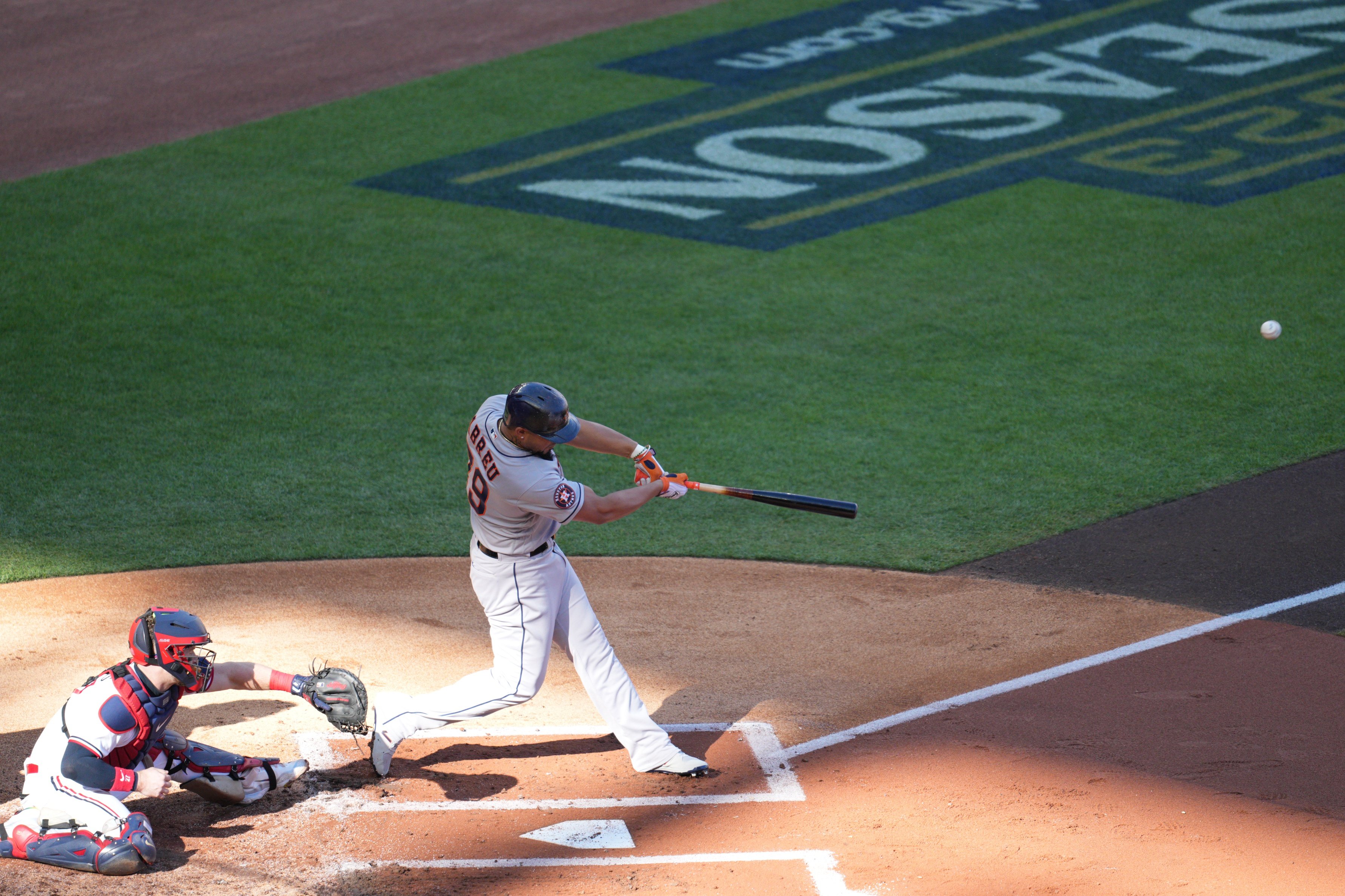 Sonny Gray put together one of the best seasons of his career by routinely disentangling himself from the exact type of jam that he found himself in right out of the gates on Tuesday. Unlike his co-rotation leader Pablo Lopez, Gray is not a pitcher who thrived this year because of missing bats and piling up strikeouts. His 9.0 K/9 rate was fine, don't get me wrong, but 24 qualified MLB starters had a better mark. Significantly fewer had a better ERA (third in MLB) or fWAR (fourth). At the end of the day, Gray got the job done to an elite degree all season long, even while showing a relative propensity for drawing contact. How'd he do it? A combination of skill and luck. Gray certainly did a few things to help his cause. He was pretty good at inducing weak contact, with a 67th percentile barrel rate and middling exit velocity. He was very good at inducing ground balls (77th percentile). He generally avoided issuing walks, with a 2.7 BB/9 rate that was his lowest since 2015. Still, Gray's 1.15 WHIP on the season was nothing too special. He allowed a fair number of base runners, which is why the start to Tuesday's first inning didn't feel all that abnormal or worrisome at the time. The right-hander's remarkable success in the regular season owed primarily to what he was able to do once runners got on base against him. With nobody on, hitters slashed .237/.280/.358 against Gray – bad but not truly horrible. With men on base that line dropped to .211/.299/.262, and with runners in scoring position, to .194/.313/.206. Gray's strand rate (percentage of runners left on base) was 12th-highest in the league. Within this, the true biggest key to Sonny Gray's stellar season in 2023 was his historic ability to limit home runs. He surrendered only eight long balls in 32 starts, leading all of baseball with a 0.4 HR/9 rate that ranks as the lowest in Twins franchise history. Gray kept the ball in the yard at an otherworldly level. And in line with the above, only two of those eight homers came with runners on base. To some extent, both of these strengths – limiting damage with runners on, and avoiding home runs – owe to a specific skill for executing in key spots. Gray did that, all year long. By no means can anyone argue that his phenomenal results were mostly the result of luck. But ... there was some luck involved. And that's reflected in expected numbers like xERA (3.69) and xFIP (3.65). In many ways, a lapse toward normalization felt mathematically inevitable for Gray. Who could've known it would happen at the worst time possible, against a very unlikely foe. Things got off to a troubling start for Gray on Tuesday, right as the action got underway in Game 3. First Jose Altuve stroked a solid single to center, putting the leadoff man aboard. But the Twins starter bounced back with a strikeout of Alex Bregman. Up came the dreaded Yordan Alvarez. Here, Gray did his thing: in an extraordinarily tough match-up, he made a good pitch and induced a weak grounder down the first base line. But a charging Alex Kirilloff whiffed the ball and allowed it to role into right field for a two-base error. What could've been an inning-ending double play instead led to two runners in scoring position with one out. A horrible break for Gray and the Twins, but still, the type of tricky situation he's almost always been able to overcome, all year long. Not this time. Kyle Tucker laced an RBI single past a drawn-in infield. This brought up Jose Abreu, who would deliver an early death blow as an unlikely hero for Houston. Newly signed to a $60 million contract by the Astros, Abreu had a horrible first year with his new team. The revered slugger didn't hit a home run until late May and finished with his worst career numbers across the board, with underlying metrics suggesting he might be cooked. Abreu did come on a bit at the tail end of the season, closing out with a power surge in the final weeks. And maybe that helped set the stage for a series-defining at-bat in Game 3. Gray missed up and in with a sinker. He came with another one on the next pitch, this time finding the lower part of the zone for a strike. The next pitch, up and in again. Hoping to have changed Abreu's eye level with the high heat, Gray looked to go do down and away with a sweeper. But this sweeper didn't sweep. It hung right in the middle of the zone and got blasted to Canada. For one of the first times all year, the 33-year-old Gray simply failed to execute in an absolutely critical spot. The location of this pitch was just astonishingly bad. Gray did the one thing he could absolutely least afford to do in that particular moment, and it split the game right open. The righty has seen the team lose games on his bump days with an odd frequency all year, but rarely could be he named a prime culprit. This time, in perhaps his final start as a Minnesota Twin, he most definitely could. Gray pushed through to the midpoint of the game but never looked very good, allowing leadoff runners in each of the next four innings, including the fifth where he went HR-2B-BB and was removed with no outs. The veteran was seemingly unable to take advantage of the same shadows that flummoxed Twins hitters all afternoon. It's not the Sonny Gray we've grown accustomed to seeing, but it's probably the one we should've expected to reveal himself at some point along the way. Even the craftiest and most expert pitcher is bound to experience the cold realities of regression to the mean in baseball. For Gray and the Twins, this regression felt especially mean, and leaves them on the brink of elimination.
 -
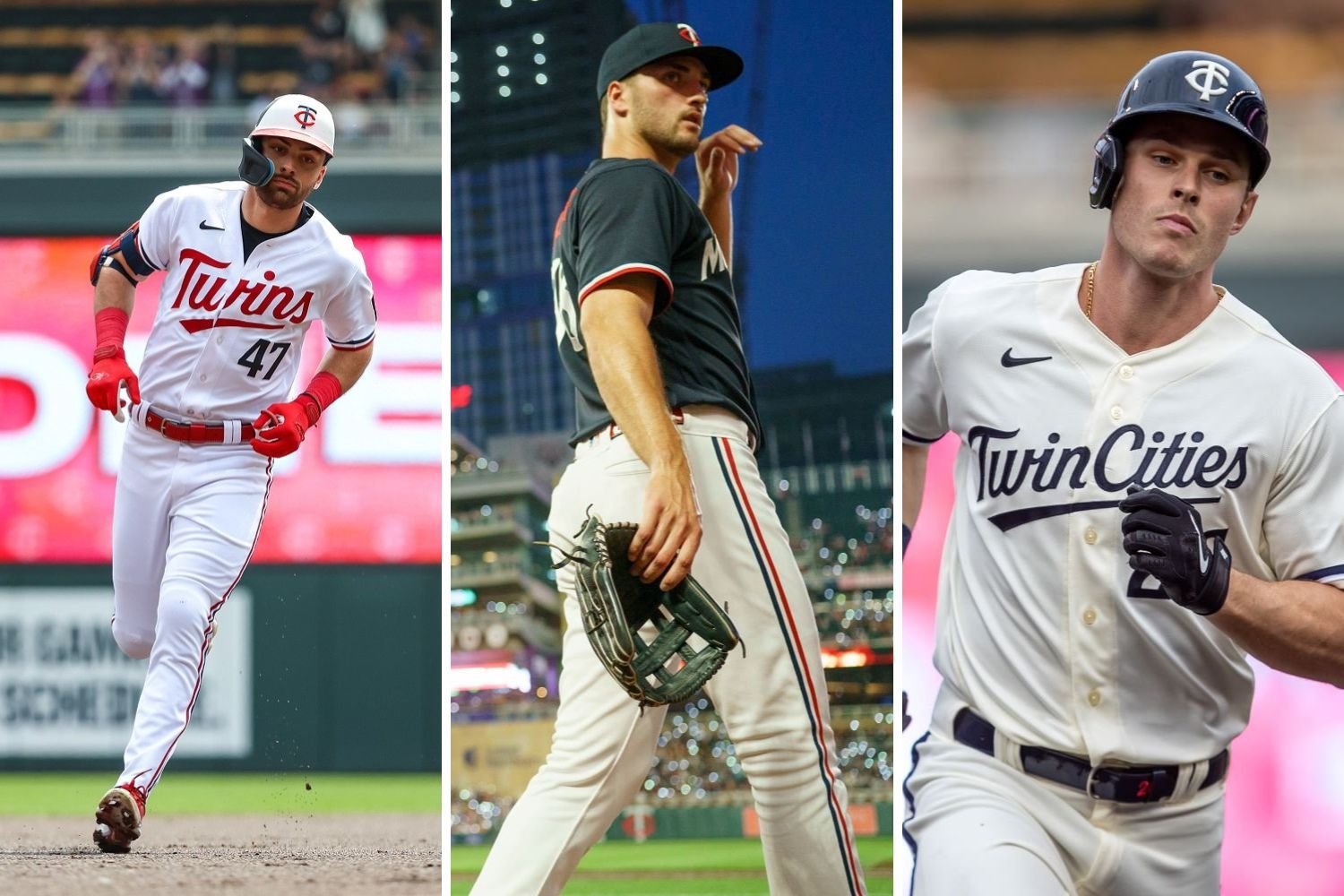 The Twins offense was revitalized in the second half of the season, improving from 24th in runs and 21st in wOBA before the All-Star break to fifth and third thereafter. It's no secret that a group of left-handed hitters led the charge in this turnaround. The additions of rookies Edouard Julien and Matt Wallner, along with the return of Alex Kirilloff and the awakening of veteran cleanup hitter Max Kepler, played primary roles in Minnesota's rise from ineffectual to elite over the course of the season. Of course, the flip side to having several left-handed batters powering your lineup is that you become susceptible to lefty pitching. We certainly saw that this year with the Twins, who finished fifth in wRC+ against RHP and 15th against LHP. Opposing managers often sought to exploit this weakness, turning to left-handed relievers early in games and trying to force Rocco Baldelli's hand into removing some of his best bats from the lineup for late-game scenarios. We saw this play out as recently as Game 2 of the ALWC, although swapping out Jose Berrios for Yusei Kikuchi in the fourth didn't work out so well for John Schneider and the Jays. Alas, the Astros will be unable to even attempt such a strategy, because they have not one single left-handed reliever in their ALDS bullpen. Julien, Wallner, Kirilloff and Kepler will be at no risk of being pulled out of a game based purely on match-up reasons. And while the presence of stellar southpaw starter Framber Valdez looms large, Houston's all-RHP bullpen will be ripe for pinch-hitting opportunities from the likes of Julien and Wallner. Now, it bears noting that Houston's righty relievers tend to be quite effective against left-handers, but still, I'll take these 2023 platoon splits against a right-handed hurler any day: Edouard Julien: .274/.401/.497 Matt Wallner: .281/.409/.561 Alex Kirilloff: .300/.373/.485 Max Kepler: .263/.335 /.497 The Twins got to this point, in large part, on the shoulders of their outstanding core of left-handed bats. Now those bats will have every chance to push Minnesota to the next stage. The offensive support will likely be needed against a Houston lineup full of premier hitters who are imposing in any match-up.
- 7 comments
-
- 3
-
-
- matt wallner
- edouard julien
- (and 2 more)
