



Cody Pirkl
-
Posts
1,314 -
Joined
-
Last visited
-
Days Won
4
Content Type
Profiles
News
Minnesota Twins Videos
2026 Minnesota Twins Top Prospects Ranking
2022 Minnesota Twins Draft Picks
Minnesota Twins Free Agent & Trade Rumors, Notes, & Tidbits
Guides & Resources
2023 Minnesota Twins Draft Picks
The Minnesota Twins Players Project
2024 Minnesota Twins Draft Picks
2025 Minnesota Twins Draft Pick Tracker
2026 Minnesota Twins Draft Tracker: Picks & Bonuses
Forums
Blogs
Events
Store
Downloads
Gallery
Everything posted by Cody Pirkl
-
3 Twins In "No Man's Land" Headed Into 2025
Cody Pirkl posted a topic in Twins Daily Front Page News
As one might expect following a historic collapse, several Twins players have big question marks heading into 2025. A few names will likely give the Twins front office a headache as they project how to move forward. Image courtesy of Jerome Miron-Imagn Images The Twins don’t have an easy task this offseason as they try to return to contention under a strict budget. Making matters more difficult are several of their players whose futures are particularly murky. These players have shown tremendous upside, but it's also clear that at their worst, they don't even belong in the big leagues. Here are three players on the roster who find themselves in no man’s land headed into 2025. Edouard Julien Julien burst onto the scene as a rookie and looked like a potentially elite piece of the next great Twins team. Pairing plate discipline with power, Julien showed flashes of being one of the best-hitting second basemen in all of baseball through his first 400 plate appearances. Then it all fell apart. Julien never found his footing in 2024. His disciplined plate approach became his biggest weakness, as opposing pitchers discovered they could fill the strike zone while the bat remained on Julien’s shoulder. At times, Julien appeared more interested in walking than doing damage at the plate. He led the league in strikeouts looking, despite spending much of the season in St. Paul. He slashed an untenable .199/.292/.323, which was 20% below league average. Even his defense seemed to regress down the stretch, as he seemed to take his tough at-bats into the field with him. As one would expect following such a disappointing season, Julien has no guaranteed starting spot in 2025. Given the Twins’ glut of options in the infield, they’ll likely prioritize other players at second base, such as Brooks Lee or Royce Lewis. Julien may be shifted to first base out of necessity, where the bar to clear to be a helpful hitter will be much higher. His career will sink or swim with his offensive contributions, and in 2025, he’ll have to work his way back into the Twins' long-term plans. José Miranda The 2024 campaign was a strong bounceback season for Miranda, who suffered through an injury-riddled 2023 season. His final slash line of .284/.322/.441 was a pleasant surprise, but how he got there left plenty of questions for the Twins to ask moving forward. Miranda has always been a streaky hitter, and his resurgent season was a tale of two halves. His .888 OPS in the first half of the season was a big reason the Twins were in the thick of the division race. Unfortunately, his .543 OPS in the second half was a big reason they fell out of it. Miranda had back problems flare up partway through the season, and it felt like he was never the same upon his return. Like Julien, Miranda’s primary position in 2025 may be first base. His first-half performance would be more than adequate for the position, but the Twins may be concerned with the likelihood of those numbers sustaining themselves over a full season of regular playing time. Due to his plate approach and injury history, the team likely can’t rely on Miranda as a regular impact contributor. Miranda is a good bet to come up with some big performances in 2025, but it felt like he came up short of earning a place in the everyday lineup moving forward, and now his defensive fit will be a question mark, as well. Jorge Alcalá Like Miranda, Alcalá’s total body of work in 2024 has to be considered an enormous success. After years of injury, he threw 58 innings with a 3.24 ERA and supporting peripherals. He also fell apart down the stretch, leaving plenty of question marks heading into 2025. Alcalá averaged 98 miles per hour on his fastball in 2024 and still had his wicked slider. It’s possible his inning count just wore him down in his first entire season in years, but his 9.90 ERA in August was a significant factor in the Twins' collapse. Alcalá’s implosion against the Texas Rangers on Aug. 18 is often referred to as the tipping point of the season, and he tumbled down the bullpen hierarchy amidst several more poor outings down the stretch. Making matters more complicated is that the Twins do not appear to be believers in Alcalá. If their questionable usage of him for years before wasn’t enough, they demoted him in September to claim Cole Irvin off waivers. They used Irvin in high-leverage spots in what was likely the twilight of his MLB career, instead of sticking with Alcalá. He returned to throw just under 10 innings in September and allowed only two runs. Hopefully, his strong finish to the season is a sign of another solid season in 2025. Still, knowing what to expect from him is hard, especially given his shaky standing in the organization. The Twins might have a more manageable offseason if they had a better idea of what these three players can contribute in 2025. Are there any other players on the roster that fit this description? Let us know below! View full article -
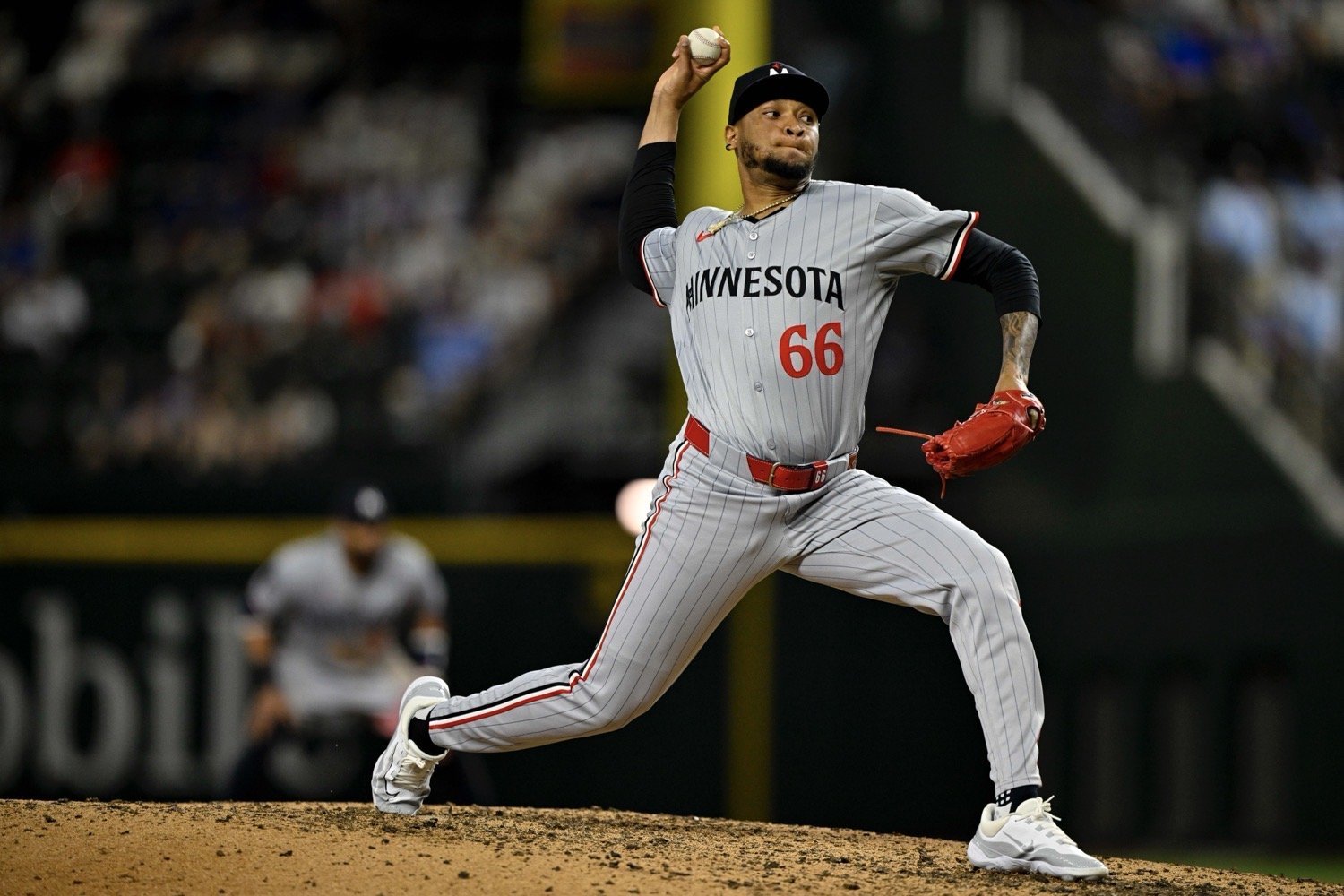 The Twins don’t have an easy task this offseason as they try to return to contention under a strict budget. Making matters more difficult are several of their players whose futures are particularly murky. These players have shown tremendous upside, but it's also clear that at their worst, they don't even belong in the big leagues. Here are three players on the roster who find themselves in no man’s land headed into 2025. Edouard Julien Julien burst onto the scene as a rookie and looked like a potentially elite piece of the next great Twins team. Pairing plate discipline with power, Julien showed flashes of being one of the best-hitting second basemen in all of baseball through his first 400 plate appearances. Then it all fell apart. Julien never found his footing in 2024. His disciplined plate approach became his biggest weakness, as opposing pitchers discovered they could fill the strike zone while the bat remained on Julien’s shoulder. At times, Julien appeared more interested in walking than doing damage at the plate. He led the league in strikeouts looking, despite spending much of the season in St. Paul. He slashed an untenable .199/.292/.323, which was 20% below league average. Even his defense seemed to regress down the stretch, as he seemed to take his tough at-bats into the field with him. As one would expect following such a disappointing season, Julien has no guaranteed starting spot in 2025. Given the Twins’ glut of options in the infield, they’ll likely prioritize other players at second base, such as Brooks Lee or Royce Lewis. Julien may be shifted to first base out of necessity, where the bar to clear to be a helpful hitter will be much higher. His career will sink or swim with his offensive contributions, and in 2025, he’ll have to work his way back into the Twins' long-term plans. José Miranda The 2024 campaign was a strong bounceback season for Miranda, who suffered through an injury-riddled 2023 season. His final slash line of .284/.322/.441 was a pleasant surprise, but how he got there left plenty of questions for the Twins to ask moving forward. Miranda has always been a streaky hitter, and his resurgent season was a tale of two halves. His .888 OPS in the first half of the season was a big reason the Twins were in the thick of the division race. Unfortunately, his .543 OPS in the second half was a big reason they fell out of it. Miranda had back problems flare up partway through the season, and it felt like he was never the same upon his return. Like Julien, Miranda’s primary position in 2025 may be first base. His first-half performance would be more than adequate for the position, but the Twins may be concerned with the likelihood of those numbers sustaining themselves over a full season of regular playing time. Due to his plate approach and injury history, the team likely can’t rely on Miranda as a regular impact contributor. Miranda is a good bet to come up with some big performances in 2025, but it felt like he came up short of earning a place in the everyday lineup moving forward, and now his defensive fit will be a question mark, as well. Jorge Alcalá Like Miranda, Alcalá’s total body of work in 2024 has to be considered an enormous success. After years of injury, he threw 58 innings with a 3.24 ERA and supporting peripherals. He also fell apart down the stretch, leaving plenty of question marks heading into 2025. Alcalá averaged 98 miles per hour on his fastball in 2024 and still had his wicked slider. It’s possible his inning count just wore him down in his first entire season in years, but his 9.90 ERA in August was a significant factor in the Twins' collapse. Alcalá’s implosion against the Texas Rangers on Aug. 18 is often referred to as the tipping point of the season, and he tumbled down the bullpen hierarchy amidst several more poor outings down the stretch. Making matters more complicated is that the Twins do not appear to be believers in Alcalá. If their questionable usage of him for years before wasn’t enough, they demoted him in September to claim Cole Irvin off waivers. They used Irvin in high-leverage spots in what was likely the twilight of his MLB career, instead of sticking with Alcalá. He returned to throw just under 10 innings in September and allowed only two runs. Hopefully, his strong finish to the season is a sign of another solid season in 2025. Still, knowing what to expect from him is hard, especially given his shaky standing in the organization. The Twins might have a more manageable offseason if they had a better idea of what these three players can contribute in 2025. Are there any other players on the roster that fit this description? Let us know below!
- 37 comments
-
- 8
-

-
- jorge alcala
- edouard julien
- (and 1 more)
-
The Cubs have spent the offseason shuffling their roster. Have they positioned themselves as the perfect landing spot for Willi Castro, should the Twins decide to ship him out this winter? Image courtesy of Matt Blewett-Imagn Images Willi Castro is a uniquely valuable player and has been vital to the Twins roster for the last two years. Unfortunately, due to budgetary constraints, he’s one of the many players who could be on the move this winter. If they dump his contract, the Chicago Cubs appear to be a perfect fit for the Twins' super-utility man. Chicago just traded Cody Bellinger to the Yankees in what was essentially a salary dump, after he opted back into his contract. Now, they're in reinvestment mode, and they have some new positional needs. Castro can fill the same role for the Cubs as he has for the Twins. Chicago doesn’t have an everyday slot to pencil him into, but they have several positions he can help fill. Top prospect Matt Shaw is now expected to fill third base to begin the season, and Castro can either delay his call-up or fill in as needed. He can be injury insurance at second and shortstop for Nico Hoerner and Dansby Swanson, respectively. Bellinger’s departure also opens up playing time in center field, whenever Pete Crow-Armstrong is injured, in need of a break, or a bad matchup against an opposing lefty. Castro would still be able to play nearly every day and provide the Cubs with a stopgap at several positions as needed. The veteran is set to make roughly $6.2 million in 2025, according to MLB Trade Rumors. This would be considered a significant bargain on the open market for a player with Castro’s skill set, but the small amount makes all the difference for a Twins team with a strict, self-imposed payroll limit under which they need to duck. If the team is this strapped for cash, they could capitalize on the excess value of Castro at this price and rely on their youth at the positions he had previously filled. With several versatile players (such as Brooks Lee and Austin Martin) on the roster, the team may see Castro as a candidate to be shipped out. What kind of deal can the Twins get for their super-utility man? A good baseline return for the Twins is someone like right-handed slugger Alexander Canario. The 24-year-old outfielder made a 15-game debut in 2024 and slashed .280/.357/.440. He may not be a candidate to fill in at center field, and strikeouts are a significant concern, but Canario would fit into the Twins' roster nicely, as a right-handed bat with significant thump. In 2022, he hit 37 homers between three levels of the minor leagues, and after an injury-riddled 2023, he hit another 18 in 64 games at Triple-A. Canario is out of options and would have to make the Twins roster on Opening Day, but he appears as ready for MLB action as ever. Also, he’s slashing .298/.388/.561 in the Dominican Winter League this offseason. While Canario is a low-floor player to get in return for Castro, he would fit the Twins' predilection for platoons in the outfield corners and carry plenty of upside. The Twins would also likely ask for another lower-level prospect in return, but Canario seems like an appropriate headliner in a deal that involves dumping Castro’s contract. If the Twins could convert a minor-league signee now on the doorstep of free agency into a player with six years of team control and another lottery ticket to bolster their farm system, it would count as a major win. Would a low-floor, high-ceiling player like Canario be a strong enough headliner to ship out Willi Castro? Should the Twins try to get more, or not consider trading Castro at all? Let us know below! View full article
-
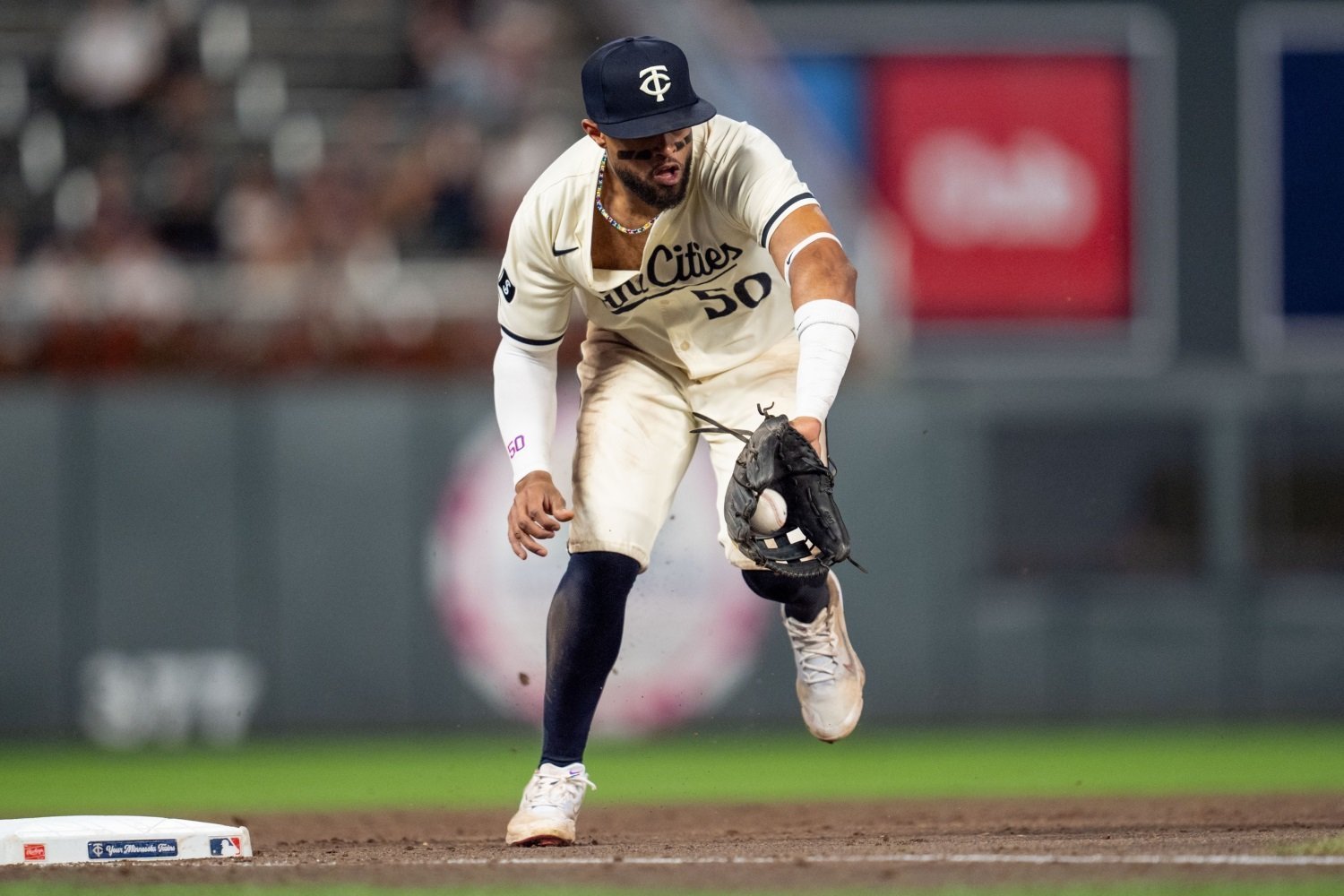 Willi Castro is a uniquely valuable player and has been vital to the Twins roster for the last two years. Unfortunately, due to budgetary constraints, he’s one of the many players who could be on the move this winter. If they dump his contract, the Chicago Cubs appear to be a perfect fit for the Twins' super-utility man. Chicago just traded Cody Bellinger to the Yankees in what was essentially a salary dump, after he opted back into his contract. Now, they're in reinvestment mode, and they have some new positional needs. Castro can fill the same role for the Cubs as he has for the Twins. Chicago doesn’t have an everyday slot to pencil him into, but they have several positions he can help fill. Top prospect Matt Shaw is now expected to fill third base to begin the season, and Castro can either delay his call-up or fill in as needed. He can be injury insurance at second and shortstop for Nico Hoerner and Dansby Swanson, respectively. Bellinger’s departure also opens up playing time in center field, whenever Pete Crow-Armstrong is injured, in need of a break, or a bad matchup against an opposing lefty. Castro would still be able to play nearly every day and provide the Cubs with a stopgap at several positions as needed. The veteran is set to make roughly $6.2 million in 2025, according to MLB Trade Rumors. This would be considered a significant bargain on the open market for a player with Castro’s skill set, but the small amount makes all the difference for a Twins team with a strict, self-imposed payroll limit under which they need to duck. If the team is this strapped for cash, they could capitalize on the excess value of Castro at this price and rely on their youth at the positions he had previously filled. With several versatile players (such as Brooks Lee and Austin Martin) on the roster, the team may see Castro as a candidate to be shipped out. What kind of deal can the Twins get for their super-utility man? A good baseline return for the Twins is someone like right-handed slugger Alexander Canario. The 24-year-old outfielder made a 15-game debut in 2024 and slashed .280/.357/.440. He may not be a candidate to fill in at center field, and strikeouts are a significant concern, but Canario would fit into the Twins' roster nicely, as a right-handed bat with significant thump. In 2022, he hit 37 homers between three levels of the minor leagues, and after an injury-riddled 2023, he hit another 18 in 64 games at Triple-A. Canario is out of options and would have to make the Twins roster on Opening Day, but he appears as ready for MLB action as ever. Also, he’s slashing .298/.388/.561 in the Dominican Winter League this offseason. While Canario is a low-floor player to get in return for Castro, he would fit the Twins' predilection for platoons in the outfield corners and carry plenty of upside. The Twins would also likely ask for another lower-level prospect in return, but Canario seems like an appropriate headliner in a deal that involves dumping Castro’s contract. If the Twins could convert a minor-league signee now on the doorstep of free agency into a player with six years of team control and another lottery ticket to bolster their farm system, it would count as a major win. Would a low-floor, high-ceiling player like Canario be a strong enough headliner to ship out Willi Castro? Should the Twins try to get more, or not consider trading Castro at all? Let us know below!
- 39 comments
-
- 1
-
-
- willi castro
- austin martin
- (and 1 more)
-
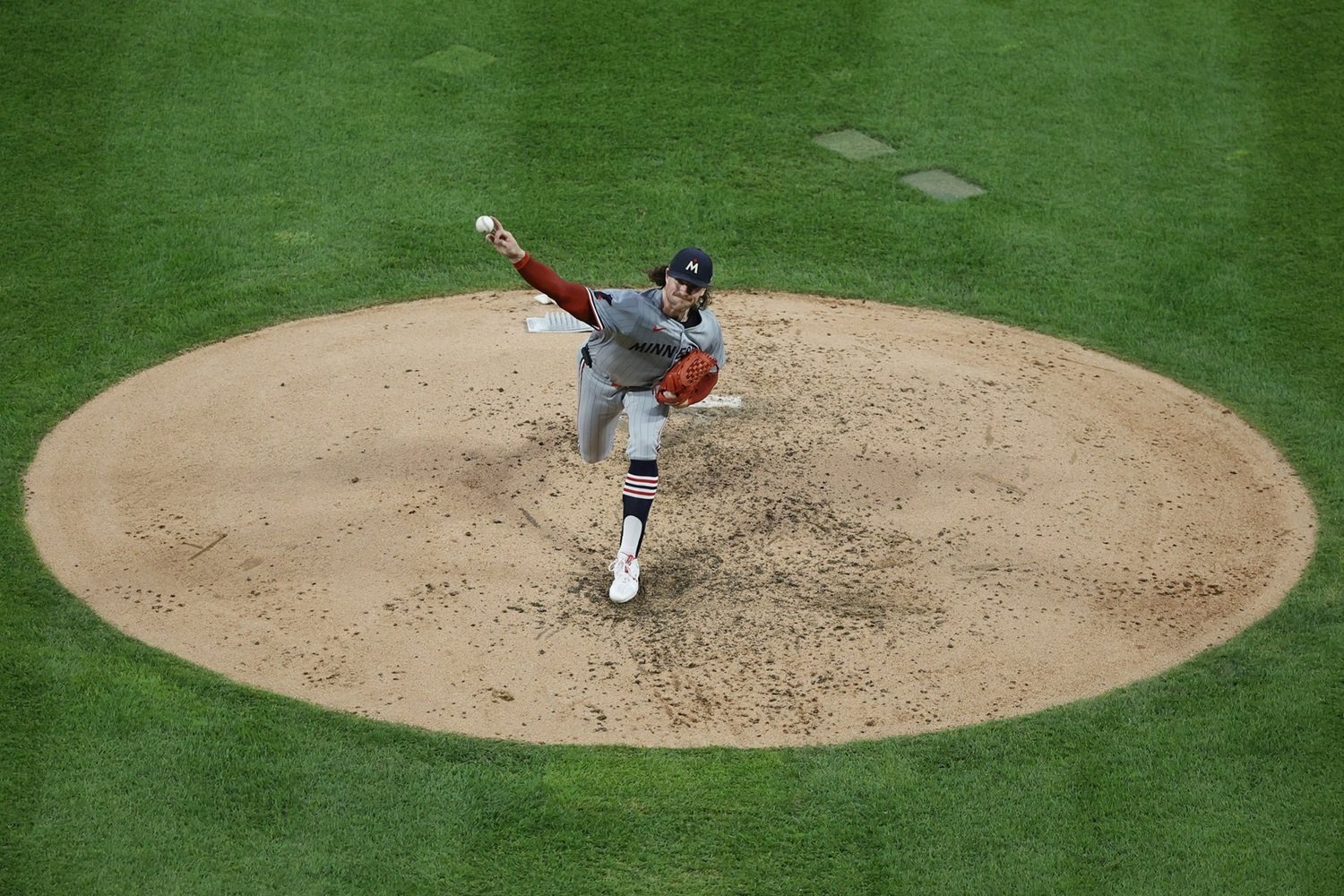 The Athletics are reportedly in a polar opposite position to the Twins this offseason. They risk a player union complaint if they don’t add enough payroll. While they could spend this money on free agents (as they recently did with Luis Severino), they also become a target for teams like the Twins to talk to on the trade market. Chris Paddack, in particular, seems like a name that could be involved in a win-win deal. For the Twins, it would be dealing from the strength of their roster. They’re in a good spot with the rotation, between Pablo López, Joe Ryan, Bailey Ober, Simeon Woods Richardson, younger arms such as David Festa and Zebby Matthews, and the top prospects waiting in St. Paul. After an up-and-down season, it’s unlikely Paddack will claim a rotation spot on Opening Day. Dealing him in the offseason would save $7.5 million and allow Paddack to remain a starter, which he certainly wants. From the A’s perspective, Paddack is the exact kind of addition they should be trying to make. Their MLB club has plenty of room in their rotation, and their farm system lacks any immediate impact starting pitching. While Paddack has his question marks regarding injury, one could argue that he still carries a fair bit of upside another year removed from Tommy John surgery. While the A’s may not care about Paddack winning them games every fifth day, he becomes a valuable potential trade chip for them once again at the deadline if he’s able to stay on the field. The Twins likely won’t ask for much in return for taking Paddack’s money off their books, and the A’s could quickly recoup whatever they gave up (and then some) if they flip Paddack to another contender amid a strong season. If Paddack doesn’t pan out, they’ve at least added $7.5 million to their payroll to help shield themselves from the ire of the players' union. In an ideal world, the Twins let Paddack’s contract play out, given the upside argument one could make. His 2025 salary will likely prove to be a bargain by the time the free-agent market plays out, but the Twins are in a spot where potentially getting a deal doesn’t matter, because the front office doesn’t have the money to make needed upgrades elsewhere. Paddack wouldn’t bring the same trade return as somebody like Joe Ryan or Bailey Ober, but trading him would leave less of a hole in the roster while shedding more money. It also stands to reason that Paddack’s trade return, while likely to be uninspiring, would bring more than that of a trade of someone like Christian Vázquez who may even require prospects on the back end to convince another team to pay that money. The list of teams willing to take on money this winter will likely be short, with several clubs similarly dealing with changes in broadcast revenues. The A’s have emerged as a prime target to dump some money, and the Twins should check in on doing so. Do you agree?
 -
As the Twins navigate a difficult payroll situation, shedding salary remains an unfortunate offseason priority. Could the Sacramento Athletics become a surprising option for the Twins to pass off some salary? Image courtesy of Kamil Krzaczynski-Imagn Images The Athletics are reportedly in a polar opposite position to the Twins this offseason. They risk a player union complaint if they don’t add enough payroll. While they could spend this money on free agents (as they recently did with Luis Severino), they also become a target for teams like the Twins to talk to on the trade market. Chris Paddack, in particular, seems like a name that could be involved in a win-win deal. For the Twins, it would be dealing from the strength of their roster. They’re in a good spot with the rotation, between Pablo López, Joe Ryan, Bailey Ober, Simeon Woods Richardson, younger arms such as David Festa and Zebby Matthews, and the top prospects waiting in St. Paul. After an up-and-down season, it’s unlikely Paddack will claim a rotation spot on Opening Day. Dealing him in the offseason would save $7.5 million and allow Paddack to remain a starter, which he certainly wants. From the A’s perspective, Paddack is the exact kind of addition they should be trying to make. Their MLB club has plenty of room in their rotation, and their farm system lacks any immediate impact starting pitching. While Paddack has his question marks regarding injury, one could argue that he still carries a fair bit of upside another year removed from Tommy John surgery. While the A’s may not care about Paddack winning them games every fifth day, he becomes a valuable potential trade chip for them once again at the deadline if he’s able to stay on the field. The Twins likely won’t ask for much in return for taking Paddack’s money off their books, and the A’s could quickly recoup whatever they gave up (and then some) if they flip Paddack to another contender amid a strong season. If Paddack doesn’t pan out, they’ve at least added $7.5 million to their payroll to help shield themselves from the ire of the players' union. In an ideal world, the Twins let Paddack’s contract play out, given the upside argument one could make. His 2025 salary will likely prove to be a bargain by the time the free-agent market plays out, but the Twins are in a spot where potentially getting a deal doesn’t matter, because the front office doesn’t have the money to make needed upgrades elsewhere. Paddack wouldn’t bring the same trade return as somebody like Joe Ryan or Bailey Ober, but trading him would leave less of a hole in the roster while shedding more money. It also stands to reason that Paddack’s trade return, while likely to be uninspiring, would bring more than that of a trade of someone like Christian Vázquez who may even require prospects on the back end to convince another team to pay that money. The list of teams willing to take on money this winter will likely be short, with several clubs similarly dealing with changes in broadcast revenues. The A’s have emerged as a prime target to dump some money, and the Twins should check in on doing so. Do you agree? View full article
-
Does Tommy Edman's Extension Reflect Willi Castro's Trade Value?
Cody Pirkl posted an article in Twins
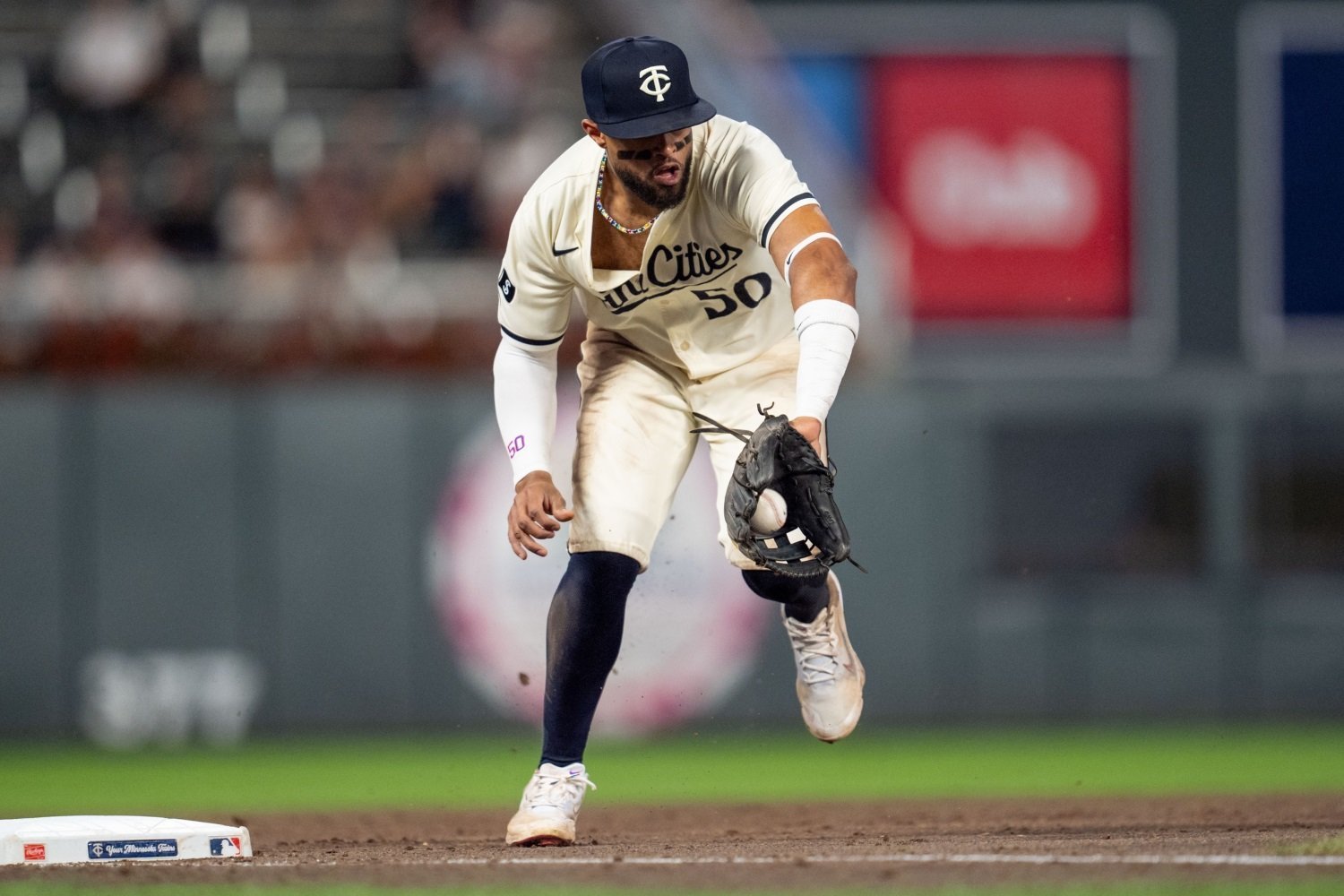 Willi Castro and Tommy Edman may not be identical players stylistically, but they’re both super-utility types who can be extremely valuable in the right role and circumstance. The Dodgers showed how valuable they believe such a player to be when they signed Tommy Edman to a 5-year, $74-million contract. With the Twins in a financial bind, they may find themselves looking at this deal and determining that their team MVP last season is even more valuable than we thought. Edman has had an up-and-down career, with a peak 2022 season in which he posted a .725 OPS to go along with the elite up-the-middle defense he’s consistently shown. In the two years since, he’s failed to reach those heights again, including a 2024 season in which even the defense disappointed—albeit in limited time, without a set position, and coming off a pair of major injuries. Still, the Dodgers see Edman’s skillset as one they want on their roster (with World Series aspirations) for the next five years. While Willi Castro lacks the high-end glove to hold up consistently at positions like center field and shortstop, he can fill in as needed and move around pretty much everywhere in the field. While he could likely settle into a few positions and provide plus defense, his ability to be available elsewhere is one of his strengths. Castro has shown more upside offensively, as his .750 OPS in 2023 and .717 OPS in 2024 were each 8% above the league average in those seasons. He also brings the same ability to switch-hit that Edman does. One could argue that Castro has a slight offensive edge over Edman, while Edman holds a significant defensive advantage. Castro likely wouldn’t attract the same deal on the open market today as Edman, especially considering the Dodgers had reportedly been trying to trade for him for years, but this deal suggests that Castro’s skillset may be valued more highly league-wide than we thought. There’s an arms race among the teams like the Dodgers and Mets, who are ready to make a statement with their payrolls. These teams will surely fill out the core of their rosters with high-end players like Juan Soto and Blake Snell. No addition appears to be off-limits for several teams this winter. Intelligent organizations understand that depth on their roster will become as valuable as the big names. As we saw with the Dodgers when they acquired and extended Edman, these teams understand how valuable a player like Castro can be. The Dodgers gave up former top-100 prospect Miguel Vargas and two young, far-off prospects for Edman and Michael Kopech in a three-team deal. While Castro has just the 2025 season left under contract, Edman was in the midst of one of the lower-end offensive seasons of his career when acquired. It’s fair to wonder whether a team such as the Blue Jays, Red Sox, or Mets would be willing to give up some pieces that have a shot to contribute in 2025 at some point. Shedding Castro’s estimated $6.8 million contract would also offer the Twins some financial flexibility to add at other positions, which is a consideration of this offseason. The Twins, of course, have seen the value in Castro’s skillset firsthand. While it can be argued that his potential value on the trade market just increased, it doesn’t change how much of an impact he can have on a 2025 Twins roster hoping to get back to the playoffs. For a team with so many players who miss chunks of time every season, Castro has been valuable beyond measure the last two seasons. An exciting wave of youth is still arriving over the next year, but it would be fair of the Twins to decide that a super-utility player such as Castro is more of a luxury than a need on this roster. Does Tommy Edman’s price mean the Twins should be more open to trading Willi Castro? Should they be checking in with the big-budget teams who can’t buy such a skillset on the open market? Should Castro be completely off-limits? Let us know below!
 -
The Dodgers signed freshly acquired utilityman Tommy Edman to a surprising contract extension over the holiday weekend. Should the Twins learn from this deal when considering the path forward with Willi Castro? Image courtesy of Matt Blewett-Imagn Images Willi Castro and Tommy Edman may not be identical players stylistically, but they’re both super-utility types who can be extremely valuable in the right role and circumstance. The Dodgers showed how valuable they believe such a player to be when they signed Tommy Edman to a 5-year, $74-million contract. With the Twins in a financial bind, they may find themselves looking at this deal and determining that their team MVP last season is even more valuable than we thought. Edman has had an up-and-down career, with a peak 2022 season in which he posted a .725 OPS to go along with the elite up-the-middle defense he’s consistently shown. In the two years since, he’s failed to reach those heights again, including a 2024 season in which even the defense disappointed—albeit in limited time, without a set position, and coming off a pair of major injuries. Still, the Dodgers see Edman’s skillset as one they want on their roster (with World Series aspirations) for the next five years. While Willi Castro lacks the high-end glove to hold up consistently at positions like center field and shortstop, he can fill in as needed and move around pretty much everywhere in the field. While he could likely settle into a few positions and provide plus defense, his ability to be available elsewhere is one of his strengths. Castro has shown more upside offensively, as his .750 OPS in 2023 and .717 OPS in 2024 were each 8% above the league average in those seasons. He also brings the same ability to switch-hit that Edman does. One could argue that Castro has a slight offensive edge over Edman, while Edman holds a significant defensive advantage. Castro likely wouldn’t attract the same deal on the open market today as Edman, especially considering the Dodgers had reportedly been trying to trade for him for years, but this deal suggests that Castro’s skillset may be valued more highly league-wide than we thought. There’s an arms race among the teams like the Dodgers and Mets, who are ready to make a statement with their payrolls. These teams will surely fill out the core of their rosters with high-end players like Juan Soto and Blake Snell. No addition appears to be off-limits for several teams this winter. Intelligent organizations understand that depth on their roster will become as valuable as the big names. As we saw with the Dodgers when they acquired and extended Edman, these teams understand how valuable a player like Castro can be. The Dodgers gave up former top-100 prospect Miguel Vargas and two young, far-off prospects for Edman and Michael Kopech in a three-team deal. While Castro has just the 2025 season left under contract, Edman was in the midst of one of the lower-end offensive seasons of his career when acquired. It’s fair to wonder whether a team such as the Blue Jays, Red Sox, or Mets would be willing to give up some pieces that have a shot to contribute in 2025 at some point. Shedding Castro’s estimated $6.8 million contract would also offer the Twins some financial flexibility to add at other positions, which is a consideration of this offseason. The Twins, of course, have seen the value in Castro’s skillset firsthand. While it can be argued that his potential value on the trade market just increased, it doesn’t change how much of an impact he can have on a 2025 Twins roster hoping to get back to the playoffs. For a team with so many players who miss chunks of time every season, Castro has been valuable beyond measure the last two seasons. An exciting wave of youth is still arriving over the next year, but it would be fair of the Twins to decide that a super-utility player such as Castro is more of a luxury than a need on this roster. Does Tommy Edman’s price mean the Twins should be more open to trading Willi Castro? Should they be checking in with the big-budget teams who can’t buy such a skillset on the open market? Should Castro be completely off-limits? Let us know below! View full article
-
The Twins have a pair of corner outfielders with similar profiles under team control over the next few seasons. As they try to thread the needle this offseason, will they decide that only one of them can fit through the eye? Image courtesy of orlando ramirez-usa today sports Trevor Larnach and Matt Wallner are currently likely to fill both corner outfield spots in the Twins' Opening Day lineup for 2025. Each has had their share of highs in a Twins uniform, and (alas) miserable lows to match. Could the Twins decide this winter that they would be better off not trusting both of them? Larnach and Wallner each saw their values completely bottom out at one point in 2024. Larnach seemed like a sure thing to be shipped out before the season, and Wallner quickly lost his starting job and was demoted to St. Paul after looking thoroughly lost at the MLB level throughout spring training and over the first fortnight of the regular campaign. For a Twins roster that finished the season at the lowest of lows, however, these two put up tremendous seasons and have given the Twins every reason to trust them in 2025. Whereas they appeared to be part of the problem early on, they were the only things about the team that worked down the stretch. Larnach’s rebound had much to do with completely retooling his plate approach. After three seasons and nearly 700 plate appearances with a strikeout rate over 30%, he lowered this mark to 22.3% in 2024—while posting a career high in homers and slugging average. He didn’t completely put his injury problems behind him, but he was able to play through much of the season with turf toe, which leaves one wondering if Larnach has yet another level he could attain. Wallner was one of the saviors of the Twins in 2023. but was demoted after striking out 17 times in 33 at-bats in April. He returned in July and slashed .282/.386/.559 with 12 homers the rest of the way. He was one of the few offensive players pulling their weight during the team’s historic collapse. Importantly, though, he did so with a strikeout rate well above 30%. Both players have established themselves as high-upside offensive players who are limited defensively and still possess plenty of red flags when evaluating their futures. For a team likely trading away starting players from other parts of the roster, Larnach or Wallner could each be dangled on the trade market as part of what could be a sizeable shakeup. A team like the Twins, who value defensive chops, may be nervous about running out this pair, given the defensive falloff they would see with Max Kepler’s departure. One could argue that each of these sluggers putting up slightly better than average offense would bridge the gap, but if the Twins don’t feel confident in their ability to do so, it may make a decision that much easier. Of course, the Twins could choose to keep their homegrown players, both of whom were bright spots during a miserable 2024. Each has had their fair share of adversity, and has bounced back significantly. There are also arguments for even more upside for both. Larnach could further tap into his raw power, making him a monster at the plate if he can hold his strikeout gains. Wallner performed at an elite level, even with one of the worst strikeout rates among regulars last season. Trevor Larnach and Matt Wallner are both high-variance, left-handed corner outfielders who have made strides in the last year, though their futures are not without questions. Should the Twins cash in on one of them coming off a season in which their value may be at an all-time high? Should they let it ride and hope they can become core players in the heart of the lineup for years to come? Let us know below! View full article
-
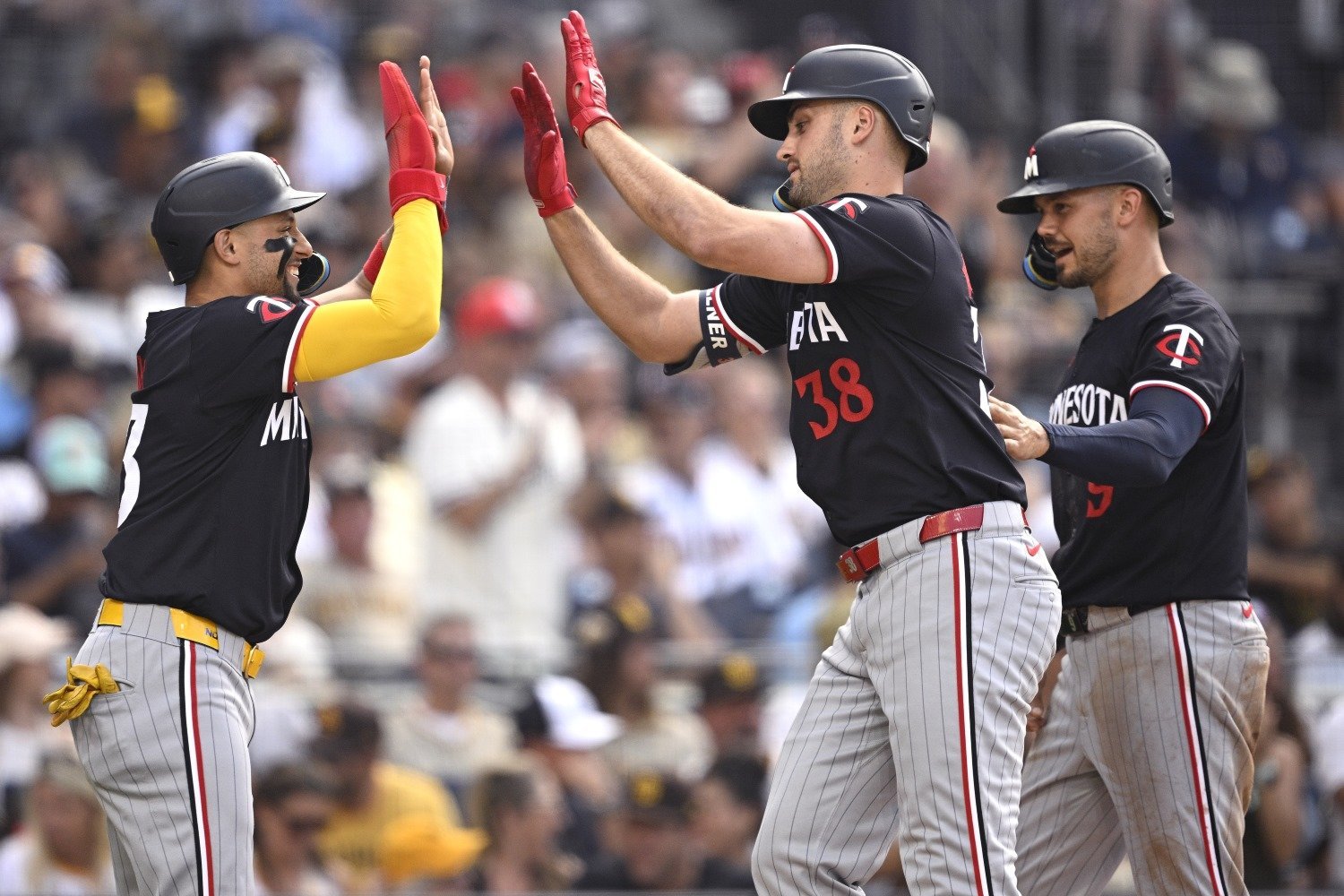 Trevor Larnach and Matt Wallner are currently likely to fill both corner outfield spots in the Twins' Opening Day lineup for 2025. Each has had their share of highs in a Twins uniform, and (alas) miserable lows to match. Could the Twins decide this winter that they would be better off not trusting both of them? Larnach and Wallner each saw their values completely bottom out at one point in 2024. Larnach seemed like a sure thing to be shipped out before the season, and Wallner quickly lost his starting job and was demoted to St. Paul after looking thoroughly lost at the MLB level throughout spring training and over the first fortnight of the regular campaign. For a Twins roster that finished the season at the lowest of lows, however, these two put up tremendous seasons and have given the Twins every reason to trust them in 2025. Whereas they appeared to be part of the problem early on, they were the only things about the team that worked down the stretch. Larnach’s rebound had much to do with completely retooling his plate approach. After three seasons and nearly 700 plate appearances with a strikeout rate over 30%, he lowered this mark to 22.3% in 2024—while posting a career high in homers and slugging average. He didn’t completely put his injury problems behind him, but he was able to play through much of the season with turf toe, which leaves one wondering if Larnach has yet another level he could attain. Wallner was one of the saviors of the Twins in 2023. but was demoted after striking out 17 times in 33 at-bats in April. He returned in July and slashed .282/.386/.559 with 12 homers the rest of the way. He was one of the few offensive players pulling their weight during the team’s historic collapse. Importantly, though, he did so with a strikeout rate well above 30%. Both players have established themselves as high-upside offensive players who are limited defensively and still possess plenty of red flags when evaluating their futures. For a team likely trading away starting players from other parts of the roster, Larnach or Wallner could each be dangled on the trade market as part of what could be a sizeable shakeup. A team like the Twins, who value defensive chops, may be nervous about running out this pair, given the defensive falloff they would see with Max Kepler’s departure. One could argue that each of these sluggers putting up slightly better than average offense would bridge the gap, but if the Twins don’t feel confident in their ability to do so, it may make a decision that much easier. Of course, the Twins could choose to keep their homegrown players, both of whom were bright spots during a miserable 2024. Each has had their fair share of adversity, and has bounced back significantly. There are also arguments for even more upside for both. Larnach could further tap into his raw power, making him a monster at the plate if he can hold his strikeout gains. Wallner performed at an elite level, even with one of the worst strikeout rates among regulars last season. Trevor Larnach and Matt Wallner are both high-variance, left-handed corner outfielders who have made strides in the last year, though their futures are not without questions. Should the Twins cash in on one of them coming off a season in which their value may be at an all-time high? Should they let it ride and hope they can become core players in the heart of the lineup for years to come? Let us know below!
 -
In a vacuum, yes. Starting pitchers are more valuable than relief pitchers. If Jax were a high end starter, it would blow his value as a high end reliever out of the water. That being said, the odds of any pitcher switching from the bullpen and becoming a high end starter are not high regardless of examples we can cite. Id argue that if Jax made a switch and became a solid starting pitcher (which would be a great outcome), it would have less impact on this particular roster than if he remained a high end reliever.
- 31 replies
-
- 3
-
-

-
- griffin jax
- jhoan duran
- (and 1 more)
-
Id argue the Twins absolutely have a choice here. Jax doesn't have them over a barrel, he's still under team control.
- 31 replies
-
- 1
-
-
- griffin jax
- jhoan duran
- (and 1 more)
-
Seth Lugo had to wait until free agency and change teams to try starting again because moving him didn't work best for the Mets roster. That's how it goes in baseball sometimes, the players don't always get to play the position they want to if it doesn't fit into the teams plans. See Royce Lewis at second base.
-
There are tons of examples of guys making the transition successfully and Jax certainly could do it. In Lopez's specific case though, he blew out and wasn't available to the Braves down the stretch when they needed him most.
- 31 replies
-
- 2
-
-
- griffin jax
- jhoan duran
- (and 1 more)
-
He's coming off a dominant 2024 season as the anchor of a shaky Twins bullpen. As the offseason ramps up, it sounds like Jax’s role could change. But does it make any sense for the Twins roster? Image courtesy of Jerome Miron-USA TODAY Sports In an otherwise quiet offseason so far, a very impactful bit of Twins speculation dropped on Wednesday, leaving fans to wonder whether they’ll see Griffin Jax closing down games for the team in 2025. Does it make any sense for the team to change his role? While this isn’t exactly a commitment on the Twins' part to move Jax to the rotation, it is noteworthy, after Jax made it known that he wanted to have another shot at the starting rotation several times in 2024. It makes sense for him, as there’s more money to be found as a solid starting pitcher than even a high-leverage reliever. The Twins should be highly skeptical of how it benefits their roster to make this move, though. The Minnesota bullpen ranked 9th in the AL with a 4.12 ERA in 2024 and was a big reason for the team’s collapse down the stretch. There’s plenty to like about the returning names, but counting on players like Jorge Alcalá, Brock Stewart, and even Jhoan Durán in 2025 seems like a much riskier bet after watching 2024 play out. While relief pitchers are volatile, Jax appears to be the safest bet of the current group after posting a 2.03 ERA in 71 innings. Moving Jax would leave an enormous hole in the back end of games, and this regime has given us enough evidence to assume they would not be bringing in another reliever of any consequence to bridge the gap. In regard to the rotation, the Twins' starting pitching is not as much in question, when it comes to high-end talent or depth. Pablo López, Bailey Ober, and Joe Ryan are a formidable top three. Simeon Woods Richardson and Chris Paddack should have the inside track on the other two spots, assuming they’re both on the Opening Day roster. In addition to David Festa and Zebby Matthews, who debuted in 2024, the team has several exciting young arms expected to open the season in St. Paul, including Marco Raya, Cory Lewis, and Andrew Morris. One could argue that the team should be looking to deal pieces away from this group, rather than pulling from other parts of the roster to reinforce it. When it comes to Jax’s desire to move back to the rotation, it’s hard to blame him. In addition to the financial incentives, he’s done a lot to warrant another opportunity. He posted a 6.37 ERA in his debut, as his two-pitch mix got crushed. In the three years since, he’s developed a repertoire that includes two different fastballs, two breaking balls, and an effective changeup. He has the tools to work through lineups multiple times, theoretically, and it’s easy to see why he would be confident in his ability to work through opposing lineups multiple times. He did force both lefties and righties to respect three or four possible pitch types, which is a key factor for a would-be starter. Unfortunately, it's not that simple after three years of pitching out of the bullpen. Jax’s assortment of pitches had strong indicators in metrics like Stuff+ and performed exceptionally well, but that was in short bursts where he could give 100% effort on every pitch. There were whispers that Jax preferred not to pitch more than a single inning at a time because of the intensity he summoned to execute that way. He only pitched more than one inning in five of his seventy-two appearances in 2024. He’s conditioned to pitch in short stints at this point. His stuff will decline as he’s stretched back out, and it’s impossible to say to what degree. His career high in innings pitched is 127, coming back in 2019. Injury must also be a concern if he were to build back up. In moving Jax to the starting rotation, the Twins would be making a significant gamble. In order to make up for the loss of Jax’s dominance in the bullpen, he would have to be a mid to high-end starting pitcher, especially considering that his innings will likely be limited. Given their current depth chart, the team simply wouldn’t benefit from a middling or back-end starting pitcher. Adding one to the current group would accomplish nothing other than blocking the young arms they already have. It would be hard to blame the Twins for respecting Jax’s wishes, but it’s hard to imagine taking one of the bright spots from a disastrous 2024 season and completely changing their role. There is a reality where Griffin Jax, the starting pitcher, pays off for the Twins, but given the need for him in the bullpen and the current state of the rotation, it seems like the Twins would be betting against the odds. Should the Twins give Jax a shot at the rotation? Should he remain the anchor of a currently questionable bullpen? Let us know below! View full article
-
Should Griffin Jax Get Another Shot in the Twins' Starting Rotation?
Cody Pirkl posted an article in Twins
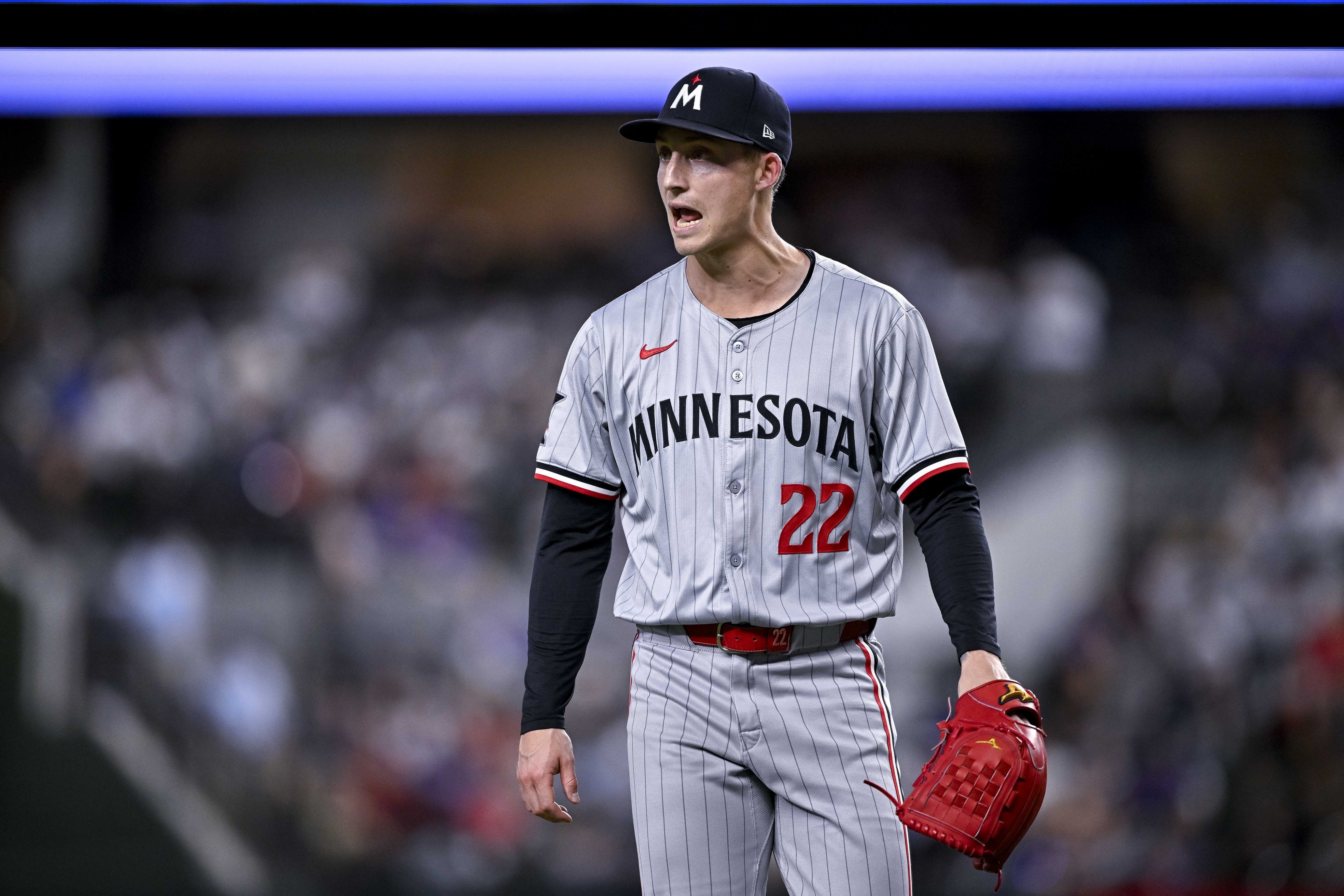 In an otherwise quiet offseason so far, a very impactful bit of Twins speculation dropped on Wednesday, leaving fans to wonder whether they’ll see Griffin Jax closing down games for the team in 2025. Does it make any sense for the team to change his role? While this isn’t exactly a commitment on the Twins' part to move Jax to the rotation, it is noteworthy, after Jax made it known that he wanted to have another shot at the starting rotation several times in 2024. It makes sense for him, as there’s more money to be found as a solid starting pitcher than even a high-leverage reliever. The Twins should be highly skeptical of how it benefits their roster to make this move, though. The Minnesota bullpen ranked 9th in the AL with a 4.12 ERA in 2024 and was a big reason for the team’s collapse down the stretch. There’s plenty to like about the returning names, but counting on players like Jorge Alcalá, Brock Stewart, and even Jhoan Durán in 2025 seems like a much riskier bet after watching 2024 play out. While relief pitchers are volatile, Jax appears to be the safest bet of the current group after posting a 2.03 ERA in 71 innings. Moving Jax would leave an enormous hole in the back end of games, and this regime has given us enough evidence to assume they would not be bringing in another reliever of any consequence to bridge the gap. In regard to the rotation, the Twins' starting pitching is not as much in question, when it comes to high-end talent or depth. Pablo López, Bailey Ober, and Joe Ryan are a formidable top three. Simeon Woods Richardson and Chris Paddack should have the inside track on the other two spots, assuming they’re both on the Opening Day roster. In addition to David Festa and Zebby Matthews, who debuted in 2024, the team has several exciting young arms expected to open the season in St. Paul, including Marco Raya, Cory Lewis, and Andrew Morris. One could argue that the team should be looking to deal pieces away from this group, rather than pulling from other parts of the roster to reinforce it. When it comes to Jax’s desire to move back to the rotation, it’s hard to blame him. In addition to the financial incentives, he’s done a lot to warrant another opportunity. He posted a 6.37 ERA in his debut, as his two-pitch mix got crushed. In the three years since, he’s developed a repertoire that includes two different fastballs, two breaking balls, and an effective changeup. He has the tools to work through lineups multiple times, theoretically, and it’s easy to see why he would be confident in his ability to work through opposing lineups multiple times. He did force both lefties and righties to respect three or four possible pitch types, which is a key factor for a would-be starter. Unfortunately, it's not that simple after three years of pitching out of the bullpen. Jax’s assortment of pitches had strong indicators in metrics like Stuff+ and performed exceptionally well, but that was in short bursts where he could give 100% effort on every pitch. There were whispers that Jax preferred not to pitch more than a single inning at a time because of the intensity he summoned to execute that way. He only pitched more than one inning in five of his seventy-two appearances in 2024. He’s conditioned to pitch in short stints at this point. His stuff will decline as he’s stretched back out, and it’s impossible to say to what degree. His career high in innings pitched is 127, coming back in 2019. Injury must also be a concern if he were to build back up. In moving Jax to the starting rotation, the Twins would be making a significant gamble. In order to make up for the loss of Jax’s dominance in the bullpen, he would have to be a mid to high-end starting pitcher, especially considering that his innings will likely be limited. Given their current depth chart, the team simply wouldn’t benefit from a middling or back-end starting pitcher. Adding one to the current group would accomplish nothing other than blocking the young arms they already have. It would be hard to blame the Twins for respecting Jax’s wishes, but it’s hard to imagine taking one of the bright spots from a disastrous 2024 season and completely changing their role. There is a reality where Griffin Jax, the starting pitcher, pays off for the Twins, but given the need for him in the bullpen and the current state of the rotation, it seems like the Twins would be betting against the odds. Should the Twins give Jax a shot at the rotation? Should he remain the anchor of a currently questionable bullpen? Let us know below!
- 31 comments
-
- 4
-
-
- griffin jax
- jhoan duran
- (and 1 more)
-
It's Time to Get Proactive With These Three Young Twins Pitchers
Cody Pirkl posted an article in Twins
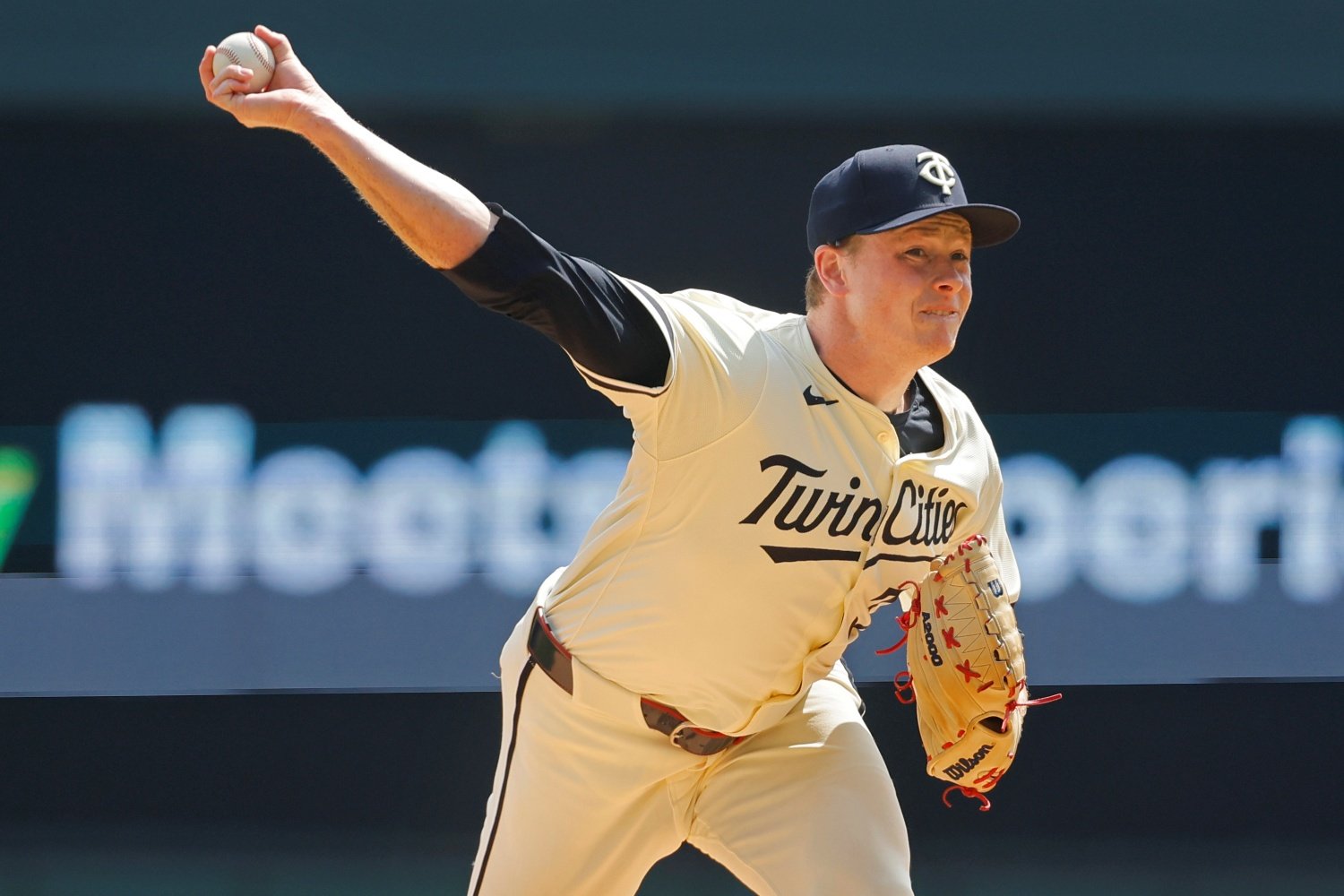 The Twins are coming off a season in which their bullpen played a big part in a historic collapse. That bullpen has plenty of remaining question marks, including whether the team could part with a foundational member to improve the overall roster. With such a small needle to thread, the Twins may have to be more aggressive in transitioning young arms to the bullpen. That leaves the club in an interesting spot this offseason. The relief corps does not need a complete teardown, because even as-is, they're a talented unit headed into 2025. They could still use some help, though, and even if this front office valued relief pitchers at a high level (they do not), the payroll situation would prevent any significant additions. Financial restrictions could even result in a big name being traded away from this group. The bullpen will likely include many of the names from last season. While this group carries plenty of talent, we saw it completely implode as the worst-case scenarios played out repeatedly. We know there likely isn’t any external help coming, but the Twins should look to fortify their bullpen depth from within in 2025. Three standout candidates could do just that. Louie Varland The Twins kept Varland in the St. Paul rotation even while multiple other pitchers were ahead of him on the MLB depth chart, and the MLB bullpen struggled. In 2025, he should be a member of the Twins bullpen from day one. After multiple years of struggling as a starting pitcher, it’s time that the Twins let his plus raw stuff play up in a role where his mistake pitches are at least thrown with 100% effort. Varland’s tendency to leave balls over the plate could still be a problem in the bullpen, but the frequency at which he did so in the rotation led to too many untenable outings. We’ve seen his dominance for the short stretches the Twins have allowed him to be a traditional reliever. It’s time we see if Varland can be a high-end relief pitcher in 2025. Matt Canterino Injury struggles have overshadowed Matt Canterino’s complete dominance in his professional baseball career. He’s struck out over one-third of the opposing hitters he’s faced and posted a sub-2.00 ERA across all levels of the minor leagues, but this has been through just over 80 innings across three seasons. His health is currently in flux following a shoulder injury that ended his 2024 campaign, but as long as he’s in the organization, he’s a potential factor for the Twins because of his talent. The Twins have tried to bring Canterino back from multiple serious injuries as a starter, and it’s gone poorly every time. It’s possible that the 6-foot-2 right-hander’s arm would give him trouble regardless of his role, but it’s pretty clear at this point that asking him to throw multiple innings has not been successful. At 26 years old and already on the 40-man roster, Canterino is out of time to build up to a starter’s workload, and every inning thrown in the minor leagues seems like a waste. If he’s healthy in 2025, the Twins should fast-track him to the big-league bullpen and hope that a change in role can keep him on the field. Connor Prielipp Prielipp’s story is similar to Canterino’s, in that both have the raw potential that makes it difficult for the Twins to give up on them as starters. However, the injuries are becoming too much to stick to the plan. Prielipp has dominated whenever he’s been on the mound in recent years, but those occasions have been far too rare. In 2024, he threw just over 23 innings and was dominant from the left side. Prielipp should still be handled carefully, but one could argue it shouldn’t be as a starting pitcher. Drafted in the 2nd round of the 2022 draft, Prielipp has the kind of raw stuff to make the jump to MLB at some point in 2025, despite not having reached Double-A. While not as old as Canterino, Prielipp’s raw stuff is so compelling that it’s easy to dream of him dominating big-league hitters right now, rather than spending several years hoping he can build up a starter’s workload while using up bullets against minor-league hitters. It’s something the Twins have to at least consider in 2025. The Twins have rarely made significant external additions to the bullpen under Derek Falvey, and when they have, they’ve typically gone very poorly. Given the financial constraints this winter, it may be time to change how they handle some young pitching in their system. While the value comparison between a starting pitcher and a reliever is obvious, the Twins should be taking steps to ensure a 2024 bullpen meltdown doesn’t happen again in 2025.
- 31 comments
-
- 6
-
-
- matt canterino
- connor prielipp
- (and 1 more)
-
The Twins have typically been slow to transition young pitchers into traditional relief roles. While the rationale is easy to follow, they need more bullpen help in 2025. They may have no choice but to be decisive with their young arms. Image courtesy of © Bruce Kluckhohn-Imagn Images The Twins are coming off a season in which their bullpen played a big part in a historic collapse. That bullpen has plenty of remaining question marks, including whether the team could part with a foundational member to improve the overall roster. With such a small needle to thread, the Twins may have to be more aggressive in transitioning young arms to the bullpen. That leaves the club in an interesting spot this offseason. The relief corps does not need a complete teardown, because even as-is, they're a talented unit headed into 2025. They could still use some help, though, and even if this front office valued relief pitchers at a high level (they do not), the payroll situation would prevent any significant additions. Financial restrictions could even result in a big name being traded away from this group. The bullpen will likely include many of the names from last season. While this group carries plenty of talent, we saw it completely implode as the worst-case scenarios played out repeatedly. We know there likely isn’t any external help coming, but the Twins should look to fortify their bullpen depth from within in 2025. Three standout candidates could do just that. Louie Varland The Twins kept Varland in the St. Paul rotation even while multiple other pitchers were ahead of him on the MLB depth chart, and the MLB bullpen struggled. In 2025, he should be a member of the Twins bullpen from day one. After multiple years of struggling as a starting pitcher, it’s time that the Twins let his plus raw stuff play up in a role where his mistake pitches are at least thrown with 100% effort. Varland’s tendency to leave balls over the plate could still be a problem in the bullpen, but the frequency at which he did so in the rotation led to too many untenable outings. We’ve seen his dominance for the short stretches the Twins have allowed him to be a traditional reliever. It’s time we see if Varland can be a high-end relief pitcher in 2025. Matt Canterino Injury struggles have overshadowed Matt Canterino’s complete dominance in his professional baseball career. He’s struck out over one-third of the opposing hitters he’s faced and posted a sub-2.00 ERA across all levels of the minor leagues, but this has been through just over 80 innings across three seasons. His health is currently in flux following a shoulder injury that ended his 2024 campaign, but as long as he’s in the organization, he’s a potential factor for the Twins because of his talent. The Twins have tried to bring Canterino back from multiple serious injuries as a starter, and it’s gone poorly every time. It’s possible that the 6-foot-2 right-hander’s arm would give him trouble regardless of his role, but it’s pretty clear at this point that asking him to throw multiple innings has not been successful. At 26 years old and already on the 40-man roster, Canterino is out of time to build up to a starter’s workload, and every inning thrown in the minor leagues seems like a waste. If he’s healthy in 2025, the Twins should fast-track him to the big-league bullpen and hope that a change in role can keep him on the field. Connor Prielipp Prielipp’s story is similar to Canterino’s, in that both have the raw potential that makes it difficult for the Twins to give up on them as starters. However, the injuries are becoming too much to stick to the plan. Prielipp has dominated whenever he’s been on the mound in recent years, but those occasions have been far too rare. In 2024, he threw just over 23 innings and was dominant from the left side. Prielipp should still be handled carefully, but one could argue it shouldn’t be as a starting pitcher. Drafted in the 2nd round of the 2022 draft, Prielipp has the kind of raw stuff to make the jump to MLB at some point in 2025, despite not having reached Double-A. While not as old as Canterino, Prielipp’s raw stuff is so compelling that it’s easy to dream of him dominating big-league hitters right now, rather than spending several years hoping he can build up a starter’s workload while using up bullets against minor-league hitters. It’s something the Twins have to at least consider in 2025. The Twins have rarely made significant external additions to the bullpen under Derek Falvey, and when they have, they’ve typically gone very poorly. Given the financial constraints this winter, it may be time to change how they handle some young pitching in their system. While the value comparison between a starting pitcher and a reliever is obvious, the Twins should be taking steps to ensure a 2024 bullpen meltdown doesn’t happen again in 2025. View full article
- 31 replies
-
- 1
-
-
- matt canterino
- connor prielipp
- (and 1 more)
-
 Austin Martin’s stats may not jump off the page, but the versatile rookie's returns were acceptable. He showed signs that while he may not be a future superstar, there’s a path for him to earn a role moving forward. A .670 OPS in 2024 leaves much to be desired, but in a down offensive year league-wide, this number came in just 6% below the league average. Martin showed much of what we expected, based on his minor-league career. His on-base skills were sufficient, but he showed little to no power. One fear regarding Martin’s profile on his way up to the MLB level was his ability to punish hittable pitches. This lack of power and reliance on walks has led many hitters with similar profiles to get the bat knocked out of their hands by fastballs. While Martin didn’t crush heaters, his numbers against them were solid. He also held his own against breaking balls and offspeed pitches, which didn’t leave any apparent holes for pitchers to exploit. Unlike many of his teammates, he's a multi-gear hitter. Martin showed his raw athleticism with seven stolen bases, which carries much more weight given the lack of speed elsewhere on the Twins roster. His ability to make plays on the bases will afford him at least a bit more opportunity on the MLB roster in the coming years, regardless of how his bat develops. Of course, Martin's biggest question moving forward will be his defense. The Twins likely played around too long by keeping Martin at shortstop throughout most of his minor league career when all indications were that they knew he was not an MLB-caliber shortstop. Even at second base, he was nothing more than an emergency option. Upon Martin’s deployment in the outfield, it became apparent that he had little experience or comfort there, either. Despite his athleticism, his debut on the grass was rough. His defense was a big reason he was a net negative for the team in measurements like FanGraphs Wins Above Replacement. He was worth -13 Defensive Runs Saved in the outfield, as despite his physical ability to cover ground, we often saw poor reads and routes to fly balls. With so much time the team can count on needing to fill in center field every season, even Martin’s rookie season offensive production would make him a staple on the roster with average defense in center. Martin looked very much like an infielder thrust into outfield action, and hopefully, with continued reps and experience, significant improvements can be made. The raw ability is obvious. It’s easy for Martin’s rookie season to get lost in the shuffle, due to the up-and-down nature of his time on the team, but there are reasons to be encouraged. Putting up near-league-average production as a rookie isn’t a given, regardless of the player’s pedigree. Look no further than fellow rookie Brooks Lee, who posted a punchless .585 OPS during his rookie season. While Martin never stuck on the roster for an extended period and was disappointing defensively, he has a straightforward path to being a catalytic role player on the 2025 roster. The hope is that Martin has done enough to keep the Twins from bringing in a 2025 version of Manuel Margot, after (hopefully) figuring out that Martin could have filled that role better. His ability to be optioned will continue to make him somewhat expandable, but given the payroll restraints, he may be the first to get a crack at this job next season. Martin didn't quite impress, but he showed plenty of reason to hope for more from him in the coming years. Is there hope for Austin Martin to fill a platoon role in 2025? Can he earn an even more significant role? Let us know below!
- 54 comments
-
- 7
-
-
- austin martin
- brooks lee
- (and 2 more)
-
The former top-5 pick didn’t make much of an impact during his rookie season, but it was a solid debut. If his ceiling came down a bit, maybe we also saw his floor rise. Image courtesy of Bruce Kluckhohn-USA TODAY Sports Austin Martin’s stats may not jump off the page, but the versatile rookie's returns were acceptable. He showed signs that while he may not be a future superstar, there’s a path for him to earn a role moving forward. A .670 OPS in 2024 leaves much to be desired, but in a down offensive year league-wide, this number came in just 6% below the league average. Martin showed much of what we expected, based on his minor-league career. His on-base skills were sufficient, but he showed little to no power. One fear regarding Martin’s profile on his way up to the MLB level was his ability to punish hittable pitches. This lack of power and reliance on walks has led many hitters with similar profiles to get the bat knocked out of their hands by fastballs. While Martin didn’t crush heaters, his numbers against them were solid. He also held his own against breaking balls and offspeed pitches, which didn’t leave any apparent holes for pitchers to exploit. Unlike many of his teammates, he's a multi-gear hitter. Martin showed his raw athleticism with seven stolen bases, which carries much more weight given the lack of speed elsewhere on the Twins roster. His ability to make plays on the bases will afford him at least a bit more opportunity on the MLB roster in the coming years, regardless of how his bat develops. Of course, Martin's biggest question moving forward will be his defense. The Twins likely played around too long by keeping Martin at shortstop throughout most of his minor league career when all indications were that they knew he was not an MLB-caliber shortstop. Even at second base, he was nothing more than an emergency option. Upon Martin’s deployment in the outfield, it became apparent that he had little experience or comfort there, either. Despite his athleticism, his debut on the grass was rough. His defense was a big reason he was a net negative for the team in measurements like FanGraphs Wins Above Replacement. He was worth -13 Defensive Runs Saved in the outfield, as despite his physical ability to cover ground, we often saw poor reads and routes to fly balls. With so much time the team can count on needing to fill in center field every season, even Martin’s rookie season offensive production would make him a staple on the roster with average defense in center. Martin looked very much like an infielder thrust into outfield action, and hopefully, with continued reps and experience, significant improvements can be made. The raw ability is obvious. It’s easy for Martin’s rookie season to get lost in the shuffle, due to the up-and-down nature of his time on the team, but there are reasons to be encouraged. Putting up near-league-average production as a rookie isn’t a given, regardless of the player’s pedigree. Look no further than fellow rookie Brooks Lee, who posted a punchless .585 OPS during his rookie season. While Martin never stuck on the roster for an extended period and was disappointing defensively, he has a straightforward path to being a catalytic role player on the 2025 roster. The hope is that Martin has done enough to keep the Twins from bringing in a 2025 version of Manuel Margot, after (hopefully) figuring out that Martin could have filled that role better. His ability to be optioned will continue to make him somewhat expandable, but given the payroll restraints, he may be the first to get a crack at this job next season. Martin didn't quite impress, but he showed plenty of reason to hope for more from him in the coming years. Is there hope for Austin Martin to fill a platoon role in 2025? Can he earn an even more significant role? Let us know below! View full article
-
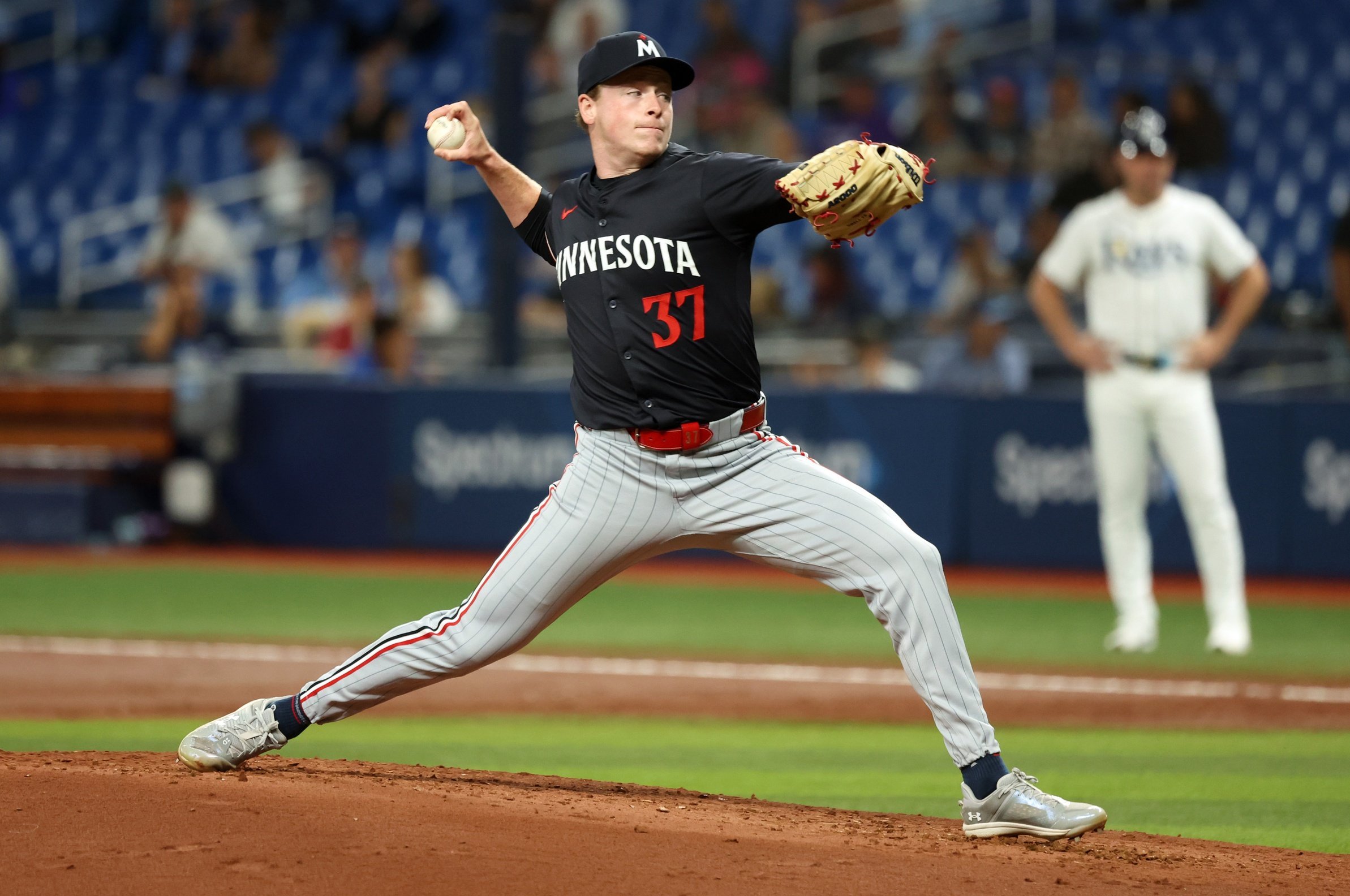 The Twins bullpen was largely ineffective in 2024 despite Griffin Jax being one of the best relievers in baseball and Cole Sands having a breakout season. Just about everything else went wrong, leaving them with several big questions heading into 2025. What’s Up With Durán? Jhoan Durán had the worst season of his MLB career so far in 2024, which is to say he was merely human instead of being one of the absolut ebest relievers in baseball. He lost over an entire MPH from his fastball, and his strikeout rate dropped from 32.9% to 28.9%. While still a good reliever, Durán was far from his dominant self, and a Twins bullpen that was supposed to be anchored by the 6’5" right-hander felt like it was missing its number-one option for the entire season. Durán suffered an oblique injury at the beginning of the season and never quite got back to his dominant ways. The hope is that this injury cost him some of his premium velocity and can be found again in 2025. The question is whether the Twins feel like betting on this development. After reportedly listening to trade offers for Durán last trade deadline, they could be overwhelmed with an offer this winter if teams are willing to pay peak price. With a Twins front office that does not value relief pitching, it’s worth not only wondering whether Durán will regain his pre-2024 form but also whether he’ll be in the Twins bullpen at all. Can Brock Stewart Contribute Enough? Stewart has become an essential piece of the Twins bullpen over the last two seasons, but the Twins have had to play large chunks of both years without him. More recently, Stewart was shut down with what was described as minor shoulder discomfort, requiring season-ending shoulder surgery a couple of months later. This came just one year after he missed most of the second half of 2023, though he did return at season’s end from that injury. 2025 will be Stewart’s age 33 season. After the bullpen completely ran out of gas in 2024, the goal will be to avoid it happening again in 2025. Brock Stewart will be a huge X factor in this decision-making process. While we feel safe projecting elite production when Stewart is on the mound, the Twins can’t have any confidence in his ability to be available for the entire season. Look for the Twins to try to bolster the bullpen depth in some way, but how much Stewart is available in 2025 carries a lot of weight in how the bullpen performs. Can Louie Varland Meet The Hype? The Twins' hopes of Varland sticking in the rotation should be gone headed into 2025. Between the large sample of data showing Varland isn’t effective in this role and the wealth of young starting pitching they’ll have available, it’s time to fully transition to the bullpen. The Twins have seen flashes of an elite reliever from Varland across the last two seasons, and in 2025 they should be leaning into making him a consistent contributor at the back end of games. With Varland’s raw stuff, there’s no reason he shouldn’t succeed in a shorter role, but it doesn't feel easy to say. Despite averaging 95+ on his fastball with multiple off-speed pitches to go with it, Varland owns a career ERA of over 5.50, and he hasn’t been able to strike out a batter per inning. For how talented Varland is, he’s lacked the ability to finish hitters and has been prone to game-breaking implosions. Undoubtedly, he has the raw talent to be a high-end relief pitcher; the question is whether he can harness it to meet the potential he’s shown in shorter stints. When a bullpen implodes as spectacularly as the Twins’ did this season, plenty of questions arise headed into the offseason. These three pitchers carry significant weight in how the Twins bullpen will perform next season. Can this trio help pick up the pieces and put them back together in 2025?
- 28 comments
-
- 6
-
-
- louis varland
- jhoan duran
- (and 1 more)
-
Among the many disappointments of the 2024 season was the Twins bullpen, one of the worst in baseball for the last month-plus of the season. Headed into 2025, they have three big question marks. Image courtesy of Kim Klement Neitzel-Imagn Images The Twins bullpen was largely ineffective in 2024 despite Griffin Jax being one of the best relievers in baseball and Cole Sands having a breakout season. Just about everything else went wrong, leaving them with several big questions heading into 2025. What’s Up With Durán? Jhoan Durán had the worst season of his MLB career so far in 2024, which is to say he was merely human instead of being one of the absolut ebest relievers in baseball. He lost over an entire MPH from his fastball, and his strikeout rate dropped from 32.9% to 28.9%. While still a good reliever, Durán was far from his dominant self, and a Twins bullpen that was supposed to be anchored by the 6’5" right-hander felt like it was missing its number-one option for the entire season. Durán suffered an oblique injury at the beginning of the season and never quite got back to his dominant ways. The hope is that this injury cost him some of his premium velocity and can be found again in 2025. The question is whether the Twins feel like betting on this development. After reportedly listening to trade offers for Durán last trade deadline, they could be overwhelmed with an offer this winter if teams are willing to pay peak price. With a Twins front office that does not value relief pitching, it’s worth not only wondering whether Durán will regain his pre-2024 form but also whether he’ll be in the Twins bullpen at all. Can Brock Stewart Contribute Enough? Stewart has become an essential piece of the Twins bullpen over the last two seasons, but the Twins have had to play large chunks of both years without him. More recently, Stewart was shut down with what was described as minor shoulder discomfort, requiring season-ending shoulder surgery a couple of months later. This came just one year after he missed most of the second half of 2023, though he did return at season’s end from that injury. 2025 will be Stewart’s age 33 season. After the bullpen completely ran out of gas in 2024, the goal will be to avoid it happening again in 2025. Brock Stewart will be a huge X factor in this decision-making process. While we feel safe projecting elite production when Stewart is on the mound, the Twins can’t have any confidence in his ability to be available for the entire season. Look for the Twins to try to bolster the bullpen depth in some way, but how much Stewart is available in 2025 carries a lot of weight in how the bullpen performs. Can Louie Varland Meet The Hype? The Twins' hopes of Varland sticking in the rotation should be gone headed into 2025. Between the large sample of data showing Varland isn’t effective in this role and the wealth of young starting pitching they’ll have available, it’s time to fully transition to the bullpen. The Twins have seen flashes of an elite reliever from Varland across the last two seasons, and in 2025 they should be leaning into making him a consistent contributor at the back end of games. With Varland’s raw stuff, there’s no reason he shouldn’t succeed in a shorter role, but it doesn't feel easy to say. Despite averaging 95+ on his fastball with multiple off-speed pitches to go with it, Varland owns a career ERA of over 5.50, and he hasn’t been able to strike out a batter per inning. For how talented Varland is, he’s lacked the ability to finish hitters and has been prone to game-breaking implosions. Undoubtedly, he has the raw talent to be a high-end relief pitcher; the question is whether he can harness it to meet the potential he’s shown in shorter stints. When a bullpen implodes as spectacularly as the Twins’ did this season, plenty of questions arise headed into the offseason. These three pitchers carry significant weight in how the Twins bullpen will perform next season. Can this trio help pick up the pieces and put them back together in 2025? View full article
-
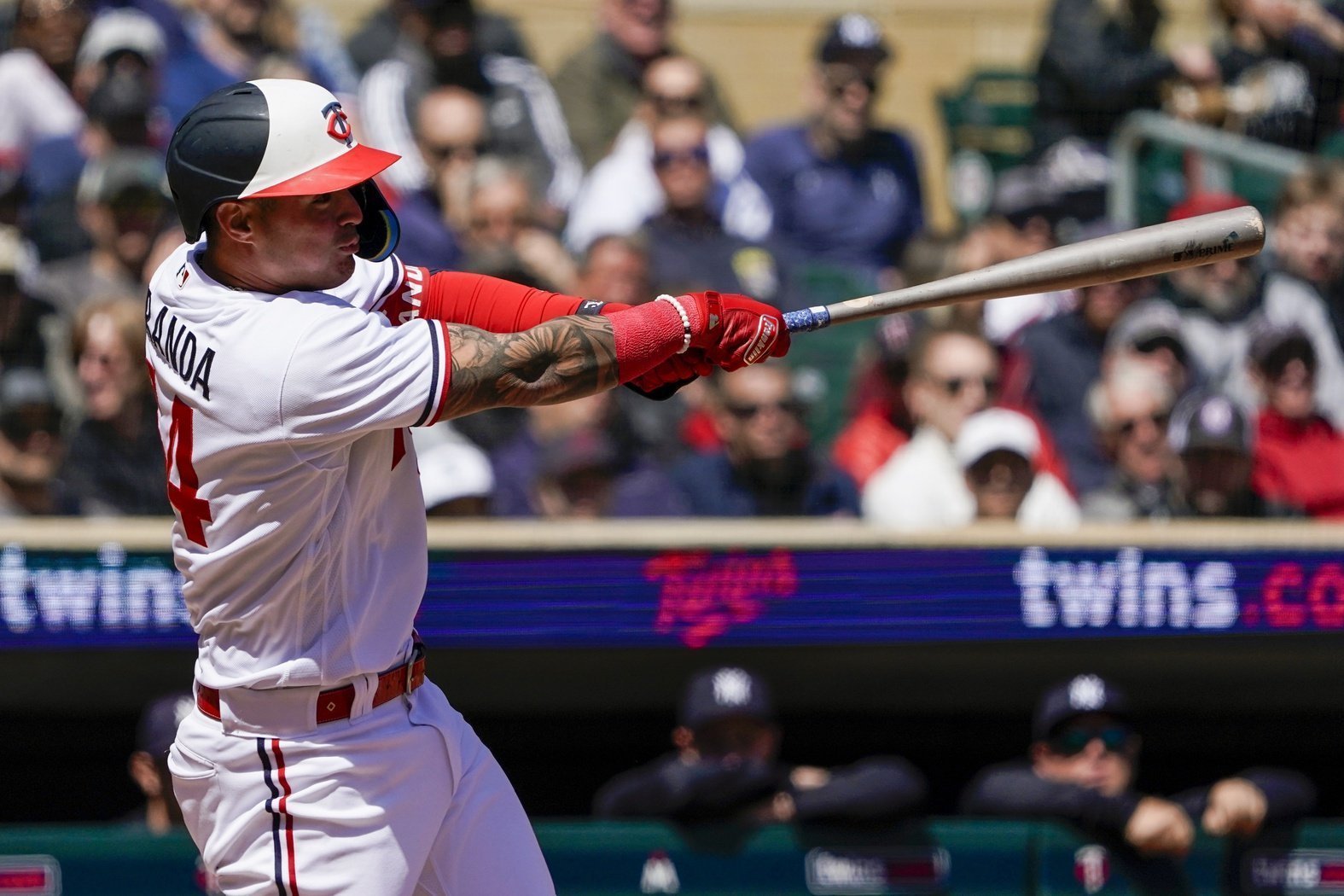 José Miranda hit safely in 12 consecutive at-bats at one point this season. His offensive numbers were exceptional at that moment, and he looked like a core piece of the lineup. Just like a few years ago, an injury soon followed, and Miranda’s production came crashing down. How does another injury-wrecked season affect him, and the Twins? Through Jul. 10, Miranda had posted an .888 OPS when he was placed on the IL with a back injury. Upon his return at the end of July, it was immediately apparent that Miranda’s back was still not right. In just over 150 plate appearances over the last two months, Miranda posted a .543 OPS. He was placed on the IL for the same back injury just days before the end of the season, and once again, he looks like a question mark heading into 2025. Miranda’s upside is obvious. He’s flashed it multiple times since he debuted in 2022. Unfortunately, he's matched the Twins' team-wide level of consistency during that period, bouncing between elite offensive production and offering absolutely nothing at the plate. These stretches are concerning, and even if they can be entirely chalked up to injury struggles, Miranda has now had two consecutive seasons ruined by injuries. With a roster now defined by at least three other star offensive players with the same concerns, it’s discouraging to see Miranda falling into the same bucket. It will be interesting to see how much the Twins trust Miranda. With Carlos Santana likely leaving via free agency, Miranda looked like his successor at first base, at one point this year. It would have been ideal for the Twins, who could have slotted him in cheaply, to deploy their financial or prospect capital in other areas of need. Miranda was already a question mark defensively, even at first base. Now, the Twins must be concerned about how much of Miranda’s struggles result from injury and whether he can stay healthy for an entire season. Even when healthy, Miranda’s offensive profile has some red flags. His plate approach involves a lot of swinging and making contact, sometimes to his detriment. His barrel rate is in the 28th percentile, as he swings too indiscriminately. This plate approach leads to at least some of the extreme streakiness from Miranda in his career. If pitchers live on the edges and do not make mistakes, Miranda will often make poor contact and get himself out. The ups and downs are likely to be more extreme in Miranda’s case, and we’ve seen plenty of this. With limited funds this offseason, the Twins may have to roll with Miranda at first base, regardless of their thoughts on why Miranda’s performance suffered in the second half. In previous years, they insulated certain positions when the incumbents were questionable. Sadly, those days are probably over in a new age of low payroll for the Twins. Miranda is still a big question mark, and he’s joined the group of Correa, Buxton, and Lewis as high-upside position players on this roster who seem likely to miss chunks of time throughout any given season. The Twins enter the offseason needing to hold a roster spot for him, but unsure of how much playing time to allot to him as they look toward 2025. Do you think Miranda’s second half was solely the result of injury? Has he reached the point where the Twins shouldn’t rely on him to play an entire season? Let us know below!
- 26 comments
-
- 1
-
-
- jose miranda
- byron buxton
- (and 2 more)
-
He was one of the best hitters on the team for a stretch this summer, but his second half looked more like his 2023 self. How will his steep decline affect his future on the team and how the Twins operate this offseason? Image courtesy of Nick Wosika-USA TODAY Sports José Miranda hit safely in 12 consecutive at-bats at one point this season. His offensive numbers were exceptional at that moment, and he looked like a core piece of the lineup. Just like a few years ago, an injury soon followed, and Miranda’s production came crashing down. How does another injury-wrecked season affect him, and the Twins? Through Jul. 10, Miranda had posted an .888 OPS when he was placed on the IL with a back injury. Upon his return at the end of July, it was immediately apparent that Miranda’s back was still not right. In just over 150 plate appearances over the last two months, Miranda posted a .543 OPS. He was placed on the IL for the same back injury just days before the end of the season, and once again, he looks like a question mark heading into 2025. Miranda’s upside is obvious. He’s flashed it multiple times since he debuted in 2022. Unfortunately, he's matched the Twins' team-wide level of consistency during that period, bouncing between elite offensive production and offering absolutely nothing at the plate. These stretches are concerning, and even if they can be entirely chalked up to injury struggles, Miranda has now had two consecutive seasons ruined by injuries. With a roster now defined by at least three other star offensive players with the same concerns, it’s discouraging to see Miranda falling into the same bucket. It will be interesting to see how much the Twins trust Miranda. With Carlos Santana likely leaving via free agency, Miranda looked like his successor at first base, at one point this year. It would have been ideal for the Twins, who could have slotted him in cheaply, to deploy their financial or prospect capital in other areas of need. Miranda was already a question mark defensively, even at first base. Now, the Twins must be concerned about how much of Miranda’s struggles result from injury and whether he can stay healthy for an entire season. Even when healthy, Miranda’s offensive profile has some red flags. His plate approach involves a lot of swinging and making contact, sometimes to his detriment. His barrel rate is in the 28th percentile, as he swings too indiscriminately. This plate approach leads to at least some of the extreme streakiness from Miranda in his career. If pitchers live on the edges and do not make mistakes, Miranda will often make poor contact and get himself out. The ups and downs are likely to be more extreme in Miranda’s case, and we’ve seen plenty of this. With limited funds this offseason, the Twins may have to roll with Miranda at first base, regardless of their thoughts on why Miranda’s performance suffered in the second half. In previous years, they insulated certain positions when the incumbents were questionable. Sadly, those days are probably over in a new age of low payroll for the Twins. Miranda is still a big question mark, and he’s joined the group of Correa, Buxton, and Lewis as high-upside position players on this roster who seem likely to miss chunks of time throughout any given season. The Twins enter the offseason needing to hold a roster spot for him, but unsure of how much playing time to allot to him as they look toward 2025. Do you think Miranda’s second half was solely the result of injury? Has he reached the point where the Twins shouldn’t rely on him to play an entire season? Let us know below! View full article
-
Simeon Woods Richardson has blown past his previous high in innings in a successful rookie season. As he struggles to make it to the finish line, however, he’s made some interesting adjustments. Image courtesy of Jay Biggerstaff-Imagn Images Simeon Woods Richardson’s season has been a massive success, and one of the more unexpected developments on the 2024 Twins. The team asked much more of him than anyone could have expected, resulting in a career-high innings count and noticeably diminished stuff down the stretch. How has Woods Richardson combated the fatigue? We heard some chatter of Woods Richardson having made some mechanical changes and increasing his velocity this spring. The hope was that, even if his days as a starter were numbered following a tremendously disappointing 2023 season, he could play up in a bullpen role. Instead, he took a starting rotation spot from Louie Varland four turns into the season and hasn’t let go. Woods Richardson’s fastball increased from under 91 mph in 2023, to over 93 in 2024. We even saw him run it up into the high 90s at times, in the peak of the summer. Unfortunately, this newfound velo and a heavy workload have led to a decline in stuff on the pitch down the stretch, and Woods Richardson has had to adjust. In August, Woods Richardson's heater reached a season-high of 93.5, but it has lost over a full tick in September, at 92.1. The pitch's effectiveness is reflected in the Stuff+ numbers, as his fastball has dropped from an already below-average 72 to an unplayable 62. An obvious adjustment would be to throw the pitch less often. After all, Woods Richardson has a slider in his repertoire, which has been his best pitch regarding opponent success and whiff rates. It would be fair to expect him to ramp up this usage as his fastball becomes less effective. That’s not what Woods Richardson decided on, though, Woods Richardson threw his slider 34% of the time in July, more than any other month. In August, he dropped the usage to 29.9%, and has held it there so far in September. He instead opted to increase the usage of his curveball, which had been a much less effective pitch in the early going. It seems he was onto something. The curveball has been Woods Richardson’s best pitch for the last two months. The pitch has spiked in whiff rate and has only allowed one hit--a ground-ball single--since Aug. 1. What gives? There are a few possible explanations. First, SWR’s slider may have become less effective as the fastball velocity has dipped. Perhaps with a slower heater, the curveball plays off of it better than the slider, which may be less deceptive as Woods Richardson has slowed down. The physical characteristics of the pitch haven't changed all that much, but starting in August, he has thrown the pitch a bit harder, just as his fastball has started coming in a bit slower. He's also landing it more in the strike zone, and specifically in the middle and upper portions thereof, including to the arm side. Before August, it was a pitch he targeted solely to the glove side, away from righty batters and in toward the back foot of lefties. Normally, it's not a great idea to live in the middle of the zone with your curveball, but when your curve is 15 or more miles per hour slower than the fastball, it can fool hitters and earn a lot of called strikes or hilarious, overcooked whiffs that way. Targeting the arm side of the plate more has also taken the horizontal wiggle out of the pitch, from the hitter's vantage point, making it harder to distinguish it early from the fastball. It's still a pitch with a really steep angle of entry into the hitting zone, coming from the lanky Richardson's fairly high release. Put all that together, and his Stuff+ on the curve has jumped from 100 through the end of August to 125 in September. It’s also worth noting that the spin rates on the curveball have dropped off a bit in recent months. It directly coincides with when the pitch became so dominant. While it’s possible that the spin rates have dropped off as he’s felt less fresh, it’s also possible a new grip or cue was found when throwing the pitch to reduce a bit of spin, and the results have been exciting. The latter option is obviously the one to hope for. For as good as Woods Richardson has been as a rookie, it’s felt like his upside has been capped because of his lack of strikeouts. His fastball had been serviceable, and his slider had been his go-to offspeed pitch. If he’s found another effective tool to add to his repertoire, it’s possible we’re looking at a different Simeon Woods Richardson in 2025. The curve might help him survive another fistful of crucial innings, if the team asks him to work in relief to save the season this weekend or if he's called upon for a playoff start next week. Failing that, though, it gives him one more way to adapt and thrive next year. View full article


