Matt Braun
-
Posts
1,393 -
Joined
-
Last visited
-
Days Won
1
Content Type
Profiles
News
Minnesota Twins Videos
2026 Minnesota Twins Top Prospects Ranking
2022 Minnesota Twins Draft Picks
Minnesota Twins Free Agent & Trade Rumors, Notes, & Tidbits
Guides & Resources
2023 Minnesota Twins Draft Picks
The Minnesota Twins Players Project
2024 Minnesota Twins Draft Picks
2025 Minnesota Twins Draft Pick Tracker
2026 Minnesota Twins Draft Tracker: Picks & Bonuses
Forums
Blogs
Events
Store
Downloads
Gallery
Everything posted by Matt Braun
-
 TRANSACTIONS C Kyle Schmidt Transferred from AA Wichita to Low-A Fort Myers C Frank Nigro transferred from Low-A Fort Myers to the FCL Twins C David Banuelos activated from IL at AA Wichita RHP Josh Winder optioned by the Twins to AAA St. Paul LHP Brent Headrick recalled by the Twins Saints Sentinel St. Paul 1, Louisville 12 Box Score Blayne Enlow: 3 IP, 7 H, 8 ER, 3 BB, 5 K HR: Trevor Larnach (4) Multi-hit games: Tony Wolters (2-for-2) A disastrous 4th inning soiled the Saints’ night on Saturday. It all happened so fast. Blayne Enlow—freshly promoted and ready for his AAA debut—breezed through three opening frames, even finding time to punch out the great Joey Votto twice. Matt Reynolds may have blasted a solo homer, but life was smooth. Then the 4th inning happened. A pair of full-count walks set Enlow on edge and teetering; the following two-run single knocked him fully off his perch. From there the walks and hits cascaded, eventually ending with a crescendo when Jose Barrero crushed a three-run homer off the righty to end his night. The deficit proved far too great for the Saints—and they only received a tepid hitting effort anyways. Despite a lead-off double by Gilberto Celestino to begin the game, Bats starter Michael Mariot cruised through St. Paul’s lineup, only surrendering a Trevor Larnach solo shot during his eight innings on the mound. The homer extended St. Paul’s streak of homering in a game to 22, tied for the second-longest streak in baseball in 2023. The Bats’ best prospect, one Christian Encarnacion-Strand—you may know him—racked up three hits and walked, sending his AAA OPS to 1.119. Wind Surge Wisdom Wichita 4, Midland 7 Box Score Carlos Luna: 5 IP, 5 H, 2 ER, 0 BB, 8 K HR: Pat Winkel (3), DaShawn Kiersey Jr. (8) Multi-hit games: None Wind Surge stumbled early, late in Saturday's loss. Usually, a first-inning homer begets a victory; this game was the exception. Pat Winkel barreled up a fastball at his shoulders, depositing the pitch over the wall in center to hand his team a quick 1-0 lead. The advantage held for one inning. Midland blasted their own homer before enjoying a Brooks Lee error allowing the chance at more runs; that runner stole second and eventually scored, putting Lee on poor terms with his starter. Carlos Luna allowed his second earned run the following frame when Lawrence Butler homered to extend Midland’s lead to two. And so it stayed—not large, capable of reaching with normal effort—until DaShawn Kiersey Jr. obliterated his eighth home run of the season. The ball landed 440 feet away. I waxed a little about Kiersey Jr. last week, and I’ll do it again this week: he’s been smoking AA this season. Is this an aberration—a 26-year-old crushing younger competition—or a true breakout from a talented outfielder? Only a promotion will tell. But it will be a promotion well deserved for the 4th-round pick out of Utah in 2018. Wichita’s hitting ceased with the homer, though, and a few runs allowed by Jose Bravo in the coming innings put the game too far out of reach for the Wind Surge; Will Holland’s 9th-inning RBI knock could only soften the blow. The aforementioned Butler is Midland’s best prospect, according to MLB.com; he added a double to total six bases in Saturday’s match. Kernels Nuggets Cedar Rapids 2, South Bend 10 Box Score Jaylen Nowlin: 2 ⅔ IP, 7 H, 4 ER, 2 BB, 5 K HR: Jeferson Morales (3), Willie Joe Garry Jr. (2) Multi-hit games: None The Kernels continued the streak of losing on Saturday, falling by eight runs to the Cubs. It was a disaster from the start. Jaylen Nowlin had two outs secured in the opening frame before releasing the pitch resulting in a sudden 2-0 disadvantage. He never recovered, allowing two more runs in the 3rd before exiting the ballgame, turning more than six innings of pitching duties over to Cedar Rapids’ bullpen. That weight—a punishing endeavor for any collection of arms—was far too mighty, and everyone paid the price. The only relief pitcher to walk away without extra earned runs attached to their name was Niklas Rimmel. He netted two outs. Cedar Rapids could not match the offensive effort, blasting a pair of homers in the 2nd before halting advances there; all they could offer following their home run outburst was two hits and three walks. Kevin Alcántara is the 70th-best prospect in baseball according to MLB.com, and he proved the ranking correct—if not a little low—with a monster five-hit outing, including a pair of homers. Mussel Matters Fort Myers 0, Bradenton 3 Box Score Ben Ethridge: 4 IP, 2 H, 1 ER, 1 BB, 3 K HR: None Multi-hit games: Alec Sayre (2-for-4), Yohander Martinez (3-for-4), Maddux Houghton (2-for-4) The Mighty Mussels wrapped up the full-season games by finalizing a straight sweep of the Twins’ system. Starter Ben Ethridge was solid, allowing a lone solo homer over his four otherwise quality innings of work—including a final striking out of the side in which he caught superstar prospect Termarr Johnson looking at strike three. The bats couldn’t support him, though. Despite out-hitting the Marauders eight to six, all of Fort Myers’ knocks were singles—poorly coordinated ones, at that—and runners across the frames experienced lonesome frustrations walking back to the dugout empty-handed. The shutout included a 6th inning play in which it appears Rubel Cespedes attempted a steal of home. He was unsuccessful. Bradenton blasted a second homer in the 7th, and so the game ended—with Fort Myers still seeking a hit with runners in scoring position and the Marauders satisfied with their victory. Johnson is the 20th-best prospect in baseball, according to MLB.com; he drew a walk in an otherwise silent night at the plate. Complex Chronicles Lightning postponed the FCL Twins’ game before it began; the match will be made up as a doubleheader on Friday, June 23rd. Dominican Dailies DSL Twins 3, DSL Giants Orange 10 Box Score Jose Vasquez: 4 IP, 4 H, 3 ER, 4 BB, 3 K HR: None Multi-hit games: Junior Del Valle (2-for-4, RBI) The DSL Twins imploded late, quickly losing nuts and bolts in the final frames to turn a tied match into a laugher. The common issues of DSL players—walks and defense—caused the fiasco: multiple 8th-inning throwing errors aided in expanding the deficit, while Twins pitchers walked eight batters. That’s how it goes when you’re dealing with literal teenagers. 17-year-old Moises Lopez tripled for the second time this season; Dameury Pena earned his fourth double and owns an OPS of 1.016. The Twins allowed five steals in the loss. TWINS DAILY PLAYERS OF THE DAY Twins Daily Minor League Pitcher of the Day – Carlos Luna Twins Daily Minor League Hitter of the Day – DaShawn Kiersey Jr. PROSPECT SUMMARY Here’s a look at how the Twins Daily Top 20 Twins Prospects performed: #1 - Brooks Lee (Wichita) - 0-4, 2 K #2 - Royce Lewis (Minnesota) - 0-2, R, BB, 2 K #12 - Jose Salas (Cedar Rapids) - 0-3, BB #15 - Brent Headrick (Minnesota) - 2 ⅓ IP, 1 H, 0 ER, 1 BB, 2 K #17 - Blayne Enlow (St. Paul) - 3 IP, 7 H, 8 ER, 3 BB, 5 K #19 - Yunior Severino (Wichita) - 1-3, BB, K SUNDAY’S PROBABLE STARTERS St. Paul @ Louisville (12:05 PM) - RHP Aaron Sanchez Wichita @ Midland (1:00 PM) - RHP Travis Adams South Bend @ Cedar Rapids (1:05 PM) - RHP Kyle Jones Fort Myers @ Bradenton (11:00 AM) - TBD
 -
I don’t know. All I know is baseball is best treated by celebrating the victories as they come.
- 73 replies
-
- 14
-

-

-
- byron buxton
- brent headrick
- (and 3 more)
-
Yet another well-pitched ballgame with Jeffers behind the dish. I know Vázquez is getting the money, but Jeffers has consistently provided the team with their best chances at winning.
- 73 replies
-
- 13
-
-
- byron buxton
- brent headrick
- (and 3 more)
-
In Appreciation of Donovan Solano
Matt Braun replied to Matt Braun's topic in Twins Daily Front Page News
It appears you cared enough to comment. Thank you! -
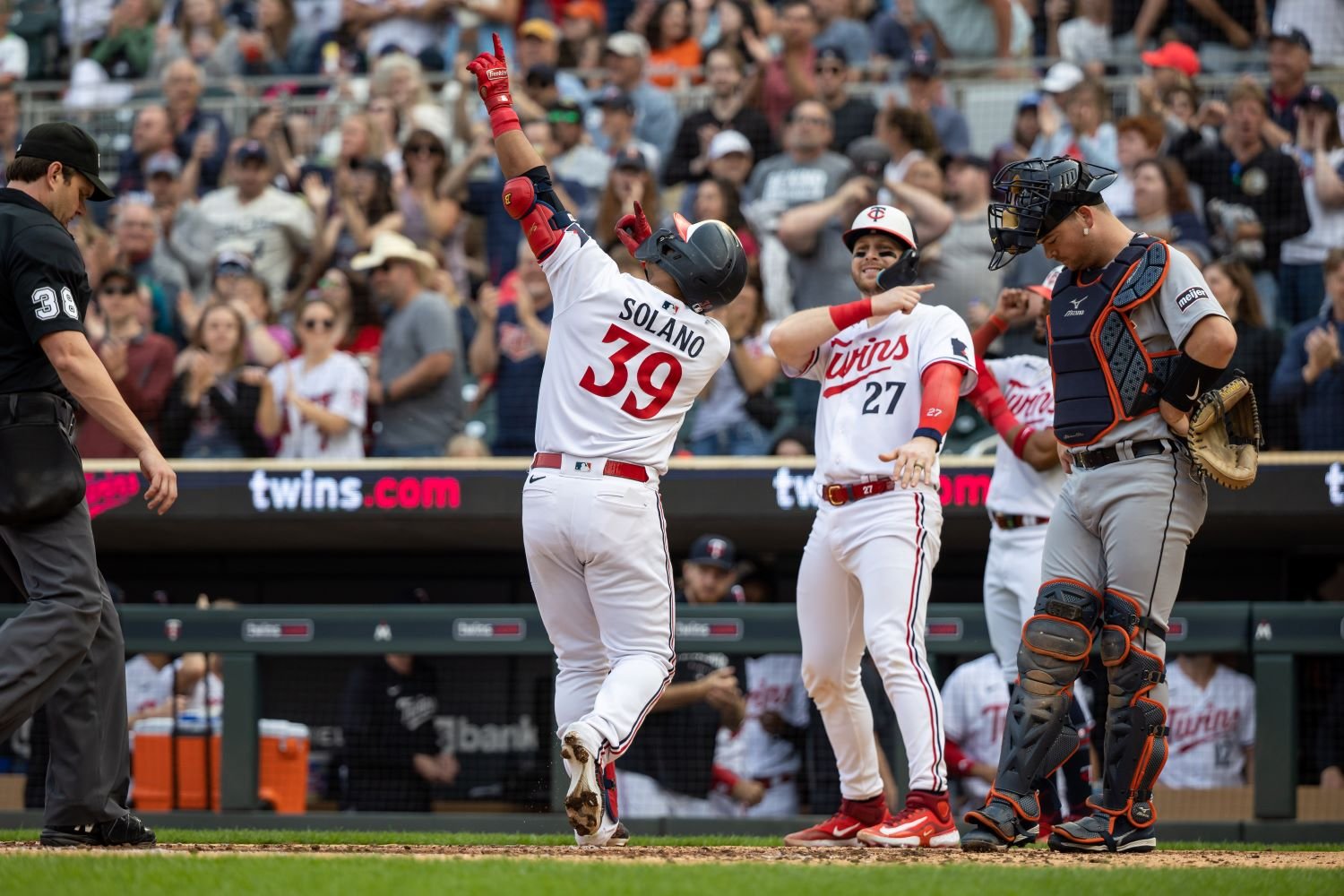 There was a sense of confusion when the news broke. Who? For How Much? Signed late—far late—into the off-season, Donovan Solano seemed unnecessary, a repeated infielder whose skills were niche. What will he bring? Don’t we have Jorge Polanco? Won’t Jose Miranda break out in 2023? Kyle Farmer is basically the same player; the Twins don’t need this guy. It hasn’t always been smooth sailing for the Colombian ball player. Once a part of the strange failed Marlins revival of the early 2010s, Solano never crossed 400 plate appearances in a season with Miami, as his batting forced him into platoon/late-inning pinch-hitting duties—a position he did fine in, but never excelled. After 9 games on the forgettable 2016 Yankees team, Solanco could not claim overt youth at 28, and his play still hadn’t demanded playing time; the minor leagues beckoned. And so he entered the desert, wandering for 40 years two seasons before the properly revived Giants gave him another shot. We didn’t know it yet, but these Giants were set to become a Mecca for the displaced player; a gathering space for those tall or short, skinny or wide, who could offer their unique, undervalued skills to a team hungry for developing them. Solano thrived. He suddenly hit .330, earning the nickname “Donnie Barrels” for his ability to slash line drives across the entire field. His 2020 campaign secured a Silver Slugger award—an unthinkable achievement for a player once trudging in minor league mud just a few seasons prior. It was this player—this excellent line drive master secretly in his prime—that the Twins appear to have found. 2023 has been Solano at his heights: a newly-found on-base ability in perfect harmony with a line-drive rate nearly at a career-high. High-leverage moments have no effect on him either; he’s hitting .333 in such situations. Perhaps his defense is more “capable of standing athletically at the position” than commanding respect for his glovework, but Minnesota has mainly played him at 1st base anyways, limiting the damage of potential gaffs. And in a lineup desperately missing the breakout that never was in Miranda along with other odd fluctuations in assumed hitting ability, having a nearly daily presence in the lineup able to set up a table and clean it just as easily has been one of the few offensive positives. He may not fit precisely in the analytical dogma utilized by most successful teams this era, but Solano is a force, and the Twins are likely grateful to have him.
 -
The 35-year-old line drive machine we needed but could not have predicted. Image courtesy of © Jordan Johnson-USA TODAY Sports There was a sense of confusion when the news broke. Who? For How Much? Signed late—far late—into the off-season, Donovan Solano seemed unnecessary, a repeated infielder whose skills were niche. What will he bring? Don’t we have Jorge Polanco? Won’t Jose Miranda break out in 2023? Kyle Farmer is basically the same player; the Twins don’t need this guy. It hasn’t always been smooth sailing for the Colombian ball player. Once a part of the strange failed Marlins revival of the early 2010s, Solano never crossed 400 plate appearances in a season with Miami, as his batting forced him into platoon/late-inning pinch-hitting duties—a position he did fine in, but never excelled. After 9 games on the forgettable 2016 Yankees team, Solanco could not claim overt youth at 28, and his play still hadn’t demanded playing time; the minor leagues beckoned. And so he entered the desert, wandering for 40 years two seasons before the properly revived Giants gave him another shot. We didn’t know it yet, but these Giants were set to become a Mecca for the displaced player; a gathering space for those tall or short, skinny or wide, who could offer their unique, undervalued skills to a team hungry for developing them. Solano thrived. He suddenly hit .330, earning the nickname “Donnie Barrels” for his ability to slash line drives across the entire field. His 2020 campaign secured a Silver Slugger award—an unthinkable achievement for a player once trudging in minor league mud just a few seasons prior. It was this player—this excellent line drive master secretly in his prime—that the Twins appear to have found. 2023 has been Solano at his heights: a newly-found on-base ability in perfect harmony with a line-drive rate nearly at a career-high. High-leverage moments have no effect on him either; he’s hitting .333 in such situations. Perhaps his defense is more “capable of standing athletically at the position” than commanding respect for his glovework, but Minnesota has mainly played him at 1st base anyways, limiting the damage of potential gaffs. And in a lineup desperately missing the breakout that never was in Miranda along with other odd fluctuations in assumed hitting ability, having a nearly daily presence in the lineup able to set up a table and clean it just as easily has been one of the few offensive positives. He may not fit precisely in the analytical dogma utilized by most successful teams this era, but Solano is a force, and the Twins are likely grateful to have him. View full article
-
That’s about as clean as a win you can ask for. Even the bullpen barely broke a sweat.
- 58 replies
-
- 14
-
-
- carlos correa
- bailey ober
- (and 3 more)
-
Twins 7, Brewers 5: A Twins Win to Remember!
Matt Braun replied to Steven Trefz's topic in Twins Daily Front Page News
I'm convinced Donovan Solano could hit a line drive in his sleep- 51 replies
-
- 16
-
-
- carlos correa
- michael a taylor
- (and 2 more)
-
Appreciate the good work as always!
-
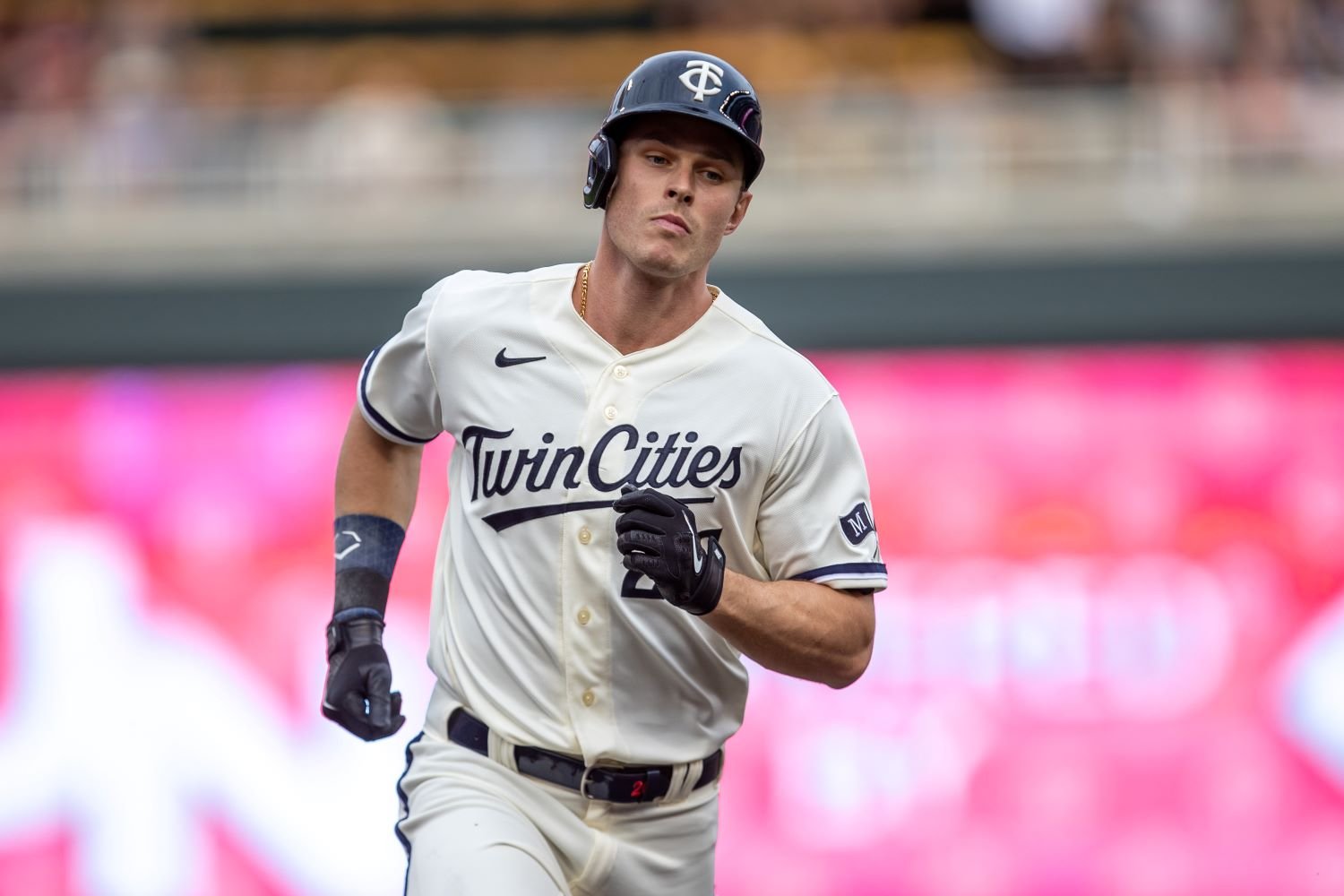 History, by nature, is an autopsical field. The great advantage of living after a thing occurs is the absolute judgment we can wield over it, overseeing the full extent of its effects while owning the ability to put it in its precise place. Order fulfills eventually. Conversations may alter interpretations—history is an ever-changing field, after all, despite its absolute coat of paint appearance—but the general, shared, casual understanding habitually stays static; singular, digestible, and easy for us to broadly understand. We don't always earn the right to see things in their totality. One of the challenges of understanding history is applying it to living, breathing, walking, contradicting things. We can understand and appreciate the great Tony Oliva, as his legacy came and went years ago, but how do we place current players into the historical conversation, especially when our view of those players may be clouded by our judgment in the now when our view is whole, and nuance is easier to capture? These individuals don't appreciate the soothing effects of calm interpretation. Their mistakes are too recent, painful; we can more clearly remember them falling short in a big situation—as all humans do—as the older player enjoys the fortune of having his accomplishments tied to general stats and perhaps highlights, if they are so lucky. Through this lens, it becomes strange and nearly uncomfortable to tackle Max Kepler, one of the greatest outfielders in Twins' history. Above Denard Span, Michael Cuddyer, Jacque Jones, and Matt Lawton, the often critiqued and, maybe unfairly ridiculed German sits at 16.4 fWAR, holding strong onto the ranking as the eighth-best outfielder to wear a Minnesota uniform; even just a mediocre season will see him pass Shane Mack for the seventh spot. But what odd feelings this truth elicits. How can it be that Kepler, he of disappointment; with offense worse than expected; with one true breakout season; with WAR totals filing in between 2.0 and 3.0 like blue-collared workers headed to the town industrial center, could possibly be one of the best outfielders in Twins history? His success feels meager and incapable of standing with some of the greatest to ever consistently don a Twins uniform. Perhaps this is the convergence of a few feelings at once: "they'll love you when you're dead," they often say, maybe altering to fit in a sports context; the promise of potential—of more incredible exploits—never fulfilling, leaving a sour imprint onto the minds of those who expected more. Or, and what may be the ultimate correct answer, it's almost impossible to understand a player's history as it unfolds. Save for the Mike Trouts of the world—those whose greatness is abundant and unquestioned—the rank-and-file must fight amongst themselves in the muck, occasionally achieving the highs so consistently reached by those better than them but still proving worth and ability. Their house is built on a great total of bricks laid over many summers, not stacked strongly in one go. Just as well, specific to Kepler, is the shape of his production. Some may speak for the worthiness of a defensive ace in right field, but it will always be less than the exploits of an adept center fielder or a shortstop. Then, with stimulating bat, the more lumbering and offensively capable corner outfielders—played so to avoid their glove—bury Kepler with damage and extra-base ferocity that he has only known in one season. He cannot compete. It is not in his nature to. Yet he can equal them in total production, whether seen or not. The fWAR list plays out as follows: Kirby Puckett takes the top spot, followed by Tony Oliva, Bob Allison, Torii Hunter, Cesar Tovar, Byron Buxton, Shane Mack, and then Kepler. Since the turn of the century, only Hunter and Buxton top his fWAR total. We reach, then, the odd conclusion that Kepler is one of the best outfielders in Twins' history. Time may perhaps allow for those who never saw him play—or, indeed, can only remember small pieces—to accept this fully. It will probably not happen soon. Yet when Kepler's time as a player ends and he evolves into a Twins ambassador, returning for Twins festivals and reminding those of a time no longer present, all we will have is memories and numbers, both of which will favor him as an integral piece of Twins history.
 -
Those pesky emotions love to cloud our evaluations of a player. Image courtesy of Jesse Johnson-USA TODAY Sports History, by nature, is an autopsical field. The great advantage of living after a thing occurs is the absolute judgment we can wield over it, overseeing the full extent of its effects while owning the ability to put it in its precise place. Order fulfills eventually. Conversations may alter interpretations—history is an ever-changing field, after all, despite its absolute coat of paint appearance—but the general, shared, casual understanding habitually stays static; singular, digestible, and easy for us to broadly understand. We don't always earn the right to see things in their totality. One of the challenges of understanding history is applying it to living, breathing, walking, contradicting things. We can understand and appreciate the great Tony Oliva, as his legacy came and went years ago, but how do we place current players into the historical conversation, especially when our view of those players may be clouded by our judgment in the now when our view is whole, and nuance is easier to capture? These individuals don't appreciate the soothing effects of calm interpretation. Their mistakes are too recent, painful; we can more clearly remember them falling short in a big situation—as all humans do—as the older player enjoys the fortune of having his accomplishments tied to general stats and perhaps highlights, if they are so lucky. Through this lens, it becomes strange and nearly uncomfortable to tackle Max Kepler, one of the greatest outfielders in Twins' history. Above Denard Span, Michael Cuddyer, Jacque Jones, and Matt Lawton, the often critiqued and, maybe unfairly ridiculed German sits at 16.4 fWAR, holding strong onto the ranking as the eighth-best outfielder to wear a Minnesota uniform; even just a mediocre season will see him pass Shane Mack for the seventh spot. But what odd feelings this truth elicits. How can it be that Kepler, he of disappointment; with offense worse than expected; with one true breakout season; with WAR totals filing in between 2.0 and 3.0 like blue-collared workers headed to the town industrial center, could possibly be one of the best outfielders in Twins history? His success feels meager and incapable of standing with some of the greatest to ever consistently don a Twins uniform. Perhaps this is the convergence of a few feelings at once: "they'll love you when you're dead," they often say, maybe altering to fit in a sports context; the promise of potential—of more incredible exploits—never fulfilling, leaving a sour imprint onto the minds of those who expected more. Or, and what may be the ultimate correct answer, it's almost impossible to understand a player's history as it unfolds. Save for the Mike Trouts of the world—those whose greatness is abundant and unquestioned—the rank-and-file must fight amongst themselves in the muck, occasionally achieving the highs so consistently reached by those better than them but still proving worth and ability. Their house is built on a great total of bricks laid over many summers, not stacked strongly in one go. Just as well, specific to Kepler, is the shape of his production. Some may speak for the worthiness of a defensive ace in right field, but it will always be less than the exploits of an adept center fielder or a shortstop. Then, with stimulating bat, the more lumbering and offensively capable corner outfielders—played so to avoid their glove—bury Kepler with damage and extra-base ferocity that he has only known in one season. He cannot compete. It is not in his nature to. Yet he can equal them in total production, whether seen or not. The fWAR list plays out as follows: Kirby Puckett takes the top spot, followed by Tony Oliva, Bob Allison, Torii Hunter, Cesar Tovar, Byron Buxton, Shane Mack, and then Kepler. Since the turn of the century, only Hunter and Buxton top his fWAR total. We reach, then, the odd conclusion that Kepler is one of the best outfielders in Twins' history. Time may perhaps allow for those who never saw him play—or, indeed, can only remember small pieces—to accept this fully. It will probably not happen soon. Yet when Kepler's time as a player ends and he evolves into a Twins ambassador, returning for Twins festivals and reminding those of a time no longer present, all we will have is memories and numbers, both of which will favor him as an integral piece of Twins history. View full article
-
Someone had a bunt triple, and it may have not even been the strangest thing to occur! TRANSACTIONS INF Anthony Prato transferred from AA Wichita to AAA St. Paul INF Edouard Julien recalled by Minnesota (Jorge Polanco placed on IL) LHP Jaylen Nowlin activated off Development List for Cedar Rapids OF Armani Smith activated from Wichita Development List Saints Sentinel St. Paul 3, Iowa 9 Box Score Kenta Maeda: 4 IP, 3 H, 0 ER, 0 BB, 5 K HR: Andrew Bechtold (6), Joey Gallo (1) Multi-hit games: Andrew Stevenson (3-for-4, BB), Andrew Bechtold (2-for-4, HR, 2B, 2 R, RBI), Tony Wolters (2-for-4, RBI) The Saints melted in the middle innings and fell to the Cubs on Saturday. Kenta Maeda was on point. The crafty veteran righty spun hitters around in the box, favoring his slider in a four shutout inning performance in potential anticipation of re-joining the Twins. His fastball touched 91.5 MPH. Supporting him in his rehab assignment was his brother in big-league credit, Joey Gallo. The powerful outfielder obliterated a baseball, delivering it 445 feet away over the place called the “home run porch.” He wasn’t the first batter to go deep, though, as Andrew Bechtold sent a shot the other way to break the early silence. Unfortunately, early smiles turned sour once Maeda exited the ballgame. Reliever Ronny Henriquez was greeted with six straight successful attempts at reaching base—including a trio of walks that brought the lead to a crumble and set up Cody Laweryson to allow the go-ahead knock. The Cubs scored three more the following frame and all the Saints could do was plate one more run; they watched their outs dissipate as opportunities to score came up empty. Chase Strumpf—the Cubs’ 23rd best prospect (and the guy who kept Royce Lewis off of shortstop until his senior season in high school)—went 1-for-5 at the plate, hitting a crucial two-run single but whiffing in his four other trips to the dish. Wind Surge Wisdom Wichita 3, San Antonio 5 Box Score David Festa: 4 1/3 IP, 3 H, 1 ER, 2 BB, 4 K HR: None Multi-hit games: DaShawn Keirsey Jr. (2-for-3, R, RBI, BB) The Wind Surge lost a close game on Saturday. It’s been quite the breakout season for DaShawn Keirsey Jr. The 26-year-old outfielder has improved his dynamic game, slicing off strikeouts, hitting for more power, and continuing his terror on the bases to become one mean lead-off hitter. Saturday was business as usual, with a pair of hits, a sacrifice fly, a walk, and a stolen base to help set up Wichita’s offense for success. They couldn’t come through. While they walked more than they struck out, only Yunior Severino was able to provide extra-base thump; he doubled in the seventh but got too greedy, and found a glove waiting for him at third base. David Festa was fine on the mound. The 23-year-old suffered some bouts of wildness—and a nasty two-run error by second baseman Jake Rucker—but still punched out four batters and exited with a lower ERA than he started the game with. The Missions—being an affiliate of the Padres—are prospect deficient at the moment, and their best product, pitcher Alek Jacob, is ranked 26th in the system. He pitched a scoreless inning with a strikeout. Kernels Nuggets Cedar Rapids 4, Dayton 9 Box Score Zebby Matthews: 2/3 IP, 8 H, 8 ER, 0 BB, K HR: Ernie Yake (2) Multi-hit games: Ernie Yake (2-for-4, HR, R, 3 RBI) An eight-run first inning sank the Kernels on Saturday. It took over two months, but Zebby Matthews finally appeared human. A brutal, back-breaking eight-run extravaganza sent him to the dugout before the frame could even end; each run came with two outs. Here’s how bad things went: lead-off hitter Edwin Arroyo hit a two-run homer off Matthews in the 1st inning. That’s never good. Oddly, the Dragons hit out of order during their carnage. Catcher Matheu Nelson hit before second baseman Tyler Callihan, despite Callihan being ahead of him in the lineup; the Dragons corrected this in later trips to the plate, but the umpires ruled that the protest occurred after the batters hit, and so they allowed the outcomes to stand. Credit goes to the Kernels bullpen for keeping the game about where Matthews left it. John Stankiewicz fired off 3 1/3 no-hit frames, coaxing six strikeouts along the way. Designated barnstormer, Ernie Yake, inspired the offense as much as he could, blasting his second homer of the season on his way to an impressive three RBI night. But every other hitter’s bat was soggy and slow, leading to just six hits on the night; their eyes were great, though, as evidenced by their eight walks. Hopefully they find better fortune with runners on base in the future. The aforementioned Arroyo is also Cincinnati's third-ranked prospect; he homered and singled in five trips to the plate. Mussel Matters Fort Myers 4, Clearwater 8 Box Score Jose Olivares: 5 IP, 3 H, 2 ER, 4 BB, 2 K HR: Rubel Cespedes (5) Multi-hit games: Dylan Neuse (2-for-5, 3B, R), Rubel Cespedes (2-for-4, HR, 2 R, 2 RBI) The Mighty Mussels fell to the powerhouse Threshers on Saturday. It’s never a good sign when four of your five pitchers allow runs in a game. Starter Jose Olivares did a solid job of holding back the onslaught, leaving the match with just two earned runs on his ledger, but all three of his subsequent pitching comrades felt the full force of Clearwater’s dynamic offense. Danny Moreno was the only safe arm; he acquired one out. The bats were a little better, but not enough to match the Threshers for the full nine. Buoyed by a rare two-triple day, the Mighty Mussels made the most of their six hits, sending four for extra-bases while walking five times. One of those triples was an alleged bunt by Maddux Houghton, which there absolutely must be footage of somewhere. The post-game writeup by John Vittas describes a soft fly ball eluding the reach of right fielder Gabriel Rincones. The Mighty Mussels allowed six steals on the day, including the 33rd of the season for center fielder Emaarion Boyd. Outfielder Gabriel Rincones Jr. is the Threshers’ best prospect. Ranked seventh in the Phillies system by MLB.com, Rincones walked twice and stole two bases. Complex Chronicles FCL Twins 10, FCL Red Sox 5 Box Score John Klein: 4 IP, 4 H, 0 ER, 2 BB, 11 K HR: Isaac Pena (1) Multi-hit games: Jose Rodriguez (3-for-5, 2B, 3 R), Andres Centeno (2-for-3, 3B, 3 R, 2 RBI, 2 BB), Isaac Pena (2-for-4, HR, R, 3 RBI, BB) The FCL Twins scored early, often in win against the FCL Red Sox. It started with a bang; Yasser Mercedes doubled, Jose Rodriguez singled, Andres Centeno tripled, and Harold Grant doubled, scoring a trio of runs for the Twins before an out could even be recorded. Starter John Klein—an obscure Twins minor league signing in August of 2022 out of Iowa Central Community College (by way of Osseo High School)—was dominant, absurdly so. The only out he earned not by way of the strikeout was his last—a pop out to cap one of the more commanding outings you’ll see in the low minors. The lineup’s table setters did as they were supposed to, as they top three batters (Mercedes, Rodriguez, and Centeno) combined for six hits, three walks, and eight runs scored. That’ll fuel an overwhelming offensive explosion. Dominican Dailies DSL Twins 3, DSL Giants Black 11 Box Score Jose Vasquez: 3 IP, 4 H, 3 ER, 4 BB, 4 K HR: None Multi-hit games: Dameury Pena (3-for-4), Denyerbe Gervis (2-for-3, BB) The DSL Twins lost their fifth game of the season; they remain winless. Dameury Pena—one of Minnesota’s Dominican signings in January—tried his best to stimulate offense, netting three hits while swiping a bag and reaching base via a hit by a pitch, but Denyerbe Gervis was the only other hitter to net multiple hits, leaving Pena often stranded alone on the bases. Moises Lopez netted the team’s sole extra-base hit with a 4th inning triple. Jose Ojo was the lone pitcher to not surrender a run; he tossed a scoreless frame with a pair of strikeouts. TWINS DAILY PLAYERS OF THE DAY Twins Daily Minor League Pitcher of the Day – John Klein Twins Daily Minor League Hitter of the Day – Andrew Bechtold PROSPECT SUMMARY Here’s a look at how the Twins Daily Top 20 Twins Prospects performed: #3 - Emmanuel Rodriguez (Cedar Rapids) - 0-3, 2 BB, K #4 - Edouard Julien (Minnesota) - 2-3, 2B, R, BB, K #8 - David Festa (Wichita) - 4 1/3 IP, 3 H, 1 ER, 2 BB, 4 K #9 - Matt Wallner (St. Paul) - 0-5, 3 K #10 - Yasser Mercedes (FCL Twins) - 1-4, 2B, 2 R, BB #12 - Jose Salas (Cedar Rapids) - 0-2, 2 BB, K #13 - Noah Miller (Cedar Rapids) - 0-3, BB, K #18 - Jose Rodriguez (FCL Twins) - 3-5, 2B, 3 R #19 - Yunior Severino (Wichita) - 1-5, 2B, K SUNDAY’S PROBABLE STARTERS Iowa @ St. Paul (2:07 PM) - TBD Wichita @ San Antonio (1:05 PM) - RHP Blayne Enlow Cedar Rapids @ Dayton (12:05 PM) - LHP Jaylen Nowlin Clearwater @ Fort Myers (11:00 AM) - RHP Ben Ethridge View full article
-
 TRANSACTIONS INF Anthony Prato transferred from AA Wichita to AAA St. Paul INF Edouard Julien recalled by Minnesota (Jorge Polanco placed on IL) LHP Jaylen Nowlin activated off Development List for Cedar Rapids OF Armani Smith activated from Wichita Development List Saints Sentinel St. Paul 3, Iowa 9 Box Score Kenta Maeda: 4 IP, 3 H, 0 ER, 0 BB, 5 K HR: Andrew Bechtold (6), Joey Gallo (1) Multi-hit games: Andrew Stevenson (3-for-4, BB), Andrew Bechtold (2-for-4, HR, 2B, 2 R, RBI), Tony Wolters (2-for-4, RBI) The Saints melted in the middle innings and fell to the Cubs on Saturday. Kenta Maeda was on point. The crafty veteran righty spun hitters around in the box, favoring his slider in a four shutout inning performance in potential anticipation of re-joining the Twins. His fastball touched 91.5 MPH. Supporting him in his rehab assignment was his brother in big-league credit, Joey Gallo. The powerful outfielder obliterated a baseball, delivering it 445 feet away over the place called the “home run porch.” He wasn’t the first batter to go deep, though, as Andrew Bechtold sent a shot the other way to break the early silence. Unfortunately, early smiles turned sour once Maeda exited the ballgame. Reliever Ronny Henriquez was greeted with six straight successful attempts at reaching base—including a trio of walks that brought the lead to a crumble and set up Cody Laweryson to allow the go-ahead knock. The Cubs scored three more the following frame and all the Saints could do was plate one more run; they watched their outs dissipate as opportunities to score came up empty. Chase Strumpf—the Cubs’ 23rd best prospect (and the guy who kept Royce Lewis off of shortstop until his senior season in high school)—went 1-for-5 at the plate, hitting a crucial two-run single but whiffing in his four other trips to the dish. Wind Surge Wisdom Wichita 3, San Antonio 5 Box Score David Festa: 4 1/3 IP, 3 H, 1 ER, 2 BB, 4 K HR: None Multi-hit games: DaShawn Keirsey Jr. (2-for-3, R, RBI, BB) The Wind Surge lost a close game on Saturday. It’s been quite the breakout season for DaShawn Keirsey Jr. The 26-year-old outfielder has improved his dynamic game, slicing off strikeouts, hitting for more power, and continuing his terror on the bases to become one mean lead-off hitter. Saturday was business as usual, with a pair of hits, a sacrifice fly, a walk, and a stolen base to help set up Wichita’s offense for success. They couldn’t come through. While they walked more than they struck out, only Yunior Severino was able to provide extra-base thump; he doubled in the seventh but got too greedy, and found a glove waiting for him at third base. David Festa was fine on the mound. The 23-year-old suffered some bouts of wildness—and a nasty two-run error by second baseman Jake Rucker—but still punched out four batters and exited with a lower ERA than he started the game with. The Missions—being an affiliate of the Padres—are prospect deficient at the moment, and their best product, pitcher Alek Jacob, is ranked 26th in the system. He pitched a scoreless inning with a strikeout. Kernels Nuggets Cedar Rapids 4, Dayton 9 Box Score Zebby Matthews: 2/3 IP, 8 H, 8 ER, 0 BB, K HR: Ernie Yake (2) Multi-hit games: Ernie Yake (2-for-4, HR, R, 3 RBI) An eight-run first inning sank the Kernels on Saturday. It took over two months, but Zebby Matthews finally appeared human. A brutal, back-breaking eight-run extravaganza sent him to the dugout before the frame could even end; each run came with two outs. Here’s how bad things went: lead-off hitter Edwin Arroyo hit a two-run homer off Matthews in the 1st inning. That’s never good. Oddly, the Dragons hit out of order during their carnage. Catcher Matheu Nelson hit before second baseman Tyler Callihan, despite Callihan being ahead of him in the lineup; the Dragons corrected this in later trips to the plate, but the umpires ruled that the protest occurred after the batters hit, and so they allowed the outcomes to stand. Credit goes to the Kernels bullpen for keeping the game about where Matthews left it. John Stankiewicz fired off 3 1/3 no-hit frames, coaxing six strikeouts along the way. Designated barnstormer, Ernie Yake, inspired the offense as much as he could, blasting his second homer of the season on his way to an impressive three RBI night. But every other hitter’s bat was soggy and slow, leading to just six hits on the night; their eyes were great, though, as evidenced by their eight walks. Hopefully they find better fortune with runners on base in the future. The aforementioned Arroyo is also Cincinnati's third-ranked prospect; he homered and singled in five trips to the plate. Mussel Matters Fort Myers 4, Clearwater 8 Box Score Jose Olivares: 5 IP, 3 H, 2 ER, 4 BB, 2 K HR: Rubel Cespedes (5) Multi-hit games: Dylan Neuse (2-for-5, 3B, R), Rubel Cespedes (2-for-4, HR, 2 R, 2 RBI) The Mighty Mussels fell to the powerhouse Threshers on Saturday. It’s never a good sign when four of your five pitchers allow runs in a game. Starter Jose Olivares did a solid job of holding back the onslaught, leaving the match with just two earned runs on his ledger, but all three of his subsequent pitching comrades felt the full force of Clearwater’s dynamic offense. Danny Moreno was the only safe arm; he acquired one out. The bats were a little better, but not enough to match the Threshers for the full nine. Buoyed by a rare two-triple day, the Mighty Mussels made the most of their six hits, sending four for extra-bases while walking five times. One of those triples was an alleged bunt by Maddux Houghton, which there absolutely must be footage of somewhere. The post-game writeup by John Vittas describes a soft fly ball eluding the reach of right fielder Gabriel Rincones. The Mighty Mussels allowed six steals on the day, including the 33rd of the season for center fielder Emaarion Boyd. Outfielder Gabriel Rincones Jr. is the Threshers’ best prospect. Ranked seventh in the Phillies system by MLB.com, Rincones walked twice and stole two bases. Complex Chronicles FCL Twins 10, FCL Red Sox 5 Box Score John Klein: 4 IP, 4 H, 0 ER, 2 BB, 11 K HR: Isaac Pena (1) Multi-hit games: Jose Rodriguez (3-for-5, 2B, 3 R), Andres Centeno (2-for-3, 3B, 3 R, 2 RBI, 2 BB), Isaac Pena (2-for-4, HR, R, 3 RBI, BB) The FCL Twins scored early, often in win against the FCL Red Sox. It started with a bang; Yasser Mercedes doubled, Jose Rodriguez singled, Andres Centeno tripled, and Harold Grant doubled, scoring a trio of runs for the Twins before an out could even be recorded. Starter John Klein—an obscure Twins minor league signing in August of 2022 out of Iowa Central Community College (by way of Osseo High School)—was dominant, absurdly so. The only out he earned not by way of the strikeout was his last—a pop out to cap one of the more commanding outings you’ll see in the low minors. The lineup’s table setters did as they were supposed to, as they top three batters (Mercedes, Rodriguez, and Centeno) combined for six hits, three walks, and eight runs scored. That’ll fuel an overwhelming offensive explosion. Dominican Dailies DSL Twins 3, DSL Giants Black 11 Box Score Jose Vasquez: 3 IP, 4 H, 3 ER, 4 BB, 4 K HR: None Multi-hit games: Dameury Pena (3-for-4), Denyerbe Gervis (2-for-3, BB) The DSL Twins lost their fifth game of the season; they remain winless. Dameury Pena—one of Minnesota’s Dominican signings in January—tried his best to stimulate offense, netting three hits while swiping a bag and reaching base via a hit by a pitch, but Denyerbe Gervis was the only other hitter to net multiple hits, leaving Pena often stranded alone on the bases. Moises Lopez netted the team’s sole extra-base hit with a 4th inning triple. Jose Ojo was the lone pitcher to not surrender a run; he tossed a scoreless frame with a pair of strikeouts. TWINS DAILY PLAYERS OF THE DAY Twins Daily Minor League Pitcher of the Day – John Klein Twins Daily Minor League Hitter of the Day – Andrew Bechtold PROSPECT SUMMARY Here’s a look at how the Twins Daily Top 20 Twins Prospects performed: #3 - Emmanuel Rodriguez (Cedar Rapids) - 0-3, 2 BB, K #4 - Edouard Julien (Minnesota) - 2-3, 2B, R, BB, K #8 - David Festa (Wichita) - 4 1/3 IP, 3 H, 1 ER, 2 BB, 4 K #9 - Matt Wallner (St. Paul) - 0-5, 3 K #10 - Yasser Mercedes (FCL Twins) - 1-4, 2B, 2 R, BB #12 - Jose Salas (Cedar Rapids) - 0-2, 2 BB, K #13 - Noah Miller (Cedar Rapids) - 0-3, BB, K #18 - Jose Rodriguez (FCL Twins) - 3-5, 2B, 3 R #19 - Yunior Severino (Wichita) - 1-5, 2B, K SUNDAY’S PROBABLE STARTERS Iowa @ St. Paul (2:07 PM) - TBD Wichita @ San Antonio (1:05 PM) - RHP Blayne Enlow Cedar Rapids @ Dayton (12:05 PM) - LHP Jaylen Nowlin Clearwater @ Fort Myers (11:00 AM) - RHP Ben Ethridge
- 17 comments
-
- 2
-
-
-
- kenta maeda
- john klein
- (and 3 more)
-
After losing so many games they probably should have won, it’s good to see two wins in games they probably should have lost.
- 41 replies
-
- 7
-
-
- carlos correa
- edouard julien
- (and 3 more)
-
He's a borderline Hall of famer and one of the best postseason performers in recent history; I'd call that legendary.
-
A win is a win is a win is a win is a win... Image courtesy of Nick Turchiaro-USA TODAY Sports Box Score Sonny Gray: 5 IP, 5 H, 1 ER, 2 BB, 5 K Home Run: Michael A. Taylor (9) Top 3 WPA: Royce Lewis (.448), Jhoan Duran (.325), Michael A. Taylor (.318) Win Probability Chart (via FanGraphs) Fresh off a weak, un-intimidating effort against the Tampa Bay Rays, the Twins knew something had to change. A gradual increase of runs—none, to one, to two—may have been a little whimsical, but it was not effective, and the three-game sweep they endured only increased the pressure the often-criticized lineup has received. And so, it was only fitting that they would have to face a lefty to fix their woes—the exact type of pitcher they have not hit well since Nelson Cruz took his talents to South Beach (or thereabouts). The early frames played out as expected: the Twins made starter Yusei Kikuchi work, exhibiting the common styles of a pesky offense, but their work could only amount to nips and minor cuts, never inflicting serious damage as each rally died quietly. It was business as usual. Sonny Gray was his normal, hyper-efficient self, though, easily breezing through the first handful of innings with only an occasional hit—and his own clumsiness on a balk—breaking his rhythm. Things changed in an instant. The forces restraining Minnesota’s offensive ability ceased in the 5th, allowing Royce Lewis to bust out an infield hit to begin the inning. Christian Vázquez may have struck out staring at the wisps of a Kikuchi fastball, but Michael A. Taylor found his fortune. Kikuchi’s slider was perfect—low, precisely engineered to elicit a two-strike whiff—but Taylor sensed the pitch, predicted the strategy, and blasted it 403 feet out to left-center field, handing Minnesota a sudden 2-0 lead. But things are never easy for those searching for luck. Gray immediately capitulated, walking a batter before allowing a soft pitching wedge served into left field. There was trouble; Bo Bichette was trouble. His grounder found Toronto’s trampoline infield, bounding just beyond Kyle Farmer’s glove to score the opening run for the Blue Jays. Gray increased his anxiety with a bases-loading walk, but a pair of easy outs ended the frame with the damage limited. And so started the running of the bullpens. Nate Pearson earned his scoreless frame, forcing the focus to Jovani Moran. The lefty coaxed two quick outs before allowing a single to Santiago Espinal, inspiring Blue Jays manager John Schneider to call on George Springer for a little more of the clutch magic he has worked in his legendary MLB career. He came through. Brock Stewart’s first-pitch sweeper did not surprise him, and the ensuing double plated the tying run. The hiccup proved to be an outlier amongst the game’s relievers, as the teams exchanged slugs of strong pitching—outs never in question—while the game slithered into its critical frames. The ninth inspired action, with the Blue Jays loading the bases on Jhoan Duran; he escaped unharmed anyways. And with some aid from the Manfred Man, the Twins could finally break free. Royce Lewis acquired his fourth hit of the game—a dinky infield hit in front of Matt Chapman—setting up Taylor with the crucial at-bat; he delivered with a sacrifice fly just deep enough to elicit an awkward-hopped throw from Whit Merrifield, making Ryan Jeffers safe at the plate. Duran was back to being the man of the hour. Despite pitches oozing with stress, Rocco Baldelli trusted that his guy would win out, that his prize horse would find his gallop and lead the Twins to victory. There was a walk to Merrifield—better to leave the old nemesis on base anyways—but Duran stared down his enemies and sent them back to the dugout disappointed, ending the game with a harmless pop-up from Santiago Espinal and giving the Twins their first win in five games. Notes: Friday was Royce Lewis' first four-hit game in his MLB career. Jhoan Duran's 38-pitch outing was his highest pitch count in a game since throwing 40 pitches on July 16th, 2022, against the White Sox. Sonny Gray has reached five innings in every start in 2023 except for his May 17th outing against the Dodgers. Post-Game Interview: What’s Next? The Twins and Blue Jays will play the second match of their three-game series on Saturday; first pitch is at 2:07 PM, and Joe Ryan will face off against RHP Trevor Richards (likely a bullpen game.) Bullpen Usage Spreadsheet View full article
- 44 replies
-
- 1
-
-
- jhoan duran
- sonny gray
- (and 3 more)
-
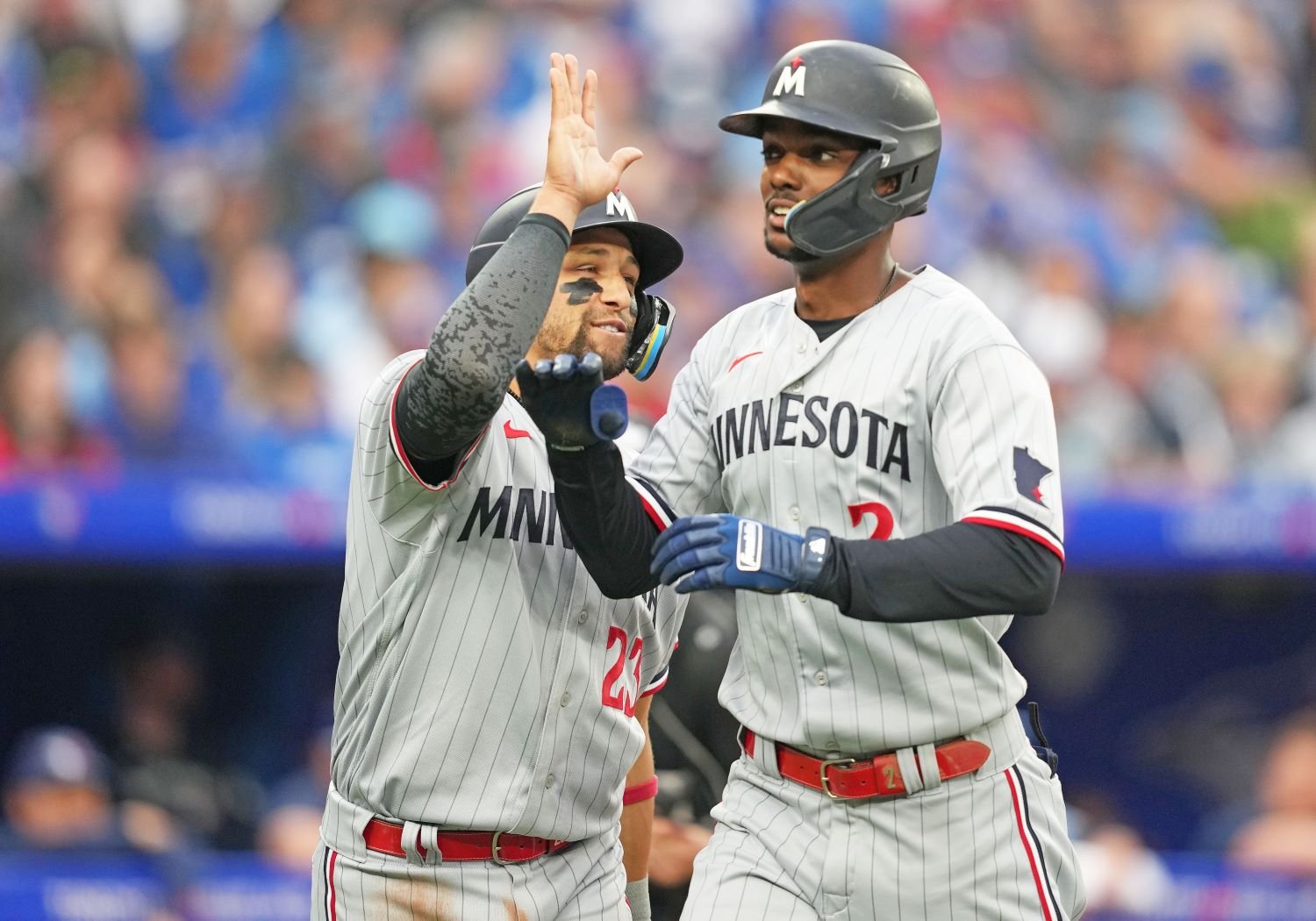 Box Score Sonny Gray: 5 IP, 5 H, 1 ER, 2 BB, 5 K Home Run: Michael A. Taylor (9) Top 3 WPA: Royce Lewis (.448), Jhoan Duran (.325), Michael A. Taylor (.318) Win Probability Chart (via FanGraphs) Fresh off a weak, un-intimidating effort against the Tampa Bay Rays, the Twins knew something had to change. A gradual increase of runs—none, to one, to two—may have been a little whimsical, but it was not effective, and the three-game sweep they endured only increased the pressure the often-criticized lineup has received. And so, it was only fitting that they would have to face a lefty to fix their woes—the exact type of pitcher they have not hit well since Nelson Cruz took his talents to South Beach (or thereabouts). The early frames played out as expected: the Twins made starter Yusei Kikuchi work, exhibiting the common styles of a pesky offense, but their work could only amount to nips and minor cuts, never inflicting serious damage as each rally died quietly. It was business as usual. Sonny Gray was his normal, hyper-efficient self, though, easily breezing through the first handful of innings with only an occasional hit—and his own clumsiness on a balk—breaking his rhythm. Things changed in an instant. The forces restraining Minnesota’s offensive ability ceased in the 5th, allowing Royce Lewis to bust out an infield hit to begin the inning. Christian Vázquez may have struck out staring at the wisps of a Kikuchi fastball, but Michael A. Taylor found his fortune. Kikuchi’s slider was perfect—low, precisely engineered to elicit a two-strike whiff—but Taylor sensed the pitch, predicted the strategy, and blasted it 403 feet out to left-center field, handing Minnesota a sudden 2-0 lead. But things are never easy for those searching for luck. Gray immediately capitulated, walking a batter before allowing a soft pitching wedge served into left field. There was trouble; Bo Bichette was trouble. His grounder found Toronto’s trampoline infield, bounding just beyond Kyle Farmer’s glove to score the opening run for the Blue Jays. Gray increased his anxiety with a bases-loading walk, but a pair of easy outs ended the frame with the damage limited. And so started the running of the bullpens. Nate Pearson earned his scoreless frame, forcing the focus to Jovani Moran. The lefty coaxed two quick outs before allowing a single to Santiago Espinal, inspiring Blue Jays manager John Schneider to call on George Springer for a little more of the clutch magic he has worked in his legendary MLB career. He came through. Brock Stewart’s first-pitch sweeper did not surprise him, and the ensuing double plated the tying run. The hiccup proved to be an outlier amongst the game’s relievers, as the teams exchanged slugs of strong pitching—outs never in question—while the game slithered into its critical frames. The ninth inspired action, with the Blue Jays loading the bases on Jhoan Duran; he escaped unharmed anyways. And with some aid from the Manfred Man, the Twins could finally break free. Royce Lewis acquired his fourth hit of the game—a dinky infield hit in front of Matt Chapman—setting up Taylor with the crucial at-bat; he delivered with a sacrifice fly just deep enough to elicit an awkward-hopped throw from Whit Merrifield, making Ryan Jeffers safe at the plate. Duran was back to being the man of the hour. Despite pitches oozing with stress, Rocco Baldelli trusted that his guy would win out, that his prize horse would find his gallop and lead the Twins to victory. There was a walk to Merrifield—better to leave the old nemesis on base anyways—but Duran stared down his enemies and sent them back to the dugout disappointed, ending the game with a harmless pop-up from Santiago Espinal and giving the Twins their first win in five games. Notes: Friday was Royce Lewis' first four-hit game in his MLB career. Jhoan Duran's 38-pitch outing was his highest pitch count in a game since throwing 40 pitches on July 16th, 2022, against the White Sox. Sonny Gray has reached five innings in every start in 2023 except for his May 17th outing against the Dodgers. Post-Game Interview: What’s Next? The Twins and Blue Jays will play the second match of their three-game series on Saturday; first pitch is at 2:07 PM, and Joe Ryan will face off against RHP Trevor Richards (likely a bullpen game.) Bullpen Usage Spreadsheet
- 44 comments
-
- 1
-
-
- jhoan duran
- sonny gray
- (and 3 more)
-
He may not have the sheen of a few years prior, but he can still improve the major-league roster. Image courtesy of William Parmeter He's a little worn—used, certainly lacking in the luster he once claimed—but Jordan Balazovic is still standing. Once one of the golden arms of the farm, inconsistency and injury have altered his path, dropping him down from a regular of top 100 lists to the doldrums of prospects lists, mentioned, but only briefly. Fantasies of stardom atop a major-league starting rotation may only remain in dreams now, yet the Twins have put together a plan for the Canadian righty, and he may be able to contribute to the club very soon. If you haven’t noticed, Balazovic’s usage in 2023 evolved. Once a fledgling reliever throughout April, Balazovic then grew back into his assumed role in the starting rotation for three starts before finding himself entering a game following an opener on May 20th. He has now done so four times. Openers aren’t random in the Twins organization—the team employed many of them starting in their lukewarm 2018 campaign—but they quickly fell out of vogue, and the team almost entirely eschewed them from their organizational strategy with a few exceptions. Consistently starting an opener before Balazovic four straight times is not an accident. They are, it seems, allowing him to become more familiar with the role while still ensuring that his innings diet is satisfied; three of the four outings resulted in at least three innings of work. His stamina won’t atrophy, and Minnesota will reap the double benefit of knowing they can call him up whenever they want, as Balazovic should be comfortable with acquiring outs out of the bullpen. Because that’s what this is: they’re preparing him as a reliever. And it makes sense why. While the starting rotation has been phenomenal, the bullpen—outside of one very special individual—has been a tragedy, and not even one of the ones with eye-stabbing and incest: it’s just tedious. It’s to the point where any arm they call up that can locate the strike zone with even mild consistency is now amongst their most well-trusted troops. Balazovic, though, has found his strikeout stuff (at the loss of some control) and owns a tremendous 2.84 FIP in the four starts he’s made following an opener. The plan will likely be for Balazovic to see time around the end of June or early July—whenever the team feels like DFA-ing someone, basically. Rather than potentially dip their toes into Jorge López-filled waters at the trade deadline, the team will at least see if Balazovic could provide some aid before rashly dealing away yet another future breakout prospect. If he can, great! That’s a problem solved. If not, they can still potentially deal for an arm, although they may prefer not to roll that dice again. The previous paragraph is pure speculation, but it makes sense, at least to me. Why else would the team bother with opener shenanigans if they didn’t anticipate calling Balazovic up to help out in relief? It seems very likely that he will finally join the team soon and will likely be seen entering from the bullpen. View full article
-
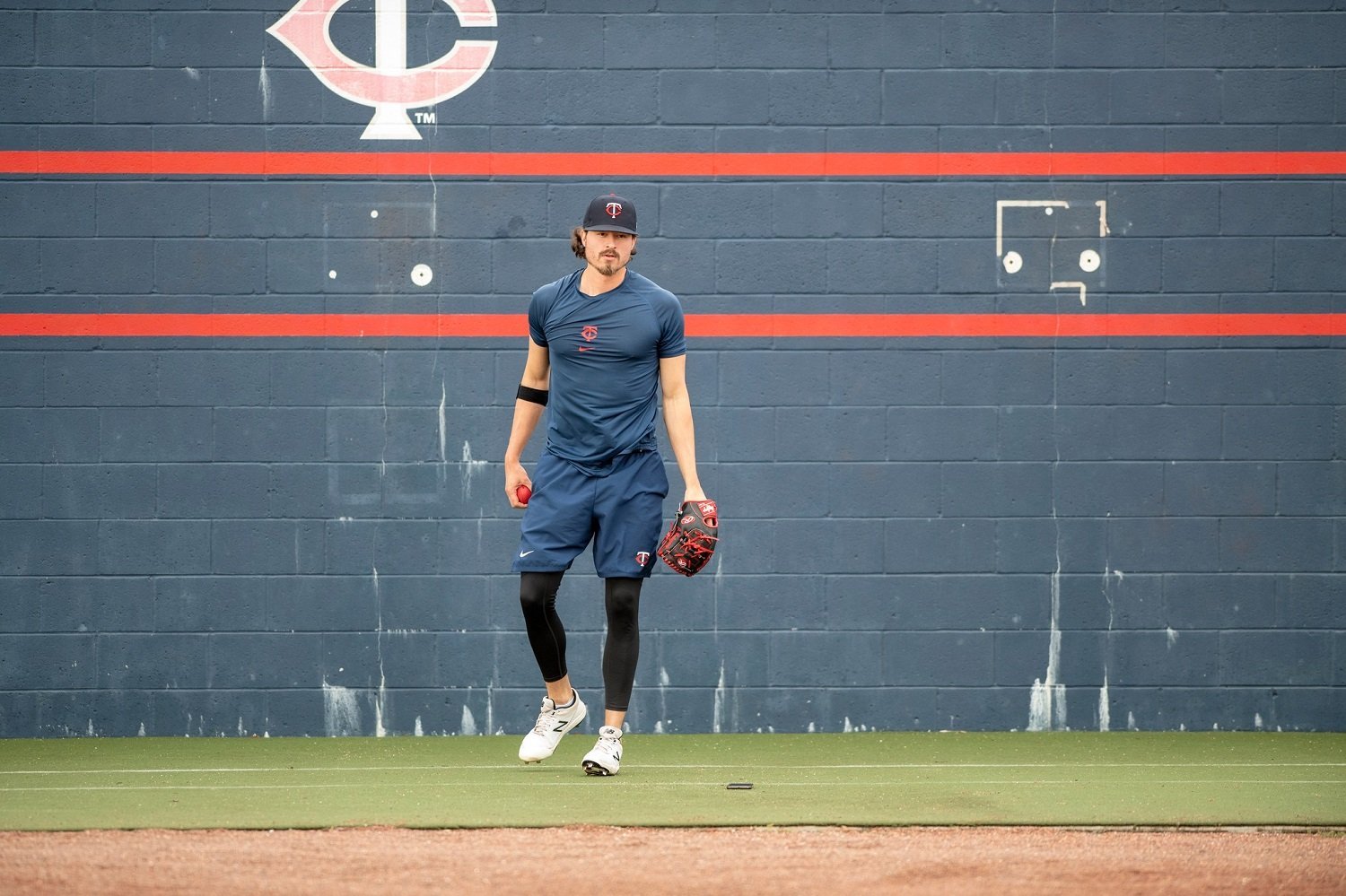 He's a little worn—used, certainly lacking in the luster he once claimed—but Jordan Balazovic is still standing. Once one of the golden arms of the farm, inconsistency and injury have altered his path, dropping him down from a regular of top 100 lists to the doldrums of prospects lists, mentioned, but only briefly. Fantasies of stardom atop a major-league starting rotation may only remain in dreams now, yet the Twins have put together a plan for the Canadian righty, and he may be able to contribute to the club very soon. If you haven’t noticed, Balazovic’s usage in 2023 evolved. Once a fledgling reliever throughout April, Balazovic then grew back into his assumed role in the starting rotation for three starts before finding himself entering a game following an opener on May 20th. He has now done so four times. Openers aren’t random in the Twins organization—the team employed many of them starting in their lukewarm 2018 campaign—but they quickly fell out of vogue, and the team almost entirely eschewed them from their organizational strategy with a few exceptions. Consistently starting an opener before Balazovic four straight times is not an accident. They are, it seems, allowing him to become more familiar with the role while still ensuring that his innings diet is satisfied; three of the four outings resulted in at least three innings of work. His stamina won’t atrophy, and Minnesota will reap the double benefit of knowing they can call him up whenever they want, as Balazovic should be comfortable with acquiring outs out of the bullpen. Because that’s what this is: they’re preparing him as a reliever. And it makes sense why. While the starting rotation has been phenomenal, the bullpen—outside of one very special individual—has been a tragedy, and not even one of the ones with eye-stabbing and incest: it’s just tedious. It’s to the point where any arm they call up that can locate the strike zone with even mild consistency is now amongst their most well-trusted troops. Balazovic, though, has found his strikeout stuff (at the loss of some control) and owns a tremendous 2.84 FIP in the four starts he’s made following an opener. The plan will likely be for Balazovic to see time around the end of June or early July—whenever the team feels like DFA-ing someone, basically. Rather than potentially dip their toes into Jorge López-filled waters at the trade deadline, the team will at least see if Balazovic could provide some aid before rashly dealing away yet another future breakout prospect. If he can, great! That’s a problem solved. If not, they can still potentially deal for an arm, although they may prefer not to roll that dice again. The previous paragraph is pure speculation, but it makes sense, at least to me. Why else would the team bother with opener shenanigans if they didn’t anticipate calling Balazovic up to help out in relief? It seems very likely that he will finally join the team soon and will likely be seen entering from the bullpen.
 -
Do you think the vertical approach helps neutralize platoons? Feels like that’s a strategy that can be effective fairly equally against lefties and righties more so than glove side or hand side preference.
-
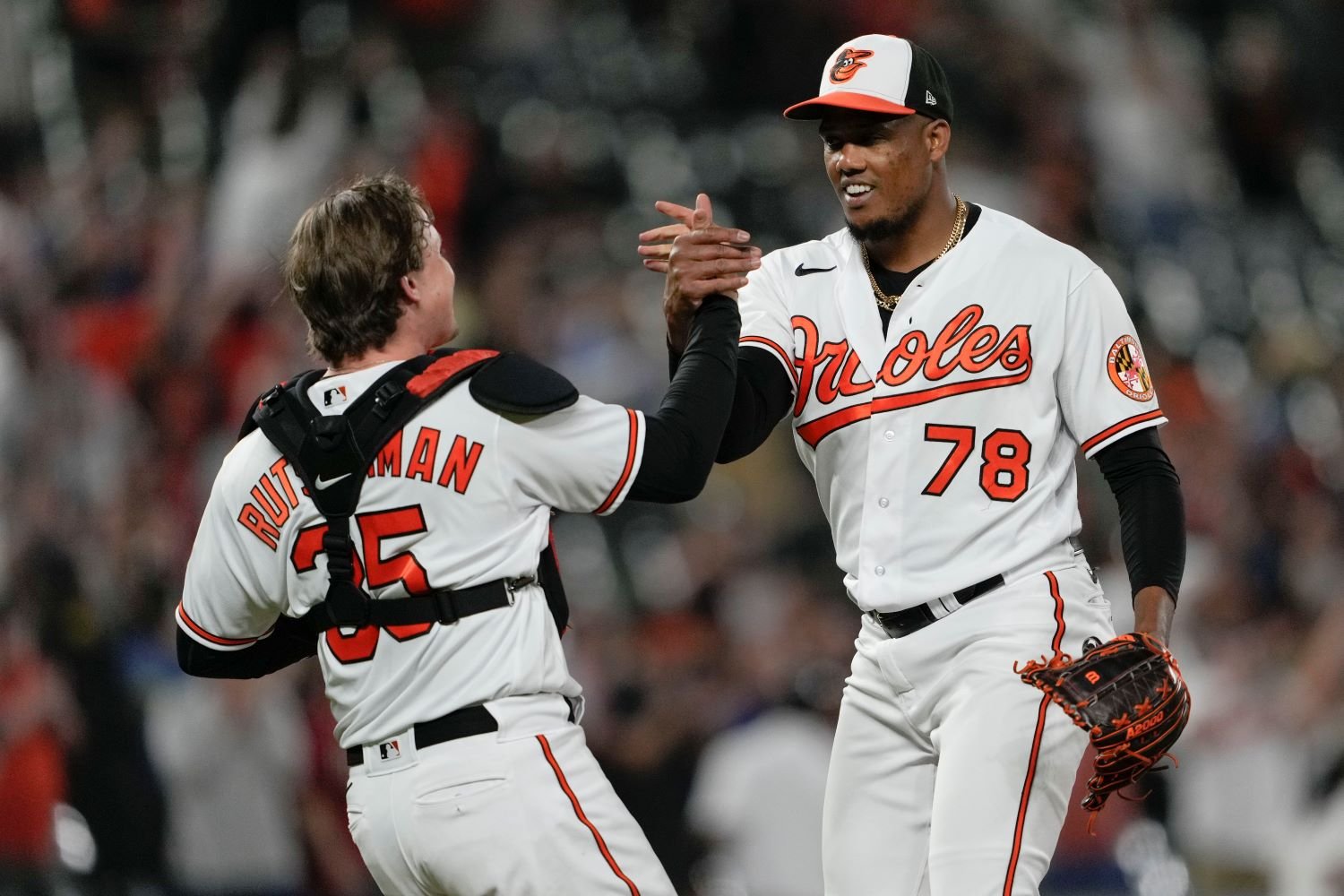 Typically, analyzing deals less than a year after they occur is bad process. Players often make massive, gigantic strides in their game, and performance fluctuates—lagging before suddenly clicking, perhaps. But the outcomes of two of the trades are already mostly apparent, allowing us to play anthropologist and unearth what happened on August 2nd, 2022. But first: the historical context. It’s always easy to admonish trades long after the fact, but with some exceptions (hello, Pirates and Chris Archer), every trade makes sense at the time. Front office executives aren’t fools; they may be desperate to varying degrees, but the heat of the moment will always justify whatever eventual poor trade they make. And so we must travel back in time a little to where the Twins were at the trade deadline. Sitting six games above .500—comfortable, perhaps not cozy—Minnesota could easily command the AL Central crown over yet another tepid division. Things weren’t perfect, but they were good, and sometimes that’s all one can get in baseball. Still, the duel swear words “Dylan Bundy” and “Chris Archer” (there he is again!) made up 40% of the starting rotation, and Emilio Pagán was Emilio Pagán-ing, leaving the Twins hungry for upgrades to the pitching staff. Traded by the Baltimore Orioles with cash to the Minnesota Twins for Juan Nunez (minors), Cade Povich (minors), Juan Rojas (minors), and Yennier Cano. The Jorge López deal was the first to break that day. I was still sleeping when news hit Twitter—I’m on the West Coast; not lazy, mind you—so waking up to a sudden All-Star influx of closing ability was more pungent and invigorating than the first cup of coffee. The deal hurt, given that Cade Povich was a tremendous talent laying waste to minor-league hitters, but that’s the price the devil extracts when you don’t plan your bullpen well. And López would be worth it, right? This was a blatant breaking of a very serious rule the A’s have known about for decades: closers are built, not bought. High-octane relievers are alluring, but like a sports car purchased to flaunt opulence, they can break easily. López’s ERA has jumped almost two runs since his half-season of elite play in Baltimore, while Yennier Cano currently leads MLB in reliever fWAR. That’s the kind of swindle that appears in documentaries with Very Smart people wondering how the hell a team could get duped that badly. For your health, don’t look up Povich’s peripherals at AA this year. Traded by the Cincinnati Reds to the Minnesota Twins for Christian Encarnacion-Strand (minors), Steve Hajjar (minors), and Spencer Steer. The monkey’s paw curled once more before the day ended, and suddenly the common troubles of a talented and underperforming starter became Minnesota’s problem to figure out. They didn’t. Or, rather, they never got the chance to: Tyler Mahle’s Twins career lasted 42 innings (less than Gabriel Moya’s), and he will likely spend 2024 on a different team—one fine with eating a few months of Tommy John recovery in the hopes that he can be an effective pitcher in the nebulous sometime future. As tragic as this deal was as well, it had to be done, sort of. The value of a competent starter has never been higher than now; the vast dearth of arms capable of eating five, six innings with any consistency has created a market of desperation where teams are taking risks on players in the hopes that the low odds of them breaking out turn favorable. They have to; there’s no other choice. It’s why Minnesota stirred up all the hoopla over acquiring Chris Paddack; it’s why Toronto sends Yusei Kikuchi out to the mound every handful of days. The Twins were burned—obviously—but so were the Yankees when they signed Carlos Rodón and traded for Frankie Montas. And I think if you ask any team with a similar situation, they would say that they remain fine with the chance they took. Ironically, the depth Minnesota sought to avoid and protect now appears to be the answer in front of their face: Bailey Ober and Louie Varland are solid rotation fixtures. So let this be the lesson: risks are good and necessary, but the Twins may best avoid future disasters if they choose to trust themselves. They’ve proven excellent off-season identifiers of pitching talent, but their nervous in-season trade decisions have almost always bitten themselves, save for one awesome Sergio Romo addition. Hopefully, they realize this before it’s too late this season.
- 52 comments
-
- 8
-
-
- tyler mahle
- jorge lopez
- (and 3 more)
-
Or, when the ecstasy of the deal wears off, what are you left with? Image courtesy of Brent Skeen-USA TODAY Sports Typically, analyzing deals less than a year after they occur is bad process. Players often make massive, gigantic strides in their game, and performance fluctuates—lagging before suddenly clicking, perhaps. But the outcomes of two of the trades are already mostly apparent, allowing us to play anthropologist and unearth what happened on August 2nd, 2022. But first: the historical context. It’s always easy to admonish trades long after the fact, but with some exceptions (hello, Pirates and Chris Archer), every trade makes sense at the time. Front office executives aren’t fools; they may be desperate to varying degrees, but the heat of the moment will always justify whatever eventual poor trade they make. And so we must travel back in time a little to where the Twins were at the trade deadline. Sitting six games above .500—comfortable, perhaps not cozy—Minnesota could easily command the AL Central crown over yet another tepid division. Things weren’t perfect, but they were good, and sometimes that’s all one can get in baseball. Still, the duel swear words “Dylan Bundy” and “Chris Archer” (there he is again!) made up 40% of the starting rotation, and Emilio Pagán was Emilio Pagán-ing, leaving the Twins hungry for upgrades to the pitching staff. Traded by the Baltimore Orioles with cash to the Minnesota Twins for Juan Nunez (minors), Cade Povich (minors), Juan Rojas (minors), and Yennier Cano. The Jorge López deal was the first to break that day. I was still sleeping when news hit Twitter—I’m on the West Coast; not lazy, mind you—so waking up to a sudden All-Star influx of closing ability was more pungent and invigorating than the first cup of coffee. The deal hurt, given that Cade Povich was a tremendous talent laying waste to minor-league hitters, but that’s the price the devil extracts when you don’t plan your bullpen well. And López would be worth it, right? This was a blatant breaking of a very serious rule the A’s have known about for decades: closers are built, not bought. High-octane relievers are alluring, but like a sports car purchased to flaunt opulence, they can break easily. López’s ERA has jumped almost two runs since his half-season of elite play in Baltimore, while Yennier Cano currently leads MLB in reliever fWAR. That’s the kind of swindle that appears in documentaries with Very Smart people wondering how the hell a team could get duped that badly. For your health, don’t look up Povich’s peripherals at AA this year. Traded by the Cincinnati Reds to the Minnesota Twins for Christian Encarnacion-Strand (minors), Steve Hajjar (minors), and Spencer Steer. The monkey’s paw curled once more before the day ended, and suddenly the common troubles of a talented and underperforming starter became Minnesota’s problem to figure out. They didn’t. Or, rather, they never got the chance to: Tyler Mahle’s Twins career lasted 42 innings (less than Gabriel Moya’s), and he will likely spend 2024 on a different team—one fine with eating a few months of Tommy John recovery in the hopes that he can be an effective pitcher in the nebulous sometime future. As tragic as this deal was as well, it had to be done, sort of. The value of a competent starter has never been higher than now; the vast dearth of arms capable of eating five, six innings with any consistency has created a market of desperation where teams are taking risks on players in the hopes that the low odds of them breaking out turn favorable. They have to; there’s no other choice. It’s why Minnesota stirred up all the hoopla over acquiring Chris Paddack; it’s why Toronto sends Yusei Kikuchi out to the mound every handful of days. The Twins were burned—obviously—but so were the Yankees when they signed Carlos Rodón and traded for Frankie Montas. And I think if you ask any team with a similar situation, they would say that they remain fine with the chance they took. Ironically, the depth Minnesota sought to avoid and protect now appears to be the answer in front of their face: Bailey Ober and Louie Varland are solid rotation fixtures. So let this be the lesson: risks are good and necessary, but the Twins may best avoid future disasters if they choose to trust themselves. They’ve proven excellent off-season identifiers of pitching talent, but their nervous in-season trade decisions have almost always bitten themselves, save for one awesome Sergio Romo addition. Hopefully, they realize this before it’s too late this season. View full article
-
 TRANSACTIONS OF Kyle Garlick recalled by Minnesota. Joey Gallo went on the Injured List. Saints Sentinel St. Paul 8, Buffalo 3 Box Score Simeon Woods Richardson: 4 1/3 IP, 2 H, 2 ER, 5 BB, 5 K HR: Trevor Larnach (3) Multi-hit games: Edouard Julien (2-for-5, 2B, 3 RBI) The Saints won easily on Saturday. You don’t see too many eight-run outbursts fueled by only one multi-hit effort; that was just the kind of democratic, balanced offensive attack the Saints elected to employ; every batter reached base except for Andrew Stevenson, the lead-off man. The innings of note were the 5th and 8th when Edouard Julien emptied the bases with a wind-aided double, and Alex De Gotti and Trevor Larnach slugged their way to three bonus runs. Simeon Woods Richardson was off again. The 22-year-old couldn’t figure out his mechanics, frantically spraying balls around the plate to the tune of five walks—the most free passes he’s handed out in one game since joining the Twins. We all hope Woods Richardson’s turned corner appears soon, but tonight was not it. The Saints’ bullpen was nails, though, working 4 2/3 innings of one-run ball to bring the game to a quiet close. Oliver Ortega struck out four, Patrick Murphy earned six clean outs, and Josh Winder wrapped business up with a relatively boring 9th frame. Both Ortega and Murphy have ERAs under 2.00 on the season. Technically old friend Luke Bard allowed five hits and three earned runs out of Buffalo’s bullpen. The Bisons’ best prospect, Hayden Juenger—ranked 10th in the system by MLB.com—pitched an excellent inning of work, punching out two in a scoreless frame. Wind Surge Wisdom Wichita 1, Tulsa 8 Box Score Chad Donato: 5 IP, 7 H, 6 ER, 5 BB, K HR: None Multi-hit games: None The Wind Surge fell down early and never recovered against Tulsa on Saturday. It’s never ideal to spot the other team five runs in the first; it’s even less ideal to do so against the pitching force known as Emmet Sheehan. The next man in the Dodgers’ Great Pitching Machine, Sheehan entered the day third in all of MiLB in strikeouts, aided by a carrying fastball that seems to elevate into eternity, always slipping above hitters’ bats. Sheehan and the rest of Tulsa’s pitching staff turned Wichita’s bats dull. All the Wind Surge could offer was three singles and just as many walks; amazingly, they strung two of those knocks together in the sixth to plate their first—and only—run of the night. Brooks Lee was the RBI earner. Chad Donato suffered no such fortune. His evening began single, single, walk, grand slam, effectively ending any chance he had at a normal start before an out could even be had. Eddys Leonard followed up with a solo homer to drown Donato’s wound in sodium. Curtis Taylor—an arm signed a month ago by the Twins—was the only pitcher to escape with an unperturbed ERA; he tossed a pair of scoreless innings with two strikeouts. The Drillers are loaded with prospect talent, and the current king of the system, catcher Diego Cartaya, singled once in five trips to the plate. Kernels Nuggets Cedar Rapids 6, Lansing 3 Box Score Christian MacLeod: 4 IP, 4 H, 1 ER, 4 BB, 2 K HR: Kala’i Rosario (8), Ben Ross (7) Multi-hit games: Tanner Schobel (4-for-5, R, 3 RBI) Cedar Rapids came from behind to win on Saturday. It was an unusual offensive method utilized by the Kernels; the six runs appear flashy, but dissecting the lineup reveals the soul of scoring stemming from an absurd four-hit day by Tanner Schobel and homers from Kala’i Rosario and Ben Ross. Hardly an even approach, but it was an effective one. Speaking of effective—this one of the “-ly wild” variety—Christian MacLeod claims an atypical pitching line for the day. The lefty walked four batters, but Lansing could only swing cement when those batters reached base, allowing MacLeod to escape with a single earned run and nothing else. Regi Grace continued his tremendous start to the season with two scoreless frames and four punchouts. In more irregular baseball, Lugnuts outfielder Brayan Buelvas stole four bases on Saturday; he entered the day with just one in 45 games. It’s somewhat shocking that Noah Cardenas didn’t rip out his hair. Catcher Daniel Susac—Oakland’s 4th best prospect, according to MLB.com—earned three hits, including a double on Saturday. Mussel Matters Fort Myers 8, St. Lucie 10 Box Score Jose Olivares: 3 1/3 IP, 7 H, 5 ER, 4 BB, 5 K HR: Dylan Neuse (2) Multi-hit games: Rafael Cruz (2-for-5, 2 RBI), Dylan Neuse (2-for-4, HR, 2 R, 2 RBI, BB), Alec Sayre (2-for-4, 2 R, RBI, BB), Dillon Tatum (3-for-4, 2B, R, RBI) Fort Myers lost a high-scoring affair on Saturday. With 23 hits and 13 walks combined between the two teams, pitching was at a premium? Non-existent? Whichever you prefer, remember to say a quick prayer for any arm who had the unfortunate task of finding normality on the mound. Jose Olivares was one such casualty. The righty earned a pair of scoreless frames before unwinding in the third, allowing a trio of two-out runs to flip the lead. Fort Myers handed him a fresh advantage, but the fourth proved painful like the inning before it, and following an RBI knock to bring the game within one, Olivares mercifully exited the game. That only placed the pain of handling this match onto someone else. Samuel Perez was a phenomenal stopper, acquiring seven outs while somehow avoiding an earned run, but Ben Ethridge was caught with the ticking time bomb hitting 0:00; he allowed five runs to put the game out of reach. Fort Myers’ bats nearly saved their arms, though, as the back end of their lineup harassed Mets’ pitchers to the tune of eight hits from the 6-9 batters. Every hitter in the lineup reached base at least once. MLB.com sees shortstop Jett Williams as the Mets’ third-best prospect, and he played like it, walking three times and singling while scoring a trio of runs. TWINS DAILY PLAYERS OF THE DAY Twins Daily Minor League Pitcher of the Day – Christian MacLeod Twins Daily Minor League Hitter of the Day – Tanner Schobel PROSPECT SUMMARY Here’s a look at how the Twins Daily Top 20 Twins Prospects performed: #1 - Brooks Lee (Wichita) - 1-3, RBI, BB, 2 K #2 - Royce Lewis (Minnesota) - 1-4, K #3 - Emmanuel Rodriguez (Cedar Rapids) - 0-4, BB, 2 K #4 - Edouard Julien (St. Paul) - 2-5, 2B, 3 RBI, 2 K #7 - Simeon Woods Richardson (St. Paul) - 4 ⅓ IP, 2 H, 2 ER, 5 BB, 5 K #9 - Matt Wallner (St. Paul) - 1-3, 2B, 2 R, BB #13 - Noah Miller (Cedar Rapids) - 0-4, R SUNDAY’S PROBABLE STARTERS St. Paul @ Buffalo (12:05 PM) - RHP Kenta Maeda (0-0, 0.00 ERA) Tulsa @ Wichita (1:05 PM) - RHP Blayne Enlow (2-1, 3.13 ERA) Cedar Rapids @ Lansing (12:05 PM) - RHP Zebby Matthews (0-0, -.-- ERA) St. Lucie @ Fort Myers (11:00 AM) - LHP Wilker Reyes (1-0, 5.74 ERA)
- 11 comments
-
- 2
-
-
- tanner schobel
- christian macleod
- (and 3 more)
-
Well, they can't all be winners. TRANSACTIONS OF Kyle Garlick recalled by Minnesota. Joey Gallo went on the Injured List. Saints Sentinel St. Paul 8, Buffalo 3 Box Score Simeon Woods Richardson: 4 1/3 IP, 2 H, 2 ER, 5 BB, 5 K HR: Trevor Larnach (3) Multi-hit games: Edouard Julien (2-for-5, 2B, 3 RBI) The Saints won easily on Saturday. You don’t see too many eight-run outbursts fueled by only one multi-hit effort; that was just the kind of democratic, balanced offensive attack the Saints elected to employ; every batter reached base except for Andrew Stevenson, the lead-off man. The innings of note were the 5th and 8th when Edouard Julien emptied the bases with a wind-aided double, and Alex De Gotti and Trevor Larnach slugged their way to three bonus runs. Simeon Woods Richardson was off again. The 22-year-old couldn’t figure out his mechanics, frantically spraying balls around the plate to the tune of five walks—the most free passes he’s handed out in one game since joining the Twins. We all hope Woods Richardson’s turned corner appears soon, but tonight was not it. The Saints’ bullpen was nails, though, working 4 2/3 innings of one-run ball to bring the game to a quiet close. Oliver Ortega struck out four, Patrick Murphy earned six clean outs, and Josh Winder wrapped business up with a relatively boring 9th frame. Both Ortega and Murphy have ERAs under 2.00 on the season. Technically old friend Luke Bard allowed five hits and three earned runs out of Buffalo’s bullpen. The Bisons’ best prospect, Hayden Juenger—ranked 10th in the system by MLB.com—pitched an excellent inning of work, punching out two in a scoreless frame. Wind Surge Wisdom Wichita 1, Tulsa 8 Box Score Chad Donato: 5 IP, 7 H, 6 ER, 5 BB, K HR: None Multi-hit games: None The Wind Surge fell down early and never recovered against Tulsa on Saturday. It’s never ideal to spot the other team five runs in the first; it’s even less ideal to do so against the pitching force known as Emmet Sheehan. The next man in the Dodgers’ Great Pitching Machine, Sheehan entered the day third in all of MiLB in strikeouts, aided by a carrying fastball that seems to elevate into eternity, always slipping above hitters’ bats. Sheehan and the rest of Tulsa’s pitching staff turned Wichita’s bats dull. All the Wind Surge could offer was three singles and just as many walks; amazingly, they strung two of those knocks together in the sixth to plate their first—and only—run of the night. Brooks Lee was the RBI earner. Chad Donato suffered no such fortune. His evening began single, single, walk, grand slam, effectively ending any chance he had at a normal start before an out could even be had. Eddys Leonard followed up with a solo homer to drown Donato’s wound in sodium. Curtis Taylor—an arm signed a month ago by the Twins—was the only pitcher to escape with an unperturbed ERA; he tossed a pair of scoreless innings with two strikeouts. The Drillers are loaded with prospect talent, and the current king of the system, catcher Diego Cartaya, singled once in five trips to the plate. Kernels Nuggets Cedar Rapids 6, Lansing 3 Box Score Christian MacLeod: 4 IP, 4 H, 1 ER, 4 BB, 2 K HR: Kala’i Rosario (8), Ben Ross (7) Multi-hit games: Tanner Schobel (4-for-5, R, 3 RBI) Cedar Rapids came from behind to win on Saturday. It was an unusual offensive method utilized by the Kernels; the six runs appear flashy, but dissecting the lineup reveals the soul of scoring stemming from an absurd four-hit day by Tanner Schobel and homers from Kala’i Rosario and Ben Ross. Hardly an even approach, but it was an effective one. Speaking of effective—this one of the “-ly wild” variety—Christian MacLeod claims an atypical pitching line for the day. The lefty walked four batters, but Lansing could only swing cement when those batters reached base, allowing MacLeod to escape with a single earned run and nothing else. Regi Grace continued his tremendous start to the season with two scoreless frames and four punchouts. In more irregular baseball, Lugnuts outfielder Brayan Buelvas stole four bases on Saturday; he entered the day with just one in 45 games. It’s somewhat shocking that Noah Cardenas didn’t rip out his hair. Catcher Daniel Susac—Oakland’s 4th best prospect, according to MLB.com—earned three hits, including a double on Saturday. Mussel Matters Fort Myers 8, St. Lucie 10 Box Score Jose Olivares: 3 1/3 IP, 7 H, 5 ER, 4 BB, 5 K HR: Dylan Neuse (2) Multi-hit games: Rafael Cruz (2-for-5, 2 RBI), Dylan Neuse (2-for-4, HR, 2 R, 2 RBI, BB), Alec Sayre (2-for-4, 2 R, RBI, BB), Dillon Tatum (3-for-4, 2B, R, RBI) Fort Myers lost a high-scoring affair on Saturday. With 23 hits and 13 walks combined between the two teams, pitching was at a premium? Non-existent? Whichever you prefer, remember to say a quick prayer for any arm who had the unfortunate task of finding normality on the mound. Jose Olivares was one such casualty. The righty earned a pair of scoreless frames before unwinding in the third, allowing a trio of two-out runs to flip the lead. Fort Myers handed him a fresh advantage, but the fourth proved painful like the inning before it, and following an RBI knock to bring the game within one, Olivares mercifully exited the game. That only placed the pain of handling this match onto someone else. Samuel Perez was a phenomenal stopper, acquiring seven outs while somehow avoiding an earned run, but Ben Ethridge was caught with the ticking time bomb hitting 0:00; he allowed five runs to put the game out of reach. Fort Myers’ bats nearly saved their arms, though, as the back end of their lineup harassed Mets’ pitchers to the tune of eight hits from the 6-9 batters. Every hitter in the lineup reached base at least once. MLB.com sees shortstop Jett Williams as the Mets’ third-best prospect, and he played like it, walking three times and singling while scoring a trio of runs. TWINS DAILY PLAYERS OF THE DAY Twins Daily Minor League Pitcher of the Day – Christian MacLeod Twins Daily Minor League Hitter of the Day – Tanner Schobel PROSPECT SUMMARY Here’s a look at how the Twins Daily Top 20 Twins Prospects performed: #1 - Brooks Lee (Wichita) - 1-3, RBI, BB, 2 K #2 - Royce Lewis (Minnesota) - 1-4, K #3 - Emmanuel Rodriguez (Cedar Rapids) - 0-4, BB, 2 K #4 - Edouard Julien (St. Paul) - 2-5, 2B, 3 RBI, 2 K #7 - Simeon Woods Richardson (St. Paul) - 4 ⅓ IP, 2 H, 2 ER, 5 BB, 5 K #9 - Matt Wallner (St. Paul) - 1-3, 2B, 2 R, BB #13 - Noah Miller (Cedar Rapids) - 0-4, R SUNDAY’S PROBABLE STARTERS St. Paul @ Buffalo (12:05 PM) - RHP Kenta Maeda (0-0, 0.00 ERA) Tulsa @ Wichita (1:05 PM) - RHP Blayne Enlow (2-1, 3.13 ERA) Cedar Rapids @ Lansing (12:05 PM) - RHP Zebby Matthews (0-0, -.-- ERA) St. Lucie @ Fort Myers (11:00 AM) - LHP Wilker Reyes (1-0, 5.74 ERA) View full article
- 11 replies
-
- 1
-
-
- tanner schobel
- christian macleod
- (and 3 more)