Matt Braun
-
Posts
1,393 -
Joined
-
Last visited
-
Days Won
1
Content Type
Profiles
News
Minnesota Twins Videos
2026 Minnesota Twins Top Prospects Ranking
2022 Minnesota Twins Draft Picks
Minnesota Twins Free Agent & Trade Rumors, Notes, & Tidbits
Guides & Resources
2023 Minnesota Twins Draft Picks
The Minnesota Twins Players Project
2024 Minnesota Twins Draft Picks
2025 Minnesota Twins Draft Pick Tracker
2026 Minnesota Twins Draft Tracker: Picks & Bonuses
Forums
Blogs
Events
Store
Downloads
Gallery
Everything posted by Matt Braun
-
A fifth-round selection by the Twins in 2013, Aaron Slegers tossed 94 big-league innings, 29 of them with the Minnesota Twins. Image courtesy of Kelley L Cox-USA TODAY Sports Aaron Slegers took to Twitter the other day to announce that, due to a shoulder issue, he is ending his career as a pitcher. For 10 professional seasons, the walk-on Indiana University product hopped between four franchises, accruing 931 1/3 innings spread across the minors and majors; he pitched in three postseason games for the 2020 Rays. A Long Beach-born pitcher, Slegers dominated his junior season with the Hoosiers, earning Big Ten Conference Pitcher of the Year honors in a year he allowed a 2.03 ERA over 106 frames for a team that made it all the way to the College World Series. With future big-league players Sam Travis, Kyle Schwarber, Kyle Hart, Scott Effross, and Slegers himself, the team claimed surprising depth for a program not known for baseball. Chuck Knoblauch’s nephew served as the backup at first base. In the series, Indiana beat Louisville before losing to Mississippi State and Oregon State in two one-run losses. Slegers took the hard-luck loss against Oregon State, allowing a lone run in a complete game overshadowed by Matt Boyd’s 11 strikeouts. The disappointment stung, but Slegers moved on. The Twins called his name in the fifth round, perhaps hoping that the immense downward plane—calm yourself, Bert Blyleven—created from his 6’10” stature in conjunction with his sinker would translate to a groundball machine in the pros. Never a strikeout artist, Slegers worked diligently through the minors, absorbing innings by limiting hard contact and throwing strikes—the perfect pitcher for the Terry Ryan Twins. Though his numbers never popped off the page, Slegers consistently earned promotions and always remained younger than his competition level; his fabulous 2.87 ERA at High-A Fort Myers in 2015 served as his signature season. The great 2016 leadership migration didn’t change Slegers’ spot in the organization, and the righty debuted in 2017, making three spot starts for a team on its way to a surprise Wild Card game. Minnesota kept Slegers around for 2018 but shipped him to Pittsburgh following the season. He never appeared for the Pirates, instead joining the Rays before the start of the 2019 season. Tampa Bay proved to be a kind home for Slegers. The Rays—always looking for outcasts to turn into stars—squeezed 29 effective innings out of Slegers between 2019 and 2020; they even found him five postseason frames in the grueling 2020 bracket, albeit all in decided games. Slegers joined the Angels in 2021, pitching in 29 games to end his MLB career. The Rays re-signed him in 2022 on a minor-league deal, but Slegers appeared in just two games—the final outings of his professional career. Though it could be easy to paint Slegers' career as a disappointment, the path to baseball stardom is fraught with the hopes and potential of talented individuals; all cannot achieve greatness. Thousands of players tossed fewer MLB frames than Slegers; most never reached the grand stage. With a pocket full of major league money, Slegers is now free to pursue whatever venture he please, and he'll do so with less pain emanating from his right arm. For much more Aaron Slegers content from Twins Daily, click here. View full article
-
Forgotten Twins Greats: Don Mincher
Matt Braun replied to Matt Braun's topic in Twins Daily Front Page News
You are correct on one of those guys being the next target! -
Just as greats live on forever, the underappreciated athlete falls out of conversations. Often lost in time, only remembered through the etchings of historical leaderboards, these players still breathe eternally, only re-entering our shared knowledge when one re-discovers their accomplishments. This is one of those stories. Image courtesy of graphics by Thiéres Rabelo Don Mincher was a unique man. “Minch” entered the world on June 24th, 1938, in Huntsville, Alabama—a place soon to experience rapid growth during World War 2 thanks to the Army-established Redstone Arsenal. Throughout an extensive 13-year MLB career, Mincher blasted precisely 200 regular-season home runs, collected a World Series ring in 1972 with the Oakland A’s, and became “the only player to see the end of both Senators’ runs in Washington” (Branch, 2010). A Twin for six seasons, he provided thump in a lineup brimming with star power. After eschewing the University of Alabama's offer to play football, the 6’3” 205-pound Mincher signed with the Chicago White Sox for $4,000 in 1956, beginning his professional baseball career (Aaron, 2019). Mincher marinated in the minors, developing a power stroke—he blasted 23 homers in 1958 and 22 in 1959—as the White Sox excelled in the American League. The class of the league in 1959, Chicago decided that neither Mincher nor a young Norm Cash would be suitable first basemen for their club, and they dealt Mincher along with catcher Earl Battey and $150,000 to the Senators for first baseman Roy Sievers. Sievers was an excellent addition to a veteran White Sox squad, making an All-Star team in 1961, but Chicago probably regrets that trade. Mincher finally debuted in the majors after the deal, donning a Senators uniform in 1960, but inconsistent play limited his time with Washington; 1961 was much the same. 1962 and 1963 were kinder, as Mincher took advantage of pinch-hitting and spot starts to slash .251/.372/.509 over 400 combined plate appearances, but with Harmon Killebrew destroying baseballs at an unbelievable rate, playing time was tough to find. 1964 and 1965 put Mincher on the map. In ‘64, Mincher clocked more than 20 homers for the first time in his career; he would do so five more times. Mincher didn't accrue 400 plate appearances in a year until his age 27 season in 1965 (image courtesy of the National Baseball Hall of Fame) But 1965 proved to be the most memorable season for Minnesota, for Mincher, and for the circumstances that brought the slugging team to a World Series. Always a winning ballclub, the Twins struggled to break out of the dense American League in their early days, consistently falling behind Mickey Mantle’s Yankees and other assorted breakout clubs that denied Minnesota a chance at postseason glory. These were the days when one team per league went straight to the championship series; good wasn’t good enough. Fortune changed in 1965, although not immediately. Mincher didn’t start until May 19th—a typical development for him—but his time at first base picked up soon, as Killebrew started to play at third base to get Mincher’s bat in the lineup (Henninger, 7). Playing time roared into overdrive after Killebrew suffered an elbow injury in early August; Mincher was prepared to handle it. He “picked up the slack,” netting an OPS of .815 in August while reaching base at a .375 clip in September and October and finishing third on the team with 22 homers (Halsted, 44). Mincher’s hitting aided a smooth Twins effort to win the American League. The 1965 Twins easily swiped the pennant, winning 102 games and besting the second-place White Sox by seven victories. With 1965 MVP Zoilo Versalles manning short, future MVP and Hall of Famer Harmon Killebrew in the infield, Hall of Famer Tony Oliva in the outfield, and a rotation that included Hall of Famer Jim Kaat and future Cy Young winner Jim Perry—to say nothing of Mudcat Grant and his 14 complete games in 1965, Camilo Pascual and his legendary curveball, or Earl Battey’s five All-Star game selections, or the criminally underrated Bob Allsion—the 1965 Twins were bursting with elite talent. The Dodgers were a different tale. Forced to go to the wire for their pennant, Los Angeles boasted a below-average offense carried by the mystical force of Sandy Koufax’s left arm and Don Drysdale’s opposing appendage. While Minnesota scored an astounding 4.78 runs per game to lead the AL, the Dodgers could only muster 3.75, the sixth-worst in MLB. Their pitching carried the day, as Koufax, Drysdale, and Claude Osteen fronted an intimidating rotation while future Twin Ron Perranoski shut down games in relief. The Dodgers won the series by riding Koufax in a heroic Game 7 effort, but Mincher etched his place in baseball lore, smacking a hefty homer off Drysdale in the 2nd inning of the series’ opening game. He collected singles in Game 2 and Game 3. Don Drysdale finished 5th in MVP voting in 1965, but Mincher still tagged him for a homer in Game 1 of the World Series (image courtesy of Alabama.com) Mincher’s 1966 play, like the rest of the Twins, was disappointing. Still, he re-entered baseball history by being one of five Twins to homer in an inning during the 7th inning of a game against the Kansas City Athletics on June 9, 1966, still an MLB record (B/R Bullpen). Rich Rollins, Oliva, Killebrew, and Versalles were his home-run compatriots. The Twins traded Mincher following the season to the Angels for starter Dean Chance who made the American League All-Star team for Minnesota in 1967. Mincher became something of a journeyman after his time in Minnesota. He, too, made the All-Star team in 1967, but a down season in 1968—punctuated by a frightening blow to the cheek by a Sam McDowell fastball—allowed the Angels to leave him unprotected in the expansion draft; the Seattle Pilots selected Mincher with the first overall pick (Markusen). Mincher’s 1969 season was excellent—far better than anything the porous Pilots could produce—and he was named an All-Star for the second time in his career; he is the only player to ever serve as an All-Star for the Pilots as they packed up shop and headed to Milwaukee following an atrocious season. Jim Bouton in Ball Four—the historic, controversial account of the Pilots in 1969—called Mincher a “good fellow,” despite Bouton’s comedic prejudices over southern accents (Bouton, 56, 114). Though the Pilots folded and trekked east to Milwaukee, Mincher remained on the West Coast, joining the Oakland A’s after a trade before the 1970 season. Mincher remained productive, slugging .460 over 140 games with a team featuring Mudcat Grant and young budding stars in Reggie Jackson, Rollie Fingers, and Vida Blue. Oakland traded Mincher to the zombie Senators in May of 1971, where he teamed up with an aging Frank Howard and received coaching from Ted Williams; it was Washington’s final season with an MLB franchise before the Nationals opened up shop in 2005. 1972 was a slog. The Rangers, wandering spirits under Williams, dealt Mincher back to Oakland in July. Almost solely used as a pinch-hitter, his magic was gone, and Mincher struggled mightily down the stretch. Still, he reared back for one last moment of greatness, smacking the game-tying single in the 9th inning of Game 4 of the series; Oakland won the game and beat Cincinnati in a legendary 4-3 series victory. Fresh off winning a championship, Mincher felt the weight of brutal exhaustion. His inconsistent playing time frustrated him, and—in combination with a shoulder injury that turned combing his hair into a painful endeavor—Mincher ended his time as a player (Aaron, 2019). Mincher retired after the 1972 season. Despite owning a World Series ring and etching his name onto two All-Star rosters, a sense of misunderstanding hangs over his career. A more enlightened method of analyzing hitting reveals him as an overlooked bat, an OBP and slugging specialist whose advanced stats compare well to Rhys Hoskins—a consistent, unquestioned everyday starter. Yet, Mincher only topped 500 plate appearances in a season three times and was always relegated to a role that did not fully utilize his skills. Having the greatest Twin in history locked down at first base during the heart of his prime didn’t help, either. Minnesota’s hitting leaderboards reveal Mincher’s brilliance. Despite playing in an era of suppressed offense, he ranks with the 5th-highest slugging percentage in team history, the 11th-highest wRC+, and the 9th-best walk rate. He slugged more than Kent Hrbek, walked at a higher rate than Joe Mauer, and provided more adjusted offensive firepower than Kirby Puckett (Fangraphs). Mincher would never boast about these numbers; he preferred to talk more about his teammates than himself. Baseball was not done needing Mincher. The Huntsville Stars, a minor league team in the Southern League, coaxed him away from his post-playing career sporting goods venture. He became their general manager in 1985 (Aaron, 2019). In 2000, he took over as the interim president of the Southern League, soon losing the “interim” moniker as he presided in the role until his retirement in 2011 (Aaron, 2019). Mincher entered the Alabama Sports Hall of Fame in 2008 (B/R Bullpen). In 2010, he earned the title “King of Baseball.” (McCarter, 2010) Mincher passed away on March 4th, 2012, in Huntsville, Alabama. -------------------------------------------------------------------------------------- Twinsdaily's formatting doesn't allow for footnotes, my preferred style of citation, so I used the Author/Date system in the text with my bibliography here. Sources are listed alphabetically, not necessarily by use. Sources: Aaron, Marc Z. "sabr.org/bioproj/person/Don-Mincher," SABR, 2019. https://www.baseball-reference.com/bullpen/Don_Mincher Bouton, Jim "Ball Four," Turner Publishing Company, 1970. Branch, John “A Twin, a Ranger and, Most of All, a Senator,” New York Times, October 6, 2010. https://www.fangraphs.com Halsted, Alex "100 Things Twins Fans Should Know and Do Before They Die," Triumph Books, 2011. Henninger, Thom "The Pride of Minnesota: The Twins in the Turbulent 1960s," Lincoln: University of Nebraska Press, 2021. Markusen. Bruce "#CARDCORNER: 1968 TOPPS DON MINCHER," baseballhall.org. McCarter, Mark "Huntsville's Don Mincher named 'King of Baseball,'" alabama.com, December, 9, 2010. View full article
-
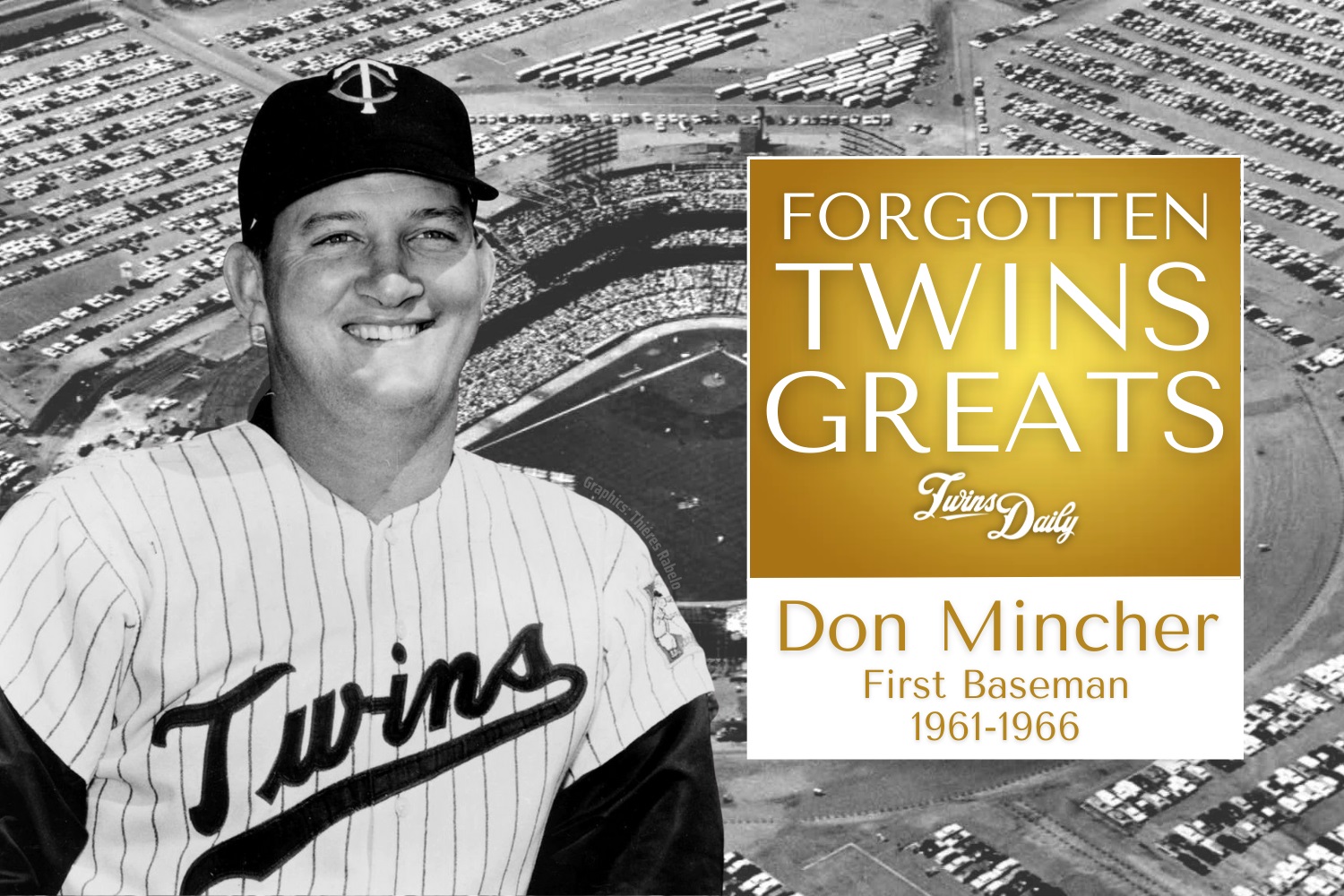 Don Mincher was a unique man. “Minch” entered the world on June 24th, 1938, in Huntsville, Alabama—a place soon to experience rapid growth during World War 2 thanks to the Army-established Redstone Arsenal. Throughout an extensive 13-year MLB career, Mincher blasted precisely 200 regular-season home runs, collected a World Series ring in 1972 with the Oakland A’s, and became “the only player to see the end of both Senators’ runs in Washington” (Branch, 2010). A Twin for six seasons, he provided thump in a lineup brimming with star power. After eschewing the University of Alabama's offer to play football, the 6’3” 205-pound Mincher signed with the Chicago White Sox for $4,000 in 1956, beginning his professional baseball career (Aaron, 2019). Mincher marinated in the minors, developing a power stroke—he blasted 23 homers in 1958 and 22 in 1959—as the White Sox excelled in the American League. The class of the league in 1959, Chicago decided that neither Mincher nor a young Norm Cash would be suitable first basemen for their club, and they dealt Mincher along with catcher Earl Battey and $150,000 to the Senators for first baseman Roy Sievers. Sievers was an excellent addition to a veteran White Sox squad, making an All-Star team in 1961, but Chicago probably regrets that trade. Mincher finally debuted in the majors after the deal, donning a Senators uniform in 1960, but inconsistent play limited his time with Washington; 1961 was much the same. 1962 and 1963 were kinder, as Mincher took advantage of pinch-hitting and spot starts to slash .251/.372/.509 over 400 combined plate appearances, but with Harmon Killebrew destroying baseballs at an unbelievable rate, playing time was tough to find. 1964 and 1965 put Mincher on the map. In ‘64, Mincher clocked more than 20 homers for the first time in his career; he would do so five more times. Mincher didn't accrue 400 plate appearances in a year until his age 27 season in 1965 (image courtesy of the National Baseball Hall of Fame) But 1965 proved to be the most memorable season for Minnesota, for Mincher, and for the circumstances that brought the slugging team to a World Series. Always a winning ballclub, the Twins struggled to break out of the dense American League in their early days, consistently falling behind Mickey Mantle’s Yankees and other assorted breakout clubs that denied Minnesota a chance at postseason glory. These were the days when one team per league went straight to the championship series; good wasn’t good enough. Fortune changed in 1965, although not immediately. Mincher didn’t start until May 19th—a typical development for him—but his time at first base picked up soon, as Killebrew started to play at third base to get Mincher’s bat in the lineup (Henninger, 7). Playing time roared into overdrive after Killebrew suffered an elbow injury in early August; Mincher was prepared to handle it. He “picked up the slack,” netting an OPS of .815 in August while reaching base at a .375 clip in September and October and finishing third on the team with 22 homers (Halsted, 44). Mincher’s hitting aided a smooth Twins effort to win the American League. The 1965 Twins easily swiped the pennant, winning 102 games and besting the second-place White Sox by seven victories. With 1965 MVP Zoilo Versalles manning short, future MVP and Hall of Famer Harmon Killebrew in the infield, Hall of Famer Tony Oliva in the outfield, and a rotation that included Hall of Famer Jim Kaat and future Cy Young winner Jim Perry—to say nothing of Mudcat Grant and his 14 complete games in 1965, Camilo Pascual and his legendary curveball, or Earl Battey’s five All-Star game selections, or the criminally underrated Bob Allsion—the 1965 Twins were bursting with elite talent. The Dodgers were a different tale. Forced to go to the wire for their pennant, Los Angeles boasted a below-average offense carried by the mystical force of Sandy Koufax’s left arm and Don Drysdale’s opposing appendage. While Minnesota scored an astounding 4.78 runs per game to lead the AL, the Dodgers could only muster 3.75, the sixth-worst in MLB. Their pitching carried the day, as Koufax, Drysdale, and Claude Osteen fronted an intimidating rotation while future Twin Ron Perranoski shut down games in relief. The Dodgers won the series by riding Koufax in a heroic Game 7 effort, but Mincher etched his place in baseball lore, smacking a hefty homer off Drysdale in the 2nd inning of the series’ opening game. He collected singles in Game 2 and Game 3. Don Drysdale finished 5th in MVP voting in 1965, but Mincher still tagged him for a homer in Game 1 of the World Series (image courtesy of Alabama.com) Mincher’s 1966 play, like the rest of the Twins, was disappointing. Still, he re-entered baseball history by being one of five Twins to homer in an inning during the 7th inning of a game against the Kansas City Athletics on June 9, 1966, still an MLB record (B/R Bullpen). Rich Rollins, Oliva, Killebrew, and Versalles were his home-run compatriots. The Twins traded Mincher following the season to the Angels for starter Dean Chance who made the American League All-Star team for Minnesota in 1967. Mincher became something of a journeyman after his time in Minnesota. He, too, made the All-Star team in 1967, but a down season in 1968—punctuated by a frightening blow to the cheek by a Sam McDowell fastball—allowed the Angels to leave him unprotected in the expansion draft; the Seattle Pilots selected Mincher with the first overall pick (Markusen). Mincher’s 1969 season was excellent—far better than anything the porous Pilots could produce—and he was named an All-Star for the second time in his career; he is the only player to ever serve as an All-Star for the Pilots as they packed up shop and headed to Milwaukee following an atrocious season. Jim Bouton in Ball Four—the historic, controversial account of the Pilots in 1969—called Mincher a “good fellow,” despite Bouton’s comedic prejudices over southern accents (Bouton, 56, 114). Though the Pilots folded and trekked east to Milwaukee, Mincher remained on the West Coast, joining the Oakland A’s after a trade before the 1970 season. Mincher remained productive, slugging .460 over 140 games with a team featuring Mudcat Grant and young budding stars in Reggie Jackson, Rollie Fingers, and Vida Blue. Oakland traded Mincher to the zombie Senators in May of 1971, where he teamed up with an aging Frank Howard and received coaching from Ted Williams; it was Washington’s final season with an MLB franchise before the Nationals opened up shop in 2005. 1972 was a slog. The Rangers, wandering spirits under Williams, dealt Mincher back to Oakland in July. Almost solely used as a pinch-hitter, his magic was gone, and Mincher struggled mightily down the stretch. Still, he reared back for one last moment of greatness, smacking the game-tying single in the 9th inning of Game 4 of the series; Oakland won the game and beat Cincinnati in a legendary 4-3 series victory. Fresh off winning a championship, Mincher felt the weight of brutal exhaustion. His inconsistent playing time frustrated him, and—in combination with a shoulder injury that turned combing his hair into a painful endeavor—Mincher ended his time as a player (Aaron, 2019). Mincher retired after the 1972 season. Despite owning a World Series ring and etching his name onto two All-Star rosters, a sense of misunderstanding hangs over his career. A more enlightened method of analyzing hitting reveals him as an overlooked bat, an OBP and slugging specialist whose advanced stats compare well to Rhys Hoskins—a consistent, unquestioned everyday starter. Yet, Mincher only topped 500 plate appearances in a season three times and was always relegated to a role that did not fully utilize his skills. Having the greatest Twin in history locked down at first base during the heart of his prime didn’t help, either. Minnesota’s hitting leaderboards reveal Mincher’s brilliance. Despite playing in an era of suppressed offense, he ranks with the 5th-highest slugging percentage in team history, the 11th-highest wRC+, and the 9th-best walk rate. He slugged more than Kent Hrbek, walked at a higher rate than Joe Mauer, and provided more adjusted offensive firepower than Kirby Puckett (Fangraphs). Mincher would never boast about these numbers; he preferred to talk more about his teammates than himself. Baseball was not done needing Mincher. The Huntsville Stars, a minor league team in the Southern League, coaxed him away from his post-playing career sporting goods venture. He became their general manager in 1985 (Aaron, 2019). In 2000, he took over as the interim president of the Southern League, soon losing the “interim” moniker as he presided in the role until his retirement in 2011 (Aaron, 2019). Mincher entered the Alabama Sports Hall of Fame in 2008 (B/R Bullpen). In 2010, he earned the title “King of Baseball.” (McCarter, 2010) Mincher passed away on March 4th, 2012, in Huntsville, Alabama. -------------------------------------------------------------------------------------- Twinsdaily's formatting doesn't allow for footnotes, my preferred style of citation, so I used the Author/Date system in the text with my bibliography here. Sources are listed alphabetically, not necessarily by use. Sources: Aaron, Marc Z. "sabr.org/bioproj/person/Don-Mincher," SABR, 2019. https://www.baseball-reference.com/bullpen/Don_Mincher Bouton, Jim "Ball Four," Turner Publishing Company, 1970. Branch, John “A Twin, a Ranger and, Most of All, a Senator,” New York Times, October 6, 2010. https://www.fangraphs.com Halsted, Alex "100 Things Twins Fans Should Know and Do Before They Die," Triumph Books, 2011. Henninger, Thom "The Pride of Minnesota: The Twins in the Turbulent 1960s," Lincoln: University of Nebraska Press, 2021. Markusen. Bruce "#CARDCORNER: 1968 TOPPS DON MINCHER," baseballhall.org. McCarter, Mark "Huntsville's Don Mincher named 'King of Baseball,'" alabama.com, December, 9, 2010.
 -
Trade Target: Twins Should Say "Hello" to Adell
Matt Braun replied to Seth Stohs's topic in Twins Daily Front Page News
It would be interesting, but man, Adell hasn't hit overly well since his time at AA... in 2019. Yeah, you could level the same critique on a young Torii Hunter---and baseball truisms say that toolsy outfielders take awhile to develop---but he he just might not be it. -
The argument may not be so far-fetched. Image courtesy of Kamil Krzaczynski-USA TODAY Sports Recent trade talks with the Marlins have spurned eye-opening news: the Twins are actively discussing trading Luis Arraez. The reports are not entirely shocking. Teams value young, controllable pieces, and when you enjoy a plethora of pitching riches—something few teams can claim—you can demand the world in return; a ragtag combo of Nick Gordon and Josh Winder will not get the job done. That’s the price of doing business. The Marlins are maximizing the return on their valuable pieces. But wait, it is shocking! Arraez is an All-Star just entering arbitration! What are we even talking about here? There’s an aesthetic brilliance to Arraez’s hitting, one that baseball sorely lacks these days. He’s not a Chris Johnson BABIP fluke: Arraez possesses the unique ability to sniff out hits, spraying line drives across the field with artistic flair and shocking consistency; his hit chart is as democratic as they come. When paired with an impressive skill to resist swinging at bad pitches, his complete batting package is superhuman, only lacking in power because the good Lord wouldn’t want to create a player that unfair. Throw in his age—he’s just 25 years old—and years of team control remaining, and it would appear crazy for a team to trade such a cornerstone. There’s more to baseball than hitting. Only one player can claim the DH spot on any given day, making the other eight players a dual threat, someone who must field as well as bat. Arraez isn’t particularly adroit at second or third—the two positions Minnesota tried him out at the most—and playing him in the outfield is some real cursed stuff, but the Twins did find him a home at first in 2022. Advanced defensive stats applauded Arraez, and he finished 2022 with the highest UZR/150 amongst first basemen with at least 500 innings. A victory for short kings everywhere. The standard for hitting at first base, though, is much higher than other positions. While Arraez is only behind Andrés Giménez, Jeff McNeil, and José Altuve, respectively, for wRC+ as a second baseman, seven first basemen are ahead of him in line; its defensive barrier of entry is lower. It’s a tradeoff, as most roster decisions in baseball are, but it’s one the Twins could understandably dislike, especially as the team sits on a bevy of infielders with varying degrees of the same problem. Think of it this way: what’s a peak Arraez season? His massive second half cool-down proves there’s still something left in his proverbial tank; perhaps a more consistent performance nets him a wRC+ in the high 130s, maybe touching 140. It would be an impressive season, but one that just hovers around the top 5 or so for first basemen, netting him around 4.0 fWAR. That’s a good player, but is it an unmovable one? Is it unreasonable to imagine a scenario where a healthy Alex Kirilloff bridges the gap, playing close enough to those totals that any value they get from Pablo López is gravy? It’s not a terrible inefficiency—there are worse things to have than an excellent defensive 1st baseman who also doubles as a top-ten hitter at the position—so if the Twins choose to keep Arraez planted, they aren’t hemorrhaging wins. But teams avoid atypical archetypes at 1st for a reason—there's only one Keith Hernandez, after all—and once you start dissecting the roster, cutting deep into the margins to look for upgrades, Arraez appears expendable, and the Twins could be well-suited to stomach losing him. View full article
-
Why in the World Are the Twins Thinking of Trading Luis Arraez?
Matt Braun posted an article in Twins
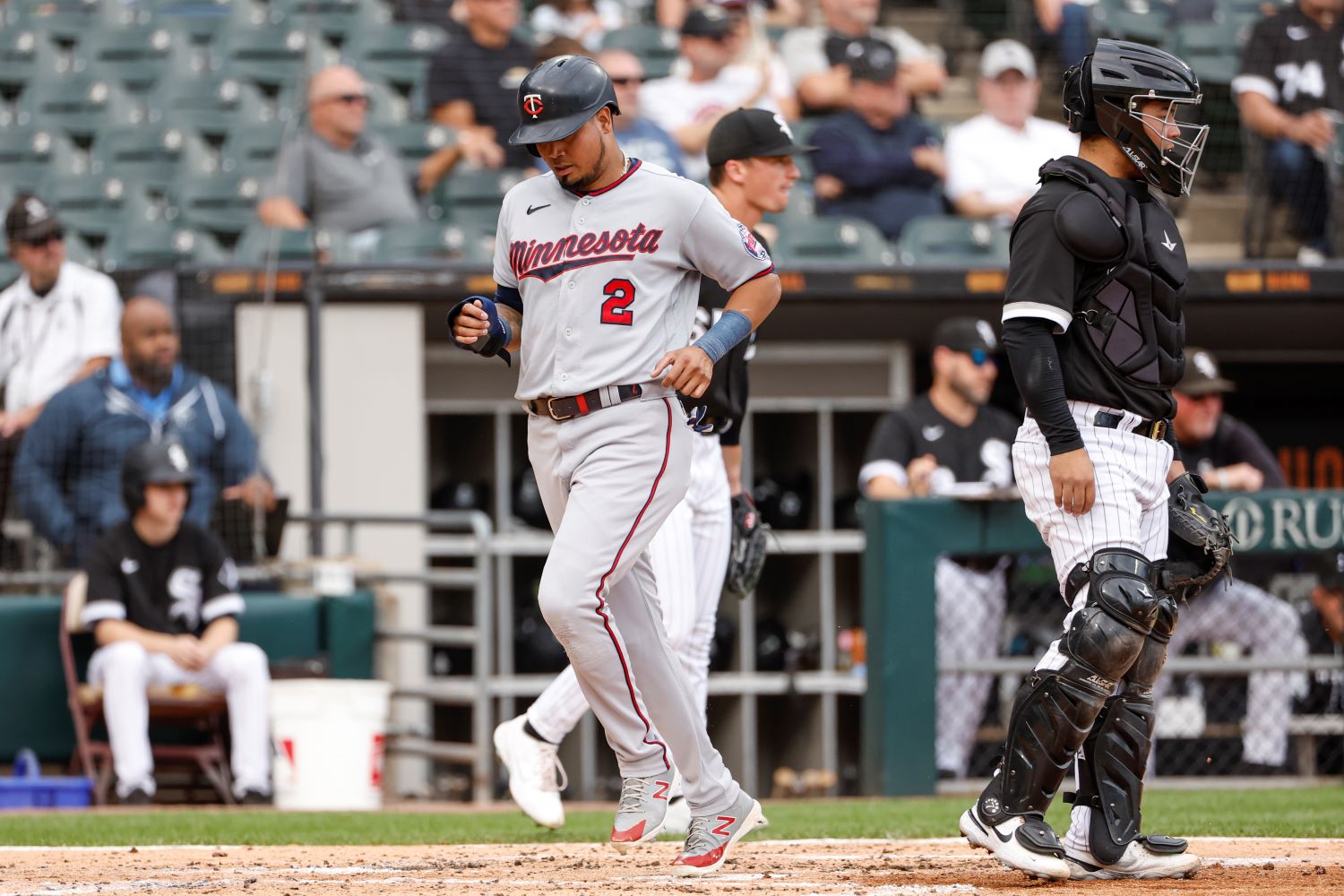 Recent trade talks with the Marlins have spurned eye-opening news: the Twins are actively discussing trading Luis Arraez. The reports are not entirely shocking. Teams value young, controllable pieces, and when you enjoy a plethora of pitching riches—something few teams can claim—you can demand the world in return; a ragtag combo of Nick Gordon and Josh Winder will not get the job done. That’s the price of doing business. The Marlins are maximizing the return on their valuable pieces. But wait, it is shocking! Arraez is an All-Star just entering arbitration! What are we even talking about here? There’s an aesthetic brilliance to Arraez’s hitting, one that baseball sorely lacks these days. He’s not a Chris Johnson BABIP fluke: Arraez possesses the unique ability to sniff out hits, spraying line drives across the field with artistic flair and shocking consistency; his hit chart is as democratic as they come. When paired with an impressive skill to resist swinging at bad pitches, his complete batting package is superhuman, only lacking in power because the good Lord wouldn’t want to create a player that unfair. Throw in his age—he’s just 25 years old—and years of team control remaining, and it would appear crazy for a team to trade such a cornerstone. There’s more to baseball than hitting. Only one player can claim the DH spot on any given day, making the other eight players a dual threat, someone who must field as well as bat. Arraez isn’t particularly adroit at second or third—the two positions Minnesota tried him out at the most—and playing him in the outfield is some real cursed stuff, but the Twins did find him a home at first in 2022. Advanced defensive stats applauded Arraez, and he finished 2022 with the highest UZR/150 amongst first basemen with at least 500 innings. A victory for short kings everywhere. The standard for hitting at first base, though, is much higher than other positions. While Arraez is only behind Andrés Giménez, Jeff McNeil, and José Altuve, respectively, for wRC+ as a second baseman, seven first basemen are ahead of him in line; its defensive barrier of entry is lower. It’s a tradeoff, as most roster decisions in baseball are, but it’s one the Twins could understandably dislike, especially as the team sits on a bevy of infielders with varying degrees of the same problem. Think of it this way: what’s a peak Arraez season? His massive second half cool-down proves there’s still something left in his proverbial tank; perhaps a more consistent performance nets him a wRC+ in the high 130s, maybe touching 140. It would be an impressive season, but one that just hovers around the top 5 or so for first basemen, netting him around 4.0 fWAR. That’s a good player, but is it an unmovable one? Is it unreasonable to imagine a scenario where a healthy Alex Kirilloff bridges the gap, playing close enough to those totals that any value they get from Pablo López is gravy? It’s not a terrible inefficiency—there are worse things to have than an excellent defensive 1st baseman who also doubles as a top-ten hitter at the position—so if the Twins choose to keep Arraez planted, they aren’t hemorrhaging wins. But teams avoid atypical archetypes at 1st for a reason—there's only one Keith Hernandez, after all—and once you start dissecting the roster, cutting deep into the margins to look for upgrades, Arraez appears expendable, and the Twins could be well-suited to stomach losing him.
 -
 As we have seen the past two seasons, the Minnesota Twins have needed more than just their 26-man roster to get through the season. In fact, they have not only used their 40-man roster, but another 20+ players each year. That is the reason why we care so much about offseason minor-league signings, many of them will get an opportunity with the Twins at some time during the season. Here’s a list of the 25 players invited to join the 40-man roster players in Ft. Myers for spring training: Brooks Lee and Austin Martin are the two headline names. Lee, the Twins’ 1st round pick last year, looks to rub elbows with major leaguers for the first time in his career. Martin, now playing in his second spring training, can prove that his AFL performance was not a fluke. Both players will fight for who can pick Carlos Correa’s brain the most. Beyond them are some exciting arms: Cody Laweryson—a gliding righty who struck out over 30% of batters at Double-A; Evan Sisk—a cross-bodied lefty reliever who owned a 1.57 ERA last season between Double-A and Triple-A; and Blayne Enlow, who cleared waivers on Friday and will be looking for a chance to re-establish himself as an impact arm. As the post notes, 13 players—Willi Castro (Tigers), Mark Contreras (Twins), Danny Coulombe (A's, Dodgers, Twins), José De Léon (Dodgers, Rays, Reds), Randy Dobnak (Twins), Grayson Greiner (Tigers, Diamondbacks), Ryan LaMarre (Red Sox, White Sox, Reds, Yankees, A's, Twins), Patrick Murphy (Blue Jays, Nationals), Chance Sisco (Orioles, Mets), Elliot Soto (Angels, Twins), Brock Stewart (Dodgers, Blue Jays), Tyler White (Astros and Dodgers), and Tony Wolters (Rockies, Cubs, Dodgers)—can claim previous major-league experience. There’s a good chance a few of these players will impact the Twins in 2023. If you’re looking for an Author’s Choice list of players to keep an eye on, it goes as follows: Laweryson, Stewart, and Sisco. Laweryson, while lacking in prominent tools, punches people out with a tricky plane—an upward one, sorry Bert—and intimidating swan-like limbs. Stewart owns over 100 forgettable innings with the Dodgers, but his fastball was sitting in the mid-90s last season, making him one of the first choices when a reliever inevitably bites it. Cisco is a former top prospect whose sheen hasn’t sparkled in years. He earned surprisingly few major league opportunities, and a fresh start could produce better results for the catcher. Certainly more players will be invited in the coming weeks, but who would you say are the leading candidates for Sire of Ft. Myers based on this list? Comment below.
- 17 comments
-
- 3
-

-
- brooks lee
- austin martin
- (and 3 more)
-
Some of these guys will play on the 2023 Twins, so you may as well read about them. Image courtesy of Mark J. Rebilas-USA TODAY Sports As we have seen the past two seasons, the Minnesota Twins have needed more than just their 26-man roster to get through the season. In fact, they have not only used their 40-man roster, but another 20+ players each year. That is the reason why we care so much about offseason minor-league signings, many of them will get an opportunity with the Twins at some time during the season. Here’s a list of the 25 players invited to join the 40-man roster players in Ft. Myers for spring training: Brooks Lee and Austin Martin are the two headline names. Lee, the Twins’ 1st round pick last year, looks to rub elbows with major leaguers for the first time in his career. Martin, now playing in his second spring training, can prove that his AFL performance was not a fluke. Both players will fight for who can pick Carlos Correa’s brain the most. Beyond them are some exciting arms: Cody Laweryson—a gliding righty who struck out over 30% of batters at Double-A; Evan Sisk—a cross-bodied lefty reliever who owned a 1.57 ERA last season between Double-A and Triple-A; and Blayne Enlow, who cleared waivers on Friday and will be looking for a chance to re-establish himself as an impact arm. As the post notes, 13 players—Willi Castro (Tigers), Mark Contreras (Twins), Danny Coulombe (A's, Dodgers, Twins), José De Léon (Dodgers, Rays, Reds), Randy Dobnak (Twins), Grayson Greiner (Tigers, Diamondbacks), Ryan LaMarre (Red Sox, White Sox, Reds, Yankees, A's, Twins), Patrick Murphy (Blue Jays, Nationals), Chance Sisco (Orioles, Mets), Elliot Soto (Angels, Twins), Brock Stewart (Dodgers, Blue Jays), Tyler White (Astros and Dodgers), and Tony Wolters (Rockies, Cubs, Dodgers)—can claim previous major-league experience. There’s a good chance a few of these players will impact the Twins in 2023. If you’re looking for an Author’s Choice list of players to keep an eye on, it goes as follows: Laweryson, Stewart, and Sisco. Laweryson, while lacking in prominent tools, punches people out with a tricky plane—an upward one, sorry Bert—and intimidating swan-like limbs. Stewart owns over 100 forgettable innings with the Dodgers, but his fastball was sitting in the mid-90s last season, making him one of the first choices when a reliever inevitably bites it. Cisco is a former top prospect whose sheen hasn’t sparkled in years. He earned surprisingly few major league opportunities, and a fresh start could produce better results for the catcher. Certainly more players will be invited in the coming weeks, but who would you say are the leading candidates for Sire of Ft. Myers based on this list? Comment below. View full article
-
Chris Paddack Agrees to Contract Extension with the Minnesota Twins
Matt Braun posted an article in Twins
 After coming to terms with the Twins earlier today on a one-year $2.4M deal to avoid arbitration, Chris Paddack agreed to a contract extension that will allow the team to keep him pitching for the Twins for 2+ more years when he returns from Tommy John surgery later this season, Twins Daily has learned. Financial details of the contract have not been disclosed, but it is expected to be worth $10-15M in total value. Remember Chris Paddack? Of everything that went wrong with the 2022 Twins, Paddack’s early-season promise and immediate surgery happened so quickly that an adept gaslighter could convince one that he never existed in the first place. Paddack’s career arc is well-documented. The 27-year-old former starting pitching phenom traveled to San Diego from Miami in a trade for—you're going to love this—Fernando Rodney. From there, he shot up prospect lists and became a popular pick to become a major league regular. His 2019 rookie season proved promising, as the youngster made the opening day roster by surprise and accrued 140 ⅔ quality innings. The future seemed bright. The future is also mean. Paddack’s fastball/changeup combo went from electric to the little shock that emanates from one of those fake gum gimmick toys. Paddack's numbers dropped with no useful third pitch in sight; however, his home runs continued to stay high, and both 2020 and 2021 were a wash. Feeling the itch to trade someone, A.J. Preller moved Paddack, Emilio Pagán, and Brayan Medina for Taylor Rogers and Brent Rooker, announcing that it would be someone else’s problem to fix the former future ace. Minnesota may have done that. Paddack carried a hilarious 1.72 FIP through five games—not giving up a homer will do that—and even appeared to have worked in an adequate slider to pair with his fastball and changeup. Then the elbow started barking. the Paddack now enjoys company in the double Tommy John club. No one wants to be a part of such a gathering. Three members of the Twins' projected starting rotation will be free agents at the end of the year. The Twins are gambling that, in an age where high schoolers undergo the operation, a second Tommy John surgery simply means a pair of scars, and Paddack can return to being a promising pitcher on a staff in need of younger blood. John Bonnes contributed to this story.
 -
Chris Paddack has agreed to a contract extension with the Minnesota Twins that will keep him pitching for the Twins through the 2025 season. The three-year contract will delay Paddack becoming a free agent by one-year. Image courtesy of © Jay Biggerstaff-USA TODAY Sports After coming to terms with the Twins earlier today on a one-year $2.4M deal to avoid arbitration, Chris Paddack agreed to a contract extension that will allow the team to keep him pitching for the Twins for 2+ more years when he returns from Tommy John surgery later this season, Twins Daily has learned. Financial details of the contract have not been disclosed, but it is expected to be worth $10-15M in total value. Remember Chris Paddack? Of everything that went wrong with the 2022 Twins, Paddack’s early-season promise and immediate surgery happened so quickly that an adept gaslighter could convince one that he never existed in the first place. Paddack’s career arc is well-documented. The 27-year-old former starting pitching phenom traveled to San Diego from Miami in a trade for—you're going to love this—Fernando Rodney. From there, he shot up prospect lists and became a popular pick to become a major league regular. His 2019 rookie season proved promising, as the youngster made the opening day roster by surprise and accrued 140 ⅔ quality innings. The future seemed bright. The future is also mean. Paddack’s fastball/changeup combo went from electric to the little shock that emanates from one of those fake gum gimmick toys. Paddack's numbers dropped with no useful third pitch in sight; however, his home runs continued to stay high, and both 2020 and 2021 were a wash. Feeling the itch to trade someone, A.J. Preller moved Paddack, Emilio Pagán, and Brayan Medina for Taylor Rogers and Brent Rooker, announcing that it would be someone else’s problem to fix the former future ace. Minnesota may have done that. Paddack carried a hilarious 1.72 FIP through five games—not giving up a homer will do that—and even appeared to have worked in an adequate slider to pair with his fastball and changeup. Then the elbow started barking. the Paddack now enjoys company in the double Tommy John club. No one wants to be a part of such a gathering. Three members of the Twins' projected starting rotation will be free agents at the end of the year. The Twins are gambling that, in an age where high schoolers undergo the operation, a second Tommy John surgery simply means a pair of scars, and Paddack can return to being a promising pitcher on a staff in need of younger blood. John Bonnes contributed to this story. View full article
-
Twins Acquire RHP A.J. Alexy from Nationals
Matt Braun posted a topic in Twins Daily Front Page News
Something, something, the announcement we're all waiting for, something something Image courtesy of Jerome Miron-USA TODAY Sports A.J. Alexy is every reliever; every reliever is A.J. Alexy. The 6’4” righty—once part of Texas' return for Yu Darvish, and a 40+ FV prospect, according to Fangraphs—has “long had premium arm strength and a plus-flashing breaking ball,” according to Eric Longenhagen. But command has proved to be a mighty bugaboo, and Alexy’s ghastly walk rate has limited his major league success. Alexy will throw four pitches—a traditional fastball, slider, curveball, and changeup mix—with his slide piece as the dominant offering. Although he didn’t throw many MLB innings last season, the slider coaxed an impressive .237 xwOBA from batters, a number far better than his fastball; that pitch allowed a .508 xwOBA. The heater clocks in at 94.2 MPH, a little above the major league average. A new mechanical change—a shortened, spiral-like arm action reminiscent of Lucas Giolito—didn’t bear fruit in 2022, but the Twins see something they like in him; Alexy will join their yearly cast of upside relievers looking for a chance to prove something. In return, the Twins hand over Cristian Jimenez, an 18-year-old arm who put up solid numbers in the DSL in 2022. They also DFA’d Oliver Ortega, a recent waiver claim from the Angels, who they may not have even fitted for a jersey. It’s a classic short-term play by the Twins. Alexy—recently DFA’d by the Nationals—possesses the potential to aid the team now. The team can toss him out in low-leverage situations, slowly building up his confidence before potentially promoting him to pitch in later innings. Or, he won’t find the strike zone, and the Twins will DFA him before June. Or, they could DFA him later this week if a roster spot is needed. The line between Jhon Romero and Evan Phillips is thin. Alexy allowed two hits over his his first 11 MLB frames in 2021. View full article -
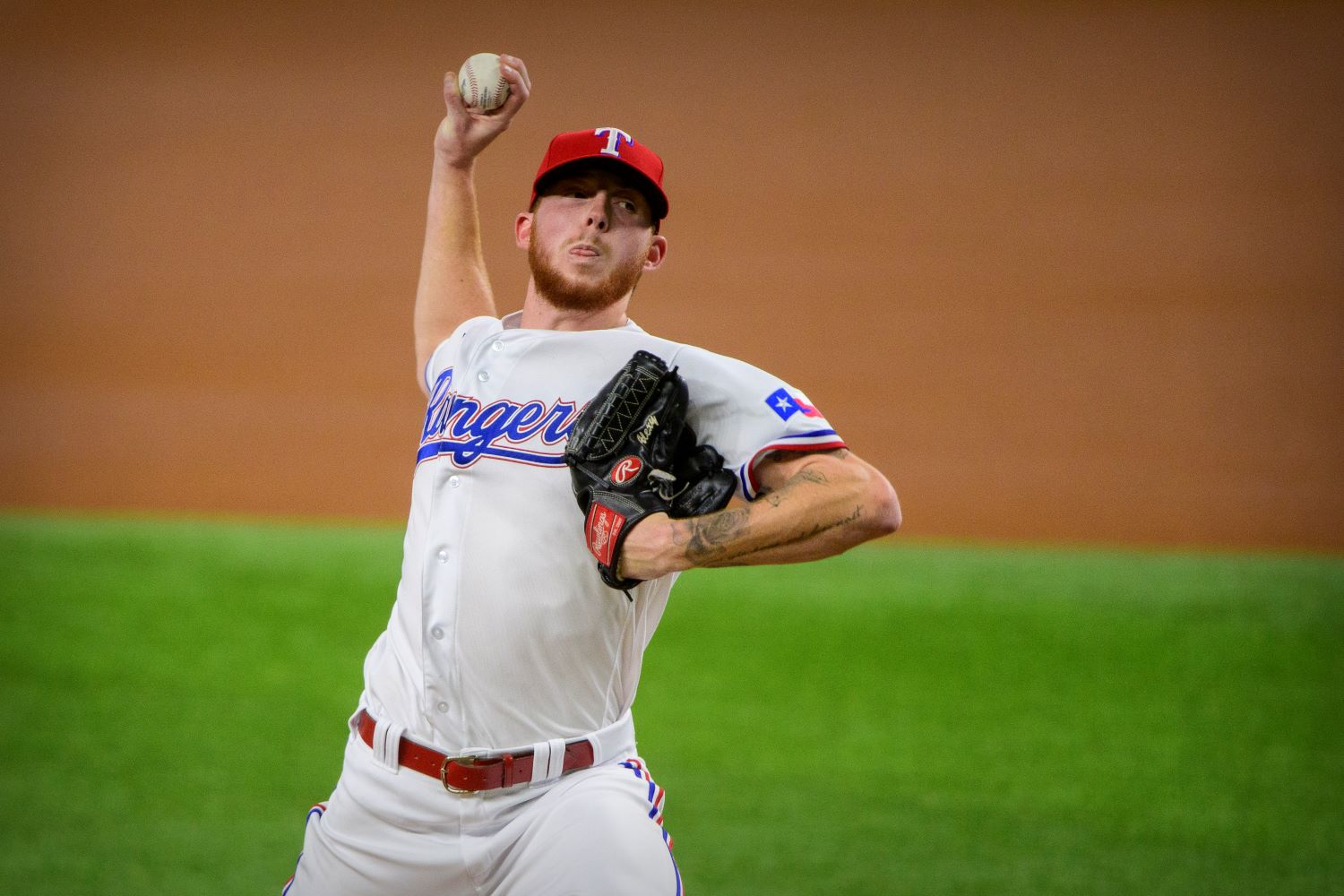 A.J. Alexy is every reliever; every reliever is A.J. Alexy. The 6’4” righty—once part of Texas' return for Yu Darvish, and a 40+ FV prospect, according to Fangraphs—has “long had premium arm strength and a plus-flashing breaking ball,” according to Eric Longenhagen. But command has proved to be a mighty bugaboo, and Alexy’s ghastly walk rate has limited his major league success. Alexy will throw four pitches—a traditional fastball, slider, curveball, and changeup mix—with his slide piece as the dominant offering. Although he didn’t throw many MLB innings last season, the slider coaxed an impressive .237 xwOBA from batters, a number far better than his fastball; that pitch allowed a .508 xwOBA. The heater clocks in at 94.2 MPH, a little above the major league average. A new mechanical change—a shortened, spiral-like arm action reminiscent of Lucas Giolito—didn’t bear fruit in 2022, but the Twins see something they like in him; Alexy will join their yearly cast of upside relievers looking for a chance to prove something. In return, the Twins hand over Cristian Jimenez, an 18-year-old arm who put up solid numbers in the DSL in 2022. They also DFA’d Oliver Ortega, a recent waiver claim from the Angels, who they may not have even fitted for a jersey. It’s a classic short-term play by the Twins. Alexy—recently DFA’d by the Nationals—possesses the potential to aid the team now. The team can toss him out in low-leverage situations, slowly building up his confidence before potentially promoting him to pitch in later innings. Or, he won’t find the strike zone, and the Twins will DFA him before June. Or, they could DFA him later this week if a roster spot is needed. The line between Jhon Romero and Evan Phillips is thin. Alexy allowed two hits over his his first 11 MLB frames in 2021.
 -
Torii Hunter- My Case for Cooperstown
Matt Braun replied to Alex Boxwell's topic in Twins Daily Front Page News
I'd love to support Torii more, but it's clear that advanced stats don't buy that he's one of the greatest defensive center fielders of all-time; he's like outfield Derek Jeter, unfortunately. -
It doesn't have a lot to do with Michael Wacha. Image courtesy of Gerry Angus-USA TODAY Sports A recent report in The Athletic, which reads more like an off-hand comment than a groundbreaking revelation, purports that the Twins have expressed interest in RHP Michael Wacha. Now, “expressed interest” is a favorite baseball term that can loosely define every style of relationship a team can have with a player. Thad Levine vaguely dreaming about Wacha could lead to the team “expressing interest.” The Phillies have “expressed interest” in Mike Trout for a decade. The term means nothing. The connection makes sense, though. The Twins have yet to sign a major-league pitcher; Wacha is an arm capable of accruing outs between reasonable levels of runs scoring. With a bunch of theoretical payroll space and Carlos Correa probably still signing with the Mets, the Twins should spend their money on something. It’s a perfect pairing. But we’ve been down this path before. J.A. Happ, Matt Shoemaker, Dylan Bundy, and Chris Archer are four other arms who once possessed some nebulous upside, enough to convince a professional franchise to pay them money for their pitching labor. What happened after those players signed is well-known; we don’t have to tread that path again. Wacha is his own man, though; it would be unfair—and illogical—to believe he would match those past pitcher’s sins just because he loosely fits their outline. The Red Sox, Mets, and Rays, teams run by baseball people far brighter than us casuals, looked at Wacha, glanced at his numbers, and believed in him enough to guarantee millions of dollars to the former Cardinal standout. These weren’t teams chasing a false promise; they fairly gambled that, with a few alterations, Wacha could provide enough production to bring their franchise value. The bet didn’t work for the Mets or Rays, but it worked enough for the Red Sox that one could generously declare their deal a success. So, Wacha could do the same for Minnesota; that possibility remains tangible. The issue is a baseball-specific sunk cost fallacy mixed with classic roster manipulation. Those past deals—beyond turning sour as each pitcher failed to play well—failed because the Twins continued to send those arms out to die. Bundy inhaled 140 real major-league innings. He’ll now slither into baseball obscurity on a minor-league deal with *insert team here.* Or he’ll become an ace. Baseball is funny like that. The Twins told Bundy to go get 'em so often because, well, they were paying him $4 million, and people like seeing a return on their investment, but also because of flexibility. Or, rather, a lack of it. In a naturally conservative institution like baseball, hitting the eject button on a player is a nearly unalterable act. Without those tasty minor-league options, a franchise has to sneak a player by other teams, hoping that no one notices that a capable arm is now free for anyone to acquire. When that fails because the Diamondbacks need someone to throw slop for them, the team takes a vicious hit to their depth. So Bundy stays because he’s somewhat usable. In that sense, Bundy is useful; every team unwillingly hands out innings to players they’d prefer to avoid starting—hopefully, Adam Wilk is enjoying life. It’s the nature of pitching. But Bundy also blocks others. Louie Varland remains in the minors because Bundy isn’t terrible; he certainly earned a few victories for the Twins, but is he so much better than Varland that the Twins should eschew the youngster in favor of the veteran? This was the essential issue of the 2022 Twins; no one was truly horrifyingly bad, but instead existed in a mediocre haven, making it difficult for the team ever to cut bait. At least Shoemaker made it clear he was cooked. Wacha is probably not better than Varland; that’s the article. If you sign a pitcher with a good chance at being below-average—and without disrespect, Wacha fits that mold—you create fake depth; at least Varland can go to St. Paul if he starts pitching poorly. With Wacha, you just have to grin and bear it, only cutting bait once he reaches unforgivable status. Or, in Twins shorthand, if he “Shoemakers” it. View full article
-
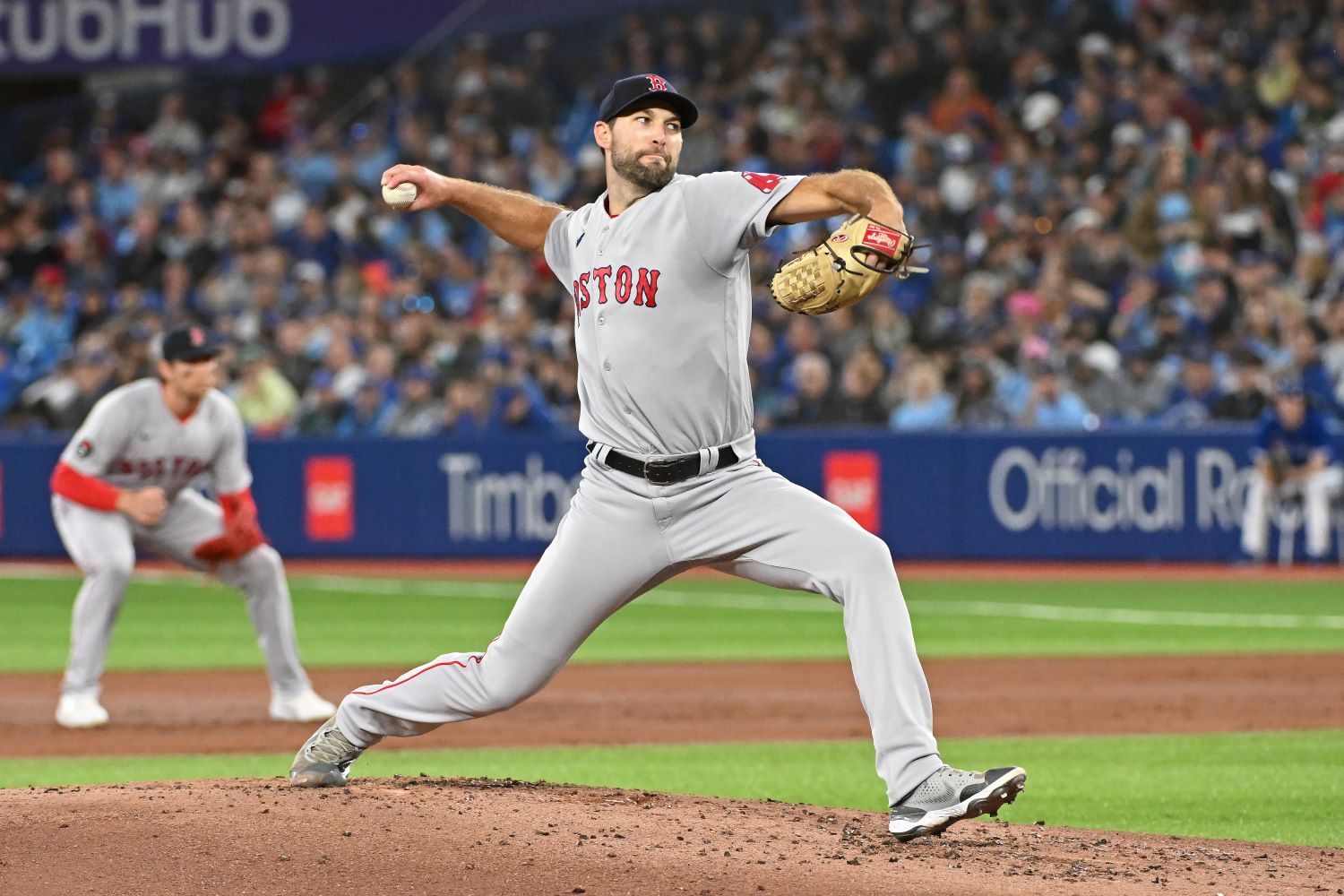 A recent report in The Athletic, which reads more like an off-hand comment than a groundbreaking revelation, purports that the Twins have expressed interest in RHP Michael Wacha. Now, “expressed interest” is a favorite baseball term that can loosely define every style of relationship a team can have with a player. Thad Levine vaguely dreaming about Wacha could lead to the team “expressing interest.” The Phillies have “expressed interest” in Mike Trout for a decade. The term means nothing. The connection makes sense, though. The Twins have yet to sign a major-league pitcher; Wacha is an arm capable of accruing outs between reasonable levels of runs scoring. With a bunch of theoretical payroll space and Carlos Correa probably still signing with the Mets, the Twins should spend their money on something. It’s a perfect pairing. But we’ve been down this path before. J.A. Happ, Matt Shoemaker, Dylan Bundy, and Chris Archer are four other arms who once possessed some nebulous upside, enough to convince a professional franchise to pay them money for their pitching labor. What happened after those players signed is well-known; we don’t have to tread that path again. Wacha is his own man, though; it would be unfair—and illogical—to believe he would match those past pitcher’s sins just because he loosely fits their outline. The Red Sox, Mets, and Rays, teams run by baseball people far brighter than us casuals, looked at Wacha, glanced at his numbers, and believed in him enough to guarantee millions of dollars to the former Cardinal standout. These weren’t teams chasing a false promise; they fairly gambled that, with a few alterations, Wacha could provide enough production to bring their franchise value. The bet didn’t work for the Mets or Rays, but it worked enough for the Red Sox that one could generously declare their deal a success. So, Wacha could do the same for Minnesota; that possibility remains tangible. The issue is a baseball-specific sunk cost fallacy mixed with classic roster manipulation. Those past deals—beyond turning sour as each pitcher failed to play well—failed because the Twins continued to send those arms out to die. Bundy inhaled 140 real major-league innings. He’ll now slither into baseball obscurity on a minor-league deal with *insert team here.* Or he’ll become an ace. Baseball is funny like that. The Twins told Bundy to go get 'em so often because, well, they were paying him $4 million, and people like seeing a return on their investment, but also because of flexibility. Or, rather, a lack of it. In a naturally conservative institution like baseball, hitting the eject button on a player is a nearly unalterable act. Without those tasty minor-league options, a franchise has to sneak a player by other teams, hoping that no one notices that a capable arm is now free for anyone to acquire. When that fails because the Diamondbacks need someone to throw slop for them, the team takes a vicious hit to their depth. So Bundy stays because he’s somewhat usable. In that sense, Bundy is useful; every team unwillingly hands out innings to players they’d prefer to avoid starting—hopefully, Adam Wilk is enjoying life. It’s the nature of pitching. But Bundy also blocks others. Louie Varland remains in the minors because Bundy isn’t terrible; he certainly earned a few victories for the Twins, but is he so much better than Varland that the Twins should eschew the youngster in favor of the veteran? This was the essential issue of the 2022 Twins; no one was truly horrifyingly bad, but instead existed in a mediocre haven, making it difficult for the team ever to cut bait. At least Shoemaker made it clear he was cooked. Wacha is probably not better than Varland; that’s the article. If you sign a pitcher with a good chance at being below-average—and without disrespect, Wacha fits that mold—you create fake depth; at least Varland can go to St. Paul if he starts pitching poorly. With Wacha, you just have to grin and bear it, only cutting bait once he reaches unforgivable status. Or, in Twins shorthand, if he “Shoemakers” it.
- 19 comments
-
- 9
-
-
- michael wacha
- matt shoemaker
- (and 3 more)
-
I don't believe I made any of those assumptions or said any of those things
- 59 replies
-
- 7
-
-
- joey gallo
- max kepler
- (and 1 more)
-
My stance would be that they got historically fortunate that two teams failed to cross the finish line with him despite both deals reaching the formality stage.
- 59 replies
-
- 2
-
-
- joey gallo
- max kepler
- (and 1 more)
-
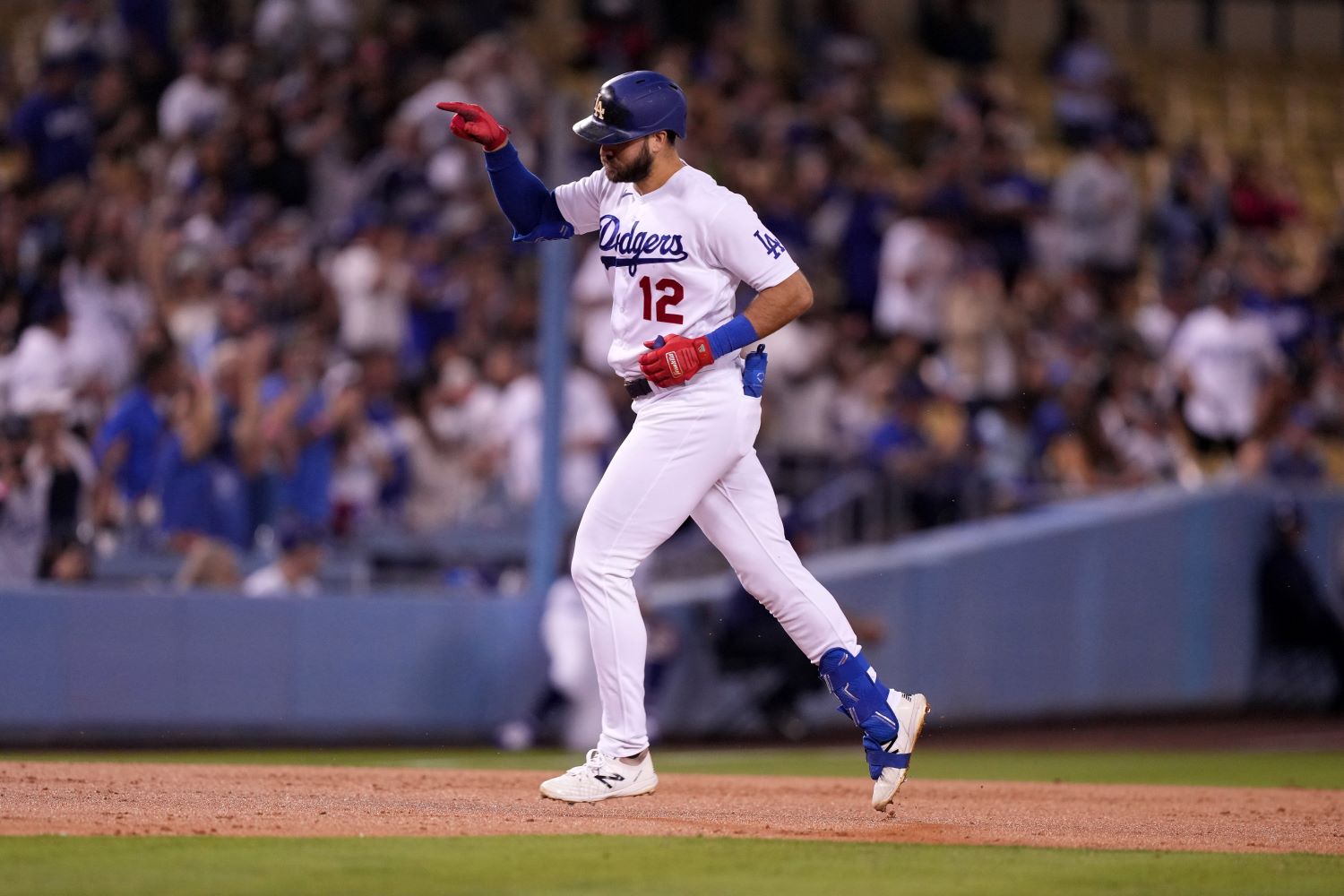 One-year deals are an admission of fault. Either the market lacked quality, all trade routes fell through, or the internal options were so hideous that the team felt it necessary to promise a player pay for just a single year of their time. For the athlete, a one-year-deal represents one of two things: an opportunity to bounce back from a dreadful season, perhaps re-inflating one’s value before hitting the free market with a prettier sheen, or an acceptance of age, an understanding that father time’s inevitable march will render your talents useless. No team wants to lose out in a nebulous contract musical chairs, so the player Nelson Cruz’s it and agrees to one-year pacts before slithering away into retirement. Or he’ll sign with Pittsburgh. Teams love diving into these waters. If the contract busts, they don’t have to be the poor souls legally stuck to an albatross, and their job security only takes the slightest hit. It was a good bet, after all. If the deal works, they look like genius, clairvoyant decision-makers who can reap the benefits of a productive player while raking in compliments. In a land where Xander Bogaerts signs for 11 years, that’s a reasonable pool to visit. There’s an emptiness to these deals, though. While professional sports is a business, we like to create connections with players, perhaps fooling ourselves into ignoring the massive amounts of money that exchange hands to allow their athletic ability to shine. When Max Kepler mans right field for the millionth time in a Twins uniform, our shared experience builds a connection, one that draws people closer to their romantic idea of a hometown sports team. What relationship will we have with Joey Gallo? How can we fully love a player destined to leave? The player’s intentions become evident in this scenario. While Carlos Correa may become hands-on—which may not reflect well on him given the 2022 Twins’ record—other athletes may embody their hitman spirit, poisoning the clubhouse spirit with a selfish demeanor. The Twins, oddly, acknowledged this issue. Following the disappointing 2018 season, Derek Falvey admitted that their clubhouse grew a funky stink stemming from grouchy veterans on short-term deals. Logan Morrison and Lance Lynn were whiny and bad—that was what he wanted to say. In response to their problem, the Twins turned around and acted like they didn’t hear their own words. Nelson Cruz, Jonathan Schoop, and Martín Pérez signed up for a ride on the 2019 Twins bus—a booming home run tour of the United States—but that season appears fluky. A hyper-juiced ball? Two full seasons of below .500 play afterward? The only thing right about that year was the Yankees immediately spanking them the second October entered the equation. Once COVID neutered the 2020 season, the Twins hopped back onto the ball, signing a litany of average talent to one-year deals, setting themselves up for a disastrous season the team is still reeling from. J.A. Happ almost threw 100 innings for the team. He made Dylan Bundy sound like a good idea. The ultimate question is this: what’s the end goal? One-year contracts are supposed to plug holes, not dominate the team's structure; imagine a dam constructed out of duct tape. The guess is that the team is saving for some future move, but few long-term deals of that nature have come to fruition, and the only significant splash players—Josh Donaldson and Carlos Correa—are no longer Twins. Ehire Adrianza entered the batter’s box donning a Minnesota jersey more times than either of those players. They were able to nail down a Byron Buxton contract, although they seemed disappointed that they couldn’t trade him to Philadelphia for scraps beforehand. The Twins deserve credit for that signing, but his deal pays him $15 million a season—far less than the market rate for superstar talent. If anything, the agreement should fuel a spending spree: they have their star locked down for relatively little, add as many great players as you can. Even with little tied down in their books, the Twins remained hesitant to drop enough money to coax Correa back home. There’s no purpose to their choices. They’re saving money for a future in which they save more money. Maybe they’re looking even further forward, but there’s no guarantee that free agents down the road—enjoy all that money, Rafael Devers—actually become available. Until that big, non-opt-outable deal occurs, they’ll remain in this loop, always saving for a someday that never comes.
- 59 comments
-
- 12
-
-

-
- joey gallo
- max kepler
- (and 1 more)
-
The Twins continue to follow a path leading to nothing. Image courtesy of Kirby Lee-USA TODAY Sports One-year deals are an admission of fault. Either the market lacked quality, all trade routes fell through, or the internal options were so hideous that the team felt it necessary to promise a player pay for just a single year of their time. For the athlete, a one-year-deal represents one of two things: an opportunity to bounce back from a dreadful season, perhaps re-inflating one’s value before hitting the free market with a prettier sheen, or an acceptance of age, an understanding that father time’s inevitable march will render your talents useless. No team wants to lose out in a nebulous contract musical chairs, so the player Nelson Cruz’s it and agrees to one-year pacts before slithering away into retirement. Or he’ll sign with Pittsburgh. Teams love diving into these waters. If the contract busts, they don’t have to be the poor souls legally stuck to an albatross, and their job security only takes the slightest hit. It was a good bet, after all. If the deal works, they look like genius, clairvoyant decision-makers who can reap the benefits of a productive player while raking in compliments. In a land where Xander Bogaerts signs for 11 years, that’s a reasonable pool to visit. There’s an emptiness to these deals, though. While professional sports is a business, we like to create connections with players, perhaps fooling ourselves into ignoring the massive amounts of money that exchange hands to allow their athletic ability to shine. When Max Kepler mans right field for the millionth time in a Twins uniform, our shared experience builds a connection, one that draws people closer to their romantic idea of a hometown sports team. What relationship will we have with Joey Gallo? How can we fully love a player destined to leave? The player’s intentions become evident in this scenario. While Carlos Correa may become hands-on—which may not reflect well on him given the 2022 Twins’ record—other athletes may embody their hitman spirit, poisoning the clubhouse spirit with a selfish demeanor. The Twins, oddly, acknowledged this issue. Following the disappointing 2018 season, Derek Falvey admitted that their clubhouse grew a funky stink stemming from grouchy veterans on short-term deals. Logan Morrison and Lance Lynn were whiny and bad—that was what he wanted to say. In response to their problem, the Twins turned around and acted like they didn’t hear their own words. Nelson Cruz, Jonathan Schoop, and Martín Pérez signed up for a ride on the 2019 Twins bus—a booming home run tour of the United States—but that season appears fluky. A hyper-juiced ball? Two full seasons of below .500 play afterward? The only thing right about that year was the Yankees immediately spanking them the second October entered the equation. Once COVID neutered the 2020 season, the Twins hopped back onto the ball, signing a litany of average talent to one-year deals, setting themselves up for a disastrous season the team is still reeling from. J.A. Happ almost threw 100 innings for the team. He made Dylan Bundy sound like a good idea. The ultimate question is this: what’s the end goal? One-year contracts are supposed to plug holes, not dominate the team's structure; imagine a dam constructed out of duct tape. The guess is that the team is saving for some future move, but few long-term deals of that nature have come to fruition, and the only significant splash players—Josh Donaldson and Carlos Correa—are no longer Twins. Ehire Adrianza entered the batter’s box donning a Minnesota jersey more times than either of those players. They were able to nail down a Byron Buxton contract, although they seemed disappointed that they couldn’t trade him to Philadelphia for scraps beforehand. The Twins deserve credit for that signing, but his deal pays him $15 million a season—far less than the market rate for superstar talent. If anything, the agreement should fuel a spending spree: they have their star locked down for relatively little, add as many great players as you can. Even with little tied down in their books, the Twins remained hesitant to drop enough money to coax Correa back home. There’s no purpose to their choices. They’re saving money for a future in which they save more money. Maybe they’re looking even further forward, but there’s no guarantee that free agents down the road—enjoy all that money, Rafael Devers—actually become available. Until that big, non-opt-outable deal occurs, they’ll remain in this loop, always saving for a someday that never comes. View full article
- 59 replies
-
- 4
-
-
- joey gallo
- max kepler
- (and 1 more)
-
With one clean move, Steve Cohen altered baseball. After already assembling a hivemind of talent capable of thumping a challenging NL East, the man richer than God signed Carlos Correa, and we all have to live with the consequences. Image courtesy of Frank Becerra Jr. / The Journal News / USA TODAY NETWORK Steve Cohen is a man outside of MLB. He views his team as a fan, not a businessman. Other franchises may penny-pinch, cry poor, or slice on the margins in a twisted strategic game dressed as analytical wisdom yet ultimately rooted in the almighty bottom line. Cohen is a different beast. He will stop at nothing to acquire the best talent the Lord placed on this Earth. “If it’s a few percent more, what’s the difference?” said the man who had just pledged to pay a guy over $300 million. He probably puffed a cigar while saying it. The natural reaction is one of disgust; the man just broke the sport, after all. Once the George Steinbrenner spending of the 90s and 00s gave way to the few remaining albatrosses left in MLB—enjoy retirement, Albert Pujols—teams finally saw through the free-agent haze, seeing it as fools gold. Contracts became wiser. It took four months for people to realize signing Manny Machado was a good move. An occasional Stephen Strasburg or Anthony Rendon wave will rock the boat, but its aim is true; smart teams are too savvy to crash. A man bombarding in, guns blazing, to sign a historic amount of elite free agents in reaction to losing to the Padres in the NLDS sets off alarms. This isn’t how teams are supposed to act. As we all know so well, franchises are supposed to Know Their Role, sign Their Guys—an appropriate amount of them—then play each other under a gentlemanly façade that this is The Best They Can Do. The Yankees stopped making the A’s their development team because it became uncouth in the public eye. That hurts business. People must somehow believe in a fair baseball league. The state approving one’s ability to drive coincides with the precise moment a rational being realizes that baseball is dementedly unfair, but the game’s beauty has tranced us all; we’re content with rationalizing the immense inequality as long as the product supplies its thrills. Cohen’s ultimate sin is that he would rather play a different game: if spending rules exist solely as tax, then why would you do anything other than spend as much money as you have? Who cares about spending $30 million a year when it takes 33 such contracts to hit $1 billion—a scratch against any owner’s vast wealth? Are his actions good for baseball? In the immediate future, no. Cohen’s Mets will win a thousand games in 2023 and—with permission from the baseball gods—bulldoze other powerhouses with such ease that it’ll be a joke to tell across generations. The Dodgers are speed bumps when Max Scherzer and Justin Verlander are your 1-2 punch, and your lineup has Mark Canha hitting 8th. Not even one of those good speed bumps either; they’re that worn-down crumble someone installed in a school parking lot 40 years ago that hasn’t received a fix since all funding goes to a new scoreboard for a perpetual 3-9 football team. But Cohen could be in for a long-term play; while he sees his actions as buying great players to add to his human trading card deck, he’s also applying pressure to other owners. This is the age of social media. Teams are more visible than ever. Any average dolt can hurl insults directly at a franchise’s social media account, bringing them closer to the people’s will than in the medieval times when talking with the king was impossible. Fans don’t have enough time to affect this off-season, but who knows what kind of weird pressure points they’ll press when a team lowballs a free agent in the age of a team possessing a nearly half-billion-dollar payroll. Or teams may ignore the noise until their bottom-line falls. Franchises are funny like that. This isn’t Cohen’s fault. Any of us poors would love to own our favorite team, churning through cartoon piles of money while our net worth remains iron-clad. The only thing Cohen broke was tradition; Baseball created spending rules based on inequality, added new ones for eye wash, then relied on their closed community of ownership to keep others in line so that the veneer remained intact. An outsider stomped on those rules; it’s up to baseball to react. View full article
-
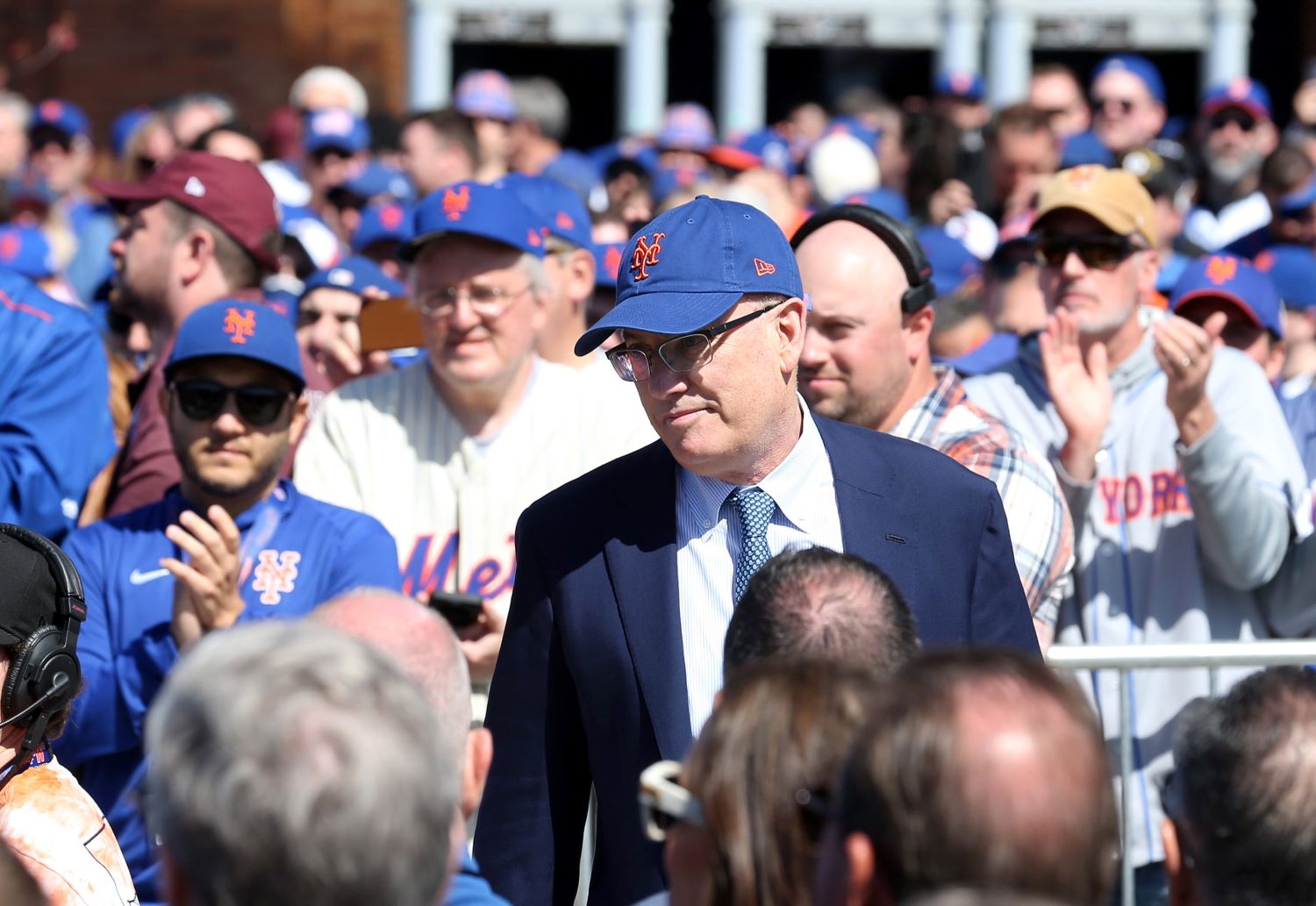 Steve Cohen is a man outside of MLB. He views his team as a fan, not a businessman. Other franchises may penny-pinch, cry poor, or slice on the margins in a twisted strategic game dressed as analytical wisdom yet ultimately rooted in the almighty bottom line. Cohen is a different beast. He will stop at nothing to acquire the best talent the Lord placed on this Earth. “If it’s a few percent more, what’s the difference?” said the man who had just pledged to pay a guy over $300 million. He probably puffed a cigar while saying it. The natural reaction is one of disgust; the man just broke the sport, after all. Once the George Steinbrenner spending of the 90s and 00s gave way to the few remaining albatrosses left in MLB—enjoy retirement, Albert Pujols—teams finally saw through the free-agent haze, seeing it as fools gold. Contracts became wiser. It took four months for people to realize signing Manny Machado was a good move. An occasional Stephen Strasburg or Anthony Rendon wave will rock the boat, but its aim is true; smart teams are too savvy to crash. A man bombarding in, guns blazing, to sign a historic amount of elite free agents in reaction to losing to the Padres in the NLDS sets off alarms. This isn’t how teams are supposed to act. As we all know so well, franchises are supposed to Know Their Role, sign Their Guys—an appropriate amount of them—then play each other under a gentlemanly façade that this is The Best They Can Do. The Yankees stopped making the A’s their development team because it became uncouth in the public eye. That hurts business. People must somehow believe in a fair baseball league. The state approving one’s ability to drive coincides with the precise moment a rational being realizes that baseball is dementedly unfair, but the game’s beauty has tranced us all; we’re content with rationalizing the immense inequality as long as the product supplies its thrills. Cohen’s ultimate sin is that he would rather play a different game: if spending rules exist solely as tax, then why would you do anything other than spend as much money as you have? Who cares about spending $30 million a year when it takes 33 such contracts to hit $1 billion—a scratch against any owner’s vast wealth? Are his actions good for baseball? In the immediate future, no. Cohen’s Mets will win a thousand games in 2023 and—with permission from the baseball gods—bulldoze other powerhouses with such ease that it’ll be a joke to tell across generations. The Dodgers are speed bumps when Max Scherzer and Justin Verlander are your 1-2 punch, and your lineup has Mark Canha hitting 8th. Not even one of those good speed bumps either; they’re that worn-down crumble someone installed in a school parking lot 40 years ago that hasn’t received a fix since all funding goes to a new scoreboard for a perpetual 3-9 football team. But Cohen could be in for a long-term play; while he sees his actions as buying great players to add to his human trading card deck, he’s also applying pressure to other owners. This is the age of social media. Teams are more visible than ever. Any average dolt can hurl insults directly at a franchise’s social media account, bringing them closer to the people’s will than in the medieval times when talking with the king was impossible. Fans don’t have enough time to affect this off-season, but who knows what kind of weird pressure points they’ll press when a team lowballs a free agent in the age of a team possessing a nearly half-billion-dollar payroll. Or teams may ignore the noise until their bottom-line falls. Franchises are funny like that. This isn’t Cohen’s fault. Any of us poors would love to own our favorite team, churning through cartoon piles of money while our net worth remains iron-clad. The only thing Cohen broke was tradition; Baseball created spending rules based on inequality, added new ones for eye wash, then relied on their closed community of ownership to keep others in line so that the veneer remained intact. An outsider stomped on those rules; it’s up to baseball to react.
 -
There's a good chance that at least one of these players will find time on the Twins next season; read about what they can bring to the table. Image courtesy of Orlando Ramirez-USA TODAY Sports Here we are in mid-December. The Rule 5 draft has passed, and reports over the past week have shown the the Twins have made some minor-league signings. Here are some notes on those who have signed to this point, at least the ones that we have heard. No one gets overly excited about minor-league signings, but as we have seen in recent years, injuries and Covid have forced the Twins to play a lot of players. So these are not meaningless signings. C-Jair Camargo The one returning player to re-sign with the Twins. Camargo came to the organization in the Kenta Maeda/Brusdar Graterol trade before the 2020 season. Camargo split his season between Cedar Rapids and Wichita. He is a good athlete with a strong arm. He doesn't like to walk, and he has some swing-and-miss, but he has shown a lot of power 1B/DH-Tyler White Tyler White's name may ring a tiny bell; the first baseman collected over 800 plate appearances for the Houston Astros between 2016 and 2019, earning a World Series ring while slashing .241/.319/.420. White’s MLB career peaked with an excellent 2018 campaign where he collected 1.7 fWAR over 66 games, buoying his career total of 1.2. After a trade to the Dodgers in 2019, the Western Carolina University product failed to recapture his previous magic, bouncing between the KBO and three minor league systems in his search for a home. The 32-year-old White is your prototypical minor league free agent, but he did own a .900 OPS with Buffalo in 2021, perhaps hinting that his best baseball is not yet gone. RHP-José De León Finally, The Twins have acquired José De León. A crucial part of the Great Brian Dozier Trade Talks of 2016, De León is now, unfortunately, the tale of a pitching prospect gone awry. De León owns 48 MLB innings scattered across five seasons; his 18 1/3 frames in 2021 represent his highest single-season total. The culprit? Injuries. The Southern University product often endures extended bouts without time on the mound, never coming close to hitting his career high in innings set between A+ and AA in 2015 (114 ⅓.) De León’s stuff is good, so if he remains on the mound, he could boost a pitching staff always needing an extra jolt. RHP-Carlos Luna The Panamian native, Carlos Luna, crosses the border, trekking from Milwaukee’s system to Minnesota’s. Luna joined the Brewers as a 17-year-old, pitching deep in the recesses of Rookie Ball in 2014 and 2015 before missing all of 2016 and 2017 with (presumably) an injury. The 26-year-old stayed knocking on the door, putting up adequate numbers just shy of worthy of a cup of coffee; he pitched 109 1/3 innings at AA last season. Luna’s baseball peak occurred when he netted the final 12 outs of a combined no-hitter in 2021. RHP-Patrick Murphy A member of the Blue Jays and Nationals organizations, Patrick Murphy tossed 39 2/3 middling innings in the majors—mostly in 2021—and looks to start fresh with the Twins. Murphy owns a 96 MPH fastball, which renders any more analysis unnecessary. It’s unlikely that Murphy will suddenly learn command, but minor-league deals are pure upside moves by nature, so if he does, then the Twins can reap the rewards of an effective multi-inning reliever. Murphy punched out 26.1% of batters at AAA last season. View full article
-
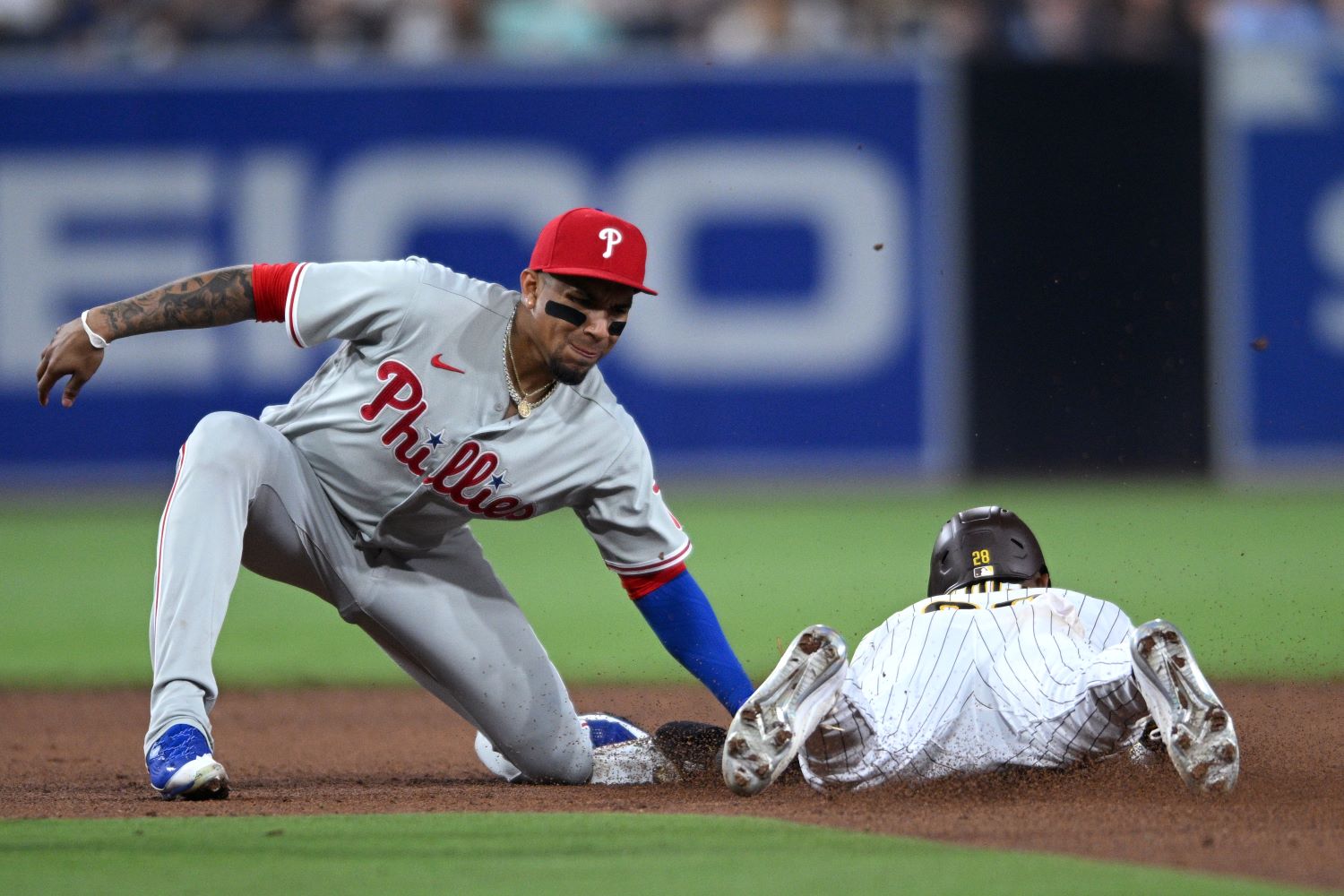 Here we are in mid-December. The Rule 5 draft has passed, and reports over the past week have shown the the Twins have made some minor-league signings. Here are some notes on those who have signed to this point, at least the ones that we have heard. No one gets overly excited about minor-league signings, but as we have seen in recent years, injuries and Covid have forced the Twins to play a lot of players. So these are not meaningless signings. C-Jair Camargo The one returning player to re-sign with the Twins. Camargo came to the organization in the Kenta Maeda/Brusdar Graterol trade before the 2020 season. Camargo split his season between Cedar Rapids and Wichita. He is a good athlete with a strong arm. He doesn't like to walk, and he has some swing-and-miss, but he has shown a lot of power 1B/DH-Tyler White Tyler White's name may ring a tiny bell; the first baseman collected over 800 plate appearances for the Houston Astros between 2016 and 2019, earning a World Series ring while slashing .241/.319/.420. White’s MLB career peaked with an excellent 2018 campaign where he collected 1.7 fWAR over 66 games, buoying his career total of 1.2. After a trade to the Dodgers in 2019, the Western Carolina University product failed to recapture his previous magic, bouncing between the KBO and three minor league systems in his search for a home. The 32-year-old White is your prototypical minor league free agent, but he did own a .900 OPS with Buffalo in 2021, perhaps hinting that his best baseball is not yet gone. RHP-José De León Finally, The Twins have acquired José De León. A crucial part of the Great Brian Dozier Trade Talks of 2016, De León is now, unfortunately, the tale of a pitching prospect gone awry. De León owns 48 MLB innings scattered across five seasons; his 18 1/3 frames in 2021 represent his highest single-season total. The culprit? Injuries. The Southern University product often endures extended bouts without time on the mound, never coming close to hitting his career high in innings set between A+ and AA in 2015 (114 ⅓.) De León’s stuff is good, so if he remains on the mound, he could boost a pitching staff always needing an extra jolt. RHP-Carlos Luna The Panamian native, Carlos Luna, crosses the border, trekking from Milwaukee’s system to Minnesota’s. Luna joined the Brewers as a 17-year-old, pitching deep in the recesses of Rookie Ball in 2014 and 2015 before missing all of 2016 and 2017 with (presumably) an injury. The 26-year-old stayed knocking on the door, putting up adequate numbers just shy of worthy of a cup of coffee; he pitched 109 1/3 innings at AA last season. Luna’s baseball peak occurred when he netted the final 12 outs of a combined no-hitter in 2021. RHP-Patrick Murphy A member of the Blue Jays and Nationals organizations, Patrick Murphy tossed 39 2/3 middling innings in the majors—mostly in 2021—and looks to start fresh with the Twins. Murphy owns a 96 MPH fastball, which renders any more analysis unnecessary. It’s unlikely that Murphy will suddenly learn command, but minor-league deals are pure upside moves by nature, so if he does, then the Twins can reap the rewards of an effective multi-inning reliever. Murphy punched out 26.1% of batters at AAA last season.