



Matt Braun
-
Posts
1,393 -
Joined
-
Last visited
-
Days Won
1
Content Type
Profiles
News
Minnesota Twins Videos
2026 Minnesota Twins Top Prospects Ranking
2022 Minnesota Twins Draft Picks
Minnesota Twins Free Agent & Trade Rumors, Notes, & Tidbits
Guides & Resources
2023 Minnesota Twins Draft Picks
The Minnesota Twins Players Project
2024 Minnesota Twins Draft Picks
2025 Minnesota Twins Draft Pick Tracker
2026 Minnesota Twins Draft Tracker: Picks & Bonuses
Forums
Blogs
Events
Store
Downloads
Gallery
Everything posted by Matt Braun
-
Typical Twins keeping their starter in too long 🙄
- 23 replies
-
- 8
-

-

-
- jorge polanco
- ryan jeffers
- (and 2 more)
-
Two command wizards faced-off on Friday, eschewing modern velocity and hip sweepers for classic control and off-putting sequencing. Bailey Ober came out on top. Image courtesy of Bruce Kluckhohn-USA TODAY Sports Box Score Bailey Ober: 6 IP, 4 H, 0 ER, 0 BB, 3 K Home Runs: None Top 3 WPA: Bailey Ober (.346), Jhoan Duran (.320), Jorge Polanco (.163) Win Probability Chart (via FanGraphs) The MLB world celebrated a special occasion on Friday: Lou Gehrig day. The legendary Hall-of-Famer started his famous, once unbreakable record streak of 2,130 straight games played on June 2nd; he also tragically passed away due to ALS on the same day, at just 37 years old. The giver of perhaps the greatest speech this side of Lincoln, Gehrig’s influence on American culture and society is unmatched, incomparable. Even 100 years after his first taste of MLB, Gehrig’s spirit alters the sport. It was about as standard of a Bailey Ober outing you could imagine; the elongated righty diced through the Guardians lineup, matching sky-scraping fastballs with diving breakers, eliciting plenty of balls his defense turned into outs. He struck out three while allowing just four hits. But Aaron Civale—freshly removed from the IL—was just as effective, matching Ober blow-for-blow. Civale prefers a different style of pitching—one based on his cutter stunning batters as they search their mind to better understand his plethora of pitches. Minnesota seriously threatened to score twice, but their great enemy, the bases-loaded, tempered odds in the first, and their fourth frame rally died via natural causes (a Kyle Farmer soft line drive.) With no score after six, the onus turned to the bullpen to decide the game. The two teams fired scoreless sixths towards each other before the Twins started yet more action in the seventh. Ryan Jeffers cracked a double and Kyle Farmer walked, setting up two runners on base for the back of the lineup. Michael A. Taylor swapped the runners with a fielder’s choice before Jorge Polanco finally broke the stalemate, blasting a thunderous double off the high wall in right field, scoring the first run of the game. Brock Stewart continued his work from the seventh, extending his effort beyond a one-out “save-me” call by Rocco Baldelli to potentially carry the eighth as well. He faltered a little. A double—aided by some clumsiness by Taylor in center—placed Steven Kwan at second; Stewart’s next out proved to be his last. And in entered the big, bad, fire breathing, lightning-throwing, final boss of Minnesota’s bullpen: Jhoan Duran. Five more outs were needed; Baldelli did not care. José Ramírez exited following a silly swing at a splitter off the plate, and while Josh Naylor reached first on a walk, Andrés Giménez could do little more than mimic a heat sick grandmother waiting for the Fourth of July parade to start, fanning with such authority that the first row felt instantly cooled. But no mercy was to be had for those swinging a bat with a “C” on their helmet. Duran melted more faces—allowing a single to Myles Straw along the way—on his way to securing the last few outs Minnesota needed to win. And really, what are you supposed to do? Humans shouldn’t be able to control 105 MPH fastballs, and Duran’s breaking ball command means that any cheating on the heater will result in a center-stage performance on Pitching Ninja and MLB Network. All you can do is laugh. Notes: Bailey Ober's career ERA against Cleveland now sits at 1.42. Tonight was Jhoan Durán's fourth outing of 2023 that lasted more than one inning; he had 14 such appearances last season. Jovani Moran's last earned run came on May 13th against the Cubs. Ryan Jeffers is slashing .375/.444/.688 in his last seven games. Post-Game Interview: What’s Next? Minnesota and Cleveland will play the third game of the series on Saturday. Fox has the game and first pitch is at 6:15 PM; Sonny Gray will start opposite the other Logan Allen. Bullpen Usage Spreadsheet View full article
- 64 replies
-
- 2
-
-
- bailey ober
- jorge polanco
- (and 3 more)
-
Twins 1, Guardians 0: Bailey Ober Crushes Cleveland on Apple TV... Again
Matt Braun posted an article in Twins
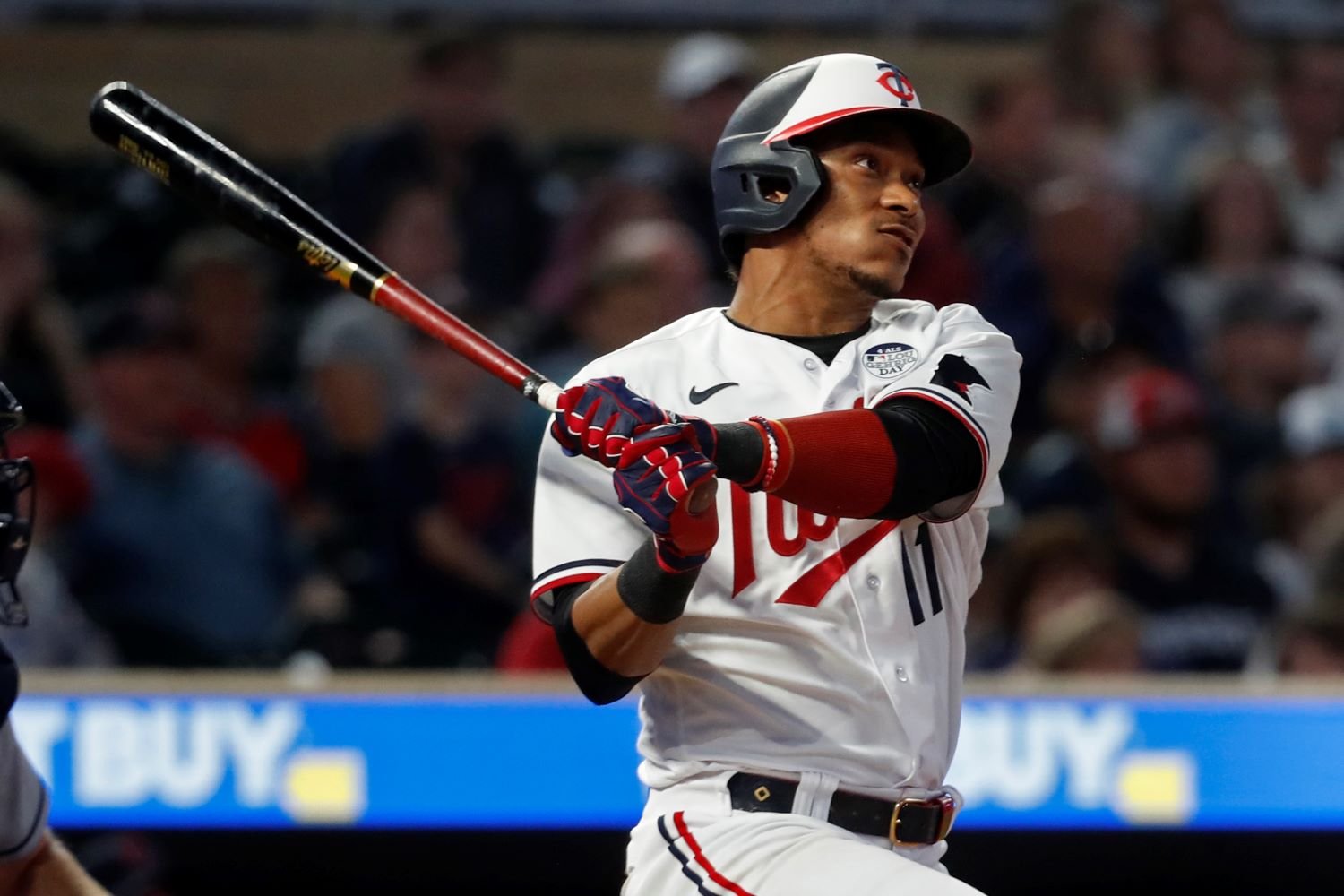 Box Score Bailey Ober: 6 IP, 4 H, 0 ER, 0 BB, 3 K Home Runs: None Top 3 WPA: Bailey Ober (.346), Jhoan Duran (.320), Jorge Polanco (.163) Win Probability Chart (via FanGraphs) The MLB world celebrated a special occasion on Friday: Lou Gehrig day. The legendary Hall-of-Famer started his famous, once unbreakable record streak of 2,130 straight games played on June 2nd; he also tragically passed away due to ALS on the same day, at just 37 years old. The giver of perhaps the greatest speech this side of Lincoln, Gehrig’s influence on American culture and society is unmatched, incomparable. Even 100 years after his first taste of MLB, Gehrig’s spirit alters the sport. It was about as standard of a Bailey Ober outing you could imagine; the elongated righty diced through the Guardians lineup, matching sky-scraping fastballs with diving breakers, eliciting plenty of balls his defense turned into outs. He struck out three while allowing just four hits. But Aaron Civale—freshly removed from the IL—was just as effective, matching Ober blow-for-blow. Civale prefers a different style of pitching—one based on his cutter stunning batters as they search their mind to better understand his plethora of pitches. Minnesota seriously threatened to score twice, but their great enemy, the bases-loaded, tempered odds in the first, and their fourth frame rally died via natural causes (a Kyle Farmer soft line drive.) With no score after six, the onus turned to the bullpen to decide the game. The two teams fired scoreless sixths towards each other before the Twins started yet more action in the seventh. Ryan Jeffers cracked a double and Kyle Farmer walked, setting up two runners on base for the back of the lineup. Michael A. Taylor swapped the runners with a fielder’s choice before Jorge Polanco finally broke the stalemate, blasting a thunderous double off the high wall in right field, scoring the first run of the game. Brock Stewart continued his work from the seventh, extending his effort beyond a one-out “save-me” call by Rocco Baldelli to potentially carry the eighth as well. He faltered a little. A double—aided by some clumsiness by Taylor in center—placed Steven Kwan at second; Stewart’s next out proved to be his last. And in entered the big, bad, fire breathing, lightning-throwing, final boss of Minnesota’s bullpen: Jhoan Duran. Five more outs were needed; Baldelli did not care. José Ramírez exited following a silly swing at a splitter off the plate, and while Josh Naylor reached first on a walk, Andrés Giménez could do little more than mimic a heat sick grandmother waiting for the Fourth of July parade to start, fanning with such authority that the first row felt instantly cooled. But no mercy was to be had for those swinging a bat with a “C” on their helmet. Duran melted more faces—allowing a single to Myles Straw along the way—on his way to securing the last few outs Minnesota needed to win. And really, what are you supposed to do? Humans shouldn’t be able to control 105 MPH fastballs, and Duran’s breaking ball command means that any cheating on the heater will result in a center-stage performance on Pitching Ninja and MLB Network. All you can do is laugh. Notes: Bailey Ober's career ERA against Cleveland now sits at 1.42. Tonight was Jhoan Durán's fourth outing of 2023 that lasted more than one inning; he had 14 such appearances last season. Jovani Moran's last earned run came on May 13th against the Cubs. Ryan Jeffers is slashing .375/.444/.688 in his last seven games. Post-Game Interview: What’s Next? Minnesota and Cleveland will play the third game of the series on Saturday. Fox has the game and first pitch is at 6:15 PM; Sonny Gray will start opposite the other Logan Allen. Bullpen Usage Spreadsheet
- 64 comments
-
- 12
-
-
- bailey ober
- jorge polanco
- (and 3 more)
-
Read and rejoice in the starting pitchers who thrived in the month of May. Image courtesy of Ed Bailey (graphics by Thieres Rabelo) An issue that popped up a little in this list is that of role assignments: pitchers in the minors often flip-flop between starting and relieving to eat up innings whenever they can. This poses challenges for those who acknowledge the delegation of title, as a starter with one relief appearance is still obviously a starter, but sometimes it isn't as clear-cut. I did my best to adhere to the spirit of the award while still understanding the sometimes silly nature of minor-league pitching order. Below are the names I thought most deserved to be on the list. Their ranking is entirely subjective; I value innings thrown, as those are outs, and outs are valuable, but also like to weigh strikeouts and peripheral numbers as they can differentiate between dominance and merely a pitcher getting lucky. In times when it's a toss-up, I valued the almighty ERA as the great equalizer—got that? Good; let's start. First, some honorable mentions: LHP Brent Headrick, St. Paul Saints Brent Headrick was second in the organization in strikeouts in May, punching out 32 hitters over 23 2/3 innings; run suppression proved his downfall, though, as he held a 4.18 ERA. RHP Marco Raya, Cedar Rapids Kernels May saw a rare perfect month as Marco Raya did not allow a run in four starts, striking out 35.0% of batters while walking just 2.5% of them. He only pitched 12 innings, though, which is why he was relegated to the honorable mention list. RHP Alejandro Hidalgo, Cedar Rapids Kernels Alejandro Hidalgo’s ERA was a sparkling 1.84, but he walked 12 batters over 14 2/3 innings, revealing some good fortune under the hood. LHP Jaylen Nowlin, Cedar Rapids Kernels Jaylen Nowlin led the organization in innings in May and walked just six batters. He also hit six more, though, limiting his placement to the honorable mention list. Now on to the main list: 5. LHP Jordan Carr - High-A Cedar Rapids Kernels, 21 IP, 24.1 K%, 1.71 ERA, 3.36 FIP Jordan Carr is a quick lesson in why pitcher designation in the minors is silly: Carr started three games in May but entered in relief once on May 26th to piggyback off Marco Raya, eventually finishing the game with six excellent frames. Technically that’s not a start, but Carr was still tremendous in May. With just four earned runs over 21 innings, Carr’s microscopic ERA was supported well by respectable strikeout and walks rates. Maybe next month, he won’t be a partial victim of circumstance, but for this month, he'll slot in as the fifth spot on this list. 4. RHP Blayne Enlow - AA Wichita Wind Surge, 25 1/3 IP, 32.4 K%, 3.20 ERA, 3.77 FIP An incredible lesson in patience and perseverance, Blayne Enlow rebounded from a middling 2022 season, making fools of Double-A hitters with revitalized stuff and excellent command. May was a continuation of April; Enlow gobbled up batters with two separate 10-K outings and a third start earning nine whiffs. If it weren't for a bizarre one-strikeout outing and another semi-blowup start, the 2017 draft pick could have reached even higher on this list. Still, Enlow is firmly back on the prospect map, and he could very well see major-league playing time sometime this season—something almost no one expected after the Twins removed him from the 40-man roster last off-season. 3. RHP Cory Lewis- Low-A Fort Myers Mighty Mussels, 19 2/3 IP, 34.6 K%, 2.29 ERA, 2.64 FIP Cory Lewis was a strong contender amongst the top three pitchers I considered for starter of the month. He didn’t take the top spot, but third place is something to cherish for the 22-year-old. He was dominant in May; A-Ball hitters walked back to the dugout 27 times after facing Lewis—a total only trailing Brent Headrick and Blayne Enlow, respectively. With a 0.92 WHIP and a suffocating .169 batting average against, that Lewis ever allowed runs seems like a miracle. You may remember him as the main force behind a May 14th combined no-hitter, striking out seven over 5 2/3 innings of work. He will inevitably join the Kernels sometime in the coming weeks, bringing his knuckleball north to the state of Iowa. 2. RHP Zebby Matthews - Low-A Fort Myers Mighty Mussels, 18 ⅓ IP, 36.0 K%, 1.96 ERA, 1.19 FIP 1.19 FIP! Yeah, that’s real, somehow. You should know about Zebby Matthews by now; perhaps no Twins pitching prospect has dominated this season like Matthews, who earned a promotion to Cedar Rapids before two full months had even passed. It’s easy to see why, though, given that Matthews allowed just four runs in May, striking out 27 batters while walking just two. Two. That’ll get a guy sent up a level. High-A hitters, be warned: Matthews looks to be a force even the strongest-willed amongst us would prefer to avoid. 1. LHP Aaron Rozek - AA Wichita Wind Surge, 22 2/3 IP, 22.4 K%, 1.99 ERA, 3.50 FIP A comeback story as fine as any. Aaron Rozek made three starts in April, surrendering 15 earned runs over 10 frames of work—unenviable numbers from the Burnsville native. But be it fate, fortune, hard work, or a combination of the three, Rozek found himself in May, turning in just five total earned runs over 22 2/3 innings. He beat out a tough crowd to become Twins Daily’s May Minor League starting pitcher of the month. In no start did he allow more than two earned runs, instead opting to hand his opponents one score before shutting them down for the evening; three of his starts were one-run endeavors. Those are difficult numbers to come by in an offensive-heavy environment like the Texas League. What are your thoughts on the starting pitching performances in the Twins minor leagues in May? How would you rank these pitchers? Comment below. View full article
- 4 replies
-
- 1
-
-
- aaron rozek
- zebby matthews
- (and 3 more)
-
Twins Minor League Starting Pitcher of the Month - May 2023
Matt Braun posted an article in Minor Leagues
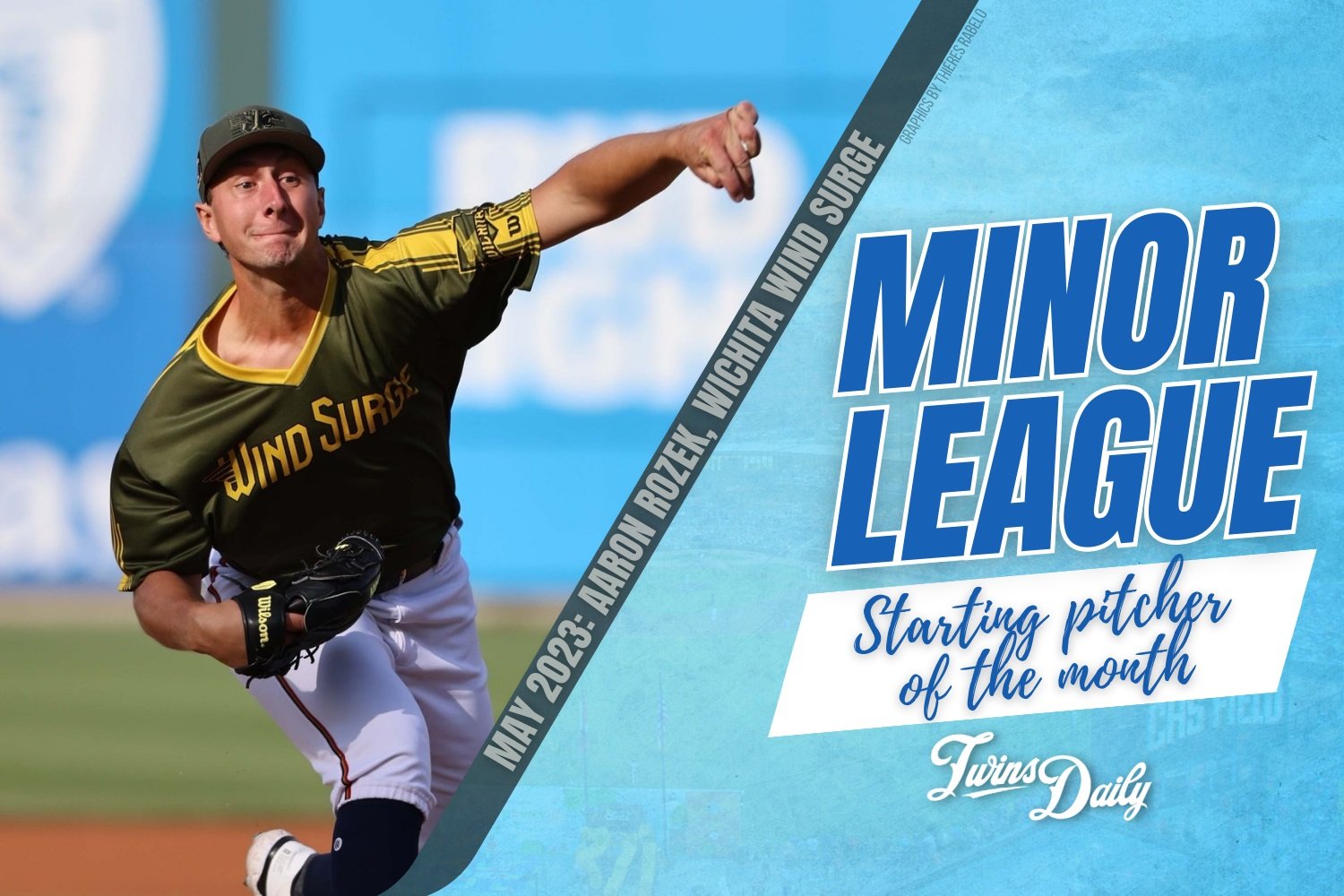 An issue that popped up a little in this list is that of role assignments: pitchers in the minors often flip-flop between starting and relieving to eat up innings whenever they can. This poses challenges for those who acknowledge the delegation of title, as a starter with one relief appearance is still obviously a starter, but sometimes it isn't as clear-cut. I did my best to adhere to the spirit of the award while still understanding the sometimes silly nature of minor-league pitching order. Below are the names I thought most deserved to be on the list. Their ranking is entirely subjective; I value innings thrown, as those are outs, and outs are valuable, but also like to weigh strikeouts and peripheral numbers as they can differentiate between dominance and merely a pitcher getting lucky. In times when it's a toss-up, I valued the almighty ERA as the great equalizer—got that? Good; let's start. First, some honorable mentions: LHP Brent Headrick, St. Paul Saints Brent Headrick was second in the organization in strikeouts in May, punching out 32 hitters over 23 2/3 innings; run suppression proved his downfall, though, as he held a 4.18 ERA. RHP Marco Raya, Cedar Rapids Kernels May saw a rare perfect month as Marco Raya did not allow a run in four starts, striking out 35.0% of batters while walking just 2.5% of them. He only pitched 12 innings, though, which is why he was relegated to the honorable mention list. RHP Alejandro Hidalgo, Cedar Rapids Kernels Alejandro Hidalgo’s ERA was a sparkling 1.84, but he walked 12 batters over 14 2/3 innings, revealing some good fortune under the hood. LHP Jaylen Nowlin, Cedar Rapids Kernels Jaylen Nowlin led the organization in innings in May and walked just six batters. He also hit six more, though, limiting his placement to the honorable mention list. Now on to the main list: 5. LHP Jordan Carr - High-A Cedar Rapids Kernels, 21 IP, 24.1 K%, 1.71 ERA, 3.36 FIP Jordan Carr is a quick lesson in why pitcher designation in the minors is silly: Carr started three games in May but entered in relief once on May 26th to piggyback off Marco Raya, eventually finishing the game with six excellent frames. Technically that’s not a start, but Carr was still tremendous in May. With just four earned runs over 21 innings, Carr’s microscopic ERA was supported well by respectable strikeout and walks rates. Maybe next month, he won’t be a partial victim of circumstance, but for this month, he'll slot in as the fifth spot on this list. 4. RHP Blayne Enlow - AA Wichita Wind Surge, 25 1/3 IP, 32.4 K%, 3.20 ERA, 3.77 FIP An incredible lesson in patience and perseverance, Blayne Enlow rebounded from a middling 2022 season, making fools of Double-A hitters with revitalized stuff and excellent command. May was a continuation of April; Enlow gobbled up batters with two separate 10-K outings and a third start earning nine whiffs. If it weren't for a bizarre one-strikeout outing and another semi-blowup start, the 2017 draft pick could have reached even higher on this list. Still, Enlow is firmly back on the prospect map, and he could very well see major-league playing time sometime this season—something almost no one expected after the Twins removed him from the 40-man roster last off-season. 3. RHP Cory Lewis- Low-A Fort Myers Mighty Mussels, 19 2/3 IP, 34.6 K%, 2.29 ERA, 2.64 FIP Cory Lewis was a strong contender amongst the top three pitchers I considered for starter of the month. He didn’t take the top spot, but third place is something to cherish for the 22-year-old. He was dominant in May; A-Ball hitters walked back to the dugout 27 times after facing Lewis—a total only trailing Brent Headrick and Blayne Enlow, respectively. With a 0.92 WHIP and a suffocating .169 batting average against, that Lewis ever allowed runs seems like a miracle. You may remember him as the main force behind a May 14th combined no-hitter, striking out seven over 5 2/3 innings of work. He will inevitably join the Kernels sometime in the coming weeks, bringing his knuckleball north to the state of Iowa. 2. RHP Zebby Matthews - Low-A Fort Myers Mighty Mussels, 18 ⅓ IP, 36.0 K%, 1.96 ERA, 1.19 FIP 1.19 FIP! Yeah, that’s real, somehow. You should know about Zebby Matthews by now; perhaps no Twins pitching prospect has dominated this season like Matthews, who earned a promotion to Cedar Rapids before two full months had even passed. It’s easy to see why, though, given that Matthews allowed just four runs in May, striking out 27 batters while walking just two. Two. That’ll get a guy sent up a level. High-A hitters, be warned: Matthews looks to be a force even the strongest-willed amongst us would prefer to avoid. 1. LHP Aaron Rozek - AA Wichita Wind Surge, 22 2/3 IP, 22.4 K%, 1.99 ERA, 3.50 FIP A comeback story as fine as any. Aaron Rozek made three starts in April, surrendering 15 earned runs over 10 frames of work—unenviable numbers from the Burnsville native. But be it fate, fortune, hard work, or a combination of the three, Rozek found himself in May, turning in just five total earned runs over 22 2/3 innings. He beat out a tough crowd to become Twins Daily’s May Minor League starting pitcher of the month. In no start did he allow more than two earned runs, instead opting to hand his opponents one score before shutting them down for the evening; three of his starts were one-run endeavors. Those are difficult numbers to come by in an offensive-heavy environment like the Texas League. What are your thoughts on the starting pitching performances in the Twins minor leagues in May? How would you rank these pitchers? Comment below.
- 4 comments
-
- 3
-
-
- aaron rozek
- zebby matthews
- (and 3 more)
-
The author would like to note that he conceived this piece prior to Minnesota’s comeback victory over the Astros on Monday. Image courtesy of Troy Taormina-USA TODAY Sports I was on Twins Daily the other day when the front page struck me with its topics. Around two video links titled "What's Wrong With the Twins" and "The Twins Are Unwatchable Right Now" were three articles: What's Wrong With Griffin Jax, It's Okay to be Disappointed by the Twins, and These 3 Minnesota Twins Prospects Are Off to Disappointing Starts in 2023. That's a lot of consternation! To be clear, these are all legitimate perspectives and relevant topics pertaining to real issues plaguing the franchise. Their timing is extreme, but their subject matter is not; a little healthy skepticism is needed in life, anyways. But—I don't know—does it all seem a little much? The Twins haven't overwhelmed us with legendary and inspiring baseball, but they're 28-26 after play on Monday and currently own one the best pitching staffs in MLB. Trust me; I've sat at Fangraphs longingly staring at the player pages for LaMonte Wade Jr. and Yennier Cano, wondering what cruel creator would allow such searing pain—not seeing excellent players play for my favorite team—to exist in the world, hoping that through sheer sadness, Brent Rooker would somehow apparate into the 4-hole and fix the lineup. And yet, the team is treading water and playing competitive baseball; only eight of their 54 games have resulted in a loss greater than three runs. They've been able to keep it close. Which only counts in horseshoes and hand grenades—I know. And yet the team has outscored their opponents by 44 runs, leading to a record of 32-22 if the Greek philosopher Pythagoras is to be trusted. Most of that success has stemmed from an excellent, genuinely elite starting rotation. Only the Rays—a team that cares not for titles like "starter" and "reliever"—have allowed a lower team batting average; only the Mariners have accrued more fWAR; no one has struck out batters at a higher rate. Minnesota lost Tyler Mahle to Tommy John surgery; Kenta Maeda has stalled on multiple speed bumps while trying to return from his operation, and the team may have actually improved. Their depth is that special. Both Sonny Gray and Joe Ryan have pitched like aces, while Pablo López has teased a potential for ace-ness; I can't remember the last time Minnesota had three legitimate top-tier starters on their team. These things should be celebrated; we should be shouting from the roof that their fifth starter is Louie Varland—a 25-year-old who throws 95, has 60 major-league innings under his belt, and still owns a better xFIP than Gerrit Cole. Bailey Ober ho-hums his way to a 2.68 ERA and one of the highest rWAR totals on the team, and it feels like no one even cares. Now, yes, the bats have been dreadfully inconsistent. I watch the same games as everyone else; I know what it feels like to watch inning after inning go by, all of them melting into an amorphous blob seemingly without life or movement as the team loses 2-4 to the Angels. It's tedium at its worst, considering watching baseball is supposed to be an activity of leisure. Yet it should perhaps be a sign of good things that the bats could be this awful, and the team can still win ball games. And it should improve. Carlos Correa will get better; Jose Miranda will get better; Christian Vázquez… well, he has his own problems, but no one can carry an ISO of .027 forever. This is all to say that it's getting better all the time. No one in the AL Central is even close to having a positive run differential, and that seems unlikely to change soon; those teams stink. It hasn't been aesthetically pleasant baseball at times, but it's still winning baseball, and they've often found themselves playing truly competitive ball against MLB bullies for the first time in a while. Maybe they'll break through and turn elite, and maybe they won't and stay an 85-win team for the rest of the season. All I know is that it'll probably be fine. View full article
-
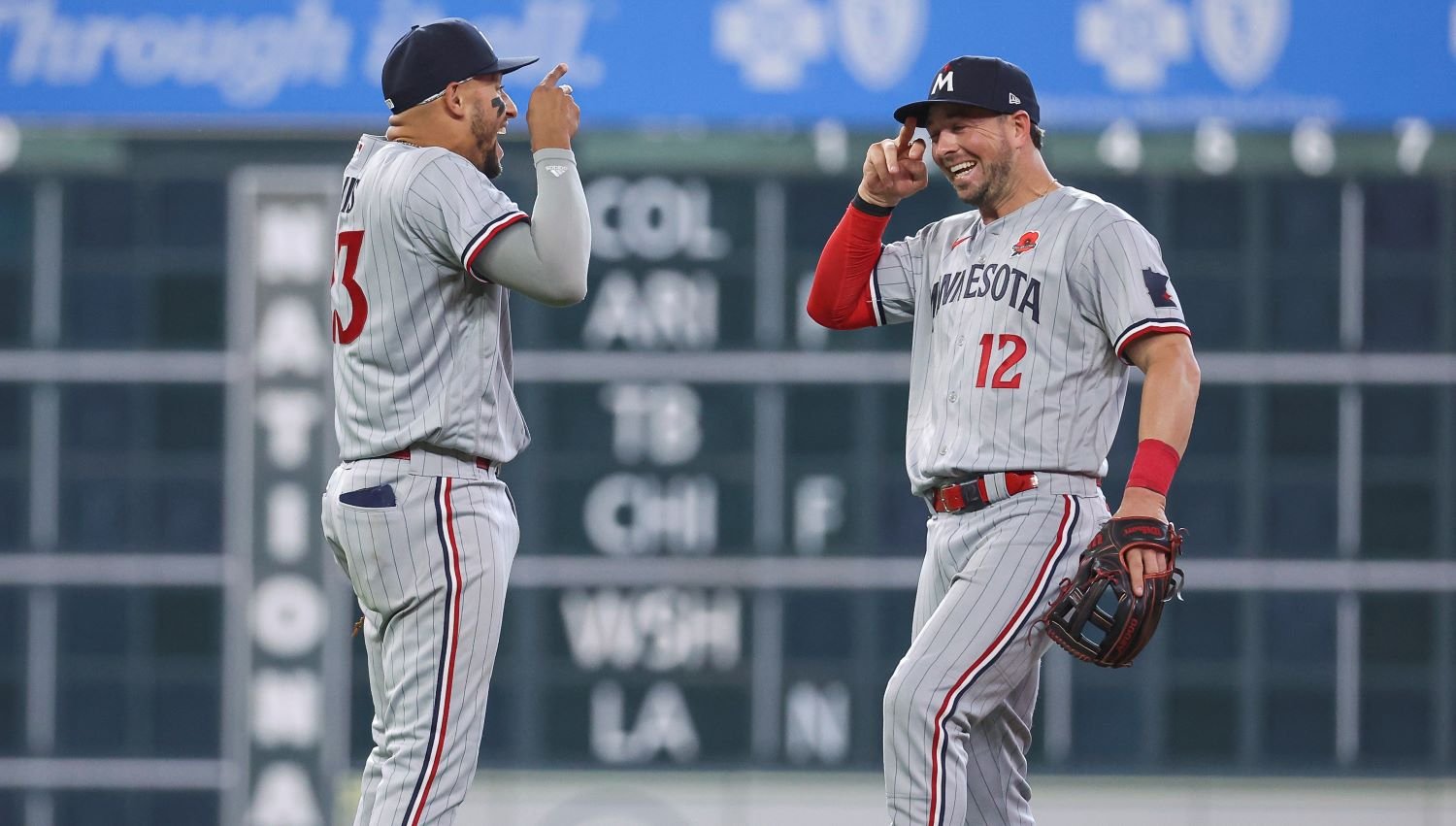 I was on Twins Daily the other day when the front page struck me with its topics. Around two video links titled "What's Wrong With the Twins" and "The Twins Are Unwatchable Right Now" were three articles: What's Wrong With Griffin Jax, It's Okay to be Disappointed by the Twins, and These 3 Minnesota Twins Prospects Are Off to Disappointing Starts in 2023. That's a lot of consternation! To be clear, these are all legitimate perspectives and relevant topics pertaining to real issues plaguing the franchise. Their timing is extreme, but their subject matter is not; a little healthy skepticism is needed in life, anyways. But—I don't know—does it all seem a little much? The Twins haven't overwhelmed us with legendary and inspiring baseball, but they're 28-26 after play on Monday and currently own one the best pitching staffs in MLB. Trust me; I've sat at Fangraphs longingly staring at the player pages for LaMonte Wade Jr. and Yennier Cano, wondering what cruel creator would allow such searing pain—not seeing excellent players play for my favorite team—to exist in the world, hoping that through sheer sadness, Brent Rooker would somehow apparate into the 4-hole and fix the lineup. And yet, the team is treading water and playing competitive baseball; only eight of their 54 games have resulted in a loss greater than three runs. They've been able to keep it close. Which only counts in horseshoes and hand grenades—I know. And yet the team has outscored their opponents by 44 runs, leading to a record of 32-22 if the Greek philosopher Pythagoras is to be trusted. Most of that success has stemmed from an excellent, genuinely elite starting rotation. Only the Rays—a team that cares not for titles like "starter" and "reliever"—have allowed a lower team batting average; only the Mariners have accrued more fWAR; no one has struck out batters at a higher rate. Minnesota lost Tyler Mahle to Tommy John surgery; Kenta Maeda has stalled on multiple speed bumps while trying to return from his operation, and the team may have actually improved. Their depth is that special. Both Sonny Gray and Joe Ryan have pitched like aces, while Pablo López has teased a potential for ace-ness; I can't remember the last time Minnesota had three legitimate top-tier starters on their team. These things should be celebrated; we should be shouting from the roof that their fifth starter is Louie Varland—a 25-year-old who throws 95, has 60 major-league innings under his belt, and still owns a better xFIP than Gerrit Cole. Bailey Ober ho-hums his way to a 2.68 ERA and one of the highest rWAR totals on the team, and it feels like no one even cares. Now, yes, the bats have been dreadfully inconsistent. I watch the same games as everyone else; I know what it feels like to watch inning after inning go by, all of them melting into an amorphous blob seemingly without life or movement as the team loses 2-4 to the Angels. It's tedium at its worst, considering watching baseball is supposed to be an activity of leisure. Yet it should perhaps be a sign of good things that the bats could be this awful, and the team can still win ball games. And it should improve. Carlos Correa will get better; Jose Miranda will get better; Christian Vázquez… well, he has his own problems, but no one can carry an ISO of .027 forever. This is all to say that it's getting better all the time. No one in the AL Central is even close to having a positive run differential, and that seems unlikely to change soon; those teams stink. It hasn't been aesthetically pleasant baseball at times, but it's still winning baseball, and they've often found themselves playing truly competitive ball against MLB bullies for the first time in a while. Maybe they'll break through and turn elite, and maybe they won't and stay an 85-win team for the rest of the season. All I know is that it'll probably be fine.
- 39 comments
-
- 7
-
-

-
- louis varland
- tyler mahle
- (and 3 more)
-
It's unusual that the best players are the ones you can't find mentioned on prospect lists. Image courtesy of Fort Myers Mighty Mussels This originally began as a look at a few prospects having great seasons, something of an off-setting on Matthew Taylor’s piece from the other day. I already knew of some of the names I could target, but a search revealed a fascinating pattern: nearly all the minor leaguers crushing the season are not well-regarded. That isn’t an insult to these young men—prospect evaluation is far from a perfect science, and internal synopses likely vary greatly from the public lists—but I found it worthy of mentioning that the “non-prospects” have been the ones performing the best in 2023. Let’s look at the names, speed-date style: RHP Zebby Matthews Freshly promoted to Cedar Rapids, Matthews crushed his time with Fort Myers, striking out 35.3% of the batters he faced while walking 3.3% (!!) of them over 38 2/3 frames. Of 448 pitchers in the minors with at least 30 innings, that’s good for the eighth-lowest walk rate (but not even the best in the system! More on that soon). An 8th-round selection out of Western Carolina University in 2023, Matthews may soon move up prospect lists, but he is still something of an unknown. RHP Cory Lewis Lewis is the only player in this article currently on MLB.com’s top-30 list for the Twins; he takes the very last spot. Owning a spinny fastball, downer curve, and a knuckleball—yes, a knuckleball—Lewis has been nearly as good as Matthews in Fort Myers’ rotation, punching out 34.4% of hitters while walking them 7.6% of the time, still elite peripherals for nearly any pitcher. You may remember Lewis after he helped toss a combined no-hitter for Fort Myers a few days ago. INF Jorel Ortega This could have just been a “the Mighty Mussels are better than we probably gave them credit for” piece. Yet another 2022 draft pick, this one a 6th-rounder out of Tennessee, Ortega has struck the ball impressively at a pitching-dominated level, putting up a 152 wRC+ off a .295/.409/.487 slash line—mere points away from the classic .300/.400/.500 line reserved for the truly special hitters. C Andrew Cossetti .330/.462/.607 served as Cossetti’s Fort Myers slash line before Minnesota decided to stop terrorizing Florida State League pitchers with such offensive domination. A product of St. Joseph's University in Philadelphia (the same college as Jamie Moyer; what a pull), Cossetti quickly earned a promotion to Cedar Rapids, where he will help stimulate a Kernels team looking for some extra thump. Cossetti was yet another 2022 draft selection. OF Kala’i Rosario After a mediocre season with Fort Myers in 2022, Rosario's prospect status atrophied as the former 2020 draft selection had yet to have an overwhelmingly impressive season in the minors. Things have turned around so far in 2023. Rosario shaved a few points off his strikeout rate, replaced them with walks, and improved his isolated power to above the major-league average (.191). He’s currently holding a 153 wRC+; he may inch back onto top prospect lists soon. C Noah Cardenas Few people have more of an interest in Cardenas than I do. Catchers who can hit are rare; catchers who walk more than they strike out are unicorns. Cardenas may not spout a horn on his head, but his 2023 play looks an awful lot like his 2022 line: an elite walk rate buoying competent average and power capabilities. His isolated power is down a little (.119 from .152), but the hitting package still looks excellent. RHP Pierson Ohl Remember the comment about Matthews’ walk rate? Here’s the guy who has him beaten. Ohl has walked four batters over 35 2/3 innings, good for a rate of 2.6%. That’s unheard of. He may actually throw too many strikes for his own good—as evident by his ERA far elevated above his peripherals—but the Twins have shown a consistent ability to coax effectiveness from command-first repertoires like Ohl. Check almost any major stat, and you'll find similar results; the Twins' minor league system is succeeding off the backs of "lesser" prospects, not the players you would most expect to lead the pack. What do we make of this? It can be difficult to rank freshly drafted players, especially those taken lower in the draft, so the lack of prospect respect for these players is unsurprising. They just need time. For the others? Either they never commanded attention in the first place, or the industry opinion altered and never recovered. No matter—these players and their performances should be appreciated, and hopefully, they can keep it up as the season marches on. View full article
-
Prospect Outsiders Dominating Minnesota's Minor Leagues in 2023
Matt Braun posted an article in Minor Leagues
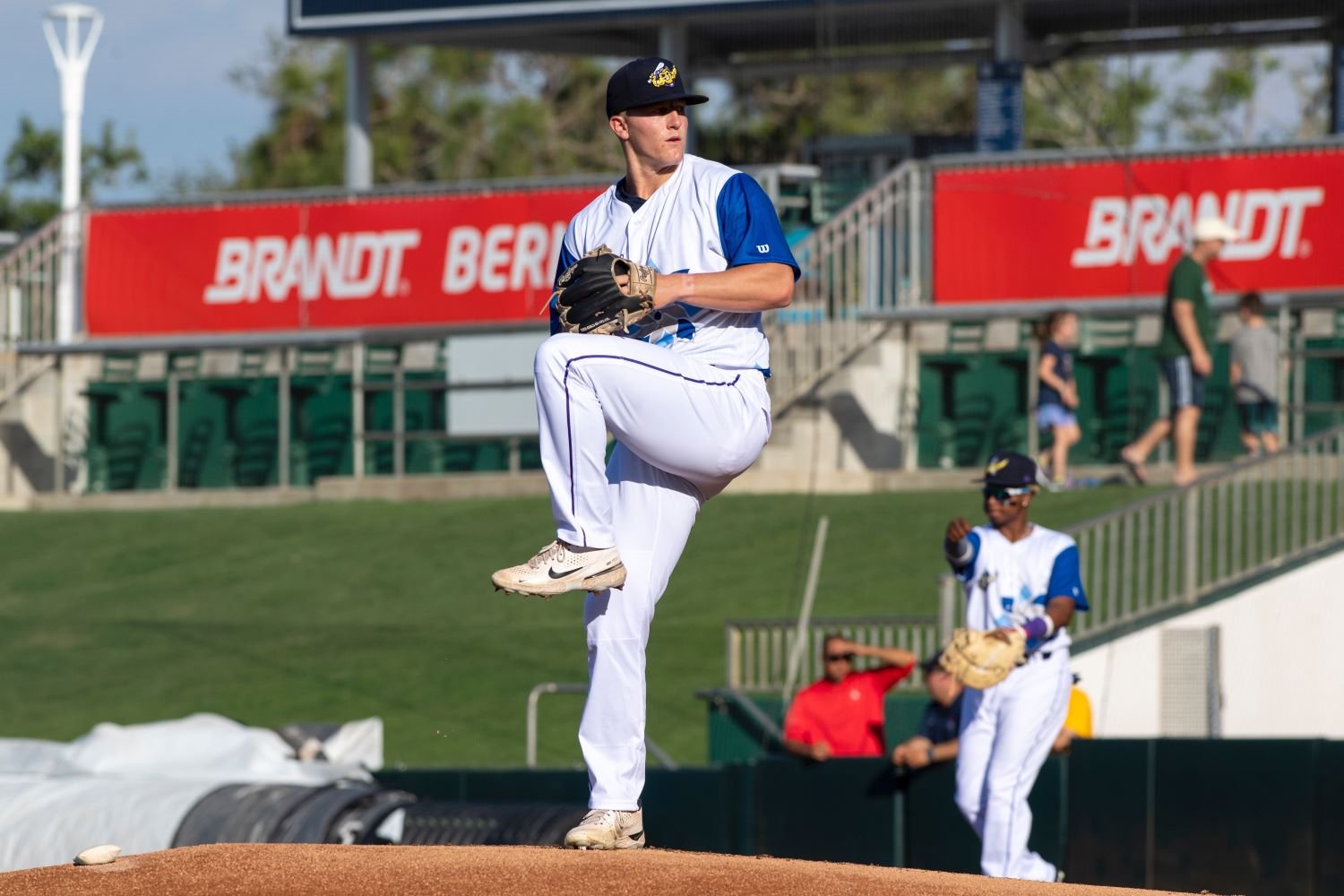 This originally began as a look at a few prospects having great seasons, something of an off-setting on Matthew Taylor’s piece from the other day. I already knew of some of the names I could target, but a search revealed a fascinating pattern: nearly all the minor leaguers crushing the season are not well-regarded. That isn’t an insult to these young men—prospect evaluation is far from a perfect science, and internal synopses likely vary greatly from the public lists—but I found it worthy of mentioning that the “non-prospects” have been the ones performing the best in 2023. Let’s look at the names, speed-date style: RHP Zebby Matthews Freshly promoted to Cedar Rapids, Matthews crushed his time with Fort Myers, striking out 35.3% of the batters he faced while walking 3.3% (!!) of them over 38 2/3 frames. Of 448 pitchers in the minors with at least 30 innings, that’s good for the eighth-lowest walk rate (but not even the best in the system! More on that soon). An 8th-round selection out of Western Carolina University in 2023, Matthews may soon move up prospect lists, but he is still something of an unknown. RHP Cory Lewis Lewis is the only player in this article currently on MLB.com’s top-30 list for the Twins; he takes the very last spot. Owning a spinny fastball, downer curve, and a knuckleball—yes, a knuckleball—Lewis has been nearly as good as Matthews in Fort Myers’ rotation, punching out 34.4% of hitters while walking them 7.6% of the time, still elite peripherals for nearly any pitcher. You may remember Lewis after he helped toss a combined no-hitter for Fort Myers a few days ago. INF Jorel Ortega This could have just been a “the Mighty Mussels are better than we probably gave them credit for” piece. Yet another 2022 draft pick, this one a 6th-rounder out of Tennessee, Ortega has struck the ball impressively at a pitching-dominated level, putting up a 152 wRC+ off a .295/.409/.487 slash line—mere points away from the classic .300/.400/.500 line reserved for the truly special hitters. C Andrew Cossetti .330/.462/.607 served as Cossetti’s Fort Myers slash line before Minnesota decided to stop terrorizing Florida State League pitchers with such offensive domination. A product of St. Joseph's University in Philadelphia (the same college as Jamie Moyer; what a pull), Cossetti quickly earned a promotion to Cedar Rapids, where he will help stimulate a Kernels team looking for some extra thump. Cossetti was yet another 2022 draft selection. OF Kala’i Rosario After a mediocre season with Fort Myers in 2022, Rosario's prospect status atrophied as the former 2020 draft selection had yet to have an overwhelmingly impressive season in the minors. Things have turned around so far in 2023. Rosario shaved a few points off his strikeout rate, replaced them with walks, and improved his isolated power to above the major-league average (.191). He’s currently holding a 153 wRC+; he may inch back onto top prospect lists soon. C Noah Cardenas Few people have more of an interest in Cardenas than I do. Catchers who can hit are rare; catchers who walk more than they strike out are unicorns. Cardenas may not spout a horn on his head, but his 2023 play looks an awful lot like his 2022 line: an elite walk rate buoying competent average and power capabilities. His isolated power is down a little (.119 from .152), but the hitting package still looks excellent. RHP Pierson Ohl Remember the comment about Matthews’ walk rate? Here’s the guy who has him beaten. Ohl has walked four batters over 35 2/3 innings, good for a rate of 2.6%. That’s unheard of. He may actually throw too many strikes for his own good—as evident by his ERA far elevated above his peripherals—but the Twins have shown a consistent ability to coax effectiveness from command-first repertoires like Ohl. Check almost any major stat, and you'll find similar results; the Twins' minor league system is succeeding off the backs of "lesser" prospects, not the players you would most expect to lead the pack. What do we make of this? It can be difficult to rank freshly drafted players, especially those taken lower in the draft, so the lack of prospect respect for these players is unsurprising. They just need time. For the others? Either they never commanded attention in the first place, or the industry opinion altered and never recovered. No matter—these players and their performances should be appreciated, and hopefully, they can keep it up as the season marches on.
- 6 comments
-
- 11
-
-
-
- zebby matthews
- cory lewis
- (and 3 more)
-
Great to see Alex Kirilloff and Royce Lewis producing in the same lineup as we were promised many years ago. I know they both won't have great games like this every day, but it sure feels different having them in the heart of the order.
- 81 replies
-
- 22
-
-
- royce lewis
- sonny gray
- (and 3 more)
-
"Was set to" in that the Twins were expecting that from him.
- 16 replies
-
- 2
-
-
- aaron hicks
- j.r. murphy
- (and 1 more)
-
Tough for me to gloss over the statement-defining "near" that never found its way into the title. Good catch.
-
A sunk cost no more. After a dreadful continuation of multiple inept seasons, Aaron Hicks now finds himself jobless, freshly told to leave by a franchise once greatly appreciative of his labor. With full hindsight, let’s travel to 2015 in order to understand the meaning of a much-maligned deal. Image courtesy of Wendell Cruz-USA TODAY Sports November 11, 2015: Traded by the Minnesota Twins to the New York Yankees for John Ryan Murphy There was good reason for the trade at the time. Minnesota’s catcher situation was Kurt Suzuki—awful in 2015—and Juan Centeno, of non-prospect pedigree and lacking in inspiring performance. Prospect Stuart Turner was also in the major-league mix; he eventually put up -1.2 rWAR in 89 major-league plate appearances with the Reds in 2017. Murphy was interesting, however, potentially in the way that all MLB players are interesting, but he claimed youth and could hit a little bit. New York didn’t care too much—they had an even younger masher on the horizon named Gary Sánchez—so a swap involving the catcher seemed attractive. The real reason for the Twins to banish Hicks was not necessarily to replenish their weak catching situation but because of a limited amount of outfield spots to hand out to a promising young crop. Eddie Rosario had already broken into the majors, holding his own over 122 games; Max Kepler was too pronounced to ignore after a dominant performance at Double-A Chattanooga; and, finally, the real reason why Minnesota shipped Hicks out of town: a man named Byron Buxton was set to control MLB for a decade. And so the teams made a deal. J.R. Murphy would trade in Yankee pinstripes and any hope of becoming the next Jorge Posada, while one slightly used Aaron Hicks would earn a chance to prove his worth in the toughest market in sports. We know how this played out; Murphy barely played for the Twins, was outright bad when he did play, and got jettisoned amongst franchise turnover when the new front office took over following a disastrous 2016. Hicks turned in a poor first year in New York before realizing his potential, becoming a great tertiary, complementary piece on some dangerous Yankees teams in both 2017 and 2018. Pleased with their heist, New York decision-makers handed him a seven-year, $70 million contract before the 2019 season. And then something weird happened. As atrophy and injuries siphoned excitement from the new Yankees contenders, Hicks—fair or not—fell victim to the swamp of blame, trudging through murky front-office choices and healthless seasons while the “baby bombers” consistently fell to better, more well-built franchises. The mood shifted. No longer a wise steal, Hicks was now part of the establishment representing failed attempts at a title; his play dropped tremendously—a respectable 2020 begat painful 2021 and 2022 campaigns. Fresh out of patience, the Yankees looked at one of the worst left fields in MLB and decided that not having Hicks would be an improvement to their current lot, and he was DFA’d with two years and a team option left on his deal. Now we can tangle with the ultimate question: was the trade that bad? Sure, the Twins received nothing in Murphy, but Hicks’ Yankees career turned into two years of solid performance and a handful of seasons of misery—the kind of which that ruins the strongest wills. New York had to hold onto him long after his expiration date, hoping that the Hicks of old was still there, just needing one more day to appear. In the meantime, their performance sagged by their standards. Meanwhile, Buxton is about to crack 20 career fWAR, Kepler is near 17, and Rosario handed Minnesota about as much value as Hicks accrued in his MLB career (12.2 to 11.9, respectively). Perhaps it was a poor allocation of resources—they could have acquired someone, anyone better in the swap—but all they lost was a position player they could not use, a weapon they could not fire. If that is all, then this trade will likely fall deep into the forgotten chasm of tragic deals, only remembered by sour fans or cunning historians. View full article
- 16 replies
-
- 2
-
-
- aaron hicks
- j.r. murphy
- (and 1 more)
-
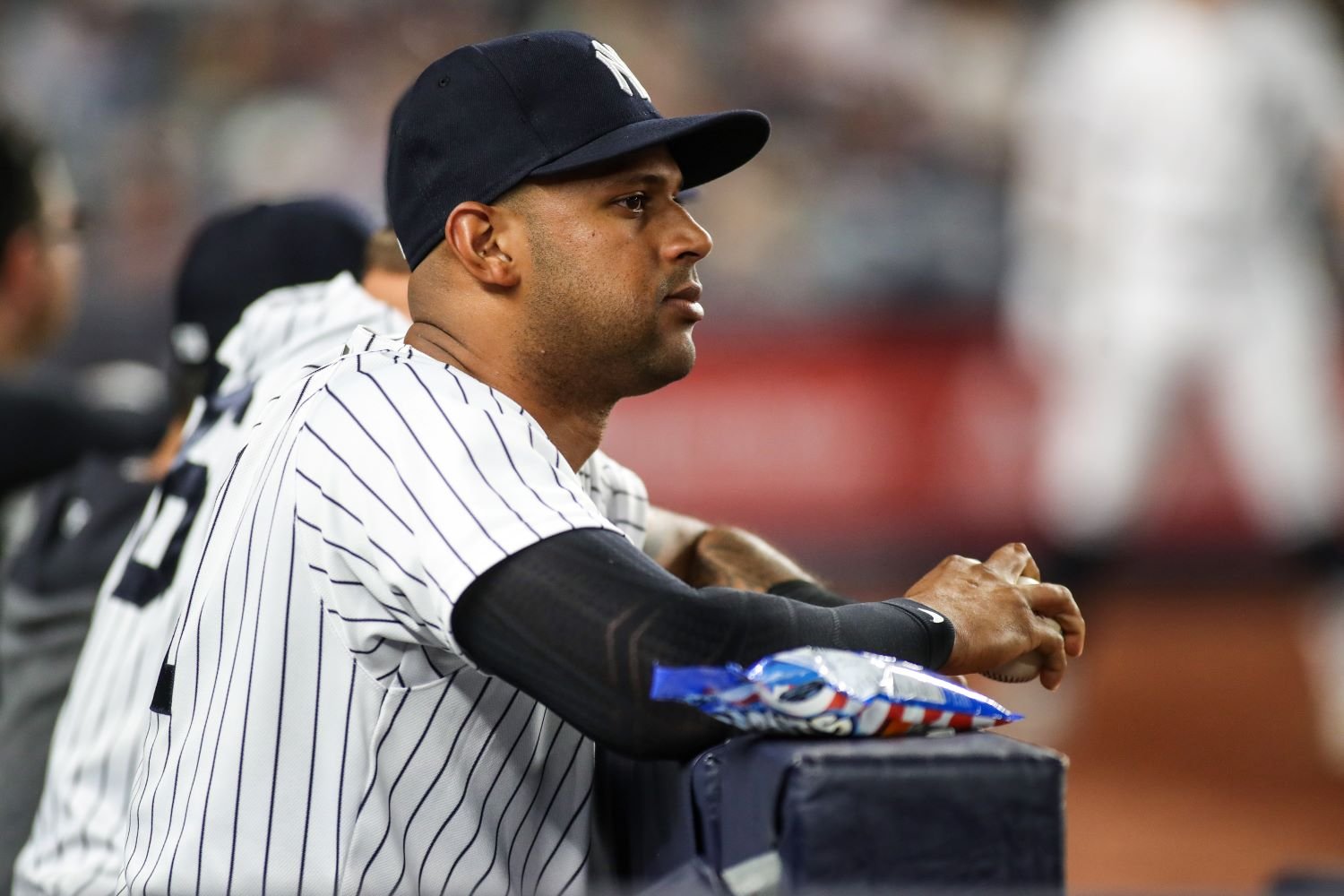 November 11, 2015: Traded by the Minnesota Twins to the New York Yankees for John Ryan Murphy There was good reason for the trade at the time. Minnesota’s catcher situation was Kurt Suzuki—awful in 2015—and Juan Centeno, of non-prospect pedigree and lacking in inspiring performance. Prospect Stuart Turner was also in the major-league mix; he eventually put up -1.2 rWAR in 89 major-league plate appearances with the Reds in 2017. Murphy was interesting, however, potentially in the way that all MLB players are interesting, but he claimed youth and could hit a little bit. New York didn’t care too much—they had an even younger masher on the horizon named Gary Sánchez—so a swap involving the catcher seemed attractive. The real reason for the Twins to banish Hicks was not necessarily to replenish their weak catching situation but because of a limited amount of outfield spots to hand out to a promising young crop. Eddie Rosario had already broken into the majors, holding his own over 122 games; Max Kepler was too pronounced to ignore after a dominant performance at Double-A Chattanooga; and, finally, the real reason why Minnesota shipped Hicks out of town: a man named Byron Buxton was set to control MLB for a decade. And so the teams made a deal. J.R. Murphy would trade in Yankee pinstripes and any hope of becoming the next Jorge Posada, while one slightly used Aaron Hicks would earn a chance to prove his worth in the toughest market in sports. We know how this played out; Murphy barely played for the Twins, was outright bad when he did play, and got jettisoned amongst franchise turnover when the new front office took over following a disastrous 2016. Hicks turned in a poor first year in New York before realizing his potential, becoming a great tertiary, complementary piece on some dangerous Yankees teams in both 2017 and 2018. Pleased with their heist, New York decision-makers handed him a seven-year, $70 million contract before the 2019 season. And then something weird happened. As atrophy and injuries siphoned excitement from the new Yankees contenders, Hicks—fair or not—fell victim to the swamp of blame, trudging through murky front-office choices and healthless seasons while the “baby bombers” consistently fell to better, more well-built franchises. The mood shifted. No longer a wise steal, Hicks was now part of the establishment representing failed attempts at a title; his play dropped tremendously—a respectable 2020 begat painful 2021 and 2022 campaigns. Fresh out of patience, the Yankees looked at one of the worst left fields in MLB and decided that not having Hicks would be an improvement to their current lot, and he was DFA’d with two years and a team option left on his deal. Now we can tangle with the ultimate question: was the trade that bad? Sure, the Twins received nothing in Murphy, but Hicks’ Yankees career turned into two years of solid performance and a handful of seasons of misery—the kind of which that ruins the strongest wills. New York had to hold onto him long after his expiration date, hoping that the Hicks of old was still there, just needing one more day to appear. In the meantime, their performance sagged by their standards. Meanwhile, Buxton is about to crack 20 career fWAR, Kepler is near 17, and Rosario handed Minnesota about as much value as Hicks accrued in his MLB career (12.2 to 11.9, respectively). Perhaps it was a poor allocation of resources—they could have acquired someone, anyone better in the swap—but all they lost was a position player they could not use, a weapon they could not fire. If that is all, then this trade will likely fall deep into the forgotten chasm of tragic deals, only remembered by sour fans or cunning historians.
- 16 comments
-
- 7
-
-
- aaron hicks
- j.r. murphy
- (and 1 more)
-
In the meantime, enjoy some absolute blowouts on a fruitful evening for minor league baseball. Image courtesy of William Parmeter (photo of Zebby Matthews) TRANSACTIONS None Saints Sentinel St. Paul 14, Omaha 1 Box Score Randy Dobnak: 5 IP, 4 H, 1 ER, 4 BB, 5 K HR: Andrew Stevenson (3), Royce Lewis (4) Multi-hit games: Andrew Stevenson (2-for-6, HR, 3 R, 2 RBI), Royce Lewis (2-for-5, HR, 2 R, 2 RBI, BB), Mark Contreras (3-for-5, 2B, 2 R, 3 RBI), Andrew Bechtold (2-for-4, 2B, 2 R, RBI, BB), Hernán Pérez (3-for-5, 3B, R, 5 RBI), Jair Camargo (3-for-5, 2 R, RBI) It was destruction. Two-thirds of the lineup earning multi-hit honors says more than anything creative this writer could conjure. The Saints scored for breakfast, scored during lunch, and scored while consuming dinner, bludgeoning Omaha’s poor pitchers for 14 runs off 16 hits. It’s almost cruel. It’s almost impossible to pick a leader from the bunch, but Hernán Pérez and his five RBIs sticks out amongst the melee; any other selection would be just fine, though. The pitchers did their job as well. The walk monster crept up and swallowed Randy Dobnak whole again, coaxing four free passes from the righty, but he halted the damage, only allowing one earned run over his five innings of work. From there it was a combo bullpen effort, with Ronny Henriquez, Cody Laweryson, and Jose Bravo holding the Storm Chasers scoreless to end the game. Royce Lewis tormented a minor-league pitcher again, smacking the fourth homer of his rehab assignment with St. Paul. Mark Contreras added twin stolen bases to go with his three knocks on Saturday. Tyler Gentry was the Royals’ best prospect to have a close look at the chaos; he walked and took a hit by pitch. Wind Surge Wisdom Wichita 6, Springfield 3 (10 Innings) Box Score Travis Adams: 6 IP, 6 H, 1 ER, 0 BB, 3 K HR: None Multi-hit games: Brooks Lee (2-for-6, 2B, R), DaShawn Keirsey Jr. (3-for-5, 2 2B, R), Yunior Severino (2-for-5, R, RBI) An explosive 10th inning gave Wichita the victory on Saturday. It would probably be hard to find a player more relieved than Travis Adams. The 23-year-old suffered earned runs and a hurt ego to start the season, entering the game with an ERA north of 7.00 on the young season. He cut a full run off of it. Staring down a tough Springfield offense—one second in the Texas League in OPS—Adams held mayhem down, allowing a lone earned run over six impressive innings. The offense was there, too, but it took a little longer for this truth to become self-evident. Wichita struck for two runs in the 3rd, giving themselves a slim lead before nestling into a hibernation. Outs came easy; bats were chilled. It wasn’t until the bonus inning before the team made their second attack. But what an attack it was: four runners crossed home plate as Yoyner Fajardo and Will Holland both earned two-RBI knocks—Holland’s of the rare triple variety. Springfield plated their Manfred Man(n), but Hunter McMahon ensured the game ended there, striking out the final batter of the game. DaShawn Keirsey Jr. earned three hits in a game for the second time this month. Brooks Lee’s 14 doubles are good for first in the Texas League, tying him with Ryan Bliss for the honors. Wichita turned a season-high three double plays; they also committed a season-high three errors. In an atypical turn, the usually-stacked Cardinals could only offer their 22nd-ranked prospect—Mike Antico—as their finest selection for their AA squad; he singled twice and walked. Kernels Nuggets Cedar Rapids 7, Wisconsin 1 Box Score Alejandro Hidalgo: 4 IP, 4 H, 0 ER, 2 BB, 4 K HR: Ben Ross (4) Multi-hit games: Ben Ross (2-for-4, HR, 2 R, 2 RBI), Kala’i Rosario (2-for-4, 2 R, RBI), Noah Miller (2-for-4, 3B, 2B, 3 RBI) The Kernels smoked their opponents on Saturday. Alejandro Hidalgo—wild; often unable to command himself—found great success on the mound. While not perfectly efficient, the righty battled well, utilizing his dazzling changeup to great effect across four empty frames of work. He struck out four and walked two. In a season of extremes with walks, this was a positive step for the youngster. And the Kernels had his back early. A 1st-inning ambush established a pair of quick runs and subsequent scores in the 6th and 8th made the game a laugher. The twin poles of offensive stimulants came from Ben Ross and Noah Miller: the two batters earned five bases each, turning in clutch extra-base hits precisely when their team needed it. Miller’s effort was especially quenching, as he had not had a multi-extra-base-hit game all season. That essentially ended the game. Mike Paredes and John Stankiewicz protected the lead, carrying the team to the finish line with only a small one-run scratch marking the immense achievement for Cedar Rapids’ pitching staff. Wisconsin’s lead-off hitter, Eric Brown Jr., is the best prospect the team has to offer, and the second baseman was held hitless in five trips to the plate. Mussel Matters Fort Myers 2, Dunedin 7 Box Score Zebby Matthews: 5 IP, 2 H, 0 ER, 0 BB, 6 K HR: Rafael Cruz (2) Multi-hit games: None Fort Myers’ bullpen soiled an opportunity to win on Saturday. Zebby Matthews was as expected. The Western Carolina product continued his tremendous dominance over Low-A hitters, out-witting Dunedin with each of his many offerings over five shutout innings before mercifully ending his reign on the mound. He touched 95.4 MPH and elicited 10 swings and misses. It’s been clear for nearly two months that Matthews is simply too good for his current level. Like their father team, Mighty Mussels’ relievers could not induce quiet outs against Blue Jays bats. Perhaps inspired by Matthews no longer eating them alive, Dunedin ran the kind of assembly line that would make Henry Ford proud—only their product was runs, not cars. The carnage ended with seven painful runs searing and ruining the ERAs of Johnathan Lavallee and A.J. Labas. Fort Myers’ tepid offense could offer no response. Outside of Rafael Cruz’s solo shot—a smoked 109.3 MPH missile—the Mighty Mussels could only muster an RBI walk in the 1st, totaling four hits over the 9-inning battle. DH Tucker Toman represented the best prospect on Dunedin’s squad; he singled and walked in four plate appearances. TWINS DAILY PLAYERS OF THE DAY Twins Daily Minor League Pitcher of the Day – Zebby Matthews Twins Daily Minor League Hitter of the Day – Hernán Pérez (ft. Noah Miller and Ben Ross) PROSPECT SUMMARY Here’s a look at how the Twins Daily Top 20 Twins Prospects performed: #1 - Brooks Lee (Wichita) - 2-for-6, 2B, R #2 - Royce Lewis (St. Paul) - 2-for-5, HR, 2 R, 2 RBI, BB #3 - Emmanuel Rodriguez (Cedar Rapids) - 0-2, 2R, 2 BB, K #4 - Edouard Julien (Minnesota) - 3-for-5, HR, 2 2B, 2 R, 2 RBI, K #9 - Matt Wallner (Minnesota) - 4-for-4, HR, R, 3 RBI #13 - Noah Miller (Cedar Rapids) - 2-for-4, 3B, 2B, 3 RBI #19 - Yunior Severino (Wichita) - 2-for-5, R, RBI SUNDAY’S PROBABLE STARTERS Omaha @ St. Paul (5:07 PM) - RHP Simeon Woods Richardson (0-5, 7.12 ERA) Wichita @ Springfield (6:05 PM) - RHP Chad Donato (1-3, 9.90 ERA) Wisconsin @ Cedar Rapids (1:05 PM) - TBD Fort Myers @ Dunedin (11:00 AM) - TBD Fort Myers @ Dunedin (30 Minutes Later) - TBD View full article
- 11 replies
-
- 1
-
-
- zebby matthews
- royce lewis
- (and 3 more)
-
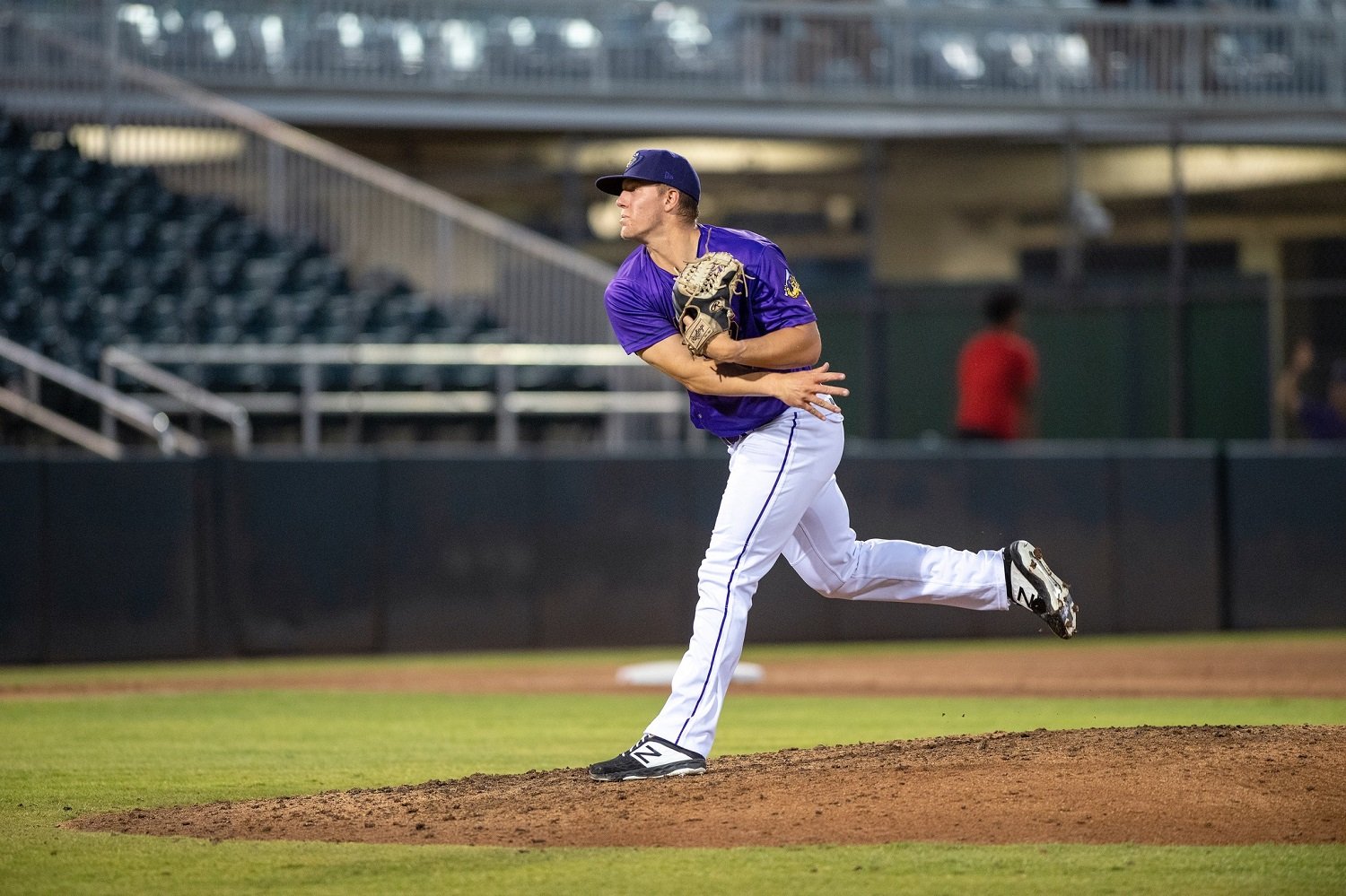 TRANSACTIONS None Saints Sentinel St. Paul 14, Omaha 1 Box Score Randy Dobnak: 5 IP, 4 H, 1 ER, 4 BB, 5 K HR: Andrew Stevenson (3), Royce Lewis (4) Multi-hit games: Andrew Stevenson (2-for-6, HR, 3 R, 2 RBI), Royce Lewis (2-for-5, HR, 2 R, 2 RBI, BB), Mark Contreras (3-for-5, 2B, 2 R, 3 RBI), Andrew Bechtold (2-for-4, 2B, 2 R, RBI, BB), Hernán Pérez (3-for-5, 3B, R, 5 RBI), Jair Camargo (3-for-5, 2 R, RBI) It was destruction. Two-thirds of the lineup earning multi-hit honors says more than anything creative this writer could conjure. The Saints scored for breakfast, scored during lunch, and scored while consuming dinner, bludgeoning Omaha’s poor pitchers for 14 runs off 16 hits. It’s almost cruel. It’s almost impossible to pick a leader from the bunch, but Hernán Pérez and his five RBIs sticks out amongst the melee; any other selection would be just fine, though. The pitchers did their job as well. The walk monster crept up and swallowed Randy Dobnak whole again, coaxing four free passes from the righty, but he halted the damage, only allowing one earned run over his five innings of work. From there it was a combo bullpen effort, with Ronny Henriquez, Cody Laweryson, and Jose Bravo holding the Storm Chasers scoreless to end the game. Royce Lewis tormented a minor-league pitcher again, smacking the fourth homer of his rehab assignment with St. Paul. Mark Contreras added twin stolen bases to go with his three knocks on Saturday. Tyler Gentry was the Royals’ best prospect to have a close look at the chaos; he walked and took a hit by pitch. Wind Surge Wisdom Wichita 6, Springfield 3 (10 Innings) Box Score Travis Adams: 6 IP, 6 H, 1 ER, 0 BB, 3 K HR: None Multi-hit games: Brooks Lee (2-for-6, 2B, R), DaShawn Keirsey Jr. (3-for-5, 2 2B, R), Yunior Severino (2-for-5, R, RBI) An explosive 10th inning gave Wichita the victory on Saturday. It would probably be hard to find a player more relieved than Travis Adams. The 23-year-old suffered earned runs and a hurt ego to start the season, entering the game with an ERA north of 7.00 on the young season. He cut a full run off of it. Staring down a tough Springfield offense—one second in the Texas League in OPS—Adams held mayhem down, allowing a lone earned run over six impressive innings. The offense was there, too, but it took a little longer for this truth to become self-evident. Wichita struck for two runs in the 3rd, giving themselves a slim lead before nestling into a hibernation. Outs came easy; bats were chilled. It wasn’t until the bonus inning before the team made their second attack. But what an attack it was: four runners crossed home plate as Yoyner Fajardo and Will Holland both earned two-RBI knocks—Holland’s of the rare triple variety. Springfield plated their Manfred Man(n), but Hunter McMahon ensured the game ended there, striking out the final batter of the game. DaShawn Keirsey Jr. earned three hits in a game for the second time this month. Brooks Lee’s 14 doubles are good for first in the Texas League, tying him with Ryan Bliss for the honors. Wichita turned a season-high three double plays; they also committed a season-high three errors. In an atypical turn, the usually-stacked Cardinals could only offer their 22nd-ranked prospect—Mike Antico—as their finest selection for their AA squad; he singled twice and walked. Kernels Nuggets Cedar Rapids 7, Wisconsin 1 Box Score Alejandro Hidalgo: 4 IP, 4 H, 0 ER, 2 BB, 4 K HR: Ben Ross (4) Multi-hit games: Ben Ross (2-for-4, HR, 2 R, 2 RBI), Kala’i Rosario (2-for-4, 2 R, RBI), Noah Miller (2-for-4, 3B, 2B, 3 RBI) The Kernels smoked their opponents on Saturday. Alejandro Hidalgo—wild; often unable to command himself—found great success on the mound. While not perfectly efficient, the righty battled well, utilizing his dazzling changeup to great effect across four empty frames of work. He struck out four and walked two. In a season of extremes with walks, this was a positive step for the youngster. And the Kernels had his back early. A 1st-inning ambush established a pair of quick runs and subsequent scores in the 6th and 8th made the game a laugher. The twin poles of offensive stimulants came from Ben Ross and Noah Miller: the two batters earned five bases each, turning in clutch extra-base hits precisely when their team needed it. Miller’s effort was especially quenching, as he had not had a multi-extra-base-hit game all season. That essentially ended the game. Mike Paredes and John Stankiewicz protected the lead, carrying the team to the finish line with only a small one-run scratch marking the immense achievement for Cedar Rapids’ pitching staff. Wisconsin’s lead-off hitter, Eric Brown Jr., is the best prospect the team has to offer, and the second baseman was held hitless in five trips to the plate. Mussel Matters Fort Myers 2, Dunedin 7 Box Score Zebby Matthews: 5 IP, 2 H, 0 ER, 0 BB, 6 K HR: Rafael Cruz (2) Multi-hit games: None Fort Myers’ bullpen soiled an opportunity to win on Saturday. Zebby Matthews was as expected. The Western Carolina product continued his tremendous dominance over Low-A hitters, out-witting Dunedin with each of his many offerings over five shutout innings before mercifully ending his reign on the mound. He touched 95.4 MPH and elicited 10 swings and misses. It’s been clear for nearly two months that Matthews is simply too good for his current level. Like their father team, Mighty Mussels’ relievers could not induce quiet outs against Blue Jays bats. Perhaps inspired by Matthews no longer eating them alive, Dunedin ran the kind of assembly line that would make Henry Ford proud—only their product was runs, not cars. The carnage ended with seven painful runs searing and ruining the ERAs of Johnathan Lavallee and A.J. Labas. Fort Myers’ tepid offense could offer no response. Outside of Rafael Cruz’s solo shot—a smoked 109.3 MPH missile—the Mighty Mussels could only muster an RBI walk in the 1st, totaling four hits over the 9-inning battle. DH Tucker Toman represented the best prospect on Dunedin’s squad; he singled and walked in four plate appearances. TWINS DAILY PLAYERS OF THE DAY Twins Daily Minor League Pitcher of the Day – Zebby Matthews Twins Daily Minor League Hitter of the Day – Hernán Pérez (ft. Noah Miller and Ben Ross) PROSPECT SUMMARY Here’s a look at how the Twins Daily Top 20 Twins Prospects performed: #1 - Brooks Lee (Wichita) - 2-for-6, 2B, R #2 - Royce Lewis (St. Paul) - 2-for-5, HR, 2 R, 2 RBI, BB #3 - Emmanuel Rodriguez (Cedar Rapids) - 0-2, 2R, 2 BB, K #4 - Edouard Julien (Minnesota) - 3-for-5, HR, 2 2B, 2 R, 2 RBI, K #9 - Matt Wallner (Minnesota) - 4-for-4, HR, R, 3 RBI #13 - Noah Miller (Cedar Rapids) - 2-for-4, 3B, 2B, 3 RBI #19 - Yunior Severino (Wichita) - 2-for-5, R, RBI SUNDAY’S PROBABLE STARTERS Omaha @ St. Paul (5:07 PM) - RHP Simeon Woods Richardson (0-5, 7.12 ERA) Wichita @ Springfield (6:05 PM) - RHP Chad Donato (1-3, 9.90 ERA) Wisconsin @ Cedar Rapids (1:05 PM) - TBD Fort Myers @ Dunedin (11:00 AM) - TBD Fort Myers @ Dunedin (30 Minutes Later) - TBD
- 11 comments
-
- 3
-
-
- zebby matthews
- royce lewis
- (and 3 more)
-
Rude of the Twins to soil an ode to Tina Turner like that. Image courtesy of Nick Wosika-USA TODAY Sports Box Score Louie Varland: 6 IP, 7 H, 3 ER, 0 BB, 3 K Home Runs: None Bottom 3 WPA: Byron Buxton (-.177), Michael A. Taylor (-.175), Donavon Solano (-.142) Win Probability Chart (via FanGraphs) There were inklings from the start. We should have known that this would be an atypical game—more than usual for baseball—from the opening frame of whimsicality. Odd and with a strange rhythm, the Blue Jays and Twins slowly descended into their melee, subtly altering the standard rules of engagement to treat the dual-citizen fans to a unique game. It started in the first: George Springer doubled, eventually finding himself standing on third base with just one out—a prime chance to score. A Vladimir Guerrero Jr. grounder appeared a tantalizing chance for the former Astro to plate a run, and Springer revealed his hand, taking off for home, although with uneasiness. Carlos Correa—undaunted; evidently footless, if news reports were to be believed—snagged the chopper, chased down his unsure victim, and then gunned down a greedy Guerrero at first base to end the inning. And so the game started. The Blue Jays—victims of circumstance, a good team trapped in a nightmare division—entered the match fresh off a brutal, deflating loss to an elite Tampa Bay team. The players decided a meeting was in order; no coaches were allowed. The team was good, yes, but their context was not an excuse to their players and their demands. The meeting appeared to work. Two scoreless innings begat a fruitful offensive explosion; Kevin Kiermaier blasted a solo homer in the third before Bo Bichette, flowing and smooth, shot a ball to deep center field, adding two more runs to Toronto’s total. It was the culmination of Louie Varland’s troubles on Friday night. The righty was fine, effective, only two lame pitches away from finding shutout success. But such is the life of a pitcher and Varland—although unharmed in any other frame—eventually exited his start with a trio of runs to his name over six innings of work. He struck out three. Unfortunately for the Twins, their challenge for the day was Kevin Gausman, an ace by every metric perfectly capable of dominating the strike zone with ease. Yet the day’s unusual nature extended beyond baserunning casualties and ninth-hitter homers: Kevin Gausman couldn’t find the zone. He did at times—earning eight strikeouts along the way—but Minnesota lived with the punch outs, fine with the trade-off causing Gausman to throw more pitches than he would like. They ended with five walks off the starter; he entered the day with 11 on the season in total. Gausman’s day ended when Kyle Garlick smoked an RBI double to plate Minnesota’s first run. All things couldn’t be happy, though, and the Twins extended their bases loaded struggles by coming up empty in two trips to the plate. Home plate umpire Bruce Dreckman aided, failing to restrain himself from calling a ball a strike against Michael A. Taylor, swinging the game from a 3-2 match with the potential for more to a 3-1 game with the dead weight of lost potential crushing Minnesota’s shoulders. So we entered a battle of relievers. Emilio Pagán carried Minnesota for two frames, allowing no runs or hits while punching out three batters; he needed just 21 pitches. Toronto selected from their assortment of pitchers as well, sending out arms unable to escape the walking curse of their brethren while ultimately exiting harmlessly with a few extra baserunners to their name. Byron Buxton threatened to inch the game closer with a warning track warning shot, but the Twins could find no fortune in the 9th, falling in the same fashion that cursed the team in every other inning on Saturday. Notes: Louie Varland has thrown at least five innings in five of six starts for the Twins in 2023. Kevin Gausman's five walks were the most for him since another five-walk start on June 29th, 2021. Christian Vázquez's last extra-base hit came on April 13th. Post-Game Interview: What’s Next? The Twins and Blue Jays will play game two of the series on Saturday; Pablo López will start opposite Chris Bassitt and first pitch is at 1:10 PM. Bullpen Usage Spreadsheet View full article
- 52 replies
-
- 1
-
-
- louis varland
- kyle garlick
- (and 3 more)
-
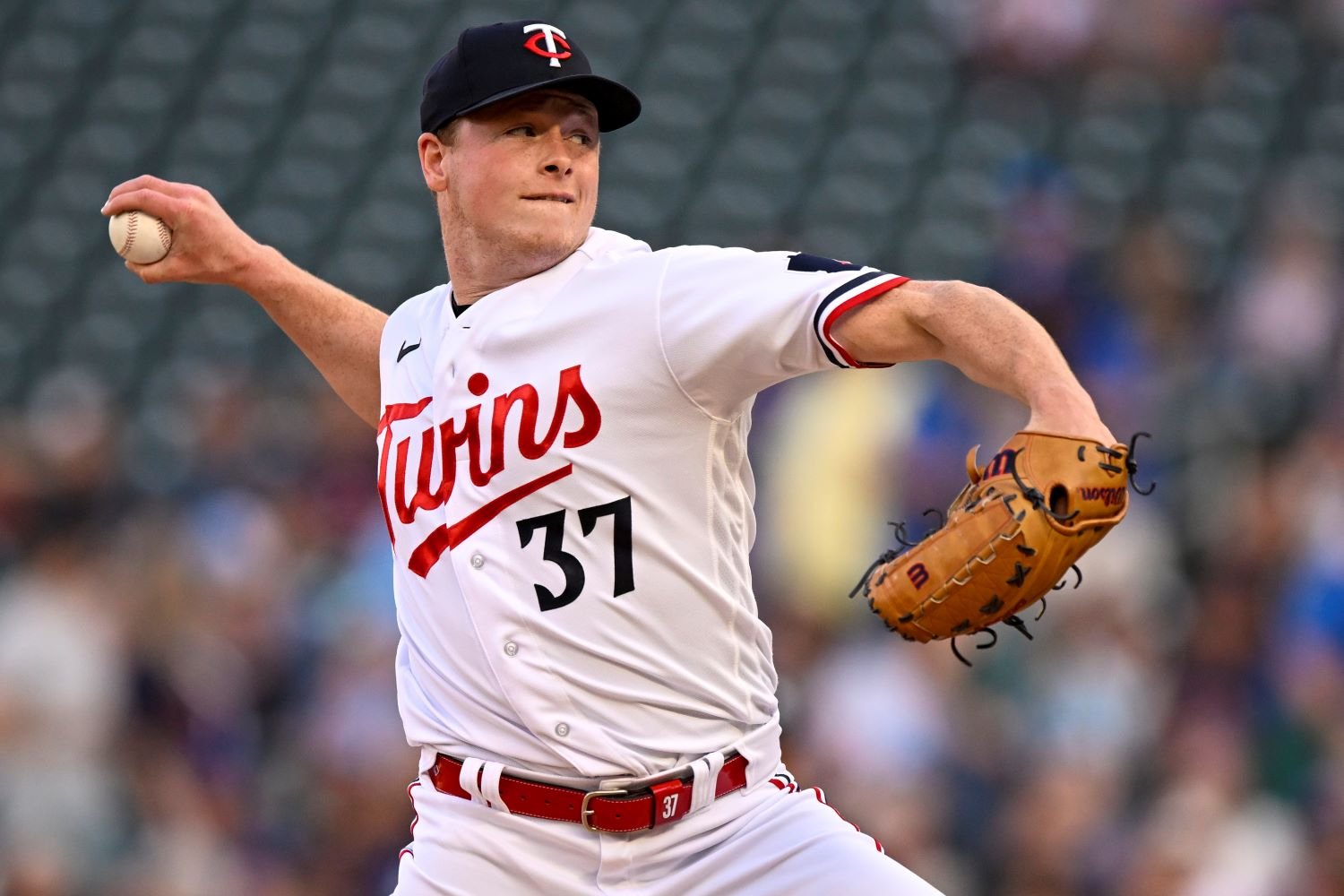 Box Score Louie Varland: 6 IP, 7 H, 3 ER, 0 BB, 3 K Home Runs: None Bottom 3 WPA: Byron Buxton (-.177), Michael A. Taylor (-.175), Donavon Solano (-.142) Win Probability Chart (via FanGraphs) There were inklings from the start. We should have known that this would be an atypical game—more than usual for baseball—from the opening frame of whimsicality. Odd and with a strange rhythm, the Blue Jays and Twins slowly descended into their melee, subtly altering the standard rules of engagement to treat the dual-citizen fans to a unique game. It started in the first: George Springer doubled, eventually finding himself standing on third base with just one out—a prime chance to score. A Vladimir Guerrero Jr. grounder appeared a tantalizing chance for the former Astro to plate a run, and Springer revealed his hand, taking off for home, although with uneasiness. Carlos Correa—undaunted; evidently footless, if news reports were to be believed—snagged the chopper, chased down his unsure victim, and then gunned down a greedy Guerrero at first base to end the inning. And so the game started. The Blue Jays—victims of circumstance, a good team trapped in a nightmare division—entered the match fresh off a brutal, deflating loss to an elite Tampa Bay team. The players decided a meeting was in order; no coaches were allowed. The team was good, yes, but their context was not an excuse to their players and their demands. The meeting appeared to work. Two scoreless innings begat a fruitful offensive explosion; Kevin Kiermaier blasted a solo homer in the third before Bo Bichette, flowing and smooth, shot a ball to deep center field, adding two more runs to Toronto’s total. It was the culmination of Louie Varland’s troubles on Friday night. The righty was fine, effective, only two lame pitches away from finding shutout success. But such is the life of a pitcher and Varland—although unharmed in any other frame—eventually exited his start with a trio of runs to his name over six innings of work. He struck out three. Unfortunately for the Twins, their challenge for the day was Kevin Gausman, an ace by every metric perfectly capable of dominating the strike zone with ease. Yet the day’s unusual nature extended beyond baserunning casualties and ninth-hitter homers: Kevin Gausman couldn’t find the zone. He did at times—earning eight strikeouts along the way—but Minnesota lived with the punch outs, fine with the trade-off causing Gausman to throw more pitches than he would like. They ended with five walks off the starter; he entered the day with 11 on the season in total. Gausman’s day ended when Kyle Garlick smoked an RBI double to plate Minnesota’s first run. All things couldn’t be happy, though, and the Twins extended their bases loaded struggles by coming up empty in two trips to the plate. Home plate umpire Bruce Dreckman aided, failing to restrain himself from calling a ball a strike against Michael A. Taylor, swinging the game from a 3-2 match with the potential for more to a 3-1 game with the dead weight of lost potential crushing Minnesota’s shoulders. So we entered a battle of relievers. Emilio Pagán carried Minnesota for two frames, allowing no runs or hits while punching out three batters; he needed just 21 pitches. Toronto selected from their assortment of pitchers as well, sending out arms unable to escape the walking curse of their brethren while ultimately exiting harmlessly with a few extra baserunners to their name. Byron Buxton threatened to inch the game closer with a warning track warning shot, but the Twins could find no fortune in the 9th, falling in the same fashion that cursed the team in every other inning on Saturday. Notes: Louie Varland has thrown at least five innings in five of six starts for the Twins in 2023. Kevin Gausman's five walks were the most for him since another five-walk start on June 29th, 2021. Christian Vázquez's last extra-base hit came on April 13th. Post-Game Interview: What’s Next? The Twins and Blue Jays will play game two of the series on Saturday; Pablo López will start opposite Chris Bassitt and first pitch is at 1:10 PM. Bullpen Usage Spreadsheet
- 52 comments
-
- 1
-
-
- louis varland
- kyle garlick
- (and 3 more)
-
Or: it's strange to see the hitter and pitcher of the day come from an 8-2 loss. Image courtesy of Tim Grubbs TRANSACTIONS RHP Austin Brice signed to a Minor League contract and assigned to St. Paul INF Edouard Julien recalled by Twins Saints Sentinel St. Paul 3, Columbus 5 Box Score Connor Sadzeck: 1 IP, 0 H, 0 ER, 0 BB, 3 K HR: None Multi-hit games: Andrew Stevenson (2-for-5, 2B), Mark Contreras (2-for-5, R) The Saints suffered a close loss on Saturday. Used intermittently since the 2018 season, the Twins brought back the opener, just for one day, sending reliever Connor Sedzeck out first ahead of Jordan Balazovic. Sadzeck was perfect, striking out the side in order, but Balazovic wasn’t as decisive, allowing a duo of runs to score over four frames of work. Still, his command—typically unavailable or as missing as the Vikings’ Ed Thorp trophy—was solid; he didn’t allow a walk for the first time since April 25th. St. Paul’s bats couldn’t find similar fortune, though. Facing rehabbing big leaguer Triston McKenzie, the Saints spun themselves into knots, never cracking his code for the three innings he was on the mound. But there were 18 more outs to avoid once he left. Could they attack the Clippers’ bullpen with enough ferocity to win? No, but they did try. The effort reached its apex in the 6th when a sudden attack plated a trio of runs, leading to a one-run lead with three frames remaining. It appeared that favor had moved to their advantage. And yet it disappeared just as quickly. Josh Winder’s opening four-pitch walk prophesied the rest of the inning—a grueling, tragic showing emblematic of the fleeting nature of luck in baseball. Or, in less flowery language, the Clippers scored twice. That sealed the match. Columbus scored a final unnecessary run as the Saints attempted to claw their way from the depths without success. Jose Miranda walked three times on Saturday; he has never walked more than twice in a game in his professional career. Brayan Rocchio was the Clippers’ best prospect on Saturday, and he singled and walked in four plate appearances. Wind Surge Wisdom Wichita 2, Arkansas 8 Box Score Aaron Rozek: 5 ⅔ IP, 2 H, 1 ER, 2 BB, 8 K HR: None Multi-hit games: Yoyner Fajardo (4-for-5, 2 2B, 2 R), Jake Rucker (2-for-4, 2 RBI, BB), Alex Isola (2-for-4) An explosive 10th inning sank Wichita’s chances of winning on Saturday. Once a pitcher’s duel, eventually a blowout, the Wind Surge started with almost six brilliant innings of pitching from Aaron Rozek before a deeply unusual 10th inning ended any potential they had to escape with a victory. But first, the great success: Rozek. The 27-year-old Burnsville native entered the game with ghastly numbers—truly scary amounts of earned runs—but shook off any pressure one could feel from such negativity. He was brilliant. His eight strikeouts were the most he achieved in an outing since May 12th of last season. His two hits allowed were the lowest of all his starts in 2023. Arkansas brought pitching to the ballpark as well, though. An early Wichita run did not phase the Travelers, and the following innings of ball slowly melted the game to an equilibrium stalemate. It all fell apart in the 10th. Reliever Curtis Taylor hit two, walked another, allowed a batter to reach on a fielder’s choice, struck out a batter, and waved goodbye to the match with unusual flair: Denny Bentley then allowed four runs to score, giving Taylor the rare zero hits/four earned runs stat line. The top of the Wind Surge lineup did their job marvelously, earning eight of Wichita’s 10 hits; Yoyner Fajardo alone collected four. The issue: no one south of Anthony Prato could earn a knock, forcing the Wind Surge to end rallies before they could become runs. The Travelers’ best prospect in the game was outfielder Jonatan Clase, who tripled in five plate appearances. Kernels Nuggets Cedar Rapids 1, Peoria 5 Box Score Jordan Carr: 4 ⅓ IP, 6 H, 3 ER, 1 BB, 3 K HR: None Multi-hit games: Jefferson Morales (2-for-3, R) Ineffective bats burned the Kernels on Saturday. Three hits were all Cedar Rapids could offer to support their pitching staff. Two came from Jeferson Morales. They did add three walks—silver linings especially dull—but this was a shockingly weak effort from a team with the third-worst OPS in the Midwest League. It didn’t matter too much: the Chiefs blitzed starter Jordan Carr for one run in the second and two in the third to hand their pitchers a lead that remained well-sealed and protected. The closest the Kernels got to affecting the lock was in the sixth, following a run-scoring fielder’s choice that placed two on with one out. Tanner Schobel then flew out, Kala’i Rosario struck out, and the rally vanquished into nothingness. Victor Scott II of Peoria stole his 30th ****ing base of the season (I know I can’t say that, but good lord, that’s insane). Catcher and definitely-not-a-thief, Jimmy Crooks, was the best prospect playing for the Chiefs on Saturday; he singled and walked in five trips to the plate. Mussel Matters Fort Myers 4, Lakeland 3 (7 Innings) Box Score Cory Lewis: 4 IP, 4 H, 1 ER, 2 BB, 8 K HR: None Multi-hit games: Andrew Cossetti (3-for-4, 2B, RBI) The Mighty Mussels exited victorious on Saturday in a weather-shortened match. Cory Lewis was tremendous again, effectively dicing through Lakeland’s offense with the precision of a hurler well-seasoned and wise. His fastball/slider combo proved confounding, mysterious, leading to 22 total swinging strikes out of just 80 pitches—an absurd 28% swinging strike rate usually only reserved for the Josh Haders of the world. His only mistakes were the common errors of man: two runs scored via two separate throwing blunders from catcher Andrew Cossetti . Fortunately, Cossetti could translate his defensive miscues into an offensive force. The catcher continued his terror at the plate, knocking around three hits—one nearly 400-foot double—to push his season OPS to 1.036. The Florida State League is supposed to favor pitchers. It’s very likely that last month’s Twins Daily Minor League Hitter of the Month could repeat the honor. Unsavory weather paused the game following the top of the 7th, and the umps soon ended the night, handing the Mighty Mussels their 22nd win of the season. Lakeland is an affiliate of the Detroit Tigers, and their best prospect—shortstop Peyton Graham—collected a pair of hits and scored a run. TWINS DAILY PLAYERS OF THE DAY Twins Daily Minor League Pitcher of the Day – Aaron Rozek Twins Daily Minor League Hitter of the Day – Yoyner Fajardo PROSPECT SUMMARY Here’s a look at how the Twins Daily Top 20 Twins Prospects performed: #1 - Brooks Lee (Wichita) - 0-0, 2 BB #3 - Emmanuel Rodriguez (Cedar Rapids) - 0-4, 2 K #9 - Matt Wallner (St. Paul) - 0-5, 3 K #13 - Noah Miller (Cedar Rapids) - 0-4, 2 K #14 - Jordan Balazovic (St. Paul) - 4 IP, 4 H, 2 ER, 0 BB, 5 K #19 - Yunior Severino (Wichita) - 1-5 K SUNDAY’S PROBABLE STARTERS St. Paul @ Columbus (12:05 PM) - RHP Randy Dobnak Arkansas @ Wichita (1:05 PM) - RHP Travis Adams Peoria @ Cedar Rapids (1:05 PM) - RHP Alejandro Hidalgo Fort Myers @ Lakeland (12:00 PM) - TBD\ View full article
-
Minor League Report 5/20: The Only Way to Win is With Mother Nature
Matt Braun posted an article in Minor Leagues
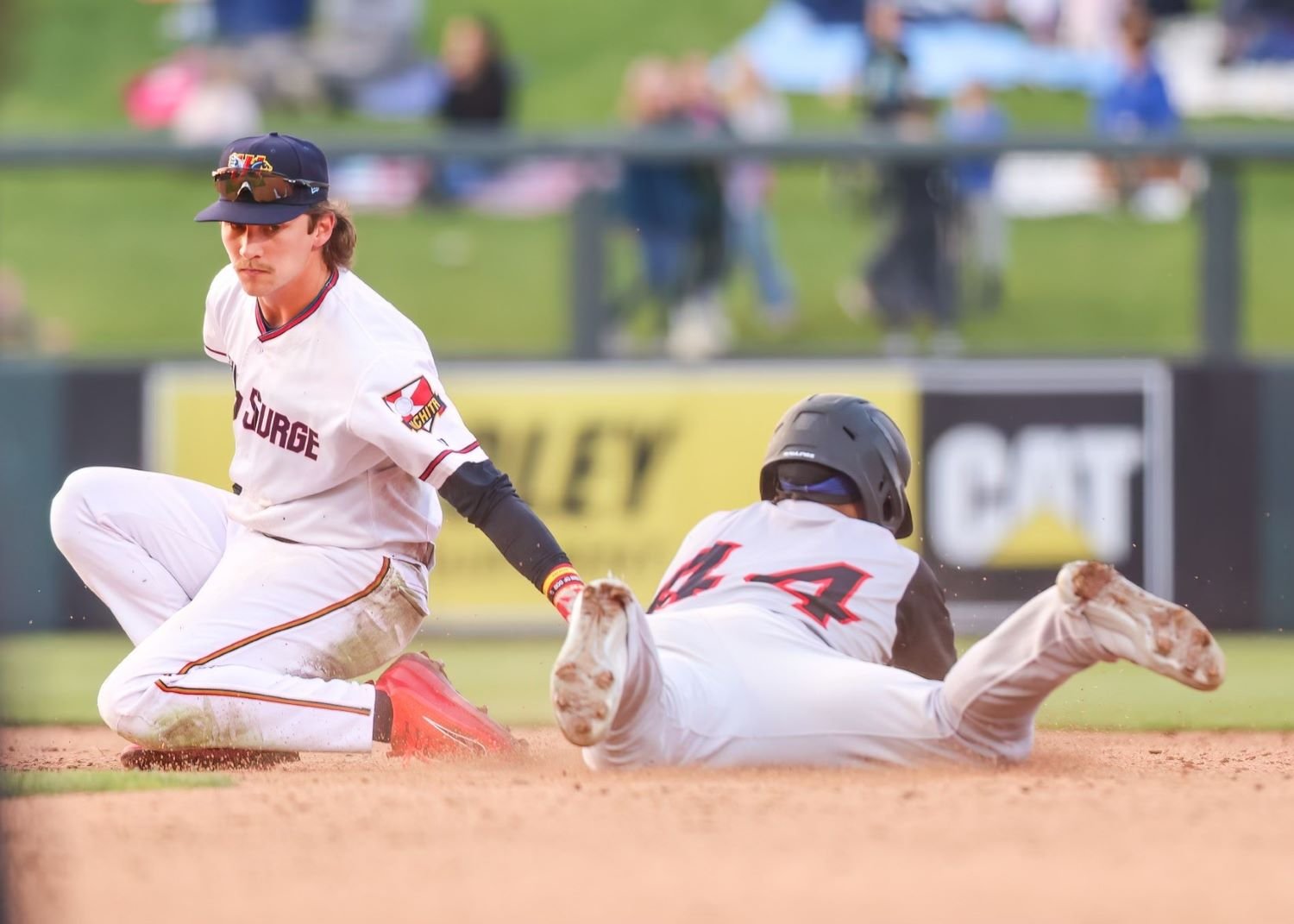 TRANSACTIONS RHP Austin Brice signed to a Minor League contract and assigned to St. Paul INF Edouard Julien recalled by Twins Saints Sentinel St. Paul 3, Columbus 5 Box Score Connor Sadzeck: 1 IP, 0 H, 0 ER, 0 BB, 3 K HR: None Multi-hit games: Andrew Stevenson (2-for-5, 2B), Mark Contreras (2-for-5, R) The Saints suffered a close loss on Saturday. Used intermittently since the 2018 season, the Twins brought back the opener, just for one day, sending reliever Connor Sedzeck out first ahead of Jordan Balazovic. Sadzeck was perfect, striking out the side in order, but Balazovic wasn’t as decisive, allowing a duo of runs to score over four frames of work. Still, his command—typically unavailable or as missing as the Vikings’ Ed Thorp trophy—was solid; he didn’t allow a walk for the first time since April 25th. St. Paul’s bats couldn’t find similar fortune, though. Facing rehabbing big leaguer Triston McKenzie, the Saints spun themselves into knots, never cracking his code for the three innings he was on the mound. But there were 18 more outs to avoid once he left. Could they attack the Clippers’ bullpen with enough ferocity to win? No, but they did try. The effort reached its apex in the 6th when a sudden attack plated a trio of runs, leading to a one-run lead with three frames remaining. It appeared that favor had moved to their advantage. And yet it disappeared just as quickly. Josh Winder’s opening four-pitch walk prophesied the rest of the inning—a grueling, tragic showing emblematic of the fleeting nature of luck in baseball. Or, in less flowery language, the Clippers scored twice. That sealed the match. Columbus scored a final unnecessary run as the Saints attempted to claw their way from the depths without success. Jose Miranda walked three times on Saturday; he has never walked more than twice in a game in his professional career. Brayan Rocchio was the Clippers’ best prospect on Saturday, and he singled and walked in four plate appearances. Wind Surge Wisdom Wichita 2, Arkansas 8 Box Score Aaron Rozek: 5 ⅔ IP, 2 H, 1 ER, 2 BB, 8 K HR: None Multi-hit games: Yoyner Fajardo (4-for-5, 2 2B, 2 R), Jake Rucker (2-for-4, 2 RBI, BB), Alex Isola (2-for-4) An explosive 10th inning sank Wichita’s chances of winning on Saturday. Once a pitcher’s duel, eventually a blowout, the Wind Surge started with almost six brilliant innings of pitching from Aaron Rozek before a deeply unusual 10th inning ended any potential they had to escape with a victory. But first, the great success: Rozek. The 27-year-old Burnsville native entered the game with ghastly numbers—truly scary amounts of earned runs—but shook off any pressure one could feel from such negativity. He was brilliant. His eight strikeouts were the most he achieved in an outing since May 12th of last season. His two hits allowed were the lowest of all his starts in 2023. Arkansas brought pitching to the ballpark as well, though. An early Wichita run did not phase the Travelers, and the following innings of ball slowly melted the game to an equilibrium stalemate. It all fell apart in the 10th. Reliever Curtis Taylor hit two, walked another, allowed a batter to reach on a fielder’s choice, struck out a batter, and waved goodbye to the match with unusual flair: Denny Bentley then allowed four runs to score, giving Taylor the rare zero hits/four earned runs stat line. The top of the Wind Surge lineup did their job marvelously, earning eight of Wichita’s 10 hits; Yoyner Fajardo alone collected four. The issue: no one south of Anthony Prato could earn a knock, forcing the Wind Surge to end rallies before they could become runs. The Travelers’ best prospect in the game was outfielder Jonatan Clase, who tripled in five plate appearances. Kernels Nuggets Cedar Rapids 1, Peoria 5 Box Score Jordan Carr: 4 ⅓ IP, 6 H, 3 ER, 1 BB, 3 K HR: None Multi-hit games: Jefferson Morales (2-for-3, R) Ineffective bats burned the Kernels on Saturday. Three hits were all Cedar Rapids could offer to support their pitching staff. Two came from Jeferson Morales. They did add three walks—silver linings especially dull—but this was a shockingly weak effort from a team with the third-worst OPS in the Midwest League. It didn’t matter too much: the Chiefs blitzed starter Jordan Carr for one run in the second and two in the third to hand their pitchers a lead that remained well-sealed and protected. The closest the Kernels got to affecting the lock was in the sixth, following a run-scoring fielder’s choice that placed two on with one out. Tanner Schobel then flew out, Kala’i Rosario struck out, and the rally vanquished into nothingness. Victor Scott II of Peoria stole his 30th ****ing base of the season (I know I can’t say that, but good lord, that’s insane). Catcher and definitely-not-a-thief, Jimmy Crooks, was the best prospect playing for the Chiefs on Saturday; he singled and walked in five trips to the plate. Mussel Matters Fort Myers 4, Lakeland 3 (7 Innings) Box Score Cory Lewis: 4 IP, 4 H, 1 ER, 2 BB, 8 K HR: None Multi-hit games: Andrew Cossetti (3-for-4, 2B, RBI) The Mighty Mussels exited victorious on Saturday in a weather-shortened match. Cory Lewis was tremendous again, effectively dicing through Lakeland’s offense with the precision of a hurler well-seasoned and wise. His fastball/slider combo proved confounding, mysterious, leading to 22 total swinging strikes out of just 80 pitches—an absurd 28% swinging strike rate usually only reserved for the Josh Haders of the world. His only mistakes were the common errors of man: two runs scored via two separate throwing blunders from catcher Andrew Cossetti . Fortunately, Cossetti could translate his defensive miscues into an offensive force. The catcher continued his terror at the plate, knocking around three hits—one nearly 400-foot double—to push his season OPS to 1.036. The Florida State League is supposed to favor pitchers. It’s very likely that last month’s Twins Daily Minor League Hitter of the Month could repeat the honor. Unsavory weather paused the game following the top of the 7th, and the umps soon ended the night, handing the Mighty Mussels their 22nd win of the season. Lakeland is an affiliate of the Detroit Tigers, and their best prospect—shortstop Peyton Graham—collected a pair of hits and scored a run. TWINS DAILY PLAYERS OF THE DAY Twins Daily Minor League Pitcher of the Day – Aaron Rozek Twins Daily Minor League Hitter of the Day – Yoyner Fajardo PROSPECT SUMMARY Here’s a look at how the Twins Daily Top 20 Twins Prospects performed: #1 - Brooks Lee (Wichita) - 0-0, 2 BB #3 - Emmanuel Rodriguez (Cedar Rapids) - 0-4, 2 K #9 - Matt Wallner (St. Paul) - 0-5, 3 K #13 - Noah Miller (Cedar Rapids) - 0-4, 2 K #14 - Jordan Balazovic (St. Paul) - 4 IP, 4 H, 2 ER, 0 BB, 5 K #19 - Yunior Severino (Wichita) - 1-5 K SUNDAY’S PROBABLE STARTERS St. Paul @ Columbus (12:05 PM) - RHP Randy Dobnak Arkansas @ Wichita (1:05 PM) - RHP Travis Adams Peoria @ Cedar Rapids (1:05 PM) - RHP Alejandro Hidalgo Fort Myers @ Lakeland (12:00 PM) - TBD\
 -
The only way to beat the Dodgers: have their old players on your team. Image courtesy of Gary A. Vasquez-USA TODAY Sports Box Score Bailey Ober: 6 IP, 6 H, 1 ER, 1 BB, 6 K (102 pitches, 65 strikes) Home Run: Kyle Farmer (3) Top 3 WPA: Bailey Ober (.259), Jovani Moran (.165), Kyle Farmer (.135) Win Probability Chart (via FanGraphs) Even the gruffest amongst us could not fault him if he did it. Clayton Kershaw lost his mother on Saturday. Suffering a painful Mother’s Day and coming to terms with life without one his most crucial supporters, Kershaw insisted on making his scheduled start, hopefully using baseball as the emotional crutch so many others before have done. Heartless—and cruel—the Twins allowed no time for grievance: a leadoff double by Donovan Solano begat a Kyle Farmer single beyond the infield, plating a rare early run off the future Hall-of-Famer. And so the game stayed during its first act. Bailey Ober found similar challenges in his time on the mound—hits, general chicanery—while his command swayed in the gentle California breeze. Perhaps fortune or gumption aided him, but in any case, Ober was able to avoid the damaging blow Minnesota earned against their opponent. It wasn’t from a lack of trying by the Dodgers: they placed two runners on in the opening frame before flailing meekly to end the inning. Things got crazier in the 4th, however; Max Muncy attempted to swipe home on a double steal; a wise Solano anticipated his move and promptly threw him out by many feet. The Dodgers likely felt the need to press because the Twins again jumped on Kershaw. A walk and two singles added a second run to Minnesota’s total, with Willi Castro providing the clutch hit on a slicing single into left. Underpinning all the offense was a truly bizarre inability by Austin Barnes to throw the baseball to second base. The catcher has struggled with baserunners all season, and—despite their stagnant nature—the Twins pushed firmly on that pressure point at all times, leading to four total steals and a disengagement violation when Kershaw tried to save his backstop from embarrassment in the 4th. The opportunity for small-ball shenanigans was great, and Minnesota embraced it fully in the 5th, earning a run off a walk, steal, groundout, hit by pitch, and safety squeeze bunt. And Ober held up his end of the bargain. A shaky opening to his start gave way to solid, effective, normal Bailey Ober proceedings; the big right-hander ended his night after six innings with one earned run to his name and more than a few warning track threats. The Twins could avoid it no longer, though, and the game shifted to a battle between the bullpens. Both exhausted after a nightmare game on Monday, the onerous was on Minnesota to defend the lead, placing their relief arms in a much more precarious position. Brock Stewart was the first hero, and he could only muster two outs after his 28 pitches last night. Jovani Moran then stepped up the mound, immediately walked Freddie Freeman on four pitches, and coaxed a soft fly out from Chris Taylor on the only strike he threw in the inning. The Twins needed six more outs. Yet, somehow, as if the forces surrounding the game joined together in one miraculous effort, Moran made it through a clean 8th inning, eliciting three outs with relative ease. And the same forces grew from a quiet grin to a shining smile in the 9th, observing the Twins’ lost work from the previous night and realizing that a correction was in order: Farmer extended the lead with a relieving two-run shot just above the outfield wall. Dodgers fans left their seats in frustration. It finally ended. Minnesota’s 18-year drought of winning at Dodgers’ stadium, Clayton Kershaw’s nearly two-year grip on winning on his home turf, and whatever demons have cursed Griffin Jax in 2023 all came to an end. Post-Game Interview What’s Next? The Twins and Dodgers will partake in a day game on Wednesday as Sonny Gray will face off opposite Dustin May. The game starts at 2:10 PM central time. Bullpen Usage Spreadsheet View full article
-
Twins 5, Dodgers 1: Kyle Farmer Vanquishes Dodger Stadium Curse
Matt Braun posted an article in Twins
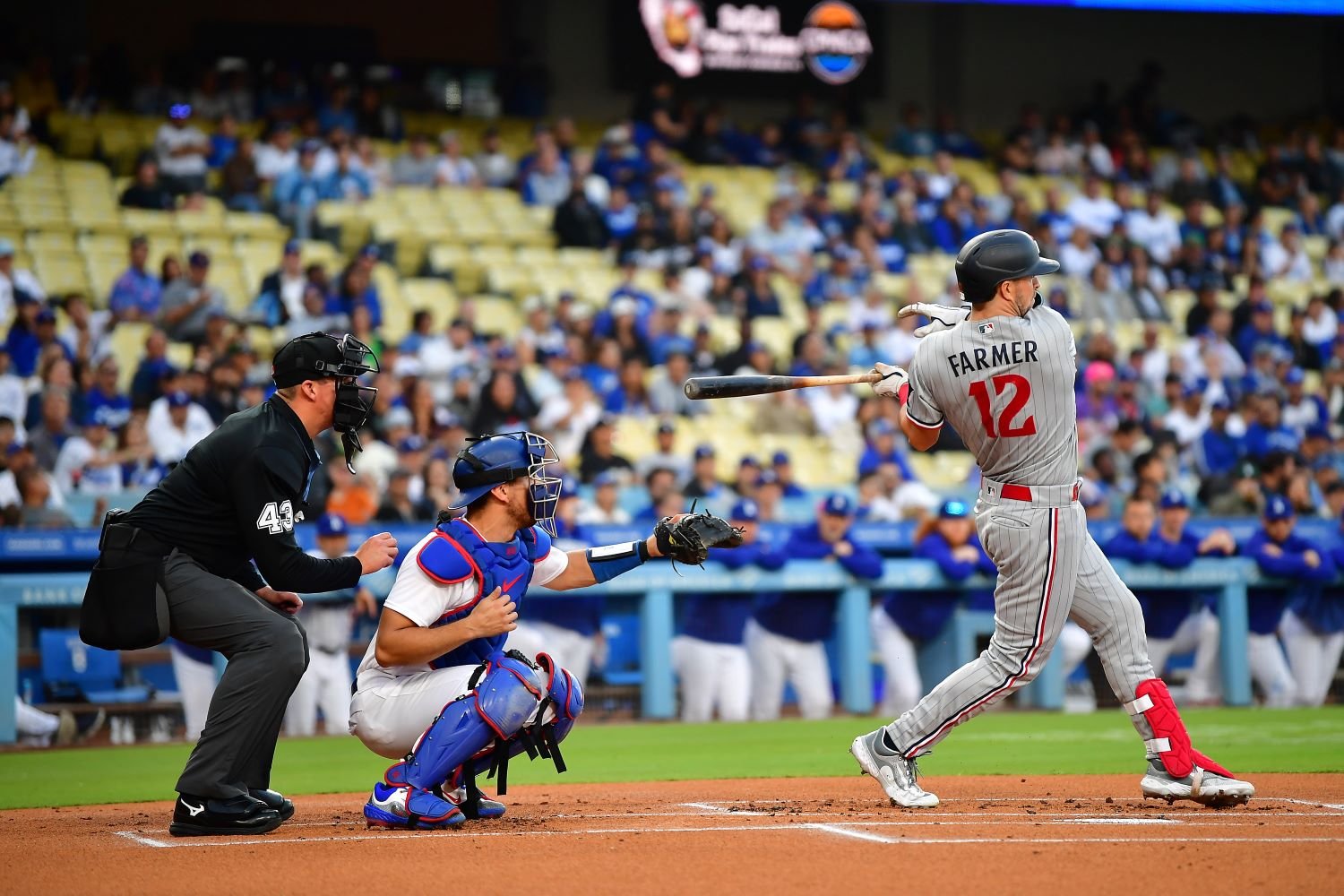 Box Score Bailey Ober: 6 IP, 6 H, 1 ER, 1 BB, 6 K (102 pitches, 65 strikes) Home Run: Kyle Farmer (3) Top 3 WPA: Bailey Ober (.259), Jovani Moran (.165), Kyle Farmer (.135) Win Probability Chart (via FanGraphs) Even the gruffest amongst us could not fault him if he did it. Clayton Kershaw lost his mother on Saturday. Suffering a painful Mother’s Day and coming to terms with life without one his most crucial supporters, Kershaw insisted on making his scheduled start, hopefully using baseball as the emotional crutch so many others before have done. Heartless—and cruel—the Twins allowed no time for grievance: a leadoff double by Donovan Solano begat a Kyle Farmer single beyond the infield, plating a rare early run off the future Hall-of-Famer. And so the game stayed during its first act. Bailey Ober found similar challenges in his time on the mound—hits, general chicanery—while his command swayed in the gentle California breeze. Perhaps fortune or gumption aided him, but in any case, Ober was able to avoid the damaging blow Minnesota earned against their opponent. It wasn’t from a lack of trying by the Dodgers: they placed two runners on in the opening frame before flailing meekly to end the inning. Things got crazier in the 4th, however; Max Muncy attempted to swipe home on a double steal; a wise Solano anticipated his move and promptly threw him out by many feet. The Dodgers likely felt the need to press because the Twins again jumped on Kershaw. A walk and two singles added a second run to Minnesota’s total, with Willi Castro providing the clutch hit on a slicing single into left. Underpinning all the offense was a truly bizarre inability by Austin Barnes to throw the baseball to second base. The catcher has struggled with baserunners all season, and—despite their stagnant nature—the Twins pushed firmly on that pressure point at all times, leading to four total steals and a disengagement violation when Kershaw tried to save his backstop from embarrassment in the 4th. The opportunity for small-ball shenanigans was great, and Minnesota embraced it fully in the 5th, earning a run off a walk, steal, groundout, hit by pitch, and safety squeeze bunt. And Ober held up his end of the bargain. A shaky opening to his start gave way to solid, effective, normal Bailey Ober proceedings; the big right-hander ended his night after six innings with one earned run to his name and more than a few warning track threats. The Twins could avoid it no longer, though, and the game shifted to a battle between the bullpens. Both exhausted after a nightmare game on Monday, the onerous was on Minnesota to defend the lead, placing their relief arms in a much more precarious position. Brock Stewart was the first hero, and he could only muster two outs after his 28 pitches last night. Jovani Moran then stepped up the mound, immediately walked Freddie Freeman on four pitches, and coaxed a soft fly out from Chris Taylor on the only strike he threw in the inning. The Twins needed six more outs. Yet, somehow, as if the forces surrounding the game joined together in one miraculous effort, Moran made it through a clean 8th inning, eliciting three outs with relative ease. And the same forces grew from a quiet grin to a shining smile in the 9th, observing the Twins’ lost work from the previous night and realizing that a correction was in order: Farmer extended the lead with a relieving two-run shot just above the outfield wall. Dodgers fans left their seats in frustration. It finally ended. Minnesota’s 18-year drought of winning at Dodgers’ stadium, Clayton Kershaw’s nearly two-year grip on winning on his home turf, and whatever demons have cursed Griffin Jax in 2023 all came to an end. Post-Game Interview What’s Next? The Twins and Dodgers will partake in a day game on Wednesday as Sonny Gray will face off opposite Dustin May. The game starts at 2:10 PM central time. Bullpen Usage Spreadsheet
- 49 comments
-
- 5
-
-
- kyle farmer
- willi castro
- (and 3 more)
-
Cubs 6, Twins 2: Ineffective Bats Go Gentle Into That Good Night
Matt Braun posted an article in Twins
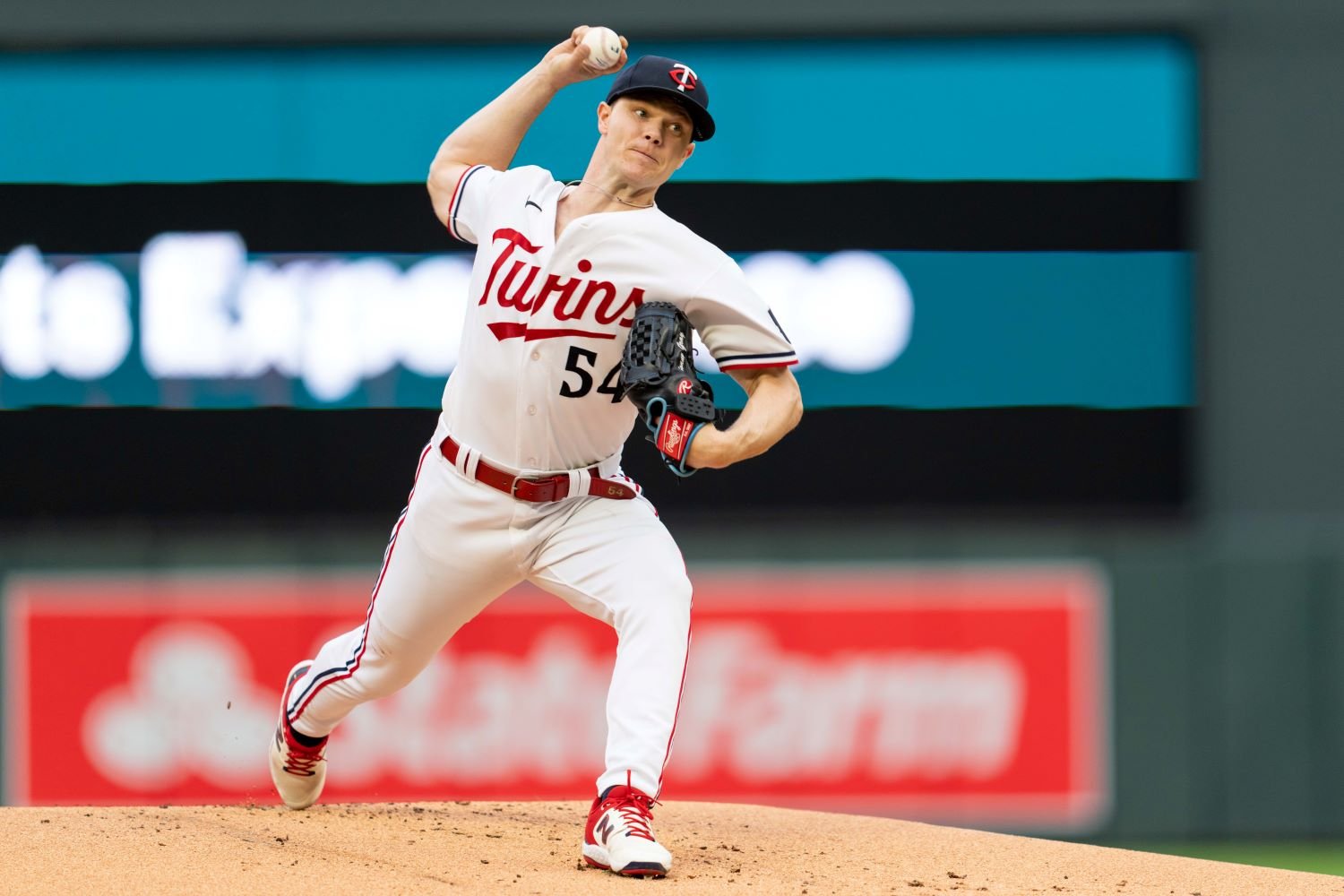 Box Score Sonny Gray: 5 1/3 IP, 4 H, 1 ER, 1 BB, 9 K Home Runs: None Bottom 3 WPA: Griffin Jax (-.356), Carlos Correa (-.217), Joey Gallo (-.091) Win Probability Chart (via FanGraphs) Sonny Gray had his sinker; the Cubs had no chance. Armed with his plethora of offerings and deliveries, Sonny Gray was in pristine form, stealing strikes with breakers while catching the zone with late two-seamers. Thus is Sonny’s magic. Moving, dancing in his unique fashion, Gray carried his early-season success through Friday’s action—and the Cubs felt the full impact of his mastery. The opening plate appearance defined his start; Christopher Morel whiffed on two straight bending pitches before stoically observing enough balls to work a full count. Fully anticipating an off-speed pitch, Morel stared with grief at Gray’s back-door sinker, finally understanding what makes Gray so difficult to hit. 16 outs later, and all the Cubs could claim was one earned run, with nine strikeouts coming as the piece of doing business. Drew Smyly—left-handed, harnessing far fewer selections than Gray—was also effective—but not dominant. His defense didn’t help. Kyle Farmer rocketed an infield single off Morel’s glove, then Willi Castro shot a double down the left-field line. With a squirrelly grounder to third base, Michael A Taylor was able to coax Farmer home—owing some thanks to Patrick Wisdom and Yan Gomes’ off-set chemistry leading to a dropped ball; Christian Vázquez’s ensuing sacrifice fly extended Minnesota’s score to 2. Smyly delivered enough lethargic curves to carry his outing to the 6th, out-dueling his counterpart who wore down his pitch count with extended strikeouts. So began the great reliever movement, and less exciting: Griffin Jax’s fortune. Jax is a good reliever. He’s probably even a great reliever. But some evil force—some diabolical demon unphased in his cursing of the right-hander—continues to wreck his outings and stomp on Minnesota’s chance of winning. His location does not matter; the beings lording over baseball refuse to allow normality. Tonight was death by sequencing, batted balls; an unassuming grounder by Wisdom slipped through the defense before a smoked Matt Mervis double plated the runner, tying the game. Trey Mancini blooped a single—why not—and Yan Gomes’ line drive single seemed only inevitable. Jorge Alcala warming up assured no one. Minnesota’s offense was in no position to fight back, sputtering and tepid as they have been all season. Their prolonged rest following their 2nd-inning attack continued well after Smyly retired for the night. Even a lead-off walk in the 8th could only result in action deferred as Carlos Correa grounded into a double play to end the frame. So it goes. If there were to be such a thing as irony, it showed up to the stadium in the bottom of the inning: Morel socked a two-run blast off Alcala, extending the Cubs’ lead to three. And so the Twins came to a slithering, broken crash. The offense fell easily once more in the 9th, making everyone forget that this was once a 2-0 lead with MLB’s ERA leader on the mound. Notes: Post-Game Interview: What’s Next? Joe Ryan will take the mound opposite Hayden Wesneski; first pitch is at 1:10 PM. Bullpen Usage Spreadsheet
- 48 comments
-
- 3
-
-
- sonny gray
- carlos correa
- (and 3 more)
-
Insanity has not yet set in, but it may be close. Image courtesy of © Matt Blewett-USA TODAY Sports Box Score Sonny Gray: 5 1/3 IP, 4 H, 1 ER, 1 BB, 9 K Home Runs: None Bottom 3 WPA: Griffin Jax (-.356), Carlos Correa (-.217), Joey Gallo (-.091) Win Probability Chart (via FanGraphs) Sonny Gray had his sinker; the Cubs had no chance. Armed with his plethora of offerings and deliveries, Sonny Gray was in pristine form, stealing strikes with breakers while catching the zone with late two-seamers. Thus is Sonny’s magic. Moving, dancing in his unique fashion, Gray carried his early-season success through Friday’s action—and the Cubs felt the full impact of his mastery. The opening plate appearance defined his start; Christopher Morel whiffed on two straight bending pitches before stoically observing enough balls to work a full count. Fully anticipating an off-speed pitch, Morel stared with grief at Gray’s back-door sinker, finally understanding what makes Gray so difficult to hit. 16 outs later, and all the Cubs could claim was one earned run, with nine strikeouts coming as the piece of doing business. Drew Smyly—left-handed, harnessing far fewer selections than Gray—was also effective—but not dominant. His defense didn’t help. Kyle Farmer rocketed an infield single off Morel’s glove, then Willi Castro shot a double down the left-field line. With a squirrelly grounder to third base, Michael A Taylor was able to coax Farmer home—owing some thanks to Patrick Wisdom and Yan Gomes’ off-set chemistry leading to a dropped ball; Christian Vázquez’s ensuing sacrifice fly extended Minnesota’s score to 2. Smyly delivered enough lethargic curves to carry his outing to the 6th, out-dueling his counterpart who wore down his pitch count with extended strikeouts. So began the great reliever movement, and less exciting: Griffin Jax’s fortune. Jax is a good reliever. He’s probably even a great reliever. But some evil force—some diabolical demon unphased in his cursing of the right-hander—continues to wreck his outings and stomp on Minnesota’s chance of winning. His location does not matter; the beings lording over baseball refuse to allow normality. Tonight was death by sequencing, batted balls; an unassuming grounder by Wisdom slipped through the defense before a smoked Matt Mervis double plated the runner, tying the game. Trey Mancini blooped a single—why not—and Yan Gomes’ line drive single seemed only inevitable. Jorge Alcala warming up assured no one. Minnesota’s offense was in no position to fight back, sputtering and tepid as they have been all season. Their prolonged rest following their 2nd-inning attack continued well after Smyly retired for the night. Even a lead-off walk in the 8th could only result in action deferred as Carlos Correa grounded into a double play to end the frame. So it goes. If there were to be such a thing as irony, it showed up to the stadium in the bottom of the inning: Morel socked a two-run blast off Alcala, extending the Cubs’ lead to three. And so the Twins came to a slithering, broken crash. The offense fell easily once more in the 9th, making everyone forget that this was once a 2-0 lead with MLB’s ERA leader on the mound. Notes: Post-Game Interview: What’s Next? Joe Ryan will take the mound opposite Hayden Wesneski; first pitch is at 1:10 PM. Bullpen Usage Spreadsheet View full article
- 48 replies
-
- 1
-
-
- sonny gray
- carlos correa
- (and 3 more)
