



Matthew Lenz
-
Posts
1,465 -
Joined
-
Last visited
-
Days Won
3
Content Type
Profiles
News
Minnesota Twins Videos
2026 Minnesota Twins Top Prospects Ranking
2022 Minnesota Twins Draft Picks
Minnesota Twins Free Agent & Trade Rumors, Notes, & Tidbits
Guides & Resources
2023 Minnesota Twins Draft Picks
The Minnesota Twins Players Project
2024 Minnesota Twins Draft Picks
2025 Minnesota Twins Draft Pick Tracker
2026 Minnesota Twins Draft Tracker: Picks & Bonuses
Forums
Blogs
Events
Store
Downloads
Gallery
Everything posted by Matthew Lenz
-
 The young Dominican outfielder is a consensus top-100 prospect in all of baseball, and a top-3 prospect for the Minnesota Twins. Despite this, he's a bit of a polarizing player; you’ll find drastically different opinions on the (soon-to-be) 22-year-old. What does his ceiling look like? How about his floor? Let's dive in. Image courtesy of Rob Thompson / St. Paul Saints The young Dominican outfielder is a consensus top-100 prospect in all of baseball, and a top-3 prospect for the Minnesota Twins. Despite this, he's a bit of a polarizing player; you’ll find drastically different opinions on the (soon-to-be) 22-year-old. What does his ceiling look like? How about his floor? Let's dive in. In his first four professional seasons, Emmanuel Rodriguez has performed well, with elite plate discipline, an inevitably strong OBP, and an average quality of contact that can produce decent power and a passable batting average. Where scouts and prospect rankers seem to differ the most is how his plate approach will translate as he moves up and eventually reaches the big leagues. His astonishingly low swing rate is a double-edged sword: his chase rate is low, but the lack of aggression can get him behind in counts. He's been limited by an extremely high swing-and-miss rate and a strikeout rate that flirts with 30%. If he can stay healthy, which is turning into a bit of a concern, he's a guy whose ceiling could be around 30 home runs with an OBP approaching .400. Think rookie Eddy Julien with a little more pop and a lot more defense. I chuckled while listening to episode 107 of the Future Projection podcast by Baseball America, wherein they suggested that a negative correlation exists between fans of Luis Arraez and Rodriguez, given their very different profiles. Staying on the theme of player comps, let's expand our player pool beyond the Twins organization. Which players compare to the wide range of outcomes that are possible for Rodriguez? Out Of This Universe Comp - Juan Soto What's to say that, if the stars align and fortune smiles down on the Twins organization, Rodriguez can't become Juan Soto? Okay, sure, there's a lot that says he won't, but I'm talkin’ 99th-percentile outcome here. All he needs to do is cut his strikeout rate in half, which in turn leads to a boost in batting average, and voilà—we have our very own Soto. (We'll all try hard not to think about the fact that Soto had 328 hits, 228 walks, and a World Series ring in the majors by Rodriguez's current age.) Ceiling Comp - Kyle Schwarber A much more reasonable “ceiling” comp is Kyle Schwarber, who profiles very similarly to Rodriguez, with a very good walk rate but a very high strikeout rate. Schwarber has more power but plays considerably worse defense (hence primarily DHing in 2024), but Twins fans would be extremely happy if Rodriguez turned into a consistent 35+ homer hitter with a .340+ OBP. Schwarber makes a nice fit, too, because his extreme tendency toward strikeouts has limited his upside at times, which we know is a risk with Rodriguez. Median Comp - Ian Happ Happ is Schwarber with less power, but better defense. While I think Rodriguez will strike out more and hit for more power than the current, increasingly balanced version of Happ. I think he presents a really good ballpark for Rodriguez’s 50th-percentile outcome. When Happ first came up, he was more extreme in his offensive profile, but his game has always been driven at least partially by abundant athleticism. Rodriguez has that, too. Floor Comp - Joey Gallo While Gallo has had an eight-year career (and counting), it would be pretty disappointing if Rodriguez turned into a guy who hit below the Mendoza line with a strikeout rate north of 35%. Sure, Gallo has three seasons of 38 or more home runs, but he also has five with 21 or fewer. We may very well see Rodriguez debut in 2025 at just 22 years old. Given his age (and keeping in mind development is rarely linear), I might expect more Gallo than Schwarber in the early parts of his career. That said, I don't think a Kyle Schwarber-esque player is out of the question down the road if the stars align on his development. What are your thoughts on these player comps? Leave your own in the comments! View full article
 -
And so concludes my Golden Anniversary Year
Matthew Lenz commented on IndianaTwin's blog entry in Un/Necessary Sports Drivel
Thanks for sharing! https://x.com/twinsdaily/status/1874485046083825871 -
The Most Iconic Pictures in Twins History
Matthew Lenz replied to Matthew Lenz's topic in Twins Daily Front Page News
Oh good one! Thank you for sharing! -
The Most Iconic Pictures in Twins History
Matthew Lenz replied to Matthew Lenz's topic in Twins Daily Front Page News
Ohhh definitely a miss on my part 😂 -
The Most Iconic Pictures in Twins History
Matthew Lenz replied to Matthew Lenz's topic in Twins Daily Front Page News
Thanks for sharing these!- 25 replies
-
- 1
-

-
- jim kaat
- kirby puckett
- (and 5 more)
-
The Most Iconic Pictures in Twins History
Matthew Lenz posted a topic in Twins Daily Front Page News
The Minnesota Twins have had plenty to celebrate in their 64-year history. From winning three American League pennants, two World Series’ rings, and a Game 163, to hosting two All-Star games and record-breaking moments. There are a plethora of picture-perfect moments to reflect on from the franchise's history. In this article, I aim to identify some of the most iconic pictures in Twins history. Image courtesy of © David Berding-Imagn Images The Minnesota Twins have had plenty to celebrate in their 64-year history. From winning three American League pennants, two World Series’ rings, and a Game 163, to hosting two All-Star games and record-breaking moments. There are a plethora of picture-perfect moments to reflect on from the franchise's history. In this article, I aim to identify some of the most iconic pictures in Twins history. The pictures in this article will be presented in chronological order rather than a subjective ranking. Jim Kaat and Sandy Koufax Share a Moment During the 1965 World Series Eventual Hall of Famers, Jim Kaat and Sandy Koufax, faced off three times during the 1965 World Series. Each pitcher split their first two starts before Koufax led the Los Angeles Dodgers to a 2-0 win in game seven of the series. Harmon Killebrew Smashes Home Runs 500 & 501 Nine years after Wild Chamberlains iconic “100” picture came Harmon Killebrew’s “500 and 501” picture. Whereas, uncertainty surrounded the legitimacy of Chamberlain’s accomplishment, there is no doubt regarding Hammerin’ Harmon’s home run total. He would end up with 559 home runs in a Twins uniform and 573 over his entire career. Hrbek’s Statue-Worthy Celebration The Twins won their first World Series in franchise history in 1987 after a seven game back and forth against the St. Louis Cardinals. 25 years later, it was ensured the moment would never be forgotten as a Hrbek statue was unveiled outside of Gate 14 at Target Field. Ron Gant Loses His Battle With... Physics... In the top of the third inning, a heads up play by Twins pitcher Kevin Tapani resulted in one of the more controversial plays in World Series history. After a base hit to left field, Atlanta Braves center fielder, Ron Gant, was caught wandering a little too far off first base. Although, anyone who knows anything knows that it was – “physics” – that pulled Gant off the bag. "And, we'll see you tomorrow night!" Before Jack Morris and John Smoltz dueled in the best World Series game to date, Kirby Puckett provided two magical moments for Twins and baseball fans alike. The moment pictured left occurred in the top of the 3rd inning with the Twins leading 2-0 and Ron Gant representing the tying run at the plate. While the ball wouldn't have cleared the 13-foot plexiglass wall, Puckett's leaping catch saved at least one run from scoring early in the game. Eight-and-a-half innings later, Puckett would provide the most magical moment in Twins history with a walk-off homerun off Charlie Leibrandt (pictured right) leading to one of the most iconic phrases in sports history as Jack Buck exclaimed, “And we’ll see you tomorrow night!” Dan Gladden Scores World Series Winning Run The Twins Jack Morris and Braves John Smoltz went head-to-head in one of the best pitching duels ever, regardless of the stakes at play. After nine-and-a-half innings of scoreless baseball, Gene Larkin’s hit brought home Dan Gladden and clinched the Twins second World Series title in four seasons. Future Twins manager Ron Gardenhire was a first-year third base coach, and he was clearly excited about this. Kirby Puckett dons Eye Patch During Retirement Press Conference The Twins superstar woke up with blindness during Spring Training in 1996. A few months and multiple surgical procedures later, he would announce his retirement with an eye patch over his right eye. I think we can all agree that this was, in fact, one of the most sad moments in baseball history. Game 163 Walk Off I'm not going to provide much additional context here as you can review Nick Nelson’s recap of the entire 2009 season, key moments that preceded Game 163, and our own oral history of Game 163. In short, after a 12-inning back-and-forth between the Twins and Detroit Tigers, Alexi Casilla sent the Twins to the playoffs with a bleeder through the right side and sent the Metrodome out in style. Target Field’s First Walk Off Home Run This moment was so picturesque it was used as the Twins team card in the 2011 Topps flagship set. In Target Field’s inaugural season, the Twins were hosting the 2nd place Chicago White Sox holding a three-game lead atop the division. A White Sox comeback brought us to extra innings and, after they took the lead in the top of the 10th, Thome hit a two-run walk-off blast. The 2014 Home Run Derby Double Rainbow The 2014 Home Run Derby was setting up to be one of the worst in recent memory. It was a soggy Monday night that delayed the start of the event and, aside from a 10 home run performance from José Bautista, the first round was pretty much duds-ville. However, as Brian Dozier stepped up to the plate, the skies opened a bit showing off a double rainbow over the Minneapolis skyline. Joe Mauer’s Last Game It was highly speculated that September 30th, 2018, would be Joe Mauer’s last. It was all but confirmed when, ahead of the top of the 9th inning, Mauer walked onto the field in catcher’s gear for the first time since August 19th, 2013. This isn't a comprehensive list of iconic images. In fact, knowing that I missed some, I'd love to see you add anything you think I missed in the comments. View full article -
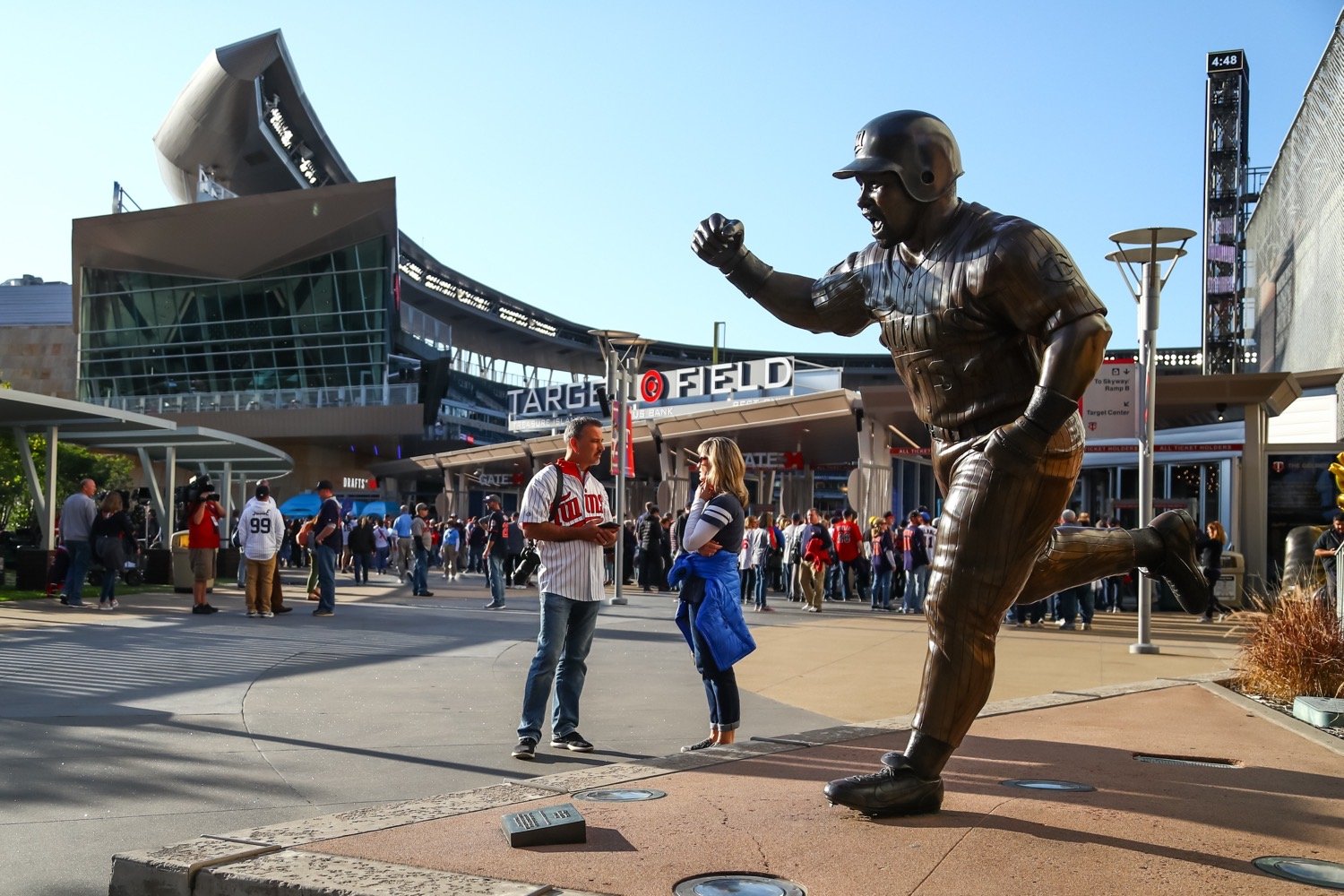 The pictures in this article will be presented in chronological order rather than a subjective ranking. Jim Kaat and Sandy Koufax Share a Moment During the 1965 World Series Eventual Hall of Famers, Jim Kaat and Sandy Koufax, faced off three times during the 1965 World Series. Each pitcher split their first two starts before Koufax led the Los Angeles Dodgers to a 2-0 win in game seven of the series. Harmon Killebrew Smashes Home Runs 500 & 501 Nine years after Wild Chamberlains iconic “100” picture came Harmon Killebrew’s “500 and 501” picture. Whereas, uncertainty surrounded the legitimacy of Chamberlain’s accomplishment, there is no doubt regarding Hammerin’ Harmon’s home run total. He would end up with 559 home runs in a Twins uniform and 573 over his entire career. Hrbek’s Statue-Worthy Celebration The Twins won their first World Series in franchise history in 1987 after a seven game back and forth against the St. Louis Cardinals. 25 years later, it was ensured the moment would never be forgotten as a Hrbek statue was unveiled outside of Gate 14 at Target Field. Ron Gant Loses His Battle With... Physics... In the top of the third inning, a heads up play by Twins pitcher Kevin Tapani resulted in one of the more controversial plays in World Series history. After a base hit to left field, Atlanta Braves center fielder, Ron Gant, was caught wandering a little too far off first base. Although, anyone who knows anything knows that it was – “physics” – that pulled Gant off the bag. "And, we'll see you tomorrow night!" Before Jack Morris and John Smoltz dueled in the best World Series game to date, Kirby Puckett provided two magical moments for Twins and baseball fans alike. The moment pictured left occurred in the top of the 3rd inning with the Twins leading 2-0 and Ron Gant representing the tying run at the plate. While the ball wouldn't have cleared the 13-foot plexiglass wall, Puckett's leaping catch saved at least one run from scoring early in the game. Eight-and-a-half innings later, Puckett would provide the most magical moment in Twins history with a walk-off homerun off Charlie Leibrandt (pictured right) leading to one of the most iconic phrases in sports history as Jack Buck exclaimed, “And we’ll see you tomorrow night!” Dan Gladden Scores World Series Winning Run The Twins Jack Morris and Braves John Smoltz went head-to-head in one of the best pitching duels ever, regardless of the stakes at play. After nine-and-a-half innings of scoreless baseball, Gene Larkin’s hit brought home Dan Gladden and clinched the Twins second World Series title in four seasons. Future Twins manager Ron Gardenhire was a first-year third base coach, and he was clearly excited about this. Kirby Puckett dons Eye Patch During Retirement Press Conference The Twins superstar woke up with blindness during Spring Training in 1996. A few months and multiple surgical procedures later, he would announce his retirement with an eye patch over his right eye. I think we can all agree that this was, in fact, one of the most sad moments in baseball history. Game 163 Walk Off I'm not going to provide much additional context here as you can review Nick Nelson’s recap of the entire 2009 season, key moments that preceded Game 163, and our own oral history of Game 163. In short, after a 12-inning back-and-forth between the Twins and Detroit Tigers, Alexi Casilla sent the Twins to the playoffs with a bleeder through the right side and sent the Metrodome out in style. Target Field’s First Walk Off Home Run This moment was so picturesque it was used as the Twins team card in the 2011 Topps flagship set. In Target Field’s inaugural season, the Twins were hosting the 2nd place Chicago White Sox holding a three-game lead atop the division. A White Sox comeback brought us to extra innings and, after they took the lead in the top of the 10th, Thome hit a two-run walk-off blast. The 2014 Home Run Derby Double Rainbow The 2014 Home Run Derby was setting up to be one of the worst in recent memory. It was a soggy Monday night that delayed the start of the event and, aside from a 10 home run performance from José Bautista, the first round was pretty much duds-ville. However, as Brian Dozier stepped up to the plate, the skies opened a bit showing off a double rainbow over the Minneapolis skyline. Joe Mauer’s Last Game It was highly speculated that September 30th, 2018, would be Joe Mauer’s last. It was all but confirmed when, ahead of the top of the 9th inning, Mauer walked onto the field in catcher’s gear for the first time since August 19th, 2013. This isn't a comprehensive list of iconic images. In fact, knowing that I missed some, I'd love to see you add anything you think I missed in the comments.
- 25 comments
-
- 7
-
-

-
- jim kaat
- kirby puckett
- (and 5 more)
-
2009 Minnesota Twins: The Key Moments That Preceded Game 163
Matthew Lenz posted an article in Twins
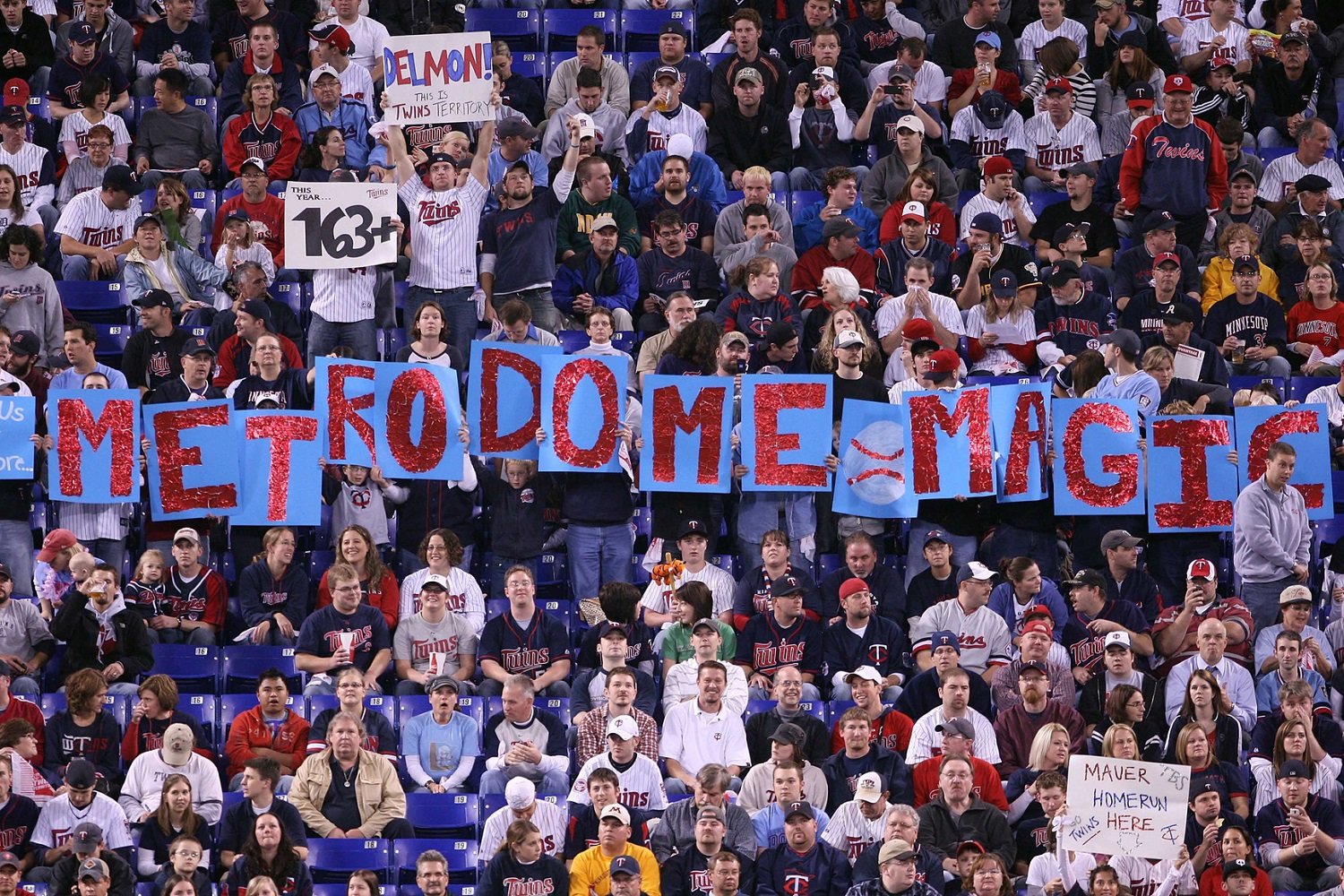 Our own Nick Nelson reviewed the 2009 season as a whole and another Twins Daily contributor specifically focused on Game 163, but now, we are going to relive the key moments that got us to one of the most exciting games in Twins history. While there's always the argument that every game counts and a win in April is just as important as a win in September, this look back will start at the 2009 Trade Deadline. Jul. 31: Twins acquire Orlando Cabrera Some of you young 'uns have spent the last few years getting your first taste of how promising Twins teams can disappoint the fan base with lackluster trade deadlines. However, we more experienced folks went through this for most of the 2000s, with the lone exception being 2003, when the Twins acquired Shannon Stewart. Alas, in 2009, the front office made a (relative) splash by acquiring shortstop Orlando Cabrera from the Oakland Athletics. He was a spark plug in the 2-hole for the Twins, providing them with a .742 OPS, 36 runs batted in, and 42 runs scored in just 260 plate appearances. Aug. 21: Orlando Cabrera Walk-Off Picks Up A Rare Joe Nathan Blown Save This marks the day The Magic started, as the Twins entered the day seven games back of the division-leading Tigers and opened a series against the lowly Kansas City Royals. Down 3-0 entering the sixth, they tied the game on the strength of the bats of Alexi Casilla and Denard Span, who would also give them the lead in the eighth. The game was then sent to extra innings after a rare Joe Nathan blown save in the bottom of the ninth inning. With Casilla at first and Cabrera facing an 0-1 count, the key deadline acquisition hit a triple that gave the Twins a 5-4 lead. They would go on to sweep the Royals and finish the season 27-13 from this date. Aug. 25: Delmon Young Walks Off the Baltimore Orioles Riding a four-game winning streak, the Twins pitching staff gave up six earned runs in the first six innings of the game. Fortunately, the offense rallied in the fifth, tying the game where the score remained until the bottom of the ninth. Baltimore Orioles reliever Kam Mickolio got two quick outs before giving up a single and a walk to Michael Cuddyer and Jason Kubel, respectively. Facing a two-out full count, Young hit a single to the opposite field, scoring Cuddyer from second base and securing the Twins' fifth straight win. Sept. 1: Another Walk Off After LOOGY specialist José Mijares failed to get Scott Podesdnik out to lead off the eighth inning, Matt Guerrier gave up a two-run home run to Gordon Beckham. This tied the game at 3-3 and set up for more Twins heroics in the bottom of the ninth inning. With two outs, José Morales came to the plate with Brendan Harris on first and Nick Punto on second. After a first-pitch strike, Morales sent a ball to the right-field grass, scoring Punto and clinching the Twins' 67th victory of the season. Sept. 14: Twins Explode for a Six-Run Eighth Despite that big win to open September, the Twins had a measly 4-7 record over the first fortnight of the month and were still facing a 5.5-game deficit. Things were looking especially bleak after they were shut out for seven innings by Cleveland starter Jeremy Sowers, but fortunately, Twins starter Carl Pavano kept them in the game with six innings of three-run ball. Cleveland would use three different relievers in the eighth, as the Twins sent 10 hitters to the plate. Home runs by Cuddyer and Kubel helped the Twins take a 6-3 lead that would be held by Joe Nathan in the final frame. It ended up being their second win of a six-game streak, and marked another critical point in the season, as the Twins would only lose four more games over their next 15. Sept. 18: Twins Blank Tigers Having won four in a row, the Twins hosted the Tigers, trailing in the division by three games. One of the more unsung heroes from this stretch was rookie Brian Deunsing, who carried a 2.86 ERA as a starter down the home stretch. On this day, he provided 6 ⅓ innings of shutout ball, allowing just five baserunners and striking out one. Mijares, Jon Rauch, and Nathan would finish off the gem, with the only semblance of a threat coming in the ninth inning. Sept: 29: Brandon Lyon Struggles in the 10th After a rainout the day before, the Twins and Tigers faced off in a doubleheader on the 29th. With the Twins trailing two games with seven to play, they desperately needed to at least split the day. In the first game, Nick Blackburn, Rick Porcello, and both bullpens dominated, as the game entered extra innings tied 1-1. Tigers reliever Brandon Lyon entered in the 10th and gave up a single to Span. Two wild pitches later, Span was on third, and Cabrera delivered a one-run lead with an RBI single. A walk of Joe Mauer put runners on first and second, and a Carlos Gómez bunt advanced them 90 feet. The Tigers elected to intentionally walk Cuddyer to load the bases, and Young gave the Twins a two-run lead with a sacrifice fly. Nathan then came on to earn his 45th save of the season. Oct. 3: Michael Cuddyer’s Go-Ahead Home Run The Twins were one game back with two to play, facing a lowly Royals team while the Tigers were facing a middling White Sox team. After scoring four runs in the bottom of the sixth to take a 4-0 lead, Blackburn and Mijares stumbled in the seventh and eighth, allowing the Royals to tie it up. Royals reliever Dusty Hughes, who got Joe Mauer to fly out to end the seventh, got Kubel to ground out to lead off the eighth inning. Cuddyer then stepped to the plate, drew a 2-0 count, and took the third pitch of the at-bat over the left-field wall to give the Twins a 5-4 lead. For the 47th and final time that season, Nathan would slam the door shut with a 1-2-3 ninth, and the Twins would enter Sunday tied atop the division. From there, we know how the story ends. The Tigers and Twins both won on Sunday, leading to one of the best games in Major League Baseball history, and completing a comeback for the record books. It's easier to forget, though, the many games Minnesota had to pull out over the final two months to force that showdown.
 -
The offseason can be a slow burn, especially when your ownership group imposes a salary cap on the front office. With the Minnesota Twins' hot stove colder than the arctic, let’s look back at one of the most fun seasons of the 21st century. Image courtesy of Image courtesy of © Leon Halip-USA TODAY Sports The offseason can be a slow burn, especially when your ownership group imposes a salary cap on the front office. With the Minnesota Twins' hot stove colder than the arctic, let’s look back at one of the most fun seasons of the 21st century. Our own Nick Nelson reviewed the 2009 season as a whole and another Twins Daily contributor specifically focused on Game 163, but now, we are going to relive the key moments that got us to one of the most exciting games in Twins history. While there's always the argument that every game counts and a win in April is just as important as a win in September, this look back will start at the 2009 Trade Deadline. Jul. 31: Twins acquire Orlando Cabrera Some of you young 'uns have spent the last few years getting your first taste of how promising Twins teams can disappoint the fan base with lackluster trade deadlines. However, we more experienced folks went through this for most of the 2000s, with the lone exception being 2003, when the Twins acquired Shannon Stewart. Alas, in 2009, the front office made a (relative) splash by acquiring shortstop Orlando Cabrera from the Oakland Athletics. He was a spark plug in the 2-hole for the Twins, providing them with a .742 OPS, 36 runs batted in, and 42 runs scored in just 260 plate appearances. Aug. 21: Orlando Cabrera Walk-Off Picks Up A Rare Joe Nathan Blown Save This marks the day The Magic started, as the Twins entered the day seven games back of the division-leading Tigers and opened a series against the lowly Kansas City Royals. Down 3-0 entering the sixth, they tied the game on the strength of the bats of Alexi Casilla and Denard Span, who would also give them the lead in the eighth. The game was then sent to extra innings after a rare Joe Nathan blown save in the bottom of the ninth inning. With Casilla at first and Cabrera facing an 0-1 count, the key deadline acquisition hit a triple that gave the Twins a 5-4 lead. They would go on to sweep the Royals and finish the season 27-13 from this date. Aug. 25: Delmon Young Walks Off the Baltimore Orioles Riding a four-game winning streak, the Twins pitching staff gave up six earned runs in the first six innings of the game. Fortunately, the offense rallied in the fifth, tying the game where the score remained until the bottom of the ninth. Baltimore Orioles reliever Kam Mickolio got two quick outs before giving up a single and a walk to Michael Cuddyer and Jason Kubel, respectively. Facing a two-out full count, Young hit a single to the opposite field, scoring Cuddyer from second base and securing the Twins' fifth straight win. Sept. 1: Another Walk Off After LOOGY specialist José Mijares failed to get Scott Podesdnik out to lead off the eighth inning, Matt Guerrier gave up a two-run home run to Gordon Beckham. This tied the game at 3-3 and set up for more Twins heroics in the bottom of the ninth inning. With two outs, José Morales came to the plate with Brendan Harris on first and Nick Punto on second. After a first-pitch strike, Morales sent a ball to the right-field grass, scoring Punto and clinching the Twins' 67th victory of the season. Sept. 14: Twins Explode for a Six-Run Eighth Despite that big win to open September, the Twins had a measly 4-7 record over the first fortnight of the month and were still facing a 5.5-game deficit. Things were looking especially bleak after they were shut out for seven innings by Cleveland starter Jeremy Sowers, but fortunately, Twins starter Carl Pavano kept them in the game with six innings of three-run ball. Cleveland would use three different relievers in the eighth, as the Twins sent 10 hitters to the plate. Home runs by Cuddyer and Kubel helped the Twins take a 6-3 lead that would be held by Joe Nathan in the final frame. It ended up being their second win of a six-game streak, and marked another critical point in the season, as the Twins would only lose four more games over their next 15. Sept. 18: Twins Blank Tigers Having won four in a row, the Twins hosted the Tigers, trailing in the division by three games. One of the more unsung heroes from this stretch was rookie Brian Deunsing, who carried a 2.86 ERA as a starter down the home stretch. On this day, he provided 6 ⅓ innings of shutout ball, allowing just five baserunners and striking out one. Mijares, Jon Rauch, and Nathan would finish off the gem, with the only semblance of a threat coming in the ninth inning. Sept: 29: Brandon Lyon Struggles in the 10th After a rainout the day before, the Twins and Tigers faced off in a doubleheader on the 29th. With the Twins trailing two games with seven to play, they desperately needed to at least split the day. In the first game, Nick Blackburn, Rick Porcello, and both bullpens dominated, as the game entered extra innings tied 1-1. Tigers reliever Brandon Lyon entered in the 10th and gave up a single to Span. Two wild pitches later, Span was on third, and Cabrera delivered a one-run lead with an RBI single. A walk of Joe Mauer put runners on first and second, and a Carlos Gómez bunt advanced them 90 feet. The Tigers elected to intentionally walk Cuddyer to load the bases, and Young gave the Twins a two-run lead with a sacrifice fly. Nathan then came on to earn his 45th save of the season. Oct. 3: Michael Cuddyer’s Go-Ahead Home Run The Twins were one game back with two to play, facing a lowly Royals team while the Tigers were facing a middling White Sox team. After scoring four runs in the bottom of the sixth to take a 4-0 lead, Blackburn and Mijares stumbled in the seventh and eighth, allowing the Royals to tie it up. Royals reliever Dusty Hughes, who got Joe Mauer to fly out to end the seventh, got Kubel to ground out to lead off the eighth inning. Cuddyer then stepped to the plate, drew a 2-0 count, and took the third pitch of the at-bat over the left-field wall to give the Twins a 5-4 lead. For the 47th and final time that season, Nathan would slam the door shut with a 1-2-3 ninth, and the Twins would enter Sunday tied atop the division. From there, we know how the story ends. The Tigers and Twins both won on Sunday, leading to one of the best games in Major League Baseball history, and completing a comeback for the record books. It's easier to forget, though, the many games Minnesota had to pull out over the final two months to force that showdown. View full article
-
The Twins have done nothing to address their need to add a right-handed-hitting corner outfielder, nor their (lesser) need to fill Carlos Santana’s absence. Ramón Laureano and Ty France could fill those gaps. View full video
-
The Twins have done nothing to address their need to add a right-handed-hitting corner outfielder, nor their (lesser) need to fill Carlos Santana’s absence. Ramón Laureano and Ty France could fill those gaps.
-
The Twins have done nothing to address their need to add a right-handed-hitting corner outfielder, nor their (lesser) need to fill Carlos Santana’s absence. While we have covered many of the routes the Twins could go ahead of next season, there are two names on the market that we’ve yet to dive into. Let’s take a look at them now. Image courtesy of Left: © Katie Stratman-Imagn Images; Right: © Brett Davis-Imagn Images; The Twins have done nothing to address their need to add a right-handed-hitting corner outfielder, nor their (lesser) need to fill Carlos Santana’s absence. While we have covered many of the routes the Twins could go ahead of next season, there are two names on the market that we’ve yet to dive into. Let’s take a look at them now. As of right now, Matt Wallner and Trevor Larnach look to be on the strong side of the platoon in each corner outfield spot. While they are still young and deserve a chance to prove otherwise, there are major concerns around their ability to face left-handed pitching. If the Twins weren't in a competitive window, they could afford to let Wallner and Larnach face more lefties. Besides, whether the need is all that great or not, this team loves to maximize platoon matchups. They're unlikely to start Larnach and Wallner every day, and need partners for them in their starting roles. The front office can keep recent tradition alive by signing another former Twins killer. Ramón Laureano (entering his age-30 season) isn’t the player he once was, but he’s proven to be a viable fourth outfield option over the last two seasons. With the Oakland Athletics, Cleveland Guardians, and with Atlanta, Laureano has a .707 OPS with 20 home runs and 20 stolen bases across 713 plate appearances since the start of 2023. His walk and strikeout rates leave more to be desired, but against left-handed pitching, the righty’s OPS jumps 119 points and he produces a 128 wRC+. Defensively, he played left field for the first time in his big-league career in 2024 and showed off a slightly above-average glove. He also played a little bit of center field and right field, which is where he’s played the most over the last three seasons, and graded out as a slightly below-average fielder at both positions. He possesses a combination of right-handed power, strong baserunning skills, and solid defensive abilities, making him an ideal candidate for a team seeking to deepen their outfield. As of writing this, there haven’t been any rumors surrounding Laureano, so there’s a chance he could be had fairly cheaply. We’re breaking tradition with this next name, one that can fill the void at first base: Ty France is another potential solution. More than first base, France has played passable defense at the keystone and hot corner, and has even said he’s open to playing catcher. What’s interesting about that is that, according to his Baseball Reference page, he hasn't caught in a game at any level dating all the way back to his college career. As Feinsand suggests, any catching duties would likely occur in an emergency situation. In the immortal words of Michael Bluth: 2c534b95-2acf-47e9-9b17-b2ad775af6f4.mp4 France, coming off a career-worst year in 2024, has a career .744 OPS, with a solid strikeout rate, a low walk rate, and a wRC+ of 113. His ability to hit both right-handed and left-handed pitching, combined with his defensive versatility, has made him an everyday player throughout his career. Although now entering an age bracket where he's most likely to thrive at first base, he’s graded out as an average defender around the diamond. Feinsand mentions that more than 10 teams have expressed interest in him, which may drive his cost above what the Twins can afford without shedding more than $15 million in existing payroll. I was surprised to see that Laureano and France hadn’t been speculated as targets for the Twins more this offseason, as both seem like very good fits on this roster. Due to their self-imposed financial constraints, Laureano is more likely than France, but netting both would be seen as huge gets, relatively speaking. Do you think the Twins should pursue either of these players? View full article
-
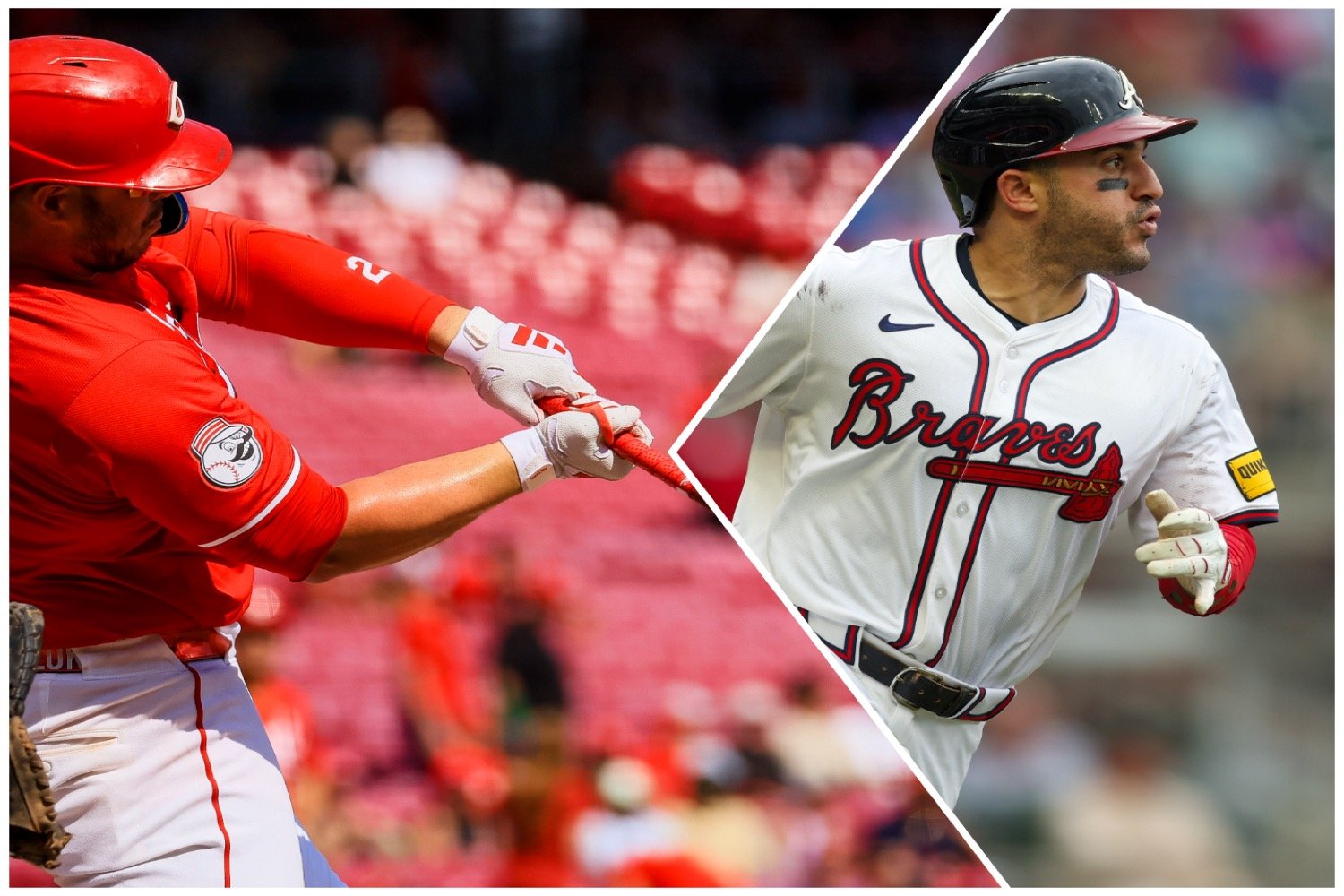 As of right now, Matt Wallner and Trevor Larnach look to be on the strong side of the platoon in each corner outfield spot. While they are still young and deserve a chance to prove otherwise, there are major concerns around their ability to face left-handed pitching. If the Twins weren't in a competitive window, they could afford to let Wallner and Larnach face more lefties. Besides, whether the need is all that great or not, this team loves to maximize platoon matchups. They're unlikely to start Larnach and Wallner every day, and need partners for them in their starting roles. The front office can keep recent tradition alive by signing another former Twins killer. Ramón Laureano (entering his age-30 season) isn’t the player he once was, but he’s proven to be a viable fourth outfield option over the last two seasons. With the Oakland Athletics, Cleveland Guardians, and with Atlanta, Laureano has a .707 OPS with 20 home runs and 20 stolen bases across 713 plate appearances since the start of 2023. His walk and strikeout rates leave more to be desired, but against left-handed pitching, the righty’s OPS jumps 119 points and he produces a 128 wRC+. Defensively, he played left field for the first time in his big-league career in 2024 and showed off a slightly above-average glove. He also played a little bit of center field and right field, which is where he’s played the most over the last three seasons, and graded out as a slightly below-average fielder at both positions. He possesses a combination of right-handed power, strong baserunning skills, and solid defensive abilities, making him an ideal candidate for a team seeking to deepen their outfield. As of writing this, there haven’t been any rumors surrounding Laureano, so there’s a chance he could be had fairly cheaply. We’re breaking tradition with this next name, one that can fill the void at first base: Ty France is another potential solution. More than first base, France has played passable defense at the keystone and hot corner, and has even said he’s open to playing catcher. What’s interesting about that is that, according to his Baseball Reference page, he hasn't caught in a game at any level dating all the way back to his college career. As Feinsand suggests, any catching duties would likely occur in an emergency situation. In the immortal words of Michael Bluth: 2c534b95-2acf-47e9-9b17-b2ad775af6f4.mp4 France, coming off a career-worst year in 2024, has a career .744 OPS, with a solid strikeout rate, a low walk rate, and a wRC+ of 113. His ability to hit both right-handed and left-handed pitching, combined with his defensive versatility, has made him an everyday player throughout his career. Although now entering an age bracket where he's most likely to thrive at first base, he’s graded out as an average defender around the diamond. Feinsand mentions that more than 10 teams have expressed interest in him, which may drive his cost above what the Twins can afford without shedding more than $15 million in existing payroll. I was surprised to see that Laureano and France hadn’t been speculated as targets for the Twins more this offseason, as both seem like very good fits on this roster. Due to their self-imposed financial constraints, Laureano is more likely than France, but netting both would be seen as huge gets, relatively speaking. Do you think the Twins should pursue either of these players?
 -
The Minnesota Twins recently announced their Hall of Fame ballot for the 2025 class, and fans have until December 17th at 11:59 pm CDT to vote for up to five of the candidates. Let’s take a look at the hitting candidates on the ballot to help in your decision making! Image courtesy of Left: © Jesse Johnson-Imagn Images; Middle: © Kirby Lee-Imagn Images; Right: © Bruce Kluckhohn-Imagn Images The Minnesota Twins recently announced their Hall of Fame ballot for the 2025 class, and fans have until December 17th at 11:59 pm CDT to vote for up to five of the candidates. Let’s take a look at the hitting candidates on the ballot to help in your decision making! It’s been 25 years since the first Twins Hall of Fame class and recognizes “uniform personnel who have made significant contributions to the franchise and game of baseball across the Upper Midwest.” A 70-member committee conducts the vote and is made up of local and national baseball writers, Twins broadcasters, living members of the Twins Hall of Fame, local broadcasting affiliates, select Twins front office personnel, and the fans. The ballot consists of 15 players (eight pitchers and seven hitters) ranging from the 1960’s to the 2010’s. This article will provide a glimpse into the statistics and accomplishments each hitter made as a member of the Twins. Yesterday, we similarly covered the pitchers on the ballot. Without further ado, let’s get to know the hitting nominees for the 2025 Minnesota Twins Hall of Fame class. Tom Brunansky (1982 - 1988) Tom Brunansky had a very good seven year career with the Twins that saw him earn an All-Star nod in 1985, and he was a key contributor to the 1987 World Series team. He also is the only Twins player to hit an inside-the-park Grand Slam. Following his playing career, he spent six seasons in the organization as a hitting coach, including four at the big-league level. Cristian Guzmán (1999 - 2004) You’ll find the late 90s - early 2000s Twins represented very well on this ballot. Cristian Guzmán, the bionic speedster, was one of the most important players responsible for keeping the Twins in Minnesota. The Twins first winning season in nearly a decade, Guzmán earned an All-Star nod and garnered MVP votes in 2001. Moreover, he was the starting shortstop in each of the back-to-back-to-back AL Central Division championship teams from 2002-2004. He also has the Twins record for most career triples with 20. Lastly, his “Get To Know ‘Em” commercial is one of the best Twins commercials ever. Brian Harper (1988 - 1993) After spending the first five years of his career bouncing around with eight teams, Brian Harper found a home with the Minnesota Twins. Harper was a very good catcher for the Twins and was a member of the 1991 World Series team. Jacque Jones (1999 - 2005) Another key player to keeping the Twins in Minnesota, Jacque Jones was a sweet swinging lefty that also helped the Twins win those three consecutive division titles. While he never made an All-Star team, he was particularly great in 2002 hitting 27 home runs, driving in 85 runs, and scoring 96 runs with an .852 OPS. Corey Koskie (1998 - 2004) Sticking with the same team, Corey Koskie was maybe the most important player in 2001. His .850 OPS, 26 HRs, 103 RBIs, and phenomenal defense garnered him a single MVP vote. He also added 27 stolen bases and is the only Twins player in history to have more than 25 home runs and stolen bases in a single season. After his career was shortened by concussions, he's stayed around the Twin Cities coaching his kids, helping with Minnesota MASH, and playing a little town ball. Shane Mack (1990 - 1994) Shane Mack might be the most underrated player in Twins' history and is arguably the best left fielder the organization has had. That might speak to the history of the position more than the contributions of Mack, but he had a very good five years with the Twins. He was a key contributor to the 1991 World Series team and had an even better season in 1992, finishing fifth in the American League in batting average (.315) and seventh in runs scored (101). Roy Smalley (1967 - 1982, 1985 - 1987) Roy Smalley spent 10 seasons with the Twins across two different stints, including his final season where he helped the team win the 1987 World Series. He was a very good contributor for the Twins, but his banner year was 1979 where he earned an All-Star nod and MVP votes. He played in all 162 games that year and produced a .794 OPS, 24 home runs, 94 runs scored, and 95 runs batted in. After his playing career, he's spent 22 years in the Twins broadcast booth and serves as President on the Board of Directors for the nonprofit organization Pitch In For Basebal So who have you got? You're encouraged to vote for up to five players by December 17th at 11:59pm CDT. I’ve re-linked the resources below: 2025 Twins Hall of Fame Ballot: Pitchers 2025 Twins Hall of Fame Ballot Which players will be getting your vote? Join the conversation in the comments! View full article
-
Your Vote Counts: Choose the 2025 Twins Hall of Fame Hitters
Matthew Lenz posted an article in Twins
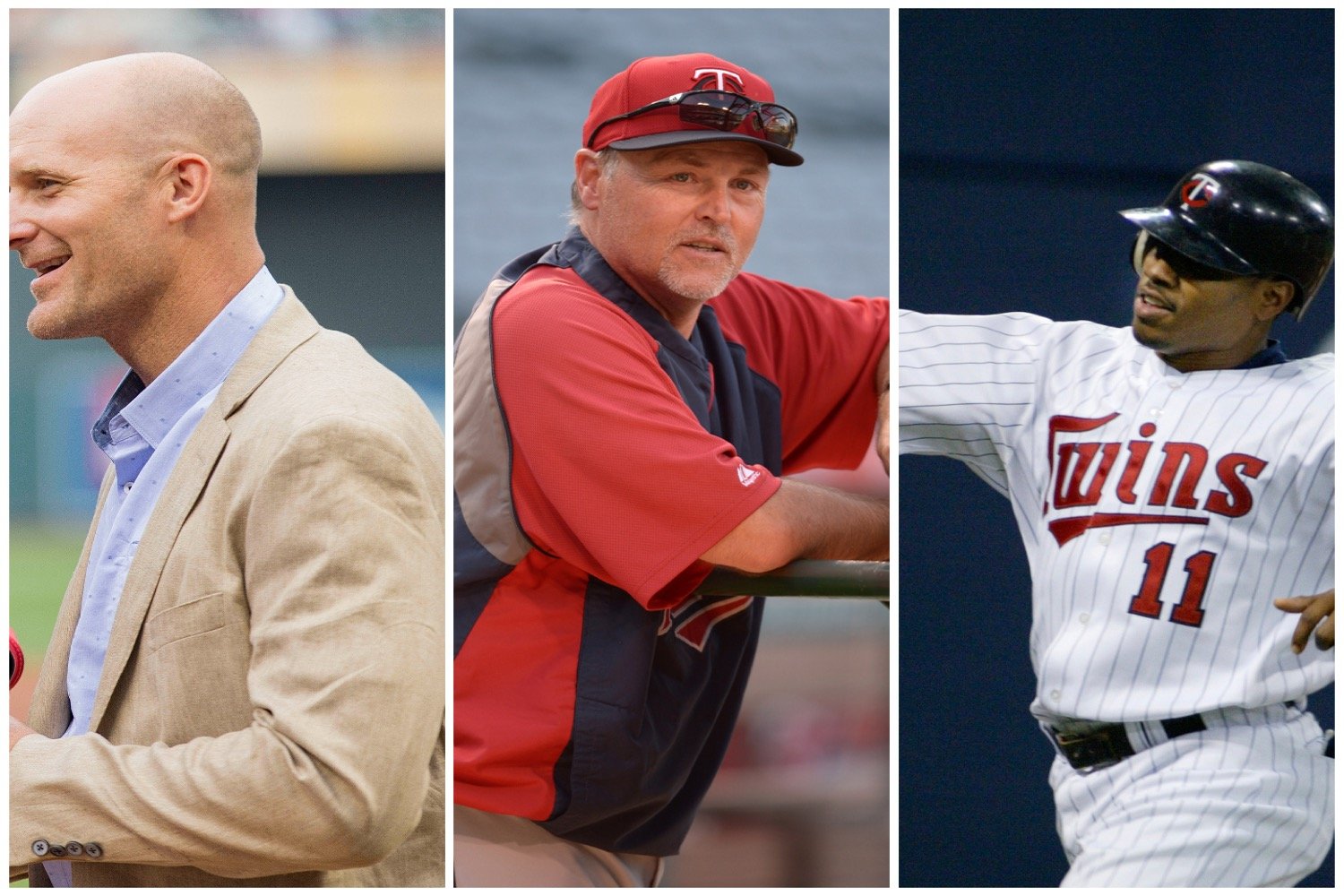 It’s been 25 years since the first Twins Hall of Fame class and recognizes “uniform personnel who have made significant contributions to the franchise and game of baseball across the Upper Midwest.” A 70-member committee conducts the vote and is made up of local and national baseball writers, Twins broadcasters, living members of the Twins Hall of Fame, local broadcasting affiliates, select Twins front office personnel, and the fans. The ballot consists of 15 players (eight pitchers and seven hitters) ranging from the 1960’s to the 2010’s. This article will provide a glimpse into the statistics and accomplishments each hitter made as a member of the Twins. Yesterday, we similarly covered the pitchers on the ballot. Without further ado, let’s get to know the hitting nominees for the 2025 Minnesota Twins Hall of Fame class. Tom Brunansky (1982 - 1988) Tom Brunansky had a very good seven year career with the Twins that saw him earn an All-Star nod in 1985, and he was a key contributor to the 1987 World Series team. He also is the only Twins player to hit an inside-the-park Grand Slam. Following his playing career, he spent six seasons in the organization as a hitting coach, including four at the big-league level. Cristian Guzmán (1999 - 2004) You’ll find the late 90s - early 2000s Twins represented very well on this ballot. Cristian Guzmán, the bionic speedster, was one of the most important players responsible for keeping the Twins in Minnesota. The Twins first winning season in nearly a decade, Guzmán earned an All-Star nod and garnered MVP votes in 2001. Moreover, he was the starting shortstop in each of the back-to-back-to-back AL Central Division championship teams from 2002-2004. He also has the Twins record for most career triples with 20. Lastly, his “Get To Know ‘Em” commercial is one of the best Twins commercials ever. Brian Harper (1988 - 1993) After spending the first five years of his career bouncing around with eight teams, Brian Harper found a home with the Minnesota Twins. Harper was a very good catcher for the Twins and was a member of the 1991 World Series team. Jacque Jones (1999 - 2005) Another key player to keeping the Twins in Minnesota, Jacque Jones was a sweet swinging lefty that also helped the Twins win those three consecutive division titles. While he never made an All-Star team, he was particularly great in 2002 hitting 27 home runs, driving in 85 runs, and scoring 96 runs with an .852 OPS. Corey Koskie (1998 - 2004) Sticking with the same team, Corey Koskie was maybe the most important player in 2001. His .850 OPS, 26 HRs, 103 RBIs, and phenomenal defense garnered him a single MVP vote. He also added 27 stolen bases and is the only Twins player in history to have more than 25 home runs and stolen bases in a single season. After his career was shortened by concussions, he's stayed around the Twin Cities coaching his kids, helping with Minnesota MASH, and playing a little town ball. Shane Mack (1990 - 1994) Shane Mack might be the most underrated player in Twins' history and is arguably the best left fielder the organization has had. That might speak to the history of the position more than the contributions of Mack, but he had a very good five years with the Twins. He was a key contributor to the 1991 World Series team and had an even better season in 1992, finishing fifth in the American League in batting average (.315) and seventh in runs scored (101). Roy Smalley (1967 - 1982, 1985 - 1987) Roy Smalley spent 10 seasons with the Twins across two different stints, including his final season where he helped the team win the 1987 World Series. He was a very good contributor for the Twins, but his banner year was 1979 where he earned an All-Star nod and MVP votes. He played in all 162 games that year and produced a .794 OPS, 24 home runs, 94 runs scored, and 95 runs batted in. After his playing career, he's spent 22 years in the Twins broadcast booth and serves as President on the Board of Directors for the nonprofit organization Pitch In For Basebal So who have you got? You're encouraged to vote for up to five players by December 17th at 11:59pm CDT. I’ve re-linked the resources below: 2025 Twins Hall of Fame Ballot: Pitchers 2025 Twins Hall of Fame Ballot Which players will be getting your vote? Join the conversation in the comments!
 -
Your Vote Counts: Choose the 2025 Twins Hall of Fame Pitchers
Matthew Lenz posted an article in Twins
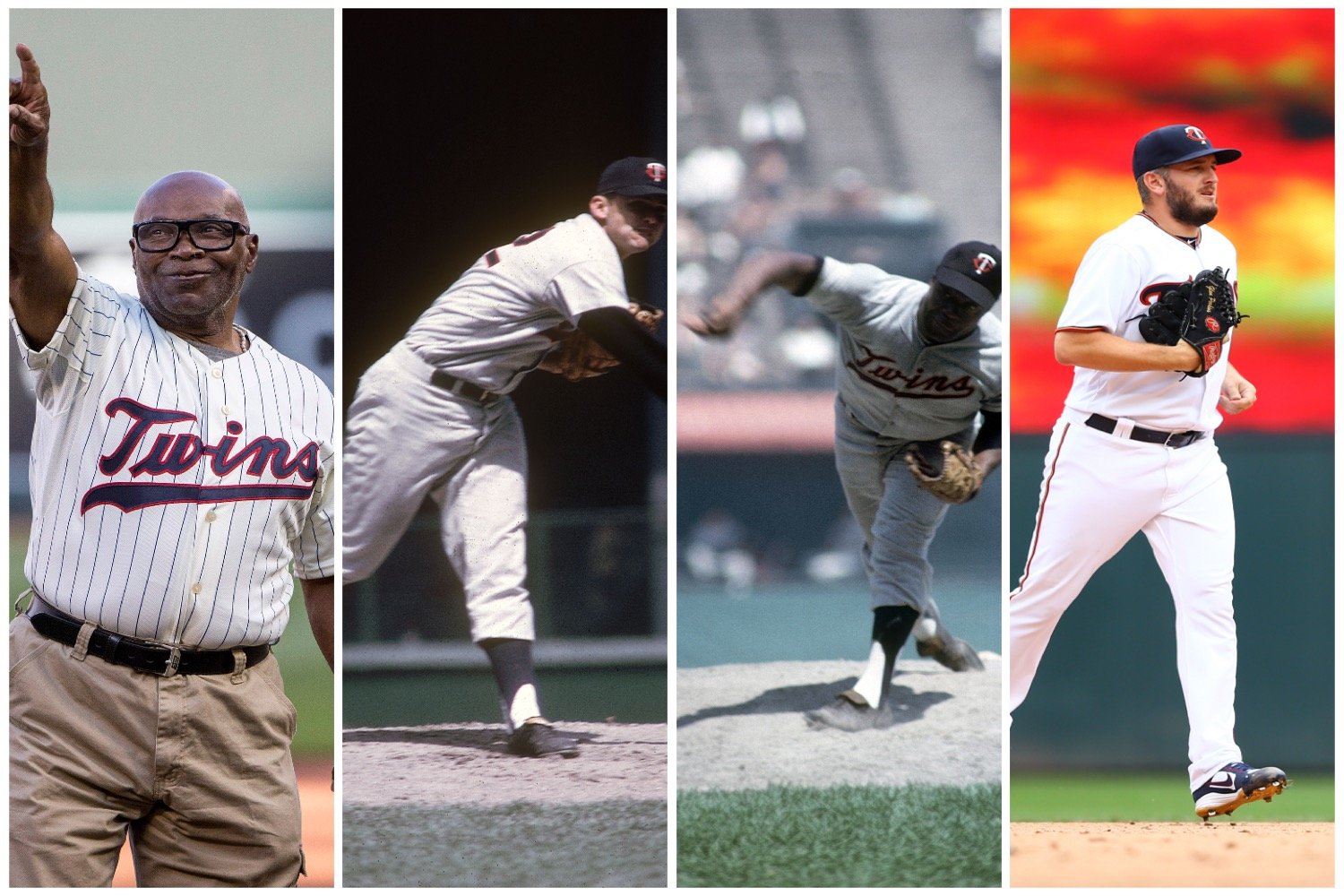 It’s been 25 years since the first Twins Hall of Fame class that recognized “uniform personnel who have made significant contributions to the franchise and game of baseball across the Upper Midwest.” A 70-member committee conducts the vote and is made up of local and national baseball writers, Twins broadcasters, living members of the Twins Hall of Fame, local broadcasting affiliates, select Twins front office personnel, and the fans. The ballot consists of 15 players (eight pitchers and seven hitters) ranging from the 1960’s to the 2010’s. This article will provide a glimpse into the statistics and accomplishments each pitcher made as a member of the Twins. A future article will similarly cover the hitters on the ballot. Without further ado, let’s get to know the pitching nominees for the 2025 Minnesota Twins Hall of Fame class. Dave Boswell (1964 - 1970) Dave Boswell spent seven years with the Twins primarily as a starting pitcher. He averaged nearly seven innings per start and had a league-average ERA over his tenure, including a standout season in 1976 where he posted career bests across the board. He was a member of three different playoff teams (1965, 1969, 1970), appearing in relief in game five of the 1965 World Series and throwing a 10 ⅔ inning, one-run gem in game two of the 1969 ALCS. Dean Chance (1967 - 1969) Dean Chance spent just three years with the Twins, but two of those years were exceptionally strong. He was an All-Star, MVP vote-getter, and the Sporting News AL Comeback Player of the Year in 1967 thanks in part to 18 complete games. He was equally as effective in 1968, but a back injury limited him to just 88 ⅓ innings in 1969. Scott Erickson (1990 - 1995) Scott Erickson had an unspectacular career with the Twins, but fans will always appreciate his 1991 campaign. In his banner season, he finished second in Cy Young voting, finishing 63 points behind Roger Clemens, and even garnered MVP votes. Most notably, he was a key cog to the Twins making it to and winning the World Series. Dave Goltz (1972 - 1979) Dave Goltz , a Rothsay, MN native, spent eight seasons with the Twins but not before serving in the United States Army in 1969. He had a very solid career with the Twins, including a 1977 campaign that saw him finish sixth in Cy Young voting. Mudcat Grant (1964 - 1967) After six plus below-average seasons with the Cleveland Indians, Jim "Mudcat" Grant was traded to the Minnesota Twins in the middle of the 1964 season. In his first full season with the Twins, Grant had one of the best years of his career earning an All-Star appearance and finishing sixth in MVP voting. Glen Perkins (2006-2017) Another local kid, Glen Perkins attended Stillwater High School and played for the Minnesota Golden Gophers before being drafted by the Twins. After an up-and-down career as a starter, Perkins moved to the bullpen and became one of the better closers in all of baseball. He was a three-time All-Star, including earning the save in the 2014 All-Star Game at Target Field. Jeff Reardon (1987 - 1989) Jeff Reardon had a solid three years with the Twins and was a member of the 1987 World Series team. In that same season, he garnered Cy Young and MVP votes. He followed that up with an All-Star appearance in 1988 and more MVP votes. Al Worthington (1964 - 1969) Al Worthington spent the twilight of his career with the Twins and was a member of the 1965 team that made it to the World Series. He was also a member of the 1969 team that made it to the ALCS. That concludes the pitchers for the 2025 Twins Hall of Fame class. Look for our upcoming review of the hitters after which you're encouraged to vote for up to five players by December 17th at 11:59pm CDT. Which pitchers are you considering in your vote? Join the conversation in the comments!
- 19 comments
-
- 1
-
-
- glen perkins
- scott erickson
- (and 5 more)
-
The Minnesota Twins recently announced their Hall of Fame ballot for the 2025 class, and fans have until December 17th at 11:59 pm CDT to vote for up to five of the candidates. Let’s take a look at the pitching candidates on the ballot to help in your decision making! Image courtesy of Left: © Jesse Johnson-Imagn Images; Left Middle: © Imagn Images; Right Middle: © Malcolm Emmons-Imagn Images; Right: © Mark J. Rebilas-Imagn Images The Minnesota Twins recently announced their Hall of Fame ballot for the 2025 class, and fans have until December 17th at 11:59 pm CDT to vote for up to five of the candidates. Let’s take a look at the pitching candidates on the ballot to help in your decision making! It’s been 25 years since the first Twins Hall of Fame class that recognized “uniform personnel who have made significant contributions to the franchise and game of baseball across the Upper Midwest.” A 70-member committee conducts the vote and is made up of local and national baseball writers, Twins broadcasters, living members of the Twins Hall of Fame, local broadcasting affiliates, select Twins front office personnel, and the fans. The ballot consists of 15 players (eight pitchers and seven hitters) ranging from the 1960’s to the 2010’s. This article will provide a glimpse into the statistics and accomplishments each pitcher made as a member of the Twins. A future article will similarly cover the hitters on the ballot. Without further ado, let’s get to know the pitching nominees for the 2025 Minnesota Twins Hall of Fame class. Dave Boswell (1964 - 1970) Dave Boswell spent seven years with the Twins primarily as a starting pitcher. He averaged nearly seven innings per start and had a league-average ERA over his tenure, including a standout season in 1976 where he posted career bests across the board. He was a member of three different playoff teams (1965, 1969, 1970), appearing in relief in game five of the 1965 World Series and throwing a 10 ⅔ inning, one-run gem in game two of the 1969 ALCS. Dean Chance (1967 - 1969) Dean Chance spent just three years with the Twins, but two of those years were exceptionally strong. He was an All-Star, MVP vote-getter, and the Sporting News AL Comeback Player of the Year in 1967 thanks in part to 18 complete games. He was equally as effective in 1968, but a back injury limited him to just 88 ⅓ innings in 1969. Scott Erickson (1990 - 1995) Scott Erickson had an unspectacular career with the Twins, but fans will always appreciate his 1991 campaign. In his banner season, he finished second in Cy Young voting, finishing 63 points behind Roger Clemens, and even garnered MVP votes. Most notably, he was a key cog to the Twins making it to and winning the World Series. Dave Goltz (1972 - 1979) Dave Goltz , a Rothsay, MN native, spent eight seasons with the Twins but not before serving in the United States Army in 1969. He had a very solid career with the Twins, including a 1977 campaign that saw him finish sixth in Cy Young voting. Mudcat Grant (1964 - 1967) After six plus below-average seasons with the Cleveland Indians, Jim "Mudcat" Grant was traded to the Minnesota Twins in the middle of the 1964 season. In his first full season with the Twins, Grant had one of the best years of his career earning an All-Star appearance and finishing sixth in MVP voting. Glen Perkins (2006-2017) Another local kid, Glen Perkins attended Stillwater High School and played for the Minnesota Golden Gophers before being drafted by the Twins. After an up-and-down career as a starter, Perkins moved to the bullpen and became one of the better closers in all of baseball. He was a three-time All-Star, including earning the save in the 2014 All-Star Game at Target Field. Jeff Reardon (1987 - 1989) Jeff Reardon had a solid three years with the Twins and was a member of the 1987 World Series team. In that same season, he garnered Cy Young and MVP votes. He followed that up with an All-Star appearance in 1988 and more MVP votes. Al Worthington (1964 - 1969) Al Worthington spent the twilight of his career with the Twins and was a member of the 1965 team that made it to the World Series. He was also a member of the 1969 team that made it to the ALCS. That concludes the pitchers for the 2025 Twins Hall of Fame class. Look for our upcoming review of the hitters after which you're encouraged to vote for up to five players by December 17th at 11:59pm CDT. Which pitchers are you considering in your vote? Join the conversation in the comments! View full article
-
Justin Ishbia, who purchased the Phoenix Suns and Phoenix Mercury in 2022 with his brother Mat, hs emerged as a bidder for the Minnesota Twins. Let's learn a little bit about the brothers involved in this developing story. Image courtesy of © Mark J. Rebilas-Imagn Images Justin Ishbia, who purchased the Phoenix Suns and Phoenix Mercury in 2022 with his brother Mat, hs emerged as a bidder for the Minnesota Twins. Let's learn a little bit about the brothers involved in this developing story. According to Bloomberg, Justin Ishbia, who has an estimated net worth north of $5.4 billion, is "exploring a bid" for the Twins. While news of a potential bid is encouraging by itself, Twins fans have to be dually excited about the Ishbia brothers being the bidders. They promptly acquired NBA super star Kevin Durant a mere days after acquiring the Suns, and this past summer they invested in the Mercury by unveiling a $100 million, state-of-the-art practice facility. Additionally, they went against the norm by making Suns and Mercury game free for all to watch with an over-the-air TV deal. As if all that wasn't encouraging enough, Dan Hayes shared the following regarding their pursuit of building a championship-caliber team. The Isbia brothers have their hands in a little bit of everything. Justin is a founding partner of a Chicago-based private equity firm, owns an interest in a wholesale mortgage lender, and is a minority owner of Nashville SC of Major League Soccer. Mat is the CEO and chairman of the aforementioned wholesale mortgage lender and has shown interest in bringing the National Hockey League back to Phoenix. The brothers are very new to the sports ownership business so there's not a lot out there regarding their reputation and how hands-on they are in day-to-day operations. There were questions about their hiring of Nick U'ren (Golden State) and Nate Tibbets (Orlando Magic) as GM and Head Coach, respectively, as he wanted to bring more of the NBA into the WNBA. There was also scrutiny by some for how the Phoenix Mercury handled the maternity leave of then Mercury player Skylar Diggins-Smith, following her pregnancy. Finally, Mat Ishbia was involved in an altercation with Denver Nuggets star Nikola Jokic in the 2023 NBA Playoffs. In short, this appears to be a very positive development for the Twins and their fans as the Ishbia brothers have a track record, albeit small, of aggressively investing into their teams and making the product more accessible to fans. Time will tell if they can reach a deal with the Pohlad's and make this official. What are your initial thoughts on the news? Join the conversation in the comments! View full article
-
Phoenix Suns Owners Are Interested In Purchasing Minnesota Twins
Matthew Lenz posted an article in Twins
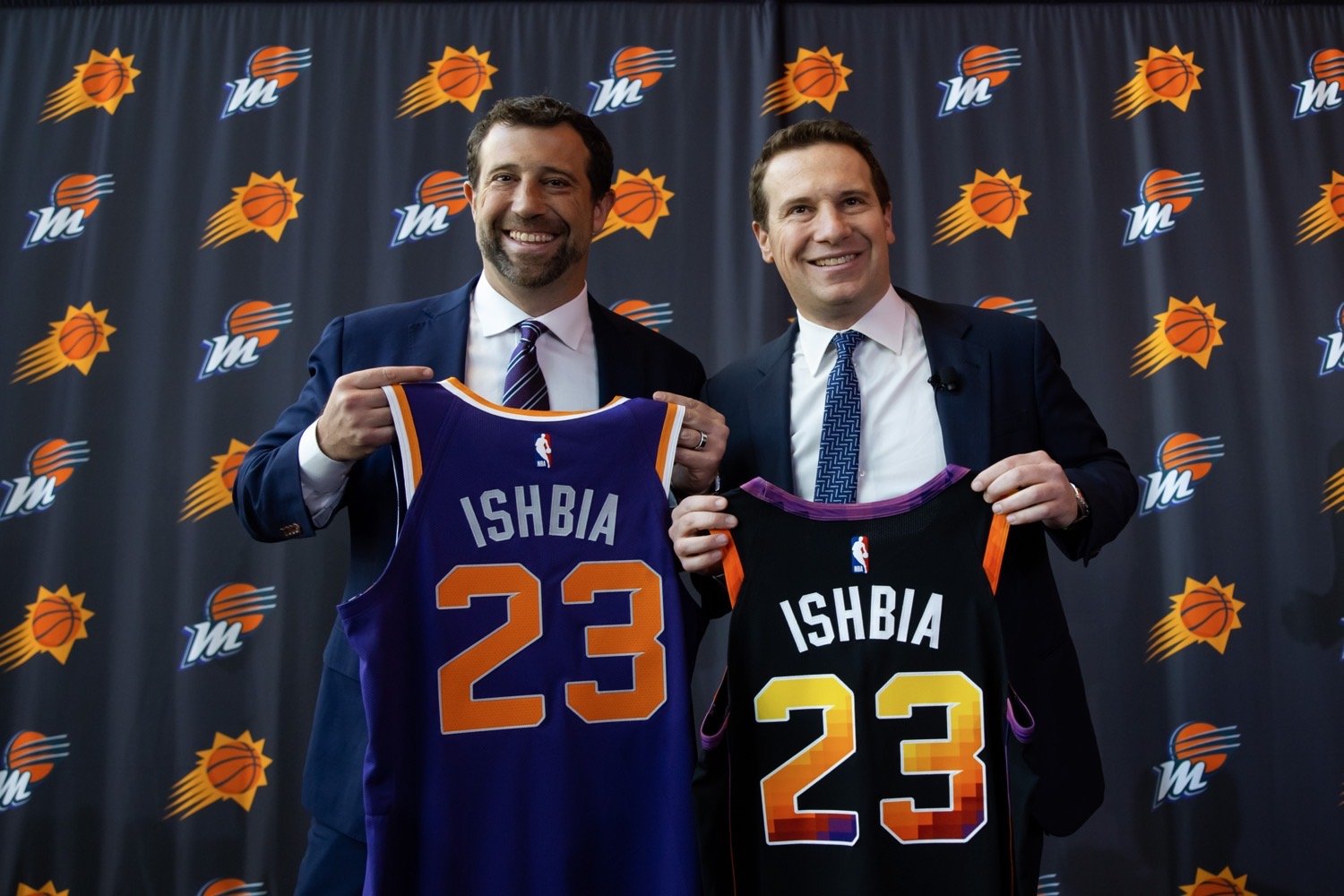 According to Bloomberg, Justin Ishbia, who has an estimated net worth north of $5.4 billion, is "exploring a bid" for the Twins. While news of a potential bid is encouraging by itself, Twins fans have to be dually excited about the Ishbia brothers being the bidders. They promptly acquired NBA super star Kevin Durant a mere days after acquiring the Suns, and this past summer they invested in the Mercury by unveiling a $100 million, state-of-the-art practice facility. Additionally, they went against the norm by making Suns and Mercury game free for all to watch with an over-the-air TV deal. As if all that wasn't encouraging enough, Dan Hayes shared the following regarding their pursuit of building a championship-caliber team. The Isbia brothers have their hands in a little bit of everything. Justin is a founding partner of a Chicago-based private equity firm, owns an interest in a wholesale mortgage lender, and is a minority owner of Nashville SC of Major League Soccer. Mat is the CEO and chairman of the aforementioned wholesale mortgage lender and has shown interest in bringing the National Hockey League back to Phoenix. The brothers are very new to the sports ownership business so there's not a lot out there regarding their reputation and how hands-on they are in day-to-day operations. There were questions about their hiring of Nick U'ren (Golden State) and Nate Tibbets (Orlando Magic) as GM and Head Coach, respectively, as he wanted to bring more of the NBA into the WNBA. There was also scrutiny by some for how the Phoenix Mercury handled the maternity leave of then Mercury player Skylar Diggins-Smith, following her pregnancy. Finally, Mat Ishbia was involved in an altercation with Denver Nuggets star Nikola Jokic in the 2023 NBA Playoffs. In short, this appears to be a very positive development for the Twins and their fans as the Ishbia brothers have a track record, albeit small, of aggressively investing into their teams and making the product more accessible to fans. Time will tell if they can reach a deal with the Pohlad's and make this official. What are your initial thoughts on the news? Join the conversation in the comments!
- 114 comments
-
- 13
-
-
-
I guess luck or "fortune" can be part of the explanation, but they've practically split their catchers 50:50 by design. Takes off a lot of wear and tear.
-
The Boston Red Sox made a blockbuster trade with the Chicago White Sox on Wednesday. The move has bolstered the Red Sox rotation, but leaves them with virtually no reliable catching depth. Might they be interested in a rendezvous with an old friend? Image courtesy of © Brian Fluharty-Imagn Images The Boston Red Sox made a blockbuster trade with the Chicago White Sox on Wednesday. The move has bolstered the Red Sox rotation, but leaves them with virtually no reliable catching depth. Might they be interested in a rendezvous with an old friend? Former Twins pitcher and current Chief Baseball Officer of the Boston Red Sox, Craig Breslow, has made it clear that the Red Sox are looking to re-establish themselves as contenders in 2025 and beyond. A team and fan base that is used to winning has gone three years without making the postseason, and the Red Sox brass has promised an aggressive offseason to end that “drought”. After missing out on some of the top names in free agency, they finally landed 25-year-old Garrett Crochet from the White Sox for a package of prospects, including catcher Kyle Teel (#25 overall prospect per MLB.com), outfielder Braden Montgomery (#54), infielder Chase Meidroth (#13 team prospect), and pitcher Wikelman Gonzalez (#14 team prospect). Dealing Teel, who many expected would help the Red Sox at some point in 2025, has weakened an already remarkably thin position group in the top levels of the organization. Connor Wong (the incumbent backstop) was solid offensively with the Red Sox last year, posting a 110 wRC+, but has major question marks defensively. After Wong, they will look for one of Carlos Narvaez (acquired from the New York Yankees after the Crochet deal), Mickey Gasper, and Seby Zavala to earn the backup job in Spring Training. If the team wants to compete with the best of the best, they need to find a more reliable catcher to shoulder the workload when Wong needs to rest. Enter the Minnesota Twins. The Twins' current payroll sits around $140 million, and the front office has been tasked with getting that number closer to $130 million. The team needs a right-handed hitting corner outfield bat and a low- to medium-leverage reliever who can get left-handed hitters out, so it’s actually more ideal if the front office can shed $15 to $20 million in payroll to leave room to add in those areas. Fittingly enough, the Twins have a $10-million catcher they’re more or less willing to donate to any team who will take on part or all of his salary. Despite his offensive woes, Christian Vázquez actually seems like a really good fit for this Red Sox team. He spent the first eight years of his career with the organization—including 2018, when the Red Sox won the World Series. Winning a second World Series with the Houston Astros in 2022, he knows what it takes to win and could be a Carlos Correa-esque leader in their young clubhouse. Moreover, Vázquez could be the mentor that Wong needs to improve his defensive metrics behind the plate. In 2024, Wong’s framing metrics put him in the 9th percentile of all catchers, while Vázquez was in the 84th percentile. Wong’s Blocks Above Average finished in the 3rd percentile, whereas Vázquez finished in the 63rd percentile. Overall, Wong’s Fielding Run Value was in the 1st percentile and Vázquez’s was in the 78th percentile. Wong is still in his pre-arbitration years and has four more years of team control, so the Red Sox have reason to spend up and invest in the rookie. It’s hard to know what it would take for the Twins to move Vázquez, but given his lack of production at the plate, they would have to settle for virtually no talent in return; the main benefit of a trade would be moving the bulk of his salary. While Teel likely wasn’t going to be on the Opening Day roster, he was likely to impact the 2025 Red Sox at some point. Given their goals and question marks surrounding one of the most important positions on the field, the Red Sox may be just the right team to take advantage of, in this moment. Maybe one of their truly unplayable quasi-incumbents (Gasper?) could even be the return, to help the Twins maintain a semblance of catching depth for themselves. At the very least, it's an opportunity worth exploring. View full article
-
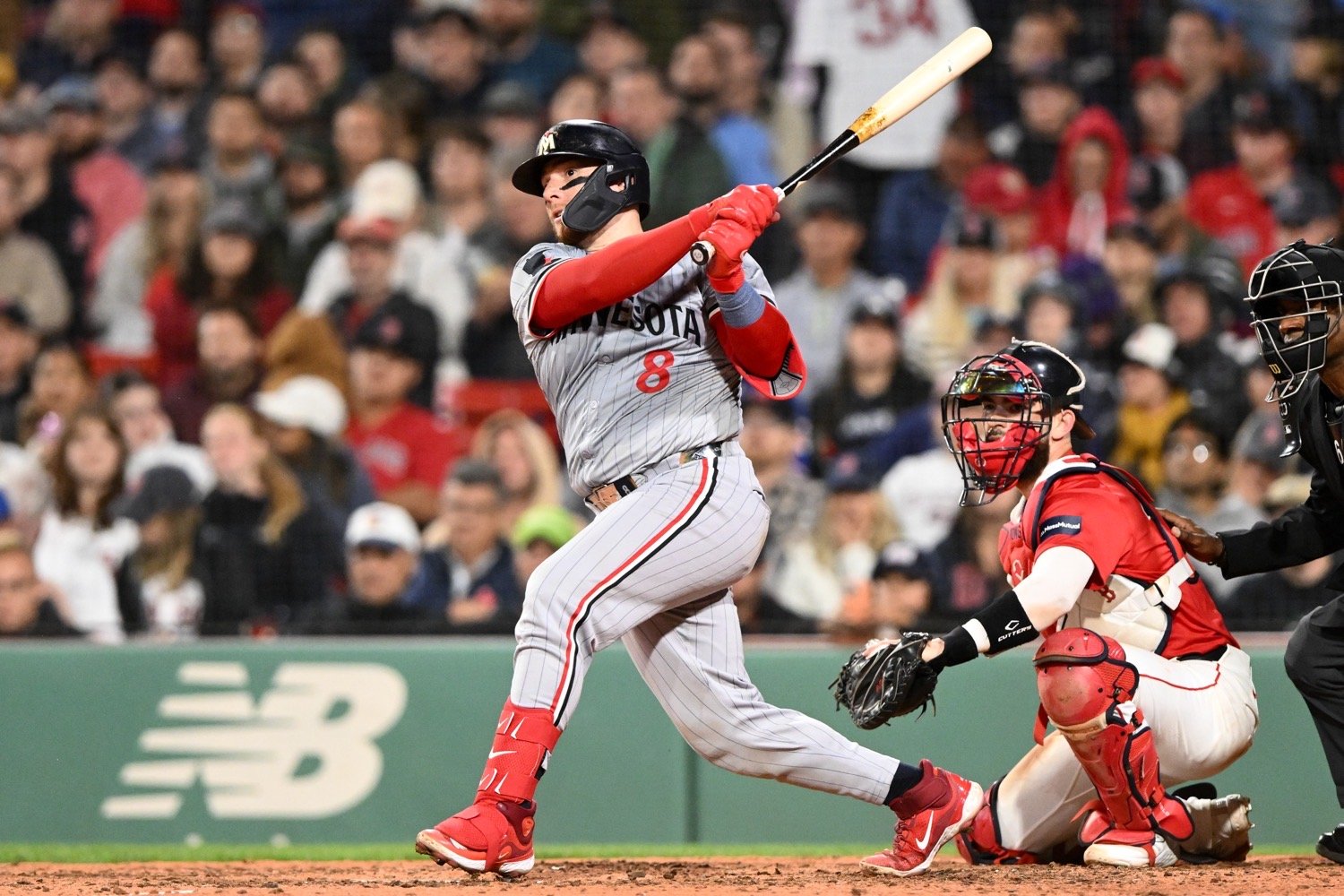 Former Twins pitcher and current Chief Baseball Officer of the Boston Red Sox, Craig Breslow, has made it clear that the Red Sox are looking to re-establish themselves as contenders in 2025 and beyond. A team and fan base that is used to winning has gone three years without making the postseason, and the Red Sox brass has promised an aggressive offseason to end that “drought”. After missing out on some of the top names in free agency, they finally landed 25-year-old Garrett Crochet from the White Sox for a package of prospects, including catcher Kyle Teel (#25 overall prospect per MLB.com), outfielder Braden Montgomery (#54), infielder Chase Meidroth (#13 team prospect), and pitcher Wikelman Gonzalez (#14 team prospect). Dealing Teel, who many expected would help the Red Sox at some point in 2025, has weakened an already remarkably thin position group in the top levels of the organization. Connor Wong (the incumbent backstop) was solid offensively with the Red Sox last year, posting a 110 wRC+, but has major question marks defensively. After Wong, they will look for one of Carlos Narvaez (acquired from the New York Yankees after the Crochet deal), Mickey Gasper, and Seby Zavala to earn the backup job in Spring Training. If the team wants to compete with the best of the best, they need to find a more reliable catcher to shoulder the workload when Wong needs to rest. Enter the Minnesota Twins. The Twins' current payroll sits around $140 million, and the front office has been tasked with getting that number closer to $130 million. The team needs a right-handed hitting corner outfield bat and a low- to medium-leverage reliever who can get left-handed hitters out, so it’s actually more ideal if the front office can shed $15 to $20 million in payroll to leave room to add in those areas. Fittingly enough, the Twins have a $10-million catcher they’re more or less willing to donate to any team who will take on part or all of his salary. Despite his offensive woes, Christian Vázquez actually seems like a really good fit for this Red Sox team. He spent the first eight years of his career with the organization—including 2018, when the Red Sox won the World Series. Winning a second World Series with the Houston Astros in 2022, he knows what it takes to win and could be a Carlos Correa-esque leader in their young clubhouse. Moreover, Vázquez could be the mentor that Wong needs to improve his defensive metrics behind the plate. In 2024, Wong’s framing metrics put him in the 9th percentile of all catchers, while Vázquez was in the 84th percentile. Wong’s Blocks Above Average finished in the 3rd percentile, whereas Vázquez finished in the 63rd percentile. Overall, Wong’s Fielding Run Value was in the 1st percentile and Vázquez’s was in the 78th percentile. Wong is still in his pre-arbitration years and has four more years of team control, so the Red Sox have reason to spend up and invest in the rookie. It’s hard to know what it would take for the Twins to move Vázquez, but given his lack of production at the plate, they would have to settle for virtually no talent in return; the main benefit of a trade would be moving the bulk of his salary. While Teel likely wasn’t going to be on the Opening Day roster, he was likely to impact the 2025 Red Sox at some point. Given their goals and question marks surrounding one of the most important positions on the field, the Red Sox may be just the right team to take advantage of, in this moment. Maybe one of their truly unplayable quasi-incumbents (Gasper?) could even be the return, to help the Twins maintain a semblance of catching depth for themselves. At the very least, it's an opportunity worth exploring.
 -
Three (More) Names To Watch for Minnesota Twins in Rule 5 Draft
Matthew Lenz posted an article in Twins
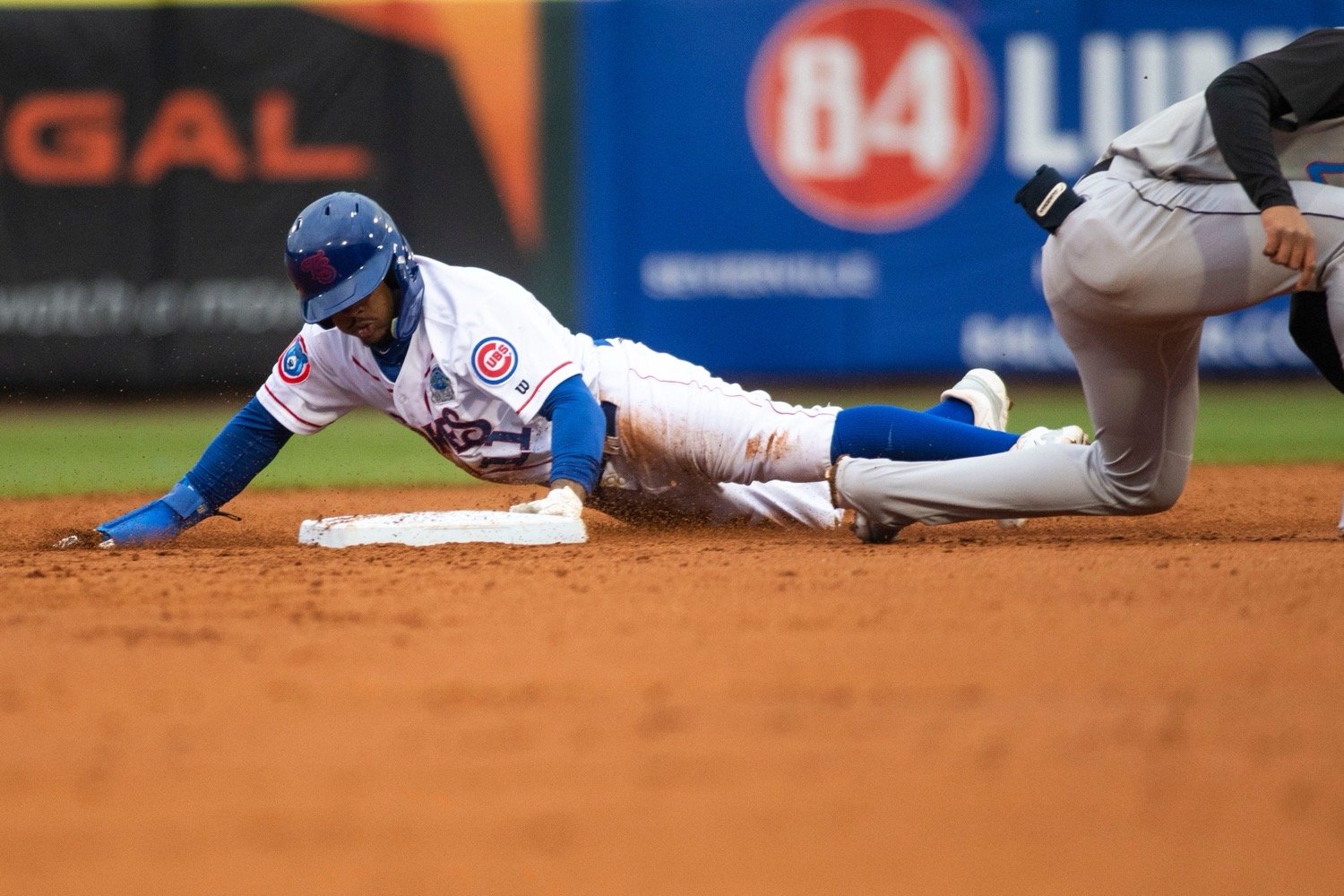 Last week, Seth Stohs wrote a more comprehensive list (for Caretakers) of the Twins' needs and the players who could potentially fill those needs in the upcoming draft. In no particular order, the Twins' two biggest needs are a left-handed reliever and a right-handed-hitting corner outfielder, both of which can be found in this year's draft. After reviewing the list of available players and the names Seth has already identified, I found two more players I’m really intrigued by, and a third player who needs a bit more seasoning to be helpful in 2025. Remember, the wrinkle with this draft is that any player taken must be kept in the majors all year, or offered back to their previous team. If the Twins are sharp enough in their player development and coaching, though, they can work around that constraint. OF Christian Franklin Franklin is a 2021 fourth-round pick for the Chicago Cubs out of the University of Arkansas, and was not protected in his first year of Rule 5 eligibility. Entering his age-25 season, he already has upper minors experience, with a .763 OPS and an impressive 91:73 strikeout-to-walk ratio over 909 plate appearances at Double-A. Although he's only hit 18 home runs in three minor-league seasons, he’s also stolen 52 bases—including 34 last season. While his hard-hit data doesn’t translate to homers, it's worth noting that his 104 mile-per-hour 90th percentile EV and 40.8% hard-hit rate are both above average. He has experience playing all three outfield positions, and multiple scouting reports suggest that could easily be the case even at the major-league level. Since he'd be skipping Triple A altogether, this would be a leap of faith, but his versatility and right-handed bat would fit rather nicely on the Twins' active roster. LHRP Peyton Alfrod The Seattle Mariners left Alfrod up for grabs, and he would be a really good fit for the Twins bullpen. Across 57 ⅓ innings at Double A last year, Alfrod had a 2.20 ERA / 3.43 FIP with an 18.6% K-BB rate. While his walk rate is still higher than you’d like, it’s worth noting that he’s improved it by seven percentage points since the 2022 season. His arsenal includes a low-90s four-seam fastball, a slider, and a curveball, each of which have the ability to miss bats at an exceptional rate. LHRP Russell Smith Russell Smith just finished his second year out of the bullpen with decent results at Double-A. The 2021 second-round pick by the Milwaukee Brewers finished the season with a 2.73 ERA / 3.79 FIP across 52 ⅔ innings, which is pretty impressive considering his lowly 10.8% K-BB rate. Smith doesn’t have overpowering stuff (his fastball mostly sits in the upper 80s), but his changeup and slider both carry whiff rates north of 37%. His fastball is still effective thanks to its shape and his extension to the plate, as hitters carried a .608 OPS against the offering. With a walk rate per nine innings of 4.78, he definitely needs to improve his strike-throwing ability, but you'd have the spring to play with his mechanics and his stuff to see whether that might be possible on a short enough turnaround. One quasi-benefit of the team's budgetary predicament is that they can absorb someone who'd be stuck to their 40-man throughout the winter without much trouble, because they probably don't intend to add much from outside the organization through other means. At the moment, they don't face a roster crunch, so they could head to spring training with a pending Rule 5 project player like Smith and see what happens. While these names won’t jump off the paper, it’s important to remember that’s not really the purpose of the Rule 5 draft. In fact, these guys are available because their respective organizations didn’t think they jumped out enough to justify a 40-man roster spot. That said, there is definitely value to be found here, and the cash-strapped Twins would be remiss not to take a shot on at least one of the names Seth or I mentioned.
 -
The Rule 5 Draft will take place Wednesday at the Winter Meetings, and given the financial constraints imposed by the Pohlads, Derek Falvey may need to fill a need with someone from this year’s pool of candidates. Let’s take a look at three eligible players who could help the Twins in 2025. Image courtesy of © Angelina Alcantar/News Sentinel / USA TODAY NETWORK The Rule 5 Draft will take place Wednesday at the Winter Meetings, and given the financial constraints imposed by the Pohlads, Derek Falvey may need to fill a need with someone from this year’s pool of candidates. Let’s take a look at three eligible players who could help the Twins in 2025. Last week, Seth Stohs wrote a more comprehensive list (for Caretakers) of the Twins' needs and the players who could potentially fill those needs in the upcoming draft. In no particular order, the Twins' two biggest needs are a left-handed reliever and a right-handed-hitting corner outfielder, both of which can be found in this year's draft. After reviewing the list of available players and the names Seth has already identified, I found two more players I’m really intrigued by, and a third player who needs a bit more seasoning to be helpful in 2025. Remember, the wrinkle with this draft is that any player taken must be kept in the majors all year, or offered back to their previous team. If the Twins are sharp enough in their player development and coaching, though, they can work around that constraint. OF Christian Franklin Franklin is a 2021 fourth-round pick for the Chicago Cubs out of the University of Arkansas, and was not protected in his first year of Rule 5 eligibility. Entering his age-25 season, he already has upper minors experience, with a .763 OPS and an impressive 91:73 strikeout-to-walk ratio over 909 plate appearances at Double-A. Although he's only hit 18 home runs in three minor-league seasons, he’s also stolen 52 bases—including 34 last season. While his hard-hit data doesn’t translate to homers, it's worth noting that his 104 mile-per-hour 90th percentile EV and 40.8% hard-hit rate are both above average. He has experience playing all three outfield positions, and multiple scouting reports suggest that could easily be the case even at the major-league level. Since he'd be skipping Triple A altogether, this would be a leap of faith, but his versatility and right-handed bat would fit rather nicely on the Twins' active roster. LHRP Peyton Alfrod The Seattle Mariners left Alfrod up for grabs, and he would be a really good fit for the Twins bullpen. Across 57 ⅓ innings at Double A last year, Alfrod had a 2.20 ERA / 3.43 FIP with an 18.6% K-BB rate. While his walk rate is still higher than you’d like, it’s worth noting that he’s improved it by seven percentage points since the 2022 season. His arsenal includes a low-90s four-seam fastball, a slider, and a curveball, each of which have the ability to miss bats at an exceptional rate. LHRP Russell Smith Russell Smith just finished his second year out of the bullpen with decent results at Double-A. The 2021 second-round pick by the Milwaukee Brewers finished the season with a 2.73 ERA / 3.79 FIP across 52 ⅔ innings, which is pretty impressive considering his lowly 10.8% K-BB rate. Smith doesn’t have overpowering stuff (his fastball mostly sits in the upper 80s), but his changeup and slider both carry whiff rates north of 37%. His fastball is still effective thanks to its shape and his extension to the plate, as hitters carried a .608 OPS against the offering. With a walk rate per nine innings of 4.78, he definitely needs to improve his strike-throwing ability, but you'd have the spring to play with his mechanics and his stuff to see whether that might be possible on a short enough turnaround. One quasi-benefit of the team's budgetary predicament is that they can absorb someone who'd be stuck to their 40-man throughout the winter without much trouble, because they probably don't intend to add much from outside the organization through other means. At the moment, they don't face a roster crunch, so they could head to spring training with a pending Rule 5 project player like Smith and see what happens. While these names won’t jump off the paper, it’s important to remember that’s not really the purpose of the Rule 5 draft. In fact, these guys are available because their respective organizations didn’t think they jumped out enough to justify a 40-man roster spot. That said, there is definitely value to be found here, and the cash-strapped Twins would be remiss not to take a shot on at least one of the names Seth or I mentioned. View full article
-
Oh Boy: The Minnesota Twins Are Listening to Trade Calls on Carlos Correa
Matthew Lenz posted an article in Twins
 Dan Hayes of The Athletic was the first to report the conversations as more than speculative fits Monday. He added that the Twins are not looking to simply "dump salary" in any potential Carlos Correa trade. He went on to say that the front office remains “bullish” on Correa, and any move would require any interested team to pay a “high premium”. While it’s unlikely that Correa gets moved, it would all become a moot point if the 30-year-old doesn’t waive his no-trade clause. “When [Correa] was on the field, he was one of the best players in the game," Falvey told Hayes. "Ultimately, he didn’t play as many games as we would have liked. But when he played, he was really good for us. He’s a leader. He’s a key member of the clubhouse.” Correa has been hampered by plantar fasciitis in back-to-back seasons, but has been able to produce 6.1 fWAR by carrying a .711 OPS with 18 home runs, 60 runs scored, and 65 runs batted in. Many metrics indicate he is no longer a Gold Glove-caliber shortstop, but hisapparent decline may be somewhat exaggerated by the aforementioned injury. In terms of his leadership, Twins manager Rocco Baldelli spoke glowingly of the value Correa provides off the field as the team navigated a roller coaster season. All that invites the question: Why in the world would the Twins trade Carlos Correa? Again, it’s not that they are actively looking to trade him. They’re doing their due diligence, which any responsible front office would do, and listening to anyone who wants to chat. While it would be highly unlikely the Twins could truly replace Correa in any deal, they have been forced into a position where they need to be creative and efficient in how they spend their pennies. If a team is willing to meet the premium the Twins are asking and they can be in the ballpark of Correa’s value for a fraction of the cost, they just might be better-served to make the deal. Of course, from an ownership perspective, moving the biggest contract on the team would allow for a potential new owner to spend that money in other ways and put their own thumbprint on the organization. In other words, moving Correa could actually make the Twins a little more attractive to a prospective owner. Ultimately, though, moving on from Correa would be a wildly terrible idea from an organization that completely destroyed the trust of their fan base weeks after winning their first playoff series in 20 years. A historic collapse aside, the Twins spent most of the 2024 season in the playoff picture, and there is no reason to think the same won’t be true in 2025. Moreover, the Twins are in the early stages of a competitive window with the young talent they have at or near the big-league level. What message are you sending to Royce Lewis, Brooks Lee, Walker Jenkins, David Festa, etc. by trading their clubhouse leader? Finally, what message would they be sending to the fans who stuck with them after reducing payroll and botching a broadcasting deal? While the 2024 offseason was the figurative last straw for a number of Twins fans, moving on from any one of their top players (whether it be Correa, Pablo López, or Byron Buxton) would cause another brace of fans to swear off the organization. It’s bad enough that the Pohlads aren't committing to adding salary to a competitive team that has clear needs, but deciding to go backward would be downright irresponsible—and yet, alas, not all that shocking.

