Matthew Lenz
-
Posts
1,465 -
Joined
-
Last visited
-
Days Won
3
Content Type
Profiles
News
Minnesota Twins Videos
2026 Minnesota Twins Top Prospects Ranking
2022 Minnesota Twins Draft Picks
Minnesota Twins Free Agent & Trade Rumors, Notes, & Tidbits
Guides & Resources
2023 Minnesota Twins Draft Picks
The Minnesota Twins Players Project
2024 Minnesota Twins Draft Picks
2025 Minnesota Twins Draft Pick Tracker
2026 Minnesota Twins Draft Tracker: Picks & Bonuses
Forums
Blogs
Events
Store
Downloads
Gallery
Everything posted by Matthew Lenz
-
Gotta Catch This One: Minnesota Twins To Host Pokèmon GO-Themed Game
Matthew Lenz posted an article in Twins
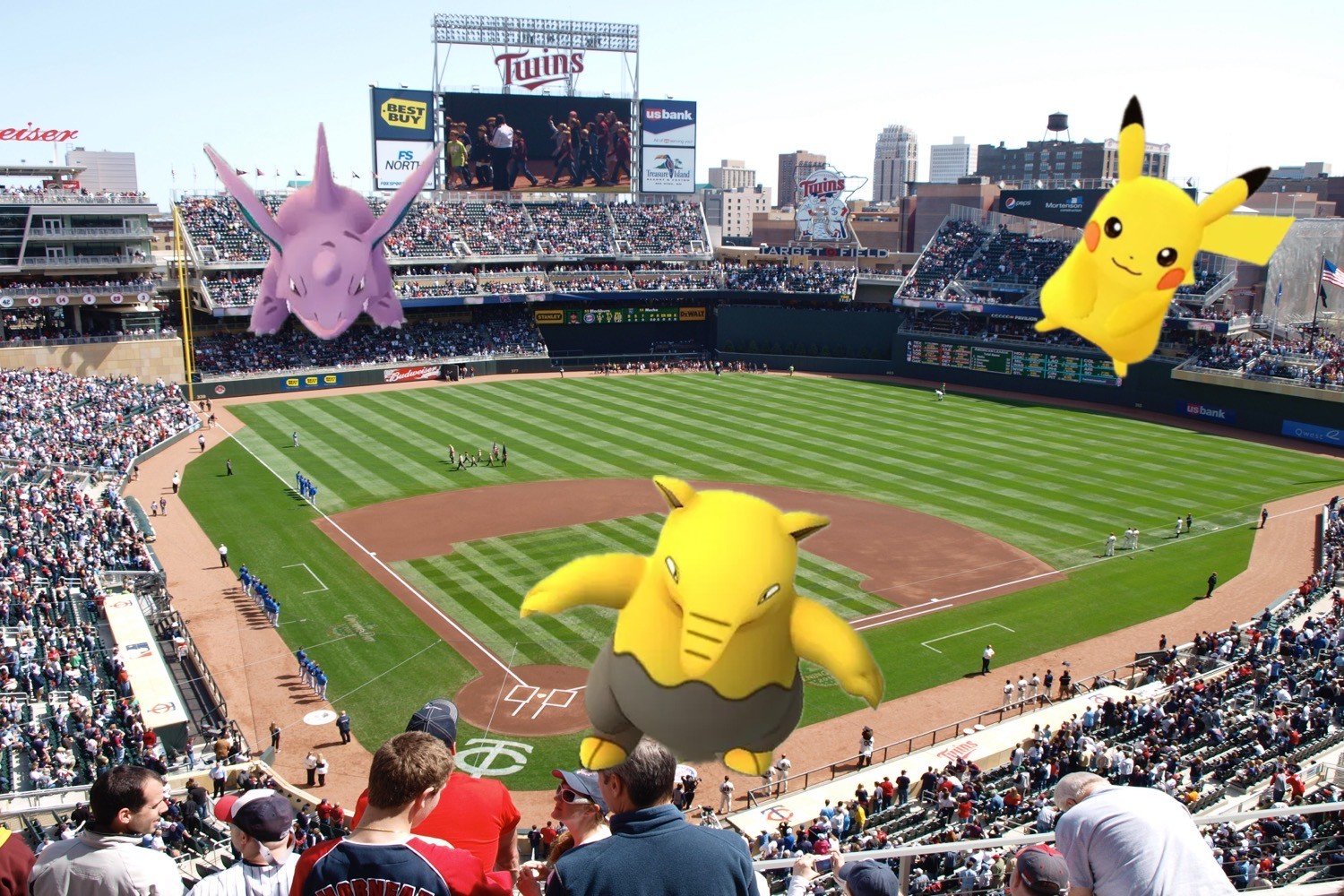 If you're unfamiliar with Pokémon GO it's essentially a virtual scavenger hunt where you use your phone to collect Pokémon like baseball cards. Instead of finding them at your local card store, the game forces users (called “trainers”) to get outside and walk around their parks, neighborhoods, and now Target Field. On Sunday, August 31st the Twins host the San Diego Padres and a Pokémon GO-themed baseball game. For those of you with kids 12 and under, you can make it a dually exciting day by being one of the first 5,000 fans to get a Twins “Squishie” pillow! Then, stick around after the day to run the bases (like every Sunday home game)! Okay, back to Pokémon GO. In addition to the theme night, Target Field “will feature all-new, official club-branded PokéStops and Gyms” during the entirety of their season. The blog update from their website continues to say, “trainers can also check out newly created Official Routes at the ballparks!” Again, that's at every game! So what's special about the theme night? The theme night will feature the PokéSrops, Gyms, and official routes noted above, but trainers can add on to the fun with: Pokémon GO and club-branded merchandise Exclusive in-game avatar items Timed Research awarding exciting Pokémon encounters Raid Battles where Trainers have a chance to catch Pokémon with a Location Background While there are 13 other games (for now), this is the only time the Twins will be involved in one of these theme games. Unlike the other three major sports, baseball is one that many people watch passively. While there are obvious downsides to this, such as hurting the sports marketability, MLB made a brilliant move here. Not only does it cater to the sector of the fan base they're allegedly losing, but it encourages the passive fan to get out to the ballpark. Bored at the game? Head to your nearest PokéStop! Headed to the restroom? Swing by a Gym on the way too or from! It's a great and creative way to get people to the ballpark - even if they're not overly interested in the ballgame. So, any Pokémon GO trainers here? Are you planning on attending the theme night? Join the conversation in the comments!
 -
On February 12th, it was announced that Major League Baseball has partnered with Pokémon GO. The two parties have agreed to 14 themed games that will allow fans (or “trainers”) to play from anywhere they’re sitting in the park. Our Minnesota Twins were one of the 14 selected to host a Pokémon GO-themed games. Image courtesy of Target Field - "Target Field April 2010" by Randy Stern is licensed under CC BY 2.0: Pikachu - "Pikachu" by RichardBH is licensed under CC BY 2.0. Other Pokemon: "Pokémon Go Takes Chicago" by tophrrrr is licensed under CC BY 2.0. On February 12th, it was announced that Major League Baseball has partnered with Pokémon GO. The two parties have agreed to 14 themed games that will allow fans (or “trainers”) to play from anywhere they’re sitting in the park. Our Minnesota Twins were one of the 14 selected to host a Pokémon GO-themed games. If you're unfamiliar with Pokémon GO it's essentially a virtual scavenger hunt where you use your phone to collect Pokémon like baseball cards. Instead of finding them at your local card store, the game forces users (called “trainers”) to get outside and walk around their parks, neighborhoods, and now Target Field. On Sunday, August 31st the Twins host the San Diego Padres and a Pokémon GO-themed baseball game. For those of you with kids 12 and under, you can make it a dually exciting day by being one of the first 5,000 fans to get a Twins “Squishie” pillow! Then, stick around after the day to run the bases (like every Sunday home game)! Okay, back to Pokémon GO. In addition to the theme night, Target Field “will feature all-new, official club-branded PokéStops and Gyms” during the entirety of their season. The blog update from their website continues to say, “trainers can also check out newly created Official Routes at the ballparks!” Again, that's at every game! So what's special about the theme night? The theme night will feature the PokéSrops, Gyms, and official routes noted above, but trainers can add on to the fun with: Pokémon GO and club-branded merchandise Exclusive in-game avatar items Timed Research awarding exciting Pokémon encounters Raid Battles where Trainers have a chance to catch Pokémon with a Location Background While there are 13 other games (for now), this is the only time the Twins will be involved in one of these theme games. Unlike the other three major sports, baseball is one that many people watch passively. While there are obvious downsides to this, such as hurting the sports marketability, MLB made a brilliant move here. Not only does it cater to the sector of the fan base they're allegedly losing, but it encourages the passive fan to get out to the ballpark. Bored at the game? Head to your nearest PokéStop! Headed to the restroom? Swing by a Gym on the way too or from! It's a great and creative way to get people to the ballpark - even if they're not overly interested in the ballgame. So, any Pokémon GO trainers here? Are you planning on attending the theme night? Join the conversation in the comments! View full article
-
The Minnesota Twins have multiple players who can play second base for the upcoming season. Will just one of those players win the job, or will it be a bit of a rotation? Spring performances could help decide that answer. Image courtesy of © Jonah Hinebaugh/Naples Daily News/USA Today Network-Florida / USA TODAY NETWORK via Imagn Images The Minnesota Twins have multiple players who can play second base for the upcoming season. Will just one of those players win the job, or will it be a bit of a rotation? Spring performances could help decide that answer. In 2024, the Twins' second base group combined for -10 Defensive Runs Saved (DRS), fourth-worst in all of baseball. Nor were they much better on the offensive side of things. While six different players manned the keystone, Edouard Julien, Kyle Farmer, and Willi Castro got the lion's share of the opportunities. With one of those players out of the picture and Julien coming off a pretty terrible sophomore season, will Casto be Carlos Correa’s primary double-play partner? Twins’ manager Rocco Baldelli addressed this question in a scrum with reporters at Twins spring training in Fort Myers, Fla., on one of the first days of camp. “As we sit here right now, we don't have one player that I think I'm going to say, yeah, that guy's going to get 600 plate appearances over at second base," Baldelli said. So, who will get the most plate appearances? Unsurprisingly, Baldelli held his cards close. “There's several of them. So it's not like it's one, it's not even like it's two. There's more than that. So I like knowing that we have good, talented options…” I mean, there aren’t even tea leaves to read there. We’re completely left to hypothesize what the playing time at second base will look like in 2025. For what it’s worth, Baseball Prospectus’s PECOTA projections and their manually estimated Depth Charts lay out the following timeshare at the position: Brooks Lee 315 PA (45%) Julien 210 PA (30%) Austin Martin 105 PA (15%) Mickey Gasper 35 PA (5%) Castro 35 PA (5%) When previewing the spring training battles, I had previously suggested that second base would again be a merry-go-round in 2025, but that Castro would ultimately get most of the time. Given the question marks surrounding everyone else on that list, recent comments Baldelli made regarding Martin in the outfield, and Castro’s putrid defense in the outfield, I still think that will be the case. Despite being a Gold Glove finalist in 2024, Castro’s only above-average spot on the field has been at third base. He was roughly average at second, but graded out pretty terribly everywhere else. Royce Lewis has a hold on third base (barring health issues) and the Twins have five guys who will see a lot of time in the outfield, so I don’t really understand why they wouldn't roll with Casto as the primary second baseman—albeit with the understanding that injuries elsewhere might force him to move around and the team to adapt accordingly. Of the five names BP lists above, he’s far and away the biggest contributor at the plate and was the most reliable with the glove in 2024. So, how isn’t Castro the clear favorite to be the primary second basemen in 2025? I think it pretty easily comes down to wanting to find a longer-term answer at the position. Castro will be a free agent at season’s end, so who plays in 2026 is very much an open question. If it's not Lee, that person may not even be on the 40-man roster right now. Julien has a lot to prove if he wants to etch himself into the Twins’ long-term plans. Lee struggled a fair amount in his rookie season, but deserves more opportunities to make good on his first-round draft pedigree. Martin will be spending most of his time in the outfield in 2025 and might sneak into the infield when they’re really in a pinch. Realistically, I think it’s pretty likely that at least two of these guys start the year in Triple-A. There are also a couple of fun dark-horse options, though. Payton Eeles exploded onto the prospect scene last year and has a ton of steam behind him in 2025. He’ll undoubtedly start the year in St. Paul, but if he repeats what he did last season, he might get a shot somewhere during the long season ahead. Of course, 2023 second-round pick Luke Keaschall is yet another name to keep an eye on, although he’s more likely to come along slowly in his return from injury and to truly assert himself for 2026. Though it won't be Plan A, Castro getting the majority of the work at second in 2025 wouldn't be a surprise. Given the experience and age of the others in the competition, I’d like to see Julien act as Castro’s counterpart and give him one final chance to prove he has a role on this team. That would give Lee the opportunity to get more seasoning with the Saints, instead of losing at-bats to someone who likely isn’t part of the long-term plans of the organization. Who do you think should get the most reps at second base? Join the conversation in the comments! View full article
-
Burning Questions For 2025 Twins Spring Training: Second Base
Matthew Lenz posted an article in Twins
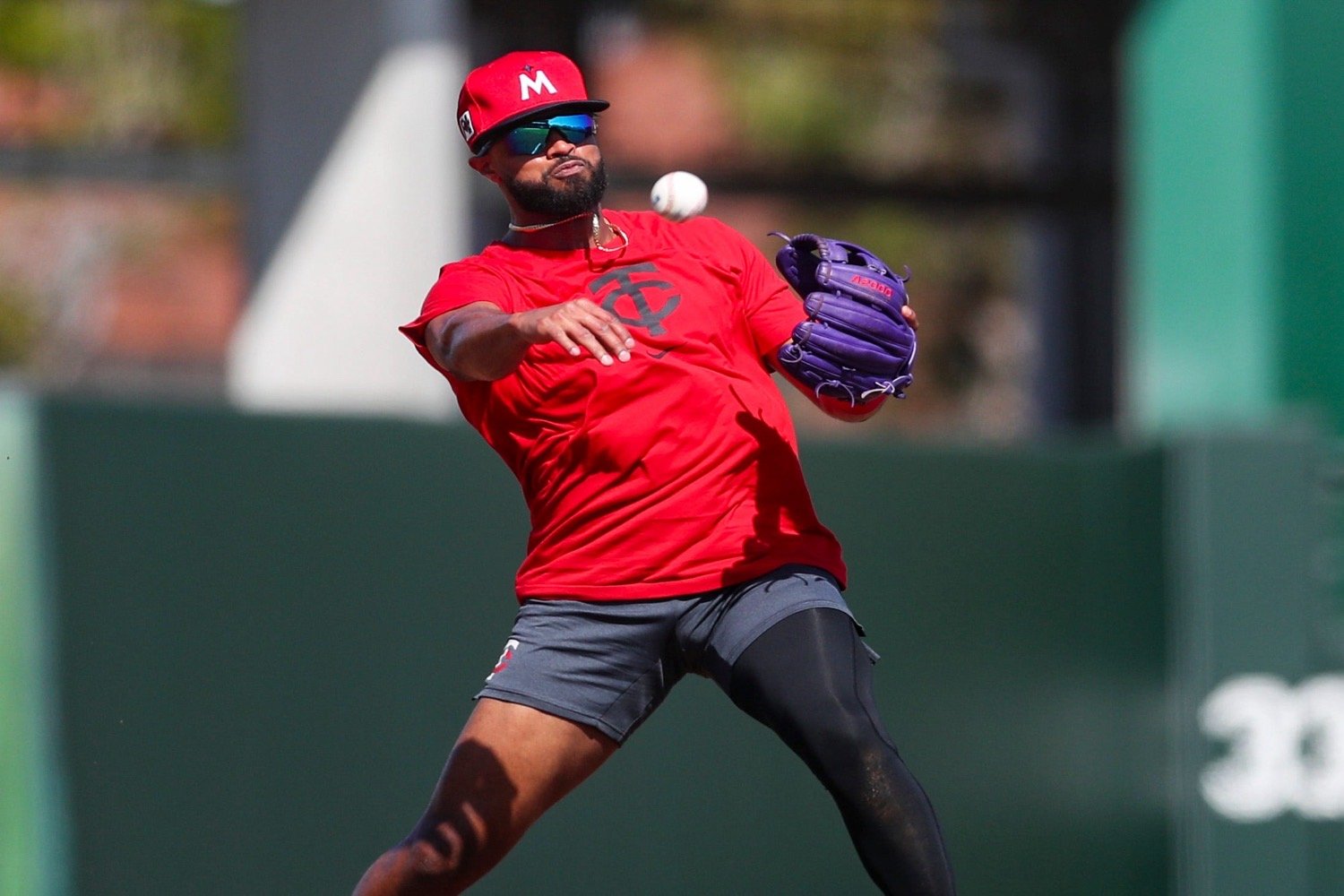 In 2024, the Twins' second base group combined for -10 Defensive Runs Saved (DRS), fourth-worst in all of baseball. Nor were they much better on the offensive side of things. While six different players manned the keystone, Edouard Julien, Kyle Farmer, and Willi Castro got the lion's share of the opportunities. With one of those players out of the picture and Julien coming off a pretty terrible sophomore season, will Casto be Carlos Correa’s primary double-play partner? Twins’ manager Rocco Baldelli addressed this question in a scrum with reporters at Twins spring training in Fort Myers, Fla., on one of the first days of camp. “As we sit here right now, we don't have one player that I think I'm going to say, yeah, that guy's going to get 600 plate appearances over at second base," Baldelli said. So, who will get the most plate appearances? Unsurprisingly, Baldelli held his cards close. “There's several of them. So it's not like it's one, it's not even like it's two. There's more than that. So I like knowing that we have good, talented options…” I mean, there aren’t even tea leaves to read there. We’re completely left to hypothesize what the playing time at second base will look like in 2025. For what it’s worth, Baseball Prospectus’s PECOTA projections and their manually estimated Depth Charts lay out the following timeshare at the position: Brooks Lee 315 PA (45%) Julien 210 PA (30%) Austin Martin 105 PA (15%) Mickey Gasper 35 PA (5%) Castro 35 PA (5%) When previewing the spring training battles, I had previously suggested that second base would again be a merry-go-round in 2025, but that Castro would ultimately get most of the time. Given the question marks surrounding everyone else on that list, recent comments Baldelli made regarding Martin in the outfield, and Castro’s putrid defense in the outfield, I still think that will be the case. Despite being a Gold Glove finalist in 2024, Castro’s only above-average spot on the field has been at third base. He was roughly average at second, but graded out pretty terribly everywhere else. Royce Lewis has a hold on third base (barring health issues) and the Twins have five guys who will see a lot of time in the outfield, so I don’t really understand why they wouldn't roll with Casto as the primary second baseman—albeit with the understanding that injuries elsewhere might force him to move around and the team to adapt accordingly. Of the five names BP lists above, he’s far and away the biggest contributor at the plate and was the most reliable with the glove in 2024. So, how isn’t Castro the clear favorite to be the primary second basemen in 2025? I think it pretty easily comes down to wanting to find a longer-term answer at the position. Castro will be a free agent at season’s end, so who plays in 2026 is very much an open question. If it's not Lee, that person may not even be on the 40-man roster right now. Julien has a lot to prove if he wants to etch himself into the Twins’ long-term plans. Lee struggled a fair amount in his rookie season, but deserves more opportunities to make good on his first-round draft pedigree. Martin will be spending most of his time in the outfield in 2025 and might sneak into the infield when they’re really in a pinch. Realistically, I think it’s pretty likely that at least two of these guys start the year in Triple-A. There are also a couple of fun dark-horse options, though. Payton Eeles exploded onto the prospect scene last year and has a ton of steam behind him in 2025. He’ll undoubtedly start the year in St. Paul, but if he repeats what he did last season, he might get a shot somewhere during the long season ahead. Of course, 2023 second-round pick Luke Keaschall is yet another name to keep an eye on, although he’s more likely to come along slowly in his return from injury and to truly assert himself for 2026. Though it won't be Plan A, Castro getting the majority of the work at second in 2025 wouldn't be a surprise. Given the experience and age of the others in the competition, I’d like to see Julien act as Castro’s counterpart and give him one final chance to prove he has a role on this team. That would give Lee the opportunity to get more seasoning with the Saints, instead of losing at-bats to someone who likely isn’t part of the long-term plans of the organization. Who do you think should get the most reps at second base? Join the conversation in the comments!
- 17 comments
-
- 4
-

-
- willi castro
- brooks lee
- (and 5 more)
-
The Minnesota Twins enter the season with a solid stable of arms. They have one of the best “problems” in sports, because some of the arms in that stable are major league-ready, but will be forced to start the year at Triple-A St. Paul. Of the pitchers who don't crack the Opening Day roster, which ones are still likely to have an impact this year? Image courtesy of © Jesse Johnson-Imagn Images The Minnesota Twins enter the season with a solid stable of arms. They have one of the best “problems” in sports, because some of the arms in that stable are major league-ready, but will be forced to start the year at Triple-A St. Paul. Of the pitchers who don't crack the Opening Day roster, which ones are still likely to have an impact this year? Four of the five Twins rotation spots were locked down before camp even started, and the fifth one has a clear favorite. Pablo López will headline a very strong top three, followed by Joe Ryan and Bailey Ober. Chris Paddack is the other lock, and I think Simeon Woods Richardson is the favorite to land the fifth spot. David Festa and Zebby Matthews will give Woods Richardson a run for his money, but given his success last year (prior to running out of gas at the end), he’s earned an edge over Festa and Matthews. Turning to the bullpen, we have two spots for roughly five arms. I'm considering Jhoan Durán, Griffin Jax, Cole Sands, Brock Stewart, Michael Tonkin and Danny Coulombe as locks to make the Opening Day roster, and I'm assuming the Twins will carry eight relievers. That leaves Jorge Alcalá, Justin Topa, Louis Varland, Kody Funderburk, and Eiberson Castellano to compete for those last two spots. While there is a decent chance that each of the eight arms on the bubble pitch for the big-league team sometime this season, only a couple will likely make significant contributions. For the purpose of this exercise, I am locking Woods Richardson into the rotation and putting Castellano on the Opening Day roster. As a reminder, Castellano was a Rule 5 pick from Philadelphia, and leaving him off the roster would mean the Twins would have to offer him back to the Phillies. Moreover, manager Rocco Baldelli had the following to say about Castellano, in a scrum with reporters at Twins spring training in Fort Myers, Fla. “We think Eiberson has real potential, and he's here for a reason. There's a reason why we have not gone this route very often.” Any skipper would say that about a player being brought in under these circumstances, but the salient detail is that Baldelli really hasn't ever had a Rule 5 draftee before. The last time the Twins made a selection, Paul Molitor was still running the dugout, and because of the constraints taking on a Rule 5 guy places on the manager, it seems like something the front office would ask for input on. For those reasons, I think it will take a pretty disastrous spring for him to not make the Opening Day roster. Finally, I think Topa is the most likely to win the last bullpen spot out of camp. So, of the remaining five names whom I'm predicting to be cut from the active roster, who will make an impact in 2025? Spot Starter/“Next Man Up” In the Rotation I don't think there's any real way to predict which of Festa or Matthews will be the primary option to fill in in the rotation. It likely has less to do with spring training and more to do with how each player is doing with the Saints at the time an opportunity opens up, or even where the Saints are in their rotation when an emergent need arises. Also, I don't think you can completely write off Marco Raya, Andrew Morris, or Travis Adams as guys who could debut in 2025. That said, I think Festa showed last year that he is ready for the big leagues, over a longer and stronger sample than Matthews did. Moreover, there is some data from his first spring training appearance suggesting some changes to his delivery and pitch profile were made over the offseason (stay tuned…more to come on that ?). For what it's worth, PECOTA projects Festa as a slightly above-average pitcher, contributing 73 innings across 16 starts while carrying a 4.03 ERA and an 80:28 strikeout-to-walk ratio. Jorge Alcalá Despite dealing with various injuries and inconsistency throughout his career, Alcalá has shown flashes of being a very good reliever. Before imploding in August last season, he carried a 2.93 FIP with a 24.7% strikeout rate and an opponent OPS of just .500. There’s also some strategy to starting him with the Saints: Alcalá is a mere eight days from five years of service time, at which point he can no longer be optioned without his consent. Although he did find his footing in September, the Twins' best strategy may be to open the season with him in St. Paul and make him one of the first calls when a bullpen spot opens. PECOTA projects Alcalá to be an above-average reliever, with a 3.80 ERA across 60 innings. Louis Varland It remains to be seen whether or not Varland will move into the bullpen. Baldelli himself said as much just this week. “We’re not going to sit here and state his permanent role for 2025,” he said. Then, on Tuesday, Varland pitched in an extremely reliever-coded spot in the Twins' game against the Yankees in Ft. Myers. Whether they're ready to say so or not, he's heading to the pen. In theory, at least, his versatility makes him a realistic candidate to contribute heavily this season as a swingman. Whether it's to cover an injury out of the bullpen; to make a spot start when the timing doesn't work out for one of the aforementioned starters; or if he’s brought up to piggyback with Woods Richardson every so often, there will be plenty of opportunity for Varland this season. I could even see something where he's the opener for a bullpen game. He could give the Twins 2-3 innings and allow them to stretch out their bullpen just a bit more. If there was such a thing as a “super-utility pitcher”, Varland in 2025 might just be that. PECOTA labels him as both a starter and “long” man, and projects a 4.35 ERA across 66 innings pitched. While that doesn't scream impact, I think there's plenty of indirect value in having someone who can creatively and sufficiently eat innings for you. I also think there's a chance he's a short reliever, and that his ERA is closer to 2.35 than to 4.35. It may have taken longer than we thought to reach the majors, but Derek Falvey’s pitching pipeline is finally ready to impact the Twins. A team already projected to have one of the best bullpens and one of the best starting trios in baseball also boasts incredible depth. Injuries are guaranteed and underperformance is more than likely, but the Twins are well-equipped to handle those bumps in the road with the sheer number of guys who can make an impact in 2025. Who else will make an impact after failing to crack the Opening Day roster? Is there anyone not currently on the 40-man roster that will impact 2025? Join the conversation in the comments! View full article
-
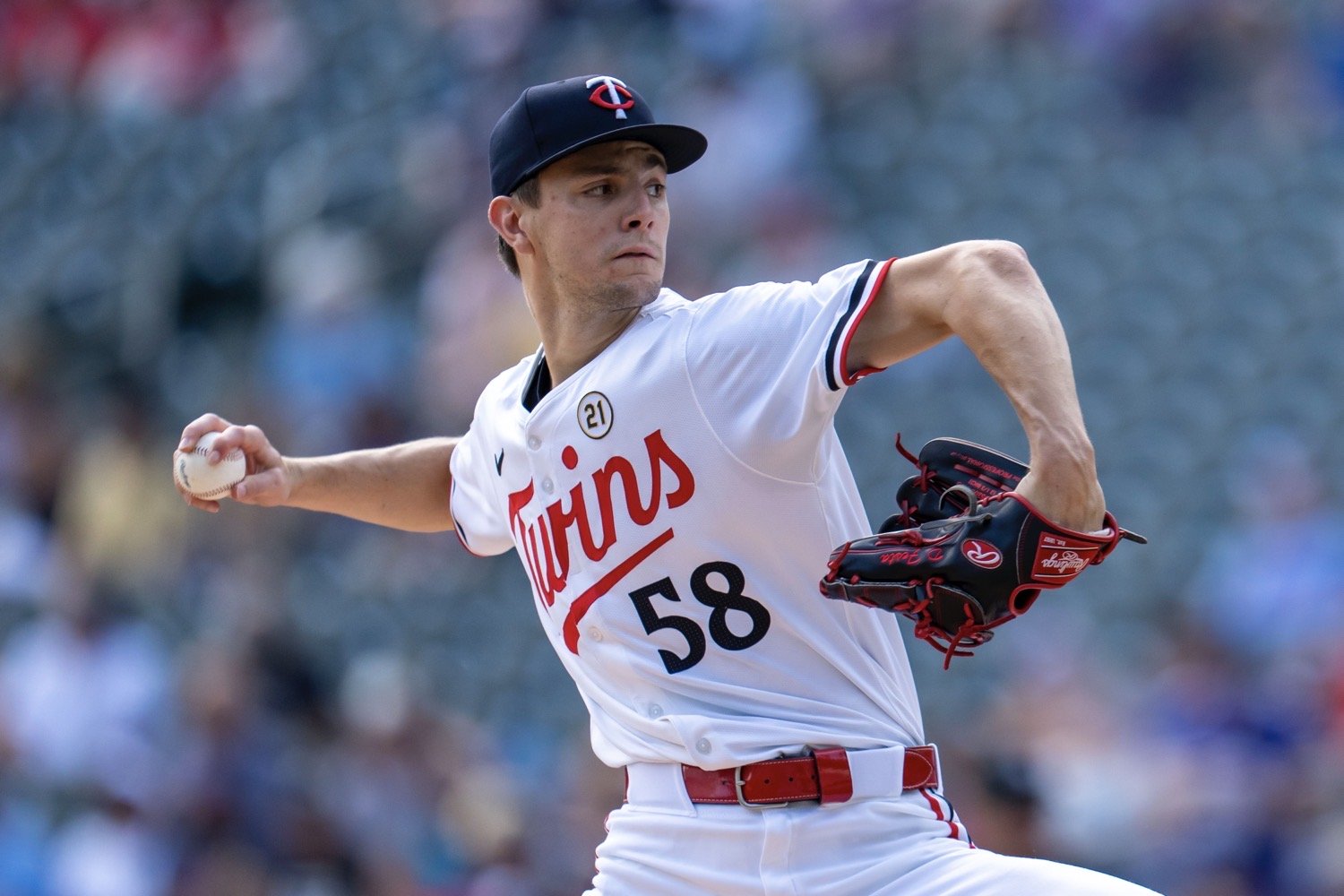 Four of the five Twins rotation spots were locked down before camp even started, and the fifth one has a clear favorite. Pablo López will headline a very strong top three, followed by Joe Ryan and Bailey Ober. Chris Paddack is the other lock, and I think Simeon Woods Richardson is the favorite to land the fifth spot. David Festa and Zebby Matthews will give Woods Richardson a run for his money, but given his success last year (prior to running out of gas at the end), he’s earned an edge over Festa and Matthews. Turning to the bullpen, we have two spots for roughly five arms. I'm considering Jhoan Durán, Griffin Jax, Cole Sands, Brock Stewart, Michael Tonkin and Danny Coulombe as locks to make the Opening Day roster, and I'm assuming the Twins will carry eight relievers. That leaves Jorge Alcalá, Justin Topa, Louis Varland, Kody Funderburk, and Eiberson Castellano to compete for those last two spots. While there is a decent chance that each of the eight arms on the bubble pitch for the big-league team sometime this season, only a couple will likely make significant contributions. For the purpose of this exercise, I am locking Woods Richardson into the rotation and putting Castellano on the Opening Day roster. As a reminder, Castellano was a Rule 5 pick from Philadelphia, and leaving him off the roster would mean the Twins would have to offer him back to the Phillies. Moreover, manager Rocco Baldelli had the following to say about Castellano, in a scrum with reporters at Twins spring training in Fort Myers, Fla. “We think Eiberson has real potential, and he's here for a reason. There's a reason why we have not gone this route very often.” Any skipper would say that about a player being brought in under these circumstances, but the salient detail is that Baldelli really hasn't ever had a Rule 5 draftee before. The last time the Twins made a selection, Paul Molitor was still running the dugout, and because of the constraints taking on a Rule 5 guy places on the manager, it seems like something the front office would ask for input on. For those reasons, I think it will take a pretty disastrous spring for him to not make the Opening Day roster. Finally, I think Topa is the most likely to win the last bullpen spot out of camp. So, of the remaining five names whom I'm predicting to be cut from the active roster, who will make an impact in 2025? Spot Starter/“Next Man Up” In the Rotation I don't think there's any real way to predict which of Festa or Matthews will be the primary option to fill in in the rotation. It likely has less to do with spring training and more to do with how each player is doing with the Saints at the time an opportunity opens up, or even where the Saints are in their rotation when an emergent need arises. Also, I don't think you can completely write off Marco Raya, Andrew Morris, or Travis Adams as guys who could debut in 2025. That said, I think Festa showed last year that he is ready for the big leagues, over a longer and stronger sample than Matthews did. Moreover, there is some data from his first spring training appearance suggesting some changes to his delivery and pitch profile were made over the offseason (stay tuned…more to come on that ?). For what it's worth, PECOTA projects Festa as a slightly above-average pitcher, contributing 73 innings across 16 starts while carrying a 4.03 ERA and an 80:28 strikeout-to-walk ratio. Jorge Alcalá Despite dealing with various injuries and inconsistency throughout his career, Alcalá has shown flashes of being a very good reliever. Before imploding in August last season, he carried a 2.93 FIP with a 24.7% strikeout rate and an opponent OPS of just .500. There’s also some strategy to starting him with the Saints: Alcalá is a mere eight days from five years of service time, at which point he can no longer be optioned without his consent. Although he did find his footing in September, the Twins' best strategy may be to open the season with him in St. Paul and make him one of the first calls when a bullpen spot opens. PECOTA projects Alcalá to be an above-average reliever, with a 3.80 ERA across 60 innings. Louis Varland It remains to be seen whether or not Varland will move into the bullpen. Baldelli himself said as much just this week. “We’re not going to sit here and state his permanent role for 2025,” he said. Then, on Tuesday, Varland pitched in an extremely reliever-coded spot in the Twins' game against the Yankees in Ft. Myers. Whether they're ready to say so or not, he's heading to the pen. In theory, at least, his versatility makes him a realistic candidate to contribute heavily this season as a swingman. Whether it's to cover an injury out of the bullpen; to make a spot start when the timing doesn't work out for one of the aforementioned starters; or if he’s brought up to piggyback with Woods Richardson every so often, there will be plenty of opportunity for Varland this season. I could even see something where he's the opener for a bullpen game. He could give the Twins 2-3 innings and allow them to stretch out their bullpen just a bit more. If there was such a thing as a “super-utility pitcher”, Varland in 2025 might just be that. PECOTA labels him as both a starter and “long” man, and projects a 4.35 ERA across 66 innings pitched. While that doesn't scream impact, I think there's plenty of indirect value in having someone who can creatively and sufficiently eat innings for you. I also think there's a chance he's a short reliever, and that his ERA is closer to 2.35 than to 4.35. It may have taken longer than we thought to reach the majors, but Derek Falvey’s pitching pipeline is finally ready to impact the Twins. A team already projected to have one of the best bullpens and one of the best starting trios in baseball also boasts incredible depth. Injuries are guaranteed and underperformance is more than likely, but the Twins are well-equipped to handle those bumps in the road with the sheer number of guys who can make an impact in 2025. Who else will make an impact after failing to crack the Opening Day roster? Is there anyone not currently on the 40-man roster that will impact 2025? Join the conversation in the comments!
- 51 comments
-
- 9
-
-
- louis varland
- jorge alcala
- (and 1 more)
-
Thanks for adding more to this. I still think we have to chalk some of it up to not having a lot of time at the position.
-
Appreciate it!
-
Yea, he was sort of positionless in the minors and that probably hurt his development a bit. I'll be interested to see him get more seasoning in the OF...seems like he has the traits to be good out there.
-
These are all good questions. I definitely don't have the answer but would be interested in that data.
-
The question posed to him was simply about Martin playing CF. No, he's not going to trash him but he also could have left it at "yea, we're gonna give him some more looks" or something along those lines.
-
Coming off an uneven but intriguing rookie campaign, the former top prospect arrived at camp this spring as a viable option in a utility role—but his skipper views him as a higher-upside player if confined to the outfield. Image courtesy of © Kevin Jairaj-Imagn Images Coming off an uneven but intriguing rookie campaign, the former top prospect arrived at camp this spring as a viable option in a utility role—but his skipper views him as a higher-upside player if confined to the outfield. Rocco Baldelli didn't shy away from offering Austin Martin a vote of confidence as a center fielder—maybe even one who can stand the gap when Byron Buxton is out, without the team missing a beat. “I think he has real potential in the outfield, to affect the game, to be a defensive star out there,” Baldelli said last week, in a scrum with reporters at Twins spring training in Fort Myers, Fla. “[Looking] at his jumps, looking at the way he's tracking the ball, closing on the ball, and the more time he has out there, I think he's one of those guys that will keep getting better.” As a rookie, Martin spent all but 94 of his defensive innings in the outfield, and 277 ⅔ of those frames in the pasture came in center field. The former fifth overall pick was learning the position on the fly: he had totaled just 257 innings in center during his time playing in the Twins’ farm system—although he did play there quite a bit in 2021 with the Toronto Blue Jays’ Double-A affiliate. In the first week of camp, Baldelli has made it abundantly clear what role he sees Martin playing during the upcoming season and beyond. According to Baldelli, Martin will get “a lot of time in the outfield” and, especially during spring training, “in center field”. The seventh-year manager sees Martin as someone who has “the ability to [be a defensive star], and the work ethic to do so.” Baldelli isn’t saying that Martin is there yet, but obviously, he believes the youngster can get there. While we can’t quantify Martin’s work ethic, we can look into the small sample of data we have to see if Baldelli’s comments have validity. In his debut season, Martin graded out as a below-average (and in some cases, a downright awful) defender at all three outfield positions, according to FanGraphs's UZR/150. In center field, in particular, he compiled a -15.5 UZR/150, which was second-worst among players who spent a minimum of 250 innings at the position. What makes that more surprising, given his 5-foot-11, 185-pound stature, is that his range (RngR - range runs above average) grades out worse than his arm (ARM - outfield runs above average). Baseball Savant seems to agree with FanGraphs, as Martin posted a -7 Range Run Value (RV) and a -2 Arm RV. All of this is not to be critical of Baldelli—his statements were not necessarily speaking of Martin’s present ability, and defensive stats still aren't what offensive ones are in terms of accuracy or consistency—but it might lead us to wonder what he sees that the overall numbers don’t. As with any defensive position, the approach to the ball is the largest determining factor of whether a batted ball turns into an out, a hit, or an error. As we take a closer look into Martin’s approach to flagging down a batted ball, we start to get an idea of where he struggles, and can hypothesize about why Baldelli seems to be so optimistic the former top prospect can “keep getting better”. Of players with a minimum of 25 outfield opportunities, in the first three seconds after a ball was hit, he covered two fewer feet than the average outfielder. In particular, his reaction was fifth-worst in all of baseball. His "Burst", which measures the process of getting up to speed after gaining a read on the ball, is better, but still worse than average. Yet, there are indications that Baldelli is right. Maybe Austin Martin will keep getting better. As an All-American out of Vanderbilt, Martin’s Baseball America scouting report suggested captaining the outfield could be his long-term role. “[Martin] has the instincts and athleticism to potentially handle center field," the report read. "He has the defensive ability to become an asset at a premium position.” Baldelli sees those tools, and we can, too. His above-average “Route” rating can be attributed to his aforementioned instincts, and his 75th-percentile sprint speed speaks to his athleticism. Given his lack of experience in the outfield as a whole (and particularly center), it's easy to understand why Martin's Reaction and Burst currently grade out as below-average. Reacting to a batted ball more than 300 feet from where it's hit is quite a bit different than when it's hit while you’re manning the keystone. Moreover, the lack of experience may help explain why his above-average sprint speed isn't leading to better Burst. There may be a lack of confidence, yet, affecting how quickly he attacks a batted ball. Given how his routes compare to others, maybe his sprint speed helps make up for the lack of “burst”. That's a lot of conjecture, but that's all we can really do given the sample size of innings played. Ultimately, Martin needs more seasoning before we can make any proclamations on whether he’ll be a “defensive star” in the outfield. The numbers don't look pretty now, but he has the tools to make it happen. However, ill-informed Baldelli haters can rejoice (they won’t): he's putting down the figurative “spreadsheet” and relying on his feel for the game to see Martin's future potential and impact with the Twins. View full article
-
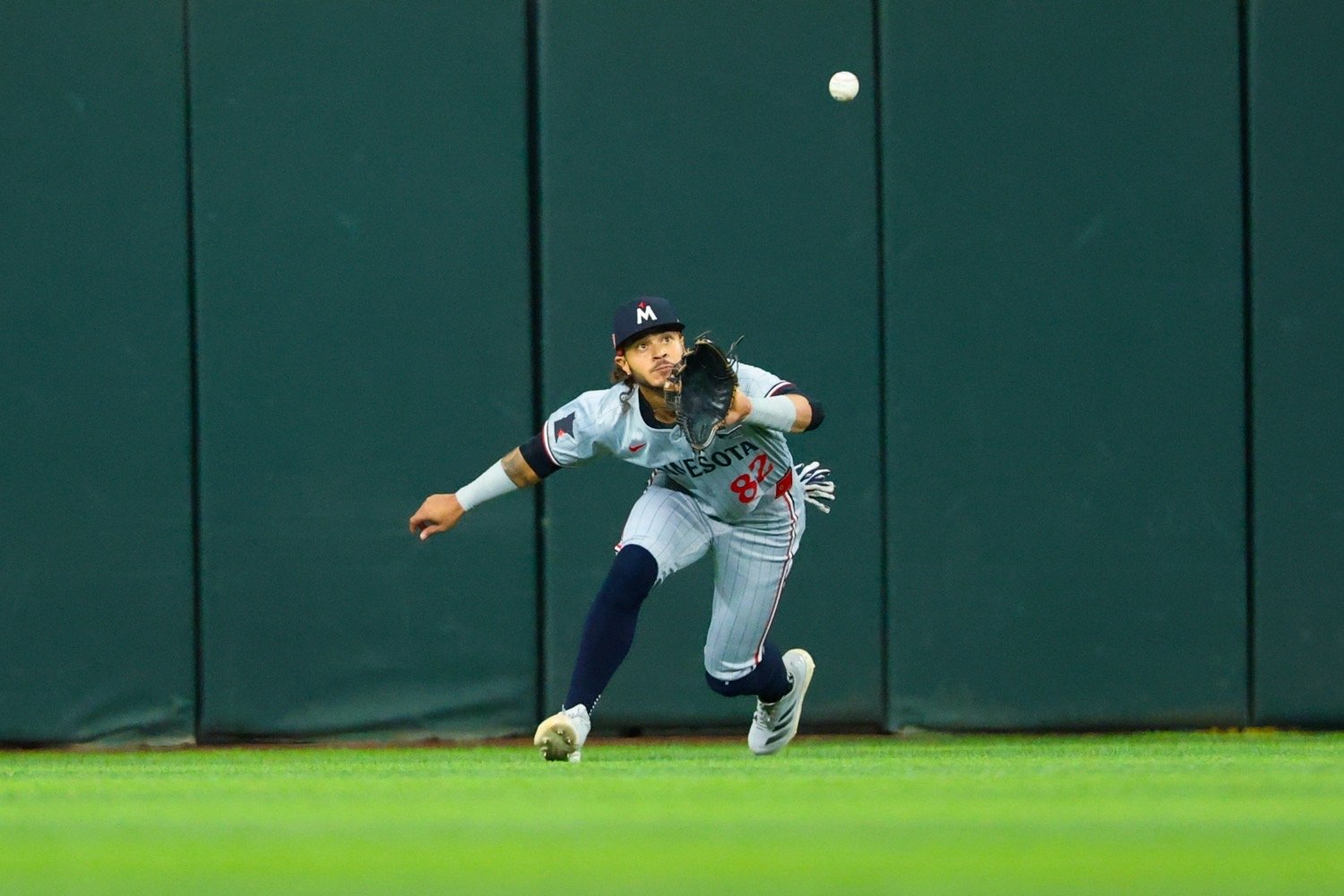 Rocco Baldelli didn't shy away from offering Austin Martin a vote of confidence as a center fielder—maybe even one who can stand the gap when Byron Buxton is out, without the team missing a beat. “I think he has real potential in the outfield, to affect the game, to be a defensive star out there,” Baldelli said last week, in a scrum with reporters at Twins spring training in Fort Myers, Fla. “[Looking] at his jumps, looking at the way he's tracking the ball, closing on the ball, and the more time he has out there, I think he's one of those guys that will keep getting better.” As a rookie, Martin spent all but 94 of his defensive innings in the outfield, and 277 ⅔ of those frames in the pasture came in center field. The former fifth overall pick was learning the position on the fly: he had totaled just 257 innings in center during his time playing in the Twins’ farm system—although he did play there quite a bit in 2021 with the Toronto Blue Jays’ Double-A affiliate. In the first week of camp, Baldelli has made it abundantly clear what role he sees Martin playing during the upcoming season and beyond. According to Baldelli, Martin will get “a lot of time in the outfield” and, especially during spring training, “in center field”. The seventh-year manager sees Martin as someone who has “the ability to [be a defensive star], and the work ethic to do so.” Baldelli isn’t saying that Martin is there yet, but obviously, he believes the youngster can get there. While we can’t quantify Martin’s work ethic, we can look into the small sample of data we have to see if Baldelli’s comments have validity. In his debut season, Martin graded out as a below-average (and in some cases, a downright awful) defender at all three outfield positions, according to FanGraphs's UZR/150. In center field, in particular, he compiled a -15.5 UZR/150, which was second-worst among players who spent a minimum of 250 innings at the position. What makes that more surprising, given his 5-foot-11, 185-pound stature, is that his range (RngR - range runs above average) grades out worse than his arm (ARM - outfield runs above average). Baseball Savant seems to agree with FanGraphs, as Martin posted a -7 Range Run Value (RV) and a -2 Arm RV. All of this is not to be critical of Baldelli—his statements were not necessarily speaking of Martin’s present ability, and defensive stats still aren't what offensive ones are in terms of accuracy or consistency—but it might lead us to wonder what he sees that the overall numbers don’t. As with any defensive position, the approach to the ball is the largest determining factor of whether a batted ball turns into an out, a hit, or an error. As we take a closer look into Martin’s approach to flagging down a batted ball, we start to get an idea of where he struggles, and can hypothesize about why Baldelli seems to be so optimistic the former top prospect can “keep getting better”. Of players with a minimum of 25 outfield opportunities, in the first three seconds after a ball was hit, he covered two fewer feet than the average outfielder. In particular, his reaction was fifth-worst in all of baseball. His "Burst", which measures the process of getting up to speed after gaining a read on the ball, is better, but still worse than average. Yet, there are indications that Baldelli is right. Maybe Austin Martin will keep getting better. As an All-American out of Vanderbilt, Martin’s Baseball America scouting report suggested captaining the outfield could be his long-term role. “[Martin] has the instincts and athleticism to potentially handle center field," the report read. "He has the defensive ability to become an asset at a premium position.” Baldelli sees those tools, and we can, too. His above-average “Route” rating can be attributed to his aforementioned instincts, and his 75th-percentile sprint speed speaks to his athleticism. Given his lack of experience in the outfield as a whole (and particularly center), it's easy to understand why Martin's Reaction and Burst currently grade out as below-average. Reacting to a batted ball more than 300 feet from where it's hit is quite a bit different than when it's hit while you’re manning the keystone. Moreover, the lack of experience may help explain why his above-average sprint speed isn't leading to better Burst. There may be a lack of confidence, yet, affecting how quickly he attacks a batted ball. Given how his routes compare to others, maybe his sprint speed helps make up for the lack of “burst”. That's a lot of conjecture, but that's all we can really do given the sample size of innings played. Ultimately, Martin needs more seasoning before we can make any proclamations on whether he’ll be a “defensive star” in the outfield. The numbers don't look pretty now, but he has the tools to make it happen. However, ill-informed Baldelli haters can rejoice (they won’t): he's putting down the figurative “spreadsheet” and relying on his feel for the game to see Martin's future potential and impact with the Twins.
 -
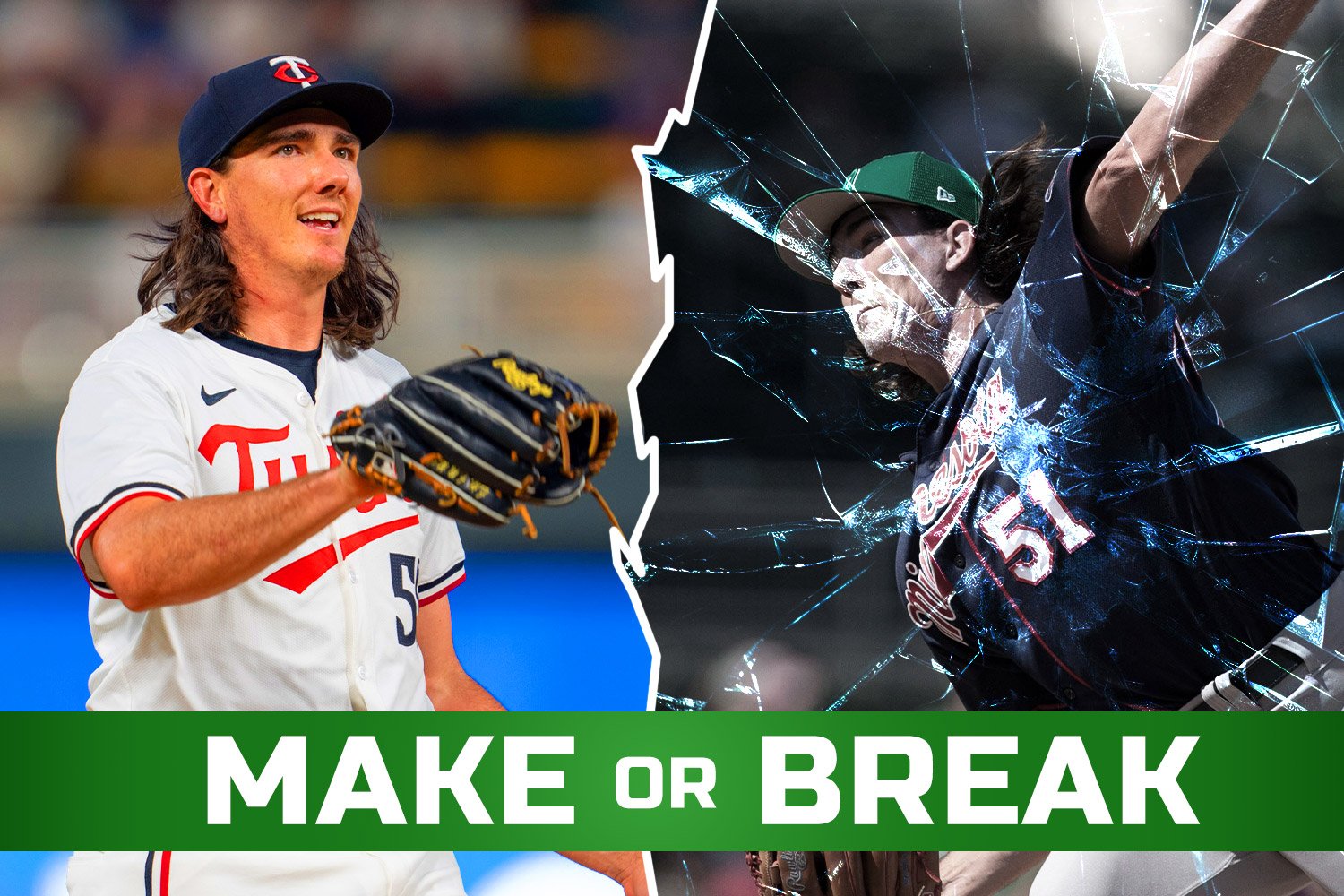 The potential success of the 2025 Twins’ season largely rests on the shoulders of its best players, and it’s those players that provide a very solid floor for the team to win 70 or more games. It’s the contributions of the role players that elevate any team from a fringe competitive team to a team vying for a playoff spot and division title. Funderburk is one of two southpaw relievers on the 40-man roster and 2025 may be a make or break season for him. What Went Wrong in 2024? Funderburk was very effective in 24 of his relief appearances in 2024. Unfortunately, he made 27 total appearances. Nearly half of his earned runs last season came in those three appearances. The three ineffective outings inflated his overall line to a 4.55 FIP with a poor 10.6% strikeout minus walk rate and an elevated home run rate. Other than a four earned run outing on May 5th, Funderburk was well on his way to establishing himself as a very reliable big-league reliever two months into the 2024 season. Then, on May 28th, he was optioned to St. Paul in favor of veteran Diego Castillo. His peripherals in St. Paul were very good which led to him being recalled on June 21st. After another stretch of effective appearances, Funderburk’s pitch velocities and spin rates dropped considerably in back-to-back appearances on July 8th and 12th. While a link between injury and those data points has never been publicly confirmed, it may explain why he wasn’t used for nine days and placed on the injured list with a left oblique strain which effectively ended his season. It’s not unusual for a reliever's stats to be heavily inflated by just a few appearances so, aside from staying healthy, there is little reason to be overly concerned with his ability to make an impact for the Twins in 2025, even if he finds himself with the Saints to start the season. What Can Go Right in 2025? Although we have a fairly limited sample of just 46 2/3 big-league innings across 38 appearances, Funderburk has been a very good reliever outside of the three aforementioned outings. He’s an extreme groundball pitcher who has excelled in generating weak contact, so there is little reason to worry about his home run rate from 2024. Moreover, he’s been serviceable against both left and right-handed hitters, but particularly effective against lefties due to having three pitches with above average movement. YmtNeDFfWGw0TUFRPT1fQkZBSFZsY0JCVllBQVZSV1Z3QUFCUTRGQUFBQUFBSUFVQVJRVWdFRFZ3WUJWZ3RX.mp4 His slider features some of the best glove-side movement in baseball and devastated his left-handed counterparts with a 46.5% whiff rate and 90.2 mile-per-hour average exit velocity. While righties don’t whiff on the pitch nearly as often, they’re also susceptible to weak contact and had a .241 batting average against in 2024. His sinker, used almost exclusively against left-handers, is another offering with good movement. However, opponents handled the pitch fairly well in 2024, posting a .422 wOBA (for what it’s worth, it was .058 in 2023). Again, it’s important to remember we’re dealing with pretty small sample sizes here. When he gets his opportunity, projection models like the 28-year-old to be an above average reliever in 2025. That seems quite reasonable considering his arsenal and the depth of the Twins bullpen that should allow for Rocco Baldelli to use his relievers in the positions that make them the most successful. How Will This Impact the Twins? You may have noticed that I previously suggested that Funderburk’s impact may not happen “right away” in 2025. This is due to the bullpen only having two or three open spots for about five competing arms, and if we read the tea leaves from Baldelli’s first interviews from camp, we get an idea of how things may shake out. While answering a question regarding recently-acquired southpaw Danny Coulombe, the Twins skipper said “We have a [need for a left-handed reliever] to fill out our roster. And I have longer term hopes that Kody Funderburk can also do some of those things too.” Coulombe’s spot on the active roster was never up for debate, so it’s not surprising to hear Baldelli talk about him filling that spot on the roster. What may be a little surprising is the phrase “longer-term hopes” that seems to indicate Funderburk is likely to start the year with the Saints before he gets his first opportunities in season. Regardless, as Twins’ fans are all too familiar with, injuries and poor performance will come and when they do Funderburk likely represents one of the first bullpen arms to get recalled. While the Twins' success in 2025 hinges on the performance of their star players, the contributions of role players like Kody Funderburk will be crucial in determining how far they can go. Funderburk's 2024 season was marred by a few disastrous outings and an injury, obscuring his underlying potential. If Funderburk can recapture his form and stay healthy, he has the potential to be a difference-maker for the Twins, solidifying their bullpen and contributing to a successful campaign. What are your thoughts on Funderburk entering 2025? How about Baldelli’s comments? Join the conversation in the comments!
 -
I agree I think the downside to "bigger, faster, stronger" is that it's harder on the body. Maybe helps prevent or mitigate smaller injuries but when injuries do occur they're typically more severe? Completely uneducated conjecture but it would make sense, IMO.
-
This was wild to read at 7am. Cheers!
-
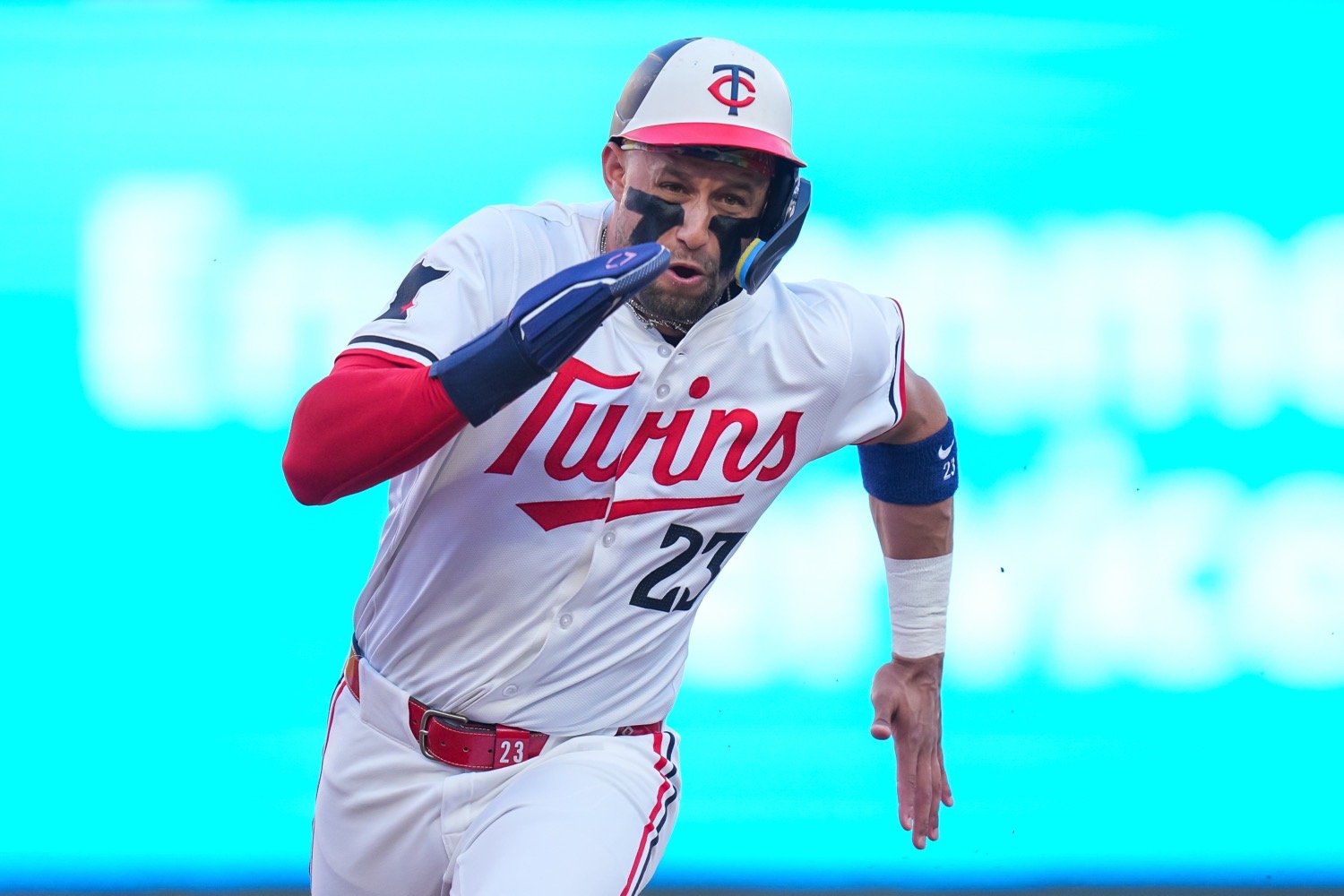 Royce Lewis’s story has been one of extreme highs and extreme lows. From kicking off the 2024 campaign with a monstrous home run to dealing with injuries (as usual) and slumps (not so familiar), the 26-year-old has had quite the ride since being drafted in 2017. Now, as spring training gets underway, the Twins third baseman is feeling good after spending the offseason getting back to his roots. “My intention [for the offseason] was just to get back to the roots of what I did when I was in high school when I was drafted,” Lewis said recently, in a scrum with reporters at Twins spring training in Fort Myers, Fla. “I feel fast, elusive, athletic, bouncy, all the things I want to feel.” I'm not specifically targeting Lewis when I say this, but that's a shift from the traditional training mindset of working on skills related to a player’s bat and glove. Of course, theoretically, improving your athleticism should impact your ability to hit and play the field. Looking at the bigger picture, though, I think this represents a larger shift in mindset that points toward the former top pick taking the next step in his development. We know he has the skills to be successful, but focusing on his athleticism will help with maybe the most important skill: availability. In eight professional seasons, Lewis has put together just three full campaigns (none since 2019). In 2022, he re-injured his surgically repaired right knee making a fantastic catch crashing into the center field fence. He returned exactly one year later, but would miss six more weeks due to an oblique strain in July of 2023. That's not to mention this awkward tumble. Then, last season, it took all of three innings for Lewis to strain his quad and miss two months of the season. If there’s one commonality between all of these various injuries, it's that they’re largely related to the way he's moving his body, unrelated to baseball. One way to minimize these injuries is strength training, but another is to learn about and improve how your body moves. “I’m really good at going zero to 60, but can I go 60 to zero … when I’m going through any movement pattern,” Lewis mused. This quote stuck out to me, as I relived some of the aforementioned injuries. While it's unfair to blame him for going balls to the wall (literally), maybe he doesn't re-tear his ACL had he approached that center field wall with more finesse—something the Twins' actual center fielder took years to understand himself. Then we look at the awkward movement running the bases, from 2023 (above) and 2024 (below, an instance in which it's impossible to miss the value of better deceleration skills). Whether or not this leads to 140 games played and a fully healthy season remains to be seen. What it does tell me, along with other comments regarding his daily routine, is that Lewis is turning the corner in his professional development. He’s starting to understand what it means to be a “pro” and, maybe ironically, it's led him back to his roots as an 18-year-old kid. What are your expectations for Royce Lewis this year? Join the conversation in the comments!
 -
The Twins' young star needed a winter of quiet to get off the rollercoaster that has been his career to this point, and find his way back to himself. He's in a new frame of mind this spring. Image courtesy of © Brad Rempel-Imagn Images The Twins' young star needed a winter of quiet to get off the rollercoaster that has been his career to this point, and find his way back to himself. He's in a new frame of mind this spring. Royce Lewis’s story has been one of extreme highs and extreme lows. From kicking off the 2024 campaign with a monstrous home run to dealing with injuries (as usual) and slumps (not so familiar), the 26-year-old has had quite the ride since being drafted in 2017. Now, as spring training gets underway, the Twins third baseman is feeling good after spending the offseason getting back to his roots. “My intention [for the offseason] was just to get back to the roots of what I did when I was in high school when I was drafted,” Lewis said recently, in a scrum with reporters at Twins spring training in Fort Myers, Fla. “I feel fast, elusive, athletic, bouncy, all the things I want to feel.” I'm not specifically targeting Lewis when I say this, but that's a shift from the traditional training mindset of working on skills related to a player’s bat and glove. Of course, theoretically, improving your athleticism should impact your ability to hit and play the field. Looking at the bigger picture, though, I think this represents a larger shift in mindset that points toward the former top pick taking the next step in his development. We know he has the skills to be successful, but focusing on his athleticism will help with maybe the most important skill: availability. In eight professional seasons, Lewis has put together just three full campaigns (none since 2019). In 2022, he re-injured his surgically repaired right knee making a fantastic catch crashing into the center field fence. He returned exactly one year later, but would miss six more weeks due to an oblique strain in July of 2023. That's not to mention this awkward tumble. Then, last season, it took all of three innings for Lewis to strain his quad and miss two months of the season. If there’s one commonality between all of these various injuries, it's that they’re largely related to the way he's moving his body, unrelated to baseball. One way to minimize these injuries is strength training, but another is to learn about and improve how your body moves. “I’m really good at going zero to 60, but can I go 60 to zero … when I’m going through any movement pattern,” Lewis mused. This quote stuck out to me, as I relived some of the aforementioned injuries. While it's unfair to blame him for going balls to the wall (literally), maybe he doesn't re-tear his ACL had he approached that center field wall with more finesse—something the Twins' actual center fielder took years to understand himself. Then we look at the awkward movement running the bases, from 2023 (above) and 2024 (below, an instance in which it's impossible to miss the value of better deceleration skills). Whether or not this leads to 140 games played and a fully healthy season remains to be seen. What it does tell me, along with other comments regarding his daily routine, is that Lewis is turning the corner in his professional development. He’s starting to understand what it means to be a “pro” and, maybe ironically, it's led him back to his roots as an 18-year-old kid. What are your expectations for Royce Lewis this year? Join the conversation in the comments! View full article
-
Thank you for bringing this to my attention. It's been updated!
-
For the first time since 2017, the Twins made a selection in the MLB phase of the Rule 5 Draft this December. He'll have to make the team to stay with the organization, but if he does, he could be a difference-maker for them. Are we overlooking that upside? Image courtesy of Reading Fightin Phils For the first time since 2017, the Twins made a selection in the MLB phase of the Rule 5 Draft this December. He'll have to make the team to stay with the organization, but if he does, he could be a difference-maker for them. Are we overlooking that upside? The 23-year-old Eiberson Castellano had a phenomenal 2024 season, wherein he posted a 3.40 FIP and a 24.6% strikeout minus walk rate between High-A Jersey Shore and Double-A Reading. Although he’s likely to work as a long man out of the bullpen if he stays with the Twins, 20 of his 22 appearances were starts last year. While he was great, the Phillies weren't completely off their rocker in not protecting the 2018 international signee. Not only did it take him more than three years to throw his first professional pitch in the States, but his results varied greatly in the seasons leading up to 2024, as he bounced back and forth between being a reliever and a starter. Now, as the Twins begin spring training, the 6-foot-3 hurler will look to show why he was “one of the more intriguing arms in the draft,” according to Geoff Pontes of Baseball America. In a podcast series doing a deep dive into each farm system, Pontes and JJ Cooper named Castellano a “non-top-10 prospect to watch” for the Minnesota Twins. “I think that there's a chance that this guy could be actually a useful long-term pitcher for the Twins,” Pontes said. It's not often that you can pluck a healthy starter with plus stuff (coming off a great season) in the Rule 5 Draft, and the Twins would be remiss to let this opportunity go to waste even if Castellano falters during spring training. In addition to working out of the bullpen, the Venezuelan (wait, a Venezuelan pitcher acquired via the Rule 5 Draft - sound familiar?) has the ability to make spot starts as needed or piggyback with Simeon Woods Richardson at times. For the Twins, there's indirect value in rostering a swingman who could reduce the pressure on David Festa and Zebby Matthews to make spot starts with the Twins, allowing them to really hone their craft in St. Paul instead until a larger opportunity opens up in the big-league rotation. For what it's worth, PECOTA projects an ERA north of 4.00 and a 12.4% strikeout-minus-walk rate. This would make him a slightly below-average pitcher, but relatively speaking, those are solid numbers for the role he’d be in with the Twins. Looking past 2025, Castellano represents depth at a position where you can never have enough of it. While the Twins have developed one of the best pitching pipelines in baseball and control their top arms for the foreseeable future, it's not out of the question for Castellano to move into the back end of the rotation somewhere down the line. Organizational floors are set by the performance of their star players, but how far they can go beyond their floor relies on role players and depth. Castellano’s potential contributions (along with other role players) could help this team go from competitive to contender—or from contender to honest-to-God winner. Players of his type can be invaluable to an organization, especially as a pitcher, and it's time we start looking at Castellano as such. View full article
-
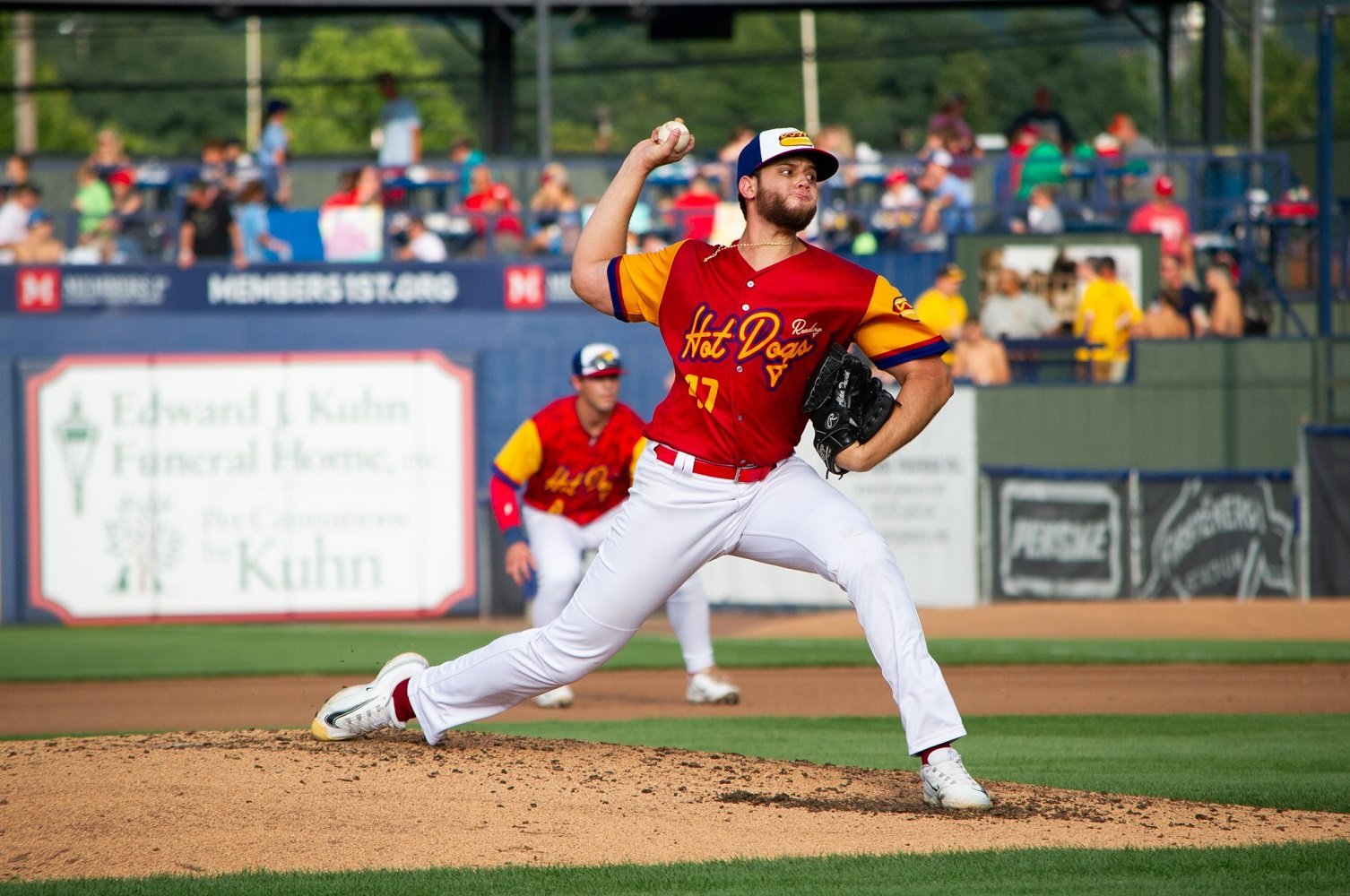 The 23-year-old Eiberson Castellano had a phenomenal 2024 season, wherein he posted a 3.40 FIP and a 24.6% strikeout minus walk rate between High-A Jersey Shore and Double-A Reading. Although he’s likely to work as a long man out of the bullpen if he stays with the Twins, 20 of his 22 appearances were starts last year. While he was great, the Phillies weren't completely off their rocker in not protecting the 2018 international signee. Not only did it take him more than three years to throw his first professional pitch in the States, but his results varied greatly in the seasons leading up to 2024, as he bounced back and forth between being a reliever and a starter. Now, as the Twins begin spring training, the 6-foot-3 hurler will look to show why he was “one of the more intriguing arms in the draft,” according to Geoff Pontes of Baseball America. In a podcast series doing a deep dive into each farm system, Pontes and JJ Cooper named Castellano a “non-top-10 prospect to watch” for the Minnesota Twins. “I think that there's a chance that this guy could be actually a useful long-term pitcher for the Twins,” Pontes said. It's not often that you can pluck a healthy starter with plus stuff (coming off a great season) in the Rule 5 Draft, and the Twins would be remiss to let this opportunity go to waste even if Castellano falters during spring training. In addition to working out of the bullpen, the Venezuelan (wait, a Venezuelan pitcher acquired via the Rule 5 Draft - sound familiar?) has the ability to make spot starts as needed or piggyback with Simeon Woods Richardson at times. For the Twins, there's indirect value in rostering a swingman who could reduce the pressure on David Festa and Zebby Matthews to make spot starts with the Twins, allowing them to really hone their craft in St. Paul instead until a larger opportunity opens up in the big-league rotation. For what it's worth, PECOTA projects an ERA north of 4.00 and a 12.4% strikeout-minus-walk rate. This would make him a slightly below-average pitcher, but relatively speaking, those are solid numbers for the role he’d be in with the Twins. Looking past 2025, Castellano represents depth at a position where you can never have enough of it. While the Twins have developed one of the best pitching pipelines in baseball and control their top arms for the foreseeable future, it's not out of the question for Castellano to move into the back end of the rotation somewhere down the line. Organizational floors are set by the performance of their star players, but how far they can go beyond their floor relies on role players and depth. Castellano’s potential contributions (along with other role players) could help this team go from competitive to contender—or from contender to honest-to-God winner. Players of his type can be invaluable to an organization, especially as a pitcher, and it's time we start looking at Castellano as such.
 -
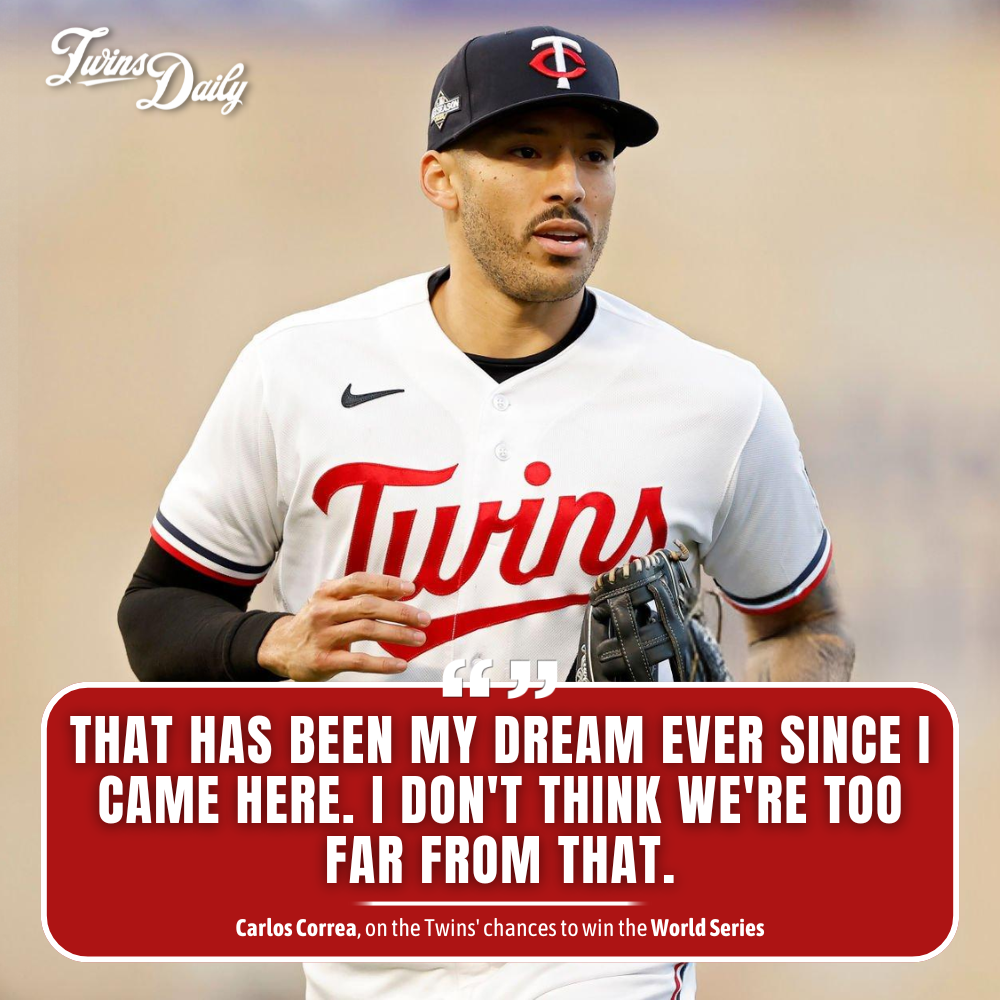
Soooo what say you? Are the Twins close or not so much?
-
The Minnesota Twins enter the 2025 season with largely the same core of players who finished the 2024 campaign. Looking past a historic collapse, the Twins were a playoff team for much of last season and multiple outlets are not only predicting the same in 2025 but also like them to take the American League Central crown. While not one of the team’s stars, a productive season from left-handed reliever Kody Funderburk is crucial to the Twins turning those predictions into reality. Image courtesy of © Matt Blewett-Imagn Images / © Landon Bost/Naples Daily News/USA TODAY Network-Florida / USA TODAY NETWORK The Minnesota Twins enter the 2025 season with largely the same core of players who finished the 2024 campaign. Looking past a historic collapse, the Twins were a playoff team for much of last season and multiple outlets are not only predicting the same in 2025 but also like them to take the American League Central crown. While not one of the team’s stars, a productive season from left-handed reliever Kody Funderburk is crucial to the Twins turning those predictions into reality. The potential success of the 2025 Twins’ season largely rests on the shoulders of its best players, and it’s those players that provide a very solid floor for the team to win 70 or more games. It’s the contributions of the role players that elevate any team from a fringe competitive team to a team vying for a playoff spot and division title. Funderburk is one of two southpaw relievers on the 40-man roster and 2025 may be a make or break season for him. What Went Wrong in 2024? Funderburk was very effective in 24 of his relief appearances in 2024. Unfortunately, he made 27 total appearances. Nearly half of his earned runs last season came in those three appearances. The three ineffective outings inflated his overall line to a 4.55 FIP with a poor 10.6% strikeout minus walk rate and an elevated home run rate. Other than a four earned run outing on May 5th, Funderburk was well on his way to establishing himself as a very reliable big-league reliever two months into the 2024 season. Then, on May 28th, he was optioned to St. Paul in favor of veteran Diego Castillo. His peripherals in St. Paul were very good which led to him being recalled on June 21st. After another stretch of effective appearances, Funderburk’s pitch velocities and spin rates dropped considerably in back-to-back appearances on July 8th and 12th. While a link between injury and those data points has never been publicly confirmed, it may explain why he wasn’t used for nine days and placed on the injured list with a left oblique strain which effectively ended his season. It’s not unusual for a reliever's stats to be heavily inflated by just a few appearances so, aside from staying healthy, there is little reason to be overly concerned with his ability to make an impact for the Twins in 2025, even if he finds himself with the Saints to start the season. What Can Go Right in 2025? Although we have a fairly limited sample of just 46 2/3 big-league innings across 38 appearances, Funderburk has been a very good reliever outside of the three aforementioned outings. He’s an extreme groundball pitcher who has excelled in generating weak contact, so there is little reason to worry about his home run rate from 2024. Moreover, he’s been serviceable against both left and right-handed hitters, but particularly effective against lefties due to having three pitches with above average movement. YmtNeDFfWGw0TUFRPT1fQkZBSFZsY0JCVllBQVZSV1Z3QUFCUTRGQUFBQUFBSUFVQVJRVWdFRFZ3WUJWZ3RX.mp4 His slider features some of the best glove-side movement in baseball and devastated his left-handed counterparts with a 46.5% whiff rate and 90.2 mile-per-hour average exit velocity. While righties don’t whiff on the pitch nearly as often, they’re also susceptible to weak contact and had a .241 batting average against in 2024. His sinker, used almost exclusively against left-handers, is another offering with good movement. However, opponents handled the pitch fairly well in 2024, posting a .422 wOBA (for what it’s worth, it was .058 in 2023). Again, it’s important to remember we’re dealing with pretty small sample sizes here. When he gets his opportunity, projection models like the 28-year-old to be an above average reliever in 2025. That seems quite reasonable considering his arsenal and the depth of the Twins bullpen that should allow for Rocco Baldelli to use his relievers in the positions that make them the most successful. How Will This Impact the Twins? You may have noticed that I previously suggested that Funderburk’s impact may not happen “right away” in 2025. This is due to the bullpen only having two or three open spots for about five competing arms, and if we read the tea leaves from Baldelli’s first interviews from camp, we get an idea of how things may shake out. While answering a question regarding recently-acquired southpaw Danny Coulombe, the Twins skipper said “We have a [need for a left-handed reliever] to fill out our roster. And I have longer term hopes that Kody Funderburk can also do some of those things too.” Coulombe’s spot on the active roster was never up for debate, so it’s not surprising to hear Baldelli talk about him filling that spot on the roster. What may be a little surprising is the phrase “longer-term hopes” that seems to indicate Funderburk is likely to start the year with the Saints before he gets his first opportunities in season. Regardless, as Twins’ fans are all too familiar with, injuries and poor performance will come and when they do Funderburk likely represents one of the first bullpen arms to get recalled. While the Twins' success in 2025 hinges on the performance of their star players, the contributions of role players like Kody Funderburk will be crucial in determining how far they can go. Funderburk's 2024 season was marred by a few disastrous outings and an injury, obscuring his underlying potential. If Funderburk can recapture his form and stay healthy, he has the potential to be a difference-maker for the Twins, solidifying their bullpen and contributing to a successful campaign. What are your thoughts on Funderburk entering 2025? How about Baldelli’s comments? Join the conversation in the comments! View full article
-
Cole Ragans had multiple UCL surgeries before he turned 22. Despite that, he's turned into a Cy Young-caliber starting pitcher, and he earned himself some guaranteed money before entering arbitration. His story should have Minnesota Twins fans optimistic about a pitching prospect who has faced similar adversity. Image courtesy of William Parmeter Cole Ragans had multiple UCL surgeries before he turned 22. Despite that, he's turned into a Cy Young-caliber starting pitcher, and he earned himself some guaranteed money before entering arbitration. His story should have Minnesota Twins fans optimistic about a pitching prospect who has faced similar adversity. After being drafted 30th overall by the Texas Rangers in 2016, Cole Ragans had a good start to his 2017 campaign with Low-A Spokane, carrying a 3.80 FIP and 34.8% strikeout rate at 19 years old. Unfortunately, he left his Aug. 30 start after just 1 ⅔ innings with elbow discomfort. That led to his first UCL procedure. He had a subsequent surgery on Mar. 28, 2018, after feeling pain in the same elbow during a spring training intrasquad game After a long rehab process and losing 2020 to COVID, it ended up being 1,344 days between starts for the left-hander. He returned on May 5, 2021, and has impressed ever since. In 2024, he finished fourth in Cy Young voting, and he recently signed a three-year deal, giving him cost certainty during his arbitration years. The 27-year-old has flourished in the face of adversity, which should leave Twins fans optimistic about Connor Prielipp’s future. Like Ragans, Prielipp has had multiple UCL surgeries before he could make it past High-A ball, although the circumstances surrounding those procedures were a bit different. Prielipp had his first Tommy John during his sophomore season with the University of Alabama. Despite the injury and limited track record, he declared for the 2022 MLB Draft and was selected by the Twins in the second round. It was a high-risk, high-reward selection, and it wouldn't take long for the Twins and Prielipp to see the risk go from an abstraction to a concrete problem. He experienced arm soreness two appearances into his professional career, leading to his second elbow surgery at 22 years old. While it remains to be seen exactly how well Prielipp rebounds from these procedures, Ragans represents hope that the lefty now sees the reward materialize into a productive and healthy 2025 season. While Prielipp is likely to start the year where he ended 2024 (at Cedar Rapids), he’s one of those arms who could sprint through the minor-league levels (which would be another similarity to Ragans). In fact, before the Danny Coulombe signing, Greggory Masterson that Prielipp could be the left-handed reliever the Twins needed for 2025, and Nash Walker called him a “Major X Factor”. While it was always unlikely he would debut in 2025, it just reinforces how impactful he can be if he stays healthy. Realistically, it's probably best for the 24-year-old to prioritize making it through an entire minor-league season and instead set his sights on 2026 for that breakthrough. If everything falls right, Prielipp could have a Ragans-esque ascension and impact on the Twins very soon. If that happens, we may look back to the team-friendly three-year deal that Ragans just signed as a blueprint for the Twins to lock in some cost certainty for Prielipp. While Ragans is the exception to the rule, Prielipp has the arm talent to flourish in the face of adversity. View full article
-
How Cole Ragans Offers Hope for a Similarly Talented Twins Southpaw
Matthew Lenz posted an article in Twins
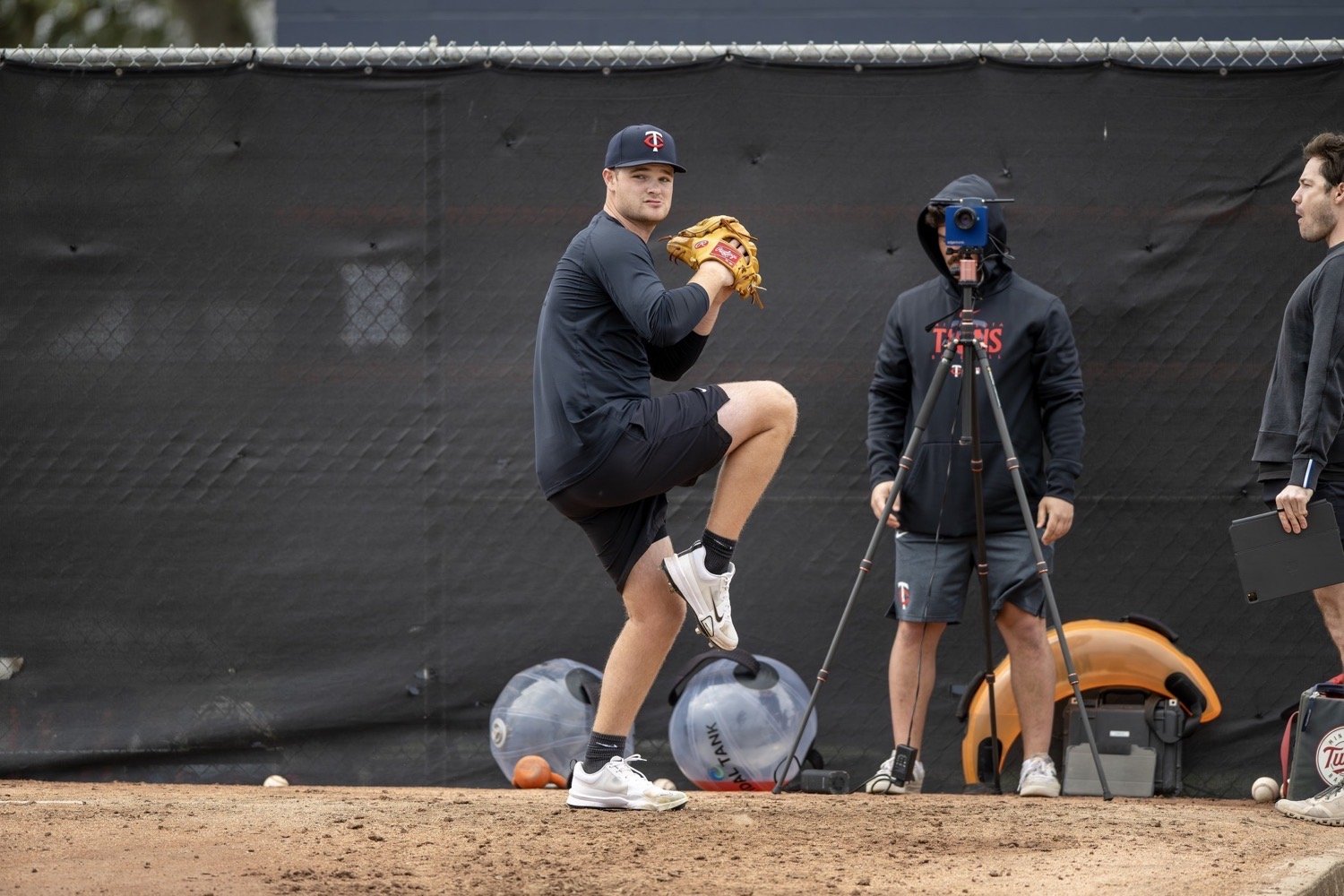 After being drafted 30th overall by the Texas Rangers in 2016, Cole Ragans had a good start to his 2017 campaign with Low-A Spokane, carrying a 3.80 FIP and 34.8% strikeout rate at 19 years old. Unfortunately, he left his Aug. 30 start after just 1 ⅔ innings with elbow discomfort. That led to his first UCL procedure. He had a subsequent surgery on Mar. 28, 2018, after feeling pain in the same elbow during a spring training intrasquad game After a long rehab process and losing 2020 to COVID, it ended up being 1,344 days between starts for the left-hander. He returned on May 5, 2021, and has impressed ever since. In 2024, he finished fourth in Cy Young voting, and he recently signed a three-year deal, giving him cost certainty during his arbitration years. The 27-year-old has flourished in the face of adversity, which should leave Twins fans optimistic about Connor Prielipp’s future. Like Ragans, Prielipp has had multiple UCL surgeries before he could make it past High-A ball, although the circumstances surrounding those procedures were a bit different. Prielipp had his first Tommy John during his sophomore season with the University of Alabama. Despite the injury and limited track record, he declared for the 2022 MLB Draft and was selected by the Twins in the second round. It was a high-risk, high-reward selection, and it wouldn't take long for the Twins and Prielipp to see the risk go from an abstraction to a concrete problem. He experienced arm soreness two appearances into his professional career, leading to his second elbow surgery at 22 years old. While it remains to be seen exactly how well Prielipp rebounds from these procedures, Ragans represents hope that the lefty now sees the reward materialize into a productive and healthy 2025 season. While Prielipp is likely to start the year where he ended 2024 (at Cedar Rapids), he’s one of those arms who could sprint through the minor-league levels (which would be another similarity to Ragans). In fact, before the Danny Coulombe signing, Greggory Masterson that Prielipp could be the left-handed reliever the Twins needed for 2025, and Nash Walker called him a “Major X Factor”. While it was always unlikely he would debut in 2025, it just reinforces how impactful he can be if he stays healthy. Realistically, it's probably best for the 24-year-old to prioritize making it through an entire minor-league season and instead set his sights on 2026 for that breakthrough. If everything falls right, Prielipp could have a Ragans-esque ascension and impact on the Twins very soon. If that happens, we may look back to the team-friendly three-year deal that Ragans just signed as a blueprint for the Twins to lock in some cost certainty for Prielipp. While Ragans is the exception to the rule, Prielipp has the arm talent to flourish in the face of adversity.