



Matthew Lenz
-
Posts
1,465 -
Joined
-
Last visited
-
Days Won
3
Content Type
Profiles
News
Minnesota Twins Videos
2026 Minnesota Twins Top Prospects Ranking
2022 Minnesota Twins Draft Picks
Minnesota Twins Free Agent & Trade Rumors, Notes, & Tidbits
Guides & Resources
2023 Minnesota Twins Draft Picks
The Minnesota Twins Players Project
2024 Minnesota Twins Draft Picks
2025 Minnesota Twins Draft Pick Tracker
2026 Minnesota Twins Draft Tracker: Picks & Bonuses
Forums
Blogs
Events
Store
Downloads
Gallery
Everything posted by Matthew Lenz
-
 While we are still about a month and a half away from the trade deadline, it's starting to get late early for some teams across Major League Baseball. With the trade deadline set for July 31, we are roughly a month away from the hot stove reaching its inferno. However, there are a handful of teams that we can pretty confidently say are going to be sellers around the deadline. Who are they, what do they have to offer, and how could the Minnesota Twins benefit? Let's dive in. Chicago White Sox The White Sox are 12 games below .500 and 13 games out of the playoff spot. They acknowledged a multi-year rebuild over the off-season, so it shouldn't be surprising that they are sellers once again. Potential rentals include outfielders Michael A. Taylor and Austin Slater as well as recently acquired starter Aaron Civale. Otherwise, intriguing players who are controlled beyond 2025 include infielder Josh Rojas and outfielder Mike Tauchman. However, it’s more realistic that teams aggressively kick the tires on outfielder Luis Robert Jr., who has been the subject of trade speculation for a while now. Robert Jr. signed a pre-arbitration extension that included $20 million in team options for 2026 and 2027, which can be bought out for $2 million. Once a top prospect in baseball, the 28-year-old has had a hard time staying healthy throughout his career and has struggled at the plate over the last two seasons. Athletics The Athletics are in a free fall ever since they started their season 22-20. In their last 28 games they have just four wins. While they are a young team with some exciting talent, they're obviously not ready yet and have a handful of rentals that teams could kick the tires on. Most notably are utility players Miguel Andujar and Luis Urias who have both produced above average at the plate this season. Third baseman Gio Urshela is more than two years removed from his last productive season and has a mediocre glove at the hot corner, but could be an intriguing option to handle the short side of a platoon. On the mound, Jose Leclerc and T.J. McFarland are two potential reliever rentals, though Leclerc has been sidelined with a lat strain since April and McFarland has been plain bad. It seems likely that at least one of Andujar, Urias, or Urshela are traded ahead of the deadline. Baltimore Orioles Injuries aside, it's still pretty shocking to see the Orioles struggling this much. After winning 91 games and earning a playoff berth in 2024, they are currently 13 games below .500 and 8.5 games out of a playoff spot. The difference here is that the Orioles are not in the midst of a rebuild, so it's likely they limit their moves to players on expiring deals. Those names include: pitchers Zach Eflin, Charlie Morton, Tomoyuki Sugano, and Gregory Soto as well as outfielder Cedric Mullins. Of those players, Eflin, Sugano, and Soro are having successful seasons on the mound and will draw significant trade interest. However, two names that have been the subject of trade rumors but are controllable beyond 2025 are first baseman Ryan Mountcastle and outfielder Heston Kjerstad. Mountcastle, who will miss the next 8-12 weeks with a hamstring strain, is having a down year with a .628 OPS and two home runs. Kjerstad, who was recently optioned to Triple-A Norfolk, has also struggled this season but has often found himself as the odd man out of a stacked group of young talent. Twins Needs Like the last few seasons, the offense has been inconsistent which would explain the Twins peaks and valleys as a team. Generally speaking, they don’t have one specific weakness but could benefit from an improvement in their lineup. However, it's hard to see where that might happen. Twins third baseman have one of the lowest OPS’ of any team’s third baseman in baseball, but they're surely not taking Royce Lewis out of the lineup. They don't have a solid answer at second base, but that position has produced the ninth highest OPS in baseball. Catcher has been a bit of a black hole but it's hard to see them bringing in someone without dealing one of Jeffers or Vazquez (and who's trading for one of them?). That leaves designated hitter, but the Twins roster construction isn't built for a full-time DH. They need to improve their offense but I don't see how that happens without dealing one of their regular offensive contributors. On the other side of the ball, if this were two weeks ago, the Twins would have been potentially looking to flip a starter for a hitter. Now, the Twins are one injury away from (such as a Bailey Ober hip issue) from being in a very, very bad spot. All of that said and we haven't even broached the topic of money. Ultimately, money will be the reason why the Twins are (once again) quiet at the trade deadline. Not only that, but they'll have the built in excuse of Pablo López returning from injury. Could they benefit from Zach Eflin or Miguel Andujar? I think so, but we all know how this plays out. How do you think the Twins will handle the trade deadline? Join the conversation in the comments! View full article
 -
Let's Go Trade Deadline Shopping For The Twins: American League Sellers
Matthew Lenz posted an article in Twins
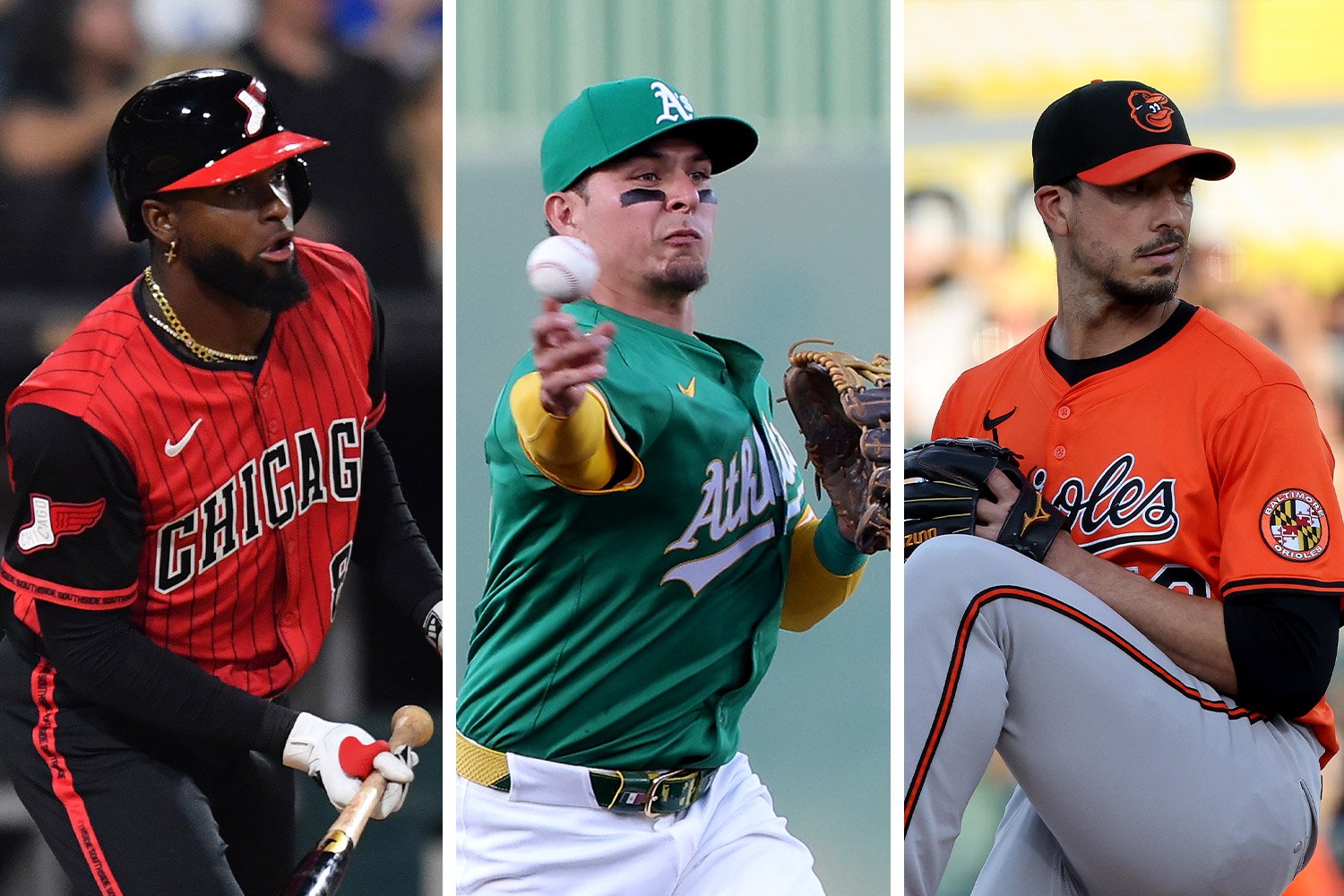 While we are still about a month and a half away from the trade deadline, it's starting to get late early for some teams across Major League Baseball. With the trade deadline set for July 31, we are roughly a month away from the hot stove reaching its inferno. However, there are a handful of teams that we can pretty confidently say are going to be sellers around the deadline. Who are they, what do they have to offer, and how could the Minnesota Twins benefit? Let's dive in. Chicago White Sox The White Sox are 12 games below .500 and 13 games out of the playoff spot. They acknowledged a multi-year rebuild over the off-season, so it shouldn't be surprising that they are sellers once again. Potential rentals include outfielders Michael A. Taylor and Austin Slater as well as recently acquired starter Aaron Civale. Otherwise, intriguing players who are controlled beyond 2025 include infielder Josh Rojas and outfielder Mike Tauchman. However, it’s more realistic that teams aggressively kick the tires on outfielder Luis Robert Jr., who has been the subject of trade speculation for a while now. Robert Jr. signed a pre-arbitration extension that included $20 million in team options for 2026 and 2027, which can be bought out for $2 million. Once a top prospect in baseball, the 28-year-old has had a hard time staying healthy throughout his career and has struggled at the plate over the last two seasons. Athletics The Athletics are in a free fall ever since they started their season 22-20. In their last 28 games they have just four wins. While they are a young team with some exciting talent, they're obviously not ready yet and have a handful of rentals that teams could kick the tires on. Most notably are utility players Miguel Andujar and Luis Urias who have both produced above average at the plate this season. Third baseman Gio Urshela is more than two years removed from his last productive season and has a mediocre glove at the hot corner, but could be an intriguing option to handle the short side of a platoon. On the mound, Jose Leclerc and T.J. McFarland are two potential reliever rentals, though Leclerc has been sidelined with a lat strain since April and McFarland has been plain bad. It seems likely that at least one of Andujar, Urias, or Urshela are traded ahead of the deadline. Baltimore Orioles Injuries aside, it's still pretty shocking to see the Orioles struggling this much. After winning 91 games and earning a playoff berth in 2024, they are currently 13 games below .500 and 8.5 games out of a playoff spot. The difference here is that the Orioles are not in the midst of a rebuild, so it's likely they limit their moves to players on expiring deals. Those names include: pitchers Zach Eflin, Charlie Morton, Tomoyuki Sugano, and Gregory Soto as well as outfielder Cedric Mullins. Of those players, Eflin, Sugano, and Soro are having successful seasons on the mound and will draw significant trade interest. However, two names that have been the subject of trade rumors but are controllable beyond 2025 are first baseman Ryan Mountcastle and outfielder Heston Kjerstad. Mountcastle, who will miss the next 8-12 weeks with a hamstring strain, is having a down year with a .628 OPS and two home runs. Kjerstad, who was recently optioned to Triple-A Norfolk, has also struggled this season but has often found himself as the odd man out of a stacked group of young talent. Twins Needs Like the last few seasons, the offense has been inconsistent which would explain the Twins peaks and valleys as a team. Generally speaking, they don’t have one specific weakness but could benefit from an improvement in their lineup. However, it's hard to see where that might happen. Twins third baseman have one of the lowest OPS’ of any team’s third baseman in baseball, but they're surely not taking Royce Lewis out of the lineup. They don't have a solid answer at second base, but that position has produced the ninth highest OPS in baseball. Catcher has been a bit of a black hole but it's hard to see them bringing in someone without dealing one of Jeffers or Vazquez (and who's trading for one of them?). That leaves designated hitter, but the Twins roster construction isn't built for a full-time DH. They need to improve their offense but I don't see how that happens without dealing one of their regular offensive contributors. On the other side of the ball, if this were two weeks ago, the Twins would have been potentially looking to flip a starter for a hitter. Now, the Twins are one injury away from (such as a Bailey Ober hip issue) from being in a very, very bad spot. All of that said and we haven't even broached the topic of money. Ultimately, money will be the reason why the Twins are (once again) quiet at the trade deadline. Not only that, but they'll have the built in excuse of Pablo López returning from injury. Could they benefit from Zach Eflin or Miguel Andujar? I think so, but we all know how this plays out. How do you think the Twins will handle the trade deadline? Join the conversation in the comments!
 -
Yep, I think that's the perspective to take. It's not exciting but if he can eat innings that's really what the Twins need right now to tread water.
-
Would Aaron Civale Be a Good Fit for Minnesota Twins Rotation?
Matthew Lenz posted an article in Twins
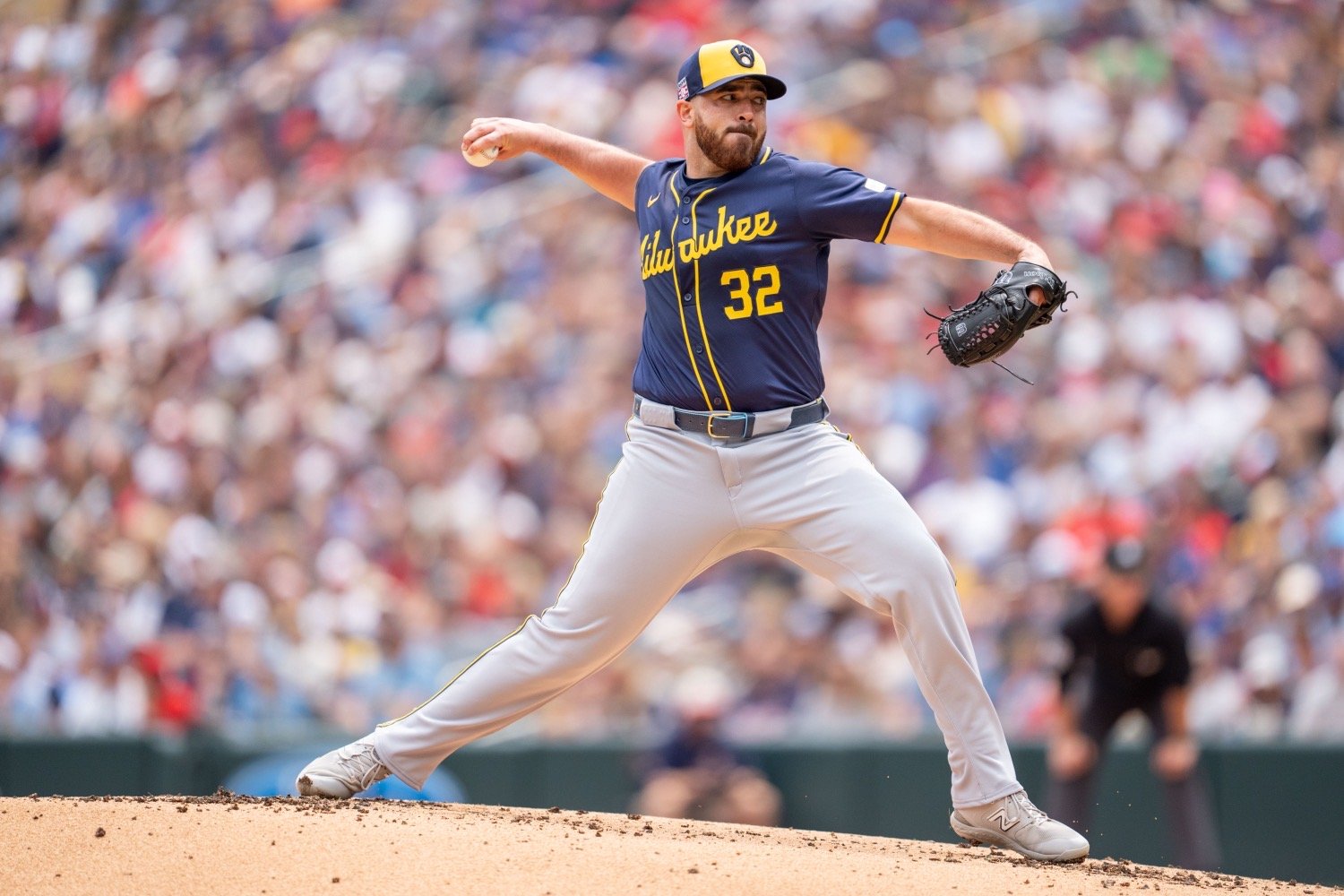 The Milwaukee Brewers promoted top prospect Jacob Misiorowski this week, which resulted in a shuffling of their rotation. The odd man out was right-handed starter Aaron Civale, who has made five starts for the club this season. At 30 years old, Civale isn't ready to become a bullpen arm and has formally requested a trade from the club. He hopes to land with someone who has a spot in the rotation, per The Athletic. As it turns out, their rivals just five hours east on Interstate 94 have a need in their rotation. After losing Pablo López and Zebby Matthews to injury, would it make sense for the Minnesota Twins to acquire Civale? Civale has struggled even by the standards of a back of the rotation arm. He's only pitched 22 innings total in his five starts, though the brevity of those outings isn't totally his fault. The Brewers have a tendency to use a quick hook with their starters. In those innings, he's posted a 4.91 ERA with a 5.53 FIP and a lowly 12.8% strikeout minus walk rate. While he’s shown an ability to limit hard contact, he's been susceptible to the long ball, allowing five home runs in a small body of work. As an extreme fly-ball pitcher who pitches to contact, spacious Target Field (coupled with a solid outfield defense) would actually be a good fit for Civale. The former Tampa Bay Rays and Cleveland Guardians starter has seven pitches in his arsenal, with his cutter traditionally being most often used and best offering. However, that hasn't been the case thus far in 2025, as the pitch currently has a -3 run value (RV), his worst pitch, possibly due to a new shape that has less vertical drop compared to previous seasons. He also leans on a sinker (25.1% usage), 4-seam fastball (14%), and a curveball (13%) while mixing in an occasional slider, split-finger, or sweeper. Aside from his cutter in 2024, he's more than a year removed from any other pitch in his arsenal producing a positive RV. In short, there isn't a lot to be excited about with his profile, but the Twins may just be desperate enough to take a shot on a pitcher who has had success in the past. Needing to replace López and Matthews in the big-league rotation, the Twins recalled David Festa and Simeon Woods Richardson to take their places. Two weeks ago, the Twins had enough starting pitching that people started speculating whether they may turn some of their arms into big-league bats. Now, the Twins are one injury away from having to rely on an arm that either isn't ready for the majors (Andrew Morris or Cory Lewis) or one that hasn't sustained success (Randy Dobnak). While Civale may not be exciting, he may be needed more than we’d like to admit. Especially when considering the performance of our rotation of late. Woods Richardson, who’s made one start since being recalled, was roughed up by a below-average Texas Rangers offense on Tuesday. In 4 ⅔ innings of work he gave up seven hits, six earned runs, and walked three while striking out four. His ERA now sits at 5.74 after struggling to start the season. While we don't want to overreact to a small sample, more concerning than Woods Richardson may be Bailey Ober. After a solid April and May, the towering righty has allowed 11 earned runs in his last two outings. The reason for concern, though, is his diminished velocity which started in Spring Training. His fastball velocity this season is down 1.2 miles per hour from 2024 and in his most recent start it was down an additional 0.3 miles per hour. He's made it work for the most part, though after today’s start he suggested he's “struggling with hip issues and mechanics.” Definitely something to keep an eye on. On the other hand, Festa has been productive in four of his five starts with the Twins. He was knocked around by the Athletics when he was first recalled but that could possibly be chalked up to extenuating circumstances, like flying across the country on short notice to make a start. The big thing for Festa will be to consistently pitch relatively deep into ball games - something that might be challenging for someone who has never pitched more than 124 innings in any one professional season. Down on the farm, Morris has been inconsistent this season. In 11 starts with the Triple-A Saints, Morris has six with one earned or less but four starts with four earned runs or more. Lewis has been consistent in St. Paul, but not in the same way. Through nine appearances (six starts) the 25-year-old has a 9.42 ERA and 7.04 FIP. Finally, top prospect Marco Raya has also struggled with the Saints. While the Twins once were thought to have a plethora of pitching depth, that has been depleted in the matter of a week. One way or another, they're going to have to find depth externally and Civale may be just the right guy for the call. No, Civale won't move the needle with Twins fans but it's hard not to see him as an upgrade over Woods Richardson. Given his production, profile, and contract it's likely he could be had for relatively cheap and the Twins would be remiss not to kick the tires on him. Do you think the Twins should pursue the Civale? What would you give up for him? Join the conversation in the comments!
 -
Image courtesy of © Matt Blewett-Imagn Images The Milwaukee Brewers promoted top prospect Jacob Misiorowski this week, which resulted in a shuffling of their rotation. The odd man out was right-handed starter Aaron Civale, who has made five starts for the club this season. At 30 years old, Civale isn't ready to become a bullpen arm and has formally requested a trade from the club. He hopes to land with someone who has a spot in the rotation, per The Athletic. As it turns out, their rivals just five hours east on Interstate 94 have a need in their rotation. After losing Pablo López and Zebby Matthews to injury, would it make sense for the Minnesota Twins to acquire Civale? Civale has struggled even by the standards of a back of the rotation arm. He's only pitched 22 innings total in his five starts, though the brevity of those outings isn't totally his fault. The Brewers have a tendency to use a quick hook with their starters. In those innings, he's posted a 4.91 ERA with a 5.53 FIP and a lowly 12.8% strikeout minus walk rate. While he’s shown an ability to limit hard contact, he's been susceptible to the long ball, allowing five home runs in a small body of work. As an extreme fly-ball pitcher who pitches to contact, spacious Target Field (coupled with a solid outfield defense) would actually be a good fit for Civale. The former Tampa Bay Rays and Cleveland Guardians starter has seven pitches in his arsenal, with his cutter traditionally being most often used and best offering. However, that hasn't been the case thus far in 2025, as the pitch currently has a -3 run value (RV), his worst pitch, possibly due to a new shape that has less vertical drop compared to previous seasons. He also leans on a sinker (25.1% usage), 4-seam fastball (14%), and a curveball (13%) while mixing in an occasional slider, split-finger, or sweeper. Aside from his cutter in 2024, he's more than a year removed from any other pitch in his arsenal producing a positive RV. In short, there isn't a lot to be excited about with his profile, but the Twins may just be desperate enough to take a shot on a pitcher who has had success in the past. Needing to replace López and Matthews in the big-league rotation, the Twins recalled David Festa and Simeon Woods Richardson to take their places. Two weeks ago, the Twins had enough starting pitching that people started speculating whether they may turn some of their arms into big-league bats. Now, the Twins are one injury away from having to rely on an arm that either isn't ready for the majors (Andrew Morris or Cory Lewis) or one that hasn't sustained success (Randy Dobnak). While Civale may not be exciting, he may be needed more than we’d like to admit. Especially when considering the performance of our rotation of late. Woods Richardson, who’s made one start since being recalled, was roughed up by a below-average Texas Rangers offense on Tuesday. In 4 ⅔ innings of work he gave up seven hits, six earned runs, and walked three while striking out four. His ERA now sits at 5.74 after struggling to start the season. While we don't want to overreact to a small sample, more concerning than Woods Richardson may be Bailey Ober. After a solid April and May, the towering righty has allowed 11 earned runs in his last two outings. The reason for concern, though, is his diminished velocity which started in Spring Training. His fastball velocity this season is down 1.2 miles per hour from 2024 and in his most recent start it was down an additional 0.3 miles per hour. He's made it work for the most part, though after today’s start he suggested he's “struggling with hip issues and mechanics.” Definitely something to keep an eye on. On the other hand, Festa has been productive in four of his five starts with the Twins. He was knocked around by the Athletics when he was first recalled but that could possibly be chalked up to extenuating circumstances, like flying across the country on short notice to make a start. The big thing for Festa will be to consistently pitch relatively deep into ball games - something that might be challenging for someone who has never pitched more than 124 innings in any one professional season. Down on the farm, Morris has been inconsistent this season. In 11 starts with the Triple-A Saints, Morris has six with one earned or less but four starts with four earned runs or more. Lewis has been consistent in St. Paul, but not in the same way. Through nine appearances (six starts) the 25-year-old has a 9.42 ERA and 7.04 FIP. Finally, top prospect Marco Raya has also struggled with the Saints. While the Twins once were thought to have a plethora of pitching depth, that has been depleted in the matter of a week. One way or another, they're going to have to find depth externally and Civale may be just the right guy for the call. No, Civale won't move the needle with Twins fans but it's hard not to see him as an upgrade over Woods Richardson. Given his production, profile, and contract it's likely he could be had for relatively cheap and the Twins would be remiss not to kick the tires on him. Do you think the Twins should pursue the Civale? What would you give up for him? Join the conversation in the comments! View full article
-
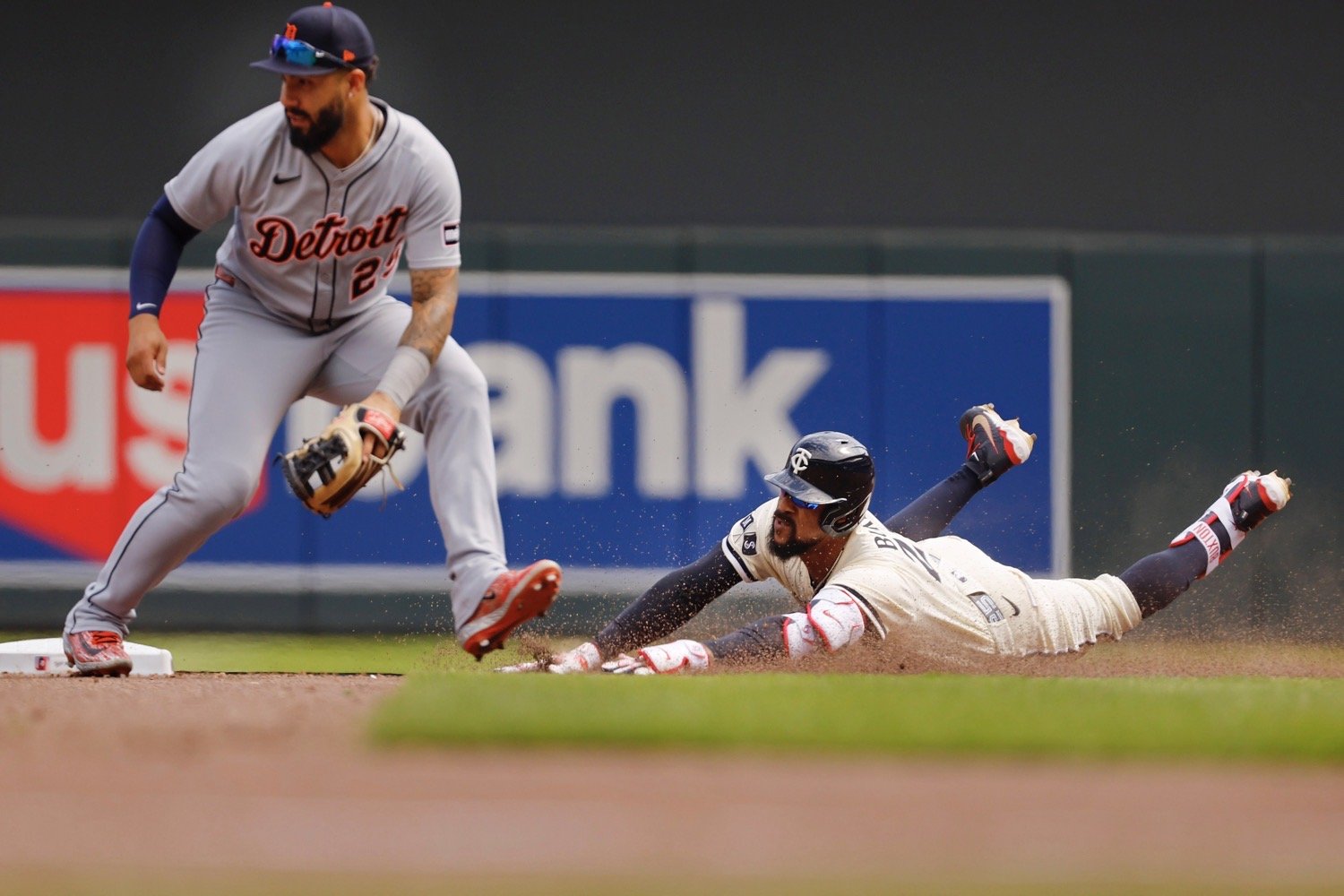 As the standings currently sit, the Minnesota Twins and the Detroit Detroit Tigers are the top two teams in the American League Central. Major League Baseball and ESPN are rewarding them by flexing their Sunday matinee to Sunday night baseball on June 29 starting at 6 PM. For the Twins, this will be their first time on Sunday Night Baseball in five seasons. They last played on Sunday Night Baseball in 2020 against the Chicago Cubs. That game featured six shutout innings from then rotation ace Jose Berríos followed by three innings of dominance from the Twins bullpen. Max Kepler had himself a night going 3-for-5 with a two run blast. Also of note, Target Field has not hosted Sunday Night Baseball since its inaugural season, according to Declan Goff. Hopefully the Twins can play better in front of a national audience than they did in front of their own fans against he Texas Rangers. 😬
 -
As the standings currently sit, the Minnesota Twins and the Detroit Detroit Tigers are the top two teams in the American League Central. Major League Baseball and ESPN are rewarding them by flexing their Sunday matinee to Sunday night baseball on June 29 starting at 6 PM. For the Twins, this will be their first time on Sunday Night Baseball in five seasons. They last played on Sunday Night Baseball in 2020 against the Chicago Cubs. That game featured six shutout innings from then rotation ace Jose Berríos followed by three innings of dominance from the Twins bullpen. Max Kepler had himself a night going 3-for-5 with a two run blast. Also of note, Target Field has not hosted Sunday Night Baseball since its inaugural season, according to Declan Goff. Hopefully the Twins can play better in front of a national audience than they did in front of their own fans against he Texas Rangers. 😬 View full rumor
-
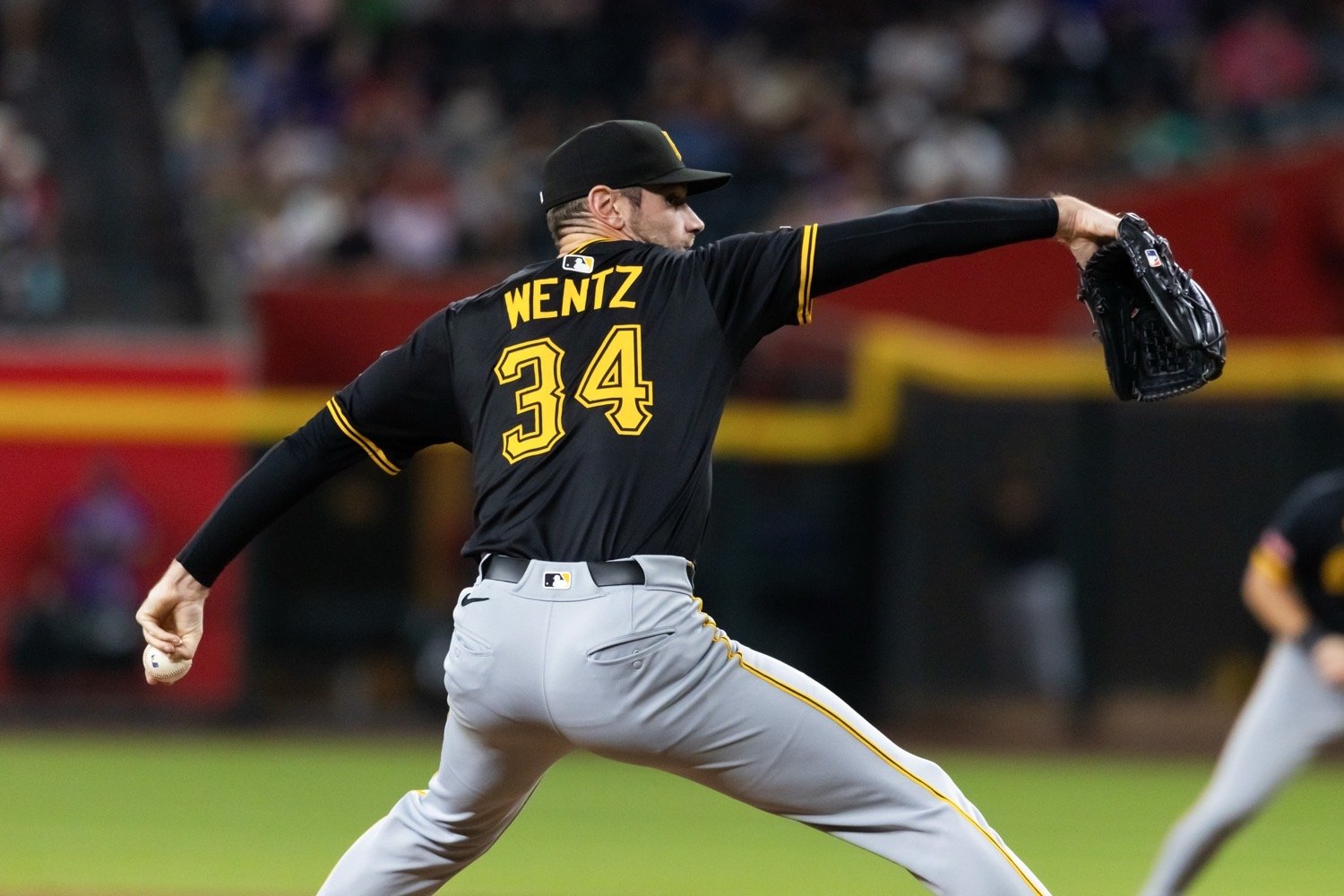 After injuries to Zebby Matthews and Pablo López, we knew the Twins were going to have to figure out how to manage the pitching staff. This led to promotions of David Festa, Simeon Woods Richardson, Travis Adams, and Danny Coulombe. Adams has since been sent back to Triple-A St. Paul and Woods Richardson is coming off an abysmal outing against a below average Texas Rangers squad. Now, the Twins have transferred López to the 60-day IL and have claimed left-handed reliever, Joey Wentz, from the Pittsburgh Pirates to help eat innings out of the bullpen. Wentz, 28, has thrown 26 innings across 19 appearances with an ERA of 4.15 (3.77 FIP) and a 9.5% strikeout minus walk rate. He's a typical Falvey-esque pitcher with an extension in the 88th percentile and a mid-to-low 90s fastball that he counters with horizontal movement (cutter). He also has a curveball as his third offering. This is just a depth move by the Twins, who have relied heavily on their bullpen in the early going, but may also spell the end of the road for the struggling Jorge Alcala. Do you think this signals the end for Alcala? How long does Wentz last with the Twins? Join the conversation in the comments!
 -
After injuries to Zebby Matthews and Pablo López, we knew the Twins were going to have to figure out how to manage the pitching staff. This led to promotions of David Festa, Simeon Woods Richardson, Travis Adams, and Danny Coulombe. Adams has since been sent back to Triple-A St. Paul and Woods Richardson is coming off an abysmal outing against a below average Texas Rangers squad. Now, the Twins have transferred López to the 60-day IL and have claimed left-handed reliever, Joey Wentz, from the Pittsburgh Pirates to help eat innings out of the bullpen. Wentz, 28, has thrown 26 innings across 19 appearances with an ERA of 4.15 (3.77 FIP) and a 9.5% strikeout minus walk rate. He's a typical Falvey-esque pitcher with an extension in the 88th percentile and a mid-to-low 90s fastball that he counters with horizontal movement (cutter). He also has a curveball as his third offering. This is just a depth move by the Twins, who have relied heavily on their bullpen in the early going, but may also spell the end of the road for the struggling Jorge Alcala. Do you think this signals the end for Alcala? How long does Wentz last with the Twins? Join the conversation in the comments! View full rumor
-
Should Paul Skenes become available, he would net an unprecedented return of the likes that Major League Baseball has ever seen. What would it take for the Minnesota Twins to land the generational talent? View full video
-
Should Paul Skenes become available, he would net an unprecedented return of the likes that Major League Baseball has ever seen. What would it take for the Minnesota Twins to land the generational talent?
-
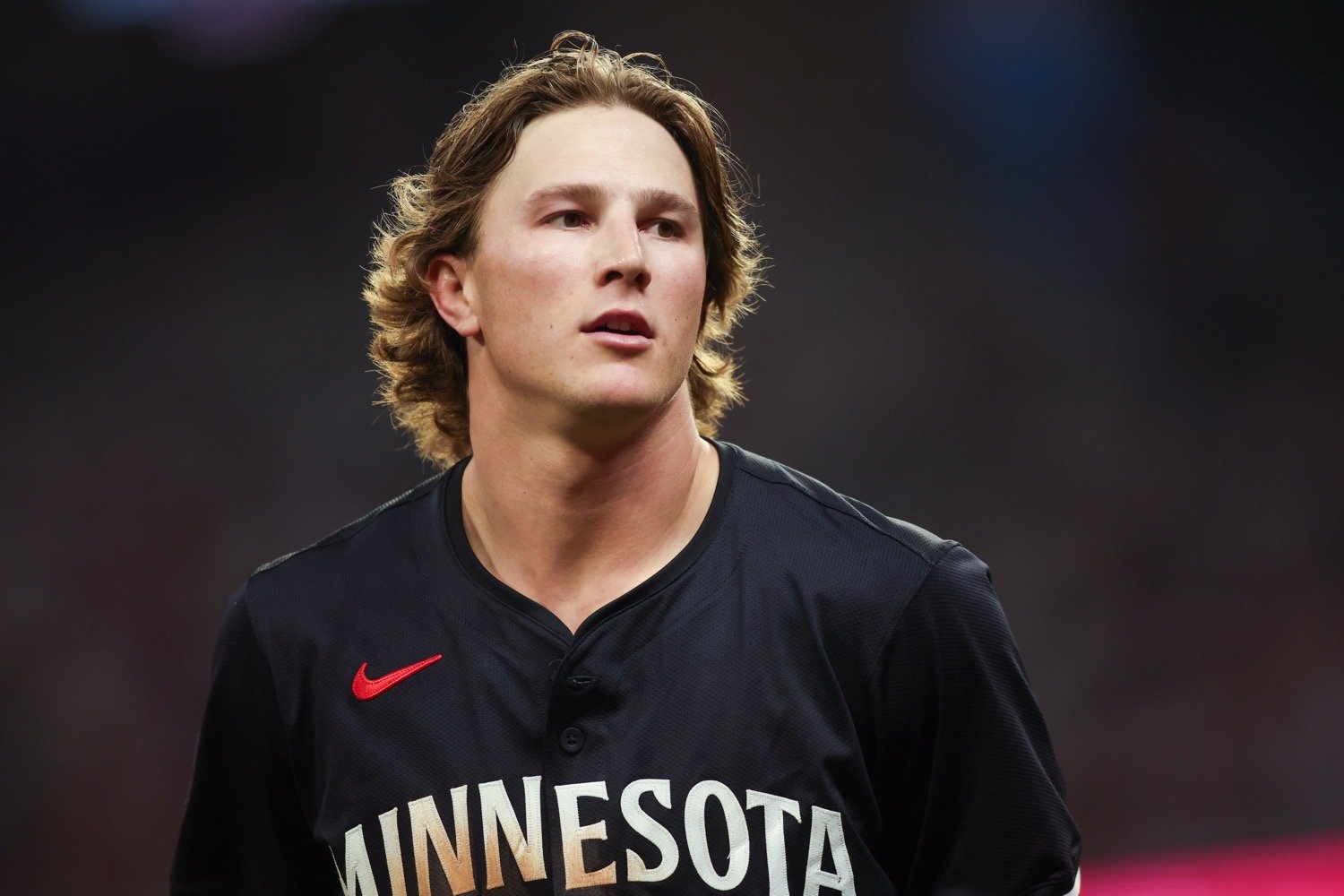 Baseball America released their June top 100 prospect rankings and it doesn't come as a surprise to see one name fall. While Luke Keaschall and Emmanuel Rodriguez saw their stocks jump two spots, Walker Jenkins saw his fall two spots despite two people ahead of him in the May rankings graduate. It's not surprising to see Jenkins drop on the list, going from #11 in May to #13 in June, as he's been out for a majority of the season. He just returned on June 3rd in the Florida Complex League. A good month could see him back in the top 10 for the July Update. On the other hand, Rodriguez has been his typical "on-base machine" self with the St. Paul Saints this year carrying a .400 OBP. Along with a high walk rate, he has a high strikeout rate due to his patient plate approach. He's annually towards the bottom of the Minor League leaderboard in swing and contact rates. More than most prospects, Rodriguez is a massive wild card as to whether the prospect pedigree will turn into production at the big-league level. Finally, Keaschall was moved to the 60-day IL and is expected to be out for the foreseeable future although should return this season.
 -
Baseball America released their June top 100 prospect rankings and it doesn't come as a surprise to see one name fall. While Luke Keaschall and Emmanuel Rodriguez saw their stocks jump two spots, Walker Jenkins saw his fall two spots despite two people ahead of him in the May rankings graduate. It's not surprising to see Jenkins drop on the list, going from #11 in May to #13 in June, as he's been out for a majority of the season. He just returned on June 3rd in the Florida Complex League. A good month could see him back in the top 10 for the July Update. On the other hand, Rodriguez has been his typical "on-base machine" self with the St. Paul Saints this year carrying a .400 OBP. Along with a high walk rate, he has a high strikeout rate due to his patient plate approach. He's annually towards the bottom of the Minor League leaderboard in swing and contact rates. More than most prospects, Rodriguez is a massive wild card as to whether the prospect pedigree will turn into production at the big-league level. Finally, Keaschall was moved to the 60-day IL and is expected to be out for the foreseeable future although should return this season. View full rumor
-
Tanner Schobel, the Minnesota Twins second round pick from the 2022 draft, was promoted to Triple-A St. Paul on Wednesday, per Dan Hayes of The Athletic. Schobel (who has split time at second, third, and shortstop) has a slash line of .292/.372/.465 with seven home runs in 234 plate appearances. His plate discipline has been extremely impressive with a low 14.1% strikeout rate and a high 10.7% walk rate. He's add seven stolen bases to his stat line to boot. Baseball America has the 24-year-old utility man as the Twins eighth rated prospect with mostly average to above-average tools, although below average power. View Schobel's scouting report here: Do you think there is any chance we see Schobel with the Twins in 2025? Are you planning on seeing him in-person at CHS Field? Join the conversation in the comments! View full rumor
-
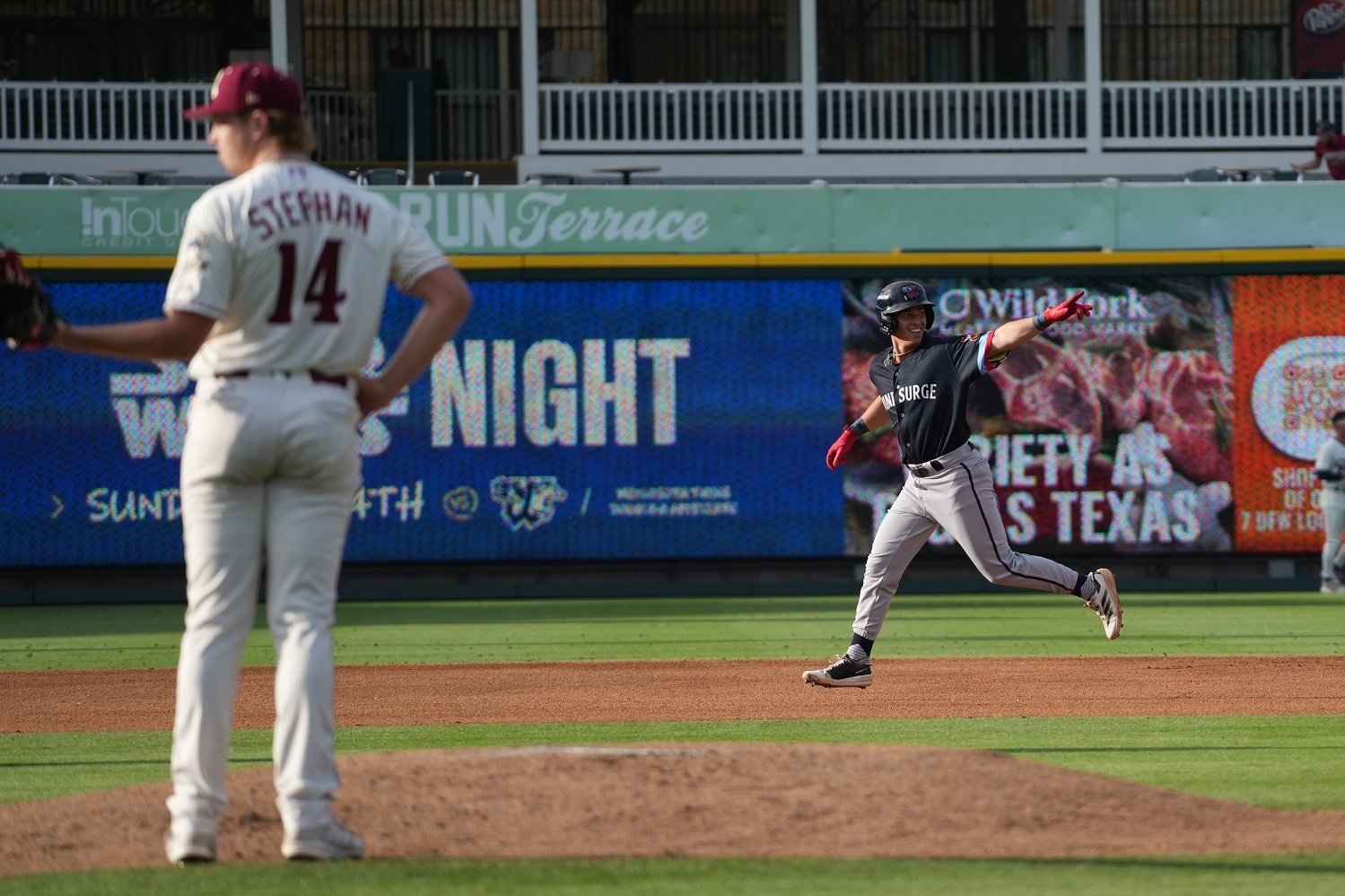 Tanner Schobel, the Minnesota Twins second round pick from the 2022 draft, was promoted to Triple-A St. Paul on Wednesday, per Dan Hayes of The Athletic. Schobel (who has split time at second, third, and shortstop) has a slash line of .292/.372/.465 with seven home runs in 234 plate appearances. His plate discipline has been extremely impressive with a low 14.1% strikeout rate and a high 10.7% walk rate. He's add seven stolen bases to his stat line to boot. Baseball America has the 24-year-old utility man as the Twins eighth rated prospect with mostly average to above-average tools, although below average power. View Schobel's scouting report here: Do you think there is any chance we see Schobel with the Twins in 2025? Are you planning on seeing him in-person at CHS Field? Join the conversation in the comments!
 -
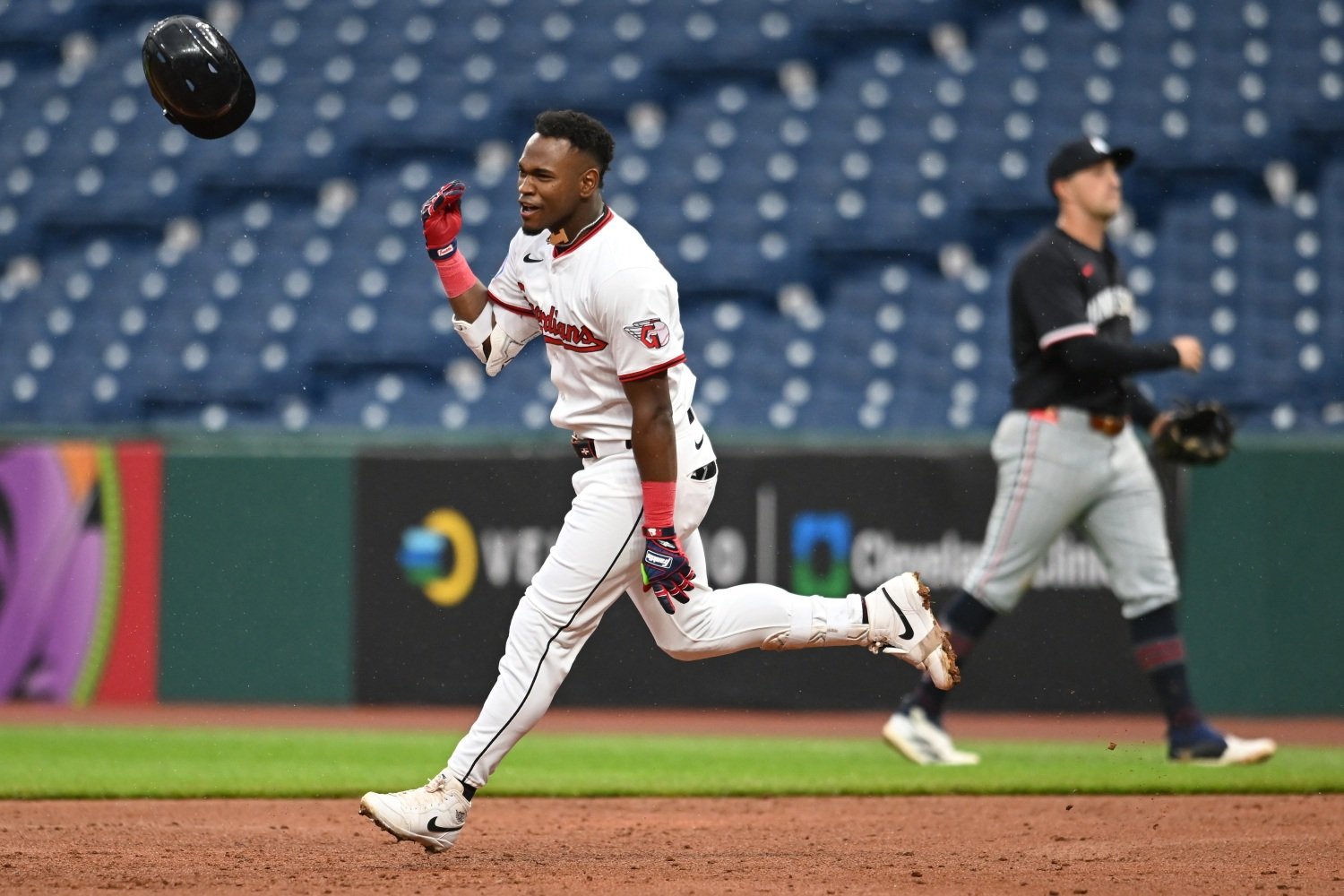 After two more walkoff losses to the Cleveland Guardians last week, the Minnesota Twins are 59-76 against their divisional foe since Derek Falvey joined the organization ahead of the 2017 season. In the last two years alone, the Twins are 4-13 with five walkoff losses (and seven others by two runs or less) against Cleveland. Despite the lopsided win-loss record, these matchups are traditionally close and low scoring, with an average score of 3.6-3.2 in favor of the Guardians. It should be no surprise that Falvey, the former architect of the Guardians’ pitching pipeline, has built a similarly strong pitching prospect group for the Twins. On the other hand, like the Guardians', the Twins' offense has been mediocre for much of Falvey’s tenure, frequently coming up short to support strong pitching performances. While the Guardians have been competitive for the last decade, it’s resulted in just one American League pennant. That, paired with the Twins' inability to beat them, raises the question: is this really the blueprint the organization should be following? In one sense, the answer is clearly “yes.” While winning the World Series is always the goal, creating a sustainable product that can compete each year is a solid secondary objective. After all, the 1987 and 1991 Twins are examples of the premise that if you can get into the playoffs, anything can happen. However, as the 2000s Twins learned, continually making it to October and coming up short comes with (arguably) more frustration from fans than the times when the club hasn't been competitive. Moreover, expectations of improvement or taking the figurative “next step” come with the territory of being a consistently competitive team. That's something that the Guardians haven't been able to accomplish in their decade-long run, much as the Twins have struggled to. What makes it worse, though, is that the Twins seem to be the lite version of the Guardians—or, as John Bonnes said on the Common Man Dan Cole’s KFAN radio show on Friday, “the Twins aren't as good at being Cleveland as Cleveland is.” Not only did the pitching pipeline take a while to develop, but the Twins don't appear to have the hitting to convert all that pitching into wins. More specifically, they don't have the timely hitting required to consistently win. Unlike Cleveland, the Twins’ OPS with runners in scoring position is in the bottom half of the league since the start of last season. Over the same timeframe, the Twins have a sub-.500 record in one-run games, and in extra-inning games. This has all culminated in a team that is 15-20 this season. This has all culminated in a team that has one of the best rotations and bullpens in baseball, yet can't consistently win baseball games. This has all culminated in a team that looks lifeless at the plate and in the field. While the Guardians model has led to a sustainable product, it hasn't been enough to get over the hump. Whether it's a good model for the Twins to follow is surely up for debate. One thing that isn't up for debate is that the Twins are the lite version of the Guardians right now.
 -
Image courtesy of © Ken Blaze-Imagn Images After two more walkoff losses to the Cleveland Guardians last week, the Minnesota Twins are 59-76 against their divisional foe since Derek Falvey joined the organization ahead of the 2017 season. In the last two years alone, the Twins are 4-13 with five walkoff losses (and seven others by two runs or less) against Cleveland. Despite the lopsided win-loss record, these matchups are traditionally close and low scoring, with an average score of 3.6-3.2 in favor of the Guardians. It should be no surprise that Falvey, the former architect of the Guardians’ pitching pipeline, has built a similarly strong pitching prospect group for the Twins. On the other hand, like the Guardians', the Twins' offense has been mediocre for much of Falvey’s tenure, frequently coming up short to support strong pitching performances. While the Guardians have been competitive for the last decade, it’s resulted in just one American League pennant. That, paired with the Twins' inability to beat them, raises the question: is this really the blueprint the organization should be following? In one sense, the answer is clearly “yes.” While winning the World Series is always the goal, creating a sustainable product that can compete each year is a solid secondary objective. After all, the 1987 and 1991 Twins are examples of the premise that if you can get into the playoffs, anything can happen. However, as the 2000s Twins learned, continually making it to October and coming up short comes with (arguably) more frustration from fans than the times when the club hasn't been competitive. Moreover, expectations of improvement or taking the figurative “next step” come with the territory of being a consistently competitive team. That's something that the Guardians haven't been able to accomplish in their decade-long run, much as the Twins have struggled to. What makes it worse, though, is that the Twins seem to be the lite version of the Guardians—or, as John Bonnes said on the Common Man Dan Cole’s KFAN radio show on Friday, “the Twins aren't as good at being Cleveland as Cleveland is.” Not only did the pitching pipeline take a while to develop, but the Twins don't appear to have the hitting to convert all that pitching into wins. More specifically, they don't have the timely hitting required to consistently win. Unlike Cleveland, the Twins’ OPS with runners in scoring position is in the bottom half of the league since the start of last season. Over the same timeframe, the Twins have a sub-.500 record in one-run games, and in extra-inning games. This has all culminated in a team that is 15-20 this season. This has all culminated in a team that has one of the best rotations and bullpens in baseball, yet can't consistently win baseball games. This has all culminated in a team that looks lifeless at the plate and in the field. While the Guardians model has led to a sustainable product, it hasn't been enough to get over the hump. Whether it's a good model for the Twins to follow is surely up for debate. One thing that isn't up for debate is that the Twins are the lite version of the Guardians right now. View full article
-
Image courtesy of Varland: © David Richard-Imagn Images Duran: © Jeffrey Becker-Imagn Images Jax: © Jay Biggerstaff-Imagn Images After a hope-infusing series-opening win Monday night, the Twins lost in walkoff fashion in the second game of their four-game set against the Cleveland Guardians Tuesday. After five solid innings from Chris Paddack, Rocco Baldelli used Brock Stewart in the sixth, then went with his two highest-leverage relievers in the seventh and eighth. Griffin Jax relieved Stewart, and was then relieved by Jhoan Duran. This led to Louis Varland getting his first ninth-inning opportunity of the season and his second career appearance in a high-leverage ninth frame. While it’s not usual for Jax to pitch in the seventh or Durán to pitch the eighth, it's usually under different circumstances. Jax is often the first high-leverage reliever out of the bullpen, whether that be in the seventh or eighth innings. However, there have also been games wherein he's been deployed after Duran, as the closer. So what made Tuesday’s game different? Baldelli deployed four righties from the bullpen, so that mutes any discussion of a potential righty/lefty matchup dynamic. Jax was brought in to face the 6-7-8 hitters in the Guardians lineup, which is not a lineup pocket that typically requires a high-leverage reliever. However, Jhonkensy Noel is a masher who has struggled with sinkers and sweepers early on in his career—two offerings that have been effective for Jax. The next two hitters, Daniel Schneeman and Bo Naylor, don't have obvious flaws that would point toward Jax getting the seventh. It's my opinion that Jax was specifically brought in to get the slugger Noel out in a tie game, when a moonshot would give the Guardians a lead. Having given up a double to Schneeman, Jax struck out Angel Martínez in the 9-hole, leaving the top of the order to lead off the eighth inning. That makes it a lot easier to understand why Duran was brought in for the top of the eighth. The flamethrower made easy work of the would-be table setters, inducing a groundout and striking out two hitters on just 13 pitches. After a low-stress inning, you might have thought Baldelli would send him back out for the ninth. However, Duran has just two multi-inning relief appearances since June of 2023. Right or wrong, it's generally not something Baldelli has done with the 27-year-old. Heading into the ninth, Baldelli had five pitchers in the bullpen—though Justin Topa and Jorge Alcala may have been unavailable, given their workload in the days leading up to Tuesday. Still, beyond them, he had Varland, Danny Coulombe, and Cole Sands at his disposal to face the heart of the Guardians lineup: José Ramírez, Kyle Manzardo, and Carlos Santana. What makes this portion of the lineup tough is that Manzardo, a left-handed hitter with non-traditional splits, is protected by switch-hitters in front of and behind him. Additionally, both Ramírez and Santana are productive hitters from both sides of the plate, making the handedness question moot. Manzardo’s success against southpaws in 33 career at-bats could maybe explain why Coulombe was left in the pen. That leaves us with Sands and Varland. While Sands arguably has the stronger track record as a reliever, to this point in the season, Varland has looked like the better pitcher—both on the surface and under the hood. Sands hasn’t quite found his 2024 self in the first month of 2025. Thus, by process of elimination, Varland got the ninth. However, that evades the real question: Why go Jax in the seventh, instead of Varland? This brings us back to Noel. While much of his swing decisions and batted-ball data leave more to be desired, there's no arguing his power potential. He’s currently in the 98th percentile in bat speed and well above average in exit velocity and hard-hit rate. Meanwhile, opponents put the ball in the air against Varland nearly two-thirds of the time and he currently is one of the worst pitchers in the league in exit velocity, barrel rate, and hard-hit rate. Sounds like a recipe for disaster. Varland also doesn't have that lateral movement on his breaking ball that made Jax a good candidate to get out Noel. Hindsight being 20/20, it's easy to criticize the move by Baldelli. The game ended when Manzardo took Varland deep, in a situation when one would normally find Jax or Duran on the mound. However, if my conjectures above are correct, I think this is a matter of a good process that led to bad results. That's more than can be said for Varland’s middle-middle changeup, which was launched 363 feet over the right-field fence. What are your thoughts on Baldelli’s bullpen usage on Tuesday night? Join the conversation in the comments! View full article
-
.png.f8147c1b90934780590d2376f9328c7a.png) After a hope-infusing series-opening win Monday night, the Twins lost in walkoff fashion in the second game of their four-game set against the Cleveland Guardians Tuesday. After five solid innings from Chris Paddack, Rocco Baldelli used Brock Stewart in the sixth, then went with his two highest-leverage relievers in the seventh and eighth. Griffin Jax relieved Stewart, and was then relieved by Jhoan Duran. This led to Louis Varland getting his first ninth-inning opportunity of the season and his second career appearance in a high-leverage ninth frame. While it’s not usual for Jax to pitch in the seventh or Durán to pitch the eighth, it's usually under different circumstances. Jax is often the first high-leverage reliever out of the bullpen, whether that be in the seventh or eighth innings. However, there have also been games wherein he's been deployed after Duran, as the closer. So what made Tuesday’s game different? Baldelli deployed four righties from the bullpen, so that mutes any discussion of a potential righty/lefty matchup dynamic. Jax was brought in to face the 6-7-8 hitters in the Guardians lineup, which is not a lineup pocket that typically requires a high-leverage reliever. However, Jhonkensy Noel is a masher who has struggled with sinkers and sweepers early on in his career—two offerings that have been effective for Jax. The next two hitters, Daniel Schneeman and Bo Naylor, don't have obvious flaws that would point toward Jax getting the seventh. It's my opinion that Jax was specifically brought in to get the slugger Noel out in a tie game, when a moonshot would give the Guardians a lead. Having given up a double to Schneeman, Jax struck out Angel Martínez in the 9-hole, leaving the top of the order to lead off the eighth inning. That makes it a lot easier to understand why Duran was brought in for the top of the eighth. The flamethrower made easy work of the would-be table setters, inducing a groundout and striking out two hitters on just 13 pitches. After a low-stress inning, you might have thought Baldelli would send him back out for the ninth. However, Duran has just two multi-inning relief appearances since June of 2023. Right or wrong, it's generally not something Baldelli has done with the 27-year-old. Heading into the ninth, Baldelli had five pitchers in the bullpen—though Justin Topa and Jorge Alcala may have been unavailable, given their workload in the days leading up to Tuesday. Still, beyond them, he had Varland, Danny Coulombe, and Cole Sands at his disposal to face the heart of the Guardians lineup: José Ramírez, Kyle Manzardo, and Carlos Santana. What makes this portion of the lineup tough is that Manzardo, a left-handed hitter with non-traditional splits, is protected by switch-hitters in front of and behind him. Additionally, both Ramírez and Santana are productive hitters from both sides of the plate, making the handedness question moot. Manzardo’s success against southpaws in 33 career at-bats could maybe explain why Coulombe was left in the pen. That leaves us with Sands and Varland. While Sands arguably has the stronger track record as a reliever, to this point in the season, Varland has looked like the better pitcher—both on the surface and under the hood. Sands hasn’t quite found his 2024 self in the first month of 2025. Thus, by process of elimination, Varland got the ninth. However, that evades the real question: Why go Jax in the seventh, instead of Varland? This brings us back to Noel. While much of his swing decisions and batted-ball data leave more to be desired, there's no arguing his power potential. He’s currently in the 98th percentile in bat speed and well above average in exit velocity and hard-hit rate. Meanwhile, opponents put the ball in the air against Varland nearly two-thirds of the time and he currently is one of the worst pitchers in the league in exit velocity, barrel rate, and hard-hit rate. Sounds like a recipe for disaster. Varland also doesn't have that lateral movement on his breaking ball that made Jax a good candidate to get out Noel. Hindsight being 20/20, it's easy to criticize the move by Baldelli. The game ended when Manzardo took Varland deep, in a situation when one would normally find Jax or Duran on the mound. However, if my conjectures above are correct, I think this is a matter of a good process that led to bad results. That's more than can be said for Varland’s middle-middle changeup, which was launched 363 feet over the right-field fence. What are your thoughts on Baldelli’s bullpen usage on Tuesday night? Join the conversation in the comments!
After a hope-infusing series-opening win Monday night, the Twins lost in walkoff fashion in the second game of their four-game set against the Cleveland Guardians Tuesday. After five solid innings from Chris Paddack, Rocco Baldelli used Brock Stewart in the sixth, then went with his two highest-leverage relievers in the seventh and eighth. Griffin Jax relieved Stewart, and was then relieved by Jhoan Duran. This led to Louis Varland getting his first ninth-inning opportunity of the season and his second career appearance in a high-leverage ninth frame. While it’s not usual for Jax to pitch in the seventh or Durán to pitch the eighth, it's usually under different circumstances. Jax is often the first high-leverage reliever out of the bullpen, whether that be in the seventh or eighth innings. However, there have also been games wherein he's been deployed after Duran, as the closer. So what made Tuesday’s game different? Baldelli deployed four righties from the bullpen, so that mutes any discussion of a potential righty/lefty matchup dynamic. Jax was brought in to face the 6-7-8 hitters in the Guardians lineup, which is not a lineup pocket that typically requires a high-leverage reliever. However, Jhonkensy Noel is a masher who has struggled with sinkers and sweepers early on in his career—two offerings that have been effective for Jax. The next two hitters, Daniel Schneeman and Bo Naylor, don't have obvious flaws that would point toward Jax getting the seventh. It's my opinion that Jax was specifically brought in to get the slugger Noel out in a tie game, when a moonshot would give the Guardians a lead. Having given up a double to Schneeman, Jax struck out Angel Martínez in the 9-hole, leaving the top of the order to lead off the eighth inning. That makes it a lot easier to understand why Duran was brought in for the top of the eighth. The flamethrower made easy work of the would-be table setters, inducing a groundout and striking out two hitters on just 13 pitches. After a low-stress inning, you might have thought Baldelli would send him back out for the ninth. However, Duran has just two multi-inning relief appearances since June of 2023. Right or wrong, it's generally not something Baldelli has done with the 27-year-old. Heading into the ninth, Baldelli had five pitchers in the bullpen—though Justin Topa and Jorge Alcala may have been unavailable, given their workload in the days leading up to Tuesday. Still, beyond them, he had Varland, Danny Coulombe, and Cole Sands at his disposal to face the heart of the Guardians lineup: José Ramírez, Kyle Manzardo, and Carlos Santana. What makes this portion of the lineup tough is that Manzardo, a left-handed hitter with non-traditional splits, is protected by switch-hitters in front of and behind him. Additionally, both Ramírez and Santana are productive hitters from both sides of the plate, making the handedness question moot. Manzardo’s success against southpaws in 33 career at-bats could maybe explain why Coulombe was left in the pen. That leaves us with Sands and Varland. While Sands arguably has the stronger track record as a reliever, to this point in the season, Varland has looked like the better pitcher—both on the surface and under the hood. Sands hasn’t quite found his 2024 self in the first month of 2025. Thus, by process of elimination, Varland got the ninth. However, that evades the real question: Why go Jax in the seventh, instead of Varland? This brings us back to Noel. While much of his swing decisions and batted-ball data leave more to be desired, there's no arguing his power potential. He’s currently in the 98th percentile in bat speed and well above average in exit velocity and hard-hit rate. Meanwhile, opponents put the ball in the air against Varland nearly two-thirds of the time and he currently is one of the worst pitchers in the league in exit velocity, barrel rate, and hard-hit rate. Sounds like a recipe for disaster. Varland also doesn't have that lateral movement on his breaking ball that made Jax a good candidate to get out Noel. Hindsight being 20/20, it's easy to criticize the move by Baldelli. The game ended when Manzardo took Varland deep, in a situation when one would normally find Jax or Duran on the mound. However, if my conjectures above are correct, I think this is a matter of a good process that led to bad results. That's more than can be said for Varland’s middle-middle changeup, which was launched 363 feet over the right-field fence. What are your thoughts on Baldelli’s bullpen usage on Tuesday night? Join the conversation in the comments!- 77 comments
-
- 4
-

-
- griffin jax
- jhoan duran
- (and 1 more)
-
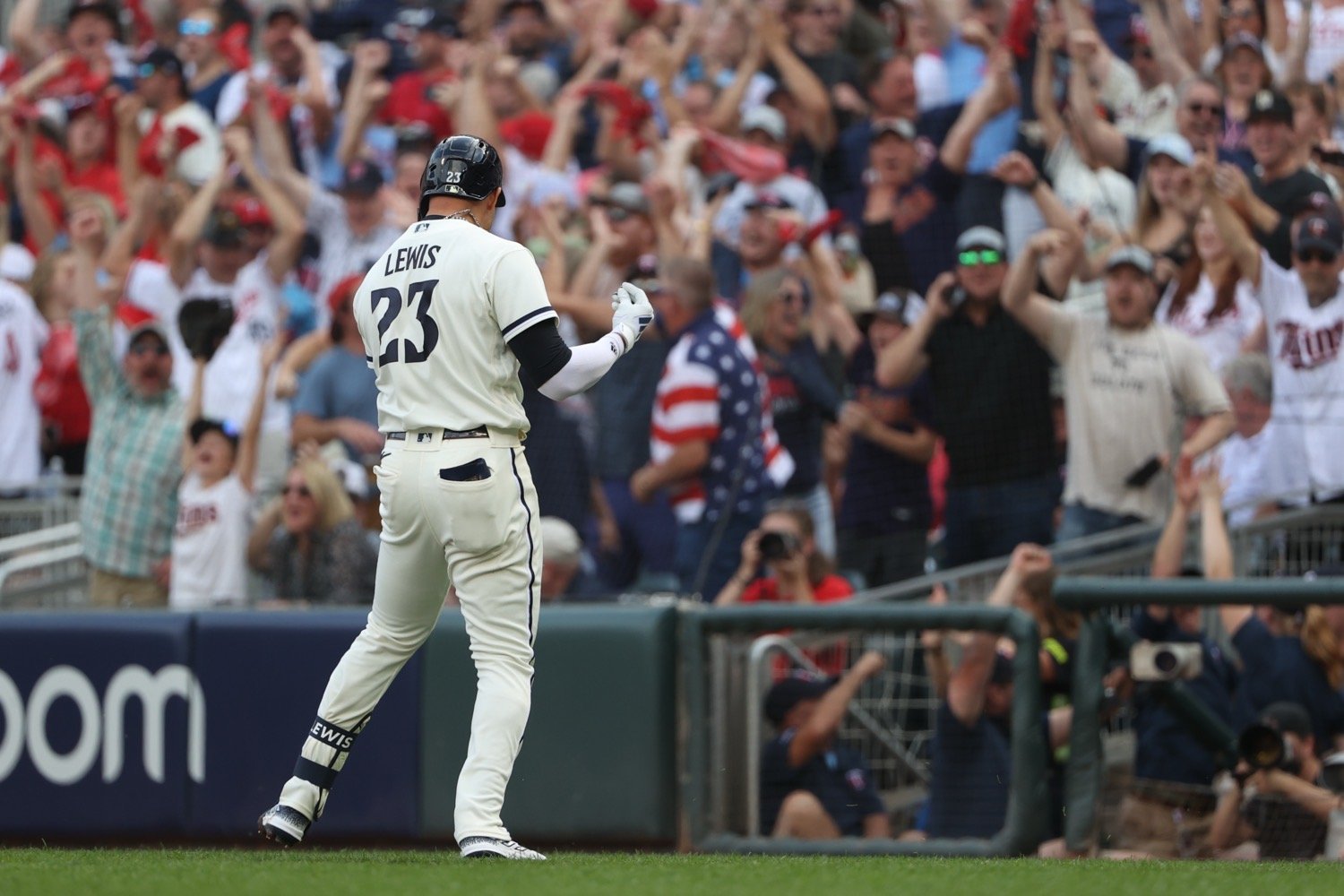 Dear Future Minnesota Twins Owner, It's with great pleasure we welcome you to the Twin Cities. We couldn't be more excited for new ownership around these parts. We’re not sure if you heard, but our last ownership group alienated us, right after the team ended the longest playoff losing streak in North American professional sports history. The expression “Don’t let the door hit you on the way out” would be what we call “Minnesota Nice” if uttered toward a member of the Pohlad family. While being passive-aggressive is in our nature, you should know we’re anything but that when it comes to our professional sports teams. We desperately hope that you are here to invest in the franchise. One thing about our fan base is that, when our teams show out, we show up. No questions asked. While we don't have the glamor of cities like New York or Los Angeles or the rich sports history of cities like Boston or Chicago, we come out in droves when we know our teams care. Consult your wealthy friends who own teams in the NBA or NFL. It's famously unenjoyable to play a road playoff game here. Unfortunately, when it comes to the Twins, that feeling has been missing for the past two seasons. We hope you're here to change that. If you need more convincing, let me take you through an anecdotal tour of the town. Minnesota Timberwolves Have the Timberwolves been one of the worst NBA franchises in the league since their inception? Sure have. Regardless, do we pack Target Center for the playoffs and create one of the most raucous environments in the league? Sure do. For years, the Timberwolves weren't just the laughingstock of the NBA. but really of all professional sports. When Kevin Garnett was traded away in 2006-2007, it took an entire decade for them to make it back to the playoffs. Eight coaches later and with one of the best up-and-coming teams in the NBA, we finished in the top 10 in total attendance in the most recent season. Moreover, Game 4 against the Los Angeles Lakers drew over seven million viewers—the second-largest Round 1, game 4 audience ESPN has ever seen. That's all while being the self-proclaimed “State of Hockey” and competing with the Minnesota Wild. Minnesota Wild Speaking of attendance figures, guess which fan base led the NHL in capacity percentage for the most recent season. Yep, it was us, at 102.7%—and the number has jumped to 106.9% during the playoffs. We don't even need to be guaranteed a seat in the arena to show up for our teams. While the Wild have been a little easier to root for throughout their tenure, we continue to pack the Xcel Energy Center despite six first-round exits in the previous nine seasons. Minnesota Vikings The Vikings have long been the most popular team in town. Once they earned the moniker “Purple People Eaters”, fans have continuously packed first Met Stadium, then the Metrodome, and now U.S. Bank Stadium. Arguably more than any other local franchise, the Vikings have given us heartbreak after heartbreak, going 0-4 in Super Bowl appearances and suffering multiple tragic playoff exits. Despite this, we fill the tailgate lots hours before kickoff, and more than 74,000 of us filter into “The Bank” proclaiming “this is our season”. However, that's not unique to game days. Recently, thousands of fans attended the Vikings Draft Party in anticipation of the announcement of the team’s most recent first-round pick—even though the team was picking 24th. Minnesota Lynx Unlike the professional teams above, the Lynx have triumphed more than they've tumbled. The three-time WNBA champions have given fans plenty of reason to support the team over the last decade and, as always, we’ve shown out. The crowds for the team's latest, not-quite-title-winning charge to the Finals were large and rowdy. That brings us back to the Minnesota Twins and the conclusion of this letter. Dating back 25 years, when the team was almost contracted, fans have supported this club. Even when times were tough for the majority of the 2010s, we typically finished in the middle third of MLB teams in average attendance. However, when things were good, we were great. There's no better sight than 40,000-plus Minnesotans waving their Homer Hankies ahead of a playoff matchup. If you give us a reason to support this team, we will make it well worth your investment. Be smarter than your predecessors have been. Sincerely, A disgruntled but passionate Twins fan
 -
It's a great time to be a Minnesota sports fan. The Lynx recently made it to the WNBA finals, the Vikings had a 14-3 regular season, the Timberwolves are in the midst of their second consecutive playoff run, and the Wild are enjoying their fifth trip to the postseason in six years. Then… well, then there's the Twins. Image courtesy of © Jesse Johnson-Imagn Images It's a great time to be a Minnesota sports fan. The Lynx recently made it to the WNBA finals, the Vikings had a 14-3 regular season, the Timberwolves are in the midst of their second consecutive playoff run, and the Wild are enjoying their fifth trip to the postseason in six years. Then… well, then there's the Twins. Dear Future Minnesota Twins Owner, It's with great pleasure we welcome you to the Twin Cities. We couldn't be more excited for new ownership around these parts. We’re not sure if you heard, but our last ownership group alienated us, right after the team ended the longest playoff losing streak in North American professional sports history. The expression “Don’t let the door hit you on the way out” would be what we call “Minnesota Nice” if uttered toward a member of the Pohlad family. While being passive-aggressive is in our nature, you should know we’re anything but that when it comes to our professional sports teams. We desperately hope that you are here to invest in the franchise. One thing about our fan base is that, when our teams show out, we show up. No questions asked. While we don't have the glamor of cities like New York or Los Angeles or the rich sports history of cities like Boston or Chicago, we come out in droves when we know our teams care. Consult your wealthy friends who own teams in the NBA or NFL. It's famously unenjoyable to play a road playoff game here. Unfortunately, when it comes to the Twins, that feeling has been missing for the past two seasons. We hope you're here to change that. If you need more convincing, let me take you through an anecdotal tour of the town. Minnesota Timberwolves Have the Timberwolves been one of the worst NBA franchises in the league since their inception? Sure have. Regardless, do we pack Target Center for the playoffs and create one of the most raucous environments in the league? Sure do. For years, the Timberwolves weren't just the laughingstock of the NBA. but really of all professional sports. When Kevin Garnett was traded away in 2006-2007, it took an entire decade for them to make it back to the playoffs. Eight coaches later and with one of the best up-and-coming teams in the NBA, we finished in the top 10 in total attendance in the most recent season. Moreover, Game 4 against the Los Angeles Lakers drew over seven million viewers—the second-largest Round 1, game 4 audience ESPN has ever seen. That's all while being the self-proclaimed “State of Hockey” and competing with the Minnesota Wild. Minnesota Wild Speaking of attendance figures, guess which fan base led the NHL in capacity percentage for the most recent season. Yep, it was us, at 102.7%—and the number has jumped to 106.9% during the playoffs. We don't even need to be guaranteed a seat in the arena to show up for our teams. While the Wild have been a little easier to root for throughout their tenure, we continue to pack the Xcel Energy Center despite six first-round exits in the previous nine seasons. Minnesota Vikings The Vikings have long been the most popular team in town. Once they earned the moniker “Purple People Eaters”, fans have continuously packed first Met Stadium, then the Metrodome, and now U.S. Bank Stadium. Arguably more than any other local franchise, the Vikings have given us heartbreak after heartbreak, going 0-4 in Super Bowl appearances and suffering multiple tragic playoff exits. Despite this, we fill the tailgate lots hours before kickoff, and more than 74,000 of us filter into “The Bank” proclaiming “this is our season”. However, that's not unique to game days. Recently, thousands of fans attended the Vikings Draft Party in anticipation of the announcement of the team’s most recent first-round pick—even though the team was picking 24th. Minnesota Lynx Unlike the professional teams above, the Lynx have triumphed more than they've tumbled. The three-time WNBA champions have given fans plenty of reason to support the team over the last decade and, as always, we’ve shown out. The crowds for the team's latest, not-quite-title-winning charge to the Finals were large and rowdy. That brings us back to the Minnesota Twins and the conclusion of this letter. Dating back 25 years, when the team was almost contracted, fans have supported this club. Even when times were tough for the majority of the 2010s, we typically finished in the middle third of MLB teams in average attendance. However, when things were good, we were great. There's no better sight than 40,000-plus Minnesotans waving their Homer Hankies ahead of a playoff matchup. If you give us a reason to support this team, we will make it well worth your investment. Be smarter than your predecessors have been. Sincerely, A disgruntled but passionate Twins fan View full article
-
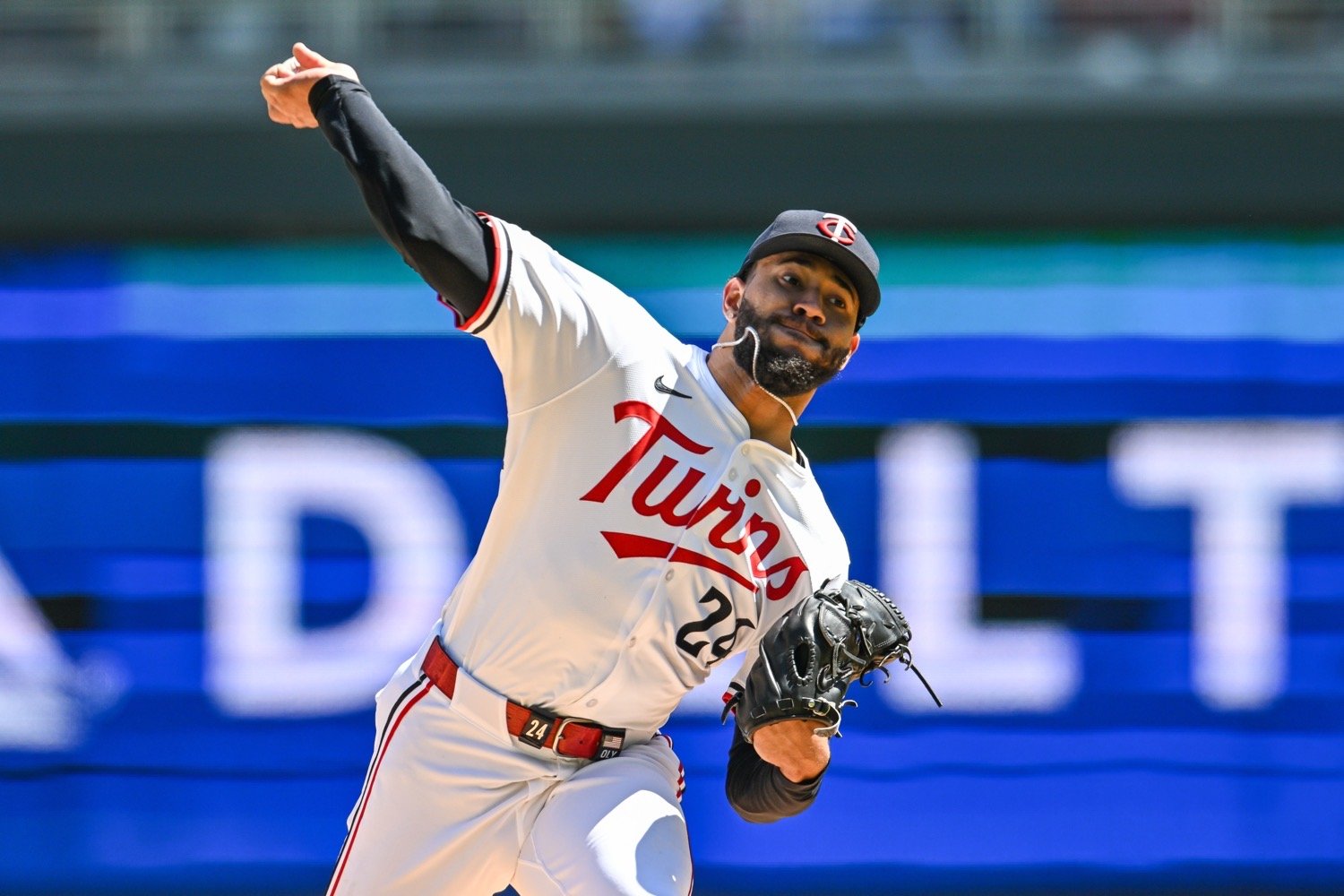 In his three starts in April, David Festa carried a 3.69 FIP and a 15.5 difference between his strikeout and walk rates (K-BB%) across 13 innings. In a limited sample, opposing hitters batted .348 (with a .438 slugging percentage) against Festa’s 95-mph fastball, but his changeup was very effective. Primarily used against lefties, opponents didn't get a single hit against the offering, and its Run Value (RV) currently ranks in the 89th percentile of all offspeed pitches for qualified pitchers. In each of his starts, Festa found himself in the top 2 of Thomas Nestico’s daily tjStuff+ leaderboard. Technically, he has four plus pitches—although one of them, his sinker, is essentially a show-me pitch. Regardless, Festa found himself as the odd man out when Pablo López returned from a hamstring injury Friday. Simeon Woods Richardson, who keeps his rotation spot (for now), has been a similarly productive pitcher. Across 24 ⅓ innings in four appearances, the 25-year-old has a 4.04 FIP and an 18.7 K-BB%. The righthander's fastball, breaking ball, and offspeed offerings fall in the 54th, 27th, and 3rd percentile, respectively, of all qualified pitchers in baseball. While the surface stats appear to be getting the job done, the under-the-hood metrics suggest that Festa has been the better pitcher. Projecting into the future, Festa generally has the higher ceiling of the two starters. So why was Woods Richardson given the spot over Festa? The answer clearly points to factors outside of productivity and effectiveness. As a rookie, Woods Richardson ended up being one of the Twin' most reliable arms for the first five months of the season. Having reached a career high in innings pitched, he ran out of gas in September. That (combined with the team's collapse) really overshadowed just how good he was. While he should be better prepared to reach and surpass that number in his second year in the big leagues, keeping Festa (and Zebby Matthews) fresher for the end of the season is insurance if Woods Richardson eventually wilts again. In his three starts, Festa averaged under 75 pitches per start, though he did throw 80 pitches in his second start with the St. Paul Saints on April 4th. It's likely that the Twins are managing his pitch and innings count to be ready for a bigger role on the big-league club later in the season. That's much easier, and less is at stake, if he's in St. Paul rather than Minneapolis. However, that's not the only benefit to sending him down. Believe it or not, Woods Richardson is actually younger than Festa, and has just one option remaining despite less than two years of service time accrued. This is significant for a couple of reasons: If the Twins use that option this year and he spends two months in St. Paul, they will get an extra year of team control. If the Twins retain that option ahead of next season, there is less pressure to establish his role for next season. Expanding on the latter, if Woods Richardson enters camp next year without options, the Twins will need to quickly determine whether his role for the season is as a starter or reliever. While Woods Richardson’s current profile limits his ceiling, his productivity suggests that maybe the Twins can get more out of him with more time. It's possible that Woods Richardson is a late bloomer and, obviously, the Twins want to be the beneficiaries if he does in fact bloom. Again, he's only 25 years old, so to suggest that what we've seen is the best we’re going to get would be short-sighted. In short, you don't have to worry about Festa (or Matthews), who currently has all three options remaining (and will have two left even come 2026), whereas you definitely need to keep that in consideration with Woods Richardson. While it can be frustrating for the Twins not to roster their top 26 players right now, the difference in production (to this point) has been negligible and doesn't justify sacrificing the bigger picture. There is more value in playing the service time/option game than there is in keeping Festa in the major-league rotation in April. Moreover, it allows the Twins to keep him fresh when injury strikes or someone falters later in the season. Keeping all factors in mind, how would you handle the Twins rotation? Should Festa and/or Matthews be in the big leagues? Join the conversation in the comments!
 -
Despite three solid starts, Minnesota Twins starter David Festa was sent back to Triple-A St. Paul this week. A move was necessary to make room for returning ace Pablo López, but why did the club choose to demote Festa over Simeon Woods Richardson? Image courtesy of © Jeffrey Becker-Imagn Images Despite three solid starts, Minnesota Twins starter David Festa was sent back to Triple-A St. Paul this week. A move was necessary to make room for returning ace Pablo López, but why did the club choose to demote Festa over Simeon Woods Richardson? In his three starts in April, David Festa carried a 3.69 FIP and a 15.5 difference between his strikeout and walk rates (K-BB%) across 13 innings. In a limited sample, opposing hitters batted .348 (with a .438 slugging percentage) against Festa’s 95-mph fastball, but his changeup was very effective. Primarily used against lefties, opponents didn't get a single hit against the offering, and its Run Value (RV) currently ranks in the 89th percentile of all offspeed pitches for qualified pitchers. In each of his starts, Festa found himself in the top 2 of Thomas Nestico’s daily tjStuff+ leaderboard. Technically, he has four plus pitches—although one of them, his sinker, is essentially a show-me pitch. Regardless, Festa found himself as the odd man out when Pablo López returned from a hamstring injury Friday. Simeon Woods Richardson, who keeps his rotation spot (for now), has been a similarly productive pitcher. Across 24 ⅓ innings in four appearances, the 25-year-old has a 4.04 FIP and an 18.7 K-BB%. The righthander's fastball, breaking ball, and offspeed offerings fall in the 54th, 27th, and 3rd percentile, respectively, of all qualified pitchers in baseball. While the surface stats appear to be getting the job done, the under-the-hood metrics suggest that Festa has been the better pitcher. Projecting into the future, Festa generally has the higher ceiling of the two starters. So why was Woods Richardson given the spot over Festa? The answer clearly points to factors outside of productivity and effectiveness. As a rookie, Woods Richardson ended up being one of the Twin' most reliable arms for the first five months of the season. Having reached a career high in innings pitched, he ran out of gas in September. That (combined with the team's collapse) really overshadowed just how good he was. While he should be better prepared to reach and surpass that number in his second year in the big leagues, keeping Festa (and Zebby Matthews) fresher for the end of the season is insurance if Woods Richardson eventually wilts again. In his three starts, Festa averaged under 75 pitches per start, though he did throw 80 pitches in his second start with the St. Paul Saints on April 4th. It's likely that the Twins are managing his pitch and innings count to be ready for a bigger role on the big-league club later in the season. That's much easier, and less is at stake, if he's in St. Paul rather than Minneapolis. However, that's not the only benefit to sending him down. Believe it or not, Woods Richardson is actually younger than Festa, and has just one option remaining despite less than two years of service time accrued. This is significant for a couple of reasons: If the Twins use that option this year and he spends two months in St. Paul, they will get an extra year of team control. If the Twins retain that option ahead of next season, there is less pressure to establish his role for next season. Expanding on the latter, if Woods Richardson enters camp next year without options, the Twins will need to quickly determine whether his role for the season is as a starter or reliever. While Woods Richardson’s current profile limits his ceiling, his productivity suggests that maybe the Twins can get more out of him with more time. It's possible that Woods Richardson is a late bloomer and, obviously, the Twins want to be the beneficiaries if he does in fact bloom. Again, he's only 25 years old, so to suggest that what we've seen is the best we’re going to get would be short-sighted. In short, you don't have to worry about Festa (or Matthews), who currently has all three options remaining (and will have two left even come 2026), whereas you definitely need to keep that in consideration with Woods Richardson. While it can be frustrating for the Twins not to roster their top 26 players right now, the difference in production (to this point) has been negligible and doesn't justify sacrificing the bigger picture. There is more value in playing the service time/option game than there is in keeping Festa in the major-league rotation in April. Moreover, it allows the Twins to keep him fresh when injury strikes or someone falters later in the season. Keeping all factors in mind, how would you handle the Twins rotation? Should Festa and/or Matthews be in the big leagues? Join the conversation in the comments! View full article
-
The Minnesota Twins have announced a new partnership with locally based OVO LASIK + Lens. The news comes on the heels of a slow start to the season. Image courtesy of © Jordan Johnson-Imagn Images The Minnesota Twins have announced a new partnership with locally based OVO LASIK + Lens. The news comes on the heels of a slow start to the season. The Twins brought in former rotation ace Tommy Milone, who received LASIK during his career, as a special consultant for the partnership. It's been reported that Milone held a team building event at OVO LASIK’s St. Louis Park office where players were given the opportunity to receive services from the company’s founder and medical director Dr. Mark Lobanoff. Dr. Lobanoff, a longtime Twins fan, was excited about the partnership and the impact it might have on the teams on field performance. “This is a really exciting time for our company”, said Dr. Lobanoff, “The Twins have been brutal to start the season and I think my services are worth at least 4.3 fWAR to them.” In the past, OVO LASIK partnered with the Minnesota Wild and would giveaway free LASIK to one lucky fan if the team scored a goal in the last two minutes of the second period. Fortunately, Twins fans will have a similar opportunity. Every time a reliever gives up an earned run in the 7th inning or later, one lucky fan at the game will be given a neuralyzer, allowing them to forget about the atrocities they just witnessed. So far this season, 18 Twins fans have been lucky enough to receive the gadget from the Men In Black franchise. Twins Daily attempted to reach Dr. David Whiting for comment on the partnership, but it's been speculated he's looking to join a rival clinic after concerns that OVO LASIK will be filing for bankruptcy by September 1st due to the partnership with the Twins. The players themselves are also excited about the partnership. Twins reliever Griffin Jax, who is sporting an 9.00 ERA through 11 appearances, thinks he can get back to his 2022-2024 self after the procedure. “It was like clockwork, I turned 30 and my vision started getting worse”, said Jax. “Ryan Jeffers’ glove looks like a blur to me so I've just been throwing and hoping for the best, but it turns out my pitches are getting too much of the plate and opposing hitters have been making me pay.” Carlos Correa, who has a career-high 55.6% groundball rate to start the season, is similarly optimistic on the impact the procedure can have on his game. Correa was quoted as saying “When I'm at the plate, I’m seeing three balls come at me at the same time.” The Twins star shortstop went on to say “I basically have been aiming for the middle ball, but it's resulted in me getting on top of everything this season.” Finally, the defense that leads the league in throwing errors also looks to benefit from the surgery. One player, who wanted to remain anonymous, was quick to write off vision as the reason for their early season throwing woes. “Look, Ty France is all of 5’ 11” tall”, said the anonymous fielder. “Instead of putting the onus on the rest of us, maybe Shortstack should start wearing some platform shoes at first base.” While LASIK typically does improve vision in the hours and days following the procedure, it can take 3-6 months for vision to fully stabilize. The Twins hope this partnership leads to modest improvement in the short term, but expects the team building activity to really be fruitful following the All-Star break. Just in time for them to use the partnership as an excuse to remain idol at the trade deadline. View full article
-
Minnesota Twins, OVO LASIK + Lens Announce Partnership
Matthew Lenz posted an article in Just For Fun
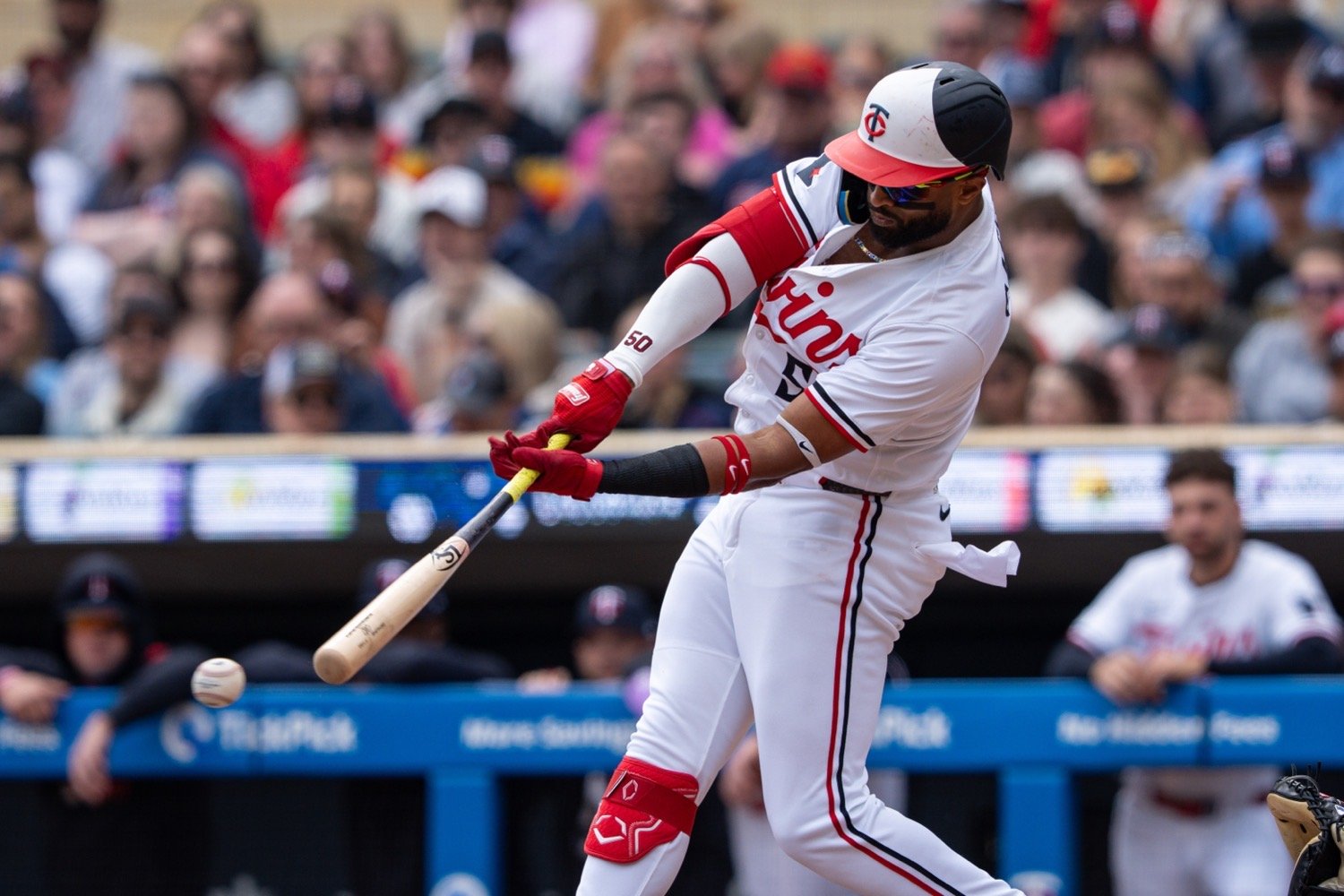 The Twins brought in former rotation ace Tommy Milone, who received LASIK during his career, as a special consultant for the partnership. It's been reported that Milone held a team building event at OVO LASIK’s St. Louis Park office where players were given the opportunity to receive services from the company’s founder and medical director Dr. Mark Lobanoff. Dr. Lobanoff, a longtime Twins fan, was excited about the partnership and the impact it might have on the teams on field performance. “This is a really exciting time for our company”, said Dr. Lobanoff, “The Twins have been brutal to start the season and I think my services are worth at least 4.3 fWAR to them.” In the past, OVO LASIK partnered with the Minnesota Wild and would giveaway free LASIK to one lucky fan if the team scored a goal in the last two minutes of the second period. Fortunately, Twins fans will have a similar opportunity. Every time a reliever gives up an earned run in the 7th inning or later, one lucky fan at the game will be given a neuralyzer, allowing them to forget about the atrocities they just witnessed. So far this season, 18 Twins fans have been lucky enough to receive the gadget from the Men In Black franchise. Twins Daily attempted to reach Dr. David Whiting for comment on the partnership, but it's been speculated he's looking to join a rival clinic after concerns that OVO LASIK will be filing for bankruptcy by September 1st due to the partnership with the Twins. The players themselves are also excited about the partnership. Twins reliever Griffin Jax, who is sporting an 9.00 ERA through 11 appearances, thinks he can get back to his 2022-2024 self after the procedure. “It was like clockwork, I turned 30 and my vision started getting worse”, said Jax. “Ryan Jeffers’ glove looks like a blur to me so I've just been throwing and hoping for the best, but it turns out my pitches are getting too much of the plate and opposing hitters have been making me pay.” Carlos Correa, who has a career-high 55.6% groundball rate to start the season, is similarly optimistic on the impact the procedure can have on his game. Correa was quoted as saying “When I'm at the plate, I’m seeing three balls come at me at the same time.” The Twins star shortstop went on to say “I basically have been aiming for the middle ball, but it's resulted in me getting on top of everything this season.” Finally, the defense that leads the league in throwing errors also looks to benefit from the surgery. One player, who wanted to remain anonymous, was quick to write off vision as the reason for their early season throwing woes. “Look, Ty France is all of 5’ 11” tall”, said the anonymous fielder. “Instead of putting the onus on the rest of us, maybe Shortstack should start wearing some platform shoes at first base.” While LASIK typically does improve vision in the hours and days following the procedure, it can take 3-6 months for vision to fully stabilize. The Twins hope this partnership leads to modest improvement in the short term, but expects the team building activity to really be fruitful following the All-Star break. Just in time for them to use the partnership as an excuse to remain idol at the trade deadline.

.png.f8147c1b90934780590d2376f9328c7a.png)
