



Matthew Lenz
-
Posts
1,465 -
Joined
-
Last visited
-
Days Won
3
Content Type
Profiles
News
Minnesota Twins Videos
2026 Minnesota Twins Top Prospects Ranking
2022 Minnesota Twins Draft Picks
Minnesota Twins Free Agent & Trade Rumors, Notes, & Tidbits
Guides & Resources
2023 Minnesota Twins Draft Picks
The Minnesota Twins Players Project
2024 Minnesota Twins Draft Picks
2025 Minnesota Twins Draft Pick Tracker
2026 Minnesota Twins Draft Tracker: Picks & Bonuses
Forums
Blogs
Events
Store
Downloads
Gallery
Everything posted by Matthew Lenz
-

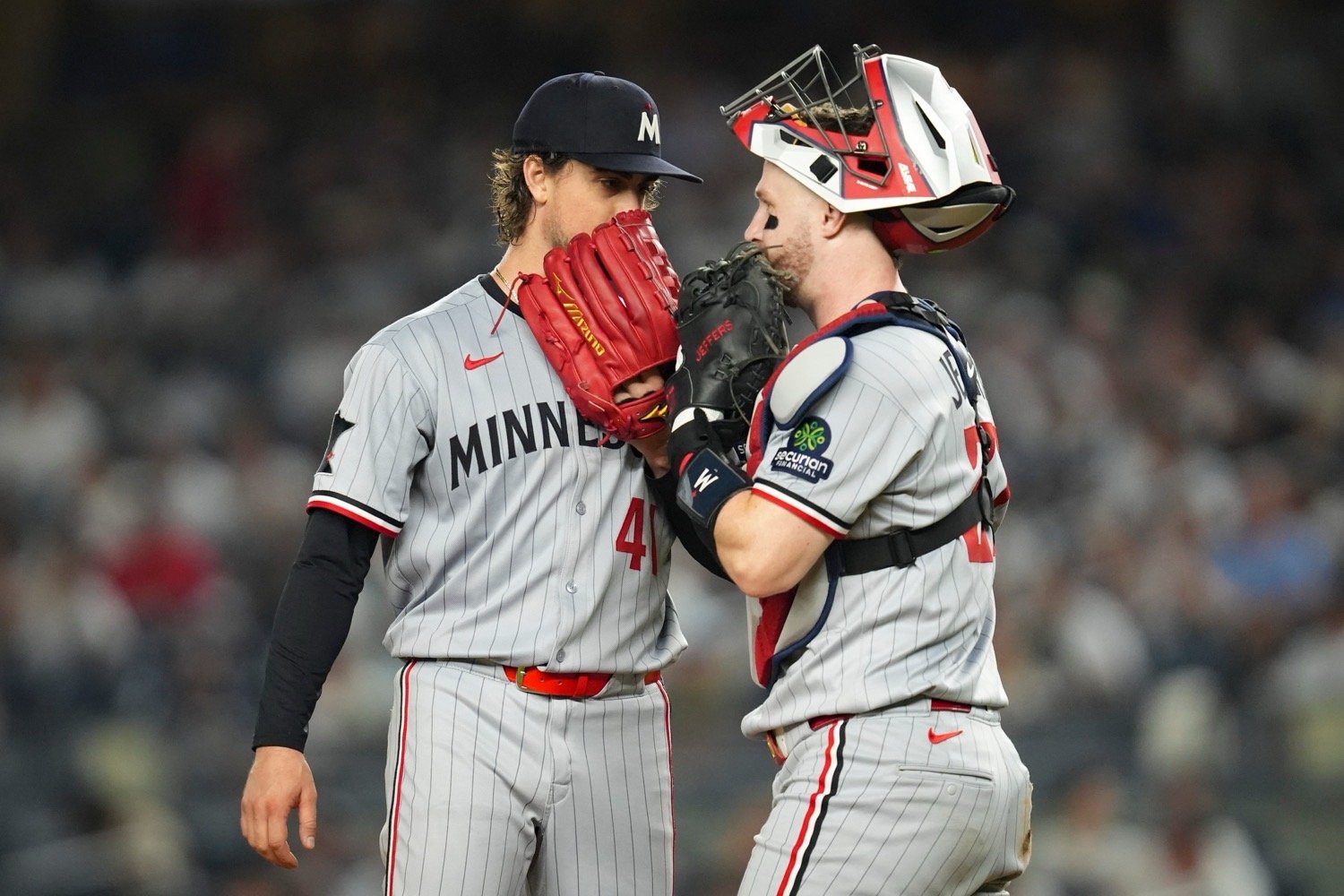 Every year, MLB Trade Rumors releases a list of the most likely trade candidates for the offseason. In this season's edition, they named a total of 40 players, including three Minnesota Twins in the top nine. Starting Pitchers Joe Ryan and Pablo Lopez, as well as Catcher Ryan Jeffers, were named the 2nd, 6th, and 9th most likely trade candidates, respectively. Ryan, expected to make around $6 million in his second year of arbitration, is coming off a season highlighted by a Cy Young caliber 1st half. As has been the case throughout his career, Ryan cooled off in the second half of the season with a 4.59 FIP. In all, Ryan finished with a 3.74 FIP and a 22.5% K-BB rate across a career-high 171 innings pitched. He was the subject of trade talks at the deadline, with a late push from the Boston Red Sox, and will likely be a popular topic of trade conversations throughout the offseason. Lopez, who is owed more than $43 million through 2027, only made 14 starts in 2025. In 75 2/3 innings, the righty sported a solid 3.19 FIP and mediocre 17% K-BB rate. While he had been one of the game's more durable pitchers before last season, his tenure with the Twins has been very up and down. While trading the 30-year-old at some point seems likely, Lopez's value right now is lower than it's ever been. While the Twins are more concerned with the bottom line than maximizing value, they would be remiss to deal the righty now instead of waiting until the 2026 trade deadline. Jeffers, expected to earn more than $6 million in his final year of arbitration, represents the only MLB-caliber player on the roster. While he remained as one of the best-hitting catchers in baseball last season, his power output left more to be desired. He graded out as a below-average catcher, which is likely what he is, even after three years under the tutelage of Christian Vazquez, but that could be somewhat mitigated by the introduction of the ABS system. Unless the Twins plan to add a catcher via trade or free agency, I would be shocked to see them deal Jeffers, as there is nobody in the entire organization ready to take his job. Do you think the Twins will trade any of these guys over the offseason? Let us know what you think in the comments!
- 44 comments
-
- 1
-

-
- pablo lopez
- joe ryan
- (and 1 more)
-
Every year, MLB Trade Rumors releases a list of the most likely trade candidates for the offseason. In this season's edition, they named a total of 40 players, including three Minnesota Twins in the top nine. Starting Pitchers Joe Ryan and Pablo Lopez, as well as Catcher Ryan Jeffers, were named the 2nd, 6th, and 9th most likely trade candidates, respectively. Ryan, expected to make around $6 million in his second year of arbitration, is coming off a season highlighted by a Cy Young caliber 1st half. As has been the case throughout his career, Ryan cooled off in the second half of the season with a 4.59 FIP. In all, Ryan finished with a 3.74 FIP and a 22.5% K-BB rate across a career-high 171 innings pitched. He was the subject of trade talks at the deadline, with a late push from the Boston Red Sox, and will likely be a popular topic of trade conversations throughout the offseason. Lopez, who is owed more than $43 million through 2027, only made 14 starts in 2025. In 75 2/3 innings, the righty sported a solid 3.19 FIP and mediocre 17% K-BB rate. While he had been one of the game's more durable pitchers before last season, his tenure with the Twins has been very up and down. While trading the 30-year-old at some point seems likely, Lopez's value right now is lower than it's ever been. While the Twins are more concerned with the bottom line than maximizing value, they would be remiss to deal the righty now instead of waiting until the 2026 trade deadline. Jeffers, expected to earn more than $6 million in his final year of arbitration, represents the only MLB-caliber player on the roster. While he remained as one of the best-hitting catchers in baseball last season, his power output left more to be desired. He graded out as a below-average catcher, which is likely what he is, even after three years under the tutelage of Christian Vazquez, but that could be somewhat mitigated by the introduction of the ABS system. Unless the Twins plan to add a catcher via trade or free agency, I would be shocked to see them deal Jeffers, as there is nobody in the entire organization ready to take his job. Do you think the Twins will trade any of these guys over the offseason? Let us know what you think in the comments! View full rumor
-
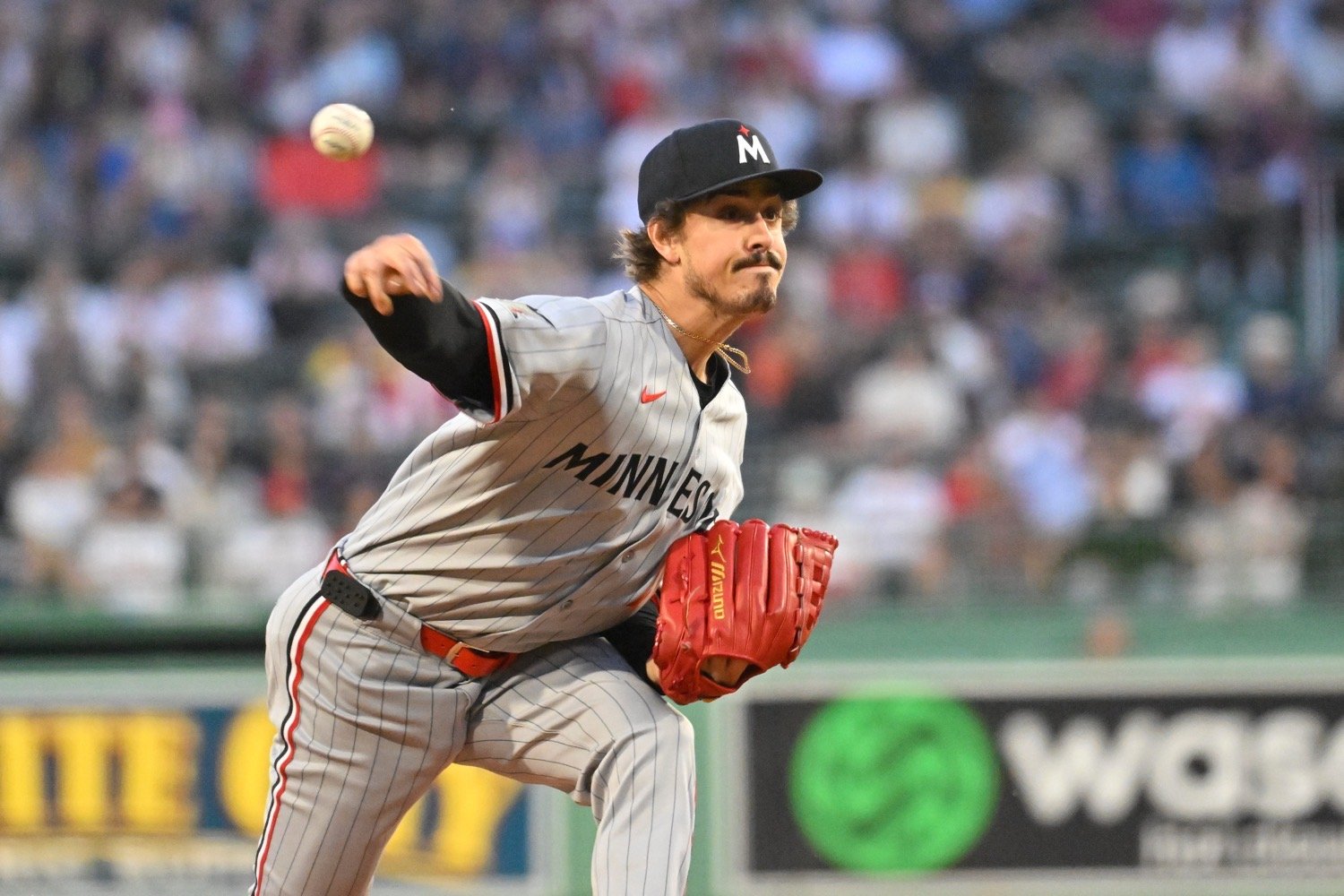 With the World Series nearing its end, teams will soon be allowed to complete trades. With that, you can expect to hear rumors surrounding the Minnesota Twins, who could look to shed more salary by dealing one or both of their top starting pitchers. Jen McCaffrey, who covers the Boston Red Sox for The Athletic, is already stoking the stove in a recent mailbag article. The team that made a late push at the deadline to acquire the 29-year-old Ryan is expected to add to their starting rotation this offseason and will likely be calling the Twins again. While they may pursue more elite options, such as Detroit Tigers ace Tarik Skubal, they could also opt for more of a number two type like Ryan. At the deadline, Dan Hayes suggested the Twins would be looking for two top-50 prospects in return - "one with a mid-ceiling and one more of a lottery ticket." McCaffrey goes on to speculate that a package including one of shortstop Franklin Arias or outfielder Jhostynxon "The Password" Garcia, plus 2025 first-rounder right-hander Kyson Witherspoon, would be a good "start" to a potential deal. Arias, the Red Sox's top prospect and 24th in all of baseball (per MLB Pipeline), started the 2025 season in Single-A Salem before being promoted to High-A Greenville Drive and eventually Double-A Winchester. He posted a .278 AVG with eight home runs, 66 RBI, and 12 stolen bases over 479 at-bats in the minors. Garcia split his 2025 season between the minor and major leagues for the Red Sox organization. In the minors, he hit 21 home runs and drove in 75 RBI. He appeared in 5 games for the Red Sox, recording one hit (a double) over seven at-bats with two walks. He ranks as the 85th best prospect in baseball and third in the organization. Witherspoon, who didn't appear in a game for the Red Sox organization, finished his NCAA season with a 2.65 ERA and 124 strikeouts across 95.0 innings for the Oklahoma Sooners. He was named a Golden Spikes Award Semifinalist and a Consensus First Team All-American. He is currently the 89th prospect in baseball and 4th fourth-best prospect in the organization, according to MLB Pipeline. Who do you think the Twins should look to land if they tango with the Red Sox? Let us know in the comments!
 -
With the World Series nearing its end, teams will soon be allowed to complete trades. With that, you can expect to hear rumors surrounding the Minnesota Twins, who could look to shed more salary by dealing one or both of their top starting pitchers. Jen McCaffrey, who covers the Boston Red Sox for The Athletic, is already stoking the stove in a recent mailbag article. The team that made a late push at the deadline to acquire the 29-year-old Ryan is expected to add to their starting rotation this offseason and will likely be calling the Twins again. While they may pursue more elite options, such as Detroit Tigers ace Tarik Skubal, they could also opt for more of a number two type like Ryan. At the deadline, Dan Hayes suggested the Twins would be looking for two top-50 prospects in return - "one with a mid-ceiling and one more of a lottery ticket." McCaffrey goes on to speculate that a package including one of shortstop Franklin Arias or outfielder Jhostynxon "The Password" Garcia, plus 2025 first-rounder right-hander Kyson Witherspoon, would be a good "start" to a potential deal. Arias, the Red Sox's top prospect and 24th in all of baseball (per MLB Pipeline), started the 2025 season in Single-A Salem before being promoted to High-A Greenville Drive and eventually Double-A Winchester. He posted a .278 AVG with eight home runs, 66 RBI, and 12 stolen bases over 479 at-bats in the minors. Garcia split his 2025 season between the minor and major leagues for the Red Sox organization. In the minors, he hit 21 home runs and drove in 75 RBI. He appeared in 5 games for the Red Sox, recording one hit (a double) over seven at-bats with two walks. He ranks as the 85th best prospect in baseball and third in the organization. Witherspoon, who didn't appear in a game for the Red Sox organization, finished his NCAA season with a 2.65 ERA and 124 strikeouts across 95.0 innings for the Oklahoma Sooners. He was named a Golden Spikes Award Semifinalist and a Consensus First Team All-American. He is currently the 89th prospect in baseball and 4th fourth-best prospect in the organization, according to MLB Pipeline. Who do you think the Twins should look to land if they tango with the Red Sox? Let us know in the comments! View full rumor
- 34 replies
-
- 1
-
-
- joe ryan
- franklin arias
- (and 2 more)
-
The Minnesota Twins announced former hitting coach Derek Shelton as the club's next manager. After five largely unsuccessful seasons as the Pittsburgh Pirates manager, Shelton is welcomed to a very similar scenario he entered with the Pirates. Will his second time through a rebuild be better than his first? Let us know what you think of the hire in the comments!
-
The Minnesota Twins announced former hitting coach Derek Shelton as the club's next manager. After five largely unsuccessful seasons as the Pittsburgh Pirates manager, Shelton is welcomed to a very similar scenario he entered with the Pirates. Will his second time through a rebuild be better than his first? Let us know what you think of the hire in the comments! View full video
-
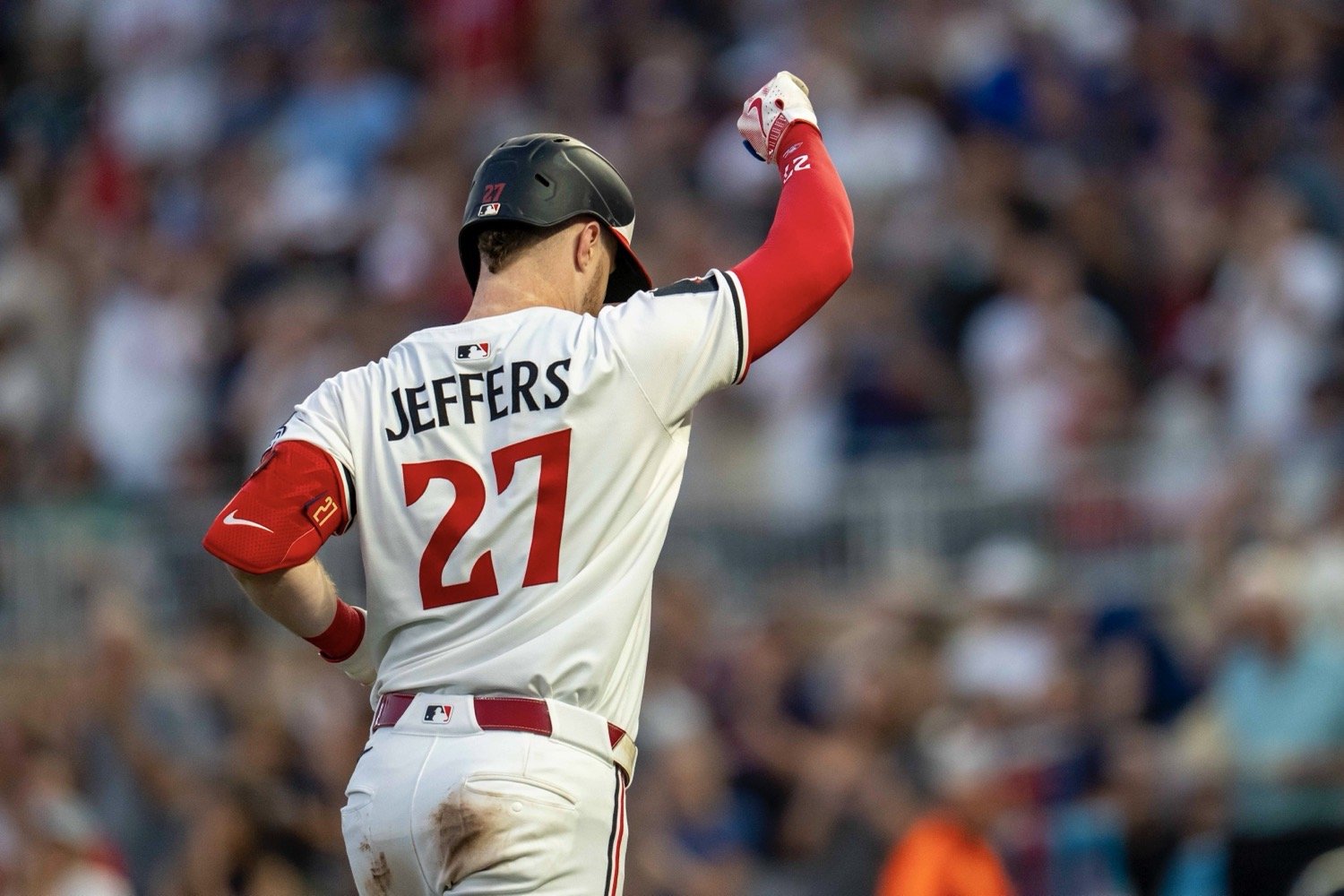 Last week, MLB Trade Rumors released their arbitration projections for the 2026 season. Ryan Jeffers stands to be the Twins' highest-paid arbitration-eligible player, with a projected salary of $6.6 million in his third and final round of arbitration. In his first two rounds, he made $2.425 million and $4.55 million, respectively. While his home run power seemingly disappeared in 2025, it stands to reason that Jeffers's projected arbitration salary for 2026 will be a bargain. The backstop's 2025 season was largely productive, ranking as his second-best with a .752 OPS and a 113 wRC+, meaning he performed 13% better than the average hitter. He also posted career-best rates for walks (10.8%) and strikeouts (19.6%). The primary issue was a significant power regression, as he hit only nine home runs—a steep drop from 35 combined dingers in the previous two years—resulting in a career-low isolated power (ISO) of .131. That stemmed from a decline in quality of contact, evidenced by a career-low 6.3% barrel rate, despite an above-average hard-hit rate (42.1%). Jeffers altered his approach, adopting a deeper, more open stance to target the inner part of the zone and generate pull-side power. This change, however, was unsuccessful; his bat speed dropped (from 73.9 mph to 72.3 mph), and he pulled the ball less while hitting to the opposite field more. That led to lower exit velocities and fewer pulled fly balls. Again, I don't want to dismiss or minimize the fact that he was still an above-average hitter in 2025, but the under-the-hood metrics suggest that a return to the more balanced approach seen in his 2023 season is necessary to maximize his future value. Defensively, Jeffers continues to display poor framing, blocking, and throwing skills. Three years under the tutelage of teammate Christian Vázquez has technically resulted in improvement in these areas, though he continues to produce a negative run value behind the plate. At this point in his career, it’s pretty safe to say that Jeffers will continue to be a below-average catcher moving forward. However, the implementation of the Automated Ball-Strike System (ABS) in 2026 may mitigate the defensive struggles. While it's hard to be sure, we can speculate that the challenge system will reduce the impact framing has on the game, thereby improving Jeffers’s defensive value. So, should the Twins tender Jeffers a contract? Of course—if for no other reason, then because the Twins don't have another player in their organization ready to take over primary catching duties at the big-league level. Moreover, they don't have anyone ready to serve even as a backup catcher. However, it's not just a matter of Hobson’s Choice at work. Jeffers has been one of the most productive and durable catchers in baseball. There's no reason to suggest that will change in 2026. Even if the Twins (read: Pohlads) wanted to shed his salary, they would be remiss to non-tender him, instead of tendering and then trading him. Multiple projection systems predict that Jeffers will sustain his productivity in 2026. We'll be watching to see if Jeffers continues to evolve his plate approach after his last three seasons, and what his 2026 productivity looks like. Will he return to his more powerful production from 2023 and 2024, or will he continue to trade power for contact and patience like in 2025? However he approaches 2026, Jeffers will be one of the easier arbitration decisions for the Twins to make. Tendering him a contract is an absolute no-brainer.
 -
Image courtesy of © Jesse Johnson-Imagn Images Last week, MLB Trade Rumors released their arbitration projections for the 2026 season. Jeffers stands to be the highest paid arbitration-eligible player with a projected salary of $6.6 million in his third and final round of arbitration. In his first two rounds, he made $2.425 million and $4.55 million, and grossly outperformed those salaries according to FanGraphs Value metric. While his home run power seemingly disappeared in 2025, it stands to reason that Jeffers projected arbitration salary for 2026 is well below the production level we’ve come to expect from the Twins only big league caliber catcher. Ryan Jeffers’ 2025 season was largely productive, ranking as his second-best with a .752 OPS and a 113 wRC+, meaning he performed 13% better than the average hitter. He also posted career-best rates for walks (10.8%) and strikeouts (19.6%). The primary issue was a significant power regression, as he hit only nine home runs—a steep drop from the 35 combined in the previous two years - resulting in a career-low isolated power (iso) of .131. This was attributed to a decline in quality of contact, evidenced by a career-low 6.3% barrel rate, despite an above-average hard-hit rate (42.1%). Jeffers altered his approach, adopting a deeper, more open stance to target the inner part of the zone and generate pull-side power. This change, however, was unsuccessful; his bat speed dropped (from 73.9 mph to 72.3 mph), and he pulled the ball less while hitting to the opposite field more. This led to decreased quality of contact and fewer pulled fly balls. Again, I don't want to undermine the fact he was still an above average hitter in 2025, though, the under-the-hood metrics suggests that a return to the more balanced approach seen in his 2023 season is necessary to maximize his future value. Defensively, Jeffers continues to display poor framing, blocking, and throwing data. Three years under the tutelage of teammate Christian Vázquez has technically resulted in improvement in these areas, though he continues to produce a negative run value behind the plate. At this point in his career, it’s pretty safe to say that Jeffers will continue to be a below-average catcher moving forward. However, the implementation of the Automated Ball-Strike System (ABS) in 2026, may help in mitigating the negative impact he has on defense. While it remains to be seen, we can speculate that the ABS will reduce the impact framing has on the game inherently improving Jeffers’ defensive value. So, should the Twins tender Jeffers a contract? Simply put - yes. If for no other reason, the Twins don't have another player in their organization ready to take over primary catching duties at the big league level. Moreover, they don't have anyone ready to serve even as a back-up catcher to Jeffers. However, it's not just a matter of Hobson’s choice, Jeffers has been one of the most productive and durable catchers in all of baseball. There's no reason to suggest that will change in 2026. Even if the Twins (read: Pohlads) wanted to shed his salary, they would be remiss to nontender him instead of tendering and trading him. Multiple projection systems predict that Jeffers will sustain his productivity in 2026. We'll be watching to see if Jeffers continues to evolve his plate approach after his last three seasons, and what his 2026 productivity looks like. Will he return to his more powerful production from 2023 and 2024, or will he continue to trade power for contact and patience like in 2025? However he approaches 2026, Jeffers will be one of the easier arbitration decisions for the Twins to make. Tendering him a contract is an absolute no-brainer. View full article
-
Image courtesy of © Jesse Johnson-Imagn Images Across 464 plate appearances, Ryan Jeffers posted the second-most productive season of his six-year career in 2025. His .752 OPS, 47 runs scored, 47 runs batted in, and wRC+ of 113 were each his second-best outputs. His 10.8% walk rate and 19.6% strikeout rate were not only career bests, but considerably better than his career averages. One area in which his offense seemed to regress, however, was in the power department. After hitting a combined 35 home runs across 281 games in 2023 and 2024, the Twins' erstwhile backstop hit just nine in 2025. Despite a career high in doubles (26), this power outage led to a career-low isolated power (ISO) of .131, 65 points lower than his career mark entering the season. For those unfamiliar with it, ISO measures a player’s raw power, by subtracting their batting average from their slugging average to find the number of extra bases they accrue per at-bat. The league's average ISO this year was .159. Given his doubles output, you might think Jeffers was just the victim of some bad luck, but his Savant profile tells a different story. Despite his hard-hit rate falling in the 44th percentile for the league, his mark of 42.1% was above his career average—but that didn't translate to a strong quality of contact, as evidenced by a career-low 6.3% barrel rate. At the macro level, Jeffers seemingly adjusted his approach at the plate, but what implications did that have on the micro level? Can Jeffers’s loss of power be attributed to more hesitant swing decisions, which then impacted the timing and quality of contact on the ball? Let's keep diving. One significant shift in his swing decisions in 2025, compared to previous seasons, was swinging at pitches in the upper and inner halves of the zone. For many hitters, those zones are their bread and butter. It typically leads to more pull-side power, which leads to more home runs. Additionally, Jeffers stood deeper in the box and further away from home plate, while also adopting a more open stance. It stands to reason that Jeffers adjusted his mental and physical approach to the plate in an attempt to target inside pitches and create more power. However, that reasoning falls apart quickly when you look at the batted-ball data. Jeffers pulled the ball less in 2025 and went to the opposite field more—not an ideal outcome when setting your sights on the inner part of the zone. His bat speed has dropped in each of the last two seasons, from 73.9 mph in 2023 to 72.3 mph in 2025. In 2023, he ranked in the 78th percentile, whereas in 2025, he's merely average. In all, his approach at the plate led to the bat meeting the ball deeper in the zone. It led to a decrease in his quality of contact, and ultimately to fewer pull-side air outcomes in 2025. It shouldn't be overlooked that Jeffers performed 13% better than the average hitter in 2025. While he didn't provide the power we’re accustomed to, he was still a productive hitter—and maybe not as productive as he could have been, given the imperfect translation from approach to results. In 2026, he could return to his previous approach, or (if he believes he can better convert what he did at bat from plan to action) he could double down on this attack and try to tap all the way into all that latent pop. View full article
-
Analyzing the Unexpected Offensive Trade-Offs in Ryan Jeffers's 2025 Season
Matthew Lenz posted an article in Twins
.jpeg.4d77068ab42983d67602788283f01119.jpeg) Across 464 plate appearances, Ryan Jeffers posted the second-most productive season of his six-year career in 2025. His .752 OPS, 47 runs scored, 47 runs batted in, and wRC+ of 113 were each his second-best outputs. His 10.8% walk rate and 19.6% strikeout rate were not only career bests, but considerably better than his career averages. One area in which his offense seemed to regress, however, was in the power department. After hitting a combined 35 home runs across 281 games in 2023 and 2024, the Twins' erstwhile backstop hit just nine in 2025. Despite a career high in doubles (26), this power outage led to a career-low isolated power (ISO) of .131, 65 points lower than his career mark entering the season. For those unfamiliar with it, ISO measures a player’s raw power, by subtracting their batting average from their slugging average to find the number of extra bases they accrue per at-bat. The league's average ISO this year was .159. Given his doubles output, you might think Jeffers was just the victim of some bad luck, but his Savant profile tells a different story. Despite his hard-hit rate falling in the 44th percentile for the league, his mark of 42.1% was above his career average—but that didn't translate to a strong quality of contact, as evidenced by a career-low 6.3% barrel rate. At the macro level, Jeffers seemingly adjusted his approach at the plate, but what implications did that have on the micro level? Can Jeffers’s loss of power be attributed to more hesitant swing decisions, which then impacted the timing and quality of contact on the ball? Let's keep diving. One significant shift in his swing decisions in 2025, compared to previous seasons, was swinging at pitches in the upper and inner halves of the zone. For many hitters, those zones are their bread and butter. It typically leads to more pull-side power, which leads to more home runs. Additionally, Jeffers stood deeper in the box and further away from home plate, while also adopting a more open stance. It stands to reason that Jeffers adjusted his mental and physical approach to the plate in an attempt to target inside pitches and create more power. However, that reasoning falls apart quickly when you look at the batted-ball data. Jeffers pulled the ball less in 2025 and went to the opposite field more—not an ideal outcome when setting your sights on the inner part of the zone. His bat speed has dropped in each of the last two seasons, from 73.9 mph in 2023 to 72.3 mph in 2025. In 2023, he ranked in the 78th percentile, whereas in 2025, he's merely average. In all, his approach at the plate led to the bat meeting the ball deeper in the zone. It led to a decrease in his quality of contact, and ultimately to fewer pull-side air outcomes in 2025. It shouldn't be overlooked that Jeffers performed 13% better than the average hitter in 2025. While he didn't provide the power we’re accustomed to, he was still a productive hitter—and maybe not as productive as he could have been, given the imperfect translation from approach to results. In 2026, he could return to his previous approach, or (if he believes he can better convert what he did at bat from plan to action) he could double down on this attack and try to tap all the way into all that latent pop.
Across 464 plate appearances, Ryan Jeffers posted the second-most productive season of his six-year career in 2025. His .752 OPS, 47 runs scored, 47 runs batted in, and wRC+ of 113 were each his second-best outputs. His 10.8% walk rate and 19.6% strikeout rate were not only career bests, but considerably better than his career averages. One area in which his offense seemed to regress, however, was in the power department. After hitting a combined 35 home runs across 281 games in 2023 and 2024, the Twins' erstwhile backstop hit just nine in 2025. Despite a career high in doubles (26), this power outage led to a career-low isolated power (ISO) of .131, 65 points lower than his career mark entering the season. For those unfamiliar with it, ISO measures a player’s raw power, by subtracting their batting average from their slugging average to find the number of extra bases they accrue per at-bat. The league's average ISO this year was .159. Given his doubles output, you might think Jeffers was just the victim of some bad luck, but his Savant profile tells a different story. Despite his hard-hit rate falling in the 44th percentile for the league, his mark of 42.1% was above his career average—but that didn't translate to a strong quality of contact, as evidenced by a career-low 6.3% barrel rate. At the macro level, Jeffers seemingly adjusted his approach at the plate, but what implications did that have on the micro level? Can Jeffers’s loss of power be attributed to more hesitant swing decisions, which then impacted the timing and quality of contact on the ball? Let's keep diving. One significant shift in his swing decisions in 2025, compared to previous seasons, was swinging at pitches in the upper and inner halves of the zone. For many hitters, those zones are their bread and butter. It typically leads to more pull-side power, which leads to more home runs. Additionally, Jeffers stood deeper in the box and further away from home plate, while also adopting a more open stance. It stands to reason that Jeffers adjusted his mental and physical approach to the plate in an attempt to target inside pitches and create more power. However, that reasoning falls apart quickly when you look at the batted-ball data. Jeffers pulled the ball less in 2025 and went to the opposite field more—not an ideal outcome when setting your sights on the inner part of the zone. His bat speed has dropped in each of the last two seasons, from 73.9 mph in 2023 to 72.3 mph in 2025. In 2023, he ranked in the 78th percentile, whereas in 2025, he's merely average. In all, his approach at the plate led to the bat meeting the ball deeper in the zone. It led to a decrease in his quality of contact, and ultimately to fewer pull-side air outcomes in 2025. It shouldn't be overlooked that Jeffers performed 13% better than the average hitter in 2025. While he didn't provide the power we’re accustomed to, he was still a productive hitter—and maybe not as productive as he could have been, given the imperfect translation from approach to results. In 2026, he could return to his previous approach, or (if he believes he can better convert what he did at bat from plan to action) he could double down on this attack and try to tap all the way into all that latent pop. -
Many metrics indicate Ryan Jeffers had the second-best offensive season of his career in 2025. However, the production looked very different than what the Minnesota Twins are accustomed to. What were those adjustments, and how did they impact his 2025? View full video
-
Many metrics indicate Ryan Jeffers had the second-best offensive season of his career in 2025. However, the production looked very different than what the Minnesota Twins are accustomed to. What were those adjustments, and how did they impact his 2025?
-
The Minnesota Twins have 10 arbitration decisions to make this offseason. However, even the players they decide to tender may not be on the team come Opening Day 2026. Which players could be non-tendered? Which could be tendered and traded?
-
The Minnesota Twins have 10 arbitration decisions to make this offseason. However, even the players they decide to tender may not be on the team come Opening Day 2026. Which players could be non-tendered? Which could be tendered and traded? View full video
-
Despite the state of the team, the Minnesota Twins will have a busy offseason on their hands. Will we learn more about the ownership situation? Does Derek Falvey retain both of his roles? How much money does he have to work with? What does the roster construction look like? Tune in to learn more!
-
Despite the state of the team, the Minnesota Twins will have a busy offseason on their hands. Will we learn more about the ownership situation? Does Derek Falvey retain both of his roles? How much money does he have to work with? What does the roster construction look like? Tune in to learn more! View full video
-
Byron Buxton is coming off the best and healthiest year of his career, just in time for the Minnesota Twins to blow up the Major League roster. Despite staying loyal to the organization by not waving his no-trade clause, Cory Provus speculated that it could change if Pablo Lopez was traded over the offseason.
-
Byron Buxton is coming off the best and healthiest year of his career, just in time for the Minnesota Twins to blow up the Major League roster. Despite staying loyal to the organization by not waving his no-trade clause, Cory Provus speculated that it could change if Pablo Lopez was traded over the offseason. View full video
-
In a somewhat surprising move, considering he was extended just a few months ago, the Minnesota Twins have relieved Rocco Baldelli of his managerial duties with the club. In seven seasons, Baldelli managed the club to three postseasons and one postseason series victory, but finds himself to be the odd man out. Was this the right move? Who replaces him? Let us know your thoughts in the comments and follow Twinsdaily.com for more!
-
In a somewhat surprising move, considering he was extended just a few months ago, the Minnesota Twins have relieved Rocco Baldelli of his managerial duties with the club. In seven seasons, Baldelli managed the club to three postseasons and one postseason series victory, but finds himself to be the odd man out. Was this the right move? Who replaces him? Let us know your thoughts in the comments and follow Twinsdaily.com for more! View full video
-
The Minnesota Twins have 10 arbitration-eligible players heading into the 2026 offseason. Who will they tender a contract to, who will they non-tender, and who will be on the 2026 Opening Day roster?
-
After getting swept by the Chicago White Sox, the Minnesota Twins are now on pace for the lowest single-season attendance record in Target Field's history. Additionally, on Tuesday's game against the Chicago White Sox, they set a new single-game record with just 11,721 fans in attendance. What does the organization need to do to win fans back in the short term? View full video
-
After getting swept by the Chicago White Sox, the Minnesota Twins are now on pace for the lowest single-season attendance record in Target Field's history. Additionally, on Tuesday's game against the Chicago White Sox, they set a new single-game record with just 11,721 fans in attendance. What does the organization need to do to win fans back in the short term?
-
With rosters expanding and Mick Abel being optioned, the Twins had three open spots on their active roster. What can we expect from Travis Adams, Noah Davis, and DaShawn Keirsey Jr?
-
With rosters expanding and Mick Abel being optioned, the Twins had three open spots on their active roster. What can we expect from Travis Adams, Noah Davis, and DaShawn Keirsey Jr? View full video
.jpeg.4d77068ab42983d67602788283f01119.jpeg)