



Matthew Lenz
-
Posts
1,465 -
Joined
-
Last visited
-
Days Won
3
Content Type
Profiles
News
Minnesota Twins Videos
2026 Minnesota Twins Top Prospects Ranking
2022 Minnesota Twins Draft Picks
Minnesota Twins Free Agent & Trade Rumors, Notes, & Tidbits
Guides & Resources
2023 Minnesota Twins Draft Picks
The Minnesota Twins Players Project
2024 Minnesota Twins Draft Picks
2025 Minnesota Twins Draft Pick Tracker
2026 Minnesota Twins Draft Tracker: Picks & Bonuses
Forums
Blogs
Events
Store
Downloads
Gallery
Everything posted by Matthew Lenz
-
Ryan Jeffers has been diagnosed with a fractured hamate bone and will miss the next 6-8 weeks. What does it mean for his future with the Minnesota Twins? Can the Twins fill his void over the next two months?
-
 Royce Lewis is on the struggle bus and has been for the majority of the last three seasons. Whether it's a demotion to Triple-A Saint Paul for a reset or a trade, Royce Lewis is in desperate need of a change of scenery. View full video
 -
Royce Lewis is on the struggle bus and has been for the majority of the last three seasons. Whether it's a demotion to Triple-A Saint Paul for a reset or a trade, Royce Lewis is in desperate need of a change of scenery.
-
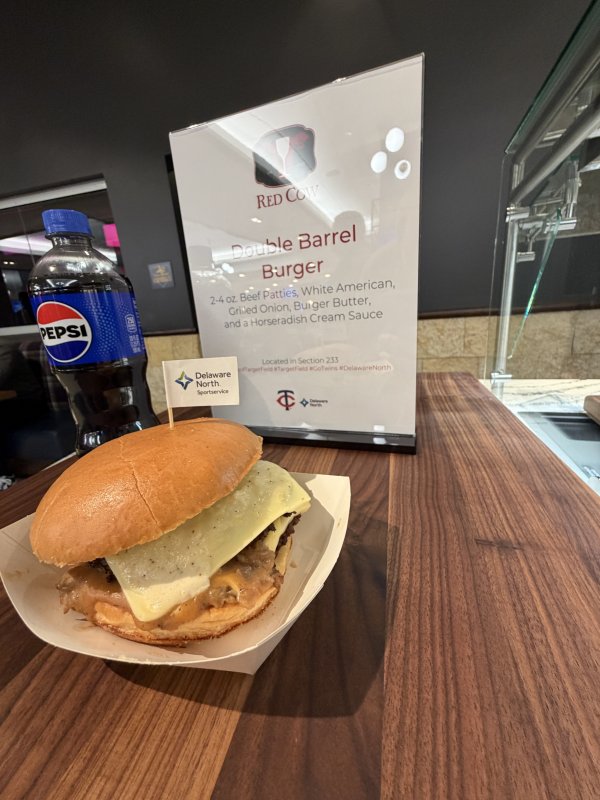 Red Cow's Double Barrel Burger is now being served at Target Field! What sets this apart from other burgers is the burger butter and creamy horseradish...a must try this season!
 -
Image courtesy of Thieres Rabelo The Minnesota Twins hosted their annual Taste of the Twins event Tuesday, ahead of Friday’s home opener against the Tampa Bay Rays. The event acts as a preview of what’s to come at Target Field for the upcoming season, including enhancements to the fan experience. It also allowed attendees to taste-test the new food and beverage options. As has long been true, Target Field offers some of the best ballpark fare that you will find in all of Major League Baseball, and they’re adding excellent options to an already impressive list. What I particularly enjoy about the food offerings is that so many of them come from small, locally-owned businesses around the Twin Cities. Whether it’s a sausage from Kramarczuk’s, a slice from Pizza Luce, or street tacos from La Tapatia, Target Field has made it a point to give fans variety and an opportunity to support a local haunt. This season will be no exception. In addition to new local vendors (such as a soon-to-open Japenese restaurant called Izakaya Kazama or exican cuisine from La Madre), Red Cow adds a popular burger to their kitchen in section 223 that previously could only be found in their brick-and-mortar restaurants. Moreover, Target Field will have additional gluten-friendly and vegan options to create a more inclusive set of food offerings. So, without further ado, let's get into the specifics of the new food and beverage options at Target Field. Double Barrel Burger from Red Cow Red Cow brings their Double Barrel Burger to Target Field in 2026, featuring two 4-ounce beef patties, white American cheese, and grilled onions. However, what sets this burger apart from the rest of the menu (and made it my favorite savory item at the event) was the burger butter and horseradish cream sauce slathered between the beef patties. Even if horseradish isn’t your jam [Ed. note: it really is more of a sauce; I can't make the case that it's a jam], I can’t recommend trying this burger enough. Mixed with the burger butter, it adds a creamy, tangy flavor to the burger and isn’t overpowering as horseradish can sometimes be. You can find this burger at their normal location, in section 223 on the center field porch. Elote from La Madre Disclaimer: I LOVE me some elote (or Mexican street corn), so trust me when I say this: the elote from La Madre was rather bland. With a booth in section 110, La Madre will offer the following varieties of the popular corn-based dish. After slathering it in mayonnaise, you can choose to coat your corn on the cob in cotija cheese, tajín and arbol spice, crushed Flamin’ Hot Cheetos, or crushed “hot blue” corn chips. As someone who would be hard-pressed to bypass the traditional toppings of mayo, cotija cheese, and chili powder, I took this opportunity to try the two unique offerings coated in crushed chips. I found both the Flamin’ Hot Cheetos and “Hot Blue” corn chips to lack the flavor punch that I expected. Additionally, with the way the event is set up, the dish had been sitting for an extended period of time, causing the mayo to make the chips less crunchy—a texture I thought would be a nice touch to a normally creamy dish. Now, I’m not saying the elote was bad, but it was a little underwhelming. It’s definitely something I’d like to try again when the toppings are added at the time of ordering. Mac and Yes Please A new vendor to Target Field, Mac and Yes Please can be found in section 113, where you will find a plethora of options to level up your bowl of mac and cheese. With a base of cavatappi pasta and a creamy white cheddar sauce, fans will have the option to add buffalo chicken, brisket, blue cheese crumbles, shredded cheddar, green onion, bacon bits, sliced hot peppers, fried onion crisps, a buffalo ranch sauce, and/or a barbecue drizzle. If you’re looking for something simpler, they also offer a kids mac and cheese. I had the opportunity to try a bowl that included brisket, green onion, peppers, blue cheese and BBQ. In short, it was phenomenal. The brisket was tender, the green onion and sliced hot peppers added just the right amount of kick, and the drizzle pulled it all together. I will say, as someone who likes blue cheese, I found it to be very overpowering in this dish. If you like blue cheese but don’t love it, I’d recommend you skip that choice of topping; swap it out with the shredded cheddar. Chocolate Fish on a Stick from Izakaya Kazama Holy. Smokes. This was by far my favorite item at the event and will be a must-have item every time I visit Target Field. Chef Matthew Kazama of Izakaya Kazama (a restaurant opening soon at the corner of 34th Street and Nicollet in south Minneapolis) deep-fries a fish-shaped waffle filled with a sweet, chocolate filling. It's served with a scoop of vanilla ice cream and topped with a drizzle of chocolate sauce. Found in Town Ball Tavern, the flavor and texture of this dish were absolutely divine. The outside of the waffle is crisp, while the inside is soft and gooey with the sweet chocolate filling. The waffle, which is placed on a pair of chopsticks, could stand by itself as a 10/10 dish, but then you elevate it with the ice cream and chocolate drizzle, and hoo boy. What you get is one of the most delectable desserts you’ll find in the Twin Cities…served at Target Field Justin’s Candied Popcorn Bar Sticking with the sweet treats, new to section 106 will be fresh-popped popcorn that you can top with upwards of a dozen different toppings. From Reese’s Pieces and M&Ms to Nerds clusters or mini marshmallows, there are a plethora of combinations to add to satisfy that salty and sweet craving at the ballpark. Other Inclusive Offerings Target Field continues to add to its expansive cuisine offerings by introducing the Grand Slam Shawarma (section 114), a Mediterranean bowl or wrap that includes steamed rice topped with chicken shawarma, diced red onion, tomatoes, cucumber, feta cheese, and tzatziki sauce. For those who may have dietary restrictions, you can find a variety of gluten-free options, whether it be an entree, a snack, or a beverage. In section 112, you’ll find No Gluten Way, which offers a beef burger with white American cheese, grilled onions and a “bistro” sauce or an all-beef hot dog with grilled onions, both served on a gluten-free bun. I tried the burger, and it was very good, though the bun was a little dried out (again, could have just been the way the event was set up, having it sit under a warmer for an extended period). They also feature gluten-free cookies (chocolate chip and oatmeal cherry coconut) from the local Atuvava Bakery. Look, we’re north of 1200 words, and I’ve only covered the featured items at the Taste of the Twins and didn’t even touch on the beverage menu. Lately, there haven't been a lot of good things to say about the Minnesota Twins. However, if there is one thing that has rung true for years, it’s that they more than make up for the struggles on the field with triumphs on the concourse. A new season may not bring newfound hope, but it does bring new food that’s worth the price of admission. (Just keep in mind that you also have to pay for the food itself.) What new food item are you looking forward to trying at Target Field this year? Join the conversation in the comments! View full article
-
Minnesota Twins Introduce New Food Offerings at Target Field
Matthew Lenz posted an article in Twins
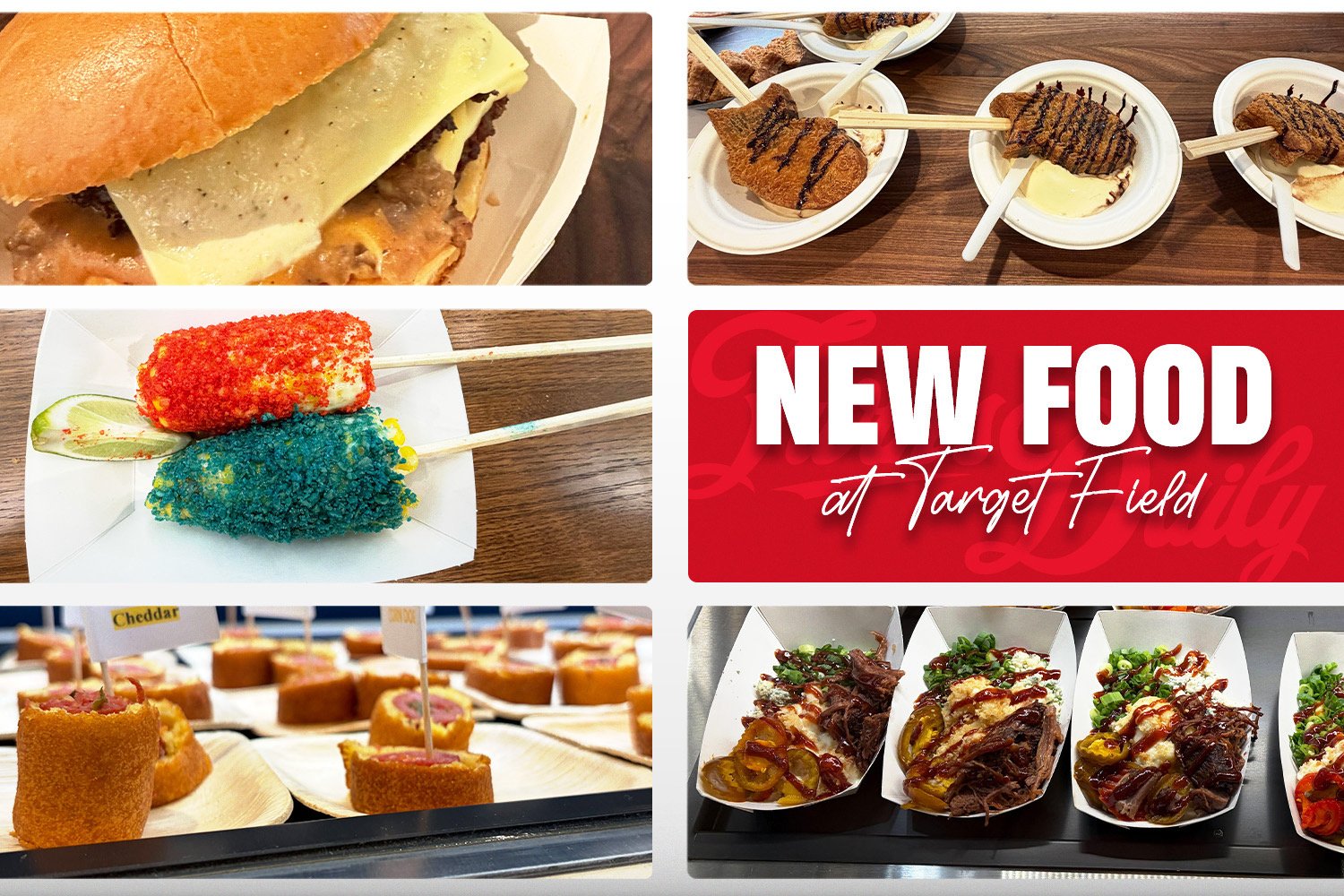 The Minnesota Twins hosted their annual Taste of the Twins event Tuesday, ahead of Friday’s home opener against the Tampa Bay Rays. The event acts as a preview of what’s to come at Target Field for the upcoming season, including enhancements to the fan experience. It also allowed attendees to taste-test the new food and beverage options. As has long been true, Target Field offers some of the best ballpark fare that you will find in all of Major League Baseball, and they’re adding excellent options to an already impressive list. What I particularly enjoy about the food offerings is that so many of them come from small, locally-owned businesses around the Twin Cities. Whether it’s a sausage from Kramarczuk’s, a slice from Pizza Luce, or street tacos from La Tapatia, Target Field has made it a point to give fans variety and an opportunity to support a local haunt. This season will be no exception. In addition to new local vendors (such as a soon-to-open Japenese restaurant called Izakaya Kazama or exican cuisine from La Madre), Red Cow adds a popular burger to their kitchen in section 223 that previously could only be found in their brick-and-mortar restaurants. Moreover, Target Field will have additional gluten-friendly and vegan options to create a more inclusive set of food offerings. So, without further ado, let's get into the specifics of the new food and beverage options at Target Field. Double Barrel Burger from Red Cow Red Cow brings their Double Barrel Burger to Target Field in 2026, featuring two 4-ounce beef patties, white American cheese, and grilled onions. However, what sets this burger apart from the rest of the menu (and made it my favorite savory item at the event) was the burger butter and horseradish cream sauce slathered between the beef patties. Even if horseradish isn’t your jam [Ed. note: it really is more of a sauce; I can't make the case that it's a jam], I can’t recommend trying this burger enough. Mixed with the burger butter, it adds a creamy, tangy flavor to the burger and isn’t overpowering as horseradish can sometimes be. You can find this burger at their normal location, in section 223 on the center field porch. Elote from La Madre Disclaimer: I LOVE me some elote (or Mexican street corn), so trust me when I say this: the elote from La Madre was rather bland. With a booth in section 110, La Madre will offer the following varieties of the popular corn-based dish. After slathering it in mayonnaise, you can choose to coat your corn on the cob in cotija cheese, tajín and arbol spice, crushed Flamin’ Hot Cheetos, or crushed “hot blue” corn chips. As someone who would be hard-pressed to bypass the traditional toppings of mayo, cotija cheese, and chili powder, I took this opportunity to try the two unique offerings coated in crushed chips. I found both the Flamin’ Hot Cheetos and “Hot Blue” corn chips to lack the flavor punch that I expected. Additionally, with the way the event is set up, the dish had been sitting for an extended period of time, causing the mayo to make the chips less crunchy—a texture I thought would be a nice touch to a normally creamy dish. Now, I’m not saying the elote was bad, but it was a little underwhelming. It’s definitely something I’d like to try again when the toppings are added at the time of ordering. Mac and Yes Please A new vendor to Target Field, Mac and Yes Please can be found in section 113, where you will find a plethora of options to level up your bowl of mac and cheese. With a base of cavatappi pasta and a creamy white cheddar sauce, fans will have the option to add buffalo chicken, brisket, blue cheese crumbles, shredded cheddar, green onion, bacon bits, sliced hot peppers, fried onion crisps, a buffalo ranch sauce, and/or a barbecue drizzle. If you’re looking for something simpler, they also offer a kids mac and cheese. I had the opportunity to try a bowl that included brisket, green onion, peppers, blue cheese and BBQ. In short, it was phenomenal. The brisket was tender, the green onion and sliced hot peppers added just the right amount of kick, and the drizzle pulled it all together. I will say, as someone who likes blue cheese, I found it to be very overpowering in this dish. If you like blue cheese but don’t love it, I’d recommend you skip that choice of topping; swap it out with the shredded cheddar. Chocolate Fish on a Stick from Izakaya Kazama Holy. Smokes. This was by far my favorite item at the event and will be a must-have item every time I visit Target Field. Chef Matthew Kazama of Izakaya Kazama (a restaurant opening soon at the corner of 34th Street and Nicollet in south Minneapolis) deep-fries a fish-shaped waffle filled with a sweet, chocolate filling. It's served with a scoop of vanilla ice cream and topped with a drizzle of chocolate sauce. Found in Town Ball Tavern, the flavor and texture of this dish were absolutely divine. The outside of the waffle is crisp, while the inside is soft and gooey with the sweet chocolate filling. The waffle, which is placed on a pair of chopsticks, could stand by itself as a 10/10 dish, but then you elevate it with the ice cream and chocolate drizzle, and hoo boy. What you get is one of the most delectable desserts you’ll find in the Twin Cities…served at Target Field Justin’s Candied Popcorn Bar Sticking with the sweet treats, new to section 106 will be fresh-popped popcorn that you can top with upwards of a dozen different toppings. From Reese’s Pieces and M&Ms to Nerds clusters or mini marshmallows, there are a plethora of combinations to add to satisfy that salty and sweet craving at the ballpark. Other Inclusive Offerings Target Field continues to add to its expansive cuisine offerings by introducing the Grand Slam Shawarma (section 114), a Mediterranean bowl or wrap that includes steamed rice topped with chicken shawarma, diced red onion, tomatoes, cucumber, feta cheese, and tzatziki sauce. For those who may have dietary restrictions, you can find a variety of gluten-free options, whether it be an entree, a snack, or a beverage. In section 112, you’ll find No Gluten Way, which offers a beef burger with white American cheese, grilled onions and a “bistro” sauce or an all-beef hot dog with grilled onions, both served on a gluten-free bun. I tried the burger, and it was very good, though the bun was a little dried out (again, could have just been the way the event was set up, having it sit under a warmer for an extended period). They also feature gluten-free cookies (chocolate chip and oatmeal cherry coconut) from the local Atuvava Bakery. Look, we’re north of 1200 words, and I’ve only covered the featured items at the Taste of the Twins and didn’t even touch on the beverage menu. Lately, there haven't been a lot of good things to say about the Minnesota Twins. However, if there is one thing that has rung true for years, it’s that they more than make up for the struggles on the field with triumphs on the concourse. A new season may not bring newfound hope, but it does bring new food that’s worth the price of admission. (Just keep in mind that you also have to pay for the food itself.) What new food item are you looking forward to trying at Target Field this year? Join the conversation in the comments!
 -
The Minnesota Twins and Target Field are expanding their already impressive food and drink line up in 2026. You'll find something for everyone, whether it's the new Double Barrel Burger from Red Cow, Hot Cheeto Dusted Elote, gluten free and vegan food options, deep fried waffle on a stick, or an all new refreshing lineup of alcoholic and nonalcoholic drinks!
-
The Minnesota Twins and Target Field are expanding their already impressive food and drink line up in 2026. You'll find something for everyone, whether it's the new Double Barrel Burger from Red Cow, Hot Cheeto Dusted Elote, gluten free and vegan food options, deep fried waffle on a stick, or an all new refreshing lineup of alcoholic and nonalcoholic drinks! View full video
-
In the third installment of the Twins Daily top prospect rankings, we enter the top 10 as voted on by Twins Daily contributors. Gabriel Gonzalez had a monster 2025 season, but was it enough to crack the top 5? Discussed in the video are Charlee Soto, Marek Houston, Kendry Rojas, Gabriel Gonzalez, and Dasan Hill. View full video
-
In the third installment of the Twins Daily top prospect rankings, we enter the top 10 as voted on by Twins Daily contributors. Gabriel Gonzalez had a monster 2025 season, but was it enough to crack the top 5? Discussed in the video are Charlee Soto, Marek Houston, Kendry Rojas, Gabriel Gonzalez, and Dasan Hill.
-
Twins Daily contributors have voted, and we're ready to reveal the Minnesota Twins' top prospects in the 11-15 range. Andrew Morris is at the doorstep of the big leagues, but can he crack the top 10? Included in this video are Marco Raya, Quentin Young, Brandon Winokur, Andrew Morris, and Riley Quick. View full video
-
Twins Daily contributors have voted, and we're ready to reveal the Minnesota Twins' top prospects in the 11-15 range. Andrew Morris is at the doorstep of the big leagues, but can he crack the top 10? Included in this video are Marco Raya, Quentin Young, Brandon Winokur, Andrew Morris, and Riley Quick.
-
With a new season around the corner, it's time to update our Minnesota Twins top prospect rankings. Twins Daily contributors have voted, and the new list will be revealed in four installments. Hendry Mendez was voted as a top 20 prospect, but should he have cracked the top 15? Discussed in this video are James Ellwanger, Khadim Diaw, C.J. Culpepper, Kyle DeBarge, and Hendry Mendez. View full video
-
With a new season around the corner, it's time to update our Minnesota Twins top prospect rankings. Twins Daily contributors have voted, and the new list will be revealed in four installments. Hendry Mendez was voted as a top 20 prospect, but should he have cracked the top 15? Discussed in this video are James Ellwanger, Khadim Diaw, C.J. Culpepper, Kyle DeBarge, and Hendry Mendez.
-
Simeon Woods Richardson had a rough first inning in his third Grapefruit League appearance. With no minor league options remaining, he's guaranteed to make the Minnesota Twins roster. Is he a lock to make the rotation, though? View full video
-
Simeon Woods Richardson had a rough first inning in his third Grapefruit League appearance. With no minor league options remaining, he's guaranteed to make the Minnesota Twins roster. Is he a lock to make the rotation, though?
-
The injury bug has bitten Pablo Lopez and David Festa early on in spring training. Although it was deemed the best-case scenario, Joe Ryan is also dealing with lower-back inflammation and has yet to pitch in a game. Do the Minnesota Twins have the starting depth to survive the injuries? View full video
-
The injury bug has bitten Pablo Lopez and David Festa early on in spring training. Although it was deemed the best-case scenario, Joe Ryan is also dealing with lower-back inflammation and has yet to pitch in a game. Do the Minnesota Twins have the starting depth to survive the injuries?
-
Minnesota Twins relievers Taylor Rogers, Anthony Banda, and Cole Sands made their spring training debuts against the Baltimore Orioles. Can we draw any conclusions from the order in which they debuted? On the other side of the ball, is Luke Keaschall pegged as the everyday second baseman? View full video
-
Minnesota Twins relievers Taylor Rogers, Anthony Banda, and Cole Sands made their spring training debuts against the Baltimore Orioles. Can we draw any conclusions from the order in which they debuted? On the other side of the ball, is Luke Keaschall pegged as the everyday second baseman?
-
The Minnesota Twins faced off against the Detroit Tigers on Monday in a game that was headlined by a dominant start by Mick Abel and an absolute TANK by Emmanuel Rodriguez. What are the chances that either player makes the Opening Day roster? View full video
-
The Minnesota Twins faced off against the Detroit Tigers on Monday in a game that was headlined by a dominant start by Mick Abel and an absolute TANK by Emmanuel Rodriguez. What are the chances that either player makes the Opening Day roster?
-
Brooks Lee enters 2026 as the everyday shortstop for the Minnesota Twins. What did he work on this off-season to prepare for his role?
-
Brooks Lee enters 2026 as the everyday shortstop for the Minnesota Twins. What did he work on this off-season to prepare for his role? View full video
-
The Minnesota Twins announced that starting pitcher Pablo Lopez has a significant tear in his elbow that will likely require season-ending surgery. Will the Twins use the next-man-up philosophy or look to add someone like Lucas Giolito via free agency? View full video

