



Matthew Lenz
-
Posts
1,464 -
Joined
-
Last visited
-
Days Won
3
Content Type
Profiles
News
Minnesota Twins Videos
2026 Minnesota Twins Top Prospects Ranking
2022 Minnesota Twins Draft Picks
Minnesota Twins Free Agent & Trade Rumors, Notes, & Tidbits
Guides & Resources
2023 Minnesota Twins Draft Picks
The Minnesota Twins Players Project
2024 Minnesota Twins Draft Picks
2025 Minnesota Twins Draft Pick Tracker
2026 Minnesota Twins Draft Tracker: Picks & Bonuses
Forums
Blogs
Events
Store
Downloads
Gallery
Everything posted by Matthew Lenz
-
 Joe Ryan has been the subject of trade rumors multiple times over the last 14 months. Whether the rumors are substantiated or not, you can bet the national media will put him back on the block this offseason. But will the Minnesota Twins follow suit? View full video
 -
Joe Ryan has been the subject of trade rumors multiple times over the last 14 months. Whether the rumors are substantiated or not, you can bet the national media will put him back on the block this offseason. But will the Minnesota Twins follow suit?
-
In a lost season, the Minnesota Twins have gotten a snippet of what the next wave of prospects have to offer the future of the club. Could this mean the end of the road for some team-controlled veterans?
-
In a lost season, the Minnesota Twins have gotten a snippet of what the next wave of prospects have to offer the future of the club. Could this mean the end of the road for some team-controlled veterans? View full video
-
Byron Buxton is entering his mid-30s, and the injuries continue to pile up. As he ages into his 30s, is the franchise cornerstone of the Minnesota Twins facing a significant turning point in his career? View full video
-
Byron Buxton is entering his mid-30s, and the injuries continue to pile up. As he ages into his 30s, is the franchise cornerstone of the Minnesota Twins facing a significant turning point in his career?
-
Vahn Lackey has gone from Georgia Tech Yellow Jacket to Cedar Rapids Kernel in less than two months. The third-overall pick has been living up to the draft hype and looks like he could be playing in Minnesota sooner rather than later. View full video
-
Vahn Lackey has gone from Georgia Tech Yellow Jacket to Cedar Rapids Kernel in less than two months. The third-overall pick has been living up to the draft hype and looks like he could be playing in Minnesota sooner rather than later.
-
Josh Bell was Derek Falvey's last gift to the Minnesota Twins, and it has paid off in big ways. The veteran slugger has been one of the team's best hitters since June 1st and has given the team the leadership it desperately needed. View full video
-
Josh Bell was Derek Falvey's last gift to the Minnesota Twins, and it has paid off in big ways. The veteran slugger has been one of the team's best hitters since June 1st and has given the team the leadership it desperately needed.
-
Image courtesy of David Frerker - IMAGN IMAGES via Reuters Connect Connor Prielipp's season has been a roller coaster, and it might be reaching the top of the final hill. He got roughed up again in his last outing, and with Joe Ryan potentially nearing a return, it's fair to start wondering whether Prielipp's spot in the Minnesota Twins rotation is safe down the stretch. To be clear, this isn't a total surprise. We knew going in that a season like this was possible for a young arm still finding his footing at the big-league level. Prielipp has flashed real promise in a number of his starts, but he's also been knocked around more than the Twins would like, and there's more behind that than simple growing pains. Remember why the Twins were able to land him in the 2nd round of the 2022 MLB draft in the first place. Prielipp dealt with arm issues at Alabama, serious enough that a lot of evaluators thought of him as a future high-leverage reliever rather than a starter (if he was able to stay healthy at all). That path is still very much on the table; however, the Twins developed him as a starter, where he has shown promise. Early this season, there was a real question of whether he'd still be in the big-league rotation by the time September rolled around. While he’s shown that he could stick in the rotation, the bumps in the road have been real too. Unfortunately, we’re at the point where the innings conversation becomes impossible to ignore. Prielipp has thrown 99 innings with the Twins this year, already more than he's thrown in any professional season since joining the organization (and that's not even counting his innings with the St. Paul Saints). That workload alone had people speculating around the trade deadline about whether the Twins might shut him down or shift him to the bullpen to manage his innings. That combined with his roller coaster performance might force the Twins’ hand. Across 19 starts, Prielipp owns a 5.55 ERA, which looks rough on the surface. But dig a little deeper and there's reason for some optimism. His FIP sits at 3.98, suggesting the results haven't matched the underlying performance. He's also carrying a strikeout minus walk rate of 15.6%, which is a solid number for a starting pitcher but could be proved upon by limiting walks. The problem is his most recent stretch, aside from a 7.76 ERA (4.73 FIP), his primary pitch offering hasn't been getting smacked. Though his secondaries still look good (or at least okay), it's his fastball and that has suddenly lost its shine where hitters are batting .364 against the pitch. And when you connect that to the innings totals, it wouldn't be shocking if his arm is simply running out of gas as the season reaches its final month. So what happens next? Joe Ryan's return is reportedly on the horizon, and that changes the math for everyone in the rotation. The last time a starter had to make room for a returning arm, it was Zebby Matthews who got optioned to Triple-A St. Paul.. It'll be worth watching whether the Twins take a similar approach with Prielipp, sending him down to St. Paul for a reset and a chance to fine-tune his fastball and changeup before the season wraps up. That's not a demotion in the way it might sound. It could be exactly what he needs. There's also the bigger picture to consider if the Twins make a real push toward October. If we're talking about a playoff rotation, Ryan and Taj Bradley look like the top two options right now, with Dean Kramer as the likely third. That would put Prielipp in a bullpen role if he's part of an October roster at all. None of this means Prielipp is a bust or that his future in a Twins uniform is in doubt. Quite the opposite. A pitcher with a 4.11 FIP and a strong strikeout-to-walk rate has real things to like, even if the ERA doesn't show it yet. The bigger question is how the Twins manage him the rest of the way. Do they give him a reset in St. Paul, similar to what they did with Royce Lewis earlier this year? I lean toward thinking a reset makes the most sense. Prielipp has already blown past his previous career high in innings, his fastball and changeup have clearly taken a hit lately, and there's no reason to push a talented young arm further into the danger zone in a season that may not have much playoff value attached to it anyway. Better to protect the asset now than risk a bigger issue down the road. How do you think the Twins should handle Connor Prielipp over the next month? Should they option him down, shift him to the bullpen, or just ride it out? Join the conversation in the comments! View full article
-
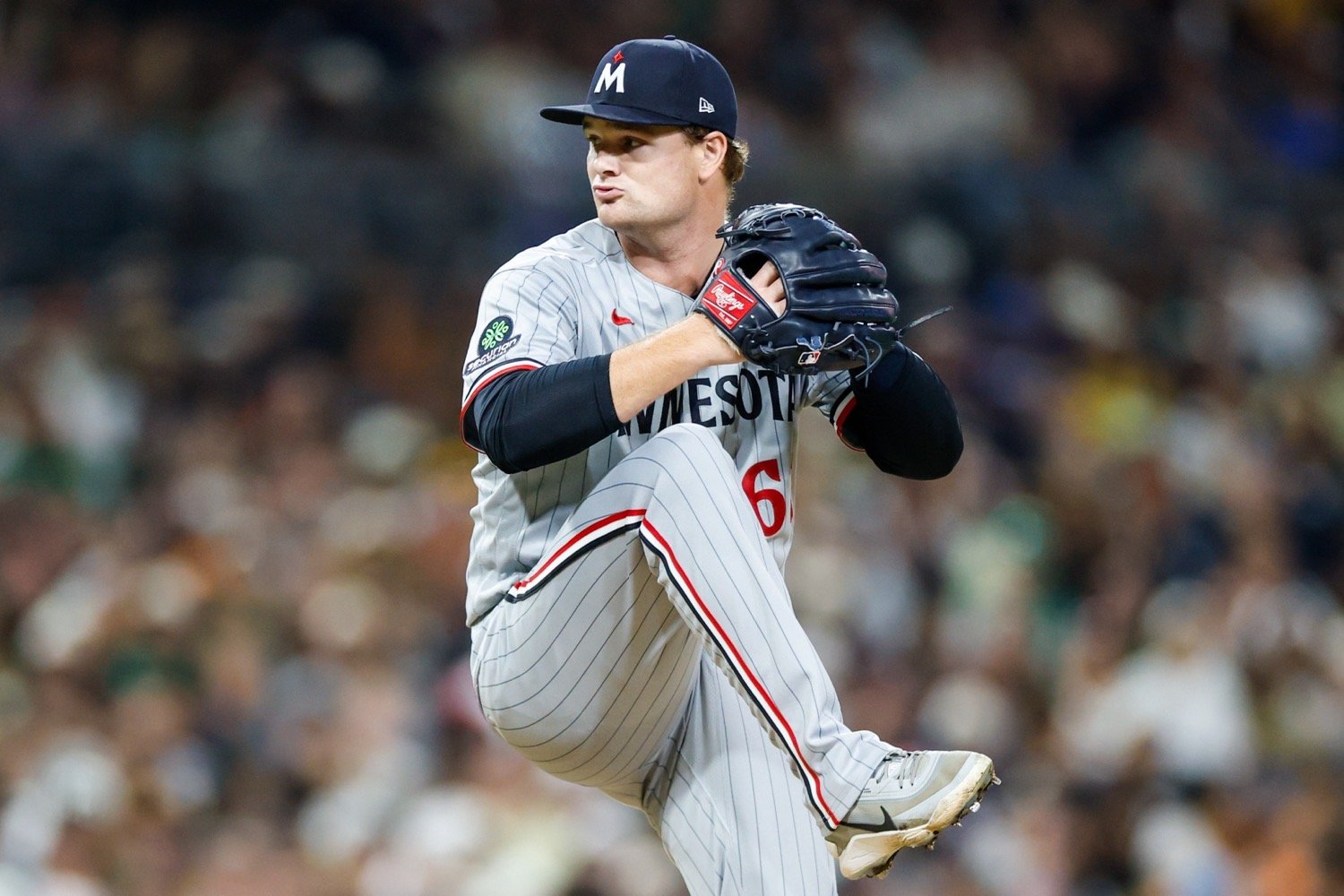 Connor Prielipp's season has been a roller coaster, and it might be reaching the top of the final hill. He got roughed up again in his last outing, and with Joe Ryan potentially nearing a return, it's fair to start wondering whether Prielipp's spot in the Minnesota Twins rotation is safe down the stretch. To be clear, this isn't a total surprise. We knew going in that a season like this was possible for a young arm still finding his footing at the big-league level. Prielipp has flashed real promise in a number of his starts, but he's also been knocked around more than the Twins would like, and there's more behind that than simple growing pains. Remember why the Twins were able to land him in the 2nd round of the 2022 MLB draft in the first place. Prielipp dealt with arm issues at Alabama, serious enough that a lot of evaluators thought of him as a future high-leverage reliever rather than a starter (if he was able to stay healthy at all). That path is still very much on the table; however, the Twins developed him as a starter, where he has shown promise. Early this season, there was a real question of whether he'd still be in the big-league rotation by the time September rolled around. While he’s shown that he could stick in the rotation, the bumps in the road have been real too. Unfortunately, we’re at the point where the innings conversation becomes impossible to ignore. Prielipp has thrown 99 innings with the Twins this year, already more than he's thrown in any professional season since joining the organization (and that's not even counting his innings with the St. Paul Saints). That workload alone had people speculating around the trade deadline about whether the Twins might shut him down or shift him to the bullpen to manage his innings. That combined with his roller coaster performance might force the Twins’ hand. Across 19 starts, Prielipp owns a 5.55 ERA, which looks rough on the surface. But dig a little deeper and there's reason for some optimism. His FIP sits at 3.98, suggesting the results haven't matched the underlying performance. He's also carrying a strikeout minus walk rate of 15.6%, which is a solid number for a starting pitcher but could be proved upon by limiting walks. The problem is his most recent stretch, aside from a 7.76 ERA (4.73 FIP), his primary pitch offering hasn't been getting smacked. Though his secondaries still look good (or at least okay), it's his fastball and that has suddenly lost its shine where hitters are batting .364 against the pitch. And when you connect that to the innings totals, it wouldn't be shocking if his arm is simply running out of gas as the season reaches its final month. So what happens next? Joe Ryan's return is reportedly on the horizon, and that changes the math for everyone in the rotation. The last time a starter had to make room for a returning arm, it was Zebby Matthews who got optioned to Triple-A St. Paul.. It'll be worth watching whether the Twins take a similar approach with Prielipp, sending him down to St. Paul for a reset and a chance to fine-tune his fastball and changeup before the season wraps up. That's not a demotion in the way it might sound. It could be exactly what he needs. There's also the bigger picture to consider if the Twins make a real push toward October. If we're talking about a playoff rotation, Ryan and Taj Bradley look like the top two options right now, with Dean Kramer as the likely third. That would put Prielipp in a bullpen role if he's part of an October roster at all. None of this means Prielipp is a bust or that his future in a Twins uniform is in doubt. Quite the opposite. A pitcher with a 4.11 FIP and a strong strikeout-to-walk rate has real things to like, even if the ERA doesn't show it yet. The bigger question is how the Twins manage him the rest of the way. Do they give him a reset in St. Paul, similar to what they did with Royce Lewis earlier this year? I lean toward thinking a reset makes the most sense. Prielipp has already blown past his previous career high in innings, his fastball and changeup have clearly taken a hit lately, and there's no reason to push a talented young arm further into the danger zone in a season that may not have much playoff value attached to it anyway. Better to protect the asset now than risk a bigger issue down the road. How do you think the Twins should handle Connor Prielipp over the next month? Should they option him down, shift him to the bullpen, or just ride it out? Join the conversation in the comments!
 -
Image courtesy of IMAGN IMAGES via Reuters Connect After getting run over by the San Diego Padres and the Athletics, it's fair to wonder if the Minnesota Twins' playoff hopes are already dead. On the other hand, the next 15 games give this team one real shot to turn the ship around, and how they play over that stretch will decide the rest of their season. As it stands, the Twins sit 6.5 games out of the division and four games back of the third wild card spot. FanGraphs Playoff Odds gives them less than a 5% chance of winning the division and roughly a 10% chance of making the playoffs overall. Not great numbers, but not impossible ones either, especially with the schedule ahead. Each of the next 15 games comes against divisional opponents: six against the Chicago White Sox, six against the Detroit Tigers, and three against the Cleveland Guardians. Beyond that, the Twins close the season with a three-game set against the Texas Rangers, and depending on how the next month shakes out, that series could turn into a de facto play-in for the third wild card spot. Without getting ahead of ourselves, let's break down what the Twins are working with over these next 15 games. Chicago White Sox The Twins open this stretch on the road against the division-leading White Sox, and Chicago's calling card all season has been its offense. Since August 1st, the White Sox have the third-best wRC+ in all of baseball. The problem is the pitching hasn't kept pace, and that's why a team with this much thump is still playing .500 ball since August 1st. Their rotation has been shaky all year, and while they added Luis Castillo at the trade deadline to try to stabilize things, his 5.89 ERA (5.37 FIP) with the White Sox leaves more to be desired. The bullpen has been a bit more reliable, posting a 3.83 ERA over the same timeframe. Looking at their schedule beyond the Twins series, the White Sox also have games against the Houston Astros and the Detroit Tigers, along with softer matchups against the Kansas City Royals, Colorado Rockies, St. Louis Cardinals, and Pittsburgh Pirates. Not only are they in the driver's seat, but their relatively soft schedule makes the chances of a four week collapse almost zilch. These six games against the Twins represent a real chance for Chicago to put them away for good. Detroit Tigers The Tigers sit just a game and a half behind the Twins, so on paper they look like part of this race too. Detroit sold off hard at the deadline, moving their top two frontline starters, yet those moves haven't slowed them down much, as they are just three games below .500 in August. The offense hasn't been effective, the bullpen has been unreliable all year, and I keep waiting for the other shoe to drop on this club. If the Twins are serious about making a push, going something like 5-1 against Detroit is close to what they need. Unlike the White Sox, the Tigers’ schedule isn't favorable, with three games against the Los Angeles Dodgers, four against the Cleveland Guardians, and six against the Twins over the next two weeks. By the time this stretch wraps up, I'd expect Detroit's season to be effectively over right alongside (or ahead of) the Twins' fading hopes, if they can't take advantage. Cleveland Guardians Cleveland is one of the teams the Twins need to jump, whether it's in the division race or the wild card chase. They only get three cracks at them the rest of the way, making every one of those games matter. This isn't your typical Guardians team, though. They can hit, especially after trade deadline acquisitions Jo Adell and Nathaniel Lowe being inserted into their lineup. Prior to the deadline they were one of the least productive units in baseball, yet in the month of August they've been top 5 in all of baseball. On the mound, they have solid starters and relievers who have posted a 3.78 ERA (4.34 FIP) as a group. Yet, they find themselves just one game above .500 despite a favorable August schedule. The bad news for Minnesota is that Cleveland's remaining schedule is soft. Outside of the three games against the Twins, the Guardians get six against the Royals, three against the Tigers, three against the Orioles, and three against the Athletics. That's an easy runway, and it means the Twins can't count on Cleveland stumbling elsewhere. They have to make their dent in that head-to-head series. The margin for error is basically gone. Realistically, the Twins need to win at least two of every three games across this stretch just to stay afloat. If they can go 10-5 or better against these three divisional opponents, that still won't hand them the driver's seat, but it keeps the season alive heading into the final weeks. The Twins don't control their own destiny, but they still control how hard they fight for the next two weeks. View full article
-
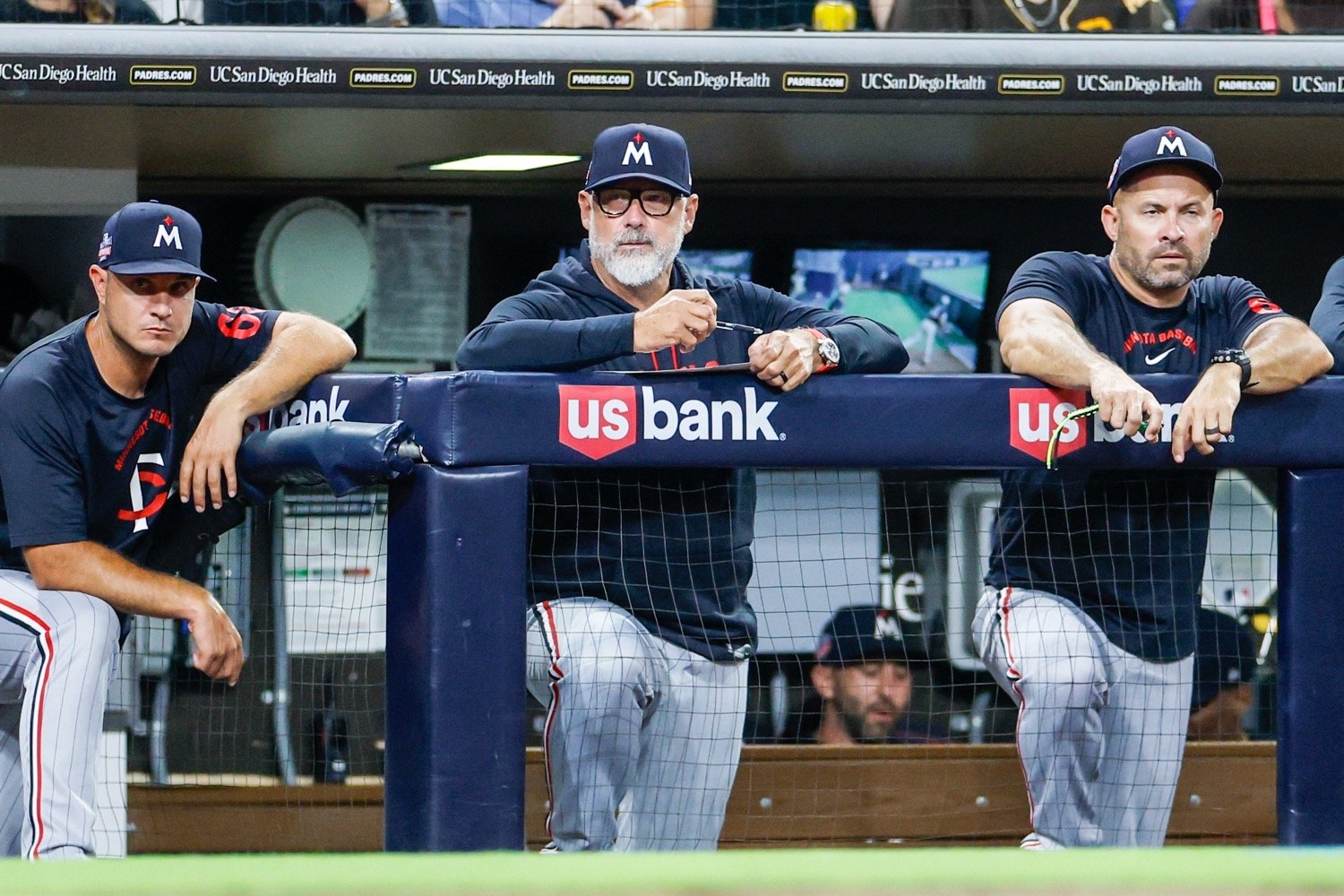 After getting run over by the San Diego Padres and the Athletics, it's fair to wonder if the Minnesota Twins' playoff hopes are already dead. On the other hand, the next 15 games give this team one real shot to turn the ship around, and how they play over that stretch will decide the rest of their season. As it stands, the Twins sit 6.5 games out of the division and four games back of the third wild card spot. FanGraphs Playoff Odds gives them less than a 5% chance of winning the division and roughly a 10% chance of making the playoffs overall. Not great numbers, but not impossible ones either, especially with the schedule ahead. Each of the next 15 games comes against divisional opponents: six against the Chicago White Sox, six against the Detroit Tigers, and three against the Cleveland Guardians. Beyond that, the Twins close the season with a three-game set against the Texas Rangers, and depending on how the next month shakes out, that series could turn into a de facto play-in for the third wild card spot. Without getting ahead of ourselves, let's break down what the Twins are working with over these next 15 games. Chicago White Sox The Twins open this stretch on the road against the division-leading White Sox, and Chicago's calling card all season has been its offense. Since August 1st, the White Sox have the third-best wRC+ in all of baseball. The problem is the pitching hasn't kept pace, and that's why a team with this much thump is still playing .500 ball since August 1st. Their rotation has been shaky all year, and while they added Luis Castillo at the trade deadline to try to stabilize things, his 5.89 ERA (5.37 FIP) with the White Sox leaves more to be desired. The bullpen has been a bit more reliable, posting a 3.83 ERA over the same timeframe. Looking at their schedule beyond the Twins series, the White Sox also have games against the Houston Astros and the Detroit Tigers, along with softer matchups against the Kansas City Royals, Colorado Rockies, St. Louis Cardinals, and Pittsburgh Pirates. Not only are they in the driver's seat, but their relatively soft schedule makes the chances of a four week collapse almost zilch. These six games against the Twins represent a real chance for Chicago to put them away for good. Detroit Tigers The Tigers sit just a game and a half behind the Twins, so on paper they look like part of this race too. Detroit sold off hard at the deadline, moving their top two frontline starters, yet those moves haven't slowed them down much, as they are just three games below .500 in August. The offense hasn't been effective, the bullpen has been unreliable all year, and I keep waiting for the other shoe to drop on this club. If the Twins are serious about making a push, going something like 5-1 against Detroit is close to what they need. Unlike the White Sox, the Tigers’ schedule isn't favorable, with three games against the Los Angeles Dodgers, four against the Cleveland Guardians, and six against the Twins over the next two weeks. By the time this stretch wraps up, I'd expect Detroit's season to be effectively over right alongside (or ahead of) the Twins' fading hopes, if they can't take advantage. Cleveland Guardians Cleveland is one of the teams the Twins need to jump, whether it's in the division race or the wild card chase. They only get three cracks at them the rest of the way, making every one of those games matter. This isn't your typical Guardians team, though. They can hit, especially after trade deadline acquisitions Jo Adell and Nathaniel Lowe being inserted into their lineup. Prior to the deadline they were one of the least productive units in baseball, yet in the month of August they've been top 5 in all of baseball. On the mound, they have solid starters and relievers who have posted a 3.78 ERA (4.34 FIP) as a group. Yet, they find themselves just one game above .500 despite a favorable August schedule. The bad news for Minnesota is that Cleveland's remaining schedule is soft. Outside of the three games against the Twins, the Guardians get six against the Royals, three against the Tigers, three against the Orioles, and three against the Athletics. That's an easy runway, and it means the Twins can't count on Cleveland stumbling elsewhere. They have to make their dent in that head-to-head series. The margin for error is basically gone. Realistically, the Twins need to win at least two of every three games across this stretch just to stay afloat. If they can go 10-5 or better against these three divisional opponents, that still won't hand them the driver's seat, but it keeps the season alive heading into the final weeks. The Twins don't control their own destiny, but they still control how hard they fight for the next two weeks.
 -
After going 1-5 against the San Diego Padres and Athletics, the Minnesota Twins are on the brink of missing the playoffs. However, the next 15 games are all against American League Central foes. Can they right the ship and save their season?
-
After going 1-5 against the San Diego Padres and Athletics, the Minnesota Twins are on the brink of missing the playoffs. However, the next 15 games are all against American League Central foes. Can they right the ship and save their season? View full video
-
Connor Prielipp has been roughed up in back-to-back outings. With Joe Ryan's return looming, could his role change for the rest of the season? View full video
-
Connor Prielipp has been roughed up in back-to-back outings. With Joe Ryan's return looming, could his role change for the rest of the season?
-
Walker Jenkins has done everything he possibly could for the St. Paul Saints. Yet, he's still there. What's it going to take to get him to the big leagues? View full video
-
O Walker Jenkins, Where Art Thou?
Matthew Lenz posted a video in Minnesota Twins Minor League Videos
Walker Jenkins has done everything he possibly could for the St. Paul Saints. Yet, he's still there. What's it going to take to get him to the big leagues? -
It feels criminal at this point that Walker Jenkins is still in St. Paul!
-
Kaelen Culpepper is nine games into his big league career, and the Minnesota Twins' rookie shortstop has already shown signs that he could be the guy moving forward. What do you think about his early returns? View full video
-
Kaelen Culpepper is nine games into his big league career, and the Minnesota Twins' rookie shortstop has already shown signs that he could be the guy moving forward. What do you think about his early returns?
-
Image courtesy of William Parameter From a pure production standpoint, Luis Fragoza isn't just having a good year for a 19-year-old. He's having one of the best seasons of any teenage prospect in all of baseball. Drop the age qualifier entirely, and he's still producing like a top 25 prospect at any level, in any organization. That's not hyperbole. Fragoza signed with the Minnesota Twins in 2024 as an international free agent out of Venezuela for just $77,500. He's a physical, strong right-handed hitter who has bounced around the diamond, playing everywhere except second base, catcher, and pitcher. In his three years in pro ball, he's already shown the kind of power that makes evaluators pay attention, even if most of them haven't started paying attention yet. His path so far has been a bit uneven, which is normal for a player this young. He debuted in the Dominican Summer League at 17 and posted a respectable .784 OPS. In 2025, he struggled to find consistency in his first stint in the Florida Complex League (FCL), finishing with a .646 OPS. This season, though? Different story After a return trip to the FCL, Fragoza quickly forced a promotion to full-season Single-A Fort Myers, where he turned into the most dangerous hitter on the Mighty Mussels roster. Right now, most public prospect rankings barely acknowledge him. FanGraphs mentioned him only as a footnote in their most recent team list. MLB Pipeline has him as the 27th-ranked prospect in a system, and he’s yet to get a vote amongst Twins Daily contributors. Given what he's done this season, that feels like it's about to change. The bat is Fragoza's carrying tool, and he's a power-over-hit type of hitter. That's both the exciting part and the cautionary part of his profile. He has a free-swinging approach that leads to plenty of strikeouts, and that approach is going to get tested as he climbs the ladder and starts seeing better pitching. His strikeout rate sits around 27 percent right now, which isn't ideal, though his walk rate of about 8 percent is respectable enough to suggest he's not completely undisciplined at the plate. What makes evaluators willing to live with the swing-and-miss is the raw power. Fragoza has shown a real ability to lift the ball, especially to his pull side, and the exit velocity numbers back it up. His max exit velocity this season sits at 110 mph, and he's in the 90th percentile leaguewide in that category. He's also an average runner who can steal a base when the opportunity is there, tallying 15 steals this year. Defensively, he's been all over the field, though MLB Pipeline projects him as an outfielder long-term. Now let's get to the fun part, because this season's production has genuinely been special. Among teenagers with at least 250 plate appearances across all of affiliated baseball, Fragoza has the third-highest wRC+ in the sport, sitting at 154. If you look at teenage qualified hitters (which he is not), he'd rank 10th overall. If you drop both qualifiers and look at production regardless, he'd be a top 25 hitter in all of affiliated baseball. For a guy two years younger than the average hitter at his level, that's about as impressive as it gets. With the Mussels, Fragoza hit .322/.398/.607 (1.005 OPS) with 14 home runs and 15 stolen bases. Performing this well while being this young is a real signal, even if the underlying strikeout numbers suggest there's swing and miss to clean up. Fragoza saved his best for right before his promotion, too. He was named Florida State League Player of the Week after posting a video game-like line that included three home runs, nine stolen bases, and seven total extra-base hits. Shortly after, the Twins promoted him to High-A Cedar Rapids, where he'll look to carry that momentum into a tougher level of competition. Finding a diamond in the rough is one of the more enjoyable parts of following a farm system, and Fragoza checks a lot of the boxes that make a prospect fun to track. However, there's no guarantee he turns into that guy. The free-swinging approach is a real swing limiter, and his defensive future still needs to sort itself out given how much he's bounced around the diamond. Still, a 19-year-old already performing at this level, already forcing multiple promotions, and already doing damage against older competition is exactly the kind of development you want to see from an unheralded prospect. Fragoza might not have much name recognition yet, but that's usually how these stories start. What do you think about Fragoza's breakout? Join the conversation in the comments! View full article
-
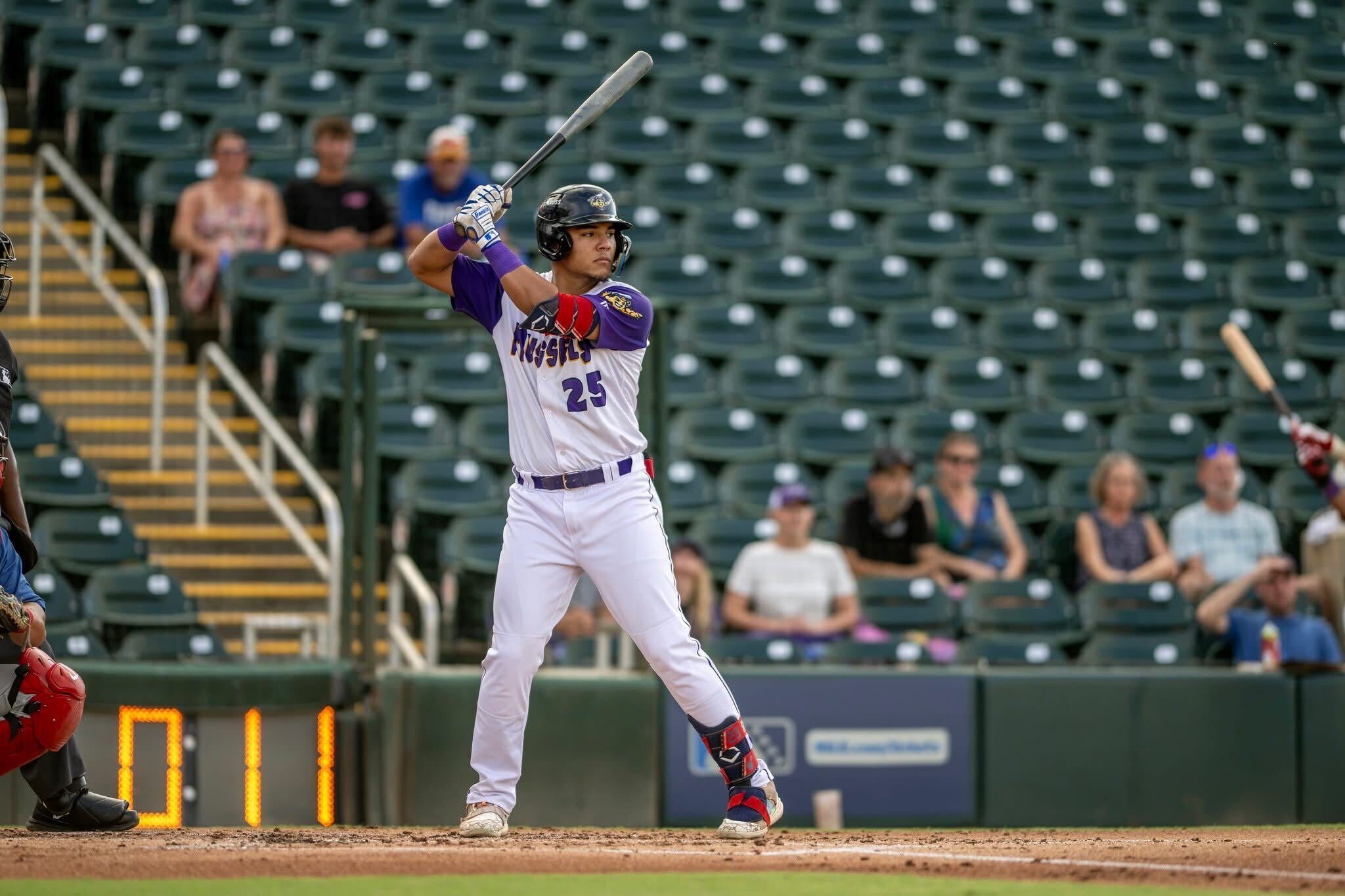 From a pure production standpoint, Luis Fragoza isn't just having a good year for a 19-year-old. He's having one of the best seasons of any teenage prospect in all of baseball. Drop the age qualifier entirely, and he's still producing like a top 25 prospect at any level, in any organization. That's not hyperbole. Fragoza signed with the Minnesota Twins in 2024 as an international free agent out of Venezuela for just $77,500. He's a physical, strong right-handed hitter who has bounced around the diamond, playing everywhere except second base, catcher, and pitcher. In his three years in pro ball, he's already shown the kind of power that makes evaluators pay attention, even if most of them haven't started paying attention yet. His path so far has been a bit uneven, which is normal for a player this young. He debuted in the Dominican Summer League at 17 and posted a respectable .784 OPS. In 2025, he struggled to find consistency in his first stint in the Florida Complex League (FCL), finishing with a .646 OPS. This season, though? Different story After a return trip to the FCL, Fragoza quickly forced a promotion to full-season Single-A Fort Myers, where he turned into the most dangerous hitter on the Mighty Mussels roster. Right now, most public prospect rankings barely acknowledge him. FanGraphs mentioned him only as a footnote in their most recent team list. MLB Pipeline has him as the 27th-ranked prospect in a system, and he’s yet to get a vote amongst Twins Daily contributors. Given what he's done this season, that feels like it's about to change. The bat is Fragoza's carrying tool, and he's a power-over-hit type of hitter. That's both the exciting part and the cautionary part of his profile. He has a free-swinging approach that leads to plenty of strikeouts, and that approach is going to get tested as he climbs the ladder and starts seeing better pitching. His strikeout rate sits around 27 percent right now, which isn't ideal, though his walk rate of about 8 percent is respectable enough to suggest he's not completely undisciplined at the plate. What makes evaluators willing to live with the swing-and-miss is the raw power. Fragoza has shown a real ability to lift the ball, especially to his pull side, and the exit velocity numbers back it up. His max exit velocity this season sits at 110 mph, and he's in the 90th percentile leaguewide in that category. He's also an average runner who can steal a base when the opportunity is there, tallying 15 steals this year. Defensively, he's been all over the field, though MLB Pipeline projects him as an outfielder long-term. Now let's get to the fun part, because this season's production has genuinely been special. Among teenagers with at least 250 plate appearances across all of affiliated baseball, Fragoza has the third-highest wRC+ in the sport, sitting at 154. If you look at teenage qualified hitters (which he is not), he'd rank 10th overall. If you drop both qualifiers and look at production regardless, he'd be a top 25 hitter in all of affiliated baseball. For a guy two years younger than the average hitter at his level, that's about as impressive as it gets. With the Mussels, Fragoza hit .322/.398/.607 (1.005 OPS) with 14 home runs and 15 stolen bases. Performing this well while being this young is a real signal, even if the underlying strikeout numbers suggest there's swing and miss to clean up. Fragoza saved his best for right before his promotion, too. He was named Florida State League Player of the Week after posting a video game-like line that included three home runs, nine stolen bases, and seven total extra-base hits. Shortly after, the Twins promoted him to High-A Cedar Rapids, where he'll look to carry that momentum into a tougher level of competition. Finding a diamond in the rough is one of the more enjoyable parts of following a farm system, and Fragoza checks a lot of the boxes that make a prospect fun to track. However, there's no guarantee he turns into that guy. The free-swinging approach is a real swing limiter, and his defensive future still needs to sort itself out given how much he's bounced around the diamond. Still, a 19-year-old already performing at this level, already forcing multiple promotions, and already doing damage against older competition is exactly the kind of development you want to see from an unheralded prospect. Fragoza might not have much name recognition yet, but that's usually how these stories start. What do you think about Fragoza's breakout? Join the conversation in the comments!


