Matthew Trueblood
-
Posts
1,033 -
Joined
-
Last visited
Content Type
Profiles
News
Minnesota Twins Videos
2026 Minnesota Twins Top Prospects Ranking
2022 Minnesota Twins Draft Picks
Minnesota Twins Free Agent & Trade Rumors, Notes, & Tidbits
Guides & Resources
2023 Minnesota Twins Draft Picks
The Minnesota Twins Players Project
2024 Minnesota Twins Draft Picks
2025 Minnesota Twins Draft Pick Tracker
2026 Minnesota Twins Draft Tracker: Picks & Bonuses
Forums
Blogs
Events
Store
Downloads
Gallery
Everything posted by Matthew Trueblood
-
Carl Pohlad is the most Mr. Potter-coded real person I have ever heard of and I didn't realize nearly how true that was until Peter undertook this series.
-
I agree. Indicates, for my money, that they're getting serious about this.
- 14 replies
-
- 1
-

-
- mat ishbia
- justin ishbia
- (and 1 more)
-
The name of the game is landing smart people to build and operate your baseball team—but as soon as you do so, the name of the game becomes keeping them. So, from time to time, you have to rename their games. The Twins promoted Josh Kalk, Alex Hassan, and Sean Johnson to assistant general manager roles Tuesday, in a move that partially backfills the promotion of Jeremy Zoll to GM in November. Zoll replaced the outgoing Thad Levine in that job, but still (of course) answers to president of baseball and business operations Derek Falvey. In Johnson (scouting), Kalk (data and analytics) and Hassan (player development), the team not-so-coincidentally inflated the titles of three people who had taken on chief roles within the three major departments that make up most front offices. Giving them this bump affirms the team's satisfaction with the jobs they've each done, and it shields the team a bit from the risk of losing any of them to another organization. All three were already so established and accomplished with the club, though, that it's hard to envision them leaving for anything short of a GM job elsewhere. That's still possible, but surely not imminent, and now, the three are all incrementally more prominent in their places with the team as they look toward 2025. It's not a true restructuring; it's just a good way to give some essential baseball personnel their due. View full rumor
-
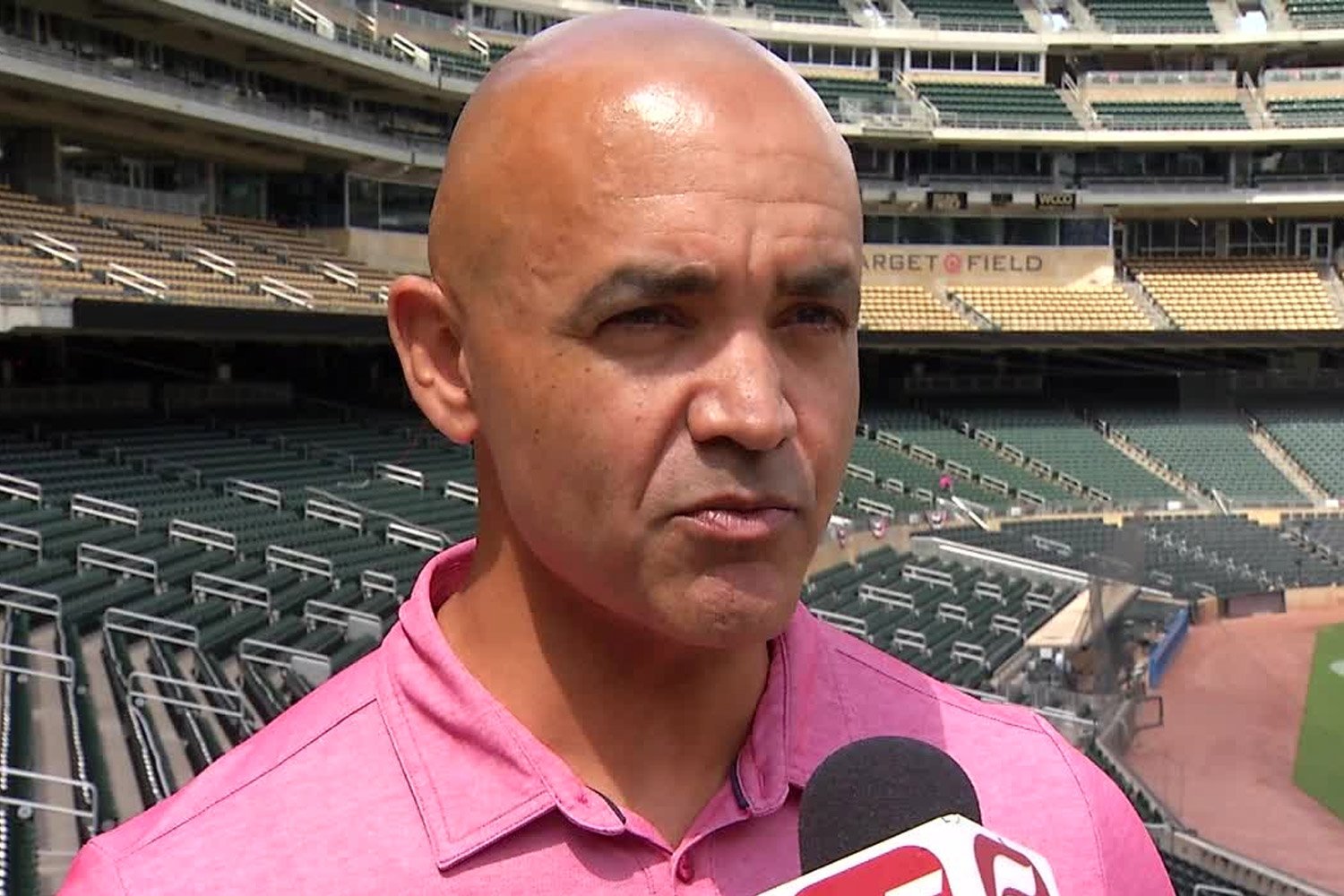 The name of the game is landing smart people to build and operate your baseball team—but as soon as you do so, the name of the game becomes keeping them. So, from time to time, you have to rename their games. The Twins promoted Josh Kalk, Alex Hassan, and Sean Johnson to assistant general manager roles Tuesday, in a move that partially backfills the promotion of Jeremy Zoll to GM in November. Zoll replaced the outgoing Thad Levine in that job, but still (of course) answers to president of baseball and business operations Derek Falvey. In Johnson (scouting), Kalk (data and analytics) and Hassan (player development), the team not-so-coincidentally inflated the titles of three people who had taken on chief roles within the three major departments that make up most front offices. Giving them this bump affirms the team's satisfaction with the jobs they've each done, and it shields the team a bit from the risk of losing any of them to another organization. All three were already so established and accomplished with the club, though, that it's hard to envision them leaving for anything short of a GM job elsewhere. That's still possible, but surely not imminent, and now, the three are all incrementally more prominent in their places with the team as they look toward 2025. It's not a true restructuring; it's just a good way to give some essential baseball personnel their due.
 -
In news that could prove to be huge (but is noteworthy, either way), Sportico reported Monday that the Ishbia brothers purchased a small minority stake in the White Sox in 2021. Naturally, to avoid conflicts of interest, MLB will require them to divest themselves from the Sox before buying the Twins, which they do seem to be strongly interested in doing. It's a procedural hurdle, at worst, because it's not as though they've been active in the operation of the team in the short period during which they've had a financial investment there. Still, this is news. When it was first reported that the two might be interested in buying the Twins, it came in the wake of rumors that they had explored buying the White Sox in full from Jerry Reinsdorf. Apparently, they had (instead) made a small investment and stayed behind the scenes there. The Sox are a messy potential purchase right now, as Reinsdorf angles for a new ballpark to replace Comiskey Park II (for so we shall continue to call it) and the organization fights its way out of a deep competitive chasm. It only makes sense that, if the chance is there, the Ishbias will buy the Twins and disentangle themselves from the Sox. That they are involved and interested enough to have stirred the right embers to alert the folks at Sportico tells us something concrete, even if it's only implied. View full rumor
- 14 replies
-
- 2
-
-
- mat ishbia
- justin ishbia
- (and 1 more)
-
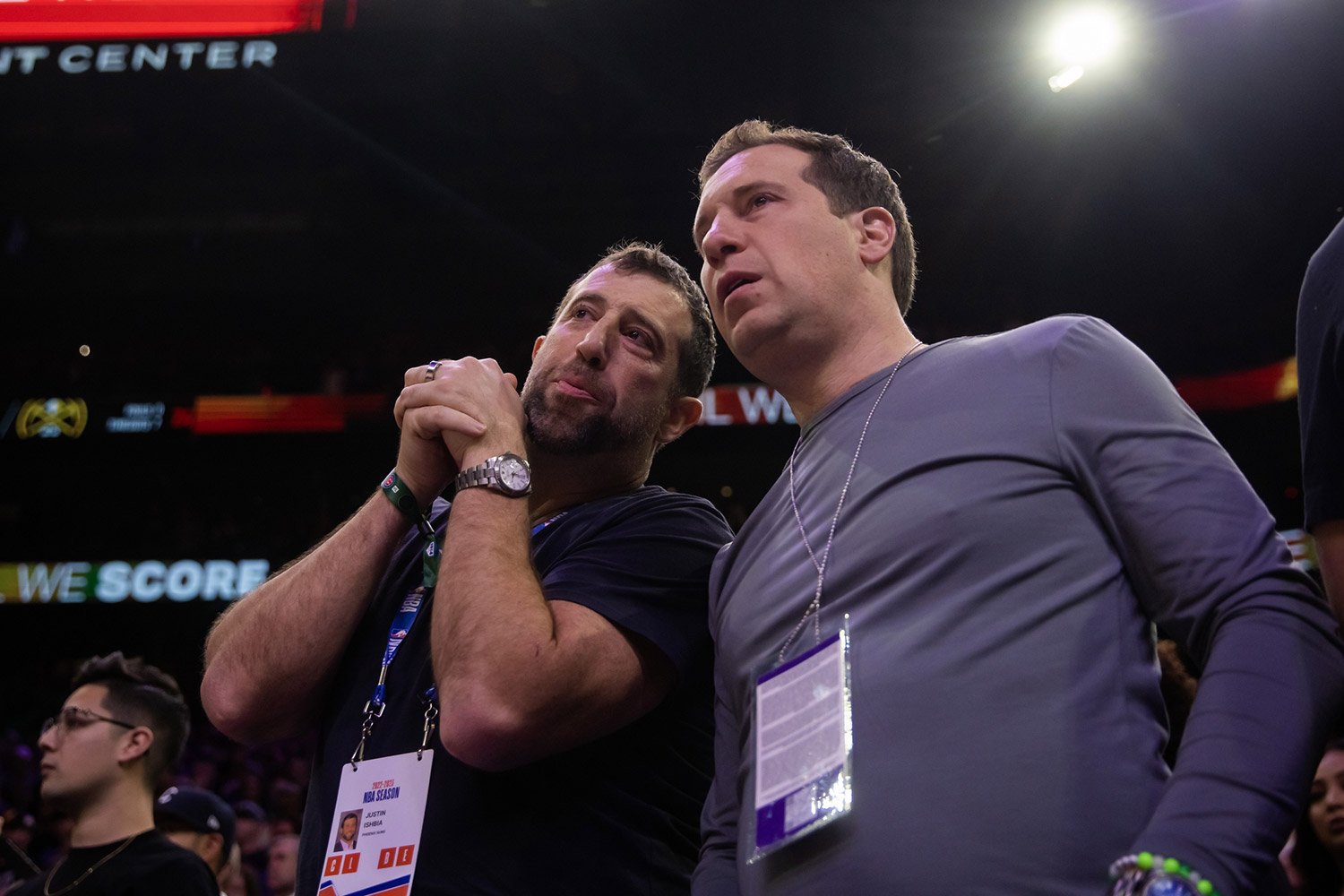 In news that could prove to be huge (but is noteworthy, either way), Sportico reported Monday that the Ishbia brothers purchased a small minority stake in the White Sox in 2021. Naturally, to avoid conflicts of interest, MLB will require them to divest themselves from the Sox before buying the Twins, which they do seem to be strongly interested in doing. It's a procedural hurdle, at worst, because it's not as though they've been active in the operation of the team in the short period during which they've had a financial investment there. Still, this is news. When it was first reported that the two might be interested in buying the Twins, it came in the wake of rumors that they had explored buying the White Sox in full from Jerry Reinsdorf. Apparently, they had (instead) made a small investment and stayed behind the scenes there. The Sox are a messy potential purchase right now, as Reinsdorf angles for a new ballpark to replace Comiskey Park II (for so we shall continue to call it) and the organization fights its way out of a deep competitive chasm. It only makes sense that, if the chance is there, the Ishbias will buy the Twins and disentangle themselves from the Sox. That they are involved and interested enough to have stirred the right embers to alert the folks at Sportico tells us something concrete, even if it's only implied.
- 14 comments
-
- 1
-
-
- mat ishbia
- justin ishbia
- (and 1 more)
-
I do. If we get distracted by false or exaggerated stories, if we dismiss the importance of facts, we make it harder to hold the rich and powerful accountable for their REAL transgressions.
-
Precisely so. I think this is one of the points where Peter gives us a particularly valuable reprieve from half-truth. It's tempting to sensationalize the one thing into the other, given what he became thereafter, but there's a very real and very important difference between being the person who decides to execute a foreclosure and/or profits from it, and being the person sent to deliver notice of that action. It's just not the same thing, at all.
-
.png.3f3c02054fb7e9abb600d375f82eb2e4.png) For as long as he's been a big-leaguer, Byron Buxton has been one of the best center fielders in baseball. Truthfully, he was probably one of the best in baseball long before he was a big-leaguer; his offensive issues and injury trouble just slowed him down. In the only thing anywhere near a full season he's ever played (2017), Buxton was worth 23 Defensive Runs Saved, according to Sports Info Solutions. From 2018-22, though he was only healthy enough to play the field in 269 games, he posted 43 DRS. We throw around the word 'elite' too lightly, these days, but that's truly the echelon on which Buxton's defense belonged for years. Alas, that might be starting to change. After being confined to DH duty in 2023, Buxton was able to return to center in 2024, and he stayed relatively healthy. In 94 games, however, he was only worth 2 DRS—and digging deeper into the numbers reveals some systematic weaknesses. Source: The Fielding Bible Notice the extreme degradation of Buxton's performance on deep balls. Buxton was 38 plays better than an average center fielder on such batted balls from 2015-22, but when he came back last year, he didn't come all the way back. Suddenly, he was below-average when the ball was hit over his head. Now 31 years old, Buxton has clearly lost a step—not in terms of top speed, but in the rapidity with which he can reach it. At times (and not unreasonably), it looked like Buxton was also thinking about self-preservation on balls hit back to the warning track or the wall. On a trio of balls hit deep to the gaps in unfamiliar NL West parks last summer, Buxton tried to make plays with a smoother attack and a bit of deceleration near the wall, and he couldn't come up with the ball. MVlEUVJfWGw0TUFRPT1fQndRSFhGTUZWMUFBV2dCVVV3QUFBbEJRQUZnRFUxY0FBVkZVQ1FVRUExSlRCMUZY.mp4 You'd rather have Buxton not catch that ball (but hit the wall less hard, as he did) than risk the types of injuries (hip, shoulder, head, neck) he's suffered going just a bit faster and making such plays in the past. Still, it's jarring to see him not make plays like these. T1FkclJfWGw0TUFRPT1fQWdOVFZsSUFVMU1BQ0FjSEFBQUFDUWRYQUZoWEJsQUFVd2NEQ0ZBRUExRlJBRmNI.mp4 Again, the difference between what he did here and what he would have done in the past is subtle, but it's crucial—in two ways. Going a bit harder into the barrier is a good way to get banged-up, or worse. However, it's also the best way to catch balls like these, as Buxton spent the first half-decade of his career proving. Without his fearlessness, he's a bit like a falcon with a clipped wing. elo5eTdfWGw0TUFRPT1fQWdCUkIxSUJWVmNBRHdkV1VRQUFCd01GQUFOV0FGUUFBZ0FNQVZCVENBUlhBd05l.mp4 These were all examples drawn from parks where Buxton hasn't played much, though. Going back to the wall in such situations is always a bit of a nervous endeavor, and these few plays might be accounting for most of the difference you see above, in his numbers on deep balls. Unfortunately, there's a related but separate issue about which we also have to talk, looking at things through a different lens and orienting his pursuit of the ball differently.
For as long as he's been a big-leaguer, Byron Buxton has been one of the best center fielders in baseball. Truthfully, he was probably one of the best in baseball long before he was a big-leaguer; his offensive issues and injury trouble just slowed him down. In the only thing anywhere near a full season he's ever played (2017), Buxton was worth 23 Defensive Runs Saved, according to Sports Info Solutions. From 2018-22, though he was only healthy enough to play the field in 269 games, he posted 43 DRS. We throw around the word 'elite' too lightly, these days, but that's truly the echelon on which Buxton's defense belonged for years. Alas, that might be starting to change. After being confined to DH duty in 2023, Buxton was able to return to center in 2024, and he stayed relatively healthy. In 94 games, however, he was only worth 2 DRS—and digging deeper into the numbers reveals some systematic weaknesses. Source: The Fielding Bible Notice the extreme degradation of Buxton's performance on deep balls. Buxton was 38 plays better than an average center fielder on such batted balls from 2015-22, but when he came back last year, he didn't come all the way back. Suddenly, he was below-average when the ball was hit over his head. Now 31 years old, Buxton has clearly lost a step—not in terms of top speed, but in the rapidity with which he can reach it. At times (and not unreasonably), it looked like Buxton was also thinking about self-preservation on balls hit back to the warning track or the wall. On a trio of balls hit deep to the gaps in unfamiliar NL West parks last summer, Buxton tried to make plays with a smoother attack and a bit of deceleration near the wall, and he couldn't come up with the ball. MVlEUVJfWGw0TUFRPT1fQndRSFhGTUZWMUFBV2dCVVV3QUFBbEJRQUZnRFUxY0FBVkZVQ1FVRUExSlRCMUZY.mp4 You'd rather have Buxton not catch that ball (but hit the wall less hard, as he did) than risk the types of injuries (hip, shoulder, head, neck) he's suffered going just a bit faster and making such plays in the past. Still, it's jarring to see him not make plays like these. T1FkclJfWGw0TUFRPT1fQWdOVFZsSUFVMU1BQ0FjSEFBQUFDUWRYQUZoWEJsQUFVd2NEQ0ZBRUExRlJBRmNI.mp4 Again, the difference between what he did here and what he would have done in the past is subtle, but it's crucial—in two ways. Going a bit harder into the barrier is a good way to get banged-up, or worse. However, it's also the best way to catch balls like these, as Buxton spent the first half-decade of his career proving. Without his fearlessness, he's a bit like a falcon with a clipped wing. elo5eTdfWGw0TUFRPT1fQWdCUkIxSUJWVmNBRHdkV1VRQUFCd01GQUFOV0FGUUFBZ0FNQVZCVENBUlhBd05l.mp4 These were all examples drawn from parks where Buxton hasn't played much, though. Going back to the wall in such situations is always a bit of a nervous endeavor, and these few plays might be accounting for most of the difference you see above, in his numbers on deep balls. Unfortunately, there's a related but separate issue about which we also have to talk, looking at things through a different lens and orienting his pursuit of the ball differently. -
What happens to a center fielder if he ceases to be an ambi-turner? Image courtesy of © Matt Krohn-Imagn Images For as long as he's been a big-leaguer, Byron Buxton has been one of the best center fielders in baseball. Truthfully, he was probably one of the best in baseball long before he was a big-leaguer; his offensive issues and injury trouble just slowed him down. In the only thing anywhere near a full season he's ever played (2017), Buxton was worth 23 Defensive Runs Saved, according to Sports Info Solutions. From 2018-22, though he was only healthy enough to play the field in 269 games, he posted 43 DRS. We throw around the word 'elite' too lightly, these days, but that's truly the echelon on which Buxton's defense belonged for years. Alas, that might be starting to change. After being confined to DH duty in 2023, Buxton was able to return to center in 2024, and he stayed relatively healthy. In 94 games, however, he was only worth 2 DRS—and digging deeper into the numbers reveals some systematic weaknesses. Source: The Fielding Bible Notice the extreme degradation of Buxton's performance on deep balls. Buxton was 38 plays better than an average center fielder on such batted balls from 2015-22, but when he came back last year, he didn't come all the way back. Suddenly, he was below-average when the ball was hit over his head. Now 31 years old, Buxton has clearly lost a step—not in terms of top speed, but in the rapidity with which he can reach it. At times (and not unreasonably), it looked like Buxton was also thinking about self-preservation on balls hit back to the warning track or the wall. On a trio of balls hit deep to the gaps in unfamiliar NL West parks last summer, Buxton tried to make plays with a smoother attack and a bit of deceleration near the wall, and he couldn't come up with the ball. MVlEUVJfWGw0TUFRPT1fQndRSFhGTUZWMUFBV2dCVVV3QUFBbEJRQUZnRFUxY0FBVkZVQ1FVRUExSlRCMUZY.mp4 You'd rather have Buxton not catch that ball (but hit the wall less hard, as he did) than risk the types of injuries (hip, shoulder, head, neck) he's suffered going just a bit faster and making such plays in the past. Still, it's jarring to see him not make plays like these. T1FkclJfWGw0TUFRPT1fQWdOVFZsSUFVMU1BQ0FjSEFBQUFDUWRYQUZoWEJsQUFVd2NEQ0ZBRUExRlJBRmNI.mp4 Again, the difference between what he did here and what he would have done in the past is subtle, but it's crucial—in two ways. Going a bit harder into the barrier is a good way to get banged-up, or worse. However, it's also the best way to catch balls like these, as Buxton spent the first half-decade of his career proving. Without his fearlessness, he's a bit like a falcon with a clipped wing. elo5eTdfWGw0TUFRPT1fQWdCUkIxSUJWVmNBRHdkV1VRQUFCd01GQUFOV0FGUUFBZ0FNQVZCVENBUlhBd05l.mp4 These were all examples drawn from parks where Buxton hasn't played much, though. Going back to the wall in such situations is always a bit of a nervous endeavor, and these few plays might be accounting for most of the difference you see above, in his numbers on deep balls. Unfortunately, there's a related but separate issue about which we also have to talk, looking at things through a different lens and orienting his pursuit of the ball differently. View full article
-
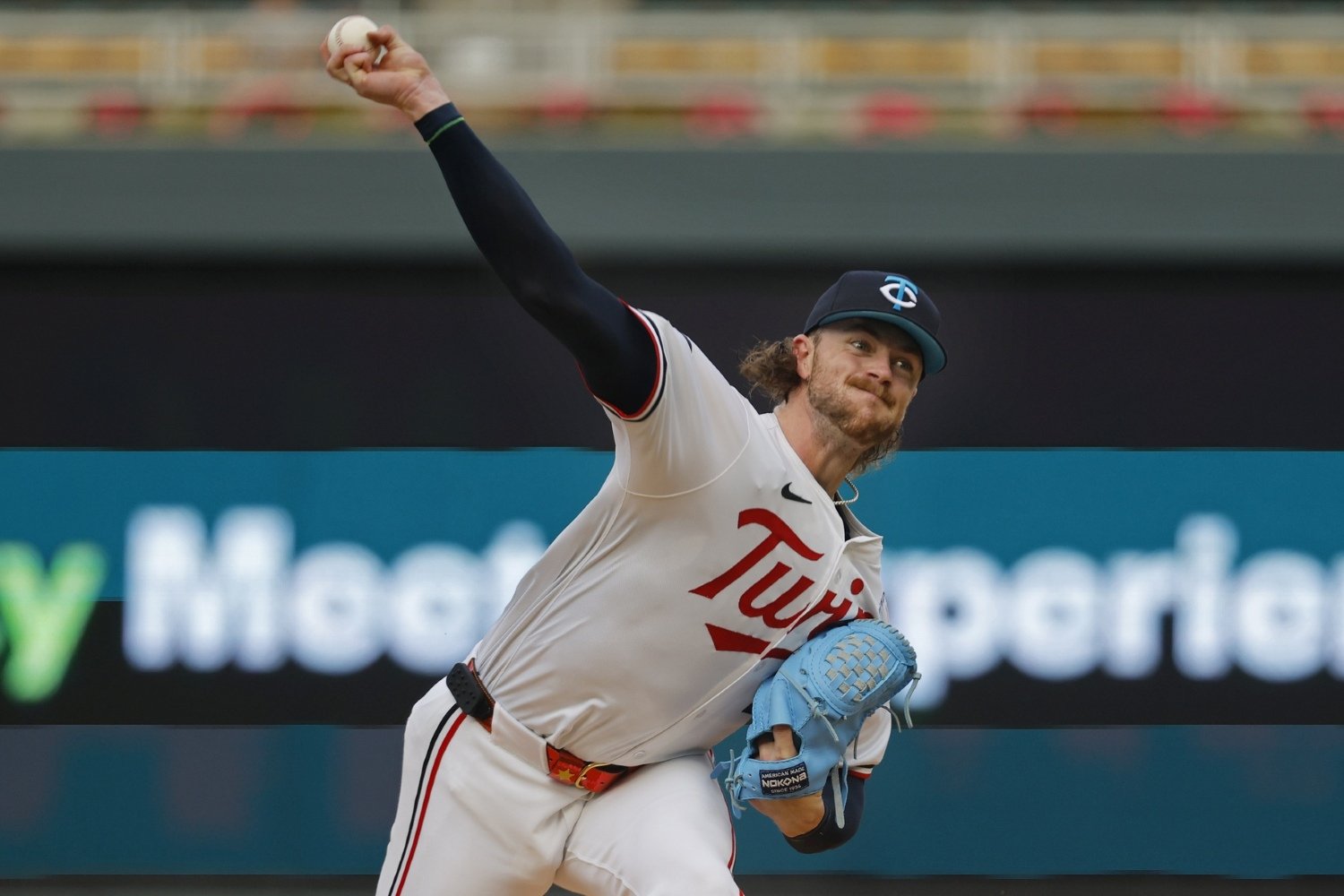 Within a couple hours of one another, right-handed hurlers Michael Lorenzen ($7 million, with $5.5 million paid in 2025 and $1.5 million as the buyout on a mutual option for 2026, with the Royals) and Chris Martin ($5.5 million, with the Rangers) signed one-year free-agent deals Monday. Lorenzen will, presumably, be a starter for the Royals, while Martin is a career reliever who took slightly less money than he was offered elsewhere in order to land close to home and pitch for Texas. Those were important moves for the Twins, because it's already Jan. 7, and they still need to clear at least a chunk of the $7.5 million they owe to Chris Paddack for 2025. Paddack is crowded out of the team's starting rotation (which consists, at the moment, of Pablo López, Bailey Ober, Joe Ryan, David Festa, and Simeon Woods Richardson, with Zebby Matthews and others waiting in the wings), and while he profiles better as a streamlined-repertoire reliever, the money the Twins owe him on the teams of the extension the two sides struck in early 2023 is more than they can afford to pay to fill a middle-relief role under their ownership-friendly budgetary constraints for the coming season. Thus, trading Paddack is the only sensible thing to do. Ideally, the Twins will spend some money to upgrade first base and their outfield mix, and to find a left-handed reliever to round out their bullpen, but as things stand, they have to move significant money just to hit the number set by the miserly Pohlad family. Waiting out the market a bit has given the Twins time to let demand and supply balance one another, but the Lorenzen and Martin deals have also given them some insight into what marginal value Paddack has on the trade market. That answer is blessedly simple, too, though not exciting: it's zero. Paddack is very close to equal in value to the likes of Lorenzen and Martin. The first run of Baseball Prospectus's PECOTA projections for 2025 list Lorenzen at a 111 DRA- (where 100 is average and lower is better); Paddack at 99, but in fewer innings; and Martin at 86, but in several fewer innings than Paddack. He's capable of either starting or relieving, but either way it breaks, one of his easiest comparators just signed—and they signed for almost exactly what he'll make in 2025. Unfortunately, that probably means that the Twins will have to kick in something whenever they trade Paddack. In theory, the implication of these deals would be that he could be traded straight-up for nothing, but that's not really how baseball transactions work. It's more likely, for reasons personal and logistical and on-field, that the Twins will trade Paddack and some amount of money to offset his salary for a player who addresses one of their needs, even if it be in a fairly unsatisfying way. They could always trade him for a couple of far-off prospects and simply attach $1-2 million, but that would leave them stuck: they still wouldn't have spending power, and their list of needs would not get shorter. Instead, we could see them attach $2-3 million and target a player like Sacramento's Hogan Harris or T.J. McFarland (two lefty relievers) or a similarly low-level bat. Paddack doesn't seem to have any marginal value, but these deals suggest that he is tradable. It will just have to take the form of patching a minor hole and achieving minor savings, rather than deriving any major value from the move.
- 68 comments
-
- 2
-
-
- chris martin
- chris paddack
- (and 1 more)
-
Two free-agent pitchers who (in different ways) closely match the value of Chris Paddack found new homes Monday evening. The deals should give us clarity about what the imposing Twins righty is worth as they try to clear his salary from the books. Image courtesy of © Bruce Kluckhohn-Imagn Images Within a couple hours of one another, right-handed hurlers Michael Lorenzen ($7 million, with $5.5 million paid in 2025 and $1.5 million as the buyout on a mutual option for 2026, with the Royals) and Chris Martin ($5.5 million, with the Rangers) signed one-year free-agent deals Monday. Lorenzen will, presumably, be a starter for the Royals, while Martin is a career reliever who took slightly less money than he was offered elsewhere in order to land close to home and pitch for Texas. Those were important moves for the Twins, because it's already Jan. 7, and they still need to clear at least a chunk of the $7.5 million they owe to Chris Paddack for 2025. Paddack is crowded out of the team's starting rotation (which consists, at the moment, of Pablo López, Bailey Ober, Joe Ryan, David Festa, and Simeon Woods Richardson, with Zebby Matthews and others waiting in the wings), and while he profiles better as a streamlined-repertoire reliever, the money the Twins owe him on the teams of the extension the two sides struck in early 2023 is more than they can afford to pay to fill a middle-relief role under their ownership-friendly budgetary constraints for the coming season. Thus, trading Paddack is the only sensible thing to do. Ideally, the Twins will spend some money to upgrade first base and their outfield mix, and to find a left-handed reliever to round out their bullpen, but as things stand, they have to move significant money just to hit the number set by the miserly Pohlad family. Waiting out the market a bit has given the Twins time to let demand and supply balance one another, but the Lorenzen and Martin deals have also given them some insight into what marginal value Paddack has on the trade market. That answer is blessedly simple, too, though not exciting: it's zero. Paddack is very close to equal in value to the likes of Lorenzen and Martin. The first run of Baseball Prospectus's PECOTA projections for 2025 list Lorenzen at a 111 DRA- (where 100 is average and lower is better); Paddack at 99, but in fewer innings; and Martin at 86, but in several fewer innings than Paddack. He's capable of either starting or relieving, but either way it breaks, one of his easiest comparators just signed—and they signed for almost exactly what he'll make in 2025. Unfortunately, that probably means that the Twins will have to kick in something whenever they trade Paddack. In theory, the implication of these deals would be that he could be traded straight-up for nothing, but that's not really how baseball transactions work. It's more likely, for reasons personal and logistical and on-field, that the Twins will trade Paddack and some amount of money to offset his salary for a player who addresses one of their needs, even if it be in a fairly unsatisfying way. They could always trade him for a couple of far-off prospects and simply attach $1-2 million, but that would leave them stuck: they still wouldn't have spending power, and their list of needs would not get shorter. Instead, we could see them attach $2-3 million and target a player like Sacramento's Hogan Harris or T.J. McFarland (two lefty relievers) or a similarly low-level bat. Paddack doesn't seem to have any marginal value, but these deals suggest that he is tradable. It will just have to take the form of patching a minor hole and achieving minor savings, rather than deriving any major value from the move. View full article
-
There are some important ways in which we've underrated the Twins' young utility man. It will only matter, though, if he has the courage to take a developmental leap of faith. Image courtesy of © Jesse Johnson-Imagn Images In 257 plate appearances during his rookie campaign of 2024, Austin Martin batted .253/.318/.352. He was a versatile stopgap for a team that encountered numerous injury issues, but he didn't exactly seize the chances he got. The stat line he posted could have been acceptable, had he been a solid defensive center fielder or left-side infield man, but in reality, he barely acquitted himself with the glove even in left field, and he was good (rather than great) at second base. Underpowered, he ended up with a glove-first player's offensive profile and a defensive role that demanded more of a bat-first talent. I did have a bunch of fun with the statistical quirk of Martin coming around to score practically every time he reached base, back in early August, but by season's end, he was within a hair's breadth of average in terms of actual baserunning value. He wasn't a very good player, really—not in his first trip around the circuit. He managed just one home run, and 20 total extra-base hits. He pulled the ball some, and he hit some line drives, but he didn't truly elevate much, and he didn't the ball very hard. Let's get happy for a minute, though, before drilling more into his biggest weakness. The good news is, Martin made better swing decisions than almost anyone in baseball in his rookie year. According to Statcast, his swing rate was nearly 70% in the strike zone and just 18.4% outside it. That's remarkably good plate discipline; it means he's neither giving pitchers free strikes nor helping them out when they can't find the plate. Looking at the specific places where he swung, you can see how he generated so many batted balls at line-drive launch angles, too. He knew what he was looking for, and was excellent at seizing upon it when it came. Martin was also quite good at making contact within the strike zone. He wanted that ball up and over the middle or inner third of the plate, and he missed a bit more often if you hit your spots low and away, but he was no easy punchout. Combine these traits, and Martin was quite good in terms of strikeout and walk rate, especially for a guy just getting his feet beneath him. He fanned in just 18.3% of his trips to the plate, in a league striking out almost 23% of the time, and he walked in 7.8% of those plate appearances—despite pitchers filling up the zone to the tune of a 52.9% share of all pitches, against a league average of 48.7%. If hitting were all about knowing when to swing and finding the ball with the bat when you do, Martin would have been an All-Star. That's now what hitting is all about, these days. View full article
-
We've Been Underselling Austin Martin's Upside—But So Has He
Matthew Trueblood posted an article in Caretakers
.png.6100a5442ebba144fdbb98fc32982656.png) In 257 plate appearances during his rookie campaign of 2024, Austin Martin batted .253/.318/.352. He was a versatile stopgap for a team that encountered numerous injury issues, but he didn't exactly seize the chances he got. The stat line he posted could have been acceptable, had he been a solid defensive center fielder or left-side infield man, but in reality, he barely acquitted himself with the glove even in left field, and he was good (rather than great) at second base. Underpowered, he ended up with a glove-first player's offensive profile and a defensive role that demanded more of a bat-first talent. I did have a bunch of fun with the statistical quirk of Martin coming around to score practically every time he reached base, back in early August, but by season's end, he was within a hair's breadth of average in terms of actual baserunning value. He wasn't a very good player, really—not in his first trip around the circuit. He managed just one home run, and 20 total extra-base hits. He pulled the ball some, and he hit some line drives, but he didn't truly elevate much, and he didn't the ball very hard. Let's get happy for a minute, though, before drilling more into his biggest weakness. The good news is, Martin made better swing decisions than almost anyone in baseball in his rookie year. According to Statcast, his swing rate was nearly 70% in the strike zone and just 18.4% outside it. That's remarkably good plate discipline; it means he's neither giving pitchers free strikes nor helping them out when they can't find the plate. Looking at the specific places where he swung, you can see how he generated so many batted balls at line-drive launch angles, too. He knew what he was looking for, and was excellent at seizing upon it when it came. Martin was also quite good at making contact within the strike zone. He wanted that ball up and over the middle or inner third of the plate, and he missed a bit more often if you hit your spots low and away, but he was no easy punchout. Combine these traits, and Martin was quite good in terms of strikeout and walk rate, especially for a guy just getting his feet beneath him. He fanned in just 18.3% of his trips to the plate, in a league striking out almost 23% of the time, and he walked in 7.8% of those plate appearances—despite pitchers filling up the zone to the tune of a 52.9% share of all pitches, against a league average of 48.7%. If hitting were all about knowing when to swing and finding the ball with the bat when you do, Martin would have been an All-Star. That's now what hitting is all about, these days.
In 257 plate appearances during his rookie campaign of 2024, Austin Martin batted .253/.318/.352. He was a versatile stopgap for a team that encountered numerous injury issues, but he didn't exactly seize the chances he got. The stat line he posted could have been acceptable, had he been a solid defensive center fielder or left-side infield man, but in reality, he barely acquitted himself with the glove even in left field, and he was good (rather than great) at second base. Underpowered, he ended up with a glove-first player's offensive profile and a defensive role that demanded more of a bat-first talent. I did have a bunch of fun with the statistical quirk of Martin coming around to score practically every time he reached base, back in early August, but by season's end, he was within a hair's breadth of average in terms of actual baserunning value. He wasn't a very good player, really—not in his first trip around the circuit. He managed just one home run, and 20 total extra-base hits. He pulled the ball some, and he hit some line drives, but he didn't truly elevate much, and he didn't the ball very hard. Let's get happy for a minute, though, before drilling more into his biggest weakness. The good news is, Martin made better swing decisions than almost anyone in baseball in his rookie year. According to Statcast, his swing rate was nearly 70% in the strike zone and just 18.4% outside it. That's remarkably good plate discipline; it means he's neither giving pitchers free strikes nor helping them out when they can't find the plate. Looking at the specific places where he swung, you can see how he generated so many batted balls at line-drive launch angles, too. He knew what he was looking for, and was excellent at seizing upon it when it came. Martin was also quite good at making contact within the strike zone. He wanted that ball up and over the middle or inner third of the plate, and he missed a bit more often if you hit your spots low and away, but he was no easy punchout. Combine these traits, and Martin was quite good in terms of strikeout and walk rate, especially for a guy just getting his feet beneath him. He fanned in just 18.3% of his trips to the plate, in a league striking out almost 23% of the time, and he walked in 7.8% of those plate appearances—despite pitchers filling up the zone to the tune of a 52.9% share of all pitches, against a league average of 48.7%. If hitting were all about knowing when to swing and finding the ball with the bat when you do, Martin would have been an All-Star. That's now what hitting is all about, these days. -
The Twins Should Target James McCann as a New Half-Solution at Catcher
Matthew Trueblood posted an article in Twins
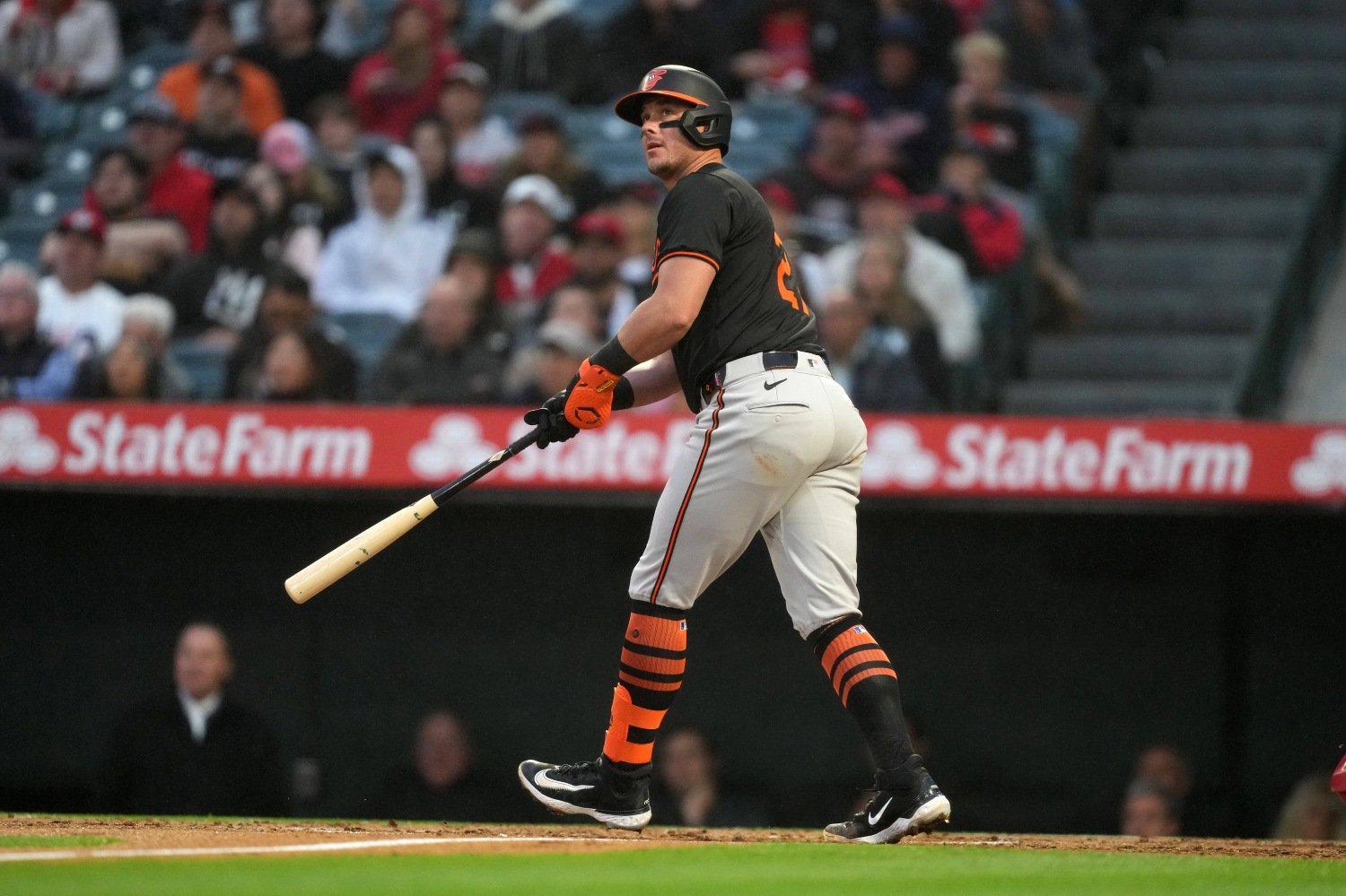 Though it's theoretically possible for the Twins to trade either Ryan Jeffers or Christian Vázquez this winter, it seems much more likely that they'll ship out Vázquez. He's set to cost them about twice as much as Jeffers in 2025, and while he's a far superior defender to Jeffers, it's the younger, strapping Jeffers who can deliver major offensive firepower when he gets hot. The Twins might slightly prefer a great defender to a good hitter, but they have to prioritize their budget, and they have Jeffers under team control through 2026, unlike Vázquez. Let's imagine the roster after a Vázquez trade, then. Over the last two seasons, the Twins have balanced their catching workload between their two backstops as evenly as any team in baseball history over a similar span. Though they won't have Vázquez back to carry his half of the load in 2025, they'll want someone they can trust to work roughly in parity with Jeffers. With the free-agent pickings slim and their financial constraints telling, though, finding the right player to fill that void could be tricky. Enter James McCann. No, he's not sexy. McCann, who will turn 35 in June, has become a professional backup catcher, playing between 60 and 70 games in each of the last three seasons. He's not an above-average hitter or an above-average defender. However, he'd be a huge step up offensively from Vázquez, who has put up DRC+ figures of 67 and 72 in his two seasons with the Twins, according to Baseball Prospectus. McCann has posted 89, 91, and 99 marks since the start of 2022. He doesn't have great plate discipline, but he's still capable of hitting the ball quite hard, and runs slightly above-average barrel rates. Defensively, he's a subpar framer, but he throws well. McCann is at his best when pulling the ball in the air, which is part of why his numbers have been fairly hideous for the last two seasons. He has all-fields punch, because he's exceptionally strong, but he couldn't find the range to hit the ball out to right field with any consistency at Camden Yards. Meanwhile, the high, distant wall in left field stole a bunch of home runs from him, though it turned most of them into doubles, rather than outs. In the image above, I've overlaid his hits onto Target Field's dimensions, to show how much he would benefit from joining Minnesota. It's not a perfect form of analysis, but it gets us closer to seeing his real value. Here's an example of the types of balls that Walltimore kept in the park over the last two years, but which would easily leave the yard in Minneapolis. b25vb0tfWGw0TUFRPT1fQUZkWEFnQlJCUU1BV2dZRVh3QUFDRkFDQUZsWFV3TUFDZ01HVmdRRlVBb0VVZ0ZY.mp4 Of the 372 hitters with at least 400 plate appearances over the last two seasons, only two had larger gaps between their expected weighted on-base average (xwOBA) and their actual results (wOBA) than did McCann. Those numbers can tell their own kinds of lies, and at his age, there's every chance that McCann's skill set will crumble all at once. On balance, though, he's a solid bet, and the market for catchers has already petered out a bit. Guys like Danny Jansen and Gary Sánchez ($8.5 million apiece on one-year deals) are off the board. So are the slightly better options—the guys who earned two-year deals, like Carson Kelly, Kyle Higashioka, and Travis d'Arnaud. There are still teams who want and need catching help, but McCann slots in at a lower tier than any of the players named above, and he's unlikely to be in high demand. The Twins could probably snare him for $4 million or less on a one-year deal, and at that price, he would give them similar production to that of Vázquez, plus the flexibility to improve other aspects of the roster. McCann is the right target to replace Vázquez, but before the Twins can even consider being the team who snaps him up, they have to find a taker for Vázquez. Frustrating though salary dump trades always are, this one needs to be a priority for the team as the new year begins, to pave the way for an overall improvement.
- 66 comments
-
- 3
-
-
- james mccann
- ryan jeffers
- (and 1 more)
-
Minnesota relies on a two-catcher alternating system to survive the season, but now they need to replace one half of their tandem. They have to do it cheaply, too, but there's good news. Image courtesy of © Kirby Lee-Imagn Images Though it's theoretically possible for the Twins to trade either Ryan Jeffers or Christian Vázquez this winter, it seems much more likely that they'll ship out Vázquez. He's set to cost them about twice as much as Jeffers in 2025, and while he's a far superior defender to Jeffers, it's the younger, strapping Jeffers who can deliver major offensive firepower when he gets hot. The Twins might slightly prefer a great defender to a good hitter, but they have to prioritize their budget, and they have Jeffers under team control through 2026, unlike Vázquez. Let's imagine the roster after a Vázquez trade, then. Over the last two seasons, the Twins have balanced their catching workload between their two backstops as evenly as any team in baseball history over a similar span. Though they won't have Vázquez back to carry his half of the load in 2025, they'll want someone they can trust to work roughly in parity with Jeffers. With the free-agent pickings slim and their financial constraints telling, though, finding the right player to fill that void could be tricky. Enter James McCann. No, he's not sexy. McCann, who will turn 35 in June, has become a professional backup catcher, playing between 60 and 70 games in each of the last three seasons. He's not an above-average hitter or an above-average defender. However, he'd be a huge step up offensively from Vázquez, who has put up DRC+ figures of 67 and 72 in his two seasons with the Twins, according to Baseball Prospectus. McCann has posted 89, 91, and 99 marks since the start of 2022. He doesn't have great plate discipline, but he's still capable of hitting the ball quite hard, and runs slightly above-average barrel rates. Defensively, he's a subpar framer, but he throws well. McCann is at his best when pulling the ball in the air, which is part of why his numbers have been fairly hideous for the last two seasons. He has all-fields punch, because he's exceptionally strong, but he couldn't find the range to hit the ball out to right field with any consistency at Camden Yards. Meanwhile, the high, distant wall in left field stole a bunch of home runs from him, though it turned most of them into doubles, rather than outs. In the image above, I've overlaid his hits onto Target Field's dimensions, to show how much he would benefit from joining Minnesota. It's not a perfect form of analysis, but it gets us closer to seeing his real value. Here's an example of the types of balls that Walltimore kept in the park over the last two years, but which would easily leave the yard in Minneapolis. b25vb0tfWGw0TUFRPT1fQUZkWEFnQlJCUU1BV2dZRVh3QUFDRkFDQUZsWFV3TUFDZ01HVmdRRlVBb0VVZ0ZY.mp4 Of the 372 hitters with at least 400 plate appearances over the last two seasons, only two had larger gaps between their expected weighted on-base average (xwOBA) and their actual results (wOBA) than did McCann. Those numbers can tell their own kinds of lies, and at his age, there's every chance that McCann's skill set will crumble all at once. On balance, though, he's a solid bet, and the market for catchers has already petered out a bit. Guys like Danny Jansen and Gary Sánchez ($8.5 million apiece on one-year deals) are off the board. So are the slightly better options—the guys who earned two-year deals, like Carson Kelly, Kyle Higashioka, and Travis d'Arnaud. There are still teams who want and need catching help, but McCann slots in at a lower tier than any of the players named above, and he's unlikely to be in high demand. The Twins could probably snare him for $4 million or less on a one-year deal, and at that price, he would give them similar production to that of Vázquez, plus the flexibility to improve other aspects of the roster. McCann is the right target to replace Vázquez, but before the Twins can even consider being the team who snaps him up, they have to find a taker for Vázquez. Frustrating though salary dump trades always are, this one needs to be a priority for the team as the new year begins, to pave the way for an overall improvement. View full article
- 66 replies
-
- 1
-

-
- james mccann
- ryan jeffers
- (and 1 more)
-
.png.35cdd3748c3414331359f93eaca0816d.png) Most conversations about the Twins' starting rotation for 2025 center on the big three veterans at the front end of that group. Undeniably, Pablo López, Bailey Ober and Joe Ryan are solid, playoff-caliber hurlers, but the key to the team having a great overall rotation might very well be sophomore fourth starter David Festa. He made 14 appearances in the big leagues in 2024 and had a less-than-stellar 4.90 ERA, but his strikeout (27.8%) and walk (8.3%) rates marked him as better than that. His FIP was 3.76, and despite an approach centered on high fastballs, he didn't give up a disqualifying number of home runs. His season offers a lot of promise for the immediate future, even if he's unlikely to work six innings per start anytime soon. We ought to talk more about Festa, though. He gets overshadowed by his more established and experienced rotation mates, but his upside might be as high as any of theirs. So far, he's much less well-rounded than they are, but there's time yet for that to change. He might need another pitch in his arsenal. He might need to learn to sequence and locate in more varied ways. Most plausibly, perhaps, he needs to gradually develop the stamina and command to keep attacking hitters with his best stuff deeper into games, including (gasp) the third time through the batting order. Getting his development right and identifying the places where he needs to make big strides to reach his potential stands near the top of the Twins' list of vital tasks entering 2025. Let's see how much of that work we can do, ourselves.
Most conversations about the Twins' starting rotation for 2025 center on the big three veterans at the front end of that group. Undeniably, Pablo López, Bailey Ober and Joe Ryan are solid, playoff-caliber hurlers, but the key to the team having a great overall rotation might very well be sophomore fourth starter David Festa. He made 14 appearances in the big leagues in 2024 and had a less-than-stellar 4.90 ERA, but his strikeout (27.8%) and walk (8.3%) rates marked him as better than that. His FIP was 3.76, and despite an approach centered on high fastballs, he didn't give up a disqualifying number of home runs. His season offers a lot of promise for the immediate future, even if he's unlikely to work six innings per start anytime soon. We ought to talk more about Festa, though. He gets overshadowed by his more established and experienced rotation mates, but his upside might be as high as any of theirs. So far, he's much less well-rounded than they are, but there's time yet for that to change. He might need another pitch in his arsenal. He might need to learn to sequence and locate in more varied ways. Most plausibly, perhaps, he needs to gradually develop the stamina and command to keep attacking hitters with his best stuff deeper into games, including (gasp) the third time through the batting order. Getting his development right and identifying the places where he needs to make big strides to reach his potential stands near the top of the Twins' list of vital tasks entering 2025. Let's see how much of that work we can do, ourselves. -
The extent to which the Twins are able to go out and find new talent beyond the borders of their organization will play a role in determining how well the team bounces back in 2025. The success or failure of young players still getting their feet under them in the big leagues for the team will play a much greater one. Image courtesy of © Brian Fluharty-Imagn Images Most conversations about the Twins' starting rotation for 2025 center on the big three veterans at the front end of that group. Undeniably, Pablo López, Bailey Ober and Joe Ryan are solid, playoff-caliber hurlers, but the key to the team having a great overall rotation might very well be sophomore fourth starter David Festa. He made 14 appearances in the big leagues in 2024 and had a less-than-stellar 4.90 ERA, but his strikeout (27.8%) and walk (8.3%) rates marked him as better than that. His FIP was 3.76, and despite an approach centered on high fastballs, he didn't give up a disqualifying number of home runs. His season offers a lot of promise for the immediate future, even if he's unlikely to work six innings per start anytime soon. We ought to talk more about Festa, though. He gets overshadowed by his more established and experienced rotation mates, but his upside might be as high as any of theirs. So far, he's much less well-rounded than they are, but there's time yet for that to change. He might need another pitch in his arsenal. He might need to learn to sequence and locate in more varied ways. Most plausibly, perhaps, he needs to gradually develop the stamina and command to keep attacking hitters with his best stuff deeper into games, including (gasp) the third time through the batting order. Getting his development right and identifying the places where he needs to make big strides to reach his potential stands near the top of the Twins' list of vital tasks entering 2025. Let's see how much of that work we can do, ourselves. View full article
-
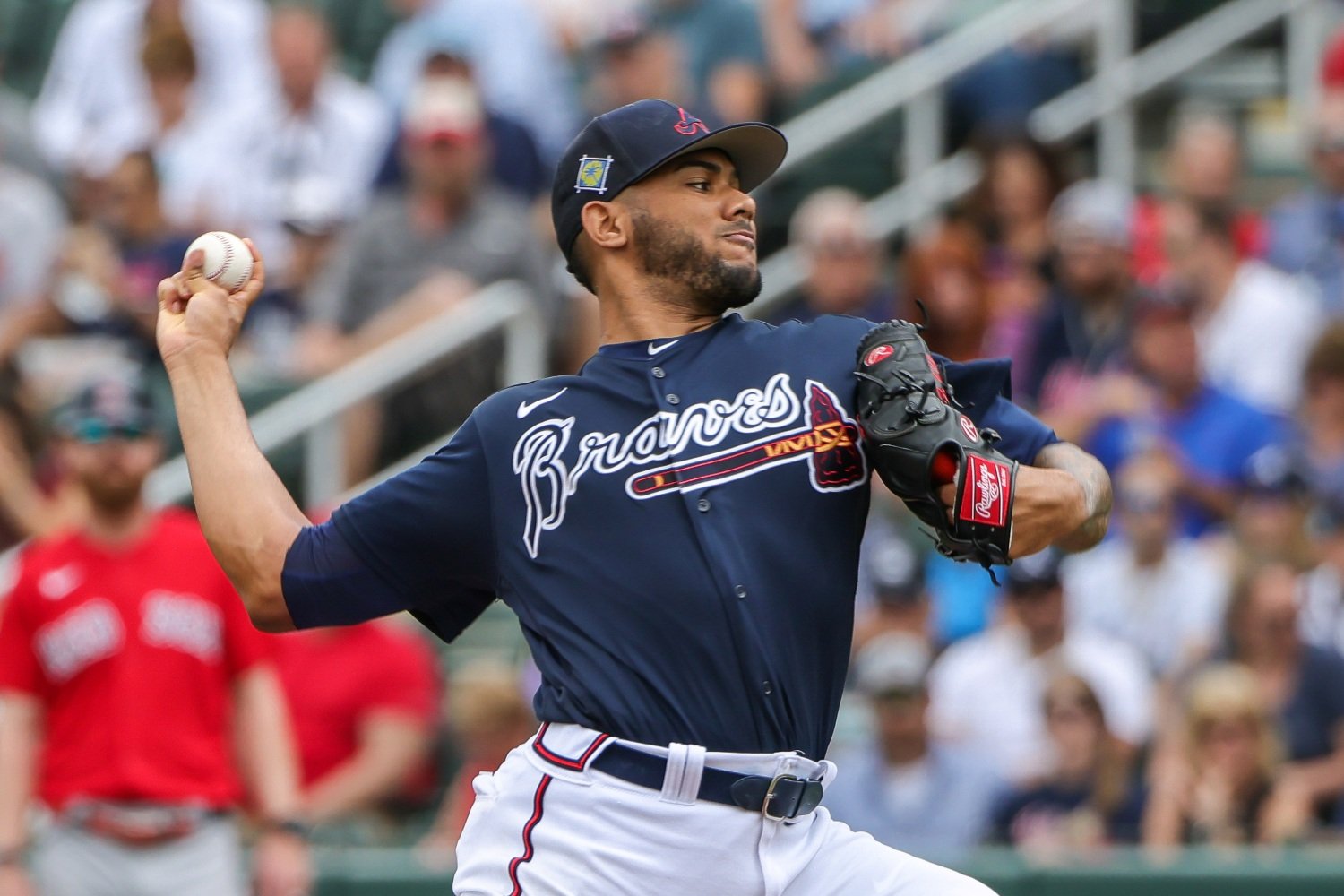 In the Dallas Hilton Anatole's answer to the midnight tumbleweed across a ghost town's main street, MLB reporter Stephanie Apstein clued us all in early Tuesday morning to a minor-league signing that will satisfy one very niche type of Twins prospect nerd. This would not be newsworthy, really, except that Huascar Ynoa was the teenage hurler whom the Twins sent to Atlanta in the ill-fated Jaime García trade in 2017. Four years later, for the merest blink of an eye, it looked like he would make the team look foolish, as he pitched 91 strong innings across 18 appearances for Atlanta and won a World Series ring (though he was the furthest thing from an instrumental part of their title run), fanning 100 and walking just 25. A year later, Ynoa crashed back out of the majors, possibly for good. He underwent Tommy John surgery at the end of 2022, missed all of 2023, and struggled for much of 2024. He didn't pitch for Atlanta at all this year and became a minor-league free agent after the season. However, there's a glimmer of hope for some kind of recovery. Late in the season, Ynoa's fastball seemed to regain the zip that had been missing since his return. He averaged almost 95 miles per hour with the heater in September, without an attendant rise in velocity on his breaking ball. At this juncture, Ynoa is unlikely to make a major impact, but his future is most likely in relief. In light of that, even an extra tick—the ability to sit 95 and touch 97, with the good slider—goes a long way. The Twins can bring him to big-league camp without worrying about a roster spot for him right away, and evaluate whatever continued improvement he shows as his fully healed arm continues to progress. He's still only 26 years old, so it's worth at least giving him that extra look. By way of a refresher, the Twins traded Ynoa for Jaime García and catcher Anthony Recker on Jul. 24, 2017, when they were on the fringes of contention. After just one start, though (and amid a stretch of seven losses in eight games to sag below .500), the team flipped García to the Yankees, picking up Zack Littell in the process. The transaction string worked out fine, really, since Littell would go on to deliver some value for the team in his own run of bullpen success, and the 2017 Twins managed to bravely power through to the playoffs despite the loss of their beloved leader, García. It was so weird, though, that many fans still remember it less than fondly—and for a moment, when Ynoa looked like a potential medium-term contributor for Atlanta, the move was infamous. Deals like this are functionally free. They cost mostly whatever it took to convince the player in question they have a shot at a real role with the team in question for the coming season. Ynoa will have to show a lot to make the Twins roster before an opt-out date in the contract arrives, but if nothing else, this small move brings an old trade full-circle. It also adds one more intriguing arm to a deep collection of them, come February.
 -
If the Jaime García trade still keeps you up nights... why? I mean I was gonna say, you can finally rest, but no, skip bed, go straight to therapy. It was seven years ago! Let it go! Image courtesy of © Mike Watters-Imagn Images In the Dallas Hilton Anatole's answer to the midnight tumbleweed across a ghost town's main street, MLB reporter Stephanie Apstein clued us all in early Tuesday morning to a minor-league signing that will satisfy one very niche type of Twins prospect nerd. This would not be newsworthy, really, except that Huascar Ynoa was the teenage hurler whom the Twins sent to Atlanta in the ill-fated Jaime García trade in 2017. Four years later, for the merest blink of an eye, it looked like he would make the team look foolish, as he pitched 91 strong innings across 18 appearances for Atlanta and won a World Series ring (though he was the furthest thing from an instrumental part of their title run), fanning 100 and walking just 25. A year later, Ynoa crashed back out of the majors, possibly for good. He underwent Tommy John surgery at the end of 2022, missed all of 2023, and struggled for much of 2024. He didn't pitch for Atlanta at all this year and became a minor-league free agent after the season. However, there's a glimmer of hope for some kind of recovery. Late in the season, Ynoa's fastball seemed to regain the zip that had been missing since his return. He averaged almost 95 miles per hour with the heater in September, without an attendant rise in velocity on his breaking ball. At this juncture, Ynoa is unlikely to make a major impact, but his future is most likely in relief. In light of that, even an extra tick—the ability to sit 95 and touch 97, with the good slider—goes a long way. The Twins can bring him to big-league camp without worrying about a roster spot for him right away, and evaluate whatever continued improvement he shows as his fully healed arm continues to progress. He's still only 26 years old, so it's worth at least giving him that extra look. By way of a refresher, the Twins traded Ynoa for Jaime García and catcher Anthony Recker on Jul. 24, 2017, when they were on the fringes of contention. After just one start, though (and amid a stretch of seven losses in eight games to sag below .500), the team flipped García to the Yankees, picking up Zack Littell in the process. The transaction string worked out fine, really, since Littell would go on to deliver some value for the team in his own run of bullpen success, and the 2017 Twins managed to bravely power through to the playoffs despite the loss of their beloved leader, García. It was so weird, though, that many fans still remember it less than fondly—and for a moment, when Ynoa looked like a potential medium-term contributor for Atlanta, the move was infamous. Deals like this are functionally free. They cost mostly whatever it took to convince the player in question they have a shot at a real role with the team in question for the coming season. Ynoa will have to show a lot to make the Twins roster before an opt-out date in the contract arrives, but if nothing else, this small move brings an old trade full-circle. It also adds one more intriguing arm to a deep collection of them, come February. View full article
-
3 Key Twins Takeaways From Juan Soto's Historic Deal with Mets
Matthew Trueblood posted an article in Twins
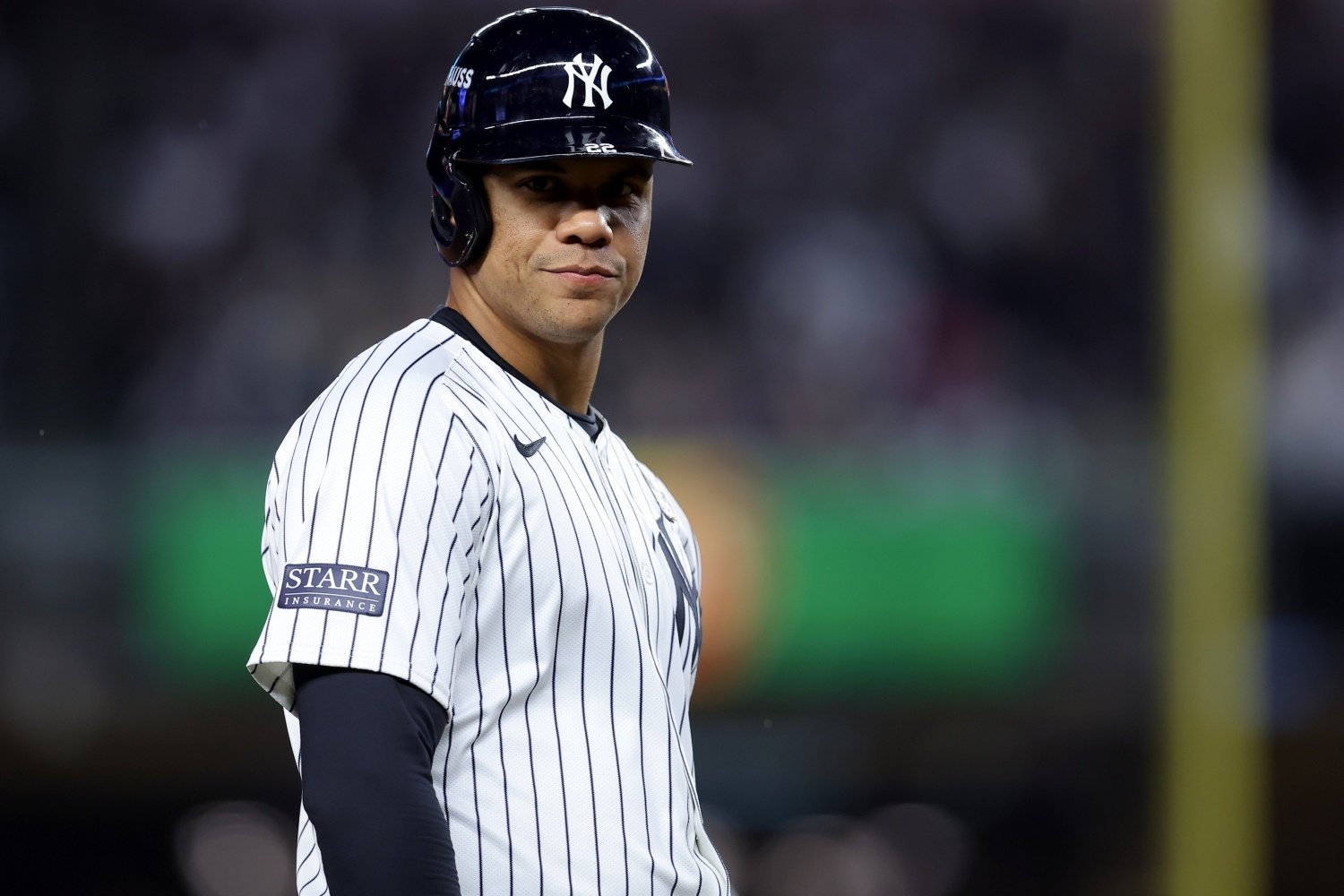 Ok, plainly, that's not the nature of the ripples Twins Territory will feel after Juan Soto and the Mets agreed on a gargantuan contract Sunday night. The Royals reportedly expressed interest, but one can only guess that when they and Soto's camp took the measure of each other, they all shared a hearty chuckle and agreed to part friends. There was no chance Soto would land in the AL Central, so his choice of a new team feels like only a small bit of influence. We might as well start there, though, and then go on to break down two other ways in which this deal figures to affect the Twins' matrix of options and their prospects for 2025. 1. He's out of the American League. Although three AL Central clubs snuck into the postseason in 2024, by and large, it's going to be hard for anyone in the division to claim Wild Card berths. The Red Sox vied for Soto's services, and while they fell short, they sound especially aggressive as they pivot toward other ways to upgrade their roster for next season. They, the Yankees, and the Orioles remain formidable, and the Guardians and Royals have already acted decisively to hold onto key contributors this winter—Kansas City by extending Michael Wacha, and Cleveland by re-signing Shane Bieber. Still, with Soto going to the Mets, Willy Adames signing with the Giants, and Blake Snell heading to the Dodgers, the biggest deals of the winter to date have all sequestered top talent in the National League. If it seems imposing to try to consistently attain October for the Twins, consider this: they're much better off than most of their division rivals and (arguably) all of their NL Central counterparts. So far, this winter has not seen a major step forward by any AL contender, unless you count the overexcited Angels as contenders. In an interview Monday morning on MLB Network, Derek Falvey reiterated that the Twins' focus is to win again in 2025, fueled by the roster they've already built over the last few years. As frustrating as the end of their season was, the flow of talent (not just Snell, Soto, and Adames, but Clay Holmes and Matthew Boyd, among early movers) leaves open some lanes through next year's schedule and onward into October—if the Twins act decisively. 2. There will be Carlos Correa rumors. It still feels like little more than big-market arrogance, but Yankees media continues to sling around Correa as a name to which the Yankees could turn after having been spurned by Soto. It makes sense from their perspectives, but much less so from the Twins'. On the other hand, the Soto deal can only have acted to raise the going rate for star-caliber players, which also augments Correa's trade value. He'd be a steal at roughly $33 million per year over his four remaining guaranteed seasons, and he comes with a series of team-friendly options, to boot. If that salary was daunting even a few days ago, it's much less so now, after Soto got more than $50 million per year and the right to opt out of his deal—in effect, and in stark contrast with Correa's deal structure, a monstrous player option. That doesn't mean the Twins should or will want to trade Correa, or that Correa (whose big consolation prize in this team-friendly deal is a full no-trade clause) would be open to being dealt. It merely proves that the surplus value on Correa's deal is considerable, even in the wake of a second straight season marred by plantar fasciitis. Unless and until the Yankees make a couple of huge free-agent outlays instead, Correa's name will keep coming up. Joel Sherman mentioned him as a target for New York on MLB Network Monday, although again, that felt more like an East Coast columnist feeling entitled to all the league's good players than like a sourced report. 3. New ownership is not going to solve the problems posed by the Mets' financial edge over the Twins. While Soto never had a connection to the Twins at all, it's a little bit poignant to see him land with the same ham-fisted mega-market behemoth to whom the Twins had to trade Johan Santana nearly two decades ago. The staggering terms of this deal, which amounts to a five-year, $255-million deal with a 10-year player option worth $510 million (which the team can convert, if they choose, to a $550-million commitment to cancel the opt-out), make clear how wide the chasm has become between the league's haves and have-nots. It's a good reminder that the league needs a dramatically expanded, comprehensive revenue-sharing system, and that the ugly collective bargaining agreement negotiations a year or two from now will really have three important parties: the players union, small-market owners, and large-market ones, all at crossed purposes. The Twins could be sold to as rich and competitive a magnate as is practically possible, and they would still be wildly unlikely to seriously battle with the Yankees, Mets, Dodgers, Phillies, or Red Sox for top free agents, given the scale to which those teams are now showing themselves able to spend. The league's wealth needs to be radically redistributed, and big-market owners will only be pulled into such an arrangement kicking and screaming. It's a big change, and much-needed, but the upheaval will not be fun. A work stoppage might be in the offing.
 -
I was worried he was going to sign with the White Sox, weren't you? Phew. Bullet dodged. Image courtesy of © Brad Penner-Imagn Images Ok, plainly, that's not the nature of the ripples Twins Territory will feel after Juan Soto and the Mets agreed on a gargantuan contract Sunday night. The Royals reportedly expressed interest, but one can only guess that when they and Soto's camp took the measure of each other, they all shared a hearty chuckle and agreed to part friends. There was no chance Soto would land in the AL Central, so his choice of a new team feels like only a small bit of influence. We might as well start there, though, and then go on to break down two other ways in which this deal figures to affect the Twins' matrix of options and their prospects for 2025. 1. He's out of the American League. Although three AL Central clubs snuck into the postseason in 2024, by and large, it's going to be hard for anyone in the division to claim Wild Card berths. The Red Sox vied for Soto's services, and while they fell short, they sound especially aggressive as they pivot toward other ways to upgrade their roster for next season. They, the Yankees, and the Orioles remain formidable, and the Guardians and Royals have already acted decisively to hold onto key contributors this winter—Kansas City by extending Michael Wacha, and Cleveland by re-signing Shane Bieber. Still, with Soto going to the Mets, Willy Adames signing with the Giants, and Blake Snell heading to the Dodgers, the biggest deals of the winter to date have all sequestered top talent in the National League. If it seems imposing to try to consistently attain October for the Twins, consider this: they're much better off than most of their division rivals and (arguably) all of their NL Central counterparts. So far, this winter has not seen a major step forward by any AL contender, unless you count the overexcited Angels as contenders. In an interview Monday morning on MLB Network, Derek Falvey reiterated that the Twins' focus is to win again in 2025, fueled by the roster they've already built over the last few years. As frustrating as the end of their season was, the flow of talent (not just Snell, Soto, and Adames, but Clay Holmes and Matthew Boyd, among early movers) leaves open some lanes through next year's schedule and onward into October—if the Twins act decisively. 2. There will be Carlos Correa rumors. It still feels like little more than big-market arrogance, but Yankees media continues to sling around Correa as a name to which the Yankees could turn after having been spurned by Soto. It makes sense from their perspectives, but much less so from the Twins'. On the other hand, the Soto deal can only have acted to raise the going rate for star-caliber players, which also augments Correa's trade value. He'd be a steal at roughly $33 million per year over his four remaining guaranteed seasons, and he comes with a series of team-friendly options, to boot. If that salary was daunting even a few days ago, it's much less so now, after Soto got more than $50 million per year and the right to opt out of his deal—in effect, and in stark contrast with Correa's deal structure, a monstrous player option. That doesn't mean the Twins should or will want to trade Correa, or that Correa (whose big consolation prize in this team-friendly deal is a full no-trade clause) would be open to being dealt. It merely proves that the surplus value on Correa's deal is considerable, even in the wake of a second straight season marred by plantar fasciitis. Unless and until the Yankees make a couple of huge free-agent outlays instead, Correa's name will keep coming up. Joel Sherman mentioned him as a target for New York on MLB Network Monday, although again, that felt more like an East Coast columnist feeling entitled to all the league's good players than like a sourced report. 3. New ownership is not going to solve the problems posed by the Mets' financial edge over the Twins. While Soto never had a connection to the Twins at all, it's a little bit poignant to see him land with the same ham-fisted mega-market behemoth to whom the Twins had to trade Johan Santana nearly two decades ago. The staggering terms of this deal, which amounts to a five-year, $255-million deal with a 10-year player option worth $510 million (which the team can convert, if they choose, to a $550-million commitment to cancel the opt-out), make clear how wide the chasm has become between the league's haves and have-nots. It's a good reminder that the league needs a dramatically expanded, comprehensive revenue-sharing system, and that the ugly collective bargaining agreement negotiations a year or two from now will really have three important parties: the players union, small-market owners, and large-market ones, all at crossed purposes. The Twins could be sold to as rich and competitive a magnate as is practically possible, and they would still be wildly unlikely to seriously battle with the Yankees, Mets, Dodgers, Phillies, or Red Sox for top free agents, given the scale to which those teams are now showing themselves able to spend. The league's wealth needs to be radically redistributed, and big-market owners will only be pulled into such an arrangement kicking and screaming. It's a big change, and much-needed, but the upheaval will not be fun. A work stoppage might be in the offing. View full article
-
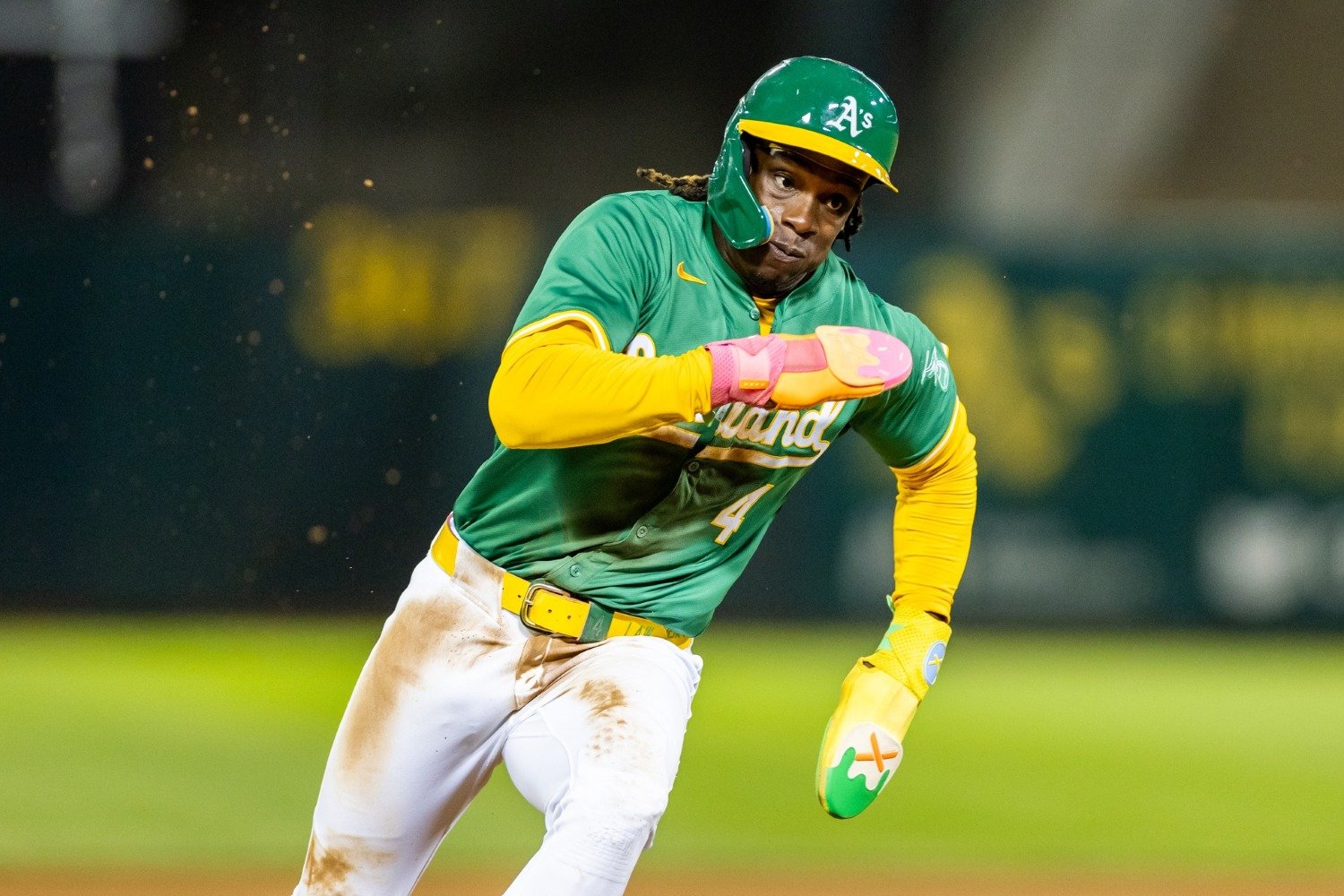 Ever since the 2024 Twins finished the season with a faceplant that cost them a chance to reach the postseason in consecutive seasons for the first time since 2009-10 (no, 2020 doesn't count), there have been at least whispers that the team is considering a meaningful shakeup of their roster, including players heretofore considered indispensable parts of the core. While there is ample and apparent talent on this roster, it proved dysfunctional for long stretches of this season, and the front office is open to resolving that by changing the personnel in place. "Dysfunctional" might be too strong a word for the 2024 Kansas City Royals, who not only made the postseason at the Twins' expense but won their first series therein. They were far from a juggernaut, though, and even further from being one before July. That's when they went out and, unsatisfied with merely complementary or short-term additions, transformed their bullpen by acquiring Lucas Erceg from the then-Oakland Athletics. Erceg, a late-blooming converted infielder, emerged as a relief ace for the team down the stretch, striking out 32% of opposing batters and walking just 3% of them after the trade. He's under team control for five more years, too, so if he continues to dominate, he'll be a key cog for Kansas City for years to come. That move involved some speculation, which is why the Royals were able to land Erceg at a lower price tag than his skill set might suggest in hindsight. Still, it was a huge deal. It not only vaulted them toward the playoffs for 2024, but will be a gift that keeps giving as the team tries to establish a pattern of consistently competing in the AL Central. You don't see moves this impactful every day, either at the trade deadline or during hot stove season. Could the Twins find a similar move somewhere this winter? To do so would be a huge win for the franchise, at a crucial time. They have a lot of talented young players, but what they need isn't necessarily another passel of veteran role players. To reestablish the window they hoped was opening wide as recently as 2023, they could try to land a player with lots of remaining team control and star-caliber upside. Doing so would be hugely expensive, of course, but they'd pay for them in young talent, rather than money. At the moment, it's young talent they have, and money they lack, so perhaps the time is right for such a move. The trick, really, is finding players good enough and with enough team control to be obvious targets, who nonetheless are available. If a given guy is so good, why does his team want to get rid of him? Here are a few studs for whom there's a plausible answer to that barb. Lawrence Butler, OF, West Sacramento Athletics You know what the Twins need more of? Left-handed power hitters in the outfield! Ok, not really. But Butler might be too good an opportunity to pass up, if the A's make him available. He's a 24-year-old with recent experience in center field who hit .262/.317/.490 with 22 home runs in 451 plate appearances last year, and that undersells him. He had better numbers against lefties than against righties. He slugged .553 after the All-Star break. He's toolsy, skilled, and eminently watchable, and he's under team control through 2029. Why, then, would the A's trade him? Look, undeniably, they would have to hear a very attractive offer. But here's the thing: they're about to spend three years playing in a dressed-up Triple A facility, with no guarantees about the ability to move to Las Vegas even then—and the move to Vegas is a bad idea even if they successfully build and open a ballpark there. It's going to be miserable to play for the Athletics for the next few years: scorching in the summers, eerily quiet in the stands, and thoroughly uncompetitive. As reductive as it sounds, everyone on that team is going to want out, and Butler will draw lots of calls. The Twins could very well conclude that he's the younger, more athletic element they need in the outfield, and send to Sacramento some players who wouldn't actually have to play there right away, since they'd be in Double or Triple A in 2025. It sounds cynical and sad, because it is. The A's should be doing this with all their good players. Which brings us to... Mason Miller, RHP, West Sacramento Butler's teammate and (briefly) Erceg's, Miller is another in the group of players too good to still be in Triple A, which is what the Athletics will be for the next few years. Getting him out of there is especially urgent, because his rocket launcher of an arm could yet give way in the next few years. For that very reason, one of the nastiest pitchers alive might actually be available this winter, as he theoretically was this summer. Again, the A's front office will need to get a haul in order to move him, but can you imagine the formidability of a bullpen headlined by Miller, Jhoan Durán, and Griffin Jax? Heck, at that point, the team could even move Jax back to the starting rotation, strengthening both elements of their pitching staff. Miller's 103-MPH fastball and devastating slider make him, arguably, a step up even from peak Jax or Durán in short bursts. Curtis Mead, 3B, Tampa Bay Rays You might be sensing a theme. As the Rays grapple with the existential threat they face from climate change and pass the 2025 season outdoors in front of minor-league crowds at a ballpark named after their archrival's longtime owner, they, too, have every reason to do some offloading. They're much better than West Sacramento, and will be better positioned to contend, but that's the great news about Mead: He really might be available, because the team doesn't necessarily need him. The position at which he provides the most obvious value is third base, but the Rays figure to insert Junior Caminero there full-time in 2025. Mead is big-league-ready, but needs to clean up his approach slightly. The Twins could seek to do so as a part of moving on from Royce Lewis, or to let Mead and Lewis—two hitters with similarly obvious offensive tools but some limitations rooted in plate discipline, pitch recognition, and fielding—challenge and complement each other. A down 2024 slightly lowered Mead's stock price. Obviously, though, the Twins would still have to give up some solid youngsters to get him. Shane Baz, RHP, Tampa Bay Injuries have marred the development of every major Rays hurler lately, it seems, and Baz is no exception. Nonetheless, he's an exciting arm, with four solid pitches and four years of team control remaining. His fastball sits 96 and roughly suits the Twins' style. He could be a great addition to the team's starting rotation, and they'd be able to retain him one year longer than they currently have Joe Ryan or Bailey Ober for. Jordan Walker, RF, St. Louis Cardinals Just for fun, let's tackle one of these that doesn't involve a team playing next year in a thoroughly toxic baseball environment. Walker is a right-handed slugging outfielder, which makes him an incrementally but importantly better fit for the Twins than, say, Butler. He's even younger than Butler, and his game is really only missing one important ingredient: pulled fly balls. The Twins, as we well know, can help a hitter fix that problem. Any of these players would come at a high trade cost, and the Twins might ultimately retreat from whatever urge they're feeling to alter the basic makeup of their roster. If they want to make the leap to the next level for the next several years, this is the kind of longshot they might elect to try. If nothing else, more than fanciful ideas of landing expensive stars whom the team can't afford now or control later, these are the fun trades to kick around as we gather around the hot stove.
- 53 comments
-
- 4
-
-
-
- lawrence butler
- mason miller
- (and 3 more)
-
One of the Twins' division rivals catalyzed their playoff run this summer with a trade far beyond the ordinary deadline swaps of rentals, acquiring an elite player under long-term team control. Can Minnesota mimic that this winter? Image courtesy of © Bob Kupbens-Imagn Images Ever since the 2024 Twins finished the season with a faceplant that cost them a chance to reach the postseason in consecutive seasons for the first time since 2009-10 (no, 2020 doesn't count), there have been at least whispers that the team is considering a meaningful shakeup of their roster, including players heretofore considered indispensable parts of the core. While there is ample and apparent talent on this roster, it proved dysfunctional for long stretches of this season, and the front office is open to resolving that by changing the personnel in place. "Dysfunctional" might be too strong a word for the 2024 Kansas City Royals, who not only made the postseason at the Twins' expense but won their first series therein. They were far from a juggernaut, though, and even further from being one before July. That's when they went out and, unsatisfied with merely complementary or short-term additions, transformed their bullpen by acquiring Lucas Erceg from the then-Oakland Athletics. Erceg, a late-blooming converted infielder, emerged as a relief ace for the team down the stretch, striking out 32% of opposing batters and walking just 3% of them after the trade. He's under team control for five more years, too, so if he continues to dominate, he'll be a key cog for Kansas City for years to come. That move involved some speculation, which is why the Royals were able to land Erceg at a lower price tag than his skill set might suggest in hindsight. Still, it was a huge deal. It not only vaulted them toward the playoffs for 2024, but will be a gift that keeps giving as the team tries to establish a pattern of consistently competing in the AL Central. You don't see moves this impactful every day, either at the trade deadline or during hot stove season. Could the Twins find a similar move somewhere this winter? To do so would be a huge win for the franchise, at a crucial time. They have a lot of talented young players, but what they need isn't necessarily another passel of veteran role players. To reestablish the window they hoped was opening wide as recently as 2023, they could try to land a player with lots of remaining team control and star-caliber upside. Doing so would be hugely expensive, of course, but they'd pay for them in young talent, rather than money. At the moment, it's young talent they have, and money they lack, so perhaps the time is right for such a move. The trick, really, is finding players good enough and with enough team control to be obvious targets, who nonetheless are available. If a given guy is so good, why does his team want to get rid of him? Here are a few studs for whom there's a plausible answer to that barb. Lawrence Butler, OF, West Sacramento Athletics You know what the Twins need more of? Left-handed power hitters in the outfield! Ok, not really. But Butler might be too good an opportunity to pass up, if the A's make him available. He's a 24-year-old with recent experience in center field who hit .262/.317/.490 with 22 home runs in 451 plate appearances last year, and that undersells him. He had better numbers against lefties than against righties. He slugged .553 after the All-Star break. He's toolsy, skilled, and eminently watchable, and he's under team control through 2029. Why, then, would the A's trade him? Look, undeniably, they would have to hear a very attractive offer. But here's the thing: they're about to spend three years playing in a dressed-up Triple A facility, with no guarantees about the ability to move to Las Vegas even then—and the move to Vegas is a bad idea even if they successfully build and open a ballpark there. It's going to be miserable to play for the Athletics for the next few years: scorching in the summers, eerily quiet in the stands, and thoroughly uncompetitive. As reductive as it sounds, everyone on that team is going to want out, and Butler will draw lots of calls. The Twins could very well conclude that he's the younger, more athletic element they need in the outfield, and send to Sacramento some players who wouldn't actually have to play there right away, since they'd be in Double or Triple A in 2025. It sounds cynical and sad, because it is. The A's should be doing this with all their good players. Which brings us to... Mason Miller, RHP, West Sacramento Butler's teammate and (briefly) Erceg's, Miller is another in the group of players too good to still be in Triple A, which is what the Athletics will be for the next few years. Getting him out of there is especially urgent, because his rocket launcher of an arm could yet give way in the next few years. For that very reason, one of the nastiest pitchers alive might actually be available this winter, as he theoretically was this summer. Again, the A's front office will need to get a haul in order to move him, but can you imagine the formidability of a bullpen headlined by Miller, Jhoan Durán, and Griffin Jax? Heck, at that point, the team could even move Jax back to the starting rotation, strengthening both elements of their pitching staff. Miller's 103-MPH fastball and devastating slider make him, arguably, a step up even from peak Jax or Durán in short bursts. Curtis Mead, 3B, Tampa Bay Rays You might be sensing a theme. As the Rays grapple with the existential threat they face from climate change and pass the 2025 season outdoors in front of minor-league crowds at a ballpark named after their archrival's longtime owner, they, too, have every reason to do some offloading. They're much better than West Sacramento, and will be better positioned to contend, but that's the great news about Mead: He really might be available, because the team doesn't necessarily need him. The position at which he provides the most obvious value is third base, but the Rays figure to insert Junior Caminero there full-time in 2025. Mead is big-league-ready, but needs to clean up his approach slightly. The Twins could seek to do so as a part of moving on from Royce Lewis, or to let Mead and Lewis—two hitters with similarly obvious offensive tools but some limitations rooted in plate discipline, pitch recognition, and fielding—challenge and complement each other. A down 2024 slightly lowered Mead's stock price. Obviously, though, the Twins would still have to give up some solid youngsters to get him. Shane Baz, RHP, Tampa Bay Injuries have marred the development of every major Rays hurler lately, it seems, and Baz is no exception. Nonetheless, he's an exciting arm, with four solid pitches and four years of team control remaining. His fastball sits 96 and roughly suits the Twins' style. He could be a great addition to the team's starting rotation, and they'd be able to retain him one year longer than they currently have Joe Ryan or Bailey Ober for. Jordan Walker, RF, St. Louis Cardinals Just for fun, let's tackle one of these that doesn't involve a team playing next year in a thoroughly toxic baseball environment. Walker is a right-handed slugging outfielder, which makes him an incrementally but importantly better fit for the Twins than, say, Butler. He's even younger than Butler, and his game is really only missing one important ingredient: pulled fly balls. The Twins, as we well know, can help a hitter fix that problem. Any of these players would come at a high trade cost, and the Twins might ultimately retreat from whatever urge they're feeling to alter the basic makeup of their roster. If they want to make the leap to the next level for the next several years, this is the kind of longshot they might elect to try. If nothing else, more than fanciful ideas of landing expensive stars whom the team can't afford now or control later, these are the fun trades to kick around as we gather around the hot stove. View full article
-
A little bit... but that's not the primary answer. Sign up! I think you'd find the Caretakers-exclusive section interesting analysis.
.png.3f3c02054fb7e9abb600d375f82eb2e4.png)
.png.6100a5442ebba144fdbb98fc32982656.png)


.png.35cdd3748c3414331359f93eaca0816d.png)