



Matthew Trueblood
-
Posts
1,033 -
Joined
-
Last visited
Content Type
Profiles
News
Minnesota Twins Videos
2026 Minnesota Twins Top Prospects Ranking
2022 Minnesota Twins Draft Picks
Minnesota Twins Free Agent & Trade Rumors, Notes, & Tidbits
Guides & Resources
2023 Minnesota Twins Draft Picks
The Minnesota Twins Players Project
2024 Minnesota Twins Draft Picks
2025 Minnesota Twins Draft Pick Tracker
2026 Minnesota Twins Draft Tracker: Picks & Bonuses
Forums
Blogs
Events
Store
Downloads
Gallery
Everything posted by Matthew Trueblood
-
.png.671c4ea970bd7254f0a2d98b8f91601a.png) On Sunday night, Baseball Savant rolled out their latest set of new data, offering us a new kind of insight into baseball. The numbers indicate where a batter sets up in the batter's box, how they orient their body, and where they make contact with the ball. It's immensely valuable, because it lets us see how hitters move en route to the ball—not just their bats, but the players themselves. Over time, this will unfold a whole new dimension of understanding of the game. For now, though, it's also just lots of fun. For instance: We can now visualize what I call The Lew Step—Royce Lewis's near-unique two-phase stride. It's a delicate hitting signature, but when it's right, it can be lethal, and these data help us see how unusual it really is. Screen Recording 2025-03-23 214253.mp4 But hey!, you say. This article didn't bill itself as being about Lewis. And you're right. It billed itself as being about Ryan Jeffers, because it is. Of all the early glimpses into the processes of Twins hitters from this new trove of information, it's Jeffers who stands out the most. Whatever problems they did have at the plate in 2024, it's hard to criticize the Twins' two-strike approach. They had seven different batters who got to two strikes in at least 160 plate appearances and had an OPS at least 16% better than the league's average in those counts. That doesn't mean any of them were truly productive with two strikes, of course. It's extremely hard to do that. League-wide, batters hit .168/.244/.264 with two strikes on them in 2024. Strikeouts are a major risk, of course, but hitters also tend to be more defensive in those moments, and therefore, they generate less power. The ceiling is very low. Jeffers, however, batted .179/.240/.350 in those seemingly desperate counts. Adjusting for parks and other factors, that was 31% better than average. How did he do it? By transforming. You hear hitters talk about spreading out in the box a bit with two strikes all the time—and fascinatingly, most of them do so, this new data shows. Most of them do it by about an inch, though. Not Jeffers.
On Sunday night, Baseball Savant rolled out their latest set of new data, offering us a new kind of insight into baseball. The numbers indicate where a batter sets up in the batter's box, how they orient their body, and where they make contact with the ball. It's immensely valuable, because it lets us see how hitters move en route to the ball—not just their bats, but the players themselves. Over time, this will unfold a whole new dimension of understanding of the game. For now, though, it's also just lots of fun. For instance: We can now visualize what I call The Lew Step—Royce Lewis's near-unique two-phase stride. It's a delicate hitting signature, but when it's right, it can be lethal, and these data help us see how unusual it really is. Screen Recording 2025-03-23 214253.mp4 But hey!, you say. This article didn't bill itself as being about Lewis. And you're right. It billed itself as being about Ryan Jeffers, because it is. Of all the early glimpses into the processes of Twins hitters from this new trove of information, it's Jeffers who stands out the most. Whatever problems they did have at the plate in 2024, it's hard to criticize the Twins' two-strike approach. They had seven different batters who got to two strikes in at least 160 plate appearances and had an OPS at least 16% better than the league's average in those counts. That doesn't mean any of them were truly productive with two strikes, of course. It's extremely hard to do that. League-wide, batters hit .168/.244/.264 with two strikes on them in 2024. Strikeouts are a major risk, of course, but hitters also tend to be more defensive in those moments, and therefore, they generate less power. The ceiling is very low. Jeffers, however, batted .179/.240/.350 in those seemingly desperate counts. Adjusting for parks and other factors, that was 31% better than average. How did he do it? By transforming. You hear hitters talk about spreading out in the box a bit with two strikes all the time—and fascinatingly, most of them do so, this new data shows. Most of them do it by about an inch, though. Not Jeffers. -
Heh. To be fair, I think that term gets thrown out there because of his build, his complexion, his facial hair, and his unusually advanced age for a rookie. The coaches don't view defense itself (nor versatility) as old-fashioned, and obviously, they're not even *consciously* saying if for those reasons I listed. What they think they see is an unusually strong work ethic, openness to lots of different roles and assignments, etc. I'm just not sure if that's actually what they're seeing or not. It's impossible to tell, sometimes, because if they're misleading us, it's purely accidental. They believe what they're peddling.
- 26 replies
-
- 3
-

-
- mickey gasper
- edouard julien
- (and 2 more)
-
Yes, except two clarifications: 1. 26-man active roster, not 40-man roster; and 2. At no point can he be offered directly and solely back to the Phillies. That's always how it's been phrased, in public, which is weird, because it's not how it works or has ever worked. What has to happen is that he has to be waived, and clear waivers, AND THEN be offered back to the team. Often, the difference is functionally nil, because these guys are (by definition) not in high demand. Their own team already declined to put them on the 40-man after several years in the organization, and now they come with this extra burden if you do claim them. But just so we all understand that part, the Phillies don't get to jump the line to get him back if the Twins don't want him. The other 28 teams get a chance to take him instead, if they're dealing with injuries or something and like what they've seen.
-
At least with the batch of example deals Cody offered here, there *was* a DFA and a waiver clearance. Teams just weren't eager to scoop up any of those players with Rule 5 restrictions attached at that time—and, you never know, that could be the case with Castellano too. It seems, at least, to have been a more perfunctory process in the past. Teams have gotten steadily more hawkish about waiver pickups over the last two decades, and this might be part of that, rather than a true rule change. Norms have shifted. If a team thinks a guy can help them, they'll snare them, whereas they might have been a bit less aggressive in the past.
-
IMPORTANT: No, this isn't true. I've had a hard time running down whether it's the result of a change to the process or whether it's always been this way and some combination of gentlemen's agreements or circumstances allowed previous deals to happen, but I've confirmed this with a high-ranking baseball official. The player DOES have to pass through waivers and (technically) first be returned to the original team before a trade to remove their Rule 5 restrictions can be executed. No workaround. The ONLY way for Rule 5 restrictions to lift is if the player clears waivers.
-
.png.ece22acd0767e77d3586b449c81f160e.png) Whether he and the Twins are ready to say so out loud or not, Louis Varland is now a reliever, in full. He was the (count 'em) fifth pitcher into the fray in Tuesday afternoon's spring training contest with the Yankees, working a clean sixth inning and striking out two. That's not bad news, though, because as Varland has flipped that switch, he also appears to have revved up his curveball into the kind of out pitch every dominant high-leverage reliever needs. Varland threw four knuckle-curves Tuesday, and all of them met the following criteria: 86 mph or faster (specifically, 86.6 or better, in this case) Between 2 and 6 inches of glove-side horizontal movement Between -4 and -8 inches of induced vertical break For those who don't intimately know the context of pitch movement data, that's a very hard curveball, with a small amount of movement away from a same-handed batter and a roughly medium amount of vertical depth. On video, it looks like a very sharp pitch, especially because of the speed on it. The league only threw a total of 330 curveballs that met those criteria last season. Varland himself threw nine of those, though that was just 6.4% of the 140 total curves he threw while in the majors. Curves like the ones Varland threw Tuesday are outlier pitches—even within the arsenals of most of the pitchers who throw them. Four pitchers did meet those criteria on over 10% of their curves last season, though: Brendon Little, LHP, Blue Jays - 28.1% Trevor Megill, RHP, Brewers - 20.5% Ben Brown, RHP, Cubs - 11.9% Jhoan Durán, RHP, Twins - 10.2% Ohp. Hey! We know him!
Whether he and the Twins are ready to say so out loud or not, Louis Varland is now a reliever, in full. He was the (count 'em) fifth pitcher into the fray in Tuesday afternoon's spring training contest with the Yankees, working a clean sixth inning and striking out two. That's not bad news, though, because as Varland has flipped that switch, he also appears to have revved up his curveball into the kind of out pitch every dominant high-leverage reliever needs. Varland threw four knuckle-curves Tuesday, and all of them met the following criteria: 86 mph or faster (specifically, 86.6 or better, in this case) Between 2 and 6 inches of glove-side horizontal movement Between -4 and -8 inches of induced vertical break For those who don't intimately know the context of pitch movement data, that's a very hard curveball, with a small amount of movement away from a same-handed batter and a roughly medium amount of vertical depth. On video, it looks like a very sharp pitch, especially because of the speed on it. The league only threw a total of 330 curveballs that met those criteria last season. Varland himself threw nine of those, though that was just 6.4% of the 140 total curves he threw while in the majors. Curves like the ones Varland threw Tuesday are outlier pitches—even within the arsenals of most of the pitchers who throw them. Four pitchers did meet those criteria on over 10% of their curves last season, though: Brendon Little, LHP, Blue Jays - 28.1% Trevor Megill, RHP, Brewers - 20.5% Ben Brown, RHP, Cubs - 11.9% Jhoan Durán, RHP, Twins - 10.2% Ohp. Hey! We know him! -
As we wrestle with his ever-changing name, maybe we need to try 'Luke' next—because this version of his curveball is going to hang a lot of new Ks. Image courtesy of © Chris Tilley-Imagn Images Whether he and the Twins are ready to say so out loud or not, Louis Varland is now a reliever, in full. He was the (count 'em) fifth pitcher into the fray in Tuesday afternoon's spring training contest with the Yankees, working a clean sixth inning and striking out two. That's not bad news, though, because as Varland has flipped that switch, he also appears to have revved up his curveball into the kind of out pitch every dominant high-leverage reliever needs. Varland threw four knuckle-curves Tuesday, and all of them met the following criteria: 86 mph or faster (specifically, 86.6 or better, in this case) Between 2 and 6 inches of glove-side horizontal movement Between -4 and -8 inches of induced vertical break For those who don't intimately know the context of pitch movement data, that's a very hard curveball, with a small amount of movement away from a same-handed batter and a roughly medium amount of vertical depth. On video, it looks like a very sharp pitch, especially because of the speed on it. The league only threw a total of 330 curveballs that met those criteria last season. Varland himself threw nine of those, though that was just 6.4% of the 140 total curves he threw while in the majors. Curves like the ones Varland threw Tuesday are outlier pitches—even within the arsenals of most of the pitchers who throw them. Four pitchers did meet those criteria on over 10% of their curves last season, though: Brendon Little, LHP, Blue Jays - 28.1% Trevor Megill, RHP, Brewers - 20.5% Ben Brown, RHP, Cubs - 11.9% Jhoan Durán, RHP, Twins - 10.2% Ohp. Hey! We know him! View full article
-
I think that was somewhat common back then, but specifically, Tony O did it, after learning to do so from Rod Carew. Carew was fanatical about bat weights and unafraid to change things up when he sensed a need for that.
-
This is a great set of questions, JB. Yes, we have all of that, with a bit of digging! I (foolishly) take reviewing it a bit for granted; we should do better at bringing you that kind of detailed info. I think we'll do a piece centered on this soon. In the meantime: Byron Buxton, Swing Speed: 0 Strikes: 75.0 MPH 1 Strike: 74.5 2 Strikes: 73.4 Royce Lewis: 0 Strikes: 74.0 1 Strike: 74.0 2 Strikes: 72.1 Like most hitters, they *do* slow down their swings a bit to increase their contact rates with two strikes. This is why it's important to get ahead in counts; most guys give up some power when they fall behind.
-
On the eve of spring training, the Twins have made their annual spring training signing of a right-hitting, 30-something infielder. Image courtesy of © David Richard-Imagn Images The Minnesota Twins have added another bat to their array of infield options, agreeing to sign Ty France to a one-year deal, according to Phil Miller of the Minnesota Star-Tribune. France, 30, figures to fill some version of the role that went to Carlos Santana in 2024 and Donovan Solano in 2023. He's coming off a tough season with the Mariners and Reds, but is a .263/.337/.407 career hitter and a right-handed batter who's comfortable at first base. For the moment, he becomes the presumptive regular at that position, though he's not good enough to force Edouard Julien or Jose Miranda entirely out of the picture. Earlier Tuesday afternoon, the Twins lost left-handed pitcher Brent Headrick to the Yankees via waivers, so there was already room on the 40-man roster for France. Unlike, for instance, Harrison Bader, France is not a natural candidate for platooning. For his career, he's more of a line-drive hitter with good-not-great power, plate discipline, and contact skills, and his .741 and .753 OPSes against righties and lefties, respectively, don't scream "shelter me from righties". That doesn't mean France is in line for 600 plate appearances, especially after a campaign in which he didn't get to much of his power. It does mean that, like Santana and Solano, he needn't be confined to a small, bench-style role, and it does put newfound pressure on the roster spots and projected playing time for Miranda and Julien. It will be interesting to hear how the Twins envision utilizing him, but there's no doubt that France brings a slightly higher floor to their first-base projection. If you're hoping for the same kind of defense the Twins got from Santana, though, prepare for disappointment, France is a stocky converted second baseman without great mobility or especially soft hands. He rates poorly with the glove, and does nothing for the team's league-worst speed and athleticism. This signing, which figures to be for a low seven-figure amount, is a gamble by the Twins front office on a bat with some upside in a market increasingly bereft of such players. It's unsexy, and France is likely to be a one-dimensional contributor. Still, he provides stability, and the team clearly felt more reliable depth was needed. View full article
- 279 replies
-
- 1
-
-
- ty france
- brent headrick
- (and 1 more)
-
 The Minnesota Twins have added another bat to their array of infield options, agreeing to sign Ty France to a one-year deal, according to Phil Miller of the Minnesota Star-Tribune. France, 30, figures to fill some version of the role that went to Carlos Santana in 2024 and Donovan Solano in 2023. He's coming off a tough season with the Mariners and Reds, but is a .263/.337/.407 career hitter and a right-handed batter who's comfortable at first base. For the moment, he becomes the presumptive regular at that position, though he's not good enough to force Edouard Julien or Jose Miranda entirely out of the picture. Earlier Tuesday afternoon, the Twins lost left-handed pitcher Brent Headrick to the Yankees via waivers, so there was already room on the 40-man roster for France. Unlike, for instance, Harrison Bader, France is not a natural candidate for platooning. For his career, he's more of a line-drive hitter with good-not-great power, plate discipline, and contact skills, and his .741 and .753 OPSes against righties and lefties, respectively, don't scream "shelter me from righties". That doesn't mean France is in line for 600 plate appearances, especially after a campaign in which he didn't get to much of his power. It does mean that, like Santana and Solano, he needn't be confined to a small, bench-style role, and it does put newfound pressure on the roster spots and projected playing time for Miranda and Julien. It will be interesting to hear how the Twins envision utilizing him, but there's no doubt that France brings a slightly higher floor to their first-base projection. If you're hoping for the same kind of defense the Twins got from Santana, though, prepare for disappointment, France is a stocky converted second baseman without great mobility or especially soft hands. He rates poorly with the glove, and does nothing for the team's league-worst speed and athleticism. This signing, which figures to be for a low seven-figure amount, is a gamble by the Twins front office on a bat with some upside in a market increasingly bereft of such players. It's unsexy, and France is likely to be a one-dimensional contributor. Still, he provides stability, and the team clearly felt more reliable depth was needed.
- 279 comments
-
- 7
-
-

-

-
- ty france
- brent headrick
- (and 1 more)
-
Though the entity formerly known as Bally Sports Net lives on, the regional sports network as we once knew it is dead. Baseball has departed the formerly safe, rapidly disappearing cocoon of cable, with its vague ratings demands. Being high-octane entertainment is no longer optional. Image courtesy of © Orlando Ramirez-Imagn Images Don't get it twisted: It has always been important to make good TV, in order to make money in TV. Beginning around the year 2000, when MLB settled in as a cable product and teams started making deals to sell their broadcast rights to various partners for production and distribution, it did matter how good they were, and how much fans wanted to watch them. The more urgent and widespread that demand was, the more teams could charge for their rights—because their partners knew they would have more willing, even clamorous buyers when they turned around to sell the product to cable and satellite providers. For a while, though, that need was somewhat ill-defined, and it could be inelastic over a period of several years. If a team struck a 10-year rights deal, they could afford to be pretty bad for about the first half of that deal, without seeing it materially affect the fees they could command the next time that deal came up for renewal. That was because, while flagging ratings might destabilize some of the relationships between RSNs and cable or satellite providers, both the networks and the carriers needed inventory, as much as they needed hits. Cable companies knew well that their customers retained their services partially for access to live sports, but also for constant access to something—as opposed to access to any particular thing. When cable was a fairly affordable product and people paid for it fairly blithely, the idea was just to keep them vaguely satisfied with the options they found whenever they pulled up the guide on their screens. Of course, we know what happened, over time. Cable's need for inventory and the increasing appetite for high-caliber programming led to more expensive shows being produced there, and the networks producing those shows then started fighting for higher carriage fees. So did live sports networks, and after a few years of having those cost increases passed on to them in monolithic blocks, customers began to balk. Not wanting to lose clients, the carriers turned around and passed the complaints they were getting right back to the entities who (they felt) had caused them in the first place: networks, including and especially RSNs. Ever since that happened, there has been a steady and inexorable climb in the need to rate well to make money airing sports on TV. While even some big-market teams have had nasty carriage disputes, note that neither the Yankees nor the Dodgers have ever come off the air in large swaths of their markets. The Red Sox don't have this problem, either. Although the corporate greed and incompetence of Diamond Sports Group and distribution partner Sinclair Media are not to be overlooked or forgotten, they're not the main reason why RSNs ran into trouble. That writing has been on the wall since before they entered the picture. If you're not relentlessly entertaining—which, in sports, usually just means winning, but more on that in a bit—then people will not relentlessly pay for your entertainment product. Ever since carriers started demanding lower carriage fees or bumping RSNs to premium tiers and a la carte sections of their offerings, the year-to-year sensitivity of medium-term profitability from TV has skyrocketed. Now, with teams (including the Twins) abandoning the cable model almost altogether and selling Twins.TV directly to consumers, that elasticity has gone through the roof like Willy Wonka in that glass elevator. How much money can you make broadcasting your team's games? Exactly as much as you earn by being a lot of fun to watch. This is not a problem unique to the Twins, and to their credit, the entire sport has realized it, too. It's an insatiable need to rate that helped bring about the shift ban and the pitch timer in 2023. It's also why, for some teams, there are considerations percolating that go beyond simply winning and losing. Because, yes, it is possible to win in boring ways—and even to lose in interesting ones. That doesn't mean that any front office is out to play really exciting, really bad baseball. The most enduring and reliable way to draw eyes and sell subscriptions is to win. It's just that we're likely to keep seeing teams chase the splash, a bit. When Dan Hayes of The Athletic writes that the Twins are considering a trade for Dylan Cease, despite the reasons why it might seem far-fetched or even nonsensical, keep this in mind: We now live in an era where you have to rate. Few teams have properly adjusted to this, so far. In the next half-decade, that will change. There will probably be more rules changes, although they might be minor ones, compared to those that went into effect in 2023. There will probably be playoff and league expansion, not to create more inventory for national postseason broadcast partners (that was the old reason), but to give each team's fan base longer to believe that they might be in contention. There will probably be less tanking, not because owners or front offices are getting any less cynical, but because it's a pretty bad idea in a world where your broadcast revenue fluctuates right along with your ticket sales—and that's the world toward which we're hurtling. There will also be fewer quiet offseasons and trade deadlines, though that change might take longer. Generally speaking, billionaires keep "spend money to make money" far down their list of go-to expressions. They have plenty of money, thank you, and would like it to make them more money without their having to spend anything, really. Still, in the long run, we'll see teams contemplate bigger moves, and become much less likely to go long stretches without making any. Fans are alive all 12 months of the year, and they're always making decisions about whether to keep subscribing to their team's streaming service. Teams will eventually have to grasp that moves like the two Carlos Correa signings and the Pablo López trade (yes, even that one, which surely angered as many fans as it thrilled when it first happened) have value that extends beyond the games they help the team win. Those wins definitely matter, but so does getting to wins in exciting, interesting ways. The future is, blessedly, a bit more elastic, and that should make baseball teams have a little more fun. View full article
-
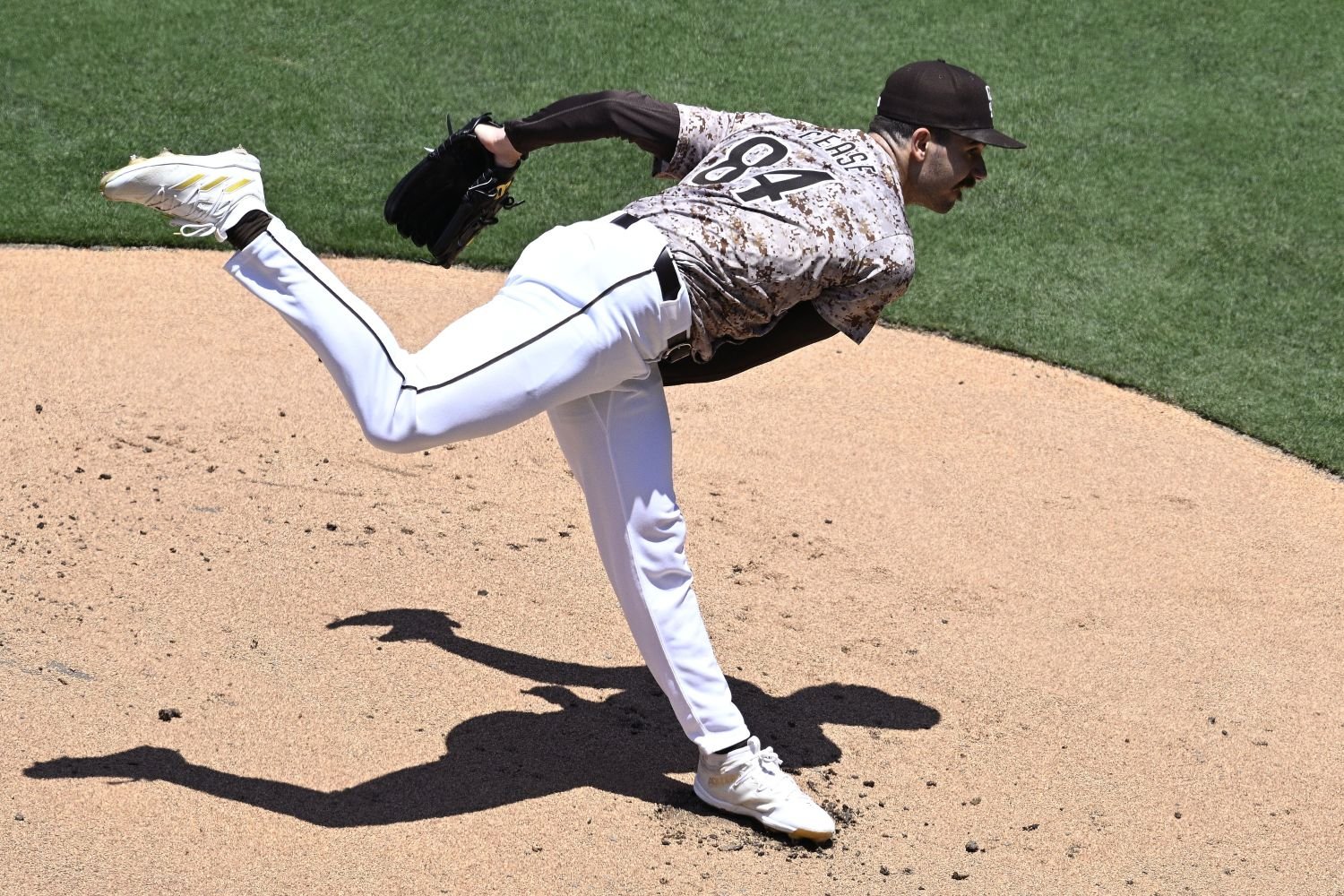 Don't get it twisted: It has always been important to make good TV, in order to make money in TV. Beginning around the year 2000, when MLB settled in as a cable product and teams started making deals to sell their broadcast rights to various partners for production and distribution, it did matter how good they were, and how much fans wanted to watch them. The more urgent and widespread that demand was, the more teams could charge for their rights—because their partners knew they would have more willing, even clamorous buyers when they turned around to sell the product to cable and satellite providers. For a while, though, that need was somewhat ill-defined, and it could be inelastic over a period of several years. If a team struck a 10-year rights deal, they could afford to be pretty bad for about the first half of that deal, without seeing it materially affect the fees they could command the next time that deal came up for renewal. That was because, while flagging ratings might destabilize some of the relationships between RSNs and cable or satellite providers, both the networks and the carriers needed inventory, as much as they needed hits. Cable companies knew well that their customers retained their services partially for access to live sports, but also for constant access to something—as opposed to access to any particular thing. When cable was a fairly affordable product and people paid for it fairly blithely, the idea was just to keep them vaguely satisfied with the options they found whenever they pulled up the guide on their screens. Of course, we know what happened, over time. Cable's need for inventory and the increasing appetite for high-caliber programming led to more expensive shows being produced there, and the networks producing those shows then started fighting for higher carriage fees. So did live sports networks, and after a few years of having those cost increases passed on to them in monolithic blocks, customers began to balk. Not wanting to lose clients, the carriers turned around and passed the complaints they were getting right back to the entities who (they felt) had caused them in the first place: networks, including and especially RSNs. Ever since that happened, there has been a steady and inexorable climb in the need to rate well to make money airing sports on TV. While even some big-market teams have had nasty carriage disputes, note that neither the Yankees nor the Dodgers have ever come off the air in large swaths of their markets. The Red Sox don't have this problem, either. Although the corporate greed and incompetence of Diamond Sports Group and distribution partner Sinclair Media are not to be overlooked or forgotten, they're not the main reason why RSNs ran into trouble. That writing has been on the wall since before they entered the picture. If you're not relentlessly entertaining—which, in sports, usually just means winning, but more on that in a bit—then people will not relentlessly pay for your entertainment product. Ever since carriers started demanding lower carriage fees or bumping RSNs to premium tiers and a la carte sections of their offerings, the year-to-year sensitivity of medium-term profitability from TV has skyrocketed. Now, with teams (including the Twins) abandoning the cable model almost altogether and selling Twins.TV directly to consumers, that elasticity has gone through the roof like Willy Wonka in that glass elevator. How much money can you make broadcasting your team's games? Exactly as much as you earn by being a lot of fun to watch. This is not a problem unique to the Twins, and to their credit, the entire sport has realized it, too. It's an insatiable need to rate that helped bring about the shift ban and the pitch timer in 2023. It's also why, for some teams, there are considerations percolating that go beyond simply winning and losing. Because, yes, it is possible to win in boring ways—and even to lose in interesting ones. That doesn't mean that any front office is out to play really exciting, really bad baseball. The most enduring and reliable way to draw eyes and sell subscriptions is to win. It's just that we're likely to keep seeing teams chase the splash, a bit. When Dan Hayes of The Athletic writes that the Twins are considering a trade for Dylan Cease, despite the reasons why it might seem far-fetched or even nonsensical, keep this in mind: We now live in an era where you have to rate. Few teams have properly adjusted to this, so far. In the next half-decade, that will change. There will probably be more rules changes, although they might be minor ones, compared to those that went into effect in 2023. There will probably be playoff and league expansion, not to create more inventory for national postseason broadcast partners (that was the old reason), but to give each team's fan base longer to believe that they might be in contention. There will probably be less tanking, not because owners or front offices are getting any less cynical, but because it's a pretty bad idea in a world where your broadcast revenue fluctuates right along with your ticket sales—and that's the world toward which we're hurtling. There will also be fewer quiet offseasons and trade deadlines, though that change might take longer. Generally speaking, billionaires keep "spend money to make money" far down their list of go-to expressions. They have plenty of money, thank you, and would like it to make them more money without their having to spend anything, really. Still, in the long run, we'll see teams contemplate bigger moves, and become much less likely to go long stretches without making any. Fans are alive all 12 months of the year, and they're always making decisions about whether to keep subscribing to their team's streaming service. Teams will eventually have to grasp that moves like the two Carlos Correa signings and the Pablo López trade (yes, even that one, which surely angered as many fans as it thrilled when it first happened) have value that extends beyond the games they help the team win. Those wins definitely matter, but so does getting to wins in exciting, interesting ways. The future is, blessedly, a bit more elastic, and that should make baseball teams have a little more fun.
 -
You, sobbing: You can't just call every good pitcher with plus stuff and a deep arsenal a starter! It doesn't wor that way! Me, pointing at Cole Sands: Starter Image courtesy of © David Richard-Imagn Images The transformation of Cole Sands might, in a crowded field of contenders, be the most impressive thing an already-impressive Twins pitching development group did last year. He began the season as a fringe guy and ended it as, arguably, the second-most reliable reliever on the team. A big boost in velocity made a big difference, and so did a rejiggered pitch mix. Sands, 27, has four years of team control remaining and can still be optioned to the minor leagues this coming season, but by the second half of 2024, sending him to St. Paul felt out of the question. In his first two partial seasons in the majors, he'd posted DRA- figures of 106 and 109, respectively. DRA- is Baseball Prospectus's league-indexed holistic pitching metric, where 100 is average and lower is better. In 2024, Sands's went from the wrong side of average all the way to 82. He struck out 29.1% of opposing batters and walked just 4.1% of them. I say it's the perfect time to shake things up for him. Earlier this winter, I was among the chorus calling for the team to consider making this conversion with Griffin Jax. By the reckoning of most fans I encountered, though, the risks of that move—of disrupting or even forfeiting what Jax has found in short-burst relief, of thinning the bullpen—outweighed the benefits, which basically boil down to: Creating extra total value within the roster; Insulating the team better against the eventuality of an injury to Joe Ryan or one of the Twins' other starters; and Rolling the dice on the chance of creating an ace. Ultimately, it seems, the team and Jax agreed. There are no current plans to move him to the rotation, and when former Twins play-by-play announcer Dick Bremer asked Jax which role he would prefer at last week's annual Diamond Awards, Jax's answer only very slightly hedged. He sounded emotionally and mentally committed to being the high-adrenaline relief guy, and indeed, that matches what we've heard in the past about how he approaches his outings and why he doesn't like to go back out for second innings from the pen, fearing the loss of that raw edge. Maybe, though, there's still a starter conversion to consider. The chances that Sands could emerge from the pen and become an ace starter are not as high as the same chances were with Jax. However, trying this with him would be less obviously dangerous than moving Jax, because he has been a starter more recently (16 starts in 2022) and is not as essential to the structure of the bullpen. It would also have a chance to create value in an interesting way, for a team still operating with artificially stringent limits on their spending and ability to acquire value from without. Sands is a year further from free agency than Jax, so if a conversion were successful, it would make him either a longer-term valuable piece or a more valuable trade chip. Those are reasons why it makes sense to try it. What reasons do we have to think it would actually work? View full article
-
.png.65f555eb37609762716557aa5e05842c.png) The transformation of Cole Sands might, in a crowded field of contenders, be the most impressive thing an already-impressive Twins pitching development group did last year. He began the season as a fringe guy and ended it as, arguably, the second-most reliable reliever on the team. A big boost in velocity made a big difference, and so did a rejiggered pitch mix. Sands, 27, has four years of team control remaining and can still be optioned to the minor leagues this coming season, but by the second half of 2024, sending him to St. Paul felt out of the question. In his first two partial seasons in the majors, he'd posted DRA- figures of 106 and 109, respectively. DRA- is Baseball Prospectus's league-indexed holistic pitching metric, where 100 is average and lower is better. In 2024, Sands's went from the wrong side of average all the way to 82. He struck out 29.1% of opposing batters and walked just 4.1% of them. I say it's the perfect time to shake things up for him. Earlier this winter, I was among the chorus calling for the team to consider making this conversion with Griffin Jax. By the reckoning of most fans I encountered, though, the risks of that move—of disrupting or even forfeiting what Jax has found in short-burst relief, of thinning the bullpen—outweighed the benefits, which basically boil down to: Creating extra total value within the roster; Insulating the team better against the eventuality of an injury to Joe Ryan or one of the Twins' other starters; and Rolling the dice on the chance of creating an ace. Ultimately, it seems, the team and Jax agreed. There are no current plans to move him to the rotation, and when former Twins play-by-play announcer Dick Bremer asked Jax which role he would prefer at last week's annual Diamond Awards, Jax's answer only very slightly hedged. He sounded emotionally and mentally committed to being the high-adrenaline relief guy, and indeed, that matches what we've heard in the past about how he approaches his outings and why he doesn't like to go back out for second innings from the pen, fearing the loss of that raw edge. Maybe, though, there's still a starter conversion to consider. The chances that Sands could emerge from the pen and become an ace starter are not as high as the same chances were with Jax. However, trying this with him would be less obviously dangerous than moving Jax, because he has been a starter more recently (16 starts in 2022) and is not as essential to the structure of the bullpen. It would also have a chance to create value in an interesting way, for a team still operating with artificially stringent limits on their spending and ability to acquire value from without. Sands is a year further from free agency than Jax, so if a conversion were successful, it would make him either a longer-term valuable piece or a more valuable trade chip. Those are reasons why it makes sense to try it. What reasons do we have to think it would actually work?
The transformation of Cole Sands might, in a crowded field of contenders, be the most impressive thing an already-impressive Twins pitching development group did last year. He began the season as a fringe guy and ended it as, arguably, the second-most reliable reliever on the team. A big boost in velocity made a big difference, and so did a rejiggered pitch mix. Sands, 27, has four years of team control remaining and can still be optioned to the minor leagues this coming season, but by the second half of 2024, sending him to St. Paul felt out of the question. In his first two partial seasons in the majors, he'd posted DRA- figures of 106 and 109, respectively. DRA- is Baseball Prospectus's league-indexed holistic pitching metric, where 100 is average and lower is better. In 2024, Sands's went from the wrong side of average all the way to 82. He struck out 29.1% of opposing batters and walked just 4.1% of them. I say it's the perfect time to shake things up for him. Earlier this winter, I was among the chorus calling for the team to consider making this conversion with Griffin Jax. By the reckoning of most fans I encountered, though, the risks of that move—of disrupting or even forfeiting what Jax has found in short-burst relief, of thinning the bullpen—outweighed the benefits, which basically boil down to: Creating extra total value within the roster; Insulating the team better against the eventuality of an injury to Joe Ryan or one of the Twins' other starters; and Rolling the dice on the chance of creating an ace. Ultimately, it seems, the team and Jax agreed. There are no current plans to move him to the rotation, and when former Twins play-by-play announcer Dick Bremer asked Jax which role he would prefer at last week's annual Diamond Awards, Jax's answer only very slightly hedged. He sounded emotionally and mentally committed to being the high-adrenaline relief guy, and indeed, that matches what we've heard in the past about how he approaches his outings and why he doesn't like to go back out for second innings from the pen, fearing the loss of that raw edge. Maybe, though, there's still a starter conversion to consider. The chances that Sands could emerge from the pen and become an ace starter are not as high as the same chances were with Jax. However, trying this with him would be less obviously dangerous than moving Jax, because he has been a starter more recently (16 starts in 2022) and is not as essential to the structure of the bullpen. It would also have a chance to create value in an interesting way, for a team still operating with artificially stringent limits on their spending and ability to acquire value from without. Sands is a year further from free agency than Jax, so if a conversion were successful, it would make him either a longer-term valuable piece or a more valuable trade chip. Those are reasons why it makes sense to try it. What reasons do we have to think it would actually work? -
Hmm. Mirroring is not a term I encounter much in this context, except in terms of spin axis. Some sinkers and sliders or four-seamers and curves will be said to have good spin mirroring, because they're spinning (more or less) opposite directions along the same axis. Disguising the pitch through keeping the same delivery is usually referred to under the umbrella of repeatability and/or release-point matching, and the clustering of release and early trajectories of pitches usually fall under the argot of "tunneling". But mirroring works ok, too, if it's the easiest way to envision what a pitcher's trying to do.
- 6 replies
-
- 2
-
-
- simeon woods richardson
- chris paddack
- (and 2 more)
-
Tuesday evening will bring the results of the 2025 National Baseball Hall of Fame BBWAA election. Before that happens, here are my 10 selections from the annual ballot, and the reasons why I chose each—and why I excluded some other candidates. Image courtesy of © Bob DeChiara-Imagn Images I hew to a few key principles when considering who I think deserves to enter the National Baseball Hall of Fame. It doesn't really matter, of course, because I don't have a vote, but I go through some version of the exercise each year, because I can't evaluate the choices made by the tenured members of the Baseball Writers Association of America without coming to my own conclusions about who should go in and why. Here are my main thoughts about the ballot as it exists these days, in no particular order: By and large, I'm a "big Hall" guy. There are, for my money, more important and wonderful players on the outside of Cooperstown looking in than guys who have plaques but didn't exactly merit them. Off-field matters notwithstanding, I tend to err on the side of letting in players who don't check all of some old-fashioned voters' boxes but who brightened the field with their presence over long careers. I'll usually favor peak over longevity, but I think some public discourse has run too far in that direction. We ought to value the desire, dedication, and adaptability to stay helpful for more than a decade, even if a player had a truly elite seven- or eight-year peak. I'm unwilling to exclude a player for using performance-enhancing drugs. I do discount players' numbers slightly if we know that they used, but the problem was huge and systemic and while each person bears personal responsibility for the choices they made about how to seek competitive edges during that era, I don't feel that using those drugs (or, in Carlos Beltrán's case, being the focal point of the investigation into the Astros' sign-stealing scandal) should keep a deserving player out of the Hall. On the other hand, I'm something of a hardliner when it comes to more egregious and (in my opinion) serious failures of character. This is the highest honor that can be conferred on a member of this profession, and it's my feeling that we should deny that honor to people who (most especially) inflict violence on family members, intimate partners, or any other group, especially if they were repeat offenders. That also goes for people who espouse hateful things (no Curt Schilling for me, when he was eligible) and those who drink and drive and don't learn from the egregious, wantonly dangerous misdeed (no Todd Helton for me, either, though I lost that argument). That should give you some clues as to whose names are about to appear below. Without further ado, here we go. CC Sabathia A no-brainer. Sabathia pitched 19 seasons as a workhorse, and not just an innings-eater, but an ace. He was, arguably, the last great pitcher of his kind, a threat to go eight innings every time he toed the rubber. Sabathia made 134 starts in which he went at least 7 1/3, which is not only the fifth-most since 1995, but 22 more than the most by any active hurler. (Justin Verlander sits at 112.) I heartily recommend his memoir, Till The End, which documents not only his career, but his long battle with alcohol dependence. He was larger than life on the mound, a great postseason pitcher, and late in his career, a big enough man to admit that he was hurting a great many people he loved by destroying himself. His journey to sobriety is as inspiring to many as his incredible talent and phenomenal performances. Ichiro Suzuki The most singular player in modern baseball history. Suzuki didn't even come to the States until he was 27, which hid some of his greatest brilliance from us, and yet, no one who ever watched him doubted he was a Hall of Famer. His feel for contact—especially the ability to hit the ball deep enough to the left side of the infield to secure a single almost every time, even if the shortstop managed to keep it on the dirt—was breathtaking, and his arm in right field was the most entertaining of his generation. That was true not only because he threw so well, but because he did it with such a whipsaw grace, from a small frame, and because he augmented the utility of his sheer arm strength by charging every single with fluid speed and confidence. He's one of the 25 best baseball players ever, if we widen our lens to remember that his skill set probably peaked during his final few years in Japan. If you've never looked up his NPB numbers, do so. His lowest full-season average there was .342, and he left after batting .387/.460/.539 in 2000. Alex Rodríguez Is he truly likable? No. Is he obnoxious on FOX broadcasts now? Yes. Did he use steroids, even after testing went into effect and everyone understood them to be taboo? Absolutely. But unlike (say) Barry Bonds and Roger Clemens, Rodríguez was never accused of being violent or criminally inappropriate toward women, and while he might have had a vague reputation as a self-satisfied jerk off the field, his sins outside the lines are relatively tame. They don't remotely erase the fact that, along with Bonds and Willie Mays and Henry Aaron, Rodríguez has a very strong case as the best player of all time. His pwoer and speed were incredible, but some players could loosely match those tools. What no one ever matched was the way he blended those loud tools with subtle but equally valuable refined skills, from an intelligent and adaptable approach at the plate to clever and dazzling defense. Carlos Beltrán I mentally bin Beltrán with Scott Rolen. While they were different in several obvious ways, both were extremely well-rounded—so much so that it was sometimes regrettably easy to overlook their greatest strengths in favor of marveling at their lack of weaknesses. Beltrán's raw numbers are slightly diminished by the mix of parks and league run environments he encountered over the years, and even so, they're gaudy. He was also, throughout his 20s, one of the best defensive center fielders of his generation, which often got lumped in and treated like an afterthought, given the balanced offensive dynamism he offered as a switch-hitter. That he helped engineer the banging scheme in 2017 is a shame, but not a dark enough mark on his record to make me think twice about wanting to see him enter the Hall. He found so many ways to be good late in his career, and was so respected by teammates throughout that career, that I'm more inclined to give him bonus points for baseball character than to strike him from the list for cheating in his senescence. Félix Hernández I think that, because he came up so young and was thus in decline by his age-30 season, people remember Hernández's peak as shorter than it really was. From 2009-15, Hernández made six All-Star teams, won a Cy Young Award, finished twice two other times and was in the top 10 for the honor thrice more. He averaged 228 innings and 221 strikeouts per season and had a 2.83 ERA. If those seven years were his whole peak, this would be a thorny conversation. In reality, though, he had come up in the middle of 2005 and had three full, perfectly solid campaigns before really hitting his stride in that 2009 campaign. He also pitched with personality, and was a bit of a throwback: he didn't have to strike you out for you to feel as though you had no chance when he was done with you. Andy Pettitte Yes, he used HGH, and yes, I hold that against him—almost more than I do for hitters, because one of the chief challenges for pitchers is to stay healthy and I consider things that artificially reduce that risk an especially egregious sin against the game. Pettitte was an emblem of an era, though. Every October, you'd turn on the TV, and he would be there, with the cap pulled so low over his eyes that his face was just a black abyss behind his glove. He'd be coming off a strong regular season, but there would be questions about him—and then he'd answer them with a resounding performance that helped vault his teams to one World Series after another. Pitchers deserve some extra credit for holding up under the hot lights, and for achieving longevity even when piling up extra innings after lots of their counterparts had gone home each fall. Chase Utley Like Beltrán, Utley was a winner, because he did everything well and sought the edge everywhere it could be found. He bordered on dirty, but if the rest of the league were as dedicated to playing the game ferociously as he was, they wouldn't have been in any danger from him. He was ruthless, and he was everywhere. During his peak, he hit for average, drew walks, stole bases more efficiently than anyone else in baseball, and played better defense at second base than anyone else in baseball. The thing people overlooked too often, because he tended to hit more doubles than homers, was his power. He averaged 27 homers and 67 total extra-base hits per year from 2005-10, and he also perfected the art of being hit by pitches. The second half of his career was underwhelming, but he should have won two MVPs (which, in a testament to him, went to teammtes instead) before that decline began. Billy Wagner I love the story of Wagner breaking his right arm playing hat football when he was a kid, and thus becoming an accidental lefty. It speaks not only to his resourcefulness, but to his passion for the sport; he couldn't be without baseball long enough to let an injury heal all the way. He just switched arms and kept hucking it. You'd like to see more volume, even from a reliever, to put them in. Yet, Wagner had more strikeouts than either Trevor Hoffman or Mariano Rivera, even though they had roughly 180 and 350 more career innings than he did, respectively. You'd like to see a better postseason track record, too. But the fact is that Wagner struck out 33.2% of opposing batters for his career, which would be an elite rate for a single season even now—and that was at a time when the baseline for strikeouts was about 20% lower than it is now. When he came in to close out a game against your team, you knew he was a Hall of Famer. Russell Martin For me, this is not as controversial as some have made it. Martin was a unique athlete who could have stuck on the infield if he'd insisted upon it, but instead, he made himself a great catcher—one of the best defenders at the most important non-pitching position on the field, in an era full of great defensive catchers. That so much of his value comes from pitch framing inevitably dings him for many, but I love framing and believe its value is real and should be acknowledged. Martin also brought a modicum of power and unusual speed to the position, and you didn't have to make the big tradeoffs that so many catchers force their teams to make. He was well-rounded, an average-plus hitter and a terrific run preventer, as well as a beloved teammate whose teams were a truly wild 212 games over .500 when he started during his career. In 11 different seasons, his team was at least 11 games to the good. Ben Zobrist This one, admittedly, is a fringy case. I'd like to see Zobrist stick around on the ballot, as much as I'd like to see him actually inducted. He's the guy who probably did have too short a career to make a compelling Hall case, but from 2009-16, he defined an evolving role for the whole league, playing all over the diamond (and being above-average at each spot) and hitting .271/.366/.439, despite a lot of those seasons being fallow ones for offense throughout the league. I also give him some extra credit for being instrumental in two straight World Series runs by teams he was on, the 2015 Royals and the 2016 Cubs. Excluded here, but worth a quick mention, are the following: Bobby Abreu makes a very strong case, and once Beltrán gets in, I think it will be easier to fairly judge him and for some voters to find room for him on their ballots. Andruw Jones, Manny Ramírez, Francisco Rodríguez, and Omar Vizquel were not considered, as I consider all of them to have been disqualifyingly violent and/or cruel away from the field. Dustin Pedroia is very close to Utley as a candidate, and probably could have gotten his slot. I'll certainly be taking another close look at him next year. Brian McCann is a similar candidate to Martin, but I want to advocate Martin first. David Wright and Troy Tulowitzki were clearly Hall of Fame talents. I'm not yet sure I can get them over the line, based on how truncated by injuries their careers were, but they're legitimate candidates. There's my ballot. It's imperfect; all ballots are. It was fun to put it together, though, and I'd love to hear what you think of it, as well as whom you would support. View full article
-
Hall of Fame Day: My Imaginary Ballot, and the Reasons for My Choices
Matthew Trueblood posted an article in Twins
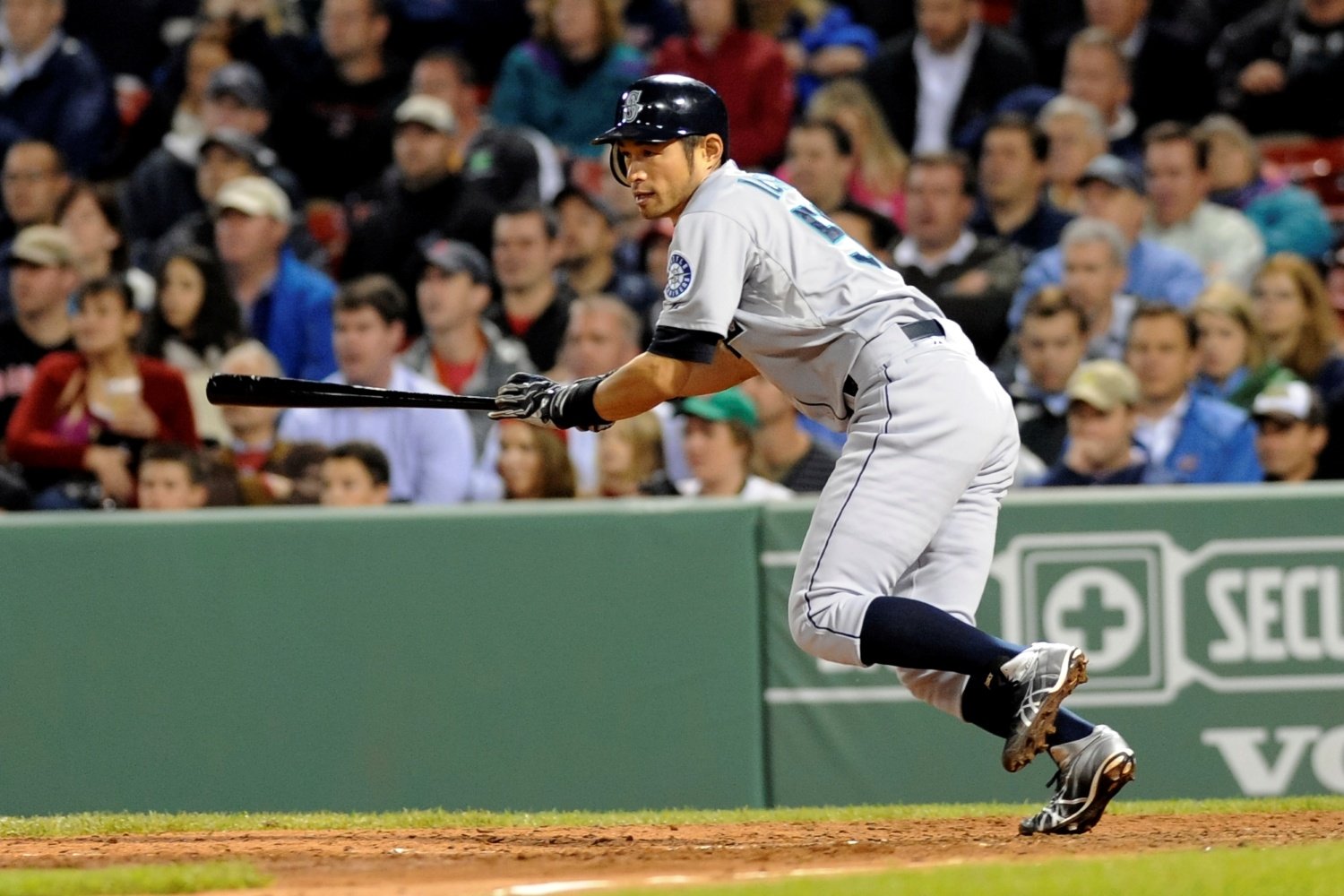 I hew to a few key principles when considering who I think deserves to enter the National Baseball Hall of Fame. It doesn't really matter, of course, because I don't have a vote, but I go through some version of the exercise each year, because I can't evaluate the choices made by the tenured members of the Baseball Writers Association of America without coming to my own conclusions about who should go in and why. Here are my main thoughts about the ballot as it exists these days, in no particular order: By and large, I'm a "big Hall" guy. There are, for my money, more important and wonderful players on the outside of Cooperstown looking in than guys who have plaques but didn't exactly merit them. Off-field matters notwithstanding, I tend to err on the side of letting in players who don't check all of some old-fashioned voters' boxes but who brightened the field with their presence over long careers. I'll usually favor peak over longevity, but I think some public discourse has run too far in that direction. We ought to value the desire, dedication, and adaptability to stay helpful for more than a decade, even if a player had a truly elite seven- or eight-year peak. I'm unwilling to exclude a player for using performance-enhancing drugs. I do discount players' numbers slightly if we know that they used, but the problem was huge and systemic and while each person bears personal responsibility for the choices they made about how to seek competitive edges during that era, I don't feel that using those drugs (or, in Carlos Beltrán's case, being the focal point of the investigation into the Astros' sign-stealing scandal) should keep a deserving player out of the Hall. On the other hand, I'm something of a hardliner when it comes to more egregious and (in my opinion) serious failures of character. This is the highest honor that can be conferred on a member of this profession, and it's my feeling that we should deny that honor to people who (most especially) inflict violence on family members, intimate partners, or any other group, especially if they were repeat offenders. That also goes for people who espouse hateful things (no Curt Schilling for me, when he was eligible) and those who drink and drive and don't learn from the egregious, wantonly dangerous misdeed (no Todd Helton for me, either, though I lost that argument). That should give you some clues as to whose names are about to appear below. Without further ado, here we go. CC Sabathia A no-brainer. Sabathia pitched 19 seasons as a workhorse, and not just an innings-eater, but an ace. He was, arguably, the last great pitcher of his kind, a threat to go eight innings every time he toed the rubber. Sabathia made 134 starts in which he went at least 7 1/3, which is not only the fifth-most since 1995, but 22 more than the most by any active hurler. (Justin Verlander sits at 112.) I heartily recommend his memoir, Till The End, which documents not only his career, but his long battle with alcohol dependence. He was larger than life on the mound, a great postseason pitcher, and late in his career, a big enough man to admit that he was hurting a great many people he loved by destroying himself. His journey to sobriety is as inspiring to many as his incredible talent and phenomenal performances. Ichiro Suzuki The most singular player in modern baseball history. Suzuki didn't even come to the States until he was 27, which hid some of his greatest brilliance from us, and yet, no one who ever watched him doubted he was a Hall of Famer. His feel for contact—especially the ability to hit the ball deep enough to the left side of the infield to secure a single almost every time, even if the shortstop managed to keep it on the dirt—was breathtaking, and his arm in right field was the most entertaining of his generation. That was true not only because he threw so well, but because he did it with such a whipsaw grace, from a small frame, and because he augmented the utility of his sheer arm strength by charging every single with fluid speed and confidence. He's one of the 25 best baseball players ever, if we widen our lens to remember that his skill set probably peaked during his final few years in Japan. If you've never looked up his NPB numbers, do so. His lowest full-season average there was .342, and he left after batting .387/.460/.539 in 2000. Alex Rodríguez Is he truly likable? No. Is he obnoxious on FOX broadcasts now? Yes. Did he use steroids, even after testing went into effect and everyone understood them to be taboo? Absolutely. But unlike (say) Barry Bonds and Roger Clemens, Rodríguez was never accused of being violent or criminally inappropriate toward women, and while he might have had a vague reputation as a self-satisfied jerk off the field, his sins outside the lines are relatively tame. They don't remotely erase the fact that, along with Bonds and Willie Mays and Henry Aaron, Rodríguez has a very strong case as the best player of all time. His pwoer and speed were incredible, but some players could loosely match those tools. What no one ever matched was the way he blended those loud tools with subtle but equally valuable refined skills, from an intelligent and adaptable approach at the plate to clever and dazzling defense. Carlos Beltrán I mentally bin Beltrán with Scott Rolen. While they were different in several obvious ways, both were extremely well-rounded—so much so that it was sometimes regrettably easy to overlook their greatest strengths in favor of marveling at their lack of weaknesses. Beltrán's raw numbers are slightly diminished by the mix of parks and league run environments he encountered over the years, and even so, they're gaudy. He was also, throughout his 20s, one of the best defensive center fielders of his generation, which often got lumped in and treated like an afterthought, given the balanced offensive dynamism he offered as a switch-hitter. That he helped engineer the banging scheme in 2017 is a shame, but not a dark enough mark on his record to make me think twice about wanting to see him enter the Hall. He found so many ways to be good late in his career, and was so respected by teammates throughout that career, that I'm more inclined to give him bonus points for baseball character than to strike him from the list for cheating in his senescence. Félix Hernández I think that, because he came up so young and was thus in decline by his age-30 season, people remember Hernández's peak as shorter than it really was. From 2009-15, Hernández made six All-Star teams, won a Cy Young Award, finished twice two other times and was in the top 10 for the honor thrice more. He averaged 228 innings and 221 strikeouts per season and had a 2.83 ERA. If those seven years were his whole peak, this would be a thorny conversation. In reality, though, he had come up in the middle of 2005 and had three full, perfectly solid campaigns before really hitting his stride in that 2009 campaign. He also pitched with personality, and was a bit of a throwback: he didn't have to strike you out for you to feel as though you had no chance when he was done with you. Andy Pettitte Yes, he used HGH, and yes, I hold that against him—almost more than I do for hitters, because one of the chief challenges for pitchers is to stay healthy and I consider things that artificially reduce that risk an especially egregious sin against the game. Pettitte was an emblem of an era, though. Every October, you'd turn on the TV, and he would be there, with the cap pulled so low over his eyes that his face was just a black abyss behind his glove. He'd be coming off a strong regular season, but there would be questions about him—and then he'd answer them with a resounding performance that helped vault his teams to one World Series after another. Pitchers deserve some extra credit for holding up under the hot lights, and for achieving longevity even when piling up extra innings after lots of their counterparts had gone home each fall. Chase Utley Like Beltrán, Utley was a winner, because he did everything well and sought the edge everywhere it could be found. He bordered on dirty, but if the rest of the league were as dedicated to playing the game ferociously as he was, they wouldn't have been in any danger from him. He was ruthless, and he was everywhere. During his peak, he hit for average, drew walks, stole bases more efficiently than anyone else in baseball, and played better defense at second base than anyone else in baseball. The thing people overlooked too often, because he tended to hit more doubles than homers, was his power. He averaged 27 homers and 67 total extra-base hits per year from 2005-10, and he also perfected the art of being hit by pitches. The second half of his career was underwhelming, but he should have won two MVPs (which, in a testament to him, went to teammtes instead) before that decline began. Billy Wagner I love the story of Wagner breaking his right arm playing hat football when he was a kid, and thus becoming an accidental lefty. It speaks not only to his resourcefulness, but to his passion for the sport; he couldn't be without baseball long enough to let an injury heal all the way. He just switched arms and kept hucking it. You'd like to see more volume, even from a reliever, to put them in. Yet, Wagner had more strikeouts than either Trevor Hoffman or Mariano Rivera, even though they had roughly 180 and 350 more career innings than he did, respectively. You'd like to see a better postseason track record, too. But the fact is that Wagner struck out 33.2% of opposing batters for his career, which would be an elite rate for a single season even now—and that was at a time when the baseline for strikeouts was about 20% lower than it is now. When he came in to close out a game against your team, you knew he was a Hall of Famer. Russell Martin For me, this is not as controversial as some have made it. Martin was a unique athlete who could have stuck on the infield if he'd insisted upon it, but instead, he made himself a great catcher—one of the best defenders at the most important non-pitching position on the field, in an era full of great defensive catchers. That so much of his value comes from pitch framing inevitably dings him for many, but I love framing and believe its value is real and should be acknowledged. Martin also brought a modicum of power and unusual speed to the position, and you didn't have to make the big tradeoffs that so many catchers force their teams to make. He was well-rounded, an average-plus hitter and a terrific run preventer, as well as a beloved teammate whose teams were a truly wild 212 games over .500 when he started during his career. In 11 different seasons, his team was at least 11 games to the good. Ben Zobrist This one, admittedly, is a fringy case. I'd like to see Zobrist stick around on the ballot, as much as I'd like to see him actually inducted. He's the guy who probably did have too short a career to make a compelling Hall case, but from 2009-16, he defined an evolving role for the whole league, playing all over the diamond (and being above-average at each spot) and hitting .271/.366/.439, despite a lot of those seasons being fallow ones for offense throughout the league. I also give him some extra credit for being instrumental in two straight World Series runs by teams he was on, the 2015 Royals and the 2016 Cubs. Excluded here, but worth a quick mention, are the following: Bobby Abreu makes a very strong case, and once Beltrán gets in, I think it will be easier to fairly judge him and for some voters to find room for him on their ballots. Andruw Jones, Manny Ramírez, Francisco Rodríguez, and Omar Vizquel were not considered, as I consider all of them to have been disqualifyingly violent and/or cruel away from the field. Dustin Pedroia is very close to Utley as a candidate, and probably could have gotten his slot. I'll certainly be taking another close look at him next year. Brian McCann is a similar candidate to Martin, but I want to advocate Martin first. David Wright and Troy Tulowitzki were clearly Hall of Fame talents. I'm not yet sure I can get them over the line, based on how truncated by injuries their careers were, but they're legitimate candidates. There's my ballot. It's imperfect; all ballots are. It was fun to put it together, though, and I'd love to hear what you think of it, as well as whom you would support.
- 28 comments
-
- 3
-
-
-
-
- cc sabathia
- ichiro suzuki
- (and 5 more)
-
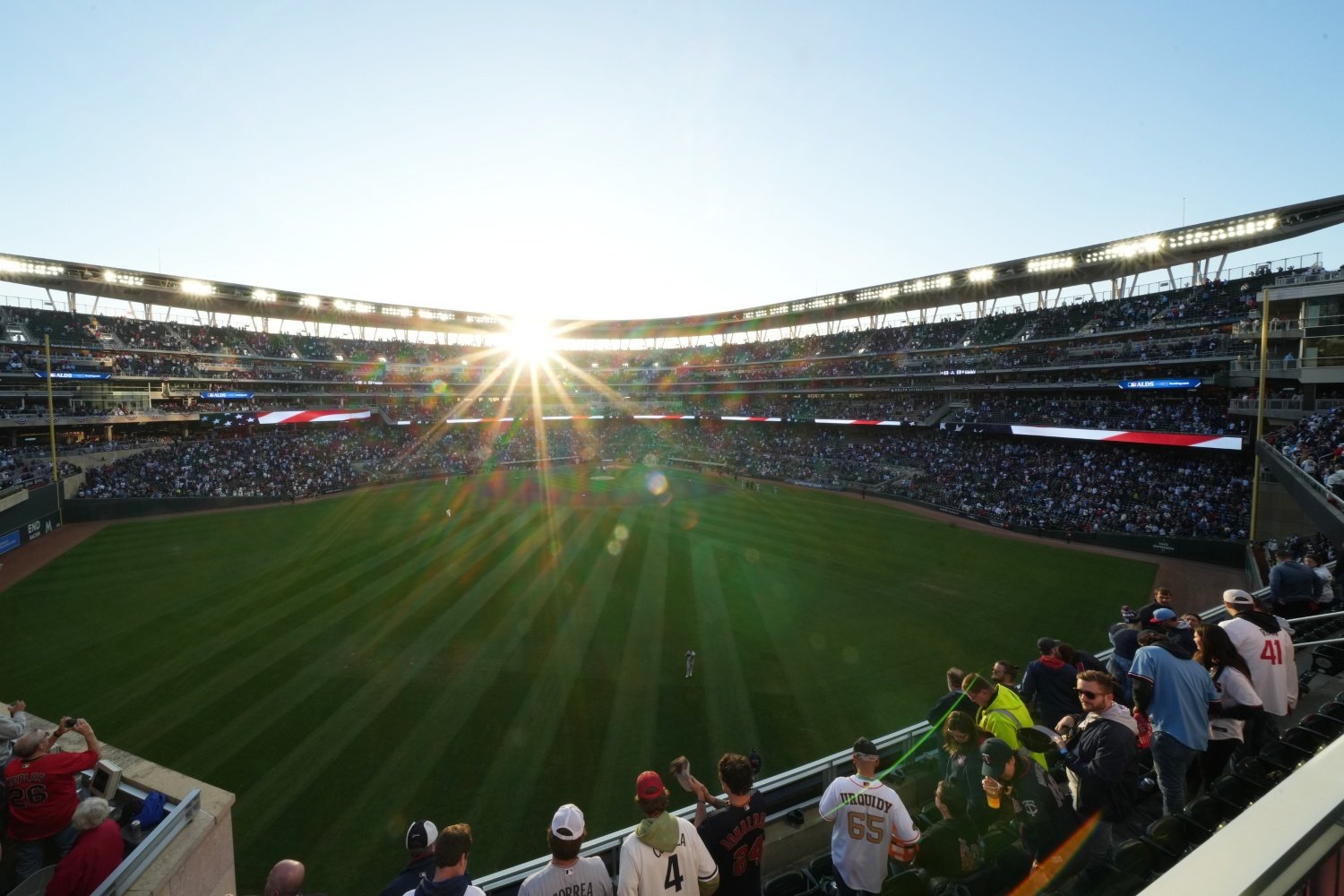 It was surprising to read a few of the items in Neal's piece, even though other facts he noted were already reported elsewhere. There are, apparently, more bidders than we would have guessed—a "double-digit" number of inquiries, as Neal termed it. Not every inquiring party will ultimately submit a bid in cases like these, but as Neal described the likelihood of a multi-round bidding process, it was hard not to imagine a bit of a bidding war developing. While he didn't name any new potential buyers (beyond the Ishbias, with whom we've all become acquainted by now), Neal's description of the situation makes it sound like the team will have no trouble being sold for a high price. We'd already heard from Dan Hayes that there was a chance that a new owner would be identified by Opening Day, but the way Neal lays things out, that feels almost inevitable. He's quick to caution that any new owner would have to go through the league approval process, and it sounds like Memorial Day or Flag Day will be the targets for an official transfer of ownership. Once we know who the person is, though, historically, ownership changes tend to feel complete—even before they really are. Steadily, throughout this winter, the reasons for optimism about the likely shape and timeline of this process have piled up. Everything depends on whether the owner who ends up winning this bidding will take an active interest and be willing to invest money to rebuild the fan base, if only by putting more talent on the field than they could superficially afford. We can't know that yet, so analysis is folly. Neal's report gives us ample reason to expect a fast-moving process and an encouraging resolution, though. A couple of final notes from Neal were so unsurprising as to be obvious, but they're still valuable. Firstly, he alluded to the fact that Target Field is a major asset (literally and conceptually) in this process. The park is modern, well-maintained, and has a chance to be a 100-year facility, so that's how we'd expect new owners to view it, but it's nice to have affirmation of it. One of our main criteria for judging the acceptability of a new owner, as fans, should be their commitment to ensuring that the team plays at the park for several more decades. Neal also reported that it's likely a former Twins player will be part of an ownership group. That, too, is unsurprising, and he almost sounds like he's speculating, rather than reporting anything rooted in sources' insights. He's probably right, though. Any non-Minnesotan owners (and, while Neal also mentioned that there is local interest, the balance of probability is that the new owners will be from somewhere else) will want a local face as a minority partner. Major business owners from the area who aren't positioned to buy the team themselves but have enough on hand to invest in them are nice, but a person like Joe Mauer, Justin Morneau, Torii Hunter or Nelson Cruz could have a special appeal. Fans would be more likely to warm to new owners with that kind of person at their shoulder than to do the same for some otherwise anonymous wealthy businessperson. Impatience will get us nowhere, but it's increasingly difficult not to get excited about these proceedings. The Twins are likely to change hands quite soon, in the grand scheme of things, and it sounds like that transition will be a fruitful and happy one for Twins fans.
 -
Minnesota Star-Tribune sports columnist LaVelle E. Neal III delivered a meaty update on the progress of the team's impending sale Thursday morning, including some details that elucidate the timeline for this momentous change. Image courtesy of © Matt Blewett-Imagn Images It was surprising to read a few of the items in Neal's piece, even though other facts he noted were already reported elsewhere. There are, apparently, more bidders than we would have guessed—a "double-digit" number of inquiries, as Neal termed it. Not every inquiring party will ultimately submit a bid in cases like these, but as Neal described the likelihood of a multi-round bidding process, it was hard not to imagine a bit of a bidding war developing. While he didn't name any new potential buyers (beyond the Ishbias, with whom we've all become acquainted by now), Neal's description of the situation makes it sound like the team will have no trouble being sold for a high price. We'd already heard from Dan Hayes that there was a chance that a new owner would be identified by Opening Day, but the way Neal lays things out, that feels almost inevitable. He's quick to caution that any new owner would have to go through the league approval process, and it sounds like Memorial Day or Flag Day will be the targets for an official transfer of ownership. Once we know who the person is, though, historically, ownership changes tend to feel complete—even before they really are. Steadily, throughout this winter, the reasons for optimism about the likely shape and timeline of this process have piled up. Everything depends on whether the owner who ends up winning this bidding will take an active interest and be willing to invest money to rebuild the fan base, if only by putting more talent on the field than they could superficially afford. We can't know that yet, so analysis is folly. Neal's report gives us ample reason to expect a fast-moving process and an encouraging resolution, though. A couple of final notes from Neal were so unsurprising as to be obvious, but they're still valuable. Firstly, he alluded to the fact that Target Field is a major asset (literally and conceptually) in this process. The park is modern, well-maintained, and has a chance to be a 100-year facility, so that's how we'd expect new owners to view it, but it's nice to have affirmation of it. One of our main criteria for judging the acceptability of a new owner, as fans, should be their commitment to ensuring that the team plays at the park for several more decades. Neal also reported that it's likely a former Twins player will be part of an ownership group. That, too, is unsurprising, and he almost sounds like he's speculating, rather than reporting anything rooted in sources' insights. He's probably right, though. Any non-Minnesotan owners (and, while Neal also mentioned that there is local interest, the balance of probability is that the new owners will be from somewhere else) will want a local face as a minority partner. Major business owners from the area who aren't positioned to buy the team themselves but have enough on hand to invest in them are nice, but a person like Joe Mauer, Justin Morneau, Torii Hunter or Nelson Cruz could have a special appeal. Fans would be more likely to warm to new owners with that kind of person at their shoulder than to do the same for some otherwise anonymous wealthy businessperson. Impatience will get us nowhere, but it's increasingly difficult not to get excited about these proceedings. The Twins are likely to change hands quite soon, in the grand scheme of things, and it sounds like that transition will be a fruitful and happy one for Twins fans. View full article
-
This one has nothing to do with the impending decision by Roki Sasaki, but another flamethrowing young pitcher has created another opportunity to pick up a previously committed Latin American talent—and, once again, the nimble Twins are taking advantage. Raudy Reyes had a major growth spurt and emerged late on the scene as the top non-Sasaki arm in this class, and the team from suburban Cobb County, Georgia pivoted to sign him, despite the major resource reallocation that required. In so doing, they vacated an informal agreement with Dencer Diaz, an infielder from the Dominican Republic, and the Twins' international scouting department (guided by, among others, Kevin Goldstein) was in position to offer a substantial bonus to snare Diaz on the rebound. This is the second late move they've made as this market opens for 2025, supplementing a class previously viewed as interesting but not exceptional. With Diaz and Teilon Serrano added to their haul, the Twins keep building upon a strong reputation in Latin America. View full rumor
-
 This one has nothing to do with the impending decision by Roki Sasaki, but another flamethrowing young pitcher has created another opportunity to pick up a previously committed Latin American talent—and, once again, the nimble Twins are taking advantage. Raudy Reyes had a major growth spurt and emerged late on the scene as the top non-Sasaki arm in this class, and the team from suburban Cobb County, Georgia pivoted to sign him, despite the major resource reallocation that required. In so doing, they vacated an informal agreement with Dencer Diaz, an infielder from the Dominican Republic, and the Twins' international scouting department (guided by, among others, Kevin Goldstein) was in position to offer a substantial bonus to snare Diaz on the rebound. This is the second late move they've made as this market opens for 2025, supplementing a class previously viewed as interesting but not exceptional. With Diaz and Teilon Serrano added to their haul, the Twins keep building upon a strong reputation in Latin America.
 -
You and I will have to agree to disagree on almost all of this, but the first part there is a much-needed catch, and I owe all the readers an apology there! I fumbled the edit. Peter had written "the team", which I went to edit to "the airline," but my brain was working on too many different things at the time and I changed it to "the Twins". A grievous error on my part. Thanks for catching it!
-
One of the fascinating and important knock-on effects of the Roki Sasaki sweepstakes is a miniature windfall of international amateur free agents becoming unexpectedly available at the last second, as a new window for signing such players begins Wednesday. This was foreseen. Sasaki's signing bonus with whichever team he selects (it's down to the Los Angeles Dodgers, San Diego Padres, and Toronto Blue Jays) will have to come from a finite, hard-capped pool of money allotted for each team to spend on these players each year, and since teams strike handshake deals with big-money prospects long before the actual opening of the signing period, whoever signs Sasaki will have to throw back a few high-profile members of their class. On Tuesday night, the Twins were the beneficiaries of that situation. Teilon Serrano, a Dominican shortstop-turned-outfielder with impressive tools and a mid-six-figure expected price tag, was set to sign with the Dodgers, but they released him to seek a deal with another team, and Minnesota has swooped in to scoop him up. The frequent metaphor for players like these is an accurate one: they're lottery tickets. Serrano is unlikely even to play in the big leagues, let alone to become a star. Still, just as you'd happily take an extra fourth-round draft pick if it were just floating out there for the taking, it's worth pursuing a player like Serrano if your scouts have done some due diligence on him and like what they've seen—and the disruptive influence of Sasaki has given the Twins just such an opportunity.
-
One of the fascinating and important knock-on effects of the Roki Sasaki sweepstakes is a miniature windfall of international amateur free agents becoming unexpectedly available at the last second, as a new window for signing such players begins Wednesday. This was foreseen. Sasaki's signing bonus with whichever team he selects (it's down to the Los Angeles Dodgers, San Diego Padres, and Toronto Blue Jays) will have to come from a finite, hard-capped pool of money allotted for each team to spend on these players each year, and since teams strike handshake deals with big-money prospects long before the actual opening of the signing period, whoever signs Sasaki will have to throw back a few high-profile members of their class. On Tuesday night, the Twins were the beneficiaries of that situation. Teilon Serrano, a Dominican shortstop-turned-outfielder with impressive tools and a mid-six-figure expected price tag, was set to sign with the Dodgers, but they released him to seek a deal with another team, and Minnesota has swooped in to scoop him up. The frequent metaphor for players like these is an accurate one: they're lottery tickets. Serrano is unlikely even to play in the big leagues, let alone to become a star. Still, just as you'd happily take an extra fourth-round draft pick if it were just floating out there for the taking, it's worth pursuing a player like Serrano if your scouts have done some due diligence on him and like what they've seen—and the disruptive influence of Sasaki has given the Twins just such an opportunity. View full rumor
.png.671c4ea970bd7254f0a2d98b8f91601a.png)


.png.ece22acd0767e77d3586b449c81f160e.png)


.png.65f555eb37609762716557aa5e05842c.png)
