



Ted Schwerzler
-
Posts
5,149 -
Joined
-
Last visited
Content Type
Profiles
News
Minnesota Twins Videos
2026 Minnesota Twins Top Prospects Ranking
2022 Minnesota Twins Draft Picks
Minnesota Twins Free Agent & Trade Rumors, Notes, & Tidbits
Guides & Resources
2023 Minnesota Twins Draft Picks
The Minnesota Twins Players Project
2024 Minnesota Twins Draft Picks
2025 Minnesota Twins Draft Pick Tracker
2026 Minnesota Twins Draft Tracker: Picks & Bonuses
Forums
Blogs
Events
Store
Downloads
Gallery
Everything posted by Ted Schwerzler
-
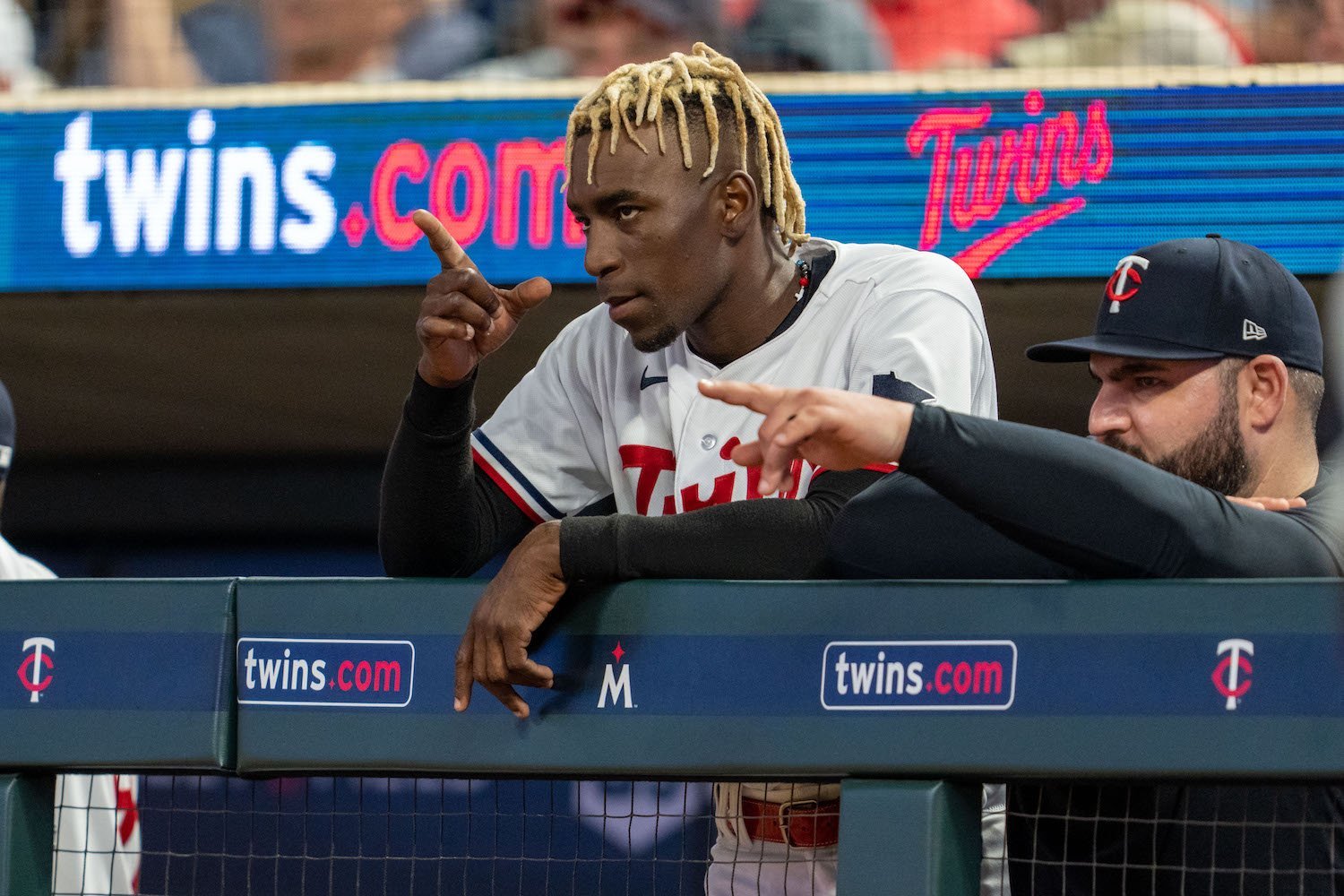 When the Twins took Nick Gordon out of high school with the fifth overall pick during the 2014 Major League Baseball draft, they did so hoping the bloodlines from father Tom Gordon and brother Dee Strange-Gordon would produce a high-level big leaguer. It took time for Gordon to mature physically, and he had a few setbacks along the way. Reaching the majors during the 2021 season, he never found a consistent home. Moving off of shortstop full-time as he progressed through the minors, Gordon exhibited positional flexibility. Playing third and second, he also spent time in the outfield. Gordon isn’t nearly as fast as his brother Dee was, but his instincts on the grass played well. When he hit .272 across 136 games last year, we saw the makings of a true asset at the highest level. Concerns for Gordon included a lack of plate discipline and only minimal ability to drive the ball. He did register 28 doubles and nine home runs in 2022, but his 105/19 K/BB needed to be improved. Still, the 111 OPS+ earned him plenty of reason to open on the 26-man roster as Rocco Baldelli’s primary utility player. Even after Minnesota claimed Willi Castro and signed Donovan Solano, there was no reason to believe Gordon’s job was in jeopardy. Just 34 games into his season, Gordon fouled a ball off his right shin and wound up with a fracture. That injury sidelined him the rest of the season, and despite working back with a group that included Chris Paddack, Jorge Alcala, and Byron Buxton, Gordon’s body didn’t allow him to get major-league game action after appearing in six games for the Saints. Now eligible for arbitration for the first time in his career, Gordon’s projected figure checks in at only $1 million. That’s only a nominal amount over the major league minimum, so many isn't the issue as far as bringin him back. Where he fits going forward is a question, though. Even if Gordon was still a shortstop, and he isn’t, Carlos Correa is the Twins' answer. Jorge Polanco is back to play second base alongside Edouard Julien, and first base isn’t an option for Gordon. Royce Lewis plays third base; Max Kepler and Matt Wallner will occupy the corners. Gordon played well in center field and certainly could rotate in for a healthy Buxton, but banking on that isn’t a good plan, and Minnesota will be looking for a Michael A. Taylor-caliber starting-level replacement. Beyond just starting roles, things got even more cloudy when Castro popped up with a 106 OPS+ and played better defensively. He’s also two years younger, and while projected to be slightly more expensive, the floor is arguably safer. Gordon looks the part of a major-league talent, but finding a fit with the Twins seems complicated. That all but necessitates a trade, and he should have an allure to a handful of organizations. While plenty of teams have players who can fill fringe roles, Gordon has shown he can do it at the highest level, and it comes at a cost that would rival the promotion of any prospect. With dollars always looking to be stifled at the back end of active rosters, Gordon is the perfect type of asset to round out a lineup or allow for a more significant contract elsewhere. Plenty of teams look to limit spending on a yearly basis, and Gordon, representing a straightforward opportunity to do that while still having starting chops, could be a selling point. Expecting a sizable return for Gordon would be misguided. Regardless of his former prospect or draft status, that isn’t happening. He could net a nice flier or bullpen arm, though, and the Twins may be inclined to see if that type of return is something they have an interest in. What do you think? Will Nick Gordon stay with the Twins during the 2024 season?
- 62 comments
-
- 3
-

-
- nick gordon
- willi castro
- (and 1 more)
-
What Can the Twins Get For Nick Gordon?
Ted Schwerzler posted a topic in Twins Daily Front Page News
The Minnesota Twins came into the 2023 season with Nick Gordon penned in as their utility man. After being the fifth overall pick during the 2014 draft, he'd finally found his footing at the highest level with a nice 2022 season. The year played out differently than planned, though, and now questions about his future are impossible to ignore. Image courtesy of Matt Blewett - USA TODAY Sports When the Twins took Nick Gordon out of high school with the fifth overall pick during the 2014 Major League Baseball draft, they did so hoping the bloodlines from father Tom Gordon and brother Dee Strange-Gordon would produce a high-level big leaguer. It took time for Gordon to mature physically, and he had a few setbacks along the way. Reaching the majors during the 2021 season, he never found a consistent home. Moving off of shortstop full-time as he progressed through the minors, Gordon exhibited positional flexibility. Playing third and second, he also spent time in the outfield. Gordon isn’t nearly as fast as his brother Dee was, but his instincts on the grass played well. When he hit .272 across 136 games last year, we saw the makings of a true asset at the highest level. Concerns for Gordon included a lack of plate discipline and only minimal ability to drive the ball. He did register 28 doubles and nine home runs in 2022, but his 105/19 K/BB needed to be improved. Still, the 111 OPS+ earned him plenty of reason to open on the 26-man roster as Rocco Baldelli’s primary utility player. Even after Minnesota claimed Willi Castro and signed Donovan Solano, there was no reason to believe Gordon’s job was in jeopardy. Just 34 games into his season, Gordon fouled a ball off his right shin and wound up with a fracture. That injury sidelined him the rest of the season, and despite working back with a group that included Chris Paddack, Jorge Alcala, and Byron Buxton, Gordon’s body didn’t allow him to get major-league game action after appearing in six games for the Saints. Now eligible for arbitration for the first time in his career, Gordon’s projected figure checks in at only $1 million. That’s only a nominal amount over the major league minimum, so many isn't the issue as far as bringin him back. Where he fits going forward is a question, though. Even if Gordon was still a shortstop, and he isn’t, Carlos Correa is the Twins' answer. Jorge Polanco is back to play second base alongside Edouard Julien, and first base isn’t an option for Gordon. Royce Lewis plays third base; Max Kepler and Matt Wallner will occupy the corners. Gordon played well in center field and certainly could rotate in for a healthy Buxton, but banking on that isn’t a good plan, and Minnesota will be looking for a Michael A. Taylor-caliber starting-level replacement. Beyond just starting roles, things got even more cloudy when Castro popped up with a 106 OPS+ and played better defensively. He’s also two years younger, and while projected to be slightly more expensive, the floor is arguably safer. Gordon looks the part of a major-league talent, but finding a fit with the Twins seems complicated. That all but necessitates a trade, and he should have an allure to a handful of organizations. While plenty of teams have players who can fill fringe roles, Gordon has shown he can do it at the highest level, and it comes at a cost that would rival the promotion of any prospect. With dollars always looking to be stifled at the back end of active rosters, Gordon is the perfect type of asset to round out a lineup or allow for a more significant contract elsewhere. Plenty of teams look to limit spending on a yearly basis, and Gordon, representing a straightforward opportunity to do that while still having starting chops, could be a selling point. Expecting a sizable return for Gordon would be misguided. Regardless of his former prospect or draft status, that isn’t happening. He could net a nice flier or bullpen arm, though, and the Twins may be inclined to see if that type of return is something they have an interest in. What do you think? Will Nick Gordon stay with the Twins during the 2024 season? View full article- 62 replies
-
- 1
-
-
- nick gordon
- willi castro
- (and 1 more)
-
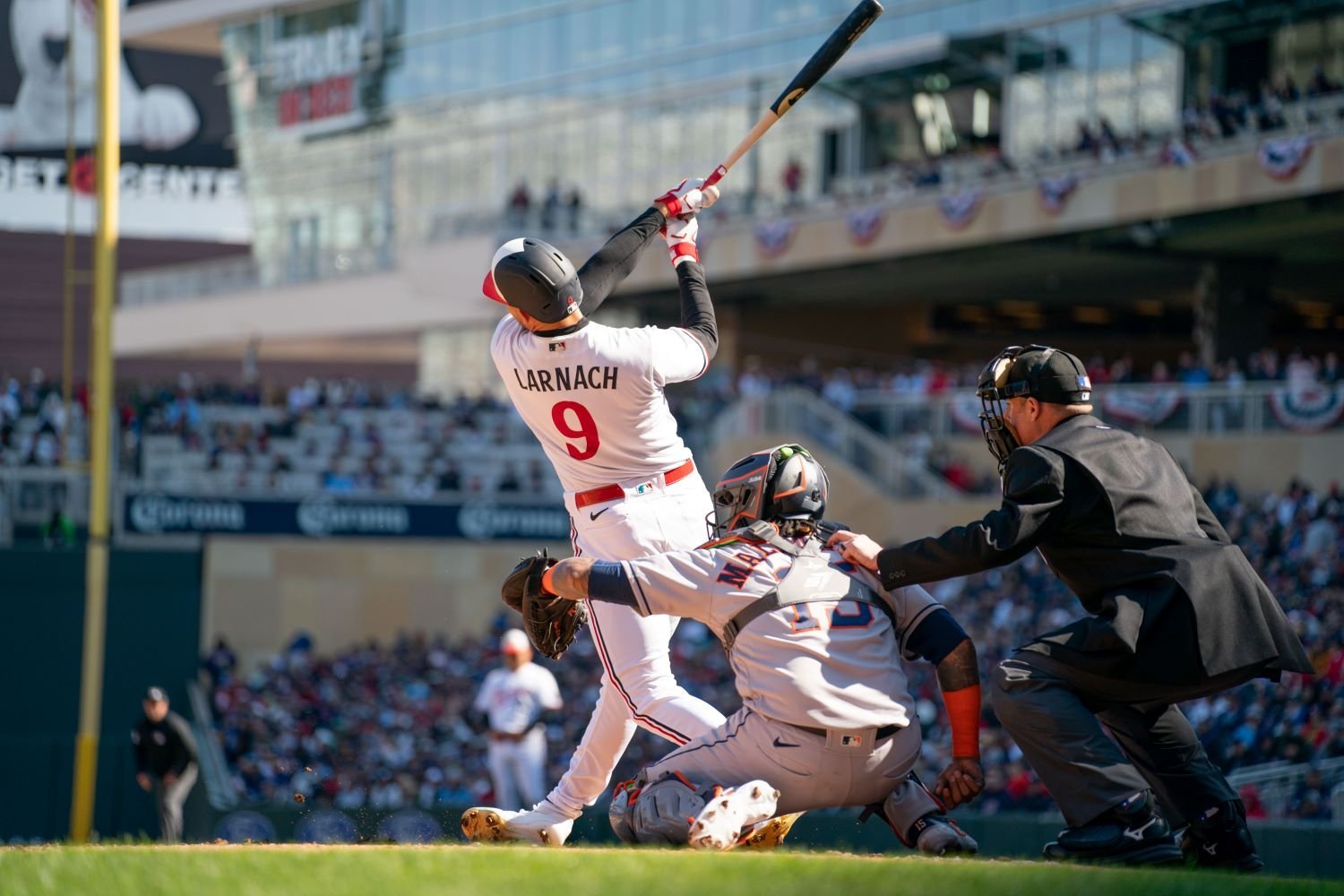 Minnesota drafted Trevor Larnach with the 20th overall pick during the 2018 Major League Baseball Draft. Derek Falvey and Thad Levine were still getting their feet wet in the front office, and while Sean Johnson was still in charge of the draft, Larnach’s selection indicated a new direction. This current regime has leaned into college hitters with impressive exit velocities. As those sustain at the next level and give major league organizations something to work with, a player from a National Championship team in Oregon was plenty to get excited about. Three years into his big-league career, Larnach squeaked onto the Opening Day roster in 2023 but had been trending towards Triple-A for most of the spring. The one-time top-50 prospect had a .708 OPS through 47 games to start the season but got only brief stints in June and July while searching for his missing power. Despite being able to punish the baseball, Larnach’s game power has translated into just 20 dingers across his first 188 career games. Due to his inability to handle off-speed pitches at times, Larnach's lack of slugging prowess has held him back. When Joey Gallo went down late in the year for Rocco Baldelli’s Twins, it was Larnach who again got an opportunity. From the end of July to early September, Larnach had a .536 slugging percentage for the Saints, hitting seven home runs in a stretch of 38 games. The Twins were looking for that, and they were hoping it would finally translate. Filling in as Minnesota headed toward the postseason, Larnach drew starts in just four of eight games. Despite the sporadic playing time, he brought the power from St. Paul. Two of his four hits left the yard, and he doubled in a third. With a 5/3 K/BB, he showed solid plate discipline while stinging the ball when putting it in play, albeit in a small sample. There wasn’t much indication that Larnach would be on the postseason roster, even with Byron Buxton out of the equation. He is a corner outfielder blocked by both Max Kepler and Matt Wallner. That resembles much of the same situation Minnesota will find this offseason, with Kepler’s option already picked up. Although some luster has worn off for a soon-to-be-27-year-old, Larnach could be a late-bloomer, not yet arbitration-eligible until 2025. In dealing Larnach, Minnesota would be moving on from a position of surplus. The outfield corners are ripe with options for the Twins, and a major league-ready talent could be sold as a high-floor breakout candidate if the pitch is correct. Sending Larnach out in a deal isn’t going to result in a blockbuster, and he won’t be the cornerstone of something massive. He does represent much more than a throw-in, though, and the team control he comes with could be appealing to plenty of suitors. Whereas the idea of trading for a young high-ceiling prospect like Yasser Mercedes may be titillating due to what you could dream on, Larnach is a more of the realized version with an opportunity to blossom. Ultimately, Larnach represents an ideal candidate to be moved by Minnesota this winter, and freeing up a spot on the 40-man roster by adding a more necessary talent is enticing. Sometimes draft picks and prospects are about future capital, and while Larnach wouldn’t be playing to his potential in the organization he initially joined, cashing in on him in the form of another provides a lengthened arc for the story. What do you think? Is Trevor Larnach in the Twins organization on Opening Day in 2024? What type of return do you see him bringing back?
- 52 comments
-
- 4
-
-
- trevor larnach
- max kepler
- (and 2 more)
-
The Minnesota Twins will have some internal decisions to make this offseason, and as they look to restructure their 40-man roster, some players will be pieced out in trades. One that seems likely and potentially valuable is Trevor Larnach. Image courtesy of Matt Blewett-USA TODAY Sports Minnesota drafted Trevor Larnach with the 20th overall pick during the 2018 Major League Baseball Draft. Derek Falvey and Thad Levine were still getting their feet wet in the front office, and while Sean Johnson was still in charge of the draft, Larnach’s selection indicated a new direction. This current regime has leaned into college hitters with impressive exit velocities. As those sustain at the next level and give major league organizations something to work with, a player from a National Championship team in Oregon was plenty to get excited about. Three years into his big-league career, Larnach squeaked onto the Opening Day roster in 2023 but had been trending towards Triple-A for most of the spring. The one-time top-50 prospect had a .708 OPS through 47 games to start the season but got only brief stints in June and July while searching for his missing power. Despite being able to punish the baseball, Larnach’s game power has translated into just 20 dingers across his first 188 career games. Due to his inability to handle off-speed pitches at times, Larnach's lack of slugging prowess has held him back. When Joey Gallo went down late in the year for Rocco Baldelli’s Twins, it was Larnach who again got an opportunity. From the end of July to early September, Larnach had a .536 slugging percentage for the Saints, hitting seven home runs in a stretch of 38 games. The Twins were looking for that, and they were hoping it would finally translate. Filling in as Minnesota headed toward the postseason, Larnach drew starts in just four of eight games. Despite the sporadic playing time, he brought the power from St. Paul. Two of his four hits left the yard, and he doubled in a third. With a 5/3 K/BB, he showed solid plate discipline while stinging the ball when putting it in play, albeit in a small sample. There wasn’t much indication that Larnach would be on the postseason roster, even with Byron Buxton out of the equation. He is a corner outfielder blocked by both Max Kepler and Matt Wallner. That resembles much of the same situation Minnesota will find this offseason, with Kepler’s option already picked up. Although some luster has worn off for a soon-to-be-27-year-old, Larnach could be a late-bloomer, not yet arbitration-eligible until 2025. In dealing Larnach, Minnesota would be moving on from a position of surplus. The outfield corners are ripe with options for the Twins, and a major league-ready talent could be sold as a high-floor breakout candidate if the pitch is correct. Sending Larnach out in a deal isn’t going to result in a blockbuster, and he won’t be the cornerstone of something massive. He does represent much more than a throw-in, though, and the team control he comes with could be appealing to plenty of suitors. Whereas the idea of trading for a young high-ceiling prospect like Yasser Mercedes may be titillating due to what you could dream on, Larnach is a more of the realized version with an opportunity to blossom. Ultimately, Larnach represents an ideal candidate to be moved by Minnesota this winter, and freeing up a spot on the 40-man roster by adding a more necessary talent is enticing. Sometimes draft picks and prospects are about future capital, and while Larnach wouldn’t be playing to his potential in the organization he initially joined, cashing in on him in the form of another provides a lengthened arc for the story. What do you think? Is Trevor Larnach in the Twins organization on Opening Day in 2024? What type of return do you see him bringing back? View full article
-
The Minnesota Twins saw a successful season end during the American League Division Series against the Houston Astros. That postseason experience will fuel a fire for plenty of players looking to get back, and Royce Lewis found himself on center stage despite being among the youngest talents on the team. Image courtesy of © Jesse Johnson-USA TODAY Sports Royce Lewis wasn't in the immediate plans for the 2023 season. Working his way back from a second ACL surgery, spring training was about ramping back up and getting to a place where he could contribute over the summer. Back in March at Fort Myers, there was no way he could have imagined what was in store in the year ahead. Lewis became a key contributor and a catalyst of the Twins' lineup. He posted the highest batting average (.309) among rookies with at least 230 plate appearances. His weighted runs created plus (wRC+) mark of .155 was also tops among rookies. It would be a season punctuated with grand slam records and going wild during the postseason. Minnesota's former first-overall pick had arrived in the most significant way possible. Looking back on the season that was and everything he accomplished, Lewis wasn't interested in talking about his accomplishments. "This team was so special to me," Lewis said. "I'm better from being on it with so many amazing mentors for me to have learned from." The highlights were most notable throughout the year for Lewis, of course, but the work he had to put in behind the scenes is what set up an opportunity to experience the performances he put up. Getting help from teammates and the training staff, headed this year by new hire Nick Paparesta, made a substantial difference for the rookie. During the early part of the season, Minnesota needed help finding a way to cash in when runners were on. The inability to convert with the bases juiced in the first portion of the season was astounding, but Lewis started making splashes. Making his 2023 debut against the Houston Astros, Lewis wasted no time making an impact as he took J.P. France deep for a three-run shot. Then the granny party started. Lewis would hit his first grand slam on August 27 against the Rangers' Chris Stratton. He'd go on to hit four of them in just 58 games. "The grand slams were so awesome to be a part of, and I truly mean a part of. I was blessed to be the guy up to bat in those situations that my teammates and Rocco were able to put me in." Lewis dealt with an in-season oblique injury that sidelined him in the middle of the summer, yet his performance after returning from the injured list was even better. He posted a .295/.386/.607 slash after returning to the team in mid-August. His plate discipline reached new heights, and he became a driver for the lineup for a Twins team that ultimately buried the Cleveland Guardians. With a taste of what Lewis could do in big moments during the regular season, it was hard not to dream of what his presence during a postseason run would look like. Things took an unfortunate turn when he pulled a hamstring just weeks before the season ended, and there was uncertainty regarding what he could do physically. Although he has been a fast-healer and a driven competitor, Lewis had to slow himself down as well. "The hamstring was more serious than I initially thought or expected," said Lewis. "While playing through the hamstring, we built up as best we could, but soft tissue injuries take time, which we didn't have much of. The hardest part for me was learning to play at a different pace, a slower pace for me, which I have never played at before." Working as the designated hitter for the bulk of the playoffs, Lewis had to dial back his intensity, which eventually allowed him a return to the hot corner. Being able to play in the postseason and experience Target Field in that scenario is something Lewis has been aiming towards since the day he was drafted. "The environment of the postseason was electric," Lewis said of October baseball at Target Field. "By far, some of my favorite games I've played in my life. The way the Twins faithful lifted us up and, at times, helped us to win key plays was so special." After having already shown up in so many big spots during the regular season, Lewis continued to find himself coming through during the games in October as well. Blasting five homers during the postseason, one can imagine Lewis may have been experiencing out-of-body emotions. He relishes the opportunity to play at the highest level, and while he never lets the moment overcome him, he certainly has been able to take them in along the way. "I don't take playing baseball, let alone the big leagues, for granted." Just as the stretch of futility seen in previous seasons didn't define the postseason results for the 2023 squad, the taste of success there now has everyone focused on getting back and staying longer. "As far as goals go, it makes it much clearer: to become a World Champion and win that World Series trophy," Lewis said emphatically. "The postseason has made me hungrier because we came so much closer to it." It was evident that this collection for the Twins had a lot of fun and enjoyed playing together. They took their lumps together early on, and they rebounded well when trending toward postseason baseball. Baldelli showed an excellent sense of leadership, and the clubhouse was a potent mix of youth and veteran presence. There will be turnover for the franchise going into the 2024 season, but plenty of the pieces remain. Lewis won't be returning from an injury this time, and he has an established position on Opening Day. What he can do after this experience, with a clean bill of health, is anyone's guess. From what we have seen, it will be worth tuning in daily to watch the show. View full article
-
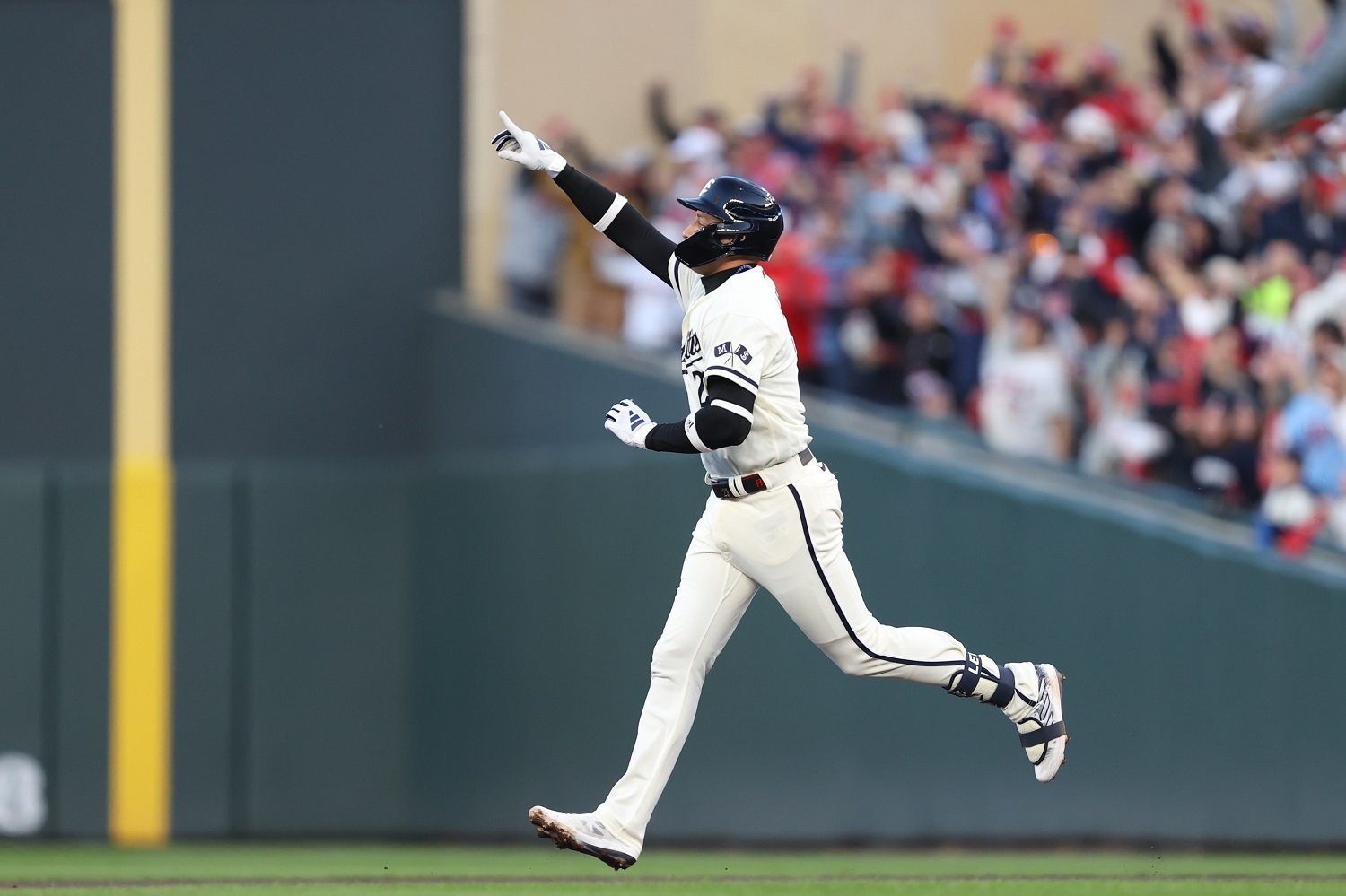 Royce Lewis wasn't in the immediate plans for the 2023 season. Working his way back from a second ACL surgery, spring training was about ramping back up and getting to a place where he could contribute over the summer. Back in March at Fort Myers, there was no way he could have imagined what was in store in the year ahead. Lewis became a key contributor and a catalyst of the Twins' lineup. He posted the highest batting average (.309) among rookies with at least 230 plate appearances. His weighted runs created plus (wRC+) mark of .155 was also tops among rookies. It would be a season punctuated with grand slam records and going wild during the postseason. Minnesota's former first-overall pick had arrived in the most significant way possible. Looking back on the season that was and everything he accomplished, Lewis wasn't interested in talking about his accomplishments. "This team was so special to me," Lewis said. "I'm better from being on it with so many amazing mentors for me to have learned from." The highlights were most notable throughout the year for Lewis, of course, but the work he had to put in behind the scenes is what set up an opportunity to experience the performances he put up. Getting help from teammates and the training staff, headed this year by new hire Nick Paparesta, made a substantial difference for the rookie. During the early part of the season, Minnesota needed help finding a way to cash in when runners were on. The inability to convert with the bases juiced in the first portion of the season was astounding, but Lewis started making splashes. Making his 2023 debut against the Houston Astros, Lewis wasted no time making an impact as he took J.P. France deep for a three-run shot. Then the granny party started. Lewis would hit his first grand slam on August 27 against the Rangers' Chris Stratton. He'd go on to hit four of them in just 58 games. "The grand slams were so awesome to be a part of, and I truly mean a part of. I was blessed to be the guy up to bat in those situations that my teammates and Rocco were able to put me in." Lewis dealt with an in-season oblique injury that sidelined him in the middle of the summer, yet his performance after returning from the injured list was even better. He posted a .295/.386/.607 slash after returning to the team in mid-August. His plate discipline reached new heights, and he became a driver for the lineup for a Twins team that ultimately buried the Cleveland Guardians. With a taste of what Lewis could do in big moments during the regular season, it was hard not to dream of what his presence during a postseason run would look like. Things took an unfortunate turn when he pulled a hamstring just weeks before the season ended, and there was uncertainty regarding what he could do physically. Although he has been a fast-healer and a driven competitor, Lewis had to slow himself down as well. "The hamstring was more serious than I initially thought or expected," said Lewis. "While playing through the hamstring, we built up as best we could, but soft tissue injuries take time, which we didn't have much of. The hardest part for me was learning to play at a different pace, a slower pace for me, which I have never played at before." Working as the designated hitter for the bulk of the playoffs, Lewis had to dial back his intensity, which eventually allowed him a return to the hot corner. Being able to play in the postseason and experience Target Field in that scenario is something Lewis has been aiming towards since the day he was drafted. "The environment of the postseason was electric," Lewis said of October baseball at Target Field. "By far, some of my favorite games I've played in my life. The way the Twins faithful lifted us up and, at times, helped us to win key plays was so special." After having already shown up in so many big spots during the regular season, Lewis continued to find himself coming through during the games in October as well. Blasting five homers during the postseason, one can imagine Lewis may have been experiencing out-of-body emotions. He relishes the opportunity to play at the highest level, and while he never lets the moment overcome him, he certainly has been able to take them in along the way. "I don't take playing baseball, let alone the big leagues, for granted." Just as the stretch of futility seen in previous seasons didn't define the postseason results for the 2023 squad, the taste of success there now has everyone focused on getting back and staying longer. "As far as goals go, it makes it much clearer: to become a World Champion and win that World Series trophy," Lewis said emphatically. "The postseason has made me hungrier because we came so much closer to it." It was evident that this collection for the Twins had a lot of fun and enjoyed playing together. They took their lumps together early on, and they rebounded well when trending toward postseason baseball. Baldelli showed an excellent sense of leadership, and the clubhouse was a potent mix of youth and veteran presence. There will be turnover for the franchise going into the 2024 season, but plenty of the pieces remain. Lewis won't be returning from an injury this time, and he has an established position on Opening Day. What he can do after this experience, with a clean bill of health, is anyone's guess. From what we have seen, it will be worth tuning in daily to watch the show.
 -
Not one they have missed on when acquiring them though. Definitely feel trades are the avenue this offseason.
-
The biggest issue I have with cutting payroll, which should have always been expected, is to what extent. You run A business. The Pohlad's run multiple and have revenue streams from everywhere. What they direct the Twins with is largely inherited dollars, and the team is their hedge fund. Cutting drastically, off such an integral season, solely because of TV revenues would be disheartening. They don't need to spend to compete, and adding can be done through trades, but I'm nervous about what we see play out.
- 24 replies
-
- 4
-
-
- sonny gray
- jordan montgomery
- (and 2 more)
-
 Rocco Baldelli’s team went through plenty of ebbs and flows last season. Although they were arguably the best team in the AL Central, wire to wire, the performance saw ups and downs. A handful of veterans provided a steadying presence, and there were more than a few youngsters who stepped up in big spots. With the departure of eight key players, the biggest being Sonny Gray, Minnesota has some significant holes to fill. It remains to be seen what the payroll will look like in 2024, and there is some uncertainty there, given the number of questions facing the Twins from a TV revenue standpoint. But if they're willing to at least get back to the payroll level from this year, they're going have some room for a potential major signing. If ever there was a time do it, it's now. The Twins are heading straight into a clear contention window, meaning a successful big-name signing has the potential for maximum impact. How they handle this free agent crop remains to be seen, but these are some of the names that stand out if the front office has a green light to go big. SP Yoshinobu Yamamoto Of the names listed, this is the most unlikely. Yamamoto has been Japan’s best pitcher in the past two seasons, and he looked dominant during the World Baseball Classic. At just 25 years old, he will sign a long-term deal with someone. That hasn’t been the Twins' traditional plan for pitchers, but this could be a spot where they find value, given the mix of youth and talent. He should be expected to eclipse a $200 million deal, which is a lot to ask Minnesota after paying for Correa, but getting him for $30 million AAV or less would be a big win. SP Jordan Montgomery Maybe I’m underestimating what his market will be, and he certainly earned himself more dollars this postseason, but I think both Aaron Nola and Blake Snell get paid more. If that is the case, Montgomery is the kind of arm Minnesota could target. They’d need to shell out more than $100 million, and it will be a long-term deal for a guy who’s already 30, but he’s less of a risk than bringing Gray back for more than two years would be. Montgomery would also give the Twins a lefty in the rotation. SP Eduardo Rodriguez This is probably closer to the threshold on pitching for the Twins. Rodriguez likely will come in under $100 million, and he probably isn’t getting an opt-out clause this time. You’d need to do a significant amount of background work on health, both mentally and physically, to make sure Rodriguez is ready to go. He can be an excellent add for Minnesota, though, and already has shown an ability to pitch well in the American League Central. SP Michael Wacha Likely available for something closer to a two-year deal, Wacha doesn’t have close to the upside of Gray, but he could slot in nicely as a number three pitcher for Minnesota. Lucas Giolitio and Seth Lugo are likely both within this range as well. Much lower than this, from a talent perspective, put the Twins in a weird spot trying to replace Gray, but this is a good mix of dollars and talent to tread water. Getting any of these arms for around $15 million yearly would work. Only within the context of Minnesota's history in free agency would guys like Wacha, Giolito and Lugo qualify as "big-money signings" but here we are. It’s hard to believe that the Twins would get into a bidding war for someone like Nola, Snell, Shohei Ohtani, Cody Bellinger, or Josh Hader. Those types will have plenty of suitors, and they’ll likely command the most dollars among players at their positions. It stands to reason that Minnesota will spend. They have shown consistency in that regard, but they’ll pick their spots and be calculated with who they choose to go after. Ultimately, I think anything over $22 million from an average annual value perspective will be a stretch. That means the top of the pitching market is something the Twins will shy away from. They could bring in an arm via trade, as they did with Pablo Lopez, and they would then have the opportunity to extend that player. Assuming something like $50 million exists in the budget for 2024, spending half or more on one player probably isn’t happening. There are bats that should be available range this year, though, I think it’s unlikely Minnesota finds any of them worthy of a long-term deal. Finding someone for a right-handed bopping role shouldn't cost substantially, and that's where the Twins stand to benefit most. Regardless of it being in the field or on the mound, handing out a contract totaling more than $60 million over the duration seems unlikely. It may be an offseason of hired help on one-year deals. Last season, aside from Correa, the most Minnesota spent on a single player was Vazquez's $30 million, which was broken down to three $10 million annual terms. I’d bet the high water mark for 2024 is much closer to that total than it is to $20 million or more. If there’s a way to get Gray back on a two-year deal, he’ll probably be the standard, but that would reflect good fortune for the Twins.
 -
The Minnesota Twins enter the offseason with a few essential needs. Derek Falvey will need to supplement a roster that made noise in the American League Division Series and to do so, fresh faces will need to be brought in. What's the most we might expect the team to spend on a single free-agent splash? Image courtesy of © Rick Osentoski-USA TODAY Sports Rocco Baldelli’s team went through plenty of ebbs and flows last season. Although they were arguably the best team in the AL Central, wire to wire, the performance saw ups and downs. A handful of veterans provided a steadying presence, and there were more than a few youngsters who stepped up in big spots. With the departure of eight key players, the biggest being Sonny Gray, Minnesota has some significant holes to fill. It remains to be seen what the payroll will look like in 2024, and there is some uncertainty there, given the number of questions facing the Twins from a TV revenue standpoint. But if they're willing to at least get back to the payroll level from this year, they're going have some room for a potential major signing. If ever there was a time do it, it's now. The Twins are heading straight into a clear contention window, meaning a successful big-name signing has the potential for maximum impact. How they handle this free agent crop remains to be seen, but these are some of the names that stand out if the front office has a green light to go big. SP Yoshinobu Yamamoto Of the names listed, this is the most unlikely. Yamamoto has been Japan’s best pitcher in the past two seasons, and he looked dominant during the World Baseball Classic. At just 25 years old, he will sign a long-term deal with someone. That hasn’t been the Twins' traditional plan for pitchers, but this could be a spot where they find value, given the mix of youth and talent. He should be expected to eclipse a $200 million deal, which is a lot to ask Minnesota after paying for Correa, but getting him for $30 million AAV or less would be a big win. SP Jordan Montgomery Maybe I’m underestimating what his market will be, and he certainly earned himself more dollars this postseason, but I think both Aaron Nola and Blake Snell get paid more. If that is the case, Montgomery is the kind of arm Minnesota could target. They’d need to shell out more than $100 million, and it will be a long-term deal for a guy who’s already 30, but he’s less of a risk than bringing Gray back for more than two years would be. Montgomery would also give the Twins a lefty in the rotation. SP Eduardo Rodriguez This is probably closer to the threshold on pitching for the Twins. Rodriguez likely will come in under $100 million, and he probably isn’t getting an opt-out clause this time. You’d need to do a significant amount of background work on health, both mentally and physically, to make sure Rodriguez is ready to go. He can be an excellent add for Minnesota, though, and already has shown an ability to pitch well in the American League Central. SP Michael Wacha Likely available for something closer to a two-year deal, Wacha doesn’t have close to the upside of Gray, but he could slot in nicely as a number three pitcher for Minnesota. Lucas Giolitio and Seth Lugo are likely both within this range as well. Much lower than this, from a talent perspective, put the Twins in a weird spot trying to replace Gray, but this is a good mix of dollars and talent to tread water. Getting any of these arms for around $15 million yearly would work. Only within the context of Minnesota's history in free agency would guys like Wacha, Giolito and Lugo qualify as "big-money signings" but here we are. It’s hard to believe that the Twins would get into a bidding war for someone like Nola, Snell, Shohei Ohtani, Cody Bellinger, or Josh Hader. Those types will have plenty of suitors, and they’ll likely command the most dollars among players at their positions. It stands to reason that Minnesota will spend. They have shown consistency in that regard, but they’ll pick their spots and be calculated with who they choose to go after. Ultimately, I think anything over $22 million from an average annual value perspective will be a stretch. That means the top of the pitching market is something the Twins will shy away from. They could bring in an arm via trade, as they did with Pablo Lopez, and they would then have the opportunity to extend that player. Assuming something like $50 million exists in the budget for 2024, spending half or more on one player probably isn’t happening. There are bats that should be available range this year, though, I think it’s unlikely Minnesota finds any of them worthy of a long-term deal. Finding someone for a right-handed bopping role shouldn't cost substantially, and that's where the Twins stand to benefit most. Regardless of it being in the field or on the mound, handing out a contract totaling more than $60 million over the duration seems unlikely. It may be an offseason of hired help on one-year deals. Last season, aside from Correa, the most Minnesota spent on a single player was Vazquez's $30 million, which was broken down to three $10 million annual terms. I’d bet the high water mark for 2024 is much closer to that total than it is to $20 million or more. If there’s a way to get Gray back on a two-year deal, he’ll probably be the standard, but that would reflect good fortune for the Twins. View full article
-
With free agency now officially open for business, the Minnesota Twins will work towards putting their offseason plans into motion. Derek Falvey leads the front office, and Thad Levine remains with the organization. What players are on their way out, and who may be retained? Image courtesy of © Bruce Kluckhohn-USA TODAY Sports Each year, there is a significant amount of roster turnover at the major league level. Thankfully the Twins saw an significant influx of youth on the 2023 team, and that should be reflected in continuity. Carlos Correa has been signed long-term, and if he can remain on the field, then Byron Buxton’s veteran presence will also be felt. The Twins finished the season with eight unrestricted free agents heading out, and those players represent varying degrees of probability of return. Sonny Gray is really the only monumental name among the group, but more than a few of these players generated key contributions for Minnesota this last season. In no particular order, here’s who is hitting the market for Minnesota and the likelihood that they return for 2024. 1B/OF Joey Gallo - 0% Coming to Minnesota after unsuccessful stints in Los Angeles and New York, there was some hope that a smaller market may benefit the veteran slugger. He played a solid first base when Alex Kirilloff couldn’t go, and he factored in at multiple outfield positions for the Twins. At $11 million in 2023, he never came close to providing that value. He was hot out of the gate, then never found the same production level. Minnesota does need a big bat and help at first base in 2024, but these two parties are best to distance from one another. Gallo did finish with a 101 OPS+, so it wasn’t as though his year was catastrophic, but he shouldn’t land a deal for much more than half of that next season. SP Sonny Gray - 10% It’s not as though the Twins don’t need a starter of Gray’s caliber, and they two sides have familiarity. He has said the right things about liking Minnesota and being open to returning, but money talks. Gray will be 34 years old, and this is probably the last opportunity for him to land a multi-year deal. Minnesota will give Gray a qualifying offer, and they’d love to pay him $20.5 million for the 2024 season. They may even be open to paying that same amount for the 2025 season. Where it seems the Twins would draw the line is in spending a substantial amount on a 36-year-old in 2026, and one that has thrown more than 180 innings just once since 2015. Gray’s time with the Twins afforded him the opportunity for another big payday, and he should go and look for it. SP Tyler Mahle - 30% After acquiring Mahle from the Cincinnati Reds at the trade deadline in 2022, the Twins got minimal run from him before his elbow blew out in 2023. For pitchers in similar positions, like Michael Pineda and Chris Paddack, Minnesota has made deals that essentially pay for the rehab, in exchange for a chance to see the results. Something like that could work for Mahle, but neither side has indicated it being likely. The Twins may want to wash their hands from the move that sent Spencer Steer and Christian Encarnacion-Strand to the Reds. Also, Mahle isn’t going to factor into the Twins' plans for 2024, so bringing him back would be about how the 2025 rotation is viewed. There’s a possibility that Falvey sees this as an opportunity to get more while paying less, but there is plenty of uncertainty here. OF Michael A. Taylor - 60% It’s a given that Minnesota needs not only a backup plan for Buxton but, more logically, a starting option. Taylor filled that role for Baldelli wonderfully this year, but can you count on him to hit enough? His 94 OPS+ was the second-highest mark of his career, and although he posted a 90 OPS+ in 2022, it’s been considerably below that for years. Taylor will be 33 years old in 2024, and he will command more than the $4.5 million he made this season. There aren’t many great outfield options for Minnesota, and it seems unlikely they’ll spring for someone at the level of Cody Bellinger to replace him. Taylor is maybe the most likely free agent for the Twins to retain, but expecting a repeat of 2023 seems lofty at best. RP Emilio Pagán - 20% After drawing the ire of Minnesota’s fanbase during a poor 2022, Pagán showed the front office was right to believe in his peripherals with a strong 2023. He changed his pitch mix a bit and worked his way back to a high-leverage role. The Twins bullpen has some open spots for the year ahead, but they could look in a different direction. Pagán will find suitors this offseason, especially after his solid rebound. He has talked about the comfort here and the belief from the front office could lend him towards finding common ground in a deal. Relievers tend to swap teams often, though, and Pagán looking to pitch in a setup or closer role for another organization would be a logical step in 2024. UTIL Donovan Solano - 10% Signed as an afterthought right before the year started, Solano played an integral role for the Twins. At times, he was the only first base option, and he filled in all over the place. Despite being 35 years old, Solano rebounded from 2022 and posted a solid 110 OPS+. It wasn’t the inflated 127 OPS+ he had during 2020, but Solano has been a solid offensive contributor since 2019. Replacing Solano isn’t a straightforward task for the Twins, but bringing him back isn’t a safe fix either. He plays similar positions to some Twins prospects who will be close to a return, and players like Brooks Lee or Jose Miranda could replicate his production. Ultimately, the Twins need to find someone for Solano's role, but it doesn’t seem like they would just run it back. SP Kenta Maeda - 25% Maeda gets lost in the shuffle with Gray highlighting the departing class. He could be the most cost-effective to bring back, though, and he had a successful overall season. Although injury took away from his availability, Maeda posted a 3.36 ERA in his final 88 1/3 innings, which spanned 17 games. There was the blowup game against the New York Yankees in April, but almost every other outing was relatively successful. Maeda will be 36 years old next season, which means he could potentially be had on a one-year deal. The Twins have leaned more towards short-term deals with pitching free agents, and one like Maeda brings familiarity with what to expect. The durability concerns are real, but this is a much higher water mark that Minnesota has gravitated toward compared to previous free-agent arms. SP Dallas Keuchel - 0% Brought in to eat innings down the stretch, Keuchel did everything that was expected of him. The Twins didn’t think they were getting the Cy Young version, but they hoped to avoid the 2022 version as well. Keuchel proved he had something left in the tank by throwing some solid innings in St. Paul, and though plenty of the results were ERA-related, he worked his way back to the big leagues. Minnesota saw Keuchel strike out very few batters, and his 5.97 ERA didn’t lean at all toward the 4.56 FIP that was behind it. He did contribute 37 2/3 innings after August, though, and that kept the rest of the staff fresh for what was envisioned as a deeper postseason run. There won’t be a need for a veteran spot starter to open the season, but Keuchel should undoubtedly get a look from some team if he wants it in 2024, and more offseason work could push the effectiveness up a bit further as well. What free agents for Minnesota are you hoping to return? Is there someone you certainly don’t want to see back? Share your thoughts in the comments. View full article
-
Who’s Heading Out In Free Agency for Twins, and Who May be Back?
Ted Schwerzler posted an article in Twins
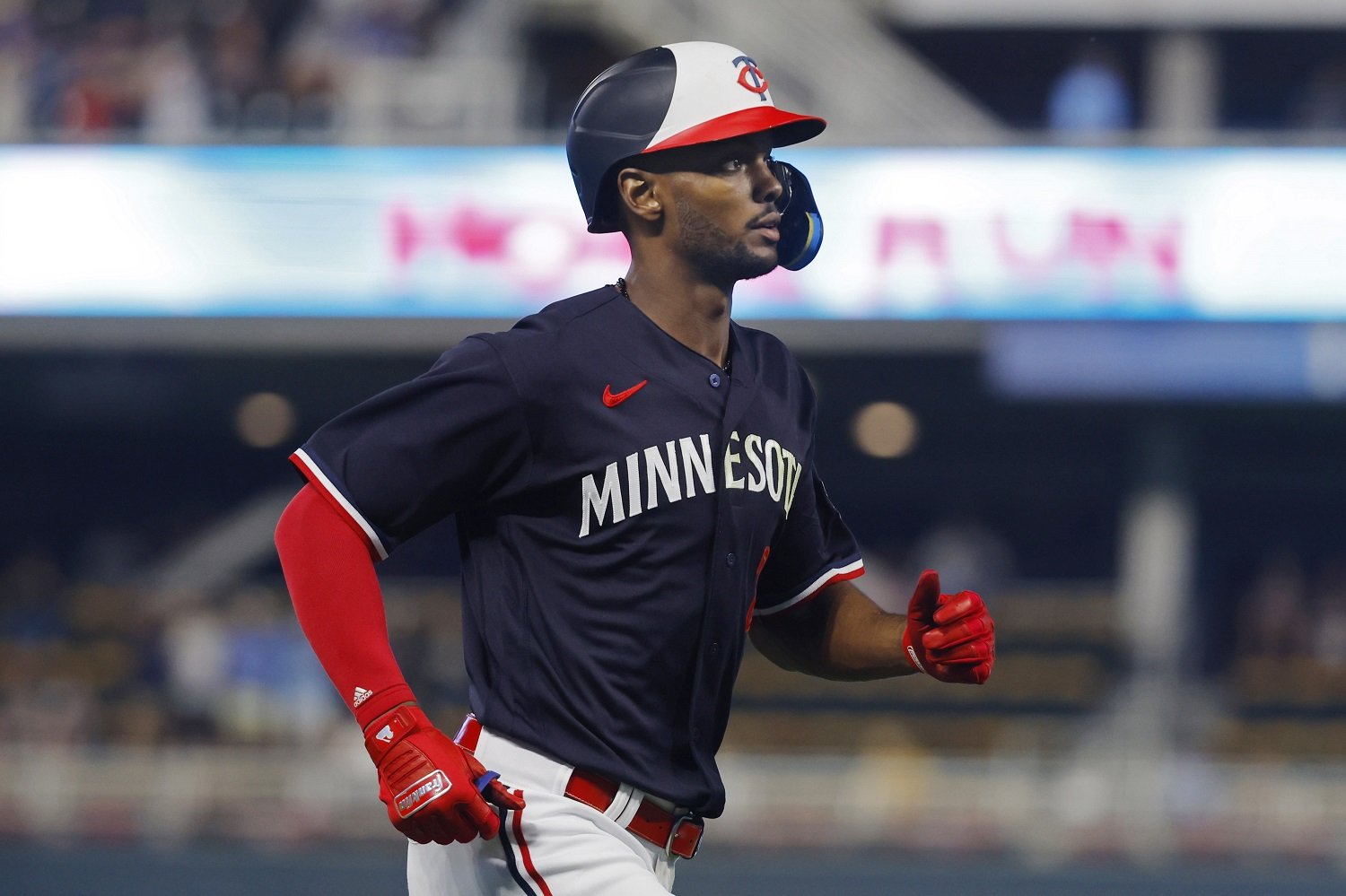 Each year, there is a significant amount of roster turnover at the major league level. Thankfully the Twins saw an significant influx of youth on the 2023 team, and that should be reflected in continuity. Carlos Correa has been signed long-term, and if he can remain on the field, then Byron Buxton’s veteran presence will also be felt. The Twins finished the season with eight unrestricted free agents heading out, and those players represent varying degrees of probability of return. Sonny Gray is really the only monumental name among the group, but more than a few of these players generated key contributions for Minnesota this last season. In no particular order, here’s who is hitting the market for Minnesota and the likelihood that they return for 2024. 1B/OF Joey Gallo - 0% Coming to Minnesota after unsuccessful stints in Los Angeles and New York, there was some hope that a smaller market may benefit the veteran slugger. He played a solid first base when Alex Kirilloff couldn’t go, and he factored in at multiple outfield positions for the Twins. At $11 million in 2023, he never came close to providing that value. He was hot out of the gate, then never found the same production level. Minnesota does need a big bat and help at first base in 2024, but these two parties are best to distance from one another. Gallo did finish with a 101 OPS+, so it wasn’t as though his year was catastrophic, but he shouldn’t land a deal for much more than half of that next season. SP Sonny Gray - 10% It’s not as though the Twins don’t need a starter of Gray’s caliber, and they two sides have familiarity. He has said the right things about liking Minnesota and being open to returning, but money talks. Gray will be 34 years old, and this is probably the last opportunity for him to land a multi-year deal. Minnesota will give Gray a qualifying offer, and they’d love to pay him $20.5 million for the 2024 season. They may even be open to paying that same amount for the 2025 season. Where it seems the Twins would draw the line is in spending a substantial amount on a 36-year-old in 2026, and one that has thrown more than 180 innings just once since 2015. Gray’s time with the Twins afforded him the opportunity for another big payday, and he should go and look for it. SP Tyler Mahle - 30% After acquiring Mahle from the Cincinnati Reds at the trade deadline in 2022, the Twins got minimal run from him before his elbow blew out in 2023. For pitchers in similar positions, like Michael Pineda and Chris Paddack, Minnesota has made deals that essentially pay for the rehab, in exchange for a chance to see the results. Something like that could work for Mahle, but neither side has indicated it being likely. The Twins may want to wash their hands from the move that sent Spencer Steer and Christian Encarnacion-Strand to the Reds. Also, Mahle isn’t going to factor into the Twins' plans for 2024, so bringing him back would be about how the 2025 rotation is viewed. There’s a possibility that Falvey sees this as an opportunity to get more while paying less, but there is plenty of uncertainty here. OF Michael A. Taylor - 60% It’s a given that Minnesota needs not only a backup plan for Buxton but, more logically, a starting option. Taylor filled that role for Baldelli wonderfully this year, but can you count on him to hit enough? His 94 OPS+ was the second-highest mark of his career, and although he posted a 90 OPS+ in 2022, it’s been considerably below that for years. Taylor will be 33 years old in 2024, and he will command more than the $4.5 million he made this season. There aren’t many great outfield options for Minnesota, and it seems unlikely they’ll spring for someone at the level of Cody Bellinger to replace him. Taylor is maybe the most likely free agent for the Twins to retain, but expecting a repeat of 2023 seems lofty at best. RP Emilio Pagán - 20% After drawing the ire of Minnesota’s fanbase during a poor 2022, Pagán showed the front office was right to believe in his peripherals with a strong 2023. He changed his pitch mix a bit and worked his way back to a high-leverage role. The Twins bullpen has some open spots for the year ahead, but they could look in a different direction. Pagán will find suitors this offseason, especially after his solid rebound. He has talked about the comfort here and the belief from the front office could lend him towards finding common ground in a deal. Relievers tend to swap teams often, though, and Pagán looking to pitch in a setup or closer role for another organization would be a logical step in 2024. UTIL Donovan Solano - 10% Signed as an afterthought right before the year started, Solano played an integral role for the Twins. At times, he was the only first base option, and he filled in all over the place. Despite being 35 years old, Solano rebounded from 2022 and posted a solid 110 OPS+. It wasn’t the inflated 127 OPS+ he had during 2020, but Solano has been a solid offensive contributor since 2019. Replacing Solano isn’t a straightforward task for the Twins, but bringing him back isn’t a safe fix either. He plays similar positions to some Twins prospects who will be close to a return, and players like Brooks Lee or Jose Miranda could replicate his production. Ultimately, the Twins need to find someone for Solano's role, but it doesn’t seem like they would just run it back. SP Kenta Maeda - 25% Maeda gets lost in the shuffle with Gray highlighting the departing class. He could be the most cost-effective to bring back, though, and he had a successful overall season. Although injury took away from his availability, Maeda posted a 3.36 ERA in his final 88 1/3 innings, which spanned 17 games. There was the blowup game against the New York Yankees in April, but almost every other outing was relatively successful. Maeda will be 36 years old next season, which means he could potentially be had on a one-year deal. The Twins have leaned more towards short-term deals with pitching free agents, and one like Maeda brings familiarity with what to expect. The durability concerns are real, but this is a much higher water mark that Minnesota has gravitated toward compared to previous free-agent arms. SP Dallas Keuchel - 0% Brought in to eat innings down the stretch, Keuchel did everything that was expected of him. The Twins didn’t think they were getting the Cy Young version, but they hoped to avoid the 2022 version as well. Keuchel proved he had something left in the tank by throwing some solid innings in St. Paul, and though plenty of the results were ERA-related, he worked his way back to the big leagues. Minnesota saw Keuchel strike out very few batters, and his 5.97 ERA didn’t lean at all toward the 4.56 FIP that was behind it. He did contribute 37 2/3 innings after August, though, and that kept the rest of the staff fresh for what was envisioned as a deeper postseason run. There won’t be a need for a veteran spot starter to open the season, but Keuchel should undoubtedly get a look from some team if he wants it in 2024, and more offseason work could push the effectiveness up a bit further as well. What free agents for Minnesota are you hoping to return? Is there someone you certainly don’t want to see back? Share your thoughts in the comments.
- 19 comments
-
- 6
-
-
- sonny gray
- michael a taylor
- (and 3 more)
-
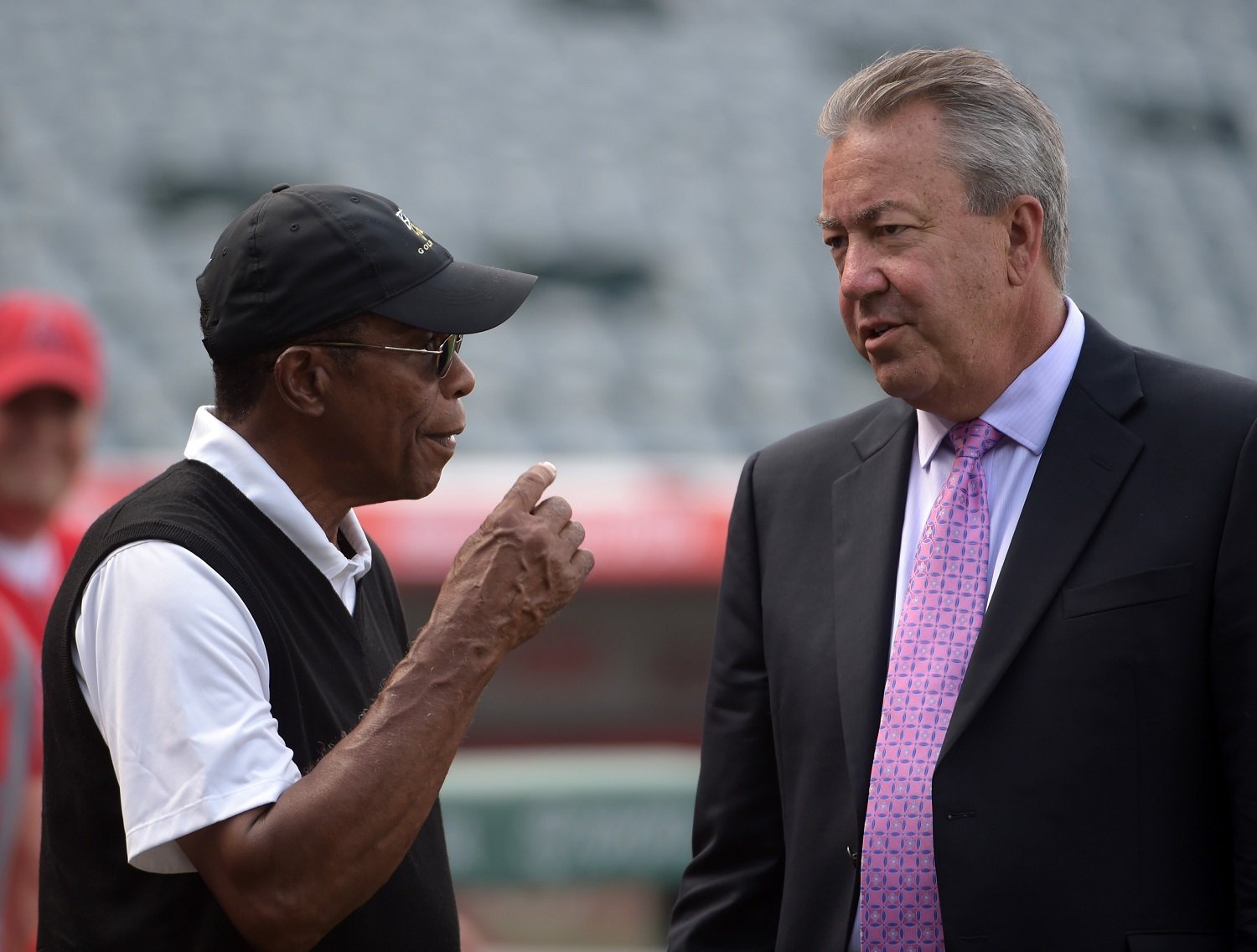 The Twins announced on Tuesday morning that Dick Bremer would transition from his role in the booth to the title of Special Assistant. Bremer has been a mainstay for Minnesota, working in the television booth since 1983. He saw a significant amount of run alongside Hall of Famer Bert Blyleven, replaced in 2021 by Justin Morneau. Through a press release provided by the Twins, Bremer said, “For 40 years, I’ve been blessed to totally immerse myself in the game that I love for the team that I love. In those 40 years, I broadcast 4,972 Twins games. Over the last year or so, I thought it would really be cool to make it to 5,000. Then, I thought to myself, how selfish would that be? A broadcast should NEVER be about the announcer. It should ALWAYS be about the game and those who play it. I hope in my final season, I proved that ‘I’ve still got my fastball’, a goal I set when I started with the Twins in 1983. I look forward to the next chapter in my life with the Twins and thank Twins Territory for 40 incredible seasons! God bless.” Some important additional context came from The Athletic's Dan Hayes. Regarding the change, Hayes notes, "A high-ranking team official confirmed health isn’t a factor in the decision; the Twins instead want a change in the booth." Nowhere in the release, or any other stories, is the word retirement categorically thrown out there. As Minnesota did with Blyleven a few years earlier, this seems to be an intentional decision towards ushering in a new broadcast as a whole. Bremer is a St. Paul native and had the pleasure of broadcasting the Twins since his late twenties. He got to witness two separate World Series teams, as call games for Twins greats such as Kent Hrbek, Kirby Puckett, and Joe Mauer. The amount of baseball that Bremer experienced in the booth and the Twins teams that evolved through him is nothing short of extraordinary. Assuming roles outside of the booth was something that Bremer did exceptionally well on. He was a mainstay on the annual Twins Caravan, and he has been a great emcee for the Twins Diamond Awards. In a Special Assistant role, there is hope he could continue to be present and a figurehead for those events. In his wake, the Twins will usher in a new era of broadcasting. Not only does the transition away from Bally Sports North take place this offseason, but they will need to find a new play-by-play person. Cory Provus, the incredible voice of the Twins in that capacity on radio, would present an opportunity for a smooth transition. How the Twins handle the departure of Bremer remains to be seen. Still, you can bet that fans throughout Twins Territory will experience a very noticeable difference when tuning into games for 2024. Bremer's smooth tones have become synonymous with the action over the years, and no one has gotten more excited for the potential of a long ball than he has. Getting the new hire right is a must for Minnesota, and thanking Bremer for everything he has done in the organization can be an ongoing tribute. Morneau and Trevor Plouffe presented Bremer with a gift to celebrate his 40 years nearing the end of the 2023 season, and the touching moment was something to behold. Change always presents opportunity but sometimes is met with uncertainty as well. Bremer was the epitome of everything good about Twins Territory, and it will feel different to move forward without him. Thank you for the memories, Dick. A left-hand toast is offered to you today for all you have done.
- 54 comments
-
- 8
-
-

-

-
- dick bremer
- bert blyleven
- (and 3 more)
-
The Minnesota Twins have a substantial change coming in 2024 regarding their television situation. That only got larger on Tuesday when it was announced that longtime play-by-play analyst Dick Bremer will be stepping away from his role of 40 years. Image courtesy of © Kirby Lee-USA TODAY Sports The Twins announced on Tuesday morning that Dick Bremer would transition from his role in the booth to the title of Special Assistant. Bremer has been a mainstay for Minnesota, working in the television booth since 1983. He saw a significant amount of run alongside Hall of Famer Bert Blyleven, replaced in 2021 by Justin Morneau. Through a press release provided by the Twins, Bremer said, “For 40 years, I’ve been blessed to totally immerse myself in the game that I love for the team that I love. In those 40 years, I broadcast 4,972 Twins games. Over the last year or so, I thought it would really be cool to make it to 5,000. Then, I thought to myself, how selfish would that be? A broadcast should NEVER be about the announcer. It should ALWAYS be about the game and those who play it. I hope in my final season, I proved that ‘I’ve still got my fastball’, a goal I set when I started with the Twins in 1983. I look forward to the next chapter in my life with the Twins and thank Twins Territory for 40 incredible seasons! God bless.” Some important additional context came from The Athletic's Dan Hayes. Regarding the change, Hayes notes, "A high-ranking team official confirmed health isn’t a factor in the decision; the Twins instead want a change in the booth." Nowhere in the release, or any other stories, is the word retirement categorically thrown out there. As Minnesota did with Blyleven a few years earlier, this seems to be an intentional decision towards ushering in a new broadcast as a whole. Bremer is a St. Paul native and had the pleasure of broadcasting the Twins since his late twenties. He got to witness two separate World Series teams, as call games for Twins greats such as Kent Hrbek, Kirby Puckett, and Joe Mauer. The amount of baseball that Bremer experienced in the booth and the Twins teams that evolved through him is nothing short of extraordinary. Assuming roles outside of the booth was something that Bremer did exceptionally well on. He was a mainstay on the annual Twins Caravan, and he has been a great emcee for the Twins Diamond Awards. In a Special Assistant role, there is hope he could continue to be present and a figurehead for those events. In his wake, the Twins will usher in a new era of broadcasting. Not only does the transition away from Bally Sports North take place this offseason, but they will need to find a new play-by-play person. Cory Provus, the incredible voice of the Twins in that capacity on radio, would present an opportunity for a smooth transition. How the Twins handle the departure of Bremer remains to be seen. Still, you can bet that fans throughout Twins Territory will experience a very noticeable difference when tuning into games for 2024. Bremer's smooth tones have become synonymous with the action over the years, and no one has gotten more excited for the potential of a long ball than he has. Getting the new hire right is a must for Minnesota, and thanking Bremer for everything he has done in the organization can be an ongoing tribute. Morneau and Trevor Plouffe presented Bremer with a gift to celebrate his 40 years nearing the end of the 2023 season, and the touching moment was something to behold. Change always presents opportunity but sometimes is met with uncertainty as well. Bremer was the epitome of everything good about Twins Territory, and it will feel different to move forward without him. Thank you for the memories, Dick. A left-hand toast is offered to you today for all you have done. View full article
-
The Minnesota Twins treated fans to an exceptional season in 2023, with nearly all of their regular-season games broadcast on Bally Sports North. That won’t be the case in 2024, and the ramifications could have far-reaching ripple effects. Image courtesy of Allan Henry-USA TODAY Sports Although there were times that Rocco Baldelli’s 2023 club could have taken advantage of greater opportunities, the end result was a postseason run that has now heightened expectations. Getting to these heights for 2023 required an Opening Day payroll near $150 million and a final bill close to $160 million. Those will represent franchise records when the page is turned on this season, but they may not be reachable in 2024. Payroll cutting is something fans never want to hear about, but the Pohlad family will face a new challenge in the form of television revenues. In a widely-reported reality, Diamond Sports Group has gone bankrupt. It took extended time for Minnesota to receive its rights fees in 2023, and something like $50 million will need to be replaced from an operating revenue perspective. Of course, the Twins won’t see that entire check go buh-bye; their games will be carried somewhere. How that looks, though, is anyone’s guess. The most logical explanation for 2024 is that Major League Baseball takes over the onus of broadcast dissemination. Hopefully, they would continue to employ much of the Bally Sports North crew. Justin Morneau and Trevor Plouffe have been excellent alongside Dick Bremer this season, and Glen Perkins has become a pre-game staple. Someone will now need to step in for Bremer though, who is stepping away from the booth after 40 seasons. There has already been a proof of concept developed with the Phoenix Suns in the NBA. Recently, Peter Labuza looked extensively into how that infrastructure could work in Minnesota. The Suns have leaned heavily into the transition, going as far as giving away antennas during one of their first games. The way television is consumed has never been different, and understanding that while embracing it is a must for the future. If and when the league or another outfit bails out teams losing their provider, though, the check shouldn’t be considered as significant. There’s little reason for an incoming source to pay the same rights fees as Bally, given that the bankruptcy results from cord-cutting and declining subscription fees. The difference in dollars will be felt somewhere, and a logical assumption is that payroll will be impacted. Of course, one area the Twins could look to explore to supplement their revenues is increased advertisements. Watching the American League Championship Series, you may have noticed the “OXY” patch on the sleeve of Houston Astros players. The Boston Red Sox announced Mass Mutual as their jersey patch sponsor to become the first team with one back in December 2022. The trend has been building for years. Looking to make up lost revenues during the Covid-shortened season, owners negotiated the placement of advertisements on uniforms into the latest CBA discussions. With so many other sports already having traveled down this path, it’s somewhat odd it took Major League Baseball this long to get there. If there’s something more odd, it may be that every team didn’t jump out with one in 2023. Looking around Target Field, there are plenty of potential options for the Twins to partner with. Minneapolis and St. Paul are home to several large corporations, and plenty of them could view an opportunity to expand their brand presence as enticing. Target putting a bullseye on the sleeve of a potential hit batter seems less than ideal, but money will talk. When Derek Falvey goes to his bosses during this offseason, he’ll have questions about personnel decisions. Those will ultimately be influenced by new changes in revenue streams, and the sooner Minnesota can have answers, the better. Fans will care more about how they can watch games, especially those that have been left out of the action for so long, but the organization needs to find ways where competitiveness doesn’t fall due to a lack of dollars. View full article
-
 Although there were times that Rocco Baldelli’s 2023 club could have taken advantage of greater opportunities, the end result was a postseason run that has now heightened expectations. Getting to these heights for 2023 required an Opening Day payroll near $150 million and a final bill close to $160 million. Those will represent franchise records when the page is turned on this season, but they may not be reachable in 2024. Payroll cutting is something fans never want to hear about, but the Pohlad family will face a new challenge in the form of television revenues. In a widely-reported reality, Diamond Sports Group has gone bankrupt. It took extended time for Minnesota to receive its rights fees in 2023, and something like $50 million will need to be replaced from an operating revenue perspective. Of course, the Twins won’t see that entire check go buh-bye; their games will be carried somewhere. How that looks, though, is anyone’s guess. The most logical explanation for 2024 is that Major League Baseball takes over the onus of broadcast dissemination. Hopefully, they would continue to employ much of the Bally Sports North crew. Justin Morneau and Trevor Plouffe have been excellent alongside Dick Bremer this season, and Glen Perkins has become a pre-game staple. Someone will now need to step in for Bremer though, who is stepping away from the booth after 40 seasons. There has already been a proof of concept developed with the Phoenix Suns in the NBA. Recently, Peter Labuza looked extensively into how that infrastructure could work in Minnesota. The Suns have leaned heavily into the transition, going as far as giving away antennas during one of their first games. The way television is consumed has never been different, and understanding that while embracing it is a must for the future. If and when the league or another outfit bails out teams losing their provider, though, the check shouldn’t be considered as significant. There’s little reason for an incoming source to pay the same rights fees as Bally, given that the bankruptcy results from cord-cutting and declining subscription fees. The difference in dollars will be felt somewhere, and a logical assumption is that payroll will be impacted. Of course, one area the Twins could look to explore to supplement their revenues is increased advertisements. Watching the American League Championship Series, you may have noticed the “OXY” patch on the sleeve of Houston Astros players. The Boston Red Sox announced Mass Mutual as their jersey patch sponsor to become the first team with one back in December 2022. The trend has been building for years. Looking to make up lost revenues during the Covid-shortened season, owners negotiated the placement of advertisements on uniforms into the latest CBA discussions. With so many other sports already having traveled down this path, it’s somewhat odd it took Major League Baseball this long to get there. If there’s something more odd, it may be that every team didn’t jump out with one in 2023. Looking around Target Field, there are plenty of potential options for the Twins to partner with. Minneapolis and St. Paul are home to several large corporations, and plenty of them could view an opportunity to expand their brand presence as enticing. Target putting a bullseye on the sleeve of a potential hit batter seems less than ideal, but money will talk. When Derek Falvey goes to his bosses during this offseason, he’ll have questions about personnel decisions. Those will ultimately be influenced by new changes in revenue streams, and the sooner Minnesota can have answers, the better. Fans will care more about how they can watch games, especially those that have been left out of the action for so long, but the organization needs to find ways where competitiveness doesn’t fall due to a lack of dollars.
 -
Movement Among the Twins Top Prospects from 2023
Ted Schwerzler posted a blog entry in Off The Baggy
The Minnesota Twins go into the offseason with an excellent combination of top prospects and serious depth throughout the organization. With plenty of young players putting up nice seasons, a recent end-of-the-year update to the Twins Daily Top 20 Prospects list shows real movement. For the Twins organization, prospect graduations took place this year in the form of rookies like Royce Lewis, Edouard Julien, Matt Wallner, and Louie Varland. It wasn’t just the guys that made it to the big leagues where substantial change was experienced. With a mid-October update to the Twins Daily Top 20 Prospects, it’s clear there are a few names that jump off the page. As Minnesota looks to find ways to supplement the major league roster for Rocco Baldelli this offseason, utilizing prospect capital could be a plan for Derek Falvey. The organization could see a change in payroll realities on the heels of a new television outcome, and trades may be a more cost-effective way to add than the free agent market. Beyond that, we saw what rookies can look like as contributors in 2023, and identifying who creates the next wave is a must. Here are some notable names that saw their stock rise in 2023: 1. Walker Jenkins Taking over the top spot from Brooks Lee, Jenkins went from the draft to pro ball and didn’t skip a beat. He blitzed through rookie ball and contributed at Single-A for Fort Myers. He probably could have handled High-A and helped with the Cedar Rapids Kernels Midwest League title. Jenkins is already preparing for 2024, and while he will be less than 12 months removed from high school, betting against a meteoric rise doesn’t seem like a good proposition. He’s probably not making it to The Show in the upcoming season, but getting to Minnesota, specifically St. Paul, would be an incredible outcome. 11. Kala'i Rosario Drafted in the fifth round of the 2020 MLB Draft, the performance of Rosario (and Marco Raya) has helped to withstand the blow of missing on Aaron Sabato. Rosario had an .832 OPS as a 20-year-old at High-A Cedar Rapids, and his 21 homers indicate that he has come into his power. The strikeouts are still substantial, so reigning that in as he develops is a must, but there’s a legitimate power hitter here. Minnesota sent Rosario to the Arizona Fall League this year, and he’s hit five homers in his first 15 games. Continued development is needed for the Hawaii native, but he’s still young, and seeing what his season looks like at Double-A should be fun. 15. Cory Lewis It’s easy to call Lewis’ season the best among the pitchers on the farm, given he won both the Twins Daily Minor League Pitcher of the Year award and the same designation from Minnesota themselves. He was a 9th round pick that immediately made noise, and while he throws a knuckleball, he’s not a traditional knuckleballer. Lewis was an integral part of the Kernels championship run, and after posting solid numbers with Fort Myers, he got better when he went up a level. Lewis recently turned 23-years-old and should begin the year at Double-A. That would put him in play as a potential late-season option for a major league debut should things go well. Lewis doesn’t have the ceiling of Raya, but he could elevate to David Festa prospect status with Minnesota by sometime in 2024. Here are a couple of names that saw their stock fall in 2023: 13. Connor Prielipp The second-round pick in 2022 was coming off an injury when selected and hadn’t pitched since 2021 for Alabama. Minnesota took the time to get him back healthy, but it resulted in just 6 2/3 innings before going back under the knife. There’s no question that Prielipp has the skills to be an ace pitcher, but his inability to stay healthy has been problematic for years. He hasn’t done anything statistically to account for his fall, but being unavailable while others pass him by has dropped him out of the Twins top 10. 14. Yasser Mercedes Mercedes came stateside in 2023 and saw a substantial dip in production. He was just 18 years old but dropped over .300 points in OPS while playing in just 25 games. His Dominican Summer League numbers still reflect his abilities, but it’s a reminder that international youth can be challenging to project. The hope would be that Mercedes can remain healthy in 2024 and spend a significant portion of the season playing for Fort Myers. He’s a speed and power threat who already has a good idea of the strike zone. The athleticism in the outfield plays, and that combination is an exciting one to dream about. 17. Simeon Woods Richardson Acquired as the second piece in the Jose Berrios trade alongside Austin Martin, it was more of a learning year for the former top-100 prospect. The success from 2022 evaporated, and his one major league outing went terribly. Woods Richardson threw a career-high amount of innings, but he looked ineffective for most of them. There was a positive trend at the end of the season, but the gaudy walk rate continued to hold him back. This offseason is an important one for the former Blue Jays prospect, and ensuring he’s committed to training and focused on taking a step forward will show up in 2024. What prospects are you most excited about in the season ahead? Is there a name or two you might be worried about? -
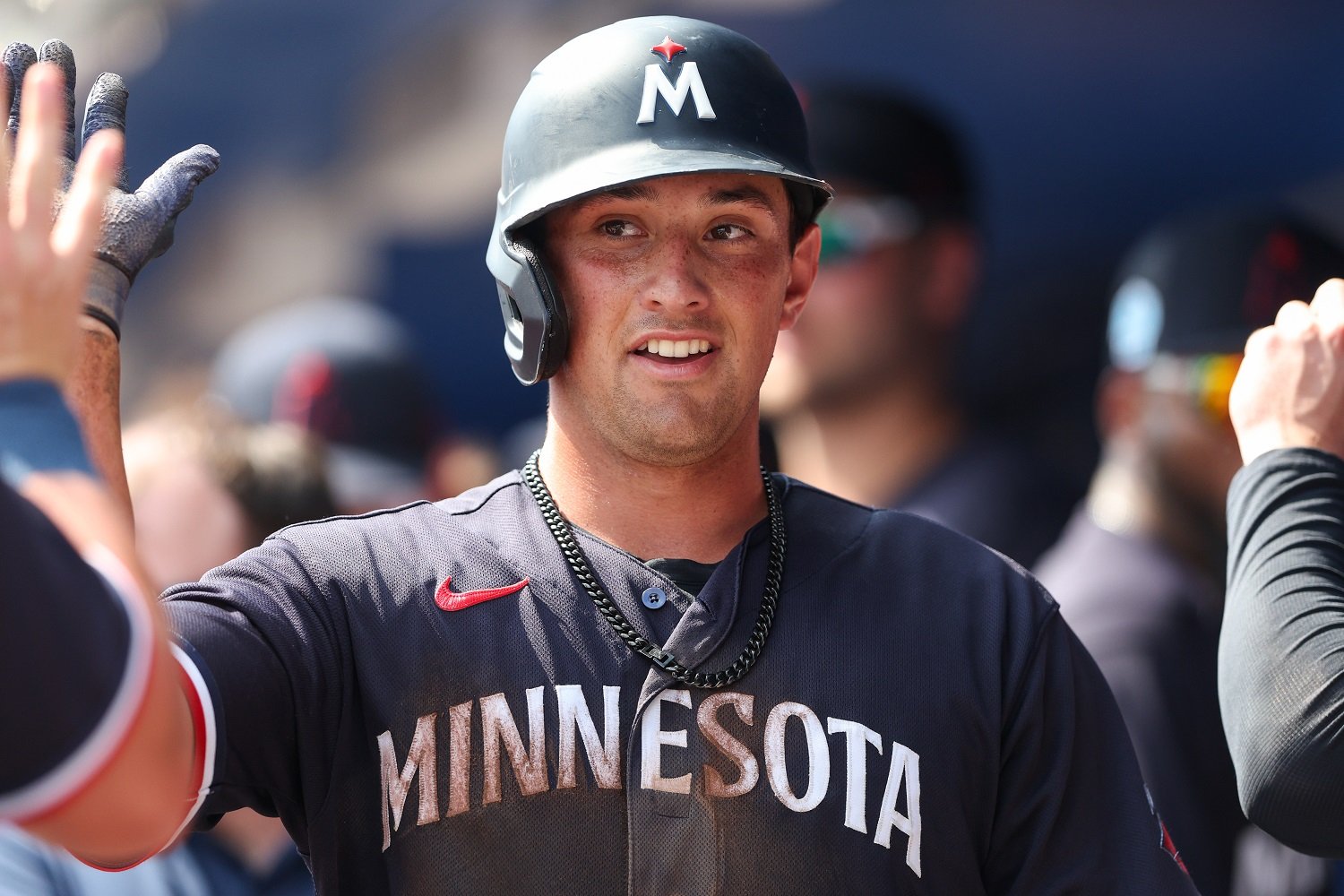 Heading into the 2022 Major League Baseball Draft, there was little belief within the Minnesota Twins that Brooks Lee would be available with the 8th overall pick. As the draft played out, however, Sean Johnson and the scouting department found themselves in an incredible position to find Lee within their reach. Lee quickly made that decision look even better as he rocketed through the system, posting a .839 OPS during his first 31 professional games and reaching Double-A. In 2023, Lee made it to St. Paul at the beginning of August after finishing Double-A with a .841 OPS (nearly 100 points above the Texas League's .751 average OPS in 2023). His offensive performance would tail off in September, but before that, he had a 23-game stretch with the Saints in which he slashed .287/.365/.500. More importantly, he was mere miles away from the ultimate goal of calling Target Field home. Lee has shown plenty of in-game power, but his profile at the plate is one of an all-around hitter. Being disciplined and commanding the zone while making consistent contact comes naturally. Defensively, he still looks the part of a shortstop. However, his future position with the Twins will be contingent on the presence of Carlos Correa, Royce Lewis, and Edouard Julien. Given his hitterish qualities and strong glovework, he could contribute to Rocco Baldelli's plans in 2024 somewhere on the diamond. For someone who's been around the game since he could crawl, Lee knew his job would be different, but it's always hard to anticipate what that looks like once you experience it. Having a full professional season in the rearview has given him some perspective. "The season is obviously long, but you don't fully understand it until you're in the thick of it," Lee says. "The first year is all about learning; there are so many games to be played, so getting frustrated about a single game is pointless. You learn quickly how to get your body and mind in the best possible shape for the game ahead of you and take it day by day." Following his 125 games played in 2023, he now understands what is required in the offseason to prepare for that workload. Planning an attack for 2024 will include tweaks from his previous process, including trying to repair weaknesses exposed by higher-level pitching. "What I took away most from Triple-A was that the pitching was smarter and more precise," says Lee. "As I went up levels, those pitchers capitalized on going towards hitters weaknesses or being consistent with locating their wipeout pitches. It's hard to hit but even harder when you have a particular hole that an opposing pitcher can expose." Despite the late-season doldrums, Lee showed plenty of attractive attributes at the plate. Case in point, Lee had two opposite-field home runs with the Saints in early September that registered 103 and 104 MPH off the bat, respectively. Matt Wallner and Alex Kirilloff were the only Twins players to hit opposite field shots at a higher exit velocity. "My issue was that my great batting practice swing didn't translate into games," Lee says, diagnosing what he plans to work on this offseason. "I want to be in the right positions at load, launch, and follow-through. If I can do that, I can take my swing and tailor an approach I think will be most successful against whoever I'm facing." As part of his maturation, Lee also had a front-row seat to what Royce Lewis was doing on his rehab back to the big leagues. "Royce was most helpful as a hitter in Double-A and Triple-A when he rehabbed. He has a unique and specific way of dissecting pitchers and then creating his plan. He is so advanced, and it was super beneficial for me to hit behind him." Baseball has been part of Lee's blood, and his dad, Larry, has been a constant driving factor. The elder Lee, a lifelong college coach, has been the head coach at Cal Poly for the past 21 seasons. Coach Lee will undoubtedly be present to some degree in his son's development this offseason. "I hope all my offseasons revolve around working with my dad," he says. Lee says he will spend some much-needed time decompressing away from the game this December with his girlfriend. The majority of the offseason, however, involves training daily with two of his former teammates at Cal Poly. "I want to be more agile and quicker, so I must spend time on technique," Lee adds. The infielder has stolen just seven bases in 13 tries so far in his career, and with the renewed emphasis on base stealing, having that additional weapon makes him much more dangerous. Personal success is important to Lee, but baseball is a team game, and winning is the ultimate goal. The Twins did a lot of that this season, and while he saw some of the action in St. Paul, being locked in on a postseason run took things to another level. "It was impossible not to follow the postseason, especially with the Twins having a special year. I am even more excited to help the team because the veterans and young guys in the locker room know what it feels like to make it to the postseason and have had a taste of winning." If Lee can set himself up personally for success, plenty of team success will follow. He knows that 2024 could be a special year for him, but ultimately, one thing drives all motivation. "I am not chasing anything specific other than helping a team win as many games as possible. Winning takes care of everything." Minnesota saw success in 2023, and they'll look to expand on that in 2024. It was a season in which the youth made a high impact on the Twins. That can be the formula again next year, and Brooks Lee should be at the forefront of that movement.
 -
Last season, the Minnesota Twins had the good fortune of winning in the draft lottery and moving up to the fifth overall pick. In 2022, their good fortune came in the form of Brooks Lee, and he’s done nothing but succeed since turning pro. 2024 could be the year he calls himself a Major Leaguer. Image courtesy of © Nathan Ray Seebeck-USA TODAY Sports Heading into the 2022 Major League Baseball Draft, there was little belief within the Minnesota Twins that Brooks Lee would be available with the 8th overall pick. As the draft played out, however, Sean Johnson and the scouting department found themselves in an incredible position to find Lee within their reach. Lee quickly made that decision look even better as he rocketed through the system, posting a .839 OPS during his first 31 professional games and reaching Double-A. In 2023, Lee made it to St. Paul at the beginning of August after finishing Double-A with a .841 OPS (nearly 100 points above the Texas League's .751 average OPS in 2023). His offensive performance would tail off in September, but before that, he had a 23-game stretch with the Saints in which he slashed .287/.365/.500. More importantly, he was mere miles away from the ultimate goal of calling Target Field home. Lee has shown plenty of in-game power, but his profile at the plate is one of an all-around hitter. Being disciplined and commanding the zone while making consistent contact comes naturally. Defensively, he still looks the part of a shortstop. However, his future position with the Twins will be contingent on the presence of Carlos Correa, Royce Lewis, and Edouard Julien. Given his hitterish qualities and strong glovework, he could contribute to Rocco Baldelli's plans in 2024 somewhere on the diamond. For someone who's been around the game since he could crawl, Lee knew his job would be different, but it's always hard to anticipate what that looks like once you experience it. Having a full professional season in the rearview has given him some perspective. "The season is obviously long, but you don't fully understand it until you're in the thick of it," Lee says. "The first year is all about learning; there are so many games to be played, so getting frustrated about a single game is pointless. You learn quickly how to get your body and mind in the best possible shape for the game ahead of you and take it day by day." Following his 125 games played in 2023, he now understands what is required in the offseason to prepare for that workload. Planning an attack for 2024 will include tweaks from his previous process, including trying to repair weaknesses exposed by higher-level pitching. "What I took away most from Triple-A was that the pitching was smarter and more precise," says Lee. "As I went up levels, those pitchers capitalized on going towards hitters weaknesses or being consistent with locating their wipeout pitches. It's hard to hit but even harder when you have a particular hole that an opposing pitcher can expose." Despite the late-season doldrums, Lee showed plenty of attractive attributes at the plate. Case in point, Lee had two opposite-field home runs with the Saints in early September that registered 103 and 104 MPH off the bat, respectively. Matt Wallner and Alex Kirilloff were the only Twins players to hit opposite field shots at a higher exit velocity. "My issue was that my great batting practice swing didn't translate into games," Lee says, diagnosing what he plans to work on this offseason. "I want to be in the right positions at load, launch, and follow-through. If I can do that, I can take my swing and tailor an approach I think will be most successful against whoever I'm facing." As part of his maturation, Lee also had a front-row seat to what Royce Lewis was doing on his rehab back to the big leagues. "Royce was most helpful as a hitter in Double-A and Triple-A when he rehabbed. He has a unique and specific way of dissecting pitchers and then creating his plan. He is so advanced, and it was super beneficial for me to hit behind him." Baseball has been part of Lee's blood, and his dad, Larry, has been a constant driving factor. The elder Lee, a lifelong college coach, has been the head coach at Cal Poly for the past 21 seasons. Coach Lee will undoubtedly be present to some degree in his son's development this offseason. "I hope all my offseasons revolve around working with my dad," he says. Lee says he will spend some much-needed time decompressing away from the game this December with his girlfriend. The majority of the offseason, however, involves training daily with two of his former teammates at Cal Poly. "I want to be more agile and quicker, so I must spend time on technique," Lee adds. The infielder has stolen just seven bases in 13 tries so far in his career, and with the renewed emphasis on base stealing, having that additional weapon makes him much more dangerous. Personal success is important to Lee, but baseball is a team game, and winning is the ultimate goal. The Twins did a lot of that this season, and while he saw some of the action in St. Paul, being locked in on a postseason run took things to another level. "It was impossible not to follow the postseason, especially with the Twins having a special year. I am even more excited to help the team because the veterans and young guys in the locker room know what it feels like to make it to the postseason and have had a taste of winning." If Lee can set himself up personally for success, plenty of team success will follow. He knows that 2024 could be a special year for him, but ultimately, one thing drives all motivation. "I am not chasing anything specific other than helping a team win as many games as possible. Winning takes care of everything." Minnesota saw success in 2023, and they'll look to expand on that in 2024. It was a season in which the youth made a high impact on the Twins. That can be the formula again next year, and Brooks Lee should be at the forefront of that movement. View full article
-
Michael A. Taylor's Impact in 2023 Highlights Centerfield Need for Twins
Ted Schwerzler posted an article in Twins
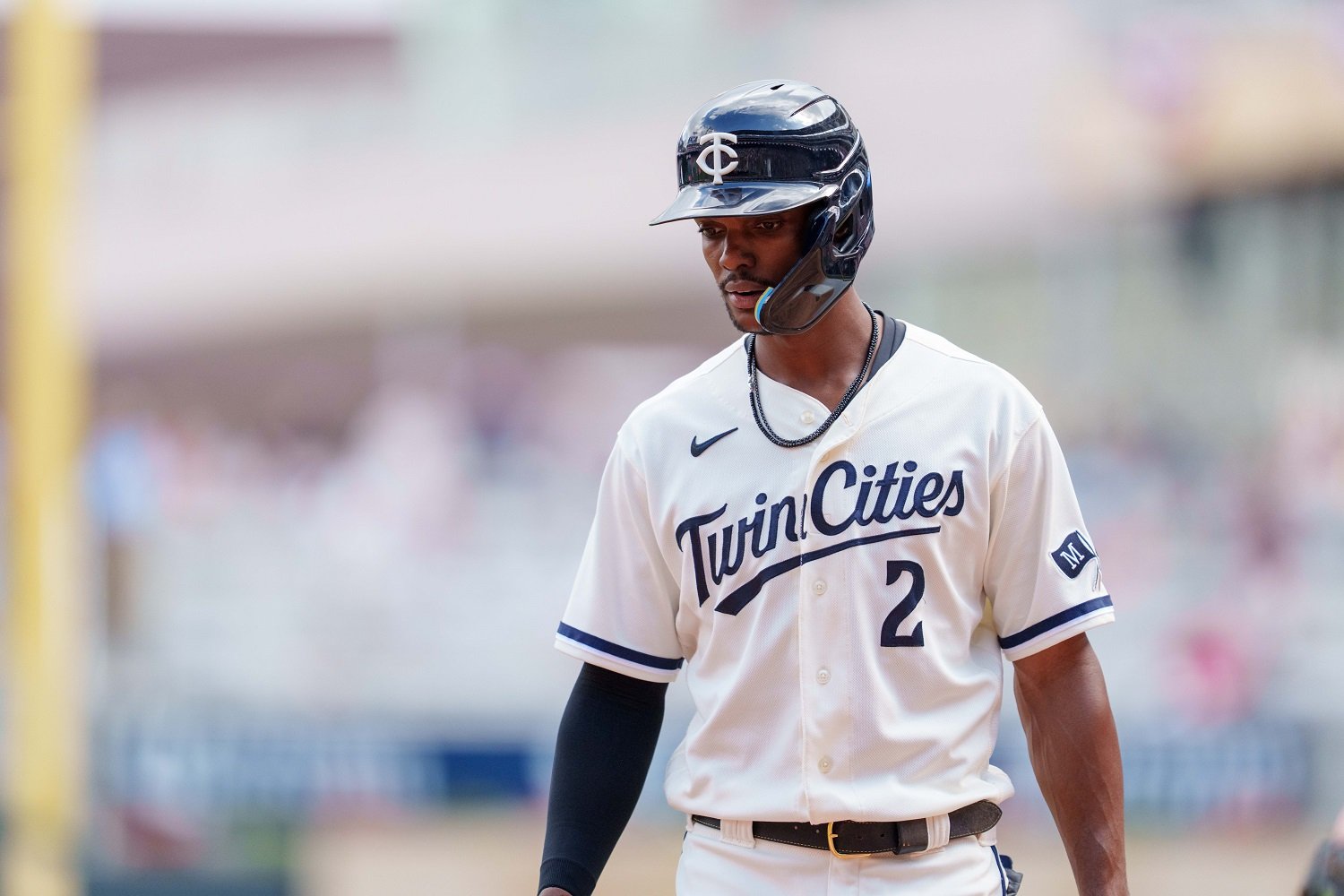 They prefer a healthy Byron Buxton for most of a 162-game schedule, but a healthy Byron Buxton available for most of a 162-game schedule has yet to present itself. How can they recapture the magic of Michael A. Taylor in 2024? When the Minnesota Twins extended Byron Buxton, they knew what they were getting: An elite talent when on the field, but a growing unknown how often that would be each season. His 92 games played in 2022 was the second-highest total of his career, and he has reached the 100-game milestone once in his career. Therefore, having someone available to compensate for an extended absence in centerfield is a must. Over the years, Minnesota has tried to make a patchwork plan fit. Gilberto Celestino, Jake Cave, Nick Gordon, Rob Refsnyder, and others played substantial time at center, but none adequately played the part. If Buxton was reliable for 120 or more games, a quality backup may suffice in his absence. Realizing that hoping and wishing can't be the plan, Derek Falvey addressed the situation for the first time last winter. When they acquired Michael A. Taylor from the Kansas City Royals in exchange for Evan Sisk and Steven Cruz, the Twins not only brought in a player to supplement Buxton but one that could conceivably start instead of him. Taylor has left plenty to be desired offensively throughout his career, but he's a Gold Glove talent in the field and has had stretches of decent production at the dish. Taylor proved to be worth every penny. He played in 129 games for Minnesota this year, and he would have been in Rocco Baldelli's lineup more if not for a late-season injury. Buxton never saw the field for the Twins, meaning it was Taylor's job to cover the centerfield grass nightly. Beyond that, his 94 OPS+ was the second-highest output of his career. He blasted a career-best 21 homers, and without another proper centerfield option on the roster, his presence was not only welcomed but necessary. A free agent this offseason, for the 33-year-old Taylor, replicating his 2023 is unlikely. He followed his career-best 104 OPS+ in 2017 with a 69 OPS+ the year after. He did have a 90 OPS+ in 2022 with the Royals but posted just a 74 OPS+ from 2018-2021. For the sake of continuity, Minnesota may opt to reunite with a known commodity, but it will likely come at a higher cost than the $4.5 million he made a year ago. If they want to replace him, getting it right is imperative. Similarly to someone like Donovan Solano, finding another option to fill a utility role in the starting lineup isn't an incredible proposition. Doing so with the right mix of cost and output in hopes of replicating the Taylor or Solano level of success is more complex. The Twins will have the free agent market to explore, and this front office has also shown an affinity towards trades. The answer probably isn't immediately within the organization. Spending on a player like Cody Bellinger isn't part of the Twins' plan. They could opt for Kevin Kiermaier, but he's the only real option in free agency outside of Taylor himself. Aaron Hicks isn't returning, and neither Kevin Pillar nor Harrison Bader can be regulars on a serious contender. It would be asking a lot of Austin Martin to step up immediately, and it doesn't appear the Twins are interested in moving Royce Lewis off of the dirt. For now, the plan for center is unknown. It would be great if Buxton responds well to his latest knee surgery and ultimately takes time away from whomever the front office brings in, but that can't and won't be the expectation. Falvey executed well in dealing for Taylor, and he found everything necessary in an alternative option. Replicating that success will be challenging, but Minnesota must get it right. With a position so important to any roster, especially this one, the Twins can leave no stone unturned.
- 23 comments
-
- 4
-
-
- michael a taylor
- byron buxton
- (and 3 more)
-
The Minnesota Twins need a quality starter in centerfield. There is no way around it. Image courtesy of © Matt Blewett-USA TODAY Sports They prefer a healthy Byron Buxton for most of a 162-game schedule, but a healthy Byron Buxton available for most of a 162-game schedule has yet to present itself. How can they recapture the magic of Michael A. Taylor in 2024? When the Minnesota Twins extended Byron Buxton, they knew what they were getting: An elite talent when on the field, but a growing unknown how often that would be each season. His 92 games played in 2022 was the second-highest total of his career, and he has reached the 100-game milestone once in his career. Therefore, having someone available to compensate for an extended absence in centerfield is a must. Over the years, Minnesota has tried to make a patchwork plan fit. Gilberto Celestino, Jake Cave, Nick Gordon, Rob Refsnyder, and others played substantial time at center, but none adequately played the part. If Buxton was reliable for 120 or more games, a quality backup may suffice in his absence. Realizing that hoping and wishing can't be the plan, Derek Falvey addressed the situation for the first time last winter. When they acquired Michael A. Taylor from the Kansas City Royals in exchange for Evan Sisk and Steven Cruz, the Twins not only brought in a player to supplement Buxton but one that could conceivably start instead of him. Taylor has left plenty to be desired offensively throughout his career, but he's a Gold Glove talent in the field and has had stretches of decent production at the dish. Taylor proved to be worth every penny. He played in 129 games for Minnesota this year, and he would have been in Rocco Baldelli's lineup more if not for a late-season injury. Buxton never saw the field for the Twins, meaning it was Taylor's job to cover the centerfield grass nightly. Beyond that, his 94 OPS+ was the second-highest output of his career. He blasted a career-best 21 homers, and without another proper centerfield option on the roster, his presence was not only welcomed but necessary. A free agent this offseason, for the 33-year-old Taylor, replicating his 2023 is unlikely. He followed his career-best 104 OPS+ in 2017 with a 69 OPS+ the year after. He did have a 90 OPS+ in 2022 with the Royals but posted just a 74 OPS+ from 2018-2021. For the sake of continuity, Minnesota may opt to reunite with a known commodity, but it will likely come at a higher cost than the $4.5 million he made a year ago. If they want to replace him, getting it right is imperative. Similarly to someone like Donovan Solano, finding another option to fill a utility role in the starting lineup isn't an incredible proposition. Doing so with the right mix of cost and output in hopes of replicating the Taylor or Solano level of success is more complex. The Twins will have the free agent market to explore, and this front office has also shown an affinity towards trades. The answer probably isn't immediately within the organization. Spending on a player like Cody Bellinger isn't part of the Twins' plan. They could opt for Kevin Kiermaier, but he's the only real option in free agency outside of Taylor himself. Aaron Hicks isn't returning, and neither Kevin Pillar nor Harrison Bader can be regulars on a serious contender. It would be asking a lot of Austin Martin to step up immediately, and it doesn't appear the Twins are interested in moving Royce Lewis off of the dirt. For now, the plan for center is unknown. It would be great if Buxton responds well to his latest knee surgery and ultimately takes time away from whomever the front office brings in, but that can't and won't be the expectation. Falvey executed well in dealing for Taylor, and he found everything necessary in an alternative option. Replicating that success will be challenging, but Minnesota must get it right. With a position so important to any roster, especially this one, the Twins can leave no stone unturned. View full article
-
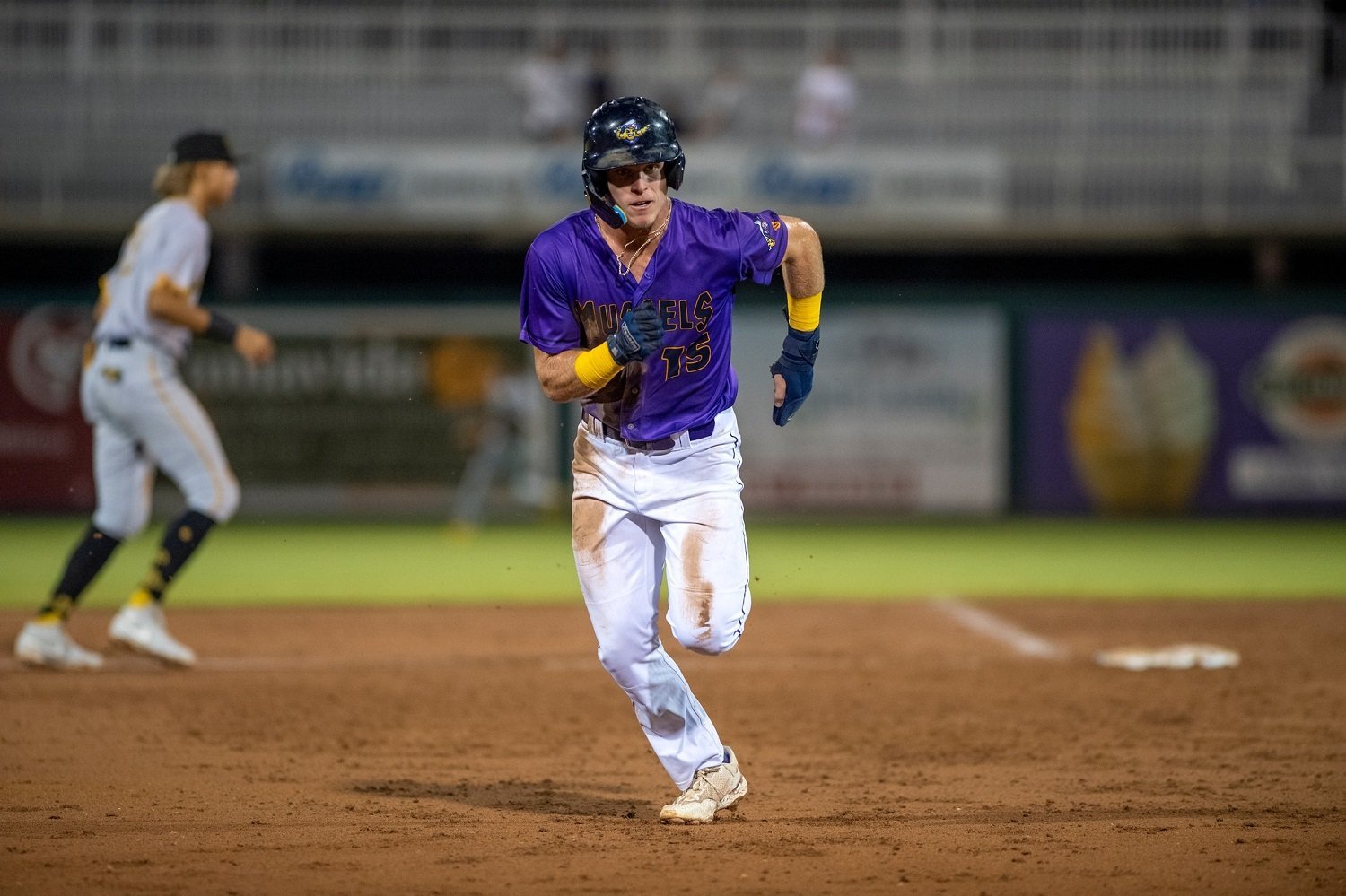 Until the draft, there was some question about whether the Twins may deviate from the consensus top five. Both Paul Skenes and Dylan Crews were seen as the top talents coming out of LSU, and Max Clark was paired with Walker Jenkins as prep prospects. Wyatt Langford was the other premier hitter from Florida, and Minnesota was lined up to get one of the five. Having stayed chalk and taking Jenkins, who was left at their pick, the immediate hope was that they made the right move. An outfielder who projects for more power than speed, Jenkins was built up as the type of player that could turn into a franchise cornerstone. That’s serious pressure to put on an 18-year-old coming out of high school, but you wouldn’t know it by his production level. Reaching Low-A Fort Myers, Jenkins played in 26 games during his professional debut. Slashing .362/.417/.571, it’d be hard to slow down any hype train already leaving the station. The North Carolina native crushed three dingers while tripling four times to show off his unique toolset. Following in the footsteps of Royce Lewis before him, he did so with a level of maturity that is well beyond his years. Catching up with Jenkins as the dust settled on the season and he found time to reflect, it is clear that while the start was good, what’s to come can be even better. Working at the Twins complex in Florida, his offseason has already begun, and getting after it never stopped. It was all about the process when I asked about the biggest takeaway from a foray into pro ball and what might have been unexpected. “Figuring out what routine works for you and developing that was big," says Jenkins. "I didn’t control my schedule as much as I was used to. Learning what adjustments to make, things I needed to work through, and staying responsible while being on top of everything I’m doing was a must.” Jenkins has experienced a taste of professional ball, and he’s now thrust into his first offseason. Even though it’s a different scenario, he doesn’t envision the offseason changing too much. “I’ve always felt like I’ve trained extremely hard and like I’m going out and preparing for a 160-plus game season. I’m fortunate enough to be with some big-league guys. I will work as hard as I can this offseason to prepare for next season.” Home will be where the baseball is for Jenkins this offseason. Although he is currently down in Florida, he plans to bounce back and forth between Fort Myers and North Carolina. Well supported no matter where he is working, the goal doesn’t change based on the location. Not only did Jenkins play high school baseball in 2023, but he also blew through rookie ball and headed into Single-A. Each step of the way came with considerable success, and it didn’t fly under the radar by any means. Jenkins knows he’s confident in his abilities and the work he puts in, but also said he’s a quick learner and has always seen the game as one of adjustments. “I was able to adjust while moving through different levels, and similarly to the routine thing, figuring out what would allow me to be successful was a must. I did things a lot differently than other guys who were succeeding.” It’s not just the mock drafters and teams that understand the talent coming out of this draft, but the players get it, too. Jenkins is well aware of the heights both Jackson Holliday and Nolan Schanuel rose to from his draft class. “I have considered what a good 2024 looks like for me; it’s kind of hard not to," he acknowledges. "Obviously, I want to be in the big leagues. Possibly a little far-fetched? Maybe. I want to get there as fast as possible but be as prepared as possible. I don’t want to bounce back and forth once I get there. The Twins development group will know when that time is and when to move me. If I come out this year just trusting my abilities, I’ll be in a really good spot.” Although the goal is the highest level for Jenkins, winning is what matters along the way. He wants to show up individually, but being on the right side of outcomes is also a constant focus. “We did a good job. The teams I was on last year, although it was a short amount of time when I got down there, we started winning a lot. I don’t like to lose.” For a player like Jenkins, the track record coming into pro ball is already long. He has seen multiple grand stages and played against plenty of dominant competition. That doesn’t mean everything goes as expected. “The jump from being a high school kid, living with your parents, to living on your own was a big jump. The change in that has been a really good learning experience for me. I feel like I’ve always been responsible, but it’s nice to shoulder that when you don’t always have people guiding you that way. This first opportunity in pro ball has kind of given me that exposure.” Minnesota sets this change up well for draftees with the campus in Fort Myers, and Jenkins was quick to call that setup awesome. Baseball is a sport viewed through larger sample sizes, and although Jenkins jumped out to an excellent start, everyone wants to see that translate in a greater setting. The coming season provides a runway, and goals are already in the works. “I want to go into the year prepared. I want to stay healthy and take care of my body so I can play a full season. I try not to get caught up in the statistical stuff. If I can consistently hit balls hard, consistently play a good defensive centerfield, and consistently make smart mental decisions, that will reflect plenty on the numbers. If I can do those three things, I will be in a good spot.” Sometimes, it is difficult to envision how a prep prospect plays into the plans of a big league organization while they may be a ways off. Someone as talented as Jenkins can force the timeline, but he is already picturing himself playing at Target Field. “Just getting drafted by a team and then going and seeing them having postseason success makes you want to get up there and help the team win. I read that Minnesota hadn’t won in the postseason in a while, but the fact that they bounced back and have a successful team as I’m coming through is exciting for me. I feel like as more talent moves up, the more successful they’ll be, and I hope to be a factor in the organization winning sometime in the near future.” Drafting players is a complicated process, with results that are often scrutinized. Hitting on the talent and makeup isn’t something that always happens, but Jenkins appears to be well on his way to cementing that reality. If he can continue along the path he started for himself, Twins fans may be able to take in his game as soon as 2024 over at CHS Field. When we see Jenkins next, a professional offseason program will be reflected in his makeup, and how far that propels him in the year ahead isn’t worth limiting him with.
 -
The Minnesota Twins found good fortune moving up to the fifth overall pick during the 2023 Major League Baseball Draft. With a top-five that all rivaled many other year’s typical 1-1 picks, Sean Johnson was in a great spot. Walker Jenkins was the selection, and he's looked the part since stepping on the diamond. For him, though, he’s just getting started. Image courtesy of William Parmeter Until the draft, there was some question about whether the Twins may deviate from the consensus top five. Both Paul Skenes and Dylan Crews were seen as the top talents coming out of LSU, and Max Clark was paired with Walker Jenkins as prep prospects. Wyatt Langford was the other premier hitter from Florida, and Minnesota was lined up to get one of the five. Having stayed chalk and taking Jenkins, who was left at their pick, the immediate hope was that they made the right move. An outfielder who projects for more power than speed, Jenkins was built up as the type of player that could turn into a franchise cornerstone. That’s serious pressure to put on an 18-year-old coming out of high school, but you wouldn’t know it by his production level. Reaching Low-A Fort Myers, Jenkins played in 26 games during his professional debut. Slashing .362/.417/.571, it’d be hard to slow down any hype train already leaving the station. The North Carolina native crushed three dingers while tripling four times to show off his unique toolset. Following in the footsteps of Royce Lewis before him, he did so with a level of maturity that is well beyond his years. Catching up with Jenkins as the dust settled on the season and he found time to reflect, it is clear that while the start was good, what’s to come can be even better. Working at the Twins complex in Florida, his offseason has already begun, and getting after it never stopped. It was all about the process when I asked about the biggest takeaway from a foray into pro ball and what might have been unexpected. “Figuring out what routine works for you and developing that was big," says Jenkins. "I didn’t control my schedule as much as I was used to. Learning what adjustments to make, things I needed to work through, and staying responsible while being on top of everything I’m doing was a must.” Jenkins has experienced a taste of professional ball, and he’s now thrust into his first offseason. Even though it’s a different scenario, he doesn’t envision the offseason changing too much. “I’ve always felt like I’ve trained extremely hard and like I’m going out and preparing for a 160-plus game season. I’m fortunate enough to be with some big-league guys. I will work as hard as I can this offseason to prepare for next season.” Home will be where the baseball is for Jenkins this offseason. Although he is currently down in Florida, he plans to bounce back and forth between Fort Myers and North Carolina. Well supported no matter where he is working, the goal doesn’t change based on the location. Not only did Jenkins play high school baseball in 2023, but he also blew through rookie ball and headed into Single-A. Each step of the way came with considerable success, and it didn’t fly under the radar by any means. Jenkins knows he’s confident in his abilities and the work he puts in, but also said he’s a quick learner and has always seen the game as one of adjustments. “I was able to adjust while moving through different levels, and similarly to the routine thing, figuring out what would allow me to be successful was a must. I did things a lot differently than other guys who were succeeding.” It’s not just the mock drafters and teams that understand the talent coming out of this draft, but the players get it, too. Jenkins is well aware of the heights both Jackson Holliday and Nolan Schanuel rose to from his draft class. “I have considered what a good 2024 looks like for me; it’s kind of hard not to," he acknowledges. "Obviously, I want to be in the big leagues. Possibly a little far-fetched? Maybe. I want to get there as fast as possible but be as prepared as possible. I don’t want to bounce back and forth once I get there. The Twins development group will know when that time is and when to move me. If I come out this year just trusting my abilities, I’ll be in a really good spot.” Although the goal is the highest level for Jenkins, winning is what matters along the way. He wants to show up individually, but being on the right side of outcomes is also a constant focus. “We did a good job. The teams I was on last year, although it was a short amount of time when I got down there, we started winning a lot. I don’t like to lose.” For a player like Jenkins, the track record coming into pro ball is already long. He has seen multiple grand stages and played against plenty of dominant competition. That doesn’t mean everything goes as expected. “The jump from being a high school kid, living with your parents, to living on your own was a big jump. The change in that has been a really good learning experience for me. I feel like I’ve always been responsible, but it’s nice to shoulder that when you don’t always have people guiding you that way. This first opportunity in pro ball has kind of given me that exposure.” Minnesota sets this change up well for draftees with the campus in Fort Myers, and Jenkins was quick to call that setup awesome. Baseball is a sport viewed through larger sample sizes, and although Jenkins jumped out to an excellent start, everyone wants to see that translate in a greater setting. The coming season provides a runway, and goals are already in the works. “I want to go into the year prepared. I want to stay healthy and take care of my body so I can play a full season. I try not to get caught up in the statistical stuff. If I can consistently hit balls hard, consistently play a good defensive centerfield, and consistently make smart mental decisions, that will reflect plenty on the numbers. If I can do those three things, I will be in a good spot.” Sometimes, it is difficult to envision how a prep prospect plays into the plans of a big league organization while they may be a ways off. Someone as talented as Jenkins can force the timeline, but he is already picturing himself playing at Target Field. “Just getting drafted by a team and then going and seeing them having postseason success makes you want to get up there and help the team win. I read that Minnesota hadn’t won in the postseason in a while, but the fact that they bounced back and have a successful team as I’m coming through is exciting for me. I feel like as more talent moves up, the more successful they’ll be, and I hope to be a factor in the organization winning sometime in the near future.” Drafting players is a complicated process, with results that are often scrutinized. Hitting on the talent and makeup isn’t something that always happens, but Jenkins appears to be well on his way to cementing that reality. If he can continue along the path he started for himself, Twins fans may be able to take in his game as soon as 2024 over at CHS Field. When we see Jenkins next, a professional offseason program will be reflected in his makeup, and how far that propels him in the year ahead isn’t worth limiting him with. View full article
-
The Minnesota Twins knew they were going to the postseason for a matter of weeks before they had clinched the division. Working to get their roster in order for a run, they needed to work on the bullpen. Louie Varland went to St. Paul with that goal in mind, and then he proved it was an intelligent ask. What if he was too good, though? Image courtesy of © Jesse Johnson-USA TODAY Sports Louie Varland even making the big leagues is a feat in and of itself - the former Concordia-St. Paul Golden Bears pitcher was a 15th-round pick in 2019. That’s relatively rarefied air to make something out of yourself at the highest level, but if you’ve followed along, his desire to be great isn’t normal either. Last season, Varland appeared in the big leagues to pitch a game for the Twins against the New York Yankees in the Bronx. At just 24 years old and barely removed from pitching for a Division II college, he was in The Show. Posting a 3.81 ERA across five starts last season, Varland looked the part of a major league pitcher. This season, Minnesota acquired depth that would allow them to trend toward a divisional crown. They traded for Pablo Lopez to front the rotation, pushing Bailey Ober out and into Triple-A. This maneuvering also meant that Varland had slid one more rung down the depth chart. And having one of the best pitching rotations in franchise history resulted in Varland starting just ten games with the Twins in his second major league season. Wanting to bolster the bullpen for a postseason run, Varland was told to focus on letting it fly at Triple-A. He would work his way back alongside veteran starter Chris Paddack, and the bullpen was the ticket for each of them. Without needing to focus on energy conservation, Varland could air out his two-pitch mix in short burst stints (he reached 100.1 mph in his first relief appearance with the Saints in September). Debuting as a reliever with the Twins on September 6, he worked 12 innings across seven outings. He allowed only six hits and a pair of runs (both on solo homers) and posted a ridiculous 17/1 K/BB. Not only had he emerged as a bullpen arm for Rocco Baldelli, but he looked the part of an absolute weapon. As a starter, Varland had shown an ability to get outs while doing so as a fourth or fifth option in the rotation. When coming out of the bullpen, he had dialed the fastball up to triple-digits while routinely sitting around 98 mph (his fastball velocity averaged 94.6 mph in July while bumping to 97.5 mph in September). The velocity uptick was notable, but he also brandished an improved cutter, a pitch that could get in on the hands of the opposition. Before Varland agreed on the bullpen plan, he talked with Minnesota’s leadership, expressing a desire to remain a starter. "I believe the best version of myself is a starter," Varland told reporters in September. "Starters also get paid. I want to stay a starters as long as I can." Pitching out of the rotation is something the St. Paul native has always done, and it’s the same role he has worked to elevate himself to in the big leagues. Money and glory come while working every fifth day, and his preparation has been geared towards that for years. But his outstanding performance in relief late last year might be too good to ignore - and too tempting for the Twins to pass up. Speaking on the matter during a recent Gleeman and the Geek podcast, Aaron Gleeman noted just how special Baldelli believes Varland can be in relief. Convincing Varland of the same has to be part of the process for Baldelli and the Twins. Working in the bullpen after initially being a starter isn’t something new. Jhoan Duran was a starting prospect before dialing it up to 103 mph and emerging as the Twins closer. Joe Nathan, Glen Perkins, and plenty of other names have moved to the bullpen after experiencing life in the rotation. The bullpen is no longer banishment for less talented arms, it is a place where special talent can thrive. Over the offseason, Varland will continue operating with a plan that has him returning as a starter. He’ll eventually have conversations with multiple people involved for Minnesota, and his future role may not be decided for some time. We are likely a ways from seeing how this ultimately plays out, but adding another lockdown leverage arm to a stable with Duran and Griffin Jax seems like a come-up for the Twins. The Twins have witnessed what Varland can provide in relief, though, and that might be too hard to ignore. View full article
-
Has Louie Varland Potentially Pitched Himself Out of the Rotation?
Ted Schwerzler posted an article in Twins
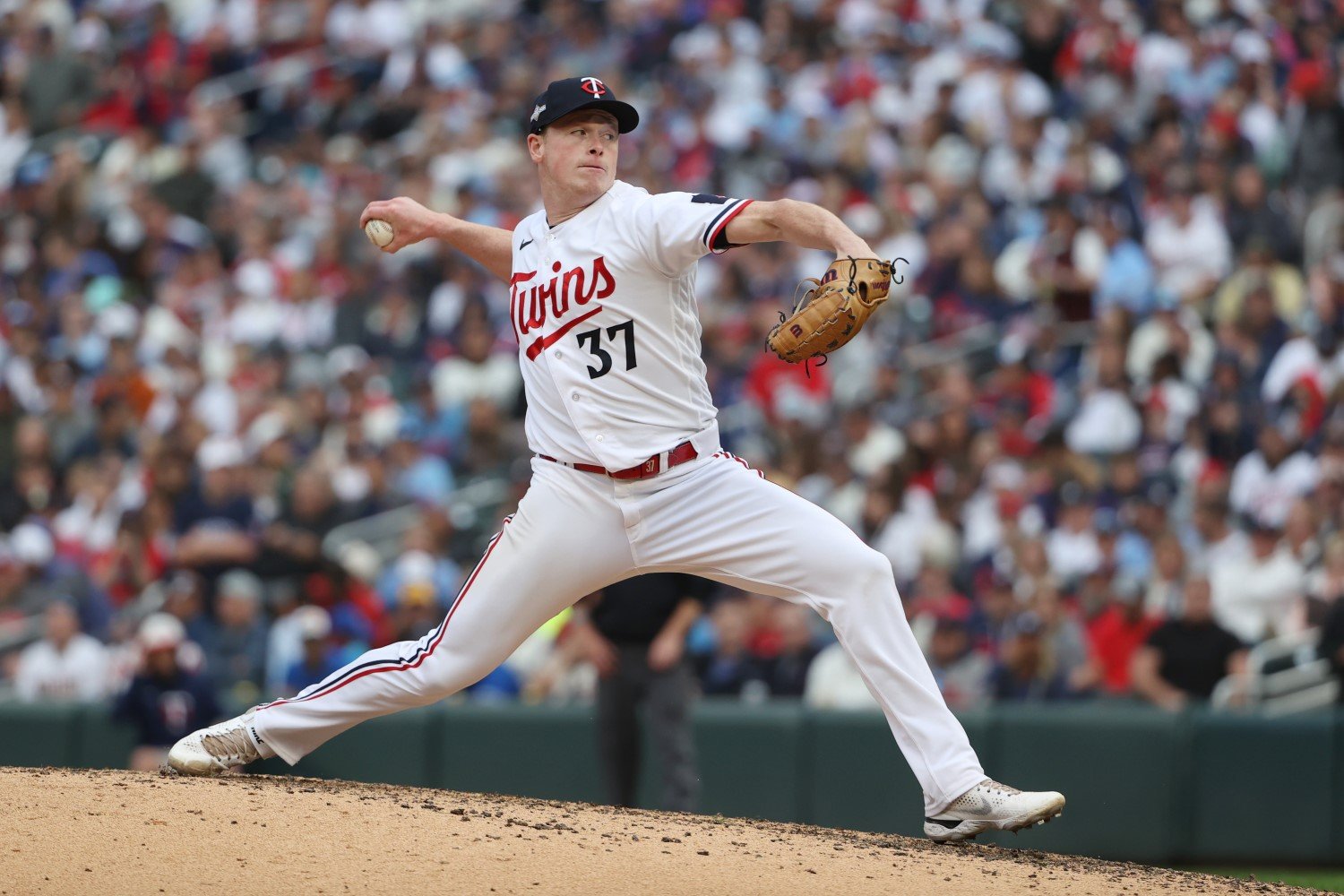 Louie Varland even making the big leagues is a feat in and of itself - the former Concordia-St. Paul Golden Bears pitcher was a 15th-round pick in 2019. That’s relatively rarefied air to make something out of yourself at the highest level, but if you’ve followed along, his desire to be great isn’t normal either. Last season, Varland appeared in the big leagues to pitch a game for the Twins against the New York Yankees in the Bronx. At just 24 years old and barely removed from pitching for a Division II college, he was in The Show. Posting a 3.81 ERA across five starts last season, Varland looked the part of a major league pitcher. This season, Minnesota acquired depth that would allow them to trend toward a divisional crown. They traded for Pablo Lopez to front the rotation, pushing Bailey Ober out and into Triple-A. This maneuvering also meant that Varland had slid one more rung down the depth chart. And having one of the best pitching rotations in franchise history resulted in Varland starting just ten games with the Twins in his second major league season. Wanting to bolster the bullpen for a postseason run, Varland was told to focus on letting it fly at Triple-A. He would work his way back alongside veteran starter Chris Paddack, and the bullpen was the ticket for each of them. Without needing to focus on energy conservation, Varland could air out his two-pitch mix in short burst stints (he reached 100.1 mph in his first relief appearance with the Saints in September). Debuting as a reliever with the Twins on September 6, he worked 12 innings across seven outings. He allowed only six hits and a pair of runs (both on solo homers) and posted a ridiculous 17/1 K/BB. Not only had he emerged as a bullpen arm for Rocco Baldelli, but he looked the part of an absolute weapon. As a starter, Varland had shown an ability to get outs while doing so as a fourth or fifth option in the rotation. When coming out of the bullpen, he had dialed the fastball up to triple-digits while routinely sitting around 98 mph (his fastball velocity averaged 94.6 mph in July while bumping to 97.5 mph in September). The velocity uptick was notable, but he also brandished an improved cutter, a pitch that could get in on the hands of the opposition. Before Varland agreed on the bullpen plan, he talked with Minnesota’s leadership, expressing a desire to remain a starter. "I believe the best version of myself is a starter," Varland told reporters in September. "Starters also get paid. I want to stay a starters as long as I can." Pitching out of the rotation is something the St. Paul native has always done, and it’s the same role he has worked to elevate himself to in the big leagues. Money and glory come while working every fifth day, and his preparation has been geared towards that for years. But his outstanding performance in relief late last year might be too good to ignore - and too tempting for the Twins to pass up. Speaking on the matter during a recent Gleeman and the Geek podcast, Aaron Gleeman noted just how special Baldelli believes Varland can be in relief. Convincing Varland of the same has to be part of the process for Baldelli and the Twins. Working in the bullpen after initially being a starter isn’t something new. Jhoan Duran was a starting prospect before dialing it up to 103 mph and emerging as the Twins closer. Joe Nathan, Glen Perkins, and plenty of other names have moved to the bullpen after experiencing life in the rotation. The bullpen is no longer banishment for less talented arms, it is a place where special talent can thrive. Over the offseason, Varland will continue operating with a plan that has him returning as a starter. He’ll eventually have conversations with multiple people involved for Minnesota, and his future role may not be decided for some time. We are likely a ways from seeing how this ultimately plays out, but adding another lockdown leverage arm to a stable with Duran and Griffin Jax seems like a come-up for the Twins. The Twins have witnessed what Varland can provide in relief, though, and that might be too hard to ignore.
- 26 comments
-
- 5
-
-
- louis varland
- jhoan duran
- (and 3 more)
