



Ted Schwerzler
-
Posts
5,149 -
Joined
-
Last visited
Content Type
Profiles
News
Minnesota Twins Videos
2026 Minnesota Twins Top Prospects Ranking
2022 Minnesota Twins Draft Picks
Minnesota Twins Free Agent & Trade Rumors, Notes, & Tidbits
Guides & Resources
2023 Minnesota Twins Draft Picks
The Minnesota Twins Players Project
2024 Minnesota Twins Draft Picks
2025 Minnesota Twins Draft Pick Tracker
2026 Minnesota Twins Draft Tracker: Picks & Bonuses
Forums
Blogs
Events
Store
Downloads
Gallery
Everything posted by Ted Schwerzler
-
How Will the Twins Approach a Thin Free Agent Pitching Class?
Ted Schwerzler posted an article in Twins
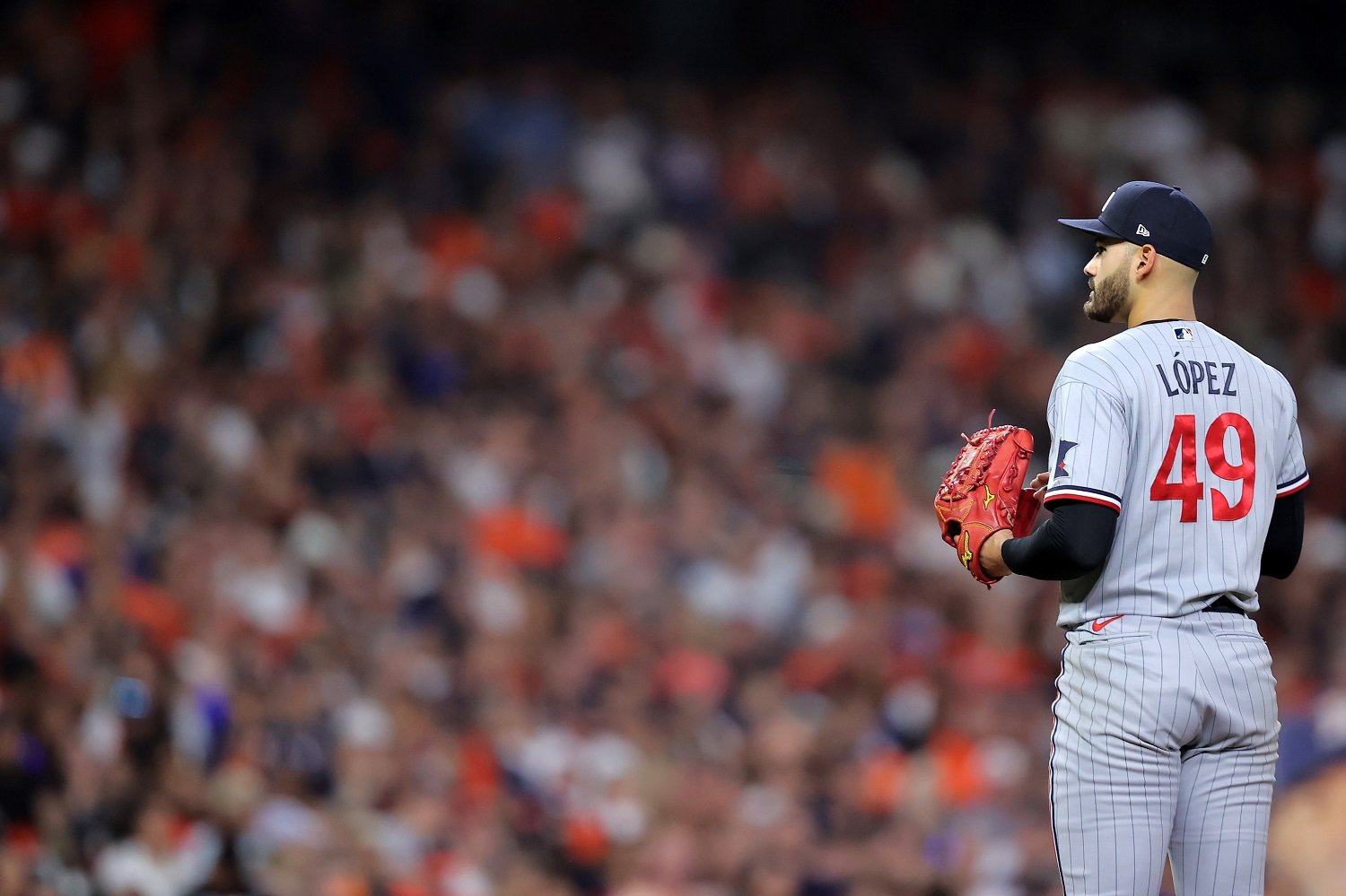 Going into the season, the front office made a difficult decision to flip fan-favorite batting champion Luis Arraez in exchange for Pablo Lopez. That worked out wonderfully for both teams, and the Twins got an Ace. They backfilled Arraez’s spot with Edouard Julien and now have much more praise for the move. Lopez will be back and start on Opening Day for Minnesota. Behind him, Sonny Gray is not expected to be back. Sure, he is a free agent and could be signed to a new deal by Minnesota, but he will have no shortage of suitors, and the front office shouldn’t be paying him for the Cy Young performance he put up this season. Allocating dollars to Gray would need to include a belief in his performance over the next two or three years, and Derek Falvey could undoubtedly opt to spend those dollars elsewhere. Therein lies the rub. This free-agent pitching class isn’t exactly ideal. Shohei Ohtani wasn’t ever going to be likely for the Twins, but he isn’t a pitcher next season, and the prognosis for the future remains uncertain. That leaves the top names being Blake Snell and Aaron Nola. Again, there will be no shortage of suitors for their services this year, and Snell coming off a Cy Young award isn’t going to drive his price down at all. Looking at the Twins rotation, though, it might not be about spending on the open market at all. The Twins know they need to increase pitching depth and doing something like pushing Bailey Ober to Triple-A makes sense. This year, that would probably come in the form of Louie Varland, but doing so with a starter that slots in just above him can’t happen. Lopez will be the ace, and then some combination of Joe Ryan, Chris Paddack, and Ober will work behind him. Adding a Gray-level starter or someone better than Kenta Maeda needs to be the plan, and they can find that match by contacting the 29 other teams. When looking to restock the Twins rotation, Derek Falvey hasn’t spent significantly on a starting pitcher. Lopez’s dollars came through an extension, and Gray had already brought team control with him. That means working a trade is already a path he has shown plenty of ability to do and has created depth within the rotation. The front office may consider a few depth arms worth packaging toward a more prominent player. Brent Headrick, David Festa, Simeon Woods Richardson, and Cory Lewis are all varying degrees of players who may fall into this category. There is also the glut of infield options that the Twins have at their disposal. Brooks Lee is likely off the table, but Yunior Severino, Austin Martin, Anthony Prato, Michael Helman, Luke Keaschall, and Tanner Schobel are prospects for which playing time may eventually need to be found. Hitting on another arm through trade is something that should also bring a level of comfort due to the recent track record. Sure, the Twins front office has their fair share of misses, but the last two frontline starters that have been acquired represent substantial wins. It’s not every trade that you’ll find a Joe Ryan-for-Nelson Cruz lopsided outcome, but being able to effectively scout yourself and the competition when making big swings is a skill. No matter how the Twins go about player acquisition this offseason, they will have multiple options. Just because the crop on the open market may be expensive or less-than-ideal doesn’t mean the Twins have to participate. Falvey has done a great job reminding us that his work construction isn’t done until Opening Day arrives.
- 37 comments
-
- 4
-

-
- pablo lopez
- sonny gray
- (and 3 more)
-
The Minnesota Twins constructed a 2023 team built around significant depth. After having to cycle through a handful of arms to complete the season, they became one of the best rotations in baseball. Repeating means they’ll need to add, but how? Image courtesy of © Erik Williams-USA TODAY Sports Going into the season, the front office made a difficult decision to flip fan-favorite batting champion Luis Arraez in exchange for Pablo Lopez. That worked out wonderfully for both teams, and the Twins got an Ace. They backfilled Arraez’s spot with Edouard Julien and now have much more praise for the move. Lopez will be back and start on Opening Day for Minnesota. Behind him, Sonny Gray is not expected to be back. Sure, he is a free agent and could be signed to a new deal by Minnesota, but he will have no shortage of suitors, and the front office shouldn’t be paying him for the Cy Young performance he put up this season. Allocating dollars to Gray would need to include a belief in his performance over the next two or three years, and Derek Falvey could undoubtedly opt to spend those dollars elsewhere. Therein lies the rub. This free-agent pitching class isn’t exactly ideal. Shohei Ohtani wasn’t ever going to be likely for the Twins, but he isn’t a pitcher next season, and the prognosis for the future remains uncertain. That leaves the top names being Blake Snell and Aaron Nola. Again, there will be no shortage of suitors for their services this year, and Snell coming off a Cy Young award isn’t going to drive his price down at all. Looking at the Twins rotation, though, it might not be about spending on the open market at all. The Twins know they need to increase pitching depth and doing something like pushing Bailey Ober to Triple-A makes sense. This year, that would probably come in the form of Louie Varland, but doing so with a starter that slots in just above him can’t happen. Lopez will be the ace, and then some combination of Joe Ryan, Chris Paddack, and Ober will work behind him. Adding a Gray-level starter or someone better than Kenta Maeda needs to be the plan, and they can find that match by contacting the 29 other teams. When looking to restock the Twins rotation, Derek Falvey hasn’t spent significantly on a starting pitcher. Lopez’s dollars came through an extension, and Gray had already brought team control with him. That means working a trade is already a path he has shown plenty of ability to do and has created depth within the rotation. The front office may consider a few depth arms worth packaging toward a more prominent player. Brent Headrick, David Festa, Simeon Woods Richardson, and Cory Lewis are all varying degrees of players who may fall into this category. There is also the glut of infield options that the Twins have at their disposal. Brooks Lee is likely off the table, but Yunior Severino, Austin Martin, Anthony Prato, Michael Helman, Luke Keaschall, and Tanner Schobel are prospects for which playing time may eventually need to be found. Hitting on another arm through trade is something that should also bring a level of comfort due to the recent track record. Sure, the Twins front office has their fair share of misses, but the last two frontline starters that have been acquired represent substantial wins. It’s not every trade that you’ll find a Joe Ryan-for-Nelson Cruz lopsided outcome, but being able to effectively scout yourself and the competition when making big swings is a skill. No matter how the Twins go about player acquisition this offseason, they will have multiple options. Just because the crop on the open market may be expensive or less-than-ideal doesn’t mean the Twins have to participate. Falvey has done a great job reminding us that his work construction isn’t done until Opening Day arrives. View full article
-
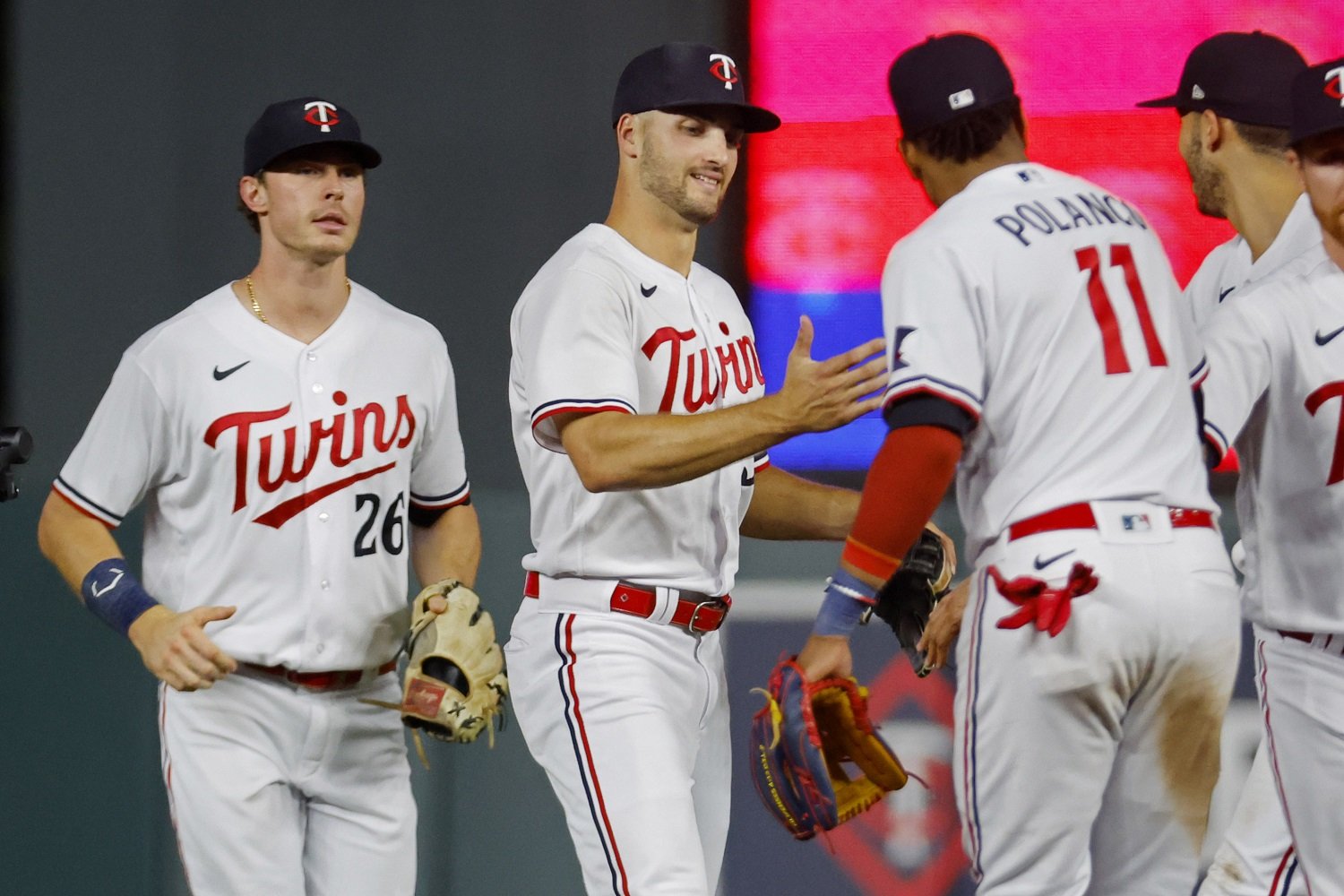 There are two ways to look at the Minnesota Twins 2023 postseason run. On one hand, you could mute excitement by choosing to focus on the Twins winning just a single game in the American League Division Series. That hurts even more after splitting on the road in Houston and holding an advantage when returning home. Conversely, you could be ecstatic about the playoff monkey being gone and multiple streaks ending. When the Twins knocked off the Toronto Blue Jays in Game 1 of the Wild Card series, they ended a streak that has hung over the head of the state for so long. Nothing about the Twins in the postseason has mattered for years because 0-18 became the narrative. Until that streak ended, it was a mind-numbing retort from anyone looking to downplay excitement. After John Schneider lifted Jose Berrios, and Minnesota went on to win Game 2 of the wild card series, they proved there was even more out there. Ending an inability to win a postseason series since knocking off the Moneyball Oakland Athletics, it quickly became a possible thought that Rocco Baldelli’s club could play spoiled and knock out the reigning World Series champion. No matter what level of realism existed behind it, there was a buzz during Game 3 and Game 4 of the American League Division Series against the Astros. Even after Sonny Gray got behind 4-0 in the first inning, Twins fans remained on their feet for multiple innings and got excited again as the team made a late surge. It wasn’t expected that Jose Urquidy would stifle the bats in Game 4, but the entirety of Target Field was shaking as Byron Buxton stepped in and Max Kepler struck out. Those feelings don’t go away simply because the run has ended. This franchise is in a good place with youth, and it’s clear that the leadership has continued to trend towards an infrastructure of sustenance. It’s great that the talent returning has Minnesota in a good place, but the desire to do something with it is higher than ever. There have been multiple seasons in recent history where Minnesota is projected to win the AL Central. Ron Gardenhire made a habit of winning the division only to have his teams fall short in the playoffs. Minnesota needed to re-establish that ability on yearly for years, but now the desire will and can be for something more. The Twins making the playoffs can't be met with the refrain that it won’t matter. Advancing past a better team, or being the better team someone wants to take down, is the next step. Ultimately, winning a World Series is what every player and team strives for, but only one organization accomplishes that each season. As we saw coming from a watered-down AL Central this season, anything can happen once you make it to the postseason. The fanbase and those in the clubhouse know that they can do damage when making it into October, and now forcing that issue has to be the goal. It’s cliché to hear players repeat a desire to win a division, grab a ring, or some other months-long endeavor during spring training. The youth on this team has now experienced it, and so too have some veterans who otherwise had not yet played past September. They’ll be hungry to put value behind the 162-game grind, forcing those games where everything matters is necessary. Minnesota should be the favorite to win the AL Central next season, and they’ll be well-positioned for some time. Continuing to invest in the organization and force the issue of constant end-of-season relevance is no longer just a nice thing. This postseason run set a new standard, and now it’s time to embark on it.
 -
The Minnesota Twins have gone into each season with hope for excitement, as each organization does. Until 2023, though, there was always the cloud that was postseason ineptitude hanging over their head. With recent success, everything has changed. Image courtesy of © Bruce Kluckhohn-USA TODAY Sports There are two ways to look at the Minnesota Twins 2023 postseason run. On one hand, you could mute excitement by choosing to focus on the Twins winning just a single game in the American League Division Series. That hurts even more after splitting on the road in Houston and holding an advantage when returning home. Conversely, you could be ecstatic about the playoff monkey being gone and multiple streaks ending. When the Twins knocked off the Toronto Blue Jays in Game 1 of the Wild Card series, they ended a streak that has hung over the head of the state for so long. Nothing about the Twins in the postseason has mattered for years because 0-18 became the narrative. Until that streak ended, it was a mind-numbing retort from anyone looking to downplay excitement. After John Schneider lifted Jose Berrios, and Minnesota went on to win Game 2 of the wild card series, they proved there was even more out there. Ending an inability to win a postseason series since knocking off the Moneyball Oakland Athletics, it quickly became a possible thought that Rocco Baldelli’s club could play spoiled and knock out the reigning World Series champion. No matter what level of realism existed behind it, there was a buzz during Game 3 and Game 4 of the American League Division Series against the Astros. Even after Sonny Gray got behind 4-0 in the first inning, Twins fans remained on their feet for multiple innings and got excited again as the team made a late surge. It wasn’t expected that Jose Urquidy would stifle the bats in Game 4, but the entirety of Target Field was shaking as Byron Buxton stepped in and Max Kepler struck out. Those feelings don’t go away simply because the run has ended. This franchise is in a good place with youth, and it’s clear that the leadership has continued to trend towards an infrastructure of sustenance. It’s great that the talent returning has Minnesota in a good place, but the desire to do something with it is higher than ever. There have been multiple seasons in recent history where Minnesota is projected to win the AL Central. Ron Gardenhire made a habit of winning the division only to have his teams fall short in the playoffs. Minnesota needed to re-establish that ability on yearly for years, but now the desire will and can be for something more. The Twins making the playoffs can't be met with the refrain that it won’t matter. Advancing past a better team, or being the better team someone wants to take down, is the next step. Ultimately, winning a World Series is what every player and team strives for, but only one organization accomplishes that each season. As we saw coming from a watered-down AL Central this season, anything can happen once you make it to the postseason. The fanbase and those in the clubhouse know that they can do damage when making it into October, and now forcing that issue has to be the goal. It’s cliché to hear players repeat a desire to win a division, grab a ring, or some other months-long endeavor during spring training. The youth on this team has now experienced it, and so too have some veterans who otherwise had not yet played past September. They’ll be hungry to put value behind the 162-game grind, forcing those games where everything matters is necessary. Minnesota should be the favorite to win the AL Central next season, and they’ll be well-positioned for some time. Continuing to invest in the organization and force the issue of constant end-of-season relevance is no longer just a nice thing. This postseason run set a new standard, and now it’s time to embark on it. View full article
-
The Minnesota Twins Are Ready to Build on a Foundation of Depth
Ted Schwerzler posted an article in Twins
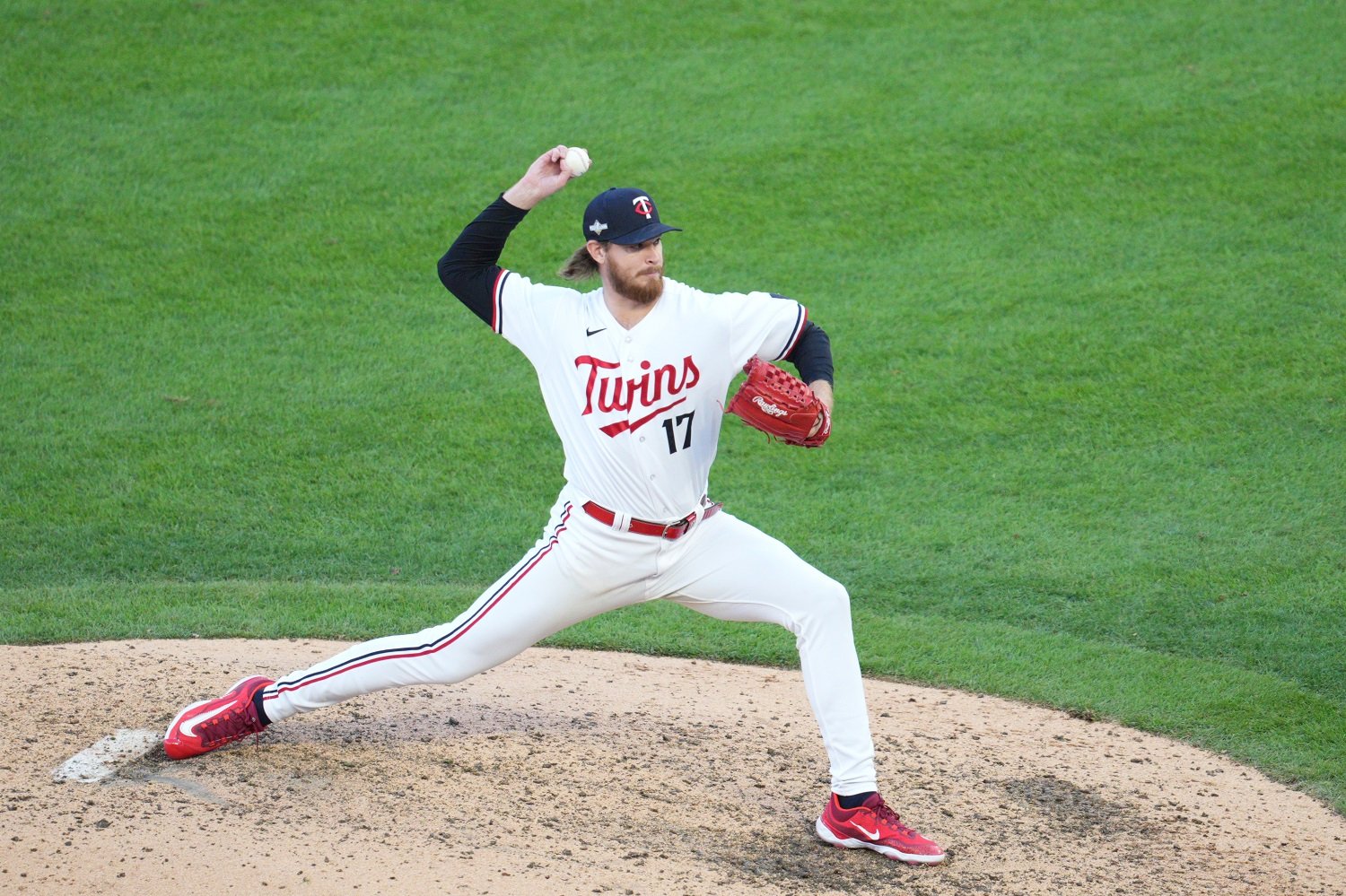 A season ago, Rocco Baldelli constantly searched for warm bodies to take the field. Trying to stave off a comeback from the Cleveland Guardians, he needed pitching help and players to round out his lineup. Having depth is something that every organization strives for, but incorporating it at the highest level is something that the players bought into. Bailey Ober started at Triple-A this season despite arguably earning an Opening Day roster spot. Nick Gordon broke out in 2022 but broke his leg early in the season, but utility man Willi Castro stepped up and nearly matched Gordon's 2022 statistics. Injuries to Jorge Alcala and Jose Miranda could be withstood because of the options that Derek Falvey had put in place from the get-go. Looking to 2024, how sensible is it for the Twins to continue the same thought process moving forward? Under this front office regime, a baseline has often been established. Kyle Farmer was acquired before the Twins re-signed Carlos Correa. Sure, he could have been expanded upon, but he was also a talent capable of starting. That could also be said about Ober in the rotation, and plenty of other players over the years. With plenty of positions filled in on paper, you can bet that Falvey will be unwilling to call it good enough. Farmer and Castro are both arbitration-eligible this offseason, and their return helps to create depth in an infield that should already have Edouard Julien and Royce Lewis penned in next to Correa. Though the rotation could be rounded out with Louie Varland acting as the fifth starter, pushing him back with a Pablo Lopez-type addition would make plenty of sense. Minnesota has often shied away from spending on big arms in the bullpen. They don’t necessarily need them with Jhoan Duran and Griffin Jax returning, but adding to a group should be done from the top down. Caleb Thielbar is arbitration-eligible and can be retained, and Brock Stewart doesn’t hit arbitration until the 2025 season. Expecting replications of all players isn’t straightforward, and relying on internal depth doesn’t seem to be something the Twins will try. When working with depth, you often deal with unpredictable outcomes. Donovan Solano and Castro had great years. Michael A. Taylor became the primary centerfielder. Those things are significant developments, but they can’t be the expectation year-over-year. Replicating the process of having capable bodies is a must, but that doesn’t necessarily mean that the same names will provide answers. We saw internal depth keep players like Julien, Ober, or Matt Wallner down until Minnesota couldn’t help it anymore. Sometimes, that causes frustration for the fan base or player, but it also wound up being necessary over the entire season. That process bore results and should be assumed as part of fact going forward. Finding a collection of selfless players when dividing playing time is a significant part of the process. Falvey found a way to incorporate depth without those players operating as threats or hired arms on one-year deals. He’ll need to find a way to work with personalities and replicate the process again for 2024. It’s undoubtedly a good thing we have seen what that success looks like. Are you okay with additional depth pushing down initial opportunities for other players? How much do you think depth saved Minnesota this season?
- 40 comments
-
- 3
-
-

-
- willi castro
- donovan solano
- (and 2 more)
-
The Minnesota Twins went into the 2023 Major League Baseball season with more depth than any time in recent memory. After a 2022 season in which the team fell apart due to injuries down the stretch, they looked to create internal answers. After that worked so well, does it now dictate that as standard procedure? Image courtesy of © Matt Blewett-USA TODAY Sports A season ago, Rocco Baldelli constantly searched for warm bodies to take the field. Trying to stave off a comeback from the Cleveland Guardians, he needed pitching help and players to round out his lineup. Having depth is something that every organization strives for, but incorporating it at the highest level is something that the players bought into. Bailey Ober started at Triple-A this season despite arguably earning an Opening Day roster spot. Nick Gordon broke out in 2022 but broke his leg early in the season, but utility man Willi Castro stepped up and nearly matched Gordon's 2022 statistics. Injuries to Jorge Alcala and Jose Miranda could be withstood because of the options that Derek Falvey had put in place from the get-go. Looking to 2024, how sensible is it for the Twins to continue the same thought process moving forward? Under this front office regime, a baseline has often been established. Kyle Farmer was acquired before the Twins re-signed Carlos Correa. Sure, he could have been expanded upon, but he was also a talent capable of starting. That could also be said about Ober in the rotation, and plenty of other players over the years. With plenty of positions filled in on paper, you can bet that Falvey will be unwilling to call it good enough. Farmer and Castro are both arbitration-eligible this offseason, and their return helps to create depth in an infield that should already have Edouard Julien and Royce Lewis penned in next to Correa. Though the rotation could be rounded out with Louie Varland acting as the fifth starter, pushing him back with a Pablo Lopez-type addition would make plenty of sense. Minnesota has often shied away from spending on big arms in the bullpen. They don’t necessarily need them with Jhoan Duran and Griffin Jax returning, but adding to a group should be done from the top down. Caleb Thielbar is arbitration-eligible and can be retained, and Brock Stewart doesn’t hit arbitration until the 2025 season. Expecting replications of all players isn’t straightforward, and relying on internal depth doesn’t seem to be something the Twins will try. When working with depth, you often deal with unpredictable outcomes. Donovan Solano and Castro had great years. Michael A. Taylor became the primary centerfielder. Those things are significant developments, but they can’t be the expectation year-over-year. Replicating the process of having capable bodies is a must, but that doesn’t necessarily mean that the same names will provide answers. We saw internal depth keep players like Julien, Ober, or Matt Wallner down until Minnesota couldn’t help it anymore. Sometimes, that causes frustration for the fan base or player, but it also wound up being necessary over the entire season. That process bore results and should be assumed as part of fact going forward. Finding a collection of selfless players when dividing playing time is a significant part of the process. Falvey found a way to incorporate depth without those players operating as threats or hired arms on one-year deals. He’ll need to find a way to work with personalities and replicate the process again for 2024. It’s undoubtedly a good thing we have seen what that success looks like. Are you okay with additional depth pushing down initial opportunities for other players? How much do you think depth saved Minnesota this season? View full article
-
Except that they, at worst, get another chance to make a pick similar to Petty which is the point.
-
"But but" is exactly why pitcher wins are irrelevant.
-
After pitching to the level of a team MVP this season for the Minnesota Twins, Sonny Gray heads to free agency. It seems that both he and the organization have interest in working together again, but regardless if he comes back, the front office navigated his acquisition flawlessly. Image courtesy of © Matt Blewett-USA TODAY Sports There is no denying that the 2021 Minnesota Twins left plenty to be desired. Coming out of the Covid-shortened season, Rocco Baldelli’s club finished last in the AL Central and went through a whopping 35 pitchers on the year. A ridiculous sixteen players made starts for Minnesota, and Matt Shoemaker was allowed to pitch over 60 innings with an ERA north of 8.00. Addressing the need for help, Minnesota sent their recent first round pick Chase Petty to the Cincinnati Reds in exchange for Sonny Gray. It was a tough pill to swallow as Petty was a prep arm with a triple-digit fastball, but understanding the volatility for that type of arm, the Twins got a guaranteed asset. Gray had struggled with the New York Yankees, but he was only a couple of years removed from an all-star appearance and Cy Young votes with the Reds. He hadn’t throw 200 innings since 2015, and isn’t exactly a bulldog, but it’s always been clear that he’s a very good talent when on. Although the Twins fell apart down the stretch last season, Gray was certainly not to blame. He posted a 3.08 ERA in his first year with Minnesota, and though bad pitching had Twins starters making short starts, Gray was among the best of the bunch. Then came 2023. Noting in spring training that he intended to go deeper in games, Baldelli was going to need better performances from Gray and the rotation. Minnesota transformed the rotation to among the best in baseball, and Gray was front-and-center for the effort. His 2.79 ERA trailed only Gerrit Cole in the American League, and he will again get Cy Young votes. He became an all-star again, and his 184 innings was the most he has thrown since 2015. Thanks to his quality pitching, Gray will be among the most coveted arms in what is otherwise a weaker free agent pitching class. Shohei Ohtani isn’t able to throw in 2024, and multiple contending teams will be in on the 34-year-old Gray to help them prop up a postseason run. It would be unwise to go all in on an aging talent, but there is certainly a number of years and dollars that make sense for Minnesota or someone else to find a middle ground. By acquiring Gray as they did, and believing in the performance he would provide, Minnesota now stands to recoup the value of the initial deal at the very least. Handing Gray a qualifying offer means that any team signing him will forfeit a draft pick, and Minnesota will be awarded a pick near the top of the draft. A compensatory selection won’t be a direct one-for-one where Petty was taken, but it certainly won’t be far off. The Reds weren’t in a place to utilize Gray to his fullest capabilities when they dealt him, and acquired a future asset they believed in. Minnesota needed help immediately and could sacrifice what was something of an uncertain prospect, but the blueprint played out beautifully. Ending up with a draft pick won’t replace Gray in the rotation for 2024, but you couldn’t have asked for a better cycle of life from one deal. Not all trades work out, and plenty of them have gone sideways for this front office, but there are few ways this outcome could have presented itself better. For that, Falvey and Minnesota have to be thrilled with the results. View full article
-
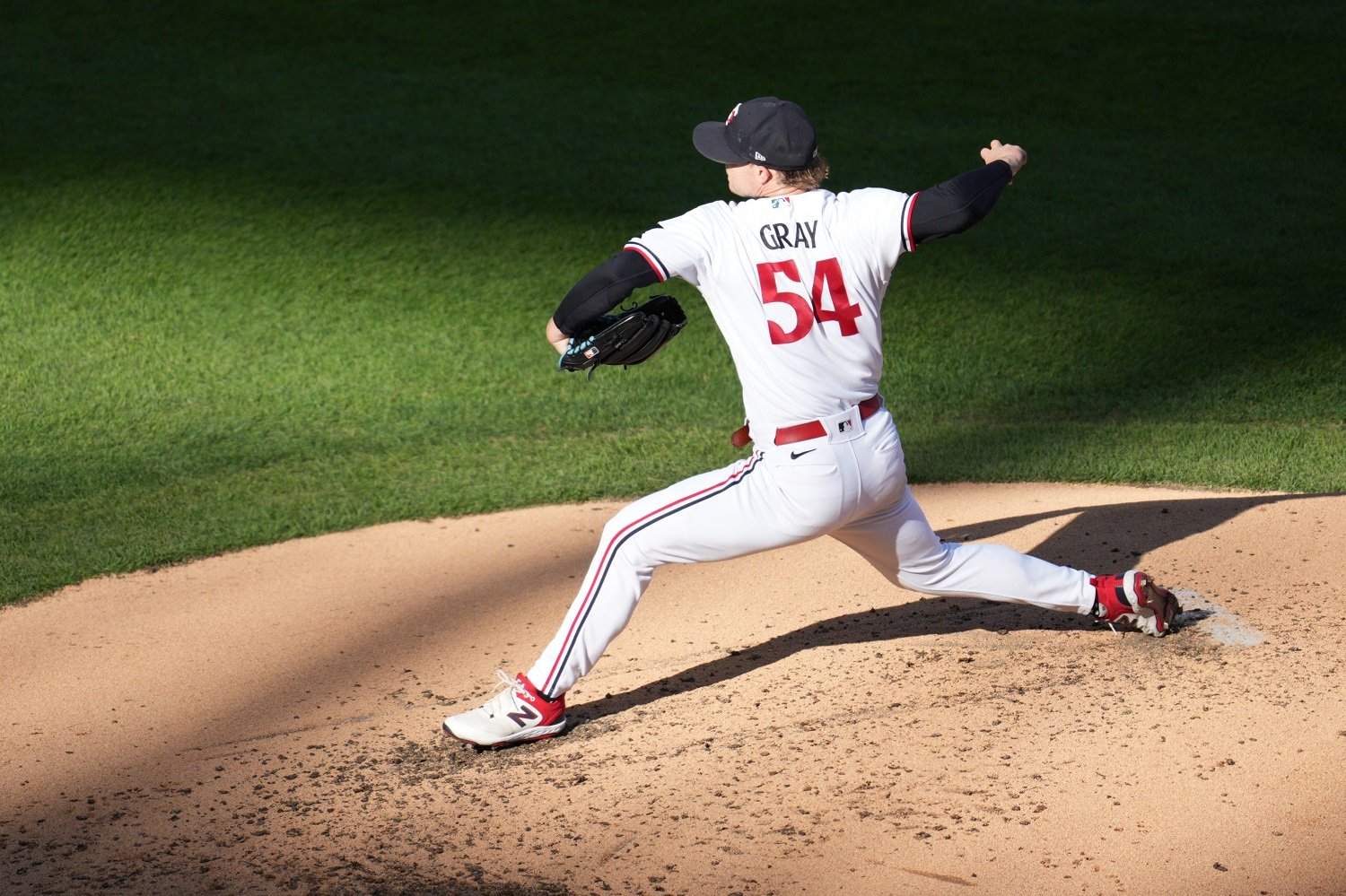 There is no denying that the 2021 Minnesota Twins left plenty to be desired. Coming out of the Covid-shortened season, Rocco Baldelli’s club finished last in the AL Central and went through a whopping 35 pitchers on the year. A ridiculous sixteen players made starts for Minnesota, and Matt Shoemaker was allowed to pitch over 60 innings with an ERA north of 8.00. Addressing the need for help, Minnesota sent their recent first round pick Chase Petty to the Cincinnati Reds in exchange for Sonny Gray. It was a tough pill to swallow as Petty was a prep arm with a triple-digit fastball, but understanding the volatility for that type of arm, the Twins got a guaranteed asset. Gray had struggled with the New York Yankees, but he was only a couple of years removed from an all-star appearance and Cy Young votes with the Reds. He hadn’t throw 200 innings since 2015, and isn’t exactly a bulldog, but it’s always been clear that he’s a very good talent when on. Although the Twins fell apart down the stretch last season, Gray was certainly not to blame. He posted a 3.08 ERA in his first year with Minnesota, and though bad pitching had Twins starters making short starts, Gray was among the best of the bunch. Then came 2023. Noting in spring training that he intended to go deeper in games, Baldelli was going to need better performances from Gray and the rotation. Minnesota transformed the rotation to among the best in baseball, and Gray was front-and-center for the effort. His 2.79 ERA trailed only Gerrit Cole in the American League, and he will again get Cy Young votes. He became an all-star again, and his 184 innings was the most he has thrown since 2015. Thanks to his quality pitching, Gray will be among the most coveted arms in what is otherwise a weaker free agent pitching class. Shohei Ohtani isn’t able to throw in 2024, and multiple contending teams will be in on the 34-year-old Gray to help them prop up a postseason run. It would be unwise to go all in on an aging talent, but there is certainly a number of years and dollars that make sense for Minnesota or someone else to find a middle ground. By acquiring Gray as they did, and believing in the performance he would provide, Minnesota now stands to recoup the value of the initial deal at the very least. Handing Gray a qualifying offer means that any team signing him will forfeit a draft pick, and Minnesota will be awarded a pick near the top of the draft. A compensatory selection won’t be a direct one-for-one where Petty was taken, but it certainly won’t be far off. The Reds weren’t in a place to utilize Gray to his fullest capabilities when they dealt him, and acquired a future asset they believed in. Minnesota needed help immediately and could sacrifice what was something of an uncertain prospect, but the blueprint played out beautifully. Ending up with a draft pick won’t replace Gray in the rotation for 2024, but you couldn’t have asked for a better cycle of life from one deal. Not all trades work out, and plenty of them have gone sideways for this front office, but there are few ways this outcome could have presented itself better. For that, Falvey and Minnesota have to be thrilled with the results.
 -
The Minnesota Twins finished out their 2023 regular season on Wednesday night. Although it didn’t end the way they had hoped, the season was nothing short of a resounding success. Looking toward 2024, it’s now worth wondering which players will be back. Image courtesy of © Matt Blewett-USA TODAY Sports Rocco Baldelli’s club was able to accomplish new heights this season because of the roster the front office built. It wasn’t only the talent that the club had at its disposal, but the way the team gelled. Veterans to rookies, and everyone in between, was able to do their job while creating a significant feeling of clubhouse camaraderie. Last week MLB Trade Rumors put out their yearly arbitration projections. The site is the gold standard for such things, and most agreements often fall closely to their suggested numbers. The Twins have nine players eligible for arbitration this offseason, and not all of them are likely to return. Here is how I see the group shaking out: Guaranteed - Ryan Jeffers ($2.3M), Alex Kirilloff ($1.7M) There are a couple of players that may trend towards this designation, but no one hits it quite like Jeffers and Kirilloff do. Minnesota spent $30 million on Christian Vazquez this offseason, and they would probably be open to parting with him this offseason. Jeffers broke out in a big way posting an .858 OPS with a career-high 96 games played. He was originally slated as the 1B to Vazquez’s 1A, but his production forced the Twins’ hand. He will be back next season as the regular starter for Baldelli. At first base, 2023 gave Kirilloff the opportunity to fully establish himself at the position. Not only did he get a late start due to injury ramp-up during spring training, but he also missed time with a shoulder issue. Offseason surgery is again on the table, and while he didn’t do anything to cement his claim at the position, his 117 OPS+ was hardly an issue. He should be expected to be the Opening Day starter at first, but finding a capable right-handed platoon partner makes a lot of sense. Highly Likely - Willi Castro ($3.2M), Caleb Thielbar ($3M) Arguably the team’s MVP for his production as a swiss-army knife, Castro joined Minnesota on a minor league deal after spending the entirety of his career with the Detroit Tigers. He posted a ridiculous 153 OPS+ in 36 games during 2020 as a rookie, but his 106 OPS+ in 124 games this season was much more impressive. He played every position except for first base and catcher while giving Baldelli a switch-hitting option throughout the lineup. He established himself as one of the best utility players in baseball and took that crown from a teammate also on this list. The only real reason Thielbar wouldn’t be back is that his number continues to creep upwards. The Twins haven’t shown an affinity to spend on the bullpen, and this would be more than a $500k jump from 2023. Thielbar’s secondary numbers were not as good as they have been, and he was uncharacteristically burned by the long ball. Houston got him multiple times in the American League Division Series, and though that can leave a sour taste, he is still one of the league’s best left-handed relievers. Somewhat Unlikely - Kyle Farmer ($6.6M), Jorge Alcala ($1M) When Minnesota acquired Farmer from the Reds, I was told that his presence was the exact type of player the franchise desperately needed a season ago. A consummate professional who can be a steadying voice in the clubhouse, he continued to go out and do his job. He provided the same offensive value he gave Cincinnati each of the past two seasons and proved invaluable as a starting-caliber shortstop when Carlos Correa missed time. His number jumping up another $500k or so makes the decision difficult, but for a team looking at a level of veteran continuity, it could be sensible to bring him back. At just $1 million, it’s not that Alcala is expensive. He has been paid at the Major League level for quite some time to produce very little, however. A mainstay on the 60-day injured list, Alcala has thrown just 19 2/3 innings since 2021. When he did pitch this year, he was not good, and the secondary numbers have never agreed with the level that the production has equated to. Minnesota could bring him back to round out the pen, but finding another Brock Stewart, Jeff Hoffman, or similar minor league signing to take a spot probably has a higher success rate. Highly Unlikely - Jordan Luplow ($1.6M), Nick Gordon ($1M), Jose De Leon ($740k) We already saw the Twins go down the hole of designating Luplow for assignment. Rather than completing the process, they kept him around and he ultimately made it through the end of the season. He was brought in off of waivers from Toronto after the front office decided against doing anything at the trade deadline. It was odd to decide the right-handed bat was necessary just days after opting against a better trade option, but he’s not someone who can’t be replaced internally. This was nothing short of a lost season for Gordon, who started badly and finished injured. He never made his way back to the Major League roster and owned a .503 OPS in just 34 games. He carved his way into the Twins' plans, despite being a former first-round pick with lost prospect luster, by creating defensive utility. Castro all but took over that role, and did so at a higher level. For $1 million it’s not going to break the bank to keep him around, but with Austin Martin, Anthony Prato, Michael Helman, or a few other prospects close it’s hard to find room for him. Once the dangled return from the Dodgers in exchange for Brian Dozier, De Leon made his way to Minnesota as a minor league free agent. He started a game and made 11 other appearances totaling 17 1/3 innings. Despite looking like a decent relief option, he blew out his elbow and underwent Tommy John surgery for the second time in his career. It was a disappointing result for a guy who has already battled back so many times. There’s no reason to offer him arbitration, but Minnesota could stay in touch and look at keeping him around on another minor-league deal. What do you think of the players up for arbitration from the Twins? Who would you keep and who would you part with? Share your thoughts in the comments. View full article
-
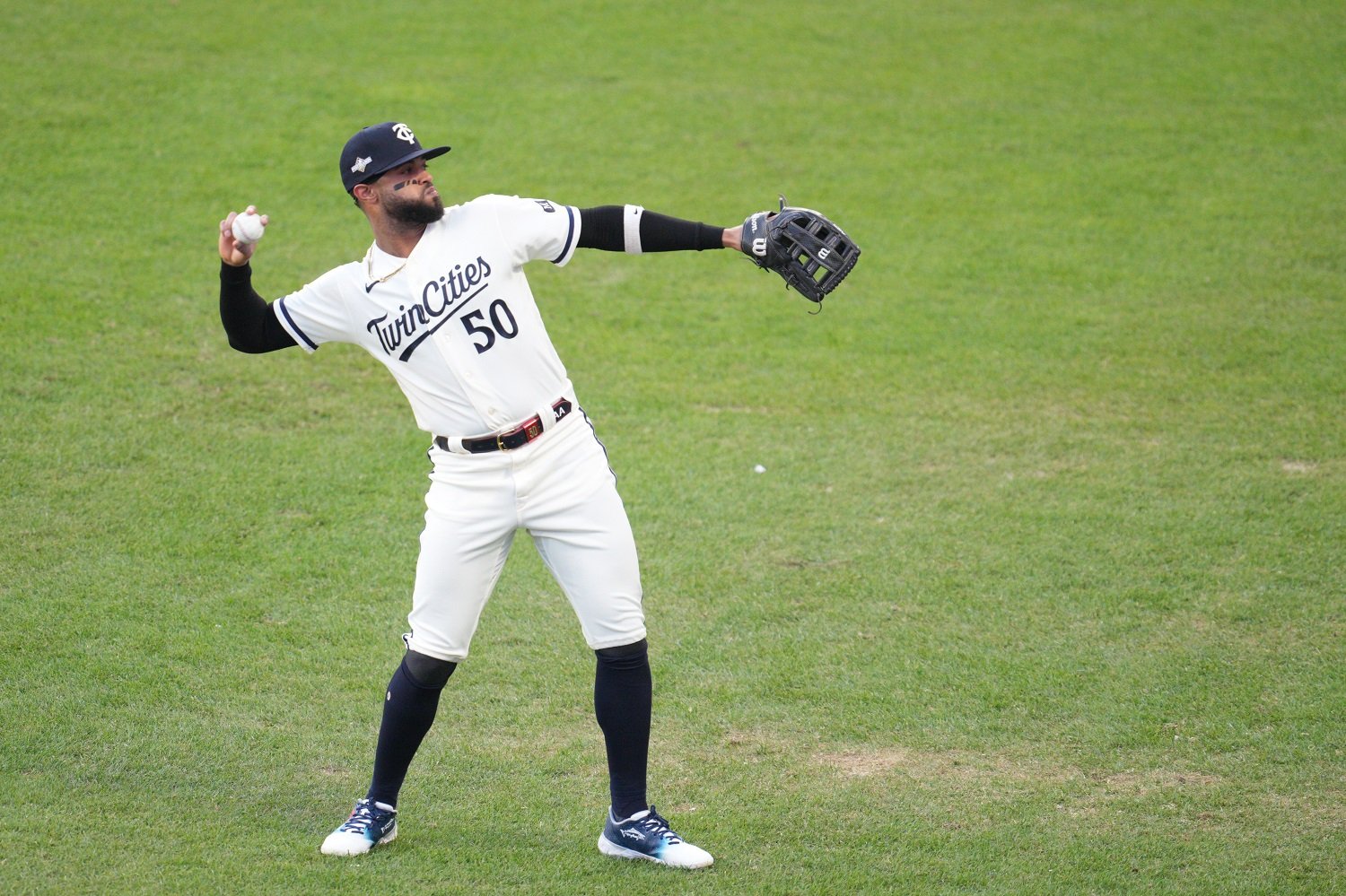 Rocco Baldelli’s club was able to accomplish new heights this season because of the roster the front office built. It wasn’t only the talent that the club had at its disposal, but the way the team gelled. Veterans to rookies, and everyone in between, was able to do their job while creating a significant feeling of clubhouse camaraderie. Last week MLB Trade Rumors put out their yearly arbitration projections. The site is the gold standard for such things, and most agreements often fall closely to their suggested numbers. The Twins have nine players eligible for arbitration this offseason, and not all of them are likely to return. Here is how I see the group shaking out: Guaranteed - Ryan Jeffers ($2.3M), Alex Kirilloff ($1.7M) There are a couple of players that may trend towards this designation, but no one hits it quite like Jeffers and Kirilloff do. Minnesota spent $30 million on Christian Vazquez this offseason, and they would probably be open to parting with him this offseason. Jeffers broke out in a big way posting an .858 OPS with a career-high 96 games played. He was originally slated as the 1B to Vazquez’s 1A, but his production forced the Twins’ hand. He will be back next season as the regular starter for Baldelli. At first base, 2023 gave Kirilloff the opportunity to fully establish himself at the position. Not only did he get a late start due to injury ramp-up during spring training, but he also missed time with a shoulder issue. Offseason surgery is again on the table, and while he didn’t do anything to cement his claim at the position, his 117 OPS+ was hardly an issue. He should be expected to be the Opening Day starter at first, but finding a capable right-handed platoon partner makes a lot of sense. Highly Likely - Willi Castro ($3.2M), Caleb Thielbar ($3M) Arguably the team’s MVP for his production as a swiss-army knife, Castro joined Minnesota on a minor league deal after spending the entirety of his career with the Detroit Tigers. He posted a ridiculous 153 OPS+ in 36 games during 2020 as a rookie, but his 106 OPS+ in 124 games this season was much more impressive. He played every position except for first base and catcher while giving Baldelli a switch-hitting option throughout the lineup. He established himself as one of the best utility players in baseball and took that crown from a teammate also on this list. The only real reason Thielbar wouldn’t be back is that his number continues to creep upwards. The Twins haven’t shown an affinity to spend on the bullpen, and this would be more than a $500k jump from 2023. Thielbar’s secondary numbers were not as good as they have been, and he was uncharacteristically burned by the long ball. Houston got him multiple times in the American League Division Series, and though that can leave a sour taste, he is still one of the league’s best left-handed relievers. Somewhat Unlikely - Kyle Farmer ($6.6M), Jorge Alcala ($1M) When Minnesota acquired Farmer from the Reds, I was told that his presence was the exact type of player the franchise desperately needed a season ago. A consummate professional who can be a steadying voice in the clubhouse, he continued to go out and do his job. He provided the same offensive value he gave Cincinnati each of the past two seasons and proved invaluable as a starting-caliber shortstop when Carlos Correa missed time. His number jumping up another $500k or so makes the decision difficult, but for a team looking at a level of veteran continuity, it could be sensible to bring him back. At just $1 million, it’s not that Alcala is expensive. He has been paid at the Major League level for quite some time to produce very little, however. A mainstay on the 60-day injured list, Alcala has thrown just 19 2/3 innings since 2021. When he did pitch this year, he was not good, and the secondary numbers have never agreed with the level that the production has equated to. Minnesota could bring him back to round out the pen, but finding another Brock Stewart, Jeff Hoffman, or similar minor league signing to take a spot probably has a higher success rate. Highly Unlikely - Jordan Luplow ($1.6M), Nick Gordon ($1M), Jose De Leon ($740k) We already saw the Twins go down the hole of designating Luplow for assignment. Rather than completing the process, they kept him around and he ultimately made it through the end of the season. He was brought in off of waivers from Toronto after the front office decided against doing anything at the trade deadline. It was odd to decide the right-handed bat was necessary just days after opting against a better trade option, but he’s not someone who can’t be replaced internally. This was nothing short of a lost season for Gordon, who started badly and finished injured. He never made his way back to the Major League roster and owned a .503 OPS in just 34 games. He carved his way into the Twins' plans, despite being a former first-round pick with lost prospect luster, by creating defensive utility. Castro all but took over that role, and did so at a higher level. For $1 million it’s not going to break the bank to keep him around, but with Austin Martin, Anthony Prato, Michael Helman, or a few other prospects close it’s hard to find room for him. Once the dangled return from the Dodgers in exchange for Brian Dozier, De Leon made his way to Minnesota as a minor league free agent. He started a game and made 11 other appearances totaling 17 1/3 innings. Despite looking like a decent relief option, he blew out his elbow and underwent Tommy John surgery for the second time in his career. It was a disappointing result for a guy who has already battled back so many times. There’s no reason to offer him arbitration, but Minnesota could stay in touch and look at keeping him around on another minor-league deal. What do you think of the players up for arbitration from the Twins? Who would you keep and who would you part with? Share your thoughts in the comments.
- 44 comments
-
- 10
-
-
- willi castro
- caleb thielbar
- (and 3 more)
-
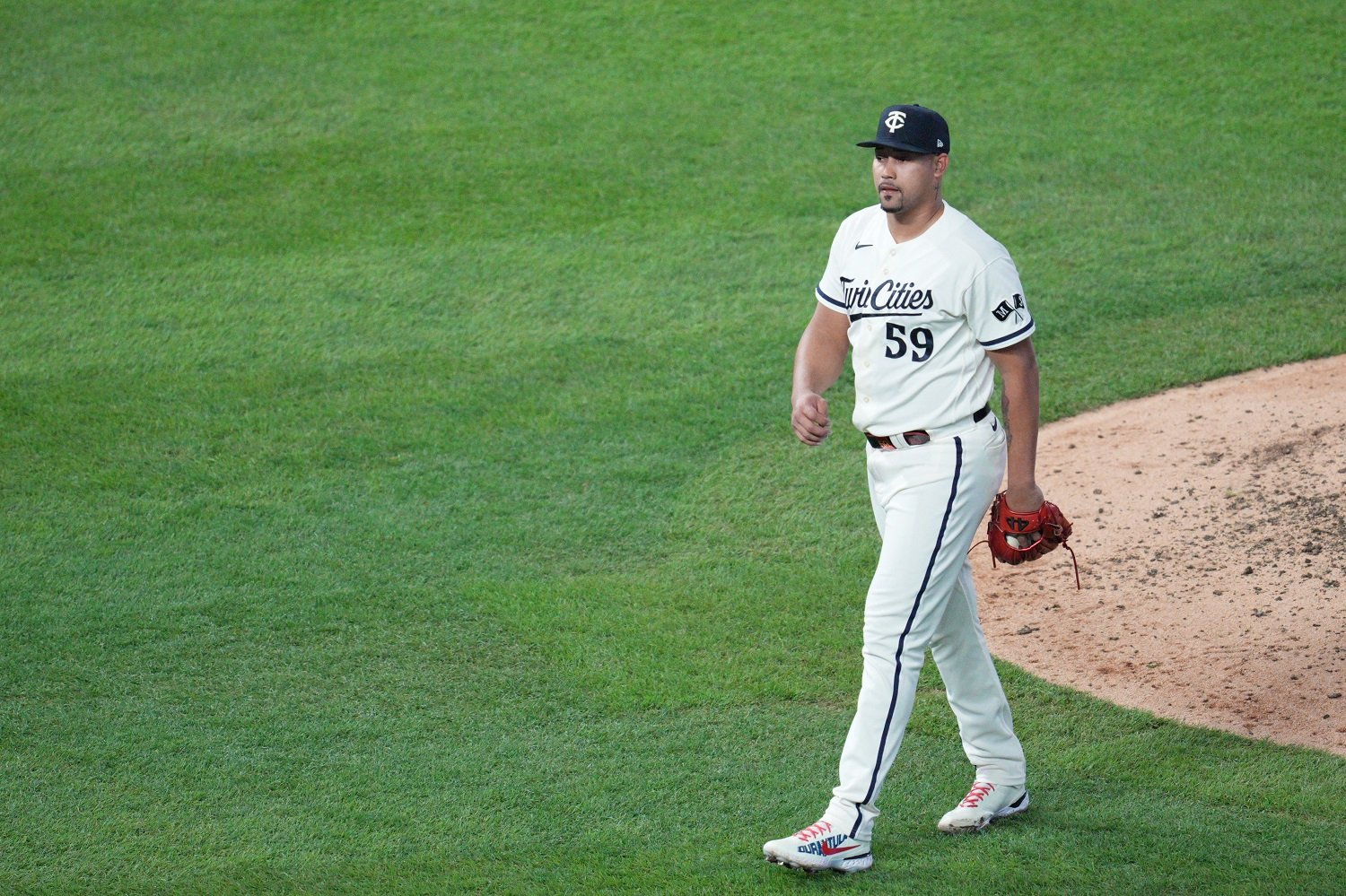 Yes, it is I, the “Have a Freaking Offseason” guy. While the Minnesota Twins had significant uncertainty at times throughout the offseason, Derek Falvey continued to have the opportunity to declare that things weren’t done until Opening Day commenced. Carlos Correa wound up coming back. A couple of veterans were signed. Two more veterans were acquired. It seemed like the perfect storm. Despite being looked at as the runner-up in the AL Central behind the Cleveland Guardians, there was no reason to think that Minnesota wouldn’t have a chance to compete. Rocco Baldelli was ready to lead his club back to the postseason, and there was a renewed focus on the mound that we hadn’t seen in years. As the season went on, it wasn’t just the talent that continued to keep this team at the top, but very much the personalities that held serve. It was always going to be notable that Correa and Pablo Lopez joined the Twins organization from a production standpoint, but their leadership couldn’t have been more welcomed. Building depth around the roster helped from a sustaining standpoint, but it was those depth players that continued to pick up their teammates. Michael A. Taylor was constantly there for Byron Buxton. Donovan Solano and Willi Castro filled in everywhere. Kyle Farmer took the reins for Jose Miranda. Each of them were constantly ready to go, and their impact was felt far beyond the field of play. As this team won big games, accomplished feats, and dealt with adversity, they did so with a genuine appreciation for one another. The amount that this roster gelled wasn’t by mistake. It isn’t just that there wasn’t a Josh Donaldson or Lance Lynn type in the clubhouse, but the camaraderie that poured onto the field was so widely evident. Then the youth came in and added to the story. Veterans littered the roster early, and while Royce Lewis, Edouard Julien, and Matt Wallner all took jobs, they were celebrated by teammates. The rookie class was a special one, and it was full of selfless individuals. Mature beyond their years, and producing beyond expectations, they were welcomed by a big league group that just wanted more to celebrate. Unfortunately the season came to an end without a World Series championship. That reality is the same for 29 teams every year, but this group accomplished plenty. When Target Field watched as the Twins went down in order against Ryan Pressly in the ninth, it wasn’t an immediate somber feeling. Sure, watching Max Kepler look at the last pitch of the season wasn’t fun, and seeing the Astros head to a seventh straight American League Championship Series isn’t ideal, but this seemed more like a “see you soon” than a “goodbye.” There will be turnover this offseason. Sonny Gray is likely going to pitch for another team, and the veterans on one-year deals won’t all be back in Minnesota. Maybe Christian Vazquez is traded, or someone on the coaching staff finds a new gig. No matter what though, the state of the franchise is in the best place it has been in quite some time. Infused with long-term answers and youth having already proven it, Minnesota baseball is again must-see action. You can bet on Target Field hosting more than two-million fans next season, and the next wave of youth includes Marco Raya, Brooks Lee, and Walker Jenkins. The future is bright, and it’s also right now, because no one will be sleeping on this squad when spring training ends in 2024. The front office will be tasked with finding new talent again this offseason, and as much as that will matter, it is equally important they put together an organization full of guys that genuinely like each other. We saw the ultimate Twins team come together in 2023, and watching a similar group celebrate with a ring next season would be an amazing reality to live in.
- 17 comments
-
- 4
-

-
-

-
- carlos correa
- royce lewis
- (and 2 more)
-
In 2023, the Minnesota Twins broke the streak. This team swept a postseason series. They took the Houston Astros to four games in the ALDS. Looking back, the season was a resounding success, and it was a well-constructed roster that brought it all together. Image courtesy of Matt Blewett-USA TODAY Sports Yes, it is I, the “Have a Freaking Offseason” guy. While the Minnesota Twins had significant uncertainty at times throughout the offseason, Derek Falvey continued to have the opportunity to declare that things weren’t done until Opening Day commenced. Carlos Correa wound up coming back. A couple of veterans were signed. Two more veterans were acquired. It seemed like the perfect storm. Despite being looked at as the runner-up in the AL Central behind the Cleveland Guardians, there was no reason to think that Minnesota wouldn’t have a chance to compete. Rocco Baldelli was ready to lead his club back to the postseason, and there was a renewed focus on the mound that we hadn’t seen in years. As the season went on, it wasn’t just the talent that continued to keep this team at the top, but very much the personalities that held serve. It was always going to be notable that Correa and Pablo Lopez joined the Twins organization from a production standpoint, but their leadership couldn’t have been more welcomed. Building depth around the roster helped from a sustaining standpoint, but it was those depth players that continued to pick up their teammates. Michael A. Taylor was constantly there for Byron Buxton. Donovan Solano and Willi Castro filled in everywhere. Kyle Farmer took the reins for Jose Miranda. Each of them were constantly ready to go, and their impact was felt far beyond the field of play. As this team won big games, accomplished feats, and dealt with adversity, they did so with a genuine appreciation for one another. The amount that this roster gelled wasn’t by mistake. It isn’t just that there wasn’t a Josh Donaldson or Lance Lynn type in the clubhouse, but the camaraderie that poured onto the field was so widely evident. Then the youth came in and added to the story. Veterans littered the roster early, and while Royce Lewis, Edouard Julien, and Matt Wallner all took jobs, they were celebrated by teammates. The rookie class was a special one, and it was full of selfless individuals. Mature beyond their years, and producing beyond expectations, they were welcomed by a big league group that just wanted more to celebrate. Unfortunately the season came to an end without a World Series championship. That reality is the same for 29 teams every year, but this group accomplished plenty. When Target Field watched as the Twins went down in order against Ryan Pressly in the ninth, it wasn’t an immediate somber feeling. Sure, watching Max Kepler look at the last pitch of the season wasn’t fun, and seeing the Astros head to a seventh straight American League Championship Series isn’t ideal, but this seemed more like a “see you soon” than a “goodbye.” There will be turnover this offseason. Sonny Gray is likely going to pitch for another team, and the veterans on one-year deals won’t all be back in Minnesota. Maybe Christian Vazquez is traded, or someone on the coaching staff finds a new gig. No matter what though, the state of the franchise is in the best place it has been in quite some time. Infused with long-term answers and youth having already proven it, Minnesota baseball is again must-see action. You can bet on Target Field hosting more than two-million fans next season, and the next wave of youth includes Marco Raya, Brooks Lee, and Walker Jenkins. The future is bright, and it’s also right now, because no one will be sleeping on this squad when spring training ends in 2024. The front office will be tasked with finding new talent again this offseason, and as much as that will matter, it is equally important they put together an organization full of guys that genuinely like each other. We saw the ultimate Twins team come together in 2023, and watching a similar group celebrate with a ring next season would be an amazing reality to live in. View full article
-
The Minnesota Twins have looked for offense from a handful of different places this season, and often it has come from the youngsters in their lineup. As they fell flat against the Houston Astros in Game 3 of the ALDS, it was the youth that cost them most. Image courtesy of © Thomas Shea-USA TODAY Sports Rocco Baldelli’s club should’ve felt a good deal of comfort going into Game 3. The Houston Astros were starting righty Cristian Javier, and despite him being incredible during the 2022 World Series run, he had been nothing close to that this season. Rather than piling on behind Sonny Gray, the offense was nowhere to be seen. Even before Javier continued to throw up zero after zero, it was Alex Kirilloff making one of the worst plays of his young career. Having debuted against the Astros during the 2020 postseason when Josh Donaldson couldn’t go for the Twins, it felt like this might be a spot where he got things going. Instead, starting at first base, he recorded an error that led to four first inning runs. With Yordan Alvarez stepping into the batter’s box, Kirilloff missed a routine double-play ball that had just a .070 expected batting average. Houston’s slugger pushed Jose Altuve to third base on the play, and Kyle Tucker drove in the first run during the very next at bat. Gray then served up a meatball to former White Sox first baseman Jose Abreu, and before the Twins even stepped up to the plate, they were down 4-0. Kirilloff’s gaffe was the epitome of any number of miscues Minnesota fans have grown far too accustomed to seeing. Like a Gary Anderson or Blair Walsh missed kick, this one was entirely on the player failing to execute. Phil Cuzzi wasn’t there to incorrectly impact Joe Mauer, and neither D.J. Reyburn or Brian Knight were behind the dish to screw things up. Kirilloff just came up empty, in one of the biggest games of his career. Unfortunately for the Twins young first baseman, the defensive issue wasn’t the only one. He’s been non-existent at the plate all series as well. After posting a .793 OPS this season, good for a 117 OPS+, he has gone 0-for-9 with four strikeouts in five starts this postseason. He’s not a traditional slugger, but as a guy who has game power that can run into a pitch, he’s been nothing close to valuable at the plate. Minnesota would likely be struggling if their primary first baseman wasn’t producing, but it isn’t just Kirilloff, and that makes things worse. Matt Wallner, playing in the postseason in front of his hometown fans, has been in the same boat. Despite slumping during part of the second half, it seemed the Forest Lake native had figured things out. He had continued to take walks, and then found a way to drive the baseball again. Although he is still trotting 90-feet to first base, the rest of his production has been completely non-existent. Going 0-for-8, Wallner has also struck out in five of those at bats. Not only is he showing an inability to drive the baseball and do damage, but he has looked overmatched at the plate. Maybe the moment has become too big for some of Minnesota’s youth. That is something that could be said for the first at bat from Royce Lewis during Game 3. After chasing three pitches out of the zone, he squandered an opportunity to add, and it was an expansion of the zone we haven’t seen from a guy who has consistently done damage. Lewis missed during the latest game, but has come through the rest of the postseason. Edouard Julien is in a similar boat, and we’ll see how Joe Ryan can show up soon. Either way, youth propping up a roster has benefits until familiarity comes into play. Maybe Baldelli needs to turn starts over to Donovan Solano and Willi Castro on Wednesday, but the reality is that it’s unfortunate Minnesota hasn’t gotten more from Kirilloff and Wallner. Maybe their moment is yet to come, and that could be necessary if they want to advance. No matter what, even if it’s a lot to ask, the team needs more from a pair that is still wet behind the ears. Houston isn’t going to be beat by the Twins getting nothing from corner spots, and the combination of starters against right-handed pitching have now begged the question as to whether they are up to the task. View full article
- 57 replies
-
- 1
-
-
- alex kirilloff
- matt wallner
- (and 3 more)
-
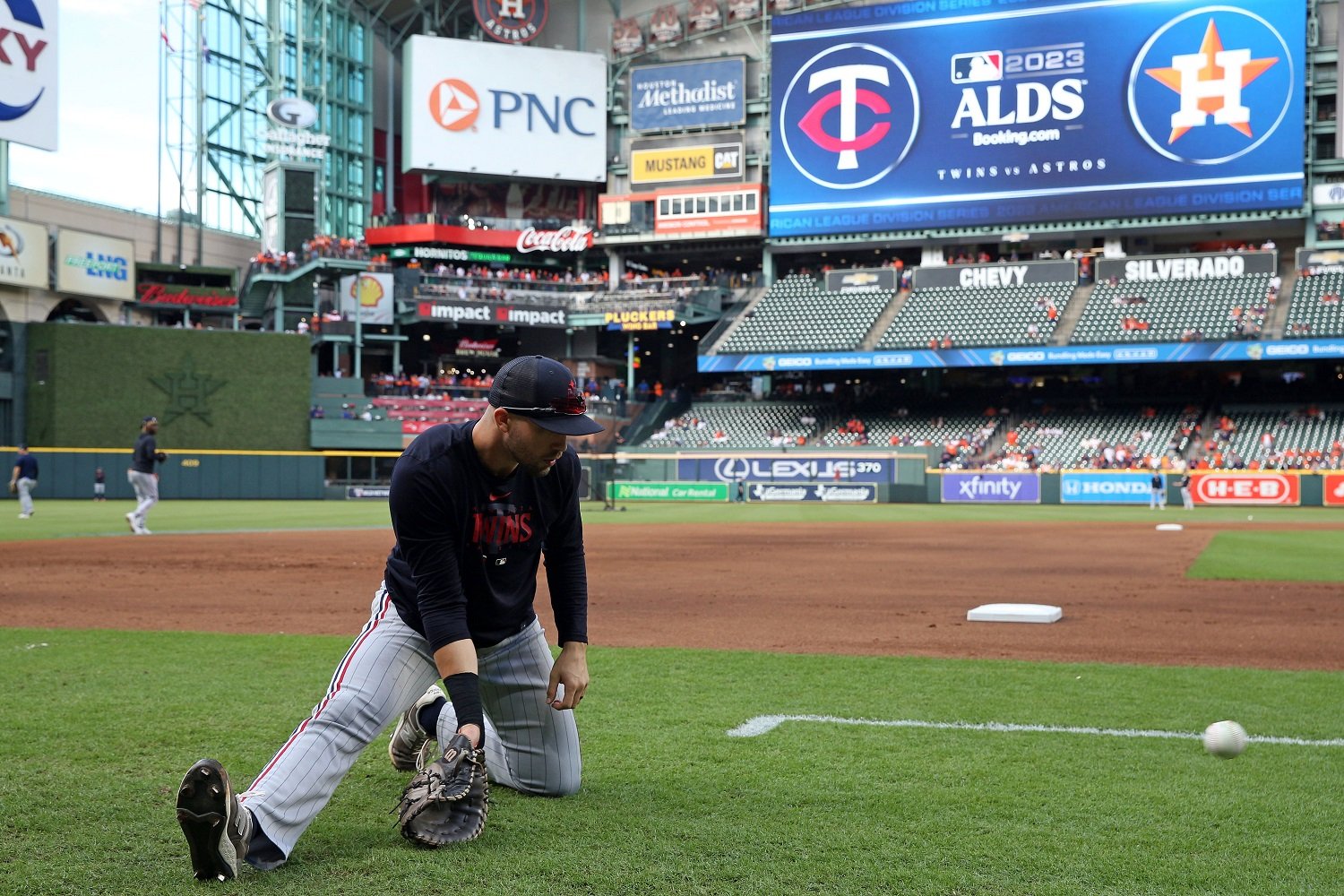 Rocco Baldelli’s club should’ve felt a good deal of comfort going into Game 3. The Houston Astros were starting righty Cristian Javier, and despite him being incredible during the 2022 World Series run, he had been nothing close to that this season. Rather than piling on behind Sonny Gray, the offense was nowhere to be seen. Even before Javier continued to throw up zero after zero, it was Alex Kirilloff making one of the worst plays of his young career. Having debuted against the Astros during the 2020 postseason when Josh Donaldson couldn’t go for the Twins, it felt like this might be a spot where he got things going. Instead, starting at first base, he recorded an error that led to four first inning runs. With Yordan Alvarez stepping into the batter’s box, Kirilloff missed a routine double-play ball that had just a .070 expected batting average. Houston’s slugger pushed Jose Altuve to third base on the play, and Kyle Tucker drove in the first run during the very next at bat. Gray then served up a meatball to former White Sox first baseman Jose Abreu, and before the Twins even stepped up to the plate, they were down 4-0. Kirilloff’s gaffe was the epitome of any number of miscues Minnesota fans have grown far too accustomed to seeing. Like a Gary Anderson or Blair Walsh missed kick, this one was entirely on the player failing to execute. Phil Cuzzi wasn’t there to incorrectly impact Joe Mauer, and neither D.J. Reyburn or Brian Knight were behind the dish to screw things up. Kirilloff just came up empty, in one of the biggest games of his career. Unfortunately for the Twins young first baseman, the defensive issue wasn’t the only one. He’s been non-existent at the plate all series as well. After posting a .793 OPS this season, good for a 117 OPS+, he has gone 0-for-9 with four strikeouts in five starts this postseason. He’s not a traditional slugger, but as a guy who has game power that can run into a pitch, he’s been nothing close to valuable at the plate. Minnesota would likely be struggling if their primary first baseman wasn’t producing, but it isn’t just Kirilloff, and that makes things worse. Matt Wallner, playing in the postseason in front of his hometown fans, has been in the same boat. Despite slumping during part of the second half, it seemed the Forest Lake native had figured things out. He had continued to take walks, and then found a way to drive the baseball again. Although he is still trotting 90-feet to first base, the rest of his production has been completely non-existent. Going 0-for-8, Wallner has also struck out in five of those at bats. Not only is he showing an inability to drive the baseball and do damage, but he has looked overmatched at the plate. Maybe the moment has become too big for some of Minnesota’s youth. That is something that could be said for the first at bat from Royce Lewis during Game 3. After chasing three pitches out of the zone, he squandered an opportunity to add, and it was an expansion of the zone we haven’t seen from a guy who has consistently done damage. Lewis missed during the latest game, but has come through the rest of the postseason. Edouard Julien is in a similar boat, and we’ll see how Joe Ryan can show up soon. Either way, youth propping up a roster has benefits until familiarity comes into play. Maybe Baldelli needs to turn starts over to Donovan Solano and Willi Castro on Wednesday, but the reality is that it’s unfortunate Minnesota hasn’t gotten more from Kirilloff and Wallner. Maybe their moment is yet to come, and that could be necessary if they want to advance. No matter what, even if it’s a lot to ask, the team needs more from a pair that is still wet behind the ears. Houston isn’t going to be beat by the Twins getting nothing from corner spots, and the combination of starters against right-handed pitching have now begged the question as to whether they are up to the task.
- 57 comments
-
- 5
-
-
- alex kirilloff
- matt wallner
- (and 3 more)
-
Which Cristian Javier Do the Twins Get?
Ted Schwerzler posted a topic in Twins Daily Front Page News
The Minnesota Twins evened the American League Division Series with a win on the road against the Houston Astros on Sunday night. Now returning home for a pair of games and a chance to clinch, they’ll face Cristian Javier and look to get favorable results. The question is, which version of the Astros pitcher shows up to the ballpark? Image courtesy of Joe Camporeale-USA TODAY Sports Rocco Baldelli’s squad was always going to find themselves up against a difficult situation during Game 1 facing Justin Verlander. While Bailey Ober tried to keep things close, Yordan Alvarez had other plans, and Minnesota’s 1-for-12 with runners in scoring position sealed their fate. Having knocked off the lone lefty in the series by beating Framber Valdez in Game 2, the Twins now turn their attention to Cristian Javier. A year ago, the Houston Astros won the World Series, The 26-year-old Dominican was front and center in that run, and his two starts across the Championship and World Series totaled 11 1/3 innings of one hit baseball. Javier did allow some traffic with five walks, but his 14 strikeouts evened out the performance. To say his dominance would have been expected last postseason is pretty fair considering the regular season performance. Javier posted a 2.54 ERA across 148 2/3 innings. He made 30 appearances, of which 25 were starts. His 11.7 K/9 was a career high, and his 5.4 H/9 was a career low. The innings limitations kept him out of Cy Young award voting, but he was certainly nothing short of amazing. This season is not at all a replication of 2022 for the Astros hurler. In 2022, Javier has worked solely as a starter. Making 31 appearances, Javier posted a gaudy 4.56 ERA, and his 4.58 FIP is reflective of that number being fair. He also has dropped three strikeouts per nine innings off of his production, and he’s allowing a career-worst 7.9 H/9. At 3.4 BB/9, Javier is finding himself with traffic on the base paths pretty often. Under the hood, numbers aren’t pretty either. Javier’s 92.8 mph average fastball velocity this year is roughly a full mph drop from the 2022 average. That’s a significant change for a 26-year-old to experience in the midst of their prime. Not surprisingly, the drop in velocity has also correlated to the highest hard-hit rate of Javier’s career. It’s also not a shock that the strikeout drop has resulted in a career-low whiff rate as well. With the series heading back to Target Field for the Twins, Game 3 is maybe the most important postseason game of their run. Needed to take their first lead in the American League Division Series, Javier presents an opportunity for Minnesota to close things out in Game 4. The odds favor teams heading home when taking a win on the road in the first two contests, and the pitching matchups significantly trend towards the Twins favor. Not only is Javier the soft spot in the Astros rotation, but the Twins won’t see Valdez again, and Verlander going before Game 5 seems unlikely. Across his more than 3,500 career innings, the future Hall of Famer has never thrown on less than four days of rest. If Minnesota can find a way to avoid him for a second time entirely, it would start by beating Javier on Tuesday. Carlos Correa will look to lead Baldelli’s lefty-infused lineup for Game 3, and while Javier hasn’t looked at all like the pitcher he was a year ago, the Twins can’t take the opportunity for granted. Houston's starter has allowed an .815 OPS to lefties this season while holding righties to a .637 OPS. As the team continues to work their platoons, Donovan Solano, Willi Castro, and Kyle Farmer will all be looked upon as Javier exits and Minnesota hopefully has a lead. Coming in with preparation for the third starter, and making sure they are ready to execute on the game plan could present the biggest win of the season. Houston was a much better team on the road this season, and although Minnesota got them for one on Sunday, they'll need to do work at Target Field for the series to be decided in their favor. It’s supposed to be a sunny day in Minneapolis, and Sonny Gray is on the mound for the Twins. Fans can leave feeling good about the effort if Javier is bested in the process. View full article -
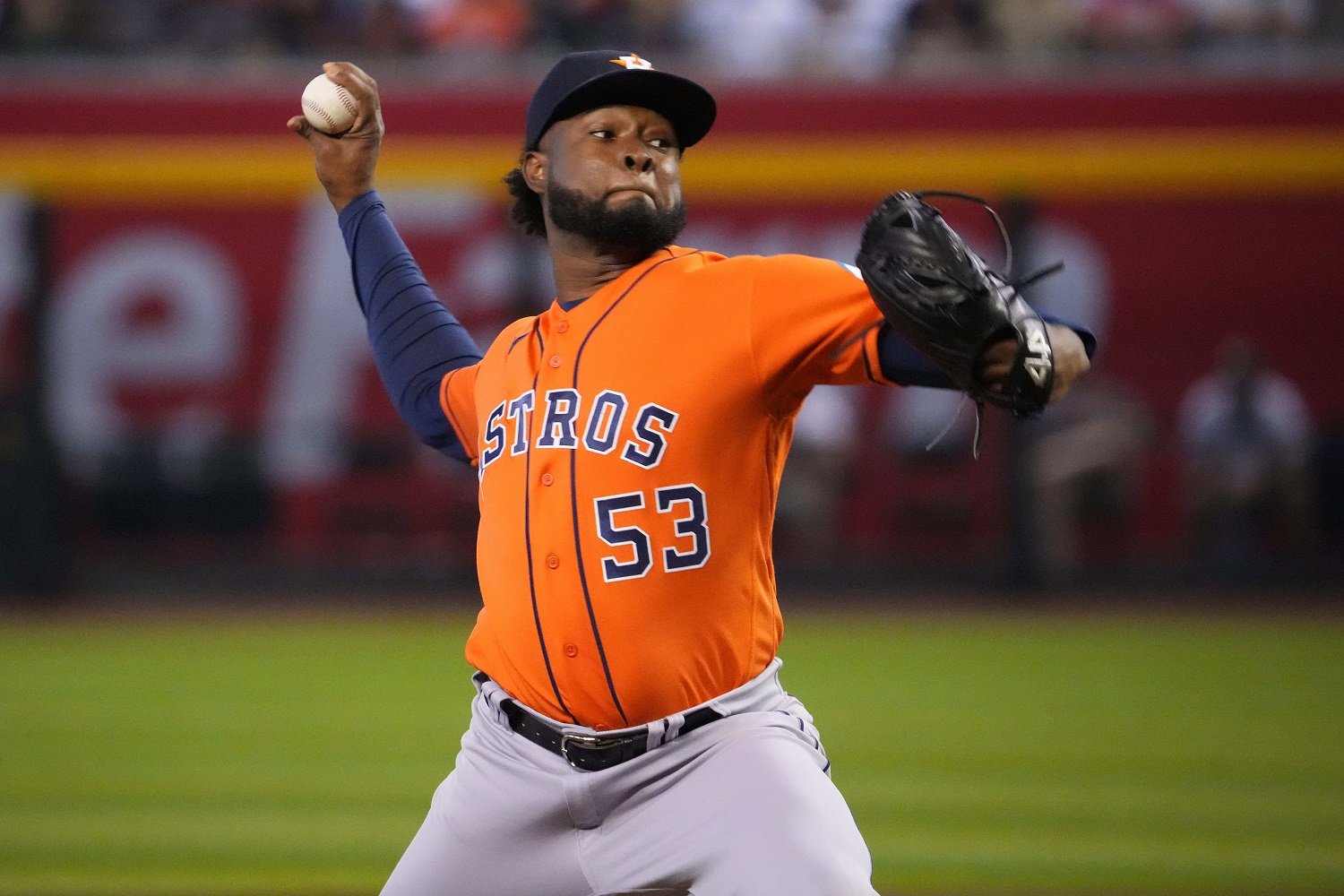 Rocco Baldelli’s squad was always going to find themselves up against a difficult situation during Game 1 facing Justin Verlander. While Bailey Ober tried to keep things close, Yordan Alvarez had other plans, and Minnesota’s 1-for-12 with runners in scoring position sealed their fate. Having knocked off the lone lefty in the series by beating Framber Valdez in Game 2, the Twins now turn their attention to Cristian Javier. A year ago, the Houston Astros won the World Series, The 26-year-old Dominican was front and center in that run, and his two starts across the Championship and World Series totaled 11 1/3 innings of one hit baseball. Javier did allow some traffic with five walks, but his 14 strikeouts evened out the performance. To say his dominance would have been expected last postseason is pretty fair considering the regular season performance. Javier posted a 2.54 ERA across 148 2/3 innings. He made 30 appearances, of which 25 were starts. His 11.7 K/9 was a career high, and his 5.4 H/9 was a career low. The innings limitations kept him out of Cy Young award voting, but he was certainly nothing short of amazing. This season is not at all a replication of 2022 for the Astros hurler. In 2022, Javier has worked solely as a starter. Making 31 appearances, Javier posted a gaudy 4.56 ERA, and his 4.58 FIP is reflective of that number being fair. He also has dropped three strikeouts per nine innings off of his production, and he’s allowing a career-worst 7.9 H/9. At 3.4 BB/9, Javier is finding himself with traffic on the base paths pretty often. Under the hood, numbers aren’t pretty either. Javier’s 92.8 mph average fastball velocity this year is roughly a full mph drop from the 2022 average. That’s a significant change for a 26-year-old to experience in the midst of their prime. Not surprisingly, the drop in velocity has also correlated to the highest hard-hit rate of Javier’s career. It’s also not a shock that the strikeout drop has resulted in a career-low whiff rate as well. With the series heading back to Target Field for the Twins, Game 3 is maybe the most important postseason game of their run. Needed to take their first lead in the American League Division Series, Javier presents an opportunity for Minnesota to close things out in Game 4. The odds favor teams heading home when taking a win on the road in the first two contests, and the pitching matchups significantly trend towards the Twins favor. Not only is Javier the soft spot in the Astros rotation, but the Twins won’t see Valdez again, and Verlander going before Game 5 seems unlikely. Across his more than 3,500 career innings, the future Hall of Famer has never thrown on less than four days of rest. If Minnesota can find a way to avoid him for a second time entirely, it would start by beating Javier on Tuesday. Carlos Correa will look to lead Baldelli’s lefty-infused lineup for Game 3, and while Javier hasn’t looked at all like the pitcher he was a year ago, the Twins can’t take the opportunity for granted. Houston's starter has allowed an .815 OPS to lefties this season while holding righties to a .637 OPS. As the team continues to work their platoons, Donovan Solano, Willi Castro, and Kyle Farmer will all be looked upon as Javier exits and Minnesota hopefully has a lead. Coming in with preparation for the third starter, and making sure they are ready to execute on the game plan could present the biggest win of the season. Houston was a much better team on the road this season, and although Minnesota got them for one on Sunday, they'll need to do work at Target Field for the series to be decided in their favor. It’s supposed to be a sunny day in Minneapolis, and Sonny Gray is on the mound for the Twins. Fans can leave feeling good about the effort if Javier is bested in the process.
- 8 comments
-
- 2
-
-
- cristian javier
- framber valdez
- (and 2 more)
-
The Minnesota Twins have been an organization that subscribes to the idea that data can be helpful since Derek Falvey and Thad Levine took over. That doesn’t mean they manage as slaves to analytics, but process is something that drives results for them. Platoon lineups have been a thing most of the year, but they’ve paid off in a big way down the stretch. Image courtesy of Erik Williams-USA TODAY Sports After facing two right-handed starters against the Toronto Blue Jays, Rocco Baldelli was able to go with his ideal lineup in the wild card round. Rookies Edouard Julien and Matt Wallner were routinely deployed, and youngster Alex Kirilloff was kept in the lineup. Facing a left-handed starter, those three have all been held out of the starting lineup, and in the American League Division Series it clicked in the best way possible. The Houston Astros employ only one left-handed pitcher on the roster they brought into the postseason. Despite lefty Bennett Sousa pitching in the bullpen late for them, starter Framber Valdez was the only southpaw that Dusty Baker was going to bring with to the tournament. After facing Justin Verlander in Game 1, that meant the Twins would have their opportunity to right the ship in Game 2. Going with righties where the lefties can pinch hit, Minnesota knew where they'd turn. Baldelli saw Verlander shut his lineup down against Bailey Ober. The Astros got big hits from Yordan Alvarez, and the Twins found themselves up against a wall. Although Jorge Polanco and Royce Lewis worked to bring Minnesota back, it was too little too late. Going up against a southpaw wasn’t ideal in Game 2 considering the struggles they have presented this year, but the manager stood firm in his process. With the three aforementioned lefties all starting on the bench, Donovan Solano, Kyle Farmer, and Willi Castro were all in the starting lineup. Solano worked as the leadoff batter playing first base. Castro started in left field, and Farmer worked at the hot corner moving Polanco back to second base. Although Solano couldn’t get one during his first two at bats, Farmer stepped in with Castro on and blasted a dinger into the Crawford Boxes. Valdez has been an incredible performer in the postseason, but he struggled in the second half this year and was ripe for the picking. Handing the Twins a heavy dose of curveballs early, he left a bender in a bad spot to Farmer before being taken deep. Going curveball heavy against Minnesota wasn’t a shocking strategy, but it seemed clear that the Twins were keyed in on the pitch. Forget the fact that the Astros came into Game 2 with a lead, and that Minnesota was still on the road. Baldelli has stayed consistent with process throughout the entirety of the season, and it was that steadfast belief that paid off in a big way. Farmer’s big fly was the first hit of his postseason career, and it’s arguable that he’ll never hit a more impactful one. Multiple times during the course of this season, it has seemed Farmer represents a talent worthy of so much more than his impact in the box score. As a glue guy in the clubhouse, a veteran, and a leader, he has consistently provided more than expectations may present of him, and the youth around him is getting a master class in team unity because of it. Added as fringe players to the 26-man roster, both Castro and Solano had less than straightforward paths to playing time when leaving spring training in Fort Myers. Thanks to the production they have shown throughout the season, Baldelli’s lineup has been given flexibility that may have otherwise been unexpected. The production from Minnesota’s youth this year has been noteworthy, and the rookie class alone has been nothing short of incredible. That said, seeing positive performance from fringe guys, and putting those players in advantageous positions has helped to reduce pressure from the lineup as a whole. Baldelli used his bench with Kirilloff coming in late for Solano, and Julien pinch hitting for Farmer. The latter came through with a bases-loaded single that drove in a run and gave Minnesota breathing room. Despite the lefties beginning the game on the pine, they remained focused on the task, and the Canadian leadoff guy came through just like his manager drew it up. Minnesota has employed the platoon advantage all year long, and it paid off in the spot they needed it most. With Houston having no lefties to throw the rest of the series, Baldelli can choose whatever spots he wants for his hitters. View full article
-
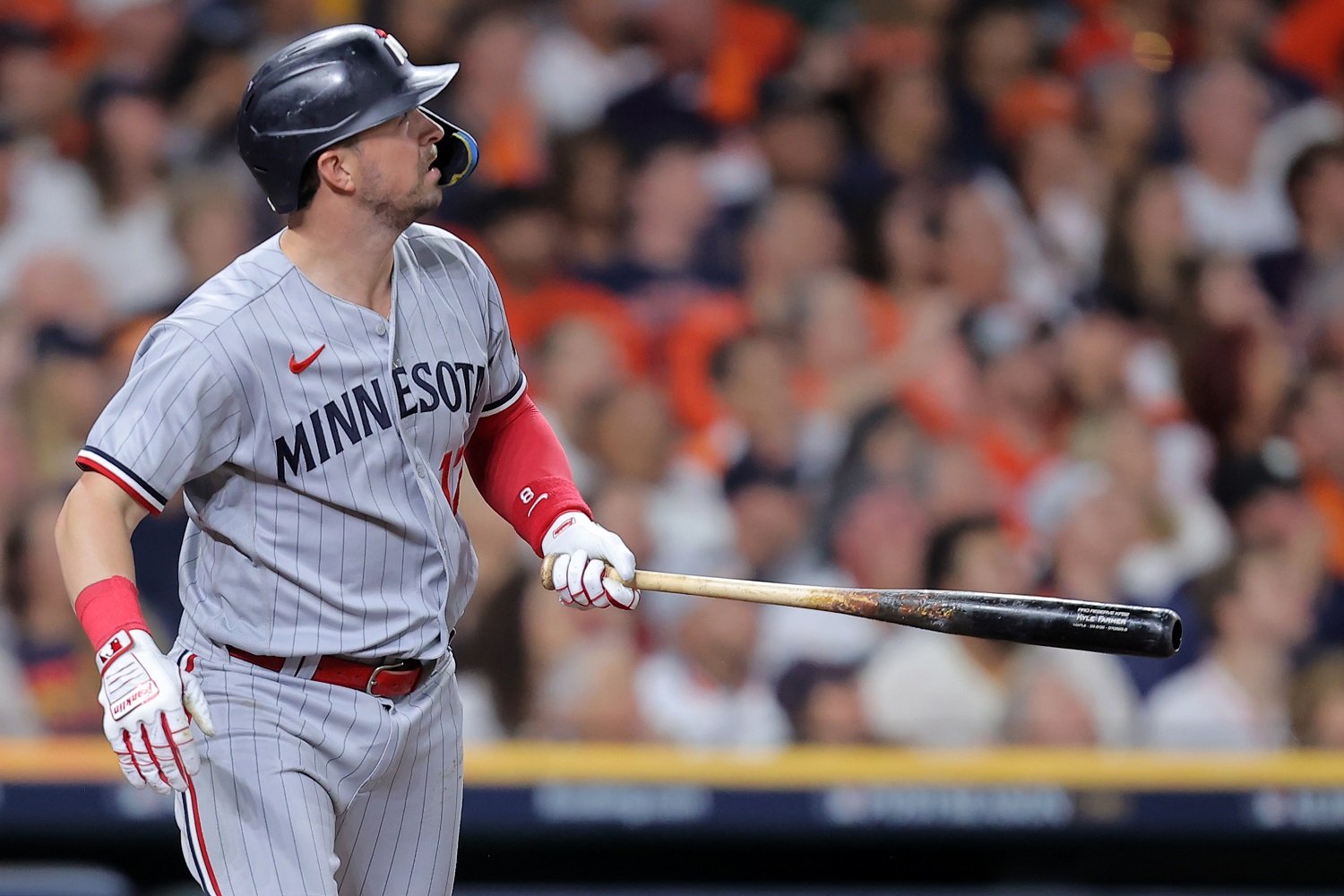 After facing two right-handed starters against the Toronto Blue Jays, Rocco Baldelli was able to go with his ideal lineup in the wild card round. Rookies Edouard Julien and Matt Wallner were routinely deployed, and youngster Alex Kirilloff was kept in the lineup. Facing a left-handed starter, those three have all been held out of the starting lineup, and in the American League Division Series it clicked in the best way possible. The Houston Astros employ only one left-handed pitcher on the roster they brought into the postseason. Despite lefty Bennett Sousa pitching in the bullpen late for them, starter Framber Valdez was the only southpaw that Dusty Baker was going to bring with to the tournament. After facing Justin Verlander in Game 1, that meant the Twins would have their opportunity to right the ship in Game 2. Going with righties where the lefties can pinch hit, Minnesota knew where they'd turn. Baldelli saw Verlander shut his lineup down against Bailey Ober. The Astros got big hits from Yordan Alvarez, and the Twins found themselves up against a wall. Although Jorge Polanco and Royce Lewis worked to bring Minnesota back, it was too little too late. Going up against a southpaw wasn’t ideal in Game 2 considering the struggles they have presented this year, but the manager stood firm in his process. With the three aforementioned lefties all starting on the bench, Donovan Solano, Kyle Farmer, and Willi Castro were all in the starting lineup. Solano worked as the leadoff batter playing first base. Castro started in left field, and Farmer worked at the hot corner moving Polanco back to second base. Although Solano couldn’t get one during his first two at bats, Farmer stepped in with Castro on and blasted a dinger into the Crawford Boxes. Valdez has been an incredible performer in the postseason, but he struggled in the second half this year and was ripe for the picking. Handing the Twins a heavy dose of curveballs early, he left a bender in a bad spot to Farmer before being taken deep. Going curveball heavy against Minnesota wasn’t a shocking strategy, but it seemed clear that the Twins were keyed in on the pitch. Forget the fact that the Astros came into Game 2 with a lead, and that Minnesota was still on the road. Baldelli has stayed consistent with process throughout the entirety of the season, and it was that steadfast belief that paid off in a big way. Farmer’s big fly was the first hit of his postseason career, and it’s arguable that he’ll never hit a more impactful one. Multiple times during the course of this season, it has seemed Farmer represents a talent worthy of so much more than his impact in the box score. As a glue guy in the clubhouse, a veteran, and a leader, he has consistently provided more than expectations may present of him, and the youth around him is getting a master class in team unity because of it. Added as fringe players to the 26-man roster, both Castro and Solano had less than straightforward paths to playing time when leaving spring training in Fort Myers. Thanks to the production they have shown throughout the season, Baldelli’s lineup has been given flexibility that may have otherwise been unexpected. The production from Minnesota’s youth this year has been noteworthy, and the rookie class alone has been nothing short of incredible. That said, seeing positive performance from fringe guys, and putting those players in advantageous positions has helped to reduce pressure from the lineup as a whole. Baldelli used his bench with Kirilloff coming in late for Solano, and Julien pinch hitting for Farmer. The latter came through with a bases-loaded single that drove in a run and gave Minnesota breathing room. Despite the lefties beginning the game on the pine, they remained focused on the task, and the Canadian leadoff guy came through just like his manager drew it up. Minnesota has employed the platoon advantage all year long, and it paid off in the spot they needed it most. With Houston having no lefties to throw the rest of the series, Baldelli can choose whatever spots he wants for his hitters.
- 15 comments
-
- 7
-
-
- kyle farmer
- donovan solano
- (and 3 more)
-
Tale of the Tape: 2023 AL Division Series (#3 Twins vs #2 Astros)
Ted Schwerzler posted an article in Twins
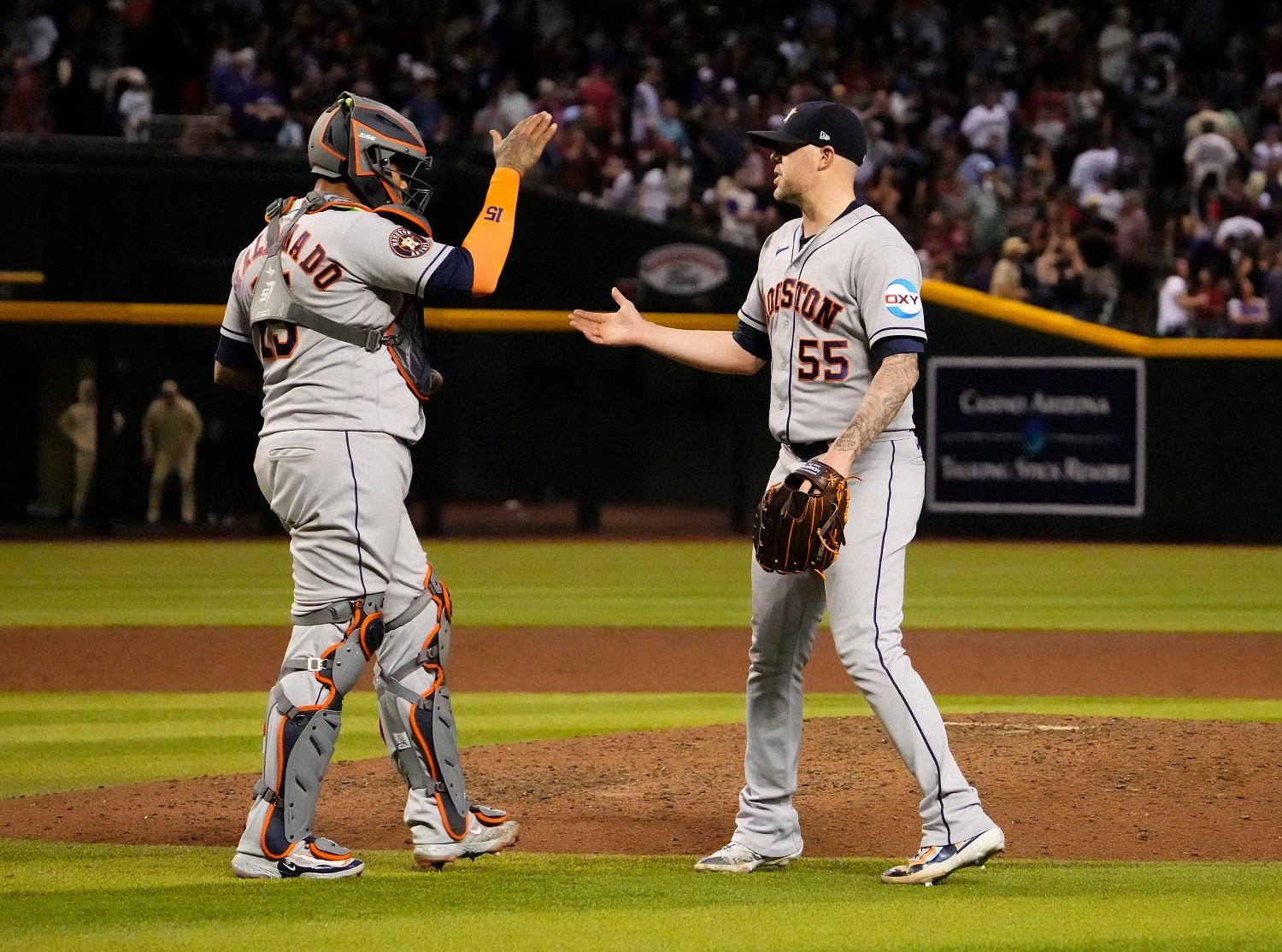 Houston was among the teams that Rocco Baldelli’s club could have faced during the wild card round, but after the Astros caught up to Texas and won the AL West, they earned a first round bye. Now welcoming Minnesota with a home field advantage, Dusty Baker’s club will need to lose a home game if the Twins are going to emerge victorious. Having not only slayed the 0-18 dragon against the Blue Jays, but also earning the first postseason sweep in franchise history, Minnesota is riding a high. They’ll need a new arm to start them off on the right foot. Records Houston Astros 90-72 (93-69 pythag) 1st AL West Minnesota Twins 87-75 (93-69 pythag) 1st AL Central Although plenty has been made about the AL Central being weak in 2023, the Twins found themselves knocking off an AL East foe in the first round. The AL West saw Texas knock off the Tampa Bay Rays, and Houston was sitting idle as they earned themselves a first round bye. Both Minnesota and Houston finished with identical pythagorean records, and their win totals were separated by just three games. Winning on the road is a must for the Twins at this point, and they owned a near .500 record away from Target Field. With a 40-41 record, the Twins also took two of three in Houston. Coming in hot, Minnesota went 42-29 in the second half, and is coming off a pair of wins against the Blue Jays. On the flip side, Houston was a better road team than they were at home this season. The Astros went 51-30 on the road while playing to just a 39-42 record at home. In both the first and second halves, Houston played to records nine games over .500. Though the Twins won the season series by a 4-2 tally, the teams were split by just four runs in Minnesota’s favor. Rotation With at least three games guaranteed in the Division Series, Minnesota will again turn to Pablo Lopez and Sonny Gray for at least one game apiece. Joe Ryan was lined up to start the final game of the wild card round, and could be the presumed Game 1 starter. Bailey Ober will also join the 26-man roster, and sets up to be the arm used in Game 4. Kenta Maeda went unused in the wild card round, and could be an option as well. Ryan comes in with the most gaudy ERA of the Twins starters. His 4.51 mark is largely inflated due to an inability to keep the baseball in the yard. Allowing a career worst 1.8 HR/9, Ryan has given up seven dingers across his last seven starts. Conversely, Ober has been rolling since returning in mid-September. Overlooked to start the year and sent back to Triple-A, he has been great each time his number has been called. He owns a 2.08 ERA across his past four outings, and the only loss in those contests was the Colorado Rockies game to end the season. For the Astros, pitching is largely a two-headed monster. Justin Verlander is the future Hall of Famer acquired from the New York Mets at the deadline, and he’s coming off a Cy Young win while grabbing a World Series ring with the Astros last season. He’s not the same arm he was a few years ago, but he owns a 3.31 ERA for Houston this season, and dominated a Seattle Mariners lineup looking to make the playoffs his last time out. Dusty Baker will definitely go with lefty Framber Valdez at some point, and Minnesota has struggled against southpaws this season. Valdez owns a 3.45 ERA and is among the best arms in baseball. He’s a strikeout guy that also significantly limits traffic on the bases. Cristian Javier should be expected to pitch in Game 3, and he may be the weakest link of the arms to pitch for Houston. Owning a 4.56 ERA this season, the strikeout numbers aren’t substantial, and he does give up the longball. Hunter Brown made plenty of starts in his rookie year, but the hard-throwing righty is probably not in line to take a turn. The Astros can send J.P. France to the bump for a game, and the rookie brings a 3.83 ERA with muted strikeout numbers. Bullpen Minnesota’s bullpen didn’t need to do much heavy lifting during the wild card round, but they definitely held serve when called upon. Louie Varland was asked to get some big outs following both starters, and Caleb Thielbar worked around potential damage as well. Despite scuffles during the season, Griffin Jax worked well as the setup man, and Jhoan Duran earned saves in both contests. The Astros closer is familiar to Twins fans as Ryan Pressly emerged as one of the game’s best relievers while in Minnesota. Being dealt to Houston, Pressly netted both Gilberto Celestino and Jorge Alcala in return. It’s not just Pressly for Baker’s squad though. Kendall Graveman was added at the deadline, and rejoined a team he has familiarity with. Bryan Abreu has become one of the best setup arms in baseball, and Hector Neris has previously worked as a closer. Houston has veteran options in the form of Phil Maton and Rafael Montero, but the latter has really struggled this season. Former starter Jose Urquidy has transitioned to a relief role, and Ryne Stanek is out there as well. The lone lefty in relief for the Astros is Bennett Sousa, and he has thrown just 6 1/3 innings this season. Hitters Royce Lewis obviously takes the cake as the Twins most prolific performer from the wild card round. His pair of homers against Blue Jays starter Kevin Gausman is something that Twins fans won’t soon forget. Carlos Correa had his moment with an RBI single to kick off the scoring in Game 2, but his defense has been more notable thus far. Both the play to nail Bo Bichette at home, and the pickoff of Vladimir Guerrero Jr., were game-altering events. Baldelli’s other rookies will continue looking to make their mark. We haven’t seen much from either Edouard Julien or Matt Wallner to this point, and veterans like Jorge Polanco and Max Kepler will want to make some noise. Alex Kirilloff made his major-league debut back in 2020 against the Astros during the postseason, and him stepping up in this series could be a fun narrative to see. Houston’s lineup might not be seen as good as the Blue Jays, but they have plenty of talent throughout. Jose Altuve is an elite player in the box, and Alex Bregman has played at a star level this season. Minnesota is familiar with Jose Abreu from his time with the White Sox, and while he has had a down season, there’s always reason to be careful with him. The Astros outfield leaves something to be desired when they step into the box, but Kyle Tucker separates from that group. Neither Jake Meyers or Mauricio Dubon are anything to write home about. Baker has picked his spots with Chas McCormick, and he's had a very nice year. Tucker is a legitimate superstar, and his lefty swing has produced 29 dingers in 2023. Playing 40 games in left field this season, Yordan Alvarez can hack it in the grass, but is much more scary as the designated hitter. He’s got serious power, and although the home runs were down a bit due to games played this year, he was the 2021 ALCS MVP and has plenty of big moments tied to his name already. Managers Having gotten off the schneid, Baldelli now has two postseason wins to his credit. His third trip to the postseason has been much more fun, and he’ll look to keep it going against a future Hall of Famer in Dusty Baker. Baldelli pulled lots of right levers during the wild card round, and he’ll need to replicate that in Houston. Baker is a 26-year veteran and has a whopping 2,183-1,862 record to his name. The three-time Manager of the Year winner won his first World Series last season with Houston. He will hit 100 postseason games managed during this series, and brings a 51-46 record with him. In our look at the postseason managers, this was noted about Houston’s tendencies this season under Baker. “While not a significant stealing team, the Astros are running at a clip 15% higher than league average, which is the most Baker has led outside of his 2016 Washington Nationals team. Baker has utilized sacrifice bunts right around league average, but he has not turned to his bench in the form of pinch hitters or runners all too often.” With a guaranteed game taking place at Target Field, Minnesota will hope to take one in Houston and give themselves a chance to advance into the American League Championship Series. What are your thoughts about the Astros as an opponent? What are you most looking forward to from this series?
- 10 comments
-
- 1
-
-
- yordan alvarez
- kyle tucker
- (and 3 more)
-
A year after the Minnesota Twins found themselves watching a postseason berth slip out of their grasp, they have instead flipped the script and utilized depth to capture an AL Central Division title. With the regular season complete, there are a handful of players who most contributed to such a solid 2023. The 2023 season was out of the norm for the Minnesota Twins in that they carried more depth than the organization had previously shown an inkling to, and pitching became a strength fans haven’t seen in quite some time. Making a move to acquire pitching prior to the season, the Twins parted with their 2022 MVP in Luis Arraez. Pablo Lopez ultimately became everything the organization had hoped would be, and the deal looked like a good one for both sides. Rocco Baldelli again had to manage through more than a few key injuries, and he had plenty of youth step in along the way to help the club hold serve. Holding off the Cleveland Guardians was a bit hairy at times, but Minnesota ultimately won the division going away. Although the MVP in both leagues is often seen as a hitter’s award, it became too obvious to ignore the strength of Minnesota’s pitching this season. With Lopez finishing second in the voting, Sonny Gray earned the Twins Daily selection for the 2023 Minnesota Twins Most Valuable Player. Acquired from the Cincinnati Reds in exchange for former first round pick Chase Petty, Gray was a piece Derek Falvey thought that Rocco Baldelli’s starting rotation desperately needed. A proven veteran with a track record of strong performance, the hope was that Gray could lead a patchwork group. In 2023, Gray did the leading and then some. Despite Lopez pitching on Opening Day for the Twins, it was Gray who spoke up during spring training and then continued to back it up all season. Talking about the short starts that became customary for Minnesota pitchers in 2022, Gray conveyed a desire to go deeper into games and have the starting pitchers impact more games. With a better overall group, it wasn’t a surprise at all that Baldelli found himself with a group that could save a bullpen. Logging 184 innings across 32 starts, Gray blitzed by the 119 2/3 tally he posted last season. Remaining healthy for the duration of the season was certainly a big key, but the quality of performance was also substantial. Gray finished with a 2.79 ERA that was right in line with his 2.82 FIP. His 2023 ERA was the lowest total he has posted as a big leaguer since 2015, and the innings were higher than at any point since that same season. Gray’s performance allowed him to make an All-Star appearance for the first time since the 2019 season, and he was more than a deserving participant as a pitcher for Minnesota. Joined by Lopez from the rotation, the pair enjoyed a nice week of celebration in Seattle at T-Mobile Park. Over the course of his career, Gray has struck out 200 batters just one time (2019). His 183 strikeouts matched the same total from his 2014 season, and he sat down batters while keeping them from burning him with the big fly. Surrendering only eight home runs across nearly 200 innings of work is impressive, and the 0.4 HR/9 was not only a career best, but led the league as well. Considering how dominant New York Yankees ace Gerrit Cole performed this season, it was going to be difficult for Gray to find himself near the top of the American League Cy Young voting. Still, he will wind up with a deserving number of votes given the totality of his production. Not only did his 5.3 fWAR lead all Twins pitchers, but it was 3rd in all of Major League Baseball, and led the American League. In the final year of a contract paying him $50.7 million over five years, Gray will be a free agent this offseason. It stands to reason that the Twins will unquestionably hand him a qualifying offer, estimated to be around $20 million for the 2024 season. Despite passing comments on retirement, this appears to be a prime opportunity for Gray to cash in on another multi-year deal, and how much he grabs from the open market has only gone up with each outing he has made for Minnesota. It’s because of the performance Gray has shown this season that both he and Lopez become no-brainer decisions to start key games in the postseason. The Twins' strength has been on the mound all year, and their pitching racking up a major league record in strikeouts is a testament to that fact. While the lineup had plenty of key producers, especially down the stretch, finding consistency in the form of Gray has been unparalleled during 2023. Join me in congratulating Sonny Gray on being named the Twins Daily Most Valuable Player for the 2023 season. Final Balloting Points Tally Sonny Gray 87 Pablo Lopez 72 Max Kepler 56 Royce Lewis 43 Ryan Jeffers 33 Edouard Julien 32 View full article
- 18 replies
-
- 1
-
-
- sonny gray
- pablo lopez
- (and 3 more)
-
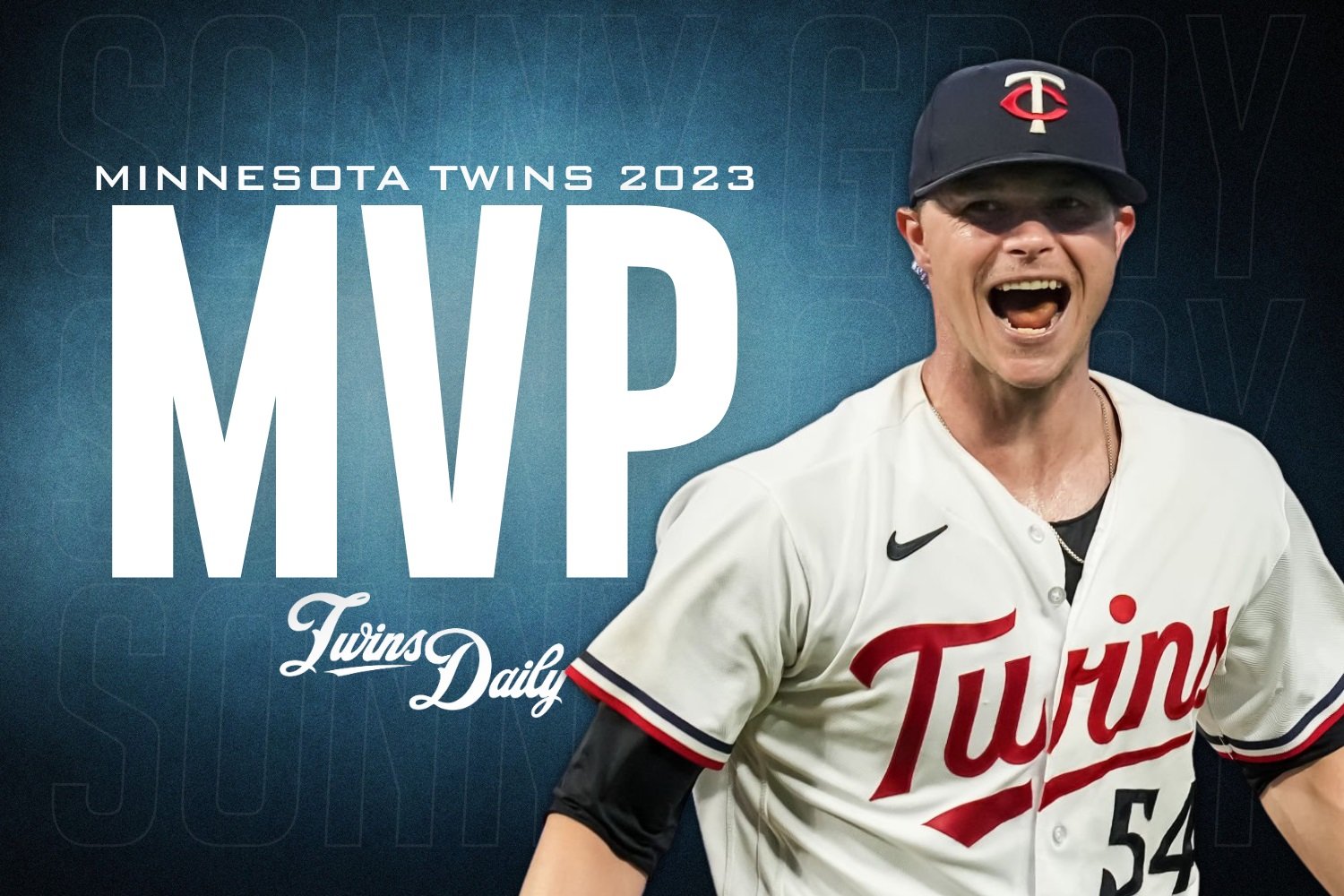 The 2023 season was out of the norm for the Minnesota Twins in that they carried more depth than the organization had previously shown an inkling to, and pitching became a strength fans haven’t seen in quite some time. Making a move to acquire pitching prior to the season, the Twins parted with their 2022 MVP in Luis Arraez. Pablo Lopez ultimately became everything the organization had hoped would be, and the deal looked like a good one for both sides. Rocco Baldelli again had to manage through more than a few key injuries, and he had plenty of youth step in along the way to help the club hold serve. Holding off the Cleveland Guardians was a bit hairy at times, but Minnesota ultimately won the division going away. Although the MVP in both leagues is often seen as a hitter’s award, it became too obvious to ignore the strength of Minnesota’s pitching this season. With Lopez finishing second in the voting, Sonny Gray earned the Twins Daily selection for the 2023 Minnesota Twins Most Valuable Player. Acquired from the Cincinnati Reds in exchange for former first round pick Chase Petty, Gray was a piece Derek Falvey thought that Rocco Baldelli’s starting rotation desperately needed. A proven veteran with a track record of strong performance, the hope was that Gray could lead a patchwork group. In 2023, Gray did the leading and then some. Despite Lopez pitching on Opening Day for the Twins, it was Gray who spoke up during spring training and then continued to back it up all season. Talking about the short starts that became customary for Minnesota pitchers in 2022, Gray conveyed a desire to go deeper into games and have the starting pitchers impact more games. With a better overall group, it wasn’t a surprise at all that Baldelli found himself with a group that could save a bullpen. Logging 184 innings across 32 starts, Gray blitzed by the 119 2/3 tally he posted last season. Remaining healthy for the duration of the season was certainly a big key, but the quality of performance was also substantial. Gray finished with a 2.79 ERA that was right in line with his 2.82 FIP. His 2023 ERA was the lowest total he has posted as a big leaguer since 2015, and the innings were higher than at any point since that same season. Gray’s performance allowed him to make an All-Star appearance for the first time since the 2019 season, and he was more than a deserving participant as a pitcher for Minnesota. Joined by Lopez from the rotation, the pair enjoyed a nice week of celebration in Seattle at T-Mobile Park. Over the course of his career, Gray has struck out 200 batters just one time (2019). His 183 strikeouts matched the same total from his 2014 season, and he sat down batters while keeping them from burning him with the big fly. Surrendering only eight home runs across nearly 200 innings of work is impressive, and the 0.4 HR/9 was not only a career best, but led the league as well. Considering how dominant New York Yankees ace Gerrit Cole performed this season, it was going to be difficult for Gray to find himself near the top of the American League Cy Young voting. Still, he will wind up with a deserving number of votes given the totality of his production. Not only did his 5.3 fWAR lead all Twins pitchers, but it was 3rd in all of Major League Baseball, and led the American League. In the final year of a contract paying him $50.7 million over five years, Gray will be a free agent this offseason. It stands to reason that the Twins will unquestionably hand him a qualifying offer, estimated to be around $20 million for the 2024 season. Despite passing comments on retirement, this appears to be a prime opportunity for Gray to cash in on another multi-year deal, and how much he grabs from the open market has only gone up with each outing he has made for Minnesota. It’s because of the performance Gray has shown this season that both he and Lopez become no-brainer decisions to start key games in the postseason. The Twins' strength has been on the mound all year, and their pitching racking up a major league record in strikeouts is a testament to that fact. While the lineup had plenty of key producers, especially down the stretch, finding consistency in the form of Gray has been unparalleled during 2023. Join me in congratulating Sonny Gray on being named the Twins Daily Most Valuable Player for the 2023 season. Final Balloting Points Tally Sonny Gray 87 Pablo Lopez 72 Max Kepler 56 Royce Lewis 43 Ryan Jeffers 33 Edouard Julien 32
- 18 comments
-
- 2
-
-
- sonny gray
- pablo lopez
- (and 3 more)
-
Having taken out the Toronto Blue Jays and advancing through the wild card round, the Minnesota Twins are headed to Texas for a series with the Houston Astros. Having already won the season series, Minnesota could be in position to advance beyond the Best-of-Five-Game round. Image courtesy of Rob Schumacher/The Republic / USA TODAY NETWORK Houston was among the teams that Rocco Baldelli’s club could have faced during the wild card round, but after the Astros caught up to Texas and won the AL West, they earned a first round bye. Now welcoming Minnesota with a home field advantage, Dusty Baker’s club will need to lose a home game if the Twins are going to emerge victorious. Having not only slayed the 0-18 dragon against the Blue Jays, but also earning the first postseason sweep in franchise history, Minnesota is riding a high. They’ll need a new arm to start them off on the right foot. Records Houston Astros 90-72 (93-69 pythag) 1st AL West Minnesota Twins 87-75 (93-69 pythag) 1st AL Central Although plenty has been made about the AL Central being weak in 2023, the Twins found themselves knocking off an AL East foe in the first round. The AL West saw Texas knock off the Tampa Bay Rays, and Houston was sitting idle as they earned themselves a first round bye. Both Minnesota and Houston finished with identical pythagorean records, and their win totals were separated by just three games. Winning on the road is a must for the Twins at this point, and they owned a near .500 record away from Target Field. With a 40-41 record, the Twins also took two of three in Houston. Coming in hot, Minnesota went 42-29 in the second half, and is coming off a pair of wins against the Blue Jays. On the flip side, Houston was a better road team than they were at home this season. The Astros went 51-30 on the road while playing to just a 39-42 record at home. In both the first and second halves, Houston played to records nine games over .500. Though the Twins won the season series by a 4-2 tally, the teams were split by just four runs in Minnesota’s favor. Rotation With at least three games guaranteed in the Division Series, Minnesota will again turn to Pablo Lopez and Sonny Gray for at least one game apiece. Joe Ryan was lined up to start the final game of the wild card round, and could be the presumed Game 1 starter. Bailey Ober will also join the 26-man roster, and sets up to be the arm used in Game 4. Kenta Maeda went unused in the wild card round, and could be an option as well. Ryan comes in with the most gaudy ERA of the Twins starters. His 4.51 mark is largely inflated due to an inability to keep the baseball in the yard. Allowing a career worst 1.8 HR/9, Ryan has given up seven dingers across his last seven starts. Conversely, Ober has been rolling since returning in mid-September. Overlooked to start the year and sent back to Triple-A, he has been great each time his number has been called. He owns a 2.08 ERA across his past four outings, and the only loss in those contests was the Colorado Rockies game to end the season. For the Astros, pitching is largely a two-headed monster. Justin Verlander is the future Hall of Famer acquired from the New York Mets at the deadline, and he’s coming off a Cy Young win while grabbing a World Series ring with the Astros last season. He’s not the same arm he was a few years ago, but he owns a 3.31 ERA for Houston this season, and dominated a Seattle Mariners lineup looking to make the playoffs his last time out. Dusty Baker will definitely go with lefty Framber Valdez at some point, and Minnesota has struggled against southpaws this season. Valdez owns a 3.45 ERA and is among the best arms in baseball. He’s a strikeout guy that also significantly limits traffic on the bases. Cristian Javier should be expected to pitch in Game 3, and he may be the weakest link of the arms to pitch for Houston. Owning a 4.56 ERA this season, the strikeout numbers aren’t substantial, and he does give up the longball. Hunter Brown made plenty of starts in his rookie year, but the hard-throwing righty is probably not in line to take a turn. The Astros can send J.P. France to the bump for a game, and the rookie brings a 3.83 ERA with muted strikeout numbers. Bullpen Minnesota’s bullpen didn’t need to do much heavy lifting during the wild card round, but they definitely held serve when called upon. Louie Varland was asked to get some big outs following both starters, and Caleb Thielbar worked around potential damage as well. Despite scuffles during the season, Griffin Jax worked well as the setup man, and Jhoan Duran earned saves in both contests. The Astros closer is familiar to Twins fans as Ryan Pressly emerged as one of the game’s best relievers while in Minnesota. Being dealt to Houston, Pressly netted both Gilberto Celestino and Jorge Alcala in return. It’s not just Pressly for Baker’s squad though. Kendall Graveman was added at the deadline, and rejoined a team he has familiarity with. Bryan Abreu has become one of the best setup arms in baseball, and Hector Neris has previously worked as a closer. Houston has veteran options in the form of Phil Maton and Rafael Montero, but the latter has really struggled this season. Former starter Jose Urquidy has transitioned to a relief role, and Ryne Stanek is out there as well. The lone lefty in relief for the Astros is Bennett Sousa, and he has thrown just 6 1/3 innings this season. Hitters Royce Lewis obviously takes the cake as the Twins most prolific performer from the wild card round. His pair of homers against Blue Jays starter Kevin Gausman is something that Twins fans won’t soon forget. Carlos Correa had his moment with an RBI single to kick off the scoring in Game 2, but his defense has been more notable thus far. Both the play to nail Bo Bichette at home, and the pickoff of Vladimir Guerrero Jr., were game-altering events. Baldelli’s other rookies will continue looking to make their mark. We haven’t seen much from either Edouard Julien or Matt Wallner to this point, and veterans like Jorge Polanco and Max Kepler will want to make some noise. Alex Kirilloff made his major-league debut back in 2020 against the Astros during the postseason, and him stepping up in this series could be a fun narrative to see. Houston’s lineup might not be seen as good as the Blue Jays, but they have plenty of talent throughout. Jose Altuve is an elite player in the box, and Alex Bregman has played at a star level this season. Minnesota is familiar with Jose Abreu from his time with the White Sox, and while he has had a down season, there’s always reason to be careful with him. The Astros outfield leaves something to be desired when they step into the box, but Kyle Tucker separates from that group. Neither Jake Meyers or Mauricio Dubon are anything to write home about. Baker has picked his spots with Chas McCormick, and he's had a very nice year. Tucker is a legitimate superstar, and his lefty swing has produced 29 dingers in 2023. Playing 40 games in left field this season, Yordan Alvarez can hack it in the grass, but is much more scary as the designated hitter. He’s got serious power, and although the home runs were down a bit due to games played this year, he was the 2021 ALCS MVP and has plenty of big moments tied to his name already. Managers Having gotten off the schneid, Baldelli now has two postseason wins to his credit. His third trip to the postseason has been much more fun, and he’ll look to keep it going against a future Hall of Famer in Dusty Baker. Baldelli pulled lots of right levers during the wild card round, and he’ll need to replicate that in Houston. Baker is a 26-year veteran and has a whopping 2,183-1,862 record to his name. The three-time Manager of the Year winner won his first World Series last season with Houston. He will hit 100 postseason games managed during this series, and brings a 51-46 record with him. In our look at the postseason managers, this was noted about Houston’s tendencies this season under Baker. “While not a significant stealing team, the Astros are running at a clip 15% higher than league average, which is the most Baker has led outside of his 2016 Washington Nationals team. Baker has utilized sacrifice bunts right around league average, but he has not turned to his bench in the form of pinch hitters or runners all too often.” With a guaranteed game taking place at Target Field, Minnesota will hope to take one in Houston and give themselves a chance to advance into the American League Championship Series. What are your thoughts about the Astros as an opponent? What are you most looking forward to from this series? View full article
-
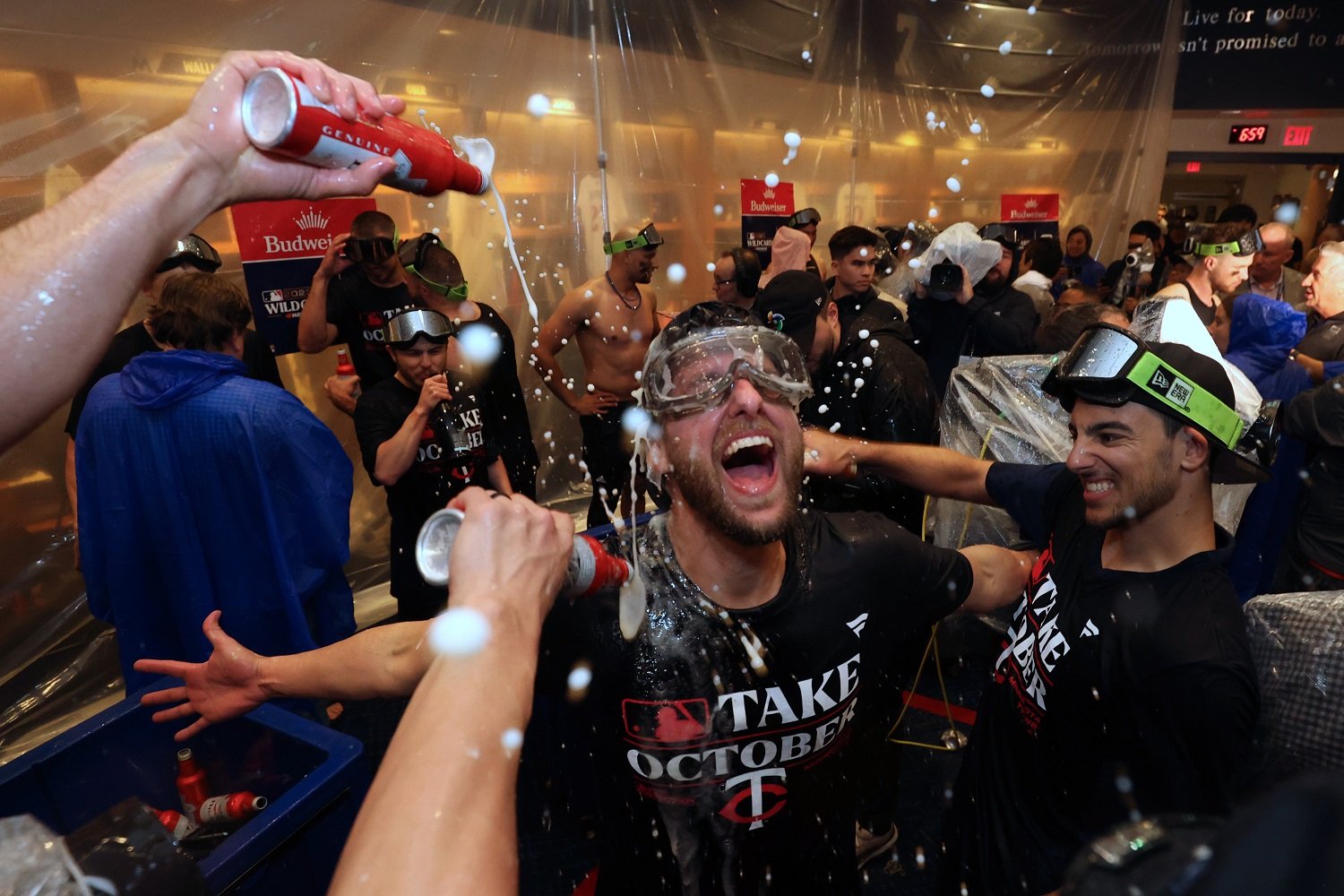 Rocco Baldelli’s squad could not have cared less about the previous ineptitude of Twins postseason teams of the past. Sure, history was reality, but Kyle Farmer stuck to the tone that it did not matter. He couldn’t have been more right in suggesting that this team was ready to turn the tide, and the American League Central Division Champions had something new in store for Twins Territory. So, after sweeping the Toronto Blue Jays, how did Baldelli’s Twins do it? Well, they did just about everything right. Royce Lewis The entirety of this Minnesota Twins season, they found players who showed up when they were needed. Byron Buxton couldn’t go on Opening Day, and ultimately never got in the field, Michael A. Taylor took over in center and had his best season. Willi Castro made his presence felt all over the diamond and even at the plate. Alex Kirilloff's season started late due to cautiousness in his return from wrist surgery. Late-signing Donovan Solano stepped in and was a consistent contributor. All through the roster, players continued to step up, but no one made a greater impact than the Twins rookie class. Lewis, Edouard Julien, and Matt Wallner were nothing short of exceptional when called upon. Lewis went on a prolific grand slam tear, and he brought Wallner along with him. The two combined for six slams during the season. They set new records. For much of the second half, it was the rookies (along with a resurgent Max Kepler) that stirred the drink. After showing ineptitude with the bases loaded to begin the year, they couldn’t have shown a greater turn as the bats came alive. When the Twins needed it most, Lewis stepped in and delivered in the biggest way. That was certainly the case in Game 1. With only one healthy hamstring, Royce was relegated to designated hitter duties. His first postseason plate appearance was a two-run blast, and he followed that up with a solo shot the second time he stepped into the box. Despite being doubted and discredited by some along the way, Lewis has continued to rise to the challenge even in the biggest moments. Pitching Since the Wild Card series went just two games, Baldelli was able to use only Pablo Lopez and Sonny Gray from his starting rotation, his co-Aces. Coming into the year, it was apparent that this team was going to be different. Nelson Cruz and Miguel Sano were long gone. This was not a reincarnation of the Bomba Squad. Knowing that they were built around pitching and defense, Baldelli leaned heavily on the top of his staff. Both Gray and Lopez will garner Cy Young votes, and each are deserving of the honor. Neither will best Yankees ace Gerrit Cole, but being in the conversation indicates how good they have been. Lopez pitched well in Game 1. He gave up one run in 5 1/3 innings. Gray threw five scoreless innings in Game 2, but he really had to do some work and get some help. He gave up five hits and walked two batters. He had just one perfect inning. He had at least two base runners to strand in three of those five innings. Toronto manager John Schneider inexplicably lifted Jose Berrios after just 47 pitches during the second game of the series, and his move was something out of a horror story. Looking to avoid what may come, he instead gave Minnesota an advantage that Toronto never came back from. Baldelli stuck by his horse, and Gray delivered as he has all season. In the two games, the bullpen combined to give up zero runs in 7 1/3 scoreless innings. Caleb Thielbar pitched a perfect seventh inning in Game 1, and then coaxed a huge double-play to end a sixth-inning, bases-loaded threat in Game 2. Brock Stewart dominated the seventh inning in Game 2. Griffin Jax has had his ups and downs all season, but he faced the middle of the Blue Jays order in the eighth inning of both games, and he shut things down. And finally, Jhoan Duran had a save in both games. Who could ask for anything more? Defense Along with the prowess on the mound, Minnesota has held themselves to a higher standard defensively than we have seen in previous seasons. Byron Buxton is not available in center field, but the acquisition of Michael A. Taylor has all but made up for it. Early in the game, Alejandro Kirk hit a soft liner to left-center. Taylor charged in and dove to make the catch. In the sixth inning of Game 1, Matt Chapman crushed a Louie Varland pitch deep toward the wall just right of center. Taylor sprinted back and turned a difficult play for many into a routine catch to end the Blue Jays threat. With Lewis shelved at the hot corner, both Edouard Julien and Jorge Polanco found themselves in less than ideal roles. Julien has grown as a defender, but he’s not as strong as Polanco at second base. Polanco has long been an unselfish, team-first player, but the reality is that he hasn't played a lot at the hot corner. It wasn't idea, but having Carlos Correa back at shortstop has proven invaluable. He made a couple of great plays that stood out as elite. Twins fans are familiar with Joe Mauer’s diving play in Yankees Stadium to tag out Brett Gardner just before he reached home plate. Former Twins shortstop Roy Smalley compared it to Derek Jeter’s flip to nab the non-sliding Jeremy Giambi before he could score during a playoff series. In Game 1 of this wild card series, it was a sprinting Carlos Correa that made the kind of play that will be talked about for decades. A bounding ball was hit toward third. It was a play where Polanco had to attempt to make a scoop and get rid of it quick, a do-or-die play. The ball got by Polanco. Bo Bichette started the play at second, but when he saw it get by Polanco, he darted toward the plate. Correa instinctually sprinted toward the loose ball, bare-handed it and in one motion threw a dart to Ryan Jeffers who tagged Bichette out to end a Blue Jays threat. The Twins shortstop showed an improbable level of perfection. And sometimes you need to do a little bit extra. Correa called for the pickoff move that nabbed Vlad Guerrero at second base for the third out of the fifth inning. It was arguably the biggest play of Game 2. That's a couple of veterans doing veteran things. It's baseball IQ and situational awareness. Now the Twins will head to Houston to take on the defending World Series champion Astros. Minnesota will need to continue to do things well, make the routine plays and occasionally make some great plays. They will obviously need more pitchers to step up in a longer series, and the offense needs to show up and provide some run support, much more than they did in the Wild Card round. This club is capable of more, and we have seen it, but they’ll need to show it on the field starting on Saturday.
- 15 comments
-
- 1
-
-
- royce lewis
- carlos correa
- (and 3 more)

