



Jamie Cameron
-
Posts
1,341 -
Joined
-
Last visited
-
Days Won
4
Content Type
Profiles
News
Minnesota Twins Videos
2026 Minnesota Twins Top Prospects Ranking
2022 Minnesota Twins Draft Picks
Minnesota Twins Free Agent & Trade Rumors, Notes, & Tidbits
Guides & Resources
2023 Minnesota Twins Draft Picks
The Minnesota Twins Players Project
2024 Minnesota Twins Draft Picks
2025 Minnesota Twins Draft Pick Tracker
2026 Minnesota Twins Draft Tracker: Picks & Bonuses
Forums
Blogs
Events
Store
Downloads
Gallery
Everything posted by Jamie Cameron
-
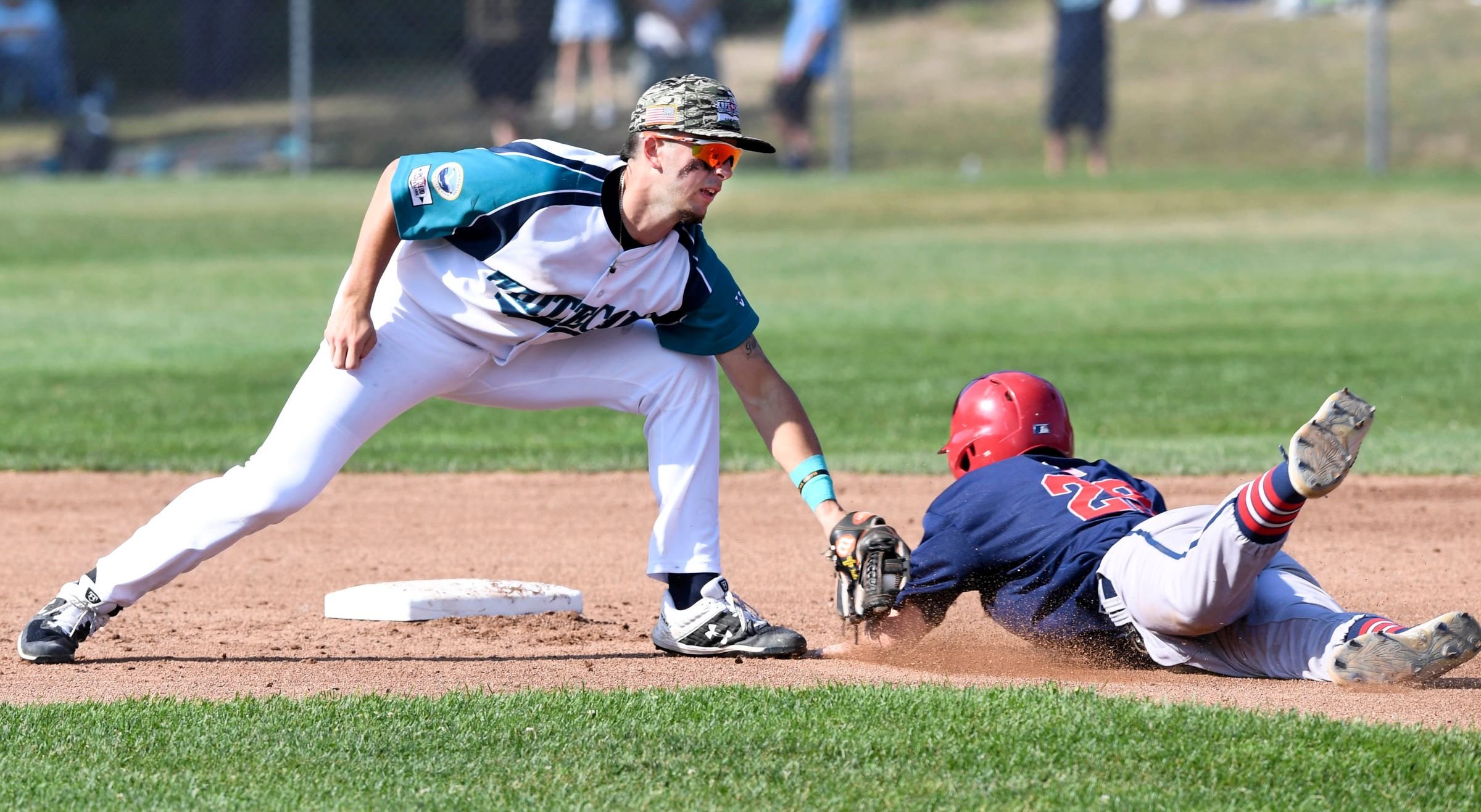 Over the next week leading up to the draft, Jeremy and I will be writing more in-depth previews on ten players the Twins might take with the eighth overall pick in the 2022 MLB Draft. Today, we look at a late riser in the draft process, Zach Neto, a college shortstop from Campbell University. Who is He? Zach Neto is a 6’0, 185-pound shortstop out of Campbell University in North Carolina. Neto will be 21 on draft day, having just completed his redshirt sophomore season. He was named Big South Conference player of the year in both 2021 and 2022. This season, he was a two-way player (an infielder and a relief pitcher) but will be drafted as an infielder in July. He’s likely to be Campbell’s first-ever 1st round pick in the MLB Draft. Why the Twins Will Draft Him Neto has an extremely strong all-round game. Throughout his college career, he put up a .751 SLG in three seasons and slugged 12 home runs in 2022. He posted a 3.43 ERA as a relief pitcher in 2022, through 21 innings. Finally, he is a strong base runner, going 28-33 in stolen bases throughout his college career. He also allayed fears of over-performing against pitching in a weaker conference by playing well in the wood-bat, Cape Cod league. Neto pumped a 93 mph fastball as a relief pitcher. While he will be drafted as an infielder, its indicative that he has the arms needed to stick at shortstop. Neto shows strong all-round tools, all grading at 55 better, except fielding (50). While he hasn’t developed a ton of power, his bat speed and barrel control are good enough to think it will develop in time. Neto is an intriguing prospect for the Twins. They have been heavily linked to him in the pre-draft process by a number of industry sources. It’s possible the Twins draft Neto, sign him to an under-slot deal, and use the additional bonus pool money on an arm at pick 48 as there are a number of intriguing options in that range. Why the Twins Won't Draft Him This is the first time since 2017 that the Twins will pick in the top ten, and hopefully, the last for a while. Neto doesn’t have one outstanding tool. It’s possible the Twins would be balking at a much better bat (hit, power, or both) by selecting him. Neto has a strange approach at the plate with a big leg-kick, a pause in his swing, and does not have elite bat speed. That approach could be something that hinders him at the plate against professional pitching. If one of the top seven consensus players in the draft (Jones, Holliday, Johnson, Green, Parada, Lee, Collier) were to make it to eight, the Twins may have a hard time passing a potentially elite upside. Neto is plenty to be excited about, however. His upside is a defensively sound, starting shortstop who hits well with 15-20 home run power potential. What are your thoughts on the Twins drafting Zach Neto? Do you think he’s a good fit for Minnesota? Share your opinions in the comments.
 -
Twins Daily Draft Preview: Connor Prielipp
Jamie Cameron replied to Jamie Cameron's topic in Twins Minor League Talk
Definitely agree that the Twins don't have good organizational depth at Catcher. However, i think the Twins are going to fall between the two you mention. Parada will be gone I think in the 4-7 range, maybe the teens for Susac.- 5 replies
-
- 1
-

-
- connor prielipp
- chase petty
- (and 1 more)
-
Twins Daily Draft Preview: Connor Prielipp
Jamie Cameron replied to Jamie Cameron's topic in Twins Minor League Talk
Agree with you mostly, as usual. I started with Prielipp only as Jeremy took him as the Twins pick in the prospects live draft. I think the Twins will likely pass on him. I think he'll go early to mid teens though. If you are picking in the range, think about how appealing that upside is, with slightly less risk of not being a top ten pick. Most industry stuff still points towards a bat.- 5 replies
-
- 1
-
-
- connor prielipp
- chase petty
- (and 1 more)
-
Alabama starting pitcher Connor Prielipp is a name who has been linked with the Twins in recent weeks ahead of the MLB Draft. Who is he? Why might the Twins draft him? Why might they go in another direction? Over the next week leading up to July 17th, Jeremy and I will be writing more in-depth previews of ten players the Twins might take with the eighth overall pick in the 2022 MLB Draft. On Wednesday night, Jeremy selected for the Twins in the annual Prospects Live Mock Draft, taking Connor Prielipp, a left-handed starting pitcher from the University of Alabama, so let’s start there. Who is He? Connor Prielipp is a 6’2, 210 lb. left-handed starting pitcher out of Tomah, Wisconsin. Prielipp has been on the prospect map for a while. He was the Wisconsin player of the year in 2019 and was drafted by the Red Sox in the 39th round. He fell due to concerns about his signability with a commitment to the University of Alabama in hand. Why the Twins Will Draft Him Prielipp is the lone pitcher the Twins have been publicly connected with in the industry during the pre-draft process, most recently by MLB.com. Make no mistake, prior to his injury in 2021, he was being touted as a lock to be picked in the 5-10 range in the first round of the draft. Prielipp has a serious pedigree and a serious arsenal of pitches. In his freshman season at Alabama, he didn’t allow a run in 21 innings of work (striking out 35) before COVID-19 halted the season. Prielipp’s slider is one of the better pitches in the entire draft (it generated close to a 50% whiff rate in college), and as we know, it’s a slider league. The pitch approaches 90 mph and has a sharp, late break. His fastball sits in the low to mid-90s. After throwing a bullpen in front of evaluators in May and at the MLB Draft Combine, many have suggested Prielipp could continue to add velocity to his fastball, with fluid, repeatable mechanics. Prielipp also has a changeup that has not been significantly developed yet, but could be an average pitch. Add 55-grade control to this mix and you have a possible left-handed, front of the rotation starting pitcher. ESPN’s Kiley McDaniel calls Prielipp ‘clearly the best college arm in the draft’. Why the Twins Won't Draft Him The Derek Falvey-led front office does not have a track record of drafting college arms early. Drafting prep pitcher Chase Petty in 2021 was an extreme bucking of a trend of taking high floor, corner outfield or corner infield bat first college players. What’s different in 2022, however, is that the Twins have their highest draft selection since they took Royce Lewis number one overall in 2017. There are two primary reasons the Twins might not take Prielipp. Firstly, the way the top of the draft board is stacked. The presumptive top seven players in the draft when looking at trends across evaluators are (in no particular order) Druw Jones, Jackson Holliday, Elijah Green, Temarr Johnson, Cam Collier, Brooks Lee and Kevin Parada. If any team throws a wrench in the works and an outstanding bat on that list falls to the Twins at eight, I think they would jump at the chance. Finally, Prielipp’s injury muddies his status significantly. As Keith Law points out ‘he could be a high-end starter, he could easily end up in the bullpen. He’s thrown so little in games that the range of his potential outcomes is huge’. What are your thoughts on the Twins drafting Connor Prielipp? Do you think he’s a good fit for Minnesota? Would you take a chance on a limited track record? Share your thoughts in the comments. View full article
-
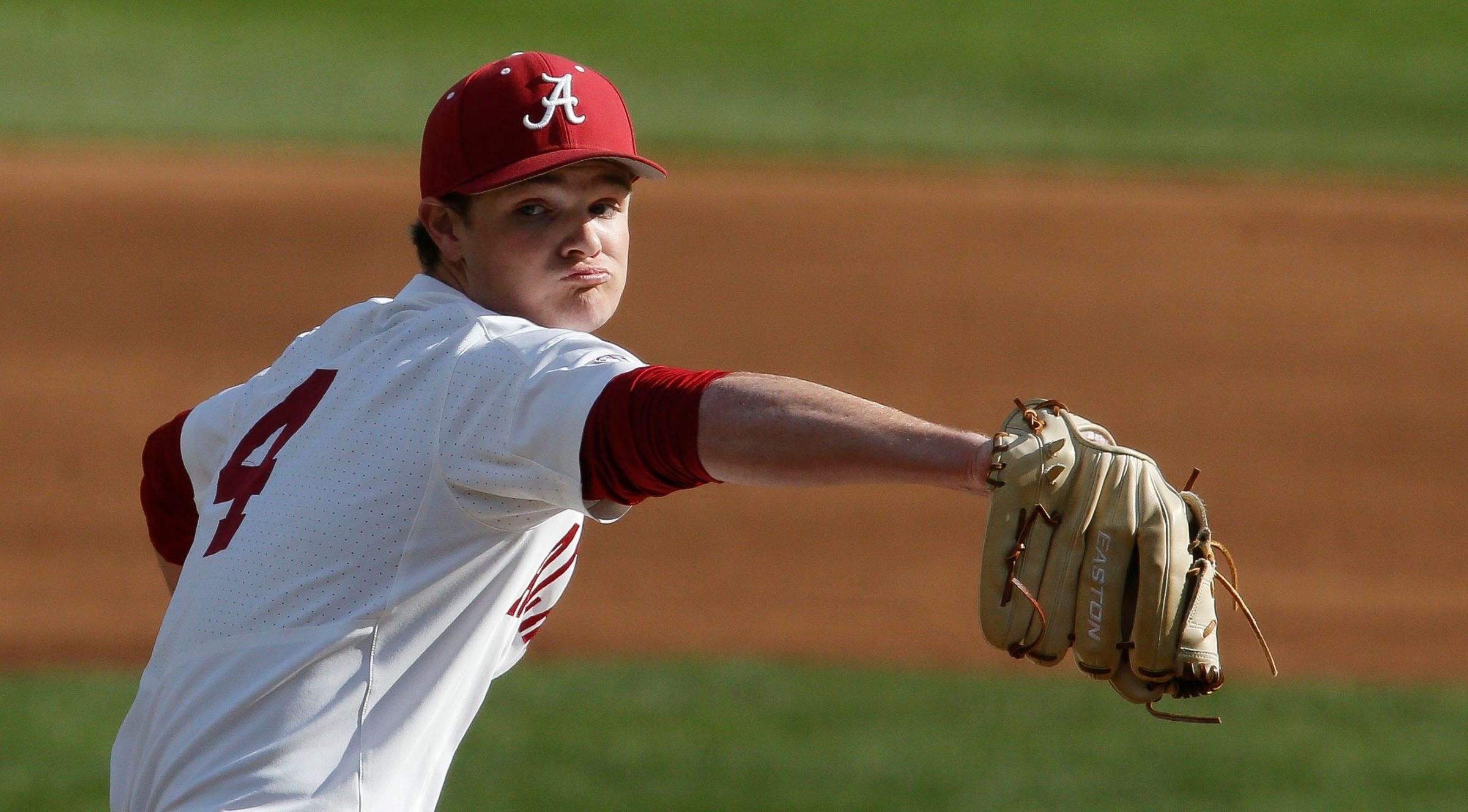 Over the next week leading up to July 17th, Jeremy and I will be writing more in-depth previews of ten players the Twins might take with the eighth overall pick in the 2022 MLB Draft. On Wednesday night, Jeremy selected for the Twins in the annual Prospects Live Mock Draft, taking Connor Prielipp, a left-handed starting pitcher from the University of Alabama, so let’s start there. Who is He? Connor Prielipp is a 6’2, 210 lb. left-handed starting pitcher out of Tomah, Wisconsin. Prielipp has been on the prospect map for a while. He was the Wisconsin player of the year in 2019 and was drafted by the Red Sox in the 39th round. He fell due to concerns about his signability with a commitment to the University of Alabama in hand. Why the Twins Will Draft Him Prielipp is the lone pitcher the Twins have been publicly connected with in the industry during the pre-draft process, most recently by MLB.com. Make no mistake, prior to his injury in 2021, he was being touted as a lock to be picked in the 5-10 range in the first round of the draft. Prielipp has a serious pedigree and a serious arsenal of pitches. In his freshman season at Alabama, he didn’t allow a run in 21 innings of work (striking out 35) before COVID-19 halted the season. Prielipp’s slider is one of the better pitches in the entire draft (it generated close to a 50% whiff rate in college), and as we know, it’s a slider league. The pitch approaches 90 mph and has a sharp, late break. His fastball sits in the low to mid-90s. After throwing a bullpen in front of evaluators in May and at the MLB Draft Combine, many have suggested Prielipp could continue to add velocity to his fastball, with fluid, repeatable mechanics. Prielipp also has a changeup that has not been significantly developed yet, but could be an average pitch. Add 55-grade control to this mix and you have a possible left-handed, front of the rotation starting pitcher. ESPN’s Kiley McDaniel calls Prielipp ‘clearly the best college arm in the draft’. Why the Twins Won't Draft Him The Derek Falvey-led front office does not have a track record of drafting college arms early. Drafting prep pitcher Chase Petty in 2021 was an extreme bucking of a trend of taking high floor, corner outfield or corner infield bat first college players. What’s different in 2022, however, is that the Twins have their highest draft selection since they took Royce Lewis number one overall in 2017. There are two primary reasons the Twins might not take Prielipp. Firstly, the way the top of the draft board is stacked. The presumptive top seven players in the draft when looking at trends across evaluators are (in no particular order) Druw Jones, Jackson Holliday, Elijah Green, Temarr Johnson, Cam Collier, Brooks Lee and Kevin Parada. If any team throws a wrench in the works and an outstanding bat on that list falls to the Twins at eight, I think they would jump at the chance. Finally, Prielipp’s injury muddies his status significantly. As Keith Law points out ‘he could be a high-end starter, he could easily end up in the bullpen. He’s thrown so little in games that the range of his potential outcomes is huge’. What are your thoughts on the Twins drafting Connor Prielipp? Do you think he’s a good fit for Minnesota? Would you take a chance on a limited track record? Share your thoughts in the comments.
- 5 comments
-
- 4
-
-
- connor prielipp
- chase petty
- (and 1 more)
-
I'm really leery of Lesko. I have a personal bias against prep righties, as they burn out so often. I'd feel a lot more comfortable with Prielipp (subject of tomorrow's first in-depth profile) than Rocker. At least with Prielipp, he's had surgery, he's thrown a few times in front of talent evaluators, and the stuff seems pretty consistent (less some command that you'd expect to take a minute to come back).
- 18 replies
-
- 1
-
-
- kumar rocker
- dylan lesko
- (and 3 more)
-
Agree with this in that I think the Twins are better at developing arms. There's at least two starters at pretty much every level (especially lower) who are really exciting. I think high high end pitching talent is thin, but there's a ton of talent between 20-40 that I think makes sense to target at 48, as you mention.
-
One scenario I think is a possibility: Save on Neto and sign him under slot at 8, then use that to secure a good arm at 48. There are a ton of pitchers in the 20-40 range on most big boards that are pretty exciting.
- 18 replies
-
- 2
-
-
- kumar rocker
- dylan lesko
- (and 3 more)
-
I've gotten more into the idea of taking a pitcher in the last week. Up until a few weeks ago, it didn't make a ton of sense based on big boards etc. Very fascinated to know how that first 7 picks goes.
-
Horton has been an amazing ascension in the last month or so. I ran out of space for the amount of intriguing arms there are in this draft, especially in the 20-40 range. I think the Twins can get a great arm at 48, if they so choose.
- 18 replies
-
- 1
-
-
- kumar rocker
- dylan lesko
- (and 3 more)
-
The Twins have the number eight pick in the 2022 MLB Draft. As draft coverage at Twins Daily ramps up, read up on four pitchers the Twins could target in the first round. Yesterday, we looked at hitters the Twins might target in the first round, today, we’ll look at pitchers. A few notes before we begin. I mostly focused these two ‘overview’ pieces on who the Twins might take a number eight overall (as opposed to focusing on later picks). Additionally, I’ll profile these players in alphabetical order, there's no preference here. I think it’s worth pointing out that the Twins are extremely likely to take a hitter. That’s not a front office ‘thing’, it’s simply how the talent stacks up at the top of the board. In baseball, you take the best player available, no matter what. There is a group of 8-12 hitters, most of whom I think will come off the board before we see pitchers start to be picked. Assumptions Unlike yesterday, there are no assumptions to make in this scenario. If the Twins go with a pitcher in the first round, I expect them all to be available when Minnesota selects at eight overall. That’s reflective of the strength of this year’s draft class. The top of the first round is flush with extremely impressive, borderline elite bats. The pitching talent at the top of the class is much more scattered. Dylan Lesko, RHP, Buford HS Lesko was the number one pitcher on the board and a consensus top ten pick until Tommy John surgery ended his season. In 2021, he managed 112 strikeouts in just 60 innings. Lesko offers a mid to high-90s fastball that he locates well. The biggest weapon in his arsenal is his changeup. The pitch has been described as one of the best prep changeups ever scouted. Lesko is committed to play for Vanderbilt, which, in combination with his injury, may pose an issue for a team picking him. Additionally, he falls into the riskiest draft sub-group, prep right-handed pitchers. Despite the uncertainty, Lesko has the highest upside of any pitcher in the draft and legitimate front-of-the-rotation potential. Brock Porter, RHP, Orchard Lake St. Marys Porter is a tall, slender prep prospect out of Michigan, a state that doesn't produce a ton of first-round talent. He has a 70-grade fastball that regularly hits 97 mph but he has also cranked up to 100 mph. Additionally, he carries a 70-grade changeup that has significant tumble. Porter also throws a curveball and a slider, both of which need more work but have a chance to be above-average pitches. Porter has work to do in refining his command, but his arsenal is so impressive, it has not been an issue to date. Porter is committed to Clemson, but could be the first pitcher taken in the first round in the wake of Lesko’s injury. Connor Prielipp, LHP, Alabama A Tomah, Wisconsin, native, Prielipp has been ranked in the 30-50 range on most big boards throughout the draft process. His inclusion here is a result of the Twins being connected to him in recent weeks. Prielipp’s progress was hindered by Tommy John surgery in 2021 but a strong showing at the MLB draft combine has vaulted him into first-round consideration. He offers a mid-90s, 60-grade fastball, and a devastating 70-grade slider that had a 50% whiff rate in college. Prielipp is seen as a little bit of a draft wild card due to a limited track record, but two pitches above a 60 grade give him elite stuff. Kumar Rocker, RHP, Independent Ball Of all the pitching prospects in the 2022 draft class, Kumar Rocker has the most pedigree. In three years at Vanderbilt, he put up a 2.89 ERA and a 33.2 K%. After being drafted 10th overall by the Mets in 2021, he never signed due to concerns around his medical records. Rocker elected to pitch in independent baseball this spring, showing stuff that is in the same realm as his peak with the Commodores. Rocker has a fastball that reaches the upper 90s, a 70 grade slider, a cutter and a decent changeup. Rocker is an unknown in the 2022 draft class as it’s unclear how his medicals will be viewed and perceived by teams. He has the stuff and the track record to be a front of the rotation starting pitcher. Honorable Mentions Mississippi State right-hander Landon Sims was in-line to be the top college arm taken in the draft before Tommy John surgery ended his season. He has an electric fastball (velocity ad movement) and a wipeout slider. Florida prep lefty Brandon Barriera is a smaller framed lefty who is expected to go at the end of the first round. Gonzaga right-hander Gabriel Hughes has a strong fastball slider mix and a ton of projectability, as he will only be 20 on draft day. Tennessee righty Blake Tidwell missed the first six weeks of the season to injury but can ramp his fastball up to 99mph, with a deceptive arm slot. Lastly, Minnesota native and Iowa Adam Mazur is ranked on big boards around where the Twins will pick for the second time. Mazur struck out 98 in 92 innings pitched this spring, increasing his fastball velocity to the 94-97 mph range to compliment a sharp 12-6 curveball and a smooth mechanical approach. If the Twins take a pitcher at number eight overall, who would you like to see them draft and why? View full article
-
 Yesterday, we looked at hitters the Twins might target in the first round, today, we’ll look at pitchers. A few notes before we begin. I mostly focused these two ‘overview’ pieces on who the Twins might take a number eight overall (as opposed to focusing on later picks). Additionally, I’ll profile these players in alphabetical order, there's no preference here. I think it’s worth pointing out that the Twins are extremely likely to take a hitter. That’s not a front office ‘thing’, it’s simply how the talent stacks up at the top of the board. In baseball, you take the best player available, no matter what. There is a group of 8-12 hitters, most of whom I think will come off the board before we see pitchers start to be picked. Assumptions Unlike yesterday, there are no assumptions to make in this scenario. If the Twins go with a pitcher in the first round, I expect them all to be available when Minnesota selects at eight overall. That’s reflective of the strength of this year’s draft class. The top of the first round is flush with extremely impressive, borderline elite bats. The pitching talent at the top of the class is much more scattered. Dylan Lesko, RHP, Buford HS Lesko was the number one pitcher on the board and a consensus top ten pick until Tommy John surgery ended his season. In 2021, he managed 112 strikeouts in just 60 innings. Lesko offers a mid to high-90s fastball that he locates well. The biggest weapon in his arsenal is his changeup. The pitch has been described as one of the best prep changeups ever scouted. Lesko is committed to play for Vanderbilt, which, in combination with his injury, may pose an issue for a team picking him. Additionally, he falls into the riskiest draft sub-group, prep right-handed pitchers. Despite the uncertainty, Lesko has the highest upside of any pitcher in the draft and legitimate front-of-the-rotation potential. Brock Porter, RHP, Orchard Lake St. Marys Porter is a tall, slender prep prospect out of Michigan, a state that doesn't produce a ton of first-round talent. He has a 70-grade fastball that regularly hits 97 mph but he has also cranked up to 100 mph. Additionally, he carries a 70-grade changeup that has significant tumble. Porter also throws a curveball and a slider, both of which need more work but have a chance to be above-average pitches. Porter has work to do in refining his command, but his arsenal is so impressive, it has not been an issue to date. Porter is committed to Clemson, but could be the first pitcher taken in the first round in the wake of Lesko’s injury. Connor Prielipp, LHP, Alabama A Tomah, Wisconsin, native, Prielipp has been ranked in the 30-50 range on most big boards throughout the draft process. His inclusion here is a result of the Twins being connected to him in recent weeks. Prielipp’s progress was hindered by Tommy John surgery in 2021 but a strong showing at the MLB draft combine has vaulted him into first-round consideration. He offers a mid-90s, 60-grade fastball, and a devastating 70-grade slider that had a 50% whiff rate in college. Prielipp is seen as a little bit of a draft wild card due to a limited track record, but two pitches above a 60 grade give him elite stuff. Kumar Rocker, RHP, Independent Ball Of all the pitching prospects in the 2022 draft class, Kumar Rocker has the most pedigree. In three years at Vanderbilt, he put up a 2.89 ERA and a 33.2 K%. After being drafted 10th overall by the Mets in 2021, he never signed due to concerns around his medical records. Rocker elected to pitch in independent baseball this spring, showing stuff that is in the same realm as his peak with the Commodores. Rocker has a fastball that reaches the upper 90s, a 70 grade slider, a cutter and a decent changeup. Rocker is an unknown in the 2022 draft class as it’s unclear how his medicals will be viewed and perceived by teams. He has the stuff and the track record to be a front of the rotation starting pitcher. Honorable Mentions Mississippi State right-hander Landon Sims was in-line to be the top college arm taken in the draft before Tommy John surgery ended his season. He has an electric fastball (velocity ad movement) and a wipeout slider. Florida prep lefty Brandon Barriera is a smaller framed lefty who is expected to go at the end of the first round. Gonzaga right-hander Gabriel Hughes has a strong fastball slider mix and a ton of projectability, as he will only be 20 on draft day. Tennessee righty Blake Tidwell missed the first six weeks of the season to injury but can ramp his fastball up to 99mph, with a deceptive arm slot. Lastly, Minnesota native and Iowa Adam Mazur is ranked on big boards around where the Twins will pick for the second time. Mazur struck out 98 in 92 innings pitched this spring, increasing his fastball velocity to the 94-97 mph range to compliment a sharp 12-6 curveball and a smooth mechanical approach. If the Twins take a pitcher at number eight overall, who would you like to see them draft and why?
- 18 comments
-
- 1
-
-
- kumar rocker
- dylan lesko
- (and 3 more)
-
Thanks for reading and commenting. I agree with all your major points. My one add is, someone pretty much always makes an unusual pick, Fingers crossed for that outcome.
- 20 replies
-
- 2
-
-
- zach neto
- jacob berry
- (and 3 more)
-
I saw that too. I'd have a really difficult time passing on Green, His athleticism is unbelievable.
- 20 replies
-
- 1
-
-
- zach neto
- jacob berry
- (and 3 more)
-
Appreciate you! Texas did not rub off on me enough I guess lol. I updated it!
- 20 replies
-
- 2
-
-
- zach neto
- jacob berry
- (and 3 more)
-
I knew you would have thoughts! Agree with most of what you said. I do think it's important to differentiate Berry from a Sabato type, his hit and power tools both match (60 grade), not that case when Sabato came out. I think they're trending towards Neto also
- 20 replies
-
- 5
-
-
- zach neto
- jacob berry
- (and 3 more)
-
Absolutely agree. He's been mocked in the 4-7 range a ton in the last few weeks. I think the Twins is the floor for him now, which is disappointing.
- 20 replies
-
- 1
-
-
- zach neto
- jacob berry
- (and 3 more)
-
The Twins have the number eight pick in the 2022 MLB Draft. As draft coverage at Twins Daily ramps up, read up on six hitters the Twins might target in the first round. The dust has finally settled on the college baseball season. On Sunday, Ole Miss wrapped up their first-ever NCAA Baseball National Championship, keeping the championship in-state (Mississippi State won in 2021). Now, it’s MLB Draft season. Jeremy Nygaard has had you covered brilliantly throughout the spring. Over the next three weeks at Twins Daily, there will be daily coverage of names to know, player profiles, mock drafts, and more. To kick things off this week, I’ll be dropping an overview of some hitters to know and some pitchers to know heading into the first round on July 17th. A few notes before we begin. I mostly focused these two ‘overview’ pieces on who the Twins might take a number eight overall (as opposed to focusing on later picks). Additionally, I won’t go in-depth on players who the consensus believes will be gone by the time the Twins pick (I know, a dangerous game). Lastly, I’ll profile these players in alphabetical order, there's no preference here. So, essentially, who are some names the Twins might take at number eight, who are likely to still be around? Assumptions I’m going to assume the following players are off the board by the time the Twins pick at eight: Druw Jones, Jackson Holliday, Brooks Lee, Elijah Green, and Temarr Johnson (who the Twins are apparently high on). It’s also true that there are usually a few, outlandishly huge wrenches thrown into the draft works right from the jump resulting in some unexpected names being in play on draft night. Anyone on this list falling to eight would be an enormous boon for the Twins. Jacob Berry, CI, LSU Berry hasn’t moved much from a top ten spot on most big boards and in most mock drafts since the beginning of the college baseball season, a testament to his consistency. Berry played at LSU this season after transferring from Arizona. He’s a switch-hitting corner infield with 60-grade hit and power tools, although he has been more effective from the left side of the plate in his young career. There are questions about Berry’s long-term defensive home (likely to be first base). Berry has been extremely productive in two of the best conferences in the country. He should be a top twelve pick and move quickly through the minor leagues. Cam Collier, 3B, Chipola JC Collier is one of the most exciting players in this draft class and has joined an impressive class of high-school-aged hitters that includes Jones, Johnson, and Green. Collier will be just 17 on draft day (he left high school after his sophomore year), and spent this year playing for Chipola JC in Florida (former home of current Twins prospect Andrew Bechtold). Collier slugged .537 at Chipola to go with eight home runs and 12 walks. Collier shows good defense at third base with a strong arm. Collier projects to stay at third base and has a ton of projectability given his age. It’s likely he is off the board by the time the Twins pick and is trending closer to the top five picks as the draft approaches. Gavin Cross, OF, Virginia Tech Cross, an outfielder from Virginia Tech, is one of the players most consistently linked with the Minnesota Twins from start to finish in the pre-draft process. Simply put, he does everything well. In 2022, he slugged .627 for the Hokies with 14 home runs and 11 stolen bases. Cross profiles as a power outfield bat, despite also possessing a strong hit tool. In 2022, he cut his K% from 20% to 14% and upped his BB% by close to five points. Cross projects to be an excellent defensive corner outfielder, despite playing center field for Virginia Tech. His only offensive weakness is a high propensity to swing and miss against breaking pitches, a trait he must curtail to be successful at the major league level. Jace Jung, 2B, Texas Tech If the name sounds familiar, it’s because Jace’s older brother, Josh, was a first-round pick of the Texas Rangers in 2019. Jung put together an impressive season at Texas Tech on the back of 60-grade hit and power tools. In 2022, Jung slugged 14 home runs but perhaps more impressively, managed a 20% BB%. Jung, like Berry, is another name that has consistently appeared in the top half of the first round since the beginning of the season. There’s a good chance he’s still on the board when the Twins pick at eight. Zach Neto, SS, Campbell Neto to the Twins is a connection that has really gained traction in the last few weeks. A late riser in the draft process, he’s scattered a little more over mock drafts and big boards than some other prospects. Neto has a unique profile compared to other hitters the Twins might draft. Neto was a two-way player at Campbell, pumping a 93 mph fastball as a relief pitcher, and playing all over the infield, primarily as a shortstop in 2022. He will be drafted as an infielder, however, with the athleticism, defensive chops, and arm to stick at short. Neto clubbed 15 home runs in 2022 and is also a plus base runner, going 28-33 in his college career. Neto is predicted to go in the teens in the first round. Speculatively, I wonder if the Twins consider taking Neto, saving some money against his slot to add to their offer for their next pick at number 48 overall. Kevin Parada, C, Georgia Tech I couldn’t skip Kevin Parada, even though he will likely be off the board by the time the Twins pick at eight overall, due to a personal obsession. Parada had a season for the ages in 2022, blasting 26 home runs and driving in 88 runs in just 59 games. Parada has work to do defensively to be a strong presence behind the plate, but his elite offensive toolset makes him likely to go in the top five picks. Honorable Mentions Arizona catcher Daniel Susac had a tremendous 2022 season, slugging .598 with 12 home runs, 19 doubles, and elite exit velocities to go along with an improving defensive skillset and excellent athleticism. The Twins have been increasingly linked to Pennsylvania prep shortstop Cole Young in recent weeks. The 18-year-old shortstop has an elite hit tool to go with a strong all-round game. Tennessee outfielder Jordan Beck was linked to the Twins earlier in the pre-draft process, and star center fielder Drew Gilbert (a Stillwater, MN, native) is predicted to go in the 15-25 range in the first round. Could he be a fit for the Twins? Finally, the Twins have been connected with Nevada prep outfielder Justin Crawford in recent weeks (son of former Rays’ speedster Carl Crawford). If the Twins take a hitter at number eight overall, who would you like to see them draft and why? View full article
- 20 replies
-
- 1
-
-
- zach neto
- jacob berry
- (and 3 more)
-
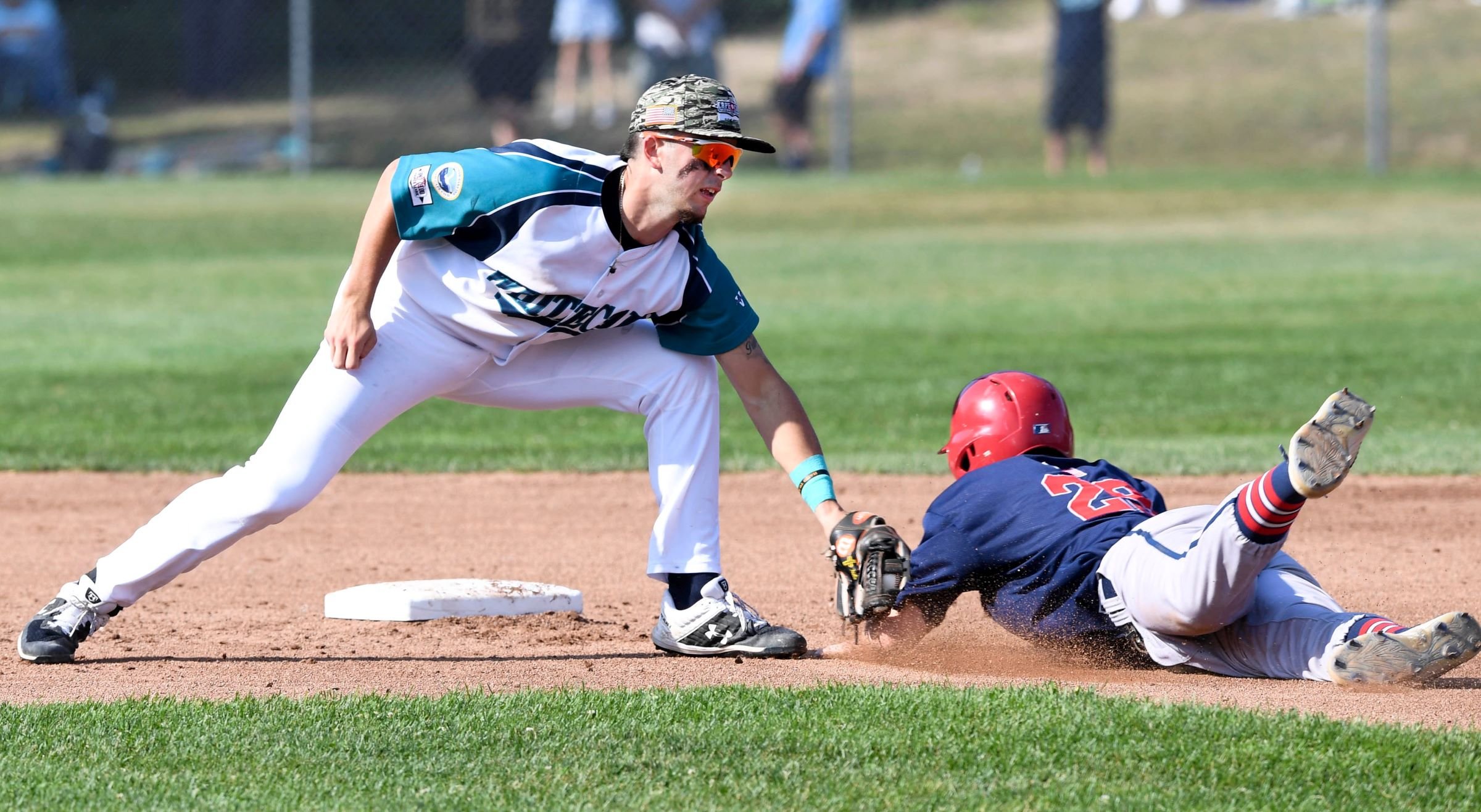 The dust has finally settled on the college baseball season. On Sunday, Ole Miss wrapped up their first-ever NCAA Baseball National Championship, keeping the championship in-state (Mississippi State won in 2021). Now, it’s MLB Draft season. Jeremy Nygaard has had you covered brilliantly throughout the spring. Over the next three weeks at Twins Daily, there will be daily coverage of names to know, player profiles, mock drafts, and more. To kick things off this week, I’ll be dropping an overview of some hitters to know and some pitchers to know heading into the first round on July 17th. A few notes before we begin. I mostly focused these two ‘overview’ pieces on who the Twins might take a number eight overall (as opposed to focusing on later picks). Additionally, I won’t go in-depth on players who the consensus believes will be gone by the time the Twins pick (I know, a dangerous game). Lastly, I’ll profile these players in alphabetical order, there's no preference here. So, essentially, who are some names the Twins might take at number eight, who are likely to still be around? Assumptions I’m going to assume the following players are off the board by the time the Twins pick at eight: Druw Jones, Jackson Holliday, Brooks Lee, Elijah Green, and Temarr Johnson (who the Twins are apparently high on). It’s also true that there are usually a few, outlandishly huge wrenches thrown into the draft works right from the jump resulting in some unexpected names being in play on draft night. Anyone on this list falling to eight would be an enormous boon for the Twins. Jacob Berry, CI, LSU Berry hasn’t moved much from a top ten spot on most big boards and in most mock drafts since the beginning of the college baseball season, a testament to his consistency. Berry played at LSU this season after transferring from Arizona. He’s a switch-hitting corner infield with 60-grade hit and power tools, although he has been more effective from the left side of the plate in his young career. There are questions about Berry’s long-term defensive home (likely to be first base). Berry has been extremely productive in two of the best conferences in the country. He should be a top twelve pick and move quickly through the minor leagues. Cam Collier, 3B, Chipola JC Collier is one of the most exciting players in this draft class and has joined an impressive class of high-school-aged hitters that includes Jones, Johnson, and Green. Collier will be just 17 on draft day (he left high school after his sophomore year), and spent this year playing for Chipola JC in Florida (former home of current Twins prospect Andrew Bechtold). Collier slugged .537 at Chipola to go with eight home runs and 12 walks. Collier shows good defense at third base with a strong arm. Collier projects to stay at third base and has a ton of projectability given his age. It’s likely he is off the board by the time the Twins pick and is trending closer to the top five picks as the draft approaches. Gavin Cross, OF, Virginia Tech Cross, an outfielder from Virginia Tech, is one of the players most consistently linked with the Minnesota Twins from start to finish in the pre-draft process. Simply put, he does everything well. In 2022, he slugged .627 for the Hokies with 14 home runs and 11 stolen bases. Cross profiles as a power outfield bat, despite also possessing a strong hit tool. In 2022, he cut his K% from 20% to 14% and upped his BB% by close to five points. Cross projects to be an excellent defensive corner outfielder, despite playing center field for Virginia Tech. His only offensive weakness is a high propensity to swing and miss against breaking pitches, a trait he must curtail to be successful at the major league level. Jace Jung, 2B, Texas Tech If the name sounds familiar, it’s because Jace’s older brother, Josh, was a first-round pick of the Texas Rangers in 2019. Jung put together an impressive season at Texas Tech on the back of 60-grade hit and power tools. In 2022, Jung slugged 14 home runs but perhaps more impressively, managed a 20% BB%. Jung, like Berry, is another name that has consistently appeared in the top half of the first round since the beginning of the season. There’s a good chance he’s still on the board when the Twins pick at eight. Zach Neto, SS, Campbell Neto to the Twins is a connection that has really gained traction in the last few weeks. A late riser in the draft process, he’s scattered a little more over mock drafts and big boards than some other prospects. Neto has a unique profile compared to other hitters the Twins might draft. Neto was a two-way player at Campbell, pumping a 93 mph fastball as a relief pitcher, and playing all over the infield, primarily as a shortstop in 2022. He will be drafted as an infielder, however, with the athleticism, defensive chops, and arm to stick at short. Neto clubbed 15 home runs in 2022 and is also a plus base runner, going 28-33 in his college career. Neto is predicted to go in the teens in the first round. Speculatively, I wonder if the Twins consider taking Neto, saving some money against his slot to add to their offer for their next pick at number 48 overall. Kevin Parada, C, Georgia Tech I couldn’t skip Kevin Parada, even though he will likely be off the board by the time the Twins pick at eight overall, due to a personal obsession. Parada had a season for the ages in 2022, blasting 26 home runs and driving in 88 runs in just 59 games. Parada has work to do defensively to be a strong presence behind the plate, but his elite offensive toolset makes him likely to go in the top five picks. Honorable Mentions Arizona catcher Daniel Susac had a tremendous 2022 season, slugging .598 with 12 home runs, 19 doubles, and elite exit velocities to go along with an improving defensive skillset and excellent athleticism. The Twins have been increasingly linked to Pennsylvania prep shortstop Cole Young in recent weeks. The 18-year-old shortstop has an elite hit tool to go with a strong all-round game. Tennessee outfielder Jordan Beck was linked to the Twins earlier in the pre-draft process, and star center fielder Drew Gilbert (a Stillwater, MN, native) is predicted to go in the 15-25 range in the first round. Could he be a fit for the Twins? Finally, the Twins have been connected with Nevada prep outfielder Justin Crawford in recent weeks (son of former Rays’ speedster Carl Crawford). If the Twins take a hitter at number eight overall, who would you like to see them draft and why?
- 20 comments
-
- 4
-
-
- zach neto
- jacob berry
- (and 3 more)
-
The Twins rebounded to take game two of their doubleheader and increase their divisional lead to three games. A strong start from Josh Winder was backed up by home runs from Jorge Polanco, Jose Miranda, and Byron Buxton. Box Score Starting Pitcher: Josh Winder 6.0 IP, 4 H, 0 R, 0 ER, 1 BB, 1 SO (81 pitches, 59 strikes) Homeruns: Jorge Polanco (8), Jose Miranda (5), Byron Buxton (20) Top 3 WPA: Josh Winder .251, Jorge Polanco .222, Luis Arraez .146 Win Probability Chart (via FanGraphs) On Tuesday evening, after a frustrating afternoon loss, the Twins concluded their double header against the Guardians. Here’s how they lined up for game two. Early in the game, shadows were creeping across the mount, making for tricky sight lines for hitters on both sides. Josh Winder, acting as the Twins 27th player for the double-header, struggled a little in the early going. In the first inning, Winder worked around a walk and a single. In the second, a leadoff double. In each case, Winder really clamped down after allowing baserunners, gaining increasing command of his fastball and slider. The Twins offense, meanwhile, began to assert control in the third inning against Konnor Pilkington. Luis Arraez tripled home Carlos Correa, who comically waited to be helped up from his slide at home plate after a long run. Jorge Polanco followed this with a 409-foot home run to left field, increasing the Twins lead to 3-0 after three innings. After the second inning, Winder began to impress. In the next four innings, the only base runners he allowed were two doubles and a hit batter. He worked through six scoreless innings, and despite only striking out one, had Cleveland’s hitters off balance. Winder, when healthy, continues to look like a legitimately high ceiling starting pitcher, with a mid-90s fastball, an excellent slider, and a BB% of just 7.4% entering today’s start. In the top of the fourth inning, back to back base running blunders cost the Twins the opportunity to increase their lead. Ryan Jeffers smoked a fly ball to right field, but was slow out of the box and was thrown out at second base on a perfect relay from the Guardians defense. Jose Miranda followed this up by being caught off third base on an attempted squeeze play, keeping the score 3-0. The Twins added a run in the fifth on a Jorge Polanco groundout that was ruled a double play on the field. The Twins successfully challenged and increased the lead to 4-0. In the top of the sixth, Miranda made up for his base running blunder by crushing a long home run to left field, increasing the lead to 5-0. The Twins turned it over to their bullpen in the seventh inning, which was in good shape after back-to-back strong starts from Twins starting pitchers. Tyler Duffey pitched a scoreless seventh inning, giving up a single and striking out a batter. Jovani Moran worked the eighth inning, taking care of the Guardians second, third, and fourth hitters in order. In the top of the ninth, the Twins added on. Byron Buxton crushed a 427 foot home run to straight away center field, his 20th of the season, a career high, on June 28th. Moran returned in the ninth inning, again retiring the side in order. The Twins moved to 5-4 in their season series against the Guardians, and restored their three game lead in the AL Central heading into game four of the series on Wednesday night. Bullpen Usage Chart FRI SAT SUN MON TUE TOT Duffey 28 0 15 0 12 55 Cotton 0 25 0 24 0 49 Pagan 0 0 22 0 22 44 Thornburg 7 35 0 0 0 42 Moran 0 0 0 0 34 34 Jax 0 12 0 0 21 33 Theilbar 0 0 19 0 10 29 Duran 0 0 18 0 0 18 Next Up On Wednesday, the Twins will continue their series against Cleveland. Dylan Bundy goes for the Twins, against Cal Quantrill for the Guardians. First pitch is at 6:10 CT. Postgame Interviews View full article
- 41 replies
-
- 1
-
-
- josh winder
- luis arraez
- (and 3 more)
-
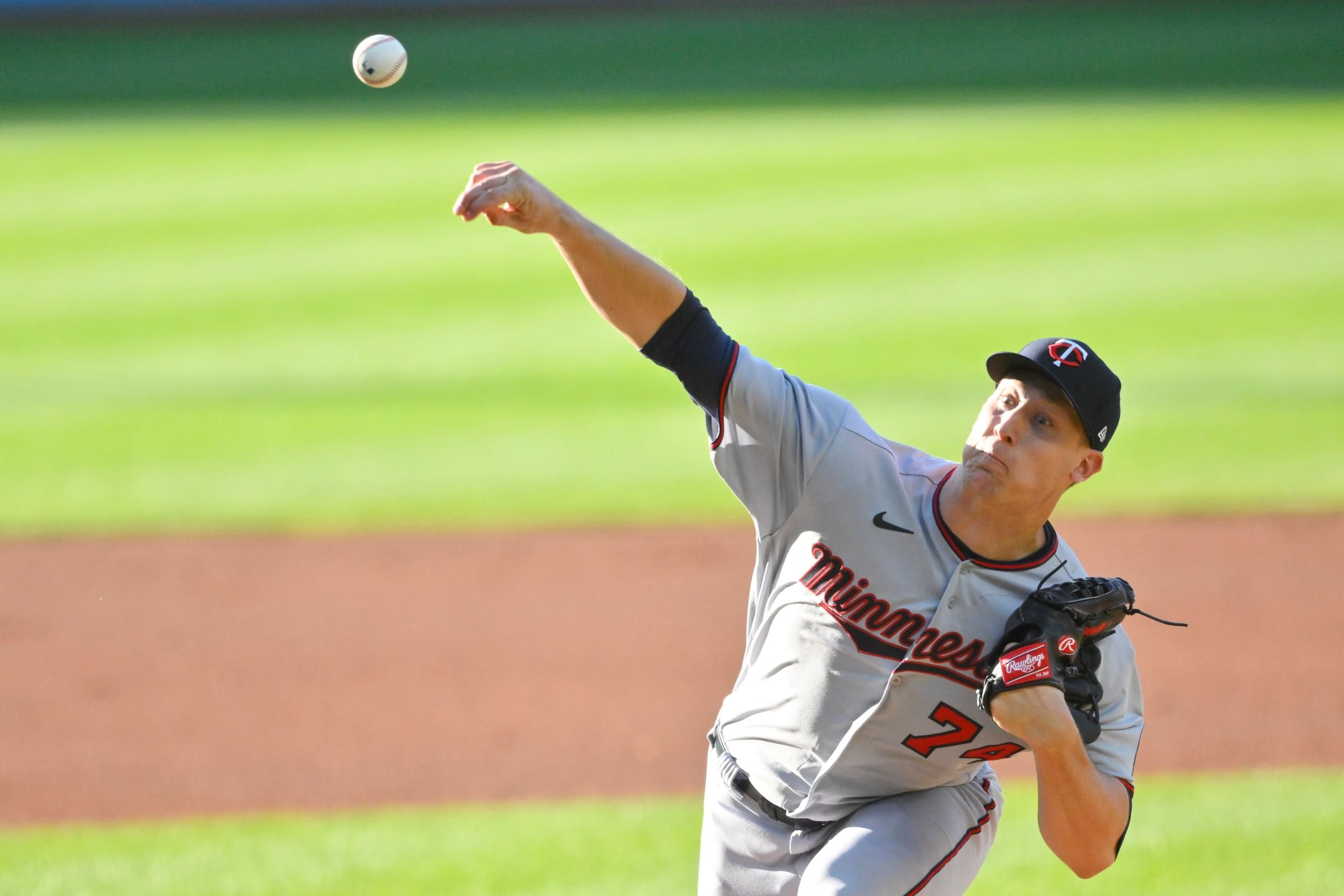 Box Score Starting Pitcher: Josh Winder 6.0 IP, 4 H, 0 R, 0 ER, 1 BB, 1 SO (81 pitches, 59 strikes) Homeruns: Jorge Polanco (8), Jose Miranda (5), Byron Buxton (20) Top 3 WPA: Josh Winder .251, Jorge Polanco .222, Luis Arraez .146 Win Probability Chart (via FanGraphs) On Tuesday evening, after a frustrating afternoon loss, the Twins concluded their double header against the Guardians. Here’s how they lined up for game two. Early in the game, shadows were creeping across the mount, making for tricky sight lines for hitters on both sides. Josh Winder, acting as the Twins 27th player for the double-header, struggled a little in the early going. In the first inning, Winder worked around a walk and a single. In the second, a leadoff double. In each case, Winder really clamped down after allowing baserunners, gaining increasing command of his fastball and slider. The Twins offense, meanwhile, began to assert control in the third inning against Konnor Pilkington. Luis Arraez tripled home Carlos Correa, who comically waited to be helped up from his slide at home plate after a long run. Jorge Polanco followed this with a 409-foot home run to left field, increasing the Twins lead to 3-0 after three innings. After the second inning, Winder began to impress. In the next four innings, the only base runners he allowed were two doubles and a hit batter. He worked through six scoreless innings, and despite only striking out one, had Cleveland’s hitters off balance. Winder, when healthy, continues to look like a legitimately high ceiling starting pitcher, with a mid-90s fastball, an excellent slider, and a BB% of just 7.4% entering today’s start. In the top of the fourth inning, back to back base running blunders cost the Twins the opportunity to increase their lead. Ryan Jeffers smoked a fly ball to right field, but was slow out of the box and was thrown out at second base on a perfect relay from the Guardians defense. Jose Miranda followed this up by being caught off third base on an attempted squeeze play, keeping the score 3-0. The Twins added a run in the fifth on a Jorge Polanco groundout that was ruled a double play on the field. The Twins successfully challenged and increased the lead to 4-0. In the top of the sixth, Miranda made up for his base running blunder by crushing a long home run to left field, increasing the lead to 5-0. The Twins turned it over to their bullpen in the seventh inning, which was in good shape after back-to-back strong starts from Twins starting pitchers. Tyler Duffey pitched a scoreless seventh inning, giving up a single and striking out a batter. Jovani Moran worked the eighth inning, taking care of the Guardians second, third, and fourth hitters in order. In the top of the ninth, the Twins added on. Byron Buxton crushed a 427 foot home run to straight away center field, his 20th of the season, a career high, on June 28th. Moran returned in the ninth inning, again retiring the side in order. The Twins moved to 5-4 in their season series against the Guardians, and restored their three game lead in the AL Central heading into game four of the series on Wednesday night. Bullpen Usage Chart FRI SAT SUN MON TUE TOT Duffey 28 0 15 0 12 55 Cotton 0 25 0 24 0 49 Pagan 0 0 22 0 22 44 Thornburg 7 35 0 0 0 42 Moran 0 0 0 0 34 34 Jax 0 12 0 0 21 33 Theilbar 0 0 19 0 10 29 Duran 0 0 18 0 0 18 Next Up On Wednesday, the Twins will continue their series against Cleveland. Dylan Bundy goes for the Twins, against Cal Quantrill for the Guardians. First pitch is at 6:10 CT. Postgame Interviews
- 41 comments
-
- 4
-
-
- josh winder
- luis arraez
- (and 3 more)
-
Agree with all of it. A win tonight will soften the blow significantly.
- 45 replies
-
- 8
-
-
- devin smeltzer
- jose miranda
- (and 2 more)
-
The Twins lost to the Guardians in familiarly frustrating fashion on Tuesday. The third Emilio Pagán meltdown in a week wasted a gem by Devin Smeltzer and a huge home run by Carlos Correa. Box Score Starting Pitcher: Devin Smeltzer 6.0 IP, 4 H, 1 R, 1 ER, 0 BB, 9 SO (95 pitches, 63 strikes) Homeruns: Carlos Correa (9) Bottom 3 WPA: Emilio Pagán -.538, Gio Urshela -.236, Luis Arraez -.161 Bottom Probability Chart (via FanGraphs) On Tuesday afternoon, the Twins kicked off an important double header against Cleveland, after a commanding win on Monday night. Here’s how they lined up for game one of their split doubleheader. On the mound, the game offered a rematch of the final game of the last series between the two teams. On that occasion, a Nick Gordon solo home run provided the lone scoring punctuating a pair of strong pitching performances, Tuesday provided more of the same. Zach Plesac struggled for command early, walking Carlos Correa and Max Kepler in the top of the first inning, but inducing a weak ground ball from hit-hitting Alex Kirilloff to end the moderate first-inning threat. In the bottom of the frame, the Guardians got on the board in bizarre fashion. After Ahmed Rosario singled on a ground ball to left field Franmil Reyes doubled on a ball to shallow right field. Alex Kirilloff clearly lost the ball in the sun and Max Kepler, jogging in casually from the outfield, looked like he assumed Kirilloff would make the play. The batted ball, with an xBA of .010, traveled 65 feet but landed for a double, scoring Rosario all the way from first base. After a hit-by-pitch in the second inning and a single in the third inning, Smeltzer really settled in and found a groove. He retired ten consecutive batters (six by strikeout) before allowing a Jose Ramirez double in the bottom of the sixth inning. Smeltzer relied heavily on his changeup and kept Cleveland’s offense off balance, inducing 12 swings and misses in his outing. The Minnesota offense, meanwhile, looked destined to be shut out for a league-leading eleventh time by the Guardians. Through six innings, Plesac had accumulated a whopping 17 swings and misses. Aside from a pair of fourth-inning singles, the Twins weren’t able to muster much offensively, a continued, frustrating trend of an up and down Twins offense. Finally, in the seventh inning, the offense broke through. Jose Miranda laced a 109 mph double down the left field line for a double before Gilberto Celestino crushed a triple to left center field off outstanding Guardians reliever Evan Morgan, tying the game at 1-1. In the bottom of the seventh, Griffin Jax relieved Smeltzer. After quickly retiring Oscar Gonzalez, Jax dropped a flip from Alex Kirilloff while covering first base, allowing Andres Gimenez to reach first on an error. Jax quickly recovered to induce two ground outs to end the seventh inning. In the top of the eighth, the Twins took their first lead of the game. Minnesota native Sam Hentges came out in relief for Cleveland. Carlos Correa took an elevated fastball deep to left field for his ninth home run of the year. Max Kepler reached second base on a Hentges throwing error a batter latter, on an excuse me infield dribbler from Kepler. Garlick drilled a 107 mph line drive straight at the center fielder, before Byron Buxton pinch hit for Alex Kirilloff. Buxton and Gary Sanchez struck out to end the inning. Predictably, Emilio Pagán immediately undid all of the momentum, and all of the hard work. After entering in the bottom of the eighth inning against the bottom of the Cleveland lineup, he surrendered two walks, a wild pitch, and a single, to give the Guardians the lead at 3-2 and put Emmanuel Clase on deck to close the game. It was yet another late-inning meltdown against the Guardians, yet another wasted big moment, and yet another example of how fragile, inconsistent, and lacking in quality the Twins bullpen is. Caleb Thielbar relieved Pagán and cleaned up the mess, but the damage was already done. Clase closed the game for Cleveland, marking the third time in a week the Twins bullpen, Pagán specifically, has thrown away a game close and late. Game two will follow tonight. Bullpen Usage Chart FRI SAT SUN MON TUE TOT Cotton 0 25 0 24 0 49 Pagan 0 0 22 0 22 44 Duffey 28 0 15 0 0 43 Thornburg 7 35 0 0 0 42 Jax 0 12 0 0 21 33 Theilbar 0 0 19 0 10 29 Duran 0 0 18 0 0 18 Moran 0 0 0 0 0 0 Next Up On Tuesday night, the Twins will conclude their double header against Cleveland. Josh Winder gets the start for the Twins, against Konnor Pilkington of the Guardians. First pitch is at 6:10 CT. On Wednesday, the Twins will continue their series against Cleveland. Dylan Bundy goes for the Twins, against Cal Quantrill for the Guardians. First pitch is at 6:10 CT. Postgame Interviews - Coming Soon View full article
- 45 replies
-
- 1
-
-
- devin smeltzer
- jose miranda
- (and 2 more)
-
Guardians 3, Twins 2: Pagán Melts Down Again as Smeltzer Gem is Wasted
Jamie Cameron posted an article in Twins
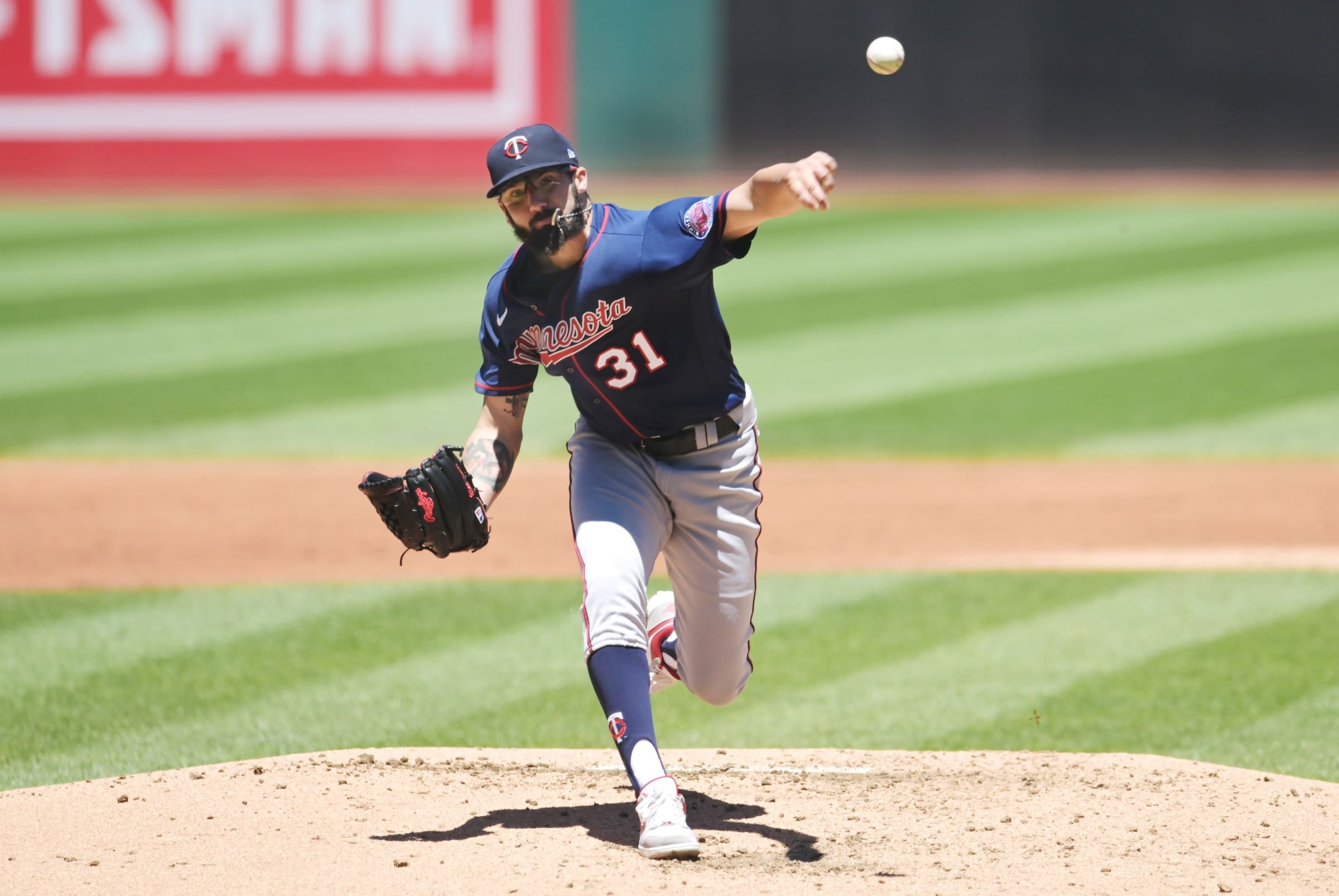 Box Score Starting Pitcher: Devin Smeltzer 6.0 IP, 4 H, 1 R, 1 ER, 0 BB, 9 SO (95 pitches, 63 strikes) Homeruns: Carlos Correa (9) Bottom 3 WPA: Emilio Pagán -.538, Gio Urshela -.236, Luis Arraez -.161 Bottom Probability Chart (via FanGraphs) On Tuesday afternoon, the Twins kicked off an important double header against Cleveland, after a commanding win on Monday night. Here’s how they lined up for game one of their split doubleheader. On the mound, the game offered a rematch of the final game of the last series between the two teams. On that occasion, a Nick Gordon solo home run provided the lone scoring punctuating a pair of strong pitching performances, Tuesday provided more of the same. Zach Plesac struggled for command early, walking Carlos Correa and Max Kepler in the top of the first inning, but inducing a weak ground ball from hit-hitting Alex Kirilloff to end the moderate first-inning threat. In the bottom of the frame, the Guardians got on the board in bizarre fashion. After Ahmed Rosario singled on a ground ball to left field Franmil Reyes doubled on a ball to shallow right field. Alex Kirilloff clearly lost the ball in the sun and Max Kepler, jogging in casually from the outfield, looked like he assumed Kirilloff would make the play. The batted ball, with an xBA of .010, traveled 65 feet but landed for a double, scoring Rosario all the way from first base. After a hit-by-pitch in the second inning and a single in the third inning, Smeltzer really settled in and found a groove. He retired ten consecutive batters (six by strikeout) before allowing a Jose Ramirez double in the bottom of the sixth inning. Smeltzer relied heavily on his changeup and kept Cleveland’s offense off balance, inducing 12 swings and misses in his outing. The Minnesota offense, meanwhile, looked destined to be shut out for a league-leading eleventh time by the Guardians. Through six innings, Plesac had accumulated a whopping 17 swings and misses. Aside from a pair of fourth-inning singles, the Twins weren’t able to muster much offensively, a continued, frustrating trend of an up and down Twins offense. Finally, in the seventh inning, the offense broke through. Jose Miranda laced a 109 mph double down the left field line for a double before Gilberto Celestino crushed a triple to left center field off outstanding Guardians reliever Evan Morgan, tying the game at 1-1. In the bottom of the seventh, Griffin Jax relieved Smeltzer. After quickly retiring Oscar Gonzalez, Jax dropped a flip from Alex Kirilloff while covering first base, allowing Andres Gimenez to reach first on an error. Jax quickly recovered to induce two ground outs to end the seventh inning. In the top of the eighth, the Twins took their first lead of the game. Minnesota native Sam Hentges came out in relief for Cleveland. Carlos Correa took an elevated fastball deep to left field for his ninth home run of the year. Max Kepler reached second base on a Hentges throwing error a batter latter, on an excuse me infield dribbler from Kepler. Garlick drilled a 107 mph line drive straight at the center fielder, before Byron Buxton pinch hit for Alex Kirilloff. Buxton and Gary Sanchez struck out to end the inning. Predictably, Emilio Pagán immediately undid all of the momentum, and all of the hard work. After entering in the bottom of the eighth inning against the bottom of the Cleveland lineup, he surrendered two walks, a wild pitch, and a single, to give the Guardians the lead at 3-2 and put Emmanuel Clase on deck to close the game. It was yet another late-inning meltdown against the Guardians, yet another wasted big moment, and yet another example of how fragile, inconsistent, and lacking in quality the Twins bullpen is. Caleb Thielbar relieved Pagán and cleaned up the mess, but the damage was already done. Clase closed the game for Cleveland, marking the third time in a week the Twins bullpen, Pagán specifically, has thrown away a game close and late. Game two will follow tonight. Bullpen Usage Chart FRI SAT SUN MON TUE TOT Cotton 0 25 0 24 0 49 Pagan 0 0 22 0 22 44 Duffey 28 0 15 0 0 43 Thornburg 7 35 0 0 0 42 Jax 0 12 0 0 21 33 Theilbar 0 0 19 0 10 29 Duran 0 0 18 0 0 18 Moran 0 0 0 0 0 0 Next Up On Tuesday night, the Twins will conclude their double header against Cleveland. Josh Winder gets the start for the Twins, against Konnor Pilkington of the Guardians. First pitch is at 6:10 CT. On Wednesday, the Twins will continue their series against Cleveland. Dylan Bundy goes for the Twins, against Cal Quantrill for the Guardians. First pitch is at 6:10 CT. Postgame Interviews - Coming Soon
- 45 comments
-
- 1
-
-
- devin smeltzer
- jose miranda
- (and 2 more)
-
The Twins dropped the opening game of an important series against the Guardians 6-5 on Tuesday. Emilio Pagan blew a late lead, negating a huge home run from Luis Arraez, as Cleveland won in eleven innings. Box Score Starting Pitcher: Ryan 6.0 IP, 7 H, 3 R, 3 ER, 1 BB, 7 SO (101 pitches, 70 strikes) Homeruns: Arraez (4) Bottom 3 WPA: Urshela -.273, Pagan -.269, Miranda -.233 Bottom Probability Chart (via FanGraphs) On Tuesday night, the Twins began their most important series of the season so far. Entering the opening game of athree-gamee series against Cleveland, the Guardians had trimmed Minnesota’s AL Central lead to just one game. Here’s how the Twins lined up behind Joe Ryan. In his second start back from the COVID IL, Joe Ryan struggled early. His velocity was down, and his control and command were extremely poor through his first three innings. Cleveland took the lead after Ryan surrendered two singles and a double in the top of the first inning. Meanwhile, the Twins struggled mightily early against Aaron Civale. They managed just a Carlos Correa double and an Alex Kirilloff single through three innings, with Civale striking out five. A massive Josh Naylor home run deep to right field put the Guardians up 3-0 in the top of the third in a game that seemed to be getting away from the Twins early. In the bottom of the fourth, the offense found life. Max Kepler singled and Gary Sanchez walked, before Kirilloff launched a 106 mph double to score both runners and cut the lead to 3-2. Meanwhile, Ryan began to settle in the middle innings. He allowed a walk and a single in the top of the fourth inning, before retiring seven Cleveland hitters in a row, striking out the side in the sixth inning. After a shaky start, Ryan rebounded nicely to keep the Twins in the game, giving them six innings and surpassing 100 pitches in the process. In the bottom of the sixth inning, the Cleveland bullpen took over. After a quiet sixth inning, pinch-hitter Trevor Larnach drew a walk with one out in the top of the seventh. Eli Morgan took over in relief for Cleveland. Ryan Jeffers crushed a 102 mph double down the left field line. A batter later, Luis Arraez turned on a fastball inside to hit a 359 foot, three run home run to put the Twins ahead five to three. Emilio Pagan took over in the eighth inning. After a Josh Naylor single, Franmil Reyes hit a center cut offering from Pagan 419 feet to tie the game at five. The Twins, it seems, will continue the revolving door of who will get high leverage opportunities behind Jhoan Duran. No one has stepped up with consistency. Duran pitched a scoreless ninth inning despite an infield single from Steven Kwan on a groundball Gio Urshela struggled to gain control of. In the bottom of the ninth, Kyle Garlick led off with a pinch-hit, infield single. Nick Gordon pinch ran for him and was thrown out on a close play at second base, bringing him to 3 for 6 in stolen base attempts on the season. Despite a Ryan Jeffers single, the game headed to extra innings after a Luis Arraez groundout. Duran got the tenth for the Twins. With a runner on second base, he induced a quick groundout from Jose Ramirez. After intentionally walking Josh Naylor, Duran managed to get Oscar Gonzalez to ground into an inning ending double play to end the inning and give the Twins a chance to walk it off in the bottom of the tenth inning. In the bottom of the tenth, Luis Arraez started on second base, with Byron Buxton at the plate. Buxton walked, putting runners at first and second base with no outs. Carlos Correa, Max Kepler, and Gary Sanchez struck out in consecutive at bats, stranding the runner, keeping the game tied at five, and dropping the Twins at 2-10 with RISP in the game. The Guardians took the lead in the eleventh. Andres Gimenez floating a 71 mph single to center field off Griffin Jax to retake the lead. Jax worked around further trouble to retire the side, leaving the Twins trailing 6-5, with Emmanuel Clase entering the game to close in the bottom of the eleventh inning. Clase managed the inning with relative ease, despite Jose Miranda missing a walkoff homerun by five feet. Just like that, the Twins are in second place. The loss leaves the Twins and Guardians tied at the top of the AL Central. The story was a familiar one for the Twins. They had ample opportunities to score more runs, but struggled to cash runners in scoring position. Ultimately, this game came down to a battle of the bullpens. The Twins aren't going to win too many of those against serious teams. Bullpen Usage Chart THU FRI SAT SUN TUE TOT Jax 0 0 0 16 27 43 Duffey 0 9 0 25 0 34 Thornburg 0 33 0 0 0 33 Thielbar 0 0 0 31 0 31 Duran 0 0 0 0 27 27 Cotton 0 0 10 0 11 21 Pagán 0 0 0 0 17 17 Smith 0 0 0 0 0 0 Next Up On Wednesday, the Twins will continue their series against Cleveland. Sonny Gray starts for Minnesota, against Triston McKenzie of the Guardians. First pitch is 6:40 CT. Postgame Interviews View full article
- 91 replies
-
- 1
-
-
- joe ryan
- luis arraez
- (and 3 more)
